

Crypto Expert BNB
10.8k Публикации

Crypto Expert BNB
 Square Verified+
Отправить жалобу
Заблокировать пользователя
I Am a Professional Trader🔶 Follow Me You can Daily Trading Signals & Market Updates🔶 With 6 Years of Real Market Experience🔶 My Twitter X: @CryptoExpertBnB

Traders League Badge Expert

#BinanceTurns7 task 2

#BinanceTurns7
Открытая сделка
Трейдер с частыми сделками
3 г
433 подписок(и/а)
109.6K+ подписчиков(а)
78.2K+ понравилось
3 Значки
Посты
Портфель
Все
Цитирования
Активно
PINNED
·
--
Рост
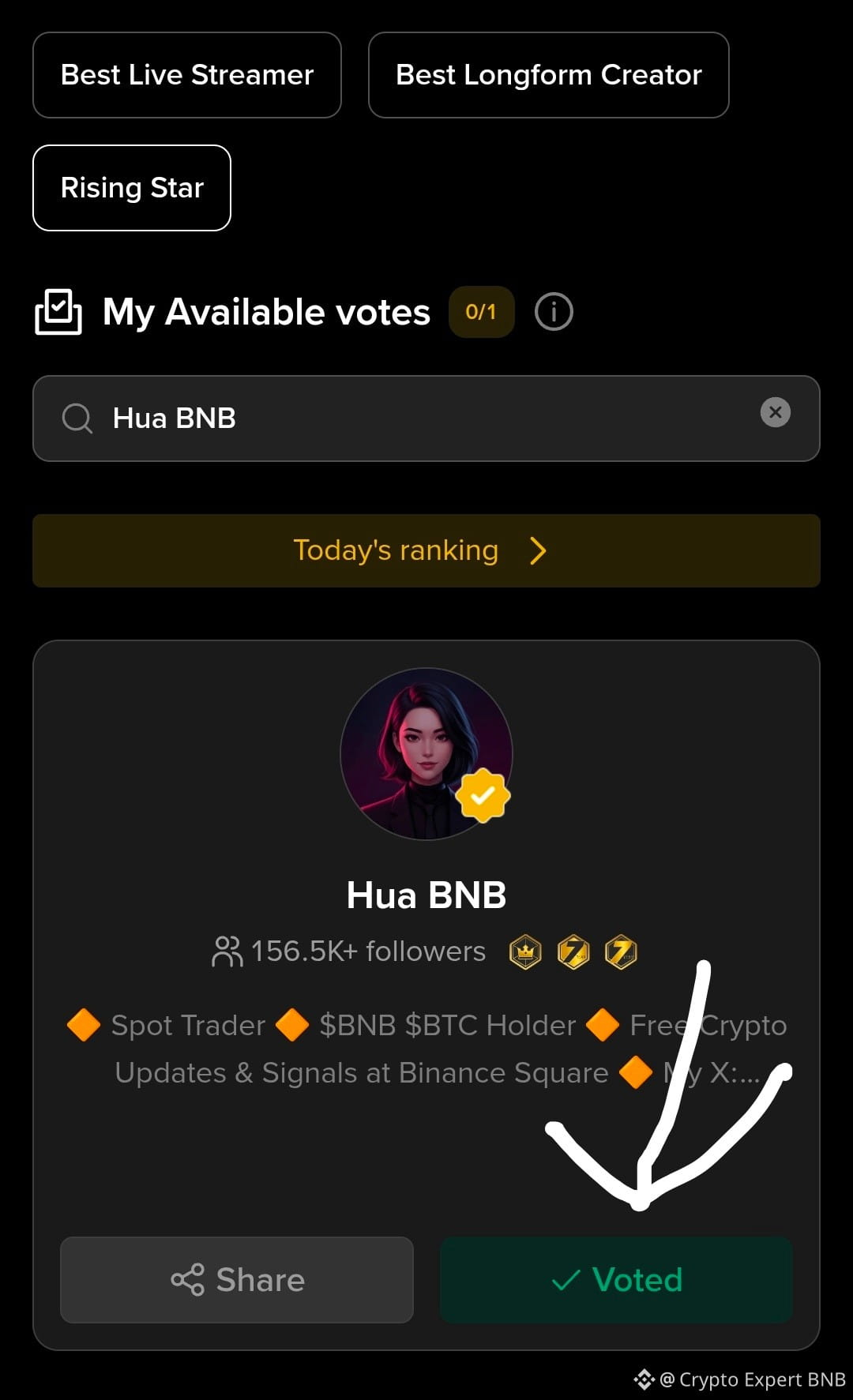
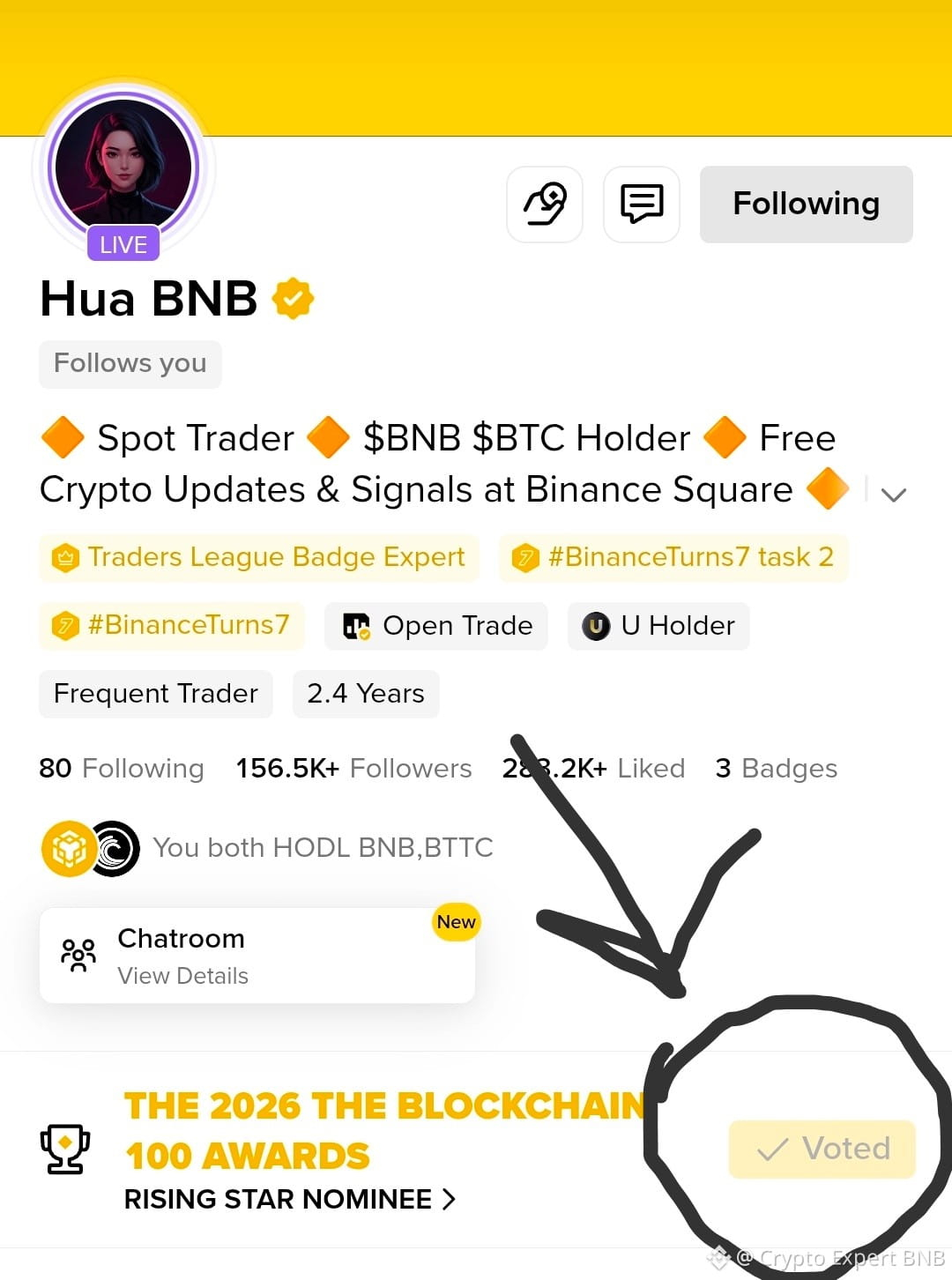
Guys let's vote to @Hua_BNB the good creator of binance. Open his profile and vote him. Or [Click Here and vote now 🙌](https://app.binance.com/uni-qr/cact26user/652?uc=app_square_share_link&us=copylink)
after vote say "done" and show SS (screenshot) and claim your red packet. 🤑💰
Guys let's vote to @Hua BNB the good creator of binance. Open his profile and vote him. Or Click Here and vote now 🙌
after vote say "done" and show SS (screenshot) and claim your red packet. 🤑💰
after vote say "done" and show SS (screenshot) and claim your red packet. 🤑💰
41
4
570
·
--
Рост
REMINDER: 🚨 ISRAEL VOTES TODAY.
The outcome could shape the next phase of the conflict with Iran, and the market’s next big move.
Three scenarios I’m watching:
NETANYAHU LOSES → DE-ESCALATION HOPES RISE → OIL DROPS HARD → MARKETS SURGE
NETANYAHU WINS → ESCALATION FEARS GROW → OIL SPIKES → MARKETS SELL OFF
$BTC
{future}(BTCUSDT)
$XAUT
REMINDER: 🚨 ISRAEL VOTES TODAY.
The outcome could shape the next phase of the conflict with Iran, and the market’s next big move.
Three scenarios I’m watching:
NETANYAHU LOSES → DE-ESCALATION HOPES RISE → OIL DROPS HARD → MARKETS SURGE
NETANYAHU WINS → ESCALATION FEARS GROW → OIL SPIKES → MARKETS SELL OFF
$BTC
$XAUT
The outcome could shape the next phase of the conflict with Iran, and the market’s next big move.
Three scenarios I’m watching:
NETANYAHU LOSES → DE-ESCALATION HOPES RISE → OIL DROPS HARD → MARKETS SURGE
NETANYAHU WINS → ESCALATION FEARS GROW → OIL SPIKES → MARKETS SELL OFF
$BTC
$XAUT

562
·
--
Рост
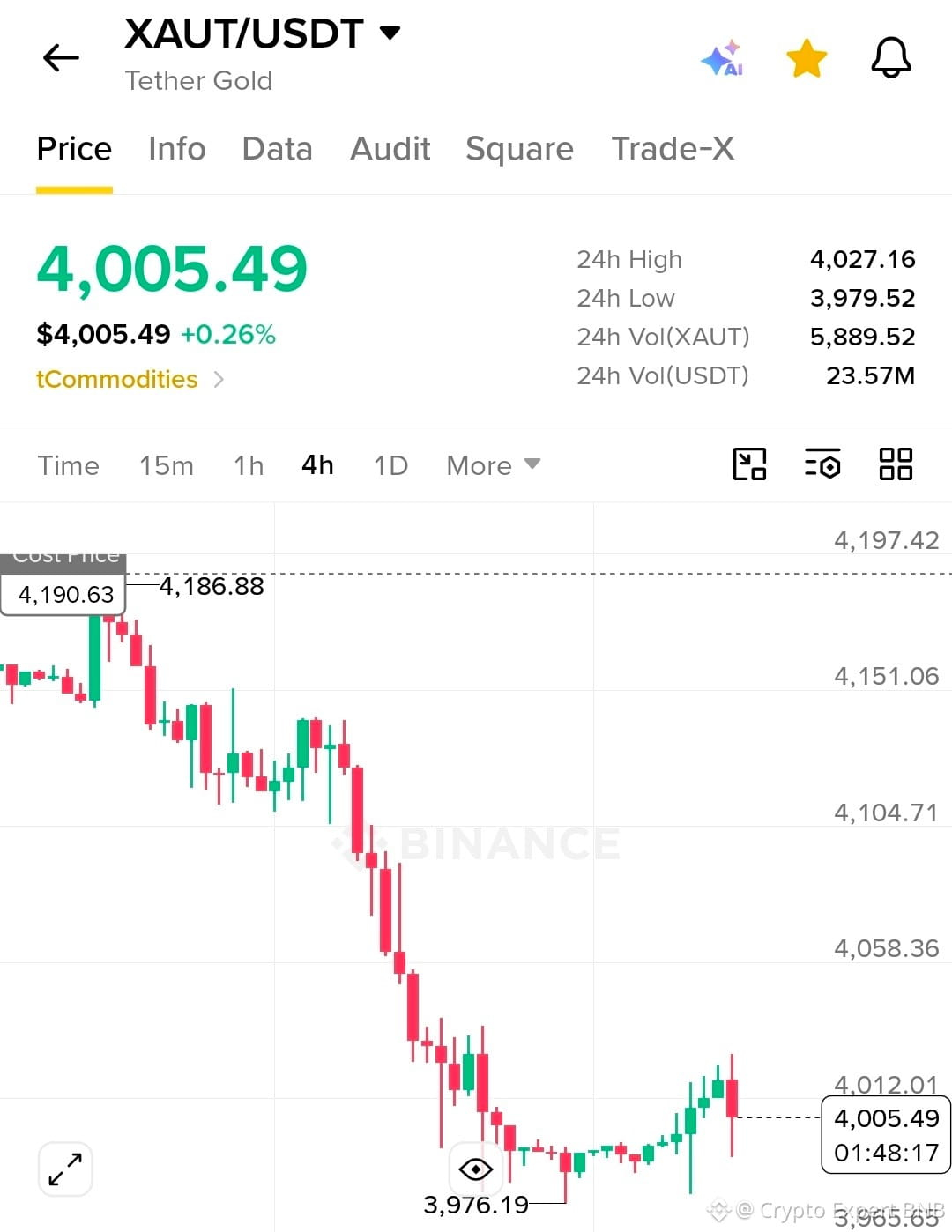
$XAUT 🟢 XAUT LONG TRADE SIGNAL
Entry: $4,005
Leverage: 20x
TP1: $4,035
TP2: $4,070
TP3: $4,110
Stop Loss: $3,975
$XAUT
{future}(XAUTUSDT)
XAUT is trading around the $4,000 area, with recent data showing support near $3,980 and intraday recovery toward $4,020.
⚠️ Keep position size controlled and move SL to breakeven after TP1.$XAUT #AnthropicS1ExpectedToday
$XAUT 🟢 XAUT LONG TRADE SIGNAL
Entry: $4,005
Leverage: 20x
TP1: $4,035
TP2: $4,070
TP3: $4,110
Stop Loss: $3,975
$XAUT
XAUT is trading around the $4,000 area, with recent data showing support near $3,980 and intraday recovery toward $4,020.
⚠️ Keep position size controlled and move SL to breakeven after TP1.$XAUT #AnthropicS1ExpectedToday
Entry: $4,005
Leverage: 20x
TP1: $4,035
TP2: $4,070
TP3: $4,110
Stop Loss: $3,975
$XAUT
XAUT is trading around the $4,000 area, with recent data showing support near $3,980 and intraday recovery toward $4,020.
⚠️ Keep position size controlled and move SL to breakeven after TP1.$XAUT #AnthropicS1ExpectedToday
1
962
·
--
Рост
Проверено
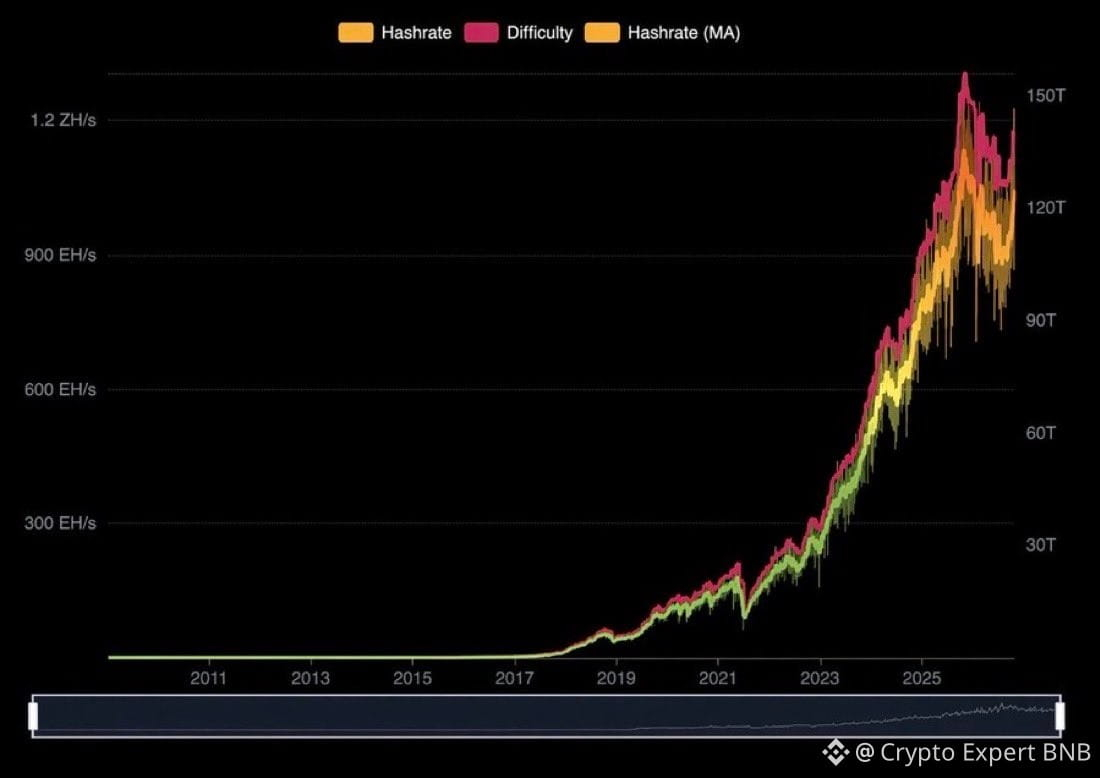
$BTC BREAKING: Bitcoin hashrate is back above 1 ZH/s for the first time in nearly 8 months.
Extremely bullish for $BTC! 🚀$BTC
{future}(BTCUSDT)
#SouthKoreaReportedlyWeighsFourthCryptoTaxDelay
$BTC BREAKING: Bitcoin hashrate is back above 1 ZH/s for the first time in nearly 8 months.
Extremely bullish for $BTC ! 🚀$BTC
#SouthKoreaReportedlyWeighsFourthCryptoTaxDelay
Extremely bullish for $BTC ! 🚀$BTC
#SouthKoreaReportedlyWeighsFourthCryptoTaxDelay
3
2
1k
·
--
Рост
Частичная правда
Хранение $SOL 1.5K USDT
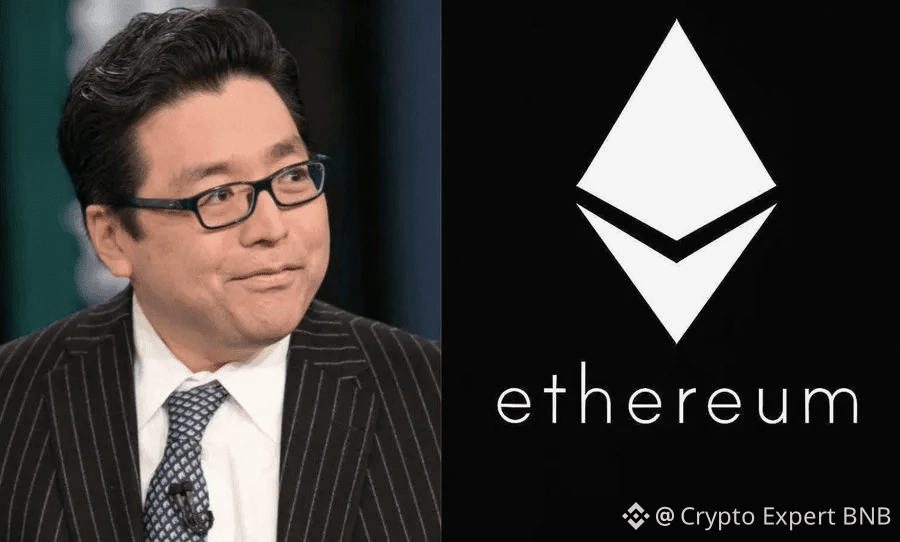
BREAKING: Tom Lee's BitMine bought $24.29 Million worth of $ETH, bringing its total holdings to $14 Billion.
Tom Lee expects ETH to trade above $10,000 over the next 12 months.$ETH
{future}(ETHUSDT)
$SOL #ElectrumWalletBugLetRogueServersStealFunds
BREAKING: Tom Lee's BitMine bought $24.29 Million worth of $ETH , bringing its total holdings to $14 Billion.
Tom Lee expects ETH to trade above $10,000 over the next 12 months.$ETH
$SOL #ElectrumWalletBugLetRogueServersStealFunds
Tom Lee expects ETH to trade above $10,000 over the next 12 months.$ETH
$SOL #ElectrumWalletBugLetRogueServersStealFunds
3
727
·
--
Рост
Торговля за 30 дней $QNT 2K USDT
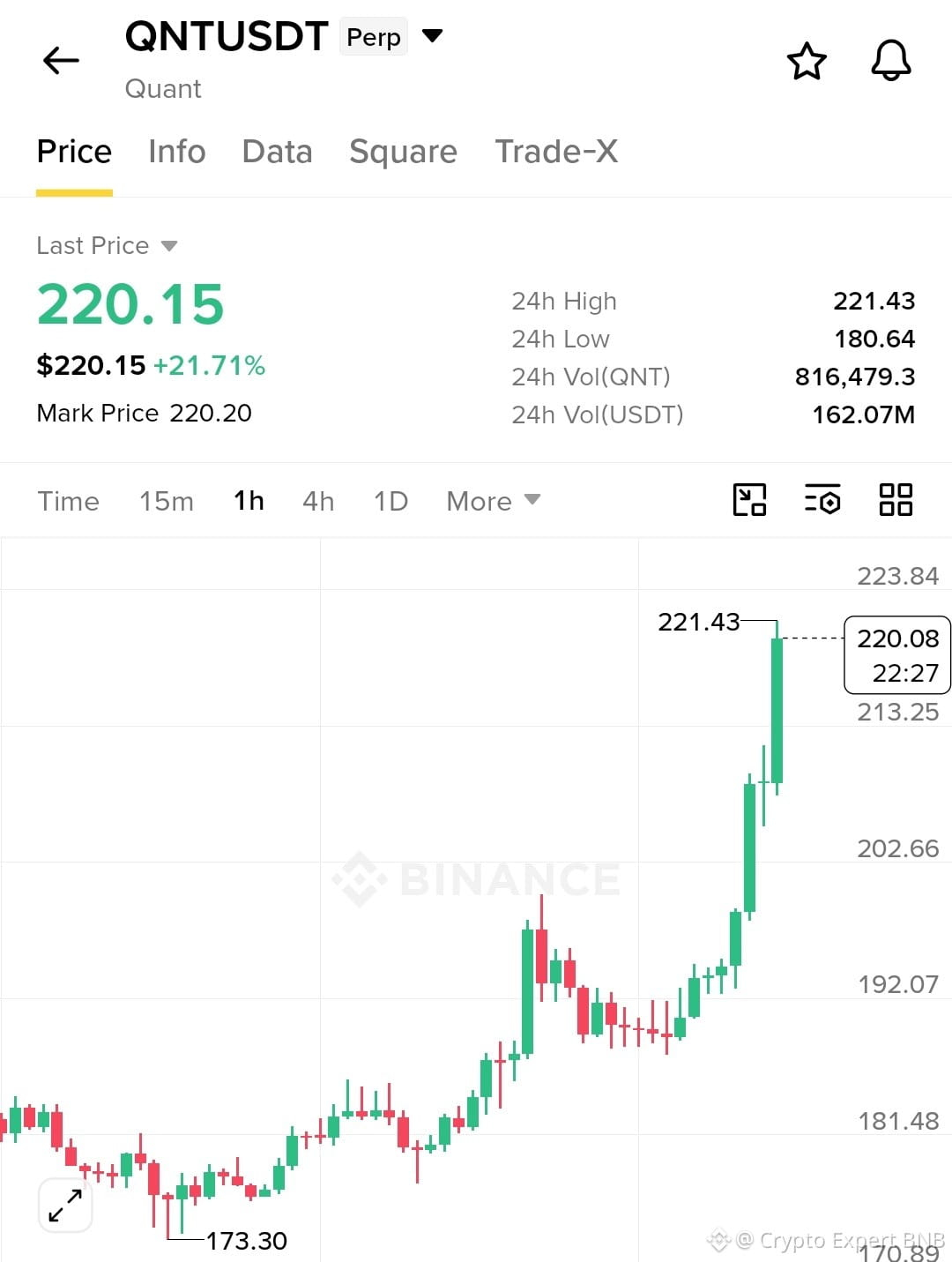
$QNT 📈 QNT/USDT Long Trade Signal
20x Long on $QNT
🟢 Entry: $216–$219
🎯 TP1: $224
🎯 TP2: $229
🎯 TP3: $235
🛑 Stop Loss: $211
$QNT
{future}(QNTUSDT)
Setup: 1H trend is strongly bullish with a breakout above $213.25. Better to enter on a pullback rather than chase the $221.43 spike.
⚠️ High volatility after a +21% move. Keep risk small and move SL to entry after TP1.$QNT #ElectrumWalletBugLetRogueServersStealFunds
$QNT 📈 QNT/USDT Long Trade Signal
20x Long on $QNT
🟢 Entry: $216–$219
🎯 TP1: $224
🎯 TP2: $229
🎯 TP3: $235
🛑 Stop Loss: $211
$QNT
Setup: 1H trend is strongly bullish with a breakout above $213.25. Better to enter on a pullback rather than chase the $221.43 spike.
⚠️ High volatility after a +21% move. Keep risk small and move SL to entry after TP1.$QNT #ElectrumWalletBugLetRogueServersStealFunds
20x Long on $QNT
🟢 Entry: $216–$219
🎯 TP1: $224
🎯 TP2: $229
🎯 TP3: $235
🛑 Stop Loss: $211
$QNT
Setup: 1H trend is strongly bullish with a breakout above $213.25. Better to enter on a pullback rather than chase the $221.43 spike.
⚠️ High volatility after a +21% move. Keep risk small and move SL to entry after TP1.$QNT #ElectrumWalletBugLetRogueServersStealFunds
1
1
1.5k
·
--
Рост
Хранение $DOGE 1.4K USDT
$BNB Majority is bearish and many are panic selling, believing Bitcoin is going to new lows.
And that’s exactly what makes me bullish.
Fck the bears. We are not selling.$BTC
{future}(BTCUSDT)
$DOGE #SouthKoreaDelaysCryptoIncomeTax
$BNB Majority is bearish and many are panic selling, believing Bitcoin is going to new lows.
And that’s exactly what makes me bullish.
Fck the bears. We are not selling.$BTC
$DOGE #SouthKoreaDelaysCryptoIncomeTax
And that’s exactly what makes me bullish.
Fck the bears. We are not selling.$BTC
$DOGE #SouthKoreaDelaysCryptoIncomeTax
3
493
·
--
Рост
#BinancePick SNDK Long Trade Signal
Entry: $1,257
Leverage: 20x max
TP1: $1,285
TP2: $1,320
TP3: $1,360
Stop Loss: $1,225$SNDK
{future}(SNDKUSDT)
#BinancePick SNDK Long Trade Signal
Entry: $1,257
Leverage: 20x max
TP1: $1,285
TP2: $1,320
TP3: $1,360
Stop Loss: $1,225$SNDK
Entry: $1,257
Leverage: 20x max
TP1: $1,285
TP2: $1,320
TP3: $1,360
Stop Loss: $1,225$SNDK

238
·
--
Рост
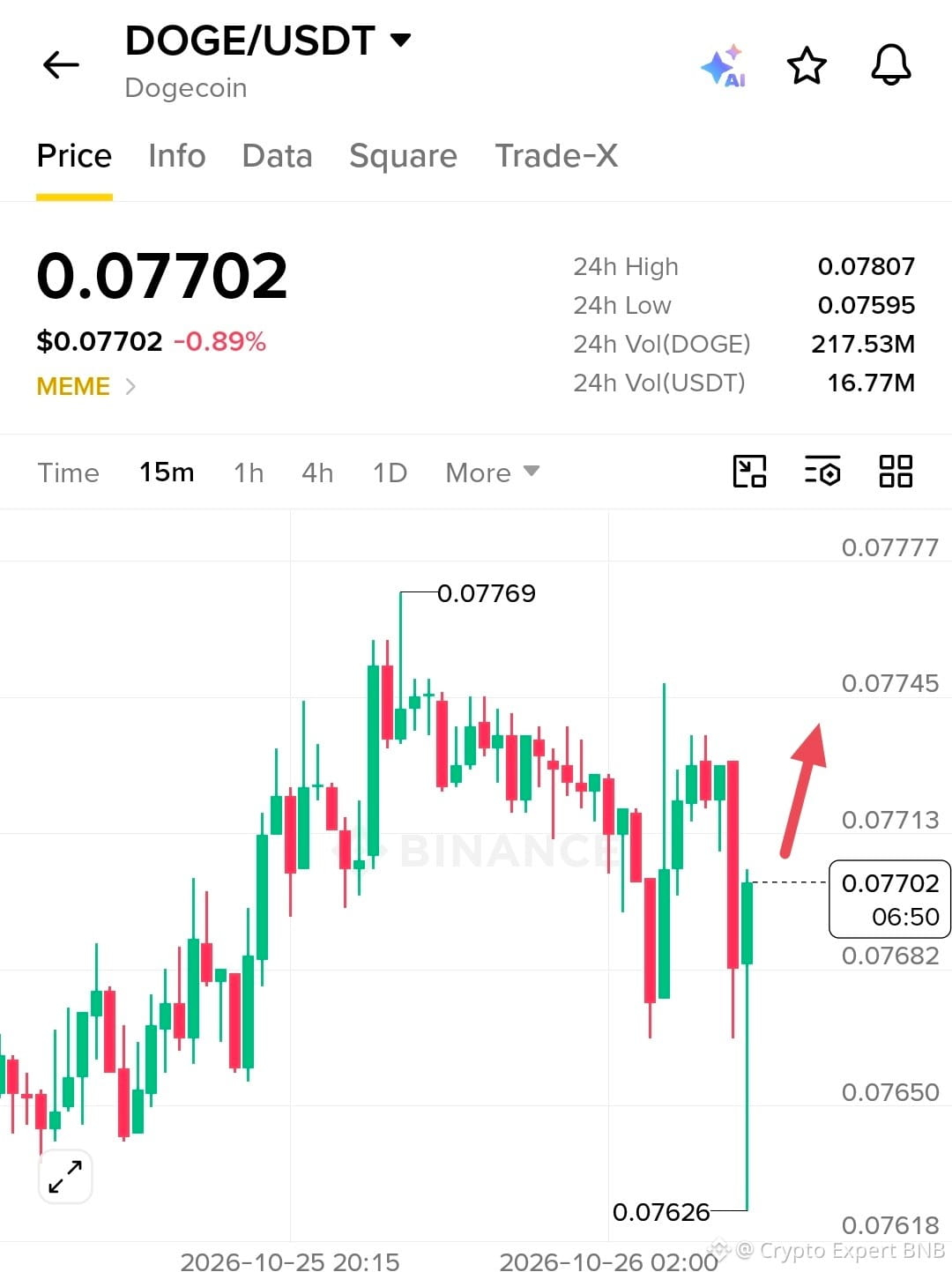
$DOGE 🟢 DOGE Long Trade Signal
Entry: $0.07702
Leverage: 20x max
TP1: $0.07820
TP2: $0.07960
TP3: $0.08120
Stop Loss: $0.07520
$DOGE
{future}(DOGEUSDT)
DOGE is sitting near the daily pivot/support zone around $0.0772, while $0.0796 is the next key resistance. The setup is a bounce attempt, so confirmation above $0.0772-$0.0780 is important.
⚠️ Keep position size controlled. The broader daily structure is still weak.
$DOGE #USQ3GDPAndSeptemberPCEDueNextWeek
$DOGE 🟢 DOGE Long Trade Signal
Entry: $0.07702
Leverage: 20x max
TP1: $0.07820
TP2: $0.07960
TP3: $0.08120
Stop Loss: $0.07520
$DOGE
DOGE is sitting near the daily pivot/support zone around $0.0772, while $0.0796 is the next key resistance. The setup is a bounce attempt, so confirmation above $0.0772-$0.0780 is important.
⚠️ Keep position size controlled. The broader daily structure is still weak.
$DOGE #USQ3GDPAndSeptemberPCEDueNextWeek
Entry: $0.07702
Leverage: 20x max
TP1: $0.07820
TP2: $0.07960
TP3: $0.08120
Stop Loss: $0.07520
$DOGE
DOGE is sitting near the daily pivot/support zone around $0.0772, while $0.0796 is the next key resistance. The setup is a bounce attempt, so confirmation above $0.0772-$0.0780 is important.
⚠️ Keep position size controlled. The broader daily structure is still weak.
$DOGE #USQ3GDPAndSeptemberPCEDueNextWeek
1
695
·
--
Рост
Хранение $SNDKB 2.5K USDT
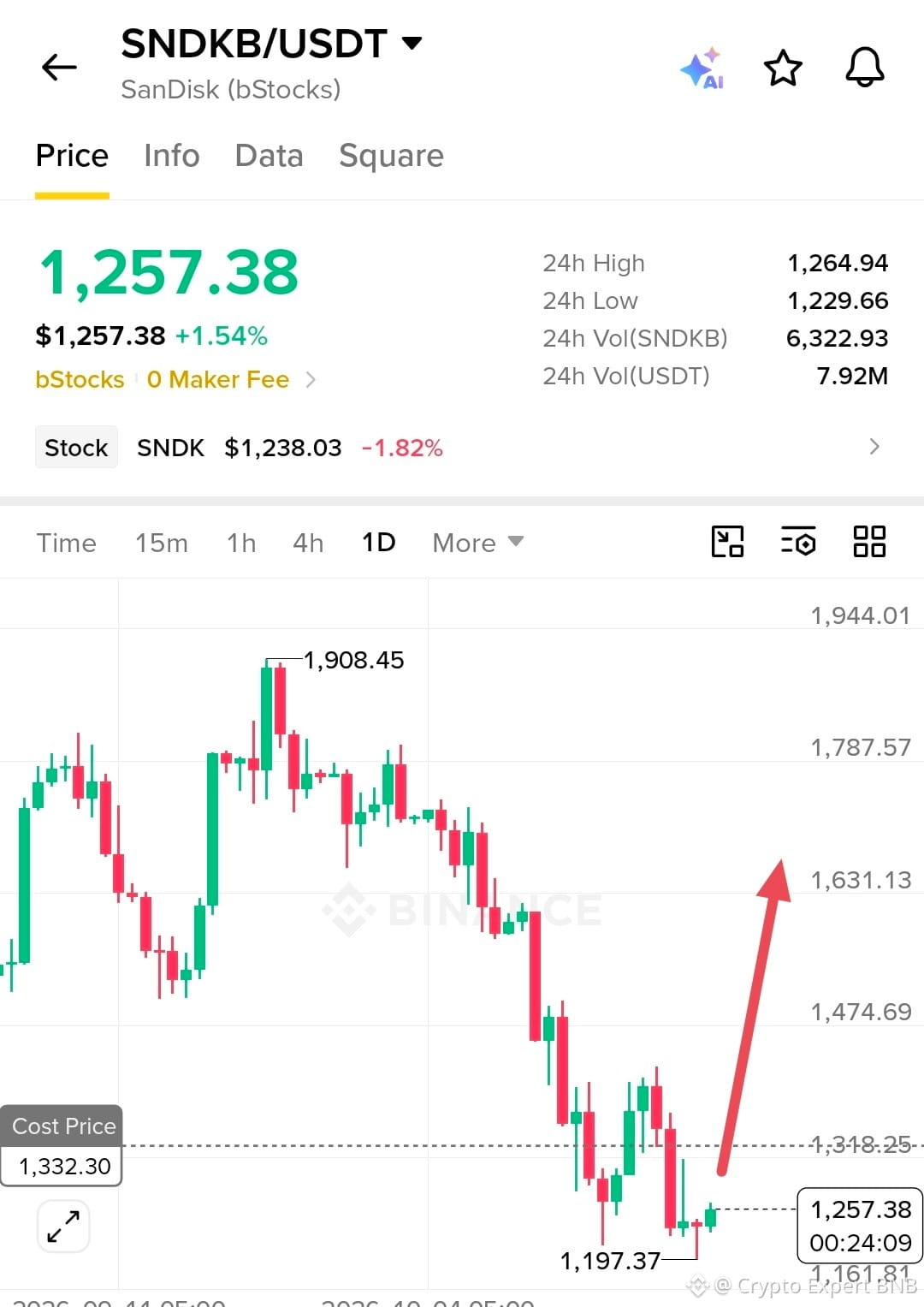
$SNDKB 🟢 SNDK Long Trade Signal
Entry: $1,257
Leverage: 20x max
TP1: $1,285
TP2: $1,320
TP3: $1,360
Stop Loss: $1,225
$SNDK
{future}(SNDKUSDT)
SNDK has been under heavy short-term pressure, with the latest close around $1,238 after a sharp decline. Your $1,257 long is a bounce setup, so protect the position if $1,225 breaks decisively.
⚠️ High volatility expected, especially ahead of the Oct. 29 earnings report. $SNDKB #ElectrumFixesHighRiskExploitInVersionsBefore4.8.3
$SNDKB 🟢 SNDK Long Trade Signal
Entry: $1,257
Leverage: 20x max
TP1: $1,285
TP2: $1,320
TP3: $1,360
Stop Loss: $1,225
$SNDK
SNDK has been under heavy short-term pressure, with the latest close around $1,238 after a sharp decline. Your $1,257 long is a bounce setup, so protect the position if $1,225 breaks decisively.
⚠️ High volatility expected, especially ahead of the Oct. 29 earnings report. $SNDKB #ElectrumFixesHighRiskExploitInVersionsBefore4.8.3
Entry: $1,257
Leverage: 20x max
TP1: $1,285
TP2: $1,320
TP3: $1,360
Stop Loss: $1,225
$SNDK
SNDK has been under heavy short-term pressure, with the latest close around $1,238 after a sharp decline. Your $1,257 long is a bounce setup, so protect the position if $1,225 breaks decisively.
⚠️ High volatility expected, especially ahead of the Oct. 29 earnings report. $SNDKB #ElectrumFixesHighRiskExploitInVersionsBefore4.8.3
1
354
·
--
Рост
Частичная правда
BREAKING: 🇺🇸🇮🇷 President Trump has cancelled today's planned strikes on Iran.
Good for markets.$BTC will Pump
{future}(BTCUSDT)
$DOGE
BREAKING: 🇺🇸🇮🇷 President Trump has cancelled today's planned strikes on Iran.
Good for markets.$BTC will Pump
$DOGE
Good for markets.$BTC will Pump
$DOGE
3
1.2k
·
--
Рост
Торговля за 30 дней $ZEC 3.1K USDT
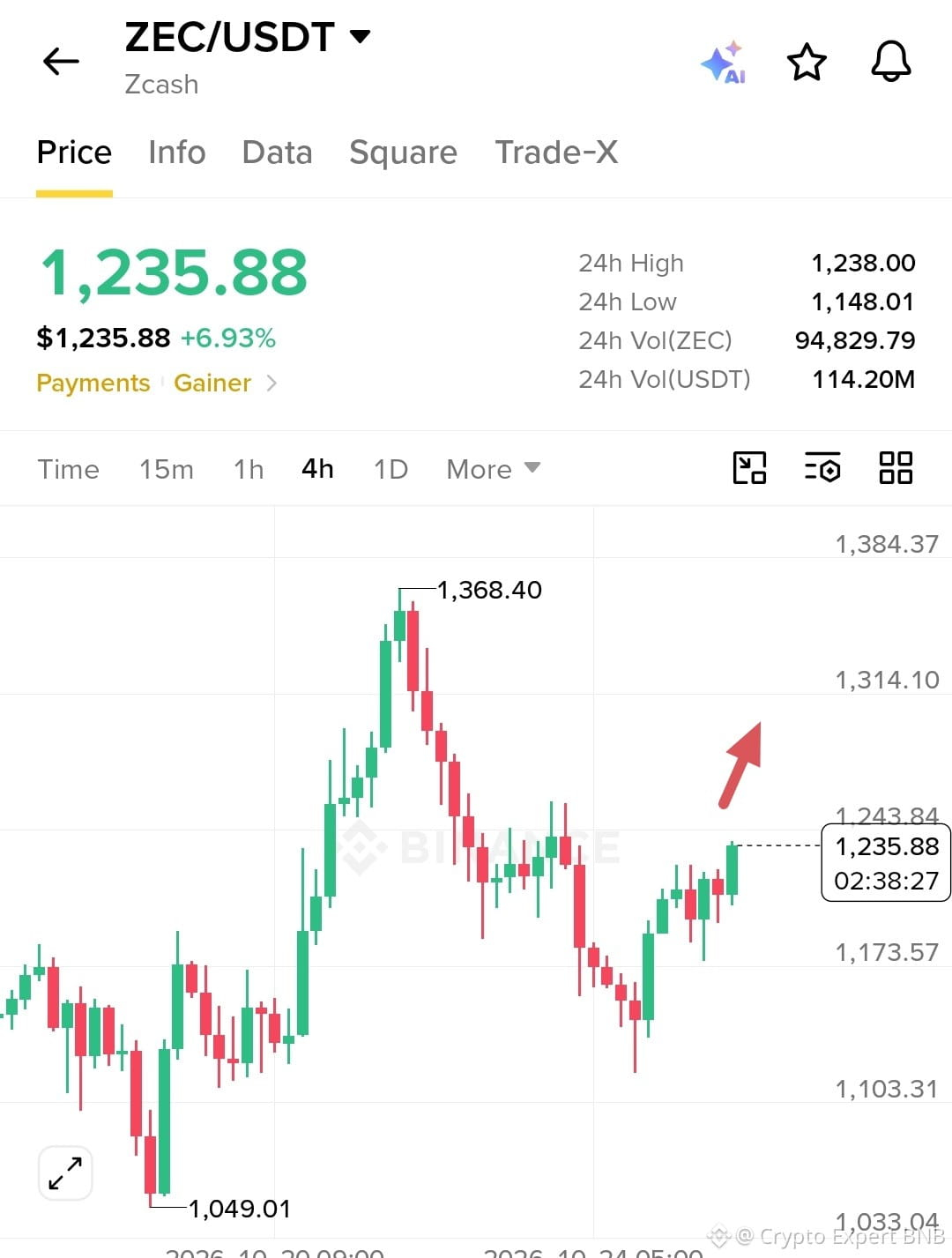
$ZEC 🟢 Trade Signal: LONG $ZEC
Entry: $1,235
Leverage: 20x
🎯 TP1: $1,260
🎯 TP2: $1,290
🎯 TP3: $1,330
🛑 Stop Loss: $1,205
Bias: Bullish above $1,220. 📈
⚠️ 20x leverage is high risk. Keep position size controlled.
$ZEC
{future}(ZECUSDT)
$ZEC #SouthKoreaDelaysCryptoIncomeTax
$ZEC 🟢 Trade Signal: LONG $ZEC
Entry: $1,235
Leverage: 20x
🎯 TP1: $1,260
🎯 TP2: $1,290
🎯 TP3: $1,330
🛑 Stop Loss: $1,205
Bias: Bullish above $1,220. 📈
⚠️ 20x leverage is high risk. Keep position size controlled.
$ZEC
$ZEC #SouthKoreaDelaysCryptoIncomeTax
Entry: $1,235
Leverage: 20x
🎯 TP1: $1,260
🎯 TP2: $1,290
🎯 TP3: $1,330
🛑 Stop Loss: $1,205
Bias: Bullish above $1,220. 📈
⚠️ 20x leverage is high risk. Keep position size controlled.
$ZEC
$ZEC #SouthKoreaDelaysCryptoIncomeTax
2
1
894
·
--
Рост
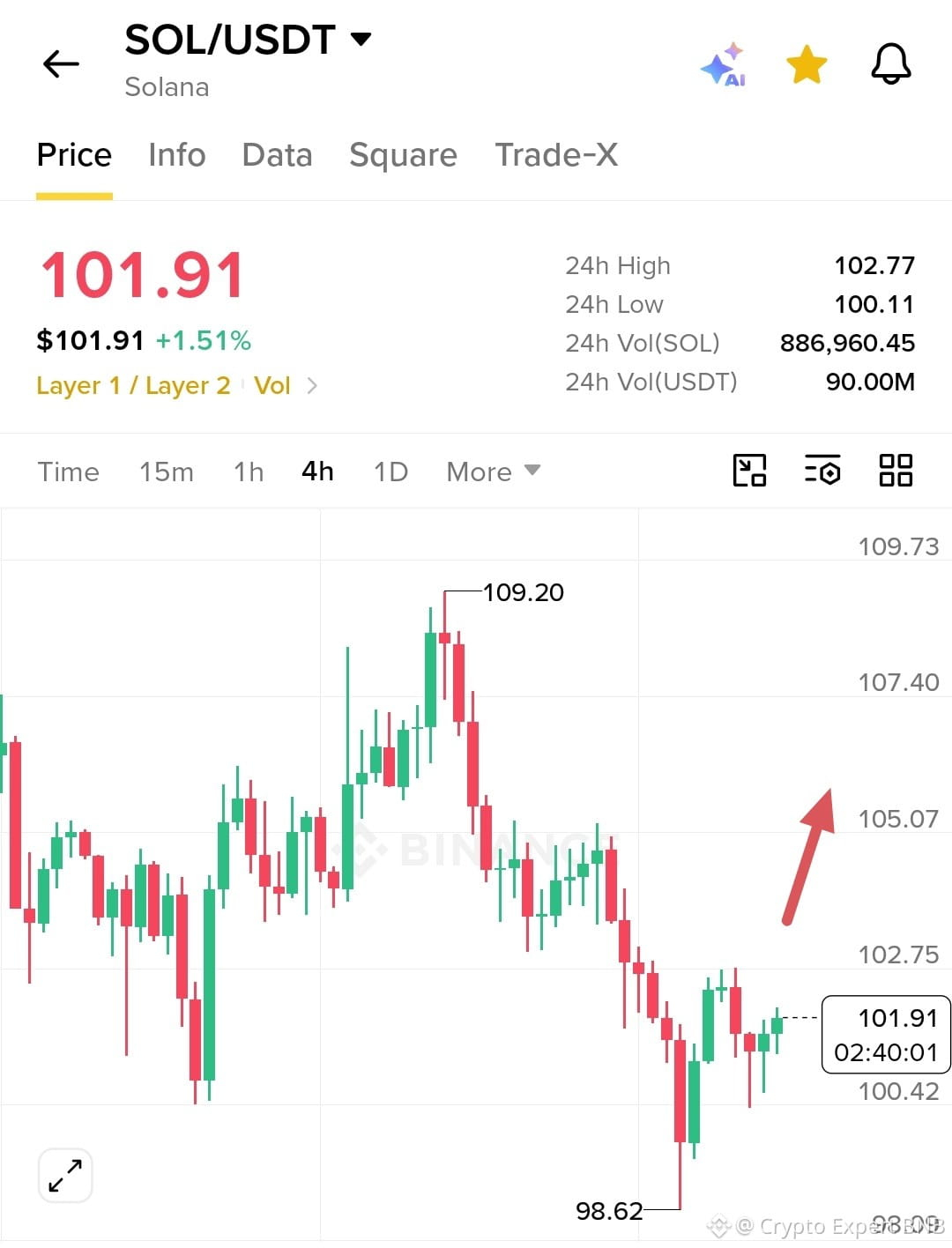
$SOL 🟢 Trade Signal: LONG $SOL
Entry: $101.91
Leverage: 30x
🎯 TP1: $103.20
🎯 TP2: $105.00
🎯 TP3: $107.50
🛑 Stop Loss: $99.90
$SOL
{future}(SOLUSDT)
Bias: Bullish while SOL holds the $100 area. 📈
⚠️ 30x leverage carries high liquidation risk. Use controlled position sizing.$$SOL #DowDrops653Points
$SOL 🟢 Trade Signal: LONG $SOL
Entry: $101.91
Leverage: 30x
🎯 TP1: $103.20
🎯 TP2: $105.00
🎯 TP3: $107.50
🛑 Stop Loss: $99.90
$SOL
Bias: Bullish while SOL holds the $100 area. 📈
⚠️ 30x leverage carries high liquidation risk. Use controlled position sizing.$$SOL #DowDrops653Points
Entry: $101.91
Leverage: 30x
🎯 TP1: $103.20
🎯 TP2: $105.00
🎯 TP3: $107.50
🛑 Stop Loss: $99.90
$SOL
Bias: Bullish while SOL holds the $100 area. 📈
⚠️ 30x leverage carries high liquidation risk. Use controlled position sizing.$$SOL #DowDrops653Points
2
1
626
·
--
Рост
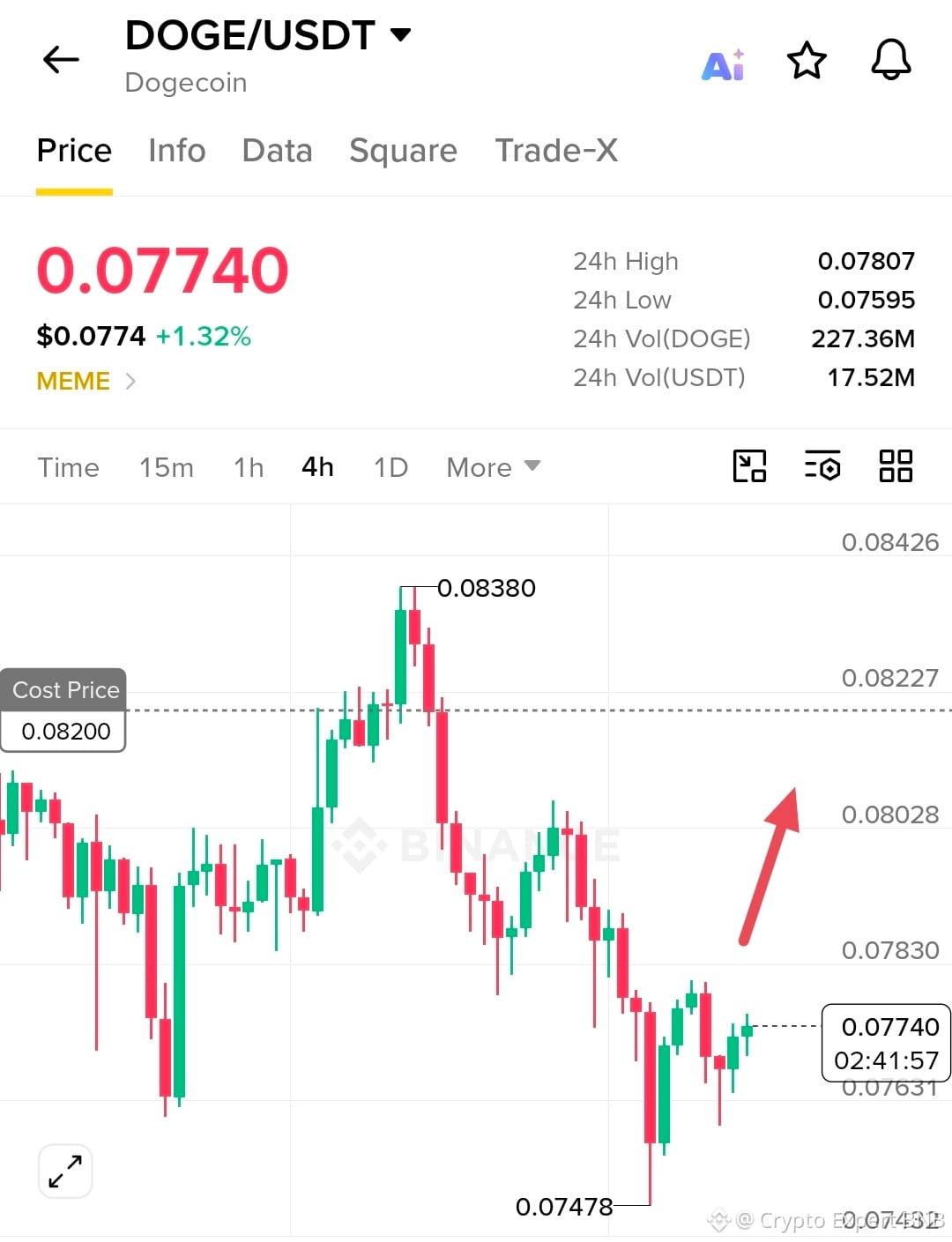
$DOGE 🟢 Trade Signal: LONG $DOGE
Entry: $0.07740
Leverage: 20x
🎯 TP1: $0.07860
🎯 TP2: $0.08000
🎯 TP3: $0.08200
🛑 Stop Loss: $0.07590
$DOGE
Bias: Bullish above $0.0760. Hold only while support remains intact.
⚠️ 20x leverage is high risk. Manage position size carefully.$DOGE #SouthKoreaDelaysCryptoIncomeTax
{future}(DOGEUSDT)
$DOGE 🟢 Trade Signal: LONG $DOGE
Entry: $0.07740
Leverage: 20x
🎯 TP1: $0.07860
🎯 TP2: $0.08000
🎯 TP3: $0.08200
🛑 Stop Loss: $0.07590
$DOGE
Bias: Bullish above $0.0760. Hold only while support remains intact.
⚠️ 20x leverage is high risk. Manage position size carefully.$DOGE #SouthKoreaDelaysCryptoIncomeTax
Entry: $0.07740
Leverage: 20x
🎯 TP1: $0.07860
🎯 TP2: $0.08000
🎯 TP3: $0.08200
🛑 Stop Loss: $0.07590
$DOGE
Bias: Bullish above $0.0760. Hold only while support remains intact.
⚠️ 20x leverage is high risk. Manage position size carefully.$DOGE #SouthKoreaDelaysCryptoIncomeTax
4
1
569
·
--
Рост
Торговля за 30 дней $ENA 7.2K USDT
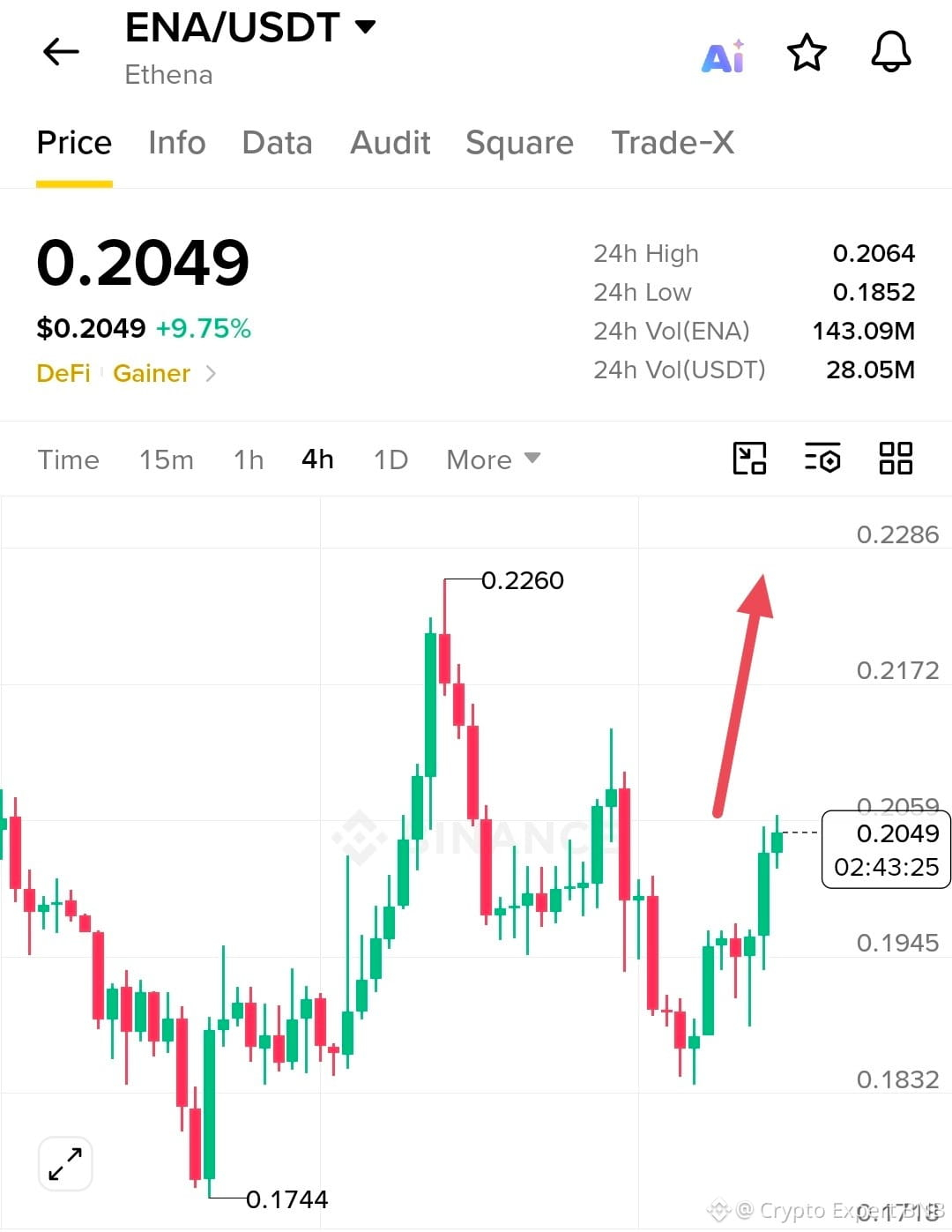
$ENA 🟢 Trade Signal: LONG $ENA
Entry: $0.2049
Leverage: 20x
🎯 TP1: $0.2090
🎯 TP2: $0.2140
🎯 TP3: $0.2210
🛑 Stop Loss: $0.2005
$ENA
{future}(ENAUSDT)
Bias: Bullish while ENA holds the $0.2000 area. Protect profits if momentum weakens.
⚠️ High leverage carries significant liquidation risk. Use proper position sizing.$ENA #SouthKoreaDelaysCryptoIncomeTax
$ENA 🟢 Trade Signal: LONG $ENA
Entry: $0.2049
Leverage: 20x
🎯 TP1: $0.2090
🎯 TP2: $0.2140
🎯 TP3: $0.2210
🛑 Stop Loss: $0.2005
$ENA
Bias: Bullish while ENA holds the $0.2000 area. Protect profits if momentum weakens.
⚠️ High leverage carries significant liquidation risk. Use proper position sizing.$ENA #SouthKoreaDelaysCryptoIncomeTax
Entry: $0.2049
Leverage: 20x
🎯 TP1: $0.2090
🎯 TP2: $0.2140
🎯 TP3: $0.2210
🛑 Stop Loss: $0.2005
$ENA
Bias: Bullish while ENA holds the $0.2000 area. Protect profits if momentum weakens.
⚠️ High leverage carries significant liquidation risk. Use proper position sizing.$ENA #SouthKoreaDelaysCryptoIncomeTax
1
1.3k
·
--
Рост
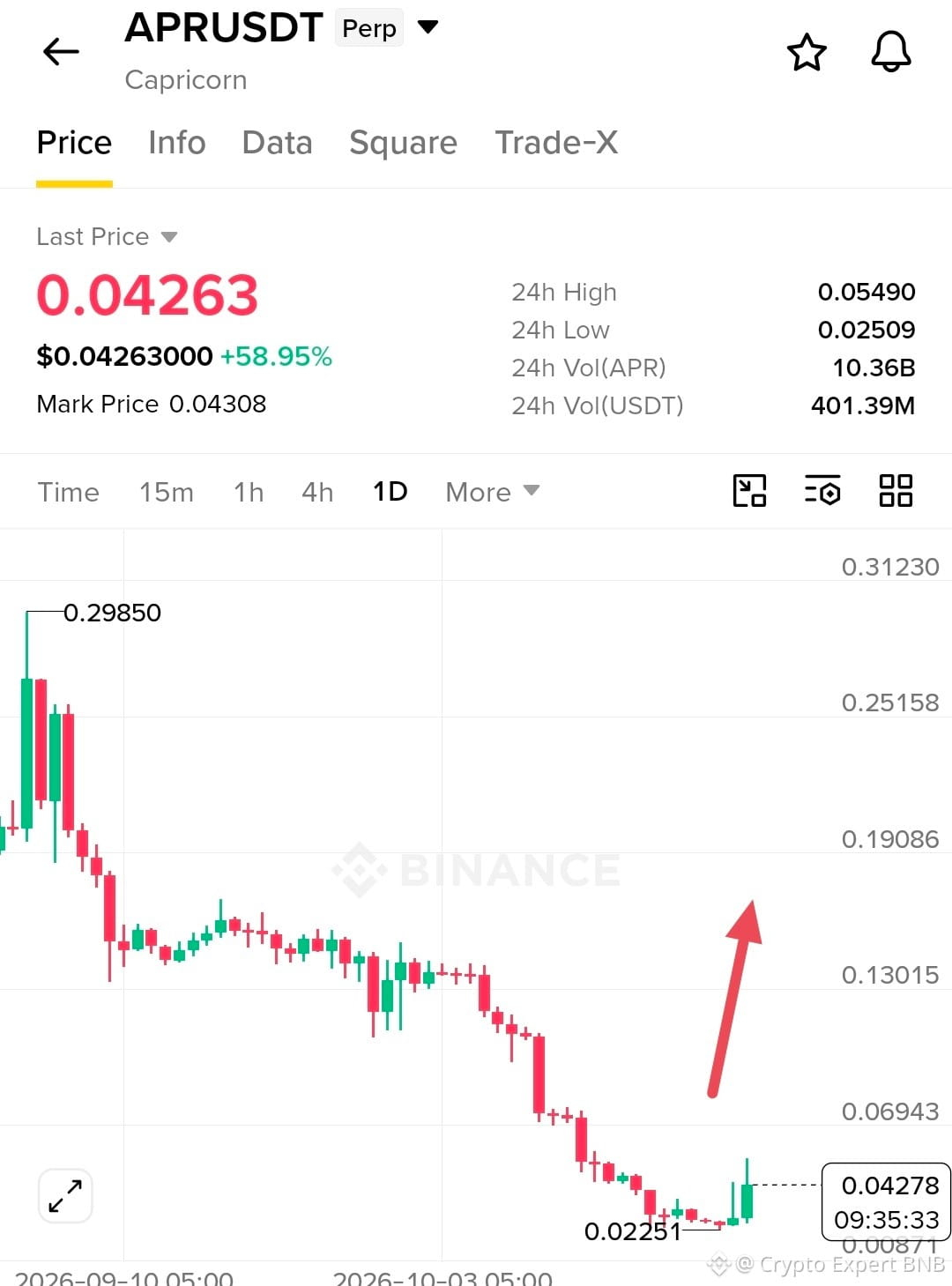
$APR 🟢 Trade Signal: LONG $APR
Entry: $0.04263
Leverage: 20x
TP1: $0.04350
TP2: $0.04440
TP3: $0.04550
Stop Loss: $0.04170
$APR
{future}(APRUSDT)
📌 Plan: Hold above the entry zone. If momentum strengthens, TP2–TP3 becomes possible. Keep risk controlled and avoid adding aggressively if support breaks.$APR #SouthKoreaPlansToRegulateStablecoinsUnderFXLaw
$APR 🟢 Trade Signal: LONG $APR
Entry: $0.04263
Leverage: 20x
TP1: $0.04350
TP2: $0.04440
TP3: $0.04550
Stop Loss: $0.04170
$APR
📌 Plan: Hold above the entry zone. If momentum strengthens, TP2–TP3 becomes possible. Keep risk controlled and avoid adding aggressively if support breaks.$APR #SouthKoreaPlansToRegulateStablecoinsUnderFXLaw
Entry: $0.04263
Leverage: 20x
TP1: $0.04350
TP2: $0.04440
TP3: $0.04550
Stop Loss: $0.04170
$APR
📌 Plan: Hold above the entry zone. If momentum strengthens, TP2–TP3 becomes possible. Keep risk controlled and avoid adding aggressively if support breaks.$APR #SouthKoreaPlansToRegulateStablecoinsUnderFXLaw
1
1
854
·
--
Рост
Лонг $XAG 463.1 USDT
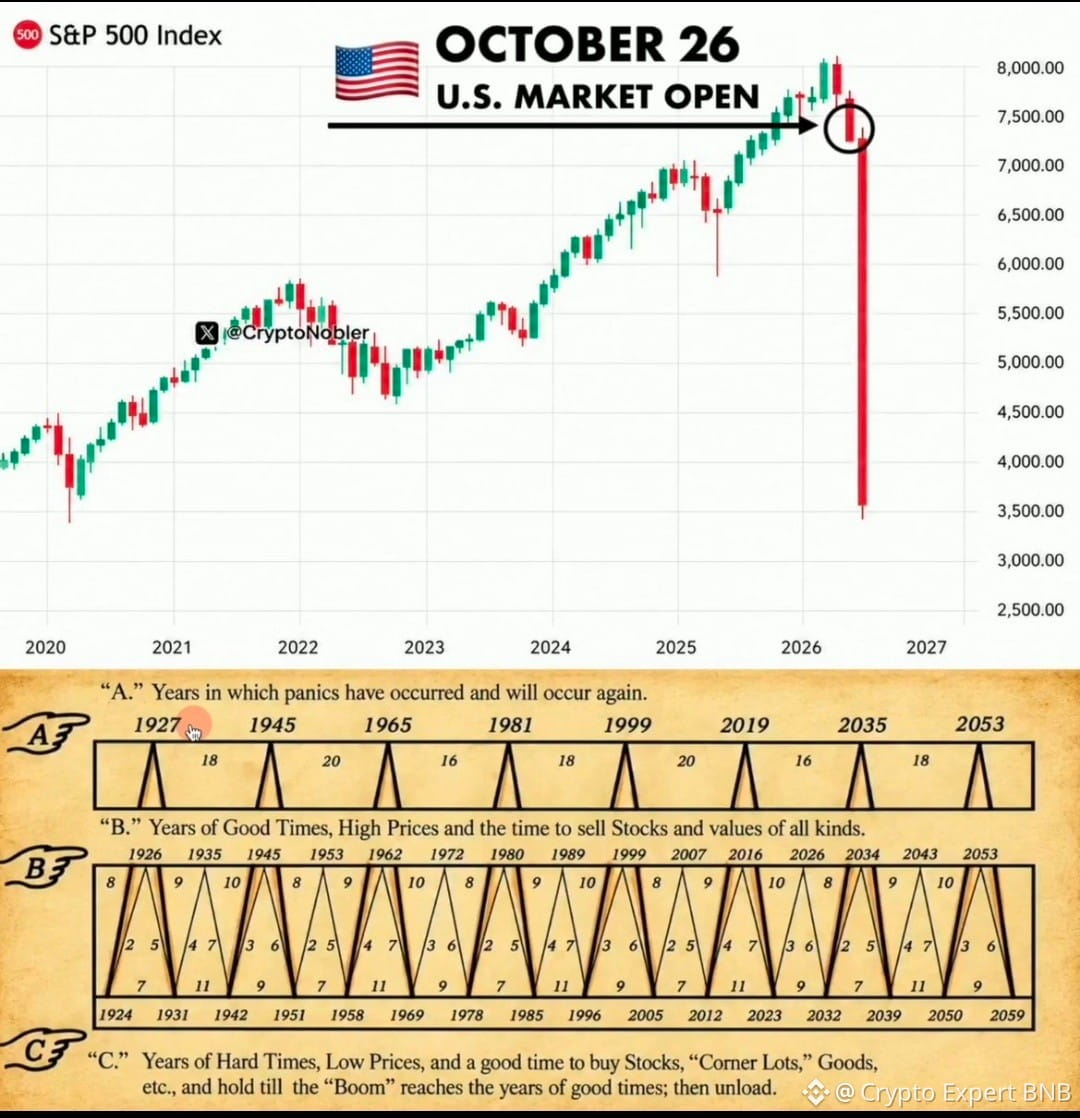
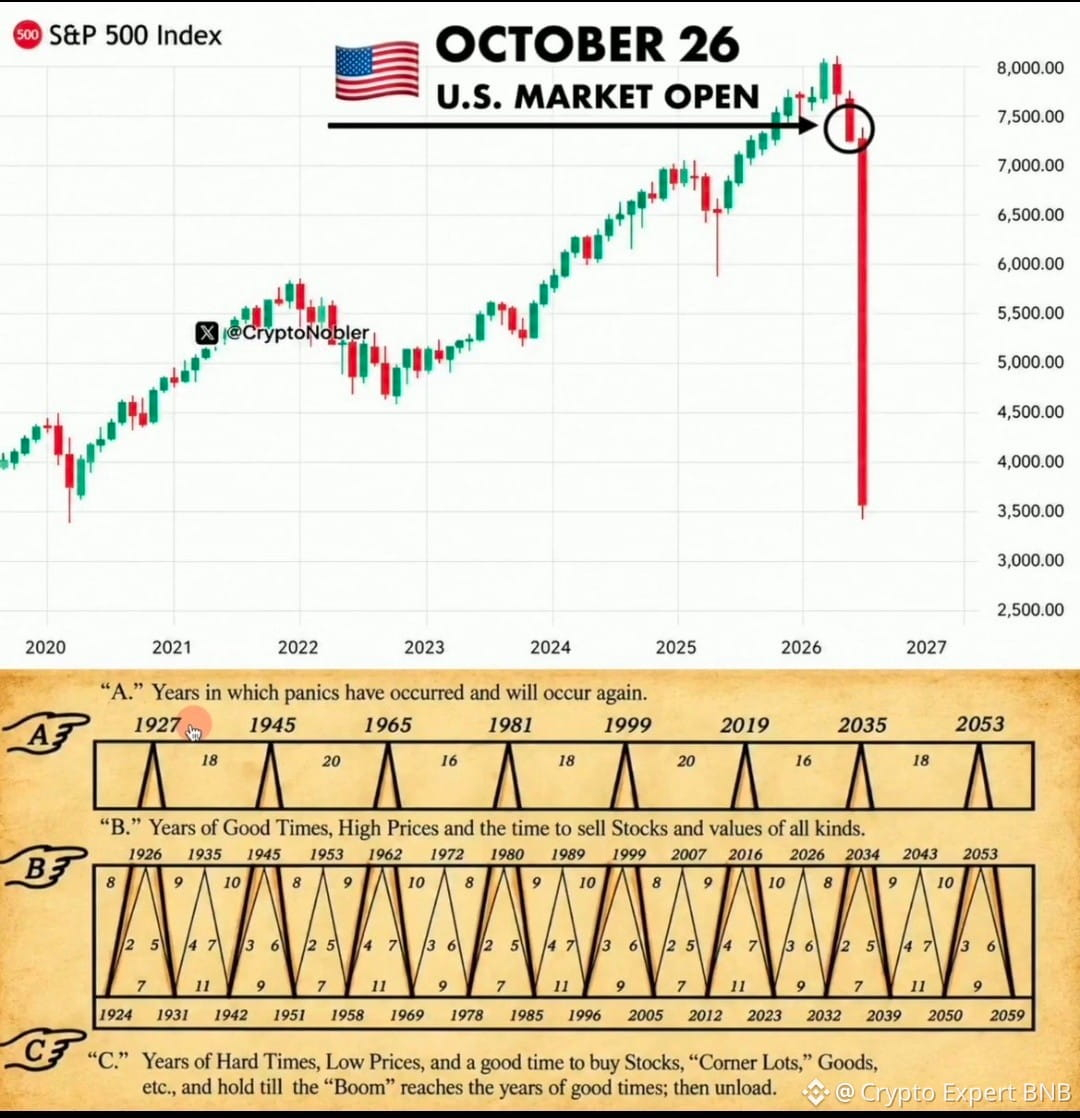
WARNING: THE WORST BLACK MONDAY IN HISTORY STARTS TOMORROW!!
Global markets just officially entered panic mode.
You MUST read this before October 26.
99% of people will lose everything.
For the first time EVER, something has collapsed behind the scenes.
If you hold any assets right now, you need to understand what's happening:
When markets open on Monday, this will NOT be a normal correction.
What is happening right now is NOT normal.
→ China and Japan are dumping over $5.5 TRILLION in U.S. Treasuries
→ U.S. Treasury yields are surging at an alarming rate
→ The Strait of Hormuz remains closed, disrupting critical global energy supplies
→ Trump is threatening to strike Iran again, worsening the oil crisis even more
→ Asian stock markets have already collapsed 20-25% in less than a week.
These are NOT isolated events.
They are interconnected issues creating one massive economic chain reaction.
Geopolitical tensions are intensifying and putting massive pressure on global energy markets.
Meanwhile, the two largest foreign holders of U.S. government debt are selling their Treasury holdings.
Japan is dumping U.S. Treasuries.
China is dumping U.S. Treasuries.
And the market must find new buyers to absorb the enormous supply.
To attract buyers, yields must rise.
And that is exactly what is happening.
Treasury yields are exploding as investors reassess the risks of holding long-term U.S. government debt.$XAUT
final words may be all change and market take big pump
{future}(XAUTUSDT)
$XAG #SouthKoreaPlansToRegulateStablecoinsUnderFXLaw
WARNING: THE WORST BLACK MONDAY IN HISTORY STARTS TOMORROW!!
Global markets just officially entered panic mode.
You MUST read this before October 26.
99% of people will lose everything.
For the first time EVER, something has collapsed behind the scenes.
If you hold any assets right now, you need to understand what's happening:
When markets open on Monday, this will NOT be a normal correction.
What is happening right now is NOT normal.
→ China and Japan are dumping over $5.5 TRILLION in U.S. Treasuries
→ U.S. Treasury yields are surging at an alarming rate
→ The Strait of Hormuz remains closed, disrupting critical global energy supplies
→ Trump is threatening to strike Iran again, worsening the oil crisis even more
→ Asian stock markets have already collapsed 20-25% in less than a week.
These are NOT isolated events.
They are interconnected issues creating one massive economic chain reaction.
Geopolitical tensions are intensifying and putting massive pressure on global energy markets.
Meanwhile, the two largest foreign holders of U.S. government debt are selling their Treasury holdings.
Japan is dumping U.S. Treasuries.
China is dumping U.S. Treasuries.
And the market must find new buyers to absorb the enormous supply.
To attract buyers, yields must rise.
And that is exactly what is happening.
Treasury yields are exploding as investors reassess the risks of holding long-term U.S. government debt.$XAUT
final words may be all change and market take big pump
$XAG #SouthKoreaPlansToRegulateStablecoinsUnderFXLaw
Global markets just officially entered panic mode.
You MUST read this before October 26.
99% of people will lose everything.
For the first time EVER, something has collapsed behind the scenes.
If you hold any assets right now, you need to understand what's happening:
When markets open on Monday, this will NOT be a normal correction.
What is happening right now is NOT normal.
→ China and Japan are dumping over $5.5 TRILLION in U.S. Treasuries
→ U.S. Treasury yields are surging at an alarming rate
→ The Strait of Hormuz remains closed, disrupting critical global energy supplies
→ Trump is threatening to strike Iran again, worsening the oil crisis even more
→ Asian stock markets have already collapsed 20-25% in less than a week.
These are NOT isolated events.
They are interconnected issues creating one massive economic chain reaction.
Geopolitical tensions are intensifying and putting massive pressure on global energy markets.
Meanwhile, the two largest foreign holders of U.S. government debt are selling their Treasury holdings.
Japan is dumping U.S. Treasuries.
China is dumping U.S. Treasuries.
And the market must find new buyers to absorb the enormous supply.
To attract buyers, yields must rise.
And that is exactly what is happening.
Treasury yields are exploding as investors reassess the risks of holding long-term U.S. government debt.$XAUT
final words may be all change and market take big pump
$XAG #SouthKoreaPlansToRegulateStablecoinsUnderFXLaw
1
2
2.3k
·
--
Рост
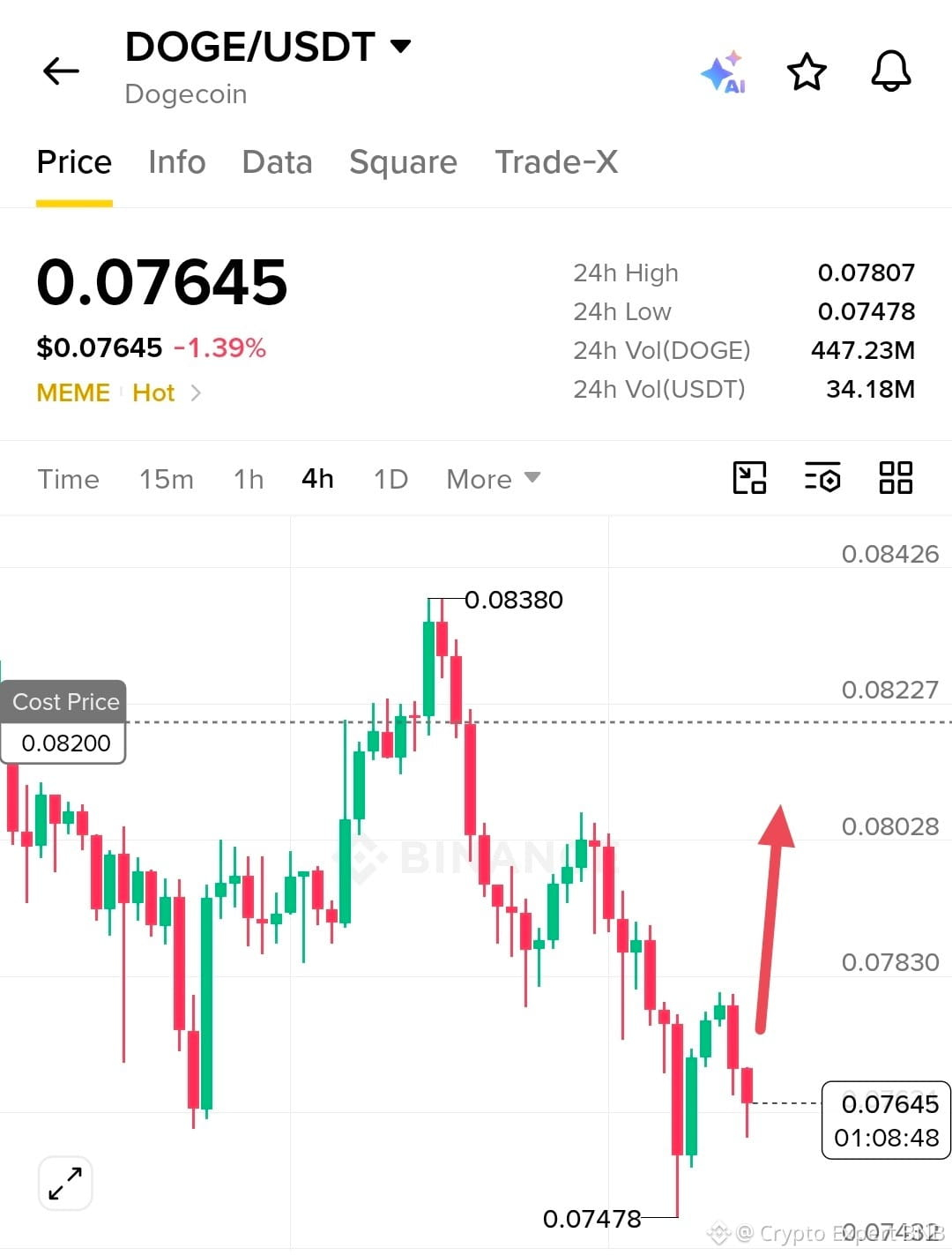
$DOGE 🐕 DOGE Long Trade Signal
Entry: $0.07645
Leverage: 20x Long
🎯 TP1: $0.07760
🎯 TP2: $0.07870
🎯 TP3: $0.08030
🛑 Stop Loss: $0.07470
$DOGE
DOGE is sitting near a key support zone around $0.0748, but the 4H trend remains bearish. A sustained move back above $0.0776-$0.0787 would strengthen the long setup.
⚠️ Keep position size controlled and protect capital.$DOGE #DowDrops653Points
{future}(DOGEUSDT)
$DOGE 🐕 DOGE Long Trade Signal
Entry: $0.07645
Leverage: 20x Long
🎯 TP1: $0.07760
🎯 TP2: $0.07870
🎯 TP3: $0.08030
🛑 Stop Loss: $0.07470
$DOGE
DOGE is sitting near a key support zone around $0.0748, but the 4H trend remains bearish. A sustained move back above $0.0776-$0.0787 would strengthen the long setup.
⚠️ Keep position size controlled and protect capital.$DOGE #DowDrops653Points
Entry: $0.07645
Leverage: 20x Long
🎯 TP1: $0.07760
🎯 TP2: $0.07870
🎯 TP3: $0.08030
🛑 Stop Loss: $0.07470
$DOGE
DOGE is sitting near a key support zone around $0.0748, but the 4H trend remains bearish. A sustained move back above $0.0776-$0.0787 would strengthen the long setup.
⚠️ Keep position size controlled and protect capital.$DOGE #DowDrops653Points
588
·
--
Рост
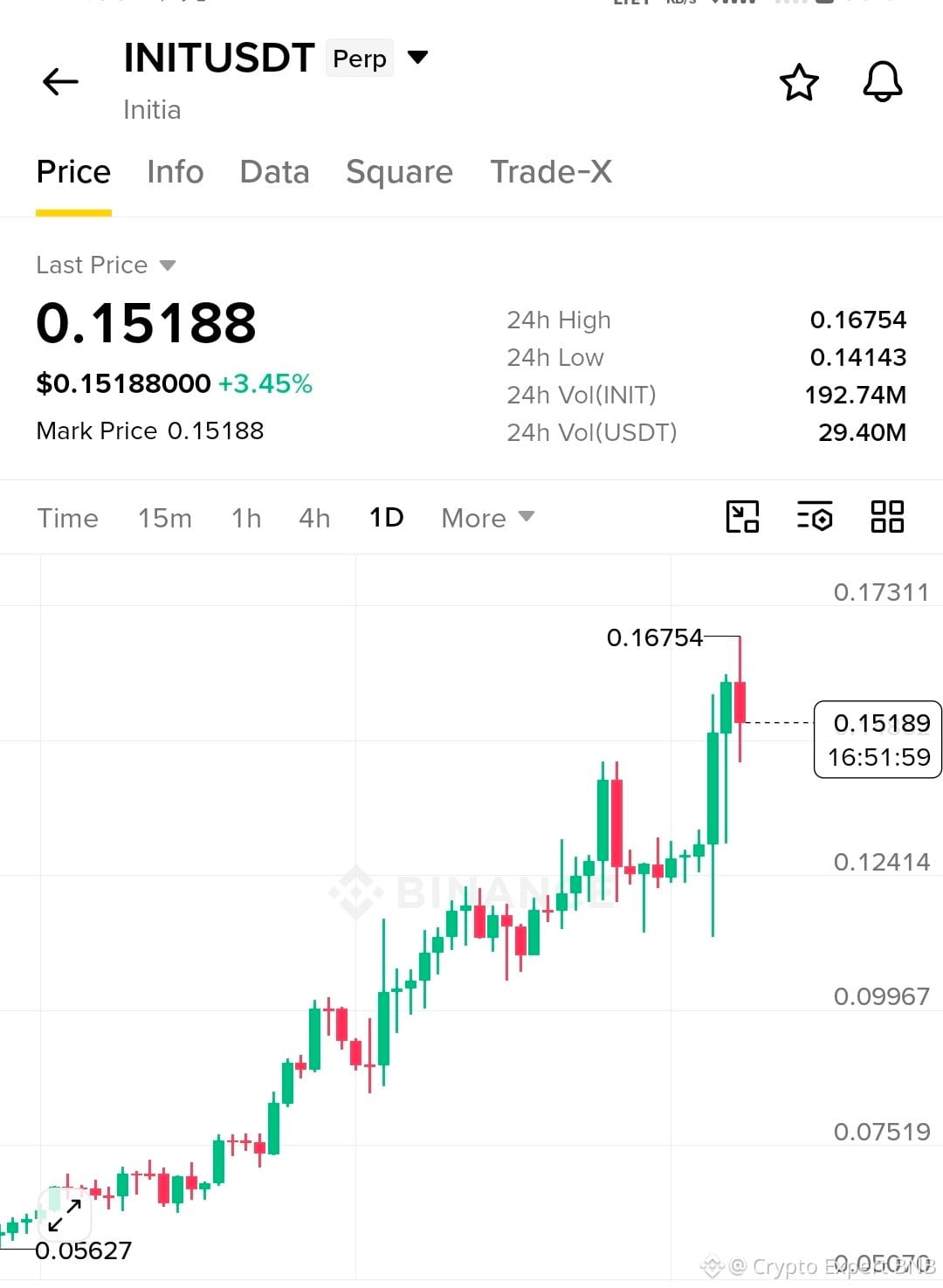
$INIT 🟢 LONG TRADE SIGNAL — $INIT
Entry: $0.15188
Leverage: 20x
Direction: LONG 📈
🎯 TP1: $0.1550
🎯 TP2: $0.1590
🎯 TP3: $0.1640
🛑 Stop Loss: $0.1470
$INIT
{future}(INITUSDT)
Bias: Bullish while INIT holds above the $0.1500 area. Consider securing partial profit at TP1 and moving the stop toward entry if momentum continues.
⚠️ 20x leverage is high risk. Use a controlled position size.$INIT #DowDrops653Points
$INIT 🟢 LONG TRADE SIGNAL — $INIT
Entry: $0.15188
Leverage: 20x
Direction: LONG 📈
🎯 TP1: $0.1550
🎯 TP2: $0.1590
🎯 TP3: $0.1640
🛑 Stop Loss: $0.1470
$INIT
Bias: Bullish while INIT holds above the $0.1500 area. Consider securing partial profit at TP1 and moving the stop toward entry if momentum continues.
⚠️ 20x leverage is high risk. Use a controlled position size.$INIT #DowDrops653Points
Entry: $0.15188
Leverage: 20x
Direction: LONG 📈
🎯 TP1: $0.1550
🎯 TP2: $0.1590
🎯 TP3: $0.1640
🛑 Stop Loss: $0.1470
$INIT
Bias: Bullish while INIT holds above the $0.1500 area. Consider securing partial profit at TP1 and moving the stop toward entry if momentum continues.
⚠️ 20x leverage is high risk. Use a controlled position size.$INIT #DowDrops653Points
3
364
·
--
Рост
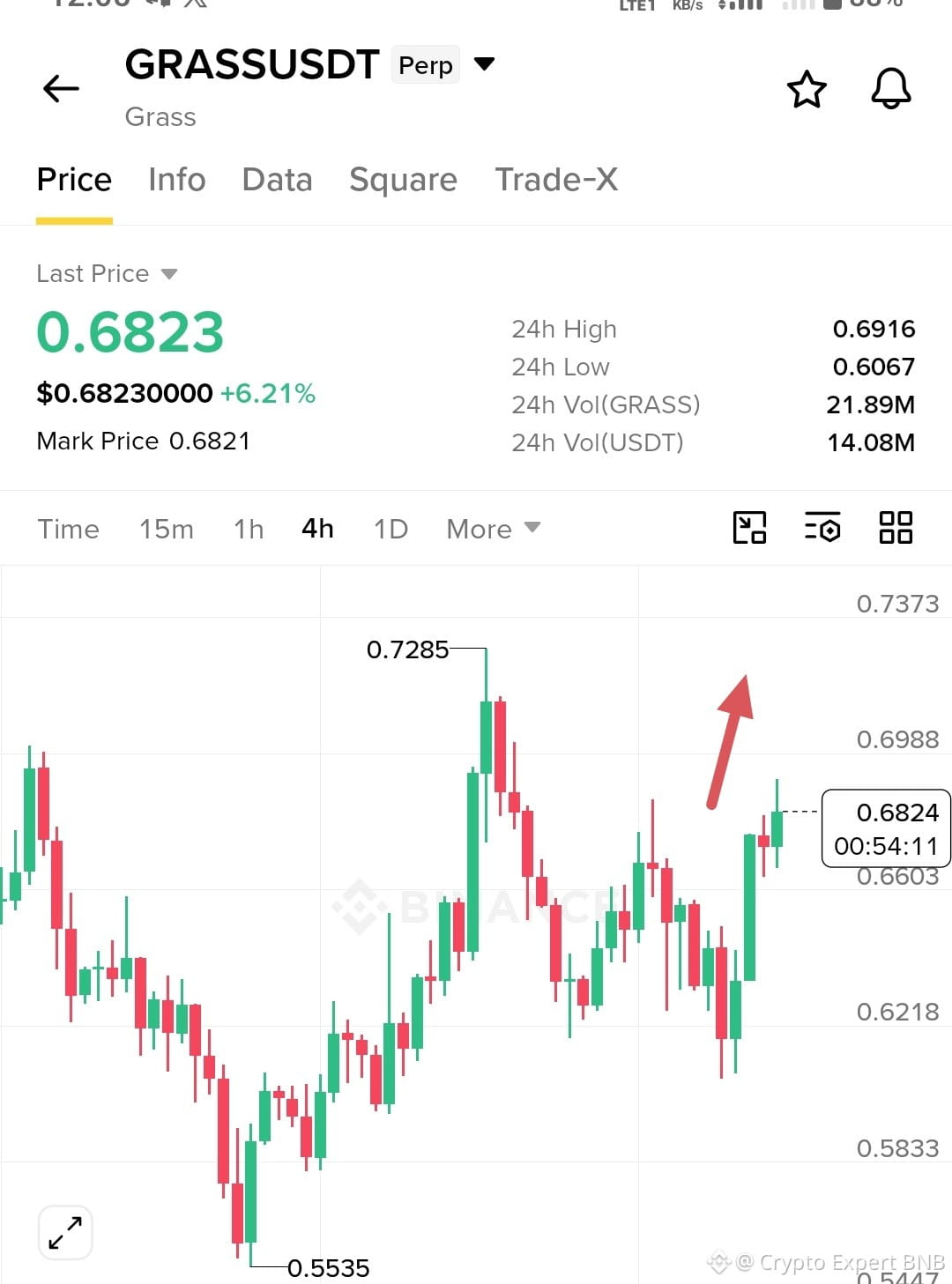
$GRASS 🟢 LONG TRADE SIGNAL — $GRASS
Entry: $0.6823
Leverage: 20x
Direction: LONG 📈
🎯 TP1: $0.6940
🎯 TP2: $0.7080
🎯 TP3: $0.7250
🛑 Stop Loss: $0.6660
$GRASS
{future}(GRASSUSDT)
Bias: Bullish above the $0.6750 area. If momentum weakens and price loses the entry zone, protect capital rather than averaging aggressively.
⚠️ 20x leverage is high risk. Keep position size controlled.$GRASS #DowDrops653Points
$GRASS 🟢 LONG TRADE SIGNAL — $GRASS
Entry: $0.6823
Leverage: 20x
Direction: LONG 📈
🎯 TP1: $0.6940
🎯 TP2: $0.7080
🎯 TP3: $0.7250
🛑 Stop Loss: $0.6660
$GRASS
Bias: Bullish above the $0.6750 area. If momentum weakens and price loses the entry zone, protect capital rather than averaging aggressively.
⚠️ 20x leverage is high risk. Keep position size controlled.$GRASS #DowDrops653Points
Entry: $0.6823
Leverage: 20x
Direction: LONG 📈
🎯 TP1: $0.6940
🎯 TP2: $0.7080
🎯 TP3: $0.7250
🛑 Stop Loss: $0.6660
$GRASS
Bias: Bullish above the $0.6750 area. If momentum weakens and price loses the entry zone, protect capital rather than averaging aggressively.
⚠️ 20x leverage is high risk. Keep position size controlled.$GRASS #DowDrops653Points
1
415
Войдите, чтобы посмотреть больше материала
Присоединяйтесь к пользователям криптовалют по всему миру на Binance Square
⚡️ Получайте новейшую и полезную информацию о криптоактивах.
💬 Нам доверяет крупнейшая в мире криптобиржа.
👍 Получите достоверные аналитические данные от верифицированных создателей контента.
Эл. почта/номер телефона
В тренде
BinancePick
Просмотров: 3.3M
161,314 обсуждают
Join #EarningsSeason: Predict Earnings on Binance Pick, Share Your Take on Binance Square!
Binance Square Official
·Лайков: 417
·Просмотров: 344.6k
EarningsSeason
Просмотров: 5.4M
26,534 обсуждают
StrategySkipsBitcoinPurchasesSpends$205MOnSTRCBuybacks
Просмотров: 34
6 обсуждают