
#comparison
comparison
Просмотров: 30,659
58 обсуждают
Популярные
Новые

Статья
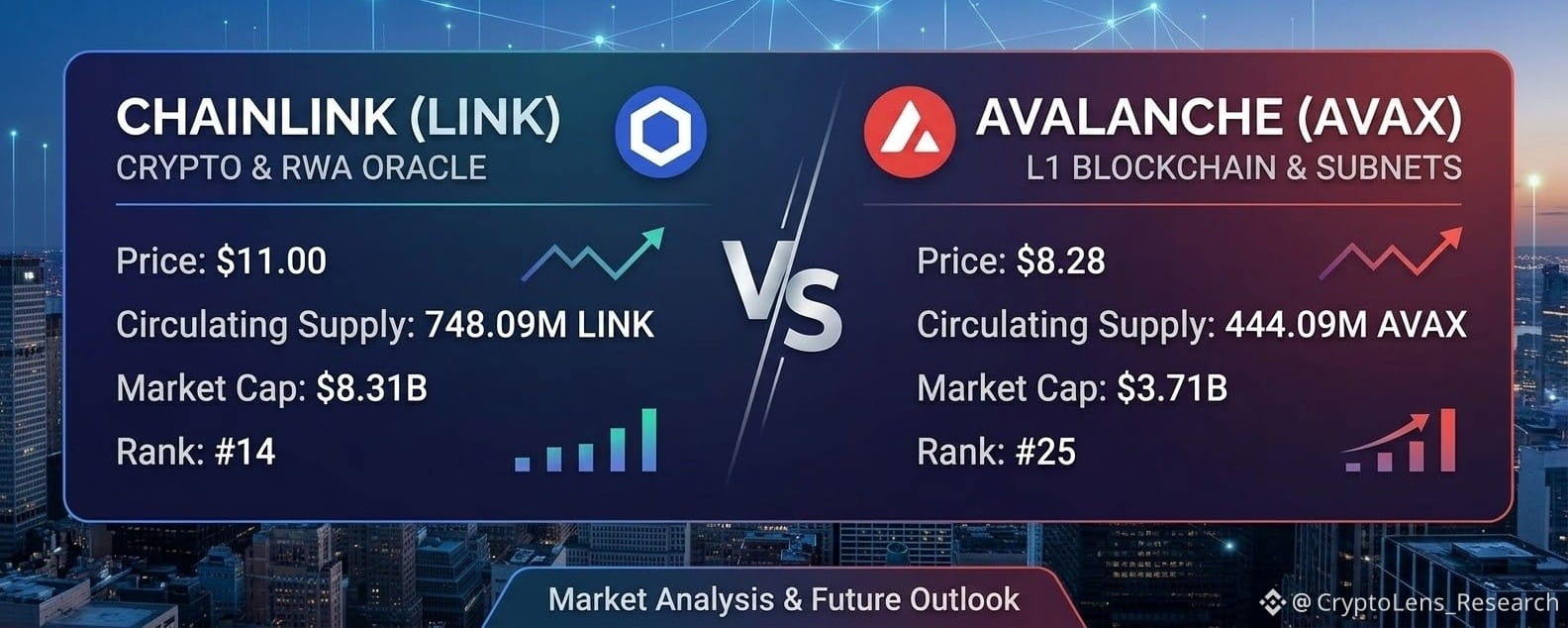
AVAX vs LINK: Why Chainlink Commands a Higher Market ValuationCore finding: Avalanche (AVAX) has a smaller circulating supply than Chainlink (LINK), but that does not automatically make AVAX more valuable per token or give it a higher market capitalization. The market prices according to the perceived economic value of their networks, demand for their tokens, adoption, liquidity, and future growth expectations, not token scarcity alone.
Short term comparison (current):
Metric------------------AVAX-------------LINK
Price-------------------$8.34-------------$11.11
Market cap-------------$3.70B------------$8.31B
Circulating supply-------444.09M----------748.09M
Maximum supply--------715.74M----------1.00B
24h change------------(-3.34%)----------(-1.81%)
24h volume------------$311.16M--------$294.43M
Volume / market cap----8.39%------------3.53%
The important distinction: LINK's market capitalization is approximately 2.25 times AVAX's, despite having approximately 1.68 times its circulating supply. This indicates a substantially higher market valuation per circulating token.
1. Why LINK has a stronger market position
Three structural factors explain the valuation gap:
A. Different economic roles
$AVAX : A Layer-1 blockchain competing for developers, applications, DeFi liquidity and transaction activity. Its token captures demand through gas fees and staking.
$LINK : Cross-chain oracle and interoperability infrastructure. Its services supply external data, verification and messaging to multiple blockchain ecosystems. This creates exposure beyond the success of any single blockchain.
B. Stronger institutional infrastructure narrative
Chainlink's October 2026 official metrics report:
**$36.42 trillion transaction value enabled.
**$54.96 billion total value secured.
**$26.34 billion cumulative CCIP transfer volume.
**20.33 billion verified messages.
These are substantial adoption indicators, although cumulative metrics should not be confused with annual revenue or LINK tokenholder returns.
C. Token economics
AVAX has a maximum supply of approximately 715.75 million, with 62.05% circulating. LINK has a 1 billion maximum supply, with 74.81% circulating. Thus, AVAX has a larger proportion of its maximum supply yet to enter circulation.
More importantly, Avalanche burns transaction fees but also mints staking rewards. Its official documentation acknowledges that AVAX will generally remain inflationary while it is below its supply cap. Chainlink, meanwhile, has introduced Payment Abstraction and a Reserve that converts certain enterprise and network-service revenues into LINK. This creates a potential additional source of token demand.
2. Fundamental comparison
Dimension-------------AVAX--------------LINK
Primary business---L-1 infras.-Oracle/interoperability
Market rank-----------#25----------------#14
Market cap-----------$3.70B------------$8.31B
FDV----------------~$5.97B-----------$11.11B
Circulating percentage-62.05%----------74.81%
2021 ATH drawdown--~94%------------~79%
Main demand driver-Network usage, staking-Data services, CCIP, staking, reserve
The valuation gap is therefore not simply a supply issue. LINK has established a broader infrastructure position and a more explicit mechanism connecting service revenue to token demand.
3. Final investment assessment
LINK currently has the stronger fundamental valuation case; AVAX offers a potentially higher-risk recovery opportunity. Avalanche's ecosystem still has measurable activity: approximately $577.65 million DeFi TVL and 42,547 daily active addresses on 3 November. However, LINK's institutional infrastructure adoption, cross-chain utility and revenue-linked token economics provide a more compelling structural demand narrative.
{future}(LINKUSDT)
{future}(AVAXUSDT)
#AVAX
#Chainlink
#Comparison
AVAX vs LINK: Why Chainlink Commands a Higher Market Valuation
Core finding: Avalanche (AVAX) has a smaller circulating supply than Chainlink (LINK), but that does not automatically make AVAX more valuable per token or give it a higher market capitalization. The market prices according to the perceived economic value of their networks, demand for their tokens, adoption, liquidity, and future growth expectations, not token scarcity alone.
Short term comparison (current):
Metric------------------AVAX-------------LINK
Price-------------------$8.34-------------$11.11
Market cap-------------$3.70B------------$8.31B
Circulating supply-------444.09M----------748.09M
Maximum supply--------715.74M----------1.00B
24h change------------(-3.34%)----------(-1.81%)
24h volume------------$311.16M--------$294.43M
Volume / market cap----8.39%------------3.53%
The important distinction: LINK's market capitalization is approximately 2.25 times AVAX's, despite having approximately 1.68 times its circulating supply. This indicates a substantially higher market valuation per circulating token.
1. Why LINK has a stronger market position
Three structural factors explain the valuation gap:
A. Different economic roles
$AVAX : A Layer-1 blockchain competing for developers, applications, DeFi liquidity and transaction activity. Its token captures demand through gas fees and staking.
$LINK : Cross-chain oracle and interoperability infrastructure. Its services supply external data, verification and messaging to multiple blockchain ecosystems. This creates exposure beyond the success of any single blockchain.
B. Stronger institutional infrastructure narrative
Chainlink's October 2026 official metrics report:
**$36.42 trillion transaction value enabled.
**$54.96 billion total value secured.
**$26.34 billion cumulative CCIP transfer volume.
**20.33 billion verified messages.
These are substantial adoption indicators, although cumulative metrics should not be confused with annual revenue or LINK tokenholder returns.
C. Token economics
AVAX has a maximum supply of approximately 715.75 million, with 62.05% circulating. LINK has a 1 billion maximum supply, with 74.81% circulating. Thus, AVAX has a larger proportion of its maximum supply yet to enter circulation.
More importantly, Avalanche burns transaction fees but also mints staking rewards. Its official documentation acknowledges that AVAX will generally remain inflationary while it is below its supply cap. Chainlink, meanwhile, has introduced Payment Abstraction and a Reserve that converts certain enterprise and network-service revenues into LINK. This creates a potential additional source of token demand.
2. Fundamental comparison
Dimension-------------AVAX--------------LINK
Primary business---L-1 infras.-Oracle/interoperability
Market rank-----------#25----------------#14
Market cap-----------$3.70B------------$8.31B
FDV----------------~$5.97B-----------$11.11B
Circulating percentage-62.05%----------74.81%
2021 ATH drawdown--~94%------------~79%
Main demand driver-Network usage, staking-Data services, CCIP, staking, reserve
The valuation gap is therefore not simply a supply issue. LINK has established a broader infrastructure position and a more explicit mechanism connecting service revenue to token demand.
3. Final investment assessment
LINK currently has the stronger fundamental valuation case; AVAX offers a potentially higher-risk recovery opportunity. Avalanche's ecosystem still has measurable activity: approximately $577.65 million DeFi TVL and 42,547 daily active addresses on 3 November. However, LINK's institutional infrastructure adoption, cross-chain utility and revenue-linked token economics provide a more compelling structural demand narrative.
#AVAX
#Chainlink
#Comparison
Joyeeta Nafis:
$Link is a valuable asset . More adaptation is coming .
2
1
1
716

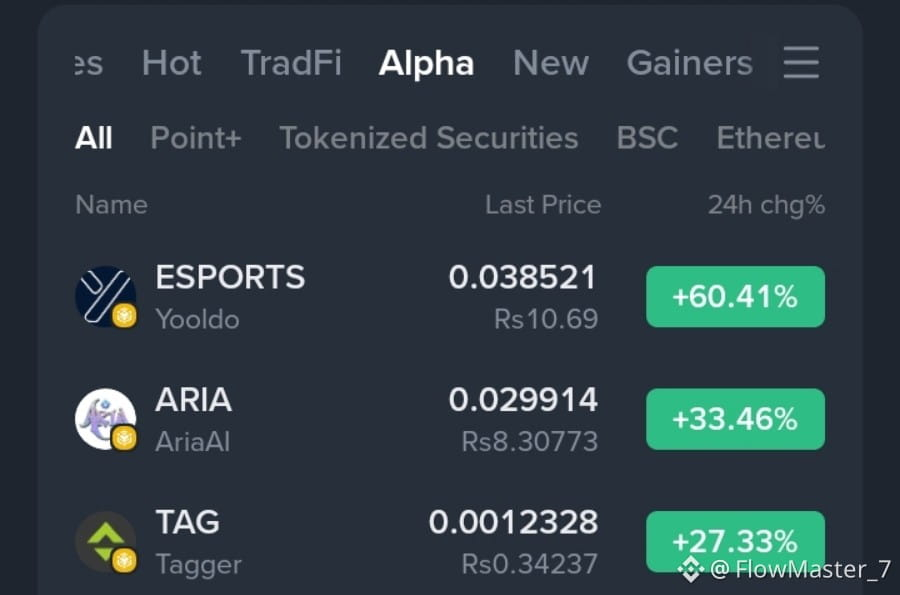
$ESPORTS vs $ARIA – Which One to Trade? 📊
🏆 PICK: $ESPORTS (+60%)
Why $ ESPORTS over $ ARIA?
· Gaming sector is HOTTEST right now
· Higher gain (+60% vs +33%)
· 87K+ holders vs 81K
· More volume = stronger momentum
$ ARIA** is good but **$ ESPORTS has more upside potential today!
Trade $ESPORTS for maximum gains! 🚀
{future}(ESPORTSUSDT)
#ESPORTS #ARIA #Binance #Comparison
$ESPORTS vs $ARIA – Which One to Trade? 📊
🏆 PICK: $ESPORTS (+60%)
Why $ ESPORTS over $ ARIA?
· Gaming sector is HOTTEST right now
· Higher gain (+60% vs +33%)
· 87K+ holders vs 81K
· More volume = stronger momentum
$ ARIA** is good but **$ ESPORTS has more upside potential today!
Trade $ESPORTS for maximum gains! 🚀
#ESPORTS #ARIA #Binance #Comparison
1
189

TRON VS ETHEREUM: THE FAIR COMPARISON ⚖️
Let's be honest — comparing TRON to Ethereum isn't about declaring a winner. It's about understanding the strengths of each network and choosing the right tool for the job.
Ethereum pioneered smart contracts and has the largest developer community. Its security model, backed by hundreds of thousands of validators, is battle-tested and proven.
TRON excels in performance and cost. Our DPoS consensus delivers faster transactions and lower fees, making TRON ideal for high-volume applications and emerging markets.
The real winner is the user, who benefits from competition between these networks.
@TRON DAO
#TRONEcoStar #Comparison #Innovation
39

·
--
$ETH vs$SOL
Metric,Ethereum (ETH),Solana (SOL)
Price,"~$2,482",~$100
Market Cap,~$299B,~$59B
24h Change,+2.0%,+6.7%
Consensus,Proof of Stake,Proof of Stake
Key Narrative,"Layer 1, DeFi Hub",High-Performance L1
#comparison
{spot}(ETHUSDT)
{spot}(SOLUSDT)
$ETH vs$SOL
Metric,Ethereum (ETH),Solana (SOL)
Price,"~$2,482",~$100
Market Cap,~$299B,~$59B
24h Change,+2.0%,+6.7%
Consensus,Proof of Stake,Proof of Stake
Key Narrative,"Layer 1, DeFi Hub",High-Performance L1
#comparison
Metric,Ethereum (ETH),Solana (SOL)
Price,"~$2,482",~$100
Market Cap,~$299B,~$59B
24h Change,+2.0%,+6.7%
Consensus,Proof of Stake,Proof of Stake
Key Narrative,"Layer 1, DeFi Hub",High-Performance L1
#comparison
56

·
--
Статья
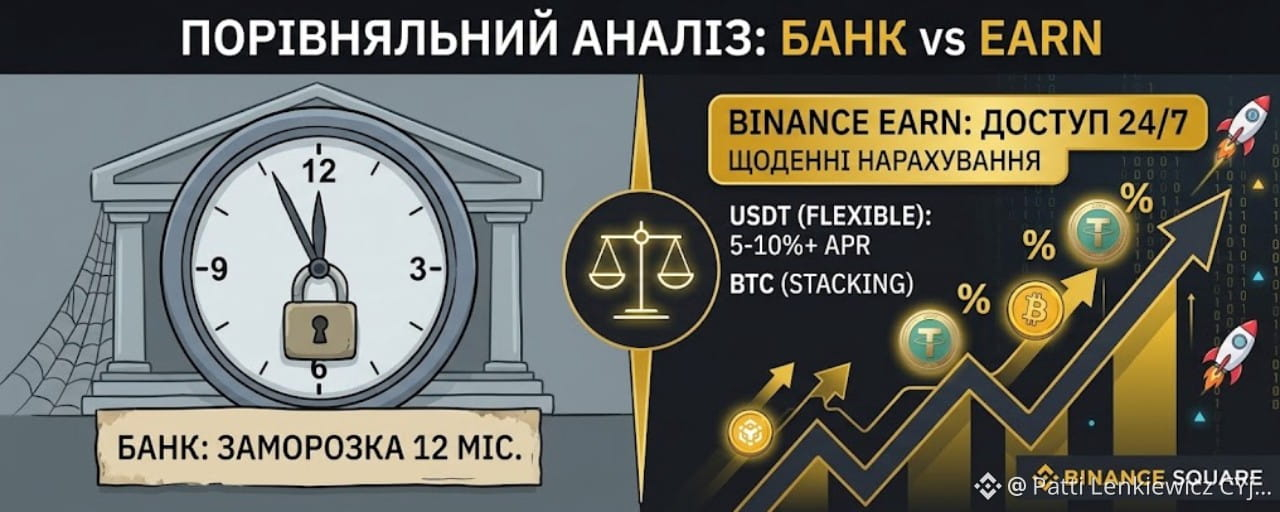
Банківські депозити проти цифрових рішень Earn: комплексне порівнянняБанківські депозити проти цифрових рішень Earn: комплексне порівняння
Для об'єктивного вибору фінансового інструменту варто зіставити традиційні банківські рахунки та продукти Binance Earn за чотирма параметрами:
Реальна ліквідність: Традиційний депозит блокує кошти на строк від 3 до 12 місяців без права виведення без штрафів. Гнучкий Earn дає можливість повернути активи будь-якої хвилини.Дохідність: Банківські ставки на валютні вклади часто знаходяться на рівні часток відсотка або кількох процентів, що навіть не перекриває інфляцію. У криптосекторі дохідність за стейблкоїнами стабільно вища.Регуляторні гарантії: Тут перевага за банками завдяки фондам гарантування вкладів.Валютна диверсифікація: Криптовалютні платформи дозволяють легко перемикатися між різними стабільними монетами та активами.Оптимальний підхід полягає не в протиставленні, а в розумному комбінуванні обох підходів.#Finances #TradFi #BinanceEarn #Comparison
Банківські депозити проти цифрових рішень Earn: комплексне порівняння
Банківські депозити проти цифрових рішень Earn: комплексне порівняння
Для об'єктивного вибору фінансового інструменту варто зіставити традиційні банківські рахунки та продукти Binance Earn за чотирма параметрами:
Реальна ліквідність: Традиційний депозит блокує кошти на строк від 3 до 12 місяців без права виведення без штрафів. Гнучкий Earn дає можливість повернути активи будь-якої хвилини.Дохідність: Банківські ставки на валютні вклади часто знаходяться на рівні часток відсотка або кількох процентів, що навіть не перекриває інфляцію. У криптосекторі дохідність за стейблкоїнами стабільно вища.Регуляторні гарантії: Тут перевага за банками завдяки фондам гарантування вкладів.Валютна диверсифікація: Криптовалютні платформи дозволяють легко перемикатися між різними стабільними монетами та активами.Оптимальний підхід полягає не в протиставленні, а в розумному комбінуванні обох підходів.#Finances #TradFi #BinanceEarn #Comparison
115
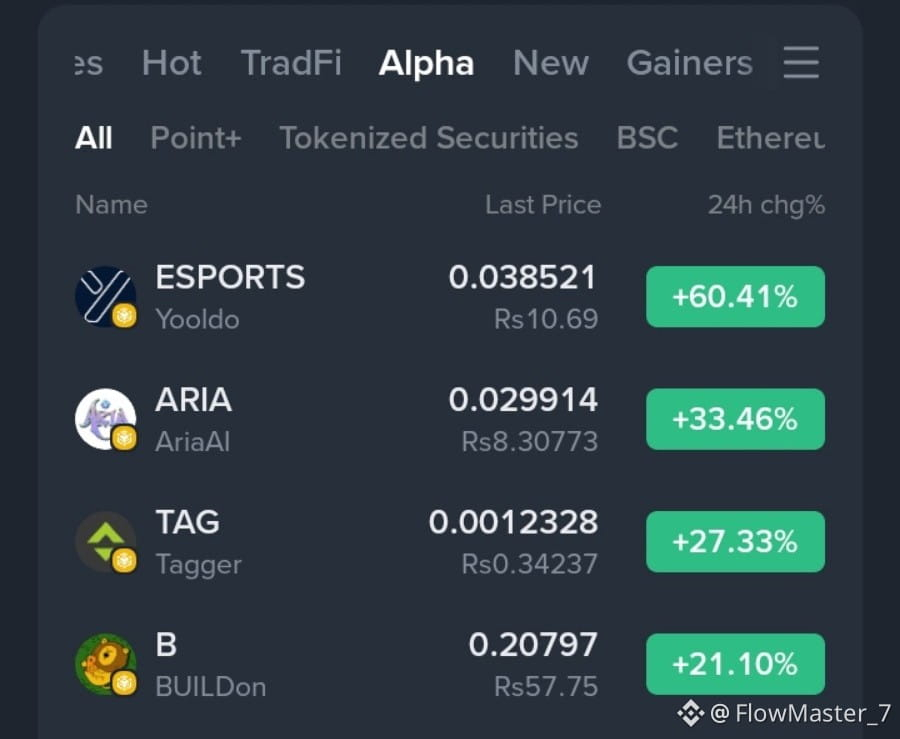
$TAG vs $B – Which One to Trade? 📊
🏆 PICK: $B (+21%)
Why B over TAG?
· Breakout confirmed with 1.36B volume
· $ B has stronger momentum
· 80K+ holders and growing
· Higher market cap = more stability
$ TAG** is recovering but **$ B has clearer breakout pattern!
Trade $ B for steady gains! 🚀
{future}(BUSDT)
#B #BUILDon #Binance #Comparison
$TAG vs $B – Which One to Trade? 📊
🏆 PICK: $B (+21%)
Why B over TAG?
· Breakout confirmed with 1.36B volume
· $ B has stronger momentum
· 80K+ holders and growing
· Higher market cap = more stability
$ TAG** is recovering but **$ B has clearer breakout pattern!
Trade $ B for steady gains! 🚀
#B #BUILDon #Binance #Comparison
🏆 PICK: $B (+21%)
Why B over TAG?
· Breakout confirmed with 1.36B volume
· $ B has stronger momentum
· 80K+ holders and growing
· Higher market cap = more stability
$ TAG** is recovering but **$ B has clearer breakout pattern!
Trade $ B for steady gains! 🚀
#B #BUILDon #Binance #Comparison
1
164

·
--
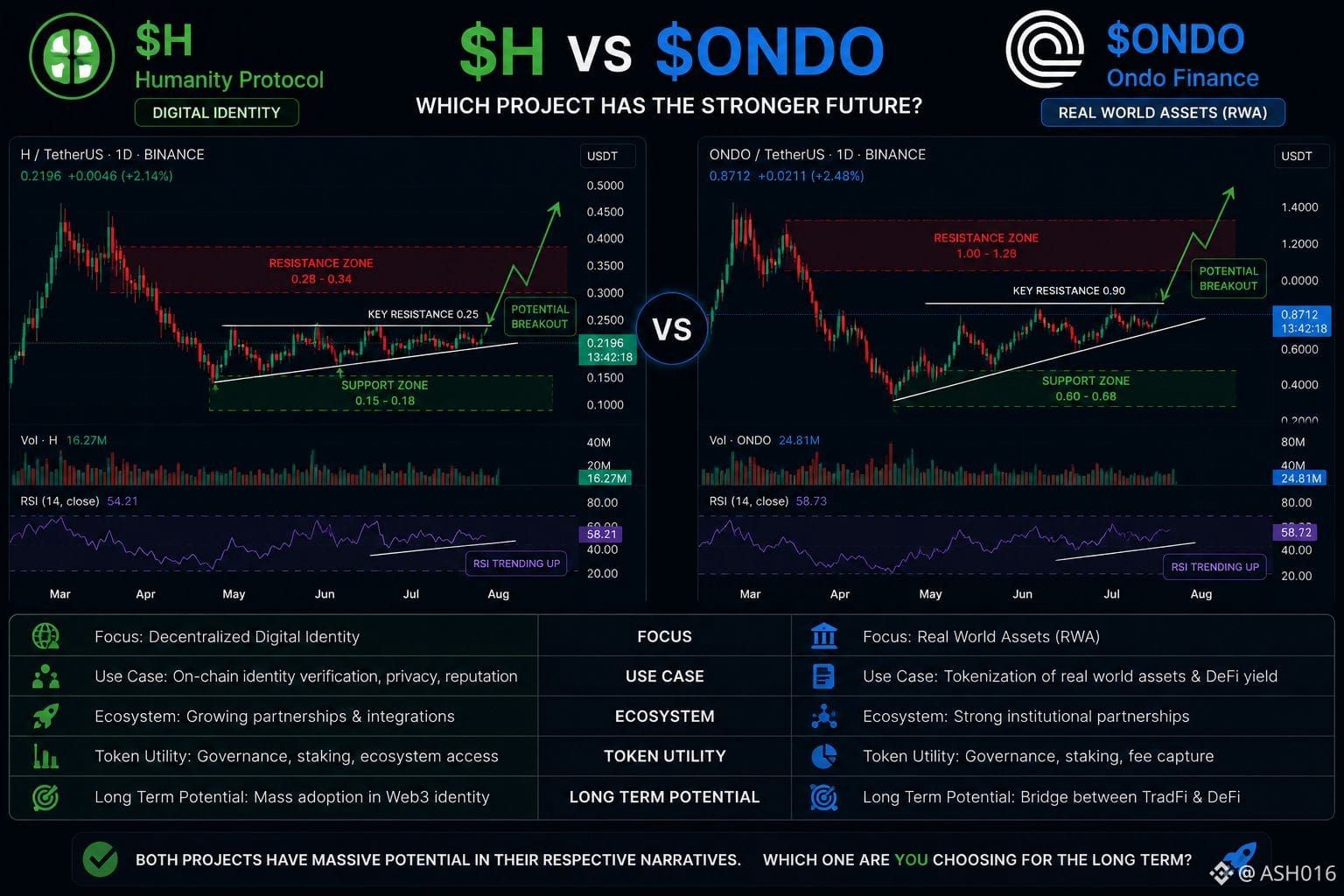
Two strong narratives are competing for attention in crypto:
🔹 $H — Digital Identity
🔹 $ONDO — Real World Assets (RWA)
If you could invest in only one project for the next bull run, which would you choose and why? 👇
#H #ONDO #viralpost #Comparison
{spot}(HBARUSDT)
{spot}(ONDOUSDT)
Two strong narratives are competing for attention in crypto:
🔹 $H — Digital Identity
🔹 $ONDO — Real World Assets (RWA)
If you could invest in only one project for the next bull run, which would you choose and why? 👇
#H #ONDO #viralpost #Comparison
🔹 $H — Digital Identity
🔹 $ONDO — Real World Assets (RWA)
If you could invest in only one project for the next bull run, which would you choose and why? 👇
#H #ONDO #viralpost #Comparison
1
461

·
--
Статья
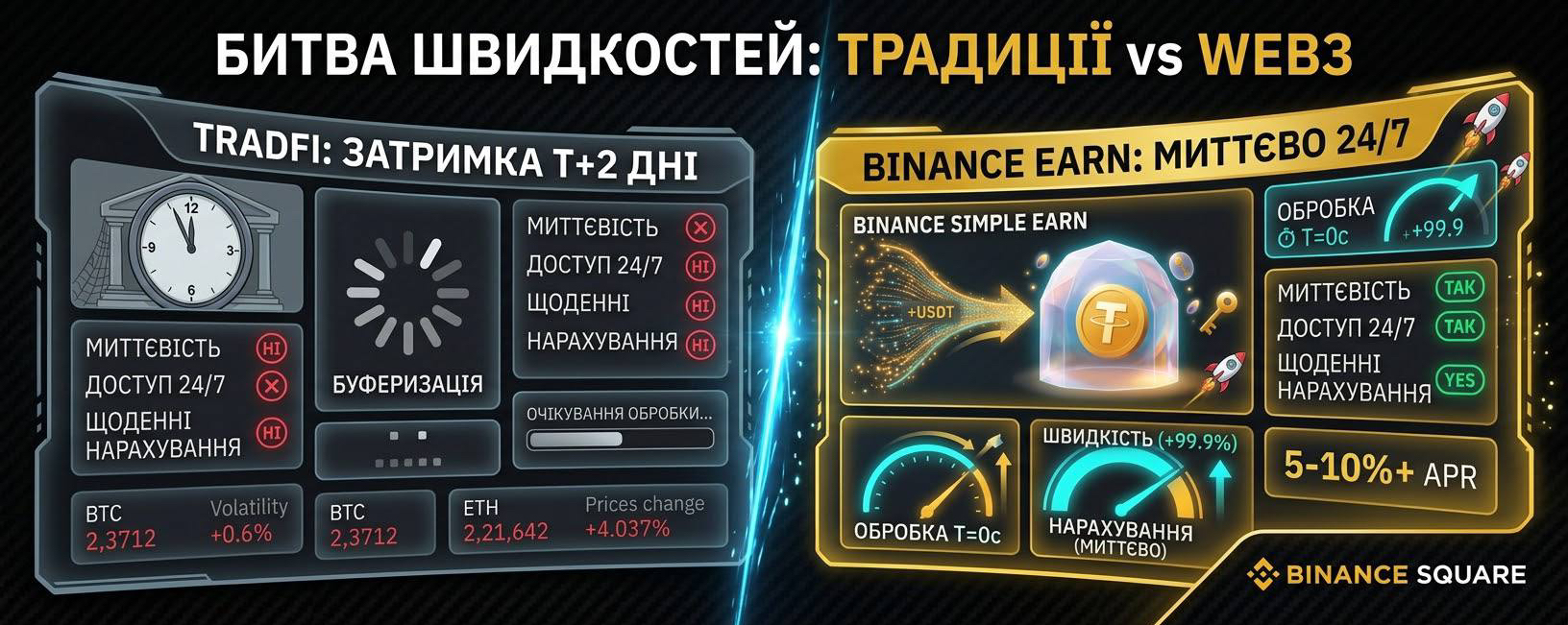
Стейкінг Трейдинг чи Earn який інструмент обрати для стартуКороткий гайд щодо вибору інструменту:
Трейдинг на споті та фючерсах: найвища потенційна дохідність, але й максимальні ризики. Потребує багато часу, знань та постійної уваги.
Класичний стейкінг: підходить для холдерів мережевих токенів (SOL, ETH, BNB), які вірять у проєкт на довгій дистанції.
Binance Earn зі стейблкоїнами: мінімальний рівень ризику серед криптовалютних інструментів, прогнозований результат і спокій.
Оцінюйте свій вільний час і толерантність до ризику перед стартом.
#trading #staking #Earn #Comparison
Стейкінг Трейдинг чи Earn який інструмент обрати для старту
Короткий гайд щодо вибору інструменту:
Трейдинг на споті та фючерсах: найвища потенційна дохідність, але й максимальні ризики. Потребує багато часу, знань та постійної уваги.
Класичний стейкінг: підходить для холдерів мережевих токенів (SOL, ETH, BNB), які вірять у проєкт на довгій дистанції.
Binance Earn зі стейблкоїнами: мінімальний рівень ризику серед криптовалютних інструментів, прогнозований результат і спокій.
Оцінюйте свій вільний час і толерантність до ризику перед стартом.
#trading #staking #Earn #Comparison
201
✌️Today's Best Picks🔥
$AKE ** – +77% | AI/DeFi | Absolute dominance!
🥈 **$ESPORTS – +35% | Gaming | Sector leader!
🥉 $1000XEC ** – +23% | Micro-cap | Breakout star!
🏅 **$STAR – +14% | Metaverse | Steady runner!
🏅 $AVAAI – +15% | AI | Momentum builder!
Sectors on fire: AI, Gaming, Micro-caps
Strategy: Pick your favorite and trade with confidence!
{future}(1000XECUSDT)
{future}(AKEUSDT)
{future}(ESPORTSUSDT)
#Comparison #Binance #HotGainers #Crypto
✌️Today's Best Picks🔥
$AKE ** – +77% | AI/DeFi | Absolute dominance!
🥈 **$ESPORTS – +35% | Gaming | Sector leader!
🥉 $1000XEC ** – +23% | Micro-cap | Breakout star!
🏅 **$STAR – +14% | Metaverse | Steady runner!
🏅 $AVAAI – +15% | AI | Momentum builder!
Sectors on fire: AI, Gaming, Micro-caps
Strategy: Pick your favorite and trade with confidence!
#Comparison #Binance #HotGainers #Crypto
1
289
Статья
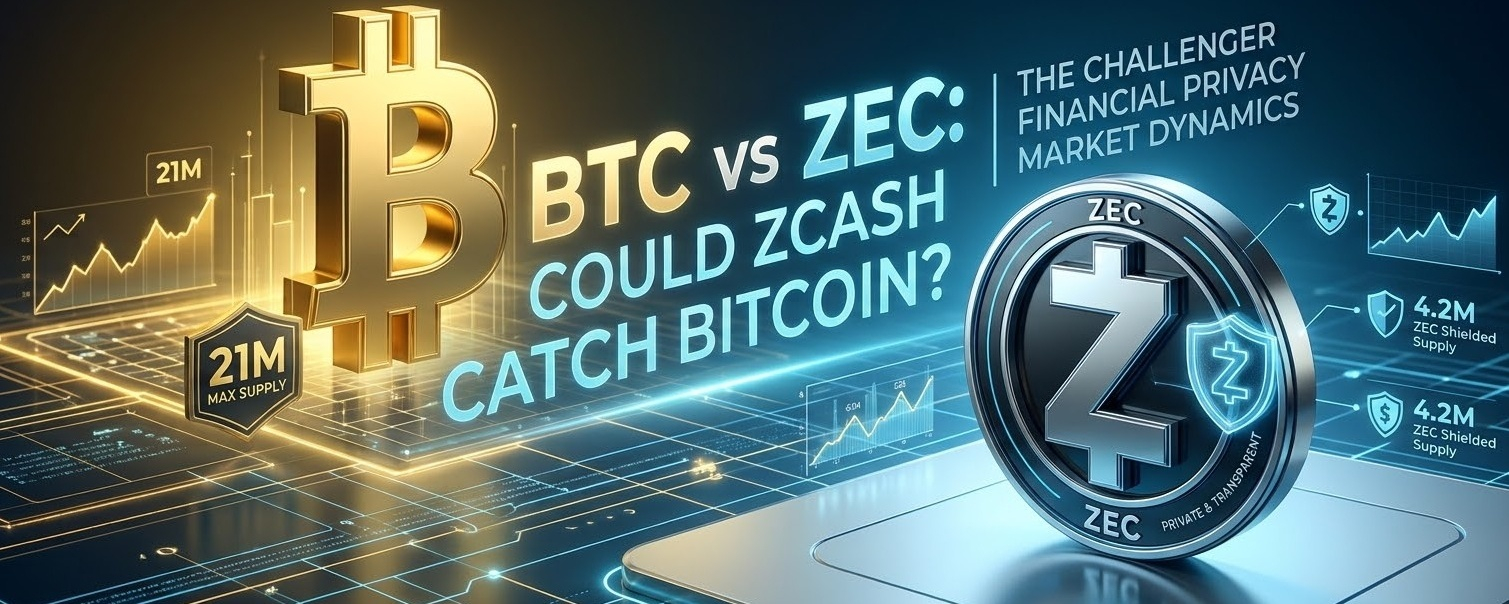
BTC vs ZEC: Could Zcash Ever Catch Bitcoin?Both $BTC and $ZEC have a maximum supply of 21 million coins. But could ZEC become Bitcoin’s biggest challenger?
1. THE VALUATION GAP
Until now, BTC has 20.105M coins circulating and a $1.557T market cap. ZEC had 16.944M circulating and a $21.19B market cap. Bitcoin was valued approximately 73 times higher. Yet ZEC’s circulating supply was already about 84% of BTC’s. This illustrates why scarcity alone cannot determine value.
2. WHY ZEC HAS POTENTIAL
Zcash combines Proof of Work security and Bitcoin like scarcity with optional shielded transactions powered by zero knowledge proofs. These can conceal transaction amounts and participants while still allowing network verification. Grayscale reported that shielded supply reached approximately 4.2M ZEC in July 2026, around 25% of circulating supply. That is evidence of actual privacy usage, not merely a marketing narrative. As concerns about financial surveillance grow, demand for privacy preserving digital money could strengthen ZEC’s investment case.
3. WHY BTC STILL DOMINATES
Bitcoin benefits from institutional adoption, spot ETFs, deeper liquidity and recognition as digital gold. ZEC faces regulatory uncertainty, exchange restrictions, adoption challenges and greater volatility.
4. THE BIG QUESTION
At BTC’s current market cap, ZEC would be worth approximately $92,000 per coin, assuming 16.944M circulating ZEC. That represents roughly 73x its current price, not a forecast, but a valuation scenario.
5. VERDICT
ZEC does not need to replace BTC to deliver strong returns. But matching Bitcoin requires extraordinary demand growth.
What do you think, will financial privacy become crypto’s next major narrative? Share your view.
{future}(BTCUSDT)
{future}(ZECUSDT)
#BTC☀ #zec #Comparison
#USMidtermElections
#BinanceSquareFamily
BTC vs ZEC: Could Zcash Ever Catch Bitcoin?
Both $BTC and $ZEC have a maximum supply of 21 million coins. But could ZEC become Bitcoin’s biggest challenger?
1. THE VALUATION GAP
Until now, BTC has 20.105M coins circulating and a $1.557T market cap. ZEC had 16.944M circulating and a $21.19B market cap. Bitcoin was valued approximately 73 times higher. Yet ZEC’s circulating supply was already about 84% of BTC’s. This illustrates why scarcity alone cannot determine value.
2. WHY ZEC HAS POTENTIAL
Zcash combines Proof of Work security and Bitcoin like scarcity with optional shielded transactions powered by zero knowledge proofs. These can conceal transaction amounts and participants while still allowing network verification. Grayscale reported that shielded supply reached approximately 4.2M ZEC in July 2026, around 25% of circulating supply. That is evidence of actual privacy usage, not merely a marketing narrative. As concerns about financial surveillance grow, demand for privacy preserving digital money could strengthen ZEC’s investment case.
3. WHY BTC STILL DOMINATES
Bitcoin benefits from institutional adoption, spot ETFs, deeper liquidity and recognition as digital gold. ZEC faces regulatory uncertainty, exchange restrictions, adoption challenges and greater volatility.
4. THE BIG QUESTION
At BTC’s current market cap, ZEC would be worth approximately $92,000 per coin, assuming 16.944M circulating ZEC. That represents roughly 73x its current price, not a forecast, but a valuation scenario.
5. VERDICT
ZEC does not need to replace BTC to deliver strong returns. But matching Bitcoin requires extraordinary demand growth.
What do you think, will financial privacy become crypto’s next major narrative? Share your view.
#BTC☀ #zec #Comparison
#USMidtermElections
#BinanceSquareFamily
Joyeeta Nafis:
Zec has much room to grow
2
1
392

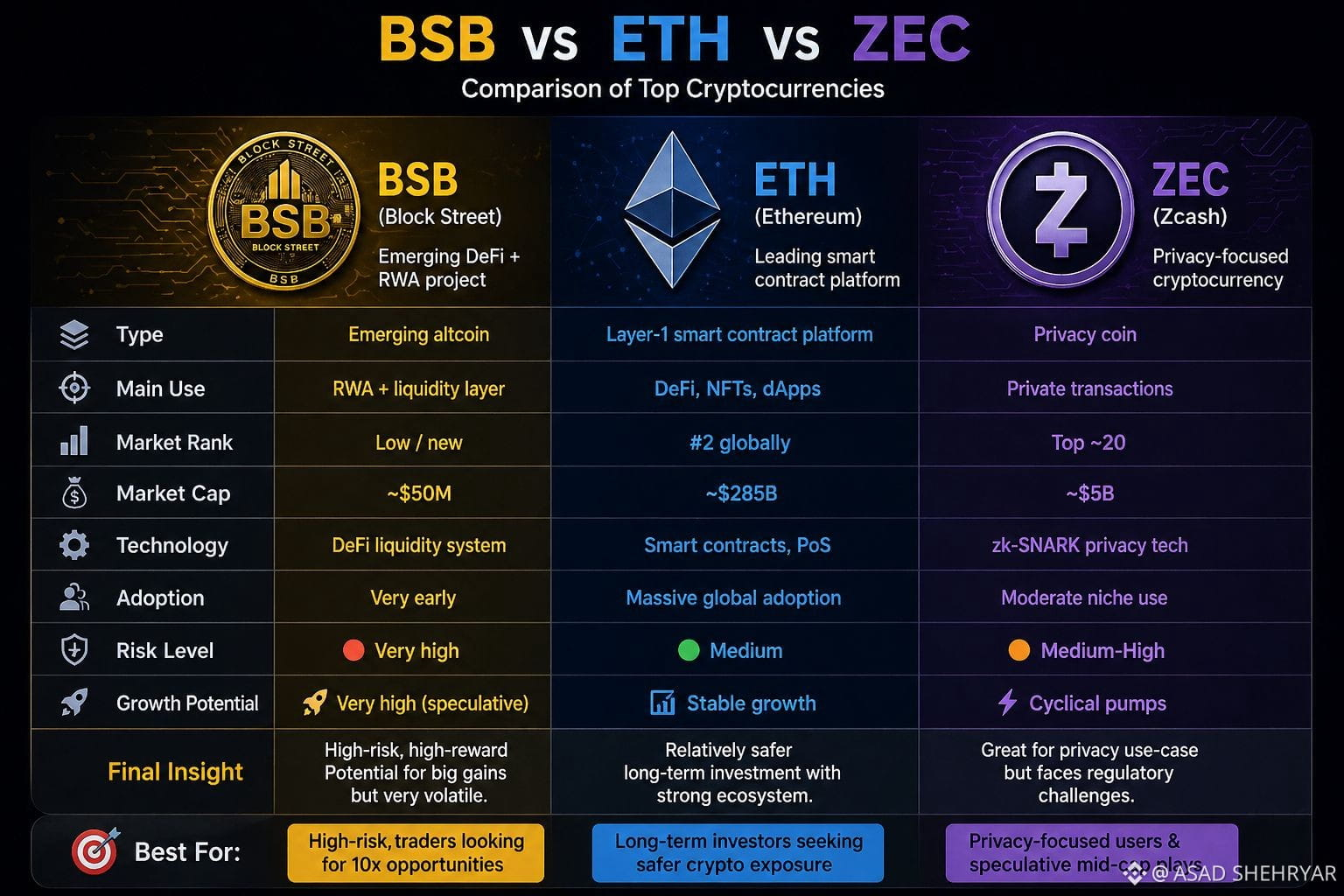
Here’s a clear comparison of $BSB BSB vs
{alpha}(560x595deaad1eb5476ff1e649fdb7efc36f1e4679cc)
$ETH Ethereum vs
{future}(ETHUSDT)
$ZEC
{future}(ZECUSDT)
Zcash so you can understand where each stands in the crypto market:
BSB (Block Street) → New DeFi + RWA (real-world assets) project
Ethereum (ETH) → Leading smart contract platform powering DeFi & NFTs
Zcash (ZEC) → Privacy-focused cryptocurrency
High volatility & risk
Limited track record
👉 Best for: High-risk traders looking for 10x-type opportunities
🔵 Ethereum (ETH)
Strengths:
Backbone of DeFi, NFTs, Web3 apps
Huge developer ecosystem
Switched to Proof of Stake → energy efficient
Weaknesses:
Slower growth compared to small altcoins
Gas fees can still be high
👉 Best for: Long-term investment & relatively safer crypto exposure
🟣 Zcash (ZEC)
Strengths:
Advanced privacy technology (zk-SNARKs)
Optional anonymity (unique feature)
Strong cryptographic foundation
Weaknesses:
Regulatory concerns limit adoption
Smaller ecosystem than Ethereum
Less mainstream usage👉 Best for: Privacy-focused users & speculative mid-cap plays
🔮 Which One is Better?
For safety & long-term: → Ethereum 🟢
For privacy use-case: → Zcash 🟣
For high-risk/high-reward: → BSB 🔴#ETH #Comparison #ZCX/USDT
Here’s a clear comparison of $BSB BSB vs
$ETH Ethereum vs
$ZEC
Zcash so you can understand where each stands in the crypto market:
BSB (Block Street) → New DeFi + RWA (real-world assets) project
Ethereum (ETH) → Leading smart contract platform powering DeFi & NFTs
Zcash (ZEC) → Privacy-focused cryptocurrency
High volatility & risk
Limited track record
👉 Best for: High-risk traders looking for 10x-type opportunities
🔵 Ethereum (ETH)
Strengths:
Backbone of DeFi, NFTs, Web3 apps
Huge developer ecosystem
Switched to Proof of Stake → energy efficient
Weaknesses:
Slower growth compared to small altcoins
Gas fees can still be high
👉 Best for: Long-term investment & relatively safer crypto exposure
🟣 Zcash (ZEC)
Strengths:
Advanced privacy technology (zk-SNARKs)
Optional anonymity (unique feature)
Strong cryptographic foundation
Weaknesses:
Regulatory concerns limit adoption
Smaller ecosystem than Ethereum
Less mainstream usage👉 Best for: Privacy-focused users & speculative mid-cap plays
🔮 Which One is Better?
For safety & long-term: → Ethereum 🟢
For privacy use-case: → Zcash 🟣
For high-risk/high-reward: → BSB 🔴#ETH #Comparison #ZCX/USDT
282

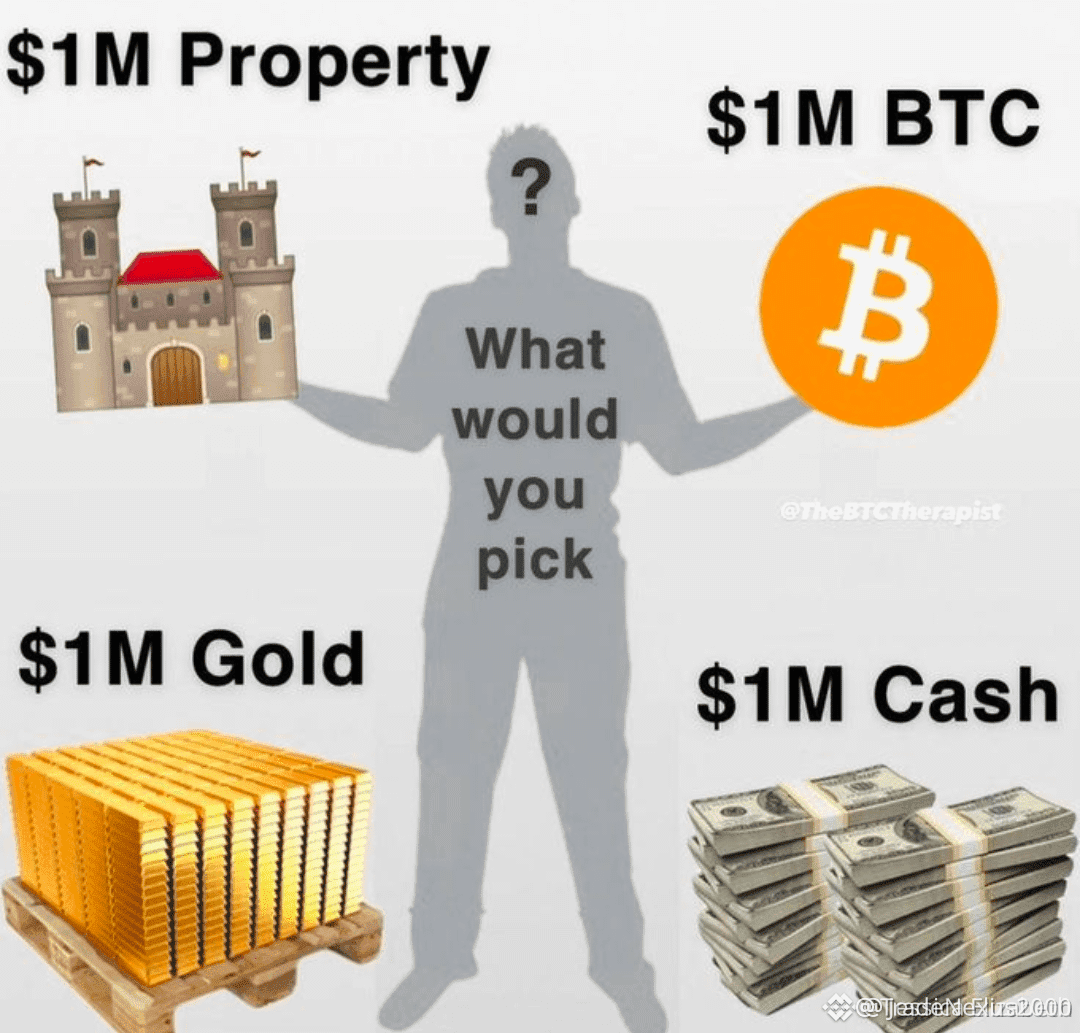
$BTC VS $XAU : WHICH ASSET IS BUILT FOR THE NEXT MOVE? ⚡
Body
The structural case for each asset is playing out on different timeframes. Gold is approaching a weekly resistance zone that has rejected price three times since 2020. Bitcoin, meanwhile, is consolidating inside a monthly range that historically precedes expansion. The key differentiator right now is liquidity — one asset is sitting at a clear inefficiency, the other is at a decision point. Which side has the cleaner R:R for the next few weeks?
Not financial advice. Always manage your risk.
#BTC #Gold #MarketStructure #Comparison #Crypto
⚡
75

·
--
Рост
$ETH Awakening
🔥 ETH FINALLY WOKE UP
$ETH has moved above $2,200 and the momentum is getting hard to ignore.
But here’s what I’m thinking:
The easy part was getting attention.
The difficult part is keeping the momentum alive.
If ETH continues making higher highs and higher lows, the conversation around altcoins could get very interesting.
Personally, I’m watching ETH closely now. 👀
One question:
Can ETH reach $2,500 before BTC reaches $75K?
👇 ETH or BTC?
#ETH
#Ethereum
#BTC
#Altcoins
#Comparison
2
382

·
--
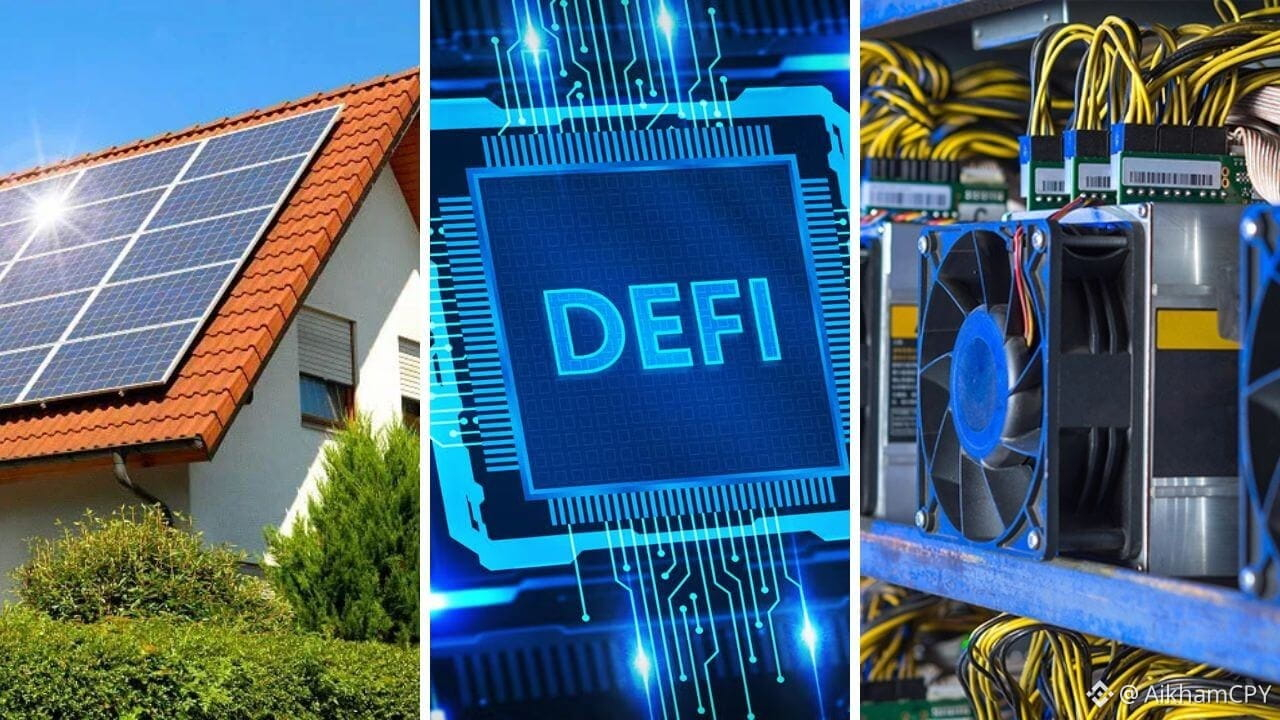
📊 BATTLE OF INVESTMENTS: Which is BEST? ⚔️💰
⚡ The Comparison:
Comparing 3 Major Investment Strategies for the future:
1️⃣ Solar Panels ☀️🔋
- Real-world assets & passive energy income
- Stable returns over long period
2️⃣ DeFi Yield Farming 🥩💸
- High APY & compound interest
- Higher risk but faster growth potential
3️⃣ Bitcoin Mining ⛏️🪙
- The original crypto business
- Profits from BTC issuance & price growth
🤔 The Big Question:
Which one gives the HIGHEST ROI in the long run? 🧐📈
Is physical power better than digital power?
$BTC $CAKE $AAVE
#Investment #Solar #DeFi #BitcoinMining #Comparison
252
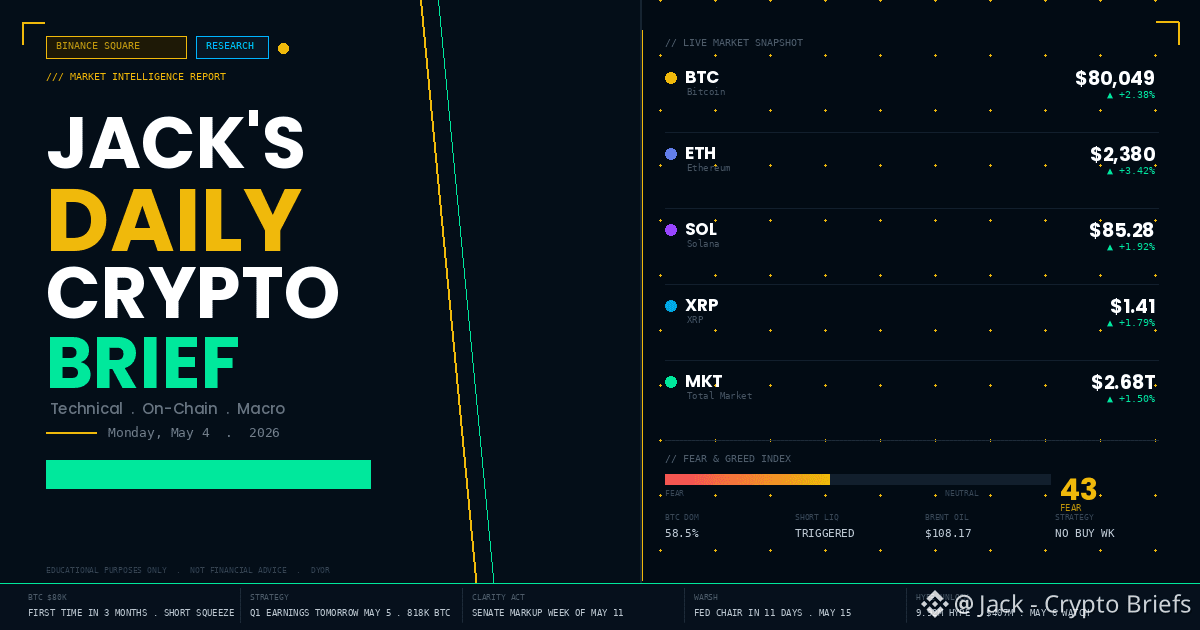
📊 BTC AT $80,000 TODAY.
Here is what $80,000 BTC means
compared to other assets.
BITCOIN vs GOLD:
Gold market cap: ~$22 trillion
Bitcoin market cap: ~$1.6 trillion
Bitcoin is still only 7% the size
of gold. If BTC reaches gold parity:
Price would be ~$1,100,000 per BTC.
BITCOIN vs S&P 500:
S&P 500 total value: ~$46 trillion
Bitcoin: ~$1.6 trillion
Bitcoin is 3.5% the size of the
entire U.S. stock market.
BITCOIN vs GLOBAL REAL ESTATE:
Global real estate: ~$326 trillion
Bitcoin: ~$1.6 trillion
Bitcoin is 0.5% of global real estate.
BITCOIN vs US M2 MONEY SUPPLY:
US M2 money supply: ~$21 trillion
Bitcoin: ~$1.6 trillion
Bitcoin is 7.6% of all U.S. dollars.
$80,000 sounds big.
In context of global wealth —
Bitcoin is still a very small asset
with significant room to grow
if institutional adoption continues.
This is why long-term investors
focus on the macro story
not the daily price. 📊
⚠️ Educational only. Not financial advice. DYOR.
#bitcoin #BTC #Comparison
#JackDailyBrief #BinanceSquare
#CryptoEducation #May2026 #dyor
$BTC
{spot}(BTCUSDT)
$ETH
{spot}(ETHUSDT)
$XRP
{spot}(XRPUSDT)
📊 BTC AT $80,000 TODAY.
Here is what $80,000 BTC means
compared to other assets.
BITCOIN vs GOLD:
Gold market cap: ~$22 trillion
Bitcoin market cap: ~$1.6 trillion
Bitcoin is still only 7% the size
of gold. If BTC reaches gold parity:
Price would be ~$1,100,000 per BTC.
BITCOIN vs S&P 500:
S&P 500 total value: ~$46 trillion
Bitcoin: ~$1.6 trillion
Bitcoin is 3.5% the size of the
entire U.S. stock market.
BITCOIN vs GLOBAL REAL ESTATE:
Global real estate: ~$326 trillion
Bitcoin: ~$1.6 trillion
Bitcoin is 0.5% of global real estate.
BITCOIN vs US M2 MONEY SUPPLY:
US M2 money supply: ~$21 trillion
Bitcoin: ~$1.6 trillion
Bitcoin is 7.6% of all U.S. dollars.
$80,000 sounds big.
In context of global wealth —
Bitcoin is still a very small asset
with significant room to grow
if institutional adoption continues.
This is why long-term investors
focus on the macro story
not the daily price. 📊
⚠️ Educational only. Not financial advice. DYOR.
#bitcoin #BTC #Comparison
#JackDailyBrief #BinanceSquare
#CryptoEducation #May2026 #dyor
$BTC
$ETH
$XRP
111
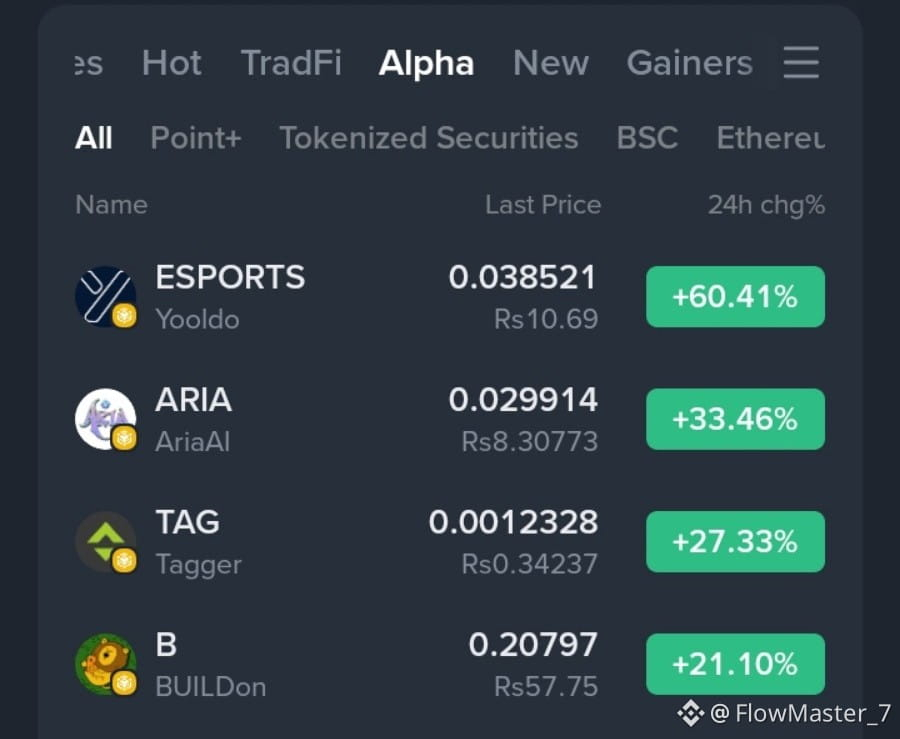
Top 3 Gainers – Which One to Trade? 📊
Today's Leaders:
🥇 $ESPORTS ** – +60% | Gaming gem!
🥈 **$ARIA – +33% | AI momentum!
🥉 $ TAG – +27% | Recovery play!
🏆 PICK: $ESPORTS
Why? Gaming sector is on FIRE! Highest gain + most volume = strongest momentum!
Trade $ESPORTS now! 🚀🎮
#TAG #Binance #Comparison #EliteTrades
Today's Leaders:
🥇 $ESPORTS ** – +60% | Gaming gem!
🥈 **$ARIA – +33% | AI momentum!
🥉 $ TAG – +27% | Recovery play!
🏆 PICK: $ESPORTS
Why? Gaming sector is on FIRE! Highest gain + most volume = strongest momentum!
Trade $ESPORTS now! 🚀🎮
#TAG #Binance #Comparison #EliteTrades
1
184

·
--
🚨 $XRP vs $SUI – WHICH STRUCTURE OFFERS THE CLEANEST INSTITUTIONAL SETUP? 💥
Entry (SUI): 0.85 - 0.92 ⚡
Target (SUI): 1.20 / 1.75 / 2.40 🚀
Entry (XRP): 1.30 - 1.40 ⚡
Target (XRP): 1.80 / 2.30 / 3.00 🚀
📌 $SUI sits inside a freshly reclaimed supply zone turned demand at 0.85–0.92, with back-to-back bullish order blocks on the 4H chart. 🦈 The velocity into that range suggests smart money is absorbing float before the next leg. 💡 Meanwhile, $XRP is consolidating above prior cycle resistance at 1.30, establishing a new higher low that aligns with the daily FVG fill. 📊 Both offer asymmetric reward profiles, but the risk tolerance required differs sharply.
💬 Which structure do you trust more — SUI’s explosive inefficiency hunt or XRP’s steady range reclaim? Drop your pick below. 👇
⚠️ Not financial advice. Always manage your risk. 🛡️
🏷️ #XRP #SUI #Altcoins #Crypto #Comparison
🦈 🔥

100

·
--
$STO
{spot}(STOUSDT)
$NOM
{spot}(NOMUSDT)
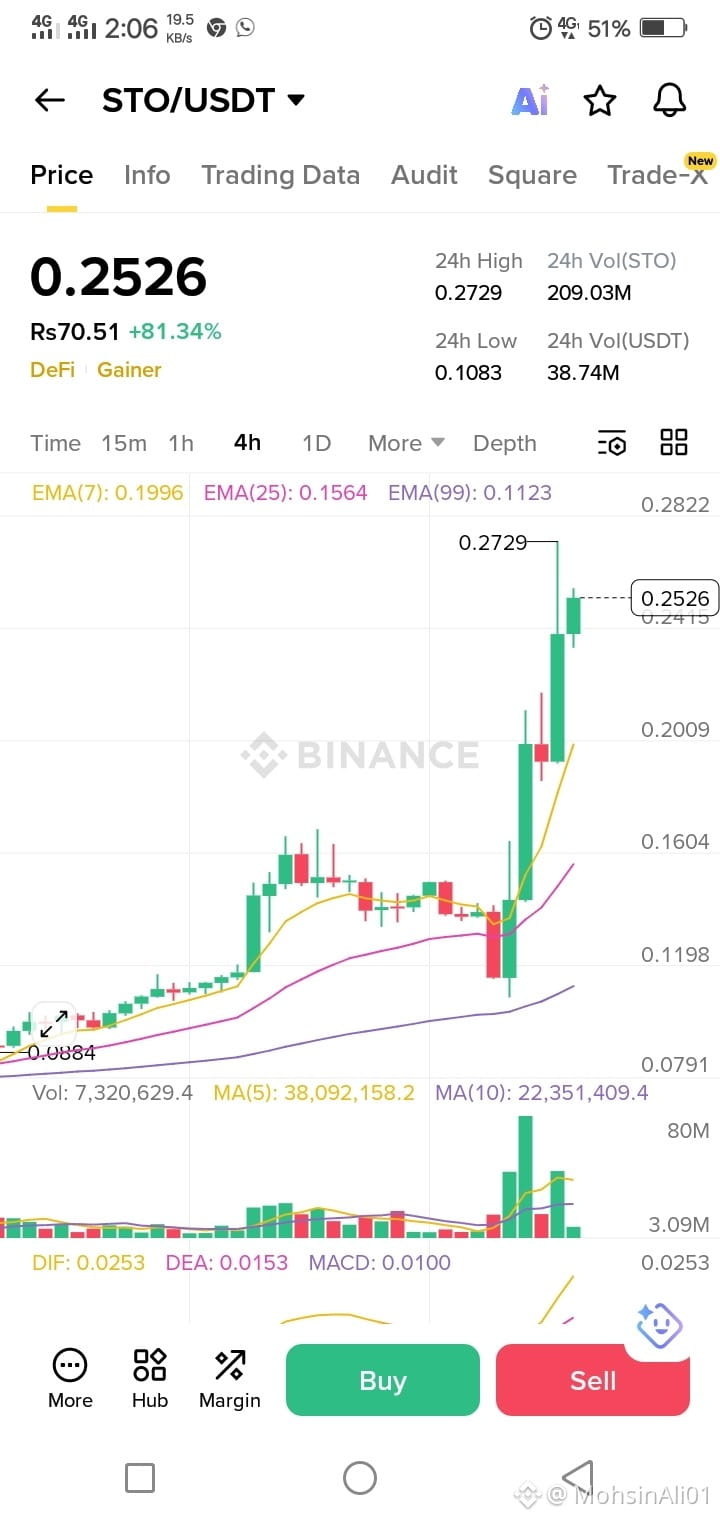
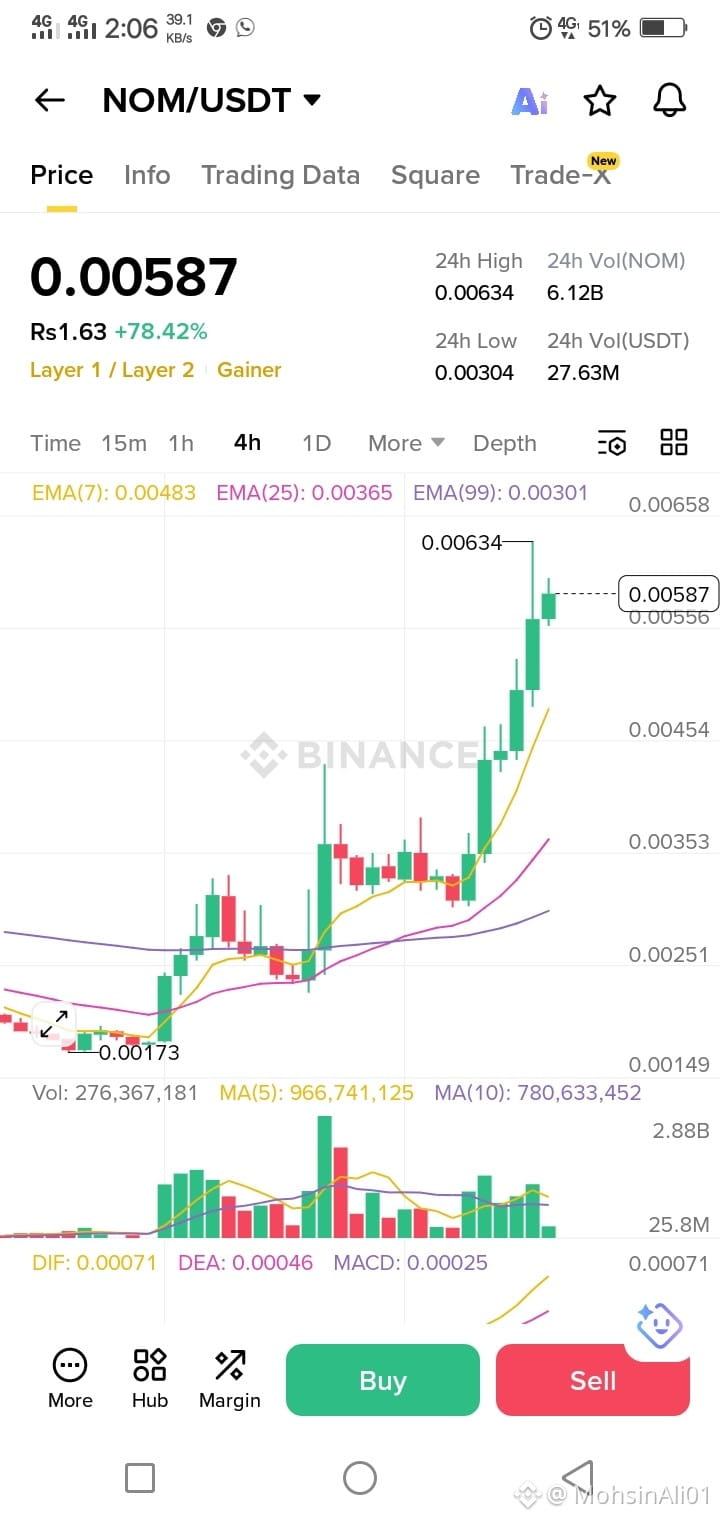
STO and NOM are currently in a "Main Character" deathmatch at the top of the gainer list, with STO leading at +82.40% and NOM hot on its heels at +77.81%. While STO is pulling a "Vertical Rocket Fuel" move that’s currently flirting with the "Sky-High Flirting Zone," NOM has entered a more structural "Superhero Entry" phase with slightly better consolidation. STO is high-octane "Degen Cardio" for those who enjoy catching falling pianos, but NOM looks like the safer long-term "Nap Zone" play for actual sustainable gains. Honestly, NOM is currently the "Superhero" you want in your corner, whereas buying STO right now is basically a "Cliff Dive" invitation without a parachute.
#Binance #STOUSDT #NOMUSDT #Comparison
$STO
$NOM
STO and NOM are currently in a "Main Character" deathmatch at the top of the gainer list, with STO leading at +82.40% and NOM hot on its heels at +77.81%. While STO is pulling a "Vertical Rocket Fuel" move that’s currently flirting with the "Sky-High Flirting Zone," NOM has entered a more structural "Superhero Entry" phase with slightly better consolidation. STO is high-octane "Degen Cardio" for those who enjoy catching falling pianos, but NOM looks like the safer long-term "Nap Zone" play for actual sustainable gains. Honestly, NOM is currently the "Superhero" you want in your corner, whereas buying STO right now is basically a "Cliff Dive" invitation without a parachute.
#Binance #STOUSDT #NOMUSDT #Comparison
1
178
·
--
$ETH vs BTC
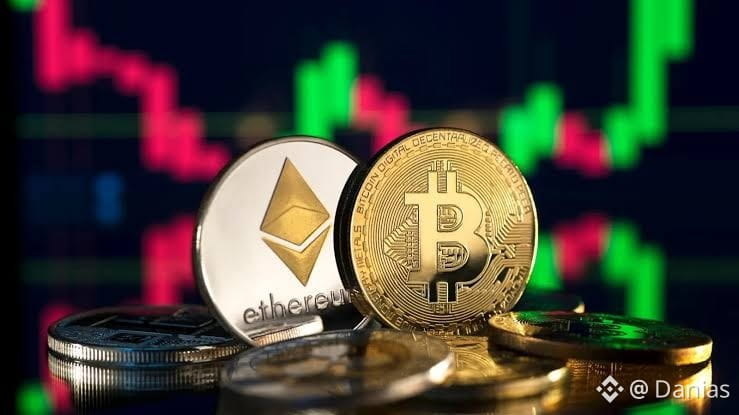
🔥 ETH IS BACK ABOVE $1,900 — NOW THE REAL TEST BEGINS
$ETH has itreclaimed the $1,900 area, while Bitcoin remains around $63K.
But here's what I'm watching 👇
🟢 ETH holds $1,900 → bulls gain confidence
🚀 ETH pushes toward $2,000 → momentum gets interesting
🔴 ETH loses $1,850 → breakout thesis weakens
And here's the big question:
Which reaches its next major level first?
⚡ $ETH → $2,000
🔥 $BTC → $65,000
Comment ETH or BTC 👇
Let's see which community is stronger!
#Ethereum
#Bitcoin
#EthereumVsBitcoin
#Comparison
#Predictions
2
246
Войдите, чтобы посмотреть больше материала
Присоединяйтесь к пользователям криптовалют по всему миру на Binance Square
⚡️ Получайте новейшую и полезную информацию о криптоактивах.
💬 Нам доверяет крупнейшая в мире криптобиржа.
👍 Получите достоверные аналитические данные от верифицированных создателей контента.
Эл. почта/номер телефона
В тренде
1
#BinanceIncidentReport
Просмотров: 36,266
566 обсуждают
2
#BinanceReopensWithdrawalsForMoreAssets
Просмотров: 151,508
1,765 обсуждают
3
#BinanceHourlyDepositsExceedWithdrawals
Просмотров: 71,432
811 обсуждают
4
#USMidtermElections
Просмотров: 891,915
4,647 обсуждают
5
#AnthropicIPOPricedDownasInvestorsEye$1.5T
Просмотров: 4,209
54 обсуждают
6
#USOctoberNFP-AreRateCutsStillPossible
Просмотров: 166,808
1,291 обсуждают
7
#AppleReportsMixedResults
Просмотров: 67,495
979 обсуждают
8
#PalantirSlides3PercentOn$2BRevenue
Просмотров: 5,983
47 обсуждают
9
#FrenchAssemblyRejectsTwoCryptoExitTaxProposals
Просмотров: 12,657
182 обсуждают
10
#Nasdaq100EntersCorrection
Просмотров: 15,808
195 обсуждают