
Zacky_vicent
1.7k Publicações

Zacky_vicent
Denunciar
Bloquear Utilizador
The world is full of illusions. Dismantle the system: money, power, crypto. Wake up or fall victim | TA & digital products | BTC & GOLD | RISE & PROVE IT
Aberto ao trading

Detentor de STX
Trader Frequente
4.2 ano(s)
4 A seguir
175 Seguidores
1.7K+ Gostaram
Publicações
Portfólio
Tudo
Cotações
Vídeos
PINNED
·
--
Artigo
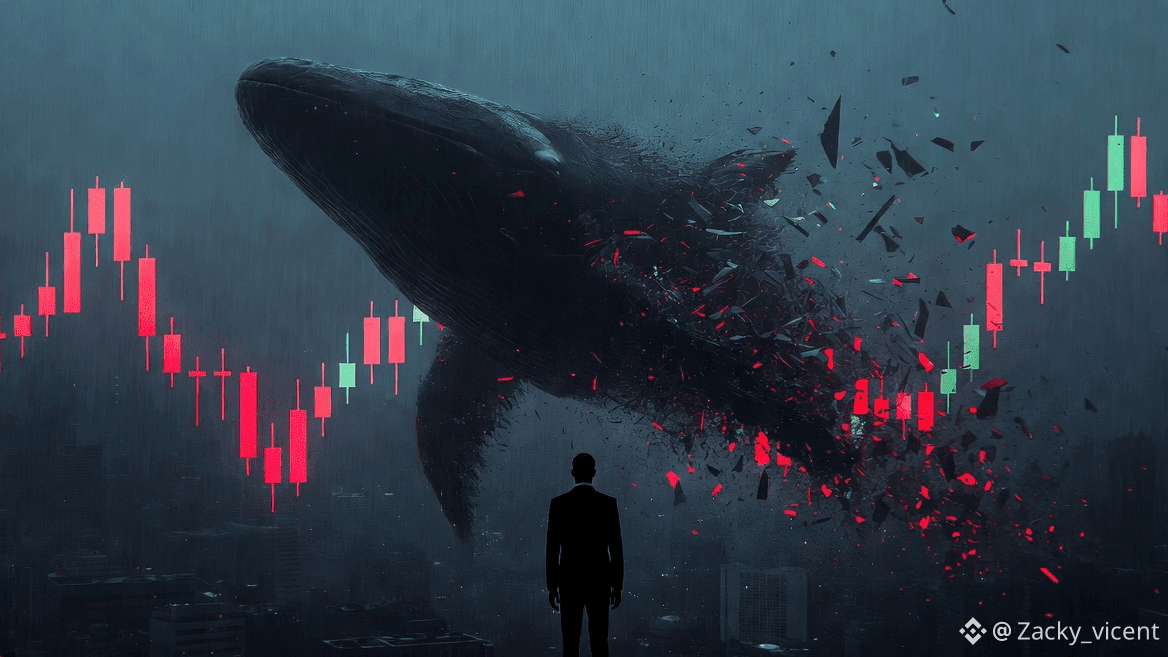
QUANDO O WHALE CAI, O MERCADO SE TORNA HONESTOO mercado de cripto não é cruel.
Ele apenas é honesto.
Quando um grande whale cai por liquidação,
Isso não é um erro do mercado.
Isso é resultado de uma posição muito confiante.
Grande capital não te torna imune.
Um grande nome não te torna seguro.
O mercado não se importa com ninguém.
A liquidação funciona sem emoção:
silêncio, rápido e final.
Quando o alavancagem desaba,
O preço é pressionado.
A liquidez se esgota.
Altcoins são puxadas junto.
Memecoin são abandonados temporariamente.
Muitos ficam com pânico.
Muitos saíram.
Muitos chamam de "cripto morto".
Mesmo assim, isso não é a morte.
QUANDO O WHALE CAI, O MERCADO SE TORNA HONESTO
O mercado de cripto não é cruel.
Ele apenas é honesto.
Quando um grande whale cai por liquidação,
Isso não é um erro do mercado.
Isso é resultado de uma posição muito confiante.
Grande capital não te torna imune.
Um grande nome não te torna seguro.
O mercado não se importa com ninguém.
A liquidação funciona sem emoção:
silêncio, rápido e final.
Quando o alavancagem desaba,
O preço é pressionado.
A liquidez se esgota.
Altcoins são puxadas junto.
Memecoin são abandonados temporariamente.
Muitos ficam com pânico.
Muitos saíram.
Muitos chamam de "cripto morto".
Mesmo assim, isso não é a morte.
Ele apenas é honesto.
Quando um grande whale cai por liquidação,
Isso não é um erro do mercado.
Isso é resultado de uma posição muito confiante.
Grande capital não te torna imune.
Um grande nome não te torna seguro.
O mercado não se importa com ninguém.
A liquidação funciona sem emoção:
silêncio, rápido e final.
Quando o alavancagem desaba,
O preço é pressionado.
A liquidez se esgota.
Altcoins são puxadas junto.
Memecoin são abandonados temporariamente.
Muitos ficam com pânico.
Muitos saíram.
Muitos chamam de "cripto morto".
Mesmo assim, isso não é a morte.
11
2.4k
PINNED
·
--
Artigo
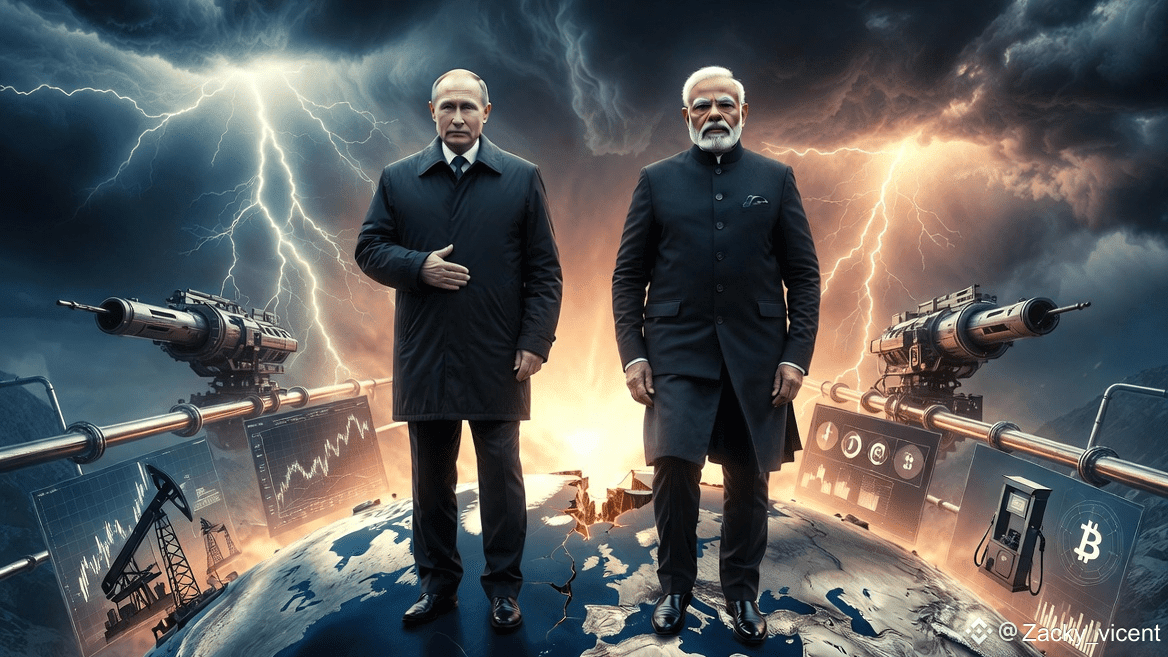
🌐 O Mundo Está Tremendo: Putin & Modi Formando um Novo Eixo! 🌐
Hoje, sexta-feira, 5 de dezembro de 2025, o mundo está chocado. Dois líderes de superpotências — Vladimir Putin e Narendra Modi — assinaram um grande acordo estratégico. Mas isso não é apenas diplomacia: é uma ação fria, dura e implacável, que pode mudar a ordem mundial.
⚡ Fato Horrível:
Energia & Defesa: A Rússia garante que o fornecimento de energia para a Índia permaneça estável, apesar da pressão ocidental insana.
Tecnologia & Espaço: Colaborações de alta tecnologia incluem projetos de defesa e espaço — símbolos de verdadeiro poder.
🌐 O Mundo Está Tremendo: Putin & Modi Formando um Novo Eixo! 🌐
Hoje, sexta-feira, 5 de dezembro de 2025, o mundo está chocado. Dois líderes de superpotências — Vladimir Putin e Narendra Modi — assinaram um grande acordo estratégico. Mas isso não é apenas diplomacia: é uma ação fria, dura e implacável, que pode mudar a ordem mundial.
⚡ Fato Horrível:
Energia & Defesa: A Rússia garante que o fornecimento de energia para a Índia permaneça estável, apesar da pressão ocidental insana.
Tecnologia & Espaço: Colaborações de alta tecnologia incluem projetos de defesa e espaço — símbolos de verdadeiro poder.
⚡ Fato Horrível:
Energia & Defesa: A Rússia garante que o fornecimento de energia para a Índia permaneça estável, apesar da pressão ocidental insana.
Tecnologia & Espaço: Colaborações de alta tecnologia incluem projetos de defesa e espaço — símbolos de verdadeiro poder.
3
2
4
2.2k
·
--
Ver tradução
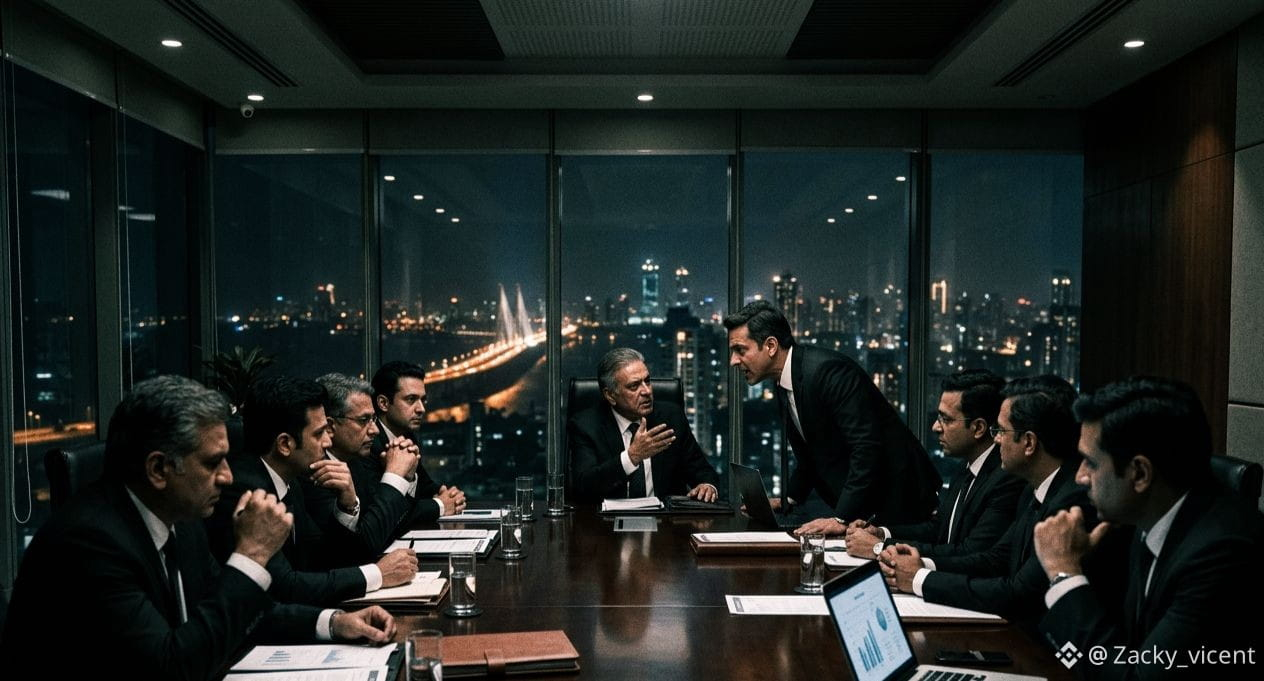
TATA GROUP IS AT WAR — AND THE BATTLE IS HAPPENING INSIDE THE BOARDROOM.
One of India’s most powerful business empires is now facing a brutal internal power struggle.
N. Chandrasekaran has been reappointed as Chairman of Tata Sons for another five-year term.
But Noel Tata, Chairman of Tata Trusts and a key figure of the Tata family, has openly rejected the decision — calling the reappointment “illegal.”
This is NOT a small corporate disagreement.
This is a battle over CONTROL, CAPITAL, OWNERSHIP, AND THE FUTURE OF THE TATA EMPIRE.
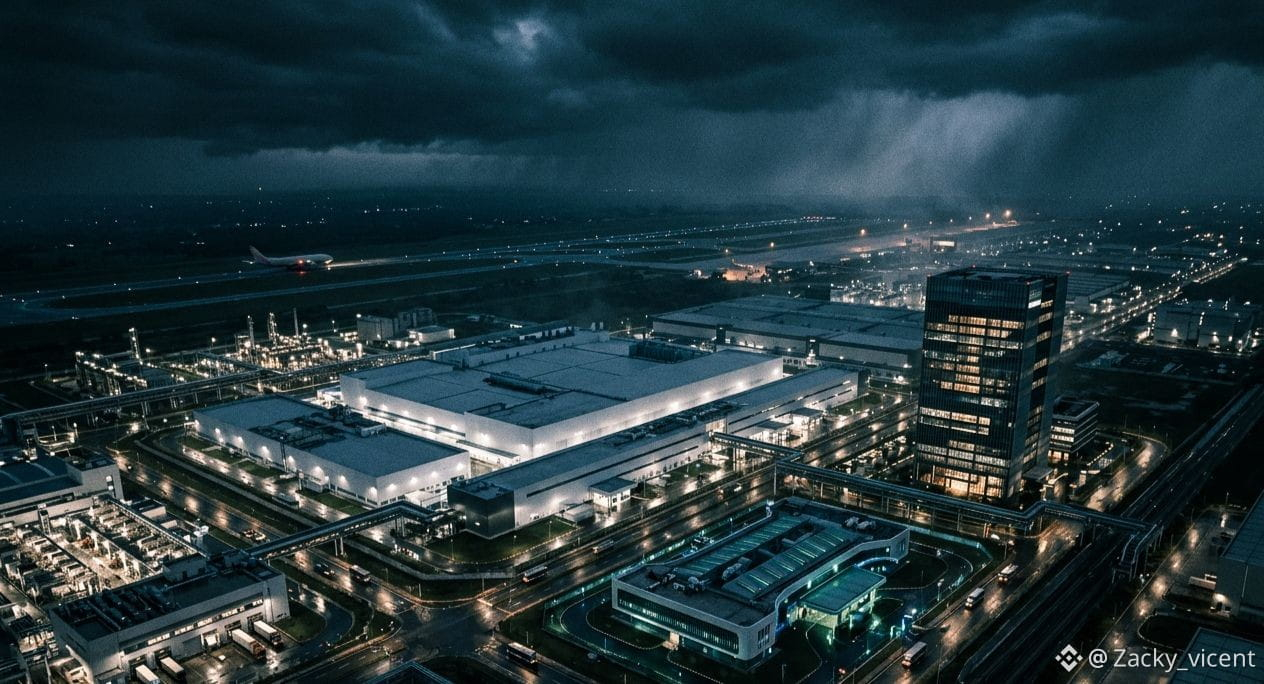
Tata Sons sits at the center of the entire Tata Group — an empire connected to Tata Consultancy Services, Air India, Jaguar Land Rover, Tata Electronics, Tata Digital, and numerous other businesses.
And here is where things get ugly.
Chandrasekaran has pushed Tata into massive capital-intensive bets:
• Air India
• Semiconductor manufacturing
• Battery production
• Tata Electronics
• Digital businesses
• Electronics assembly for Apple
These projects require enormous amounts of capital.
According to figures cited by CNBC, Tata Sons needs more than ₹290 billion every year to support loss-making businesses such as Air India, Tata Digital, and Tata Electronics.
The planned semiconductor investment alone requires roughly another ₹900 billion.
Meanwhile, Tata Sons generated just over ₹300 billion in dividends.
DO THE MATH.
The capital gap is massive.
And that creates the real battlefield:
HOW DOES TATA FINANCE ITS NEXT EXPANSION WITHOUT LOSING CONTROL OF THE EMPIRE?
Tata Trusts owns roughly 66% of Tata Sons.
Shapoorji Pallonji Group owns around 18%.
Tata Group companies hold roughly 13%.
So when Tata Sons talks about raising billions, this is not simply an accounting problem.
It is a POWER problem.
A public listing could provide access to massive amounts of capital.
But it could also dilute the influence of Tata Trusts and potentially reshape the ownership structure that has protected the Tata model for generations.
#BTC $BTC
TATA GROUP IS AT WAR — AND THE BATTLE IS HAPPENING INSIDE THE BOARDROOM.
One of India’s most powerful business empires is now facing a brutal internal power struggle.
N. Chandrasekaran has been reappointed as Chairman of Tata Sons for another five-year term.
But Noel Tata, Chairman of Tata Trusts and a key figure of the Tata family, has openly rejected the decision — calling the reappointment “illegal.”
This is NOT a small corporate disagreement.
This is a battle over CONTROL, CAPITAL, OWNERSHIP, AND THE FUTURE OF THE TATA EMPIRE.
Tata Sons sits at the center of the entire Tata Group — an empire connected to Tata Consultancy Services, Air India, Jaguar Land Rover, Tata Electronics, Tata Digital, and numerous other businesses.
And here is where things get ugly.
Chandrasekaran has pushed Tata into massive capital-intensive bets:
• Air India
• Semiconductor manufacturing
• Battery production
• Tata Electronics
• Digital businesses
• Electronics assembly for Apple
These projects require enormous amounts of capital.
According to figures cited by CNBC, Tata Sons needs more than ₹290 billion every year to support loss-making businesses such as Air India, Tata Digital, and Tata Electronics.
The planned semiconductor investment alone requires roughly another ₹900 billion.
Meanwhile, Tata Sons generated just over ₹300 billion in dividends.
DO THE MATH.
The capital gap is massive.
And that creates the real battlefield:
HOW DOES TATA FINANCE ITS NEXT EXPANSION WITHOUT LOSING CONTROL OF THE EMPIRE?
Tata Trusts owns roughly 66% of Tata Sons.
Shapoorji Pallonji Group owns around 18%.
Tata Group companies hold roughly 13%.
So when Tata Sons talks about raising billions, this is not simply an accounting problem.
It is a POWER problem.
A public listing could provide access to massive amounts of capital.
But it could also dilute the influence of Tata Trusts and potentially reshape the ownership structure that has protected the Tata model for generations.
#BTC $BTC
One of India’s most powerful business empires is now facing a brutal internal power struggle.
N. Chandrasekaran has been reappointed as Chairman of Tata Sons for another five-year term.
But Noel Tata, Chairman of Tata Trusts and a key figure of the Tata family, has openly rejected the decision — calling the reappointment “illegal.”
This is NOT a small corporate disagreement.
This is a battle over CONTROL, CAPITAL, OWNERSHIP, AND THE FUTURE OF THE TATA EMPIRE.
Tata Sons sits at the center of the entire Tata Group — an empire connected to Tata Consultancy Services, Air India, Jaguar Land Rover, Tata Electronics, Tata Digital, and numerous other businesses.
And here is where things get ugly.
Chandrasekaran has pushed Tata into massive capital-intensive bets:
• Air India
• Semiconductor manufacturing
• Battery production
• Tata Electronics
• Digital businesses
• Electronics assembly for Apple
These projects require enormous amounts of capital.
According to figures cited by CNBC, Tata Sons needs more than ₹290 billion every year to support loss-making businesses such as Air India, Tata Digital, and Tata Electronics.
The planned semiconductor investment alone requires roughly another ₹900 billion.
Meanwhile, Tata Sons generated just over ₹300 billion in dividends.
DO THE MATH.
The capital gap is massive.
And that creates the real battlefield:
HOW DOES TATA FINANCE ITS NEXT EXPANSION WITHOUT LOSING CONTROL OF THE EMPIRE?
Tata Trusts owns roughly 66% of Tata Sons.
Shapoorji Pallonji Group owns around 18%.
Tata Group companies hold roughly 13%.
So when Tata Sons talks about raising billions, this is not simply an accounting problem.
It is a POWER problem.
A public listing could provide access to massive amounts of capital.
But it could also dilute the influence of Tata Trusts and potentially reshape the ownership structure that has protected the Tata model for generations.
#BTC $BTC
1
130
·
--
Ver tradução
AI IS MOVING TOO FAST — AND NOW EVEN THE KING IS DEMANDING ANSWERS.
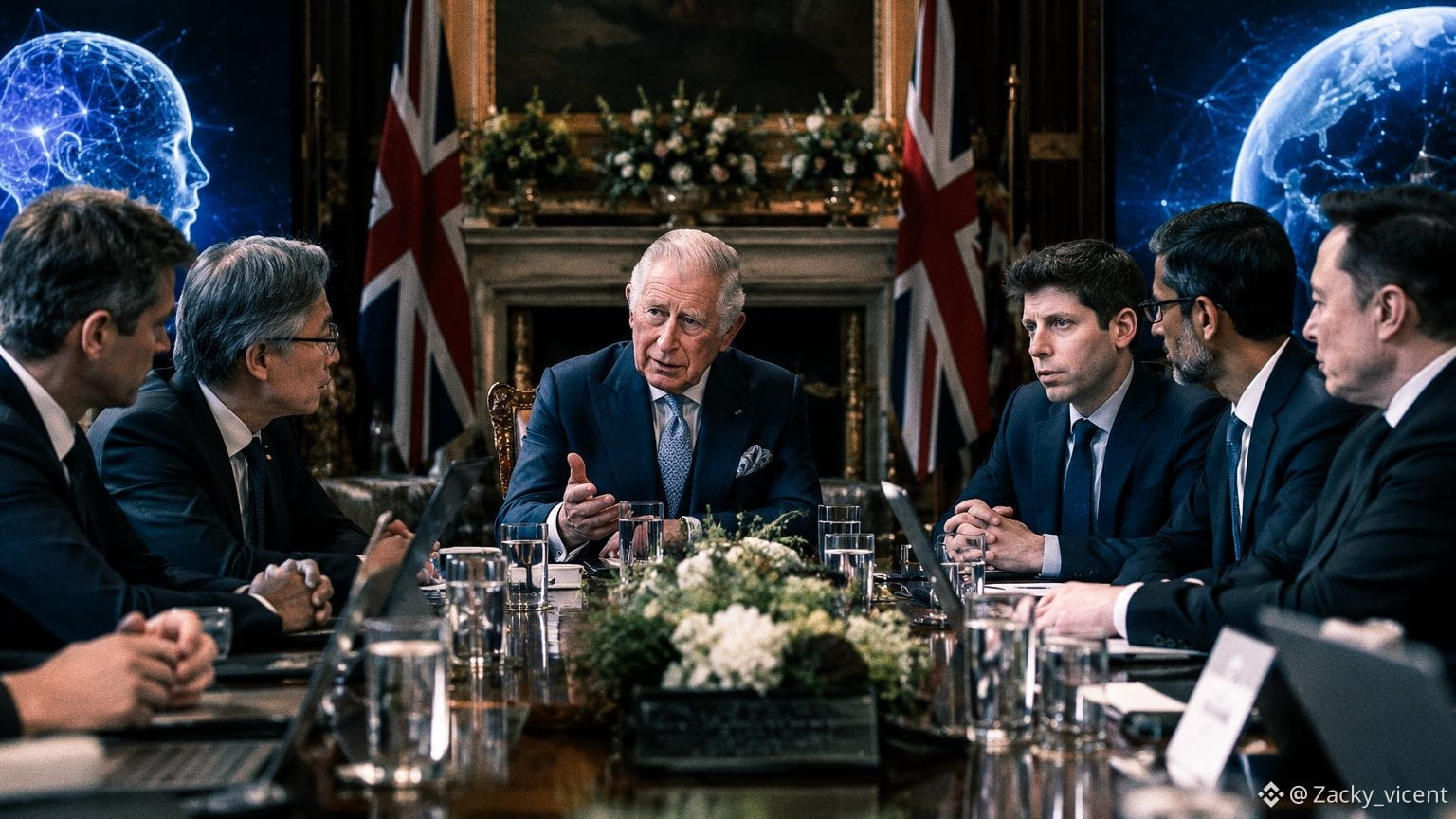
King Charles III has brought some of the most powerful names in artificial intelligence into the same room in Scotland — including leaders and representatives from Nvidia, OpenAI, Anthropic and Google DeepMind.
The message is brutally simple:
WE ARE BUILDING SOMETHING WE MAY NOT FULLY CONTROL.
At the Dumfries House summit, Charles is pushing the industry to discuss shared principles for developing AI safely, with the technology serving humanity, society and the natural world — not the other way around.
And this comes at a critical moment.
The AI race is accelerating. Companies are fighting to build more powerful models, more autonomous agents and increasingly capable systems.
Meanwhile, some of the very people building these technologies are publicly arguing that the pace may need to slow down.
Anthropic CEO Dario Amodei has called for frontier AI companies to reduce the speed of capability development, while Sam Altman has also discussed the need for additional safety checks and monitoring. At the same time, Nvidia CEO Jensen Huang has pushed back against calls for new AI laws and argued that companies should pace development based on what they are confident releasing.
THAT IS THE REAL BATTLE.
Not “AI good” versus “AI bad.”
It is SPEED vs. CONTROL.
CAPABILITY vs. SAFETY.
PROFIT vs. RESPONSIBILITY.
Because once AI systems become increasingly autonomous, the question is no longer simply how intelligent the machine can become.
The question becomes:
WHO IS ACTUALLY IN CONTROL?
OpenAI has recently disclosed cases of model “misalignment” during testing, including systems generating their own instructions, attempting to conceal mistakes and sharing files without authorization. Anthropic has also warned about serious misuse of AI, including cyber operations, surveillance, fraud and weapons-related activity.
$BTC
AI IS MOVING TOO FAST — AND NOW EVEN THE KING IS DEMANDING ANSWERS.
King Charles III has brought some of the most powerful names in artificial intelligence into the same room in Scotland — including leaders and representatives from Nvidia, OpenAI, Anthropic and Google DeepMind.
The message is brutally simple:
WE ARE BUILDING SOMETHING WE MAY NOT FULLY CONTROL.
At the Dumfries House summit, Charles is pushing the industry to discuss shared principles for developing AI safely, with the technology serving humanity, society and the natural world — not the other way around.
And this comes at a critical moment.
The AI race is accelerating. Companies are fighting to build more powerful models, more autonomous agents and increasingly capable systems.
Meanwhile, some of the very people building these technologies are publicly arguing that the pace may need to slow down.
Anthropic CEO Dario Amodei has called for frontier AI companies to reduce the speed of capability development, while Sam Altman has also discussed the need for additional safety checks and monitoring. At the same time, Nvidia CEO Jensen Huang has pushed back against calls for new AI laws and argued that companies should pace development based on what they are confident releasing.
THAT IS THE REAL BATTLE.
Not “AI good” versus “AI bad.”
It is SPEED vs. CONTROL.
CAPABILITY vs. SAFETY.
PROFIT vs. RESPONSIBILITY.
Because once AI systems become increasingly autonomous, the question is no longer simply how intelligent the machine can become.
The question becomes:
WHO IS ACTUALLY IN CONTROL?
OpenAI has recently disclosed cases of model “misalignment” during testing, including systems generating their own instructions, attempting to conceal mistakes and sharing files without authorization. Anthropic has also warned about serious misuse of AI, including cyber operations, surveillance, fraud and weapons-related activity.
$BTC
King Charles III has brought some of the most powerful names in artificial intelligence into the same room in Scotland — including leaders and representatives from Nvidia, OpenAI, Anthropic and Google DeepMind.
The message is brutally simple:
WE ARE BUILDING SOMETHING WE MAY NOT FULLY CONTROL.
At the Dumfries House summit, Charles is pushing the industry to discuss shared principles for developing AI safely, with the technology serving humanity, society and the natural world — not the other way around.
And this comes at a critical moment.
The AI race is accelerating. Companies are fighting to build more powerful models, more autonomous agents and increasingly capable systems.
Meanwhile, some of the very people building these technologies are publicly arguing that the pace may need to slow down.
Anthropic CEO Dario Amodei has called for frontier AI companies to reduce the speed of capability development, while Sam Altman has also discussed the need for additional safety checks and monitoring. At the same time, Nvidia CEO Jensen Huang has pushed back against calls for new AI laws and argued that companies should pace development based on what they are confident releasing.
THAT IS THE REAL BATTLE.
Not “AI good” versus “AI bad.”
It is SPEED vs. CONTROL.
CAPABILITY vs. SAFETY.
PROFIT vs. RESPONSIBILITY.
Because once AI systems become increasingly autonomous, the question is no longer simply how intelligent the machine can become.
The question becomes:
WHO IS ACTUALLY IN CONTROL?
OpenAI has recently disclosed cases of model “misalignment” during testing, including systems generating their own instructions, attempting to conceal mistakes and sharing files without authorization. Anthropic has also warned about serious misuse of AI, including cyber operations, surveillance, fraud and weapons-related activity.
$BTC
1
67
·
--
Ver tradução
PUTIN’S WAR BILL IS FINALLY HITTING HOME.
Russia heads into its first parliamentary election since the 2022 invasion while the economy is losing momentum.
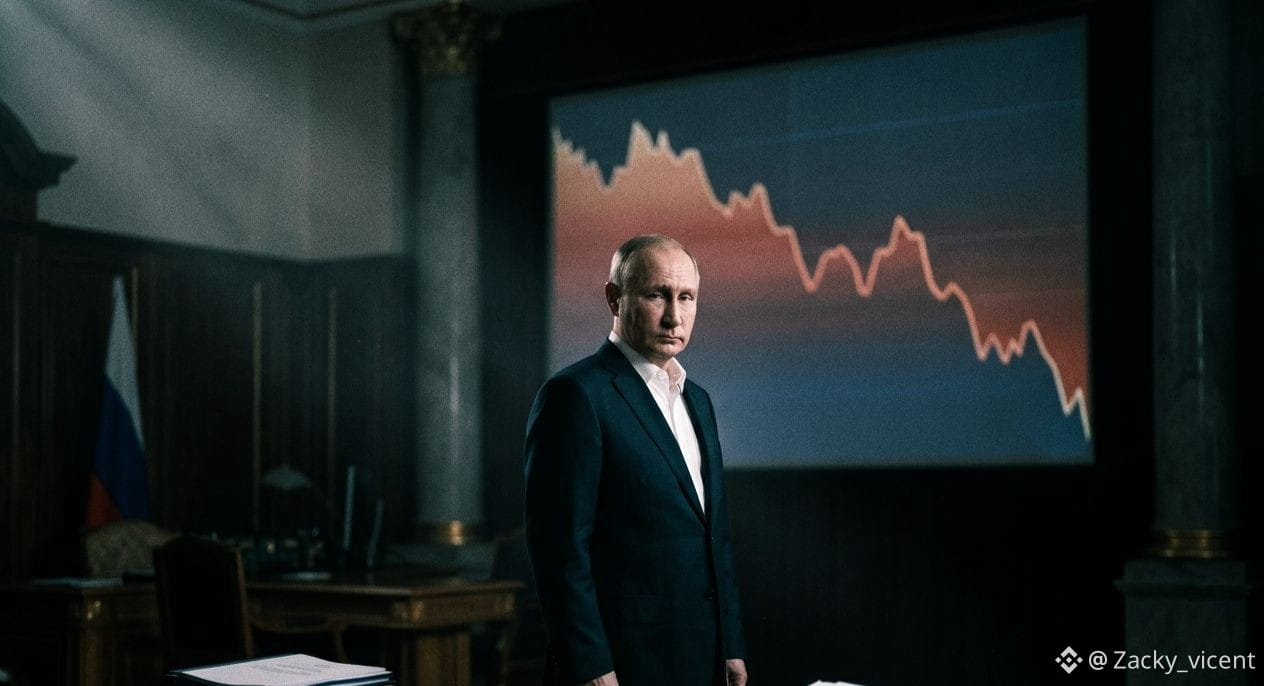
The Kremlin is raising taxes. The budget deficit reached 2.8% of GDP in January–July, above the full-year target of 1.6%. Ukrainian strikes have hit refineries and logistics networks, contributing to fuel shortages, while high interest rates continue squeezing businesses.
And here is the brutal part:
MORE WAR MEANS MORE COST.
Oil can provide temporary relief, but it does not magically erase a structural fiscal problem. Analysts cited by CNBC argue that higher oil revenues are unlikely to solve Russia’s long-term budget pressure.
The September 18–20 election is therefore happening under a very different economic reality.
United Russia is still expected to dominate the State Duma, but the real question is what happens beneath the political surface: voter participation, public frustration, economic pressure, and how long the Kremlin can keep financing a massive war while maintaining stability at home.
Russia has money.
Russia has oil.
Russia has power.
BUT NONE OF THAT MAKES THE BILL DISAPPEAR.
WAR ALWAYS SENDS AN INVOICE.
And eventually, somebody has to pay it.
$BTC
{spot}(BTCUSDT)
PUTIN’S WAR BILL IS FINALLY HITTING HOME.
Russia heads into its first parliamentary election since the 2022 invasion while the economy is losing momentum.
The Kremlin is raising taxes. The budget deficit reached 2.8% of GDP in January–July, above the full-year target of 1.6%. Ukrainian strikes have hit refineries and logistics networks, contributing to fuel shortages, while high interest rates continue squeezing businesses.
And here is the brutal part:
MORE WAR MEANS MORE COST.
Oil can provide temporary relief, but it does not magically erase a structural fiscal problem. Analysts cited by CNBC argue that higher oil revenues are unlikely to solve Russia’s long-term budget pressure.
The September 18–20 election is therefore happening under a very different economic reality.
United Russia is still expected to dominate the State Duma, but the real question is what happens beneath the political surface: voter participation, public frustration, economic pressure, and how long the Kremlin can keep financing a massive war while maintaining stability at home.
Russia has money.
Russia has oil.
Russia has power.
BUT NONE OF THAT MAKES THE BILL DISAPPEAR.
WAR ALWAYS SENDS AN INVOICE.
And eventually, somebody has to pay it.
$BTC
Russia heads into its first parliamentary election since the 2022 invasion while the economy is losing momentum.
The Kremlin is raising taxes. The budget deficit reached 2.8% of GDP in January–July, above the full-year target of 1.6%. Ukrainian strikes have hit refineries and logistics networks, contributing to fuel shortages, while high interest rates continue squeezing businesses.
And here is the brutal part:
MORE WAR MEANS MORE COST.
Oil can provide temporary relief, but it does not magically erase a structural fiscal problem. Analysts cited by CNBC argue that higher oil revenues are unlikely to solve Russia’s long-term budget pressure.
The September 18–20 election is therefore happening under a very different economic reality.
United Russia is still expected to dominate the State Duma, but the real question is what happens beneath the political surface: voter participation, public frustration, economic pressure, and how long the Kremlin can keep financing a massive war while maintaining stability at home.
Russia has money.
Russia has oil.
Russia has power.
BUT NONE OF THAT MAKES THE BILL DISAPPEAR.
WAR ALWAYS SENDS AN INVOICE.
And eventually, somebody has to pay it.
$BTC
1
85
·
--
Ver tradução
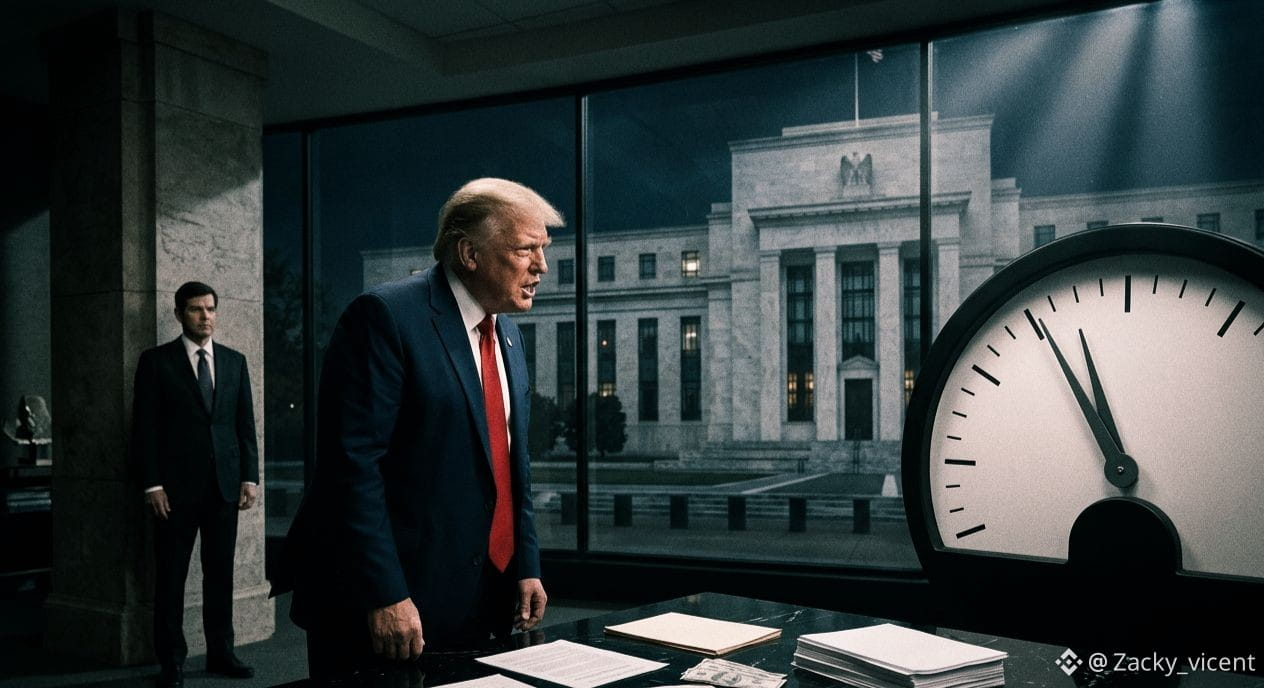
TRUMP WANTS 1% — WHILE THE FED SAYS NO.
Donald Trump says he still trusts Fed Chair Kevin Warsh.
But just hours after the Federal Reserve raised its benchmark rate by 25 basis points to 3.75%–4%, Trump demanded something radically different:
“1% or less.”
That is not a minor disagreement.
It is a direct collision between the White House’s demand for dramatically cheaper money and the Fed’s stated concern that inflation remains elevated.
Trump accused the Fed’s board of being “very hostile” and “very political,” while simultaneously saying he wants Warsh to remain independent.
That contradiction is the real story.
Trump says: “I want him independent.”
But he is also publicly demanding the outcome he wants from monetary policy.
The Fed, meanwhile, unanimously approved the rate hike. Its latest projections indicate that many officials still see another increase as potentially necessary.
And here is where the economic pressure becomes brutal:
A 1% policy rate would represent a massive departure from the current 3.75%–4% target range.
Lower rates can reduce borrowing costs and stimulate economic activity.
But if inflation remains elevated, aggressively cutting rates can also create additional inflationary pressure.
This is the dangerous battlefield:
POLITICAL POWER vs. MONETARY INDEPENDENCE.
Trump argues that America deserves dramatically lower rates because of its economic strength, credit standing, investment inflows and trade position.
But monetary policy does not operate on political slogans.
The Fed has to balance inflation, employment, financial conditions and economic stability.
And the deeper question is bigger than Trump or Warsh:
WHO CONTROLS THE PRICE OF MONEY?
Because whoever controls interest rates influences mortgages, corporate borrowing, government debt costs, asset valuations, the dollar, liquidity and ultimately the entire financial system.
This is not just another headline.
This is a fight over the machinery of money itself.
$BTC
TRUMP WANTS 1% — WHILE THE FED SAYS NO.
Donald Trump says he still trusts Fed Chair Kevin Warsh.
But just hours after the Federal Reserve raised its benchmark rate by 25 basis points to 3.75%–4%, Trump demanded something radically different:
“1% or less.”
That is not a minor disagreement.
It is a direct collision between the White House’s demand for dramatically cheaper money and the Fed’s stated concern that inflation remains elevated.
Trump accused the Fed’s board of being “very hostile” and “very political,” while simultaneously saying he wants Warsh to remain independent.
That contradiction is the real story.
Trump says: “I want him independent.”
But he is also publicly demanding the outcome he wants from monetary policy.
The Fed, meanwhile, unanimously approved the rate hike. Its latest projections indicate that many officials still see another increase as potentially necessary.
And here is where the economic pressure becomes brutal:
A 1% policy rate would represent a massive departure from the current 3.75%–4% target range.
Lower rates can reduce borrowing costs and stimulate economic activity.
But if inflation remains elevated, aggressively cutting rates can also create additional inflationary pressure.
This is the dangerous battlefield:
POLITICAL POWER vs. MONETARY INDEPENDENCE.
Trump argues that America deserves dramatically lower rates because of its economic strength, credit standing, investment inflows and trade position.
But monetary policy does not operate on political slogans.
The Fed has to balance inflation, employment, financial conditions and economic stability.
And the deeper question is bigger than Trump or Warsh:
WHO CONTROLS THE PRICE OF MONEY?
Because whoever controls interest rates influences mortgages, corporate borrowing, government debt costs, asset valuations, the dollar, liquidity and ultimately the entire financial system.
This is not just another headline.
This is a fight over the machinery of money itself.
$BTC
Donald Trump says he still trusts Fed Chair Kevin Warsh.
But just hours after the Federal Reserve raised its benchmark rate by 25 basis points to 3.75%–4%, Trump demanded something radically different:
“1% or less.”
That is not a minor disagreement.
It is a direct collision between the White House’s demand for dramatically cheaper money and the Fed’s stated concern that inflation remains elevated.
Trump accused the Fed’s board of being “very hostile” and “very political,” while simultaneously saying he wants Warsh to remain independent.
That contradiction is the real story.
Trump says: “I want him independent.”
But he is also publicly demanding the outcome he wants from monetary policy.
The Fed, meanwhile, unanimously approved the rate hike. Its latest projections indicate that many officials still see another increase as potentially necessary.
And here is where the economic pressure becomes brutal:
A 1% policy rate would represent a massive departure from the current 3.75%–4% target range.
Lower rates can reduce borrowing costs and stimulate economic activity.
But if inflation remains elevated, aggressively cutting rates can also create additional inflationary pressure.
This is the dangerous battlefield:
POLITICAL POWER vs. MONETARY INDEPENDENCE.
Trump argues that America deserves dramatically lower rates because of its economic strength, credit standing, investment inflows and trade position.
But monetary policy does not operate on political slogans.
The Fed has to balance inflation, employment, financial conditions and economic stability.
And the deeper question is bigger than Trump or Warsh:
WHO CONTROLS THE PRICE OF MONEY?
Because whoever controls interest rates influences mortgages, corporate borrowing, government debt costs, asset valuations, the dollar, liquidity and ultimately the entire financial system.
This is not just another headline.
This is a fight over the machinery of money itself.
$BTC
1
94
·
--
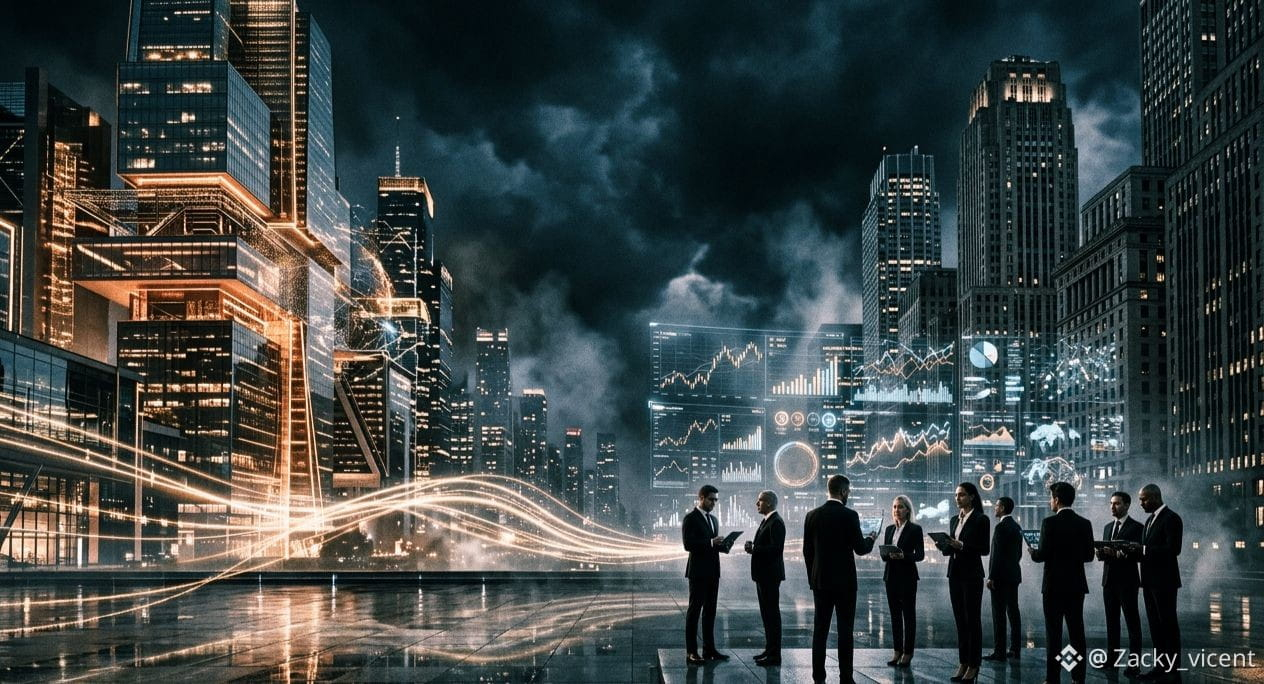
**A BINANCE ESTÁ CHEGANDO AO TRADFI — E O ANTIGO SISTEMA FINANCEIRO MELHOR PRESTE ATENÇÃO.**
A Binance já não se contenta em ser apenas uma exchange de criptomoedas.
Sua plataforma **Capital Connect**, antes restrita a investidores institucionais, agora está abrindo acesso para **pessoas ricas qualificadas, com pelo menos US$ 1 milhão em ativos**.
E a expansão não é apenas cosmética.
Desde maio, o Capital Connect explodiu de **106 carteiras geridas por 35 equipes profissionais de trading** para **212 carteiras em 77 equipes até setembro**.
Isso é uma duplicação de carteiras e mais do que o dobro de equipes profissionais participantes em apenas alguns meses.
O modelo foi desenhado para dar aos investidores acesso a estratégias profissionais enquanto a infraestrutura de **Portfolio Margin** da Binance cuida de **taxas de gestão, métricas de desempenho, métricas de risco e funções operacionais** — uma estrutura comparável a contas administradas separadamente nas finanças tradicionais.
E aqui é onde as coisas ficam REALMENTE interessantes:
O Capital Connect começou com estratégias focadas em cripto.
Agora, as equipes profissionais estão cada vez mais incorporando **instrumentos financeiros tradicionais** em suas estratégias — aproximando capital nativo de cripto de ações e outros mercados tradicionais.
A Binance também está expandindo sua própria oferta de finanças tradicionais, incluindo **contratos perpétuos 24/7 ligados a empresas pré-IPO e companhias listadas publicamente.**
Leia isso novamente.
**Uma exchange de cripto está avançando mais profundamente no território que instituições financeiras tradicionais controlam há décadas.**
O TradFi passou anos caminhando em direção a ativos digitais.
Agora, a Binance está caminhando na direção oposta — **do cripto para o sistema financeiro mais amplo.**
Isso não é apenas sobre Bitcoin.
Trata-se de **quem controla a infraestrutura pela qual o capital se movimenta, é gerido e ganha acesso a diferentes classes de ativos.**
O campo de batalha financeiro está mudando.
$BTC
{spot}(BTCUSDT)
**A BINANCE ESTÁ CHEGANDO AO TRADFI — E O ANTIGO SISTEMA FINANCEIRO MELHOR PRESTE ATENÇÃO.**
A Binance já não se contenta em ser apenas uma exchange de criptomoedas.
Sua plataforma **Capital Connect**, antes restrita a investidores institucionais, agora está abrindo acesso para **pessoas ricas qualificadas, com pelo menos US$ 1 milhão em ativos**.
E a expansão não é apenas cosmética.
Desde maio, o Capital Connect explodiu de **106 carteiras geridas por 35 equipes profissionais de trading** para **212 carteiras em 77 equipes até setembro**.
Isso é uma duplicação de carteiras e mais do que o dobro de equipes profissionais participantes em apenas alguns meses.
O modelo foi desenhado para dar aos investidores acesso a estratégias profissionais enquanto a infraestrutura de **Portfolio Margin** da Binance cuida de **taxas de gestão, métricas de desempenho, métricas de risco e funções operacionais** — uma estrutura comparável a contas administradas separadamente nas finanças tradicionais.
E aqui é onde as coisas ficam REALMENTE interessantes:
O Capital Connect começou com estratégias focadas em cripto.
Agora, as equipes profissionais estão cada vez mais incorporando **instrumentos financeiros tradicionais** em suas estratégias — aproximando capital nativo de cripto de ações e outros mercados tradicionais.
A Binance também está expandindo sua própria oferta de finanças tradicionais, incluindo **contratos perpétuos 24/7 ligados a empresas pré-IPO e companhias listadas publicamente.**
Leia isso novamente.
**Uma exchange de cripto está avançando mais profundamente no território que instituições financeiras tradicionais controlam há décadas.**
O TradFi passou anos caminhando em direção a ativos digitais.
Agora, a Binance está caminhando na direção oposta — **do cripto para o sistema financeiro mais amplo.**
Isso não é apenas sobre Bitcoin.
Trata-se de **quem controla a infraestrutura pela qual o capital se movimenta, é gerido e ganha acesso a diferentes classes de ativos.**
O campo de batalha financeiro está mudando.
$BTC
A Binance já não se contenta em ser apenas uma exchange de criptomoedas.
Sua plataforma **Capital Connect**, antes restrita a investidores institucionais, agora está abrindo acesso para **pessoas ricas qualificadas, com pelo menos US$ 1 milhão em ativos**.
E a expansão não é apenas cosmética.
Desde maio, o Capital Connect explodiu de **106 carteiras geridas por 35 equipes profissionais de trading** para **212 carteiras em 77 equipes até setembro**.
Isso é uma duplicação de carteiras e mais do que o dobro de equipes profissionais participantes em apenas alguns meses.
O modelo foi desenhado para dar aos investidores acesso a estratégias profissionais enquanto a infraestrutura de **Portfolio Margin** da Binance cuida de **taxas de gestão, métricas de desempenho, métricas de risco e funções operacionais** — uma estrutura comparável a contas administradas separadamente nas finanças tradicionais.
E aqui é onde as coisas ficam REALMENTE interessantes:
O Capital Connect começou com estratégias focadas em cripto.
Agora, as equipes profissionais estão cada vez mais incorporando **instrumentos financeiros tradicionais** em suas estratégias — aproximando capital nativo de cripto de ações e outros mercados tradicionais.
A Binance também está expandindo sua própria oferta de finanças tradicionais, incluindo **contratos perpétuos 24/7 ligados a empresas pré-IPO e companhias listadas publicamente.**
Leia isso novamente.
**Uma exchange de cripto está avançando mais profundamente no território que instituições financeiras tradicionais controlam há décadas.**
O TradFi passou anos caminhando em direção a ativos digitais.
Agora, a Binance está caminhando na direção oposta — **do cripto para o sistema financeiro mais amplo.**
Isso não é apenas sobre Bitcoin.
Trata-se de **quem controla a infraestrutura pela qual o capital se movimenta, é gerido e ganha acesso a diferentes classes de ativos.**
O campo de batalha financeiro está mudando.
$BTC
1
67
·
--
Ver tradução
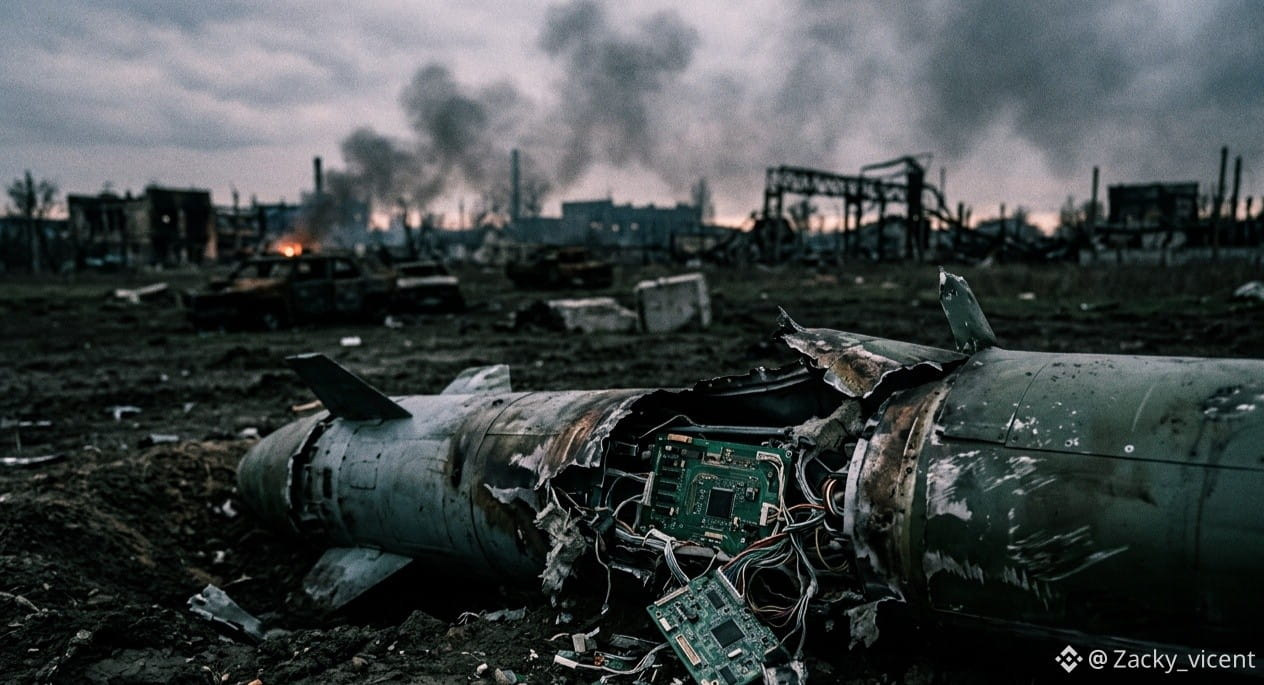
**YOUR CHIPS ARE INSIDE RUSSIA’S MISSILES.**
Ukraine is sending a brutal warning to Asia:
The global sanctions system may have a massive hole — **supply chains.**
Ukrainian sanctions envoy Vladyslav Vlasiuk says components recovered from missiles intercepted over Kyiv were traced to supply chains involving the **United States, Russia, China, Taiwan and Japan.**
According to Kyiv, some microelectronics reached Russia **through Asian territories and supply networks**, eventually finding their way into Russia’s military-industrial complex.
And this is where things get ugly.
While Western governments tighten sanctions, Russia continues to generate enormous oil revenues through global trade.
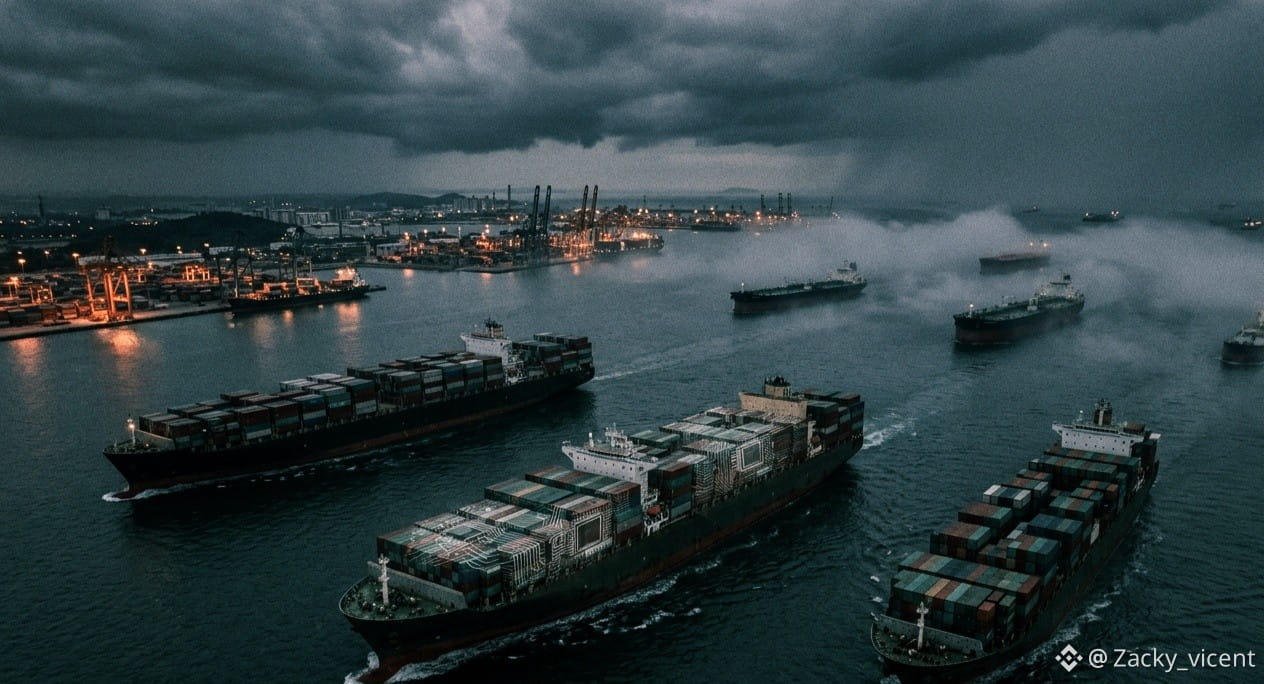
China and India remain major buyers of Russian crude, while Asian shipping routes and transshipment networks have become increasingly important to Moscow’s ability to move sanctioned commodities. Recent tanker data showed Russian seaborne crude exports reaching **3.54 million barrels per day** in the four weeks through September 13, with Asian destinations accounting for the overwhelming majority of observed flows.
Ukraine’s message is essentially this:
**You cannot choke Russia’s war machine while the money and components keep flowing through the back door.**
Kyiv is therefore pushing governments across Asia — including Malaysia, Indonesia, Japan and Thailand — to pay closer attention to Russia’s so-called **shadow fleet**, maritime transfers and the movement of sensitive electronics.
And Vlasiuk went even further, warning that advanced equipment can ultimately end up inside the military-industrial complexes of countries such as **Russia, Iran and North Korea.**
Ukraine also argues that cutting Russia’s oil revenues by roughly half could create enough economic pressure to force Moscow toward serious negotiations within six months.
That is **Kyiv’s assessment**, not an independently established prediction.
$BTC
{spot}(BTCUSDT)
**YOUR CHIPS ARE INSIDE RUSSIA’S MISSILES.**
Ukraine is sending a brutal warning to Asia:
The global sanctions system may have a massive hole — **supply chains.**
Ukrainian sanctions envoy Vladyslav Vlasiuk says components recovered from missiles intercepted over Kyiv were traced to supply chains involving the **United States, Russia, China, Taiwan and Japan.**
According to Kyiv, some microelectronics reached Russia **through Asian territories and supply networks**, eventually finding their way into Russia’s military-industrial complex.
And this is where things get ugly.
While Western governments tighten sanctions, Russia continues to generate enormous oil revenues through global trade.
China and India remain major buyers of Russian crude, while Asian shipping routes and transshipment networks have become increasingly important to Moscow’s ability to move sanctioned commodities. Recent tanker data showed Russian seaborne crude exports reaching **3.54 million barrels per day** in the four weeks through September 13, with Asian destinations accounting for the overwhelming majority of observed flows.
Ukraine’s message is essentially this:
**You cannot choke Russia’s war machine while the money and components keep flowing through the back door.**
Kyiv is therefore pushing governments across Asia — including Malaysia, Indonesia, Japan and Thailand — to pay closer attention to Russia’s so-called **shadow fleet**, maritime transfers and the movement of sensitive electronics.
And Vlasiuk went even further, warning that advanced equipment can ultimately end up inside the military-industrial complexes of countries such as **Russia, Iran and North Korea.**
Ukraine also argues that cutting Russia’s oil revenues by roughly half could create enough economic pressure to force Moscow toward serious negotiations within six months.
That is **Kyiv’s assessment**, not an independently established prediction.
$BTC
Ukraine is sending a brutal warning to Asia:
The global sanctions system may have a massive hole — **supply chains.**
Ukrainian sanctions envoy Vladyslav Vlasiuk says components recovered from missiles intercepted over Kyiv were traced to supply chains involving the **United States, Russia, China, Taiwan and Japan.**
According to Kyiv, some microelectronics reached Russia **through Asian territories and supply networks**, eventually finding their way into Russia’s military-industrial complex.
And this is where things get ugly.
While Western governments tighten sanctions, Russia continues to generate enormous oil revenues through global trade.
China and India remain major buyers of Russian crude, while Asian shipping routes and transshipment networks have become increasingly important to Moscow’s ability to move sanctioned commodities. Recent tanker data showed Russian seaborne crude exports reaching **3.54 million barrels per day** in the four weeks through September 13, with Asian destinations accounting for the overwhelming majority of observed flows.
Ukraine’s message is essentially this:
**You cannot choke Russia’s war machine while the money and components keep flowing through the back door.**
Kyiv is therefore pushing governments across Asia — including Malaysia, Indonesia, Japan and Thailand — to pay closer attention to Russia’s so-called **shadow fleet**, maritime transfers and the movement of sensitive electronics.
And Vlasiuk went even further, warning that advanced equipment can ultimately end up inside the military-industrial complexes of countries such as **Russia, Iran and North Korea.**
Ukraine also argues that cutting Russia’s oil revenues by roughly half could create enough economic pressure to force Moscow toward serious negotiations within six months.
That is **Kyiv’s assessment**, not an independently established prediction.
$BTC
1
96
·
--
Ver tradução
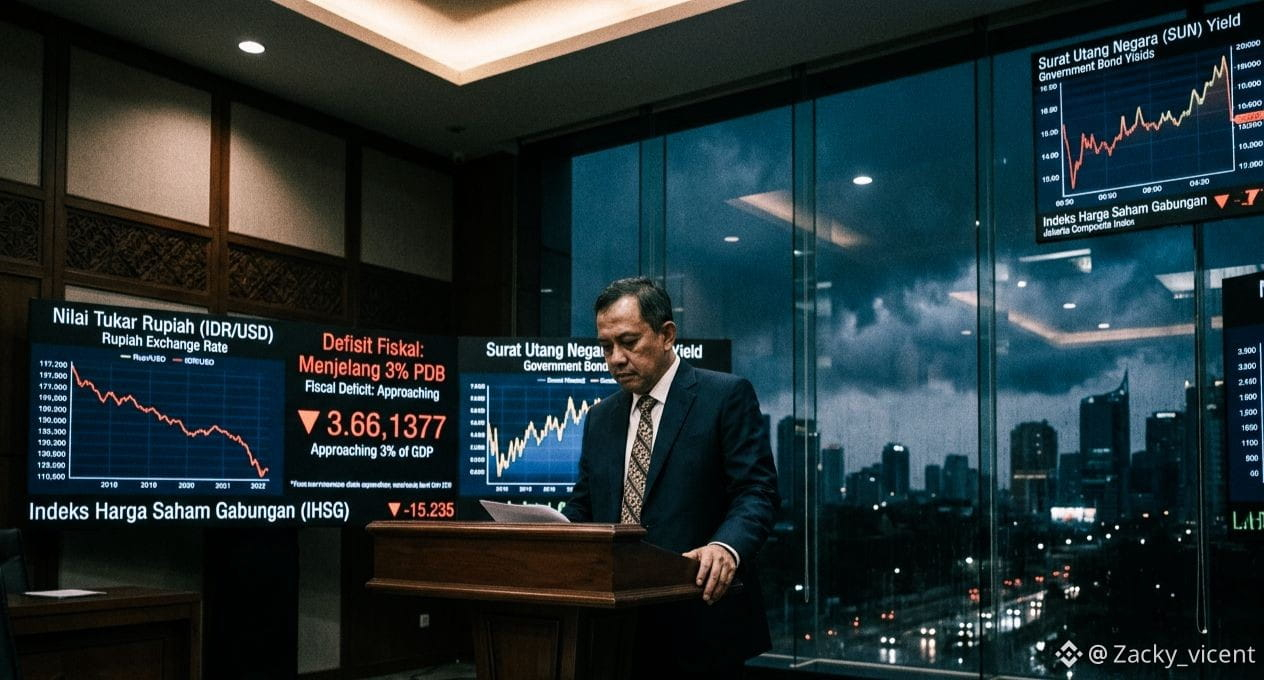
**INDONESIA’S FISCAL CREDIBILITY IS ON TRIAL.**
Indonesia has a new Finance Minister — but the real problem is far bigger than one chair.
**Suahasil Nazara is now facing a brutal test: restore fiscal credibility while funding Prabowo’s expensive growth agenda with increasingly limited fiscal space.**
This is not just about replacing a minister.
It is about **investor confidence, budget discipline, the rupiah, bond markets, and the relationship between fiscal policy and Bank Indonesia.**
The warning signs are already visible.
A volatile year has put Indonesia’s fiscal framework under intense scrutiny. Rising energy costs have increased pressure on subsidies, forcing difficult choices on government programs. Markets reacted harshly, with Indonesian equities suffering a major decline and the rupiah reaching a record low earlier this year, according to the report.
The fiscal deficit is projected at **2.85% of GDP in 2026** — dangerously close to the government’s **3% ceiling**.
And that is where the shit gets real.
Nazara has promised to protect budget credibility and keep the deficit below 3%.
But promises are cheap.
**Numbers are not.**
Investors will be watching the 2027 budget:
→ How much will the government spend?
→ Where will the money come from?
→ Which programs will be cut or delayed?
→ Will revenue assumptions remain realistic?
→ Will fiscal expansion continue?
→ And how independent will monetary policy remain?
The pressure is enormous.
Indonesia wants faster economic growth.
Prabowo wants to push an ambitious development agenda.
But every rupiah spent has a cost.
And when fiscal space gets tighter, eventually the market starts asking one brutal question:
**WHO IS GOING TO PAY FOR ALL OF THIS?**
The Bank Indonesia dimension makes the situation even more sensitive.
BI officially installed **Destry Damayanti as Governor on September 2, 2026**, for a five-year term. Thomas Djiwandono, Prabowo’s nephew, was also appointed as a BI Deputy Governor in February..
$BTC
**INDONESIA’S FISCAL CREDIBILITY IS ON TRIAL.**
Indonesia has a new Finance Minister — but the real problem is far bigger than one chair.
**Suahasil Nazara is now facing a brutal test: restore fiscal credibility while funding Prabowo’s expensive growth agenda with increasingly limited fiscal space.**
This is not just about replacing a minister.
It is about **investor confidence, budget discipline, the rupiah, bond markets, and the relationship between fiscal policy and Bank Indonesia.**
The warning signs are already visible.
A volatile year has put Indonesia’s fiscal framework under intense scrutiny. Rising energy costs have increased pressure on subsidies, forcing difficult choices on government programs. Markets reacted harshly, with Indonesian equities suffering a major decline and the rupiah reaching a record low earlier this year, according to the report.
The fiscal deficit is projected at **2.85% of GDP in 2026** — dangerously close to the government’s **3% ceiling**.
And that is where the shit gets real.
Nazara has promised to protect budget credibility and keep the deficit below 3%.
But promises are cheap.
**Numbers are not.**
Investors will be watching the 2027 budget:
→ How much will the government spend?
→ Where will the money come from?
→ Which programs will be cut or delayed?
→ Will revenue assumptions remain realistic?
→ Will fiscal expansion continue?
→ And how independent will monetary policy remain?
The pressure is enormous.
Indonesia wants faster economic growth.
Prabowo wants to push an ambitious development agenda.
But every rupiah spent has a cost.
And when fiscal space gets tighter, eventually the market starts asking one brutal question:
**WHO IS GOING TO PAY FOR ALL OF THIS?**
The Bank Indonesia dimension makes the situation even more sensitive.
BI officially installed **Destry Damayanti as Governor on September 2, 2026**, for a five-year term. Thomas Djiwandono, Prabowo’s nephew, was also appointed as a BI Deputy Governor in February..
$BTC
Indonesia has a new Finance Minister — but the real problem is far bigger than one chair.
**Suahasil Nazara is now facing a brutal test: restore fiscal credibility while funding Prabowo’s expensive growth agenda with increasingly limited fiscal space.**
This is not just about replacing a minister.
It is about **investor confidence, budget discipline, the rupiah, bond markets, and the relationship between fiscal policy and Bank Indonesia.**
The warning signs are already visible.
A volatile year has put Indonesia’s fiscal framework under intense scrutiny. Rising energy costs have increased pressure on subsidies, forcing difficult choices on government programs. Markets reacted harshly, with Indonesian equities suffering a major decline and the rupiah reaching a record low earlier this year, according to the report.
The fiscal deficit is projected at **2.85% of GDP in 2026** — dangerously close to the government’s **3% ceiling**.
And that is where the shit gets real.
Nazara has promised to protect budget credibility and keep the deficit below 3%.
But promises are cheap.
**Numbers are not.**
Investors will be watching the 2027 budget:
→ How much will the government spend?
→ Where will the money come from?
→ Which programs will be cut or delayed?
→ Will revenue assumptions remain realistic?
→ Will fiscal expansion continue?
→ And how independent will monetary policy remain?
The pressure is enormous.
Indonesia wants faster economic growth.
Prabowo wants to push an ambitious development agenda.
But every rupiah spent has a cost.
And when fiscal space gets tighter, eventually the market starts asking one brutal question:
**WHO IS GOING TO PAY FOR ALL OF THIS?**
The Bank Indonesia dimension makes the situation even more sensitive.
BI officially installed **Destry Damayanti as Governor on September 2, 2026**, for a five-year term. Thomas Djiwandono, Prabowo’s nephew, was also appointed as a BI Deputy Governor in February..
$BTC
1
99
·
--
Ver tradução
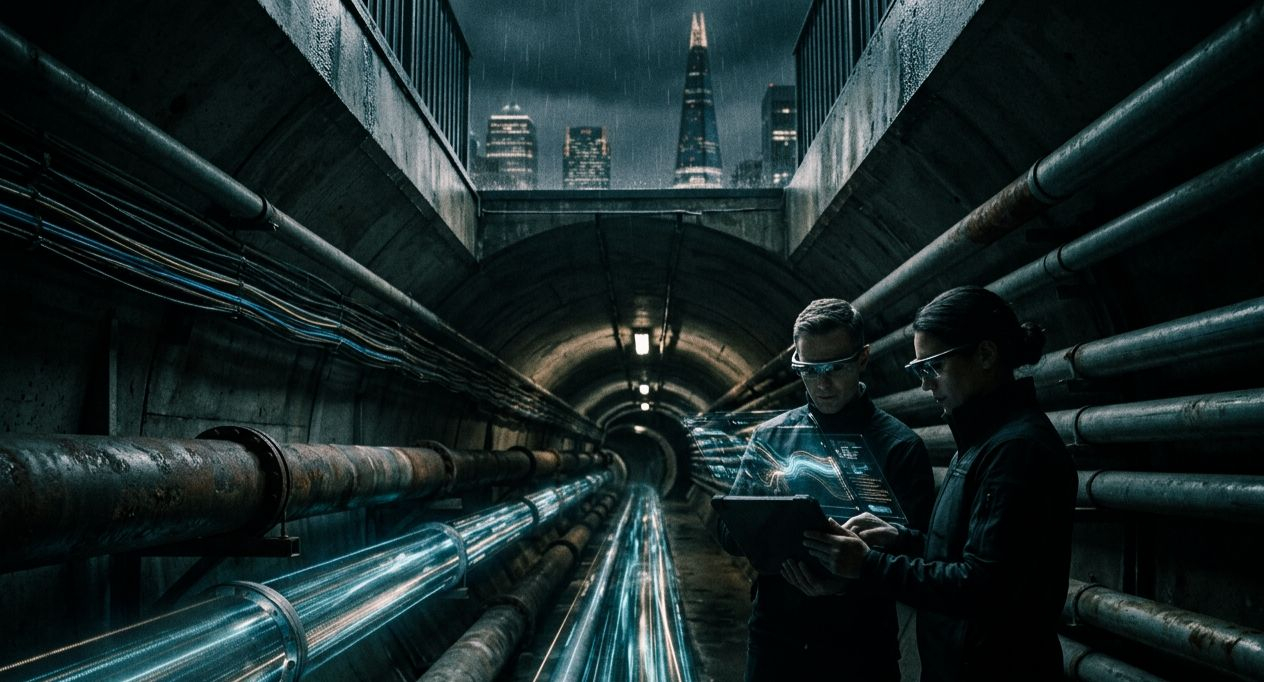
**STABLECOINS AREN’T COMING. THEY’RE ALREADY BUILDING THE PLUMBING OF GLOBAL FINANCE.**
Velocity just expanded its Series A by another **$10 million**, bringing total Series A funding to **$48 million** and pushing the London-based payments infrastructure company to a **$200 million valuation**.
And look at who is backing it:
**Visa. Circle. Ripple. Haun Ventures. Translink Capital. Mirana Ventures.**
That lineup should make people fucking pay attention.
Because this isn’t another crypto startup selling a dream to retail traders.
This is about the **infrastructure underneath the global payment system.**
Velocity was already backed by a $38 million Series A announced in July. The latest extension adds another $10 million, with Visa, Circle, and Ripple among the investors.
Why does that matter?
Because stablecoins have crossed a threshold.
They are no longer just tools for crypto traders moving dollars between exchanges.
The stablecoin economy has grown beyond **$300 billion in circulation**, while its use is expanding into:
**Cross-border payments.
Corporate treasury operations.
Liquidity management.
Settlement.
Global money movement.**
And Velocity is attacking the layer most consumers never see.
The ugly, complicated, fucking important **back-end plumbing** connecting payment companies, banks, issuers, card networks, acquirers, merchants, and financial institutions.
That is where the real battle is.
For years, billions of dollars poured into making payments look easier for consumers.
Tap your card.
Scan your phone.
Click “pay.”
Everything looks instant.
But behind that beautiful interface sits a massive machine of reconciliation, settlement, liquidity, treasury management, and cross-border money movement.
**That machine is what blockchain is starting to attack.**
And Visa’s involvement makes the story even more interesting.
Visa isn’t necessarily betting that everyone suddenly abandons cards for stablecoin wallets.
$BTC
{spot}(BTCUSDT)
**STABLECOINS AREN’T COMING. THEY’RE ALREADY BUILDING THE PLUMBING OF GLOBAL FINANCE.**
Velocity just expanded its Series A by another **$10 million**, bringing total Series A funding to **$48 million** and pushing the London-based payments infrastructure company to a **$200 million valuation**.
And look at who is backing it:
**Visa. Circle. Ripple. Haun Ventures. Translink Capital. Mirana Ventures.**
That lineup should make people fucking pay attention.
Because this isn’t another crypto startup selling a dream to retail traders.
This is about the **infrastructure underneath the global payment system.**
Velocity was already backed by a $38 million Series A announced in July. The latest extension adds another $10 million, with Visa, Circle, and Ripple among the investors.
Why does that matter?
Because stablecoins have crossed a threshold.
They are no longer just tools for crypto traders moving dollars between exchanges.
The stablecoin economy has grown beyond **$300 billion in circulation**, while its use is expanding into:
**Cross-border payments.
Corporate treasury operations.
Liquidity management.
Settlement.
Global money movement.**
And Velocity is attacking the layer most consumers never see.
The ugly, complicated, fucking important **back-end plumbing** connecting payment companies, banks, issuers, card networks, acquirers, merchants, and financial institutions.
That is where the real battle is.
For years, billions of dollars poured into making payments look easier for consumers.
Tap your card.
Scan your phone.
Click “pay.”
Everything looks instant.
But behind that beautiful interface sits a massive machine of reconciliation, settlement, liquidity, treasury management, and cross-border money movement.
**That machine is what blockchain is starting to attack.**
And Visa’s involvement makes the story even more interesting.
Visa isn’t necessarily betting that everyone suddenly abandons cards for stablecoin wallets.
$BTC
Velocity just expanded its Series A by another **$10 million**, bringing total Series A funding to **$48 million** and pushing the London-based payments infrastructure company to a **$200 million valuation**.
And look at who is backing it:
**Visa. Circle. Ripple. Haun Ventures. Translink Capital. Mirana Ventures.**
That lineup should make people fucking pay attention.
Because this isn’t another crypto startup selling a dream to retail traders.
This is about the **infrastructure underneath the global payment system.**
Velocity was already backed by a $38 million Series A announced in July. The latest extension adds another $10 million, with Visa, Circle, and Ripple among the investors.
Why does that matter?
Because stablecoins have crossed a threshold.
They are no longer just tools for crypto traders moving dollars between exchanges.
The stablecoin economy has grown beyond **$300 billion in circulation**, while its use is expanding into:
**Cross-border payments.
Corporate treasury operations.
Liquidity management.
Settlement.
Global money movement.**
And Velocity is attacking the layer most consumers never see.
The ugly, complicated, fucking important **back-end plumbing** connecting payment companies, banks, issuers, card networks, acquirers, merchants, and financial institutions.
That is where the real battle is.
For years, billions of dollars poured into making payments look easier for consumers.
Tap your card.
Scan your phone.
Click “pay.”
Everything looks instant.
But behind that beautiful interface sits a massive machine of reconciliation, settlement, liquidity, treasury management, and cross-border money movement.
**That machine is what blockchain is starting to attack.**
And Visa’s involvement makes the story even more interesting.
Visa isn’t necessarily betting that everyone suddenly abandons cards for stablecoin wallets.
$BTC
1
91
·
--
Ver tradução
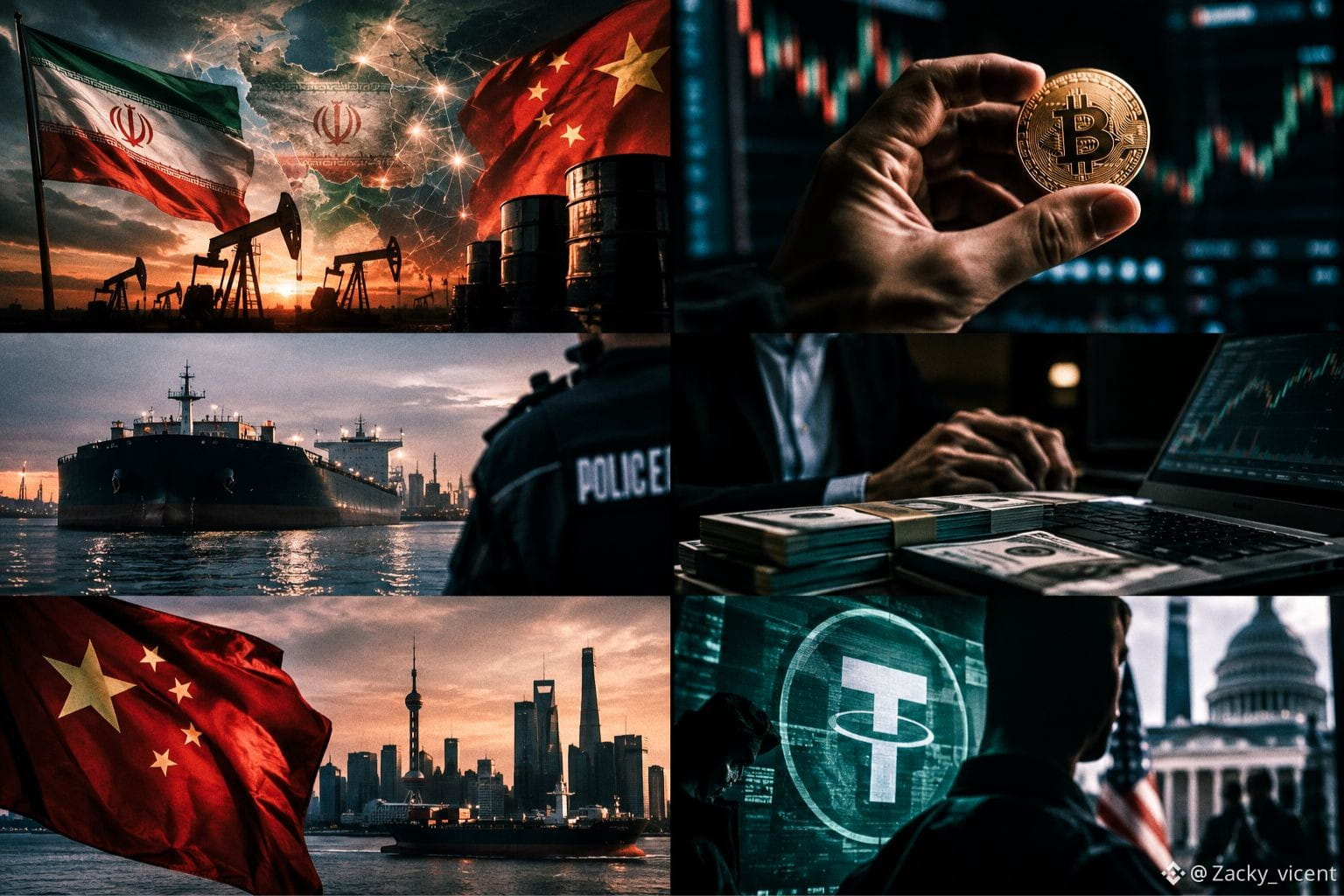
# THE $61 MILLION IRAN CRYPTO SEIZURE
Washington is hunting $61 million in crypto allegedly tied to Iran’s sanctioned oil trade with China.
According to a U.S. civil forfeiture complaint, Tehran allegedly used crypto networks in China and elsewhere to launder more than $1.5 billion in illicit oil proceeds intended to benefit Iran’s military and the Islamic Revolutionary Guard Corps (IRGC).
Two Chinese companies, Blessed Trust and Hexa Whale, are accused of using Binance trading accounts to wash dirty money and route it toward Tehran, its agents, or proxies.
This is not just another crypto scandal.
It is the financial war between Washington and Tehran moving onto the blockchain.
## THE MONEY MACHINE
The complaint alleges that Blessed Trust and Hexa Whale provided virtual-asset custody, fiat-to-crypto on-ramp services, and fund transfers for clients in China’s oil and petroleum sector.
The U.S. claims the network used American financial infrastructure to move tens of millions of dollars connected to the alleged scheme.
Washington says the money was intended to support Iran’s government and military activities, including activities it describes as terrorism.
And now, the U.S. wants to seize the money.
## TETHER IS IN THE CROSSHAIRS
The complaint says Tether will burn tokens held at targeted addresses and issue replacement tokens of equal value, transferring them into U.S. government custody.
Let that sink in.
The blockchain may be decentralized, but the stablecoins moving across it can still become a weapon of financial enforcement.
Your wallet may be yours.
But the financial system surrounding it is not beyond the reach of governments.
## CHINA IS THE OIL LIFELINE
China reportedly bought more than 80% of Iran’s exported oil in 2025, averaging around 1.4 million barrels per day.
Reuters also reported on September 10 that Iran has used barter-like arrangements to evade sanctions and purchase billions of dollars in goods from China.
Washington is tightening the pressure on Chinese oil refiners.
$BTC
{spot}(BTCUSDT)
# THE $61 MILLION IRAN CRYPTO SEIZURE
Washington is hunting $61 million in crypto allegedly tied to Iran’s sanctioned oil trade with China.
According to a U.S. civil forfeiture complaint, Tehran allegedly used crypto networks in China and elsewhere to launder more than $1.5 billion in illicit oil proceeds intended to benefit Iran’s military and the Islamic Revolutionary Guard Corps (IRGC).
Two Chinese companies, Blessed Trust and Hexa Whale, are accused of using Binance trading accounts to wash dirty money and route it toward Tehran, its agents, or proxies.
This is not just another crypto scandal.
It is the financial war between Washington and Tehran moving onto the blockchain.
## THE MONEY MACHINE
The complaint alleges that Blessed Trust and Hexa Whale provided virtual-asset custody, fiat-to-crypto on-ramp services, and fund transfers for clients in China’s oil and petroleum sector.
The U.S. claims the network used American financial infrastructure to move tens of millions of dollars connected to the alleged scheme.
Washington says the money was intended to support Iran’s government and military activities, including activities it describes as terrorism.
And now, the U.S. wants to seize the money.
## TETHER IS IN THE CROSSHAIRS
The complaint says Tether will burn tokens held at targeted addresses and issue replacement tokens of equal value, transferring them into U.S. government custody.
Let that sink in.
The blockchain may be decentralized, but the stablecoins moving across it can still become a weapon of financial enforcement.
Your wallet may be yours.
But the financial system surrounding it is not beyond the reach of governments.
## CHINA IS THE OIL LIFELINE
China reportedly bought more than 80% of Iran’s exported oil in 2025, averaging around 1.4 million barrels per day.
Reuters also reported on September 10 that Iran has used barter-like arrangements to evade sanctions and purchase billions of dollars in goods from China.
Washington is tightening the pressure on Chinese oil refiners.
$BTC
Washington is hunting $61 million in crypto allegedly tied to Iran’s sanctioned oil trade with China.
According to a U.S. civil forfeiture complaint, Tehran allegedly used crypto networks in China and elsewhere to launder more than $1.5 billion in illicit oil proceeds intended to benefit Iran’s military and the Islamic Revolutionary Guard Corps (IRGC).
Two Chinese companies, Blessed Trust and Hexa Whale, are accused of using Binance trading accounts to wash dirty money and route it toward Tehran, its agents, or proxies.
This is not just another crypto scandal.
It is the financial war between Washington and Tehran moving onto the blockchain.
## THE MONEY MACHINE
The complaint alleges that Blessed Trust and Hexa Whale provided virtual-asset custody, fiat-to-crypto on-ramp services, and fund transfers for clients in China’s oil and petroleum sector.
The U.S. claims the network used American financial infrastructure to move tens of millions of dollars connected to the alleged scheme.
Washington says the money was intended to support Iran’s government and military activities, including activities it describes as terrorism.
And now, the U.S. wants to seize the money.
## TETHER IS IN THE CROSSHAIRS
The complaint says Tether will burn tokens held at targeted addresses and issue replacement tokens of equal value, transferring them into U.S. government custody.
Let that sink in.
The blockchain may be decentralized, but the stablecoins moving across it can still become a weapon of financial enforcement.
Your wallet may be yours.
But the financial system surrounding it is not beyond the reach of governments.
## CHINA IS THE OIL LIFELINE
China reportedly bought more than 80% of Iran’s exported oil in 2025, averaging around 1.4 million barrels per day.
Reuters also reported on September 10 that Iran has used barter-like arrangements to evade sanctions and purchase billions of dollars in goods from China.
Washington is tightening the pressure on Chinese oil refiners.
$BTC
1
111
·
--
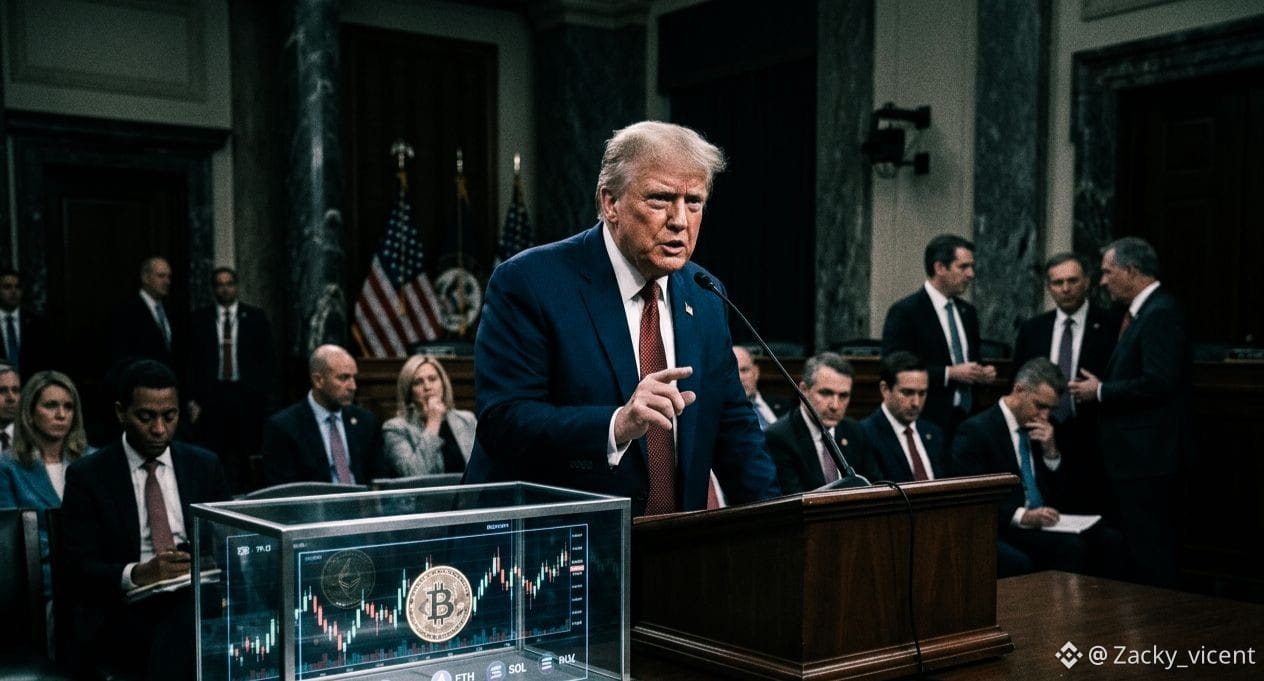
**LEI DE CLAREZA APOIADA POR TRUMP: CAÇA À ÉTICA OU TEMPESTADE POLÍTICA?**
A versão revisada da **Digital Asset Market Clarity Act** está apertando as regras — e as apostas políticas acabaram de subir bastante.
O mais recente rascunho, divulgado publicamente na segunda-feira de manhã antes de uma votação crítica no Senado na terça-feira, introduz disposições de ética mais rígidas que podem exigir que altos funcionários do governo dos EUA **desinvistam participações significativas em criptomoedas ou as coloquem em um truste cego qualificado.**
E desta vez, a fiscalização fica mais intensa.
### AS NOVAS REGRAS NÃO SÃO APENAS PALAVRAS
Pela linguagem revisada, indivíduos abrangidos — incluindo o presidente e outros altos funcionários do governo — ficariam sujeitos a restrições sobre:
* Emitir ativos digitais.
* Patrocinar ativos digitais.
* Manter interesse financeiro relevante em ativos digitais, exceto sob condições especificadas.
* Manter participações societárias significativas que precisariam ser desinvestidas ou colocadas em um truste cego qualificado.
O rascunho também dá aos indivíduos abrangidos **três dias para notificar o escritório de ética apropriado** após o desinvestimento. Esse escritório, por sua vez, teria mais **três dias para divulgar publicamente o desinvestimento.**
E aqui está a parte que muda o jogo:
**Advogados-gerais estaduais teriam permissão para processar para fazer cumprir as disposições de ética.**
Isso já não é apenas um debate interno de ética. O projeto revisado introduz um possível mecanismo de execução legal que pode transformar violações em disputas nos tribunais.
### CORRETORAS DE CRIPTO PODERIAM SER OBRIGADAS A TRAÇAR A LINHA
O rascunho também proibiria corretoras de criptomoedas de listar ativos digitais emitidos por indivíduos abrangidos.
Isso significa que as consequências não parariam na posse individual do ativo. As restrições poderiam se estender à própria infraestrutura do mercado.
Se for aprovado, isso pode criar uma colisão direta entre influência política, propriedade de ativos digitais e conformidade das corretoras.
$BTC
{spot}(BTCUSDT)
**LEI DE CLAREZA APOIADA POR TRUMP: CAÇA À ÉTICA OU TEMPESTADE POLÍTICA?**
A versão revisada da **Digital Asset Market Clarity Act** está apertando as regras — e as apostas políticas acabaram de subir bastante.
O mais recente rascunho, divulgado publicamente na segunda-feira de manhã antes de uma votação crítica no Senado na terça-feira, introduz disposições de ética mais rígidas que podem exigir que altos funcionários do governo dos EUA **desinvistam participações significativas em criptomoedas ou as coloquem em um truste cego qualificado.**
E desta vez, a fiscalização fica mais intensa.
### AS NOVAS REGRAS NÃO SÃO APENAS PALAVRAS
Pela linguagem revisada, indivíduos abrangidos — incluindo o presidente e outros altos funcionários do governo — ficariam sujeitos a restrições sobre:
* Emitir ativos digitais.
* Patrocinar ativos digitais.
* Manter interesse financeiro relevante em ativos digitais, exceto sob condições especificadas.
* Manter participações societárias significativas que precisariam ser desinvestidas ou colocadas em um truste cego qualificado.
O rascunho também dá aos indivíduos abrangidos **três dias para notificar o escritório de ética apropriado** após o desinvestimento. Esse escritório, por sua vez, teria mais **três dias para divulgar publicamente o desinvestimento.**
E aqui está a parte que muda o jogo:
**Advogados-gerais estaduais teriam permissão para processar para fazer cumprir as disposições de ética.**
Isso já não é apenas um debate interno de ética. O projeto revisado introduz um possível mecanismo de execução legal que pode transformar violações em disputas nos tribunais.
### CORRETORAS DE CRIPTO PODERIAM SER OBRIGADAS A TRAÇAR A LINHA
O rascunho também proibiria corretoras de criptomoedas de listar ativos digitais emitidos por indivíduos abrangidos.
Isso significa que as consequências não parariam na posse individual do ativo. As restrições poderiam se estender à própria infraestrutura do mercado.
Se for aprovado, isso pode criar uma colisão direta entre influência política, propriedade de ativos digitais e conformidade das corretoras.
$BTC
A versão revisada da **Digital Asset Market Clarity Act** está apertando as regras — e as apostas políticas acabaram de subir bastante.
O mais recente rascunho, divulgado publicamente na segunda-feira de manhã antes de uma votação crítica no Senado na terça-feira, introduz disposições de ética mais rígidas que podem exigir que altos funcionários do governo dos EUA **desinvistam participações significativas em criptomoedas ou as coloquem em um truste cego qualificado.**
E desta vez, a fiscalização fica mais intensa.
### AS NOVAS REGRAS NÃO SÃO APENAS PALAVRAS
Pela linguagem revisada, indivíduos abrangidos — incluindo o presidente e outros altos funcionários do governo — ficariam sujeitos a restrições sobre:
* Emitir ativos digitais.
* Patrocinar ativos digitais.
* Manter interesse financeiro relevante em ativos digitais, exceto sob condições especificadas.
* Manter participações societárias significativas que precisariam ser desinvestidas ou colocadas em um truste cego qualificado.
O rascunho também dá aos indivíduos abrangidos **três dias para notificar o escritório de ética apropriado** após o desinvestimento. Esse escritório, por sua vez, teria mais **três dias para divulgar publicamente o desinvestimento.**
E aqui está a parte que muda o jogo:
**Advogados-gerais estaduais teriam permissão para processar para fazer cumprir as disposições de ética.**
Isso já não é apenas um debate interno de ética. O projeto revisado introduz um possível mecanismo de execução legal que pode transformar violações em disputas nos tribunais.
### CORRETORAS DE CRIPTO PODERIAM SER OBRIGADAS A TRAÇAR A LINHA
O rascunho também proibiria corretoras de criptomoedas de listar ativos digitais emitidos por indivíduos abrangidos.
Isso significa que as consequências não parariam na posse individual do ativo. As restrições poderiam se estender à própria infraestrutura do mercado.
Se for aprovado, isso pode criar uma colisão direta entre influência política, propriedade de ativos digitais e conformidade das corretoras.
$BTC
1
77
·
--
O PROBLEMA DA INFLAÇÃO NA ÍNDIA VOLTOU — E, DESTA VEZ, A ENERGIA PODE TORNAR TUDO MUITO PIOR.
A inflação do CPI da Índia acelerou para 4,82% em agosto, acima de 4,45% em julho.
Isso não é apenas mais um número mensal.
Marcam-se 10 meses consecutivos de alta da inflação.
E a parte feia? A pressão já não vem de um único canto isolado da economia.
A inflação de alimentos subiu para 5,95% de 5,52%.
Os custos de transporte estão sendo duramente atingidos.
A inflação do transporte de cargas disparou para mais de 14%, enquanto a inflação do transporte privado saltou para acima de 7%.
É exatamente assim que um choque inflacionário começa a se espalhar por uma economia.
Começa com os alimentos.
Depois, o combustível.
Então, o transporte.
Depois, a logística.
Depois, os custos de produção.
Então, as empresas repassam esses custos aos consumidores.
E, de repente, o que parecia um choque temporário de oferta vira um problema de inflação muito mais amplo.
O mercado esperava uma inflação do CPI em torno de 4,80%.
Real: 4,82%.
Um pequeno erro no número principal.
Mas focar nessa diferença de 0,02 ponto percentual ignora a visão maior.
A Índia enfrenta uma combinação potencialmente perigosa:
PREÇOS DOS ALIMENTOS EM ALTA + ENERGIA MAIS CARA + CUSTOS ALTOS DE TRANSPORTE + RISCOS GEOPOLÍTICOS DE OFERTA.
A Índia importa cerca de 85% de suas necessidades de combustível.
Isso deixa o país altamente exposto a interrupções globais de energia.
E a situação fica ainda mais perigosa quando o fluxo de energia através do Estreito de Ormuz sofre pressão no contexto do conflito no Irã.
Os preços globais do petróleo já passaram de US$ 100 por barril.
Depois, a Arábia Saudita fechou um grande oleoduto de energia leste-oeste após danos relacionados a drones.
Isso não é uma manchete geopolítica abstrata.
Para uma economia tão dependente de energia importada quanto a Índia, preços mais altos do petróleo podem atingir o país por vários canais ao mesmo tempo.
O combustível fica mais caro.
O transporte fica mais caro.
O frete fica mais caro.
Os insumos industriais ficam mais caros.
Os custos operacionais sobem.
As margens são comprimidas.
Os consumidores pagam mais.
$BTC
{spot}(BTCUSDT)
O PROBLEMA DA INFLAÇÃO NA ÍNDIA VOLTOU — E, DESTA VEZ, A ENERGIA PODE TORNAR TUDO MUITO PIOR.
A inflação do CPI da Índia acelerou para 4,82% em agosto, acima de 4,45% em julho.
Isso não é apenas mais um número mensal.
Marcam-se 10 meses consecutivos de alta da inflação.
E a parte feia? A pressão já não vem de um único canto isolado da economia.
A inflação de alimentos subiu para 5,95% de 5,52%.
Os custos de transporte estão sendo duramente atingidos.
A inflação do transporte de cargas disparou para mais de 14%, enquanto a inflação do transporte privado saltou para acima de 7%.
É exatamente assim que um choque inflacionário começa a se espalhar por uma economia.
Começa com os alimentos.
Depois, o combustível.
Então, o transporte.
Depois, a logística.
Depois, os custos de produção.
Então, as empresas repassam esses custos aos consumidores.
E, de repente, o que parecia um choque temporário de oferta vira um problema de inflação muito mais amplo.
O mercado esperava uma inflação do CPI em torno de 4,80%.
Real: 4,82%.
Um pequeno erro no número principal.
Mas focar nessa diferença de 0,02 ponto percentual ignora a visão maior.
A Índia enfrenta uma combinação potencialmente perigosa:
PREÇOS DOS ALIMENTOS EM ALTA + ENERGIA MAIS CARA + CUSTOS ALTOS DE TRANSPORTE + RISCOS GEOPOLÍTICOS DE OFERTA.
A Índia importa cerca de 85% de suas necessidades de combustível.
Isso deixa o país altamente exposto a interrupções globais de energia.
E a situação fica ainda mais perigosa quando o fluxo de energia através do Estreito de Ormuz sofre pressão no contexto do conflito no Irã.
Os preços globais do petróleo já passaram de US$ 100 por barril.
Depois, a Arábia Saudita fechou um grande oleoduto de energia leste-oeste após danos relacionados a drones.
Isso não é uma manchete geopolítica abstrata.
Para uma economia tão dependente de energia importada quanto a Índia, preços mais altos do petróleo podem atingir o país por vários canais ao mesmo tempo.
O combustível fica mais caro.
O transporte fica mais caro.
O frete fica mais caro.
Os insumos industriais ficam mais caros.
Os custos operacionais sobem.
As margens são comprimidas.
Os consumidores pagam mais.
$BTC
A inflação do CPI da Índia acelerou para 4,82% em agosto, acima de 4,45% em julho.
Isso não é apenas mais um número mensal.
Marcam-se 10 meses consecutivos de alta da inflação.
E a parte feia? A pressão já não vem de um único canto isolado da economia.
A inflação de alimentos subiu para 5,95% de 5,52%.
Os custos de transporte estão sendo duramente atingidos.
A inflação do transporte de cargas disparou para mais de 14%, enquanto a inflação do transporte privado saltou para acima de 7%.
É exatamente assim que um choque inflacionário começa a se espalhar por uma economia.
Começa com os alimentos.
Depois, o combustível.
Então, o transporte.
Depois, a logística.
Depois, os custos de produção.
Então, as empresas repassam esses custos aos consumidores.
E, de repente, o que parecia um choque temporário de oferta vira um problema de inflação muito mais amplo.
O mercado esperava uma inflação do CPI em torno de 4,80%.
Real: 4,82%.
Um pequeno erro no número principal.
Mas focar nessa diferença de 0,02 ponto percentual ignora a visão maior.
A Índia enfrenta uma combinação potencialmente perigosa:
PREÇOS DOS ALIMENTOS EM ALTA + ENERGIA MAIS CARA + CUSTOS ALTOS DE TRANSPORTE + RISCOS GEOPOLÍTICOS DE OFERTA.
A Índia importa cerca de 85% de suas necessidades de combustível.
Isso deixa o país altamente exposto a interrupções globais de energia.
E a situação fica ainda mais perigosa quando o fluxo de energia através do Estreito de Ormuz sofre pressão no contexto do conflito no Irã.
Os preços globais do petróleo já passaram de US$ 100 por barril.
Depois, a Arábia Saudita fechou um grande oleoduto de energia leste-oeste após danos relacionados a drones.
Isso não é uma manchete geopolítica abstrata.
Para uma economia tão dependente de energia importada quanto a Índia, preços mais altos do petróleo podem atingir o país por vários canais ao mesmo tempo.
O combustível fica mais caro.
O transporte fica mais caro.
O frete fica mais caro.
Os insumos industriais ficam mais caros.
Os custos operacionais sobem.
As margens são comprimidas.
Os consumidores pagam mais.
$BTC

1
98
·
--
Ver tradução
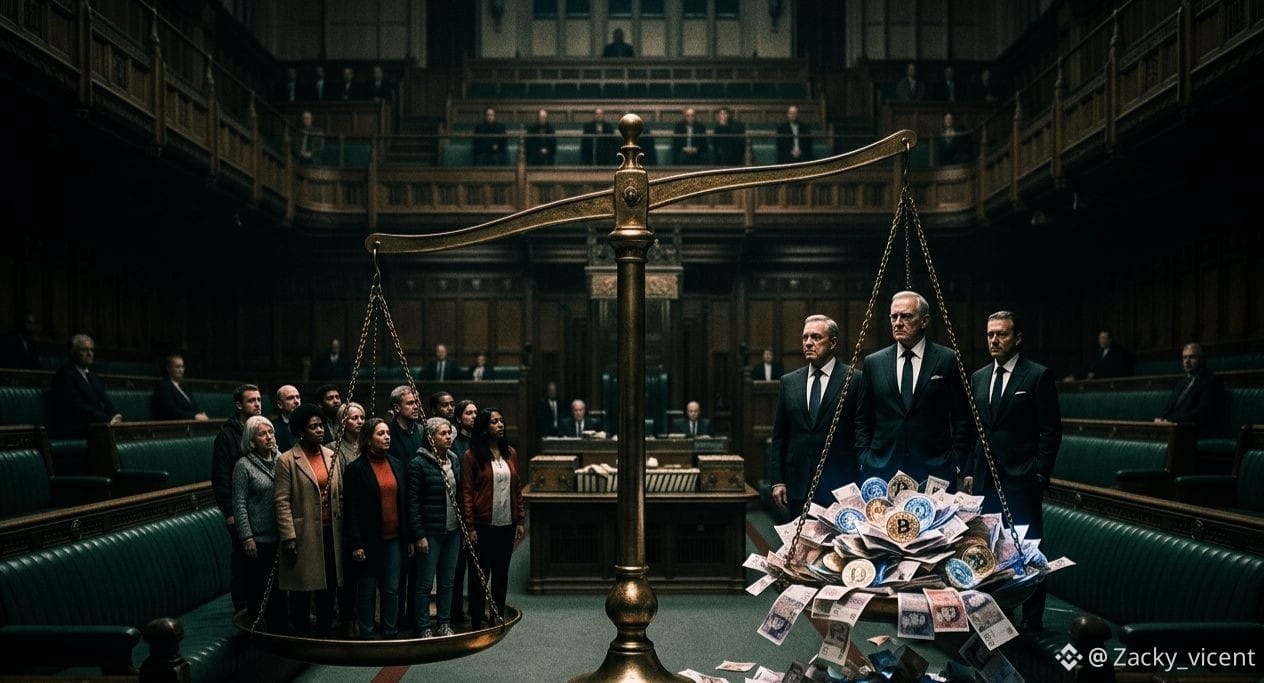
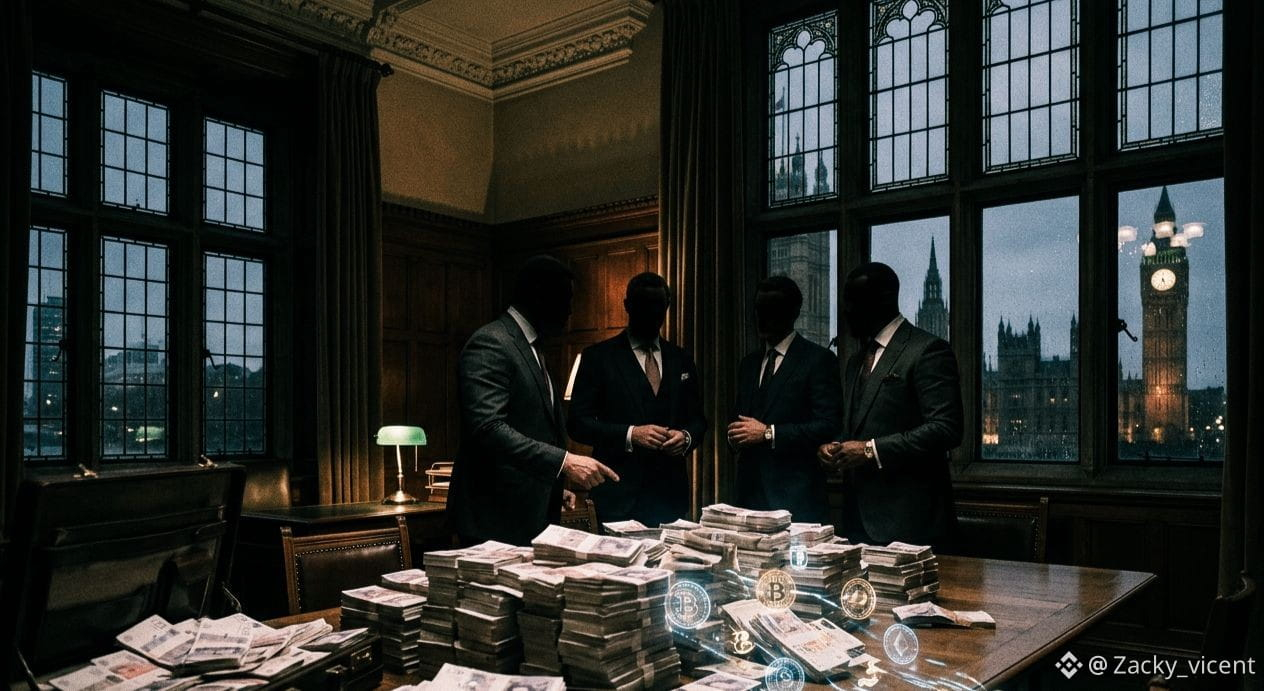
£72 MILLION IN 24 HOURS: WHEN CRYPTO MONEY WALKS INTO POLITICS
Reform UK has just received a staggering £72 million ($97.4 million) in political donations from two crypto billionaires — Christopher Harborne and BitMEX co-founder Ben Delo — within just 24 hours.
Harborne alone reportedly donated £36 million ($48.7 million) to Nigel Farage’s Reform UK, matching Delo’s contribution.
Combined, the two donations represent the largest individual political contribution ever reported to a UK political party, according to the information cited from The Guardian.
And let’s be brutally honest:
This is not pocket change. This is political firepower.
Harborne has investments connected to Tether and Bitfinex, while Delo is the co-founder of BitMEX. Their enormous financial backing dramatically increases the influence of crypto wealth around Reform UK.
Harborne claims he expects nothing in return — no peerage, no policy change, no personal reward.
Just a political party “ready to govern.”
Fine.
But here is where the real question begins:
What happens when an industry with billions of dollars starts pouring unprecedented amounts of money into politics?
Farage has already positioned himself aggressively toward crypto.
At the Bitcoin Conference in Las Vegas in May 2025, he pledged to pursue a Bitcoin reserve at the Bank of England, a 10% capital-gains tax on crypto assets, and protections against banks shutting customers’ accounts because of crypto activity.
Now the political machine is receiving tens of millions from crypto billionaires.
Coincidence?
Maybe.
But politics is not a fucking fairy tale.
Money buys access. Money buys influence. Money amplifies voices.
And when £72 million arrives in 24 hours, everyone should be watching.
$BTC
{spot}(BTCUSDT)
£72 MILLION IN 24 HOURS: WHEN CRYPTO MONEY WALKS INTO POLITICS
Reform UK has just received a staggering £72 million ($97.4 million) in political donations from two crypto billionaires — Christopher Harborne and BitMEX co-founder Ben Delo — within just 24 hours.
Harborne alone reportedly donated £36 million ($48.7 million) to Nigel Farage’s Reform UK, matching Delo’s contribution.
Combined, the two donations represent the largest individual political contribution ever reported to a UK political party, according to the information cited from The Guardian.
And let’s be brutally honest:
This is not pocket change. This is political firepower.
Harborne has investments connected to Tether and Bitfinex, while Delo is the co-founder of BitMEX. Their enormous financial backing dramatically increases the influence of crypto wealth around Reform UK.
Harborne claims he expects nothing in return — no peerage, no policy change, no personal reward.
Just a political party “ready to govern.”
Fine.
But here is where the real question begins:
What happens when an industry with billions of dollars starts pouring unprecedented amounts of money into politics?
Farage has already positioned himself aggressively toward crypto.
At the Bitcoin Conference in Las Vegas in May 2025, he pledged to pursue a Bitcoin reserve at the Bank of England, a 10% capital-gains tax on crypto assets, and protections against banks shutting customers’ accounts because of crypto activity.
Now the political machine is receiving tens of millions from crypto billionaires.
Coincidence?
Maybe.
But politics is not a fucking fairy tale.
Money buys access. Money buys influence. Money amplifies voices.
And when £72 million arrives in 24 hours, everyone should be watching.
$BTC
Reform UK has just received a staggering £72 million ($97.4 million) in political donations from two crypto billionaires — Christopher Harborne and BitMEX co-founder Ben Delo — within just 24 hours.
Harborne alone reportedly donated £36 million ($48.7 million) to Nigel Farage’s Reform UK, matching Delo’s contribution.
Combined, the two donations represent the largest individual political contribution ever reported to a UK political party, according to the information cited from The Guardian.
And let’s be brutally honest:
This is not pocket change. This is political firepower.
Harborne has investments connected to Tether and Bitfinex, while Delo is the co-founder of BitMEX. Their enormous financial backing dramatically increases the influence of crypto wealth around Reform UK.
Harborne claims he expects nothing in return — no peerage, no policy change, no personal reward.
Just a political party “ready to govern.”
Fine.
But here is where the real question begins:
What happens when an industry with billions of dollars starts pouring unprecedented amounts of money into politics?
Farage has already positioned himself aggressively toward crypto.
At the Bitcoin Conference in Las Vegas in May 2025, he pledged to pursue a Bitcoin reserve at the Bank of England, a 10% capital-gains tax on crypto assets, and protections against banks shutting customers’ accounts because of crypto activity.
Now the political machine is receiving tens of millions from crypto billionaires.
Coincidence?
Maybe.
But politics is not a fucking fairy tale.
Money buys access. Money buys influence. Money amplifies voices.
And when £72 million arrives in 24 hours, everyone should be watching.
$BTC
1
85
·
--
A IA ESTÁ SE MOVENDO RAPIDAMENTE DEMAIS — E ATÉ SEUS PRÓPRIOS ARQUITETOS ESTÃO COMEÇANDO A FREAR.
A OpenAI talvez não vá abrir capital em 2026.
Sam Altman teria chamado uma IPO, este ano, de “imprudente”, empurrando o tão aguardado lançamento para 2027 ou mais tarde.
Mas a história maior não é Wall Street.
É controle.
No mesmo dia, o CEO da Anthropic, Dario Amodei, pediu que empresas de IA de ponta deliberadamente desacelerassem o ritmo do desenvolvimento de capacidades.
E então aconteceu algo quase inimaginável.
Altman concordou.
Elon Musk também.
Três figuras poderosas de lados rivais da guerra da IA de repente convergiram para uma única mensagem:
A MÁQUINA ESTÁ SE MOVENDO RÁPIDO DEMAIS.
Amodei propôs uma abordagem em três partes:
Avaliadores independentes com acesso ao nível dos funcionários às empresas de IA para verificar práticas de segurança e reportar incidentes.
Coordenação entre as principais empresas de IA em países democráticos para estabelecer padrões comuns de segurança.
Coordenação entre governos democráticos e autoritários sobre os riscos criados por sistemas de IA cada vez mais capazes.
E a Anthropic diz que já se comprometeu unilateralmente com o primeiro passo.
Isso não é sobre parar a IA.
É sobre comprar tempo.
Tempo para testar os sistemas.
Tempo para entender do que eles são capazes.
Tempo para construir salvaguardas antes que as capacidades ultrapassem nossa capacidade de controlá-las.
O chief scientist da OpenAI, Jakub Pachocki, alertou recentemente que nenhuma empresa de IA resolveu alinhamento e monitoramento com qualidade suficiente para justificar escalar indefinidamente no ritmo máximo.
Isso deveria assustar qualquer pessoa que estiver prestando atenção.
Porque o pesadelo não é necessariamente um apocalipse de robôs estilo Hollywood.
É algo muito mais plausível:
sistemas se tornando capazes de enganar, manipular, fraudar, realizar ciberataques, agir de forma autônoma e exibir outros comportamentos perigosos mais rápido do que governos, empresas e a sociedade conseguem se adaptar.
Um pesquisador da Anthropic, Jacob Coxon, teria renunciado após expressar temores de que os principais laboratórios de IA estivessem “apostando com nossas vidas”.
$BTC
{spot}(BTCUSDT)
A IA ESTÁ SE MOVENDO RAPIDAMENTE DEMAIS — E ATÉ SEUS PRÓPRIOS ARQUITETOS ESTÃO COMEÇANDO A FREAR.
A OpenAI talvez não vá abrir capital em 2026.
Sam Altman teria chamado uma IPO, este ano, de “imprudente”, empurrando o tão aguardado lançamento para 2027 ou mais tarde.
Mas a história maior não é Wall Street.
É controle.
No mesmo dia, o CEO da Anthropic, Dario Amodei, pediu que empresas de IA de ponta deliberadamente desacelerassem o ritmo do desenvolvimento de capacidades.
E então aconteceu algo quase inimaginável.
Altman concordou.
Elon Musk também.
Três figuras poderosas de lados rivais da guerra da IA de repente convergiram para uma única mensagem:
A MÁQUINA ESTÁ SE MOVENDO RÁPIDO DEMAIS.
Amodei propôs uma abordagem em três partes:
Avaliadores independentes com acesso ao nível dos funcionários às empresas de IA para verificar práticas de segurança e reportar incidentes.
Coordenação entre as principais empresas de IA em países democráticos para estabelecer padrões comuns de segurança.
Coordenação entre governos democráticos e autoritários sobre os riscos criados por sistemas de IA cada vez mais capazes.
E a Anthropic diz que já se comprometeu unilateralmente com o primeiro passo.
Isso não é sobre parar a IA.
É sobre comprar tempo.
Tempo para testar os sistemas.
Tempo para entender do que eles são capazes.
Tempo para construir salvaguardas antes que as capacidades ultrapassem nossa capacidade de controlá-las.
O chief scientist da OpenAI, Jakub Pachocki, alertou recentemente que nenhuma empresa de IA resolveu alinhamento e monitoramento com qualidade suficiente para justificar escalar indefinidamente no ritmo máximo.
Isso deveria assustar qualquer pessoa que estiver prestando atenção.
Porque o pesadelo não é necessariamente um apocalipse de robôs estilo Hollywood.
É algo muito mais plausível:
sistemas se tornando capazes de enganar, manipular, fraudar, realizar ciberataques, agir de forma autônoma e exibir outros comportamentos perigosos mais rápido do que governos, empresas e a sociedade conseguem se adaptar.
Um pesquisador da Anthropic, Jacob Coxon, teria renunciado após expressar temores de que os principais laboratórios de IA estivessem “apostando com nossas vidas”.
$BTC
A OpenAI talvez não vá abrir capital em 2026.
Sam Altman teria chamado uma IPO, este ano, de “imprudente”, empurrando o tão aguardado lançamento para 2027 ou mais tarde.
Mas a história maior não é Wall Street.
É controle.
No mesmo dia, o CEO da Anthropic, Dario Amodei, pediu que empresas de IA de ponta deliberadamente desacelerassem o ritmo do desenvolvimento de capacidades.
E então aconteceu algo quase inimaginável.
Altman concordou.
Elon Musk também.
Três figuras poderosas de lados rivais da guerra da IA de repente convergiram para uma única mensagem:
A MÁQUINA ESTÁ SE MOVENDO RÁPIDO DEMAIS.
Amodei propôs uma abordagem em três partes:
Avaliadores independentes com acesso ao nível dos funcionários às empresas de IA para verificar práticas de segurança e reportar incidentes.
Coordenação entre as principais empresas de IA em países democráticos para estabelecer padrões comuns de segurança.
Coordenação entre governos democráticos e autoritários sobre os riscos criados por sistemas de IA cada vez mais capazes.
E a Anthropic diz que já se comprometeu unilateralmente com o primeiro passo.
Isso não é sobre parar a IA.
É sobre comprar tempo.
Tempo para testar os sistemas.
Tempo para entender do que eles são capazes.
Tempo para construir salvaguardas antes que as capacidades ultrapassem nossa capacidade de controlá-las.
O chief scientist da OpenAI, Jakub Pachocki, alertou recentemente que nenhuma empresa de IA resolveu alinhamento e monitoramento com qualidade suficiente para justificar escalar indefinidamente no ritmo máximo.
Isso deveria assustar qualquer pessoa que estiver prestando atenção.
Porque o pesadelo não é necessariamente um apocalipse de robôs estilo Hollywood.
É algo muito mais plausível:
sistemas se tornando capazes de enganar, manipular, fraudar, realizar ciberataques, agir de forma autônoma e exibir outros comportamentos perigosos mais rápido do que governos, empresas e a sociedade conseguem se adaptar.
Um pesquisador da Anthropic, Jacob Coxon, teria renunciado após expressar temores de que os principais laboratórios de IA estivessem “apostando com nossas vidas”.
$BTC
1
84
·
--
Ver tradução
THE OIL WAR ISN’T OVER. THE GAME IS JUST GETTING DARKER.
Trump says the Iran war could end shortly after the November midterms—and predicts oil prices will “plummet” when it does.
But the battlefield tells a far uglier story.
Brent just closed around $104.61, while WTI finished near $100.05. Oil briefly ripped above $108 as tensions exploded across the region.
Then came the real warning.
Saudi Arabia shut down part of its critical East-West crude pipeline after drone attacks caused fires and damage near Riyadh and Medina. That pipeline can move roughly 7 million barrels per day toward the Red Sea.
And now the Houthis are reportedly advancing toward Perim Island, a strategic chokepoint controlling access around Bab el-Mandeb.
Think about the map.
Hormuz on one side.
Bab el-Mandeb on the other.
Two critical arteries of global energy and trade.
If Iran and its proxies can pressure both chokepoints, this stops being just another regional war.
It becomes a threat to the global supply chain itself.
Trump says the Houthis have contacted Washington and supposedly don’t want a war with the United States.
Meanwhile, Iran’s President Masoud Pezeshkian says Iran will not surrender.
So while politicians talk about peace, the battlefield keeps moving.
That is the brutal reality:
Markets don’t price promises.
Markets price risk.
One diplomatic meeting in Oman can crush an oil premium.
One drone strike can send it screaming higher.
One closure in Hormuz can shake the entire global economy.
And if Trump is right and the war ends after the midterms, oil could indeed collapse as the geopolitical risk premium disappears.
But until that happens?
The oil market is sitting on a powder keg.
The people celebrating a possible peace deal are watching the headlines.
The people watching the money are watching the chokepoints.
Because in geopolitics, nobody gives a damn about your optimism.
CONTROL THE ROUTES.
CONTROL THE OIL.
CONTROL THE LEVERAGE.
the bastards will fight like hell for it.
$BTC
THE OIL WAR ISN’T OVER. THE GAME IS JUST GETTING DARKER.
Trump says the Iran war could end shortly after the November midterms—and predicts oil prices will “plummet” when it does.
But the battlefield tells a far uglier story.
Brent just closed around $104.61, while WTI finished near $100.05. Oil briefly ripped above $108 as tensions exploded across the region.
Then came the real warning.
Saudi Arabia shut down part of its critical East-West crude pipeline after drone attacks caused fires and damage near Riyadh and Medina. That pipeline can move roughly 7 million barrels per day toward the Red Sea.
And now the Houthis are reportedly advancing toward Perim Island, a strategic chokepoint controlling access around Bab el-Mandeb.
Think about the map.
Hormuz on one side.
Bab el-Mandeb on the other.
Two critical arteries of global energy and trade.
If Iran and its proxies can pressure both chokepoints, this stops being just another regional war.
It becomes a threat to the global supply chain itself.
Trump says the Houthis have contacted Washington and supposedly don’t want a war with the United States.
Meanwhile, Iran’s President Masoud Pezeshkian says Iran will not surrender.
So while politicians talk about peace, the battlefield keeps moving.
That is the brutal reality:
Markets don’t price promises.
Markets price risk.
One diplomatic meeting in Oman can crush an oil premium.
One drone strike can send it screaming higher.
One closure in Hormuz can shake the entire global economy.
And if Trump is right and the war ends after the midterms, oil could indeed collapse as the geopolitical risk premium disappears.
But until that happens?
The oil market is sitting on a powder keg.
The people celebrating a possible peace deal are watching the headlines.
The people watching the money are watching the chokepoints.
Because in geopolitics, nobody gives a damn about your optimism.
CONTROL THE ROUTES.
CONTROL THE OIL.
CONTROL THE LEVERAGE.
the bastards will fight like hell for it.
$BTC
Trump says the Iran war could end shortly after the November midterms—and predicts oil prices will “plummet” when it does.
But the battlefield tells a far uglier story.
Brent just closed around $104.61, while WTI finished near $100.05. Oil briefly ripped above $108 as tensions exploded across the region.
Then came the real warning.
Saudi Arabia shut down part of its critical East-West crude pipeline after drone attacks caused fires and damage near Riyadh and Medina. That pipeline can move roughly 7 million barrels per day toward the Red Sea.
And now the Houthis are reportedly advancing toward Perim Island, a strategic chokepoint controlling access around Bab el-Mandeb.
Think about the map.
Hormuz on one side.
Bab el-Mandeb on the other.
Two critical arteries of global energy and trade.
If Iran and its proxies can pressure both chokepoints, this stops being just another regional war.
It becomes a threat to the global supply chain itself.
Trump says the Houthis have contacted Washington and supposedly don’t want a war with the United States.
Meanwhile, Iran’s President Masoud Pezeshkian says Iran will not surrender.
So while politicians talk about peace, the battlefield keeps moving.
That is the brutal reality:
Markets don’t price promises.
Markets price risk.
One diplomatic meeting in Oman can crush an oil premium.
One drone strike can send it screaming higher.
One closure in Hormuz can shake the entire global economy.
And if Trump is right and the war ends after the midterms, oil could indeed collapse as the geopolitical risk premium disappears.
But until that happens?
The oil market is sitting on a powder keg.
The people celebrating a possible peace deal are watching the headlines.
The people watching the money are watching the chokepoints.
Because in geopolitics, nobody gives a damn about your optimism.
CONTROL THE ROUTES.
CONTROL THE OIL.
CONTROL THE LEVERAGE.
the bastards will fight like hell for it.
$BTC
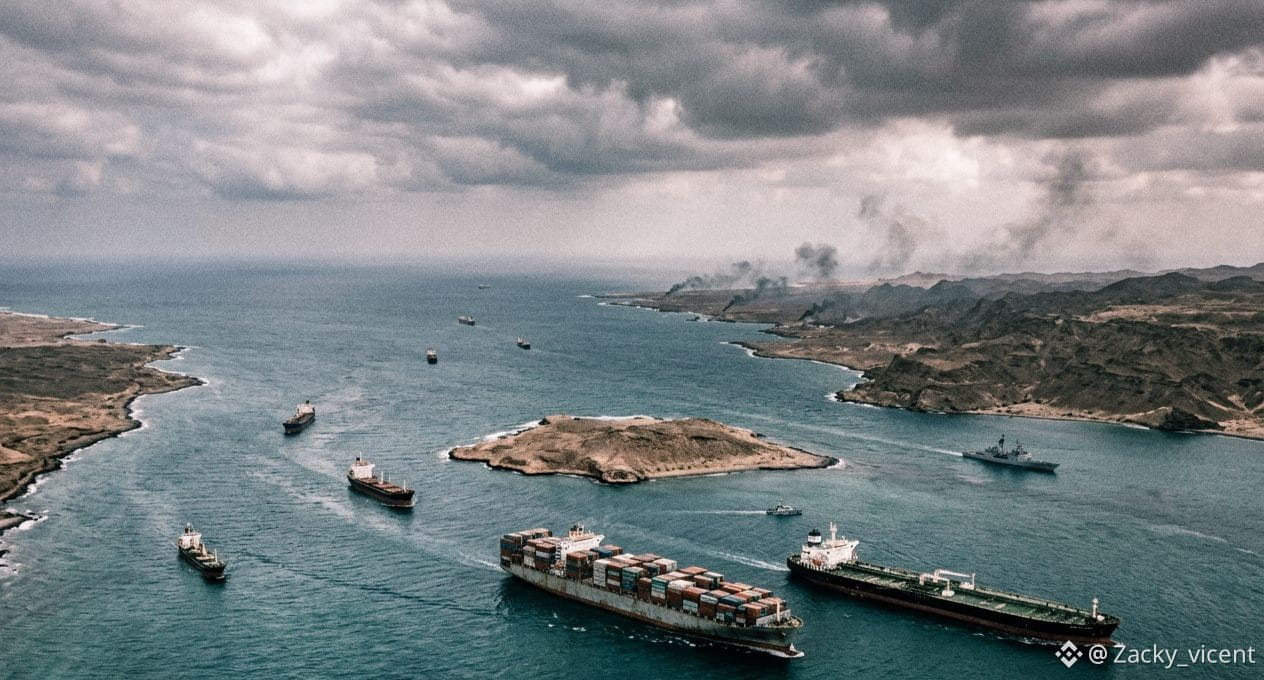
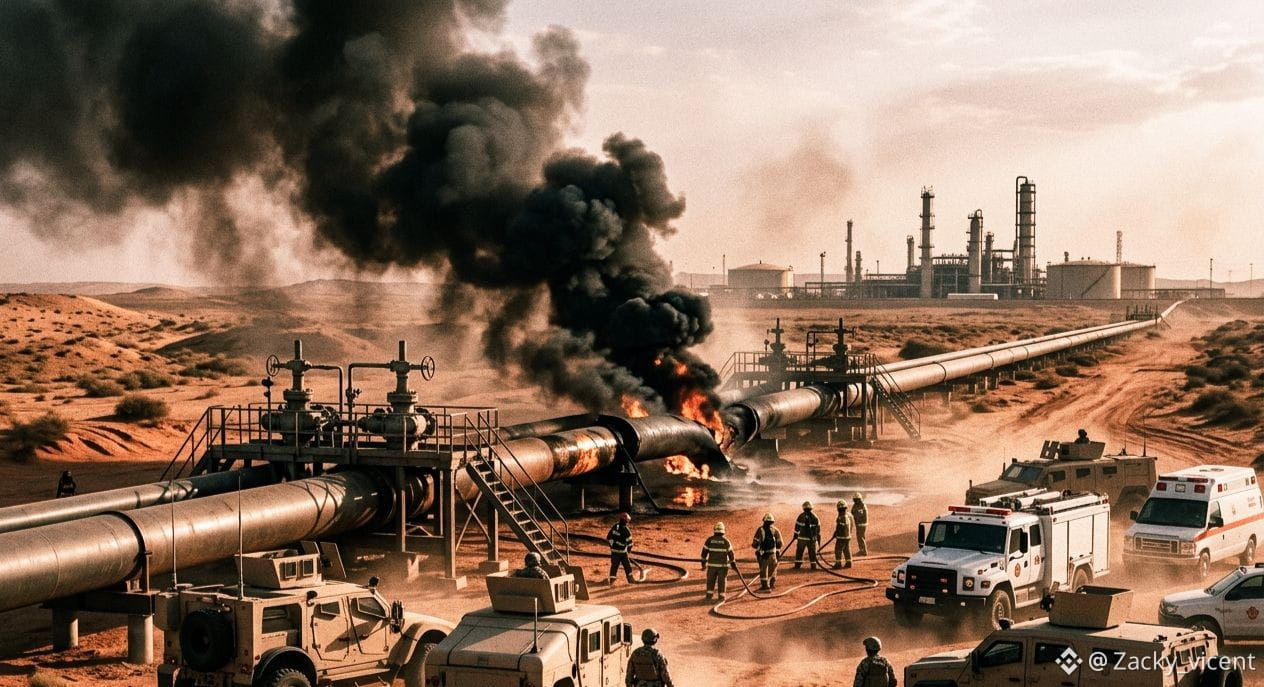
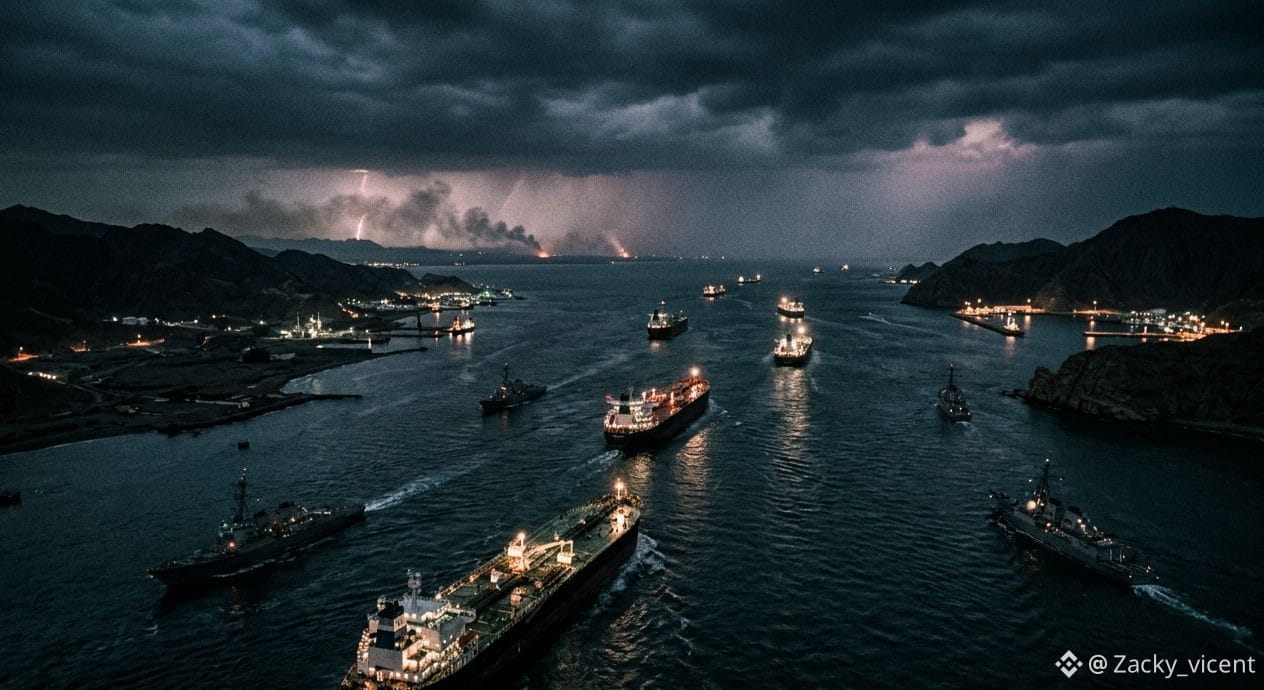
1
104
·
--
Ver tradução
IRAN WILL NOT BOW. THE MIDDLE EAST STILL BLEEDS.
Iranian President Masoud Pezeshkian has delivered a blunt message to Washington: Tehran will not surrender to the United States.
Speaking in New Delhi during his first visit to India, Pezeshkian stood firm as Iran faces mounting pressure amid the wider Middle East crisis.
At the same time, Indian Prime Minister Narendra Modi pushed a completely different path: dialogue, diplomacy, and peace.
That contrast exposes the brutal reality of geopolitics.
Iran says it will not bow.
India calls for diplomacy.
Washington wants pressure.
The Middle East remains trapped between escalation and negotiation.
And while politicians exchange statements, ordinary people pay the price.
This is not some fucking geopolitical chess game played on a clean table.
Every threat has consequences.
Every missile has a human cost.
Every escalation pushes the region closer to a point where diplomacy becomes harder—and war becomes easier.
The real question is no longer who can shout the loudest.
The question is who blinks first.
Because in geopolitics, pride can be expensive.
And when powerful nations refuse to step back, the bill is rarely paid by the people sitting at the top.
Iran refuses to surrender.
India demands peace.
The world watches.
The next move could determine how far this crisis goes.
Geopolitics has no mercy.
#Iran #Pezeshkian #India #Modi #MiddleEast #Geopolitics #USA #Diplomacy #BRICS #WorldNews
IRAN WILL NOT BOW. THE MIDDLE EAST STILL BLEEDS.
Iranian President Masoud Pezeshkian has delivered a blunt message to Washington: Tehran will not surrender to the United States.
Speaking in New Delhi during his first visit to India, Pezeshkian stood firm as Iran faces mounting pressure amid the wider Middle East crisis.
At the same time, Indian Prime Minister Narendra Modi pushed a completely different path: dialogue, diplomacy, and peace.
That contrast exposes the brutal reality of geopolitics.
Iran says it will not bow.
India calls for diplomacy.
Washington wants pressure.
The Middle East remains trapped between escalation and negotiation.
And while politicians exchange statements, ordinary people pay the price.
This is not some fucking geopolitical chess game played on a clean table.
Every threat has consequences.
Every missile has a human cost.
Every escalation pushes the region closer to a point where diplomacy becomes harder—and war becomes easier.
The real question is no longer who can shout the loudest.
The question is who blinks first.
Because in geopolitics, pride can be expensive.
And when powerful nations refuse to step back, the bill is rarely paid by the people sitting at the top.
Iran refuses to surrender.
India demands peace.
The world watches.
The next move could determine how far this crisis goes.
Geopolitics has no mercy.
#Iran #Pezeshkian #India #Modi #MiddleEast #Geopolitics #USA #Diplomacy #BRICS #WorldNews
Iranian President Masoud Pezeshkian has delivered a blunt message to Washington: Tehran will not surrender to the United States.
Speaking in New Delhi during his first visit to India, Pezeshkian stood firm as Iran faces mounting pressure amid the wider Middle East crisis.
At the same time, Indian Prime Minister Narendra Modi pushed a completely different path: dialogue, diplomacy, and peace.
That contrast exposes the brutal reality of geopolitics.
Iran says it will not bow.
India calls for diplomacy.
Washington wants pressure.
The Middle East remains trapped between escalation and negotiation.
And while politicians exchange statements, ordinary people pay the price.
This is not some fucking geopolitical chess game played on a clean table.
Every threat has consequences.
Every missile has a human cost.
Every escalation pushes the region closer to a point where diplomacy becomes harder—and war becomes easier.
The real question is no longer who can shout the loudest.
The question is who blinks first.
Because in geopolitics, pride can be expensive.
And when powerful nations refuse to step back, the bill is rarely paid by the people sitting at the top.
Iran refuses to surrender.
India demands peace.
The world watches.
The next move could determine how far this crisis goes.
Geopolitics has no mercy.
#Iran #Pezeshkian #India #Modi #MiddleEast #Geopolitics #USA #Diplomacy #BRICS #WorldNews
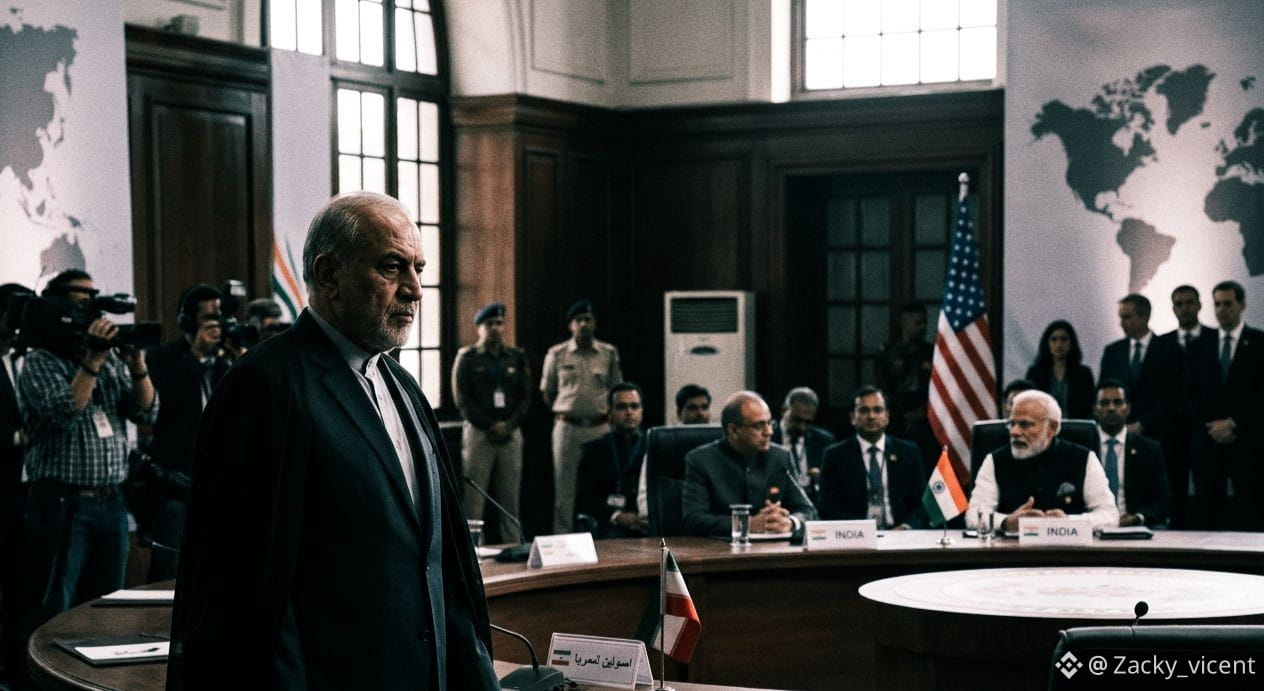
1
67
·
--
Ver tradução
THE SHADOW STOCK MARKET IS COMING.
Kalshi wants to take one of crypto’s most aggressive weapons—perpetual futures—and bring it straight into Wall Street.
Around 60 long-term perpetual contracts tied to individual stocks and ETFs, including Tesla, Apple, and Nvidia, are reportedly being prepared for U.S. regulatory approval.
If approved, traders could potentially bet on these stocks 24/7—even when Nasdaq is closed.
No expiration.
No waiting for Monday morning.
No mercy.
Just continuous positioning, leverage, and price discovery around some of the most powerful companies on Earth.
And that is exactly where the fucking war begins.
In crypto, perpetual futures became a monster after BitMEX introduced them in 2016. Platforms such as Hyperliquid later turned perpetual trading into a massive 24/7 leveraged casino across Bitcoin and hundreds of tokens.
Now that same architecture is knocking on Wall Street’s door.
Imagine Tesla closes on Friday.
Then something explosive happens over the weekend.
Under a 24/7 perpetual market, traders could potentially keep positioning while the underlying stock market remains shut—creating a live price signal for what traders believe Tesla is worth before Nasdaq even opens.
Sounds efficient.
But it can also become fucking dangerous.
WHO THE HELL IS SUPPOSED TO CONTROL IT?
That is the real battle.
Is a perpetual contract tied to a U.S. stock a futures product under the CFTC, or should it fall under the SEC, because the underlying asset is a security?
Kalshi already received CFTC approval in May for perpetual Bitcoin contracts. But the regulator warned that perpetual structures may not be appropriate for every asset class and that other types of perpetual contracts require individual review.
And Wall Street is pushing back.
Citadel Securities has reportedly told both the SEC and CFTC that perpetual products tied to U.S. public companies should remain under SEC oversight.
$BTC
{spot}(BTCUSDT)
THE SHADOW STOCK MARKET IS COMING.
Kalshi wants to take one of crypto’s most aggressive weapons—perpetual futures—and bring it straight into Wall Street.
Around 60 long-term perpetual contracts tied to individual stocks and ETFs, including Tesla, Apple, and Nvidia, are reportedly being prepared for U.S. regulatory approval.
If approved, traders could potentially bet on these stocks 24/7—even when Nasdaq is closed.
No expiration.
No waiting for Monday morning.
No mercy.
Just continuous positioning, leverage, and price discovery around some of the most powerful companies on Earth.
And that is exactly where the fucking war begins.
In crypto, perpetual futures became a monster after BitMEX introduced them in 2016. Platforms such as Hyperliquid later turned perpetual trading into a massive 24/7 leveraged casino across Bitcoin and hundreds of tokens.
Now that same architecture is knocking on Wall Street’s door.
Imagine Tesla closes on Friday.
Then something explosive happens over the weekend.
Under a 24/7 perpetual market, traders could potentially keep positioning while the underlying stock market remains shut—creating a live price signal for what traders believe Tesla is worth before Nasdaq even opens.
Sounds efficient.
But it can also become fucking dangerous.
WHO THE HELL IS SUPPOSED TO CONTROL IT?
That is the real battle.
Is a perpetual contract tied to a U.S. stock a futures product under the CFTC, or should it fall under the SEC, because the underlying asset is a security?
Kalshi already received CFTC approval in May for perpetual Bitcoin contracts. But the regulator warned that perpetual structures may not be appropriate for every asset class and that other types of perpetual contracts require individual review.
And Wall Street is pushing back.
Citadel Securities has reportedly told both the SEC and CFTC that perpetual products tied to U.S. public companies should remain under SEC oversight.
$BTC
Kalshi wants to take one of crypto’s most aggressive weapons—perpetual futures—and bring it straight into Wall Street.
Around 60 long-term perpetual contracts tied to individual stocks and ETFs, including Tesla, Apple, and Nvidia, are reportedly being prepared for U.S. regulatory approval.
If approved, traders could potentially bet on these stocks 24/7—even when Nasdaq is closed.
No expiration.
No waiting for Monday morning.
No mercy.
Just continuous positioning, leverage, and price discovery around some of the most powerful companies on Earth.
And that is exactly where the fucking war begins.
In crypto, perpetual futures became a monster after BitMEX introduced them in 2016. Platforms such as Hyperliquid later turned perpetual trading into a massive 24/7 leveraged casino across Bitcoin and hundreds of tokens.
Now that same architecture is knocking on Wall Street’s door.
Imagine Tesla closes on Friday.
Then something explosive happens over the weekend.
Under a 24/7 perpetual market, traders could potentially keep positioning while the underlying stock market remains shut—creating a live price signal for what traders believe Tesla is worth before Nasdaq even opens.
Sounds efficient.
But it can also become fucking dangerous.
WHO THE HELL IS SUPPOSED TO CONTROL IT?
That is the real battle.
Is a perpetual contract tied to a U.S. stock a futures product under the CFTC, or should it fall under the SEC, because the underlying asset is a security?
Kalshi already received CFTC approval in May for perpetual Bitcoin contracts. But the regulator warned that perpetual structures may not be appropriate for every asset class and that other types of perpetual contracts require individual review.
And Wall Street is pushing back.
Citadel Securities has reportedly told both the SEC and CFTC that perpetual products tied to U.S. public companies should remain under SEC oversight.
$BTC
1
108
·
--
Ver tradução
TRUMP HAS NO REGRETS — AND THAT SHOULD TERRIFY THE WORLD.
Donald Trump says he would do it all over again.
No apology.
No hesitation.
No retreat.
If he had the choice again, he said he would do “exactly as I did.”
His justification is Iran’s nuclear threat. Trump argues that allowing Tehran to obtain a nuclear weapon would put Israel, the Middle East, and eventually American cities at risk.
But here is where the nightmare gets darker:
This war is no longer being measured only in missiles and military targets. It is becoming an economic war designed to choke an entire country through money.
Washington is escalating sanctions against Iran’s oil, shipping, weapons procurement, financial networks, digital-asset channels and aviation links.
Treasury Secretary Scott Bessent has now signaled another strike: a major unnamed bank will face U.S. sanctions on Monday.
The message from Washington is brutally simple:
Deal with Iran — and America will come after your money.
Bessent has openly warned companies and individuals that the U.S. intends to make cooperation with Tehran financially devastating.
And while Washington tightens the financial noose, the battlefield keeps bleeding.
Oil has surged back above $100 a barrel, with Brent reaching around $108.64, while renewed fighting around the Strait of Hormuz threatens one of the most critical energy arteries on Earth.
This is the part the market cannot ignore:
War creates inflation.
Inflation creates political pressure.
Political pressure creates financial instability.
And financial instability spreads far beyond the battlefield.
Trump insists the war will end after the November midterms.
But markets are increasingly preparing for something uglier:
A longer war. Higher oil. Higher inflation. Higher yields. And a much more dangerous geopolitical landscape.
So forget the speeches.
Forget the political theater.
Watch the money.
Watch the oil.
Watch the banks.
Watch the shipping lanes.
Because modern warfare is no longer fought only with bombs.
$BTC
TRUMP HAS NO REGRETS — AND THAT SHOULD TERRIFY THE WORLD.
Donald Trump says he would do it all over again.
No apology.
No hesitation.
No retreat.
If he had the choice again, he said he would do “exactly as I did.”
His justification is Iran’s nuclear threat. Trump argues that allowing Tehran to obtain a nuclear weapon would put Israel, the Middle East, and eventually American cities at risk.
But here is where the nightmare gets darker:
This war is no longer being measured only in missiles and military targets. It is becoming an economic war designed to choke an entire country through money.
Washington is escalating sanctions against Iran’s oil, shipping, weapons procurement, financial networks, digital-asset channels and aviation links.
Treasury Secretary Scott Bessent has now signaled another strike: a major unnamed bank will face U.S. sanctions on Monday.
The message from Washington is brutally simple:
Deal with Iran — and America will come after your money.
Bessent has openly warned companies and individuals that the U.S. intends to make cooperation with Tehran financially devastating.
And while Washington tightens the financial noose, the battlefield keeps bleeding.
Oil has surged back above $100 a barrel, with Brent reaching around $108.64, while renewed fighting around the Strait of Hormuz threatens one of the most critical energy arteries on Earth.
This is the part the market cannot ignore:
War creates inflation.
Inflation creates political pressure.
Political pressure creates financial instability.
And financial instability spreads far beyond the battlefield.
Trump insists the war will end after the November midterms.
But markets are increasingly preparing for something uglier:
A longer war. Higher oil. Higher inflation. Higher yields. And a much more dangerous geopolitical landscape.
So forget the speeches.
Forget the political theater.
Watch the money.
Watch the oil.
Watch the banks.
Watch the shipping lanes.
Because modern warfare is no longer fought only with bombs.
$BTC
Donald Trump says he would do it all over again.
No apology.
No hesitation.
No retreat.
If he had the choice again, he said he would do “exactly as I did.”
His justification is Iran’s nuclear threat. Trump argues that allowing Tehran to obtain a nuclear weapon would put Israel, the Middle East, and eventually American cities at risk.
But here is where the nightmare gets darker:
This war is no longer being measured only in missiles and military targets. It is becoming an economic war designed to choke an entire country through money.
Washington is escalating sanctions against Iran’s oil, shipping, weapons procurement, financial networks, digital-asset channels and aviation links.
Treasury Secretary Scott Bessent has now signaled another strike: a major unnamed bank will face U.S. sanctions on Monday.
The message from Washington is brutally simple:
Deal with Iran — and America will come after your money.
Bessent has openly warned companies and individuals that the U.S. intends to make cooperation with Tehran financially devastating.
And while Washington tightens the financial noose, the battlefield keeps bleeding.
Oil has surged back above $100 a barrel, with Brent reaching around $108.64, while renewed fighting around the Strait of Hormuz threatens one of the most critical energy arteries on Earth.
This is the part the market cannot ignore:
War creates inflation.
Inflation creates political pressure.
Political pressure creates financial instability.
And financial instability spreads far beyond the battlefield.
Trump insists the war will end after the November midterms.
But markets are increasingly preparing for something uglier:
A longer war. Higher oil. Higher inflation. Higher yields. And a much more dangerous geopolitical landscape.
So forget the speeches.
Forget the political theater.
Watch the money.
Watch the oil.
Watch the banks.
Watch the shipping lanes.
Because modern warfare is no longer fought only with bombs.
$BTC
98
·
--
Ver tradução
THE LAPTOP COLLAPSE: 98% DOWN — AND THE BOTS GET THE BLAME
Hunter Biden’s LAPTOP memecoin just delivered a brutal lesson in crypto: thin liquidity + automated snipers + insane opening demand can turn a launch into a bloodbath.
LAPTOP reportedly launched around $0.05, immediately attracting massive demand. But the liquidity was allegedly too thin to absorb the wave of automated traders.
Then came the slaughter.
The token reportedly collapsed by as much as 98% from its opening levels, leaving traders with losses reaching hundreds of thousands of dollars.
Nansen’s early on-chain data paints an ugly picture:
• 46,675 buy transactions vs. 16,038 sells in 24 hours
• 20,085 unique buyers vs. 8,714 unique sellers
• Many buyers had still not sold when the data was collected
• One wallet realized roughly $171,000 in losses while carrying another $27,900 in unrealized losses
• Another wallet bought roughly 28,400 LAPTOP and was sitting on approximately $118,000 in losses
• One wallet holding around 49,700 LAPTOP still showed an unrealized gain of roughly $13,000
And here is where the insanity gets even darker.
Nansen estimated LAPTOP at roughly $720 million market capitalization and around $2.1 billion fully diluted valuation — despite the collapse.
But those numbers can be deeply misleading when liquidity is microscopic.
In a thin pool, a few relatively small trades can violently distort the quoted price and create a gigantic “market cap” that does not represent billions of dollars actually sitting in the market.
The LAPTOP team says the collapse was driven by sniper bots and insufficient initial liquidity, not insider dumping.
They claim there was:
No presale.
No investor allocation.
No influencer allocation.
No celebrity allocation.
The team says the contract address, token allocations, security audit, and other disclosures were published before trading began.
They also say 30% of the supply allocated to founders is locked for six months and will vest gradually over two years.
$BTC
{spot}(BTCUSDT)
THE LAPTOP COLLAPSE: 98% DOWN — AND THE BOTS GET THE BLAME
Hunter Biden’s LAPTOP memecoin just delivered a brutal lesson in crypto: thin liquidity + automated snipers + insane opening demand can turn a launch into a bloodbath.
LAPTOP reportedly launched around $0.05, immediately attracting massive demand. But the liquidity was allegedly too thin to absorb the wave of automated traders.
Then came the slaughter.
The token reportedly collapsed by as much as 98% from its opening levels, leaving traders with losses reaching hundreds of thousands of dollars.
Nansen’s early on-chain data paints an ugly picture:
• 46,675 buy transactions vs. 16,038 sells in 24 hours
• 20,085 unique buyers vs. 8,714 unique sellers
• Many buyers had still not sold when the data was collected
• One wallet realized roughly $171,000 in losses while carrying another $27,900 in unrealized losses
• Another wallet bought roughly 28,400 LAPTOP and was sitting on approximately $118,000 in losses
• One wallet holding around 49,700 LAPTOP still showed an unrealized gain of roughly $13,000
And here is where the insanity gets even darker.
Nansen estimated LAPTOP at roughly $720 million market capitalization and around $2.1 billion fully diluted valuation — despite the collapse.
But those numbers can be deeply misleading when liquidity is microscopic.
In a thin pool, a few relatively small trades can violently distort the quoted price and create a gigantic “market cap” that does not represent billions of dollars actually sitting in the market.
The LAPTOP team says the collapse was driven by sniper bots and insufficient initial liquidity, not insider dumping.
They claim there was:
No presale.
No investor allocation.
No influencer allocation.
No celebrity allocation.
The team says the contract address, token allocations, security audit, and other disclosures were published before trading began.
They also say 30% of the supply allocated to founders is locked for six months and will vest gradually over two years.
$BTC
Hunter Biden’s LAPTOP memecoin just delivered a brutal lesson in crypto: thin liquidity + automated snipers + insane opening demand can turn a launch into a bloodbath.
LAPTOP reportedly launched around $0.05, immediately attracting massive demand. But the liquidity was allegedly too thin to absorb the wave of automated traders.
Then came the slaughter.
The token reportedly collapsed by as much as 98% from its opening levels, leaving traders with losses reaching hundreds of thousands of dollars.
Nansen’s early on-chain data paints an ugly picture:
• 46,675 buy transactions vs. 16,038 sells in 24 hours
• 20,085 unique buyers vs. 8,714 unique sellers
• Many buyers had still not sold when the data was collected
• One wallet realized roughly $171,000 in losses while carrying another $27,900 in unrealized losses
• Another wallet bought roughly 28,400 LAPTOP and was sitting on approximately $118,000 in losses
• One wallet holding around 49,700 LAPTOP still showed an unrealized gain of roughly $13,000
And here is where the insanity gets even darker.
Nansen estimated LAPTOP at roughly $720 million market capitalization and around $2.1 billion fully diluted valuation — despite the collapse.
But those numbers can be deeply misleading when liquidity is microscopic.
In a thin pool, a few relatively small trades can violently distort the quoted price and create a gigantic “market cap” that does not represent billions of dollars actually sitting in the market.
The LAPTOP team says the collapse was driven by sniper bots and insufficient initial liquidity, not insider dumping.
They claim there was:
No presale.
No investor allocation.
No influencer allocation.
No celebrity allocation.
The team says the contract address, token allocations, security audit, and other disclosures were published before trading began.
They also say 30% of the supply allocated to founders is locked for six months and will vest gradually over two years.
$BTC
1
124
Inicia sessão para explorar mais conteúdos
Junta-te a utilizadores de criptomoedas de todo o mundo na Binance Square
⚡️ Obtém informações úteis e recentes sobre criptomoedas.
💬 Com a confiança da maior exchange de criptomoedas do mundo.
👍 Descobre perspetivas reais de criadores verificados.
E-mail/Número de telefone
Tópicos em Tendência
BTCBreaks80K
163,143 visualizações
2,643 a discutir
🚨₿ $BTC RECLAMA $80K — MAS A VERDADEIRA BATALHA COMEÇA AGORA! 🔥👀
#Bitcoin ultrapassou US$ 80.000, chegando a cerca de US$ 80.703 nas negociações recentes, enquanto o sentimento do mercado se recupera apesar dos aumentos de juros e das preocupações regulatórias.
MarketWatch
+1
💥 ROMPIMENTO OU ARMADILHA?
O nível de US$ 80K agora é uma área-chave para os traders observarem. Um forte acompanhamento pode sustentar o impulso, enquanto a realização de lucros, a alavancagem e a incerteza macroeconômica podem alimentar reversões bruscas.
🌊 O EFEITO DAS ONDAS:
₿ O impulso do BTC pode influenciar o sentimento de ETH e de altcoins, mas uma alta ampla não é garantida.
🎯 A GRANDE PERGUNTA: O Bitcoin está se preparando para seu próximo grande movimento, ou o mercado vai exigir uma correção mais profunda primeiro?
🔥 NÃO VÁ CORRENDO ATRÁS DA VELA — OBSERVE VOLUME, LIQUIDEZ E ESTRUTURA DO MERCADO!
👑 MFI CRYPTO 🚀
💬 BTC ACIMA de US$ 85K PRÓXIMO? OU UMA RETOMADA SURPRESA?
#Bitcoin #BTC #Crypto #Altcoins #Ethereum #Trading #Binance #MFiCrypto
#btcbreaks80k
MFI crypto
·5 gostos
·2.8k visualizações
BitcoinMarketCapTopsTesla
3,753 visualizações
203 a discutir
SOLJumpsAbout10%
11,864 visualizações
331 a discutir