

TheStreet Roundtable
2.1k Publicações

TheStreet Roundtable
 Square verificado+
Denunciar
Bloquear Utilizador
TheStreet covers the most engaging stories about how to make money, invest your money, save your money, and spend your money.
1 A seguir
498 Seguidores
2.2K+ Gostaram
Publicações
Analistas elevam a HubSpot 29 posições no ranking de poderAnalista da Roundtable 100 na Solana, NEAR (4:43)
Os analistas da Roundtable 100 moveram a HubSpot (NYSE: HUBS) 29 posições para cima até a posição nº 57 esta semana.
A HubSpot é uma empresa de tecnologia que oferece uma suíte de produtos de gerenciamento de relacionamento com o cliente (CRM). Ela atua em um mercado de mais de US$ 11 bilhões.
A HubSpot tem uma pontuação muito alta no Team score
Publicada com a TheStreet, a Roundtable 100 classifica 100 ativos de crescimento em tecnologia listados publicamente. Analistas do comitê avaliam cada ativo em equipe, segurança, valor, inovação e domínio de mercado, com a média formando seu ranking de poder.
Analistas elevam a HubSpot 29 posições no ranking de poder
Analista da Roundtable 100 na Solana, NEAR (4:43)
Os analistas da Roundtable 100 moveram a HubSpot (NYSE: HUBS) 29 posições para cima até a posição nº 57 esta semana.
A HubSpot é uma empresa de tecnologia que oferece uma suíte de produtos de gerenciamento de relacionamento com o cliente (CRM). Ela atua em um mercado de mais de US$ 11 bilhões.
A HubSpot tem uma pontuação muito alta no Team score
Publicada com a TheStreet, a Roundtable 100 classifica 100 ativos de crescimento em tecnologia listados publicamente. Analistas do comitê avaliam cada ativo em equipe, segurança, valor, inovação e domínio de mercado, com a média formando seu ranking de poder.
Os analistas da Roundtable 100 moveram a HubSpot (NYSE: HUBS) 29 posições para cima até a posição nº 57 esta semana.
A HubSpot é uma empresa de tecnologia que oferece uma suíte de produtos de gerenciamento de relacionamento com o cliente (CRM). Ela atua em um mercado de mais de US$ 11 bilhões.
A HubSpot tem uma pontuação muito alta no Team score
Publicada com a TheStreet, a Roundtable 100 classifica 100 ativos de crescimento em tecnologia listados publicamente. Analistas do comitê avaliam cada ativo em equipe, segurança, valor, inovação e domínio de mercado, com a média formando seu ranking de poder.
1
55
Ver tradução
IBM taps Swift's 17-bank blockchain, lets banks keep assets in-houseWhat is Blockchain? (4:09)
IBM has connected its Digital Asset Haven platform to Swift’s blockchain-based shared ledger. Seventeen global banks, including BNY, Citi, HSBC, UBS, and Wells Fargo, are using the ledger to pilot tokenized deposit transactions.
The tech giant announced two beta updates to the platform on Sept. 24, both aimed at regulated financial institutions.
“The financial services industry is entering a new era where tokenized and traditional assets will need to move side by side,” Tom McPherson, IBM’s general manager for Z and LinuxONE, told The Block.
Related: Trump's stock accounts quietly loaded up on Strategy and Tesla, filing shows
Familiar payment messages
The first update, an ISO 20022 Messaging Adapter, lets banks instruct tokenized transactions in the message format they already use for payments, rather than through blockchain-specific workflows.
Participants can move funds around the clock, including weekends, while final settlement runs through current systems.
Swift unveiled the ledger at Sibos 2025, built on a Consensys prototype, and declared it ready for use in July after nine months of development. The pilot group also includes ANZ, BNP Paribas, DBS, MUFG, Standard Chartered and Lloyds
More on TheStreet Roundtable
100 Coinbase users lose millions to fake support calls
Bloomberg analyst sends 2008 WTI oil warning on Bitcoin
100 Coinbase users lose millions to fake support calls
No public cloud needed
The second update is an on-premises version that runs entirely on a client’s own IBM Z or LinuxONE hardware.
Software and cryptographic keys stay in-house, secured by Crypto Express hardware security modules. According to IBM, formal key ceremonies produce documentation that clients can present to regulators.
Digital Asset Haven launched in October 2025 in partnership with wallet infrastructure provider Dfns. It was previously offered only as a cloud service or in a hybrid setup.
The move comes as lenders race to overhaul their payment rails. J.P. Morgan Payments research found that 93% of financial institutions are modernizing their payments infrastructure.
IBM shares were up about 2.5% at $237.19 on Sept. 25, after slipping 0.4% in premarket trading the day of the announcement.
IBM taps Swift's 17-bank blockchain, lets banks keep assets in-house
What is Blockchain? (4:09)
IBM has connected its Digital Asset Haven platform to Swift’s blockchain-based shared ledger. Seventeen global banks, including BNY, Citi, HSBC, UBS, and Wells Fargo, are using the ledger to pilot tokenized deposit transactions.
The tech giant announced two beta updates to the platform on Sept. 24, both aimed at regulated financial institutions.
“The financial services industry is entering a new era where tokenized and traditional assets will need to move side by side,” Tom McPherson, IBM’s general manager for Z and LinuxONE, told The Block.
Related: Trump's stock accounts quietly loaded up on Strategy and Tesla, filing shows
Familiar payment messages
The first update, an ISO 20022 Messaging Adapter, lets banks instruct tokenized transactions in the message format they already use for payments, rather than through blockchain-specific workflows.
Participants can move funds around the clock, including weekends, while final settlement runs through current systems.
Swift unveiled the ledger at Sibos 2025, built on a Consensys prototype, and declared it ready for use in July after nine months of development. The pilot group also includes ANZ, BNP Paribas, DBS, MUFG, Standard Chartered and Lloyds
More on TheStreet Roundtable
100 Coinbase users lose millions to fake support calls
Bloomberg analyst sends 2008 WTI oil warning on Bitcoin
100 Coinbase users lose millions to fake support calls
No public cloud needed
The second update is an on-premises version that runs entirely on a client’s own IBM Z or LinuxONE hardware.
Software and cryptographic keys stay in-house, secured by Crypto Express hardware security modules. According to IBM, formal key ceremonies produce documentation that clients can present to regulators.
Digital Asset Haven launched in October 2025 in partnership with wallet infrastructure provider Dfns. It was previously offered only as a cloud service or in a hybrid setup.
The move comes as lenders race to overhaul their payment rails. J.P. Morgan Payments research found that 93% of financial institutions are modernizing their payments infrastructure.
IBM shares were up about 2.5% at $237.19 on Sept. 25, after slipping 0.4% in premarket trading the day of the announcement.
IBM has connected its Digital Asset Haven platform to Swift’s blockchain-based shared ledger. Seventeen global banks, including BNY, Citi, HSBC, UBS, and Wells Fargo, are using the ledger to pilot tokenized deposit transactions.
The tech giant announced two beta updates to the platform on Sept. 24, both aimed at regulated financial institutions.
“The financial services industry is entering a new era where tokenized and traditional assets will need to move side by side,” Tom McPherson, IBM’s general manager for Z and LinuxONE, told The Block.
Related: Trump's stock accounts quietly loaded up on Strategy and Tesla, filing shows
Familiar payment messages
The first update, an ISO 20022 Messaging Adapter, lets banks instruct tokenized transactions in the message format they already use for payments, rather than through blockchain-specific workflows.
Participants can move funds around the clock, including weekends, while final settlement runs through current systems.
Swift unveiled the ledger at Sibos 2025, built on a Consensys prototype, and declared it ready for use in July after nine months of development. The pilot group also includes ANZ, BNP Paribas, DBS, MUFG, Standard Chartered and Lloyds
More on TheStreet Roundtable
100 Coinbase users lose millions to fake support calls
Bloomberg analyst sends 2008 WTI oil warning on Bitcoin
100 Coinbase users lose millions to fake support calls
No public cloud needed
The second update is an on-premises version that runs entirely on a client’s own IBM Z or LinuxONE hardware.
Software and cryptographic keys stay in-house, secured by Crypto Express hardware security modules. According to IBM, formal key ceremonies produce documentation that clients can present to regulators.
Digital Asset Haven launched in October 2025 in partnership with wallet infrastructure provider Dfns. It was previously offered only as a cloud service or in a hybrid setup.
The move comes as lenders race to overhaul their payment rails. J.P. Morgan Payments research found that 93% of financial institutions are modernizing their payments infrastructure.
IBM shares were up about 2.5% at $237.19 on Sept. 25, after slipping 0.4% in premarket trading the day of the announcement.
19
O filho de Anthony Scaramucci aposta US$ 350 milhões em um 'futuro programável'Anthony Scaramucci soa o alarme sobre Trump e o dinheiro em cripto (3:44)
AJ Scaramucci, um investidor de risco e empreendedor que fundou a plataforma de colecionáveis Treasure Trove, tirou sua empresa Solari Capital do modo oculto, informou a Fortune na quinta-feira. A firma já alocou cerca de US$ 350 milhões em investimentos na fase inicial, crescimento em fase avançada e incubadoras internas.
Scaramucci, formado em administração (MBA) pela Stanford, começou sua carreira trabalhando na Tesla em 2013, antes de passar por Google. Lá, ele trabalhou brevemente ao lado do ex-presidente executivo da Alphabet, Eric Schmidt.
O filho de Anthony Scaramucci aposta US$ 350 milhões em um 'futuro programável'
Anthony Scaramucci soa o alarme sobre Trump e o dinheiro em cripto (3:44)
AJ Scaramucci, um investidor de risco e empreendedor que fundou a plataforma de colecionáveis Treasure Trove, tirou sua empresa Solari Capital do modo oculto, informou a Fortune na quinta-feira. A firma já alocou cerca de US$ 350 milhões em investimentos na fase inicial, crescimento em fase avançada e incubadoras internas.
Scaramucci, formado em administração (MBA) pela Stanford, começou sua carreira trabalhando na Tesla em 2013, antes de passar por Google. Lá, ele trabalhou brevemente ao lado do ex-presidente executivo da Alphabet, Eric Schmidt.
AJ Scaramucci, um investidor de risco e empreendedor que fundou a plataforma de colecionáveis Treasure Trove, tirou sua empresa Solari Capital do modo oculto, informou a Fortune na quinta-feira. A firma já alocou cerca de US$ 350 milhões em investimentos na fase inicial, crescimento em fase avançada e incubadoras internas.
Scaramucci, formado em administração (MBA) pela Stanford, começou sua carreira trabalhando na Tesla em 2013, antes de passar por Google. Lá, ele trabalhou brevemente ao lado do ex-presidente executivo da Alphabet, Eric Schmidt.
141
Fed revela estrutura de stablecoins sob a Lei GENIUSLei GENIUS (2:39)
Em 24 de setembro, o Federal Reserve buscou comentários públicos sobre duas propostas relacionadas à criação de uma estrutura regulatória para emissoras de stablecoin de pagamento supervisionadas pelo Conselho sob a Lei GENIUS.
O movimento marca um grande passo rumo à implementação da lei de stablecoins dos EUA.
Relacionado: A administração Trump tem um plano radical para impulsionar o dólar dos EUA
Há duas propostas.
Uma delas exige que as emissoras de stablecoin de pagamento supervisionadas pelo conselho respaldem integralmente suas stablecoins com determinados ativos de reserva permitidos, como títulos do Tesouro dos EUA de curto prazo e outros ativos líquidos e de alta qualidade. Ela também impõe padrões de capital e de gestão de riscos.
Fed revela estrutura de stablecoins sob a Lei GENIUS
Lei GENIUS (2:39)
Em 24 de setembro, o Federal Reserve buscou comentários públicos sobre duas propostas relacionadas à criação de uma estrutura regulatória para emissoras de stablecoin de pagamento supervisionadas pelo Conselho sob a Lei GENIUS.
O movimento marca um grande passo rumo à implementação da lei de stablecoins dos EUA.
Relacionado: A administração Trump tem um plano radical para impulsionar o dólar dos EUA
Há duas propostas.
Uma delas exige que as emissoras de stablecoin de pagamento supervisionadas pelo conselho respaldem integralmente suas stablecoins com determinados ativos de reserva permitidos, como títulos do Tesouro dos EUA de curto prazo e outros ativos líquidos e de alta qualidade. Ela também impõe padrões de capital e de gestão de riscos.
Em 24 de setembro, o Federal Reserve buscou comentários públicos sobre duas propostas relacionadas à criação de uma estrutura regulatória para emissoras de stablecoin de pagamento supervisionadas pelo Conselho sob a Lei GENIUS.
O movimento marca um grande passo rumo à implementação da lei de stablecoins dos EUA.
Relacionado: A administração Trump tem um plano radical para impulsionar o dólar dos EUA
Há duas propostas.
Uma delas exige que as emissoras de stablecoin de pagamento supervisionadas pelo conselho respaldem integralmente suas stablecoins com determinados ativos de reserva permitidos, como títulos do Tesouro dos EUA de curto prazo e outros ativos líquidos e de alta qualidade. Ela também impõe padrões de capital e de gestão de riscos.
8
XRP pode disparar 50x ao repetir seu padrão de 2016, diz analistaO analista principal chama XRP de "moeda meme bancária" (3:09)
O analista de criptomoedas EGRAG CRYPTO disse no X que, ao construir um novo gráfico do XRP do zero, ele notou algo incomum nas zonas brancas de acumulação do token.
Durante as fases de acumulação em mercado baixista, três candles mensais verdes consecutivos são extremamente raros, disse ele, mas essa sequência exata apareceu em 2016 e pode estar se formando novamente em 2026.
Se setembro fechar em verde, ele argumentou, XRP exibiria esse padrão raro apenas pela segunda vez na sua história.
XRP pode disparar 50x ao repetir seu padrão de 2016, diz analista
O analista principal chama XRP de "moeda meme bancária" (3:09)
O analista de criptomoedas EGRAG CRYPTO disse no X que, ao construir um novo gráfico do XRP do zero, ele notou algo incomum nas zonas brancas de acumulação do token.
Durante as fases de acumulação em mercado baixista, três candles mensais verdes consecutivos são extremamente raros, disse ele, mas essa sequência exata apareceu em 2016 e pode estar se formando novamente em 2026.
Se setembro fechar em verde, ele argumentou, XRP exibiria esse padrão raro apenas pela segunda vez na sua história.
O analista de criptomoedas EGRAG CRYPTO disse no X que, ao construir um novo gráfico do XRP do zero, ele notou algo incomum nas zonas brancas de acumulação do token.
Durante as fases de acumulação em mercado baixista, três candles mensais verdes consecutivos são extremamente raros, disse ele, mas essa sequência exata apareceu em 2016 e pode estar se formando novamente em 2026.
Se setembro fechar em verde, ele argumentou, XRP exibiria esse padrão raro apenas pela segunda vez na sua história.
118
Artigo
Ver tradução
Bitcoin traders prepare for $16B options expiry this FridayThe Crypto Options Trade Wall Street Won't Tell You About (2:17)
Bitcoin (BTC) options worth approximately $16 billion on the crypto derivatives exchange Deribit will expire on Friday, Sep. 25, at 8:00 UTC.
According to Deribit CEO Luuk Strijers, Bitcoin’s maximum pain sits at $75,000.
Bitcoin options expiry on Sep. 25
A total of 185,908 Bitcoin options—110,747 call and 75,160 put contracts—worth $16 billion in notional value will expire this Friday, Strijers revealed.
Related: Trump's stock accounts quietly loaded up on Strategy and Tesla, filing shows
How Bitcoin options trade and expire
An option is a contract that gives a trader the right, but not the obligation, to buy or sell Bitcoin at a predetermined price called the strike price.
While the call option gives traders the right to buy BTC at the strike price, the put option gives them the right to sell BTC at the strike price.
Here is how it works.
Suppose a trader has a call option with a strike price of $80,000 and an upfront premium of $2,000, which will expire on Sep. 25.
If BTC trades at $90,000 on Friday, the trader can buy it for $80,000. While one BTC would cost everyone $80,000, the options trader would spend only $82,000 for it.
But what if BTC trades at $70,000 on Friday? The options trader can skip the contract and instead buy at the market price. While everyone else would pay $70,000 for one BTC that day, the options trader would end up spending $72,000 for it. In such a scenario, the option would expire.
More on TheStreet Roundtable:
Fidelity analyst predicts new 4-year Bitcoin bull market
Veteran trader who called 1980 gold crash sees 200% upside for Ether
Analyst predicts 35% upside for Saylor’s Strategy
Friday options expiry could spark Bitcoin volatility
Bitcoin traders are extremely attentive to options expiry, especially when the figure is billions of dollars on a single day.
The open interest reveals how many contracts are still outstanding. The put/call ratio tells whether traders are bullish or bearish on Bitcoin.
One crucial metric to watch out for is the “max pain” which tells you the price point at which option traders collectively experience the most losses. Currently, the figure stands at $75,000.
The Friday expiry of Bitcoin options on Deribit worth $16 billion is expected to spark market volatility as market movers and other traders could reposition their holdings.
Note that the $16 billion figure is a notional value. It represents the value of Bitcoin contracts that are expiring this Friday. No money is changing hands.
The put-to-call ratio of 0.68 means more calls than puts. It suggests bullish sentiment among Bitcoin options traders.
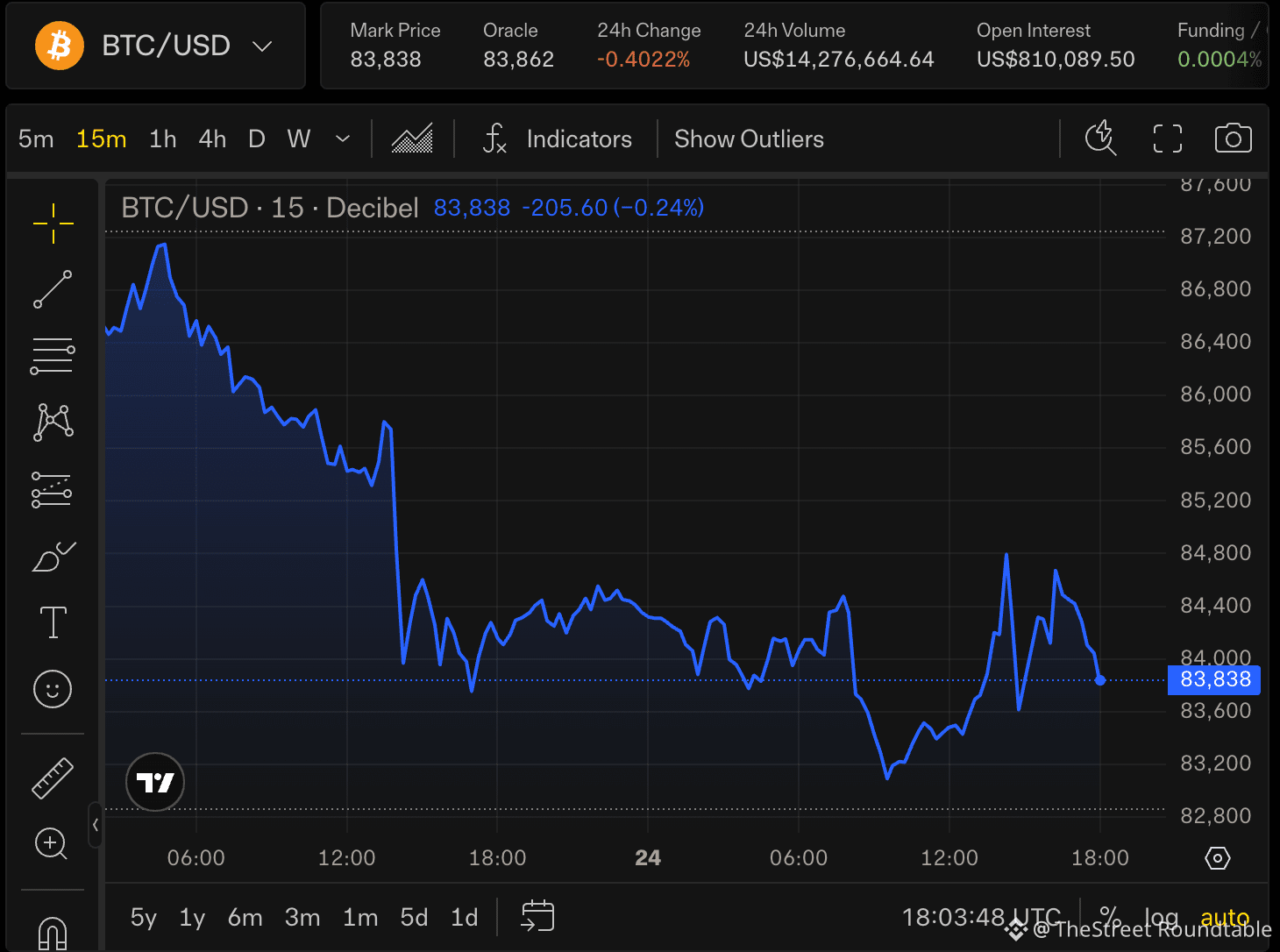
BTC/USD, Source: Decibel
Bitcoin was exchanging hands at $83,838 at the time of writing, as per Decibel.
Related: Tesla gains $122M on Bitcoin without buying a single coin
Bitcoin traders prepare for $16B options expiry this Friday
The Crypto Options Trade Wall Street Won't Tell You About (2:17)
Bitcoin (BTC) options worth approximately $16 billion on the crypto derivatives exchange Deribit will expire on Friday, Sep. 25, at 8:00 UTC.
According to Deribit CEO Luuk Strijers, Bitcoin’s maximum pain sits at $75,000.
Bitcoin options expiry on Sep. 25
A total of 185,908 Bitcoin options—110,747 call and 75,160 put contracts—worth $16 billion in notional value will expire this Friday, Strijers revealed.
Related: Trump's stock accounts quietly loaded up on Strategy and Tesla, filing shows
How Bitcoin options trade and expire
An option is a contract that gives a trader the right, but not the obligation, to buy or sell Bitcoin at a predetermined price called the strike price.
While the call option gives traders the right to buy BTC at the strike price, the put option gives them the right to sell BTC at the strike price.
Here is how it works.
Suppose a trader has a call option with a strike price of $80,000 and an upfront premium of $2,000, which will expire on Sep. 25.
If BTC trades at $90,000 on Friday, the trader can buy it for $80,000. While one BTC would cost everyone $80,000, the options trader would spend only $82,000 for it.
But what if BTC trades at $70,000 on Friday? The options trader can skip the contract and instead buy at the market price. While everyone else would pay $70,000 for one BTC that day, the options trader would end up spending $72,000 for it. In such a scenario, the option would expire.
More on TheStreet Roundtable:
Fidelity analyst predicts new 4-year Bitcoin bull market
Veteran trader who called 1980 gold crash sees 200% upside for Ether
Analyst predicts 35% upside for Saylor’s Strategy
Friday options expiry could spark Bitcoin volatility
Bitcoin traders are extremely attentive to options expiry, especially when the figure is billions of dollars on a single day.
The open interest reveals how many contracts are still outstanding. The put/call ratio tells whether traders are bullish or bearish on Bitcoin.
One crucial metric to watch out for is the “max pain” which tells you the price point at which option traders collectively experience the most losses. Currently, the figure stands at $75,000.
The Friday expiry of Bitcoin options on Deribit worth $16 billion is expected to spark market volatility as market movers and other traders could reposition their holdings.
Note that the $16 billion figure is a notional value. It represents the value of Bitcoin contracts that are expiring this Friday. No money is changing hands.
The put-to-call ratio of 0.68 means more calls than puts. It suggests bullish sentiment among Bitcoin options traders.
BTC/USD, Source: Decibel
Bitcoin was exchanging hands at $83,838 at the time of writing, as per Decibel.
Related: Tesla gains $122M on Bitcoin without buying a single coin
Bitcoin (BTC) options worth approximately $16 billion on the crypto derivatives exchange Deribit will expire on Friday, Sep. 25, at 8:00 UTC.
According to Deribit CEO Luuk Strijers, Bitcoin’s maximum pain sits at $75,000.
Bitcoin options expiry on Sep. 25
A total of 185,908 Bitcoin options—110,747 call and 75,160 put contracts—worth $16 billion in notional value will expire this Friday, Strijers revealed.
Related: Trump's stock accounts quietly loaded up on Strategy and Tesla, filing shows
How Bitcoin options trade and expire
An option is a contract that gives a trader the right, but not the obligation, to buy or sell Bitcoin at a predetermined price called the strike price.
While the call option gives traders the right to buy BTC at the strike price, the put option gives them the right to sell BTC at the strike price.
Here is how it works.
Suppose a trader has a call option with a strike price of $80,000 and an upfront premium of $2,000, which will expire on Sep. 25.
If BTC trades at $90,000 on Friday, the trader can buy it for $80,000. While one BTC would cost everyone $80,000, the options trader would spend only $82,000 for it.
But what if BTC trades at $70,000 on Friday? The options trader can skip the contract and instead buy at the market price. While everyone else would pay $70,000 for one BTC that day, the options trader would end up spending $72,000 for it. In such a scenario, the option would expire.
More on TheStreet Roundtable:
Fidelity analyst predicts new 4-year Bitcoin bull market
Veteran trader who called 1980 gold crash sees 200% upside for Ether
Analyst predicts 35% upside for Saylor’s Strategy
Friday options expiry could spark Bitcoin volatility
Bitcoin traders are extremely attentive to options expiry, especially when the figure is billions of dollars on a single day.
The open interest reveals how many contracts are still outstanding. The put/call ratio tells whether traders are bullish or bearish on Bitcoin.
One crucial metric to watch out for is the “max pain” which tells you the price point at which option traders collectively experience the most losses. Currently, the figure stands at $75,000.
The Friday expiry of Bitcoin options on Deribit worth $16 billion is expected to spark market volatility as market movers and other traders could reposition their holdings.
Note that the $16 billion figure is a notional value. It represents the value of Bitcoin contracts that are expiring this Friday. No money is changing hands.
The put-to-call ratio of 0.68 means more calls than puts. It suggests bullish sentiment among Bitcoin options traders.
BTC/USD, Source: Decibel
Bitcoin was exchanging hands at $83,838 at the time of writing, as per Decibel.
Related: Tesla gains $122M on Bitcoin without buying a single coin
19
A administração Trump tem um plano radical para impulsionar o dólar dos EUAO que é uma stablecoin? Explicado (3:33)
A administração de Donald Trump está considerando um plano radical envolvendo stablecoins para impulsionar o dólar dos EUA, informou a Bloomberg em 24 de setembro.
O objetivo da administração é consolidar a supremacia do dólar como o ativo de reserva do mundo.
Relacionado: Explicado: O que é uma stablecoin?
Por que a administração Trump está apostando em stablecoins
Uma stablecoin, como o próprio nome sugere, é um tipo de criptomoeda que tenta manter seu valor estável. Ao contrário de criptomoedas populares como o Bitcoin (BTC), que são muito voláteis, uma stablecoin mantém seu valor estável ao ser vinculada (pegada) a um ativo relativamente estável, como uma moeda fiduciária nacional.
A administração Trump tem um plano radical para impulsionar o dólar dos EUA
O que é uma stablecoin? Explicado (3:33)
A administração de Donald Trump está considerando um plano radical envolvendo stablecoins para impulsionar o dólar dos EUA, informou a Bloomberg em 24 de setembro.
O objetivo da administração é consolidar a supremacia do dólar como o ativo de reserva do mundo.
Relacionado: Explicado: O que é uma stablecoin?
Por que a administração Trump está apostando em stablecoins
Uma stablecoin, como o próprio nome sugere, é um tipo de criptomoeda que tenta manter seu valor estável. Ao contrário de criptomoedas populares como o Bitcoin (BTC), que são muito voláteis, uma stablecoin mantém seu valor estável ao ser vinculada (pegada) a um ativo relativamente estável, como uma moeda fiduciária nacional.
A administração de Donald Trump está considerando um plano radical envolvendo stablecoins para impulsionar o dólar dos EUA, informou a Bloomberg em 24 de setembro.
O objetivo da administração é consolidar a supremacia do dólar como o ativo de reserva do mundo.
Relacionado: Explicado: O que é uma stablecoin?
Por que a administração Trump está apostando em stablecoins
Uma stablecoin, como o próprio nome sugere, é um tipo de criptomoeda que tenta manter seu valor estável. Ao contrário de criptomoedas populares como o Bitcoin (BTC), que são muito voláteis, uma stablecoin mantém seu valor estável ao ser vinculada (pegada) a um ativo relativamente estável, como uma moeda fiduciária nacional.
237
Verificado
XRP Ledger mira uma atualização de outubro que os bancos esperam há muito tempoO que é Blockchain? (4:09)
O XRP Ledger está a duas semanas de uma atualização que pode transformar a forma como as instituições usam a rede.
O XRP Ledger é uma rede blockchain descentralizada construída para pagamentos rápidos e de baixo custo. É a rede que impulsiona o XRP, uma das maiores criptomoedas por valor de mercado.
A atualização em questão, PermissionDelegationV1_1, iniciou uma contagem regressiva de ativação de 14 dias em 21 de setembro após 29 dos 35 validadores confiáveis da rede terem apoiado a medida, de acordo com o painel de emendas da XRPL.
XRP Ledger mira uma atualização de outubro que os bancos esperam há muito tempo
O que é Blockchain? (4:09)
O XRP Ledger está a duas semanas de uma atualização que pode transformar a forma como as instituições usam a rede.
O XRP Ledger é uma rede blockchain descentralizada construída para pagamentos rápidos e de baixo custo. É a rede que impulsiona o XRP, uma das maiores criptomoedas por valor de mercado.
A atualização em questão, PermissionDelegationV1_1, iniciou uma contagem regressiva de ativação de 14 dias em 21 de setembro após 29 dos 35 validadores confiáveis da rede terem apoiado a medida, de acordo com o painel de emendas da XRPL.
O XRP Ledger está a duas semanas de uma atualização que pode transformar a forma como as instituições usam a rede.
O XRP Ledger é uma rede blockchain descentralizada construída para pagamentos rápidos e de baixo custo. É a rede que impulsiona o XRP, uma das maiores criptomoedas por valor de mercado.
A atualização em questão, PermissionDelegationV1_1, iniciou uma contagem regressiva de ativação de 14 dias em 21 de setembro após 29 dos 35 validadores confiáveis da rede terem apoiado a medida, de acordo com o painel de emendas da XRPL.
538
100 usuários da Coinbase perdem milhões com falsas ligações de suporteJim Cramer aborda a alta das ações da Coinbase em agosto (1:34)
Um homem de Brooklyn foi condenado a quatro a 12 anos de prisão por roubar quase US$ 16 milhões de aproximadamente 100 usuários da Coinbase.
O esquema de phishing e engenharia social durou mais de um ano, informou em 23 de setembro o Gabinete do Procurador do Distrito de Brooklyn.
A Coinbase é uma bolsa de criptomoedas americana que permite que os usuários comprem, vendam e armazenem ativos digitais como Bitcoin, Ethereum e outras criptomoedas.
Phishing é um tipo de ciberataque em que alguém finge ser uma empresa confiável; neste caso, a Coinbase, para enganar as pessoas a entregarem o dinheiro ou informações pessoais.
100 usuários da Coinbase perdem milhões com falsas ligações de suporte
Jim Cramer aborda a alta das ações da Coinbase em agosto (1:34)
Um homem de Brooklyn foi condenado a quatro a 12 anos de prisão por roubar quase US$ 16 milhões de aproximadamente 100 usuários da Coinbase.
O esquema de phishing e engenharia social durou mais de um ano, informou em 23 de setembro o Gabinete do Procurador do Distrito de Brooklyn.
A Coinbase é uma bolsa de criptomoedas americana que permite que os usuários comprem, vendam e armazenem ativos digitais como Bitcoin, Ethereum e outras criptomoedas.
Phishing é um tipo de ciberataque em que alguém finge ser uma empresa confiável; neste caso, a Coinbase, para enganar as pessoas a entregarem o dinheiro ou informações pessoais.
Um homem de Brooklyn foi condenado a quatro a 12 anos de prisão por roubar quase US$ 16 milhões de aproximadamente 100 usuários da Coinbase.
O esquema de phishing e engenharia social durou mais de um ano, informou em 23 de setembro o Gabinete do Procurador do Distrito de Brooklyn.
A Coinbase é uma bolsa de criptomoedas americana que permite que os usuários comprem, vendam e armazenem ativos digitais como Bitcoin, Ethereum e outras criptomoedas.
Phishing é um tipo de ciberataque em que alguém finge ser uma empresa confiável; neste caso, a Coinbase, para enganar as pessoas a entregarem o dinheiro ou informações pessoais.
1
284
Empresa popular de data centers compra os ativos do rival falidoJim Chanos é cético quanto à economia em torno dos data centers de IA (1:44)
A Hut 8 surgiu como a vencedora do leilão para dois centros de dados do Texas pertencentes à falida mineradora de Bitcoin Poolin, oferecendo US$ 140 milhões pelas instalações.
A oferta de 23 de setembro foi de cerca de 2,7 vezes o preço mínimo combinado de US$ 52 milhões. A Poolin colocou os sites à venda após protocolar proteção contra falência no Capítulo 11 em julho.
A aquisição adicionaria mais infraestrutura à Hut 8, que tem se expandido cada vez mais além da mineração de Bitcoin para operações de grande escala de energia e data centers.
Empresa popular de data centers compra os ativos do rival falido
Jim Chanos é cético quanto à economia em torno dos data centers de IA (1:44)
A Hut 8 surgiu como a vencedora do leilão para dois centros de dados do Texas pertencentes à falida mineradora de Bitcoin Poolin, oferecendo US$ 140 milhões pelas instalações.
A oferta de 23 de setembro foi de cerca de 2,7 vezes o preço mínimo combinado de US$ 52 milhões. A Poolin colocou os sites à venda após protocolar proteção contra falência no Capítulo 11 em julho.
A aquisição adicionaria mais infraestrutura à Hut 8, que tem se expandido cada vez mais além da mineração de Bitcoin para operações de grande escala de energia e data centers.
A Hut 8 surgiu como a vencedora do leilão para dois centros de dados do Texas pertencentes à falida mineradora de Bitcoin Poolin, oferecendo US$ 140 milhões pelas instalações.
A oferta de 23 de setembro foi de cerca de 2,7 vezes o preço mínimo combinado de US$ 52 milhões. A Poolin colocou os sites à venda após protocolar proteção contra falência no Capítulo 11 em julho.
A aquisição adicionaria mais infraestrutura à Hut 8, que tem se expandido cada vez mais além da mineração de Bitcoin para operações de grande escala de energia e data centers.
132
Artigo
Analista da Bloomberg emite alerta de petróleo WTI de 2008 sobre o BitcoinMesa-redonda militar: Heckman, Rayburn, Spencer avaliam impasse no Irã e impacto no mercado impulsionado pelo petróleo (6:51)
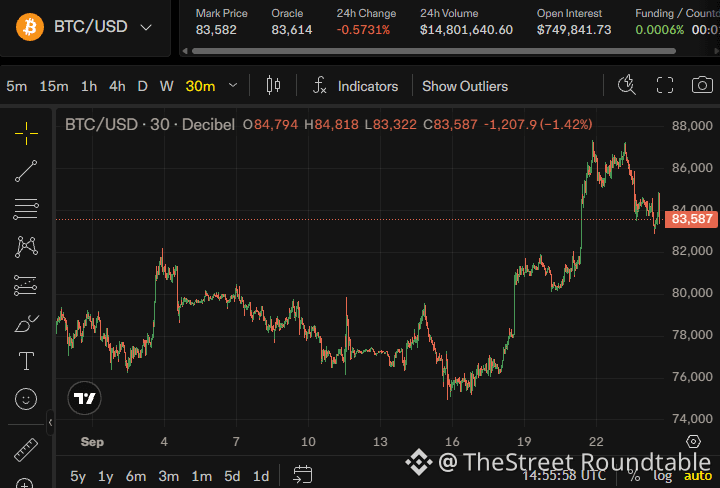
Embora os investidores acreditem que uma alta de preços é a melhor coisa de todas e que a comunidade do Bitcoin (BTC) tenha ficado eufórica quando a principal criptomoeda atingiu US$ 100.000 pela primeira vez em dezembro de 2024, Mike McGlone, estrategista sênior de commodities da Bloomberg Intelligence, não vê as coisas nesses termos tão otimistas.
Em 23 de set., McGlone compartilhou um gráfico de preços comparando Bitcoin e o West Texas Intermediate (WTI) para alertar que a criptomoeda poderia acompanhar a queda do benchmark do petróleo desde seu primeiro fechamento mensal acima de US$ 100 por barril em fevereiro de 2008.
Analista da Bloomberg emite alerta de petróleo WTI de 2008 sobre o Bitcoin
Mesa-redonda militar: Heckman, Rayburn, Spencer avaliam impasse no Irã e impacto no mercado impulsionado pelo petróleo (6:51)
Embora os investidores acreditem que uma alta de preços é a melhor coisa de todas e que a comunidade do Bitcoin (BTC) tenha ficado eufórica quando a principal criptomoeda atingiu US$ 100.000 pela primeira vez em dezembro de 2024, Mike McGlone, estrategista sênior de commodities da Bloomberg Intelligence, não vê as coisas nesses termos tão otimistas.
Em 23 de set., McGlone compartilhou um gráfico de preços comparando Bitcoin e o West Texas Intermediate (WTI) para alertar que a criptomoeda poderia acompanhar a queda do benchmark do petróleo desde seu primeiro fechamento mensal acima de US$ 100 por barril em fevereiro de 2008.
Embora os investidores acreditem que uma alta de preços é a melhor coisa de todas e que a comunidade do Bitcoin (BTC) tenha ficado eufórica quando a principal criptomoeda atingiu US$ 100.000 pela primeira vez em dezembro de 2024, Mike McGlone, estrategista sênior de commodities da Bloomberg Intelligence, não vê as coisas nesses termos tão otimistas.
Em 23 de set., McGlone compartilhou um gráfico de preços comparando Bitcoin e o West Texas Intermediate (WTI) para alertar que a criptomoeda poderia acompanhar a queda do benchmark do petróleo desde seu primeiro fechamento mensal acima de US$ 100 por barril em fevereiro de 2008.
119
VanEck faz um surpreendente alerta sobre a realidade da correlação Bitcoin-bondsA VanEck delineia a mudança de postura da SEC em relação às criptos (1:46)
Ao falar à CNBC, o diretor de Pesquisa em Ativos Digitais da VanEck, Matthew Sigel, refutou a ideia de que os movimentos das taxas estejam direcionando o preço do Bitcoin, apontando em vez disso para o dólar.
"O Bitcoin tem praticamente nenhuma correlação com as rentabilidades dos títulos, mas tem uma correlação negativa persistente com o DXY", disse ele, acrescentando que o movimento recente no índice do dólar explica melhor a retração do que qualquer narrativa sobre títulos.
Sigel atribuiu a forte alta do verão ao fato de os vendedores simplesmente terem acabado. “Foi exaustão dos vendedores; todos eles, sem exceção, foram ficando sem fôlego ao longo do verão”, disse ele.
VanEck faz um surpreendente alerta sobre a realidade da correlação Bitcoin-bonds
A VanEck delineia a mudança de postura da SEC em relação às criptos (1:46)
Ao falar à CNBC, o diretor de Pesquisa em Ativos Digitais da VanEck, Matthew Sigel, refutou a ideia de que os movimentos das taxas estejam direcionando o preço do Bitcoin, apontando em vez disso para o dólar.
"O Bitcoin tem praticamente nenhuma correlação com as rentabilidades dos títulos, mas tem uma correlação negativa persistente com o DXY", disse ele, acrescentando que o movimento recente no índice do dólar explica melhor a retração do que qualquer narrativa sobre títulos.
Sigel atribuiu a forte alta do verão ao fato de os vendedores simplesmente terem acabado. “Foi exaustão dos vendedores; todos eles, sem exceção, foram ficando sem fôlego ao longo do verão”, disse ele.
Ao falar à CNBC, o diretor de Pesquisa em Ativos Digitais da VanEck, Matthew Sigel, refutou a ideia de que os movimentos das taxas estejam direcionando o preço do Bitcoin, apontando em vez disso para o dólar.
"O Bitcoin tem praticamente nenhuma correlação com as rentabilidades dos títulos, mas tem uma correlação negativa persistente com o DXY", disse ele, acrescentando que o movimento recente no índice do dólar explica melhor a retração do que qualquer narrativa sobre títulos.
Sigel atribuiu a forte alta do verão ao fato de os vendedores simplesmente terem acabado. “Foi exaustão dos vendedores; todos eles, sem exceção, foram ficando sem fôlego ao longo do verão”, disse ele.
178
Os rendimentos dos Treasuries dos EUA atingem máximas em várias décadas, levando o Bitcoin para baixoA BlackRock diz que o cripto pode impulsionar o comércio de IA (1:41)
O Bitcoin (BTC) abriu mão dos ganhos recentes e recuou para bem abaixo da marca de US$ 87.000 que havia atingido recentemente, enquanto os rendimentos dos Treasuries dos EUA atingiam máximas em várias décadas em 24 de setembro.
O rendimento do Treasury de 30 anos atingiu um pico de 2004 de cerca de 5,44%, e o rendimento do Treasury de 10 anos atingiu um pico de 2007 acima de 5,13% mais cedo hoje, de acordo com a CNBC.
Os rendimentos e os preços se movem em direções opostas, e o mais recente salto nos rendimentos coincide com a fuga no mercado de títulos. Os dados sugerem que o mercado espera mais um aumento na taxa de juros pelo Federal Reserve.
Os rendimentos dos Treasuries dos EUA atingem máximas em várias décadas, levando o Bitcoin para baixo
A BlackRock diz que o cripto pode impulsionar o comércio de IA (1:41)
O Bitcoin (BTC) abriu mão dos ganhos recentes e recuou para bem abaixo da marca de US$ 87.000 que havia atingido recentemente, enquanto os rendimentos dos Treasuries dos EUA atingiam máximas em várias décadas em 24 de setembro.
O rendimento do Treasury de 30 anos atingiu um pico de 2004 de cerca de 5,44%, e o rendimento do Treasury de 10 anos atingiu um pico de 2007 acima de 5,13% mais cedo hoje, de acordo com a CNBC.
Os rendimentos e os preços se movem em direções opostas, e o mais recente salto nos rendimentos coincide com a fuga no mercado de títulos. Os dados sugerem que o mercado espera mais um aumento na taxa de juros pelo Federal Reserve.
O Bitcoin (BTC) abriu mão dos ganhos recentes e recuou para bem abaixo da marca de US$ 87.000 que havia atingido recentemente, enquanto os rendimentos dos Treasuries dos EUA atingiam máximas em várias décadas em 24 de setembro.
O rendimento do Treasury de 30 anos atingiu um pico de 2004 de cerca de 5,44%, e o rendimento do Treasury de 10 anos atingiu um pico de 2007 acima de 5,13% mais cedo hoje, de acordo com a CNBC.
Os rendimentos e os preços se movem em direções opostas, e o mais recente salto nos rendimentos coincide com a fuga no mercado de títulos. Os dados sugerem que o mercado espera mais um aumento na taxa de juros pelo Federal Reserve.
840
Ondo leva as estratégias de carteiras da BlackRock para a blockchain pela primeira vezCEO da Ondo Finance explica por que gigantes da TradFi tornam a Ondo mais forte (4:23)
A Ondo Finance lançou as Ondo Intelligent Portfolios, um novo produto que empacota estratégias de investimento profissionalmente construídas em tokens únicos. Os tokens podem ser comprados, mantidos e transferidos on-chain.
As três primeiras carteiras foram construídas pela BlackRock, a maior gestora de ativos do mundo. Isso marcou a primeira vez que investidores on-chain elegíveis podem acessar estratégias de carteiras projetadas pela BlackRock por meio de um único token digital.
Uma carteira, no investimento tradicional, é uma mistura de ativos, ações, títulos e commodities, agrupados para equilibrar risco e retorno. Construir uma normalmente exige uma conta em uma corretora, um assessor financeiro ou acesso a um fundo.
Ondo leva as estratégias de carteiras da BlackRock para a blockchain pela primeira vez
CEO da Ondo Finance explica por que gigantes da TradFi tornam a Ondo mais forte (4:23)
A Ondo Finance lançou as Ondo Intelligent Portfolios, um novo produto que empacota estratégias de investimento profissionalmente construídas em tokens únicos. Os tokens podem ser comprados, mantidos e transferidos on-chain.
As três primeiras carteiras foram construídas pela BlackRock, a maior gestora de ativos do mundo. Isso marcou a primeira vez que investidores on-chain elegíveis podem acessar estratégias de carteiras projetadas pela BlackRock por meio de um único token digital.
Uma carteira, no investimento tradicional, é uma mistura de ativos, ações, títulos e commodities, agrupados para equilibrar risco e retorno. Construir uma normalmente exige uma conta em uma corretora, um assessor financeiro ou acesso a um fundo.
A Ondo Finance lançou as Ondo Intelligent Portfolios, um novo produto que empacota estratégias de investimento profissionalmente construídas em tokens únicos. Os tokens podem ser comprados, mantidos e transferidos on-chain.
As três primeiras carteiras foram construídas pela BlackRock, a maior gestora de ativos do mundo. Isso marcou a primeira vez que investidores on-chain elegíveis podem acessar estratégias de carteiras projetadas pela BlackRock por meio de um único token digital.
Uma carteira, no investimento tradicional, é uma mistura de ativos, ações, títulos e commodities, agrupados para equilibrar risco e retorno. Construir uma normalmente exige uma conta em uma corretora, um assessor financeiro ou acesso a um fundo.
1
478
Ver tradução
AI expert reveals the jobs most likely to survive automationNansen CEO says AI can't replace jobs built on human presence (5:07)
AI is getting smarter almost every month, but so are concerns about what it means for workers.
A Sept. 17 Pew Research Center survey found that people in 34 of 37 countries were more likely to expect AI to reduce jobs over the next two decades than create them.
Concern was particularly high in Australia and South Korea, where 76% expected job losses, and in the United States at 71%.
Microsoft co-founder Bill Gates offered a similar warning on Aug. 26, writing that AI could rapidly affect law, customer service, medicine, software and manufacturing. He said the shift could happen within a decade and warned that without the right policies, there could be far fewer jobs than today.
But Alex Svanevik, co-founder and CEO of blockchain analytics firm Nansen, believes some work remains far harder to automate.
Related: Pepe surges 22%, leading Bitcoin, Dogecoin, XRP
AI may replace tasks but not human presence
Speaking on The Sujal Show podcast published Sept. 19, Svanevik pointed to healthcare and caregiving roles where physical presence remains central.
A nurse can use AI for many tasks, he said, but the job is still fundamentally embodied.
“You have to be present, you have to be in the room with the patient.”
He made a similar argument for physiotherapists, caretakers and massage therapists. AI can assist with diagnosis, planning or instructions, but it cannot easily reproduce physical interaction and trust.
More on TheStreet Roundtable:
Analyst sells Bitcoin at $85K and his reason might surprise you
Veteran trader who called 1980 gold crash sees 200% upside for Ether
Analyst predicts 35% upside for Saylor’s Strategy
Education could follow a similar path. Svanevik expects personalized AI tutors to become widespread quickly, but said children will still need human supervisors and mentors.
Rather than eliminating teachers, he argued that AI could change their role and potentially increase demand for more individualized human guidance. He suggested a model with roughly one mentor for every five students, instead of one teacher addressing a class of 25.
Healthcare and education are not the only examples. Svanevik said live entertainment could also remain resilient, including theater, concerts and sports.
“I don’t think we’re gonna see like robot opera singers become very popular.”
He said robotic performers may create new forms of entertainment, but are more likely to be additive than replace human performers.
Related: Analysts rank eToro 11 spots above PayPal
AI expert reveals the jobs most likely to survive automation
Nansen CEO says AI can't replace jobs built on human presence (5:07)
AI is getting smarter almost every month, but so are concerns about what it means for workers.
A Sept. 17 Pew Research Center survey found that people in 34 of 37 countries were more likely to expect AI to reduce jobs over the next two decades than create them.
Concern was particularly high in Australia and South Korea, where 76% expected job losses, and in the United States at 71%.
Microsoft co-founder Bill Gates offered a similar warning on Aug. 26, writing that AI could rapidly affect law, customer service, medicine, software and manufacturing. He said the shift could happen within a decade and warned that without the right policies, there could be far fewer jobs than today.
But Alex Svanevik, co-founder and CEO of blockchain analytics firm Nansen, believes some work remains far harder to automate.
Related: Pepe surges 22%, leading Bitcoin, Dogecoin, XRP
AI may replace tasks but not human presence
Speaking on The Sujal Show podcast published Sept. 19, Svanevik pointed to healthcare and caregiving roles where physical presence remains central.
A nurse can use AI for many tasks, he said, but the job is still fundamentally embodied.
“You have to be present, you have to be in the room with the patient.”
He made a similar argument for physiotherapists, caretakers and massage therapists. AI can assist with diagnosis, planning or instructions, but it cannot easily reproduce physical interaction and trust.
More on TheStreet Roundtable:
Analyst sells Bitcoin at $85K and his reason might surprise you
Veteran trader who called 1980 gold crash sees 200% upside for Ether
Analyst predicts 35% upside for Saylor’s Strategy
Education could follow a similar path. Svanevik expects personalized AI tutors to become widespread quickly, but said children will still need human supervisors and mentors.
Rather than eliminating teachers, he argued that AI could change their role and potentially increase demand for more individualized human guidance. He suggested a model with roughly one mentor for every five students, instead of one teacher addressing a class of 25.
Healthcare and education are not the only examples. Svanevik said live entertainment could also remain resilient, including theater, concerts and sports.
“I don’t think we’re gonna see like robot opera singers become very popular.”
He said robotic performers may create new forms of entertainment, but are more likely to be additive than replace human performers.
Related: Analysts rank eToro 11 spots above PayPal
AI is getting smarter almost every month, but so are concerns about what it means for workers.
A Sept. 17 Pew Research Center survey found that people in 34 of 37 countries were more likely to expect AI to reduce jobs over the next two decades than create them.
Concern was particularly high in Australia and South Korea, where 76% expected job losses, and in the United States at 71%.
Microsoft co-founder Bill Gates offered a similar warning on Aug. 26, writing that AI could rapidly affect law, customer service, medicine, software and manufacturing. He said the shift could happen within a decade and warned that without the right policies, there could be far fewer jobs than today.
But Alex Svanevik, co-founder and CEO of blockchain analytics firm Nansen, believes some work remains far harder to automate.
Related: Pepe surges 22%, leading Bitcoin, Dogecoin, XRP
AI may replace tasks but not human presence
Speaking on The Sujal Show podcast published Sept. 19, Svanevik pointed to healthcare and caregiving roles where physical presence remains central.
A nurse can use AI for many tasks, he said, but the job is still fundamentally embodied.
“You have to be present, you have to be in the room with the patient.”
He made a similar argument for physiotherapists, caretakers and massage therapists. AI can assist with diagnosis, planning or instructions, but it cannot easily reproduce physical interaction and trust.
More on TheStreet Roundtable:
Analyst sells Bitcoin at $85K and his reason might surprise you
Veteran trader who called 1980 gold crash sees 200% upside for Ether
Analyst predicts 35% upside for Saylor’s Strategy
Education could follow a similar path. Svanevik expects personalized AI tutors to become widespread quickly, but said children will still need human supervisors and mentors.
Rather than eliminating teachers, he argued that AI could change their role and potentially increase demand for more individualized human guidance. He suggested a model with roughly one mentor for every five students, instead of one teacher addressing a class of 25.
Healthcare and education are not the only examples. Svanevik said live entertainment could also remain resilient, including theater, concerts and sports.
“I don’t think we’re gonna see like robot opera singers become very popular.”
He said robotic performers may create new forms of entertainment, but are more likely to be additive than replace human performers.
Related: Analysts rank eToro 11 spots above PayPal
6
O bilionário Tim Draper mira nos balanços sem Bitcoin da Apple e da MetaTim Draper no Partido America (4:17)
O bilionário investidor de risco Tim Draper diz que algumas das maiores empresas de tecnologia do mundo estão assumindo um risco desnecessário ao manter o Bitcoin fora de seus balanços.
Em uma nova entrevista no podcast Bitcoin Magazine em 21 de setembro, Draper disse que é “irresponsável” que empresas como Apple e Meta não mantenham Bitcoin suficiente para cobrir cerca de um mês de despesas operacionais.
“Os dois colocam seus dólares em risco”
O argumento de Draper se baseia na sua visão sobre a política fiscal dos EUA.
O bilionário Tim Draper mira nos balanços sem Bitcoin da Apple e da Meta
Tim Draper no Partido America (4:17)
O bilionário investidor de risco Tim Draper diz que algumas das maiores empresas de tecnologia do mundo estão assumindo um risco desnecessário ao manter o Bitcoin fora de seus balanços.
Em uma nova entrevista no podcast Bitcoin Magazine em 21 de setembro, Draper disse que é “irresponsável” que empresas como Apple e Meta não mantenham Bitcoin suficiente para cobrir cerca de um mês de despesas operacionais.
“Os dois colocam seus dólares em risco”
O argumento de Draper se baseia na sua visão sobre a política fiscal dos EUA.
O bilionário investidor de risco Tim Draper diz que algumas das maiores empresas de tecnologia do mundo estão assumindo um risco desnecessário ao manter o Bitcoin fora de seus balanços.
Em uma nova entrevista no podcast Bitcoin Magazine em 21 de setembro, Draper disse que é “irresponsável” que empresas como Apple e Meta não mantenham Bitcoin suficiente para cobrir cerca de um mês de despesas operacionais.
“Os dois colocam seus dólares em risco”
O argumento de Draper se baseia na sua visão sobre a política fiscal dos EUA.
133
Artigo
Tesla ganha US$ 122M com Bitcoin sem comprar uma única moedaA Tesla de Elon Musk não vende Bitcoin (1:42)
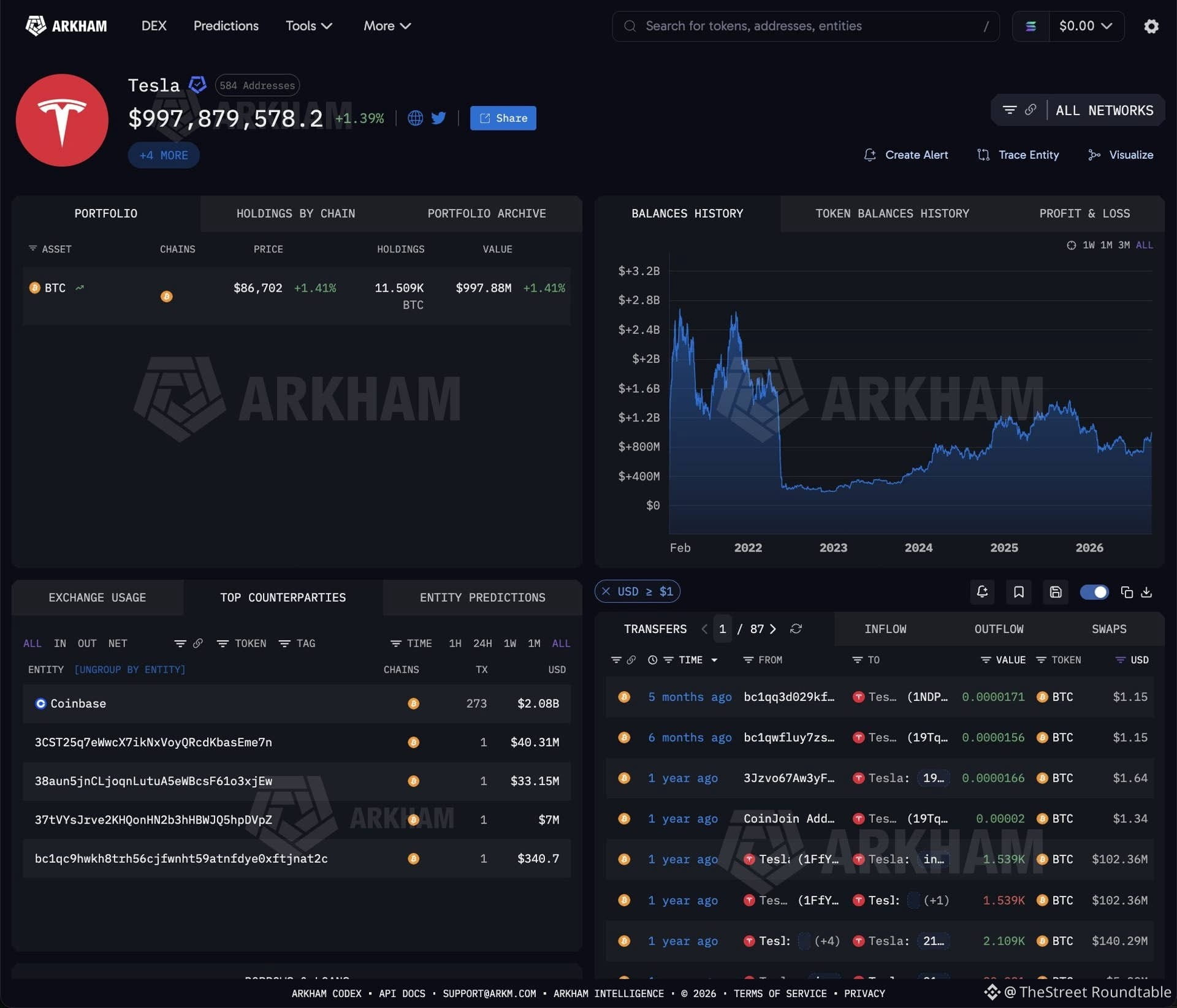
As participações da Tesla em Bitcoin subiram para aproximadamente US$ 994,9 milhões, apenas US$ 5,1 milhões abaixo da meta de US$ 1 bilhão, após a recente alta do Bitcoin ter empurrado os preços acima de US$ 86.000, segundo dados onchain da Arkham Intelligence.
A Tesla é uma empresa de veículos elétricos e energia limpa liderada por Elon Musk, que publicamente detém Bitcoin desde pelo menos 2021. A empresa possui 11.509 BTC em 584 endereços onchain, mostram dados da Arkham.
O valor dessas participações subiu cerca de US$ 122,62 milhões em uma única semana, enquanto o Bitcoin disparou aproximadamente 14%, mostram os dados.
Tesla ganha US$ 122M com Bitcoin sem comprar uma única moeda
A Tesla de Elon Musk não vende Bitcoin (1:42)
As participações da Tesla em Bitcoin subiram para aproximadamente US$ 994,9 milhões, apenas US$ 5,1 milhões abaixo da meta de US$ 1 bilhão, após a recente alta do Bitcoin ter empurrado os preços acima de US$ 86.000, segundo dados onchain da Arkham Intelligence.
A Tesla é uma empresa de veículos elétricos e energia limpa liderada por Elon Musk, que publicamente detém Bitcoin desde pelo menos 2021. A empresa possui 11.509 BTC em 584 endereços onchain, mostram dados da Arkham.
O valor dessas participações subiu cerca de US$ 122,62 milhões em uma única semana, enquanto o Bitcoin disparou aproximadamente 14%, mostram os dados.
As participações da Tesla em Bitcoin subiram para aproximadamente US$ 994,9 milhões, apenas US$ 5,1 milhões abaixo da meta de US$ 1 bilhão, após a recente alta do Bitcoin ter empurrado os preços acima de US$ 86.000, segundo dados onchain da Arkham Intelligence.
A Tesla é uma empresa de veículos elétricos e energia limpa liderada por Elon Musk, que publicamente detém Bitcoin desde pelo menos 2021. A empresa possui 11.509 BTC em 584 endereços onchain, mostram dados da Arkham.
O valor dessas participações subiu cerca de US$ 122,62 milhões em uma única semana, enquanto o Bitcoin disparou aproximadamente 14%, mostram os dados.
128
Parcialmente verdadeiro
A alavanca do petróleo de Washington está esgotada, diz John Divine; o próximo movimento é no VIX e no gás naturalJohn Divine diz que a alavanca do petróleo de Washington está esgotada; o próximo movimento é no VIX e no gás natural (2:40)
O maior ataque de drones da guerra da Ucrânia derrubou unidades de destilação de petróleo bruto em uma refinaria de Moscou com capacidade de 245.000 barris por dia no domingo, 20 de setembro, horas depois de mísseis dos Houthis terem enviado Riade ao seu primeiro alerta aéreo desde julho e de o presidente Trump ter encurtado um fim de semana de Camp David.
Falando ao TheStreet Roundtable, o analista do Roundtable 100 Blue Ribbon Committee John Divine disse que o mercado havia “colocado (a Ucrânia) de lado por um tempo”, e que se voltar a ganhar foco, “o petróleo vai ser refletido e provavelmente mais alto, e isso não vai ser bom para uma pressão contínua sobre os mercados acionários mais amplos.”
A alavanca do petróleo de Washington está esgotada, diz John Divine; o próximo movimento é no VIX e no gás natural
John Divine diz que a alavanca do petróleo de Washington está esgotada; o próximo movimento é no VIX e no gás natural (2:40)
O maior ataque de drones da guerra da Ucrânia derrubou unidades de destilação de petróleo bruto em uma refinaria de Moscou com capacidade de 245.000 barris por dia no domingo, 20 de setembro, horas depois de mísseis dos Houthis terem enviado Riade ao seu primeiro alerta aéreo desde julho e de o presidente Trump ter encurtado um fim de semana de Camp David.
Falando ao TheStreet Roundtable, o analista do Roundtable 100 Blue Ribbon Committee John Divine disse que o mercado havia “colocado (a Ucrânia) de lado por um tempo”, e que se voltar a ganhar foco, “o petróleo vai ser refletido e provavelmente mais alto, e isso não vai ser bom para uma pressão contínua sobre os mercados acionários mais amplos.”
O maior ataque de drones da guerra da Ucrânia derrubou unidades de destilação de petróleo bruto em uma refinaria de Moscou com capacidade de 245.000 barris por dia no domingo, 20 de setembro, horas depois de mísseis dos Houthis terem enviado Riade ao seu primeiro alerta aéreo desde julho e de o presidente Trump ter encurtado um fim de semana de Camp David.
Falando ao TheStreet Roundtable, o analista do Roundtable 100 Blue Ribbon Committee John Divine disse que o mercado havia “colocado (a Ucrânia) de lado por um tempo”, e que se voltar a ganhar foco, “o petróleo vai ser refletido e provavelmente mais alto, e isso não vai ser bom para uma pressão contínua sobre os mercados acionários mais amplos.”
585
Dynatrace supera a Adobe em 44 posições no ranking de poderAnalista do Roundtable 100 na Solana, NEAR (4:43)
A Dynatrace (NYSE: DT) está na 15ª posição no Roundtable 100 desta semana, 44 lugares acima da Adobe (Nasdaq: ADBE).
A Dynatrace é uma plataforma de observabilidade e monitoramento de desempenho de aplicativos (APM) orientada por IA que ajuda as organizações a gerenciar, otimizar e proteger ambientes complexos em nuvem nativa e híbridos. A empresa tem uma capitalização de mercado de quase US$ 17 bilhões.
A Abobe é uma empresa de software que oferece uma variedade de programas para edição de fotos, vídeos e áudio, desenvolvimento de aplicativos móveis e animação. O Adobe Creative Suite, um conjunto de produtos baseados em assinatura, é muito popular na indústria de mídia. A empresa tem uma capitalização de mercado de quase US$ 95 bilhões.
Dynatrace supera a Adobe em 44 posições no ranking de poder
Analista do Roundtable 100 na Solana, NEAR (4:43)
A Dynatrace (NYSE: DT) está na 15ª posição no Roundtable 100 desta semana, 44 lugares acima da Adobe (Nasdaq: ADBE).
A Dynatrace é uma plataforma de observabilidade e monitoramento de desempenho de aplicativos (APM) orientada por IA que ajuda as organizações a gerenciar, otimizar e proteger ambientes complexos em nuvem nativa e híbridos. A empresa tem uma capitalização de mercado de quase US$ 17 bilhões.
A Abobe é uma empresa de software que oferece uma variedade de programas para edição de fotos, vídeos e áudio, desenvolvimento de aplicativos móveis e animação. O Adobe Creative Suite, um conjunto de produtos baseados em assinatura, é muito popular na indústria de mídia. A empresa tem uma capitalização de mercado de quase US$ 95 bilhões.
A Dynatrace (NYSE: DT) está na 15ª posição no Roundtable 100 desta semana, 44 lugares acima da Adobe (Nasdaq: ADBE).
A Dynatrace é uma plataforma de observabilidade e monitoramento de desempenho de aplicativos (APM) orientada por IA que ajuda as organizações a gerenciar, otimizar e proteger ambientes complexos em nuvem nativa e híbridos. A empresa tem uma capitalização de mercado de quase US$ 17 bilhões.
A Abobe é uma empresa de software que oferece uma variedade de programas para edição de fotos, vídeos e áudio, desenvolvimento de aplicativos móveis e animação. O Adobe Creative Suite, um conjunto de produtos baseados em assinatura, é muito popular na indústria de mídia. A empresa tem uma capitalização de mercado de quase US$ 95 bilhões.
192
Economista emite alerta sobre o próximo movimento de Bitcoin de Michael SaylorExclusivo: Peter Schiff diz que o Fed 'nunca deveria ter parado de aumentar as taxas' (5:00)
O economista veterano e antigo cético do Bitcoin Peter Schiff apontou para a recente série de vendas de Bitcoin da Strategy. Entre o fim de maio e o início de agosto, a empresa vendeu 6.948 Bitcoins por cerca de US$ 431,8 milhões em receitas líquidas, ou aproximadamente US$ 62.150 por moeda.
Em uma postagem no X, Schiff observou que Saylor agora está recomprando parte do que ele vendeu, só que desta vez a preços acima de US$ 80.000 por Bitcoin.
Sua previsão: não vai demorar para que a Strategy volte a vender novamente a preços mais baixos, um ciclo que ele sugeriu que fica se repetindo.
Economista emite alerta sobre o próximo movimento de Bitcoin de Michael Saylor
Exclusivo: Peter Schiff diz que o Fed 'nunca deveria ter parado de aumentar as taxas' (5:00)
O economista veterano e antigo cético do Bitcoin Peter Schiff apontou para a recente série de vendas de Bitcoin da Strategy. Entre o fim de maio e o início de agosto, a empresa vendeu 6.948 Bitcoins por cerca de US$ 431,8 milhões em receitas líquidas, ou aproximadamente US$ 62.150 por moeda.
Em uma postagem no X, Schiff observou que Saylor agora está recomprando parte do que ele vendeu, só que desta vez a preços acima de US$ 80.000 por Bitcoin.
Sua previsão: não vai demorar para que a Strategy volte a vender novamente a preços mais baixos, um ciclo que ele sugeriu que fica se repetindo.
O economista veterano e antigo cético do Bitcoin Peter Schiff apontou para a recente série de vendas de Bitcoin da Strategy. Entre o fim de maio e o início de agosto, a empresa vendeu 6.948 Bitcoins por cerca de US$ 431,8 milhões em receitas líquidas, ou aproximadamente US$ 62.150 por moeda.
Em uma postagem no X, Schiff observou que Saylor agora está recomprando parte do que ele vendeu, só que desta vez a preços acima de US$ 80.000 por Bitcoin.
Sua previsão: não vai demorar para que a Strategy volte a vender novamente a preços mais baixos, um ciclo que ele sugeriu que fica se repetindo.
125
Inicia sessão para explorar mais conteúdos
Junta-te a utilizadores de criptomoedas de todo o mundo na Binance Square
⚡️ Obtém informações úteis e recentes sobre criptomoedas.
💬 Com a confiança da maior exchange de criptomoedas do mundo.
👍 Descobre perspetivas reais de criadores verificados.
E-mail/Número de telefone
Tópicos em Tendência
StrategyStriveAdd2305BitcoinThisWeek
393 visualizações
57 a discutir
ESTRATÉGIA — 2.305 BTC adicionados. Mas o sinal real não é o número. É a convicção por trás dele.
Esta semana, a Strategy e a Strive, juntas, adicionaram 2.305 BTC.
• Strategy: +950 BTC a um preço médio de compra de cerca de US$ 79.670, elevando suas posições para 846.000 BTC.
• Strive: +1.355 BTC a um preço médio de compra de cerca de US$ 79.475, levando suas posições para 26.355 BTC.
O momento é o que torna isso interessante.
O Bitcoin avançou em direção a US$ 87K e depois recuou para a região de US$ 84K, deixando o mercado preso entre impulso e incerteza.
Então a história maior não é simplesmente:
“2.305 BTC comprados.”
É isto:
A acumulação corporativa continua enquanto o mercado ainda discute a direção.
Se o BTC absorver as vendas na faixa dos 80 e começar a retomar níveis mais altos, essas compras viram mais uma peça do amplo enredo de acumulação.
Mas se o suporte romper, o mercado terá uma pergunta muito mais difícil:
Quanto de convicção ainda existe quando o gráfico para de parecer confortável?
Só a Strategy já detém 846.000 BTC, fazendo sua posição em Bitcoin estar entre as maiores exposições corporativas do mercado.
A batalha real talvez não seja mais entre touros e ursos.
Pode ser entre convicção e volatilidade.
E se as instituições estiverem dispostas a continuar acumulando apesar da incerteza, a pergunta difícil é:
Elas estão se posicionando para o próximo movimento estrutural do Bitcoin, ou simplesmente aceitando mais risco do que o mercado está pronto para precificar?
#StrategyStriveAdd2305BitcoinThisWeek
Nova Kairo
·0 gostos
·25 visualizações
TrumpRejectsIranHormuzReopening
4,525 visualizações
187 a discutir
CircleTetherFreezeBitgetHackerWallet
28,492 visualizações
389 a discutir