
SundayBest
19 Publicações

SundayBest
Denunciar
Bloquear Utilizador
Aberto ao trading
Trader Frequente
8 mês(es)
214 A seguir
59 Seguidores
29 Gostaram
Publicações
Portfólio
Tudo
Cotações
PINNED
·
--
Noções Básicas de Crypto: Termos Essenciais que Todo Iniciante Deve ConhecerO crypto pode parecer confuso no início por causa dos muitos novos termos usados todos os dias. Palavras como blockchain, carteira e taxas de gás são frequentemente usadas sem explicação, deixando os iniciantes sobrecarregados.
Esta série amigável para iniciantes foi projetada para ajudá-lo a entender o crypto passo a passo. No Part 1, eu cobro os termos de crypto mais essenciais que você deve conhecer antes de investir, negociar ou usar qualquer plataforma de crypto.
TL;DR:
• A criptomoeda é dinheiro digital que funciona na tecnologia blockchain.
• Um blockchain é um registro público e imutável de transações.
Noções Básicas de Crypto: Termos Essenciais que Todo Iniciante Deve Conhecer
O crypto pode parecer confuso no início por causa dos muitos novos termos usados todos os dias. Palavras como blockchain, carteira e taxas de gás são frequentemente usadas sem explicação, deixando os iniciantes sobrecarregados.
Esta série amigável para iniciantes foi projetada para ajudá-lo a entender o crypto passo a passo. No Part 1, eu cobro os termos de crypto mais essenciais que você deve conhecer antes de investir, negociar ou usar qualquer plataforma de crypto.
TL;DR:
• A criptomoeda é dinheiro digital que funciona na tecnologia blockchain.
• Um blockchain é um registro público e imutável de transações.
Esta série amigável para iniciantes foi projetada para ajudá-lo a entender o crypto passo a passo. No Part 1, eu cobro os termos de crypto mais essenciais que você deve conhecer antes de investir, negociar ou usar qualquer plataforma de crypto.
TL;DR:
• A criptomoeda é dinheiro digital que funciona na tecnologia blockchain.
• Um blockchain é um registro público e imutável de transações.
8
16
·
--
145
·
--
Ver tradução
{future}(BITOUSDT)
🚀 Crypto’s Next Big Wave: Why Smart Money Is Watching the Market Closely Right Now
The crypto market has always rewarded those who can see opportunity before the crowd. While short-term volatility continues to shake out weak hands, the foundations for the next phase of blockchain adoption are becoming stronger than ever.
According to Binance Research, institutional participation, ETF flows, tokenized assets, and expanding blockchain infrastructure remain some of the key themes shaping the digital asset landscape in 2026.
🚀 Crypto’s Next Big Wave: Why Smart Money Is Watching the Market Closely Right Now
The crypto market has always rewarded those who can see opportunity before the crowd. While short-term volatility continues to shake out weak hands, the foundations for the next phase of blockchain adoption are becoming stronger than ever.
According to Binance Research, institutional participation, ETF flows, tokenized assets, and expanding blockchain infrastructure remain some of the key themes shaping the digital asset landscape in 2026.
The crypto market has always rewarded those who can see opportunity before the crowd. While short-term volatility continues to shake out weak hands, the foundations for the next phase of blockchain adoption are becoming stronger than ever.
According to Binance Research, institutional participation, ETF flows, tokenized assets, and expanding blockchain infrastructure remain some of the key themes shaping the digital asset landscape in 2026.
71
·
--
Em Alta
104
·
--
Ver tradução


Binance Academy
·
--
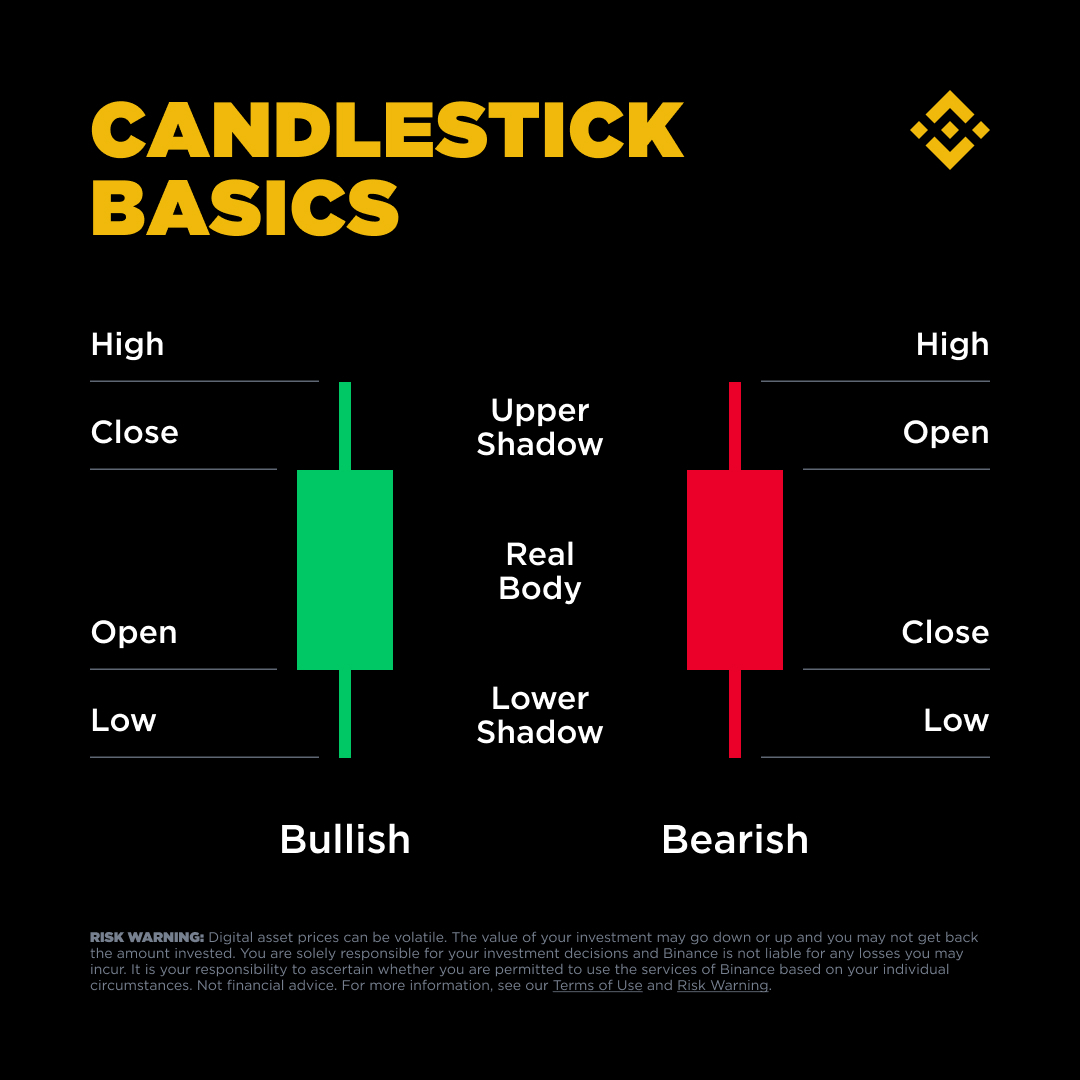
Cada vela lhe diz quatro coisas: onde o preço abriu, onde fechou e quão longe ele oscilou em ambas as direções.
👉 Learn to read them properly
👉 Learn to read them properly
1
1
·
--
Ver tradução
🧩 A Small Game, A Big Crypto Lesson
I used to think Binance Word of the Day (WOTD) was just a fun puzzle. Guess a word, earn points, move on.
Turns out, it’s teaching one of the most important crypto skills: understanding the language.
Every word—liquidity, staking, yield, wallet—is a building block. No charts. No leverage. No stress. Just learning, one concept at a time.
Crypto doesn’t reward hype.
It rewards clarity, consistency, and context.
WOTD also reminds me that growth doesn’t have to be loud. Showing up daily, thinking a bit deeper, and staying curious compounds—just like good investments do.
Before profits, there’s knowledge.
Before trading, there’s understanding.
Sometimes, progress in crypto starts with guessing the right word.
On to the next one 👋
#Binance #WOTD #CryptoLearning #Web3
{future}(BTCUSDT)
🧩 A Small Game, A Big Crypto Lesson
I used to think Binance Word of the Day (WOTD) was just a fun puzzle. Guess a word, earn points, move on.
Turns out, it’s teaching one of the most important crypto skills: understanding the language.
Every word—liquidity, staking, yield, wallet—is a building block. No charts. No leverage. No stress. Just learning, one concept at a time.
Crypto doesn’t reward hype.
It rewards clarity, consistency, and context.
WOTD also reminds me that growth doesn’t have to be loud. Showing up daily, thinking a bit deeper, and staying curious compounds—just like good investments do.
Before profits, there’s knowledge.
Before trading, there’s understanding.
Sometimes, progress in crypto starts with guessing the right word.
On to the next one 👋
#Binance #WOTD #CryptoLearning #Web3
I used to think Binance Word of the Day (WOTD) was just a fun puzzle. Guess a word, earn points, move on.
Turns out, it’s teaching one of the most important crypto skills: understanding the language.
Every word—liquidity, staking, yield, wallet—is a building block. No charts. No leverage. No stress. Just learning, one concept at a time.
Crypto doesn’t reward hype.
It rewards clarity, consistency, and context.
WOTD also reminds me that growth doesn’t have to be loud. Showing up daily, thinking a bit deeper, and staying curious compounds—just like good investments do.
Before profits, there’s knowledge.
Before trading, there’s understanding.
Sometimes, progress in crypto starts with guessing the right word.
On to the next one 👋
#Binance #WOTD #CryptoLearning #Web3
1
3
·
--
Ver tradução
BREAKING 🚨🚨🚨
President Trump agrees to a cease-fire subject to Iran reopening the Strait of Hormuz.
{future}(BTCUSDT)
BREAKING 🚨🚨🚨
President Trump agrees to a cease-fire subject to Iran reopening the Strait of Hormuz.
President Trump agrees to a cease-fire subject to Iran reopening the Strait of Hormuz.
·
--
Gestão de Riscos & Investimento de Longo Prazo: Como os Iniciantes Permanecem no JogoUma das maiores diferenças entre usuários de cripto bem-sucedidos e iniciantes que desistem cedo é a gestão de riscos. Muitas pessoas entram no cripto focando apenas nos lucros, enquanto ignoram como proteger seu capital.
No Parte 5 desta série para iniciantes, focamos na gestão de riscos e nos princípios de investimento de longo prazo que ajudam os iniciantes a sobreviver à volatilidade do mercado e crescer de forma constante ao longo do tempo.
TL;DR:
• Proteger o capital é mais importante do que perseguir lucros.
• Nunca invista dinheiro que você não pode perder.
• A diversificação reduz o risco.
Gestão de Riscos & Investimento de Longo Prazo: Como os Iniciantes Permanecem no Jogo
Uma das maiores diferenças entre usuários de cripto bem-sucedidos e iniciantes que desistem cedo é a gestão de riscos. Muitas pessoas entram no cripto focando apenas nos lucros, enquanto ignoram como proteger seu capital.
No Parte 5 desta série para iniciantes, focamos na gestão de riscos e nos princípios de investimento de longo prazo que ajudam os iniciantes a sobreviver à volatilidade do mercado e crescer de forma constante ao longo do tempo.
TL;DR:
• Proteger o capital é mais importante do que perseguir lucros.
• Nunca invista dinheiro que você não pode perder.
• A diversificação reduz o risco.
No Parte 5 desta série para iniciantes, focamos na gestão de riscos e nos princípios de investimento de longo prazo que ajudam os iniciantes a sobreviver à volatilidade do mercado e crescer de forma constante ao longo do tempo.
TL;DR:
• Proteger o capital é mais importante do que perseguir lucros.
• Nunca invista dinheiro que você não pode perder.
• A diversificação reduz o risco.
1
15
·
--
Ver tradução
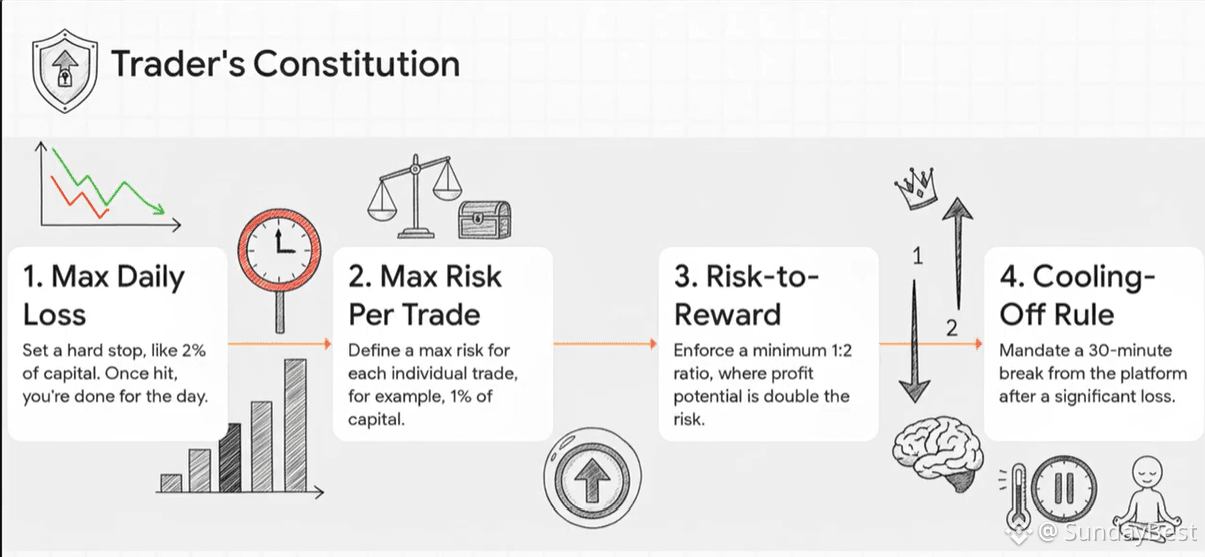
Trader's Constitution Continue learning
#BitcoinPrices
{future}(BTCUSDT)
Trader's Constitution Continue learning
#BitcoinPrices
#BitcoinPrices
3
·
--
Erros Comuns de Iniciantes e Golpes em Criptomoedas: Como Evitar Perder Dinheiro Muitos iniciantes acreditam que perdem dinheiro em criptomoedas porque os preços caem. Na realidade, a maioria das perdas acontece devido a erros simples, decisões ruins e golpes.
No Parte 4 desta série para iniciantes, cobrimos os erros mais comuns que novos usuários cometem e explicamos como funcionam os golpes em criptomoedas, para que você possa proteger seus fundos e evitar perdas desnecessárias.
TL;DR:
• A maioria dos iniciantes perde dinheiro devido a erros, não por quedas no mercado.
• Golpes costumam usar urgência, medo ou recompensas falsas.
• Nenhum projeto legítimo pede sua frase de recuperação.
Erros Comuns de Iniciantes e Golpes em Criptomoedas: Como Evitar Perder Dinheiro
Muitos iniciantes acreditam que perdem dinheiro em criptomoedas porque os preços caem. Na realidade, a maioria das perdas acontece devido a erros simples, decisões ruins e golpes.
No Parte 4 desta série para iniciantes, cobrimos os erros mais comuns que novos usuários cometem e explicamos como funcionam os golpes em criptomoedas, para que você possa proteger seus fundos e evitar perdas desnecessárias.
TL;DR:
• A maioria dos iniciantes perde dinheiro devido a erros, não por quedas no mercado.
• Golpes costumam usar urgência, medo ou recompensas falsas.
• Nenhum projeto legítimo pede sua frase de recuperação.
No Parte 4 desta série para iniciantes, cobrimos os erros mais comuns que novos usuários cometem e explicamos como funcionam os golpes em criptomoedas, para que você possa proteger seus fundos e evitar perdas desnecessárias.
TL;DR:
• A maioria dos iniciantes perde dinheiro devido a erros, não por quedas no mercado.
• Golpes costumam usar urgência, medo ou recompensas falsas.
• Nenhum projeto legítimo pede sua frase de recuperação.
1
1
60
·
--
Ver tradução
Crypto Exchanges & Trading Basics: How Buying and Selling WorksAfter learning crypto terms and wallet security, the next step for beginners is understanding exchanges and how trading actually works.
Many beginners lose money simply because they do not understand how trades are executed, the difference between spot and futures, or how orders work. In Part 3 of this series, we explain crypto exchanges and trading basics in simple terms.
TL;DR:
• Crypto exchanges allow users to buy, sell, and trade crypto.
• Spot trading is simpler and safer for beginners.
• Futures trading involves leverage and higher risk.
• Market orders buy or sell instantly; limit orders wait for a price.
• Understanding fees and order types helps avoid mistakes.
1. What Is a Crypto Exchange?
A crypto exchange is a platform where users can buy, sell, and trade cryptocurrencies.
Exchanges act as marketplaces that match buyers and sellers. Most beginners start with centralized exchanges because they are easy to use and provide customer support.
2. Centralized vs Decentralized Exchanges
Centralized exchanges:
• Require account registration
• Are easy for beginners
• Hold custody of user funds
Decentralized exchanges:
• Do not require accounts
• Users trade directly from wallets
• Require more technical knowledge
Beginners are generally better off starting with centralized exchanges before exploring decentralized platforms.
3. What Is Spot Trading?
Spot trading means buying or selling crypto at the current market price.
When you buy on the spot market:
• You own the crypto immediately
• There is no leverage
• Risk is lower compared to futures
Spot trading is the recommended starting point for beginners.
4. What Is Futures Trading?
Futures trading allows users to speculate on price movements without owning the asset.
Key features:
• Uses leverage
• Higher potential profits
• Higher risk of losses
Futures trading is not beginner-friendly and should only be attempted after gaining experience.
5. Market Orders vs Limit Orders
Market order:
• Buys or sells immediately
• Executes at the best available price
• Simple but less control
Limit order:
• Executes only at a chosen price
• Gives more control
• May not fill instantly
Beginners should learn both before placing trades.
6. Trading Fees
Every trade comes with a fee.
Common fees include:
• Trading fees
• Withdrawal fees
• Network (gas) fees
Always check fees before trading, as frequent trades can reduce profits over time.
7. Common Trading Mistakes Beginners Make
• Trading without a plan
• Using leverage too early
• Overtrading
• Chasing fast price moves
• Ignoring fees
Successful trading is more about discipline than speed.
8. A Simple Rule for Beginners
If you don’t understand how a trade works, don’t place it.
Start small, learn slowly, and focus on protecting your capital.
Final Thoughts:
Trading is not a shortcut to easy money. It requires patience, learning, and emotional control.
Spot trading with small amounts is the safest way for beginners to gain experience.
Have you tried spot trading yet, or are you still learning how exchanges work?
End of Part 3
#Binance
Crypto Exchanges & Trading Basics: How Buying and Selling Works
After learning crypto terms and wallet security, the next step for beginners is understanding exchanges and how trading actually works.
Many beginners lose money simply because they do not understand how trades are executed, the difference between spot and futures, or how orders work. In Part 3 of this series, we explain crypto exchanges and trading basics in simple terms.
TL;DR:
• Crypto exchanges allow users to buy, sell, and trade crypto.
• Spot trading is simpler and safer for beginners.
• Futures trading involves leverage and higher risk.
• Market orders buy or sell instantly; limit orders wait for a price.
• Understanding fees and order types helps avoid mistakes.
1. What Is a Crypto Exchange?
A crypto exchange is a platform where users can buy, sell, and trade cryptocurrencies.
Exchanges act as marketplaces that match buyers and sellers. Most beginners start with centralized exchanges because they are easy to use and provide customer support.
2. Centralized vs Decentralized Exchanges
Centralized exchanges:
• Require account registration
• Are easy for beginners
• Hold custody of user funds
Decentralized exchanges:
• Do not require accounts
• Users trade directly from wallets
• Require more technical knowledge
Beginners are generally better off starting with centralized exchanges before exploring decentralized platforms.
3. What Is Spot Trading?
Spot trading means buying or selling crypto at the current market price.
When you buy on the spot market:
• You own the crypto immediately
• There is no leverage
• Risk is lower compared to futures
Spot trading is the recommended starting point for beginners.
4. What Is Futures Trading?
Futures trading allows users to speculate on price movements without owning the asset.
Key features:
• Uses leverage
• Higher potential profits
• Higher risk of losses
Futures trading is not beginner-friendly and should only be attempted after gaining experience.
5. Market Orders vs Limit Orders
Market order:
• Buys or sells immediately
• Executes at the best available price
• Simple but less control
Limit order:
• Executes only at a chosen price
• Gives more control
• May not fill instantly
Beginners should learn both before placing trades.
6. Trading Fees
Every trade comes with a fee.
Common fees include:
• Trading fees
• Withdrawal fees
• Network (gas) fees
Always check fees before trading, as frequent trades can reduce profits over time.
7. Common Trading Mistakes Beginners Make
• Trading without a plan
• Using leverage too early
• Overtrading
• Chasing fast price moves
• Ignoring fees
Successful trading is more about discipline than speed.
8. A Simple Rule for Beginners
If you don’t understand how a trade works, don’t place it.
Start small, learn slowly, and focus on protecting your capital.
Final Thoughts:
Trading is not a shortcut to easy money. It requires patience, learning, and emotional control.
Spot trading with small amounts is the safest way for beginners to gain experience.
Have you tried spot trading yet, or are you still learning how exchanges work?
End of Part 3
#Binance
Many beginners lose money simply because they do not understand how trades are executed, the difference between spot and futures, or how orders work. In Part 3 of this series, we explain crypto exchanges and trading basics in simple terms.
TL;DR:
• Crypto exchanges allow users to buy, sell, and trade crypto.
• Spot trading is simpler and safer for beginners.
• Futures trading involves leverage and higher risk.
• Market orders buy or sell instantly; limit orders wait for a price.
• Understanding fees and order types helps avoid mistakes.
1. What Is a Crypto Exchange?
A crypto exchange is a platform where users can buy, sell, and trade cryptocurrencies.
Exchanges act as marketplaces that match buyers and sellers. Most beginners start with centralized exchanges because they are easy to use and provide customer support.
2. Centralized vs Decentralized Exchanges
Centralized exchanges:
• Require account registration
• Are easy for beginners
• Hold custody of user funds
Decentralized exchanges:
• Do not require accounts
• Users trade directly from wallets
• Require more technical knowledge
Beginners are generally better off starting with centralized exchanges before exploring decentralized platforms.
3. What Is Spot Trading?
Spot trading means buying or selling crypto at the current market price.
When you buy on the spot market:
• You own the crypto immediately
• There is no leverage
• Risk is lower compared to futures
Spot trading is the recommended starting point for beginners.
4. What Is Futures Trading?
Futures trading allows users to speculate on price movements without owning the asset.
Key features:
• Uses leverage
• Higher potential profits
• Higher risk of losses
Futures trading is not beginner-friendly and should only be attempted after gaining experience.
5. Market Orders vs Limit Orders
Market order:
• Buys or sells immediately
• Executes at the best available price
• Simple but less control
Limit order:
• Executes only at a chosen price
• Gives more control
• May not fill instantly
Beginners should learn both before placing trades.
6. Trading Fees
Every trade comes with a fee.
Common fees include:
• Trading fees
• Withdrawal fees
• Network (gas) fees
Always check fees before trading, as frequent trades can reduce profits over time.
7. Common Trading Mistakes Beginners Make
• Trading without a plan
• Using leverage too early
• Overtrading
• Chasing fast price moves
• Ignoring fees
Successful trading is more about discipline than speed.
8. A Simple Rule for Beginners
If you don’t understand how a trade works, don’t place it.
Start small, learn slowly, and focus on protecting your capital.
Final Thoughts:
Trading is not a shortcut to easy money. It requires patience, learning, and emotional control.
Spot trading with small amounts is the safest way for beginners to gain experience.
Have you tried spot trading yet, or are you still learning how exchanges work?
End of Part 3
#Binance
11
11
·
--
Ver tradução
Crypto Wallets & Security: How to Keep Your Funds SafeAfter learning basic crypto terms, the next most important topic for beginners is security. Many people lose crypto not because prices fall, but because they do not understand how wallets and security work.
In Part 2 of this beginner series, we focus on crypto wallets, security basics, and how to protect your funds from common mistakes and scams.
TL;DR:
• Crypto wallets store private keys, not coins.
• Hot wallets are online; cold wallets are offline.
• Your seed phrase is the most important security key.
• Exchanges are convenient but not fully risk-free.
• Most crypto losses happen due to poor security habits.
1. What Is a Crypto Wallet?
A crypto wallet is a tool that allows you to send, receive, and manage your cryptocurrency.
Wallets do not hold actual coins. Instead, they store private keys that prove ownership of your crypto on the blockchain.
2. Hot Wallets
Hot wallets are connected to the internet.
Examples include:
• Exchange wallets
• Mobile wallet apps
• Browser wallets
Advantages:
• Easy to use
• Fast access to funds
Disadvantages:
• More vulnerable to hacking
• Not ideal for long-term storage
Hot wallets are best for small amounts and daily use.
3. Cold Wallets
Cold wallets are not connected to the internet.
Examples include:
• Hardware wallets
• Offline paper backups
Advantages:
• Much safer from online attacks
• Best for long-term storage
Disadvantages:
• Cost money
• Less convenient for frequent transactions
Cold wallets are recommended for storing large amounts of crypto.
4. Seed Phrase: Your Master Key
A seed phrase is a list of 12 to 24 words that can recover your wallet.
Important rules:
• Never store it online
• Never share it with anyone
• Write it down and keep it offline
• Anyone with your seed phrase controls your funds
5. Using Exchanges Safely
Centralized exchanges are convenient, especially for beginners. However, they control the private keys to your funds.
Safety tips:
• Enable two-factor authentication (2FA)
• Use a strong, unique password
• Avoid leaving large funds on exchanges
• Withdraw long-term holdings to a personal wallet
6. Common Security Mistakes Beginners Make
• Sharing seed phrases
• Clicking unknown links
• Downloading fake wallet apps
• Using public Wi-Fi for transactions
• Trusting “guaranteed profit” offers
Most scams rely on urgency and fear. Always slow down and verify.
7. The Golden Rule of Crypto Security
Not your keys, not your crypto.
If you do not control the private keys, you do not fully control the funds.
Final Thoughts:
Learning crypto security is more important than learning trading strategies. A secure beginner with patience will always outperform an insecure trader chasing quick profits.
Protecting your crypto is your personal responsibility.
Do you use a hot wallet, cold wallet, or exchange wallet — and why?
End of Part 2
#freedomofmoney #US5DayHalt #Binance
Crypto Wallets & Security: How to Keep Your Funds Safe
After learning basic crypto terms, the next most important topic for beginners is security. Many people lose crypto not because prices fall, but because they do not understand how wallets and security work.
In Part 2 of this beginner series, we focus on crypto wallets, security basics, and how to protect your funds from common mistakes and scams.
TL;DR:
• Crypto wallets store private keys, not coins.
• Hot wallets are online; cold wallets are offline.
• Your seed phrase is the most important security key.
• Exchanges are convenient but not fully risk-free.
• Most crypto losses happen due to poor security habits.
1. What Is a Crypto Wallet?
A crypto wallet is a tool that allows you to send, receive, and manage your cryptocurrency.
Wallets do not hold actual coins. Instead, they store private keys that prove ownership of your crypto on the blockchain.
2. Hot Wallets
Hot wallets are connected to the internet.
Examples include:
• Exchange wallets
• Mobile wallet apps
• Browser wallets
Advantages:
• Easy to use
• Fast access to funds
Disadvantages:
• More vulnerable to hacking
• Not ideal for long-term storage
Hot wallets are best for small amounts and daily use.
3. Cold Wallets
Cold wallets are not connected to the internet.
Examples include:
• Hardware wallets
• Offline paper backups
Advantages:
• Much safer from online attacks
• Best for long-term storage
Disadvantages:
• Cost money
• Less convenient for frequent transactions
Cold wallets are recommended for storing large amounts of crypto.
4. Seed Phrase: Your Master Key
A seed phrase is a list of 12 to 24 words that can recover your wallet.
Important rules:
• Never store it online
• Never share it with anyone
• Write it down and keep it offline
• Anyone with your seed phrase controls your funds
5. Using Exchanges Safely
Centralized exchanges are convenient, especially for beginners. However, they control the private keys to your funds.
Safety tips:
• Enable two-factor authentication (2FA)
• Use a strong, unique password
• Avoid leaving large funds on exchanges
• Withdraw long-term holdings to a personal wallet
6. Common Security Mistakes Beginners Make
• Sharing seed phrases
• Clicking unknown links
• Downloading fake wallet apps
• Using public Wi-Fi for transactions
• Trusting “guaranteed profit” offers
Most scams rely on urgency and fear. Always slow down and verify.
7. The Golden Rule of Crypto Security
Not your keys, not your crypto.
If you do not control the private keys, you do not fully control the funds.
Final Thoughts:
Learning crypto security is more important than learning trading strategies. A secure beginner with patience will always outperform an insecure trader chasing quick profits.
Protecting your crypto is your personal responsibility.
Do you use a hot wallet, cold wallet, or exchange wallet — and why?
End of Part 2
#freedomofmoney #US5DayHalt #Binance
In Part 2 of this beginner series, we focus on crypto wallets, security basics, and how to protect your funds from common mistakes and scams.
TL;DR:
• Crypto wallets store private keys, not coins.
• Hot wallets are online; cold wallets are offline.
• Your seed phrase is the most important security key.
• Exchanges are convenient but not fully risk-free.
• Most crypto losses happen due to poor security habits.
1. What Is a Crypto Wallet?
A crypto wallet is a tool that allows you to send, receive, and manage your cryptocurrency.
Wallets do not hold actual coins. Instead, they store private keys that prove ownership of your crypto on the blockchain.
2. Hot Wallets
Hot wallets are connected to the internet.
Examples include:
• Exchange wallets
• Mobile wallet apps
• Browser wallets
Advantages:
• Easy to use
• Fast access to funds
Disadvantages:
• More vulnerable to hacking
• Not ideal for long-term storage
Hot wallets are best for small amounts and daily use.
3. Cold Wallets
Cold wallets are not connected to the internet.
Examples include:
• Hardware wallets
• Offline paper backups
Advantages:
• Much safer from online attacks
• Best for long-term storage
Disadvantages:
• Cost money
• Less convenient for frequent transactions
Cold wallets are recommended for storing large amounts of crypto.
4. Seed Phrase: Your Master Key
A seed phrase is a list of 12 to 24 words that can recover your wallet.
Important rules:
• Never store it online
• Never share it with anyone
• Write it down and keep it offline
• Anyone with your seed phrase controls your funds
5. Using Exchanges Safely
Centralized exchanges are convenient, especially for beginners. However, they control the private keys to your funds.
Safety tips:
• Enable two-factor authentication (2FA)
• Use a strong, unique password
• Avoid leaving large funds on exchanges
• Withdraw long-term holdings to a personal wallet
6. Common Security Mistakes Beginners Make
• Sharing seed phrases
• Clicking unknown links
• Downloading fake wallet apps
• Using public Wi-Fi for transactions
• Trusting “guaranteed profit” offers
Most scams rely on urgency and fear. Always slow down and verify.
7. The Golden Rule of Crypto Security
Not your keys, not your crypto.
If you do not control the private keys, you do not fully control the funds.
Final Thoughts:
Learning crypto security is more important than learning trading strategies. A secure beginner with patience will always outperform an insecure trader chasing quick profits.
Protecting your crypto is your personal responsibility.
Do you use a hot wallet, cold wallet, or exchange wallet — and why?
End of Part 2
#freedomofmoney #US5DayHalt #Binance
7
7
Inicia sessão para explorar mais conteúdos
Junta-te a utilizadores de criptomoedas de todo o mundo na Binance Square
⚡️ Obtém informações úteis e recentes sobre criptomoedas.
💬 Com a confiança da maior exchange de criptomoedas do mundo.
👍 Descobre perspetivas reais de criadores verificados.
E-mail/Número de telefone
Tópicos em Tendência
BitcoinSurpasses$77000
15,782 visualizações
216 a discutir
$BTC está disparando para cima apesar de tudo. 🚀
Hoje marcou o primeiro aumento de taxa em mais de 3 anos, enquanto o CLARITY Act voltou a emperrar ontem.
Prepare-se para um setup longo e grande de novo - me agradeça depois
Entrada : $75500 - $76500
Stoploss : $74900
Take profit : $77000 - $78000
Prepare-se para um ciclo de crescimento maluco. 🔥
TF_bnb
·17 gostos
·6.9k visualizações
ParadigmDisclosesZECHolding
61,282 visualizações
978 a discutir
BitcoinETFsShed$450M
24,976 visualizações
215 a discutir