

KrypToon
278 Publicações

KrypToon
 Binance Square verificado
Denunciar
Bloquear Utilizador
Web3 media & community platform covering crypto news, research, project discovery, AMAs and X Spaces. Connecting emerging projects with active crypto audiences.

Macro KOL
Aberto ao trading
Trader Ocasional
1.4 ano(s)
198 A seguir
30.1K+ Seguidores
200 Gostaram
1 Emblemas
Publicações
Portfólio
Tudo
Cotações
Em direto
PINNED
·
--
Verificado
Artigo
Satoshi Nakamoto: o Arquiteto que Desapareceu, a Rede que PermanaleceuO Bitcoin gerou fortunas, debates políticos, batalhas regulatórias, revoluções tecnológicas e milhares de ativos digitais concorrentes.
Ainda assim, a pessoa — ou talvez um grupo — que o iniciou permanece desconhecida.
Esse criador usou o nome Satoshi Nakamoto.
O mistério durou por quase dezoito anos porque duas perguntas bem diferentes geralmente são misturadas.
A primeira pergunta é histórica:
Quem criou o Bitcoin?
A segunda é tecnológica:
Por que o Bitcoin pode continuar funcionando mesmo que ninguém saiba quem o criou?
Satoshi Nakamoto: o Arquiteto que Desapareceu, a Rede que Permanaleceu
O Bitcoin gerou fortunas, debates políticos, batalhas regulatórias, revoluções tecnológicas e milhares de ativos digitais concorrentes.
Ainda assim, a pessoa — ou talvez um grupo — que o iniciou permanece desconhecida.
Esse criador usou o nome Satoshi Nakamoto.
O mistério durou por quase dezoito anos porque duas perguntas bem diferentes geralmente são misturadas.
A primeira pergunta é histórica:
Quem criou o Bitcoin?
A segunda é tecnológica:
Por que o Bitcoin pode continuar funcionando mesmo que ninguém saiba quem o criou?
Ainda assim, a pessoa — ou talvez um grupo — que o iniciou permanece desconhecida.
Esse criador usou o nome Satoshi Nakamoto.
O mistério durou por quase dezoito anos porque duas perguntas bem diferentes geralmente são misturadas.
A primeira pergunta é histórica:
Quem criou o Bitcoin?
A segunda é tecnológica:
Por que o Bitcoin pode continuar funcionando mesmo que ninguém saiba quem o criou?
2
138
PINNED
·
--
Verificado
O que acontece quando um ecossistema DeFi cria escassez e incentivos de liquidez diretamente na mecânica do seu token?
$YFSX e $VIN são dois tokens da BNB Smart Chain construídos em torno de estruturas de oferta fixa, queimas de tokens e participação em liquidez.
🔹 $YFSX
Oferta máxima: 19.999 tokens
🔹 $VIN
Oferta original: 19,999M de tokens, com seu mecanismo de queima documentado projetado para parar após 50% da oferta original ter sido queimada.
De acordo com a documentação do projeto, a mecânica das transações aloca partes das taxas para queimas de tokens e funções relacionadas à liquidez. O objetivo é combinar mecânicas predefinidas de oferta com participação descentralizada em liquidez.
O ecossistema opera desde 2022 e expandiu sua presença por múltiplos mercados de liquidez em DeFi.
Sua documentação descreve:
• Sem alocação para equipe ou premine
• Distribuição orientada à comunidade
• Incentivos de liquidez
• Mecânicas de queima de tokens
• Contratos inteligentes publicamente acessíveis
Análises de segurança também foram publicadas pela CertiK para o ecossistema, enquanto a Hacken publicou uma auditoria para o VIN.
Uma auditoria não garante segurança nem desempenho futuro. Vulnerabilidades de contratos inteligentes, condições de liquidez e volatilidade do mercado continuam sendo riscos importantes a considerar.
Em vez de focar em narrativas de preço de curto prazo, YFSX e VIN oferecem um estudo de caso interessante de como oferta fixa, queimas e incentivos de liquidez podem ser combinados dentro de uma economia de token DeFi.
🔍 Verifique os contratos, revise a tokenomics e pesquise de forma independente antes de tomar qualquer decisão.
🌐 Site: yfsx.vin
📖 Whitepaper: yfsx.vin/Whitepaper.html
Apenas para fins informativos. Não é aconselhamento financeiro. Ativos digitais são voláteis e envolvem risco.
#YFSX #VIN #DeFi #BNBChain
O que acontece quando um ecossistema DeFi cria escassez e incentivos de liquidez diretamente na mecânica do seu token?
$YFSX e $VIN são dois tokens da BNB Smart Chain construídos em torno de estruturas de oferta fixa, queimas de tokens e participação em liquidez.
🔹 $YFSX
Oferta máxima: 19.999 tokens
🔹 $VIN
Oferta original: 19,999M de tokens, com seu mecanismo de queima documentado projetado para parar após 50% da oferta original ter sido queimada.
De acordo com a documentação do projeto, a mecânica das transações aloca partes das taxas para queimas de tokens e funções relacionadas à liquidez. O objetivo é combinar mecânicas predefinidas de oferta com participação descentralizada em liquidez.
O ecossistema opera desde 2022 e expandiu sua presença por múltiplos mercados de liquidez em DeFi.
Sua documentação descreve:
• Sem alocação para equipe ou premine
• Distribuição orientada à comunidade
• Incentivos de liquidez
• Mecânicas de queima de tokens
• Contratos inteligentes publicamente acessíveis
Análises de segurança também foram publicadas pela CertiK para o ecossistema, enquanto a Hacken publicou uma auditoria para o VIN.
Uma auditoria não garante segurança nem desempenho futuro. Vulnerabilidades de contratos inteligentes, condições de liquidez e volatilidade do mercado continuam sendo riscos importantes a considerar.
Em vez de focar em narrativas de preço de curto prazo, YFSX e VIN oferecem um estudo de caso interessante de como oferta fixa, queimas e incentivos de liquidez podem ser combinados dentro de uma economia de token DeFi.
🔍 Verifique os contratos, revise a tokenomics e pesquise de forma independente antes de tomar qualquer decisão.
🌐 Site: yfsx.vin
📖 Whitepaper: yfsx.vin/Whitepaper.html
Apenas para fins informativos. Não é aconselhamento financeiro. Ativos digitais são voláteis e envolvem risco.
#YFSX #VIN #DeFi #BNBChain
$YFSX e $VIN são dois tokens da BNB Smart Chain construídos em torno de estruturas de oferta fixa, queimas de tokens e participação em liquidez.
🔹 $YFSX
Oferta máxima: 19.999 tokens
🔹 $VIN
Oferta original: 19,999M de tokens, com seu mecanismo de queima documentado projetado para parar após 50% da oferta original ter sido queimada.
De acordo com a documentação do projeto, a mecânica das transações aloca partes das taxas para queimas de tokens e funções relacionadas à liquidez. O objetivo é combinar mecânicas predefinidas de oferta com participação descentralizada em liquidez.
O ecossistema opera desde 2022 e expandiu sua presença por múltiplos mercados de liquidez em DeFi.
Sua documentação descreve:
• Sem alocação para equipe ou premine
• Distribuição orientada à comunidade
• Incentivos de liquidez
• Mecânicas de queima de tokens
• Contratos inteligentes publicamente acessíveis
Análises de segurança também foram publicadas pela CertiK para o ecossistema, enquanto a Hacken publicou uma auditoria para o VIN.
Uma auditoria não garante segurança nem desempenho futuro. Vulnerabilidades de contratos inteligentes, condições de liquidez e volatilidade do mercado continuam sendo riscos importantes a considerar.
Em vez de focar em narrativas de preço de curto prazo, YFSX e VIN oferecem um estudo de caso interessante de como oferta fixa, queimas e incentivos de liquidez podem ser combinados dentro de uma economia de token DeFi.
🔍 Verifique os contratos, revise a tokenomics e pesquise de forma independente antes de tomar qualquer decisão.
🌐 Site: yfsx.vin
📖 Whitepaper: yfsx.vin/Whitepaper.html
Apenas para fins informativos. Não é aconselhamento financeiro. Ativos digitais são voláteis e envolvem risco.
#YFSX #VIN #DeFi #BNBChain
3
353
·
--
🧯 A recuperação depende de mais do que apenas reabrir o protocolo
A Drift informou que, aproximadamente US$ 295 milhões em perdas dos usuários ainda permaneciam em aberto após o seu exploit.
A sua estrutura de recuperação incluía até US$ 127,5 milhões em apoio da Tether, cerca de US$ 20 milhões de parceiros e uma linha de crédito de US$ 100 milhões vinculada a receitas. A Drift também propôs um token de recuperação separado para os usuários afetados, em vez de usar o token de governança DRIFT existente para o mesmo propósito.
Essa separação é importante.
Um token de recuperação representa um direito conectado a recursos de recuperação ou a futuros reembolsos. DRIFT representa governança e uma exposição mais ampla ao ecossistema. Tratar esses itens como intercambiáveis pode obscurecer os diferentes riscos assumidos por cada grupo.
O plano de recuperação deve ser avaliado por meio da transparência das reivindicações, do financiamento executável, do progresso dos reembolsos e das melhorias de segurança demonstradas—não apenas pela velocidade de relançamento.
Se o reembolso depender parcialmente de receitas futuras do negócio, os usuários afetados continuam expostos ao risco de execução e ao desempenho operacional do protocolo.
A evidência seguinte deve incluir auditorias concluídas, pools de recuperação financiados, cadência de reembolso e mudanças na arquitetura de liquidação.
Aviso: Análise apenas de recuperação em DeFi, não é aconselhamento financeiro. Compromissos, disponibilidade de financiamento e prazos de reembolso podem mudar.
$DRIFT
Drift • Solana DeFi • Protocolo de Recuperação
#DRIFT #DeFiSecurity #Solana
🧯 A recuperação depende de mais do que apenas reabrir o protocolo
A Drift informou que, aproximadamente US$ 295 milhões em perdas dos usuários ainda permaneciam em aberto após o seu exploit.
A sua estrutura de recuperação incluía até US$ 127,5 milhões em apoio da Tether, cerca de US$ 20 milhões de parceiros e uma linha de crédito de US$ 100 milhões vinculada a receitas. A Drift também propôs um token de recuperação separado para os usuários afetados, em vez de usar o token de governança DRIFT existente para o mesmo propósito.
Essa separação é importante.
Um token de recuperação representa um direito conectado a recursos de recuperação ou a futuros reembolsos. DRIFT representa governança e uma exposição mais ampla ao ecossistema. Tratar esses itens como intercambiáveis pode obscurecer os diferentes riscos assumidos por cada grupo.
O plano de recuperação deve ser avaliado por meio da transparência das reivindicações, do financiamento executável, do progresso dos reembolsos e das melhorias de segurança demonstradas—não apenas pela velocidade de relançamento.
Se o reembolso depender parcialmente de receitas futuras do negócio, os usuários afetados continuam expostos ao risco de execução e ao desempenho operacional do protocolo.
A evidência seguinte deve incluir auditorias concluídas, pools de recuperação financiados, cadência de reembolso e mudanças na arquitetura de liquidação.
Aviso: Análise apenas de recuperação em DeFi, não é aconselhamento financeiro. Compromissos, disponibilidade de financiamento e prazos de reembolso podem mudar.
$DRIFT
Drift • Solana DeFi • Protocolo de Recuperação
#DRIFT #DeFiSecurity #Solana
A Drift informou que, aproximadamente US$ 295 milhões em perdas dos usuários ainda permaneciam em aberto após o seu exploit.
A sua estrutura de recuperação incluía até US$ 127,5 milhões em apoio da Tether, cerca de US$ 20 milhões de parceiros e uma linha de crédito de US$ 100 milhões vinculada a receitas. A Drift também propôs um token de recuperação separado para os usuários afetados, em vez de usar o token de governança DRIFT existente para o mesmo propósito.
Essa separação é importante.
Um token de recuperação representa um direito conectado a recursos de recuperação ou a futuros reembolsos. DRIFT representa governança e uma exposição mais ampla ao ecossistema. Tratar esses itens como intercambiáveis pode obscurecer os diferentes riscos assumidos por cada grupo.
O plano de recuperação deve ser avaliado por meio da transparência das reivindicações, do financiamento executável, do progresso dos reembolsos e das melhorias de segurança demonstradas—não apenas pela velocidade de relançamento.
Se o reembolso depender parcialmente de receitas futuras do negócio, os usuários afetados continuam expostos ao risco de execução e ao desempenho operacional do protocolo.
A evidência seguinte deve incluir auditorias concluídas, pools de recuperação financiados, cadência de reembolso e mudanças na arquitetura de liquidação.
Aviso: Análise apenas de recuperação em DeFi, não é aconselhamento financeiro. Compromissos, disponibilidade de financiamento e prazos de reembolso podem mudar.
$DRIFT
Drift • Solana DeFi • Protocolo de Recuperação
#DRIFT #DeFiSecurity #Solana
209
·
--
🏗️ O fundo de US$ 2,2B da a16z Crypto reflete capacidade de implantação de longo prazo
a16z crypto levantou seu quinto fundo de US$ 2,2 bilhões em um período mais fraco para a atividade de negociação de criptos.
A TechCrunch informou que março de 2026 foi o mês mais lento para o volume das bolsas desde novembro de 2023 e que o financiamento para startups de cripto no primeiro trimestre ficou abaixo do ano anterior.
O contraste evidencia dois cronogramas diferentes.
Fundos de venture podem implantar capital ao longo de vários anos. Mercados líquidos reagem à oferta, demanda e alavancagem no curto prazo. Portanto, um fundo grande indica capacidade de investimento de longa duração — mas não necessariamente uma entrada imediata em SOL ou em outro token listado.
Para a Solana, a questão relevante é o que as empresas financiadas acabam criando. Aplicativos e infraestrutura importam se atraem usuários, consomem espaço de blocos e geram demanda por serviços do ecossistema.
A abundância de capital de venture também traz riscos. Ela pode financiar projetos fracos, incentivar emissões de tokens desnecessárias e fragmentar a atenção dos desenvolvedores.
Acompanhe o ritmo de implantação, a alocação por setor, o lançamento de produtos e a atividade sustentada de usuários — mais do que apenas o tamanho do fundo em destaque.
Aviso: Análise apenas de venture e de ecossistema, não é aconselhamento financeiro. Captação de recursos não implica compras de SOL nem crescimento garantido do ecossistema.
$SOL
a16z Crypto • Solana Ecosystem • Venture Capital
#SOL #CryptoVC #Web3Startups
🏗️ O fundo de US$ 2,2B da a16z Crypto reflete capacidade de implantação de longo prazo
a16z crypto levantou seu quinto fundo de US$ 2,2 bilhões em um período mais fraco para a atividade de negociação de criptos.
A TechCrunch informou que março de 2026 foi o mês mais lento para o volume das bolsas desde novembro de 2023 e que o financiamento para startups de cripto no primeiro trimestre ficou abaixo do ano anterior.
O contraste evidencia dois cronogramas diferentes.
Fundos de venture podem implantar capital ao longo de vários anos. Mercados líquidos reagem à oferta, demanda e alavancagem no curto prazo. Portanto, um fundo grande indica capacidade de investimento de longa duração — mas não necessariamente uma entrada imediata em SOL ou em outro token listado.
Para a Solana, a questão relevante é o que as empresas financiadas acabam criando. Aplicativos e infraestrutura importam se atraem usuários, consomem espaço de blocos e geram demanda por serviços do ecossistema.
A abundância de capital de venture também traz riscos. Ela pode financiar projetos fracos, incentivar emissões de tokens desnecessárias e fragmentar a atenção dos desenvolvedores.
Acompanhe o ritmo de implantação, a alocação por setor, o lançamento de produtos e a atividade sustentada de usuários — mais do que apenas o tamanho do fundo em destaque.
Aviso: Análise apenas de venture e de ecossistema, não é aconselhamento financeiro. Captação de recursos não implica compras de SOL nem crescimento garantido do ecossistema.
$SOL
a16z Crypto • Solana Ecosystem • Venture Capital
#SOL #CryptoVC #Web3Startups
a16z crypto levantou seu quinto fundo de US$ 2,2 bilhões em um período mais fraco para a atividade de negociação de criptos.
A TechCrunch informou que março de 2026 foi o mês mais lento para o volume das bolsas desde novembro de 2023 e que o financiamento para startups de cripto no primeiro trimestre ficou abaixo do ano anterior.
O contraste evidencia dois cronogramas diferentes.
Fundos de venture podem implantar capital ao longo de vários anos. Mercados líquidos reagem à oferta, demanda e alavancagem no curto prazo. Portanto, um fundo grande indica capacidade de investimento de longa duração — mas não necessariamente uma entrada imediata em SOL ou em outro token listado.
Para a Solana, a questão relevante é o que as empresas financiadas acabam criando. Aplicativos e infraestrutura importam se atraem usuários, consomem espaço de blocos e geram demanda por serviços do ecossistema.
A abundância de capital de venture também traz riscos. Ela pode financiar projetos fracos, incentivar emissões de tokens desnecessárias e fragmentar a atenção dos desenvolvedores.
Acompanhe o ritmo de implantação, a alocação por setor, o lançamento de produtos e a atividade sustentada de usuários — mais do que apenas o tamanho do fundo em destaque.
Aviso: Análise apenas de venture e de ecossistema, não é aconselhamento financeiro. Captação de recursos não implica compras de SOL nem crescimento garantido do ecossistema.
$SOL
a16z Crypto • Solana Ecosystem • Venture Capital
#SOL #CryptoVC #Web3Startups
75
·
--
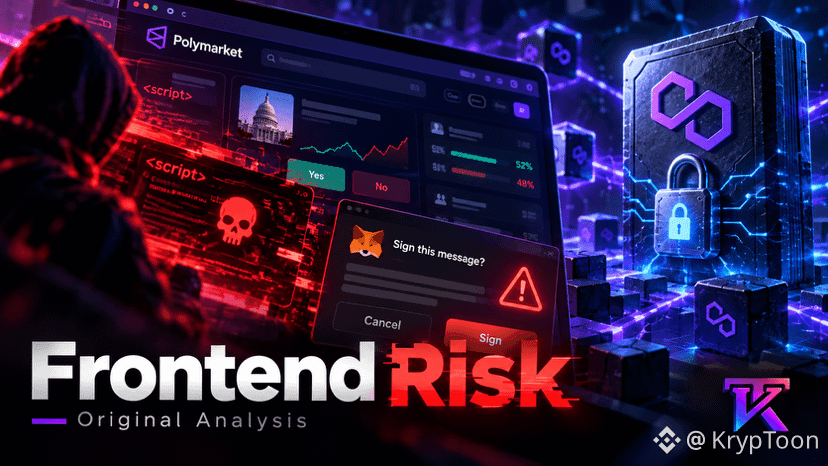
🎯 Um Contrato Inteligente Pode Funcionar Corretamente Enquanto a Interface do Usuário Está Comprometida
A Polymarket confirmou que uma invasão de terceiros permitiu que código malicioso chegasse a alguns usuários e levou a fundos roubados.
Uma estimativa externa divulgada pela TechCrunch colocou as perdas perto de US$ 3 milhões entre mais de 11 vítimas. A Polymarket disse que os usuários afetados seriam reembolsados, embora a contabilização final do incidente possa divergir das estimativas preliminares.
A lição mais ampla é arquitetural.
A liquidação na blockchain pode operar como projetada enquanto um site, um script externo, um processo de autenticação ou outro componente de front-end estiver comprometido. Um usuário ainda pode ser enganado a aprovar uma transação maliciosa.
A análise de segurança deve, portanto, considerar todo o alcance do impacto:
• Qual fornecedor ou componente falhou?
• Quais permissões ficaram disponíveis?
• Os usuários conseguiam entender o que estavam assinando?
• Quão rapidamente a ameaça foi contida?
Simulação de transações, telas de aprovação mais claras e um isolamento mais forte do código de terceiros poderiam reduzir riscos semelhantes.
Aviso: Análise apenas de segurança e infraestrutura, não é aconselhamento financeiro. Estimativas preliminares de perdas e valores de recuperação podem mudar.
$USDC
Polymarket • Mercados de Previsão • Segurança no Frontend
#USDC #PredictionMarkets #Web3Security
🎯 Um Contrato Inteligente Pode Funcionar Corretamente Enquanto a Interface do Usuário Está Comprometida
A Polymarket confirmou que uma invasão de terceiros permitiu que código malicioso chegasse a alguns usuários e levou a fundos roubados.
Uma estimativa externa divulgada pela TechCrunch colocou as perdas perto de US$ 3 milhões entre mais de 11 vítimas. A Polymarket disse que os usuários afetados seriam reembolsados, embora a contabilização final do incidente possa divergir das estimativas preliminares.
A lição mais ampla é arquitetural.
A liquidação na blockchain pode operar como projetada enquanto um site, um script externo, um processo de autenticação ou outro componente de front-end estiver comprometido. Um usuário ainda pode ser enganado a aprovar uma transação maliciosa.
A análise de segurança deve, portanto, considerar todo o alcance do impacto:
• Qual fornecedor ou componente falhou?
• Quais permissões ficaram disponíveis?
• Os usuários conseguiam entender o que estavam assinando?
• Quão rapidamente a ameaça foi contida?
Simulação de transações, telas de aprovação mais claras e um isolamento mais forte do código de terceiros poderiam reduzir riscos semelhantes.
Aviso: Análise apenas de segurança e infraestrutura, não é aconselhamento financeiro. Estimativas preliminares de perdas e valores de recuperação podem mudar.
$USDC
Polymarket • Mercados de Previsão • Segurança no Frontend
#USDC #PredictionMarkets #Web3Security
A Polymarket confirmou que uma invasão de terceiros permitiu que código malicioso chegasse a alguns usuários e levou a fundos roubados.
Uma estimativa externa divulgada pela TechCrunch colocou as perdas perto de US$ 3 milhões entre mais de 11 vítimas. A Polymarket disse que os usuários afetados seriam reembolsados, embora a contabilização final do incidente possa divergir das estimativas preliminares.
A lição mais ampla é arquitetural.
A liquidação na blockchain pode operar como projetada enquanto um site, um script externo, um processo de autenticação ou outro componente de front-end estiver comprometido. Um usuário ainda pode ser enganado a aprovar uma transação maliciosa.
A análise de segurança deve, portanto, considerar todo o alcance do impacto:
• Qual fornecedor ou componente falhou?
• Quais permissões ficaram disponíveis?
• Os usuários conseguiam entender o que estavam assinando?
• Quão rapidamente a ameaça foi contida?
Simulação de transações, telas de aprovação mais claras e um isolamento mais forte do código de terceiros poderiam reduzir riscos semelhantes.
Aviso: Análise apenas de segurança e infraestrutura, não é aconselhamento financeiro. Estimativas preliminares de perdas e valores de recuperação podem mudar.
$USDC
Polymarket • Mercados de Previsão • Segurança no Frontend
#USDC #PredictionMarkets #Web3Security
65
·
--
⚙️ A IA da OKX Está Testando se Software Autônomo Pode se Tornar um Participante Econômico
A OKX informou ter registrado mais de 10.000 identidades de agentes e listado mais de 4.000 provedores aprovados até setembro.
O modelo proposto vai além de negociações. Os agentes podem descobrir tarefas, interagir com outros agentes, realizar pagamentos e construir históricos de trabalho on-chain. Stablecoins podem lidar com pagamentos diretos, enquanto trabalhos mais complexos podem envolver mecanismos de escrow e resolução de disputas.
Pagamentos provavelmente não são a parte mais difícil. As redes cripto já transferem valor globalmente e continuamente.
As perguntas mais difíceis são sobre confiança:
Quem concluiu a tarefa?
O resultado atendeu às especificações?
O trabalho pode ser verificado?
Quem resolve uma disputa?
Isso torna identidade, reputação e histórico verificável de desempenho uma infraestrutura central para uma economia de agentes.
Totais elevados de registro, por si só, não são prova de demanda. As métricas mais fortes serão o volume de tarefas pagas, taxas de conclusão, compradores recorrentes, frequência de disputas e valor médio por transação.
Aviso: Comentários apenas sobre tecnologia e ecossistema, não é aconselhamento financeiro. Estatísticas iniciais do mercado não estabelecem adoção sustentável.
$USDT
OKX AI • Economia de Agentes • Pagamentos com Stablecoin
#AIAgents #Stablecoins #Web3Infrastructure
⚙️ A IA da OKX Está Testando se Software Autônomo Pode se Tornar um Participante Econômico
A OKX informou ter registrado mais de 10.000 identidades de agentes e listado mais de 4.000 provedores aprovados até setembro.
O modelo proposto vai além de negociações. Os agentes podem descobrir tarefas, interagir com outros agentes, realizar pagamentos e construir históricos de trabalho on-chain. Stablecoins podem lidar com pagamentos diretos, enquanto trabalhos mais complexos podem envolver mecanismos de escrow e resolução de disputas.
Pagamentos provavelmente não são a parte mais difícil. As redes cripto já transferem valor globalmente e continuamente.
As perguntas mais difíceis são sobre confiança:
Quem concluiu a tarefa?
O resultado atendeu às especificações?
O trabalho pode ser verificado?
Quem resolve uma disputa?
Isso torna identidade, reputação e histórico verificável de desempenho uma infraestrutura central para uma economia de agentes.
Totais elevados de registro, por si só, não são prova de demanda. As métricas mais fortes serão o volume de tarefas pagas, taxas de conclusão, compradores recorrentes, frequência de disputas e valor médio por transação.
Aviso: Comentários apenas sobre tecnologia e ecossistema, não é aconselhamento financeiro. Estatísticas iniciais do mercado não estabelecem adoção sustentável.
$USDT
OKX AI • Economia de Agentes • Pagamentos com Stablecoin
#AIAgents #Stablecoins #Web3Infrastructure
A OKX informou ter registrado mais de 10.000 identidades de agentes e listado mais de 4.000 provedores aprovados até setembro.
O modelo proposto vai além de negociações. Os agentes podem descobrir tarefas, interagir com outros agentes, realizar pagamentos e construir históricos de trabalho on-chain. Stablecoins podem lidar com pagamentos diretos, enquanto trabalhos mais complexos podem envolver mecanismos de escrow e resolução de disputas.
Pagamentos provavelmente não são a parte mais difícil. As redes cripto já transferem valor globalmente e continuamente.
As perguntas mais difíceis são sobre confiança:
Quem concluiu a tarefa?
O resultado atendeu às especificações?
O trabalho pode ser verificado?
Quem resolve uma disputa?
Isso torna identidade, reputação e histórico verificável de desempenho uma infraestrutura central para uma economia de agentes.
Totais elevados de registro, por si só, não são prova de demanda. As métricas mais fortes serão o volume de tarefas pagas, taxas de conclusão, compradores recorrentes, frequência de disputas e valor médio por transação.
Aviso: Comentários apenas sobre tecnologia e ecossistema, não é aconselhamento financeiro. Estatísticas iniciais do mercado não estabelecem adoção sustentável.
$USDT
OKX AI • Economia de Agentes • Pagamentos com Stablecoin
#AIAgents #Stablecoins #Web3Infrastructure

86
·
--
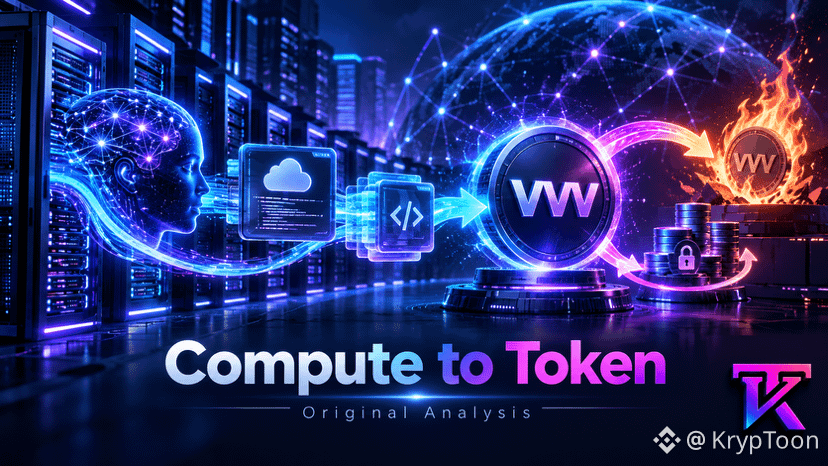
🧠 A Pergunta Importante É Se O Uso Do Produto Gera Uma Demanda VVV Mensurável
A Venice AI levantou uma Série A de US$ 65 milhões, reportada com uma avaliação de US$ 1 bilhão. A empresa também relata milhões de usuários e mais de um trilhão de tokens de modelos processados mensalmente.
Para investidores em cripto, a avaliação é apenas uma parte da história.
VVV pode ser apostado e usado para cunhar DIEM, que fornece créditos de API recorrentes. A Venice também introduziu um programa no qual US$ 5 de cada US$ 100 em créditos comprados são usados para comprar e queimar VVV. As emissões anuais de tokens estão sendo reduzidas em etapas.
Isso cria um modelo que pode ser medido em comparação com a atividade real da plataforma. Receita, compras de créditos, staking e queimas podem ser comparados em vez de depender totalmente de uma narrativa de IA.
O risco central é que um uso forte do produto pode não gerar uma demanda equivalente de tokens. Os usuários podem acessar partes da plataforma sem necessariamente comprar ou apostar VVV.
Acompanhe juntos o valor mensal queimado, a emissão de DIEM, a participação no staking, a receita da plataforma e as emissões líquidas de tokens.
Aviso: Análise apenas de projeto e tokenomics, não é aconselhamento financeiro. Receita, staking e queimas não garantem valorização do token.
$VVV
Venice AI • AI Compute • Token Utility
#VVV #AICrypto #Base
🧠 A Pergunta Importante É Se O Uso Do Produto Gera Uma Demanda VVV Mensurável
A Venice AI levantou uma Série A de US$ 65 milhões, reportada com uma avaliação de US$ 1 bilhão. A empresa também relata milhões de usuários e mais de um trilhão de tokens de modelos processados mensalmente.
Para investidores em cripto, a avaliação é apenas uma parte da história.
VVV pode ser apostado e usado para cunhar DIEM, que fornece créditos de API recorrentes. A Venice também introduziu um programa no qual US$ 5 de cada US$ 100 em créditos comprados são usados para comprar e queimar VVV. As emissões anuais de tokens estão sendo reduzidas em etapas.
Isso cria um modelo que pode ser medido em comparação com a atividade real da plataforma. Receita, compras de créditos, staking e queimas podem ser comparados em vez de depender totalmente de uma narrativa de IA.
O risco central é que um uso forte do produto pode não gerar uma demanda equivalente de tokens. Os usuários podem acessar partes da plataforma sem necessariamente comprar ou apostar VVV.
Acompanhe juntos o valor mensal queimado, a emissão de DIEM, a participação no staking, a receita da plataforma e as emissões líquidas de tokens.
Aviso: Análise apenas de projeto e tokenomics, não é aconselhamento financeiro. Receita, staking e queimas não garantem valorização do token.
$VVV
Venice AI • AI Compute • Token Utility
#VVV #AICrypto #Base
A Venice AI levantou uma Série A de US$ 65 milhões, reportada com uma avaliação de US$ 1 bilhão. A empresa também relata milhões de usuários e mais de um trilhão de tokens de modelos processados mensalmente.
Para investidores em cripto, a avaliação é apenas uma parte da história.
VVV pode ser apostado e usado para cunhar DIEM, que fornece créditos de API recorrentes. A Venice também introduziu um programa no qual US$ 5 de cada US$ 100 em créditos comprados são usados para comprar e queimar VVV. As emissões anuais de tokens estão sendo reduzidas em etapas.
Isso cria um modelo que pode ser medido em comparação com a atividade real da plataforma. Receita, compras de créditos, staking e queimas podem ser comparados em vez de depender totalmente de uma narrativa de IA.
O risco central é que um uso forte do produto pode não gerar uma demanda equivalente de tokens. Os usuários podem acessar partes da plataforma sem necessariamente comprar ou apostar VVV.
Acompanhe juntos o valor mensal queimado, a emissão de DIEM, a participação no staking, a receita da plataforma e as emissões líquidas de tokens.
Aviso: Análise apenas de projeto e tokenomics, não é aconselhamento financeiro. Receita, staking e queimas não garantem valorização do token.
$VVV
Venice AI • AI Compute • Token Utility
#VVV #AICrypto #Base
360
·
--
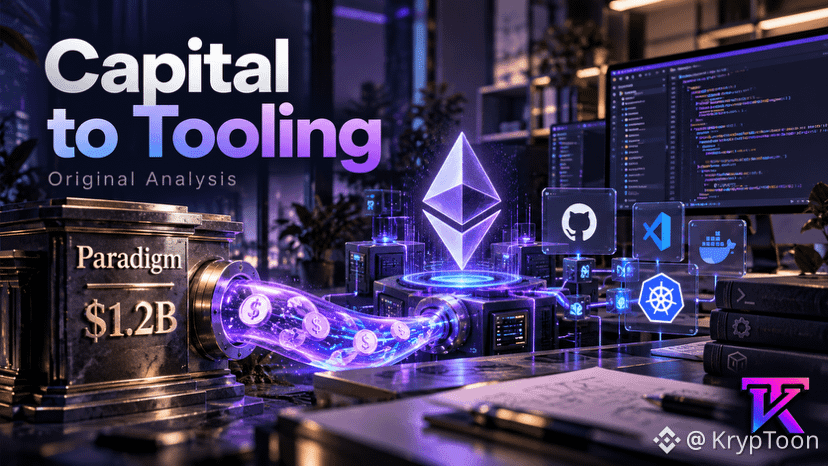
🛠️ O Novo Fundo da Paradigm Deve Ser Avaliado Pelo Que Ele Constrói
A Paradigm levantou um fundo de US$ 1,2 bilhão focado no que descreve como a “fronteira técnica”, incluindo cripto, inteligência artificial, robótica e tecnologias relacionadas.
Para o Ethereum, a conexão relevante é a camada de infraestrutura. A Paradigm apoiou ferramentas de desenvolvedores e pesquisa, incluindo Foundry, Reth e sistemas voltados à segurança, que podem melhorar como as aplicações do Ethereum são construídas e operadas.
No entanto, o tamanho do fundo não deve ser interpretado como uma compra direta de ETH.
Capital de risco pode ampliar o tempo de desenvolvimento, financiar a experimentação e melhorar a infraestrutura de código aberto. Os detentores de tokens só se beneficiam se esse trabalho, eventualmente, gerar aplicações duradouras, usuários ativos, demanda de liquidação ou taxas sustentáveis.
A missão mais ampla do fundo também significa que nem cada dólar será destinado a cripto, muito menos ao Ethereum.
Em vez de tratar o anúncio como um catalisador de preço, acompanhe lançamentos de código aberto, adoção por desenvolvedores e atividade onchain mensurável produzida pelas equipes financiadas.
Aviso: análise apenas do ecossistema, não constitui aconselhamento financeiro. Captação de recursos de venture não estabelece compras futuras de tokens nem retornos de investimento.
$ETH
Paradigm • Desenvolvedores Ethereum • Código Aberto
#Ethereum #Web3Builders #CryptoVC
🛠️ O Novo Fundo da Paradigm Deve Ser Avaliado Pelo Que Ele Constrói
A Paradigm levantou um fundo de US$ 1,2 bilhão focado no que descreve como a “fronteira técnica”, incluindo cripto, inteligência artificial, robótica e tecnologias relacionadas.
Para o Ethereum, a conexão relevante é a camada de infraestrutura. A Paradigm apoiou ferramentas de desenvolvedores e pesquisa, incluindo Foundry, Reth e sistemas voltados à segurança, que podem melhorar como as aplicações do Ethereum são construídas e operadas.
No entanto, o tamanho do fundo não deve ser interpretado como uma compra direta de ETH.
Capital de risco pode ampliar o tempo de desenvolvimento, financiar a experimentação e melhorar a infraestrutura de código aberto. Os detentores de tokens só se beneficiam se esse trabalho, eventualmente, gerar aplicações duradouras, usuários ativos, demanda de liquidação ou taxas sustentáveis.
A missão mais ampla do fundo também significa que nem cada dólar será destinado a cripto, muito menos ao Ethereum.
Em vez de tratar o anúncio como um catalisador de preço, acompanhe lançamentos de código aberto, adoção por desenvolvedores e atividade onchain mensurável produzida pelas equipes financiadas.
Aviso: análise apenas do ecossistema, não constitui aconselhamento financeiro. Captação de recursos de venture não estabelece compras futuras de tokens nem retornos de investimento.
$ETH
Paradigm • Desenvolvedores Ethereum • Código Aberto
#Ethereum #Web3Builders #CryptoVC
A Paradigm levantou um fundo de US$ 1,2 bilhão focado no que descreve como a “fronteira técnica”, incluindo cripto, inteligência artificial, robótica e tecnologias relacionadas.
Para o Ethereum, a conexão relevante é a camada de infraestrutura. A Paradigm apoiou ferramentas de desenvolvedores e pesquisa, incluindo Foundry, Reth e sistemas voltados à segurança, que podem melhorar como as aplicações do Ethereum são construídas e operadas.
No entanto, o tamanho do fundo não deve ser interpretado como uma compra direta de ETH.
Capital de risco pode ampliar o tempo de desenvolvimento, financiar a experimentação e melhorar a infraestrutura de código aberto. Os detentores de tokens só se beneficiam se esse trabalho, eventualmente, gerar aplicações duradouras, usuários ativos, demanda de liquidação ou taxas sustentáveis.
A missão mais ampla do fundo também significa que nem cada dólar será destinado a cripto, muito menos ao Ethereum.
Em vez de tratar o anúncio como um catalisador de preço, acompanhe lançamentos de código aberto, adoção por desenvolvedores e atividade onchain mensurável produzida pelas equipes financiadas.
Aviso: análise apenas do ecossistema, não constitui aconselhamento financeiro. Captação de recursos de venture não estabelece compras futuras de tokens nem retornos de investimento.
$ETH
Paradigm • Desenvolvedores Ethereum • Código Aberto
#Ethereum #Web3Builders #CryptoVC
59
·
--
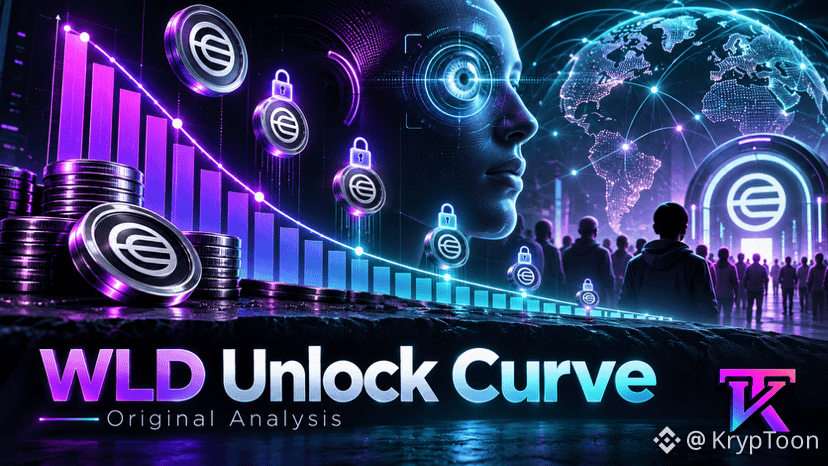
🧬 Mundo arrecadou US$ 52,5 milhões—mas o quadro de oferta exige mais de um número
O Mundo concluiu uma venda estratégica de WLD de US$ 52,5 milhões com lockup de 12 meses.
Separadamente, o Mundo divulgou que a taxa agregada de desbloqueio de WLD caiu 43% em 24 de julho, de aproximadamente 5,1 milhões de WLD por dia para cerca de 2,9 milhões por dia sob os cronogramas existentes.
Esses acontecimentos não devem ser combinados em um único título otimista ou pessimista.
Uma venda estratégica com bloqueio pode financiar o desenvolvimento sem criar oferta imediata no mercado à vista. Desbloqueios programados ainda expandem a base de tokens desbloqueados ao longo do tempo, mesmo depois que a taxa diária cai.
Um arcabouço melhor acompanha três variáveis de forma independente:
• Tesouraria e vendas estratégicas
• Desbloqueios programados de tokens
• Movimentação real para mercados em circulação
Uma taxa de desbloqueio mais lenta não garante escassez. A demanda decorrente da adoção do World ID e de outras utilidades do token ainda precisa absorver a oferta futura.
As evidências mais úteis serão a composição da oferta em circulação, a adoção da rede e se a receita do ecossistema reduz a dependência de vendas adicionais da tesouraria.
Aviso: análise de tokenomics apenas, não é aconselhamento financeiro. Lockups e cronogramas de desbloqueio mais lentos não garantem valorização de preço.
$WLD
World • World ID • Tokenomics
#WLD #Tokenomics #ProofOfHuman
🧬 Mundo arrecadou US$ 52,5 milhões—mas o quadro de oferta exige mais de um número
O Mundo concluiu uma venda estratégica de WLD de US$ 52,5 milhões com lockup de 12 meses.
Separadamente, o Mundo divulgou que a taxa agregada de desbloqueio de WLD caiu 43% em 24 de julho, de aproximadamente 5,1 milhões de WLD por dia para cerca de 2,9 milhões por dia sob os cronogramas existentes.
Esses acontecimentos não devem ser combinados em um único título otimista ou pessimista.
Uma venda estratégica com bloqueio pode financiar o desenvolvimento sem criar oferta imediata no mercado à vista. Desbloqueios programados ainda expandem a base de tokens desbloqueados ao longo do tempo, mesmo depois que a taxa diária cai.
Um arcabouço melhor acompanha três variáveis de forma independente:
• Tesouraria e vendas estratégicas
• Desbloqueios programados de tokens
• Movimentação real para mercados em circulação
Uma taxa de desbloqueio mais lenta não garante escassez. A demanda decorrente da adoção do World ID e de outras utilidades do token ainda precisa absorver a oferta futura.
As evidências mais úteis serão a composição da oferta em circulação, a adoção da rede e se a receita do ecossistema reduz a dependência de vendas adicionais da tesouraria.
Aviso: análise de tokenomics apenas, não é aconselhamento financeiro. Lockups e cronogramas de desbloqueio mais lentos não garantem valorização de preço.
$WLD
World • World ID • Tokenomics
#WLD #Tokenomics #ProofOfHuman
O Mundo concluiu uma venda estratégica de WLD de US$ 52,5 milhões com lockup de 12 meses.
Separadamente, o Mundo divulgou que a taxa agregada de desbloqueio de WLD caiu 43% em 24 de julho, de aproximadamente 5,1 milhões de WLD por dia para cerca de 2,9 milhões por dia sob os cronogramas existentes.
Esses acontecimentos não devem ser combinados em um único título otimista ou pessimista.
Uma venda estratégica com bloqueio pode financiar o desenvolvimento sem criar oferta imediata no mercado à vista. Desbloqueios programados ainda expandem a base de tokens desbloqueados ao longo do tempo, mesmo depois que a taxa diária cai.
Um arcabouço melhor acompanha três variáveis de forma independente:
• Tesouraria e vendas estratégicas
• Desbloqueios programados de tokens
• Movimentação real para mercados em circulação
Uma taxa de desbloqueio mais lenta não garante escassez. A demanda decorrente da adoção do World ID e de outras utilidades do token ainda precisa absorver a oferta futura.
As evidências mais úteis serão a composição da oferta em circulação, a adoção da rede e se a receita do ecossistema reduz a dependência de vendas adicionais da tesouraria.
Aviso: análise de tokenomics apenas, não é aconselhamento financeiro. Lockups e cronogramas de desbloqueio mais lentos não garantem valorização de preço.
$WLD
World • World ID • Tokenomics
#WLD #Tokenomics #ProofOfHuman
274
·
--
🤖 O Binance Agent OS leva o debate além da qualidade das previsões
O Binance Agent OS permite que agentes de IA compatíveis leiam informações do mercado e, quando autorizados, interajam com funções de negociação designadas por meio de uma subconta agentic.
A Binance afirma que a integração não fornece permissões externas de saque. Os usuários também podem configurar se as ordens exigem aprovação individual ou se um agente pode operar de forma mais autônoma dentro das permissões estabelecidas.
Esses controles reduzem a área em que um agente pode agir, mas não eliminam o risco de estratégia.
Um sistema de IA ainda pode agir com base em dados de mercado incorretos, raciocínio fraco, prompt injection, instruções mal compreendidas ou uma estratégia que tem desempenho ruim quando as condições mudam.
Os sistemas de negociação com IA mais fortes podem, portanto, competir no design do sandbox tanto quanto na inteligência do modelo. Isolamento de conta, limites de financiamento, gates de aprovação, logs de auditoria e controles de emergência podem importar mais do que um sinal de negociação que parece confiante.
Uma avaliação sensata começa pelo valor em risco e pelas permissões concedidas—não pela sofisticação da linguagem do agente.
Aviso: Análise apenas de tecnologia e estrutura de mercado, não é aconselhamento financeiro. A negociação automatizada pode gerar perdas rápidas.
$BNB
Binance • Agentes de IA • Infraestrutura de Negociação
#BNB #AIAgents #CryptoTrading
🤖 O Binance Agent OS leva o debate além da qualidade das previsões
O Binance Agent OS permite que agentes de IA compatíveis leiam informações do mercado e, quando autorizados, interajam com funções de negociação designadas por meio de uma subconta agentic.
A Binance afirma que a integração não fornece permissões externas de saque. Os usuários também podem configurar se as ordens exigem aprovação individual ou se um agente pode operar de forma mais autônoma dentro das permissões estabelecidas.
Esses controles reduzem a área em que um agente pode agir, mas não eliminam o risco de estratégia.
Um sistema de IA ainda pode agir com base em dados de mercado incorretos, raciocínio fraco, prompt injection, instruções mal compreendidas ou uma estratégia que tem desempenho ruim quando as condições mudam.
Os sistemas de negociação com IA mais fortes podem, portanto, competir no design do sandbox tanto quanto na inteligência do modelo. Isolamento de conta, limites de financiamento, gates de aprovação, logs de auditoria e controles de emergência podem importar mais do que um sinal de negociação que parece confiante.
Uma avaliação sensata começa pelo valor em risco e pelas permissões concedidas—não pela sofisticação da linguagem do agente.
Aviso: Análise apenas de tecnologia e estrutura de mercado, não é aconselhamento financeiro. A negociação automatizada pode gerar perdas rápidas.
$BNB
Binance • Agentes de IA • Infraestrutura de Negociação
#BNB #AIAgents #CryptoTrading
O Binance Agent OS permite que agentes de IA compatíveis leiam informações do mercado e, quando autorizados, interajam com funções de negociação designadas por meio de uma subconta agentic.
A Binance afirma que a integração não fornece permissões externas de saque. Os usuários também podem configurar se as ordens exigem aprovação individual ou se um agente pode operar de forma mais autônoma dentro das permissões estabelecidas.
Esses controles reduzem a área em que um agente pode agir, mas não eliminam o risco de estratégia.
Um sistema de IA ainda pode agir com base em dados de mercado incorretos, raciocínio fraco, prompt injection, instruções mal compreendidas ou uma estratégia que tem desempenho ruim quando as condições mudam.
Os sistemas de negociação com IA mais fortes podem, portanto, competir no design do sandbox tanto quanto na inteligência do modelo. Isolamento de conta, limites de financiamento, gates de aprovação, logs de auditoria e controles de emergência podem importar mais do que um sinal de negociação que parece confiante.
Uma avaliação sensata começa pelo valor em risco e pelas permissões concedidas—não pela sofisticação da linguagem do agente.
Aviso: Análise apenas de tecnologia e estrutura de mercado, não é aconselhamento financeiro. A negociação automatizada pode gerar perdas rápidas.
$BNB
Binance • Agentes de IA • Infraestrutura de Negociação
#BNB #AIAgents #CryptoTrading
56
·
--
🧩 Um único incidente pode criar dois problemas de recuperação diferentes
A Blockstream informou que um atacante explorou um bug na verificação de cache de rangeproof em 6 de setembro. Os signatários da federação liberaram aproximadamente 3.996 BTC na rede principal do Bitcoin antes que a rede Liquid fosse pausada.
Mais tarde, o atacante devolveu cerca de 3.400 BTC, deixando aproximadamente 600 BTC sujeitos a esforços contínuos de recuperação e contabilização na época da avaliação posterior.
O problema da cadeia e o problema de reserva estão relacionados, mas não são idênticos.
Reexecutar a cadeia sem o cache com falha permitiu identificar de forma determinística transações inválidas e seus respectivos descendentes. Isso ajuda a restaurar a confiança na história da cadeia. Porém, não substitui automaticamente cada ativo de reserva nem resolve todas as questões contábeis em aberto.
A segurança da sidechain deve ser medida considerando correção do código, controles da federação, contabilização do peg, monitoramento e procedimentos de recuperação.
A reabertura das operações deve depender de um histórico da cadeia e de uma reconciliação de reservas verificados de forma independente — não apenas do valor já recuperado.
Aviso: Comentário apenas sobre segurança do protocolo. Totais de recuperação e status do incidente podem mudar à medida que análises técnicas e financeiras continuarem.
$BTC
Liquid Network • Blockstream • Bitcoin Infrastructure
#Bitcoin #Sidechains #BlockchainSecurity
🧩 Um único incidente pode criar dois problemas de recuperação diferentes
A Blockstream informou que um atacante explorou um bug na verificação de cache de rangeproof em 6 de setembro. Os signatários da federação liberaram aproximadamente 3.996 BTC na rede principal do Bitcoin antes que a rede Liquid fosse pausada.
Mais tarde, o atacante devolveu cerca de 3.400 BTC, deixando aproximadamente 600 BTC sujeitos a esforços contínuos de recuperação e contabilização na época da avaliação posterior.
O problema da cadeia e o problema de reserva estão relacionados, mas não são idênticos.
Reexecutar a cadeia sem o cache com falha permitiu identificar de forma determinística transações inválidas e seus respectivos descendentes. Isso ajuda a restaurar a confiança na história da cadeia. Porém, não substitui automaticamente cada ativo de reserva nem resolve todas as questões contábeis em aberto.
A segurança da sidechain deve ser medida considerando correção do código, controles da federação, contabilização do peg, monitoramento e procedimentos de recuperação.
A reabertura das operações deve depender de um histórico da cadeia e de uma reconciliação de reservas verificados de forma independente — não apenas do valor já recuperado.
Aviso: Comentário apenas sobre segurança do protocolo. Totais de recuperação e status do incidente podem mudar à medida que análises técnicas e financeiras continuarem.
$BTC
Liquid Network • Blockstream • Bitcoin Infrastructure
#Bitcoin #Sidechains #BlockchainSecurity
A Blockstream informou que um atacante explorou um bug na verificação de cache de rangeproof em 6 de setembro. Os signatários da federação liberaram aproximadamente 3.996 BTC na rede principal do Bitcoin antes que a rede Liquid fosse pausada.
Mais tarde, o atacante devolveu cerca de 3.400 BTC, deixando aproximadamente 600 BTC sujeitos a esforços contínuos de recuperação e contabilização na época da avaliação posterior.
O problema da cadeia e o problema de reserva estão relacionados, mas não são idênticos.
Reexecutar a cadeia sem o cache com falha permitiu identificar de forma determinística transações inválidas e seus respectivos descendentes. Isso ajuda a restaurar a confiança na história da cadeia. Porém, não substitui automaticamente cada ativo de reserva nem resolve todas as questões contábeis em aberto.
A segurança da sidechain deve ser medida considerando correção do código, controles da federação, contabilização do peg, monitoramento e procedimentos de recuperação.
A reabertura das operações deve depender de um histórico da cadeia e de uma reconciliação de reservas verificados de forma independente — não apenas do valor já recuperado.
Aviso: Comentário apenas sobre segurança do protocolo. Totais de recuperação e status do incidente podem mudar à medida que análises técnicas e financeiras continuarem.
$BTC
Liquid Network • Blockstream • Bitcoin Infrastructure
#Bitcoin #Sidechains #BlockchainSecurity
76
·
--
🔐 O Incidente de E-mail de Terceiros da Trezor Mostra Que a Segurança da Auto-Custódia Vai Além do Dispositivo
A Trezor informou que uma invasão envolvendo a Brevo, seu provedor de e-mail de terceiros, expôs 347.149 contatos de marketing. Em seguida, os atacantes usaram mensagens de phishing que direcionaram os destinatários para um aplicativo falso solicitando backups da carteira.
A Trezor disse que seus sistemas de carteira não foram comprometidos. Essa distinção é tecnicamente importante, mas não significa que os usuários não enfrentaram perigo prático.
Uma carteira de hardware segura ainda pode ser cercada por comunicações vulneráveis, sistemas de suporte e dados de clientes. A engenharia social mira a pessoa que detém a frase de recuperação, porque obter essa frase pode contornar a proteção oferecida pelo dispositivo.
Por isso, as empresas de carteiras devem tratar provedores de e-mail, canais de suporte, sistemas de entrega, retenção de dados e educação sobre recuperação como partes do perímetro de segurança.
Para os usuários, a regra permanece simples: uma frase de recuperação nunca deve ser inserida em um site, mensagem ou aplicativo não verificado.
Aviso: Educação em segurança apenas, não é aconselhamento financeiro. Verifique as instruções por canais oficiais e nunca compartilhe uma frase de recuperação.
$BTC
Trezor • Auto-Custódia • Segurança da Carteira
#CryptoSecurity #SelfCustody #Bitcoin
🔐 O Incidente de E-mail de Terceiros da Trezor Mostra Que a Segurança da Auto-Custódia Vai Além do Dispositivo
A Trezor informou que uma invasão envolvendo a Brevo, seu provedor de e-mail de terceiros, expôs 347.149 contatos de marketing. Em seguida, os atacantes usaram mensagens de phishing que direcionaram os destinatários para um aplicativo falso solicitando backups da carteira.
A Trezor disse que seus sistemas de carteira não foram comprometidos. Essa distinção é tecnicamente importante, mas não significa que os usuários não enfrentaram perigo prático.
Uma carteira de hardware segura ainda pode ser cercada por comunicações vulneráveis, sistemas de suporte e dados de clientes. A engenharia social mira a pessoa que detém a frase de recuperação, porque obter essa frase pode contornar a proteção oferecida pelo dispositivo.
Por isso, as empresas de carteiras devem tratar provedores de e-mail, canais de suporte, sistemas de entrega, retenção de dados e educação sobre recuperação como partes do perímetro de segurança.
Para os usuários, a regra permanece simples: uma frase de recuperação nunca deve ser inserida em um site, mensagem ou aplicativo não verificado.
Aviso: Educação em segurança apenas, não é aconselhamento financeiro. Verifique as instruções por canais oficiais e nunca compartilhe uma frase de recuperação.
$BTC
Trezor • Auto-Custódia • Segurança da Carteira
#CryptoSecurity #SelfCustody #Bitcoin
A Trezor informou que uma invasão envolvendo a Brevo, seu provedor de e-mail de terceiros, expôs 347.149 contatos de marketing. Em seguida, os atacantes usaram mensagens de phishing que direcionaram os destinatários para um aplicativo falso solicitando backups da carteira.
A Trezor disse que seus sistemas de carteira não foram comprometidos. Essa distinção é tecnicamente importante, mas não significa que os usuários não enfrentaram perigo prático.
Uma carteira de hardware segura ainda pode ser cercada por comunicações vulneráveis, sistemas de suporte e dados de clientes. A engenharia social mira a pessoa que detém a frase de recuperação, porque obter essa frase pode contornar a proteção oferecida pelo dispositivo.
Por isso, as empresas de carteiras devem tratar provedores de e-mail, canais de suporte, sistemas de entrega, retenção de dados e educação sobre recuperação como partes do perímetro de segurança.
Para os usuários, a regra permanece simples: uma frase de recuperação nunca deve ser inserida em um site, mensagem ou aplicativo não verificado.
Aviso: Educação em segurança apenas, não é aconselhamento financeiro. Verifique as instruções por canais oficiais e nunca compartilhe uma frase de recuperação.
$BTC
Trezor • Auto-Custódia • Segurança da Carteira
#CryptoSecurity #SelfCustody #Bitcoin
70
·
--
🔐 O Aviso do EU sobre Computação Quântica é sobre o Tempo de Migração — não uma alegação de que o Bitcoin está quebrado hoje
Autoridades de supervisão de bancos, seguros e mercados da Europa recentemente alertaram que um computador quântico suficientemente avançado poderia, eventualmente, comprometer a criptografia usada em comunicações, transações, bancos de dados e blockchains.
O aviso também abordou “colher agora, descriptografar depois”: atacantes podem coletar informações criptografadas hoje na esperança de que sistemas quânticos futuros consigam lê-las.
Isso é uma questão de preparação, não evidência de que o hardware quântico atual consiga quebrar assinaturas do Bitcoin hoje.
O Grupo de Cooperação da NIS da União Europeia recomendou que os Estados-membros desenvolvam estratégias de migração para o pós-quântico até o final de 2026. A preocupação prática é o tempo de antecedência. Carteiras, exchanges, custodians, padrões de assinatura e fundos dos usuários não conseguem migrar imediatamente após uma grande ruptura técnica.
Para redes de criptomoeda, a pesquisa pós-quântica deve ser vista como um seguro de infraestrutura. A urgência aumentaria se a computação quântica tolerante a falhas avançasse mais rápido do que a capacidade de migração do protocolo e das carteiras.
Começar cedo traz complexidade, mas esperar demais pode deixar problemas difíceis de coordenação sem solução.
Aviso: Comentários apenas sobre cibersegurança, não aconselhamento financeiro. As linhas do tempo da computação quântica são incertas e não devem ser apresentadas como previsões confirmadas.
$BTC
Segurança do Bitcoin • Computação Quântica • Risco de Protocolo
#Bitcoin #QuantumComputing #Cybersecurity
🔐 O Aviso do EU sobre Computação Quântica é sobre o Tempo de Migração — não uma alegação de que o Bitcoin está quebrado hoje
Autoridades de supervisão de bancos, seguros e mercados da Europa recentemente alertaram que um computador quântico suficientemente avançado poderia, eventualmente, comprometer a criptografia usada em comunicações, transações, bancos de dados e blockchains.
O aviso também abordou “colher agora, descriptografar depois”: atacantes podem coletar informações criptografadas hoje na esperança de que sistemas quânticos futuros consigam lê-las.
Isso é uma questão de preparação, não evidência de que o hardware quântico atual consiga quebrar assinaturas do Bitcoin hoje.
O Grupo de Cooperação da NIS da União Europeia recomendou que os Estados-membros desenvolvam estratégias de migração para o pós-quântico até o final de 2026. A preocupação prática é o tempo de antecedência. Carteiras, exchanges, custodians, padrões de assinatura e fundos dos usuários não conseguem migrar imediatamente após uma grande ruptura técnica.
Para redes de criptomoeda, a pesquisa pós-quântica deve ser vista como um seguro de infraestrutura. A urgência aumentaria se a computação quântica tolerante a falhas avançasse mais rápido do que a capacidade de migração do protocolo e das carteiras.
Começar cedo traz complexidade, mas esperar demais pode deixar problemas difíceis de coordenação sem solução.
Aviso: Comentários apenas sobre cibersegurança, não aconselhamento financeiro. As linhas do tempo da computação quântica são incertas e não devem ser apresentadas como previsões confirmadas.
$BTC
Segurança do Bitcoin • Computação Quântica • Risco de Protocolo
#Bitcoin #QuantumComputing #Cybersecurity
Autoridades de supervisão de bancos, seguros e mercados da Europa recentemente alertaram que um computador quântico suficientemente avançado poderia, eventualmente, comprometer a criptografia usada em comunicações, transações, bancos de dados e blockchains.
O aviso também abordou “colher agora, descriptografar depois”: atacantes podem coletar informações criptografadas hoje na esperança de que sistemas quânticos futuros consigam lê-las.
Isso é uma questão de preparação, não evidência de que o hardware quântico atual consiga quebrar assinaturas do Bitcoin hoje.
O Grupo de Cooperação da NIS da União Europeia recomendou que os Estados-membros desenvolvam estratégias de migração para o pós-quântico até o final de 2026. A preocupação prática é o tempo de antecedência. Carteiras, exchanges, custodians, padrões de assinatura e fundos dos usuários não conseguem migrar imediatamente após uma grande ruptura técnica.
Para redes de criptomoeda, a pesquisa pós-quântica deve ser vista como um seguro de infraestrutura. A urgência aumentaria se a computação quântica tolerante a falhas avançasse mais rápido do que a capacidade de migração do protocolo e das carteiras.
Começar cedo traz complexidade, mas esperar demais pode deixar problemas difíceis de coordenação sem solução.
Aviso: Comentários apenas sobre cibersegurança, não aconselhamento financeiro. As linhas do tempo da computação quântica são incertas e não devem ser apresentadas como previsões confirmadas.
$BTC
Segurança do Bitcoin • Computação Quântica • Risco de Protocolo
#Bitcoin #QuantumComputing #Cybersecurity
63
·
--
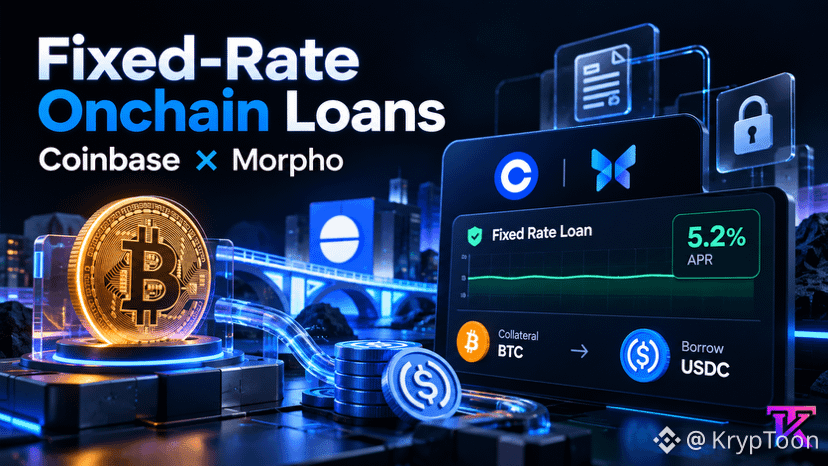
🏦 Coinbase e Morpho Estão Trazendo Crédito com Juros Fixos para o Empréstimo Onchain
A Coinbase introduziu empréstimos com taxa fixa impulsionados pela Morpho, permitindo que usuários elegíveis tomem USDC emprestado usando Bitcoin como garantia, com a taxa de juros e a data de vencimento do pagamento definidas no momento de contratação.
A estrutura informada distribui diferentes responsabilidades por camadas: a Coinbase fornece a experiência do usuário, a Morpho fornece a infraestrutura de crédito e a Base realiza a liquidação.
A escala já é relevante. Números da Morpho citados pela Decrypt indicaram que o canal existente de empréstimos com taxa variável da Coinbase superou US$ 1,4 bilhão em empréstimos ativos lastreados por aproximadamente US$ 3 bilhões em garantias.
Taxas fixas tornam os custos de empréstimo mais fáceis de modelar, porque os usuários não enfrentam uma taxa de juros que muda continuamente. Elas não eliminam o risco da garantia.
Uma queda acentuada no Bitcoin ainda pode empurrar posições em direção à liquidação. Riscos de contratos inteligentes, de oráculos, de liquidez e da plataforma também permanecem parte da estrutura.
O teste real é verificar se taxas previsíveis geram uma demanda sustentável por empréstimos sem enfraquecer os padrões de garantia. Crédito com taxa fixa melhora o planejamento, mas a volatilidade da garantia continua sendo a principal variável de estresse.
Aviso: análise educacional apenas, não é aconselhamento financeiro. Empréstimos com garantia em cripto podem resultar em liquidação rápida e perda da garantia.
$MORPHO $BTC
Morpho • Empréstimos com Juros Fixos • Crédito Onchain
#DeFi #CryptoLending #Base
🏦 Coinbase e Morpho Estão Trazendo Crédito com Juros Fixos para o Empréstimo Onchain
A Coinbase introduziu empréstimos com taxa fixa impulsionados pela Morpho, permitindo que usuários elegíveis tomem USDC emprestado usando Bitcoin como garantia, com a taxa de juros e a data de vencimento do pagamento definidas no momento de contratação.
A estrutura informada distribui diferentes responsabilidades por camadas: a Coinbase fornece a experiência do usuário, a Morpho fornece a infraestrutura de crédito e a Base realiza a liquidação.
A escala já é relevante. Números da Morpho citados pela Decrypt indicaram que o canal existente de empréstimos com taxa variável da Coinbase superou US$ 1,4 bilhão em empréstimos ativos lastreados por aproximadamente US$ 3 bilhões em garantias.
Taxas fixas tornam os custos de empréstimo mais fáceis de modelar, porque os usuários não enfrentam uma taxa de juros que muda continuamente. Elas não eliminam o risco da garantia.
Uma queda acentuada no Bitcoin ainda pode empurrar posições em direção à liquidação. Riscos de contratos inteligentes, de oráculos, de liquidez e da plataforma também permanecem parte da estrutura.
O teste real é verificar se taxas previsíveis geram uma demanda sustentável por empréstimos sem enfraquecer os padrões de garantia. Crédito com taxa fixa melhora o planejamento, mas a volatilidade da garantia continua sendo a principal variável de estresse.
Aviso: análise educacional apenas, não é aconselhamento financeiro. Empréstimos com garantia em cripto podem resultar em liquidação rápida e perda da garantia.
$MORPHO $BTC
Morpho • Empréstimos com Juros Fixos • Crédito Onchain
#DeFi #CryptoLending #Base
A Coinbase introduziu empréstimos com taxa fixa impulsionados pela Morpho, permitindo que usuários elegíveis tomem USDC emprestado usando Bitcoin como garantia, com a taxa de juros e a data de vencimento do pagamento definidas no momento de contratação.
A estrutura informada distribui diferentes responsabilidades por camadas: a Coinbase fornece a experiência do usuário, a Morpho fornece a infraestrutura de crédito e a Base realiza a liquidação.
A escala já é relevante. Números da Morpho citados pela Decrypt indicaram que o canal existente de empréstimos com taxa variável da Coinbase superou US$ 1,4 bilhão em empréstimos ativos lastreados por aproximadamente US$ 3 bilhões em garantias.
Taxas fixas tornam os custos de empréstimo mais fáceis de modelar, porque os usuários não enfrentam uma taxa de juros que muda continuamente. Elas não eliminam o risco da garantia.
Uma queda acentuada no Bitcoin ainda pode empurrar posições em direção à liquidação. Riscos de contratos inteligentes, de oráculos, de liquidez e da plataforma também permanecem parte da estrutura.
O teste real é verificar se taxas previsíveis geram uma demanda sustentável por empréstimos sem enfraquecer os padrões de garantia. Crédito com taxa fixa melhora o planejamento, mas a volatilidade da garantia continua sendo a principal variável de estresse.
Aviso: análise educacional apenas, não é aconselhamento financeiro. Empréstimos com garantia em cripto podem resultar em liquidação rápida e perda da garantia.
$MORPHO $BTC
Morpho • Empréstimos com Juros Fixos • Crédito Onchain
#DeFi #CryptoLending #Base
181
·
--
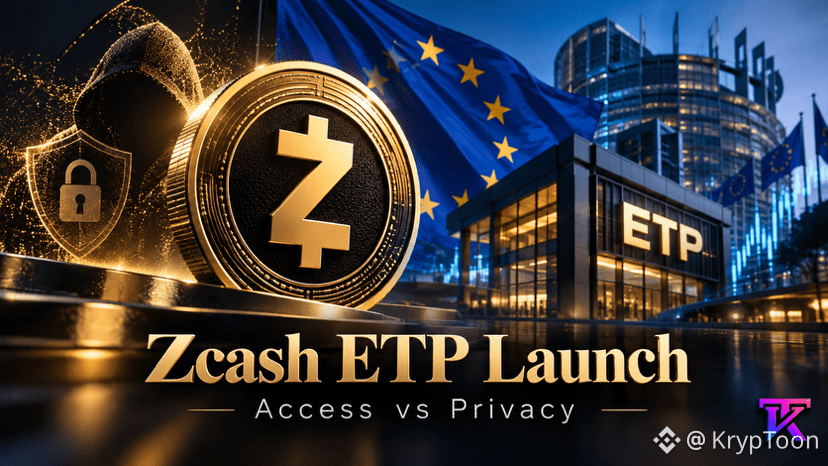
🕶️ O ETP da 21Shares sobre Zcash Expande o Acesso ao Mercado—Mas Não Recria a Privacidade Onchain
A 21Shares lançou seu ETP de Zcash com uma data de início em 21 de setembro. O produto é negociado sob o ticker ZCASH, é lastreado fisicamente, usa custódia institucional e cobra uma taxa anual de administração de 2,50%. A BitGo está listada entre seus provedores de serviços de custódia.
A distinção importante é acesso versus funcionalidade.
Um produto negociado em bolsa permite que investidores elegíveis obtenham exposição ao preço do ZEC via uma conta de corretagem sem gerenciar diretamente chaves privadas. Isso pode ampliar o acesso regulado, mas a posse do ETP não é a mesma coisa que deter ZEC diretamente ou usar transações shielded na rede do Zcash.
O produto deve ser avaliado com base em ativos sob gestão sustentados, volume de negociação, spreads e demanda dos investidores—e não apenas na atenção do dia de lançamento.
A taxa anual de 2,50% também importa porque cria um custo contínuo que detentores diretos do token não enfrentam na mesma forma.
Isso é principalmente um desenvolvimento de acesso financeiro. Ele não comprova de forma independente que o uso de transações onchain privadas está aumentando.
Aviso: Análise informativa apenas, não é aconselhamento financeiro. ETPs envolvem riscos de taxas, custódia, emissor, acompanhamento (tracking) e liquidez.
$ZEC
Zcash • ETP • Acesso Regulado
#Zcash #Privacidade #AtivosDigitais
🕶️ O ETP da 21Shares sobre Zcash Expande o Acesso ao Mercado—Mas Não Recria a Privacidade Onchain
A 21Shares lançou seu ETP de Zcash com uma data de início em 21 de setembro. O produto é negociado sob o ticker ZCASH, é lastreado fisicamente, usa custódia institucional e cobra uma taxa anual de administração de 2,50%. A BitGo está listada entre seus provedores de serviços de custódia.
A distinção importante é acesso versus funcionalidade.
Um produto negociado em bolsa permite que investidores elegíveis obtenham exposição ao preço do ZEC via uma conta de corretagem sem gerenciar diretamente chaves privadas. Isso pode ampliar o acesso regulado, mas a posse do ETP não é a mesma coisa que deter ZEC diretamente ou usar transações shielded na rede do Zcash.
O produto deve ser avaliado com base em ativos sob gestão sustentados, volume de negociação, spreads e demanda dos investidores—e não apenas na atenção do dia de lançamento.
A taxa anual de 2,50% também importa porque cria um custo contínuo que detentores diretos do token não enfrentam na mesma forma.
Isso é principalmente um desenvolvimento de acesso financeiro. Ele não comprova de forma independente que o uso de transações onchain privadas está aumentando.
Aviso: Análise informativa apenas, não é aconselhamento financeiro. ETPs envolvem riscos de taxas, custódia, emissor, acompanhamento (tracking) e liquidez.
$ZEC
Zcash • ETP • Acesso Regulado
#Zcash #Privacidade #AtivosDigitais
A 21Shares lançou seu ETP de Zcash com uma data de início em 21 de setembro. O produto é negociado sob o ticker ZCASH, é lastreado fisicamente, usa custódia institucional e cobra uma taxa anual de administração de 2,50%. A BitGo está listada entre seus provedores de serviços de custódia.
A distinção importante é acesso versus funcionalidade.
Um produto negociado em bolsa permite que investidores elegíveis obtenham exposição ao preço do ZEC via uma conta de corretagem sem gerenciar diretamente chaves privadas. Isso pode ampliar o acesso regulado, mas a posse do ETP não é a mesma coisa que deter ZEC diretamente ou usar transações shielded na rede do Zcash.
O produto deve ser avaliado com base em ativos sob gestão sustentados, volume de negociação, spreads e demanda dos investidores—e não apenas na atenção do dia de lançamento.
A taxa anual de 2,50% também importa porque cria um custo contínuo que detentores diretos do token não enfrentam na mesma forma.
Isso é principalmente um desenvolvimento de acesso financeiro. Ele não comprova de forma independente que o uso de transações onchain privadas está aumentando.
Aviso: Análise informativa apenas, não é aconselhamento financeiro. ETPs envolvem riscos de taxas, custódia, emissor, acompanhamento (tracking) e liquidez.
$ZEC
Zcash • ETP • Acesso Regulado
#Zcash #Privacidade #AtivosDigitais
407
·
--
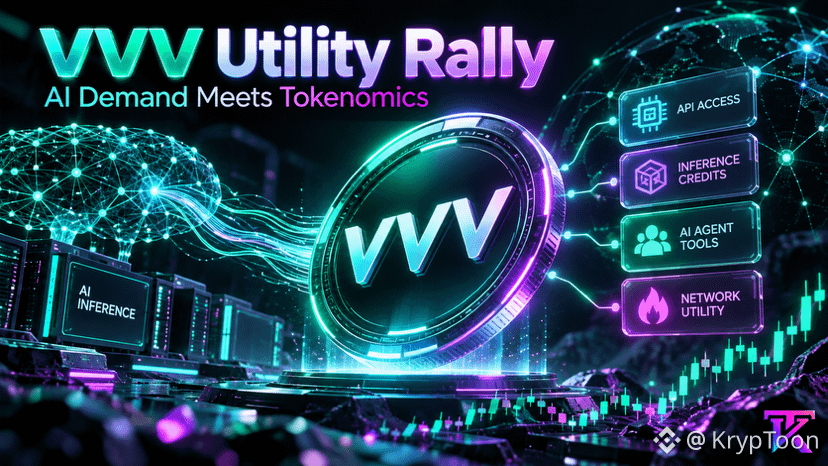
🧠 A Utilidade do VVV é Mensurável, mas a Concentração de Seu Titular Continua Sendo o Risco Difícil
A Venice’s VVV atingiu uma máxima histórica reportada de US$ 34,51 em 21 de setembro, depois de ter sido negociada por tão baixo quanto US$ 0,92 no mês de dezembro anterior. A Decrypt reportou uma capitalização de mercado próxima de US$ 1,6 bilhão na época.
O VVV tem um modelo de utilidade mensurável. Os titulares podem fazer staking para acessar a capacidade de inferência da Venice AI e usar posições em staking para cunhar DIEM, que fornece créditos recorrentes de API. A Venice também utiliza partes da atividade da plataforma para comprar e queimar VVV.
A emissão anual foi reduzida para 2,5 milhões de VVV em 1º de setembro, com nova redução para 2 milhões programada para 1º de outubro. A Venice também informou ter ultrapassado uma taxa de receita anualizada de US$ 100 milhões em agosto.
O principal contrapeso é a concentração. Dados on-chain citados pela Decrypt indicaram que as 100 maiores carteiras controlavam aproximadamente 98% da oferta. A propriedade concentrada pode dominar a liquidez e a descoberta de preços mesmo quando o uso do produto cresce.
O painel útil, portanto, não é apenas preço: consumo de API, receita, staking, queimas, emissão líquida e distribuição dos titulares importam.
Aviso: análise do projeto apenas, não é aconselhamento financeiro. O VVV é altamente volátil, e a propriedade concentrada pode aumentar o risco de liquidez.
$VVV
Venice AI • Utilidade do Token • Inferência de IA
#VVV #AICrypto #Tokenomics
🧠 A Utilidade do VVV é Mensurável, mas a Concentração de Seu Titular Continua Sendo o Risco Difícil
A Venice’s VVV atingiu uma máxima histórica reportada de US$ 34,51 em 21 de setembro, depois de ter sido negociada por tão baixo quanto US$ 0,92 no mês de dezembro anterior. A Decrypt reportou uma capitalização de mercado próxima de US$ 1,6 bilhão na época.
O VVV tem um modelo de utilidade mensurável. Os titulares podem fazer staking para acessar a capacidade de inferência da Venice AI e usar posições em staking para cunhar DIEM, que fornece créditos recorrentes de API. A Venice também utiliza partes da atividade da plataforma para comprar e queimar VVV.
A emissão anual foi reduzida para 2,5 milhões de VVV em 1º de setembro, com nova redução para 2 milhões programada para 1º de outubro. A Venice também informou ter ultrapassado uma taxa de receita anualizada de US$ 100 milhões em agosto.
O principal contrapeso é a concentração. Dados on-chain citados pela Decrypt indicaram que as 100 maiores carteiras controlavam aproximadamente 98% da oferta. A propriedade concentrada pode dominar a liquidez e a descoberta de preços mesmo quando o uso do produto cresce.
O painel útil, portanto, não é apenas preço: consumo de API, receita, staking, queimas, emissão líquida e distribuição dos titulares importam.
Aviso: análise do projeto apenas, não é aconselhamento financeiro. O VVV é altamente volátil, e a propriedade concentrada pode aumentar o risco de liquidez.
$VVV
Venice AI • Utilidade do Token • Inferência de IA
#VVV #AICrypto #Tokenomics
A Venice’s VVV atingiu uma máxima histórica reportada de US$ 34,51 em 21 de setembro, depois de ter sido negociada por tão baixo quanto US$ 0,92 no mês de dezembro anterior. A Decrypt reportou uma capitalização de mercado próxima de US$ 1,6 bilhão na época.
O VVV tem um modelo de utilidade mensurável. Os titulares podem fazer staking para acessar a capacidade de inferência da Venice AI e usar posições em staking para cunhar DIEM, que fornece créditos recorrentes de API. A Venice também utiliza partes da atividade da plataforma para comprar e queimar VVV.
A emissão anual foi reduzida para 2,5 milhões de VVV em 1º de setembro, com nova redução para 2 milhões programada para 1º de outubro. A Venice também informou ter ultrapassado uma taxa de receita anualizada de US$ 100 milhões em agosto.
O principal contrapeso é a concentração. Dados on-chain citados pela Decrypt indicaram que as 100 maiores carteiras controlavam aproximadamente 98% da oferta. A propriedade concentrada pode dominar a liquidez e a descoberta de preços mesmo quando o uso do produto cresce.
O painel útil, portanto, não é apenas preço: consumo de API, receita, staking, queimas, emissão líquida e distribuição dos titulares importam.
Aviso: análise do projeto apenas, não é aconselhamento financeiro. O VVV é altamente volátil, e a propriedade concentrada pode aumentar o risco de liquidez.
$VVV
Venice AI • Utilidade do Token • Inferência de IA
#VVV #AICrypto #Tokenomics
359
·
--
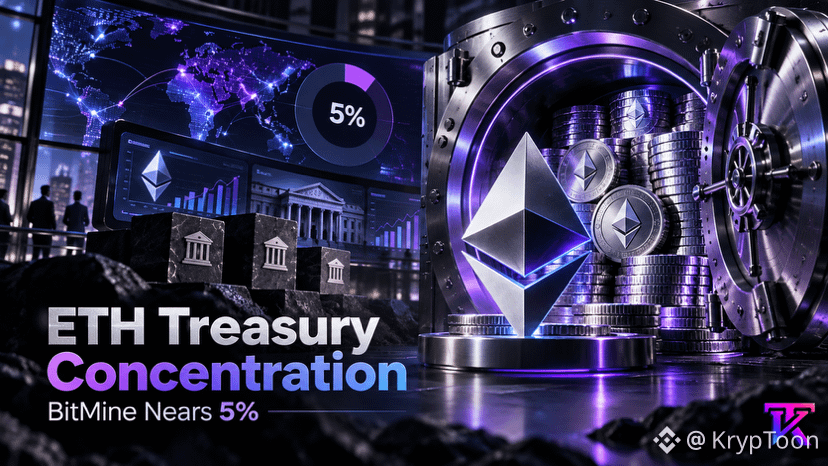
🐘 A tesouraria de ETH da BitMine está se aproximando de 5% da oferta — tornando a concentração impossível de ignorar
A BitMine divulgou holdings de 5.983.940 ETH em 20 de setembro de 2026.
Usando o número de oferta de Ethereum declarado pela empresa de 122,1 milhões de ETH, a posição representa aproximadamente 4,9% da oferta e coloca a BitMine perto do objetivo declarado de possuir 5%. A empresa também informou que mais de 5 milhões de ETH haviam sido apostados.
Seus holdings cripto divulgados, caixa, títulos negociáveis e outros investimentos totalizaram aproximadamente US$ 17,1 bilhões, incluindo cerca de US$ 714 milhões em caixa e títulos negociáveis.
A tese de acumulação é simples: uma grande tesouraria corporativa pode reduzir a oferta líquida e gerar receita com staking. O risco de concentração é igualmente importante. Uma posição substancial de ETH passa a ficar ligada aos custos de financiamento, emissões de ações, operações de staking e à política de tesouraria de uma única empresa.
A tese enfraqueceria se a acumulação desacelerasse de forma material, se o financiamento se tornasse menos atraente ou se a empresa alterasse sua estratégia de tesouraria.
Portanto, as tesourarias corporativas de ETH devem ser avaliadas tanto como possíveis “sumidouros” de demanda quanto como fontes de exposição concentrada.
Aviso: análise informativa apenas, não constitui aconselhamento financeiro. As participações da empresa e os números de oferta podem mudar após a data do relatório.
$ETH
Ethereum • Tesouraria Corporativa • Staking
#Ethereum #ETHTreasury #OnchainFinance
🐘 A tesouraria de ETH da BitMine está se aproximando de 5% da oferta — tornando a concentração impossível de ignorar
A BitMine divulgou holdings de 5.983.940 ETH em 20 de setembro de 2026.
Usando o número de oferta de Ethereum declarado pela empresa de 122,1 milhões de ETH, a posição representa aproximadamente 4,9% da oferta e coloca a BitMine perto do objetivo declarado de possuir 5%. A empresa também informou que mais de 5 milhões de ETH haviam sido apostados.
Seus holdings cripto divulgados, caixa, títulos negociáveis e outros investimentos totalizaram aproximadamente US$ 17,1 bilhões, incluindo cerca de US$ 714 milhões em caixa e títulos negociáveis.
A tese de acumulação é simples: uma grande tesouraria corporativa pode reduzir a oferta líquida e gerar receita com staking. O risco de concentração é igualmente importante. Uma posição substancial de ETH passa a ficar ligada aos custos de financiamento, emissões de ações, operações de staking e à política de tesouraria de uma única empresa.
A tese enfraqueceria se a acumulação desacelerasse de forma material, se o financiamento se tornasse menos atraente ou se a empresa alterasse sua estratégia de tesouraria.
Portanto, as tesourarias corporativas de ETH devem ser avaliadas tanto como possíveis “sumidouros” de demanda quanto como fontes de exposição concentrada.
Aviso: análise informativa apenas, não constitui aconselhamento financeiro. As participações da empresa e os números de oferta podem mudar após a data do relatório.
$ETH
Ethereum • Tesouraria Corporativa • Staking
#Ethereum #ETHTreasury #OnchainFinance
A BitMine divulgou holdings de 5.983.940 ETH em 20 de setembro de 2026.
Usando o número de oferta de Ethereum declarado pela empresa de 122,1 milhões de ETH, a posição representa aproximadamente 4,9% da oferta e coloca a BitMine perto do objetivo declarado de possuir 5%. A empresa também informou que mais de 5 milhões de ETH haviam sido apostados.
Seus holdings cripto divulgados, caixa, títulos negociáveis e outros investimentos totalizaram aproximadamente US$ 17,1 bilhões, incluindo cerca de US$ 714 milhões em caixa e títulos negociáveis.
A tese de acumulação é simples: uma grande tesouraria corporativa pode reduzir a oferta líquida e gerar receita com staking. O risco de concentração é igualmente importante. Uma posição substancial de ETH passa a ficar ligada aos custos de financiamento, emissões de ações, operações de staking e à política de tesouraria de uma única empresa.
A tese enfraqueceria se a acumulação desacelerasse de forma material, se o financiamento se tornasse menos atraente ou se a empresa alterasse sua estratégia de tesouraria.
Portanto, as tesourarias corporativas de ETH devem ser avaliadas tanto como possíveis “sumidouros” de demanda quanto como fontes de exposição concentrada.
Aviso: análise informativa apenas, não constitui aconselhamento financeiro. As participações da empresa e os números de oferta podem mudar após a data do relatório.
$ETH
Ethereum • Tesouraria Corporativa • Staking
#Ethereum #ETHTreasury #OnchainFinance
64
·
--
🛡️ Pesquisa da Visa sobre stablecoins indica que a confiança pode importar mais do que a velocidade
A pesquisa Money Travels 2026 da Visa entrevistou mais de 2.000 consumidores dos EUA sobre transferências internacionais e o uso de stablecoins.
No grupo dos EUA, a disposição declarada para usar stablecoins foi:
• 36% no cenário-base
• 45% quando oferecidos por meio de um provedor financeiro existente
• 56% em um cenário hipotético com proteção contra fraude em nível bancário e seguro de depósitos
A Visa também informou que 56% dos entrevistados nunca tinham ouvido falar em stablecoins, enquanto 36% disseram ter se deparado com uma fraude envolvendo transferências internacionais de dinheiro.
O número de 56% exige uma interpretação cuidadosa. Ele mede o interesse declarado sob proteções hipotéticas. Não significa que os stablecoins atualmente tenham seguro de depósitos ou que essas proteções estejam garantidas para chegar.
A liquidação de stablecoins pode ser mais rápida mesmo agora do que os sistemas de confiança que a cercam. Provedores que combinam pagamentos on-chain com controles claros contra fraudes, distribuição responsável e processos de contestação compreensíveis podem ter uma vantagem.
O risco é presumir que as respostas da pesquisa se traduzirão diretamente em volume real de transações.
Aviso: análise informativa apenas, não é aconselhamento financeiro. Stablecoins não são depósitos bancários e podem envolver riscos do emissor, de liquidez e regulatórios.
$USDC $USDT
Stablecoins • Pagamentos • Confiança do Consumidor
#Stablecoins #Payments #DigitalAssets
🛡️ Pesquisa da Visa sobre stablecoins indica que a confiança pode importar mais do que a velocidade
A pesquisa Money Travels 2026 da Visa entrevistou mais de 2.000 consumidores dos EUA sobre transferências internacionais e o uso de stablecoins.
No grupo dos EUA, a disposição declarada para usar stablecoins foi:
• 36% no cenário-base
• 45% quando oferecidos por meio de um provedor financeiro existente
• 56% em um cenário hipotético com proteção contra fraude em nível bancário e seguro de depósitos
A Visa também informou que 56% dos entrevistados nunca tinham ouvido falar em stablecoins, enquanto 36% disseram ter se deparado com uma fraude envolvendo transferências internacionais de dinheiro.
O número de 56% exige uma interpretação cuidadosa. Ele mede o interesse declarado sob proteções hipotéticas. Não significa que os stablecoins atualmente tenham seguro de depósitos ou que essas proteções estejam garantidas para chegar.
A liquidação de stablecoins pode ser mais rápida mesmo agora do que os sistemas de confiança que a cercam. Provedores que combinam pagamentos on-chain com controles claros contra fraudes, distribuição responsável e processos de contestação compreensíveis podem ter uma vantagem.
O risco é presumir que as respostas da pesquisa se traduzirão diretamente em volume real de transações.
Aviso: análise informativa apenas, não é aconselhamento financeiro. Stablecoins não são depósitos bancários e podem envolver riscos do emissor, de liquidez e regulatórios.
$USDC $USDT
Stablecoins • Pagamentos • Confiança do Consumidor
#Stablecoins #Payments #DigitalAssets
A pesquisa Money Travels 2026 da Visa entrevistou mais de 2.000 consumidores dos EUA sobre transferências internacionais e o uso de stablecoins.
No grupo dos EUA, a disposição declarada para usar stablecoins foi:
• 36% no cenário-base
• 45% quando oferecidos por meio de um provedor financeiro existente
• 56% em um cenário hipotético com proteção contra fraude em nível bancário e seguro de depósitos
A Visa também informou que 56% dos entrevistados nunca tinham ouvido falar em stablecoins, enquanto 36% disseram ter se deparado com uma fraude envolvendo transferências internacionais de dinheiro.
O número de 56% exige uma interpretação cuidadosa. Ele mede o interesse declarado sob proteções hipotéticas. Não significa que os stablecoins atualmente tenham seguro de depósitos ou que essas proteções estejam garantidas para chegar.
A liquidação de stablecoins pode ser mais rápida mesmo agora do que os sistemas de confiança que a cercam. Provedores que combinam pagamentos on-chain com controles claros contra fraudes, distribuição responsável e processos de contestação compreensíveis podem ter uma vantagem.
O risco é presumir que as respostas da pesquisa se traduzirão diretamente em volume real de transações.
Aviso: análise informativa apenas, não é aconselhamento financeiro. Stablecoins não são depósitos bancários e podem envolver riscos do emissor, de liquidez e regulatórios.
$USDC $USDT
Stablecoins • Pagamentos • Confiança do Consumidor
#Stablecoins #Payments #DigitalAssets
89
·
--
🐕 DOGE Limpou US$ 0,10, mas a Continuação Importou Mais do que o Título
O Dogecoin atingiu uma máxima intradiária reportada de US$ 0,1059 depois que a X anunciou arranjos de negociação envolvendo Gemini, Kraken, Coinbase, Moomoo e Interactive Brokers.
A quebra não se sustentou totalmente. A Decrypt mais tarde reportou o DOGE em torno de US$ 0,0992 na mesma sessão, enquanto o open interest em derivativos aumentou aproximadamente 10% em uma hora, para cerca de US$ 350 milhões.
Esse conjunto merece atenção. Alta de preço e alavancagem podem prolongar o impulso, mas um aumento rápido no open interest também torna o mercado mais sensível a liquidações.
No snapshot reportado, o RSI diário ficou perto de 69,4 e o ADX em torno de 32,5. Enquanto isso, a EMA de 50 dias permaneceu abaixo da EMA de 200 dias. O momentum de curto prazo se fortaleceu, mas a tendência de longo prazo ainda não havia sido totalmente corrigida.
A expansão do acesso ao trading pela X é um catalisador de distribuição. Isso não é evidência de que o DOGE tenha sido adotado como ativo de pagamento na X.
O cenário melhora se o volume à vista aumentar e se US$ 0,10 virar suporte. Piora se a alavancagem continuar elevada enquanto o preço repetidamente cair abaixo desse nível.
Aviso: análise de mercado apenas, não constitui aconselhamento financeiro. Ativos de meme podem apresentar volatilidade extrema.
$DOGE
Dogecoin • Acesso ao Trading • Alavancagem
#Dogecoin #MemeCoins #CryptoMarkets
🐕 DOGE Limpou US$ 0,10, mas a Continuação Importou Mais do que o Título
O Dogecoin atingiu uma máxima intradiária reportada de US$ 0,1059 depois que a X anunciou arranjos de negociação envolvendo Gemini, Kraken, Coinbase, Moomoo e Interactive Brokers.
A quebra não se sustentou totalmente. A Decrypt mais tarde reportou o DOGE em torno de US$ 0,0992 na mesma sessão, enquanto o open interest em derivativos aumentou aproximadamente 10% em uma hora, para cerca de US$ 350 milhões.
Esse conjunto merece atenção. Alta de preço e alavancagem podem prolongar o impulso, mas um aumento rápido no open interest também torna o mercado mais sensível a liquidações.
No snapshot reportado, o RSI diário ficou perto de 69,4 e o ADX em torno de 32,5. Enquanto isso, a EMA de 50 dias permaneceu abaixo da EMA de 200 dias. O momentum de curto prazo se fortaleceu, mas a tendência de longo prazo ainda não havia sido totalmente corrigida.
A expansão do acesso ao trading pela X é um catalisador de distribuição. Isso não é evidência de que o DOGE tenha sido adotado como ativo de pagamento na X.
O cenário melhora se o volume à vista aumentar e se US$ 0,10 virar suporte. Piora se a alavancagem continuar elevada enquanto o preço repetidamente cair abaixo desse nível.
Aviso: análise de mercado apenas, não constitui aconselhamento financeiro. Ativos de meme podem apresentar volatilidade extrema.
$DOGE
Dogecoin • Acesso ao Trading • Alavancagem
#Dogecoin #MemeCoins #CryptoMarkets
O Dogecoin atingiu uma máxima intradiária reportada de US$ 0,1059 depois que a X anunciou arranjos de negociação envolvendo Gemini, Kraken, Coinbase, Moomoo e Interactive Brokers.
A quebra não se sustentou totalmente. A Decrypt mais tarde reportou o DOGE em torno de US$ 0,0992 na mesma sessão, enquanto o open interest em derivativos aumentou aproximadamente 10% em uma hora, para cerca de US$ 350 milhões.
Esse conjunto merece atenção. Alta de preço e alavancagem podem prolongar o impulso, mas um aumento rápido no open interest também torna o mercado mais sensível a liquidações.
No snapshot reportado, o RSI diário ficou perto de 69,4 e o ADX em torno de 32,5. Enquanto isso, a EMA de 50 dias permaneceu abaixo da EMA de 200 dias. O momentum de curto prazo se fortaleceu, mas a tendência de longo prazo ainda não havia sido totalmente corrigida.
A expansão do acesso ao trading pela X é um catalisador de distribuição. Isso não é evidência de que o DOGE tenha sido adotado como ativo de pagamento na X.
O cenário melhora se o volume à vista aumentar e se US$ 0,10 virar suporte. Piora se a alavancagem continuar elevada enquanto o preço repetidamente cair abaixo desse nível.
Aviso: análise de mercado apenas, não constitui aconselhamento financeiro. Ativos de meme podem apresentar volatilidade extrema.
$DOGE
Dogecoin • Acesso ao Trading • Alavancagem
#Dogecoin #MemeCoins #CryptoMarkets

123
·
--
Em Alta
🏛️ Os futuros de BCH e UNI da CME poderiam melhorar a cobertura—não garantem demanda por tokens
A CME Group planeja lançar futuros de Bitcoin Cash e Uniswap em 19 de outubro, sujeito à revisão regulatória.
Os tamanhos de contrato propostos são:
• 250 BCH para o contrato padrão
• 25 BCH para o contrato Micro BCH
• 10.000 UNI para o contrato padrão
• 1.000 UNI para o contrato Micro UNI
Os produtos Micro podem ser especialmente importantes porque contratos menores permitem que os participantes gerenciem a exposição com mais precisão e reduzam a posição mínima necessária para entrar no mercado.
No entanto, uma listagem regulamentada de futuros não é automaticamente altista. Futuros podem dar suporte ao acesso institucional e à formação de preços, mas também tornam mais fácil operações de venda a descoberto, hedge de estoque e trading de base.
A validação deve vir da atividade pós-lançamento: open interest, volume diário, spreads entre compra e venda e a base dos futuros em relação ao spot. Se a liquidez permanecer baixa, a listagem pode ser mais simbólica do que estrutural.
Até que a revisão regulatória seja concluída, 19 de outubro deve ser tratado como uma data de lançamento planejada.
Aviso: análise informativa apenas, não é aconselhamento financeiro. O timing do lançamento e a adoção pelo mercado não são garantidos.
$BCH $UNI
CME Group • Futuros Regulamentados • Liquidez de Altcoins
#BitcoinCash #Uniswap #CryptoDerivatives
🏛️ Os futuros de BCH e UNI da CME poderiam melhorar a cobertura—não garantem demanda por tokens
A CME Group planeja lançar futuros de Bitcoin Cash e Uniswap em 19 de outubro, sujeito à revisão regulatória.
Os tamanhos de contrato propostos são:
• 250 BCH para o contrato padrão
• 25 BCH para o contrato Micro BCH
• 10.000 UNI para o contrato padrão
• 1.000 UNI para o contrato Micro UNI
Os produtos Micro podem ser especialmente importantes porque contratos menores permitem que os participantes gerenciem a exposição com mais precisão e reduzam a posição mínima necessária para entrar no mercado.
No entanto, uma listagem regulamentada de futuros não é automaticamente altista. Futuros podem dar suporte ao acesso institucional e à formação de preços, mas também tornam mais fácil operações de venda a descoberto, hedge de estoque e trading de base.
A validação deve vir da atividade pós-lançamento: open interest, volume diário, spreads entre compra e venda e a base dos futuros em relação ao spot. Se a liquidez permanecer baixa, a listagem pode ser mais simbólica do que estrutural.
Até que a revisão regulatória seja concluída, 19 de outubro deve ser tratado como uma data de lançamento planejada.
Aviso: análise informativa apenas, não é aconselhamento financeiro. O timing do lançamento e a adoção pelo mercado não são garantidos.
$BCH $UNI
CME Group • Futuros Regulamentados • Liquidez de Altcoins
#BitcoinCash #Uniswap #CryptoDerivatives
A CME Group planeja lançar futuros de Bitcoin Cash e Uniswap em 19 de outubro, sujeito à revisão regulatória.
Os tamanhos de contrato propostos são:
• 250 BCH para o contrato padrão
• 25 BCH para o contrato Micro BCH
• 10.000 UNI para o contrato padrão
• 1.000 UNI para o contrato Micro UNI
Os produtos Micro podem ser especialmente importantes porque contratos menores permitem que os participantes gerenciem a exposição com mais precisão e reduzam a posição mínima necessária para entrar no mercado.
No entanto, uma listagem regulamentada de futuros não é automaticamente altista. Futuros podem dar suporte ao acesso institucional e à formação de preços, mas também tornam mais fácil operações de venda a descoberto, hedge de estoque e trading de base.
A validação deve vir da atividade pós-lançamento: open interest, volume diário, spreads entre compra e venda e a base dos futuros em relação ao spot. Se a liquidez permanecer baixa, a listagem pode ser mais simbólica do que estrutural.
Até que a revisão regulatória seja concluída, 19 de outubro deve ser tratado como uma data de lançamento planejada.
Aviso: análise informativa apenas, não é aconselhamento financeiro. O timing do lançamento e a adoção pelo mercado não são garantidos.
$BCH $UNI
CME Group • Futuros Regulamentados • Liquidez de Altcoins
#BitcoinCash #Uniswap #CryptoDerivatives
1
197
Inicia sessão para explorar mais conteúdos
Junta-te a utilizadores de criptomoedas de todo o mundo na Binance Square
⚡️ Obtém informações úteis e recentes sobre criptomoedas.
💬 Com a confiança da maior exchange de criptomoedas do mundo.
👍 Descobre perspetivas reais de criadores verificados.
E-mail/Número de telefone
Tópicos em Tendência
Nikkei225Jumps2.5%ToThreeMonthHigh
241 visualizações
76 a discutir
#nikkei225jumps2.5%tothreemonthhigh
Nikkei: um fechamento de sessão nada mau. O preço está se mantendo naquele importante nível de rompimento.
Enquanto os contratos futuros do índice continuarem acima dele, acho que o impulso macroeconômico parece favorável.
Não é uma zona de reversão estrutural importante. Ela é relevante principalmente porque, quando vemos o rompimento de uma máxima de vários meses, queremos ver o mercado respeitar essa inversão e dar continuidade ao movimento.
Até agora, o mercado está defendendo esse nível.
Período gráfico inferior:
39.200 é a zona importante nos períodos gráficos inferiores. Se os compradores conseguirem se manter acima dela, podemos esperar que o movimento de alta continue durante a sessão asiática.
Melhor ainda se o preço não voltar a essa zona.
Criptomoedas em destaque para acompanhar (risco global e setores de alto beta):
$BTC (Bitcoin): O principal ativo macro de apetite ao risco; acompanhando como o impulso das ações globais e as entradas de liquidez dos mercados tradicionais afetam o sentimento em relação aos ativos digitais.
$ETH (Ethereum): Principal camada de liquidação de contratos inteligentes; observando a rotação de capital e as mudanças no sentimento de apetite ao risco, enquanto os índices de ações asiáticos atingem máximas de três meses.
$SOL (Solana): Líder entre as altcoins de alto beta; monitorando o forte impulso de apetite ao risco e a participação de investidores de varejo em condições macroeconômicas globais favoráveis.
Como você está posicionando seu portfólio diante da alta de 2,5% do Nikkei, que atingiu a máxima de três meses? Está migrando para ativos de alto beta ou mantendo uma postura defensiva? Vamos conversar sobre sua estratégia nos comentários abaixo! 👇
#GlobalMarkets #bitcoin #cryptotrading #MacroEconomics
Axiom AlphA
·0 gostos
·323 visualizações
DriftHackVictimsBeginClaims
69,282 visualizações
771 a discutir
SolanaTokenizedStockVolumeTops$4.4BInSeptember
7,585 visualizações
79 a discutir