

Web3 Dev
58 Publicações

Web3 Dev
Denunciar
Bloquear Utilizador
Full-Stack & Web3 Engineer | dApp architecture, smart contracts, and on-chain payments. Exploring how blockchain systems work.
90 A seguir
52 Seguidores
139 Gostaram
Publicações
Tudo
Cotações
PINNED
·
--
Comemorando 9 incríveis anos da Binance!
---
Este bolo de aniversário personalizado representa mais do que um marco — celebra a comunidade global que continua aprendendo, construindo e inovando em conjunto.
O brilho do 9 simboliza nove anos de crescimento, enquanto as decorações inspiradas em blockchain refletem tecnologia, colaboração e o futuro das finanças digitais.
Feliz 9º Aniversário para todos que fizeram parte desta jornada. Que venham muitos mais anos de inovação! 🎂
#BinanceTurns9 #BinanceSquareTG
Comemorando 9 incríveis anos da Binance!
---
Este bolo de aniversário personalizado representa mais do que um marco — celebra a comunidade global que continua aprendendo, construindo e inovando em conjunto.
O brilho do 9 simboliza nove anos de crescimento, enquanto as decorações inspiradas em blockchain refletem tecnologia, colaboração e o futuro das finanças digitais.
Feliz 9º Aniversário para todos que fizeram parte desta jornada. Que venham muitos mais anos de inovação! 🎂
#BinanceTurns9 #BinanceSquareTG
---
Este bolo de aniversário personalizado representa mais do que um marco — celebra a comunidade global que continua aprendendo, construindo e inovando em conjunto.
O brilho do 9 simboliza nove anos de crescimento, enquanto as decorações inspiradas em blockchain refletem tecnologia, colaboração e o futuro das finanças digitais.
Feliz 9º Aniversário para todos que fizeram parte desta jornada. Que venham muitos mais anos de inovação! 🎂
#BinanceTurns9 #BinanceSquareTG

150
·
--
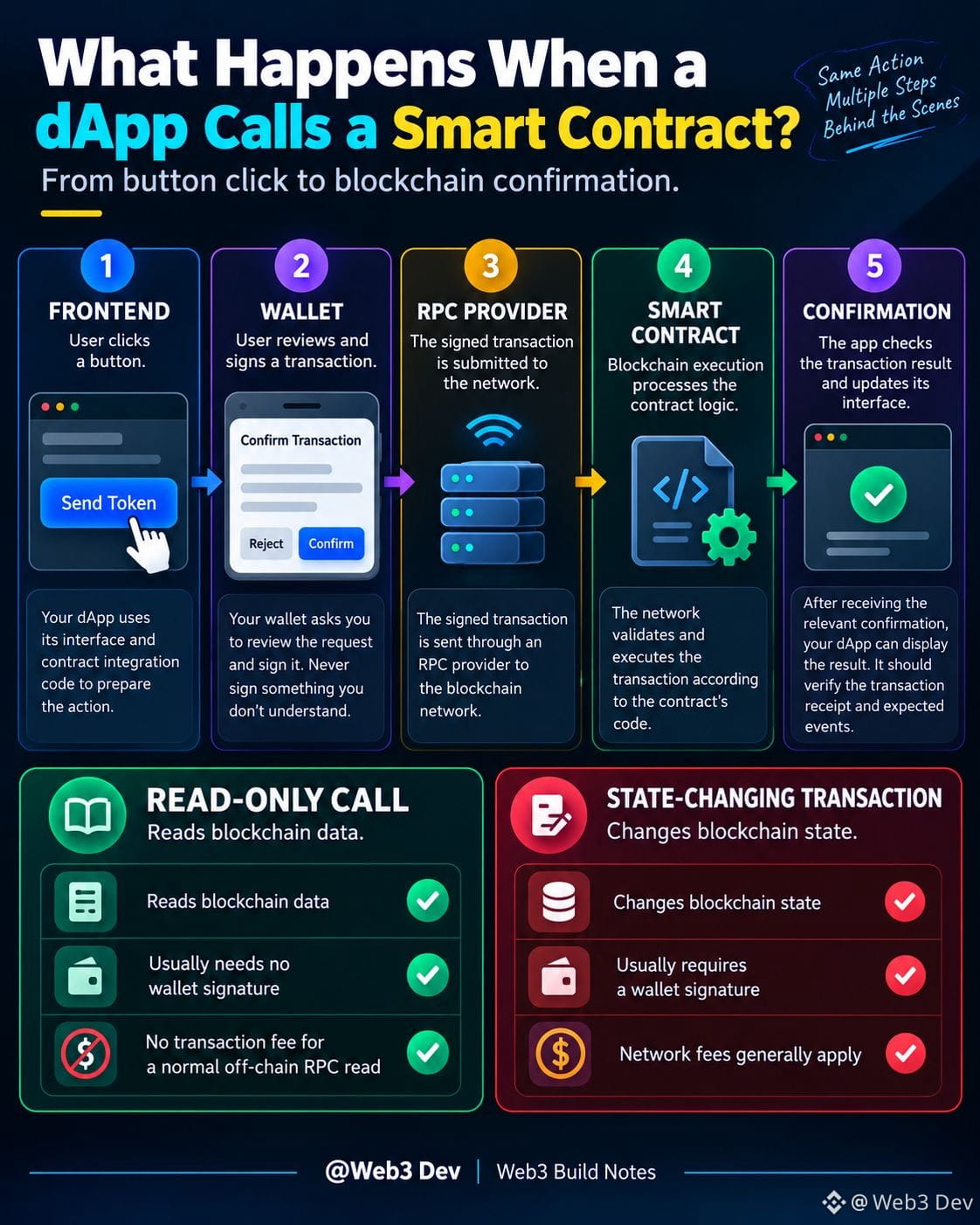
O que realmente acontece quando você clica em um botão em um dApp? 👇
Digamos que você esteja usando um aplicativo descentralizado e clique em “Enviar token”.
Parece uma ação simples. Nos bastidores, várias coisas acontecem.
1√ O front-end prepara a solicitação
Seu dApp usa a interface e o código de integração com o contrato para preparar a ação que você quer realizar.
2√ Sua carteira pede aprovação
Para uma transação que altera o estado da blockchain, sua carteira permite que você revise a solicitação e a assine. Nunca assine algo que você não entende.
3️⃣ A transação é enviada para a rede
A transação assinada é enviada à rede blockchain por meio de um provedor RPC.
4️⃣ O contrato inteligente é executado
A rede processa a transação de acordo com o código do contrato. Se a transação for concluída com sucesso, o estado do contrato poderá mudar.
5√ Seu aplicativo verifica o resultado
Seu dApp pode acompanhar o status da transação e exibir um resultado depois de receber a confirmação relevante. Para ações importantes, ele deve verificar o recibo da transação e os eventos esperados, em vez de confiar em uma mensagem de sucesso exibida pelo front-end.
Aqui está um detalhe que muitas vezes passa despercebido para quem está começando:
Ler dados da blockchain é diferente de alterá-los.
- “balanceOf()” geralmente pode consultar o saldo de um token por meio de uma chamada somente de leitura, sem pagar uma taxa de transação.
- “transfer()” altera o estado da blockchain e, em geral, exige uma transação assinada e uma taxa de rede.
O processo exato depende da blockchain, da carteira e do contrato que você está usando.
Como desenvolvedores, entender esse fluxo nos ajuda a criar interfaces melhores, lidar com erros adequadamente e informar aos usuários o status das transações com mais clareza.
Estou explorando esses conceitos pela perspectiva da engenharia full-stack e Web3 e compartilhando o que aprendo ao longo do caminho.
Pergunta para quem também está construindo: qual parte devo explicar em detalhes a seguir: integração com carteiras, provedores RPC ou recibos de transação?
#Web3Dev #SmartContracts #BinanceSquare
O que realmente acontece quando você clica em um botão em um dApp? 👇
Digamos que você esteja usando um aplicativo descentralizado e clique em “Enviar token”.
Parece uma ação simples. Nos bastidores, várias coisas acontecem.
1√ O front-end prepara a solicitação
Seu dApp usa a interface e o código de integração com o contrato para preparar a ação que você quer realizar.
2√ Sua carteira pede aprovação
Para uma transação que altera o estado da blockchain, sua carteira permite que você revise a solicitação e a assine. Nunca assine algo que você não entende.
3️⃣ A transação é enviada para a rede
A transação assinada é enviada à rede blockchain por meio de um provedor RPC.
4️⃣ O contrato inteligente é executado
A rede processa a transação de acordo com o código do contrato. Se a transação for concluída com sucesso, o estado do contrato poderá mudar.
5√ Seu aplicativo verifica o resultado
Seu dApp pode acompanhar o status da transação e exibir um resultado depois de receber a confirmação relevante. Para ações importantes, ele deve verificar o recibo da transação e os eventos esperados, em vez de confiar em uma mensagem de sucesso exibida pelo front-end.
Aqui está um detalhe que muitas vezes passa despercebido para quem está começando:
Ler dados da blockchain é diferente de alterá-los.
- “balanceOf()” geralmente pode consultar o saldo de um token por meio de uma chamada somente de leitura, sem pagar uma taxa de transação.
- “transfer()” altera o estado da blockchain e, em geral, exige uma transação assinada e uma taxa de rede.
O processo exato depende da blockchain, da carteira e do contrato que você está usando.
Como desenvolvedores, entender esse fluxo nos ajuda a criar interfaces melhores, lidar com erros adequadamente e informar aos usuários o status das transações com mais clareza.
Estou explorando esses conceitos pela perspectiva da engenharia full-stack e Web3 e compartilhando o que aprendo ao longo do caminho.
Pergunta para quem também está construindo: qual parte devo explicar em detalhes a seguir: integração com carteiras, provedores RPC ou recibos de transação?
#Web3Dev #SmartContracts #BinanceSquare
Digamos que você esteja usando um aplicativo descentralizado e clique em “Enviar token”.
Parece uma ação simples. Nos bastidores, várias coisas acontecem.
1√ O front-end prepara a solicitação
Seu dApp usa a interface e o código de integração com o contrato para preparar a ação que você quer realizar.
2√ Sua carteira pede aprovação
Para uma transação que altera o estado da blockchain, sua carteira permite que você revise a solicitação e a assine. Nunca assine algo que você não entende.
3️⃣ A transação é enviada para a rede
A transação assinada é enviada à rede blockchain por meio de um provedor RPC.
4️⃣ O contrato inteligente é executado
A rede processa a transação de acordo com o código do contrato. Se a transação for concluída com sucesso, o estado do contrato poderá mudar.
5√ Seu aplicativo verifica o resultado
Seu dApp pode acompanhar o status da transação e exibir um resultado depois de receber a confirmação relevante. Para ações importantes, ele deve verificar o recibo da transação e os eventos esperados, em vez de confiar em uma mensagem de sucesso exibida pelo front-end.
Aqui está um detalhe que muitas vezes passa despercebido para quem está começando:
Ler dados da blockchain é diferente de alterá-los.
- “balanceOf()” geralmente pode consultar o saldo de um token por meio de uma chamada somente de leitura, sem pagar uma taxa de transação.
- “transfer()” altera o estado da blockchain e, em geral, exige uma transação assinada e uma taxa de rede.
O processo exato depende da blockchain, da carteira e do contrato que você está usando.
Como desenvolvedores, entender esse fluxo nos ajuda a criar interfaces melhores, lidar com erros adequadamente e informar aos usuários o status das transações com mais clareza.
Estou explorando esses conceitos pela perspectiva da engenharia full-stack e Web3 e compartilhando o que aprendo ao longo do caminho.
Pergunta para quem também está construindo: qual parte devo explicar em detalhes a seguir: integração com carteiras, provedores RPC ou recibos de transação?
#Web3Dev #SmartContracts #BinanceSquare
19
·
--
Explorando o bPay e seu ecossistema de pagamentos on-chain.
O bPay tem como objetivo tornar os pagamentos em cripto mais simples e acessíveis por meio da tecnologia blockchain.
CA:
0xb13003bf44de426dd2a3aae3df9c3400de0a7777
Código de Referência:
BP-5F495FD34A8E
#Bpay #Web3 #blockchain #BinanceSquare
Explorando o bPay e seu ecossistema de pagamentos on-chain.
O bPay tem como objetivo tornar os pagamentos em cripto mais simples e acessíveis por meio da tecnologia blockchain.
CA:
0xb13003bf44de426dd2a3aae3df9c3400de0a7777
Código de Referência:
BP-5F495FD34A8E
#Bpay #Web3 #blockchain #BinanceSquare
O bPay tem como objetivo tornar os pagamentos em cripto mais simples e acessíveis por meio da tecnologia blockchain.
CA:
0xb13003bf44de426dd2a3aae3df9c3400de0a7777
Código de Referência:
BP-5F495FD34A8E
#Bpay #Web3 #blockchain #BinanceSquare
104
·
--
Artigo
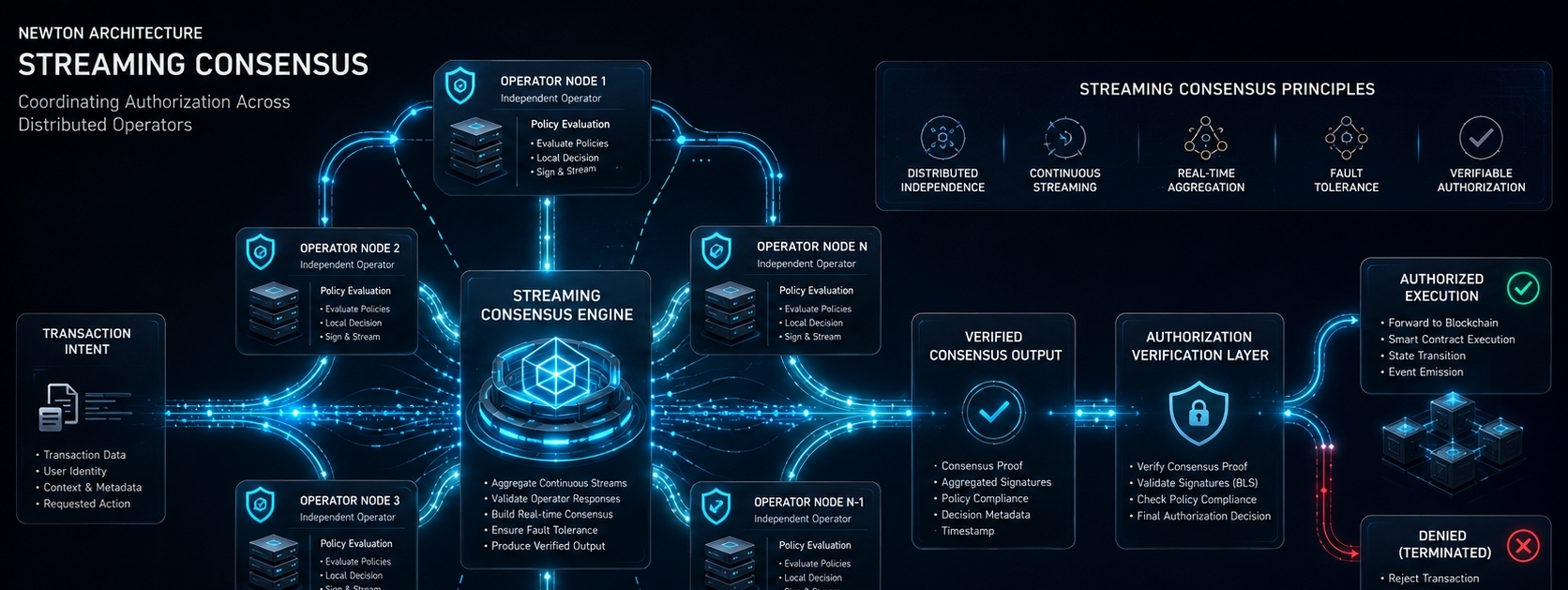
Streaming Consensus Explicado: Coordenando Autorização Entre Operadores DistribuídosEm sistemas distribuídos, chegar a um consenso é frequentemente mais desafiador do que executar a computação em si. Uma política pode ser avaliada corretamente por um único operador, mas um protocolo descentralizado ainda precisa de um mecanismo confiável para coordenar o consenso entre vários participantes antes que esse resultado possa ser confiável. A arquitetura de Streaming Consensus documentada da Newton aborda esse desafio de coordenação ao permitir que operadores distribuídos produzam um resultado de autorização verificável sem depender de um único tomador de decisão.
Streaming Consensus Explicado: Coordenando Autorização Entre Operadores Distribuídos
Em sistemas distribuídos, chegar a um consenso é frequentemente mais desafiador do que executar a computação em si. Uma política pode ser avaliada corretamente por um único operador, mas um protocolo descentralizado ainda precisa de um mecanismo confiável para coordenar o consenso entre vários participantes antes que esse resultado possa ser confiável. A arquitetura de Streaming Consensus documentada da Newton aborda esse desafio de coordenação ao permitir que operadores distribuídos produzam um resultado de autorização verificável sem depender de um único tomador de decisão.
85
·
--
Como a Autorização Segura de Transações Cria Fluxos de Trabalho Blockchain Previsíveis
---
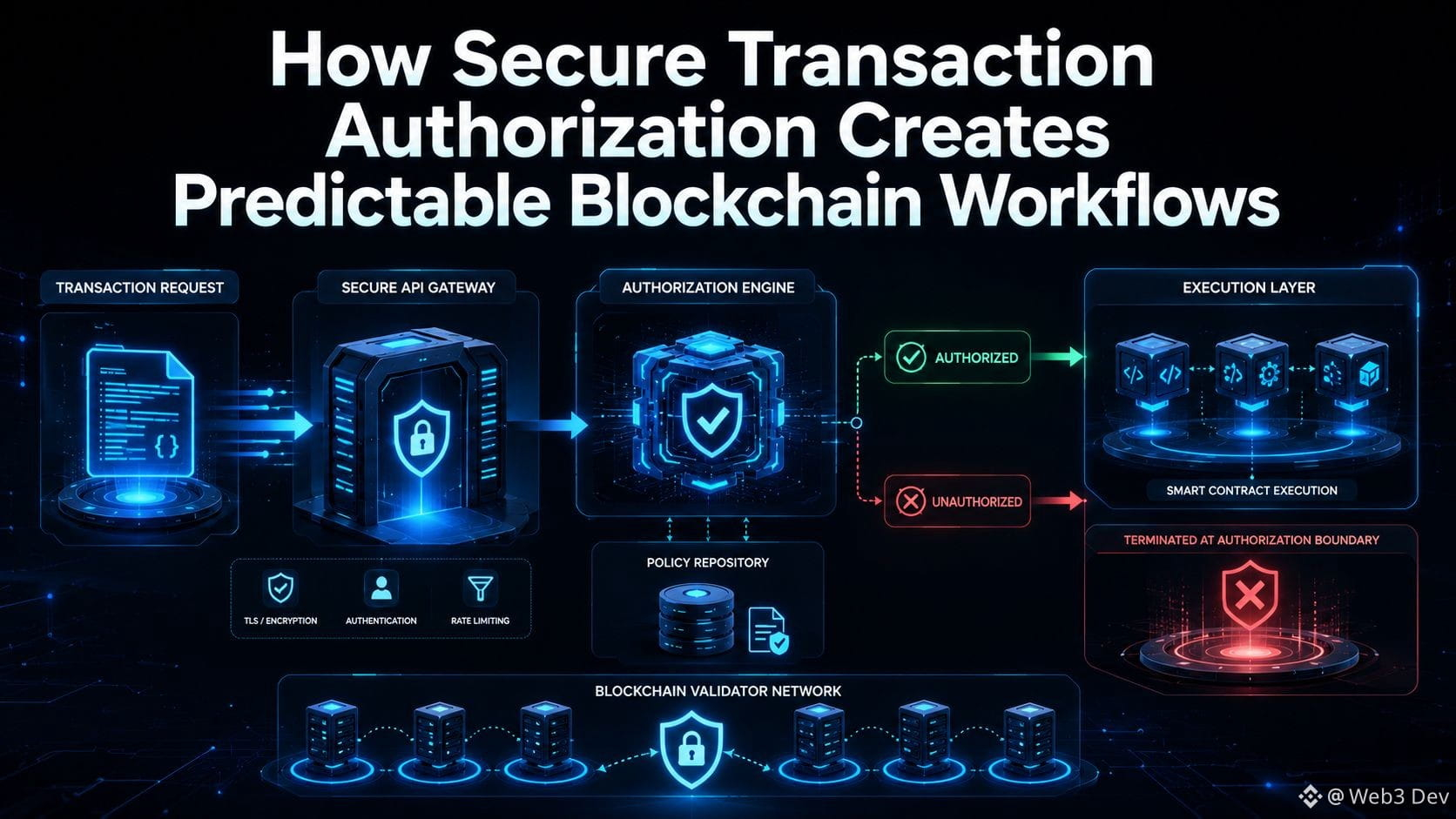
Uma transação pode ser tecnicamente válida, mas ainda assim violar as regras operacionais de uma organização. É por isso que validação de transações e autorização de transações resolvem problemas diferentes, embora muitas vezes sejam discutidas em conjunto.
A arquitetura documentada de Newton distingue essas responsabilidades por meio de autorização segura de transações. Antes da execução, uma solicitação de transação é avaliada em relação a políticas de autorização definidas para determinar se deve prosseguir. Isso introduz um ponto de decisão dedicado que existe independentemente da própria execução.
Uma forma útil de pensar nisso é como uma API corporativa. Mesmo quando uma solicitação contém dados válidos, ela ainda pode ser rejeitada porque o solicitante não tem permissão para aquela operação específica. Frameworks construídos com Node.js ou TypeScript normalmente lidam com isso por meio de middleware de autorização que fica entre a validação da solicitação e a lógica de negócio. A aplicação só executa solicitações que já tenham atendido aos requisitos de acesso.
O mesmo padrão arquitetural ajuda os sistemas de blockchain a permanecerem mais fáceis de compreender. As políticas de autorização se tornam uma camada centralizada em vez de serem duplicadas em diferentes caminhos de execução, tornando a lógica de permissões mais transparente para desenvolvedores, auditores e equipes de infraestrutura. À medida que os fluxos de trabalho se tornam cada vez mais automatizados, separar autorização de execução também ajuda a preservar limites claros do sistema.
A documentação do Mainnet Beta de @NewtonProtocol apresenta a autorização como uma etapa distinta dentro do ciclo de vida da transação, enfatizando a avaliação explícita de políticas antes da execução em vez de incorporar cada regra diretamente na lógica de execução.
$NEWT #Newt
Pergunta técnica: As aplicações de blockchain devem tratar decisões de autorização como serviços de infraestrutura reutilizáveis da mesma forma que plataformas modernas de backend tratam autenticação e gateways de API?
Como a Autorização Segura de Transações Cria Fluxos de Trabalho Blockchain Previsíveis
---
Uma transação pode ser tecnicamente válida, mas ainda assim violar as regras operacionais de uma organização. É por isso que validação de transações e autorização de transações resolvem problemas diferentes, embora muitas vezes sejam discutidas em conjunto.
A arquitetura documentada de Newton distingue essas responsabilidades por meio de autorização segura de transações. Antes da execução, uma solicitação de transação é avaliada em relação a políticas de autorização definidas para determinar se deve prosseguir. Isso introduz um ponto de decisão dedicado que existe independentemente da própria execução.
Uma forma útil de pensar nisso é como uma API corporativa. Mesmo quando uma solicitação contém dados válidos, ela ainda pode ser rejeitada porque o solicitante não tem permissão para aquela operação específica. Frameworks construídos com Node.js ou TypeScript normalmente lidam com isso por meio de middleware de autorização que fica entre a validação da solicitação e a lógica de negócio. A aplicação só executa solicitações que já tenham atendido aos requisitos de acesso.
O mesmo padrão arquitetural ajuda os sistemas de blockchain a permanecerem mais fáceis de compreender. As políticas de autorização se tornam uma camada centralizada em vez de serem duplicadas em diferentes caminhos de execução, tornando a lógica de permissões mais transparente para desenvolvedores, auditores e equipes de infraestrutura. À medida que os fluxos de trabalho se tornam cada vez mais automatizados, separar autorização de execução também ajuda a preservar limites claros do sistema.
A documentação do Mainnet Beta de @NewtonProtocol apresenta a autorização como uma etapa distinta dentro do ciclo de vida da transação, enfatizando a avaliação explícita de políticas antes da execução em vez de incorporar cada regra diretamente na lógica de execução.
$NEWT #Newt
Pergunta técnica: As aplicações de blockchain devem tratar decisões de autorização como serviços de infraestrutura reutilizáveis da mesma forma que plataformas modernas de backend tratam autenticação e gateways de API?
---
Uma transação pode ser tecnicamente válida, mas ainda assim violar as regras operacionais de uma organização. É por isso que validação de transações e autorização de transações resolvem problemas diferentes, embora muitas vezes sejam discutidas em conjunto.
A arquitetura documentada de Newton distingue essas responsabilidades por meio de autorização segura de transações. Antes da execução, uma solicitação de transação é avaliada em relação a políticas de autorização definidas para determinar se deve prosseguir. Isso introduz um ponto de decisão dedicado que existe independentemente da própria execução.
Uma forma útil de pensar nisso é como uma API corporativa. Mesmo quando uma solicitação contém dados válidos, ela ainda pode ser rejeitada porque o solicitante não tem permissão para aquela operação específica. Frameworks construídos com Node.js ou TypeScript normalmente lidam com isso por meio de middleware de autorização que fica entre a validação da solicitação e a lógica de negócio. A aplicação só executa solicitações que já tenham atendido aos requisitos de acesso.
O mesmo padrão arquitetural ajuda os sistemas de blockchain a permanecerem mais fáceis de compreender. As políticas de autorização se tornam uma camada centralizada em vez de serem duplicadas em diferentes caminhos de execução, tornando a lógica de permissões mais transparente para desenvolvedores, auditores e equipes de infraestrutura. À medida que os fluxos de trabalho se tornam cada vez mais automatizados, separar autorização de execução também ajuda a preservar limites claros do sistema.
A documentação do Mainnet Beta de @NewtonProtocol apresenta a autorização como uma etapa distinta dentro do ciclo de vida da transação, enfatizando a avaliação explícita de políticas antes da execução em vez de incorporar cada regra diretamente na lógica de execução.
$NEWT #Newt
Pergunta técnica: As aplicações de blockchain devem tratar decisões de autorização como serviços de infraestrutura reutilizáveis da mesma forma que plataformas modernas de backend tratam autenticação e gateways de API?
2
117
·
--
Artigo
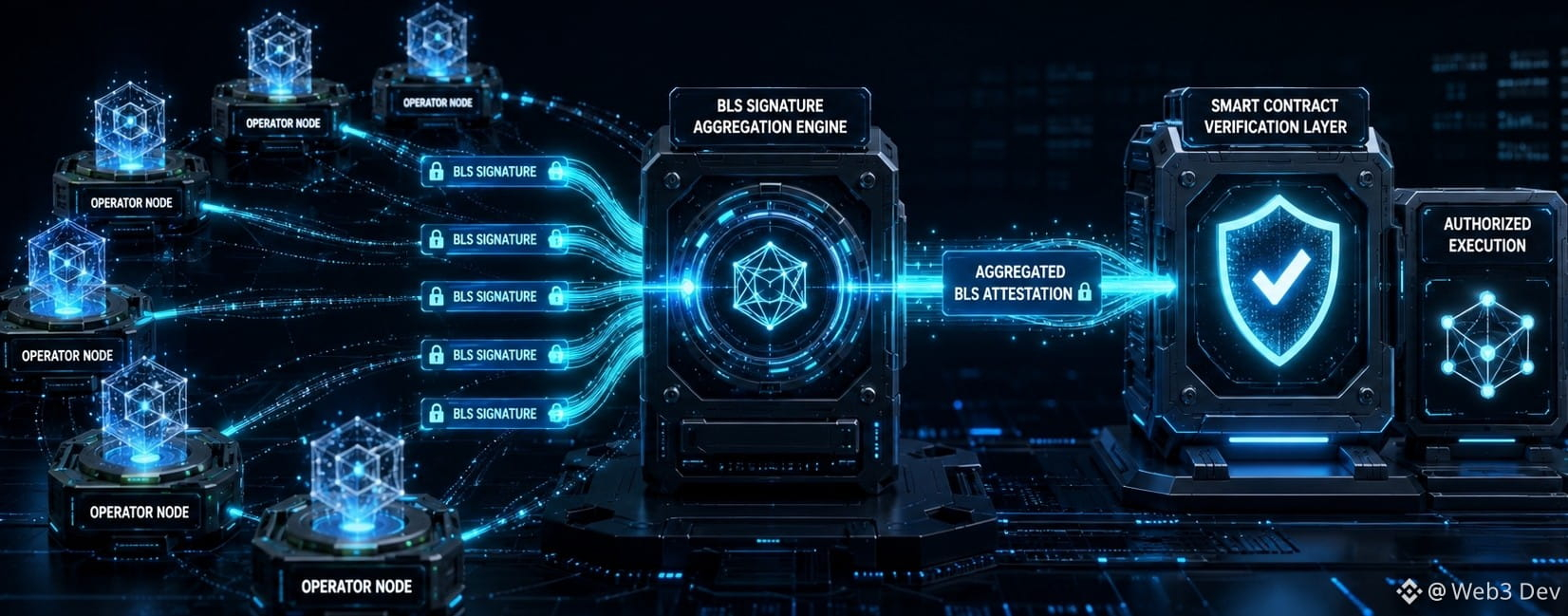
Atestações BLS no Newton: Verificando Decisões de Autorização DistribuídasEm sistemas distribuídos, a confiança não deve depender de um único servidor declarando que uma decisão de autorização está correta. Se um único componente aprovar ou negar todas as solicitações, isso se torna tanto um risco de segurança quanto um possível ponto único de falha. Newton aborda esse desafio usando atestações BLS para fornecer evidência criptográfica de que as decisões de autorização foram acordadas por um conjunto qualificado de operadores antes de smart contracts dependerem delas.
O Problema de Engenharia
As aplicações modernas de blockchain dependem cada vez mais de informações offchain, como verificações de conformidade, avaliação de políticas ou tomada de decisão assistida por IA. Apenas retornar um resultado "allow" ou "deny" de um serviço offchain exige que usuários e smart contracts confiem nesse serviço.
Atestações BLS no Newton: Verificando Decisões de Autorização Distribuídas
Em sistemas distribuídos, a confiança não deve depender de um único servidor declarando que uma decisão de autorização está correta. Se um único componente aprovar ou negar todas as solicitações, isso se torna tanto um risco de segurança quanto um possível ponto único de falha. Newton aborda esse desafio usando atestações BLS para fornecer evidência criptográfica de que as decisões de autorização foram acordadas por um conjunto qualificado de operadores antes de smart contracts dependerem delas.
O Problema de Engenharia
As aplicações modernas de blockchain dependem cada vez mais de informações offchain, como verificações de conformidade, avaliação de políticas ou tomada de decisão assistida por IA. Apenas retornar um resultado "allow" ou "deny" de um serviço offchain exige que usuários e smart contracts confiem nesse serviço.
O Problema de Engenharia
As aplicações modernas de blockchain dependem cada vez mais de informações offchain, como verificações de conformidade, avaliação de políticas ou tomada de decisão assistida por IA. Apenas retornar um resultado "allow" ou "deny" de um serviço offchain exige que usuários e smart contracts confiem nesse serviço.
1
1
92
·
--
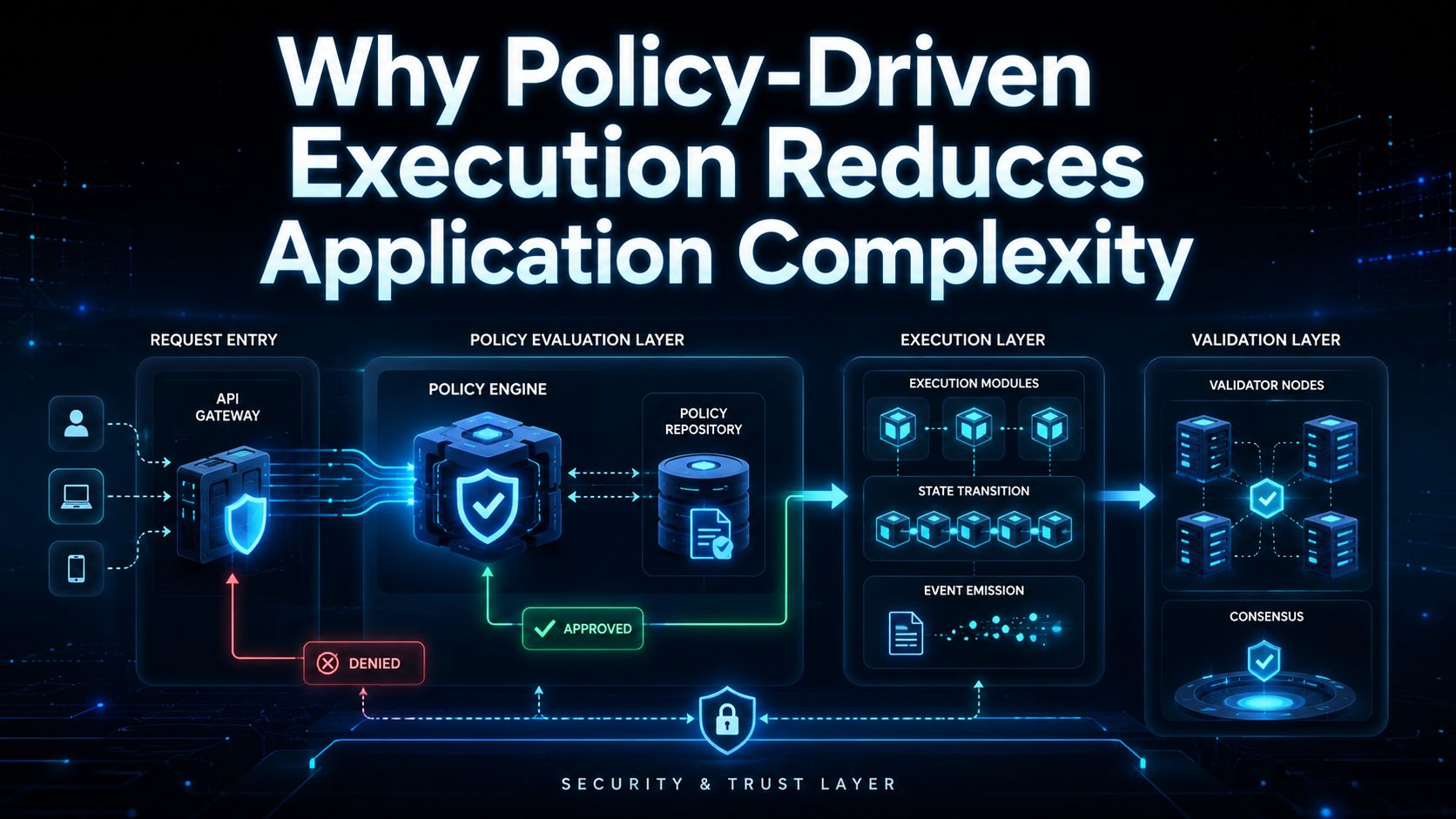
Por que a execução orientada por políticas reduz a complexidade da aplicação
---
À medida que as aplicações amadurecem, a lógica de execução muitas vezes fica sobrecarregada com verificações de permissão, tratamento de exceções e regras de negócio. Com o tempo, os desenvolvedores passam mais tempo mantendo condições de autorização do que com a funcionalidade principal que eles originalmente construíram.
A arquitetura documentada da Newton aborda isso de forma diferente por meio de execução orientada por políticas. Em vez de embutir toda decisão dentro do caminho de execução, as políticas são avaliadas independentemente antes de a execução prosseguir. Isso permite que os componentes de execução permaneçam focados em realizar ações determinísticas, enquanto os componentes de políticas determinam se essas ações são permitidas.
Pense em um backend típico em TypeScript. Uma requisição geralmente passa por autenticação, middleware de autorização e validação de requisição antes de chegar à camada de serviço. O serviço não precisa entender todas as regras de acesso porque essas decisões já foram tomadas. A Newton aplica um princípio arquitetural comparável aos fluxos de transações ao separar a avaliação de políticas da execução.
Essa distinção se torna cada vez mais valiosa à medida que os sistemas passam a dar suporte a agentes de IA, múltiplos perfis de usuário ou requisitos de governança em evolução. Atualizar uma política é fundamentalmente diferente de modificar a lógica de execução, e tratar isso como responsabilidades separadas ajuda a tornar ambas mais fáceis de entender e revisar.
A documentação do Mainnet Beta de @NewtonProtocol ilustra uma arquitetura em que a avaliação de políticas é uma etapa explícita, em vez de uma coleção implícita de condições espalhadas pelo código de execução. Para engenheiros de infraestrutura, essa separação é um padrão prático de design de software — não apenas um conceito de blockchain.
---
$NEWT #Newt
Pergunta técnica: Ao construir sistemas descentralizados de longo prazo, as mudanças de política devem ser implantáveis de forma independente da lógica de execução sempre que os limites arquiteturais permitirem?
Por que a execução orientada por políticas reduz a complexidade da aplicação
---
À medida que as aplicações amadurecem, a lógica de execução muitas vezes fica sobrecarregada com verificações de permissão, tratamento de exceções e regras de negócio. Com o tempo, os desenvolvedores passam mais tempo mantendo condições de autorização do que com a funcionalidade principal que eles originalmente construíram.
A arquitetura documentada da Newton aborda isso de forma diferente por meio de execução orientada por políticas. Em vez de embutir toda decisão dentro do caminho de execução, as políticas são avaliadas independentemente antes de a execução prosseguir. Isso permite que os componentes de execução permaneçam focados em realizar ações determinísticas, enquanto os componentes de políticas determinam se essas ações são permitidas.
Pense em um backend típico em TypeScript. Uma requisição geralmente passa por autenticação, middleware de autorização e validação de requisição antes de chegar à camada de serviço. O serviço não precisa entender todas as regras de acesso porque essas decisões já foram tomadas. A Newton aplica um princípio arquitetural comparável aos fluxos de transações ao separar a avaliação de políticas da execução.
Essa distinção se torna cada vez mais valiosa à medida que os sistemas passam a dar suporte a agentes de IA, múltiplos perfis de usuário ou requisitos de governança em evolução. Atualizar uma política é fundamentalmente diferente de modificar a lógica de execução, e tratar isso como responsabilidades separadas ajuda a tornar ambas mais fáceis de entender e revisar.
A documentação do Mainnet Beta de @NewtonProtocol ilustra uma arquitetura em que a avaliação de políticas é uma etapa explícita, em vez de uma coleção implícita de condições espalhadas pelo código de execução. Para engenheiros de infraestrutura, essa separação é um padrão prático de design de software — não apenas um conceito de blockchain.
---
$NEWT #Newt
Pergunta técnica: Ao construir sistemas descentralizados de longo prazo, as mudanças de política devem ser implantáveis de forma independente da lógica de execução sempre que os limites arquiteturais permitirem?
---
À medida que as aplicações amadurecem, a lógica de execução muitas vezes fica sobrecarregada com verificações de permissão, tratamento de exceções e regras de negócio. Com o tempo, os desenvolvedores passam mais tempo mantendo condições de autorização do que com a funcionalidade principal que eles originalmente construíram.
A arquitetura documentada da Newton aborda isso de forma diferente por meio de execução orientada por políticas. Em vez de embutir toda decisão dentro do caminho de execução, as políticas são avaliadas independentemente antes de a execução prosseguir. Isso permite que os componentes de execução permaneçam focados em realizar ações determinísticas, enquanto os componentes de políticas determinam se essas ações são permitidas.
Pense em um backend típico em TypeScript. Uma requisição geralmente passa por autenticação, middleware de autorização e validação de requisição antes de chegar à camada de serviço. O serviço não precisa entender todas as regras de acesso porque essas decisões já foram tomadas. A Newton aplica um princípio arquitetural comparável aos fluxos de transações ao separar a avaliação de políticas da execução.
Essa distinção se torna cada vez mais valiosa à medida que os sistemas passam a dar suporte a agentes de IA, múltiplos perfis de usuário ou requisitos de governança em evolução. Atualizar uma política é fundamentalmente diferente de modificar a lógica de execução, e tratar isso como responsabilidades separadas ajuda a tornar ambas mais fáceis de entender e revisar.
A documentação do Mainnet Beta de @NewtonProtocol ilustra uma arquitetura em que a avaliação de políticas é uma etapa explícita, em vez de uma coleção implícita de condições espalhadas pelo código de execução. Para engenheiros de infraestrutura, essa separação é um padrão prático de design de software — não apenas um conceito de blockchain.
---
$NEWT #Newt
Pergunta técnica: Ao construir sistemas descentralizados de longo prazo, as mudanças de política devem ser implantáveis de forma independente da lógica de execução sempre que os limites arquiteturais permitirem?
1
107
·
--
Artigo
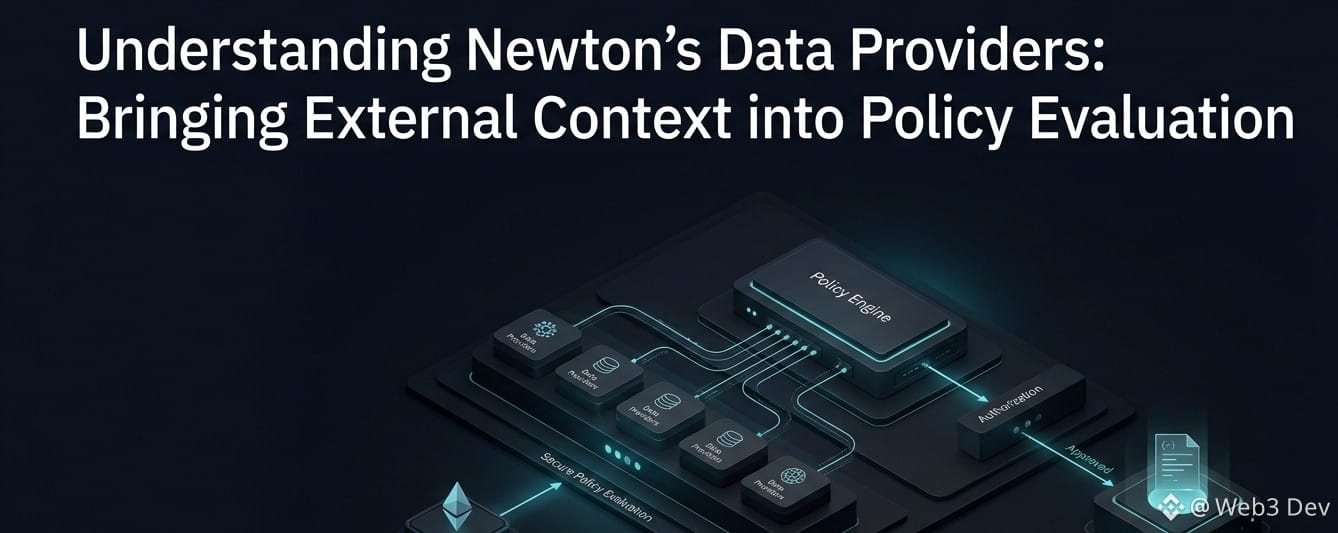
Entendendo os Data Providers do Newton: Incorporando Contexto Externo na Avaliação de PolíticasSistemas de backend raramente tomam decisões de autorização usando apenas a solicitação recebida. Muitas vezes, eles dependem de informações externas, como funções do usuário, status da conta, registros de conformidade ou metadados específicos da aplicação. Newton estende esse princípio em sua arquitetura orientada por políticas por meio de Data Providers, permitindo que a avaliação de políticas incorpore informações contextuais relevantes, em vez de depender apenas dos parâmetros da transação.
O Problema de Engenharia
Uma solicitação de transação normalmente responde o que alguém quer fazer, mas não necessariamente se isso deve ser permitido.
Entendendo os Data Providers do Newton: Incorporando Contexto Externo na Avaliação de Políticas
Sistemas de backend raramente tomam decisões de autorização usando apenas a solicitação recebida. Muitas vezes, eles dependem de informações externas, como funções do usuário, status da conta, registros de conformidade ou metadados específicos da aplicação. Newton estende esse princípio em sua arquitetura orientada por políticas por meio de Data Providers, permitindo que a avaliação de políticas incorpore informações contextuais relevantes, em vez de depender apenas dos parâmetros da transação.
O Problema de Engenharia
Uma solicitação de transação normalmente responde o que alguém quer fazer, mas não necessariamente se isso deve ser permitido.
O Problema de Engenharia
Uma solicitação de transação normalmente responde o que alguém quer fazer, mas não necessariamente se isso deve ser permitido.
4
2
86
·
--
Políticas de Execução: Separando Decisões de Autorização da Lógica de Transação
...
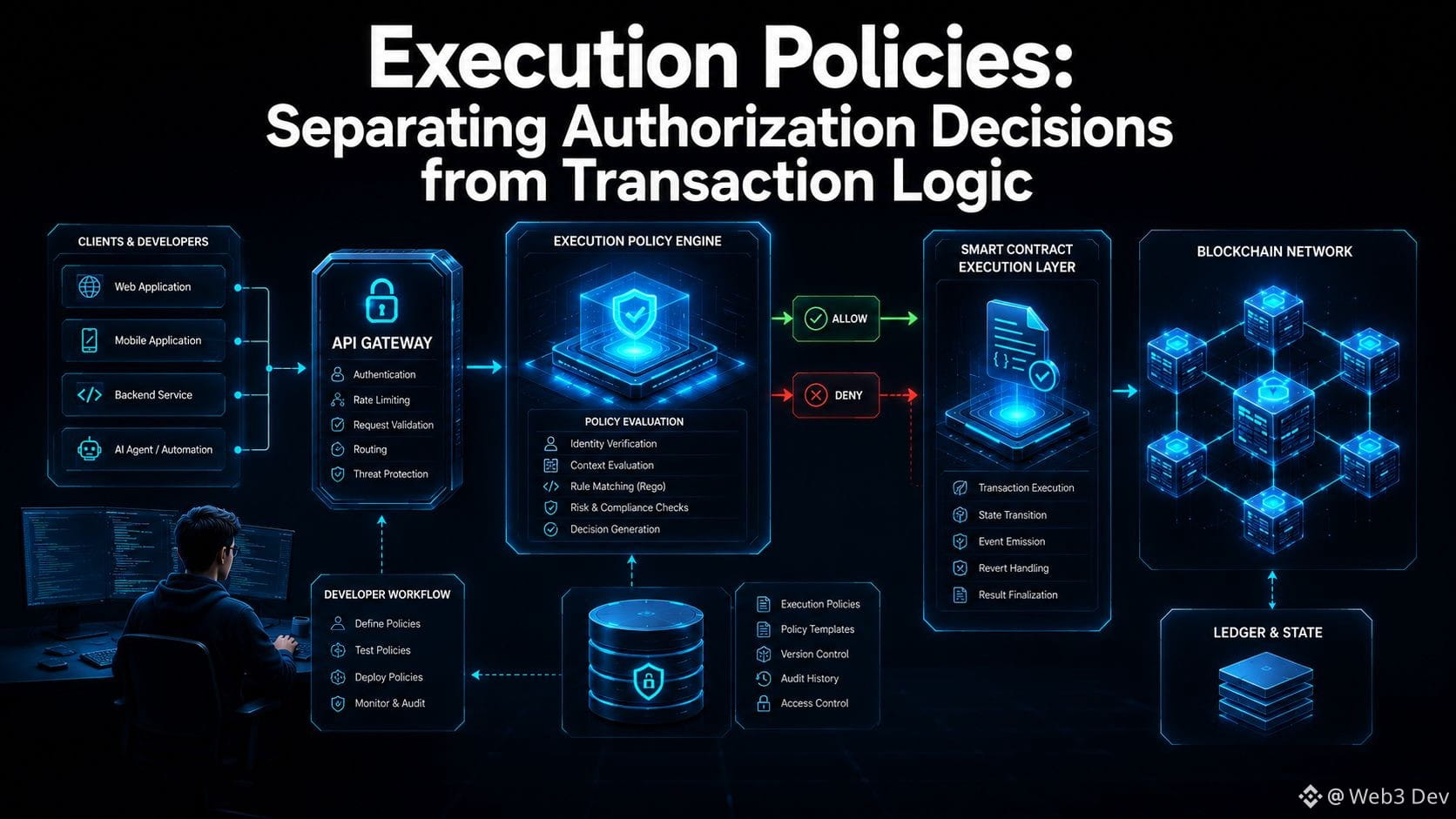
Um erro frequente de design em aplicações descentralizadas é tratar a execução de transações e a autorização como a mesma responsabilidade. Isso funciona para sistemas simples, mas se torna cada vez mais difícil de manter à medida que as regras operacionais evoluem.
Uma política de execução introduz uma camada separada de decisão que determina se uma ação solicitada satisfaz condições predefinidas antes que a execução prossiga. A transação em si permanece responsável pela lógica de negócios, enquanto a avaliação da política determina se a execução é permitida.
Essa separação é familiar para engenheiros de backend. Em uma API REST típica, um gateway de API ou um middleware de autorização avalia uma requisição antes que ela chegue ao handler da aplicação. O ciclo de vida da requisição se torna mais fácil de raciocinar porque a lógica de autorização fica centralizada em vez de ser duplicada em vários serviços.
A documentação de Newton descreve uma arquitetura de autorização baseada em políticas que segue essa separação de responsabilidades. Em vez de incorporar cada regra de autorização na lógica de execução, as políticas podem ser avaliadas de forma independente como parte do fluxo de autorização. Isso melhora a manutenibilidade, ao mesmo tempo em que permite que definições de políticas evoluam sem reescrever o comportamento da aplicação.
Para equipes de infraestrutura, esse limite arquitetural tem valor prático. Desenvolvedores podem raciocinar sobre o código de execução independentemente das políticas de autorização, enquanto as empresas obtêm um local mais claro para governança, controles operacionais e auditabilidade. O resultado é um design de sistema mais limpo, no qual a execução e a autorização têm responsabilidades distintas.
@NewtonProtocol apresenta essa arquitetura orientada a autorização como parte do amplo ecossistema $NEWT .
...
Discussão técnica: Em vez de incorporar diretamente a autorização na lógica da aplicação, os futuros frameworks de aplicativos blockchain devem expor políticas de execução como componentes de infraestrutura de primeira classe?
#newt
Políticas de Execução: Separando Decisões de Autorização da Lógica de Transação
...
Um erro frequente de design em aplicações descentralizadas é tratar a execução de transações e a autorização como a mesma responsabilidade. Isso funciona para sistemas simples, mas se torna cada vez mais difícil de manter à medida que as regras operacionais evoluem.
Uma política de execução introduz uma camada separada de decisão que determina se uma ação solicitada satisfaz condições predefinidas antes que a execução prossiga. A transação em si permanece responsável pela lógica de negócios, enquanto a avaliação da política determina se a execução é permitida.
Essa separação é familiar para engenheiros de backend. Em uma API REST típica, um gateway de API ou um middleware de autorização avalia uma requisição antes que ela chegue ao handler da aplicação. O ciclo de vida da requisição se torna mais fácil de raciocinar porque a lógica de autorização fica centralizada em vez de ser duplicada em vários serviços.
A documentação de Newton descreve uma arquitetura de autorização baseada em políticas que segue essa separação de responsabilidades. Em vez de incorporar cada regra de autorização na lógica de execução, as políticas podem ser avaliadas de forma independente como parte do fluxo de autorização. Isso melhora a manutenibilidade, ao mesmo tempo em que permite que definições de políticas evoluam sem reescrever o comportamento da aplicação.
Para equipes de infraestrutura, esse limite arquitetural tem valor prático. Desenvolvedores podem raciocinar sobre o código de execução independentemente das políticas de autorização, enquanto as empresas obtêm um local mais claro para governança, controles operacionais e auditabilidade. O resultado é um design de sistema mais limpo, no qual a execução e a autorização têm responsabilidades distintas.
@NewtonProtocol apresenta essa arquitetura orientada a autorização como parte do amplo ecossistema $NEWT .
...
Discussão técnica: Em vez de incorporar diretamente a autorização na lógica da aplicação, os futuros frameworks de aplicativos blockchain devem expor políticas de execução como componentes de infraestrutura de primeira classe?
#newt
...
Um erro frequente de design em aplicações descentralizadas é tratar a execução de transações e a autorização como a mesma responsabilidade. Isso funciona para sistemas simples, mas se torna cada vez mais difícil de manter à medida que as regras operacionais evoluem.
Uma política de execução introduz uma camada separada de decisão que determina se uma ação solicitada satisfaz condições predefinidas antes que a execução prossiga. A transação em si permanece responsável pela lógica de negócios, enquanto a avaliação da política determina se a execução é permitida.
Essa separação é familiar para engenheiros de backend. Em uma API REST típica, um gateway de API ou um middleware de autorização avalia uma requisição antes que ela chegue ao handler da aplicação. O ciclo de vida da requisição se torna mais fácil de raciocinar porque a lógica de autorização fica centralizada em vez de ser duplicada em vários serviços.
A documentação de Newton descreve uma arquitetura de autorização baseada em políticas que segue essa separação de responsabilidades. Em vez de incorporar cada regra de autorização na lógica de execução, as políticas podem ser avaliadas de forma independente como parte do fluxo de autorização. Isso melhora a manutenibilidade, ao mesmo tempo em que permite que definições de políticas evoluam sem reescrever o comportamento da aplicação.
Para equipes de infraestrutura, esse limite arquitetural tem valor prático. Desenvolvedores podem raciocinar sobre o código de execução independentemente das políticas de autorização, enquanto as empresas obtêm um local mais claro para governança, controles operacionais e auditabilidade. O resultado é um design de sistema mais limpo, no qual a execução e a autorização têm responsabilidades distintas.
@NewtonProtocol apresenta essa arquitetura orientada a autorização como parte do amplo ecossistema $NEWT .
...
Discussão técnica: Em vez de incorporar diretamente a autorização na lógica da aplicação, os futuros frameworks de aplicativos blockchain devem expor políticas de execução como componentes de infraestrutura de primeira classe?
#newt
7
1
91
·
--
Por que é importante externalizar a lógica de autorização para contratos inteligentes
...
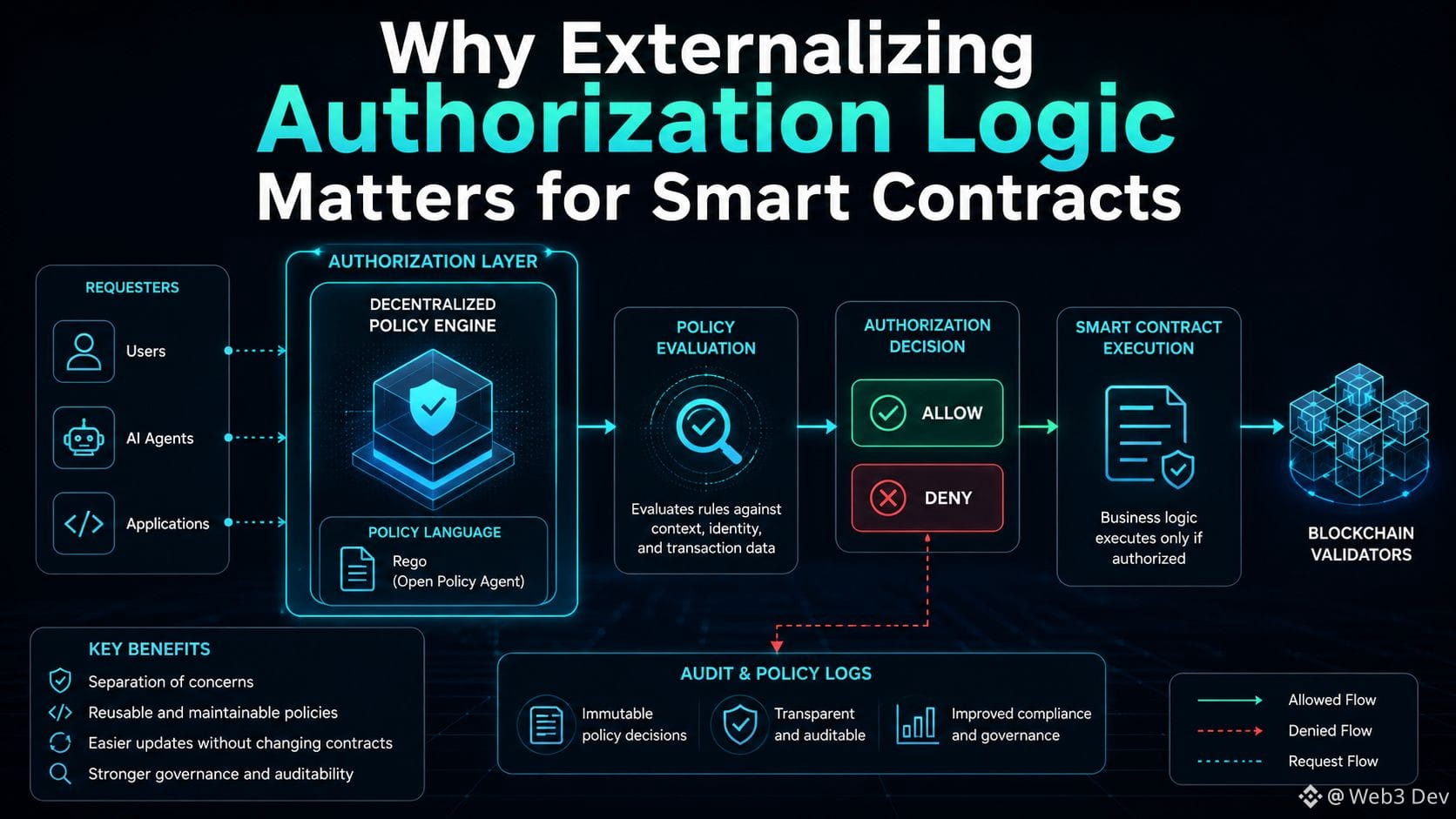
Muitos desenvolvedores presumem que a autorização deve ficar dentro de um contrato inteligente. Essa abordagem funciona para verificações simples de permissão, mas se torna difícil de manter à medida que regras de conformidade, limites de gastos ou requisitos organizacionais evoluem.
A Newton introduz o conceito de avaliar a autorização por meio de uma camada de políticas dedicada antes da execução. Em vez de incorporar cada regra de autorização na lógica do contrato, a avaliação de políticas é separada da execução da aplicação, permitindo que o comportamento de autorização seja gerenciado de forma independente, mantendo a lógica de negócios focada no propósito pretendido.
Para desenvolvedores de back-end, esse padrão arquitetural é semelhante a mover a autorização de manipuladores de rotas distribuídos para um middleware centralizado. Em frameworks como Node.js e Express, autenticação e autorização são normalmente aplicadas antes que as requisições cheguem à lógica da aplicação. Separar essas responsabilidades melhora a manutenibilidade, as atualizações de políticas e o reuso de código.
O mesmo princípio de design pode ser aplicado à infraestrutura de blockchain. Políticas escritas com Rego podem definir regras de autorização independentemente da lógica da aplicação, reduzindo verificações duplicadas de permissão entre contratos ou serviços e facilitando a revisão e evolução das decisões de autorização.
Para empresas, agentes de IA e equipes de infraestrutura, tratar a autorização como uma camada arquitetural dedicada pode apoiar uma governança mais clara e uma gestão de políticas mais transparente, sem entrelaçar regras operacionais com a implementação do contrato.
Entender a autorização como infraestrutura reutilizável pode se tornar tão importante quanto entender a execução.
...
Conclusão principal: Separar a autorização da execução permite que a lógica de políticas evolua sem que seja necessário alterar repetidamente a lógica da aplicação.
#Newt @NewtonProtocol $NEWT
Documentação oficial:
https://docs.newton.xyz/developers/overview/about
Por que é importante externalizar a lógica de autorização para contratos inteligentes
...
Muitos desenvolvedores presumem que a autorização deve ficar dentro de um contrato inteligente. Essa abordagem funciona para verificações simples de permissão, mas se torna difícil de manter à medida que regras de conformidade, limites de gastos ou requisitos organizacionais evoluem.
A Newton introduz o conceito de avaliar a autorização por meio de uma camada de políticas dedicada antes da execução. Em vez de incorporar cada regra de autorização na lógica do contrato, a avaliação de políticas é separada da execução da aplicação, permitindo que o comportamento de autorização seja gerenciado de forma independente, mantendo a lógica de negócios focada no propósito pretendido.
Para desenvolvedores de back-end, esse padrão arquitetural é semelhante a mover a autorização de manipuladores de rotas distribuídos para um middleware centralizado. Em frameworks como Node.js e Express, autenticação e autorização são normalmente aplicadas antes que as requisições cheguem à lógica da aplicação. Separar essas responsabilidades melhora a manutenibilidade, as atualizações de políticas e o reuso de código.
O mesmo princípio de design pode ser aplicado à infraestrutura de blockchain. Políticas escritas com Rego podem definir regras de autorização independentemente da lógica da aplicação, reduzindo verificações duplicadas de permissão entre contratos ou serviços e facilitando a revisão e evolução das decisões de autorização.
Para empresas, agentes de IA e equipes de infraestrutura, tratar a autorização como uma camada arquitetural dedicada pode apoiar uma governança mais clara e uma gestão de políticas mais transparente, sem entrelaçar regras operacionais com a implementação do contrato.
Entender a autorização como infraestrutura reutilizável pode se tornar tão importante quanto entender a execução.
...
Conclusão principal: Separar a autorização da execução permite que a lógica de políticas evolua sem que seja necessário alterar repetidamente a lógica da aplicação.
#Newt @NewtonProtocol $NEWT
Documentação oficial:
https://docs.newton.xyz/developers/overview/about
...
Muitos desenvolvedores presumem que a autorização deve ficar dentro de um contrato inteligente. Essa abordagem funciona para verificações simples de permissão, mas se torna difícil de manter à medida que regras de conformidade, limites de gastos ou requisitos organizacionais evoluem.
A Newton introduz o conceito de avaliar a autorização por meio de uma camada de políticas dedicada antes da execução. Em vez de incorporar cada regra de autorização na lógica do contrato, a avaliação de políticas é separada da execução da aplicação, permitindo que o comportamento de autorização seja gerenciado de forma independente, mantendo a lógica de negócios focada no propósito pretendido.
Para desenvolvedores de back-end, esse padrão arquitetural é semelhante a mover a autorização de manipuladores de rotas distribuídos para um middleware centralizado. Em frameworks como Node.js e Express, autenticação e autorização são normalmente aplicadas antes que as requisições cheguem à lógica da aplicação. Separar essas responsabilidades melhora a manutenibilidade, as atualizações de políticas e o reuso de código.
O mesmo princípio de design pode ser aplicado à infraestrutura de blockchain. Políticas escritas com Rego podem definir regras de autorização independentemente da lógica da aplicação, reduzindo verificações duplicadas de permissão entre contratos ou serviços e facilitando a revisão e evolução das decisões de autorização.
Para empresas, agentes de IA e equipes de infraestrutura, tratar a autorização como uma camada arquitetural dedicada pode apoiar uma governança mais clara e uma gestão de políticas mais transparente, sem entrelaçar regras operacionais com a implementação do contrato.
Entender a autorização como infraestrutura reutilizável pode se tornar tão importante quanto entender a execução.
...
Conclusão principal: Separar a autorização da execução permite que a lógica de políticas evolua sem que seja necessário alterar repetidamente a lógica da aplicação.
#Newt @NewtonProtocol $NEWT
Documentação oficial:
https://docs.newton.xyz/developers/overview/about
1
1
66
·
--
Artigo
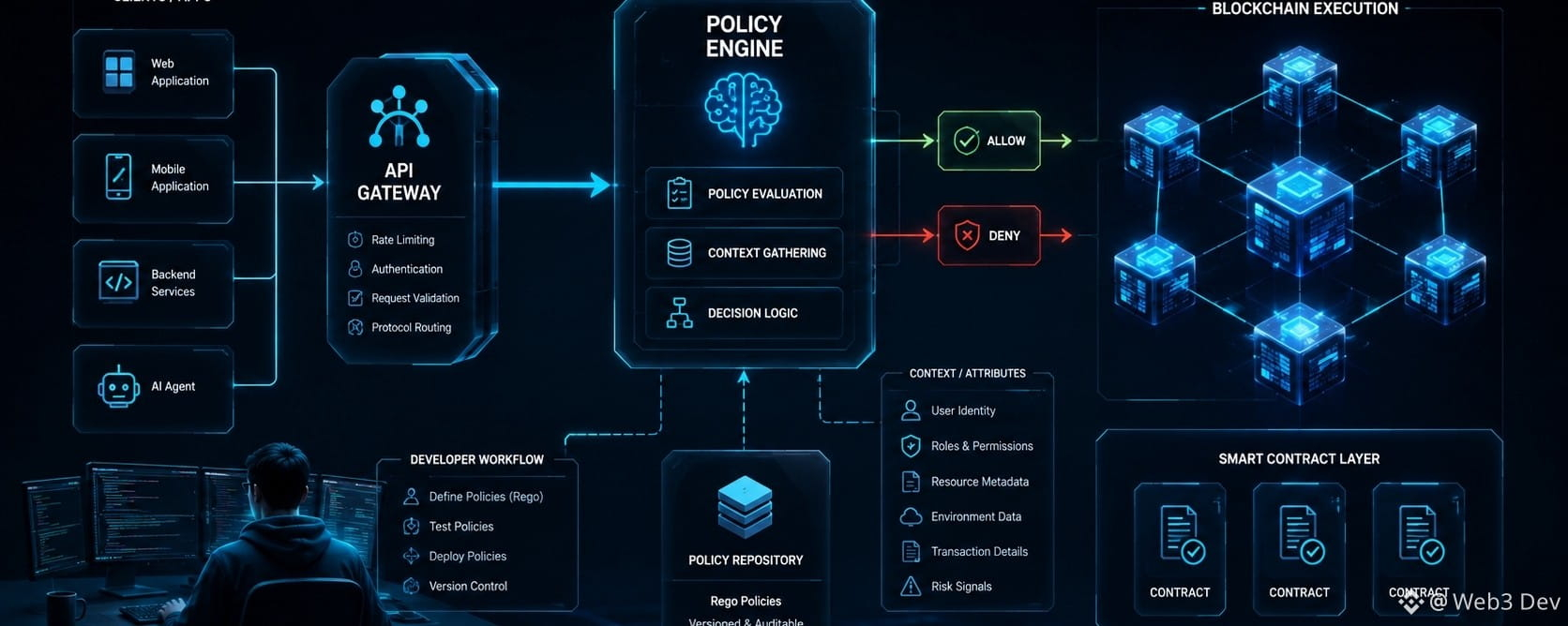
Por que a Autorização Orientada por Políticas Muda os Modelos de Segurança de Contratos InteligentesOs contratos inteligentes tradicionais se destacam na execução determinística, mas enfrentam uma limitação fundamental: eles não conseguem avaliar informações que existem fora da blockchain. Se uma transação viola uma política de gastos de uma organização, se origina de um endereço sancionado ou excede um limite operacional predefinido, muitas vezes isso fica invisível apenas para a lógica do contrato. Essa lacuna arquitetural é exatamente onde a autorização orientada por políticas introduz um modelo de segurança diferente.
Problema de Engenharia
A segurança de contratos inteligentes convencional enfatiza escrever uma lógica de contrato correta e validar entradas on-chain. No entanto, decisões de autorização frequentemente dependem de um contexto externo em mudança, e não de código de contrato estático. Muitas aplicações compensam colocando verificações de política em frontends ou em APIs centralizadas, mas essas camadas podem ser contornadas quando usuários ou sistemas automatizados interagem diretamente com contratos já implantados. De acordo com a documentação oficial da Newton, contratos inteligentes são efetivamente cegos ao contexto off-chain, o que torna a autorização externa difícil de aplicar de forma consistente.
Por que a Autorização Orientada por Políticas Muda os Modelos de Segurança de Contratos Inteligentes
Os contratos inteligentes tradicionais se destacam na execução determinística, mas enfrentam uma limitação fundamental: eles não conseguem avaliar informações que existem fora da blockchain. Se uma transação viola uma política de gastos de uma organização, se origina de um endereço sancionado ou excede um limite operacional predefinido, muitas vezes isso fica invisível apenas para a lógica do contrato. Essa lacuna arquitetural é exatamente onde a autorização orientada por políticas introduz um modelo de segurança diferente.
Problema de Engenharia
A segurança de contratos inteligentes convencional enfatiza escrever uma lógica de contrato correta e validar entradas on-chain. No entanto, decisões de autorização frequentemente dependem de um contexto externo em mudança, e não de código de contrato estático. Muitas aplicações compensam colocando verificações de política em frontends ou em APIs centralizadas, mas essas camadas podem ser contornadas quando usuários ou sistemas automatizados interagem diretamente com contratos já implantados. De acordo com a documentação oficial da Newton, contratos inteligentes são efetivamente cegos ao contexto off-chain, o que torna a autorização externa difícil de aplicar de forma consistente.
Problema de Engenharia
A segurança de contratos inteligentes convencional enfatiza escrever uma lógica de contrato correta e validar entradas on-chain. No entanto, decisões de autorização frequentemente dependem de um contexto externo em mudança, e não de código de contrato estático. Muitas aplicações compensam colocando verificações de política em frontends ou em APIs centralizadas, mas essas camadas podem ser contornadas quando usuários ou sistemas automatizados interagem diretamente com contratos já implantados. De acordo com a documentação oficial da Newton, contratos inteligentes são efetivamente cegos ao contexto off-chain, o que torna a autorização externa difícil de aplicar de forma consistente.
1
1
88
·
--
Parcialmente verdadeiro
Artigo
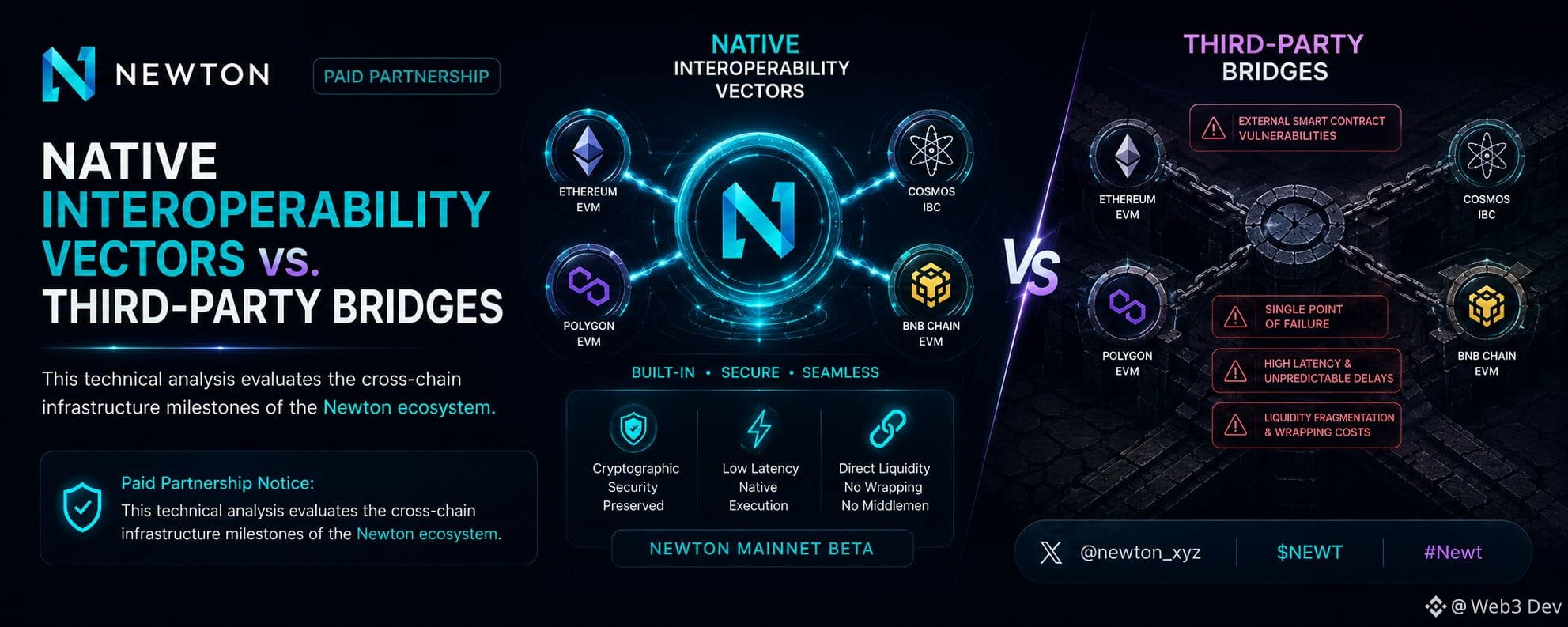
Vetores de Interoperabilidade Nativa vs. Bridges de TerceirosÀ medida que os ecossistemas de blockchain continuam a se expandir, a interoperabilidade tornou-se um dos desafios definidores para a infraestrutura descentralizada. As aplicações cada vez mais exigem que ativos, dados e contratos inteligentes comuniquem-se entre múltiplos ambientes de blockchain. A interoperabilidade tradicional tem dependido em grande parte de protocolos de bridge de terceiros, mas essas soluções frequentemente introduzem suposições adicionais de confiança, complexidade de execução e riscos de segurança.
O Protocolo Newton aborda este desafio de forma diferente. Em vez de depender de infraestrutura de ponte externa, o Newton incorpora interoperabilidade nativa diretamente na arquitetura do seu protocolo. Este design busca preservar as propriedades de segurança de cada rede conectada, ao mesmo tempo em que permite uma comunicação eficiente entre ecossistemas de máquinas virtuais.
Vetores de Interoperabilidade Nativa vs. Bridges de Terceiros
À medida que os ecossistemas de blockchain continuam a se expandir, a interoperabilidade tornou-se um dos desafios definidores para a infraestrutura descentralizada. As aplicações cada vez mais exigem que ativos, dados e contratos inteligentes comuniquem-se entre múltiplos ambientes de blockchain. A interoperabilidade tradicional tem dependido em grande parte de protocolos de bridge de terceiros, mas essas soluções frequentemente introduzem suposições adicionais de confiança, complexidade de execução e riscos de segurança.
O Protocolo Newton aborda este desafio de forma diferente. Em vez de depender de infraestrutura de ponte externa, o Newton incorpora interoperabilidade nativa diretamente na arquitetura do seu protocolo. Este design busca preservar as propriedades de segurança de cada rede conectada, ao mesmo tempo em que permite uma comunicação eficiente entre ecossistemas de máquinas virtuais.
O Protocolo Newton aborda este desafio de forma diferente. Em vez de depender de infraestrutura de ponte externa, o Newton incorpora interoperabilidade nativa diretamente na arquitetura do seu protocolo. Este design busca preservar as propriedades de segurança de cada rede conectada, ao mesmo tempo em que permite uma comunicação eficiente entre ecossistemas de máquinas virtuais.
2
2
213
·
--
Verificado
Entendendo Rego: Por que políticas declarativas importam para autorização onchain
...
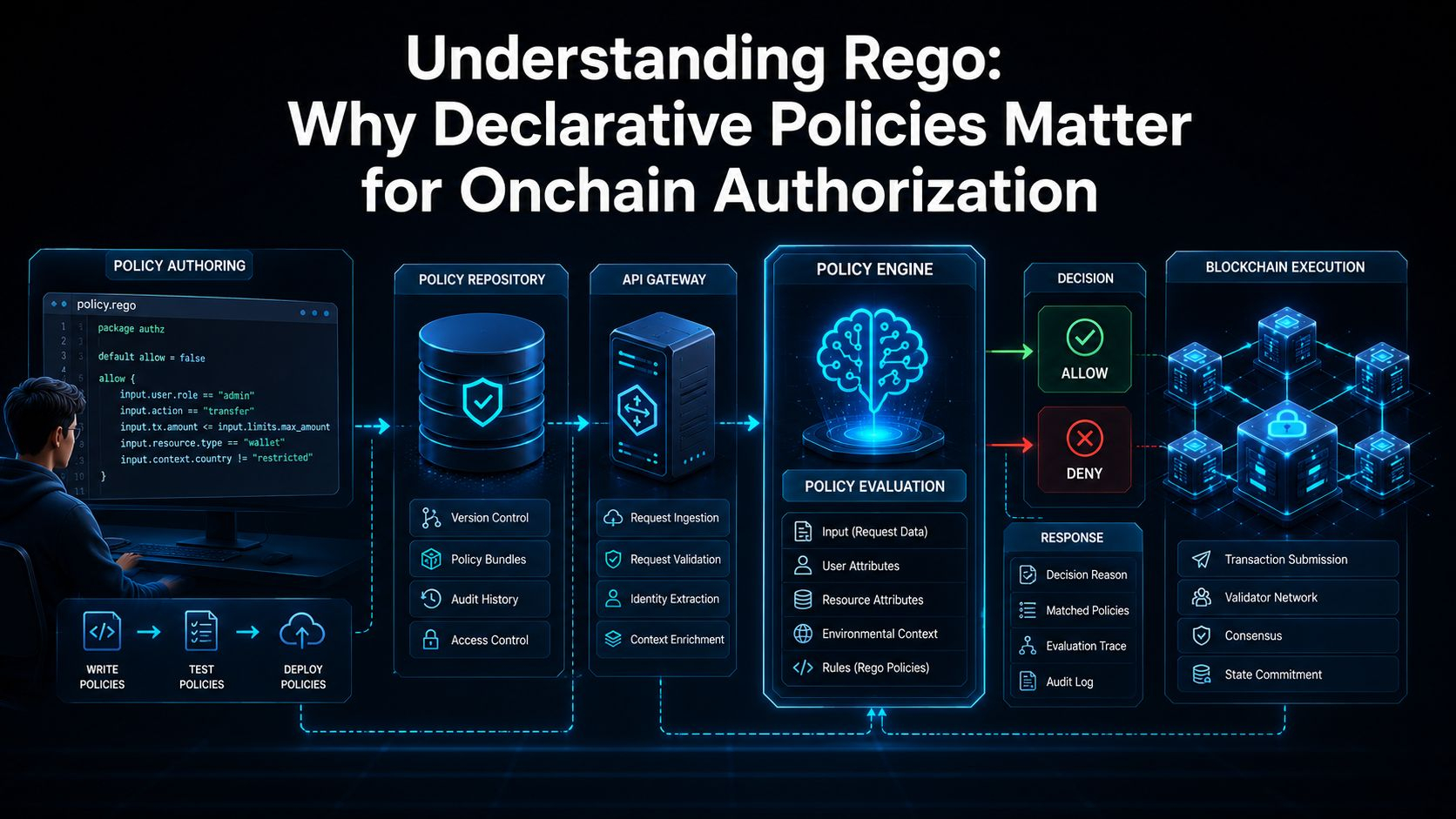
Uma concepção comum é achar que regras de autorização devem sempre viver dentro do código da aplicação ou do contrato inteligente. Essa abordagem funciona inicialmente, mas se torna difícil de manter à medida que requisitos de conformidade, regras de acesso ou lógica de negócio evoluem.
O Rego adota uma abordagem diferente. Como linguagem de políticas do Open Policy Agent (OPA), o Rego permite que desenvolvedores definam regras de autorização separadamente da lógica da aplicação. Em vez de codificar permissões de forma rígida, um mecanismo de políticas avalia entradas estruturadas e retorna uma decisão com base em regras declaradas.
A mesma ideia arquitetural aparece no modelo de autorização do Newton. Em vez de embutir toda verificação de conformidade ou autorização dentro de um contrato, políticas são avaliadas antes da execução da transação. O Newton descreve isso como uma camada de autorização para transações onchain, em que políticas programáveis podem impor condições como identidade, jurisdição ou limites de gastos antes da execução.
Para desenvolvedores de backend, o padrão é familiar. Pense em uma aplicação Express em que um middleware de autorização avalia uma requisição antes de o controlador executar. A lógica de negócio permanece focada no comportamento da aplicação, enquanto a lógica de política fica centralizada e mais fácil de atualizar.
Essa separação melhora a manutenibilidade, suporta auditoria e reduz a necessidade de modificar a lógica central de execução sempre que os requisitos de autorização mudam. Ela também cria um limite mais claro entre a execução e a avaliação de políticas.
@NewtonProtocol demonstrates como autorização programável pode ser introduzida como uma camada dedicada de infraestrutura dentro do $NEWT ecosystem. #Newt
...
Discussão técnica: Conforme aplicações blockchain se tornam mais complexas, a avaliação de políticas deveria cada vez mais ser tratada como infraestrutura independente, em vez de estar embutida na lógica do contrato?
Entendendo Rego: Por que políticas declarativas importam para autorização onchain
...
Uma concepção comum é achar que regras de autorização devem sempre viver dentro do código da aplicação ou do contrato inteligente. Essa abordagem funciona inicialmente, mas se torna difícil de manter à medida que requisitos de conformidade, regras de acesso ou lógica de negócio evoluem.
O Rego adota uma abordagem diferente. Como linguagem de políticas do Open Policy Agent (OPA), o Rego permite que desenvolvedores definam regras de autorização separadamente da lógica da aplicação. Em vez de codificar permissões de forma rígida, um mecanismo de políticas avalia entradas estruturadas e retorna uma decisão com base em regras declaradas.
A mesma ideia arquitetural aparece no modelo de autorização do Newton. Em vez de embutir toda verificação de conformidade ou autorização dentro de um contrato, políticas são avaliadas antes da execução da transação. O Newton descreve isso como uma camada de autorização para transações onchain, em que políticas programáveis podem impor condições como identidade, jurisdição ou limites de gastos antes da execução.
Para desenvolvedores de backend, o padrão é familiar. Pense em uma aplicação Express em que um middleware de autorização avalia uma requisição antes de o controlador executar. A lógica de negócio permanece focada no comportamento da aplicação, enquanto a lógica de política fica centralizada e mais fácil de atualizar.
Essa separação melhora a manutenibilidade, suporta auditoria e reduz a necessidade de modificar a lógica central de execução sempre que os requisitos de autorização mudam. Ela também cria um limite mais claro entre a execução e a avaliação de políticas.
@NewtonProtocol demonstrates como autorização programável pode ser introduzida como uma camada dedicada de infraestrutura dentro do $NEWT ecosystem. #Newt
...
Discussão técnica: Conforme aplicações blockchain se tornam mais complexas, a avaliação de políticas deveria cada vez mais ser tratada como infraestrutura independente, em vez de estar embutida na lógica do contrato?
...
Uma concepção comum é achar que regras de autorização devem sempre viver dentro do código da aplicação ou do contrato inteligente. Essa abordagem funciona inicialmente, mas se torna difícil de manter à medida que requisitos de conformidade, regras de acesso ou lógica de negócio evoluem.
O Rego adota uma abordagem diferente. Como linguagem de políticas do Open Policy Agent (OPA), o Rego permite que desenvolvedores definam regras de autorização separadamente da lógica da aplicação. Em vez de codificar permissões de forma rígida, um mecanismo de políticas avalia entradas estruturadas e retorna uma decisão com base em regras declaradas.
A mesma ideia arquitetural aparece no modelo de autorização do Newton. Em vez de embutir toda verificação de conformidade ou autorização dentro de um contrato, políticas são avaliadas antes da execução da transação. O Newton descreve isso como uma camada de autorização para transações onchain, em que políticas programáveis podem impor condições como identidade, jurisdição ou limites de gastos antes da execução.
Para desenvolvedores de backend, o padrão é familiar. Pense em uma aplicação Express em que um middleware de autorização avalia uma requisição antes de o controlador executar. A lógica de negócio permanece focada no comportamento da aplicação, enquanto a lógica de política fica centralizada e mais fácil de atualizar.
Essa separação melhora a manutenibilidade, suporta auditoria e reduz a necessidade de modificar a lógica central de execução sempre que os requisitos de autorização mudam. Ela também cria um limite mais claro entre a execução e a avaliação de políticas.
@NewtonProtocol demonstrates como autorização programável pode ser introduzida como uma camada dedicada de infraestrutura dentro do $NEWT ecosystem. #Newt
...
Discussão técnica: Conforme aplicações blockchain se tornam mais complexas, a avaliação de políticas deveria cada vez mais ser tratada como infraestrutura independente, em vez de estar embutida na lógica do contrato?
4
1
112
·
--
🏆 Veredicto Final Da Minha Experiência
O acampamento da Tunísia está extremamente instável após um colapso histórico no primeiro dia. O sistema coeso do Japão e seu jogo de transição letal devem explorar facilmente as vulnerabilidades defensivas da Tunísia. "SIM" é a seleção mais analítica e respaldada estatisticamente para esta 1.000ª partida histórica da Copa do Mundo.
#BinancePickAndWin
🏆 Veredicto Final Da Minha Experiência
O acampamento da Tunísia está extremamente instável após um colapso histórico no primeiro dia. O sistema coeso do Japão e seu jogo de transição letal devem explorar facilmente as vulnerabilidades defensivas da Tunísia. "SIM" é a seleção mais analítica e respaldada estatisticamente para esta 1.000ª partida histórica da Copa do Mundo.
#BinancePickAndWin
O acampamento da Tunísia está extremamente instável após um colapso histórico no primeiro dia. O sistema coeso do Japão e seu jogo de transição letal devem explorar facilmente as vulnerabilidades defensivas da Tunísia. "SIM" é a seleção mais analítica e respaldada estatisticamente para esta 1.000ª partida histórica da Copa do Mundo.
#BinancePickAndWin

76
·
--
Vou compartilhar apenas campanhas de ganho gratuitas diariamente no meu grupo do TG.
Me avise seu interesse sobre as últimas opiniões no torneio de futebol.
Comente sua empolgação, ok?
#BinancePickAndWin
Vou compartilhar apenas campanhas de ganho gratuitas diariamente no meu grupo do TG.
Me avise seu interesse sobre as últimas opiniões no torneio de futebol.
Comente sua empolgação, ok?
#BinancePickAndWin
Me avise seu interesse sobre as últimas opiniões no torneio de futebol.
Comente sua empolgação, ok?
#BinancePickAndWin

8
·
--
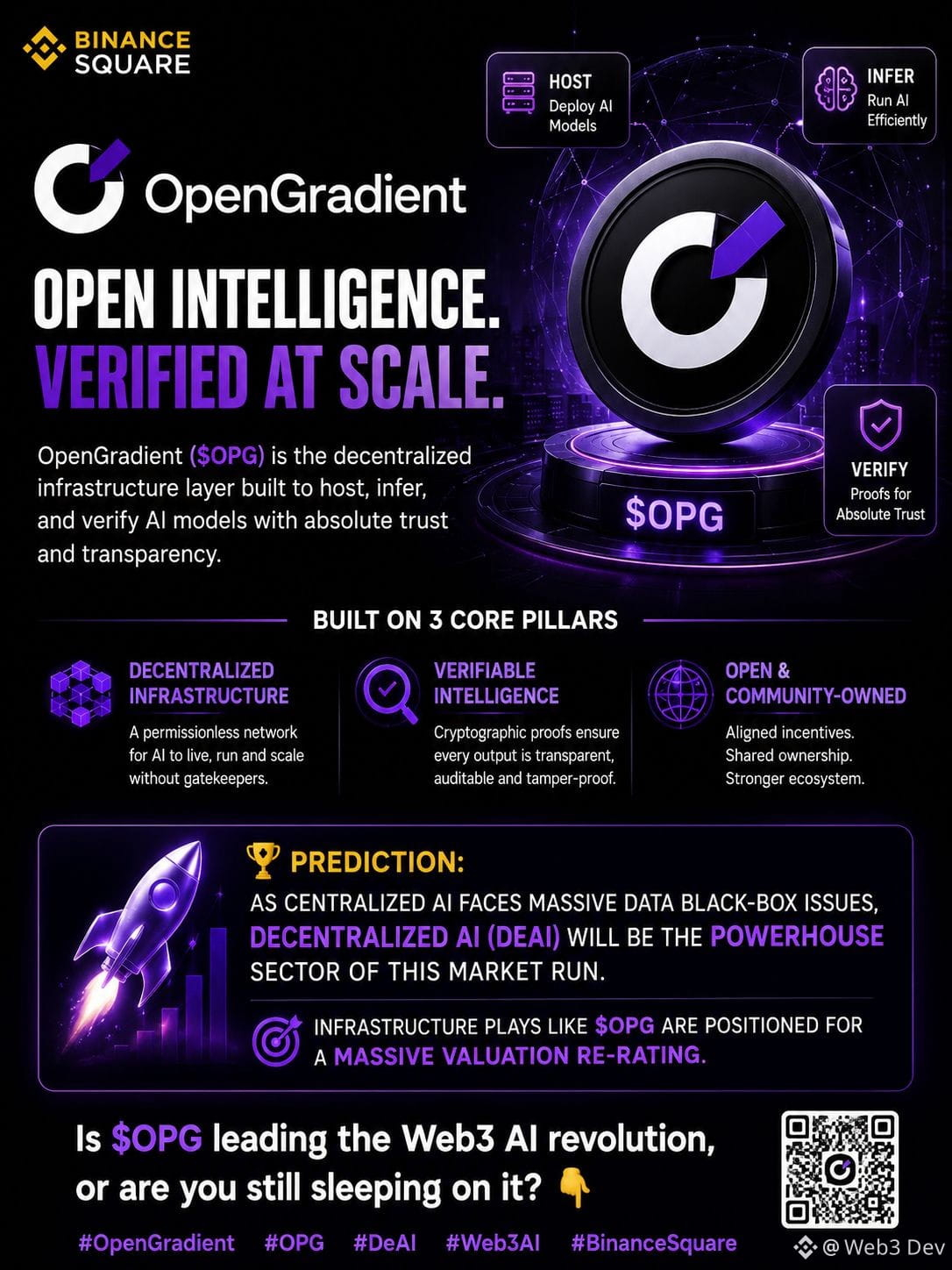
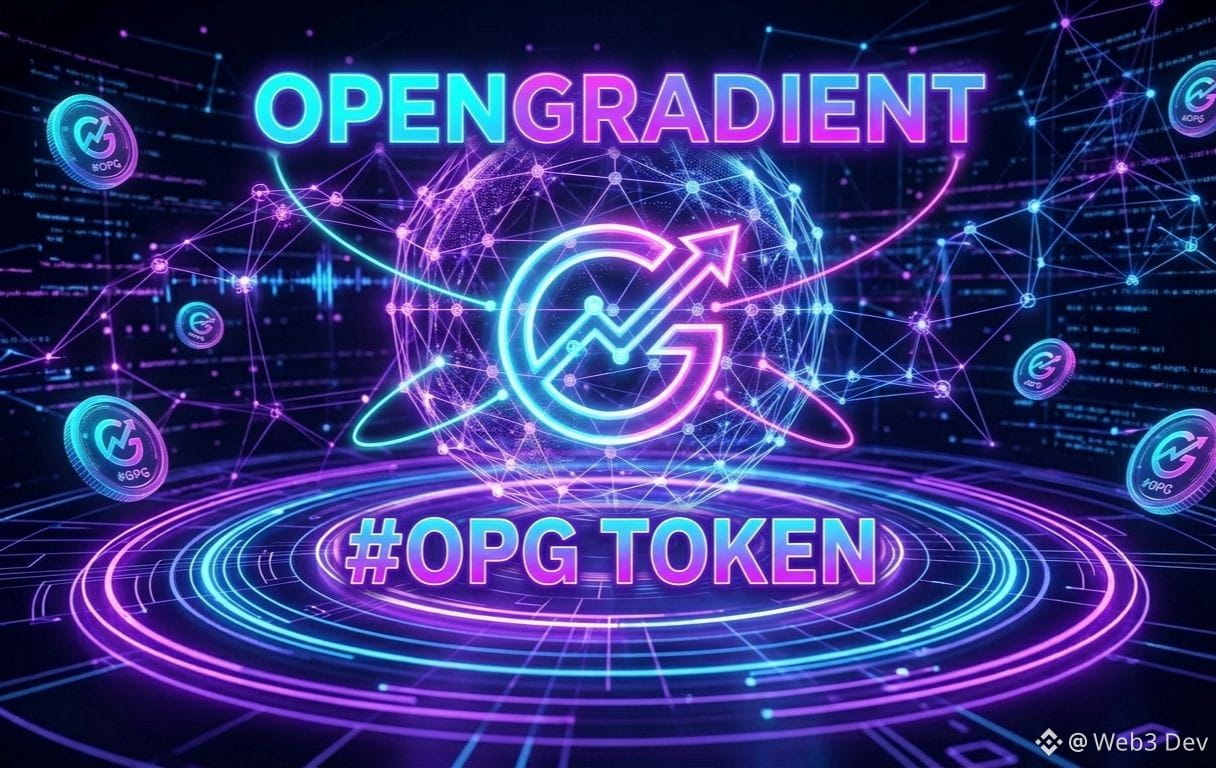
🧠 **Inteligência Aberta. Verificada em Escala.**
Como desenvolvedor, acredito que a próxima evolução da IA não são apenas modelos mais inteligentes, é **inteligência verificável**.
🔹 @OpenGradient ($OPG )** está construindo uma infraestrutura de IA descentralizada que permite:
• 🚀 Hospedagem de modelos de IA sem gatekeepers centralizados • ⚡ Inferência de IA transparente em escala • 🔒 Verificação criptográfica de saídas • 🌐 Inteligência aberta, auditável e com confiança minimizada
**Por que isso é importante?**
O ecossistema de IA de hoje é dominado por sistemas de caixa-preta onde os usuários devem confiar nos resultados sem verificação.
À medida que a demanda por transparência e responsabilidade cresce, **IA Descentralizada (DeAI)** pode surgir como uma das narrativas mais fortes no Web3, com protocolos de infraestrutura desempenhando um papel crítico em permitir a próxima geração de aplicações de IA.
👀 Vale a pena ficar de olho.
#opg $OPG #DeAI
#OpenGradient #BinanceSquareFamily
🧠 **Inteligência Aberta. Verificada em Escala.**
Como desenvolvedor, acredito que a próxima evolução da IA não são apenas modelos mais inteligentes, é **inteligência verificável**.
🔹 @OpenGradient ($OPG )** está construindo uma infraestrutura de IA descentralizada que permite:
• 🚀 Hospedagem de modelos de IA sem gatekeepers centralizados • ⚡ Inferência de IA transparente em escala • 🔒 Verificação criptográfica de saídas • 🌐 Inteligência aberta, auditável e com confiança minimizada
**Por que isso é importante?**
O ecossistema de IA de hoje é dominado por sistemas de caixa-preta onde os usuários devem confiar nos resultados sem verificação.
À medida que a demanda por transparência e responsabilidade cresce, **IA Descentralizada (DeAI)** pode surgir como uma das narrativas mais fortes no Web3, com protocolos de infraestrutura desempenhando um papel crítico em permitir a próxima geração de aplicações de IA.
👀 Vale a pena ficar de olho.
#opg $OPG #DeAI
#OpenGradient #BinanceSquareFamily
Como desenvolvedor, acredito que a próxima evolução da IA não são apenas modelos mais inteligentes, é **inteligência verificável**.
🔹 @OpenGradient ($OPG )** está construindo uma infraestrutura de IA descentralizada que permite:
• 🚀 Hospedagem de modelos de IA sem gatekeepers centralizados • ⚡ Inferência de IA transparente em escala • 🔒 Verificação criptográfica de saídas • 🌐 Inteligência aberta, auditável e com confiança minimizada
**Por que isso é importante?**
O ecossistema de IA de hoje é dominado por sistemas de caixa-preta onde os usuários devem confiar nos resultados sem verificação.
À medida que a demanda por transparência e responsabilidade cresce, **IA Descentralizada (DeAI)** pode surgir como uma das narrativas mais fortes no Web3, com protocolos de infraestrutura desempenhando um papel crítico em permitir a próxima geração de aplicações de IA.
👀 Vale a pena ficar de olho.
#opg $OPG #DeAI
#OpenGradient #BinanceSquareFamily
2
1
111
·
--
O futebol de torneio sempre entrega o inesperado, e as estatísticas de forma padrão muitas vezes saem completamente pela culatra durante as intensas batalhas da fase de grupos. A compostura técnica, a consciência espacial e a capacidade de quebrar um bloqueio defensivo compacto e teimoso são o que realmente separam os vencedores do resto do pelotão quando a pressão aumenta.
Analisando de perto o confronto de hoje entre Uzbequistão e Colômbia, estamos lidando com um clássico contraste estrutural. O Uzbequistão traz uma forma tática impecável e uma organização defensiva rígida para o campo, enquanto a Colômbia se baseia em transições verticais de alto ritmo e uma ameaça criativa de quebra de linha nas áreas laterais.
Isso cria o dilema definitivo no card diário da Binance: A Colômbia vai ganhar a partida?
Após analisar minuciosamente as profundidades dos elencos e os padrões históricos, o brilho clínico individual geralmente encontra o caminho da vitória nesses encontros apertados. Eu finalizei minha análise estratégica e confirmei minha escolha. Você está jogando seguro apostando nos favoritos técnicos sul-americanos para garantir os três pontos, ou você antecipa uma masterclass defensiva resiliente levando a um resultado surpresa? Vamos reivindicar a recompensa de hoje!
#BinancePickAndWin
O futebol de torneio sempre entrega o inesperado, e as estatísticas de forma padrão muitas vezes saem completamente pela culatra durante as intensas batalhas da fase de grupos. A compostura técnica, a consciência espacial e a capacidade de quebrar um bloqueio defensivo compacto e teimoso são o que realmente separam os vencedores do resto do pelotão quando a pressão aumenta.
Analisando de perto o confronto de hoje entre Uzbequistão e Colômbia, estamos lidando com um clássico contraste estrutural. O Uzbequistão traz uma forma tática impecável e uma organização defensiva rígida para o campo, enquanto a Colômbia se baseia em transições verticais de alto ritmo e uma ameaça criativa de quebra de linha nas áreas laterais.
Isso cria o dilema definitivo no card diário da Binance: A Colômbia vai ganhar a partida?
Após analisar minuciosamente as profundidades dos elencos e os padrões históricos, o brilho clínico individual geralmente encontra o caminho da vitória nesses encontros apertados. Eu finalizei minha análise estratégica e confirmei minha escolha. Você está jogando seguro apostando nos favoritos técnicos sul-americanos para garantir os três pontos, ou você antecipa uma masterclass defensiva resiliente levando a um resultado surpresa? Vamos reivindicar a recompensa de hoje!
#BinancePickAndWin
Analisando de perto o confronto de hoje entre Uzbequistão e Colômbia, estamos lidando com um clássico contraste estrutural. O Uzbequistão traz uma forma tática impecável e uma organização defensiva rígida para o campo, enquanto a Colômbia se baseia em transições verticais de alto ritmo e uma ameaça criativa de quebra de linha nas áreas laterais.
Isso cria o dilema definitivo no card diário da Binance: A Colômbia vai ganhar a partida?
Após analisar minuciosamente as profundidades dos elencos e os padrões históricos, o brilho clínico individual geralmente encontra o caminho da vitória nesses encontros apertados. Eu finalizei minha análise estratégica e confirmei minha escolha. Você está jogando seguro apostando nos favoritos técnicos sul-americanos para garantir os três pontos, ou você antecipa uma masterclass defensiva resiliente levando a um resultado surpresa? Vamos reivindicar a recompensa de hoje!
#BinancePickAndWin

93
·
--
O futebol de torneio sempre entrega o inesperado, e as estatísticas de forma padrão muitas vezes vão totalmente por água abaixo em momentos de alta pressão. A resiliência mental e a profundidade do banco são o que realmente separam os vencedores do resto do pelotão quando o relógio passa da 75ª minute.
Analisando o confronto da Fase de Grupos entre Canadá e Bósnia-Herzegovina, ambas as equipes têm uma disciplina tática incrível, mas estilos de transição ofensiva muito diferentes. Isso nos traz a um dilema enorme no cardápio de previsões diárias: o total de escanteios ficará abaixo ou igual a 8?
Eu analisei minuciosamente as profundidades das equipes e as estratégias de jogadas ensaiadas para esta noite. Você prefere os favoritos para manter o jogo fechado, ou está surgindo uma história de azarão com uma ação intensa de ponta a ponta? Vamos garantir essa recompensa!
#BinancePickAndWin
O futebol de torneio sempre entrega o inesperado, e as estatísticas de forma padrão muitas vezes vão totalmente por água abaixo em momentos de alta pressão. A resiliência mental e a profundidade do banco são o que realmente separam os vencedores do resto do pelotão quando o relógio passa da 75ª minute.
Analisando o confronto da Fase de Grupos entre Canadá e Bósnia-Herzegovina, ambas as equipes têm uma disciplina tática incrível, mas estilos de transição ofensiva muito diferentes. Isso nos traz a um dilema enorme no cardápio de previsões diárias: o total de escanteios ficará abaixo ou igual a 8?
Eu analisei minuciosamente as profundidades das equipes e as estratégias de jogadas ensaiadas para esta noite. Você prefere os favoritos para manter o jogo fechado, ou está surgindo uma história de azarão com uma ação intensa de ponta a ponta? Vamos garantir essa recompensa!
#BinancePickAndWin
Analisando o confronto da Fase de Grupos entre Canadá e Bósnia-Herzegovina, ambas as equipes têm uma disciplina tática incrível, mas estilos de transição ofensiva muito diferentes. Isso nos traz a um dilema enorme no cardápio de previsões diárias: o total de escanteios ficará abaixo ou igual a 8?
Eu analisei minuciosamente as profundidades das equipes e as estratégias de jogadas ensaiadas para esta noite. Você prefere os favoritos para manter o jogo fechado, ou está surgindo uma história de azarão com uma ação intensa de ponta a ponta? Vamos garantir essa recompensa!
#BinancePickAndWin

1
133
·
--
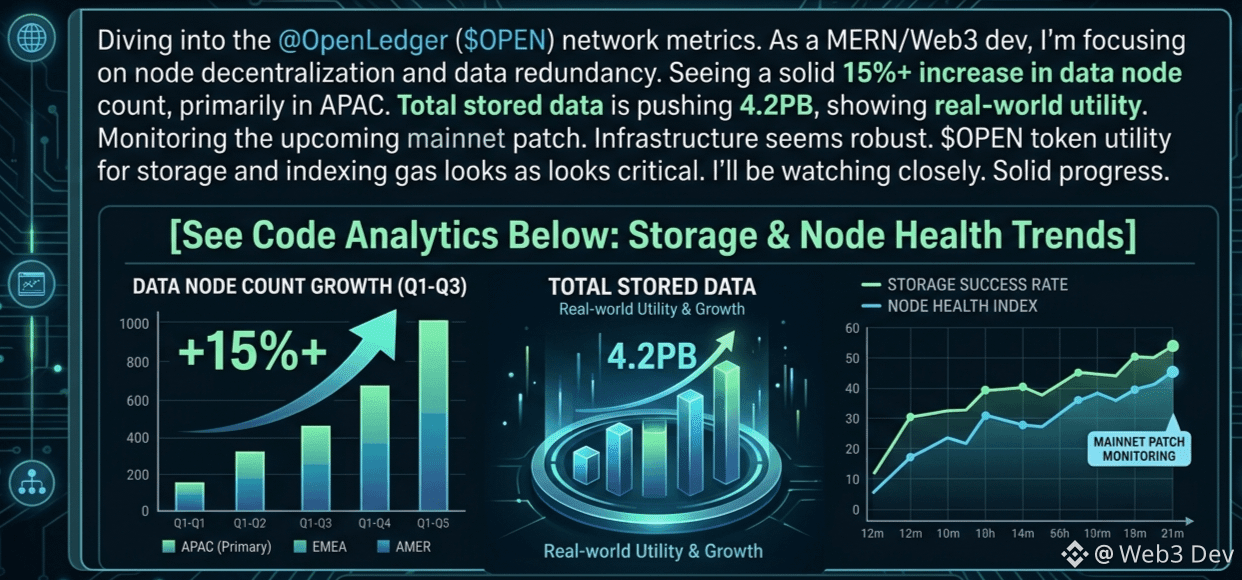
Mergulhando nas métricas da rede @Openledger ($OPEN ).
Como um dev de Web3, estou focando na descentralização de nós e na redundância de dados. Vendo um aumento sólido de mais de 15% na contagem de nós de dados, principalmente na APAC. O total de dados armazenados está chegando a 4.2PB, mostrando utilidade no mundo real.
Monitorando o próximo patch da mainnet. A infraestrutura parece robusta. A utilidade do token $OPEN para gás de armazenamento e indexação parece crítica. Vou ficar de olho. Progresso sólido.
#openledger $OPEN @Openledger
Mergulhando nas métricas da rede @OpenLedger ($OPEN ).
Como um dev de Web3, estou focando na descentralização de nós e na redundância de dados. Vendo um aumento sólido de mais de 15% na contagem de nós de dados, principalmente na APAC. O total de dados armazenados está chegando a 4.2PB, mostrando utilidade no mundo real.
Monitorando o próximo patch da mainnet. A infraestrutura parece robusta. A utilidade do token $OPEN para gás de armazenamento e indexação parece crítica. Vou ficar de olho. Progresso sólido.
#openledger $OPEN @OpenLedger
Como um dev de Web3, estou focando na descentralização de nós e na redundância de dados. Vendo um aumento sólido de mais de 15% na contagem de nós de dados, principalmente na APAC. O total de dados armazenados está chegando a 4.2PB, mostrando utilidade no mundo real.
Monitorando o próximo patch da mainnet. A infraestrutura parece robusta. A utilidade do token $OPEN para gás de armazenamento e indexação parece crítica. Vou ficar de olho. Progresso sólido.
#openledger $OPEN @OpenLedger
9
12
119
·
--
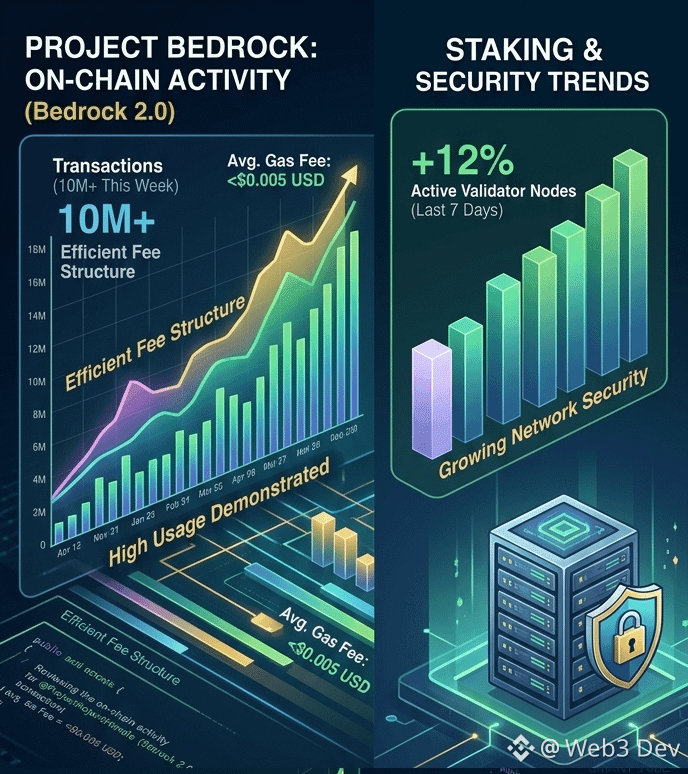
Analisando a atividade on-chain para @Bedrock ($BR ).
Como um dev Web3 & MERN, estou de olho no Bedrock 2.0 lidando com a compressão de rendimento. Passando pelo barulho do airdrop, sua evolução em um Motor de Rendimento Inteligente para capital BTCFi é uma grande mudança estrutural que automatiza estratégias institucionais.
A rede processou mais de 10 milhões de transações esta semana, com taxas de gas médias permanecendo abaixo de $0.005. Isso demonstra estruturas de taxa eficientes durante alta utilização.
A atividade de staking também aumentou, com um aumento de 12% nos nós validadores ativos nos últimos sete dias, indicando uma segurança crescente na rede.
#bedrock $BR @Bedrock
Analisando a atividade on-chain para @Bedrock ($BR ).
Como um dev Web3 & MERN, estou de olho no Bedrock 2.0 lidando com a compressão de rendimento. Passando pelo barulho do airdrop, sua evolução em um Motor de Rendimento Inteligente para capital BTCFi é uma grande mudança estrutural que automatiza estratégias institucionais.
A rede processou mais de 10 milhões de transações esta semana, com taxas de gas médias permanecendo abaixo de $0.005. Isso demonstra estruturas de taxa eficientes durante alta utilização.
A atividade de staking também aumentou, com um aumento de 12% nos nós validadores ativos nos últimos sete dias, indicando uma segurança crescente na rede.
#bedrock $BR @Bedrock
Como um dev Web3 & MERN, estou de olho no Bedrock 2.0 lidando com a compressão de rendimento. Passando pelo barulho do airdrop, sua evolução em um Motor de Rendimento Inteligente para capital BTCFi é uma grande mudança estrutural que automatiza estratégias institucionais.
A rede processou mais de 10 milhões de transações esta semana, com taxas de gas médias permanecendo abaixo de $0.005. Isso demonstra estruturas de taxa eficientes durante alta utilização.
A atividade de staking também aumentou, com um aumento de 12% nos nós validadores ativos nos últimos sete dias, indicando uma segurança crescente na rede.
#bedrock $BR @Bedrock
11
11
129
Inicia sessão para explorar mais conteúdos
Junta-te a utilizadores de criptomoedas de todo o mundo na Binance Square
⚡️ Obtém informações úteis e recentes sobre criptomoedas.
💬 Com a confiança da maior exchange de criptomoedas do mundo.
👍 Descobre perspetivas reais de criadores verificados.
E-mail/Número de telefone
Tópicos em Tendência
CanMicrosoftDeliverOnAI
32,267 visualizações
493 a discutir
Temporada de resultados — Sessão 3: a Google e a Microsoft vão superar as expectativas?
Binance Square Official
·42 gostos
·11.5k visualizações
CanGoogleDefindItsCore
16,381 visualizações
390 a discutir
FOMCWatch
9M visualizações
27,641 a discutir