

Inflectiv AI
226 Publicações

Inflectiv AI
Denunciar
Bloquear Utilizador
Liberating Trapped Intelligence.
Fueling agents, automation, and robotics.
Structured, tokenized, perpetual.
0 A seguir
83 Seguidores
3.2K+ Gostaram
Publicações
Tudo
Cotações
Vídeos
PINNED
·
--
Criar um conjunto de dados parece técnico. Não é.
Carregue PDFs, documentos, links, planilhas, o que quer que você tenha. O Inflectiv estrutura tudo automaticamente.
Aqui está como criar um instantaneamente usando múltiplas fontes de dados 👇
🔗 Link nos comentários para criar seu conjunto de dados agora
Criar um conjunto de dados parece técnico. Não é.
Carregue PDFs, documentos, links, planilhas, o que quer que você tenha. O Inflectiv estrutura tudo automaticamente.
Aqui está como criar um instantaneamente usando múltiplas fontes de dados 👇
🔗 Link nos comentários para criar seu conjunto de dados agora
Carregue PDFs, documentos, links, planilhas, o que quer que você tenha. O Inflectiv estrutura tudo automaticamente.
Aqui está como criar um instantaneamente usando múltiplas fontes de dados 👇
🔗 Link nos comentários para criar seu conjunto de dados agora
6
2
52
690
·
--
Ver tradução
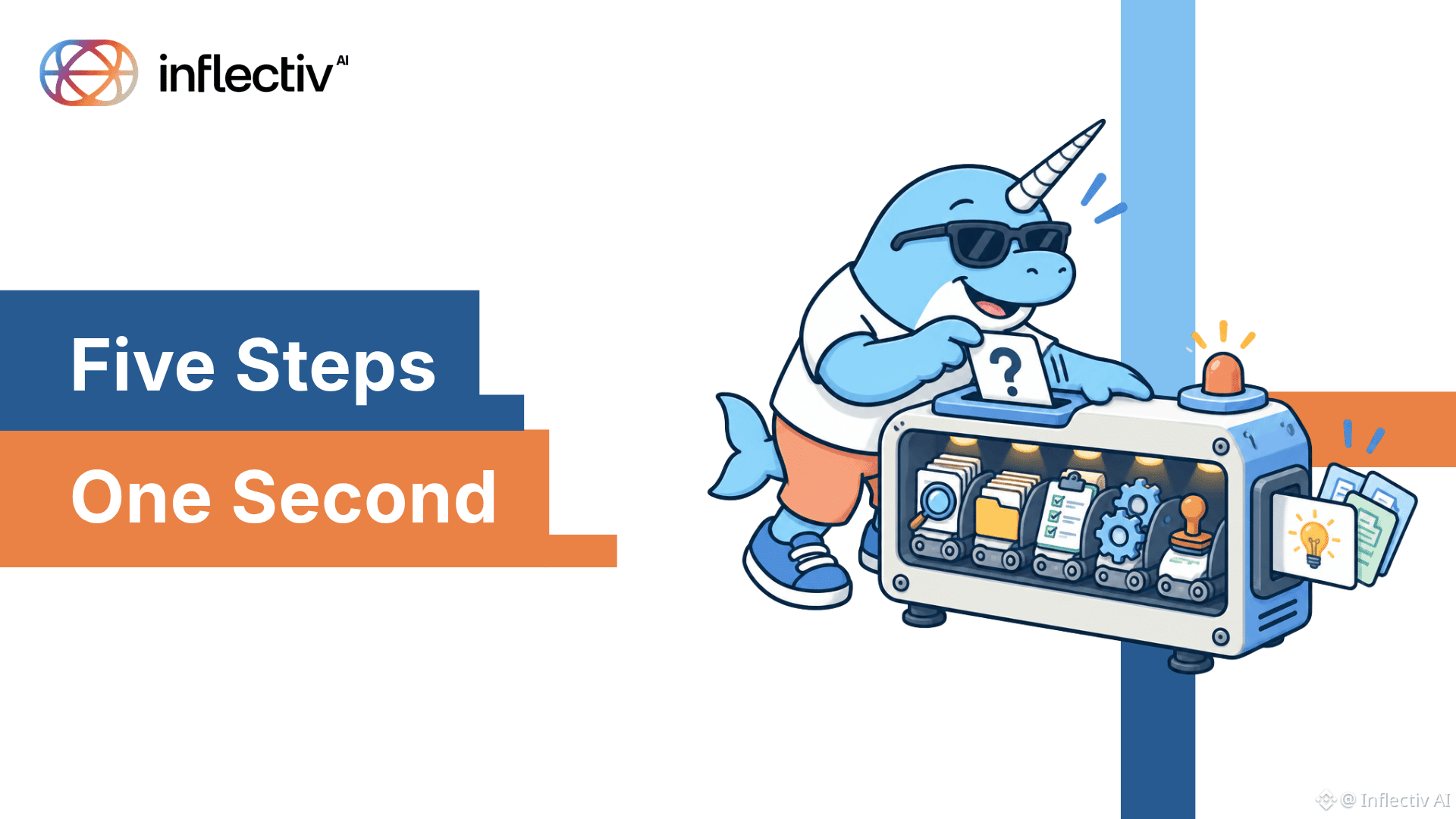
What actually happens when your agent asks a dataset a question?
👉 Five steps: https://x.com/inflectivAI/status/2102704093353615523
What actually happens when your agent asks a dataset a question?
👉 Five steps: https://x.com/inflectivAI/status/2102704093353615523
👉 Five steps: https://x.com/inflectivAI/status/2102704093353615523
73
·
--
Ver tradução
Trying to work out who is actually reading this.
Where are you right now?
Trying to work out who is actually reading this.
Where are you right now?
Where are you right now?
Data, no agent
0%
Agent, no data
0%
Both
0%
Neither yet
0%
0 Votos • Votação encerrada
58
·
--
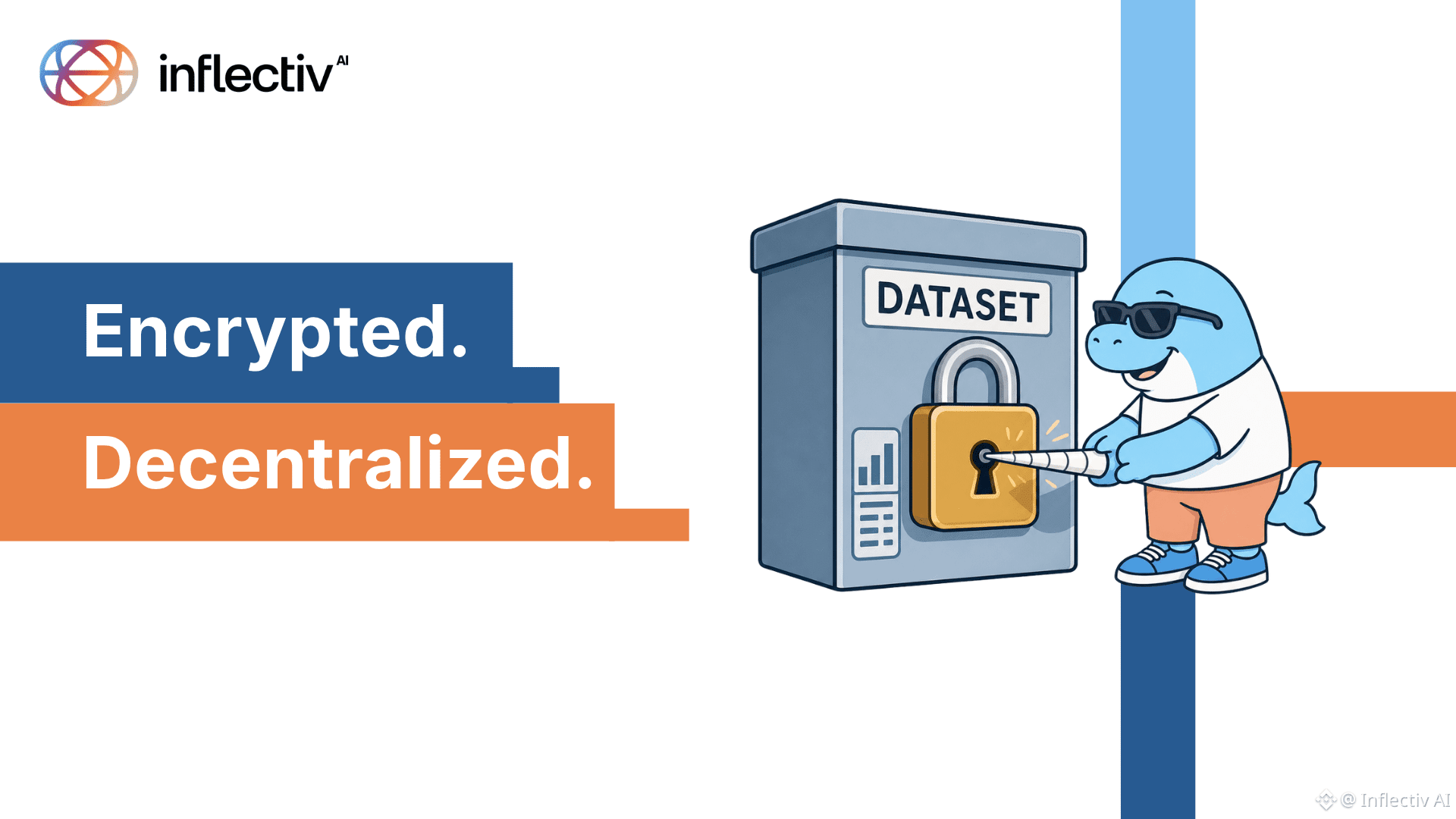
Conjuntos de dados criptografados no Inflectiv:
✔️ Criptografado com Seal antes de ser compartilhado
✔️ Armazenado no Walrus, uma rede descentralizada
✔️ Registrado no Sui com um ID criptográfico de blob
✔️ 4.000+ conjuntos de dados já ancorados
Privado. Verificável. À prova de adulteração.
Criptografe o seu 👉 https://app.inflectiv.ai
Conjuntos de dados criptografados no Inflectiv:
✔️ Criptografado com Seal antes de ser compartilhado
✔️ Armazenado no Walrus, uma rede descentralizada
✔️ Registrado no Sui com um ID criptográfico de blob
✔️ 4.000+ conjuntos de dados já ancorados
Privado. Verificável. À prova de adulteração.
Criptografe o seu 👉 https://app.inflectiv.ai
✔️ Criptografado com Seal antes de ser compartilhado
✔️ Armazenado no Walrus, uma rede descentralizada
✔️ Registrado no Sui com um ID criptográfico de blob
✔️ 4.000+ conjuntos de dados já ancorados
Privado. Verificável. À prova de adulteração.
Criptografe o seu 👉 https://app.inflectiv.ai
99
·
--
Ver tradução
You listed a dataset. Nobody bought it.
Nine times out of ten, the data is fine. The listing is what's costing you sales.
Here are the five fixes that turn views into buyers 👇
https://x.com/inflectivAI/status/2098368912018592028
You listed a dataset. Nobody bought it.
Nine times out of ten, the data is fine. The listing is what's costing you sales.
Here are the five fixes that turn views into buyers 👇
https://x.com/inflectivAI/status/2098368912018592028
Nine times out of ten, the data is fine. The listing is what's costing you sales.
Here are the five fixes that turn views into buyers 👇
https://x.com/inflectivAI/status/2098368912018592028

50
·
--
Ver tradução
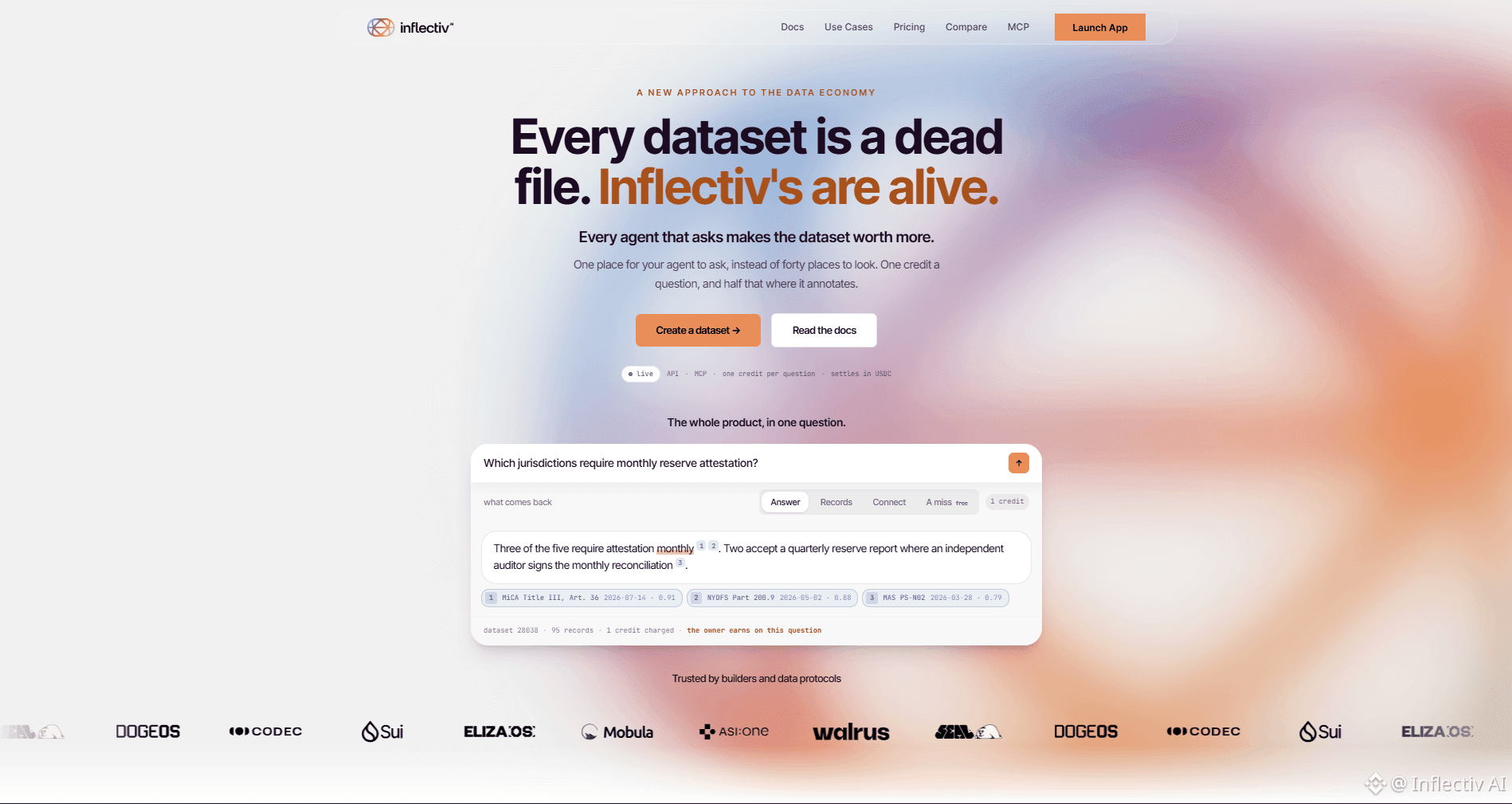
Our new website is live.
Most datasets are dead files. Ours stay alive. Your agent asks a question, pays 1 credit, gets an answer with sources, and adds back what it learned.
Read more here: https://x.com/inflectivAI/status/2096929336662086117
See it: https://inflectiv.ai
Our new website is live.
Most datasets are dead files. Ours stay alive. Your agent asks a question, pays 1 credit, gets an answer with sources, and adds back what it learned.
Read more here: https://x.com/inflectivAI/status/2096929336662086117
See it: https://inflectiv.ai
Most datasets are dead files. Ours stay alive. Your agent asks a question, pays 1 credit, gets an answer with sources, and adds back what it learned.
Read more here: https://x.com/inflectivAI/status/2096929336662086117
See it: https://inflectiv.ai
64
·
--
Ver tradução
Domain expertise has always been rentable by the hour. It has never been queryable by the second.
Make yours queryable: https://app.inflectiv.ai
Domain expertise has always been rentable by the hour. It has never been queryable by the second.
Make yours queryable: https://app.inflectiv.ai
Make yours queryable: https://app.inflectiv.ai
71
·
--
Inflectiv não funciona sozinho.
Ele conecta dados, inteligência e casos de uso do mundo real em uma única camada poderosa.
Uma camada só vale o que ela consegue conectar.
Explore o Inflectiv: https://inflectiv.ai
Inflectiv não funciona sozinho.
Ele conecta dados, inteligência e casos de uso do mundo real em uma única camada poderosa.
Uma camada só vale o que ela consegue conectar.
Explore o Inflectiv: https://inflectiv.ai
Ele conecta dados, inteligência e casos de uso do mundo real em uma única camada poderosa.
Uma camada só vale o que ela consegue conectar.
Explore o Inflectiv: https://inflectiv.ai

101
·
--
Ver tradução
The best time to structure your knowledge was when you first created it.
The second best time is right now.
Upload one file today. See what happens.
Start: app.inflectiv.ai
The best time to structure your knowledge was when you first created it.
The second best time is right now.
Upload one file today. See what happens.
Start: app.inflectiv.ai
The second best time is right now.
Upload one file today. See what happens.
Start: app.inflectiv.ai
81
·
--
Artigo
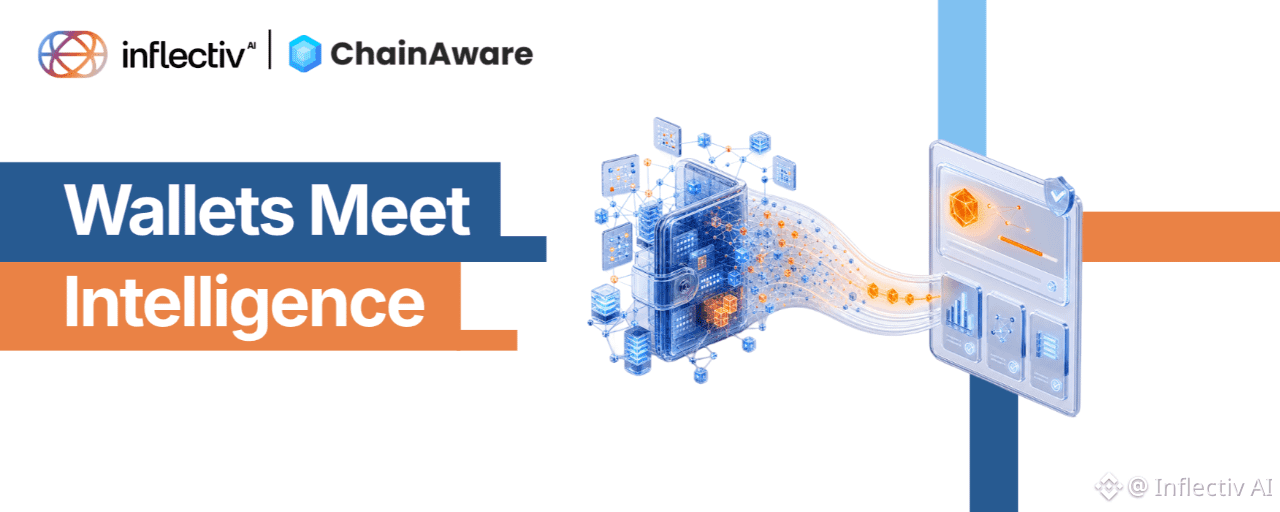
Seu Agente Agora Pode Dizer Se uma Carteira é SeguraTodo agente que lida com cripto acaba enfrentando a mesma pergunta: esta carteira é segura para negociar? Até hoje, a maioria das plataformas de agentes respondia com um encolher de ombros.
Os agentes da Inflectiv agora trazem a inteligência de carteiras do ChainAware, uma leitura em tempo real sobre probabilidade de fraude, risco de rug-pull, comportamento da carteira, segmentação, pontuação de crédito cripto e classificações da comunidade de tokens.
Pense nisso como uma central de crédito para carteiras cripto, integrada diretamente às respostas do seu agente.
O que seu agente pode fazer agora
Faça uma pergunta direta: "Esta carteira é segura para pagar?", e peça ao seu agente Inflectiv que consulte o ChainAware em tempo real, durante a conversa, respondendo em linguagem simples com o resultado anexado.
Seu Agente Agora Pode Dizer Se uma Carteira é Segura
Todo agente que lida com cripto acaba enfrentando a mesma pergunta: esta carteira é segura para negociar? Até hoje, a maioria das plataformas de agentes respondia com um encolher de ombros.
Os agentes da Inflectiv agora trazem a inteligência de carteiras do ChainAware, uma leitura em tempo real sobre probabilidade de fraude, risco de rug-pull, comportamento da carteira, segmentação, pontuação de crédito cripto e classificações da comunidade de tokens.
Pense nisso como uma central de crédito para carteiras cripto, integrada diretamente às respostas do seu agente.
O que seu agente pode fazer agora
Faça uma pergunta direta: "Esta carteira é segura para pagar?", e peça ao seu agente Inflectiv que consulte o ChainAware em tempo real, durante a conversa, respondendo em linguagem simples com o resultado anexado.
Os agentes da Inflectiv agora trazem a inteligência de carteiras do ChainAware, uma leitura em tempo real sobre probabilidade de fraude, risco de rug-pull, comportamento da carteira, segmentação, pontuação de crédito cripto e classificações da comunidade de tokens.
Pense nisso como uma central de crédito para carteiras cripto, integrada diretamente às respostas do seu agente.
O que seu agente pode fazer agora
Faça uma pergunta direta: "Esta carteira é segura para pagar?", e peça ao seu agente Inflectiv que consulte o ChainAware em tempo real, durante a conversa, respondendo em linguagem simples com o resultado anexado.
71
·
--
Seu agente pode executar uma negociação, assinar uma transação e mover fundos em segundos.
Velocidade nunca foi a parte difícil. Confiança foi. Hoje isso muda.
ChainAware está AGORA no ar dentro da Inflectiv.
Leia mais aqui: https://x.com/inflectivAI/status/2091888510114349098
Seu agente pode executar uma negociação, assinar uma transação e mover fundos em segundos.
Velocidade nunca foi a parte difícil. Confiança foi. Hoje isso muda.
ChainAware está AGORA no ar dentro da Inflectiv.
Leia mais aqui: https://x.com/inflectivAI/status/2091888510114349098
Velocidade nunca foi a parte difícil. Confiança foi. Hoje isso muda.
ChainAware está AGORA no ar dentro da Inflectiv.
Leia mais aqui: https://x.com/inflectivAI/status/2091888510114349098
78
·
--
Conjuntos de dados processam mais rápido do que nunca no Inflectiv 2.5.
O que você vai construir primeiro com essa velocidade?
Conjuntos de dados processam mais rápido do que nunca no Inflectiv 2.5.
O que você vai construir primeiro com essa velocidade?
O que você vai construir primeiro com essa velocidade?
AI agent
0%
Tokenize a dataset
0%
Sell on marketplace
0%
Build with MCP
0%
0 Votos • Votação encerrada
94
·
--

Artigo
Inflectiv 2.5 Já no Ar: Cada Segundo ContaO Inflectiv 2.5 já está no ar.
Recriamos a forma como o Inflectiv lê seus arquivos e seus sites.
Veja tudo o que é novidade.
Processamento de arquivos mais rápido
Documentos grandes agora são processados em partes, tudo ao mesmo tempo.
• Se uma parte falhar, apenas essa parte tenta novamente — não o arquivo inteiro
• Não há mais limite de tamanho do arquivo
• Envie até 20 arquivos de uma vez
Rastreamento, recriado
O rastreamento também ficou mais rápido, especialmente em sites maiores.
• Um rastreamento de 20 páginas agora leva 4 segundos em vez de 33
• Quanto maior o site, maior a melhoria
Inflectiv 2.5 Já no Ar: Cada Segundo Conta
O Inflectiv 2.5 já está no ar.
Recriamos a forma como o Inflectiv lê seus arquivos e seus sites.
Veja tudo o que é novidade.
Processamento de arquivos mais rápido
Documentos grandes agora são processados em partes, tudo ao mesmo tempo.
• Se uma parte falhar, apenas essa parte tenta novamente — não o arquivo inteiro
• Não há mais limite de tamanho do arquivo
• Envie até 20 arquivos de uma vez
Rastreamento, recriado
O rastreamento também ficou mais rápido, especialmente em sites maiores.
• Um rastreamento de 20 páginas agora leva 4 segundos em vez de 33
• Quanto maior o site, maior a melhoria
Recriamos a forma como o Inflectiv lê seus arquivos e seus sites.
Veja tudo o que é novidade.
Processamento de arquivos mais rápido
Documentos grandes agora são processados em partes, tudo ao mesmo tempo.
• Se uma parte falhar, apenas essa parte tenta novamente — não o arquivo inteiro
• Não há mais limite de tamanho do arquivo
• Envie até 20 arquivos de uma vez
Rastreamento, recriado
O rastreamento também ficou mais rápido, especialmente em sites maiores.
• Um rastreamento de 20 páginas agora leva 4 segundos em vez de 33
• Quanto maior o site, maior a melhoria
77
·
--
O Inflectiv 2.5 já está no ar. E é rápido.
33 segundos até 4. O mesmo crawl de 20 páginas, mais de 8x mais rápido.
Processamento de arquivos em paralelo. Filas mais justas. Reembolsos que caem automaticamente.
Veja o que mudou 👇
Leia a thread completa aqui: https://x.com/inflectivAI/status/2088212709204513145
O Inflectiv 2.5 já está no ar. E é rápido.
33 segundos até 4. O mesmo crawl de 20 páginas, mais de 8x mais rápido.
Processamento de arquivos em paralelo. Filas mais justas. Reembolsos que caem automaticamente.
Veja o que mudou 👇
Leia a thread completa aqui: https://x.com/inflectivAI/status/2088212709204513145
33 segundos até 4. O mesmo crawl de 20 páginas, mais de 8x mais rápido.
Processamento de arquivos em paralelo. Filas mais justas. Reembolsos que caem automaticamente.
Veja o que mudou 👇
Leia a thread completa aqui: https://x.com/inflectivAI/status/2088212709204513145

81
·
--
Alucinação de IA é um problema de dados. Não um problema do modelo.
E isso é solucionável hoje.
Thread completa 👉 https://x.com/inflectivAI/status/2087464576975548755
Alucinação de IA é um problema de dados. Não um problema do modelo.
E isso é solucionável hoje.
Thread completa 👉 https://x.com/inflectivAI/status/2087464576975548755
E isso é solucionável hoje.
Thread completa 👉 https://x.com/inflectivAI/status/2087464576975548755
65
·
--
O Inflectiv MCP significa que você nunca sai do seu editor.
Crie agentes. Faça upload de documentos. Pesquise conhecimento. Navegue no marketplace. Pague com USDC.
26 ferramentas. Um comando.
Conecte seu IDE: app.inflectiv.ai
O Inflectiv MCP significa que você nunca sai do seu editor.
Crie agentes. Faça upload de documentos. Pesquise conhecimento. Navegue no marketplace. Pague com USDC.
26 ferramentas. Um comando.
Conecte seu IDE: app.inflectiv.ai
Crie agentes. Faça upload de documentos. Pesquise conhecimento. Navegue no marketplace. Pague com USDC.
26 ferramentas. Um comando.
Conecte seu IDE: app.inflectiv.ai

72
·
--

Artigo
Quando os Agentes Começam a Escrever, Tudo Muda.Três coisas aconteceram esta semana, e todas apontam para a mesma mudança.
Por dois anos, os agentes foram leitores. Puxe o contexto, responda à pergunta, esqueça na próxima execução. Uma resposta ruim ficou na tela. Esta semana, nos sentamos para ver o que muda quando eles param de ler e começam a agir.
Primeiro, o número honesto. Ninguém te conta isso quando você começa a construir agentes de IA: o modelo é dez por cento do trabalho. Os dados são noventa. A maioria das equipes gasta seu tempo nos dez e se pergunta por que o agente delas continua errando o alvo. Esse foi o post de segunda-feira: curto, direto e a base para tudo o que veio depois.
Quando os Agentes Começam a Escrever, Tudo Muda.
Três coisas aconteceram esta semana, e todas apontam para a mesma mudança.
Por dois anos, os agentes foram leitores. Puxe o contexto, responda à pergunta, esqueça na próxima execução. Uma resposta ruim ficou na tela. Esta semana, nos sentamos para ver o que muda quando eles param de ler e começam a agir.
Primeiro, o número honesto. Ninguém te conta isso quando você começa a construir agentes de IA: o modelo é dez por cento do trabalho. Os dados são noventa. A maioria das equipes gasta seu tempo nos dez e se pergunta por que o agente delas continua errando o alvo. Esse foi o post de segunda-feira: curto, direto e a base para tudo o que veio depois.
Por dois anos, os agentes foram leitores. Puxe o contexto, responda à pergunta, esqueça na próxima execução. Uma resposta ruim ficou na tela. Esta semana, nos sentamos para ver o que muda quando eles param de ler e começam a agir.
Primeiro, o número honesto. Ninguém te conta isso quando você começa a construir agentes de IA: o modelo é dez por cento do trabalho. Os dados são noventa. A maioria das equipes gasta seu tempo nos dez e se pergunta por que o agente delas continua errando o alvo. Esse foi o post de segunda-feira: curto, direto e a base para tudo o que veio depois.
68
·
--
Artigo
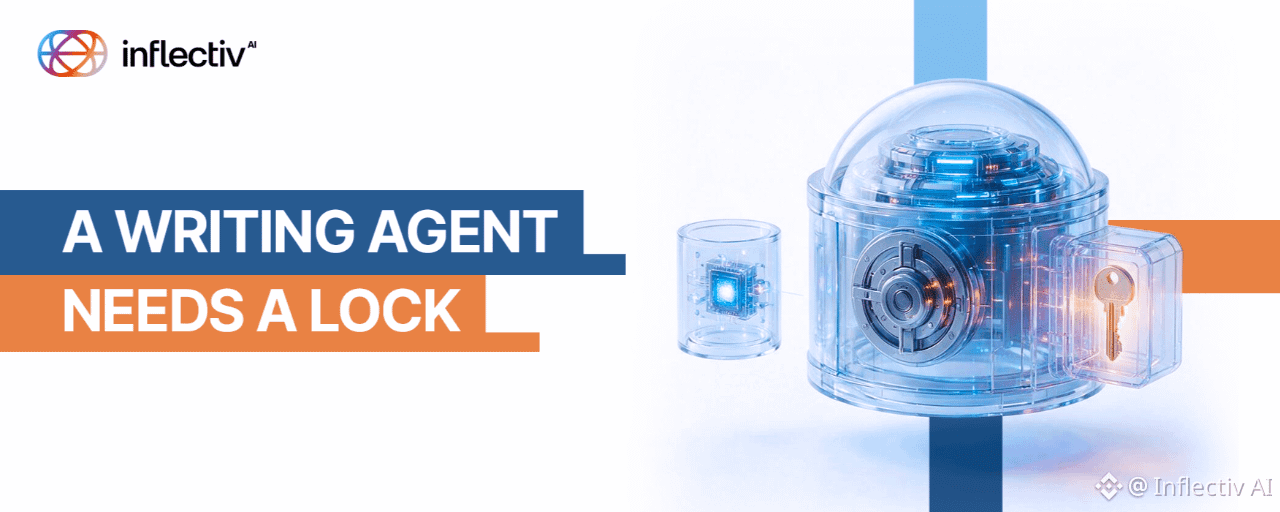
Um Agente de Leitura É Seguro. Um Agente de Escrita Não É.Um agente que só lê pode te colocar em uma situação embaraçosa. Um agente que escreve pode te custar caro.
Essa única linha é a razão de existir do Agent Vault.
Durante a maior parte dos últimos dois anos, os agentes foram leitores. Eles extraíam contexto, respondiam a uma pergunta e esqueciam tudo na execução seguinte. Uma resposta ruim era apenas uma resposta ruim. Você corrigia e seguia em frente. O raio de impacto terminava na tela.
Então os agentes começaram a agir. Enviando o e-mail. Movendo os fundos. Atualizando o registro. Escrevendo de volta no sistema do qual outras pessoas dependem.
Um Agente de Leitura É Seguro. Um Agente de Escrita Não É.
Um agente que só lê pode te colocar em uma situação embaraçosa. Um agente que escreve pode te custar caro.
Essa única linha é a razão de existir do Agent Vault.
Durante a maior parte dos últimos dois anos, os agentes foram leitores. Eles extraíam contexto, respondiam a uma pergunta e esqueciam tudo na execução seguinte. Uma resposta ruim era apenas uma resposta ruim. Você corrigia e seguia em frente. O raio de impacto terminava na tela.
Então os agentes começaram a agir. Enviando o e-mail. Movendo os fundos. Atualizando o registro. Escrevendo de volta no sistema do qual outras pessoas dependem.
Essa única linha é a razão de existir do Agent Vault.
Durante a maior parte dos últimos dois anos, os agentes foram leitores. Eles extraíam contexto, respondiam a uma pergunta e esqueciam tudo na execução seguinte. Uma resposta ruim era apenas uma resposta ruim. Você corrigia e seguia em frente. O raio de impacto terminava na tela.
Então os agentes começaram a agir. Enviando o e-mail. Movendo os fundos. Atualizando o registro. Escrevendo de volta no sistema do qual outras pessoas dependem.
69
·
--
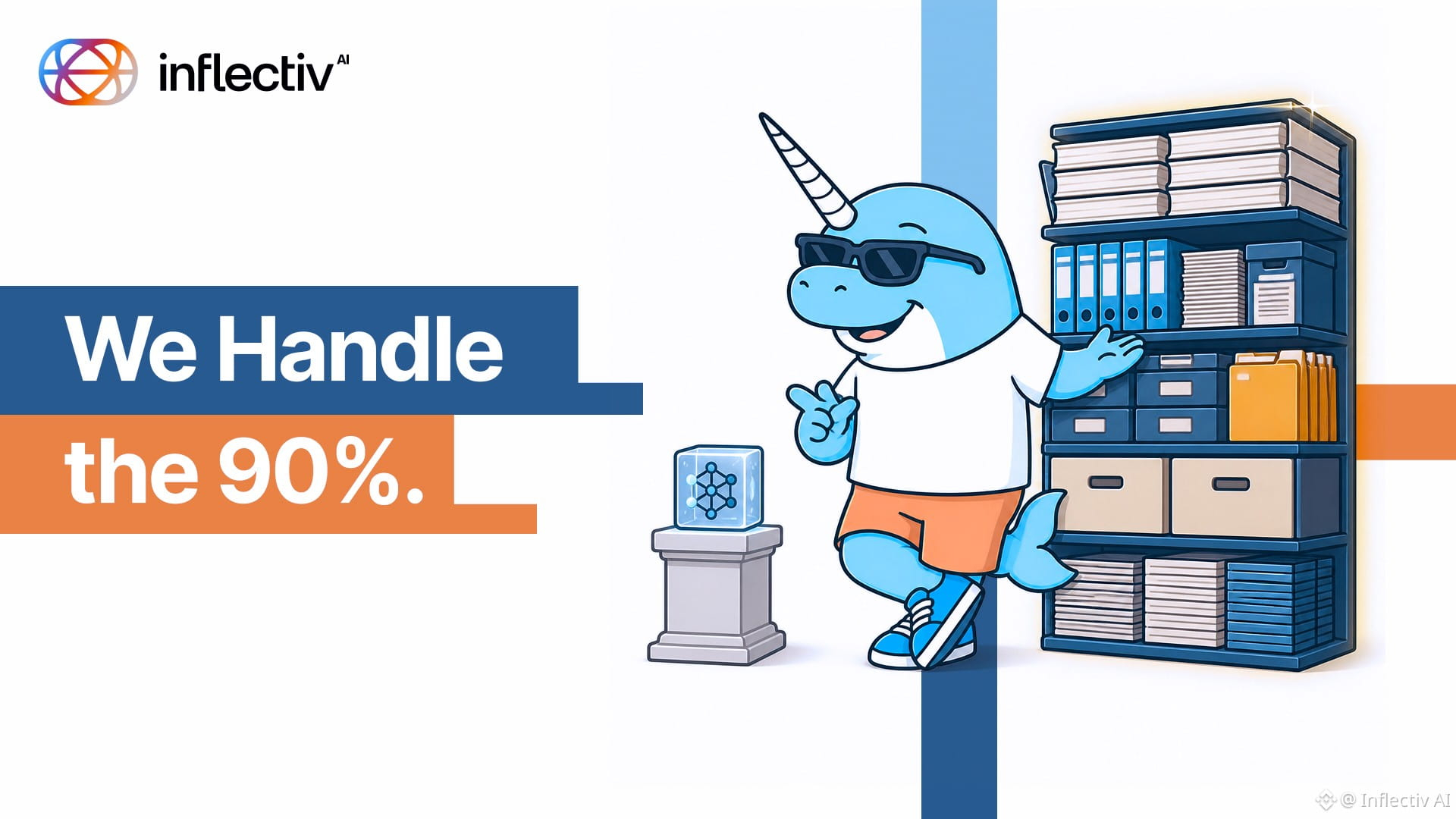
O que ninguém te conta sobre como construir agentes de IA:
O modelo é 10% do trabalho.
Os dados são 90% do trabalho.
A Inflectiv lida com os difíceis 90%.
Foque no que importa: https://app.inflectiv.ai
O que ninguém te conta sobre como construir agentes de IA:
O modelo é 10% do trabalho.
Os dados são 90% do trabalho.
A Inflectiv lida com os difíceis 90%.
Foque no que importa: https://app.inflectiv.ai
O modelo é 10% do trabalho.
Os dados são 90% do trabalho.
A Inflectiv lida com os difíceis 90%.
Foque no que importa: https://app.inflectiv.ai
71
·
--
O que é a primeira coisa que você construiria no Inflectiv?
O que é a primeira coisa que você construiria no Inflectiv?
Support agent
0%
Research tool
0%
Knowledge base
0%
Dataset to sell
0%
0 Votos • Votação encerrada
78
Inicia sessão para explorar mais conteúdos
Junta-te a utilizadores de criptomoedas de todo o mundo na Binance Square
⚡️ Obtém informações úteis e recentes sobre criptomoedas.
💬 Com a confiança da maior exchange de criptomoedas do mundo.
👍 Descobre perspetivas reais de criadores verificados.
E-mail/Número de telefone
Tópicos em Tendência
QNTRises39%
29,172 visualizações
1,017 a discutir
🚨 QNT ESTÁ EM ALTA! 📈
$QNT está fazendo um grande movimento hoje, subindo quase 40% enquanto a pressão de compra acelera.
O rali recolocou a Quant firmemente no foco, com traders observando para ver se esse impulso pode continuar ou se uma correção virá em seguida.
🔥 Pontos principais para observar:
• Volume de negociações forte
• Impulso acima das máximas recentes
• O nível psicológico de US$ 100
• Se os compradores conseguem manter o controle
Grandes movimentos trazem grande volatilidade. Fique atento e gerencie o risco.
Você está acompanhando $QNT? 👀
#QNT #altcoins #CryptoNews
#qntrises39% $QNT
The07
·4 gostos
·3.9k visualizações
EthereumBreaksAbove$2700
2,731 visualizações
104 a discutir
BitgetBreachForgedRequestsNotStolenKeys
25,952 visualizações
800 a discutir