

ChainSector
49 Publicações
ChainSector
Denunciar
Bloquear Utilizador
BP-C65692134790
21 A seguir
25 Seguidores
64 Gostaram
Publicações
Tudo
Cotações
·
--
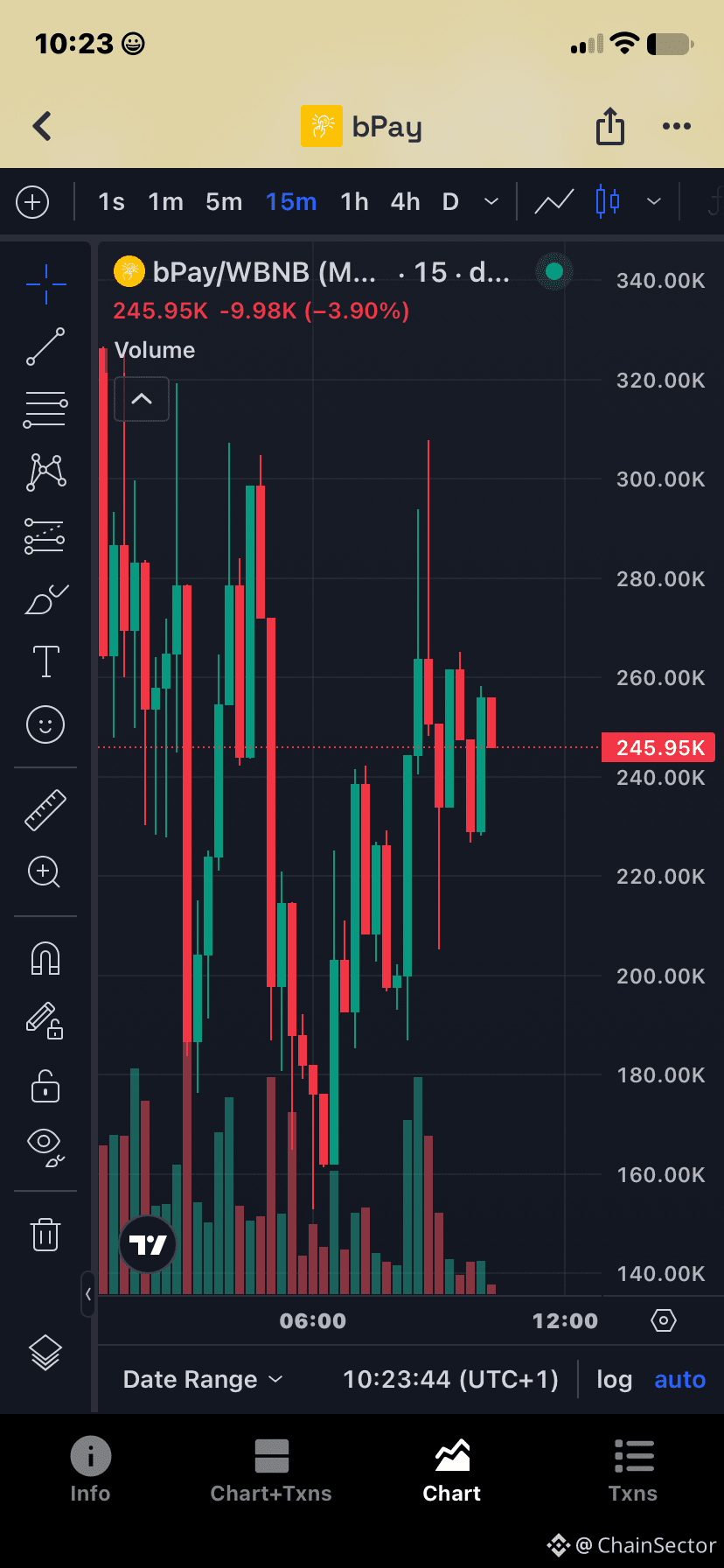
Tenho estado a analisar com mais atenção o bPay na BNB Chain.
O que chamou a minha atenção foi o próprio projeto, então estou a explorar os detalhes e a verificar tudo antes de interagir. Se estiveres a pesquisar o bPay também, certifica-te de verificar o endereço do contrato e fazer a tua própria pesquisa.
CA: 0xb13003bf44de426dd2a3aae3df9c3400de0a7777
Código: BP-C65692134790
#bPay
Tenho estado a analisar com mais atenção o bPay na BNB Chain.
O que chamou a minha atenção foi o próprio projeto, então estou a explorar os detalhes e a verificar tudo antes de interagir. Se estiveres a pesquisar o bPay também, certifica-te de verificar o endereço do contrato e fazer a tua própria pesquisa.
CA: 0xb13003bf44de426dd2a3aae3df9c3400de0a7777
Código: BP-C65692134790
#bPay
O que chamou a minha atenção foi o próprio projeto, então estou a explorar os detalhes e a verificar tudo antes de interagir. Se estiveres a pesquisar o bPay também, certifica-te de verificar o endereço do contrato e fazer a tua própria pesquisa.
CA: 0xb13003bf44de426dd2a3aae3df9c3400de0a7777
Código: BP-C65692134790
#bPay
59
·
--
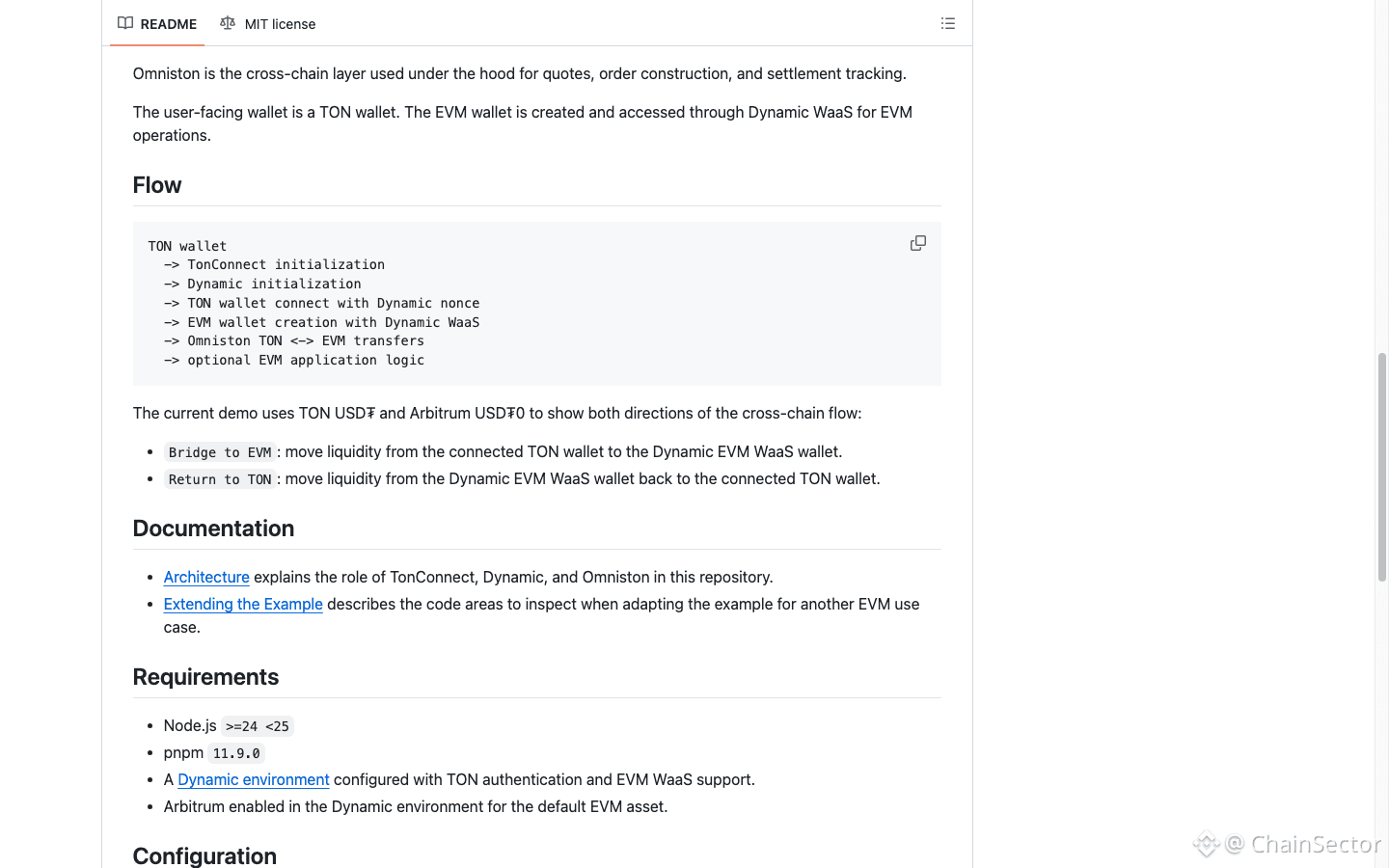
Uma nova forma de produtos EVM alcançarem usuários da TON
O exemplo mais recente de integração da STON.fi não é apenas mais uma demonstração de swap cross-chain.
Trata-se de uma arquitetura de Telegram Mini App que mostra como um produto nativo de EVM pode se tornar acessível para usuários da TON.
O exemplo combina:
TonConnect → carteira TON
Dynamic → carteira EVM embutida
Omniston → execução cross-chain
A rota do exemplo é:
TON USDT ↔ Arbitrum USDT0
Por que isso importa?
Porque um produto nativo de EVM não necessariamente precisa se reconstruir como um aplicativo nativo da TON apenas para atender usuários da TON.
A camada cross-chain pode ficar entre os dois ecossistemas.
E colocar a experiência dentro de um Telegram Mini App torna todo o fluxo ainda mais interessante.
Para quem desenvolve, eu acho que a parte open-source é o maior aprendizado.
Em vez de apenas ler sobre a arquitetura, os desenvolvedores podem inspecionar a implementação e usá-la como referência para seu próprio Mini App TON ↔ EVM.
Esse é um ponto de partida muito mais prático.
[GitHub example](https://github.com/ston-fi/omniston-ton-evm-miniapp-example?utm_source=chatgpt.com)
Uma nova forma de produtos EVM alcançarem usuários da TON
O exemplo mais recente de integração da STON.fi não é apenas mais uma demonstração de swap cross-chain.
Trata-se de uma arquitetura de Telegram Mini App que mostra como um produto nativo de EVM pode se tornar acessível para usuários da TON.
O exemplo combina:
TonConnect → carteira TON
Dynamic → carteira EVM embutida
Omniston → execução cross-chain
A rota do exemplo é:
TON USDT ↔ Arbitrum USDT0
Por que isso importa?
Porque um produto nativo de EVM não necessariamente precisa se reconstruir como um aplicativo nativo da TON apenas para atender usuários da TON.
A camada cross-chain pode ficar entre os dois ecossistemas.
E colocar a experiência dentro de um Telegram Mini App torna todo o fluxo ainda mais interessante.
Para quem desenvolve, eu acho que a parte open-source é o maior aprendizado.
Em vez de apenas ler sobre a arquitetura, os desenvolvedores podem inspecionar a implementação e usá-la como referência para seu próprio Mini App TON ↔ EVM.
Esse é um ponto de partida muito mais prático.
GitHub example
O exemplo mais recente de integração da STON.fi não é apenas mais uma demonstração de swap cross-chain.
Trata-se de uma arquitetura de Telegram Mini App que mostra como um produto nativo de EVM pode se tornar acessível para usuários da TON.
O exemplo combina:
TonConnect → carteira TON
Dynamic → carteira EVM embutida
Omniston → execução cross-chain
A rota do exemplo é:
TON USDT ↔ Arbitrum USDT0
Por que isso importa?
Porque um produto nativo de EVM não necessariamente precisa se reconstruir como um aplicativo nativo da TON apenas para atender usuários da TON.
A camada cross-chain pode ficar entre os dois ecossistemas.
E colocar a experiência dentro de um Telegram Mini App torna todo o fluxo ainda mais interessante.
Para quem desenvolve, eu acho que a parte open-source é o maior aprendizado.
Em vez de apenas ler sobre a arquitetura, os desenvolvedores podem inspecionar a implementação e usá-la como referência para seu próprio Mini App TON ↔ EVM.
Esse é um ponto de partida muito mais prático.
GitHub example
68
·
--
Ver tradução
5 Things I Check Before a Polygon Cross-Chain Swap
Cross-chain swaps can make moving assets between networks much simpler.
But I still don't like going straight from selecting a token to pressing confirm.
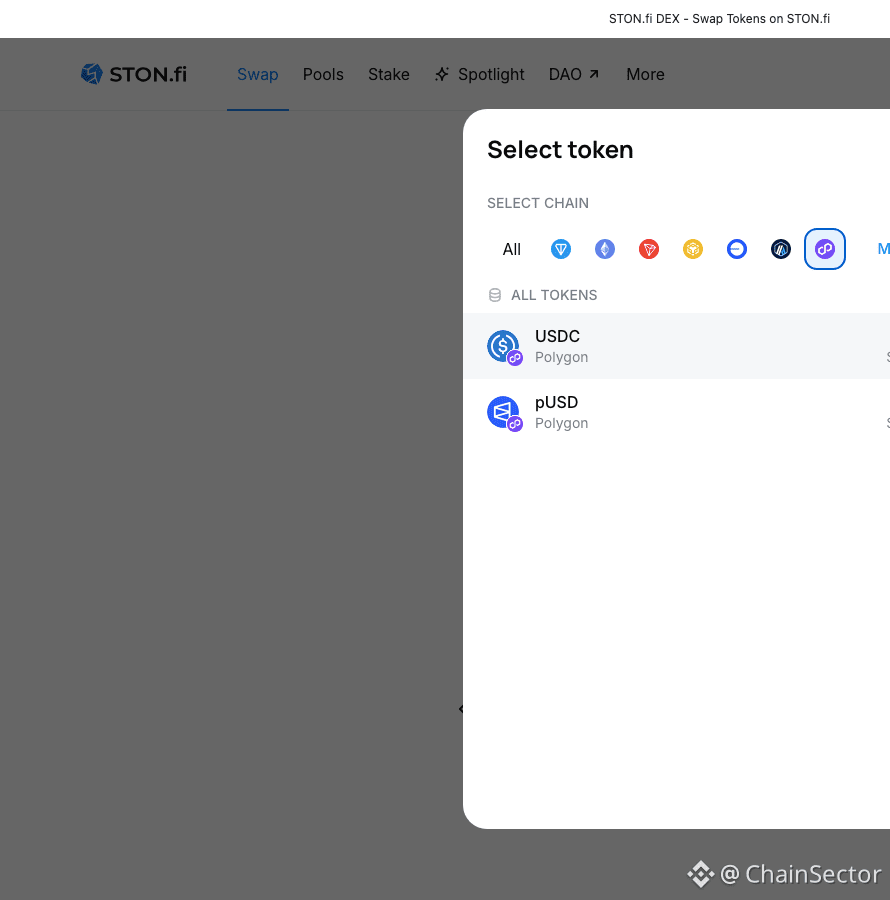
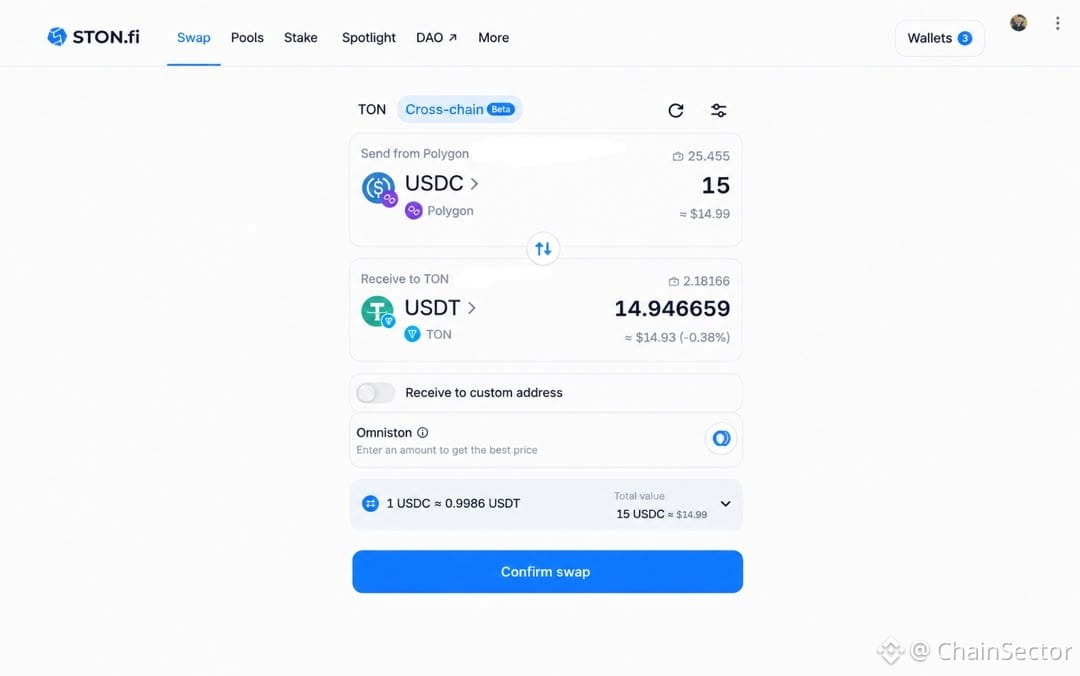
When looking at a USDC on Polygon → USDT on TON route, these are the five things I check.
1. Source network
First, I confirm that the USDC I'm using is actually on Polygon.
I check the token + network, not just the token name.
2. Destination
Next, I confirm where I want the asset to arrive.
USDC on Polygon → USDT on TON
Both networks should be obvious before I continue.
3. Expected output
Then I check the quote.
I want to know what I'm expected to receive and what transaction or fee information is being displayed.
4. Final review
Before confirmation, I go through the transaction one more time.
Source.
Destination.
Expected output.
Fees.
Transaction details.
5. Don't rush
The fact that a cross-chain swap looks simple doesn't mean I should skip the checks.
The interface should make the process easier, but I still want to understand what I'm confirming.
My quick checklist:
Source network ✓
Destination ✓
Expected output ✓
Fees/details ✓
Final review ✓
A few seconds of checking can make a big difference.
If you want to explore the route yourself:
5 Things I Check Before a Polygon Cross-Chain Swap
Cross-chain swaps can make moving assets between networks much simpler.
But I still don't like going straight from selecting a token to pressing confirm.
When looking at a USDC on Polygon → USDT on TON route, these are the five things I check.
1. Source network
First, I confirm that the USDC I'm using is actually on Polygon.
I check the token + network, not just the token name.
2. Destination
Next, I confirm where I want the asset to arrive.
USDC on Polygon → USDT on TON
Both networks should be obvious before I continue.
3. Expected output
Then I check the quote.
I want to know what I'm expected to receive and what transaction or fee information is being displayed.
4. Final review
Before confirmation, I go through the transaction one more time.
Source.
Destination.
Expected output.
Fees.
Transaction details.
5. Don't rush
The fact that a cross-chain swap looks simple doesn't mean I should skip the checks.
The interface should make the process easier, but I still want to understand what I'm confirming.
My quick checklist:
Source network ✓
Destination ✓
Expected output ✓
Fees/details ✓
Final review ✓
A few seconds of checking can make a big difference.
If you want to explore the route yourself:
Cross-chain swaps can make moving assets between networks much simpler.
But I still don't like going straight from selecting a token to pressing confirm.
When looking at a USDC on Polygon → USDT on TON route, these are the five things I check.
1. Source network
First, I confirm that the USDC I'm using is actually on Polygon.
I check the token + network, not just the token name.
2. Destination
Next, I confirm where I want the asset to arrive.
USDC on Polygon → USDT on TON
Both networks should be obvious before I continue.
3. Expected output
Then I check the quote.
I want to know what I'm expected to receive and what transaction or fee information is being displayed.
4. Final review
Before confirmation, I go through the transaction one more time.
Source.
Destination.
Expected output.
Fees.
Transaction details.
5. Don't rush
The fact that a cross-chain swap looks simple doesn't mean I should skip the checks.
The interface should make the process easier, but I still want to understand what I'm confirming.
My quick checklist:
Source network ✓
Destination ✓
Expected output ✓
Fees/details ✓
Final review ✓
A few seconds of checking can make a big difference.
If you want to explore the route yourself:
66
·
--
Em Alta
Como trocar um token TON por endereço de contrato no STON.fi
Nem todo token TON é fácil de encontrar apenas procurando pelo nome.
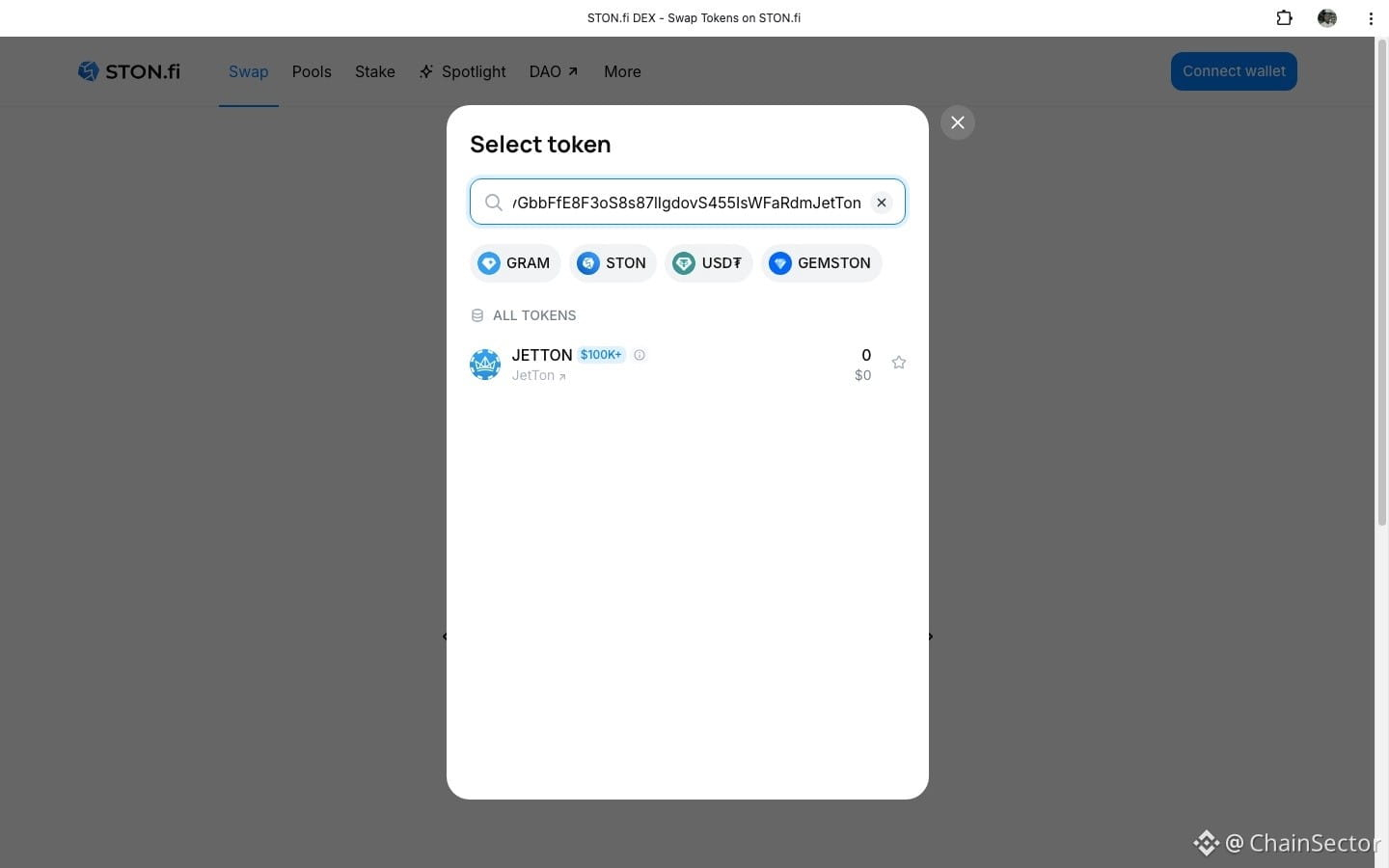
Se eu já tiver o endereço de contrato oficial, posso usar esse endereço diretamente no STON.fi.
Aqui está o processo que eu sigo:
1. Abra o Ston_fi.
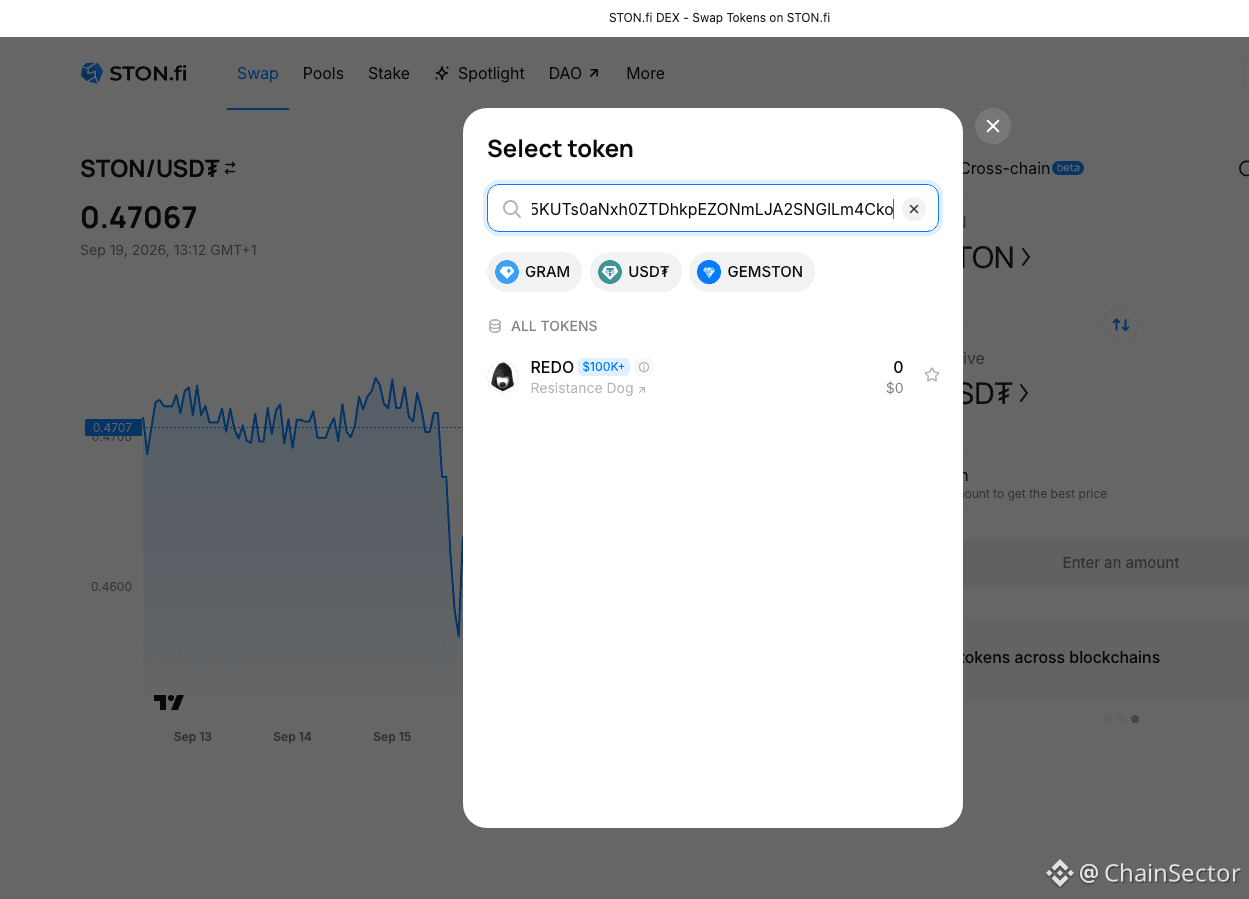
2. Abra o seletor de tokens.
3. Cole o endereço de contrato oficial do token no campo de busca.
4. Verifique o nome, o símbolo e os decimais detectados.
5. Importe o token.
6. Insira a quantidade e revise os detalhes da troca antes de confirmar.
A documentação atual do STON.fi recomenda especificamente verificar o endereço de contrato oficial, pois tokens de golpe podem copiar nomes populares de tokens.
Essa é a parte que eu não deixaria de fazer.
Um nome ou logotipo familiar não é suficiente para mim ao lidar com um token desconhecido.
Eu quero confirmar os detalhes do contrato → token → detalhes da troca antes de interagir com ele.
O STON.fi também tem sinalizadores de interface para certos tokens de risco, incluindo as classificações Fake, Honeypot e Taxable.
Então, se você está tentando trocar um token TON menos familiar, o endereço de contrato pode ser um ponto de partida muito mais preciso do que apenas buscar pelo nome.
@ston_fi
Como trocar um token TON por endereço de contrato no STON.fi
Nem todo token TON é fácil de encontrar apenas procurando pelo nome.
Se eu já tiver o endereço de contrato oficial, posso usar esse endereço diretamente no STON.fi.
Aqui está o processo que eu sigo:
1. Abra o Ston_fi.
2. Abra o seletor de tokens.
3. Cole o endereço de contrato oficial do token no campo de busca.
4. Verifique o nome, o símbolo e os decimais detectados.
5. Importe o token.
6. Insira a quantidade e revise os detalhes da troca antes de confirmar.
A documentação atual do STON.fi recomenda especificamente verificar o endereço de contrato oficial, pois tokens de golpe podem copiar nomes populares de tokens.
Essa é a parte que eu não deixaria de fazer.
Um nome ou logotipo familiar não é suficiente para mim ao lidar com um token desconhecido.
Eu quero confirmar os detalhes do contrato → token → detalhes da troca antes de interagir com ele.
O STON.fi também tem sinalizadores de interface para certos tokens de risco, incluindo as classificações Fake, Honeypot e Taxable.
Então, se você está tentando trocar um token TON menos familiar, o endereço de contrato pode ser um ponto de partida muito mais preciso do que apenas buscar pelo nome.
@ston_fi
Nem todo token TON é fácil de encontrar apenas procurando pelo nome.
Se eu já tiver o endereço de contrato oficial, posso usar esse endereço diretamente no STON.fi.
Aqui está o processo que eu sigo:
1. Abra o Ston_fi.
2. Abra o seletor de tokens.
3. Cole o endereço de contrato oficial do token no campo de busca.
4. Verifique o nome, o símbolo e os decimais detectados.
5. Importe o token.
6. Insira a quantidade e revise os detalhes da troca antes de confirmar.
A documentação atual do STON.fi recomenda especificamente verificar o endereço de contrato oficial, pois tokens de golpe podem copiar nomes populares de tokens.
Essa é a parte que eu não deixaria de fazer.
Um nome ou logotipo familiar não é suficiente para mim ao lidar com um token desconhecido.
Eu quero confirmar os detalhes do contrato → token → detalhes da troca antes de interagir com ele.
O STON.fi também tem sinalizadores de interface para certos tokens de risco, incluindo as classificações Fake, Honeypot e Taxable.
Então, se você está tentando trocar um token TON menos familiar, o endereço de contrato pode ser um ponto de partida muito mais preciso do que apenas buscar pelo nome.
@ston_fi
138
·
--
Como trocar USDT na TON para USDT na Ethereum
Se você tem USDT na TON e precisa de USDT na Ethereum, pode usar o fluxo de swap cross-chain da STON.fi.
O processo é:
USDT (TON) → USDT (Ethereum)
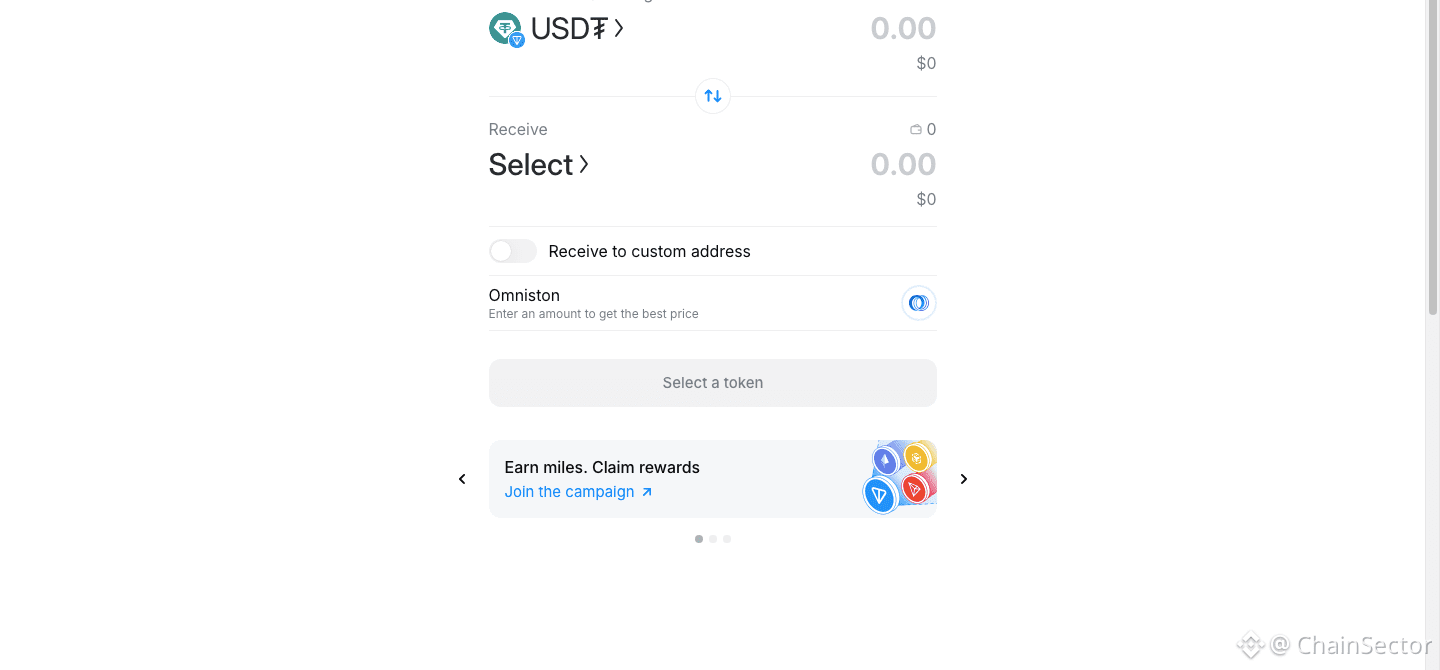
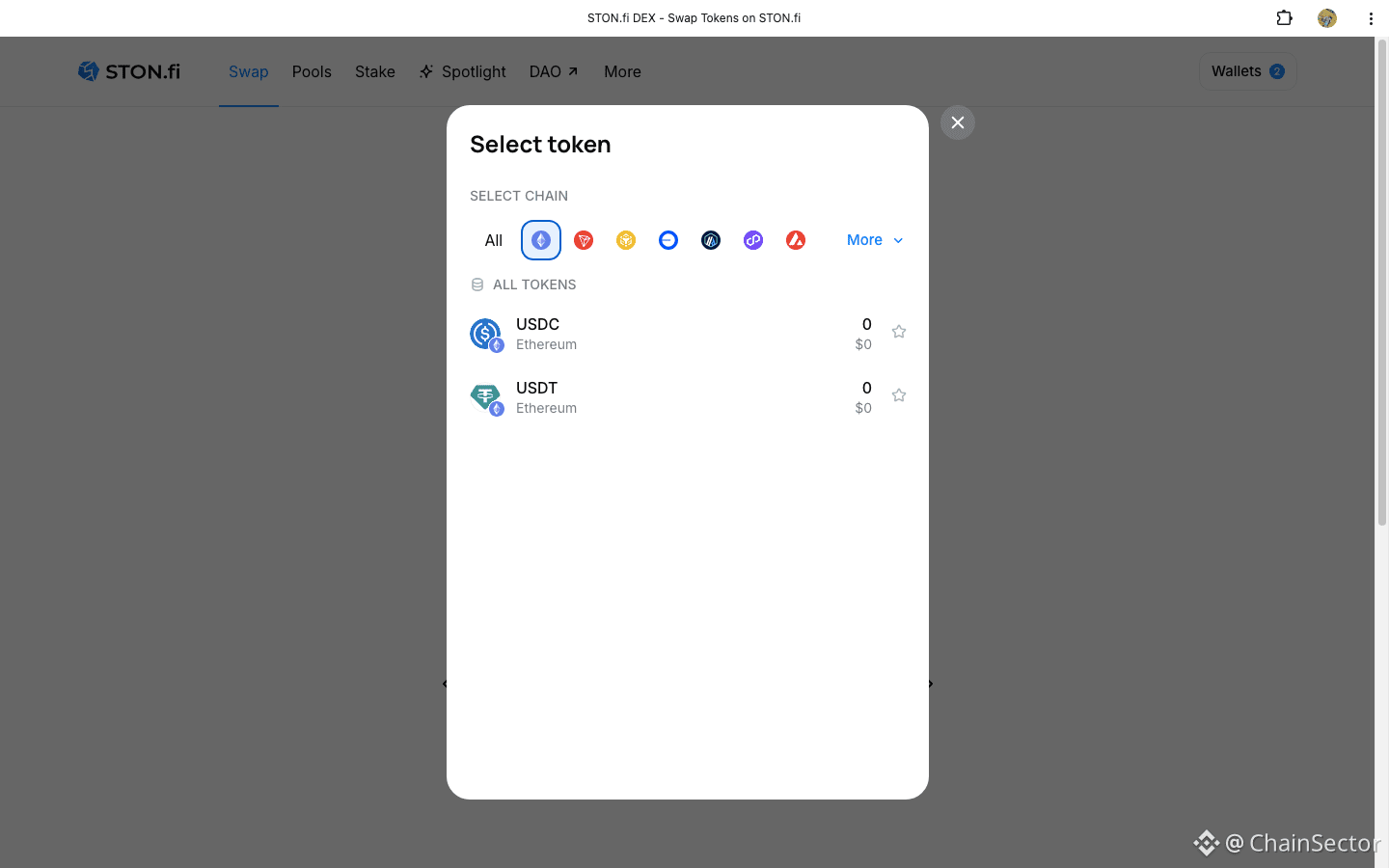
Abra a interface cross-chain da STON.fi e selecione USDT na TON como o ativo que você está enviando.
Em seguida, selecione a Ethereum como a rede de destino e USDT como o ativo que você vai receber.
Antes de confirmar, verifique o valor de recebimento real, taxas, rota e outros detalhes do swap.
A interface cross-chain atual da STON.fi suporta Ethereum além da TON e de várias outras redes, com a Omniston realizando a camada de execução cross-chain.
O importante é não tratar os dois USDTs como se estivessem na mesma rede.
USDT na TON ≠ USDT na Ethereum.
A seleção da rede do lado de recebimento é, portanto, algo que eu sempre verificaria antes de confirmar.
Como trocar USDT na TON para USDT na Ethereum
Se você tem USDT na TON e precisa de USDT na Ethereum, pode usar o fluxo de swap cross-chain da STON.fi.
O processo é:
USDT (TON) → USDT (Ethereum)
Abra a interface cross-chain da STON.fi e selecione USDT na TON como o ativo que você está enviando.
Em seguida, selecione a Ethereum como a rede de destino e USDT como o ativo que você vai receber.
Antes de confirmar, verifique o valor de recebimento real, taxas, rota e outros detalhes do swap.
A interface cross-chain atual da STON.fi suporta Ethereum além da TON e de várias outras redes, com a Omniston realizando a camada de execução cross-chain.
O importante é não tratar os dois USDTs como se estivessem na mesma rede.
USDT na TON ≠ USDT na Ethereum.
A seleção da rede do lado de recebimento é, portanto, algo que eu sempre verificaria antes de confirmar.
Se você tem USDT na TON e precisa de USDT na Ethereum, pode usar o fluxo de swap cross-chain da STON.fi.
O processo é:
USDT (TON) → USDT (Ethereum)
Abra a interface cross-chain da STON.fi e selecione USDT na TON como o ativo que você está enviando.
Em seguida, selecione a Ethereum como a rede de destino e USDT como o ativo que você vai receber.
Antes de confirmar, verifique o valor de recebimento real, taxas, rota e outros detalhes do swap.
A interface cross-chain atual da STON.fi suporta Ethereum além da TON e de várias outras redes, com a Omniston realizando a camada de execução cross-chain.
O importante é não tratar os dois USDTs como se estivessem na mesma rede.
USDT na TON ≠ USDT na Ethereum.
A seleção da rede do lado de recebimento é, portanto, algo que eu sempre verificaria antes de confirmar.

86
·
--
Eu parei de olhar apenas para o valor antes de fazer a troca
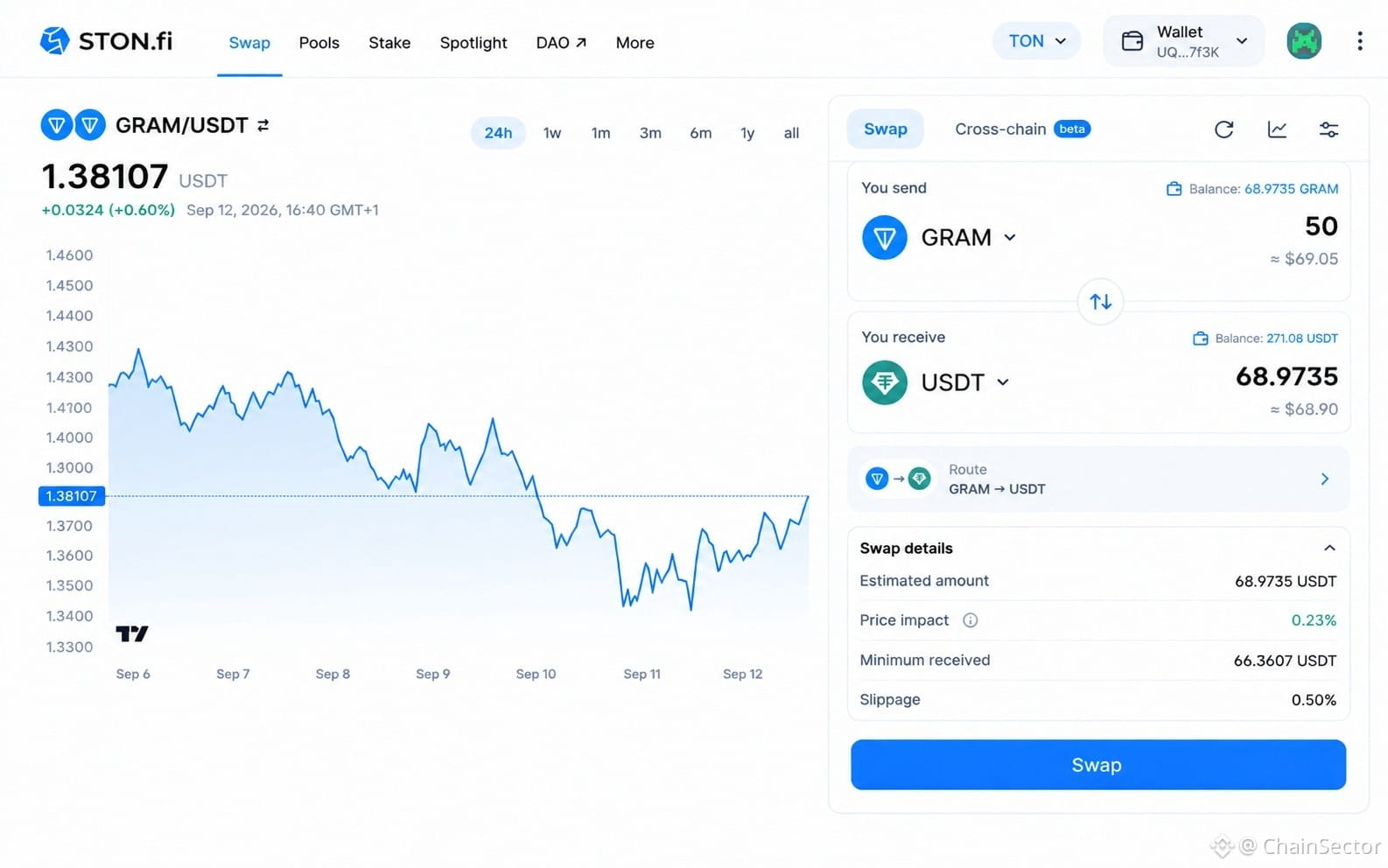
Quando uso um DEX agora, não clico imediatamente em Confirmar depois de ver o valor esperado
.
Eu verifico algumas outras coisas primeiro.
No STON.fi, minha rotina rápida é:
1. Valor Estimado
O que eu espero receber?
2. Impacto de Preço
Quanto a minha própria negociação pode afetar o preço de execução?
3. Valor Mínimo Recebido
Qual é o valor mínimo exibido antes de eu confirmar?
4. Slippage
Que tipo de variação de execução eu estou permitindo?
Eu não acho que esses números devam ser tratados individualmente.
Ao analisá-los em conjunto, eu tenho uma visão muito melhor da troca que estou prestes a executar.
Agora isso virou meu hábito:
Não olhe apenas para o que você está recebendo. Olhe para as condições sob as quais você está recebendo.
Eu parei de olhar apenas para o valor antes de fazer a troca
Quando uso um DEX agora, não clico imediatamente em Confirmar depois de ver o valor esperado
.
Eu verifico algumas outras coisas primeiro.
No STON.fi, minha rotina rápida é:
1. Valor Estimado
O que eu espero receber?
2. Impacto de Preço
Quanto a minha própria negociação pode afetar o preço de execução?
3. Valor Mínimo Recebido
Qual é o valor mínimo exibido antes de eu confirmar?
4. Slippage
Que tipo de variação de execução eu estou permitindo?
Eu não acho que esses números devam ser tratados individualmente.
Ao analisá-los em conjunto, eu tenho uma visão muito melhor da troca que estou prestes a executar.
Agora isso virou meu hábito:
Não olhe apenas para o que você está recebendo. Olhe para as condições sob as quais você está recebendo.
Quando uso um DEX agora, não clico imediatamente em Confirmar depois de ver o valor esperado
.
Eu verifico algumas outras coisas primeiro.
No STON.fi, minha rotina rápida é:
1. Valor Estimado
O que eu espero receber?
2. Impacto de Preço
Quanto a minha própria negociação pode afetar o preço de execução?
3. Valor Mínimo Recebido
Qual é o valor mínimo exibido antes de eu confirmar?
4. Slippage
Que tipo de variação de execução eu estou permitindo?
Eu não acho que esses números devam ser tratados individualmente.
Ao analisá-los em conjunto, eu tenho uma visão muito melhor da troca que estou prestes a executar.
Agora isso virou meu hábito:
Não olhe apenas para o que você está recebendo. Olhe para as condições sob as quais você está recebendo.
217
·
--
Tentei olhar para os swaps cross-chain pelo lado do usuário
Quando uma nova cadeia é adicionada a um sistema cross-chain, é fácil focar no anúncio e esquecer a experiência real do usuário.
Então eu olhei de outro jeito.
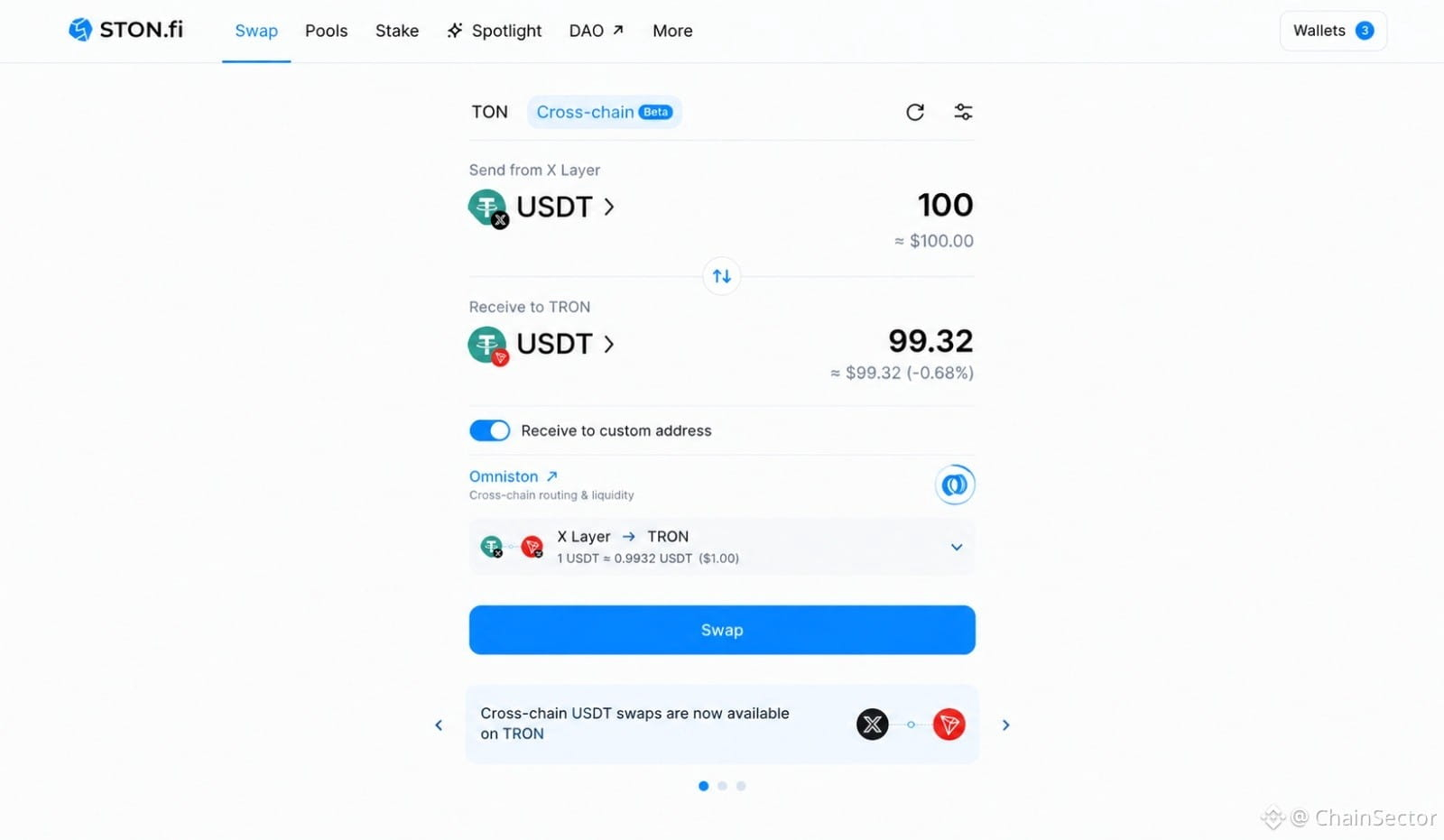
Eu queria ver como é tentar mover USDT de X Layer para TRON via STON.fi.
A parte interessante é que a Omniston está trabalhando por baixo da interface.
Em vez de o usuário ter que descobrir manualmente como conectar as duas redes, ele recebe um fluxo único de swap em que a rota e a saída esperada podem ser revisadas antes de confirmar.
É essa a parte que eu acho que importa à medida que mais redes forem sendo conectadas.
Mais cadeias não deveriam necessariamente significar mais complexidade para os usuários.
Idealmente, deveria significar mais destinos a partir da mesma interface simples.
É nessa direção que a STON.fi parece estar empurrando com a Omniston.
Experimente o swap cross-chain:
STON.fi Cross-Chain Swap
Tentei olhar para os swaps cross-chain pelo lado do usuário
Quando uma nova cadeia é adicionada a um sistema cross-chain, é fácil focar no anúncio e esquecer a experiência real do usuário.
Então eu olhei de outro jeito.
Eu queria ver como é tentar mover USDT de X Layer para TRON via STON.fi.
A parte interessante é que a Omniston está trabalhando por baixo da interface.
Em vez de o usuário ter que descobrir manualmente como conectar as duas redes, ele recebe um fluxo único de swap em que a rota e a saída esperada podem ser revisadas antes de confirmar.
É essa a parte que eu acho que importa à medida que mais redes forem sendo conectadas.
Mais cadeias não deveriam necessariamente significar mais complexidade para os usuários.
Idealmente, deveria significar mais destinos a partir da mesma interface simples.
É nessa direção que a STON.fi parece estar empurrando com a Omniston.
Experimente o swap cross-chain:
STON.fi Cross-Chain Swap
Quando uma nova cadeia é adicionada a um sistema cross-chain, é fácil focar no anúncio e esquecer a experiência real do usuário.
Então eu olhei de outro jeito.
Eu queria ver como é tentar mover USDT de X Layer para TRON via STON.fi.
A parte interessante é que a Omniston está trabalhando por baixo da interface.
Em vez de o usuário ter que descobrir manualmente como conectar as duas redes, ele recebe um fluxo único de swap em que a rota e a saída esperada podem ser revisadas antes de confirmar.
É essa a parte que eu acho que importa à medida que mais redes forem sendo conectadas.
Mais cadeias não deveriam necessariamente significar mais complexidade para os usuários.
Idealmente, deveria significar mais destinos a partir da mesma interface simples.
É nessa direção que a STON.fi parece estar empurrando com a Omniston.
Experimente o swap cross-chain:
STON.fi Cross-Chain Swap
69
·
--
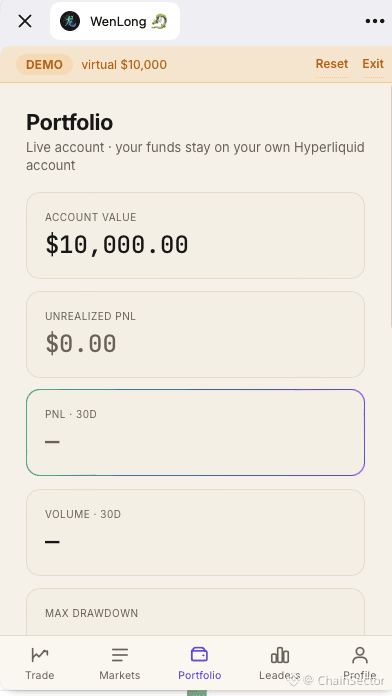
Eu olhei para o WenLong dentro do Telegram, e foi a experiência do usuário que chamou minha atenção
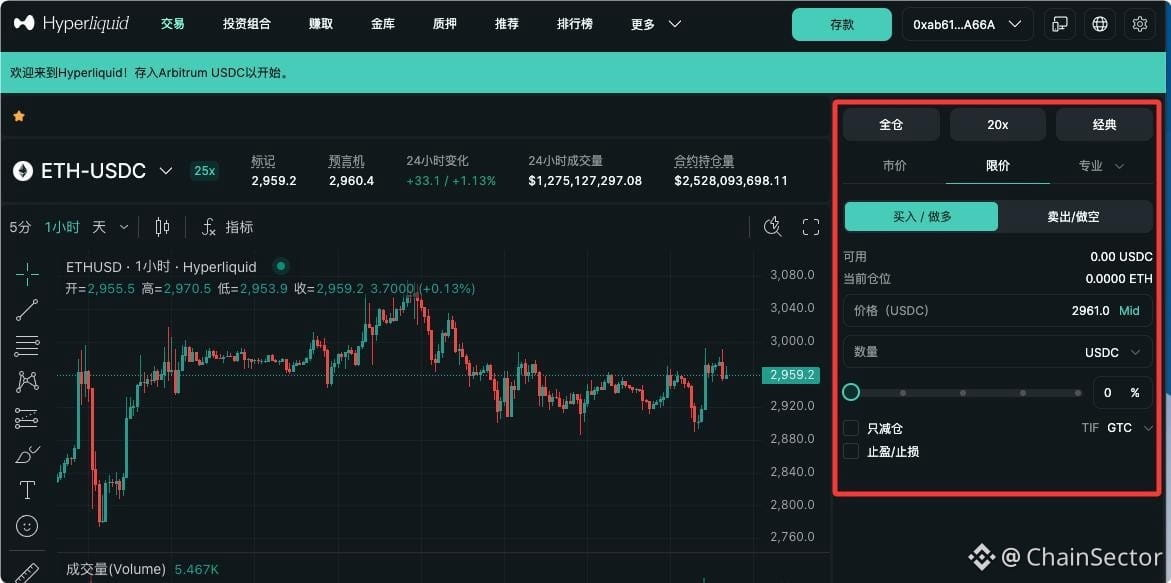
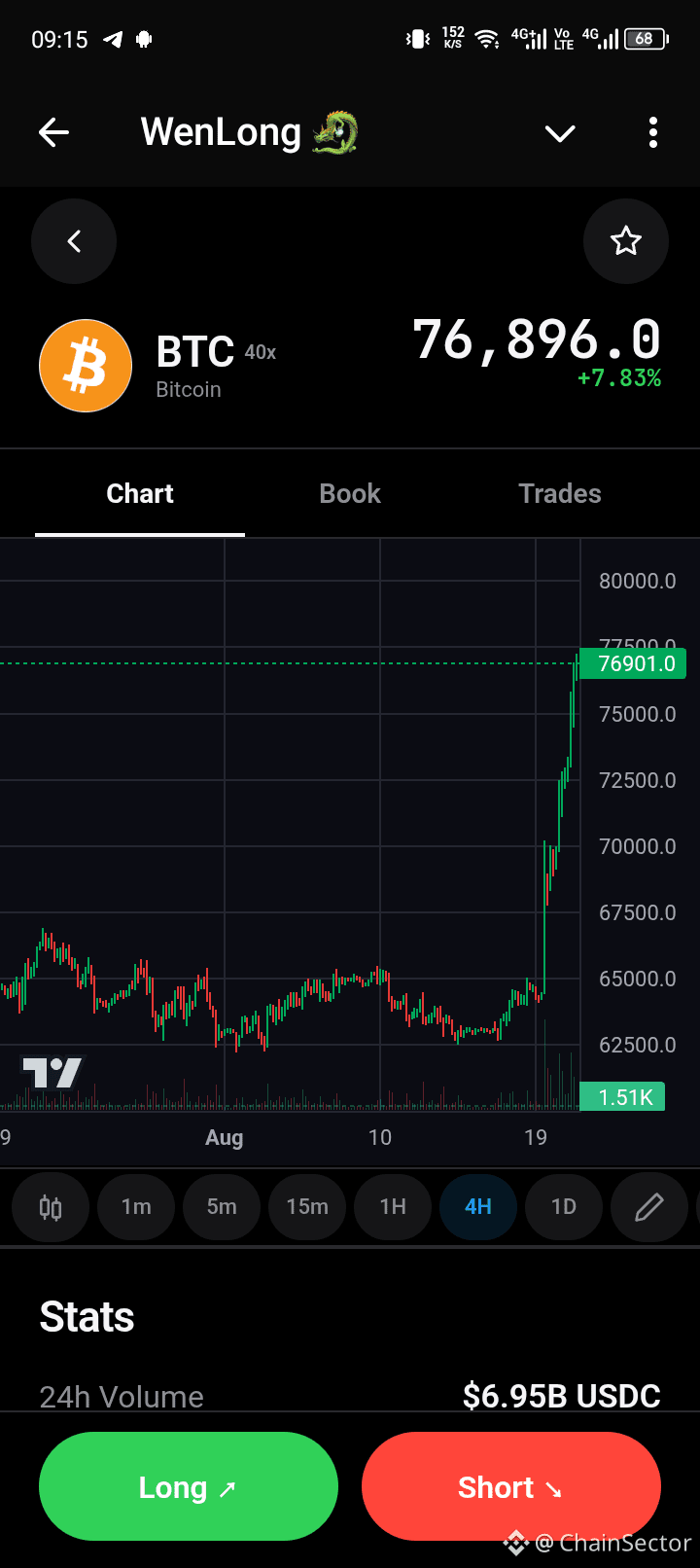
Encontrei o WenLong e decidi analisar a interface em vez de apenas republicar o anúncio.
A primeira coisa que você vê é bem familiar se você já usou uma plataforma de trading perpétuo antes:
📊 Gráfico
💰 Preço do mercado
📈 Informações da posição
⚡ Alavancagem
🟢 Long / 🔴 Short
Mas o que mais me interessou foi a infraestrutura por trás dessa tela simples.
O WenLong leva o trading perpétuo da Hyperliquid para o Telegram, enquanto o fluxo de fundos pode começar a partir do ecossistema TON. O site próprio do WenLong descreve a experiência como um terminal Hyperliquid nativo do Telegram, financiado pela TON.
É aí que a infraestrutura cross-chain se torna importante.
O usuário não necessariamente quer pensar em:
TON → ponte → rede de destino → swap → depósito → Hyperliquid
Ele só quer ir do ativo que tem até a aplicação.
A Omniston é interessante aqui porque fornece agregação de liquidez e infraestrutura de roteamento que as aplicações podem integrar, em vez de construírem toda a camada de roteamento de liquidez por conta própria.
Isso me fez pensar para onde o UX de DeFi está indo.
A infraestrutura pode ficar mais complicada enquanto a interface fica mais simples.
E, sinceramente, acho isso uma boa coisa.
O usuário médio não deveria precisar entender cada rede envolvida em uma transação apenas para usar um aplicativo.
A complexidade pode ficar por baixo.
A experiência pode continuar simples.
Foi isso que se destacou para mim ao explorar o WenLong.
Não foi a alavancagem.
A abstração.
@ston_fi
DYOR. O trading alavancado envolve riscos significativos.
Eu olhei para o WenLong dentro do Telegram, e foi a experiência do usuário que chamou minha atenção
Encontrei o WenLong e decidi analisar a interface em vez de apenas republicar o anúncio.
A primeira coisa que você vê é bem familiar se você já usou uma plataforma de trading perpétuo antes:
📊 Gráfico
💰 Preço do mercado
📈 Informações da posição
⚡ Alavancagem
🟢 Long / 🔴 Short
Mas o que mais me interessou foi a infraestrutura por trás dessa tela simples.
O WenLong leva o trading perpétuo da Hyperliquid para o Telegram, enquanto o fluxo de fundos pode começar a partir do ecossistema TON. O site próprio do WenLong descreve a experiência como um terminal Hyperliquid nativo do Telegram, financiado pela TON.
É aí que a infraestrutura cross-chain se torna importante.
O usuário não necessariamente quer pensar em:
TON → ponte → rede de destino → swap → depósito → Hyperliquid
Ele só quer ir do ativo que tem até a aplicação.
A Omniston é interessante aqui porque fornece agregação de liquidez e infraestrutura de roteamento que as aplicações podem integrar, em vez de construírem toda a camada de roteamento de liquidez por conta própria.
Isso me fez pensar para onde o UX de DeFi está indo.
A infraestrutura pode ficar mais complicada enquanto a interface fica mais simples.
E, sinceramente, acho isso uma boa coisa.
O usuário médio não deveria precisar entender cada rede envolvida em uma transação apenas para usar um aplicativo.
A complexidade pode ficar por baixo.
A experiência pode continuar simples.
Foi isso que se destacou para mim ao explorar o WenLong.
Não foi a alavancagem.
A abstração.
@ston_fi
DYOR. O trading alavancado envolve riscos significativos.
Encontrei o WenLong e decidi analisar a interface em vez de apenas republicar o anúncio.
A primeira coisa que você vê é bem familiar se você já usou uma plataforma de trading perpétuo antes:
📊 Gráfico
💰 Preço do mercado
📈 Informações da posição
⚡ Alavancagem
🟢 Long / 🔴 Short
Mas o que mais me interessou foi a infraestrutura por trás dessa tela simples.
O WenLong leva o trading perpétuo da Hyperliquid para o Telegram, enquanto o fluxo de fundos pode começar a partir do ecossistema TON. O site próprio do WenLong descreve a experiência como um terminal Hyperliquid nativo do Telegram, financiado pela TON.
É aí que a infraestrutura cross-chain se torna importante.
O usuário não necessariamente quer pensar em:
TON → ponte → rede de destino → swap → depósito → Hyperliquid
Ele só quer ir do ativo que tem até a aplicação.
A Omniston é interessante aqui porque fornece agregação de liquidez e infraestrutura de roteamento que as aplicações podem integrar, em vez de construírem toda a camada de roteamento de liquidez por conta própria.
Isso me fez pensar para onde o UX de DeFi está indo.
A infraestrutura pode ficar mais complicada enquanto a interface fica mais simples.
E, sinceramente, acho isso uma boa coisa.
O usuário médio não deveria precisar entender cada rede envolvida em uma transação apenas para usar um aplicativo.
A complexidade pode ficar por baixo.
A experiência pode continuar simples.
Foi isso que se destacou para mim ao explorar o WenLong.
Não foi a alavancagem.
A abstração.
@ston_fi
DYOR. O trading alavancado envolve riscos significativos.
1
108
·
--
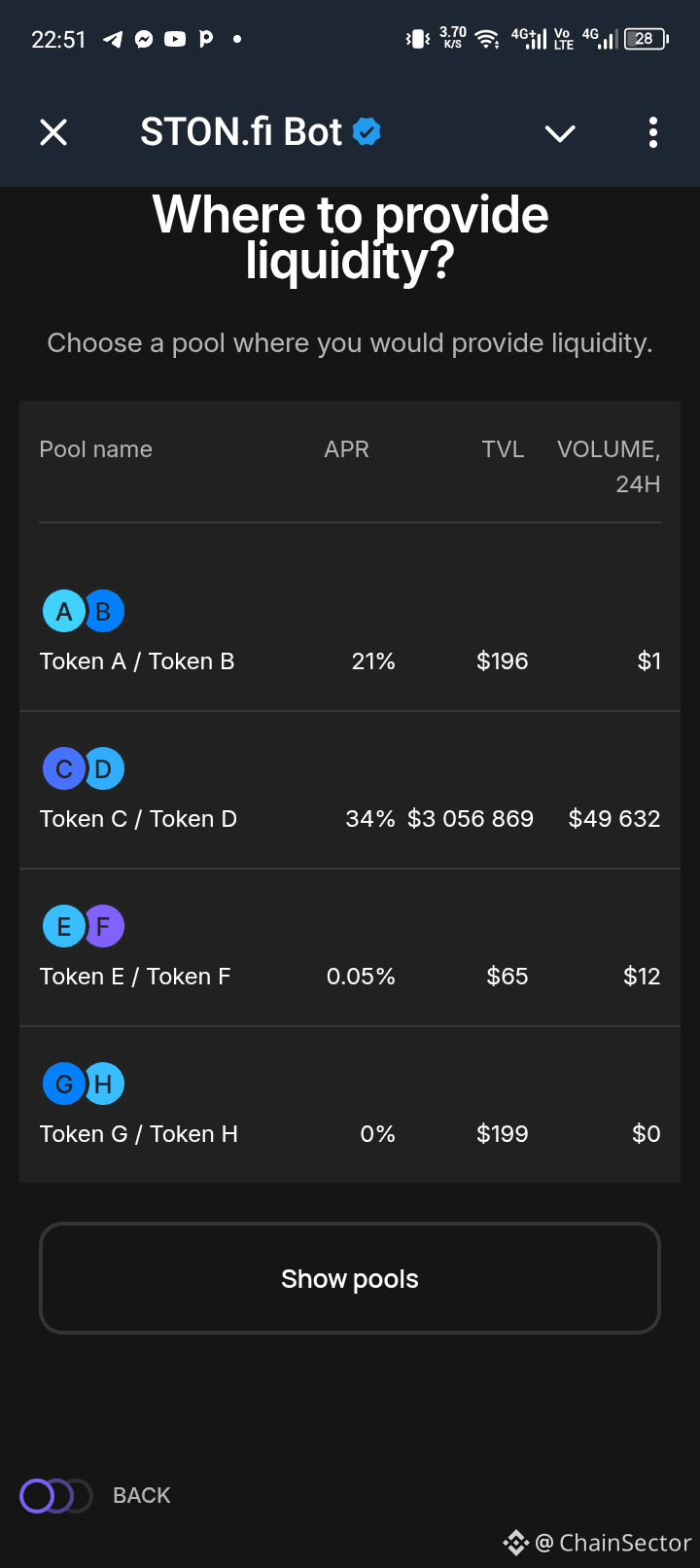
Eu Experimentei o Simulador DeFi da STON.fi Antes de Usar Fundos Reais
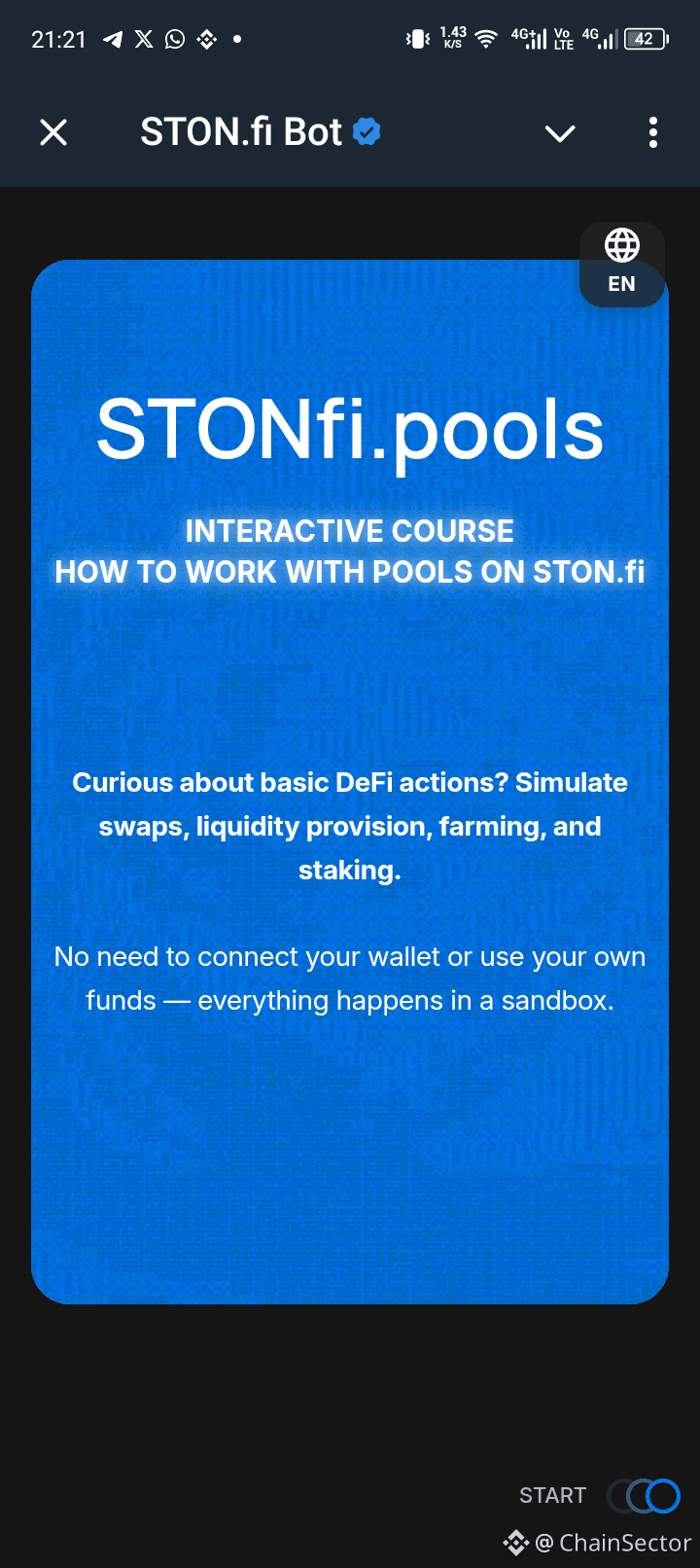
Recentemente, encontrei o curso interativo STONfi.pools e decidi testá-lo.
O que me chamou a atenção foi bem simples:
Não precisei conectar minha carteira.
Tudo acontece dentro de um simulador, então eu pude explorar o processo sem usar meus próprios fundos.
O curso permite que você pratique:
• Trocas (Swaps)
• Fornecer liquidez
• Fazer farming
• Fazer staking
Achei a abordagem útil porque DeFi pode parecer bem diferente quando você está realmente olhando a interface.
Você consegue entender o que é um pool de liquidez, por exemplo, mas ainda assim pode hesitar quando vê, pela primeira vez, os botões e as etapas reais.
O simulador te dá um lugar para se familiarizar com esse processo.
E se você cometer um erro?
Você não perdeu nada.
Você pode simplesmente tentar de novo.
Claro, eu ainda faria uma pesquisa adequada antes de usar fundos reais. Um simulador não elimina os riscos envolvidos no DeFi real.
Mas como ferramenta de aprendizado, eu acho que a ideia faz sentido:
Fique confortável com o processo antes de colocar dinheiro por trás disso.
@ston_fi
Eu Experimentei o Simulador DeFi da STON.fi Antes de Usar Fundos Reais
Recentemente, encontrei o curso interativo STONfi.pools e decidi testá-lo.
O que me chamou a atenção foi bem simples:
Não precisei conectar minha carteira.
Tudo acontece dentro de um simulador, então eu pude explorar o processo sem usar meus próprios fundos.
O curso permite que você pratique:
• Trocas (Swaps)
• Fornecer liquidez
• Fazer farming
• Fazer staking
Achei a abordagem útil porque DeFi pode parecer bem diferente quando você está realmente olhando a interface.
Você consegue entender o que é um pool de liquidez, por exemplo, mas ainda assim pode hesitar quando vê, pela primeira vez, os botões e as etapas reais.
O simulador te dá um lugar para se familiarizar com esse processo.
E se você cometer um erro?
Você não perdeu nada.
Você pode simplesmente tentar de novo.
Claro, eu ainda faria uma pesquisa adequada antes de usar fundos reais. Um simulador não elimina os riscos envolvidos no DeFi real.
Mas como ferramenta de aprendizado, eu acho que a ideia faz sentido:
Fique confortável com o processo antes de colocar dinheiro por trás disso.
@ston_fi
Recentemente, encontrei o curso interativo STONfi.pools e decidi testá-lo.
O que me chamou a atenção foi bem simples:
Não precisei conectar minha carteira.
Tudo acontece dentro de um simulador, então eu pude explorar o processo sem usar meus próprios fundos.
O curso permite que você pratique:
• Trocas (Swaps)
• Fornecer liquidez
• Fazer farming
• Fazer staking
Achei a abordagem útil porque DeFi pode parecer bem diferente quando você está realmente olhando a interface.
Você consegue entender o que é um pool de liquidez, por exemplo, mas ainda assim pode hesitar quando vê, pela primeira vez, os botões e as etapas reais.
O simulador te dá um lugar para se familiarizar com esse processo.
E se você cometer um erro?
Você não perdeu nada.
Você pode simplesmente tentar de novo.
Claro, eu ainda faria uma pesquisa adequada antes de usar fundos reais. Um simulador não elimina os riscos envolvidos no DeFi real.
Mas como ferramenta de aprendizado, eu acho que a ideia faz sentido:
Fique confortável com o processo antes de colocar dinheiro por trás disso.
@ston_fi
1
75
·
--
Este recurso da STON.fi faz mais sentido depois de testar
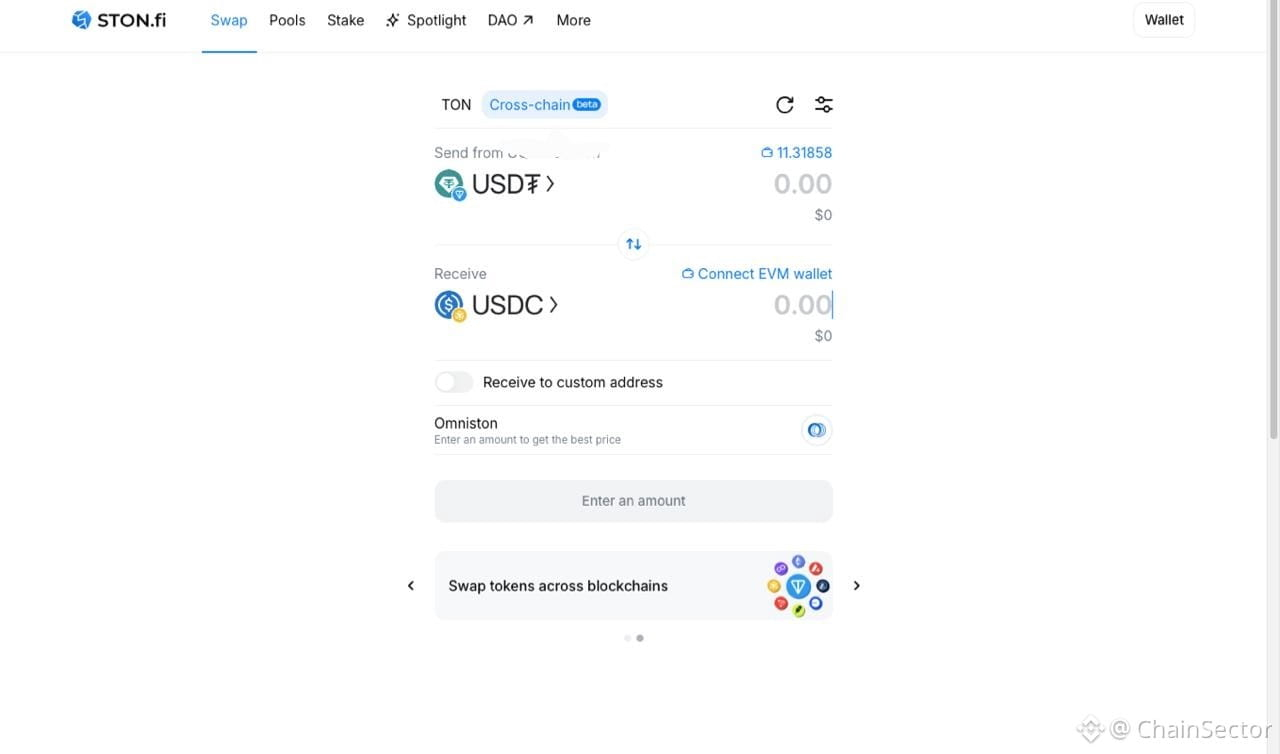
Hoje eu experimentei a nova opção de endereço personalizado da STON.fi.
Em vez de conectar uma carteira nos dois lados da troca, mantive minha carteira de origem conectada e inseri uma carteira diferente como destino.
Isso significa que você pode fazer a troca de uma carteira enquanto os tokens resultantes são enviados para outro lugar.
Acho isso útil se você separa suas carteiras de negociação e de armazenamento, ou simplesmente precisa enviar a saída para outro endereço.
A única parte que eu diminuiria o ritmo é a verificação final. Quando você inserir um endereço de destino manualmente, certifique-se de que o endereço e a rede estão corretos antes de confirmar.
É um recurso pequeno, mas útil.
@ston_fi
#STONfi #TON #CrossChain
Este recurso da STON.fi faz mais sentido depois de testar
Hoje eu experimentei a nova opção de endereço personalizado da STON.fi.
Em vez de conectar uma carteira nos dois lados da troca, mantive minha carteira de origem conectada e inseri uma carteira diferente como destino.
Isso significa que você pode fazer a troca de uma carteira enquanto os tokens resultantes são enviados para outro lugar.
Acho isso útil se você separa suas carteiras de negociação e de armazenamento, ou simplesmente precisa enviar a saída para outro endereço.
A única parte que eu diminuiria o ritmo é a verificação final. Quando você inserir um endereço de destino manualmente, certifique-se de que o endereço e a rede estão corretos antes de confirmar.
É um recurso pequeno, mas útil.
@ston_fi
#STONfi #TON #CrossChain
Hoje eu experimentei a nova opção de endereço personalizado da STON.fi.
Em vez de conectar uma carteira nos dois lados da troca, mantive minha carteira de origem conectada e inseri uma carteira diferente como destino.
Isso significa que você pode fazer a troca de uma carteira enquanto os tokens resultantes são enviados para outro lugar.
Acho isso útil se você separa suas carteiras de negociação e de armazenamento, ou simplesmente precisa enviar a saída para outro endereço.
A única parte que eu diminuiria o ritmo é a verificação final. Quando você inserir um endereço de destino manualmente, certifique-se de que o endereço e a rede estão corretos antes de confirmar.
É um recurso pequeno, mas útil.
@ston_fi
#STONfi #TON #CrossChain
1
77
·
--
Eu testei as três novas ferramentas DeFi da STON.fi antes de olhar para as Liquidity Pools
Sempre que olho para liquidity pools, meu primeiro impulso costuma ser comparar a APR.
Desta vez, decidi desacelerar e testar primeiro as três novas ferramentas DeFi da STON.fi.
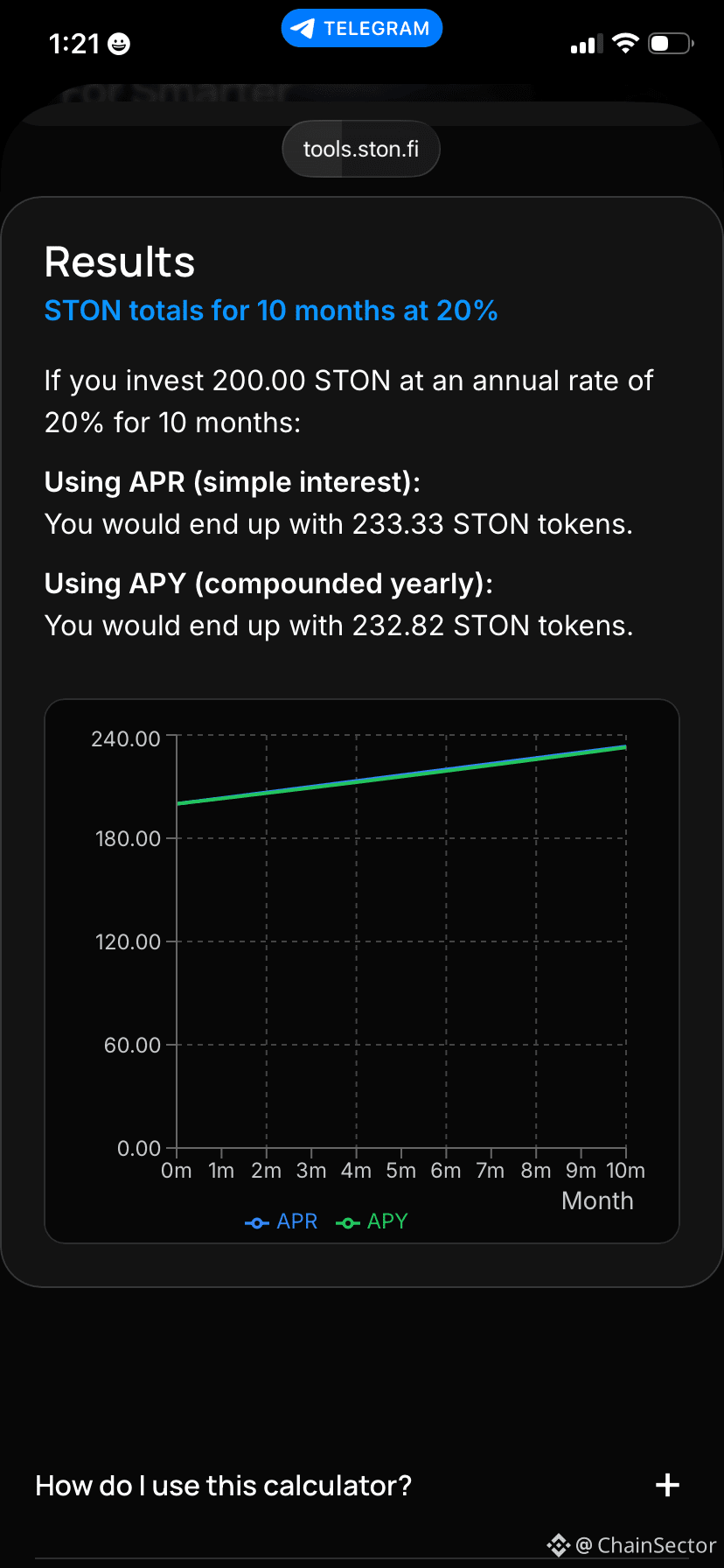
Comecei com a Calculadora de APR, alterando os valores de depósito, os valores de APR e a duração do investimento para ver como cenários diferentes afetaram os retornos projetados.
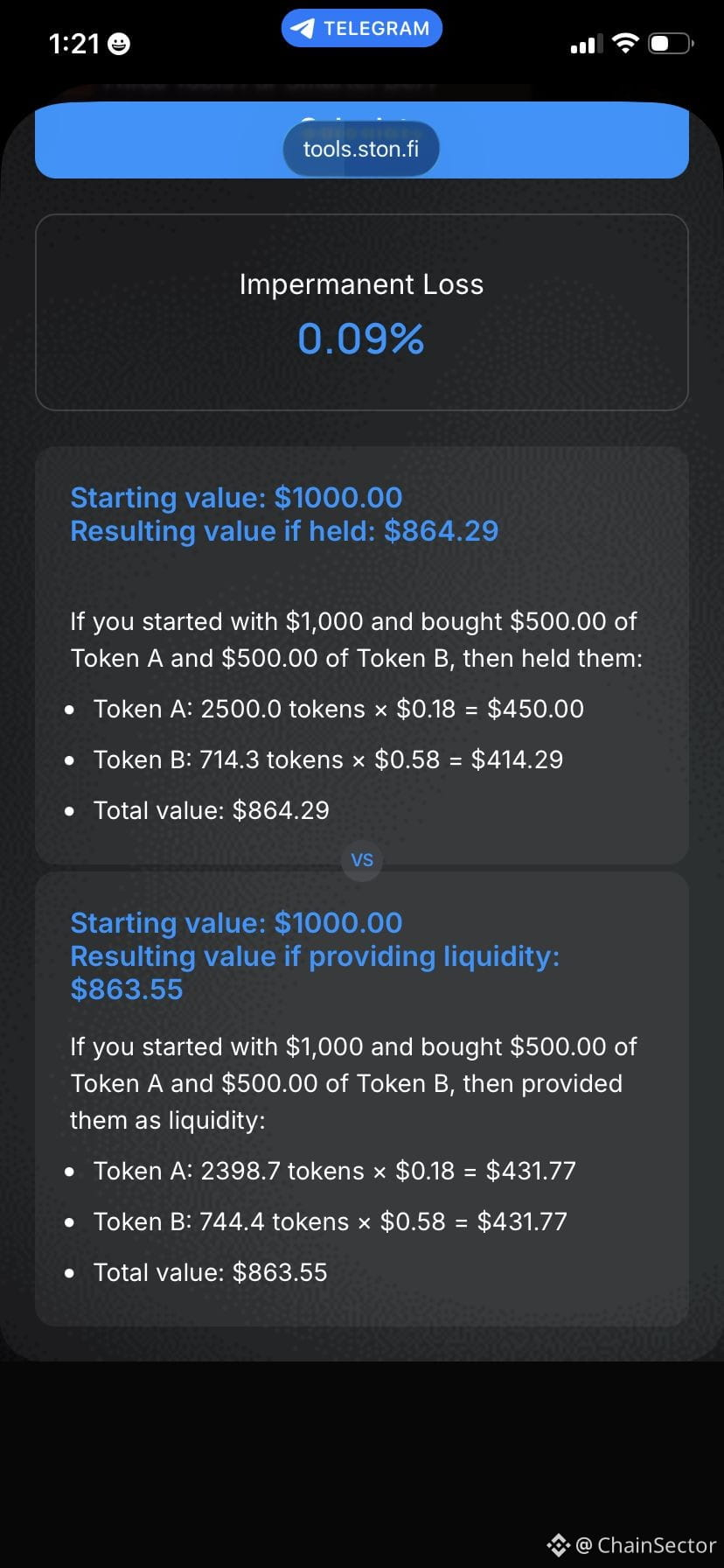
Depois, passei para a Calculadora de Impermanent Loss.
O que achei mais útil não foi o próprio percentual de impermanent loss, mas a comparação entre simplesmente manter os ativos e fornecê-los como liquidez.
Ver os dois resultados juntos tornou o conceito muito mais fácil de entender.
Por fim, entrei no canal STON.fi Pools Updates.
Em vez de abrir pools diferentes todos os dias, ele me mantém informado por meio de atualizações regulares de APR.
Depois de usar as três ferramentas em conjunto, não penso mais nelas como recursos separados.
Elas se tornaram parte do meu próprio processo antes de avaliar oportunidades de liquidez.
Não é aconselhamento de investimento, mas elas são definitivamente úteis para tomar decisões mais bem informadas.
@ston_fi
#STONfi #TON #DeFi
Eu testei as três novas ferramentas DeFi da STON.fi antes de olhar para as Liquidity Pools
Sempre que olho para liquidity pools, meu primeiro impulso costuma ser comparar a APR.
Desta vez, decidi desacelerar e testar primeiro as três novas ferramentas DeFi da STON.fi.
Comecei com a Calculadora de APR, alterando os valores de depósito, os valores de APR e a duração do investimento para ver como cenários diferentes afetaram os retornos projetados.
Depois, passei para a Calculadora de Impermanent Loss.
O que achei mais útil não foi o próprio percentual de impermanent loss, mas a comparação entre simplesmente manter os ativos e fornecê-los como liquidez.
Ver os dois resultados juntos tornou o conceito muito mais fácil de entender.
Por fim, entrei no canal STON.fi Pools Updates.
Em vez de abrir pools diferentes todos os dias, ele me mantém informado por meio de atualizações regulares de APR.
Depois de usar as três ferramentas em conjunto, não penso mais nelas como recursos separados.
Elas se tornaram parte do meu próprio processo antes de avaliar oportunidades de liquidez.
Não é aconselhamento de investimento, mas elas são definitivamente úteis para tomar decisões mais bem informadas.
@ston_fi
#STONfi #TON #DeFi
Sempre que olho para liquidity pools, meu primeiro impulso costuma ser comparar a APR.
Desta vez, decidi desacelerar e testar primeiro as três novas ferramentas DeFi da STON.fi.
Comecei com a Calculadora de APR, alterando os valores de depósito, os valores de APR e a duração do investimento para ver como cenários diferentes afetaram os retornos projetados.
Depois, passei para a Calculadora de Impermanent Loss.
O que achei mais útil não foi o próprio percentual de impermanent loss, mas a comparação entre simplesmente manter os ativos e fornecê-los como liquidez.
Ver os dois resultados juntos tornou o conceito muito mais fácil de entender.
Por fim, entrei no canal STON.fi Pools Updates.
Em vez de abrir pools diferentes todos os dias, ele me mantém informado por meio de atualizações regulares de APR.
Depois de usar as três ferramentas em conjunto, não penso mais nelas como recursos separados.
Elas se tornaram parte do meu próprio processo antes de avaliar oportunidades de liquidez.
Não é aconselhamento de investimento, mas elas são definitivamente úteis para tomar decisões mais bem informadas.
@ston_fi
#STONfi #TON #DeFi
2
58
·
--
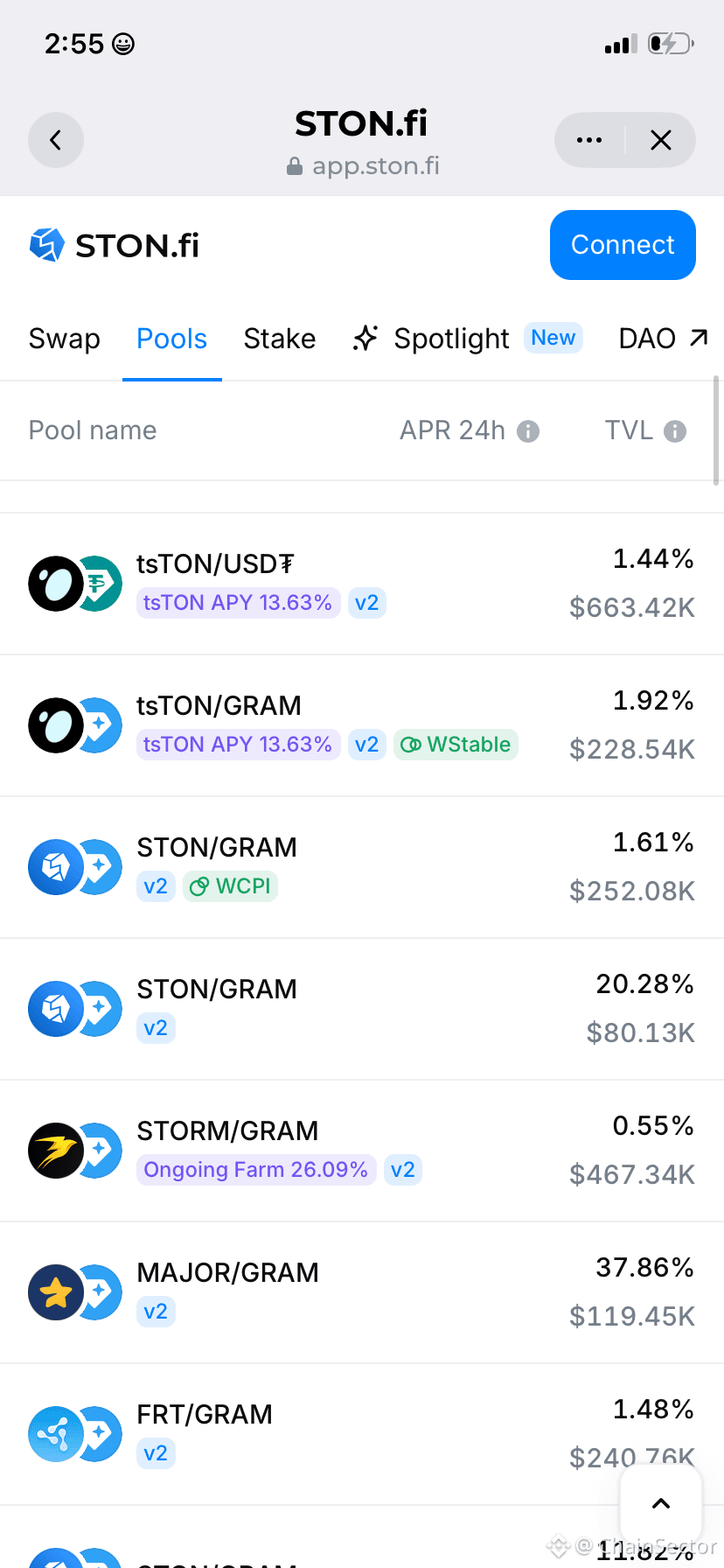
Hoje comparei dois pools de liquidez no STON.fi só para ver como eles diferiam.
Não era sobre escolher um de imediato.
Era sobre aprender como projetos diferentes aparecem na plataforma e ficar mais familiarizado com a interface.
Às vezes, gastar alguns minutos a mais explorando ensina mais do que entrar direto em uma transação.
Hoje comparei dois pools de liquidez no STON.fi só para ver como eles diferiam.
Não era sobre escolher um de imediato.
Era sobre aprender como projetos diferentes aparecem na plataforma e ficar mais familiarizado com a interface.
Às vezes, gastar alguns minutos a mais explorando ensina mais do que entrar direto em uma transação.
Não era sobre escolher um de imediato.
Era sobre aprender como projetos diferentes aparecem na plataforma e ficar mais familiarizado com a interface.
Às vezes, gastar alguns minutos a mais explorando ensina mais do que entrar direto em uma transação.
2
167
·
--
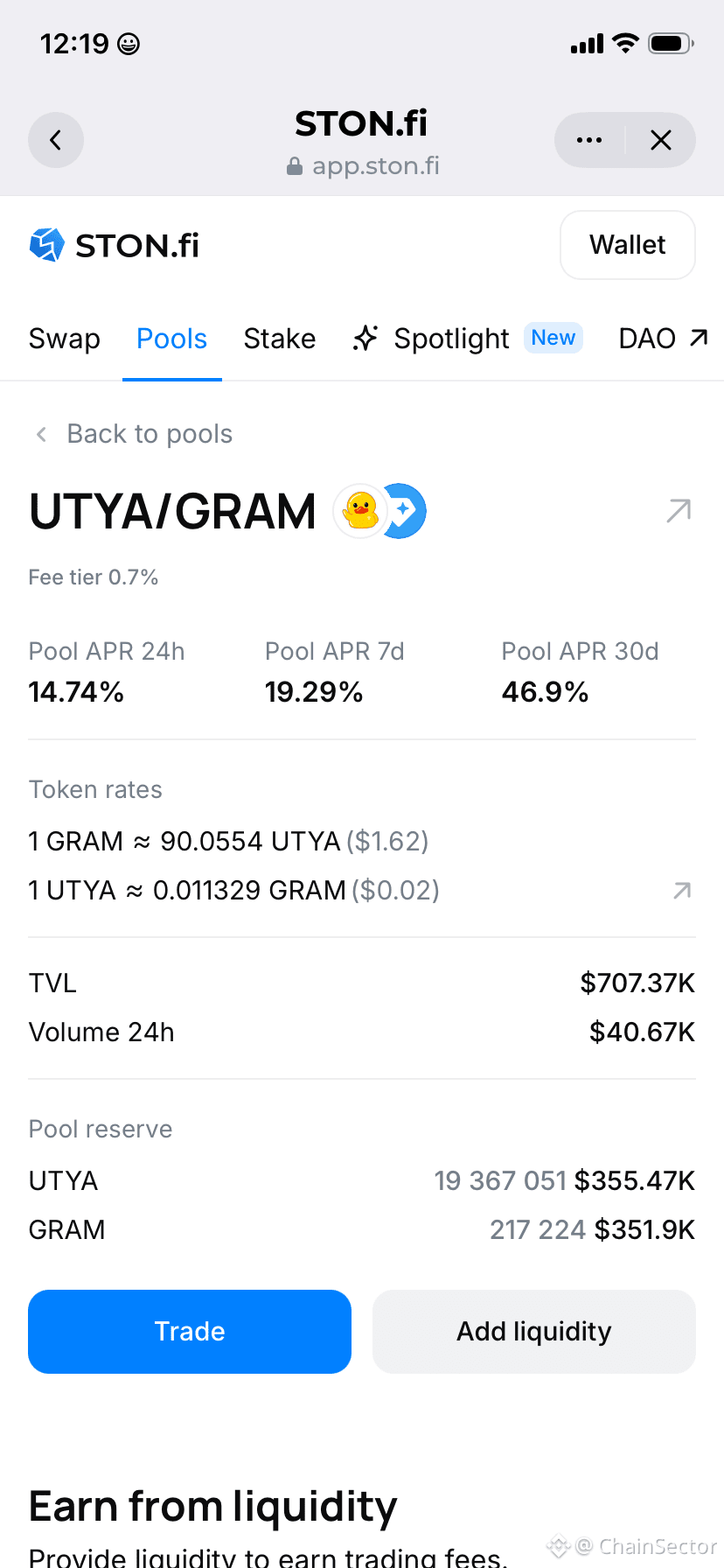
Hoje passei alguns minutos explorando pools no STON.fi e acabei ficando muito mais tempo do que eu esperava.
Uma coisa que chamou minha atenção foi ver certos ativos aparecendo repetidamente em diferentes combinações de pools.
Isso transformou uma simples sessão de navegação em um pequeno exercício de descoberta de ecossistemas.
Às vezes, as coisas mais interessantes em uma DEX são justamente aquelas que você não estava procurando originalmente.
Hoje passei alguns minutos explorando pools no STON.fi e acabei ficando muito mais tempo do que eu esperava.
Uma coisa que chamou minha atenção foi ver certos ativos aparecendo repetidamente em diferentes combinações de pools.
Isso transformou uma simples sessão de navegação em um pequeno exercício de descoberta de ecossistemas.
Às vezes, as coisas mais interessantes em uma DEX são justamente aquelas que você não estava procurando originalmente.
Uma coisa que chamou minha atenção foi ver certos ativos aparecendo repetidamente em diferentes combinações de pools.
Isso transformou uma simples sessão de navegação em um pequeno exercício de descoberta de ecossistemas.
Às vezes, as coisas mais interessantes em uma DEX são justamente aquelas que você não estava procurando originalmente.
2
108
·
--
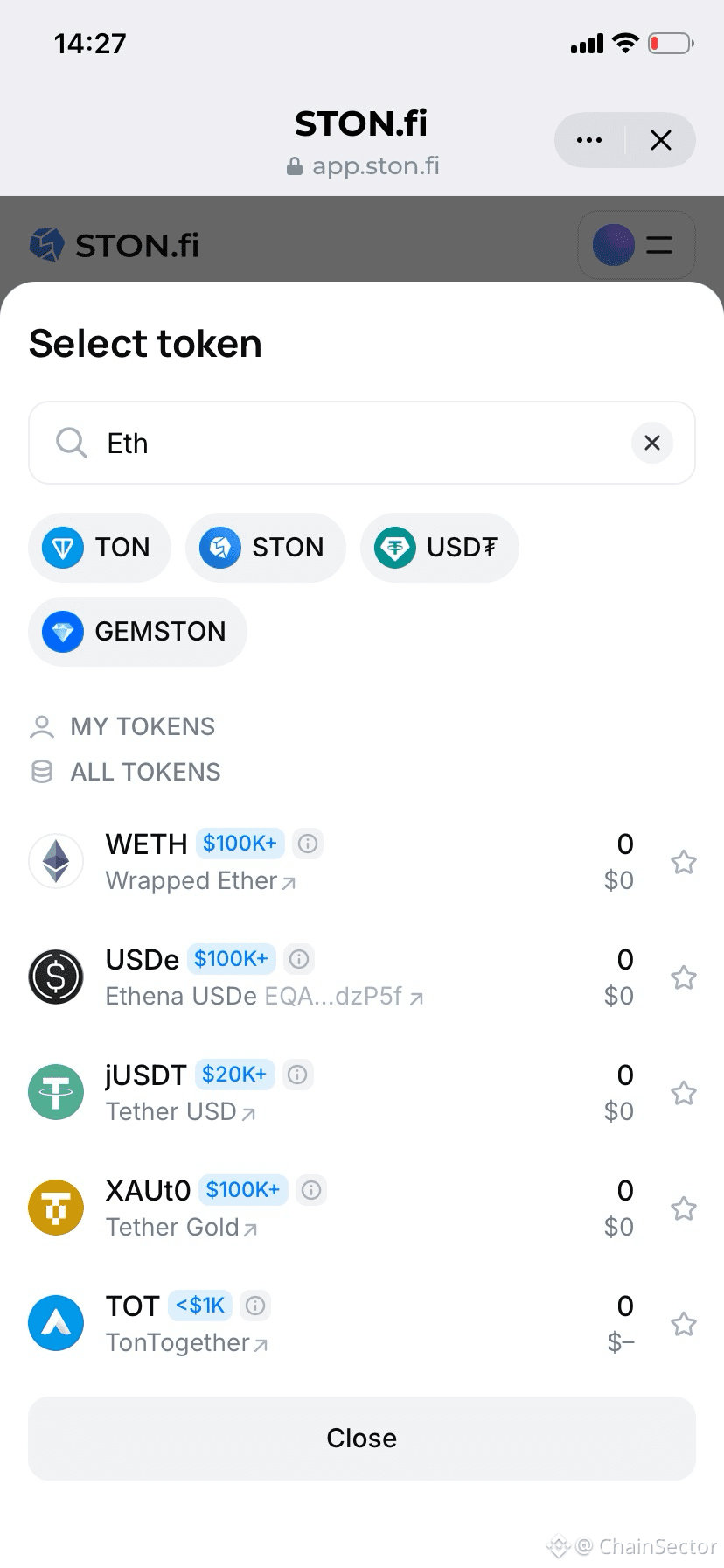
Explorando diferentes ativos na Ston_fi me fez perceber que a descoberta dentro de um DEX nem sempre parece intencional.
Às vezes, você abre a interface só para fazer uma simples troca, e acaba notando tokens e atividades completamente diferentes que você não estava procurando inicialmente.
Essa pequena mudança é interessante porque transforma a plataforma de uma simples ferramenta em algo mais próximo de um ambiente de exploração.
Mesmo quando você não está pesquisando ativamente, você acaba aprendendo algo novo sobre o ecossistema apenas interagindo com ele.
Isso é algo que eu não esperava quando comecei a usá-lo.
Explorando diferentes ativos na Ston_fi me fez perceber que a descoberta dentro de um DEX nem sempre parece intencional.
Às vezes, você abre a interface só para fazer uma simples troca, e acaba notando tokens e atividades completamente diferentes que você não estava procurando inicialmente.
Essa pequena mudança é interessante porque transforma a plataforma de uma simples ferramenta em algo mais próximo de um ambiente de exploração.
Mesmo quando você não está pesquisando ativamente, você acaba aprendendo algo novo sobre o ecossistema apenas interagindo com ele.
Isso é algo que eu não esperava quando comecei a usá-lo.
Às vezes, você abre a interface só para fazer uma simples troca, e acaba notando tokens e atividades completamente diferentes que você não estava procurando inicialmente.
Essa pequena mudança é interessante porque transforma a plataforma de uma simples ferramenta em algo mais próximo de um ambiente de exploração.
Mesmo quando você não está pesquisando ativamente, você acaba aprendendo algo novo sobre o ecossistema apenas interagindo com ele.
Isso é algo que eu não esperava quando comecei a usá-lo.
1
118
·
--
Em Alta
Comunidades Por Trás dos Tokens
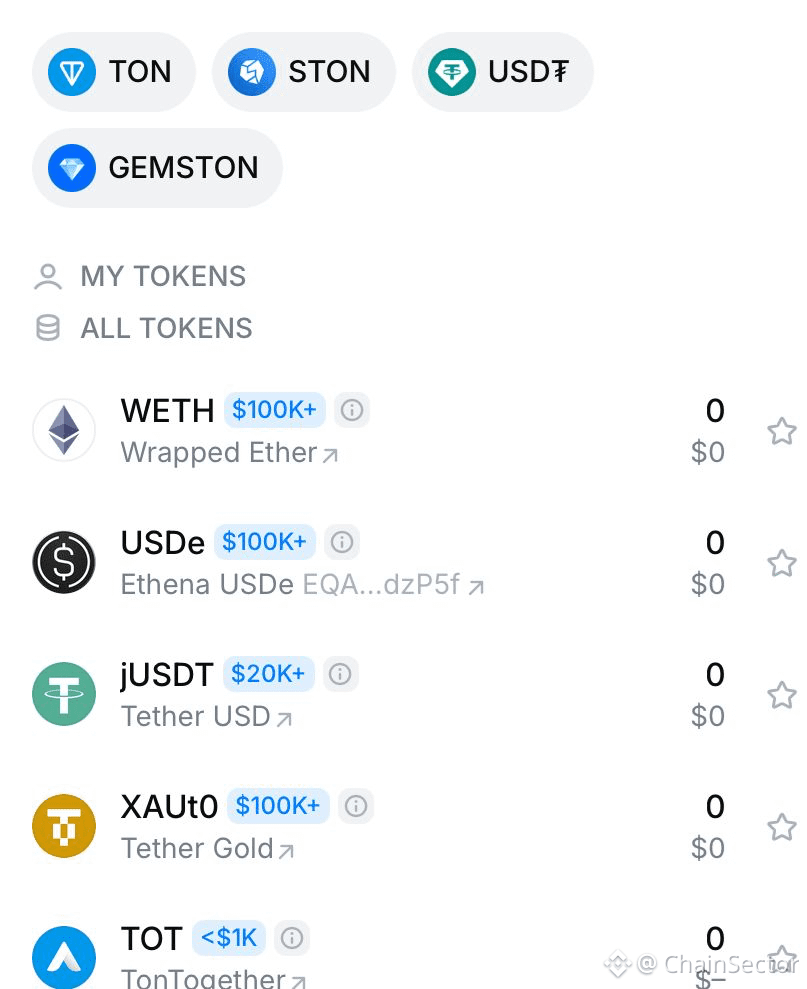
Uma coisa que eu não esperava ao explorar ativos na STON.fi era o quanto eu acabaria aprendendo com as comunidades por trás deles.
Cada token parece atrair um tipo diferente de público.
Observar essas diferenças tem sido uma parte surpreendentemente interessante de explorar o ecossistema TON.
Nem toda lição vem das velas.
Às vezes, vem das pessoas que estão construindo e apoiando projetos.
Comunidades Por Trás dos Tokens
Uma coisa que eu não esperava ao explorar ativos na STON.fi era o quanto eu acabaria aprendendo com as comunidades por trás deles.
Cada token parece atrair um tipo diferente de público.
Observar essas diferenças tem sido uma parte surpreendentemente interessante de explorar o ecossistema TON.
Nem toda lição vem das velas.
Às vezes, vem das pessoas que estão construindo e apoiando projetos.
Uma coisa que eu não esperava ao explorar ativos na STON.fi era o quanto eu acabaria aprendendo com as comunidades por trás deles.
Cada token parece atrair um tipo diferente de público.
Observar essas diferenças tem sido uma parte surpreendentemente interessante de explorar o ecossistema TON.
Nem toda lição vem das velas.
Às vezes, vem das pessoas que estão construindo e apoiando projetos.
1
84
·
--
Em Alta
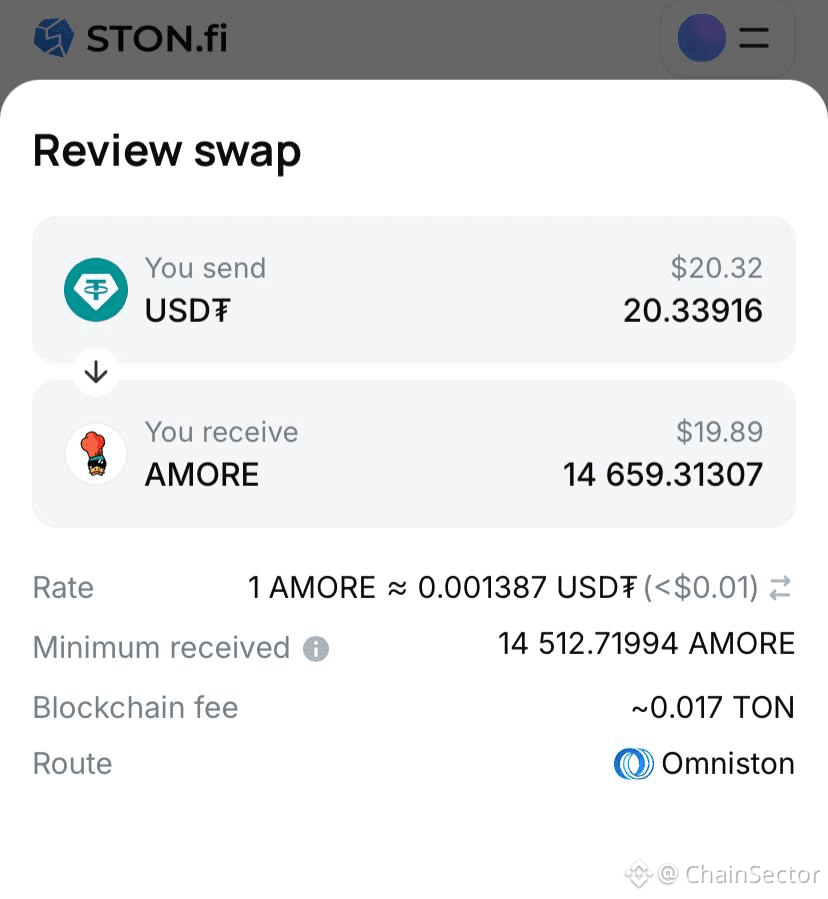
Uma coisa que eu curto sobre navegar no STON.fi é que de vez em quando leva a descobertas inesperadas.
Você começa buscando um ativo.
Alguns minutos depois, você está lendo sobre projetos que nunca encontrou antes.
Esse é um dos benefícios subestimados de um ecossistema em crescimento.
A exploração se torna parte da experiência.
E, para ser sincero, aprender sobre o que diferentes comunidades estão construindo na TON tem sido tão interessante quanto as transações em si.
Uma coisa que eu curto sobre navegar no STON.fi é que de vez em quando leva a descobertas inesperadas.
Você começa buscando um ativo.
Alguns minutos depois, você está lendo sobre projetos que nunca encontrou antes.
Esse é um dos benefícios subestimados de um ecossistema em crescimento.
A exploração se torna parte da experiência.
E, para ser sincero, aprender sobre o que diferentes comunidades estão construindo na TON tem sido tão interessante quanto as transações em si.
Você começa buscando um ativo.
Alguns minutos depois, você está lendo sobre projetos que nunca encontrou antes.
Esse é um dos benefícios subestimados de um ecossistema em crescimento.
A exploração se torna parte da experiência.
E, para ser sincero, aprender sobre o que diferentes comunidades estão construindo na TON tem sido tão interessante quanto as transações em si.
1
169
·
--
Em Alta
Uma coisa que eu não esperava enquanto usava o STON.fi repetidamente:
O quanto a interação repetida reduz naturalmente a hesitação ao longo do tempo.
No começo, eu estava verificando cuidadosamente quase cada passo antes de confirmar as ações.
Agora, muito do fluxo de interação parece muito mais confortável e previsível.
Uma coisa que eu não esperava enquanto usava o STON.fi repetidamente:
O quanto a interação repetida reduz naturalmente a hesitação ao longo do tempo.
No começo, eu estava verificando cuidadosamente quase cada passo antes de confirmar as ações.
Agora, muito do fluxo de interação parece muito mais confortável e previsível.
O quanto a interação repetida reduz naturalmente a hesitação ao longo do tempo.
No começo, eu estava verificando cuidadosamente quase cada passo antes de confirmar as ações.
Agora, muito do fluxo de interação parece muito mais confortável e previsível.
1
253
·
--
Em Alta
Uma coisa que eu não esperava enquanto passava mais tempo em torno do STON.fi:
Como uma navegação mais suave muda a sensação geral de interação.
No começo, eu mal pensava nisso.
Mas o uso repetido me fez perceber que um movimento mais simples pela plataforma reduz a hesitação muito mais do que eu imaginava originalmente.
Uma coisa que eu não esperava enquanto passava mais tempo em torno do STON.fi:
Como uma navegação mais suave muda a sensação geral de interação.
No começo, eu mal pensava nisso.
Mas o uso repetido me fez perceber que um movimento mais simples pela plataforma reduz a hesitação muito mais do que eu imaginava originalmente.
Como uma navegação mais suave muda a sensação geral de interação.
No começo, eu mal pensava nisso.
Mas o uso repetido me fez perceber que um movimento mais simples pela plataforma reduz a hesitação muito mais do que eu imaginava originalmente.
1
175
·
--
Em Alta
Uma coisa que eu não esperava enquanto usava o STON.fi de forma mais consistente:
Como pequenos detalhes da interface afetam a sensação geral da interação.
No começo, eu mal percebia coisas como o fluxo do layout ou a disposição das informações.
Mas, com o tempo, uma interação mais limpa começou a tornar a experiência muito mais confortável do que eu esperava.
Uma coisa que eu não esperava enquanto usava o STON.fi de forma mais consistente:
Como pequenos detalhes da interface afetam a sensação geral da interação.
No começo, eu mal percebia coisas como o fluxo do layout ou a disposição das informações.
Mas, com o tempo, uma interação mais limpa começou a tornar a experiência muito mais confortável do que eu esperava.
Como pequenos detalhes da interface afetam a sensação geral da interação.
No começo, eu mal percebia coisas como o fluxo do layout ou a disposição das informações.
Mas, com o tempo, uma interação mais limpa começou a tornar a experiência muito mais confortável do que eu esperava.
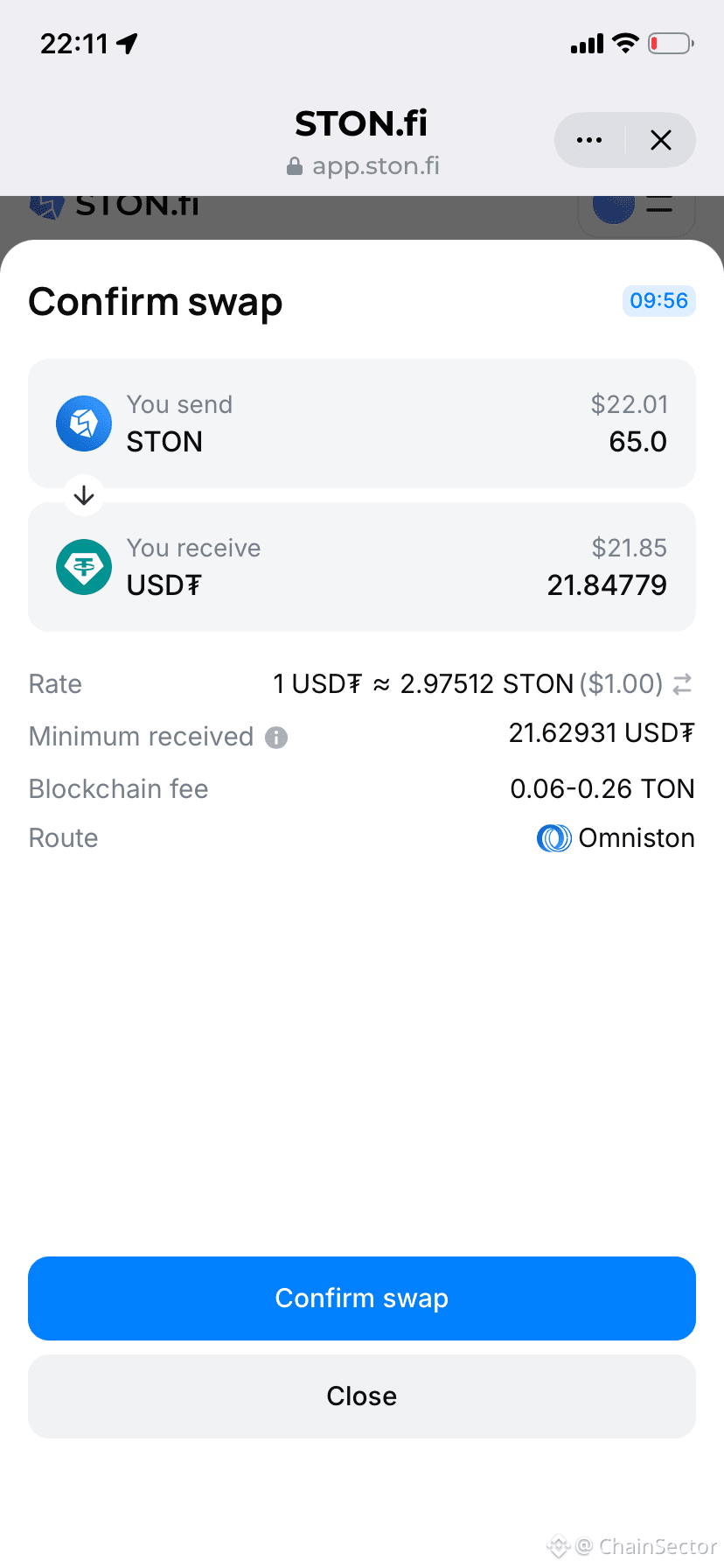
1
149
·
--
Algo que eu apreciei depois de usar o STON.fi de forma mais consistente:
O fluxo de interação começa a parecer mais suave à medida que você se familiariza mais com ele.
Pequenos detalhes de usabilidade importam mais com o tempo do que durante a primeira visita.
Algo que eu apreciei depois de usar o STON.fi de forma mais consistente:
O fluxo de interação começa a parecer mais suave à medida que você se familiariza mais com ele.
Pequenos detalhes de usabilidade importam mais com o tempo do que durante a primeira visita.
O fluxo de interação começa a parecer mais suave à medida que você se familiariza mais com ele.
Pequenos detalhes de usabilidade importam mais com o tempo do que durante a primeira visita.
1
147
Inicia sessão para explorar mais conteúdos
Junta-te a utilizadores de criptomoedas de todo o mundo na Binance Square
⚡️ Obtém informações úteis e recentes sobre criptomoedas.
💬 Com a confiança da maior exchange de criptomoedas do mundo.
👍 Descobre perspetivas reais de criadores verificados.
E-mail/Número de telefone
Tópicos em Tendência
ZcashETFPostsFirstWeeklyOutflow$93.6M
18 visualizações
14 a discutir
ATUALIZAÇÃO DO ETF DE ZCASH
O ETF de Zcash registrou a sua primeira saída líquida semanal desde o lançamento em agosto.
Os investidores retiraram US$ 93,6 milhões enquanto $ZEC caiu em direção a US$ 1.300. O Grayscale’s ZCSH havia atraído US$ 98,2 milhões duas semanas antes, mas não foram registradas entradas líquidas diárias desde 22 de setembro, segundo a SoSoValue.
ZEC estava em torno de US$ 1.308 em 3 de outubro, com queda de cerca de 17,5% na semana e aproximadamente 23% em relação ao seu recente pico de US$ 1.690.
$ZEC
Vicky-143
·0 gostos
·123 visualizações
GreekPoliceBustCryptoScamRingArrest17
29 visualizações
14 a discutir
BitcoinRejectedAt$87K
43,979 visualizações
81 a discutir