
LedgerXpert 12
5k Publicações

LedgerXpert 12
Denunciar
Bloquear Utilizador
Aberto ao trading
Trader Frequente
2 ano(s)
34 A seguir
14.4K+ Seguidores
9.8K+ Gostaram
Publicações
Portfólio
Tudo
Cotações
Vídeos
Em direto
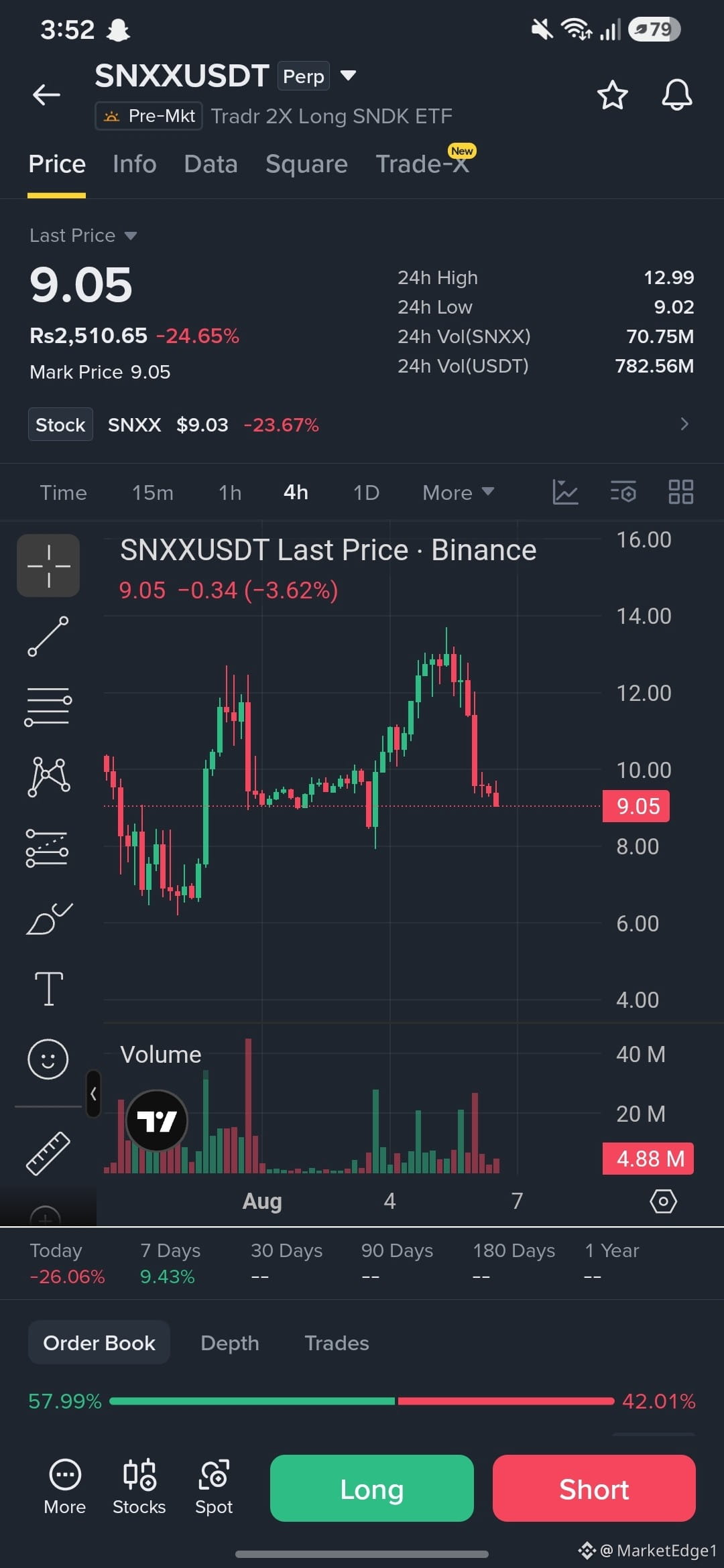
$SNXX Mais uma vez, posicionamentos excessivos—otários de muito dinheiro que fazem contrafação são idiotas! Fui massacrado por contrafações—mais de 300 vezes! Toda vez que eu vou pesado, quando o capital é grande, é morte. Quando eu vou comprado, ele cai; quando eu vou vendido, ele sobe! Olhe para esses ETFs de ações dos EUA—além de não operarem nos fins de semana, a volatilidade diária é de 20–50%! Se eu perder em ações dos EUA, só posso dizer que foi azar. Ganhe ou perca—que seja. Se eu perder com contrafações, é um massacre—é fácil se deixar levar!
$SNXX Mais uma vez, posicionamentos excessivos—otários de muito dinheiro que fazem contrafação são idiotas! Fui massacrado por contrafações—mais de 300 vezes! Toda vez que eu vou pesado, quando o capital é grande, é morte. Quando eu vou comprado, ele cai; quando eu vou vendido, ele sobe! Olhe para esses ETFs de ações dos EUA—além de não operarem nos fins de semana, a volatilidade diária é de 20–50%! Se eu perder em ações dos EUA, só posso dizer que foi azar. Ganhe ou perca—que seja. Se eu perder com contrafações, é um massacre—é fácil se deixar levar!
2
214
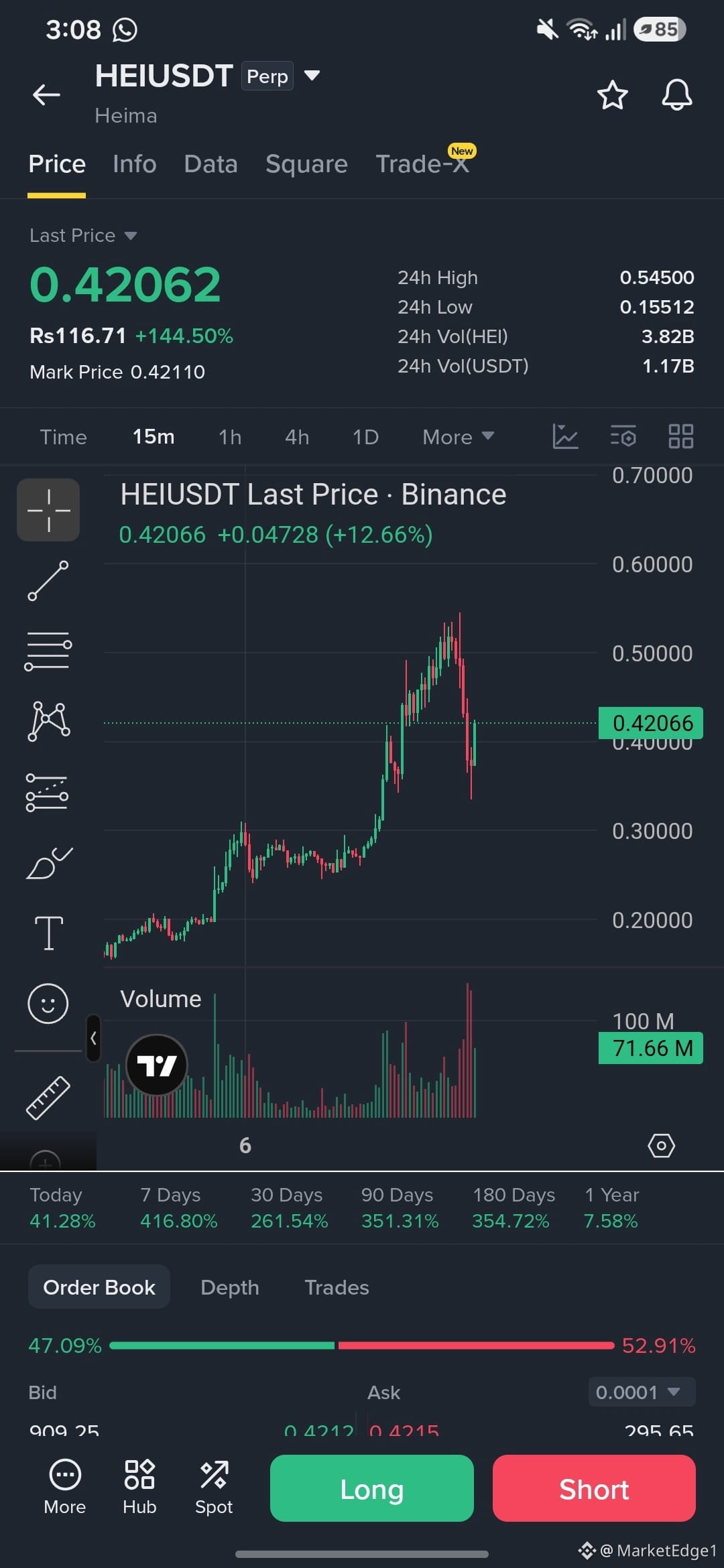
$HEI ⚠️⚠️Muitas pessoas veem algo como um ganho diário de 200% ou 300% e não conseguem controlar as mãos — elas entram na correria! Pensando: “O grupo do cão-de-caça já bombeou isso muitas vezes; é hora de distribuir!” 😅😅 Na verdade, é tudo o grupo do cão-de-caça desenhando o gráfico. A mão esquerda vende enquanto a mão direita compra — o que é desperdiçado são apenas algumas taxas de negociação. Enquanto ele quiser, ele consegue bombar 100.000% em um único dia! Por que ele explode-bomba tanto? Porque ele controla absolutamente o mercado, detendo 99% da oferta à vista. Existem poucas pessoas mantendo posições compradas (long) nos futuros! Você me pergunta se vai subir ou cair na próxima? Depende de quantas pessoas estão long nos contratos. Se houver mais pessoas long, ele cai. Se houver mais pessoas short, ele sobe! Se não houver muita gente jogando, ele continuará bombeando — novamente por vários múltiplos — para atrair traders de varejo a participarem! Veja a Figura 1: As ordens long do formador de mercado são 3,4 vezes as ordens short dele. Nestes dois últimos dias, o market maker abriu uma grande quantidade de posições long, esperando que os traders de varejo ficassem short como contraparte. Você também pode operar em altcoins, mas não é totalmente impossível — não ultrapasse 2x de alavancagem e não coloque mais do que alguns milhares de USDT. Negocie com uma posição leve, defina stop loss e acompanhe a tendência! Lembre: Não perca dinheiro e depois faça média para baixo para colocar mais!
{future}(HEIUSDT)
$HEI ⚠️⚠️Muitas pessoas veem algo como um ganho diário de 200% ou 300% e não conseguem controlar as mãos — elas entram na correria! Pensando: “O grupo do cão-de-caça já bombeou isso muitas vezes; é hora de distribuir!” 😅😅 Na verdade, é tudo o grupo do cão-de-caça desenhando o gráfico. A mão esquerda vende enquanto a mão direita compra — o que é desperdiçado são apenas algumas taxas de negociação. Enquanto ele quiser, ele consegue bombar 100.000% em um único dia! Por que ele explode-bomba tanto? Porque ele controla absolutamente o mercado, detendo 99% da oferta à vista. Existem poucas pessoas mantendo posições compradas (long) nos futuros! Você me pergunta se vai subir ou cair na próxima? Depende de quantas pessoas estão long nos contratos. Se houver mais pessoas long, ele cai. Se houver mais pessoas short, ele sobe! Se não houver muita gente jogando, ele continuará bombeando — novamente por vários múltiplos — para atrair traders de varejo a participarem! Veja a Figura 1: As ordens long do formador de mercado são 3,4 vezes as ordens short dele. Nestes dois últimos dias, o market maker abriu uma grande quantidade de posições long, esperando que os traders de varejo ficassem short como contraparte. Você também pode operar em altcoins, mas não é totalmente impossível — não ultrapasse 2x de alavancagem e não coloque mais do que alguns milhares de USDT. Negocie com uma posição leve, defina stop loss e acompanhe a tendência! Lembre: Não perca dinheiro e depois faça média para baixo para colocar mais!
1
202
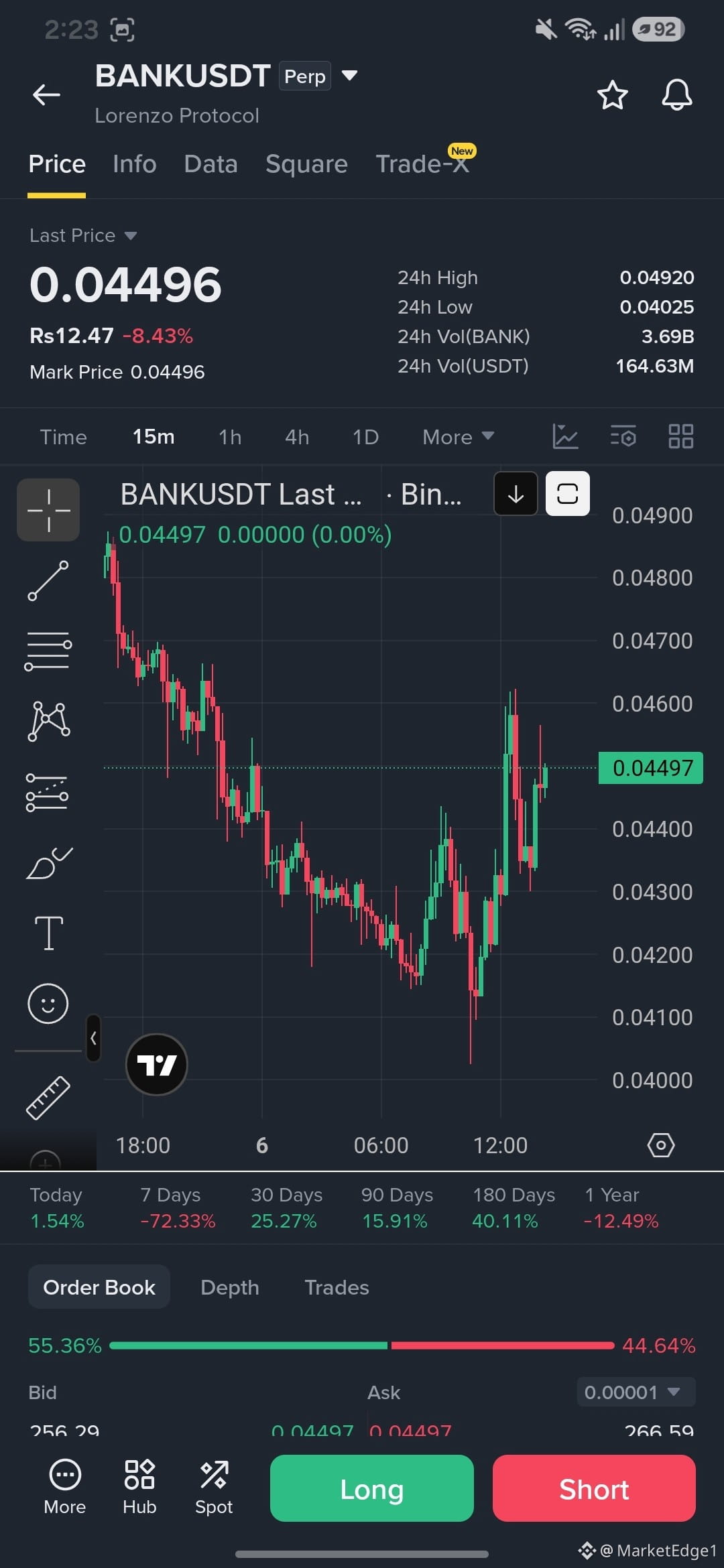
$BANK Ontem, muitos grandes nomes disseram que eu tinha vendido de novo. Hoje, quando você olha para trás, vê-se que eu estava certo. Então, quando for a hora do falsificador empurrar para cima, é aí que você corre—se não correr, vai se arrepender mais tarde. Sinceramente, você está se arrependendo agora?
{future}(BANKUSDT)
$BANK Ontem, muitos grandes nomes disseram que eu tinha vendido de novo. Hoje, quando você olha para trás, vê-se que eu estava certo. Então, quando for a hora do falsificador empurrar para cima, é aí que você corre—se não correr, vai se arrepender mais tarde. Sinceramente, você está se arrependendo agora?
1
147
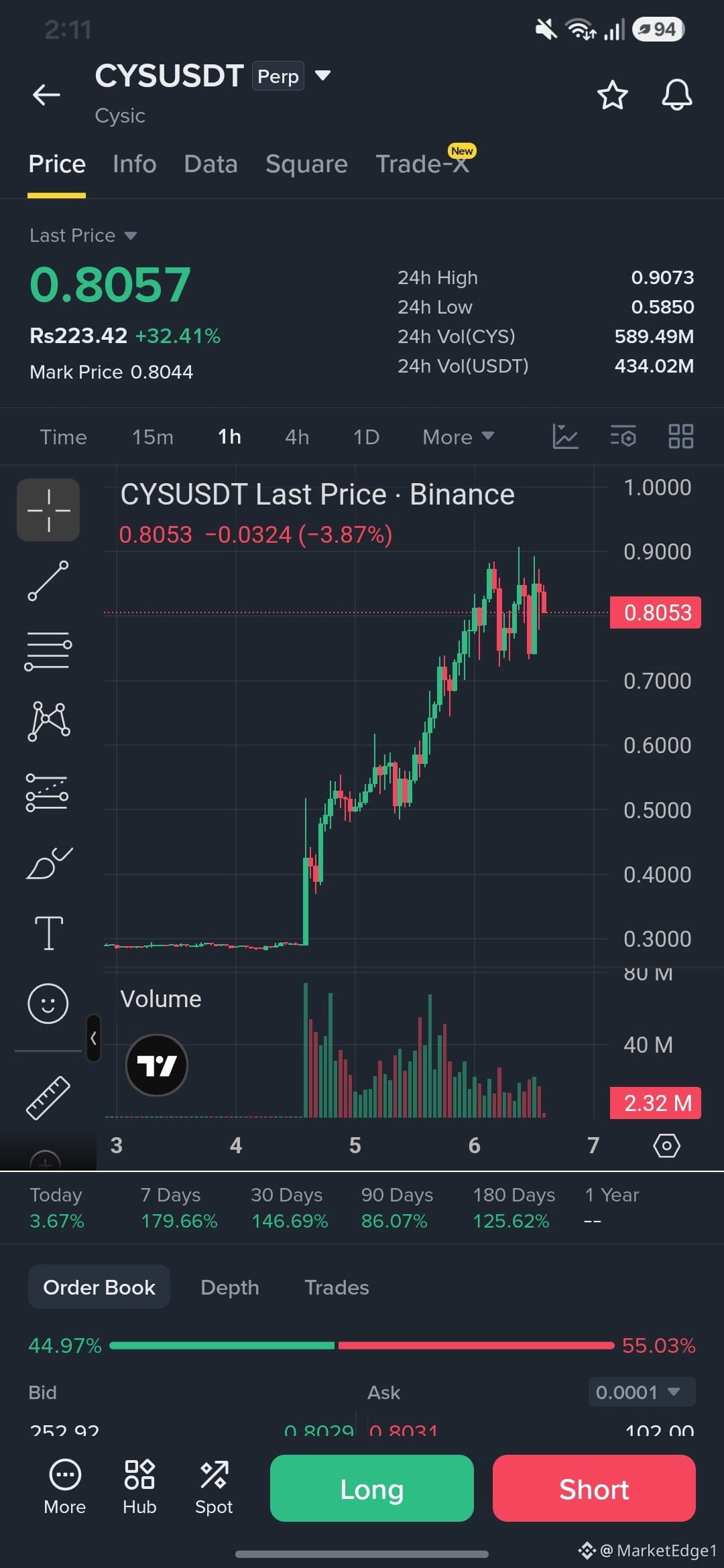
$CYS Que tipo de demônio é esse de novo? Vou esperar para ver; vamos ver o que está acontecendo. Estou vendo aquelas cópias falsas disparando, e quero vender a descoberto. Quanto mais sobe, mais eu quero vender a descoberto.Use 30x E Vá Abaixo Da Água $BLESS
{future}(CYSUSDT)
$CYS Que tipo de demônio é esse de novo? Vou esperar para ver; vamos ver o que está acontecendo. Estou vendo aquelas cópias falsas disparando, e quero vender a descoberto. Quanto mais sobe, mais eu quero vender a descoberto.Use 30x E Vá Abaixo Da Água $BLESS
1
147
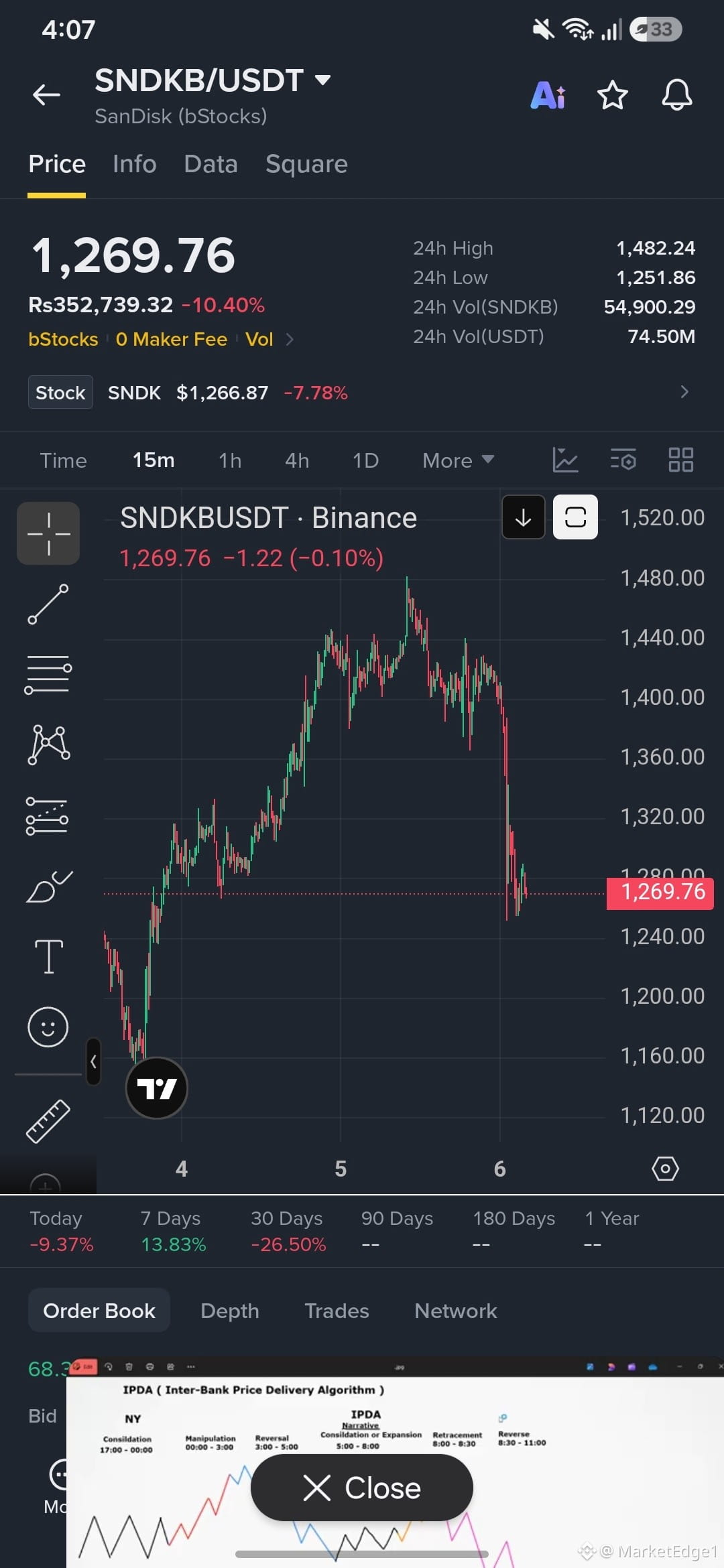
$SNDK A SanDisk assustou todo mundo. Grandes subidas, grandes quedas, igual a falsificações! Dê uma olhada: Aoying Capital está vendendo a descoberto, só para ganhar um pouco de lucro e depois sair. E ele será despejado mais, apenas lançado para despejar 😅
$BLESS $HEI
{future}(SNDKUSDT)
{future}(HEIUSDT)
$SNDK A SanDisk assustou todo mundo. Grandes subidas, grandes quedas, igual a falsificações! Dê uma olhada: Aoying Capital está vendendo a descoberto, só para ganhar um pouco de lucro e depois sair. E ele será despejado mais, apenas lançado para despejar 😅
$BLESS $HEI
$BLESS $HEI
131
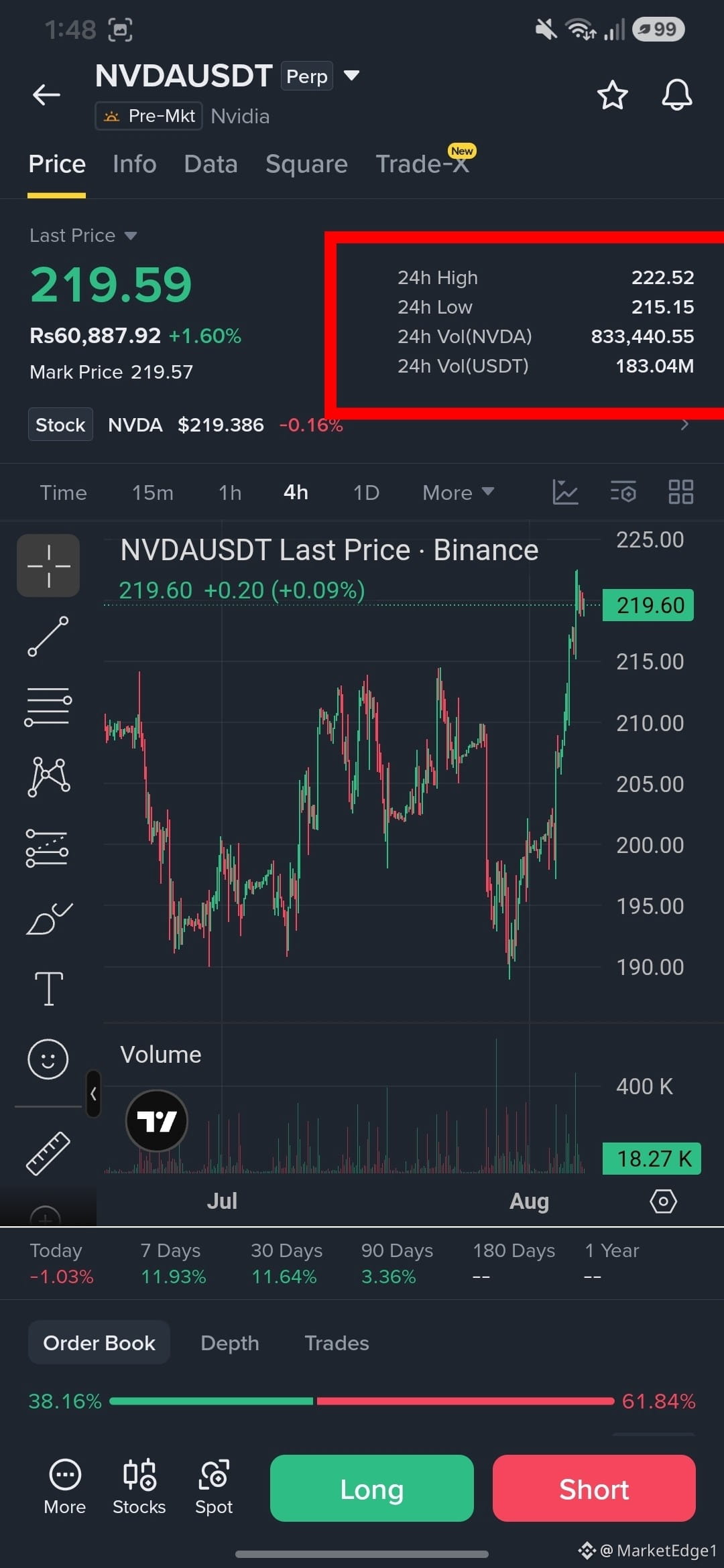
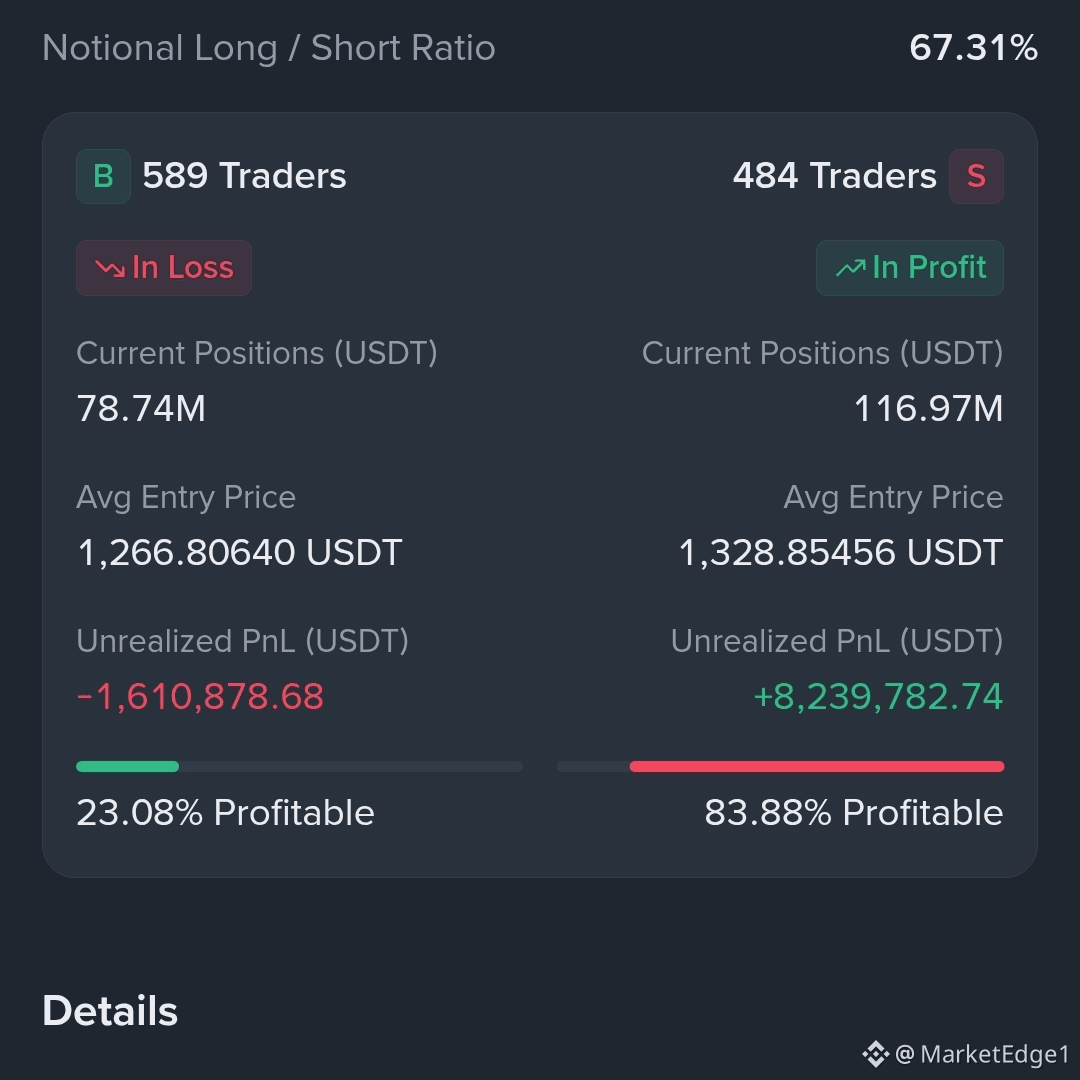
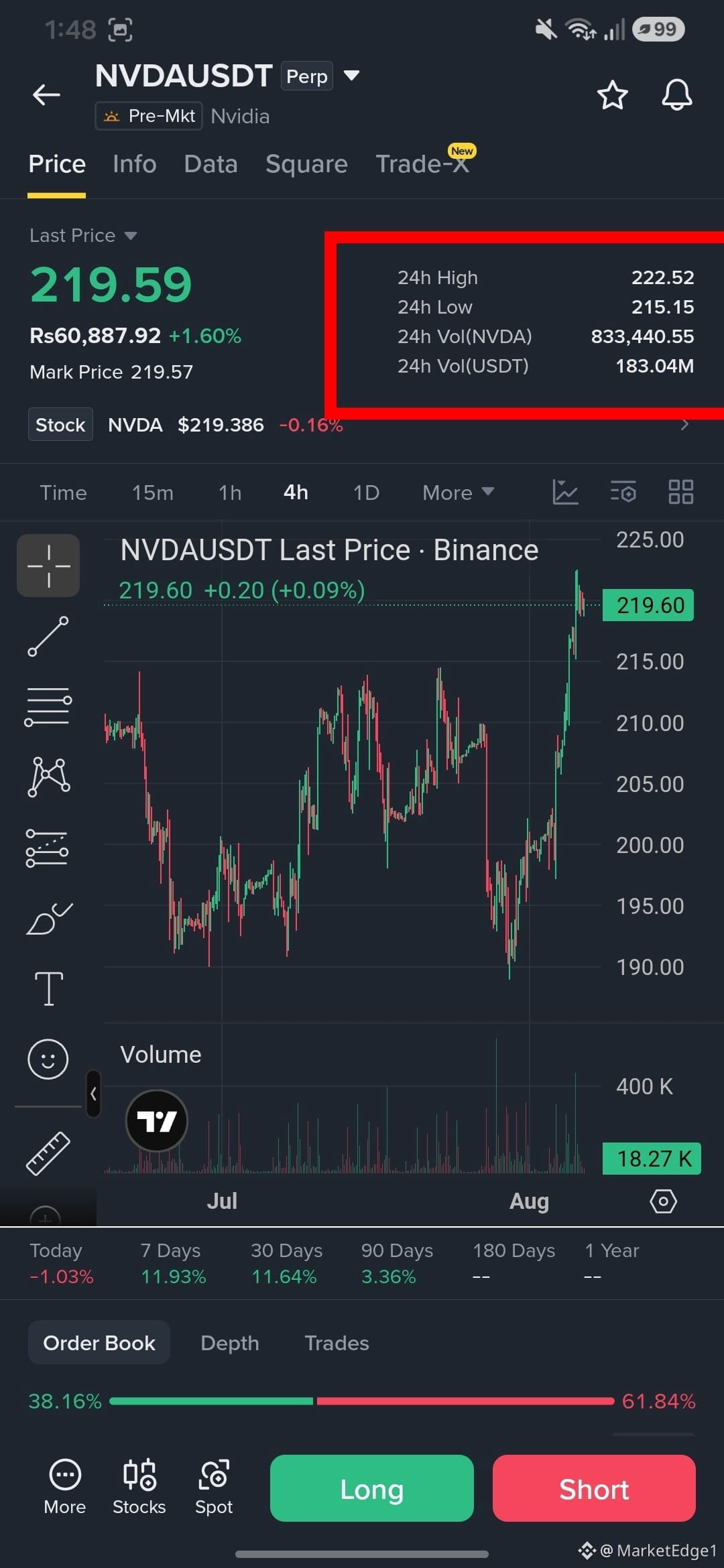
$NVDA Ontem eu disse: se você pegar a mentalidade de fazer “shanzhai” (pirata/copiador) e apostar nessas empresas com valor de mercado de dezenas de trilhões, suas chances de ganhar dinheiro são 99%! Alguns amigos comentaram que o valor de mercado não importa; por exemplo, o valor de mercado da Nvidia poderia subir para 100 trilhões, 200 trilhões! Claro, isso não é impossível. Olhe o gráfico: no último ano, a tendência do preço da Nvidia subiu e desceu. Mesmo que no futuro o valor de mercado da Nvidia chegue a 100 trilhões ou 200 trilhões, ela não pode simplesmente subir em linha reta como as moedas shanzhai; com certeza haverá quedas e oscilações no meio!
Quando fazemos shanzhai, não dá para ir tudo ao mesmo tempo (all-in); fazemos com uma posição leve e, com certeza, permanecemos cautelosos. Se já subiu demais ou caiu demais, então só aumentamos a posição uma vez!
Para qualquer empresa, qualquer ativo real, “quando chega aos extremos, reverte”. A Nvidia fabrica chips e placas gráficas, e sua participação de mercado já é a nº 1 do mundo. Quanto espaço de crescimento ainda existe?
$HEI $BLESS
{future}(BLESSUSDT)
{future}(HEIUSDT)
$NVDA Ontem eu disse: se você pegar a mentalidade de fazer “shanzhai” (pirata/copiador) e apostar nessas empresas com valor de mercado de dezenas de trilhões, suas chances de ganhar dinheiro são 99%! Alguns amigos comentaram que o valor de mercado não importa; por exemplo, o valor de mercado da Nvidia poderia subir para 100 trilhões, 200 trilhões! Claro, isso não é impossível. Olhe o gráfico: no último ano, a tendência do preço da Nvidia subiu e desceu. Mesmo que no futuro o valor de mercado da Nvidia chegue a 100 trilhões ou 200 trilhões, ela não pode simplesmente subir em linha reta como as moedas shanzhai; com certeza haverá quedas e oscilações no meio!
Quando fazemos shanzhai, não dá para ir tudo ao mesmo tempo (all-in); fazemos com uma posição leve e, com certeza, permanecemos cautelosos. Se já subiu demais ou caiu demais, então só aumentamos a posição uma vez!
Para qualquer empresa, qualquer ativo real, “quando chega aos extremos, reverte”. A Nvidia fabrica chips e placas gráficas, e sua participação de mercado já é a nº 1 do mundo. Quanto espaço de crescimento ainda existe?
$HEI $BLESS
Quando fazemos shanzhai, não dá para ir tudo ao mesmo tempo (all-in); fazemos com uma posição leve e, com certeza, permanecemos cautelosos. Se já subiu demais ou caiu demais, então só aumentamos a posição uma vez!
Para qualquer empresa, qualquer ativo real, “quando chega aos extremos, reverte”. A Nvidia fabrica chips e placas gráficas, e sua participação de mercado já é a nº 1 do mundo. Quanto espaço de crescimento ainda existe?
$HEI $BLESS
1
230
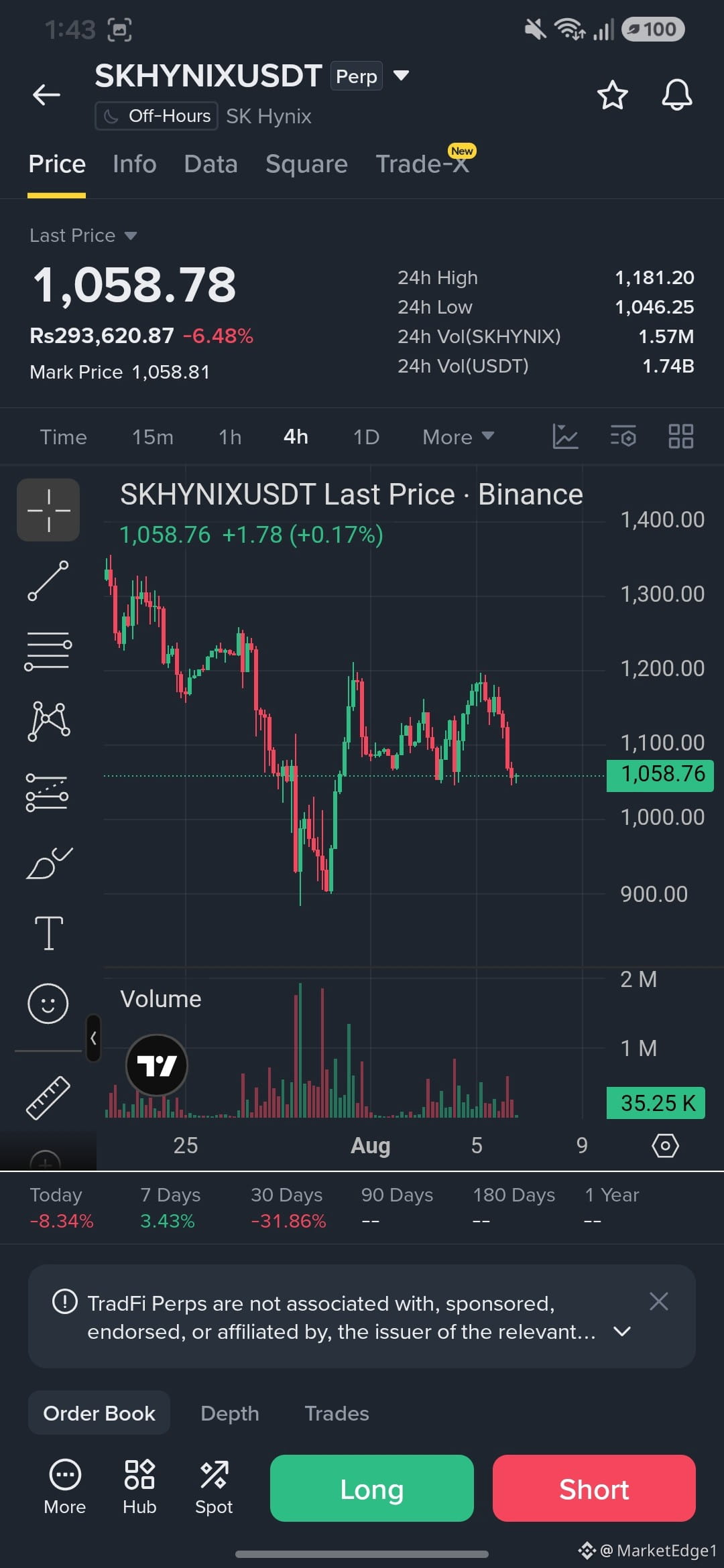
$SKHYNIX A postagem mais recente de Musk diz que o crescimento da demanda por armazenamento está dez vezes mais rápido do que a oferta! $SAMSUNG e a Hynix, como o mundo’s #1 e #2 em armazenamento, os fortes só ficam mais fortes! Vemos um aumento a partir deste ponto por algum tempo!
{future}(SKHYNIXUSDT)
$SKHYNIX A postagem mais recente de Musk diz que o crescimento da demanda por armazenamento está dez vezes mais rápido do que a oferta! $SAMSUNG e a Hynix, como o mundo’s #1 e #2 em armazenamento, os fortes só ficam mais fortes! Vemos um aumento a partir deste ponto por algum tempo!
2
140
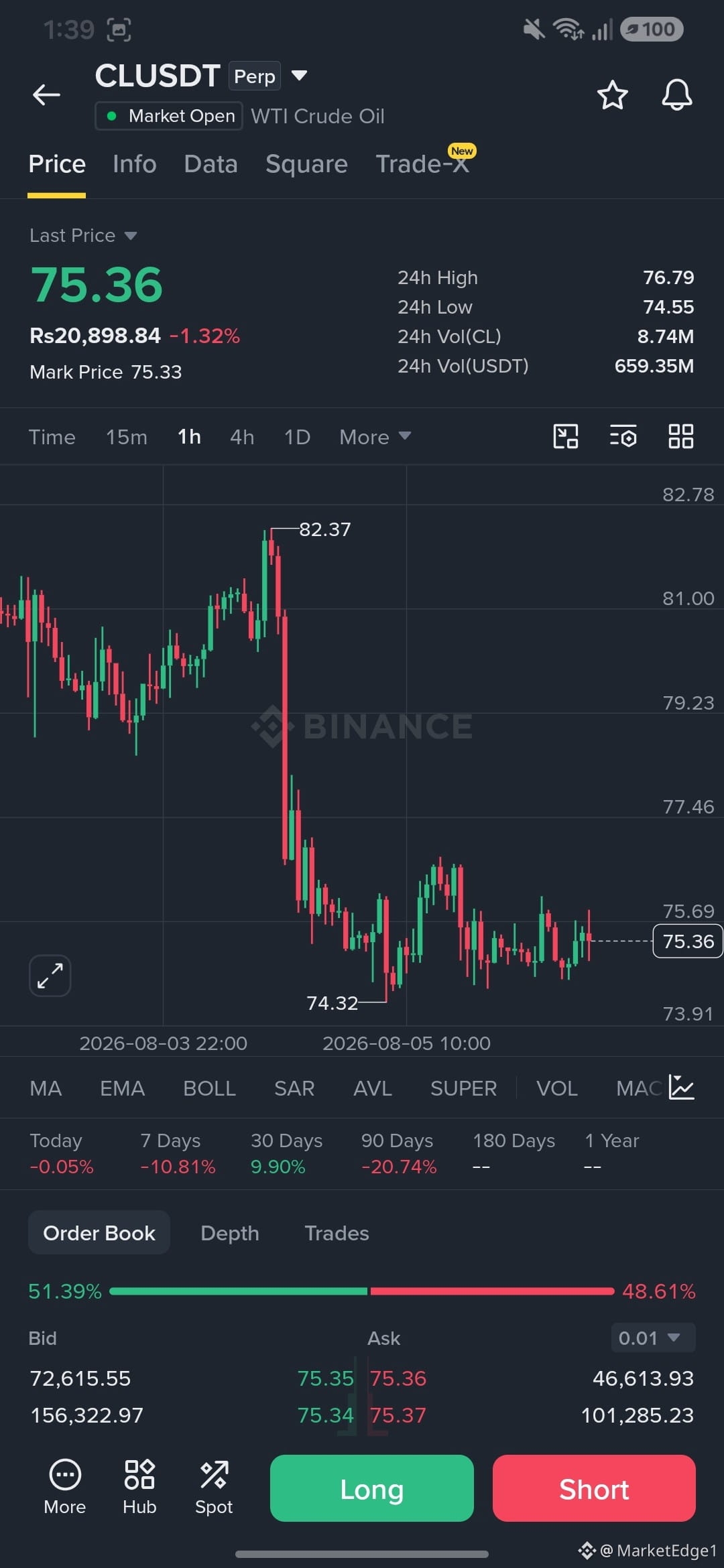
$CL A guerra está em curso e vemos que não há uma grande tendência no mercado. O petróleo caiu para cerca de 75 e já recuou 15%. Em seguida, haverá um período de consolidação/trading lateral! Você pode ficar comprado por pouco tempo!
$CL A guerra está em curso e vemos que não há uma grande tendência no mercado. O petróleo caiu para cerca de 75 e já recuou 15%. Em seguida, haverá um período de consolidação/trading lateral! Você pode ficar comprado por pouco tempo!
2
143
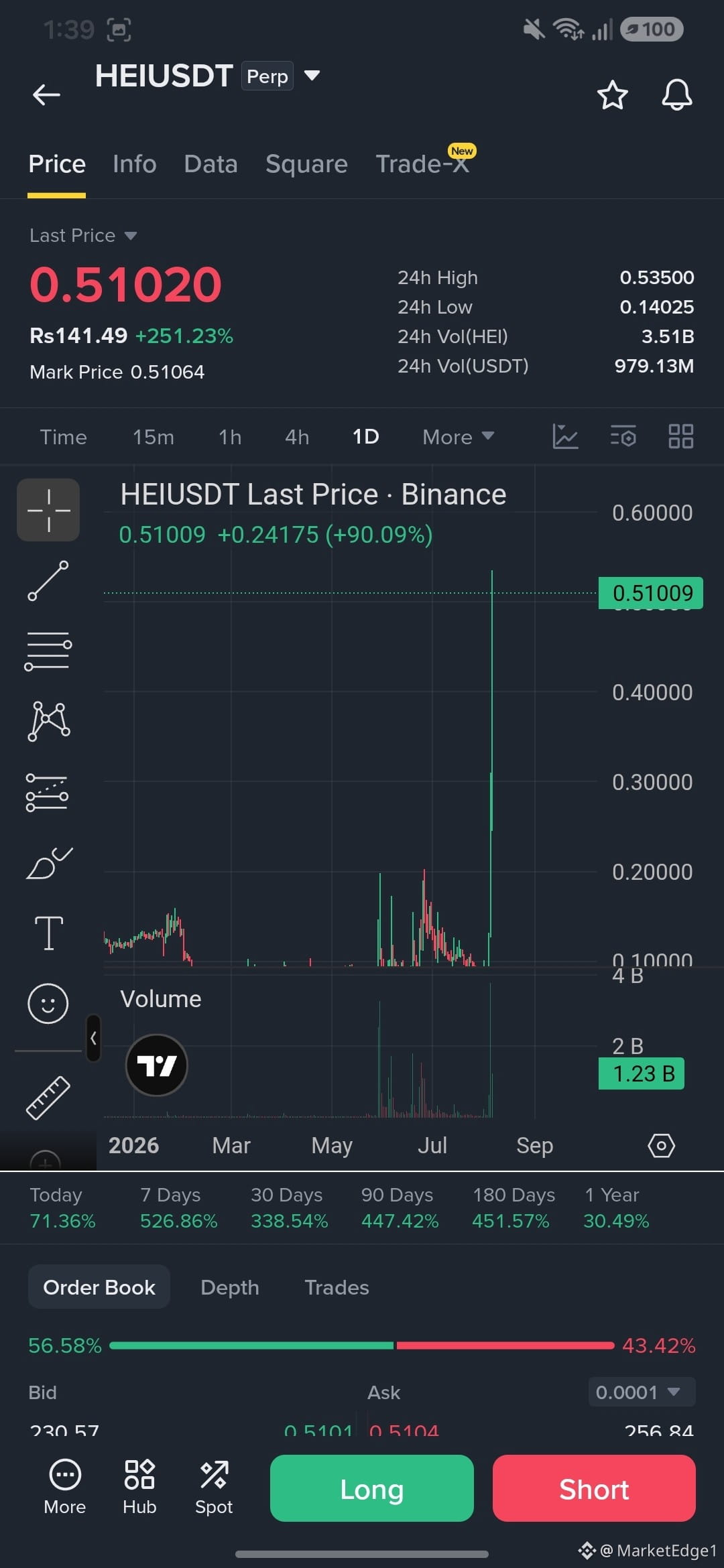
$HEI Você sabe como pegar moedas que subiram 10x ou até dezenas de vezes? Se você pegá-las, como você consegue ficar com elas? Divida seu capital em 50 partes, use-o para comprar 50 altcoins diferentes e então faça operações compradas (long) com alavancagem 1x para todas elas — desde que não caia para 0, você não será liquidado! Em seguida, defina uma meta: não realize lucros até chegar a 10x — assim você consegue manter a posição! Para qualquer coisa que você faça, você precisa de objetivos e um plano!
$HEI Você sabe como pegar moedas que subiram 10x ou até dezenas de vezes? Se você pegá-las, como você consegue ficar com elas? Divida seu capital em 50 partes, use-o para comprar 50 altcoins diferentes e então faça operações compradas (long) com alavancagem 1x para todas elas — desde que não caia para 0, você não será liquidado! Em seguida, defina uma meta: não realize lucros até chegar a 10x — assim você consegue manter a posição! Para qualquer coisa que você faça, você precisa de objetivos e um plano!
7
701
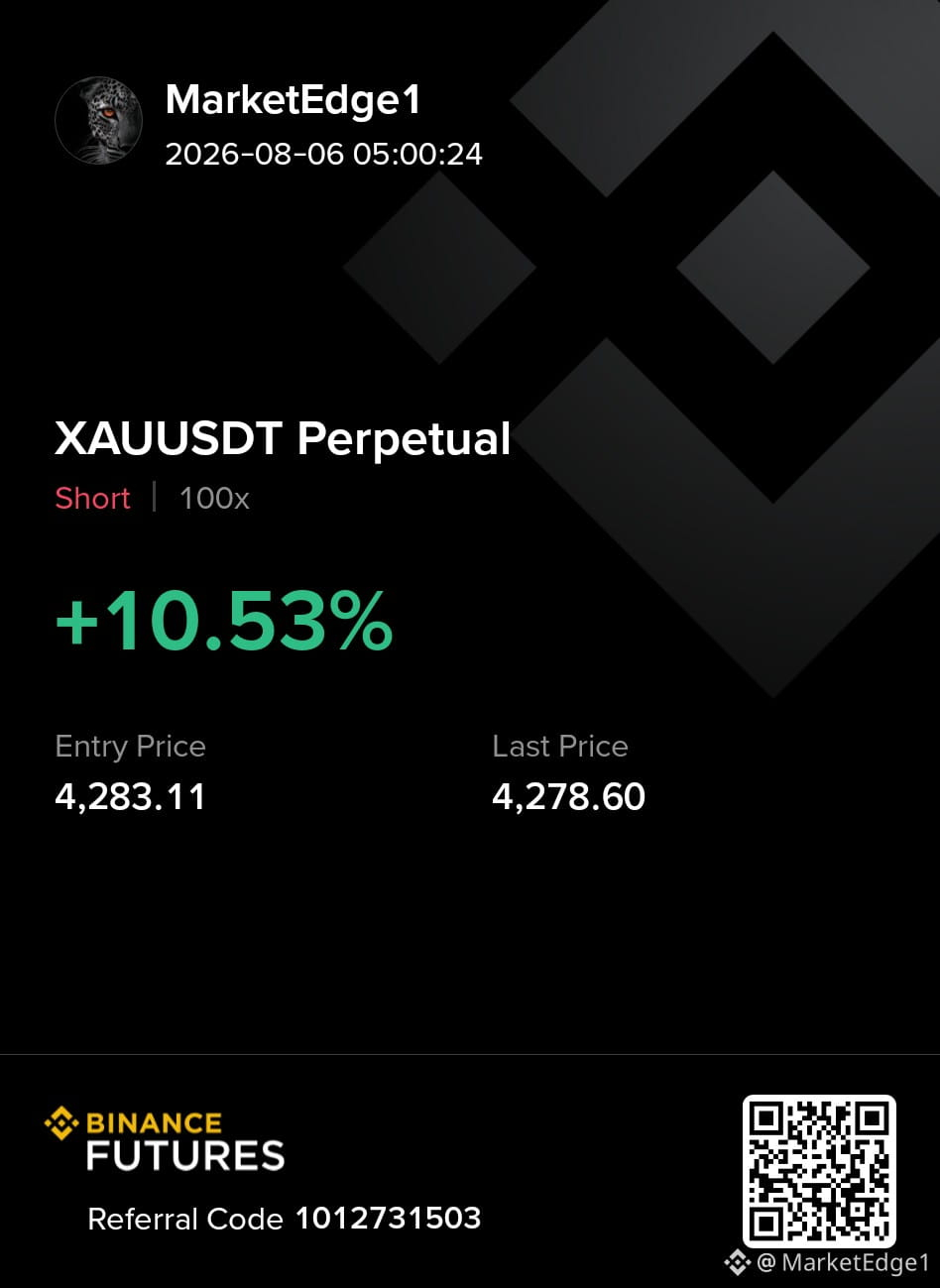
A espera acabou! Hora de encurtar $XAU $XAG
Tp 4150 Sl 4300 O que você acha?
A espera acabou! Hora de encurtar $XAU $XAG
Tp 4150 Sl 4300 O que você acha?
Tp 4150 Sl 4300 O que você acha?
1
326
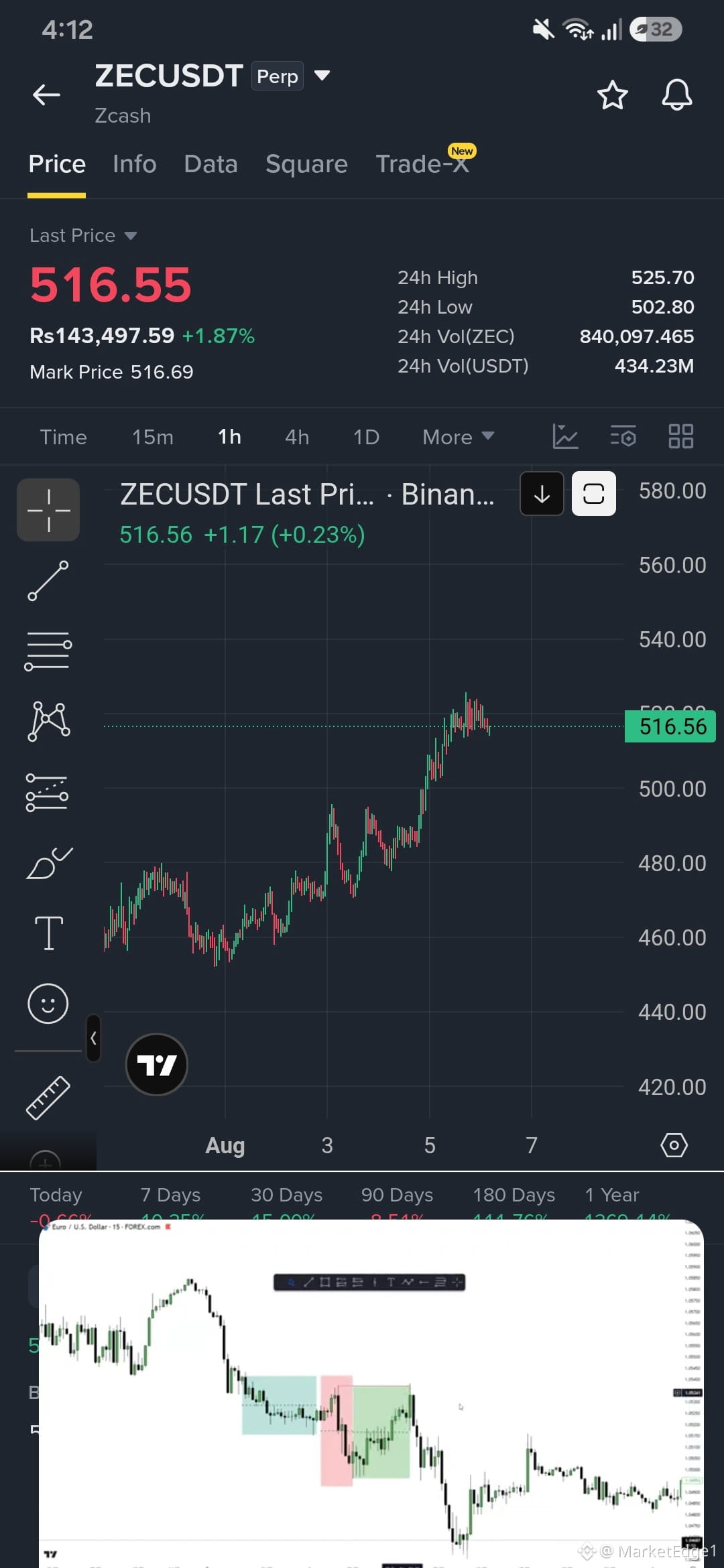
$ZEC está construindo um triângulo ascendente macro sob a resistência da resistência HTF.
Enquanto a linha de tendência em alta se mantiver, não há absolutamente nenhum motivo para ser pessimista com este gráfico.
Ainda assim, de alguma forma, as pessoas continuam tentando me convencer de que $100 ZEC está vindo neste mercado de baixa.
Boa sorte com isso. Agora, tudo sobre vocês, pessoal
$XAU $HEMI
{future}(ZECUSDT)
$ZEC está construindo um triângulo ascendente macro sob a resistência da resistência HTF.
Enquanto a linha de tendência em alta se mantiver, não há absolutamente nenhum motivo para ser pessimista com este gráfico.
Ainda assim, de alguma forma, as pessoas continuam tentando me convencer de que $100 ZEC está vindo neste mercado de baixa.
Boa sorte com isso. Agora, tudo sobre vocês, pessoal
$XAU $HEMI
Enquanto a linha de tendência em alta se mantiver, não há absolutamente nenhum motivo para ser pessimista com este gráfico.
Ainda assim, de alguma forma, as pessoas continuam tentando me convencer de que $100 ZEC está vindo neste mercado de baixa.
Boa sorte com isso. Agora, tudo sobre vocês, pessoal
$XAU $HEMI
55
Infelizmente, $SNDK acabou me forçando a realizar o lucro.
Quando o relatório de resultados da Western Digital caiu 10%, eu deveria ter ajustado meu take-profit.
Mas tudo bem—pelo menos atingiu uma nova mínima abaixo da água.$XAU $XAG
Infelizmente, $SNDK acabou me forçando a realizar o lucro.
Quando o relatório de resultados da Western Digital caiu 10%, eu deveria ter ajustado meu take-profit.
Mas tudo bem—pelo menos atingiu uma nova mínima abaixo da água.$XAU $XAG
Quando o relatório de resultados da Western Digital caiu 10%, eu deveria ter ajustado meu take-profit.
Mas tudo bem—pelo menos atingiu uma nova mínima abaixo da água.$XAU $XAG
2
1
253
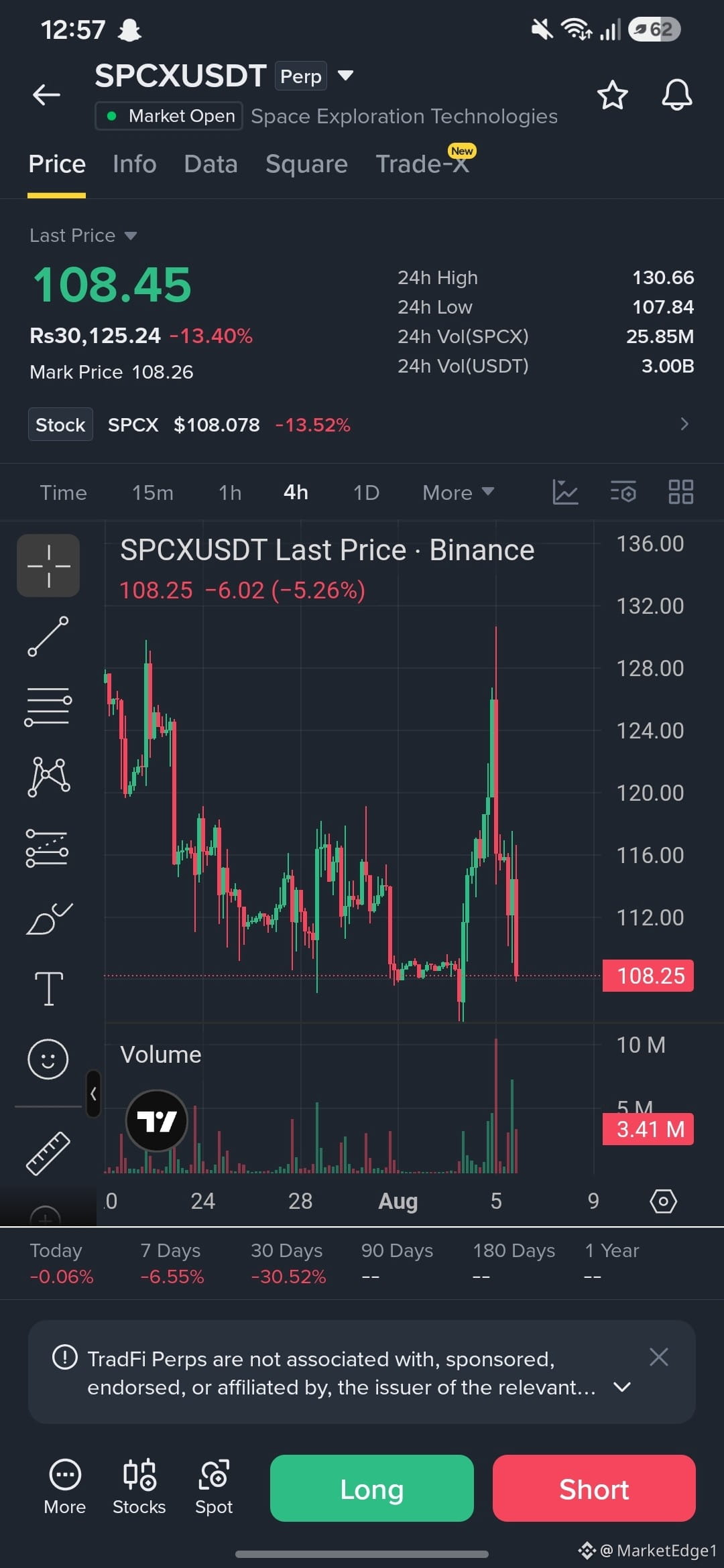
$SPCX Os mercados financeiros são todas bolhas!
Em um mês, Musk perdeu o equivalente a 2 fortunas de Huang Renxun — minha resposta!
Recentemente, o homem mais rico do mundo, Musk, entrou em um “julho negro”. Em um único mês, sua fortuna encolheu US$ 363 bilhões (cerca de 2,45 trilhões de iuanes), equivalente a perder o patrimônio líquido de dois CEOs da Nvidia, Huang Renxun, estabelecendo um novo recorde de maior perda mês a mês entre as pessoas mais ricas do mundo.
Em 12 de junho, a SpaceX abriu capital com sucesso. Musk chegou brevemente ao topo da lista como a primeira pessoa na história da humanidade a ter uma fortuna pessoal acima de US$ 1 bilhão. Mas não durou. Como a SpaceX e a Tesla viram os preços de suas ações caírem em julho, sua riqueza foi atingida de forma correspondente.
Ainda assim, Musk continua firmemente em primeiro lugar, com uma fortuna de mais de US$ 69 bilhões, enquanto o segundo colocado, Larry Page (cerca de US$ 292 bilhões), fica muito atrás — sua fortuna é até menos da metade da de Musk.
Diante de uma evaporação tão massiva da riqueza, Musk postou na plataforma X, brincando, que era um “ex-trilionário”, mostrando seu humor característico.
$HEI $BLESS
$SPCX Os mercados financeiros são todas bolhas!
Em um mês, Musk perdeu o equivalente a 2 fortunas de Huang Renxun — minha resposta!
Recentemente, o homem mais rico do mundo, Musk, entrou em um “julho negro”. Em um único mês, sua fortuna encolheu US$ 363 bilhões (cerca de 2,45 trilhões de iuanes), equivalente a perder o patrimônio líquido de dois CEOs da Nvidia, Huang Renxun, estabelecendo um novo recorde de maior perda mês a mês entre as pessoas mais ricas do mundo.
Em 12 de junho, a SpaceX abriu capital com sucesso. Musk chegou brevemente ao topo da lista como a primeira pessoa na história da humanidade a ter uma fortuna pessoal acima de US$ 1 bilhão. Mas não durou. Como a SpaceX e a Tesla viram os preços de suas ações caírem em julho, sua riqueza foi atingida de forma correspondente.
Ainda assim, Musk continua firmemente em primeiro lugar, com uma fortuna de mais de US$ 69 bilhões, enquanto o segundo colocado, Larry Page (cerca de US$ 292 bilhões), fica muito atrás — sua fortuna é até menos da metade da de Musk.
Diante de uma evaporação tão massiva da riqueza, Musk postou na plataforma X, brincando, que era um “ex-trilionário”, mostrando seu humor característico.
$HEI $BLESS
Em um mês, Musk perdeu o equivalente a 2 fortunas de Huang Renxun — minha resposta!
Recentemente, o homem mais rico do mundo, Musk, entrou em um “julho negro”. Em um único mês, sua fortuna encolheu US$ 363 bilhões (cerca de 2,45 trilhões de iuanes), equivalente a perder o patrimônio líquido de dois CEOs da Nvidia, Huang Renxun, estabelecendo um novo recorde de maior perda mês a mês entre as pessoas mais ricas do mundo.
Em 12 de junho, a SpaceX abriu capital com sucesso. Musk chegou brevemente ao topo da lista como a primeira pessoa na história da humanidade a ter uma fortuna pessoal acima de US$ 1 bilhão. Mas não durou. Como a SpaceX e a Tesla viram os preços de suas ações caírem em julho, sua riqueza foi atingida de forma correspondente.
Ainda assim, Musk continua firmemente em primeiro lugar, com uma fortuna de mais de US$ 69 bilhões, enquanto o segundo colocado, Larry Page (cerca de US$ 292 bilhões), fica muito atrás — sua fortuna é até menos da metade da de Musk.
Diante de uma evaporação tão massiva da riqueza, Musk postou na plataforma X, brincando, que era um “ex-trilionário”, mostrando seu humor característico.
$HEI $BLESS
1
68
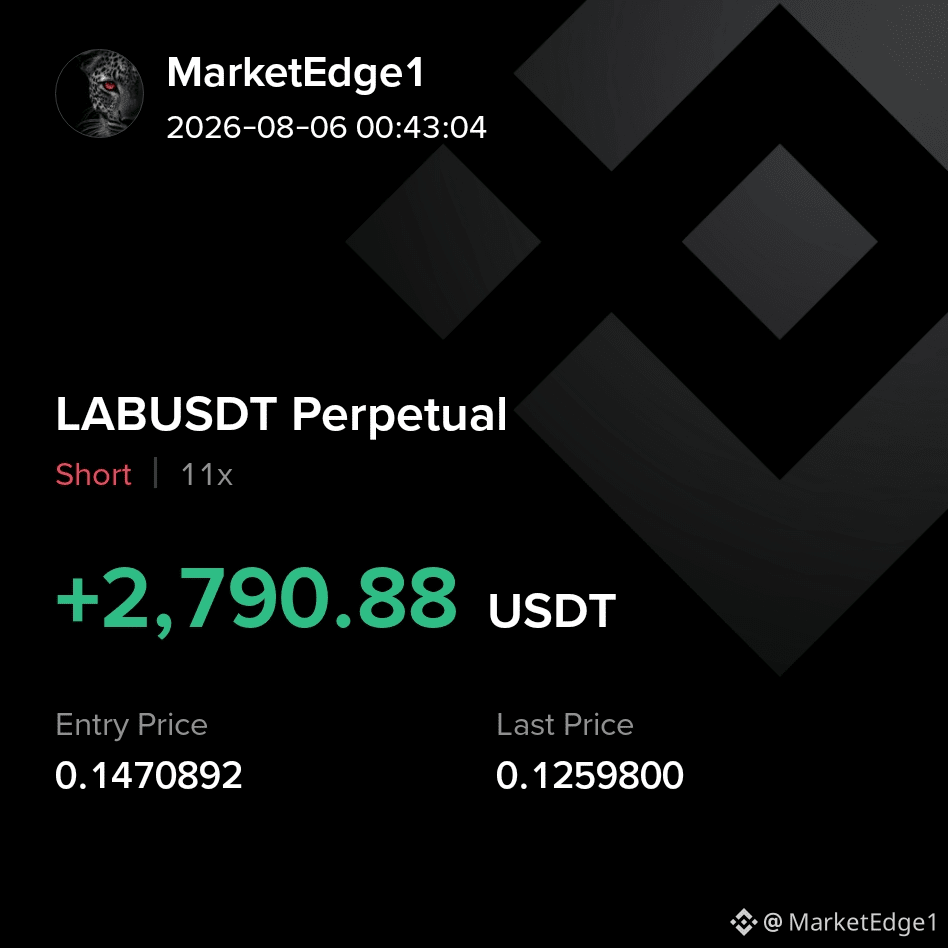
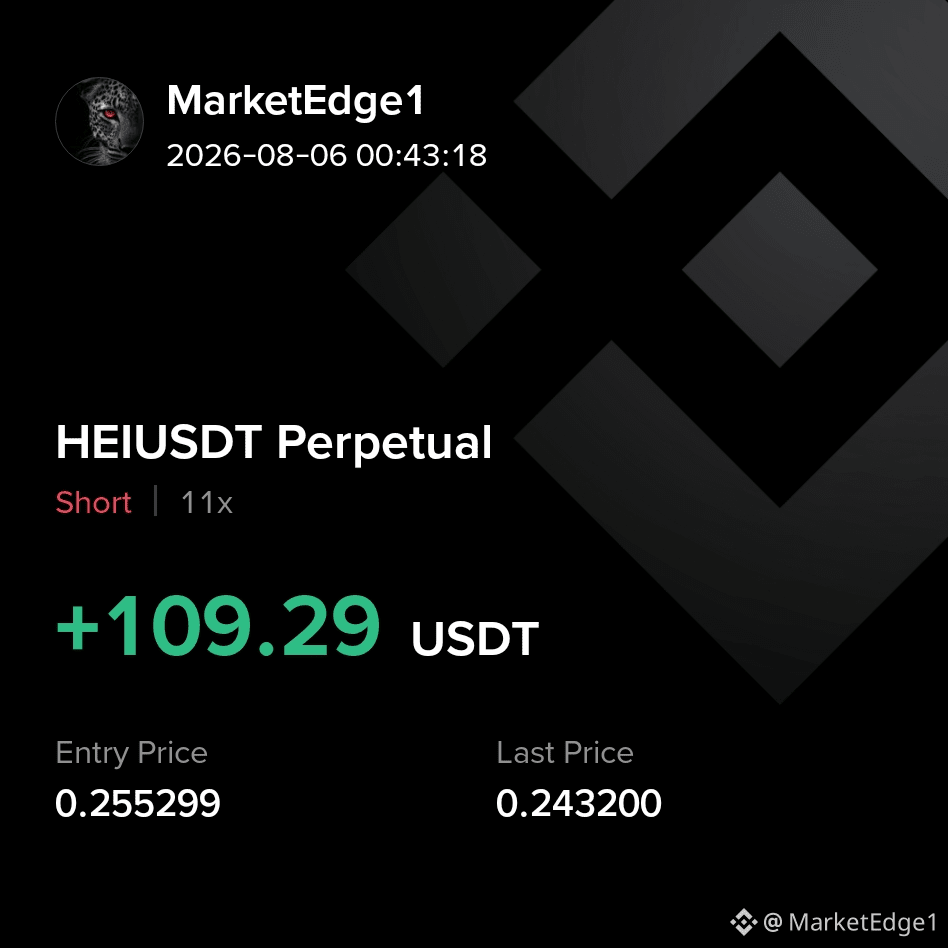
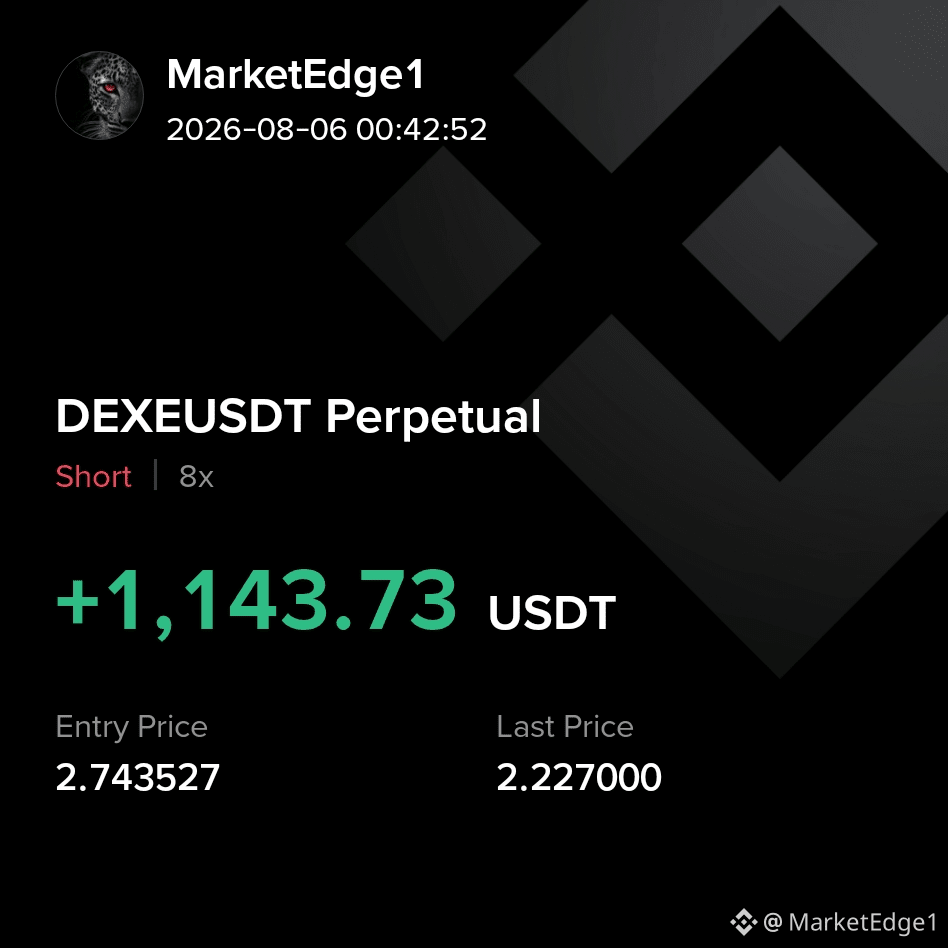
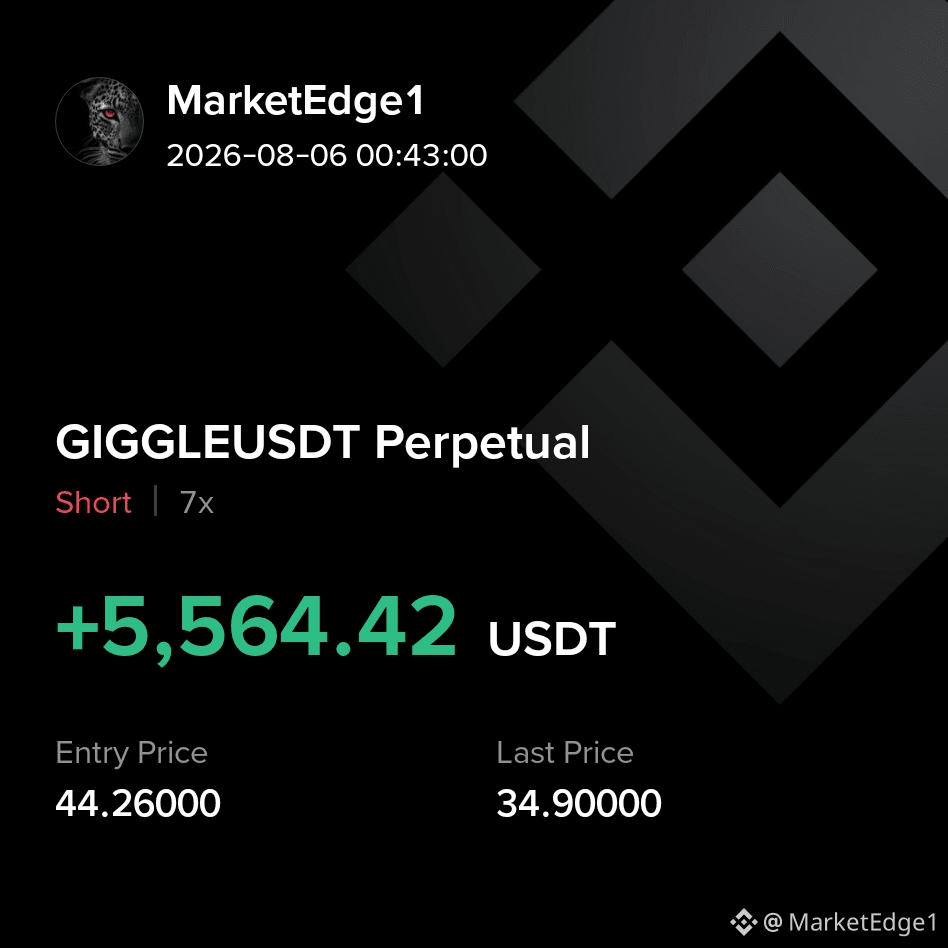
Eu ganho quase 20 mil em apenas 4 dias 💀🔥
Você quer se juntar a mim? Só confira a prova
Entre rápido, vagas limitadas. Junte-se agora. Clique primeiro, depois pague. Comprovante de $HEI
$BANK $DEXE
Eu ganho quase 20 mil em apenas 4 dias 💀🔥
Você quer se juntar a mim? Só confira a prova
Entre rápido, vagas limitadas. Junte-se agora. Clique primeiro, depois pague. Comprovante de $HEI
$BANK $DEXE
Você quer se juntar a mim? Só confira a prova
Entre rápido, vagas limitadas. Junte-se agora. Clique primeiro, depois pague. Comprovante de $HEI
$BANK $DEXE
2
1
275
·
--
Em Baixa
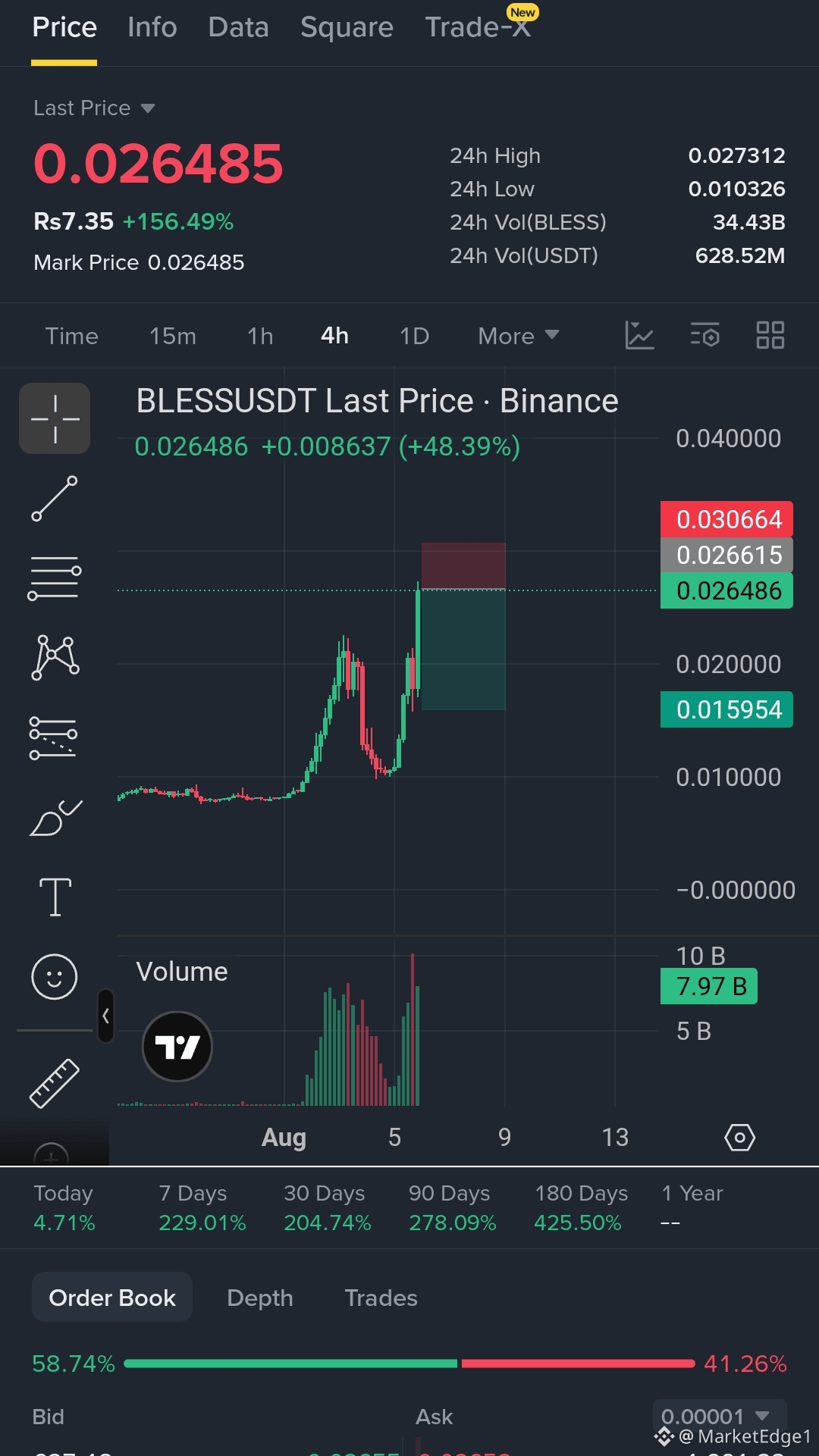
$BLESS Você sente falta dos caras longos, mas estou me preparando para uma boa curta, pessoal.
Mas tenha cuidado: este token é extremamente volátil. Se você não consegue controlar suas emoções, é melhor ficar longe de negociá-lo.
Aguente para uma queda de longo prazo como $BANK $LAB
{future}(BLESSUSDT)
$BLESS Você sente falta dos caras longos, mas estou me preparando para uma boa curta, pessoal.
Mas tenha cuidado: este token é extremamente volátil. Se você não consegue controlar suas emoções, é melhor ficar longe de negociá-lo.
Aguente para uma queda de longo prazo como $BANK $LAB
Mas tenha cuidado: este token é extremamente volátil. Se você não consegue controlar suas emoções, é melhor ficar longe de negociá-lo.
Aguente para uma queda de longo prazo como $BANK $LAB
157
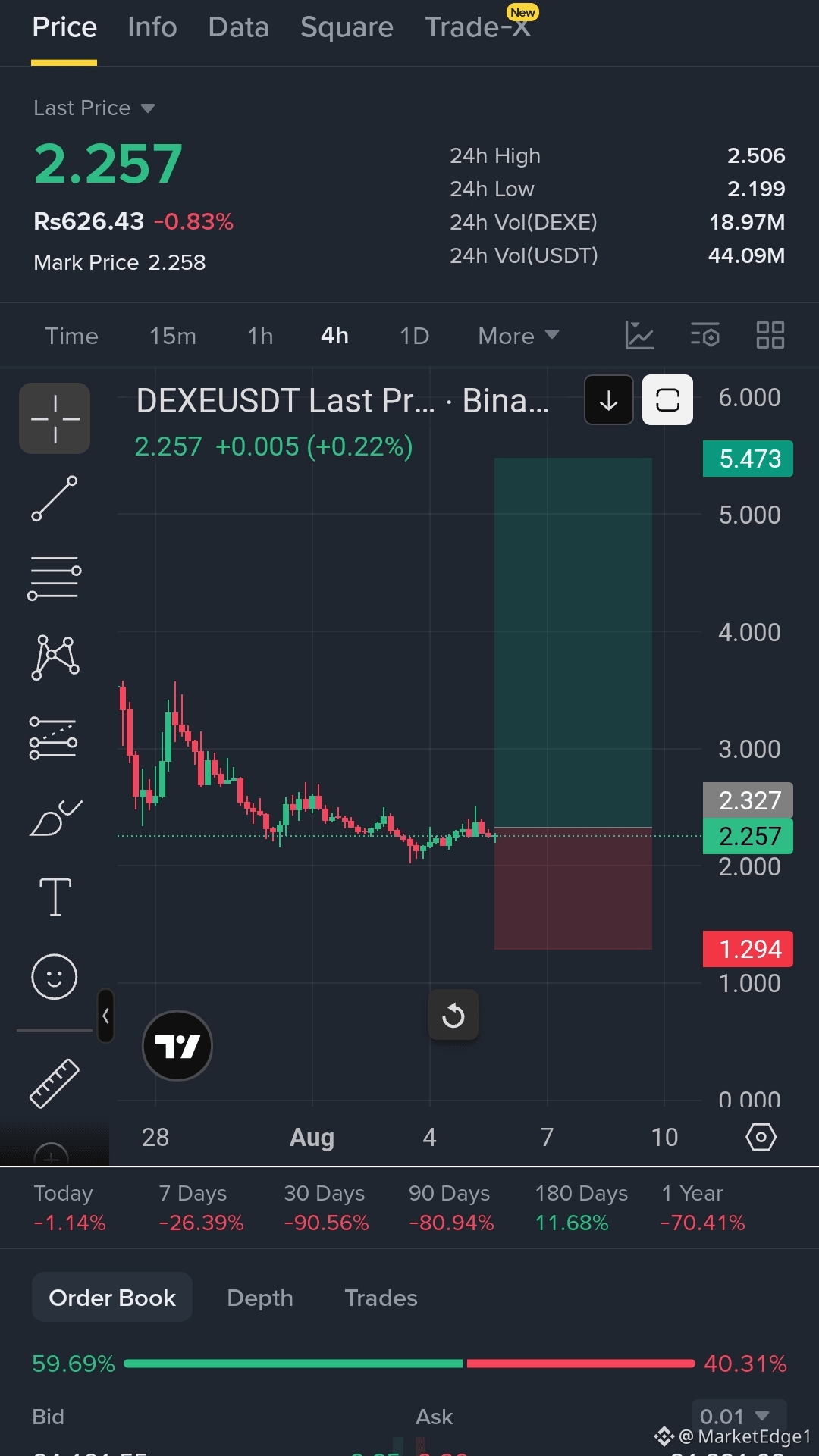
$DEXE Já se passaram mais de 20 dias. A taxa de financiamento foi paga a cada hora, e a taxa de financiamento esteve negativa o tempo todo! Os market makers inescrupulosos estão preparando mais uma grande jogada. Eles não estão fazendo caridade—se colocaram tanto, certamente vão recuperar o dinheiro com juros! $BANK $LAB
$DEXE Já se passaram mais de 20 dias. A taxa de financiamento foi paga a cada hora, e a taxa de financiamento esteve negativa o tempo todo! Os market makers inescrupulosos estão preparando mais uma grande jogada. Eles não estão fazendo caridade—se colocaram tanto, certamente vão recuperar o dinheiro com juros! $BANK $LAB
1
195
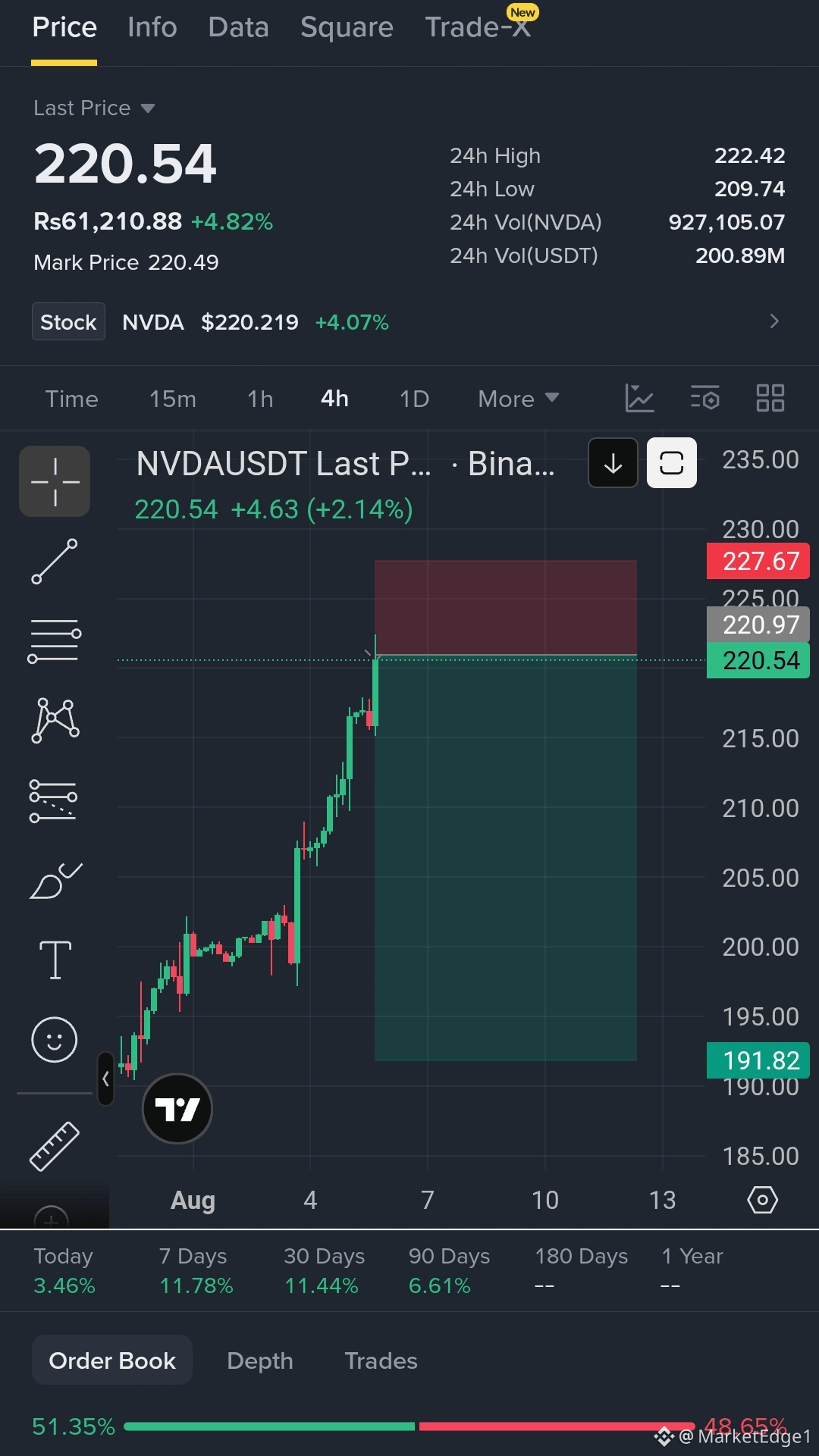
$NVDA O valor de mercado da Nvidia voltou para 5,29 trilhões. Para empresas tão grandes, com uma grande capitalização de mercado e muitos detentores de lucro, o espaço para um potencial ainda maior é limitado! Como ela já é #1 no mundo em valor de mercado, quanto mais ela pode subir! $XAU $XAG
$NVDA O valor de mercado da Nvidia voltou para 5,29 trilhões. Para empresas tão grandes, com uma grande capitalização de mercado e muitos detentores de lucro, o espaço para um potencial ainda maior é limitado! Como ela já é #1 no mundo em valor de mercado, quanto mais ela pode subir! $XAU $XAG
195
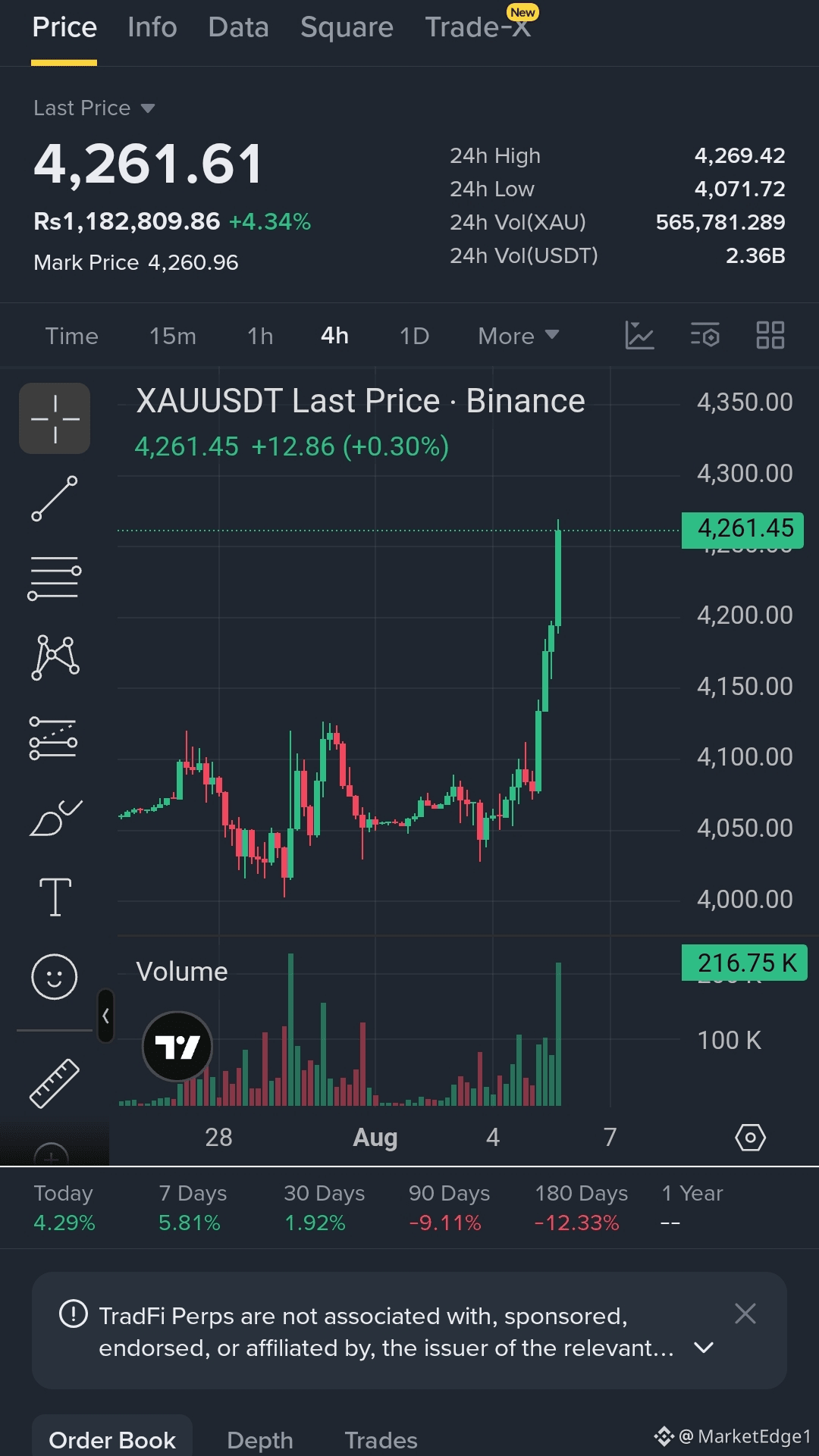
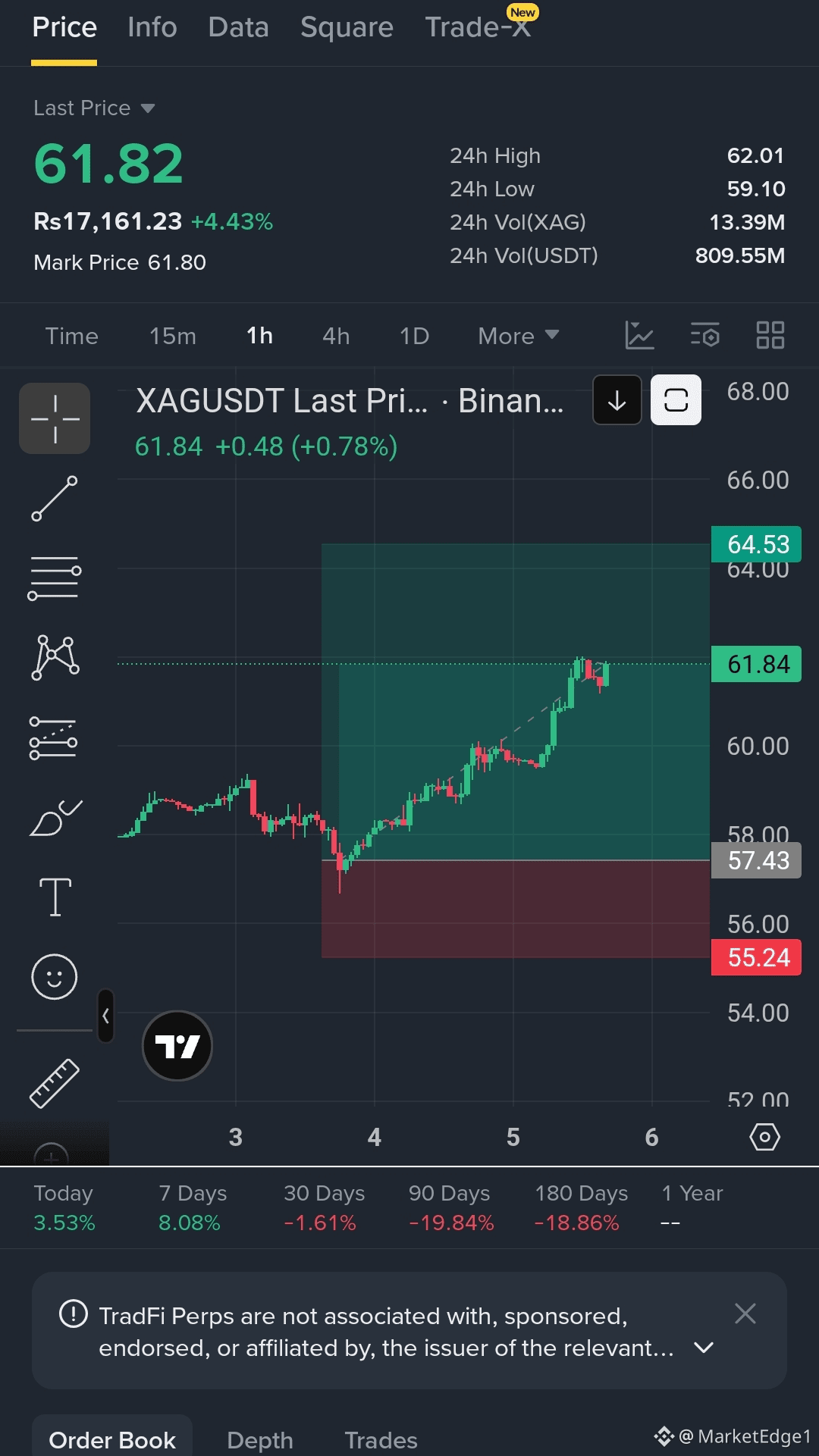
$XAU Quase na hora de eu definir meu objetivo, ouro 4320, $XAG 65! Melhor momento para entrar, agora é com você?
{future}(XAGUSDT)
$XAU Quase na hora de eu definir meu objetivo, ouro 4320, $XAG 65! Melhor momento para entrar, agora é com você?
177
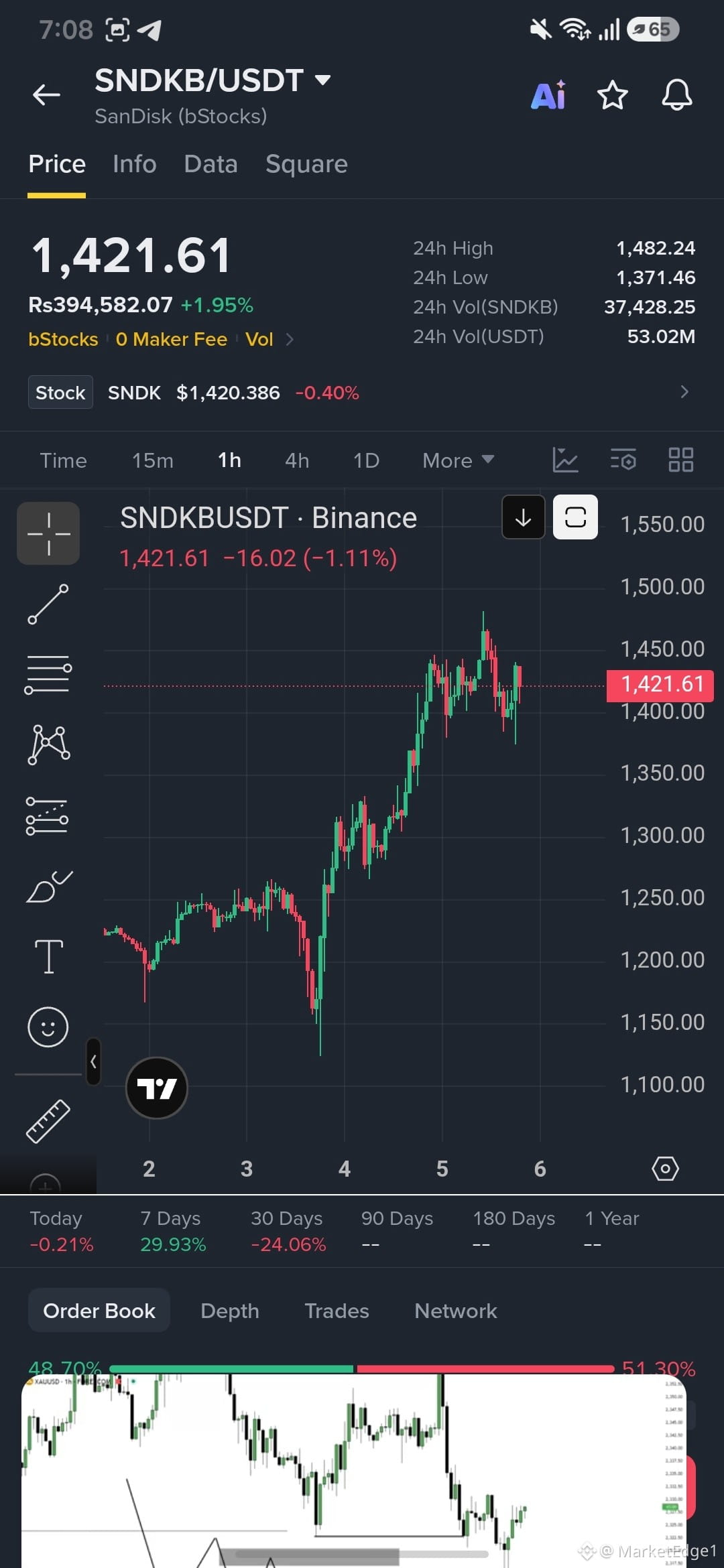
$SNDK ⚠️⚠️ As dívidas de três vezes são esmagadoras—três vezes você chega à margem! Eu finalmente entendi!
Muitas pessoas fizeram dinheiro, mas não o mantiveram! É tudo igual: cortar lenha por mil dias e queimá-la toda em um só dia!
Primeiro, trate a liquidação como algo normal e recorrente—porque quanto mais você negocia, mais inevitavelmente aparecerá um “cisne negro”!
Não importa o quão bom seja o plano, não adianta. As pessoas são feitas de emoção. Ao ganhar dinheiro, todo mundo pode manter uma boa mentalidade e saber quando realizar o lucro!
Ao perder dinheiro, você precisa controlá-lo—de dez vezes, controle nove; ainda assim, uma vez vai sair do controle e você acaba se deixando levar
Então lucros e principal devem ser separados. O mais importante: nunca perca de volta junto o principal e os juros!
Por exemplo, coloque 50.000 na sua conta para negociar. Assim que ganhar 1.000 ou mais, venda imediatamente—não hesite de forma alguma! O dinheiro da venda deve ser isolado à força: mantenha apenas um pouco de despesas de vida no seu cartão, Alipay e WeChat, no máximo.
Porque quando você se empolga, não consegue se controlar—você só quer aportar mais e tentar recuperar as perdas!
Coloque o dinheiro com sua esposa, pais, e diga a eles que, não importa como peçam, você vai lhes dar no máximo 10.000 para eles.
Alipay, WeChat, cartões etc., em produtos financeiros com prazos fixos como 3 meses, 6 meses, 1 ano—produtos que não podem ser resgatados antes!
O objetivo de tudo isso é forçar o isolamento dos seus fundos e sempre deixar para você uma opção de retorno! É por isso que aqueles ricos magnatas montam trusts familiares—para receber dinheiro todo mês, porque têm medo de que seus filhos desperdicem!
Claro, quando acontece a liquidação—digamos que sua liquidação seja 50k—naquele momento você pode já ter vendido 20k, 30k, 50k, 10w, 20w, ou até 500.000!
Mesmo que liquide, você não entra em pânico por dentro, e então dá a si mesmo um período de “resfriamento” de um mês para recomeçar do zero! Sempre deixe para você uma opção de retorno
$XAU $BTC
{future}(XAUUSDT)
$SNDK ⚠️⚠️ As dívidas de três vezes são esmagadoras—três vezes você chega à margem! Eu finalmente entendi!
Muitas pessoas fizeram dinheiro, mas não o mantiveram! É tudo igual: cortar lenha por mil dias e queimá-la toda em um só dia!
Primeiro, trate a liquidação como algo normal e recorrente—porque quanto mais você negocia, mais inevitavelmente aparecerá um “cisne negro”!
Não importa o quão bom seja o plano, não adianta. As pessoas são feitas de emoção. Ao ganhar dinheiro, todo mundo pode manter uma boa mentalidade e saber quando realizar o lucro!
Ao perder dinheiro, você precisa controlá-lo—de dez vezes, controle nove; ainda assim, uma vez vai sair do controle e você acaba se deixando levar
Então lucros e principal devem ser separados. O mais importante: nunca perca de volta junto o principal e os juros!
Por exemplo, coloque 50.000 na sua conta para negociar. Assim que ganhar 1.000 ou mais, venda imediatamente—não hesite de forma alguma! O dinheiro da venda deve ser isolado à força: mantenha apenas um pouco de despesas de vida no seu cartão, Alipay e WeChat, no máximo.
Porque quando você se empolga, não consegue se controlar—você só quer aportar mais e tentar recuperar as perdas!
Coloque o dinheiro com sua esposa, pais, e diga a eles que, não importa como peçam, você vai lhes dar no máximo 10.000 para eles.
Alipay, WeChat, cartões etc., em produtos financeiros com prazos fixos como 3 meses, 6 meses, 1 ano—produtos que não podem ser resgatados antes!
O objetivo de tudo isso é forçar o isolamento dos seus fundos e sempre deixar para você uma opção de retorno! É por isso que aqueles ricos magnatas montam trusts familiares—para receber dinheiro todo mês, porque têm medo de que seus filhos desperdicem!
Claro, quando acontece a liquidação—digamos que sua liquidação seja 50k—naquele momento você pode já ter vendido 20k, 30k, 50k, 10w, 20w, ou até 500.000!
Mesmo que liquide, você não entra em pânico por dentro, e então dá a si mesmo um período de “resfriamento” de um mês para recomeçar do zero! Sempre deixe para você uma opção de retorno
$XAU $BTC
Muitas pessoas fizeram dinheiro, mas não o mantiveram! É tudo igual: cortar lenha por mil dias e queimá-la toda em um só dia!
Primeiro, trate a liquidação como algo normal e recorrente—porque quanto mais você negocia, mais inevitavelmente aparecerá um “cisne negro”!
Não importa o quão bom seja o plano, não adianta. As pessoas são feitas de emoção. Ao ganhar dinheiro, todo mundo pode manter uma boa mentalidade e saber quando realizar o lucro!
Ao perder dinheiro, você precisa controlá-lo—de dez vezes, controle nove; ainda assim, uma vez vai sair do controle e você acaba se deixando levar
Então lucros e principal devem ser separados. O mais importante: nunca perca de volta junto o principal e os juros!
Por exemplo, coloque 50.000 na sua conta para negociar. Assim que ganhar 1.000 ou mais, venda imediatamente—não hesite de forma alguma! O dinheiro da venda deve ser isolado à força: mantenha apenas um pouco de despesas de vida no seu cartão, Alipay e WeChat, no máximo.
Porque quando você se empolga, não consegue se controlar—você só quer aportar mais e tentar recuperar as perdas!
Coloque o dinheiro com sua esposa, pais, e diga a eles que, não importa como peçam, você vai lhes dar no máximo 10.000 para eles.
Alipay, WeChat, cartões etc., em produtos financeiros com prazos fixos como 3 meses, 6 meses, 1 ano—produtos que não podem ser resgatados antes!
O objetivo de tudo isso é forçar o isolamento dos seus fundos e sempre deixar para você uma opção de retorno! É por isso que aqueles ricos magnatas montam trusts familiares—para receber dinheiro todo mês, porque têm medo de que seus filhos desperdicem!
Claro, quando acontece a liquidação—digamos que sua liquidação seja 50k—naquele momento você pode já ter vendido 20k, 30k, 50k, 10w, 20w, ou até 500.000!
Mesmo que liquide, você não entra em pânico por dentro, e então dá a si mesmo um período de “resfriamento” de um mês para recomeçar do zero! Sempre deixe para você uma opção de retorno
$XAU $BTC
2
1
1.8k
Inicia sessão para explorar mais conteúdos
Junta-te a utilizadores de criptomoedas de todo o mundo na Binance Square
⚡️ Obtém informações úteis e recentes sobre criptomoedas.
💬 Com a confiança da maior exchange de criptomoedas do mundo.
👍 Descobre perspetivas reais de criadores verificados.
E-mail/Número de telefone
Tópicos em Tendência
BOJRaisesRatesTo31YearHigh
148,250 visualizações
2,278 a discutir
#BOJRaisesRatesTo31YearHigh
#BOJRaisesRatesTo31YearHigh 🇯🇵📈
O Banco do Japão deu mais um grande passo ao aumentar as taxas de juros para o nível mais alto em 31 anos, colocando os mercados globais em alerta. A medida sinaliza uma mudança contínua em relação à política monetária ultraflexível que o Japão mantinha há muito tempo. Taxas japonesas mais altas podem fortalecer o iene, influenciar os rendimentos dos títulos globais e potencialmente afetar os fluxos de capital em diferentes mercados financeiros. Cripto e outros ativos de risco também podem reagir, já que investidores reavaliam a liquidez e a exposição ao risco. Agora, os traders acompanham de perto as próximas declarações do BOJ em busca de pistas sobre decisões futuras de taxas. A volatilidade pode aumentar à medida que os mercados absorvem a mudança de política e seu possível impacto global. #BOJ #Japão #Cripto #Mercados #InterestRates $NVDAB
maqsoodahmed1
·1 gostos
·251 visualizações
BuffettStepsDownAsBerkshireChairman
70,258 visualizações
1,149 a discutir
XRPExchangeReservesHitSevenYearLow
77,087 visualizações
1,044 a discutir