

Doric Network
749 Publicações

Doric Network
Denunciar
Bloquear Utilizador
Doric Network is a blockchain platform dedicated to revolutionizing asset tokenization.
Visit https://doric.network/
16 A seguir
479 Seguidores
1.0K+ Gostaram
Publicações
Tudo
Vídeos
PINNED
O recém-formado Departamento de Eficiência Governamental (D.O.G.E) de Elon Musk visa cortar $2 trilhões dos gastos federais, uma medida que pode desestabilizar a economia dos EUA. Críticos alertam que demissões agressivas e dissoluções de agências podem levar a uma paralisação do governo, reminiscentes da custosa paralisação de 2018-2019, que custou $11 bilhões. Além disso, com 75% do orçamento federal sendo gastos obrigatórios, alcançar tais cortes é considerado irrealista, potencialmente agravando a dívida nacional e causando turbulência econômica. A influência de Musk já está criando ansiedade no mercado, à medida que os investidores temem um "choque deflacionário" e a redução do consumo.
O recém-formado Departamento de Eficiência Governamental (D.O.G.E) de Elon Musk visa cortar $2 trilhões dos gastos federais, uma medida que pode desestabilizar a economia dos EUA. Críticos alertam que demissões agressivas e dissoluções de agências podem levar a uma paralisação do governo, reminiscentes da custosa paralisação de 2018-2019, que custou $11 bilhões. Além disso, com 75% do orçamento federal sendo gastos obrigatórios, alcançar tais cortes é considerado irrealista, potencialmente agravando a dívida nacional e causando turbulência econômica. A influência de Musk já está criando ansiedade no mercado, à medida que os investidores temem um "choque deflacionário" e a redução do consumo.

14
11
66
69.4k
Ver tradução
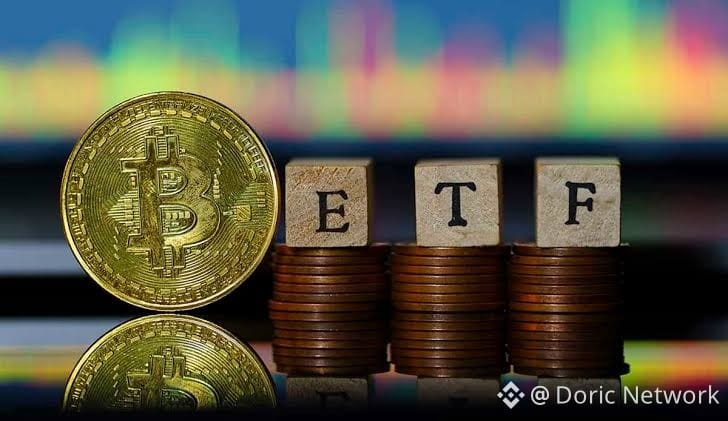
🚨 BITCOIN ETF INFLOW STREAK IS OVER! $3.1 BILLION TREND REVERSES 📉₿
After a massive $3.1 billion positive streak, spot Bitcoin ETFs have recorded a reversal — and Fidelity reportedly led the biggest outflows. 💸
🔥 Why should crypto traders care? 📉 ETF flows matter: They offer a window into institutional demand for Bitcoin. 🐋 Watch the big players: Large withdrawals can influence short-term market sentiment. ⚖️ Don't jump to conclusions: One reversal doesn't automatically mean a bear market is starting.
🎯 The key takeaway: Watch whether ETF outflows continue or buyers return. Sustained flows in either direction may offer a clearer signal about institutional appetite for BTC.
Bitcoin's next move isn't guaranteed. Stay alert, manage risk, and follow the data — not just the headlines. 🚀
🔗 Read the full story:
https://cryptonews.net/33528642/?utm_source=CryptoNews&utm_medium=app&utm_campaign=shared
#Bitcoin #BitcoinETF #BTC #CryptoNews #CryptoMarket
🚨 BITCOIN ETF INFLOW STREAK IS OVER! $3.1 BILLION TREND REVERSES 📉₿
After a massive $3.1 billion positive streak, spot Bitcoin ETFs have recorded a reversal — and Fidelity reportedly led the biggest outflows. 💸
🔥 Why should crypto traders care? 📉 ETF flows matter: They offer a window into institutional demand for Bitcoin. 🐋 Watch the big players: Large withdrawals can influence short-term market sentiment. ⚖️ Don't jump to conclusions: One reversal doesn't automatically mean a bear market is starting.
🎯 The key takeaway: Watch whether ETF outflows continue or buyers return. Sustained flows in either direction may offer a clearer signal about institutional appetite for BTC.
Bitcoin's next move isn't guaranteed. Stay alert, manage risk, and follow the data — not just the headlines. 🚀
🔗 Read the full story:
https://cryptonews.net/33528642/?utm_source=CryptoNews&utm_medium=app&utm_campaign=shared
#Bitcoin #BitcoinETF #BTC #CryptoNews #CryptoMarket
After a massive $3.1 billion positive streak, spot Bitcoin ETFs have recorded a reversal — and Fidelity reportedly led the biggest outflows. 💸
🔥 Why should crypto traders care? 📉 ETF flows matter: They offer a window into institutional demand for Bitcoin. 🐋 Watch the big players: Large withdrawals can influence short-term market sentiment. ⚖️ Don't jump to conclusions: One reversal doesn't automatically mean a bear market is starting.
🎯 The key takeaway: Watch whether ETF outflows continue or buyers return. Sustained flows in either direction may offer a clearer signal about institutional appetite for BTC.
Bitcoin's next move isn't guaranteed. Stay alert, manage risk, and follow the data — not just the headlines. 🚀
🔗 Read the full story:
https://cryptonews.net/33528642/?utm_source=CryptoNews&utm_medium=app&utm_campaign=shared
#Bitcoin #BitcoinETF #BTC #CryptoNews #CryptoMarket
86
🚨 A verdadeira oportunidade do Bitcoin pode ser muito maior do que o mercado de criptomoedas.
Michael Saylor diz que a Strategy e a Strive não estão simplesmente competindo por investidores de cripto — elas miram uma fatia dos mercados globais de ações e renda fixa, que somam US$ 318,5 trilhões. 🌎₿
De acordo com dados da SIFMA citados por Saylor, as ações globais totalizavam US$ 157,8T, enquanto a dívida de renda fixa chegou a US$ 160,7T no fim de 2025. Mesmo 0,1% desse mercado combinado representa cerca de US$ 318,5 bilhões.
A grande ideia? 👀
As empresas de tesouraria em Bitcoin estão cada vez mais criando produtos financeiros em torno do BTC — não apenas comprando e mantendo. Saylor argumenta que players mais fortes, mercados mais profundos e maior participação institucional podem expandir todo o ecossistema de finanças ligadas ao Bitcoin.
E já existe um exemplo de concorrentes cooperando: a Strive comprou US$ 50M das ações preferenciais da Strategy, mostrando como empresas do mesmo setor também podem se tornar clientes e investidores umas das outras.
📌 Principais conclusões do mercado:
A história do Bitcoin está cada vez mais mudando de “Até onde o BTC pode subir?” para “Quanta capital tradicional esses produtos financeiros baseados em Bitcoin conseguem atrair?”
Isso é uma conversa muito maior. 🔥
Siga para mais notícias sobre Bitcoin, RWA, cripto institucional e atualizações do mercado. 🚀
🔗 Fonte: CryptoNews — Saylor Says Strategy, Strive Can Win Share of $318.5T With Bitcoin
#Bitcoin #BTC #Crypto #BitcoinTreasury #RWA
🚨 A verdadeira oportunidade do Bitcoin pode ser muito maior do que o mercado de criptomoedas.
Michael Saylor diz que a Strategy e a Strive não estão simplesmente competindo por investidores de cripto — elas miram uma fatia dos mercados globais de ações e renda fixa, que somam US$ 318,5 trilhões. 🌎₿
De acordo com dados da SIFMA citados por Saylor, as ações globais totalizavam US$ 157,8T, enquanto a dívida de renda fixa chegou a US$ 160,7T no fim de 2025. Mesmo 0,1% desse mercado combinado representa cerca de US$ 318,5 bilhões.
A grande ideia? 👀
As empresas de tesouraria em Bitcoin estão cada vez mais criando produtos financeiros em torno do BTC — não apenas comprando e mantendo. Saylor argumenta que players mais fortes, mercados mais profundos e maior participação institucional podem expandir todo o ecossistema de finanças ligadas ao Bitcoin.
E já existe um exemplo de concorrentes cooperando: a Strive comprou US$ 50M das ações preferenciais da Strategy, mostrando como empresas do mesmo setor também podem se tornar clientes e investidores umas das outras.
📌 Principais conclusões do mercado:
A história do Bitcoin está cada vez mais mudando de “Até onde o BTC pode subir?” para “Quanta capital tradicional esses produtos financeiros baseados em Bitcoin conseguem atrair?”
Isso é uma conversa muito maior. 🔥
Siga para mais notícias sobre Bitcoin, RWA, cripto institucional e atualizações do mercado. 🚀
🔗 Fonte: CryptoNews — Saylor Says Strategy, Strive Can Win Share of $318.5T With Bitcoin
#Bitcoin #BTC #Crypto #BitcoinTreasury #RWA
Michael Saylor diz que a Strategy e a Strive não estão simplesmente competindo por investidores de cripto — elas miram uma fatia dos mercados globais de ações e renda fixa, que somam US$ 318,5 trilhões. 🌎₿
De acordo com dados da SIFMA citados por Saylor, as ações globais totalizavam US$ 157,8T, enquanto a dívida de renda fixa chegou a US$ 160,7T no fim de 2025. Mesmo 0,1% desse mercado combinado representa cerca de US$ 318,5 bilhões.
A grande ideia? 👀
As empresas de tesouraria em Bitcoin estão cada vez mais criando produtos financeiros em torno do BTC — não apenas comprando e mantendo. Saylor argumenta que players mais fortes, mercados mais profundos e maior participação institucional podem expandir todo o ecossistema de finanças ligadas ao Bitcoin.
E já existe um exemplo de concorrentes cooperando: a Strive comprou US$ 50M das ações preferenciais da Strategy, mostrando como empresas do mesmo setor também podem se tornar clientes e investidores umas das outras.
📌 Principais conclusões do mercado:
A história do Bitcoin está cada vez mais mudando de “Até onde o BTC pode subir?” para “Quanta capital tradicional esses produtos financeiros baseados em Bitcoin conseguem atrair?”
Isso é uma conversa muito maior. 🔥
Siga para mais notícias sobre Bitcoin, RWA, cripto institucional e atualizações do mercado. 🚀
🔗 Fonte: CryptoNews — Saylor Says Strategy, Strive Can Win Share of $318.5T With Bitcoin
#Bitcoin #BTC #Crypto #BitcoinTreasury #RWA

88
🚨 A Regulação de Cripto nos EUA Está Entrando em uma Nova Fase
A SEC deve perder a Comissária Hester Peirce em 2 de outubro, deixando a agência com apenas dois comissários. Somado à liderança reduzida da CFTC, as duas agências que supervisionam grandes partes do mercado de criptoativos dos EUA estão entrando em um período de liderança incomumente enxuta no nível de comissários.
Por que isso importa para o cripto? 👀
📌 As decisões regulatórias podem ficar mais concentradas.
📌 A SEC e a CFTC continuam avançando na elaboração de regras relacionadas ao cripto usando a autoridade existente.
📌 A legislação no Congresso continua sendo uma variável importante, especialmente porque a legislação abrangente para estrutura de mercado de cripto enfrenta incerteza.
📌 Para traders e projetos, os desenvolvimentos regulatórios — não apenas os gráficos de preço — continuam sendo um fator importante do mercado. 📊
O principal ponto: A regulação de cripto nos EUA não está parada. A próxima fase pode ser moldada tanto pela ação das agências e mudanças de liderança quanto por novas legislações. ⚖️🔗
Fique informado. No cripto, a regulação pode mover o mercado antes de o mercado se mover. 🚀
#Crypto #Bitcoin #CryptoRegulation #Blockchain #DigitalAssets
🔗 Fonte:
🚨 A Regulação de Cripto nos EUA Está Entrando em uma Nova Fase
A SEC deve perder a Comissária Hester Peirce em 2 de outubro, deixando a agência com apenas dois comissários. Somado à liderança reduzida da CFTC, as duas agências que supervisionam grandes partes do mercado de criptoativos dos EUA estão entrando em um período de liderança incomumente enxuta no nível de comissários.
Por que isso importa para o cripto? 👀
📌 As decisões regulatórias podem ficar mais concentradas.
📌 A SEC e a CFTC continuam avançando na elaboração de regras relacionadas ao cripto usando a autoridade existente.
📌 A legislação no Congresso continua sendo uma variável importante, especialmente porque a legislação abrangente para estrutura de mercado de cripto enfrenta incerteza.
📌 Para traders e projetos, os desenvolvimentos regulatórios — não apenas os gráficos de preço — continuam sendo um fator importante do mercado. 📊
O principal ponto: A regulação de cripto nos EUA não está parada. A próxima fase pode ser moldada tanto pela ação das agências e mudanças de liderança quanto por novas legislações. ⚖️🔗
Fique informado. No cripto, a regulação pode mover o mercado antes de o mercado se mover. 🚀
#Crypto #Bitcoin #CryptoRegulation #Blockchain #DigitalAssets
🔗 Fonte:
A SEC deve perder a Comissária Hester Peirce em 2 de outubro, deixando a agência com apenas dois comissários. Somado à liderança reduzida da CFTC, as duas agências que supervisionam grandes partes do mercado de criptoativos dos EUA estão entrando em um período de liderança incomumente enxuta no nível de comissários.
Por que isso importa para o cripto? 👀
📌 As decisões regulatórias podem ficar mais concentradas.
📌 A SEC e a CFTC continuam avançando na elaboração de regras relacionadas ao cripto usando a autoridade existente.
📌 A legislação no Congresso continua sendo uma variável importante, especialmente porque a legislação abrangente para estrutura de mercado de cripto enfrenta incerteza.
📌 Para traders e projetos, os desenvolvimentos regulatórios — não apenas os gráficos de preço — continuam sendo um fator importante do mercado. 📊
O principal ponto: A regulação de cripto nos EUA não está parada. A próxima fase pode ser moldada tanto pela ação das agências e mudanças de liderança quanto por novas legislações. ⚖️🔗
Fique informado. No cripto, a regulação pode mover o mercado antes de o mercado se mover. 🚀
#Crypto #Bitcoin #CryptoRegulation #Blockchain #DigitalAssets
🔗 Fonte:

1
75

Artigo
Como Seria uma Bolsa de Valores Completamente Tokenizada?A moderna mesa de negociação de ações passou por várias transformações digitais ao longo da última metade do século, evoluindo de certificados físicos em papel e pregões ruidosos para mecanismos eletrônicos de negociação e algoritmos de alta frequência. Ainda assim, por baixo das sofisticadas interfaces móveis que os investidores de varejo usam hoje, o sistema financeiro ainda depende de “tubulações” pós-negociação projetadas durante o fim do século XX. As tradicionais bolsas de valores executam ordens de compra e venda em frações de microssegundo, mas a finalização da propriedade legal, a movimentação de capital e a entrega de ações entre câmaras de compensação e depositários centrais de valores levam dias. A mudança em curso rumo à tokenização de ativos do mundo real desafia esse paradigma de legado, levando participantes do mercado, tecnólogos e reguladores a reimaginar os mercados de capitais públicos do zero.
Como Seria uma Bolsa de Valores Completamente Tokenizada?
A moderna mesa de negociação de ações passou por várias transformações digitais ao longo da última metade do século, evoluindo de certificados físicos em papel e pregões ruidosos para mecanismos eletrônicos de negociação e algoritmos de alta frequência. Ainda assim, por baixo das sofisticadas interfaces móveis que os investidores de varejo usam hoje, o sistema financeiro ainda depende de “tubulações” pós-negociação projetadas durante o fim do século XX. As tradicionais bolsas de valores executam ordens de compra e venda em frações de microssegundo, mas a finalização da propriedade legal, a movimentação de capital e a entrega de ações entre câmaras de compensação e depositários centrais de valores levam dias. A mudança em curso rumo à tokenização de ativos do mundo real desafia esse paradigma de legado, levando participantes do mercado, tecnólogos e reguladores a reimaginar os mercados de capitais públicos do zero.
73
🚨 O BITCOIN ESTÁ COMEÇANDO A JOGAR DOIS JOGOS AO MESMO TEMPO.
As instituições cada vez mais veem o Bitcoin como ouro — mas investem nele como tecnologia. 🟠🏦💻
Um novo estudo da Bitwise com 15 grandes alocadores institucionais encontrou que todas as instituições entrevistadas que possuem cripto mantinham Bitcoin. Para muitas, o BTC foi seu primeiro, maior e mais antigo ativo cripto — e está sendo cada vez mais combinado com ouro como proteção contra desvalorização da moeda ou como reserva de valor.
Mas aqui está a parte interessante 👇
📌 Papel semelhante ao do ouro: o BTC é cada vez mais visto como uma reserva de valor de longo prazo.
📌 Investimento semelhante ao da tecnologia: as instituições ainda avaliam as criptos pela adoção, inovação e crescimento da rede.
📌 Capital “grudento”: nenhuma das 15 instituições entrevistadas reduziu sua alocação de cripto durante a queda de cerca de 50% do mercado de Q4 2025 até Q2 2026; várias aumentaram a exposição.
📌 Alocações pequenas, implicações grandes: a maioria informou que suas alocações em cripto estavam em torno de 1%–2% dos ativos investíveis, embora a faixa tenha sido maior.
💡 A conclusão:
A história do Bitcoin no meio institucional pode estar evoluindo além de “um ativo cripto de alto risco”. Ele está sendo considerado cada vez mais tanto uma proteção macro quanto um ativo impulsionado por tecnologia.
Essa dupla identidade pode ser uma das narrativas mais importantes para acompanhar à medida que a adoção de cripto por instituições se desenvolve. 👀📈
🔗 Leia a história completa:
CryptoNews — Instituições Vêem o Bitcoin Como Ouro, mas Investem Nele Como Tecnologia
#Bitcoin #BTC #Crypto #InstitutionalInvesting #CryptoNews
🚨 O BITCOIN ESTÁ COMEÇANDO A JOGAR DOIS JOGOS AO MESMO TEMPO.
As instituições cada vez mais veem o Bitcoin como ouro — mas investem nele como tecnologia. 🟠🏦💻
Um novo estudo da Bitwise com 15 grandes alocadores institucionais encontrou que todas as instituições entrevistadas que possuem cripto mantinham Bitcoin. Para muitas, o BTC foi seu primeiro, maior e mais antigo ativo cripto — e está sendo cada vez mais combinado com ouro como proteção contra desvalorização da moeda ou como reserva de valor.
Mas aqui está a parte interessante 👇
📌 Papel semelhante ao do ouro: o BTC é cada vez mais visto como uma reserva de valor de longo prazo.
📌 Investimento semelhante ao da tecnologia: as instituições ainda avaliam as criptos pela adoção, inovação e crescimento da rede.
📌 Capital “grudento”: nenhuma das 15 instituições entrevistadas reduziu sua alocação de cripto durante a queda de cerca de 50% do mercado de Q4 2025 até Q2 2026; várias aumentaram a exposição.
📌 Alocações pequenas, implicações grandes: a maioria informou que suas alocações em cripto estavam em torno de 1%–2% dos ativos investíveis, embora a faixa tenha sido maior.
💡 A conclusão:
A história do Bitcoin no meio institucional pode estar evoluindo além de “um ativo cripto de alto risco”. Ele está sendo considerado cada vez mais tanto uma proteção macro quanto um ativo impulsionado por tecnologia.
Essa dupla identidade pode ser uma das narrativas mais importantes para acompanhar à medida que a adoção de cripto por instituições se desenvolve. 👀📈
🔗 Leia a história completa:
CryptoNews — Instituições Vêem o Bitcoin Como Ouro, mas Investem Nele Como Tecnologia
#Bitcoin #BTC #Crypto #InstitutionalInvesting #CryptoNews
As instituições cada vez mais veem o Bitcoin como ouro — mas investem nele como tecnologia. 🟠🏦💻
Um novo estudo da Bitwise com 15 grandes alocadores institucionais encontrou que todas as instituições entrevistadas que possuem cripto mantinham Bitcoin. Para muitas, o BTC foi seu primeiro, maior e mais antigo ativo cripto — e está sendo cada vez mais combinado com ouro como proteção contra desvalorização da moeda ou como reserva de valor.
Mas aqui está a parte interessante 👇
📌 Papel semelhante ao do ouro: o BTC é cada vez mais visto como uma reserva de valor de longo prazo.
📌 Investimento semelhante ao da tecnologia: as instituições ainda avaliam as criptos pela adoção, inovação e crescimento da rede.
📌 Capital “grudento”: nenhuma das 15 instituições entrevistadas reduziu sua alocação de cripto durante a queda de cerca de 50% do mercado de Q4 2025 até Q2 2026; várias aumentaram a exposição.
📌 Alocações pequenas, implicações grandes: a maioria informou que suas alocações em cripto estavam em torno de 1%–2% dos ativos investíveis, embora a faixa tenha sido maior.
💡 A conclusão:
A história do Bitcoin no meio institucional pode estar evoluindo além de “um ativo cripto de alto risco”. Ele está sendo considerado cada vez mais tanto uma proteção macro quanto um ativo impulsionado por tecnologia.
Essa dupla identidade pode ser uma das narrativas mais importantes para acompanhar à medida que a adoção de cripto por instituições se desenvolve. 👀📈
🔗 Leia a história completa:
CryptoNews — Instituições Vêem o Bitcoin Como Ouro, mas Investem Nele Como Tecnologia
#Bitcoin #BTC #Crypto #InstitutionalInvesting #CryptoNews
67
🚨 BITCOIN ENFRENTA UM NOVO TESTE MACRO: FOCO EM AUMENTOS DA TAXA FED
O Bitcoin voltou abaixo de US$ 83.000, à medida que os traders passam a precificar um caminho mais hawkish (de postura mais restritiva) para as taxas de juros nos EUA. 📉🇺🇸
Os mercados agora estão precificando quatro possíveis altas na taxa do Fed até junho de 2027, enquanto o aumento dos rendimentos dos Treasuries e um dólar mais forte pressionam os ativos de risco — incluindo o BTC.
Por que isso importa? 👇
💰 Taxas mais altas = condições de liquidez mais difíceis
📈 Rendimentos mais altos dos Treasuries podem competir com ativos de risco
💵 Um dólar mais forte pode aumentar a pressão sobre o cripto
₿ O rali recente do Bitcoin agora enfrenta um teste de realidade macro
O BTC recentemente subiu em direção a US$ 87.000 antes de reverter, com a faixa de US$ 83K se tornando um nível importante para os traders observarem. Dados econômicos fortes dos EUA também empurraram os rendimentos dos Treasuries para cima, intensificando as preocupações de que a política monetária possa permanecer restritiva por mais tempo.
🔎 A conclusão: os traders de cripto não estão apenas olhando o gráfico do Bitcoin agora. Estão acompanhando as expectativas do Fed, os rendimentos dos Treasuries, o dólar, a liquidez e os dados econômicos — porque as condições macro podem mudar rapidamente a direção dos ativos de risco.
O próximo movimento pode ser guiado tanto por expectativas de juros quanto por notícias específicas do cripto. ⚡₿
👉 Leia o relatório completo:
CryptoNews — Traders precificam 4 altas na taxa do Fed enquanto o Bitcoin cai abaixo de US$ 83K
#Bitcoin #BTC #Crypto #Fed #CryptoMarket
🚨 BITCOIN ENFRENTA UM NOVO TESTE MACRO: FOCO EM AUMENTOS DA TAXA FED
O Bitcoin voltou abaixo de US$ 83.000, à medida que os traders passam a precificar um caminho mais hawkish (de postura mais restritiva) para as taxas de juros nos EUA. 📉🇺🇸
Os mercados agora estão precificando quatro possíveis altas na taxa do Fed até junho de 2027, enquanto o aumento dos rendimentos dos Treasuries e um dólar mais forte pressionam os ativos de risco — incluindo o BTC.
Por que isso importa? 👇
💰 Taxas mais altas = condições de liquidez mais difíceis
📈 Rendimentos mais altos dos Treasuries podem competir com ativos de risco
💵 Um dólar mais forte pode aumentar a pressão sobre o cripto
₿ O rali recente do Bitcoin agora enfrenta um teste de realidade macro
O BTC recentemente subiu em direção a US$ 87.000 antes de reverter, com a faixa de US$ 83K se tornando um nível importante para os traders observarem. Dados econômicos fortes dos EUA também empurraram os rendimentos dos Treasuries para cima, intensificando as preocupações de que a política monetária possa permanecer restritiva por mais tempo.
🔎 A conclusão: os traders de cripto não estão apenas olhando o gráfico do Bitcoin agora. Estão acompanhando as expectativas do Fed, os rendimentos dos Treasuries, o dólar, a liquidez e os dados econômicos — porque as condições macro podem mudar rapidamente a direção dos ativos de risco.
O próximo movimento pode ser guiado tanto por expectativas de juros quanto por notícias específicas do cripto. ⚡₿
👉 Leia o relatório completo:
CryptoNews — Traders precificam 4 altas na taxa do Fed enquanto o Bitcoin cai abaixo de US$ 83K
#Bitcoin #BTC #Crypto #Fed #CryptoMarket
O Bitcoin voltou abaixo de US$ 83.000, à medida que os traders passam a precificar um caminho mais hawkish (de postura mais restritiva) para as taxas de juros nos EUA. 📉🇺🇸
Os mercados agora estão precificando quatro possíveis altas na taxa do Fed até junho de 2027, enquanto o aumento dos rendimentos dos Treasuries e um dólar mais forte pressionam os ativos de risco — incluindo o BTC.
Por que isso importa? 👇
💰 Taxas mais altas = condições de liquidez mais difíceis
📈 Rendimentos mais altos dos Treasuries podem competir com ativos de risco
💵 Um dólar mais forte pode aumentar a pressão sobre o cripto
₿ O rali recente do Bitcoin agora enfrenta um teste de realidade macro
O BTC recentemente subiu em direção a US$ 87.000 antes de reverter, com a faixa de US$ 83K se tornando um nível importante para os traders observarem. Dados econômicos fortes dos EUA também empurraram os rendimentos dos Treasuries para cima, intensificando as preocupações de que a política monetária possa permanecer restritiva por mais tempo.
🔎 A conclusão: os traders de cripto não estão apenas olhando o gráfico do Bitcoin agora. Estão acompanhando as expectativas do Fed, os rendimentos dos Treasuries, o dólar, a liquidez e os dados econômicos — porque as condições macro podem mudar rapidamente a direção dos ativos de risco.
O próximo movimento pode ser guiado tanto por expectativas de juros quanto por notícias específicas do cripto. ⚡₿
👉 Leia o relatório completo:
CryptoNews — Traders precificam 4 altas na taxa do Fed enquanto o Bitcoin cai abaixo de US$ 83K
#Bitcoin #BTC #Crypto #Fed #CryptoMarket

83
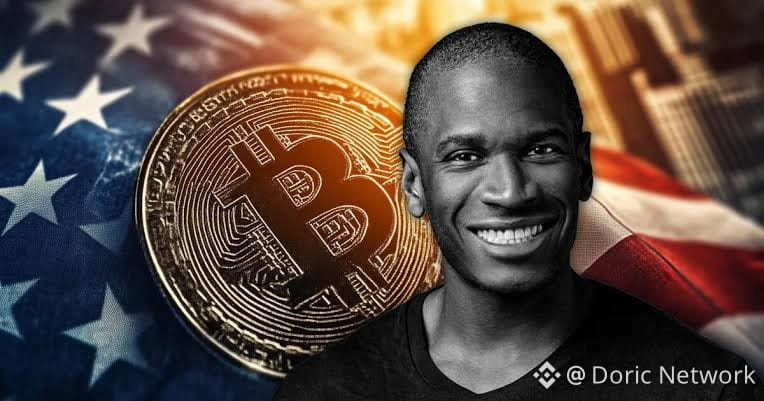
🚨 Arthur Hayes: O Bitcoin pode se beneficiar de um choque de dívida em IA
E se uma desaceleração da IA acabar sendo positiva para as criptos?
O cofundador da BitMEX, Arthur Hayes, argumenta que uma menor demanda por IA poderia pressionar os enormes data centers financiados por dívida e a infraestrutura de IA.
Sua tese: se esse estresse fizer com que os governos apoiem a infraestrutura de IA ou estabilizem partes do sistema financeiro, isso pode levar a mais endividamento do governo e a maior liquidez.
E para onde poderia fluir essa liquidez?
₿ Bitcoin 💎 Ethereum 🚀 Altcoins de maior risco selecionadas
A ideia-chave não é apenas “a IA cai, as criptos sobem”.
É sobre o que os formuladores de políticas poderiam fazer em resposta.
Mais liquidez pode mudar a aversão/propensão ao risco em diferentes mercados financeiros—mas o cenário de Hayes continua sendo uma tese voltada ao futuro, não uma certeza. A política monetária atual dos EUA também inclui uma alta recente de juros, então o momento e a escala de qualquer expansão de liquidez permanecem incertos.
📌 Conclusão: Em cripto, não observe apenas a manchete. Observe a resposta de liquidez por trás da manchete.
🔗 Fonte: CryptoNews — Bitcoin e “selected shitcoins” (selecionadas porcarias) vão subir – Arthur Hayes explica por quê
#Bitcoin #Crypto #Ethereum #Altcoins #CryptoMarket
🚨 Arthur Hayes: O Bitcoin pode se beneficiar de um choque de dívida em IA
E se uma desaceleração da IA acabar sendo positiva para as criptos?
O cofundador da BitMEX, Arthur Hayes, argumenta que uma menor demanda por IA poderia pressionar os enormes data centers financiados por dívida e a infraestrutura de IA.
Sua tese: se esse estresse fizer com que os governos apoiem a infraestrutura de IA ou estabilizem partes do sistema financeiro, isso pode levar a mais endividamento do governo e a maior liquidez.
E para onde poderia fluir essa liquidez?
₿ Bitcoin 💎 Ethereum 🚀 Altcoins de maior risco selecionadas
A ideia-chave não é apenas “a IA cai, as criptos sobem”.
É sobre o que os formuladores de políticas poderiam fazer em resposta.
Mais liquidez pode mudar a aversão/propensão ao risco em diferentes mercados financeiros—mas o cenário de Hayes continua sendo uma tese voltada ao futuro, não uma certeza. A política monetária atual dos EUA também inclui uma alta recente de juros, então o momento e a escala de qualquer expansão de liquidez permanecem incertos.
📌 Conclusão: Em cripto, não observe apenas a manchete. Observe a resposta de liquidez por trás da manchete.
🔗 Fonte: CryptoNews — Bitcoin e “selected shitcoins” (selecionadas porcarias) vão subir – Arthur Hayes explica por quê
#Bitcoin #Crypto #Ethereum #Altcoins #CryptoMarket
E se uma desaceleração da IA acabar sendo positiva para as criptos?
O cofundador da BitMEX, Arthur Hayes, argumenta que uma menor demanda por IA poderia pressionar os enormes data centers financiados por dívida e a infraestrutura de IA.
Sua tese: se esse estresse fizer com que os governos apoiem a infraestrutura de IA ou estabilizem partes do sistema financeiro, isso pode levar a mais endividamento do governo e a maior liquidez.
E para onde poderia fluir essa liquidez?
₿ Bitcoin 💎 Ethereum 🚀 Altcoins de maior risco selecionadas
A ideia-chave não é apenas “a IA cai, as criptos sobem”.
É sobre o que os formuladores de políticas poderiam fazer em resposta.
Mais liquidez pode mudar a aversão/propensão ao risco em diferentes mercados financeiros—mas o cenário de Hayes continua sendo uma tese voltada ao futuro, não uma certeza. A política monetária atual dos EUA também inclui uma alta recente de juros, então o momento e a escala de qualquer expansão de liquidez permanecem incertos.
📌 Conclusão: Em cripto, não observe apenas a manchete. Observe a resposta de liquidez por trás da manchete.
🔗 Fonte: CryptoNews — Bitcoin e “selected shitcoins” (selecionadas porcarias) vão subir – Arthur Hayes explica por quê
#Bitcoin #Crypto #Ethereum #Altcoins #CryptoMarket
81


Artigo
Por que algumas ofertas tokenizadas esgotam em minutos?O cenário financeiro de 2026 exibe uma mudança estrutural extraordinária, à medida que o mercado de tokenização de ativos do mundo real ultrapassa trinta bilhões de dólares em valor distribuído on-chain. Investidores que historicamente enfrentaram atrasos administrativos de várias semanas, horários bancários restritivos e compromissos mínimos na casa dos cinco dígitos agora acessam imóveis comerciais, dívidas privadas corporativas e títulos soberanos do Tesouro com apenas um clique. No entanto, um fenômeno de mercado fascinante frequentemente surpreende investidores iniciantes ao participar dessas emissões primárias de tokens. Enquanto algumas ofertas permanecem por semanas nos painéis de distribuição, certos lançamentos de ativos tokenizados esgotam em questão de minutos — ou até segundos.
Por que algumas ofertas tokenizadas esgotam em minutos?
O cenário financeiro de 2026 exibe uma mudança estrutural extraordinária, à medida que o mercado de tokenização de ativos do mundo real ultrapassa trinta bilhões de dólares em valor distribuído on-chain. Investidores que historicamente enfrentaram atrasos administrativos de várias semanas, horários bancários restritivos e compromissos mínimos na casa dos cinco dígitos agora acessam imóveis comerciais, dívidas privadas corporativas e títulos soberanos do Tesouro com apenas um clique. No entanto, um fenômeno de mercado fascinante frequentemente surpreende investidores iniciantes ao participar dessas emissões primárias de tokens. Enquanto algumas ofertas permanecem por semanas nos painéis de distribuição, certos lançamentos de ativos tokenizados esgotam em questão de minutos — ou até segundos.
62
🔍 Você sabia? A transparência do blockchain está a apenas um clique.
Um dos recursos mais poderosos do Web3 é que os dados pertencem a todos. Graças aos Block Explorers, você não precisa acreditar na palavra de ninguém — pode verificar por conta própria!
Como a imagem destaca, os exploradores de bloco permitem que qualquer pessoa:
✅ Verifique Transações: Acompanhe o status exato de uma transferência.
✅ Veja Dados Públicos: Confira alturas de bloco, hashes de transações e atividade da carteira.
✅ Garanta Transparência: Acesse registros imutáveis em blockchains públicas.
Ferramentas como essas é o que diferencia sistemas descentralizados das finanças tradicionais. Lembre-se sempre: Não confie, verifique!
Qual é o seu block explorer preferido para conferir suas transações? Deixe sua resposta nos comentários! 👇
#Doric #CryptoEducation #BlockchainExplorer #Web3 #BinanceSquare
🔍 Você sabia? A transparência do blockchain está a apenas um clique.
Um dos recursos mais poderosos do Web3 é que os dados pertencem a todos. Graças aos Block Explorers, você não precisa acreditar na palavra de ninguém — pode verificar por conta própria!
Como a imagem destaca, os exploradores de bloco permitem que qualquer pessoa:
✅ Verifique Transações: Acompanhe o status exato de uma transferência.
✅ Veja Dados Públicos: Confira alturas de bloco, hashes de transações e atividade da carteira.
✅ Garanta Transparência: Acesse registros imutáveis em blockchains públicas.
Ferramentas como essas é o que diferencia sistemas descentralizados das finanças tradicionais. Lembre-se sempre: Não confie, verifique!
Qual é o seu block explorer preferido para conferir suas transações? Deixe sua resposta nos comentários! 👇
#Doric #CryptoEducation #BlockchainExplorer #Web3 #BinanceSquare
Um dos recursos mais poderosos do Web3 é que os dados pertencem a todos. Graças aos Block Explorers, você não precisa acreditar na palavra de ninguém — pode verificar por conta própria!
Como a imagem destaca, os exploradores de bloco permitem que qualquer pessoa:
✅ Verifique Transações: Acompanhe o status exato de uma transferência.
✅ Veja Dados Públicos: Confira alturas de bloco, hashes de transações e atividade da carteira.
✅ Garanta Transparência: Acesse registros imutáveis em blockchains públicas.
Ferramentas como essas é o que diferencia sistemas descentralizados das finanças tradicionais. Lembre-se sempre: Não confie, verifique!
Qual é o seu block explorer preferido para conferir suas transações? Deixe sua resposta nos comentários! 👇
#Doric #CryptoEducation #BlockchainExplorer #Web3 #BinanceSquare

69
🚨 US$ 1,235 BILHÃO acabou de entrar na Binance — será que um novo poder de compra está prestes a se mover? 💰🔥
As entradas de stablecoins na Binance dispararam para US$ 1,235 bilhão, superando a média vista nos últimos dois meses. Isso está acontecendo mesmo com o mercado cripto mais amplo permanecendo sob pressão no curto prazo. 📉➡️💵
Por que isso importa?
Grandes entradas de stablecoins podem significar que os traders estão movendo capital para as exchanges e mantendo a liquidez pronta para o próximo movimento. Isso não garante que Bitcoin ou altcoins vão disparar imediatamente — alguns investidores podem apenas estar buscando estabilidade — mas mais capital disponível em uma exchange pode criar condições para uma atividade de mercado mais forte. 👀
📊 Principal ponto: observe o que acontece com essa liquidez em seguida. Se as stablecoins começarem a migrar para BTC, ETH e principais altcoins, isso pode se tornar um sinal importante de retomada do apetite por risco. Se elas permanecerem estacionadas, os traders ainda podem estar esperando por uma direção mais clara.
No cripto, às vezes o dinheiro se move antes do mercado. 🚀
Siga para mais atualizações do mercado cripto, tendências e insights. 🔔
🔗 Fonte: https://cryptonews.net/33455759/?utm_source=CryptoNews&utm_medium=app&utm_campaign=shared
#Binance #Bitcoin #Crypto #Stablecoins #CryptoMarket
🚨 US$ 1,235 BILHÃO acabou de entrar na Binance — será que um novo poder de compra está prestes a se mover? 💰🔥
As entradas de stablecoins na Binance dispararam para US$ 1,235 bilhão, superando a média vista nos últimos dois meses. Isso está acontecendo mesmo com o mercado cripto mais amplo permanecendo sob pressão no curto prazo. 📉➡️💵
Por que isso importa?
Grandes entradas de stablecoins podem significar que os traders estão movendo capital para as exchanges e mantendo a liquidez pronta para o próximo movimento. Isso não garante que Bitcoin ou altcoins vão disparar imediatamente — alguns investidores podem apenas estar buscando estabilidade — mas mais capital disponível em uma exchange pode criar condições para uma atividade de mercado mais forte. 👀
📊 Principal ponto: observe o que acontece com essa liquidez em seguida. Se as stablecoins começarem a migrar para BTC, ETH e principais altcoins, isso pode se tornar um sinal importante de retomada do apetite por risco. Se elas permanecerem estacionadas, os traders ainda podem estar esperando por uma direção mais clara.
No cripto, às vezes o dinheiro se move antes do mercado. 🚀
Siga para mais atualizações do mercado cripto, tendências e insights. 🔔
🔗 Fonte: https://cryptonews.net/33455759/?utm_source=CryptoNews&utm_medium=app&utm_campaign=shared
#Binance #Bitcoin #Crypto #Stablecoins #CryptoMarket
As entradas de stablecoins na Binance dispararam para US$ 1,235 bilhão, superando a média vista nos últimos dois meses. Isso está acontecendo mesmo com o mercado cripto mais amplo permanecendo sob pressão no curto prazo. 📉➡️💵
Por que isso importa?
Grandes entradas de stablecoins podem significar que os traders estão movendo capital para as exchanges e mantendo a liquidez pronta para o próximo movimento. Isso não garante que Bitcoin ou altcoins vão disparar imediatamente — alguns investidores podem apenas estar buscando estabilidade — mas mais capital disponível em uma exchange pode criar condições para uma atividade de mercado mais forte. 👀
📊 Principal ponto: observe o que acontece com essa liquidez em seguida. Se as stablecoins começarem a migrar para BTC, ETH e principais altcoins, isso pode se tornar um sinal importante de retomada do apetite por risco. Se elas permanecerem estacionadas, os traders ainda podem estar esperando por uma direção mais clara.
No cripto, às vezes o dinheiro se move antes do mercado. 🚀
Siga para mais atualizações do mercado cripto, tendências e insights. 🔔
🔗 Fonte: https://cryptonews.net/33455759/?utm_source=CryptoNews&utm_medium=app&utm_campaign=shared
#Binance #Bitcoin #Crypto #Stablecoins #CryptoMarket

81
🚀 Ações tokenizadas estão silenciosamente se tornando uma grande história de DeFi
Ações tokenizadas dispararam para US$ 247,8M em DeFi TVL — acima de impressionantes 1.960,8% no último ano. 📈🔥
E o dinheiro não está parado.
💧 Uniswap v4: US$ 65,4M
🏦 Kamino Lend: US$ 43,1M
🔄 Uniswap v3: US$ 41,8M
Isso sinaliza algo maior: ativos tradicionais estão cada vez mais ficando utilizáveis dentro de mercados financeiros on-chain. Ações tokenizadas podem, potencialmente, ir além da simples propriedade e avançar para negociação, empréstimos, provisão de liquidez e outras aplicações de DeFi. 🌐📊
💡 Conclusão: a narrativa de RWA pode estar entrando em sua próxima fase. Já não é apenas sobre colocar ativos do mundo real na blockchain — é sobre tornar esses ativos líquidos, programáveis e úteis em todo o ecossistema DeFi.
Ainda assim, um crescimento rápido também traz questões sobre liquidez, regulação, custódia e proteção ao investidor. Os projetos que resolverem esses pontos podem moldar a próxima onda de tokenização.
👀 Ações tokenizadas ainda são pequenas em comparação com os mercados tradicionais de ações, mas essa taxa de crescimento faz valer a pena ficar de olho.
Siga para mais atualizações sobre cripto, DeFi e mercados de RWA. 🚀
#RWA #DeFi #Tokenization #Crypto #Blockchain
🚀 Ações tokenizadas estão silenciosamente se tornando uma grande história de DeFi
Ações tokenizadas dispararam para US$ 247,8M em DeFi TVL — acima de impressionantes 1.960,8% no último ano. 📈🔥
E o dinheiro não está parado.
💧 Uniswap v4: US$ 65,4M
🏦 Kamino Lend: US$ 43,1M
🔄 Uniswap v3: US$ 41,8M
Isso sinaliza algo maior: ativos tradicionais estão cada vez mais ficando utilizáveis dentro de mercados financeiros on-chain. Ações tokenizadas podem, potencialmente, ir além da simples propriedade e avançar para negociação, empréstimos, provisão de liquidez e outras aplicações de DeFi. 🌐📊
💡 Conclusão: a narrativa de RWA pode estar entrando em sua próxima fase. Já não é apenas sobre colocar ativos do mundo real na blockchain — é sobre tornar esses ativos líquidos, programáveis e úteis em todo o ecossistema DeFi.
Ainda assim, um crescimento rápido também traz questões sobre liquidez, regulação, custódia e proteção ao investidor. Os projetos que resolverem esses pontos podem moldar a próxima onda de tokenização.
👀 Ações tokenizadas ainda são pequenas em comparação com os mercados tradicionais de ações, mas essa taxa de crescimento faz valer a pena ficar de olho.
Siga para mais atualizações sobre cripto, DeFi e mercados de RWA. 🚀
#RWA #DeFi #Tokenization #Crypto #Blockchain
Ações tokenizadas dispararam para US$ 247,8M em DeFi TVL — acima de impressionantes 1.960,8% no último ano. 📈🔥
E o dinheiro não está parado.
💧 Uniswap v4: US$ 65,4M
🏦 Kamino Lend: US$ 43,1M
🔄 Uniswap v3: US$ 41,8M
Isso sinaliza algo maior: ativos tradicionais estão cada vez mais ficando utilizáveis dentro de mercados financeiros on-chain. Ações tokenizadas podem, potencialmente, ir além da simples propriedade e avançar para negociação, empréstimos, provisão de liquidez e outras aplicações de DeFi. 🌐📊
💡 Conclusão: a narrativa de RWA pode estar entrando em sua próxima fase. Já não é apenas sobre colocar ativos do mundo real na blockchain — é sobre tornar esses ativos líquidos, programáveis e úteis em todo o ecossistema DeFi.
Ainda assim, um crescimento rápido também traz questões sobre liquidez, regulação, custódia e proteção ao investidor. Os projetos que resolverem esses pontos podem moldar a próxima onda de tokenização.
👀 Ações tokenizadas ainda são pequenas em comparação com os mercados tradicionais de ações, mas essa taxa de crescimento faz valer a pena ficar de olho.
Siga para mais atualizações sobre cripto, DeFi e mercados de RWA. 🚀
#RWA #DeFi #Tokenization #Crypto #Blockchain

75
🚀 O melhor momento para construir em cripto é sempre agora.
Os mercados se movem rápido. Os preços sobem, as correções acontecem, as narrativas mudam — mas o progresso real em cripto vem dos construtores que continuam criando por cada ciclo. 🔵
Seja infraestrutura de blockchain, tokenização, aplicações Web3 ou ativos do mundo real, o crescimento de longo prazo depende de uma coisa: construção e inovação consistentes.
Na Doric Network, o foco continua em desenvolver infraestrutura de blockchain projetada para apoiar uma economia digital mais acessível e conectada. 🌐
💡 Recado: Não julgue o cripto apenas pelo gráfico do preço de hoje. Preste atenção no que está sendo construído por baixo.
#DoricNetwork #Crypto #Blockchain #Web3 #CryptoCommunity
🚀 O melhor momento para construir em cripto é sempre agora.
Os mercados se movem rápido. Os preços sobem, as correções acontecem, as narrativas mudam — mas o progresso real em cripto vem dos construtores que continuam criando por cada ciclo. 🔵
Seja infraestrutura de blockchain, tokenização, aplicações Web3 ou ativos do mundo real, o crescimento de longo prazo depende de uma coisa: construção e inovação consistentes.
Na Doric Network, o foco continua em desenvolver infraestrutura de blockchain projetada para apoiar uma economia digital mais acessível e conectada. 🌐
💡 Recado: Não julgue o cripto apenas pelo gráfico do preço de hoje. Preste atenção no que está sendo construído por baixo.
#DoricNetwork #Crypto #Blockchain #Web3 #CryptoCommunity
Os mercados se movem rápido. Os preços sobem, as correções acontecem, as narrativas mudam — mas o progresso real em cripto vem dos construtores que continuam criando por cada ciclo. 🔵
Seja infraestrutura de blockchain, tokenização, aplicações Web3 ou ativos do mundo real, o crescimento de longo prazo depende de uma coisa: construção e inovação consistentes.
Na Doric Network, o foco continua em desenvolver infraestrutura de blockchain projetada para apoiar uma economia digital mais acessível e conectada. 🌐
💡 Recado: Não julgue o cripto apenas pelo gráfico do preço de hoje. Preste atenção no que está sendo construído por baixo.
#DoricNetwork #Crypto #Blockchain #Web3 #CryptoCommunity

1
59

Artigo
O Ethereum Ainda é o Lar Padrão para Valores Mobiliários Tokenizados?A convergência dos mercados de capitais tradicionais com a tecnologia de razão distribuída acelerou-se para uma migração multibilionária de dólares, transformando permanentemente a arquitetura global de riqueza. Historicamente, quando pioneiros financeiros começaram a explorar o conceito de emissão de ações, títulos comerciais, escrituras de imóveis e letras do tesouro em uma blockchain, o Ethereum permaneceu incontestável como o destino óbvio e único. Sua liderança inicial na funcionalidade de contratos inteligentes, na atenção dos desenvolvedores e na liquidez de finanças descentralizadas estabeleceu-o como a base incontestável para emissões experimentais. No entanto, à medida que a indústria atravessou 2026, o cenário de ativos do mundo real expandiu-se além de trinta bilhões de dólares em valor distribuído on-chain, introduzindo uma concorrência tecnológica acirrada e alterando fundamentalmente as “bases” do mercado. Gestores de ativos agora enfrentam um ecossistema multi-chain rico, com redes de alta capacidade como Solana, plataformas institucionais feitas sob medida como Stellar, subnetworks permissionadas especializadas na Avalanche e rollups de L2 do Ethereum hiper-escala. Essa dramática evolução estrutural obriga alocadores institucionais e participantes de varejo a confrontar uma questão decisiva: O Ethereum ainda é o lar padrão para valores mobiliários tokenizados, ou o mercado descentralizou sua lealdade entre trilhos concorrentes?
O Ethereum Ainda é o Lar Padrão para Valores Mobiliários Tokenizados?
A convergência dos mercados de capitais tradicionais com a tecnologia de razão distribuída acelerou-se para uma migração multibilionária de dólares, transformando permanentemente a arquitetura global de riqueza. Historicamente, quando pioneiros financeiros começaram a explorar o conceito de emissão de ações, títulos comerciais, escrituras de imóveis e letras do tesouro em uma blockchain, o Ethereum permaneceu incontestável como o destino óbvio e único. Sua liderança inicial na funcionalidade de contratos inteligentes, na atenção dos desenvolvedores e na liquidez de finanças descentralizadas estabeleceu-o como a base incontestável para emissões experimentais. No entanto, à medida que a indústria atravessou 2026, o cenário de ativos do mundo real expandiu-se além de trinta bilhões de dólares em valor distribuído on-chain, introduzindo uma concorrência tecnológica acirrada e alterando fundamentalmente as “bases” do mercado. Gestores de ativos agora enfrentam um ecossistema multi-chain rico, com redes de alta capacidade como Solana, plataformas institucionais feitas sob medida como Stellar, subnetworks permissionadas especializadas na Avalanche e rollups de L2 do Ethereum hiper-escala. Essa dramática evolução estrutural obriga alocadores institucionais e participantes de varejo a confrontar uma questão decisiva: O Ethereum ainda é o lar padrão para valores mobiliários tokenizados, ou o mercado descentralizou sua lealdade entre trilhos concorrentes?
102
🚨 EXPLOITAÇÃO DE US$ 9M ATINGE A REDE XPR — MAS OS DANOS PODEM NÃO SER A HISTÓRIA COMPLETA.
A rede XPR enfrenta um grande teste depois que a proton.swaps foi explorada por mais de US$ 9 milhões em liquidez, revelando uma falha em sua função de saque que permitiu ao atacante manipular saldos e drenar múltiplos pools de ativos. ⚠️
$XPR reagiu rapidamente, caindo cerca de 6,5% à medida que o medo atingiu o mercado. 📉
Mas aqui está a parte importante:
🛡️ Produtores da rede corrigiram o contrato vulnerável
🔒 Cerca de 1,80 bilhão de XPR vinculados à exploração foram protegidos sob controle da comunidade
💰 Apenas uma parcela do XPR afetado chegou a venues externas
📊 A pressão de venda depois mostrou sinais de alívio
Isso muda a narrativa.
A pergunta maior agora não é apenas “O XPR foi hackeado?” — é se a rede consegue transformar sua resposta rápida em confiança renovada.
Para traders, acompanhe de perto a restauração da liquidez, atualizações de segurança, transparência da equipe e a reação do mercado. Uma resposta técnica rápida pode limitar os danos, mas reconstruir a confiança geralmente leva mais tempo.
👀 Insight: Em cripto, como uma rede reage após uma exploração pode importar quase tanto quanto a exploração em si.
Siga para mais atualizações do mercado de cripto, desenvolvimentos de segurança e insights de trading. 🚀
#XPR #CryptoNews #DeFi #BlockchainSecurity #Altcoins
🚨 EXPLOITAÇÃO DE US$ 9M ATINGE A REDE XPR — MAS OS DANOS PODEM NÃO SER A HISTÓRIA COMPLETA.
A rede XPR enfrenta um grande teste depois que a proton.swaps foi explorada por mais de US$ 9 milhões em liquidez, revelando uma falha em sua função de saque que permitiu ao atacante manipular saldos e drenar múltiplos pools de ativos. ⚠️
$XPR reagiu rapidamente, caindo cerca de 6,5% à medida que o medo atingiu o mercado. 📉
Mas aqui está a parte importante:
🛡️ Produtores da rede corrigiram o contrato vulnerável
🔒 Cerca de 1,80 bilhão de XPR vinculados à exploração foram protegidos sob controle da comunidade
💰 Apenas uma parcela do XPR afetado chegou a venues externas
📊 A pressão de venda depois mostrou sinais de alívio
Isso muda a narrativa.
A pergunta maior agora não é apenas “O XPR foi hackeado?” — é se a rede consegue transformar sua resposta rápida em confiança renovada.
Para traders, acompanhe de perto a restauração da liquidez, atualizações de segurança, transparência da equipe e a reação do mercado. Uma resposta técnica rápida pode limitar os danos, mas reconstruir a confiança geralmente leva mais tempo.
👀 Insight: Em cripto, como uma rede reage após uma exploração pode importar quase tanto quanto a exploração em si.
Siga para mais atualizações do mercado de cripto, desenvolvimentos de segurança e insights de trading. 🚀
#XPR #CryptoNews #DeFi #BlockchainSecurity #Altcoins
A rede XPR enfrenta um grande teste depois que a proton.swaps foi explorada por mais de US$ 9 milhões em liquidez, revelando uma falha em sua função de saque que permitiu ao atacante manipular saldos e drenar múltiplos pools de ativos. ⚠️
$XPR reagiu rapidamente, caindo cerca de 6,5% à medida que o medo atingiu o mercado. 📉
Mas aqui está a parte importante:
🛡️ Produtores da rede corrigiram o contrato vulnerável
🔒 Cerca de 1,80 bilhão de XPR vinculados à exploração foram protegidos sob controle da comunidade
💰 Apenas uma parcela do XPR afetado chegou a venues externas
📊 A pressão de venda depois mostrou sinais de alívio
Isso muda a narrativa.
A pergunta maior agora não é apenas “O XPR foi hackeado?” — é se a rede consegue transformar sua resposta rápida em confiança renovada.
Para traders, acompanhe de perto a restauração da liquidez, atualizações de segurança, transparência da equipe e a reação do mercado. Uma resposta técnica rápida pode limitar os danos, mas reconstruir a confiança geralmente leva mais tempo.
👀 Insight: Em cripto, como uma rede reage após uma exploração pode importar quase tanto quanto a exploração em si.
Siga para mais atualizações do mercado de cripto, desenvolvimentos de segurança e insights de trading. 🚀
#XPR #CryptoNews #DeFi #BlockchainSecurity #Altcoins
1
58
🚨 AVISO DE VENDA DE BITCOIN? As reservas de BTC da Binance acabaram de atingir a máxima em 2 anos! 🐳📈
As reservas de Bitcoin na Binance dispararam para mais de 693.000 BTC, o nível mais alto em quase dois anos — subindo cerca de 77.000 BTC desde o fim de abril. 👀
Por que isso importa?
Quando o BTC sai de carteiras privadas para exchanges, os traders costumam observar de perto porque essas moedas ficam mais fáceis de vender. Mais BTC na Binance pode significar que a pressão de venda potencial está aumentando. 📉
Mas não aperte o botão de pânico ainda. ⚠️
A Binance é uma das exchanges com maior liquidez no cripto, então o aumento das reservas também pode refletir grandes traders reposicionando fundos, transferências relacionadas à segurança e outros movimentos operacionais — e não necessariamente um despejo imediato.
💡 Conclusão-chave: as reservas em exchange são um sinal de alerta, não um sinal de venda.
Se o BTC começar a cair enquanto as reservas da Binance continuam subindo, a pressão baixista pode se fortalecer. Mas se o Bitcoin absorver a oferta adicional e mantiver níveis-chave de suporte, essa resiliência pode se tornar um importante sinal de alta. 🔥₿
👀 Acompanhe os fluxos. Acompanhe o preço. A combinação conta a história real.
Siga para mais atualizações do mercado cripto, tendências e insights. 🚀
🔗 https://cryptonews.net/33432603/?utm_source=CryptoNews&utm_medium=app&utm_campaign=shared
#Bitcoin #BTC #Crypto #Binance #CryptoNews
🚨 AVISO DE VENDA DE BITCOIN? As reservas de BTC da Binance acabaram de atingir a máxima em 2 anos! 🐳📈
As reservas de Bitcoin na Binance dispararam para mais de 693.000 BTC, o nível mais alto em quase dois anos — subindo cerca de 77.000 BTC desde o fim de abril. 👀
Por que isso importa?
Quando o BTC sai de carteiras privadas para exchanges, os traders costumam observar de perto porque essas moedas ficam mais fáceis de vender. Mais BTC na Binance pode significar que a pressão de venda potencial está aumentando. 📉
Mas não aperte o botão de pânico ainda. ⚠️
A Binance é uma das exchanges com maior liquidez no cripto, então o aumento das reservas também pode refletir grandes traders reposicionando fundos, transferências relacionadas à segurança e outros movimentos operacionais — e não necessariamente um despejo imediato.
💡 Conclusão-chave: as reservas em exchange são um sinal de alerta, não um sinal de venda.
Se o BTC começar a cair enquanto as reservas da Binance continuam subindo, a pressão baixista pode se fortalecer. Mas se o Bitcoin absorver a oferta adicional e mantiver níveis-chave de suporte, essa resiliência pode se tornar um importante sinal de alta. 🔥₿
👀 Acompanhe os fluxos. Acompanhe o preço. A combinação conta a história real.
Siga para mais atualizações do mercado cripto, tendências e insights. 🚀
🔗 https://cryptonews.net/33432603/?utm_source=CryptoNews&utm_medium=app&utm_campaign=shared
#Bitcoin #BTC #Crypto #Binance #CryptoNews
As reservas de Bitcoin na Binance dispararam para mais de 693.000 BTC, o nível mais alto em quase dois anos — subindo cerca de 77.000 BTC desde o fim de abril. 👀
Por que isso importa?
Quando o BTC sai de carteiras privadas para exchanges, os traders costumam observar de perto porque essas moedas ficam mais fáceis de vender. Mais BTC na Binance pode significar que a pressão de venda potencial está aumentando. 📉
Mas não aperte o botão de pânico ainda. ⚠️
A Binance é uma das exchanges com maior liquidez no cripto, então o aumento das reservas também pode refletir grandes traders reposicionando fundos, transferências relacionadas à segurança e outros movimentos operacionais — e não necessariamente um despejo imediato.
💡 Conclusão-chave: as reservas em exchange são um sinal de alerta, não um sinal de venda.
Se o BTC começar a cair enquanto as reservas da Binance continuam subindo, a pressão baixista pode se fortalecer. Mas se o Bitcoin absorver a oferta adicional e mantiver níveis-chave de suporte, essa resiliência pode se tornar um importante sinal de alta. 🔥₿
👀 Acompanhe os fluxos. Acompanhe o preço. A combinação conta a história real.
Siga para mais atualizações do mercado cripto, tendências e insights. 🚀
🔗 https://cryptonews.net/33432603/?utm_source=CryptoNews&utm_medium=app&utm_campaign=shared
#Bitcoin #BTC #Crypto #Binance #CryptoNews

75
🚀 ZCASH ACABOU DE ROMPER ACIMA DE US$ 1.200 — MAS O ZEC REALMENTE PODE CHEGAR A US$ 2.200? 👀
O $ZEC voltou ao centro das atenções depois de disparar para uma zona de máxima de uma década perto de US$ 1.200+, colocando um dos mais antigos coins de privacidade do mercado de cripto firmemente de volta no radar dos traders. 🔥
📈 O impulso segue forte, com US$ 1.254 surgindo como um nível importante de rompimento. Se os compradores conseguirem empurrar o ZEC de forma convincente acima dessa faixa, os traders podem começar a observar US$ 1.400–$1.450 em seguida — enquanto uma ambiciosa meta de US$ 2.200 já entrou na conversa.
Mas tem um porém. ⚠️
O RSI do ZEC subiu para território fortemente sobrecomprado, o que significa que este rali pode continuar explosivo — ou enfrentar uma correção brusca se o impulso esfriar.
Enquanto isso, o MemeToro está tomando um caminho diferente: está desenvolvendo uma infraestrutura de fair-launch de código aberto, voltada para melhorar a transparência e reduzir alocações ocultas para insiders em lançamentos de tokens impulsionados por IA. 🤖🔗
💡 Conclusão: o ZEC tem impulso, mas depois de um movimento tão agressivo, correr atrás do preço sem acompanhar a confirmação e o risco pode ser perigoso. A próxima batalha em torno de US$ 1.254 pode dizer aos traders se este rali ainda tem combustível. 📊
🔗 https://cryptonews.net/33427764/?utm_source=CryptoNews&utm_medium=app&utm_campaign=shared
Siga para mais atualizações do mercado cripto, níveis de rompimento e oportunidades emergentes. 🚀
#Zcash #ZEC #Altcoins #CryptoNews #CryptoTrading
🚀 ZCASH ACABOU DE ROMPER ACIMA DE US$ 1.200 — MAS O ZEC REALMENTE PODE CHEGAR A US$ 2.200? 👀
O $ZEC voltou ao centro das atenções depois de disparar para uma zona de máxima de uma década perto de US$ 1.200+, colocando um dos mais antigos coins de privacidade do mercado de cripto firmemente de volta no radar dos traders. 🔥
📈 O impulso segue forte, com US$ 1.254 surgindo como um nível importante de rompimento. Se os compradores conseguirem empurrar o ZEC de forma convincente acima dessa faixa, os traders podem começar a observar US$ 1.400–$1.450 em seguida — enquanto uma ambiciosa meta de US$ 2.200 já entrou na conversa.
Mas tem um porém. ⚠️
O RSI do ZEC subiu para território fortemente sobrecomprado, o que significa que este rali pode continuar explosivo — ou enfrentar uma correção brusca se o impulso esfriar.
Enquanto isso, o MemeToro está tomando um caminho diferente: está desenvolvendo uma infraestrutura de fair-launch de código aberto, voltada para melhorar a transparência e reduzir alocações ocultas para insiders em lançamentos de tokens impulsionados por IA. 🤖🔗
💡 Conclusão: o ZEC tem impulso, mas depois de um movimento tão agressivo, correr atrás do preço sem acompanhar a confirmação e o risco pode ser perigoso. A próxima batalha em torno de US$ 1.254 pode dizer aos traders se este rali ainda tem combustível. 📊
🔗 https://cryptonews.net/33427764/?utm_source=CryptoNews&utm_medium=app&utm_campaign=shared
Siga para mais atualizações do mercado cripto, níveis de rompimento e oportunidades emergentes. 🚀
#Zcash #ZEC #Altcoins #CryptoNews #CryptoTrading
O $ZEC voltou ao centro das atenções depois de disparar para uma zona de máxima de uma década perto de US$ 1.200+, colocando um dos mais antigos coins de privacidade do mercado de cripto firmemente de volta no radar dos traders. 🔥
📈 O impulso segue forte, com US$ 1.254 surgindo como um nível importante de rompimento. Se os compradores conseguirem empurrar o ZEC de forma convincente acima dessa faixa, os traders podem começar a observar US$ 1.400–$1.450 em seguida — enquanto uma ambiciosa meta de US$ 2.200 já entrou na conversa.
Mas tem um porém. ⚠️
O RSI do ZEC subiu para território fortemente sobrecomprado, o que significa que este rali pode continuar explosivo — ou enfrentar uma correção brusca se o impulso esfriar.
Enquanto isso, o MemeToro está tomando um caminho diferente: está desenvolvendo uma infraestrutura de fair-launch de código aberto, voltada para melhorar a transparência e reduzir alocações ocultas para insiders em lançamentos de tokens impulsionados por IA. 🤖🔗
💡 Conclusão: o ZEC tem impulso, mas depois de um movimento tão agressivo, correr atrás do preço sem acompanhar a confirmação e o risco pode ser perigoso. A próxima batalha em torno de US$ 1.254 pode dizer aos traders se este rali ainda tem combustível. 📊
🔗 https://cryptonews.net/33427764/?utm_source=CryptoNews&utm_medium=app&utm_campaign=shared
Siga para mais atualizações do mercado cripto, níveis de rompimento e oportunidades emergentes. 🚀
#Zcash #ZEC #Altcoins #CryptoNews #CryptoTrading

1
114
🔥 CZ: Os mercados de criptomoedas continuam criando oportunidades — mas a decisão certa faz diferença!
O fundador da Binance, Changpeng Zhao (CZ), acabou de deixar um lembrete simples, porém poderoso, para traders de cripto: o mercado constantemente oferece oportunidades tanto para entrar quanto para sair. 📈📉
Qual é o ponto dele? Você não precisa acertar todos os movimentos. Você precisa reconhecer as oportunidades certas e tomar decisões disciplinadas quando elas surgirem. 🎯
Com a volatilidade das criptomoedas continuando alta, quedas podem criar possíveis zonas de entrada, enquanto ralis fortes podem oferecer oportunidades para realizar lucros ou controlar o risco. Mas CZ não chegou a citar nenhuma moeda específica ou uma meta de preço.
💡 Principais lições: um trading bem-sucedido não é apenas encontrar o próximo token grande — é sobre timing, paciência, gestão de risco e saber quando agir.
No mundo cripto, as oportunidades surgem repetidamente. O desafio é tomar a decisão certa quando elas aparecem. 🚀🧠
🔗 https://cryptonews.net/33422866/?utm_source=CryptoNews&utm_medium=app&utm_campaign=shared
#Bitcoin #Crypto #Binance #CZ #Cryptocurrency
🔥 CZ: Os mercados de criptomoedas continuam criando oportunidades — mas a decisão certa faz diferença!
O fundador da Binance, Changpeng Zhao (CZ), acabou de deixar um lembrete simples, porém poderoso, para traders de cripto: o mercado constantemente oferece oportunidades tanto para entrar quanto para sair. 📈📉
Qual é o ponto dele? Você não precisa acertar todos os movimentos. Você precisa reconhecer as oportunidades certas e tomar decisões disciplinadas quando elas surgirem. 🎯
Com a volatilidade das criptomoedas continuando alta, quedas podem criar possíveis zonas de entrada, enquanto ralis fortes podem oferecer oportunidades para realizar lucros ou controlar o risco. Mas CZ não chegou a citar nenhuma moeda específica ou uma meta de preço.
💡 Principais lições: um trading bem-sucedido não é apenas encontrar o próximo token grande — é sobre timing, paciência, gestão de risco e saber quando agir.
No mundo cripto, as oportunidades surgem repetidamente. O desafio é tomar a decisão certa quando elas aparecem. 🚀🧠
🔗 https://cryptonews.net/33422866/?utm_source=CryptoNews&utm_medium=app&utm_campaign=shared
#Bitcoin #Crypto #Binance #CZ #Cryptocurrency
O fundador da Binance, Changpeng Zhao (CZ), acabou de deixar um lembrete simples, porém poderoso, para traders de cripto: o mercado constantemente oferece oportunidades tanto para entrar quanto para sair. 📈📉
Qual é o ponto dele? Você não precisa acertar todos os movimentos. Você precisa reconhecer as oportunidades certas e tomar decisões disciplinadas quando elas surgirem. 🎯
Com a volatilidade das criptomoedas continuando alta, quedas podem criar possíveis zonas de entrada, enquanto ralis fortes podem oferecer oportunidades para realizar lucros ou controlar o risco. Mas CZ não chegou a citar nenhuma moeda específica ou uma meta de preço.
💡 Principais lições: um trading bem-sucedido não é apenas encontrar o próximo token grande — é sobre timing, paciência, gestão de risco e saber quando agir.
No mundo cripto, as oportunidades surgem repetidamente. O desafio é tomar a decisão certa quando elas aparecem. 🚀🧠
🔗 https://cryptonews.net/33422866/?utm_source=CryptoNews&utm_medium=app&utm_campaign=shared
#Bitcoin #Crypto #Binance #CZ #Cryptocurrency

67
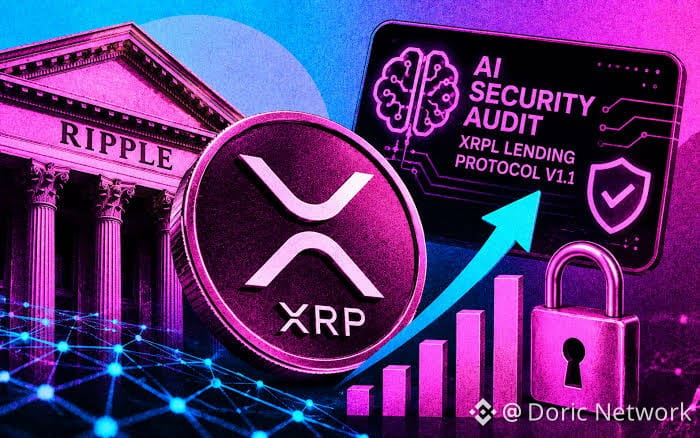
🚨 XRP PODE ESTAR À FRENTE DE UMA HISTÓRIA INSTITUCIONAL MUITO MAIOR.
O Tesouro da Ripple está chamando atenção após relatórios destacarem cerca de US$ 13 TRILHÕES em volume de pagamentos por meio de sua infraestrutura corporativa de tesouraria. 🤯💰
E o sinal ainda maior? 🌐
O Tesouro da Ripple está indo para a Sibos 2026, um dos principais eventos globais de bancos e pagamentos organizado pela SWIFT — colocando o ecossistema em expansão do tesouro da Ripple diretamente em frente a instituições financeiras do mundo todo. 🏦⚡
Com a infraestrutura tradicional bancária e os ativos digitais ficando cada vez mais próximos, nomes como SWIFT, JPMorgan e Goldman Sachs aparecendo na conversa mais ampla sobre o Tesouro da Ripple estão fazendo os detentores de XRP ficarem atentos. 👀
📊 O ponto principal: a próxima grande narrativa do XRP pode não ser apenas especulação de varejo ou gráficos de preço. A história real pode ser o avanço crescente da Ripple em pagamentos institucionais, tesouraria corporativa e liquidez impulsionada por blockchain.
Se a adoção continuar se aprofundando nas finanças tradicionais, o XRP pode seguir entre os ativos mais acompanhados do mercado. 🚀
👀 Siga para mais insights sobre o mercado cripto, atualizações do XRP e tendências de adoção institucional.
🔗 https://cryptonews.net/33416393/?utm_source=CryptoNews&utm_medium=app&utm_campaign=shared
#XRP #Ripple #Crypto #Blockchain #Altcoins
🚨 XRP PODE ESTAR À FRENTE DE UMA HISTÓRIA INSTITUCIONAL MUITO MAIOR.
O Tesouro da Ripple está chamando atenção após relatórios destacarem cerca de US$ 13 TRILHÕES em volume de pagamentos por meio de sua infraestrutura corporativa de tesouraria. 🤯💰
E o sinal ainda maior? 🌐
O Tesouro da Ripple está indo para a Sibos 2026, um dos principais eventos globais de bancos e pagamentos organizado pela SWIFT — colocando o ecossistema em expansão do tesouro da Ripple diretamente em frente a instituições financeiras do mundo todo. 🏦⚡
Com a infraestrutura tradicional bancária e os ativos digitais ficando cada vez mais próximos, nomes como SWIFT, JPMorgan e Goldman Sachs aparecendo na conversa mais ampla sobre o Tesouro da Ripple estão fazendo os detentores de XRP ficarem atentos. 👀
📊 O ponto principal: a próxima grande narrativa do XRP pode não ser apenas especulação de varejo ou gráficos de preço. A história real pode ser o avanço crescente da Ripple em pagamentos institucionais, tesouraria corporativa e liquidez impulsionada por blockchain.
Se a adoção continuar se aprofundando nas finanças tradicionais, o XRP pode seguir entre os ativos mais acompanhados do mercado. 🚀
👀 Siga para mais insights sobre o mercado cripto, atualizações do XRP e tendências de adoção institucional.
🔗 https://cryptonews.net/33416393/?utm_source=CryptoNews&utm_medium=app&utm_campaign=shared
#XRP #Ripple #Crypto #Blockchain #Altcoins
O Tesouro da Ripple está chamando atenção após relatórios destacarem cerca de US$ 13 TRILHÕES em volume de pagamentos por meio de sua infraestrutura corporativa de tesouraria. 🤯💰
E o sinal ainda maior? 🌐
O Tesouro da Ripple está indo para a Sibos 2026, um dos principais eventos globais de bancos e pagamentos organizado pela SWIFT — colocando o ecossistema em expansão do tesouro da Ripple diretamente em frente a instituições financeiras do mundo todo. 🏦⚡
Com a infraestrutura tradicional bancária e os ativos digitais ficando cada vez mais próximos, nomes como SWIFT, JPMorgan e Goldman Sachs aparecendo na conversa mais ampla sobre o Tesouro da Ripple estão fazendo os detentores de XRP ficarem atentos. 👀
📊 O ponto principal: a próxima grande narrativa do XRP pode não ser apenas especulação de varejo ou gráficos de preço. A história real pode ser o avanço crescente da Ripple em pagamentos institucionais, tesouraria corporativa e liquidez impulsionada por blockchain.
Se a adoção continuar se aprofundando nas finanças tradicionais, o XRP pode seguir entre os ativos mais acompanhados do mercado. 🚀
👀 Siga para mais insights sobre o mercado cripto, atualizações do XRP e tendências de adoção institucional.
🔗 https://cryptonews.net/33416393/?utm_source=CryptoNews&utm_medium=app&utm_campaign=shared
#XRP #Ripple #Crypto #Blockchain #Altcoins

82
Inicia sessão para explorar mais conteúdos
Junta-te a utilizadores de criptomoedas de todo o mundo na Binance Square
⚡️ Obtém informações úteis e recentes sobre criptomoedas.
💬 Com a confiança da maior exchange de criptomoedas do mundo.
👍 Descobre perspetivas reais de criadores verificados.
E-mail/Número de telefone
Tópicos em Tendência
NFPWatch
10.6M visualizações
18,006 a discutir
Notícias de Cripto | Bitcoin se Aproxima de US$ 85 mil à medida que os Rendimento dos Treasuries Caem antes do Relatório NFP dos EUA
Binance News
·30 gostos
·39.9k visualizações
BitcoinFundingRateTriplesTo10%
14,811 visualizações
326 a discutir
BitcoinSurpasses$86KUp2.99%
4,667 visualizações
44 a discutir