

Coin Coach Signals
59.2k Publicações

Coin Coach Signals
 Square verificado+
Denunciar
Bloquear Utilizador
CoinCoachSignals
Pro Crypto Trader - Market Analyst - Sharing Market Insights | DYOR | Since 2015 | Binance KOL | X - @CoinCoachSignal
Aberto ao trading
Trader Frequente
8.9 ano(s)
1.7K+ A seguir
55.6K+ Seguidores
100.4K+ Gostaram
Publicações
Portfólio
Tudo
Cotações
Vídeos
Em direto
PINNED
·
--
Em Alta
🎉 100K Curtidas Concluídas! ❤️
Meus queridos seguidores, hoje é um dia muito especial para mim! Nós oficialmente alcançamos 100K Curtidas, e este incrível marco não teria sido possível sem o seu amor, apoio e confiança constantes. 🙏❤️
Cada curtida, compartilhamento, comentário e acompanhamento me motivaram a continuar e a trazer para vocês insights de mercado ainda mais valiosos. Sou realmente grato(a) a cada um de vocês por fazerem parte da jornada Coin Coach Signals. 🚀
Este marco de 100K é de todos nós! ❤️
Obrigado(a) pelo seu apoio incrível. Vamos continuar crescendo juntos! 🔥
100K concluído e a jornada continua! 🚀
@Binance_Square_Official
🎉 100K Curtidas Concluídas! ❤️
Meus queridos seguidores, hoje é um dia muito especial para mim! Nós oficialmente alcançamos 100K Curtidas, e este incrível marco não teria sido possível sem o seu amor, apoio e confiança constantes. 🙏❤️
Cada curtida, compartilhamento, comentário e acompanhamento me motivaram a continuar e a trazer para vocês insights de mercado ainda mais valiosos. Sou realmente grato(a) a cada um de vocês por fazerem parte da jornada Coin Coach Signals. 🚀
Este marco de 100K é de todos nós! ❤️
Obrigado(a) pelo seu apoio incrível. Vamos continuar crescendo juntos! 🔥
100K concluído e a jornada continua! 🚀
@Binance Square Official
Meus queridos seguidores, hoje é um dia muito especial para mim! Nós oficialmente alcançamos 100K Curtidas, e este incrível marco não teria sido possível sem o seu amor, apoio e confiança constantes. 🙏❤️
Cada curtida, compartilhamento, comentário e acompanhamento me motivaram a continuar e a trazer para vocês insights de mercado ainda mais valiosos. Sou realmente grato(a) a cada um de vocês por fazerem parte da jornada Coin Coach Signals. 🚀
Este marco de 100K é de todos nós! ❤️
Obrigado(a) pelo seu apoio incrível. Vamos continuar crescendo juntos! 🔥
100K concluído e a jornada continua! 🚀
@Binance Square Official

6
14
245
Ver tradução
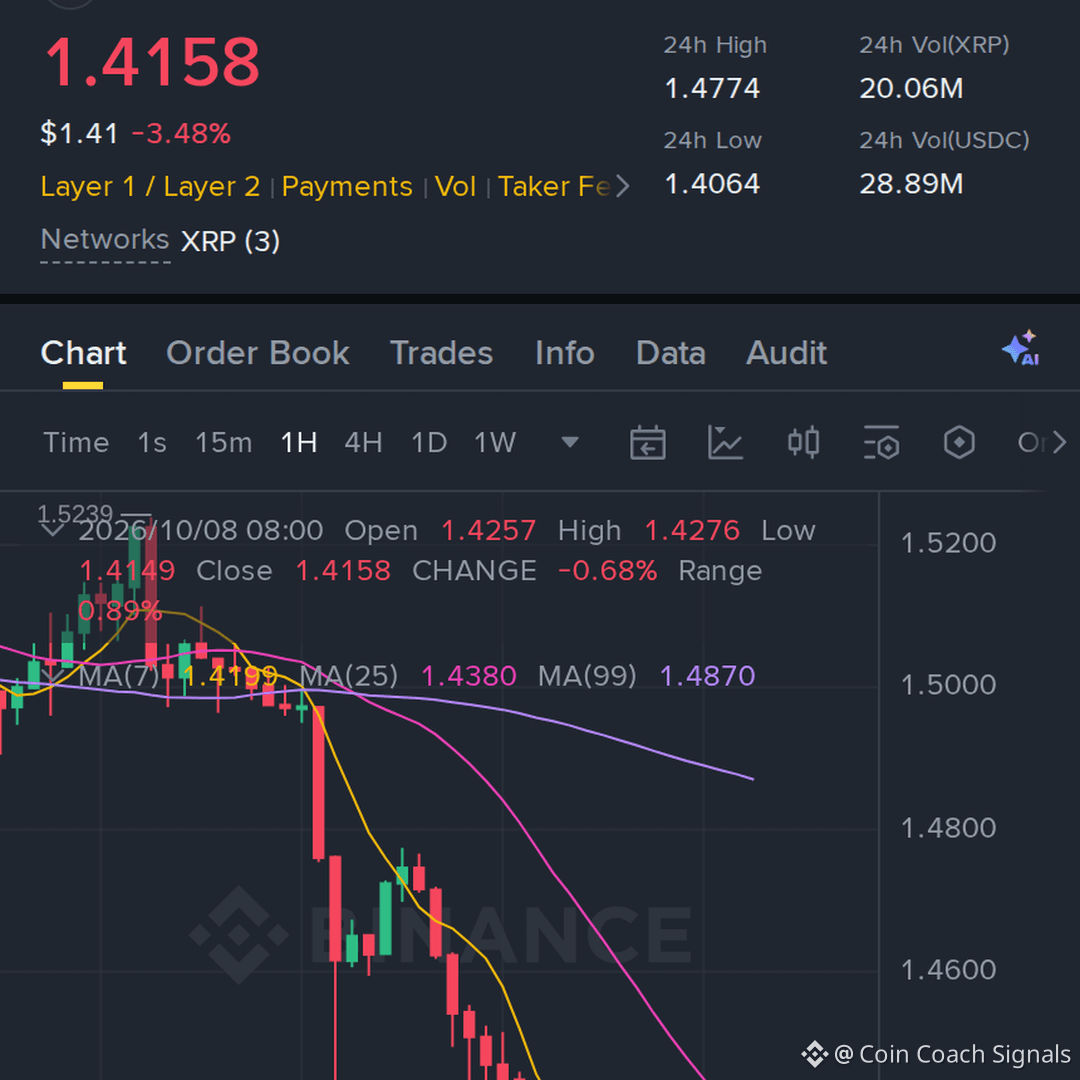
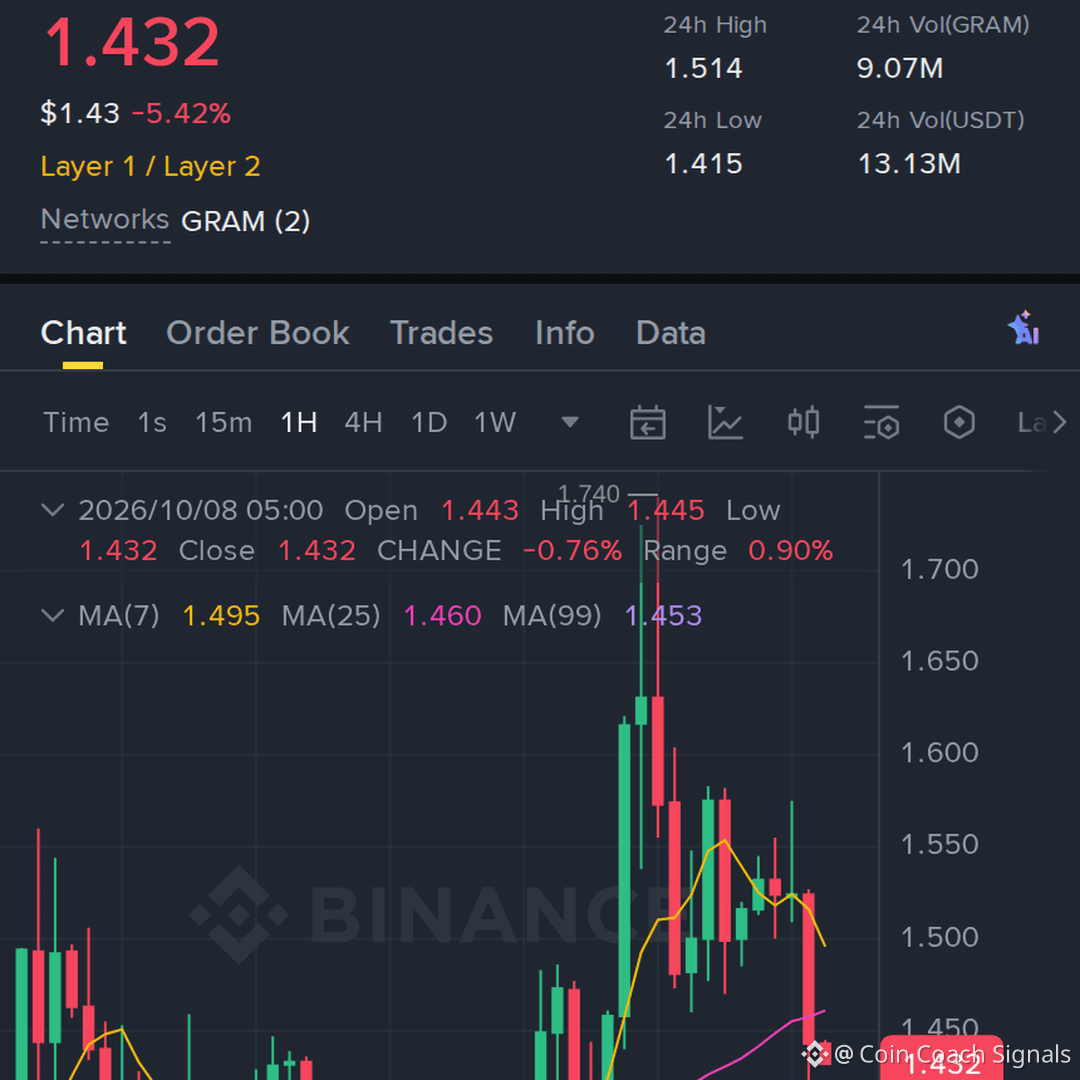
just noticed this, $XRP keeps rejecting the same area, so the short side is worth watching, so 35x feels reasonable here
Entry: 1.4153–1.4184 | TP1: 1.3772 / TP2: 1.339 / TP3: 1.2999 | Stop Loss: 1.4437
#XRP #Binance #Write2Earn #Crypto
just noticed this, $XRP keeps rejecting the same area, so the short side is worth watching, so 35x feels reasonable here
Entry: 1.4153–1.4184 | TP1: 1.3772 / TP2: 1.339 / TP3: 1.2999 | Stop Loss: 1.4437
#XRP #Binance #Write2Earn #Crypto
Entry: 1.4153–1.4184 | TP1: 1.3772 / TP2: 1.339 / TP3: 1.2999 | Stop Loss: 1.4437
#XRP #Binance #Write2Earn #Crypto
10
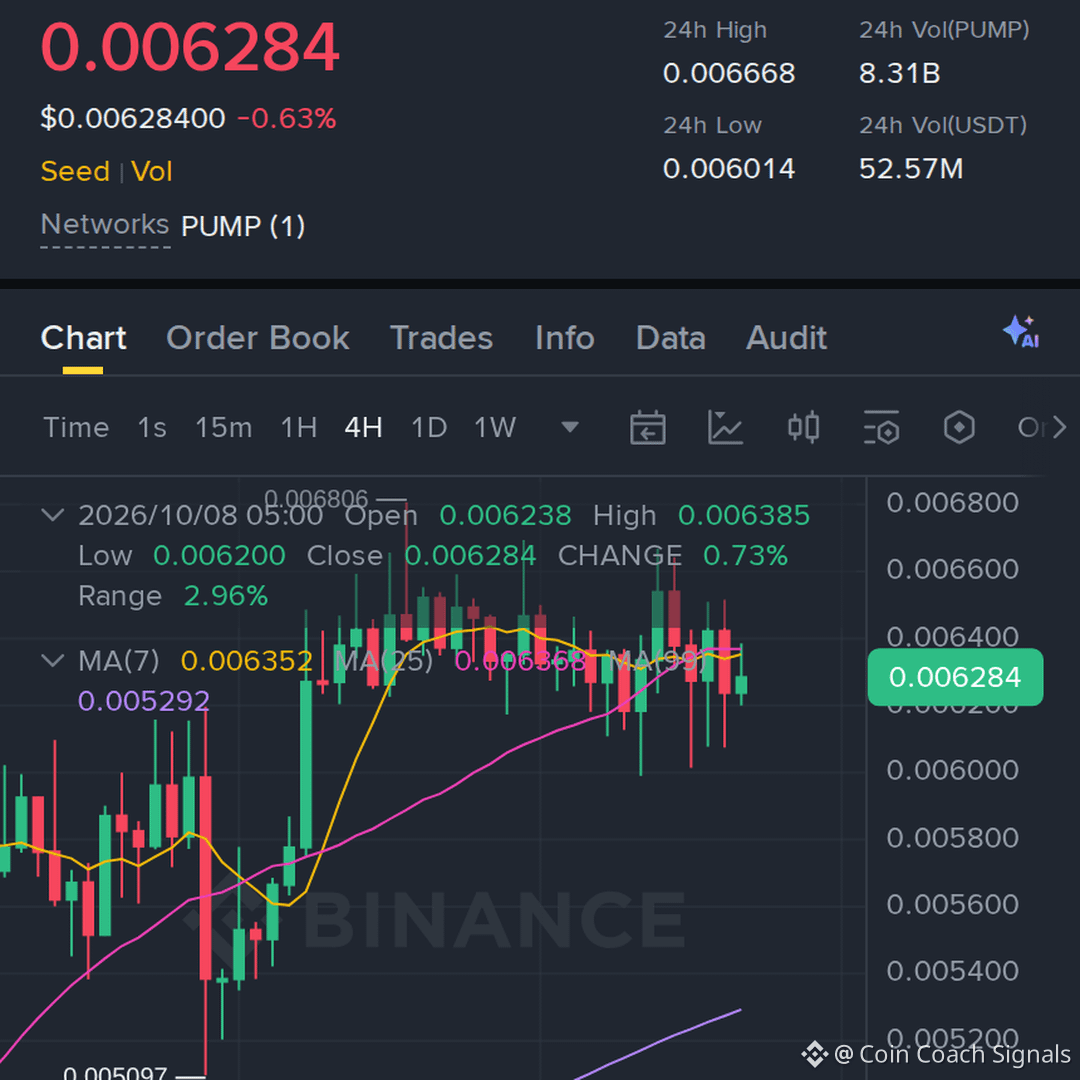
Acabei de notar isso, $ETH parece estar perdendo força neste nível e os vendedores estão voltando, então 20x parece razoável aqui
Entrada: 2565.17–2574.63 | TP1: 2441.41 / TP2: 2325.76 / TP3: 2210.11 | Stop Loss: 2731.93
#ETH #Crypto #Write2Earn #binance
Acabei de notar isso, $ETH parece estar perdendo força neste nível e os vendedores estão voltando, então 20x parece razoável aqui
Entrada: 2565.17–2574.63 | TP1: 2441.41 / TP2: 2325.76 / TP3: 2210.11 | Stop Loss: 2731.93
#ETH #Crypto #Write2Earn #binance
Entrada: 2565.17–2574.63 | TP1: 2441.41 / TP2: 2325.76 / TP3: 2210.11 | Stop Loss: 2731.93
#ETH #Crypto #Write2Earn #binance
38
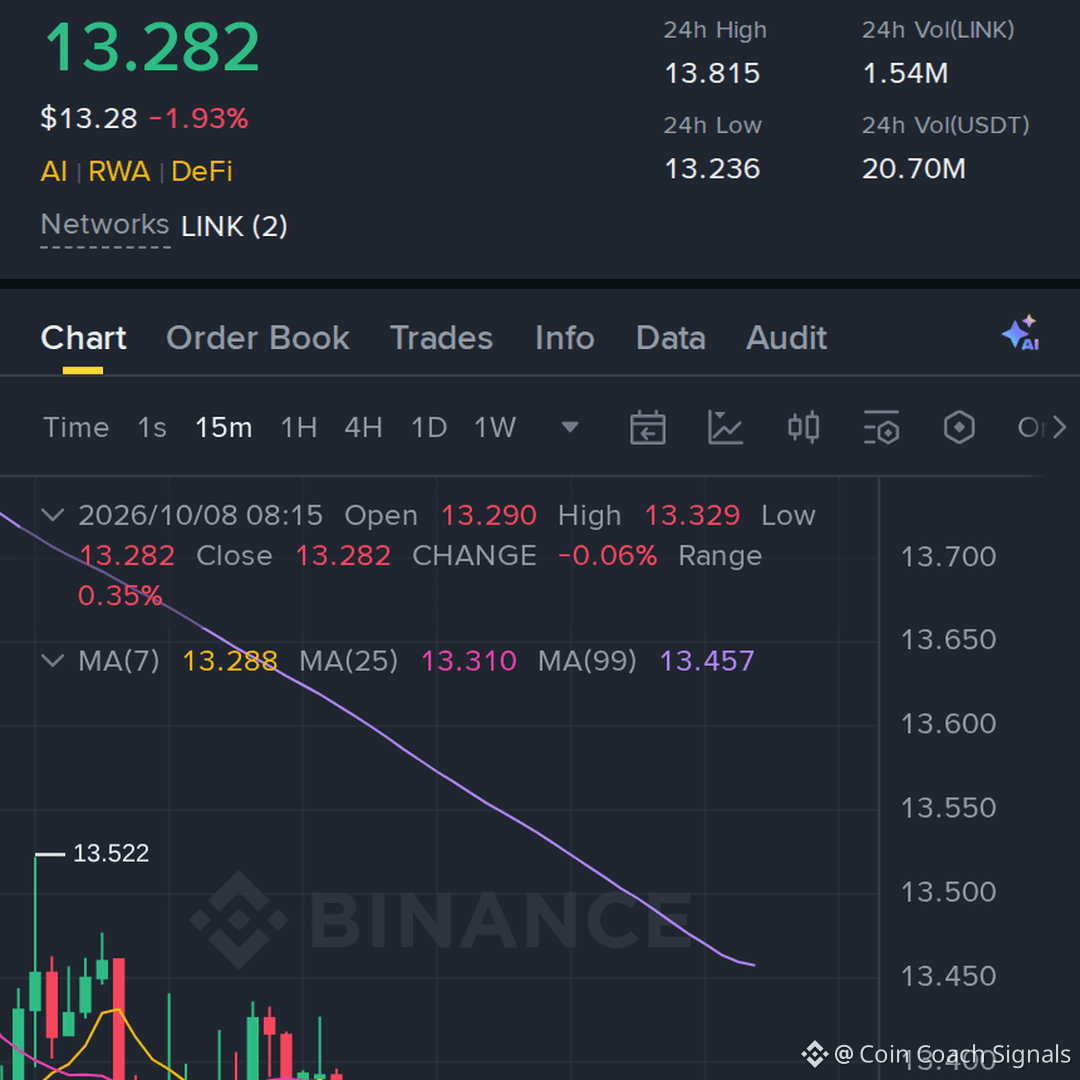
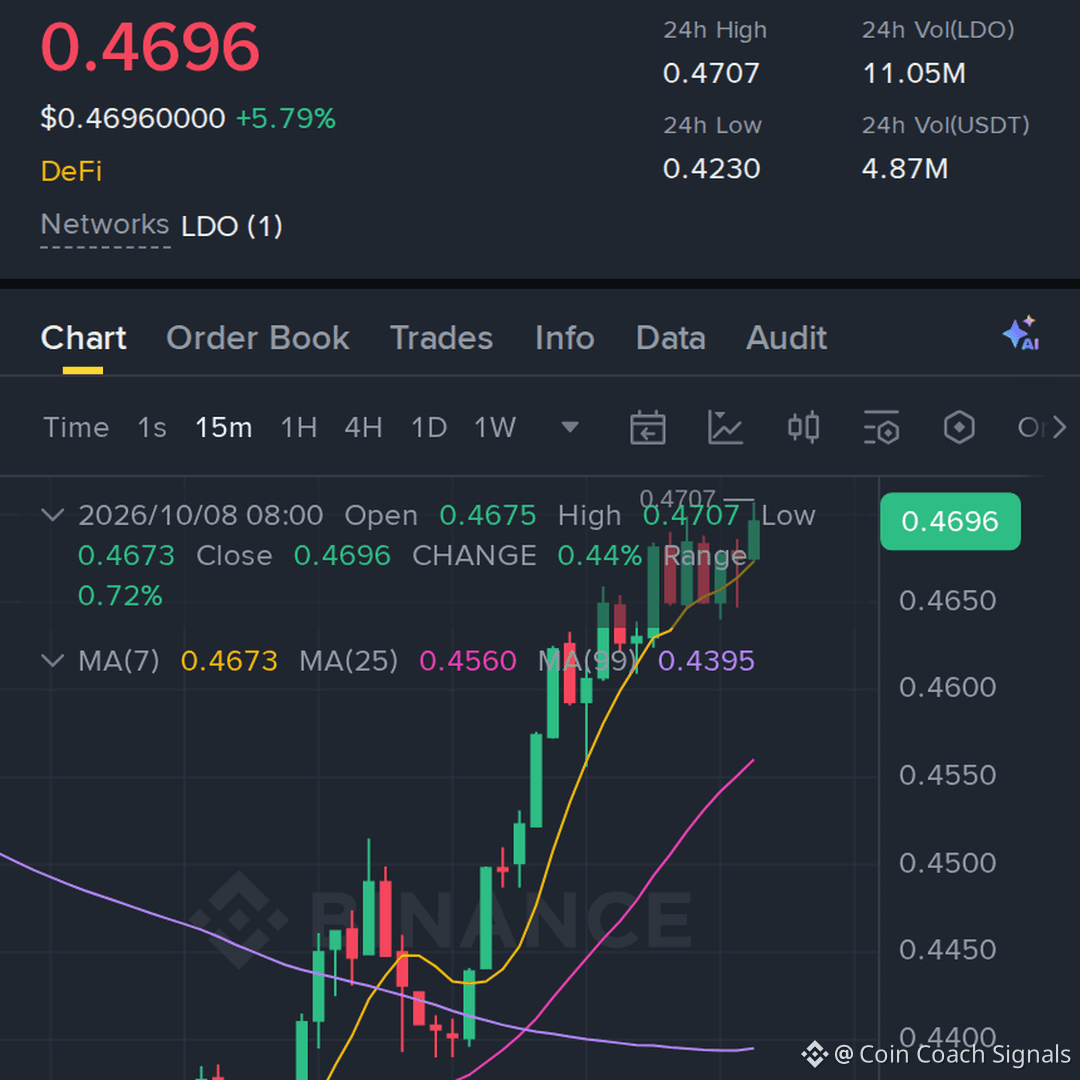
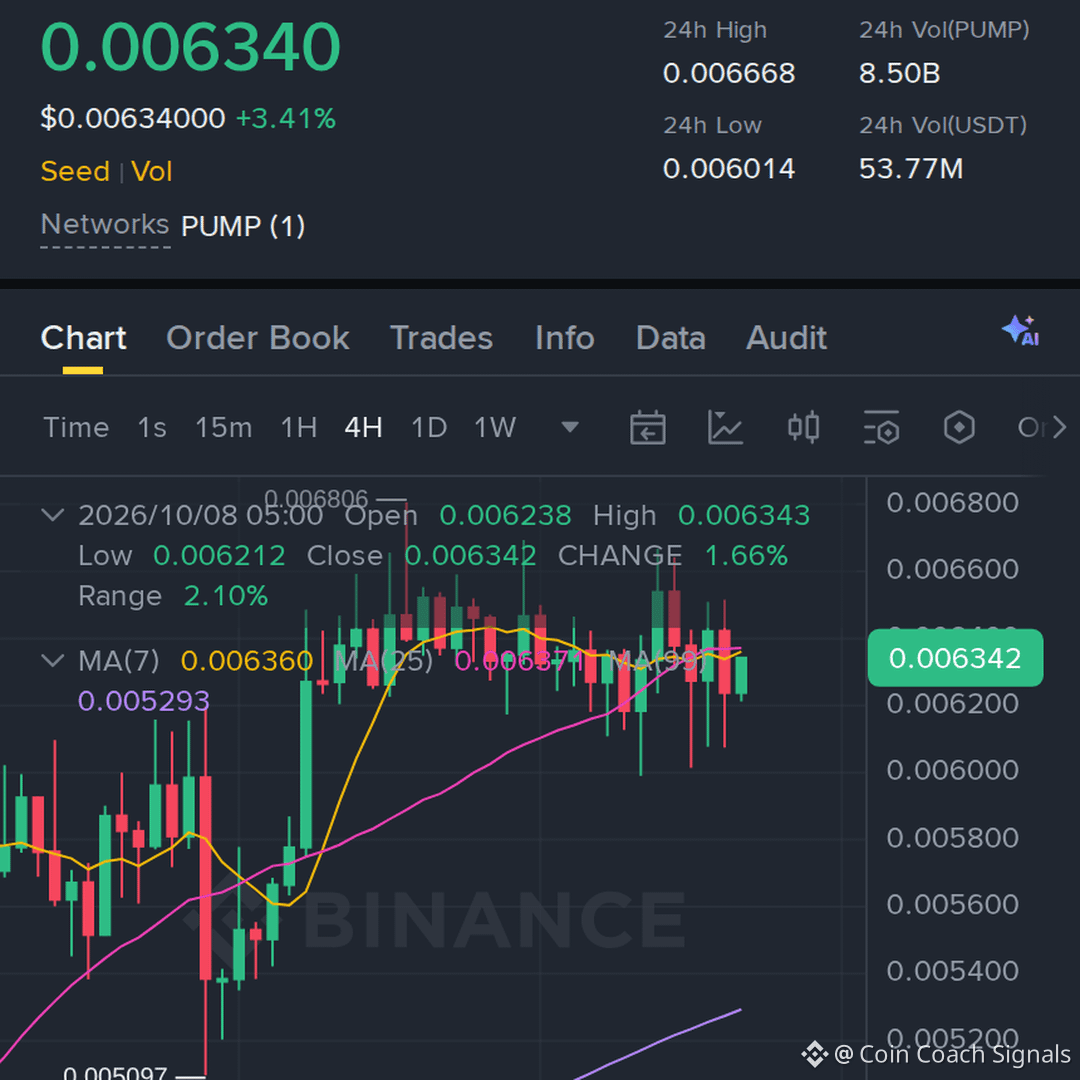
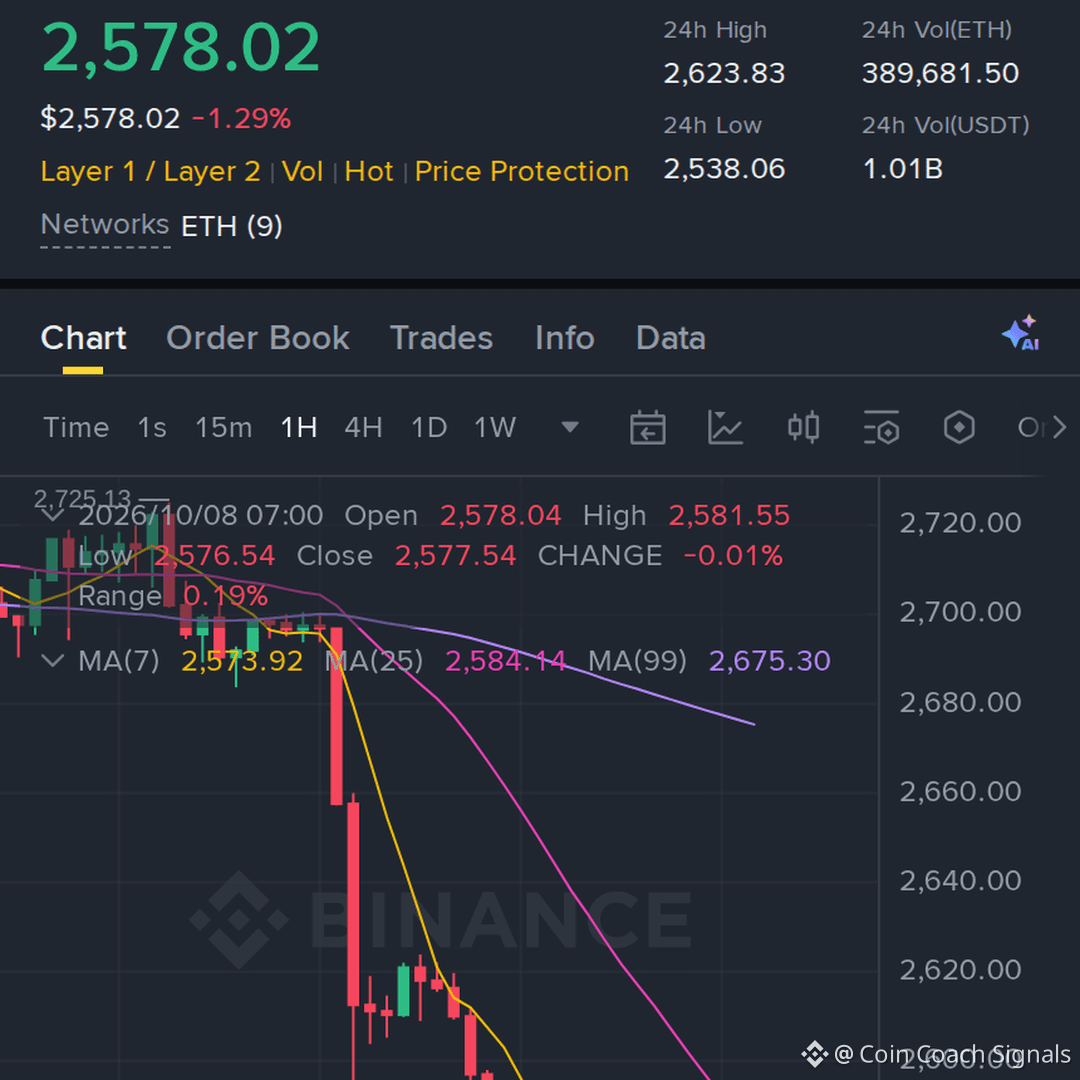
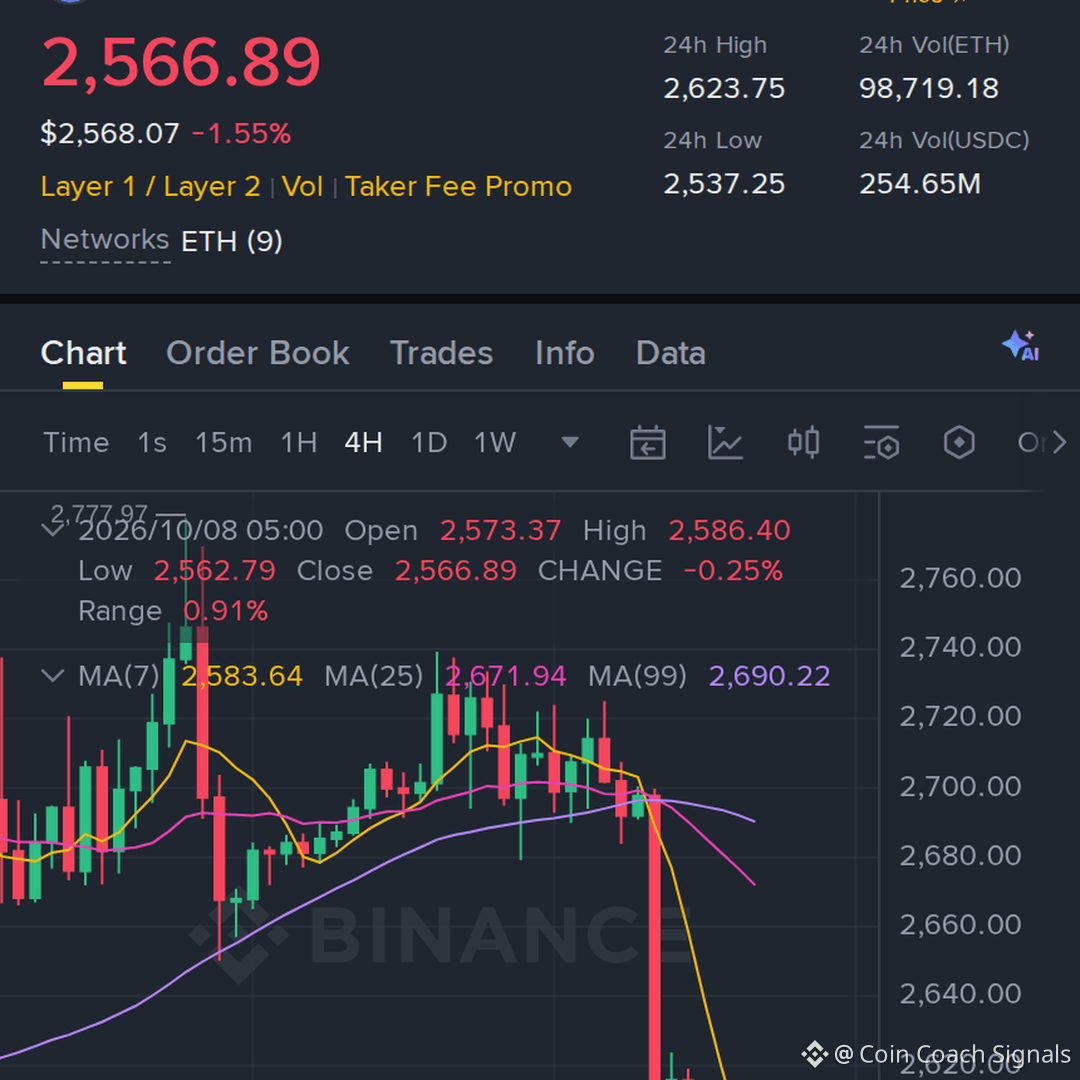
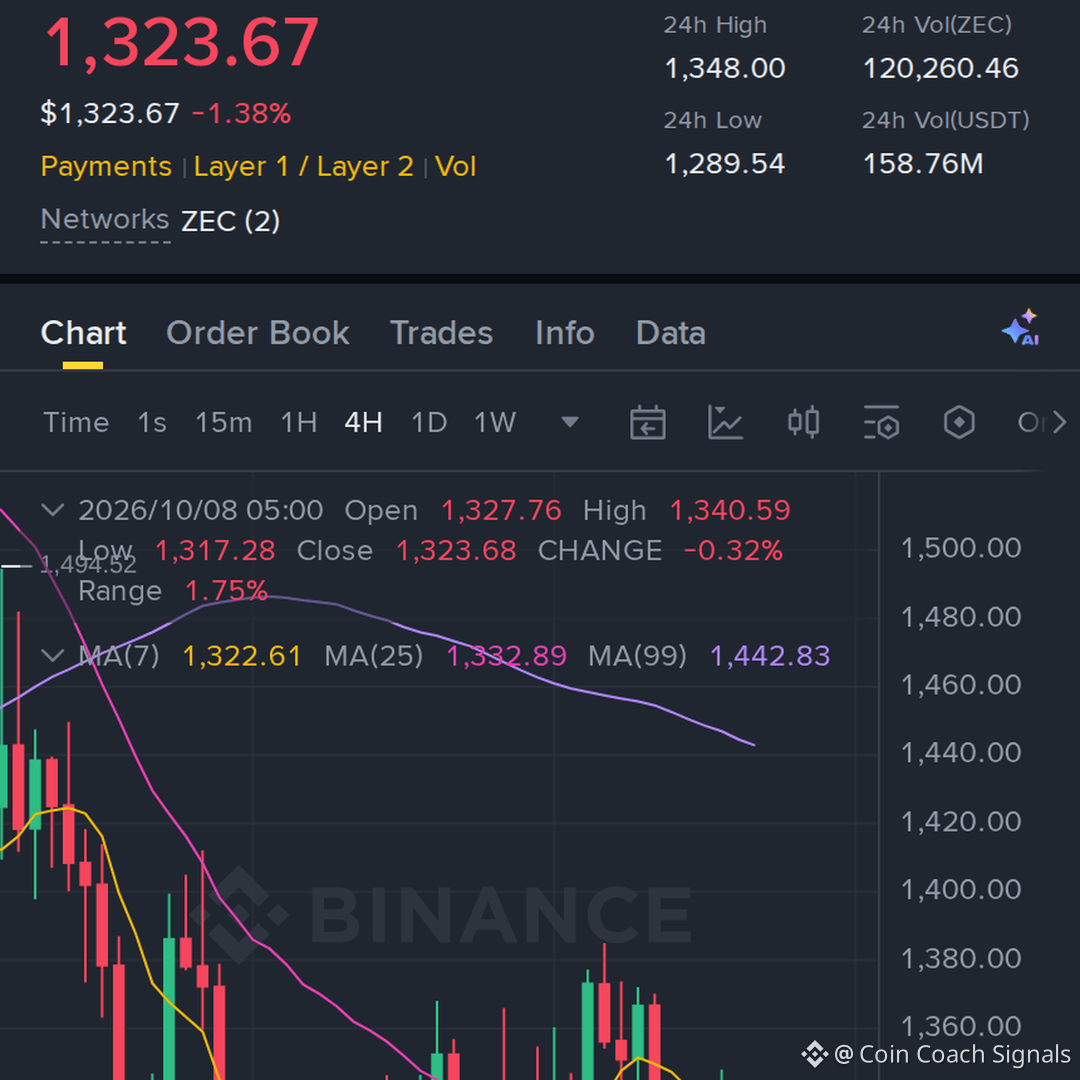
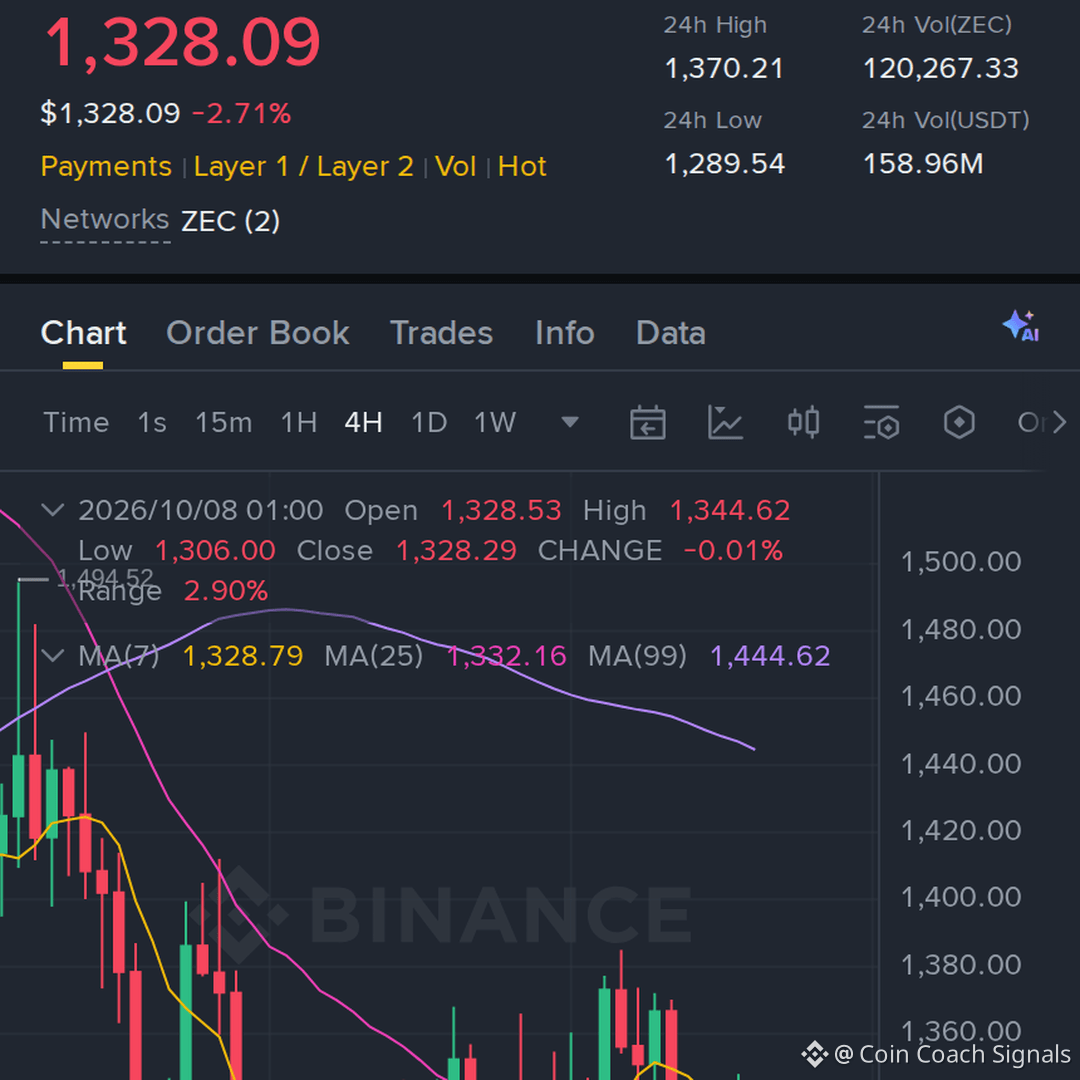
certo, $ZEC bateu na resistência e os vendedores apareceram novamente, com este em torno de 44x
Entrada: 1321.82–1332.94
TP1: 1261.01 | TP2: 1201.28 | TP3: 1141.54
Stop loss: 1393.16
#ZEC #Write2Earn #binance #crypto
certo, $ZEC bateu na resistência e os vendedores apareceram novamente, com este em torno de 44x
Entrada: 1321.82–1332.94
TP1: 1261.01 | TP2: 1201.28 | TP3: 1141.54
Stop loss: 1393.16
#ZEC #Write2Earn #binance #crypto
Entrada: 1321.82–1332.94
TP1: 1261.01 | TP2: 1201.28 | TP3: 1141.54
Stop loss: 1393.16
#ZEC #Write2Earn #binance #crypto
48
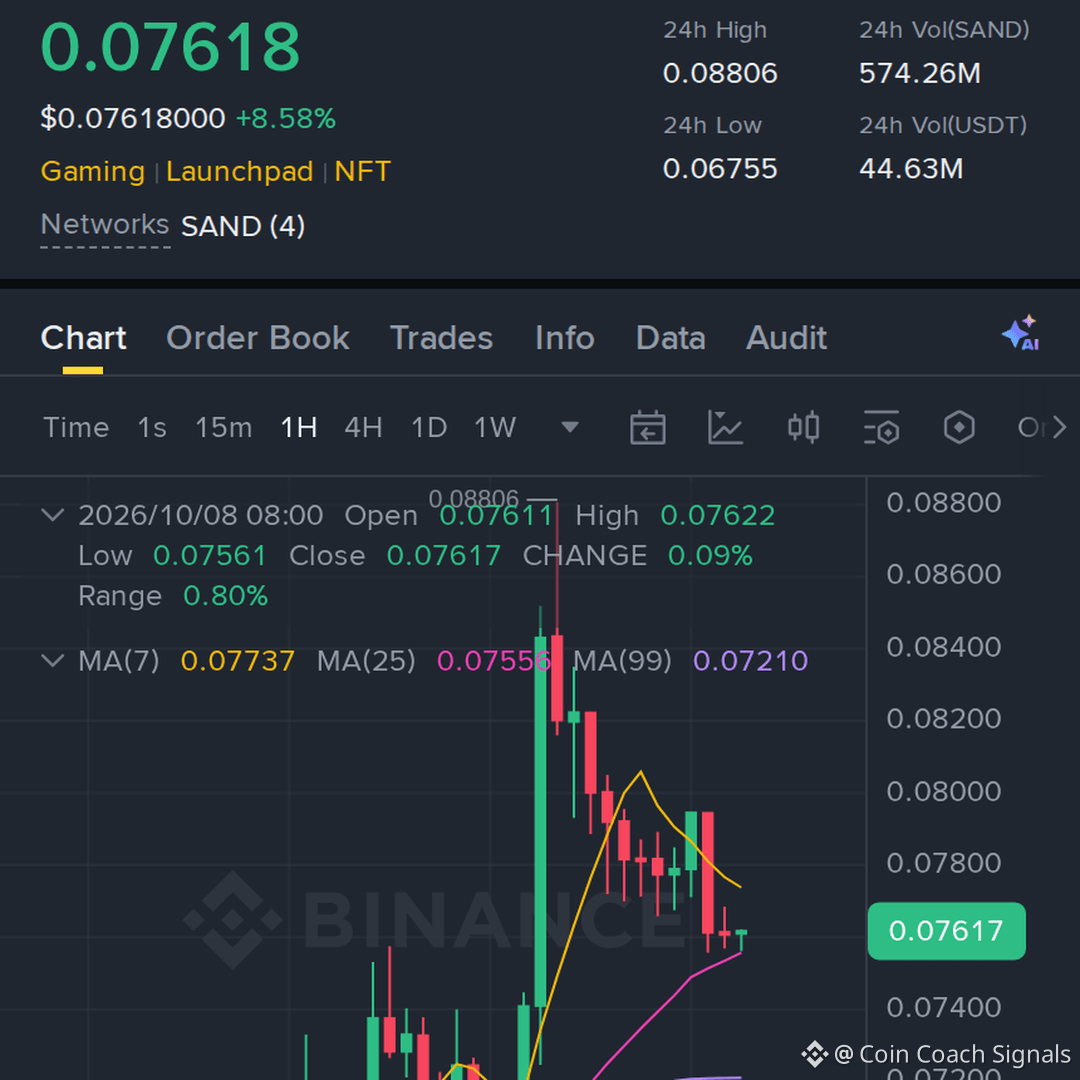
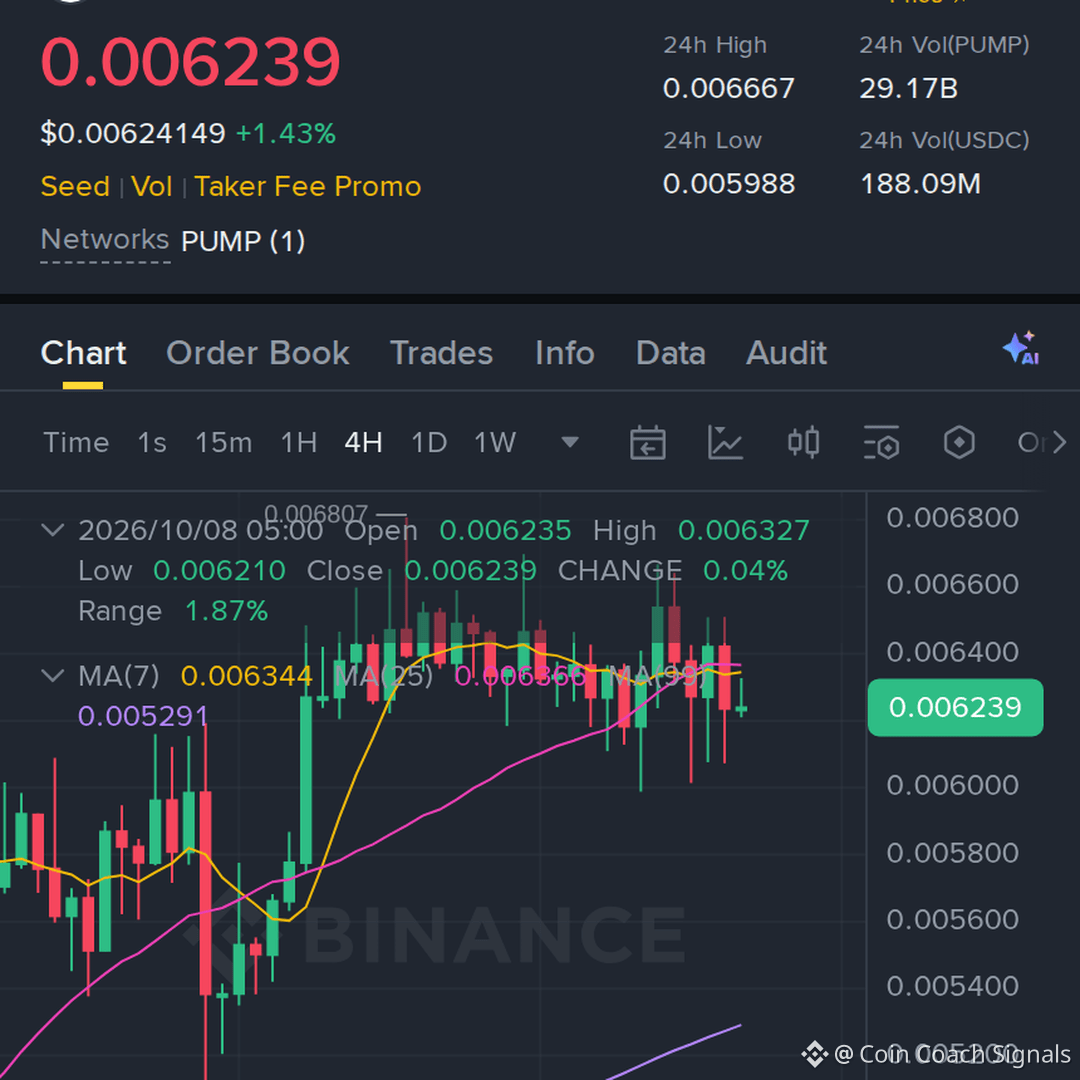
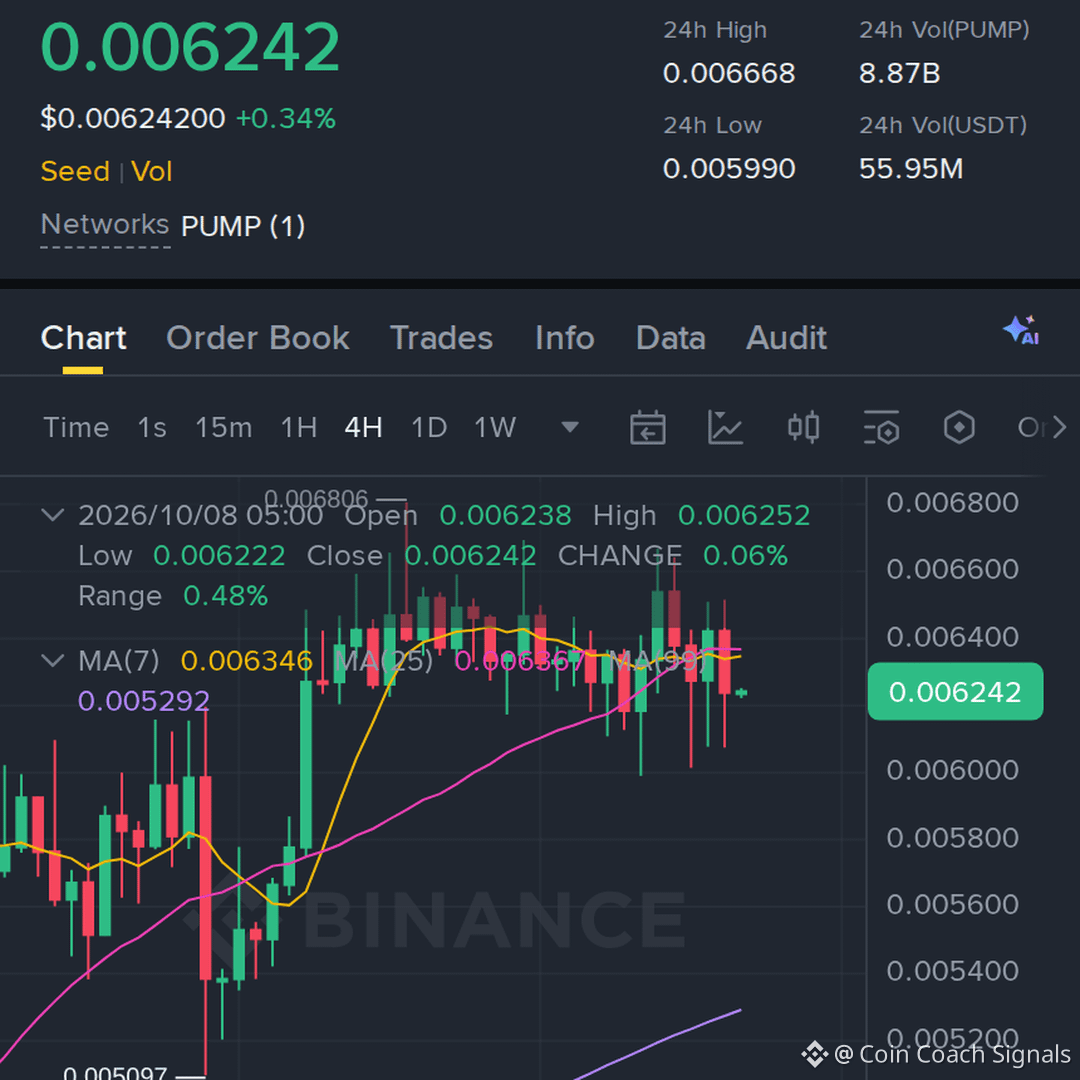
De olho por aqui, $PUMP está segurando a queda melhor do que o esperado, mantendo a configuração em torno de 48x
Entrada: 0.006166–0.00626 | Stop Loss: 0.005919
TP1: 0.006523 / TP2: 0.006803 / TP3: 0.007083
#PUMP #Binance #Write2Earn #crypto
De olho por aqui, $PUMP está segurando a queda melhor do que o esperado, mantendo a configuração em torno de 48x
Entrada: 0.006166–0.00626 | Stop Loss: 0.005919
TP1: 0.006523 / TP2: 0.006803 / TP3: 0.007083
#PUMP #Binance #Write2Earn #crypto
Entrada: 0.006166–0.00626 | Stop Loss: 0.005919
TP1: 0.006523 / TP2: 0.006803 / TP3: 0.007083
#PUMP #Binance #Write2Earn #crypto
1
159
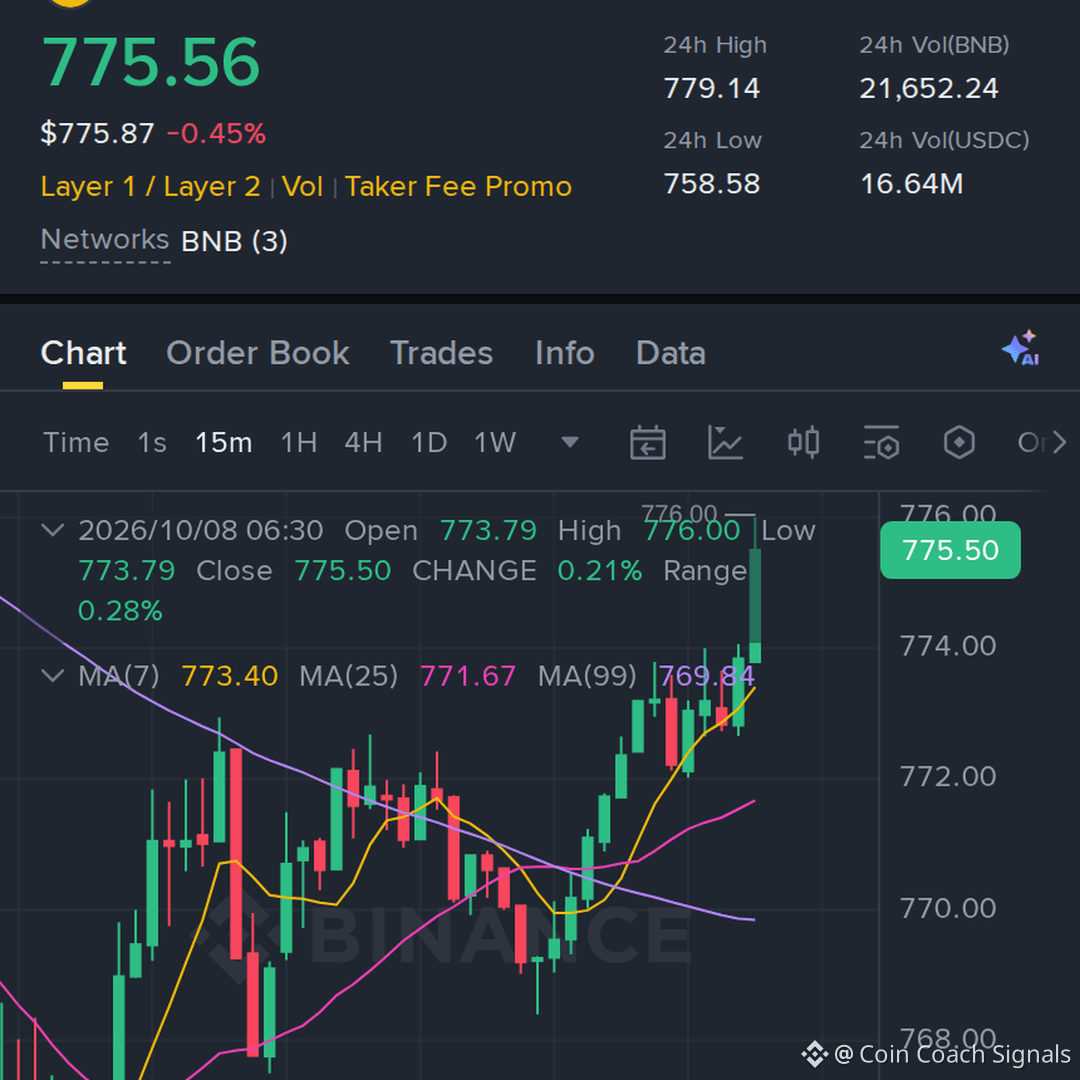
Acabei de notar isto, $BNB acabou de romper o nível e os compradores continuam a sustentá-lo, com este aqui por volta de 22x
Entrada: 775.24–775.62 | Stop-loss: 763.02
TP1: 793.74 / TP2: 811.44 / TP3: 829.48
#BNB #Binance #Write2Earn #crypto
Acabei de notar isto, $BNB acabou de romper o nível e os compradores continuam a sustentá-lo, com este aqui por volta de 22x
Entrada: 775.24–775.62 | Stop-loss: 763.02
TP1: 793.74 / TP2: 811.44 / TP3: 829.48
#BNB #Binance #Write2Earn #crypto
Entrada: 775.24–775.62 | Stop-loss: 763.02
TP1: 793.74 / TP2: 811.44 / TP3: 829.48
#BNB #Binance #Write2Earn #crypto
1
115
Ver tradução
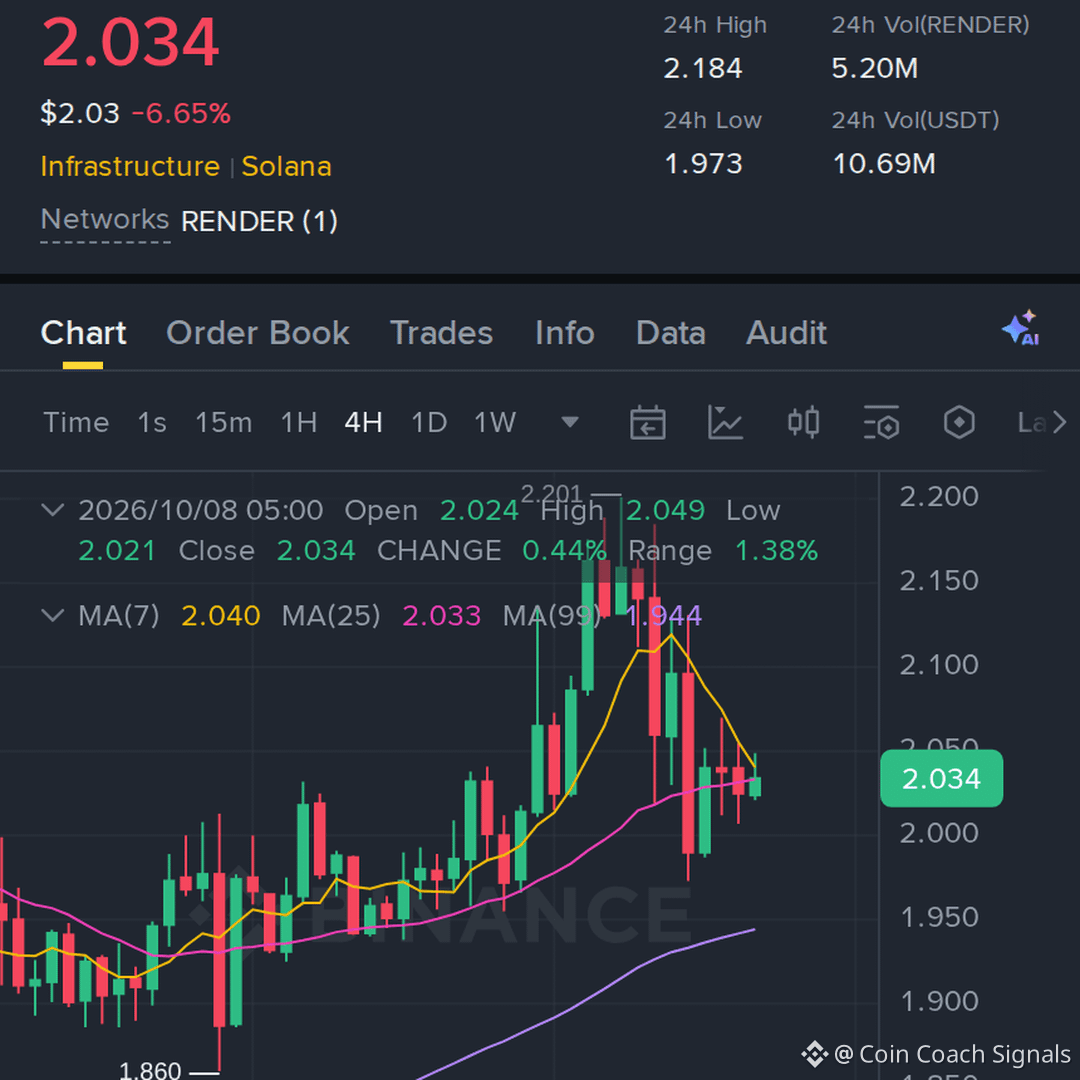
this one caught my eye, $RENDER gave a controlled pullback and the trend is trying to continue, so 20x feels reasonable here
Entry: 2.017–2.039 | Stop Loss: 1.957
TP1: 2.129 / TP2: 2.22 / TP3: 2.312
#RENDER #Binance #Write2Earn #Crypto
this one caught my eye, $RENDER gave a controlled pullback and the trend is trying to continue, so 20x feels reasonable here
Entry: 2.017–2.039 | Stop Loss: 1.957
TP1: 2.129 / TP2: 2.22 / TP3: 2.312
#RENDER #Binance #Write2Earn #Crypto
Entry: 2.017–2.039 | Stop Loss: 1.957
TP1: 2.129 / TP2: 2.22 / TP3: 2.312
#RENDER #Binance #Write2Earn #Crypto
176
Inicia sessão para explorar mais conteúdos
Junta-te a utilizadores de criptomoedas de todo o mundo na Binance Square
⚡️ Obtém informações úteis e recentes sobre criptomoedas.
💬 Com a confiança da maior exchange de criptomoedas do mundo.
👍 Descobre perspetivas reais de criadores verificados.
E-mail/Número de telefone
Tópicos em Tendência
FedMinutesFocusOnOctoberPause
277,921 visualizações
1,703 a discutir
🚨 ALERTA MÁXIMO ‼️ POR FAVOR, NÃO NEGOCIE ÀS CEGAS NA PRÓXIMA HORA 🚨
Pessoal, teremos a divulgação da ata do FOMC em menos de 1 hora.
E, depois da volatilidade que já vimos hoje, realmente não quero que ninguém abra posições aleatórias com alta alavancagem pouco antes dessa divulgação.
As maiores reações que estou acompanhando serão no ouro (XAU), na prata (XAG), no BTC e no ETH. Depois, moedas como SOL e outras altcoins de capitalização média/baixa com alta alavancagem podem amplificar qualquer movimento do BTC.
O ouro e a prata estão especialmente sensíveis esta noite, porque o mercado já está reagindo ao dólar americano e aos rendimentos dos títulos do Tesouro, e os dois metais vêm sofrendo forte pressão antes da ata do Fed.
Resumindo:
📉 Ata do Fed mais hawkish → dólar/rendimentos podem subir → pressão sobre BTC, cripto, ouro e prata
📈 Ata do Fed mais dovish → dólar/rendimentos podem recuar → BTC, ouro, prata e ativos de risco podem disparar.
E, por favor, lembrem-se: o primeiro candle pode ser uma armadilha. Podemos ver uma alta, uma queda imediata, liquidações dos dois lados e, depois, a direção real.
Por enquanto, protejam suas posições, reduzam a alavancagem desnecessária e não entrem por FOMO no primeiro movimento.
Esta noite, vou acompanhar primeiro $XAU , $XAG e $BTC . Eles vão nos mostrar rapidamente como o mercado está interpretando o Fed.
Vou atualizar vocês na hora
Sigam @Panda Traders e ativem as notificações agora mesmo
#FedMinutesFocusOnOctoberPause
Panda Traders
·20 gostos
·4.8k visualizações
IMFGrantsWaiverForElSalvadorBitcoinBreach
892 visualizações
55 a discutir
BinanceLaunchesBinanceIntelligence
1.2M visualizações
6,840 a discutir