
#whybinance
whybinance
612 visualizações
23 a discutir
Popular
Mais recente

·
--
Ver tradução
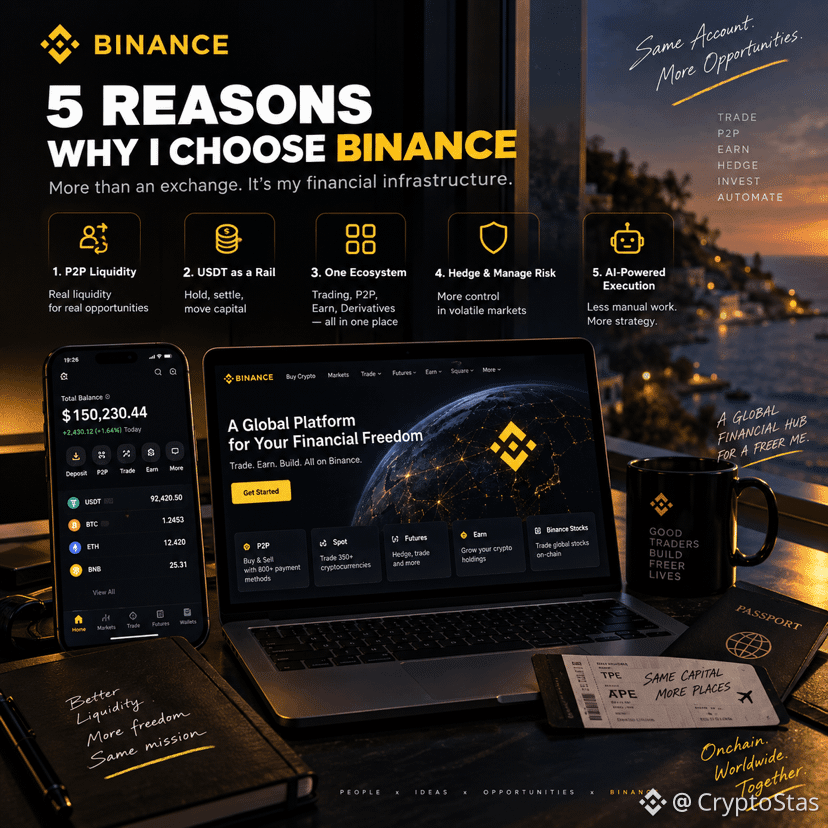
📣 5 Reasons Why I Choose Binance
After spending years around crypto P2P, I stopped looking at an exchange as just a place to trade.
For me, Binance is infrastructure.
I use it as part of my daily workflow — liquidity, USDT, P2P, risk management and moving capital where it needs to go.
Here are 5 reasons why I choose Binance 👇
1️⃣ P2P is where liquidity becomes real
In P2P, you don’t just need an asset.
You need liquidity at the right moment.
When you’re working with multiple transactions, counterparties and payment rails, having access to a deep marketplace makes a real difference.
For me, Binance P2P is not just a feature I occasionally open.
It’s part of the infrastructure I use when working with crypto.
2️⃣ USDT is my financial rail
In my P2P workflow, USDT is much more than a trading pair.
It is a way to hold liquidity, settle transactions and move capital between different operations.
Instead of constantly converting everything back into fiat, I can keep part of my working capital in a digital form that is native to the ecosystem I’m operating in.
That saves time — and in P2P, time is money.
3️⃣ One ecosystem makes P2P operations simpler
When you’re doing P2P seriously, fragmentation becomes expensive.
One app for liquidity.
Another for trading.
Another for hedging.
Another for moving funds.
I prefer having as much as possible under one roof.
Spot, P2P, derivatives, Earn and other tools being connected to the same account means fewer unnecessary transfers and fewer points of operational friction.
4️⃣ Hedging instead of blindly taking risk
P2P inventory can create exposure.
Sometimes I don’t want to completely close a position just because market conditions changed.
Derivatives can give me another option: hedge part of the exposure while keeping the underlying position.
For me, that’s a risk-management tool first — not simply a betting interface.
#WhyBinance
@Binance_Angels
#BinanceAngles
📣 5 Reasons Why I Choose Binance
After spending years around crypto P2P, I stopped looking at an exchange as just a place to trade.
For me, Binance is infrastructure.
I use it as part of my daily workflow — liquidity, USDT, P2P, risk management and moving capital where it needs to go.
Here are 5 reasons why I choose Binance 👇
1️⃣ P2P is where liquidity becomes real
In P2P, you don’t just need an asset.
You need liquidity at the right moment.
When you’re working with multiple transactions, counterparties and payment rails, having access to a deep marketplace makes a real difference.
For me, Binance P2P is not just a feature I occasionally open.
It’s part of the infrastructure I use when working with crypto.
2️⃣ USDT is my financial rail
In my P2P workflow, USDT is much more than a trading pair.
It is a way to hold liquidity, settle transactions and move capital between different operations.
Instead of constantly converting everything back into fiat, I can keep part of my working capital in a digital form that is native to the ecosystem I’m operating in.
That saves time — and in P2P, time is money.
3️⃣ One ecosystem makes P2P operations simpler
When you’re doing P2P seriously, fragmentation becomes expensive.
One app for liquidity.
Another for trading.
Another for hedging.
Another for moving funds.
I prefer having as much as possible under one roof.
Spot, P2P, derivatives, Earn and other tools being connected to the same account means fewer unnecessary transfers and fewer points of operational friction.
4️⃣ Hedging instead of blindly taking risk
P2P inventory can create exposure.
Sometimes I don’t want to completely close a position just because market conditions changed.
Derivatives can give me another option: hedge part of the exposure while keeping the underlying position.
For me, that’s a risk-management tool first — not simply a betting interface.
#WhyBinance
@Binance Angels
#BinanceAngles
After spending years around crypto P2P, I stopped looking at an exchange as just a place to trade.
For me, Binance is infrastructure.
I use it as part of my daily workflow — liquidity, USDT, P2P, risk management and moving capital where it needs to go.
Here are 5 reasons why I choose Binance 👇
1️⃣ P2P is where liquidity becomes real
In P2P, you don’t just need an asset.
You need liquidity at the right moment.
When you’re working with multiple transactions, counterparties and payment rails, having access to a deep marketplace makes a real difference.
For me, Binance P2P is not just a feature I occasionally open.
It’s part of the infrastructure I use when working with crypto.
2️⃣ USDT is my financial rail
In my P2P workflow, USDT is much more than a trading pair.
It is a way to hold liquidity, settle transactions and move capital between different operations.
Instead of constantly converting everything back into fiat, I can keep part of my working capital in a digital form that is native to the ecosystem I’m operating in.
That saves time — and in P2P, time is money.
3️⃣ One ecosystem makes P2P operations simpler
When you’re doing P2P seriously, fragmentation becomes expensive.
One app for liquidity.
Another for trading.
Another for hedging.
Another for moving funds.
I prefer having as much as possible under one roof.
Spot, P2P, derivatives, Earn and other tools being connected to the same account means fewer unnecessary transfers and fewer points of operational friction.
4️⃣ Hedging instead of blindly taking risk
P2P inventory can create exposure.
Sometimes I don’t want to completely close a position just because market conditions changed.
Derivatives can give me another option: hedge part of the exposure while keeping the underlying position.
For me, that’s a risk-management tool first — not simply a betting interface.
#WhyBinance
@Binance Angels
#BinanceAngles
1
73
Verificado
Artigo
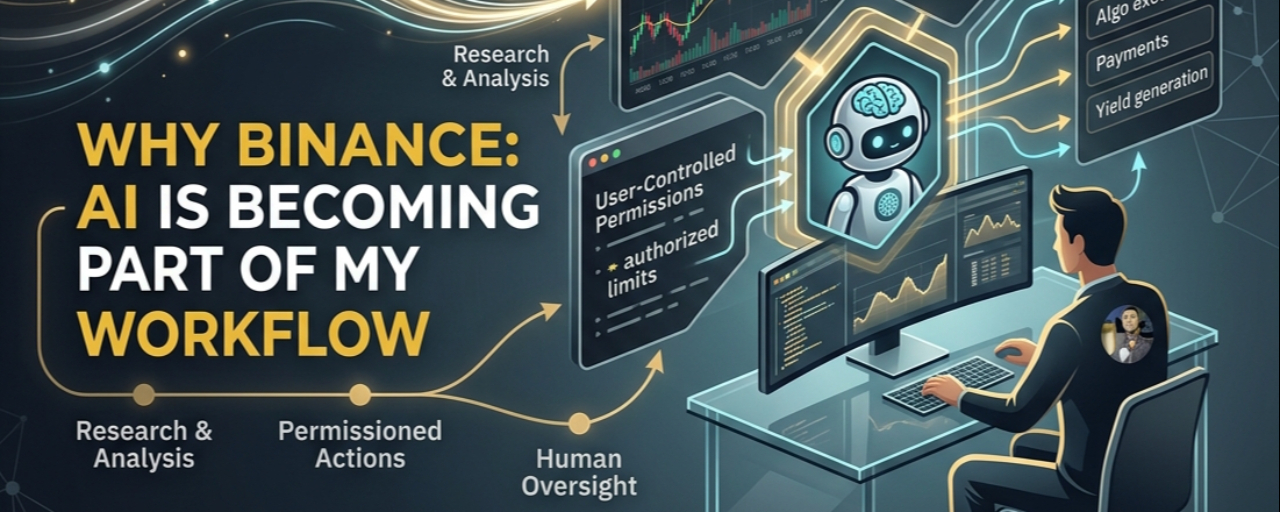
Por que a Binance: A IA está se tornando parte do meu fluxo de trabalho em criptoHá alguns anos, quando as pessoas falavam sobre IA e cripto juntas, a maioria das conversas era sobre gerar sinais de negociação.
“Diga-me quando o Bitcoin vai disparar.”
“Preveja o próximo altcoin.”
“Me dê os próximos 100x.”
Esse não é o futuro da IA que mais me interessa.
Estou mais interessado(a) em algo muito mais prático:
O que acontece quando a IA consegue realmente interagir com a infraestrutura financeira?
Essa é uma das razões pelas quais o desenvolvimento da Binance em torno de IA e Agent OS chamou minha atenção.
1. Eu já uso IA para pesquisa
Por que a Binance: A IA está se tornando parte do meu fluxo de trabalho em cripto
Há alguns anos, quando as pessoas falavam sobre IA e cripto juntas, a maioria das conversas era sobre gerar sinais de negociação.
“Diga-me quando o Bitcoin vai disparar.”
“Preveja o próximo altcoin.”
“Me dê os próximos 100x.”
Esse não é o futuro da IA que mais me interessa.
Estou mais interessado(a) em algo muito mais prático:
O que acontece quando a IA consegue realmente interagir com a infraestrutura financeira?
Essa é uma das razões pelas quais o desenvolvimento da Binance em torno de IA e Agent OS chamou minha atenção.
1. Eu já uso IA para pesquisa
“Diga-me quando o Bitcoin vai disparar.”
“Preveja o próximo altcoin.”
“Me dê os próximos 100x.”
Esse não é o futuro da IA que mais me interessa.
Estou mais interessado(a) em algo muito mais prático:
O que acontece quando a IA consegue realmente interagir com a infraestrutura financeira?
Essa é uma das razões pelas quais o desenvolvimento da Binance em torno de IA e Agent OS chamou minha atenção.
1. Eu já uso IA para pesquisa
1
37
Verificado
Artigo
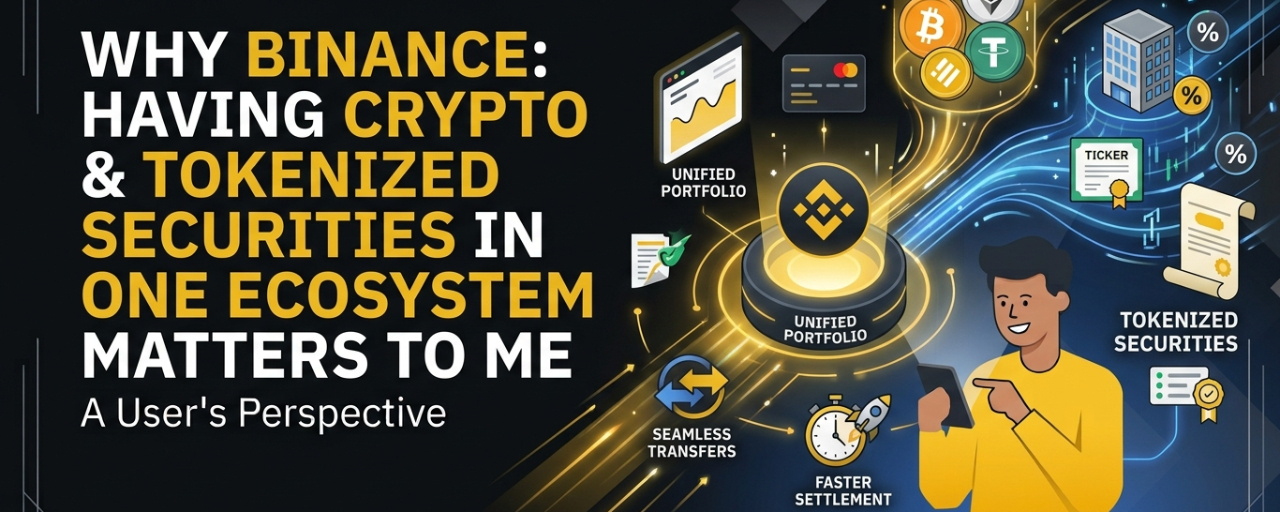
Por que a Binance: Ter Cripto & Valores Mobiliários Tokenizados no Mesmo Ecossistema Importa para MimUma das coisas que sempre me atraiu no cripto é o acesso.
Não apenas acesso ao Bitcoin.
Acesso a mercados, ferramentas financeiras, novas formas de propriedade e novas maneiras de movimentar valor. Por isso, o desenvolvimento de valores mobiliários tokenizados na Binance chamou minha atenção.
Porque, de repente, a conversa não é apenas:
“Posso negociar cripto?”
Está se tornando:
“Quantos tipos diferentes de ativos financeiros posso acessar por meio da mesma infraestrutura digital?”
1. Eu não quero que meu mundo financeiro fique espalhado por todo lugar
Por que a Binance: Ter Cripto & Valores Mobiliários Tokenizados no Mesmo Ecossistema Importa para Mim
Uma das coisas que sempre me atraiu no cripto é o acesso.
Não apenas acesso ao Bitcoin.
Acesso a mercados, ferramentas financeiras, novas formas de propriedade e novas maneiras de movimentar valor. Por isso, o desenvolvimento de valores mobiliários tokenizados na Binance chamou minha atenção.
Porque, de repente, a conversa não é apenas:
“Posso negociar cripto?”
Está se tornando:
“Quantos tipos diferentes de ativos financeiros posso acessar por meio da mesma infraestrutura digital?”
1. Eu não quero que meu mundo financeiro fique espalhado por todo lugar
Não apenas acesso ao Bitcoin.
Acesso a mercados, ferramentas financeiras, novas formas de propriedade e novas maneiras de movimentar valor. Por isso, o desenvolvimento de valores mobiliários tokenizados na Binance chamou minha atenção.
Porque, de repente, a conversa não é apenas:
“Posso negociar cripto?”
Está se tornando:
“Quantos tipos diferentes de ativos financeiros posso acessar por meio da mesma infraestrutura digital?”
1. Eu não quero que meu mundo financeiro fique espalhado por todo lugar
1
69
Artigo
Ver tradução
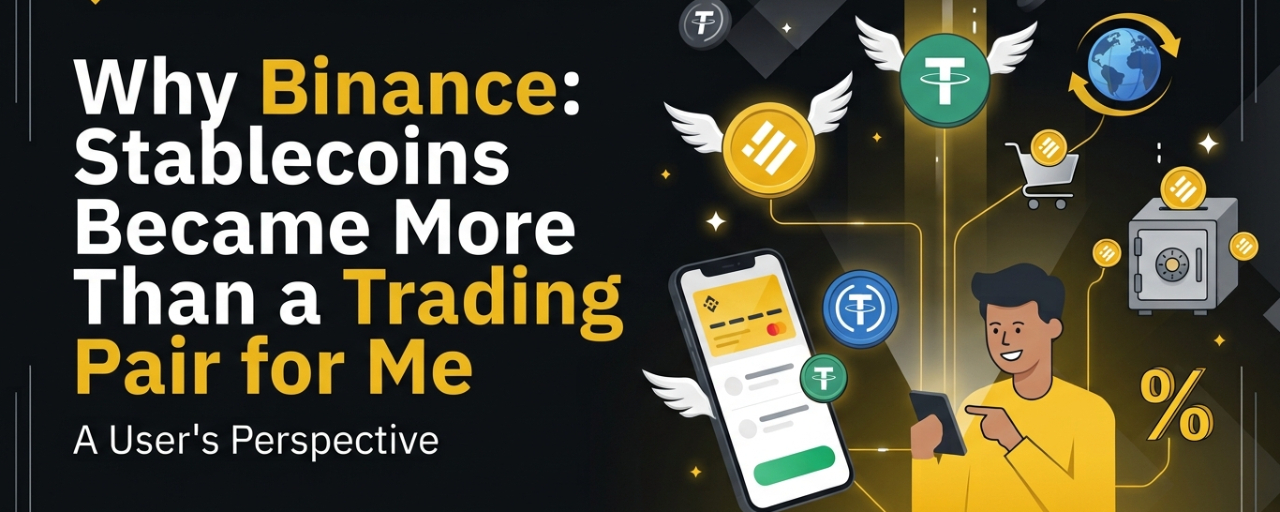
Why Binance: Stablecoins Became More Than a Trading Pair for MeWhen I first got into crypto, I mostly thought about stablecoins as something sitting between two trades.
Buy Bitcoin → move into USDT → wait → enter another position.
Over time, that changed.
For me, stablecoins became much more interesting when I stopped looking at them only as a crypto market instrument and started looking at them as a digital value rail.
That distinction matters.
1. A stablecoin can be useful even when I'm not trading
The simplest reason I choose Binance is that I don't have to think of every digital dollar balance as something that must immediately be traded.
USDT and other stablecoins can serve different purposes depending on what I'm doing: trading, moving funds within the crypto ecosystem, managing liquidity, or simply keeping part of my digital assets in a dollar denominated form.
For someone operating across markets and dealing with people in different countries, that flexibility is important. I don't always want exposure to the volatility of BTC or another cryptocurrency. Sometimes I want to preserve a dollar reference while keeping the flexibility of a blockchain based asset.
That is where stablecoins become much more than a trading pair.
2. They make crypto feel more like infrastructure
One of the biggest changes I've seen in crypto is that people increasingly talk about stablecoins as infrastructure rather than simply another category of token.
Think about the difference.
A trading pair is something you use because you want to buy or sell another asset.
A financial rail is something you use because you need to move or manage value.
That second use case is much bigger.
Stablecoins can sit between exchanges, wallets, payment systems and other blockchain applications. They can also make dollar denominated value easier to move within the digital-asset ecosystem. That is particularly interesting from an African perspective.
Across many African markets, people already think about currencies in terms of exchange rates, purchasing power and access to international financial infrastructure. That doesn't automatically make stablecoins the answer to every financial problem.
But it does explain why they are attracting so much attention.
3. Binance gives me the broader ecosystem around that balance
Another reason I prefer having stablecoins inside an exchange ecosystem such as Binance is that the stablecoin isn't isolated. The same balance can potentially sit alongside spot trading, Earn products, payments, P2P and other services, subject to eligibility and regional availability. I've personally found the Earn side of Binance useful because it changed how I thought about assets that otherwise might simply sit idle.
Binance has continued expanding its Earn products and promotions; for example, Binance announced a September 2026 campaign for USDC Flexible Products with advertised rewards of up to 7% APR during the stated promotional period, subject to terms and eligibility.
The important part isn't the headline APR.
The important part is having a platform where different ways of using digital assets can exist within the same broader account. And, obviously, an Earn product isn't the same thing as a bank savings account. Rates, eligibility, product structure and risks can change.
That's why I always look at the actual product terms rather than treating an advertised rate as guaranteed income.
4. Stablecoins reduce unnecessary conversions
One thing I've learned from working around crypto users and communities is that people don't always want to constantly convert between every possible asset. Sometimes you just need a stable unit of account.
If I'm evaluating the value of something, planning a transaction, comparing prices or waiting for a particular opportunity, having a stablecoin balance can make the process easier to understand.
Instead of thinking:
“What's this worth in BTC today?”
I can often think:
“What's this worth in USDT?”
That sounds like a small difference.
But when you're dealing with volatile markets, having a relatively stable reference point can make decision-making much easier.
5. The bigger story is financial access
This is probably the part that interests me most.
Crypto started with the idea of digital money that didn't require traditional intermediaries.
Then stablecoins showed that blockchain networks could also become rails for dollar-denominated value. Now we're seeing exchanges, wallets, payment systems and other applications build around that infrastructure. That makes stablecoins interesting even to someone who isn't an active trader.
For me, that's why Stablecoins are one of the reasons I choose Binance.
Not because I think stablecoins eliminate financial risk.
Not because every stablecoin product is automatically safe.
And definitely not because holding a stablecoin means you're guaranteed a return.
It's because stablecoins have become a practical part of how I think about managing digital value.
From trading pair to financial rail
My perspective has changed from:
“I need USDT because I want to trade.”
to:
“I want stablecoins available because they are useful infrastructure.”
That's a much bigger shift.
And it's one reason the crypto industry is moving beyond the idea that an exchange is simply somewhere you go to buy Bitcoin.
The interesting question now is how many different financial activities can happen around the same digital balance.
For me, Binance increasingly fits into that broader picture.
Crypto is not only about what you buy. Sometimes it's about how you move, manage and use value.
DYOR. Stablecoins and digital-asset products involve risks, and availability and terms vary by jurisdiction and product. This is my personal experience and perspective, not financial advice.
#WhyBinance #Binance #Stablecoins #crypto #Web3
@Binance_Angels
Why Binance: Stablecoins Became More Than a Trading Pair for Me
When I first got into crypto, I mostly thought about stablecoins as something sitting between two trades.
Buy Bitcoin → move into USDT → wait → enter another position.
Over time, that changed.
For me, stablecoins became much more interesting when I stopped looking at them only as a crypto market instrument and started looking at them as a digital value rail.
That distinction matters.
1. A stablecoin can be useful even when I'm not trading
The simplest reason I choose Binance is that I don't have to think of every digital dollar balance as something that must immediately be traded.
USDT and other stablecoins can serve different purposes depending on what I'm doing: trading, moving funds within the crypto ecosystem, managing liquidity, or simply keeping part of my digital assets in a dollar denominated form.
For someone operating across markets and dealing with people in different countries, that flexibility is important. I don't always want exposure to the volatility of BTC or another cryptocurrency. Sometimes I want to preserve a dollar reference while keeping the flexibility of a blockchain based asset.
That is where stablecoins become much more than a trading pair.
2. They make crypto feel more like infrastructure
One of the biggest changes I've seen in crypto is that people increasingly talk about stablecoins as infrastructure rather than simply another category of token.
Think about the difference.
A trading pair is something you use because you want to buy or sell another asset.
A financial rail is something you use because you need to move or manage value.
That second use case is much bigger.
Stablecoins can sit between exchanges, wallets, payment systems and other blockchain applications. They can also make dollar denominated value easier to move within the digital-asset ecosystem. That is particularly interesting from an African perspective.
Across many African markets, people already think about currencies in terms of exchange rates, purchasing power and access to international financial infrastructure. That doesn't automatically make stablecoins the answer to every financial problem.
But it does explain why they are attracting so much attention.
3. Binance gives me the broader ecosystem around that balance
Another reason I prefer having stablecoins inside an exchange ecosystem such as Binance is that the stablecoin isn't isolated. The same balance can potentially sit alongside spot trading, Earn products, payments, P2P and other services, subject to eligibility and regional availability. I've personally found the Earn side of Binance useful because it changed how I thought about assets that otherwise might simply sit idle.
Binance has continued expanding its Earn products and promotions; for example, Binance announced a September 2026 campaign for USDC Flexible Products with advertised rewards of up to 7% APR during the stated promotional period, subject to terms and eligibility.
The important part isn't the headline APR.
The important part is having a platform where different ways of using digital assets can exist within the same broader account. And, obviously, an Earn product isn't the same thing as a bank savings account. Rates, eligibility, product structure and risks can change.
That's why I always look at the actual product terms rather than treating an advertised rate as guaranteed income.
4. Stablecoins reduce unnecessary conversions
One thing I've learned from working around crypto users and communities is that people don't always want to constantly convert between every possible asset. Sometimes you just need a stable unit of account.
If I'm evaluating the value of something, planning a transaction, comparing prices or waiting for a particular opportunity, having a stablecoin balance can make the process easier to understand.
Instead of thinking:
“What's this worth in BTC today?”
I can often think:
“What's this worth in USDT?”
That sounds like a small difference.
But when you're dealing with volatile markets, having a relatively stable reference point can make decision-making much easier.
5. The bigger story is financial access
This is probably the part that interests me most.
Crypto started with the idea of digital money that didn't require traditional intermediaries.
Then stablecoins showed that blockchain networks could also become rails for dollar-denominated value. Now we're seeing exchanges, wallets, payment systems and other applications build around that infrastructure. That makes stablecoins interesting even to someone who isn't an active trader.
For me, that's why Stablecoins are one of the reasons I choose Binance.
Not because I think stablecoins eliminate financial risk.
Not because every stablecoin product is automatically safe.
And definitely not because holding a stablecoin means you're guaranteed a return.
It's because stablecoins have become a practical part of how I think about managing digital value.
From trading pair to financial rail
My perspective has changed from:
“I need USDT because I want to trade.”
to:
“I want stablecoins available because they are useful infrastructure.”
That's a much bigger shift.
And it's one reason the crypto industry is moving beyond the idea that an exchange is simply somewhere you go to buy Bitcoin.
The interesting question now is how many different financial activities can happen around the same digital balance.
For me, Binance increasingly fits into that broader picture.
Crypto is not only about what you buy. Sometimes it's about how you move, manage and use value.
DYOR. Stablecoins and digital-asset products involve risks, and availability and terms vary by jurisdiction and product. This is my personal experience and perspective, not financial advice.
#WhyBinance #Binance #Stablecoins #crypto #Web3
@Binance Angels
Buy Bitcoin → move into USDT → wait → enter another position.
Over time, that changed.
For me, stablecoins became much more interesting when I stopped looking at them only as a crypto market instrument and started looking at them as a digital value rail.
That distinction matters.
1. A stablecoin can be useful even when I'm not trading
The simplest reason I choose Binance is that I don't have to think of every digital dollar balance as something that must immediately be traded.
USDT and other stablecoins can serve different purposes depending on what I'm doing: trading, moving funds within the crypto ecosystem, managing liquidity, or simply keeping part of my digital assets in a dollar denominated form.
For someone operating across markets and dealing with people in different countries, that flexibility is important. I don't always want exposure to the volatility of BTC or another cryptocurrency. Sometimes I want to preserve a dollar reference while keeping the flexibility of a blockchain based asset.
That is where stablecoins become much more than a trading pair.
2. They make crypto feel more like infrastructure
One of the biggest changes I've seen in crypto is that people increasingly talk about stablecoins as infrastructure rather than simply another category of token.
Think about the difference.
A trading pair is something you use because you want to buy or sell another asset.
A financial rail is something you use because you need to move or manage value.
That second use case is much bigger.
Stablecoins can sit between exchanges, wallets, payment systems and other blockchain applications. They can also make dollar denominated value easier to move within the digital-asset ecosystem. That is particularly interesting from an African perspective.
Across many African markets, people already think about currencies in terms of exchange rates, purchasing power and access to international financial infrastructure. That doesn't automatically make stablecoins the answer to every financial problem.
But it does explain why they are attracting so much attention.
3. Binance gives me the broader ecosystem around that balance
Another reason I prefer having stablecoins inside an exchange ecosystem such as Binance is that the stablecoin isn't isolated. The same balance can potentially sit alongside spot trading, Earn products, payments, P2P and other services, subject to eligibility and regional availability. I've personally found the Earn side of Binance useful because it changed how I thought about assets that otherwise might simply sit idle.
Binance has continued expanding its Earn products and promotions; for example, Binance announced a September 2026 campaign for USDC Flexible Products with advertised rewards of up to 7% APR during the stated promotional period, subject to terms and eligibility.
The important part isn't the headline APR.
The important part is having a platform where different ways of using digital assets can exist within the same broader account. And, obviously, an Earn product isn't the same thing as a bank savings account. Rates, eligibility, product structure and risks can change.
That's why I always look at the actual product terms rather than treating an advertised rate as guaranteed income.
4. Stablecoins reduce unnecessary conversions
One thing I've learned from working around crypto users and communities is that people don't always want to constantly convert between every possible asset. Sometimes you just need a stable unit of account.
If I'm evaluating the value of something, planning a transaction, comparing prices or waiting for a particular opportunity, having a stablecoin balance can make the process easier to understand.
Instead of thinking:
“What's this worth in BTC today?”
I can often think:
“What's this worth in USDT?”
That sounds like a small difference.
But when you're dealing with volatile markets, having a relatively stable reference point can make decision-making much easier.
5. The bigger story is financial access
This is probably the part that interests me most.
Crypto started with the idea of digital money that didn't require traditional intermediaries.
Then stablecoins showed that blockchain networks could also become rails for dollar-denominated value. Now we're seeing exchanges, wallets, payment systems and other applications build around that infrastructure. That makes stablecoins interesting even to someone who isn't an active trader.
For me, that's why Stablecoins are one of the reasons I choose Binance.
Not because I think stablecoins eliminate financial risk.
Not because every stablecoin product is automatically safe.
And definitely not because holding a stablecoin means you're guaranteed a return.
It's because stablecoins have become a practical part of how I think about managing digital value.
From trading pair to financial rail
My perspective has changed from:
“I need USDT because I want to trade.”
to:
“I want stablecoins available because they are useful infrastructure.”
That's a much bigger shift.
And it's one reason the crypto industry is moving beyond the idea that an exchange is simply somewhere you go to buy Bitcoin.
The interesting question now is how many different financial activities can happen around the same digital balance.
For me, Binance increasingly fits into that broader picture.
Crypto is not only about what you buy. Sometimes it's about how you move, manage and use value.
DYOR. Stablecoins and digital-asset products involve risks, and availability and terms vary by jurisdiction and product. This is my personal experience and perspective, not financial advice.
#WhyBinance #Binance #Stablecoins #crypto #Web3
@Binance Angels
1
67

Artigo
Ver tradução
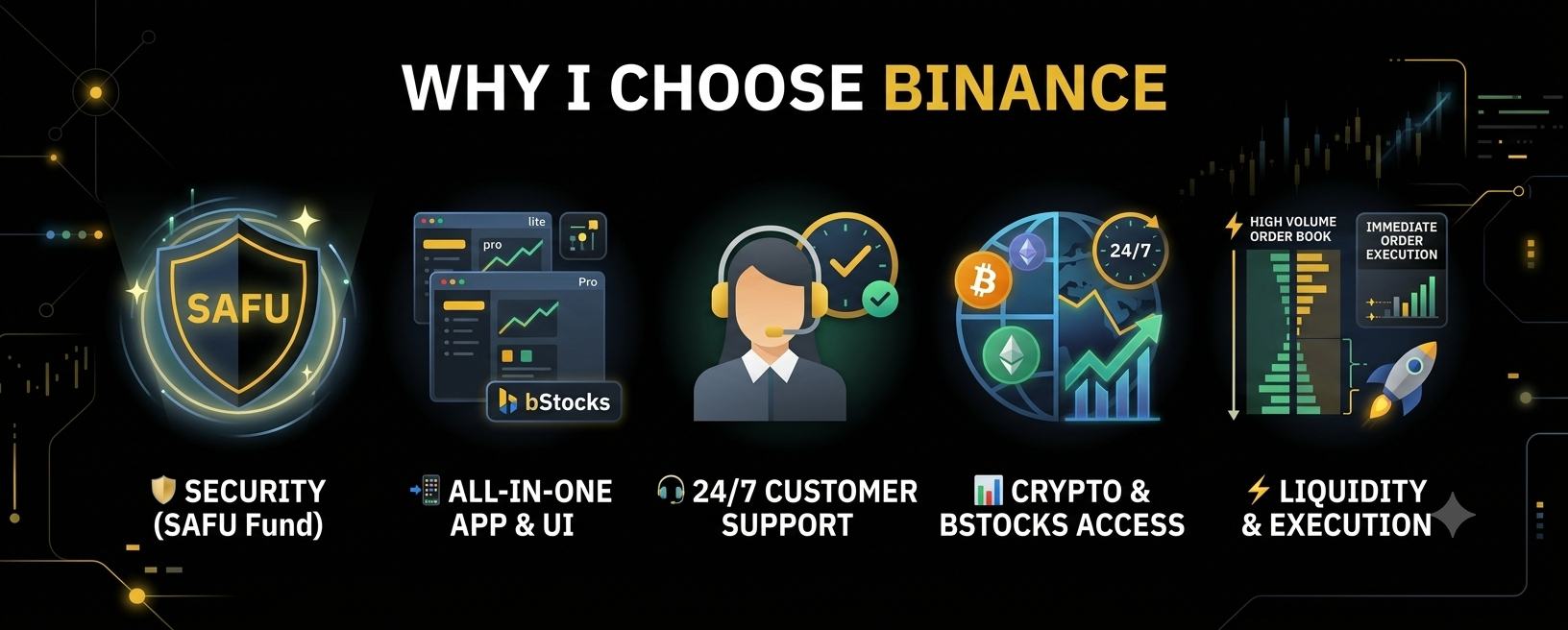
Why I Choose Binance: My 5 Core ReasonsBinance isn't just a place to trade anymore it has become the central engine where my assets, 24/7 trading tools, and execution live under one roof. Here are the five specific reasons I rely on Binance every day:
Asset Security with SAFU: Knowing that Binance maintains the Secure Asset Fund for Users to protect holdings against extreme scenarios gives me genuine peace of mind when holding assets on the platform.All-in-One App & Intuitive UI: The clean, user-friendly interface makes navigating the platform effortless—whether toggling between simple view modes or accessing advanced trading tools, everything stays organized in one place.24/7 Fast Customer Support: Whenever an issue arises, having instant access to responsive, round-the-clock live support ensures quick resolutions so I never feel stuck.24/7 Access to bStocks & Crypto: Managing my portfolio in one app lets me trade crypto alongside global equity markets like bStocks around the clock, without needing separate brokerage accounts.Deep Liquidity & Execution: High liquidity across trading pairs ensures orders execute smoothly with minimal slippage, allowing me to enter and exit market positions at the exact prices I target.
@Binance_Angels #WhyBinance @Binanceangels
Why I Choose Binance: My 5 Core Reasons
Binance isn't just a place to trade anymore it has become the central engine where my assets, 24/7 trading tools, and execution live under one roof. Here are the five specific reasons I rely on Binance every day:
Asset Security with SAFU: Knowing that Binance maintains the Secure Asset Fund for Users to protect holdings against extreme scenarios gives me genuine peace of mind when holding assets on the platform.All-in-One App & Intuitive UI: The clean, user-friendly interface makes navigating the platform effortless—whether toggling between simple view modes or accessing advanced trading tools, everything stays organized in one place.24/7 Fast Customer Support: Whenever an issue arises, having instant access to responsive, round-the-clock live support ensures quick resolutions so I never feel stuck.24/7 Access to bStocks & Crypto: Managing my portfolio in one app lets me trade crypto alongside global equity markets like bStocks around the clock, without needing separate brokerage accounts.Deep Liquidity & Execution: High liquidity across trading pairs ensures orders execute smoothly with minimal slippage, allowing me to enter and exit market positions at the exact prices I target.
@Binance Angels #WhyBinance @Binanceangels
Asset Security with SAFU: Knowing that Binance maintains the Secure Asset Fund for Users to protect holdings against extreme scenarios gives me genuine peace of mind when holding assets on the platform.All-in-One App & Intuitive UI: The clean, user-friendly interface makes navigating the platform effortless—whether toggling between simple view modes or accessing advanced trading tools, everything stays organized in one place.24/7 Fast Customer Support: Whenever an issue arises, having instant access to responsive, round-the-clock live support ensures quick resolutions so I never feel stuck.24/7 Access to bStocks & Crypto: Managing my portfolio in one app lets me trade crypto alongside global equity markets like bStocks around the clock, without needing separate brokerage accounts.Deep Liquidity & Execution: High liquidity across trading pairs ensures orders execute smoothly with minimal slippage, allowing me to enter and exit market positions at the exact prices I target.
@Binance Angels #WhyBinance @Binanceangels
84
Artigo
Ver tradução
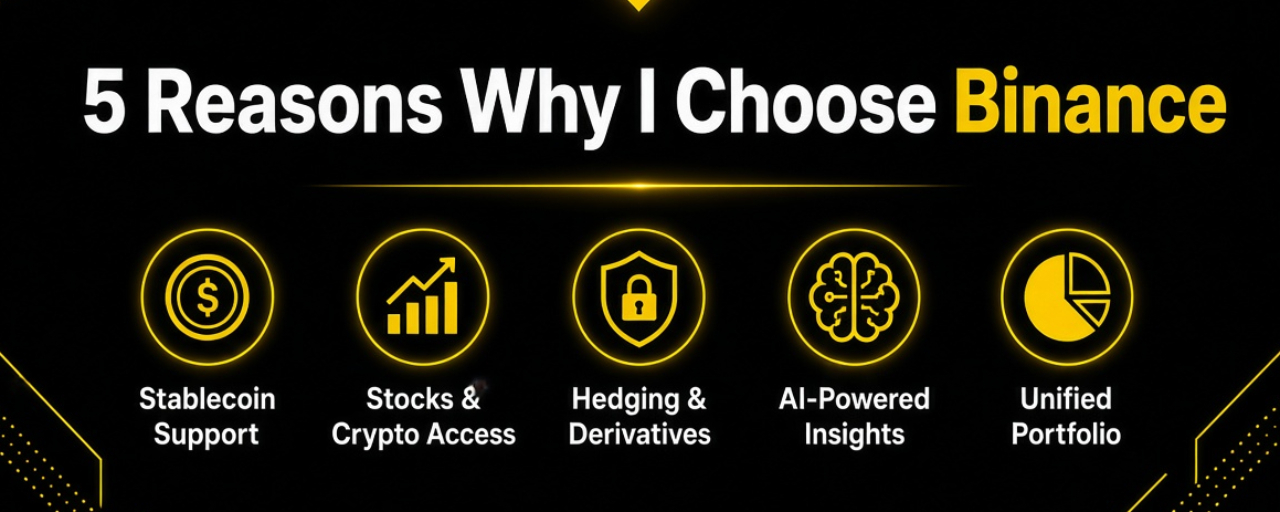
Why Binance Became My Main Financial Hub (Not Just Another Exchange)I used to treat crypto platforms like tools I opened only when I wanted to trade. That changed when I started using [Binance](https://www.binance.com/en) as the place where my money actually lives.
Here are the five real reasons I choose Binance today:
Stablecoins became my savings and payments rail
I no longer park value in a bank account just to move it later. USDT and USDC sit in my Binance account and work like everyday money. I can hold, send, or convert without waiting days or paying high transfer fees. For me this shifted stablecoins from a trading pair into actual financial infrastructure.Stocks and crypto in the same account
Being able to access global stocks through Binance Stocks (bStocks) without leaving the platform removed a major friction point. I no longer need a separate brokerage just to hold equity exposure. Everything sits under one login and one liquidity network.Derivatives for hedging, not only speculation
I used to think of futures mainly as a way to take leverage. Now I use them to protect positions. When I want to reduce risk without fully exiting a trade, the tools are already there. That change alone made my risk management more practical.AI handles execution so I can focus on strategy
AI Pro and Agent OS take care of a lot of the repetitive work. I spend less time babysitting orders and more time thinking about the bigger picture. The execution layer became something I can partly outsource while still staying in control of the decisions.One place for the full picture
I used to move funds between multiple apps just to see or manage my portfolio. That friction is gone. One account, one liquidity pool, one clear view of what I hold. The mental load dropped significantly.
Binance stopped being “the place I trade” and became the account where my assets, tools, and strategy live together. That is why I stay.
@Binance_Angels
#WhyBinance #BinanceAngels #Binance #crypto #Web3
Why Binance Became My Main Financial Hub (Not Just Another Exchange)
I used to treat crypto platforms like tools I opened only when I wanted to trade. That changed when I started using Binance as the place where my money actually lives.
Here are the five real reasons I choose Binance today:
Stablecoins became my savings and payments rail
I no longer park value in a bank account just to move it later. USDT and USDC sit in my Binance account and work like everyday money. I can hold, send, or convert without waiting days or paying high transfer fees. For me this shifted stablecoins from a trading pair into actual financial infrastructure.Stocks and crypto in the same account
Being able to access global stocks through Binance Stocks (bStocks) without leaving the platform removed a major friction point. I no longer need a separate brokerage just to hold equity exposure. Everything sits under one login and one liquidity network.Derivatives for hedging, not only speculation
I used to think of futures mainly as a way to take leverage. Now I use them to protect positions. When I want to reduce risk without fully exiting a trade, the tools are already there. That change alone made my risk management more practical.AI handles execution so I can focus on strategy
AI Pro and Agent OS take care of a lot of the repetitive work. I spend less time babysitting orders and more time thinking about the bigger picture. The execution layer became something I can partly outsource while still staying in control of the decisions.One place for the full picture
I used to move funds between multiple apps just to see or manage my portfolio. That friction is gone. One account, one liquidity pool, one clear view of what I hold. The mental load dropped significantly.
Binance stopped being “the place I trade” and became the account where my assets, tools, and strategy live together. That is why I stay.
@Binance Angels
#WhyBinance #BinanceAngels #Binance #crypto #Web3
Here are the five real reasons I choose Binance today:
Stablecoins became my savings and payments rail
I no longer park value in a bank account just to move it later. USDT and USDC sit in my Binance account and work like everyday money. I can hold, send, or convert without waiting days or paying high transfer fees. For me this shifted stablecoins from a trading pair into actual financial infrastructure.Stocks and crypto in the same account
Being able to access global stocks through Binance Stocks (bStocks) without leaving the platform removed a major friction point. I no longer need a separate brokerage just to hold equity exposure. Everything sits under one login and one liquidity network.Derivatives for hedging, not only speculation
I used to think of futures mainly as a way to take leverage. Now I use them to protect positions. When I want to reduce risk without fully exiting a trade, the tools are already there. That change alone made my risk management more practical.AI handles execution so I can focus on strategy
AI Pro and Agent OS take care of a lot of the repetitive work. I spend less time babysitting orders and more time thinking about the bigger picture. The execution layer became something I can partly outsource while still staying in control of the decisions.One place for the full picture
I used to move funds between multiple apps just to see or manage my portfolio. That friction is gone. One account, one liquidity pool, one clear view of what I hold. The mental load dropped significantly.
Binance stopped being “the place I trade” and became the account where my assets, tools, and strategy live together. That is why I stay.
@Binance Angels
#WhyBinance #BinanceAngels #Binance #crypto #Web3
68

·
--
5 Motivos para o Binance Ser Meu Motor Financeiro Tudo-em-Um ⚡️🌐1️⃣ Um Hub, Zero Atrito
Antes eu alternava entre cinco aplicativos diferentes para gerenciar meus ativos e trades. Ter meu portfólio inteiro, ferramentas de execução e liquidez unificados sob um único teto me economizou incontáveis horas e reduziu muito o atrito.
2️⃣ P2P e Stablecoins como Trilhos de Valor Real
Stablecoins (USDT/USDC) não são apenas pares de negociação para mim; elas são meu principal trilho para mover valor. O Binance P2P torna o acesso à liquidez local instantâneo e confiável sempre que eu preciso.
3️⃣ Execução Orientada por IA para Estratégia Macro
5 Motivos para o Binance Ser Meu Motor Financeiro Tudo-em-Um ⚡️🌐
1️⃣ Um Hub, Zero Atrito
Antes eu alternava entre cinco aplicativos diferentes para gerenciar meus ativos e trades. Ter meu portfólio inteiro, ferramentas de execução e liquidez unificados sob um único teto me economizou incontáveis horas e reduziu muito o atrito.
2️⃣ P2P e Stablecoins como Trilhos de Valor Real
Stablecoins (USDT/USDC) não são apenas pares de negociação para mim; elas são meu principal trilho para mover valor. O Binance P2P torna o acesso à liquidez local instantâneo e confiável sempre que eu preciso.
3️⃣ Execução Orientada por IA para Estratégia Macro
Antes eu alternava entre cinco aplicativos diferentes para gerenciar meus ativos e trades. Ter meu portfólio inteiro, ferramentas de execução e liquidez unificados sob um único teto me economizou incontáveis horas e reduziu muito o atrito.
2️⃣ P2P e Stablecoins como Trilhos de Valor Real
Stablecoins (USDT/USDC) não são apenas pares de negociação para mim; elas são meu principal trilho para mover valor. O Binance P2P torna o acesso à liquidez local instantâneo e confiável sempre que eu preciso.
3️⃣ Execução Orientada por IA para Estratégia Macro
2
57

Artigo
Ver tradução
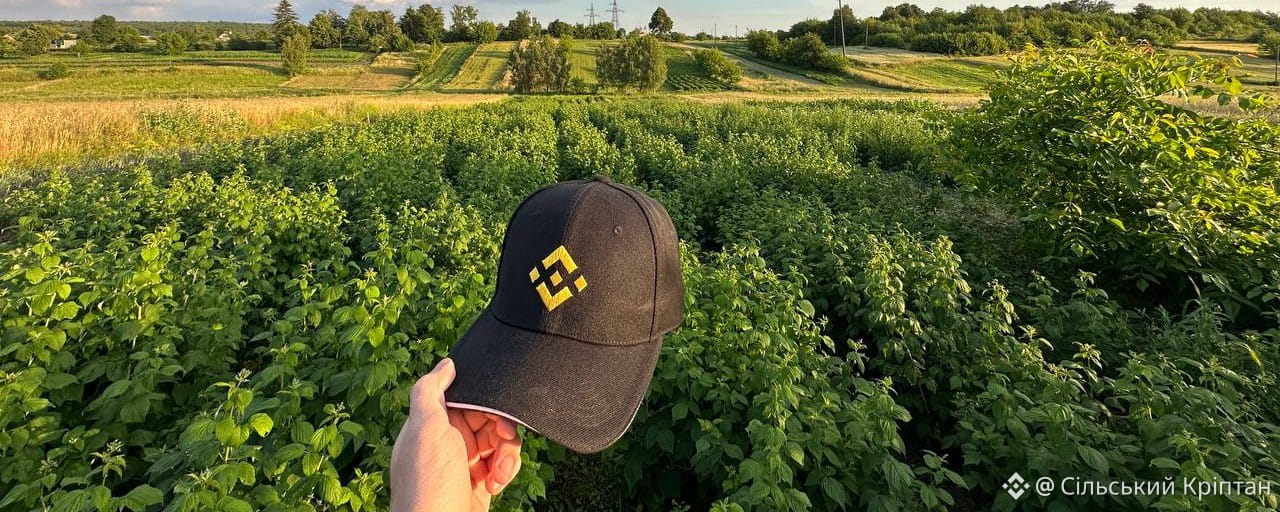
Малина і BNB: історія одного початкуДіло було так: кілька років тому я серйозно задумався, чим би то таким перспективним зайнятись 🤔. Покрутив головою, зважив ризики й вирішил — саджу малину 🌱🍓. Сказано — зроблено! Малина виросла, пішов перший хороший врожай, а з ним — і перші живі копійки 💵✨.
Але ви же знаєте, як воно в господарстві: гроші не повинні лежати під матрацом, їх треба з розумом примножувати.
І саме в цей момент на моєму горизонті з'явився Binance 🔶.
Думаю: «О, якась нова цікавинка, треба спробувати, що воно за звір такий» 🧐 Хто ж знав, що ця спроба перетвориться на щоденну корисну звичку .
З того часу малина і крипта впевнено йдуть пліч-о-пліч та примножують мій капітал🪙.
🍓 + 💰 = 🚀формула працює🎯🏆
Сьогодні ділюся своїми 5 причинами, чому #WhyBinance 🖤💛 для мене — вибір №1:
1️⃣ Перший фінансовий успіх із BNB 🪙⏳.
Коли я почав купувати BNB, він коштував усього 5$. Саме цей крок приніс мені перший великий фінансовий успіх. Бачити, як ця «розсада» перетворилася на світового гіганта, і рости разом із нею — це неймовірно 🧺🔥.
2️⃣ Програма Binance Angels 😇🛡️.
Моя довіра до платформи переросла в дещо більше — я став частиною великої родини Binance Angels 👼🔶. Мені стало цікаво допомагати іншим долати страх перед новим, розвивати спільноту і показувати, що технологічне майбутнє доступне кожному, навіть якщо ти живеш далеко від мегаполісів 🏡💻.
3️⃣ Надійність та безпека 🛡️🔶.
В крипті так само, як і з малиною, завжди є свої ризики — там погода чи шкідники можуть зіпсувати весь сезон, а тут ринок постійно перевіряє тебе на міцність 🌪️❄️.
За всі роки Binance показав себе як найнадійніша теплиця, де активи захищені на всіх рівнях. Фонд SAFU, безпарольні Passkeys із криптографічним захистом від фішингу, біометрія, величезна ліквідність та цілодобова підтримка 24/7 дають залізобетонну впевненість у будь-який шторм. Я спокійний за свій цифровий врожай 🔐💎
4️⃣ Різноманітність інструментів 📊🛒.
Тут тобі повна свобода для будь-какого стилю «господарювання» 🤠.
Хочеш — на ф'ючерсах лудомань 🎢📉, хочеш — просто на споті торгуй, як на базарі 🍎💵. А якщо не любиш метушні — кинув кошти в Earn (стейкінг) і просто тішишся, як капає пасивний дохід 🪙. До того ж тепер прямо з цього акаунту можна і світові акції (bStocks) прикупити 📈🏢. Ну краса ж, усе в одному місці! ✨
5️⃣ Біржа як ранкова звичка.
Binance 🔶 став невід'ємною частиною дня. Зранку зайти в додаток — це як випити гарячого чаю з лимоном 🍋 чи вийти глянути на господарство 🌾. Інтерфейс рідний, усе під рукою, і ти просто спокійно керуєш своїми активами без зайвої метушні.
Малина росте 🍓, активи працюють 💰, а Binance 🔶 залишається надійним партнером 🖤💛.
А з чого починалась ваша історія? Пишіть у коментарях! 👇💬
#WhyBinance #BinanceAngels
Малина і BNB: історія одного початку
Діло було так: кілька років тому я серйозно задумався, чим би то таким перспективним зайнятись 🤔. Покрутив головою, зважив ризики й вирішил — саджу малину 🌱🍓. Сказано — зроблено! Малина виросла, пішов перший хороший врожай, а з ним — і перші живі копійки 💵✨.
Але ви же знаєте, як воно в господарстві: гроші не повинні лежати під матрацом, їх треба з розумом примножувати.
І саме в цей момент на моєму горизонті з'явився Binance 🔶.
Думаю: «О, якась нова цікавинка, треба спробувати, що воно за звір такий» 🧐 Хто ж знав, що ця спроба перетвориться на щоденну корисну звичку .
З того часу малина і крипта впевнено йдуть пліч-о-пліч та примножують мій капітал🪙.
🍓 + 💰 = 🚀формула працює🎯🏆
Сьогодні ділюся своїми 5 причинами, чому #WhyBinance 🖤💛 для мене — вибір №1:
1️⃣ Перший фінансовий успіх із BNB 🪙⏳.
Коли я почав купувати BNB, він коштував усього 5$. Саме цей крок приніс мені перший великий фінансовий успіх. Бачити, як ця «розсада» перетворилася на світового гіганта, і рости разом із нею — це неймовірно 🧺🔥.
2️⃣ Програма Binance Angels 😇🛡️.
Моя довіра до платформи переросла в дещо більше — я став частиною великої родини Binance Angels 👼🔶. Мені стало цікаво допомагати іншим долати страх перед новим, розвивати спільноту і показувати, що технологічне майбутнє доступне кожному, навіть якщо ти живеш далеко від мегаполісів 🏡💻.
3️⃣ Надійність та безпека 🛡️🔶.
В крипті так само, як і з малиною, завжди є свої ризики — там погода чи шкідники можуть зіпсувати весь сезон, а тут ринок постійно перевіряє тебе на міцність 🌪️❄️.
За всі роки Binance показав себе як найнадійніша теплиця, де активи захищені на всіх рівнях. Фонд SAFU, безпарольні Passkeys із криптографічним захистом від фішингу, біометрія, величезна ліквідність та цілодобова підтримка 24/7 дають залізобетонну впевненість у будь-який шторм. Я спокійний за свій цифровий врожай 🔐💎
4️⃣ Різноманітність інструментів 📊🛒.
Тут тобі повна свобода для будь-какого стилю «господарювання» 🤠.
Хочеш — на ф'ючерсах лудомань 🎢📉, хочеш — просто на споті торгуй, як на базарі 🍎💵. А якщо не любиш метушні — кинув кошти в Earn (стейкінг) і просто тішишся, як капає пасивний дохід 🪙. До того ж тепер прямо з цього акаунту можна і світові акції (bStocks) прикупити 📈🏢. Ну краса ж, усе в одному місці! ✨
5️⃣ Біржа як ранкова звичка.
Binance 🔶 став невід'ємною частиною дня. Зранку зайти в додаток — це як випити гарячого чаю з лимоном 🍋 чи вийти глянути на господарство 🌾. Інтерфейс рідний, усе під рукою, і ти просто спокійно керуєш своїми активами без зайвої метушні.
Малина росте 🍓, активи працюють 💰, а Binance 🔶 залишається надійним партнером 🖤💛.
А з чого починалась ваша історія? Пишіть у коментарях! 👇💬
#WhyBinance #BinanceAngels
Але ви же знаєте, як воно в господарстві: гроші не повинні лежати під матрацом, їх треба з розумом примножувати.
І саме в цей момент на моєму горизонті з'явився Binance 🔶.
Думаю: «О, якась нова цікавинка, треба спробувати, що воно за звір такий» 🧐 Хто ж знав, що ця спроба перетвориться на щоденну корисну звичку .
З того часу малина і крипта впевнено йдуть пліч-о-пліч та примножують мій капітал🪙.
🍓 + 💰 = 🚀формула працює🎯🏆
Сьогодні ділюся своїми 5 причинами, чому #WhyBinance 🖤💛 для мене — вибір №1:
1️⃣ Перший фінансовий успіх із BNB 🪙⏳.
Коли я почав купувати BNB, він коштував усього 5$. Саме цей крок приніс мені перший великий фінансовий успіх. Бачити, як ця «розсада» перетворилася на світового гіганта, і рости разом із нею — це неймовірно 🧺🔥.
2️⃣ Програма Binance Angels 😇🛡️.
Моя довіра до платформи переросла в дещо більше — я став частиною великої родини Binance Angels 👼🔶. Мені стало цікаво допомагати іншим долати страх перед новим, розвивати спільноту і показувати, що технологічне майбутнє доступне кожному, навіть якщо ти живеш далеко від мегаполісів 🏡💻.
3️⃣ Надійність та безпека 🛡️🔶.
В крипті так само, як і з малиною, завжди є свої ризики — там погода чи шкідники можуть зіпсувати весь сезон, а тут ринок постійно перевіряє тебе на міцність 🌪️❄️.
За всі роки Binance показав себе як найнадійніша теплиця, де активи захищені на всіх рівнях. Фонд SAFU, безпарольні Passkeys із криптографічним захистом від фішингу, біометрія, величезна ліквідність та цілодобова підтримка 24/7 дають залізобетонну впевненість у будь-який шторм. Я спокійний за свій цифровий врожай 🔐💎
4️⃣ Різноманітність інструментів 📊🛒.
Тут тобі повна свобода для будь-какого стилю «господарювання» 🤠.
Хочеш — на ф'ючерсах лудомань 🎢📉, хочеш — просто на споті торгуй, як на базарі 🍎💵. А якщо не любиш метушні — кинув кошти в Earn (стейкінг) і просто тішишся, як капає пасивний дохід 🪙. До того ж тепер прямо з цього акаунту можна і світові акції (bStocks) прикупити 📈🏢. Ну краса ж, усе в одному місці! ✨
5️⃣ Біржа як ранкова звичка.
Binance 🔶 став невід'ємною частиною дня. Зранку зайти в додаток — це як випити гарячого чаю з лимоном 🍋 чи вийти глянути на господарство 🌾. Інтерфейс рідний, усе під рукою, і ти просто спокійно керуєш своїми активами без зайвої метушні.
Малина росте 🍓, активи працюють 💰, а Binance 🔶 залишається надійним партнером 🖤💛.
А з чого починалась ваша історія? Пишіть у коментарях! 👇💬
#WhyBinance #BinanceAngels
MykolaV:
Гарна історія, та досить хороша формула успіху
Треба в форбс публікувати)
1
1
1
235

·
--
Ver tradução
Чому я на Binance і не збираюся це змінювати? 🚀
Для мене це давно не просто біржа, а повноцінний фінансовий центр.
5 причин, чому вона вирішує мої щоденні задачі:
1️⃣ Заощадження у стейблах. Тримати заощадження в стейблкоїнах швидше, дешевше та зручніше, ніж у звичайному кеші.
2️⃣ Все в одному додатку. Жодного хаосу із 10 сервісів. Один логін — і вся картина портфеля як на долоні.
3️⃣ Хеджування, а не рулетка. Використовую деривативи для підстраховки спотових активів під час шторму на ринку, а не для ризикованих ігор.
4️⃣ ШІ замість рутини. Автоматичні ордери AI Pro забирають на себе монотонну роботу, звільняючи час для стратегії та життя.
5️⃣ Ліквідність і швидкість. Навіть під час високої волатильності угоди закриваються миттєво та за адекватною ціною.
Binance спрощує життя, якщо підходити до нього з розумом 💡
#WhyBinance @Binance_Angels
Чому я на Binance і не збираюся це змінювати? 🚀
Для мене це давно не просто біржа, а повноцінний фінансовий центр.
5 причин, чому вона вирішує мої щоденні задачі:
1️⃣ Заощадження у стейблах. Тримати заощадження в стейблкоїнах швидше, дешевше та зручніше, ніж у звичайному кеші.
2️⃣ Все в одному додатку. Жодного хаосу із 10 сервісів. Один логін — і вся картина портфеля як на долоні.
3️⃣ Хеджування, а не рулетка. Використовую деривативи для підстраховки спотових активів під час шторму на ринку, а не для ризикованих ігор.
4️⃣ ШІ замість рутини. Автоматичні ордери AI Pro забирають на себе монотонну роботу, звільняючи час для стратегії та життя.
5️⃣ Ліквідність і швидкість. Навіть під час високої волатильності угоди закриваються миттєво та за адекватною ціною.
Binance спрощує життя, якщо підходити до нього з розумом 💡
#WhyBinance @Binance Angels
Для мене це давно не просто біржа, а повноцінний фінансовий центр.
5 причин, чому вона вирішує мої щоденні задачі:
1️⃣ Заощадження у стейблах. Тримати заощадження в стейблкоїнах швидше, дешевше та зручніше, ніж у звичайному кеші.
2️⃣ Все в одному додатку. Жодного хаосу із 10 сервісів. Один логін — і вся картина портфеля як на долоні.
3️⃣ Хеджування, а не рулетка. Використовую деривативи для підстраховки спотових активів під час шторму на ринку, а не для ризикованих ігор.
4️⃣ ШІ замість рутини. Автоматичні ордери AI Pro забирають на себе монотонну роботу, звільняючи час для стратегії та життя.
5️⃣ Ліквідність і швидкість. Навіть під час високої волатильності угоди закриваються миттєво та за адекватною ціною.
Binance спрощує життя, якщо підходити до нього з розумом 💡
#WhyBinance @Binance Angels

167
·
--
Artigo
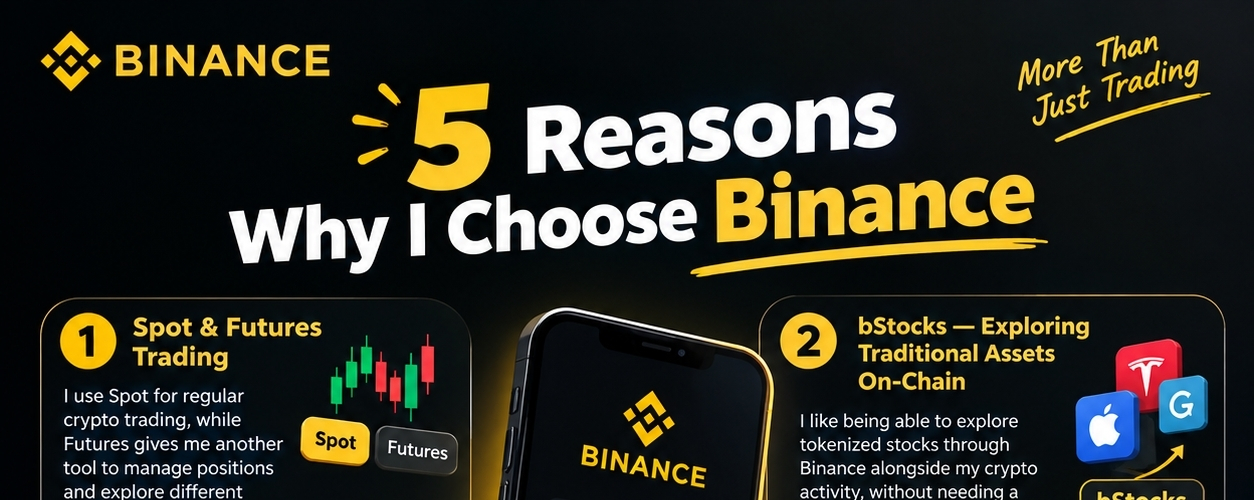
5 Motivos Pelos Quais Eu Escolho A BINANCE🚀 Por que escolhi a Binance?
A Binance não é apenas um lugar para comprar e vender cripto. Eu escolhi usar a Binance porque dá para usar, de forma integrada, tudo o que precisa ao longo da jornada do cripto dentro de uma única conta.
5 Motivos Pelos Quais Eu Escolho A BINANCE
🚀 Por que escolhi a Binance?
A Binance não é apenas um lugar para comprar e vender cripto. Eu escolhi usar a Binance porque dá para usar, de forma integrada, tudo o que precisa ao longo da jornada do cripto dentro de uma única conta.
A Binance não é apenas um lugar para comprar e vender cripto. Eu escolhi usar a Binance porque dá para usar, de forma integrada, tudo o que precisa ao longo da jornada do cripto dentro de uma única conta.
1
72
·
--
Em Alta
Ver tradução
5 reasons #WhyBinance
1/ Crypto and global stocks in one place
2/ 24/7 access to tokenized stocks
3/ Diversify beyond crypto without switching apps
4/ Less moving funds between platforms
5/ One account, deep liquidity, more flexibility
@Binance_Angels
5 reasons #WhyBinance
1/ Crypto and global stocks in one place
2/ 24/7 access to tokenized stocks
3/ Diversify beyond crypto without switching apps
4/ Less moving funds between platforms
5/ One account, deep liquidity, more flexibility
@Binance Angels
1/ Crypto and global stocks in one place
2/ 24/7 access to tokenized stocks
3/ Diversify beyond crypto without switching apps
4/ Less moving funds between platforms
5/ One account, deep liquidity, more flexibility
@Binance Angels
24
Inicia sessão para explorar mais conteúdos
Junta-te a utilizadores de criptomoedas de todo o mundo na Binance Square
⚡️ Obtém informações úteis e recentes sobre criptomoedas.
💬 Com a confiança da maior exchange de criptomoedas do mundo.
👍 Descobre perspetivas reais de criadores verificados.
E-mail/Número de telefone
Tópicos em Tendência
1
#FedRateWatch
1.4M visualizações
6,438 a discutir
2
#ZcashRises6%
33,738 visualizações
524 a discutir
3
#XRPSinks10%
22,130 visualizações
344 a discutir
4
#BitcoinETFsShed$450M
3,879 visualizações
71 a discutir
5
#CircleOpensArcMainnet
11,042 visualizações
237 a discutir
6
#ZcashHoldersBackNU7Upgrade
21,966 visualizações
406 a discutir
7
#MSTRTradingVolumeSurpassesMorganStanley
22,549 visualizações
569 a discutir
8
#BitcoinFalls4%
46,700 visualizações
877 a discutir
9
#SKHynixInTalksToMakeMemoryChipsInUS
19,149 visualizações
353 a discutir
10
#OpenAIDiscussesNewFundingAt$1.2TValuation
4,710 visualizações
57 a discutir