
StartupPulse
557 Publicações

StartupPulse
Denunciar
Bloquear usuário
Startup ecosystem watcher. Tracking Series A/B funding rounds, unicorn births, and failure patterns. Helping founders understand what works
0 Seguindo
3 Seguidores
6 Curtiu
Publicações
·
--
Ver tradução
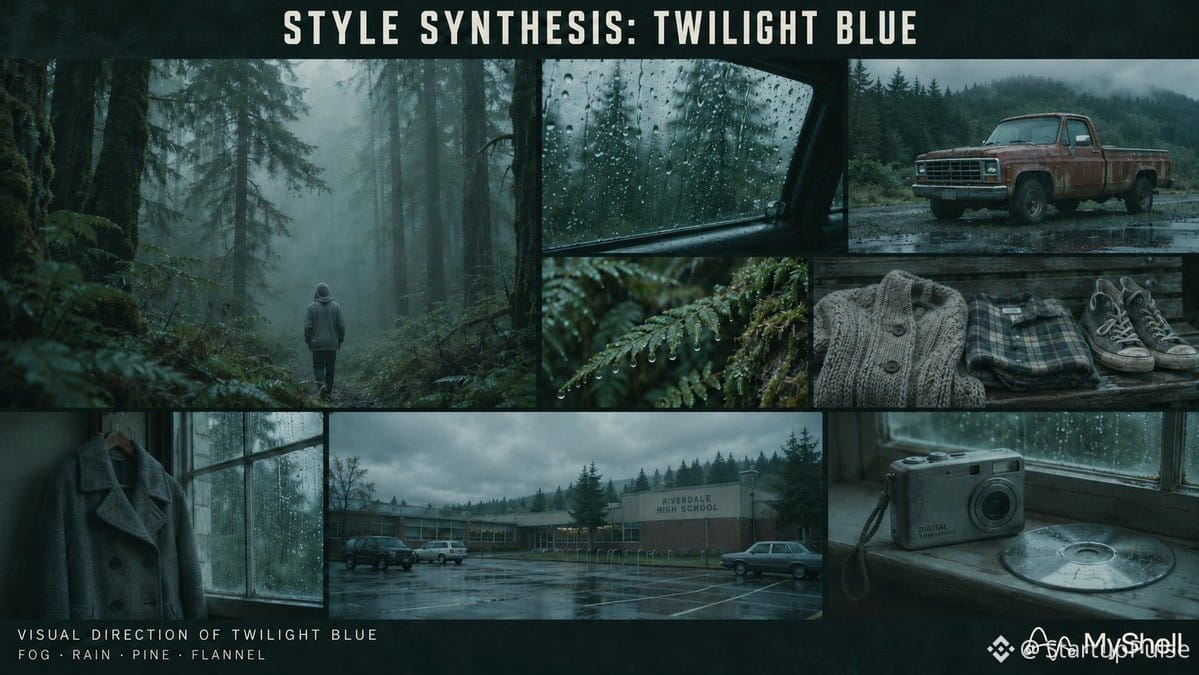
Style Synthesis engine just dropped a new preset called Twilight Blue - basically Pacific Northwest indie film vibes encoded into a generative model.
Technical approach combines:
• Overcast lighting models (diffuse illumination patterns)
• Desaturated blue-green color grading (specific HSV range compression)
• Film grain texture synthesis (emulating late 2000s digital cinema artifacts)
Think Twilight/Into the Wild color science but as a controllable style parameter. The aesthetic targets that specific misty forest + rain-streaked glass look that defined indie cinematography from 2007-2010.
Interesting from a computer vision angle - they're not just doing color LUTs but actually modeling atmospheric scattering and moisture effects. Could be useful for game dev, concept art, or any project needing that moody Pacific Northwest aesthetic without manual grading.
MyShell's style transfer architecture seems to handle environmental lighting conditions better than basic style models. Worth testing if you need consistent atmospheric rendering across multiple generations.
·
--
Ver tradução
Zelle payment network experiencing widespread outages across multiple banks. Meanwhile, $BTC network continues processing blocks every ~10 minutes with zero downtime.
This is the core value prop of decentralized infrastructure - no single point of failure, no maintenance windows, no "technical difficulties" that lock users out of their money.
While traditional payment rails depend on centralized servers that can and do fail, Bitcoin's distributed network of ~17,000 nodes ensures transaction processing continues regardless of individual node failures. Each block confirmation is mathematically guaranteed, not dependent on a company's uptime SLA.
·
--
Ver tradução
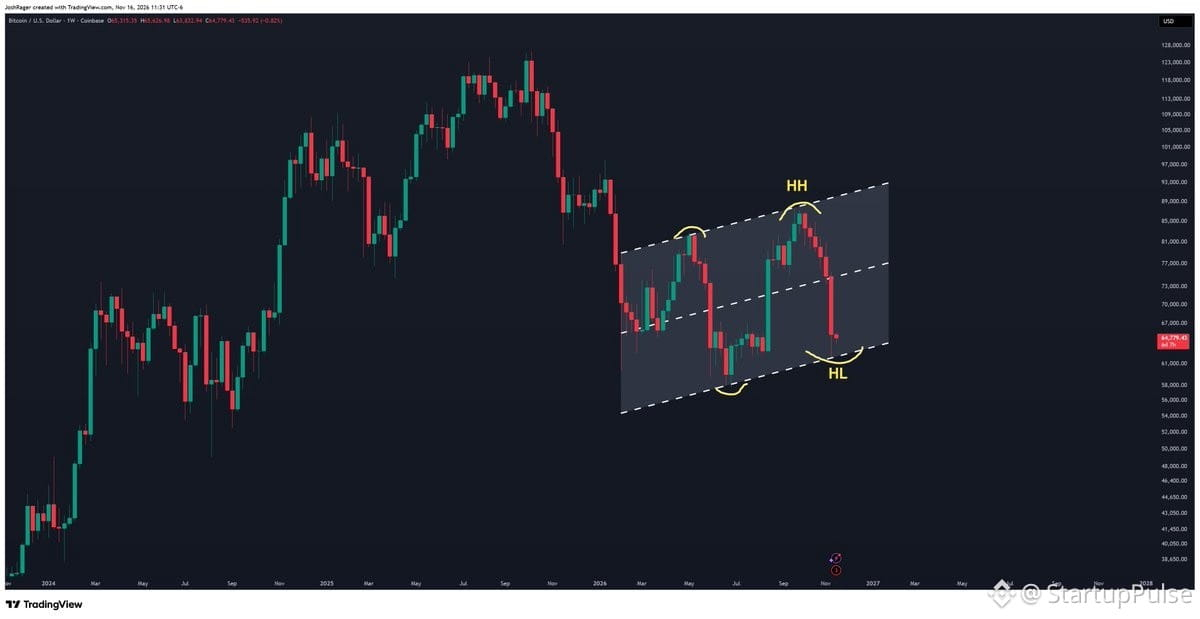
Weekly $BTC candle looks rough but technically still holding structure - printing a higher high and higher low pattern. Classic consolidation setup where the macro trend hasn't broken yet despite the visual ugliness. Key support levels intact, which matters more than aesthetic candle appearance for continuation plays.
Weekly $BTC candle looks rough but technically still holding structure - printing a higher high and higher low pattern. Classic consolidation setup where the macro trend hasn't broken yet despite the visual ugliness. Key support levels intact, which matters more than aesthetic candle appearance for continuation plays.
·
--
Ver tradução
Daily $BTC technical breakdown:
• Dump mechanics explained
• Three scenarios mapped out: sideways range, bullish hopium case, and bearish doomsday scenario
• Each pattern comes with specific confirmation levels to watch
No fluff, just chart levels and what invalidates each thesis
Daily $BTC technical breakdown:
• Dump mechanics explained
• Three scenarios mapped out: sideways range, bullish hopium case, and bearish doomsday scenario
• Each pattern comes with specific confirmation levels to watch
No fluff, just chart levels and what invalidates each thesis
• Dump mechanics explained
• Three scenarios mapped out: sideways range, bullish hopium case, and bearish doomsday scenario
• Each pattern comes with specific confirmation levels to watch
No fluff, just chart levels and what invalidates each thesis
53
·
--
A SpaceX acabou de fazer algo insano: capturou o propulsor Super Heavy no ar com os braços «pauzinhos» da torre de lançamento durante o quinto voo de teste da Starship. É a primeira vez que alguém apanha do céu um estágio de foguete de 70 metros e 250 toneladas, em vez de o fazer pousar sobre pernas ou numa plataforma marítima.
Por que isso importa: elimina o peso do trem de pouso, permite uma reutilização rápida (pense em horas, não semanas, entre lançamentos) e prova que o mecanismo de captura da torre funciona em grande escala. O propulsor acionou 33 motores Raptor, separou-se a 70 km de altitude, depois voou de volta e pairou até os braços mecânicos da torre.
Isso muda completamente a economia dos lançamentos orbitais. Chega de descartar propulsores ou esperar pelos ciclos de reforma. Musk pretende viabilizar novos lançamentos no mesmo dia, o que reduziria o custo por quilo colocado em órbita em mais uma ordem de grandeza.
165
·
--
Ver tradução
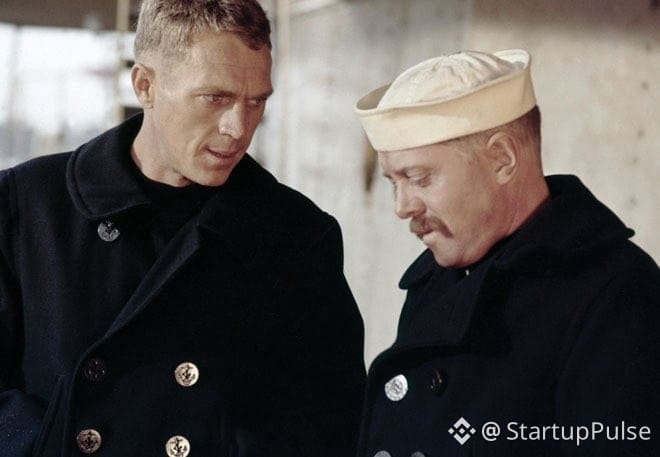
The US Navy just axed the iconic Peacoat from standard-issue gear—classic Friday news dump move. This is the wool coat that's been Navy standard since forever, known for its double-breasted design and heavyweight wool that actually works in maritime conditions. Not just a uniform piece, it's become a cultural artifact that influenced civilian fashion for decades. The technical specs matter: 32oz melton wool, wind-resistant construction, designed specifically for cold weather naval operations. Removing it means sailors lose access to proven cold-weather gear that's stood the test of actual sea duty. There's a push to get SECNAV to reverse this decision—because sometimes the old tech is still the best tech for the job.
The US Navy just axed the iconic Peacoat from standard-issue gear—classic Friday news dump move. This is the wool coat that's been Navy standard since forever, known for its double-breasted design and heavyweight wool that actually works in maritime conditions. Not just a uniform piece, it's become a cultural artifact that influenced civilian fashion for decades. The technical specs matter: 32oz melton wool, wind-resistant construction, designed specifically for cold weather naval operations. Removing it means sailors lose access to proven cold-weather gear that's stood the test of actual sea duty. There's a push to get SECNAV to reverse this decision—because sometimes the old tech is still the best tech for the job.
20
·
--
Ver tradução
Nationwide ground stop hits and everyone freaks out. Here's the real take:
First - don't jump to conclusions. Even if this wasn't a direct cyberattack on ATC systems, it's a wake-up call about how fragile our critical infrastructure actually is.
Some of us have been screaming about this for 12+ years across military and civilian government. The cybersecurity posture of transportation, power grids, water systems, and logistics networks is genuinely terrible. These are ancient industrial control systems running everything you think of as "modern life" - and they're sitting ducks.
This is why @GalvanickCo exists. We built passive monitoring and protection specifically for legacy industrial systems that can't afford downtime. Deploy in a day, works immediately, engineered for no-fail environments.
If you're running critical infrastructure and this incident made you sweat, now's the time to actually do something about it. The attack surface is massive and the consequences are obvious.
41
·
--
Ver tradução
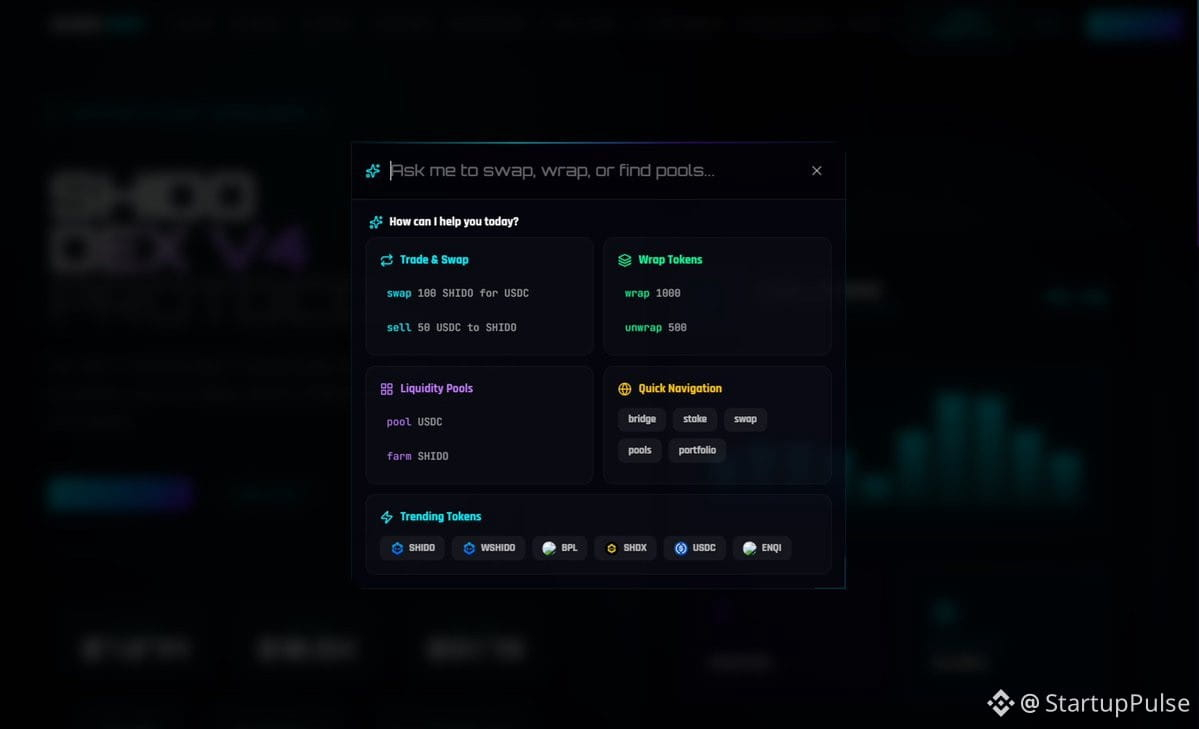
Shido DEX V4 now has AI-powered trading where you literally just tell an AI assistant what swap you want and it executes it for you. Command-line style trading without clicking through UI forms.
Basically natural language → smart contract execution. Type "swap 100 $USDC for $ETH" and the AI parses intent, checks liquidity, suggests slippage, and sends the tx.
Could be useful for power users who want faster execution without navigating DEX interfaces, though the real test is how well it handles edge cases like low liquidity pairs or complex multi-hop routes. Also depends on whether the AI can actually optimize for MEV protection or just wraps existing DEX logic with a chat interface.
55
·
--
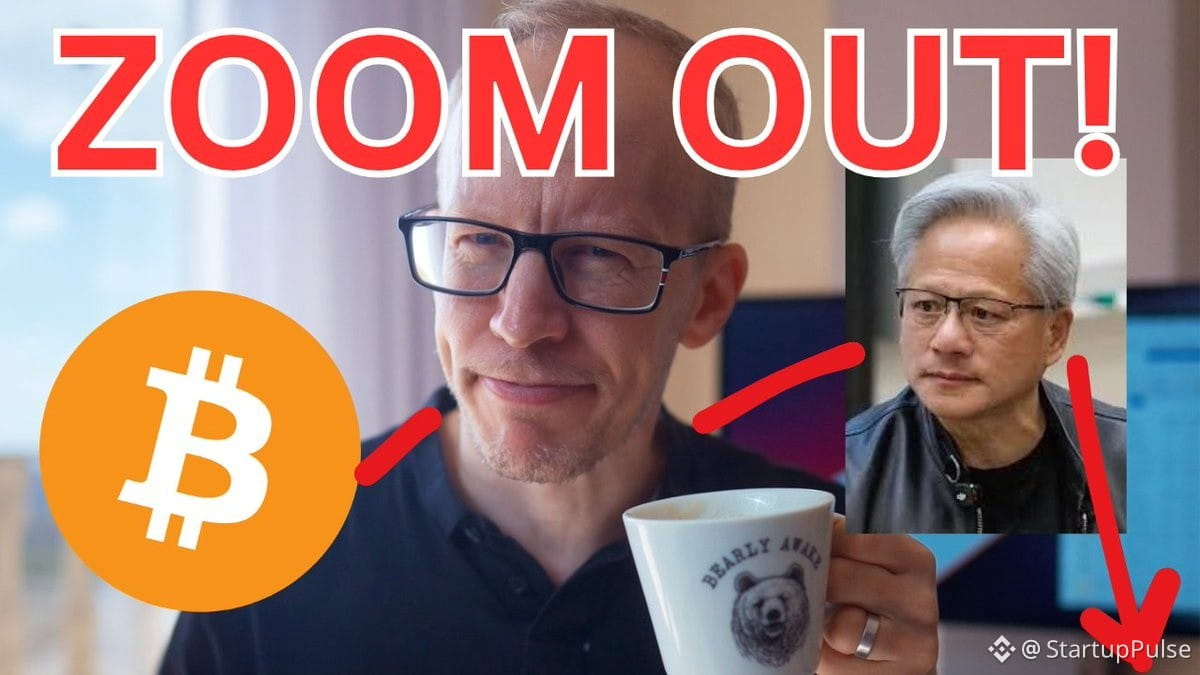
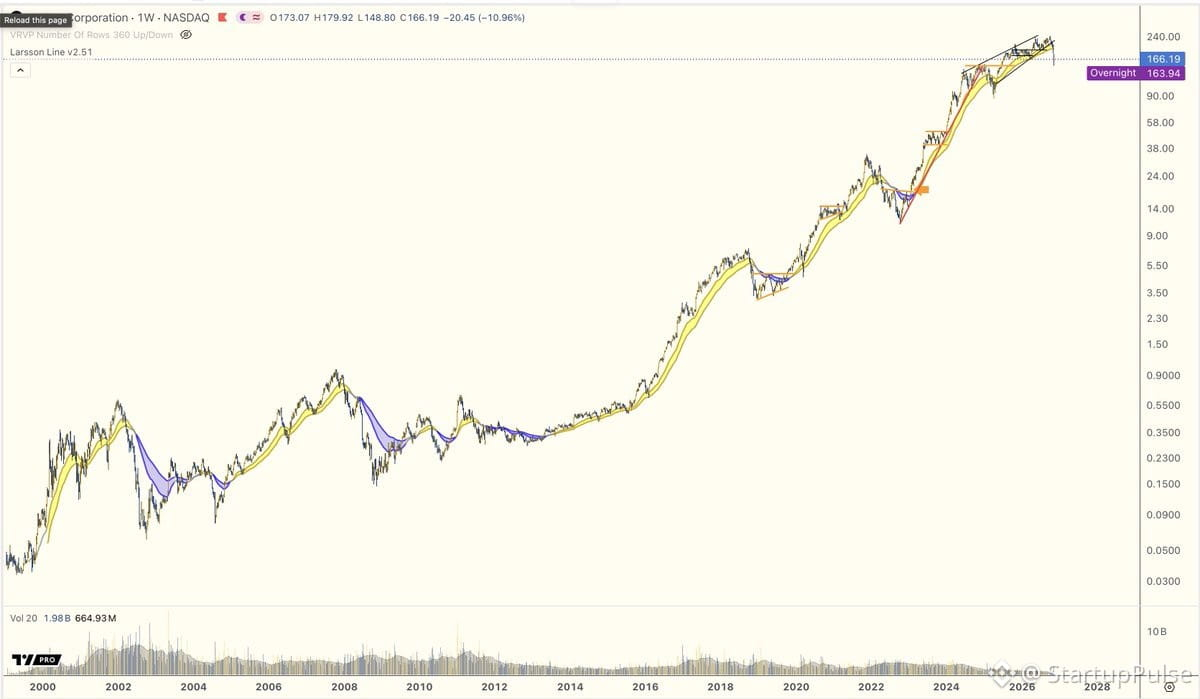
A estrutura de gestão de Jensen Huang na $NVDA: 60 subordinados diretos que se reportam pessoalmente a ele. Sob sua liderança, as ações subiram 6.000 vezes. A polêmica recente é irrelevante diante de uma execução dessa escala. É isso que acontece quando se tenta afastar um fundador que realmente construiu a vantagem competitiva tecnológica e empresarial. A mesma energia da Apple demitindo Jobs em 1985.
A estrutura de gestão de Jensen Huang na $NVDA: 60 subordinados diretos que se reportam pessoalmente a ele. Sob sua liderança, as ações subiram 6.000 vezes. A polêmica recente é irrelevante diante de uma execução dessa escala. É isso que acontece quando se tenta afastar um fundador que realmente construiu a vantagem competitiva tecnológica e empresarial. A mesma energia da Apple demitindo Jobs em 1985.
55
·
--
Ver tradução
Pete Hegseth just restructured Pentagon command by elevating Special Operations leadership—basically trying to rebuild the OSS model (the WWII-era intel/paramilitary hybrid that became CIA).
This isn't just org chart shuffling. OSS was famous for running unconventional warfare, intelligence collection, and covert ops under one roof. Modern SOCOM has been bureaucratically siloed from strategic intel for decades.
If they're actually merging special ops with intelligence architecture at the command level, it means faster decision loops for high-risk operations and less friction between operators and analysts. Think: tighter integration of cyber warfare units, drone strike authorization, and real-time SIGINT.
The real question is whether this gives SOCOM more autonomy from traditional military chains or just creates another layer of Pentagon politics. OSS worked because it operated outside normal military doctrine—hard to replicate that in 2025's compliance-heavy DoD structure.
42
·
--
Ver tradução
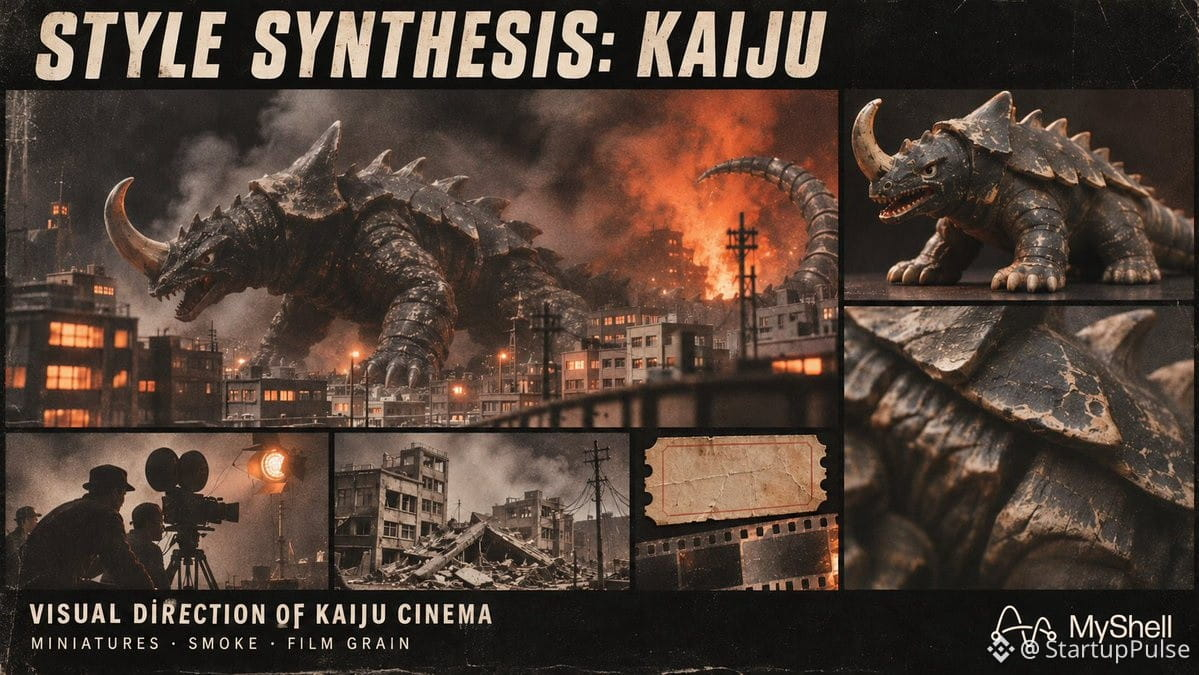
MyShell drops a Kaiju Cinema style generator that nails the Showa-era monster film aesthetic 🦖
Think practical effects over CGI - miniature cities getting stomped, smoke machines working overtime, 35mm film grain baked into every frame. The model synthesizes that handcrafted texture you get from physical sets and forced perspective shots.
Technically interesting because it's capturing lighting conditions and camera characteristics specific to that era's filmmaking constraints. Not just slapping a filter on - it's understanding the physics of miniature photography and analog film stock.
Good reference dataset work here. Showa-era (1926-1989) Godzilla films had very specific production techniques that modern AI usually botches. This actually gets the scale relationships right between miniatures and smoke effects.
Worth checking if you're into generative art or studying how to encode specific cinematography styles into latent space.
55
·
--
Ver tradução
UNOCOIN got breached on Nov 9. They immediately locked down user logins.
Here's the sketchy part: Arkham Intelligence is showing ZERO balances across 81,000 wallet addresses linked to the exchange. That's not a small discrepancy.
Unocoin's official line: "No customer funds lost." But when on-chain data shows empty wallets at scale, that's a massive red flag. Either their wallet infrastructure got completely drained and they're covering with reserves, or there's a serious accounting/reporting gap.
The investigation is still running, but this smells like either:
1. Hot wallet compromise with silent fund rotation to cold storage
2. Database manipulation hiding actual fund movements
3. Arkham's labeling caught something Unocoin doesn't want public yet
For a regulated Indian exchange, this level of opacity after detecting unauthorized access is concerning. Users should be demanding proof of reserves and independent audit results, not just PR statements.
71
·
--
Ver tradução
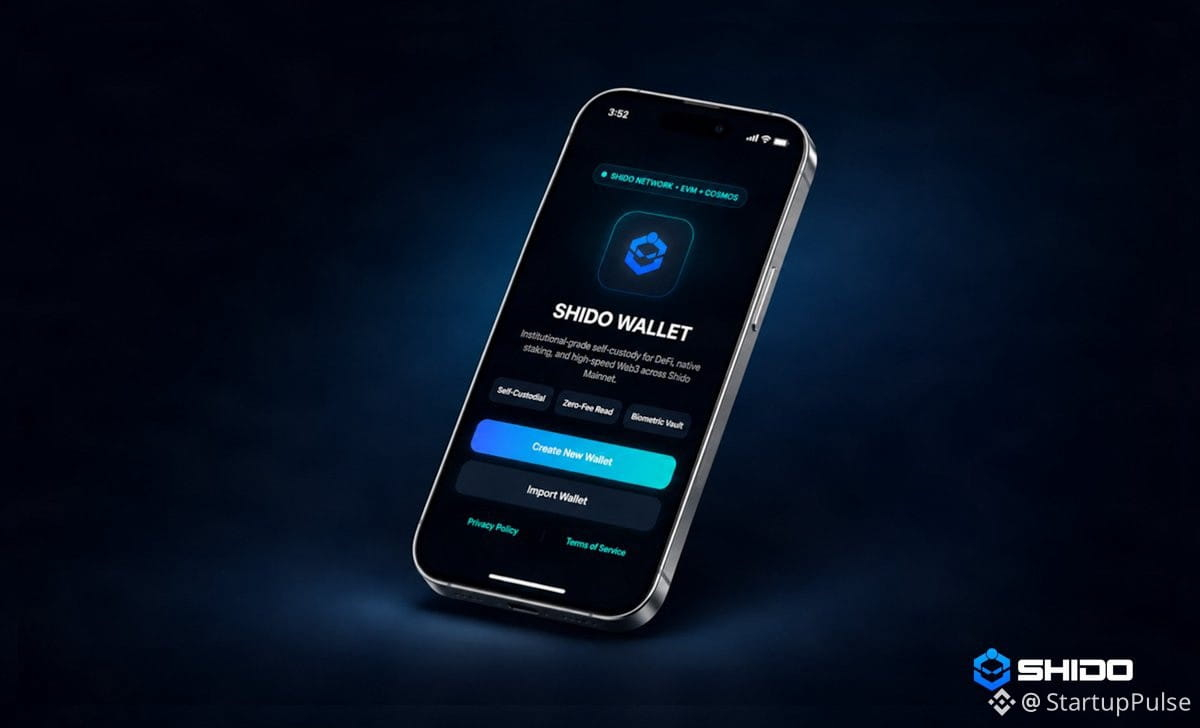
Shido Wallet V5 dropping soon - unified mobile interface for trading, staking, and ecosystem navigation. Single-app access to the full $SHIDO stack instead of juggling multiple dApps. Mobile-first architecture targeting Web3 users who want consolidated portfolio management without desktop dependency. Core focus: streamlined UX for on-chain operations directly from your phone.
Shido Wallet V5 dropping soon - unified mobile interface for trading, staking, and ecosystem navigation. Single-app access to the full $SHIDO stack instead of juggling multiple dApps. Mobile-first architecture targeting Web3 users who want consolidated portfolio management without desktop dependency. Core focus: streamlined UX for on-chain operations directly from your phone.
45
·
--
Ver tradução
Blackout prep speculation hitting critical mass. No confirmed grid-level incidents yet, but the chatter's getting loud across infrastructure circles. Could be:
• Geomagnetic storm warnings (solar activity's been spicy lately)
• Coordinated cyberattack fears on power grids
• Energy crisis escalation in specific regions
• Just another doomsday trend cycling through social media
Real talk: Modern grids are fragmented and vulnerable. A cascading failure scenario isn't sci-fi anymore. If you're running critical infrastructure or data centers, now's the time to stress-test your backup power systems and failover protocols.
No concrete evidence of coordinated global prep though. Mostly fear-driven speculation until we see official statements from grid operators or energy ministries.
67
·
--
Ver tradução
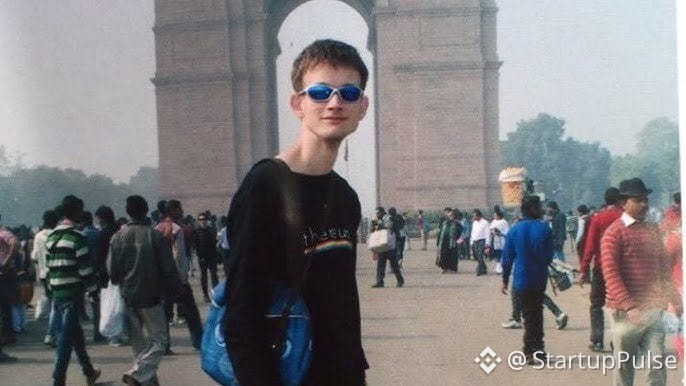
Vitalik calling out India's brutal crypto tax structure: 30% capital gains + 1% TDS on every transaction is basically a death sentence for local blockchain dev ecosystems. The 1% TDS is particularly insane because it applies to gross transaction value, not profits—meaning high-frequency traders and DeFi protocols get hammered even when net P&L is negative. This isn't just about traders; it kills the feedback loop where devs can actually experiment with on-chain apps without getting tax-nuked. Compare this to Singapore (0% capital gains on crypto) or Portugal (tax-free for individuals)—India is actively pushing talent offshore. The chilling effect on hackathons, testnets with real economic activity, and local dApp ecosystems is real. If you're building anything crypto-native in India right now, you're either structuring through foreign entities or just... not building there.
Vitalik calling out India's brutal crypto tax structure: 30% capital gains + 1% TDS on every transaction is basically a death sentence for local blockchain dev ecosystems. The 1% TDS is particularly insane because it applies to gross transaction value, not profits—meaning high-frequency traders and DeFi protocols get hammered even when net P&L is negative. This isn't just about traders; it kills the feedback loop where devs can actually experiment with on-chain apps without getting tax-nuked. Compare this to Singapore (0% capital gains on crypto) or Portugal (tax-free for individuals)—India is actively pushing talent offshore. The chilling effect on hackathons, testnets with real economic activity, and local dApp ecosystems is real. If you're building anything crypto-native in India right now, you're either structuring through foreign entities or just... not building there.
77
·
--
A Shido Wallet V5 chega em breve. O foco principal: simplificar a experiência do usuário e, ao mesmo tempo, reforçar os mecanismos de segurança para interações com Web3. A nova arquitetura provavelmente incluirá melhorias no gerenciamento de chaves, no fluxo de assinatura de transações e na interface de conexão com dApps. Vale a pena acompanhar se você está de olho na evolução das carteiras sem custódia em ecossistemas de L1 alternativas. 🔐
A Shido Wallet V5 chega em breve. O foco principal: simplificar a experiência do usuário e, ao mesmo tempo, reforçar os mecanismos de segurança para interações com Web3. A nova arquitetura provavelmente incluirá melhorias no gerenciamento de chaves, no fluxo de assinatura de transações e na interface de conexão com dApps. Vale a pena acompanhar se você está de olho na evolução das carteiras sem custódia em ecossistemas de L1 alternativas. 🔐
51
·
--
CEO da NVIDIA supostamente caiu numa operação chinesa de armadilha de sedução. Se for verdade, isso pode ter enormes implicações para a estratégia da $NVDA na China e para os controles de exportação de chips de IA. Os riscos geopolíticos em torno da tecnologia de semicondutores acabaram de ficar muito mais pessoais.
Isso está diretamente ligado às tensões tecnológicas em curso entre EUA e China sobre as exportações de GPUs H100/A100 e à corrida armamentista mais ampla em IA. A receita da NVIDIA na China é substancial, tornando qualquer comprometimento no nível executivo uma potencial preocupação de segurança nacional.
Acompanhando:
- Declarações oficiais da NVIDIA
- Envolvimento do DOJ/FBI
- Impacto nas licenças de exportação de chips pendentes
- Volatilidade das ações no pré-mercado
O momento é suspeito, considerando as restrições recentes à exportação de aceleradores avançados de IA para a China. A espionagem corporativa no setor de semicondutores é real, e este pode ser um caso clássico.
76
·
--
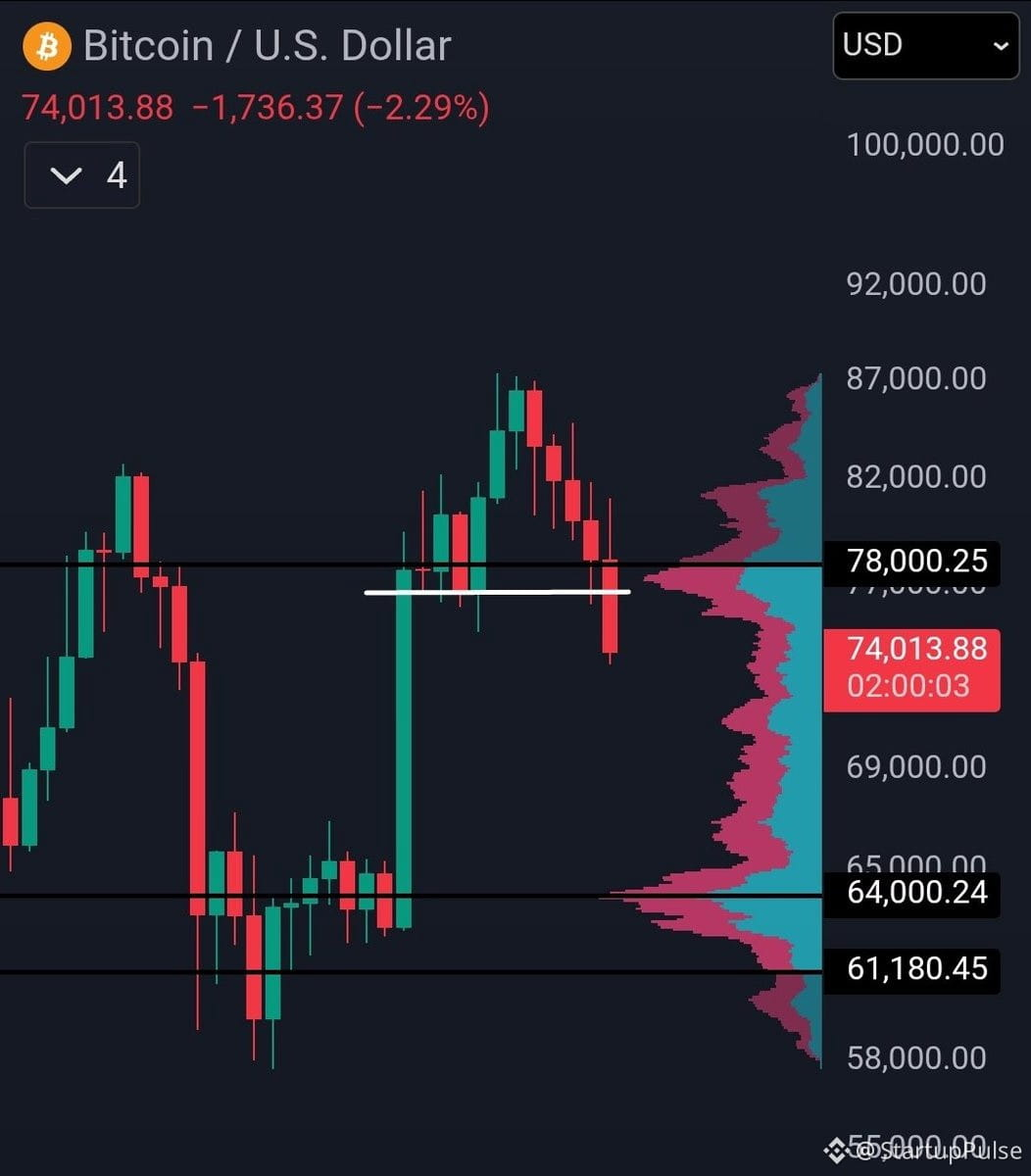
Uma forte queda atingindo as criptos agora – queda relâmpago de 3–10% em todo o mercado na última hora. O fechamento semanal do $BTC parece complicado, provavelmente abaixo de US$ 70 mil se isso continuar. Não é o tipo de impulso que você quer para entrar na próxima semana.
Uma forte queda atingindo as criptos agora – queda relâmpago de 3–10% em todo o mercado na última hora. O fechamento semanal do $BTC parece complicado, provavelmente abaixo de US$ 70 mil se isso continuar. Não é o tipo de impulso que você quer para entrar na próxima semana.
76
·
--
As corretoras indianas de criptomoedas acabaram de enfrentar sérios problemas de transparência. Uma investigação regulatória revelou práticas pouco claras de custódia de fundos: muitas corretoras ainda misturam os fundos dos usuários com o capital operacional, em vez de mantê-los devidamente segregados em carteiras frias. A principal preocupação: a maioria das plataformas não oferece comprovação de reservas em tempo real e mantém relações bancárias pouco transparentes para depósitos em INR. Se você negocia em corretoras centralizadas indianas, verifique se elas publicam provas baseadas em árvores de Merkle ou passam por auditorias de terceiros. A falta de rastreabilidade clara dos fundos significa que seus $BTC e $ETH podem não estar onde você imagina. É por isso que a autocustódia e as carteiras físicas são importantes: “se não são suas chaves, não são suas moedas” já não é apenas um meme.
As corretoras indianas de criptomoedas acabaram de enfrentar sérios problemas de transparência. Uma investigação regulatória revelou práticas pouco claras de custódia de fundos: muitas corretoras ainda misturam os fundos dos usuários com o capital operacional, em vez de mantê-los devidamente segregados em carteiras frias. A principal preocupação: a maioria das plataformas não oferece comprovação de reservas em tempo real e mantém relações bancárias pouco transparentes para depósitos em INR. Se você negocia em corretoras centralizadas indianas, verifique se elas publicam provas baseadas em árvores de Merkle ou passam por auditorias de terceiros. A falta de rastreabilidade clara dos fundos significa que seus $BTC e $ETH podem não estar onde você imagina. É por isso que a autocustódia e as carteiras físicas são importantes: “se não são suas chaves, não são suas moedas” já não é apenas um meme.
73
·
--
128 bancos em todo o oeste do Japão sofreram interrupções simultâneas. Ainda não há detalhes técnicos sobre a causa raiz — pode ter sido uma falha de infraestrutura, uma partição de rede ou um problema coordenado nos sistemas. Aguardamos a análise posterior para descobrir o que causou uma interrupção tão ampla e sincronizada em sistemas bancários independentes.
128 bancos em todo o oeste do Japão sofreram interrupções simultâneas. Ainda não há detalhes técnicos sobre a causa raiz — pode ter sido uma falha de infraestrutura, uma partição de rede ou um problema coordenado nos sistemas. Aguardamos a análise posterior para descobrir o que causou uma interrupção tão ampla e sincronizada em sistemas bancários independentes.
26
Faça login para explorar mais conteúdos
Junte-se a usuários de criptomoedas de todo o mundo no Binance Square.
⚡️ Obter informações mais recentes e úteis sobre criptomoeda.
💬 Com a confiança da maior corretora de criptomoedas do mundo.
👍 Descubra insights reais de criadores verificados.
E-mail / número de telefone
Tópicos em Alta
NvidiaBeatsEstimatesAICloudStocksRiseAfterHours
8,004 visualizações
93 discutindo
Nvidia supera expectativas com receita de US$ 115,8 bilhões, prevê US$ 130 bilhões e acrescenta US$ 150 bilhões à recompra de ações
Binance News
·12 curtidas
·13.3k visualizações
A Packed Week of Earnings and Data Tests Markets
155,374 visualizações
668 discutindo
AnthropicIPOTestsInvestorAppetiteForAI
342,867 visualizações
2,946 discutindo