

CryptosNewss
1.3k Publicações

CryptosNewss
Denunciar
Bloquear usuário
CryptosNewss.com : Cryptocurrency Latest News: Get all latest & breaking news on Cryptocurrency, Bitcoin, Ethereum, Blockchain, NFT, Ripple, Defi news.
3 Seguindo
758 Seguidores
861 Curtiu
Publicações
·
--
A Bitget diz que restaurou seu Fundo de Proteção para mais de US$ 300 milhões após absorver cerca de US$ 388 milhões do incidente de segurança de 24 de setembro. #Bitget #CryptoSecurity #CryptoNews #Blockchain #Cryptocurrency
https://cryptosnewss.com/cryptocurrency-news/bitget-restores-300m-protection-fund-after-388m-security-incident
A Bitget diz que restaurou seu Fundo de Proteção para mais de US$ 300 milhões após absorver cerca de US$ 388 milhões do incidente de segurança de 24 de setembro. #Bitget #CryptoSecurity #CryptoNews #Blockchain #Cryptocurrency
https://cryptosnewss.com/cryptocurrency-news/bitget-restores-300m-protection-fund-after-388m-security-incident
https://cryptosnewss.com/cryptocurrency-news/bitget-restores-300m-protection-fund-after-388m-security-incident
85
·
--
Artigo
New Market Trading Conclui Auditoria Independente de Segurança da Infraestrutura de Contas Sem CustódiaSt. Peterbursg, Fl
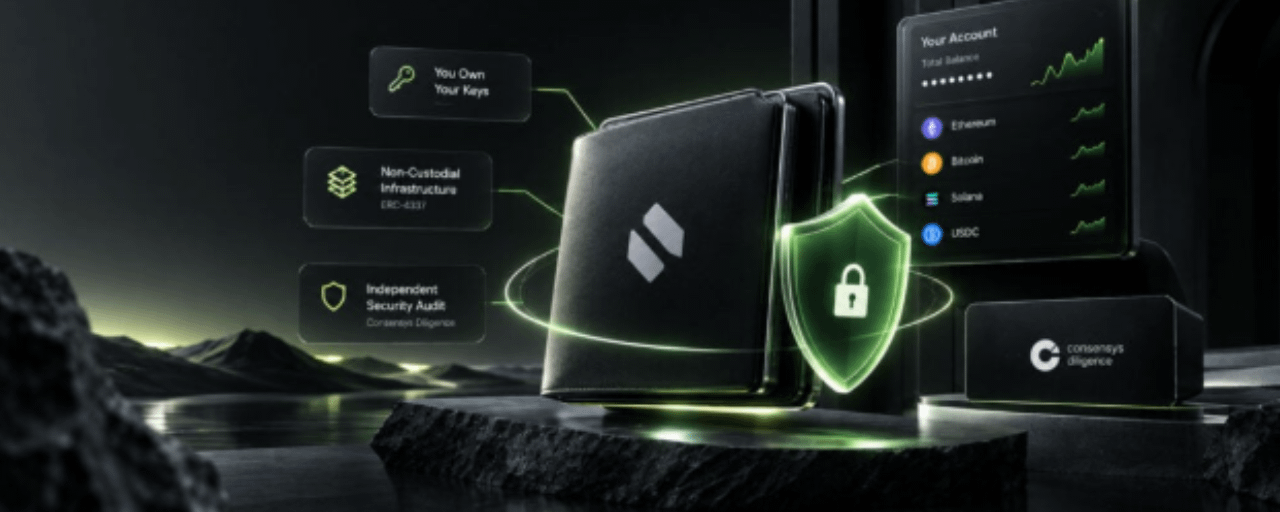
A New Market Trading, uma empresa de gestão de patrimônio on-chain sem custódia, concluiu uma auditoria de segurança independente da infraestrutura de contas de seus clientes, realizada pela Consensys Diligence, uma das empresas de auditoria de segurança blockchain mais estabelecidas do setor. A auditoria cobriu a arquitetura sem custódia por trás de cada conta do cliente NMT, construída sobre a implementação do Safe do padrão ERC-4337, uma infraestrutura que já protege mais de US$ 100 bilhões em ativos cripto no setor.
New Market Trading Conclui Auditoria Independente de Segurança da Infraestrutura de Contas Sem Custódia
St. Peterbursg, Fl
A New Market Trading, uma empresa de gestão de patrimônio on-chain sem custódia, concluiu uma auditoria de segurança independente da infraestrutura de contas de seus clientes, realizada pela Consensys Diligence, uma das empresas de auditoria de segurança blockchain mais estabelecidas do setor. A auditoria cobriu a arquitetura sem custódia por trás de cada conta do cliente NMT, construída sobre a implementação do Safe do padrão ERC-4337, uma infraestrutura que já protege mais de US$ 100 bilhões em ativos cripto no setor.
A New Market Trading, uma empresa de gestão de patrimônio on-chain sem custódia, concluiu uma auditoria de segurança independente da infraestrutura de contas de seus clientes, realizada pela Consensys Diligence, uma das empresas de auditoria de segurança blockchain mais estabelecidas do setor. A auditoria cobriu a arquitetura sem custódia por trás de cada conta do cliente NMT, construída sobre a implementação do Safe do padrão ERC-4337, uma infraestrutura que já protege mais de US$ 100 bilhões em ativos cripto no setor.
1
518
·
--
Artigo
As Regras de Stablecoin do Canadá Levantam Novas Questões para Pagamentos DigitaisO Canadá está modernizando simultaneamente sua supervisão de pagamentos digitais e expandindo seu setor regulamentado de entretenimento online. Enquanto o governo federal implementa novas regras rigorosas para os dólares digitais (stablecoins), Alberta está abrindo suas portas para cassinos online privados e legais.
Isso levanta uma importante questão de mercado: uma infraestrutura de pagamentos mais responsável, combinada com um mercado de jogos de azar legais mais amplo, pode persuadir mais canadenses a usarem sites regulamentados provincialmente?
Uma nova pesquisa da SlotsUp analisa como essas mudanças podem afetar o acesso aos pagamentos, as opções de jogadores e a migração de cassinos internacionais para sites regulamentados provincialmente.
As Regras de Stablecoin do Canadá Levantam Novas Questões para Pagamentos Digitais
O Canadá está modernizando simultaneamente sua supervisão de pagamentos digitais e expandindo seu setor regulamentado de entretenimento online. Enquanto o governo federal implementa novas regras rigorosas para os dólares digitais (stablecoins), Alberta está abrindo suas portas para cassinos online privados e legais.
Isso levanta uma importante questão de mercado: uma infraestrutura de pagamentos mais responsável, combinada com um mercado de jogos de azar legais mais amplo, pode persuadir mais canadenses a usarem sites regulamentados provincialmente?
Uma nova pesquisa da SlotsUp analisa como essas mudanças podem afetar o acesso aos pagamentos, as opções de jogadores e a migração de cassinos internacionais para sites regulamentados provincialmente.
Isso levanta uma importante questão de mercado: uma infraestrutura de pagamentos mais responsável, combinada com um mercado de jogos de azar legais mais amplo, pode persuadir mais canadenses a usarem sites regulamentados provincialmente?
Uma nova pesquisa da SlotsUp analisa como essas mudanças podem afetar o acesso aos pagamentos, as opções de jogadores e a migração de cassinos internacionais para sites regulamentados provincialmente.
96
·
--
Artigo
Baskavolt incorpora a manutenção diária de energia solar ao design do token BSKVDa manutenção dos equipamentos aos pagamentos pelos serviços, o projeto conecta a utilidade do token à operação contínua da infraestrutura de energia distribuída.
Jacarta, Indonésia
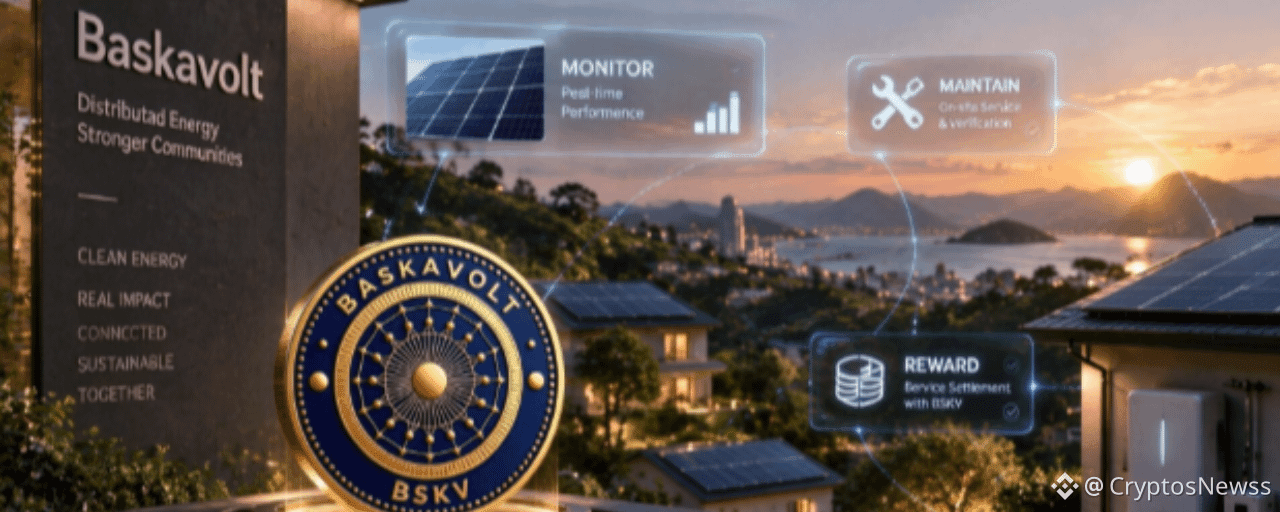
O valor de uma instalação solar depende de como ela funciona muito tempo após a instalação. Quem monitora os equipamentos, quem responde quando a geração fica abaixo das expectativas e como o trabalho de manutenção é verificado e pago — tudo isso afeta sua capacidade de atender usuários locais ao longo do tempo. O modelo proposto pela Baskavolt aborda essas questões práticas ao conectar a infraestrutura solar distribuída com mecanismos de coordenação de rede e ao definir um papel para a BSKV nesse processo.
Baskavolt incorpora a manutenção diária de energia solar ao design do token BSKV
Da manutenção dos equipamentos aos pagamentos pelos serviços, o projeto conecta a utilidade do token à operação contínua da infraestrutura de energia distribuída.
Jacarta, Indonésia
O valor de uma instalação solar depende de como ela funciona muito tempo após a instalação. Quem monitora os equipamentos, quem responde quando a geração fica abaixo das expectativas e como o trabalho de manutenção é verificado e pago — tudo isso afeta sua capacidade de atender usuários locais ao longo do tempo. O modelo proposto pela Baskavolt aborda essas questões práticas ao conectar a infraestrutura solar distribuída com mecanismos de coordenação de rede e ao definir um papel para a BSKV nesse processo.
Jacarta, Indonésia
O valor de uma instalação solar depende de como ela funciona muito tempo após a instalação. Quem monitora os equipamentos, quem responde quando a geração fica abaixo das expectativas e como o trabalho de manutenção é verificado e pago — tudo isso afeta sua capacidade de atender usuários locais ao longo do tempo. O modelo proposto pela Baskavolt aborda essas questões práticas ao conectar a infraestrutura solar distribuída com mecanismos de coordenação de rede e ao definir um papel para a BSKV nesse processo.
76
·
--
Artigo
Nova pesquisa mostra que bancos americanos estão adotando rapidamente o blockchain para oferecer serviços mais rápidos, mais baratos e melhoresSAN FRANCISCO, CA (PinionNewswire)
A Uphold, provedora de infraestrutura para finanças on-chain, lança hoje uma pesquisa que revela que 75% dos bancos americanos têm programas de finanças em blockchain em andamento: 22% possuem projetos em funcionamento ou em escala, enquanto mais 53% estão fazendo testes ou avaliando casos de uso específicos.
Três quartos dos bancos dos EUA confirmam programas de ativos digitais – 22% com projetos em funcionamento ou em escala; mais da metade está fazendo testes ou avaliando ativamente
A fase de compra para a infraestrutura de ativos digitais começou – dois terços dos bancos alocaram fundos; mais da metade emitiu solicitações de proposta (RFPs) para fornecedores e parceiros de ativos digitais
Nova pesquisa mostra que bancos americanos estão adotando rapidamente o blockchain para oferecer serviços mais rápidos, mais baratos e melhores
SAN FRANCISCO, CA (PinionNewswire)
A Uphold, provedora de infraestrutura para finanças on-chain, lança hoje uma pesquisa que revela que 75% dos bancos americanos têm programas de finanças em blockchain em andamento: 22% possuem projetos em funcionamento ou em escala, enquanto mais 53% estão fazendo testes ou avaliando casos de uso específicos.
Três quartos dos bancos dos EUA confirmam programas de ativos digitais – 22% com projetos em funcionamento ou em escala; mais da metade está fazendo testes ou avaliando ativamente
A fase de compra para a infraestrutura de ativos digitais começou – dois terços dos bancos alocaram fundos; mais da metade emitiu solicitações de proposta (RFPs) para fornecedores e parceiros de ativos digitais
A Uphold, provedora de infraestrutura para finanças on-chain, lança hoje uma pesquisa que revela que 75% dos bancos americanos têm programas de finanças em blockchain em andamento: 22% possuem projetos em funcionamento ou em escala, enquanto mais 53% estão fazendo testes ou avaliando casos de uso específicos.
Três quartos dos bancos dos EUA confirmam programas de ativos digitais – 22% com projetos em funcionamento ou em escala; mais da metade está fazendo testes ou avaliando ativamente
A fase de compra para a infraestrutura de ativos digitais começou – dois terços dos bancos alocaram fundos; mais da metade emitiu solicitações de proposta (RFPs) para fornecedores e parceiros de ativos digitais
13
·
--
Artigo
Bluwhale Entrega Agentes de IA Sempre-Ativos para Negociação de Ações TokenizadasSÃO FRANCISCO, CA
A Bluwhale, o sistema operacional financeiro de IA que conecta milhões de usuários a serviços financeiros tradicionais e baseados em blockchain gerenciados por IA, anunciou hoje agentes de negociação para ações tokenizadas e ativos do mundo real, incluindo ouro, prata e petróleo. O mercado mais amplo de ações tokenizadas já inclui instrumentos vinculados a empresas amplamente mantidas, como Apple, Microsoft e Tesla, embora a disponibilidade varie conforme o emissor, a plataforma (venue), a elegibilidade do usuário e a jurisdição.
A nova capacidade estende a infraestrutura de IA financeira da Bluwhale para ações e commodities tokenizadas, permitindo que os usuários criem agentes que negociam autonomamente ativos suportados onchain. Os agentes pesquisam dados de mercado, aplicam as estratégias selecionadas pelo usuário e tomam decisões de compra e venda dentro da autoridade que o usuário concede. O anúncio ocorre à medida que a tokenização avança ainda mais para o setor financeiro convencional. A SEC recentemente criou um caminho limitado e condicional para que determinadas ações tokenizadas negociem onchain, destacando o movimento mais amplo de ativos tradicionais para mercados baseados em blockchain.
Bluwhale Entrega Agentes de IA Sempre-Ativos para Negociação de Ações Tokenizadas
SÃO FRANCISCO, CA
A Bluwhale, o sistema operacional financeiro de IA que conecta milhões de usuários a serviços financeiros tradicionais e baseados em blockchain gerenciados por IA, anunciou hoje agentes de negociação para ações tokenizadas e ativos do mundo real, incluindo ouro, prata e petróleo. O mercado mais amplo de ações tokenizadas já inclui instrumentos vinculados a empresas amplamente mantidas, como Apple, Microsoft e Tesla, embora a disponibilidade varie conforme o emissor, a plataforma (venue), a elegibilidade do usuário e a jurisdição.
A nova capacidade estende a infraestrutura de IA financeira da Bluwhale para ações e commodities tokenizadas, permitindo que os usuários criem agentes que negociam autonomamente ativos suportados onchain. Os agentes pesquisam dados de mercado, aplicam as estratégias selecionadas pelo usuário e tomam decisões de compra e venda dentro da autoridade que o usuário concede. O anúncio ocorre à medida que a tokenização avança ainda mais para o setor financeiro convencional. A SEC recentemente criou um caminho limitado e condicional para que determinadas ações tokenizadas negociem onchain, destacando o movimento mais amplo de ativos tradicionais para mercados baseados em blockchain.
A Bluwhale, o sistema operacional financeiro de IA que conecta milhões de usuários a serviços financeiros tradicionais e baseados em blockchain gerenciados por IA, anunciou hoje agentes de negociação para ações tokenizadas e ativos do mundo real, incluindo ouro, prata e petróleo. O mercado mais amplo de ações tokenizadas já inclui instrumentos vinculados a empresas amplamente mantidas, como Apple, Microsoft e Tesla, embora a disponibilidade varie conforme o emissor, a plataforma (venue), a elegibilidade do usuário e a jurisdição.
A nova capacidade estende a infraestrutura de IA financeira da Bluwhale para ações e commodities tokenizadas, permitindo que os usuários criem agentes que negociam autonomamente ativos suportados onchain. Os agentes pesquisam dados de mercado, aplicam as estratégias selecionadas pelo usuário e tomam decisões de compra e venda dentro da autoridade que o usuário concede. O anúncio ocorre à medida que a tokenização avança ainda mais para o setor financeiro convencional. A SEC recentemente criou um caminho limitado e condicional para que determinadas ações tokenizadas negociem onchain, destacando o movimento mais amplo de ativos tradicionais para mercados baseados em blockchain.
87
·
--
Artigo
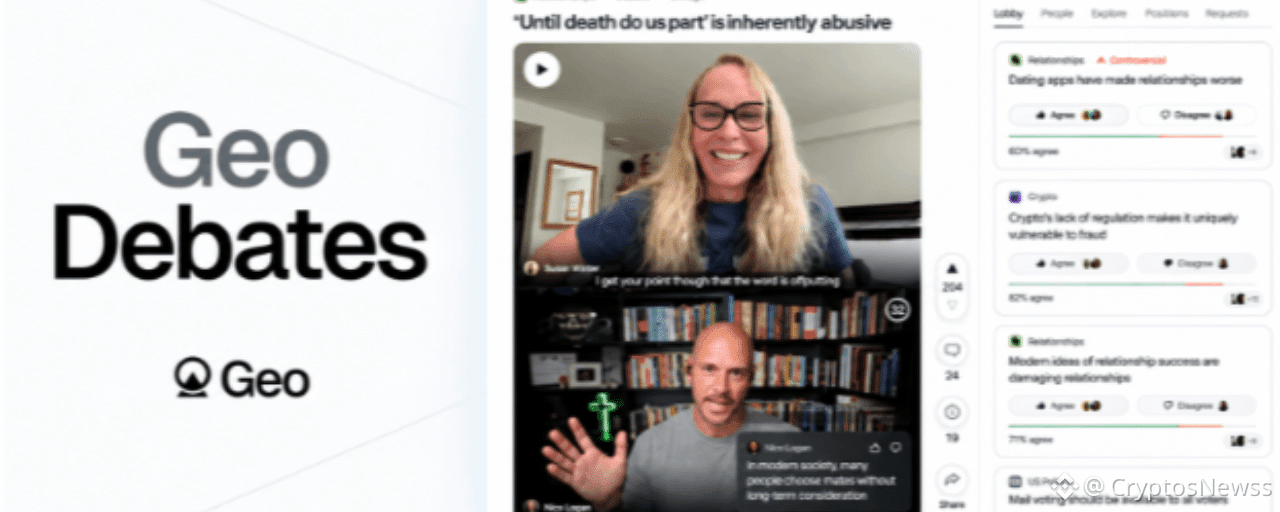
Geo Debates lança debates em vídeo no estilo TikTok, nos quais o público vota em quem venceuDuas pessoas que discordam discutem uma alegação em vídeo, em turnos cronometrados. A gravação, a votação e cada alegação levantada passam a fazer parte de um registro aberto e consultável.
Duas pessoas que discordam discutem uma alegação em vídeo, em turnos cronometrados. A gravação, a votação e cada alegação levantada passam a fazer parte de um registro aberto e consultável.
Nova York, NY (PinionNewswire)
Hoje, o Geo lançou o Geo Debates, o primeiro produto voltado ao consumidor da Geo, uma rede aberta de conhecimento fundada por Yaniv Tal. Ele assume o formato em que a internet discute—vídeos curtos—and reconstroi isso para pessoas que realmente querem chegar a algum lugar.
Geo Debates lança debates em vídeo no estilo TikTok, nos quais o público vota em quem venceu
Duas pessoas que discordam discutem uma alegação em vídeo, em turnos cronometrados. A gravação, a votação e cada alegação levantada passam a fazer parte de um registro aberto e consultável.
Duas pessoas que discordam discutem uma alegação em vídeo, em turnos cronometrados. A gravação, a votação e cada alegação levantada passam a fazer parte de um registro aberto e consultável.
Nova York, NY (PinionNewswire)
Hoje, o Geo lançou o Geo Debates, o primeiro produto voltado ao consumidor da Geo, uma rede aberta de conhecimento fundada por Yaniv Tal. Ele assume o formato em que a internet discute—vídeos curtos—and reconstroi isso para pessoas que realmente querem chegar a algum lugar.
Duas pessoas que discordam discutem uma alegação em vídeo, em turnos cronometrados. A gravação, a votação e cada alegação levantada passam a fazer parte de um registro aberto e consultável.
Nova York, NY (PinionNewswire)
Hoje, o Geo lançou o Geo Debates, o primeiro produto voltado ao consumidor da Geo, uma rede aberta de conhecimento fundada por Yaniv Tal. Ele assume o formato em que a internet discute—vídeos curtos—and reconstroi isso para pessoas que realmente querem chegar a algum lugar.
119
·
--
BINANCE VAI LISTAR BREVE?
O próximo grande passo para a PANDA AI pode estar mais perto do que você imagina…
PANDA × BINANCE — EM BREVE🟡🚀
A liquidez está pronta
DO BAMBU AO MARTE.
BINANCE VAI LISTAR BREVE?
O próximo grande passo para a PANDA AI pode estar mais perto do que você imagina…
PANDA × BINANCE — EM BREVE🟡🚀
A liquidez está pronta
DO BAMBU AO MARTE.
O próximo grande passo para a PANDA AI pode estar mais perto do que você imagina…
PANDA × BINANCE — EM BREVE🟡🚀
A liquidez está pronta
DO BAMBU AO MARTE.

1
459
·
--

Artigo
A Neurabhasa Mira a Lacuna de Dados Multilíngues de IA — O que Sustenta o Potencial de Utilidade da NRBH?Da expertise linguística e feedback profissional à avaliação de modelos, a Neurabhasa coloca o conhecimento humano no centro do design do seu produto, com funções de protocolo propostas para a NRBH construídas em torno da colaboração de dados.
O apelo de um projeto de token de IA, em última instância, precisa se basear em um propósito de negócios concreto. Que problema ele busca resolver? Como seus produtos operariam? E qual seria o papel do token? A Neurabhasa se concentra em conhecimento humano que é difícil de obter por meio de simples scraping de dados ou tradução mecânica.
A Neurabhasa Mira a Lacuna de Dados Multilíngues de IA — O que Sustenta o Potencial de Utilidade da NRBH?
Da expertise linguística e feedback profissional à avaliação de modelos, a Neurabhasa coloca o conhecimento humano no centro do design do seu produto, com funções de protocolo propostas para a NRBH construídas em torno da colaboração de dados.
O apelo de um projeto de token de IA, em última instância, precisa se basear em um propósito de negócios concreto. Que problema ele busca resolver? Como seus produtos operariam? E qual seria o papel do token? A Neurabhasa se concentra em conhecimento humano que é difícil de obter por meio de simples scraping de dados ou tradução mecânica.
O apelo de um projeto de token de IA, em última instância, precisa se basear em um propósito de negócios concreto. Que problema ele busca resolver? Como seus produtos operariam? E qual seria o papel do token? A Neurabhasa se concentra em conhecimento humano que é difícil de obter por meio de simples scraping de dados ou tradução mecânica.
88
·
--
Artigo
Genius.fun é lançado na BNB Chain para levar tomadas hostis on-chainUm novo launchpad permite que comunidades de cripto lancem tokens, acumulem ações de empresas de capital aberto e se organizem em torno da propriedade corporativa
Um novo launchpad permite que comunidades de cripto lancem tokens, acumulem ações de empresas de capital aberto e se organizem em torno da propriedade corporativa
Ilhas Cayman (PinionNewswire)
A Genius Foundation anunciou hoje o lançamento do genius.fun, um novo launchpad na BNB Chain projetado para ajudar comunidades online a coordenar capital e buscar participação societária em empresas de capital aberto.
O Genius.fun conecta tokens nativos da internet a ações de empresas de capital aberto tokenizadas, permitindo que comunidades descentralizadas se organizem em torno de uma empresa, acumulem seu patrimônio e busquem iniciativas de acionistas, representação no conselho ou até mesmo tomadas hostis. Ao aplicar mercados nativos de cripto e coordenação sem permissão à propriedade de empresas de capital aberto, ele oferece uma alternativa às estruturas tradicionalmente dominadas por bancos de investimento, firmas de private equity e fundos ativistas.
Genius.fun é lançado na BNB Chain para levar tomadas hostis on-chain
Um novo launchpad permite que comunidades de cripto lancem tokens, acumulem ações de empresas de capital aberto e se organizem em torno da propriedade corporativa
Um novo launchpad permite que comunidades de cripto lancem tokens, acumulem ações de empresas de capital aberto e se organizem em torno da propriedade corporativa
Ilhas Cayman (PinionNewswire)
A Genius Foundation anunciou hoje o lançamento do genius.fun, um novo launchpad na BNB Chain projetado para ajudar comunidades online a coordenar capital e buscar participação societária em empresas de capital aberto.
O Genius.fun conecta tokens nativos da internet a ações de empresas de capital aberto tokenizadas, permitindo que comunidades descentralizadas se organizem em torno de uma empresa, acumulem seu patrimônio e busquem iniciativas de acionistas, representação no conselho ou até mesmo tomadas hostis. Ao aplicar mercados nativos de cripto e coordenação sem permissão à propriedade de empresas de capital aberto, ele oferece uma alternativa às estruturas tradicionalmente dominadas por bancos de investimento, firmas de private equity e fundos ativistas.
Um novo launchpad permite que comunidades de cripto lancem tokens, acumulem ações de empresas de capital aberto e se organizem em torno da propriedade corporativa
Ilhas Cayman (PinionNewswire)
A Genius Foundation anunciou hoje o lançamento do genius.fun, um novo launchpad na BNB Chain projetado para ajudar comunidades online a coordenar capital e buscar participação societária em empresas de capital aberto.
O Genius.fun conecta tokens nativos da internet a ações de empresas de capital aberto tokenizadas, permitindo que comunidades descentralizadas se organizem em torno de uma empresa, acumulem seu patrimônio e busquem iniciativas de acionistas, representação no conselho ou até mesmo tomadas hostis. Ao aplicar mercados nativos de cripto e coordenação sem permissão à propriedade de empresas de capital aberto, ele oferece uma alternativa às estruturas tradicionalmente dominadas por bancos de investimento, firmas de private equity e fundos ativistas.
351
·
--
Artigo
Uk Financial Moonshot Token Adquire Mayacoin, Dando Continuidade à Sua História de Blockchain Desde 2018 &Londres, Reino Unido (PinionNewswire) (PinionNewswire)
A mudança traz aproximadamente 6.289 detentores atuais de tokens, uma história de blockchain de oito anos, código-fonte verificado e uma análise de segurança atual mostrando zero itens arriscados e zero itens de atenção para a história do UK Financial Moonshot Token.
A UKFLMS atualmente negocia por meio do aplicativo Moonshot e do aplicativo FOMO, com expansão para a Robinhood Chain planejada em seguida—estabelecendo oficialmente a UKFLMS como um token multi-chain.
A UK Financial Ltd anuncia que o UK Financial Moonshot Token (MAYA) adquiriu e está dando continuidade à história de blockchain estabelecida do Maya Coin (MAYA), originalmente lançado em 2018.
Uk Financial Moonshot Token Adquire Mayacoin, Dando Continuidade à Sua História de Blockchain Desde 2018 &
Londres, Reino Unido (PinionNewswire) (PinionNewswire)
A mudança traz aproximadamente 6.289 detentores atuais de tokens, uma história de blockchain de oito anos, código-fonte verificado e uma análise de segurança atual mostrando zero itens arriscados e zero itens de atenção para a história do UK Financial Moonshot Token.
A UKFLMS atualmente negocia por meio do aplicativo Moonshot e do aplicativo FOMO, com expansão para a Robinhood Chain planejada em seguida—estabelecendo oficialmente a UKFLMS como um token multi-chain.
A UK Financial Ltd anuncia que o UK Financial Moonshot Token (MAYA) adquiriu e está dando continuidade à história de blockchain estabelecida do Maya Coin (MAYA), originalmente lançado em 2018.
A mudança traz aproximadamente 6.289 detentores atuais de tokens, uma história de blockchain de oito anos, código-fonte verificado e uma análise de segurança atual mostrando zero itens arriscados e zero itens de atenção para a história do UK Financial Moonshot Token.
A UKFLMS atualmente negocia por meio do aplicativo Moonshot e do aplicativo FOMO, com expansão para a Robinhood Chain planejada em seguida—estabelecendo oficialmente a UKFLMS como um token multi-chain.
A UK Financial Ltd anuncia que o UK Financial Moonshot Token (MAYA) adquiriu e está dando continuidade à história de blockchain estabelecida do Maya Coin (MAYA), originalmente lançado em 2018.
95
·
--
Artigo
Preço do Zcash atinge US$ 979 com alta dos lucros da mineração e disparada da taxa de hash da redeO Zcash (ZEC) subiu para US$ 979 na quinta-feira, ganhando quase 17% em 24 horas, já que a acentuada valorização do preço da criptomoeda aumentou a lucratividade da mineração e impulsionou a taxa de hash da rede até níveis próximos dos recordes.
O ZEC ganhou 64,7% nas últimas duas semanas e 88,1% contra o dólar americano ao longo de 30 dias. Em seis meses, a criptomoeda focada em privacidade subiu aproximadamente 353%.
O aumento do preço melhorou a viabilidade econômica para mineradores de Zcash, incentivando a entrada de poder computacional adicional na rede. A Bitcoin.com News informou anteriormente que o Zcash operava em torno de 27,87 GSol/s.
Preço do Zcash atinge US$ 979 com alta dos lucros da mineração e disparada da taxa de hash da rede
O Zcash (ZEC) subiu para US$ 979 na quinta-feira, ganhando quase 17% em 24 horas, já que a acentuada valorização do preço da criptomoeda aumentou a lucratividade da mineração e impulsionou a taxa de hash da rede até níveis próximos dos recordes.
O ZEC ganhou 64,7% nas últimas duas semanas e 88,1% contra o dólar americano ao longo de 30 dias. Em seis meses, a criptomoeda focada em privacidade subiu aproximadamente 353%.
O aumento do preço melhorou a viabilidade econômica para mineradores de Zcash, incentivando a entrada de poder computacional adicional na rede. A Bitcoin.com News informou anteriormente que o Zcash operava em torno de 27,87 GSol/s.
O ZEC ganhou 64,7% nas últimas duas semanas e 88,1% contra o dólar americano ao longo de 30 dias. Em seis meses, a criptomoeda focada em privacidade subiu aproximadamente 353%.
O aumento do preço melhorou a viabilidade econômica para mineradores de Zcash, incentivando a entrada de poder computacional adicional na rede. A Bitcoin.com News informou anteriormente que o Zcash operava em torno de 27,87 GSol/s.
84
·
--

Artigo
Agência Global de Relações Públicas, Genius PR, Faz Rebranding para Refletir Crescimento em Cripto, IA e Petições de Visto O-1 e EB-1Antes conhecida como The PR Genius, a agência com base em Londres e Dubai representou mais de 350 marcas globais e apoiou mais de 100 empreendedores com estratégias de imprensa para petições O-1 e EB-1
DUBAI, Emirados Árabes Unidos (PinionNewswire)
A Genius, anteriormente conhecida como The PR Genius, anunciou hoje seu rebranding para Genius PR, refletindo a evolução da agência para uma agência global de relações públicas de cripto e IA e uma fornecedora especializada de estratégia de evidências na imprensa para solicitantes de petições de visto O-1 e EB-1.
O rebranding segue um período de crescimento internacional para a agência, que continua a operar entre Londres e Dubai enquanto constrói uma base crescente de clientes nos Estados Unidos. A Genius PR agora já representou mais de 350 marcas globalmente e apoiou mais de 100 empreendedores com estratégias de assessoria de imprensa e conteúdo editorial ligadas a petições de visto O-1 e EB-1. A agência ajuda fundadores, executivos e empresas a construírem perfis públicos críveis por meio de estratégia de mídia, desenvolvimento de narrativa e distribuição multicanal.
Agência Global de Relações Públicas, Genius PR, Faz Rebranding para Refletir Crescimento em Cripto, IA e Petições de Visto O-1 e EB-1
Antes conhecida como The PR Genius, a agência com base em Londres e Dubai representou mais de 350 marcas globais e apoiou mais de 100 empreendedores com estratégias de imprensa para petições O-1 e EB-1
DUBAI, Emirados Árabes Unidos (PinionNewswire)
A Genius, anteriormente conhecida como The PR Genius, anunciou hoje seu rebranding para Genius PR, refletindo a evolução da agência para uma agência global de relações públicas de cripto e IA e uma fornecedora especializada de estratégia de evidências na imprensa para solicitantes de petições de visto O-1 e EB-1.
O rebranding segue um período de crescimento internacional para a agência, que continua a operar entre Londres e Dubai enquanto constrói uma base crescente de clientes nos Estados Unidos. A Genius PR agora já representou mais de 350 marcas globalmente e apoiou mais de 100 empreendedores com estratégias de assessoria de imprensa e conteúdo editorial ligadas a petições de visto O-1 e EB-1. A agência ajuda fundadores, executivos e empresas a construírem perfis públicos críveis por meio de estratégia de mídia, desenvolvimento de narrativa e distribuição multicanal.
DUBAI, Emirados Árabes Unidos (PinionNewswire)
A Genius, anteriormente conhecida como The PR Genius, anunciou hoje seu rebranding para Genius PR, refletindo a evolução da agência para uma agência global de relações públicas de cripto e IA e uma fornecedora especializada de estratégia de evidências na imprensa para solicitantes de petições de visto O-1 e EB-1.
O rebranding segue um período de crescimento internacional para a agência, que continua a operar entre Londres e Dubai enquanto constrói uma base crescente de clientes nos Estados Unidos. A Genius PR agora já representou mais de 350 marcas globalmente e apoiou mais de 100 empreendedores com estratégias de assessoria de imprensa e conteúdo editorial ligadas a petições de visto O-1 e EB-1. A agência ajuda fundadores, executivos e empresas a construírem perfis públicos críveis por meio de estratégia de mídia, desenvolvimento de narrativa e distribuição multicanal.
75
·
--
Artigo
RWAperp Lança Plataforma de Perpétuas com Execução por IA na X Layer da OKXPalo Alto, Califórnia (PinionNewswire)
A RWAperp lançou o primeiro venue de perpétuas na X Layer, a camada 2 do Ethereum desenvolvida pela OKX, começando com 19 mercados abrangendo ações, índices, commodities e cripto, todos liquidados em USDG a partir de uma única conta.
O local chega à medida que as perpétuas de equity se tornam a categoria que mais cresce em derivativos de cripto. O volume de futuros perpétuos de ações em bolsas centralizadas atingiu US$ 665,42 bilhões em agosto, 56 vezes o nível de janeiro, concentrado principalmente em empresas de semicondutores e de memória. O lançamento inicial da RWAperp mira essa demanda diretamente, listando SK Hynix, Samsung Electronics, SanDisk, Micron e Intel, além de um índice de DRAM criado para acompanhar, por si só, os preços da memória.
RWAperp Lança Plataforma de Perpétuas com Execução por IA na X Layer da OKX
Palo Alto, Califórnia (PinionNewswire)
A RWAperp lançou o primeiro venue de perpétuas na X Layer, a camada 2 do Ethereum desenvolvida pela OKX, começando com 19 mercados abrangendo ações, índices, commodities e cripto, todos liquidados em USDG a partir de uma única conta.
O local chega à medida que as perpétuas de equity se tornam a categoria que mais cresce em derivativos de cripto. O volume de futuros perpétuos de ações em bolsas centralizadas atingiu US$ 665,42 bilhões em agosto, 56 vezes o nível de janeiro, concentrado principalmente em empresas de semicondutores e de memória. O lançamento inicial da RWAperp mira essa demanda diretamente, listando SK Hynix, Samsung Electronics, SanDisk, Micron e Intel, além de um índice de DRAM criado para acompanhar, por si só, os preços da memória.
A RWAperp lançou o primeiro venue de perpétuas na X Layer, a camada 2 do Ethereum desenvolvida pela OKX, começando com 19 mercados abrangendo ações, índices, commodities e cripto, todos liquidados em USDG a partir de uma única conta.
O local chega à medida que as perpétuas de equity se tornam a categoria que mais cresce em derivativos de cripto. O volume de futuros perpétuos de ações em bolsas centralizadas atingiu US$ 665,42 bilhões em agosto, 56 vezes o nível de janeiro, concentrado principalmente em empresas de semicondutores e de memória. O lançamento inicial da RWAperp mira essa demanda diretamente, listando SK Hynix, Samsung Electronics, SanDisk, Micron e Intel, além de um índice de DRAM criado para acompanhar, por si só, os preços da memória.
199
·
--
Artigo
Strategy Compra US$ 370 Milhões em Bitcoin enquanto Michael Saylor Diz “Estamos de Volta”A estratégia voltou ao mercado de Bitcoin com uma compra de US$ 370 milhões, encerrando uma pausa de aproximadamente dois meses nas aquisições corporativas de BTC.
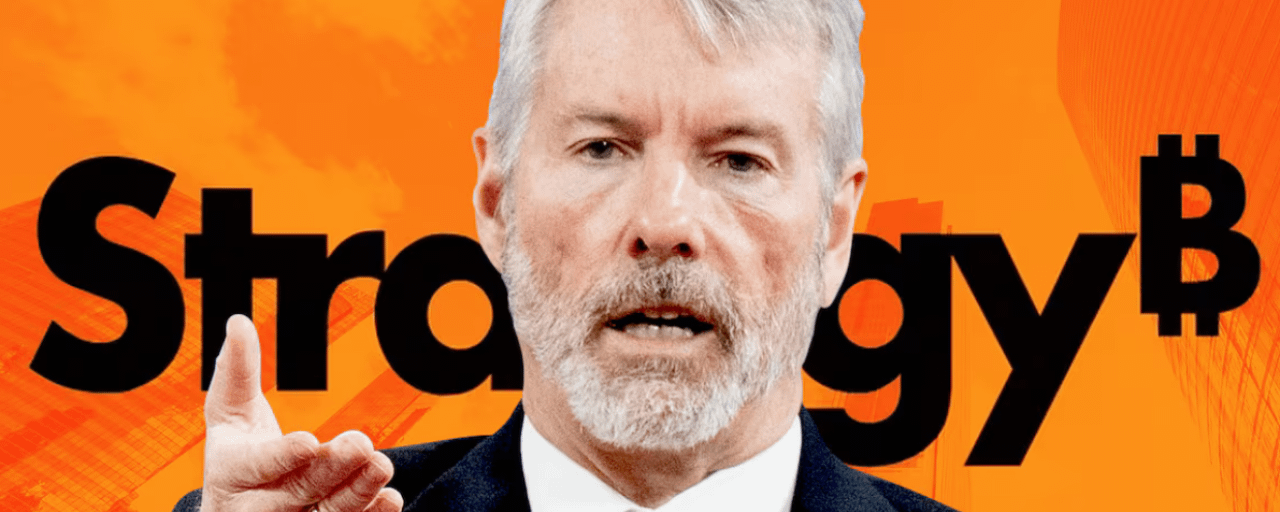
A empresa comprou 4.603 Bitcoins a um preço médio de US$ 80.318, elevando suas participações totais para 845.050 BTC, de acordo com um relatório 8-K de segunda-feira apresentado à Comissão de Valores Mobiliários dos EUA (SEC).
A compra marca a primeira aquisição de Bitcoin pelo maior detentor corporativo de BTC desde meados de junho e acontece enquanto a Strategy simultaneamente constrói reservas de caixa e recompr a suas ações preferenciais STRC.
Strategy Compra US$ 370 Milhões em Bitcoin enquanto Michael Saylor Diz “Estamos de Volta”
A estratégia voltou ao mercado de Bitcoin com uma compra de US$ 370 milhões, encerrando uma pausa de aproximadamente dois meses nas aquisições corporativas de BTC.
A empresa comprou 4.603 Bitcoins a um preço médio de US$ 80.318, elevando suas participações totais para 845.050 BTC, de acordo com um relatório 8-K de segunda-feira apresentado à Comissão de Valores Mobiliários dos EUA (SEC).
A compra marca a primeira aquisição de Bitcoin pelo maior detentor corporativo de BTC desde meados de junho e acontece enquanto a Strategy simultaneamente constrói reservas de caixa e recompr a suas ações preferenciais STRC.
A empresa comprou 4.603 Bitcoins a um preço médio de US$ 80.318, elevando suas participações totais para 845.050 BTC, de acordo com um relatório 8-K de segunda-feira apresentado à Comissão de Valores Mobiliários dos EUA (SEC).
A compra marca a primeira aquisição de Bitcoin pelo maior detentor corporativo de BTC desde meados de junho e acontece enquanto a Strategy simultaneamente constrói reservas de caixa e recompr a suas ações preferenciais STRC.
108
·
--
Artigo
Swapzone Expande Sua Seção de Parceiros para Ajudar Você a Pesquisar Provedores de Cripto Antes de NegociarMiami, FL (PinionNewswire)
Uma nova seção de Parceiros reúne dados dos provedores, informações operacionais e feedback da comunidade para que você possa pesquisar um serviço de cripto antes de enviarX seus fundos.
Você pode encontrar uma taxa de câmbio melhor e ainda receber menos valor do que o esperado. Em um estudo de um mês com 150.000 swaps concluídos, a Bitcoin.com Research encontrou diferenças de tempo de execução de até 45x entre provedores não custodiais. Em um cenário de USDT-to-ETH de US$ 1.000, uma execução de 45 minutos resultou em US$ 160 de valor perdido, em comparação com US$ 5 quando o swap foi concluído em um minuto.
Swapzone Expande Sua Seção de Parceiros para Ajudar Você a Pesquisar Provedores de Cripto Antes de Negociar
Miami, FL (PinionNewswire)
Uma nova seção de Parceiros reúne dados dos provedores, informações operacionais e feedback da comunidade para que você possa pesquisar um serviço de cripto antes de enviarX seus fundos.
Você pode encontrar uma taxa de câmbio melhor e ainda receber menos valor do que o esperado. Em um estudo de um mês com 150.000 swaps concluídos, a Bitcoin.com Research encontrou diferenças de tempo de execução de até 45x entre provedores não custodiais. Em um cenário de USDT-to-ETH de US$ 1.000, uma execução de 45 minutos resultou em US$ 160 de valor perdido, em comparação com US$ 5 quando o swap foi concluído em um minuto.
Uma nova seção de Parceiros reúne dados dos provedores, informações operacionais e feedback da comunidade para que você possa pesquisar um serviço de cripto antes de enviarX seus fundos.
Você pode encontrar uma taxa de câmbio melhor e ainda receber menos valor do que o esperado. Em um estudo de um mês com 150.000 swaps concluídos, a Bitcoin.com Research encontrou diferenças de tempo de execução de até 45x entre provedores não custodiais. Em um cenário de USDT-to-ETH de US$ 1.000, uma execução de 45 minutos resultou em US$ 160 de valor perdido, em comparação com US$ 5 quando o swap foi concluído em um minuto.
110
·
--

Artigo
A Polygon corrigiu silenciosamente falhas de segurança antes da divulgação públicaA Polygon Labs divulgou que dois hard forks recentes abordaram silenciosamente vulnerabilidades de segurança que afetavam sua rede de proof-of-stake antes que os problemas fossem revelados publicamente.
O hard fork Austin no cliente Bor da Polygon e o hard fork Kyoto no cliente Heimdall foram projetados para eliminar riscos de negação de serviço e relacionados a consenso. A Polygon afirmou não haver evidências de que quaisquer das vulnerabilidades tivessem sido exploradas na mainnet.
A divulgação destaca uma parte frequentemente ignorada da segurança em blockchain: algumas das atualizações de rede mais importantes acontecem sem publicidade prévia, porque revelar a fraqueza cedo demais poderia aumentar o risco de exploração.
A Polygon corrigiu silenciosamente falhas de segurança antes da divulgação pública
A Polygon Labs divulgou que dois hard forks recentes abordaram silenciosamente vulnerabilidades de segurança que afetavam sua rede de proof-of-stake antes que os problemas fossem revelados publicamente.
O hard fork Austin no cliente Bor da Polygon e o hard fork Kyoto no cliente Heimdall foram projetados para eliminar riscos de negação de serviço e relacionados a consenso. A Polygon afirmou não haver evidências de que quaisquer das vulnerabilidades tivessem sido exploradas na mainnet.
A divulgação destaca uma parte frequentemente ignorada da segurança em blockchain: algumas das atualizações de rede mais importantes acontecem sem publicidade prévia, porque revelar a fraqueza cedo demais poderia aumentar o risco de exploração.
O hard fork Austin no cliente Bor da Polygon e o hard fork Kyoto no cliente Heimdall foram projetados para eliminar riscos de negação de serviço e relacionados a consenso. A Polygon afirmou não haver evidências de que quaisquer das vulnerabilidades tivessem sido exploradas na mainnet.
A divulgação destaca uma parte frequentemente ignorada da segurança em blockchain: algumas das atualizações de rede mais importantes acontecem sem publicidade prévia, porque revelar a fraqueza cedo demais poderia aumentar o risco de exploração.
1
241
·
--

Artigo
Validadores da Solana Aprovam Desinflação Mais Rápida por Apenas 0,33 PontosValidadores da Solana aprovaram por pouco o SGP-0002, uma proposta que acelerará a taxa anual de desinflação da rede de 15% para 30%.
A proposta ultrapassou a supermaioria exigida de dois terços por apenas 0,33 ponto percentual, depois que a Kraken reverteu a maior parte de sua participação de voto da oposição para o apoio pouco antes do prazo.
O resultado altera o cronograma monetário da Solana enquanto mantém sua meta de inflação de longo prazo inalterada em 1,5%.
Resultado de Governança por uma Margem Minúscula
Os dados finais da governança mostraram o SGP-0002 recebendo 67% de apoio, contra 25,16% de oposição e 7,84% de abstenções.
Validadores da Solana Aprovam Desinflação Mais Rápida por Apenas 0,33 Pontos
Validadores da Solana aprovaram por pouco o SGP-0002, uma proposta que acelerará a taxa anual de desinflação da rede de 15% para 30%.
A proposta ultrapassou a supermaioria exigida de dois terços por apenas 0,33 ponto percentual, depois que a Kraken reverteu a maior parte de sua participação de voto da oposição para o apoio pouco antes do prazo.
O resultado altera o cronograma monetário da Solana enquanto mantém sua meta de inflação de longo prazo inalterada em 1,5%.
Resultado de Governança por uma Margem Minúscula
Os dados finais da governança mostraram o SGP-0002 recebendo 67% de apoio, contra 25,16% de oposição e 7,84% de abstenções.
A proposta ultrapassou a supermaioria exigida de dois terços por apenas 0,33 ponto percentual, depois que a Kraken reverteu a maior parte de sua participação de voto da oposição para o apoio pouco antes do prazo.
O resultado altera o cronograma monetário da Solana enquanto mantém sua meta de inflação de longo prazo inalterada em 1,5%.
Resultado de Governança por uma Margem Minúscula
Os dados finais da governança mostraram o SGP-0002 recebendo 67% de apoio, contra 25,16% de oposição e 7,84% de abstenções.
144
·
--

Artigo
Brian Ferdinand sobre Tomada de Decisão Orientada por Dados à medida que a EverForward Trading Avança com seu Trading ProprietárioPALO ALTO, Calif.
À medida que os mercados financeiros globais continuam a responder a condições econômicas em mudança, à inovação tecnológica, aos desenvolvimentos geopolíticos e ao comportamento em evolução do mercado, a EverForward Trading está mantendo o foco em pesquisa proprietária, execução disciplinada e tomada de decisões orientada por dados em mercados globais líquidos.
A EverForward Trading é uma empresa privada de trading proprietário dedicada exclusivamente a operar com seu próprio capital. A empresa realiza pesquisas internas de mercado e desenvolve estratégias, sistemas, algoritmos, frameworks analíticos e metodologias de gestão de risco proprietários exclusivamente para suas próprias atividades de trading.
Brian Ferdinand sobre Tomada de Decisão Orientada por Dados à medida que a EverForward Trading Avança com seu Trading Proprietário
PALO ALTO, Calif.
À medida que os mercados financeiros globais continuam a responder a condições econômicas em mudança, à inovação tecnológica, aos desenvolvimentos geopolíticos e ao comportamento em evolução do mercado, a EverForward Trading está mantendo o foco em pesquisa proprietária, execução disciplinada e tomada de decisões orientada por dados em mercados globais líquidos.
A EverForward Trading é uma empresa privada de trading proprietário dedicada exclusivamente a operar com seu próprio capital. A empresa realiza pesquisas internas de mercado e desenvolve estratégias, sistemas, algoritmos, frameworks analíticos e metodologias de gestão de risco proprietários exclusivamente para suas próprias atividades de trading.
À medida que os mercados financeiros globais continuam a responder a condições econômicas em mudança, à inovação tecnológica, aos desenvolvimentos geopolíticos e ao comportamento em evolução do mercado, a EverForward Trading está mantendo o foco em pesquisa proprietária, execução disciplinada e tomada de decisões orientada por dados em mercados globais líquidos.
A EverForward Trading é uma empresa privada de trading proprietário dedicada exclusivamente a operar com seu próprio capital. A empresa realiza pesquisas internas de mercado e desenvolve estratégias, sistemas, algoritmos, frameworks analíticos e metodologias de gestão de risco proprietários exclusivamente para suas próprias atividades de trading.
111
·
--

Artigo
Bitcoin Enfrenta Expiração de Opções de US$ 6,4B com US$ 75.000 e US$ 80.000 Tornando-se Níveis-ChaveO Bitcoin está entrando na sexta-feira, com o grande vencimento de derivativos, com o mercado dividido entre duas faixas de preços de opções acompanhadas de perto: US$ 75.000 e US$ 80.000.
Cerca de 81.700 opções de BTC, no valor aproximado de US$ 6,4 bilhões, estão programadas para expirar na Deribit às 08:00 UTC de 28 de agosto, o que pode tornar esses dois níveis pontos de referência importantes para a orientação do mercado no curto prazo.
As opções de Bitcoin com vencimento colocam US$ 75.000 e US$ 80.000 em destaque
De acordo com os dados mais recentes das opções de BTC da Deribit, o preço de referência do Bitcoin estava em torno de US$ 78.514 durante o período de pesquisa.
Bitcoin Enfrenta Expiração de Opções de US$ 6,4B com US$ 75.000 e US$ 80.000 Tornando-se Níveis-Chave
O Bitcoin está entrando na sexta-feira, com o grande vencimento de derivativos, com o mercado dividido entre duas faixas de preços de opções acompanhadas de perto: US$ 75.000 e US$ 80.000.
Cerca de 81.700 opções de BTC, no valor aproximado de US$ 6,4 bilhões, estão programadas para expirar na Deribit às 08:00 UTC de 28 de agosto, o que pode tornar esses dois níveis pontos de referência importantes para a orientação do mercado no curto prazo.
As opções de Bitcoin com vencimento colocam US$ 75.000 e US$ 80.000 em destaque
De acordo com os dados mais recentes das opções de BTC da Deribit, o preço de referência do Bitcoin estava em torno de US$ 78.514 durante o período de pesquisa.
Cerca de 81.700 opções de BTC, no valor aproximado de US$ 6,4 bilhões, estão programadas para expirar na Deribit às 08:00 UTC de 28 de agosto, o que pode tornar esses dois níveis pontos de referência importantes para a orientação do mercado no curto prazo.
As opções de Bitcoin com vencimento colocam US$ 75.000 e US$ 80.000 em destaque
De acordo com os dados mais recentes das opções de BTC da Deribit, o preço de referência do Bitcoin estava em torno de US$ 78.514 durante o período de pesquisa.
136
Faça login para explorar mais conteúdos
Junte-se a usuários de criptomoedas de todo o mundo no Binance Square.
⚡️ Obter informações mais recentes e úteis sobre criptomoeda.
💬 Com a confiança da maior corretora de criptomoedas do mundo.
👍 Descubra insights reais de criadores verificados.
E-mail / número de telefone
Tópicos em Alta
NFPWatch
10.5M visualizações
17,698 discutindo
Notícias de Cripto | Bitcoin se Aproxima de US$ 85 mil à medida que os Rendimento dos Treasuries Caem antes do Relatório NFP dos EUA
Binance News
·29 curtidas
·36.1k visualizações
BitcoinFundingRateTriplesTo10%
1,163 visualizações
89 discutindo
BitcoinSurpasses$86KUp2.99%
889 visualizações
23 discutindo