

oraionreal
110 Publicações

oraionreal
Denunciar
Bloquear usuário
Trade aberto
Trader frequente
3 anos
10 Seguindo
20 Seguidores
118 Curtiu
Publicações
Portfólio
·
--
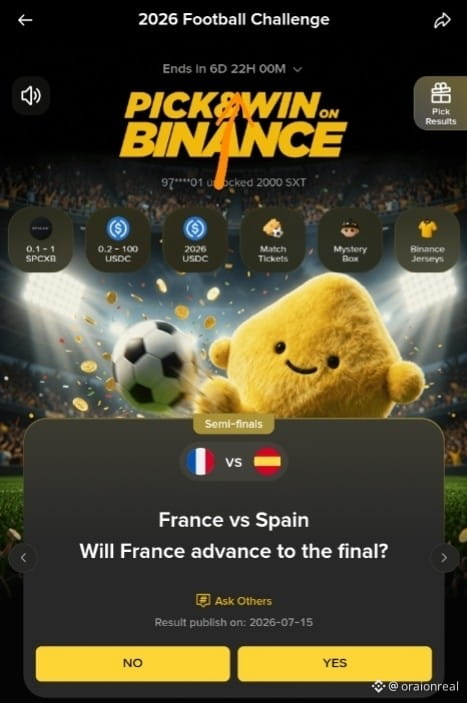
Só faltam 6 dias para acabar, não deixe essa oportunidade terminar se você ainda não ganhou pelo menos mais de 5 USDT
Você prevê grátis
Os jogos são apenas perguntas simples
O dinheiro é depositado diretamente na sua conta da Binance
O que mais você poderia desejar
Reivindique 1 USDT rapidamente 🔥🔥
Link para reivindicar 👇👇👇
https://www.binance.com/activity/pick-and-win/2026-football-challenge?ref=796484470
Clique no link, faça login na sua Binance, complete uma tarefa simples e reivindique 1 USDT direto para sua conta da Binance como um voucher ✅✅✅💯💯
#pickandwin #binanceturns9
Só faltam 6 dias para acabar, não deixe essa oportunidade terminar se você ainda não ganhou pelo menos mais de 5 USDT
Você prevê grátis
Os jogos são apenas perguntas simples
O dinheiro é depositado diretamente na sua conta da Binance
O que mais você poderia desejar
Reivindique 1 USDT rapidamente 🔥🔥
Link para reivindicar 👇👇👇
https://www.binance.com/activity/pick-and-win/2026-football-challenge?ref=796484470
Clique no link, faça login na sua Binance, complete uma tarefa simples e reivindique 1 USDT direto para sua conta da Binance como um voucher ✅✅✅💯💯
#pickandwin #binanceturns9
Você prevê grátis
Os jogos são apenas perguntas simples
O dinheiro é depositado diretamente na sua conta da Binance
O que mais você poderia desejar
Reivindique 1 USDT rapidamente 🔥🔥
Link para reivindicar 👇👇👇
https://www.binance.com/activity/pick-and-win/2026-football-challenge?ref=796484470
Clique no link, faça login na sua Binance, complete uma tarefa simples e reivindique 1 USDT direto para sua conta da Binance como um voucher ✅✅✅💯💯
#pickandwin #binanceturns9
1
20
·
--
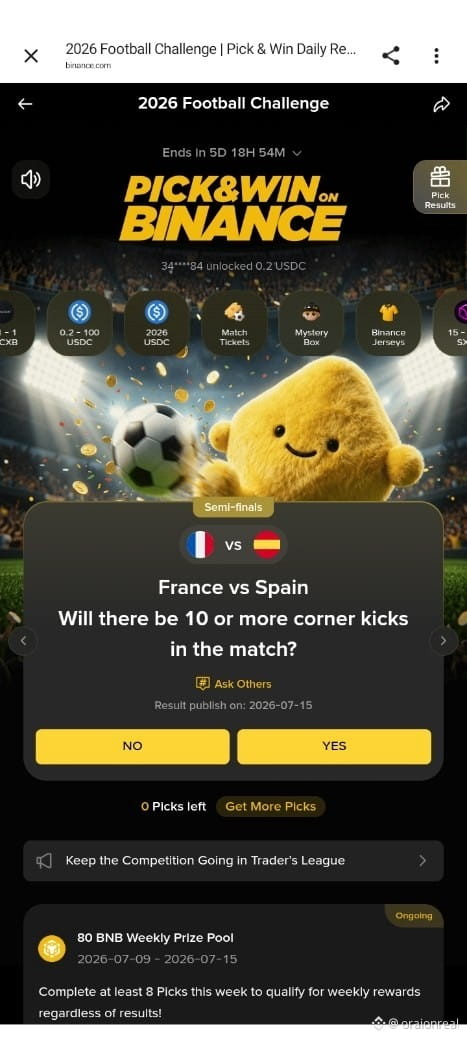
Só restam 6 dias para acabar! Não deixe essa oportunidade passar se você ainda não ganhou pelo menos mais de 5 usdt
Você prevê de graça
Os jogos são só perguntas simples
O dinheiro é depositado diretamente na sua conta da binance
O que mais você gostaria
Receba 1 usdt rápido 🔥🔥
Link para receber 👇👇👇
https://www.binance.com/activity/pick-and-win/2026-football-challenge?ref=796484470
Clique no link, faça login na sua binance, conclua uma tarefa simples e resgate 1 usdt direto para sua conta da binance como um voucher ✅✅✅💯💯
#BinancePickaAndWin $BNB $SXT #BinanceMegadrop #BinanceSquareFamily
Só restam 6 dias para acabar! Não deixe essa oportunidade passar se você ainda não ganhou pelo menos mais de 5 usdt
Você prevê de graça
Os jogos são só perguntas simples
O dinheiro é depositado diretamente na sua conta da binance
O que mais você gostaria
Receba 1 usdt rápido 🔥🔥
Link para receber 👇👇👇
https://www.binance.com/activity/pick-and-win/2026-football-challenge?ref=796484470
Clique no link, faça login na sua binance, conclua uma tarefa simples e resgate 1 usdt direto para sua conta da binance como um voucher ✅✅✅💯💯
#BinancePickaAndWin $BNB $SXT #BinanceMegadrop #BinanceSquareFamily
Você prevê de graça
Os jogos são só perguntas simples
O dinheiro é depositado diretamente na sua conta da binance
O que mais você gostaria
Receba 1 usdt rápido 🔥🔥
Link para receber 👇👇👇
https://www.binance.com/activity/pick-and-win/2026-football-challenge?ref=796484470
Clique no link, faça login na sua binance, conclua uma tarefa simples e resgate 1 usdt direto para sua conta da binance como um voucher ✅✅✅💯💯
#BinancePickaAndWin $BNB $SXT #BinanceMegadrop #BinanceSquareFamily
1
151
·
--
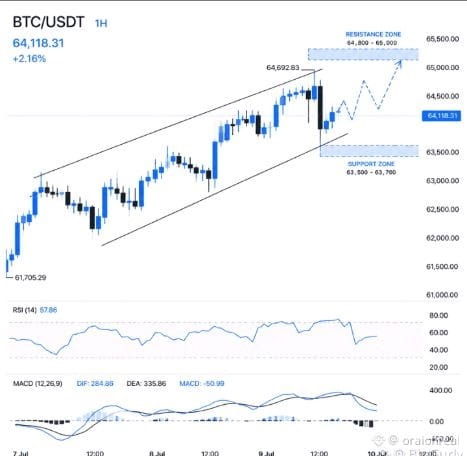
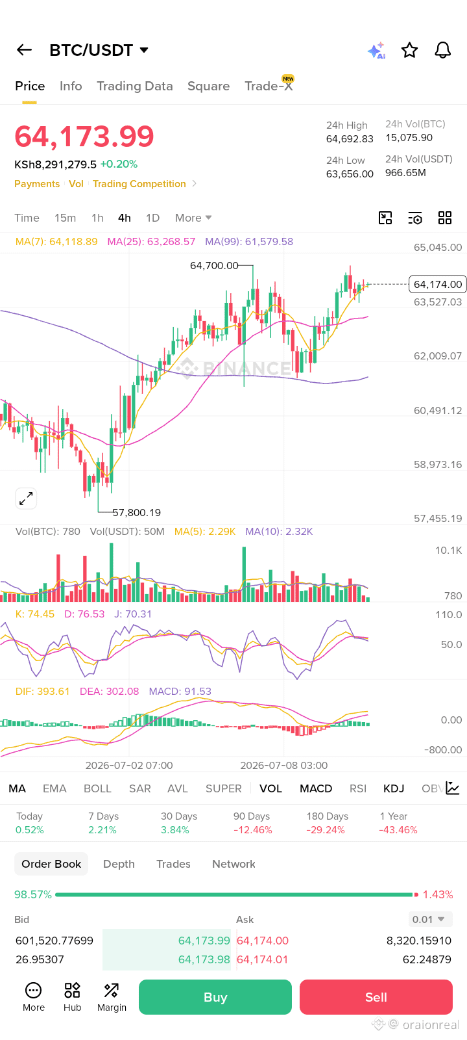
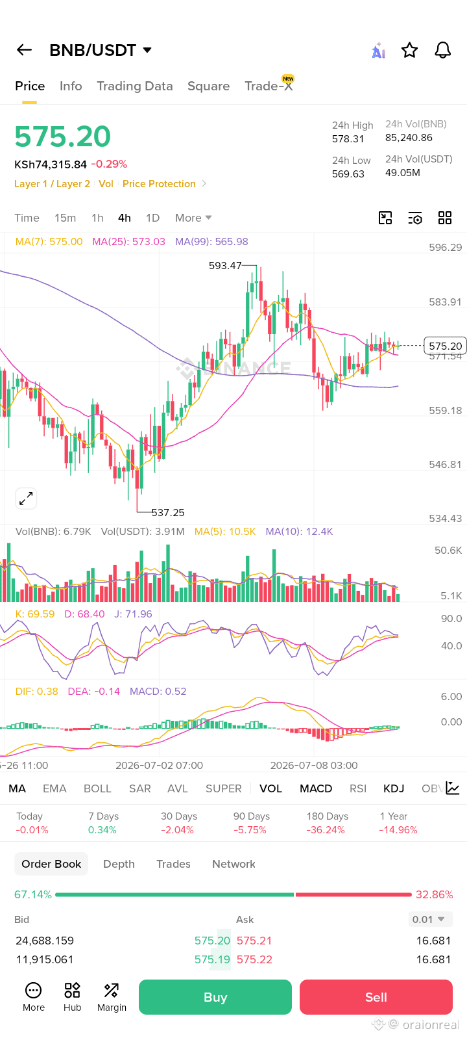
$BTC ainda está em movimento dentro de uma clara tendência de alta de curto prazo.
O principal suporte fica em torno de US$ 63,5K–US$ 63,7K, enquanto US$ 64,8K–US$ 65K continua sendo a resistência principal.
Mantenha o suporte e o próximo teste será mais alto.
Perdê-lo enfraquece o momentum.
#BitcoinReTestaAChaveResistênciaEmUS$64400
$BTC ainda está em movimento dentro de uma clara tendência de alta de curto prazo.
O principal suporte fica em torno de US$ 63,5K–US$ 63,7K, enquanto US$ 64,8K–US$ 65K continua sendo a resistência principal.
Mantenha o suporte e o próximo teste será mais alto.
Perdê-lo enfraquece o momentum.
#BitcoinReTestaAChaveResistênciaEmUS$64400
O principal suporte fica em torno de US$ 63,5K–US$ 63,7K, enquanto US$ 64,8K–US$ 65K continua sendo a resistência principal.
Mantenha o suporte e o próximo teste será mais alto.
Perdê-lo enfraquece o momentum.
#BitcoinReTestaAChaveResistênciaEmUS$64400
1
1
67
·
--
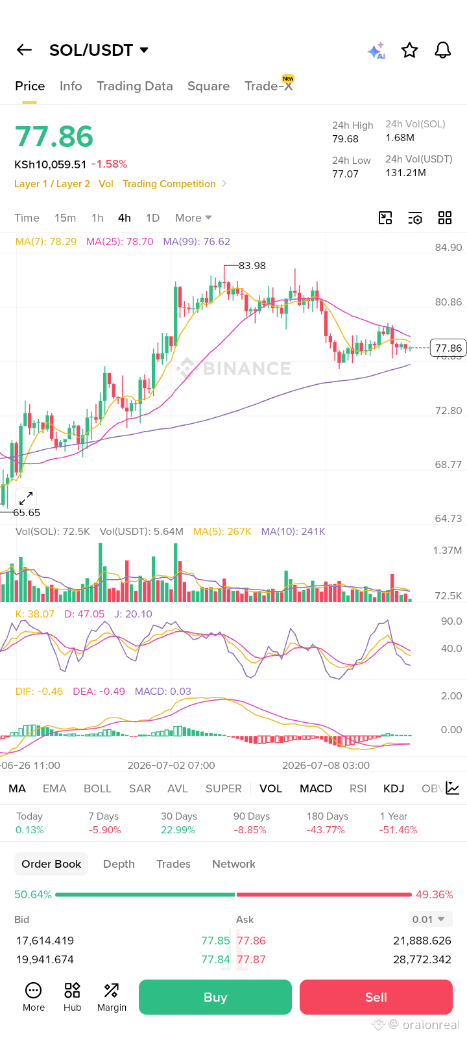
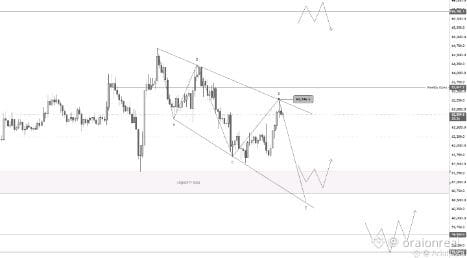
nós corremos para buscar alguma liquidez agora, estamos voltando para cerca de 69k por moeda
nós corremos para buscar alguma liquidez agora, estamos voltando para cerca de 69k por moeda
1
124
·
--
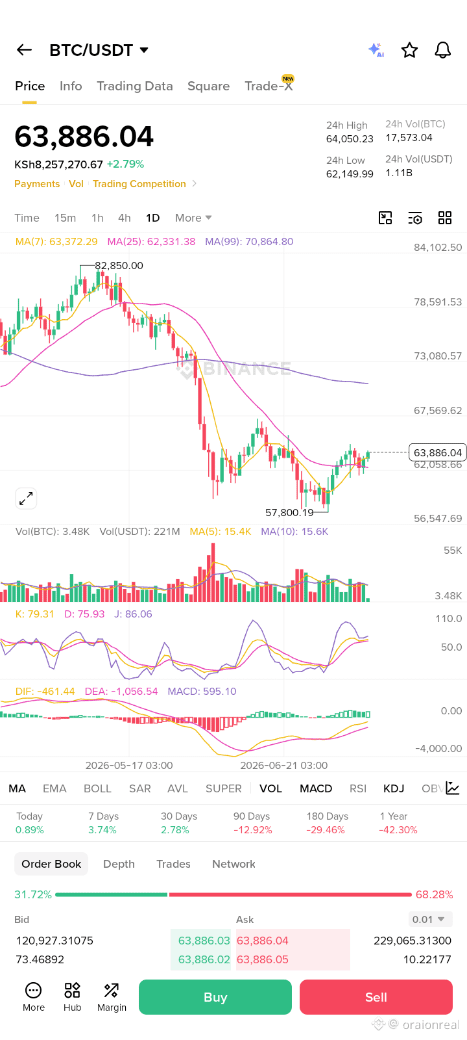
Parece que o bitcoin está criando um impulso de alta. Onde devemos colocar um take profit para um longo período de curto prazo???#bullish #BitEagleNews #Bitcoin❗ $BTC
Parece que o bitcoin está criando um impulso de alta. Onde devemos colocar um take profit para um longo período de curto prazo???#bullish #BitEagleNews #Bitcoin❗ $BTC
1
138
·
--
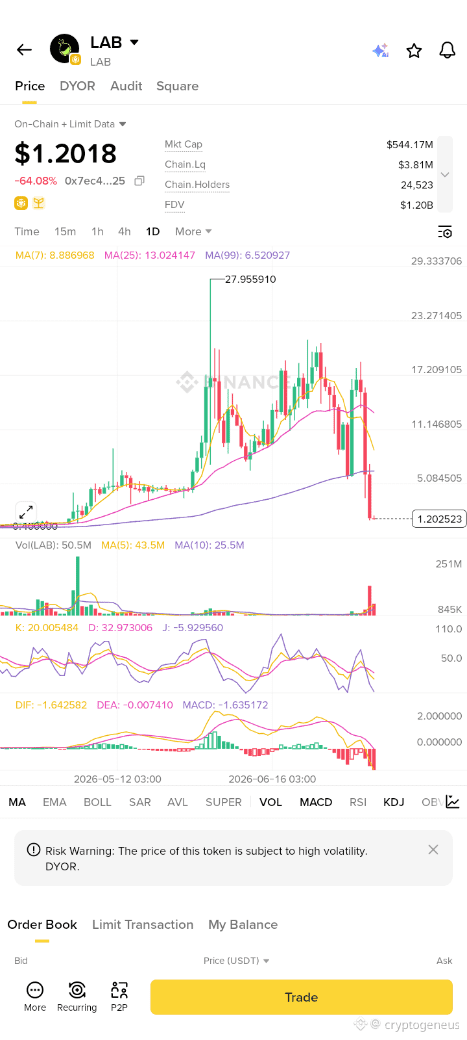
$LAB está em uma louca tendência de baixa em ritmo acelerado — vai segurar acima de um dólar hoje? Qual é a sua visão e onde devemos colocar um stop loss em uma posição curta #lab
$LAB está em uma louca tendência de baixa em ritmo acelerado — vai segurar acima de um dólar hoje? Qual é a sua visão e onde devemos colocar um stop loss em uma posição curta #lab
1
295
·
--
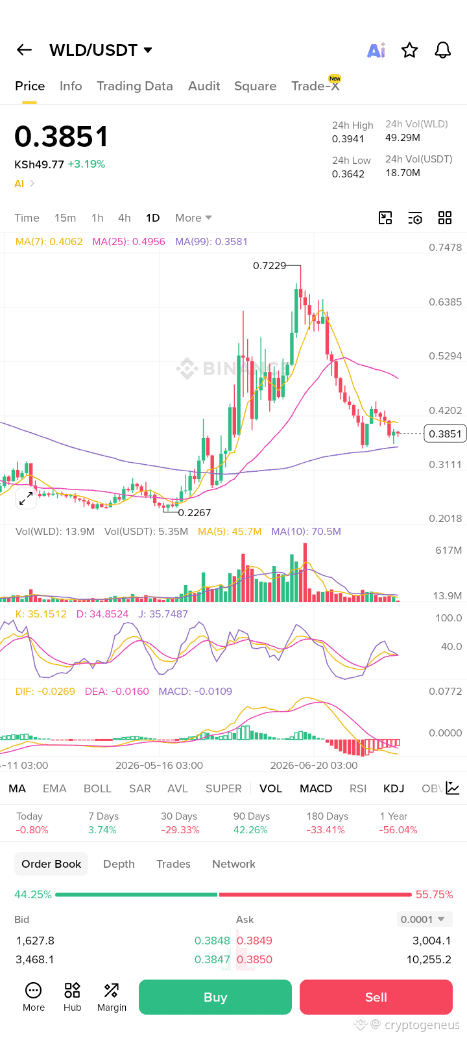
$WLD está em uma tendência de baixa após bombar demais para cerca de 0,72 por moeda; agora está 50% abaixo
$WLD está em uma tendência de baixa após bombar demais para cerca de 0,72 por moeda; agora está 50% abaixo
1
224
·
--
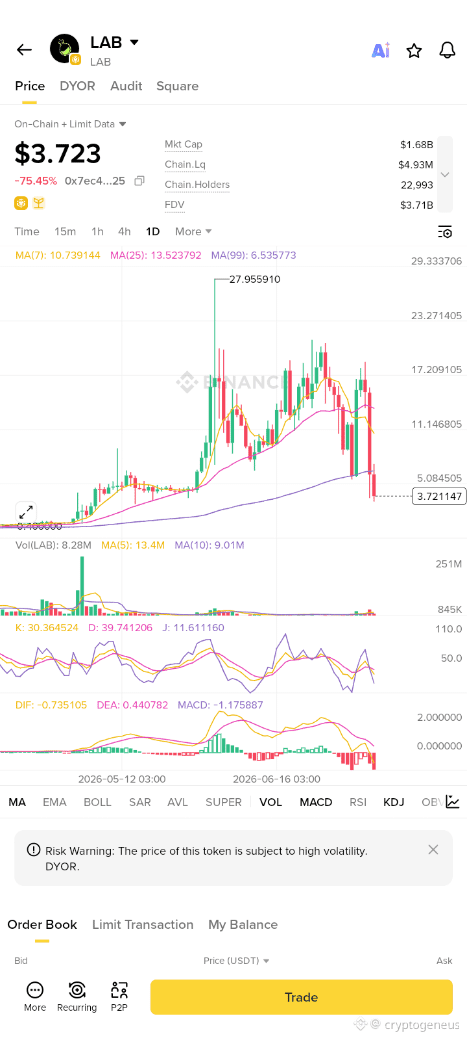
É engraçado que entrei no <c-1/> cripto quase há 3 anos só para ter toda a minha poupança vitalícia apagada por $LAB em um único pump maluco
me ajuda dando pelo menos um follow, um like ou até algumas dicas para recomeçar do zero, porque honestamente eu não tenho nada a mostrar #lab #losteverything
É engraçado que entrei no <c-1/> cripto quase há 3 anos só para ter toda a minha poupança vitalícia apagada por $LAB em um único pump maluco
me ajuda dando pelo menos um follow, um like ou até algumas dicas para recomeçar do zero, porque honestamente eu não tenho nada a mostrar #lab #losteverything
me ajuda dando pelo menos um follow, um like ou até algumas dicas para recomeçar do zero, porque honestamente eu não tenho nada a mostrar #lab #losteverything
1
347
·
--
Bullish
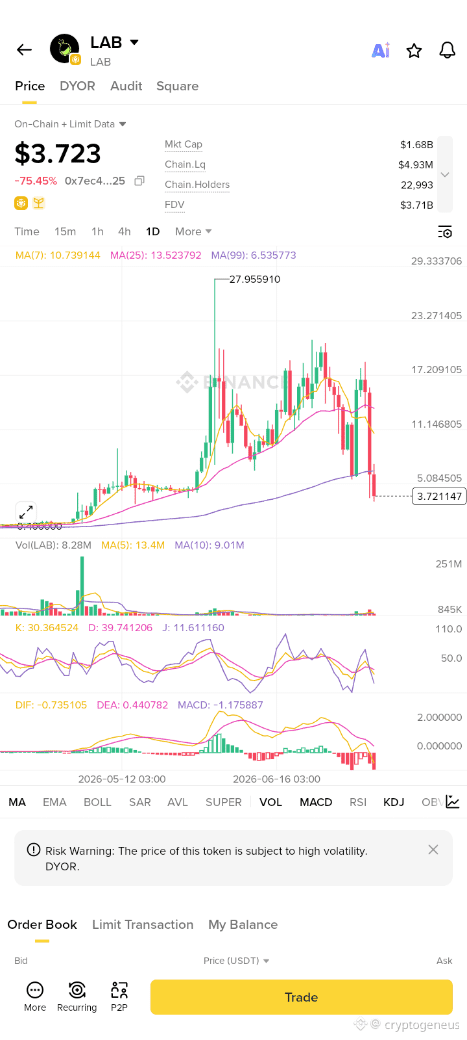
o laboratório fez isso de novo depois do repentino pump que ele prometeu de volta para quase 3 dólares por moeda, apagando 75% de sua capitalização de mercado
#lab #Liquidations $LAB #btc
o laboratório fez isso de novo depois do repentino pump que ele prometeu de volta para quase 3 dólares por moeda, apagando 75% de sua capitalização de mercado
#lab #Liquidations $LAB #btc
#lab #Liquidations $LAB #btc
3
1
771
·
--
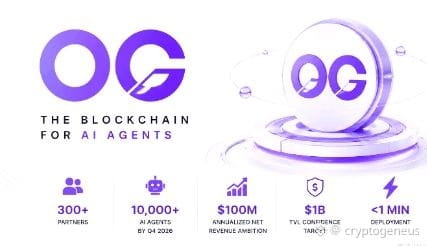
$0G está tornando mais fácil do que nunca construir, implantar e usar agentes de IA.
Enquanto muitos projetos se concentram em uma parte do quebra-cabeça, o 0G está construindo a pilha completa necessária para a próxima geração de IA autônoma.
Por que estou prestando atenção:
• 300+ parceiros do ecossistema já construindo
• 10.000+ agentes de IA alvo até o Q4 de 2026
• Ambição de receita líquida anualizada de $100M
• Meta de confiança de $1B TVL
• Visão de implantação em menos de 1 minuto
O maior problema na IA hoje não são as ideias.
É a integração, implantação, privacidade e execução.
O 0G resolve isso com:
→ Infraestrutura modular nativa de IA
→ Cadeia, Computação, Armazenamento e DA tudo ao vivo
→ Execução confiável de agentes de IA
→ Fluxos de trabalho de IA soberana com foco em privacidade
→ Experimentação mais rápida para os construtores
→ Trilhos de implantação e monetização para criadores
É aqui que as coisas ficam interessantes.
Projetos como $TAO ajudaram a impulsionar a IA descentralizada.
Projetos como $FET introduziram economias de agentes autônomos.
Mas o 0G está focado na camada de infraestrutura que permite que os agentes de IA lancem, operem, monetizem e executem de forma segura em escala.
O recém-lançado $0G App remove a fricção de integração e dá aos construtores um caminho mais rápido da ideia à implantação.
Sem complexidade desnecessária.
Sem infraestrutura fragmentada.
Apenas um ponto de entrada simplificado na economia de agentes de IA.
A Identidade Agentic ERC-7857 e o AIverse adicionam outra camada, permitindo padrões de identidade, implantação, propriedade e monetização para agentes de IA.
O mercado de agentes de IA ainda está em seus primeiros innings.
Os vencedores podem não ser os próprios agentes.
Eles podem ser a infraestrutura que alimenta milhares deles.
Estou observando o 0G de perto porque parece uma das jogadas mais fortes em execução confiável de IA, fluxos de trabalho seguros em privacidade e crescimento da infraestrutura nativa de IA.
#0G #AI #AIAgents nts #Crypto #Web3
0G
$0G está tornando mais fácil do que nunca construir, implantar e usar agentes de IA.
Enquanto muitos projetos se concentram em uma parte do quebra-cabeça, o 0G está construindo a pilha completa necessária para a próxima geração de IA autônoma.
Por que estou prestando atenção:
• 300+ parceiros do ecossistema já construindo
• 10.000+ agentes de IA alvo até o Q4 de 2026
• Ambição de receita líquida anualizada de $100M
• Meta de confiança de $1B TVL
• Visão de implantação em menos de 1 minuto
O maior problema na IA hoje não são as ideias.
É a integração, implantação, privacidade e execução.
O 0G resolve isso com:
→ Infraestrutura modular nativa de IA
→ Cadeia, Computação, Armazenamento e DA tudo ao vivo
→ Execução confiável de agentes de IA
→ Fluxos de trabalho de IA soberana com foco em privacidade
→ Experimentação mais rápida para os construtores
→ Trilhos de implantação e monetização para criadores
É aqui que as coisas ficam interessantes.
Projetos como $TAO ajudaram a impulsionar a IA descentralizada.
Projetos como $FET introduziram economias de agentes autônomos.
Mas o 0G está focado na camada de infraestrutura que permite que os agentes de IA lancem, operem, monetizem e executem de forma segura em escala.
O recém-lançado $0G App remove a fricção de integração e dá aos construtores um caminho mais rápido da ideia à implantação.
Sem complexidade desnecessária.
Sem infraestrutura fragmentada.
Apenas um ponto de entrada simplificado na economia de agentes de IA.
A Identidade Agentic ERC-7857 e o AIverse adicionam outra camada, permitindo padrões de identidade, implantação, propriedade e monetização para agentes de IA.
O mercado de agentes de IA ainda está em seus primeiros innings.
Os vencedores podem não ser os próprios agentes.
Eles podem ser a infraestrutura que alimenta milhares deles.
Estou observando o 0G de perto porque parece uma das jogadas mais fortes em execução confiável de IA, fluxos de trabalho seguros em privacidade e crescimento da infraestrutura nativa de IA.
#0G #AI #AIAgents nts #Crypto #Web3
0G
Enquanto muitos projetos se concentram em uma parte do quebra-cabeça, o 0G está construindo a pilha completa necessária para a próxima geração de IA autônoma.
Por que estou prestando atenção:
• 300+ parceiros do ecossistema já construindo
• 10.000+ agentes de IA alvo até o Q4 de 2026
• Ambição de receita líquida anualizada de $100M
• Meta de confiança de $1B TVL
• Visão de implantação em menos de 1 minuto
O maior problema na IA hoje não são as ideias.
É a integração, implantação, privacidade e execução.
O 0G resolve isso com:
→ Infraestrutura modular nativa de IA
→ Cadeia, Computação, Armazenamento e DA tudo ao vivo
→ Execução confiável de agentes de IA
→ Fluxos de trabalho de IA soberana com foco em privacidade
→ Experimentação mais rápida para os construtores
→ Trilhos de implantação e monetização para criadores
É aqui que as coisas ficam interessantes.
Projetos como $TAO ajudaram a impulsionar a IA descentralizada.
Projetos como $FET introduziram economias de agentes autônomos.
Mas o 0G está focado na camada de infraestrutura que permite que os agentes de IA lancem, operem, monetizem e executem de forma segura em escala.
O recém-lançado $0G App remove a fricção de integração e dá aos construtores um caminho mais rápido da ideia à implantação.
Sem complexidade desnecessária.
Sem infraestrutura fragmentada.
Apenas um ponto de entrada simplificado na economia de agentes de IA.
A Identidade Agentic ERC-7857 e o AIverse adicionam outra camada, permitindo padrões de identidade, implantação, propriedade e monetização para agentes de IA.
O mercado de agentes de IA ainda está em seus primeiros innings.
Os vencedores podem não ser os próprios agentes.
Eles podem ser a infraestrutura que alimenta milhares deles.
Estou observando o 0G de perto porque parece uma das jogadas mais fortes em execução confiável de IA, fluxos de trabalho seguros em privacidade e crescimento da infraestrutura nativa de IA.
#0G #AI #AIAgents nts #Crypto #Web3
0G
1
77
·
--
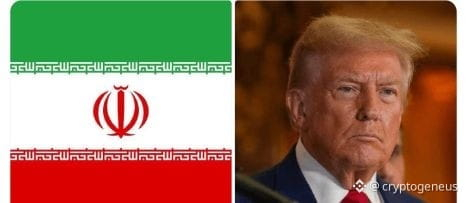
O QUE CARALHO?!
Apenas algumas horas após relatos de que um acordo entre os EUA e o Irã estava próximo, a mídia estatal iraniana agora diz que NÃO HÁ ACORDO.
Os mercados já precificaram a paz.
Teerã acabou de pisar no freio.
A volatilidade voltou à mesa. 🌍⚡️
O QUE CARALHO?!
Apenas algumas horas após relatos de que um acordo entre os EUA e o Irã estava próximo, a mídia estatal iraniana agora diz que NÃO HÁ ACORDO.
Os mercados já precificaram a paz.
Teerã acabou de pisar no freio.
A volatilidade voltou à mesa. 🌍⚡️
Apenas algumas horas após relatos de que um acordo entre os EUA e o Irã estava próximo, a mídia estatal iraniana agora diz que NÃO HÁ ACORDO.
Os mercados já precificaram a paz.
Teerã acabou de pisar no freio.
A volatilidade voltou à mesa. 🌍⚡️
1
89
·
--
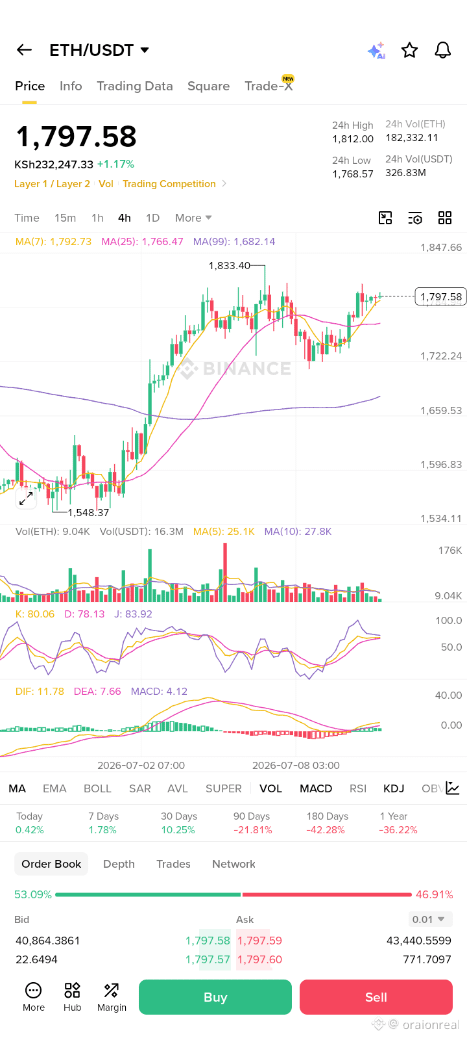
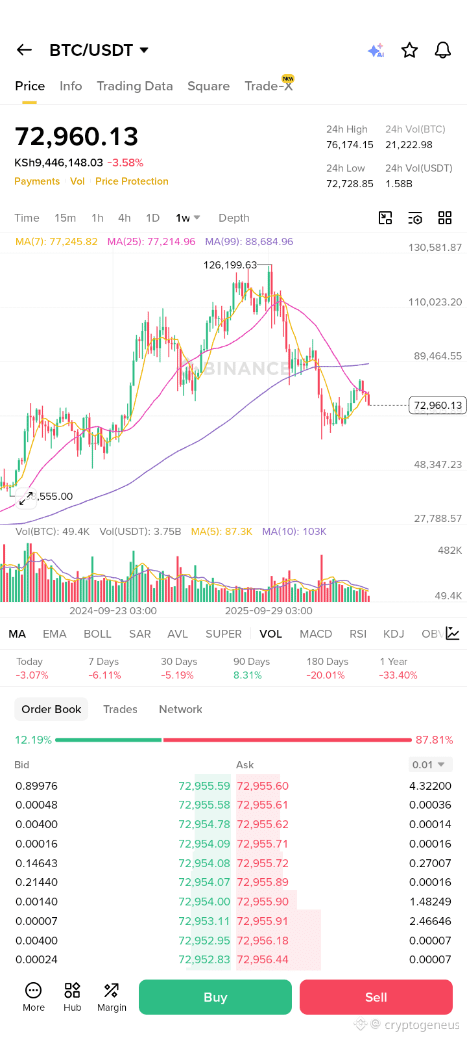
segurem seus shorts, em breve veremos um BTC a 60k. Vai ser uma sangria total, não me deixem na mão #bearishmomentum #BearishAlert #bea #TrumpPledgesDigitalAssetFramework $BTC $ETH $BNB
segurem seus shorts, em breve veremos um BTC a 60k. Vai ser uma sangria total, não me deixem na mão #bearishmomentum #BearishAlert #bea #TrumpPledgesDigitalAssetFramework $BTC $ETH $BNB
1
135
·
--
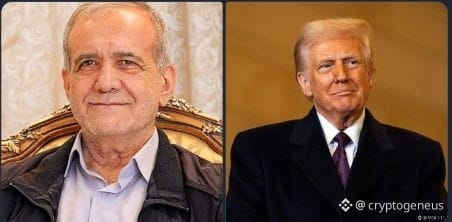
O Irã 🇮🇷 reagiu fortemente a vários ataques aéreos dos EUA 🇺🇸 na "Província de Hormozgan" e no "Estreito de Hormuz" nas últimas (48) horas, chamando-os de uma séria violação do cessar-fogo.
Em uma declaração emitida pelo Ministério das Relações Exteriores do Irã 🇮🇷, foi dito que a América 🇺🇸 atacou instalações de mísseis na "Província de Hormozgan" e barcos tentando colocar minas navais no "Estreito de Hormuz".
O porta-voz do Ministério das Relações Exteriores do Irã 🇮🇷 não forneceu detalhes completos sobre isso; no entanto, a posição da América 🇺🇸 permanece que não permitirá a colocação de minas navais no "Estreito de Hormuz" e também começou o trabalho de remoção dessas minas navais.
A América 🇺🇸 chamou essas ações no "Estreito de Hormuz" de defensivas; no entanto, o Irã 🇮🇷, chamando-as de ações agressivas e injustificadas, alertou que não hesitará em reagir na defesa de sua soberania e de seu povo.
Deve-se notar que está sendo observada um aumento contínuo nos preços dos produtos petrolíferos devido ao fechamento do "Estreito de Hormuz" pelo Irã 🇮🇷. Há incerteza e ansiedade nos mercados globais de petróleo.
$ZEST $UB $COLLECT
#OndoFinanceFounderPassesAway #SpainBlocksPolymarketKalshi #RENDER4MonthHighAIDemand #USConsumerConfidenceRisesInMay #HongKongProposesVAManagementLicensing
O Irã 🇮🇷 reagiu fortemente a vários ataques aéreos dos EUA 🇺🇸 na "Província de Hormozgan" e no "Estreito de Hormuz" nas últimas (48) horas, chamando-os de uma séria violação do cessar-fogo.
Em uma declaração emitida pelo Ministério das Relações Exteriores do Irã 🇮🇷, foi dito que a América 🇺🇸 atacou instalações de mísseis na "Província de Hormozgan" e barcos tentando colocar minas navais no "Estreito de Hormuz".
O porta-voz do Ministério das Relações Exteriores do Irã 🇮🇷 não forneceu detalhes completos sobre isso; no entanto, a posição da América 🇺🇸 permanece que não permitirá a colocação de minas navais no "Estreito de Hormuz" e também começou o trabalho de remoção dessas minas navais.
A América 🇺🇸 chamou essas ações no "Estreito de Hormuz" de defensivas; no entanto, o Irã 🇮🇷, chamando-as de ações agressivas e injustificadas, alertou que não hesitará em reagir na defesa de sua soberania e de seu povo.
Deve-se notar que está sendo observada um aumento contínuo nos preços dos produtos petrolíferos devido ao fechamento do "Estreito de Hormuz" pelo Irã 🇮🇷. Há incerteza e ansiedade nos mercados globais de petróleo.
$ZEST $UB $COLLECT
#OndoFinanceFounderPassesAway #SpainBlocksPolymarketKalshi #RENDER4MonthHighAIDemand #USConsumerConfidenceRisesInMay #HongKongProposesVAManagementLicensing
Em uma declaração emitida pelo Ministério das Relações Exteriores do Irã 🇮🇷, foi dito que a América 🇺🇸 atacou instalações de mísseis na "Província de Hormozgan" e barcos tentando colocar minas navais no "Estreito de Hormuz".
O porta-voz do Ministério das Relações Exteriores do Irã 🇮🇷 não forneceu detalhes completos sobre isso; no entanto, a posição da América 🇺🇸 permanece que não permitirá a colocação de minas navais no "Estreito de Hormuz" e também começou o trabalho de remoção dessas minas navais.
A América 🇺🇸 chamou essas ações no "Estreito de Hormuz" de defensivas; no entanto, o Irã 🇮🇷, chamando-as de ações agressivas e injustificadas, alertou que não hesitará em reagir na defesa de sua soberania e de seu povo.
Deve-se notar que está sendo observada um aumento contínuo nos preços dos produtos petrolíferos devido ao fechamento do "Estreito de Hormuz" pelo Irã 🇮🇷. Há incerteza e ansiedade nos mercados globais de petróleo.
$ZEST $UB $COLLECT
#OndoFinanceFounderPassesAway #SpainBlocksPolymarketKalshi #RENDER4MonthHighAIDemand #USConsumerConfidenceRisesInMay #HongKongProposesVAManagementLicensing
1
113
·
--
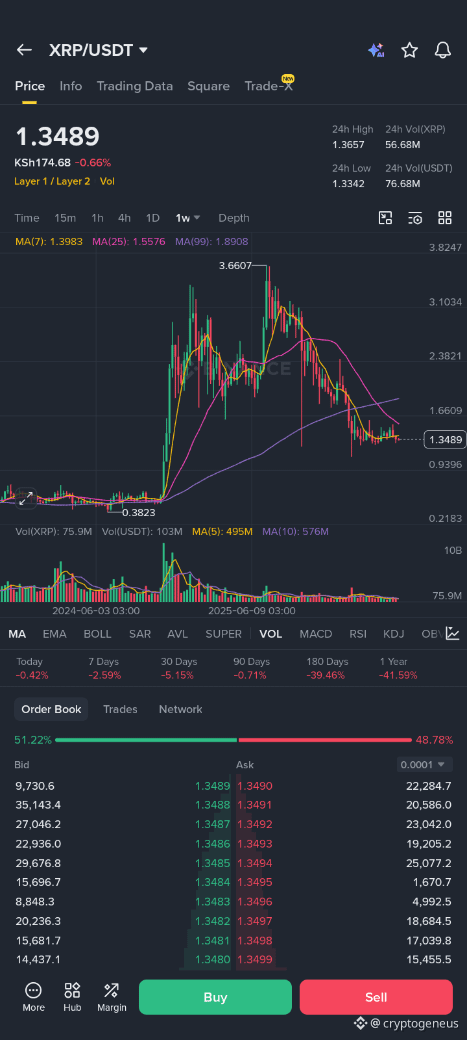
Conselhos para quem tem um capital pequeno e é novo no mercado
A maioria das pessoas diz que quando você compra uma moeda, ela cai, e quando você vende, ela sobe, levando muitos a perderem seus fundos dessa forma.
Deixa eu te explicar isso melhor
A armadilha do pump faz o trader em apuros comprar, pensando que a moeda vai subir mais, mas quando eles compram, a moeda cai alguns minutos depois. Isso é normal porque a mentalidade que você tinha durante sua compra reflete a de milhares de traders que também compraram.
Quando eles compram, a oferta aumenta e a demanda diminui, fazendo a moeda despencar.
Então aqui vão alguns conselhos, e espero que você os siga:
Não compre quando você vê a moeda pumpando.
Não coloque todo seu capital em uma única moeda.
Certifique-se de pesquisar sobre a moeda antes de comprar.
Não venda quando o preço cair, não importa o que aconteça, porque a natureza do mercado é oferta e demanda; assim como caiu hoje, ela vai subir amanhã.
Lembre-se, você está no mercado para lucrar, não para perder. A maioria vê outra moeda subindo e vende sua primeira moeda com prejuízo, pulando para a segunda e vendendo essa também com prejuízo, caindo na mesma armadilha. Não venda de jeito nenhum.
Compre quando o mercado estiver em baixa, não em alta.
Não venda sem fazer um lucro; aprenda a ter paciência,
Compartilhe suas percepções
#strugglingcoins
Conselhos para quem tem um capital pequeno e é novo no mercado
A maioria das pessoas diz que quando você compra uma moeda, ela cai, e quando você vende, ela sobe, levando muitos a perderem seus fundos dessa forma.
Deixa eu te explicar isso melhor
A armadilha do pump faz o trader em apuros comprar, pensando que a moeda vai subir mais, mas quando eles compram, a moeda cai alguns minutos depois. Isso é normal porque a mentalidade que você tinha durante sua compra reflete a de milhares de traders que também compraram.
Quando eles compram, a oferta aumenta e a demanda diminui, fazendo a moeda despencar.
Então aqui vão alguns conselhos, e espero que você os siga:
Não compre quando você vê a moeda pumpando.
Não coloque todo seu capital em uma única moeda.
Certifique-se de pesquisar sobre a moeda antes de comprar.
Não venda quando o preço cair, não importa o que aconteça, porque a natureza do mercado é oferta e demanda; assim como caiu hoje, ela vai subir amanhã.
Lembre-se, você está no mercado para lucrar, não para perder. A maioria vê outra moeda subindo e vende sua primeira moeda com prejuízo, pulando para a segunda e vendendo essa também com prejuízo, caindo na mesma armadilha. Não venda de jeito nenhum.
Compre quando o mercado estiver em baixa, não em alta.
Não venda sem fazer um lucro; aprenda a ter paciência,
Compartilhe suas percepções
#strugglingcoins
A maioria das pessoas diz que quando você compra uma moeda, ela cai, e quando você vende, ela sobe, levando muitos a perderem seus fundos dessa forma.
Deixa eu te explicar isso melhor
A armadilha do pump faz o trader em apuros comprar, pensando que a moeda vai subir mais, mas quando eles compram, a moeda cai alguns minutos depois. Isso é normal porque a mentalidade que você tinha durante sua compra reflete a de milhares de traders que também compraram.
Quando eles compram, a oferta aumenta e a demanda diminui, fazendo a moeda despencar.
Então aqui vão alguns conselhos, e espero que você os siga:
Não compre quando você vê a moeda pumpando.
Não coloque todo seu capital em uma única moeda.
Certifique-se de pesquisar sobre a moeda antes de comprar.
Não venda quando o preço cair, não importa o que aconteça, porque a natureza do mercado é oferta e demanda; assim como caiu hoje, ela vai subir amanhã.
Lembre-se, você está no mercado para lucrar, não para perder. A maioria vê outra moeda subindo e vende sua primeira moeda com prejuízo, pulando para a segunda e vendendo essa também com prejuízo, caindo na mesma armadilha. Não venda de jeito nenhum.
Compre quando o mercado estiver em baixa, não em alta.
Não venda sem fazer um lucro; aprenda a ter paciência,
Compartilhe suas percepções
#strugglingcoins
1
104
·
--
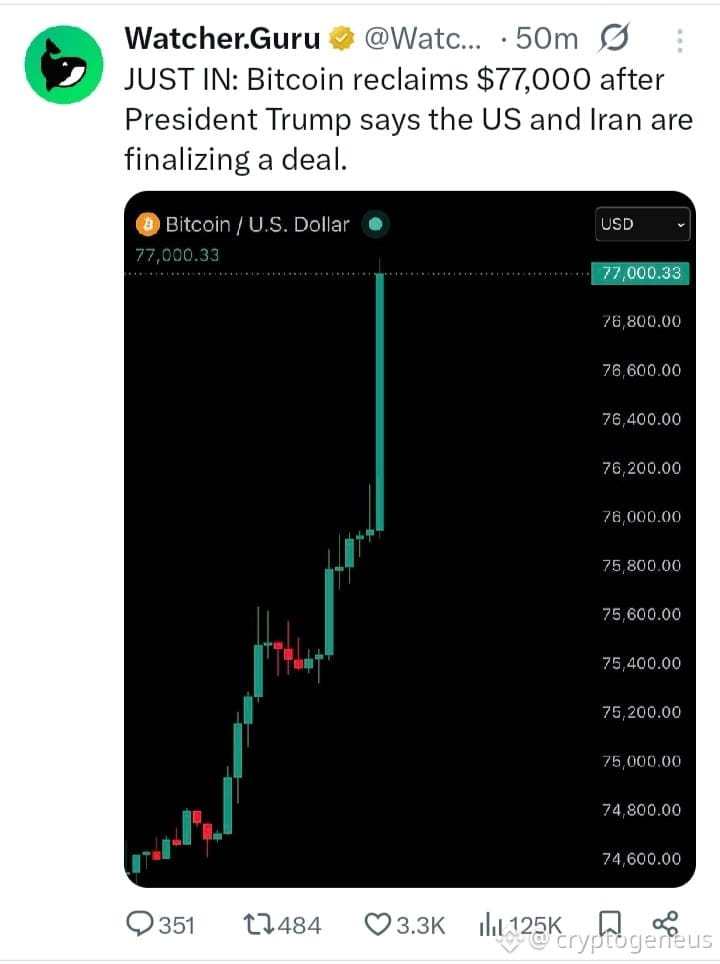
Golpes P2P Fique atento a essa nova técnica de golpe P2P!!!!
Eu quase perdi 100$ em uma tentativa de golpe P2P na Binance e em outra exchange P2P.
Recebi um pedido de 100$ na Binance. O comprador confirmou o pagamento e me pediu para liberar. Quando recebi o dinheiro, estava prestes a liberar quando pedi a ele para fornecer uma prova de pagamento. Ele simplesmente escreveu a referência da transferência. Como recebi o dinheiro e o nome era o mesmo, eu liberei.
Alguns minutos depois, outra pessoa fez um pedido de 100$ comigo em outra exchange P2P onde eu tinha o mesmo nome de comerciante. Ele marcou o pedido como pago sem fazer nenhum pagamento. Pedi que ele pagasse ou fornecesse uma prova para verificar. Ele lançou um apelo e forneceu uma captura de tela do pagamento que era exatamente igual ao pagamento anterior que recebi da oferta da Binance. Felizmente para mim, eu tinha essa referência na transação da Binance, então ganhei a disputa.
Até agora, sempre solicito prova de pagamento como captura de tela.
Dicas para evitar isso:
- Tente não usar o mesmo nome de comerciante em diferentes plataformas
- Sempre peça uma prova clara de pagamento (você pode torná-la obrigatória ao criar sua oferta)
- Evite pagamentos de terceiros!
Golpes P2P Fique atento a essa nova técnica de golpe P2P!!!!
Eu quase perdi 100$ em uma tentativa de golpe P2P na Binance e em outra exchange P2P.
Recebi um pedido de 100$ na Binance. O comprador confirmou o pagamento e me pediu para liberar. Quando recebi o dinheiro, estava prestes a liberar quando pedi a ele para fornecer uma prova de pagamento. Ele simplesmente escreveu a referência da transferência. Como recebi o dinheiro e o nome era o mesmo, eu liberei.
Alguns minutos depois, outra pessoa fez um pedido de 100$ comigo em outra exchange P2P onde eu tinha o mesmo nome de comerciante. Ele marcou o pedido como pago sem fazer nenhum pagamento. Pedi que ele pagasse ou fornecesse uma prova para verificar. Ele lançou um apelo e forneceu uma captura de tela do pagamento que era exatamente igual ao pagamento anterior que recebi da oferta da Binance. Felizmente para mim, eu tinha essa referência na transação da Binance, então ganhei a disputa.
Até agora, sempre solicito prova de pagamento como captura de tela.
Dicas para evitar isso:
- Tente não usar o mesmo nome de comerciante em diferentes plataformas
- Sempre peça uma prova clara de pagamento (você pode torná-la obrigatória ao criar sua oferta)
- Evite pagamentos de terceiros!
Eu quase perdi 100$ em uma tentativa de golpe P2P na Binance e em outra exchange P2P.
Recebi um pedido de 100$ na Binance. O comprador confirmou o pagamento e me pediu para liberar. Quando recebi o dinheiro, estava prestes a liberar quando pedi a ele para fornecer uma prova de pagamento. Ele simplesmente escreveu a referência da transferência. Como recebi o dinheiro e o nome era o mesmo, eu liberei.
Alguns minutos depois, outra pessoa fez um pedido de 100$ comigo em outra exchange P2P onde eu tinha o mesmo nome de comerciante. Ele marcou o pedido como pago sem fazer nenhum pagamento. Pedi que ele pagasse ou fornecesse uma prova para verificar. Ele lançou um apelo e forneceu uma captura de tela do pagamento que era exatamente igual ao pagamento anterior que recebi da oferta da Binance. Felizmente para mim, eu tinha essa referência na transação da Binance, então ganhei a disputa.
Até agora, sempre solicito prova de pagamento como captura de tela.
Dicas para evitar isso:
- Tente não usar o mesmo nome de comerciante em diferentes plataformas
- Sempre peça uma prova clara de pagamento (você pode torná-la obrigatória ao criar sua oferta)
- Evite pagamentos de terceiros!
1
90
·
--
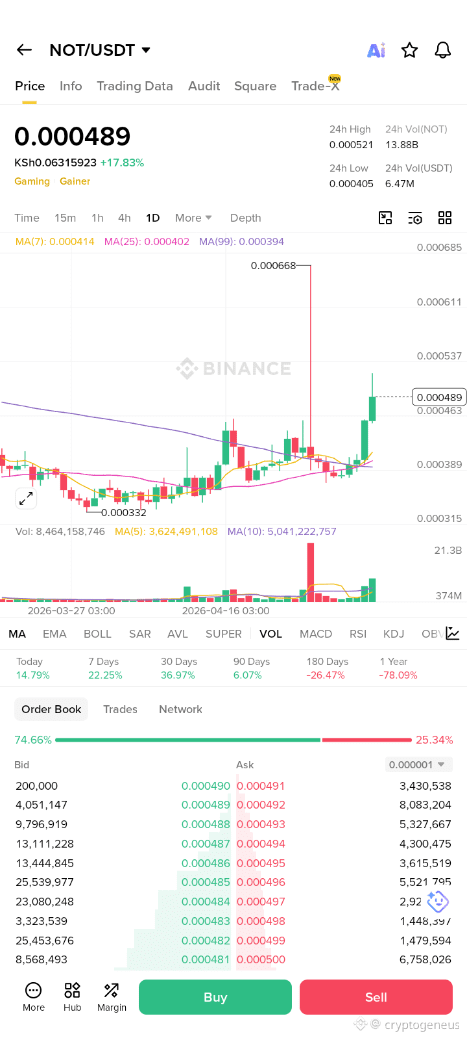
$NOT p
{future}(NOTUSDT)
o preço está muito tentador para negociar, alguém pode nos dizer onde abrir nossas operações???
$NOT p
o preço está muito tentador para negociar, alguém pode nos dizer onde abrir nossas operações???
o preço está muito tentador para negociar, alguém pode nos dizer onde abrir nossas operações???
1
14
Faça login para explorar mais conteúdos
Junte-se a usuários de criptomoedas de todo o mundo no Binance Square.
⚡️ Obter informações mais recentes e úteis sobre criptomoeda.
💬 Com a confiança da maior corretora de criptomoedas do mundo.
👍 Descubra insights reais de criadores verificados.
E-mail / número de telefone
Tópicos em Alta
BinancePick
2.6M visualizações
142,481 discutindo
Participe da #TemporadaDeResultados: preveja resultados no Binance Pick e compartilhe sua opinião no Binance Square!
Binance Square Official
·401 curtidas
·338.7k visualizações
EarningsSeason
5M visualizações
24,451 discutindo
SouthKoreaReportedlyWeighsFourthCryptoTaxDelay
0 visualizações
0 discutindo