

Crypto_4_Beginners
2.1k Publicações

Crypto_4_Beginners
Denunciar
Bloquear usuário
.: Introvert .: Always a learner - Never a know it all.
Trade aberto
Trader frequente
3.5 anos
3.1K+ Seguindo
19.3K+ Seguidores
3.8K+ Curtiu
Publicações
Portfólio
Todas
Citações
Live
Artigo
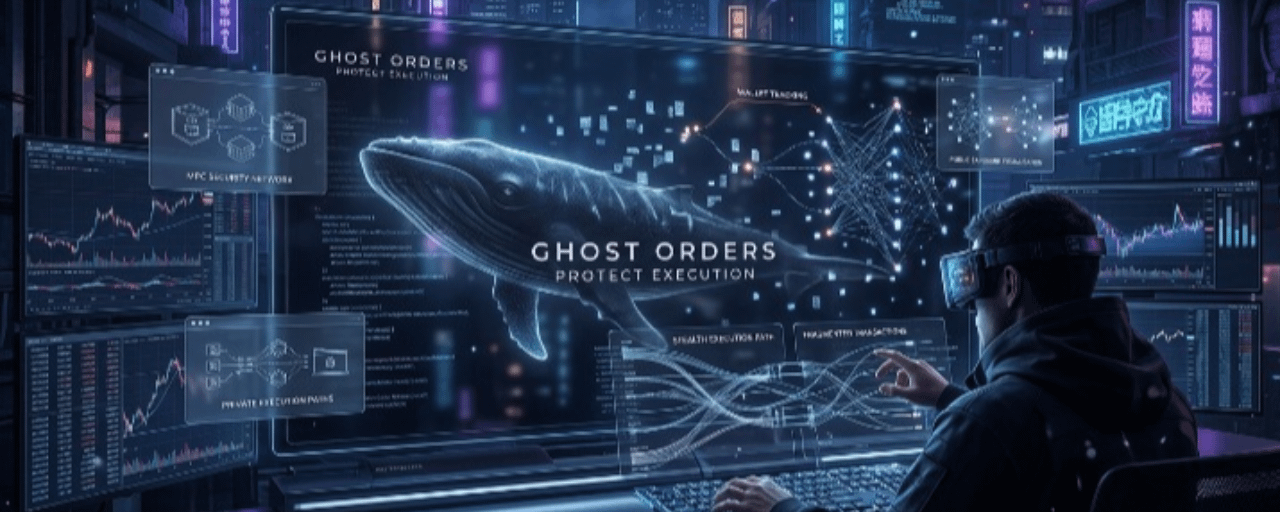
Sua carteira é pública, mas sua estratégia de trading não precisa serUm dos maiores mitos no crypto é que os traders têm privacidade 👀
Realidade?
Em quase todas as blockchains, quase tudo é visível
💼 Sua carteira
📈 Suas operações
💰 O tamanho da sua posição
⏱️ Seu timing
─────────────────
Se uma baleia abre uma posição massiva, os rastreadores on-chain notam quase instantaneamente e então a reação em cadeia começa:
🤖 Bots reagem
👥 Traders copiadores seguem
⚡ Os front-runners pulam antes que a execução termine
Em finanças tradicionais, traders sérios gastam milhões protegendo a qualidade da execução
Sua carteira é pública, mas sua estratégia de trading não precisa ser
Um dos maiores mitos no crypto é que os traders têm privacidade 👀
Realidade?
Em quase todas as blockchains, quase tudo é visível
💼 Sua carteira
📈 Suas operações
💰 O tamanho da sua posição
⏱️ Seu timing
─────────────────
Se uma baleia abre uma posição massiva, os rastreadores on-chain notam quase instantaneamente e então a reação em cadeia começa:
🤖 Bots reagem
👥 Traders copiadores seguem
⚡ Os front-runners pulam antes que a execução termine
Em finanças tradicionais, traders sérios gastam milhões protegendo a qualidade da execução
Realidade?
Em quase todas as blockchains, quase tudo é visível
💼 Sua carteira
📈 Suas operações
💰 O tamanho da sua posição
⏱️ Seu timing
─────────────────
Se uma baleia abre uma posição massiva, os rastreadores on-chain notam quase instantaneamente e então a reação em cadeia começa:
🤖 Bots reagem
👥 Traders copiadores seguem
⚡ Os front-runners pulam antes que a execução termine
Em finanças tradicionais, traders sérios gastam milhões protegendo a qualidade da execução
142
Artigo
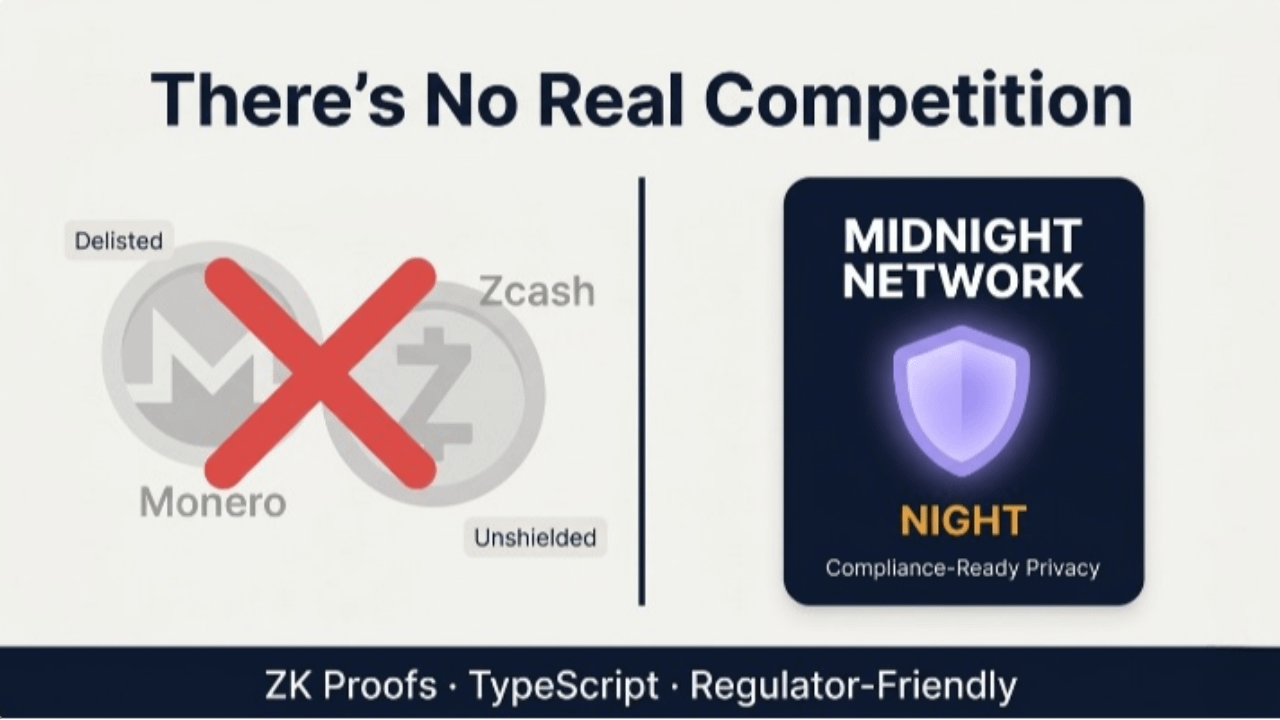
Midnight Network vs Outras Moedas de Privacidade ~ Não Há Concorrência RealSempre que alguém menciona "blockchain de privacidade", as pessoas imediatamente pensam em Monero ou Zcash, mas a Midnight Network é fundamentalmente diferente de ambas e se você possui NIGHT, precisa entender o porquê?
O Problema Com Monero e Zcash
Ambas as moedas resolveram a privacidade, mas criaram um novo problema no processo de rejeição regulatória.
Monero foi removido da Binance, Kraken e várias outras exchanges. As transações protegidas do Zcash são mal utilizadas, pois a maior parte do ecossistema opera em modo não protegido de qualquer maneira.
Midnight Network vs Outras Moedas de Privacidade ~ Não Há Concorrência Real
Sempre que alguém menciona "blockchain de privacidade", as pessoas imediatamente pensam em Monero ou Zcash, mas a Midnight Network é fundamentalmente diferente de ambas e se você possui NIGHT, precisa entender o porquê?
O Problema Com Monero e Zcash
Ambas as moedas resolveram a privacidade, mas criaram um novo problema no processo de rejeição regulatória.
Monero foi removido da Binance, Kraken e várias outras exchanges. As transações protegidas do Zcash são mal utilizadas, pois a maior parte do ecossistema opera em modo não protegido de qualquer maneira.
O Problema Com Monero e Zcash
Ambas as moedas resolveram a privacidade, mas criaram um novo problema no processo de rejeição regulatória.
Monero foi removido da Binance, Kraken e várias outras exchanges. As transações protegidas do Zcash são mal utilizadas, pois a maior parte do ecossistema opera em modo não protegido de qualquer maneira.
2
96
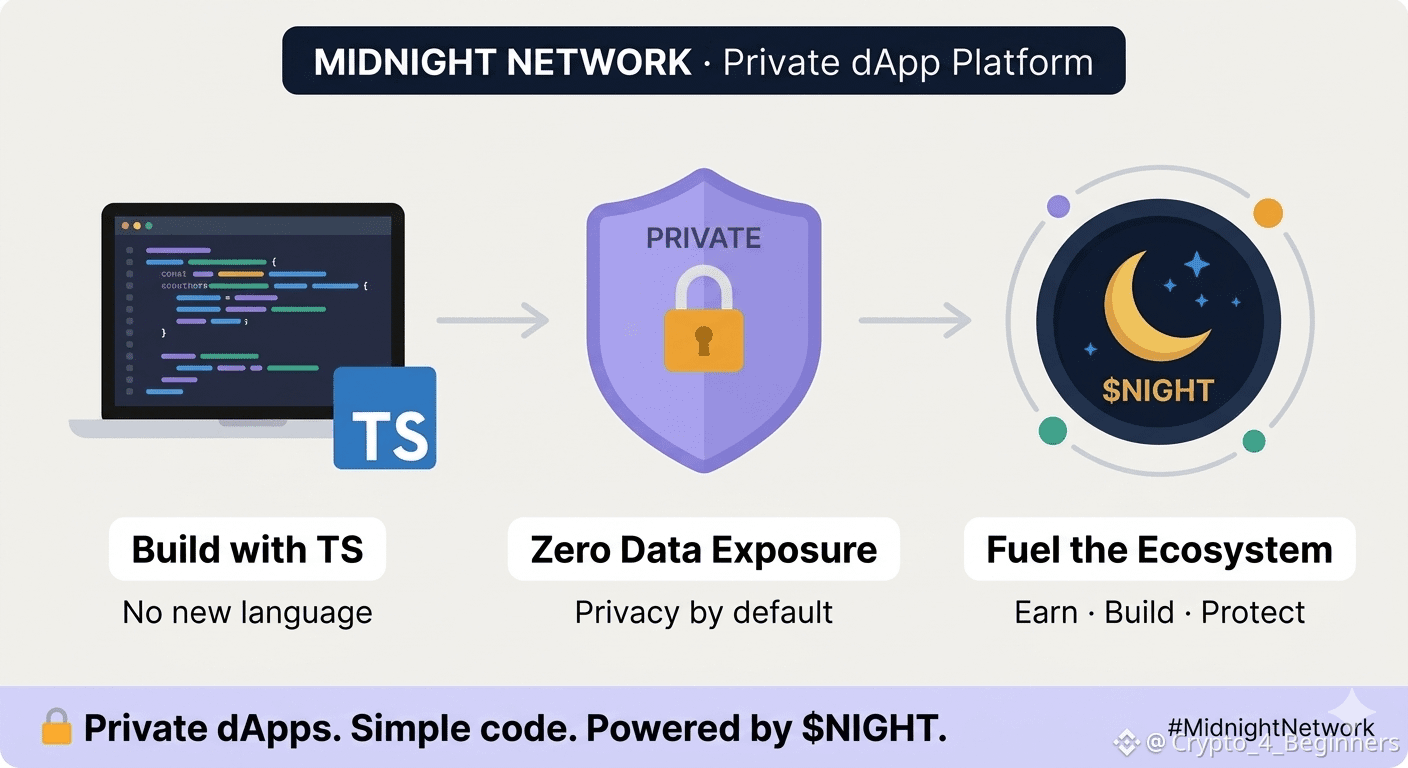
Os desenvolvedores agora podem construir dApps privadas em TypeScript e tudo isso é possível por causa de @MidnightNetwork
Nenhuma linguagem complicada para aprender. Nenhuma preocupação com vazamentos de dados.
$NIGHT alimenta o ecossistema que realmente prioriza a privacidade.
Construa, ganhe e fique protegido. #night
{future}(NIGHTUSDT)
Os desenvolvedores agora podem construir dApps privadas em TypeScript e tudo isso é possível por causa de @MidnightNetwork
Nenhuma linguagem complicada para aprender. Nenhuma preocupação com vazamentos de dados.
$NIGHT alimenta o ecossistema que realmente prioriza a privacidade.
Construa, ganhe e fique protegido. #night
Nenhuma linguagem complicada para aprender. Nenhuma preocupação com vazamentos de dados.
$NIGHT alimenta o ecossistema que realmente prioriza a privacidade.
Construa, ganhe e fique protegido. #night
2
38
Artigo
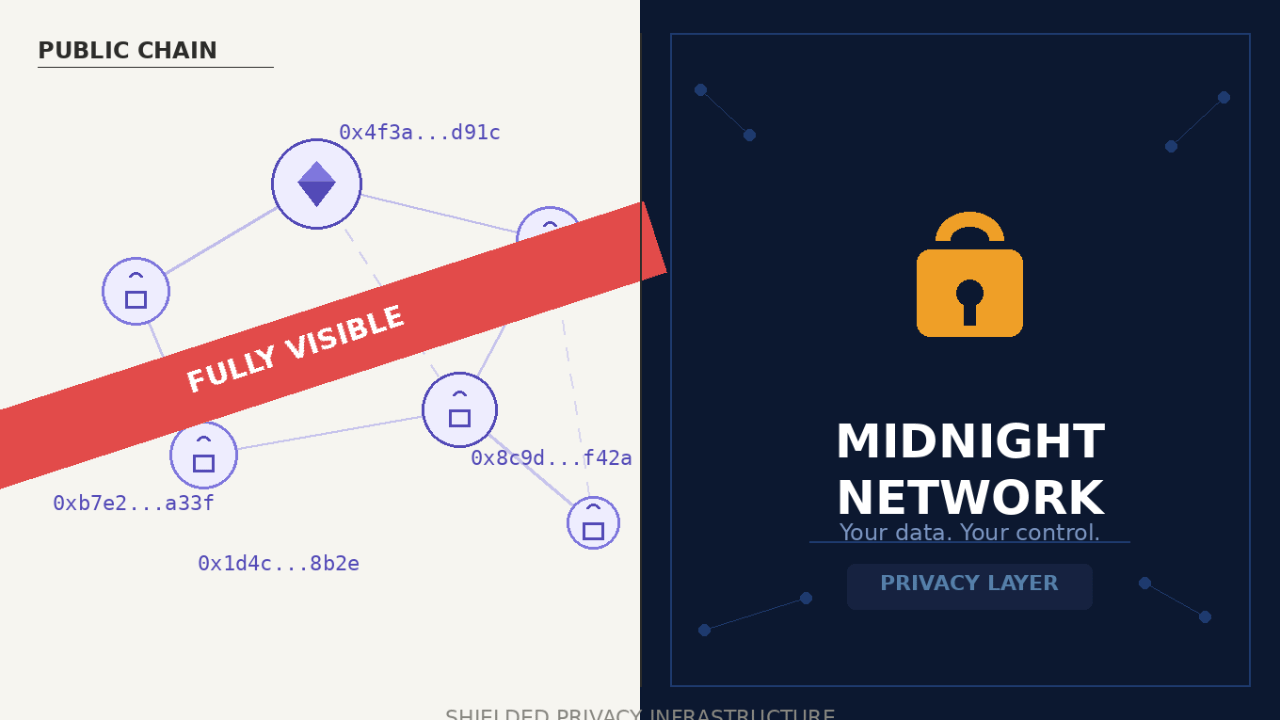
Midnight Network: Quando Blockchains Existentes Falham em PrivacidadeO Bitcoin é transparente. O Ethereum é transparente. Cada transação que você faz é visível publicamente; O Bitcoin é transparente. O Ethereum é transparente. Cada transação que você faz é visível publicamente; qualquer um pode rastrear o endereço da sua carteira, ver seu histórico e analisar seus padrões de gasto.
Esse problema não é uma "característica." É um problema.
A Midnight Network resolve isso na raiz, e o NIGHT é o combustível que alimenta essa solução.
A Verdadeira Fraqueza das Blockchains Tradicionais
Em blockchains públicas, todo o seu histórico está a uma busca de distância.
Midnight Network: Quando Blockchains Existentes Falham em Privacidade
O Bitcoin é transparente. O Ethereum é transparente. Cada transação que você faz é visível publicamente; O Bitcoin é transparente. O Ethereum é transparente. Cada transação que você faz é visível publicamente; qualquer um pode rastrear o endereço da sua carteira, ver seu histórico e analisar seus padrões de gasto.
Esse problema não é uma "característica." É um problema.
A Midnight Network resolve isso na raiz, e o NIGHT é o combustível que alimenta essa solução.
A Verdadeira Fraqueza das Blockchains Tradicionais
Em blockchains públicas, todo o seu histórico está a uma busca de distância.
Esse problema não é uma "característica." É um problema.
A Midnight Network resolve isso na raiz, e o NIGHT é o combustível que alimenta essa solução.
A Verdadeira Fraqueza das Blockchains Tradicionais
Em blockchains públicas, todo o seu histórico está a uma busca de distância.
2
55
Artigo
Rede Midnight: Uma Nova Era de Privacidade na BlockchainOuvimos o tempo todo que a blockchain precisa ser aberta, mas isso significa que todos devem ser capazes de ver suas informações privadas?
É isso que @MidnightNetwork está tentando corrigir.
A tecnologia de Prova de Conhecimento Zero é a base do Midnight. É uma blockchain de quarta geração. A ideia é simples: você pode mostrar que algo é verdadeiro sem revelar os detalhes. Assim, você pode manter suas informações privadas em sigilo enquanto ainda atende às regras e passa por verificações de conformidade. Eles chamam essa abordagem de "Privacidade Racional."
Rede Midnight: Uma Nova Era de Privacidade na Blockchain
Ouvimos o tempo todo que a blockchain precisa ser aberta, mas isso significa que todos devem ser capazes de ver suas informações privadas?
É isso que @MidnightNetwork está tentando corrigir.
A tecnologia de Prova de Conhecimento Zero é a base do Midnight. É uma blockchain de quarta geração. A ideia é simples: você pode mostrar que algo é verdadeiro sem revelar os detalhes. Assim, você pode manter suas informações privadas em sigilo enquanto ainda atende às regras e passa por verificações de conformidade. Eles chamam essa abordagem de "Privacidade Racional."
É isso que @MidnightNetwork está tentando corrigir.
A tecnologia de Prova de Conhecimento Zero é a base do Midnight. É uma blockchain de quarta geração. A ideia é simples: você pode mostrar que algo é verdadeiro sem revelar os detalhes. Assim, você pode manter suas informações privadas em sigilo enquanto ainda atende às regras e passa por verificações de conformidade. Eles chamam essa abordagem de "Privacidade Racional."
2
84
-> O futuro da privacidade chegou!
@MidnightNetwork é uma blockchain de próxima geração que utiliza provas ZK, seus dados só serão compartilhados com seu consentimento.
-> O lançamento da mainnet de $NIGHT é esperado no primeiro trimestre de 2026. Isso não é apenas um token, é uma revolução! #night
{spot}(NIGHTUSDT)
-> O futuro da privacidade chegou!
@MidnightNetwork é uma blockchain de próxima geração que utiliza provas ZK, seus dados só serão compartilhados com seu consentimento.
-> O lançamento da mainnet de $NIGHT é esperado no primeiro trimestre de 2026. Isso não é apenas um token, é uma revolução! #night
@MidnightNetwork é uma blockchain de próxima geração que utiliza provas ZK, seus dados só serão compartilhados com seu consentimento.
-> O lançamento da mainnet de $NIGHT é esperado no primeiro trimestre de 2026. Isso não é apenas um token, é uma revolução! #night
4
50
Artigo
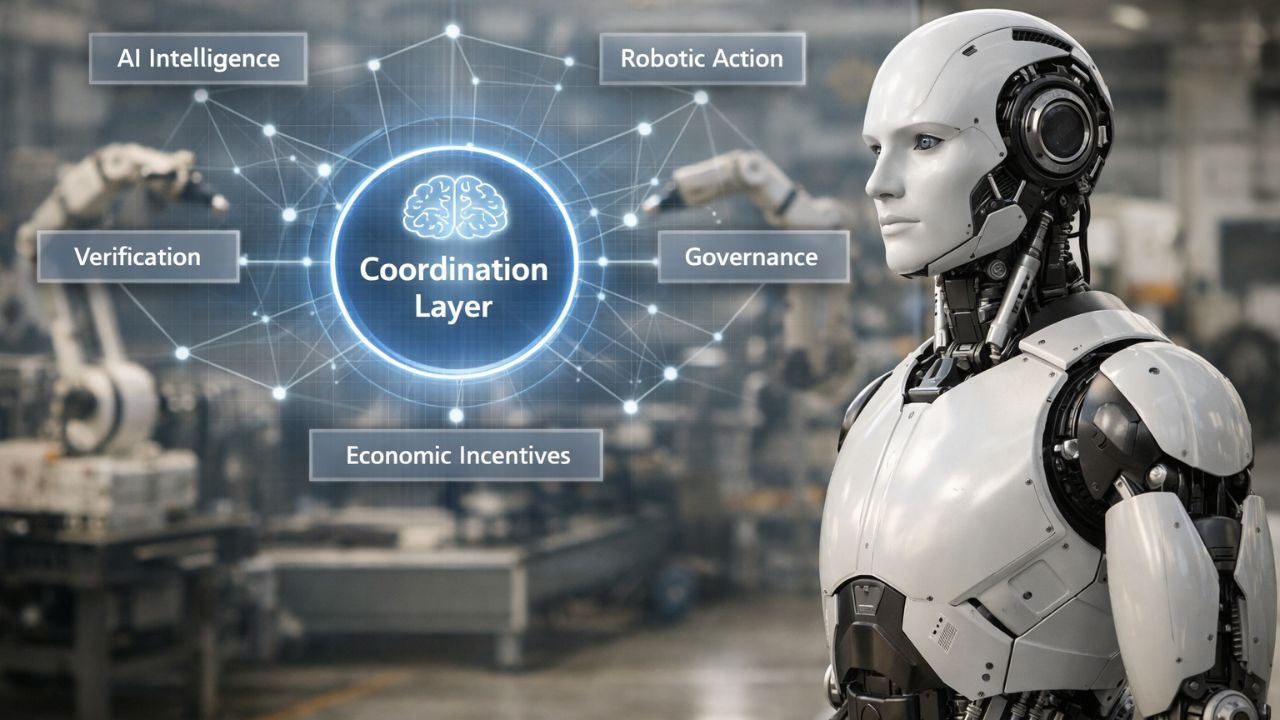
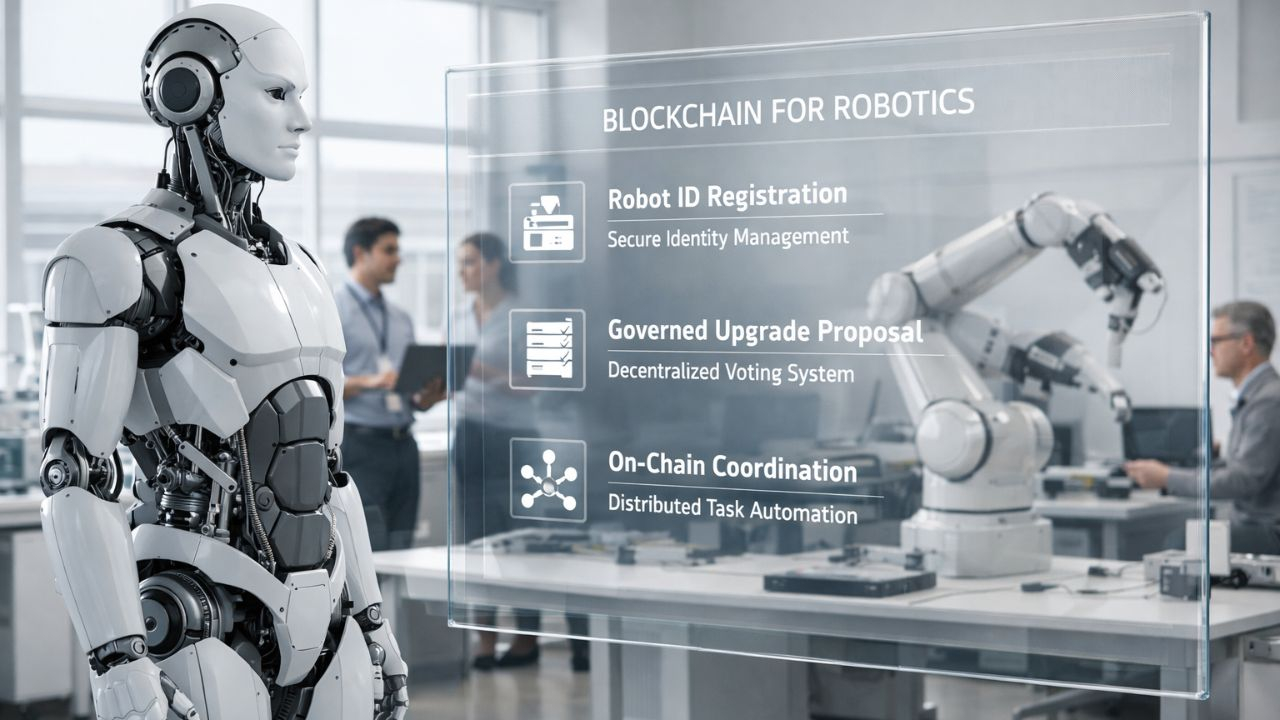
A Camada Ausente Entre a IA e a Robótica do Mundo RealA IA pode pensar. Os robôs podem agir, mas quem coordena a confiança entre eles?
Estamos entrando em uma década onde as máquinas não são mais ferramentas passivas. Estas são geradoras de raciocínio, criando planos e se adaptando. Os robôs são capazes de realizar tarefas em armazéns, hospitais, fábricas e até mesmo nas ruas. No entanto, há uma lacuna estrutural entre inteligência e responsabilidade. O Fabric Protocol, apoiado pela Fabric Foundation, está focado em resolver exatamente essa lacuna.
A maioria das discussões sobre blockchain e IA se concentra na propriedade de dados ou mercados de modelos. O Fabric aborda o problema de maneira diferente. Trata a robótica como um sistema em rede que requer coordenação, verificação e aplicação de regras no nível da infraestrutura. O Fabric não apenas conecta dispositivos à internet. Ele conecta dispositivos a uma camada econômica e de governança programável.
A Camada Ausente Entre a IA e a Robótica do Mundo Real
A IA pode pensar. Os robôs podem agir, mas quem coordena a confiança entre eles?
Estamos entrando em uma década onde as máquinas não são mais ferramentas passivas. Estas são geradoras de raciocínio, criando planos e se adaptando. Os robôs são capazes de realizar tarefas em armazéns, hospitais, fábricas e até mesmo nas ruas. No entanto, há uma lacuna estrutural entre inteligência e responsabilidade. O Fabric Protocol, apoiado pela Fabric Foundation, está focado em resolver exatamente essa lacuna.
A maioria das discussões sobre blockchain e IA se concentra na propriedade de dados ou mercados de modelos. O Fabric aborda o problema de maneira diferente. Trata a robótica como um sistema em rede que requer coordenação, verificação e aplicação de regras no nível da infraestrutura. O Fabric não apenas conecta dispositivos à internet. Ele conecta dispositivos a uma camada econômica e de governança programável.
Estamos entrando em uma década onde as máquinas não são mais ferramentas passivas. Estas são geradoras de raciocínio, criando planos e se adaptando. Os robôs são capazes de realizar tarefas em armazéns, hospitais, fábricas e até mesmo nas ruas. No entanto, há uma lacuna estrutural entre inteligência e responsabilidade. O Fabric Protocol, apoiado pela Fabric Foundation, está focado em resolver exatamente essa lacuna.
A maioria das discussões sobre blockchain e IA se concentra na propriedade de dados ou mercados de modelos. O Fabric aborda o problema de maneira diferente. Trata a robótica como um sistema em rede que requer coordenação, verificação e aplicação de regras no nível da infraestrutura. O Fabric não apenas conecta dispositivos à internet. Ele conecta dispositivos a uma camada econômica e de governança programável.
1
5
199
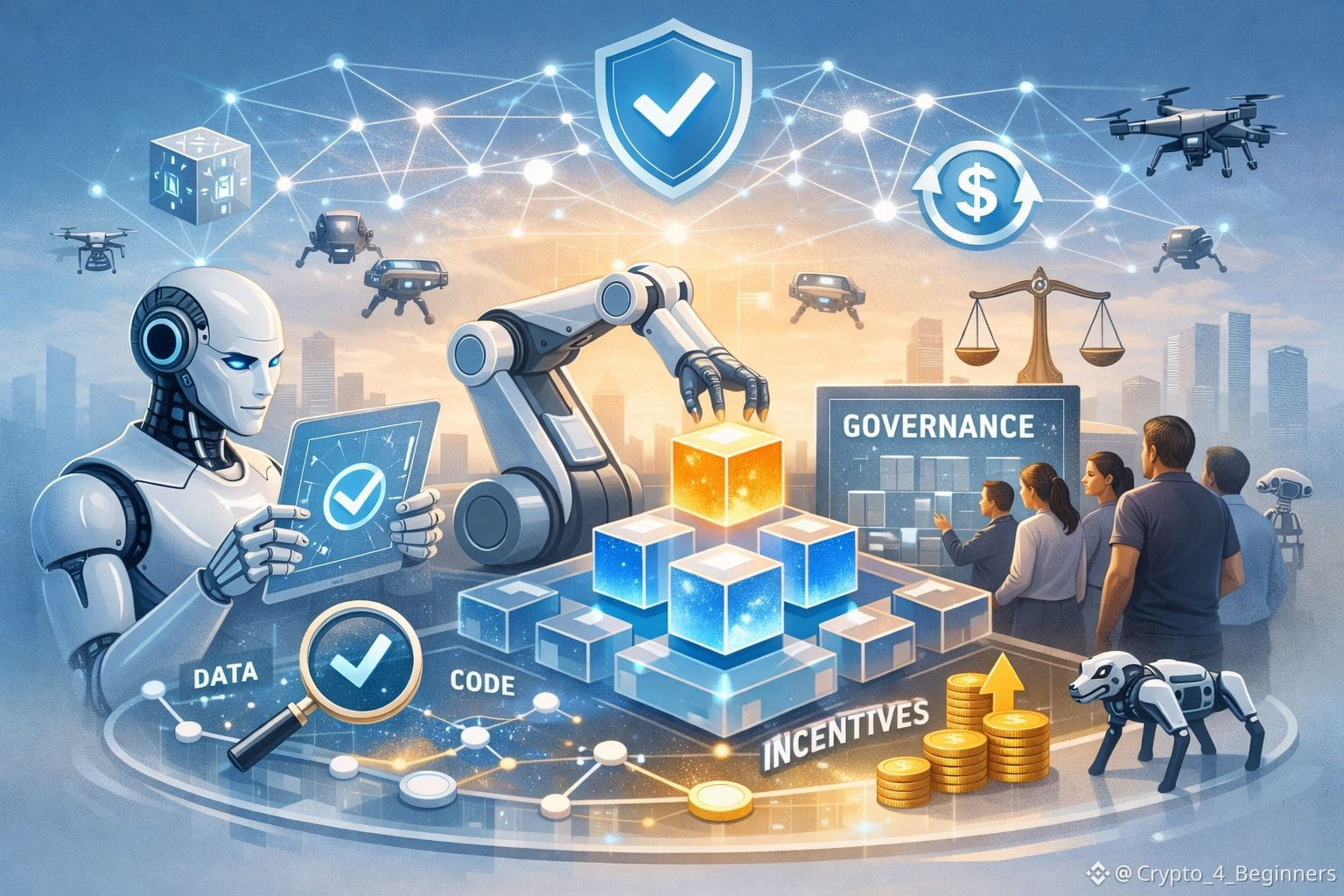
A IA está aprendendo.
Os robôs estão se adaptando, mas a responsabilidade ainda está faltando.
@FabricFND introduz uma camada de coordenação pública onde as ações robóticas podem ser verificadas, governadas e alinhadas economicamente. $ROBO conecta computação, dados e incentivos em um sistema transparente.
Confiança programável para máquinas é a próxima evolução. #ROBO #BlockAILayoffs #MarketRebound
{alpha}(560x475cbf5919608e0c6af00e7bf87fab83bf3ef6e2)
A IA está aprendendo.
Os robôs estão se adaptando, mas a responsabilidade ainda está faltando.
@Fabric Foundation introduz uma camada de coordenação pública onde as ações robóticas podem ser verificadas, governadas e alinhadas economicamente. $ROBO conecta computação, dados e incentivos em um sistema transparente.
Confiança programável para máquinas é a próxima evolução. #ROBO #BlockAILayoffs #MarketRebound
Os robôs estão se adaptando, mas a responsabilidade ainda está faltando.
@Fabric Foundation introduz uma camada de coordenação pública onde as ações robóticas podem ser verificadas, governadas e alinhadas economicamente. $ROBO conecta computação, dados e incentivos em um sistema transparente.
Confiança programável para máquinas é a próxima evolução. #ROBO #BlockAILayoffs #MarketRebound
2
130
Artigo
Os Robôs Precisam de Governança e o Fabric Protocol Está Construindo Isso na CadeiaA maioria das pessoas debate a velocidade da IA ou hardware. Quase ninguém faz a pergunta mais difícil: quem governa máquinas autônomas uma vez que elas atuam de forma independente?
Robôs Auditáveis em uma Economia Programável
A Fabric Foundation agora está respondendo a essa pergunta com o Fabric Protocol, uma rede pública onde os robôs não são apenas ferramentas. Eles são atores responsáveis em uma economia programável. Através de computação verificável e um livro-razão público, cada ação, atualização e colaboração envolvendo máquinas é transparente e auditável.
Os Robôs Precisam de Governança e o Fabric Protocol Está Construindo Isso na Cadeia
A maioria das pessoas debate a velocidade da IA ou hardware. Quase ninguém faz a pergunta mais difícil: quem governa máquinas autônomas uma vez que elas atuam de forma independente?
Robôs Auditáveis em uma Economia Programável
A Fabric Foundation agora está respondendo a essa pergunta com o Fabric Protocol, uma rede pública onde os robôs não são apenas ferramentas. Eles são atores responsáveis em uma economia programável. Através de computação verificável e um livro-razão público, cada ação, atualização e colaboração envolvendo máquinas é transparente e auditável.
Robôs Auditáveis em uma Economia Programável
A Fabric Foundation agora está respondendo a essa pergunta com o Fabric Protocol, uma rede pública onde os robôs não são apenas ferramentas. Eles são atores responsáveis em uma economia programável. Através de computação verificável e um livro-razão público, cada ação, atualização e colaboração envolvendo máquinas é transparente e auditável.
3
129
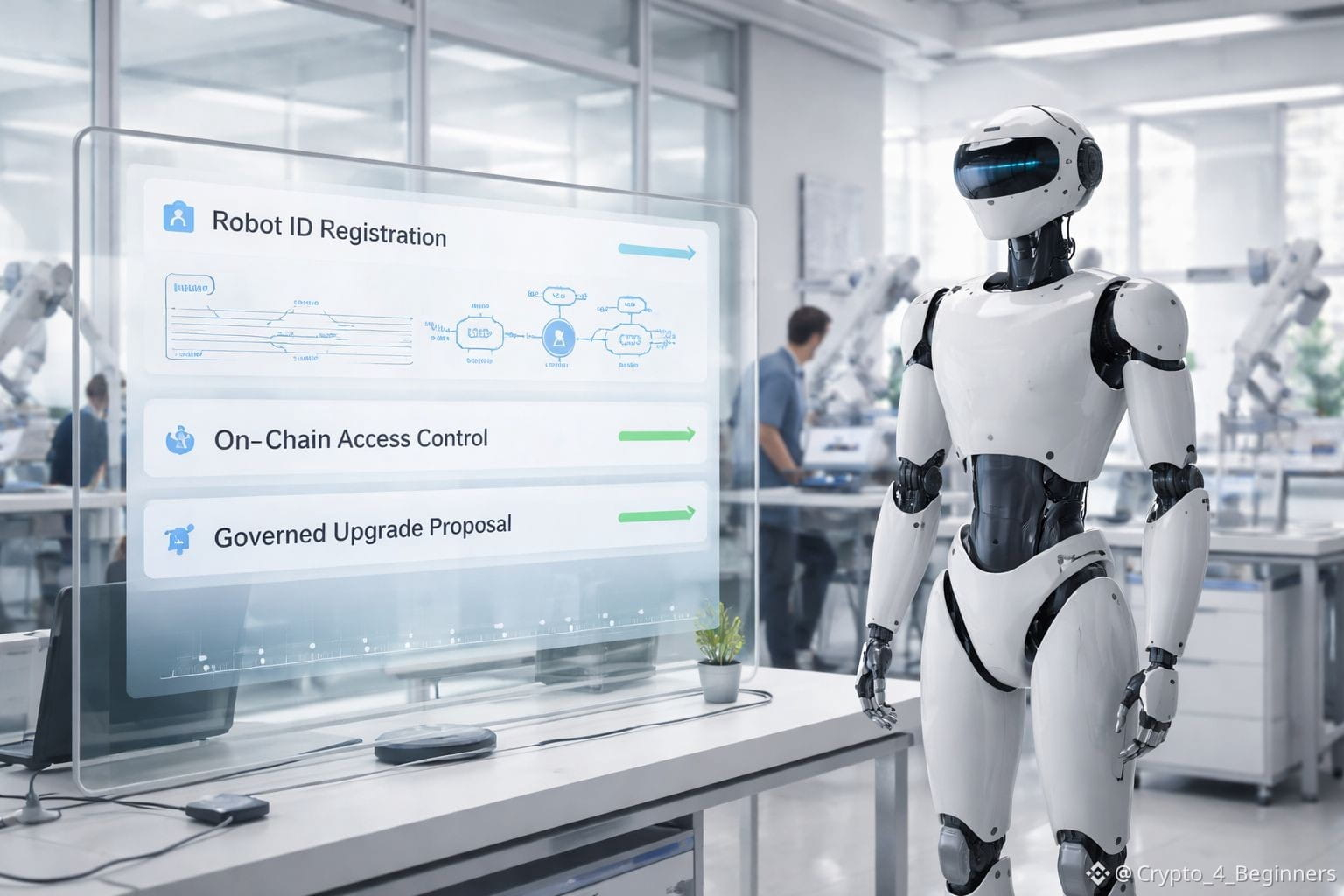
A maioria das pessoas vê os robôs como hardware.
O Fabric Protocol os vê como agentes econômicos.
@FabricFND está construindo uma camada de coordenação verificável em cadeia onde os robôs podem registrar identidade, acessar computação e evoluir por meio de atualizações governadas. $ROBO alimenta essa economia de máquinas.
O futuro da colaboração entre humanos e IA não será centralizado. Será programável.
#ROBO #BlockAILayoffs
{future}(ROBOUSDT)
A maioria das pessoas vê os robôs como hardware.
O Fabric Protocol os vê como agentes econômicos.
@Fabric Foundation está construindo uma camada de coordenação verificável em cadeia onde os robôs podem registrar identidade, acessar computação e evoluir por meio de atualizações governadas. $ROBO alimenta essa economia de máquinas.
O futuro da colaboração entre humanos e IA não será centralizado. Será programável.
#ROBO #BlockAILayoffs
O Fabric Protocol os vê como agentes econômicos.
@Fabric Foundation está construindo uma camada de coordenação verificável em cadeia onde os robôs podem registrar identidade, acessar computação e evoluir por meio de atualizações governadas. $ROBO alimenta essa economia de máquinas.
O futuro da colaboração entre humanos e IA não será centralizado. Será programável.
#ROBO #BlockAILayoffs
3
97
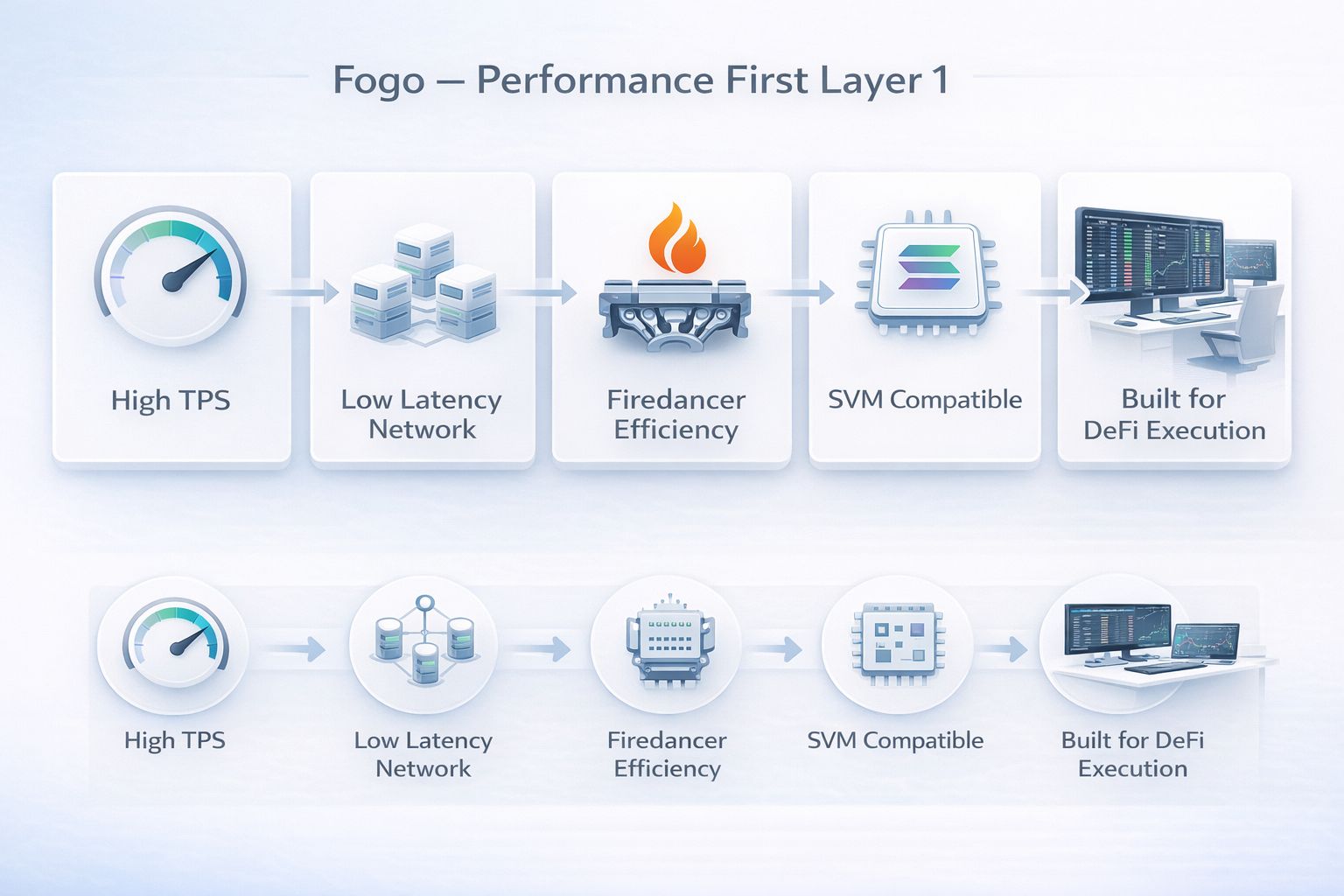
-> Fogo está seguindo um caminho diferente na corrida da Layer One. Não está apenas tentando mostrar grandes números de Transações Por Segundo para marketing.
-> Seu foco principal é melhorar o desempenho dos validadores e manter a latência da rede muito baixa desde a base.
-> A influência do Firedancer mostra que se importa com um desempenho forte e melhor eficiência.
-> A Máquina Virtual Solana é compatível, o que significa que os desenvolvedores têm um ambiente familiar e rápido para trabalhar.
-> O objetivo real é atender traders sérios de Finanças Descentralizadas que realmente se importam com a execução.
@fogo
#fogo
$FOGO
{spot}(FOGOUSDT)
-> Fogo está seguindo um caminho diferente na corrida da Layer One. Não está apenas tentando mostrar grandes números de Transações Por Segundo para marketing.
-> Seu foco principal é melhorar o desempenho dos validadores e manter a latência da rede muito baixa desde a base.
-> A influência do Firedancer mostra que se importa com um desempenho forte e melhor eficiência.
-> A Máquina Virtual Solana é compatível, o que significa que os desenvolvedores têm um ambiente familiar e rápido para trabalhar.
-> O objetivo real é atender traders sérios de Finanças Descentralizadas que realmente se importam com a execução.
@Fogo Official
#fogo
$FOGO
-> Seu foco principal é melhorar o desempenho dos validadores e manter a latência da rede muito baixa desde a base.
-> A influência do Firedancer mostra que se importa com um desempenho forte e melhor eficiência.
-> A Máquina Virtual Solana é compatível, o que significa que os desenvolvedores têm um ambiente familiar e rápido para trabalhar.
-> O objetivo real é atender traders sérios de Finanças Descentralizadas que realmente se importam com a execução.
@Fogo Official
#fogo
$FOGO
3
34
Artigo
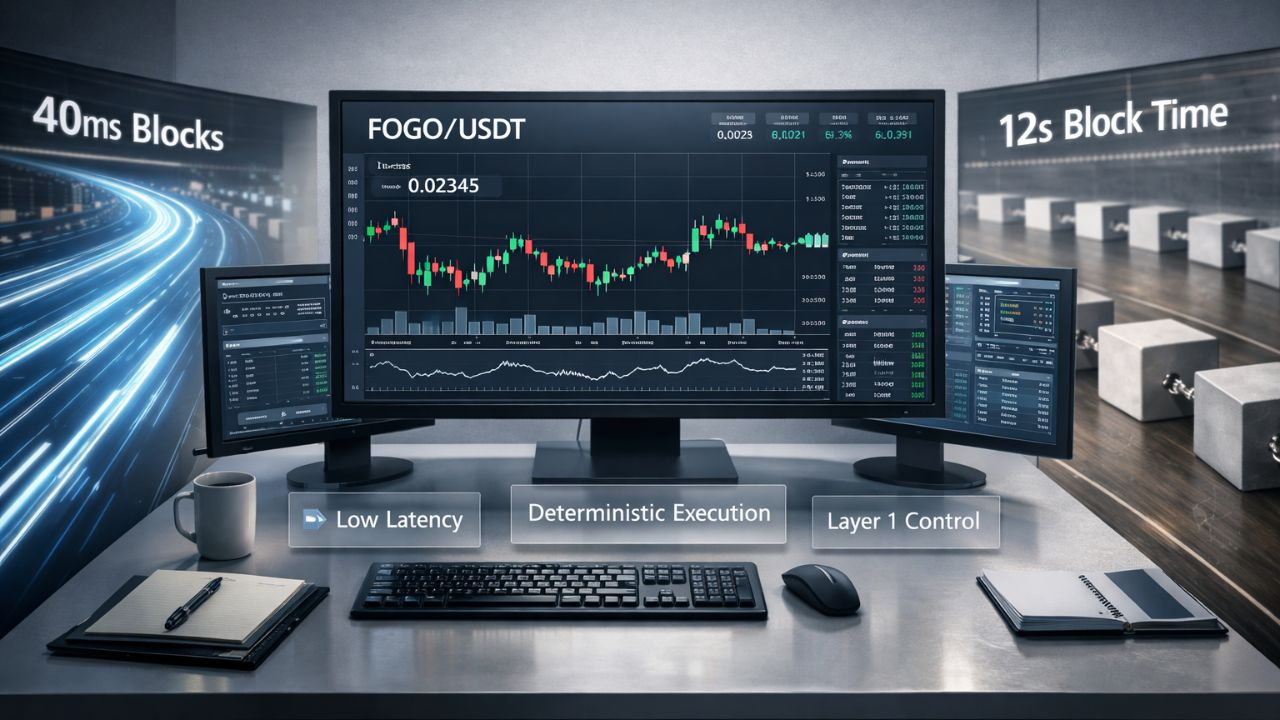
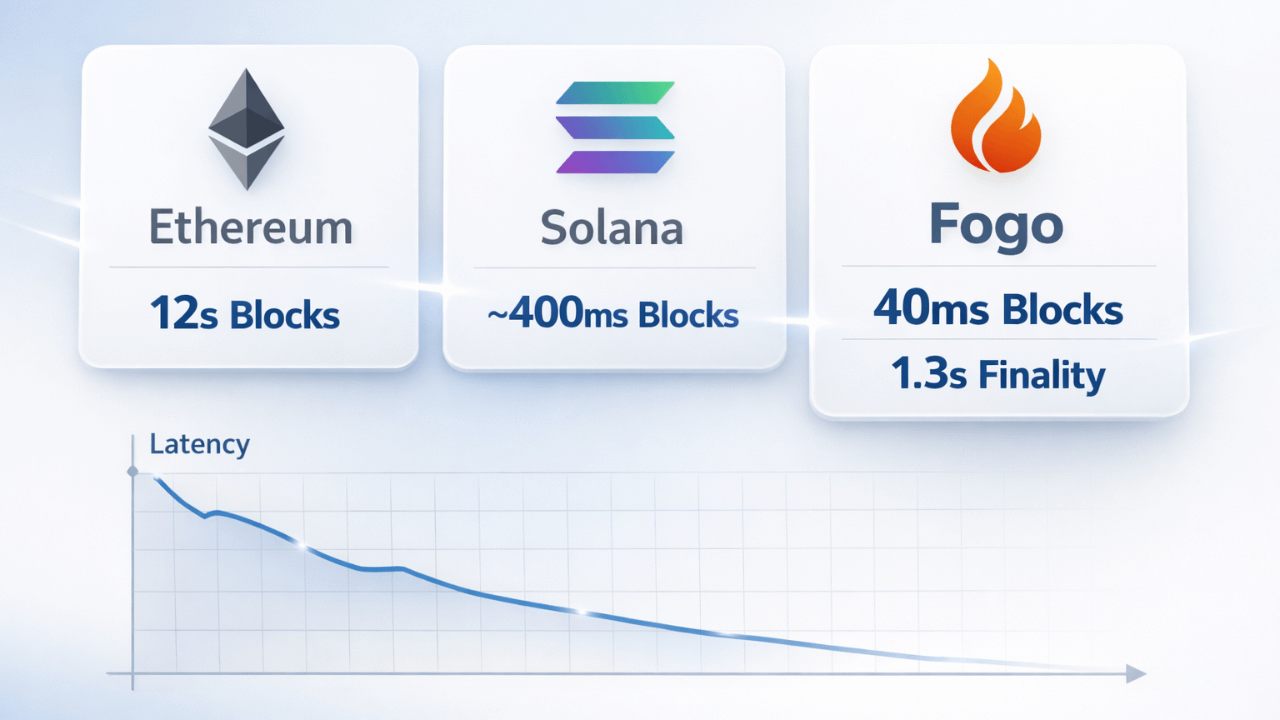
Fogo Fast Lane: Como Esta Camada Um Lida com Velocidade Sem Perder o ControleA velocidade se tornou o slogan de marketing favorito das criptomoedas, mas na minha experiência como trader, os números brutos de Transações Por Segundo raramente contam a história completa. Analisei dezenas de redes de Camada Um durante o ciclo passado e o que aprendi é simples: velocidade sem controle é caos. Fogo, uma Camada Um de alto desempenho que utiliza a Máquina Virtual Solana, está entrando na corrida com uma abordagem diferente. Em vez de se obsessar com a capacidade teórica, foca na latência, execução determinística e desempenho de mercado em tempo real.
Fogo Fast Lane: Como Esta Camada Um Lida com Velocidade Sem Perder o Controle
A velocidade se tornou o slogan de marketing favorito das criptomoedas, mas na minha experiência como trader, os números brutos de Transações Por Segundo raramente contam a história completa. Analisei dezenas de redes de Camada Um durante o ciclo passado e o que aprendi é simples: velocidade sem controle é caos. Fogo, uma Camada Um de alto desempenho que utiliza a Máquina Virtual Solana, está entrando na corrida com uma abordagem diferente. Em vez de se obsessar com a capacidade teórica, foca na latência, execução determinística e desempenho de mercado em tempo real.
2
103
Artigo
Correndo à Frente com Fogo: O Poder da Máquina Virtual Solana Encontra o Controle de Camada 1Quando explorei o Fogo pela primeira vez no final do ano passado, o que chamou minha atenção não foram apenas suas alegações de velocidade, mas a ousada filosofia por trás delas. No mundo das criptomoedas, quase todo projeto fala sobre alta performance, mas poucos realmente repensam a performance desde o início. Fogo, uma blockchain de Camada 1 construída na Máquina Virtual Solana, lançou sua mainnet pública em 15 de janeiro de 2026 com tempos de bloco de 40 milissegundos. Seu design prioriza latência ultra baixa enquanto mantém a descentralização onde é importante, essencialmente combinando o poder de execução bruto da Solana com uma estratégia de controle de Camada 1 focada na performance primeiro. Esta não é uma pequena atualização. É uma nova abordagem sobre como velocidade e controle podem coexistir na camada base.
Correndo à Frente com Fogo: O Poder da Máquina Virtual Solana Encontra o Controle de Camada 1
Quando explorei o Fogo pela primeira vez no final do ano passado, o que chamou minha atenção não foram apenas suas alegações de velocidade, mas a ousada filosofia por trás delas. No mundo das criptomoedas, quase todo projeto fala sobre alta performance, mas poucos realmente repensam a performance desde o início. Fogo, uma blockchain de Camada 1 construída na Máquina Virtual Solana, lançou sua mainnet pública em 15 de janeiro de 2026 com tempos de bloco de 40 milissegundos. Seu design prioriza latência ultra baixa enquanto mantém a descentralização onde é importante, essencialmente combinando o poder de execução bruto da Solana com uma estratégia de controle de Camada 1 focada na performance primeiro. Esta não é uma pequena atualização. É uma nova abordagem sobre como velocidade e controle podem coexistir na camada base.
2
83
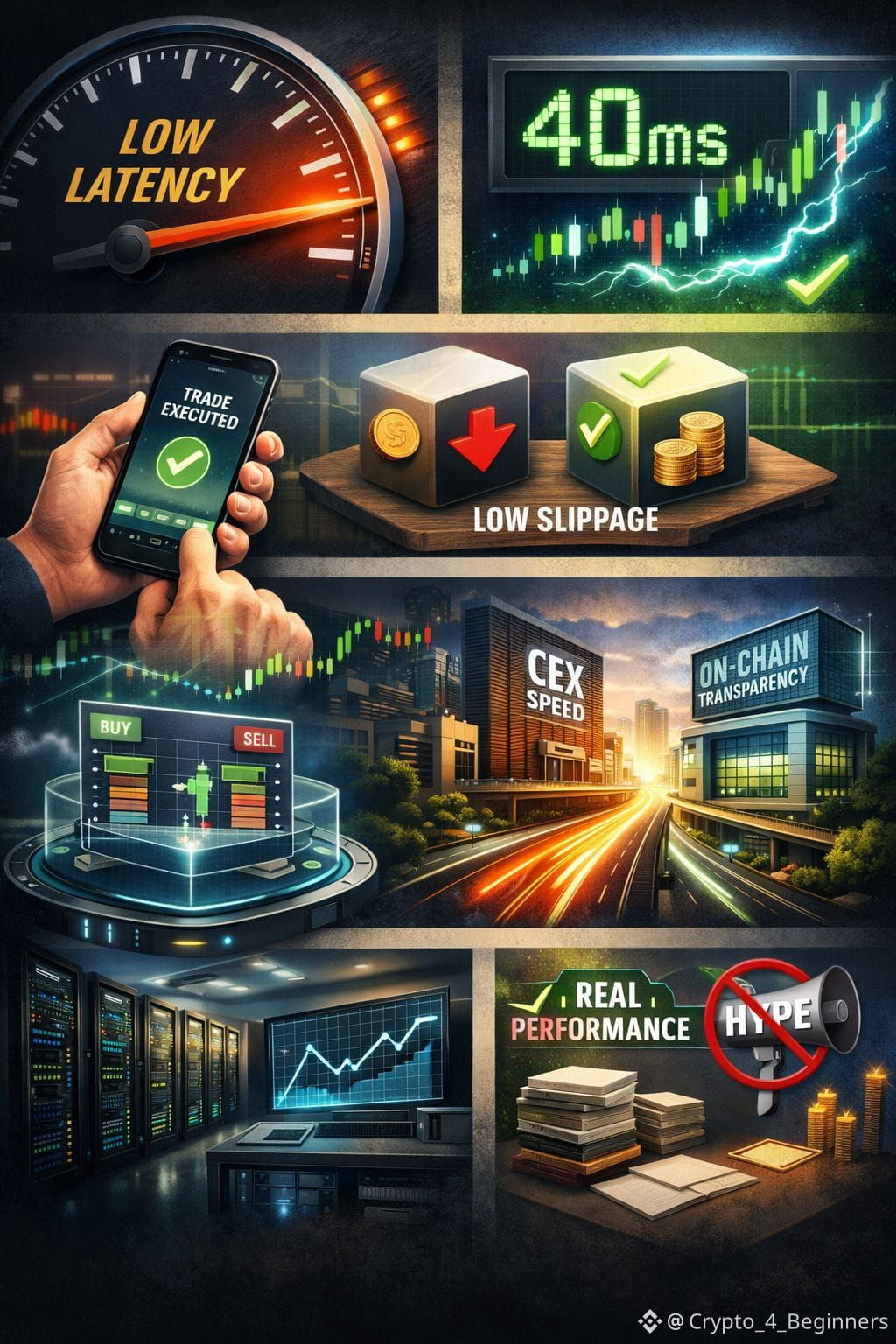
@fogo não é apenas sobre altas Transações Por Segundo. Ele se concentra em baixa latência.
-> ~40ms milissegundos de tempo de bloco significam que as negociações são confirmadas quase em tempo real.
-> Menor deslizamento e redução da incerteza na execução.
-> Infraestrutura robusta para livros de ordens on-chain e estratégias de trading de alta frequência.
-> Projetado para oferecer velocidade de nível CEX com transparência on-chain.
-> Construído com métricas de desempenho reais, não apenas com alegações de marketing.
#fogo
$FOGO
{spot}(FOGOUSDT)
@Fogo Official não é apenas sobre altas Transações Por Segundo. Ele se concentra em baixa latência.
-> ~40ms milissegundos de tempo de bloco significam que as negociações são confirmadas quase em tempo real.
-> Menor deslizamento e redução da incerteza na execução.
-> Infraestrutura robusta para livros de ordens on-chain e estratégias de trading de alta frequência.
-> Projetado para oferecer velocidade de nível CEX com transparência on-chain.
-> Construído com métricas de desempenho reais, não apenas com alegações de marketing.
#fogo
$FOGO
-> ~40ms milissegundos de tempo de bloco significam que as negociações são confirmadas quase em tempo real.
-> Menor deslizamento e redução da incerteza na execução.
-> Infraestrutura robusta para livros de ordens on-chain e estratégias de trading de alta frequência.
-> Projetado para oferecer velocidade de nível CEX com transparência on-chain.
-> Construído com métricas de desempenho reais, não apenas com alegações de marketing.
#fogo
$FOGO
4
42
Artigo
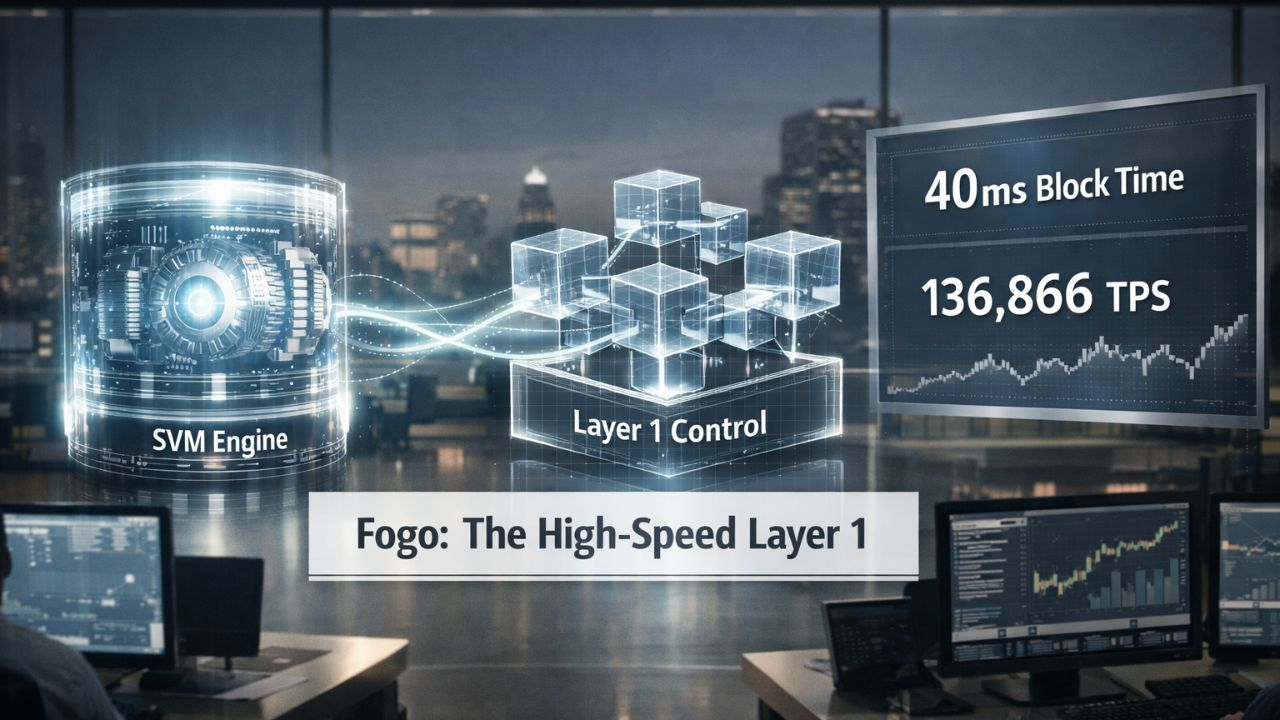
Fogo: A Camada 1 de Alta Velocidade Pronta para Redefinir o Desempenho da BlockchainEnquanto analisava o desempenho da blockchain, tenho que dizer que, quando comecei esta pesquisa lá em 2017, cruzar mil transações por segundo era revolucionário. No entanto, alguns anos depois, blockchains como a Solana elevaram a barra para níveis muito acima de mil transações por segundo. Agora, com a mainnet pública do Fogo ao vivo desde 15 de janeiro de 2026, a definição de desempenho da próxima geração está mudando mais uma vez. Ele consegue isso com tempos de bloco consistentes de 40 milissegundos e uma latência incrivelmente baixa. Isso abre a porta para aplicações funcionando mais próximas de sistemas de negociação de alta frequência convencionais do que aqueles aos quais estamos acostumados em blockchains.
Fogo: A Camada 1 de Alta Velocidade Pronta para Redefinir o Desempenho da Blockchain
Enquanto analisava o desempenho da blockchain, tenho que dizer que, quando comecei esta pesquisa lá em 2017, cruzar mil transações por segundo era revolucionário. No entanto, alguns anos depois, blockchains como a Solana elevaram a barra para níveis muito acima de mil transações por segundo. Agora, com a mainnet pública do Fogo ao vivo desde 15 de janeiro de 2026, a definição de desempenho da próxima geração está mudando mais uma vez. Ele consegue isso com tempos de bloco consistentes de 40 milissegundos e uma latência incrivelmente baixa. Isso abre a porta para aplicações funcionando mais próximas de sistemas de negociação de alta frequência convencionais do que aqueles aos quais estamos acostumados em blockchains.
2
70
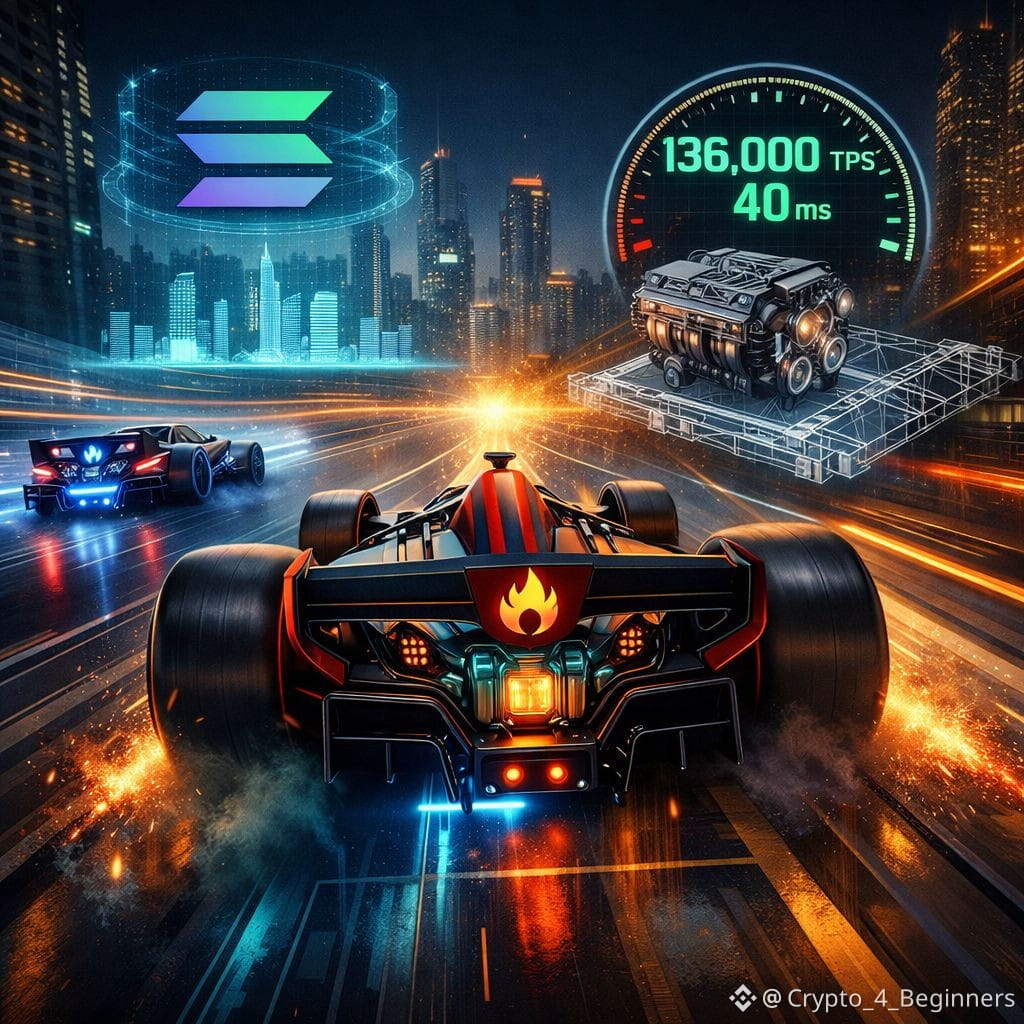
A corrida da próxima geração de blockchain está esquentando. Este projeto está pronto para liderar?
-> Cadeias de alto desempenho estão evoluindo rapidamente.
-> Este projeto está se posicionando como um sério concorrente.
-> Construído na Máquina Virtual Solana.
-> Pode executar múltiplos processos ao mesmo tempo.
-> Controle total da Camada 1 sem perder o controle.
-> Se a SVM é o motor, pense nisso como um chassi atualizado projetado para escalar.
-> Tem potencial real a longo prazo ou é apenas hype?
@fogo
#fogo
$FOGO
{spot}(FOGOUSDT)
A corrida da próxima geração de blockchain está esquentando. Este projeto está pronto para liderar?
-> Cadeias de alto desempenho estão evoluindo rapidamente.
-> Este projeto está se posicionando como um sério concorrente.
-> Construído na Máquina Virtual Solana.
-> Pode executar múltiplos processos ao mesmo tempo.
-> Controle total da Camada 1 sem perder o controle.
-> Se a SVM é o motor, pense nisso como um chassi atualizado projetado para escalar.
-> Tem potencial real a longo prazo ou é apenas hype?
@Fogo Official
#fogo
$FOGO
-> Cadeias de alto desempenho estão evoluindo rapidamente.
-> Este projeto está se posicionando como um sério concorrente.
-> Construído na Máquina Virtual Solana.
-> Pode executar múltiplos processos ao mesmo tempo.
-> Controle total da Camada 1 sem perder o controle.
-> Se a SVM é o motor, pense nisso como um chassi atualizado projetado para escalar.
-> Tem potencial real a longo prazo ou é apenas hype?
@Fogo Official
#fogo
$FOGO
3
99
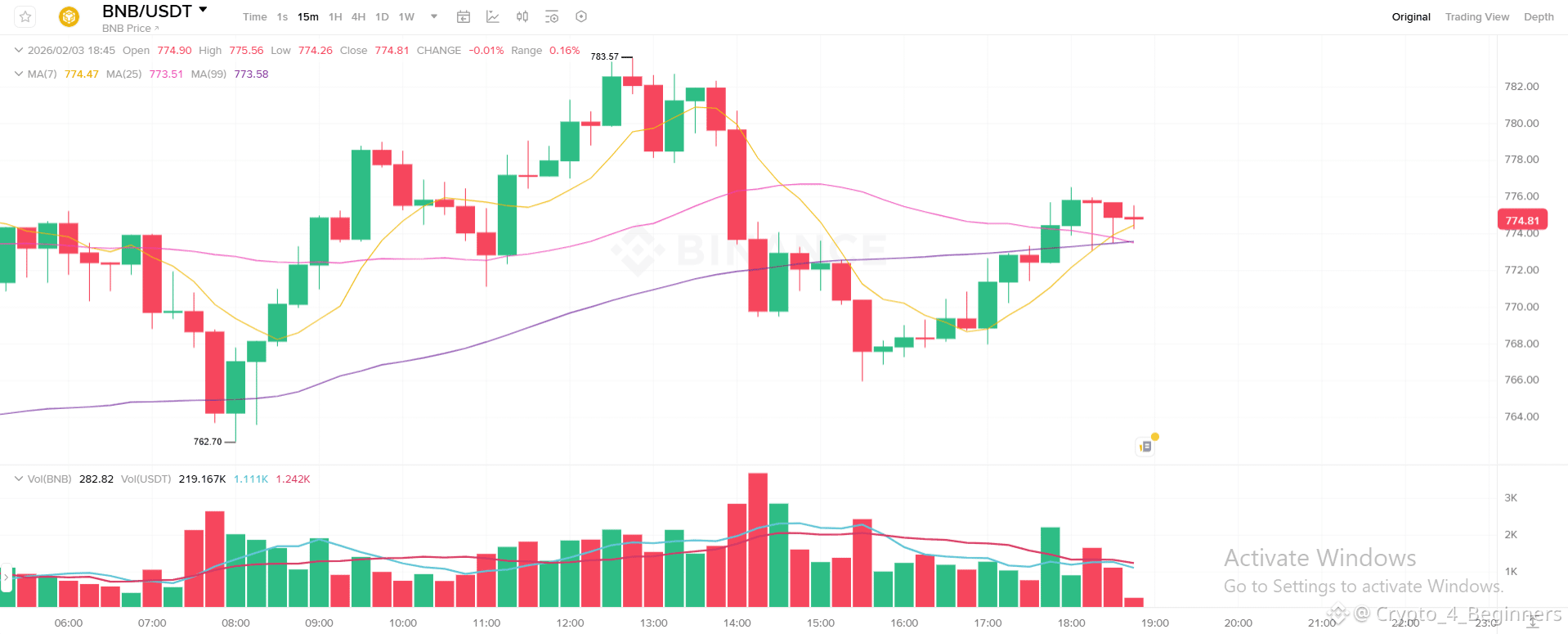
$BNB looks "quente" agora porque o preço se recuperou bem após uma queda e está se mantendo perto de médias móveis importantes. Isso diz ao mercado que a baixa foi rejeitada, então a atenção está voltando para a moeda.
A ligação entre preço e volume é clara. Quando o preço sobe, o volume aumenta. Durante as correções, o volume se torna menor. Isso mostra que a pressão de venda é fraca e a maioria dos traders está comprando em quedas em vez de venderem em pânico.
Agora, a maioria dos traders de varejo está entrando porque tem medo de perder a oportunidade de pegar aquelas pequenas velas verdes. Traders de momentum parecem mais cautelosos. Eles estão comprando perto do suporte e realizando lucro parcial perto da resistência. Por causa disso, o movimento de preço parece suave e controlado, não selvagem.
No geral, o movimento não parece exagerado. Enquanto o volume se mantiver estável, a tendência continua, mas se o preço subir novamente sem muito volume por trás, espere uma rápida correção. A configuração ainda parece sólida, apenas tenha cuidado ao perseguir o topo, pois isso é arriscado. Comprar quedas parece mais seguro do que comprar altas.
{future}(BNBUSDT)
#BNBUSDT
#CryptoMarket
#TrumpProCrypto
$BNB looks "quente" agora porque o preço se recuperou bem após uma queda e está se mantendo perto de médias móveis importantes. Isso diz ao mercado que a baixa foi rejeitada, então a atenção está voltando para a moeda.
A ligação entre preço e volume é clara. Quando o preço sobe, o volume aumenta. Durante as correções, o volume se torna menor. Isso mostra que a pressão de venda é fraca e a maioria dos traders está comprando em quedas em vez de venderem em pânico.
Agora, a maioria dos traders de varejo está entrando porque tem medo de perder a oportunidade de pegar aquelas pequenas velas verdes. Traders de momentum parecem mais cautelosos. Eles estão comprando perto do suporte e realizando lucro parcial perto da resistência. Por causa disso, o movimento de preço parece suave e controlado, não selvagem.
No geral, o movimento não parece exagerado. Enquanto o volume se mantiver estável, a tendência continua, mas se o preço subir novamente sem muito volume por trás, espere uma rápida correção. A configuração ainda parece sólida, apenas tenha cuidado ao perseguir o topo, pois isso é arriscado. Comprar quedas parece mais seguro do que comprar altas.
#BNBUSDT
#CryptoMarket
#TrumpProCrypto
A ligação entre preço e volume é clara. Quando o preço sobe, o volume aumenta. Durante as correções, o volume se torna menor. Isso mostra que a pressão de venda é fraca e a maioria dos traders está comprando em quedas em vez de venderem em pânico.
Agora, a maioria dos traders de varejo está entrando porque tem medo de perder a oportunidade de pegar aquelas pequenas velas verdes. Traders de momentum parecem mais cautelosos. Eles estão comprando perto do suporte e realizando lucro parcial perto da resistência. Por causa disso, o movimento de preço parece suave e controlado, não selvagem.
No geral, o movimento não parece exagerado. Enquanto o volume se mantiver estável, a tendência continua, mas se o preço subir novamente sem muito volume por trás, espere uma rápida correção. A configuração ainda parece sólida, apenas tenha cuidado ao perseguir o topo, pois isso é arriscado. Comprar quedas parece mais seguro do que comprar altas.
#BNBUSDT
#CryptoMarket
#TrumpProCrypto
3
40
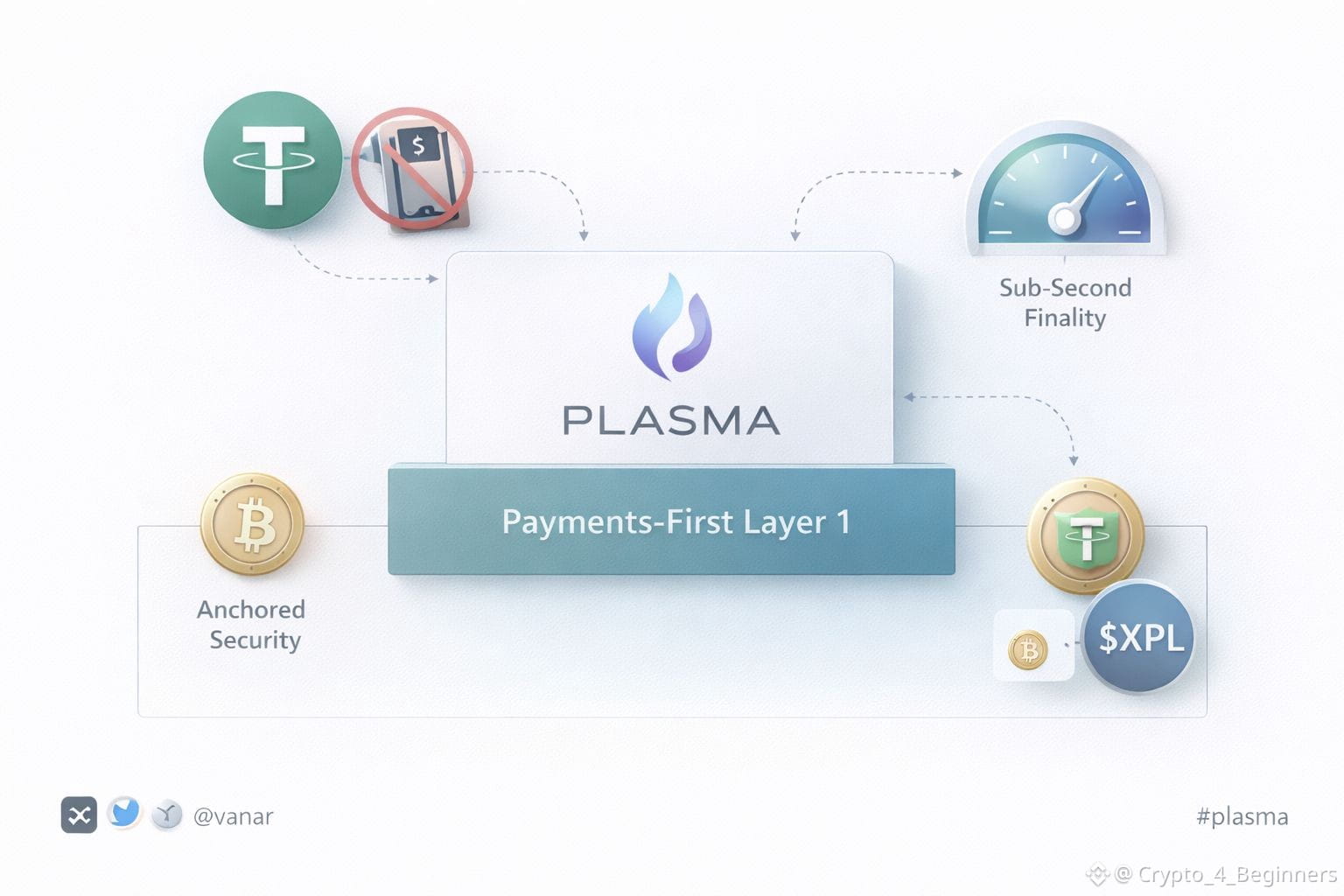
Após minha pesquisa, Plasma se destaca como um Layer 1 focado em pagamentos. @Plasma não está perseguindo métricas de hype. Está otimizando o uso real de stablecoins com a stablecoin USDT sem gás, com primeira subfinalidade de gás e segurança ancorada em Bitcoin. XPL parece ter sido construído para a adoção real. #Plasma
$XPL
{spot}(XPLUSDT)
Após minha pesquisa, Plasma se destaca como um Layer 1 focado em pagamentos. @Plasma não está perseguindo métricas de hype. Está otimizando o uso real de stablecoins com a stablecoin USDT sem gás, com primeira subfinalidade de gás e segurança ancorada em Bitcoin. XPL parece ter sido construído para a adoção real. #Plasma
$XPL
$XPL
2
47
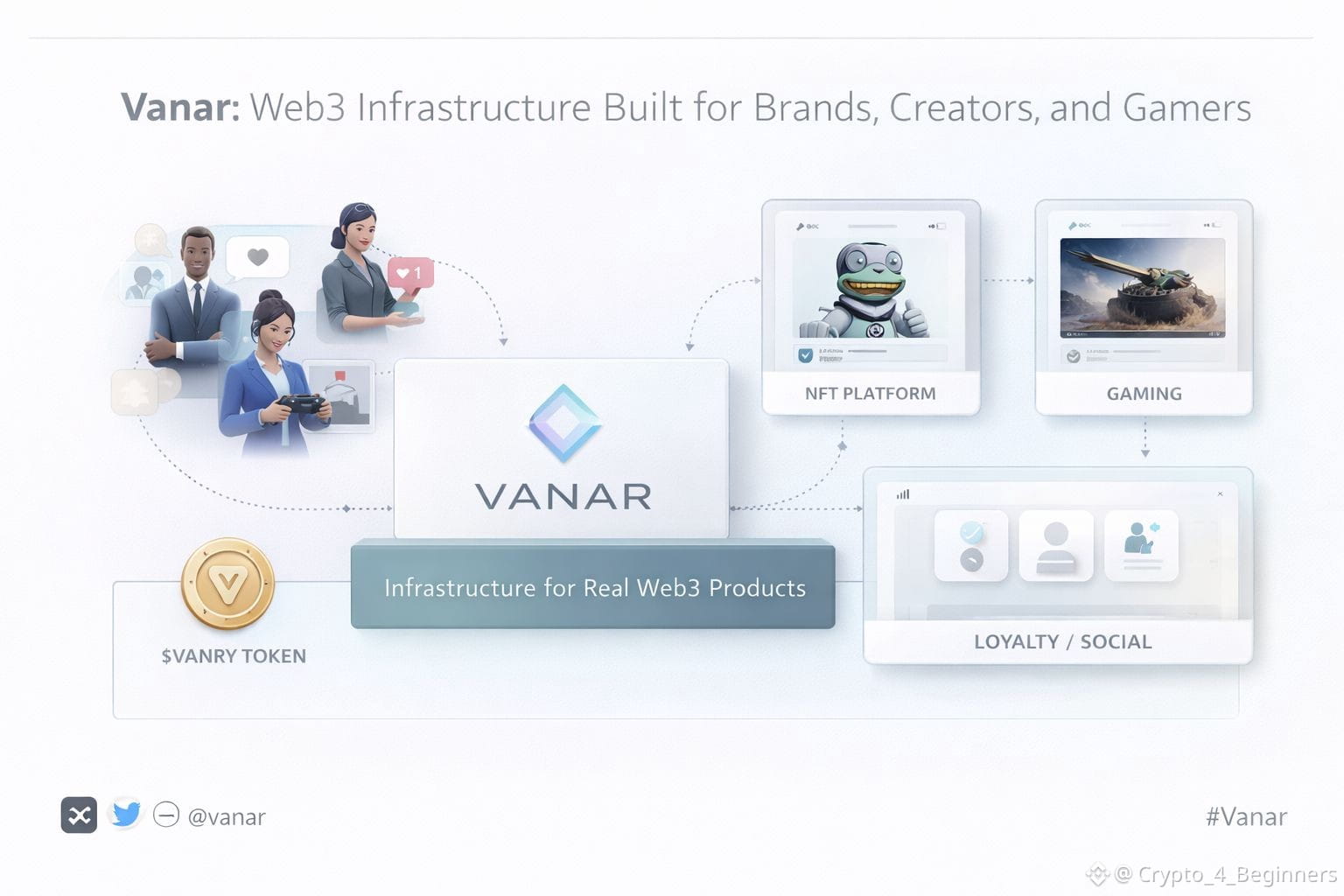
acho que a abordagem da Vanar parece diferente, é uma infraestrutura construída para marcas, criadores e jogadores, não apenas para comerciantes. Se a adoção do Web3 acontecer, cadeias como a Vanar com produtos reais.
@Vanar
#vanar
$VANRY
{spot}(VANRYUSDT)
acho que a abordagem da Vanar parece diferente, é uma infraestrutura construída para marcas, criadores e jogadores, não apenas para comerciantes. Se a adoção do Web3 acontecer, cadeias como a Vanar com produtos reais.
@Vanar
#vanar
$VANRY
@Vanar
#vanar
$VANRY
2
53
Artigo
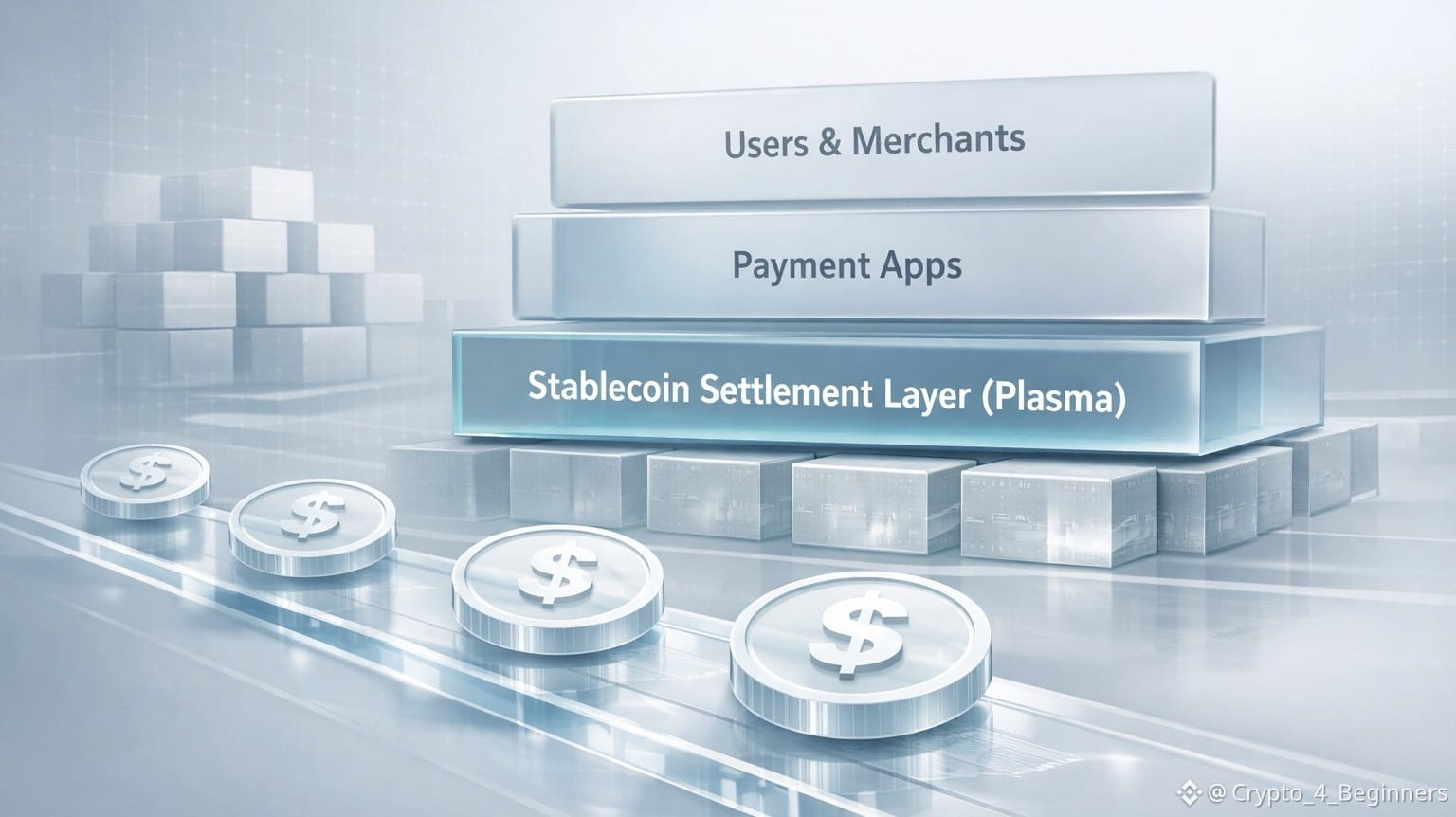
Plasma: A Blockchain Construída Para Pagamentos de Stablecoin do Mundo RealQuando comecei a olhar mais profundamente para as stablecoins ao longo do ano passado. Notei algo que parecia óbvio em retrospectiva, mas raramente é discutido adequadamente. As stablecoins já venceram. Com um tamanho de mercado agora superior a $150 bilhões e volumes de transações anuais ultrapassando dezenas de trilhões de dólares. Elas não são mais um experimento ou uma ferramenta de negociação de nicho. Estão se tornando uma camada de liquidação global por conta própria. No entanto, quase toda essa atividade ainda ocorre em blockchains que nunca foram projetadas especificamente para pagamentos. Com base na minha pesquisa, essa incompatibilidade entre o caso de uso e a infraestrutura é um dos maiores gargalos ocultos em cripto hoje e é exatamente o problema que o Plasma está tentando resolver.
Plasma: A Blockchain Construída Para Pagamentos de Stablecoin do Mundo Real
Quando comecei a olhar mais profundamente para as stablecoins ao longo do ano passado. Notei algo que parecia óbvio em retrospectiva, mas raramente é discutido adequadamente. As stablecoins já venceram. Com um tamanho de mercado agora superior a $150 bilhões e volumes de transações anuais ultrapassando dezenas de trilhões de dólares. Elas não são mais um experimento ou uma ferramenta de negociação de nicho. Estão se tornando uma camada de liquidação global por conta própria. No entanto, quase toda essa atividade ainda ocorre em blockchains que nunca foram projetadas especificamente para pagamentos. Com base na minha pesquisa, essa incompatibilidade entre o caso de uso e a infraestrutura é um dos maiores gargalos ocultos em cripto hoje e é exatamente o problema que o Plasma está tentando resolver.
1
25
Faça login para explorar mais conteúdos
Junte-se a usuários de criptomoedas de todo o mundo no Binance Square.
⚡️ Obter informações mais recentes e úteis sobre criptomoeda.
💬 Com a confiança da maior corretora de criptomoedas do mundo.
👍 Descubra insights reais de criadores verificados.
E-mail / número de telefone
Tópicos em Alta
EarningsSeason
236,265 visualizações
2,128 discutindo
Temporada de Resultados: Resultados do 4T da Micron — Touro ou Urso?
Binance Square Official
·344 curtidas
·687.7k visualizações
BitwiseLaunchesFirstSpotNEARETF
12,548 visualizações
373 discutindo
USJobOpeningsFallToFiveMonthLow
18,952 visualizações
278 discutindo