

Crypto_juju
277 Publicações

Crypto_juju
Denunciar
Bloquear usuário
Uniquely me, but crypto has my heart, ohh am in love with defi and am here to let everyone know about it
0 Seguindo
10 Seguidores
55 Curtiu
Publicações
·
--
Tenho observado $AVAX ultimamente, e a história é bem interessante. A Avalanche começou com uma ideia simples: tornar as transações em blockchain mais rápidas e escaláveis sem abrir mão de boa parte da descentralização. Com o tempo, ela cresceu para se tornar um ecossistema em que desenvolvedores podem construir suas próprias redes e aplicações usando a infraestrutura da Avalanche. A parte que estou acompanhando agora é o quanto de atividade real e adoção o ecossistema consegue continuar construindo. Para mim, $AVAX é um desses projetos que vale a pena manter no radar.
Tenho observado $AVAX ultimamente, e a história é bem interessante. A Avalanche começou com uma ideia simples: tornar as transações em blockchain mais rápidas e escaláveis sem abrir mão de boa parte da descentralização. Com o tempo, ela cresceu para se tornar um ecossistema em que desenvolvedores podem construir suas próprias redes e aplicações usando a infraestrutura da Avalanche. A parte que estou acompanhando agora é o quanto de atividade real e adoção o ecossistema consegue continuar construindo. Para mim, $AVAX é um desses projetos que vale a pena manter no radar.
112
·
--
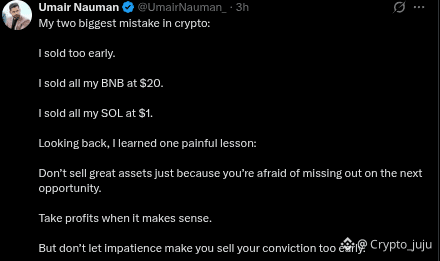
acabando de ver o tweet de alguém que vendeu lá o $SOL e o $BNB no começo, caramba
acabando de ver o tweet de alguém que vendeu lá o $SOL e o $BNB no começo, caramba
7
·
--
Ver tradução
So this week feels like $NEAR season onchain. And honestly, that’s one thing about being a trencher you have to be quick to notice when attention starts moving somewhere else. The $SOL trenches are still active, but I think it’s easy to get too comfortable watching just one chain. Sometimes the next interesting move is happening somewhere you weren’t even looking. That’s also why I’ve been paying more attention to cross-chain activity lately. **Omniston just crossed $7.5M in all-time cross-chain swap volume**, more than double the $3M mark it hit earlier this month. That kind of growth is interesting because it shows liquidity isn’t staying in one ecosystem. People are moving between chains, and the infrastructure connecting those ecosystems becomes more important as activity grows. So yeah, keep an eye on the SOL trenches. But don’t forget to look around. #Altcoin Season#
So this week feels like $NEAR season onchain. And honestly, that’s one thing about being a trencher you have to be quick to notice when attention starts moving somewhere else. The $SOL trenches are still active, but I think it’s easy to get too comfortable watching just one chain. Sometimes the next interesting move is happening somewhere you weren’t even looking. That’s also why I’ve been paying more attention to cross-chain activity lately. **Omniston just crossed $7.5M in all-time cross-chain swap volume**, more than double the $3M mark it hit earlier this month. That kind of growth is interesting because it shows liquidity isn’t staying in one ecosystem. People are moving between chains, and the infrastructure connecting those ecosystems becomes more important as activity grows. So yeah, keep an eye on the SOL trenches. But don’t forget to look around. #Altcoin Season#
25
·
--
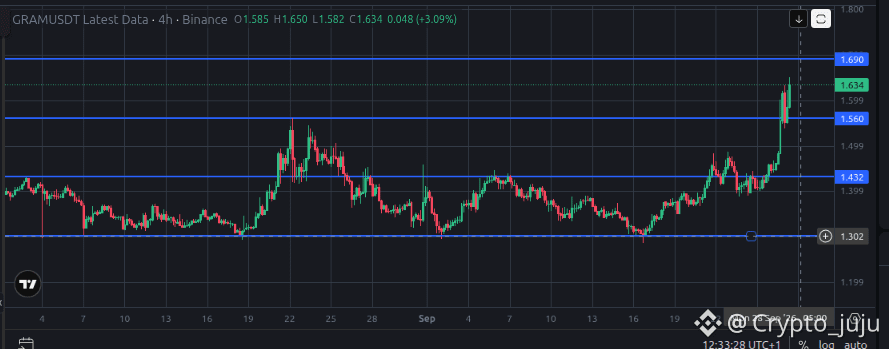
$GRAM está avançando em direção a US$ 1,69 Se o impulso continuar, eu adoraria ver ele testar US$ 2 na próxima semana, mas por enquanto estou apenas observando como o preço reage nesses níveis. Um movimento forte do GRAM também é interessante para o ecossistema do @ston_fi , porque mais atividade pode significar mais atenção e liquidez no lado do TON DeFi. Estou de olho também no STON. Vamos ver como ele reage se o GRAM continuar a avançar. $ZEC #Altcoin Season#
$GRAM está avançando em direção a US$ 1,69 Se o impulso continuar, eu adoraria ver ele testar US$ 2 na próxima semana, mas por enquanto estou apenas observando como o preço reage nesses níveis. Um movimento forte do GRAM também é interessante para o ecossistema do @ston_fi , porque mais atividade pode significar mais atenção e liquidez no lado do TON DeFi. Estou de olho também no STON. Vamos ver como ele reage se o GRAM continuar a avançar. $ZEC #Altcoin Season#
46
·
--
Ver tradução
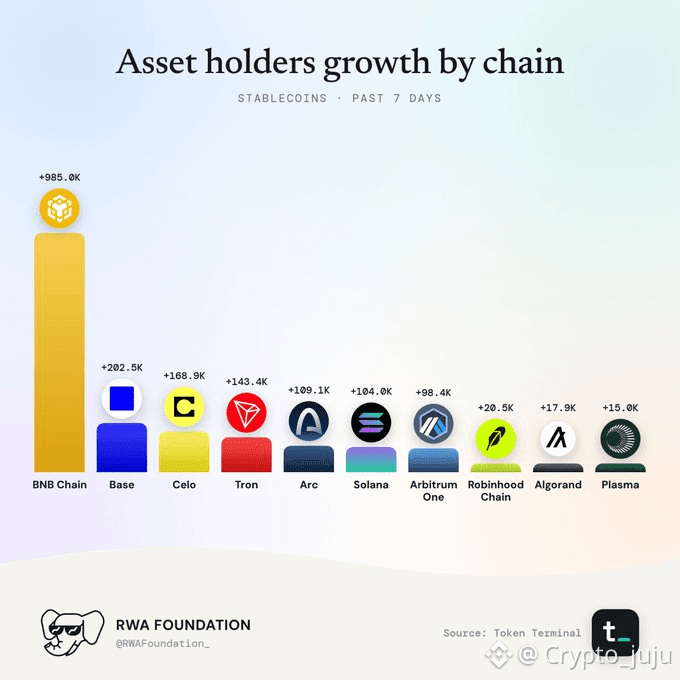
$BNB Chain is seeing a noticeable jump in stablecoin adoption. Around 985K new stablecoin holders joined the chain over the past 7 days. That’s almost 5x more than the next chain during the same period. Interesting to see where this new #StableCoin activity starts flowing next.
$BNB Chain is seeing a noticeable jump in stablecoin adoption. Around 985K new stablecoin holders joined the chain over the past 7 days. That’s almost 5x more than the next chain during the same period. Interesting to see where this new #StableCoin activity starts flowing next.
42
·
--
$QNT é o token por trás da Quant, um projeto focado em interoperabilidade de blockchain. Sua tecnologia Overledger foi criada para conectar diferentes blockchains aos sistemas financeiros existentes. A Quant também participa da iniciativa On-Chain Money da The Clearing House, que explora depósitos tokenizados e liquidação onchain. Então a história principal em torno do $QNT é simples: conectar as finanças tradicionais com diferentes redes de blockchain.
$QNT é o token por trás da Quant, um projeto focado em interoperabilidade de blockchain. Sua tecnologia Overledger foi criada para conectar diferentes blockchains aos sistemas financeiros existentes. A Quant também participa da iniciativa On-Chain Money da The Clearing House, que explora depósitos tokenizados e liquidação onchain. Então a história principal em torno do $QNT é simples: conectar as finanças tradicionais com diferentes redes de blockchain.
61
·
--
Ver tradução
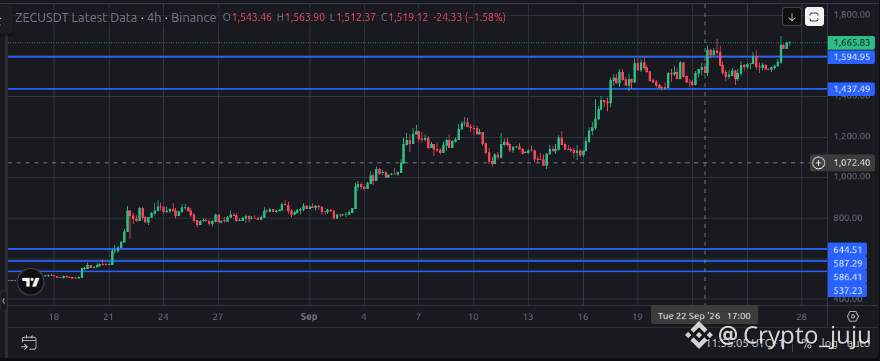
$ZEC is on its way to $2K and honestly, this move has been crazy. $HYPE isn’t looking too far behind either. Looking back at how some of these coins have moved this year, damn… what a year. And while everyone is watching the charts, I’ve also been paying attention to some of the activity happening underneath. Omniston has been processing more cross-chain swaps between TON and other networks, with BNB Chain → TON becoming one of the busiest routes recently. I find that part interesting because price is only one side of the market. There’s also the infrastructure quietly moving liquidity around while all these charts are going crazy. What a year for crypto. And we’re not even done yet.
$ZEC is on its way to $2K and honestly, this move has been crazy. $HYPE isn’t looking too far behind either. Looking back at how some of these coins have moved this year, damn… what a year. And while everyone is watching the charts, I’ve also been paying attention to some of the activity happening underneath. Omniston has been processing more cross-chain swaps between TON and other networks, with BNB Chain → TON becoming one of the busiest routes recently. I find that part interesting because price is only one side of the market. There’s also the infrastructure quietly moving liquidity around while all these charts are going crazy. What a year for crypto. And we’re not even done yet.
67
·
--
Solana $SOL acabou de ultrapassar 1 milhão de detentores de ações tokenizadas E do lado da TON, a Omniston acabou de ultrapassar $7,5M em volume total de swaps cross-chain de todos os tempos. O que chamou minha atenção é o quão rápido esse número está crescendo. A Omniston ultrapassou a marca de $3M no começo deste mês, e só a semana de 17–23 de setembro registrou cerca de **US$ 1,8M** em volume cross-chain, um aumento de 26% em relação à semana anterior. Ainda mais interessante: $BNB Chain → TON respondeu por 78% desse volume semanal. Ecossistemas diferentes, casos de uso diferentes, mas eu acho que a história é parecida aqui: **Quando as cadeias continuam construindo, a atividade eventualmente começa a aparecer. Ativos tokenizados, swaps cross-chain, liquidez, novos apps nem sempre é barulhento no começo. Às vezes, você só percebe que os números estão ficando maiores. #Altcoin Season#
Solana $SOL acabou de ultrapassar 1 milhão de detentores de ações tokenizadas E do lado da TON, a Omniston acabou de ultrapassar $7,5M em volume total de swaps cross-chain de todos os tempos. O que chamou minha atenção é o quão rápido esse número está crescendo. A Omniston ultrapassou a marca de $3M no começo deste mês, e só a semana de 17–23 de setembro registrou cerca de **US$ 1,8M** em volume cross-chain, um aumento de 26% em relação à semana anterior. Ainda mais interessante: $BNB Chain → TON respondeu por 78% desse volume semanal. Ecossistemas diferentes, casos de uso diferentes, mas eu acho que a história é parecida aqui: **Quando as cadeias continuam construindo, a atividade eventualmente começa a aparecer. Ativos tokenizados, swaps cross-chain, liquidez, novos apps nem sempre é barulhento no começo. Às vezes, você só percebe que os números estão ficando maiores. #Altcoin Season#
28
·
--
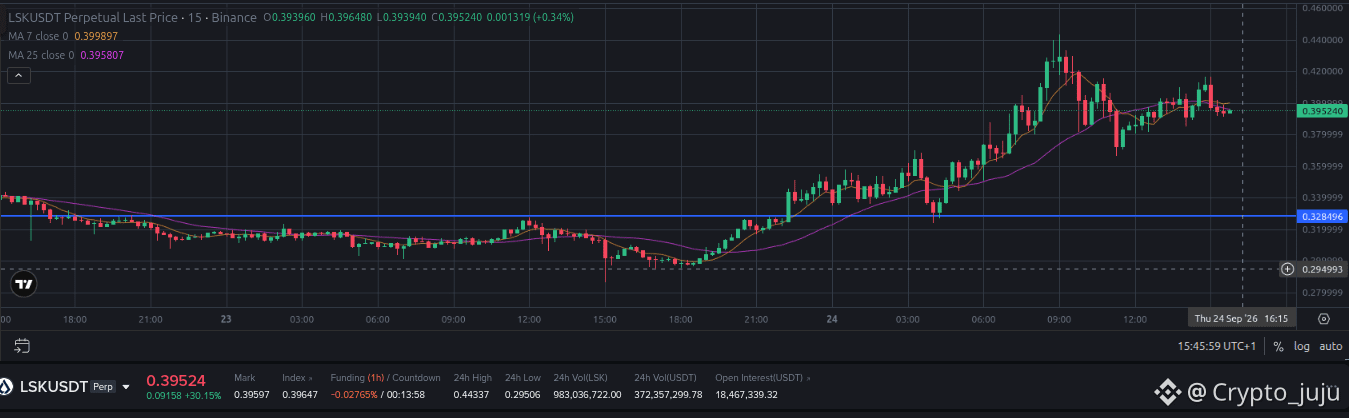
$PROVE voltou à ativa e voltando a bombar. $LSK também está quente, então estou começando a sentir que o mercado pode estar ganhando algum impulso de novo. Ainda assim, não estou com pressa. Estou apenas observando como esses movimentos se desenvolvem e para onde a liquidez começa a fluir. Do lado da @ston_fi, eu tenho colocado meu GEMSTON em uso e atualizando meus Stonkbots. Honestamente, é bem engraçado ver os bots mudando enquanto você os atualiza Mas ao mesmo tempo, parece uma boa forma de ficar mais familiarizado com o lado de NFTs da Stonfi, em vez de só fazer swaps e farmar. Eu vim para o lado DeFi. Agora, de alguma forma, estou atualizando pequenos bots de NFT. #Altcoin Season#
$PROVE voltou à ativa e voltando a bombar. $LSK também está quente, então estou começando a sentir que o mercado pode estar ganhando algum impulso de novo. Ainda assim, não estou com pressa. Estou apenas observando como esses movimentos se desenvolvem e para onde a liquidez começa a fluir. Do lado da @ston_fi, eu tenho colocado meu GEMSTON em uso e atualizando meus Stonkbots. Honestamente, é bem engraçado ver os bots mudando enquanto você os atualiza Mas ao mesmo tempo, parece uma boa forma de ficar mais familiarizado com o lado de NFTs da Stonfi, em vez de só fazer swaps e farmar. Eu vim para o lado DeFi. Agora, de alguma forma, estou atualizando pequenos bots de NFT. #Altcoin Season#
71
·
--
O mercado de stablecoins pode estar a caminho de duas direções diferentes. $USDT e $USDC já são enormes, com cerca de $255B em conjunto, mas a GENIUS Act limita os pagamentos de rendimentos nessas stablecoins tradicionais. Depois você tem as stablecoins “produtivas”, que são projetadas para oferecer aos utilizadores um retorno sobre os ativos que as sustentam. É nesse espaço que a RealFi está a construir. É interessante ver as stablecoins evoluindo de simplesmente manter valor para potencialmente colocar esse valor a trabalhar.
O mercado de stablecoins pode estar a caminho de duas direções diferentes. $USDT e $USDC já são enormes, com cerca de $255B em conjunto, mas a GENIUS Act limita os pagamentos de rendimentos nessas stablecoins tradicionais. Depois você tem as stablecoins “produtivas”, que são projetadas para oferecer aos utilizadores um retorno sobre os ativos que as sustentam. É nesse espaço que a RealFi está a construir. É interessante ver as stablecoins evoluindo de simplesmente manter valor para potencialmente colocar esse valor a trabalhar.
44
·
--
Isto é interessante. BlackRock + $ONDO é mais um sinal de que as finanças tradicionais estão ficando mais confortáveis com ativos onchain. A Ondo acabou de lançar os Intelligent Portfolios construídos em torno de estratégias de investimento desenvolvidas pela BlackRock, com cada portfólio sendo representado por um único token onchain. E isso me fez pensar sobre xStocks na @ston_fi A abordagem é um pouco diferente, mas a ideia principal é semelhante: trazer para o mundo blockchain uma exposição familiar dos mercados tradicionais. Com xStocks, ativos como APLx, NVDAx, TSLAx, SPYx e GOOGLx são representados como tokens na TON. Usuários elegíveis podem trocar por eles via Stonfi e mantê-los na carteira TON. Então estamos começando a ver diferentes partes do mesmo quebra-cabeça se unirem. A BlackRock traz estratégias de portfólio tradicionais. A Ondo transforma essas estratégias em portfólios onchain. Produtos como xStocks trazem a exposição individual do mercado onchain. E a DeFi fornece a infraestrutura para que esses ativos realmente possam se mover, negociar e interagir com outros produtos onchain. A parte interessante não é apenas colocar ativos tradicionais onchain agora. É o que acontece quando esses ativos conseguem realmente interagir com a DeFi. $LSK
Isto é interessante. BlackRock + $ONDO é mais um sinal de que as finanças tradicionais estão ficando mais confortáveis com ativos onchain. A Ondo acabou de lançar os Intelligent Portfolios construídos em torno de estratégias de investimento desenvolvidas pela BlackRock, com cada portfólio sendo representado por um único token onchain. E isso me fez pensar sobre xStocks na @ston_fi A abordagem é um pouco diferente, mas a ideia principal é semelhante: trazer para o mundo blockchain uma exposição familiar dos mercados tradicionais. Com xStocks, ativos como APLx, NVDAx, TSLAx, SPYx e GOOGLx são representados como tokens na TON. Usuários elegíveis podem trocar por eles via Stonfi e mantê-los na carteira TON. Então estamos começando a ver diferentes partes do mesmo quebra-cabeça se unirem. A BlackRock traz estratégias de portfólio tradicionais. A Ondo transforma essas estratégias em portfólios onchain. Produtos como xStocks trazem a exposição individual do mercado onchain. E a DeFi fornece a infraestrutura para que esses ativos realmente possam se mover, negociar e interagir com outros produtos onchain. A parte interessante não é apenas colocar ativos tradicionais onchain agora. É o que acontece quando esses ativos conseguem realmente interagir com a DeFi. $LSK

51
·
--
$ZEC está se destacando entre as altcoins agora. Desde que $BTC atingiu sua máxima histórica, apenas 9 das 50 principais altcoins conseguiram superar o Bitcoin. A ZEC está liderando com uma vantagem enorme, com seu retorno chegando a cerca de 14x o do Bitcoin nesse período. HYPE, XMR e NEAR também estão entre os poucos que superaram. O que é interessante para mim é a falta de força ampla nas altcoins. Alguns nomes estão indo muito bem, mas a maior parte do mercado ainda está atrás do BTC. Então estou mantendo a ZEC na lista de observação e prestando mais atenção à força relativa do que simplesmente perseguir o que estiver em alta. #Altcoin Season#
$ZEC está se destacando entre as altcoins agora. Desde que $BTC atingiu sua máxima histórica, apenas 9 das 50 principais altcoins conseguiram superar o Bitcoin. A ZEC está liderando com uma vantagem enorme, com seu retorno chegando a cerca de 14x o do Bitcoin nesse período. HYPE, XMR e NEAR também estão entre os poucos que superaram. O que é interessante para mim é a falta de força ampla nas altcoins. Alguns nomes estão indo muito bem, mas a maior parte do mercado ainda está atrás do BTC. Então estou mantendo a ZEC na lista de observação e prestando mais atenção à força relativa do que simplesmente perseguir o que estiver em alta. #Altcoin Season#
72
·
--
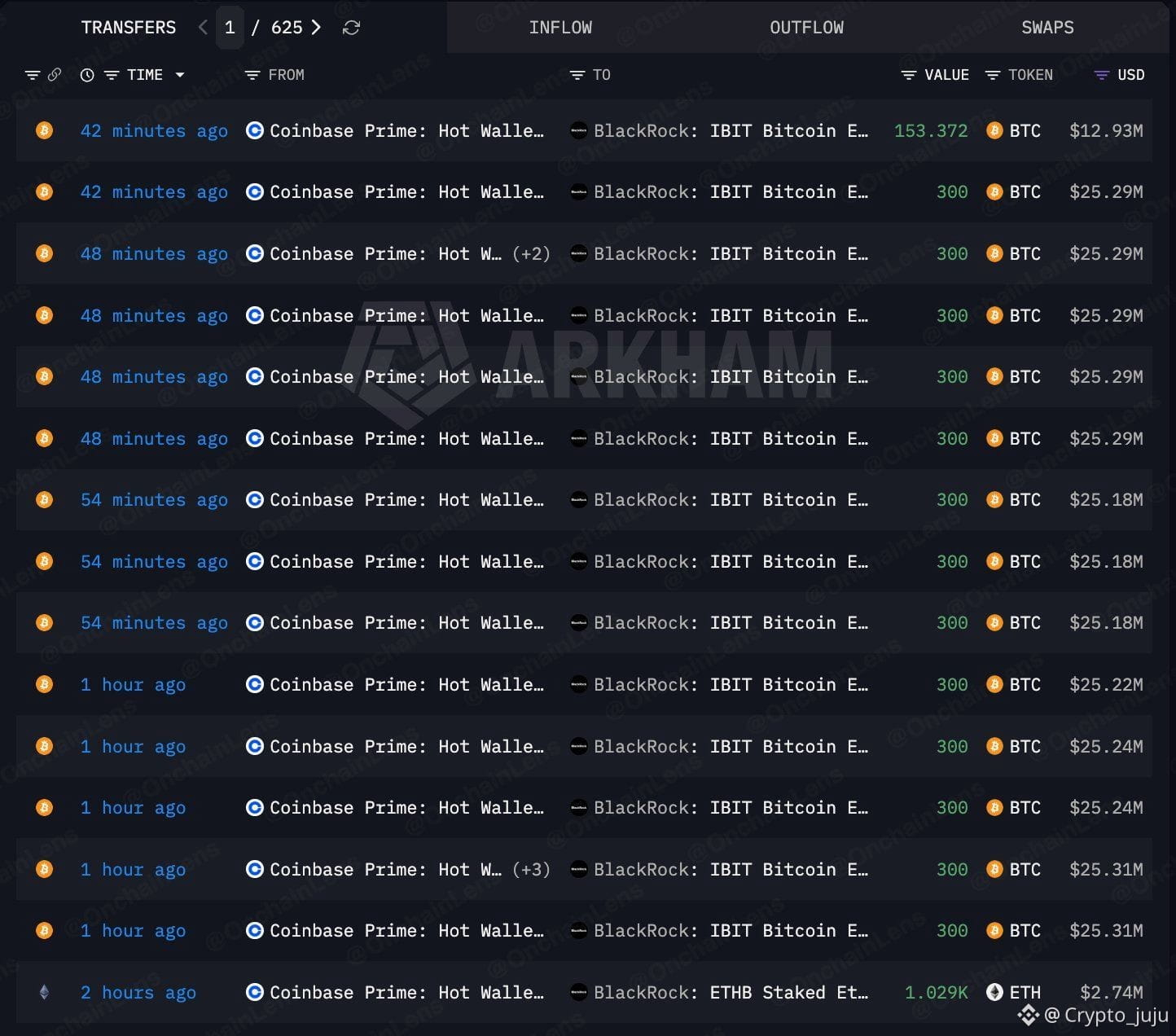
Os grandes nomes estão comprando as quedas. #BlackRock ’s IBIT teria acumulado e retirado cerca de 3,75K $BTC, no valor aproximado de $316M, da Coinbase Prime na última hora. Enquanto o mercado está ocupado observando a queda, algumas compras sérias de BTC estão acontecendo nos bastidores. Enquanto isso, há algo acontecendo do lado da @ston_fi hoje. A AMA “Inside the Cross-Chain Flight: Your Questions, Our Answers” começa às 15:00 UTC. A equipe da Stonfi vai responder perguntas da comunidade sobre a campanha **One Swap. Across Chains** e como, na prática, funcionam os swaps entre cadeias. E tem um incentivo extra também: 3 das melhores perguntas recebem 50 STON cada, totalizando 150 STON. Além disso, fique até o final por uma palavra secreta que te dá pontos extras da campanha. Compra de $BTC nos bastidores, conversa entre cadeias do outro lado. Um dia interessante na cripto. $UNI
Os grandes nomes estão comprando as quedas. #BlackRock ’s IBIT teria acumulado e retirado cerca de 3,75K $BTC, no valor aproximado de $316M, da Coinbase Prime na última hora. Enquanto o mercado está ocupado observando a queda, algumas compras sérias de BTC estão acontecendo nos bastidores. Enquanto isso, há algo acontecendo do lado da @ston_fi hoje. A AMA “Inside the Cross-Chain Flight: Your Questions, Our Answers” começa às 15:00 UTC. A equipe da Stonfi vai responder perguntas da comunidade sobre a campanha **One Swap. Across Chains** e como, na prática, funcionam os swaps entre cadeias. E tem um incentivo extra também: 3 das melhores perguntas recebem 50 STON cada, totalizando 150 STON. Além disso, fique até o final por uma palavra secreta que te dá pontos extras da campanha. Compra de $BTC nos bastidores, conversa entre cadeias do outro lado. Um dia interessante na cripto. $UNI
66
·
--
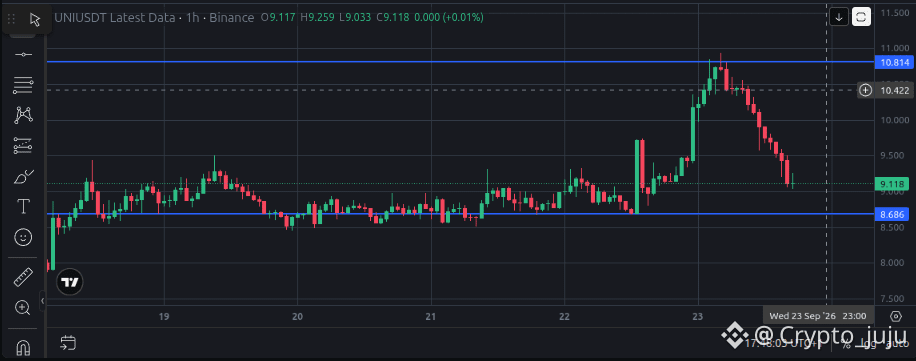
$PONS está sendo atingido bem forte e, sinceramente, eu estou começando a observar a mínima para uma entrada. $UNI está parecendo comigo. Depois do dump recente pelo mercado todo, estou mais interessado em onde estão os bons níveis do que em perseguir velas verdes. Não estou dizendo que o fundo já está aí, mas estas são as quedas desse tipo em que eu começo a prestar atenção. Enquanto isso, do lado da Stonfi, o Arc já está no ar. Isso significa que o USDC na rede Arc da Circle agora pode ser trocado para e a partir do TON e de outras cadeias compatíveis via @ston_fi TON, Ethereum, BNB Chain, Base, Arbitrum, Polygon e mais. Eu gosto de ver isso porque, à medida que mais cadeias entram em funcionamento, mover liquidez entre elas deve ficar menos complicado. O usuário realmente não precisa se preocupar com o que está acontecendo nos bastidores. Conectar → trocar → seguir em frente.
$PONS está sendo atingido bem forte e, sinceramente, eu estou começando a observar a mínima para uma entrada. $UNI está parecendo comigo. Depois do dump recente pelo mercado todo, estou mais interessado em onde estão os bons níveis do que em perseguir velas verdes. Não estou dizendo que o fundo já está aí, mas estas são as quedas desse tipo em que eu começo a prestar atenção. Enquanto isso, do lado da Stonfi, o Arc já está no ar. Isso significa que o USDC na rede Arc da Circle agora pode ser trocado para e a partir do TON e de outras cadeias compatíveis via @ston_fi TON, Ethereum, BNB Chain, Base, Arbitrum, Polygon e mais. Eu gosto de ver isso porque, à medida que mais cadeias entram em funcionamento, mover liquidez entre elas deve ficar menos complicado. O usuário realmente não precisa se preocupar com o que está acontecendo nos bastidores. Conectar → trocar → seguir em frente.
74
·
--
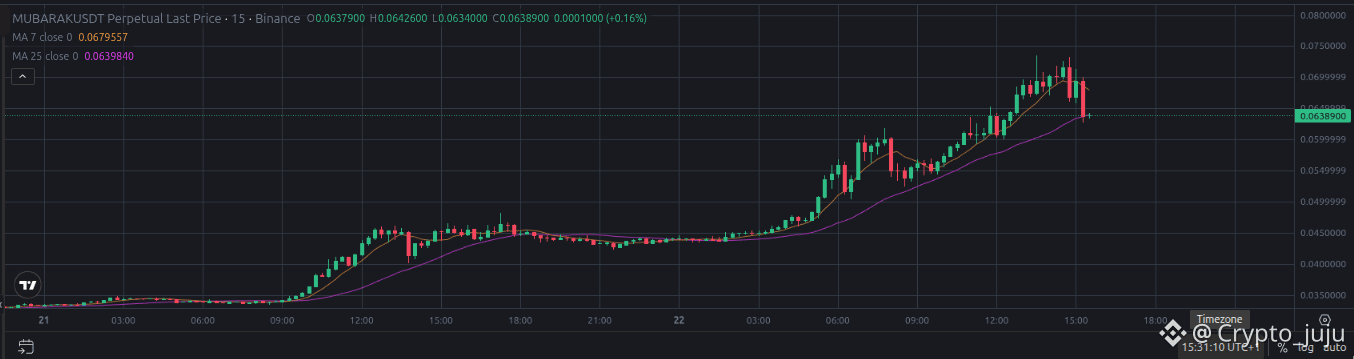
$MUBARAK acabou de ter uma retração depois daquele movimento enorme para cima. Pode ser uma área interessante para observar se o gráfico começar a encontrar suporte novamente. Talvez até outra oportunidade de comprar, mas eu prefiro ver como o preço reage primeiro. Enquanto isso, eu estava olhando o que está acontecendo ao redor da TON e voltei a ver a Omniston. O que eu gosto nessa ideia é bem simples: a liquidez está dispersa entre diferentes redes e DEXs, mas os usuários geralmente só querem fazer uma troca e obter a melhor execução, sem pensar demais em onde essa liquidez está. A Omniston basicamente está trabalhando nessa conexão entre as diferentes fontes de liquidez e cadeias. É uma daquelas peças de infraestrutura que talvez não receba tanta atenção quanto um token bombando, mas fica mais interessante à medida que mais ativos e liquidez se movem entre ecossistemas. $HYPE
$MUBARAK acabou de ter uma retração depois daquele movimento enorme para cima. Pode ser uma área interessante para observar se o gráfico começar a encontrar suporte novamente. Talvez até outra oportunidade de comprar, mas eu prefiro ver como o preço reage primeiro. Enquanto isso, eu estava olhando o que está acontecendo ao redor da TON e voltei a ver a Omniston. O que eu gosto nessa ideia é bem simples: a liquidez está dispersa entre diferentes redes e DEXs, mas os usuários geralmente só querem fazer uma troca e obter a melhor execução, sem pensar demais em onde essa liquidez está. A Omniston basicamente está trabalhando nessa conexão entre as diferentes fontes de liquidez e cadeias. É uma daquelas peças de infraestrutura que talvez não receba tanta atenção quanto um token bombando, mas fica mais interessante à medida que mais ativos e liquidez se movem entre ecossistemas. $HYPE
38
·
--
As grandes compras voltaram, e tem uma sensação que eu tive ao ver isso… eu só não consigo decidir ainda o que isso significa. Diz-se que a BitMine comprou mais 27.562 $ETH na semana passada, elevando suas participações totais para cerca de 5,98M ETH. Esse tipo de acúmulo definitivamente chamou minha atenção. E também fez eu olhar um pouco mais para baixo na cadeia. $GRAM e STON são dois tokens nos quais estou de olho agora. Uma coisa que comecei a prestar mais atenção é a relação entre um token e o ecossistema ao redor dele. Às vezes, dá para aprender bastante sobre um token observando o que a DEX dele está fazendo — atividade, liquidez, novos lançamentos, volume de negociações e o quanto de fato está sendo construído ao redor dele. É parte do motivo pelo qual STON chamou minha atenção. @ston_fi vem em uma sequência neste ano, expandindo além de simples swaps e avançando para liquidez cross-chain, integrações de launchpad e o ecossistema mais amplo de DeFi da TON. Isso automaticamente significa que o token tem bom desempenho? Obviamente que não. Mas quando a infraestrutura ao redor de um token continua ficando cada vez mais ativa, é algo que vale a pena manter no radar. Então é isso: grandes compras de ETH voltaram… E, de algum jeito, isso me fez observar GRAM e STON um pouco mais de perto.
As grandes compras voltaram, e tem uma sensação que eu tive ao ver isso… eu só não consigo decidir ainda o que isso significa. Diz-se que a BitMine comprou mais 27.562 $ETH na semana passada, elevando suas participações totais para cerca de 5,98M ETH. Esse tipo de acúmulo definitivamente chamou minha atenção. E também fez eu olhar um pouco mais para baixo na cadeia. $GRAM e STON são dois tokens nos quais estou de olho agora. Uma coisa que comecei a prestar mais atenção é a relação entre um token e o ecossistema ao redor dele. Às vezes, dá para aprender bastante sobre um token observando o que a DEX dele está fazendo — atividade, liquidez, novos lançamentos, volume de negociações e o quanto de fato está sendo construído ao redor dele. É parte do motivo pelo qual STON chamou minha atenção. @ston_fi vem em uma sequência neste ano, expandindo além de simples swaps e avançando para liquidez cross-chain, integrações de launchpad e o ecossistema mais amplo de DeFi da TON. Isso automaticamente significa que o token tem bom desempenho? Obviamente que não. Mas quando a infraestrutura ao redor de um token continua ficando cada vez mais ativa, é algo que vale a pena manter no radar. Então é isso: grandes compras de ETH voltaram… E, de algum jeito, isso me fez observar GRAM e STON um pouco mais de perto.

1
·
--
A atividade do $USDC na Solana está ganhando força. A Circle acabou de cunhar mais $250M de USDC na Solana, elevando o total cunhado nos últimos 7 dias para cerca de $3B. Isso é muita nova liquidez entrando no ecossistema em um período curto. Agora estou observando para ver para onde essa liquidez começa a fluir em seguida. $SOL
A atividade do $USDC na Solana está ganhando força. A Circle acabou de cunhar mais $250M de USDC na Solana, elevando o total cunhado nos últimos 7 dias para cerca de $3B. Isso é muita nova liquidez entrando no ecossistema em um período curto. Agora estou observando para ver para onde essa liquidez começa a fluir em seguida. $SOL
1
77
·
--
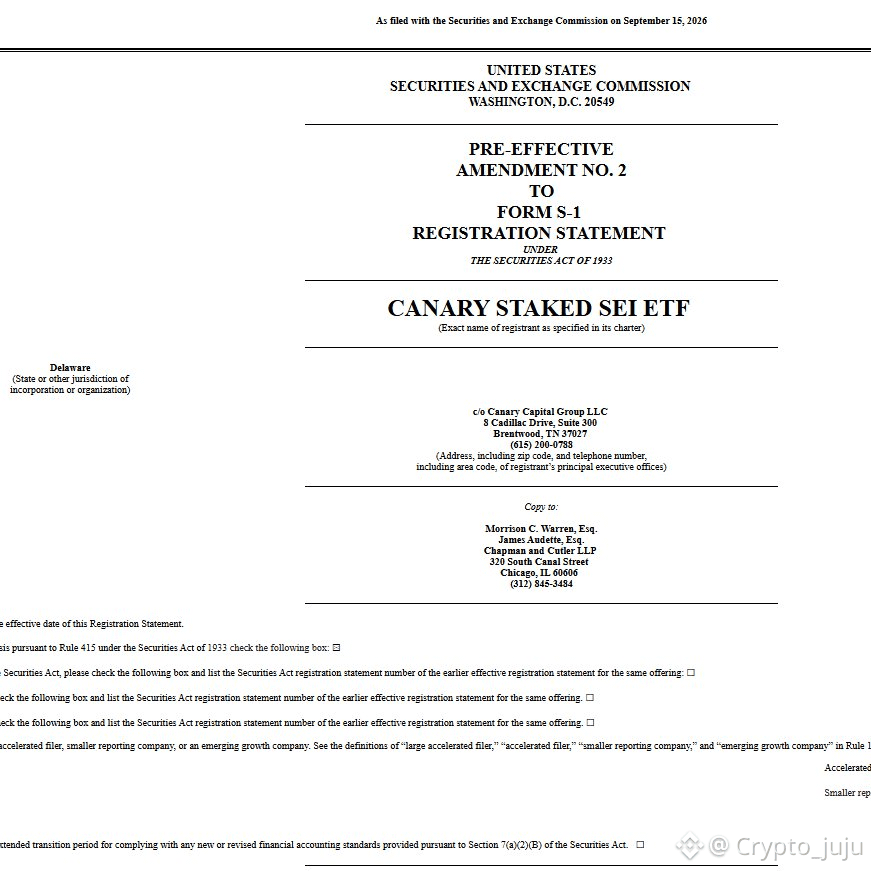
Mais um passo à frente na história do ETF $SEI. A Canary Capital apresentou uma segunda emenda ao seu S-1 para um ETF de SEI com staking. A solicitação atualizada descreve um produto projetado para manter $SEI à vista, ao mesmo tempo em que inclui staking. Ainda há um processo a ser cumprido, mas é interessante ver mais um passo sendo dado em direção a um potencial produto de investimento em SEI com staking. $SUI
Mais um passo à frente na história do ETF $SEI. A Canary Capital apresentou uma segunda emenda ao seu S-1 para um ETF de SEI com staking. A solicitação atualizada descreve um produto projetado para manter $SEI à vista, ao mesmo tempo em que inclui staking. Ainda há um processo a ser cumprido, mas é interessante ver mais um passo sendo dado em direção a um potencial produto de investimento em SEI com staking. $SUI
1
60
·
--
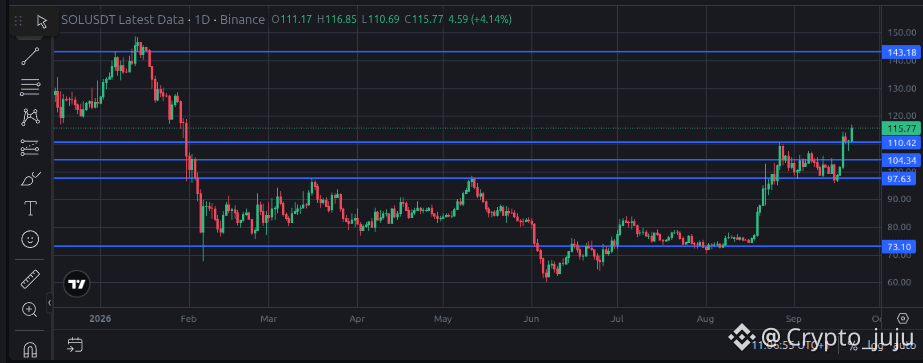
$SOL ficar voltando para perto de US$ 150 não parece tão longe daqui. E, como $PUMP também começou a ganhar força, eu também estou de olho nele. Se a atividade da Solana continuar aquecendo, pode haver muito mais acontecendo em torno do ecossistema. Uma coisa que eu gosto de ver é como **Stonks se integrando com @ston_fi** adiciona mais um launchpad ao mix. Tenho acompanhado como a Stonfi vem acompanhando esses novos launchpads e conectando mais dessa atividade para o lado de DeFi dela. É um detalhe pequeno na superfície, mas essas integrações importam à medida que mais projetos lançam e a liquidez começa a circular. SOL para US$ 150, PUMP em destaque e mais atividade de launchpad se conectando ao DeFi. As coisas estão ficando interessantes.
$SOL ficar voltando para perto de US$ 150 não parece tão longe daqui. E, como $PUMP também começou a ganhar força, eu também estou de olho nele. Se a atividade da Solana continuar aquecendo, pode haver muito mais acontecendo em torno do ecossistema. Uma coisa que eu gosto de ver é como **Stonks se integrando com @ston_fi** adiciona mais um launchpad ao mix. Tenho acompanhado como a Stonfi vem acompanhando esses novos launchpads e conectando mais dessa atividade para o lado de DeFi dela. É um detalhe pequeno na superfície, mas essas integrações importam à medida que mais projetos lançam e a liquidez começa a circular. SOL para US$ 150, PUMP em destaque e mais atividade de launchpad se conectando ao DeFi. As coisas estão ficando interessantes.
22
·
--
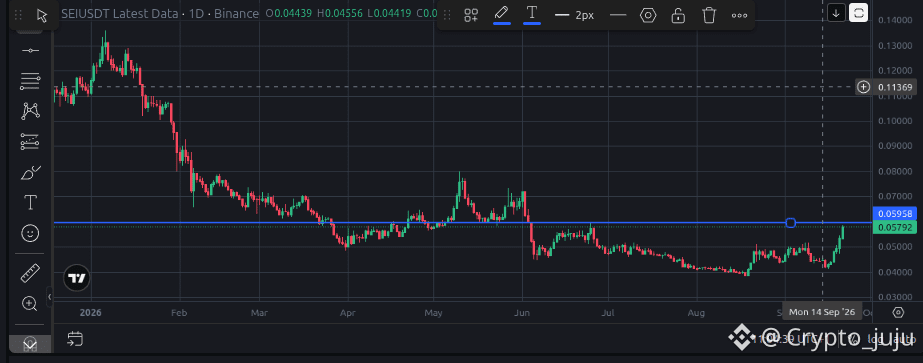
$SEI está deixando sua marca hoje também Acabou de romper um nível-chave de resistência, enquanto $AKE está voltando a ganhar força. Talvez o dump tenha finalmente se acalmado e o mercado esteja se preparando para mais um movimento. Vamos ver. Enquanto isso, se você está circulando por diferentes ecossistemas, aqui vai uma opção bem simples: **Quer trocar de TON para TRON via @ston_fi Você basicamente: 1. Escolhe o token que você quer trocar. 2. Seleciona TRON como rede de destino. 3. Escolhe o ativo que você quer receber. 4. Revise a cotação, taxas, impacto no preço e valor esperado. 5. Confirma a troca na sua carteira. 6. Quando a troca cross-chain for concluída, o ativo de destino chega na sua carteira TRON. A parte interessante é que você não precisa calcular manualmente uma rota de bridge separada. **Escolha o destino → confira a cotação → confirme → receba. Esse é o lado do cross-chain que faz sentido para mim: ecossistemas diferentes, mas um jeito mais simples de se mover entre eles.
$SEI está deixando sua marca hoje também Acabou de romper um nível-chave de resistência, enquanto $AKE está voltando a ganhar força. Talvez o dump tenha finalmente se acalmado e o mercado esteja se preparando para mais um movimento. Vamos ver. Enquanto isso, se você está circulando por diferentes ecossistemas, aqui vai uma opção bem simples: **Quer trocar de TON para TRON via @ston_fi Você basicamente: 1. Escolhe o token que você quer trocar. 2. Seleciona TRON como rede de destino. 3. Escolhe o ativo que você quer receber. 4. Revise a cotação, taxas, impacto no preço e valor esperado. 5. Confirma a troca na sua carteira. 6. Quando a troca cross-chain for concluída, o ativo de destino chega na sua carteira TRON. A parte interessante é que você não precisa calcular manualmente uma rota de bridge separada. **Escolha o destino → confira a cotação → confirme → receba. Esse é o lado do cross-chain que faz sentido para mim: ecossistemas diferentes, mas um jeito mais simples de se mover entre eles.
20
Faça login para explorar mais conteúdos
Junte-se a usuários de criptomoedas de todo o mundo no Binance Square.
⚡️ Obter informações mais recentes e úteis sobre criptomoeda.
💬 Com a confiança da maior corretora de criptomoedas do mundo.
👍 Descubra insights reais de criadores verificados.
E-mail / número de telefone
Tópicos em Alta
QNTRises287%
7,634 visualizações
228 discutindo
🚨 QNT EXPLODIU +287%! 🔥
+287% NÃO é um movimento normal. 👀
A QNT entrou de repente em um comportamento parabólico, colocando os traders em alto alerta enquanto o momentum e o volume disparam.
⚠️ Depois de um movimento tão violento, o FOMO pode ser perigoso — a volatilidade
pode ir e voltar.
📈 Observe: volume sustentado + confirmação do rompimento
📉 Risco: realização de lucros forte / pullback
🔥 A QNT acabou de começar… ou este movimento está pronto para uma grande correção?
Qual é sua meta para QNT? 👇
#qntrises287% #QNT #Quant #crypto #BinanceSquare
$QNT
ASHFAQ NAEEM
·6 curtidas
·5k visualizações
HSBCNamesStablecoinRedCoinForPhasedLaunch
816 visualizações
39 discutindo
TrumpRejectsAIRulesForVoluntaryAudits
11,126 visualizações
334 discutindo