

Bitcoinworld
69.2k Publicações

Bitcoinworld
 Binance Square Verificação Plus
Denunciar
Bloquear usuário
BitcoinWorld is a leading media publication bringing the latest happenings in the Blockchain and Crypto Space.

#BinanceTurns7

Excellence Award (Market Buzz)

Creator of the Year
2 Seguindo
100.7K+ Seguidores
287.4K+ Curtiu
4 Emblemas
Publicações
Todas
Vídeos
Live
·
--

Artigo
15 edições. Um setor. Um dia em Londres: o FM Summit London regressa a 24 de novembroBitcoinWorld
15 edições. Um setor. Um dia em Londres: o FM Summit London regressa a 24 de novembro
A 24 de novembro, o Old Billingsgate reúne os decisores, líderes do setor e empresas que estão a moldar os mercados financeiros. Com uma sala principal dedicada a palestras, mesas-redondas Business Connect selecionadas, reuniões individuais e um dia para criar as ligações certas, a oportunidade começa por estar presente.
Londres, Reino Unido — Algumas conversas do setor valem mais do que uma dúzia de e-mails. Algumas apresentações podem mudar o rumo de uma empresa. E algumas oportunidades dependem de estar no lugar certo, na hora certa.
15 edições. Um setor. Um dia em Londres: o FM Summit London regressa a 24 de novembro
BitcoinWorld
15 edições. Um setor. Um dia em Londres: o FM Summit London regressa a 24 de novembro
A 24 de novembro, o Old Billingsgate reúne os decisores, líderes do setor e empresas que estão a moldar os mercados financeiros. Com uma sala principal dedicada a palestras, mesas-redondas Business Connect selecionadas, reuniões individuais e um dia para criar as ligações certas, a oportunidade começa por estar presente.
Londres, Reino Unido — Algumas conversas do setor valem mais do que uma dúzia de e-mails. Algumas apresentações podem mudar o rumo de uma empresa. E algumas oportunidades dependem de estar no lugar certo, na hora certa.
15 edições. Um setor. Um dia em Londres: o FM Summit London regressa a 24 de novembro
A 24 de novembro, o Old Billingsgate reúne os decisores, líderes do setor e empresas que estão a moldar os mercados financeiros. Com uma sala principal dedicada a palestras, mesas-redondas Business Connect selecionadas, reuniões individuais e um dia para criar as ligações certas, a oportunidade começa por estar presente.
Londres, Reino Unido — Algumas conversas do setor valem mais do que uma dúzia de e-mails. Algumas apresentações podem mudar o rumo de uma empresa. E algumas oportunidades dependem de estar no lugar certo, na hora certa.
216
·
--
Artigo
A FINNOVEX regressa ao Dubai para o Capítulo 39, reunindo líderes financeiros para moldar o ecossistema financeiro interligado...BitcoinWorld
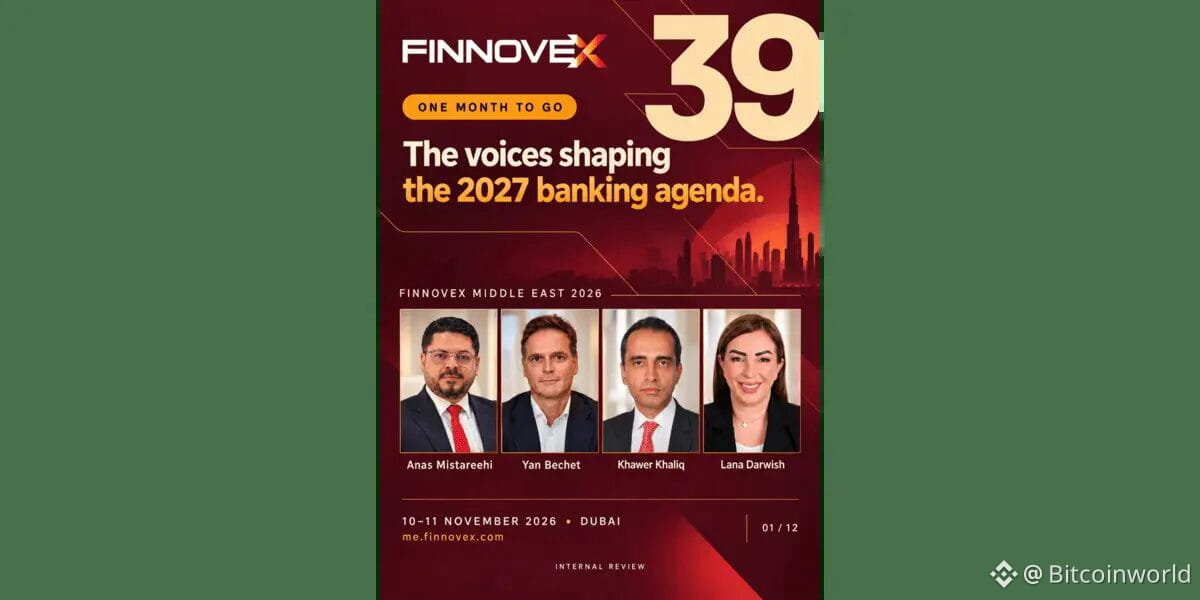
A FINNOVEX regressa ao Dubai para o Capítulo 39, reunindo líderes financeiros para moldar o ecossistema financeiro interligado de 2027
Sob o tema «Finanças em Movimento», o evento de encerramento da temporada de 2026 liga prioridades executivas, evidências operacionais e as decisões que irão definir os serviços financeiros em 2027.
EVENTO: FINNOVEX Middle East — Capítulo 39
TEMA: Finanças em Movimento
DATAS: 10–11 de novembro de 2026
LOCAL: Dubai, Emirados Árabes Unidos
DUBAI, Emirados Árabes Unidos — A FINNOVEX Middle East regressará ao Dubai nos dias 10–11 de novembro de 2026 para o Capítulo 39, reunindo líderes seniores do setor dos serviços financeiros para o capítulo de encerramento da FINNOVEX Global Series de 2026 e uma conversa voltada para o futuro sobre o ecossistema financeiro interligado que as instituições estão a construir para 2027.
A FINNOVEX regressa ao Dubai para o Capítulo 39, reunindo líderes financeiros para moldar o ecossistema financeiro interligado...
BitcoinWorld
A FINNOVEX regressa ao Dubai para o Capítulo 39, reunindo líderes financeiros para moldar o ecossistema financeiro interligado de 2027
Sob o tema «Finanças em Movimento», o evento de encerramento da temporada de 2026 liga prioridades executivas, evidências operacionais e as decisões que irão definir os serviços financeiros em 2027.
EVENTO: FINNOVEX Middle East — Capítulo 39
TEMA: Finanças em Movimento
DATAS: 10–11 de novembro de 2026
LOCAL: Dubai, Emirados Árabes Unidos
DUBAI, Emirados Árabes Unidos — A FINNOVEX Middle East regressará ao Dubai nos dias 10–11 de novembro de 2026 para o Capítulo 39, reunindo líderes seniores do setor dos serviços financeiros para o capítulo de encerramento da FINNOVEX Global Series de 2026 e uma conversa voltada para o futuro sobre o ecossistema financeiro interligado que as instituições estão a construir para 2027.
A FINNOVEX regressa ao Dubai para o Capítulo 39, reunindo líderes financeiros para moldar o ecossistema financeiro interligado de 2027
Sob o tema «Finanças em Movimento», o evento de encerramento da temporada de 2026 liga prioridades executivas, evidências operacionais e as decisões que irão definir os serviços financeiros em 2027.
EVENTO: FINNOVEX Middle East — Capítulo 39
TEMA: Finanças em Movimento
DATAS: 10–11 de novembro de 2026
LOCAL: Dubai, Emirados Árabes Unidos
DUBAI, Emirados Árabes Unidos — A FINNOVEX Middle East regressará ao Dubai nos dias 10–11 de novembro de 2026 para o Capítulo 39, reunindo líderes seniores do setor dos serviços financeiros para o capítulo de encerramento da FINNOVEX Global Series de 2026 e uma conversa voltada para o futuro sobre o ecossistema financeiro interligado que as instituições estão a construir para 2027.
161
·
--

Artigo
Negociações de fusão entre Tesla e SpaceX podem combinar 30.221 BitcoinsBitcoinWorld
Negociações de fusão entre Tesla e SpaceX podem combinar 30.221 Bitcoins
Elon Musk confirmou, durante a teleconferência de resultados da SpaceX em 20 de outubro, que a Tesla e a SpaceX formaram comitês especiais compostos por diretores independentes para avaliar uma possível fusão — uma combinação que reuniria 30.221 Bitcoins sob o mesmo teto corporativo, segundo o Cryptoslate. Musk disse considerar a combinação uma boa ideia, mas não está participando das negociações devido às suas participações acionárias nas duas empresas.
A Tesla e a SpaceX formaram comitês independentes para estudar uma fusão que combinaria suas reservas de Bitcoin, totalizando 30.221 BTC. Nenhum termo foi acordado, e o negócio exige a aprovação de 50% das ações em circulação da Tesla. Fatos principais
Negociações de fusão entre Tesla e SpaceX podem combinar 30.221 Bitcoins
BitcoinWorld
Negociações de fusão entre Tesla e SpaceX podem combinar 30.221 Bitcoins
Elon Musk confirmou, durante a teleconferência de resultados da SpaceX em 20 de outubro, que a Tesla e a SpaceX formaram comitês especiais compostos por diretores independentes para avaliar uma possível fusão — uma combinação que reuniria 30.221 Bitcoins sob o mesmo teto corporativo, segundo o Cryptoslate. Musk disse considerar a combinação uma boa ideia, mas não está participando das negociações devido às suas participações acionárias nas duas empresas.
A Tesla e a SpaceX formaram comitês independentes para estudar uma fusão que combinaria suas reservas de Bitcoin, totalizando 30.221 BTC. Nenhum termo foi acordado, e o negócio exige a aprovação de 50% das ações em circulação da Tesla. Fatos principais
Negociações de fusão entre Tesla e SpaceX podem combinar 30.221 Bitcoins
Elon Musk confirmou, durante a teleconferência de resultados da SpaceX em 20 de outubro, que a Tesla e a SpaceX formaram comitês especiais compostos por diretores independentes para avaliar uma possível fusão — uma combinação que reuniria 30.221 Bitcoins sob o mesmo teto corporativo, segundo o Cryptoslate. Musk disse considerar a combinação uma boa ideia, mas não está participando das negociações devido às suas participações acionárias nas duas empresas.
A Tesla e a SpaceX formaram comitês independentes para estudar uma fusão que combinaria suas reservas de Bitcoin, totalizando 30.221 BTC. Nenhum termo foi acordado, e o negócio exige a aprovação de 50% das ações em circulação da Tesla. Fatos principais
288
·
--

Artigo
Bybit AI capacita os usuários com sua vantagem financeira pessoal, adicionando personalização e memóriaBitcoinWorld
Bybit AI capacita os usuários com sua vantagem financeira pessoal, adicionando personalização e memória
DUBAI, EAU, 22 de outubro de 2026 /PRNewswire/ — A Bybit, a Nova Plataforma Financeira na qual mais de 80 milhões de usuários em todo o mundo confiam, anunciou novos recursos de personalização e memória para o Bybit AI, sua camada conversacional inteligente integrada ao aplicativo. Agora, o Bybit AI cria um perfil com base nos ativos, posições, comportamento e perfil de risco de cada usuário, conectando patrimônio, mercados e trading em todo o ecossistema da Bybit.
Bybit AI capacita os usuários com sua vantagem financeira pessoal, adicionando personalização e memória
BitcoinWorld
Bybit AI capacita os usuários com sua vantagem financeira pessoal, adicionando personalização e memória
DUBAI, EAU, 22 de outubro de 2026 /PRNewswire/ — A Bybit, a Nova Plataforma Financeira na qual mais de 80 milhões de usuários em todo o mundo confiam, anunciou novos recursos de personalização e memória para o Bybit AI, sua camada conversacional inteligente integrada ao aplicativo. Agora, o Bybit AI cria um perfil com base nos ativos, posições, comportamento e perfil de risco de cada usuário, conectando patrimônio, mercados e trading em todo o ecossistema da Bybit.
Bybit AI capacita os usuários com sua vantagem financeira pessoal, adicionando personalização e memória
DUBAI, EAU, 22 de outubro de 2026 /PRNewswire/ — A Bybit, a Nova Plataforma Financeira na qual mais de 80 milhões de usuários em todo o mundo confiam, anunciou novos recursos de personalização e memória para o Bybit AI, sua camada conversacional inteligente integrada ao aplicativo. Agora, o Bybit AI cria um perfil com base nos ativos, posições, comportamento e perfil de risco de cada usuário, conectando patrimônio, mercados e trading em todo o ecossistema da Bybit.
209
·
--

Artigo
EDGE Markets está a caminho de processar US$ 2 bilhões nesta temporada da NFL, enquanto os fãs aderem às negociações 24 horas por dia, 7 dias por semanaBitcoinWorld
EDGE Markets está a caminho de processar US$ 2 bilhões nesta temporada da NFL, enquanto os fãs aderem às negociações 24 horas por dia, 7 dias por semana
Com os fãs de futebol americano negociando sem parar, cresce a demanda por um cartão de pagamento e uma infraestrutura que transfiram dinheiro em tempo real
NOVA YORK, 22 de outubro de 2026 /PRNewswire/ — A EDGE Markets, empresa de serviços financeiros criada especificamente para mercados de previsão, jogos e criptomoedas, anunciou hoje que espera processar mais de US$ 2 bilhões em transações nesta temporada da NFL, superando os US$ 1,2 bilhão processados pela EDGE na temporada passada. Esse marco vem após o lançamento da EDGE Connect, que transfere fundos em tempo real da EDGE Boost para mercados de previsão parceiros.
EDGE Markets está a caminho de processar US$ 2 bilhões nesta temporada da NFL, enquanto os fãs aderem às negociações 24 horas por dia, 7 dias por semana
BitcoinWorld
EDGE Markets está a caminho de processar US$ 2 bilhões nesta temporada da NFL, enquanto os fãs aderem às negociações 24 horas por dia, 7 dias por semana
Com os fãs de futebol americano negociando sem parar, cresce a demanda por um cartão de pagamento e uma infraestrutura que transfiram dinheiro em tempo real
NOVA YORK, 22 de outubro de 2026 /PRNewswire/ — A EDGE Markets, empresa de serviços financeiros criada especificamente para mercados de previsão, jogos e criptomoedas, anunciou hoje que espera processar mais de US$ 2 bilhões em transações nesta temporada da NFL, superando os US$ 1,2 bilhão processados pela EDGE na temporada passada. Esse marco vem após o lançamento da EDGE Connect, que transfere fundos em tempo real da EDGE Boost para mercados de previsão parceiros.
EDGE Markets está a caminho de processar US$ 2 bilhões nesta temporada da NFL, enquanto os fãs aderem às negociações 24 horas por dia, 7 dias por semana
Com os fãs de futebol americano negociando sem parar, cresce a demanda por um cartão de pagamento e uma infraestrutura que transfiram dinheiro em tempo real
NOVA YORK, 22 de outubro de 2026 /PRNewswire/ — A EDGE Markets, empresa de serviços financeiros criada especificamente para mercados de previsão, jogos e criptomoedas, anunciou hoje que espera processar mais de US$ 2 bilhões em transações nesta temporada da NFL, superando os US$ 1,2 bilhão processados pela EDGE na temporada passada. Esse marco vem após o lançamento da EDGE Connect, que transfere fundos em tempo real da EDGE Boost para mercados de previsão parceiros.
1
200
·
--

Artigo
Falta um mês: Prediction Markets Summit Europe abre caminho em GibraltarBitcoinWorld
Falta um mês: Prediction Markets Summit Europe abre caminho em Gibraltar
Falta apenas um mês para a primeira edição do Prediction Markets Summit Europe, que reunirá os intervenientes do setor em Gibraltar, nos dias 9 e 10 de novembro de 2026, para debater a regulamentação, as oportunidades comerciais e o futuro desenvolvimento dos mercados de previsão.
Com realização no Sunborn Gibraltar, o evento reunirá operadores, reguladores, investidores, fornecedores de tecnologia, especialistas jurídicos e outros participantes do mercado para analisar as oportunidades deste setor em desenvolvimento.
Falta um mês: Prediction Markets Summit Europe abre caminho em Gibraltar
BitcoinWorld
Falta um mês: Prediction Markets Summit Europe abre caminho em Gibraltar
Falta apenas um mês para a primeira edição do Prediction Markets Summit Europe, que reunirá os intervenientes do setor em Gibraltar, nos dias 9 e 10 de novembro de 2026, para debater a regulamentação, as oportunidades comerciais e o futuro desenvolvimento dos mercados de previsão.
Com realização no Sunborn Gibraltar, o evento reunirá operadores, reguladores, investidores, fornecedores de tecnologia, especialistas jurídicos e outros participantes do mercado para analisar as oportunidades deste setor em desenvolvimento.
Falta um mês: Prediction Markets Summit Europe abre caminho em Gibraltar
Falta apenas um mês para a primeira edição do Prediction Markets Summit Europe, que reunirá os intervenientes do setor em Gibraltar, nos dias 9 e 10 de novembro de 2026, para debater a regulamentação, as oportunidades comerciais e o futuro desenvolvimento dos mercados de previsão.
Com realização no Sunborn Gibraltar, o evento reunirá operadores, reguladores, investidores, fornecedores de tecnologia, especialistas jurídicos e outros participantes do mercado para analisar as oportunidades deste setor em desenvolvimento.
189
·
--
Artigo
CoinFerenceX The Best Event Singapore 2026 encerra cúpula Web3 de dois dias, reunindo mais de 3.000...BitcoinWorld
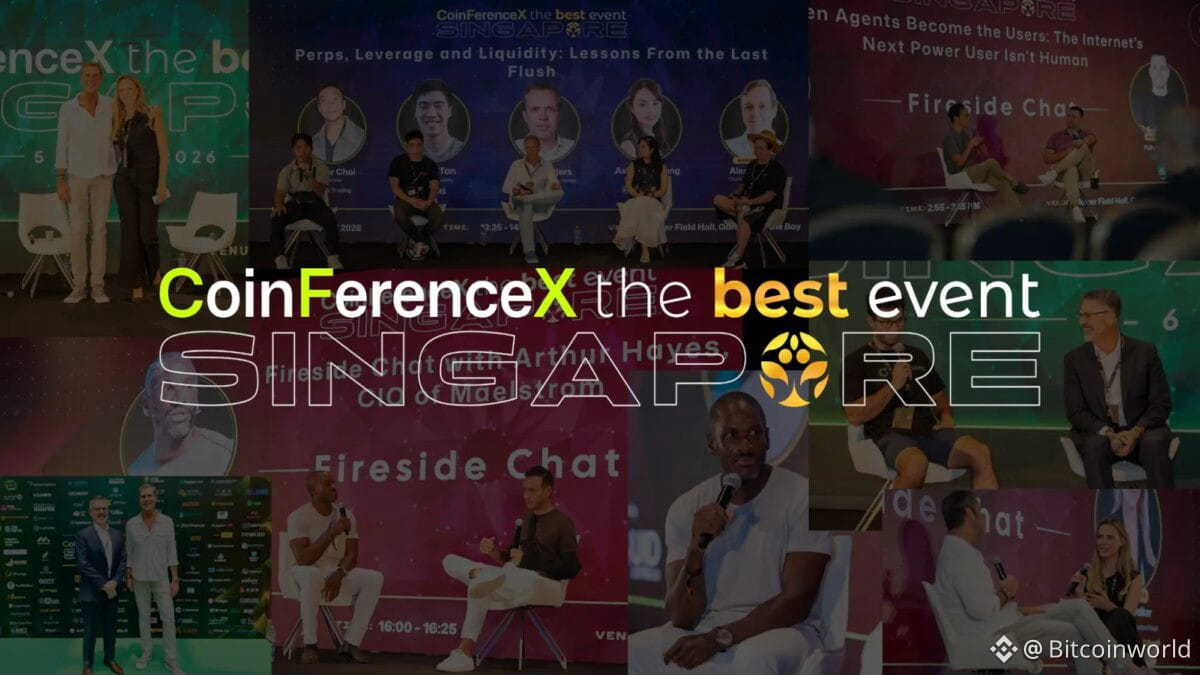
CoinFerenceX The Best Event Singapore 2026 encerra cúpula Web3 de dois dias, reunindo mais de 3.000 participantes
Singapura, outubro de 2026 — O CoinFerenceX The Best Event Singapore 2026 reuniu fundadores, investidores, inovadores em blockchain, líderes institucionais e profissionais de Web3 para uma cúpula de dois dias, realizada em 5 e 6 de outubro no Flower Field Hall, no Gardens by the Bay. Realizado durante a semana do TOKEN2049, o evento reuniu participantes de todo o ecossistema global de ativos digitais para debater infraestrutura de blockchain, adoção institucional, ativos do mundo real tokenizados (RWAs), finanças descentralizadas (DeFi), inteligência artificial (IA) e a economia digital em evolução.
CoinFerenceX The Best Event Singapore 2026 encerra cúpula Web3 de dois dias, reunindo mais de 3.000...
BitcoinWorld
CoinFerenceX The Best Event Singapore 2026 encerra cúpula Web3 de dois dias, reunindo mais de 3.000 participantes
Singapura, outubro de 2026 — O CoinFerenceX The Best Event Singapore 2026 reuniu fundadores, investidores, inovadores em blockchain, líderes institucionais e profissionais de Web3 para uma cúpula de dois dias, realizada em 5 e 6 de outubro no Flower Field Hall, no Gardens by the Bay. Realizado durante a semana do TOKEN2049, o evento reuniu participantes de todo o ecossistema global de ativos digitais para debater infraestrutura de blockchain, adoção institucional, ativos do mundo real tokenizados (RWAs), finanças descentralizadas (DeFi), inteligência artificial (IA) e a economia digital em evolução.
CoinFerenceX The Best Event Singapore 2026 encerra cúpula Web3 de dois dias, reunindo mais de 3.000 participantes
Singapura, outubro de 2026 — O CoinFerenceX The Best Event Singapore 2026 reuniu fundadores, investidores, inovadores em blockchain, líderes institucionais e profissionais de Web3 para uma cúpula de dois dias, realizada em 5 e 6 de outubro no Flower Field Hall, no Gardens by the Bay. Realizado durante a semana do TOKEN2049, o evento reuniu participantes de todo o ecossistema global de ativos digitais para debater infraestrutura de blockchain, adoção institucional, ativos do mundo real tokenizados (RWAs), finanças descentralizadas (DeFi), inteligência artificial (IA) e a economia digital em evolução.
186
·
--
Verificado
Artigo
O XRP encapsulado na Flare está quase todo sendo usado, e os empréstimos absorvem a maior parte, DefiLlama fiCerca de 129 milhões dos 145 milhões de FXRP estão em protocolos DeFi, mas uma base pequena de tokens e uma inflação que ainda supera em muito a queima de taxas deixam por comprovar as ambições mais amplas da Flare no nível de dados.
Quase todo o XRP que os detentores encapsularam na Flare está agora sendo usado em DeFi, em vez de ficar parado em carteiras. Um relatório da DefiLlama Research publicado em 21 de outubro contabiliza cerca de 129 milhões dos 145 milhões de FXRP em circulação alocados em protocolos, o que corresponde a quase 90% da oferta.
A base ainda é pequena. Segundo o relatório, 145 milhões de FXRP equivalem a cerca de 0,23% do XRP em circulação. Ainda assim, a proporção alocada é importante, pois mede a demanda por usar XRP como capital produtivo — algo que o XRP Ledger não pode oferecer por conta própria, sem contratos inteligentes de uso geral.
O XRP encapsulado na Flare está quase todo sendo usado, e os empréstimos absorvem a maior parte, DefiLlama fi
Cerca de 129 milhões dos 145 milhões de FXRP estão em protocolos DeFi, mas uma base pequena de tokens e uma inflação que ainda supera em muito a queima de taxas deixam por comprovar as ambições mais amplas da Flare no nível de dados.
Quase todo o XRP que os detentores encapsularam na Flare está agora sendo usado em DeFi, em vez de ficar parado em carteiras. Um relatório da DefiLlama Research publicado em 21 de outubro contabiliza cerca de 129 milhões dos 145 milhões de FXRP em circulação alocados em protocolos, o que corresponde a quase 90% da oferta.
A base ainda é pequena. Segundo o relatório, 145 milhões de FXRP equivalem a cerca de 0,23% do XRP em circulação. Ainda assim, a proporção alocada é importante, pois mede a demanda por usar XRP como capital produtivo — algo que o XRP Ledger não pode oferecer por conta própria, sem contratos inteligentes de uso geral.
Quase todo o XRP que os detentores encapsularam na Flare está agora sendo usado em DeFi, em vez de ficar parado em carteiras. Um relatório da DefiLlama Research publicado em 21 de outubro contabiliza cerca de 129 milhões dos 145 milhões de FXRP em circulação alocados em protocolos, o que corresponde a quase 90% da oferta.
A base ainda é pequena. Segundo o relatório, 145 milhões de FXRP equivalem a cerca de 0,23% do XRP em circulação. Ainda assim, a proporção alocada é importante, pois mede a demanda por usar XRP como capital produtivo — algo que o XRP Ledger não pode oferecer por conta própria, sem contratos inteligentes de uso geral.
379
·
--

Artigo
GXB chega a acordo sobre doações com quatro grandes organizações internacionaisBitcoinWorld
GXB chega a acordo sobre doações com quatro grandes organizações internacionais
Estabelece parceria estratégica de TI com a ITEYES; busca listagens em CEX de primeira linha, considera ativamente uma listagem na Hyperliquid e está prestes a se tornar o “olho da tempestade” no blockchain em 2027
Modelo inovador de doações híbridas acordado com a UNCPGA, o Club de Madrid, a HELP e o Lindau Nobel Laureate Meetings; acordos formais serão assinados
O MOA com a especialista em TI financeira ITEYES inclui disposições para investimentos estratégicos, trazendo para a plataforma financeira integrada da GXB conhecimentos especializados em sistemas de instituições financeiras e bolsas de valores
GXB chega a acordo sobre doações com quatro grandes organizações internacionais
BitcoinWorld
GXB chega a acordo sobre doações com quatro grandes organizações internacionais
Estabelece parceria estratégica de TI com a ITEYES; busca listagens em CEX de primeira linha, considera ativamente uma listagem na Hyperliquid e está prestes a se tornar o “olho da tempestade” no blockchain em 2027
Modelo inovador de doações híbridas acordado com a UNCPGA, o Club de Madrid, a HELP e o Lindau Nobel Laureate Meetings; acordos formais serão assinados
O MOA com a especialista em TI financeira ITEYES inclui disposições para investimentos estratégicos, trazendo para a plataforma financeira integrada da GXB conhecimentos especializados em sistemas de instituições financeiras e bolsas de valores
GXB chega a acordo sobre doações com quatro grandes organizações internacionais
Estabelece parceria estratégica de TI com a ITEYES; busca listagens em CEX de primeira linha, considera ativamente uma listagem na Hyperliquid e está prestes a se tornar o “olho da tempestade” no blockchain em 2027
Modelo inovador de doações híbridas acordado com a UNCPGA, o Club de Madrid, a HELP e o Lindau Nobel Laureate Meetings; acordos formais serão assinados
O MOA com a especialista em TI financeira ITEYES inclui disposições para investimentos estratégicos, trazendo para a plataforma financeira integrada da GXB conhecimentos especializados em sistemas de instituições financeiras e bolsas de valores
304
·
--
Artigo
Project Eleven e Relm Insurance firmam parceria para explorar o risco quântico nos seguros de ativos digitaisBitcoinWorld
Project Eleven e Relm Insurance firmam parceria para explorar o risco quântico nos seguros de ativos digitais
A primeira parceria a explorar a segurança pós-quântica como fator na precificação de seguros de ativos digitais.
NOVA YORK, 20 de outubro de 2026 /PRNewswire/ — A Project Eleven, empresa de segurança pós-quântica para ativos digitais, anunciou hoje a Relm Insurance como parceira de desenvolvimento do Strongpoint, seu principal produto de custódia institucional. A colaboração explorará como os controles de segurança pós-quântica de uma instituição poderiam ser avaliados na subscrição de seguros de ativos digitais, ajudando ambas as empresas a entender melhor como a prontidão quântica pode influenciar futuras avaliações de risco de ativos digitais.
Project Eleven e Relm Insurance firmam parceria para explorar o risco quântico nos seguros de ativos digitais
BitcoinWorld
Project Eleven e Relm Insurance firmam parceria para explorar o risco quântico nos seguros de ativos digitais
A primeira parceria a explorar a segurança pós-quântica como fator na precificação de seguros de ativos digitais.
NOVA YORK, 20 de outubro de 2026 /PRNewswire/ — A Project Eleven, empresa de segurança pós-quântica para ativos digitais, anunciou hoje a Relm Insurance como parceira de desenvolvimento do Strongpoint, seu principal produto de custódia institucional. A colaboração explorará como os controles de segurança pós-quântica de uma instituição poderiam ser avaliados na subscrição de seguros de ativos digitais, ajudando ambas as empresas a entender melhor como a prontidão quântica pode influenciar futuras avaliações de risco de ativos digitais.
Project Eleven e Relm Insurance firmam parceria para explorar o risco quântico nos seguros de ativos digitais
A primeira parceria a explorar a segurança pós-quântica como fator na precificação de seguros de ativos digitais.
NOVA YORK, 20 de outubro de 2026 /PRNewswire/ — A Project Eleven, empresa de segurança pós-quântica para ativos digitais, anunciou hoje a Relm Insurance como parceira de desenvolvimento do Strongpoint, seu principal produto de custódia institucional. A colaboração explorará como os controles de segurança pós-quântica de uma instituição poderiam ser avaliados na subscrição de seguros de ativos digitais, ajudando ambas as empresas a entender melhor como a prontidão quântica pode influenciar futuras avaliações de risco de ativos digitais.
116
·
--
Artigo
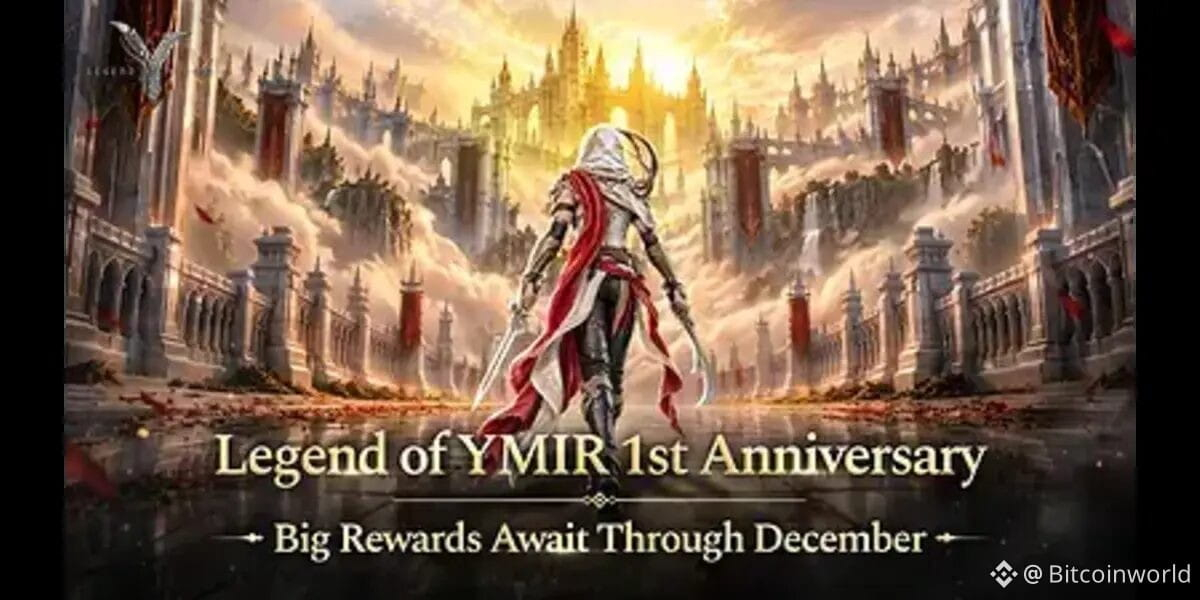
WEMADE comemora o primeiro aniversário de Legend of YMIR com um grande roteiro de conteúdo e uma nova classe de Assassino ...BitcoinWorld
WEMADE comemora o primeiro aniversário de Legend of YMIR com um grande roteiro de conteúdo e uma nova classe de Assassino
A atualização comemorativa inclui um servidor de progressão acelerada com EXP +600%, além de recompensas e vantagens de retorno para jogadores que voltarem ao jogo
SEUL, Coreia do Sul, 20 de outubro de 2026 /PRNewswire/ — A WEMADE, desenvolvedora global líder responsável pelo sucesso de público Legend of YMIR, um MMORPG criado com a Unreal Engine 5, lançou uma atualização de primeiro aniversário para comemorar um ano completo de serviço global ao vivo de seu principal título. Este marco apresenta um roteiro abrangente de conteúdo, que vai de outubro a dezembro, com destaque para a estreia de uma nova classe de Assassino, o lançamento do servidor de progressão acelerada da Temporada 2 do Campo de Treinamento e recompensas exclusivas.
WEMADE comemora o primeiro aniversário de Legend of YMIR com um grande roteiro de conteúdo e uma nova classe de Assassino ...
BitcoinWorld
WEMADE comemora o primeiro aniversário de Legend of YMIR com um grande roteiro de conteúdo e uma nova classe de Assassino
A atualização comemorativa inclui um servidor de progressão acelerada com EXP +600%, além de recompensas e vantagens de retorno para jogadores que voltarem ao jogo
SEUL, Coreia do Sul, 20 de outubro de 2026 /PRNewswire/ — A WEMADE, desenvolvedora global líder responsável pelo sucesso de público Legend of YMIR, um MMORPG criado com a Unreal Engine 5, lançou uma atualização de primeiro aniversário para comemorar um ano completo de serviço global ao vivo de seu principal título. Este marco apresenta um roteiro abrangente de conteúdo, que vai de outubro a dezembro, com destaque para a estreia de uma nova classe de Assassino, o lançamento do servidor de progressão acelerada da Temporada 2 do Campo de Treinamento e recompensas exclusivas.
WEMADE comemora o primeiro aniversário de Legend of YMIR com um grande roteiro de conteúdo e uma nova classe de Assassino
A atualização comemorativa inclui um servidor de progressão acelerada com EXP +600%, além de recompensas e vantagens de retorno para jogadores que voltarem ao jogo
SEUL, Coreia do Sul, 20 de outubro de 2026 /PRNewswire/ — A WEMADE, desenvolvedora global líder responsável pelo sucesso de público Legend of YMIR, um MMORPG criado com a Unreal Engine 5, lançou uma atualização de primeiro aniversário para comemorar um ano completo de serviço global ao vivo de seu principal título. Este marco apresenta um roteiro abrangente de conteúdo, que vai de outubro a dezembro, com destaque para a estreia de uma nova classe de Assassino, o lançamento do servidor de progressão acelerada da Temporada 2 do Campo de Treinamento e recompensas exclusivas.
254
·
--
Artigo
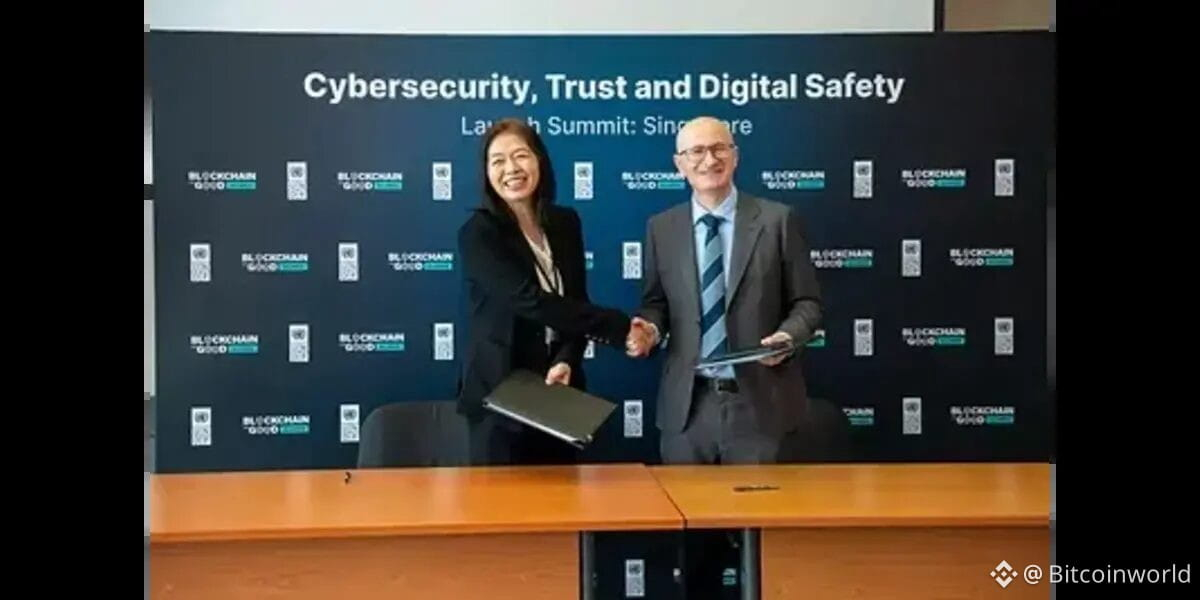
BGA e PNUD firmam parceria em iniciativa de dois anos para fortalecer a segurança digital e o desenvolvimentoBitcoinWorld
BGA e PNUD firmam parceria em iniciativa de dois anos para fortalecer a segurança digital e o desenvolvimento
DUBAI, Emirados Árabes Unidos, 19 de outubro de 2026 /CNW/ — A Blockchain for Good Alliance (BGA), iniciativa global sem fins lucrativos fundada pela Bybit e dedicada a usar a blockchain para gerar impacto social, e o Programa das Nações Unidas para o Desenvolvimento (PNUD) assinaram um acordo para lançar um programa de dois anos destinado a fortalecer os conhecimentos e a capacidade em cibersegurança para o uso responsável de tecnologias digitais no desenvolvimento. O acordo foi assinado por Edward Vrkić, representante residente do PNUD na Malásia, em Singapura e em Brunei Darussalam, e Helen Liu, fundadora da BGA, durante a Cúpula de Lançamento sobre Cibersegurança, Confiança e Segurança Digital, em Singapura, no Centro Global do PNUD para Tecnologia, Inovação e Desenvolvimento Sustentável.
BGA e PNUD firmam parceria em iniciativa de dois anos para fortalecer a segurança digital e o desenvolvimento
BitcoinWorld
BGA e PNUD firmam parceria em iniciativa de dois anos para fortalecer a segurança digital e o desenvolvimento
DUBAI, Emirados Árabes Unidos, 19 de outubro de 2026 /CNW/ — A Blockchain for Good Alliance (BGA), iniciativa global sem fins lucrativos fundada pela Bybit e dedicada a usar a blockchain para gerar impacto social, e o Programa das Nações Unidas para o Desenvolvimento (PNUD) assinaram um acordo para lançar um programa de dois anos destinado a fortalecer os conhecimentos e a capacidade em cibersegurança para o uso responsável de tecnologias digitais no desenvolvimento. O acordo foi assinado por Edward Vrkić, representante residente do PNUD na Malásia, em Singapura e em Brunei Darussalam, e Helen Liu, fundadora da BGA, durante a Cúpula de Lançamento sobre Cibersegurança, Confiança e Segurança Digital, em Singapura, no Centro Global do PNUD para Tecnologia, Inovação e Desenvolvimento Sustentável.
BGA e PNUD firmam parceria em iniciativa de dois anos para fortalecer a segurança digital e o desenvolvimento
DUBAI, Emirados Árabes Unidos, 19 de outubro de 2026 /CNW/ — A Blockchain for Good Alliance (BGA), iniciativa global sem fins lucrativos fundada pela Bybit e dedicada a usar a blockchain para gerar impacto social, e o Programa das Nações Unidas para o Desenvolvimento (PNUD) assinaram um acordo para lançar um programa de dois anos destinado a fortalecer os conhecimentos e a capacidade em cibersegurança para o uso responsável de tecnologias digitais no desenvolvimento. O acordo foi assinado por Edward Vrkić, representante residente do PNUD na Malásia, em Singapura e em Brunei Darussalam, e Helen Liu, fundadora da BGA, durante a Cúpula de Lançamento sobre Cibersegurança, Confiança e Segurança Digital, em Singapura, no Centro Global do PNUD para Tecnologia, Inovação e Desenvolvimento Sustentável.
1
235
·
--
Artigo
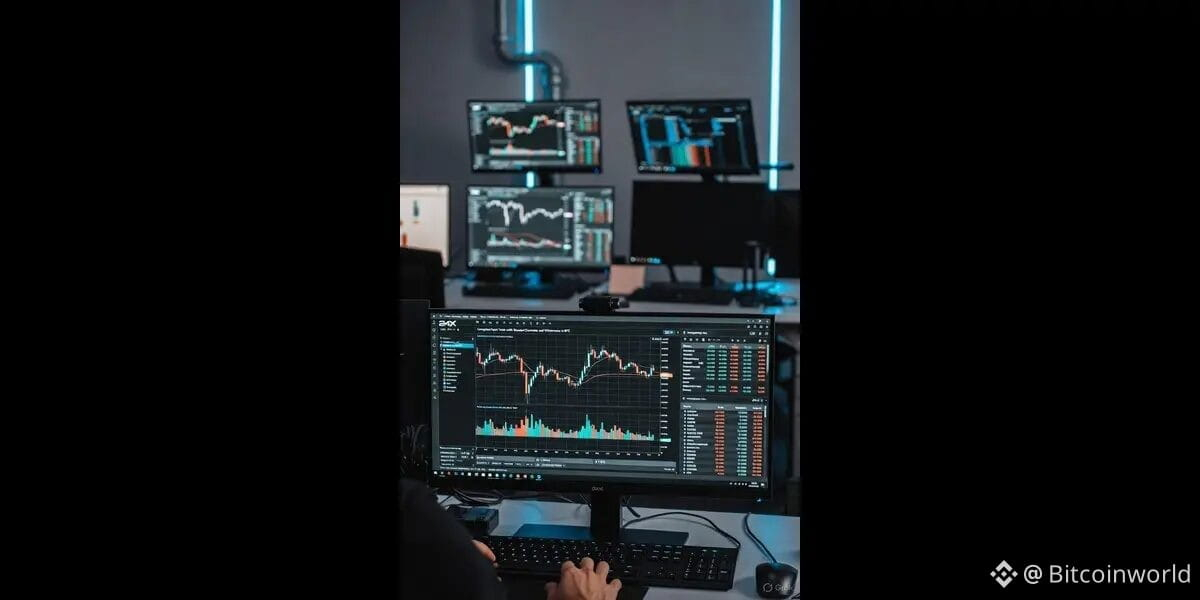
24X conclui operação à vista de criptomoedas em BTC com o Standard Chartered e a WintermuteBitcoinWorld
24X conclui operação à vista de criptomoedas em BTC com o Standard Chartered e a Wintermute
HAMILTON, Bermudas, 19 de outubro de 2026 /PRNewswire/ — A 24X Bermuda Limited (“24X”) anunciou hoje que concluiu com sucesso sua segunda operação consecutiva de criptomoedas à vista para clientes em sua plataforma de negociação multiativos de nível institucional, consolidando sua posição como uma das poucas plataformas globais que oferecem negociação de criptomoedas à vista e de câmbio (FX) em uma única infraestrutura tecnológica unificada.
A operação foi executada em Bitcoin (BTC) como parte da parceria estratégica da 24X com o Standard Chartered, um importante grupo bancário internacional e um dos bancos de importância sistêmica global (G-SIBs). O Standard Chartered atuou como tomador de liquidez e a Wintermute como provedora de liquidez nesta operação.
24X conclui operação à vista de criptomoedas em BTC com o Standard Chartered e a Wintermute
BitcoinWorld
24X conclui operação à vista de criptomoedas em BTC com o Standard Chartered e a Wintermute
HAMILTON, Bermudas, 19 de outubro de 2026 /PRNewswire/ — A 24X Bermuda Limited (“24X”) anunciou hoje que concluiu com sucesso sua segunda operação consecutiva de criptomoedas à vista para clientes em sua plataforma de negociação multiativos de nível institucional, consolidando sua posição como uma das poucas plataformas globais que oferecem negociação de criptomoedas à vista e de câmbio (FX) em uma única infraestrutura tecnológica unificada.
A operação foi executada em Bitcoin (BTC) como parte da parceria estratégica da 24X com o Standard Chartered, um importante grupo bancário internacional e um dos bancos de importância sistêmica global (G-SIBs). O Standard Chartered atuou como tomador de liquidez e a Wintermute como provedora de liquidez nesta operação.
24X conclui operação à vista de criptomoedas em BTC com o Standard Chartered e a Wintermute
HAMILTON, Bermudas, 19 de outubro de 2026 /PRNewswire/ — A 24X Bermuda Limited (“24X”) anunciou hoje que concluiu com sucesso sua segunda operação consecutiva de criptomoedas à vista para clientes em sua plataforma de negociação multiativos de nível institucional, consolidando sua posição como uma das poucas plataformas globais que oferecem negociação de criptomoedas à vista e de câmbio (FX) em uma única infraestrutura tecnológica unificada.
A operação foi executada em Bitcoin (BTC) como parte da parceria estratégica da 24X com o Standard Chartered, um importante grupo bancário internacional e um dos bancos de importância sistêmica global (G-SIBs). O Standard Chartered atuou como tomador de liquidez e a Wintermute como provedora de liquidez nesta operação.
139
·
--
Artigo
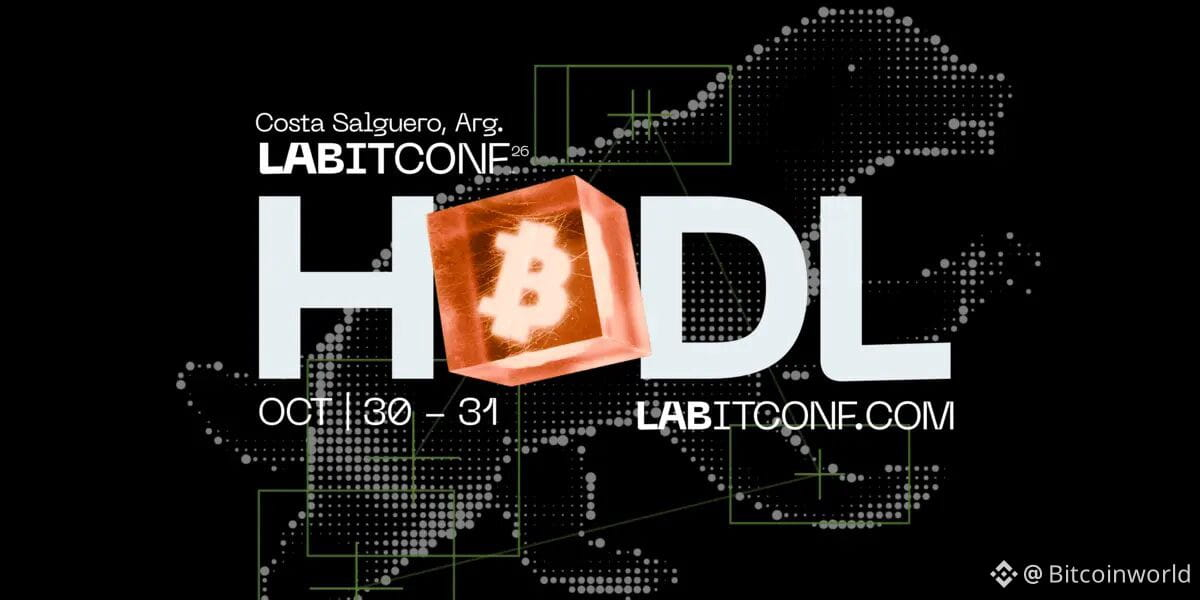
LABITCONF 2026 reúne líderes globais que estão moldando o futuro do Bitcoin em Buenos AiresBitcoinWorld
LABITCONF 2026 reúne líderes globais que estão moldando o futuro do Bitcoin em Buenos Aires
A edição HODL da LABITCONF deste ano vai além do momento local e reúne as pessoas que estão desenvolvendo ideias, tecnologias e casos de adoção de Bitcoin, Blockchain e IA que podem definir a próxima década.
Buenos Aires, 1º de outubro de 2026 — A LABITCONF realizará sua 14ª edição na sexta-feira, 30 de outubro, e no sábado, 31 de outubro, na BAFerial (antiga Costa Salguero), como parte da Tecweek. Mais uma vez, o evento transformará Buenos Aires em um ponto de encontro para a comunidade de Bitcoin e Blockchain da América Latina e do mundo, promovendo sua integração com a IA.
LABITCONF 2026 reúne líderes globais que estão moldando o futuro do Bitcoin em Buenos Aires
BitcoinWorld
LABITCONF 2026 reúne líderes globais que estão moldando o futuro do Bitcoin em Buenos Aires
A edição HODL da LABITCONF deste ano vai além do momento local e reúne as pessoas que estão desenvolvendo ideias, tecnologias e casos de adoção de Bitcoin, Blockchain e IA que podem definir a próxima década.
Buenos Aires, 1º de outubro de 2026 — A LABITCONF realizará sua 14ª edição na sexta-feira, 30 de outubro, e no sábado, 31 de outubro, na BAFerial (antiga Costa Salguero), como parte da Tecweek. Mais uma vez, o evento transformará Buenos Aires em um ponto de encontro para a comunidade de Bitcoin e Blockchain da América Latina e do mundo, promovendo sua integração com a IA.
LABITCONF 2026 reúne líderes globais que estão moldando o futuro do Bitcoin em Buenos Aires
A edição HODL da LABITCONF deste ano vai além do momento local e reúne as pessoas que estão desenvolvendo ideias, tecnologias e casos de adoção de Bitcoin, Blockchain e IA que podem definir a próxima década.
Buenos Aires, 1º de outubro de 2026 — A LABITCONF realizará sua 14ª edição na sexta-feira, 30 de outubro, e no sábado, 31 de outubro, na BAFerial (antiga Costa Salguero), como parte da Tecweek. Mais uma vez, o evento transformará Buenos Aires em um ponto de encontro para a comunidade de Bitcoin e Blockchain da América Latina e do mundo, promovendo sua integração com a IA.
354
·
--
Artigo
A Traders Fair 2027 regressa a Manila para impulsionar o crescente ecossistema de finanças digitais e trading ...BitcoinWorld
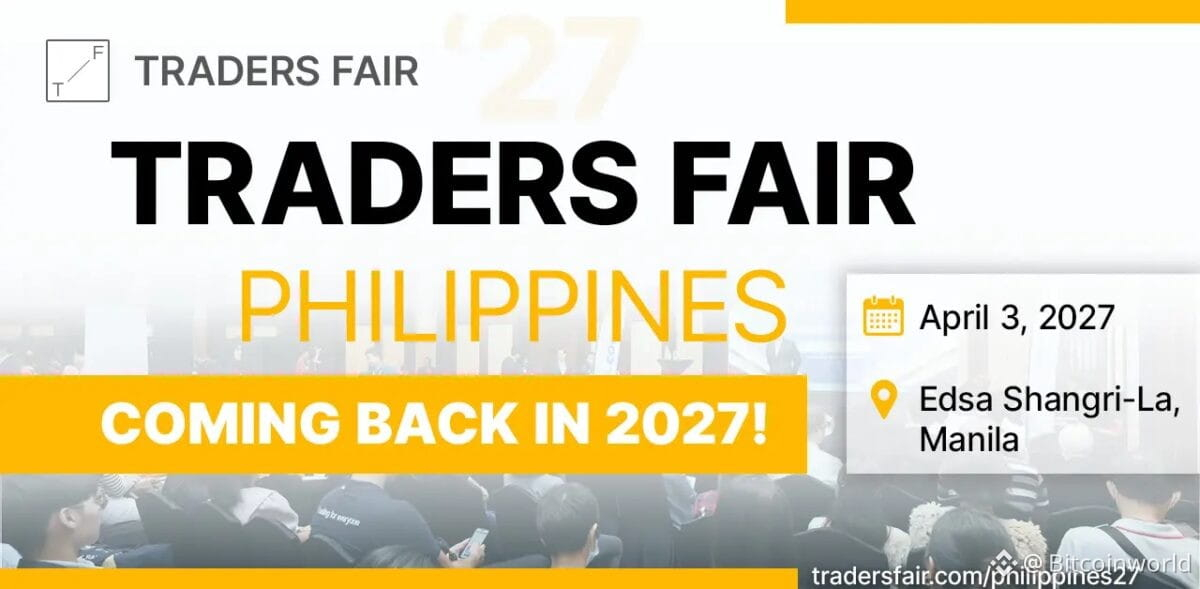
A Traders Fair 2027 regressa a Manila para impulsionar o crescente ecossistema de finanças digitais e trading das Filipinas
A Traders Fair, uma das principais séries de conferências financeiras, regressará a Manila a 3 de abril de 2027, reunindo os principais líderes regionais das áreas de trading, fintech e investimento no Edsa Shangri-La. Espera-se que mais de 2.500 profissionais do setor, brokers internacionais, especialistas financeiros e investidores particulares se reúnam para um dia de grande impacto dedicado à educação sobre os mercados, às tendências emergentes e à tecnologia.
A Traders Fair 2027 regressa a Manila para impulsionar o crescente ecossistema de finanças digitais e trading ...
BitcoinWorld
A Traders Fair 2027 regressa a Manila para impulsionar o crescente ecossistema de finanças digitais e trading das Filipinas
A Traders Fair, uma das principais séries de conferências financeiras, regressará a Manila a 3 de abril de 2027, reunindo os principais líderes regionais das áreas de trading, fintech e investimento no Edsa Shangri-La. Espera-se que mais de 2.500 profissionais do setor, brokers internacionais, especialistas financeiros e investidores particulares se reúnam para um dia de grande impacto dedicado à educação sobre os mercados, às tendências emergentes e à tecnologia.
A Traders Fair 2027 regressa a Manila para impulsionar o crescente ecossistema de finanças digitais e trading das Filipinas
A Traders Fair, uma das principais séries de conferências financeiras, regressará a Manila a 3 de abril de 2027, reunindo os principais líderes regionais das áreas de trading, fintech e investimento no Edsa Shangri-La. Espera-se que mais de 2.500 profissionais do setor, brokers internacionais, especialistas financeiros e investidores particulares se reúnam para um dia de grande impacto dedicado à educação sobre os mercados, às tendências emergentes e à tecnologia.
242
·
--
Artigo
Remessas com stablecoins custam 84% menos; taxas de pagamento variamBitcoinWorld
Remessas com stablecoins custam 84% menos; taxas de pagamento variam
Uma remessa de US$ 200 enviada por canais financiados por stablecoins custou uma mediana de US$ 2 durante o terceiro trimestre de 2026, contra US$ 12,72 para uma transferência tradicional usada como parâmetro de referência com base em dados do Banco Mundial, segundo um relatório trimestral da Borderless.xyz, uma rede de pagamentos com stablecoins. A comparação, detalhada inicialmente pelo Crypto.news, aponta uma diferença de custo de cerca de 84%.
O relatório do terceiro trimestre de 2026 da Borderless.xyz constatou que as remessas financiadas por stablecoins custaram uma mediana de 1% — cerca de US$ 2 por US$ 200 enviados —, em comparação com 6,36%, ou US$ 12,72, no parâmetro de referência tradicional. As taxas de conclusão dos pagamentos variaram de 73% na Costa Rica a 98,6% no México, mostrando que a economia e a rapidez não garantem uma confiabilidade uniforme.
Remessas com stablecoins custam 84% menos; taxas de pagamento variam
BitcoinWorld
Remessas com stablecoins custam 84% menos; taxas de pagamento variam
Uma remessa de US$ 200 enviada por canais financiados por stablecoins custou uma mediana de US$ 2 durante o terceiro trimestre de 2026, contra US$ 12,72 para uma transferência tradicional usada como parâmetro de referência com base em dados do Banco Mundial, segundo um relatório trimestral da Borderless.xyz, uma rede de pagamentos com stablecoins. A comparação, detalhada inicialmente pelo Crypto.news, aponta uma diferença de custo de cerca de 84%.
O relatório do terceiro trimestre de 2026 da Borderless.xyz constatou que as remessas financiadas por stablecoins custaram uma mediana de 1% — cerca de US$ 2 por US$ 200 enviados —, em comparação com 6,36%, ou US$ 12,72, no parâmetro de referência tradicional. As taxas de conclusão dos pagamentos variaram de 73% na Costa Rica a 98,6% no México, mostrando que a economia e a rapidez não garantem uma confiabilidade uniforme.
Remessas com stablecoins custam 84% menos; taxas de pagamento variam
Uma remessa de US$ 200 enviada por canais financiados por stablecoins custou uma mediana de US$ 2 durante o terceiro trimestre de 2026, contra US$ 12,72 para uma transferência tradicional usada como parâmetro de referência com base em dados do Banco Mundial, segundo um relatório trimestral da Borderless.xyz, uma rede de pagamentos com stablecoins. A comparação, detalhada inicialmente pelo Crypto.news, aponta uma diferença de custo de cerca de 84%.
O relatório do terceiro trimestre de 2026 da Borderless.xyz constatou que as remessas financiadas por stablecoins custaram uma mediana de 1% — cerca de US$ 2 por US$ 200 enviados —, em comparação com 6,36%, ou US$ 12,72, no parâmetro de referência tradicional. As taxas de conclusão dos pagamentos variaram de 73% na Costa Rica a 98,6% no México, mostrando que a economia e a rapidez não garantem uma confiabilidade uniforme.
270
·
--

Artigo
Circle mira 40 mercados emergentes à medida que cresce a procura por stablecoinsBitcoinWorld
Circle mira 40 mercados emergentes à medida que cresce a procura por stablecoins
O CEO da Circle, Jeremy Allaire, afirmou que a empresa emissora da USDC está a preparar-se para entrar em cerca de 40 países emergentes e em desenvolvimento, noticiou a Decrypt. Allaire falou à margem das reuniões do Fundo Monetário Internacional e do Banco Mundial, em Banguecoque. O CEO apontou para o aumento da procura orgânica por stablecoins por parte de pessoas e empresas do Sudeste Asiático, da América Latina, de África e do Médio Oriente que pretendem participar numa economia baseada na Internet.
Circle mira 40 mercados emergentes à medida que cresce a procura por stablecoins
BitcoinWorld
Circle mira 40 mercados emergentes à medida que cresce a procura por stablecoins
O CEO da Circle, Jeremy Allaire, afirmou que a empresa emissora da USDC está a preparar-se para entrar em cerca de 40 países emergentes e em desenvolvimento, noticiou a Decrypt. Allaire falou à margem das reuniões do Fundo Monetário Internacional e do Banco Mundial, em Banguecoque. O CEO apontou para o aumento da procura orgânica por stablecoins por parte de pessoas e empresas do Sudeste Asiático, da América Latina, de África e do Médio Oriente que pretendem participar numa economia baseada na Internet.
Circle mira 40 mercados emergentes à medida que cresce a procura por stablecoins
O CEO da Circle, Jeremy Allaire, afirmou que a empresa emissora da USDC está a preparar-se para entrar em cerca de 40 países emergentes e em desenvolvimento, noticiou a Decrypt. Allaire falou à margem das reuniões do Fundo Monetário Internacional e do Banco Mundial, em Banguecoque. O CEO apontou para o aumento da procura orgânica por stablecoins por parte de pessoas e empresas do Sudeste Asiático, da América Latina, de África e do Médio Oriente que pretendem participar numa economia baseada na Internet.
523
·
--
Artigo
Rússia estabelece proibição de negociações diretas de criptomoedas P2P para julho de 2027BitcoinWorld
Rússia estabelece proibição de negociações diretas de criptomoedas P2P para julho de 2027
O Banco da Rússia estabeleceu 1º de julho de 2027 como prazo final para a negociação direta de criptomoedas entre indivíduos, de pessoa para pessoa (P2P), exigindo que os residentes recorram a intermediários autorizados para esse tipo de transação. Segundo uma reportagem do Crypto.news, as orientações do banco central, atualizadas em 12 de outubro, esclarecem que o artigo 30 da Lei Federal nº 282-FZ permite negociações diretas somente até esse prazo.
A Rússia proibirá transações diretas de criptomoedas entre indivíduos, de pessoa para pessoa (P2P), a partir de 1º de julho de 2027, exigindo que as negociações sejam feitas por meio de intermediários autorizados. O Banco da Rússia também esclareceu que não são permitidas transferências de contas digitais regulamentadas para carteiras de autocustódia e que investidores não qualificados estão sujeitos a um limite anual de compras de 300 mil rublos por intermediário.
Rússia estabelece proibição de negociações diretas de criptomoedas P2P para julho de 2027
BitcoinWorld
Rússia estabelece proibição de negociações diretas de criptomoedas P2P para julho de 2027
O Banco da Rússia estabeleceu 1º de julho de 2027 como prazo final para a negociação direta de criptomoedas entre indivíduos, de pessoa para pessoa (P2P), exigindo que os residentes recorram a intermediários autorizados para esse tipo de transação. Segundo uma reportagem do Crypto.news, as orientações do banco central, atualizadas em 12 de outubro, esclarecem que o artigo 30 da Lei Federal nº 282-FZ permite negociações diretas somente até esse prazo.
A Rússia proibirá transações diretas de criptomoedas entre indivíduos, de pessoa para pessoa (P2P), a partir de 1º de julho de 2027, exigindo que as negociações sejam feitas por meio de intermediários autorizados. O Banco da Rússia também esclareceu que não são permitidas transferências de contas digitais regulamentadas para carteiras de autocustódia e que investidores não qualificados estão sujeitos a um limite anual de compras de 300 mil rublos por intermediário.
Rússia estabelece proibição de negociações diretas de criptomoedas P2P para julho de 2027
O Banco da Rússia estabeleceu 1º de julho de 2027 como prazo final para a negociação direta de criptomoedas entre indivíduos, de pessoa para pessoa (P2P), exigindo que os residentes recorram a intermediários autorizados para esse tipo de transação. Segundo uma reportagem do Crypto.news, as orientações do banco central, atualizadas em 12 de outubro, esclarecem que o artigo 30 da Lei Federal nº 282-FZ permite negociações diretas somente até esse prazo.
A Rússia proibirá transações diretas de criptomoedas entre indivíduos, de pessoa para pessoa (P2P), a partir de 1º de julho de 2027, exigindo que as negociações sejam feitas por meio de intermediários autorizados. O Banco da Rússia também esclareceu que não são permitidas transferências de contas digitais regulamentadas para carteiras de autocustódia e que investidores não qualificados estão sujeitos a um limite anual de compras de 300 mil rublos por intermediário.
1
935
·
--
Artigo
Tomada de controlo do Farcaster por Balaji leva a suspensões retroativas de contasBitcoinWorld
Tomada de controlo do Farcaster por Balaji leva a suspensões retroativas de contas
A Network School, iniciativa educativa fundada por Balaji Srinivasan, anunciou em 15 de outubro de 2026 que tinha adquirido a plataforma social descentralizada Farcaster à Neynar e começou imediatamente a aplicar um novo código de conduta, o que levou a que várias contas de utilizadores ficassem limitadas ao modo de leitura, segundo a Cointelegraph. As restrições, aplicadas retroativamente a publicações anteriores, têm sido criticadas por membros da comunidade, que afirmam que esta medida compromete o espírito descentralizado do Farcaster.
Tomada de controlo do Farcaster por Balaji leva a suspensões retroativas de contas
BitcoinWorld
Tomada de controlo do Farcaster por Balaji leva a suspensões retroativas de contas
A Network School, iniciativa educativa fundada por Balaji Srinivasan, anunciou em 15 de outubro de 2026 que tinha adquirido a plataforma social descentralizada Farcaster à Neynar e começou imediatamente a aplicar um novo código de conduta, o que levou a que várias contas de utilizadores ficassem limitadas ao modo de leitura, segundo a Cointelegraph. As restrições, aplicadas retroativamente a publicações anteriores, têm sido criticadas por membros da comunidade, que afirmam que esta medida compromete o espírito descentralizado do Farcaster.
Tomada de controlo do Farcaster por Balaji leva a suspensões retroativas de contas
A Network School, iniciativa educativa fundada por Balaji Srinivasan, anunciou em 15 de outubro de 2026 que tinha adquirido a plataforma social descentralizada Farcaster à Neynar e começou imediatamente a aplicar um novo código de conduta, o que levou a que várias contas de utilizadores ficassem limitadas ao modo de leitura, segundo a Cointelegraph. As restrições, aplicadas retroativamente a publicações anteriores, têm sido criticadas por membros da comunidade, que afirmam que esta medida compromete o espírito descentralizado do Farcaster.
413
·
--
Artigo
Multiliquid encerra rodada seed liderada pela Polychain, com participação da Strobe Ventures, CMT Digit...BitcoinWorld
Multiliquid encerra rodada seed liderada pela Polychain, com participação da Strobe Ventures, CMT Digital, Metalayer Ventures, Generative Ventures e Circle Ventures, elevando o financiamento total a US$ 8 milhões
LOS ANGELES, 15 de outubro de 2026 /PRNewswire/ — A Uniform Labs, desenvolvedora da Multiliquid, o protocolo de liquidez institucional para ativos tokenizados, anunciou hoje o encerramento de sua rodada seed, liderada pela Polychain, com participação da Strobe Ventures, CMT Digital, Metalayer Ventures, Generative Ventures e Circle Ventures, elevando o financiamento total da Multiliquid a US$ 8 milhões.
Multiliquid encerra rodada seed liderada pela Polychain, com participação da Strobe Ventures, CMT Digit...
BitcoinWorld
Multiliquid encerra rodada seed liderada pela Polychain, com participação da Strobe Ventures, CMT Digital, Metalayer Ventures, Generative Ventures e Circle Ventures, elevando o financiamento total a US$ 8 milhões
LOS ANGELES, 15 de outubro de 2026 /PRNewswire/ — A Uniform Labs, desenvolvedora da Multiliquid, o protocolo de liquidez institucional para ativos tokenizados, anunciou hoje o encerramento de sua rodada seed, liderada pela Polychain, com participação da Strobe Ventures, CMT Digital, Metalayer Ventures, Generative Ventures e Circle Ventures, elevando o financiamento total da Multiliquid a US$ 8 milhões.
Multiliquid encerra rodada seed liderada pela Polychain, com participação da Strobe Ventures, CMT Digital, Metalayer Ventures, Generative Ventures e Circle Ventures, elevando o financiamento total a US$ 8 milhões
LOS ANGELES, 15 de outubro de 2026 /PRNewswire/ — A Uniform Labs, desenvolvedora da Multiliquid, o protocolo de liquidez institucional para ativos tokenizados, anunciou hoje o encerramento de sua rodada seed, liderada pela Polychain, com participação da Strobe Ventures, CMT Digital, Metalayer Ventures, Generative Ventures e Circle Ventures, elevando o financiamento total da Multiliquid a US$ 8 milhões.
241
Faça login para explorar mais conteúdos
Junte-se a usuários de criptomoedas de todo o mundo no Binance Square.
⚡️ Obter informações mais recentes e úteis sobre criptomoeda.
💬 Com a confiança da maior corretora de criptomoedas do mundo.
👍 Descubra insights reais de criadores verificados.
E-mail / número de telefone
Tópicos em Alta
BinancePick
3.2M visualizações
158,390 discutindo
Participe da #TemporadaDeResultados: preveja resultados no Binance Pick e compartilhe sua opinião no Binance Square!
Binance Square Official
·413 curtidas
·344.1k visualizações
EarningsSeason
5.4M visualizações
26,317 discutindo
BitmineAdds10452ETH
259 visualizações
26 discutindo