

Crypto A_24
389 Publicações

Crypto A_24
Denunciar
Bloquear usuário
No need to verify me because i am always verified✅
21 Seguindo
41 Seguidores
97 Curtiu
Publicações
Todas
Citações
·
--
Ver tradução
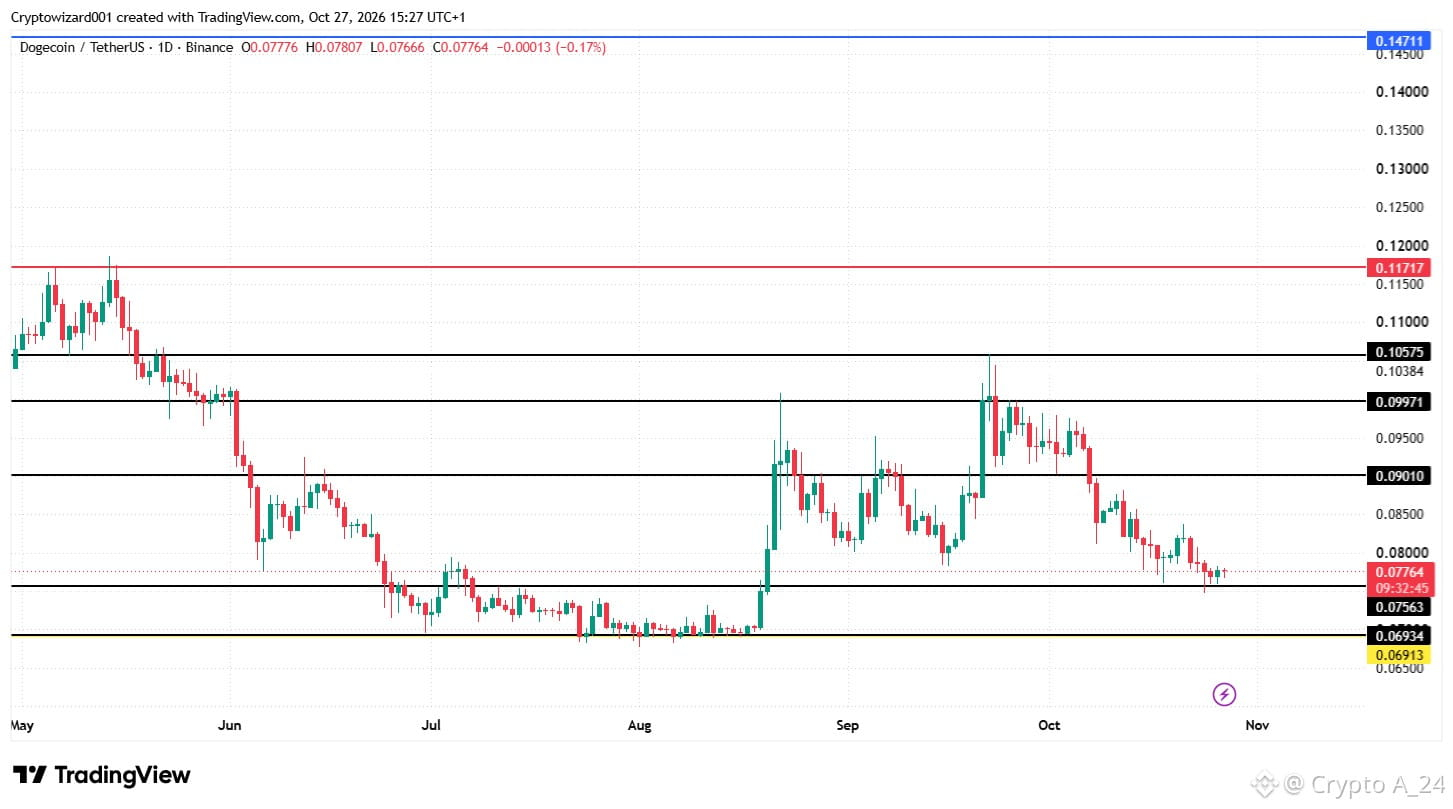
Over the past 30 days, 🐶 $DOGE has dropped significantly from $0.10 to $0.07.
The current price level is acting as a potential support zone. A long position here could target $0.10 if the price holds above $0.07 and momentum turns bullish.
However, a breakdown below $0.07 could send #DOGE toward the next support level at $0.06.
Keep an eye on the $0.077 level for signs of strength. Always manage your risk and wait for confirmation before entering a trade.
Over the past 30 days, 🐶 $DOGE has dropped significantly from $0.10 to $0.07.
The current price level is acting as a potential support zone. A long position here could target $0.10 if the price holds above $0.07 and momentum turns bullish.
However, a breakdown below $0.07 could send #DOGE toward the next support level at $0.06.
Keep an eye on the $0.077 level for signs of strength. Always manage your risk and wait for confirmation before entering a trade.
The current price level is acting as a potential support zone. A long position here could target $0.10 if the price holds above $0.07 and momentum turns bullish.
However, a breakdown below $0.07 could send #DOGE toward the next support level at $0.06.
Keep an eye on the $0.077 level for signs of strength. Always manage your risk and wait for confirmation before entering a trade.
72
·
--
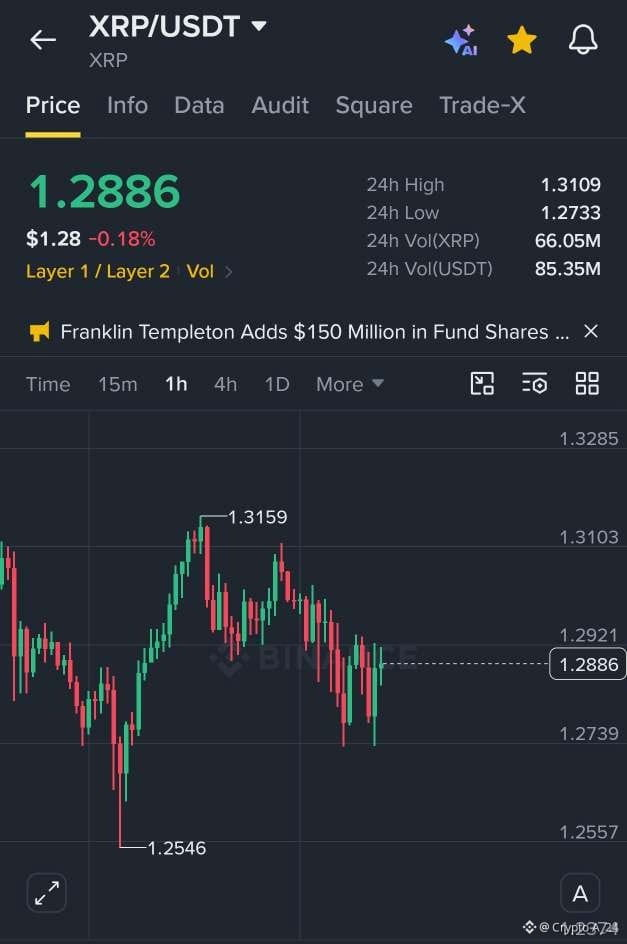
$XRP rejeitou o pico de $1.3159 e agora está formando máximas mais baixas no gráfico de 1H. A zona de $1.2880 é o nível-chave a observar.
Direção do mercado: Baixista
Zona de entrada: $1.2880 – $1.2950
Stop loss: $1.3150
TP1: $1.2650
TP2: $1.2550
Uma quebra confirmada abaixo de $1.2880 pode abrir caminho para $1.2650 e $1.2550.
Aguarde a confirmação do candle, mantenha o risco sob controle e evite perseguir o movimento.
O XRP romperá o suporte ou se recuperará?
#XRP #Crypto
$XRP rejeitou o pico de $1.3159 e agora está formando máximas mais baixas no gráfico de 1H. A zona de $1.2880 é o nível-chave a observar.
Direção do mercado: Baixista
Zona de entrada: $1.2880 – $1.2950
Stop loss: $1.3150
TP1: $1.2650
TP2: $1.2550
Uma quebra confirmada abaixo de $1.2880 pode abrir caminho para $1.2650 e $1.2550.
Aguarde a confirmação do candle, mantenha o risco sob controle e evite perseguir o movimento.
O XRP romperá o suporte ou se recuperará?
#XRP #Crypto
Direção do mercado: Baixista
Zona de entrada: $1.2880 – $1.2950
Stop loss: $1.3150
TP1: $1.2650
TP2: $1.2550
Uma quebra confirmada abaixo de $1.2880 pode abrir caminho para $1.2650 e $1.2550.
Aguarde a confirmação do candle, mantenha o risco sob controle e evite perseguir o movimento.
O XRP romperá o suporte ou se recuperará?
#XRP #Crypto
124
·
--
$XRP O XRP deveria limitar sua oferta a apenas 1 bilhão, porque uma oferta menor atrairia mais investimentos. Veja o Bitcoin: sua oferta é baixa e considere o patamar de seu preço. Da mesma forma, Ethereum e BNB também têm ofertas limitadas; veja quão altos seus preços chegaram. Portanto, o XRP também precisa reduzir sua oferta de 99 bilhões.
$XRP O XRP deveria limitar sua oferta a apenas 1 bilhão, porque uma oferta menor atrairia mais investimentos. Veja o Bitcoin: sua oferta é baixa e considere o patamar de seu preço. Da mesma forma, Ethereum e BNB também têm ofertas limitadas; veja quão altos seus preços chegaram. Portanto, o XRP também precisa reduzir sua oferta de 99 bilhões.
1
172
·
--
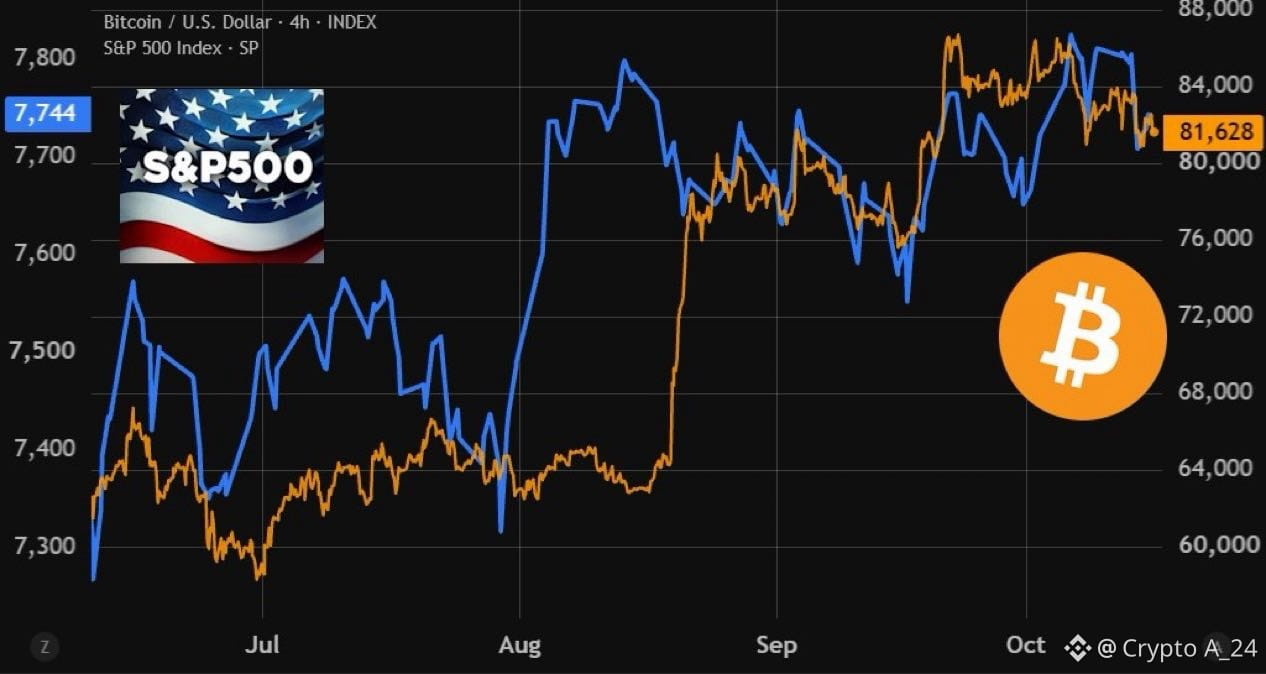
$BTC O S&P 500 está perto de máximos históricos, mas #Bitcoin ainda luta para se manter acima dos 80 mil dólares.
Se #BTC conseguir defender este nível e recuperar força, poderá haver espaço para uma recuperação.
Mas, se os 80 mil dólares forem ultrapassados em baixa, a pressão poderá aumentar.
O próximo movimento é importante.
$BTC O S&P 500 está perto de máximos históricos, mas #Bitcoin ainda luta para se manter acima dos 80 mil dólares.
Se #BTC conseguir defender este nível e recuperar força, poderá haver espaço para uma recuperação.
Mas, se os 80 mil dólares forem ultrapassados em baixa, a pressão poderá aumentar.
O próximo movimento é importante.
Se #BTC conseguir defender este nível e recuperar força, poderá haver espaço para uma recuperação.
Mas, se os 80 mil dólares forem ultrapassados em baixa, a pressão poderá aumentar.
O próximo movimento é importante.
77
·
--
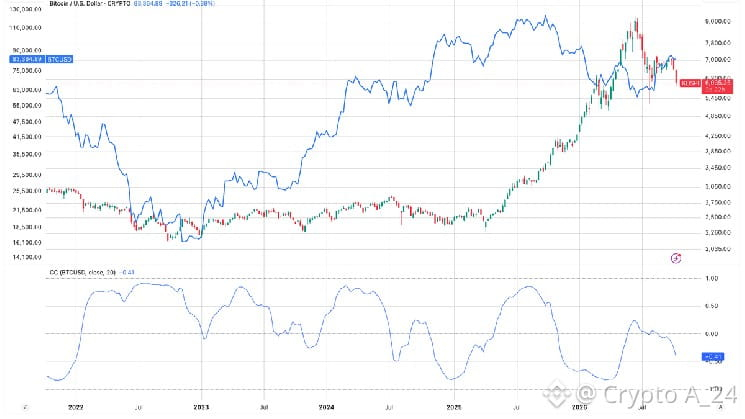
O Bitcoin está seguindo na direção oposta à do mercado de ações da Coreia do Sul.
O KOSPI despencou 5,5% e está cerca de 38% abaixo do pico de junho, enquanto o BTC se recuperou de US$ 58 mil para US$ 87 mil.
Com o aumento dos temores em relação aos investimentos em IA, o Bitcoin poderia se beneficiar da crescente incerteza nos mercados tradicionais?
#Macro #Insights $BTC
O Bitcoin está seguindo na direção oposta à do mercado de ações da Coreia do Sul.
O KOSPI despencou 5,5% e está cerca de 38% abaixo do pico de junho, enquanto o BTC se recuperou de US$ 58 mil para US$ 87 mil.
Com o aumento dos temores em relação aos investimentos em IA, o Bitcoin poderia se beneficiar da crescente incerteza nos mercados tradicionais?
#Macro #Insights $BTC
O KOSPI despencou 5,5% e está cerca de 38% abaixo do pico de junho, enquanto o BTC se recuperou de US$ 58 mil para US$ 87 mil.
Com o aumento dos temores em relação aos investimentos em IA, o Bitcoin poderia se beneficiar da crescente incerteza nos mercados tradicionais?
#Macro #Insights $BTC
74
·
--
O Bitcoin sofreu quedas superiores a -75% QUATRO vezes ao longo de sua história.
Em 2011, o Bitcoin caiu -93%, de ~$32 para ~$2.
Em 2015, atingiu o fundo, ficando -87% abaixo de sua máxima de 2013, de ~$1,150.
Em 2018, caiu -84%, de ~$19,700 para ~$3,200.
Em 2022, caiu -77%, de ~$69,000 para ~$15,500.
Em todas as vezes, o Bitcoin acabou atingindo uma nova máxima histórica.
Neste ciclo, $BTC caiu -54%, de $126,198 para ~$57,750 em junho.
O Bitcoin sofreu quedas superiores a -75% QUATRO vezes ao longo de sua história.
Em 2011, o Bitcoin caiu -93%, de ~$32 para ~$2.
Em 2015, atingiu o fundo, ficando -87% abaixo de sua máxima de 2013, de ~$1,150.
Em 2018, caiu -84%, de ~$19,700 para ~$3,200.
Em 2022, caiu -77%, de ~$69,000 para ~$15,500.
Em todas as vezes, o Bitcoin acabou atingindo uma nova máxima histórica.
Neste ciclo, $BTC caiu -54%, de $126,198 para ~$57,750 em junho.
Em 2011, o Bitcoin caiu -93%, de ~$32 para ~$2.
Em 2015, atingiu o fundo, ficando -87% abaixo de sua máxima de 2013, de ~$1,150.
Em 2018, caiu -84%, de ~$19,700 para ~$3,200.
Em 2022, caiu -77%, de ~$69,000 para ~$15,500.
Em todas as vezes, o Bitcoin acabou atingindo uma nova máxima histórica.
Neste ciclo, $BTC caiu -54%, de $126,198 para ~$57,750 em junho.
88
·
--
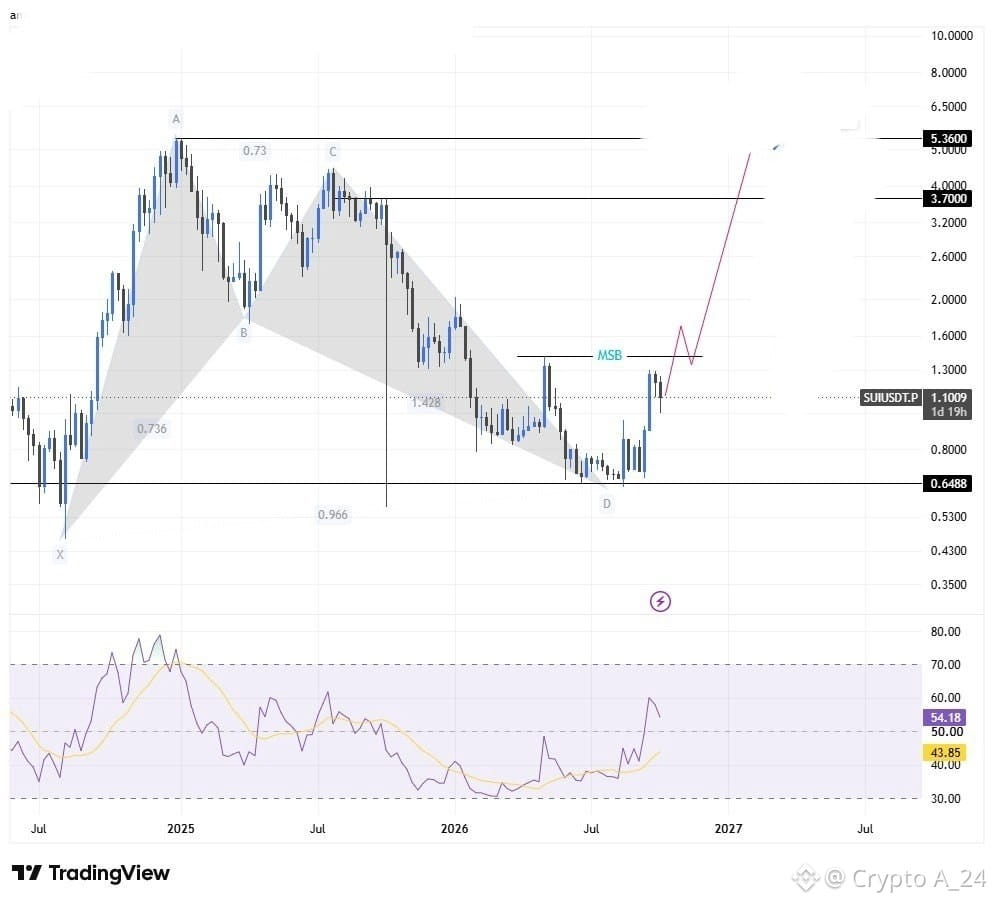
$SUI compre e mantenha, grande movimento em breve 🤑🚀
$SUI compre e mantenha, grande movimento em breve 🤑🚀
63
·
--
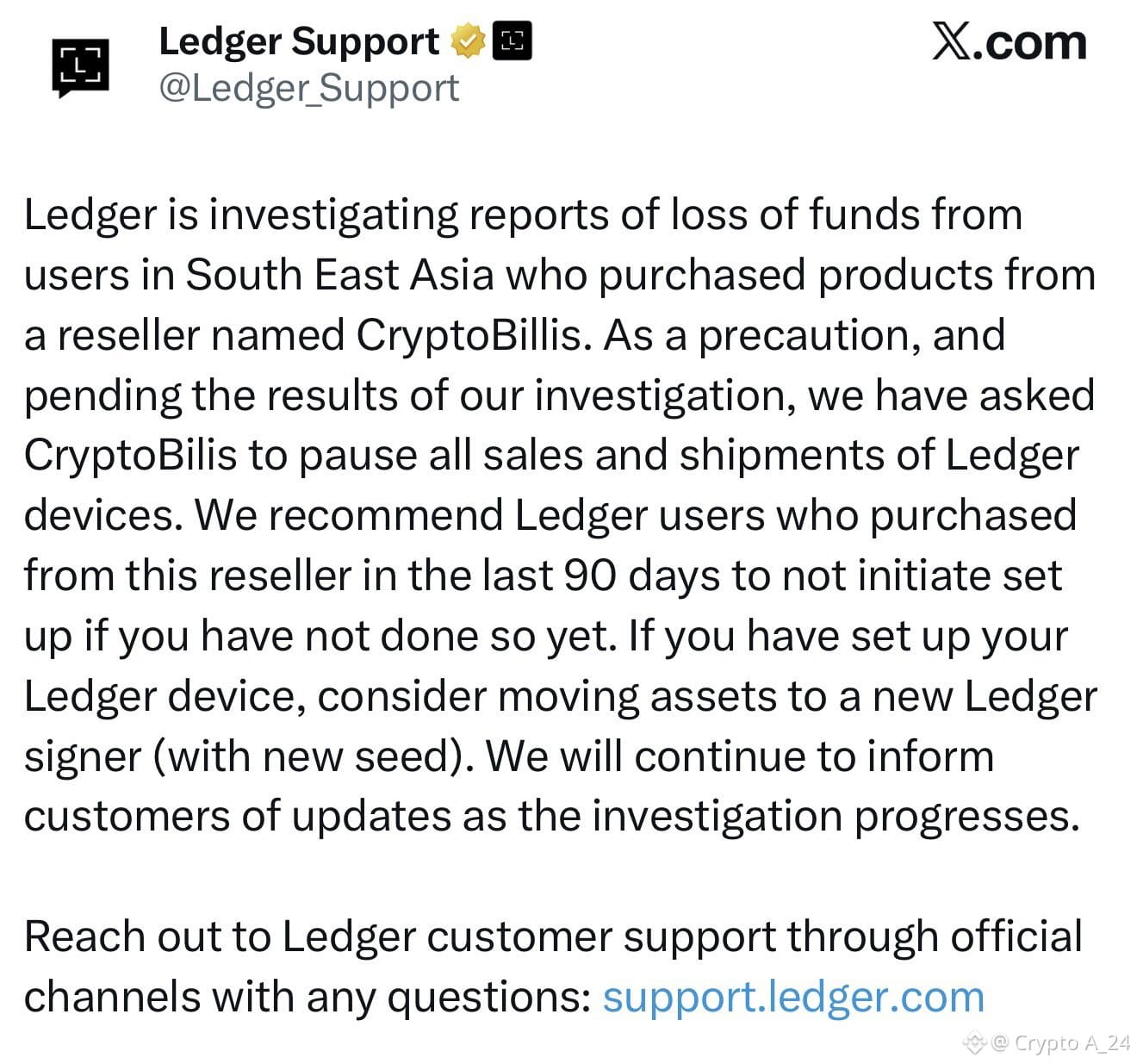
ÚLTIMA HORA: Ledger investiga possível roubo de US$ 86 milhões em criptomoedas ligado a carteiras físicas vendidas por um revendedor no Sudeste Asiático.
ÚLTIMA HORA: Ledger investiga possível roubo de US$ 86 milhões em criptomoedas ligado a carteiras físicas vendidas por um revendedor no Sudeste Asiático.
80
·
--
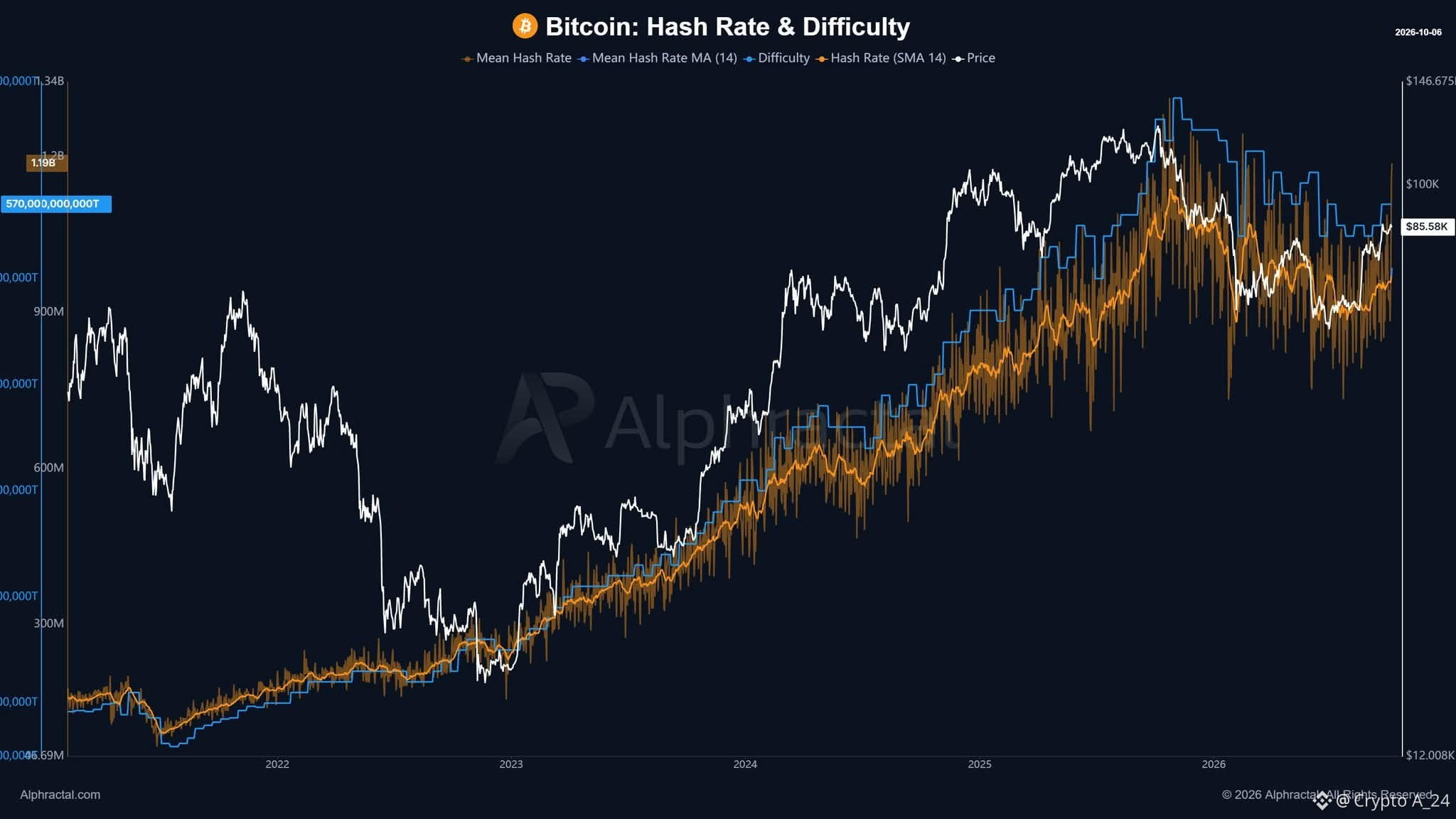
#Bitcoin A taxa de hash e a dificuldade de mineração estão subindo novamente.
Apesar de todas as narrativas sobre IA, $BTC a mineração continua crescendo, não desaparecendo.
A rede continua ficando mais forte.
#Bitcoin A taxa de hash e a dificuldade de mineração estão subindo novamente.
Apesar de todas as narrativas sobre IA, $BTC a mineração continua crescendo, não desaparecendo.
A rede continua ficando mais forte.
Apesar de todas as narrativas sobre IA, $BTC a mineração continua crescendo, não desaparecendo.
A rede continua ficando mais forte.
95
·
--
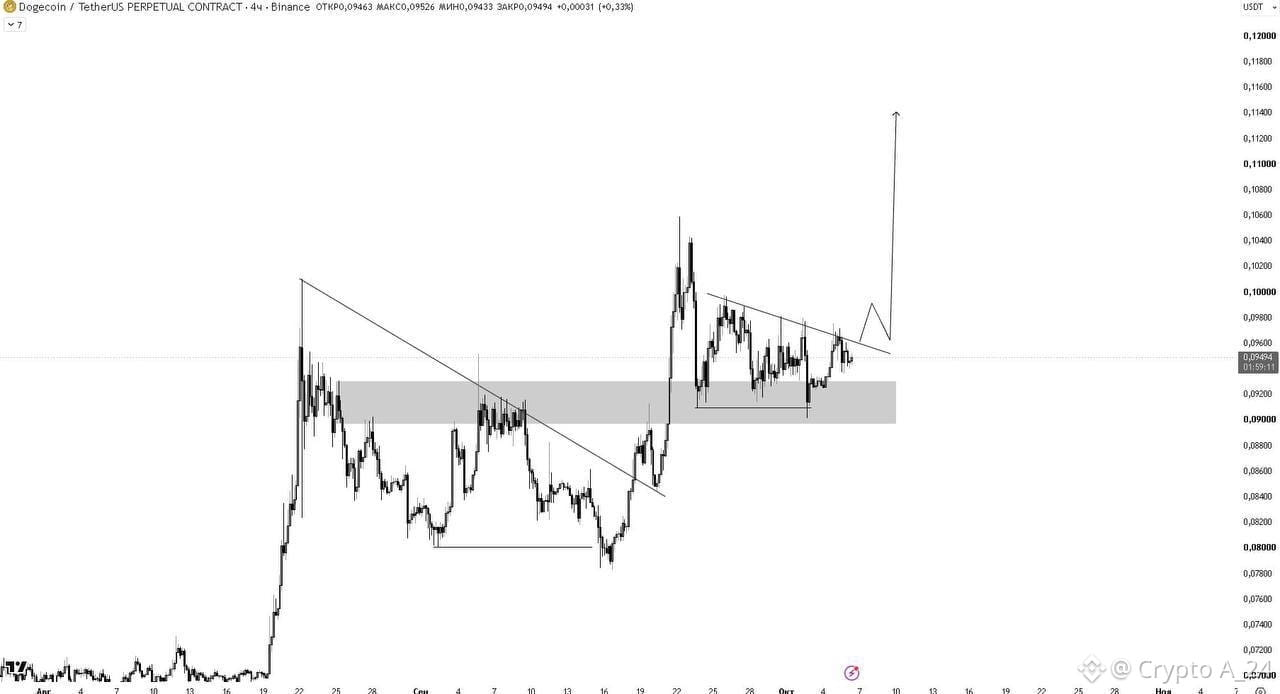
$DOGE Configuração interessante para condições de longo prazo, nome da moeda DOGE
Pessoalmente, vejo 0,11 como objetivo principal
$DOGE Configuração interessante para condições de longo prazo, nome da moeda DOGE
Pessoalmente, vejo 0,11 como objetivo principal
Pessoalmente, vejo 0,11 como objetivo principal
1
246
·
--
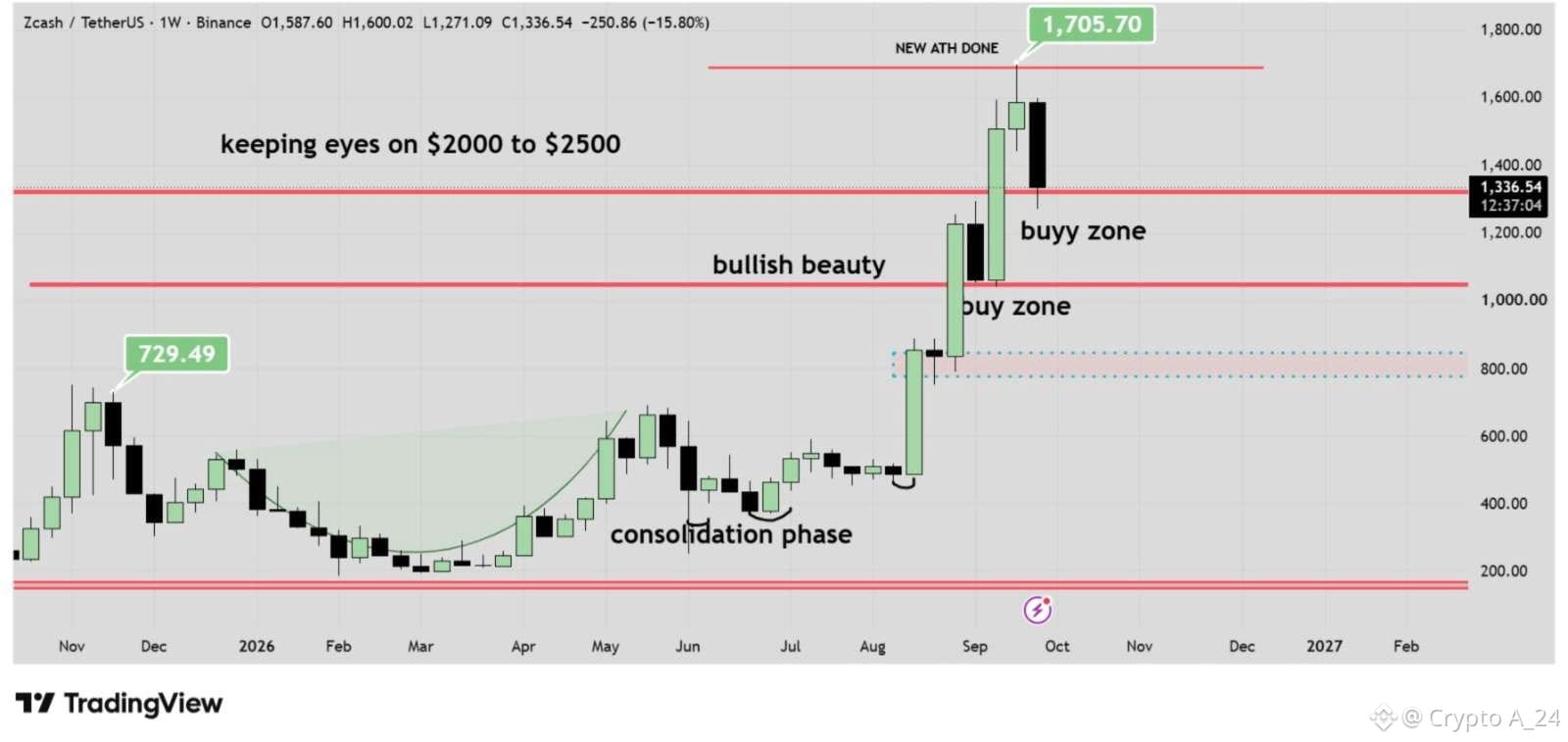
$ZEC rompeu uma nova máxima perto de US$ 1.705 e agora está recuando para cerca de US$ 1.336. Estou observando como o preço reage aqui se houver força de volta. US$ 2.000–US$ 2.500 continua sendo a grande zona que estou de olho.
$ZEC rompeu uma nova máxima perto de US$ 1.705 e agora está recuando para cerca de US$ 1.336. Estou observando como o preço reage aqui se houver força de volta. US$ 2.000–US$ 2.500 continua sendo a grande zona que estou de olho.
92
·
--
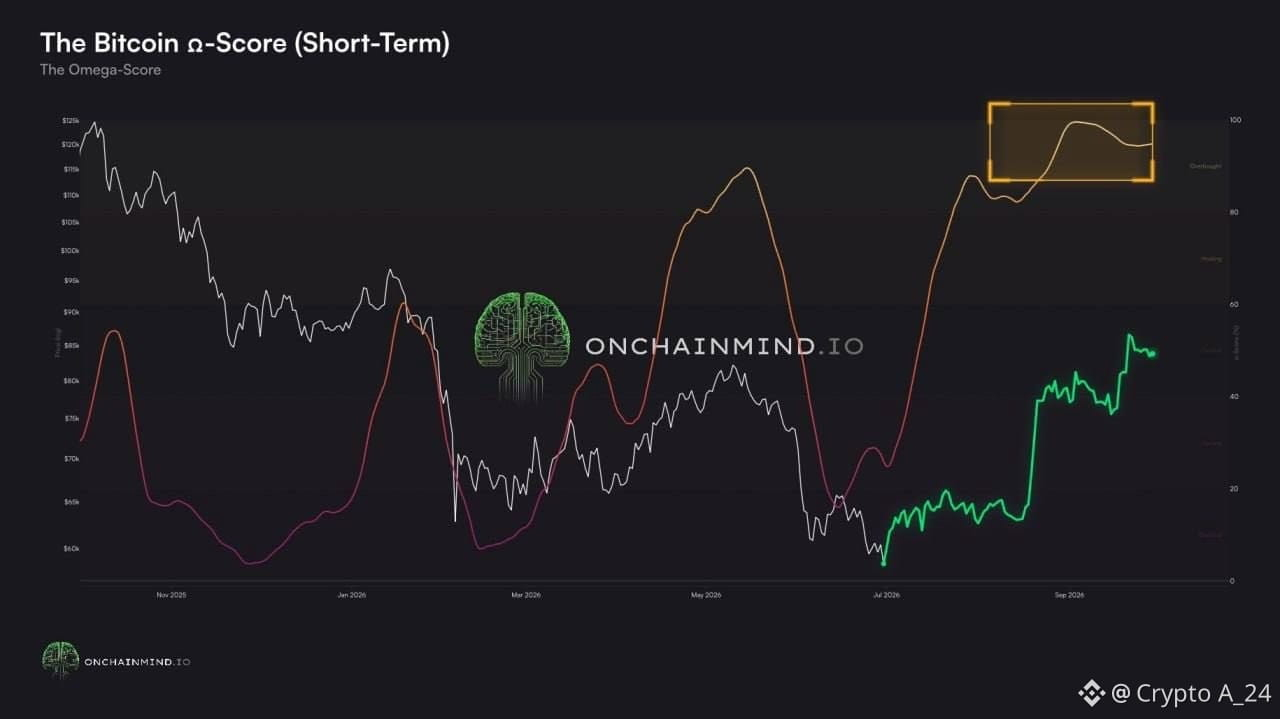
O risco de curto prazo continua elevado após o movimento brusco de $BTC C para fora do fundo.
É exatamente por isso que essa pausa foi necessária.
A tendência pode permanecer construtiva enquanto o excesso de impulso é reajustado.
O risco de curto prazo continua elevado após o movimento brusco de $BTC C para fora do fundo.
É exatamente por isso que essa pausa foi necessária.
A tendência pode permanecer construtiva enquanto o excesso de impulso é reajustado.
É exatamente por isso que essa pausa foi necessária.
A tendência pode permanecer construtiva enquanto o excesso de impulso é reajustado.
63
·
--
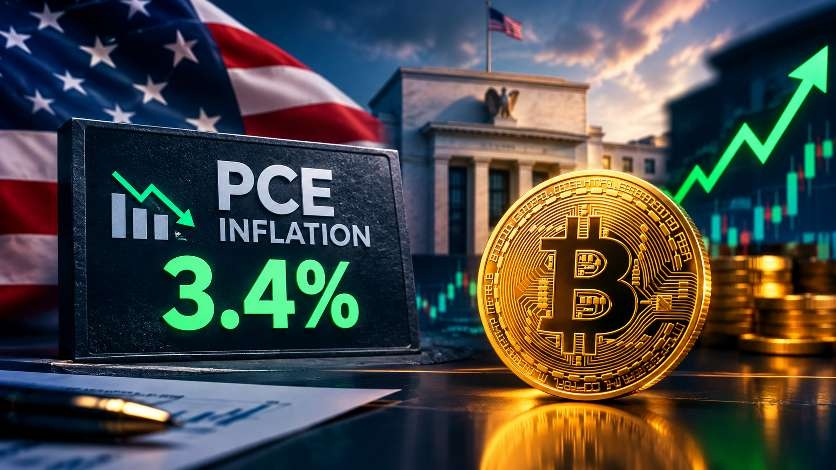
INFLAÇÃO DO PCE DOS EUA: 3,4% 📰
A inflação do PCE dos EUA foi de 3,4%, mantendo a inflação firmemente em foco enquanto os mercados avaliam os próximos passos do Federal Reserve. Para o Bitcoin, expectativas de inflação mais fracas podem fortalecer o argumento a favor de uma política monetária mais fácil e de taxas mais baixas, potencialmente melhorando a liquidez e o apetite ao risco nos mercados.
Se a inflação continuar a desacelerar, $BTC pode se beneficiar de um cenário macro mais favorável! 📈
#PCE #CryptoNews
INFLAÇÃO DO PCE DOS EUA: 3,4% 📰
A inflação do PCE dos EUA foi de 3,4%, mantendo a inflação firmemente em foco enquanto os mercados avaliam os próximos passos do Federal Reserve. Para o Bitcoin, expectativas de inflação mais fracas podem fortalecer o argumento a favor de uma política monetária mais fácil e de taxas mais baixas, potencialmente melhorando a liquidez e o apetite ao risco nos mercados.
Se a inflação continuar a desacelerar, $BTC pode se beneficiar de um cenário macro mais favorável! 📈
#PCE #CryptoNews
A inflação do PCE dos EUA foi de 3,4%, mantendo a inflação firmemente em foco enquanto os mercados avaliam os próximos passos do Federal Reserve. Para o Bitcoin, expectativas de inflação mais fracas podem fortalecer o argumento a favor de uma política monetária mais fácil e de taxas mais baixas, potencialmente melhorando a liquidez e o apetite ao risco nos mercados.
Se a inflação continuar a desacelerar, $BTC pode se beneficiar de um cenário macro mais favorável! 📈
#PCE #CryptoNews
79
·
--
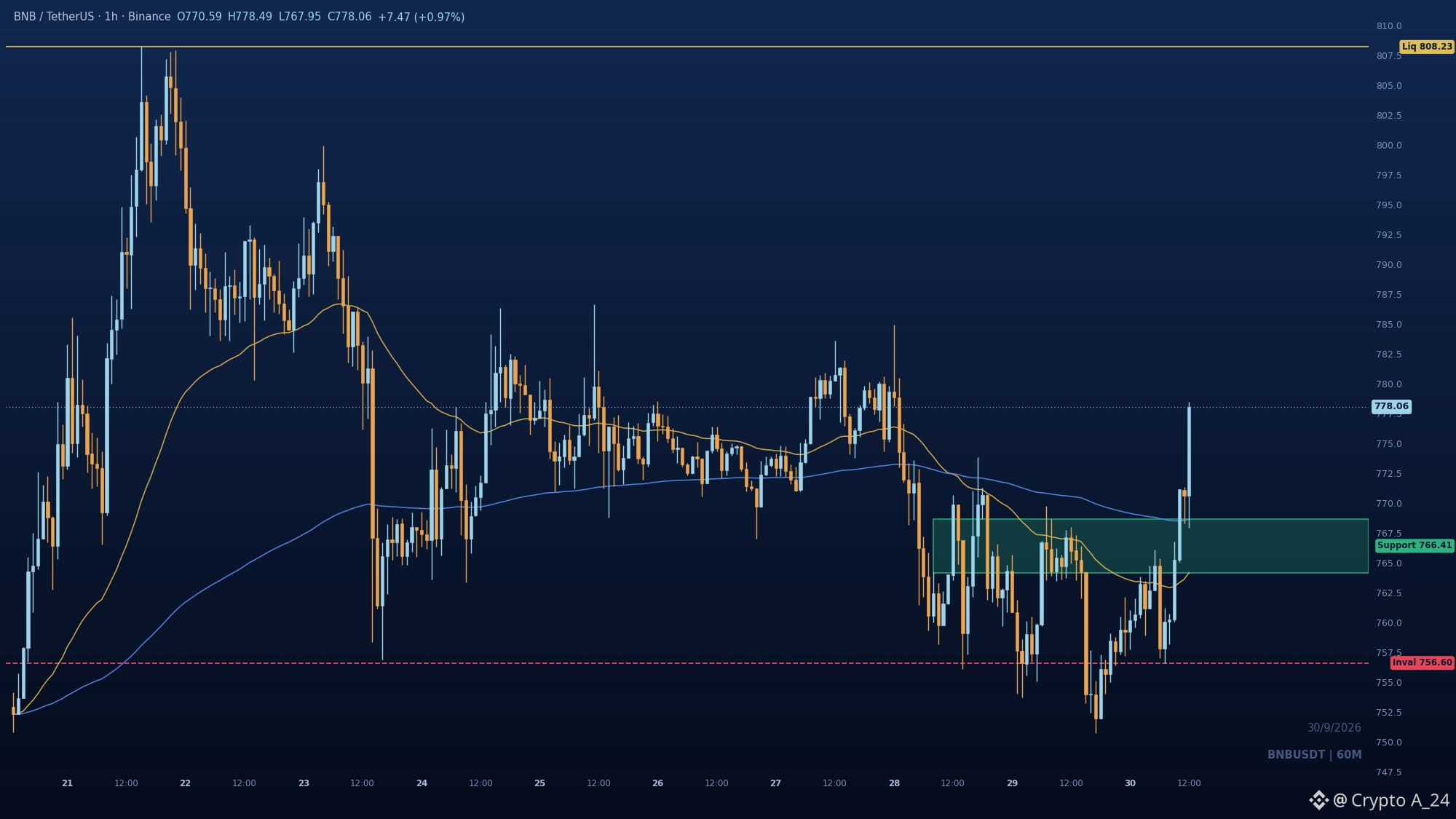
$BNB consegue manter o cluster das EMAs de 764 a 768 que acabou de recuperar, ou o deslocamento acima de 766.07 começa a perder força?
Os compradores impulsionaram o preço para fora da zona de mínima em 756.6 e 750.75 e romperam a máxima recente, virando a estrutura para altista e recuperando as duas EMAs.
O preço ainda está abaixo do ponto médio da faixa, então isso fica em desconto com a máxima da janela em 808.23 como o objetivo do lado comprador.
Manter 756.6 em qualquer nova tentativa mantém a mínima mais alta intacta. Um fechamento de volta abaixo disso desfaz o deslocamento, recoloca as EMAs acima e devolve a faixa aos vendedores.
Você está acompanhando a reteste das EMAs ou a liquidez em 808.23 acima?
Um de vários gráficos que o desk detalha para o grupo todas as manhãs.
#AltcoinSeason
$BNB consegue manter o cluster das EMAs de 764 a 768 que acabou de recuperar, ou o deslocamento acima de 766.07 começa a perder força?
Os compradores impulsionaram o preço para fora da zona de mínima em 756.6 e 750.75 e romperam a máxima recente, virando a estrutura para altista e recuperando as duas EMAs.
O preço ainda está abaixo do ponto médio da faixa, então isso fica em desconto com a máxima da janela em 808.23 como o objetivo do lado comprador.
Manter 756.6 em qualquer nova tentativa mantém a mínima mais alta intacta. Um fechamento de volta abaixo disso desfaz o deslocamento, recoloca as EMAs acima e devolve a faixa aos vendedores.
Você está acompanhando a reteste das EMAs ou a liquidez em 808.23 acima?
Um de vários gráficos que o desk detalha para o grupo todas as manhãs.
#AltcoinSeason
Os compradores impulsionaram o preço para fora da zona de mínima em 756.6 e 750.75 e romperam a máxima recente, virando a estrutura para altista e recuperando as duas EMAs.
O preço ainda está abaixo do ponto médio da faixa, então isso fica em desconto com a máxima da janela em 808.23 como o objetivo do lado comprador.
Manter 756.6 em qualquer nova tentativa mantém a mínima mais alta intacta. Um fechamento de volta abaixo disso desfaz o deslocamento, recoloca as EMAs acima e devolve a faixa aos vendedores.
Você está acompanhando a reteste das EMAs ou a liquidez em 808.23 acima?
Um de vários gráficos que o desk detalha para o grupo todas as manhãs.
#AltcoinSeason
67
·
--
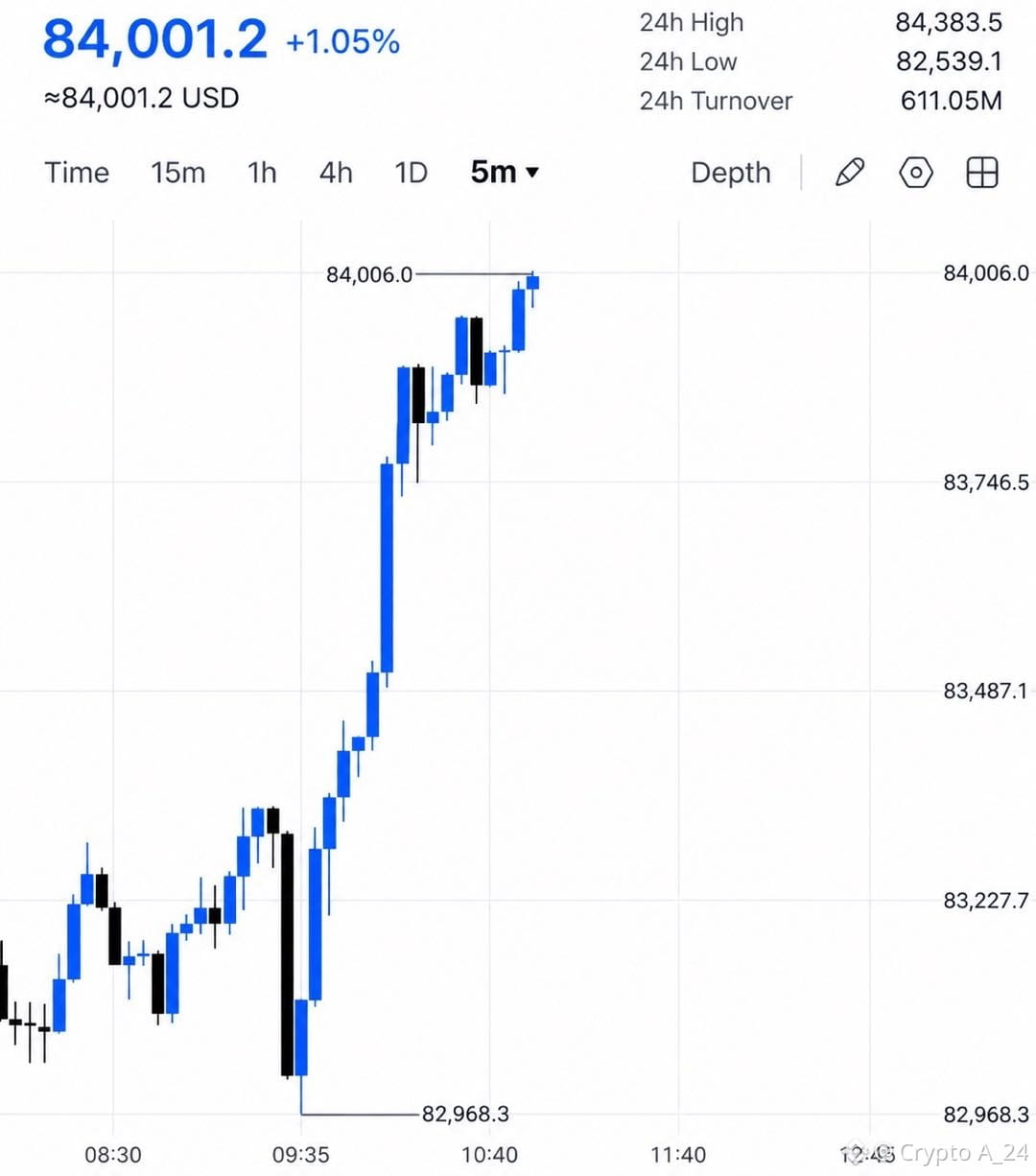
O Bitcoin está disparando enquanto os mercados reagem a desenvolvimentos positivos em torno da China e do Irã.
Assim que você entende o que impulsiona a liquidez e o sentimento, movimentos como este começam a fazer mais sentido.
$100K $BTC voltou ao foco.
Você vê o setup agora?
#btc
O Bitcoin está disparando enquanto os mercados reagem a desenvolvimentos positivos em torno da China e do Irã.
Assim que você entende o que impulsiona a liquidez e o sentimento, movimentos como este começam a fazer mais sentido.
$100K $BTC voltou ao foco.
Você vê o setup agora?
#btc
Assim que você entende o que impulsiona a liquidez e o sentimento, movimentos como este começam a fazer mais sentido.
$100K $BTC voltou ao foco.
Você vê o setup agora?
#btc
90
·
--
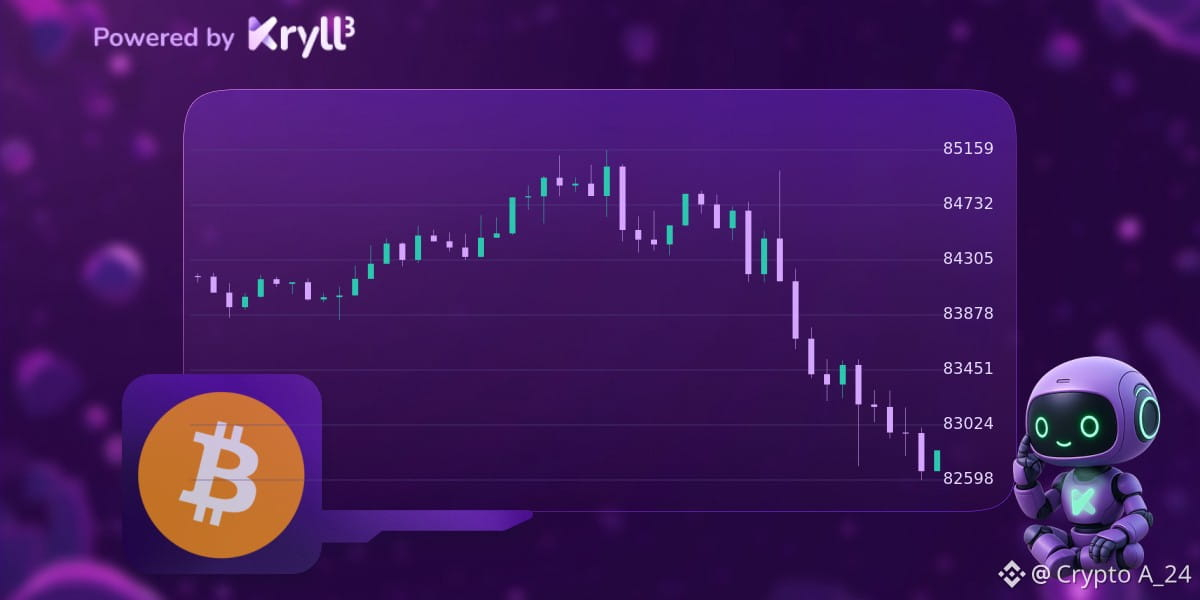
ALERTA: 📉 🟠 $BTC cai abaixo de US$ 83.000 à medida que as tensões geopolíticas aumentam e os preços do petróleo sobem. As apostas de alta da taxa de juros aumentam.
#Bitcoin 🔵 #Crypto #MarketNews
ALERTA: 📉 🟠 $BTC cai abaixo de US$ 83.000 à medida que as tensões geopolíticas aumentam e os preços do petróleo sobem. As apostas de alta da taxa de juros aumentam.
#Bitcoin 🔵 #Crypto #MarketNews
#Bitcoin 🔵 #Crypto #MarketNews
1
86
·
--
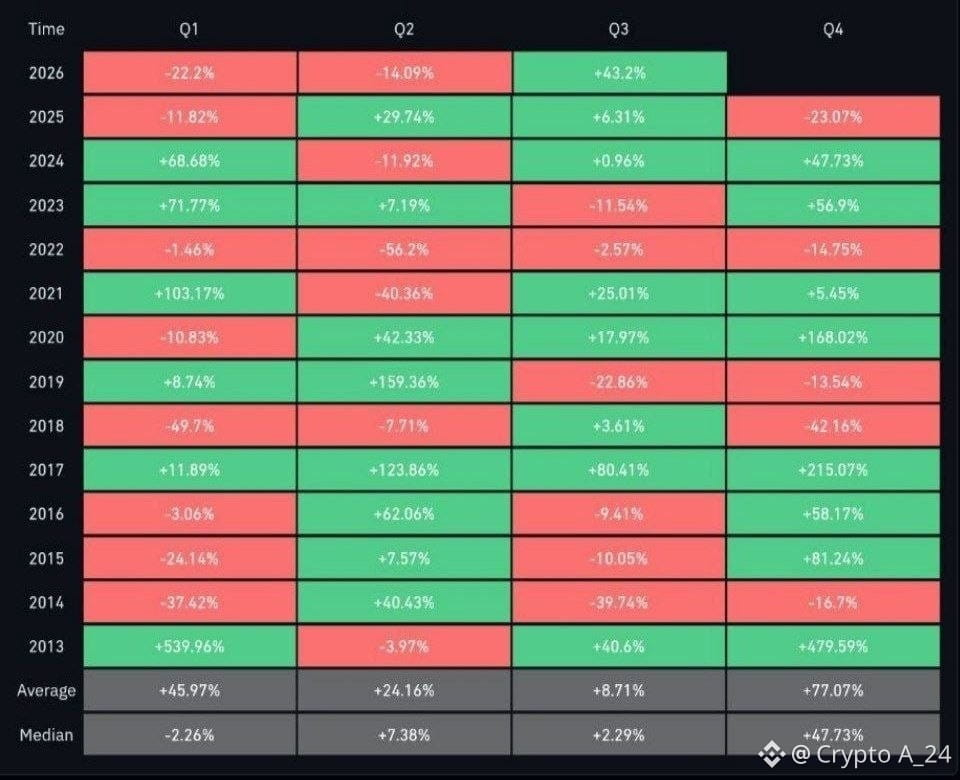
📊 $BTC está prestes a encerrar seu 2º melhor Q3 de todos os tempos.
📊 $BTC está prestes a encerrar seu 2º melhor Q3 de todos os tempos.
1
52
·
--
$BTC
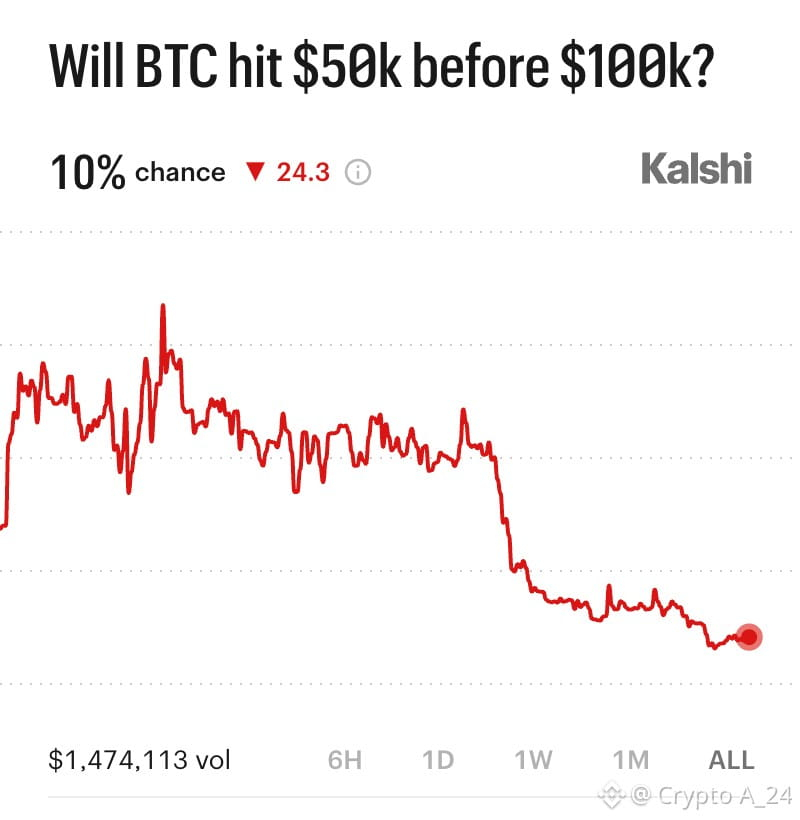
A Kalshi agora precifica que há apenas 10% de chance de o BTC atingir US$ 50 mil antes de US$ 100.000, com a probabilidade caindo 24,3 pontos.
#BTC
$BTC
A Kalshi agora precifica que há apenas 10% de chance de o BTC atingir US$ 50 mil antes de US$ 100.000, com a probabilidade caindo 24,3 pontos.
#BTC
A Kalshi agora precifica que há apenas 10% de chance de o BTC atingir US$ 50 mil antes de US$ 100.000, com a probabilidade caindo 24,3 pontos.
#BTC
1
69
·
--
$XRP Análise – Período Diário
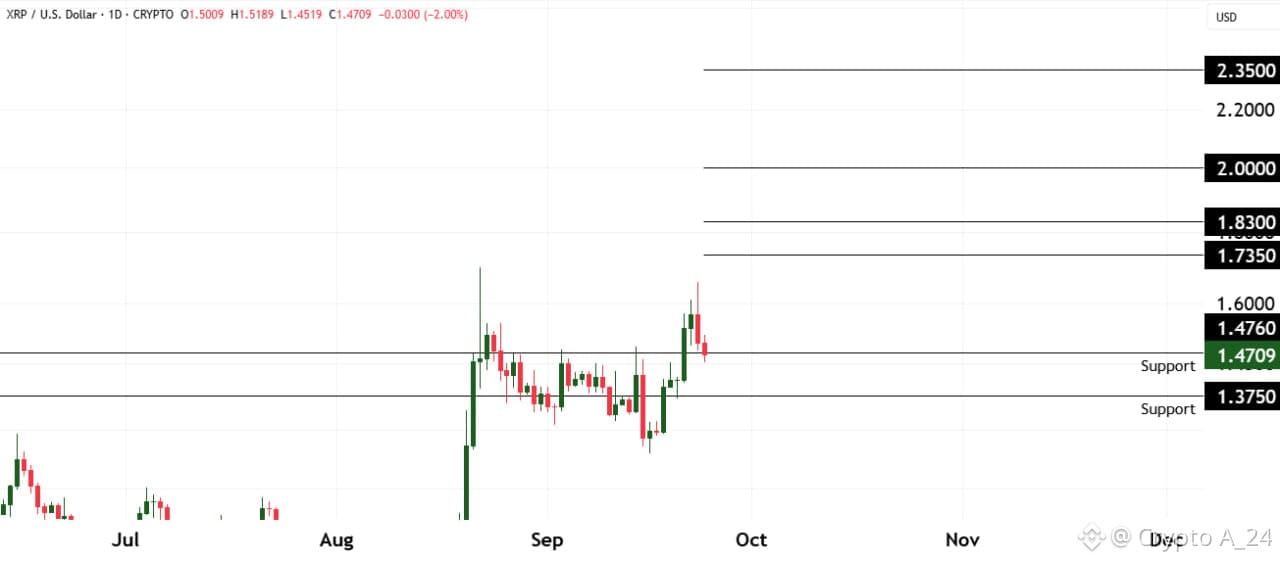
Manter-se acima do suporte de US$ 1.4760 pode sustentar o impulso positivo e mirar US$ 1.7350.
Perder US$ 1.4760 pode redirecionar para US$ 1.3750.
$XRP Análise – Período Diário
Manter-se acima do suporte de US$ 1.4760 pode sustentar o impulso positivo e mirar US$ 1.7350.
Perder US$ 1.4760 pode redirecionar para US$ 1.3750.
Manter-se acima do suporte de US$ 1.4760 pode sustentar o impulso positivo e mirar US$ 1.7350.
Perder US$ 1.4760 pode redirecionar para US$ 1.3750.
1
89
Faça login para explorar mais conteúdos
Junte-se a usuários de criptomoedas de todo o mundo no Binance Square.
⚡️ Obter informações mais recentes e úteis sobre criptomoeda.
💬 Com a confiança da maior corretora de criptomoedas do mundo.
👍 Descubra insights reais de criadores verificados.
E-mail / número de telefone
Tópicos em Alta
CanMicrosoftDeliverOnAI
74,501 visualizações
726 discutindo
Temporada de resultados — Sessão 3: a Google e a Microsoft vão superar as expectativas?
Binance Square Official
·64 curtidas
·16k visualizações
CanGoogleDefindItsCore
39,037 visualizações
539 discutindo
FOMCWatch
9.1M visualizações
27,933 discutindo