

#rayls
rayls
43,788 visualizações
124 discutindo
Popular
Últimas

Artigo
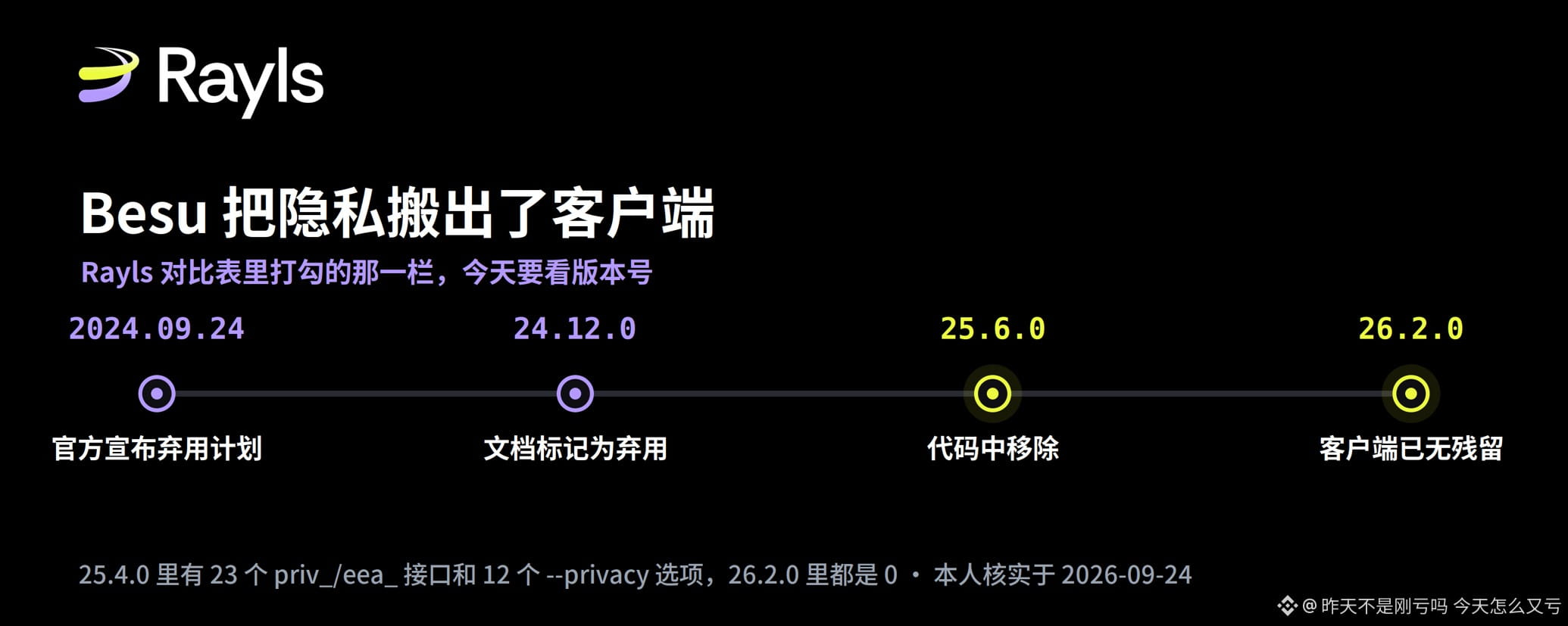
A tabela comparativa da Rayls diz que o Besu oferece privacidade; eu contei no código deleA tabela comparativa de fornecedores do site Rayls tem nove linhas; eu escolhi a linha «Privacidade». A razão é bem simples: a privacidade é importante e Besu é open source; tanto a documentação quanto o código eu consigo verificar.
Na tabela comparativa, a Rayls marca «privacidade isolada» e «privacidade criptográfica»; a Besu só marca a primeira linha. Eu decidi verificar na própria documentação do outro lado, então procurei a documentação do Besu e, em seguida, baixei o código para contar quantas vezes aparece.
A conclusão não é «Besu não serve». A diferença real é que: as duas empresas colocam a privacidade em camadas diferentes, e o Besu moveu isso para outra parte bem mais cedo do que muita gente imagina.
A tabela comparativa da Rayls diz que o Besu oferece privacidade; eu contei no código dele
A tabela comparativa de fornecedores do site Rayls tem nove linhas; eu escolhi a linha «Privacidade». A razão é bem simples: a privacidade é importante e Besu é open source; tanto a documentação quanto o código eu consigo verificar.
Na tabela comparativa, a Rayls marca «privacidade isolada» e «privacidade criptográfica»; a Besu só marca a primeira linha. Eu decidi verificar na própria documentação do outro lado, então procurei a documentação do Besu e, em seguida, baixei o código para contar quantas vezes aparece.
A conclusão não é «Besu não serve». A diferença real é que: as duas empresas colocam a privacidade em camadas diferentes, e o Besu moveu isso para outra parte bem mais cedo do que muita gente imagina.
Na tabela comparativa, a Rayls marca «privacidade isolada» e «privacidade criptográfica»; a Besu só marca a primeira linha. Eu decidi verificar na própria documentação do outro lado, então procurei a documentação do Besu e, em seguida, baixei o código para contar quantas vezes aparece.
A conclusão não é «Besu não serve». A diferença real é que: as duas empresas colocam a privacidade em camadas diferentes, e o Besu moveu isso para outra parte bem mais cedo do que muita gente imagina.
178
Artigo
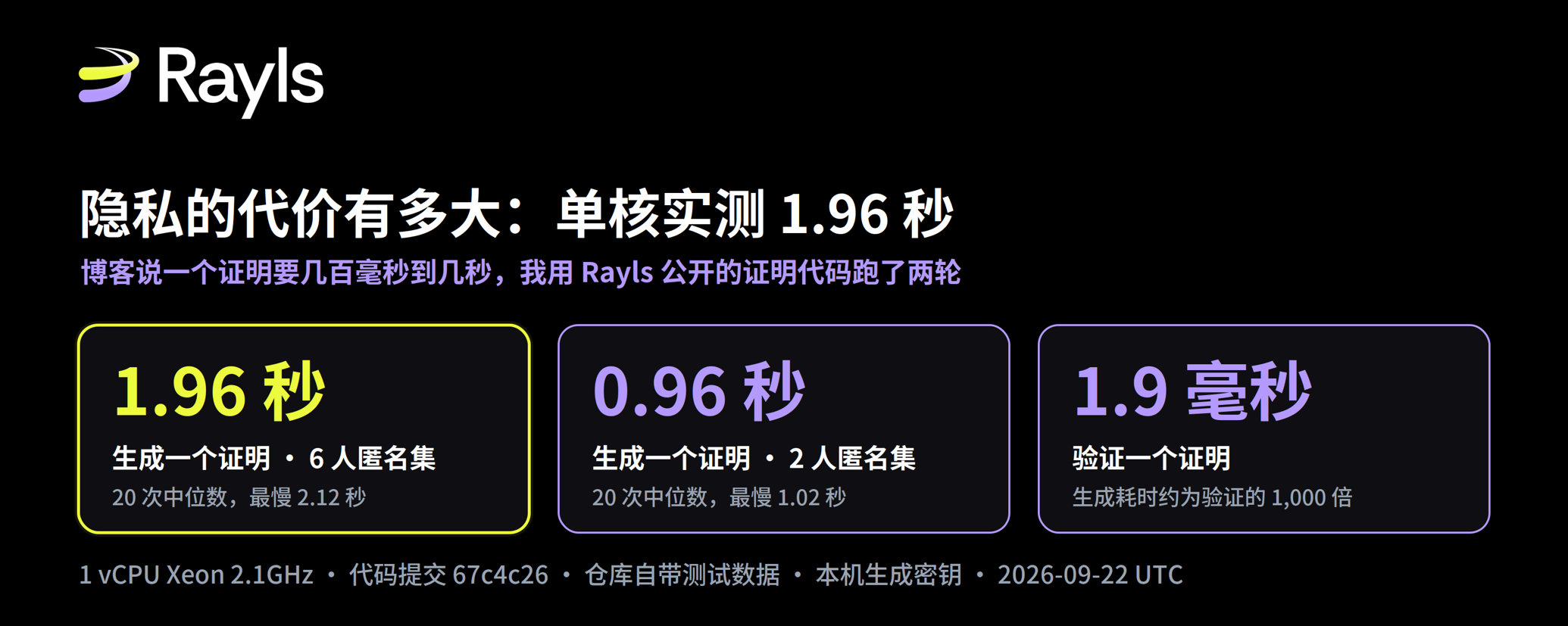
Rayls diz que a privacidade tem um custo; eu rodei o código da provaEm 19 de setembro, Rayls publicou um texto (Privacy has a price). No título, dizia honest math, mas o artigo inteiro só forneceu um intervalo de números: uma prova vai de centenas de milissegundos até alguns segundos. Tenho passado semanas escrevendo a arquitetura de privacidade da Rayls; desta vez, vou compartilhar uma novidade. Eu puxei o código da prova que ele disponibilizou publicamente, rodei na prática dezenas de vezes e vou compartilhar esse resultado interessante com vocês!
Primeiro, vamos dizer do que o blog fala. O argumento central dele pode ser resumido em duas frases. A primeira é onde está o custo: transações confidenciais são mais caras do que transações transparentes — o caro está em gerar provas de conhecimento zero; já a verificação é até barata. Uma prova de uma transferência confidencial básica, em hardware comercial comum, leva de centenas de milissegundos a alguns segundos. A segunda frase é o que vale a pena perguntar: em vez de instituições perguntarem apenas sobre TPS, elas deveriam perguntar qual é a vazão quando a sua necessidade de privacidade e de nível de auditoria é considerada, e quando se encara uma carga de trabalho real. O blog afirma que o volume de liquidação entre instituições não é grande, e que está totalmente dentro da capacidade de sistemas de liquidação confidenciais.
Rayls diz que a privacidade tem um custo; eu rodei o código da prova
Em 19 de setembro, Rayls publicou um texto (Privacy has a price). No título, dizia honest math, mas o artigo inteiro só forneceu um intervalo de números: uma prova vai de centenas de milissegundos até alguns segundos. Tenho passado semanas escrevendo a arquitetura de privacidade da Rayls; desta vez, vou compartilhar uma novidade. Eu puxei o código da prova que ele disponibilizou publicamente, rodei na prática dezenas de vezes e vou compartilhar esse resultado interessante com vocês!
Primeiro, vamos dizer do que o blog fala. O argumento central dele pode ser resumido em duas frases. A primeira é onde está o custo: transações confidenciais são mais caras do que transações transparentes — o caro está em gerar provas de conhecimento zero; já a verificação é até barata. Uma prova de uma transferência confidencial básica, em hardware comercial comum, leva de centenas de milissegundos a alguns segundos. A segunda frase é o que vale a pena perguntar: em vez de instituições perguntarem apenas sobre TPS, elas deveriam perguntar qual é a vazão quando a sua necessidade de privacidade e de nível de auditoria é considerada, e quando se encara uma carga de trabalho real. O blog afirma que o volume de liquidação entre instituições não é grande, e que está totalmente dentro da capacidade de sistemas de liquidação confidenciais.
Primeiro, vamos dizer do que o blog fala. O argumento central dele pode ser resumido em duas frases. A primeira é onde está o custo: transações confidenciais são mais caras do que transações transparentes — o caro está em gerar provas de conhecimento zero; já a verificação é até barata. Uma prova de uma transferência confidencial básica, em hardware comercial comum, leva de centenas de milissegundos a alguns segundos. A segunda frase é o que vale a pena perguntar: em vez de instituições perguntarem apenas sobre TPS, elas deveriam perguntar qual é a vazão quando a sua necessidade de privacidade e de nível de auditoria é considerada, e quando se encara uma carga de trabalho real. O blog afirma que o volume de liquidação entre instituições não é grande, e que está totalmente dentro da capacidade de sistemas de liquidação confidenciais.
1
195
Artigo
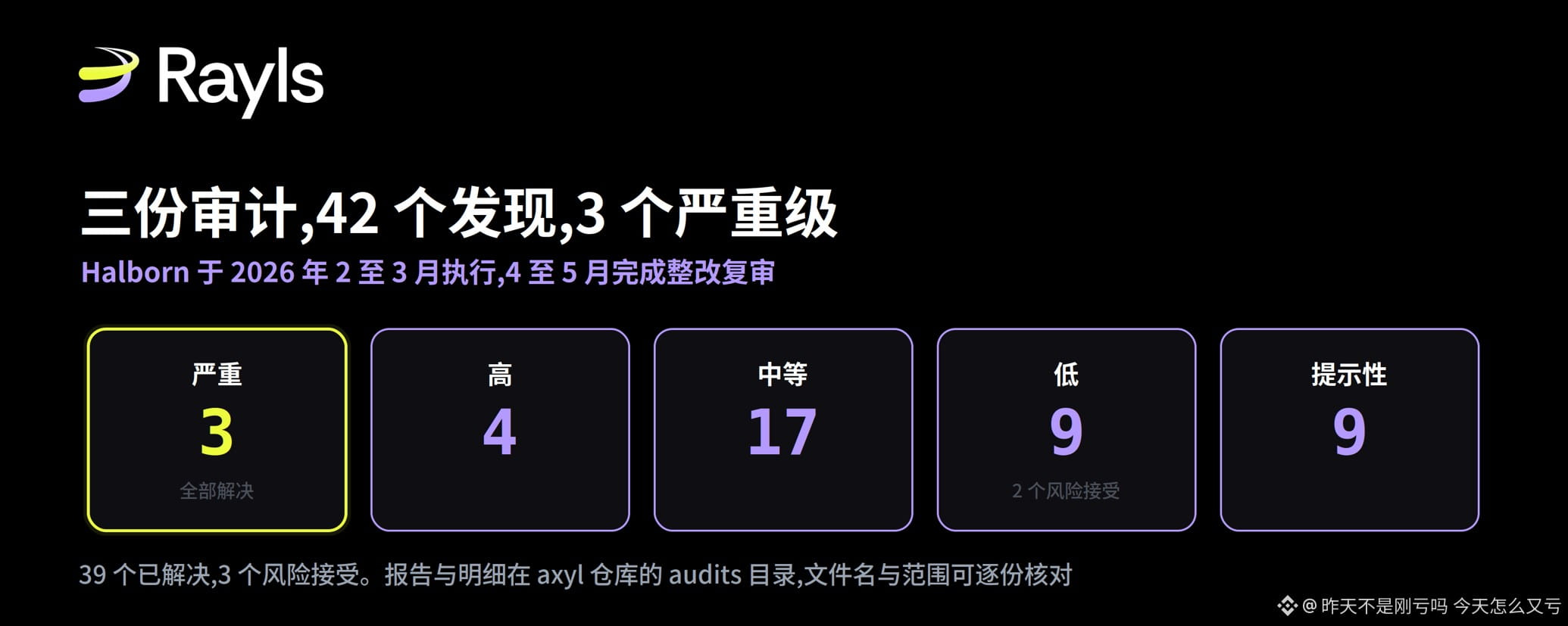
Há 42 questões em três relatórios de auditoria, das quais 3 são de nível graveEu comecei a fazer staking de RLS desde a fase de compromisso anterior; ler materiais oficiais já virou hábito. Depois que o nome “Sovereign” foi anunciado, a maior parte das discussões ficou presa em “será que só trocaram um nome?”. Eu acho que a pergunta está invertida. O nome não é o mais importante; o que importa é o que foi alterado embaixo e quanto uma instituição, ao fazer due diligence, consegue obter de coisas que ela própria pode verificar. Para cada número deste texto, eu forneci uma fonte exata. Você pode reproduzir tudo seguindo isso.
Primeiro, vou esclarecer uma coisa: como na semana passada eu escrevi um artigo sobre auditabilidade, talvez alguns leitores tenham visto.
A maior parte do conteúdo aqui é nova: vem do repositório de código da Axyl, do diretório de auditoria dentro do repositório e do documento da página de benchmarks de desempenho da Axyl. Eu ainda não tinha mexido nesses três lugares. Só a pequena seção sobre custódia de chaves dá continuidade às conclusões do artigo anterior; eu vou marcar isso lá. Eu separo “novo” e “antigo” assim porque “o que eu pesquisei esta semana” e “o que eu já tinha pesquisado antes” devem permitir que o leitor identifique por conta própria.
Há 42 questões em três relatórios de auditoria, das quais 3 são de nível grave
Eu comecei a fazer staking de RLS desde a fase de compromisso anterior; ler materiais oficiais já virou hábito. Depois que o nome “Sovereign” foi anunciado, a maior parte das discussões ficou presa em “será que só trocaram um nome?”. Eu acho que a pergunta está invertida. O nome não é o mais importante; o que importa é o que foi alterado embaixo e quanto uma instituição, ao fazer due diligence, consegue obter de coisas que ela própria pode verificar. Para cada número deste texto, eu forneci uma fonte exata. Você pode reproduzir tudo seguindo isso.
Primeiro, vou esclarecer uma coisa: como na semana passada eu escrevi um artigo sobre auditabilidade, talvez alguns leitores tenham visto.
A maior parte do conteúdo aqui é nova: vem do repositório de código da Axyl, do diretório de auditoria dentro do repositório e do documento da página de benchmarks de desempenho da Axyl. Eu ainda não tinha mexido nesses três lugares. Só a pequena seção sobre custódia de chaves dá continuidade às conclusões do artigo anterior; eu vou marcar isso lá. Eu separo “novo” e “antigo” assim porque “o que eu pesquisei esta semana” e “o que eu já tinha pesquisado antes” devem permitir que o leitor identifique por conta própria.
Primeiro, vou esclarecer uma coisa: como na semana passada eu escrevi um artigo sobre auditabilidade, talvez alguns leitores tenham visto.
A maior parte do conteúdo aqui é nova: vem do repositório de código da Axyl, do diretório de auditoria dentro do repositório e do documento da página de benchmarks de desempenho da Axyl. Eu ainda não tinha mexido nesses três lugares. Só a pequena seção sobre custódia de chaves dá continuidade às conclusões do artigo anterior; eu vou marcar isso lá. Eu separo “novo” e “antigo” assim porque “o que eu pesquisei esta semana” e “o que eu já tinha pesquisado antes” devem permitir que o leitor identifique por conta própria.
246
Artigo
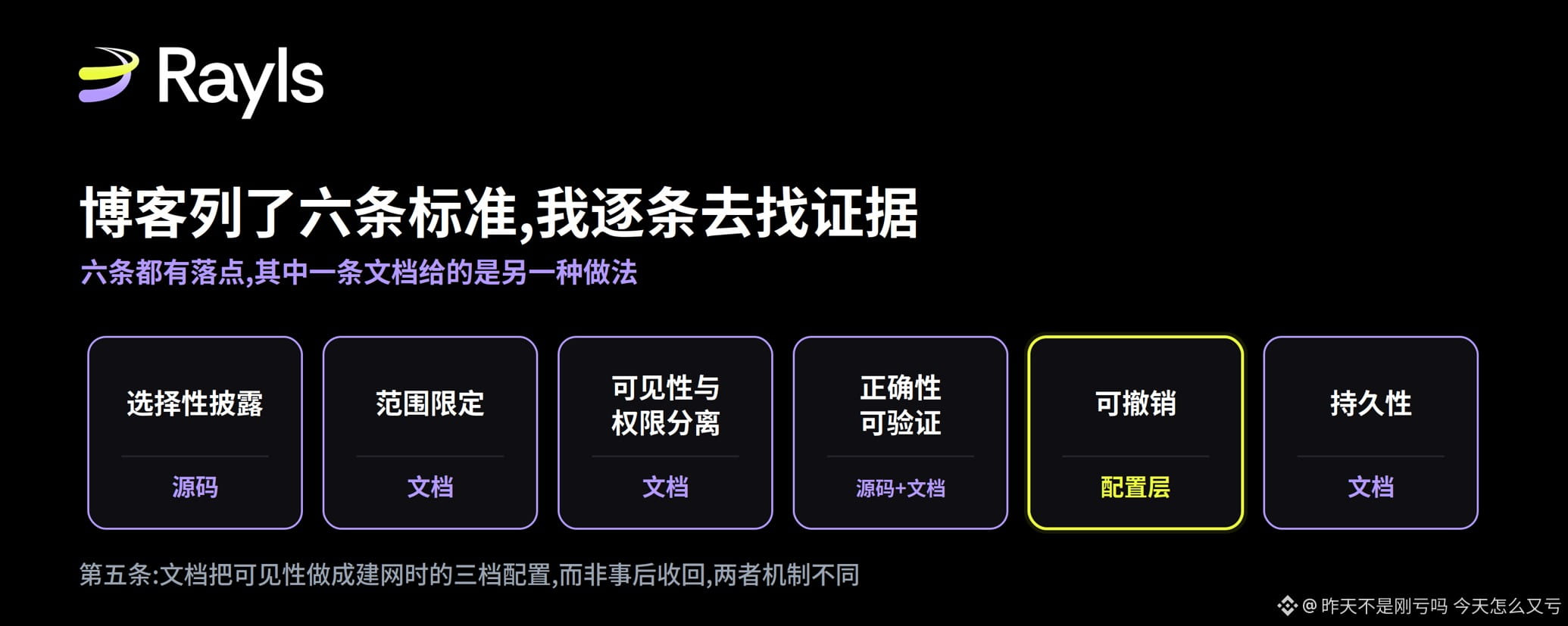
O blog da Rayls listou seis padrões; eu fui buscar evidências, um por umEu comecei a fazer staking de RLS desde a fase de compromisso prévio; ler o blog oficial já virou um hábito. No dia 12 de setembro, o artigo sobre auditabilidade trouxe, na segunda metade, seis padrões: a ideia é que a matemática satisfaz tudo por construção. Eu concordo com isso, mas “satisfazer por construção” é uma afirmação verificável — não algo que se deve apenas acreditar. Então eu levei uma semana para procurar, item por item, as evidências correspondentes nos códigos-fonte públicos, na documentação técnica e nas interfaces on-chain. Agora estou compartilhando com vocês.
Primeiro, vamos falar de sua classificação; eu acho que isso é mais útil do que a maioria das discussões do tipo “privacidade ainda é transparência”. Para auditabilidade, existem três caminhos: coerção matemática, em que as garantias ficam embutidas na construção criptográfica; confiança em hardware, baseada na integridade de ambientes de execução confiáveis; e controle de acesso por política, em que quem consegue ver o quê é determinado pela configuração do operador de rede.
O blog da Rayls listou seis padrões; eu fui buscar evidências, um por um
Eu comecei a fazer staking de RLS desde a fase de compromisso prévio; ler o blog oficial já virou um hábito. No dia 12 de setembro, o artigo sobre auditabilidade trouxe, na segunda metade, seis padrões: a ideia é que a matemática satisfaz tudo por construção. Eu concordo com isso, mas “satisfazer por construção” é uma afirmação verificável — não algo que se deve apenas acreditar. Então eu levei uma semana para procurar, item por item, as evidências correspondentes nos códigos-fonte públicos, na documentação técnica e nas interfaces on-chain. Agora estou compartilhando com vocês.
Primeiro, vamos falar de sua classificação; eu acho que isso é mais útil do que a maioria das discussões do tipo “privacidade ainda é transparência”. Para auditabilidade, existem três caminhos: coerção matemática, em que as garantias ficam embutidas na construção criptográfica; confiança em hardware, baseada na integridade de ambientes de execução confiáveis; e controle de acesso por política, em que quem consegue ver o quê é determinado pela configuração do operador de rede.
Primeiro, vamos falar de sua classificação; eu acho que isso é mais útil do que a maioria das discussões do tipo “privacidade ainda é transparência”. Para auditabilidade, existem três caminhos: coerção matemática, em que as garantias ficam embutidas na construção criptográfica; confiança em hardware, baseada na integridade de ambientes de execução confiáveis; e controle de acesso por política, em que quem consegue ver o quê é determinado pela configuração do operador de rede.
3
199
Artigo
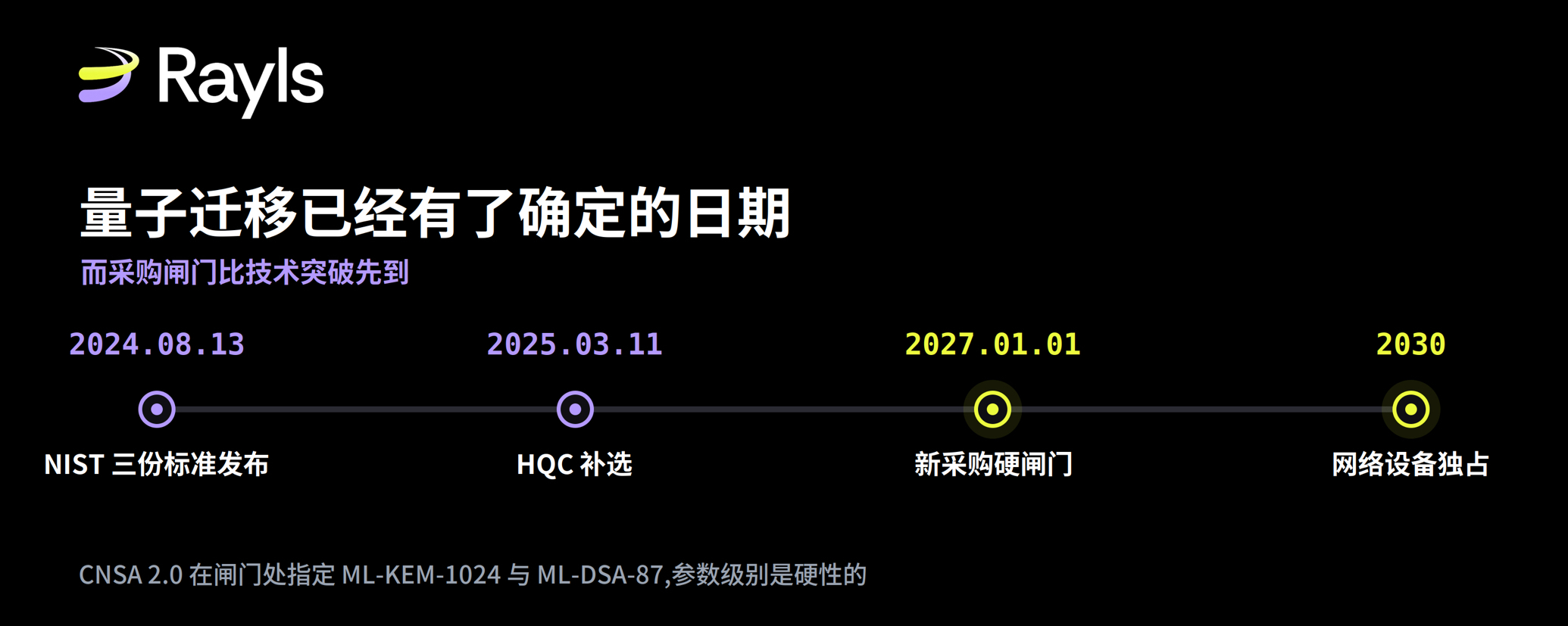
As três palavras “anti-quântico” só contam se forem especificadas até o nível dos parâmetrosEu comecei a fazer staking de RLS ainda na fase de pré-compromisso; normalmente leio o blog oficial mais para saber se minha posição vai ser afetada. O artigo de 30 de agosto sobre quântica é diferente: ele inteiro ensina instituições a fazer compras, e não tem muita relação direta com um pequeno investidor como eu. Mesmo assim, eu li até o fim, porque logo no começo ele estabelecia uma regra bem rígida, e essa regra acabou me trazendo de volta para o próprio artigo.
Aquela regra é assim: quando se fala em “segurança quântica”, se não ficar claro qual algoritmo padronizado foi usado e em qual nível de parâmetro, isso não é uma afirmação, é só um rótulo.
As três palavras “anti-quântico” só contam se forem especificadas até o nível dos parâmetros
Eu comecei a fazer staking de RLS ainda na fase de pré-compromisso; normalmente leio o blog oficial mais para saber se minha posição vai ser afetada. O artigo de 30 de agosto sobre quântica é diferente: ele inteiro ensina instituições a fazer compras, e não tem muita relação direta com um pequeno investidor como eu. Mesmo assim, eu li até o fim, porque logo no começo ele estabelecia uma regra bem rígida, e essa regra acabou me trazendo de volta para o próprio artigo.
Aquela regra é assim: quando se fala em “segurança quântica”, se não ficar claro qual algoritmo padronizado foi usado e em qual nível de parâmetro, isso não é uma afirmação, é só um rótulo.
Aquela regra é assim: quando se fala em “segurança quântica”, se não ficar claro qual algoritmo padronizado foi usado e em qual nível de parâmetro, isso não é uma afirmação, é só um rótulo.
219
Verificado
Artigo
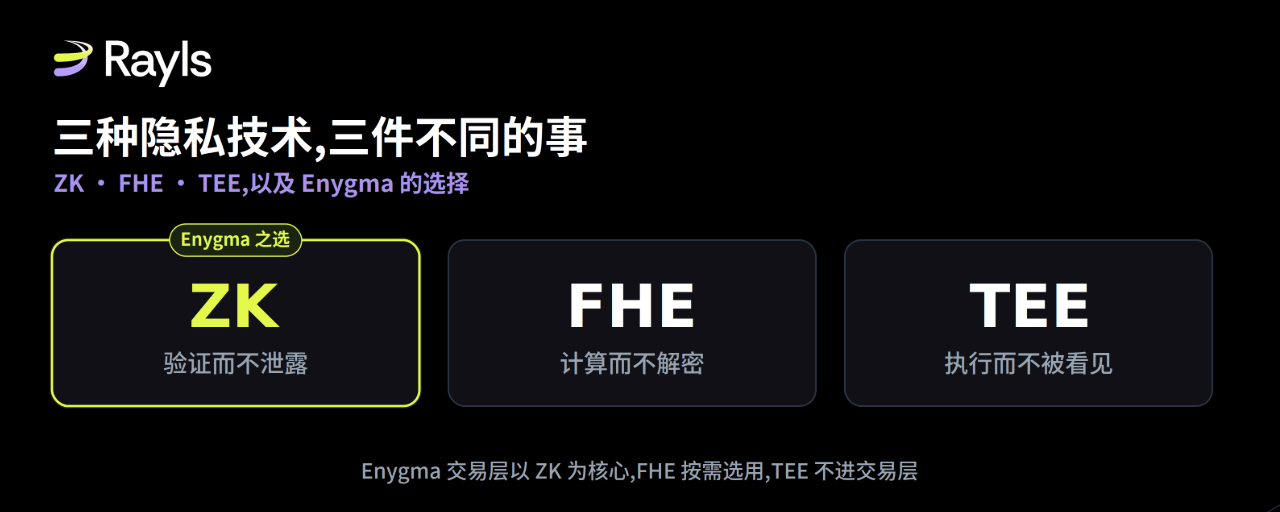
Me perguntaram qual é o mais forte entre ZK, FHE e TEE, e eu acho que essa pergunta está equivocada! Para ser honesto, quando vi pela primeira vez essas três siglas juntas, pensei que eram três respostas para a mesma pergunta: quem é mais rápido, quem é mais seguro — escolha uma e pronto. Só depois entendi que colocá-las em um ranking, uma do lado da outra, é como perguntar "qual é a melhor — martelo, chave de fenda ou chave inglesa"; a resposta depende se, nas suas mãos, você tem um prego, um parafuso ou um parafuso-balcão.
Na verdade, cada uma resolve um de três problemas que são misturados.
O primeiro problema é: quero provar que algo é verdadeiro, mas os dados necessários para a prova são sensíveis, então não quero mostrá-los. O banco quer explicar ao órgão regulador que "essa transação é legal, a autorização está correta e não há duplicidade", mas não quer colocar os valores e os pagadores/recebedores no livro-razão. Essa necessidade de uma prova que seja verdadeira, mas sem divulgar os dados, é o campo de atuação do ZK. O encanto está em garantir que a verificação venha da matemática, e não de "eu prometo que não vou olhar"; o regulador ou auditor que obtém a chave de verificação pode checar a conclusão, mas não consegue tocar nos dados subjacentes. O custo também é bem real: ele é ótimo para provar propriedades dos dados, mas não é tão bom para fazer várias partes calcularem juntas quando nenhuma delas tem dados completos — e além disso consome mais capacidade computacional do que o texto em claro.
Me perguntaram qual é o mais forte entre ZK, FHE e TEE, e eu acho que essa pergunta está equivocada!
Para ser honesto, quando vi pela primeira vez essas três siglas juntas, pensei que eram três respostas para a mesma pergunta: quem é mais rápido, quem é mais seguro — escolha uma e pronto. Só depois entendi que colocá-las em um ranking, uma do lado da outra, é como perguntar "qual é a melhor — martelo, chave de fenda ou chave inglesa"; a resposta depende se, nas suas mãos, você tem um prego, um parafuso ou um parafuso-balcão.
Na verdade, cada uma resolve um de três problemas que são misturados.
O primeiro problema é: quero provar que algo é verdadeiro, mas os dados necessários para a prova são sensíveis, então não quero mostrá-los. O banco quer explicar ao órgão regulador que "essa transação é legal, a autorização está correta e não há duplicidade", mas não quer colocar os valores e os pagadores/recebedores no livro-razão. Essa necessidade de uma prova que seja verdadeira, mas sem divulgar os dados, é o campo de atuação do ZK. O encanto está em garantir que a verificação venha da matemática, e não de "eu prometo que não vou olhar"; o regulador ou auditor que obtém a chave de verificação pode checar a conclusão, mas não consegue tocar nos dados subjacentes. O custo também é bem real: ele é ótimo para provar propriedades dos dados, mas não é tão bom para fazer várias partes calcularem juntas quando nenhuma delas tem dados completos — e além disso consome mais capacidade computacional do que o texto em claro.
Na verdade, cada uma resolve um de três problemas que são misturados.
O primeiro problema é: quero provar que algo é verdadeiro, mas os dados necessários para a prova são sensíveis, então não quero mostrá-los. O banco quer explicar ao órgão regulador que "essa transação é legal, a autorização está correta e não há duplicidade", mas não quer colocar os valores e os pagadores/recebedores no livro-razão. Essa necessidade de uma prova que seja verdadeira, mas sem divulgar os dados, é o campo de atuação do ZK. O encanto está em garantir que a verificação venha da matemática, e não de "eu prometo que não vou olhar"; o regulador ou auditor que obtém a chave de verificação pode checar a conclusão, mas não consegue tocar nos dados subjacentes. O custo também é bem real: ele é ótimo para provar propriedades dos dados, mas não é tão bom para fazer várias partes calcularem juntas quando nenhuma delas tem dados completos — e além disso consome mais capacidade computacional do que o texto em claro.
1
370
Artigo
O que realmente mudou neste lock-up não é o tempo, é em quem você precisa acreditarEm geral, eu vejo que um anúncio de lock-up se preocupa com uma coisa: se essa promessa pode ou não ser verificada. A maioria dos projetos, no fim, acaba se resumindo a uma frase sobre “lock-up do time”, e você só pode escolher acreditar ou não. Desta vez é um pouco diferente, então eu fui verificar na cadeia.
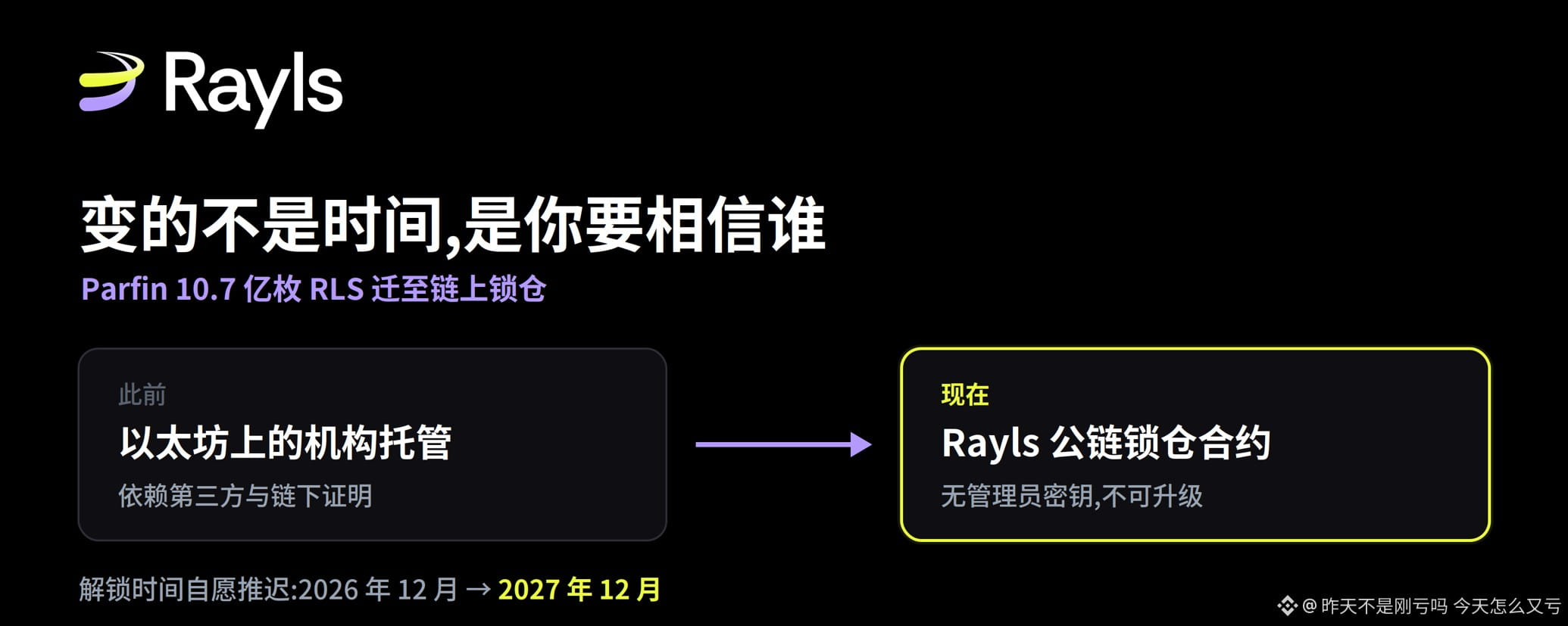
Primeiro, vamos deixar os fatos claros. A Parfin é a principal fornecedora de tecnologia por trás da Rayls: responsável pelo desenvolvimento dos nós de privacidade, da rede privada, do framework de privacidade Enygma e da blockchain da Rayls. Como remuneração pelo trabalho realizado antes do TGE, ela recebeu 1.070.493.535 unidades de RLS, cerca de 11% do fornecimento total inicial de 1 bilhão de tokens.
Esses tokens foram anteriormente armazenados em um custodiante institucional na rede Ethereum. O motivo é bem prático: na época do TGE, a blockchain pública da Rayls ainda não estava em funcionamento, então foi necessário mantê-los sob custódia. Agora, com a blockchain já ativa, esses tokens foram migrados para a blockchain da Rayls, sendo bloqueados em um contrato inteligente com verificação pública. Ao mesmo tempo, o prazo de desbloqueio foi adiado de dezembro de 2026 para dezembro de 2027.
O que realmente mudou neste lock-up não é o tempo, é em quem você precisa acreditar
Em geral, eu vejo que um anúncio de lock-up se preocupa com uma coisa: se essa promessa pode ou não ser verificada. A maioria dos projetos, no fim, acaba se resumindo a uma frase sobre “lock-up do time”, e você só pode escolher acreditar ou não. Desta vez é um pouco diferente, então eu fui verificar na cadeia.
Primeiro, vamos deixar os fatos claros. A Parfin é a principal fornecedora de tecnologia por trás da Rayls: responsável pelo desenvolvimento dos nós de privacidade, da rede privada, do framework de privacidade Enygma e da blockchain da Rayls. Como remuneração pelo trabalho realizado antes do TGE, ela recebeu 1.070.493.535 unidades de RLS, cerca de 11% do fornecimento total inicial de 1 bilhão de tokens.
Esses tokens foram anteriormente armazenados em um custodiante institucional na rede Ethereum. O motivo é bem prático: na época do TGE, a blockchain pública da Rayls ainda não estava em funcionamento, então foi necessário mantê-los sob custódia. Agora, com a blockchain já ativa, esses tokens foram migrados para a blockchain da Rayls, sendo bloqueados em um contrato inteligente com verificação pública. Ao mesmo tempo, o prazo de desbloqueio foi adiado de dezembro de 2026 para dezembro de 2027.
Primeiro, vamos deixar os fatos claros. A Parfin é a principal fornecedora de tecnologia por trás da Rayls: responsável pelo desenvolvimento dos nós de privacidade, da rede privada, do framework de privacidade Enygma e da blockchain da Rayls. Como remuneração pelo trabalho realizado antes do TGE, ela recebeu 1.070.493.535 unidades de RLS, cerca de 11% do fornecimento total inicial de 1 bilhão de tokens.
Esses tokens foram anteriormente armazenados em um custodiante institucional na rede Ethereum. O motivo é bem prático: na época do TGE, a blockchain pública da Rayls ainda não estava em funcionamento, então foi necessário mantê-los sob custódia. Agora, com a blockchain já ativa, esses tokens foram migrados para a blockchain da Rayls, sendo bloqueados em um contrato inteligente com verificação pública. Ao mesmo tempo, o prazo de desbloqueio foi adiado de dezembro de 2026 para dezembro de 2027.
141
Artigo
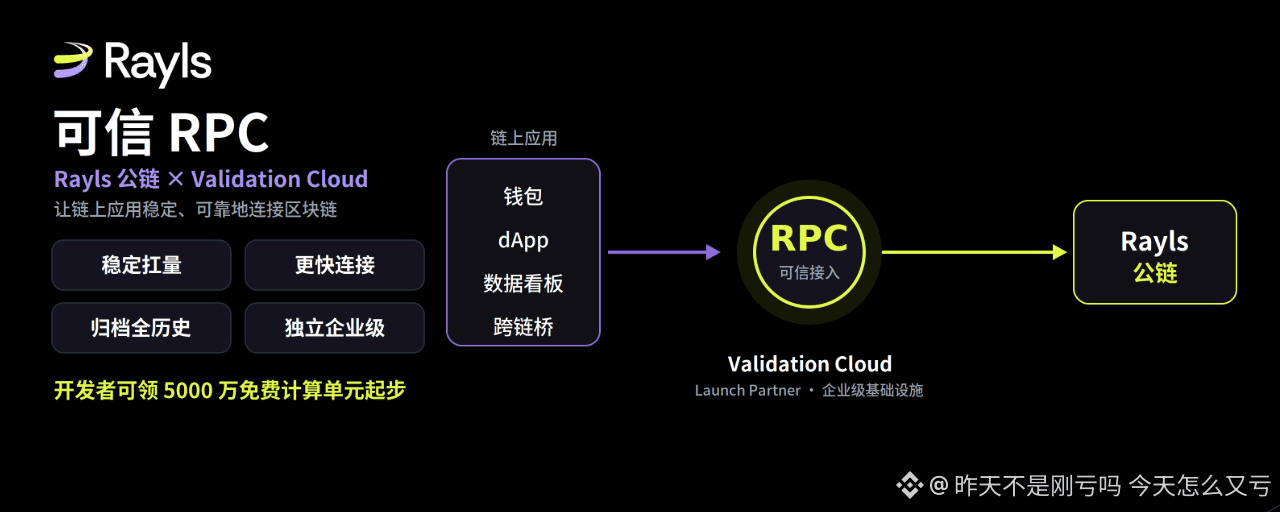
Boas notícias, boas notícias, boas notícias!!!! A Rayls adicionou um RPC confiável ao link público!!!Irmãos, eu tenho ficado em emboscada por muito tempo no fórum da Rayls. Eu sei que todo mundo está muito insatisfeito com a equipe; eu também. Mas a equipe está realmente trabalhando, sempre se esforçando. Só que o time da Rayls segue uma rota em conformidade. Irmãos, não desistam de jeito nenhum. Deixem tudo com o tempo. Eu acredito que, no fim, a equipe da Rayls vai entregar uma prova que nos satisfaça. Vou compartilhar algumas boas notícias com vocês, sobre o que aconteceu: recentemente, o time da Rayls conectou o RPC. Isso é uma coisa muito importante!!
Visão rápida
O que é RPC
Você pode entender o RPC como uma linha direta dedicada entre o aplicativo e a blockchain.
Boas notícias, boas notícias, boas notícias!!!! A Rayls adicionou um RPC confiável ao link público!!!
Irmãos, eu tenho ficado em emboscada por muito tempo no fórum da Rayls. Eu sei que todo mundo está muito insatisfeito com a equipe; eu também. Mas a equipe está realmente trabalhando, sempre se esforçando. Só que o time da Rayls segue uma rota em conformidade. Irmãos, não desistam de jeito nenhum. Deixem tudo com o tempo. Eu acredito que, no fim, a equipe da Rayls vai entregar uma prova que nos satisfaça. Vou compartilhar algumas boas notícias com vocês, sobre o que aconteceu: recentemente, o time da Rayls conectou o RPC. Isso é uma coisa muito importante!!
Visão rápida
O que é RPC
Você pode entender o RPC como uma linha direta dedicada entre o aplicativo e a blockchain.
Visão rápida
O que é RPC
Você pode entender o RPC como uma linha direta dedicada entre o aplicativo e a blockchain.
1
410
Parcialmente verdadeiro
Artigo
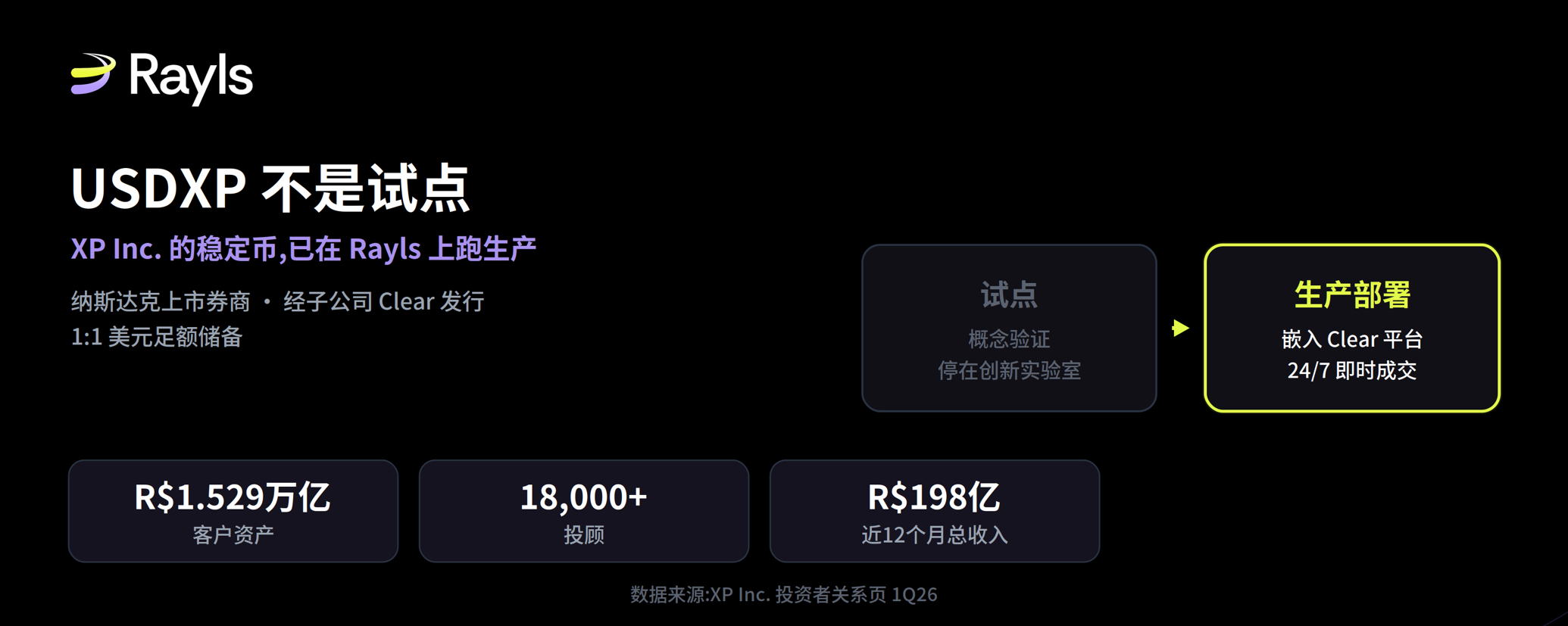
Para saber se uma instituição realmente é “on-chain”, veja uma coisa: o cliente comum consegue usar diretamente?Todo semana, o círculo das criptos consegue ver “algum grande tradicional do mercado financeiro entrando em blockchain”. Agora, quando vejo esse tipo de manchete, eu já passo para o lado, porque na maioria das vezes termina em um laboratório de inovação: solta um comunicado à imprensa e não há mais desdobramentos. Para avaliar a veracidade, existe um critério bem simples: um cliente comum, no próprio app, consegue abrir e usar diretamente?
A XP Inc. passou neste padrão desta vez.
Primeiro, esclareça o que é essa empresa, porque o tamanho determina o peso dessa questão. A XP é uma plataforma de investimentos do Brasil listada na Nasdaq, com o código de ações XP. Eu conferi os dados do primeiro trimestre de 2026 na página de Relações com Investidores: ativos dos clientes na ordem de R$ 152,9 bilhões, ou seja, R$ 1,529 trilhão com precisão; consultores de investimentos com mais de 18.000 pessoas; nos últimos doze meses, receita total de R$ 19,8 bilhões; e lucro antes de impostos de R$ 5,8 bilhões.
Para saber se uma instituição realmente é “on-chain”, veja uma coisa: o cliente comum consegue usar diretamente?
Todo semana, o círculo das criptos consegue ver “algum grande tradicional do mercado financeiro entrando em blockchain”. Agora, quando vejo esse tipo de manchete, eu já passo para o lado, porque na maioria das vezes termina em um laboratório de inovação: solta um comunicado à imprensa e não há mais desdobramentos. Para avaliar a veracidade, existe um critério bem simples: um cliente comum, no próprio app, consegue abrir e usar diretamente?
A XP Inc. passou neste padrão desta vez.
Primeiro, esclareça o que é essa empresa, porque o tamanho determina o peso dessa questão. A XP é uma plataforma de investimentos do Brasil listada na Nasdaq, com o código de ações XP. Eu conferi os dados do primeiro trimestre de 2026 na página de Relações com Investidores: ativos dos clientes na ordem de R$ 152,9 bilhões, ou seja, R$ 1,529 trilhão com precisão; consultores de investimentos com mais de 18.000 pessoas; nos últimos doze meses, receita total de R$ 19,8 bilhões; e lucro antes de impostos de R$ 5,8 bilhões.
A XP Inc. passou neste padrão desta vez.
Primeiro, esclareça o que é essa empresa, porque o tamanho determina o peso dessa questão. A XP é uma plataforma de investimentos do Brasil listada na Nasdaq, com o código de ações XP. Eu conferi os dados do primeiro trimestre de 2026 na página de Relações com Investidores: ativos dos clientes na ordem de R$ 152,9 bilhões, ou seja, R$ 1,529 trilhão com precisão; consultores de investimentos com mais de 18.000 pessoas; nos últimos doze meses, receita total de R$ 19,8 bilhões; e lucro antes de impostos de R$ 5,8 bilhões.
1
247
Parcialmente verdadeiro
Artigo
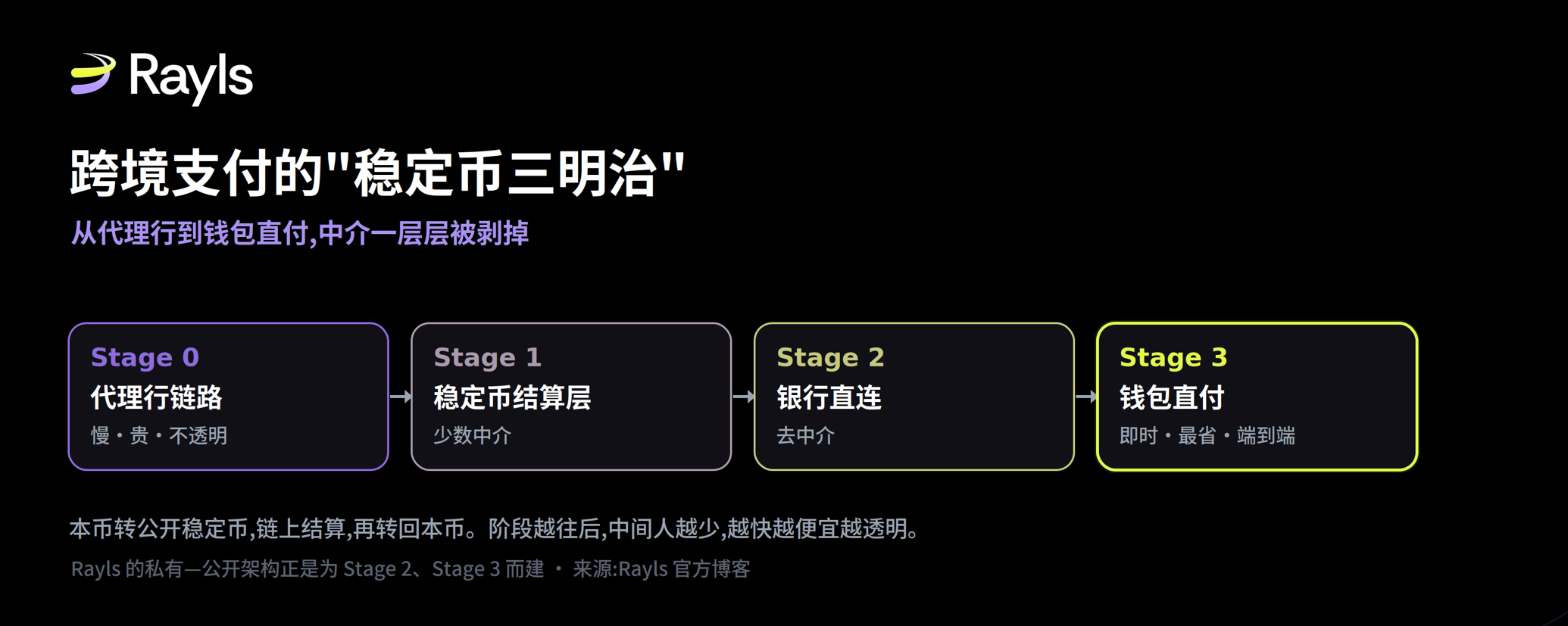
Uma remessa transfronteiriça, que está sendo decomposta em um “sandwich”Na última vez, ao escrever aquele texto sobre XP, eu estava sempre curioso sobre uma questão: depois que um stablecoin institucional como USDXP é emitido, como exatamente ele participa de uma liquidação transfronteiriça real? Este artigo foi, em parte, uma forma de responder à minha dúvida — e, de quebra, também me fez entender pela primeira vez uma expressão: “sandwich de stablecoin”.
Primeiro, explique essa palavra: ela é bem ilustrativa. Um pagamento transfronteiriço em que as duas pontas são moedas fiduciárias locais e, no meio, existe uma camada de stablecoin pública. O pagador troca sua moeda local por uma stablecoin atrelada ao dólar; a stablecoin faz a liquidação transfronteiriça na blockchain; e o recebedor, então, troca de volta para sua própria moeda local. Parece duas fatias de pão com essa camada de recheio no meio, não parece? É assim que o setor começou a descrever a liquidação transfronteiriça com stablecoins.
Uma remessa transfronteiriça, que está sendo decomposta em um “sandwich”
Na última vez, ao escrever aquele texto sobre XP, eu estava sempre curioso sobre uma questão: depois que um stablecoin institucional como USDXP é emitido, como exatamente ele participa de uma liquidação transfronteiriça real? Este artigo foi, em parte, uma forma de responder à minha dúvida — e, de quebra, também me fez entender pela primeira vez uma expressão: “sandwich de stablecoin”.
Primeiro, explique essa palavra: ela é bem ilustrativa. Um pagamento transfronteiriço em que as duas pontas são moedas fiduciárias locais e, no meio, existe uma camada de stablecoin pública. O pagador troca sua moeda local por uma stablecoin atrelada ao dólar; a stablecoin faz a liquidação transfronteiriça na blockchain; e o recebedor, então, troca de volta para sua própria moeda local. Parece duas fatias de pão com essa camada de recheio no meio, não parece? É assim que o setor começou a descrever a liquidação transfronteiriça com stablecoins.
Primeiro, explique essa palavra: ela é bem ilustrativa. Um pagamento transfronteiriço em que as duas pontas são moedas fiduciárias locais e, no meio, existe uma camada de stablecoin pública. O pagador troca sua moeda local por uma stablecoin atrelada ao dólar; a stablecoin faz a liquidação transfronteiriça na blockchain; e o recebedor, então, troca de volta para sua própria moeda local. Parece duas fatias de pão com essa camada de recheio no meio, não parece? É assim que o setor começou a descrever a liquidação transfronteiriça com stablecoins.
389
Artigo
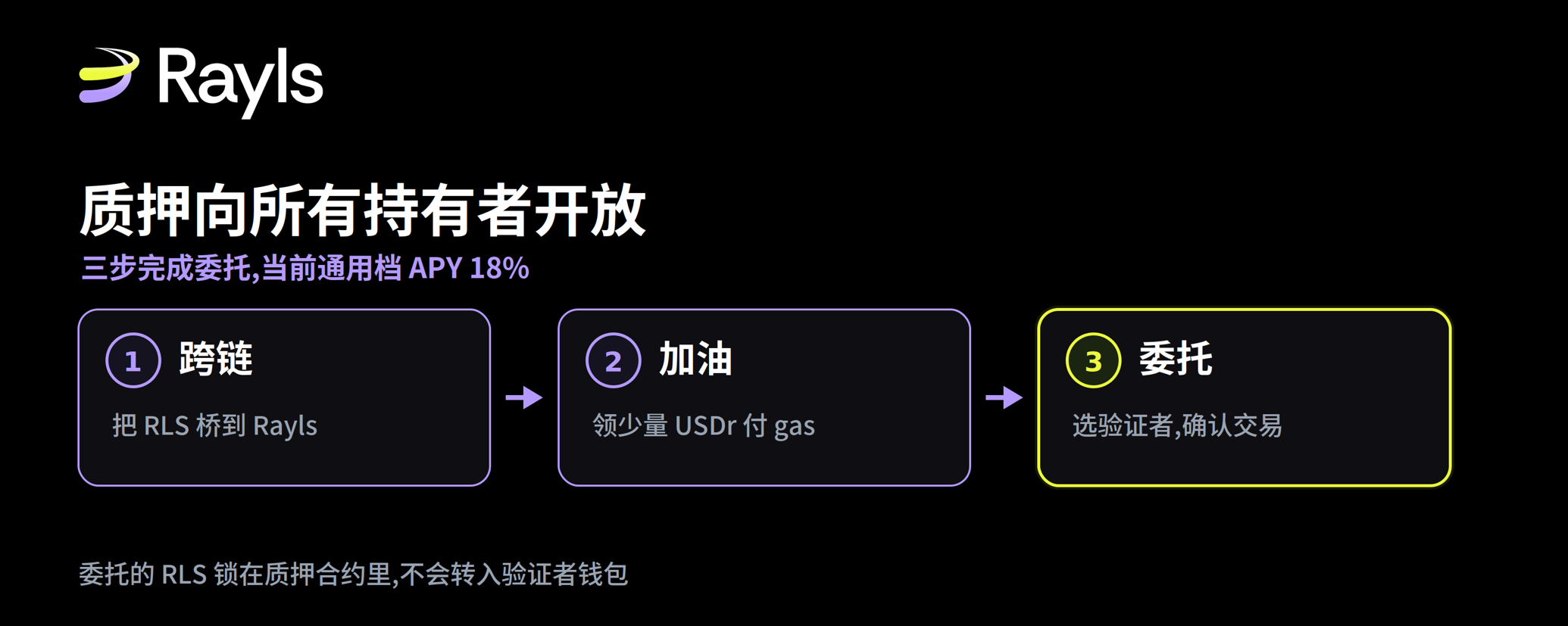
Staking aberto para todos, mas há algumas coisas que é melhor saber antesEu comecei a fazer o staking a partir do lote de junho de pré-compromissos, então eu já passei por todo esse processo uma vez. Desta vez, foi aberto para todo mundo, e muita gente ao meu redor perguntou como operar e o que prestar atenção. Então resolvi escrever tudo de uma vez, bem claro.
Primeiro, vamos falar sobre a própria mudança.
O Rayls usa prova de participação delegada: os validadores executam nós, produzem blocos e garantem a segurança da blockchain, enquanto os detentores comuns não precisam rodar um nó. Eles podem delegar o RLS que têm para algum validador e compartilhar parte dos prêmios de staking.
Esse mecanismo foi lançado em junho, mas na época só estava disponível para carteiras que participaram do plano de pré-compromissos e das atividades de semente de liquidez. Aquelas pessoas travaram os tokens antes da rede principal e receberam, por três meses, uma bonificação anual de 55% por parte da equipe oficial; além disso, eles enviaram 1 USDr para cada carteira que atendia aos requisitos, para que eles nem precisassem de ter gas.
Staking aberto para todos, mas há algumas coisas que é melhor saber antes
Eu comecei a fazer o staking a partir do lote de junho de pré-compromissos, então eu já passei por todo esse processo uma vez. Desta vez, foi aberto para todo mundo, e muita gente ao meu redor perguntou como operar e o que prestar atenção. Então resolvi escrever tudo de uma vez, bem claro.
Primeiro, vamos falar sobre a própria mudança.
O Rayls usa prova de participação delegada: os validadores executam nós, produzem blocos e garantem a segurança da blockchain, enquanto os detentores comuns não precisam rodar um nó. Eles podem delegar o RLS que têm para algum validador e compartilhar parte dos prêmios de staking.
Esse mecanismo foi lançado em junho, mas na época só estava disponível para carteiras que participaram do plano de pré-compromissos e das atividades de semente de liquidez. Aquelas pessoas travaram os tokens antes da rede principal e receberam, por três meses, uma bonificação anual de 55% por parte da equipe oficial; além disso, eles enviaram 1 USDr para cada carteira que atendia aos requisitos, para que eles nem precisassem de ter gas.
Primeiro, vamos falar sobre a própria mudança.
O Rayls usa prova de participação delegada: os validadores executam nós, produzem blocos e garantem a segurança da blockchain, enquanto os detentores comuns não precisam rodar um nó. Eles podem delegar o RLS que têm para algum validador e compartilhar parte dos prêmios de staking.
Esse mecanismo foi lançado em junho, mas na época só estava disponível para carteiras que participaram do plano de pré-compromissos e das atividades de semente de liquidez. Aquelas pessoas travaram os tokens antes da rede principal e receberam, por três meses, uma bonificação anual de 55% por parte da equipe oficial; além disso, eles enviaram 1 USDr para cada carteira que atendia aos requisitos, para que eles nem precisassem de ter gas.
264
Artigo
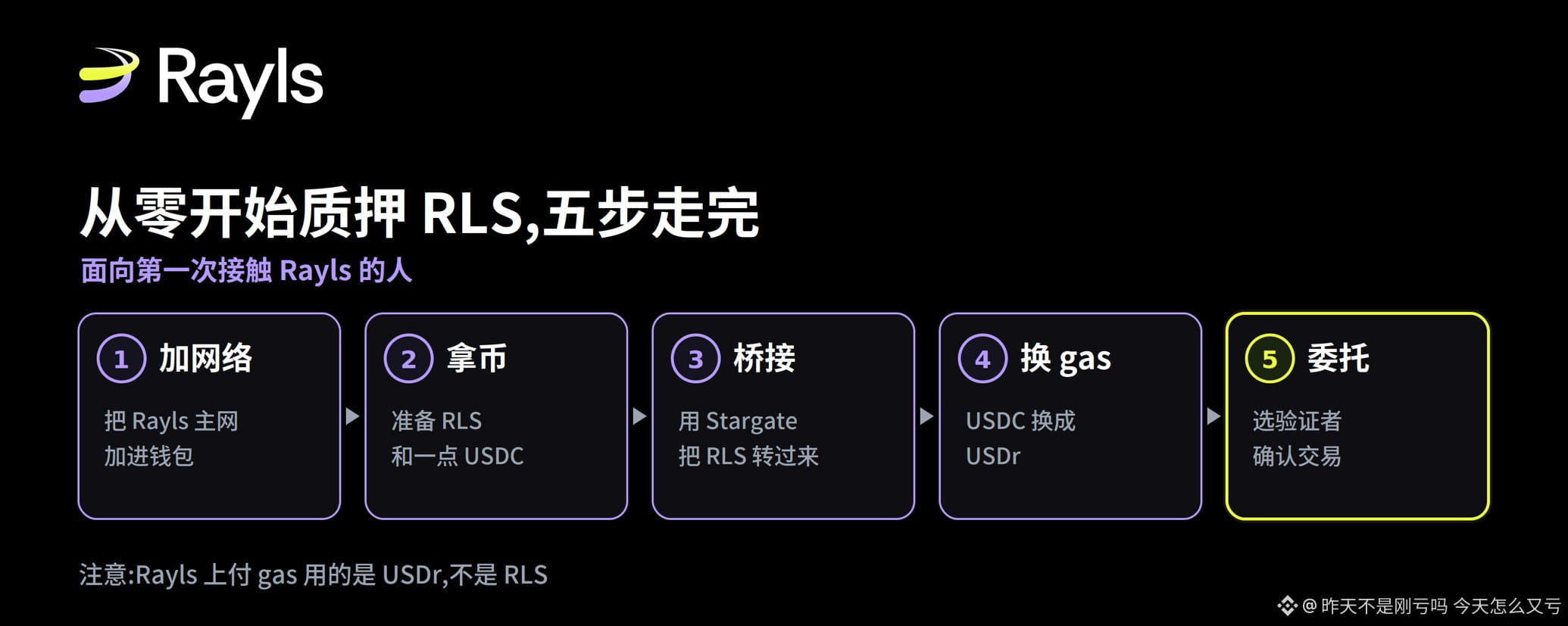
Staking RLS do zero: um guia completo de operação feito para iniciantesNo artigo anterior, eu falei sobre a própria abertura do staking. Mas nos bastidores, muitos dos irmãos me perguntaram a mesma coisa: como operar exatamente. Então, desta vez, eu percorri todo o processo novamente do começo ao fim, anotando cada etapa e todos os pontos onde é fácil travar; é só seguir.
O link do artigo anterior está aqui: [质押开放给所有人了,但有几件事最好先知道](https://www.binance.com/zh-cn/square/post/355871701721682)
Primeiro, deixe claro para quem este artigo é. Se você nunca teve contato com Rayls e nem sabe muito bem o que significam termos como carteira e ponte, então este artigo foi escrito para você. Para cada termo técnico, eu também vou explicar rapidinho uma frase.
Staking RLS do zero: um guia completo de operação feito para iniciantes
No artigo anterior, eu falei sobre a própria abertura do staking. Mas nos bastidores, muitos dos irmãos me perguntaram a mesma coisa: como operar exatamente. Então, desta vez, eu percorri todo o processo novamente do começo ao fim, anotando cada etapa e todos os pontos onde é fácil travar; é só seguir.
O link do artigo anterior está aqui: 质押开放给所有人了,但有几件事最好先知道
Primeiro, deixe claro para quem este artigo é. Se você nunca teve contato com Rayls e nem sabe muito bem o que significam termos como carteira e ponte, então este artigo foi escrito para você. Para cada termo técnico, eu também vou explicar rapidinho uma frase.
O link do artigo anterior está aqui: 质押开放给所有人了,但有几件事最好先知道
Primeiro, deixe claro para quem este artigo é. Se você nunca teve contato com Rayls e nem sabe muito bem o que significam termos como carteira e ponte, então este artigo foi escrito para você. Para cada termo técnico, eu também vou explicar rapidinho uma frase.
2
1
430

·
--
Artigo
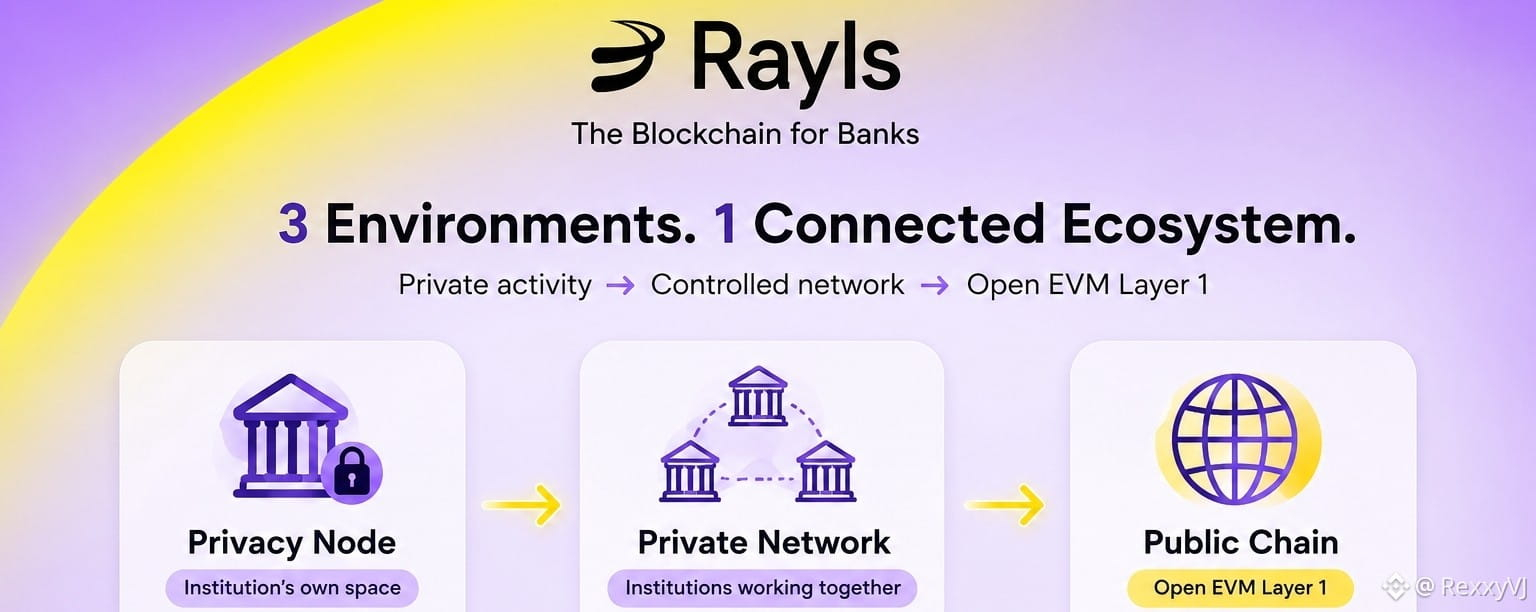
A parte da Rayls que finalmente fez sentido para mimEu tenho analisado a documentação da Rayls, e uma coisa que inicialmente achei confusa foi a diferença entre um Privacy Node, uma Private Network e uma Public Chain.
Depois de ver como elas se conectam, ficou muito mais fácil entender.
Cada uma tem um papel diferente.
1. Privacy Node: a blockchain própria da instituição
Um Rayls Privacy Node é uma cadeia compatível com EVM operada por uma única instituição.
O que acontece dentro da instituição fica dentro do seu próprio ambiente.
Ele pode emitir tokens, gerenciar saldos, executar contratos inteligentes e lidar com sua atividade interna lá dentro.
A parte da Rayls que finalmente fez sentido para mim
Eu tenho analisado a documentação da Rayls, e uma coisa que inicialmente achei confusa foi a diferença entre um Privacy Node, uma Private Network e uma Public Chain.
Depois de ver como elas se conectam, ficou muito mais fácil entender.
Cada uma tem um papel diferente.
1. Privacy Node: a blockchain própria da instituição
Um Rayls Privacy Node é uma cadeia compatível com EVM operada por uma única instituição.
O que acontece dentro da instituição fica dentro do seu próprio ambiente.
Ele pode emitir tokens, gerenciar saldos, executar contratos inteligentes e lidar com sua atividade interna lá dentro.
Depois de ver como elas se conectam, ficou muito mais fácil entender.
Cada uma tem um papel diferente.
1. Privacy Node: a blockchain própria da instituição
Um Rayls Privacy Node é uma cadeia compatível com EVM operada por uma única instituição.
O que acontece dentro da instituição fica dentro do seu próprio ambiente.
Ele pode emitir tokens, gerenciar saldos, executar contratos inteligentes e lidar com sua atividade interna lá dentro.
2
81
Parcialmente verdadeiro
Artigo
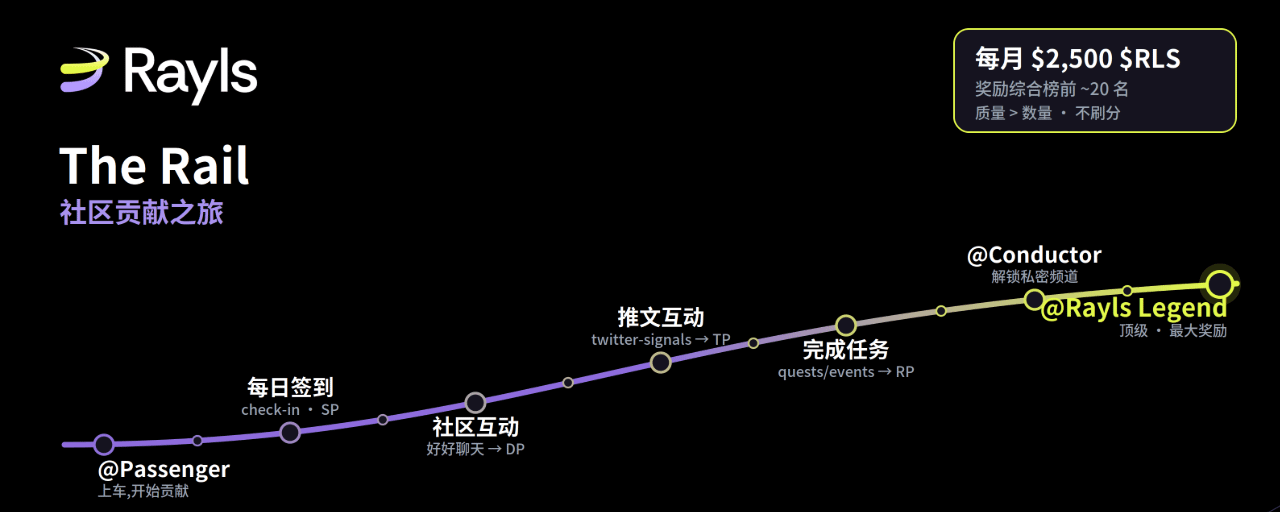
The Rail (Projeto Comunitário do Rayls)O Rayls é um projeto que eu acompanho há muito tempo. Recentemente, ele lançou um projeto comunitário chamado The Rail, cuja jogabilidade é um pouco diferente das típicas "atividades de farm de pontuação". Em vez de recompensar quem fica postando sem parar, ele reconhece quem realmente entrega resultados de forma consistente. Em poucas palavras, vamos falar de como ele funciona! Pessoal, se vocês também acharem isso legal, venham se juntar e preencher o formulário para entrar!
https://tally.so/r/dWgdrA
1. O que é o The Rail
O The Rail é o projeto de embaixador(a) comunitário(a) do Rayls, com o objetivo de reconhecer contribuições significativas e transformá-las em identidade, permissões e recompensas. A posição oficial é "uma comunidade construída sobre contribuições reais, e não um jogo de pontuação"; é descrito como "uma salinha de família onde as pessoas realmente se importam umas com as outras". A lógica de funcionamento é: você contribui → ganha pontos → evolui o cargo → é reconhecido(a).
The Rail (Projeto Comunitário do Rayls)
O Rayls é um projeto que eu acompanho há muito tempo. Recentemente, ele lançou um projeto comunitário chamado The Rail, cuja jogabilidade é um pouco diferente das típicas "atividades de farm de pontuação". Em vez de recompensar quem fica postando sem parar, ele reconhece quem realmente entrega resultados de forma consistente. Em poucas palavras, vamos falar de como ele funciona! Pessoal, se vocês também acharem isso legal, venham se juntar e preencher o formulário para entrar!
https://tally.so/r/dWgdrA
1. O que é o The Rail
O The Rail é o projeto de embaixador(a) comunitário(a) do Rayls, com o objetivo de reconhecer contribuições significativas e transformá-las em identidade, permissões e recompensas. A posição oficial é "uma comunidade construída sobre contribuições reais, e não um jogo de pontuação"; é descrito como "uma salinha de família onde as pessoas realmente se importam umas com as outras". A lógica de funcionamento é: você contribui → ganha pontos → evolui o cargo → é reconhecido(a).
https://tally.so/r/dWgdrA
1. O que é o The Rail
O The Rail é o projeto de embaixador(a) comunitário(a) do Rayls, com o objetivo de reconhecer contribuições significativas e transformá-las em identidade, permissões e recompensas. A posição oficial é "uma comunidade construída sobre contribuições reais, e não um jogo de pontuação"; é descrito como "uma salinha de família onde as pessoas realmente se importam umas com as outras". A lógica de funcionamento é: você contribui → ganha pontos → evolui o cargo → é reconhecido(a).
1
539
Artigo
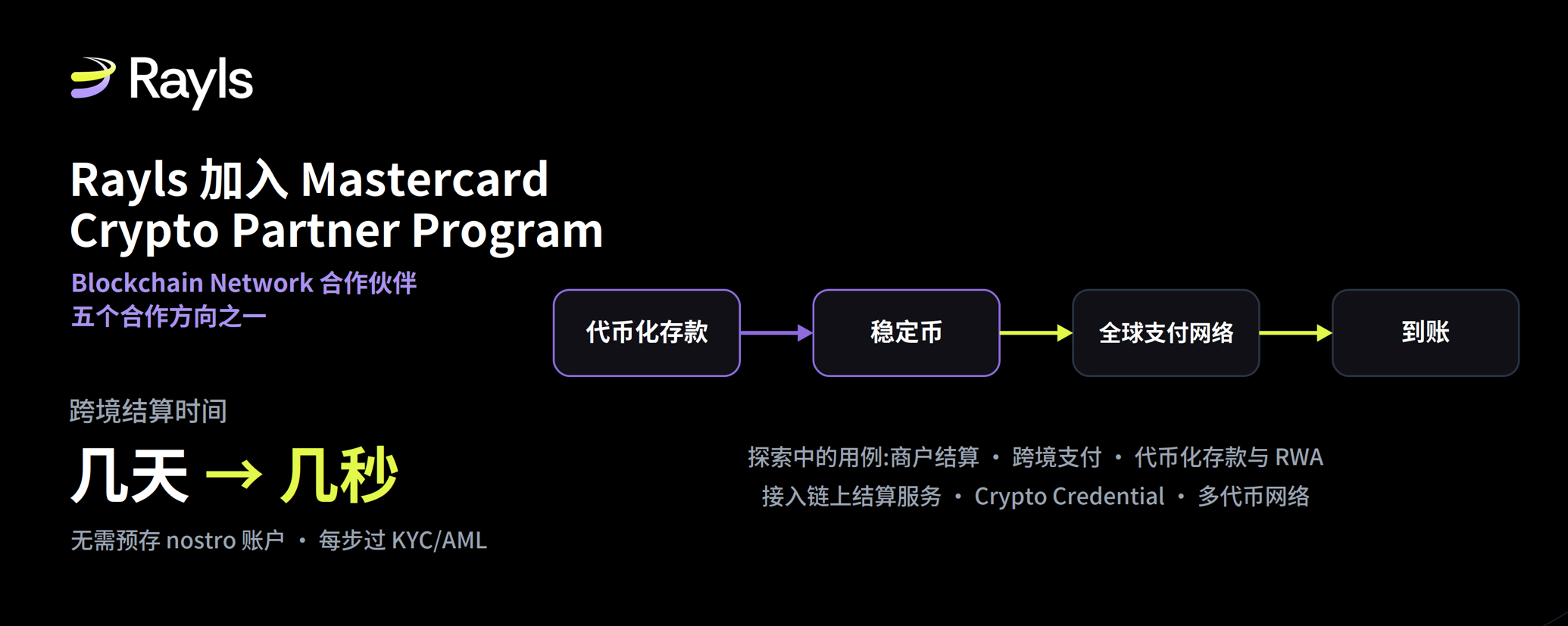
Por que os bancos precisam “deixar dinheiro guardado de reserva” no mundo inteiro? Rayls e Mastercard querem mexer justamente nessa parteFalando a verdade, quando vejo notícias do tipo “de cooperação”, eu geralmente passo o olho e sigo. Em dez, nove são só troca de logotipos. Mas esta eu parei para ler até o fim, porque toca exatamente na etapa mais básica — e mais cara — dos pagamentos internacionais.
Transferências internacionais lentas, e muita gente acha que é “internet lenta”. Na verdade, o motivo é bem mais “chão de fábrica”: o dinheiro não é “enviado” de fato, ele já estava “parado” ali. Quando um banco quer pagar para um certo país, normalmente precisa abrir uma conta no banco local com antecedência, depositar uma boa quantia, em jargão chamam de conta nostro. Cada corredor de pagamentos no mundo precisa “travar” um valor, como deixar uma pilha de dinheiro guardada na casa de cada amigo, para usar caso passe por lá algum dia. O dinheiro fica parado na conta; as variações de câmbio ficam por conta de quem está fazendo o processo. Uma transação internacional, via de regra, demora alguns dias para ser concluída.
Por que os bancos precisam “deixar dinheiro guardado de reserva” no mundo inteiro? Rayls e Mastercard querem mexer justamente nessa parte
Falando a verdade, quando vejo notícias do tipo “de cooperação”, eu geralmente passo o olho e sigo. Em dez, nove são só troca de logotipos. Mas esta eu parei para ler até o fim, porque toca exatamente na etapa mais básica — e mais cara — dos pagamentos internacionais.
Transferências internacionais lentas, e muita gente acha que é “internet lenta”. Na verdade, o motivo é bem mais “chão de fábrica”: o dinheiro não é “enviado” de fato, ele já estava “parado” ali. Quando um banco quer pagar para um certo país, normalmente precisa abrir uma conta no banco local com antecedência, depositar uma boa quantia, em jargão chamam de conta nostro. Cada corredor de pagamentos no mundo precisa “travar” um valor, como deixar uma pilha de dinheiro guardada na casa de cada amigo, para usar caso passe por lá algum dia. O dinheiro fica parado na conta; as variações de câmbio ficam por conta de quem está fazendo o processo. Uma transação internacional, via de regra, demora alguns dias para ser concluída.
Transferências internacionais lentas, e muita gente acha que é “internet lenta”. Na verdade, o motivo é bem mais “chão de fábrica”: o dinheiro não é “enviado” de fato, ele já estava “parado” ali. Quando um banco quer pagar para um certo país, normalmente precisa abrir uma conta no banco local com antecedência, depositar uma boa quantia, em jargão chamam de conta nostro. Cada corredor de pagamentos no mundo precisa “travar” um valor, como deixar uma pilha de dinheiro guardada na casa de cada amigo, para usar caso passe por lá algum dia. O dinheiro fica parado na conta; as variações de câmbio ficam por conta de quem está fazendo o processo. Uma transação internacional, via de regra, demora alguns dias para ser concluída.
1
253
Artigo
Nas novas regras do Reino Unido não está escrito blockchain, mas isso decide qual cadeia as instituições vão escolherEu normalmente dou uma olhada rápida nas notícias de regulação e passo, porque na maioria dos casos elas não têm nada a ver com os detentores comuns. Desta vez, porém, as regras do Reino Unido me fizeram mudar de ideia depois que eu li, porque há um mecanismo pouco perceptível que realmente vai influenciar, na prática, quais cadeias as instituições irão escolher no futuro.
Primeiro, deixe a linha do tempo bem clara, porque isso determina o nível de urgência.
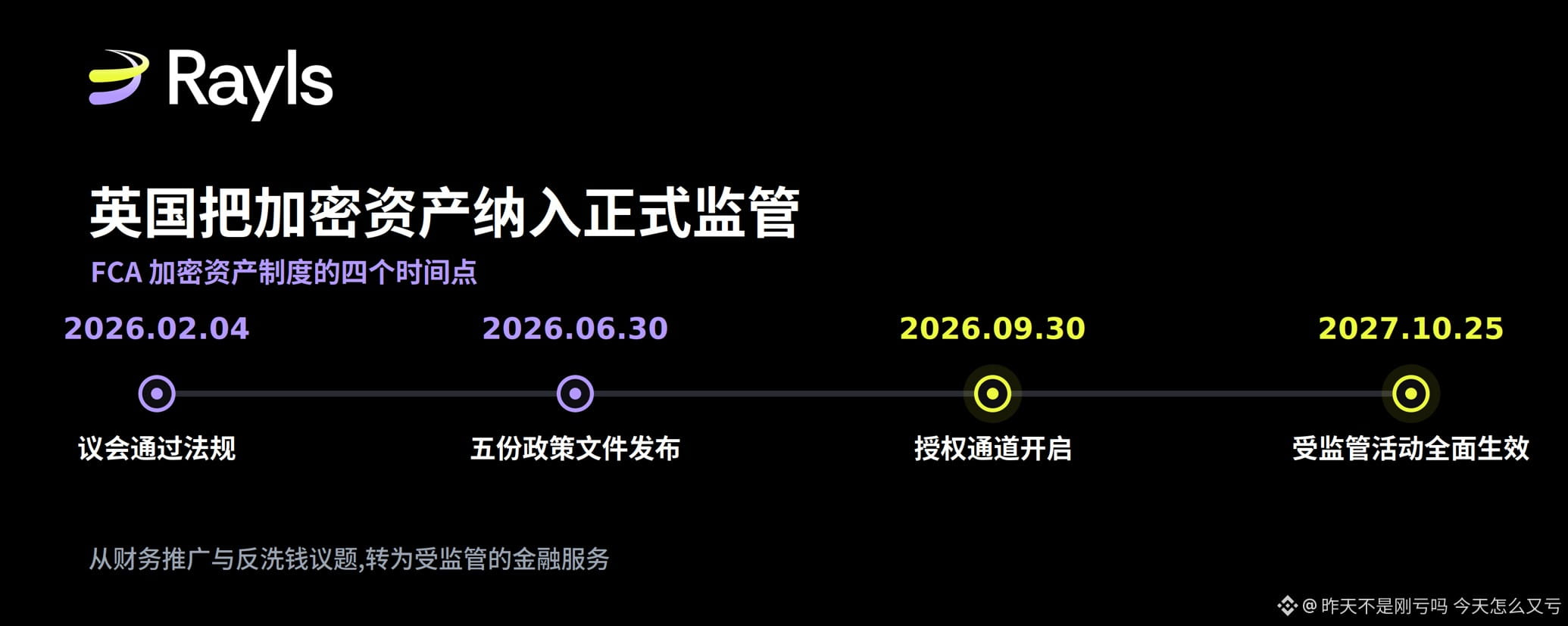
O Parlamento britânico aprovou as regulamentações pertinentes em 4 de fevereiro de 2026. A FCA publicou o conteúdo central desse sistema em 30 de junho, e ao todo são cinco documentos de política. O canal de autorização será aberto em 30 de setembro, enquanto o escopo completo das atividades reguladas só entrará plenamente em vigor em 25 de outubro de 2027.
Nas novas regras do Reino Unido não está escrito blockchain, mas isso decide qual cadeia as instituições vão escolher
Eu normalmente dou uma olhada rápida nas notícias de regulação e passo, porque na maioria dos casos elas não têm nada a ver com os detentores comuns. Desta vez, porém, as regras do Reino Unido me fizeram mudar de ideia depois que eu li, porque há um mecanismo pouco perceptível que realmente vai influenciar, na prática, quais cadeias as instituições irão escolher no futuro.
Primeiro, deixe a linha do tempo bem clara, porque isso determina o nível de urgência.
O Parlamento britânico aprovou as regulamentações pertinentes em 4 de fevereiro de 2026. A FCA publicou o conteúdo central desse sistema em 30 de junho, e ao todo são cinco documentos de política. O canal de autorização será aberto em 30 de setembro, enquanto o escopo completo das atividades reguladas só entrará plenamente em vigor em 25 de outubro de 2027.
Primeiro, deixe a linha do tempo bem clara, porque isso determina o nível de urgência.
O Parlamento britânico aprovou as regulamentações pertinentes em 4 de fevereiro de 2026. A FCA publicou o conteúdo central desse sistema em 30 de junho, e ao todo são cinco documentos de política. O canal de autorização será aberto em 30 de setembro, enquanto o escopo completo das atividades reguladas só entrará plenamente em vigor em 25 de outubro de 2027.
185
Artigo
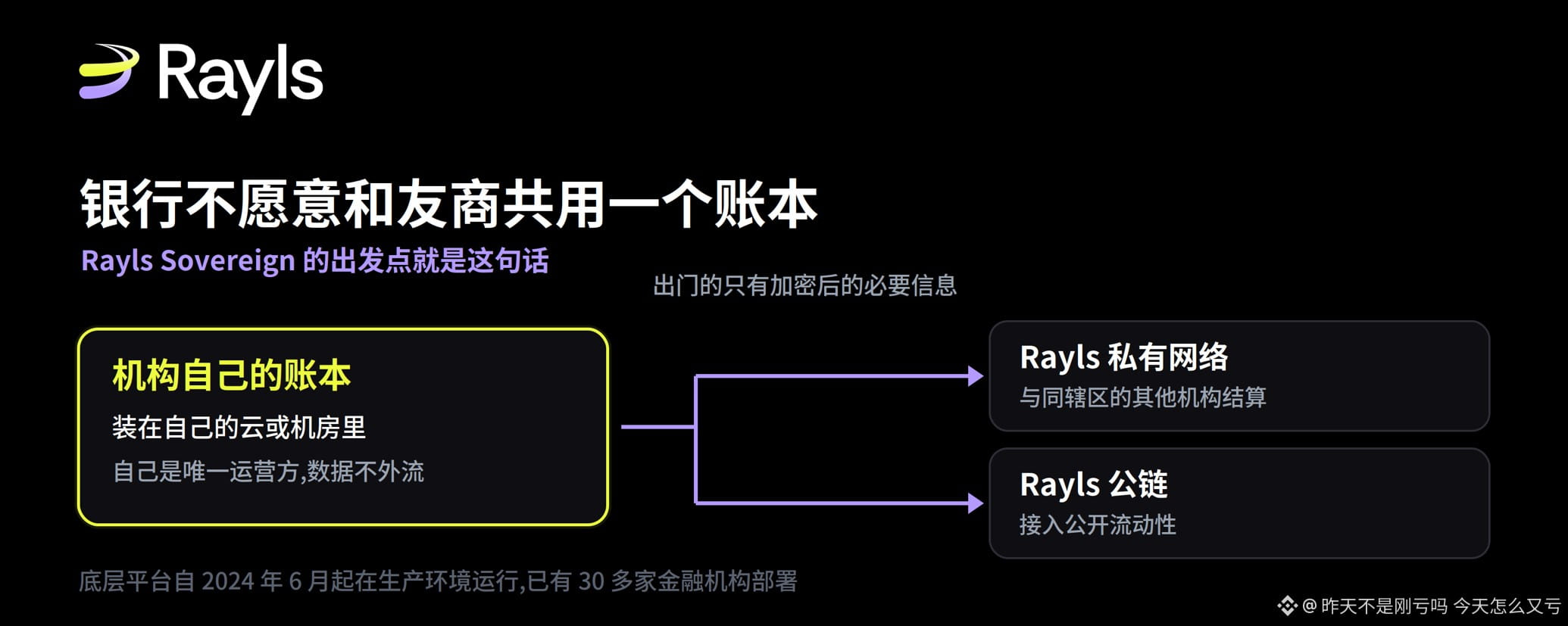
Bancos não vão compartilhar um ledger com concorrentes — e é exatamente esse o ponto de partida do Rayls SovereignQuando se fala de projetos de blockchain para atrair instituições, geralmente se fala de “nossa tecnologia é mais avançada”. Desta vez, porém, o texto que a Rayls divulgou é diferente: ele dedica quase metade do conteúdo às reclamações dos clientes, e as reclamações são bastante diretas. Depois que eu li, senti que o que realmente vale a pena dizer não é a lista de produtos, e sim o fato de que ela admite uma coisa que a indústria costuma evitar admitir.
首先说这次发布本身有个反常的地方。
A Rayls lançou o Sovereign em 25 de agosto, uma blockchain privada para instituições financeiras. Mas, segundo a versão oficial, a plataforma subjacente já está em produção desde junho de 2024, e mais de 30 instituições financeiras já a instalaram e estão usando. O Sovereign é uma versão reestruturada do produto anterior chamado Rayls Privacy Node; a reestruturação foi tão abrangente que mudaram o nome.
Bancos não vão compartilhar um ledger com concorrentes — e é exatamente esse o ponto de partida do Rayls Sovereign
Quando se fala de projetos de blockchain para atrair instituições, geralmente se fala de “nossa tecnologia é mais avançada”. Desta vez, porém, o texto que a Rayls divulgou é diferente: ele dedica quase metade do conteúdo às reclamações dos clientes, e as reclamações são bastante diretas. Depois que eu li, senti que o que realmente vale a pena dizer não é a lista de produtos, e sim o fato de que ela admite uma coisa que a indústria costuma evitar admitir.
首先说这次发布本身有个反常的地方。
A Rayls lançou o Sovereign em 25 de agosto, uma blockchain privada para instituições financeiras. Mas, segundo a versão oficial, a plataforma subjacente já está em produção desde junho de 2024, e mais de 30 instituições financeiras já a instalaram e estão usando. O Sovereign é uma versão reestruturada do produto anterior chamado Rayls Privacy Node; a reestruturação foi tão abrangente que mudaram o nome.
首先说这次发布本身有个反常的地方。
A Rayls lançou o Sovereign em 25 de agosto, uma blockchain privada para instituições financeiras. Mas, segundo a versão oficial, a plataforma subjacente já está em produção desde junho de 2024, e mais de 30 instituições financeiras já a instalaram e estão usando. O Sovereign é uma versão reestruturada do produto anterior chamado Rayls Privacy Node; a reestruturação foi tão abrangente que mudaram o nome.
200
Artigo
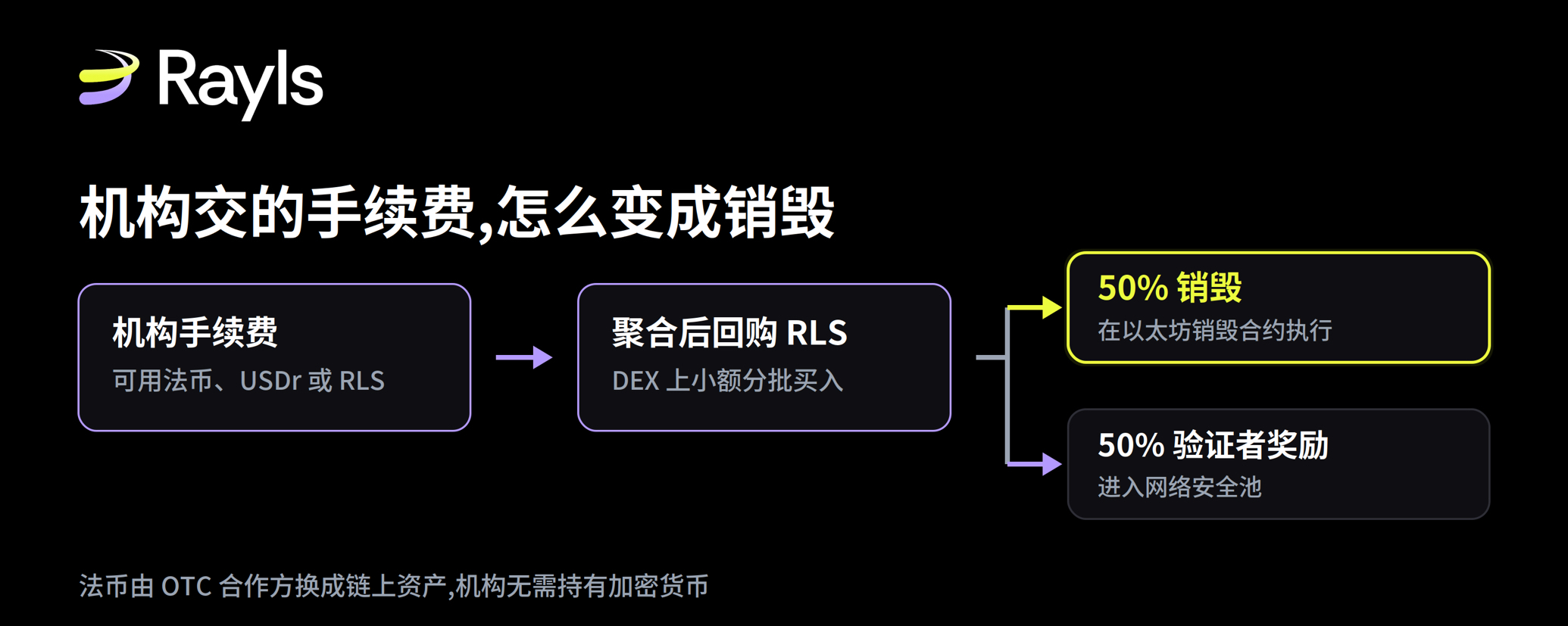
A taxa paga por um banco, que no fim vira um token queimadoA maioria dos projetos fala sobre mecanismos de queima, isto é, “quanto nós vamos queimar”. O que eu fico mais curioso é a parte a montante: de onde vêm originalmente esses tokens queimados. A resposta para o design da Rayls foi um pouco inesperada: o ponto de partida dela, na verdade, é um pagamento em moeda fiduciária.
Primeiro, a conclusão. O ponto de partida de toda a cadeia não é o mundo das criptografias, e sim um pagamento em moeda fiduciária feito por uma instituição em seu próprio país.
Uma instituição que realiza negócios na Rayls por meio de nós de privacidade gera taxas. O ponto-chave do design é que elas podem liquidar diretamente em moeda fiduciária ou optar por USDr ou RLS.
A taxa paga por um banco, que no fim vira um token queimado
A maioria dos projetos fala sobre mecanismos de queima, isto é, “quanto nós vamos queimar”. O que eu fico mais curioso é a parte a montante: de onde vêm originalmente esses tokens queimados. A resposta para o design da Rayls foi um pouco inesperada: o ponto de partida dela, na verdade, é um pagamento em moeda fiduciária.
Primeiro, a conclusão. O ponto de partida de toda a cadeia não é o mundo das criptografias, e sim um pagamento em moeda fiduciária feito por uma instituição em seu próprio país.
Uma instituição que realiza negócios na Rayls por meio de nós de privacidade gera taxas. O ponto-chave do design é que elas podem liquidar diretamente em moeda fiduciária ou optar por USDr ou RLS.
Primeiro, a conclusão. O ponto de partida de toda a cadeia não é o mundo das criptografias, e sim um pagamento em moeda fiduciária feito por uma instituição em seu próprio país.
Uma instituição que realiza negócios na Rayls por meio de nós de privacidade gera taxas. O ponto-chave do design é que elas podem liquidar diretamente em moeda fiduciária ou optar por USDr ou RLS.
205

·
--
Bullish
Rayls ($RLS): O Caso de Investimento Curto
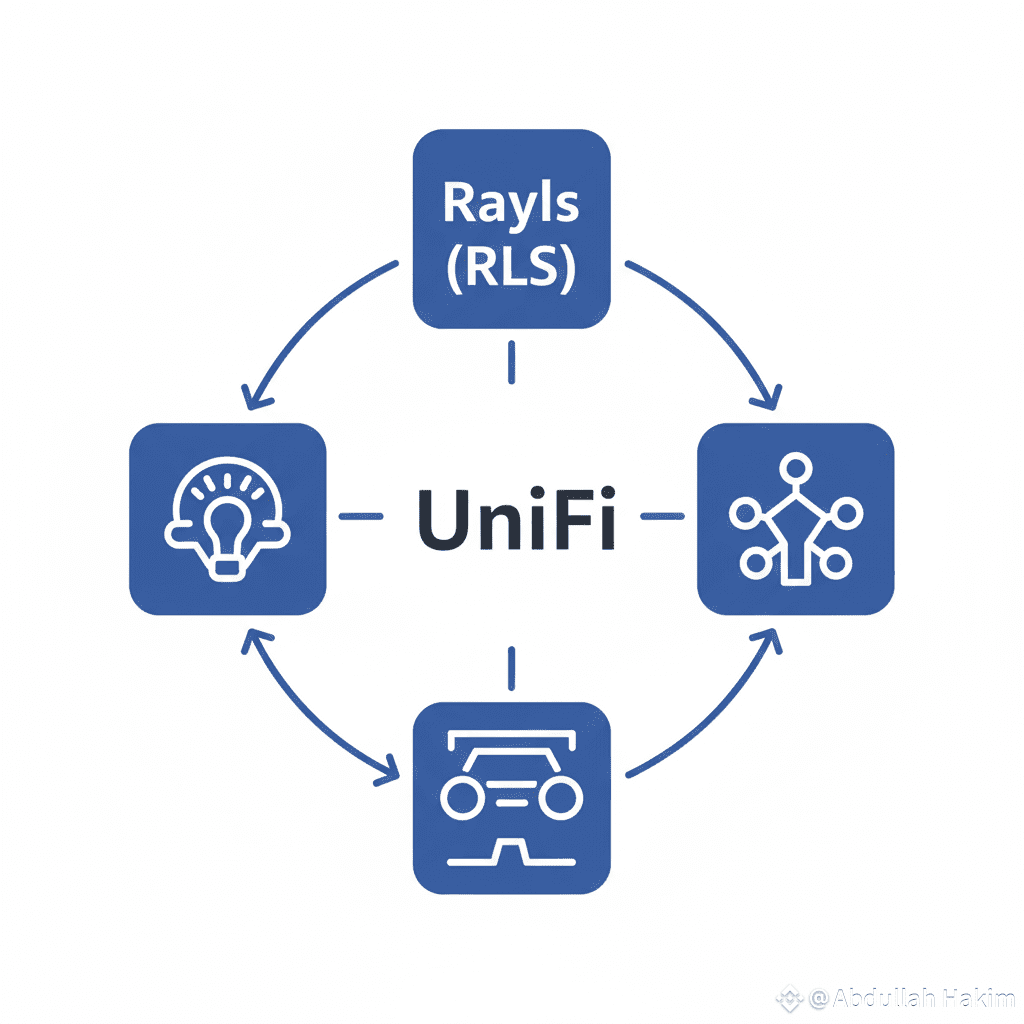
Rayls é um ecossistema de blockchain especializado que constrói a ponte essencial entre Finanças Tradicionais (TradFi) e DeFi, um conceito chamado UniFi. É projetado para trazer trilhões em liquidez institucional para a blockchain de forma compatível.
Top 3 Razões para Investir:
Foco na Adoção Institucional: Rayls é construído para bancos e instituições financeiras. Já está integrado em grandes projetos como o piloto DREX (CBDC) do Banco Central do Brasil e está trabalhando com grandes infraestruturas de mercado financeiro para tokenizar Ativos do Mundo Real (RWA). Tem como objetivo uma oportunidade de $100 trilhões.
Tecnologia de Conformidade e Privacidade: Resolve os requisitos bancários com uma rede híbrida:
Sub-redes Privadas (VENs): Para transações confidenciais e compatíveis com regulamentações.
Provas de Zero Conhecimento (ZK): Garantem privacidade para dados financeiros enquanto permitem auditorias necessárias.
Tokenômica Deflacionária: O token RLS é vital para a rede. As taxas de transação institucionais são pagas em RLS, e 50% dessas taxas são imediatamente queimadas, criando uma pressão potencialmente deflacionária sobre o suprimento total do token ao longo do tempo.
Em resumo: Investir em Rayls é uma aposta estratégica na integração compatível e institucional das finanças tradicionais e da tecnologia blockchain.
Você gostaria que eu procurasse o preço atual ou notícias recentes sobre parcerias do Rayls?
#BTC86kJPShock #Rayls
Rayls ($RLS): O Caso de Investimento Curto
Rayls é um ecossistema de blockchain especializado que constrói a ponte essencial entre Finanças Tradicionais (TradFi) e DeFi, um conceito chamado UniFi. É projetado para trazer trilhões em liquidez institucional para a blockchain de forma compatível.
Top 3 Razões para Investir:
Foco na Adoção Institucional: Rayls é construído para bancos e instituições financeiras. Já está integrado em grandes projetos como o piloto DREX (CBDC) do Banco Central do Brasil e está trabalhando com grandes infraestruturas de mercado financeiro para tokenizar Ativos do Mundo Real (RWA). Tem como objetivo uma oportunidade de $100 trilhões.
Tecnologia de Conformidade e Privacidade: Resolve os requisitos bancários com uma rede híbrida:
Sub-redes Privadas (VENs): Para transações confidenciais e compatíveis com regulamentações.
Provas de Zero Conhecimento (ZK): Garantem privacidade para dados financeiros enquanto permitem auditorias necessárias.
Tokenômica Deflacionária: O token RLS é vital para a rede. As taxas de transação institucionais são pagas em RLS, e 50% dessas taxas são imediatamente queimadas, criando uma pressão potencialmente deflacionária sobre o suprimento total do token ao longo do tempo.
Em resumo: Investir em Rayls é uma aposta estratégica na integração compatível e institucional das finanças tradicionais e da tecnologia blockchain.
Você gostaria que eu procurasse o preço atual ou notícias recentes sobre parcerias do Rayls?
#BTC86kJPShock #Rayls
Rayls é um ecossistema de blockchain especializado que constrói a ponte essencial entre Finanças Tradicionais (TradFi) e DeFi, um conceito chamado UniFi. É projetado para trazer trilhões em liquidez institucional para a blockchain de forma compatível.
Top 3 Razões para Investir:
Foco na Adoção Institucional: Rayls é construído para bancos e instituições financeiras. Já está integrado em grandes projetos como o piloto DREX (CBDC) do Banco Central do Brasil e está trabalhando com grandes infraestruturas de mercado financeiro para tokenizar Ativos do Mundo Real (RWA). Tem como objetivo uma oportunidade de $100 trilhões.
Tecnologia de Conformidade e Privacidade: Resolve os requisitos bancários com uma rede híbrida:
Sub-redes Privadas (VENs): Para transações confidenciais e compatíveis com regulamentações.
Provas de Zero Conhecimento (ZK): Garantem privacidade para dados financeiros enquanto permitem auditorias necessárias.
Tokenômica Deflacionária: O token RLS é vital para a rede. As taxas de transação institucionais são pagas em RLS, e 50% dessas taxas são imediatamente queimadas, criando uma pressão potencialmente deflacionária sobre o suprimento total do token ao longo do tempo.
Em resumo: Investir em Rayls é uma aposta estratégica na integração compatível e institucional das finanças tradicionais e da tecnologia blockchain.
Você gostaria que eu procurasse o preço atual ou notícias recentes sobre parcerias do Rayls?
#BTC86kJPShock #Rayls
1
125

·
--
🚀 $RLS / Alerta de Breakout de USDT! 🟢
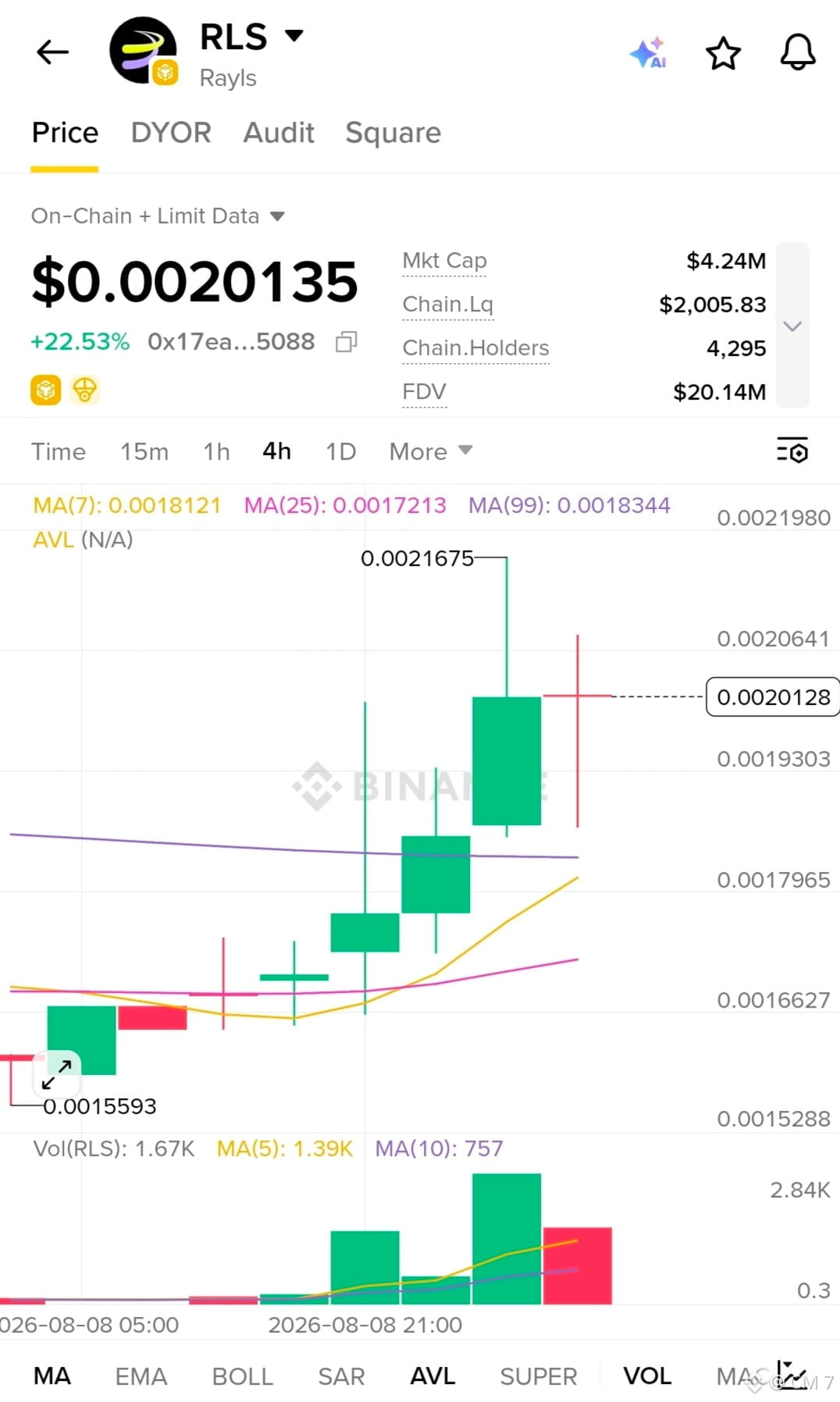
$RLS (Rayls) está mostrando forte impulso de alta no gráfico de 4H, impulsionando +22,53% e rompendo médias móveis importantes! 📈
Principais Técnicas:
Preço Atual: $0,0020135
Máxima 24h: $0,0021675
Suporte: $0,00181 (MA 7) / $0,00172 (MA 25)
Market Cap: $4,24M | FDV: $20,14M
Volume: Pique em candles verdes indicando forte pressão de compra.
Com o preço consolidando acima da linha da MA(99) ($0,00183), os touros estão de olho em mais uma retest do pico recente de $0,00216. Fique atento ao volume para uma possível continuação!
Você está segurando ou esperando uma correção? 👇
#RLS #Rayls #CryptoAnalysis #Bullish #BinanceSquareBTC #CryptoTrading #Altcoins@Binance_Square_Official
🚀 $RLS / Alerta de Breakout de USDT! 🟢
$RLS (Rayls) está mostrando forte impulso de alta no gráfico de 4H, impulsionando +22,53% e rompendo médias móveis importantes! 📈
Principais Técnicas:
Preço Atual: $0,0020135
Máxima 24h: $0,0021675
Suporte: $0,00181 (MA 7) / $0,00172 (MA 25)
Market Cap: $4,24M | FDV: $20,14M
Volume: Pique em candles verdes indicando forte pressão de compra.
Com o preço consolidando acima da linha da MA(99) ($0,00183), os touros estão de olho em mais uma retest do pico recente de $0,00216. Fique atento ao volume para uma possível continuação!
Você está segurando ou esperando uma correção? 👇
#RLS #Rayls #CryptoAnalysis #Bullish #BinanceSquareBTC #CryptoTrading #Altcoins@Binance Square Official
$RLS (Rayls) está mostrando forte impulso de alta no gráfico de 4H, impulsionando +22,53% e rompendo médias móveis importantes! 📈
Principais Técnicas:
Preço Atual: $0,0020135
Máxima 24h: $0,0021675
Suporte: $0,00181 (MA 7) / $0,00172 (MA 25)
Market Cap: $4,24M | FDV: $20,14M
Volume: Pique em candles verdes indicando forte pressão de compra.
Com o preço consolidando acima da linha da MA(99) ($0,00183), os touros estão de olho em mais uma retest do pico recente de $0,00216. Fique atento ao volume para uma possível continuação!
Você está segurando ou esperando uma correção? 👇
#RLS #Rayls #CryptoAnalysis #Bullish #BinanceSquareBTC #CryptoTrading #Altcoins@Binance Square Official
1
1
117
Faça login para explorar mais conteúdos
Junte-se a usuários de criptomoedas de todo o mundo no Binance Square.
⚡️ Obter informações mais recentes e úteis sobre criptomoeda.
💬 Com a confiança da maior corretora de criptomoedas do mundo.
👍 Descubra insights reais de criadores verificados.
E-mail / número de telefone
Tópicos em Alta
1
#UKFCAWinsCourtOrderToRecover851400Pounds
87 visualizações
30 discutindo
2
#ChainlinkLaunchesCCIP2WithEnterpriseVerification
6,330 visualizações
361 discutindo
3
#GoldFallsTo$4144
3,689 visualizações
92 discutindo
4
#QNTFallsOver40%FromMorningHigh
31,228 visualizações
765 discutindo
5
#USDTAdds845900HoldersInPast7Days
580 visualizações
74 discutindo
6
#KospiFalls2.7%SamsungSKHynixDropOver5%
6,343 visualizações
342 discutindo
7
#BitgetCEOConfirms$388MStolenInHack
2,573 visualizações
36 discutindo
8
#BTCFallsBelow$83000
16,339 visualizações
134 discutindo
9
#BitgetDetailsSecurityIncidentTimeline
17,904 visualizações
501 discutindo
10
#BitcoinSpotETFs$2.39BWeeklyNetInflow
6,878 visualizações
32 discutindo