
Sulaiman 零号猎人
2.8k ပို့စ်များ

Sulaiman 零号猎人
တိုင်ကြားမည်
သုံးစွဲသူကို ဘလော့မည်
I research RWA & micro-caps and check the facts before trusting a project. Open to collabs. X : @ZeroSulaiman
အမှန်တကယ်ရောင်းဝယ်နေ
Frequent Trader
6.3 နှစ်
174 ဖော်လိုလုပ်ထားသည်
4.0K+ ဖော်လိုလုပ်သူများ
3.2K+ လိုက်ခ်လုပ်ထားသည်
ပို့စ်များ
ပိုင်ဆိုင်မှုစာရင်း
အားလုံး
ဆိုဈေးများ
တိုက်ရိုက်ထုတ်လွှင့်ခြင်း
ပုံသေထားသည်
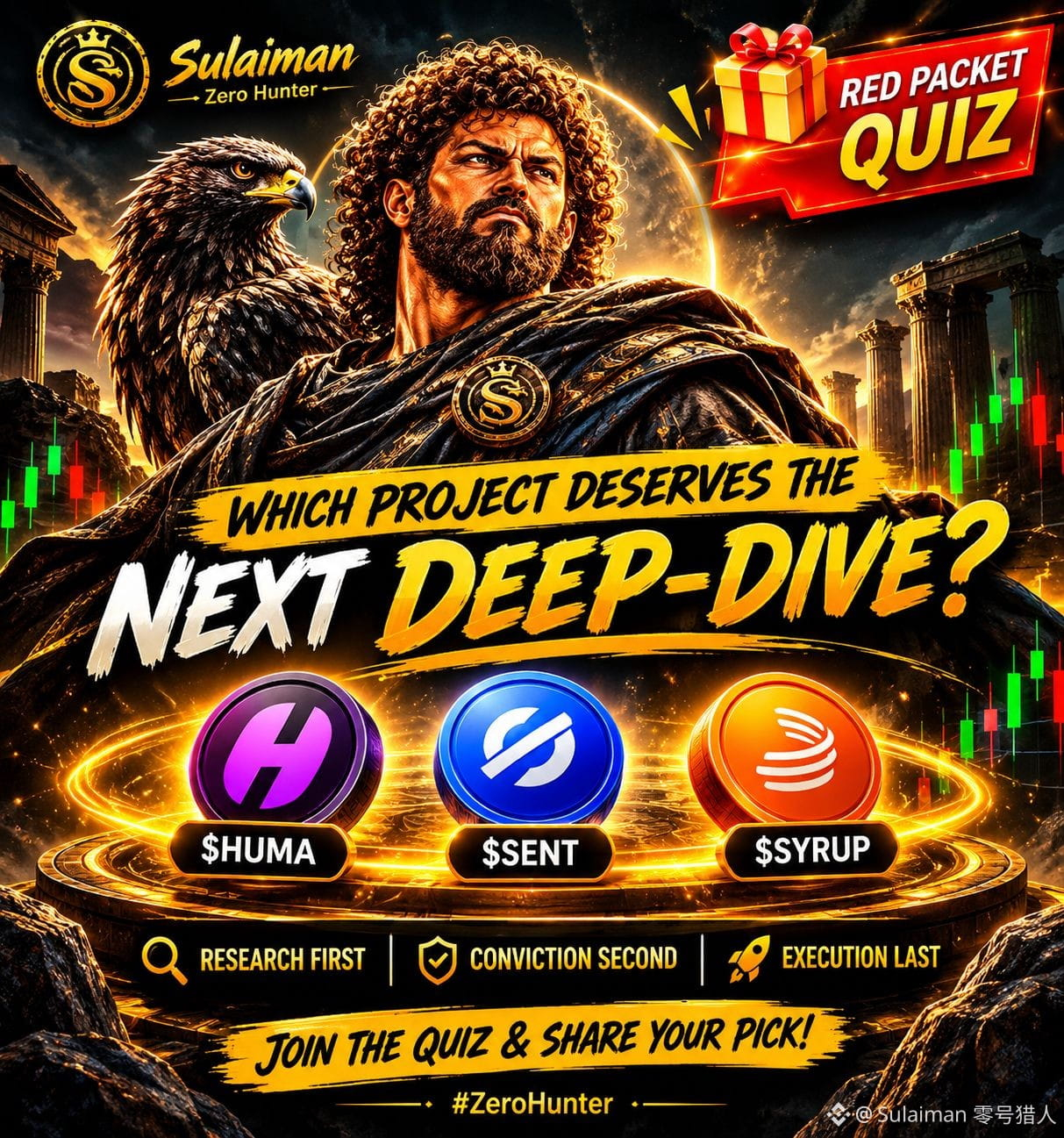
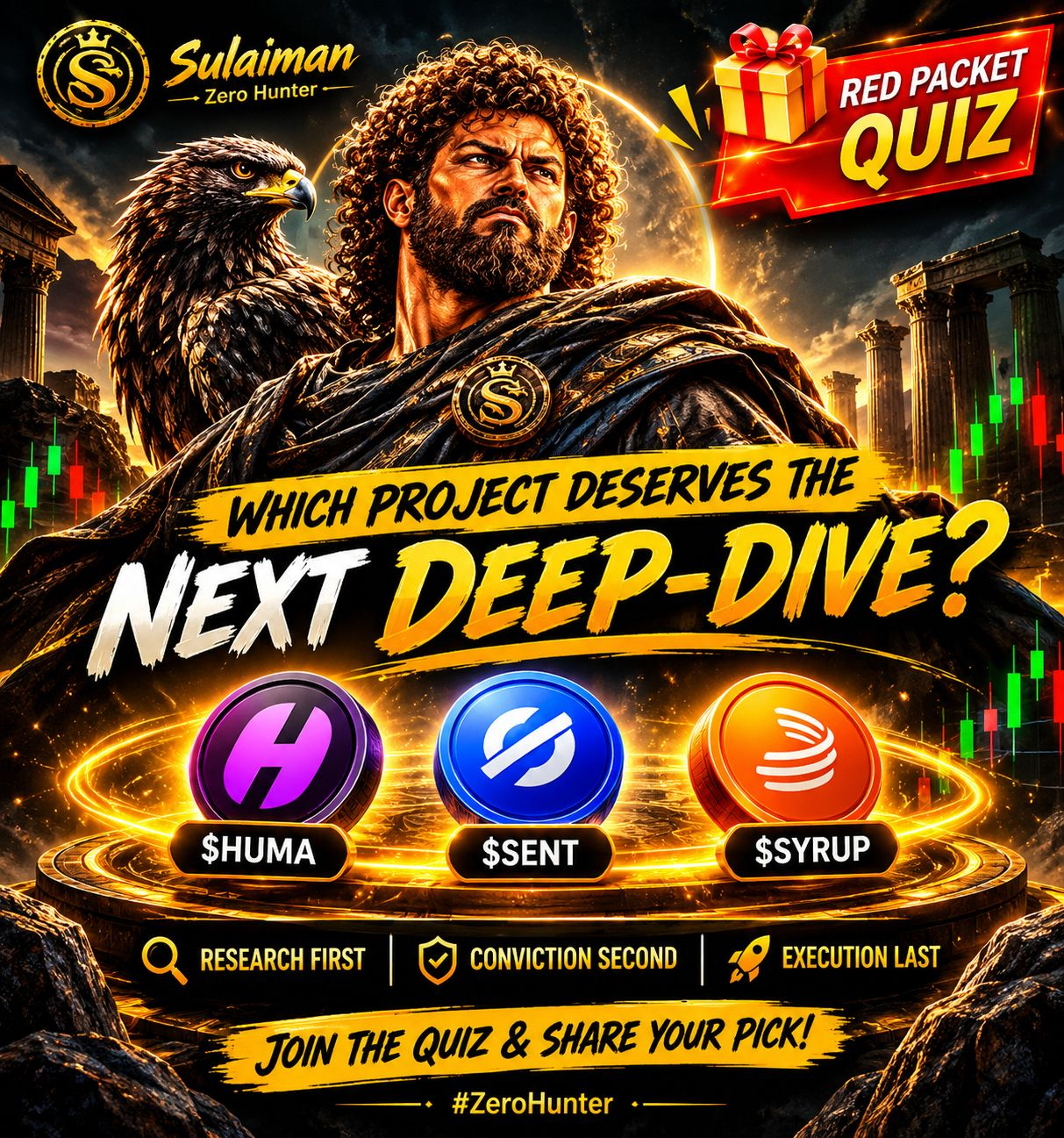
🔥 သုညမုဆိုးတွေ စောင့်ကြည့်နေကြတယ်။
🏦 $HUMA → $0.00908
🤖 $SENT → $0.02168
🏦 $SYRUP → $0.1038
ပရောဂျက် သုံးခု။ ဇာတ်ကြောင်း သုံးခု။ စောင့်ကြည့်စာရင်း တစ်ခု။
ဈေးတက်တာနောက်ကို လိုက်မဝယ်ဘူး။ လူအများ သတိမထားမိခင်ကတည်းက နေရာယူထားတယ်။
အရင်ဆုံး သုတေသနလုပ်တယ်။ ပြီးမှ ယုံကြည်မှုတည်ဆောက်တယ်။ နောက်ဆုံးမှ အကောင်အထည်ဖော်တယ်။
ဘယ်တစ်ခုကို စောင့်ကြည့်နေလဲ။
NFA။
#HUMA #SENT #SYRUP #ZeroHunter
1.4k
38
98
1.4k
ဘာသာပြန်ဆိုချက် ကြည့်မည်
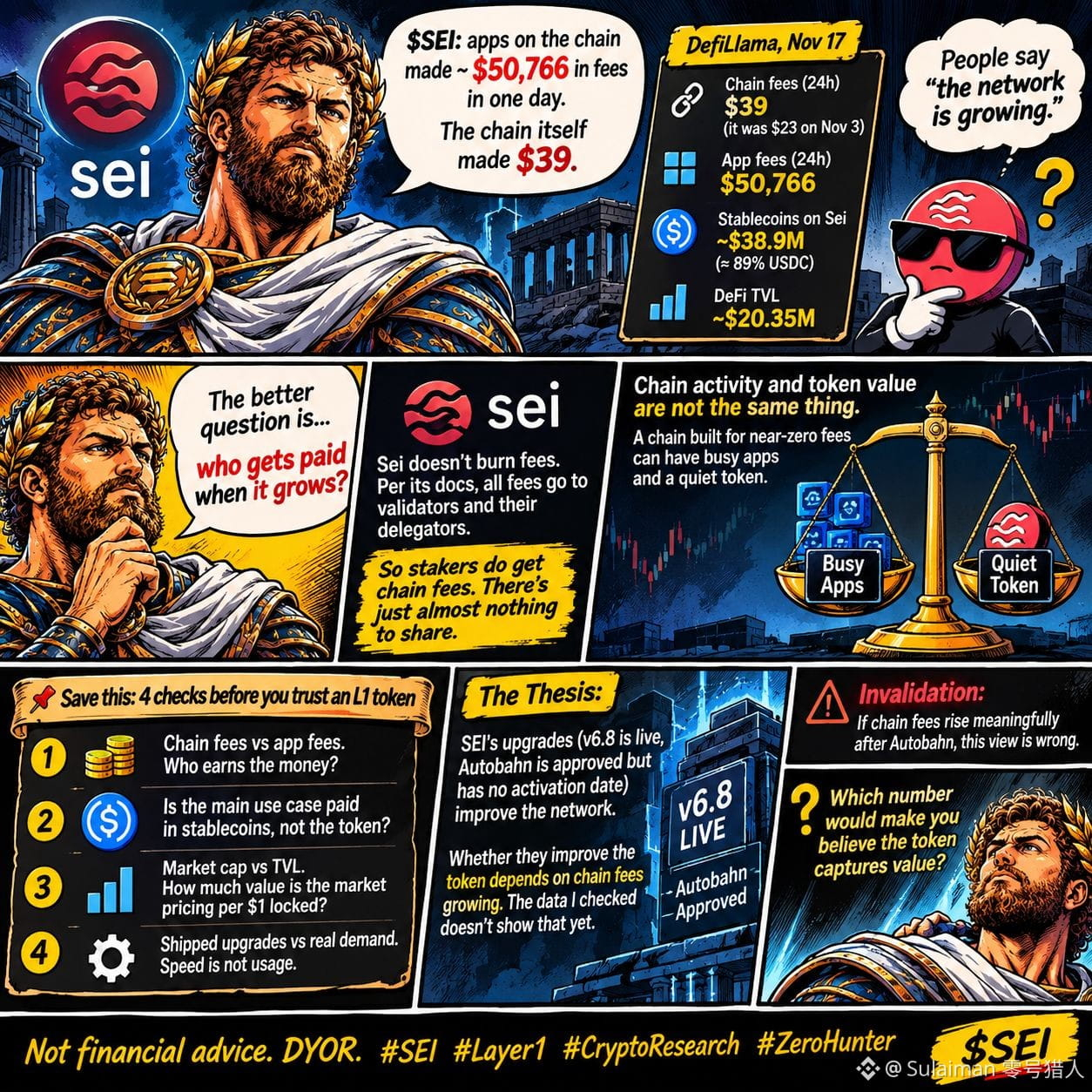
$SEI : apps on the chain made ~$50,766 in fees in one day. The chain itself made $39.
DefiLlama, Nov 17:
Chain fees (24h): $39 (it was $23 on Nov 3)
App fees (24h): $50,766
Stablecoins on Sei: ~$38.9M, about 89% USDC
DeFi TVL: ~$20.35M
SEI's market cap is ~$270M. On Nov 25 it traded just 0.31% above its all-time low.
People say "the network is growing."
The better question is who gets paid when it grows?
Sei doesn't burn fees. Per its docs, all fees go to validators and their delegators.
So stakers do get chain fees. There's just almost nothing to share.
Chain activity and token value are not the same thing. A chain built for near-zero fees can have busy apps and a quiet token.
📌 Save this: 4 checks before you trust an L1 token
Chain fees vs app fees. Who earns the money?
Is the main use case paid in stablecoins, not the token?
Market cap vs TVL. How much value is the market pricing per $1 locked?
Shipped upgrades vs real demand. Speed is not usage.
Thesis: SEI's upgrades (v6.8 is live, Autobahn is approved but has no activation date) improve the network. Whether they improve the token depends on chain fees growing. The data I checked doesn't show that yet.
Invalidation: If chain fees rise meaningfully after Autobahn, this view is wrong.
Which number would make you believe the token captures value?
Not financial advice. DYOR.
$SEI
{spot}(SEIUSDT)
$ACE
{spot}(ACEUSDT)
#SEI #Layer1 #CryptoResearch #ZeroHunter
$SEI : apps on the chain made ~$50,766 in fees in one day. The chain itself made $39.
DefiLlama, Nov 17:
Chain fees (24h): $39 (it was $23 on Nov 3)
App fees (24h): $50,766
Stablecoins on Sei: ~$38.9M, about 89% USDC
DeFi TVL: ~$20.35M
SEI's market cap is ~$270M. On Nov 25 it traded just 0.31% above its all-time low.
People say "the network is growing."
The better question is who gets paid when it grows?
Sei doesn't burn fees. Per its docs, all fees go to validators and their delegators.
So stakers do get chain fees. There's just almost nothing to share.
Chain activity and token value are not the same thing. A chain built for near-zero fees can have busy apps and a quiet token.
📌 Save this: 4 checks before you trust an L1 token
Chain fees vs app fees. Who earns the money?
Is the main use case paid in stablecoins, not the token?
Market cap vs TVL. How much value is the market pricing per $1 locked?
Shipped upgrades vs real demand. Speed is not usage.
Thesis: SEI's upgrades (v6.8 is live, Autobahn is approved but has no activation date) improve the network. Whether they improve the token depends on chain fees growing. The data I checked doesn't show that yet.
Invalidation: If chain fees rise meaningfully after Autobahn, this view is wrong.
Which number would make you believe the token captures value?
Not financial advice. DYOR.
$SEI
$ACE
#SEI #Layer1 #CryptoResearch #ZeroHunter
1
220
ဘာသာပြန်ဆိုချက် ကြည့်မည်
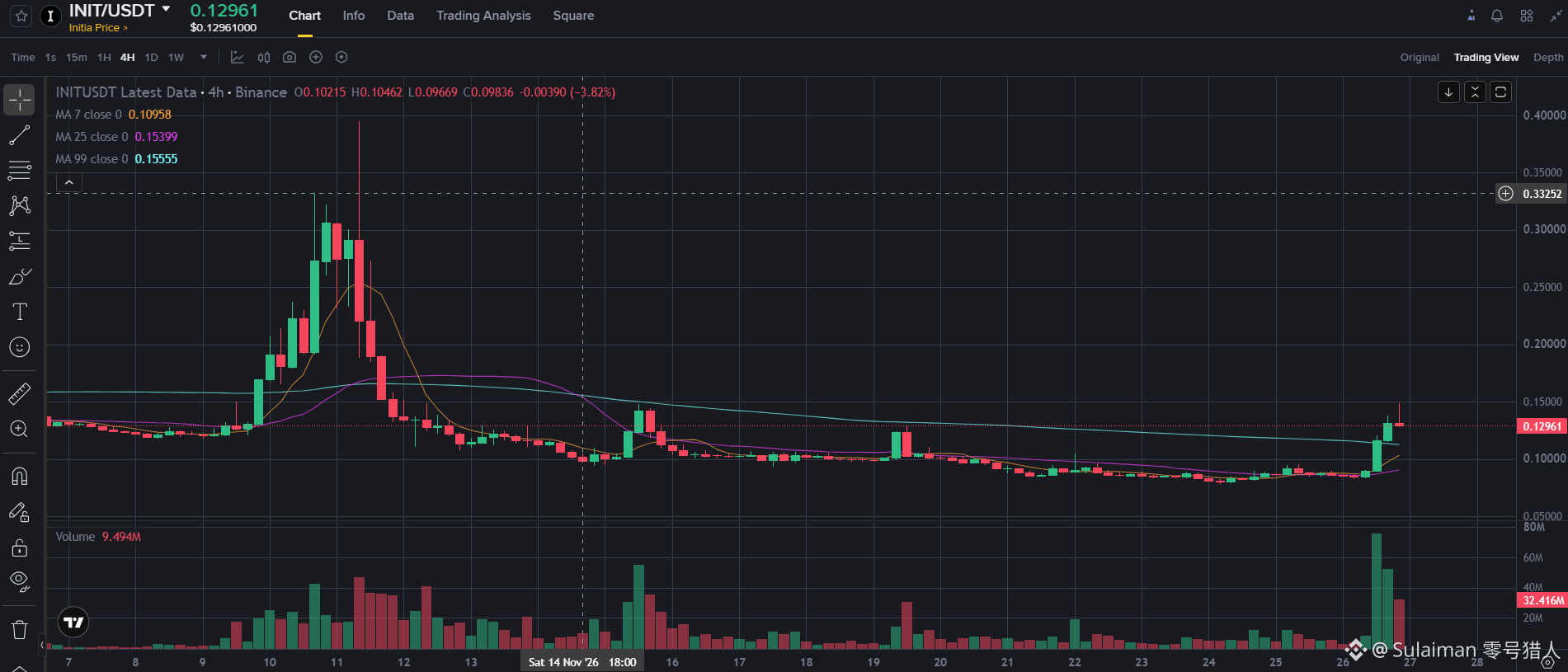
$INIT is up ~50% today. The last time it did this, it gave everything back within two weeks.
Nov 10-11: INIT ran ~2.7x in two days. By Nov 24, it was back near where it started.
Today it's trading around $0.13, after touching $0.1488. The move came on heavy volume, far above anything in the last two weeks.
Both times, the trigger wasn't a product launch. The Oct 23 and Nov 10 security incidents are verified. I found no usage news behind today's move.
Most people ask: "How high can it go?"
I'd ask: what was different about the buyers this time?
I can't answer that from a chart. Today's OI and funding would help, and I haven't checked them.
Thesis: big volume with no usage news looks like short-term flow, not new demand. That's a read, not a fact.
Invalidation: if INIT holds above the 4H MA99 (~$0.1126) while volume fades, the "fast fade" view weakens. A close back below it confirms it.
What would you need to see to trust this move?
Not financial advice. DYOR.
$INIT
{future}(INITUSDT)
$SSV
{spot}(SSVUSDT)
#ZeroHunter #INIT #CryptoResearch
$INIT is up ~50% today. The last time it did this, it gave everything back within two weeks.
Nov 10-11: INIT ran ~2.7x in two days. By Nov 24, it was back near where it started.
Today it's trading around $0.13, after touching $0.1488. The move came on heavy volume, far above anything in the last two weeks.
Both times, the trigger wasn't a product launch. The Oct 23 and Nov 10 security incidents are verified. I found no usage news behind today's move.
Most people ask: "How high can it go?"
I'd ask: what was different about the buyers this time?
I can't answer that from a chart. Today's OI and funding would help, and I haven't checked them.
Thesis: big volume with no usage news looks like short-term flow, not new demand. That's a read, not a fact.
Invalidation: if INIT holds above the 4H MA99 (~$0.1126) while volume fades, the "fast fade" view weakens. A close back below it confirms it.
What would you need to see to trust this move?
Not financial advice. DYOR.
$INIT
$SSV
#ZeroHunter #INIT #CryptoResearch
1
502
ဘာသာပြန်ဆိုချက် ကြည့်မည်
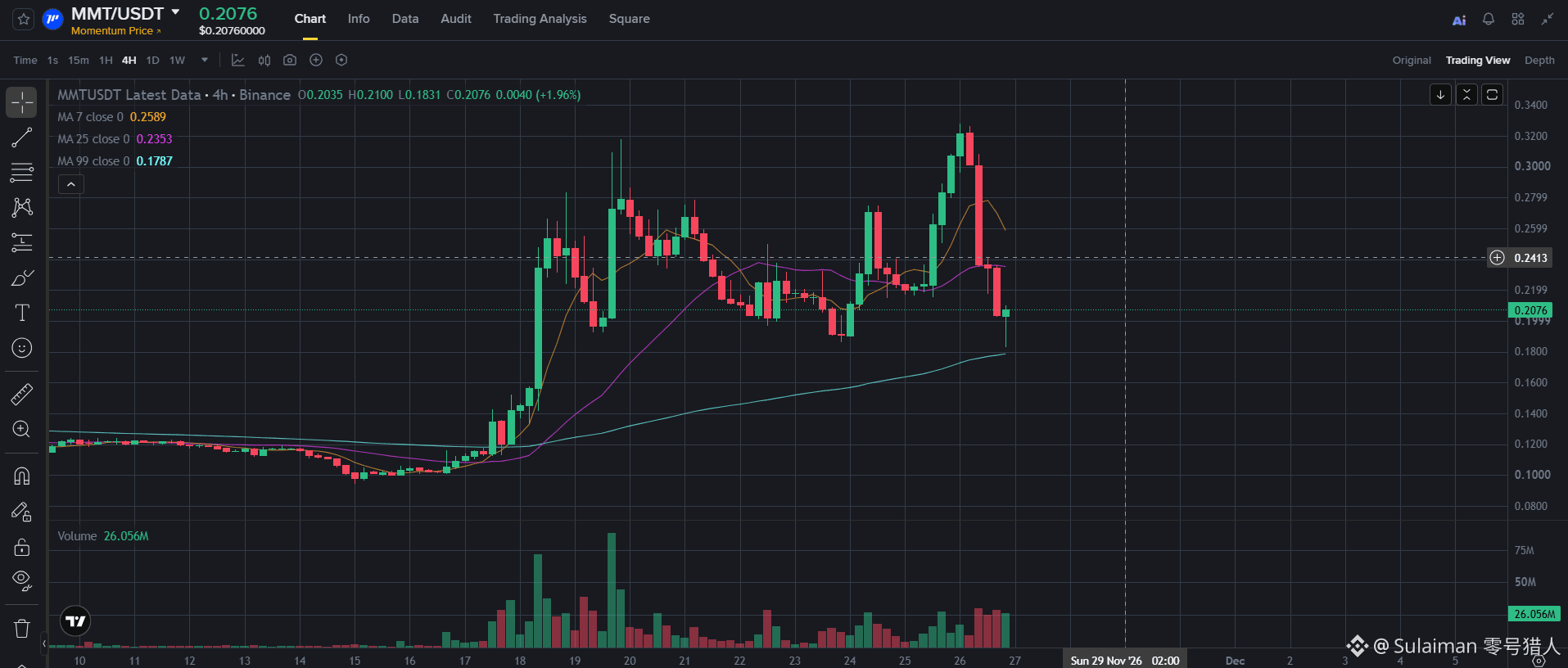
$MMT ran about 3.4x, then dropped roughly 36% from the peak. This drop doesn't look unlock-driven.
Binance 4H chart:
Low: about $0.095 (around Nov 15)
Peak: about $0.33 (Nov 26)
Now: about $0.21
Latest candle low: $0.183, just above the MA99 ($0.179)
Unlock check:
Nov 4: ~252M MMT unlocked, reportedly about 3x the circulating supply at the time
Dec 4: a small unlock. Sources vary from 5M to 12M MMT, or 0.5–1.2% of total supply
There was no unlock on Nov 26, and I couldn't find a verifiable catalyst for the rally.
📌 Save this: 4 steps to read any unlock
Check the amount as a % of circulating supply, not just total supply
See who receives it: team, investors, or ecosystem?
Cross-check with at least 2 trackers
Watch whether tokens move from wallets to exchanges after the unlock
Thesis: The move looks derivatives-driven, so leverage and liquidity matter more here than the unlock. I haven't verified OI or funding data.
Invalidation: A 4H close below the MA99 ($0.179) breaks the bounce structure. A large wallet-to-exchange transfer before Dec 4 would also weaken the unlock side of the view.
Which tool do you trust most for tracking unlocks?
Not financial advice. DYOR.
$MMT
{future}(MMTUSDT)
$INIT
{future}(INITUSDT)
#ZeroHunter #TokenUnlock #CryptoResearch #MMT
$MMT ran about 3.4x, then dropped roughly 36% from the peak. This drop doesn't look unlock-driven.
Binance 4H chart:
Low: about $0.095 (around Nov 15)
Peak: about $0.33 (Nov 26)
Now: about $0.21
Latest candle low: $0.183, just above the MA99 ($0.179)
Unlock check:
Nov 4: ~252M MMT unlocked, reportedly about 3x the circulating supply at the time
Dec 4: a small unlock. Sources vary from 5M to 12M MMT, or 0.5–1.2% of total supply
There was no unlock on Nov 26, and I couldn't find a verifiable catalyst for the rally.
📌 Save this: 4 steps to read any unlock
Check the amount as a % of circulating supply, not just total supply
See who receives it: team, investors, or ecosystem?
Cross-check with at least 2 trackers
Watch whether tokens move from wallets to exchanges after the unlock
Thesis: The move looks derivatives-driven, so leverage and liquidity matter more here than the unlock. I haven't verified OI or funding data.
Invalidation: A 4H close below the MA99 ($0.179) breaks the bounce structure. A large wallet-to-exchange transfer before Dec 4 would also weaken the unlock side of the view.
Which tool do you trust most for tracking unlocks?
Not financial advice. DYOR.
$MMT
$INIT
#ZeroHunter #TokenUnlock #CryptoResearch #MMT
2
641
ဘာသာပြန်ဆိုချက် ကြည့်မည်
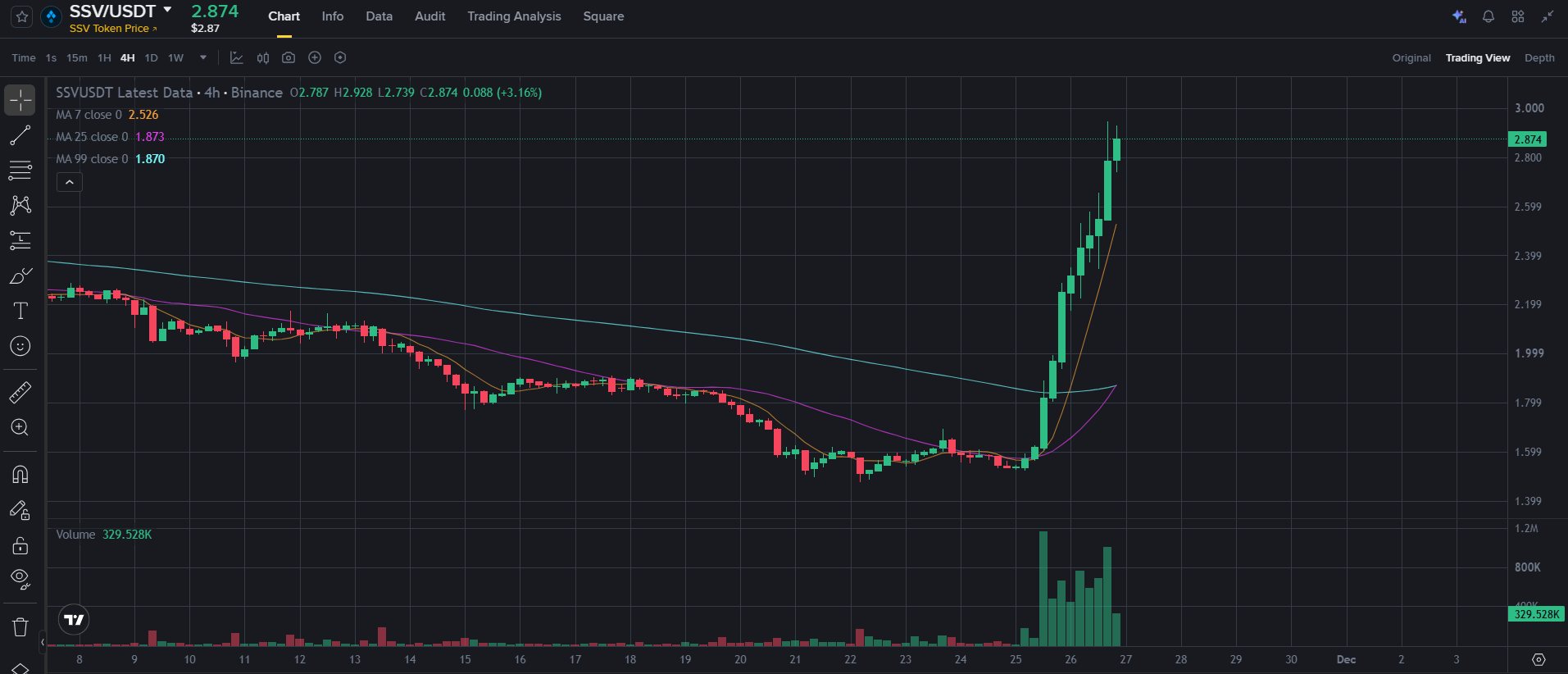
$SSV is up ~80% in a day and a half. Nobody has confirmed why.
The better question: where does this token's value come from?
Binance 1H chart: 3+ days stuck at $1.5–1.6, volume spike, breakout. Now ~$2.88, about 57% above the MA99.
The mechanism is real. Since 29 Apr 2026, staking SSV earns ETH from network fees.
The scale is the open question. SSV's own blog puts 2025 protocol fees at ~$2M. At 14.7M supply, market cap is ~$42M. That's fees ≈ 5% of market cap, and I couldn't verify how much reaches stakers.
📌 Save this: 4 checks for any fee-share token
% of supply staked Total ETH paid out, and how recent Annual fees vs market cap Who can change fee routing
Thesis: mechanism real, scale unproven.
Invalidation: a 1H close below MA25 ($2.46) means short-term weakness. Back to $1.5–1.6 voids the breakout.
What number would convince you the rewards actually support the price?
Not financial advice. DYOR.
$SSV
{future}(SSVUSDT)
$ETH
#SSV #ETH #ZeroHunter
$SSV is up ~80% in a day and a half. Nobody has confirmed why.
The better question: where does this token's value come from?
Binance 1H chart: 3+ days stuck at $1.5–1.6, volume spike, breakout. Now ~$2.88, about 57% above the MA99.
The mechanism is real. Since 29 Apr 2026, staking SSV earns ETH from network fees.
The scale is the open question. SSV's own blog puts 2025 protocol fees at ~$2M. At 14.7M supply, market cap is ~$42M. That's fees ≈ 5% of market cap, and I couldn't verify how much reaches stakers.
📌 Save this: 4 checks for any fee-share token
% of supply staked Total ETH paid out, and how recent Annual fees vs market cap Who can change fee routing
Thesis: mechanism real, scale unproven.
Invalidation: a 1H close below MA25 ($2.46) means short-term weakness. Back to $1.5–1.6 voids the breakout.
What number would convince you the rewards actually support the price?
Not financial advice. DYOR.
$SSV
$ETH
#SSV #ETH #ZeroHunter
2
441
ဘာသာပြန်ဆိုချက် ကြည့်မည်
Time For Brother #AsifMalik $BNB
{future}(BNBUSDT)
$GAL
$FF
{future}(FFUSDT)
Time For Brother #AsifMalik $BNB
$GAL
$FF
$GAL
$FF


Asif Malik_01
·
--
✅️❤️တောင်းဆိုပါ ♥️♥️♥️
✅️❤️မှတ်ချက်များ 💰💰💰
✅️❤️ပြန်လည်မျှဝေပါ 🎁🎁🎁
✅️❤️မှတ်ချက်များ 💰💰💰
✅️❤️ပြန်လည်မျှဝေပါ 🎁🎁🎁

527
ဘာသာပြန်ဆိုချက် ကြည့်မည်

Markslo
·
--
သူငယ်ချင်းတို့၊ ကိုယ့်ဆုကို လာထုတ်ယူပါ
🚀🚀🚀🚀🚀🚀🚀🚀🚀🚀
✅✅✅✅✅✅✅✅✅✅
🥂🥂🥂🥂🥂🥂🥂🥂🥂🥂
Follow လုပ်ပြီး မှတ်ချက်ရေးပါ
ကျေးဇူးတင်ပါတယ်!!
$BTC
#CanMarketsReboundAfterThanksgiving?
🚀🚀🚀🚀🚀🚀🚀🚀🚀🚀
✅✅✅✅✅✅✅✅✅✅
🥂🥂🥂🥂🥂🥂🥂🥂🥂🥂
Follow လုပ်ပြီး မှတ်ချက်ရေးပါ
ကျေးဇူးတင်ပါတယ်!!
$BTC
#CanMarketsReboundAfterThanksgiving?
2
470
ဘာသာပြန်ဆိုချက် ကြည့်မည်

L1688
·
--
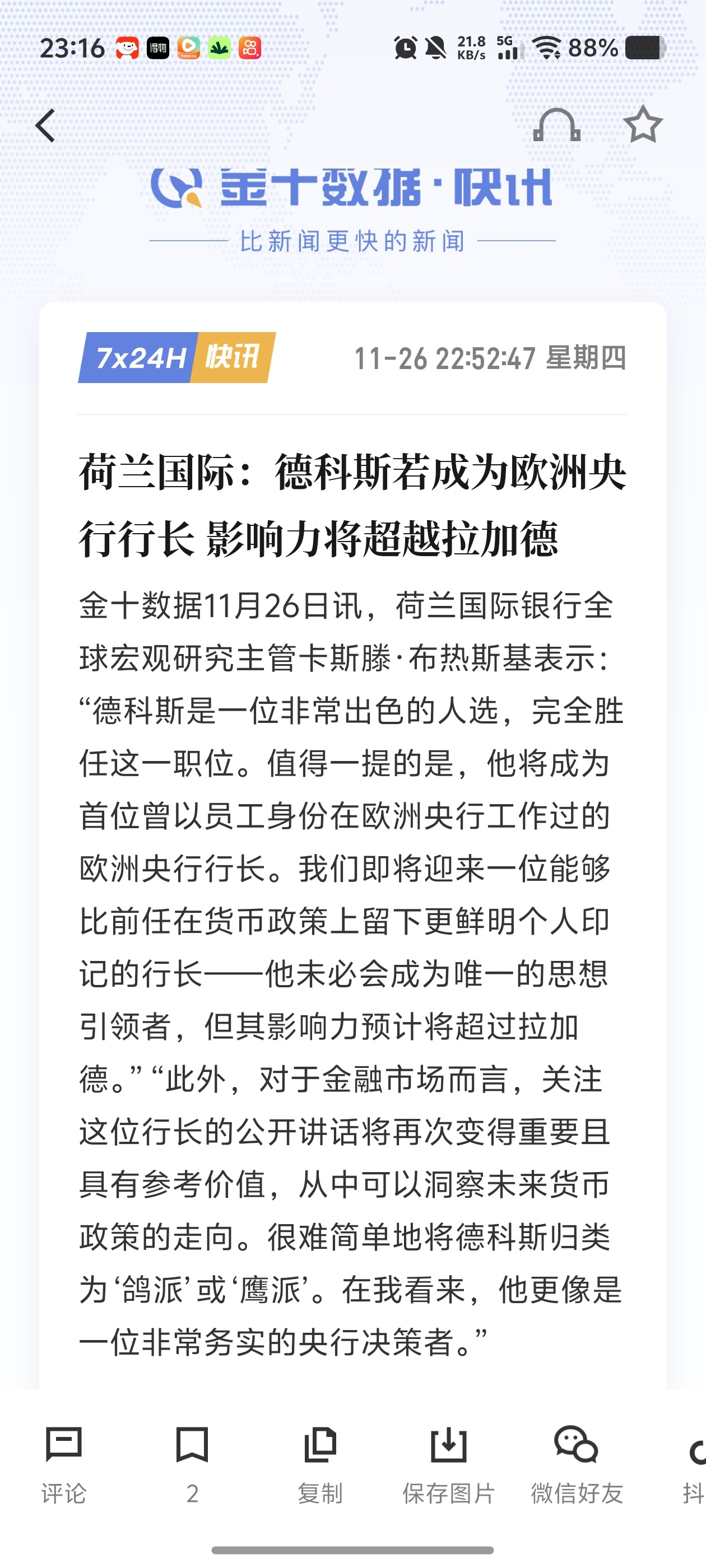
ဂျင်ရှီဒေတာ၊ နိုဝင်ဘာ ၂၆ ရက် — ING ဘဏ်၏ ကမ္ဘာလုံးဆိုင်ရာ မက်ခရိုစီးပွားရေး သုတေသနအကြီးအကဲ ကာစတင် ဘရ်ဇက်စကီးက “ဒီကို့စ်ဟာ အလွန်ကောင်းမွန်တဲ့ ရွေးချယ်မှုတစ်ဦးဖြစ်ပြီး ဒီရာထူးနဲ့လည်း အပြည့်အဝ သင့်တော်ပါတယ်။ မှတ်သားစရာက သူဟာ ဥရောပဗဟိုဘဏ်မှာ ဝန်ထမ်းအဖြစ် လုပ်ကိုင်ခဲ့ဖူးတဲ့ ပထမဆုံး ဥရောပဗဟိုဘဏ်ဥက္ကဋ္ဌ ဖြစ်လာမှာပါ။ ကျွန်တော်တို့ဟာ ငွေကြေးမူဝါဒပိုင်းမှာ သူ့ရဲ့ ကိုယ်ပိုင်အမှတ်အသားကို ယခင်ဥက္ကဋ္ဌထက် ပိုမိုထင်ရှားစွာ ချန်ထားနိုင်မယ့် ဥက္ကဋ္ဌတစ်ဦးကို ရရှိတော့မှာပါ။ သူဟာ အတွေးအခေါ်ပိုင်းကို ဦးဆောင်သူ တစ်ဦးတည်းဖြစ်လာမယ်လို့ မဆိုလိုပေမယ့် သူ့ရဲ့ သြဇာလွှမ်းမိုးမှုက လာဂါ့ဒ်ထက် ပိုမိုကြီးမားမယ်လို့ မျှော်လင့်ရပါတယ်။” “ဒါ့အပြင် ဘဏ္ဍာရေးဈေးကွက်အတွက် ဒီဥက္ကဋ္ဌရဲ့ လူသိရှင်ကြား မိန့်ခွန်းတွေကို အာရုံစိုက်ခြင်းဟာ အရေးပါပြီး ကိုးကားအသုံးပြုနိုင်တဲ့ အရာတစ်ခုအဖြစ် ပြန်လည်ဖြစ်လာမှာပါ။ အဲဒီမိန့်ခွန်းတွေကနေ အနာဂတ်ငွေကြေးမူဝါဒရဲ့ ဦးတည်ချက်ကို ထိုးထွင်းသိမြင်နိုင်ပါတယ်။ ဒီကို့စ်ကို ‘ငွေကြေးဖြေလျှော့ရေးလိုလားသူ’ ဒါမှမဟုတ် ‘ငွေကြေးတင်းကျပ်ရေးလိုလားသူ’ လို့ ရိုးရှင်းစွာ သတ်မှတ်ဖို့ ခက်ခဲပါတယ်။ ကျွန်တော့်အမြင်အရ သူဟာ အလွန်လက်တွေ့ကျတဲ့ ဗဟိုဘဏ်မူဝါဒချမှတ်သူတစ်ဦးနဲ့ ပိုတူပါတယ်။”$ETH
3
580
ကိုးကားထားသော အကြောင်းအရာကို ဖယ်ရှားလိုက်ပါပြီ
BNB+၀.၈၉%
NVDAUS-၂.၇၂%
1
484
ဘာသာပြန်ဆိုချက် ကြည့်မည်
Friends go For CipherX $BTC
{future}(BTCUSDT)
$ETH
{future}(ETHUSDT)
Friends go For CipherX $BTC
$ETH
$ETH

CipherX 零号
·
--
🔴 CIPHERX သတင်းထူး:
ဝါရှင်တန်က အကောက်ခွန်အစီအစဉ်အသစ်တစ်ရပ်ကို ထုတ်ပြန်လိုက်ပြီး ဥရောပသမဂ္ဂအပါအဝင် ကုန်သွယ်ဖက် ၁၄ နိုင်ငံကို ပစ်မှတ်ထားသည်။ အမေရိကန်သို့ တင်ပို့သည့် တရုတ်ကုန်ပစ္စည်းများအပေါ် အခွန် ၂၀% ထပ်တိုးကောက်ခံနိုင်ပြီး စုစုပေါင်းအခွန်နှုန်းမှာ ၄၀% နီးပါးအထိ ရောက်ရှိလာနိုင်သည်။ တစ်ဖက်တွင်လည်း အမေရိကန်၏ အဓိက PCE ငွေကြေးဖောင်းပွမှုနှုန်းမှာ ကျဆင်းမလာသဖြင့် ဒီဇင်ဘာလတွင် ဗဟိုဘဏ်က အတိုးနှုန်းမြှင့်တင်မည့် အလားအလာသည် ဆွေးနွေးစရာအဖြစ် ပြန်လည်ပေါ်ထွက်လာသည်။ ဖိအားနှစ်ရပ်အောက်တွင် စွန့်စားရင်းနှီးမြှုပ်နှံမှု ပိုင်ဆိုင်မှုများ ကျယ်ကျယ်ပြန့်ပြန့် ကျဆင်းခဲ့ပြီး နည်းပညာရှယ်ယာများမှာ အထိနာဆုံးဖြစ်သည်။$BTC
$ETH
$BNB
1
243
🚨 NASDAQ -3%: နောက်တစ်ခုက Crypto ဖြစ်မလား?
NASDAQ သိသိသာသာ ကျဆင်းတာဟာ အန္တရာယ်ရှိတဲ့ ဈေးကွက်တွေအတွက် သတိပေးချက်တစ်ခုပါ။
ဒါပေမဲ့ ကုန်သည်တွေ နားလည်ထားသင့်တာကတော့—
📉 AI ရှယ်ယာတွေမှာ အပြင်းအထန် ရောင်းချမှုတွေ ကြုံခဲ့ရတယ်။
📉 အမေရိကန်ရဲ့ အခွန်တိုးကောက်မှုအသစ်တွေအပေါ် စိုးရိမ်မှုတွေက ဖိအားကို ပိုတိုးစေခဲ့တယ်။
📉 ငွေကြေးဖောင်းပွမှု မြင့်တက်နေတာကြောင့် အတိုးနှုန်းအပေါ် စိုးရိမ်မှုတွေ ဆက်ရှိနေခဲ့တယ်။
ကျွန်တော့်ရဲ့ အရောင်းအဝယ်အမြင်ကတော့—
NASDAQ ကျနေတယ်ဆိုပြီး SHORT ဝင်ဖို့ အလျင်မလိုပါနဲ့။
ဒီအချက် ၃ ချက်ကို စောင့်ကြည့်ပါ—
1️⃣ NASDAQ ပြန်တက်လာမလား၊ ဒါမှမဟုတ် ဆက်ကျမလား။
2️⃣ BTC က အရေးကြီးတဲ့ ထောက်ပံ့မှုအဆင့်ကို ထိန်းထားနိုင်မလား။
3️⃣ ဈေးကွက်မှာ တကယ့်ဝယ်လိုအား အားကောင်းမှုကို တွေ့ရမလား။
NASDAQ အခက်အခဲကြုံနေချိန်မှာ BTC က အားကောင်းနေတယ်ဆိုရင် စောင့်ကြည့်သင့်ပါတယ်။
ဈေးကွက်နှစ်ခုစလုံး အားနည်းလာရင် ကိုယ့်ရင်းနှီးငွေကို ကာကွယ်ပါ။
ကျွန်တော့်ရဲ့ အာရုံစိုက်မှုက ရိုးရှင်းပါတယ်—အတည်ပြုချက်ရတဲ့အထိ စောင့်ပါ။ စိတ်ခံစားချက်နောက် မလိုက်ဘဲ အရောင်းအဝယ်အစီအစဉ်အတိုင်း လုပ်ဆောင်ပါ။
$BTC ၊ $ETH နဲ့ $SOL ကို အနီးကပ် စောင့်ကြည့်နေပါတယ်။
သင်က ဘာလုပ်မလဲ—LONG၊ SHORT၊ ဒါမှမဟုတ် WAIT?
— Sulaiman Zero Hunter
#Nasdaq #CryptoTrading #ZeroHunter
#NasdaqFuturesSlideMoreThan3%

586
Crypto ၏ အနာဂတ်သည် ဈေးနှုန်းထက် ပိုကြီးမားသည်! 🚀
Crypto လောက၏ နောက်ထပ်ကြီးမားသော ခြေလှမ်းသည် ဈေးနှုန်းတက်လာခြင်းတစ်ခုတည်း မဟုတ်ဟု ကျွန်ုပ်ယုံကြည်သည်။
လက်တွေ့ဘဝတွင် အသုံးပြုနိုင်ခြင်းလည်း ဖြစ်သည်။
🔹 Stablecoin များက ငွေပေးချေမှုကို ပိုမိုလွယ်ကူစေနိုင်သည်။
🔹 RWA က လက်တွေ့ပိုင်ဆိုင်မှုများကို blockchain သို့ ယူဆောင်လာနိုင်သည်။
🔹 AI က ကျွန်ုပ်တို့ ဘဏ္ဍာရေးကို အသုံးပြုပုံကို ပြောင်းလဲနိုင်သည်။
🔹 DeFi က ဘဏ္ဍာရေးကို ပိုမိုပွင့်လင်းစေနိုင်သည်။
🔹 အဖွဲ့အစည်းများ ပိုမိုများပြားလာပြီး crypto ကို လေ့လာနေကြသည်။
ရေရှည်ရင်းနှီးမြှုပ်နှံသူတစ်ဦးအနေဖြင့် ကျွန်ုပ်သည် အချက်တစ်ချက်ကို အာရုံစိုက်သည်။
လက်တွေ့အသုံးဝင်မှုသည် ကာလတိုစိတ်လှုပ်ရှားမှုထက် ပိုအရေးကြီးသည်။
အနာဂတ်အတွက် အသုံးဝင်သောအရာများကို တည်ဆောက်နေသည့် ပရောဂျက်များက အမှန်တကယ် အောင်မြင်သူများ ဖြစ်လာနိုင်သည်။
နောက်ထပ် crypto လှိုင်းကို ဘယ်အရာက ဦးဆောင်မယ်လို့ ထင်ပါသလဲ—AI၊ RWA၊ DeFi ဒါမှမဟုတ် Stablecoin များလား။
— Sulaiman Zero Hunter
#BinanceBlockchainWeek #Crypto #LongTermInvesting #ZeroHunter
#EvolveAtBinanceBlockchainWeek

1
589
သူငယ်ချင်းတို့၊ ပြန်လည်မျှဝေပြီး အနီရောင်စာအိတ်လက်ဆောင်ကို ရယူလိုက်ပါ
$MANTRA
$BIGTIME $SSV
#Zerohunter
သူငယ်ချင်းတို့၊ ပြန်လည်မျှဝေပြီး အနီရောင်စာအိတ်လက်ဆောင်ကို ရယူလိုက်ပါ
$MANTRA
$BIGTIME $SSV
#Zerohunter
$MANTRA
$BIGTIME $SSV
#Zerohunter
Sulaiman 零号猎人
·
--
🔥 သုညမုဆိုးတွေ စောင့်ကြည့်နေကြတယ်။
🏦 $HUMA → $0.00908
🤖 $SENT → $0.02168
🏦 $SYRUP → $0.1038
ပရောဂျက် သုံးခု။ ဇာတ်ကြောင်း သုံးခု။ စောင့်ကြည့်စာရင်း တစ်ခု။
ဈေးတက်တာနောက်ကို လိုက်မဝယ်ဘူး။ လူအများ သတိမထားမိခင်ကတည်းက နေရာယူထားတယ်။
အရင်ဆုံး သုတေသနလုပ်တယ်။ ပြီးမှ ယုံကြည်မှုတည်ဆောက်တယ်။ နောက်ဆုံးမှ အကောင်အထည်ဖော်တယ်။
ဘယ်တစ်ခုကို စောင့်ကြည့်နေလဲ။
NFA။
#HUMA #SENT #SYRUP #ZeroHunter
🏦 $HUMA → $0.00908
🤖 $SENT → $0.02168
🏦 $SYRUP → $0.1038
ပရောဂျက် သုံးခု။ ဇာတ်ကြောင်း သုံးခု။ စောင့်ကြည့်စာရင်း တစ်ခု။
ဈေးတက်တာနောက်ကို လိုက်မဝယ်ဘူး။ လူအများ သတိမထားမိခင်ကတည်းက နေရာယူထားတယ်။
အရင်ဆုံး သုတေသနလုပ်တယ်။ ပြီးမှ ယုံကြည်မှုတည်ဆောက်တယ်။ နောက်ဆုံးမှ အကောင်အထည်ဖော်တယ်။
ဘယ်တစ်ခုကို စောင့်ကြည့်နေလဲ။
NFA။
#HUMA #SENT #SYRUP #ZeroHunter
2
843
ကိုးကားထားသော အကြောင်းအရာကို ဖယ်ရှားလိုက်ပါပြီ
4
827
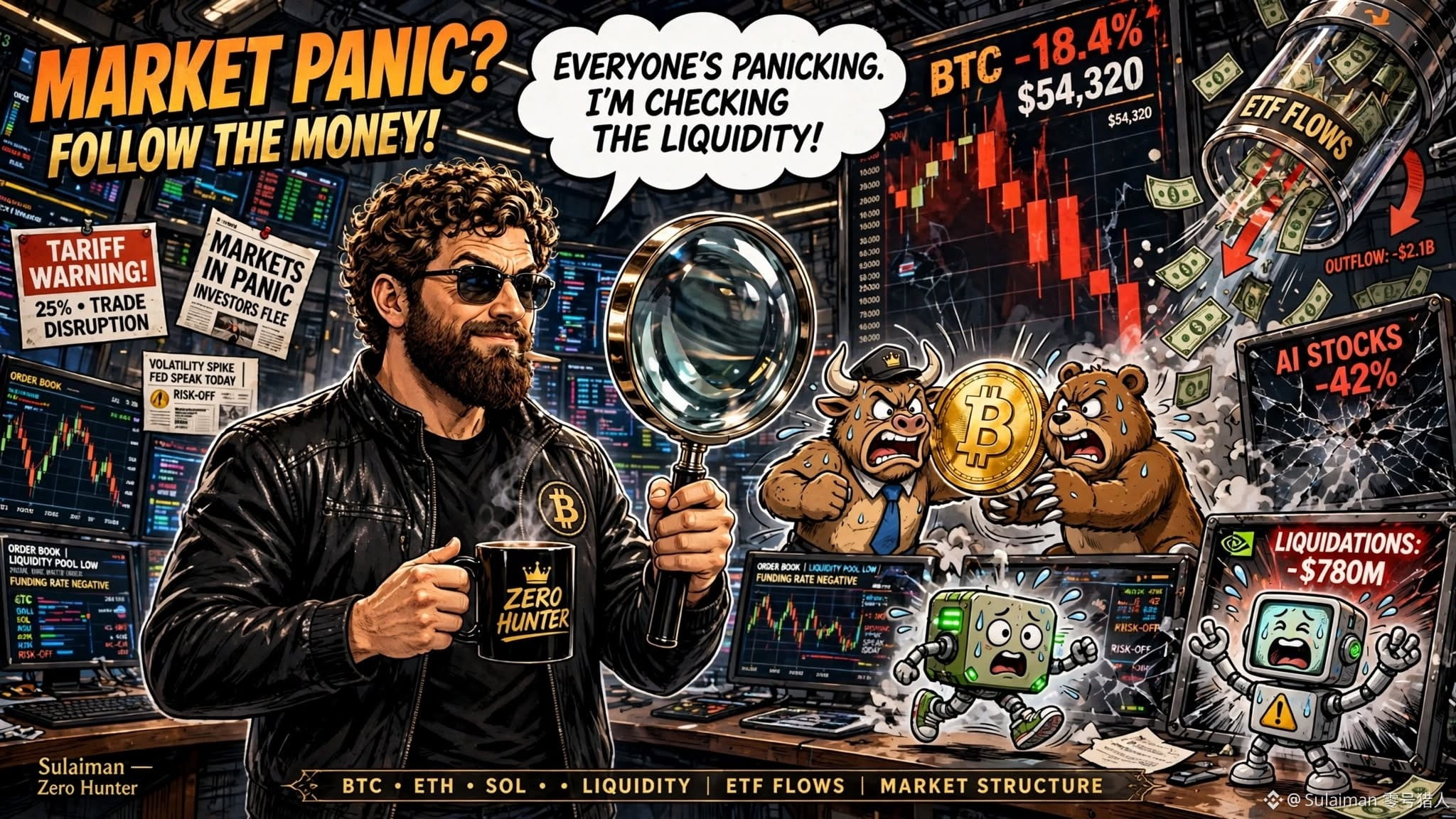
🚨 ဘစ်ကွိုင်းဟာ အခွန်တိုးမြှင့်မယ့် စိုးရိမ်မှုတွေကိုပဲ ရင်ဆိုင်နေရတာ မဟုတ်ပါဘူး။ AI ရှယ်ယာတွေ အရောင်းအဝယ်ကျဆင်းမှုကလည်း ဖိအားတွေ ထပ်တိုးနေပါတယ်။
ခေါင်းကြီးသတင်းတွေကို ခဏလောက် ကျော်ပြီး ကြည့်ကြရအောင်။
ကျွန်တော့်အာရုံကို ဖမ်းစားခဲ့တာတွေကတော့—
• Nasdaq: -3.79%
• S&P 500: -2.51%
• Nvidia: -8.7%
• ဘစ်ကွိုင်းဟာ ဒေါ်လာ ၆၀,၀၀၀ အောက်ကို ကျဆင်းသွားပါတယ်။
ဒါဟာ အခုဆိုရင် ခရစ်ပ်တိုပြဿနာတစ်ခုတည်း မဟုတ်တော့ပါဘူး။
အခွန်မူဝါဒ မသေချာမှု၊ AI တန်ဖိုးသတ်မှတ်မှုအပေါ် စိုးရိမ်မှုနဲ့ အတိုးနှုန်းမျှော်မှန်းချက်တွေက စွန့်စားရင်းနှီးမြှုပ်နှံမှု ပိုင်ဆိုင်မှုတွေကို ဖိအားပေးနေပါတယ်။
ကျွန်တော့် Zero Hunter စောင့်ကြည့်စာရင်းကတော့—
🔍 $BTC — အမှန်တကယ် ဈေးကွက်အတွင်း ဝယ်လိုအား ပြန်ရှိလာပြီလား။
🔍 $ETH — ဝယ်လက်တွေက အရေးကြီးတဲ့ ဈေးကွက်ဖွဲ့စည်းပုံကို ကာကွယ်နိုင်မလား။
🔍 $SOL - ရင်းနှီးမြှုပ်နှံမှုအရင်းအနှီးသစ်တွေ ဝင်လာနေတာလား၊ ဒါမှမဟုတ် ငွေဖြစ်လွယ်မှု လျော့နည်းလာနေတာလား။
{future}(SOLUSDT)
ကျွန်တော့်နည်းလမ်းက ရိုးရှင်းပါတယ်—
ဈေးကျနေတဲ့အချိန်မှာ အလျင်စလို မလိုက်ဝယ်ပါဘူး။ ဈေးပြန်တက်တိုင်းလည်း ဝမ်းမသာပါဘူး။
ဆုံးဖြတ်ချက်မချခင် အရောင်းအဝယ်ပမာဏ၊ ငွေဖြစ်လွယ်မှုနဲ့ ဝယ်လက်တွေရဲ့ အားကောင်းမှုကို စောင့်ကြည့်ပါတယ်။
ဈေးကျတာက အာရုံစိုက်စေပါတယ်။ အရင်းအနှီးစီးဆင်းမှုပြောင်းလဲတာကတော့ ကျွန်တော့်အာရုံကို ဖမ်းစားပါတယ်။
နောက်ထပ် အရောင်းအဝယ်အခွင့်အရေးအတွက် ဘယ်အချက်ကို စောင့်ကြည့်နေပါသလဲ။
— Sulaiman | Zero Hunter
#ZeroHunter #Bitcoin #CryptoTrading
#BitcoinAndStocksSlipAgainAmidTrump’sTariffPlans
🚨 ဘစ်ကွိုင်းဟာ အခွန်တိုးမြှင့်မယ့် စိုးရိမ်မှုတွေကိုပဲ ရင်ဆိုင်နေရတာ မဟုတ်ပါဘူး။ AI ရှယ်ယာတွေ အရောင်းအဝယ်ကျဆင်းမှုကလည်း ဖိအားတွေ ထပ်တိုးနေပါတယ်။
ခေါင်းကြီးသတင်းတွေကို ခဏလောက် ကျော်ပြီး ကြည့်ကြရအောင်။
ကျွန်တော့်အာရုံကို ဖမ်းစားခဲ့တာတွေကတော့—
• Nasdaq: -3.79%
• S&P 500: -2.51%
• Nvidia: -8.7%
• ဘစ်ကွိုင်းဟာ ဒေါ်လာ ၆၀,၀၀၀ အောက်ကို ကျဆင်းသွားပါတယ်။
ဒါဟာ အခုဆိုရင် ခရစ်ပ်တိုပြဿနာတစ်ခုတည်း မဟုတ်တော့ပါဘူး။
အခွန်မူဝါဒ မသေချာမှု၊ AI တန်ဖိုးသတ်မှတ်မှုအပေါ် စိုးရိမ်မှုနဲ့ အတိုးနှုန်းမျှော်မှန်းချက်တွေက စွန့်စားရင်းနှီးမြှုပ်နှံမှု ပိုင်ဆိုင်မှုတွေကို ဖိအားပေးနေပါတယ်။
ကျွန်တော့် Zero Hunter စောင့်ကြည့်စာရင်းကတော့—
🔍 $BTC — အမှန်တကယ် ဈေးကွက်အတွင်း ဝယ်လိုအား ပြန်ရှိလာပြီလား။
🔍 $ETH — ဝယ်လက်တွေက အရေးကြီးတဲ့ ဈေးကွက်ဖွဲ့စည်းပုံကို ကာကွယ်နိုင်မလား။
🔍 $SOL - ရင်းနှီးမြှုပ်နှံမှုအရင်းအနှီးသစ်တွေ ဝင်လာနေတာလား၊ ဒါမှမဟုတ် ငွေဖြစ်လွယ်မှု လျော့နည်းလာနေတာလား။
ကျွန်တော့်နည်းလမ်းက ရိုးရှင်းပါတယ်—
ဈေးကျနေတဲ့အချိန်မှာ အလျင်စလို မလိုက်ဝယ်ပါဘူး။ ဈေးပြန်တက်တိုင်းလည်း ဝမ်းမသာပါဘူး။
ဆုံးဖြတ်ချက်မချခင် အရောင်းအဝယ်ပမာဏ၊ ငွေဖြစ်လွယ်မှုနဲ့ ဝယ်လက်တွေရဲ့ အားကောင်းမှုကို စောင့်ကြည့်ပါတယ်။
ဈေးကျတာက အာရုံစိုက်စေပါတယ်။ အရင်းအနှီးစီးဆင်းမှုပြောင်းလဲတာကတော့ ကျွန်တော့်အာရုံကို ဖမ်းစားပါတယ်။
နောက်ထပ် အရောင်းအဝယ်အခွင့်အရေးအတွက် ဘယ်အချက်ကို စောင့်ကြည့်နေပါသလဲ။
— Sulaiman | Zero Hunter
#ZeroHunter #Bitcoin #CryptoTrading
#BitcoinAndStocksSlipAgainAmidTrump’sTariffPlans
1
1.1k
နောက်ထပ်အကြောင်းအရာများအတွက် Follow လုပ်ပါ $USDC $DOGE $SEI
နောက်ထပ်အကြောင်းအရာများအတွက် Follow လုပ်ပါ $USDC $DOGE $SEI

SankAlpha
·
--
တက်ရိပ်ရှိသည်🎁🎁🎁#bnb 🧧🧧🧧
BNB သည် ရက်သတ္တပတ်များစွာကြာ ပြင်းထန်စွာ ကျဆင်းပြီးနောက် ပြန်လည်နာလန်ထူရန် ကြိုးပမ်းနေသည်။ ပြန်တက်မှု ဆက်လက်ဖြစ်ပေါ်ရန် $540–$545 အထက်တွင် ထိန်းထားနိုင်ခြင်းက အရေးကြီးသည်။ ခုခံမှုအဆင့်မှာ $575–$595 ဖြစ်သည်။
$BNB
💖မှတ်ချက်ရေးပြီး ရယူပါ 👍
🔁 ပြန်လည်မျှဝေပါ 💯
BNB သည် ရက်သတ္တပတ်များစွာကြာ ပြင်းထန်စွာ ကျဆင်းပြီးနောက် ပြန်လည်နာလန်ထူရန် ကြိုးပမ်းနေသည်။ ပြန်တက်မှု ဆက်လက်ဖြစ်ပေါ်ရန် $540–$545 အထက်တွင် ထိန်းထားနိုင်ခြင်းက အရေးကြီးသည်။ ခုခံမှုအဆင့်မှာ $575–$595 ဖြစ်သည်။
$BNB
💖မှတ်ချက်ရေးပြီး ရယူပါ 👍
🔁 ပြန်လည်မျှဝေပါ 💯

2
395
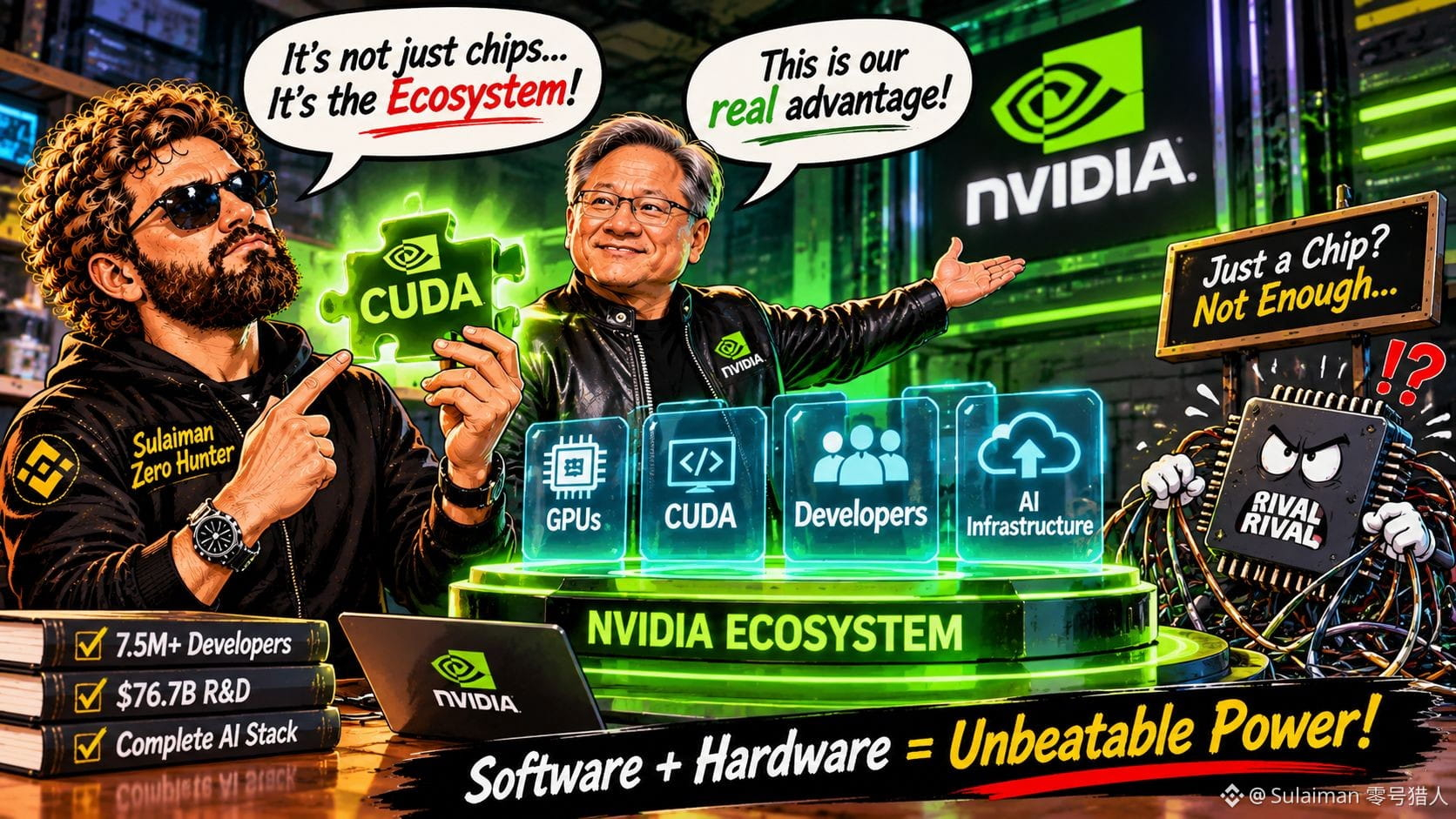
🧠 NVIDIA ရဲ့ လျှို့ဝှက်လက်နက်က ချစ်ပ်တွေတင်မဟုတ်ပါဘူး။ ချစ်ပ်တွေနောက်ကွယ်က ဆော့ဖ်ဝဲလည်း ဖြစ်ပါတယ်။
ရင်းနှီးမြှုပ်နှံသူအများအပြား သတိမထားမိကြဘူးလို့ ကျွန်တော်ထင်တဲ့ အချက်တစ်ခုရှိပါတယ်။
ဘယ်သူမဆို စွမ်းအားမြင့် AI ချစ်ပ်တစ်ခု တည်ဆောက်ဖို့ ကြိုးစားနိုင်ပါတယ်။ ဒါပေမဲ့ သန်းနဲ့ချီတဲ့ developer တွေ အသုံးပြုနည်းကို သိထားပြီးသားဖြစ်တဲ့ ဂေဟစနစ်တစ်ခု တည်ဆောက်ဖို့ကတော့ ပိုပြီးခက်ခဲတဲ့ စိန်ခေါ်မှုတစ်ရပ်ပါ။
NVIDIA ရဲ့ CUDA ပလက်ဖောင်း၊ ဆော့ဖ်ဝဲစာကြည့်တိုက်များနဲ့ ဟာ့ဒ်ဝဲပေါင်းစပ်မှုတို့က အားကောင်းတဲ့ ယှဉ်ပြိုင်မှုအားသာချက်ကို ဖန်တီးပေးပါတယ်။
ကျွန်တော့်အာရုံကို ဖမ်းစားခဲ့တဲ့ ကိန်းဂဏန်းအချို့ကတော့—
• Developer 7.5 သန်းကျော်က CUDA နဲ့ NVIDIA ဆော့ဖ်ဝဲကိရိယာများကို အသုံးပြုကြပါတယ်။
• NVIDIA ဟာ စတင်တည်ထောင်ချိန်ကစပြီး R&D မှာ $76.7 ဘီလီယံကျော် ရင်းနှီးမြှုပ်နှံထားပါတယ်။
• သူ့ရဲ့ပလက်ဖောင်းမှာ GPU များ၊ ကွန်ရက်ချိတ်ဆက်မှု၊ ဆော့ဖ်ဝဲနဲ့ AI စနစ်များ ပါဝင်ပေါင်းစပ်ထားပါတယ်။
(ရင်းမြစ်: NVIDIA FY2026 နှစ်ပတ်လည်အစီရင်ခံစာ)
အခု စီးပွားရေးပုံစံကို စဉ်းစားကြည့်ပါ။
ဖောက်သည်တွေဟာ ချစ်ပ်တစ်ခုကိုပဲ ရွေးချယ်နေတာ မဟုတ်ပါဘူး။ ဖွံ့ဖြိုးတည်ဆောက်ရေးပတ်ဝန်းကျင်တစ်ခုလုံးကို ရွေးချယ်နေကြတာပါ။
ဒါပေမဲ့ အန္တရာယ်တစ်ခုရှိပါတယ်။ ပြိုင်ဘက်တွေက ဒီလိုမှီခိုနေရမှုကို လျှော့ချဖို့ လုပ်ဆောင်နေကြပြီး၊ အခြားရွေးချယ်စရာတွေ ပိုကောင်းလာတာ ဒါမှမဟုတ် ပိုဈေးသက်သာလာတာနဲ့ ဖောက်သည်တွေဟာ ထာဝရသစ္စာရှိနေမှာ မဟုတ်ပါဘူး။
ကျွန်တော်ရဲ့ အဓိကသုံးသပ်ချက်ကတော့—
နောက်လာမယ့် AI ပြိုင်ပွဲကို ချစ်ပ်စွမ်းဆောင်ရည်တစ်ခုတည်းနဲ့ ဆုံးဖြတ်မှာ မဟုတ်ပါဘူး။ ဆော့ဖ်ဝဲကို လက်ခံအသုံးပြုမှုနဲ့ ဂေဟစနစ်ရဲ့ အားကောင်းမှုတို့ကလည်း ထပ်တူအရေးပါနိုင်ပါတယ်။
AI အခြေခံအဆောက်အအုံ၊ ဗဟိုချုပ်ကိုင်မှုကင်းတဲ့ AI နဲ့ GPU ကွန်ပျူတာလုပ်ဆောင်မှု—ဒီရှုထောင့်သုံးမျိုးကနေ $NVDA၊ $TAO နဲ့ $RENDER ကို စောင့်ကြည့်နေပါတယ်။
သင်ထင်တာက ဘယ်အရာကို အစားထိုးဖို့ ပိုခက်သလဲ—စွမ်းအားမြင့်ချစ်ပ်တစ်ခုလား၊ ဒါမှမဟုတ် ဂေဟစနစ်တစ်ခုလုံးလား။
— Sulaiman | Zero Hunter
#NVIDIA #AI #Crypto #ZeroHunter
#JensenHuangSaysNvidiaDoesn’tNeedASuccessionPlan
6
5
2.6k
🚨 NVIDIA မှာ ဆက်ခံမယ့်သူအတွက် အစီအစဉ် မလိုဘူးလား။ ကျွန်တော်တော့ သိပ်မသေချာဘူး။
Jensen Huang က CEO အဖြစ် ပြန်လည်တာဝန်ယူလာပေမယ့် သူ့ရဲ့ နောက်ဆုံးပြောကြားချက်တွေက စိတ်ဝင်စားစရာ မေးခွန်းတစ်ခုကို ပေါ်ပေါက်စေပါတယ်။
NVIDIA မှာ အရည်အချင်းရှိတဲ့ ခေါင်းဆောင်တွေ လုံလောက်စွာရှိတဲ့အတွက် ရိုးရာအစဉ်အလာအတိုင်း ဆက်ခံသူရွေးချယ်ရေးအစီအစဉ် မလိုအပ်ဘူးလို့ သူယုံကြည်ပါတယ်။
ကောင်းပါတယ်။ ဒါပေမယ့် တည်ထောင်သူတစ်ဦး ရာထူးကနေ ဖယ်ခွာသွားတဲ့အခါ ကုမ္ပဏီတစ်ခုအပေါ် မရေရာမှု ဘယ်လောက်အထိ ဝန်းရံလာနိုင်တယ်ဆိုတာကို ရင်းနှီးမြှုပ်နှံသူတွေ မကြာသေးခင်ကပဲ မြင်တွေ့ခဲ့ကြပါတယ်။
သူပြန်လာမယ်လို့ ကြေညာပြီးနောက် NVIDIA ရှယ်ယာဈေးတွေ 30% ကျော် တက်ခဲ့ပြီး၊ နောက်ပိုင်းမှာတော့ ပြန်ကျသွားခဲ့ပါတယ်။
သတင်းခေါင်းစီးတွေထက် ကျော်လွန်ပြီး ကျွန်တော် စောင့်ကြည့်နေတာတွေကတော့—
AI တိုးတက်မှုက CEO တစ်ဦးတည်းထက် ပိုကြီးမားပါတယ်။ ဒါပေမယ့် ရင်းနှီးမြှုပ်နှံသူတွေရဲ့ ယုံကြည်မှုဟာ ခေါင်းဆောင်မှုအပေါ် အလွန်အမင်း မူတည်နေနိုင်ပါသေးတယ်။
ဒါဟာ AI ခရစ်ပတို ကုန်သည်တွေလည်း စဉ်းစားသင့်တဲ့အချက်တစ်ခုပါ။
ကျွန်တော် စောင့်ကြည့်နေတဲ့စာရင်း—
• $TAO — ဗဟိုချုပ်ကိုင်မှုကင်းတဲ့ AI ဂေဟစနစ်။
• $RENDER — GPU ကွန်ပျူတာစွမ်းအားအတွက် လိုအပ်ချက်။
• $FET — AI အေးဂျင့်စီးပွားရေး။
AI အကြောင်းရေပန်းစားနေတဲ့ ဇာတ်ကြောင်းနဲ့ တကယ့် တိုကင်ဝယ်လိုအားကို မရောထွေးပါနဲ့။
ခင်ဗျားအမြင်အရ ဘယ် AI ပရောဂျက်မှာ အခိုင်မာဆုံး အခြေခံအချက်တွေ ရှိသလဲ။
— Sulaiman | Zero Hunter
$NVDA
{future}(NVDAUSDT)
#Aİ #Crypto #NVIDIA #ZeroHunter
#JensenHuangSaysNvidiaDoesn’tNeedASuccessionPlan
🚨 NVIDIA မှာ ဆက်ခံမယ့်သူအတွက် အစီအစဉ် မလိုဘူးလား။ ကျွန်တော်တော့ သိပ်မသေချာဘူး။
Jensen Huang က CEO အဖြစ် ပြန်လည်တာဝန်ယူလာပေမယ့် သူ့ရဲ့ နောက်ဆုံးပြောကြားချက်တွေက စိတ်ဝင်စားစရာ မေးခွန်းတစ်ခုကို ပေါ်ပေါက်စေပါတယ်။
NVIDIA မှာ အရည်အချင်းရှိတဲ့ ခေါင်းဆောင်တွေ လုံလောက်စွာရှိတဲ့အတွက် ရိုးရာအစဉ်အလာအတိုင်း ဆက်ခံသူရွေးချယ်ရေးအစီအစဉ် မလိုအပ်ဘူးလို့ သူယုံကြည်ပါတယ်။
ကောင်းပါတယ်။ ဒါပေမယ့် တည်ထောင်သူတစ်ဦး ရာထူးကနေ ဖယ်ခွာသွားတဲ့အခါ ကုမ္ပဏီတစ်ခုအပေါ် မရေရာမှု ဘယ်လောက်အထိ ဝန်းရံလာနိုင်တယ်ဆိုတာကို ရင်းနှီးမြှုပ်နှံသူတွေ မကြာသေးခင်ကပဲ မြင်တွေ့ခဲ့ကြပါတယ်။
သူပြန်လာမယ်လို့ ကြေညာပြီးနောက် NVIDIA ရှယ်ယာဈေးတွေ 30% ကျော် တက်ခဲ့ပြီး၊ နောက်ပိုင်းမှာတော့ ပြန်ကျသွားခဲ့ပါတယ်။
သတင်းခေါင်းစီးတွေထက် ကျော်လွန်ပြီး ကျွန်တော် စောင့်ကြည့်နေတာတွေကတော့—
AI တိုးတက်မှုက CEO တစ်ဦးတည်းထက် ပိုကြီးမားပါတယ်။ ဒါပေမယ့် ရင်းနှီးမြှုပ်နှံသူတွေရဲ့ ယုံကြည်မှုဟာ ခေါင်းဆောင်မှုအပေါ် အလွန်အမင်း မူတည်နေနိုင်ပါသေးတယ်။
ဒါဟာ AI ခရစ်ပတို ကုန်သည်တွေလည်း စဉ်းစားသင့်တဲ့အချက်တစ်ခုပါ။
ကျွန်တော် စောင့်ကြည့်နေတဲ့စာရင်း—
• $TAO — ဗဟိုချုပ်ကိုင်မှုကင်းတဲ့ AI ဂေဟစနစ်။
• $RENDER — GPU ကွန်ပျူတာစွမ်းအားအတွက် လိုအပ်ချက်။
• $FET — AI အေးဂျင့်စီးပွားရေး။
AI အကြောင်းရေပန်းစားနေတဲ့ ဇာတ်ကြောင်းနဲ့ တကယ့် တိုကင်ဝယ်လိုအားကို မရောထွေးပါနဲ့။
ခင်ဗျားအမြင်အရ ဘယ် AI ပရောဂျက်မှာ အခိုင်မာဆုံး အခြေခံအချက်တွေ ရှိသလဲ။
— Sulaiman | Zero Hunter
$NVDA
#Aİ #Crypto #NVIDIA #ZeroHunter
#JensenHuangSaysNvidiaDoesn’tNeedASuccessionPlan

3
643
#BitcoinAndStocksSlipAgainAmidTrump’sTariffPlans
🚨 BITCOIN $60K အောက်ကျသွားပြီ: ပြဿနာက တကယ်ပဲ TRUMP လား?
Trump ရဲ့ အခွန်စည်းကြပ်မှုဆိုင်ရာ ခြိမ်းခြောက်မှုအသစ်တွေအကြောင်း လူတိုင်းပြောနေကြတယ်။ ဒါပေမဲ့ ကျွန်တော်က ဒီထက်ပိုကြီးတဲ့အရာတစ်ခုကို စောင့်ကြည့်နေတယ်။
ဖြစ်ခဲ့တာတွေကို ကြည့်ပါ:
• BTC ဟာ $64,500 ဝန်းကျင်အထိ ပြန်တက်လာပြီးနောက် $60K အောက် ပြန်ကျသွားတယ်။
• Spot Bitcoin ETF တွေမှာ တစ်ရက်တည်း ဒေါ်လာ 569.7M အသားတင်ငွေထွက်မှု ဖြစ်ခဲ့တယ်။
• နိုဝင်ဘာလ ETF ငွေထွက်မှု စုစုပေါင်းဟာ ခန့်မှန်းခြေ $4.71B အထိ ရောက်ရှိခဲ့တယ်။
• 24 နာရီအတွင်း Crypto ဖျက်သိမ်းမှုတန်ဖိုးဟာ $844M အထိ ရောက်ခဲ့တယ်။
(ရင်းမြစ်: Binance Market Update, နိုဝင်ဘာ 24)
ကျွန်တော် စိုးရိမ်တာက အဖွဲ့အစည်းဆိုင်ရာ ရင်းနှီးမြှုပ်နှံငွေတွေ ထွက်ခွာနေပြီး၊ လီဗာရေ့ချ်နဲ့ အရောင်းအဝယ်လုပ်သူတွေ အကြီးအကျယ်ဆုံးရှုံးနေသလို၊ နည်းပညာစတော့ရှယ်ယာတွေလည်း ဖိအားအောက်မှာ ရှိနေတယ်။
ဒါဟာ အခွန်စည်းကြပ်မှုအပေါ် စိုးရိမ်မှုသက်သက်ထက် ပိုပါတယ်။
ကျွန်တော့် Zero Hunter စောင့်ကြည့်စာရင်း:
• $BTC — ဝယ်သူတွေက $60K ကို ပြန်ရယူပြီး ထိန်းထားနိုင်မလား?
• $ETH — ရောင်းအားဖိအားက ပျံ့နှံ့လာနေသလား?
• $SOL — BTC ရုန်းကန်နေရချိန်မှာ ဝယ်လိုအားအသစ် ပေါ်လာနိုင်မလား?
ကျွန်တော် စောင့်ကြည့်နေတဲ့ အချက်နှစ်ချက်:
🟢 ETF ငွေထွက်မှု နှေးကွေးလာရင် ပိုကျန်းမာတဲ့ ပြန်လည်နာလန်ထူမှုကို အထောက်အကူပြုနိုင်တယ်။
🔴 ငွေထုတ်ယူမှုတွေ ဆက်ဖြစ်နေရင် နောက်ထပ်ဈေးပြန်တက်မှုကို ရေရှည်တည်တံ့ဖို့ ခက်ခဲစေနိုင်တယ်။
ဈေးအောက်ဆုံးကို ရောက်ပြီလို့ ကျွန်တော် မပြောပါဘူး။ အတည်ပြုချက်မရှိဘဲ အစိမ်းရောင်ဖယောင်းတိုင်တိုင်းနောက် လိုက်ဝယ်မိမှာကိုပဲ မလိုချင်တာပါ။
မျက်စိမှိတ်ယုံကြည်ပြီး စောစောဝင်တာထက် အတည်ပြုချက်ရပြီးမှ နောက်ကျဝင်တာကို ပိုနှစ်သက်တယ်။
သင့်အတွက် ပိုကြီးတဲ့စိုးရိမ်စရာက ဘာလဲ: ETF ငွေထွက်မှုလား၊ အခွန်စည်းကြပ်မှု မသေချာခြင်းလား?
— Sulaiman | Zero Hunter
#Bitcoin #CryptoMarket #Tariffs #ZeroHunter

1
244
အစိမ်းရောင်ဖယောင်းတိုင်တိုင်းဟာ အခွင့်အရေးမဟုတ်ပါ။ တိတ်ဆိတ်နေတဲ့ ပရောဂျက်တိုင်းလည်း သေဆုံးသွားတာမဟုတ်ပါ။ သုတေသနပြုလုပ်ခြင်းက အဆုံးအဖြတ်ပေးပါတယ်။
$LISTA
$ACE
$INIT
အစိမ်းရောင်ဖယောင်းတိုင်တိုင်းဟာ အခွင့်အရေးမဟုတ်ပါ။ တိတ်ဆိတ်နေတဲ့ ပရောဂျက်တိုင်းလည်း သေဆုံးသွားတာမဟုတ်ပါ။ သုတေသနပြုလုပ်ခြင်းက အဆုံးအဖြတ်ပေးပါတယ်။
$LISTA
$ACE
$INIT
$LISTA
$ACE
$INIT

蟹 bro
·
--
သင့်ရဲ့ တိုကင် follow လုပ်သူဆုလက်ဆောင်ကို ရယူလိုက်ပါ🎁
အခု ၁၀၀၀ ခုသာ အချိန်ကန့်သတ်ပြီး ဝေငှနေပါတယ်🔥🔥
အခု ၁၀၀၀ ခုသာ အချိန်ကန့်သတ်ပြီး ဝေငှနေပါတယ်🔥🔥

2
1.2k
Log in to explore more content
Join global crypto users on Binance Square
⚡️ Get latest and useful information about crypto.
💬 Trusted by the world’s largest crypto exchange.
👍 Discover real insights from verified creators.
အီးမေးလ် / ဖုန်းနံပါတ်
ရေပန်းစားနေသော ခေါင်းစဉ်များ
CanMarketsReboundAfterThanksgiving?
ကြည့်ရှုမှု 133,025 ကြိမ်
1,634 ဦး ဆွေးနွေးနေသည်
အမေရိကန်စျေးကွက်များ ကျေးဇူးတော်နေ့ပိတ်ရက်သို့ ဦးတည်နေစဉ် အတိုးနှုန်းမြှင့်မည်ဟူသော မျှော်မှန်းချက်များ ဆက်လက်ရှိနေ
Binance News
·နှစ်သက်မှု 5 ခု
·ကြည့်ရှုမှု 4.1k ကြိမ်
CouldSpaceX’sOrbitalDataCentersBoostAIChipDemand?
ကြည့်ရှုမှု 62,664 ကြိမ်
1,000 ဦး ဆွေးနွေးနေသည်
SouthKoreaProposesMandatoryDigitalAssetTransactionDisclosure
ကြည့်ရှုမှု 1,477 ကြိမ်
47 ဦး ဆွေးနွေးနေသည်