
JOSEPH DESOZE
17.1k ပို့စ်များ

JOSEPH DESOZE
 Square စိစစ်အတည်ပြုပြီး
တိုင်ကြားမည်
သုံးစွဲသူကို ဘလော့မည်
Crypto Enthusiast, Market Analyst; Gem Hunter Blockchain Believer.
အမှန်တကယ်ရောင်းဝယ်နေ

BTC Holder
Frequent Trader
2.2 နှစ်
235 ဖော်လိုလုပ်ထားသည်
30.7K+ ဖော်လိုလုပ်သူများ
18.9K+ လိုက်ခ်လုပ်ထားသည်
ပို့စ်များ
ပိုင်ဆိုင်မှုစာရင်း
အားလုံး
ဆိုဈေးများ
ဗီဒီယိုများ
တိုက်ရိုက်ထုတ်လွှင့်ခြင်း
ပုံသေထားသည်
#sxt $SXT @SpaceandTimeDB
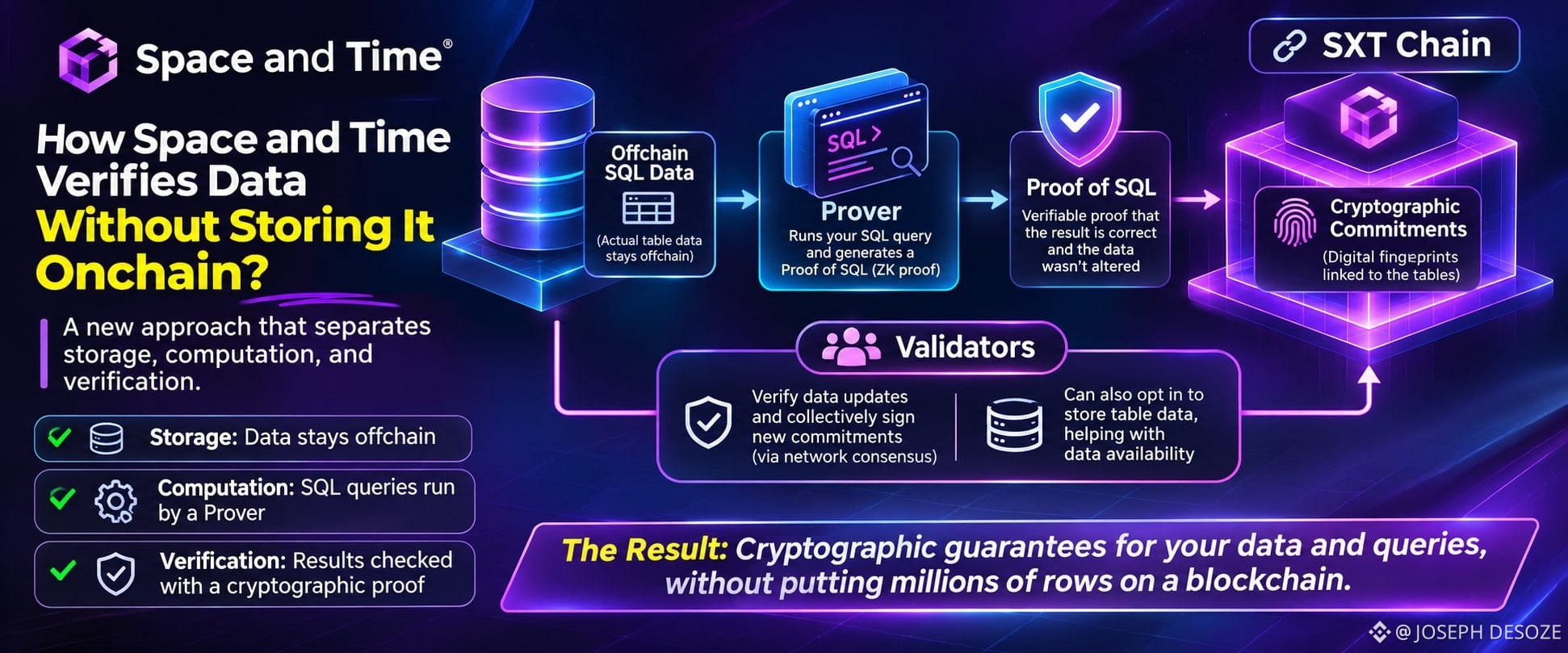
Space and Time နဲ့ပတ်သက်ပြီး စိတ်ဝင်စားစရာကောင်းတယ်လို့ ကျွန်တော်ထင်တဲ့အချက်တစ်ခုက ဒေတာရဲ့ ခိုင်မာမှုကို အတည်ပြုနိုင်ဖို့အတွက် ဒေတာကို blockchain ပေါ်မှာ တကယ်သိမ်းဆည်းထားဖို့ မလိုအပ်တာပါပဲ။
ဒါက အသေးစိတ်အချက်လေးတစ်ခုလို့ ထင်ရနိုင်ပေမယ့် စနစ်တစ်ခုလုံး ဘယ်လိုအလုပ်လုပ်သလဲဆိုတာရဲ့ အရေးကြီးတဲ့အစိတ်အပိုင်းတစ်ခုလို့ ကျွန်တော်ထင်ပါတယ်။
SQL ဇယားထဲက တကယ့်ဒေတာတွေကို offchain မှာပဲ သိမ်းထားပြီး SXT Chain က အဲဒီဇယားတွေနဲ့ ချိတ်ဆက်ထားတဲ့ ကုဒ်ဝှက်ဆိုင်ရာ ကတိကဝတ်မှတ်တမ်းတွေကို သိမ်းဆည်းပါတယ်။ ကတိကဝတ်မှတ်တမ်းဆိုတာ ဒစ်ဂျစ်တယ်လက်ဗွေရာတစ်ခုလို စဉ်းစားနိုင်ပါတယ်။ ဒေတာအစုတစ်ခုလုံးကို onchain တင်စရာမလိုဘဲ ပြောင်းလဲမှုတွေကို ကွန်ရက်က ရှာဖွေတွေ့ရှိနိုင်စေပါတယ်။
ဒီနေရာမှာ validator တွေကလည်း စိတ်ဝင်စားစရာကောင်းတဲ့ အခန်းကဏ္ဍတစ်ခု ပါဝင်ပါတယ်။ သူတို့က ဒေတာအပ်ဒိတ်တွေကို စစ်ဆေးပြီး ကွန်ရက်သဘောတူညီမှုမှတစ်ဆင့် ကတိကဝတ်မှတ်တမ်းအသစ်တွေကို စုပေါင်းလက်မှတ်ရေးထိုးကြပါတယ်။ Validator တွေဟာ ဇယားဒေတာတွေကို သိမ်းဆည်းဖို့လည်း ရွေးချယ်နိုင်ပြီး ကွန်ရက်ရဲ့ ဒေတာရရှိနိုင်မှုကို ပံ့ပိုးပေးနိုင်ပါတယ်။
တစ်ယောက်ယောက်က SQL query တစ်ခုကို လုပ်ဆောင်တဲ့အခါ Prover က အခြေခံဒေတာတွေအပေါ်မှာ အဲဒီ query ကို လုပ်ဆောင်ပြီး Proof of SQL ကို ထုတ်ပေးပါတယ်။ ဒီသက်သေက ရလဒ်ကို ကတိကဝတ်ပြုထားတဲ့ ဒေတာနဲ့ တိုက်ဆိုင်စစ်ဆေးနိုင်စေပြီး တွက်ချက်မှုကို မှန်ကန်စွာ လုပ်ဆောင်ခဲ့ကြောင်းနဲ့ ဒေတာကို တိတ်တဆိတ် ပြောင်းလဲထားခြင်းမရှိကြောင်းကိုပါ အတည်ပြုပေးပါတယ်။
ဒီနည်းလမ်းမှာ ကျွန်တော်နှစ်သက်တဲ့အချက်က သိမ်းဆည်းခြင်း၊ တွက်ချက်ခြင်းနဲ့ စစ်ဆေးအတည်ပြုခြင်းတို့ကို သီးခြားခွဲထားတာပါပဲ။
Blockchain က ဒေတာအတန်းပေါင်း သန်းချီကို သယ်ဆောင်ထားစရာမလိုပေမယ့် အက်ပ်လီကေးရှင်းတွေက သူတို့ရဲ့ query တွေရဲ့ နောက်ကွယ်က အချက်အလက်တွေအတွက် ကုဒ်ဝှက်ဆိုင်ရာ အာမခံချက်တွေကို ရရှိနိုင်ဆဲပါ။
ဟုတ်ပါတယ်၊ ကုဒ်ဝှက်ဆိုင်ရာ စစ်ဆေးအတည်ပြုမှုဟာ ပိုကြီးမားတဲ့ပုံရိပ်ထဲက အစိတ်အပိုင်းတစ်ခုပဲ ဖြစ်ပါတယ်။ အက်ပ်လီကေးရှင်းတွေ တကယ်လိုအပ်တဲ့အချိန်မှာ ဒေတာကို ရယူအသုံးပြုနိုင်ဖို့လည်း လိုအပ်ပါတယ်။
Space and Time ကွန်ရက် ဆက်လက်ဖွံ့ဖြိုးလာတာနဲ့အမျှ ဒါကို ကျွန်တော် ဆက်လက်စောင့်ကြည့်သွားမှာပါ။
#sxt $SXT @SpaceandTime
Space and Time နဲ့ပတ်သက်ပြီး စိတ်ဝင်စားစရာကောင်းတယ်လို့ ကျွန်တော်ထင်တဲ့အချက်တစ်ခုက ဒေတာရဲ့ ခိုင်မာမှုကို အတည်ပြုနိုင်ဖို့အတွက် ဒေတာကို blockchain ပေါ်မှာ တကယ်သိမ်းဆည်းထားဖို့ မလိုအပ်တာပါပဲ။
ဒါက အသေးစိတ်အချက်လေးတစ်ခုလို့ ထင်ရနိုင်ပေမယ့် စနစ်တစ်ခုလုံး ဘယ်လိုအလုပ်လုပ်သလဲဆိုတာရဲ့ အရေးကြီးတဲ့အစိတ်အပိုင်းတစ်ခုလို့ ကျွန်တော်ထင်ပါတယ်။
SQL ဇယားထဲက တကယ့်ဒေတာတွေကို offchain မှာပဲ သိမ်းထားပြီး SXT Chain က အဲဒီဇယားတွေနဲ့ ချိတ်ဆက်ထားတဲ့ ကုဒ်ဝှက်ဆိုင်ရာ ကတိကဝတ်မှတ်တမ်းတွေကို သိမ်းဆည်းပါတယ်။ ကတိကဝတ်မှတ်တမ်းဆိုတာ ဒစ်ဂျစ်တယ်လက်ဗွေရာတစ်ခုလို စဉ်းစားနိုင်ပါတယ်။ ဒေတာအစုတစ်ခုလုံးကို onchain တင်စရာမလိုဘဲ ပြောင်းလဲမှုတွေကို ကွန်ရက်က ရှာဖွေတွေ့ရှိနိုင်စေပါတယ်။
ဒီနေရာမှာ validator တွေကလည်း စိတ်ဝင်စားစရာကောင်းတဲ့ အခန်းကဏ္ဍတစ်ခု ပါဝင်ပါတယ်။ သူတို့က ဒေတာအပ်ဒိတ်တွေကို စစ်ဆေးပြီး ကွန်ရက်သဘောတူညီမှုမှတစ်ဆင့် ကတိကဝတ်မှတ်တမ်းအသစ်တွေကို စုပေါင်းလက်မှတ်ရေးထိုးကြပါတယ်။ Validator တွေဟာ ဇယားဒေတာတွေကို သိမ်းဆည်းဖို့လည်း ရွေးချယ်နိုင်ပြီး ကွန်ရက်ရဲ့ ဒေတာရရှိနိုင်မှုကို ပံ့ပိုးပေးနိုင်ပါတယ်။
တစ်ယောက်ယောက်က SQL query တစ်ခုကို လုပ်ဆောင်တဲ့အခါ Prover က အခြေခံဒေတာတွေအပေါ်မှာ အဲဒီ query ကို လုပ်ဆောင်ပြီး Proof of SQL ကို ထုတ်ပေးပါတယ်။ ဒီသက်သေက ရလဒ်ကို ကတိကဝတ်ပြုထားတဲ့ ဒေတာနဲ့ တိုက်ဆိုင်စစ်ဆေးနိုင်စေပြီး တွက်ချက်မှုကို မှန်ကန်စွာ လုပ်ဆောင်ခဲ့ကြောင်းနဲ့ ဒေတာကို တိတ်တဆိတ် ပြောင်းလဲထားခြင်းမရှိကြောင်းကိုပါ အတည်ပြုပေးပါတယ်။
ဒီနည်းလမ်းမှာ ကျွန်တော်နှစ်သက်တဲ့အချက်က သိမ်းဆည်းခြင်း၊ တွက်ချက်ခြင်းနဲ့ စစ်ဆေးအတည်ပြုခြင်းတို့ကို သီးခြားခွဲထားတာပါပဲ။
Blockchain က ဒေတာအတန်းပေါင်း သန်းချီကို သယ်ဆောင်ထားစရာမလိုပေမယ့် အက်ပ်လီကေးရှင်းတွေက သူတို့ရဲ့ query တွေရဲ့ နောက်ကွယ်က အချက်အလက်တွေအတွက် ကုဒ်ဝှက်ဆိုင်ရာ အာမခံချက်တွေကို ရရှိနိုင်ဆဲပါ။
ဟုတ်ပါတယ်၊ ကုဒ်ဝှက်ဆိုင်ရာ စစ်ဆေးအတည်ပြုမှုဟာ ပိုကြီးမားတဲ့ပုံရိပ်ထဲက အစိတ်အပိုင်းတစ်ခုပဲ ဖြစ်ပါတယ်။ အက်ပ်လီကေးရှင်းတွေ တကယ်လိုအပ်တဲ့အချိန်မှာ ဒေတာကို ရယူအသုံးပြုနိုင်ဖို့လည်း လိုအပ်ပါတယ်။
Space and Time ကွန်ရက် ဆက်လက်ဖွံ့ဖြိုးလာတာနဲ့အမျှ ဒါကို ကျွန်တော် ဆက်လက်စောင့်ကြည့်သွားမှာပါ။
4
1
7
194
ဘာသာပြန်ဆိုချက် ကြည့်မည်
#InjectiveTokenizedRealEstateMortgagesTop $1.5B
Injective's $1.5B Mortgage Milestone: The Real Story Is Bigger Than the Number
When I first saw Injective's $1.5 billion mortgage milestone, the number caught my attention. But after looking closer, I found something more interesting than the headline itself.
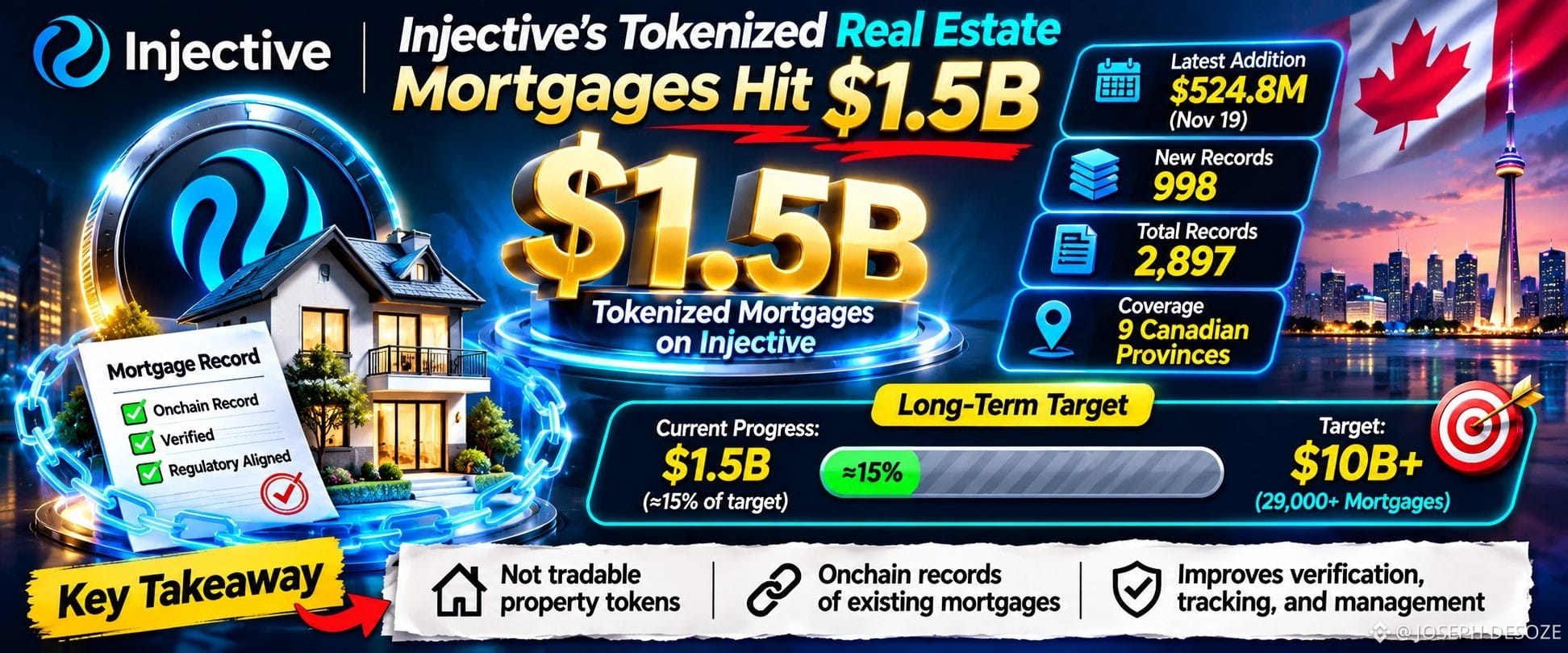
On November 19, Pentiv added another $524.8 million in mortgage records to Injective in a single day. That brought its registry to more than $1.5 billion, covering 2,897 mortgages across nine Canadian provinces.
That's a significant development, but here's the part worth understanding.
Pentiv has a much bigger target: migrating more than 29,000 historical mortgages representing over $10 billion onto Injective.
So the current $1.5 billion represents roughly 15% of that long-term target.
And there's an important distinction people shouldn't overlook. These aren't $1.5 billion worth of houses suddenly available for anyone to buy or trade as tokens. We're talking about existing mortgage records being represented and verified through blockchain infrastructure.
Why does that matter?
Because real-world asset tokenization isn't always about creating another investment product. Sometimes the bigger opportunity is making traditional financial records easier to verify, track and manage.
That's where Injective's development becomes interesting.
Still, a big registry doesn't automatically mean widespread institutional adoption. The real test will be whether Pentiv can migrate more mortgages while maintaining reliable verification, privacy and legal protections.
I'll be watching actual migration progress, not just the next billion-dollar headline.
1
121
·
--
တက်ရိပ်ရှိသည်
#Solana2027RoadmapTargetsDoubleComputeCapacity
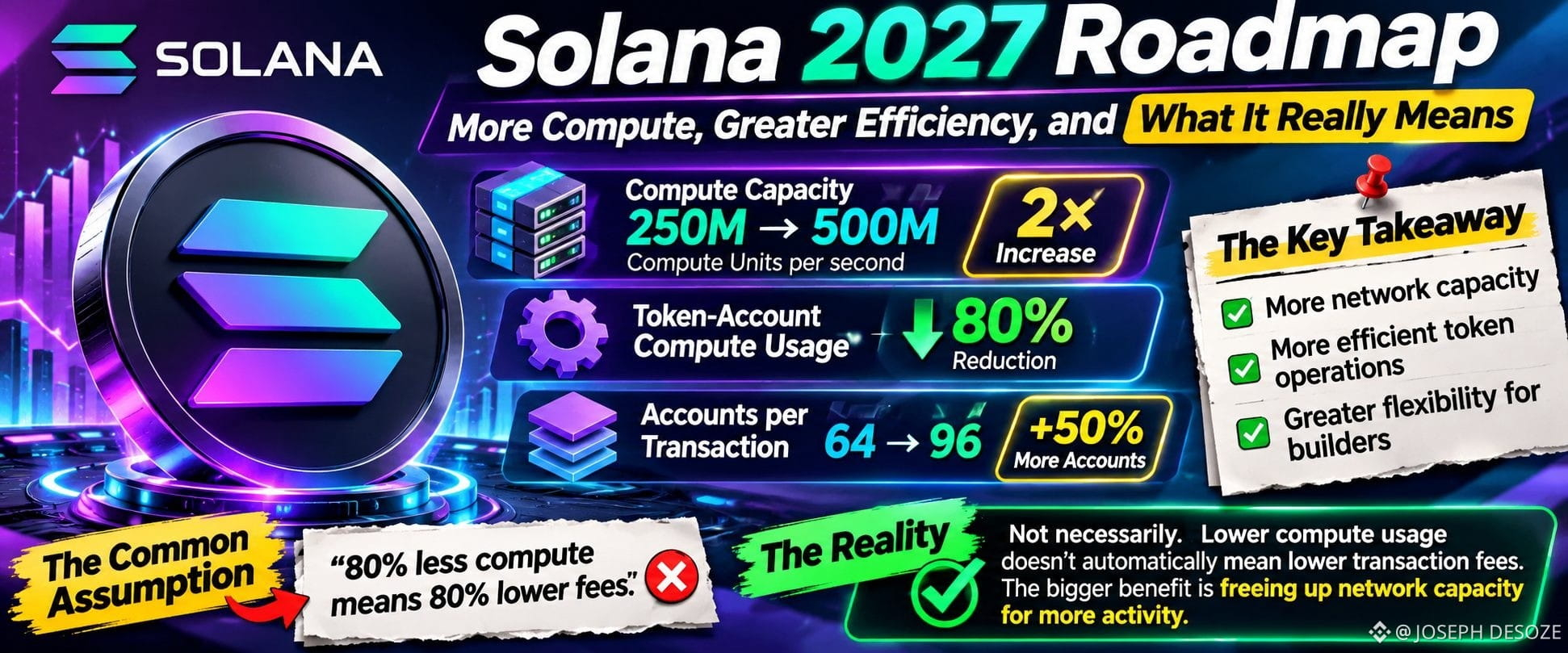
Solana ၏ ၂၀၂၇ ခုနှစ် လမ်းပြမြေပုံတွင် စိတ်ဝင်စားစရာအကောင်းဆုံးအချက်မှာ ကွန်ပျူတာစွမ်းရည်ကို နှစ်ဆတိုးမြှင့်ခြင်းသာ မဟုတ်ပါ။ ပုံမှန် တိုကင်အကောင့်ဆိုင်ရာ လုပ်ဆောင်ချက်များအတွက် လိုအပ်သည့် ကွန်ပျူတာစွမ်းအားကို ၈၀% အထိ လျှော့ချရန် စီစဉ်ထားခြင်းလည်း ဖြစ်သည်။
ထိုကွာခြားချက်က ဘာကြောင့် အရေးကြီးသလဲဆိုတာ ကြည့်ကြရအောင်။
Anza သည် ကွန်ရက်၏ ကွန်ပျူတာစွမ်းရည်ကို တစ်စက္ကန့်လျှင် ကွန်ပျူတာယူနစ် သန်း ၂၅၀ မှ သန်း ၅၀၀ အထိ တိုးမြှင့်လိုသည်။ တစ်ချိန်တည်းတွင် တိုကင်အကောင့်ဆိုင်ရာ ငွေလွှဲလုပ်ဆောင်မှုများအတွက် ကွန်ပျူတာစွမ်းအားသုံးစွဲမှုကို ၈၀% လျှော့ချရန် ရည်မှန်းထားသည်။ BigGo Finance +1
အစပိုင်းမှာ ကွန်ပျူတာတွက်ချက်မှု ကုန်ကျစရိတ် သက်သာလာရင် သုံးစွဲသူတွေအတွက် ငွေလွှဲခလည်း အလိုအလျောက် သက်သာလာမယ်လို့ ထင်ရလွယ်ပါတယ်။ ဒါပေမဲ့ အဲဒီလို ဖြစ်မယ်လို့ မဆိုနိုင်ပါဘူး။
ကွန်ပျူတာယူနစ်တွေက ကွန်ရက်က လုပ်ဆောင်ရမယ့် အလုပ်ပမာဏကို တိုင်းတာတာပါ။ ငွေလွှဲခကတော့ သီးခြားစနစ်တစ်ခု ဖြစ်ပါတယ်။ ဒါကြောင့် ကွန်ပျူတာစွမ်းအားသုံးစွဲမှု ၈၀% လျှော့ချတာဟာ ငွေလွှဲခကိုလည်း ၈၀% လျှော့ချမယ်လို့ အာမခံတာ မဟုတ်ပါဘူး။
ပိုကြီးမားတဲ့ အခွင့်အလမ်းကတော့ ထိရောက်မှုပါ။
ပုံမှန် တိုကင်လုပ်ဆောင်ချက်တွေမှာ လုပ်ဆောင်ရမယ့် အလုပ်ပမာဏ လျော့နည်းလာရင် ကွန်ရက်ရဲ့ လက်ရှိရင်းမြစ်တွေကို အခြားငွေလွှဲလုပ်ဆောင်မှုတွေအတွက် ပိုမိုအသုံးပြုနိုင်လာနိုင်ပါတယ်။ ငွေလွှဲမှုတစ်ခုစီတွင် အကောင့် ၆၄ ခုမှ ၉၆ ခုအထိ တိုးမြှင့်ဖို့ စီစဉ်ထားတာနဲ့ ပေါင်းစပ်လိုက်ရင်၊ ရှုပ်ထွေးတဲ့ အက်ပ်လီကေးရှင်းတွေ တည်ဆောက်ဖို့ ဆော့ဖ်ဝဲရေးသားသူတွေအတွက် နေရာပိုရလာနိုင်ပါတယ်။ Solana Media +1
ဒီအချက်တွေကြောင့် ဒီလမ်းပြမြေပုံကို ကျွန်တော် စိတ်ဝင်စားတာပါ။ Solana က လုပ်ဆောင်မှုတွေ ပိုများများကို ကိုင်တွယ်ဖို့ပဲ ကြိုးစားနေတာ မဟုတ်ဘဲ၊ ရှိပြီးသားရင်းမြစ်တွေကို ပိုမိုထိရောက်စွာ အသုံးချဖို့လည်း ကြိုးစားနေတာပါ။
ဒါပေမဲ့ စောင့်ကြည့်သင့်တဲ့ အချက်တစ်ခု ရှိပါတယ်။ ကတိပြုထားတဲ့ ထိရောက်မှု ဘယ်လောက်အထိ mainnet မှာ အမှန်တကယ် အကောင်အထည်ပေါ်လာမလဲ၊ လက်တွေ့ ငွေလွှဲလုပ်ဆောင်မှုတွေက လမ်းပြမြေပုံမှာ သတ်မှတ်ထားတဲ့ ရည်မှန်းချက်တွေအတိုင်း အကျိုးခံစားရမလားဆိုတာပါ။
မတင်မီ အတည်ပြုရန်:
* တစ်စက္ကန့်လျှင် ကွန်ပျူတာယူနစ် သန်း ၂၅၀ မှ သန်း ၅၀၀ အထိ တိုးမြှင့်ခြင်းသည် လမ်းပြမြေပုံပါ ရည်မှန်းချက်သာဖြစ်ပြီး အောင်မြင်ပြီးသည့် ရလဒ် မဟုတ်ပါ။
* ၈၀% လျှော့ချမှုသည် တိုကင်အကောင့်ဆိုင်ရာ လုပ်ဆောင်ချက်များအတွက်သာ အကျုံးဝင်သည်။
* အကောင့် ၆၄ ခုမှ ၉၆ ခုအထိ တိုးမြှင့်မှုသည် v1 ငွေလွှဲမှုများအတွက် အကျုံးဝင်ကြောင်း အတည်ပြုပြီး စတင်အသုံးပြုနိုင်မှု အခြေအနေကို စစ်ဆေးပါ။
* ကွန်ပျူတာစွမ်းအားသုံးစွဲမှု လျှော့ချမှုသည် ငွေလွှဲခကိုလည်း အလားတူ လျှော့ချသည်ဟု မဖော်ပြပါနှင့်။
142
စိစစ်အတည်ပြုထားသည်
Article
ဘာသာပြန်ဆိုချက် ကြည့်မည်
Oil Inventories Are Rising, But the Real Supply Cushion Is Shrinking: What Markets Are MissingSomething interesting is happening in the oil market. The global inventory numbers are improving, yet the actual supply picture is not as comfortable as it first appears.
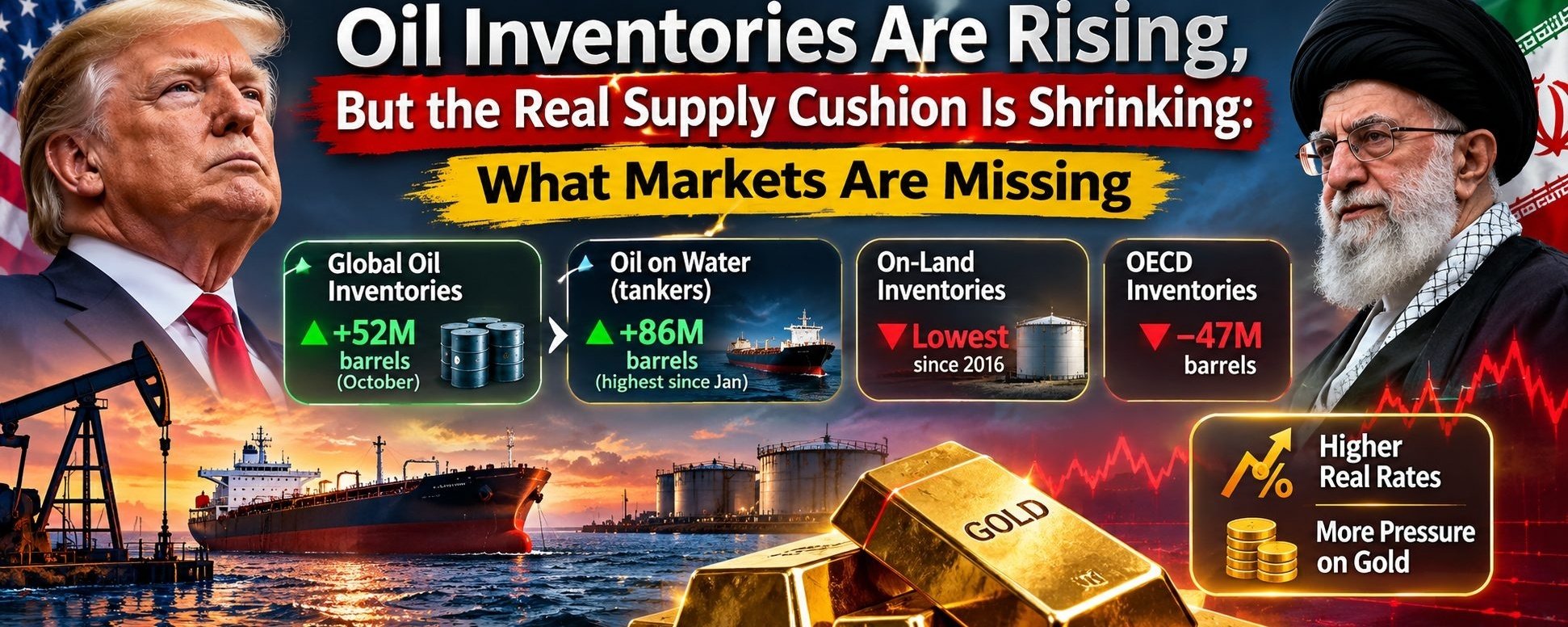
According to the IEA's November 13 report, global oil inventories increased by 52 million barrels in October. That sounds like good news for supply. But look closer: 86 million barrels were added to oil held on water, while onshore inventories continued falling to their lowest level since at least 2016.
That's an important difference.
Oil travelling aboard tankers is part of the supply chain, but it isn't the same as having crude safely stored and immediately available to refiners. The market may be receiving more barrels, but rebuilding its physical reserves is a separate challenge.
The Iran situation makes this even more complicated. Gulf exports have recovered, helping ease pressure on crude prices, but they were still 26% below pre-war levels in October. Shipping security remains a risk that cannot simply be ignored.
Gold adds another dimension. Geopolitical uncertainty can encourage safe-haven demand, but higher real interest rates make holding non-yielding assets less attractive.
My takeaway is that markets are looking beyond political headlines. Actual oil deliveries, available reserves and monetary conditions matter just as much.
The real test now is whether falling onshore inventories finally begin to recover while Gulf shipping remains stable.
#OilMarket #Geopolitics #IranConflict #GoldMarket #EnergyCrisis
Oil Inventories Are Rising, But the Real Supply Cushion Is Shrinking: What Markets Are Missing
Something interesting is happening in the oil market. The global inventory numbers are improving, yet the actual supply picture is not as comfortable as it first appears.
According to the IEA's November 13 report, global oil inventories increased by 52 million barrels in October. That sounds like good news for supply. But look closer: 86 million barrels were added to oil held on water, while onshore inventories continued falling to their lowest level since at least 2016.
That's an important difference.
Oil travelling aboard tankers is part of the supply chain, but it isn't the same as having crude safely stored and immediately available to refiners. The market may be receiving more barrels, but rebuilding its physical reserves is a separate challenge.
The Iran situation makes this even more complicated. Gulf exports have recovered, helping ease pressure on crude prices, but they were still 26% below pre-war levels in October. Shipping security remains a risk that cannot simply be ignored.
Gold adds another dimension. Geopolitical uncertainty can encourage safe-haven demand, but higher real interest rates make holding non-yielding assets less attractive.
My takeaway is that markets are looking beyond political headlines. Actual oil deliveries, available reserves and monetary conditions matter just as much.
The real test now is whether falling onshore inventories finally begin to recover while Gulf shipping remains stable.
#OilMarket #Geopolitics #IranConflict #GoldMarket #EnergyCrisis
920
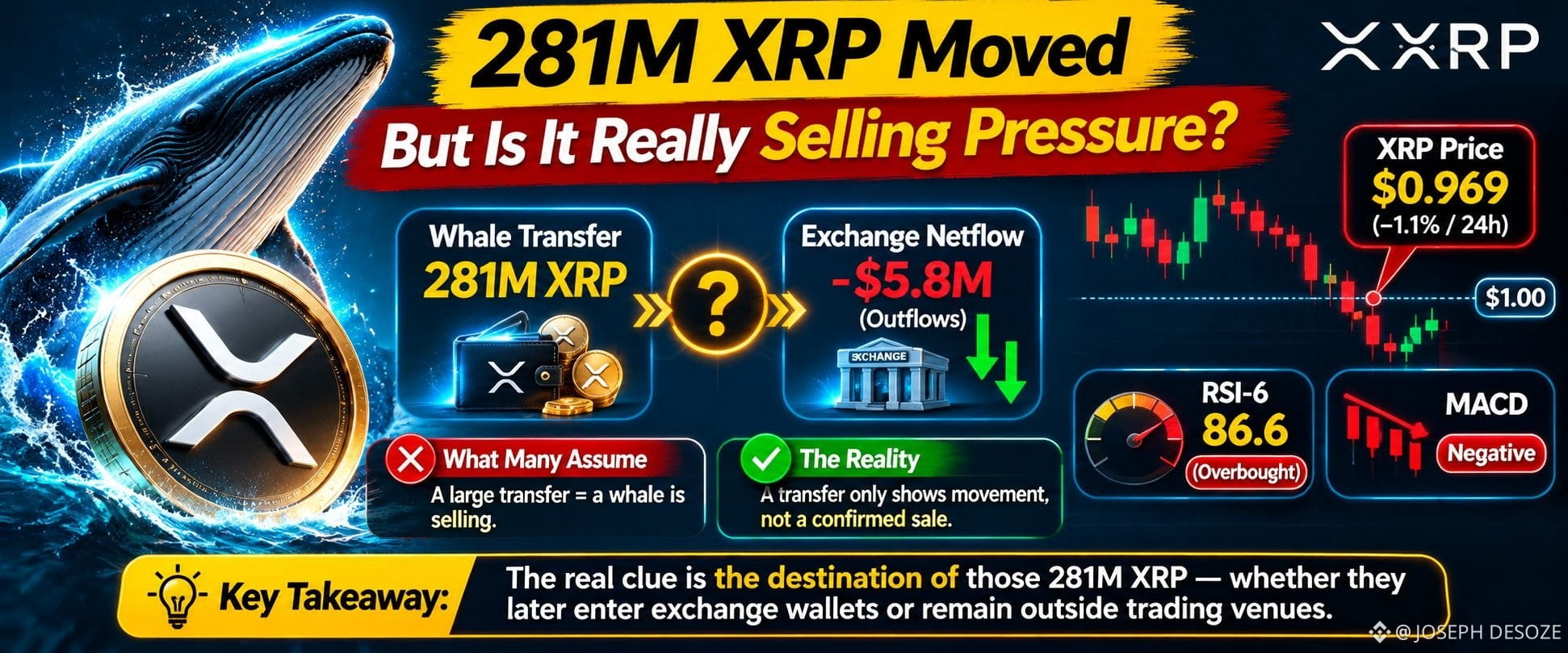
နောက်ဆုံး XRP လှုပ်ရှားမှုတွေထဲက အချက်တစ်ခုက ကျွန်တော့်အာရုံကို ဖမ်းစားခဲ့ပါတယ်။ XRP သန်း ၂၈၁ ကို လွှဲပြောင်းခဲ့ပေမယ့်၊ ငွေလဲလှယ်ရေးဒေတာမှာတော့ ရောင်းချမှုတွေ အလုံးအရင်းနဲ့ ဖြစ်နေတယ်ဆိုတဲ့ ထင်ရှားတဲ့လက္ခဏာထက် အသားတင်ငွေထွက်မှုတွေကို ပြသခဲ့ပါတယ်။
အဲဒီလောက်များတဲ့ ပမာဏ လွှဲပြောင်းတာကို မြင်တာနဲ့ ဝေလငါးတွေက ရောင်းချနေပြီလို့ ချက်ချင်းယူဆဖို့ လွယ်ပါတယ်။ ဒါပေမယ့် ပိုက်ဆံအိတ်တွေကြား ရွှေ့ပြောင်းမှုက ဇာတ်လမ်းတစ်ခုလုံးကို မပြောပြပါဘူး။
လွှဲပြောင်းမှုတစ်ခုက XRP ဟာ လိပ်စာတစ်ခုကနေ နောက်လိပ်စာတစ်ခုကို ရွှေ့သွားတယ်ဆိုတာကိုပဲ ပြောပြပါတယ်။ ပိုင်ရှင်က ရောင်းဖို့ ရည်ရွယ်သလား၊ ပိုင်ဆိုင်မှုတွေကို အပ်နှံထိန်းသိမ်းဖို့ ရွှေ့သလား၊ ဒါမှမဟုတ် ပိုက်ဆံအိတ်တွေကို ပြန်လည်စီစဉ်ရုံပဲလားဆိုတာကိုတော့ ဖော်ပြမပေးပါဘူး။
ငွေလဲလှယ်ရေးဒေတာက နောက်ထပ်ရှုထောင့်တစ်ခုကို ဖြည့်စွက်ပေးပါတယ်။ ၂၄ နာရီအတွင်း အသားတင်ငွေထွက်မှုဟာ ဒေါ်လာ ၅.၈ သန်းကျော်ရှိခဲ့တယ်လို့ သတင်းတွေက ဖော်ပြပါတယ်။ ဆိုလိုတာက အဲဒီကာလအတွင်း ငွေလဲလှယ်ရေးပလက်ဖောင်းတွေဆီ ဝင်လာတဲ့ XRP ထက် ထွက်သွားတဲ့ XRP ပိုများခဲ့တာပါ။
တစ်ချိန်တည်းမှာပဲ XRP ဟာ ၁ ဒေါ်လာအဆင့်ကို ထိန်းထားဖို့ ရုန်းကန်ခဲ့ရပါတယ်။ အရှိန်အဟုန် အားနည်းလာပြီး MACD အနုတ်ဘက်ကို ပြောင်းမသွားခင်မှာ ရေတို RSI ကလည်း ၈၆.၆ အထိ မြင့်တက်ခဲ့ပါတယ်။
ဒါကြောင့် ဒီနေရာမှာ ဖြစ်ပျက်နေတာက မတူညီတဲ့ အရာနှစ်ခုပါ။ ဈေးနှုန်းအရှိန်အဟုန် အားနည်းလာတာနဲ့ ပိုက်ဆံအိတ်တွေကြား သိသာထင်ရှားတဲ့ လှုပ်ရှားမှုပါ။ ဒီနှစ်ခုကို တူညီတဲ့အရာရဲ့ သက်သေအဖြစ် အလိုအလျောက် မယူဆသင့်ပါဘူး။
ကျွန်တော်ကတော့ ဝေလငါးသတိပေးချက်တစ်ခုတည်းကိုကြည့်ပြီး အလျင်စလို ကောက်ချက်ချတာထက် အဲဒီပမာဏကြီးမားတဲ့ လွှဲပြောင်းမှုတွေ နောက်ဆုံး ဘယ်ကိုရောက်သွားသလဲဆိုတာကို စောင့်ကြည့်ချင်ပါတယ်။
နောက်ထပ် အရေးကြီးတဲ့ အရိပ်အမြွက်ကတော့ XRP သန်း ၂၈၁ ဟာ နောက်ဆုံးမှာ ငွေလဲလှယ်ရေး ပိုက်ဆံအိတ်တွေဆီ ရောက်သွားသလား၊ ဒါမှမဟုတ် အရောင်းအဝယ်ပြုလုပ်ရာ ပလက်ဖောင်းတွေရဲ့ ပြင်ပမှာပဲ ကျန်နေသလားဆိုတာပါ။ ဒီကွာခြားချက်က အမှန်တကယ် ရောင်းချမှုဖိအားအကြောင်းကို ပိုပြီးရှင်းလင်းစွာ ပြောပြနိုင်ပါတယ်။
#XRP #Ripple #CryptoMarket #Binance
မတင်မီ စစ်ဆေးရန်-
- XRP သန်း ၂၈၁ လွှဲပြောင်းမှုနှင့် ရောက်ရှိသည့်နေရာ။
- ငွေလဲလှယ်ရေးပလက်ဖောင်းများမှ အသားတင်ငွေထွက်မှု ဒေါ်လာ ၅.၈ သန်းနှင့် အချိန်ကာလ အတိအကျ။
- RSI-6 တန်ဖိုး ၈၆.၆ ဖြစ်မှု။
- ထုတ်ဝေချိန်တွင် MACD ၏ ဦးတည်ချက်နှင့် XRP ဈေးနှုန်း ၁ ဒေါ်လာဝန်းကျင်ရှိမှု။
242
NVIDIA က စံချိန်တင် GPU ဝင်ငွေထက် ကျော်လွန်ပြီး အာရုံစိုက်သင့်သည့် အချက်တစ်ခုကို ထုတ်ဖော်ခဲ့သည်။ အခြေခံအဆောက်အအုံ ငွေကြေးထောက်ပံ့မှုဆိုင်ရာ သဘောတူညီချက်များနှင့် ဆက်စပ်နေသော အများဆုံး စုစုပေါင်း အာမခံတာဝန်ခံမှုမှာ ဒေါ်လာ ၁၁၈ ဘီလီယံအထိ ရှိသည်။
အစပိုင်းတွင် NVIDIA ၏ GPU များ၊ CUDA နှင့် ကွန်ရက်ချိတ်ဆက်မှု ဂေဟစနစ်ကိုသာ အာရုံစိုက်ခဲ့သည်။ သို့သော် နိုဝင်ဘာ ၁၇ ရက် CFO ၏ မှတ်ချက်များက လုပ်ငန်းပုံစံ၏ အခြားအစိတ်အပိုင်းတစ်ခုကို ဖော်ပြခဲ့သည်။ ၎င်းမှာ AI အခြေခံအဆောက်အအုံ တိုးချဲ့ရန် လိုအပ်သော မြေ၊ လျှပ်စစ်နှင့် ဒေတာစင်တာစွမ်းရည်များ ရရှိရေးကို ကူညီပေးခြင်းဖြစ်သည်။
အထင်ရှားဆုံးအသေးစိတ်အချက်မှာ အိုဟိုင်းယိုးပြည်နယ်ရှိ SB Energy ၏ PORTS-Pike Technology Campus နှင့် ဆက်စပ်သော ဒေါ်လာ ၁၀၅ ဘီလီယံ ချေးငွေအထောက်အပံ့ အာမခံချက်ဖြစ်သည်။ အဆိုပါစီမံကိန်းသည် အဆောက်အအုံ ၉ လုံးတွင် စုစုပေါင်း ၄.၂၅ GW ခန့် လွှမ်းခြုံထားပြီး OpenAI သို့ ၂၀ နှစ် ငှားရမ်းမှုစာချုပ်များဖြင့် NVIDIA အခြေခံအဆောက်အအုံများ ထားရှိရန် ရည်ရွယ်ထားသည်။
အရေးကြီးသော ခွဲခြားချက်မှာ ဤဒေါ်လာ ၁၀၅ ဘီလီယံသည် သုံးစွဲပြီးသား ပမာဏ သို့မဟုတ် အမှန်တကယ် ဖြစ်ပေါ်ခဲ့သော ဆုံးရှုံးမှု မဟုတ်ခြင်းဖြစ်သည်။ အဆောက်အအုံများ ပြီးစီးပြီး ဝန်ဆောင်မှုပေးရန် အသင့်ဖြစ်လာသည့်အခါ အဆင့်လိုက် အာမခံချက်များ အသက်ဝင်လာမည်ဖြစ်သည်။ NVIDIA ကလည်း ၂၀၂၆ ခုနှစ် အောက်တိုဘာ ၂၅ ရက်အထိ ဤအာမခံချက်များအောက်တွင် ပေးချေမှု တစ်စုံတစ်ရာ မပြုလုပ်ရသေးကြောင်း အစီရင်ခံခဲ့သည်။
ဒါက ဘာကြောင့် အရေးကြီးတာလဲ။
GPU စွမ်းဆောင်ရည်တစ်ခုတည်းဖြင့် အခြေခံအဆောက်အအုံ ရှားပါးမှုကို ဖြေရှင်းနိုင်မည်မဟုတ်ပါ။ AI စနစ်များအတွက် လျှပ်စစ်ဓာတ်အား၊ အဆောက်အအုံများနှင့် ရေရှည်ငွေကြေးထောက်ပံ့မှုတို့လည်း လိုအပ်သည်။ NVIDIA သည် ထိုအခြေခံအဆောက်အအုံ ကွင်းဆက်အတွင်း ပိုမိုနက်ရှိုင်းစွာ ပါဝင်လာရန် ကြိုးပမ်းနေသော်လည်း၊ အခွင့်အလမ်းနှင့်အတူ ဖြစ်နိုင်ခြေရှိသော ဘဏ္ဍာရေးတာဝန်ခံမှုလည်း ပေါ်ပေါက်လာသည်။
ကျွန်ုပ် စောင့်ကြည့်မည့်အချက်မှာ ဤအဆောက်အအုံများ မည်မျှမြန်မြန် လုပ်ငန်းလည်ပတ်နိုင်မည်နှင့် ငှားရမ်းခပေးချေမှုများ စတင်လာသည်နှင့်အမျှ အာမခံတာဝန်ခံမှု မည်သို့ပြောင်းလဲလာမည်ဆိုခြင်း ဖြစ်သည်။
$NVDA
{future}(NVDAUSDT)
#NVIDIA #AI #Crypto
မတင်မီ စစ်ဆေးရန်:
၂၀၂၆ ခုနှစ် အောက်တိုဘာ ၂၅ ရက်အထိ အများဆုံး စုစုပေါင်း အာမခံတာဝန်ခံမှုမှာ ဒေါ်လာ ၁၁၈ ဘီလီယံဖြစ်သည်။
SB Energy အတွက် ဒေါ်လာ ၁၀၅ ဘီလီယံ အာမခံချက်သည် အဆောက်အအုံ ၉ လုံးတွင် ၄.၂၅ GW ခန့်ကို လွှမ်းခြုံထားသည်။
ကန့်သတ်ထားသော ခြွင်းချက်အချို့မှအပ OpenAI သို့ ၂၀ နှစ် ငှားရမ်းမှုစာချုပ်များဖြစ်သည်။
အာမခံချက်နှင့်သက်ဆိုင်သော ပေးချေမှုများကို ယနေ့အထိ လုံးဝမပြုလုပ်ရသေးကြောင်း NVIDIA က အစီရင်ခံခဲ့သည်။
ရင်းမြစ်: NVIDIA Q3 FY2027 CFO ၏ မှတ်ချက်များ၊
၂၀၂၆ ခုနှစ် နိုဝင်ဘာ ၁၇ ရက်။
NVIDIA က စံချိန်တင် GPU ဝင်ငွေထက် ကျော်လွန်ပြီး အာရုံစိုက်သင့်သည့် အချက်တစ်ခုကို ထုတ်ဖော်ခဲ့သည်။ အခြေခံအဆောက်အအုံ ငွေကြေးထောက်ပံ့မှုဆိုင်ရာ သဘောတူညီချက်များနှင့် ဆက်စပ်နေသော အများဆုံး စုစုပေါင်း အာမခံတာဝန်ခံမှုမှာ ဒေါ်လာ ၁၁၈ ဘီလီယံအထိ ရှိသည်။
အစပိုင်းတွင် NVIDIA ၏ GPU များ၊ CUDA နှင့် ကွန်ရက်ချိတ်ဆက်မှု ဂေဟစနစ်ကိုသာ အာရုံစိုက်ခဲ့သည်။ သို့သော် နိုဝင်ဘာ ၁၇ ရက် CFO ၏ မှတ်ချက်များက လုပ်ငန်းပုံစံ၏ အခြားအစိတ်အပိုင်းတစ်ခုကို ဖော်ပြခဲ့သည်။ ၎င်းမှာ AI အခြေခံအဆောက်အအုံ တိုးချဲ့ရန် လိုအပ်သော မြေ၊ လျှပ်စစ်နှင့် ဒေတာစင်တာစွမ်းရည်များ ရရှိရေးကို ကူညီပေးခြင်းဖြစ်သည်။
အထင်ရှားဆုံးအသေးစိတ်အချက်မှာ အိုဟိုင်းယိုးပြည်နယ်ရှိ SB Energy ၏ PORTS-Pike Technology Campus နှင့် ဆက်စပ်သော ဒေါ်လာ ၁၀၅ ဘီလီယံ ချေးငွေအထောက်အပံ့ အာမခံချက်ဖြစ်သည်။ အဆိုပါစီမံကိန်းသည် အဆောက်အအုံ ၉ လုံးတွင် စုစုပေါင်း ၄.၂၅ GW ခန့် လွှမ်းခြုံထားပြီး OpenAI သို့ ၂၀ နှစ် ငှားရမ်းမှုစာချုပ်များဖြင့် NVIDIA အခြေခံအဆောက်အအုံများ ထားရှိရန် ရည်ရွယ်ထားသည်။
အရေးကြီးသော ခွဲခြားချက်မှာ ဤဒေါ်လာ ၁၀၅ ဘီလီယံသည် သုံးစွဲပြီးသား ပမာဏ သို့မဟုတ် အမှန်တကယ် ဖြစ်ပေါ်ခဲ့သော ဆုံးရှုံးမှု မဟုတ်ခြင်းဖြစ်သည်။ အဆောက်အအုံများ ပြီးစီးပြီး ဝန်ဆောင်မှုပေးရန် အသင့်ဖြစ်လာသည့်အခါ အဆင့်လိုက် အာမခံချက်များ အသက်ဝင်လာမည်ဖြစ်သည်။ NVIDIA ကလည်း ၂၀၂၆ ခုနှစ် အောက်တိုဘာ ၂၅ ရက်အထိ ဤအာမခံချက်များအောက်တွင် ပေးချေမှု တစ်စုံတစ်ရာ မပြုလုပ်ရသေးကြောင်း အစီရင်ခံခဲ့သည်။
ဒါက ဘာကြောင့် အရေးကြီးတာလဲ။
GPU စွမ်းဆောင်ရည်တစ်ခုတည်းဖြင့် အခြေခံအဆောက်အအုံ ရှားပါးမှုကို ဖြေရှင်းနိုင်မည်မဟုတ်ပါ။ AI စနစ်များအတွက် လျှပ်စစ်ဓာတ်အား၊ အဆောက်အအုံများနှင့် ရေရှည်ငွေကြေးထောက်ပံ့မှုတို့လည်း လိုအပ်သည်။ NVIDIA သည် ထိုအခြေခံအဆောက်အအုံ ကွင်းဆက်အတွင်း ပိုမိုနက်ရှိုင်းစွာ ပါဝင်လာရန် ကြိုးပမ်းနေသော်လည်း၊ အခွင့်အလမ်းနှင့်အတူ ဖြစ်နိုင်ခြေရှိသော ဘဏ္ဍာရေးတာဝန်ခံမှုလည်း ပေါ်ပေါက်လာသည်။
ကျွန်ုပ် စောင့်ကြည့်မည့်အချက်မှာ ဤအဆောက်အအုံများ မည်မျှမြန်မြန် လုပ်ငန်းလည်ပတ်နိုင်မည်နှင့် ငှားရမ်းခပေးချေမှုများ စတင်လာသည်နှင့်အမျှ အာမခံတာဝန်ခံမှု မည်သို့ပြောင်းလဲလာမည်ဆိုခြင်း ဖြစ်သည်။
$NVDA
#NVIDIA #AI #Crypto
မတင်မီ စစ်ဆေးရန်:
၂၀၂၆ ခုနှစ် အောက်တိုဘာ ၂၅ ရက်အထိ အများဆုံး စုစုပေါင်း အာမခံတာဝန်ခံမှုမှာ ဒေါ်လာ ၁၁၈ ဘီလီယံဖြစ်သည်။
SB Energy အတွက် ဒေါ်လာ ၁၀၅ ဘီလီယံ အာမခံချက်သည် အဆောက်အအုံ ၉ လုံးတွင် ၄.၂၅ GW ခန့်ကို လွှမ်းခြုံထားသည်။
ကန့်သတ်ထားသော ခြွင်းချက်အချို့မှအပ OpenAI သို့ ၂၀ နှစ် ငှားရမ်းမှုစာချုပ်များဖြစ်သည်။
အာမခံချက်နှင့်သက်ဆိုင်သော ပေးချေမှုများကို ယနေ့အထိ လုံးဝမပြုလုပ်ရသေးကြောင်း NVIDIA က အစီရင်ခံခဲ့သည်။
ရင်းမြစ်: NVIDIA Q3 FY2027 CFO ၏ မှတ်ချက်များ၊
၂၀၂၆ ခုနှစ် နိုဝင်ဘာ ၁၇ ရက်။
232
$NAVD ကို သုတေသနပြုဖို့နဲ့ အထောက်အထားကို ဦးစားပေးထားတဲ့ Binance Square CreatorPad ပို့စ်တစ်ခု ပြင်ဆင်ဖို့ အသင့်ပါပဲ။
ဆက်မလုပ်ခင် တစ်ချက်အတည်ပြုချင်ပါတယ်—$NAVD ကို ဆိုလိုတာလား၊ ဒါမှမဟုတ် $NVDAB ကို ဆိုလိုတာလား။
NVIDIA Corporation ကို ကိုယ်စားပြုတဲ့ tokenized bStock ဖြစ်တဲ့ NVDAB အကြောင်း Binance ရဲ့ ရည်ညွှန်းချက်တွေကို တွေ့ထားပါတယ်။ ဒါပေမဲ့ မှားယွင်းတဲ့ပိုင်ဆိုင်မှုကို သုတေသနမလုပ်မိစေချင်ပါဘူး။
CreatorPad ကမ်ပိန်းလင့်ခ်ကို မျှဝေပေးပါ၊ ဒါမှမဟုတ် ticker ကို အတည်ပြုပေးပါ။ အဲဒီနောက် မူရင်းဖြစ်ပြီး အထောက်အထားခိုင်လုံတဲ့ ရှုထောင့်တစ်ခုကို ဖော်ထုတ်ကာ သင်တောင်းဆိုထားတဲ့ အတိအကျပုံစံအတိုင်း ပို့စ်ကို ရေးသားပေးပါမယ်။
#NAVD
231
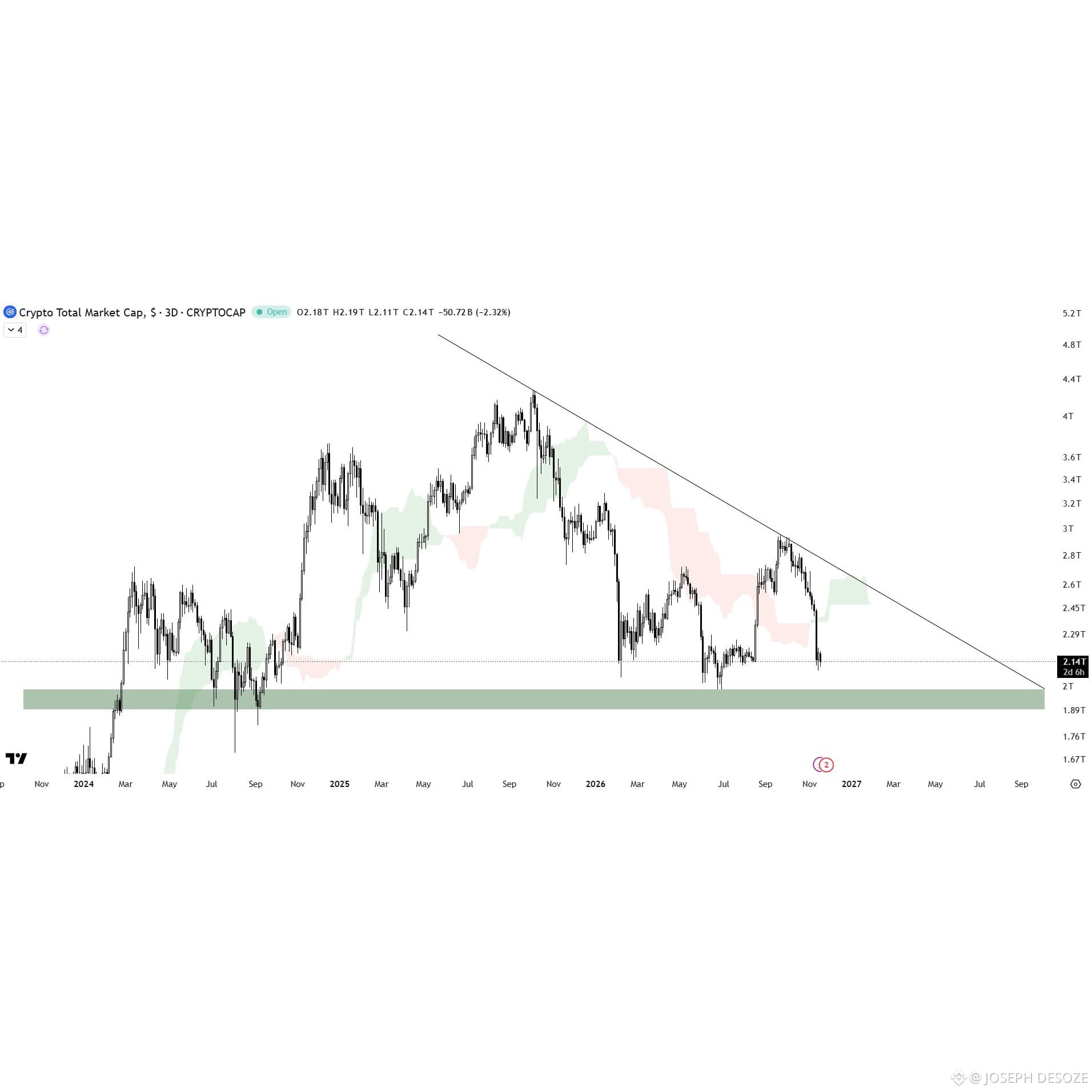
#TOTAL စျေးကွက်တန်ဖိုး ခွဲခြမ်းစိတ်ဖြာချက်
စုစုပေါင်း စျေးကွက်တန်ဖိုးသည် အောက်သို့ဆင်းနေသော တြိဂံပုံစံ၏ ခုခံရေးလမ်းကြောင်းမျဉ်းမှ ငြင်းပယ်ခံနေရပြီး၊ ကျဆင်းမှုဖိအား ဆက်လက်ရှိနေကြောင်း ညွှန်ပြနေသည်။
Ichimoku cloud သည်လည်း လက်ရှိဈေးနှုန်းလှုပ်ရှားမှု၏ အထက်တွင် အဓိကခုခံမှုအတားအဆီးတစ်ခုအဖြစ် လုပ်ဆောင်နေသည်။
အနီးအနားရှိ ဝယ်လိုအားဇုန်မှ ပြန်လည်တက်လာနိုင်ခြေကို မျှော်လင့်နိုင်သည်။ သို့သော် ဤပုံစံ၏ ထောက်ပံ့မှုအဆင့်အောက်သို့ ကျိုးကျသွားပါက ခရစ်ပ်တိုဈေးကွက်တစ်ခုလုံးတွင် ထပ်မံကျဆင်းမှု ဖြစ်ပေါ်စေနိုင်သည်။
နောက်တစ်ဆင့် ဈေးနှုန်းလှုပ်ရှားမှုအတွက် တုံ့ပြန်မှုနှင့် အတည်ပြုချက်ရရှိနိုင်ရန် ဝယ်လိုအားဇုန်ကို အနီးကပ်စောင့်ကြည့်ပါ။
#TOTALMARKETCAP
172
Article
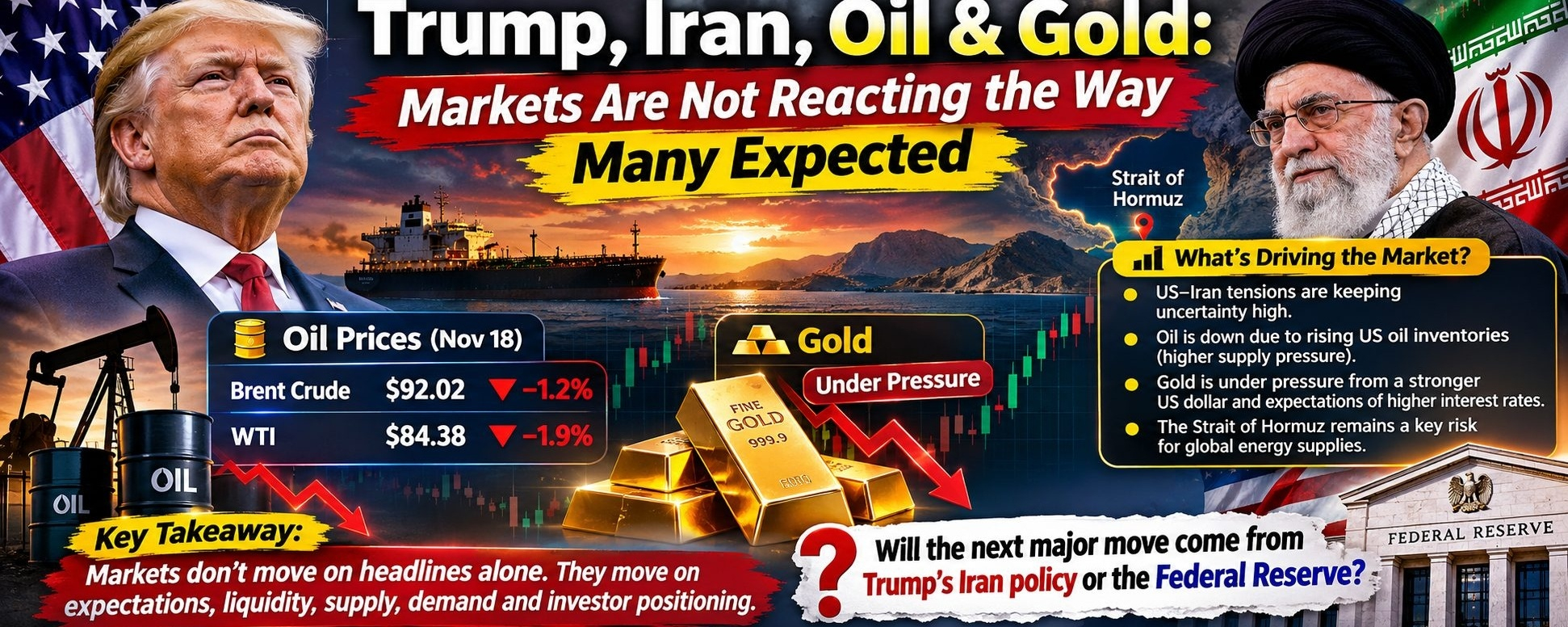
ထရမ့်၊ အီရန်၊ ရေနံနဲ့ ရွှေ—ဈေးကွက်တွေက လူအများ မျှော်လင့်ထားသလို တုံ့ပြန်မနေပါ 🌍အခုလက်ရှိ ဈေးကွက်တွေမှာ စိတ်ဝင်စားစရာတစ်ခု ဖြစ်ပျက်နေပါတယ်။
အမေရိကန်နဲ့ အီရန်ကြား တင်းမာမှုတွေက မသေချာမရေရာမှုတွေကို ဆက်လက်ဖြစ်ပေါ်စေနေပြီး ကမ္ဘာ့စွမ်းအင်ထောက်ပံ့မှုအတွက် ဟော်မုဇ်ရေလက်ကြားဟာ အဓိကစိုးရိမ်စရာတစ်ခုအဖြစ် ရှိနေဆဲပါ။
ဒါပေမဲ့ ကုန်သည်များစွာ သတိမမူမိနိုင်တဲ့ အချက်ကတော့—
ပထဝီနိုင်ငံရေးတင်းမာမှုတွေ မြင့်တက်လာပေမဲ့ ရေနံဈေးနှုန်းတွေက တကယ်တော့ ကျဆင်းခဲ့ပါတယ်။ နိုဝင်ဘာ ၁၈ ရက်မှာ Brent ရေနံစိမ်းဈေးက ၁.၂% ခန့်ကျဆင်းပြီး ၉၂.၀၂ ဒေါ်လာ ဖြစ်ခဲ့သလို WTI ဈေးကလည်း ၁.၉% ကျဆင်းပြီး ၈၄.၃၈ ဒေါ်လာ ဖြစ်ခဲ့ပါတယ်။
ဘာကြောင့်လဲ။ အမေရိကန်ရဲ့ ရေနံသိုလှောင်မှု မြင့်တက်လာတာကြောင့် ဈေးနှုန်းတွေအပေါ် ဖိအားဖြစ်စေလို့ပါ။
ရွှေဈေးလည်း ဖိအားနဲ့ ရင်ဆိုင်နေရပါတယ်။ အမေရိကန်ဒေါ်လာ အားကောင်းလာတာနဲ့ အတိုးနှုန်းတွေ ပိုမြင့်လာမယ်လို့ မျှော်လင့်ထားတာတွေကြောင့် ပထဝီနိုင်ငံရေးအန္တရာယ်တွေ မြင့်မားနေတဲ့အချိန်မှာတောင် ရွှေဈေးတက်ဖို့ ပိုခက်ခဲနေပါတယ်။
ထရမ့်၊ အီရန်၊ ရေနံနဲ့ ရွှေ—ဈေးကွက်တွေက လူအများ မျှော်လင့်ထားသလို တုံ့ပြန်မနေပါ 🌍
အခုလက်ရှိ ဈေးကွက်တွေမှာ စိတ်ဝင်စားစရာတစ်ခု ဖြစ်ပျက်နေပါတယ်။
အမေရိကန်နဲ့ အီရန်ကြား တင်းမာမှုတွေက မသေချာမရေရာမှုတွေကို ဆက်လက်ဖြစ်ပေါ်စေနေပြီး ကမ္ဘာ့စွမ်းအင်ထောက်ပံ့မှုအတွက် ဟော်မုဇ်ရေလက်ကြားဟာ အဓိကစိုးရိမ်စရာတစ်ခုအဖြစ် ရှိနေဆဲပါ။
ဒါပေမဲ့ ကုန်သည်များစွာ သတိမမူမိနိုင်တဲ့ အချက်ကတော့—
ပထဝီနိုင်ငံရေးတင်းမာမှုတွေ မြင့်တက်လာပေမဲ့ ရေနံဈေးနှုန်းတွေက တကယ်တော့ ကျဆင်းခဲ့ပါတယ်။ နိုဝင်ဘာ ၁၈ ရက်မှာ Brent ရေနံစိမ်းဈေးက ၁.၂% ခန့်ကျဆင်းပြီး ၉၂.၀၂ ဒေါ်လာ ဖြစ်ခဲ့သလို WTI ဈေးကလည်း ၁.၉% ကျဆင်းပြီး ၈၄.၃၈ ဒေါ်လာ ဖြစ်ခဲ့ပါတယ်။
ဘာကြောင့်လဲ။ အမေရိကန်ရဲ့ ရေနံသိုလှောင်မှု မြင့်တက်လာတာကြောင့် ဈေးနှုန်းတွေအပေါ် ဖိအားဖြစ်စေလို့ပါ။
ရွှေဈေးလည်း ဖိအားနဲ့ ရင်ဆိုင်နေရပါတယ်။ အမေရိကန်ဒေါ်လာ အားကောင်းလာတာနဲ့ အတိုးနှုန်းတွေ ပိုမြင့်လာမယ်လို့ မျှော်လင့်ထားတာတွေကြောင့် ပထဝီနိုင်ငံရေးအန္တရာယ်တွေ မြင့်မားနေတဲ့အချိန်မှာတောင် ရွှေဈေးတက်ဖို့ ပိုခက်ခဲနေပါတယ်။
2
719
·
--
ကျရိပ်ရှိသည်
#ShareYourThoughtOnBTC
Bitcoin နဲ့ပတ်သက်ပြီး စိတ်ဝင်စားစရာကောင်းတယ်လို့ ကျွန်တော်ထင်တဲ့အချက်တစ်ခုက ထုတ်လုပ်မယ့် coin အသစ်အရေအတွက်ကို ဘယ်သူမှ ခန့်မှန်းနေစရာမလိုတာပါပဲ။
Bitcoin မှာ အများဆုံးထောက်ပံ့နိုင်တဲ့ပမာဏက BTC ၂၁ သန်းဖြစ်ပြီး၊ ထုတ်လွှတ်မှုက ကြိုတင်သတ်မှတ်ထားတဲ့ အချိန်ဇယားအတိုင်း လိုက်နာပါတယ်။ block 210,000 တိုင်းမှာ halving လို့ခေါ်တဲ့ ဖြစ်ရပ်တစ်ခုကြောင့် mining ဆုကြေးကို တစ်ဝက်လျှော့ချပါတယ်။
ဒီအချက်က Bitcoin ကို ရိုးရာငွေကြေးစနစ်တွေနဲ့ ကွဲပြားစေပါတယ်။ ရိုးရာစနစ်တွေမှာတော့ အဖွဲ့အစည်းဆိုင်ရာ မူဝါဒတွေကြောင့် ထောက်ပံ့မှုပမာဏဆိုင်ရာ ဆုံးဖြတ်ချက်တွေ ပြောင်းလဲနိုင်ပါတယ်။
ဒါပေမဲ့ နားလည်ထားသင့်တဲ့ နောက်ထပ်အချက်တစ်ခုရှိပါတယ်။ အများဆုံးထောက်ပံ့နိုင်တဲ့ပမာဏကို သတ်မှတ်ထားတာက ဈေးနှုန်း အလိုအလျောက်တက်မယ်လို့ မဆိုလိုပါဘူး။
ဝယ်လိုအားကလည်း အရေးကြီးနေဆဲပါ။ စျေးကွက်ငွေဖြစ်လွယ်မှု၊ ရင်းနှီးမြှုပ်နှံသူတွေရဲ့ သဘောထား၊ စည်းမျဉ်းစည်းကမ်းတွေနဲ့ ပိုမိုကျယ်ပြန့်တဲ့ စီးပွားရေးအခြေအနေတွေက Bitcoin ရဲ့ အပြုအမူအပေါ် သက်ရောက်မှုရှိပါတယ်။
Bitcoin ကို ကျွန်တော့်အတွက် စိတ်ဝင်စားစေတဲ့အချက်က ရှားပါးမှုနဲ့ ပွင့်လင်းမြင်သာမှုတို့ ပေါင်းစပ်ထားတာပါပဲ။ ကွန်ရက်ကတစ်ဆင့် ထုတ်လွှတ်မှုစည်းမျဉ်းတွေကို မည်သူမဆို ကိုယ်တိုင်အတည်ပြုနိုင်ပါတယ်။
ကုမ္ပဏီတစ်ခုရဲ့ ကတိတွေကိုဖြစ်စေ၊ ဗဟိုအာဏာပိုင်တစ်ခုရဲ့ ကြေညာချက်ကိုဖြစ်စေ ယုံကြည်အားကိုးနေစရာ မလိုပါဘူး။
ဒီလို ကြိုတင်ခန့်မှန်းနိုင်တဲ့ ထောက်ပံ့မှုပုံစံဟာ Bitcoin ကို ငွေကြေးဆိုင်ရာ စမ်းသပ်မှုတစ်ခုအဖြစ် ဆက်လက်စိတ်ဝင်စားမှုရရှိစေတဲ့ အခိုင်မာဆုံးအကြောင်းရင်းတွေထဲက တစ်ခုလို့ ကျွန်တော်ထင်ပါတယ်။
နောက်ထပ် စောင့်ကြည့်သင့်တာက transaction fee တွေဟာ ကွန်ရက်လုံခြုံရေးအတွက် ပိုမိုအရေးပါလာတာနဲ့အမျှ Bitcoin ရဲ့ block ဆုကြေး လျော့နည်းလာမှုက miner တွေရဲ့ စီးပွားရေးအခြေအနေကို ဘယ်လိုသက်ရောက်မလဲဆိုတာပါ။
#BTCအပေါ်သင့်အမြင်ကိုမျှဝေပါ
မတင်မီ အတည်ပြုပါ-
* အများဆုံးထောက်ပံ့နိုင်သည့်ပမာဏ: BTC ၂၁ သန်း။
* Halving ကြားကာလ: block 210,000။
* သီးခြားကိန်းဂဏန်းများ ထည့်သွင်းမည်ဆိုပါက လက်ရှိ block ထောက်ပံ့ကြေးနှင့် နောက်တစ်ကြိမ် halving ဖြစ်မည့် ခန့်မှန်းချက်များ။
98
#NvidiaBeatsEstimatesWith130BQ4Outlook
NVIDIA ၏ နောက်ဆုံးခန့်မှန်းချက်တွင် ပိုမိုအာရုံစိုက်သင့်သည့် အချက်တစ်ချက် ရှိသည်။ ၎င်း၏ Q4 ဝင်ငွေ ဒေါ်လာ ၁၃၀ ဘီလီယံ ခန့်မှန်းချက်တွင် တရုတ်နိုင်ငံမှ ဒေတာစင်တာ ကွန်ပျူတာတွက်ချက်မှုဆိုင်ရာ ဝင်ငွေ လုံးဝမရရှိဟု ယူဆထားသည်။
ဒါက အတော်လေး အရေးကြီးတဲ့ ကွာခြားချက်ပါ။
ကုမ္ပဏီက Q3 တွင် ဝင်ငွေ ဒေါ်လာ ၁၁၅.၈ ဘီလီယံ ရရှိခဲ့ကြောင်း ဖော်ပြခဲ့ပြီး Q4 တွင် ခန့်မှန်းခြေ ဒေါ်လာ ၁၃၀ ဘီလီယံ ရရှိမည်ဟု မျှော်လင့်ထားသည်။ ပထမတစ်ချက်ကြည့်လျှင် သုံးလပတ်တစ်ခုမှ နောက်တစ်ခုသို့ သိသိသာသာ တိုးတက်လာခြင်းဖြစ်သည်။
ဒါပေမဲ့ ကျွန်တော့်အာရုံကို ဖမ်းစားခဲ့တာက ခန့်မှန်းချက်နောက်ကွယ်က ယူဆချက်ပါ။
NVIDIA က အဲဒီဝင်ငွေ ရည်မှန်းချက်ကို တရုတ်နိုင်ငံရှိ ဒေတာစင်တာ ကွန်ပျူတာတွက်ချက်မှု ရောင်းအား ပြန်လည်ကောင်းမွန်လာမယ်ဆိုတဲ့ မျှော်လင့်ချက်အပေါ် အခြေခံထားတာ မဟုတ်ပါဘူး။ ၎င်း၏ လမ်းညွှန်ခန့်မှန်းချက်တွင် အဲဒီဝင်ငွေကို ထည့်သွင်းတွက်ချက်ထားခြင်း မရှိပါဘူး။
ဒါက ကုမ္ပဏီရဲ့ ကျန်ရှိတဲ့လုပ်ငန်းများထံမှ မျှော်လင့်ထားတဲ့ ဝယ်လိုအားပမာဏနဲ့ ပတ်သက်ပြီး တစ်စုံတစ်ရာ ပြောပြနေပါတယ်။
ဒါ့အပြင် ဒီအချက်က ခန့်မှန်းချက်ကို ကျွန်တော်ရှုမြင်ပုံကိုလည်း ပြောင်းလဲစေပါတယ်။ နောက်ထပ် ဝင်ငွေမှတ်တိုင်တစ်ခုကို ရောက်ဖို့ တရုတ်နိုင်ငံကို မရှိမဖြစ်လိုအပ်တဲ့ အစိတ်အပိုင်းတစ်ခုအဖြစ် မြင်မယ့်အစား၊ လက်ရှိခန့်မှန်းချက်က အဲဒီအကူအညီမပါဘဲနဲ့လည်း ရှိပြီးသား ဝယ်လိုအားများက ဒီရည်မှန်းချက်ကို ပံ့ပိုးနိုင်မယ်လို့ NVIDIA က ယုံကြည်ထားကြောင်း ဖော်ပြနေပါတယ်။
ဒါပေမဲ့ ခန့်မှန်းချက်ဆိုတာ မျှော်မှန်းချက်သာဖြစ်ပြီး အာမခံထားတဲ့ ဝင်ငွေမဟုတ်ပါဘူး။ တကယ့်ရလဒ်တွေက ပို့ဆောင်ပေးနိုင်မှု၊ ဖောက်သည်တွေရဲ့ အသုံးစရိတ်နဲ့ ဝယ်လိုအားကို ဖြည့်ဆည်းပေးနိုင်တဲ့ ကုမ္ပဏီရဲ့ စွမ်းရည်တို့အပေါ် မူတည်ပါလိမ့်မယ်။
ကျွန်တော့်အတွက် နောက်ထပ် စိတ်ဝင်စားဖို့ကောင်းတဲ့ အချက်ပြမှုက NVIDIA က ဒေါ်လာ ၁၃၀ ဘီလီယံ ရောက်မရောက်ဆိုတာတစ်ခုတည်း မဟုတ်ပါဘူး။ အဲဒီဝင်ငွေထဲက ဘယ်လောက်ဟာ တရုတ်နိုင်ငံပြင်ပက AI အခြေခံအဆောက်အအုံ ဝယ်လိုအားကြောင့် ရရှိတာလဲ၊ နောက်သုံးလပတ်မှာလည်း အဲဒီအရှိန်အဟုန် ဆက်လက်အားကောင်းနေမလားဆိုတာပါ။
မတင်မီ စစ်ဆေးရန်:
* Q3 ဝင်ငွေ ဒေါ်လာ ၁၁၅.၈ ဘီလီယံ။
* Q4 ဝင်ငွေ ခန့်မှန်းချက် ဒေါ်လာ ၁၃၀ ဘီလီယံ။
* တရားဝင်လမ်းညွှန်ခန့်မှန်းချက်တွင် တရုတ်နိုင်ငံမှ ဒေတာစင်တာ ကွန်ပျူတာတွက်ချက်မှုဆိုင်ရာ ဝင်ငွေနှင့်ပတ်သက်သည့် ယူဆချက်။
#NVIDIA
248
#ရုရှားဗဟိုဘဏ်ကAlfaBankကိုခရစ်ပတိုငွေလဲလှယ်ရေးမှတ်ပုံတင်စာရင်းတွင်ထည့်သွင်း
ရုရှား၏ ခရစ်ပတိုဈေးကွက်တွင် စိတ်ဝင်စားစရာတစ်ခု ဖြစ်ပေါ်နေသည်။ ရိုးရာဘဏ်လုပ်ငန်းသည် ဒစ်ဂျစ်တယ်ပိုင်ဆိုင်မှုများနှင့် ပိုမိုနီးကပ်လာနေသော်လည်း မှတ်ပုံတင်ခြင်းသည် ပဟေဠိ၏ အစိတ်အပိုင်းတစ်ခုသာ ဖြစ်သည်။
ရုရှားဘဏ်သည် Alfa-Bank ကို ၎င်း၏ ဒစ်ဂျစ်တယ်ငွေကြေး လဲလှယ်ရေးလုပ်ငန်းများ မှတ်ပုံတင်စာရင်းတွင် ထည့်သွင်းလိုက်သည်။ ယင်းသည် အရေးကြီးသော ခြေလှမ်းတစ်ခုဖြစ်သော်လည်း နားလည်ထားသင့်သည့် အသေးစိတ်အချက်တစ်ခု ရှိသည်။
ရုရှားသည် သီးခြားစည်းမျဉ်းစည်းကမ်း အမျိုးအစားနှစ်မျိုးကို ဖန်တီးထားသည်။ ခရစ်ပတိုငွေလဲလှယ်ရေးလုပ်ငန်း လုပ်ကိုင်သူများသည် မိမိတို့ကိုယ်စားနှင့် မိမိတို့၏ ကုန်ကျစရိတ်ဖြင့် ဒစ်ဂျစ်တယ်ငွေကြေးများကို ဝယ်ယူရောင်းချနိုင်သည်။ တစ်ဖက်တွင် ဒစ်ဂျစ်တယ်အပ်နှံထိန်းသိမ်းရေးလုပ်ငန်းများသည် ဒစ်ဂျစ်တယ်ပိုင်ဆိုင်မှုများကို မှတ်တမ်းတင်ခြင်းနှင့် လွှဲပြောင်းခြင်းတို့အတွက် တာဝန်ရှိသည်။
၎င်းတို့သည် လုပ်ငန်းတာဝန် မတူညီသည့်အပြင် မှတ်ပုံတင်ရန် လိုအပ်ချက်များလည်း သီးခြားစီ ရှိသည်။
ထို့ကြောင့် Alfa-Bank သည် ယခုအခါ မှတ်ပုံတင်ထားသော ငွေလဲလှယ်ရေးလုပ်ငန်း အမျိုးအစားအောက်တွင် လုပ်ကိုင်နိုင်ပြီဖြစ်သော်လည်း ထိန်းသိမ်းစောင့်ရှောက်မှုနှင့် သက်ဆိုင်သော ဝန်ဆောင်မှုအားလုံးကို ပေးအပ်ရန် ခွင့်ပြုချက်ရရှိထားပြီဟု အလိုအလျောက် မဆိုလိုပါ။
ဒီကွဲပြားချက်ဟာ သတင်းခေါင်းစဉ်ကိုယ်တိုင်ထက် ပိုအရေးကြီးတယ်လို့ ကျွန်တော် ထင်ပါတယ်။ လုပ်ငန်းလည်ပတ်နိုင်တဲ့ ခရစ်ပတိုဈေးကွက်တစ်ခုအတွက် အရောင်းအဝယ်တွေကို ဆောင်ရွက်ပေးလိုတဲ့ အဖွဲ့အစည်းတွေထက် ပိုလိုအပ်ပါတယ်။ ဒစ်ဂျစ်တယ်ပိုင်ဆိုင်မှုတွေကို မှတ်တမ်းတင်ဖို့၊ လွှဲပြောင်းဖို့နဲ့ လုံခြုံစွာ ထိန်းသိမ်းဖို့ အခြေခံအဆောက်အအုံလည်း လိုအပ်ပါတယ်။
ရုရှား၏ မူဘောင်အသစ်သည် ခရစ်ပတိုဝန်ဆောင်မှုအားလုံးကို တူညီသောလုပ်ငန်းတစ်ခုအဖြစ် သတ်မှတ်မည့်အစား သီးခြားအခန်းကဏ္ဍများကို စတင်သတ်မှတ်ပေးနေသည်။
ယခု စောင့်ကြည့်ရမည့် တကယ့်တိုးတက်မှုမှာ Alfa-Bank သည် သီးခြားဒစ်ဂျစ်တယ်အပ်နှံထိန်းသိမ်းရေးလုပ်ငန်း မှတ်ပုံတင်ခွင့် ရရှိမရရှိနှင့် ဤဝန်ဆောင်မှုများသည် နောက်ဆုံးတွင် သုံးစွဲသူများအတွက် မည်သို့ချိတ်ဆက်ပေးမည်ဆိုသည့် အချက်များ ဖြစ်သည်။
မတင်မီ အတည်ပြုရန်-
* ၂၀၂၆ ခုနှစ်၊ နိုဝင်ဘာ ၁၈ ရက်တွင် Alfa-Bank ကို မှတ်ပုံတင်စာရင်း၌ ထည့်သွင်းခဲ့ခြင်း။
* သီးခြားဒစ်ဂျစ်တယ်အပ်နှံထိန်းသိမ်းရေးလုပ်ငန်း မှတ်ပုံတင်စာရင်းတွင် ၎င်း၏ လက်ရှိအခြေအနေ။
* ငွေလဲလှယ်ရေးလုပ်ငန်း လုပ်ကိုင်သူများနှင့် ဒစ်ဂျစ်တယ်အပ်နှံထိန်းသိမ်းရေးလုပ်ငန်းများအပေါ် ရုရှားဘဏ်၏ အဓိပ္ပာယ်ဖွင့်ဆိုချက်များ။
1
124
တိုကင်ပြုလုပ်ထားသော စတော့ရှယ်ယာများနှင့်ပတ်သက်၍ ပိုမိုအာရုံစိုက်သင့်သည့် အချက်တစ်ချက်ရှိသည်။ ဝင်ရောက်ရယူရန်နှင့် ကိုယ့်ငွေကို ပြန်လည်ရယူရန်အတွက် လိုအပ်ချက်များသည် အမြဲတမ်း တူညီနေမည်မဟုတ်ပါ။
Binance Anthropic ကမ်ပိန်းတွင် စာရင်းသွင်းဝယ်ယူမှုအတွက် သတ်မှတ်ချက်များမှာ အတော်လေး လက်လှမ်းမီနိုင်ခဲ့သော်လည်း၊ ထိုအဆင်ပြေမှုနောက်ကွယ်တွင် ပိုမိုကြီးမားသည့် မေးခွန်းတစ်ခုရှိသည်ဟု ကျွန်ုပ်ထင်ပါသည်။
xStocks ၏ အထွေထွေစာရွက်စာတမ်းများတွင် ထုတ်ပေးသူထံမှ တိုက်ရိုက်ထုတ်ပေးခြင်းနှင့် ပြန်လည်ရွေးနုတ်ခြင်းအတွက် အနည်းဆုံး $5,000 သတ်မှတ်ထားသည်။ ၎င်းသည် လက်လီရင်းနှီးမြှုပ်နှံသူငယ်များအတွက် စာရင်းသွင်းဝယ်ယူမှုနှင့် အတော်လေး ကွာခြားပါသည်။
ပမာဏနည်းသော ကိုင်ဆောင်သူများအတွက် ရွေးချယ်စရာမရှိတော့ဟု ဆိုလိုခြင်းမဟုတ်ပါ။ လုံလောက်သော ငွေဖြစ်လွယ်မှုရှိပြီး သက်ဆိုင်ရာ ပလက်ဖောင်းက အရောင်းအဝယ်ကို ပံ့ပိုးပေးပါက ဒုတိယဈေးကွက်တွင် ရောင်းဝယ်ခြင်းကို သီးခြားရွေးချယ်စရာအဖြစ် အသုံးပြုနိုင်သည်။ သို့သော် ဈေးကွက်တွင် ရောင်းချခြင်းနှင့် ထုတ်ပေးသူထံမှ တိုက်ရိုက်ပြန်လည်ရွေးနုတ်ခြင်းတို့သည် မတူညီသော လုပ်ငန်းစဉ်နှစ်ခုဖြစ်သည်။
လူများက စာရင်းသွင်းဝယ်ယူသည့် ပမာဏကိုသာ အာရုံစိုက်သောအခါ ဤအရေးကြီးသည့် ကွာခြားချက်ကို အလွယ်တကူ လျစ်လျူရှုမိနိုင်သည်။
တိုကင်ပြုလုပ်ခြင်းက ဘလော့ခ်ချိန်းအခြေပြု ငွေကြေးဆိုင်ရာ ကိရိယာများမှတစ်ဆင့် ရိုးရာဘဏ္ဍာရေးဆိုင်ရာ ထိတွေ့ခွင့်ကို ရရှိစေသည်။ သို့သော် အခြေခံပိုင်ဆိုင်မှုနှင့် သက်ဆိုင်သော လုပ်ငန်းဆောင်ရွက်မှုဆိုင်ရာ လိုအပ်ချက်များကို အလိုအလျောက် ဖယ်ရှားပေးခြင်းမရှိပါ။
ထို့အပြင် ထည့်သွင်းစဉ်းစားရမည့် နောက်ထပ်အချက်တစ်လွှာလည်း ရှိသည်။ ပြန်လည်ရွေးနုတ်ခွင့်၊ ဆောင်ရွက်ချိန်၊ အခကြေးငွေများနှင့် ဖြစ်နိုင်သော ကန့်သတ်ချက်များသည် သက်ဆိုင်ရာ ထုတ်ကုန်စည်းကမ်းချက်များအလိုက် ကွဲပြားနိုင်သည်။
Anthropic ၏ တိုကင်ပြုလုပ်ထားသော စတော့ရှယ်ယာအတွက်၊ xStocks ၏ အထွေထွေပြန်လည်ရွေးနုတ်မှု စည်းကမ်းချက်များကို ANTx အတွက် နောက်ဆုံးသတ်မှတ်ချက်များဟု ကျွန်ုပ် အလိုအလျောက် မယူဆပါ။
တကယ့်စမ်းသပ်ချက်မှာ Binance နှင့် ထုတ်ပေးသူတို့ အတည်ပြုမည့် သီးခြားပြန်လည်ရွေးနုတ်မှု မူဘောင်ဖြစ်သည်။ အထူးသဖြင့် ပမာဏနည်းသော ကိုင်ဆောင်သူများသည် ဒုတိယဈေးကွက်၏ ငွေဖြစ်လွယ်မှုကို လုံးဝမှီခိုစရာမလိုဘဲ ထွက်ခွာနိုင်မည့် လက်တွေ့ကျသော နည်းလမ်းရှိမရှိ ဖြစ်သည်။
မတင်မီ အတည်ပြုရန်:
* ထုတ်ပေးသူထံမှ ပြန်လည်ရွေးနုတ်ရန် အနည်းဆုံး $5,000 သတ်မှတ်ချက်သည် လက်ရှိအထိ မှန်ကန်နေသေးကြောင်း အတည်ပြုပါ။
* ANTx အတွက် နောက်ဆုံးသတ်မှတ်ထားသော သီးခြားပြန်လည်ရွေးနုတ်မှု စည်းကမ်းချက်များကို အတည်ပြုပါ။
* ဒုတိယဈေးကွက်တွင် ရရှိနိုင်မှုနှင့် သက်ဆိုင်သည့် ကန့်သတ်ချက်များကို အတည်ပြုပါ။
#Binance #Anthropic #TokenizedStocks #xStocks #CryptoResearch
47
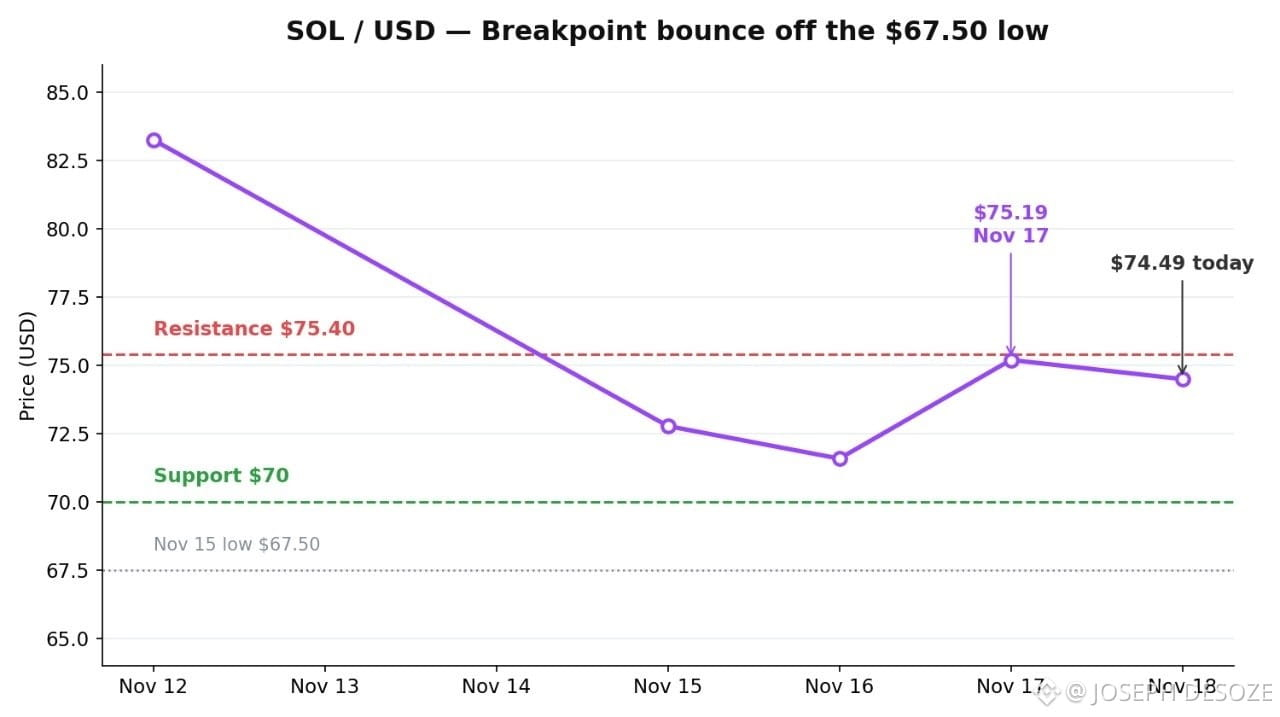
ခြောက်နှစ်ကြာ စမ်းသပ်ပြီးနောက် Solana ကို နောက်ဆုံးတွင် တရားဝင်စတင်မိတ်ဆက်လိုက်ပြီ—သို့သော် လူအများ၏ သတိပြုမိမှု နည်းပါးနေဆဲဖြစ်သည်။ လက်ရှိ Solana သည် ဒေါ်လာ ၇၅ ဝန်းကျင်ဖြင့် အရောင်းအဝယ်ဖြစ်နေပြီး တစ်ရက်အတွင်း ၅% ခန့်တက်လာကာ လန်ဒန်တွင်ကျင်းပသည့် Breakpoint ကွန်ဖရင့် စတင်ချိန်မှစ၍ စုစုပေါင်း ၇% နီးပါး မြင့်တက်လာခဲ့သည်။ Bitcoin နှင့် Ethereum ဈေးနှုန်းများမှာ မပြောင်းလဲသလောက်ရှိနေသော်လည်း Solana ၏ဈေးနှုန်းသာ မြင့်တက်နေသည်။ တနင်္လာနေ့တွင် Solana Foundation သည် ၂၀၂၀ ခုနှစ်ကတည်းက အသုံးပြုခဲ့သည့် “ဘီတာ” အမှတ်အသားကို mainnet မှ ဖယ်ရှားကာ Solana 1.0 ကို တရားဝင်ထုတ်ပြန်ခဲ့သည်။ ကွန်ရက်မှာ မပြောင်းလဲသော်လည်း “ဘီတာ” အမှတ်အသားကိုတော့ မဖော်ပြတော့ပါ။ ဒါဟာ အမှတ်အသားတစ်ခုတည်းအကြောင်းသာ မဟုတ်ပါ။ Zelle က ၎င်းတို့၏ တည်ငြိမ်ဒင်္ဂါး ZelleUSD ကို မကြာမီ Solana တွင် အသုံးပြုနိုင်တော့မည်ဟု ကြေညာခဲ့သည်။ New York Stock Exchange ၏ မိခင်ကုမ္ပဏီဖြစ်သော ICE က Solana validator node များ လည်ပတ်လုပ်ဆောင်ရန် စူးစမ်းလေ့လာနေကြောင်း ပြောကြားခဲ့သည်။ Western Union သည် နေရာပေါင်း ၄၀၀,၀၀၀ တွင် Solana မှတစ်ဆင့် ငွေသားထုတ်ယူနိုင်သည့် ဝန်ဆောင်မှုကို စတင်လိုက်ပြီဖြစ်သည်။ သို့သော်လည်း ဇယားများအရ သတိထားသင့်သေးသည်။ ဒေါ်လာ ၇၅.၄၀ သည် ပထမဆုံး ခုခံမှုအဆင့်ဖြစ်ပြီး SOL ဈေးနှုန်းသည် ထိုနေရာတွင် မကြာခဏ ရပ်တန့်ခဲ့သည်။ ဒေါ်လာ ၈၀ သည် ပိုမိုအားကောင်းသော ခုခံမှုအဆင့်ဖြစ်သည်။ အောက်ဘက်တွင် ဒေါ်လာ ၇၀ သည် ထောက်ပံ့မှုအဆင့်ဖြစ်ပြီး နိုဝင်ဘာလအနိမ့်ဆုံးမှာ ဒေါ်လာ ၆၇.၅၀ ဖြစ်သည်။ SOL သည် ပြီးခဲ့သည့်လအတွင်း ၂၈% ခန့်နှင့် ၎င်း၏ အမြင့်ဆုံးစံချိန် ဒေါ်လာ ၂၉၃ မှ ၇၄% ကျဆင်းနေဆဲဖြစ်သည်။ ထို့ကြောင့် ဤသည်မှာ ကျဆင်းနေသောလမ်းကြောင်းအတွင်း ယာယီပြန်တက်ခြင်းသာဖြစ်ပြီး လမ်းကြောင်းပြောင်းပြန်လှန်ခြင်း မဟုတ်ပါ။ ဒါဆို သင်ဘယ်လိုထင်ပါသလဲ။ SOL သည် ဒီတစ်ပတ်အတွင်း ဒေါ်လာ ၇၅ ကို ကျော်တက်ပြီး ဒေါ်လာ ၈၀ ဆီသို့ ဆက်တက်နိုင်မလား။ ဒါမှမဟုတ် ခုခံမှုအဆင့်မှာပဲ ရပ်တန့်ပြီး အရင်ဆုံး ဒေါ်လာ ၇၀ အထိ ပြန်ကျမလား။
$SOL #sol
$SOL #sol
105
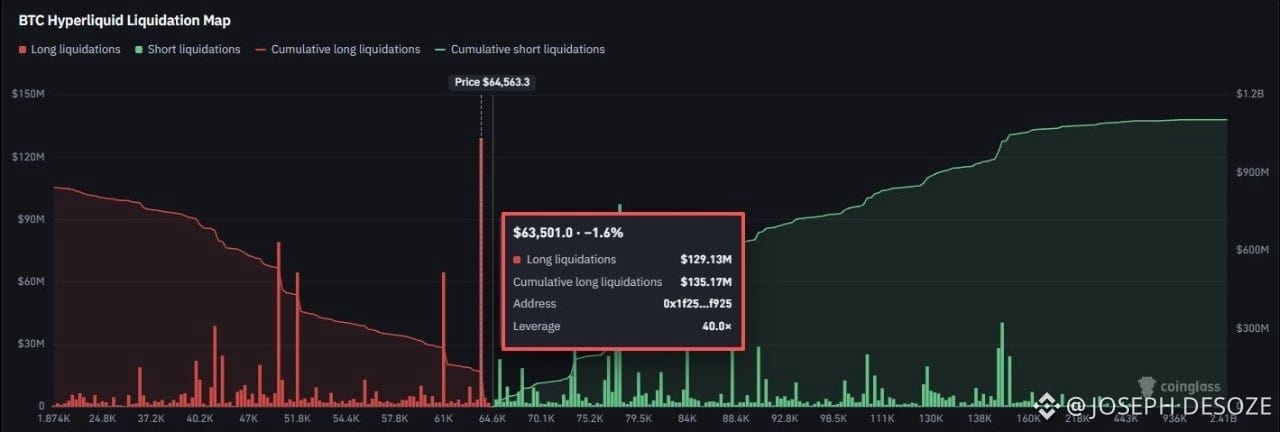
Bitcoin ၏ long position များထဲမှ ဒေါ်လာ ၁၂၉ သန်းတန်ဖိုးရှိသော position များသည် လက်ရှိတွင် ၎င်းတို့၏ liquidation price ထက် အနည်းငယ်သာ မြင့်နေပြီး၊ ဒေါ်လာ ၆၃,၅၀၀ သည် စောင့်ကြည့်ရမည့် အရေးကြီးသောအဆင့်ဖြစ်သည် 👀
Hyperliquid မှ large position များအတွက် အချက်အလက်များအရ စုစုပေါင်းတန်ဖိုးမှာ ခန့်မှန်းခြေ ဒေါ်လာ ၁၂၉.၅ သန်းဖြစ်သည်။ Bitcoin သည် ဒေါ်လာ ၆၃,၅၀၀ ဝန်းကျင်သို့ ကျဆင်းပါက၊ ရေရှည်ကိုင်ထားသော Bitcoin position များကို liquidation လုပ်ခံရနိုင်သည်။
ဤသည်မှာ leverage အသုံးပြုထားသော position ဖြစ်ပြီး၊ ကုန်သည်များသည် အရင်းအနှီးပမာဏနည်းနည်းဖြင့် ပိုကြီးမားသော market position ကို ထိန်းချုပ်ရန် ချေးယူထားသောငွေကို အသုံးပြုကြသည်။ စျေးကွက်သည် အရောင်းအဝယ်၏ ဆန့်ကျင်ဘက်သို့ ရွေ့လျားပြီး account ၏ margin မလုံလောက်တော့ပါက၊ ထပ်မံဆုံးရှုံးမှုများကို ကန့်သတ်ရန် exchange က position ကို အလိုအလျောက် liquidation လုပ်နိုင်သည်။ $BTC သည် လက်ရှိတွင် ဒေါ်လာ ၆၄,၇၀၀ ဝန်းကျင်ဖြင့် အရောင်းအဝယ်ဖြစ်နေသဖြင့် liquidation level သည် လက်ရှိစျေးနှုန်းထက် ခန့်မှန်းခြေ ၁.၉% နိမ့်သည်။ ဆိုလိုသည်မှာ ထို position တွင် ထပ်မံကျဆင်းမှုကို ခံနိုင်ရန် နေရာအလွန်နည်းပါးနေသည်။
သတ်မှတ်ထားသောစျေးနှုန်းသို့ ရောက်ရှိပါက exchange သည် ထို position ကို open market တွင် ရောင်းချနိုင်သည်။ ထိုသို့ အတင်းအကျပ်ရောင်းချခြင်းသည် အားနည်းနေပြီးသား စျေးကွက်အပေါ် ဖိအားကို ပိုမိုပြင်းထန်စေနိုင်ပြီး၊ အထူးသဖြင့် အခြား leverage အသုံးပြုထားသော long position များကို ထိုစျေးနှုန်းအဆင့်တစ်ဝိုက်တွင် စုစည်းထားပါက ပိုမိုသိသာနိုင်သည်။ သတိပြုရမည့် အရေးကြီးသော ခြားနားချက်မှာ ဒေါ်လာ ၁၂၉ သန်းဆိုသော ကိန်းဂဏန်းသည် position များ၏ ခန့်မှန်းတန်ဖိုးဖြစ်ပြီး ကုန်သည်များ၏ ဖြစ်နိုင်ခြေရှိသော ဆုံးရှုံးမှုပမာဏ မဟုတ်ခြင်းဖြစ်သည်။ အမှန်တကယ်ဆုံးရှုံးမှုသည် ဝင်ရောက်ဝယ်ယူသည့်စျေးနှုန်း၊ margin၊ အခကြေးငွေများနှင့် liquidation ပြုလုပ်သည့်နည်းလမ်းတို့အပေါ် မူတည်သည်။
ထို့ကြောင့် leverage အလွန်မြင့်မားသော position များ၏ သက်ရောက်မှုသည် တစ်ဦးချင်းကုန်သည်များအပေါ် သက်ရောက်မှုထက် များစွာကျယ်ပြန့်သည်။ liquidation level သည် စျေးကွက်ပေါက်စျေးနှင့် နီးကပ်လာသည့်အခါ စျေးနှုန်းအတက်အကျ အနည်းငယ်မျှပင် အတင်းအကျပ် liquidation များကို ဖြစ်စေနိုင်ပြီး စျေးကွက်မတည်ငြိမ်မှုကို ပိုမိုဆိုးရွားစေနိုင်သည်။
$BTC #btc70k #btc70k
81
#BinanceBlockchainWeek
Binance Blockchain Week 2026 နီးကပ်လာပြီဖြစ်ပြီး အစီအစဉ်တွေက တကယ်စိတ်ဝင်စားစရာကောင်းမယ့်ပုံပါပဲ။
ဒီနှစ်မှာ ကျွန်တော့်အာရုံကို ဖမ်းစားတာက အကြောင်းအရာမျိုးစုံ ပါဝင်နေတာပါပဲ။ အဖွဲ့အစည်းတွေရဲ့ လက်ခံအသုံးပြုမှု၊ ရိုးရာဘဏ္ဍာရေးလောကမှာ ဒစ်ဂျစ်တယ်ပိုင်ဆိုင်မှုတွေရဲ့ အခန်းကဏ္ဍ တိုးလာမှုကနေ AI စွမ်းအားသုံး ဘဏ္ဍာရေးနဲ့ AI အေးဂျင့်တွေအထိ ဆွေးနွေးမှုတွေဟာ ခရစ်ပ်တိုဈေးနှုန်းတွေထက် ကျော်လွန်လာတာ ထင်ရှားပါတယ်။
BlackRock, Nasdaq, Visa နဲ့ Tether လို နာမည်ကြီးတွေ ပါဝင်လာတာက ဒီပွဲကို ပိုပြီးစိတ်ဝင်စားစရာကောင်းစေပါတယ်။
နိုဝင်ဘာ ၂၈–၂၉ ရက်နေ့တွေမှာ ဘန်ကောက်မှာ ပြုလုပ်မယ့်ပွဲက ဒီလုပ်ငန်းကဏ္ဍရဲ့ နောက်လာမယ့်ဦးတည်ချက်နဲ့ပတ်သက်ပြီး တန်ဖိုးရှိတဲ့ ဆွေးနွေးမှုတွေကို ဖြစ်ပေါ်စေနိုင်ပါတယ်။
အစီအစဉ်အပြည့်အစုံကို အခု ကြည့်ရှုနိုင်ပါပြီ။ သေချာပေါက် စောင့်ကြည့်သင့်တဲ့ပွဲတစ်ခုပါ။

BLKUS-၂.၆၁%
1
187
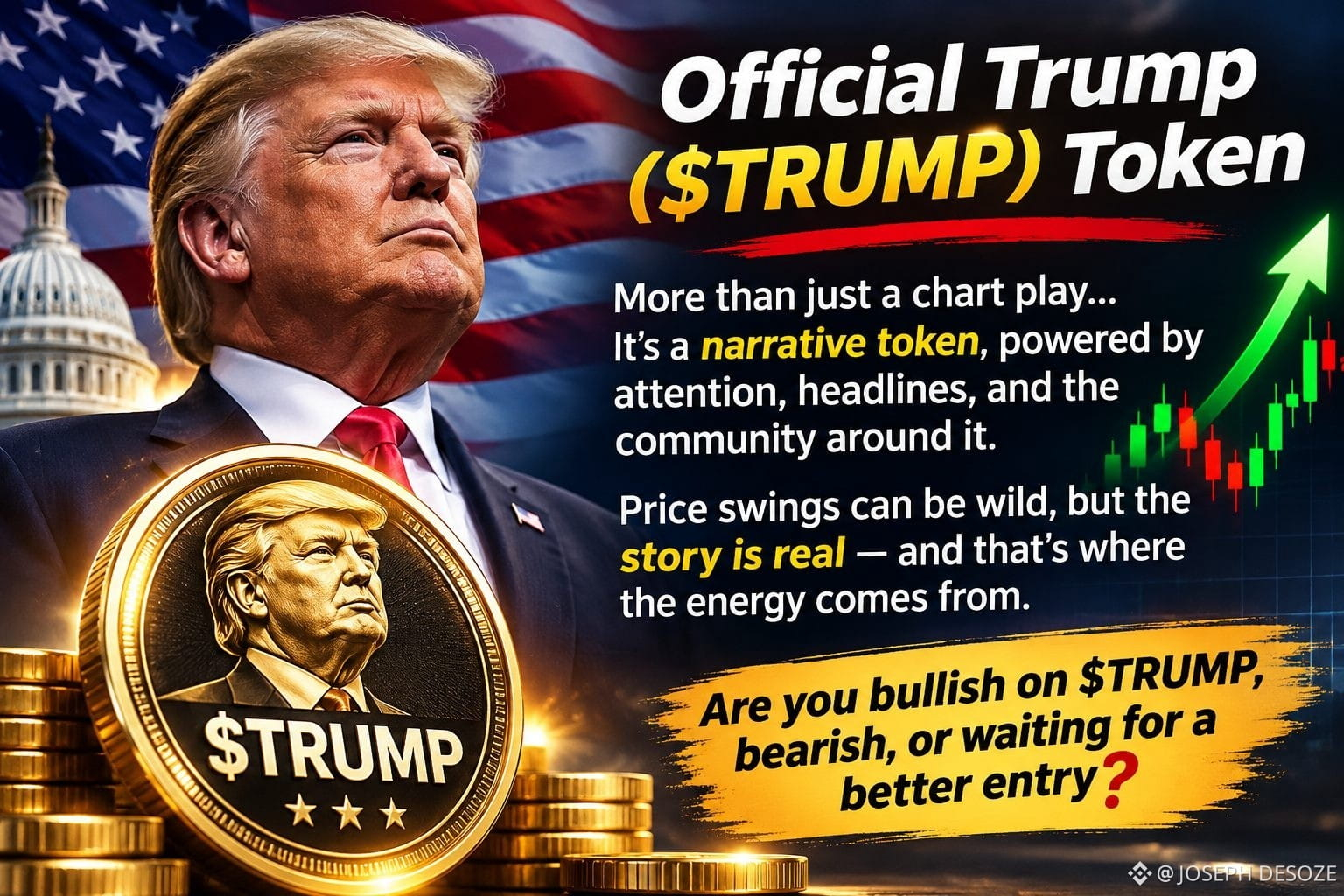
$TRUMP က နောက်ထပ် အကြီးစားလှုပ်ရှားမှုအတွက် အသင့်ဖြစ်ပြီလား။ 👀
Trump တိုကင်က ခရစ်ပတိုအသိုင်းအဝိုင်းရဲ့ အာရုံစိုက်မှုကို သေချာပေါက် ရရှိထားပေမယ့် တကယ်မေးရမယ့် မေးခွန်းက နောက်ဘာဆက်ဖြစ်မလဲ ဆိုတာပါ။
ဒါက နောက်ထပ် စိတ်လှုပ်ရှားမှုလှိုင်းတစ်ခုသာလား၊ ဒါမှမဟုတ် $TRUMP က ပိုအားကောင်းတဲ့ လှုပ်ရှားမှုနဲ့ စျေးကွက်ကို အံ့အားသင့်စေနိုင်မလား။
ခရစ်ပတိုလောကမှာ အာရုံစိုက်ခံရမှုက အရှိန်အဟုန်ကို ဖြစ်စေနိုင်ပေမယ့် အဲဒီအရှိန်အဟုန်ကို ဆက်ထိန်းထားနိုင်ဖို့ကတော့ လုံးဝမတူတဲ့ ကစားပွဲတစ်ခုပါ။
ကုန်သည်တွေ ဘယ်လိုထင်ကြလဲဆိုတာ ကြားချင်ပါတယ်။
$TRUMP အပေါ် အကောင်းမြင်နေလား၊ အဆိုးမြင်နေလား၊ ဒါမှမဟုတ် ဝင်ရောက်ဝယ်ယူဖို့ ပိုကောင်းတဲ့အချိန်ကို စောင့်နေလား။
ရိုးရိုးသားသား ထင်မြင်ချက်တွေ ပြောပြပါဦး။ 👇
#TRUMP #TRUMPCoin #Crypto #Memecoin #CryptoMarket
{future}(TRUMPUSDT)
$TRUMP က နောက်ထပ် အကြီးစားလှုပ်ရှားမှုအတွက် အသင့်ဖြစ်ပြီလား။ 👀
Trump တိုကင်က ခရစ်ပတိုအသိုင်းအဝိုင်းရဲ့ အာရုံစိုက်မှုကို သေချာပေါက် ရရှိထားပေမယ့် တကယ်မေးရမယ့် မေးခွန်းက နောက်ဘာဆက်ဖြစ်မလဲ ဆိုတာပါ။
ဒါက နောက်ထပ် စိတ်လှုပ်ရှားမှုလှိုင်းတစ်ခုသာလား၊ ဒါမှမဟုတ် $TRUMP က ပိုအားကောင်းတဲ့ လှုပ်ရှားမှုနဲ့ စျေးကွက်ကို အံ့အားသင့်စေနိုင်မလား။
ခရစ်ပတိုလောကမှာ အာရုံစိုက်ခံရမှုက အရှိန်အဟုန်ကို ဖြစ်စေနိုင်ပေမယ့် အဲဒီအရှိန်အဟုန်ကို ဆက်ထိန်းထားနိုင်ဖို့ကတော့ လုံးဝမတူတဲ့ ကစားပွဲတစ်ခုပါ။
ကုန်သည်တွေ ဘယ်လိုထင်ကြလဲဆိုတာ ကြားချင်ပါတယ်။
$TRUMP အပေါ် အကောင်းမြင်နေလား၊ အဆိုးမြင်နေလား၊ ဒါမှမဟုတ် ဝင်ရောက်ဝယ်ယူဖို့ ပိုကောင်းတဲ့အချိန်ကို စောင့်နေလား။
ရိုးရိုးသားသား ထင်မြင်ချက်တွေ ပြောပြပါဦး။ 👇
#TRUMP #TRUMPCoin #Crypto #Memecoin #CryptoMarket
1
367
#WillFedHike50bps
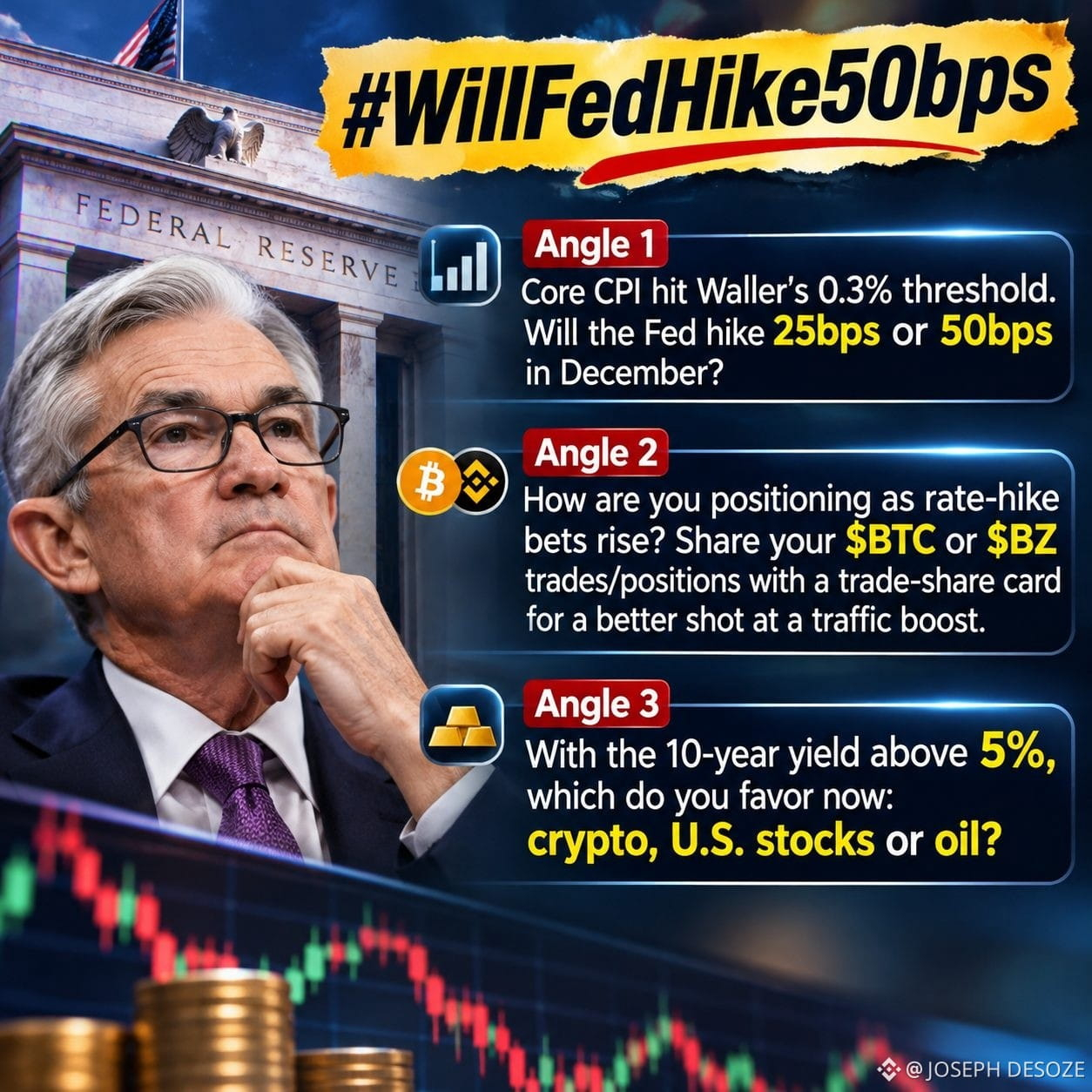
50 bps လား၊ 25 bps လား။ Fed ရဲ့ ဒီဇင်ဘာလ ဆုံးဖြတ်ချက်က အရာအားလုံးကို ပြောင်းလဲသွားစေနိုင်ပါတယ်။ 👀
စျေးကွက်က အနီးကပ်စောင့်ကြည့်နေပြီး မေးခွန်းတစ်ခုကို လျစ်လျူရှုဖို့ ပိုခက်လာပါတယ်—
Federal Reserve က ဒီဇင်ဘာလမှာ ပိုမိုပြင်းထန်တဲ့ လုပ်ဆောင်ချက်တစ်ခုအတွက် ပြင်ဆင်နေပါသလား။
Core CPI က Waller သတ်မှတ်ထားတဲ့ 0.3% သတ်မှတ်ချက်ကို ရောက်ရှိလာတာနဲ့အမျှ နောက်တစ်ကြိမ် အတိုးနှုန်းဆုံးဖြတ်ချက်နဲ့ပတ်သက်တဲ့ အငြင်းအခုံတွေက စိတ်ဝင်စားစရာကောင်းလာပါတယ်။
ဒါပေမဲ့ ကုန်သည်တွေအတွက် ပိုအရေးကြီးလာတဲ့အချက်က ဒီမှာပါ။
အတိုးနှုန်းတိုးမြှင့်မယ်လို့ မျှော်လင့်ချက်တွေ ဆက်လက်မြင့်တက်လာရင် သင့်ရင်းနှီးမြှုပ်နှံမှုအစုစုကို ဘယ်လိုနေရာချထားပါသလဲ။
$BTC အပေါ် အတက်ဘက်အမြင် ဆက်ထားမှာလား၊ $BZ ကို စောင့်ကြည့်မှာလား၊ ဒါမှမဟုတ် ပိုလုံခြုံတဲ့ ရင်းနှီးမြှုပ်နှံမှုအခွင့်အလမ်းတွေဆီ ပြောင်းရွှေ့မှာလား။
ပြီးတော့ 10 နှစ်သက်တမ်းရှိ Treasury အထွက်နှုန်းက 5% အထက်ရောက်နေတဲ့အချိန်မှာ crypto၊ အမေရိကန်ရှယ်ယာတွေ ဒါမှမဟုတ် ရေနံကို ကိုင်ထားတာကို ပိုနှစ်သက်ပါသလား။
ကျွန်တော့်အမြင်အရတော့ နောက်တစ်ကြိမ် ဘာဖြစ်မလဲဆိုတာထက် အဲဒီအတွက် သင်ဘယ်လောက်ပြင်ဆင်ထားသလဲဆိုတာက ပိုအရေးကြီးပါတယ်။
သင့်ခန့်မှန်းချက်က ဘာလဲ—ဒီဇင်ဘာမှာ 25 bps လား၊ 50 bps လား။
သင့်ရဲ့ စျေးကွက်အမြင်ကို ပြောပြပါ။ 👇
#Bitcoin #BTC #BZ #FederalReserve #CryptoMarkets #Trading #stockmarket
1
287
$SXT 522.2 USDT ရက် 30 အရောင်းအဝယ်
🔥 SXT နဲ့ LINK — ဘယ် Crypto မှာ အလားအလာပိုရှိသလဲ? 🚀
အားကောင်းတဲ့ ပရောဂျက်နှစ်ခု။ မတူညီတဲ့ ရည်မှန်းချက်နှစ်ခု။ မေးခွန်းကြီးတစ်ခု — နောက်ထပ် အတက်ဈေးကွက်ကာလမှာ ဘယ်တစ်ခုက ထင်ရှားလာနိုင်မလဲ? 📈
🔹 SXT (Space and Time)
- အတည်ပြုနိုင်တဲ့ ဘလော့ခ်ချိန်းဒေတာ အခြေခံအဆောက်အအုံ
- ဗဟိုချုပ်ကိုင်မှုကင်းတဲ့ ဒေတာနဲ့ စမတ်ကန်ထရိုက်များကို အာရုံစိုက်ထားခြင်း
- ရေရှည်တိုးတက်နိုင်ခြေ
🔹 LINK (Chainlink)
- ထိပ်တန်း ဗဟိုချုပ်ကိုင်မှုကင်းတဲ့ အော်ရကယ်ကွန်ရက်
- စမတ်ကန်ထရိုက်များကို လက်တွေ့ကမ္ဘာမှ ဒေတာများနှင့် ချိတ်ဆက်ပေးခြင်း
- အားကောင်းတဲ့ ဂေဟစနစ်နဲ့ လက်ခံအသုံးပြုမှု
⚔️ ယှဉ်ပြိုင်မှုမှာ —
နည်းပညာ 🧠 | တိုကင်စီးပွားရေး 💰 | လက်ခံအသုံးပြုမှု 🌍 | အနာဂတ်အလားအလာ 🚀
ရေရှည်အတွက် ဘယ်တစ်ခုကို ရွေးချယ်မလဲ?
👇 အောက်မှာ မှတ်ချက်ပေးပါ:
SXT ဒါမှမဟုတ် LINK?
#SXT #LINK #Crypto #Altcoins #CryptoAnalysis
$SXT $LINK
SXT
58%
LINK
42%
19 မဲများ • မဲပိတ်ပါပြီ
1
645
·
--
ကျရိပ်ရှိသည်
#ShareYourThoughtOnBTC
လွယ်လွယ်ကူကူ သတိမမူမိနိုင်ပေမယ့် Bitcoin မှာ စိတ်ဝင်စားစရာကောင်းတဲ့ အချက်တစ်ခုရှိပါတယ်။ ၎င်း၏ မိုင်းတူးမှုအခက်အခဲဟာ နေ့စဉ်နဲ့အမျှ၊ ဒါမှမဟုတ် မိုင်းတူးသူတစ်ဦးက ကွန်ရက်ထဲ ဝင်လာတိုင်း၊ ထွက်သွားတိုင်း ချက်ချင်း ပြောင်းလဲတာ မဟုတ်ပါဘူး။
လုပ်ကွက် ၂,၀၁၆ ခုတိုင်းမှာ တစ်ကြိမ် ပြောင်းလဲပါတယ်။
Bitcoin ရဲ့ တရားဝင် Developer Guide အရ ကွန်ရက်ဟာ ပျမ်းမျှ လုပ်ကွက်တစ်ခု ထွက်ပေါ်လာဖို့ ၁၀ မိနစ်ကြာအောင် ရည်မှန်းထားပါတယ်။ ဒါကြောင့် လုပ်ကွက် ၂,၀၁၆ ခုဆိုတာ ခန့်မှန်းခြေ ၁၄ ရက် ဖြစ်ပါတယ်။
အရေးကြီးတဲ့ ခြားနားချက်က ဒီမှာပါ။
မိုင်းတူးမှုစွမ်းအား တိုးလာပြီး လုပ်ကွက်တွေ ပိုမြန်မြန် ထွက်ပေါ်လာရင်တောင် Bitcoin ဟာ အခက်အခဲကို ချက်ချင်း တိုးမြှင့်တာ မဟုတ်ပါဘူး။ နောက်တစ်ကြိမ် အခက်အခဲပြင်ဆင်ချိန် မရောက်မချင်း လက်ရှိအခက်အခဲအတိုင်း ဆက်ရှိနေပါတယ်။
ဆန့်ကျင်ဘက်အခြေအနေမှာလည်း အတူတူပါပဲ။ မိုင်းတူးမှု လျော့နည်းလာပြီး လုပ်ကွက်တွေ ထွက်ပေါ်တာ နှေးကွေးလာရင်လည်း ပရိုတိုကောဟာ မိုင်းတူးရတာ ပိုလွယ်အောင် ချက်ချင်း ပြင်ဆင်ပေးတာ မဟုတ်ပါဘူး။
အခက်အခဲပြင်ဆင်ချိန်မှာ ကွန်ရက်က အဲဒီလုပ်ကွက်တွေ ထုတ်လုပ်ဖို့ အမှန်တကယ်ကြာခဲ့တဲ့အချိန်ကို နှစ်ပတ်တာ ရည်မှန်းချိန်နဲ့ နှိုင်းယှဉ်ပြီး အခက်အခဲကို ပြန်လည်တွက်ချက်ပါတယ်။ ထို့အပြင် ပြင်ဆင်မှုတစ်ကြိမ်တည်းမှာ အကန့်အသတ်မရှိ ပြောင်းလဲသွားတာမျိုး မဖြစ်အောင်လည်း ကန့်သတ်ထားပါတယ်။
ဒီယန္တရားကို ကျွန်တော် အထူးစိတ်ဝင်စားတာက Bitcoin ရဲ့ တည်ငြိမ်မှုဟာ မိုင်းတူးသူတွေက အမြဲတမ်း တစ်သမတ်တည်း လုပ်ဆောင်နေရတာအပေါ် မမူတည်ကြောင်း ပြသလို့ပါ။
အဲဒီအစား ပရိုတိုကောဟာ ကြိုတင်သတ်မှတ်ထားတဲ့ တုံ့ပြန်ညှိနှိုင်းမှုယန္တရားကတစ်ဆင့် ပြောင်းလဲနေတဲ့ မိုင်းတူးမှုအခြေအနေတွေကို လိုက်လျောညီထွေဖြစ်အောင် ဆောင်ရွက်ပါတယ်။
BTC ရဲ့ အခြေခံအချက်တွေကို လေ့လာနေသူတွေအတွက် ဟက်ရှ်နှုန်းတစ်ခုတည်းနဲ့တော့ အခြေအနေတစ်ခုလုံးကို မမြင်နိုင်ပါဘူး။ အခက်အခဲကို ဘယ်အချိန်မှာ ပြင်ဆင်သလဲဆိုတာလည်း အရေးကြီးပါတယ်။
စောင့်ကြည့်သင့်တဲ့ တိုင်းတာချက်တစ်ခုကတော့ အခက်အခဲပြင်ဆင်မှု နှစ်ကြိမ်ကြားကာလမှာ လုပ်ကွက်တွေ ထုတ်လုပ်ဖို့ အမှန်တကယ်ကြာတဲ့အချိန် ဘယ်လိုပြောင်းလဲလာသလဲဆိုတာပါ။
#ShareYourThoughtOnBTC #Bitcoin #BTC #CryptoEducation
80
Log in to explore more content
Join global crypto users on Binance Square
⚡️ Get latest and useful information about crypto.
💬 Trusted by the world’s largest crypto exchange.
👍 Discover real insights from verified creators.
အီးမေးလ် / ဖုန်းနံပါတ်
ရေပန်းစားနေသော ခေါင်းစဉ်များ
IsAnthropic’s$1.5TMarketCapJustified?
ကြည့်ရှုမှု 7,224 ကြိမ်
64 ဦး ဆွေးနွေးနေသည်
Anthropic ၏ Nasdaq စံချိန်တင် ပွဲဦးထွက်တွင် ရှယ်ယာဈေး $105 ဖြင့် စတင်ဖွင့်လှစ်ရန် မျှော်မှန်းထား
Binance News
·နှစ်သက်မှု 10 ခု
·ကြည့်ရှုမှု 9.2k ကြိမ်
BTCRemainsUnderPressureAfterHawkishFOMCMinutes
ကြည့်ရှုမှု 207,954 ကြိမ်
1,980 ဦး ဆွေးနွေးနေသည်
NvidiaBoardReportedlySplitOverHuang’sReturn
ကြည့်ရှုမှု 101,286 ကြိမ်
1,062 ဦး ဆွေးနွေးနေသည်