

ALFA BNB
8.1k ပို့စ်များ

ALFA BNB
တိုင်ကြားမည်
သုံးစွဲသူကို ဘလော့မည်
CONTEN CREATER
277 ဖော်လိုလုပ်ထားသည်
12.7K+ ဖော်လိုလုပ်သူများ
5.1K+ လိုက်ခ်လုပ်ထားသည်
ပို့စ်များ
အားလုံး
ဆိုဈေးများ
·
--
ဘာသာပြန်ဆိုချက် ကြည့်မည်
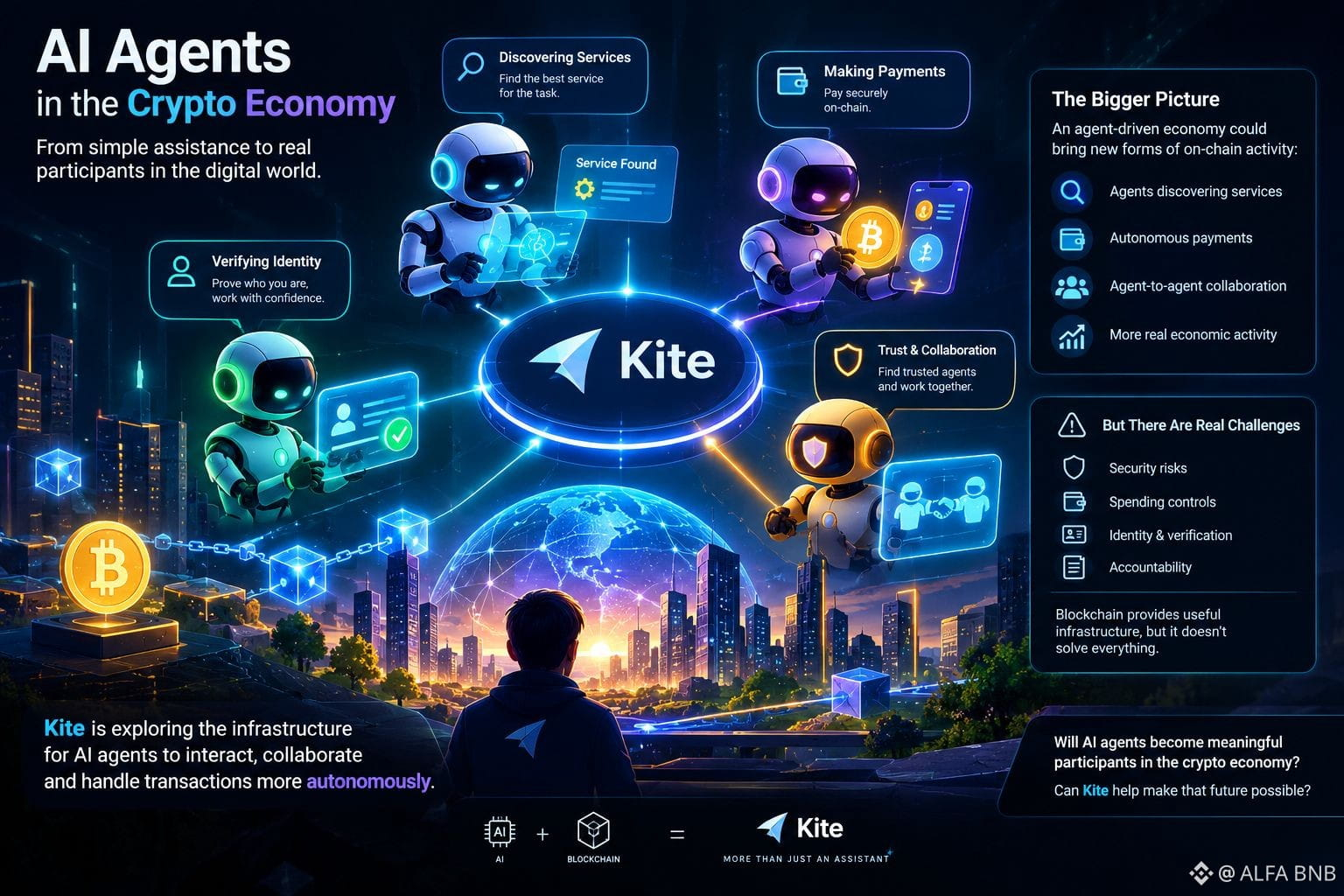
I've been exploring Kite lately, and what interests me most is the idea of AI agents moving beyond simple assistance and becoming active participants in the digital economy.
Think about it. An AI agent might be able to complete a task, but what happens when it needs to pay for a service, verify its identity, or decide whether another agent is trustworthy? These challenges become much more important when agents need to operate independently without constant human supervision.
This is where Kite stands out to me. It's exploring the infrastructure needed for AI agents to interact, collaborate, and handle transactions more autonomously.
The potential impact on crypto is also worth watching. Blockchain has largely been associated with trading, DeFi, and digital payments. But in an agent-driven economy, we could see software independently discovering services, paying for specific tasks, and coordinating with other agents. That could introduce entirely new forms of on-chain activity.
Still, the idea alone isn't enough. More autonomous agents bring real concerns around security, spending controls, identity, and accountability. Blockchain may provide useful infrastructure, but it doesn't automatically solve every problem.
That's why I'm more interested in what Kite can deliver in practice. Can it make agent-to-agent interactions reliable, secure, and simple enough for developers to build useful applications? Can it support real economic activity rather than just an interesting concept?
The AI agent economy is still in its early stages, and there's plenty left to prove. But projects like Kite are worth following because they're exploring an important question: what happens when AI agents can do more than generate answers and actually participate in the digital world?
Perhaps the next major shift in AI won't just be about making models smarter. It will be about enabling them to work, coordinate, and transact independently.
#KiteBBW @GoKiteAI $KITE
{spot}(KITEUSDT)
I've been exploring Kite lately, and what interests me most is the idea of AI agents moving beyond simple assistance and becoming active participants in the digital economy.
Think about it. An AI agent might be able to complete a task, but what happens when it needs to pay for a service, verify its identity, or decide whether another agent is trustworthy? These challenges become much more important when agents need to operate independently without constant human supervision.
This is where Kite stands out to me. It's exploring the infrastructure needed for AI agents to interact, collaborate, and handle transactions more autonomously.
The potential impact on crypto is also worth watching. Blockchain has largely been associated with trading, DeFi, and digital payments. But in an agent-driven economy, we could see software independently discovering services, paying for specific tasks, and coordinating with other agents. That could introduce entirely new forms of on-chain activity.
Still, the idea alone isn't enough. More autonomous agents bring real concerns around security, spending controls, identity, and accountability. Blockchain may provide useful infrastructure, but it doesn't automatically solve every problem.
That's why I'm more interested in what Kite can deliver in practice. Can it make agent-to-agent interactions reliable, secure, and simple enough for developers to build useful applications? Can it support real economic activity rather than just an interesting concept?
The AI agent economy is still in its early stages, and there's plenty left to prove. But projects like Kite are worth following because they're exploring an important question: what happens when AI agents can do more than generate answers and actually participate in the digital world?
Perhaps the next major shift in AI won't just be about making models smarter. It will be about enabling them to work, coordinate, and transact independently.
#KiteBBW @KITE AI 中文 $KITE
2
2
80
·
--
ဘာသာပြန်ဆိုချက် ကြည့်မည်
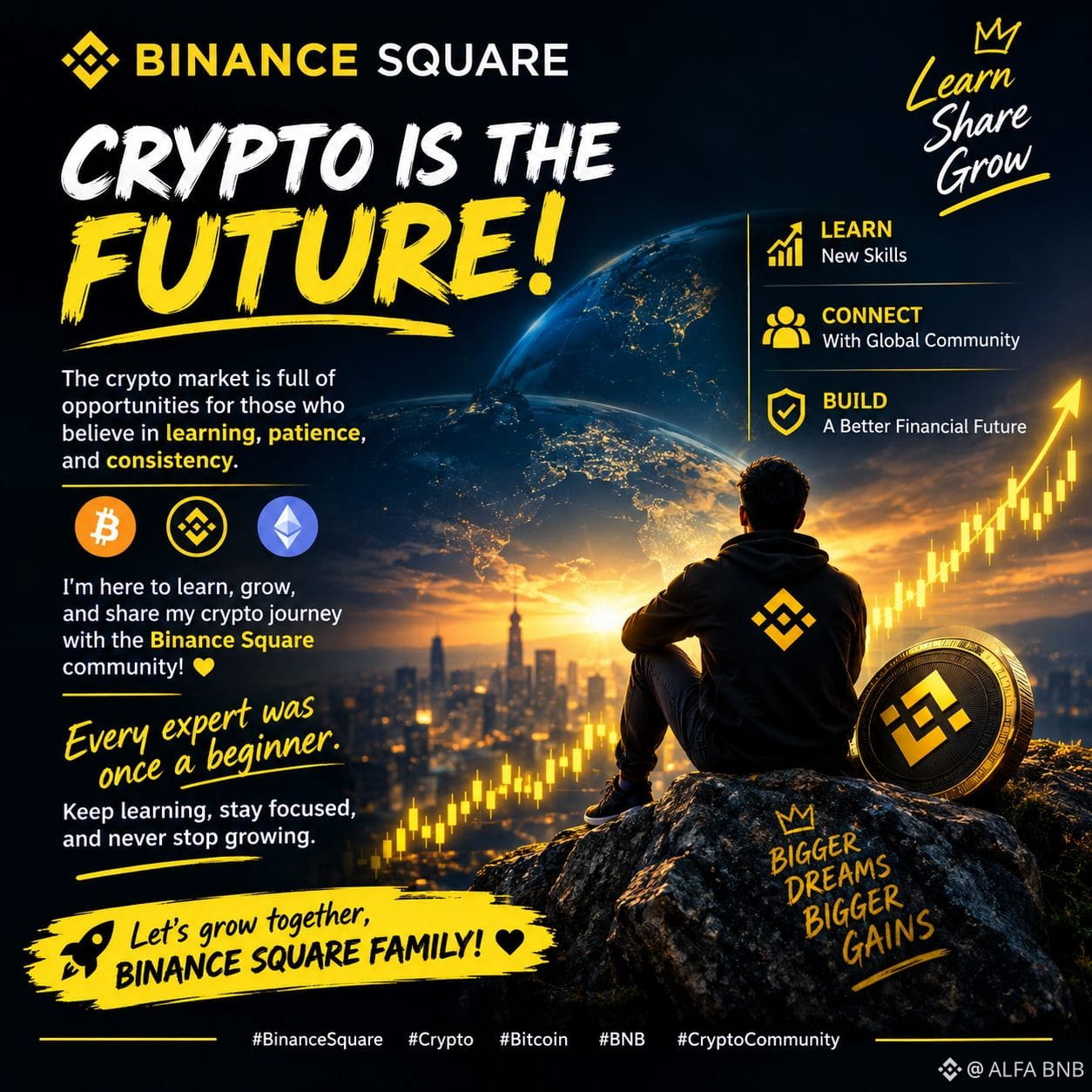
🚀 Crypto is the Future! 🔥
The crypto market is full of opportunities for those who believe in learning, patience, and consistency.
I'm here to learn, grow, and share my crypto journey with the Binance Square community!
Every expert was once a beginner. Keep learning, stay focused, and never stop growing. 🚀
Let's grow together, Binance Square family!
#BİNANCESQUAR #Crypto #CryptoCommunity
93
·
--
ဘာသာပြန်ဆိုချက် ကြည့်မည်
CPI may be getting most of the attention today, but I think the bigger question is what changing financial conditions mean for the infrastructure being built underneath crypto and AI.
These sectors are usually discussed around technology, speed, and adoption. I’m more interested in the economics that keep them running.
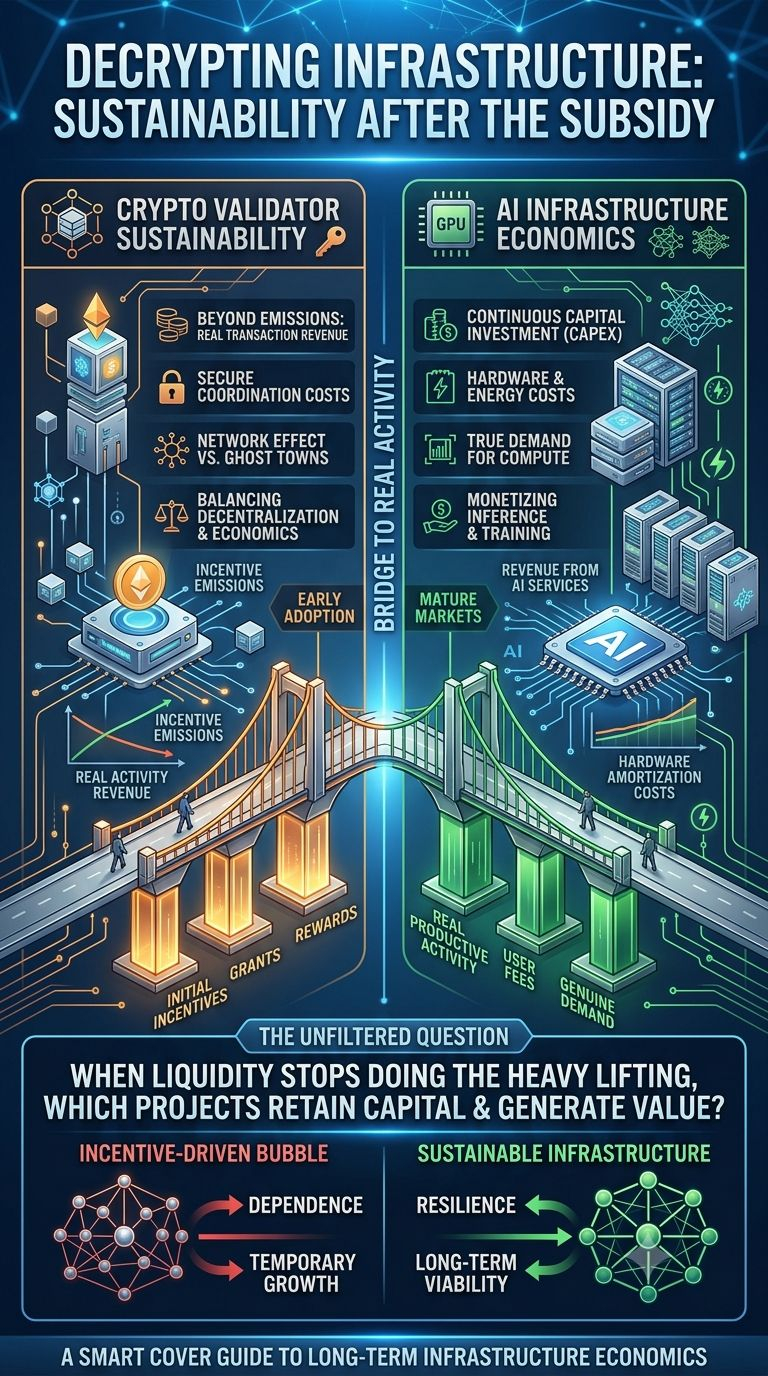
Validators need sustainable rewards. AI infrastructure requires continuous capital, energy, and hardware investment. Networks need enough real activity to justify the cost of coordination and security.
The overlooked issue is how dependent early infrastructure can become on incentives.
Subsidies, emissions, grants, and rewards can attract participants quickly, but they don’t necessarily prove that genuine demand exists. Eventually, users and productive activity have to carry more of the economic burden.
That creates a difficult long-term balance:
Aggressive incentives can help a network reach critical mass, but cutting them too quickly can hurt participation. Keep them too long, and they may hide whether the underlying model is actually sustainable.
So I’m less interested in whether today’s CPI creates a short-term move in crypto.
I’m more interested in what happens when liquidity stops doing the heavy lifting.
Which crypto and AI infrastructure projects can still attract capital, retain participants, and generate real activity when incentives become less generous?
$LAB
{future}(LABUSDT)
$RAYSOL
{future}(RAYSOLUSDT)
#CPIWatch
CPI may be getting most of the attention today, but I think the bigger question is what changing financial conditions mean for the infrastructure being built underneath crypto and AI.
These sectors are usually discussed around technology, speed, and adoption. I’m more interested in the economics that keep them running.
Validators need sustainable rewards. AI infrastructure requires continuous capital, energy, and hardware investment. Networks need enough real activity to justify the cost of coordination and security.
The overlooked issue is how dependent early infrastructure can become on incentives.
Subsidies, emissions, grants, and rewards can attract participants quickly, but they don’t necessarily prove that genuine demand exists. Eventually, users and productive activity have to carry more of the economic burden.
That creates a difficult long-term balance:
Aggressive incentives can help a network reach critical mass, but cutting them too quickly can hurt participation. Keep them too long, and they may hide whether the underlying model is actually sustainable.
So I’m less interested in whether today’s CPI creates a short-term move in crypto.
I’m more interested in what happens when liquidity stops doing the heavy lifting.
Which crypto and AI infrastructure projects can still attract capital, retain participants, and generate real activity when incentives become less generous?
$LAB
$RAYSOL
#CPIWatch
1
85
·
--
ဘာသာပြန်ဆိုချက် ကြည့်မည်
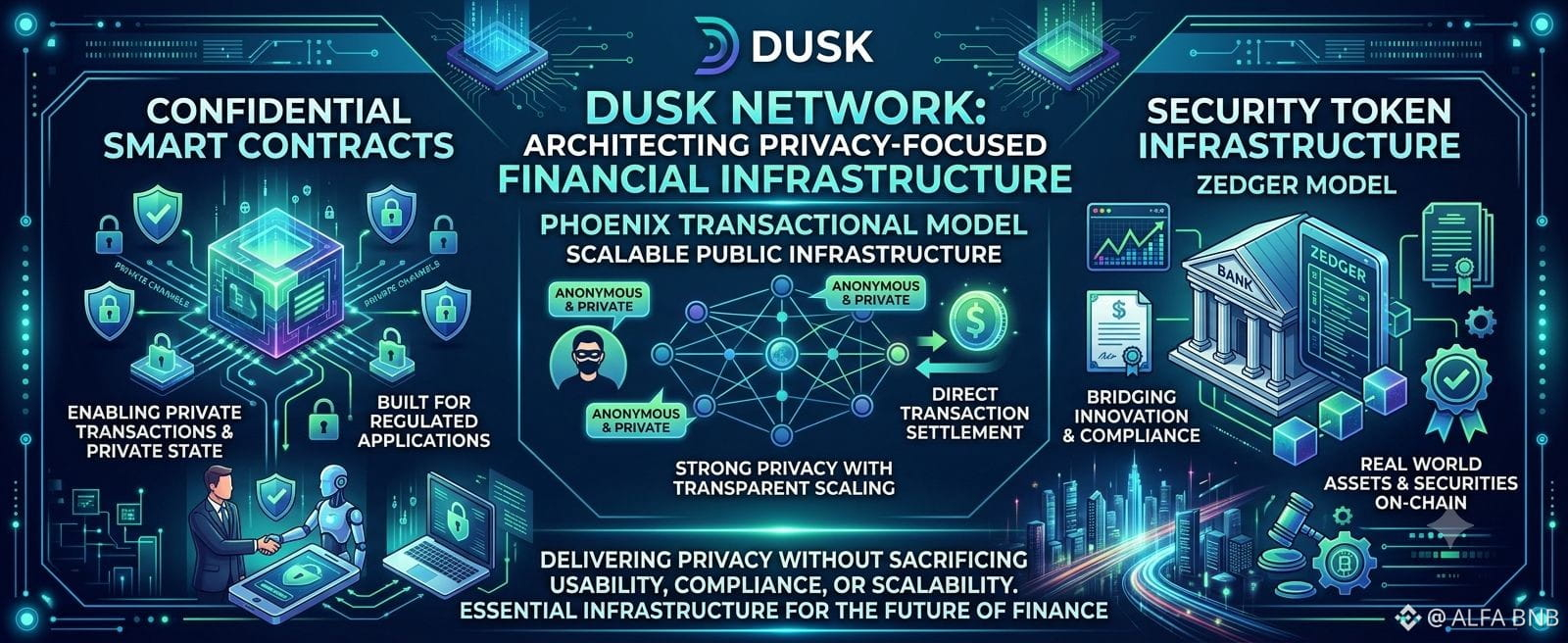
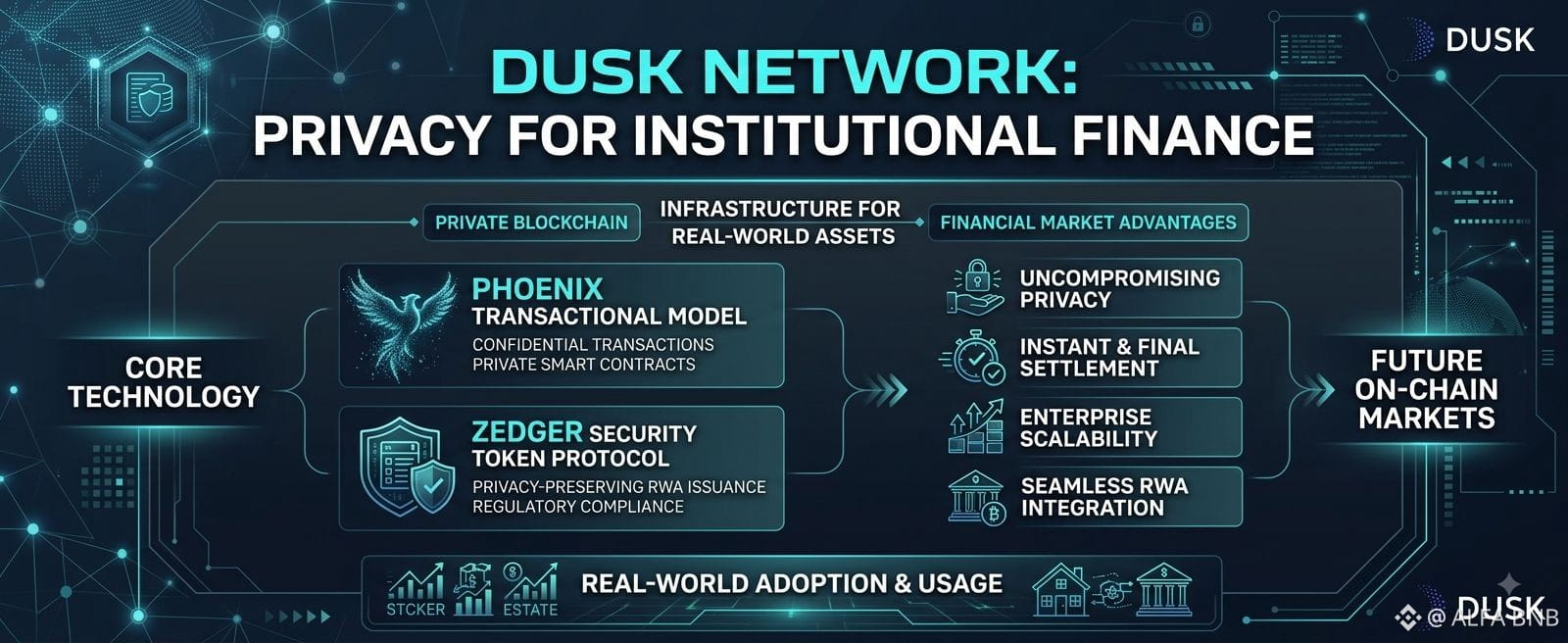
I've been looking into Dusk Network, and I think its approach to privacy-focused financial infrastructure is worth paying attention to. I’ve seen many blockchain projects promise privacy, but Dusk is taking a more specific approach by designing its layer-1 network around the practical requirements of financial markets.
What stands out to me is the combination of confidential smart contracts, scalable public infrastructure, and direct transaction settlement. Through its Phoenix transactional model, Dusk aims to provide stronger privacy and anonymity for both transactions and smart contracts without losing the ability to build regulated financial applications.
I’ve also seen growing interest in security token infrastructure, which makes Dusk’s Zedger model particularly interesting. By combining privacy-preserving technology with tools designed specifically for security tokens, Dusk could help bridge the gap between blockchain innovation and traditional financial requirements.
In my view, the real opportunity lies in whether Dusk can deliver privacy without sacrificing usability, compliance, or scalability. If adoption continues to grow, privacy could become an essential infrastructure layer rather than simply an optional feature. I’ve seen the market increasingly recognize that institutional and financial use cases require more than transparency alone, and Dusk is positioning itself directly within that opportunity.
#dusk @Dusk_Foundation $DUSK
{spot}(DUSKUSDT)
$JCT
{future}(JCTUSDT)
$ACE
{spot}(ACEUSDT)
I've been looking into Dusk Network, and I think its approach to privacy-focused financial infrastructure is worth paying attention to. I’ve seen many blockchain projects promise privacy, but Dusk is taking a more specific approach by designing its layer-1 network around the practical requirements of financial markets.
What stands out to me is the combination of confidential smart contracts, scalable public infrastructure, and direct transaction settlement. Through its Phoenix transactional model, Dusk aims to provide stronger privacy and anonymity for both transactions and smart contracts without losing the ability to build regulated financial applications.
I’ve also seen growing interest in security token infrastructure, which makes Dusk’s Zedger model particularly interesting. By combining privacy-preserving technology with tools designed specifically for security tokens, Dusk could help bridge the gap between blockchain innovation and traditional financial requirements.
In my view, the real opportunity lies in whether Dusk can deliver privacy without sacrificing usability, compliance, or scalability. If adoption continues to grow, privacy could become an essential infrastructure layer rather than simply an optional feature. I’ve seen the market increasingly recognize that institutional and financial use cases require more than transparency alone, and Dusk is positioning itself directly within that opportunity.
#dusk @Dusk $DUSK
$JCT
$ACE
1
82
·
--
Dusk Network သည် အထွေထွေသုံး blockchain ကို လိုက်လံတည်ဆောက်ခြင်းထက် ဘဏ္ဍာရေးဈေးကွက်များ၏ လိုအပ်ချက်များကို တိုက်ရိုက်အာရုံစိုက်ကာ blockchain အပေါ် ကွဲပြားသောချဉ်းကပ်မှုတစ်ခုကို လုပ်ဆောင်နေသည်ကို ကျွန်ုပ်တွေ့မြင်ခဲ့ရသည်။ ကျွန်ုပ်၏အာရုံကို ဖမ်းစားခဲ့သည်မှာ privacy၊ scalability နှင့် မြန်ဆန်သော settlement တို့ကို အလေးပေးခြင်းဖြစ်ပြီး၊ အထွေထွေသုံး blockchain ကိုသာ အလျင်စလို လက်ခံအသုံးပြုစေရန် ကြိုးပမ်းခြင်းမဟုတ်ပါ။
Phoenix transactional model ကို အသုံးပြုပြီး private transaction များနှင့် လျှို့ဝှက်ထားနိုင်သော smart contract များကို ပံ့ပိုးပေးပုံကိုလည်း ကျွန်ုပ်တွေ့မြင်ခဲ့ရသည်။ ဘဏ္ဍာရေးဆိုင်ရာ အသုံးချမှုများအတွက် ဤအချက်သည် အရေးပါနိုင်သည်။ အကြောင်းမှာ အဖွဲ့အစည်းများသည် blockchain အခြေခံအဆောက်အအုံ၏ အကျိုးကျေးဇူးများကို ရယူနေစဉ် အရေးကြီးသော transaction အချက်အလက်များကို ကာကွယ်ထားရန် မကြာခဏ လိုအပ်သောကြောင့်ဖြစ်သည်။
ဂေဟစနစ်၏ နောက်ထပ်စိတ်ဝင်စားဖွယ်အစိတ်အပိုင်းတစ်ခုအဖြစ် Zedger ကိုလည်း ကျွန်ုပ်တွေ့မြင်ခဲ့ရသည်။ Phoenix ပေါ်တွင် တည်ဆောက်ထားသော Zedger သည် security token များအတွက် privacy ကို ထိန်းသိမ်းပေးသည့် လုပ်ဆောင်ချက်များကို ပံ့ပိုးရန် ဒီဇိုင်းထုတ်ထားသည်။ ထို့ကြောင့် Dusk သည် token ပြုလုပ်ထားသော ဘဏ္ဍာရေးပိုင်ဆိုင်မှုများနှင့် လက်တွေ့ကမ္ဘာ့ဈေးကွက်များနှင့် ရှင်းလင်းစွာ ဆက်စပ်နေသည်။
ကျွန်ုပ်၏အမြင်အရ Dusk ၏ ရည်မှန်းချက်တွင် အားအကောင်းဆုံးအချက်မှာ blockchain ၏ ပွင့်လင်းမြင်သာမှုကို ဘဏ္ဍာရေးအဖွဲ့အစည်းများ အမှန်တကယ်လိုအပ်သည့် လျှို့ဝှက်ထားနိုင်မှုနှင့် ပေါင်းစပ်ရန် အာရုံစိုက်ထားခြင်းဖြစ်သည်။ ကွန်ရက်သည် အသုံးပြုသူအစစ်အမှန်များနှင့် ဘဏ္ဍာရေးဆိုင်ရာ အသုံးချမှုများကို ဆွဲဆောင်နိုင်ရင်း အရွယ်အစားတိုးချဲ့နိုင်သော အခြေခံအဆောက်အအုံ၊ ယုံကြည်စိတ်ချရသော settlement နှင့် ခိုင်မာသော privacy ကို ပံ့ပိုးပေးနိုင်ပါက အနာဂတ် on-chain finance တွင် အရေးပါသောအခန်းကဏ္ဍတစ်ခု ရရှိနိုင်သည်။
သို့သော် လက်ခံအသုံးပြုမှုနှင့် အကောင်အထည်ဖော်နိုင်မှုတို့က အရေးအကြီးဆုံးဖြစ်မည်။ အလားအလာကောင်းသော blockchain အယူအဆများစွာ အရှိန်မရဘဲ ပျက်ကွက်သွားသည်ကို ကျွန်ုပ်တွေ့ခဲ့ရသောကြောင့် Dusk ၏ လက်တွေ့ကမ္ဘာတွင် အသုံးပြုမှုသည် ကျွန်ုပ် ဆက်လက်စောင့်ကြည့်မည့် အဓိကတိုင်းတာချက်ဖြစ်သည်။
#dusk @Dusk_Foundation $DUSK
{spot}(DUSKUSDT)
$ACE
{spot}(ACEUSDT)
$AIO
{future}(AIOUSDT)
Dusk Network သည် အထွေထွေသုံး blockchain ကို လိုက်လံတည်ဆောက်ခြင်းထက် ဘဏ္ဍာရေးဈေးကွက်များ၏ လိုအပ်ချက်များကို တိုက်ရိုက်အာရုံစိုက်ကာ blockchain အပေါ် ကွဲပြားသောချဉ်းကပ်မှုတစ်ခုကို လုပ်ဆောင်နေသည်ကို ကျွန်ုပ်တွေ့မြင်ခဲ့ရသည်။ ကျွန်ုပ်၏အာရုံကို ဖမ်းစားခဲ့သည်မှာ privacy၊ scalability နှင့် မြန်ဆန်သော settlement တို့ကို အလေးပေးခြင်းဖြစ်ပြီး၊ အထွေထွေသုံး blockchain ကိုသာ အလျင်စလို လက်ခံအသုံးပြုစေရန် ကြိုးပမ်းခြင်းမဟုတ်ပါ။
Phoenix transactional model ကို အသုံးပြုပြီး private transaction များနှင့် လျှို့ဝှက်ထားနိုင်သော smart contract များကို ပံ့ပိုးပေးပုံကိုလည်း ကျွန်ုပ်တွေ့မြင်ခဲ့ရသည်။ ဘဏ္ဍာရေးဆိုင်ရာ အသုံးချမှုများအတွက် ဤအချက်သည် အရေးပါနိုင်သည်။ အကြောင်းမှာ အဖွဲ့အစည်းများသည် blockchain အခြေခံအဆောက်အအုံ၏ အကျိုးကျေးဇူးများကို ရယူနေစဉ် အရေးကြီးသော transaction အချက်အလက်များကို ကာကွယ်ထားရန် မကြာခဏ လိုအပ်သောကြောင့်ဖြစ်သည်။
ဂေဟစနစ်၏ နောက်ထပ်စိတ်ဝင်စားဖွယ်အစိတ်အပိုင်းတစ်ခုအဖြစ် Zedger ကိုလည်း ကျွန်ုပ်တွေ့မြင်ခဲ့ရသည်။ Phoenix ပေါ်တွင် တည်ဆောက်ထားသော Zedger သည် security token များအတွက် privacy ကို ထိန်းသိမ်းပေးသည့် လုပ်ဆောင်ချက်များကို ပံ့ပိုးရန် ဒီဇိုင်းထုတ်ထားသည်။ ထို့ကြောင့် Dusk သည် token ပြုလုပ်ထားသော ဘဏ္ဍာရေးပိုင်ဆိုင်မှုများနှင့် လက်တွေ့ကမ္ဘာ့ဈေးကွက်များနှင့် ရှင်းလင်းစွာ ဆက်စပ်နေသည်။
ကျွန်ုပ်၏အမြင်အရ Dusk ၏ ရည်မှန်းချက်တွင် အားအကောင်းဆုံးအချက်မှာ blockchain ၏ ပွင့်လင်းမြင်သာမှုကို ဘဏ္ဍာရေးအဖွဲ့အစည်းများ အမှန်တကယ်လိုအပ်သည့် လျှို့ဝှက်ထားနိုင်မှုနှင့် ပေါင်းစပ်ရန် အာရုံစိုက်ထားခြင်းဖြစ်သည်။ ကွန်ရက်သည် အသုံးပြုသူအစစ်အမှန်များနှင့် ဘဏ္ဍာရေးဆိုင်ရာ အသုံးချမှုများကို ဆွဲဆောင်နိုင်ရင်း အရွယ်အစားတိုးချဲ့နိုင်သော အခြေခံအဆောက်အအုံ၊ ယုံကြည်စိတ်ချရသော settlement နှင့် ခိုင်မာသော privacy ကို ပံ့ပိုးပေးနိုင်ပါက အနာဂတ် on-chain finance တွင် အရေးပါသောအခန်းကဏ္ဍတစ်ခု ရရှိနိုင်သည်။
သို့သော် လက်ခံအသုံးပြုမှုနှင့် အကောင်အထည်ဖော်နိုင်မှုတို့က အရေးအကြီးဆုံးဖြစ်မည်။ အလားအလာကောင်းသော blockchain အယူအဆများစွာ အရှိန်မရဘဲ ပျက်ကွက်သွားသည်ကို ကျွန်ုပ်တွေ့ခဲ့ရသောကြောင့် Dusk ၏ လက်တွေ့ကမ္ဘာတွင် အသုံးပြုမှုသည် ကျွန်ုပ် ဆက်လက်စောင့်ကြည့်မည့် အဓိကတိုင်းတာချက်ဖြစ်သည်။
#dusk @Dusk $DUSK
$ACE
$AIO
5
1
277
·
--
ဘာသာပြန်ဆိုချက် ကြည့်မည်
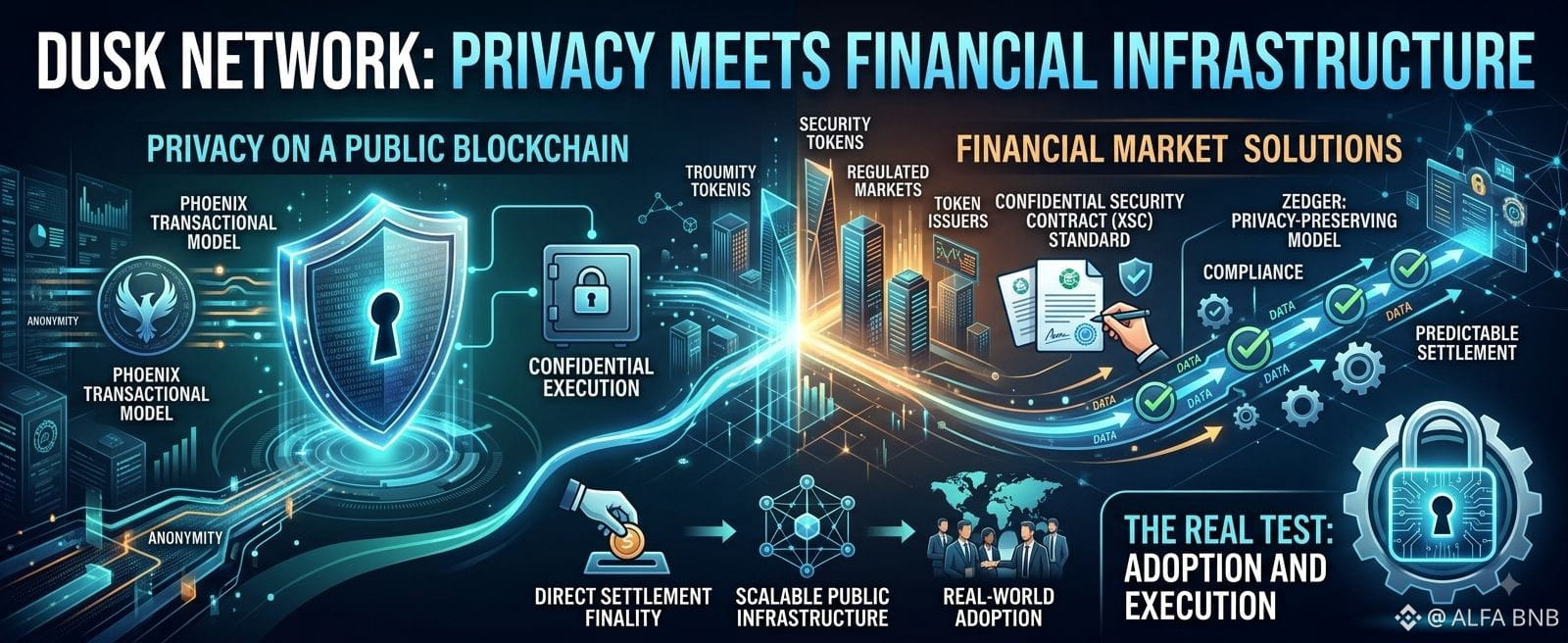
Dusk Network: Privacy Meets Financial Infrastructure
I’ve seen a lot of Layer-1 projects focus heavily on speed, scalability, or smart contracts, but Dusk Network is taking a different direction by targeting the specific needs of financial markets.
What stands out to me is its focus on privacy without giving up the benefits of a public blockchain. Dusk uses its Phoenix transactional model to support privacy and anonymity for transactions and smart contracts, while its Confidential Security Contract (XSC) standard is designed for financial applications.
I’ve also seen Dusk highlight Zedger, a privacy-preserving model built on Phoenix and designed specifically for security tokens. This could be important because financial markets require more than just fast transactions—they also need confidentiality, compliance, predictable settlement, and secure infrastructure.
What I find interesting is the combination of direct settlement finality, scalable public infrastructure, and confidential execution. If Dusk can translate these technical capabilities into real-world adoption by financial institutions, token issuers, and other regulated markets, it could have a strong long-term position.
For me, Dusk is worth watching not because of short-term hype, but because it is trying to solve a real problem: bringing blockchain efficiency to financial markets while maintaining the privacy that traditional finance requires.
The real test will be adoption and execution. 🔐
#dusk @Dusk_Foundation $DUSK
{spot}(DUSKUSDT)
$GPS
{spot}(GPSUSDT)
$VELVET
{future}(VELVETUSDT)
#ChinaJulyOutputRetailInvestmentAllMiss
#CMESeptemberHikeOddsFallTo30.6%
#IsraelStrikesLebanonKillsHezbollahCommander
#CardanoSplitsDijkstraUpgradeIntoTwoPhases
Dusk Network: Privacy Meets Financial Infrastructure
I’ve seen a lot of Layer-1 projects focus heavily on speed, scalability, or smart contracts, but Dusk Network is taking a different direction by targeting the specific needs of financial markets.
What stands out to me is its focus on privacy without giving up the benefits of a public blockchain. Dusk uses its Phoenix transactional model to support privacy and anonymity for transactions and smart contracts, while its Confidential Security Contract (XSC) standard is designed for financial applications.
I’ve also seen Dusk highlight Zedger, a privacy-preserving model built on Phoenix and designed specifically for security tokens. This could be important because financial markets require more than just fast transactions—they also need confidentiality, compliance, predictable settlement, and secure infrastructure.
What I find interesting is the combination of direct settlement finality, scalable public infrastructure, and confidential execution. If Dusk can translate these technical capabilities into real-world adoption by financial institutions, token issuers, and other regulated markets, it could have a strong long-term position.
For me, Dusk is worth watching not because of short-term hype, but because it is trying to solve a real problem: bringing blockchain efficiency to financial markets while maintaining the privacy that traditional finance requires.
The real test will be adoption and execution. 🔐
#dusk @Dusk $DUSK
$GPS
$VELVET
#ChinaJulyOutputRetailInvestmentAllMiss
#CMESeptemberHikeOddsFallTo30.6%
#IsraelStrikesLebanonKillsHezbollahCommander
#CardanoSplitsDijkstraUpgradeIntoTwoPhases
3
2
138
·
--
ဘာသာပြန်ဆိုချက် ကြည့်မည်
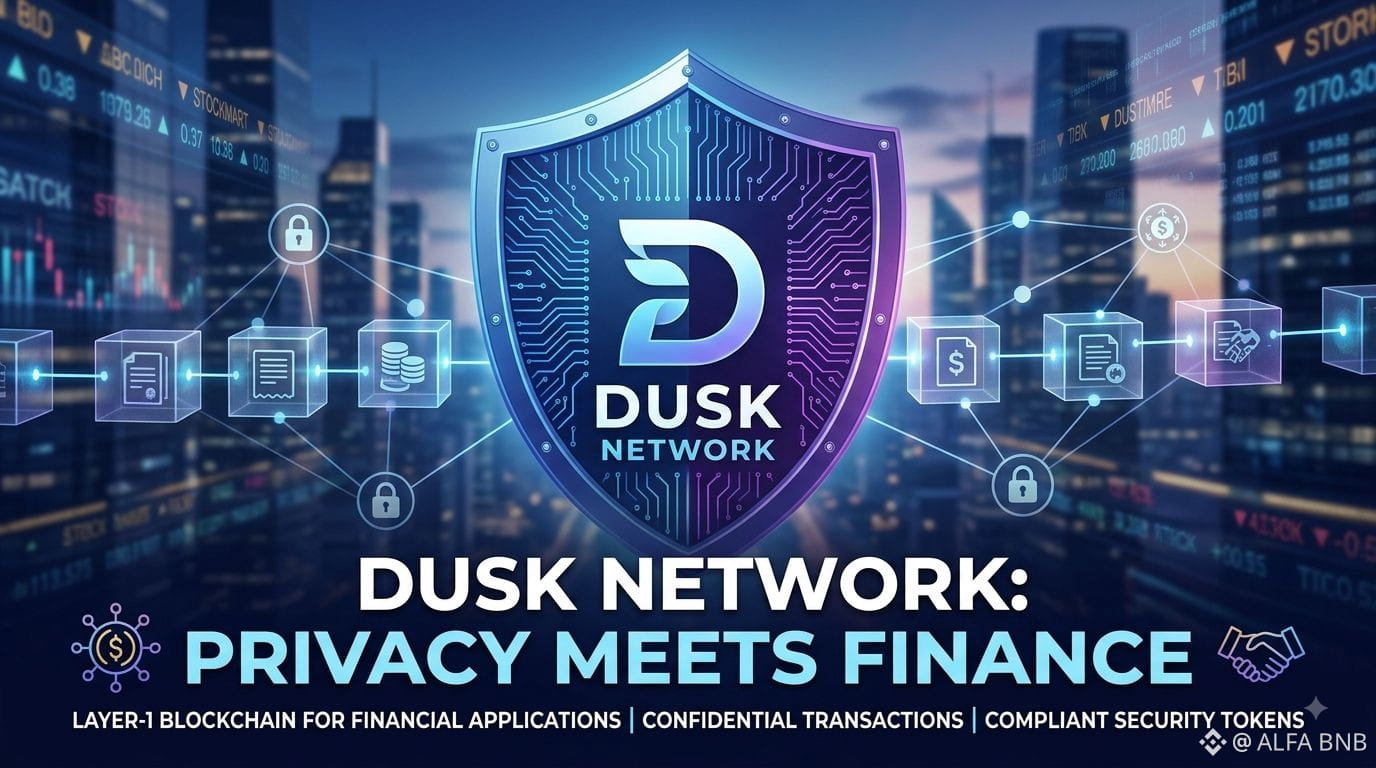
Dusk Network: Privacy Meets Finance
I've seen Dusk Network positioning itself as a privacy-focused Layer-1 built specifically for financial applications, and I think the approach is worth watching.
What stands out to me is the focus on combining privacy, scalability, and direct settlement finality. Through its Phoenix transactional model, Dusk aims to bring confidentiality to transactions and smart contracts, while Zedger provides a privacy-preserving framework for security tokens.
I've seen many blockchain projects focus heavily on speed or decentralization, but financial markets require something more: sensitive data needs to remain protected while transactions still settle efficiently.
That's where Dusk's thesis becomes interesting. If institutions are going to move securities and other financial assets on-chain, privacy and regulatory requirements will likely be just as important as performance.
Of course, technology alone isn't enough. I've seen plenty of promising blockchain infrastructure struggle to gain real adoption. Dusk will ultimately need strong developer activity, liquidity, institutional use cases, and a growing ecosystem to prove its model.
Still, I believe the combination of privacy + compliant financial infrastructure + fast settlement gives Dusk an interesting position as blockchain-based finance continues to evolve.
#dusk @Dusk_Foundation $DUSK
{spot}(DUSKUSDT)
$PORTAL
{spot}(PORTALUSDT)
$CYS
{future}(CYSUSDT)
#SECReviewsSix3xLeveragedCommodityETFs
#USToPressNationsToPickUSOrChinaAICoalition
#SP500TopsRecord7800
#LMECopperStocksFall42DaysLongestSince2014
Dusk Network: Privacy Meets Finance
I've seen Dusk Network positioning itself as a privacy-focused Layer-1 built specifically for financial applications, and I think the approach is worth watching.
What stands out to me is the focus on combining privacy, scalability, and direct settlement finality. Through its Phoenix transactional model, Dusk aims to bring confidentiality to transactions and smart contracts, while Zedger provides a privacy-preserving framework for security tokens.
I've seen many blockchain projects focus heavily on speed or decentralization, but financial markets require something more: sensitive data needs to remain protected while transactions still settle efficiently.
That's where Dusk's thesis becomes interesting. If institutions are going to move securities and other financial assets on-chain, privacy and regulatory requirements will likely be just as important as performance.
Of course, technology alone isn't enough. I've seen plenty of promising blockchain infrastructure struggle to gain real adoption. Dusk will ultimately need strong developer activity, liquidity, institutional use cases, and a growing ecosystem to prove its model.
Still, I believe the combination of privacy + compliant financial infrastructure + fast settlement gives Dusk an interesting position as blockchain-based finance continues to evolve.
#dusk @Dusk $DUSK
$PORTAL
$CYS
#SECReviewsSix3xLeveragedCommodityETFs
#USToPressNationsToPickUSOrChinaAICoalition
#SP500TopsRecord7800
#LMECopperStocksFall42DaysLongestSince2014
4
87
·
--
ဘာသာပြန်ဆိုချက် ကြည့်မည်
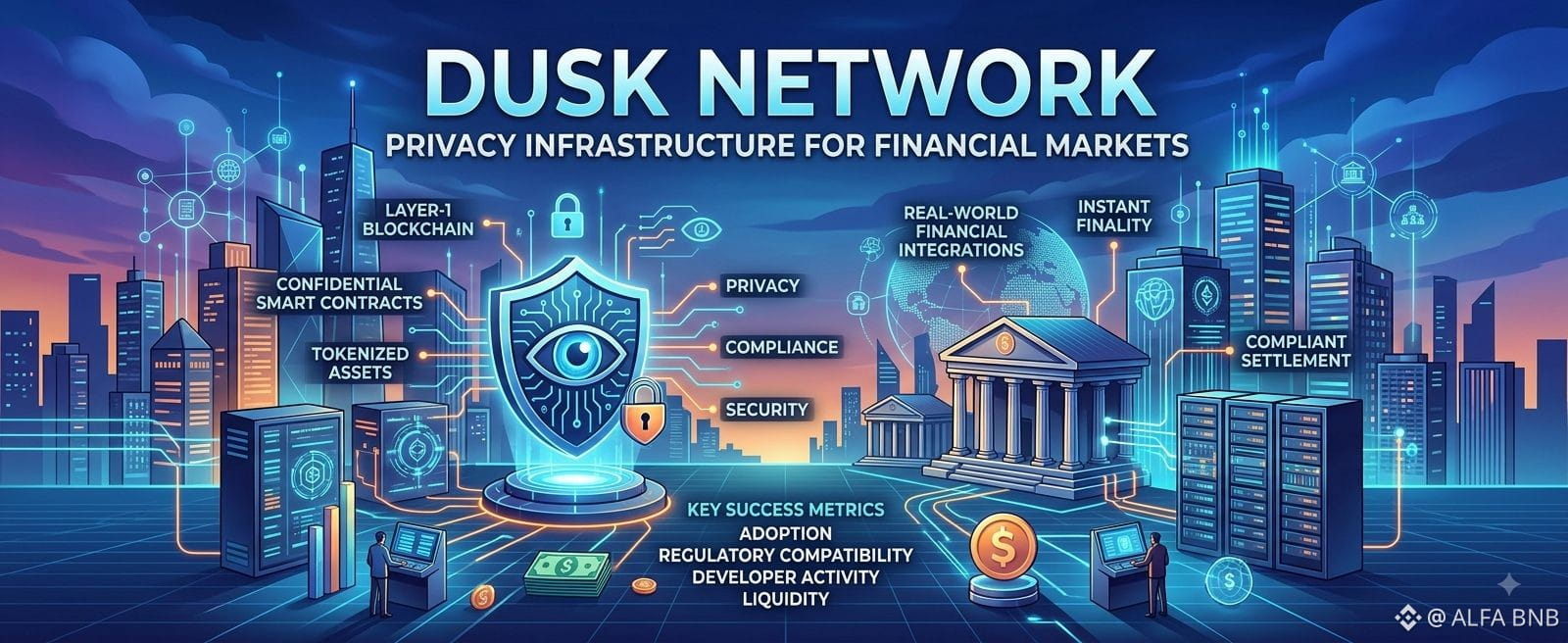
Dusk Network: Privacy Infrastructure for Financial Markets
Dusk Network stands out by focusing on a problem that many blockchain projects still struggle to solve: bringing privacy and compliance closer together without sacrificing the benefits of public blockchain infrastructure.
As a Layer-1, Dusk is designed specifically for financial applications, with confidential smart contracts, direct transaction finality, and privacy-focused transaction processing at its core. Its Phoenix transactional model aims to provide stronger privacy and anonymity, while Zedger extends this approach toward tokenized assets and security-focused use cases.
The interesting part of the Dusk thesis is its focus on real financial infrastructure rather than simply building another general-purpose blockchain. Traditional financial markets require confidentiality, predictable settlement, and scalable infrastructure, and these are areas where Dusk is positioning itself.
However, technology alone will not determine success. Adoption, regulatory compatibility, developer activity, liquidity, and real-world financial integrations will be the key metrics to watch.
If Dusk can turn its privacy architecture into practical infrastructure for tokenized securities and regulated financial markets, it could occupy a valuable niche in the blockchain ecosystem.
For me, Dusk is a project worth watching—not because of hype, but because privacy and compliant settlement could become increasingly important as blockchain moves deeper into traditional finance.
#dusk @Dusk_Foundation $DUSK
{spot}(DUSKUSDT)
$COW
{spot}(COWUSDT)
$APR
{future}(APRUSDT)
Dusk Network: Privacy Infrastructure for Financial Markets
Dusk Network stands out by focusing on a problem that many blockchain projects still struggle to solve: bringing privacy and compliance closer together without sacrificing the benefits of public blockchain infrastructure.
As a Layer-1, Dusk is designed specifically for financial applications, with confidential smart contracts, direct transaction finality, and privacy-focused transaction processing at its core. Its Phoenix transactional model aims to provide stronger privacy and anonymity, while Zedger extends this approach toward tokenized assets and security-focused use cases.
The interesting part of the Dusk thesis is its focus on real financial infrastructure rather than simply building another general-purpose blockchain. Traditional financial markets require confidentiality, predictable settlement, and scalable infrastructure, and these are areas where Dusk is positioning itself.
However, technology alone will not determine success. Adoption, regulatory compatibility, developer activity, liquidity, and real-world financial integrations will be the key metrics to watch.
If Dusk can turn its privacy architecture into practical infrastructure for tokenized securities and regulated financial markets, it could occupy a valuable niche in the blockchain ecosystem.
For me, Dusk is a project worth watching—not because of hype, but because privacy and compliant settlement could become increasingly important as blockchain moves deeper into traditional finance.
#dusk @Dusk $DUSK
$COW
$APR
1
94
·
--
ဘာသာပြန်ဆိုချက် ကြည့်မည်
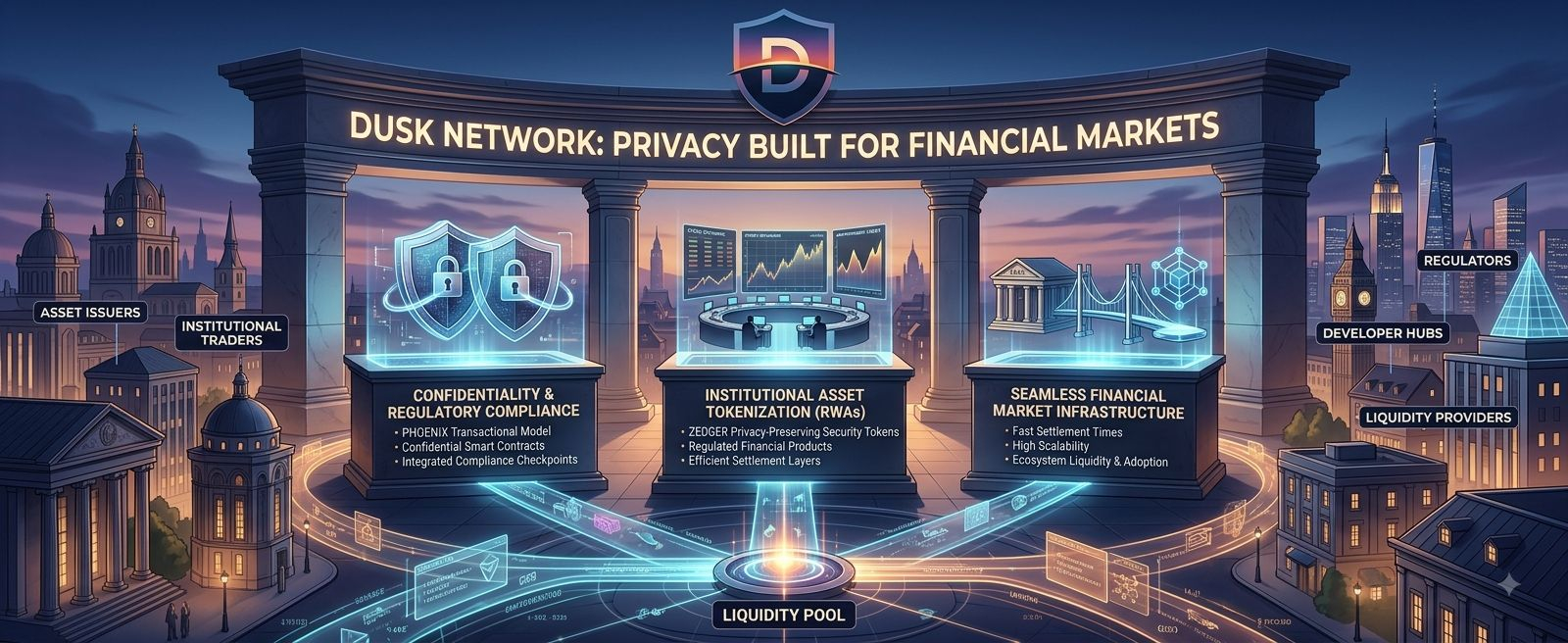
Dusk Network: Privacy Built for Financial Markets
I’ve seen Dusk Network positioning itself as a privacy-focused Layer-1 built specifically for financial applications, and I think its approach is worth watching.
The project focuses on combining privacy, scalability, compliance, and fast settlement in one public blockchain. Its Phoenix transactional model is designed to provide confidential transactions and smart-contract functionality, while Zedger supports privacy-preserving security tokens.
What caught my attention is Dusk’s focus on real financial markets rather than simply chasing short-term DeFi trends. Financial institutions need blockchain infrastructure where sensitive information can remain protected while assets can still move and settle efficiently.
I’ve seen the growing interest around tokenized securities and real-world assets, and this is where Dusk could have an interesting opportunity. If institutions increasingly bring regulated assets on-chain, privacy and compliance could become critical infrastructure requirements.
Of course, technology alone is not enough. I’ll be watching real adoption, developer activity, ecosystem growth, liquidity, and DUSK token utility closely.
For me, the thesis is straightforward: if Dusk can turn its privacy-focused architecture into real institutional usage, it could become an important piece of the next generation of blockchain-based financial markets.
#dusk @Dusk_Foundation $DUSK
{spot}(DUSKUSDT)
Dusk Network: Privacy Built for Financial Markets
I’ve seen Dusk Network positioning itself as a privacy-focused Layer-1 built specifically for financial applications, and I think its approach is worth watching.
The project focuses on combining privacy, scalability, compliance, and fast settlement in one public blockchain. Its Phoenix transactional model is designed to provide confidential transactions and smart-contract functionality, while Zedger supports privacy-preserving security tokens.
What caught my attention is Dusk’s focus on real financial markets rather than simply chasing short-term DeFi trends. Financial institutions need blockchain infrastructure where sensitive information can remain protected while assets can still move and settle efficiently.
I’ve seen the growing interest around tokenized securities and real-world assets, and this is where Dusk could have an interesting opportunity. If institutions increasingly bring regulated assets on-chain, privacy and compliance could become critical infrastructure requirements.
Of course, technology alone is not enough. I’ll be watching real adoption, developer activity, ecosystem growth, liquidity, and DUSK token utility closely.
For me, the thesis is straightforward: if Dusk can turn its privacy-focused architecture into real institutional usage, it could become an important piece of the next generation of blockchain-based financial markets.
#dusk @Dusk $DUSK
4
1
105
·
--
Dusk Network — ဘဏ္ဍာရေးဈေးကွက်များအတွက် ကိုယ်ရေးလုံခြုံမှု
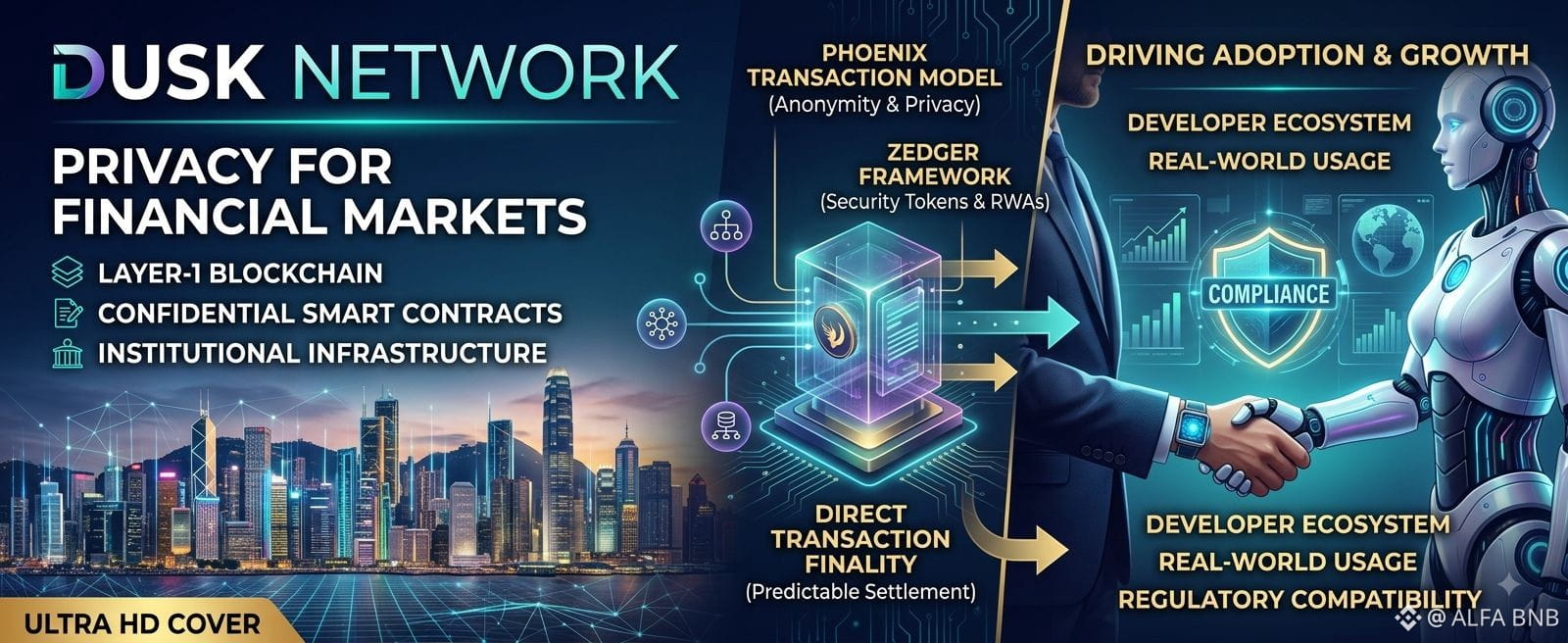
Blockchain နယ်ပယ်တွင် အလွန်တိကျသော စိန်ခေါ်မှုတစ်ခုဖြစ်သည့် ဘဏ္ဍာရေးဈေးကွက်များအတွက် ကိုယ်ရေးလုံခြုံမှု၊ ချဲ့ထွင်နိုင်စွမ်းနှင့် ယုံကြည်စိတ်ချရသော ငွေပေးချေမှုအပြီးသတ်မှုတို့ကို ပံ့ပိုးပေးရန် Dusk Network က အာရုံစိုက်နေသည်ကို ကျွန်ုပ်တွေ့မြင်ခဲ့ရသည်။
Layer-1 blockchain တစ်ခုဖြစ်သော Dusk သည် လျှို့ဝှက်စမတ်ကန်ထရိုက်များကို ပံ့ပိုးပေးနိုင်ရန်နှင့် စည်းမျဉ်းစည်းကမ်းများနှင့် ကိုက်ညီသော ဘဏ္ဍာရေးအက်ပ်များအတွက် သင့်လျော်သည့် အခြေခံအဆောက်အအုံကို ပံ့ပိုးပေးနိုင်ရန် ဒီဇိုင်းထုတ်ထားသည်။ ကျွန်ုပ်အတွက် ထင်ရှားသည့်အချက်မှာ ၎င်း၏ Phoenix ငွေလွှဲမှုပုံစံဖြစ်ပြီး၊ ပုဂ္ဂလိက blockchain ကို အားကိုးစရာမလိုဘဲ ငွေလွှဲမှုများနှင့် စမတ်ကန်ထရိုက်များအတွက် ကိုယ်ရေးလုံခြုံမှုနှင့် အမည်မဖော်မှုကို ပေးစွမ်းရန် ရည်ရွယ်ထားသည်။
လုံခြုံရေးတိုကင်များနှင့် ကိုယ်ရေးလုံခြုံမှုကို ထိန်းသိမ်းပေးသော ဘဏ္ဍာရေးပိုင်ဆိုင်မှုများအတွက် Dusk ၏ Zedger framework ကိုလည်း အလေးပေးဖော်ပြထားသည်ကို ကျွန်ုပ်တွေ့ခဲ့ရသည်။ တိုကင်ပြောင်းလဲအသုံးပြုမှုနှင့် လက်တွေ့ကမ္ဘာပိုင်ဆိုင်မှုများ ဆက်လက်တိုးတက်လာသည်နှင့်အမျှ ဤအချက်သည် အထူးသဖြင့် ပိုမိုသက်ဆိုင်လာနိုင်သည်။
ကျွန်ုပ်စိတ်ဝင်စားသည့် အခြားအချက်တစ်ခုမှာ Dusk ၏ ငွေလွှဲမှုများကို တိုက်ရိုက်အပြီးသတ်နိုင်ရေးအပေါ် အာရုံစိုက်မှုဖြစ်သည်။ ဘဏ္ဍာရေးဈေးကွက်များတွင် ခန့်မှန်းနိုင်သော ငွေပေးချေမှုအပြီးသတ်မှု လိုအပ်ပြီး၊ အပြီးသတ်မှုနှင့် ကိုယ်ရေးလုံခြုံမှုကို ပေါင်းစပ်ခြင်းသည် အဖွဲ့အစည်းများအတွက် blockchain အခြေခံအဆောက်အအုံကို ပိုမိုလက်တွေ့ကျစေနိုင်သည်။
သေချာသည်မှာ နည်းပညာသည် ဇာတ်လမ်း၏ အစိတ်အပိုင်းတစ်ခုသာ ဖြစ်သည်ဟု ကျွန်ုပ်ထင်သည်။ ရေရှည်အောင်မြင်မှုသည် လက်တွေ့ကမ္ဘာတွင် လက်ခံအသုံးပြုမှု၊ developer များ၏ ပါဝင်လှုပ်ရှားမှု၊ ဂေဟစနစ်တိုးတက်မှု၊ စည်းမျဉ်းစည်းကမ်းများနှင့် ကိုက်ညီမှု၊ ထို့ပြင် ကွန်ရက်ကို အမှန်တကယ်အသုံးပြုနေသည့် ဘဏ္ဍာရေးအက်ပ်များ၏ အရေအတွက်တို့အပေါ် မူတည်မည်ဖြစ်သည်။
ခြုံငုံကြည့်လျှင် Dusk သည် blockchain ကို ယေဘုယျအားဖြင့် လူအများလက်ခံအသုံးပြုလာစေရန်သာ လိုက်လံနေခြင်းမဟုတ်သောကြောင့် စိတ်ဝင်စားဖွယ်ကောင်းသည့် ပရောဂျက်တစ်ခုဟု ကျွန်ုပ်မြင်သည်။ ၎င်းသည် ကိုယ်ရေးလုံခြုံမှုနှင့် စည်းမျဉ်းစည်းကမ်းများကို လိုက်နာမှုတို့ မရှိမဖြစ်လိုအပ်သော သီးခြားဈေးကွက်တစ်ခုကို ပစ်မှတ်ထားနေသည်။
Dusk သည် ဤနည်းပညာကို လက်တွေ့ဘဏ္ဍာရေးအသုံးချမှုအဖြစ် ပြောင်းလဲနိုင်ပါက အဖွဲ့အစည်းဆိုင်ရာ blockchain အခြေခံအဆောက်အအုံတွင် ၎င်း၏အခန်းကဏ္ဍသည် ပိုမိုအရေးပါလာနိုင်သည်ဟု ကျွန်ုပ်ယုံကြည်သည်။
#dusk @Dusk_Foundation $DUSK
{spot}(DUSKUSDT)
Dusk Network — ဘဏ္ဍာရေးဈေးကွက်များအတွက် ကိုယ်ရေးလုံခြုံမှု
Blockchain နယ်ပယ်တွင် အလွန်တိကျသော စိန်ခေါ်မှုတစ်ခုဖြစ်သည့် ဘဏ္ဍာရေးဈေးကွက်များအတွက် ကိုယ်ရေးလုံခြုံမှု၊ ချဲ့ထွင်နိုင်စွမ်းနှင့် ယုံကြည်စိတ်ချရသော ငွေပေးချေမှုအပြီးသတ်မှုတို့ကို ပံ့ပိုးပေးရန် Dusk Network က အာရုံစိုက်နေသည်ကို ကျွန်ုပ်တွေ့မြင်ခဲ့ရသည်။
Layer-1 blockchain တစ်ခုဖြစ်သော Dusk သည် လျှို့ဝှက်စမတ်ကန်ထရိုက်များကို ပံ့ပိုးပေးနိုင်ရန်နှင့် စည်းမျဉ်းစည်းကမ်းများနှင့် ကိုက်ညီသော ဘဏ္ဍာရေးအက်ပ်များအတွက် သင့်လျော်သည့် အခြေခံအဆောက်အအုံကို ပံ့ပိုးပေးနိုင်ရန် ဒီဇိုင်းထုတ်ထားသည်။ ကျွန်ုပ်အတွက် ထင်ရှားသည့်အချက်မှာ ၎င်း၏ Phoenix ငွေလွှဲမှုပုံစံဖြစ်ပြီး၊ ပုဂ္ဂလိက blockchain ကို အားကိုးစရာမလိုဘဲ ငွေလွှဲမှုများနှင့် စမတ်ကန်ထရိုက်များအတွက် ကိုယ်ရေးလုံခြုံမှုနှင့် အမည်မဖော်မှုကို ပေးစွမ်းရန် ရည်ရွယ်ထားသည်။
လုံခြုံရေးတိုကင်များနှင့် ကိုယ်ရေးလုံခြုံမှုကို ထိန်းသိမ်းပေးသော ဘဏ္ဍာရေးပိုင်ဆိုင်မှုများအတွက် Dusk ၏ Zedger framework ကိုလည်း အလေးပေးဖော်ပြထားသည်ကို ကျွန်ုပ်တွေ့ခဲ့ရသည်။ တိုကင်ပြောင်းလဲအသုံးပြုမှုနှင့် လက်တွေ့ကမ္ဘာပိုင်ဆိုင်မှုများ ဆက်လက်တိုးတက်လာသည်နှင့်အမျှ ဤအချက်သည် အထူးသဖြင့် ပိုမိုသက်ဆိုင်လာနိုင်သည်။
ကျွန်ုပ်စိတ်ဝင်စားသည့် အခြားအချက်တစ်ခုမှာ Dusk ၏ ငွေလွှဲမှုများကို တိုက်ရိုက်အပြီးသတ်နိုင်ရေးအပေါ် အာရုံစိုက်မှုဖြစ်သည်။ ဘဏ္ဍာရေးဈေးကွက်များတွင် ခန့်မှန်းနိုင်သော ငွေပေးချေမှုအပြီးသတ်မှု လိုအပ်ပြီး၊ အပြီးသတ်မှုနှင့် ကိုယ်ရေးလုံခြုံမှုကို ပေါင်းစပ်ခြင်းသည် အဖွဲ့အစည်းများအတွက် blockchain အခြေခံအဆောက်အအုံကို ပိုမိုလက်တွေ့ကျစေနိုင်သည်။
သေချာသည်မှာ နည်းပညာသည် ဇာတ်လမ်း၏ အစိတ်အပိုင်းတစ်ခုသာ ဖြစ်သည်ဟု ကျွန်ုပ်ထင်သည်။ ရေရှည်အောင်မြင်မှုသည် လက်တွေ့ကမ္ဘာတွင် လက်ခံအသုံးပြုမှု၊ developer များ၏ ပါဝင်လှုပ်ရှားမှု၊ ဂေဟစနစ်တိုးတက်မှု၊ စည်းမျဉ်းစည်းကမ်းများနှင့် ကိုက်ညီမှု၊ ထို့ပြင် ကွန်ရက်ကို အမှန်တကယ်အသုံးပြုနေသည့် ဘဏ္ဍာရေးအက်ပ်များ၏ အရေအတွက်တို့အပေါ် မူတည်မည်ဖြစ်သည်။
ခြုံငုံကြည့်လျှင် Dusk သည် blockchain ကို ယေဘုယျအားဖြင့် လူအများလက်ခံအသုံးပြုလာစေရန်သာ လိုက်လံနေခြင်းမဟုတ်သောကြောင့် စိတ်ဝင်စားဖွယ်ကောင်းသည့် ပရောဂျက်တစ်ခုဟု ကျွန်ုပ်မြင်သည်။ ၎င်းသည် ကိုယ်ရေးလုံခြုံမှုနှင့် စည်းမျဉ်းစည်းကမ်းများကို လိုက်နာမှုတို့ မရှိမဖြစ်လိုအပ်သော သီးခြားဈေးကွက်တစ်ခုကို ပစ်မှတ်ထားနေသည်။
Dusk သည် ဤနည်းပညာကို လက်တွေ့ဘဏ္ဍာရေးအသုံးချမှုအဖြစ် ပြောင်းလဲနိုင်ပါက အဖွဲ့အစည်းဆိုင်ရာ blockchain အခြေခံအဆောက်အအုံတွင် ၎င်း၏အခန်းကဏ္ဍသည် ပိုမိုအရေးပါလာနိုင်သည်ဟု ကျွန်ုပ်ယုံကြည်သည်။
#dusk @Dusk $DUSK
3
2
131
·
--
🚀 $TUT က အရှိန်အဟုန်နဲ့ တက်နေပါတယ်! 🔥
TUT/USDT ဟာ လက်ရှိ $0.18393 ဝန်းကျင်မှာ အရောင်းအဝယ်ဖြစ်နေပြီး ၂၄ နာရီအတွင်း အံ့မခန်း +257.70% တက်လာပါတယ်! 📈
🎯 ၂၄ နာရီအတွင်း အမြင့်ဆုံး: $0.30563
📉 ၂၄ နာရီအတွင်း အနိမ့်ဆုံး: $0.05089
💰 ၂၄ နာရီအတွင်း ကုန်သွယ်မှုပမာဏ: $204.67M USDT
⚡ TUT ကုန်သွယ်မှုပမာဏ: 1.78B
📊 ယနေ့: +129.18%
🔥 ၇ ရက်: +936.57%
🚀 ရက် ၃၀: +1,591.61%
$0.06592 ကနေ $0.30 ကျော်အထိ ခုန်တက်သွားတာ—ဈေးနှုန်းအတက်အကျက တကယ်ကို ပြင်းထန်ပါတယ်! 👀
TUT က အခုတော့ လူတိုင်းသတိထားစောင့်ကြည့်ရမယ့် အရာတစ်ခု ဖြစ်လာပါပြီ။ 🚨🔥
$TUT
{spot}(TUTUSDT)
🚀 $TUT က အရှိန်အဟုန်နဲ့ တက်နေပါတယ်! 🔥
TUT/USDT ဟာ လက်ရှိ $0.18393 ဝန်းကျင်မှာ အရောင်းအဝယ်ဖြစ်နေပြီး ၂၄ နာရီအတွင်း အံ့မခန်း +257.70% တက်လာပါတယ်! 📈
🎯 ၂၄ နာရီအတွင်း အမြင့်ဆုံး: $0.30563
📉 ၂၄ နာရီအတွင်း အနိမ့်ဆုံး: $0.05089
💰 ၂၄ နာရီအတွင်း ကုန်သွယ်မှုပမာဏ: $204.67M USDT
⚡ TUT ကုန်သွယ်မှုပမာဏ: 1.78B
📊 ယနေ့: +129.18%
🔥 ၇ ရက်: +936.57%
🚀 ရက် ၃၀: +1,591.61%
$0.06592 ကနေ $0.30 ကျော်အထိ ခုန်တက်သွားတာ—ဈေးနှုန်းအတက်အကျက တကယ်ကို ပြင်းထန်ပါတယ်! 👀
TUT က အခုတော့ လူတိုင်းသတိထားစောင့်ကြည့်ရမယ့် အရာတစ်ခု ဖြစ်လာပါပြီ။ 🚨🔥
$TUT
🟢 Bullish — $0.30+ retest
72%
🔵 Consolidation — sideways
8%
🟡 Pullback healthy correction
8%
🔴 Dump — too overheated
12%
25 မဲများ • မဲပိတ်ပါပြီ
1.7k
·
--
တက်ရိပ်ရှိသည်
ဘာသာပြန်ဆိုချက် ကြည့်မည်
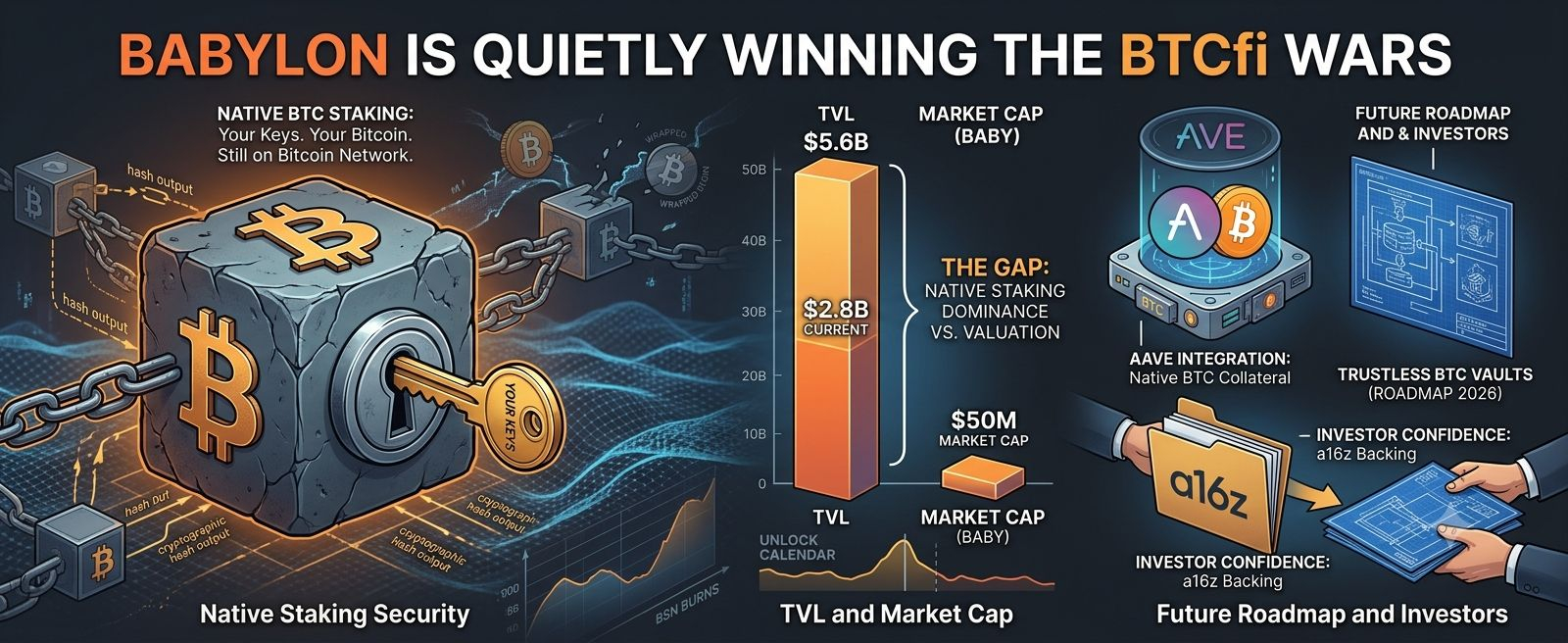
Babylon Is Quietly Winning the BTCfi Wars
I keep coming back to one number: Babylon holds more Bitcoin in native staking than nearly every wrapped-BTC protocol combined, yet its market cap sits around $50M against TVL that's swung as high as $5.6B. That gap is the whole thesis.
I'm not interested in BABY because it's another staking token. I'm interested because Babylon solved the actual problem BTCfi has danced around for years: how do you make Bitcoin productive without wrapping it, bridging it, or trusting a custodian. Babylon's answer is native staking, full stop. Your keys, your Bitcoin, still on the Bitcoin network.
What convinces me this isn't hype: the Aave integration bringing native BTC collateral into real lending markets, the Trustless Bitcoin Vaults roadmap for 2026, and a16z writing a check when plenty of BTCfi projects were getting written off.
What keeps me cautious: 66% of supply is still with insiders, unlocks run through 2028, and staking rewards create steady sell pressure. The team's answer, BSN burns and inflation cuts from 8% to 5.5%, is the right direction but still unproven at scale.
I'm watching the unlock calendar as closely as the TVL chart.
#baby @babylonlabs_io $BABY
Babylon Is Quietly Winning the BTCfi Wars
I keep coming back to one number: Babylon holds more Bitcoin in native staking than nearly every wrapped-BTC protocol combined, yet its market cap sits around $50M against TVL that's swung as high as $5.6B. That gap is the whole thesis.
I'm not interested in BABY because it's another staking token. I'm interested because Babylon solved the actual problem BTCfi has danced around for years: how do you make Bitcoin productive without wrapping it, bridging it, or trusting a custodian. Babylon's answer is native staking, full stop. Your keys, your Bitcoin, still on the Bitcoin network.
What convinces me this isn't hype: the Aave integration bringing native BTC collateral into real lending markets, the Trustless Bitcoin Vaults roadmap for 2026, and a16z writing a check when plenty of BTCfi projects were getting written off.
What keeps me cautious: 66% of supply is still with insiders, unlocks run through 2028, and staking rewards create steady sell pressure. The team's answer, BSN burns and inflation cuts from 8% to 5.5%, is the right direction but still unproven at scale.
I'm watching the unlock calendar as closely as the TVL chart.
#baby @BabylonLabs_io $BABY
4
2
108
·
--
တက်ရိပ်ရှိသည်
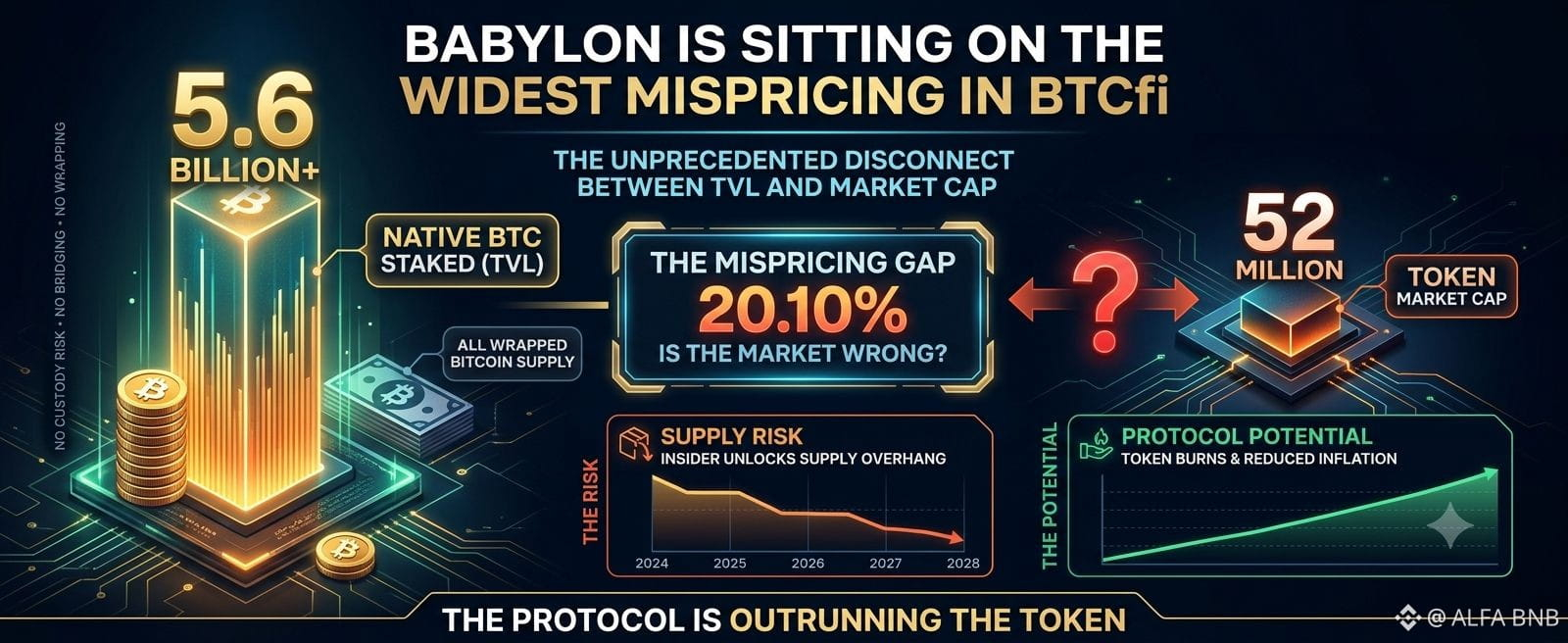
Babylon သည် BTCfi တွင် တန်ဖိုးမှားသတ်မှတ်မှု အကြီးမားဆုံး ဖြစ်နေသည်
“Bitcoin DeFi” ပရောဂျက်တွေက ထိန်းသိမ်းထားရမှုအန္တရာယ်မရှိဘဲ လုံခြုံရေးပေးမယ်လို့ ကတိပေးတာတွေ အများကြီးတွေ့ဖူးတယ်။ အသေးစိတ်စည်းကမ်းချက်တွေကို သေချာစစ်ကြည့်လိုက်တာနဲ့ အများစုက အဆင်မပြေတော့ဘူး။ Babylon ကတော့ မတူဘူး — BTC ကို ထုပ်ပိုးပြောင်းလဲစရာမလို၊ bridge ဖြတ်စရာမလို၊ ယုံကြည်ဖို့ မဖြစ်မနေလိုအပ်တဲ့ multisig မလိုဘဲ မူရင်း BTC ကို တိုက်ရိုက် stake လုပ်နိုင်တယ်။
ပမာဏကြီးမားမှုက ကျွန်တော့်ကို အံ့အားသင့်စေခဲ့တယ်။ Babylon မှာ BTC staking vault တွေထဲ ဒေါ်လာ ၅.၆ ဘီလီယံကျော် ထိန်းသိမ်းထားဖူးပြီး၊ wrapped Bitcoin စုစုပေါင်းပမာဏရဲ့ သုံးပုံတစ်ပုံကျော်ကို မူရင်း BTC ဖြင့် ကိုယ်တိုင်ထိန်းချုပ်နိုင်တဲ့ staking အဖြစ် ပြောင်းရွှေ့ထားတယ်။ ဒါက testnet ကိန်းဂဏန်း မဟုတ်ဘူး။ ကိုယ့်ခြေထောက်နဲ့ကိုယ် မဲပေးနေတဲ့ တကယ့်ရင်းနှီးမြှုပ်နှံမှုငွေကြေးပဲ။
ပြီးတော့ token ကိုကြည့်လိုက်တဲ့အခါ ကွာဟချက်က ကျွန်တော့်ကို အံ့ဩသွားစေတယ်။ TVL က ဘီလီယံနဲ့ချီနေချိန်မှာ market cap က ဒေါ်လာ ၅၂ သန်းဝန်းကျင်ပဲ ရှိတယ်။ TVL နဲ့ market cap အချိုးတွေကို အရင်ကလည်း တွေ့ဖူးပေမဲ့ ဒီလောက်ကွာဟနေတာမျိုးတော့ တွေ့ရခဲတယ်။ စျေးကွက်က မှားနေတာလား၊ ဒါမှမဟုတ် ကျွန်တော် မမြင်မိတာ တစ်ခုခုရှိနေတာလား။
အန္တရာယ်လည်း တကယ်ရှိတယ်။ အတွင်းလူတွေရဲ့ token unlock တွေ ၂၀၂၈ ခုနှစ်အထိ တဖြည်းဖြည်း ဆက်လက်ထွက်လာတာကို ကျွန်တော် စောင့်ကြည့်ခဲ့တယ်။ ဒီလိုထွက်လာမယ့် token ပမာဏက အတက်ဘက်မျှော်မှန်းချက်ကို ဟန်ချက်ညီစေတဲ့ အမှန်တကယ် စိုးရိမ်စရာအချက်ပဲ။ Token မီးရှို့ခြင်းနဲ့ ငွေကြေးဖောင်းပွမှု လျှော့ချခြင်းကတော့ တစ်ဖက်ကို ဆွဲနေတဲ့ အားဖြစ်တယ်။
အခုအချိန်မှာ ပရိုတိုကောရဲ့ တိုးတက်မှုက token ကို ကျော်တက်နေတယ်လို့ ကျွန်တော်ထင်တယ်။ စျေးနှုန်းက လိုက်မီလာမလားဆိုတာပဲ မေးသင့်တဲ့ တစ်ခုတည်းသော မေးခွန်းပါ။
#baby
@babylonlabs_io
$BABY
Babylon သည် BTCfi တွင် တန်ဖိုးမှားသတ်မှတ်မှု အကြီးမားဆုံး ဖြစ်နေသည်
“Bitcoin DeFi” ပရောဂျက်တွေက ထိန်းသိမ်းထားရမှုအန္တရာယ်မရှိဘဲ လုံခြုံရေးပေးမယ်လို့ ကတိပေးတာတွေ အများကြီးတွေ့ဖူးတယ်။ အသေးစိတ်စည်းကမ်းချက်တွေကို သေချာစစ်ကြည့်လိုက်တာနဲ့ အများစုက အဆင်မပြေတော့ဘူး။ Babylon ကတော့ မတူဘူး — BTC ကို ထုပ်ပိုးပြောင်းလဲစရာမလို၊ bridge ဖြတ်စရာမလို၊ ယုံကြည်ဖို့ မဖြစ်မနေလိုအပ်တဲ့ multisig မလိုဘဲ မူရင်း BTC ကို တိုက်ရိုက် stake လုပ်နိုင်တယ်။
ပမာဏကြီးမားမှုက ကျွန်တော့်ကို အံ့အားသင့်စေခဲ့တယ်။ Babylon မှာ BTC staking vault တွေထဲ ဒေါ်လာ ၅.၆ ဘီလီယံကျော် ထိန်းသိမ်းထားဖူးပြီး၊ wrapped Bitcoin စုစုပေါင်းပမာဏရဲ့ သုံးပုံတစ်ပုံကျော်ကို မူရင်း BTC ဖြင့် ကိုယ်တိုင်ထိန်းချုပ်နိုင်တဲ့ staking အဖြစ် ပြောင်းရွှေ့ထားတယ်။ ဒါက testnet ကိန်းဂဏန်း မဟုတ်ဘူး။ ကိုယ့်ခြေထောက်နဲ့ကိုယ် မဲပေးနေတဲ့ တကယ့်ရင်းနှီးမြှုပ်နှံမှုငွေကြေးပဲ။
ပြီးတော့ token ကိုကြည့်လိုက်တဲ့အခါ ကွာဟချက်က ကျွန်တော့်ကို အံ့ဩသွားစေတယ်။ TVL က ဘီလီယံနဲ့ချီနေချိန်မှာ market cap က ဒေါ်လာ ၅၂ သန်းဝန်းကျင်ပဲ ရှိတယ်။ TVL နဲ့ market cap အချိုးတွေကို အရင်ကလည်း တွေ့ဖူးပေမဲ့ ဒီလောက်ကွာဟနေတာမျိုးတော့ တွေ့ရခဲတယ်။ စျေးကွက်က မှားနေတာလား၊ ဒါမှမဟုတ် ကျွန်တော် မမြင်မိတာ တစ်ခုခုရှိနေတာလား။
အန္တရာယ်လည်း တကယ်ရှိတယ်။ အတွင်းလူတွေရဲ့ token unlock တွေ ၂၀၂၈ ခုနှစ်အထိ တဖြည်းဖြည်း ဆက်လက်ထွက်လာတာကို ကျွန်တော် စောင့်ကြည့်ခဲ့တယ်။ ဒီလိုထွက်လာမယ့် token ပမာဏက အတက်ဘက်မျှော်မှန်းချက်ကို ဟန်ချက်ညီစေတဲ့ အမှန်တကယ် စိုးရိမ်စရာအချက်ပဲ။ Token မီးရှို့ခြင်းနဲ့ ငွေကြေးဖောင်းပွမှု လျှော့ချခြင်းကတော့ တစ်ဖက်ကို ဆွဲနေတဲ့ အားဖြစ်တယ်။
အခုအချိန်မှာ ပရိုတိုကောရဲ့ တိုးတက်မှုက token ကို ကျော်တက်နေတယ်လို့ ကျွန်တော်ထင်တယ်။ စျေးနှုန်းက လိုက်မီလာမလားဆိုတာပဲ မေးသင့်တဲ့ တစ်ခုတည်းသော မေးခွန်းပါ။
#baby
@BabylonLabs_io
$BABY
5
3
141
·
--
တက်ရိပ်ရှိသည်
ဘာသာပြန်ဆိုချက် ကြည့်မည်
Babylon: The Most Mispriced Bet in BTCfi
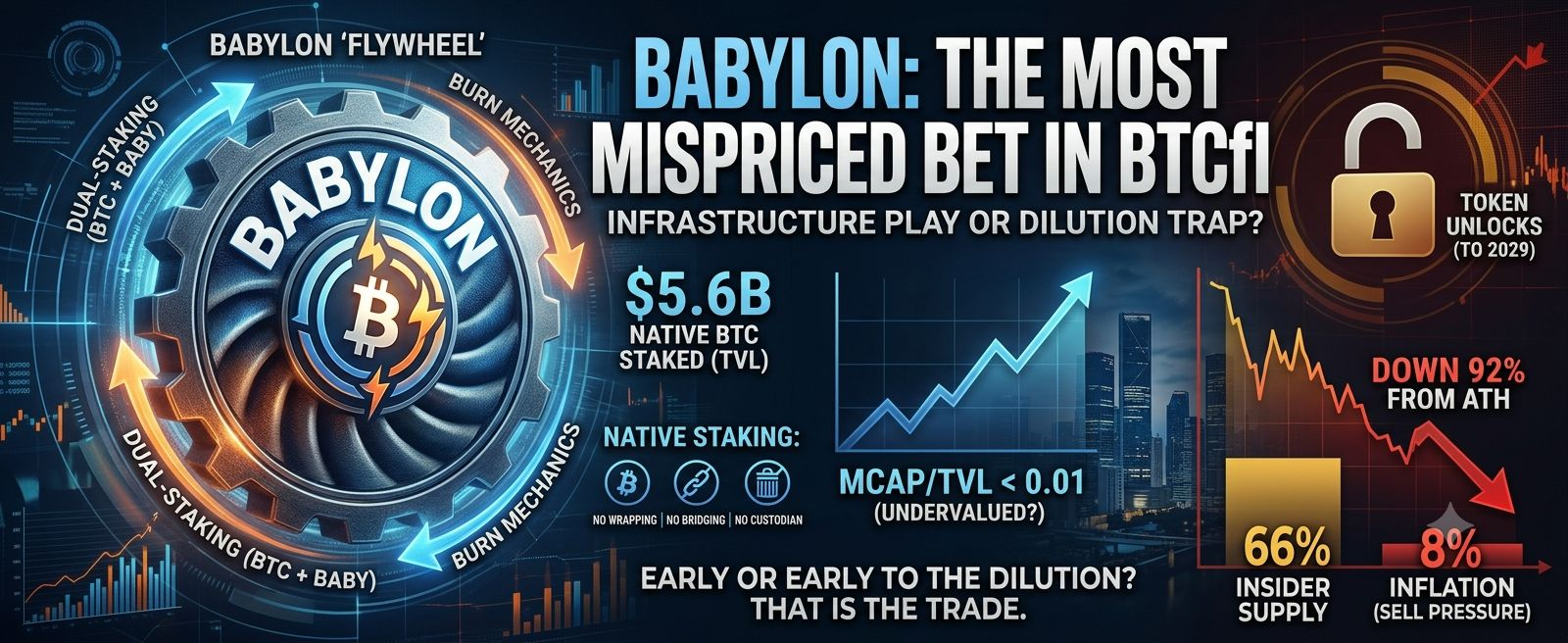
I keep coming back to one number: $5.6B in native BTC staked, against a token trading at roughly a $50M market cap. That gap is either the market being asleep, or pricing in something I need to respect.
Here's what I like. Babylon lets me stake Bitcoin straight from L1 — no wrapping, no bridging, no custodian holding my keys. That's not a small technical detail, that's the entire thesis. I'm lending BTC's trust to PoS chains without giving up ownership of the asset.
The mcap/TVL ratio near 0.01 is the kind of number that makes me want to dig deeper, not look away. Add dual-staking (BTC + BABY) and burn mechanics pulling against ~8% inflation, and I see a flywheel that's still early, not broken.
But I won't pretend the risk isn't real. 66% of supply sits with insiders, and unlocks run through 2029. Every month, more sell pressure hits a token that's already down 92% from ATH.
So here's my honest read: Babylon looks like infrastructure the market hasn't valued yet. Whether I'm early or just early to the dilution — that's the trade I'm actually making.
#baby
@babylonlabs_io
$BABY
Babylon: The Most Mispriced Bet in BTCfi
I keep coming back to one number: $5.6B in native BTC staked, against a token trading at roughly a $50M market cap. That gap is either the market being asleep, or pricing in something I need to respect.
Here's what I like. Babylon lets me stake Bitcoin straight from L1 — no wrapping, no bridging, no custodian holding my keys. That's not a small technical detail, that's the entire thesis. I'm lending BTC's trust to PoS chains without giving up ownership of the asset.
The mcap/TVL ratio near 0.01 is the kind of number that makes me want to dig deeper, not look away. Add dual-staking (BTC + BABY) and burn mechanics pulling against ~8% inflation, and I see a flywheel that's still early, not broken.
But I won't pretend the risk isn't real. 66% of supply sits with insiders, and unlocks run through 2029. Every month, more sell pressure hits a token that's already down 92% from ATH.
So here's my honest read: Babylon looks like infrastructure the market hasn't valued yet. Whether I'm early or just early to the dilution — that's the trade I'm actually making.
#baby
@BabylonLabs_io
$BABY
13
5
213
·
--
တက်ရိပ်ရှိသည်
ဘာသာပြန်ဆိုချက် ကြည့်မည်
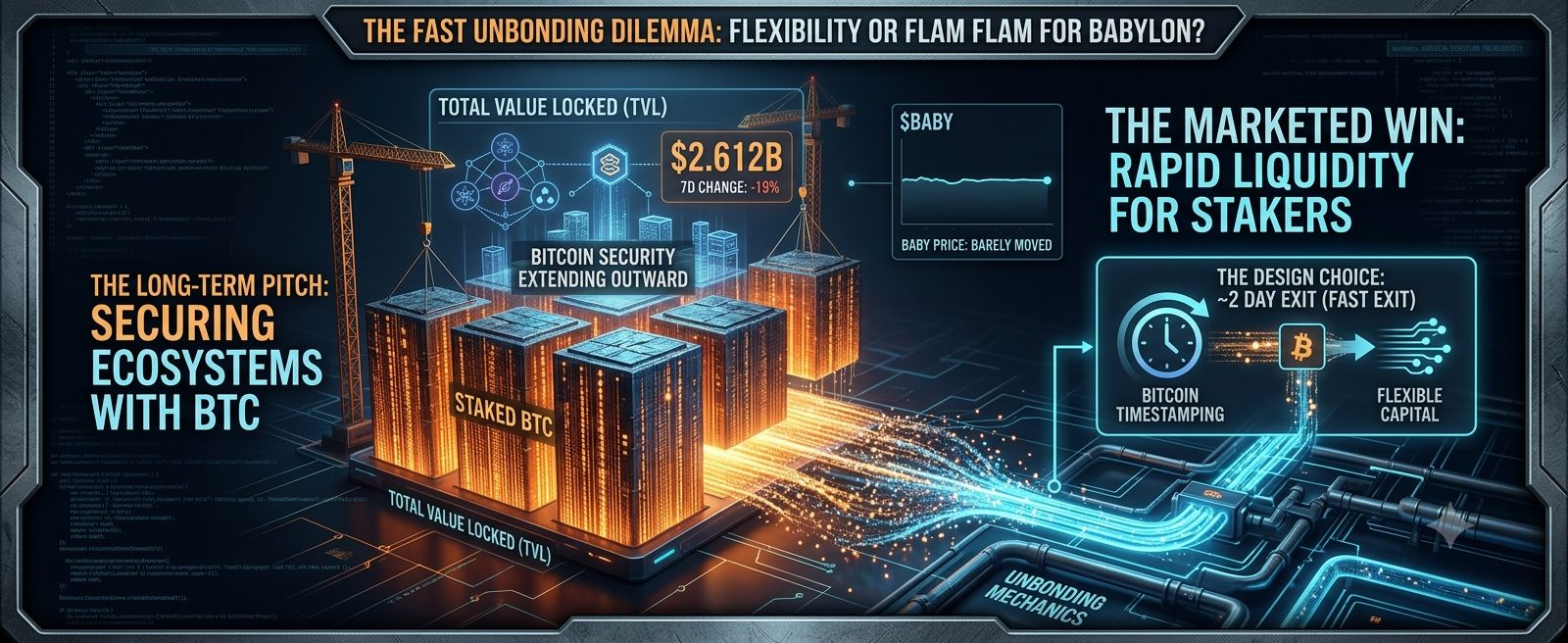
I was scrolling Babylon's dashboard today and had to stop. TVL down 19% in 7 days. $2.612B in staked BTC — well off where it sat a week ago. $BABY's price? Barely moved.
That gap is what stuck with me.
The pitch is Bitcoin security extending outward — "shared," permanent-feeling, structurally different from a wrapped-BTC yield vault. But dig into the unbonding mechanics and you find the real design choice: exits clear in ~2 days via Bitcoin timestamping, not the usual 21-day PoS cooldown.
Marketed as a UX win. Fair, it is one. But it also means whatever's "securing" these chains can leave almost as fast as it arrived — flexibility most BTC yield wrappers don't even offer.
A fifth of locked BTC moving in a single week isn't a hack, isn't drama. It's just capital doing what a fast exit lets it do.
I'm still chewing on this: is fast-unbond the actual differentiator people should care about — or the feature that makes the TVL number less trustworthy than it looks?
#baby
@babylonlabs_io
$BABY
I was scrolling Babylon's dashboard today and had to stop. TVL down 19% in 7 days. $2.612B in staked BTC — well off where it sat a week ago. $BABY 's price? Barely moved.
That gap is what stuck with me.
The pitch is Bitcoin security extending outward — "shared," permanent-feeling, structurally different from a wrapped-BTC yield vault. But dig into the unbonding mechanics and you find the real design choice: exits clear in ~2 days via Bitcoin timestamping, not the usual 21-day PoS cooldown.
Marketed as a UX win. Fair, it is one. But it also means whatever's "securing" these chains can leave almost as fast as it arrived — flexibility most BTC yield wrappers don't even offer.
A fifth of locked BTC moving in a single week isn't a hack, isn't drama. It's just capital doing what a fast exit lets it do.
I'm still chewing on this: is fast-unbond the actual differentiator people should care about — or the feature that makes the TVL number less trustworthy than it looks?
#baby
@BabylonLabs_io
$BABY
18
6
145
·
--
တက်ရိပ်ရှိသည်
တစ်စိတ်တစ်ပိုင်း မှန်ကန်
ဘာသာပြန်ဆိုချက် ကြည့်မည်
Babylon: The $5B Bitcoin Bet the Market Hasn't Priced In Yet
I've been digging into Babylon (BABY), and the disconnect here is wild.
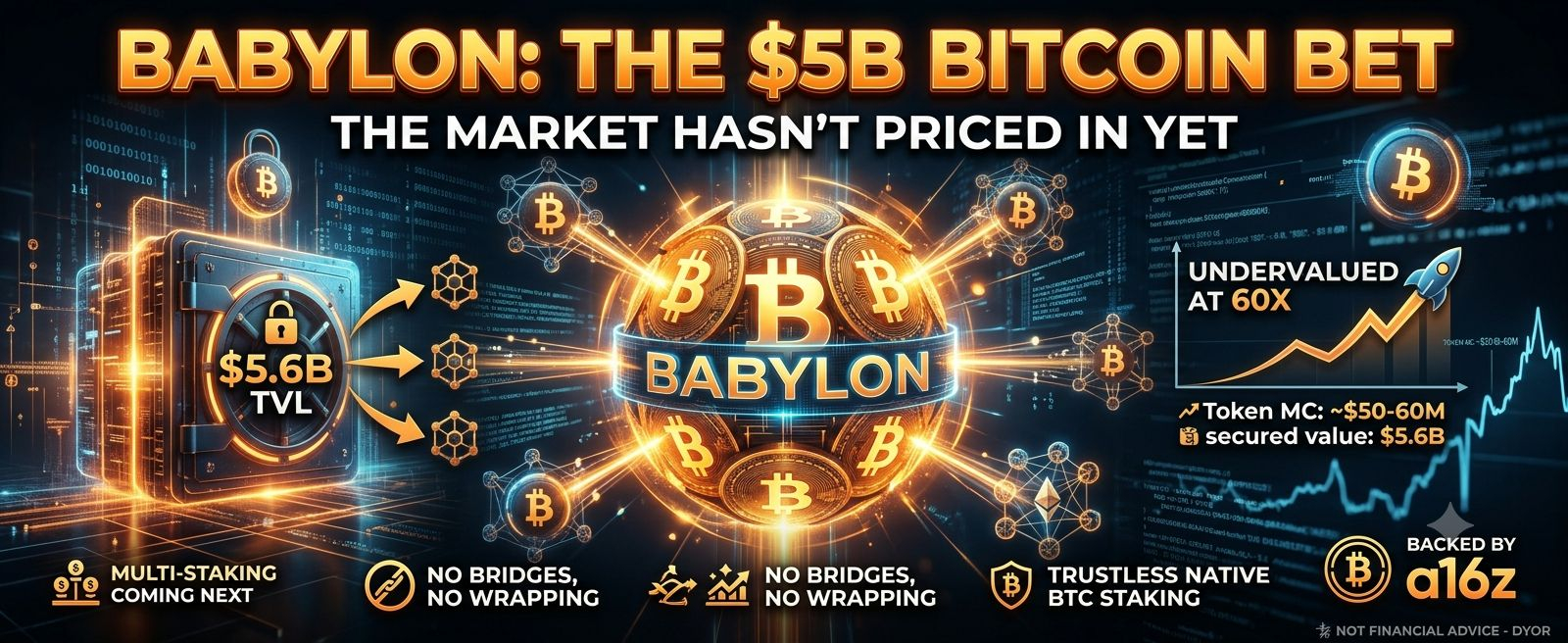
The problem it solves is real: trillions in BTC sit idle because there's never been a trustless way to stake it. Babylon fixes that — I stake native BTC directly, no bridges, no wrapping, no custodians. It stays on the Bitcoin chain the entire time.
What caught my attention is the scale. This isn't a whitepaper anymore — Babylon has held over 56,000 BTC in staking vaults, worth roughly $5.6B, making it the largest Bitcoin staking protocol that exists. That's more BTC than a third of all of WBTC.
Here's the trade I keep coming back to: the token's market cap (~$50-60M) barely reflects the TVL behind it. One DeFi analyst called it undervalued at 60x less than its secured value. Multi-staking is coming next, letting the same BTC secure multiple chains at once, and a16z just backed the next phase.
The risk I can't ignore: infinite supply, monthly investor unlocks through 2029, and real volatility (it bottomed near $0.0107 in March).
I'm watching this one closely. Not financial advice — DYOR.
#baby
@babylonlabs_io
$BABY
Babylon: The $5B Bitcoin Bet the Market Hasn't Priced In Yet
I've been digging into Babylon (BABY), and the disconnect here is wild.
The problem it solves is real: trillions in BTC sit idle because there's never been a trustless way to stake it. Babylon fixes that — I stake native BTC directly, no bridges, no wrapping, no custodians. It stays on the Bitcoin chain the entire time.
What caught my attention is the scale. This isn't a whitepaper anymore — Babylon has held over 56,000 BTC in staking vaults, worth roughly $5.6B, making it the largest Bitcoin staking protocol that exists. That's more BTC than a third of all of WBTC.
Here's the trade I keep coming back to: the token's market cap (~$50-60M) barely reflects the TVL behind it. One DeFi analyst called it undervalued at 60x less than its secured value. Multi-staking is coming next, letting the same BTC secure multiple chains at once, and a16z just backed the next phase.
The risk I can't ignore: infinite supply, monthly investor unlocks through 2029, and real volatility (it bottomed near $0.0107 in March).
I'm watching this one closely. Not financial advice — DYOR.
#baby
@BabylonLabs_io
$BABY
30
10
478
·
--
တက်ရိပ်ရှိသည်
ဘာသာပြန်ဆိုချက် ကြည့်မည်
After spending time researching Newton Protocol (NEWT), I genuinely believe this is one of the more fascinating projects emerging at the intersection of AI and blockchain infrastructure.
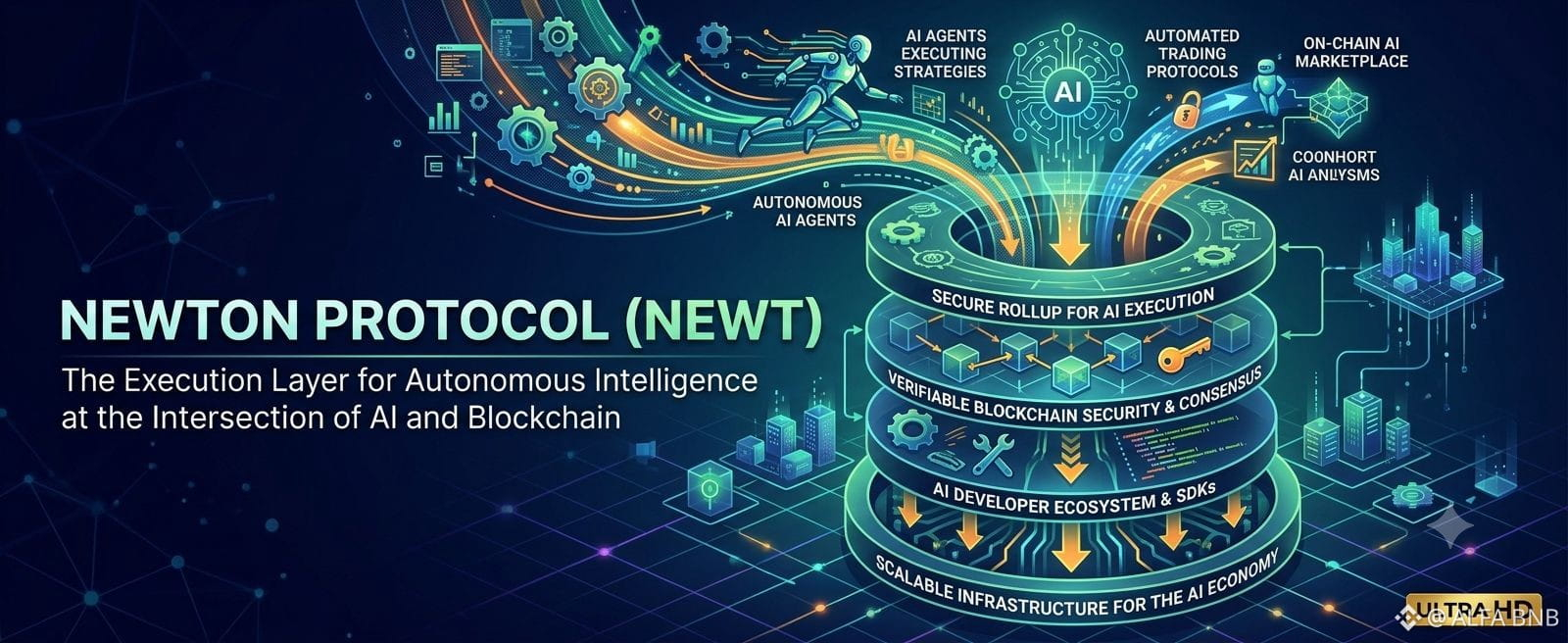
What immediately caught my attention wasn't just the AI narrative, but the specific problem Newton Protocol is attempting to solve. As AI agents become more capable of executing complex tasks, managing automated strategies, and interacting with financial systems, the need for a secure, verifiable, and scalable execution layer becomes increasingly important. This is where I think Newton Protocol's vision stands out.
From my perspective, building a secure rollup designed for AI-driven strategies, automated trading, and a marketplace for AI developers isn't simply following a trend—it's addressing a challenge that could define the next generation of decentralized intelligence.
I find the concept particularly compelling because it combines several powerful sectors: AI agents, automation, blockchain security, and developer ecosystems. If the future includes autonomous AI systems managing capital, executing strategies, and creating economic value, then the infrastructure supporting those systems will become critically important.
I believe Newton Protocol (NEWT) is positioning itself to become more than just another crypto project—it is attempting to build foundational infrastructure for the emerging AI economy. This is definitely a project I will continue watching very closely.
#Newt @NewtonProtocol $NEWT
10
8
94
·
--
Article
ဘာသာပြန်ဆိုချက် ကြည့်မည်
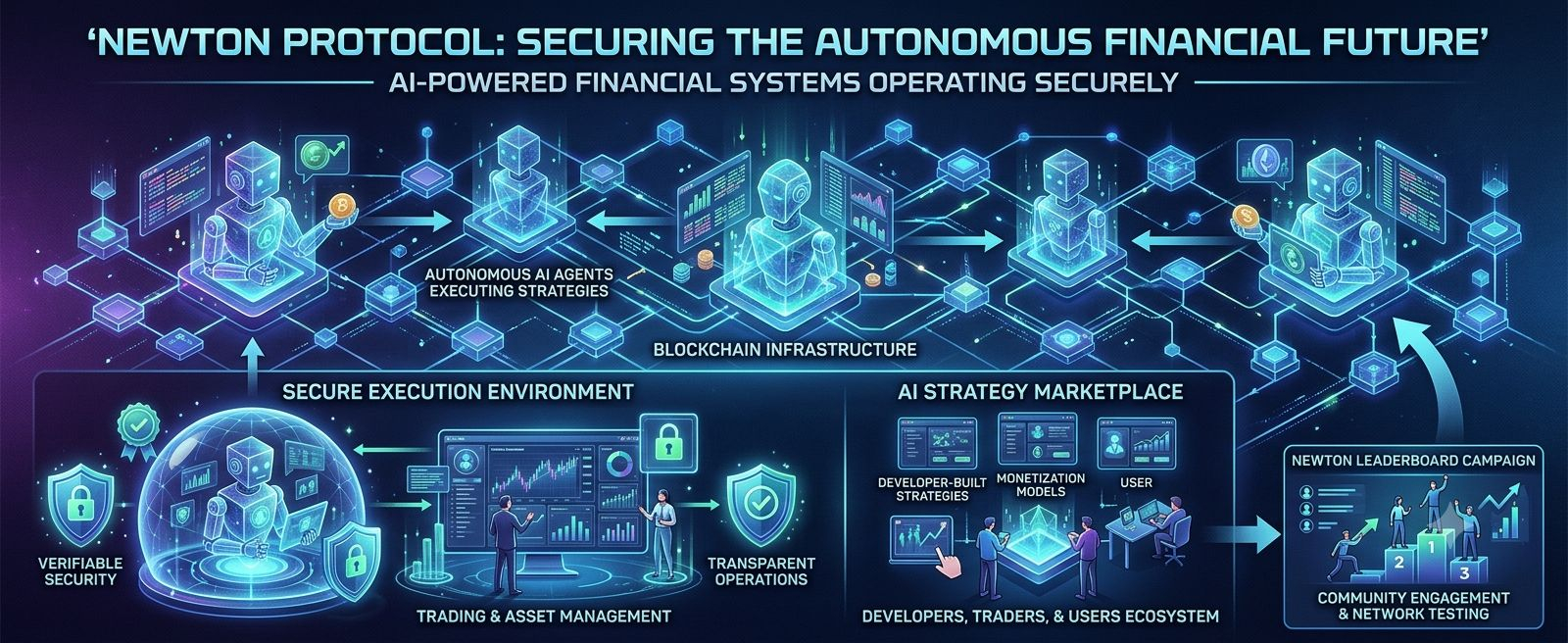
Newton Protocol Is Building a Future Where AI Can Operate Financial Systems Securely and AutonomouslAs I continue exploring the rapidly evolving intersection of artificial intelligence and blockchain technology, I've come across many projects that promise to redefine how digital systems operate. However, Newton Protocol has captured my attention for a different reason. Rather than focusing solely on trends or short-term market narratives, the project appears to be building foundational infrastructure designed for a future where AI agents can securely execute complex financial strategies, automate decision-making processes, and interact with decentralized systems with minimal human intervention.
At first glance, many people may view the Newton Leaderboard Campaign as simply another community engagement initiative designed to attract users and increase participation. After spending more time researching the project's broader vision, though, I began to see the campaign from a different perspective. It feels less like a traditional marketing exercise and more like a practical experiment that allows the team to test user behavior, network activity, and community involvement while simultaneously introducing participants to the underlying technology that Newton Protocol is attempting to build.
What makes Newton Protocol particularly interesting is its ambition to establish a secure rollup infrastructure specifically optimized for AI-driven strategies and automated financial operations. As artificial intelligence systems become more capable of analyzing markets, executing trades, managing assets, and making real-time decisions, the need for a secure and transparent execution environment becomes increasingly important. Newton Protocol appears to recognize that the future of finance may not simply involve humans using AI tools, but rather autonomous AI systems interacting directly with financial infrastructure under verifiable and secure conditions.
Another aspect of the project that stands out is its vision for creating a marketplace where AI developers can build, deploy, and potentially monetize intelligent strategies and automated applications. This approach could help establish an ecosystem where developers, traders, researchers, and users all contribute to the growth of a shared infrastructure layer. Instead of treating artificial intelligence and blockchain as separate industries, Newton Protocol seems to be positioning itself at the convergence point of both technologies, where transparency, automation, security, and intelligence can coexist within a decentralized environment.
The broader implications of this vision are what make the project particularly compelling to follow. If AI agents become increasingly responsible for executing financial decisions and managing digital assets, then secure execution environments will become essential components of future financial systems. Newton Protocol's focus on building infrastructure specifically designed for this emerging reality suggests that the team is thinking beyond current market cycles and attempting to address challenges that may become significantly more important over the next several years.
While it's still early to determine how the ecosystem will evolve, I believe the Newton Leaderboard Campaign offers an interesting glimpse into a much larger ambition. Rather than simply rewarding participation, it appears to serve as an opportunity to strengthen the network, engage early adopters, and introduce users to a vision of finance where artificial intelligence and decentralized infrastructure operate together seamlessly. For anyone interested in the future of AI-powered financial systems, Newton Protocol is undoubtedly a project worth paying close attention to.
#Newt @NewtonProtocol $NEWT
{spot}(NEWTUSDT)
Newton Protocol Is Building a Future Where AI Can Operate Financial Systems Securely and Autonomousl
As I continue exploring the rapidly evolving intersection of artificial intelligence and blockchain technology, I've come across many projects that promise to redefine how digital systems operate. However, Newton Protocol has captured my attention for a different reason. Rather than focusing solely on trends or short-term market narratives, the project appears to be building foundational infrastructure designed for a future where AI agents can securely execute complex financial strategies, automate decision-making processes, and interact with decentralized systems with minimal human intervention.
At first glance, many people may view the Newton Leaderboard Campaign as simply another community engagement initiative designed to attract users and increase participation. After spending more time researching the project's broader vision, though, I began to see the campaign from a different perspective. It feels less like a traditional marketing exercise and more like a practical experiment that allows the team to test user behavior, network activity, and community involvement while simultaneously introducing participants to the underlying technology that Newton Protocol is attempting to build.
What makes Newton Protocol particularly interesting is its ambition to establish a secure rollup infrastructure specifically optimized for AI-driven strategies and automated financial operations. As artificial intelligence systems become more capable of analyzing markets, executing trades, managing assets, and making real-time decisions, the need for a secure and transparent execution environment becomes increasingly important. Newton Protocol appears to recognize that the future of finance may not simply involve humans using AI tools, but rather autonomous AI systems interacting directly with financial infrastructure under verifiable and secure conditions.
Another aspect of the project that stands out is its vision for creating a marketplace where AI developers can build, deploy, and potentially monetize intelligent strategies and automated applications. This approach could help establish an ecosystem where developers, traders, researchers, and users all contribute to the growth of a shared infrastructure layer. Instead of treating artificial intelligence and blockchain as separate industries, Newton Protocol seems to be positioning itself at the convergence point of both technologies, where transparency, automation, security, and intelligence can coexist within a decentralized environment.
The broader implications of this vision are what make the project particularly compelling to follow. If AI agents become increasingly responsible for executing financial decisions and managing digital assets, then secure execution environments will become essential components of future financial systems. Newton Protocol's focus on building infrastructure specifically designed for this emerging reality suggests that the team is thinking beyond current market cycles and attempting to address challenges that may become significantly more important over the next several years.
While it's still early to determine how the ecosystem will evolve, I believe the Newton Leaderboard Campaign offers an interesting glimpse into a much larger ambition. Rather than simply rewarding participation, it appears to serve as an opportunity to strengthen the network, engage early adopters, and introduce users to a vision of finance where artificial intelligence and decentralized infrastructure operate together seamlessly. For anyone interested in the future of AI-powered financial systems, Newton Protocol is undoubtedly a project worth paying close attention to.
#Newt @NewtonProtocol $NEWT
25
23
227
·
--
တက်ရိပ်ရှိသည်
ဘာသာပြန်ဆိုချက် ကြည့်မည်
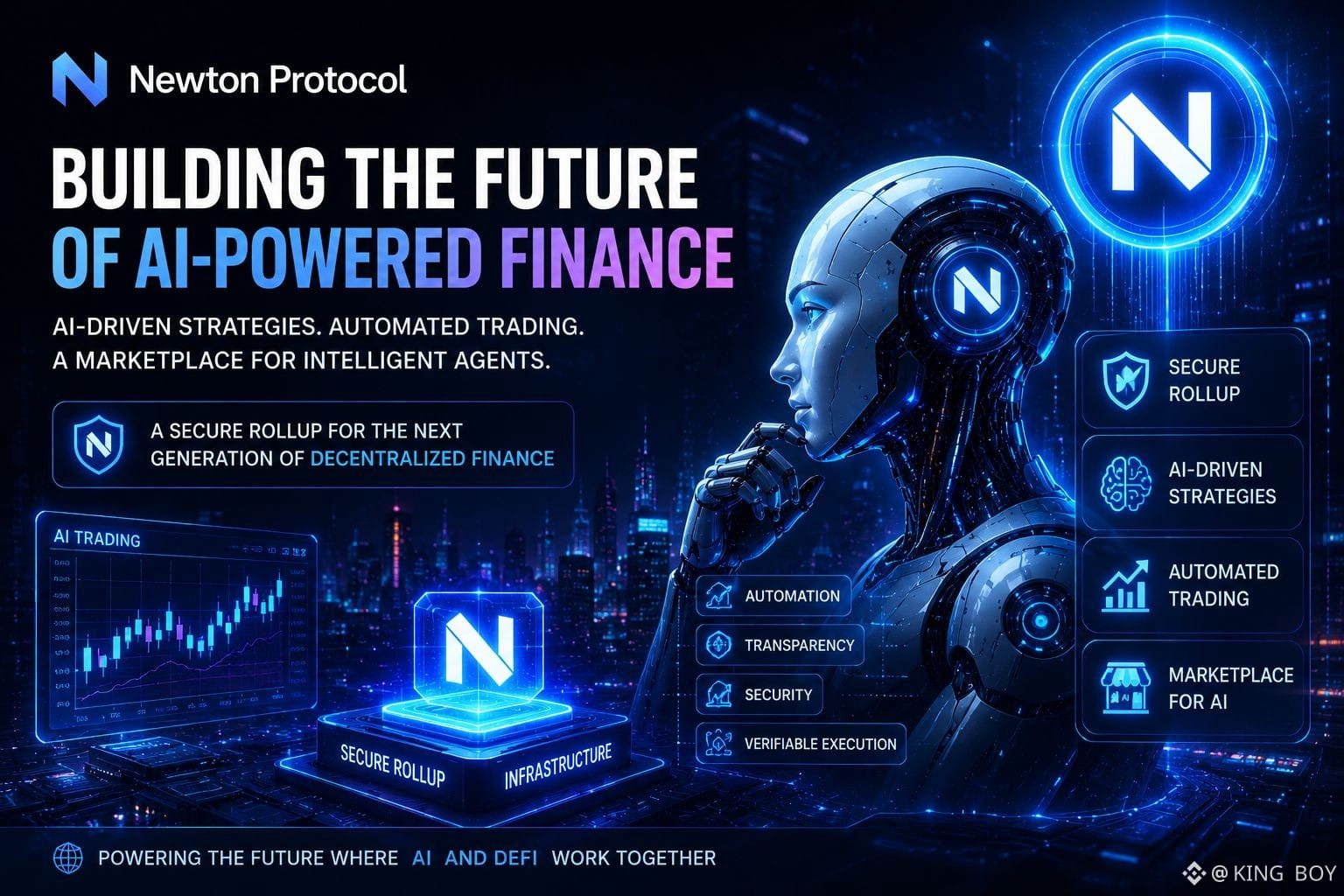
I've been watching Newton Protocol closely, and the more I learn about its vision, the more I believe it's building something far bigger than a typical leaderboard campaign. Its focus on secure rollups, AI-driven strategies, automated trading, and an AI marketplace suggests a long-term approach to the future of decentralized finance and intelligent automation. I'm particularly interested in how Newton Protocol is positioning itself at the intersection of AI and blockchain, an area that could become increasingly important in the years ahead.
#Newt @NewtonProtocol $NEWT
{spot}(NEWTUSDT)
I've been watching Newton Protocol closely, and the more I learn about its vision, the more I believe it's building something far bigger than a typical leaderboard campaign. Its focus on secure rollups, AI-driven strategies, automated trading, and an AI marketplace suggests a long-term approach to the future of decentralized finance and intelligent automation. I'm particularly interested in how Newton Protocol is positioning itself at the intersection of AI and blockchain, an area that could become increasingly important in the years ahead.
#Newt @NewtonProtocol $NEWT
#Newt @NewtonProtocol $NEWT
6
6
234
·
--
Article
ဘာသာပြန်ဆိုချက် ကြည့်မည်
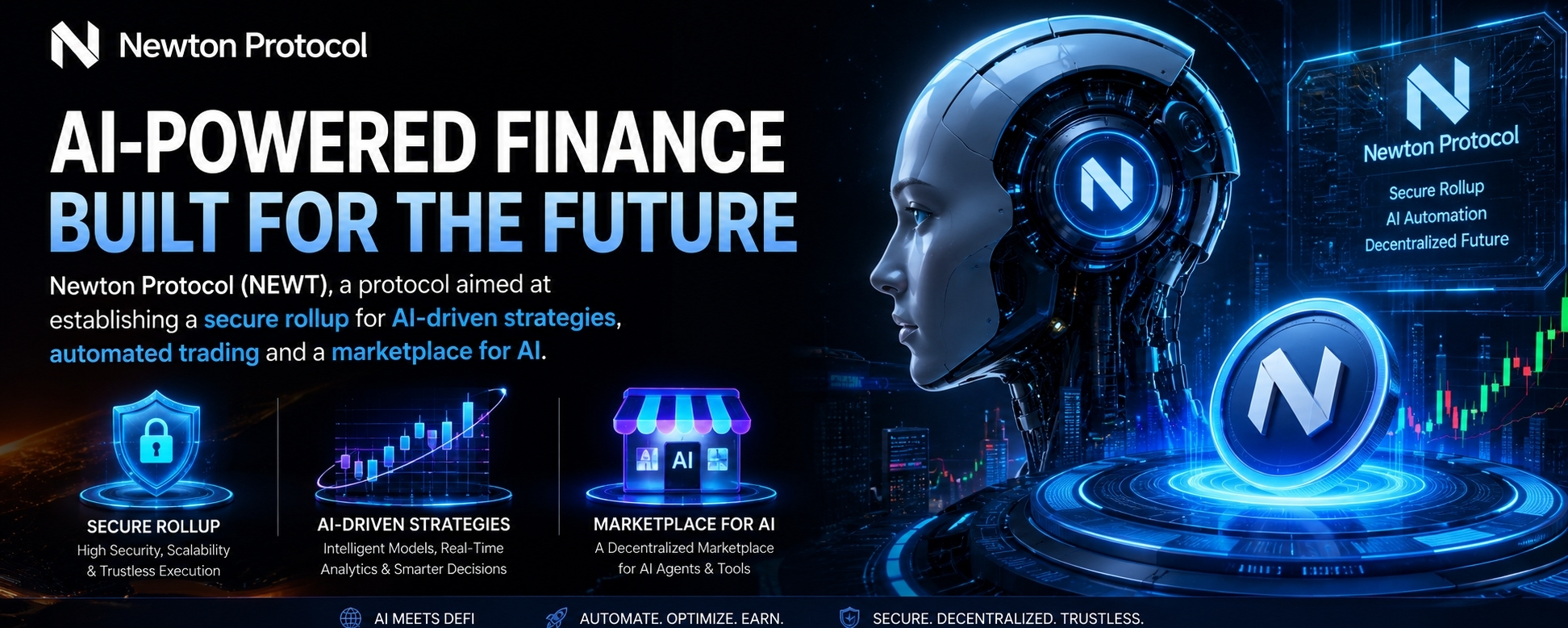
Newton Protocol Is Quietly Building Something Much Bigger Than Most People RealizeI've been watching the development of Newton Protocol for some time now, and the more I follow its progress, the more I find myself paying attention to the broader picture rather than just the ongoing Leaderboard Campaign. I'm looking beyond the daily activities and community engagement because what interests me most is the long-term direction the project appears to be taking. From my perspective, Newton Protocol isn't trying to position itself as just another blockchain ecosystem or another AI narrative project. Instead, it seems to be building infrastructure designed for a future where artificial intelligence and decentralized finance become deeply interconnected through automation, security, and verifiable execution.
What continues to capture my attention is Newton Protocol's ambition to establish a secure rollup environment specifically designed for AI-driven strategies, automated trading systems, and a marketplace where intelligent agents can operate efficiently and transparently. As I continue observing developments in both artificial intelligence and blockchain technology, I believe one of the biggest challenges emerging today is creating environments where autonomous systems can execute financial decisions without sacrificing security, transparency, or decentralization. This is exactly where Newton Protocol appears to be directing its efforts, and that approach makes the project stand out from many others operating in similar sectors.
I've also noticed that many people currently view the Leaderboard Campaign primarily as a participation event, but I see it differently. To me, it looks more like an ongoing experiment that allows the ecosystem to test engagement models, evaluate network activity, encourage community participation, and better understand how users interact with AI-powered financial infrastructure. These kinds of initiatives often reveal much more than participation metrics alone; they provide valuable insights into how future decentralized systems may function when artificial intelligence becomes a more active participant in economic activity.
The aspect I continue focusing on most is the project's long-term vision surrounding AI-driven automation. As artificial intelligence systems become increasingly capable of analyzing information, optimizing strategies, and making autonomous decisions, the demand for secure and scalable environments designed specifically for these applications will likely continue to grow. Newton Protocol appears to recognize this transition early and is attempting to develop infrastructure capable of supporting this next phase of technological evolution.
While it's impossible to predict the future success of any emerging project with certainty, my own observation is that Newton Protocol is exploring an area that may become significantly more important over time. Rather than pursuing short-term narratives, it appears to be concentrating on the foundations required for AI-powered financial systems to operate securely and efficiently within decentralized environments. That broader vision is ultimately what keeps me watching the project closely and why I believe Newton Protocol deserves far more attention than it currently receives.
#Newt @NewtonProtocol $NEWT
Newton Protocol Is Quietly Building Something Much Bigger Than Most People Realize
I've been watching the development of Newton Protocol for some time now, and the more I follow its progress, the more I find myself paying attention to the broader picture rather than just the ongoing Leaderboard Campaign. I'm looking beyond the daily activities and community engagement because what interests me most is the long-term direction the project appears to be taking. From my perspective, Newton Protocol isn't trying to position itself as just another blockchain ecosystem or another AI narrative project. Instead, it seems to be building infrastructure designed for a future where artificial intelligence and decentralized finance become deeply interconnected through automation, security, and verifiable execution.
What continues to capture my attention is Newton Protocol's ambition to establish a secure rollup environment specifically designed for AI-driven strategies, automated trading systems, and a marketplace where intelligent agents can operate efficiently and transparently. As I continue observing developments in both artificial intelligence and blockchain technology, I believe one of the biggest challenges emerging today is creating environments where autonomous systems can execute financial decisions without sacrificing security, transparency, or decentralization. This is exactly where Newton Protocol appears to be directing its efforts, and that approach makes the project stand out from many others operating in similar sectors.
I've also noticed that many people currently view the Leaderboard Campaign primarily as a participation event, but I see it differently. To me, it looks more like an ongoing experiment that allows the ecosystem to test engagement models, evaluate network activity, encourage community participation, and better understand how users interact with AI-powered financial infrastructure. These kinds of initiatives often reveal much more than participation metrics alone; they provide valuable insights into how future decentralized systems may function when artificial intelligence becomes a more active participant in economic activity.
The aspect I continue focusing on most is the project's long-term vision surrounding AI-driven automation. As artificial intelligence systems become increasingly capable of analyzing information, optimizing strategies, and making autonomous decisions, the demand for secure and scalable environments designed specifically for these applications will likely continue to grow. Newton Protocol appears to recognize this transition early and is attempting to develop infrastructure capable of supporting this next phase of technological evolution.
While it's impossible to predict the future success of any emerging project with certainty, my own observation is that Newton Protocol is exploring an area that may become significantly more important over time. Rather than pursuing short-term narratives, it appears to be concentrating on the foundations required for AI-powered financial systems to operate securely and efficiently within decentralized environments. That broader vision is ultimately what keeps me watching the project closely and why I believe Newton Protocol deserves far more attention than it currently receives.
#Newt @NewtonProtocol $NEWT
4
2
318
Log in to explore more content
Join global crypto users on Binance Square
⚡️ Get latest and useful information about crypto.
💬 Trusted by the world’s largest crypto exchange.
👍 Discover real insights from verified creators.
အီးမေးလ် / ဖုန်းနံပါတ်
ရေပန်းစားနေသော ခေါင်းစဉ်များ
FedWatch
ကြည့်ရှုမှု 16.1M ကြိမ်
37,888 ဦး ဆွေးနွေးနေသည်
အမေရိကန် ဗဟိုဘဏ်က အတိုးနှုန်းကို မပြောင်းလဲဘဲ ထားရှိသော်လည်း ဒီဇင်ဘာလတွင် မြှင့်တင်နိုင်ခြေကို ဝါရှ်က မပယ်ချ
BorisBorissss
·နှစ်သက်မှု 3 ခု
·ကြည့်ရှုမှု 2.5k ကြိမ်
RussiaProposedNonCustodialWalletLimitsExcludeIntlSettlements
ကြည့်ရှုမှု 5 ကြိမ်
9 ဦး ဆွေးနွေးနေသည်
AlphabetSharesSlide10%InLateTrading
ကြည့်ရှုမှု 195 ကြိမ်
23 ဦး ဆွေးနွေးနေသည်