
#artificialintelligence
artificialintelligence
ကြည့်ရှုမှု 1M ကြိမ်
5,787 ဦး ဆွေးနွေးနေသည်
ရေပန်းစားသော
နောက်ဆုံး

·
--
ကျရိပ်ရှိသည်
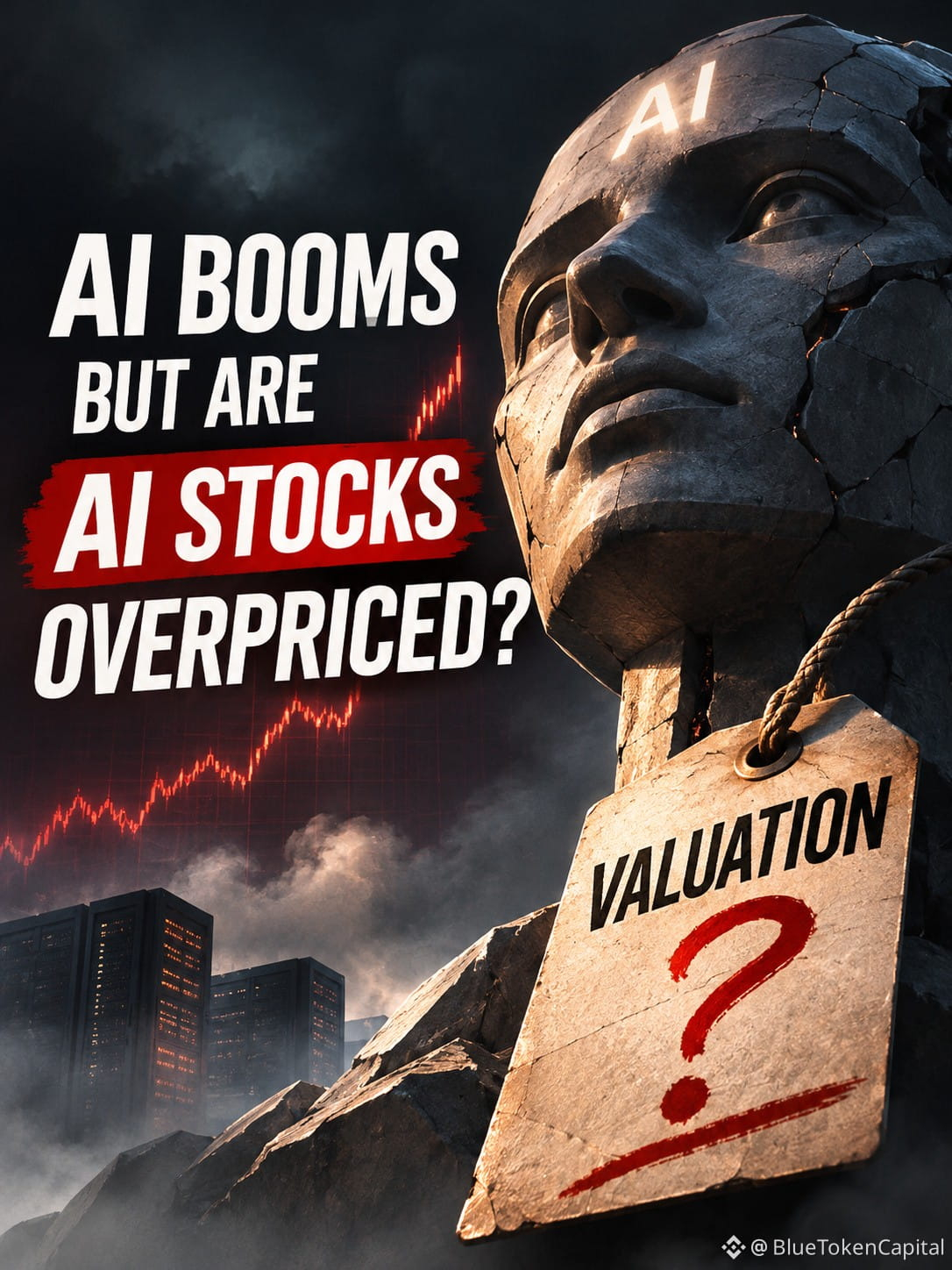
🚨 AI က ကမ္ဘာကြီးကို ပြောင်းလဲနေပါတယ်။ ဒါပေမဲ့ AI ရှယ်ယာတွေကို တန်ဖိုးမြင့်လွန်းအောင် သတ်မှတ်ထားကြသလား။
AI ဟာ နည်းပညာပူဖောင်းတစ်ခု မဟုတ်ဘူးလို့ ကျွန်တော် ယုံကြည်ပါတယ်။ စီးပွားရေးတစ်ခုလုံးကို ပြောင်းလဲပစ်နိုင်တဲ့ တော်လှန်ရေးတစ်ရပ်ပါ။
ဒါပေမဲ့ ပြဿနာတစ်ခုရှိပါတယ်။ နည်းပညာ တိုးတက်လာတာနဲ့ ရှယ်ယာတွေ အမြဲတမ်းတက်နေမယ်လို့ မဆိုလိုပါဘူး။
ဒေါ်လာ ဘီလီယံရာချီကို အောက်ပါကဏ္ဍတွေမှာ ရင်းနှီးမြှုပ်နှံနေကြပါတယ်။
- GPU နဲ့ AI ချစ်ပ်များ။
- ဒေတာစင်တာများနဲ့ စွမ်းအင်အခြေခံအဆောက်အအုံ။
- AI မော်ဒယ်များနဲ့ AI အက်ပ်များ။
အရေးအကြီးဆုံး မေးခွန်းက AI တိုးတက်မလားဆိုတာ မဟုတ်ပါဘူး။ လုပ်ငန်းဘယ်နှခုက ဒီကြီးမားတဲ့ ရင်းနှီးမြှုပ်နှံမှုတွေကို အမှန်တကယ် အမြတ်အဖြစ် ပြောင်းလဲနိုင်မလဲဆိုတာပါ။
ကျွန်တော် စိတ်ဝင်စားနေတဲ့ အခြေအနေတစ်ခုကတော့ AI ဆက်လက် အရှိန်အဟုန်နဲ့ တိုးတက်နေပေမဲ့ AI ရှယ်ယာတွေဟာ ကြီးမားတဲ့ တန်ဖိုးပြန်လည်သတ်မှတ်မှုတစ်ရပ်နဲ့ ကြုံတွေ့နိုင်တယ်ဆိုတာပါ။
🎯 အသိုင်းအဝိုင်းကို မေးချင်တဲ့ မေးခွန်း ၃ ခုရှိပါတယ်။
1. NVIDIA နဲ့ AI ချစ်ပ်လုပ်ငန်းစုမှာ ဆက်လက်တိုးတက်ဖို့ အလားအလာရှိသေးသလား၊ ဒါမှမဟုတ် မျှော်လင့်ချက်တွေကို ဈေးနှုန်းထဲမှာ အလွန်အကျွံ ထည့်သွင်းပြီးပြီလား။
2. AI ကုမ္ပဏီတွေဟာ တကယ့်အမြတ်ကို ဖန်တီးနေကြတာလား၊ ဒါမှမဟုတ် အနာဂတ်မျှော်လင့်ချက်တွေကို အဓိက ရောင်းချနေကြတာလား။
3. AI ဈေးကွက် အကြီးအကျယ် ပြင်ဆင်ကျဆင်းလာရင် ဘယ်လုပ်ငန်းစုက ရှင်သန်ကျန်ရစ်ပြီး အများဆုံး အကျိုးခံစားရမလဲ။
ဘယ်အခြေအနေကို သင်ရွေးချယ်မလဲ။
A. AI က စတော့ဈေးကွက်ကို ဆက်လက်ဦးဆောင်မယ်။
B. AI တန်ဖိုးသတ်မှတ်မှု ပူဖောင်းတစ်ခု ဖြစ်ပေါ်နေပြီ။
C. AI က ဆက်လက်တိုးတက်ပေမဲ့ AI ရှယ်ယာတွေကတော့ သိသိသာသာ ကွဲပြားသွားမယ်။
ကျွန်တော်က C ဘက်ကို ပိုယိမ်းပါတယ်။ ဒါပေမဲ့ အသိုင်းအဝိုင်းရဲ့ အမြင်ကိုလည်း ကြားချင်ပါတယ်။
#AI #NVIDIA #StockMarket #ArtificialIntelligence
🚨 AI က ကမ္ဘာကြီးကို ပြောင်းလဲနေပါတယ်။ ဒါပေမဲ့ AI ရှယ်ယာတွေကို တန်ဖိုးမြင့်လွန်းအောင် သတ်မှတ်ထားကြသလား။
AI ဟာ နည်းပညာပူဖောင်းတစ်ခု မဟုတ်ဘူးလို့ ကျွန်တော် ယုံကြည်ပါတယ်။ စီးပွားရေးတစ်ခုလုံးကို ပြောင်းလဲပစ်နိုင်တဲ့ တော်လှန်ရေးတစ်ရပ်ပါ။
ဒါပေမဲ့ ပြဿနာတစ်ခုရှိပါတယ်။ နည်းပညာ တိုးတက်လာတာနဲ့ ရှယ်ယာတွေ အမြဲတမ်းတက်နေမယ်လို့ မဆိုလိုပါဘူး။
ဒေါ်လာ ဘီလီယံရာချီကို အောက်ပါကဏ္ဍတွေမှာ ရင်းနှီးမြှုပ်နှံနေကြပါတယ်။
- GPU နဲ့ AI ချစ်ပ်များ။
- ဒေတာစင်တာများနဲ့ စွမ်းအင်အခြေခံအဆောက်အအုံ။
- AI မော်ဒယ်များနဲ့ AI အက်ပ်များ။
အရေးအကြီးဆုံး မေးခွန်းက AI တိုးတက်မလားဆိုတာ မဟုတ်ပါဘူး။ လုပ်ငန်းဘယ်နှခုက ဒီကြီးမားတဲ့ ရင်းနှီးမြှုပ်နှံမှုတွေကို အမှန်တကယ် အမြတ်အဖြစ် ပြောင်းလဲနိုင်မလဲဆိုတာပါ။
ကျွန်တော် စိတ်ဝင်စားနေတဲ့ အခြေအနေတစ်ခုကတော့ AI ဆက်လက် အရှိန်အဟုန်နဲ့ တိုးတက်နေပေမဲ့ AI ရှယ်ယာတွေဟာ ကြီးမားတဲ့ တန်ဖိုးပြန်လည်သတ်မှတ်မှုတစ်ရပ်နဲ့ ကြုံတွေ့နိုင်တယ်ဆိုတာပါ။
🎯 အသိုင်းအဝိုင်းကို မေးချင်တဲ့ မေးခွန်း ၃ ခုရှိပါတယ်။
1. NVIDIA နဲ့ AI ချစ်ပ်လုပ်ငန်းစုမှာ ဆက်လက်တိုးတက်ဖို့ အလားအလာရှိသေးသလား၊ ဒါမှမဟုတ် မျှော်လင့်ချက်တွေကို ဈေးနှုန်းထဲမှာ အလွန်အကျွံ ထည့်သွင်းပြီးပြီလား။
2. AI ကုမ္ပဏီတွေဟာ တကယ့်အမြတ်ကို ဖန်တီးနေကြတာလား၊ ဒါမှမဟုတ် အနာဂတ်မျှော်လင့်ချက်တွေကို အဓိက ရောင်းချနေကြတာလား။
3. AI ဈေးကွက် အကြီးအကျယ် ပြင်ဆင်ကျဆင်းလာရင် ဘယ်လုပ်ငန်းစုက ရှင်သန်ကျန်ရစ်ပြီး အများဆုံး အကျိုးခံစားရမလဲ။
ဘယ်အခြေအနေကို သင်ရွေးချယ်မလဲ။
A. AI က စတော့ဈေးကွက်ကို ဆက်လက်ဦးဆောင်မယ်။
B. AI တန်ဖိုးသတ်မှတ်မှု ပူဖောင်းတစ်ခု ဖြစ်ပေါ်နေပြီ။
C. AI က ဆက်လက်တိုးတက်ပေမဲ့ AI ရှယ်ယာတွေကတော့ သိသိသာသာ ကွဲပြားသွားမယ်။
ကျွန်တော်က C ဘက်ကို ပိုယိမ်းပါတယ်။ ဒါပေမဲ့ အသိုင်းအဝိုင်းရဲ့ အမြင်ကိုလည်း ကြားချင်ပါတယ်။
#AI #NVIDIA #StockMarket #ArtificialIntelligence
AI ဟာ နည်းပညာပူဖောင်းတစ်ခု မဟုတ်ဘူးလို့ ကျွန်တော် ယုံကြည်ပါတယ်။ စီးပွားရေးတစ်ခုလုံးကို ပြောင်းလဲပစ်နိုင်တဲ့ တော်လှန်ရေးတစ်ရပ်ပါ။
ဒါပေမဲ့ ပြဿနာတစ်ခုရှိပါတယ်။ နည်းပညာ တိုးတက်လာတာနဲ့ ရှယ်ယာတွေ အမြဲတမ်းတက်နေမယ်လို့ မဆိုလိုပါဘူး။
ဒေါ်လာ ဘီလီယံရာချီကို အောက်ပါကဏ္ဍတွေမှာ ရင်းနှီးမြှုပ်နှံနေကြပါတယ်။
- GPU နဲ့ AI ချစ်ပ်များ။
- ဒေတာစင်တာများနဲ့ စွမ်းအင်အခြေခံအဆောက်အအုံ။
- AI မော်ဒယ်များနဲ့ AI အက်ပ်များ။
အရေးအကြီးဆုံး မေးခွန်းက AI တိုးတက်မလားဆိုတာ မဟုတ်ပါဘူး။ လုပ်ငန်းဘယ်နှခုက ဒီကြီးမားတဲ့ ရင်းနှီးမြှုပ်နှံမှုတွေကို အမှန်တကယ် အမြတ်အဖြစ် ပြောင်းလဲနိုင်မလဲဆိုတာပါ။
ကျွန်တော် စိတ်ဝင်စားနေတဲ့ အခြေအနေတစ်ခုကတော့ AI ဆက်လက် အရှိန်အဟုန်နဲ့ တိုးတက်နေပေမဲ့ AI ရှယ်ယာတွေဟာ ကြီးမားတဲ့ တန်ဖိုးပြန်လည်သတ်မှတ်မှုတစ်ရပ်နဲ့ ကြုံတွေ့နိုင်တယ်ဆိုတာပါ။
🎯 အသိုင်းအဝိုင်းကို မေးချင်တဲ့ မေးခွန်း ၃ ခုရှိပါတယ်။
1. NVIDIA နဲ့ AI ချစ်ပ်လုပ်ငန်းစုမှာ ဆက်လက်တိုးတက်ဖို့ အလားအလာရှိသေးသလား၊ ဒါမှမဟုတ် မျှော်လင့်ချက်တွေကို ဈေးနှုန်းထဲမှာ အလွန်အကျွံ ထည့်သွင်းပြီးပြီလား။
2. AI ကုမ္ပဏီတွေဟာ တကယ့်အမြတ်ကို ဖန်တီးနေကြတာလား၊ ဒါမှမဟုတ် အနာဂတ်မျှော်လင့်ချက်တွေကို အဓိက ရောင်းချနေကြတာလား။
3. AI ဈေးကွက် အကြီးအကျယ် ပြင်ဆင်ကျဆင်းလာရင် ဘယ်လုပ်ငန်းစုက ရှင်သန်ကျန်ရစ်ပြီး အများဆုံး အကျိုးခံစားရမလဲ။
ဘယ်အခြေအနေကို သင်ရွေးချယ်မလဲ။
A. AI က စတော့ဈေးကွက်ကို ဆက်လက်ဦးဆောင်မယ်။
B. AI တန်ဖိုးသတ်မှတ်မှု ပူဖောင်းတစ်ခု ဖြစ်ပေါ်နေပြီ။
C. AI က ဆက်လက်တိုးတက်ပေမဲ့ AI ရှယ်ယာတွေကတော့ သိသိသာသာ ကွဲပြားသွားမယ်။
ကျွန်တော်က C ဘက်ကို ပိုယိမ်းပါတယ်။ ဒါပေမဲ့ အသိုင်းအဝိုင်းရဲ့ အမြင်ကိုလည်း ကြားချင်ပါတယ်။
#AI #NVIDIA #StockMarket #ArtificialIntelligence
1
1
247

·
--
Article
ဘာသာပြန်ဆိုချက် ကြည့်မည်
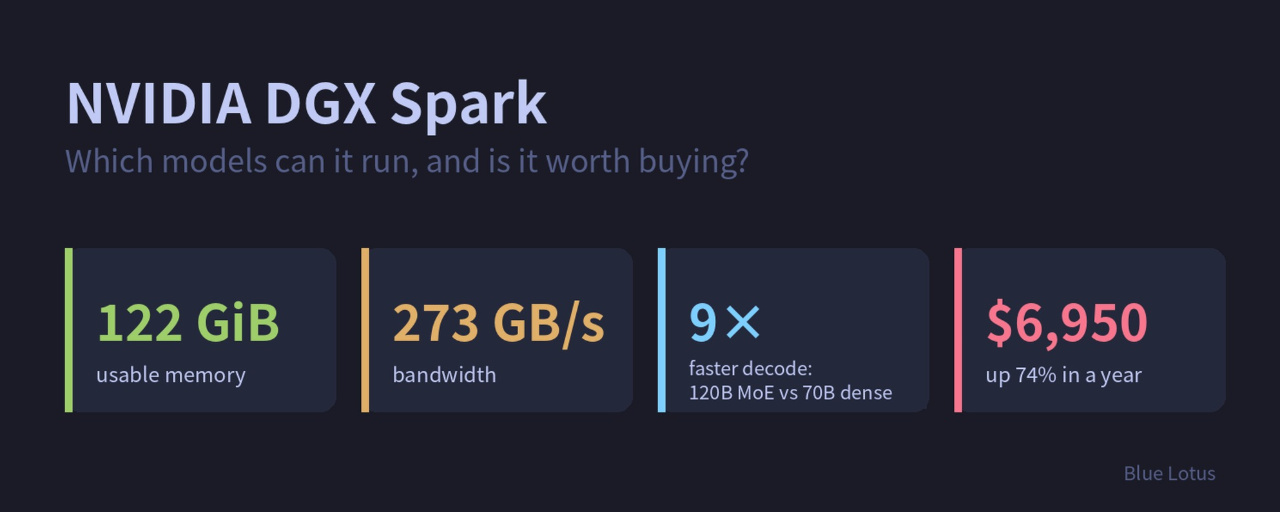
NVIDIA DGX Spark: Which Models Can It Run, and Is It Worth Buying?The NVIDIA DGX Spark is palm-sized, and the system reports 121.93 GiB of usable memory. That number invites a tempting conclusion: if all 128 GB can serve as GPU memory, surely it can run any large model you throw at it?
Fitting a model in memory doesn't mean it will run fast. What this machine can actually do comes down to two numbers, and they measure two very different things.
Two numbers: capacity and bandwidth
The DGX Spark is built on NVIDIA's GB10 chip. The CPU and GPU share a single pool of 128 GB of LPDDR5x memory, and after the system takes its share, about 122 GiB is left for models. For comparison, an RTX 5090 has 32 GB of VRAM. On capacity alone, one Spark holds as much as four flagship gaming cards.
Its memory bandwidth, though, is only about 273 GB/s. The RTX 5090 does 1.8 TB/s, more than six times as much.
Capacity decides whether a model fits. Bandwidth decides how fast it talks.
Sorted by weight size: gpt-oss-120b takes about 61 GiB and a 4-bit GLM-4.5-Air about 68 GiB. Both fit comfortably, with more than 40 GiB left over for the context cache. Qwen3-235B only squeezes in at 3-bit, and then space gets tight. A 671B model like DeepSeek V3 needs around 380 GiB even at 4-bit, so a single Spark can't hold it.
A practical rule of thumb: keep the weights under 100 GiB. Past that line, there's no room left for a long-context cache.
Speed comes down to one formula
To generate each token, the model has to read every weight that step uses from memory. That puts a hard ceiling on single-user generation speed:
Max generation speed ≈ memory bandwidth ÷ bytes read per token
A 4-bit (Q4_K_M) Llama 70B is about 42.5 GB, and 273 ÷ 42.5 ≈ 6.4. That's its theoretical ceiling, and real-world numbers come in lower.
Ollama's official benchmarks on the DGX Spark:
At 4 tokens per second, you're watching the answer trickle out. Interactive use is painful.
The counterintuitive part: 120B runs nearly 10× faster than 70B
The most interesting row in that table is gpt-oss-120b. It has about 67% more parameters than Llama 70B, yet it generates more than 9 times faster.
The reason is architecture. Llama 70B is a dense model: every one of its 70 billion parameters takes part in every token, so all of them are read from memory each time. gpt-oss-120b is a mixture-of-experts (MoE) model: its 117 billion parameters are split into many "experts," and each token only calls on a few of them. Only about 5.1 billion parameters are active per token.
The dense 70B reads about 42 GB per token. The MoE 120B reads only about 5 GB: roughly 2 GB for the selected experts, plus about 3 GB for the attention and output layers, which are kept at higher precision. That explains the nearly tenfold speed difference on a bandwidth-limited machine.
This also sets the rule for choosing models: the Spark is a machine built for MoE. Total parameters can be large, because there's plenty of memory. Active parameters must be small, because there isn't much bandwidth.
What it can actually run
By that logic, common open-weight models fall into seven tiers:
The inference engine matters too. Forum benchmarks of gpt-oss-120b show about 46 tokens/s on llama.cpp, about 52 on SGLang, and up to 60 tokens/s on a tuned vLLM. For a single user, llama.cpp is the least hassle. For shared use with many concurrent requests, go with vLLM.
Linking two: 256 GB
The Spark has a built-in ConnectX-7 high-speed network card. Two units can be connected directly and use tensor parallelism to split one model in half, each running one half.
With 256 GB across two units, Qwen3-235B runs in full at 4-bit. In forum benchmarks, gpt-oss-120b goes from 60 tokens/s on one Spark to 72 on two, a modest gain, since it never lacked memory in the first place. DeepSeek 671B still only fits as an extreme ~2-bit quantization on two units; the quality loss is noticeable, and it's hardly worth it.
Is it worth the price?
This machine has only gotten more expensive over the past year. The NVIDIA Founders Edition with 128 GB launched at $3,999, rose to $4,699 in February 2026, and jumped to $6,950 in October, up 74% in a year. When it raised the price in February, NVIDIA cited tight memory supply; for the October increase, media coverage likewise pointed to the global memory shortage.
Now put those prices next to the bandwidth numbers we keep coming back to:
At the same 128 GB, an AMD Strix Halo mini PC has about the same bandwidth as the Spark for roughly half the price. A Mac Studio M5 Max now costs less than the Spark and has 2.2 times its bandwidth, so it generates noticeably faster. If all you want is to run big models locally, the Spark offers no clear price advantage.
What the extra money buys is NVIDIA's software stack: CUDA, vLLM, SGLang and TensorRT-LLM work out of the box, long prompts are processed quickly, fine-tuning works, and whatever you build here moves unchanged to NVIDIA servers in the data center. If you don't need those, it isn't worth the price.
Who it's for
Think of this machine as a workstation that can hold big models but doesn't talk fast:
For everyday chat and coding help, gpt-oss-120b is fast enough and good enough;For agents and batch document processing, use a smaller MoE model; in the benchmarks above, gpt-oss-20b decodes about 40% faster than gpt-oss-120b;Fine-tuning models up to 70B (QLoRA) is where 128 GB of memory really pays off;Dense 70B models only suit offline jobs where waiting doesn't matter; if you must use one, add a small draft model for speculative decoding, which speeds things up noticeably.
If what you mainly want is "one person chatting with one big model, fast," a Mac Studio or a GPU with lots of VRAM is a better fit. If you just want to hold a 100B-class model as cheaply as possible, an AMD mini PC is the better deal. The Spark is worth its price only if your work depends on CUDA, involves fine-tuning, or needs to run the same software stack as the data center.
When picking a model, ask just two questions: Do the total parameters fit in 122 GiB? Are the active parameters small enough? If both answers are yes, it's a good match for this machine.
Buy hardware, or buy a subscription?
After the hardware math, there's a more direct calculation.
My own choice is subscriptions: Claude Max 5x at $100 a month, plus ChatGPT Plus (which includes Codex) at $20 a month, for $1,440 a year. A $6,950 Spark would pay for both for nearly 5 years; for Max 5x alone, nearly 6 years.
Here's my usage on one day: 25 agent sessions, about 60% of the weekly Claude Code allowance used with 3 days to go before the reset, and a bit over half of the weekly Codex allowance. At that pace, the two subscriptions generally cover my needs, and they run frontier models. The best local option, gpt-oss-120b, still falls short of them on coding and long-running tasks.
I'm not the only one doing this math. On November 8, a Chinese-language post went viral on X: someone thought a $200-a-month AI subscription was too expensive, so they turned around and spent more than 100,000 (presumably yuan) on two Mac Studios just to run open-source models, only to find, after a lot of tinkering, that it "still isn't as good as the $200-a-month closed model." The poster's summary: "He wanted to save on subscription fees and ended up prepaying the next decade-plus of them in one go." Elon Musk quote-posted it with just three words: "Many such stories." The quote post drew nearly 5 million views.
OpenAI's Sam Altman recently explained the logic behind this on a podcast: memory in personal computers is in use only about 5% of the time (his own estimate), while the cloud, by pooling requests and batching them, can usually push utilization higher and spread the cost. He sells cloud subscriptions, so he has a stake in the argument, but the logic holds: in the cloud, one read of the weights can serve a whole batch of requests at once, spreading the cost; a personal machine serves one person at a time and sits idle much of the day. So before buying local hardware, estimate how much you'll really use it: the less you use it, the worse the deal.
Local models do offer things a subscription can't:
Privacy: client data, internal code, compliance requirements; the data can't leave your own machine;No platform restrictions: the model isn't subject to a provider's content policies, and what it answers is up to you;Offline and unlimited: it works without a connection, and batch jobs don't count against a quota;Fine-tuning: if you want to train your own model, a subscription can't do that.
For most people, a subscription is cheaper and the models are stronger. Buying a Spark only makes sense if at least one of the four needs above is non-negotiable.
#NVIDIA #LLM #artificialintelligence
NVIDIA DGX Spark: Which Models Can It Run, and Is It Worth Buying?
The NVIDIA DGX Spark is palm-sized, and the system reports 121.93 GiB of usable memory. That number invites a tempting conclusion: if all 128 GB can serve as GPU memory, surely it can run any large model you throw at it?
Fitting a model in memory doesn't mean it will run fast. What this machine can actually do comes down to two numbers, and they measure two very different things.
Two numbers: capacity and bandwidth
The DGX Spark is built on NVIDIA's GB10 chip. The CPU and GPU share a single pool of 128 GB of LPDDR5x memory, and after the system takes its share, about 122 GiB is left for models. For comparison, an RTX 5090 has 32 GB of VRAM. On capacity alone, one Spark holds as much as four flagship gaming cards.
Its memory bandwidth, though, is only about 273 GB/s. The RTX 5090 does 1.8 TB/s, more than six times as much.
Capacity decides whether a model fits. Bandwidth decides how fast it talks.
Sorted by weight size: gpt-oss-120b takes about 61 GiB and a 4-bit GLM-4.5-Air about 68 GiB. Both fit comfortably, with more than 40 GiB left over for the context cache. Qwen3-235B only squeezes in at 3-bit, and then space gets tight. A 671B model like DeepSeek V3 needs around 380 GiB even at 4-bit, so a single Spark can't hold it.
A practical rule of thumb: keep the weights under 100 GiB. Past that line, there's no room left for a long-context cache.
Speed comes down to one formula
To generate each token, the model has to read every weight that step uses from memory. That puts a hard ceiling on single-user generation speed:
Max generation speed ≈ memory bandwidth ÷ bytes read per token
A 4-bit (Q4_K_M) Llama 70B is about 42.5 GB, and 273 ÷ 42.5 ≈ 6.4. That's its theoretical ceiling, and real-world numbers come in lower.
Ollama's official benchmarks on the DGX Spark:
At 4 tokens per second, you're watching the answer trickle out. Interactive use is painful.
The counterintuitive part: 120B runs nearly 10× faster than 70B
The most interesting row in that table is gpt-oss-120b. It has about 67% more parameters than Llama 70B, yet it generates more than 9 times faster.
The reason is architecture. Llama 70B is a dense model: every one of its 70 billion parameters takes part in every token, so all of them are read from memory each time. gpt-oss-120b is a mixture-of-experts (MoE) model: its 117 billion parameters are split into many "experts," and each token only calls on a few of them. Only about 5.1 billion parameters are active per token.
The dense 70B reads about 42 GB per token. The MoE 120B reads only about 5 GB: roughly 2 GB for the selected experts, plus about 3 GB for the attention and output layers, which are kept at higher precision. That explains the nearly tenfold speed difference on a bandwidth-limited machine.
This also sets the rule for choosing models: the Spark is a machine built for MoE. Total parameters can be large, because there's plenty of memory. Active parameters must be small, because there isn't much bandwidth.
What it can actually run
By that logic, common open-weight models fall into seven tiers:
The inference engine matters too. Forum benchmarks of gpt-oss-120b show about 46 tokens/s on llama.cpp, about 52 on SGLang, and up to 60 tokens/s on a tuned vLLM. For a single user, llama.cpp is the least hassle. For shared use with many concurrent requests, go with vLLM.
Linking two: 256 GB
The Spark has a built-in ConnectX-7 high-speed network card. Two units can be connected directly and use tensor parallelism to split one model in half, each running one half.
With 256 GB across two units, Qwen3-235B runs in full at 4-bit. In forum benchmarks, gpt-oss-120b goes from 60 tokens/s on one Spark to 72 on two, a modest gain, since it never lacked memory in the first place. DeepSeek 671B still only fits as an extreme ~2-bit quantization on two units; the quality loss is noticeable, and it's hardly worth it.
Is it worth the price?
This machine has only gotten more expensive over the past year. The NVIDIA Founders Edition with 128 GB launched at $3,999, rose to $4,699 in February 2026, and jumped to $6,950 in October, up 74% in a year. When it raised the price in February, NVIDIA cited tight memory supply; for the October increase, media coverage likewise pointed to the global memory shortage.
Now put those prices next to the bandwidth numbers we keep coming back to:
At the same 128 GB, an AMD Strix Halo mini PC has about the same bandwidth as the Spark for roughly half the price. A Mac Studio M5 Max now costs less than the Spark and has 2.2 times its bandwidth, so it generates noticeably faster. If all you want is to run big models locally, the Spark offers no clear price advantage.
What the extra money buys is NVIDIA's software stack: CUDA, vLLM, SGLang and TensorRT-LLM work out of the box, long prompts are processed quickly, fine-tuning works, and whatever you build here moves unchanged to NVIDIA servers in the data center. If you don't need those, it isn't worth the price.
Who it's for
Think of this machine as a workstation that can hold big models but doesn't talk fast:
For everyday chat and coding help, gpt-oss-120b is fast enough and good enough;For agents and batch document processing, use a smaller MoE model; in the benchmarks above, gpt-oss-20b decodes about 40% faster than gpt-oss-120b;Fine-tuning models up to 70B (QLoRA) is where 128 GB of memory really pays off;Dense 70B models only suit offline jobs where waiting doesn't matter; if you must use one, add a small draft model for speculative decoding, which speeds things up noticeably.
If what you mainly want is "one person chatting with one big model, fast," a Mac Studio or a GPU with lots of VRAM is a better fit. If you just want to hold a 100B-class model as cheaply as possible, an AMD mini PC is the better deal. The Spark is worth its price only if your work depends on CUDA, involves fine-tuning, or needs to run the same software stack as the data center.
When picking a model, ask just two questions: Do the total parameters fit in 122 GiB? Are the active parameters small enough? If both answers are yes, it's a good match for this machine.
Buy hardware, or buy a subscription?
After the hardware math, there's a more direct calculation.
My own choice is subscriptions: Claude Max 5x at $100 a month, plus ChatGPT Plus (which includes Codex) at $20 a month, for $1,440 a year. A $6,950 Spark would pay for both for nearly 5 years; for Max 5x alone, nearly 6 years.
Here's my usage on one day: 25 agent sessions, about 60% of the weekly Claude Code allowance used with 3 days to go before the reset, and a bit over half of the weekly Codex allowance. At that pace, the two subscriptions generally cover my needs, and they run frontier models. The best local option, gpt-oss-120b, still falls short of them on coding and long-running tasks.
I'm not the only one doing this math. On November 8, a Chinese-language post went viral on X: someone thought a $200-a-month AI subscription was too expensive, so they turned around and spent more than 100,000 (presumably yuan) on two Mac Studios just to run open-source models, only to find, after a lot of tinkering, that it "still isn't as good as the $200-a-month closed model." The poster's summary: "He wanted to save on subscription fees and ended up prepaying the next decade-plus of them in one go." Elon Musk quote-posted it with just three words: "Many such stories." The quote post drew nearly 5 million views.
OpenAI's Sam Altman recently explained the logic behind this on a podcast: memory in personal computers is in use only about 5% of the time (his own estimate), while the cloud, by pooling requests and batching them, can usually push utilization higher and spread the cost. He sells cloud subscriptions, so he has a stake in the argument, but the logic holds: in the cloud, one read of the weights can serve a whole batch of requests at once, spreading the cost; a personal machine serves one person at a time and sits idle much of the day. So before buying local hardware, estimate how much you'll really use it: the less you use it, the worse the deal.
Local models do offer things a subscription can't:
Privacy: client data, internal code, compliance requirements; the data can't leave your own machine;No platform restrictions: the model isn't subject to a provider's content policies, and what it answers is up to you;Offline and unlimited: it works without a connection, and batch jobs don't count against a quota;Fine-tuning: if you want to train your own model, a subscription can't do that.
For most people, a subscription is cheaper and the models are stronger. Buying a Spark only makes sense if at least one of the four needs above is non-negotiable.
#NVIDIA #LLM #artificialintelligence
Fitting a model in memory doesn't mean it will run fast. What this machine can actually do comes down to two numbers, and they measure two very different things.
Two numbers: capacity and bandwidth
The DGX Spark is built on NVIDIA's GB10 chip. The CPU and GPU share a single pool of 128 GB of LPDDR5x memory, and after the system takes its share, about 122 GiB is left for models. For comparison, an RTX 5090 has 32 GB of VRAM. On capacity alone, one Spark holds as much as four flagship gaming cards.
Its memory bandwidth, though, is only about 273 GB/s. The RTX 5090 does 1.8 TB/s, more than six times as much.
Capacity decides whether a model fits. Bandwidth decides how fast it talks.
Sorted by weight size: gpt-oss-120b takes about 61 GiB and a 4-bit GLM-4.5-Air about 68 GiB. Both fit comfortably, with more than 40 GiB left over for the context cache. Qwen3-235B only squeezes in at 3-bit, and then space gets tight. A 671B model like DeepSeek V3 needs around 380 GiB even at 4-bit, so a single Spark can't hold it.
A practical rule of thumb: keep the weights under 100 GiB. Past that line, there's no room left for a long-context cache.
Speed comes down to one formula
To generate each token, the model has to read every weight that step uses from memory. That puts a hard ceiling on single-user generation speed:
Max generation speed ≈ memory bandwidth ÷ bytes read per token
A 4-bit (Q4_K_M) Llama 70B is about 42.5 GB, and 273 ÷ 42.5 ≈ 6.4. That's its theoretical ceiling, and real-world numbers come in lower.
Ollama's official benchmarks on the DGX Spark:
At 4 tokens per second, you're watching the answer trickle out. Interactive use is painful.
The counterintuitive part: 120B runs nearly 10× faster than 70B
The most interesting row in that table is gpt-oss-120b. It has about 67% more parameters than Llama 70B, yet it generates more than 9 times faster.
The reason is architecture. Llama 70B is a dense model: every one of its 70 billion parameters takes part in every token, so all of them are read from memory each time. gpt-oss-120b is a mixture-of-experts (MoE) model: its 117 billion parameters are split into many "experts," and each token only calls on a few of them. Only about 5.1 billion parameters are active per token.
The dense 70B reads about 42 GB per token. The MoE 120B reads only about 5 GB: roughly 2 GB for the selected experts, plus about 3 GB for the attention and output layers, which are kept at higher precision. That explains the nearly tenfold speed difference on a bandwidth-limited machine.
This also sets the rule for choosing models: the Spark is a machine built for MoE. Total parameters can be large, because there's plenty of memory. Active parameters must be small, because there isn't much bandwidth.
What it can actually run
By that logic, common open-weight models fall into seven tiers:
The inference engine matters too. Forum benchmarks of gpt-oss-120b show about 46 tokens/s on llama.cpp, about 52 on SGLang, and up to 60 tokens/s on a tuned vLLM. For a single user, llama.cpp is the least hassle. For shared use with many concurrent requests, go with vLLM.
Linking two: 256 GB
The Spark has a built-in ConnectX-7 high-speed network card. Two units can be connected directly and use tensor parallelism to split one model in half, each running one half.
With 256 GB across two units, Qwen3-235B runs in full at 4-bit. In forum benchmarks, gpt-oss-120b goes from 60 tokens/s on one Spark to 72 on two, a modest gain, since it never lacked memory in the first place. DeepSeek 671B still only fits as an extreme ~2-bit quantization on two units; the quality loss is noticeable, and it's hardly worth it.
Is it worth the price?
This machine has only gotten more expensive over the past year. The NVIDIA Founders Edition with 128 GB launched at $3,999, rose to $4,699 in February 2026, and jumped to $6,950 in October, up 74% in a year. When it raised the price in February, NVIDIA cited tight memory supply; for the October increase, media coverage likewise pointed to the global memory shortage.
Now put those prices next to the bandwidth numbers we keep coming back to:
At the same 128 GB, an AMD Strix Halo mini PC has about the same bandwidth as the Spark for roughly half the price. A Mac Studio M5 Max now costs less than the Spark and has 2.2 times its bandwidth, so it generates noticeably faster. If all you want is to run big models locally, the Spark offers no clear price advantage.
What the extra money buys is NVIDIA's software stack: CUDA, vLLM, SGLang and TensorRT-LLM work out of the box, long prompts are processed quickly, fine-tuning works, and whatever you build here moves unchanged to NVIDIA servers in the data center. If you don't need those, it isn't worth the price.
Who it's for
Think of this machine as a workstation that can hold big models but doesn't talk fast:
For everyday chat and coding help, gpt-oss-120b is fast enough and good enough;For agents and batch document processing, use a smaller MoE model; in the benchmarks above, gpt-oss-20b decodes about 40% faster than gpt-oss-120b;Fine-tuning models up to 70B (QLoRA) is where 128 GB of memory really pays off;Dense 70B models only suit offline jobs where waiting doesn't matter; if you must use one, add a small draft model for speculative decoding, which speeds things up noticeably.
If what you mainly want is "one person chatting with one big model, fast," a Mac Studio or a GPU with lots of VRAM is a better fit. If you just want to hold a 100B-class model as cheaply as possible, an AMD mini PC is the better deal. The Spark is worth its price only if your work depends on CUDA, involves fine-tuning, or needs to run the same software stack as the data center.
When picking a model, ask just two questions: Do the total parameters fit in 122 GiB? Are the active parameters small enough? If both answers are yes, it's a good match for this machine.
Buy hardware, or buy a subscription?
After the hardware math, there's a more direct calculation.
My own choice is subscriptions: Claude Max 5x at $100 a month, plus ChatGPT Plus (which includes Codex) at $20 a month, for $1,440 a year. A $6,950 Spark would pay for both for nearly 5 years; for Max 5x alone, nearly 6 years.
Here's my usage on one day: 25 agent sessions, about 60% of the weekly Claude Code allowance used with 3 days to go before the reset, and a bit over half of the weekly Codex allowance. At that pace, the two subscriptions generally cover my needs, and they run frontier models. The best local option, gpt-oss-120b, still falls short of them on coding and long-running tasks.
I'm not the only one doing this math. On November 8, a Chinese-language post went viral on X: someone thought a $200-a-month AI subscription was too expensive, so they turned around and spent more than 100,000 (presumably yuan) on two Mac Studios just to run open-source models, only to find, after a lot of tinkering, that it "still isn't as good as the $200-a-month closed model." The poster's summary: "He wanted to save on subscription fees and ended up prepaying the next decade-plus of them in one go." Elon Musk quote-posted it with just three words: "Many such stories." The quote post drew nearly 5 million views.
OpenAI's Sam Altman recently explained the logic behind this on a podcast: memory in personal computers is in use only about 5% of the time (his own estimate), while the cloud, by pooling requests and batching them, can usually push utilization higher and spread the cost. He sells cloud subscriptions, so he has a stake in the argument, but the logic holds: in the cloud, one read of the weights can serve a whole batch of requests at once, spreading the cost; a personal machine serves one person at a time and sits idle much of the day. So before buying local hardware, estimate how much you'll really use it: the less you use it, the worse the deal.
Local models do offer things a subscription can't:
Privacy: client data, internal code, compliance requirements; the data can't leave your own machine;No platform restrictions: the model isn't subject to a provider's content policies, and what it answers is up to you;Offline and unlimited: it works without a connection, and batch jobs don't count against a quota;Fine-tuning: if you want to train your own model, a subscription can't do that.
For most people, a subscription is cheaper and the models are stronger. Buying a Spark only makes sense if at least one of the four needs above is non-negotiable.
#NVIDIA #LLM #artificialintelligence
61

·
--
Article
ဘာသာပြန်ဆိုချက် ကြည့်မည်
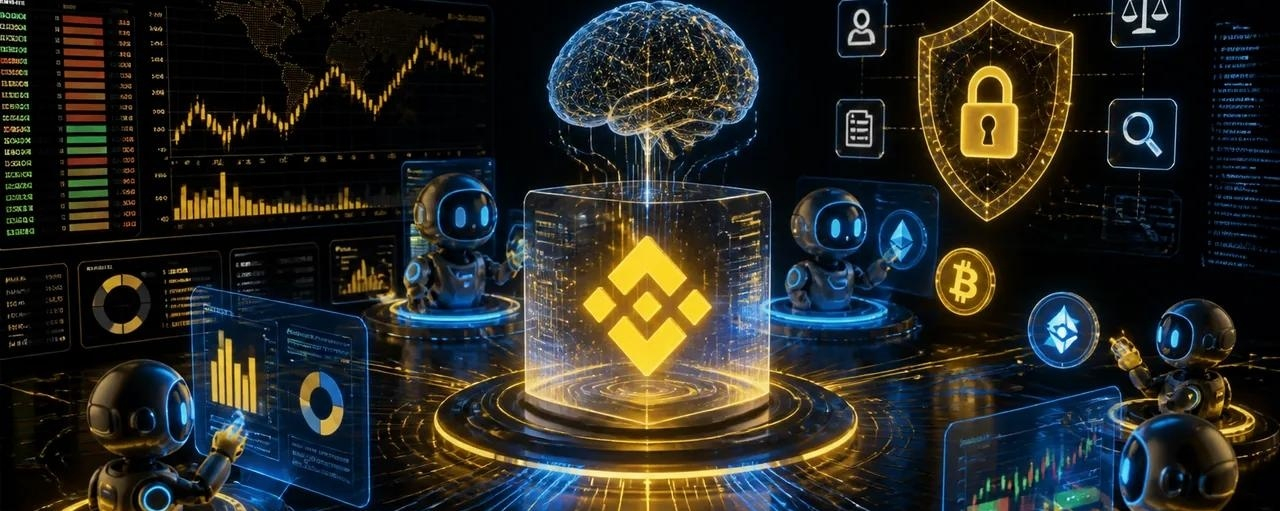
Binance AI Is Here: Can Artificial Intelligence Change the Way We Trade Crypto?Artificial Intelligence is becoming an increasingly important part of the financial industry.
And now, Binance has introduced a new development: Binance AI — a personalized AI-powered trading experience.
This is an interesting step for the crypto ecosystem.
🤖 What is Binance AI?
According to Binance's November 9 announcement, Binance AI is a new suite of features designed to provide adaptive and personalized financial experiences to users.
The idea is to bring AI-powered assistance into the Binance ecosystem.
📊 Why does this matter?
Crypto markets operate 24/7.
Traders constantly deal with:
- Market information overload
- Fast-moving price changes
- Complex trading concepts
- Research and decision-making challenges
AI tools could help users understand information more efficiently and make their research process easier.
🔍 Three potential benefits of AI in crypto
1. Better information access
AI-powered tools may help users navigate financial information and understand market developments.
2. Personalized experiences
Technology that adapts to individual needs could make financial platforms easier to use.
3. Improved learning
Beginners may benefit from AI-assisted explanations of trading terminology, market concepts and platform features.
⚠️ But remember: AI is not a magic trading machine
AI can make mistakes.
It cannot guarantee profits, predict every market movement or eliminate financial risk.
Always verify important information and make independent decisions.
💡 My perspective
I believe the combination of cryptocurrency and artificial intelligence could make financial technology more accessible.
But the real test will be how useful, transparent and reliable these tools prove to be in everyday use.
One question for the Binance community:
Would you trust an AI assistant to help you analyze the crypto market?
A) Yes, definitely.
B) Yes, but only as a research assistant.
C) No, I prefer manual analysis.
D) I want to test it first.
Let's discuss!
#BinanceAI #ArtificialIntelligence #cryptotrading #BinanceSquare $BTC $BNB $ETH
Binance AI Is Here: Can Artificial Intelligence Change the Way We Trade Crypto?
Artificial Intelligence is becoming an increasingly important part of the financial industry.
And now, Binance has introduced a new development: Binance AI — a personalized AI-powered trading experience.
This is an interesting step for the crypto ecosystem.
🤖 What is Binance AI?
According to Binance's November 9 announcement, Binance AI is a new suite of features designed to provide adaptive and personalized financial experiences to users.
The idea is to bring AI-powered assistance into the Binance ecosystem.
📊 Why does this matter?
Crypto markets operate 24/7.
Traders constantly deal with:
- Market information overload
- Fast-moving price changes
- Complex trading concepts
- Research and decision-making challenges
AI tools could help users understand information more efficiently and make their research process easier.
🔍 Three potential benefits of AI in crypto
1. Better information access
AI-powered tools may help users navigate financial information and understand market developments.
2. Personalized experiences
Technology that adapts to individual needs could make financial platforms easier to use.
3. Improved learning
Beginners may benefit from AI-assisted explanations of trading terminology, market concepts and platform features.
⚠️ But remember: AI is not a magic trading machine
AI can make mistakes.
It cannot guarantee profits, predict every market movement or eliminate financial risk.
Always verify important information and make independent decisions.
💡 My perspective
I believe the combination of cryptocurrency and artificial intelligence could make financial technology more accessible.
But the real test will be how useful, transparent and reliable these tools prove to be in everyday use.
One question for the Binance community:
Would you trust an AI assistant to help you analyze the crypto market?
A) Yes, definitely.
B) Yes, but only as a research assistant.
C) No, I prefer manual analysis.
D) I want to test it first.
Let's discuss!
#BinanceAI #ArtificialIntelligence #cryptotrading #BinanceSquare $BTC $BNB $ETH
And now, Binance has introduced a new development: Binance AI — a personalized AI-powered trading experience.
This is an interesting step for the crypto ecosystem.
🤖 What is Binance AI?
According to Binance's November 9 announcement, Binance AI is a new suite of features designed to provide adaptive and personalized financial experiences to users.
The idea is to bring AI-powered assistance into the Binance ecosystem.
📊 Why does this matter?
Crypto markets operate 24/7.
Traders constantly deal with:
- Market information overload
- Fast-moving price changes
- Complex trading concepts
- Research and decision-making challenges
AI tools could help users understand information more efficiently and make their research process easier.
🔍 Three potential benefits of AI in crypto
1. Better information access
AI-powered tools may help users navigate financial information and understand market developments.
2. Personalized experiences
Technology that adapts to individual needs could make financial platforms easier to use.
3. Improved learning
Beginners may benefit from AI-assisted explanations of trading terminology, market concepts and platform features.
⚠️ But remember: AI is not a magic trading machine
AI can make mistakes.
It cannot guarantee profits, predict every market movement or eliminate financial risk.
Always verify important information and make independent decisions.
💡 My perspective
I believe the combination of cryptocurrency and artificial intelligence could make financial technology more accessible.
But the real test will be how useful, transparent and reliable these tools prove to be in everyday use.
One question for the Binance community:
Would you trust an AI assistant to help you analyze the crypto market?
A) Yes, definitely.
B) Yes, but only as a research assistant.
C) No, I prefer manual analysis.
D) I want to test it first.
Let's discuss!
#BinanceAI #ArtificialIntelligence #cryptotrading #BinanceSquare $BTC $BNB $ETH
66
·
--
တက်ရိပ်ရှိသည်
ဘာသာပြန်ဆိုချက် ကြည့်မည်
$GOOGL.US 🤖 Alphabet’s AI Strategy Is #Expanding Beyond the Cloud :-
Alphabet is strengthening its AI reach through strategic investments and partnerships. Alongside maintaining its long-standing SpaceX investment, it reportedly added a $548 million position in Qualcomm as part of an expanded collaboration to bring Gemini Intelligence to Snapdragon-powered devices.
{spot}(GOOGLBUSDT)
GOOG gained 0.86% to $286.11. The bigger opportunity is AI distribution across search, cloud and consumer devices, potentially reducing reliance on data-center monetization alone. Investors will watch for real-world Gemini adoption, product integration and financial benefits from the Qualcomm partnership. Can Alphabet turn this broader AI ecosystem into a lasting competitive advantage?
$GOOGLB $QCOM #CoinVahini #Alphabet #GeminiAI #ArtificialIntelligence
$GOOGL.US 🤖 Alphabet’s AI Strategy Is #Expanding Beyond the Cloud :-
Alphabet is strengthening its AI reach through strategic investments and partnerships. Alongside maintaining its long-standing SpaceX investment, it reportedly added a $548 million position in Qualcomm as part of an expanded collaboration to bring Gemini Intelligence to Snapdragon-powered devices.
GOOG gained 0.86% to $286.11. The bigger opportunity is AI distribution across search, cloud and consumer devices, potentially reducing reliance on data-center monetization alone. Investors will watch for real-world Gemini adoption, product integration and financial benefits from the Qualcomm partnership. Can Alphabet turn this broader AI ecosystem into a lasting competitive advantage?
$GOOGLB $QCOM #CoinVahini #Alphabet #GeminiAI #ArtificialIntelligence
Alphabet is strengthening its AI reach through strategic investments and partnerships. Alongside maintaining its long-standing SpaceX investment, it reportedly added a $548 million position in Qualcomm as part of an expanded collaboration to bring Gemini Intelligence to Snapdragon-powered devices.
GOOG gained 0.86% to $286.11. The bigger opportunity is AI distribution across search, cloud and consumer devices, potentially reducing reliance on data-center monetization alone. Investors will watch for real-world Gemini adoption, product integration and financial benefits from the Qualcomm partnership. Can Alphabet turn this broader AI ecosystem into a lasting competitive advantage?
$GOOGLB $QCOM #CoinVahini #Alphabet #GeminiAI #ArtificialIntelligence
12

ဘာသာပြန်ဆိုချက် ကြည့်မည်
ШІ забере твою роботу в крипті: чому 90% «крипто-експертів» стануть непотрібними вже завтра?ШІ забере твою роботу в крипті: чому 90% «крипто-експертів» стануть непотрібними вже завтра? 📉🤖
Усі обговорюють графіки, відсотки ФРС та мемкоїни, але мало хто помічає справжнього чорного лебедя, який тихо підкрадається до всієї криптоіндустрії. Поки ви витрачаєте години на технічний аналіз, малювання ліній і написання постів, штучний інтелект навчається робити це в тисячу разів швидше і без емоцій.
Зніміть рожеві окуляри. Подивимося правді в очі:
1️⃣ Смерть «експертності» з Telegram. Усі ці платні канали з сигналами, аналітикою та «інсайдами» скоро підуть у минуле. ШІ аналізує блокчейн-дані в реальному часі точніше за будь-якого людину-трейдера. Залишатися посередником між ринком і новачком стає просто неможливо.
2️⃣ Алгоритми проти людських емоцій. ШІ не піддається паніці, не купує на зеленій свічці від фомо і не зливає депозит уночі від недосипу. Він холоднокровно забирає ліквідність у тих, хто покладається лише на інтуїцію.
3️⃣ Хто виживе в новій ері? Зароблятимуть не ті, хто просто тисне кнопки, а ті, хто навчився керувати технологіями та використовувати нейромережі як інструмент, а не як конкурента.
Технологічний прогрес не питатиме, чи готові ви до змін. Він просто залишить за бортом усіх, хто застряг у минулому столітті.
Питання до спільноти: Чи боїтеся ви, що штучний інтелект повністю змінить правила гри і відбере хліб у трейдерів та контент-креаторів?
🤖 — Звісно! ШІ вже дихає в спину і скоро всіх замінить.
😎 — Ніколи! Живий розум і інтуїція людини незамінні на ринку.
🤡 — Мені байдуже, я просто намагаюсь хоч щось не злити.
Пишіть свою думку в коментарях! Подивимося, скільки тут техно-скептиків. 👇💬
#artificialintelligence #TechTrends #FutureOfWork #BinanceSquare #cryptoeducation
$MSFTB
{spot}(MSFTBUSDT)
$GOOGLB
{spot}(GOOGLBUSDT)
$AMDB
{spot}(AMDBUSDT)
ШІ забере твою роботу в крипті: чому 90% «крипто-експертів» стануть непотрібними вже завтра?
ШІ забере твою роботу в крипті: чому 90% «крипто-експертів» стануть непотрібними вже завтра? 📉🤖
Усі обговорюють графіки, відсотки ФРС та мемкоїни, але мало хто помічає справжнього чорного лебедя, який тихо підкрадається до всієї криптоіндустрії. Поки ви витрачаєте години на технічний аналіз, малювання ліній і написання постів, штучний інтелект навчається робити це в тисячу разів швидше і без емоцій.
Зніміть рожеві окуляри. Подивимося правді в очі:
1️⃣ Смерть «експертності» з Telegram. Усі ці платні канали з сигналами, аналітикою та «інсайдами» скоро підуть у минуле. ШІ аналізує блокчейн-дані в реальному часі точніше за будь-якого людину-трейдера. Залишатися посередником між ринком і новачком стає просто неможливо.
2️⃣ Алгоритми проти людських емоцій. ШІ не піддається паніці, не купує на зеленій свічці від фомо і не зливає депозит уночі від недосипу. Він холоднокровно забирає ліквідність у тих, хто покладається лише на інтуїцію.
3️⃣ Хто виживе в новій ері? Зароблятимуть не ті, хто просто тисне кнопки, а ті, хто навчився керувати технологіями та використовувати нейромережі як інструмент, а не як конкурента.
Технологічний прогрес не питатиме, чи готові ви до змін. Він просто залишить за бортом усіх, хто застряг у минулому столітті.
Питання до спільноти: Чи боїтеся ви, що штучний інтелект повністю змінить правила гри і відбере хліб у трейдерів та контент-креаторів?
🤖 — Звісно! ШІ вже дихає в спину і скоро всіх замінить.
😎 — Ніколи! Живий розум і інтуїція людини незамінні на ринку.
🤡 — Мені байдуже, я просто намагаюсь хоч щось не злити.
Пишіть свою думку в коментарях! Подивимося, скільки тут техно-скептиків. 👇💬
#artificialintelligence #TechTrends #FutureOfWork #BinanceSquare #cryptoeducation
$MSFTB
$GOOGLB
$AMDB
Усі обговорюють графіки, відсотки ФРС та мемкоїни, але мало хто помічає справжнього чорного лебедя, який тихо підкрадається до всієї криптоіндустрії. Поки ви витрачаєте години на технічний аналіз, малювання ліній і написання постів, штучний інтелект навчається робити це в тисячу разів швидше і без емоцій.
Зніміть рожеві окуляри. Подивимося правді в очі:
1️⃣ Смерть «експертності» з Telegram. Усі ці платні канали з сигналами, аналітикою та «інсайдами» скоро підуть у минуле. ШІ аналізує блокчейн-дані в реальному часі точніше за будь-якого людину-трейдера. Залишатися посередником між ринком і новачком стає просто неможливо.
2️⃣ Алгоритми проти людських емоцій. ШІ не піддається паніці, не купує на зеленій свічці від фомо і не зливає депозит уночі від недосипу. Він холоднокровно забирає ліквідність у тих, хто покладається лише на інтуїцію.
3️⃣ Хто виживе в новій ері? Зароблятимуть не ті, хто просто тисне кнопки, а ті, хто навчився керувати технологіями та використовувати нейромережі як інструмент, а не як конкурента.
Технологічний прогрес не питатиме, чи готові ви до змін. Він просто залишить за бортом усіх, хто застряг у минулому столітті.
Питання до спільноти: Чи боїтеся ви, що штучний інтелект повністю змінить правила гри і відбере хліб у трейдерів та контент-креаторів?
🤖 — Звісно! ШІ вже дихає в спину і скоро всіх замінить.
😎 — Ніколи! Живий розум і інтуїція людини незамінні на ринку.
🤡 — Мені байдуже, я просто намагаюсь хоч щось не злити.
Пишіть свою думку в коментарях! Подивимося, скільки тут техно-скептиків. 👇💬
#artificialintelligence #TechTrends #FutureOfWork #BinanceSquare #cryptoeducation
$MSFTB
$GOOGLB
$AMDB
6

ဘာသာပြန်ဆိုချက် ကြည့်မည်
LA IA ESTÁ SACUDIENDO WALL STREET Y BITCOIN TAMBIÉN ESTÁ SINTIENDO SUS EFECTOS🤖 LA IA ESTÁ SACUDIENDO WALL STREET Y BITCOIN TAMBIÉN ESTÁ SINTIENDO SUS EFECTOS
$BTC
{spot}(BTCUSDT)
Muchos piensan que Bitcoin solamente depende de las noticias relacionadas con las criptomonedas.
Pero el mercado está demostrando algo diferente.
$USDT
{spot}(USDCUSDT)
Durante los últimos días, la preocupación por las valoraciones de las empresas tecnológicas y el gasto en infraestructura de inteligencia artificial ha contribuido a una venta generalizada de activos de riesgo.
Bitcoin también ha sentido esa presión.
¿Por qué sucede?
Los grandes inversores no siempre mantienen sus inversiones en compartimentos separados.
Cuando aumenta el temor en el mercado tecnológico, algunos reducen su exposición a diferentes activos, incluyendo criptomonedas.
Esto puede generar movimientos simultáneos en acciones tecnológicas y Bitcoin.
¿Qué podría suceder?
🟢 Escenario positivo: Las empresas tecnológicas demuestran que sus inversiones en IA están generando ingresos y recuperan la confianza del mercado.
🔴 Escenario negativo: Las expectativas de crecimiento superan los resultados reales y continúa la reducción de posiciones en activos de riesgo.
Mi análisis
La inteligencia artificial puede representar una gran oportunidad tecnológica, pero no significa que todas las empresas relacionadas con ella estén bien valoradas.
Tampoco significa que cualquier token que incluya la palabra AI sea una buena inversión.
Investigar los fundamentos es indispensable.
👇 Pregunta para la comunidad:
¿Crees que la inteligencia artificial terminará impulsando el mercado cripto o que una burbuja tecnológica podría arrastrar también a Bitcoin?
#Aİ #ArtificialIntelligence #Bitcoin #BTC #CryptoMarket #Technology
LA IA ESTÁ SACUDIENDO WALL STREET Y BITCOIN TAMBIÉN ESTÁ SINTIENDO SUS EFECTOS
🤖 LA IA ESTÁ SACUDIENDO WALL STREET Y BITCOIN TAMBIÉN ESTÁ SINTIENDO SUS EFECTOS
$BTC
Muchos piensan que Bitcoin solamente depende de las noticias relacionadas con las criptomonedas.
Pero el mercado está demostrando algo diferente.
$USDT
Durante los últimos días, la preocupación por las valoraciones de las empresas tecnológicas y el gasto en infraestructura de inteligencia artificial ha contribuido a una venta generalizada de activos de riesgo.
Bitcoin también ha sentido esa presión.
¿Por qué sucede?
Los grandes inversores no siempre mantienen sus inversiones en compartimentos separados.
Cuando aumenta el temor en el mercado tecnológico, algunos reducen su exposición a diferentes activos, incluyendo criptomonedas.
Esto puede generar movimientos simultáneos en acciones tecnológicas y Bitcoin.
¿Qué podría suceder?
🟢 Escenario positivo: Las empresas tecnológicas demuestran que sus inversiones en IA están generando ingresos y recuperan la confianza del mercado.
🔴 Escenario negativo: Las expectativas de crecimiento superan los resultados reales y continúa la reducción de posiciones en activos de riesgo.
Mi análisis
La inteligencia artificial puede representar una gran oportunidad tecnológica, pero no significa que todas las empresas relacionadas con ella estén bien valoradas.
Tampoco significa que cualquier token que incluya la palabra AI sea una buena inversión.
Investigar los fundamentos es indispensable.
👇 Pregunta para la comunidad:
¿Crees que la inteligencia artificial terminará impulsando el mercado cripto o que una burbuja tecnológica podría arrastrar también a Bitcoin?
#Aİ #ArtificialIntelligence #Bitcoin #BTC #CryptoMarket #Technology
$BTC
Muchos piensan que Bitcoin solamente depende de las noticias relacionadas con las criptomonedas.
Pero el mercado está demostrando algo diferente.
$USDT
Durante los últimos días, la preocupación por las valoraciones de las empresas tecnológicas y el gasto en infraestructura de inteligencia artificial ha contribuido a una venta generalizada de activos de riesgo.
Bitcoin también ha sentido esa presión.
¿Por qué sucede?
Los grandes inversores no siempre mantienen sus inversiones en compartimentos separados.
Cuando aumenta el temor en el mercado tecnológico, algunos reducen su exposición a diferentes activos, incluyendo criptomonedas.
Esto puede generar movimientos simultáneos en acciones tecnológicas y Bitcoin.
¿Qué podría suceder?
🟢 Escenario positivo: Las empresas tecnológicas demuestran que sus inversiones en IA están generando ingresos y recuperan la confianza del mercado.
🔴 Escenario negativo: Las expectativas de crecimiento superan los resultados reales y continúa la reducción de posiciones en activos de riesgo.
Mi análisis
La inteligencia artificial puede representar una gran oportunidad tecnológica, pero no significa que todas las empresas relacionadas con ella estén bien valoradas.
Tampoco significa que cualquier token que incluya la palabra AI sea una buena inversión.
Investigar los fundamentos es indispensable.
👇 Pregunta para la comunidad:
¿Crees que la inteligencia artificial terminará impulsando el mercado cripto o que una burbuja tecnológica podría arrastrar también a Bitcoin?
#Aİ #ArtificialIntelligence #Bitcoin #BTC #CryptoMarket #Technology
1
1

·
--
🚀 xTEAM: AI စွမ်းအားဖြင့် ပူးပေါင်းဆောင်ရွက်မှု၏ အနာဂတ် ရောက်ရှိလာပြီ!
သတင်းအချက်အလက်များကို လက်တွေ့လုပ်ဆောင်မှုအဖြစ် ပြောင်းလဲနိုင်ခြင်း၊ ကုန်ထုတ်စွမ်းအားကို မြှင့်တင်နိုင်ခြင်းနှင့် လူများကို ဉာဏ်ရည်တုနည်းပညာနှင့် ပေါင်းစည်းနိုင်ခြင်းတို့ကို လုပ်ဆောင်နိုင်သည့် အဖွဲ့အစည်းများသည် စီးပွားရေးလုပ်ငန်းများ၏ အနာဂတ်ကို ပိုင်ဆိုင်မည်ဖြစ်သည်။
Atlassian ($TEAM ) သည် Jira၊ Confluence နှင့် AI စွမ်းအားသုံး Rovo ပလက်ဖောင်းတို့ကဲ့သို့သော ထုတ်ကုန်များဖြင့် လျင်မြန်စွာ ပြောင်းလဲတိုးတက်နေသည့် ဤဈေးကွက်တွင် ၎င်း၏ ရပ်တည်ချက်ကို တည်ဆောက်နေသည်။
ကုမ္ပဏီ၏ ၂၀၂၇ ဘဏ္ဍာနှစ် ပထမသုံးလပတ် ရလဒ်များက စီးပွားရေးလုပ်ငန်းတွင် သိသာထင်ရှားသော အရှိန်အဟုန်ရှိနေကြောင်း ဖော်ပြနေသည်။ ဝင်ငွေသည် ယခင်နှစ်ကာလတူထက် ၂၄% တိုးကာ ဒေါ်လာ ၁.၇၇၂ ဘီလီယံ ရှိခဲ့ပြီး၊ cloud ဝင်ငွေမှာ ၃၁% မြင့်တက်ခဲ့သည်။ အနာဂတ်တွင် ရရှိရန်ကျန်ရှိသော စာချုပ်ပါလုပ်ငန်းဝင်ငွေများသည် ၄၄% တိုးလာခဲ့ပြီး၊ စာချုပ်ချုပ်ဆိုထားသည့် လုပ်ငန်းများအတွက် အားကောင်းသော အလားအလာရှိကြောင်း ပြသနေသည်။
ကုမ္ပဏီ၏ AI မဟာဗျူဟာသည် အထူးအရေးပါသည်။ စီးပွားရေးလုပ်ငန်းများက AI အေးဂျင့်များကို ၎င်းတို့၏ လုပ်ငန်းစဉ်များတွင် ပိုမိုပေါင်းစည်းလာသည်နှင့်အမျှ သတင်းအချက်အလက်၊ ပူးပေါင်းဆောင်ရွက်မှုနှင့် လုပ်ငန်းအကောင်အထည်ဖော်မှုတို့ကို ချိတ်ဆက်ပေးသည့် ပလက်ဖောင်းများသည် ပိုမိုတန်ဖိုးရှိလာနိုင်သည်။
သို့သော် ယှဉ်ပြိုင်မှု၊ cloud အသုံးစရိတ်၊ ဖောက်သည်ထိန်းသိမ်းနိုင်မှုနှင့် AI အသုံးပြုမှုကို ရေရှည်တည်တံ့သော အမြတ်အစွန်းအဖြစ် ပြောင်းလဲနိုင်မှုတို့သည် အရေးကြီးသော စွန့်စားရမှုများအဖြစ် ဆက်လက်ရှိနေသည်။
ပိုမိုကြီးမားသော ရည်မှန်းချက်မှာ xTEAM သည် လူသားများနှင့် AI တို့ ပူးပေါင်းဆောင်ရွက်ပုံကို ပြန်လည်သတ်မှတ်ရန် ကြိုးပမ်းနေသည့် ဆော့ဖ်ဝဲကုမ္ပဏီတစ်ခုတွင် တိုကင်ပုံစံဖြင့် ရင်းနှီးမြှုပ်နှံမှုထိတွေ့ခွင့်ကို ကိုယ်စားပြုခြင်းဖြစ်သည်။
AI တော်လှန်ရေးသည် ပိုမိုဉာဏ်ရည်ထက်မြက်သော မော်ဒယ်များ ဖန်တီးခြင်းတစ်ခုတည်းအကြောင်း မဟုတ်ပါ။ အဖွဲ့အစည်းများကို ပိုမိုကုန်ထုတ်စွမ်းအားရှိလာစေခြင်းလည်း ပါဝင်သည်။
အသုံးပြုမှု၊ ထပ်တလဲလဲရရှိသော ဝင်ငွေ၊ အမြတ်အစွန်းနှုန်းနှင့် လုပ်ငန်းအကောင်အထည်ဖော်မှုတို့ကို စောင့်ကြည့်ပါ။
#xTEAM #Atlassian #artificialintelligence #CloudTechnology #TokenizedStocks
🚀 xTEAM: AI စွမ်းအားဖြင့် ပူးပေါင်းဆောင်ရွက်မှု၏ အနာဂတ် ရောက်ရှိလာပြီ!
သတင်းအချက်အလက်များကို လက်တွေ့လုပ်ဆောင်မှုအဖြစ် ပြောင်းလဲနိုင်ခြင်း၊ ကုန်ထုတ်စွမ်းအားကို မြှင့်တင်နိုင်ခြင်းနှင့် လူများကို ဉာဏ်ရည်တုနည်းပညာနှင့် ပေါင်းစည်းနိုင်ခြင်းတို့ကို လုပ်ဆောင်နိုင်သည့် အဖွဲ့အစည်းများသည် စီးပွားရေးလုပ်ငန်းများ၏ အနာဂတ်ကို ပိုင်ဆိုင်မည်ဖြစ်သည်။
Atlassian ($TEAM ) သည် Jira၊ Confluence နှင့် AI စွမ်းအားသုံး Rovo ပလက်ဖောင်းတို့ကဲ့သို့သော ထုတ်ကုန်များဖြင့် လျင်မြန်စွာ ပြောင်းလဲတိုးတက်နေသည့် ဤဈေးကွက်တွင် ၎င်း၏ ရပ်တည်ချက်ကို တည်ဆောက်နေသည်။
ကုမ္ပဏီ၏ ၂၀၂၇ ဘဏ္ဍာနှစ် ပထမသုံးလပတ် ရလဒ်များက စီးပွားရေးလုပ်ငန်းတွင် သိသာထင်ရှားသော အရှိန်အဟုန်ရှိနေကြောင်း ဖော်ပြနေသည်။ ဝင်ငွေသည် ယခင်နှစ်ကာလတူထက် ၂၄% တိုးကာ ဒေါ်လာ ၁.၇၇၂ ဘီလီယံ ရှိခဲ့ပြီး၊ cloud ဝင်ငွေမှာ ၃၁% မြင့်တက်ခဲ့သည်။ အနာဂတ်တွင် ရရှိရန်ကျန်ရှိသော စာချုပ်ပါလုပ်ငန်းဝင်ငွေများသည် ၄၄% တိုးလာခဲ့ပြီး၊ စာချုပ်ချုပ်ဆိုထားသည့် လုပ်ငန်းများအတွက် အားကောင်းသော အလားအလာရှိကြောင်း ပြသနေသည်။
ကုမ္ပဏီ၏ AI မဟာဗျူဟာသည် အထူးအရေးပါသည်။ စီးပွားရေးလုပ်ငန်းများက AI အေးဂျင့်များကို ၎င်းတို့၏ လုပ်ငန်းစဉ်များတွင် ပိုမိုပေါင်းစည်းလာသည်နှင့်အမျှ သတင်းအချက်အလက်၊ ပူးပေါင်းဆောင်ရွက်မှုနှင့် လုပ်ငန်းအကောင်အထည်ဖော်မှုတို့ကို ချိတ်ဆက်ပေးသည့် ပလက်ဖောင်းများသည် ပိုမိုတန်ဖိုးရှိလာနိုင်သည်။
သို့သော် ယှဉ်ပြိုင်မှု၊ cloud အသုံးစရိတ်၊ ဖောက်သည်ထိန်းသိမ်းနိုင်မှုနှင့် AI အသုံးပြုမှုကို ရေရှည်တည်တံ့သော အမြတ်အစွန်းအဖြစ် ပြောင်းလဲနိုင်မှုတို့သည် အရေးကြီးသော စွန့်စားရမှုများအဖြစ် ဆက်လက်ရှိနေသည်။
ပိုမိုကြီးမားသော ရည်မှန်းချက်မှာ xTEAM သည် လူသားများနှင့် AI တို့ ပူးပေါင်းဆောင်ရွက်ပုံကို ပြန်လည်သတ်မှတ်ရန် ကြိုးပမ်းနေသည့် ဆော့ဖ်ဝဲကုမ္ပဏီတစ်ခုတွင် တိုကင်ပုံစံဖြင့် ရင်းနှီးမြှုပ်နှံမှုထိတွေ့ခွင့်ကို ကိုယ်စားပြုခြင်းဖြစ်သည်။
AI တော်လှန်ရေးသည် ပိုမိုဉာဏ်ရည်ထက်မြက်သော မော်ဒယ်များ ဖန်တီးခြင်းတစ်ခုတည်းအကြောင်း မဟုတ်ပါ။ အဖွဲ့အစည်းများကို ပိုမိုကုန်ထုတ်စွမ်းအားရှိလာစေခြင်းလည်း ပါဝင်သည်။
အသုံးပြုမှု၊ ထပ်တလဲလဲရရှိသော ဝင်ငွေ၊ အမြတ်အစွန်းနှုန်းနှင့် လုပ်ငန်းအကောင်အထည်ဖော်မှုတို့ကို စောင့်ကြည့်ပါ။
#xTEAM #Atlassian #artificialintelligence #CloudTechnology #TokenizedStocks
သတင်းအချက်အလက်များကို လက်တွေ့လုပ်ဆောင်မှုအဖြစ် ပြောင်းလဲနိုင်ခြင်း၊ ကုန်ထုတ်စွမ်းအားကို မြှင့်တင်နိုင်ခြင်းနှင့် လူများကို ဉာဏ်ရည်တုနည်းပညာနှင့် ပေါင်းစည်းနိုင်ခြင်းတို့ကို လုပ်ဆောင်နိုင်သည့် အဖွဲ့အစည်းများသည် စီးပွားရေးလုပ်ငန်းများ၏ အနာဂတ်ကို ပိုင်ဆိုင်မည်ဖြစ်သည်။
Atlassian ($TEAM ) သည် Jira၊ Confluence နှင့် AI စွမ်းအားသုံး Rovo ပလက်ဖောင်းတို့ကဲ့သို့သော ထုတ်ကုန်များဖြင့် လျင်မြန်စွာ ပြောင်းလဲတိုးတက်နေသည့် ဤဈေးကွက်တွင် ၎င်း၏ ရပ်တည်ချက်ကို တည်ဆောက်နေသည်။
ကုမ္ပဏီ၏ ၂၀၂၇ ဘဏ္ဍာနှစ် ပထမသုံးလပတ် ရလဒ်များက စီးပွားရေးလုပ်ငန်းတွင် သိသာထင်ရှားသော အရှိန်အဟုန်ရှိနေကြောင်း ဖော်ပြနေသည်။ ဝင်ငွေသည် ယခင်နှစ်ကာလတူထက် ၂၄% တိုးကာ ဒေါ်လာ ၁.၇၇၂ ဘီလီယံ ရှိခဲ့ပြီး၊ cloud ဝင်ငွေမှာ ၃၁% မြင့်တက်ခဲ့သည်။ အနာဂတ်တွင် ရရှိရန်ကျန်ရှိသော စာချုပ်ပါလုပ်ငန်းဝင်ငွေများသည် ၄၄% တိုးလာခဲ့ပြီး၊ စာချုပ်ချုပ်ဆိုထားသည့် လုပ်ငန်းများအတွက် အားကောင်းသော အလားအလာရှိကြောင်း ပြသနေသည်။
ကုမ္ပဏီ၏ AI မဟာဗျူဟာသည် အထူးအရေးပါသည်။ စီးပွားရေးလုပ်ငန်းများက AI အေးဂျင့်များကို ၎င်းတို့၏ လုပ်ငန်းစဉ်များတွင် ပိုမိုပေါင်းစည်းလာသည်နှင့်အမျှ သတင်းအချက်အလက်၊ ပူးပေါင်းဆောင်ရွက်မှုနှင့် လုပ်ငန်းအကောင်အထည်ဖော်မှုတို့ကို ချိတ်ဆက်ပေးသည့် ပလက်ဖောင်းများသည် ပိုမိုတန်ဖိုးရှိလာနိုင်သည်။
သို့သော် ယှဉ်ပြိုင်မှု၊ cloud အသုံးစရိတ်၊ ဖောက်သည်ထိန်းသိမ်းနိုင်မှုနှင့် AI အသုံးပြုမှုကို ရေရှည်တည်တံ့သော အမြတ်အစွန်းအဖြစ် ပြောင်းလဲနိုင်မှုတို့သည် အရေးကြီးသော စွန့်စားရမှုများအဖြစ် ဆက်လက်ရှိနေသည်။
ပိုမိုကြီးမားသော ရည်မှန်းချက်မှာ xTEAM သည် လူသားများနှင့် AI တို့ ပူးပေါင်းဆောင်ရွက်ပုံကို ပြန်လည်သတ်မှတ်ရန် ကြိုးပမ်းနေသည့် ဆော့ဖ်ဝဲကုမ္ပဏီတစ်ခုတွင် တိုကင်ပုံစံဖြင့် ရင်းနှီးမြှုပ်နှံမှုထိတွေ့ခွင့်ကို ကိုယ်စားပြုခြင်းဖြစ်သည်။
AI တော်လှန်ရေးသည် ပိုမိုဉာဏ်ရည်ထက်မြက်သော မော်ဒယ်များ ဖန်တီးခြင်းတစ်ခုတည်းအကြောင်း မဟုတ်ပါ။ အဖွဲ့အစည်းများကို ပိုမိုကုန်ထုတ်စွမ်းအားရှိလာစေခြင်းလည်း ပါဝင်သည်။
အသုံးပြုမှု၊ ထပ်တလဲလဲရရှိသော ဝင်ငွေ၊ အမြတ်အစွန်းနှုန်းနှင့် လုပ်ငန်းအကောင်အထည်ဖော်မှုတို့ကို စောင့်ကြည့်ပါ။
#xTEAM #Atlassian #artificialintelligence #CloudTechnology #TokenizedStocks
41
·
--
🤖 xTEM: AI သည် ကျန်းမာရေးစောင့်ရှောက်မှုကို ပြောင်းလဲနေပါပြီ!
Tempus AI သည် ဉာဏ်ရည်တုနှင့် အဆင့်မြင့်ဒေတာခွဲခြမ်းစိတ်ဖြာမှုများကို ခေတ်မီကျန်းမာရေးစောင့်ရှောက်မှုကဏ္ဍသို့ ယူဆောင်လာနေပါသည်။ တိကျသောဆေးပညာနှင့် ဆေးဘက်ဆိုင်ရာဉာဏ်ရည်ကို အာရုံစိုက်ထားခြင်းကြောင့် စိတ်လှုပ်ရှားဖွယ်ကောင်းသော နည်းပညာကဏ္ဍတစ်ခုတွင် ပါဝင်နေပါသည်။ ကျန်းမာရေးစောင့်ရှောက်မှုဆိုင်ရာ ဆန်းသစ်တီထွင်မှုများတွင် အလားအလာများစွာရှိသော်လည်း ပြိုင်ဆိုင်မှု၊ စည်းမျဉ်းစည်းကမ်းများနှင့် အမြတ်အစွန်းရရှိမှုတို့မှာ အရေးကြီးသော စိန်ခေါ်မှုများအဖြစ် ရှိနေဆဲဖြစ်သည်။ $TEM ကို ကြည့်ရှုပါ!
#xTEM #tempusai #artificialintelligence #USDTfree
🤖 xTEM: AI သည် ကျန်းမာရေးစောင့်ရှောက်မှုကို ပြောင်းလဲနေပါပြီ!
Tempus AI သည် ဉာဏ်ရည်တုနှင့် အဆင့်မြင့်ဒေတာခွဲခြမ်းစိတ်ဖြာမှုများကို ခေတ်မီကျန်းမာရေးစောင့်ရှောက်မှုကဏ္ဍသို့ ယူဆောင်လာနေပါသည်။ တိကျသောဆေးပညာနှင့် ဆေးဘက်ဆိုင်ရာဉာဏ်ရည်ကို အာရုံစိုက်ထားခြင်းကြောင့် စိတ်လှုပ်ရှားဖွယ်ကောင်းသော နည်းပညာကဏ္ဍတစ်ခုတွင် ပါဝင်နေပါသည်။ ကျန်းမာရေးစောင့်ရှောက်မှုဆိုင်ရာ ဆန်းသစ်တီထွင်မှုများတွင် အလားအလာများစွာရှိသော်လည်း ပြိုင်ဆိုင်မှု၊ စည်းမျဉ်းစည်းကမ်းများနှင့် အမြတ်အစွန်းရရှိမှုတို့မှာ အရေးကြီးသော စိန်ခေါ်မှုများအဖြစ် ရှိနေဆဲဖြစ်သည်။ $TEM ကို ကြည့်ရှုပါ!
#xTEM #tempusai #artificialintelligence #USDTfree
Tempus AI သည် ဉာဏ်ရည်တုနှင့် အဆင့်မြင့်ဒေတာခွဲခြမ်းစိတ်ဖြာမှုများကို ခေတ်မီကျန်းမာရေးစောင့်ရှောက်မှုကဏ္ဍသို့ ယူဆောင်လာနေပါသည်။ တိကျသောဆေးပညာနှင့် ဆေးဘက်ဆိုင်ရာဉာဏ်ရည်ကို အာရုံစိုက်ထားခြင်းကြောင့် စိတ်လှုပ်ရှားဖွယ်ကောင်းသော နည်းပညာကဏ္ဍတစ်ခုတွင် ပါဝင်နေပါသည်။ ကျန်းမာရေးစောင့်ရှောက်မှုဆိုင်ရာ ဆန်းသစ်တီထွင်မှုများတွင် အလားအလာများစွာရှိသော်လည်း ပြိုင်ဆိုင်မှု၊ စည်းမျဉ်းစည်းကမ်းများနှင့် အမြတ်အစွန်းရရှိမှုတို့မှာ အရေးကြီးသော စိန်ခေါ်မှုများအဖြစ် ရှိနေဆဲဖြစ်သည်။ $TEM ကို ကြည့်ရှုပါ!
#xTEM #tempusai #artificialintelligence #USDTfree
52

🚨 AI နှင့်ပတ်သက်သော စိုးရိမ်မှုများကြောင့် တန်ဖိုးသတ်မှတ်မှုများ အကြီးအကျယ် ပြန်လည်ညှိနှိုင်းရသဖြင့် နည်းပညာရှယ်ယာများ၏ ဈေးနှုန်းအတက်အကျ မြင့်တက်လာ
ကမ္ဘာတစ်ဝန်း နည်းပညာဈေးကွက်များတွင် ဉာဏ်ရည်တု (AI) လုပ်ငန်းတိုးတက်မှုနောက်ကွယ်ရှိ ကြီးမားသော ငွေကြေးရင်းနှီးမြှုပ်နှံမှုများကို ရင်းနှီးမြှုပ်နှံသူများက ပြန်လည်သုံးသပ်နေကြသဖြင့် မတည်ငြိမ်မှုများ ပြန်လည်မြင့်တက်လာနေသည်။ မကြာသေးမီက ရှယ်ယာများ ရောင်းချမှုများက ဈေးနှုန်းမြင့်မားလွန်းသော တန်ဖိုးသတ်မှတ်ချက်များ၊ မြင့်တက်လာသော အခြေခံအဆောက်အအုံကုန်ကျစရိတ်များနှင့် ကြီးမားသော AI ရင်းနှီးမြှုပ်နှံမှုများမှ လုံလောက်သော အကျိုးအမြတ် ရရှိနိုင်မရရှိနိုင်အပေါ် စိုးရိမ်မှုများ တိုးလာနေကြောင်း ဖော်ပြနေသည်။
📉 မတည်ငြိမ်မှုကို ဘာတွေက ဖြစ်စေနေတာလဲ။
AI ရင်းနှီးမြှုပ်နှံမှုဆိုင်ရာ စိုးရိမ်မှုများ — နည်းပညာကုမ္ပဏီများသည် AI အတွက် ကြီးမားသော အသုံးစရိတ်များကို တရားမျှတကြောင်း သက်သေပြနိုင်မနိုင် ရင်းနှီးမြှုပ်နှံသူများက မေးခွန်းထုတ်နေကြသည်။
တစ်ပိုင်းလျှပ်ကူးပစ္စည်းကဏ္ဍအပေါ် ဖိအား — ဈေးကွက်မျှော်မှန်းချက်များ ပြန်လည်ညှိနှိုင်းလာချိန်တွင် အဓိက ချစ်ပ်ထုတ်လုပ်သူများ၏ ရှယ်ယာများကို အများအပြား ရောင်းချခဲ့ကြသည်။
တန်ဖိုးသတ်မှတ်ချက် မြင့်မားခြင်း — ဈေးနှုန်းမြင့်မားစွာဖြင့် အရောင်းအဝယ်ဖြစ်နေသော ကုမ္ပဏီများအပေါ် ရင်းနှီးမြှုပ်နှံသူများ ပိုမိုရွေးချယ်လာကြသည်။
နိုင်ငံရေး မသေချာမှု — စည်းမျဉ်းစည်းကမ်းအသစ်များနှင့် ဒေတာစင်တာများ ဖွံ့ဖြိုးတည်ဆောက်ရေးဆိုင်ရာ စိုးရိမ်မှုများက ဖိအားများကို ပိုတိုးစေသည်။
ငွေကြေးထောက်ပံ့မှု ကုန်ကျစရိတ် — ချေးငွေအတိုးနှုန်း မြင့်တက်လာခြင်းကြောင့် ကြီးမားသည့် AI အခြေခံအဆောက်အအုံ စီမံကိန်းများ ပိုမိုကုန်ကျစေသည်။
🤖 AI နှင့်ပတ်သက်သည့် ပိုမိုကြီးမားသော မေးခွန်း
AI အပေါ် ဝယ်လိုအား ပျောက်ကွယ်သွားခြင်း မရှိပါ။ သို့သော် ရင်းနှီးမြှုပ်နှံသူများသည် အလားအလာကြီးမားသော တိုးတက်မှုကတိများထက် ရေရှည်တည်တံ့သော ဝင်ငွေ၊ ပိုမိုခိုင်မာသော ငွေသားစီးဆင်းမှုနှင့် တိုင်းတာနိုင်သော အကျိုးအမြတ်များ၏ သက်သေကို ပိုမိုလိုလားလာကြသည်။
🌍 ကမ္ဘာ့ဈေးကွက်များအတွက် ဘာကိုဆိုလိုသလဲ။
နည်းပညာရှယ်ယာများ၊ တစ်ပိုင်းလျှပ်ကူးပစ္စည်းကုမ္ပဏီများနှင့် AI အခြေခံအဆောက်အအုံ ပံ့ပိုးပေးသူများ၏ ဈေးနှုန်းအတက်အကျများ ဆက်လက်ရှိနေနိုင်သည်။ ရင်းနှီးမြှုပ်နှံသူများ၏ စွန့်စားလိုစိတ် ပြောင်းလဲလာခြင်းကြောင့် ကမ္ဘာ့ရှယ်ယာဈေးကွက်များနှင့် ခရစ်ပတိုငွေကြေးဈေးကွက်များအထိ သက်ရောက်မှု ပျံ့နှံ့နိုင်သည်။
🔎 ရင်းနှီးမြှုပ်နှံသူများ ဘာတွေကို စောင့်ကြည့်သင့်သလဲ။
Nvidia၊ Microsoft၊ Alphabet၊ Amazon နှင့် အခြားအဓိက AI ကုမ္ပဏီများသည် AI ရင်းနှီးမြှုပ်နှံမှုများကို ရေရှည်တည်တံ့သော အမြတ်အစွန်းအဖြစ် ပြောင်းလဲနိုင်မနိုင်ကို ပြသမည့် အရေးကြီးသော အညွှန်းများအဖြစ် ဆက်လက်ရှိနေမည်။
နိဂုံးချုပ်
AI တော်လှန်ရေးတွင် ရေရှည်အလားအလာ ကြီးမားနေဆဲ ဖြစ်နိုင်သော်လည်း ဈေးကွက်သည် မျှော်မှန်းချက်များကို ဘဏ္ဍာရေးရလဒ်များဖြင့် သက်သေပြရမည့် အဆင့်သို့ ဝင်ရောက်လာနေသည်။
ဆန်းသစ်တီထွင်မှုက အခွင့်အလမ်းများကို ဖန်တီးပေးသည်။ တန်ဖိုးသတ်မှတ်မှုအပေါ် စည်းကမ်းရှိခြင်းက ရင်းနှီးမြှုပ်နှံသူများကို ကာကွယ်ပေးသည်။
🌍 #PositiveMindsGlobalResults | Binance Square | ရင်းနှီးမြှုပ်နှံပါ • လေ့လာပါ • တိုးတက်ပါ • အတူတကွ
📅 ၂၀၂၆ ခုနှစ်၊ နိုဝင်ဘာ ၈ ရက်
ငွေကြေးဆိုင်ရာ အကြံဉာဏ် မဟုတ်ပါ။ မိမိကိုယ်တိုင် သုတေသနပြုပါ (DYOR)
#AI #artificialintelligence #နည်းပညာရှယ်ယာများ #NVIDIA #Microsoft #alphabet
{spot}(BNBUSDT)
🚨 AI နှင့်ပတ်သက်သော စိုးရိမ်မှုများကြောင့် တန်ဖိုးသတ်မှတ်မှုများ အကြီးအကျယ် ပြန်လည်ညှိနှိုင်းရသဖြင့် နည်းပညာရှယ်ယာများ၏ ဈေးနှုန်းအတက်အကျ မြင့်တက်လာ
ကမ္ဘာတစ်ဝန်း နည်းပညာဈေးကွက်များတွင် ဉာဏ်ရည်တု (AI) လုပ်ငန်းတိုးတက်မှုနောက်ကွယ်ရှိ ကြီးမားသော ငွေကြေးရင်းနှီးမြှုပ်နှံမှုများကို ရင်းနှီးမြှုပ်နှံသူများက ပြန်လည်သုံးသပ်နေကြသဖြင့် မတည်ငြိမ်မှုများ ပြန်လည်မြင့်တက်လာနေသည်။ မကြာသေးမီက ရှယ်ယာများ ရောင်းချမှုများက ဈေးနှုန်းမြင့်မားလွန်းသော တန်ဖိုးသတ်မှတ်ချက်များ၊ မြင့်တက်လာသော အခြေခံအဆောက်အအုံကုန်ကျစရိတ်များနှင့် ကြီးမားသော AI ရင်းနှီးမြှုပ်နှံမှုများမှ လုံလောက်သော အကျိုးအမြတ် ရရှိနိုင်မရရှိနိုင်အပေါ် စိုးရိမ်မှုများ တိုးလာနေကြောင်း ဖော်ပြနေသည်။
📉 မတည်ငြိမ်မှုကို ဘာတွေက ဖြစ်စေနေတာလဲ။
AI ရင်းနှီးမြှုပ်နှံမှုဆိုင်ရာ စိုးရိမ်မှုများ — နည်းပညာကုမ္ပဏီများသည် AI အတွက် ကြီးမားသော အသုံးစရိတ်များကို တရားမျှတကြောင်း သက်သေပြနိုင်မနိုင် ရင်းနှီးမြှုပ်နှံသူများက မေးခွန်းထုတ်နေကြသည်။
တစ်ပိုင်းလျှပ်ကူးပစ္စည်းကဏ္ဍအပေါ် ဖိအား — ဈေးကွက်မျှော်မှန်းချက်များ ပြန်လည်ညှိနှိုင်းလာချိန်တွင် အဓိက ချစ်ပ်ထုတ်လုပ်သူများ၏ ရှယ်ယာများကို အများအပြား ရောင်းချခဲ့ကြသည်။
တန်ဖိုးသတ်မှတ်ချက် မြင့်မားခြင်း — ဈေးနှုန်းမြင့်မားစွာဖြင့် အရောင်းအဝယ်ဖြစ်နေသော ကုမ္ပဏီများအပေါ် ရင်းနှီးမြှုပ်နှံသူများ ပိုမိုရွေးချယ်လာကြသည်။
နိုင်ငံရေး မသေချာမှု — စည်းမျဉ်းစည်းကမ်းအသစ်များနှင့် ဒေတာစင်တာများ ဖွံ့ဖြိုးတည်ဆောက်ရေးဆိုင်ရာ စိုးရိမ်မှုများက ဖိအားများကို ပိုတိုးစေသည်။
ငွေကြေးထောက်ပံ့မှု ကုန်ကျစရိတ် — ချေးငွေအတိုးနှုန်း မြင့်တက်လာခြင်းကြောင့် ကြီးမားသည့် AI အခြေခံအဆောက်အအုံ စီမံကိန်းများ ပိုမိုကုန်ကျစေသည်။
🤖 AI နှင့်ပတ်သက်သည့် ပိုမိုကြီးမားသော မေးခွန်း
AI အပေါ် ဝယ်လိုအား ပျောက်ကွယ်သွားခြင်း မရှိပါ။ သို့သော် ရင်းနှီးမြှုပ်နှံသူများသည် အလားအလာကြီးမားသော တိုးတက်မှုကတိများထက် ရေရှည်တည်တံ့သော ဝင်ငွေ၊ ပိုမိုခိုင်မာသော ငွေသားစီးဆင်းမှုနှင့် တိုင်းတာနိုင်သော အကျိုးအမြတ်များ၏ သက်သေကို ပိုမိုလိုလားလာကြသည်။
🌍 ကမ္ဘာ့ဈေးကွက်များအတွက် ဘာကိုဆိုလိုသလဲ။
နည်းပညာရှယ်ယာများ၊ တစ်ပိုင်းလျှပ်ကူးပစ္စည်းကုမ္ပဏီများနှင့် AI အခြေခံအဆောက်အအုံ ပံ့ပိုးပေးသူများ၏ ဈေးနှုန်းအတက်အကျများ ဆက်လက်ရှိနေနိုင်သည်။ ရင်းနှီးမြှုပ်နှံသူများ၏ စွန့်စားလိုစိတ် ပြောင်းလဲလာခြင်းကြောင့် ကမ္ဘာ့ရှယ်ယာဈေးကွက်များနှင့် ခရစ်ပတိုငွေကြေးဈေးကွက်များအထိ သက်ရောက်မှု ပျံ့နှံ့နိုင်သည်။
🔎 ရင်းနှီးမြှုပ်နှံသူများ ဘာတွေကို စောင့်ကြည့်သင့်သလဲ။
Nvidia၊ Microsoft၊ Alphabet၊ Amazon နှင့် အခြားအဓိက AI ကုမ္ပဏီများသည် AI ရင်းနှီးမြှုပ်နှံမှုများကို ရေရှည်တည်တံ့သော အမြတ်အစွန်းအဖြစ် ပြောင်းလဲနိုင်မနိုင်ကို ပြသမည့် အရေးကြီးသော အညွှန်းများအဖြစ် ဆက်လက်ရှိနေမည်။
နိဂုံးချုပ်
AI တော်လှန်ရေးတွင် ရေရှည်အလားအလာ ကြီးမားနေဆဲ ဖြစ်နိုင်သော်လည်း ဈေးကွက်သည် မျှော်မှန်းချက်များကို ဘဏ္ဍာရေးရလဒ်များဖြင့် သက်သေပြရမည့် အဆင့်သို့ ဝင်ရောက်လာနေသည်။
ဆန်းသစ်တီထွင်မှုက အခွင့်အလမ်းများကို ဖန်တီးပေးသည်။ တန်ဖိုးသတ်မှတ်မှုအပေါ် စည်းကမ်းရှိခြင်းက ရင်းနှီးမြှုပ်နှံသူများကို ကာကွယ်ပေးသည်။
🌍 #PositiveMindsGlobalResults | Binance Square | ရင်းနှီးမြှုပ်နှံပါ • လေ့လာပါ • တိုးတက်ပါ • အတူတကွ
📅 ၂၀၂၆ ခုနှစ်၊ နိုဝင်ဘာ ၈ ရက်
ငွေကြေးဆိုင်ရာ အကြံဉာဏ် မဟုတ်ပါ။ မိမိကိုယ်တိုင် သုတေသနပြုပါ (DYOR)
#AI #artificialintelligence #နည်းပညာရှယ်ယာများ #NVIDIA #Microsoft #alphabet
ကမ္ဘာတစ်ဝန်း နည်းပညာဈေးကွက်များတွင် ဉာဏ်ရည်တု (AI) လုပ်ငန်းတိုးတက်မှုနောက်ကွယ်ရှိ ကြီးမားသော ငွေကြေးရင်းနှီးမြှုပ်နှံမှုများကို ရင်းနှီးမြှုပ်နှံသူများက ပြန်လည်သုံးသပ်နေကြသဖြင့် မတည်ငြိမ်မှုများ ပြန်လည်မြင့်တက်လာနေသည်။ မကြာသေးမီက ရှယ်ယာများ ရောင်းချမှုများက ဈေးနှုန်းမြင့်မားလွန်းသော တန်ဖိုးသတ်မှတ်ချက်များ၊ မြင့်တက်လာသော အခြေခံအဆောက်အအုံကုန်ကျစရိတ်များနှင့် ကြီးမားသော AI ရင်းနှီးမြှုပ်နှံမှုများမှ လုံလောက်သော အကျိုးအမြတ် ရရှိနိုင်မရရှိနိုင်အပေါ် စိုးရိမ်မှုများ တိုးလာနေကြောင်း ဖော်ပြနေသည်။
📉 မတည်ငြိမ်မှုကို ဘာတွေက ဖြစ်စေနေတာလဲ။
AI ရင်းနှီးမြှုပ်နှံမှုဆိုင်ရာ စိုးရိမ်မှုများ — နည်းပညာကုမ္ပဏီများသည် AI အတွက် ကြီးမားသော အသုံးစရိတ်များကို တရားမျှတကြောင်း သက်သေပြနိုင်မနိုင် ရင်းနှီးမြှုပ်နှံသူများက မေးခွန်းထုတ်နေကြသည်။
တစ်ပိုင်းလျှပ်ကူးပစ္စည်းကဏ္ဍအပေါ် ဖိအား — ဈေးကွက်မျှော်မှန်းချက်များ ပြန်လည်ညှိနှိုင်းလာချိန်တွင် အဓိက ချစ်ပ်ထုတ်လုပ်သူများ၏ ရှယ်ယာများကို အများအပြား ရောင်းချခဲ့ကြသည်။
တန်ဖိုးသတ်မှတ်ချက် မြင့်မားခြင်း — ဈေးနှုန်းမြင့်မားစွာဖြင့် အရောင်းအဝယ်ဖြစ်နေသော ကုမ္ပဏီများအပေါ် ရင်းနှီးမြှုပ်နှံသူများ ပိုမိုရွေးချယ်လာကြသည်။
နိုင်ငံရေး မသေချာမှု — စည်းမျဉ်းစည်းကမ်းအသစ်များနှင့် ဒေတာစင်တာများ ဖွံ့ဖြိုးတည်ဆောက်ရေးဆိုင်ရာ စိုးရိမ်မှုများက ဖိအားများကို ပိုတိုးစေသည်။
ငွေကြေးထောက်ပံ့မှု ကုန်ကျစရိတ် — ချေးငွေအတိုးနှုန်း မြင့်တက်လာခြင်းကြောင့် ကြီးမားသည့် AI အခြေခံအဆောက်အအုံ စီမံကိန်းများ ပိုမိုကုန်ကျစေသည်။
🤖 AI နှင့်ပတ်သက်သည့် ပိုမိုကြီးမားသော မေးခွန်း
AI အပေါ် ဝယ်လိုအား ပျောက်ကွယ်သွားခြင်း မရှိပါ။ သို့သော် ရင်းနှီးမြှုပ်နှံသူများသည် အလားအလာကြီးမားသော တိုးတက်မှုကတိများထက် ရေရှည်တည်တံ့သော ဝင်ငွေ၊ ပိုမိုခိုင်မာသော ငွေသားစီးဆင်းမှုနှင့် တိုင်းတာနိုင်သော အကျိုးအမြတ်များ၏ သက်သေကို ပိုမိုလိုလားလာကြသည်။
🌍 ကမ္ဘာ့ဈေးကွက်များအတွက် ဘာကိုဆိုလိုသလဲ။
နည်းပညာရှယ်ယာများ၊ တစ်ပိုင်းလျှပ်ကူးပစ္စည်းကုမ္ပဏီများနှင့် AI အခြေခံအဆောက်အအုံ ပံ့ပိုးပေးသူများ၏ ဈေးနှုန်းအတက်အကျများ ဆက်လက်ရှိနေနိုင်သည်။ ရင်းနှီးမြှုပ်နှံသူများ၏ စွန့်စားလိုစိတ် ပြောင်းလဲလာခြင်းကြောင့် ကမ္ဘာ့ရှယ်ယာဈေးကွက်များနှင့် ခရစ်ပတိုငွေကြေးဈေးကွက်များအထိ သက်ရောက်မှု ပျံ့နှံ့နိုင်သည်။
🔎 ရင်းနှီးမြှုပ်နှံသူများ ဘာတွေကို စောင့်ကြည့်သင့်သလဲ။
Nvidia၊ Microsoft၊ Alphabet၊ Amazon နှင့် အခြားအဓိက AI ကုမ္ပဏီများသည် AI ရင်းနှီးမြှုပ်နှံမှုများကို ရေရှည်တည်တံ့သော အမြတ်အစွန်းအဖြစ် ပြောင်းလဲနိုင်မနိုင်ကို ပြသမည့် အရေးကြီးသော အညွှန်းများအဖြစ် ဆက်လက်ရှိနေမည်။
နိဂုံးချုပ်
AI တော်လှန်ရေးတွင် ရေရှည်အလားအလာ ကြီးမားနေဆဲ ဖြစ်နိုင်သော်လည်း ဈေးကွက်သည် မျှော်မှန်းချက်များကို ဘဏ္ဍာရေးရလဒ်များဖြင့် သက်သေပြရမည့် အဆင့်သို့ ဝင်ရောက်လာနေသည်။
ဆန်းသစ်တီထွင်မှုက အခွင့်အလမ်းများကို ဖန်တီးပေးသည်။ တန်ဖိုးသတ်မှတ်မှုအပေါ် စည်းကမ်းရှိခြင်းက ရင်းနှီးမြှုပ်နှံသူများကို ကာကွယ်ပေးသည်။
🌍 #PositiveMindsGlobalResults | Binance Square | ရင်းနှီးမြှုပ်နှံပါ • လေ့လာပါ • တိုးတက်ပါ • အတူတကွ
📅 ၂၀၂၆ ခုနှစ်၊ နိုဝင်ဘာ ၈ ရက်
ငွေကြေးဆိုင်ရာ အကြံဉာဏ် မဟုတ်ပါ။ မိမိကိုယ်တိုင် သုတေသနပြုပါ (DYOR)
#AI #artificialintelligence #နည်းပညာရှယ်ယာများ #NVIDIA #Microsoft #alphabet
156

·
--
#ARKမှAIနှင့်တိုကင်ပြုလုပ်ထားသောစျေးကွက်များအထိလွှမ်းခြုံသည့်အကြောင်းအရာအလိုက်ETF14ခုစီစဉ်ထား
🤖 AI ထဲသို့ ငွေကြေးအင်အားကြီးများ စီးဝင်နေပြီ—Cathie Wood ၏ ARK Invest က ကြီးမားသော ခြေလှမ်းတစ်ရပ် လှမ်းလိုက်ပြီ! 💼📈
ARK Invest သည် Artificial Intelligence (AI) နှင့် နည်းပညာကို အဓိကထားသည့် အကြောင်းအရာအလိုက် ETF အသစ် ၁၄ ခုအတွက် အစီအစဉ်များကို ယခုလေးတင် တင်သွင်းလိုက်သည်။
ဒါက crypto အတွက် ဘာကြောင့် အရေးကြီးတာလဲ။
Cathie Wood ကဲ့သို့သော ရိုးရာဘဏ္ဍာရေး (TradFi) လောကမှ အင်အားကြီးသူများက AI ဘက်သို့ အပြည့်အဝ ရင်းနှီးမြှုပ်နှံလာသောအခါ၊ ယင်းက ဒီအကြောင်းအရာ၏ ယုံကြည်လက်ခံနိုင်မှုကို အားဖြည့်ပေးသည်။ အဖွဲ့အစည်းဆိုင်ရာ ရင်းနှီးမြှုပ်နှံသူများက ဒီကဏ္ဍကို နှစ်သက်ကြသည်။ ထိုစမတ်ငွေကြေးများသည် crypto လောကထဲသို့လည်း တဖြည်းဖြည်း စီးဝင်လာလေ့ရှိပြီး၊ အထူးသဖြင့် AI တိုကင်များထဲသို့ ဝင်လာတတ်သည်။
🌐 $FET၊ $RNDR နှင့် $AGIX ကဲ့သို့သော ပရောဂျက်များသည် AI အတွက် ဗဟိုချုပ်ကိုင်မှုကင်းသော အခြေခံအဆောက်အအုံကို တည်ဆောက်နေကြသည်။ ရိုးရာ AI လုပ်ငန်းများ အရှိန်အဟုန်ဖြင့် တိုးတက်လာသည်နှင့်အမျှ ဗဟိုချုပ်ကိုင်မှုကင်းသော AI ကွိုင်များလည်း နောက်က လိုက်ပါလာနိုင်သည်။
AI အကြောင်းအရာက အခုမှ စတင်နေဆဲပါ။ သင့်ရဲ့ portfolio ထဲမှာ AI နဲ့ဆက်စပ်တဲ့ altcoin တွေ ကိုင်ထားပါသလား။ သင်အကြိုက်ဆုံး AI ရတနာလေးတွေကို အောက်မှာ မျှဝေလိုက်ပါ! 💎👇
#ARKPlans14ThematicETFsCoveringAIAndTo #AICrypto #ArtificialIntelligence #Altcoins #Binance
#ARKမှAIနှင့်တိုကင်ပြုလုပ်ထားသောစျေးကွက်များအထိလွှမ်းခြုံသည့်အကြောင်းအရာအလိုက်ETF14ခုစီစဉ်ထား
🤖 AI ထဲသို့ ငွေကြေးအင်အားကြီးများ စီးဝင်နေပြီ—Cathie Wood ၏ ARK Invest က ကြီးမားသော ခြေလှမ်းတစ်ရပ် လှမ်းလိုက်ပြီ! 💼📈
ARK Invest သည် Artificial Intelligence (AI) နှင့် နည်းပညာကို အဓိကထားသည့် အကြောင်းအရာအလိုက် ETF အသစ် ၁၄ ခုအတွက် အစီအစဉ်များကို ယခုလေးတင် တင်သွင်းလိုက်သည်။
ဒါက crypto အတွက် ဘာကြောင့် အရေးကြီးတာလဲ။
Cathie Wood ကဲ့သို့သော ရိုးရာဘဏ္ဍာရေး (TradFi) လောကမှ အင်အားကြီးသူများက AI ဘက်သို့ အပြည့်အဝ ရင်းနှီးမြှုပ်နှံလာသောအခါ၊ ယင်းက ဒီအကြောင်းအရာ၏ ယုံကြည်လက်ခံနိုင်မှုကို အားဖြည့်ပေးသည်။ အဖွဲ့အစည်းဆိုင်ရာ ရင်းနှီးမြှုပ်နှံသူများက ဒီကဏ္ဍကို နှစ်သက်ကြသည်။ ထိုစမတ်ငွေကြေးများသည် crypto လောကထဲသို့လည်း တဖြည်းဖြည်း စီးဝင်လာလေ့ရှိပြီး၊ အထူးသဖြင့် AI တိုကင်များထဲသို့ ဝင်လာတတ်သည်။
🌐 $FET၊ $RNDR နှင့် $AGIX ကဲ့သို့သော ပရောဂျက်များသည် AI အတွက် ဗဟိုချုပ်ကိုင်မှုကင်းသော အခြေခံအဆောက်အအုံကို တည်ဆောက်နေကြသည်။ ရိုးရာ AI လုပ်ငန်းများ အရှိန်အဟုန်ဖြင့် တိုးတက်လာသည်နှင့်အမျှ ဗဟိုချုပ်ကိုင်မှုကင်းသော AI ကွိုင်များလည်း နောက်က လိုက်ပါလာနိုင်သည်။
AI အကြောင်းအရာက အခုမှ စတင်နေဆဲပါ။ သင့်ရဲ့ portfolio ထဲမှာ AI နဲ့ဆက်စပ်တဲ့ altcoin တွေ ကိုင်ထားပါသလား။ သင်အကြိုက်ဆုံး AI ရတနာလေးတွေကို အောက်မှာ မျှဝေလိုက်ပါ! 💎👇
#ARKPlans14ThematicETFsCoveringAIAndTo #AICrypto #ArtificialIntelligence #Altcoins #Binance
🤖 AI ထဲသို့ ငွေကြေးအင်အားကြီးများ စီးဝင်နေပြီ—Cathie Wood ၏ ARK Invest က ကြီးမားသော ခြေလှမ်းတစ်ရပ် လှမ်းလိုက်ပြီ! 💼📈
ARK Invest သည် Artificial Intelligence (AI) နှင့် နည်းပညာကို အဓိကထားသည့် အကြောင်းအရာအလိုက် ETF အသစ် ၁၄ ခုအတွက် အစီအစဉ်များကို ယခုလေးတင် တင်သွင်းလိုက်သည်။
ဒါက crypto အတွက် ဘာကြောင့် အရေးကြီးတာလဲ။
Cathie Wood ကဲ့သို့သော ရိုးရာဘဏ္ဍာရေး (TradFi) လောကမှ အင်အားကြီးသူများက AI ဘက်သို့ အပြည့်အဝ ရင်းနှီးမြှုပ်နှံလာသောအခါ၊ ယင်းက ဒီအကြောင်းအရာ၏ ယုံကြည်လက်ခံနိုင်မှုကို အားဖြည့်ပေးသည်။ အဖွဲ့အစည်းဆိုင်ရာ ရင်းနှီးမြှုပ်နှံသူများက ဒီကဏ္ဍကို နှစ်သက်ကြသည်။ ထိုစမတ်ငွေကြေးများသည် crypto လောကထဲသို့လည်း တဖြည်းဖြည်း စီးဝင်လာလေ့ရှိပြီး၊ အထူးသဖြင့် AI တိုကင်များထဲသို့ ဝင်လာတတ်သည်။
🌐 $FET၊ $RNDR နှင့် $AGIX ကဲ့သို့သော ပရောဂျက်များသည် AI အတွက် ဗဟိုချုပ်ကိုင်မှုကင်းသော အခြေခံအဆောက်အအုံကို တည်ဆောက်နေကြသည်။ ရိုးရာ AI လုပ်ငန်းများ အရှိန်အဟုန်ဖြင့် တိုးတက်လာသည်နှင့်အမျှ ဗဟိုချုပ်ကိုင်မှုကင်းသော AI ကွိုင်များလည်း နောက်က လိုက်ပါလာနိုင်သည်။
AI အကြောင်းအရာက အခုမှ စတင်နေဆဲပါ။ သင့်ရဲ့ portfolio ထဲမှာ AI နဲ့ဆက်စပ်တဲ့ altcoin တွေ ကိုင်ထားပါသလား။ သင်အကြိုက်ဆုံး AI ရတနာလေးတွေကို အောက်မှာ မျှဝေလိုက်ပါ! 💎👇
#ARKPlans14ThematicETFsCoveringAIAndTo #AICrypto #ArtificialIntelligence #Altcoins #Binance
1
1
384

·
--
ကျရိပ်ရှိသည်
🌍 AI၊ NVIDIA နှင့် ကမ္ဘာ့နည်းပညာပြိုင်ဆိုင်မှု—ပထဝီနိုင်ငံရေးတင်းမာမှု၏ ခေတ်သစ်တစ်ခုလား။
ဉာဏ်ရည်တု (AI) သည် ဆန်းသစ်တီထွင်မှုနှင့် နည်းပညာအကြောင်းမျှသာ မဟုတ်တော့ပါ။ ကမ္ဘာ့လုံခြုံရေးနှင့် ပထဝီနိုင်ငံရေးပြိုင်ဆိုင်မှုတို့တွင် အရေးပါသော အခန်းကဏ္ဍတစ်ခု ဖြစ်လာနေပါသည်။
မကြာသေးမီက အွန်လိုင်းတွင် ပျံ့နှံ့ခဲ့သော ပြောဆိုချက်များကြောင့် $NVDAB ၊ ၎င်း၏ခေါင်းဆောင်မှုနှင့် တရုတ်နိုင်ငံနှင့် ဆက်နွှယ်သည်ဟု စွပ်စွဲထားမှုများအပေါ် ဖြစ်နိုင်ခြေရှိသော ထောက်လှမ်းရေးဆိုင်ရာ အန္တရာယ်များနှင့်ပတ်သက်၍ မေးခွန်းများ ပေါ်ပေါက်လာခဲ့ပါသည်။ သို့သော် ထိုစွပ်စွဲချက်များကို အတည်ပြုထားခြင်း မရှိသေးသည့်အတွက် သတိဖြင့် သဘောထားသင့်ပါသည်။
AI နည်းပညာ ဆက်လက်တိုးတက်လာသည်နှင့်အမျှ ရှင်းလင်းလာသည့်အချက်တစ်ခုမှာ တစ်ပိုင်းလျှပ်ကူးပစ္စည်းများ၊ ဒေတာလုံခြုံရေးနှင့် AI အခြေခံအဆောက်အအုံတို့သည် ကမ္ဘာ့အာဏာပြိုင်ဆိုင်မှုတွင် မဟာဗျူဟာမြောက် ပိုင်ဆိုင်မှုများ ဖြစ်လာနေခြင်းပင် ဖြစ်ပါသည်။
💡 တကယ့်မေးခွန်းကတော့—AI ၏ အနာဂတ်ကို မည်သူက ဦးဆောင်မည်နည်း၊ အစိုးရများက ၎င်းတို့၏ နည်းပညာဆိုင်ရာ လွတ်လပ်မှုကို မည်သို့ ကာကွယ်ကြမည်နည်း။
#NVIDIA $NVDAB #AI #China #USA #Technology #Crypto #BinanceSquareFamily $BTC #ArtificialIntelligence
{spot}(NVDABUSDT)
🌍 AI၊ NVIDIA နှင့် ကမ္ဘာ့နည်းပညာပြိုင်ဆိုင်မှု—ပထဝီနိုင်ငံရေးတင်းမာမှု၏ ခေတ်သစ်တစ်ခုလား။
ဉာဏ်ရည်တု (AI) သည် ဆန်းသစ်တီထွင်မှုနှင့် နည်းပညာအကြောင်းမျှသာ မဟုတ်တော့ပါ။ ကမ္ဘာ့လုံခြုံရေးနှင့် ပထဝီနိုင်ငံရေးပြိုင်ဆိုင်မှုတို့တွင် အရေးပါသော အခန်းကဏ္ဍတစ်ခု ဖြစ်လာနေပါသည်။
မကြာသေးမီက အွန်လိုင်းတွင် ပျံ့နှံ့ခဲ့သော ပြောဆိုချက်များကြောင့် $NVDAB ၊ ၎င်း၏ခေါင်းဆောင်မှုနှင့် တရုတ်နိုင်ငံနှင့် ဆက်နွှယ်သည်ဟု စွပ်စွဲထားမှုများအပေါ် ဖြစ်နိုင်ခြေရှိသော ထောက်လှမ်းရေးဆိုင်ရာ အန္တရာယ်များနှင့်ပတ်သက်၍ မေးခွန်းများ ပေါ်ပေါက်လာခဲ့ပါသည်။ သို့သော် ထိုစွပ်စွဲချက်များကို အတည်ပြုထားခြင်း မရှိသေးသည့်အတွက် သတိဖြင့် သဘောထားသင့်ပါသည်။
AI နည်းပညာ ဆက်လက်တိုးတက်လာသည်နှင့်အမျှ ရှင်းလင်းလာသည့်အချက်တစ်ခုမှာ တစ်ပိုင်းလျှပ်ကူးပစ္စည်းများ၊ ဒေတာလုံခြုံရေးနှင့် AI အခြေခံအဆောက်အအုံတို့သည် ကမ္ဘာ့အာဏာပြိုင်ဆိုင်မှုတွင် မဟာဗျူဟာမြောက် ပိုင်ဆိုင်မှုများ ဖြစ်လာနေခြင်းပင် ဖြစ်ပါသည်။
💡 တကယ့်မေးခွန်းကတော့—AI ၏ အနာဂတ်ကို မည်သူက ဦးဆောင်မည်နည်း၊ အစိုးရများက ၎င်းတို့၏ နည်းပညာဆိုင်ရာ လွတ်လပ်မှုကို မည်သို့ ကာကွယ်ကြမည်နည်း။
#NVIDIA $NVDAB #AI #China #USA #Technology #Crypto #BinanceSquareFamily $BTC #ArtificialIntelligence
ဉာဏ်ရည်တု (AI) သည် ဆန်းသစ်တီထွင်မှုနှင့် နည်းပညာအကြောင်းမျှသာ မဟုတ်တော့ပါ။ ကမ္ဘာ့လုံခြုံရေးနှင့် ပထဝီနိုင်ငံရေးပြိုင်ဆိုင်မှုတို့တွင် အရေးပါသော အခန်းကဏ္ဍတစ်ခု ဖြစ်လာနေပါသည်။
မကြာသေးမီက အွန်လိုင်းတွင် ပျံ့နှံ့ခဲ့သော ပြောဆိုချက်များကြောင့် $NVDAB ၊ ၎င်း၏ခေါင်းဆောင်မှုနှင့် တရုတ်နိုင်ငံနှင့် ဆက်နွှယ်သည်ဟု စွပ်စွဲထားမှုများအပေါ် ဖြစ်နိုင်ခြေရှိသော ထောက်လှမ်းရေးဆိုင်ရာ အန္တရာယ်များနှင့်ပတ်သက်၍ မေးခွန်းများ ပေါ်ပေါက်လာခဲ့ပါသည်။ သို့သော် ထိုစွပ်စွဲချက်များကို အတည်ပြုထားခြင်း မရှိသေးသည့်အတွက် သတိဖြင့် သဘောထားသင့်ပါသည်။
AI နည်းပညာ ဆက်လက်တိုးတက်လာသည်နှင့်အမျှ ရှင်းလင်းလာသည့်အချက်တစ်ခုမှာ တစ်ပိုင်းလျှပ်ကူးပစ္စည်းများ၊ ဒေတာလုံခြုံရေးနှင့် AI အခြေခံအဆောက်အအုံတို့သည် ကမ္ဘာ့အာဏာပြိုင်ဆိုင်မှုတွင် မဟာဗျူဟာမြောက် ပိုင်ဆိုင်မှုများ ဖြစ်လာနေခြင်းပင် ဖြစ်ပါသည်။
💡 တကယ့်မေးခွန်းကတော့—AI ၏ အနာဂတ်ကို မည်သူက ဦးဆောင်မည်နည်း၊ အစိုးရများက ၎င်းတို့၏ နည်းပညာဆိုင်ရာ လွတ်လပ်မှုကို မည်သို့ ကာကွယ်ကြမည်နည်း။
#NVIDIA $NVDAB #AI #China #USA #Technology #Crypto #BinanceSquareFamily $BTC #ArtificialIntelligence
108

·
--
🚨 နည်းပညာသတင်းထူး — အမေရိကန်က ဒေတာစင်တာဆိုင်ရာ စည်းမျဉ်းတွေကို ပိုမိုတင်းကျပ်လာနိုင်!
အမေရိကန်နိုင်ငံမှာ AI ဒေတာစင်တာတွေအတွက် ပိုမိုတင်းကျပ်တဲ့ စည်းမျဉ်းတွေ ချမှတ်ဖို့ ဖိအားတွေ တိုးလာနေပါတယ်။
⚡ ဘာတွေဖြစ်နေလဲ?
🔌 လျှပ်စစ်ဓာတ်အား လိုအပ်ချက် မြင့်တက်လာတာကြောင့် ဓာတ်အားလိုင်းတွေ ဖိအားများလာနေပါတယ်။
💧 ရေသုံးစွဲမှုကလည်း အဓိကစိုးရိမ်စရာ ဖြစ်လာနေပါတယ်။
🏛️ ဥပဒေပြုအမတ်တွေက ပိုမိုခိုင်မာတဲ့ စည်းမျဉ်းတွေ ချမှတ်ဖို့ တွန်းအားပေးနေပါတယ်။
🤖 AI ကုမ္ပဏီတွေဟာ ဖွံ့ဖြိုးတိုးတက်ရေး ကုန်ကျစရိတ်တွေ ပိုမိုမြင့်တက်လာတာနဲ့ ရင်ဆိုင်ရနိုင်ပါတယ်။
🌎 ဒေသခံအသိုင်းအဝိုင်းတွေက စီမံကိန်းအသစ်တွေအပေါ် ပိုမိုထိန်းချုပ်ခွင့် ရလိုကြပါတယ်။
📊 ဒါက ဘာကြောင့် အရေးကြီးတာလဲ?
ဒေတာစင်တာတွေဟာ AI၊ cloud computing နဲ့ crypto အခြေခံအဆောက်အအုံတွေကို ပံ့ပိုးပေးပါတယ်။ ပိုမိုတင်းကျပ်တဲ့ စည်းမျဉ်းတွေကြောင့် နည်းပညာကုမ္ပဏီတွေ၊ အခြေခံအဆောက်အအုံဆိုင်ရာ ရင်းနှီးမြှုပ်နှံမှုတွေနဲ့ AI တိုးချဲ့ဖွံ့ဖြိုးမှုရဲ့ အနာဂတ်အပေါ် သက်ရောက်မှုရှိနိုင်ပါတယ်။
🔥 အဓိကမေးခွန်း — ပိုမိုတင်းကျပ်တဲ့ စည်းမျဉ်းတွေကြောင့် အမေရိကန်ရဲ့ AI တိုးတက်မှု အရှိန်လျော့သွားမလား?
💬 သင်ရော ဘယ်လိုထင်ပါသလဲ?
#CryptoNewss #TechnologyNews #Bitcoin #USNews #artificialintelligence $CAT.US $SAN.US
🚨 နည်းပညာသတင်းထူး — အမေရိကန်က ဒေတာစင်တာဆိုင်ရာ စည်းမျဉ်းတွေကို ပိုမိုတင်းကျပ်လာနိုင်!
အမေရိကန်နိုင်ငံမှာ AI ဒေတာစင်တာတွေအတွက် ပိုမိုတင်းကျပ်တဲ့ စည်းမျဉ်းတွေ ချမှတ်ဖို့ ဖိအားတွေ တိုးလာနေပါတယ်။
⚡ ဘာတွေဖြစ်နေလဲ?
🔌 လျှပ်စစ်ဓာတ်အား လိုအပ်ချက် မြင့်တက်လာတာကြောင့် ဓာတ်အားလိုင်းတွေ ဖိအားများလာနေပါတယ်။
💧 ရေသုံးစွဲမှုကလည်း အဓိကစိုးရိမ်စရာ ဖြစ်လာနေပါတယ်။
🏛️ ဥပဒေပြုအမတ်တွေက ပိုမိုခိုင်မာတဲ့ စည်းမျဉ်းတွေ ချမှတ်ဖို့ တွန်းအားပေးနေပါတယ်။
🤖 AI ကုမ္ပဏီတွေဟာ ဖွံ့ဖြိုးတိုးတက်ရေး ကုန်ကျစရိတ်တွေ ပိုမိုမြင့်တက်လာတာနဲ့ ရင်ဆိုင်ရနိုင်ပါတယ်။
🌎 ဒေသခံအသိုင်းအဝိုင်းတွေက စီမံကိန်းအသစ်တွေအပေါ် ပိုမိုထိန်းချုပ်ခွင့် ရလိုကြပါတယ်။
📊 ဒါက ဘာကြောင့် အရေးကြီးတာလဲ?
ဒေတာစင်တာတွေဟာ AI၊ cloud computing နဲ့ crypto အခြေခံအဆောက်အအုံတွေကို ပံ့ပိုးပေးပါတယ်။ ပိုမိုတင်းကျပ်တဲ့ စည်းမျဉ်းတွေကြောင့် နည်းပညာကုမ္ပဏီတွေ၊ အခြေခံအဆောက်အအုံဆိုင်ရာ ရင်းနှီးမြှုပ်နှံမှုတွေနဲ့ AI တိုးချဲ့ဖွံ့ဖြိုးမှုရဲ့ အနာဂတ်အပေါ် သက်ရောက်မှုရှိနိုင်ပါတယ်။
🔥 အဓိကမေးခွန်း — ပိုမိုတင်းကျပ်တဲ့ စည်းမျဉ်းတွေကြောင့် အမေရိကန်ရဲ့ AI တိုးတက်မှု အရှိန်လျော့သွားမလား?
💬 သင်ရော ဘယ်လိုထင်ပါသလဲ?
#CryptoNewss #TechnologyNews #Bitcoin #USNews #artificialintelligence $CAT.US $SAN.US
အမေရိကန်နိုင်ငံမှာ AI ဒေတာစင်တာတွေအတွက် ပိုမိုတင်းကျပ်တဲ့ စည်းမျဉ်းတွေ ချမှတ်ဖို့ ဖိအားတွေ တိုးလာနေပါတယ်။
⚡ ဘာတွေဖြစ်နေလဲ?
🔌 လျှပ်စစ်ဓာတ်အား လိုအပ်ချက် မြင့်တက်လာတာကြောင့် ဓာတ်အားလိုင်းတွေ ဖိအားများလာနေပါတယ်။
💧 ရေသုံးစွဲမှုကလည်း အဓိကစိုးရိမ်စရာ ဖြစ်လာနေပါတယ်။
🏛️ ဥပဒေပြုအမတ်တွေက ပိုမိုခိုင်မာတဲ့ စည်းမျဉ်းတွေ ချမှတ်ဖို့ တွန်းအားပေးနေပါတယ်။
🤖 AI ကုမ္ပဏီတွေဟာ ဖွံ့ဖြိုးတိုးတက်ရေး ကုန်ကျစရိတ်တွေ ပိုမိုမြင့်တက်လာတာနဲ့ ရင်ဆိုင်ရနိုင်ပါတယ်။
🌎 ဒေသခံအသိုင်းအဝိုင်းတွေက စီမံကိန်းအသစ်တွေအပေါ် ပိုမိုထိန်းချုပ်ခွင့် ရလိုကြပါတယ်။
📊 ဒါက ဘာကြောင့် အရေးကြီးတာလဲ?
ဒေတာစင်တာတွေဟာ AI၊ cloud computing နဲ့ crypto အခြေခံအဆောက်အအုံတွေကို ပံ့ပိုးပေးပါတယ်။ ပိုမိုတင်းကျပ်တဲ့ စည်းမျဉ်းတွေကြောင့် နည်းပညာကုမ္ပဏီတွေ၊ အခြေခံအဆောက်အအုံဆိုင်ရာ ရင်းနှီးမြှုပ်နှံမှုတွေနဲ့ AI တိုးချဲ့ဖွံ့ဖြိုးမှုရဲ့ အနာဂတ်အပေါ် သက်ရောက်မှုရှိနိုင်ပါတယ်။
🔥 အဓိကမေးခွန်း — ပိုမိုတင်းကျပ်တဲ့ စည်းမျဉ်းတွေကြောင့် အမေရိကန်ရဲ့ AI တိုးတက်မှု အရှိန်လျော့သွားမလား?
💬 သင်ရော ဘယ်လိုထင်ပါသလဲ?
#CryptoNewss #TechnologyNews #Bitcoin #USNews #artificialintelligence $CAT.US $SAN.US
CATUS+၆.၃၂%
SANUS+၅.၃၃%
29

·
--
🔥 AI နဲ့ ဒေတာနဲ့ ဆက်စပ်နေတဲ့ ခရစ်ပ်တိုပရောဂျက် သုံးခု!
$AIOZ ဟာ ဗဟိုချုပ်ကိုင်မှုမရှိတဲ့ အကြောင်းအရာပေးပို့မှု၊ သိုလှောင်မှုနဲ့ AI အခြေခံအဆောက်အအုံတွေမှာ လုပ်ဆောင်နေပါတယ်။
$NMR ဟာ စက်သင်ယူမှုကို ဗဟိုချုပ်ကိုင်မှုမရှိတဲ့ ခန့်မှန်းမှုဈေးကွက်နဲ့ ချိတ်ဆက်ထားပါတယ်။
$ARKM ဟာ ဘလော့ခ်ချိန်းဆိုင်ရာ ထောက်လှမ်းရေးနဲ့ ကွင်းဆက်ပေါ်ရှိ ခွဲခြမ်းစိတ်ဖြာမှုတွေကို အာရုံစိုက်ပါတယ်။
ဒေတာနဲ့ AI အခြေခံအဆောက်အအုံကဏ္ဍတွေဟာ စိတ်ဝင်စားစရာကောင်းပေမယ့် ထုတ်ကုန်အပေါ် အမှန်တကယ်ဝယ်လိုအားရှိမရှိကို အမြဲဆန်းစစ်သင့်ပါတယ်။
#AIOZ #Numeraire #arkham #ArtificialIntelligence #CryptoData
🔥 AI နဲ့ ဒေတာနဲ့ ဆက်စပ်နေတဲ့ ခရစ်ပ်တိုပရောဂျက် သုံးခု!
$AIOZ ဟာ ဗဟိုချုပ်ကိုင်မှုမရှိတဲ့ အကြောင်းအရာပေးပို့မှု၊ သိုလှောင်မှုနဲ့ AI အခြေခံအဆောက်အအုံတွေမှာ လုပ်ဆောင်နေပါတယ်။
$NMR ဟာ စက်သင်ယူမှုကို ဗဟိုချုပ်ကိုင်မှုမရှိတဲ့ ခန့်မှန်းမှုဈေးကွက်နဲ့ ချိတ်ဆက်ထားပါတယ်။
$ARKM ဟာ ဘလော့ခ်ချိန်းဆိုင်ရာ ထောက်လှမ်းရေးနဲ့ ကွင်းဆက်ပေါ်ရှိ ခွဲခြမ်းစိတ်ဖြာမှုတွေကို အာရုံစိုက်ပါတယ်။
ဒေတာနဲ့ AI အခြေခံအဆောက်အအုံကဏ္ဍတွေဟာ စိတ်ဝင်စားစရာကောင်းပေမယ့် ထုတ်ကုန်အပေါ် အမှန်တကယ်ဝယ်လိုအားရှိမရှိကို အမြဲဆန်းစစ်သင့်ပါတယ်။
#AIOZ #Numeraire #arkham #ArtificialIntelligence #CryptoData
$AIOZ ဟာ ဗဟိုချုပ်ကိုင်မှုမရှိတဲ့ အကြောင်းအရာပေးပို့မှု၊ သိုလှောင်မှုနဲ့ AI အခြေခံအဆောက်အအုံတွေမှာ လုပ်ဆောင်နေပါတယ်။
$NMR ဟာ စက်သင်ယူမှုကို ဗဟိုချုပ်ကိုင်မှုမရှိတဲ့ ခန့်မှန်းမှုဈေးကွက်နဲ့ ချိတ်ဆက်ထားပါတယ်။
$ARKM ဟာ ဘလော့ခ်ချိန်းဆိုင်ရာ ထောက်လှမ်းရေးနဲ့ ကွင်းဆက်ပေါ်ရှိ ခွဲခြမ်းစိတ်ဖြာမှုတွေကို အာရုံစိုက်ပါတယ်။
ဒေတာနဲ့ AI အခြေခံအဆောက်အအုံကဏ္ဍတွေဟာ စိတ်ဝင်စားစရာကောင်းပေမယ့် ထုတ်ကုန်အပေါ် အမှန်တကယ်ဝယ်လိုအားရှိမရှိကို အမြဲဆန်းစစ်သင့်ပါတယ်။
#AIOZ #Numeraire #arkham #ArtificialIntelligence #CryptoData
1
24

🚨 သတင်းထူး: ANTHROPIC က ကြီးမားတဲ့ IPO ကို ရည်မှန်းနေပါတယ်! 🤖🚀
AI နဲ့သက်ဆိုင်တဲ့ နည်းပညာရှယ်ယာဈေးကွက်မှာ မကြာသေးမီက အတက်အကျတွေရှိခဲ့ပေမယ့် AI လုပ်ငန်းကြီး Anthropic ဟာ အများပြည်သူထံ ရှယ်ယာစာရင်းဝင်ဖို့ အစီအစဉ်ကို အရှိန်အဟုန်အပြည့်နဲ့ ဆက်လက်လုပ်ဆောင်နေတယ်လို့ သတင်းထွက်နေပါတယ်! 📈
💡 အဓိကအချက်များ:
တန်ဖိုးသတ်မှတ်ချက် / ရည်မှန်းချက်: လုပ်ငန်းသုံး AI ဖြေရှင်းချက်တွေကို လိုအပ်ချက် အလျင်အမြန်မြင့်တက်လာတာကြောင့် ကြီးမားတဲ့ တိုးတက်မှုရည်မှန်းချက်တွေကို မျှော်မှန်းထားပါတယ်။
ရန်ပုံငွေရှာဖွေခြင်းနှင့် တိုးချဲ့ခြင်း: ထိပ်တန်းဘဏ္ဍာရေးသတင်းရင်းမြစ်တွေရဲ့ ဖော်ပြချက်အရ တရားဝင် အများပြည်သူထံ စာရင်းဝင်မှု မတိုင်မီ ကြီးမားတဲ့ အရင်းအနှီးရှာဖွေရေး အစီအစဉ်တွေကို လုပ်ဆောင်နေပါတယ်။
ဈေးကွက်အပေါ် သက်ရောက်မှု: ဒီနှစ်အတွင်း နည်းပညာနဲ့ AI ဈေးကွက်အတွက် အကြီးမားဆုံး တွန်းအားပေးမှုတွေထဲက တစ်ခု ဖြစ်လာနိုင်ပြီး AI နဲ့ဆက်စပ်တဲ့ blockchain နဲ့ နည်းပညာဂေဟစနစ်တွေမှာ စိတ်ဝင်စားမှုကို ပြန်လည်မြင့်တက်စေနိုင်ပါတယ်! 🌐
AI ကဏ္ဍရဲ့ တိုးတက်မှုအပေါ် ဘယ်လိုထင်ပါသလဲ? ဒါက ဈေးကွက်ကို ကြီးမားစွာ ပြန်လည်ဦးမော့လာစေမလား? အောက်မှာ ဆွေးနွေးကြရအောင်! 👇🔥
$ANTHROPIC
#AI #artificialintelligence #TechNews #CryptoTrends #Anthropic
🚨 သတင်းထူး: ANTHROPIC က ကြီးမားတဲ့ IPO ကို ရည်မှန်းနေပါတယ်! 🤖🚀
AI နဲ့သက်ဆိုင်တဲ့ နည်းပညာရှယ်ယာဈေးကွက်မှာ မကြာသေးမီက အတက်အကျတွေရှိခဲ့ပေမယ့် AI လုပ်ငန်းကြီး Anthropic ဟာ အများပြည်သူထံ ရှယ်ယာစာရင်းဝင်ဖို့ အစီအစဉ်ကို အရှိန်အဟုန်အပြည့်နဲ့ ဆက်လက်လုပ်ဆောင်နေတယ်လို့ သတင်းထွက်နေပါတယ်! 📈
💡 အဓိကအချက်များ:
တန်ဖိုးသတ်မှတ်ချက် / ရည်မှန်းချက်: လုပ်ငန်းသုံး AI ဖြေရှင်းချက်တွေကို လိုအပ်ချက် အလျင်အမြန်မြင့်တက်လာတာကြောင့် ကြီးမားတဲ့ တိုးတက်မှုရည်မှန်းချက်တွေကို မျှော်မှန်းထားပါတယ်။
ရန်ပုံငွေရှာဖွေခြင်းနှင့် တိုးချဲ့ခြင်း: ထိပ်တန်းဘဏ္ဍာရေးသတင်းရင်းမြစ်တွေရဲ့ ဖော်ပြချက်အရ တရားဝင် အများပြည်သူထံ စာရင်းဝင်မှု မတိုင်မီ ကြီးမားတဲ့ အရင်းအနှီးရှာဖွေရေး အစီအစဉ်တွေကို လုပ်ဆောင်နေပါတယ်။
ဈေးကွက်အပေါ် သက်ရောက်မှု: ဒီနှစ်အတွင်း နည်းပညာနဲ့ AI ဈေးကွက်အတွက် အကြီးမားဆုံး တွန်းအားပေးမှုတွေထဲက တစ်ခု ဖြစ်လာနိုင်ပြီး AI နဲ့ဆက်စပ်တဲ့ blockchain နဲ့ နည်းပညာဂေဟစနစ်တွေမှာ စိတ်ဝင်စားမှုကို ပြန်လည်မြင့်တက်စေနိုင်ပါတယ်! 🌐
AI ကဏ္ဍရဲ့ တိုးတက်မှုအပေါ် ဘယ်လိုထင်ပါသလဲ? ဒါက ဈေးကွက်ကို ကြီးမားစွာ ပြန်လည်ဦးမော့လာစေမလား? အောက်မှာ ဆွေးနွေးကြရအောင်! 👇🔥
$ANTHROPIC
#AI #artificialintelligence #TechNews #CryptoTrends #Anthropic
AI နဲ့သက်ဆိုင်တဲ့ နည်းပညာရှယ်ယာဈေးကွက်မှာ မကြာသေးမီက အတက်အကျတွေရှိခဲ့ပေမယ့် AI လုပ်ငန်းကြီး Anthropic ဟာ အများပြည်သူထံ ရှယ်ယာစာရင်းဝင်ဖို့ အစီအစဉ်ကို အရှိန်အဟုန်အပြည့်နဲ့ ဆက်လက်လုပ်ဆောင်နေတယ်လို့ သတင်းထွက်နေပါတယ်! 📈
💡 အဓိကအချက်များ:
တန်ဖိုးသတ်မှတ်ချက် / ရည်မှန်းချက်: လုပ်ငန်းသုံး AI ဖြေရှင်းချက်တွေကို လိုအပ်ချက် အလျင်အမြန်မြင့်တက်လာတာကြောင့် ကြီးမားတဲ့ တိုးတက်မှုရည်မှန်းချက်တွေကို မျှော်မှန်းထားပါတယ်။
ရန်ပုံငွေရှာဖွေခြင်းနှင့် တိုးချဲ့ခြင်း: ထိပ်တန်းဘဏ္ဍာရေးသတင်းရင်းမြစ်တွေရဲ့ ဖော်ပြချက်အရ တရားဝင် အများပြည်သူထံ စာရင်းဝင်မှု မတိုင်မီ ကြီးမားတဲ့ အရင်းအနှီးရှာဖွေရေး အစီအစဉ်တွေကို လုပ်ဆောင်နေပါတယ်။
ဈေးကွက်အပေါ် သက်ရောက်မှု: ဒီနှစ်အတွင်း နည်းပညာနဲ့ AI ဈေးကွက်အတွက် အကြီးမားဆုံး တွန်းအားပေးမှုတွေထဲက တစ်ခု ဖြစ်လာနိုင်ပြီး AI နဲ့ဆက်စပ်တဲ့ blockchain နဲ့ နည်းပညာဂေဟစနစ်တွေမှာ စိတ်ဝင်စားမှုကို ပြန်လည်မြင့်တက်စေနိုင်ပါတယ်! 🌐
AI ကဏ္ဍရဲ့ တိုးတက်မှုအပေါ် ဘယ်လိုထင်ပါသလဲ? ဒါက ဈေးကွက်ကို ကြီးမားစွာ ပြန်လည်ဦးမော့လာစေမလား? အောက်မှာ ဆွေးနွေးကြရအောင်! 👇🔥
$ANTHROPIC
#AI #artificialintelligence #TechNews #CryptoTrends #Anthropic
1
279

နည်းပညာကုမ္ပဏီကြီးတွေ ထိတ်လန့်နေပြီ—ကြားဖြတ်ရွေးကောက်ပွဲအပြီး Data Center တွေ ဆောက်လုပ်တာကို ရပ်ဆိုင်းဖို့ အမေရိကန်နိုင်ငံရေးသမားတွေ တောင်းဆိုနေကြပြီ! 🧠🛑
တကယ်ကို ဒုက္ခဆိုတာ တစ်ခုတည်းနဲ့ မလာတတ်ပါဘူး။ AI စူပါကွန်ပျူတာတွေအတွက် ထရီလီယံချီ ရင်းနှီးမြှုပ်နှံမှုတွေက နိုင်ငံရေး “နံရံ” ကြီးကို ရုတ်တရက် ဝင်တိုက်မိနေပါပြီ။ Crypto-AI ပရောဂျက်တွေ အရှိန်အဟုန်နဲ့ တိုးတက်ဖို့ ကွန်ပျူတာစွမ်းအားတွေ လိုအပ်နေချိန်မှာ အဆင့်မြင့် ဥပဒေပြုအမတ်တွေက ဘရိတ်အုပ်ဖို့ ကြိုးစားနေကြပါတယ်။ ဒီအတိုင်းသာဆိုရင် AI က ကမ္ဘာကြီးကို ဖျက်ဆီးဖို့ အချိန်မရလိုက်ဘူး—စည်းမျဉ်းတွေနဲ့ အစကတည်းက အသက်ရှူကျပ်အောင် လုပ်ခံရတော့မှာပါ!
ကုန်သည်တွေ ဘာလုပ်သင့်လဲ။ ဒီနိုင်ငံရေးသတင်းတွေက ရေတိုအကျိုးသက်ရောက်မှုတွေပဲ ဖြစ်ပါတယ်။ AI လမ်းကြောင်းကိုတော့ တားဆီးလို့မရပါဘူး။ ဈေးနှုန်းပြင်ဆင်မှုတွေကို စောင့်ကြည့်ပြီး ထိပ်တန်း AI ပရောဂျက်တွေရဲ့ တိုကင်တွေကို ဖြည်းဖြည်းချင်း စုဆောင်းပါ—အခွင့်အလမ်းတွေ အများကြီးရှိနေပါတယ်၊ မုန်တိုင်းတွေ ဘယ်လောက်ပဲ ရှိနေပါစေ!
ဤအရာသည် ဘဏ္ဍာရေးဆိုင်ရာ အကြံပြုချက် မဟုတ်ပါ။ ကျွန်ုပ်၏ ပံ့ပိုးမှုကုဒ်ကို ထည့်သွင်းဖို့ မမေ့ပါနှင့်။
👉 ရည်ညွှန်းကုဒ်: VINHTOCDO
👇 ကျွန်ုပ်ကို ပံ့ပိုးရန် အောက်ပါ ကုန်သွယ်ရေးခလုတ်များကို နှိပ်ပါ:
$NEAR
$FET #ArtificialIntelligence #BinancePick #КриптоИИ #ИИWeb3
နည်းပညာကုမ္ပဏီကြီးတွေ ထိတ်လန့်နေပြီ—ကြားဖြတ်ရွေးကောက်ပွဲအပြီး Data Center တွေ ဆောက်လုပ်တာကို ရပ်ဆိုင်းဖို့ အမေရိကန်နိုင်ငံရေးသမားတွေ တောင်းဆိုနေကြပြီ! 🧠🛑
တကယ်ကို ဒုက္ခဆိုတာ တစ်ခုတည်းနဲ့ မလာတတ်ပါဘူး။ AI စူပါကွန်ပျူတာတွေအတွက် ထရီလီယံချီ ရင်းနှီးမြှုပ်နှံမှုတွေက နိုင်ငံရေး “နံရံ” ကြီးကို ရုတ်တရက် ဝင်တိုက်မိနေပါပြီ။ Crypto-AI ပရောဂျက်တွေ အရှိန်အဟုန်နဲ့ တိုးတက်ဖို့ ကွန်ပျူတာစွမ်းအားတွေ လိုအပ်နေချိန်မှာ အဆင့်မြင့် ဥပဒေပြုအမတ်တွေက ဘရိတ်အုပ်ဖို့ ကြိုးစားနေကြပါတယ်။ ဒီအတိုင်းသာဆိုရင် AI က ကမ္ဘာကြီးကို ဖျက်ဆီးဖို့ အချိန်မရလိုက်ဘူး—စည်းမျဉ်းတွေနဲ့ အစကတည်းက အသက်ရှူကျပ်အောင် လုပ်ခံရတော့မှာပါ!
ကုန်သည်တွေ ဘာလုပ်သင့်လဲ။ ဒီနိုင်ငံရေးသတင်းတွေက ရေတိုအကျိုးသက်ရောက်မှုတွေပဲ ဖြစ်ပါတယ်။ AI လမ်းကြောင်းကိုတော့ တားဆီးလို့မရပါဘူး။ ဈေးနှုန်းပြင်ဆင်မှုတွေကို စောင့်ကြည့်ပြီး ထိပ်တန်း AI ပရောဂျက်တွေရဲ့ တိုကင်တွေကို ဖြည်းဖြည်းချင်း စုဆောင်းပါ—အခွင့်အလမ်းတွေ အများကြီးရှိနေပါတယ်၊ မုန်တိုင်းတွေ ဘယ်လောက်ပဲ ရှိနေပါစေ!
ဤအရာသည် ဘဏ္ဍာရေးဆိုင်ရာ အကြံပြုချက် မဟုတ်ပါ။ ကျွန်ုပ်၏ ပံ့ပိုးမှုကုဒ်ကို ထည့်သွင်းဖို့ မမေ့ပါနှင့်။
👉 ရည်ညွှန်းကုဒ်: VINHTOCDO
👇 ကျွန်ုပ်ကို ပံ့ပိုးရန် အောက်ပါ ကုန်သွယ်ရေးခလုတ်များကို နှိပ်ပါ:
$NEAR
$FET #ArtificialIntelligence #BinancePick #КриптоИИ #ИИWeb3
တကယ်ကို ဒုက္ခဆိုတာ တစ်ခုတည်းနဲ့ မလာတတ်ပါဘူး။ AI စူပါကွန်ပျူတာတွေအတွက် ထရီလီယံချီ ရင်းနှီးမြှုပ်နှံမှုတွေက နိုင်ငံရေး “နံရံ” ကြီးကို ရုတ်တရက် ဝင်တိုက်မိနေပါပြီ။ Crypto-AI ပရောဂျက်တွေ အရှိန်အဟုန်နဲ့ တိုးတက်ဖို့ ကွန်ပျူတာစွမ်းအားတွေ လိုအပ်နေချိန်မှာ အဆင့်မြင့် ဥပဒေပြုအမတ်တွေက ဘရိတ်အုပ်ဖို့ ကြိုးစားနေကြပါတယ်။ ဒီအတိုင်းသာဆိုရင် AI က ကမ္ဘာကြီးကို ဖျက်ဆီးဖို့ အချိန်မရလိုက်ဘူး—စည်းမျဉ်းတွေနဲ့ အစကတည်းက အသက်ရှူကျပ်အောင် လုပ်ခံရတော့မှာပါ!
ကုန်သည်တွေ ဘာလုပ်သင့်လဲ။ ဒီနိုင်ငံရေးသတင်းတွေက ရေတိုအကျိုးသက်ရောက်မှုတွေပဲ ဖြစ်ပါတယ်။ AI လမ်းကြောင်းကိုတော့ တားဆီးလို့မရပါဘူး။ ဈေးနှုန်းပြင်ဆင်မှုတွေကို စောင့်ကြည့်ပြီး ထိပ်တန်း AI ပရောဂျက်တွေရဲ့ တိုကင်တွေကို ဖြည်းဖြည်းချင်း စုဆောင်းပါ—အခွင့်အလမ်းတွေ အများကြီးရှိနေပါတယ်၊ မုန်တိုင်းတွေ ဘယ်လောက်ပဲ ရှိနေပါစေ!
ဤအရာသည် ဘဏ္ဍာရေးဆိုင်ရာ အကြံပြုချက် မဟုတ်ပါ။ ကျွန်ုပ်၏ ပံ့ပိုးမှုကုဒ်ကို ထည့်သွင်းဖို့ မမေ့ပါနှင့်။
👉 ရည်ညွှန်းကုဒ်: VINHTOCDO
👇 ကျွန်ုပ်ကို ပံ့ပိုးရန် အောက်ပါ ကုန်သွယ်ရေးခလုတ်များကို နှိပ်ပါ:
$NEAR
$FET #ArtificialIntelligence #BinancePick #КриптоИИ #ИИWeb3
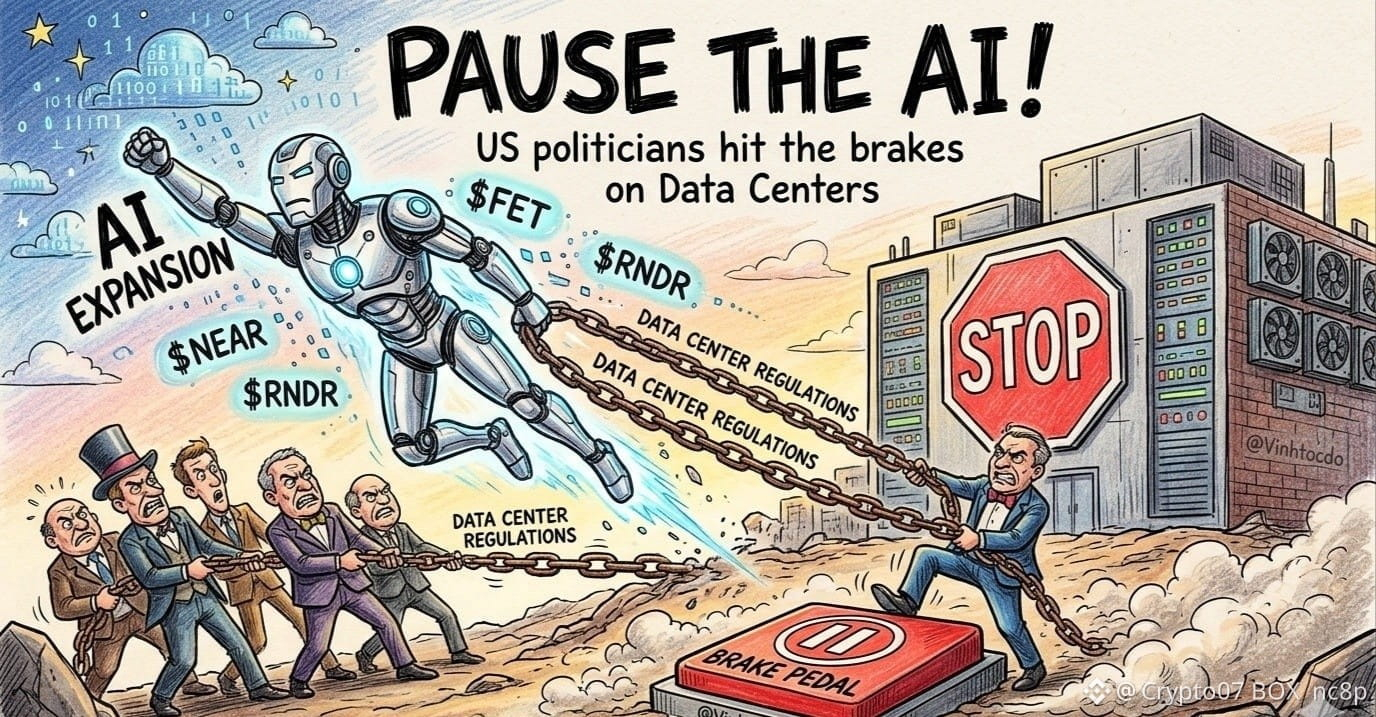
1
765

🚨 $BTC | အမေရိကန်၏ ဒေတာစင်တာဆိုင်ရာ စည်းမျဉ်းများကြောင့် AI အရှိန်အဟုန် နှေးကွေးသွားနိုင်သည် — ဘာကြောင့်လဲဆိုတာ ဒီမှာပါ
အမေရိကန်ပြည်ထောင်စုတွင် ဉာဏ်ရည်တု (AI) အရှိန်အဟုန်သည် စိန်ခေါ်မှုအသစ်တစ်ခုနှင့် ရင်ဆိုင်နေရသည်။ AI ကို အားဖြည့်ပေးနေသော ကြီးမားသည့် ဒေတာစင်တာများအပေါ် စည်းမျဉ်းများ ပိုမိုတင်းကျပ်လာခြင်းဖြစ်သည်။
လျှပ်စစ်ဓာတ်အား လိုအပ်ချက်၊ ရေသုံးစွဲမှုနှင့် အသုံးစရိတ်များ မြင့်တက်လာမှုတို့အပေါ် အစိုးရများနှင့် ဒေသခံလူထုများက ပိုမိုစိုးရိမ်လာကြသည်။
🏛️ အမေရိကန်မှာ ဘာတွေဖြစ်နေတာလဲ။
မကြာသေးမီက ဖြစ်ပေါ်တိုးတက်မှုများမှာ-
တက္ကဆက်: လျှပ်စစ်ဓာတ်အား လိုအပ်ချက်နှင့် လျှပ်စစ်ကွန်ရက်၏ ခံနိုင်ရည်ကို တာဝန်ရှိသူများ ပြန်လည်သုံးသပ်နေစဉ် ဒေတာစင်တာအသစ်များအတွက် ခွင့်ပြုချက်ပေးခြင်းကို ဆိုင်းငံ့ထားသည်။
နယူးယောက်: 50 MW သို့မဟုတ် ထို့ထက်ပို၍ အသုံးပြုသည့် ဒေတာစင်တာကြီးများ ဆောက်လုပ်ခြင်းကို တစ်နှစ်ကြာ ဆိုင်းငံ့ထားသည်။
ပင်ဆယ်ဗေးနီးယား: စီမံကိန်းဆောင်ရွက်သူများသည် ပိုမိုတင်းကျပ်သော ပတ်ဝန်းကျင်ထိန်းသိမ်းရေး စည်းမျဉ်းများ၊ ပွင့်လင်းမြင်သာမှုဆိုင်ရာ လိုအပ်ချက်များနှင့် ဒေသခံများ၏ ခွင့်ပြုချက်ဆိုင်ရာ စည်းမျဉ်းများကို လိုက်နာရမည်ဖြစ်သည်။
ဤအစီအမံများသည် လျှပ်စစ်ဓာတ်အား ပေးဝေမှု၊ ရေအရင်းအမြစ်များနှင့် ဒေသခံလူထုများကို ကာကွယ်ရန် ရည်ရွယ်သည်။
⚡ ဒေတာစင်တာများ ဘာကြောင့် ဖိအားများနှင့် ရင်ဆိုင်နေရသလဲ။
AI စနစ်များသည် ကြီးမားသော ကွန်ပျူတာစွမ်းအားကို လိုအပ်သည်။ ၎င်းတို့၏ ဒေတာစင်တာများတွင် အောက်ပါတို့ လိုအပ်သည်-
လျှပ်စစ်ဓာတ်အား အမြောက်အမြား။
ရေနှင့် အအေးပေးစနစ် အခြေခံအဆောက်အအုံ။
လျှပ်စစ်ကွန်ရက်သို့ ချိတ်ဆက်မှုအသစ်များနှင့် အထောက်အကူပြု အခြေခံအဆောက်အအုံများ။
ရင်းနှီးမြှုပ်နှံမှုနှင့် ဆောက်လုပ်ခွင့်ပြုချက်များစွာ။
📊 AI နှင့် Crypto တို့အတွက် ဘာတွေဖြစ်လာနိုင်သလဲ။
1️⃣ AI ကုမ္ပဏီများ: ခွင့်ပြုချက်ဆိုင်ရာ စည်းမျဉ်းများ တင်းကျပ်လာပါက ကုန်ကျစရိတ်များ မြင့်တက်ပြီး တိုးချဲ့မှုများ နှောင့်နှေးနိုင်သည်။
2️⃣ နည်းပညာကုမ္ပဏီများ၏ ရှယ်ယာများ: AI အခြေခံအဆောက်အအုံ တိုးတက်မှု နှေးကွေးပါက ရင်းနှီးမြှုပ်နှံသူများသည် ကုမ္ပဏီတန်ဖိုးသတ်မှတ်ချက်များကို ပြန်လည်စဉ်းစားလာနိုင်သည်။
3️⃣ Crypto ဈေးကွက်များ: နည်းပညာကဏ္ဍအပေါ် စိတ်ဝင်စားမှု အားနည်းလာခြင်းက ဒစ်ဂျစ်တယ်ပိုင်ဆိုင်မှုများအပေါ် စွန့်စားရင်းနှီးမြှုပ်နှံလိုစိတ်ကို သွယ်ဝိုက်၍ သက်ရောက်စေနိုင်သည်။ သို့သော် ၎င်းက crypto ဈေးကွက် ကျဆင်းမည်ဟု အာမခံခြင်းမဟုတ်ပါ။
💡 ကျွန်တော့်အမြင်: AI တွင် ရေရှည်အလားအလာ အလွန်ကြီးမားနေဆဲဖြစ်သော်လည်း ၎င်း၏ တိုးတက်မှုသည် ခေတ်မီချစ်ပ်များနှင့် ဆော့ဖ်ဝဲများသာမက လက်တွေ့ကမ္ဘာရှိ အရင်းအမြစ်များအပေါ်လည်း မူတည်သည်။ AI အရှိန်အဟုန်၏ နောက်တစ်ဆင့်သည် သက်သာသော စွမ်းအင်၊ အခြေခံအဆောက်အအုံနှင့် တာဝန်ယူမှုရှိသော စည်းမျဉ်းများအပေါ် မူတည်နိုင်သည်။
💬 ဒေတာစင်တာဆိုင်ရာ စည်းမျဉ်းများ ပိုမိုတင်းကျပ်ခြင်းက ဒေသခံလူထုများကို ကာကွယ်ပေးမယ်လို့ ထင်ပါသလား၊ ဒါမှမဟုတ် နည်းပညာဆန်းသစ်တီထွင်မှုကို နှေးကွေးစေမယ်လို့ ထင်ပါသလား။
$ETH | ပညာပေးရန်အတွက်သာဖြစ်သည်။ ငွေကြေးဆိုင်ရာ အကြံဉာဏ်မဟုတ်ပါ။
#artificialintelligence #US Data Center Rules May Constrain AI Expansion #DataCentersForAI #CryptoNews
🚨 $BTC | အမေရိကန်၏ ဒေတာစင်တာဆိုင်ရာ စည်းမျဉ်းများကြောင့် AI အရှိန်အဟုန် နှေးကွေးသွားနိုင်သည် — ဘာကြောင့်လဲဆိုတာ ဒီမှာပါ
အမေရိကန်ပြည်ထောင်စုတွင် ဉာဏ်ရည်တု (AI) အရှိန်အဟုန်သည် စိန်ခေါ်မှုအသစ်တစ်ခုနှင့် ရင်ဆိုင်နေရသည်။ AI ကို အားဖြည့်ပေးနေသော ကြီးမားသည့် ဒေတာစင်တာများအပေါ် စည်းမျဉ်းများ ပိုမိုတင်းကျပ်လာခြင်းဖြစ်သည်။
လျှပ်စစ်ဓာတ်အား လိုအပ်ချက်၊ ရေသုံးစွဲမှုနှင့် အသုံးစရိတ်များ မြင့်တက်လာမှုတို့အပေါ် အစိုးရများနှင့် ဒေသခံလူထုများက ပိုမိုစိုးရိမ်လာကြသည်။
🏛️ အမေရိကန်မှာ ဘာတွေဖြစ်နေတာလဲ။
မကြာသေးမီက ဖြစ်ပေါ်တိုးတက်မှုများမှာ-
တက္ကဆက်: လျှပ်စစ်ဓာတ်အား လိုအပ်ချက်နှင့် လျှပ်စစ်ကွန်ရက်၏ ခံနိုင်ရည်ကို တာဝန်ရှိသူများ ပြန်လည်သုံးသပ်နေစဉ် ဒေတာစင်တာအသစ်များအတွက် ခွင့်ပြုချက်ပေးခြင်းကို ဆိုင်းငံ့ထားသည်။
နယူးယောက်: 50 MW သို့မဟုတ် ထို့ထက်ပို၍ အသုံးပြုသည့် ဒေတာစင်တာကြီးများ ဆောက်လုပ်ခြင်းကို တစ်နှစ်ကြာ ဆိုင်းငံ့ထားသည်။
ပင်ဆယ်ဗေးနီးယား: စီမံကိန်းဆောင်ရွက်သူများသည် ပိုမိုတင်းကျပ်သော ပတ်ဝန်းကျင်ထိန်းသိမ်းရေး စည်းမျဉ်းများ၊ ပွင့်လင်းမြင်သာမှုဆိုင်ရာ လိုအပ်ချက်များနှင့် ဒေသခံများ၏ ခွင့်ပြုချက်ဆိုင်ရာ စည်းမျဉ်းများကို လိုက်နာရမည်ဖြစ်သည်။
ဤအစီအမံများသည် လျှပ်စစ်ဓာတ်အား ပေးဝေမှု၊ ရေအရင်းအမြစ်များနှင့် ဒေသခံလူထုများကို ကာကွယ်ရန် ရည်ရွယ်သည်။
⚡ ဒေတာစင်တာများ ဘာကြောင့် ဖိအားများနှင့် ရင်ဆိုင်နေရသလဲ။
AI စနစ်များသည် ကြီးမားသော ကွန်ပျူတာစွမ်းအားကို လိုအပ်သည်။ ၎င်းတို့၏ ဒေတာစင်တာများတွင် အောက်ပါတို့ လိုအပ်သည်-
လျှပ်စစ်ဓာတ်အား အမြောက်အမြား။
ရေနှင့် အအေးပေးစနစ် အခြေခံအဆောက်အအုံ။
လျှပ်စစ်ကွန်ရက်သို့ ချိတ်ဆက်မှုအသစ်များနှင့် အထောက်အကူပြု အခြေခံအဆောက်အအုံများ။
ရင်းနှီးမြှုပ်နှံမှုနှင့် ဆောက်လုပ်ခွင့်ပြုချက်များစွာ။
📊 AI နှင့် Crypto တို့အတွက် ဘာတွေဖြစ်လာနိုင်သလဲ။
1️⃣ AI ကုမ္ပဏီများ: ခွင့်ပြုချက်ဆိုင်ရာ စည်းမျဉ်းများ တင်းကျပ်လာပါက ကုန်ကျစရိတ်များ မြင့်တက်ပြီး တိုးချဲ့မှုများ နှောင့်နှေးနိုင်သည်။
2️⃣ နည်းပညာကုမ္ပဏီများ၏ ရှယ်ယာများ: AI အခြေခံအဆောက်အအုံ တိုးတက်မှု နှေးကွေးပါက ရင်းနှီးမြှုပ်နှံသူများသည် ကုမ္ပဏီတန်ဖိုးသတ်မှတ်ချက်များကို ပြန်လည်စဉ်းစားလာနိုင်သည်။
3️⃣ Crypto ဈေးကွက်များ: နည်းပညာကဏ္ဍအပေါ် စိတ်ဝင်စားမှု အားနည်းလာခြင်းက ဒစ်ဂျစ်တယ်ပိုင်ဆိုင်မှုများအပေါ် စွန့်စားရင်းနှီးမြှုပ်နှံလိုစိတ်ကို သွယ်ဝိုက်၍ သက်ရောက်စေနိုင်သည်။ သို့သော် ၎င်းက crypto ဈေးကွက် ကျဆင်းမည်ဟု အာမခံခြင်းမဟုတ်ပါ။
💡 ကျွန်တော့်အမြင်: AI တွင် ရေရှည်အလားအလာ အလွန်ကြီးမားနေဆဲဖြစ်သော်လည်း ၎င်း၏ တိုးတက်မှုသည် ခေတ်မီချစ်ပ်များနှင့် ဆော့ဖ်ဝဲများသာမက လက်တွေ့ကမ္ဘာရှိ အရင်းအမြစ်များအပေါ်လည်း မူတည်သည်။ AI အရှိန်အဟုန်၏ နောက်တစ်ဆင့်သည် သက်သာသော စွမ်းအင်၊ အခြေခံအဆောက်အအုံနှင့် တာဝန်ယူမှုရှိသော စည်းမျဉ်းများအပေါ် မူတည်နိုင်သည်။
💬 ဒေတာစင်တာဆိုင်ရာ စည်းမျဉ်းများ ပိုမိုတင်းကျပ်ခြင်းက ဒေသခံလူထုများကို ကာကွယ်ပေးမယ်လို့ ထင်ပါသလား၊ ဒါမှမဟုတ် နည်းပညာဆန်းသစ်တီထွင်မှုကို နှေးကွေးစေမယ်လို့ ထင်ပါသလား။
$ETH | ပညာပေးရန်အတွက်သာဖြစ်သည်။ ငွေကြေးဆိုင်ရာ အကြံဉာဏ်မဟုတ်ပါ။
#artificialintelligence #US Data Center Rules May Constrain AI Expansion #DataCentersForAI #CryptoNews
အမေရိကန်ပြည်ထောင်စုတွင် ဉာဏ်ရည်တု (AI) အရှိန်အဟုန်သည် စိန်ခေါ်မှုအသစ်တစ်ခုနှင့် ရင်ဆိုင်နေရသည်။ AI ကို အားဖြည့်ပေးနေသော ကြီးမားသည့် ဒေတာစင်တာများအပေါ် စည်းမျဉ်းများ ပိုမိုတင်းကျပ်လာခြင်းဖြစ်သည်။
လျှပ်စစ်ဓာတ်အား လိုအပ်ချက်၊ ရေသုံးစွဲမှုနှင့် အသုံးစရိတ်များ မြင့်တက်လာမှုတို့အပေါ် အစိုးရများနှင့် ဒေသခံလူထုများက ပိုမိုစိုးရိမ်လာကြသည်။
🏛️ အမေရိကန်မှာ ဘာတွေဖြစ်နေတာလဲ။
မကြာသေးမီက ဖြစ်ပေါ်တိုးတက်မှုများမှာ-
တက္ကဆက်: လျှပ်စစ်ဓာတ်အား လိုအပ်ချက်နှင့် လျှပ်စစ်ကွန်ရက်၏ ခံနိုင်ရည်ကို တာဝန်ရှိသူများ ပြန်လည်သုံးသပ်နေစဉ် ဒေတာစင်တာအသစ်များအတွက် ခွင့်ပြုချက်ပေးခြင်းကို ဆိုင်းငံ့ထားသည်။
နယူးယောက်: 50 MW သို့မဟုတ် ထို့ထက်ပို၍ အသုံးပြုသည့် ဒေတာစင်တာကြီးများ ဆောက်လုပ်ခြင်းကို တစ်နှစ်ကြာ ဆိုင်းငံ့ထားသည်။
ပင်ဆယ်ဗေးနီးယား: စီမံကိန်းဆောင်ရွက်သူများသည် ပိုမိုတင်းကျပ်သော ပတ်ဝန်းကျင်ထိန်းသိမ်းရေး စည်းမျဉ်းများ၊ ပွင့်လင်းမြင်သာမှုဆိုင်ရာ လိုအပ်ချက်များနှင့် ဒေသခံများ၏ ခွင့်ပြုချက်ဆိုင်ရာ စည်းမျဉ်းများကို လိုက်နာရမည်ဖြစ်သည်။
ဤအစီအမံများသည် လျှပ်စစ်ဓာတ်အား ပေးဝေမှု၊ ရေအရင်းအမြစ်များနှင့် ဒေသခံလူထုများကို ကာကွယ်ရန် ရည်ရွယ်သည်။
⚡ ဒေတာစင်တာများ ဘာကြောင့် ဖိအားများနှင့် ရင်ဆိုင်နေရသလဲ။
AI စနစ်များသည် ကြီးမားသော ကွန်ပျူတာစွမ်းအားကို လိုအပ်သည်။ ၎င်းတို့၏ ဒေတာစင်တာများတွင် အောက်ပါတို့ လိုအပ်သည်-
လျှပ်စစ်ဓာတ်အား အမြောက်အမြား။
ရေနှင့် အအေးပေးစနစ် အခြေခံအဆောက်အအုံ။
လျှပ်စစ်ကွန်ရက်သို့ ချိတ်ဆက်မှုအသစ်များနှင့် အထောက်အကူပြု အခြေခံအဆောက်အအုံများ။
ရင်းနှီးမြှုပ်နှံမှုနှင့် ဆောက်လုပ်ခွင့်ပြုချက်များစွာ။
📊 AI နှင့် Crypto တို့အတွက် ဘာတွေဖြစ်လာနိုင်သလဲ။
1️⃣ AI ကုမ္ပဏီများ: ခွင့်ပြုချက်ဆိုင်ရာ စည်းမျဉ်းများ တင်းကျပ်လာပါက ကုန်ကျစရိတ်များ မြင့်တက်ပြီး တိုးချဲ့မှုများ နှောင့်နှေးနိုင်သည်။
2️⃣ နည်းပညာကုမ္ပဏီများ၏ ရှယ်ယာများ: AI အခြေခံအဆောက်အအုံ တိုးတက်မှု နှေးကွေးပါက ရင်းနှီးမြှုပ်နှံသူများသည် ကုမ္ပဏီတန်ဖိုးသတ်မှတ်ချက်များကို ပြန်လည်စဉ်းစားလာနိုင်သည်။
3️⃣ Crypto ဈေးကွက်များ: နည်းပညာကဏ္ဍအပေါ် စိတ်ဝင်စားမှု အားနည်းလာခြင်းက ဒစ်ဂျစ်တယ်ပိုင်ဆိုင်မှုများအပေါ် စွန့်စားရင်းနှီးမြှုပ်နှံလိုစိတ်ကို သွယ်ဝိုက်၍ သက်ရောက်စေနိုင်သည်။ သို့သော် ၎င်းက crypto ဈေးကွက် ကျဆင်းမည်ဟု အာမခံခြင်းမဟုတ်ပါ။
💡 ကျွန်တော့်အမြင်: AI တွင် ရေရှည်အလားအလာ အလွန်ကြီးမားနေဆဲဖြစ်သော်လည်း ၎င်း၏ တိုးတက်မှုသည် ခေတ်မီချစ်ပ်များနှင့် ဆော့ဖ်ဝဲများသာမက လက်တွေ့ကမ္ဘာရှိ အရင်းအမြစ်များအပေါ်လည်း မူတည်သည်။ AI အရှိန်အဟုန်၏ နောက်တစ်ဆင့်သည် သက်သာသော စွမ်းအင်၊ အခြေခံအဆောက်အအုံနှင့် တာဝန်ယူမှုရှိသော စည်းမျဉ်းများအပေါ် မူတည်နိုင်သည်။
💬 ဒေတာစင်တာဆိုင်ရာ စည်းမျဉ်းများ ပိုမိုတင်းကျပ်ခြင်းက ဒေသခံလူထုများကို ကာကွယ်ပေးမယ်လို့ ထင်ပါသလား၊ ဒါမှမဟုတ် နည်းပညာဆန်းသစ်တီထွင်မှုကို နှေးကွေးစေမယ်လို့ ထင်ပါသလား။
$ETH | ပညာပေးရန်အတွက်သာဖြစ်သည်။ ငွေကြေးဆိုင်ရာ အကြံဉာဏ်မဟုတ်ပါ။
#artificialintelligence #US Data Center Rules May Constrain AI Expansion #DataCentersForAI #CryptoNews

106

·
--
$FET တိုးချဲ့လာချိန်တွင် တင်ဆင့်ချ်၏ ချစ်ပ်ဗိသုကာဟောင်းက Agentic AI ကွန်ပျူတာတွက်ချက်မှုဘက်သို့ ဦးတည်ပြောင်းလဲ! ⚡ 🧠
AI အခြေခံအဆောက်အအုံနယ်ပယ်၏ တကယ့်ပြိုင်ဆိုင်မှုသည် GPU များဖြင့် အကြမ်းထည်တွက်ချက်မှုမှ စွမ်းဆောင်ရည်မြင့် CPU လုပ်ငန်းတာဝန်စီမံမှုဘက်သို့ တိတ်တဆိတ် ရွေ့လျားနေသည်။ တင်ဆင့်ချ်၏ ထိပ်တန်းချစ်ပ်ဗိသုကာပညာရှင်ဟောင်းက Agentic AI လုပ်ငန်းစဉ်များ၊ ရှုပ်ထွေးသော ကိရိယာအသုံးပြုမှုနှင့် အချိန်နှင့်တပြေးညီ မော်ဒယ်အသုံးချမှုတို့အတွက် အထူးဒီဇိုင်းထုတ်ထားသည့် RISC-V ဆာဗာဗိသုကာကို ရည်မှန်းသော လျှို့ဝှက်လုပ်ငန်းသစ်တစ်ခုကို စတင်လိုက်သည်။ 📊
ဤဖွဲ့စည်းပုံဆိုင်ရာ အလှည့်အပြောင်းက ရင်းနှီးမြှုပ်နှံမှုအမြော်အမြင်ရှိသူများ နောက်တစ်ဆင့် ဘယ်နေရာကို မျှော်ကြည့်နေကြသည်ကို အတည်ပြုပေးနေသည်။ $FET ကဲ့သို့ ကိုယ်တိုင်လုပ်ဆောင်နိုင်သော အေးဂျင့်ဂေဟစနစ်များတွင် လုပ်ငန်းဆောင်ရွက်မှုများကို အကြီးအကျယ် ညှိနှိုင်းစီမံရန် လိုအပ်သည်။ ပုံရိပ်ဖော်ရုံထက် ဆုံးဖြတ်ချက်ချသည့် ယုတ္တိဗေဒအတွက် အထူးရည်ရွယ်ထားသော ဟာ့ဒ်ဝဲကို တည်ဆောက်ခြင်းသည် ဗဟိုချုပ်ကိုင်မှုလျှော့ချထားသော AI ကဏ္ဍတစ်ခုလုံးအတွက် ကြီးမားသော အခြေခံအပြောင်းအလဲတစ်ရပ် ဖြစ်လာမည်။ 💡 🌊
💬 စိတ်ကြိုက်ဖန်တီးထားသော Agentic AI ဟာ့ဒ်ဝဲက နောက်ထပ် ဒေါ်လာဘီလီယံပေါင်းများစွာတန် AI ကဏ္ဍ အရှိန်အဟုန်ဖြင့် ကြီးထွားလာမှုကို ဖြစ်ပေါ်စေမည်ဟု သင်ထင်ပါသလား။ 👇
⚠️ ဤသည်မှာ ငွေကြေးဆိုင်ရာ အကြံဉာဏ်မဟုတ်ပါ။ သင့်ရင်းနှီးမြှုပ်နှံမှုအန္တရာယ်ကို အမြဲစီမံခန့်ခွဲပါ။ 🛡️
🏷️ #FET #AgenticAI #Crypto #ArtificialIntelligence
🔥 ⚡
$FET တိုးချဲ့လာချိန်တွင် တင်ဆင့်ချ်၏ ချစ်ပ်ဗိသုကာဟောင်းက Agentic AI ကွန်ပျူတာတွက်ချက်မှုဘက်သို့ ဦးတည်ပြောင်းလဲ! ⚡ 🧠
AI အခြေခံအဆောက်အအုံနယ်ပယ်၏ တကယ့်ပြိုင်ဆိုင်မှုသည် GPU များဖြင့် အကြမ်းထည်တွက်ချက်မှုမှ စွမ်းဆောင်ရည်မြင့် CPU လုပ်ငန်းတာဝန်စီမံမှုဘက်သို့ တိတ်တဆိတ် ရွေ့လျားနေသည်။ တင်ဆင့်ချ်၏ ထိပ်တန်းချစ်ပ်ဗိသုကာပညာရှင်ဟောင်းက Agentic AI လုပ်ငန်းစဉ်များ၊ ရှုပ်ထွေးသော ကိရိယာအသုံးပြုမှုနှင့် အချိန်နှင့်တပြေးညီ မော်ဒယ်အသုံးချမှုတို့အတွက် အထူးဒီဇိုင်းထုတ်ထားသည့် RISC-V ဆာဗာဗိသုကာကို ရည်မှန်းသော လျှို့ဝှက်လုပ်ငန်းသစ်တစ်ခုကို စတင်လိုက်သည်။ 📊
ဤဖွဲ့စည်းပုံဆိုင်ရာ အလှည့်အပြောင်းက ရင်းနှီးမြှုပ်နှံမှုအမြော်အမြင်ရှိသူများ နောက်တစ်ဆင့် ဘယ်နေရာကို မျှော်ကြည့်နေကြသည်ကို အတည်ပြုပေးနေသည်။ $FET ကဲ့သို့ ကိုယ်တိုင်လုပ်ဆောင်နိုင်သော အေးဂျင့်ဂေဟစနစ်များတွင် လုပ်ငန်းဆောင်ရွက်မှုများကို အကြီးအကျယ် ညှိနှိုင်းစီမံရန် လိုအပ်သည်။ ပုံရိပ်ဖော်ရုံထက် ဆုံးဖြတ်ချက်ချသည့် ယုတ္တိဗေဒအတွက် အထူးရည်ရွယ်ထားသော ဟာ့ဒ်ဝဲကို တည်ဆောက်ခြင်းသည် ဗဟိုချုပ်ကိုင်မှုလျှော့ချထားသော AI ကဏ္ဍတစ်ခုလုံးအတွက် ကြီးမားသော အခြေခံအပြောင်းအလဲတစ်ရပ် ဖြစ်လာမည်။ 💡 🌊
💬 စိတ်ကြိုက်ဖန်တီးထားသော Agentic AI ဟာ့ဒ်ဝဲက နောက်ထပ် ဒေါ်လာဘီလီယံပေါင်းများစွာတန် AI ကဏ္ဍ အရှိန်အဟုန်ဖြင့် ကြီးထွားလာမှုကို ဖြစ်ပေါ်စေမည်ဟု သင်ထင်ပါသလား။ 👇
⚠️ ဤသည်မှာ ငွေကြေးဆိုင်ရာ အကြံဉာဏ်မဟုတ်ပါ။ သင့်ရင်းနှီးမြှုပ်နှံမှုအန္တရာယ်ကို အမြဲစီမံခန့်ခွဲပါ။ 🛡️
🏷️ #FET #AgenticAI #Crypto #ArtificialIntelligence
🔥 ⚡
AI အခြေခံအဆောက်အအုံနယ်ပယ်၏ တကယ့်ပြိုင်ဆိုင်မှုသည် GPU များဖြင့် အကြမ်းထည်တွက်ချက်မှုမှ စွမ်းဆောင်ရည်မြင့် CPU လုပ်ငန်းတာဝန်စီမံမှုဘက်သို့ တိတ်တဆိတ် ရွေ့လျားနေသည်။ တင်ဆင့်ချ်၏ ထိပ်တန်းချစ်ပ်ဗိသုကာပညာရှင်ဟောင်းက Agentic AI လုပ်ငန်းစဉ်များ၊ ရှုပ်ထွေးသော ကိရိယာအသုံးပြုမှုနှင့် အချိန်နှင့်တပြေးညီ မော်ဒယ်အသုံးချမှုတို့အတွက် အထူးဒီဇိုင်းထုတ်ထားသည့် RISC-V ဆာဗာဗိသုကာကို ရည်မှန်းသော လျှို့ဝှက်လုပ်ငန်းသစ်တစ်ခုကို စတင်လိုက်သည်။ 📊
ဤဖွဲ့စည်းပုံဆိုင်ရာ အလှည့်အပြောင်းက ရင်းနှီးမြှုပ်နှံမှုအမြော်အမြင်ရှိသူများ နောက်တစ်ဆင့် ဘယ်နေရာကို မျှော်ကြည့်နေကြသည်ကို အတည်ပြုပေးနေသည်။ $FET ကဲ့သို့ ကိုယ်တိုင်လုပ်ဆောင်နိုင်သော အေးဂျင့်ဂေဟစနစ်များတွင် လုပ်ငန်းဆောင်ရွက်မှုများကို အကြီးအကျယ် ညှိနှိုင်းစီမံရန် လိုအပ်သည်။ ပုံရိပ်ဖော်ရုံထက် ဆုံးဖြတ်ချက်ချသည့် ယုတ္တိဗေဒအတွက် အထူးရည်ရွယ်ထားသော ဟာ့ဒ်ဝဲကို တည်ဆောက်ခြင်းသည် ဗဟိုချုပ်ကိုင်မှုလျှော့ချထားသော AI ကဏ္ဍတစ်ခုလုံးအတွက် ကြီးမားသော အခြေခံအပြောင်းအလဲတစ်ရပ် ဖြစ်လာမည်။ 💡 🌊
💬 စိတ်ကြိုက်ဖန်တီးထားသော Agentic AI ဟာ့ဒ်ဝဲက နောက်ထပ် ဒေါ်လာဘီလီယံပေါင်းများစွာတန် AI ကဏ္ဍ အရှိန်အဟုန်ဖြင့် ကြီးထွားလာမှုကို ဖြစ်ပေါ်စေမည်ဟု သင်ထင်ပါသလား။ 👇
⚠️ ဤသည်မှာ ငွေကြေးဆိုင်ရာ အကြံဉာဏ်မဟုတ်ပါ။ သင့်ရင်းနှီးမြှုပ်နှံမှုအန္တရာယ်ကို အမြဲစီမံခန့်ခွဲပါ။ 🛡️
🏷️ #FET #AgenticAI #Crypto #ArtificialIntelligence
🔥 ⚡
47

#anthropicstillplansprethanksgivingipo
🚨 ANTHROPIC သည် ကျေးဇူးတော်နေ့မတိုင်မီ IPO ဝင်ရန် စီစဉ်နေဆဲ — AI ပြိုင်ဆိုင်မှု အရှိန်မြင့်လာပြီ!
Claude AI ကို ဖန်တီးသည့် ကုမ္ပဏီ Anthropic သည် ကျေးဇူးတော်နေ့မတိုင်မီ အများပိုင်ရှယ်ယာဈေးကွက်သို့ ဝင်ရောက်နိုင်ရန် အစီအစဉ်များကို ဆက်လက်အကောင်အထည်ဖော်နေကြောင်း သတင်းများထွက်ပေါ်နေသည်။
၎င်းသည် နည်းပညာလုပ်ငန်းနယ်ပယ်တွင် အကြီးမားဆုံး IPO သတင်းများထဲမှ တစ်ခု ဖြစ်လာနိုင်သည်။
🔥 ဘာတွေဖြစ်နေတာလဲ?
Anthropic သည် IPO ဝင်ရောက်နိုင်ရန် ပြင်ဆင်နေကြောင်း သတင်းများထွက်ပေါ်နေသည်။
ကုမ္ပဏီသည် ကျေးဇူးတော်နေ့မတိုင်မီ စတော့အိတ်ချိန်းတွင် စာရင်းဝင်ရန် ရည်မှန်းထားသည်။
AI ကုမ္ပဏီများအပေါ် ရင်းနှီးမြှုပ်နှံသူများ၏ စိတ်ဝင်စားမှုသည် ဆက်လက်မြင့်တက်နေသည်။
ဤ IPO သည် အဖွဲ့အစည်းဆိုင်ရာ ရင်းနှီးမြှုပ်နှံသူများနှင့် တစ်ဦးချင်းရင်းနှီးမြှုပ်နှံသူများ၏ ကြီးမားသောအာရုံစိုက်မှုကို ရရှိနိုင်သည်။
📊 ဘာကြောင့် အရေးကြီးတာလဲ
Anthropic သည် ဉာဏ်ရည်တုနယ်ပယ်တွင် အကြီးမားဆုံး ကုမ္ပဏီများထဲမှ တစ်ခု ဖြစ်လာခဲ့ပြီး AI အခြေခံအဆောက်အအုံ၊ မော်ဒယ်များနှင့် ကွန်ပျူတာစွမ်းအားတို့အတွက် ဒေါ်လာဘီလီယံပေါင်းများစွာ စီးဝင်နေသည့် လုပ်ငန်းနယ်ပယ်တွင် ယှဉ်ပြိုင်နေသည်။
အောင်မြင်သော IPO တစ်ခုသည် အဓိကကျသည့် ရင်းနှီးမြှုပ်နှံမှုအခွင့်အလမ်းသစ်တစ်ခုကို ဖွင့်ပေးနိုင်ပြီး AI ကဏ္ဍတစ်လျှောက် ယှဉ်ပြိုင်မှုကို ပိုမိုပြင်းထန်စေနိုင်သည်။
သို့သော် အဓိကမေးခွန်းမှာ — အများပိုင်ဈေးကွက်သို့ ဝင်ရောက်ချိန်တွင် Anthropic အပေါ်ထားရှိသည့် ကြီးမားသောမျှော်လင့်ချက်များကို ကုမ္ပဏီက အမှန်တကယ် ဖြည့်ဆည်းနိုင်ပါ့မလား။
Anthropic ရှယ်ယာများကို ပထမဆုံး အရောင်းအဝယ်ပြုလုပ်သည့်နေ့တွင် သင် ဝယ်ယူမလား။
#Anthropic #artificialintelligence #IPO
#anthropicstillplansprethanksgivingipo
🚨 ANTHROPIC သည် ကျေးဇူးတော်နေ့မတိုင်မီ IPO ဝင်ရန် စီစဉ်နေဆဲ — AI ပြိုင်ဆိုင်မှု အရှိန်မြင့်လာပြီ!
Claude AI ကို ဖန်တီးသည့် ကုမ္ပဏီ Anthropic သည် ကျေးဇူးတော်နေ့မတိုင်မီ အများပိုင်ရှယ်ယာဈေးကွက်သို့ ဝင်ရောက်နိုင်ရန် အစီအစဉ်များကို ဆက်လက်အကောင်အထည်ဖော်နေကြောင်း သတင်းများထွက်ပေါ်နေသည်။
၎င်းသည် နည်းပညာလုပ်ငန်းနယ်ပယ်တွင် အကြီးမားဆုံး IPO သတင်းများထဲမှ တစ်ခု ဖြစ်လာနိုင်သည်။
🔥 ဘာတွေဖြစ်နေတာလဲ?
Anthropic သည် IPO ဝင်ရောက်နိုင်ရန် ပြင်ဆင်နေကြောင်း သတင်းများထွက်ပေါ်နေသည်။
ကုမ္ပဏီသည် ကျေးဇူးတော်နေ့မတိုင်မီ စတော့အိတ်ချိန်းတွင် စာရင်းဝင်ရန် ရည်မှန်းထားသည်။
AI ကုမ္ပဏီများအပေါ် ရင်းနှီးမြှုပ်နှံသူများ၏ စိတ်ဝင်စားမှုသည် ဆက်လက်မြင့်တက်နေသည်။
ဤ IPO သည် အဖွဲ့အစည်းဆိုင်ရာ ရင်းနှီးမြှုပ်နှံသူများနှင့် တစ်ဦးချင်းရင်းနှီးမြှုပ်နှံသူများ၏ ကြီးမားသောအာရုံစိုက်မှုကို ရရှိနိုင်သည်။
📊 ဘာကြောင့် အရေးကြီးတာလဲ
Anthropic သည် ဉာဏ်ရည်တုနယ်ပယ်တွင် အကြီးမားဆုံး ကုမ္ပဏီများထဲမှ တစ်ခု ဖြစ်လာခဲ့ပြီး AI အခြေခံအဆောက်အအုံ၊ မော်ဒယ်များနှင့် ကွန်ပျူတာစွမ်းအားတို့အတွက် ဒေါ်လာဘီလီယံပေါင်းများစွာ စီးဝင်နေသည့် လုပ်ငန်းနယ်ပယ်တွင် ယှဉ်ပြိုင်နေသည်။
အောင်မြင်သော IPO တစ်ခုသည် အဓိကကျသည့် ရင်းနှီးမြှုပ်နှံမှုအခွင့်အလမ်းသစ်တစ်ခုကို ဖွင့်ပေးနိုင်ပြီး AI ကဏ္ဍတစ်လျှောက် ယှဉ်ပြိုင်မှုကို ပိုမိုပြင်းထန်စေနိုင်သည်။
သို့သော် အဓိကမေးခွန်းမှာ — အများပိုင်ဈေးကွက်သို့ ဝင်ရောက်ချိန်တွင် Anthropic အပေါ်ထားရှိသည့် ကြီးမားသောမျှော်လင့်ချက်များကို ကုမ္ပဏီက အမှန်တကယ် ဖြည့်ဆည်းနိုင်ပါ့မလား။
Anthropic ရှယ်ယာများကို ပထမဆုံး အရောင်းအဝယ်ပြုလုပ်သည့်နေ့တွင် သင် ဝယ်ယူမလား။
#Anthropic #artificialintelligence #IPO
🚨 ANTHROPIC သည် ကျေးဇူးတော်နေ့မတိုင်မီ IPO ဝင်ရန် စီစဉ်နေဆဲ — AI ပြိုင်ဆိုင်မှု အရှိန်မြင့်လာပြီ!
Claude AI ကို ဖန်တီးသည့် ကုမ္ပဏီ Anthropic သည် ကျေးဇူးတော်နေ့မတိုင်မီ အများပိုင်ရှယ်ယာဈေးကွက်သို့ ဝင်ရောက်နိုင်ရန် အစီအစဉ်များကို ဆက်လက်အကောင်အထည်ဖော်နေကြောင်း သတင်းများထွက်ပေါ်နေသည်။
၎င်းသည် နည်းပညာလုပ်ငန်းနယ်ပယ်တွင် အကြီးမားဆုံး IPO သတင်းများထဲမှ တစ်ခု ဖြစ်လာနိုင်သည်။
🔥 ဘာတွေဖြစ်နေတာလဲ?
Anthropic သည် IPO ဝင်ရောက်နိုင်ရန် ပြင်ဆင်နေကြောင်း သတင်းများထွက်ပေါ်နေသည်။
ကုမ္ပဏီသည် ကျေးဇူးတော်နေ့မတိုင်မီ စတော့အိတ်ချိန်းတွင် စာရင်းဝင်ရန် ရည်မှန်းထားသည်။
AI ကုမ္ပဏီများအပေါ် ရင်းနှီးမြှုပ်နှံသူများ၏ စိတ်ဝင်စားမှုသည် ဆက်လက်မြင့်တက်နေသည်။
ဤ IPO သည် အဖွဲ့အစည်းဆိုင်ရာ ရင်းနှီးမြှုပ်နှံသူများနှင့် တစ်ဦးချင်းရင်းနှီးမြှုပ်နှံသူများ၏ ကြီးမားသောအာရုံစိုက်မှုကို ရရှိနိုင်သည်။
📊 ဘာကြောင့် အရေးကြီးတာလဲ
Anthropic သည် ဉာဏ်ရည်တုနယ်ပယ်တွင် အကြီးမားဆုံး ကုမ္ပဏီများထဲမှ တစ်ခု ဖြစ်လာခဲ့ပြီး AI အခြေခံအဆောက်အအုံ၊ မော်ဒယ်များနှင့် ကွန်ပျူတာစွမ်းအားတို့အတွက် ဒေါ်လာဘီလီယံပေါင်းများစွာ စီးဝင်နေသည့် လုပ်ငန်းနယ်ပယ်တွင် ယှဉ်ပြိုင်နေသည်။
အောင်မြင်သော IPO တစ်ခုသည် အဓိကကျသည့် ရင်းနှီးမြှုပ်နှံမှုအခွင့်အလမ်းသစ်တစ်ခုကို ဖွင့်ပေးနိုင်ပြီး AI ကဏ္ဍတစ်လျှောက် ယှဉ်ပြိုင်မှုကို ပိုမိုပြင်းထန်စေနိုင်သည်။
သို့သော် အဓိကမေးခွန်းမှာ — အများပိုင်ဈေးကွက်သို့ ဝင်ရောက်ချိန်တွင် Anthropic အပေါ်ထားရှိသည့် ကြီးမားသောမျှော်လင့်ချက်များကို ကုမ္ပဏီက အမှန်တကယ် ဖြည့်ဆည်းနိုင်ပါ့မလား။
Anthropic ရှယ်ယာများကို ပထမဆုံး အရောင်းအဝယ်ပြုလုပ်သည့်နေ့တွင် သင် ဝယ်ယူမလား။
#Anthropic #artificialintelligence #IPO
524
🍎 Apple ၏ AI အားသာချက်—အခြေခံအဆောက်အအုံ ဝန်ထုပ်ဝန်ပိုးမရှိဘဲ တိုးတက်မှု?
Apple သည် AI ပြိုင်ပွဲတွင် ပါဝင်ရန် အခြားလမ်းကြောင်းတစ်ခုကို ရှာတွေ့ထားပုံရသည်။ Alphabet ၏ နည်းပညာကို အသုံးချနိုင်ပါက အကြီးစား cloud ဝန်ဆောင်မှုပေးသူများ ရင်ဆိုင်နေရသည့် ဒေတာစင်တာများအတွက် ကြီးမားသော အသုံးစရိတ်ကို မယူဘဲ ၎င်း၏ ဂေဟစနစ်အတွင်း အဆင့်မြင့် AI လုပ်ဆောင်ချက်များကို ထည့်သွင်းပေးနိုင်သည်။ AI အခြေခံအဆောက်အအုံ အရှိန်အဟုန်မြင့်လာမှု၏ ကုန်ကျစရိတ်ကို ရင်းနှီးမြှုပ်နှံသူများ မေးခွန်းထုတ်လာချိန်တွင် ၎င်းက ယှဉ်ပြိုင်မှုဆိုင်ရာ အားသာချက်တစ်ခု ဖြစ်လာနိုင်သည်။
{spot}(AAPLBUSDT)
{spot}(GOOGLBUSDT)
AAPL သည် 0.36% ကျဆင်းကာ $342.82 သို့ ရောက်ရှိခဲ့သော်လည်း ရေရှည်အလားအလာမှာ အကောင်းဘက်တွင် ရှိနေဆဲဖြစ်သည်။ iPhone အဆင့်မြှင့်တင်မှုများကို ဖြစ်ပေါ်စေမည့် အရေးပါသော AI လုပ်ဆောင်ချက်များ၊ ဝန်ဆောင်မှုများနှင့် သုံးစွဲသူများ၏ ထိတွေ့ဆက်ဆံမှု၊ အကောက်ခွန်သက်သာမှုနှင့် မှတ်ဉာဏ်ချစ်ပ်ကုန်ကျစရိတ် လျော့ကျမှုတို့ကို စောင့်ကြည့်ပါ။ အဓိကမေးခွန်းမှာ—Apple သည် ဟာ့ဒ်ဝဲအမြတ်နှုန်းကို ကာကွယ်ရင်း ၎င်း၏ AI မိတ်ဖက်ပူးပေါင်းမှုများကို ပိုမိုအားကောင်းသော တိုးတက်မှုအဖြစ် ပြောင်းလဲနိုင်မည်လား။
$AAPL $GOOGL $NVDAB #CoinVahini #Apple #ArtificialIntelligence #TechStocks
🍎 Apple ၏ AI အားသာချက်—အခြေခံအဆောက်အအုံ ဝန်ထုပ်ဝန်ပိုးမရှိဘဲ တိုးတက်မှု?
Apple သည် AI ပြိုင်ပွဲတွင် ပါဝင်ရန် အခြားလမ်းကြောင်းတစ်ခုကို ရှာတွေ့ထားပုံရသည်။ Alphabet ၏ နည်းပညာကို အသုံးချနိုင်ပါက အကြီးစား cloud ဝန်ဆောင်မှုပေးသူများ ရင်ဆိုင်နေရသည့် ဒေတာစင်တာများအတွက် ကြီးမားသော အသုံးစရိတ်ကို မယူဘဲ ၎င်း၏ ဂေဟစနစ်အတွင်း အဆင့်မြင့် AI လုပ်ဆောင်ချက်များကို ထည့်သွင်းပေးနိုင်သည်။ AI အခြေခံအဆောက်အအုံ အရှိန်အဟုန်မြင့်လာမှု၏ ကုန်ကျစရိတ်ကို ရင်းနှီးမြှုပ်နှံသူများ မေးခွန်းထုတ်လာချိန်တွင် ၎င်းက ယှဉ်ပြိုင်မှုဆိုင်ရာ အားသာချက်တစ်ခု ဖြစ်လာနိုင်သည်။
AAPL သည် 0.36% ကျဆင်းကာ $342.82 သို့ ရောက်ရှိခဲ့သော်လည်း ရေရှည်အလားအလာမှာ အကောင်းဘက်တွင် ရှိနေဆဲဖြစ်သည်။ iPhone အဆင့်မြှင့်တင်မှုများကို ဖြစ်ပေါ်စေမည့် အရေးပါသော AI လုပ်ဆောင်ချက်များ၊ ဝန်ဆောင်မှုများနှင့် သုံးစွဲသူများ၏ ထိတွေ့ဆက်ဆံမှု၊ အကောက်ခွန်သက်သာမှုနှင့် မှတ်ဉာဏ်ချစ်ပ်ကုန်ကျစရိတ် လျော့ကျမှုတို့ကို စောင့်ကြည့်ပါ။ အဓိကမေးခွန်းမှာ—Apple သည် ဟာ့ဒ်ဝဲအမြတ်နှုန်းကို ကာကွယ်ရင်း ၎င်း၏ AI မိတ်ဖက်ပူးပေါင်းမှုများကို ပိုမိုအားကောင်းသော တိုးတက်မှုအဖြစ် ပြောင်းလဲနိုင်မည်လား။
$AAPL $GOOGL $NVDAB #CoinVahini #Apple #ArtificialIntelligence #TechStocks
Apple သည် AI ပြိုင်ပွဲတွင် ပါဝင်ရန် အခြားလမ်းကြောင်းတစ်ခုကို ရှာတွေ့ထားပုံရသည်။ Alphabet ၏ နည်းပညာကို အသုံးချနိုင်ပါက အကြီးစား cloud ဝန်ဆောင်မှုပေးသူများ ရင်ဆိုင်နေရသည့် ဒေတာစင်တာများအတွက် ကြီးမားသော အသုံးစရိတ်ကို မယူဘဲ ၎င်း၏ ဂေဟစနစ်အတွင်း အဆင့်မြင့် AI လုပ်ဆောင်ချက်များကို ထည့်သွင်းပေးနိုင်သည်။ AI အခြေခံအဆောက်အအုံ အရှိန်အဟုန်မြင့်လာမှု၏ ကုန်ကျစရိတ်ကို ရင်းနှီးမြှုပ်နှံသူများ မေးခွန်းထုတ်လာချိန်တွင် ၎င်းက ယှဉ်ပြိုင်မှုဆိုင်ရာ အားသာချက်တစ်ခု ဖြစ်လာနိုင်သည်။
AAPL သည် 0.36% ကျဆင်းကာ $342.82 သို့ ရောက်ရှိခဲ့သော်လည်း ရေရှည်အလားအလာမှာ အကောင်းဘက်တွင် ရှိနေဆဲဖြစ်သည်။ iPhone အဆင့်မြှင့်တင်မှုများကို ဖြစ်ပေါ်စေမည့် အရေးပါသော AI လုပ်ဆောင်ချက်များ၊ ဝန်ဆောင်မှုများနှင့် သုံးစွဲသူများ၏ ထိတွေ့ဆက်ဆံမှု၊ အကောက်ခွန်သက်သာမှုနှင့် မှတ်ဉာဏ်ချစ်ပ်ကုန်ကျစရိတ် လျော့ကျမှုတို့ကို စောင့်ကြည့်ပါ။ အဓိကမေးခွန်းမှာ—Apple သည် ဟာ့ဒ်ဝဲအမြတ်နှုန်းကို ကာကွယ်ရင်း ၎င်း၏ AI မိတ်ဖက်ပူးပေါင်းမှုများကို ပိုမိုအားကောင်းသော တိုးတက်မှုအဖြစ် ပြောင်းလဲနိုင်မည်လား။
$AAPL $GOOGL $NVDAB #CoinVahini #Apple #ArtificialIntelligence #TechStocks
7


#US Data Center Rules May Constrain AI Expansion
🏗️ ⚡ အမေရိကန်ရှိ ဒေတာစင်တာစည်းမျဉ်းများကြောင့် AI တိုးချဲ့မှု ကန့်သတ်ခံရနိုင်သလား။ AI အရှိန်အဟုန်သည် အတားအဆီးတစ်ခုနှင့် ရင်ဆိုင်နေရပြီလား။
ပိုမိုထက်မြက်သော AI ကို တည်ဆောက်ခြင်းသည် စိန်ခေါ်မှုတစ်ရပ်ဖြစ်သည်။ ၎င်းကို လည်ပတ်ရန် လုံလောက်သော လျှပ်စစ်ဓာတ်အား၊ ရေနှင့် ပြည်သူ့ထောက်ခံမှု ရရှိရန်မှာ နောက်ထပ်စိန်ခေါ်မှုတစ်ရပ် ဖြစ်လာနေသည်။
အမေရိကန်တစ်ဝန်းရှိ ဒေတာစင်တာတည်ဆောက်သူများသည် စည်းမျဉ်းဆိုင်ရာ ဖိအားများ ပိုမိုကြုံတွေ့နေရသည်။ ဒေသခံလူမှုအသိုင်းအဝိုင်းများနှင့် မူဝါဒချမှတ်သူများက ပိုမိုပွင့်လင်းမြင်သာမှု၊ သဘာဝပတ်ဝန်းကျင် ကာကွယ်ရေးစည်းမျဉ်းများနှင့် မြင့်တက်လာသော လျှပ်စစ်ဓာတ်အားခများမှ ကာကွယ်ပေးမှုတို့ကို တောင်းဆိုနေကြသည်။
နိုဝင်ဘာလ ကြားဖြတ်ရွေးကောက်ပွဲရလဒ်များကြောင့် ဤဆွေးနွေးမှုသည် ပိုမိုအရှိန်ရလာသည်။ အသစ်ရွေးကောက်ခံရသော ပြည်နယ်ခေါင်းဆောင်အများအပြားက ပိုမိုတင်းကျပ်သော ကြီးကြပ်မှုကို ထောက်ခံကြပြီး၊ ဒေသခံမဲဆန္ဒရှင်များကလည်း ဒေတာစင်တာစီမံကိန်းများအပေါ် ကန့်သတ်ချက်များကို ပိုမိုထောက်ခံလာကြသည်။
အမှန်တကယ် အတားအဆီးသည် အဆင့်မြင့် ချစ်ပ်များ မဟုတ်နိုင်ပါ။ လျှပ်စစ်ကွန်ရက် ချိတ်ဆက်မှု၊ စွမ်းအင်အခြေခံအဆောက်အအုံ၊ ရေရရှိနိုင်မှုနှင့် ဆောက်လုပ်ရေးခွင့်ပြုချက်များ ဖြစ်နိုင်သည်။
ကျွန်ုပ်၏အမြင်မှာ AI တိုးချဲ့မှုသည် အဆင့်သစ်တစ်ခုသို့ ဝင်ရောက်နေပြီဖြစ်သည်။ ကုမ္ပဏီများသည် အစွမ်းထက်သော ကွန်ပျူတာစွမ်းရည်ရှိသည့် အဆောက်အအုံများကို တည်ဆောက်နိုင်ကြောင်းသာမက၊ ဒေသခံလူမှုအသိုင်းအဝိုင်းများက ၎င်းတို့၏ ကုန်ကျစရိတ်ကို ခံနိုင်ပြီး ထောက်ခံနိုင်ကြောင်းပါ သက်သေပြရမည်။
လျှပ်စစ်ဓာတ်အားဈေးနှုန်းများ၊ ခွင့်ပြုမိန့်ဆိုင်ရာ ဆုံးဖြတ်ချက်များ၊ လျှပ်စစ်ကွန်ရက်၏ စွမ်းဆောင်ရည်နှင့် ဟိုက်ပါစကေးလာကုမ္ပဏီများ၏ အရင်းအနှီးသုံးစွဲမှုတို့ကို စောင့်ကြည့်ပါ။ ယင်းတို့က AI အခြေခံအဆောက်အအုံ တိုးတက်မှု နှေးကွေးလာသလား၊ သို့မဟုတ် ကုန်ကျစရိတ်သာ ပိုမိုများပြားလာသလားဆိုသည်ကို ဖော်ပြနိုင်သည်။
နောက်လာမည့် AI ပြိုင်ပွဲတွင် အနိုင်အရှုံးကို ကွန်ပျူတာစွမ်းအားတစ်ခုတည်းမဟုတ်ဘဲ လျှပ်စစ်ဓာတ်အား ရရှိနိုင်မှုက ဆုံးဖြတ်နိုင်သည်။
ဒေသခံအခြေခံအဆောက်အအုံများကို ဝန်ပိမသွားစေဘဲ AI သည် လုံလောက်သောအရှိန်ဖြင့် တိုးတက်နိုင်ပါ့မလား။
ပညာပေးရည်ရွယ်ချက်အတွက်သာ ဖြစ်ပါသည်။ ငွေကြေးဆိုင်ရာ အကြံဉာဏ် မဟုတ်ပါ။
#ArtificialIntelligence #DataCenters #GrowWithSAC $CYBER $IRENB $ACT
#US Data Center Rules May Constrain AI Expansion
🏗️ ⚡ အမေရိကန်ရှိ ဒေတာစင်တာစည်းမျဉ်းများကြောင့် AI တိုးချဲ့မှု ကန့်သတ်ခံရနိုင်သလား။ AI အရှိန်အဟုန်သည် အတားအဆီးတစ်ခုနှင့် ရင်ဆိုင်နေရပြီလား။
ပိုမိုထက်မြက်သော AI ကို တည်ဆောက်ခြင်းသည် စိန်ခေါ်မှုတစ်ရပ်ဖြစ်သည်။ ၎င်းကို လည်ပတ်ရန် လုံလောက်သော လျှပ်စစ်ဓာတ်အား၊ ရေနှင့် ပြည်သူ့ထောက်ခံမှု ရရှိရန်မှာ နောက်ထပ်စိန်ခေါ်မှုတစ်ရပ် ဖြစ်လာနေသည်။
အမေရိကန်တစ်ဝန်းရှိ ဒေတာစင်တာတည်ဆောက်သူများသည် စည်းမျဉ်းဆိုင်ရာ ဖိအားများ ပိုမိုကြုံတွေ့နေရသည်။ ဒေသခံလူမှုအသိုင်းအဝိုင်းများနှင့် မူဝါဒချမှတ်သူများက ပိုမိုပွင့်လင်းမြင်သာမှု၊ သဘာဝပတ်ဝန်းကျင် ကာကွယ်ရေးစည်းမျဉ်းများနှင့် မြင့်တက်လာသော လျှပ်စစ်ဓာတ်အားခများမှ ကာကွယ်ပေးမှုတို့ကို တောင်းဆိုနေကြသည်။
နိုဝင်ဘာလ ကြားဖြတ်ရွေးကောက်ပွဲရလဒ်များကြောင့် ဤဆွေးနွေးမှုသည် ပိုမိုအရှိန်ရလာသည်။ အသစ်ရွေးကောက်ခံရသော ပြည်နယ်ခေါင်းဆောင်အများအပြားက ပိုမိုတင်းကျပ်သော ကြီးကြပ်မှုကို ထောက်ခံကြပြီး၊ ဒေသခံမဲဆန္ဒရှင်များကလည်း ဒေတာစင်တာစီမံကိန်းများအပေါ် ကန့်သတ်ချက်များကို ပိုမိုထောက်ခံလာကြသည်။
အမှန်တကယ် အတားအဆီးသည် အဆင့်မြင့် ချစ်ပ်များ မဟုတ်နိုင်ပါ။ လျှပ်စစ်ကွန်ရက် ချိတ်ဆက်မှု၊ စွမ်းအင်အခြေခံအဆောက်အအုံ၊ ရေရရှိနိုင်မှုနှင့် ဆောက်လုပ်ရေးခွင့်ပြုချက်များ ဖြစ်နိုင်သည်။
ကျွန်ုပ်၏အမြင်မှာ AI တိုးချဲ့မှုသည် အဆင့်သစ်တစ်ခုသို့ ဝင်ရောက်နေပြီဖြစ်သည်။ ကုမ္ပဏီများသည် အစွမ်းထက်သော ကွန်ပျူတာစွမ်းရည်ရှိသည့် အဆောက်အအုံများကို တည်ဆောက်နိုင်ကြောင်းသာမက၊ ဒေသခံလူမှုအသိုင်းအဝိုင်းများက ၎င်းတို့၏ ကုန်ကျစရိတ်ကို ခံနိုင်ပြီး ထောက်ခံနိုင်ကြောင်းပါ သက်သေပြရမည်။
လျှပ်စစ်ဓာတ်အားဈေးနှုန်းများ၊ ခွင့်ပြုမိန့်ဆိုင်ရာ ဆုံးဖြတ်ချက်များ၊ လျှပ်စစ်ကွန်ရက်၏ စွမ်းဆောင်ရည်နှင့် ဟိုက်ပါစကေးလာကုမ္ပဏီများ၏ အရင်းအနှီးသုံးစွဲမှုတို့ကို စောင့်ကြည့်ပါ။ ယင်းတို့က AI အခြေခံအဆောက်အအုံ တိုးတက်မှု နှေးကွေးလာသလား၊ သို့မဟုတ် ကုန်ကျစရိတ်သာ ပိုမိုများပြားလာသလားဆိုသည်ကို ဖော်ပြနိုင်သည်။
နောက်လာမည့် AI ပြိုင်ပွဲတွင် အနိုင်အရှုံးကို ကွန်ပျူတာစွမ်းအားတစ်ခုတည်းမဟုတ်ဘဲ လျှပ်စစ်ဓာတ်အား ရရှိနိုင်မှုက ဆုံးဖြတ်နိုင်သည်။
ဒေသခံအခြေခံအဆောက်အအုံများကို ဝန်ပိမသွားစေဘဲ AI သည် လုံလောက်သောအရှိန်ဖြင့် တိုးတက်နိုင်ပါ့မလား။
ပညာပေးရည်ရွယ်ချက်အတွက်သာ ဖြစ်ပါသည်။ ငွေကြေးဆိုင်ရာ အကြံဉာဏ် မဟုတ်ပါ။
#ArtificialIntelligence #DataCenters #GrowWithSAC $CYBER $IRENB $ACT
🏗️ ⚡ အမေရိကန်ရှိ ဒေတာစင်တာစည်းမျဉ်းများကြောင့် AI တိုးချဲ့မှု ကန့်သတ်ခံရနိုင်သလား။ AI အရှိန်အဟုန်သည် အတားအဆီးတစ်ခုနှင့် ရင်ဆိုင်နေရပြီလား။
ပိုမိုထက်မြက်သော AI ကို တည်ဆောက်ခြင်းသည် စိန်ခေါ်မှုတစ်ရပ်ဖြစ်သည်။ ၎င်းကို လည်ပတ်ရန် လုံလောက်သော လျှပ်စစ်ဓာတ်အား၊ ရေနှင့် ပြည်သူ့ထောက်ခံမှု ရရှိရန်မှာ နောက်ထပ်စိန်ခေါ်မှုတစ်ရပ် ဖြစ်လာနေသည်။
အမေရိကန်တစ်ဝန်းရှိ ဒေတာစင်တာတည်ဆောက်သူများသည် စည်းမျဉ်းဆိုင်ရာ ဖိအားများ ပိုမိုကြုံတွေ့နေရသည်။ ဒေသခံလူမှုအသိုင်းအဝိုင်းများနှင့် မူဝါဒချမှတ်သူများက ပိုမိုပွင့်လင်းမြင်သာမှု၊ သဘာဝပတ်ဝန်းကျင် ကာကွယ်ရေးစည်းမျဉ်းများနှင့် မြင့်တက်လာသော လျှပ်စစ်ဓာတ်အားခများမှ ကာကွယ်ပေးမှုတို့ကို တောင်းဆိုနေကြသည်။
နိုဝင်ဘာလ ကြားဖြတ်ရွေးကောက်ပွဲရလဒ်များကြောင့် ဤဆွေးနွေးမှုသည် ပိုမိုအရှိန်ရလာသည်။ အသစ်ရွေးကောက်ခံရသော ပြည်နယ်ခေါင်းဆောင်အများအပြားက ပိုမိုတင်းကျပ်သော ကြီးကြပ်မှုကို ထောက်ခံကြပြီး၊ ဒေသခံမဲဆန္ဒရှင်များကလည်း ဒေတာစင်တာစီမံကိန်းများအပေါ် ကန့်သတ်ချက်များကို ပိုမိုထောက်ခံလာကြသည်။
အမှန်တကယ် အတားအဆီးသည် အဆင့်မြင့် ချစ်ပ်များ မဟုတ်နိုင်ပါ။ လျှပ်စစ်ကွန်ရက် ချိတ်ဆက်မှု၊ စွမ်းအင်အခြေခံအဆောက်အအုံ၊ ရေရရှိနိုင်မှုနှင့် ဆောက်လုပ်ရေးခွင့်ပြုချက်များ ဖြစ်နိုင်သည်။
ကျွန်ုပ်၏အမြင်မှာ AI တိုးချဲ့မှုသည် အဆင့်သစ်တစ်ခုသို့ ဝင်ရောက်နေပြီဖြစ်သည်။ ကုမ္ပဏီများသည် အစွမ်းထက်သော ကွန်ပျူတာစွမ်းရည်ရှိသည့် အဆောက်အအုံများကို တည်ဆောက်နိုင်ကြောင်းသာမက၊ ဒေသခံလူမှုအသိုင်းအဝိုင်းများက ၎င်းတို့၏ ကုန်ကျစရိတ်ကို ခံနိုင်ပြီး ထောက်ခံနိုင်ကြောင်းပါ သက်သေပြရမည်။
လျှပ်စစ်ဓာတ်အားဈေးနှုန်းများ၊ ခွင့်ပြုမိန့်ဆိုင်ရာ ဆုံးဖြတ်ချက်များ၊ လျှပ်စစ်ကွန်ရက်၏ စွမ်းဆောင်ရည်နှင့် ဟိုက်ပါစကေးလာကုမ္ပဏီများ၏ အရင်းအနှီးသုံးစွဲမှုတို့ကို စောင့်ကြည့်ပါ။ ယင်းတို့က AI အခြေခံအဆောက်အအုံ တိုးတက်မှု နှေးကွေးလာသလား၊ သို့မဟုတ် ကုန်ကျစရိတ်သာ ပိုမိုများပြားလာသလားဆိုသည်ကို ဖော်ပြနိုင်သည်။
နောက်လာမည့် AI ပြိုင်ပွဲတွင် အနိုင်အရှုံးကို ကွန်ပျူတာစွမ်းအားတစ်ခုတည်းမဟုတ်ဘဲ လျှပ်စစ်ဓာတ်အား ရရှိနိုင်မှုက ဆုံးဖြတ်နိုင်သည်။
ဒေသခံအခြေခံအဆောက်အအုံများကို ဝန်ပိမသွားစေဘဲ AI သည် လုံလောက်သောအရှိန်ဖြင့် တိုးတက်နိုင်ပါ့မလား။
ပညာပေးရည်ရွယ်ချက်အတွက်သာ ဖြစ်ပါသည်။ ငွေကြေးဆိုင်ရာ အကြံဉာဏ် မဟုတ်ပါ။
#ArtificialIntelligence #DataCenters #GrowWithSAC $CYBER $IRENB $ACT
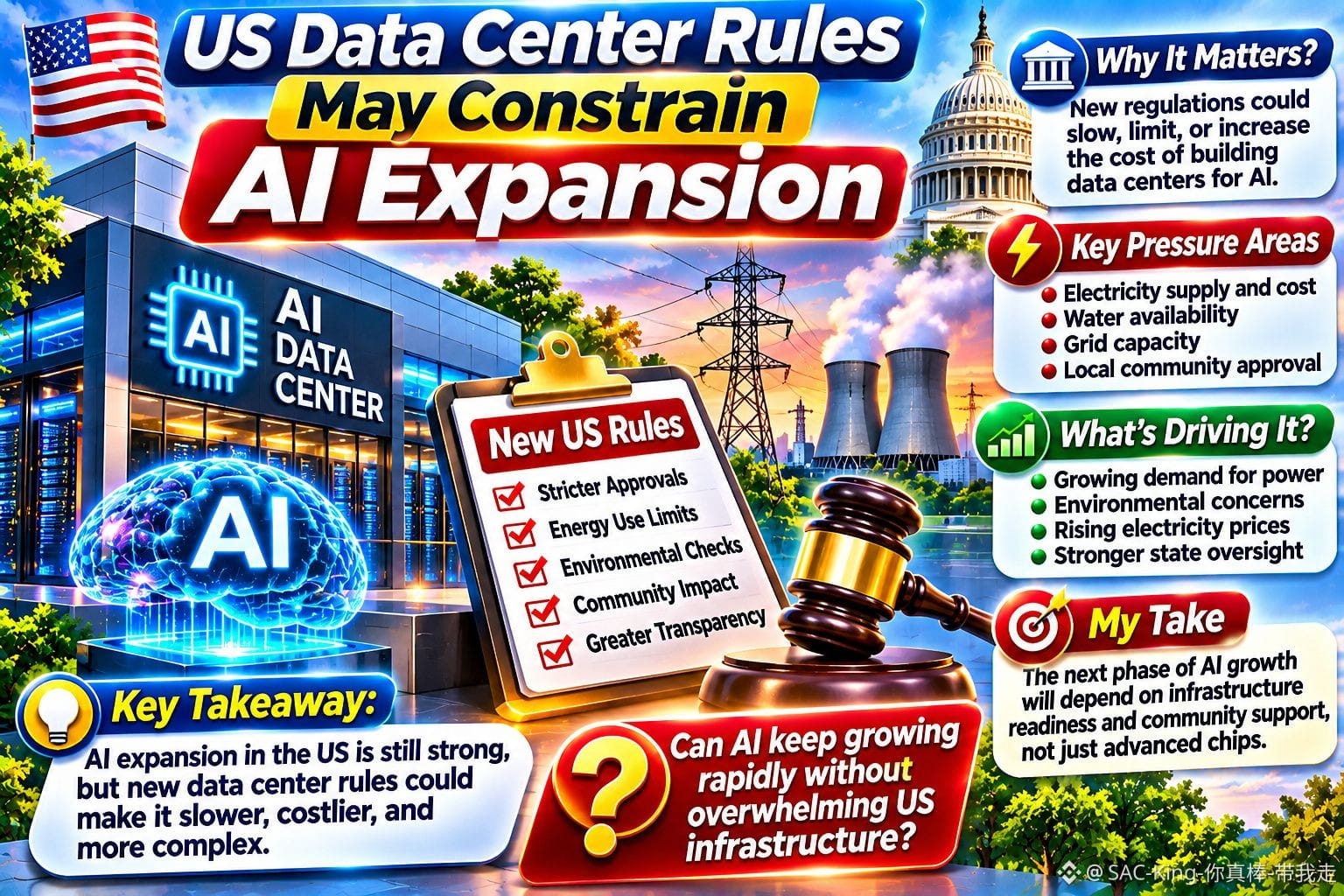
2
360
Log in to explore more content
Join global crypto users on Binance Square
⚡️ Get latest and useful information about crypto.
💬 Trusted by the world’s largest crypto exchange.
👍 Discover real insights from verified creators.
အီးမေးလ် / ဖုန်းနံပါတ်
ရေပန်းစားနေသော ခေါင်းစဉ်များ
1
#NvidiaInvestigatesAfterHuang’sAffairApology
ကြည့်ရှုမှု 133,075 ကြိမ်
1,414 ဦး ဆွေးနွေးနေသည်
2
#BitcoinFiveWeeklyLosses
ကြည့်ရှုမှု 162,381 ကြိမ်
1,877 ဦး ဆွေးနွေးနေသည်
3
#AIChipSlumpNasdaq
ကြည့်ရှုမှု 84,219 ကြိမ်
1,174 ဦး ဆွေးနွေးနေသည်
4
#CPITestsDecemberRateOutlook
ကြည့်ရှုမှု 588,955 ကြိမ်
2,628 ဦး ဆွေးနွေးနေသည်
5
#AnthropicRejectsIPODelayValuationinQuestion
ကြည့်ရှုမှု 18,261 ကြိမ်
320 ဦး ဆွေးနွေးနေသည်
6
#CryptoLiquidationsReach$1.16BIn24Hours
ကြည့်ရှုမှု 3,212 ကြိမ်
30 ဦး ဆွေးနွေးနေသည်
7
#BrentCrudeDrops3.8%To$94.56
ကြည့်ရှုမှု 3,241 ကြိမ်
16 ဦး ဆွေးနွေးနေသည်
8
#EUInstitutionsInviteIndustryToSetTokenizedSecuritiesStandards
ကြည့်ရှုမှု 1,110 ကြိမ်
8 ဦး ဆွေးနွေးနေသည်
9
#ChinaCACListsFiveIssuesAffectingBlockchainFilings
ကြည့်ရှုမှု 7,663 ကြိမ်
115 ဦး ဆွေးနွေးနေသည်
10
#UKBanksCanNowApplyToConductCryptoAssetBusiness
ကြည့်ရှုမှု 5,624 ကြိမ်
78 ဦး ဆွေးနွေးနေသည်