

0xsunusi
3 ໂພສ

0xsunusi
ລາຍງານ
ບລັອກຜູ້ໃຊ້
BP-1B2BE500064A
41 ກໍາລັງຕິດຕາມ
28 ຜູ້ຕິດຕາມ
6 Liked
ໂພສ
ທັງໝົດ
ວົງຢືມ
·
--
ບົດຄວາມ
Omniston Is Expanding Beyond STON.fi: What the MoonPay Trade Integration MeansThere is an interesting development around STON.fi that is easy to overlook if you only think of it as a DEX on TON.
Omniston has now been integrated into MoonPay Trade.
At first glance, this might look like another integration announcement.
I think the more interesting question is:
Why does an infrastructure built by STON.fi matter when other wallets and applications start using it?
Let’s break it down.
What is Omniston?
Omniston is STON.fi’s cross-chain execution layer.
The idea is relatively simple:
Instead of every wallet, aggregator or DeFi application having to build its own cross-chain execution infrastructure, they can integrate with Omniston.
Under the hood, Omniston uses a resolver-based model.
When a user wants to execute a trade, resolvers compete to provide liquidity and fulfill the request. Settlement is coordinated through linked Hashed Timelock Contracts (HTLCs).
The important part is that the system is designed around atomic execution.
Either the swap completes according to the agreed conditions, or the funds can be refunded through the timelock mechanism.
That is a very different architecture from the traditional “lock an asset here, mint a wrapped representation there” bridge model.
So, what does MoonPay Trade add?
MoonPay Trade provides a unified API for on-chain execution, settlement, asset conversion and payments across hundreds of chains and protocols.
With Omniston integrated into that infrastructure, TON trades can now become accessible to applications and partners using MoonPay Trade.
STON.fi specifically points to wallets and apps such as Keeper as examples of products that can make TON assets available inside their own trading experience.
And this is where the integration becomes more interesting.
The user doesn't necessarily need to know that Omniston is sitting underneath the experience.
They simply interact with the wallet or application.
The infrastructure does the difficult work in the background.
Why this matters for TON
One of the recurring challenges in crypto is liquidity fragmentation.
There are thousands of tokens, multiple chains, different wallets, different liquidity venues and different execution systems.
Users don't necessarily care which infrastruc kiture provider is routing the trade.
They care about things like:
✓ Can I access the asset?
✓ Can I get a reasonable quote?
✓ How much will I receive?
✓ How long will the transaction take?
✓ Do I have to move through another platform first?
This is why infrastructure integrations can matter more than another interface feature.
If more wallets and applications can access TON liquidity through the same underlying infrastructure, TON assets can potentially become easier to reach outside the TON-native ecosystem.
The bigger idea behind Omniston
This is also why I think it is useful to look at Omniston separately from STON.fi's trading interface.
STON.fi is the product users can interact with.
Omniston is infrastructure that other applications can build on.
That distinction matters.
According to STON.fi's documentation, Omniston is designed to be integrated by wallets, aggregators, exchanges and DeFi applications through its developer infrastructure.
So the long-term question isn't simply:
“How many people use STON.fi?”
There is another question:
“How many applications can use Omniston to make cross-chain or TON liquidity easier to access?”
That's a much broader infrastructure thesis.
And this is where cross-chain becomes interesting
STON.fi's current product direction goes beyond TON-only swaps.
Its platform now positions itself around access to DeFi across TON, EVM chains and TRON, while Omniston provides the execution layer for cross-chain swaps.
For users, that means the complexity of moving between ecosystems can increasingly happen behind the interface.
For developers, it means they don't necessarily have to build every piece of that infrastructure themselves.
That difference is important.
What I'm watching next
For me, the interesting part of this integration isn't the announcement itself.
I'd be watching three things:
1. Actual usage
How much real trading activity starts flowing through integrations using Omniston?
2. More integrations
Does this remain a small number of partners, or does Omniston become infrastructure used across multiple wallets, aggregators and DeFi applications?
3. Execution quality
Cross-chain infrastructure ultimately has to deliver more than connectivity.
Quotes, liquidity, fees, settlement time and failure handling all matter.
If the infrastructure works well but users consistently get poor execution, adoption becomes difficult.
Final thought
The MoonPay Trade integration gives us another way to look at what STON.fi is building.
It isn't only about giving users another place to swap tokens.
The bigger idea is making liquidity and execution more accessible to other applications.
If Omniston can become infrastructure that wallets, aggregators and DeFi apps plug into, then STON.fi's reach doesn't have to be limited to its own interface.
And that's the part I'll be watching.
Not just:
“Where can I swap tokens?”
But:
“How is STON.fi trying to make liquidity across different chains easier for applications and users to access?”
That is where the infrastructure story gets interesting.
#Omniston #Toncoin #defi #cryptooinsigts #STONfi
$TON $BTC
Omniston Is Expanding Beyond STON.fi: What the MoonPay Trade Integration Means
There is an interesting development around STON.fi that is easy to overlook if you only think of it as a DEX on TON.
Omniston has now been integrated into MoonPay Trade.
At first glance, this might look like another integration announcement.
I think the more interesting question is:
Why does an infrastructure built by STON.fi matter when other wallets and applications start using it?
Let’s break it down.
What is Omniston?
Omniston is STON.fi’s cross-chain execution layer.
The idea is relatively simple:
Instead of every wallet, aggregator or DeFi application having to build its own cross-chain execution infrastructure, they can integrate with Omniston.
Under the hood, Omniston uses a resolver-based model.
When a user wants to execute a trade, resolvers compete to provide liquidity and fulfill the request. Settlement is coordinated through linked Hashed Timelock Contracts (HTLCs).
The important part is that the system is designed around atomic execution.
Either the swap completes according to the agreed conditions, or the funds can be refunded through the timelock mechanism.
That is a very different architecture from the traditional “lock an asset here, mint a wrapped representation there” bridge model.
So, what does MoonPay Trade add?
MoonPay Trade provides a unified API for on-chain execution, settlement, asset conversion and payments across hundreds of chains and protocols.
With Omniston integrated into that infrastructure, TON trades can now become accessible to applications and partners using MoonPay Trade.
STON.fi specifically points to wallets and apps such as Keeper as examples of products that can make TON assets available inside their own trading experience.
And this is where the integration becomes more interesting.
The user doesn't necessarily need to know that Omniston is sitting underneath the experience.
They simply interact with the wallet or application.
The infrastructure does the difficult work in the background.
Why this matters for TON
One of the recurring challenges in crypto is liquidity fragmentation.
There are thousands of tokens, multiple chains, different wallets, different liquidity venues and different execution systems.
Users don't necessarily care which infrastruc kiture provider is routing the trade.
They care about things like:
✓ Can I access the asset?
✓ Can I get a reasonable quote?
✓ How much will I receive?
✓ How long will the transaction take?
✓ Do I have to move through another platform first?
This is why infrastructure integrations can matter more than another interface feature.
If more wallets and applications can access TON liquidity through the same underlying infrastructure, TON assets can potentially become easier to reach outside the TON-native ecosystem.
The bigger idea behind Omniston
This is also why I think it is useful to look at Omniston separately from STON.fi's trading interface.
STON.fi is the product users can interact with.
Omniston is infrastructure that other applications can build on.
That distinction matters.
According to STON.fi's documentation, Omniston is designed to be integrated by wallets, aggregators, exchanges and DeFi applications through its developer infrastructure.
So the long-term question isn't simply:
“How many people use STON.fi?”
There is another question:
“How many applications can use Omniston to make cross-chain or TON liquidity easier to access?”
That's a much broader infrastructure thesis.
And this is where cross-chain becomes interesting
STON.fi's current product direction goes beyond TON-only swaps.
Its platform now positions itself around access to DeFi across TON, EVM chains and TRON, while Omniston provides the execution layer for cross-chain swaps.
For users, that means the complexity of moving between ecosystems can increasingly happen behind the interface.
For developers, it means they don't necessarily have to build every piece of that infrastructure themselves.
That difference is important.
What I'm watching next
For me, the interesting part of this integration isn't the announcement itself.
I'd be watching three things:
1. Actual usage
How much real trading activity starts flowing through integrations using Omniston?
2. More integrations
Does this remain a small number of partners, or does Omniston become infrastructure used across multiple wallets, aggregators and DeFi applications?
3. Execution quality
Cross-chain infrastructure ultimately has to deliver more than connectivity.
Quotes, liquidity, fees, settlement time and failure handling all matter.
If the infrastructure works well but users consistently get poor execution, adoption becomes difficult.
Final thought
The MoonPay Trade integration gives us another way to look at what STON.fi is building.
It isn't only about giving users another place to swap tokens.
The bigger idea is making liquidity and execution more accessible to other applications.
If Omniston can become infrastructure that wallets, aggregators and DeFi apps plug into, then STON.fi's reach doesn't have to be limited to its own interface.
And that's the part I'll be watching.
Not just:
“Where can I swap tokens?”
But:
“How is STON.fi trying to make liquidity across different chains easier for applications and users to access?”
That is where the infrastructure story gets interesting.
#Omniston #Toncoin #defi #cryptooinsigts #STONfi
$TON $BTC
Omniston has now been integrated into MoonPay Trade.
At first glance, this might look like another integration announcement.
I think the more interesting question is:
Why does an infrastructure built by STON.fi matter when other wallets and applications start using it?
Let’s break it down.
What is Omniston?
Omniston is STON.fi’s cross-chain execution layer.
The idea is relatively simple:
Instead of every wallet, aggregator or DeFi application having to build its own cross-chain execution infrastructure, they can integrate with Omniston.
Under the hood, Omniston uses a resolver-based model.
When a user wants to execute a trade, resolvers compete to provide liquidity and fulfill the request. Settlement is coordinated through linked Hashed Timelock Contracts (HTLCs).
The important part is that the system is designed around atomic execution.
Either the swap completes according to the agreed conditions, or the funds can be refunded through the timelock mechanism.
That is a very different architecture from the traditional “lock an asset here, mint a wrapped representation there” bridge model.
So, what does MoonPay Trade add?
MoonPay Trade provides a unified API for on-chain execution, settlement, asset conversion and payments across hundreds of chains and protocols.
With Omniston integrated into that infrastructure, TON trades can now become accessible to applications and partners using MoonPay Trade.
STON.fi specifically points to wallets and apps such as Keeper as examples of products that can make TON assets available inside their own trading experience.
And this is where the integration becomes more interesting.
The user doesn't necessarily need to know that Omniston is sitting underneath the experience.
They simply interact with the wallet or application.
The infrastructure does the difficult work in the background.
Why this matters for TON
One of the recurring challenges in crypto is liquidity fragmentation.
There are thousands of tokens, multiple chains, different wallets, different liquidity venues and different execution systems.
Users don't necessarily care which infrastruc kiture provider is routing the trade.
They care about things like:
✓ Can I access the asset?
✓ Can I get a reasonable quote?
✓ How much will I receive?
✓ How long will the transaction take?
✓ Do I have to move through another platform first?
This is why infrastructure integrations can matter more than another interface feature.
If more wallets and applications can access TON liquidity through the same underlying infrastructure, TON assets can potentially become easier to reach outside the TON-native ecosystem.
The bigger idea behind Omniston
This is also why I think it is useful to look at Omniston separately from STON.fi's trading interface.
STON.fi is the product users can interact with.
Omniston is infrastructure that other applications can build on.
That distinction matters.
According to STON.fi's documentation, Omniston is designed to be integrated by wallets, aggregators, exchanges and DeFi applications through its developer infrastructure.
So the long-term question isn't simply:
“How many people use STON.fi?”
There is another question:
“How many applications can use Omniston to make cross-chain or TON liquidity easier to access?”
That's a much broader infrastructure thesis.
And this is where cross-chain becomes interesting
STON.fi's current product direction goes beyond TON-only swaps.
Its platform now positions itself around access to DeFi across TON, EVM chains and TRON, while Omniston provides the execution layer for cross-chain swaps.
For users, that means the complexity of moving between ecosystems can increasingly happen behind the interface.
For developers, it means they don't necessarily have to build every piece of that infrastructure themselves.
That difference is important.
What I'm watching next
For me, the interesting part of this integration isn't the announcement itself.
I'd be watching three things:
1. Actual usage
How much real trading activity starts flowing through integrations using Omniston?
2. More integrations
Does this remain a small number of partners, or does Omniston become infrastructure used across multiple wallets, aggregators and DeFi applications?
3. Execution quality
Cross-chain infrastructure ultimately has to deliver more than connectivity.
Quotes, liquidity, fees, settlement time and failure handling all matter.
If the infrastructure works well but users consistently get poor execution, adoption becomes difficult.
Final thought
The MoonPay Trade integration gives us another way to look at what STON.fi is building.
It isn't only about giving users another place to swap tokens.
The bigger idea is making liquidity and execution more accessible to other applications.
If Omniston can become infrastructure that wallets, aggregators and DeFi apps plug into, then STON.fi's reach doesn't have to be limited to its own interface.
And that's the part I'll be watching.
Not just:
“Where can I swap tokens?”
But:
“How is STON.fi trying to make liquidity across different chains easier for applications and users to access?”
That is where the infrastructure story gets interesting.
#Omniston #Toncoin #defi #cryptooinsigts #STONfi
$TON $BTC
1
19

·
--
hello
hello

香江名流
·
--
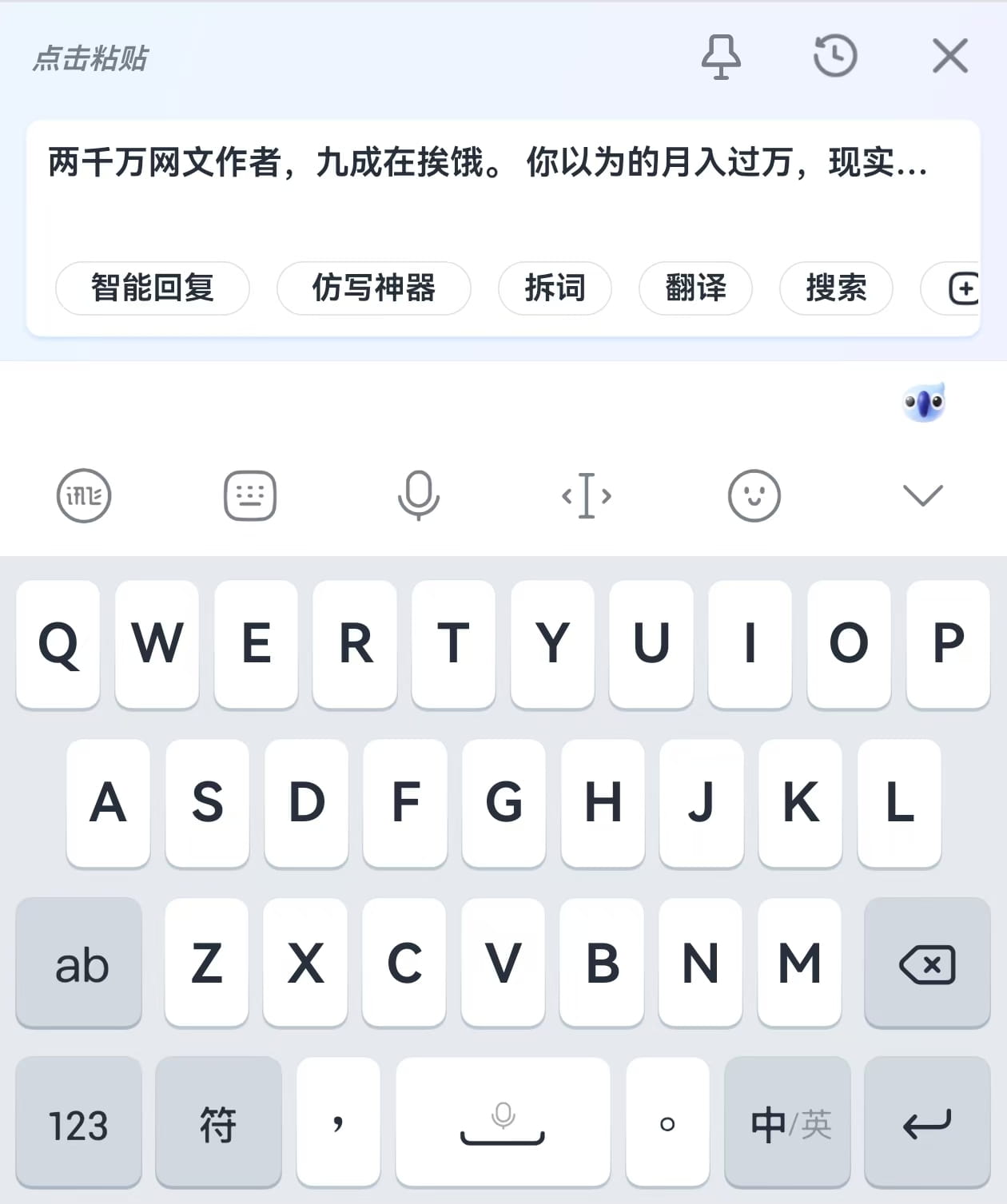
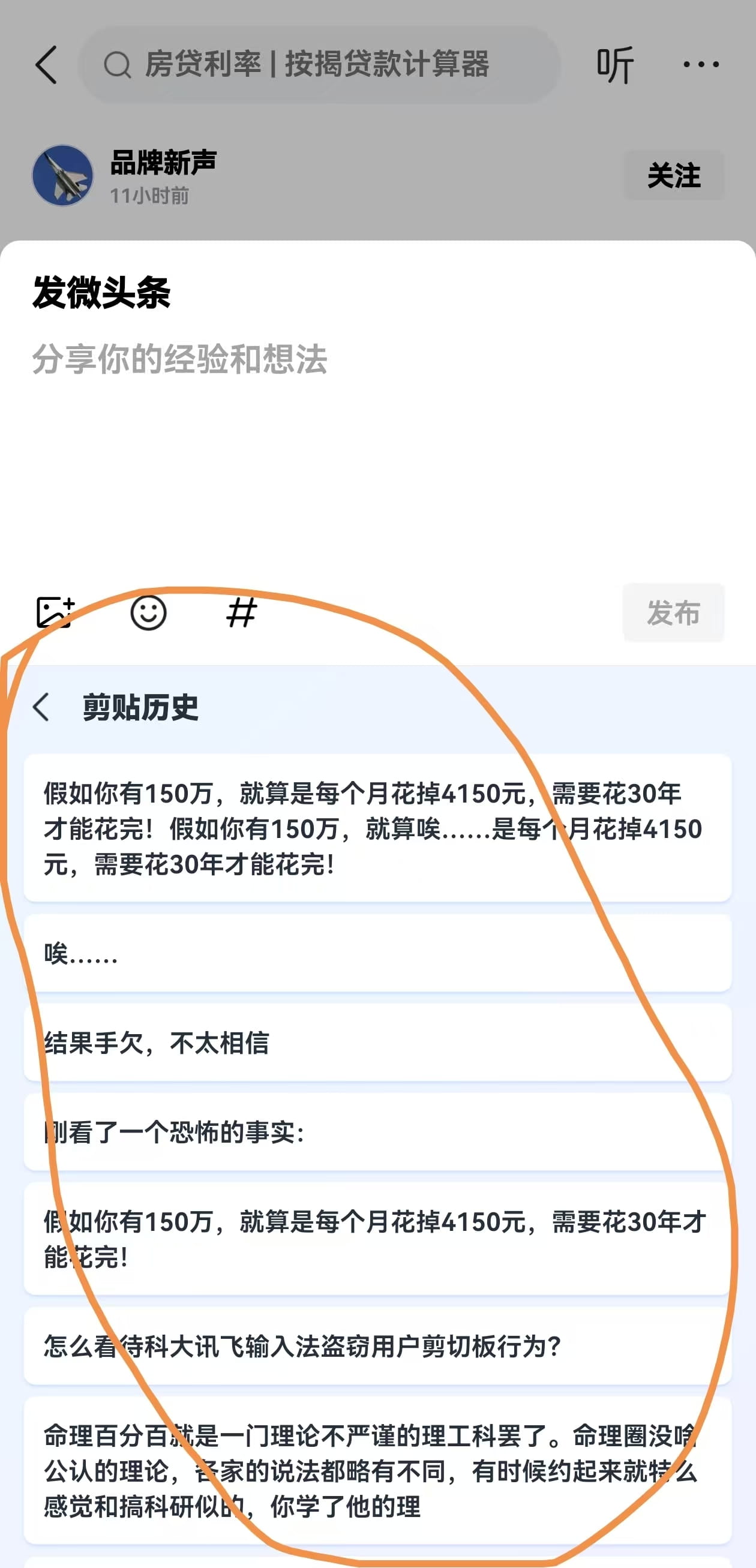
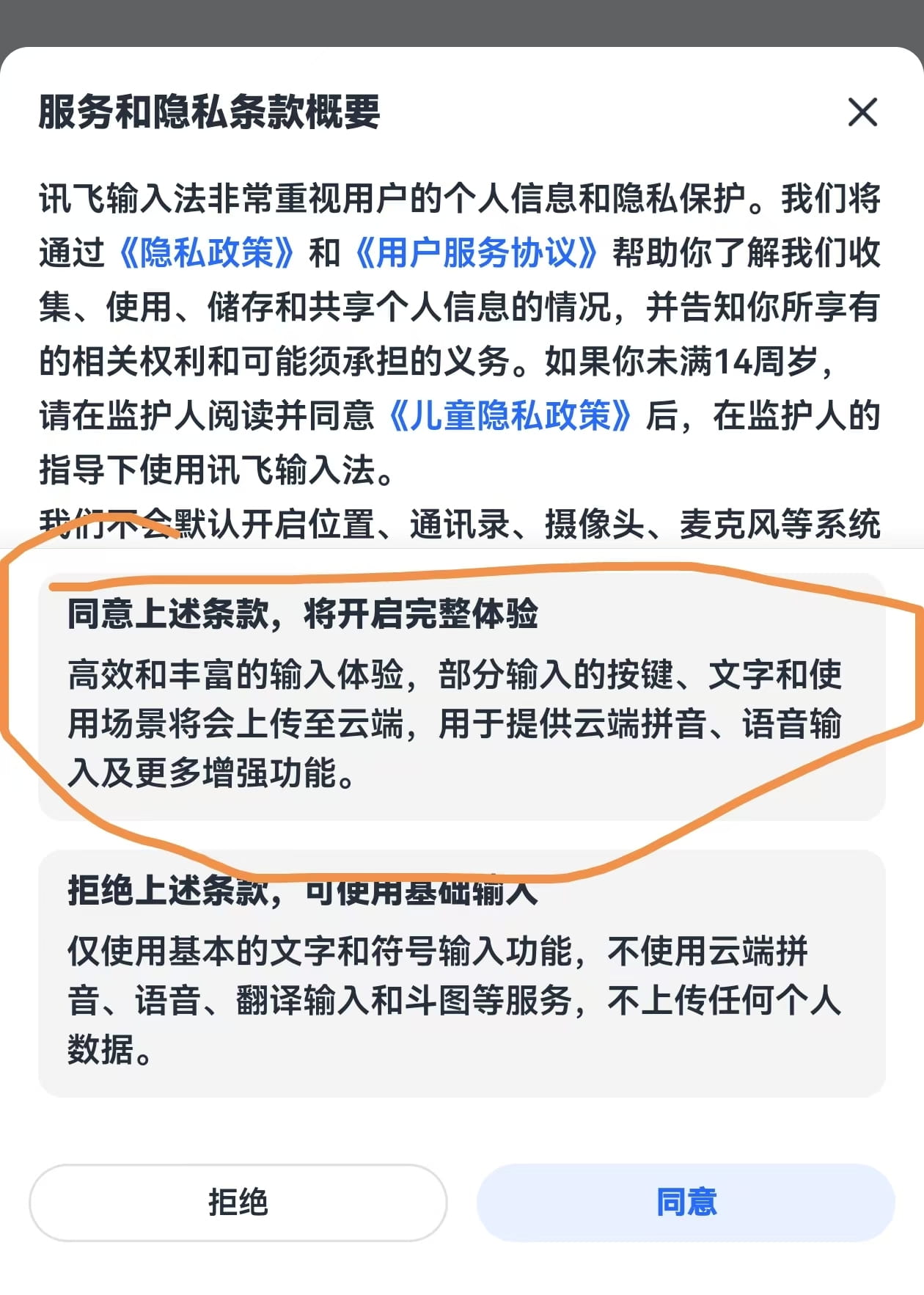
炒币千万不要用讯飞输入法,你有一块钱盗窃你一块钱,你有100万盗窃你100万,你有1,000万盗窃你1,000万,你有1,000亿盗窃你1,000亿。把每次的剪切板全部都给记录下来,你输入的每个字母都很可能会传入到他的服务器,你敢输入的助记词吗,你敢复制一次数字货币密钥吗
币安注册和登录最低手续费地址:
https://www.bmwweb.ac/join?ref=SQEUKMZ1
如果您已经注册了Binance,请复制上述链接登录浏览器。如果您被提示绑定邀请码,您也可以获得回扣。 如果您已经注册,请将其转发给您的家人和朋友以注册或转发以下Twitter和Telegram。他们将享受相同的注册折扣。关注我,帮助您在币圈赚钱。祝您赚到500万美元
$SOL $BNB $XRP
#BTC再创新高 #趋势交易策略 #币安HODLer空投LA
币安注册和登录最低手续费地址:
https://www.bmwweb.ac/join?ref=SQEUKMZ1
如果您已经注册了Binance,请复制上述链接登录浏览器。如果您被提示绑定邀请码,您也可以获得回扣。 如果您已经注册,请将其转发给您的家人和朋友以注册或转发以下Twitter和Telegram。他们将享受相同的注册折扣。关注我,帮助您在币圈赚钱。祝您赚到500万美元
$SOL $BNB $XRP
#BTC再创新高 #趋势交易策略 #币安HODLer空投LA
4
4
ເຂົ້າສູ່ລະບົບເພື່ອສຳຫຼວດເນື້ອຫາເພີ່ມເຕີມ
ເຂົ້າຮ່ວມກຸ່ມຜູ້ໃຊ້ຄຣິບໂຕທົ່ວໂລກໃນ Binance Square.
⚡️ ໄດ້ຮັບຂໍ້ມູນຫຼ້າສຸດ ແລະ ທີ່ມີປະໂຫຍດກ່ຽວກັບຄຣິບໂຕ.
💬 ໄດ້ຮັບຄວາມໄວ້ວາງໃຈຈາກຕະຫຼາດແລກປ່ຽນຄຣິບໂຕທີ່ໃຫຍ່ທີ່ສຸດໃນໂລກ.
👍 ຄົ້ນຫາຂໍ້ມູນເຊີງເລິກທີ່ແທ້ຈາກນັກສ້າງທີ່ໄດ້ຮັບການຢືນຢັນ.
ອີເມວ / ເບີໂທລະສັບ
ຫົວຂໍ້ທີ່ກໍາລັງນິຍົມ
ChainlinkLaunchesCCIP2WithEnterpriseVerification
2,129 views
230 ກຳລັງສົນທະນາ
#chainlinklaunchesccip2withenterpriseverification CHAINLINK NÂNG CẤP CCIP 2
Chainlink vừa ra mắt CCIP 2, nâng cấp hệ thống cross-chain với trọng tâm là bảo mật.
Điểm đáng chú ý là doanh nghiệp giờ có thể tự thêm validator riêng hoặc thuê bên thứ ba như Infosys, Nethermind để kiểm tra giao dịch.
Trước đó, Kelp DAO từng bị hack khoảng 292 triệu USD rsETH, sau sự cố này Kelp chuyển rsETH sang Chainlink.
Nhưng có một điểm Mây muốn mọi người chú ý:
Nếu không thêm validator mới, người dùng CCIP 2 hiện chỉ dựa vào một mạng xác minh, thay vì hai lớp như trước.
Vậy nên câu chuyện cross-chain không chỉ là tốc độ hay phí giao dịch.
Bảo mật mới là thứ cần theo dõi lâu dài.
Mây sẽ xem các tổ chức lớn có triển khai thêm validator riêng hay không. 👀
Follow Mây để cập nhật thêm tin crypto mỗi ngày.
DYOR và luôn quản lý vốn.
Mây Làm Crypto
·2 ຖືກໃຈ
·2.4k views
GoldFallsTo$4144
2,723 views
76 ກຳລັງສົນທະນາ
QNTFallsOver40%FromMorningHigh
23,430 views
666 ກຳລັງສົນທະນາ