
786 隐狼
10.6k ໂພສ

786 隐狼
 Square Verified+
ລາຍງານ
ບລັອກຜູ້ໃຊ້
I don't predict markets — I read them. 🐺
Daily signals | Chart analysis | Real moves
Verified Creator | Wolves don't follow — they lead
ເປີດການຊື້ຂາຍ
ຜູ້ຊື້ຂາຍປະຈໍາ
3.7 ປີ
852 ກໍາລັງຕິດຕາມ
38.9K+ ຜູ້ຕິດຕາມ
6.1K+ Liked
ໂພສ
Portfolio
ທັງໝົດ
ວົງຢືມ
ວີດີໂອ
ຖ່າຍທອດສົດ
·
--
ເບິ່ງການແປ
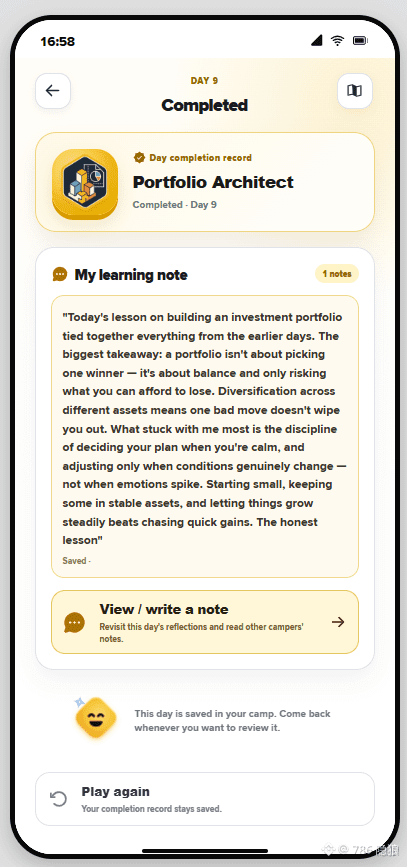
Today's lesson on building an investment portfolio tied together everything from the earlier days. The biggest takeaway: a portfolio isn't about picking one winner — it's about balance and only risking what you can afford to lose. Diversification across different assets means one bad move doesn't wipe you out. What stuck with me most is the discipline of deciding your plan when you're calm, and adjusting only when conditions genuinely change — not when emotions spike. Starting small, keeping some in stable assets, and letting things grow steadily beats chasing quick gains. The honest lesson: consistency and risk management protect you far more than trying to time the perfect trade. Respect the market, size your positions sensibly, and think long-term. A well-built portfolio is boring by design — and that's exactly why it works. Really practical way to close out the trading lessons.
#BinanceSummerCamp
Today's lesson on building an investment portfolio tied together everything from the earlier days. The biggest takeaway: a portfolio isn't about picking one winner — it's about balance and only risking what you can afford to lose. Diversification across different assets means one bad move doesn't wipe you out. What stuck with me most is the discipline of deciding your plan when you're calm, and adjusting only when conditions genuinely change — not when emotions spike. Starting small, keeping some in stable assets, and letting things grow steadily beats chasing quick gains. The honest lesson: consistency and risk management protect you far more than trying to time the perfect trade. Respect the market, size your positions sensibly, and think long-term. A well-built portfolio is boring by design — and that's exactly why it works. Really practical way to close out the trading lessons.
#BinanceSummerCamp
#BinanceSummerCamp

100
·
--
ເບິ່ງການແປ
Everyone on this board is chasing the same layer: chips, power, cooling, data centers. All valid. All crowded.
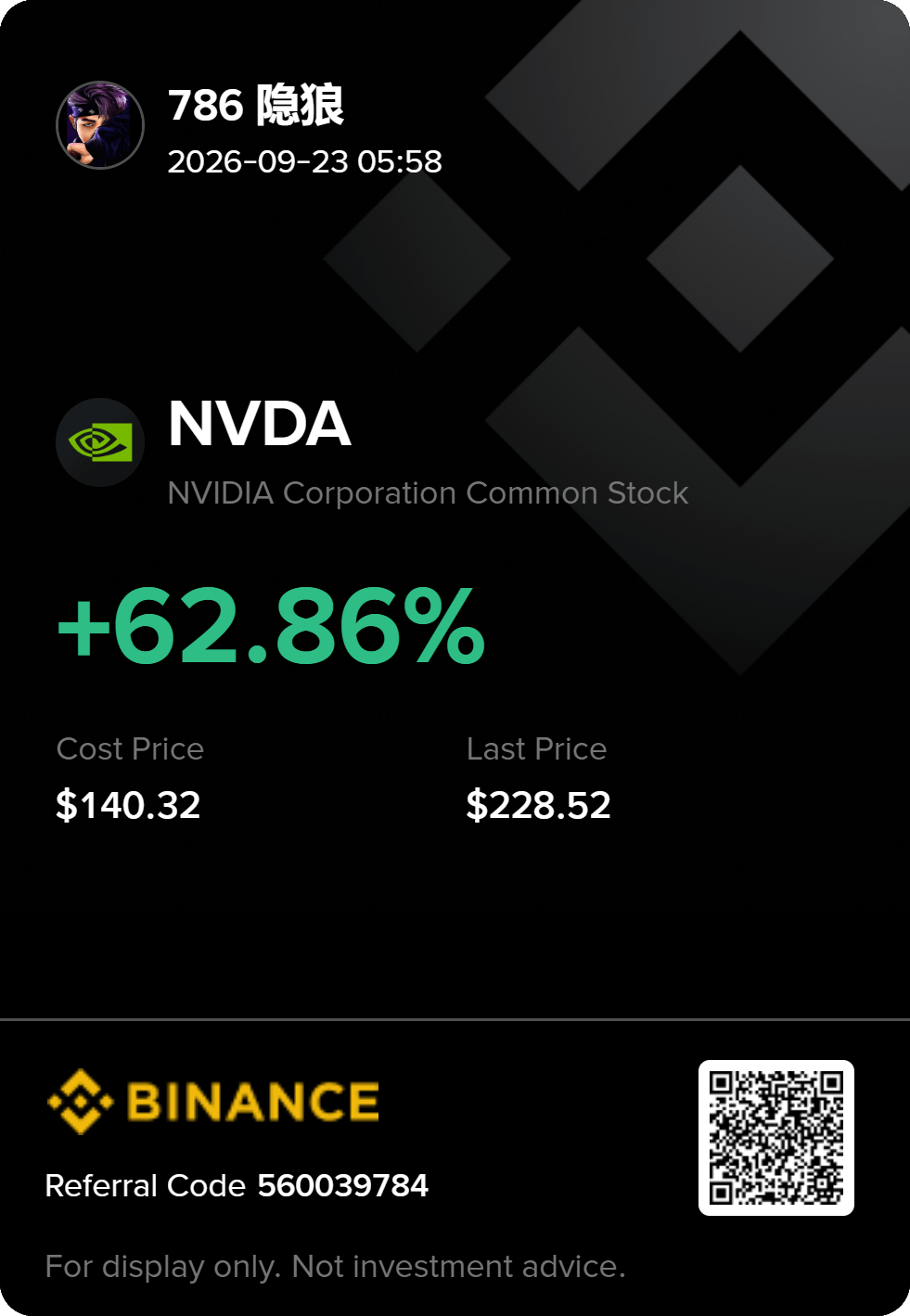
I hold NVDA myself — the AI demand is real. NVIDIA posted $96.2B in quarterly revenue (up 106% YoY, $89B from Data Center). I'm bullish on the chip story long-term.
But when I ask "what OTHER opportunities remain," I keep watching a layer almost nobody here is pricing in: the cost of what AI is unleashing.
The same compute driving NVIDIA's numbers is arming the other side. AI-generated scams, deepfake voices, cloned support bots, and phishing at scale are exploding alongside the rally. AI makes every attack cheaper, faster, more convincing.
So beyond the chips I already hold, the sector I'm watching next is AI cybersecurity — names like CrowdStrike (CRWD) and Palo Alto (PANW).
As AI makes attacks trivial, AI-powered defense — fraud detection, identity verification, deepfake detection — stops being optional for any business or user. Every dollar of AI capex quietly creates a dollar of security need. It's the unglamorous layer that grows precisely because the flashy layer grows.
𝐁𝐮𝐥𝐥𝐢𝐬𝐡 𝐜𝐚𝐬𝐞: security spend compounds with AI capex — necessity, not hype.
𝐇𝐨𝐧𝐞𝐬𝐭 𝐫𝐢𝐬𝐤: the whole AI complex is stretched; a pullback could hit even defensive names short-term.
The real edge isn't who builds the smartest model. It's who can prove what's real once models can fake anything.
The more powerful AI gets, the more valuable it becomes to prove what's real.
Where's the next AI opportunity hiding?
#AIStocksWhatNext #NVDA
{stock_us}(NVDA.US)
Everyone on this board is chasing the same layer: chips, power, cooling, data centers. All valid. All crowded.
I hold NVDA myself — the AI demand is real. NVIDIA posted $96.2B in quarterly revenue (up 106% YoY, $89B from Data Center). I'm bullish on the chip story long-term.
But when I ask "what OTHER opportunities remain," I keep watching a layer almost nobody here is pricing in: the cost of what AI is unleashing.
The same compute driving NVIDIA's numbers is arming the other side. AI-generated scams, deepfake voices, cloned support bots, and phishing at scale are exploding alongside the rally. AI makes every attack cheaper, faster, more convincing.
So beyond the chips I already hold, the sector I'm watching next is AI cybersecurity — names like CrowdStrike (CRWD) and Palo Alto (PANW).
As AI makes attacks trivial, AI-powered defense — fraud detection, identity verification, deepfake detection — stops being optional for any business or user. Every dollar of AI capex quietly creates a dollar of security need. It's the unglamorous layer that grows precisely because the flashy layer grows.
𝐁𝐮𝐥𝐥𝐢𝐬𝐡 𝐜𝐚𝐬𝐞: security spend compounds with AI capex — necessity, not hype.
𝐇𝐨𝐧𝐞𝐬𝐭 𝐫𝐢𝐬𝐤: the whole AI complex is stretched; a pullback could hit even defensive names short-term.
The real edge isn't who builds the smartest model. It's who can prove what's real once models can fake anything.
The more powerful AI gets, the more valuable it becomes to prove what's real.
Where's the next AI opportunity hiding?
#AIStocksWhatNext #NVDA
I hold NVDA myself — the AI demand is real. NVIDIA posted $96.2B in quarterly revenue (up 106% YoY, $89B from Data Center). I'm bullish on the chip story long-term.
But when I ask "what OTHER opportunities remain," I keep watching a layer almost nobody here is pricing in: the cost of what AI is unleashing.
The same compute driving NVIDIA's numbers is arming the other side. AI-generated scams, deepfake voices, cloned support bots, and phishing at scale are exploding alongside the rally. AI makes every attack cheaper, faster, more convincing.
So beyond the chips I already hold, the sector I'm watching next is AI cybersecurity — names like CrowdStrike (CRWD) and Palo Alto (PANW).
As AI makes attacks trivial, AI-powered defense — fraud detection, identity verification, deepfake detection — stops being optional for any business or user. Every dollar of AI capex quietly creates a dollar of security need. It's the unglamorous layer that grows precisely because the flashy layer grows.
𝐁𝐮𝐥𝐥𝐢𝐬𝐡 𝐜𝐚𝐬𝐞: security spend compounds with AI capex — necessity, not hype.
𝐇𝐨𝐧𝐞𝐬𝐭 𝐫𝐢𝐬𝐤: the whole AI complex is stretched; a pullback could hit even defensive names short-term.
The real edge isn't who builds the smartest model. It's who can prove what's real once models can fake anything.
The more powerful AI gets, the more valuable it becomes to prove what's real.
Where's the next AI opportunity hiding?
#AIStocksWhatNext #NVDA
🔒 AI Cybersecurity
⚡ Power & Infrastructure
🧠 More Chips
🤖 AI Applications/Software
23 ມື້ທີ່ຍັງເຫຼືອ
342
·
--
ຢືນຢັນແລ້ວ
ເບິ່ງການແປ
Everyone's dissecting the Fed's move. Almost no one's talking about who actually pays for it.
Yesterday the Fed hiked 25bp — a unanimous 12-0 vote — lifting rates to 3.75-4.00%, the first hike since 2023. The dot plot was hawkish: most members see another increase before year-end.
Markets shrugged; the S&P and Nasdaq even closed green.
But a rate hike isn't just a number on a chart. It's a credit card that quietly costs more next month. A mortgage that got heavier. A small business whose loan just repriced. The people feeling this most aren't watching BTC candles — they're watching their bills climb.
For crypto, here's my read — and it's a process, not a signal.
I'm not trying to predict the move. I want to see what BTC does now that the decision is out. First, the immediate reaction — spike, sell-off, or barely a flinch. Then I step back.
If the first move is sharp, I don't treat that as confirmation. I need to see BTC hold it instead of instantly reversing. My invalidation is simple: if the reaction fully unwinds and price closes back inside the pre-Fed range, the setup is dead.
If it holds, retests without giving it all back, then closes in the direction of the move — that's when there's something worth acting on. If that confirmation never comes, I wait.
The Fed gives the information. BTC's reaction tells me if there's a trade. And behind every macro chart is a household doing the math.
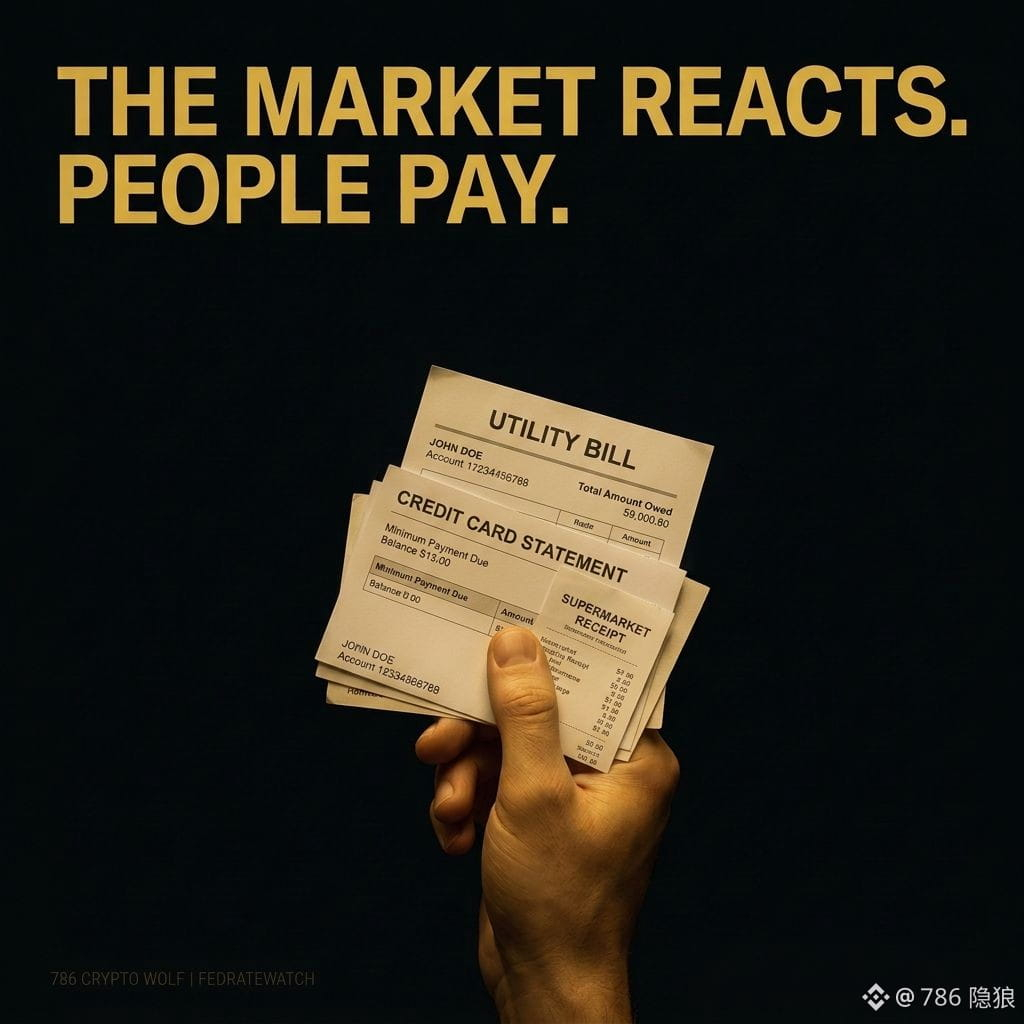
The market reacts to the Fed. People live with it.
$BTC #FedRateWatch #BinanceSquare #CLARITYAct
After the Fed's 25bp hike (rates now 3.75-4%) with a hawkish dot plot — what's your read for BTC over the next few weeks?
Everyone's dissecting the Fed's move. Almost no one's talking about who actually pays for it.
Yesterday the Fed hiked 25bp — a unanimous 12-0 vote — lifting rates to 3.75-4.00%, the first hike since 2023. The dot plot was hawkish: most members see another increase before year-end.
Markets shrugged; the S&P and Nasdaq even closed green.
But a rate hike isn't just a number on a chart. It's a credit card that quietly costs more next month. A mortgage that got heavier. A small business whose loan just repriced. The people feeling this most aren't watching BTC candles — they're watching their bills climb.
For crypto, here's my read — and it's a process, not a signal.
I'm not trying to predict the move. I want to see what BTC does now that the decision is out. First, the immediate reaction — spike, sell-off, or barely a flinch. Then I step back.
If the first move is sharp, I don't treat that as confirmation. I need to see BTC hold it instead of instantly reversing. My invalidation is simple: if the reaction fully unwinds and price closes back inside the pre-Fed range, the setup is dead.
If it holds, retests without giving it all back, then closes in the direction of the move — that's when there's something worth acting on. If that confirmation never comes, I wait.
The Fed gives the information. BTC's reaction tells me if there's a trade. And behind every macro chart is a household doing the math.
The market reacts to the Fed. People live with it.
$BTC #FedRateWatch #BinanceSquare #CLARITYAct
After the Fed's 25bp hike (rates now 3.75-4%) with a hawkish dot plot — what's your read for BTC over the next few weeks?
Yesterday the Fed hiked 25bp — a unanimous 12-0 vote — lifting rates to 3.75-4.00%, the first hike since 2023. The dot plot was hawkish: most members see another increase before year-end.
Markets shrugged; the S&P and Nasdaq even closed green.
But a rate hike isn't just a number on a chart. It's a credit card that quietly costs more next month. A mortgage that got heavier. A small business whose loan just repriced. The people feeling this most aren't watching BTC candles — they're watching their bills climb.
For crypto, here's my read — and it's a process, not a signal.
I'm not trying to predict the move. I want to see what BTC does now that the decision is out. First, the immediate reaction — spike, sell-off, or barely a flinch. Then I step back.
If the first move is sharp, I don't treat that as confirmation. I need to see BTC hold it instead of instantly reversing. My invalidation is simple: if the reaction fully unwinds and price closes back inside the pre-Fed range, the setup is dead.
If it holds, retests without giving it all back, then closes in the direction of the move — that's when there's something worth acting on. If that confirmation never comes, I wait.
The Fed gives the information. BTC's reaction tells me if there's a trade. And behind every macro chart is a household doing the math.
The market reacts to the Fed. People live with it.
$BTC #FedRateWatch #BinanceSquare #CLARITYAct
After the Fed's 25bp hike (rates now 3.75-4%) with a hawkish dot plot — what's your read for BTC over the next few weeks?
Bearish on BTC
44%
Bullish on BTC
50%
Sideways/chop
0%
Watching, no trade
6%
18 ຄະແນນສຽງ • ປິດລົງຄະແນນສຽງ
548
·
--
🐺 BTC ຍັງຄົງທົດລອງ $80K ຕໍ່ໄປ.
ແຕ່ມັນຍັງບໍ່ໄດ້ຈັບຢູ່ເໜືອມັນ.
ຫຼັງຈາກການດັນເຂົ້າສູ່ເຂດ $78K–$80K ຫຼາຍຄັ້ງ, BTC ກໍບີບອັດຕົວແທນທີ່ຈະຕັ້ງຢັນຢ່າງຊັດເຈນຢູ່ເໜືອລະດັບນັ້ນ.
ສິ່ງນັ້ນເຮັດໃຫ້ $80K ໜ້າສົນໃຈກວ່າການເອີ້ນມັນວ່າເປັນ resistance ຢ່າງດຽວ.
ມັນແມ່ນ resistance — ຫຼື ຍັງບໍ່ທັນສໍາເລັດ?
ຈົນກວ່າ BTC ຈະຈັບຢູ່ເໜືອເຂດນັ້ນຈິງໆ, ການທົດລອງຊໍ້າໆເຫຼົ່ານີ້ຍັງກໍາລັງບອກບາງຢ່າງໃຫ້ພວກເຮົາຢູ່.
$BTC
☀ ຕິດຕາມສັນຍານ, ບໍ່ແມ່ນຕິດຕາມສຽງລົບກວນ. 🐺
🐺 BTC ຍັງຄົງທົດລອງ $80K ຕໍ່ໄປ.
ແຕ່ມັນຍັງບໍ່ໄດ້ຈັບຢູ່ເໜືອມັນ.
ຫຼັງຈາກການດັນເຂົ້າສູ່ເຂດ $78K–$80K ຫຼາຍຄັ້ງ, BTC ກໍບີບອັດຕົວແທນທີ່ຈະຕັ້ງຢັນຢ່າງຊັດເຈນຢູ່ເໜືອລະດັບນັ້ນ.
ສິ່ງນັ້ນເຮັດໃຫ້ $80K ໜ້າສົນໃຈກວ່າການເອີ້ນມັນວ່າເປັນ resistance ຢ່າງດຽວ.
ມັນແມ່ນ resistance — ຫຼື ຍັງບໍ່ທັນສໍາເລັດ?
ຈົນກວ່າ BTC ຈະຈັບຢູ່ເໜືອເຂດນັ້ນຈິງໆ, ການທົດລອງຊໍ້າໆເຫຼົ່ານີ້ຍັງກໍາລັງບອກບາງຢ່າງໃຫ້ພວກເຮົາຢູ່.
$BTC
☀ ຕິດຕາມສັນຍານ, ບໍ່ແມ່ນຕິດຕາມສຽງລົບກວນ. 🐺
ແຕ່ມັນຍັງບໍ່ໄດ້ຈັບຢູ່ເໜືອມັນ.
ຫຼັງຈາກການດັນເຂົ້າສູ່ເຂດ $78K–$80K ຫຼາຍຄັ້ງ, BTC ກໍບີບອັດຕົວແທນທີ່ຈະຕັ້ງຢັນຢ່າງຊັດເຈນຢູ່ເໜືອລະດັບນັ້ນ.
ສິ່ງນັ້ນເຮັດໃຫ້ $80K ໜ້າສົນໃຈກວ່າການເອີ້ນມັນວ່າເປັນ resistance ຢ່າງດຽວ.
ມັນແມ່ນ resistance — ຫຼື ຍັງບໍ່ທັນສໍາເລັດ?
ຈົນກວ່າ BTC ຈະຈັບຢູ່ເໜືອເຂດນັ້ນຈິງໆ, ການທົດລອງຊໍ້າໆເຫຼົ່ານີ້ຍັງກໍາລັງບອກບາງຢ່າງໃຫ້ພວກເຮົາຢູ່.
$BTC
☀ ຕິດຕາມສັນຍານ, ບໍ່ແມ່ນຕິດຕາມສຽງລົບກວນ. 🐺
127
·
--
ສັນຍານກະທິງ
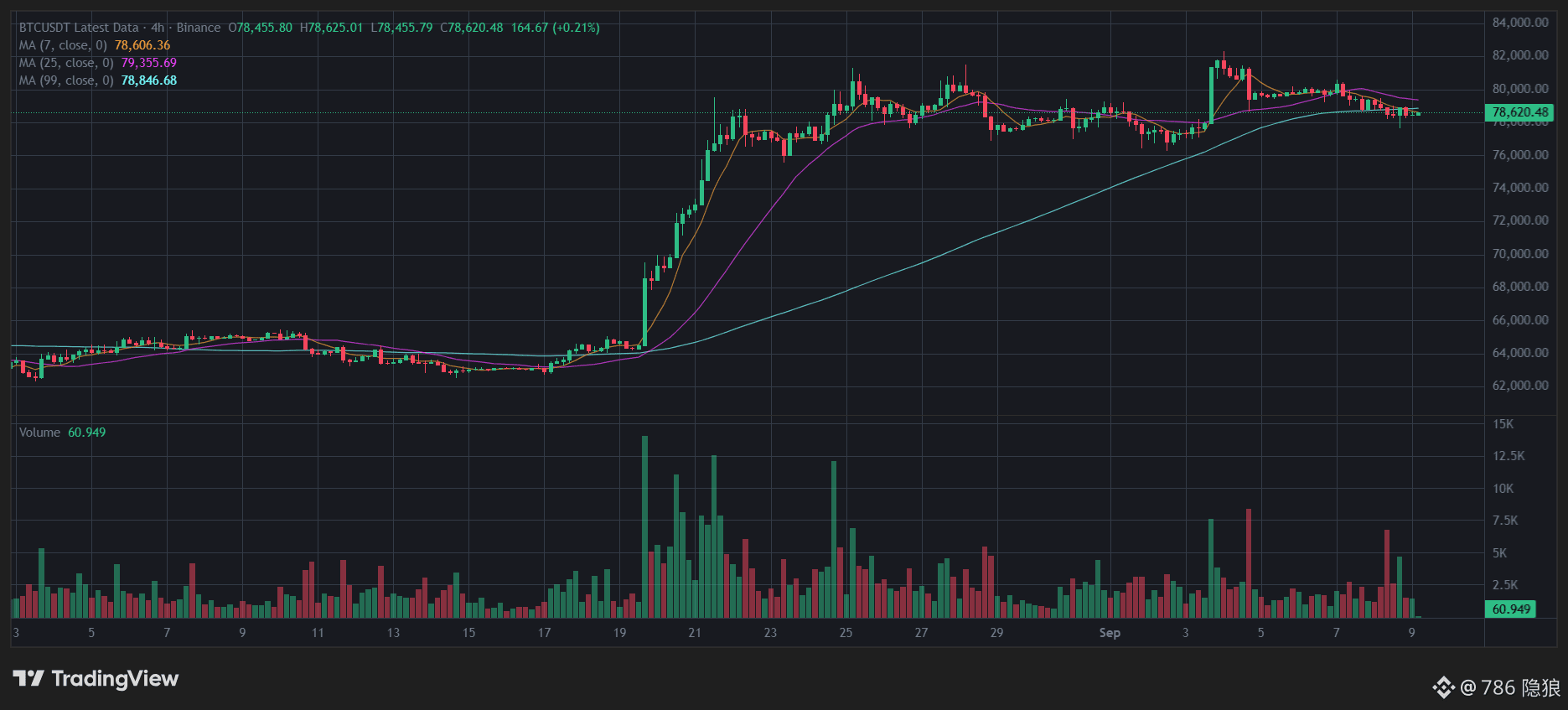
BTC ກຳລັງເຄື່ອນທີ່ແລ້ວ.
ດຽວນີ້ມັນຕ້ອງພິสูດລະດັບນັ້ນ.
ຫຼັງຈາກການດັນຂຶ້ນແບບຮຸນແຮງ BTC ກຳລັງໃຊ້ເວລາຢູ່ອ້ອມເຂດ $80K ແທນທີ່ຈະໃຫ້ການສືບຕໍ່ທີ່ຊັດ.
ຕົງນີ້ແມ່ນບ່ອນທີ່ຂ້ອຍຄິດວ່ານັກທຳການຄ້າຕ້ອງຊ້າລົງ.
ຄຳຖາມບໍ່ແມ່ນ:
“BTC ເປັນຂາຂຶ້ນບໍ?”
ແຕ່ແມ່ນ:
“ການທະລຸເຮັດໃຫ້ລະດັບນີ້ກາຍເປັນສະຖານທີ່ຮອງແທ້ບໍ?”
ຖ້າ BTC ຢູ່ເໜືອເຂດນັ້ນ, ການທະລຸມີອະໄລທີ່ຈະສ້າງຕໍ່ໄດ້.
ຖ້າມັນເສຍມັນ, ຂ້ອຍຢາກລໍຖ້າຫຼາຍກວ່າໄລ່ຕາມການເຄື່ອນທີ່ແລ້ວ.
ການເຄື່ອນທີ່ແຮງບໍ່ໄດ້ແປວ່າເປັນທີ່ຢືນຢັນວ່າເປັນການຄ້າໄດ້ທັນທີ.
ບາງເທື່ອ ການຕັດສິນເລືອກເຂົ້າດີທີ່ສຸດ ແມ່ນການຮູ້ວ່າຕ້ອງເກີດຫຍັງ ກ່ອນທີ່ເຈົ້າຈະເຂົ້າ.
$BTC
#Binance #Write2Earn #BTC☀
ຕິດຕາມສັນຍານ ບໍ່ແມ່ນຕາມສຽງລົບ.🐺
BTC ກຳລັງເຄື່ອນທີ່ແລ້ວ.
ດຽວນີ້ມັນຕ້ອງພິสูດລະດັບນັ້ນ.
ຫຼັງຈາກການດັນຂຶ້ນແບບຮຸນແຮງ BTC ກຳລັງໃຊ້ເວລາຢູ່ອ້ອມເຂດ $80K ແທນທີ່ຈະໃຫ້ການສືບຕໍ່ທີ່ຊັດ.
ຕົງນີ້ແມ່ນບ່ອນທີ່ຂ້ອຍຄິດວ່ານັກທຳການຄ້າຕ້ອງຊ້າລົງ.
ຄຳຖາມບໍ່ແມ່ນ:
“BTC ເປັນຂາຂຶ້ນບໍ?”
ແຕ່ແມ່ນ:
“ການທະລຸເຮັດໃຫ້ລະດັບນີ້ກາຍເປັນສະຖານທີ່ຮອງແທ້ບໍ?”
ຖ້າ BTC ຢູ່ເໜືອເຂດນັ້ນ, ການທະລຸມີອະໄລທີ່ຈະສ້າງຕໍ່ໄດ້.
ຖ້າມັນເສຍມັນ, ຂ້ອຍຢາກລໍຖ້າຫຼາຍກວ່າໄລ່ຕາມການເຄື່ອນທີ່ແລ້ວ.
ການເຄື່ອນທີ່ແຮງບໍ່ໄດ້ແປວ່າເປັນທີ່ຢືນຢັນວ່າເປັນການຄ້າໄດ້ທັນທີ.
ບາງເທື່ອ ການຕັດສິນເລືອກເຂົ້າດີທີ່ສຸດ ແມ່ນການຮູ້ວ່າຕ້ອງເກີດຫຍັງ ກ່ອນທີ່ເຈົ້າຈະເຂົ້າ.
$BTC
#Binance #Write2Earn #BTC☀
ຕິດຕາມສັນຍານ ບໍ່ແມ່ນຕາມສຽງລົບ.🐺
ດຽວນີ້ມັນຕ້ອງພິสูດລະດັບນັ້ນ.
ຫຼັງຈາກການດັນຂຶ້ນແບບຮຸນແຮງ BTC ກຳລັງໃຊ້ເວລາຢູ່ອ້ອມເຂດ $80K ແທນທີ່ຈະໃຫ້ການສືບຕໍ່ທີ່ຊັດ.
ຕົງນີ້ແມ່ນບ່ອນທີ່ຂ້ອຍຄິດວ່ານັກທຳການຄ້າຕ້ອງຊ້າລົງ.
ຄຳຖາມບໍ່ແມ່ນ:
“BTC ເປັນຂາຂຶ້ນບໍ?”
ແຕ່ແມ່ນ:
“ການທະລຸເຮັດໃຫ້ລະດັບນີ້ກາຍເປັນສະຖານທີ່ຮອງແທ້ບໍ?”
ຖ້າ BTC ຢູ່ເໜືອເຂດນັ້ນ, ການທະລຸມີອະໄລທີ່ຈະສ້າງຕໍ່ໄດ້.
ຖ້າມັນເສຍມັນ, ຂ້ອຍຢາກລໍຖ້າຫຼາຍກວ່າໄລ່ຕາມການເຄື່ອນທີ່ແລ້ວ.
ການເຄື່ອນທີ່ແຮງບໍ່ໄດ້ແປວ່າເປັນທີ່ຢືນຢັນວ່າເປັນການຄ້າໄດ້ທັນທີ.
ບາງເທື່ອ ການຕັດສິນເລືອກເຂົ້າດີທີ່ສຸດ ແມ່ນການຮູ້ວ່າຕ້ອງເກີດຫຍັງ ກ່ອນທີ່ເຈົ້າຈະເຂົ້າ.
$BTC
#Binance #Write2Earn #BTC☀
ຕິດຕາມສັນຍານ ບໍ່ແມ່ນຕາມສຽງລົບ.🐺
1
1
706

·
--
Hapo gbogbo eniyan ń sọ̀rọ̀ nípa “AI agents.” Ṣugbọn ọ̀pọ̀ èèyàn kò lè sọ fún ẹ ní kíkún ohun tó jẹ́ “agent” gangan láì rí i gẹ́gẹ́ bíi chatbot.
Eyi ni ọ̀nà tó rọrùn jù láti rí i:
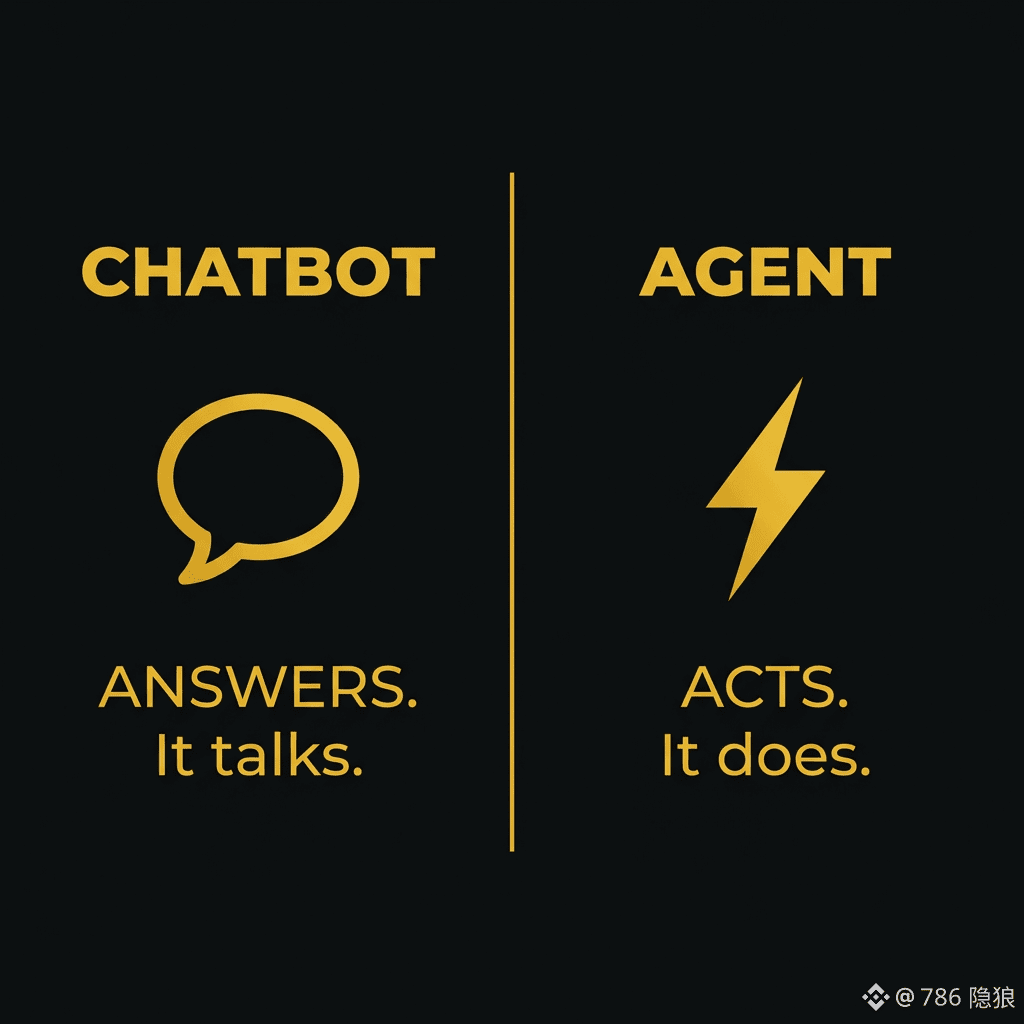
Chatbot N DÁHÙN. Agent N ṢE.
Bí o bá béèrè lọ́wọ́ ChatGPT “kí ni iye Bitcoin?” — ó sọ ohun tí ó mọ̀, tàbí ó ṣe àmúyẹ. Iyẹn ni chatbot. Ó ń bá a sọ̀rọ̀.
Agent yàtọ̀. Fún un ní àwọn ohun èlò gidi, kí ó má bà a ṣe ìṣàgbẹ̀yìn, ṣùgbọ́n kó lọ ṣe:
- fà ìye owó gidi láti inú paṣipaarọ̀ gidi
- ṣàyẹ̀wò portfolio rẹ
- ṣe ìtúpalẹ̀
- ṣe ìgbésẹ̀ nínú àwọn ààlà tí o ṣètò nìkan
Ìyípadà náà: láti AI tí ó ń sọ̀rọ̀, sí AI tí ó ń gba ìgbésẹ̀ ní àṣẹ rẹ.
Mo kọ́ ẹ̀kọ́ yìí ní ìrírí tikára mi. Mo ṣẹ̀ṣẹ̀ kọ́ agent kan tí ó sopọ̀ sí data ọjà gidi, tí ó sì ń ṣe ìwádìí ìpinnu títà — kì í ṣe nípasẹ̀ ìṣàgbẹ̀yìn, bí kò ṣe nípa mímú àwọn nọ́mbà gidi, kí ó sì fi wọ́n wé ìdálẹ́kọ (rítọ́ka) onítọ̀sọ́nà. Nígbà tí ó dáwọ́ “dídáhùn” ó sì bẹ̀rẹ̀ “í ṣe,” ó di ohun tí ó wúlò gan-an.
Ṣùgbọ́n èyí ni apá tí ọ̀pọ̀ èèyàn máa ń fo:
Agent tí ó lè ACT nílò guardrails. Ààlà kedere. ìfọwọ́sí ènìyàn. Kò sí ìmúlò afọ́ju bí a ṣe fẹ́. Agbara láì ní ìṣàkóso kì í ṣe ohun èlò — ó jẹ́ ewu.
Nítorí náà bí jargon náà bá dà mí lójú, èyí ni ohun gbogbo rẹ̀ ní ìpín kan:
Chatbots ń sọ̀rọ̀. Agents ń ṣe ìgbésẹ̀. Ìbéèrè gidi ni ohun tí o jẹ́ kí wọn ṣe.
Ṣé iṣẹ́ kan wo ni o gbẹ́kẹ̀lé pé AI agent le ṣe fún ẹ gangan?
#Binance #Aİ
Hapo gbogbo eniyan ń sọ̀rọ̀ nípa “AI agents.” Ṣugbọn ọ̀pọ̀ èèyàn kò lè sọ fún ẹ ní kíkún ohun tó jẹ́ “agent” gangan láì rí i gẹ́gẹ́ bíi chatbot.
Eyi ni ọ̀nà tó rọrùn jù láti rí i:
Chatbot N DÁHÙN. Agent N ṢE.
Bí o bá béèrè lọ́wọ́ ChatGPT “kí ni iye Bitcoin?” — ó sọ ohun tí ó mọ̀, tàbí ó ṣe àmúyẹ. Iyẹn ni chatbot. Ó ń bá a sọ̀rọ̀.
Agent yàtọ̀. Fún un ní àwọn ohun èlò gidi, kí ó má bà a ṣe ìṣàgbẹ̀yìn, ṣùgbọ́n kó lọ ṣe:
- fà ìye owó gidi láti inú paṣipaarọ̀ gidi
- ṣàyẹ̀wò portfolio rẹ
- ṣe ìtúpalẹ̀
- ṣe ìgbésẹ̀ nínú àwọn ààlà tí o ṣètò nìkan
Ìyípadà náà: láti AI tí ó ń sọ̀rọ̀, sí AI tí ó ń gba ìgbésẹ̀ ní àṣẹ rẹ.
Mo kọ́ ẹ̀kọ́ yìí ní ìrírí tikára mi. Mo ṣẹ̀ṣẹ̀ kọ́ agent kan tí ó sopọ̀ sí data ọjà gidi, tí ó sì ń ṣe ìwádìí ìpinnu títà — kì í ṣe nípasẹ̀ ìṣàgbẹ̀yìn, bí kò ṣe nípa mímú àwọn nọ́mbà gidi, kí ó sì fi wọ́n wé ìdálẹ́kọ (rítọ́ka) onítọ̀sọ́nà. Nígbà tí ó dáwọ́ “dídáhùn” ó sì bẹ̀rẹ̀ “í ṣe,” ó di ohun tí ó wúlò gan-an.
Ṣùgbọ́n èyí ni apá tí ọ̀pọ̀ èèyàn máa ń fo:
Agent tí ó lè ACT nílò guardrails. Ààlà kedere. ìfọwọ́sí ènìyàn. Kò sí ìmúlò afọ́ju bí a ṣe fẹ́. Agbara láì ní ìṣàkóso kì í ṣe ohun èlò — ó jẹ́ ewu.
Nítorí náà bí jargon náà bá dà mí lójú, èyí ni ohun gbogbo rẹ̀ ní ìpín kan:
Chatbots ń sọ̀rọ̀. Agents ń ṣe ìgbésẹ̀. Ìbéèrè gidi ni ohun tí o jẹ́ kí wọn ṣe.
Ṣé iṣẹ́ kan wo ni o gbẹ́kẹ̀lé pé AI agent le ṣe fún ẹ gangan?
#Binance #Aİ
Eyi ni ọ̀nà tó rọrùn jù láti rí i:
Chatbot N DÁHÙN. Agent N ṢE.
Bí o bá béèrè lọ́wọ́ ChatGPT “kí ni iye Bitcoin?” — ó sọ ohun tí ó mọ̀, tàbí ó ṣe àmúyẹ. Iyẹn ni chatbot. Ó ń bá a sọ̀rọ̀.
Agent yàtọ̀. Fún un ní àwọn ohun èlò gidi, kí ó má bà a ṣe ìṣàgbẹ̀yìn, ṣùgbọ́n kó lọ ṣe:
- fà ìye owó gidi láti inú paṣipaarọ̀ gidi
- ṣàyẹ̀wò portfolio rẹ
- ṣe ìtúpalẹ̀
- ṣe ìgbésẹ̀ nínú àwọn ààlà tí o ṣètò nìkan
Ìyípadà náà: láti AI tí ó ń sọ̀rọ̀, sí AI tí ó ń gba ìgbésẹ̀ ní àṣẹ rẹ.
Mo kọ́ ẹ̀kọ́ yìí ní ìrírí tikára mi. Mo ṣẹ̀ṣẹ̀ kọ́ agent kan tí ó sopọ̀ sí data ọjà gidi, tí ó sì ń ṣe ìwádìí ìpinnu títà — kì í ṣe nípasẹ̀ ìṣàgbẹ̀yìn, bí kò ṣe nípa mímú àwọn nọ́mbà gidi, kí ó sì fi wọ́n wé ìdálẹ́kọ (rítọ́ka) onítọ̀sọ́nà. Nígbà tí ó dáwọ́ “dídáhùn” ó sì bẹ̀rẹ̀ “í ṣe,” ó di ohun tí ó wúlò gan-an.
Ṣùgbọ́n èyí ni apá tí ọ̀pọ̀ èèyàn máa ń fo:
Agent tí ó lè ACT nílò guardrails. Ààlà kedere. ìfọwọ́sí ènìyàn. Kò sí ìmúlò afọ́ju bí a ṣe fẹ́. Agbara láì ní ìṣàkóso kì í ṣe ohun èlò — ó jẹ́ ewu.
Nítorí náà bí jargon náà bá dà mí lójú, èyí ni ohun gbogbo rẹ̀ ní ìpín kan:
Chatbots ń sọ̀rọ̀. Agents ń ṣe ìgbésẹ̀. Ìbéèrè gidi ni ohun tí o jẹ́ kí wọn ṣe.
Ṣé iṣẹ́ kan wo ni o gbẹ́kẹ̀lé pé AI agent le ṣe fún ẹ gangan?
#Binance #Aİ
2
137
·
--
🎙️ សាងសង់ Binance Plaza ជាមួយ BNB|ព្រឹត្តិការណ៍ឯកទេស TITAN | ការបកស្រាយយ៉ាងស៊ីជម្រៅពីរបៀបដែល TITAN បង្កើត moat ក្នុងការអនុលោមតាមច្បាប់សម្រាប់អ្នករាល់គ្នា~

ສິ້ນສຸດ
05 ຊົ່ວໂມງ 02 ນາທີ 54 ວິນາທີ
11.2k
64
66
·
--
ສັນຍານກະທິງ
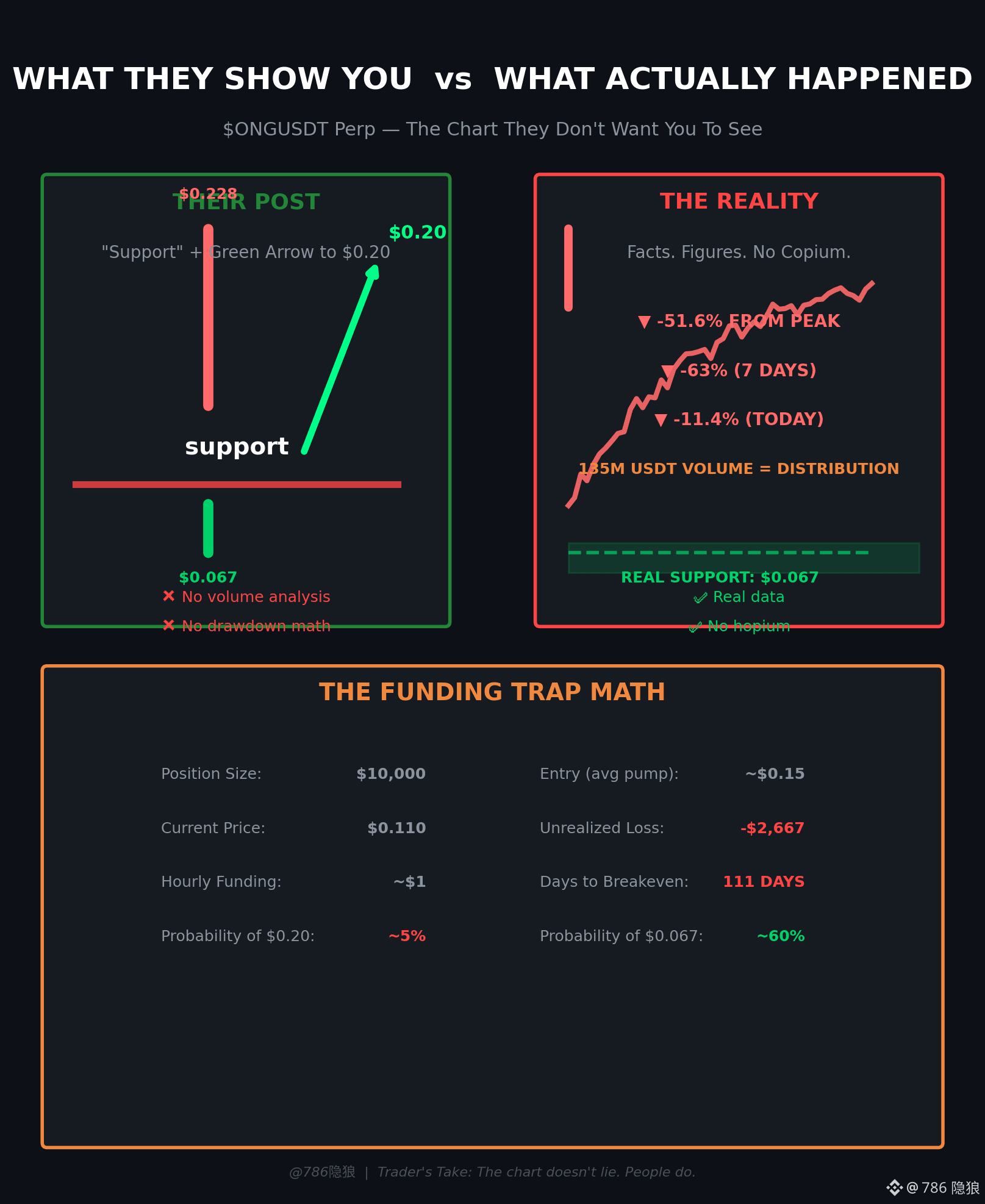
I SAW A POST WITH A GREEN ARROW TO $0.20 ON $ONG.
HERE'S THE MATH THEY DIDN'T SHOW YOU.
126K people saw the "support" line and the rocket.
Here's what wasn't on that chart:
🔻 -51.6% from the peak ($0.228 → $0.110)
🔻 -63% in 7 days
🔻 -11.4% just TODAY
📊 135M USDT volume on the dump = distribution, not accumulation
That "support" at $0.11? It's not support. It's a drawdown in disguise.
The real support is where this pump started: $0.067. There's a 40% gap of air between $0.11 and $0.067. No volume. No consolidation. Just hope.
THE FUNDING TRAP MATH:
If you're long $10K collecting hourly funding:
💰 Hourly income: ~$1
📉 Unrealized loss (if entered mid-pump): -$2,667
⏰ Days of funding to breakeven: 111 DAYS
That's 111 days of praying funding stays positive while $ONG bleeds.
And here's the kicker — funding flips negative when longs get desperate. Then you're paying to hold a bag.
I've fallen for this trap before. We all have.
Green arrows feel good. Math feels bad. But only one of them pays your rent.
SO HERE'S THE QUESTION:
Would you rather collect $1/hour in funding — or lose $2,667 watching a dead cat bounce?
A) Funding king, I'll hold to $0.067 💀
B) Cut the loss, move to a real setup 🎯
$ONG
Follow the signal, not the noise.🐺
I SAW A POST WITH A GREEN ARROW TO $0.20 ON $ONG .
HERE'S THE MATH THEY DIDN'T SHOW YOU.
126K people saw the "support" line and the rocket.
Here's what wasn't on that chart:
🔻 -51.6% from the peak ($0.228 → $0.110)
🔻 -63% in 7 days
🔻 -11.4% just TODAY
📊 135M USDT volume on the dump = distribution, not accumulation
That "support" at $0.11? It's not support. It's a drawdown in disguise.
The real support is where this pump started: $0.067. There's a 40% gap of air between $0.11 and $0.067. No volume. No consolidation. Just hope.
THE FUNDING TRAP MATH:
If you're long $10K collecting hourly funding:
💰 Hourly income: ~$1
📉 Unrealized loss (if entered mid-pump): -$2,667
⏰ Days of funding to breakeven: 111 DAYS
That's 111 days of praying funding stays positive while $ONG bleeds.
And here's the kicker — funding flips negative when longs get desperate. Then you're paying to hold a bag.
I've fallen for this trap before. We all have.
Green arrows feel good. Math feels bad. But only one of them pays your rent.
SO HERE'S THE QUESTION:
Would you rather collect $1/hour in funding — or lose $2,667 watching a dead cat bounce?
A) Funding king, I'll hold to $0.067 💀
B) Cut the loss, move to a real setup 🎯
$ONG
Follow the signal, not the noise.🐺
HERE'S THE MATH THEY DIDN'T SHOW YOU.
126K people saw the "support" line and the rocket.
Here's what wasn't on that chart:
🔻 -51.6% from the peak ($0.228 → $0.110)
🔻 -63% in 7 days
🔻 -11.4% just TODAY
📊 135M USDT volume on the dump = distribution, not accumulation
That "support" at $0.11? It's not support. It's a drawdown in disguise.
The real support is where this pump started: $0.067. There's a 40% gap of air between $0.11 and $0.067. No volume. No consolidation. Just hope.
THE FUNDING TRAP MATH:
If you're long $10K collecting hourly funding:
💰 Hourly income: ~$1
📉 Unrealized loss (if entered mid-pump): -$2,667
⏰ Days of funding to breakeven: 111 DAYS
That's 111 days of praying funding stays positive while $ONG bleeds.
And here's the kicker — funding flips negative when longs get desperate. Then you're paying to hold a bag.
I've fallen for this trap before. We all have.
Green arrows feel good. Math feels bad. But only one of them pays your rent.
SO HERE'S THE QUESTION:
Would you rather collect $1/hour in funding — or lose $2,667 watching a dead cat bounce?
A) Funding king, I'll hold to $0.067 💀
B) Cut the loss, move to a real setup 🎯
$ONG
Follow the signal, not the noise.🐺
1
1
375
·
--
ສັນຍານກະທິງ
Ҳа 11:30 ໂມງກາງຄືນ. ຂ້ອຍຍັງຄົງດູ $BTC ຢູ່.
ຕະຫຼາດບໍ່ນອນ. ຂ້ອຍກໍ່ບໍ່ນອນເໝືອນກັນ.
$BTC ຄົງຢູ່ເໜືອ $64K. ຂ້ອຍຍັງ flat. ຍັງອົດທົນ. ຍັງຮໍາຄານ.
ຕອນນີ້ເຈົ້າກຳລັງທຳການຊື້ຂາຍບໍ ຫຼື ແຄ່ກົດ refresh ກວດ PnL ຄືກັບຂ້ອຍ?
𝑩𝑻𝑪 𝑬𝑻𝑯
#Write2Earn #BinanceSquare
⚠️ ການໂພສນີ້ມີຈຸດປະສົງເພື່ອການສຶກສາ ແລະ ບັນເທີງເທົ່ານັ້ນ. ບໍ່ແມ່ນຄຳແນະນຳດ້ານການເງິນ. ຈົ່ງ DYOR ສະເໝີ.
Ҳа 11:30 ໂມງກາງຄືນ. ຂ້ອຍຍັງຄົງດູ $BTC ຢູ່.
ຕະຫຼາດບໍ່ນອນ. ຂ້ອຍກໍ່ບໍ່ນອນເໝືອນກັນ.
$BTC ຄົງຢູ່ເໜືອ $64K. ຂ້ອຍຍັງ flat. ຍັງອົດທົນ. ຍັງຮໍາຄານ.
ຕອນນີ້ເຈົ້າກຳລັງທຳການຊື້ຂາຍບໍ ຫຼື ແຄ່ກົດ refresh ກວດ PnL ຄືກັບຂ້ອຍ?
𝑩𝑻𝑪 𝑬𝑻𝑯
#Write2Earn #BinanceSquare
⚠️ ການໂພສນີ້ມີຈຸດປະສົງເພື່ອການສຶກສາ ແລະ ບັນເທີງເທົ່ານັ້ນ. ບໍ່ແມ່ນຄຳແນະນຳດ້ານການເງິນ. ຈົ່ງ DYOR ສະເໝີ.
ຕະຫຼາດບໍ່ນອນ. ຂ້ອຍກໍ່ບໍ່ນອນເໝືອນກັນ.
$BTC ຄົງຢູ່ເໜືອ $64K. ຂ້ອຍຍັງ flat. ຍັງອົດທົນ. ຍັງຮໍາຄານ.
ຕອນນີ້ເຈົ້າກຳລັງທຳການຊື້ຂາຍບໍ ຫຼື ແຄ່ກົດ refresh ກວດ PnL ຄືກັບຂ້ອຍ?
𝑩𝑻𝑪 𝑬𝑻𝑯
#Write2Earn #BinanceSquare
⚠️ ການໂພສນີ້ມີຈຸດປະສົງເພື່ອການສຶກສາ ແລະ ບັນເທີງເທົ່ານັ້ນ. ບໍ່ແມ່ນຄຳແນະນຳດ້ານການເງິນ. ຈົ່ງ DYOR ສະເໝີ.
252
·
--
ສັນຍານກະທິງ
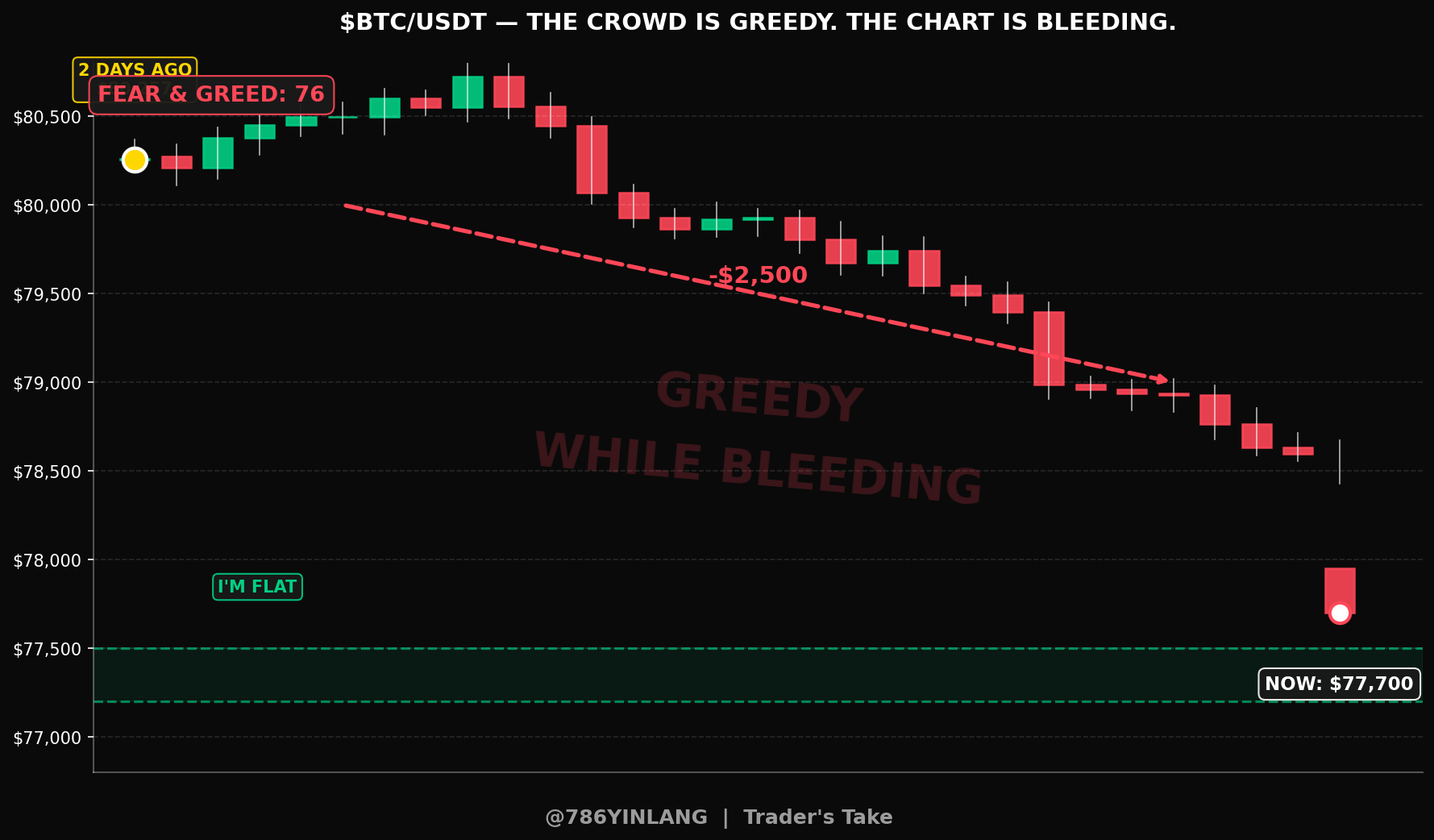
"Fear & Greed" ກ່າວ 76. Greed.
ແຕ່ $BTC ຫາກແລ້ວເລືອດອອກ $2,500 ໃນສອງມື້.
ແຜນທາງຂອງເຈົ້າຍັງ bullish. ຍັງໂທ $100K. ຍັງໂພສ rocket emojis.
ຂ້ອຍກຳລັງຈັບຕາ $BTC ທີ່ $77,700 ແລະຂ້ອຍບໍ່ໄດ້ຊື້ຄວາມຫວັງ.
ຝູງຄົນໂລບຫຼາຍໃນຂະນະທີ່ກຣາຟເລືອດອອກ. ຂ້ອຍເຄີຍເຫັນມາກ່ອນ. ມັນບໍ່ຈົບດ້ວຍ lambos.
ເຈົ້າຍັງ bullish ຢູ່ບໍ? ຫຼືສຸດທ້າຍເຈົ້າເລີ່ມຮູ້ສຶກຄວາມສົງໃສບໍ?
$BTC
#Write2Earn #BinanceSquare
⚠️ ຂໍ້ຄວາມນີ້ແມ່ນສຳລັບຈຸດປະສົງດ້ານການສຶກສາ ແລະຄວາມບັນເທີງເທົ່ານັ້ນ. ບໍ່ໄດ້ເປັນຄຳແນະນຳດ້ານການເງິນ. ຈົ່ງ DYOR ສະເໝີ.
"Fear & Greed" ກ່າວ 76. Greed.
ແຕ່ $BTC ຫາກແລ້ວເລືອດອອກ $2,500 ໃນສອງມື້.
ແຜນທາງຂອງເຈົ້າຍັງ bullish. ຍັງໂທ $100K. ຍັງໂພສ rocket emojis.
ຂ້ອຍກຳລັງຈັບຕາ $BTC ທີ່ $77,700 ແລະຂ້ອຍບໍ່ໄດ້ຊື້ຄວາມຫວັງ.
ຝູງຄົນໂລບຫຼາຍໃນຂະນະທີ່ກຣາຟເລືອດອອກ. ຂ້ອຍເຄີຍເຫັນມາກ່ອນ. ມັນບໍ່ຈົບດ້ວຍ lambos.
ເຈົ້າຍັງ bullish ຢູ່ບໍ? ຫຼືສຸດທ້າຍເຈົ້າເລີ່ມຮູ້ສຶກຄວາມສົງໃສບໍ?
$BTC
#Write2Earn #BinanceSquare
⚠️ ຂໍ້ຄວາມນີ້ແມ່ນສຳລັບຈຸດປະສົງດ້ານການສຶກສາ ແລະຄວາມບັນເທີງເທົ່ານັ້ນ. ບໍ່ໄດ້ເປັນຄຳແນະນຳດ້ານການເງິນ. ຈົ່ງ DYOR ສະເໝີ.
ແຕ່ $BTC ຫາກແລ້ວເລືອດອອກ $2,500 ໃນສອງມື້.
ແຜນທາງຂອງເຈົ້າຍັງ bullish. ຍັງໂທ $100K. ຍັງໂພສ rocket emojis.
ຂ້ອຍກຳລັງຈັບຕາ $BTC ທີ່ $77,700 ແລະຂ້ອຍບໍ່ໄດ້ຊື້ຄວາມຫວັງ.
ຝູງຄົນໂລບຫຼາຍໃນຂະນະທີ່ກຣາຟເລືອດອອກ. ຂ້ອຍເຄີຍເຫັນມາກ່ອນ. ມັນບໍ່ຈົບດ້ວຍ lambos.
ເຈົ້າຍັງ bullish ຢູ່ບໍ? ຫຼືສຸດທ້າຍເຈົ້າເລີ່ມຮູ້ສຶກຄວາມສົງໃສບໍ?
$BTC
#Write2Earn #BinanceSquare
⚠️ ຂໍ້ຄວາມນີ້ແມ່ນສຳລັບຈຸດປະສົງດ້ານການສຶກສາ ແລະຄວາມບັນເທີງເທົ່ານັ້ນ. ບໍ່ໄດ້ເປັນຄຳແນະນຳດ້ານການເງິນ. ຈົ່ງ DYOR ສະເໝີ.
1
1
359
·
--
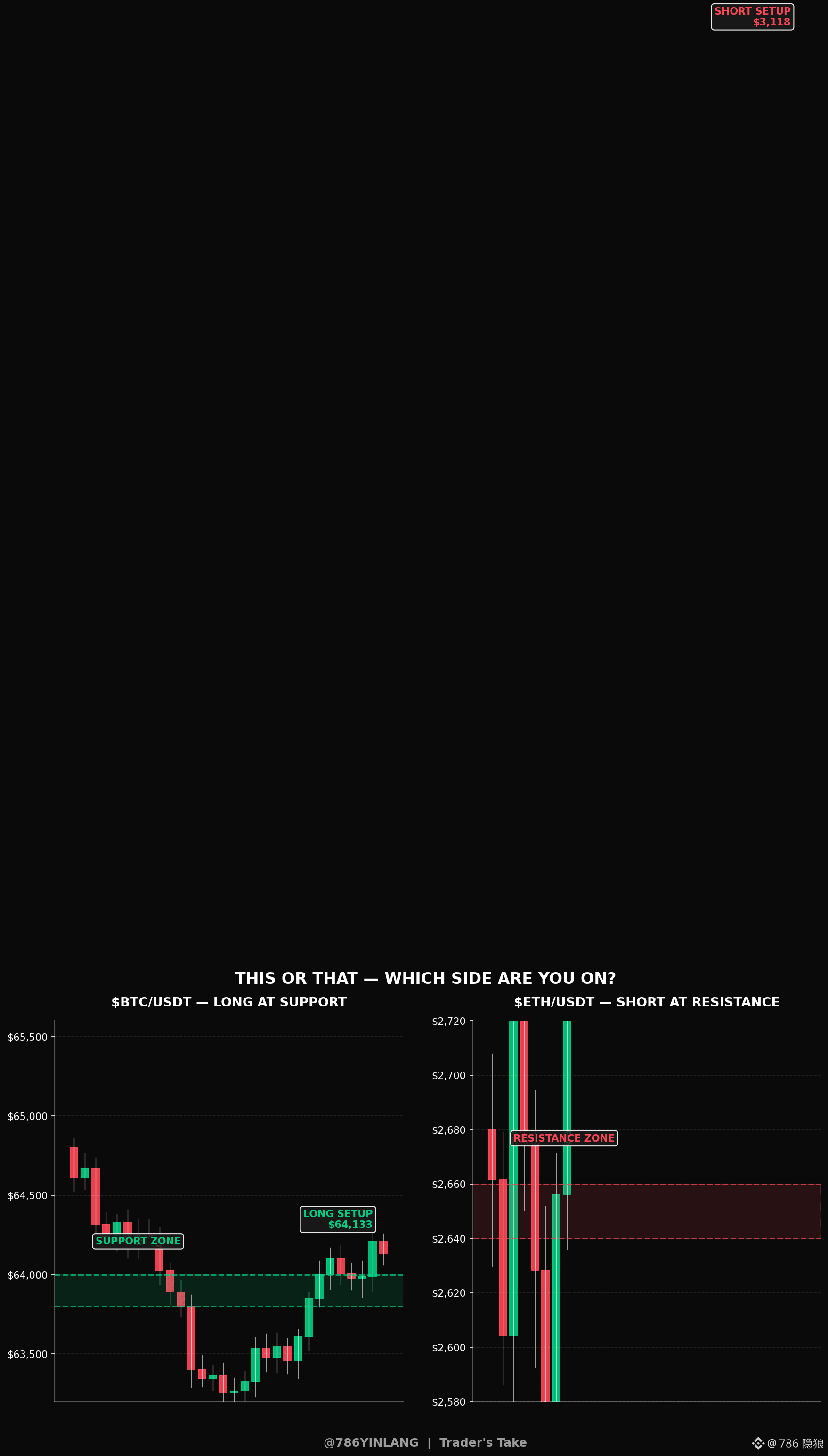
$BTC ຍາວຢູ່ທີ່ຮອງຮັບປະຈຳວັນບໍ?
ຫຼື
$ETH ສັ້ນຢູ່ທີ່ຈຸດຕ້ານທານທ້ອງຖິ່ນບໍ?
ອັນໜຶ່ງກຳລັງຈະພິມ. ອີກອັນກຳລັງຈະເຮັດໃຫ້ rekt ເຄິ່ງໜຶ່ງຂອງ CT.
ຂ້ອຍຈັບຕາຢູ່ທັງສອງ. ແຕ່ຂ້ອຍເລືອກພຽງໜຶ່ງມື້ນີ້.
ສະໝອງຂອງຂ້ອຍບອກວ່າ BTCholds. ສະໝອງຂອງຂ້ອຍບອກວ່າ ETH ເປັນການສັ້ນທີ່ປອດໄພກວ່າ.
ເຈົ້າກຳລັງທຳການຄ້າໃສ່ອັນໃດຢູ່ຕອນນີ້? ເລືອກໜຶ່ງ. ຍົກເຫດຜົນໃຫ້ເຫັນ.
𝑩𝑻𝑪 𝑬𝑻𝑯
#Write2Earn #BinanceSquare
⚠️ ໂພສນີ້ສຳລັບການສຶກສາ ແລະ ບັນເທີງເທົ່ານັ້ນ. ບໍ່ແມ່ນຄຳແນະນຳດ້ານການເງິນ. ຈົ່ງຄົ້ນຄວ້າເອງ (DYOR) ຢູ່ສະເໝີ.
$BTC ຍາວຢູ່ທີ່ຮອງຮັບປະຈຳວັນບໍ?
ຫຼື
$ETH ສັ້ນຢູ່ທີ່ຈຸດຕ້ານທານທ້ອງຖິ່ນບໍ?
ອັນໜຶ່ງກຳລັງຈະພິມ. ອີກອັນກຳລັງຈະເຮັດໃຫ້ rekt ເຄິ່ງໜຶ່ງຂອງ CT.
ຂ້ອຍຈັບຕາຢູ່ທັງສອງ. ແຕ່ຂ້ອຍເລືອກພຽງໜຶ່ງມື້ນີ້.
ສະໝອງຂອງຂ້ອຍບອກວ່າ BTCholds. ສະໝອງຂອງຂ້ອຍບອກວ່າ ETH ເປັນການສັ້ນທີ່ປອດໄພກວ່າ.
ເຈົ້າກຳລັງທຳການຄ້າໃສ່ອັນໃດຢູ່ຕອນນີ້? ເລືອກໜຶ່ງ. ຍົກເຫດຜົນໃຫ້ເຫັນ.
𝑩𝑻𝑪 𝑬𝑻𝑯
#Write2Earn #BinanceSquare
⚠️ ໂພສນີ້ສຳລັບການສຶກສາ ແລະ ບັນເທີງເທົ່ານັ້ນ. ບໍ່ແມ່ນຄຳແນະນຳດ້ານການເງິນ. ຈົ່ງຄົ້ນຄວ້າເອງ (DYOR) ຢູ່ສະເໝີ.
ຫຼື
$ETH ສັ້ນຢູ່ທີ່ຈຸດຕ້ານທານທ້ອງຖິ່ນບໍ?
ອັນໜຶ່ງກຳລັງຈະພິມ. ອີກອັນກຳລັງຈະເຮັດໃຫ້ rekt ເຄິ່ງໜຶ່ງຂອງ CT.
ຂ້ອຍຈັບຕາຢູ່ທັງສອງ. ແຕ່ຂ້ອຍເລືອກພຽງໜຶ່ງມື້ນີ້.
ສະໝອງຂອງຂ້ອຍບອກວ່າ BTCholds. ສະໝອງຂອງຂ້ອຍບອກວ່າ ETH ເປັນການສັ້ນທີ່ປອດໄພກວ່າ.
ເຈົ້າກຳລັງທຳການຄ້າໃສ່ອັນໃດຢູ່ຕອນນີ້? ເລືອກໜຶ່ງ. ຍົກເຫດຜົນໃຫ້ເຫັນ.
𝑩𝑻𝑪 𝑬𝑻𝑯
#Write2Earn #BinanceSquare
⚠️ ໂພສນີ້ສຳລັບການສຶກສາ ແລະ ບັນເທີງເທົ່ານັ້ນ. ບໍ່ແມ່ນຄຳແນະນຳດ້ານການເງິນ. ຈົ່ງຄົ້ນຄວ້າເອງ (DYOR) ຢູ່ສະເໝີ.
207
·
--
ສັນຍານກະທິງ
ຂ້ອຍຖືກທຳລາຍແບບຫຼົງທັນທີ. ແລະມັນເຈັບ.
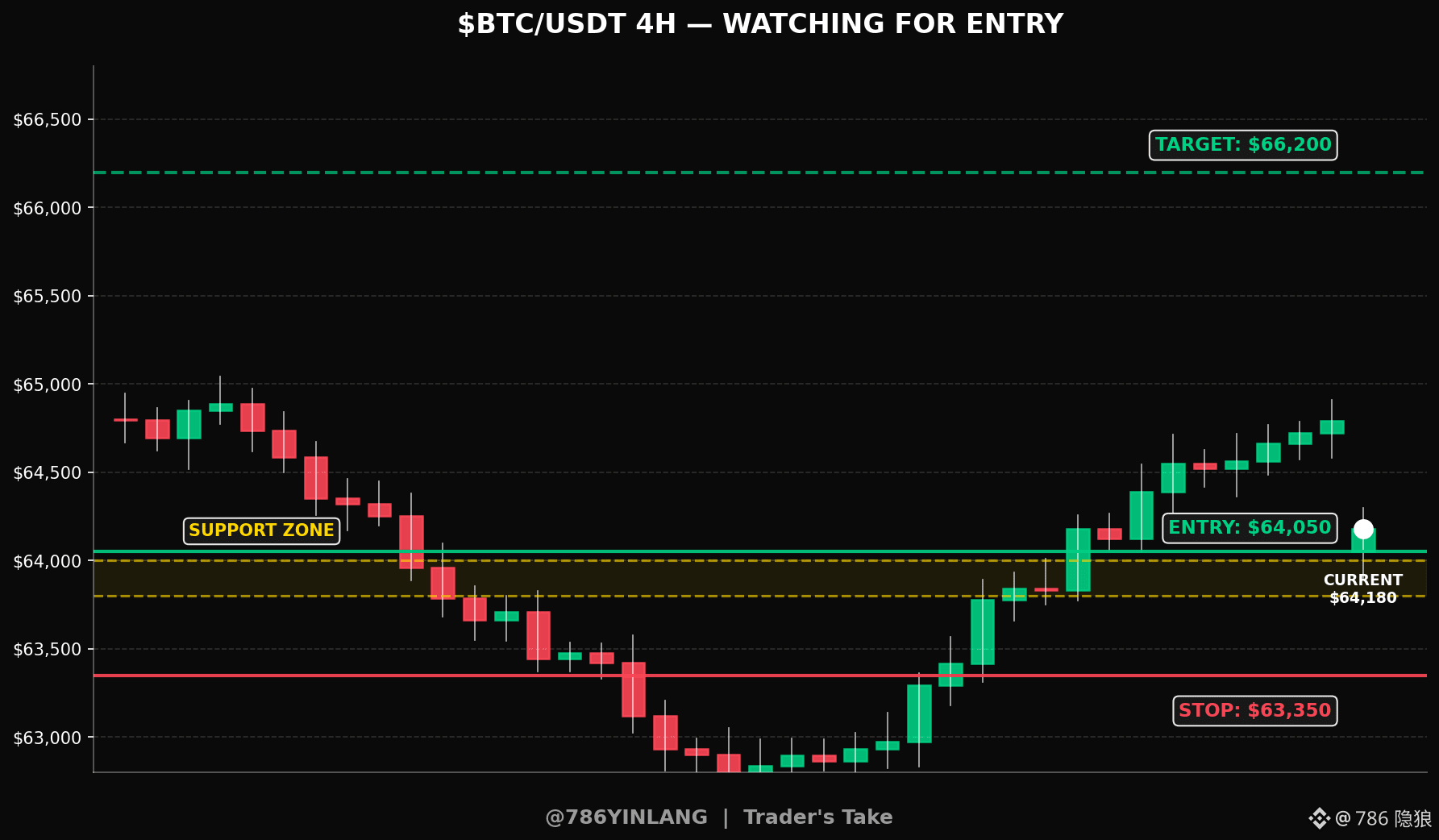
ແຕ່ຂ້ອຍກຳລັງຈັບຕາ $BTC ແບບເຫັນແຈ້ງດັ່ງນົກເຫຍື່ອງ ທີ່ $63,800–$64,000.
ເປັນຫຍັງ? ຄ່າພື້ນຮອງລາຍວັນ + bullish divergence ໃນ 4H. ຖ້າມັນຍັງຢູ່, ຂ້ອຍຈະ long. ຖ້າມັນແຕກ, ຂ້ອຍຈະ short ການກັບມາທົດສອບ (retest).
Entry: $64,050 (ຖ້າພື້ນຮອງຢູ່)
Stop: $63,350
Target: $66,200
ແຜນການພ້ອມແລ້ວ. ຍັງບໍ່ໄດ້ດຶງສະວິດ (trigger).
ໃຜແດ່ທີ່ເຂົ້າ BTC ວັນນີ້? ຫຼື ເຈົ້າຕິດຢູ່ໃນການຄ້າທີ່ບໍ່ດີຢູ່ແລ້ວບໍ?
$BTC $ETH
#Write2Earn #BinanceSquare
⚠️ ປຣະຊຸມນີ້ເພື່ອການສຶກສາ ແລະຄວາມບັນເທີງເທົ່ານັ້ນ. ມັນບໍ່ແມ່ນຄຳແນະນຳດ້ານການເງິນ. ຈົ່ງຢືນຢັນດ້ວຍຕົນເອງ (DYOR) ສະເໝີ.
ຂ້ອຍຖືກທຳລາຍແບບຫຼົງທັນທີ. ແລະມັນເຈັບ.
ແຕ່ຂ້ອຍກຳລັງຈັບຕາ $BTC ແບບເຫັນແຈ້ງດັ່ງນົກເຫຍື່ອງ ທີ່ $63,800–$64,000.
ເປັນຫຍັງ? ຄ່າພື້ນຮອງລາຍວັນ + bullish divergence ໃນ 4H. ຖ້າມັນຍັງຢູ່, ຂ້ອຍຈະ long. ຖ້າມັນແຕກ, ຂ້ອຍຈະ short ການກັບມາທົດສອບ (retest).
Entry: $64,050 (ຖ້າພື້ນຮອງຢູ່)
Stop: $63,350
Target: $66,200
ແຜນການພ້ອມແລ້ວ. ຍັງບໍ່ໄດ້ດຶງສະວິດ (trigger).
ໃຜແດ່ທີ່ເຂົ້າ BTC ວັນນີ້? ຫຼື ເຈົ້າຕິດຢູ່ໃນການຄ້າທີ່ບໍ່ດີຢູ່ແລ້ວບໍ?
$BTC $ETH
#Write2Earn #BinanceSquare
⚠️ ປຣະຊຸມນີ້ເພື່ອການສຶກສາ ແລະຄວາມບັນເທີງເທົ່ານັ້ນ. ມັນບໍ່ແມ່ນຄຳແນະນຳດ້ານການເງິນ. ຈົ່ງຢືນຢັນດ້ວຍຕົນເອງ (DYOR) ສະເໝີ.
ແຕ່ຂ້ອຍກຳລັງຈັບຕາ $BTC ແບບເຫັນແຈ້ງດັ່ງນົກເຫຍື່ອງ ທີ່ $63,800–$64,000.
ເປັນຫຍັງ? ຄ່າພື້ນຮອງລາຍວັນ + bullish divergence ໃນ 4H. ຖ້າມັນຍັງຢູ່, ຂ້ອຍຈະ long. ຖ້າມັນແຕກ, ຂ້ອຍຈະ short ການກັບມາທົດສອບ (retest).
Entry: $64,050 (ຖ້າພື້ນຮອງຢູ່)
Stop: $63,350
Target: $66,200
ແຜນການພ້ອມແລ້ວ. ຍັງບໍ່ໄດ້ດຶງສະວິດ (trigger).
ໃຜແດ່ທີ່ເຂົ້າ BTC ວັນນີ້? ຫຼື ເຈົ້າຕິດຢູ່ໃນການຄ້າທີ່ບໍ່ດີຢູ່ແລ້ວບໍ?
$BTC $ETH
#Write2Earn #BinanceSquare
⚠️ ປຣະຊຸມນີ້ເພື່ອການສຶກສາ ແລະຄວາມບັນເທີງເທົ່ານັ້ນ. ມັນບໍ່ແມ່ນຄຳແນະນຳດ້ານການເງິນ. ຈົ່ງຢືນຢັນດ້ວຍຕົນເອງ (DYOR) ສະເໝີ.
1
151
·
--
ສັນຍານກະທິງ
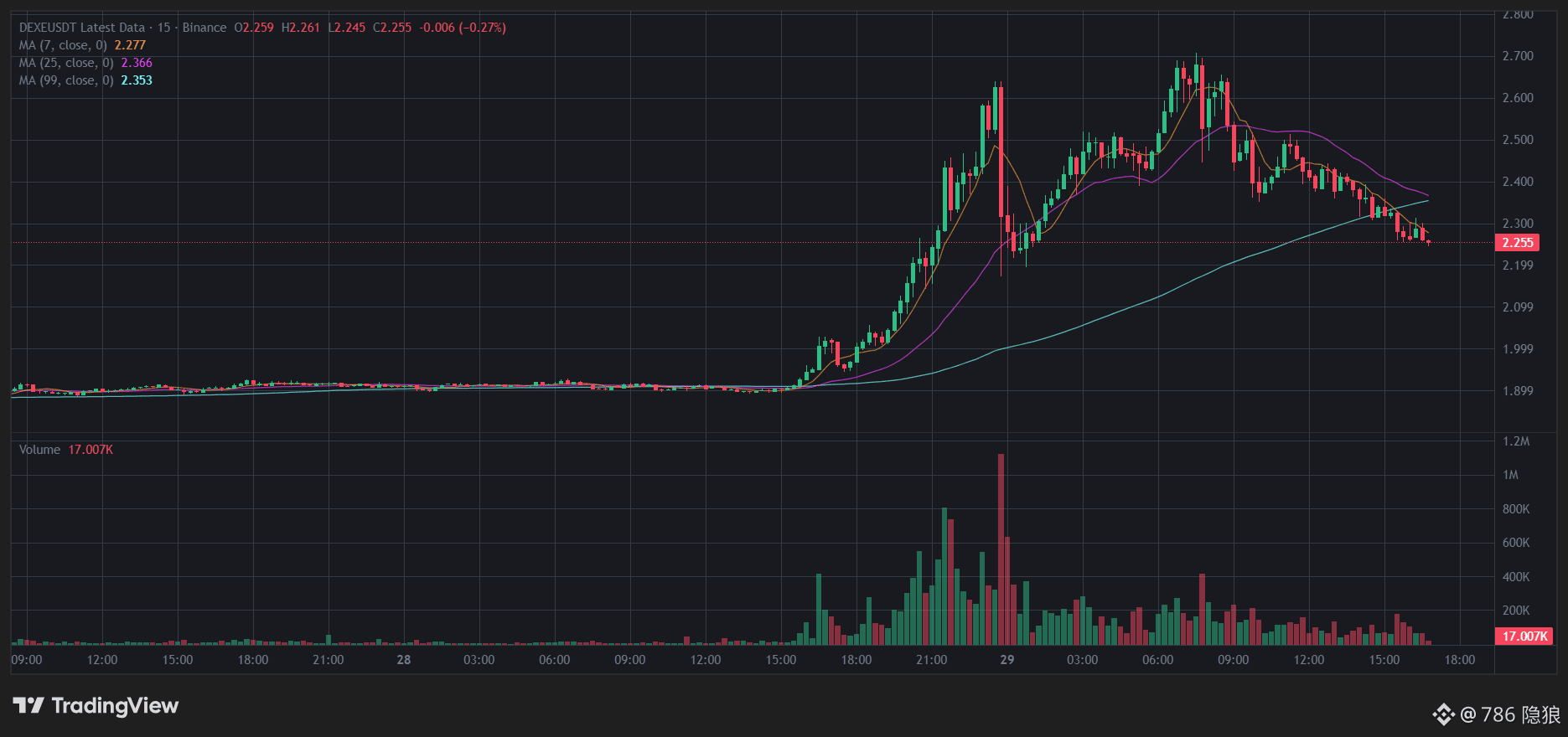
DEXE ພຶ່ງຂຶ້ນ +14% — ແຕ່ຂ້ອຍບໍ່ໄລ່ຕາມມັນ. 👀
ຂ້ອຍກຳລັງເຝົ້າມອງ 2.31–2.32.
ຖ້າ DEXE ກັບຄືນໄປຊຶ່ງເຂດນັ້ນ ແລະ ຖືມັນເປັນການຄ້ຳປະກັນ, ຈຸດສືບຕໍ່ຈະເປີດໄປທາງ:
🎯 2.35
🎯 2.40
🎯 2.45
🛑 ການຍົກເລີກ (Invalidation): 2.285
ການຄ້າບໍ່ແມ່ນການຄາດຄະເນ.
ການຢືນຢັນຄືການຄ້າ.
$DEXE
#dexe
ຕິດຕາມສັນຍານ, ບໍ່ແມ່ນຕາມສຽງລົບກວນ.🐺
DEXE ພຶ່ງຂຶ້ນ +14% — ແຕ່ຂ້ອຍບໍ່ໄລ່ຕາມມັນ. 👀
ຂ້ອຍກຳລັງເຝົ້າມອງ 2.31–2.32.
ຖ້າ DEXE ກັບຄືນໄປຊຶ່ງເຂດນັ້ນ ແລະ ຖືມັນເປັນການຄ້ຳປະກັນ, ຈຸດສືບຕໍ່ຈະເປີດໄປທາງ:
🎯 2.35
🎯 2.40
🎯 2.45
🛑 ການຍົກເລີກ (Invalidation): 2.285
ການຄ້າບໍ່ແມ່ນການຄາດຄະເນ.
ການຢືນຢັນຄືການຄ້າ.
$DEXE
#dexe
ຕິດຕາມສັນຍານ, ບໍ່ແມ່ນຕາມສຽງລົບກວນ.🐺
ຂ້ອຍກຳລັງເຝົ້າມອງ 2.31–2.32.
ຖ້າ DEXE ກັບຄືນໄປຊຶ່ງເຂດນັ້ນ ແລະ ຖືມັນເປັນການຄ້ຳປະກັນ, ຈຸດສືບຕໍ່ຈະເປີດໄປທາງ:
🎯 2.35
🎯 2.40
🎯 2.45
🛑 ການຍົກເລີກ (Invalidation): 2.285
ການຄ້າບໍ່ແມ່ນການຄາດຄະເນ.
ການຢືນຢັນຄືການຄ້າ.
$DEXE
#dexe
ຕິດຕາມສັນຍານ, ບໍ່ແມ່ນຕາມສຽງລົບກວນ.🐺
165
·
--
ສັນຍານກະທິງ
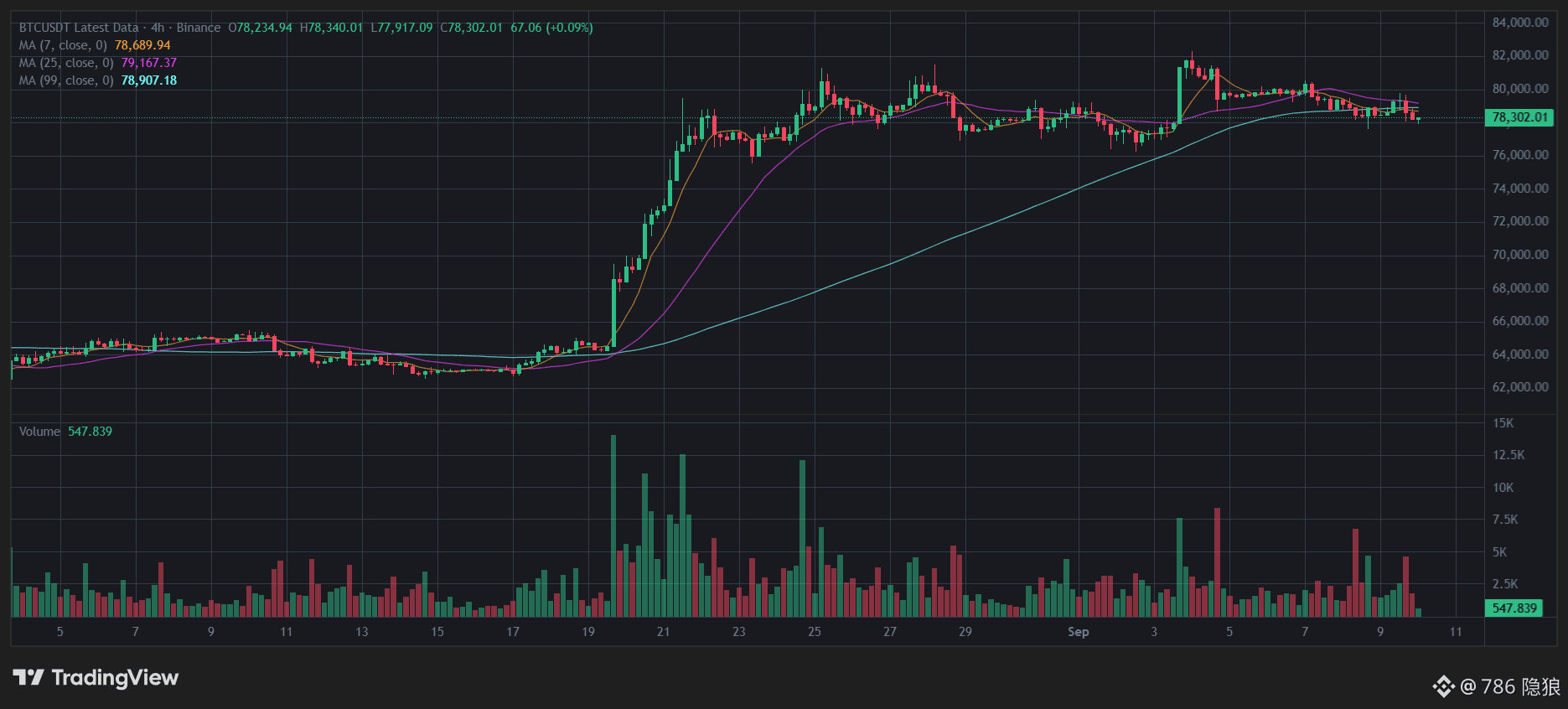
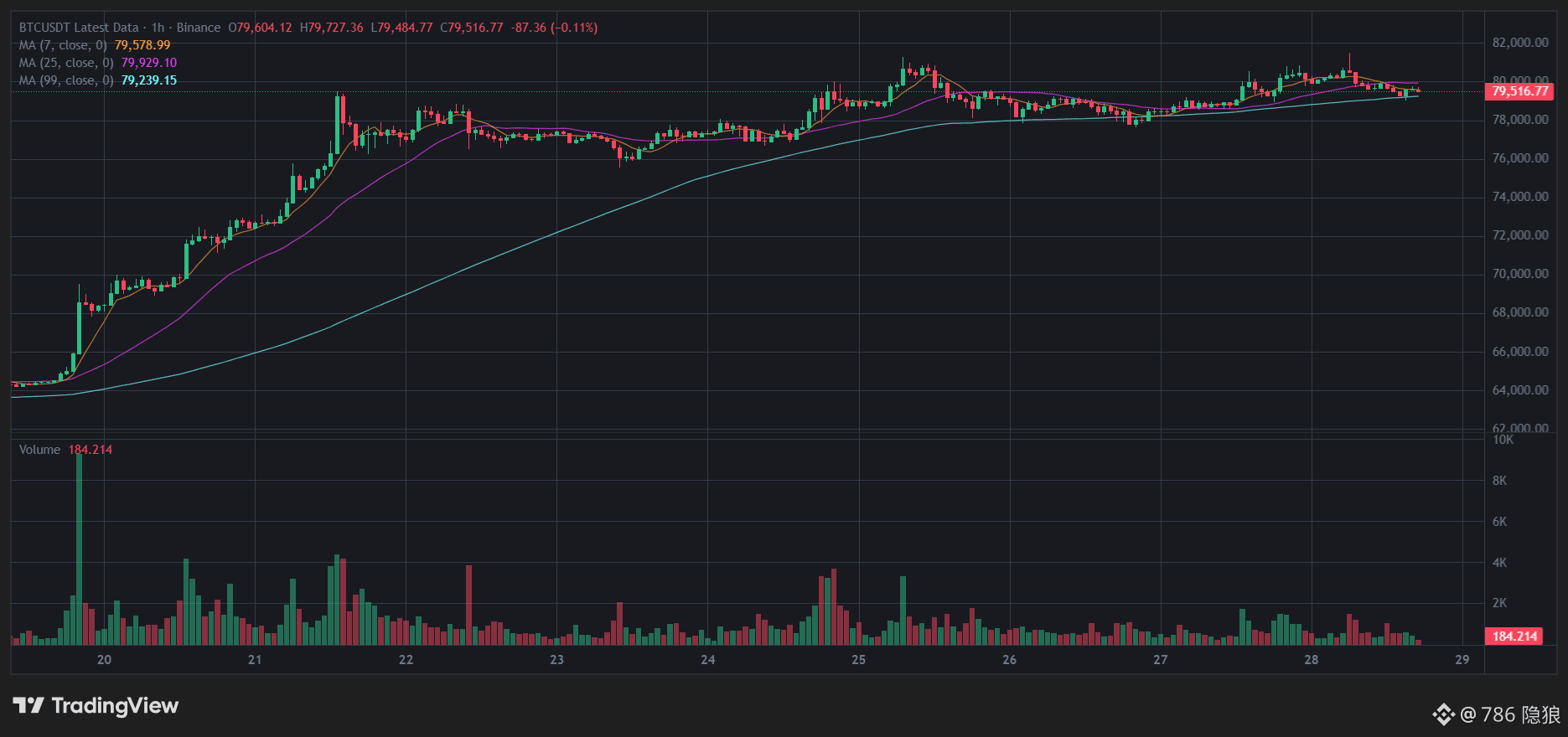
$BTC នៅ 79.5K ហើយនេះជាតារាងដែលផ្តល់រង្វាន់ដល់ភាពអត់ធ្មត់ មិនមែនសកម្មភាព។
មើលអ្វីដែលបានកើតឡើង—BTC រត់ពី 64K ទៅ 82K ក្នុងប្រហែលមួយសប្តាហ៍ បន្ទាប់មក… វាបានឈប់តែប៉ុណ្ណោះ។ ចាប់ពីថ្ងៃទី 25 មក វាកំពុងវេងវង់ជាប់គ្នា នៅចន្លោះប្រហែល 79K និង 81K។ បន្ទាត់ 7 និង 25 MAs បានស្មើៗគ្នា និងរួមគ្នា។ នេះមិនមែនជាភាពខ្សោយទេ វាគ្រាន់តែជាទីផ្សារដកដង្ហើមបន្ទាប់ពីការធ្វើដំណើរខ្លាំងមួយ។
នេះជារបៀបដែលខ្ញុំកំពុងអានវា មិនមែនព្យាករណ៍វាទេ៖
ពេលវានៅលើ ~79K (តំបន់ 99 MA) រចនាសម្ព័ន្ធនិន្នាការឡើងនៅតែរក្សា — ខ្ញុំមិនប្រឆាំងនឹងវាទេ។
បំបែកយ៉ាងស្អាត និងឈររឹងលើ 81K នឹងបើកមុខខាងលើ ឆ្ពោះទៅកាន់កំពូល 82K និងលើសពីនោះ។
បើបាត់ 79K ដោយមានបរិមាណ (volume) ខ្ញុំរំពឹងថានឹងមានការធ្លាក់ជ្រៅទៅកាន់ 76–77K មុនពេលអ្នកទិញត្រឡប់ចូលវិញ។
ការរក្សាស្ថានភាពបន្ទាប់ពីការឡើងបញ្ឈរគឺជារឿងធម្មតា។ អ្នកដែលអត់អត់ធ្មត់នឹងត្រូវកាត់បំបែក ពេលធ្វើឲ្យកើតច្របាច់រាល់ទៀនក្នុងជួរបែបនេះ។ ខ្ញុំចង់រង់ចាំឲ្យជួរបំបែក មុននឹងទាយនៅក្នុងវា។
មិនមែនជាអនុសាសន៍ហិរញ្ញវត្ថុទេ គ្រាន់តែខ្ញុំរក្សាខ្លួនឯងឲ្យត្រឹមត្រូវ។ អ្នកគិតថា BTC នឹងបំបែកឡើងពីទីនេះ ឬថយចុះមុន?
តាមសញ្ញា មិនមែនតាមសំឡេងរំខាន។🐺
$BTC នៅ 79.5K ហើយនេះជាតារាងដែលផ្តល់រង្វាន់ដល់ភាពអត់ធ្មត់ មិនមែនសកម្មភាព។
មើលអ្វីដែលបានកើតឡើង—BTC រត់ពី 64K ទៅ 82K ក្នុងប្រហែលមួយសប្តាហ៍ បន្ទាប់មក… វាបានឈប់តែប៉ុណ្ណោះ។ ចាប់ពីថ្ងៃទី 25 មក វាកំពុងវេងវង់ជាប់គ្នា នៅចន្លោះប្រហែល 79K និង 81K។ បន្ទាត់ 7 និង 25 MAs បានស្មើៗគ្នា និងរួមគ្នា។ នេះមិនមែនជាភាពខ្សោយទេ វាគ្រាន់តែជាទីផ្សារដកដង្ហើមបន្ទាប់ពីការធ្វើដំណើរខ្លាំងមួយ។
នេះជារបៀបដែលខ្ញុំកំពុងអានវា មិនមែនព្យាករណ៍វាទេ៖
ពេលវានៅលើ ~79K (តំបន់ 99 MA) រចនាសម្ព័ន្ធនិន្នាការឡើងនៅតែរក្សា — ខ្ញុំមិនប្រឆាំងនឹងវាទេ។
បំបែកយ៉ាងស្អាត និងឈររឹងលើ 81K នឹងបើកមុខខាងលើ ឆ្ពោះទៅកាន់កំពូល 82K និងលើសពីនោះ។
បើបាត់ 79K ដោយមានបរិមាណ (volume) ខ្ញុំរំពឹងថានឹងមានការធ្លាក់ជ្រៅទៅកាន់ 76–77K មុនពេលអ្នកទិញត្រឡប់ចូលវិញ។
ការរក្សាស្ថានភាពបន្ទាប់ពីការឡើងបញ្ឈរគឺជារឿងធម្មតា។ អ្នកដែលអត់អត់ធ្មត់នឹងត្រូវកាត់បំបែក ពេលធ្វើឲ្យកើតច្របាច់រាល់ទៀនក្នុងជួរបែបនេះ។ ខ្ញុំចង់រង់ចាំឲ្យជួរបំបែក មុននឹងទាយនៅក្នុងវា។
មិនមែនជាអនុសាសន៍ហិរញ្ញវត្ថុទេ គ្រាន់តែខ្ញុំរក្សាខ្លួនឯងឲ្យត្រឹមត្រូវ។ អ្នកគិតថា BTC នឹងបំបែកឡើងពីទីនេះ ឬថយចុះមុន?
តាមសញ្ញា មិនមែនតាមសំឡេងរំខាន។🐺
មើលអ្វីដែលបានកើតឡើង—BTC រត់ពី 64K ទៅ 82K ក្នុងប្រហែលមួយសប្តាហ៍ បន្ទាប់មក… វាបានឈប់តែប៉ុណ្ណោះ។ ចាប់ពីថ្ងៃទី 25 មក វាកំពុងវេងវង់ជាប់គ្នា នៅចន្លោះប្រហែល 79K និង 81K។ បន្ទាត់ 7 និង 25 MAs បានស្មើៗគ្នា និងរួមគ្នា។ នេះមិនមែនជាភាពខ្សោយទេ វាគ្រាន់តែជាទីផ្សារដកដង្ហើមបន្ទាប់ពីការធ្វើដំណើរខ្លាំងមួយ។
នេះជារបៀបដែលខ្ញុំកំពុងអានវា មិនមែនព្យាករណ៍វាទេ៖
ពេលវានៅលើ ~79K (តំបន់ 99 MA) រចនាសម្ព័ន្ធនិន្នាការឡើងនៅតែរក្សា — ខ្ញុំមិនប្រឆាំងនឹងវាទេ។
បំបែកយ៉ាងស្អាត និងឈររឹងលើ 81K នឹងបើកមុខខាងលើ ឆ្ពោះទៅកាន់កំពូល 82K និងលើសពីនោះ។
បើបាត់ 79K ដោយមានបរិមាណ (volume) ខ្ញុំរំពឹងថានឹងមានការធ្លាក់ជ្រៅទៅកាន់ 76–77K មុនពេលអ្នកទិញត្រឡប់ចូលវិញ។
ការរក្សាស្ថានភាពបន្ទាប់ពីការឡើងបញ្ឈរគឺជារឿងធម្មតា។ អ្នកដែលអត់អត់ធ្មត់នឹងត្រូវកាត់បំបែក ពេលធ្វើឲ្យកើតច្របាច់រាល់ទៀនក្នុងជួរបែបនេះ។ ខ្ញុំចង់រង់ចាំឲ្យជួរបំបែក មុននឹងទាយនៅក្នុងវា។
មិនមែនជាអនុសាសន៍ហិរញ្ញវត្ថុទេ គ្រាន់តែខ្ញុំរក្សាខ្លួនឯងឲ្យត្រឹមត្រូវ។ អ្នកគិតថា BTC នឹងបំបែកឡើងពីទីនេះ ឬថយចុះមុន?
តាមសញ្ញា មិនមែនតាមសំឡេងរំខាន។🐺
143
·
--
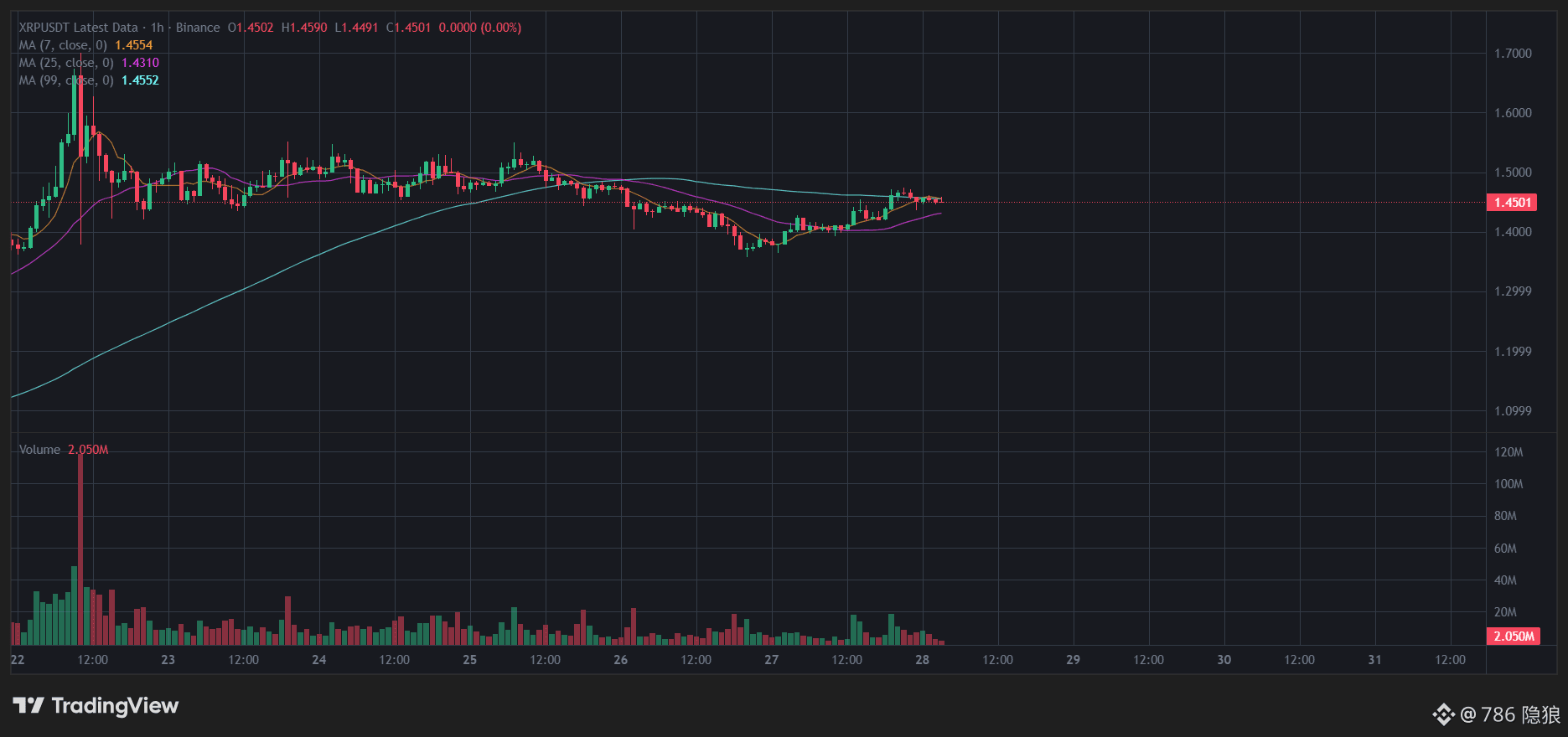
$XRP ຢູ່ທີ່ 1.45 ແລະ ຊື່ງສິ່ງທີ່ນແທ້ຈິງເປັນທີ່ນ່າສົນໃຈສຸດຢູ່ນີ້ ແມ່ນວ່າມັນງຽບລົງຫຼາຍແທ້ໆ.
ເບິ່ງເລີຍ — ເສັ້ນຍ້ອນສະເລ່ຍກໍ່ກຳລັງຊ້ອນກັນເກືອບຢູ່ສຸດຢູ່ດ້ຽວກັນ, ລາຄາບີບອັດເຂົ້າໃນຊ່ວງແຄບຂຶ້ນໆ ທີ່ແນບໃກ້ 1.45.
ການອັດແນ້ນແບບນີ້ ປົກກະຕິມັນບໍ່ຢູ່ດົນ. ມັນຈະສະລາຍ — ຄຳຖາມກໍ່ຄືວ່າຈະໄປທາງໃດ.
ສະນັ້ນຂ້ອຍບໍ່ໄດ້ຄາດການ, ຂ້ອຍລໍຖ້າສັນຍານບອກ:
ຊ່ວງທີ່ຂ້ອຍກຳລັງເຝົ້າ: ປະມານ 1.43 ແມ່ນສະໜັບ / 1.51 ແມ່ນຕ້ານ.
ບຣັກຂຶ້ນເໜືອ 1.51 ດ້ວຍປະລິມານ → ຂ້ອຍຈະມອງຫາ long ໄປທາງ 1.56+.
ເສຍ 1.43 → ຂ້ອຍຈະຢູ່ອອກແລະໃຫ້ມັນຫາພື້ນຕ່ຳກວ່າ.
ກາງສຸດຢູ່ຕອນນີ້ບໍ? ນັ້ນແມ່ນເຂດບໍ່ມີທັງຝ່າຍ — ຂ້ອຍບໍ່ຝືນເຂົ້າໄປ.
Coils ແບບນີ້ ແມ່ນບ່ອນທີ່ຄວາມອົດທົນຈ່າຍຜົນ. ການເຄື່ອນໄຫວ ຈະມາຫາເຈົ້າ.
ບໍ່ແມ່ນຄຳແນະນຳດ້ານການເງິນ, ພຽງແຕ່ຄິດອອກສຽງໆ. ເຈົ້າຄິດວ່າມັນຈະແຕກທາງໃດ?
ຕິດຕາມສັນຍານ ບໍ່ແມ່ນຕາມສຽງລົບກວນ.🐺
$XRP ຢູ່ທີ່ 1.45 ແລະ ຊື່ງສິ່ງທີ່ນແທ້ຈິງເປັນທີ່ນ່າສົນໃຈສຸດຢູ່ນີ້ ແມ່ນວ່າມັນງຽບລົງຫຼາຍແທ້ໆ.
ເບິ່ງເລີຍ — ເສັ້ນຍ້ອນສະເລ່ຍກໍ່ກຳລັງຊ້ອນກັນເກືອບຢູ່ສຸດຢູ່ດ້ຽວກັນ, ລາຄາບີບອັດເຂົ້າໃນຊ່ວງແຄບຂຶ້ນໆ ທີ່ແນບໃກ້ 1.45.
ການອັດແນ້ນແບບນີ້ ປົກກະຕິມັນບໍ່ຢູ່ດົນ. ມັນຈະສະລາຍ — ຄຳຖາມກໍ່ຄືວ່າຈະໄປທາງໃດ.
ສະນັ້ນຂ້ອຍບໍ່ໄດ້ຄາດການ, ຂ້ອຍລໍຖ້າສັນຍານບອກ:
ຊ່ວງທີ່ຂ້ອຍກຳລັງເຝົ້າ: ປະມານ 1.43 ແມ່ນສະໜັບ / 1.51 ແມ່ນຕ້ານ.
ບຣັກຂຶ້ນເໜືອ 1.51 ດ້ວຍປະລິມານ → ຂ້ອຍຈະມອງຫາ long ໄປທາງ 1.56+.
ເສຍ 1.43 → ຂ້ອຍຈະຢູ່ອອກແລະໃຫ້ມັນຫາພື້ນຕ່ຳກວ່າ.
ກາງສຸດຢູ່ຕອນນີ້ບໍ? ນັ້ນແມ່ນເຂດບໍ່ມີທັງຝ່າຍ — ຂ້ອຍບໍ່ຝືນເຂົ້າໄປ.
Coils ແບບນີ້ ແມ່ນບ່ອນທີ່ຄວາມອົດທົນຈ່າຍຜົນ. ການເຄື່ອນໄຫວ ຈະມາຫາເຈົ້າ.
ບໍ່ແມ່ນຄຳແນະນຳດ້ານການເງິນ, ພຽງແຕ່ຄິດອອກສຽງໆ. ເຈົ້າຄິດວ່າມັນຈະແຕກທາງໃດ?
ຕິດຕາມສັນຍານ ບໍ່ແມ່ນຕາມສຽງລົບກວນ.🐺
ເບິ່ງເລີຍ — ເສັ້ນຍ້ອນສະເລ່ຍກໍ່ກຳລັງຊ້ອນກັນເກືອບຢູ່ສຸດຢູ່ດ້ຽວກັນ, ລາຄາບີບອັດເຂົ້າໃນຊ່ວງແຄບຂຶ້ນໆ ທີ່ແນບໃກ້ 1.45.
ການອັດແນ້ນແບບນີ້ ປົກກະຕິມັນບໍ່ຢູ່ດົນ. ມັນຈະສະລາຍ — ຄຳຖາມກໍ່ຄືວ່າຈະໄປທາງໃດ.
ສະນັ້ນຂ້ອຍບໍ່ໄດ້ຄາດການ, ຂ້ອຍລໍຖ້າສັນຍານບອກ:
ຊ່ວງທີ່ຂ້ອຍກຳລັງເຝົ້າ: ປະມານ 1.43 ແມ່ນສະໜັບ / 1.51 ແມ່ນຕ້ານ.
ບຣັກຂຶ້ນເໜືອ 1.51 ດ້ວຍປະລິມານ → ຂ້ອຍຈະມອງຫາ long ໄປທາງ 1.56+.
ເສຍ 1.43 → ຂ້ອຍຈະຢູ່ອອກແລະໃຫ້ມັນຫາພື້ນຕ່ຳກວ່າ.
ກາງສຸດຢູ່ຕອນນີ້ບໍ? ນັ້ນແມ່ນເຂດບໍ່ມີທັງຝ່າຍ — ຂ້ອຍບໍ່ຝືນເຂົ້າໄປ.
Coils ແບບນີ້ ແມ່ນບ່ອນທີ່ຄວາມອົດທົນຈ່າຍຜົນ. ການເຄື່ອນໄຫວ ຈະມາຫາເຈົ້າ.
ບໍ່ແມ່ນຄຳແນະນຳດ້ານການເງິນ, ພຽງແຕ່ຄິດອອກສຽງໆ. ເຈົ້າຄິດວ່າມັນຈະແຕກທາງໃດ?
ຕິດຕາມສັນຍານ ບໍ່ແມ່ນຕາມສຽງລົບກວນ.🐺
292
ເຂົ້າສູ່ລະບົບເພື່ອສຳຫຼວດເນື້ອຫາເພີ່ມເຕີມ
ເຂົ້າຮ່ວມກຸ່ມຜູ້ໃຊ້ຄຣິບໂຕທົ່ວໂລກໃນ Binance Square.
⚡️ ໄດ້ຮັບຂໍ້ມູນຫຼ້າສຸດ ແລະ ທີ່ມີປະໂຫຍດກ່ຽວກັບຄຣິບໂຕ.
💬 ໄດ້ຮັບຄວາມໄວ້ວາງໃຈຈາກຕະຫຼາດແລກປ່ຽນຄຣິບໂຕທີ່ໃຫຍ່ທີ່ສຸດໃນໂລກ.
👍 ຄົ້ນຫາຂໍ້ມູນເຊີງເລິກທີ່ແທ້ຈາກນັກສ້າງທີ່ໄດ້ຮັບການຢືນຢັນ.
ອີເມວ / ເບີໂທລະສັບ
ຫົວຂໍ້ທີ່ກໍາລັງນິຍົມ
AIStocksWhatNext
1.1M views
7,230 ກຳລັງສົນທະນາ
Пាចែក ແລະ ຮັບຮາງວັນຈາກການແຂ່ງຂັນ Trending Hashtag ຂອງພວກເຮົາ
✨ຫົວຂໍ້: ມີໂອກາດການລົງທຶນອື່ນໃດອີກ ຍັງເຫຼືອບໍ ໃນເວລາທີ່ຫຸ້ນ AI ຍັງຂຶ້ນຢ່າງຕໍ່ເນື່ອງ?
👉ວິທີເຂົ້າຮ່ວມ:
ໂພດຂໍ້ຄວາມສັ້ນຫຼືບົດຄວາມພ້ອມ hashtag #AIStocksWhatNext
ແບ່ງປັນວ່າທ່ານເບີກບວກ (bullish) ຫຼືຂາດບວກ (bearish) ແລະ ໂພດການຖືຫຸ້ນ AI ຫຼືການຊື້ຂາຍຂອງທ່ານ — ການໃຊ້ trade widget ອາດຊ່ວຍໃຫ້ມີສິດກໍານົດໄດ້ດີຂຶ້ນ.
ທ່ານຍັງສາມາດເສີມໃຫ້ໂພດຂອງທ່ານໂດຍການແບ່ງປັນຂໍ້ມູນ ຫຼື ກຣາຟ, ແລະຫຼີກລ້ຽງຮູບພາບທີ່ສ້າງຈາກ AI.
✍️ສ້າງເນື້ອຫາຕາມມຸມມອງດ້ານລຸ່ມນີ້:
- Nvidia ກ່າວວ່າຍອດຂາຍຊິບຈະເພີ່ມເປັນສອງເທົ່າໃນປີໜ້າ, ແລະ ບໍລິສັດ AI ຊັ້ນນໍາຍັງຕີຍອດລາຍຮັບສູງສຸດຕໍ່ເນື່ອງ—ການໃຊ້ຈ່າຍດ້ານ compute ທີ່ຢູ່ຫຼັງມັນກໍ່ຊັດເຈນຫຼາຍ. ຄວາມຕ້ອງການຂອງ AI ຈິງໆກໍາລັງຂຶ້ນບໍ? ແລະ ມັນຈະຢູ່ໄດ້ດົນປານໃດ? ຫຸ້ນ AI ຂຶ້ນທົ່ວກະດານ. ນີ້ແມ່ນການປະຕິບັດສະລຸດຈິງ (real breakout) ຫຼືແພ້ແຄ່ການເດັ້ງກັ້ນໄລຍະສັ້ນ?
- ຜູ້ນໍາໃນອຸດສາຫະກໍາເອີ້ນໃຫ້ຊະລໍການພັດທະນາ AI, ໃນຂະນະທີ່ Trump ວາງແຜນຈະສ້າງ “AI Force” ໂດຍອ້າງວ່າ AI ອາດຈະກວມ 25% ຂອງ GDP ຂອງສະຫະລັດ ໃນອະນາຄົດ. ທ່ານຢູ່ຝ່າຍໃດ? ການໜູນຊ່ວຍຈາກລະດັບລັດ (state-level backing) ຈະເປັນໄຊຊະນະໄລຍະຍາວສໍາລັບຫຸ້ນ AI ບໍ?
- ທ່ານກໍ່າລັງຊື້ຫຸ້ນ AI ບໍ? ແບ່ງປັນການຊື້ຂາຍ/ການຖືຄອງທີ່ກ່ຽວຂ້ອງກັບ AI ຂອງທ່ານຜ່ານ trade sharing widget ຂອງພວກເຮົາ.
⏰ໄລຍະການແຄມເປນ:
- 2026-09-22 7:00 - 2026-09-24 4:00 UTC
🎁ລາງວັນ:
- ໂພດທີ່ມີຄຸນສົມບັດຕາມກົດລະບຽບຂ້າງເທິງ ແລະ ມີຫຼາຍກວ່າ 100 ຄໍາຈະຖືກທວດສອບ ແລະ ອາດຈະໄດ້ຮັບການເພີ່ມເຂົ້າເບິ່ງແບບສຸ່ມ 500 ຫາ 3,000 ຄັ້ງ. ທ່ານຈະໄດ້ຮັບແຈ້ງເຕືອນຈາກເຈົ້າໜ້າທີ່ຂອງ feed ຂອງພວກເຮົາ ຖ້າໂພດຂອງທ່ານຖືກເລືອກ.
- ມີໂອກາດໃຫ້ບົດຄວາມຂອງທ່ານຖືກນໍາໄປສະແດງໃນ Binance Square Official
ຕ້ອງການໄອເດຍສໍາລັບໂພດຂອງທ່ານບໍ? ເຂົ້າໄປທີ່ໜ້າຫົວຂໍ້ #AIStocksWhatNext ຫຼື Square Guide on How to Post for Better Reach.
Binance Square Official
·621 ຖືກໃຈ
·1.8M views
SpotBitcoinETFsInflow$2.31BInFourDays
10 views
4 ກຳລັງສົນທະນາ
BitcoinRejectedAt$87,300Twice
0 views
0 ກຳລັງສົນທະນາ