
luhonghai
11 ໂພສ

luhonghai
ລາຍງານ
ບລັອກຜູ້ໃຊ້
Co-Founder & CEO at NOTT. NOTT’s mission is to empower individuals and communities to take control of their health and wellness through innovative technology.
6 ກໍາລັງຕິດຕາມ
26 ຜູ້ຕິດຕາມ
49 Liked
ໂພສ
ທັງໝົດ
ວົງຢືມ
ປັກໝຸດ
·
--
ບົດຄວາມ
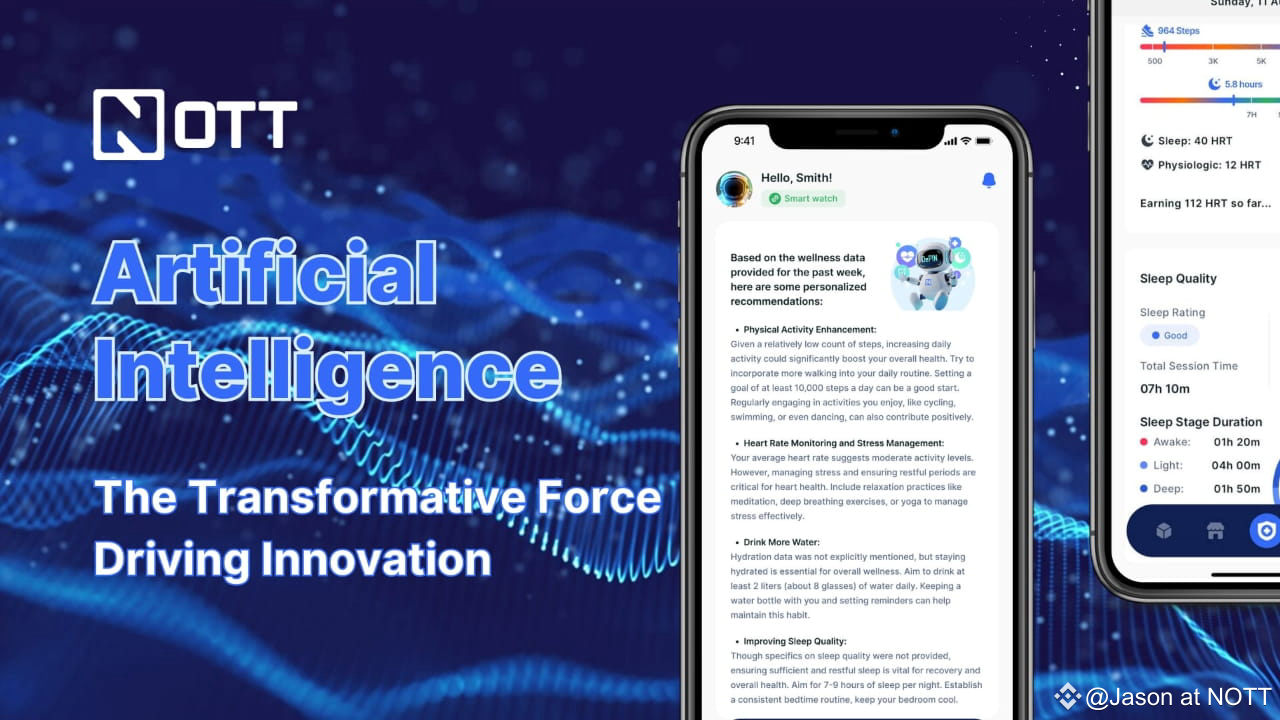
AI: Agbara Iyipada Ti N Tọ Ilọsiwaju Ĭdàsĭlẹ Ní Syeed NOTTIntelligence Artificial (AI) jẹ okuta igunile kan ti Syeed NOTT, ti o n yipada ni pataki si ọna ti awọn olumulo n ṣakoso ilera wọn, ati fifun awọn ìmúlò ti o niyelori fun awọn alabaṣiṣẹpọ ati ilolupo eda eniyan gbooro. Iṣọpọ AI laarin NOTT kì í ṣe ẹya kan lasan—o jẹ agbara awakọ ti o n ṣe ohun gbogbo ti ara ẹni (personalization), ìfarahàn ni iwọn nla (scalability), ati ĭdàsĭlẹ tí ń tẹsiwaju (continuous innovation), ni idaniloju pe olumulo kọọkan le bẹrẹ irin-ajo ilera kan tí a ṣe ni pato gẹgẹ bi awọn aini wọn.
Awọn Ìmúlò Imọ Ilera Ti A Ṣe Ti Ara Rẹ: Ṣiṣatunṣe Itọju-ara si Awọn Nini Kọọkan
AI: Agbara Iyipada Ti N Tọ Ilọsiwaju Ĭdàsĭlẹ Ní Syeed NOTT
Intelligence Artificial (AI) jẹ okuta igunile kan ti Syeed NOTT, ti o n yipada ni pataki si ọna ti awọn olumulo n ṣakoso ilera wọn, ati fifun awọn ìmúlò ti o niyelori fun awọn alabaṣiṣẹpọ ati ilolupo eda eniyan gbooro. Iṣọpọ AI laarin NOTT kì í ṣe ẹya kan lasan—o jẹ agbara awakọ ti o n ṣe ohun gbogbo ti ara ẹni (personalization), ìfarahàn ni iwọn nla (scalability), ati ĭdàsĭlẹ tí ń tẹsiwaju (continuous innovation), ni idaniloju pe olumulo kọọkan le bẹrẹ irin-ajo ilera kan tí a ṣe ni pato gẹgẹ bi awọn aini wọn.
Awọn Ìmúlò Imọ Ilera Ti A Ṣe Ti Ara Rẹ: Ṣiṣatunṣe Itọju-ara si Awọn Nini Kọọkan
Awọn Ìmúlò Imọ Ilera Ti A Ṣe Ti Ara Rẹ: Ṣiṣatunṣe Itọju-ara si Awọn Nini Kọọkan
1
3
747
·
--
ສັນຍານກະທິງ
ເບິ່ງການແປ
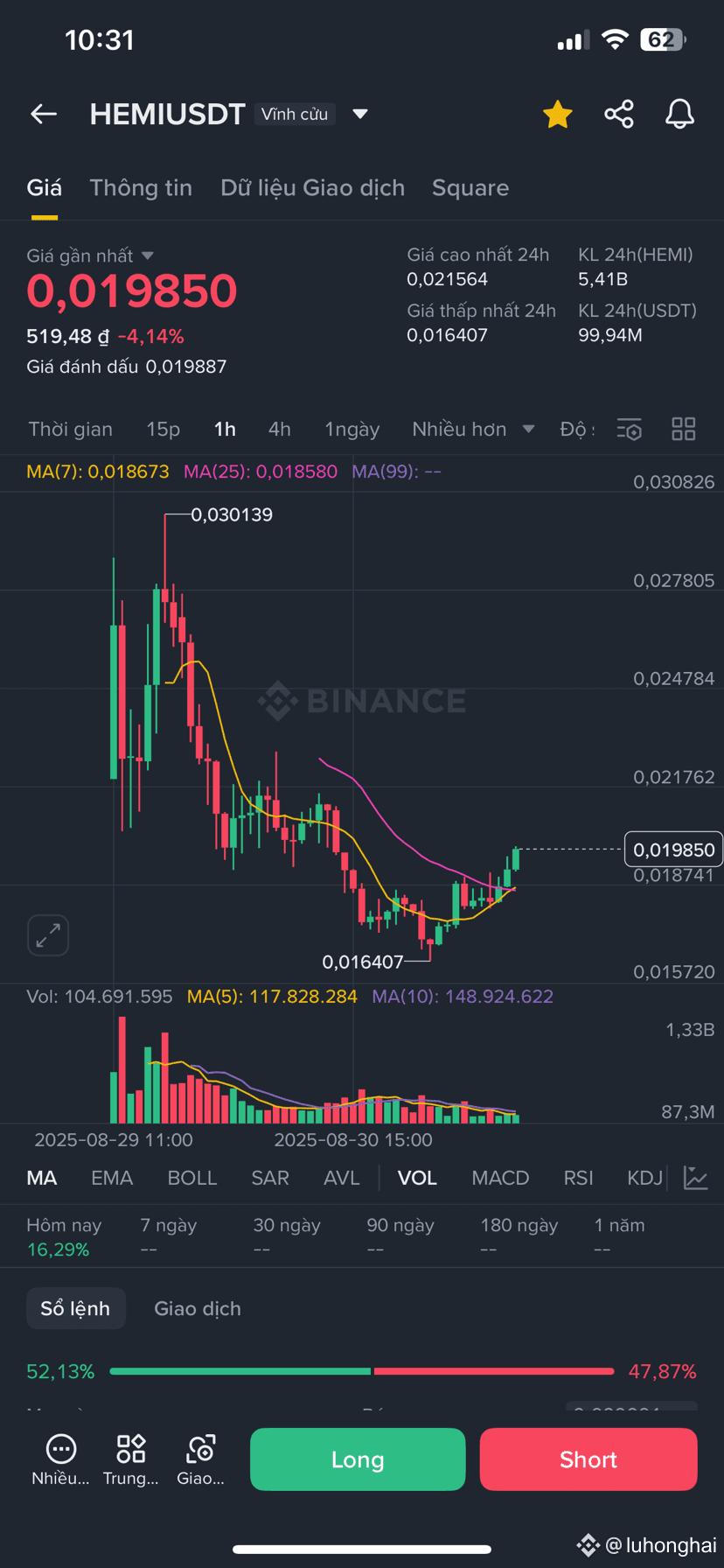
$HEMI L2 chất lượng kết nối BTC và ETH mà mcap chỉ có $20M, thị trường năm nay giá tốt thật, không còn bị ngáo giá như xưa nữa. Mua chờ uptrend thôi
$HEMI L2 chất lượng kết nối BTC và ETH mà mcap chỉ có $20M, thị trường năm nay giá tốt thật, không còn bị ngáo giá như xưa nữa. Mua chờ uptrend thôi
885
·
--
ບົດຄວາມ
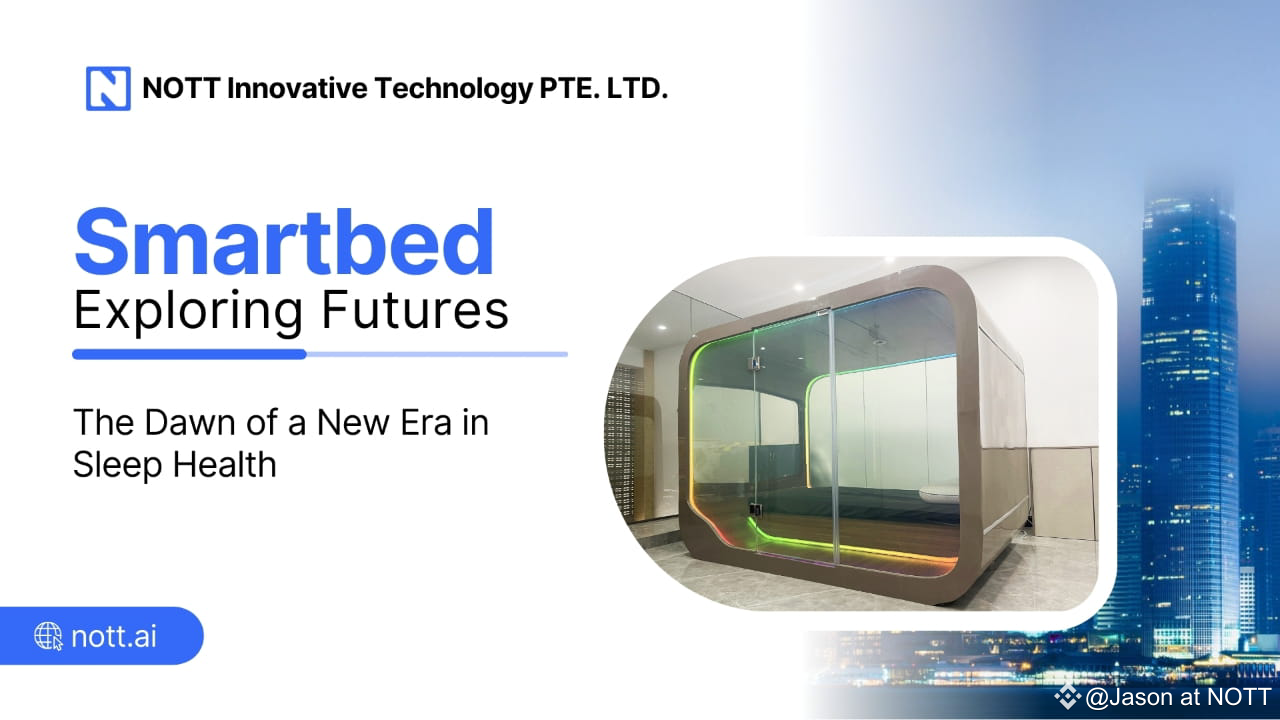
Te Ata o tētahi Wā Hou mō te Hauora o te Moe: Te Torotoro i te Kaupapa NOTT SmartBedKo te moe he wheako tangata katoa, heoi ka warewarehia tonutia tōna hiranga kia māharahara rā anō. I tētahi ao e akiaki tonu ana i a tātou ki te whakaputa hua, kāore anō kia nui ake te hiranga o te moe mō te pupuri i tō tātou hauora ā-tinana me ā-hinengaro. Ahakoa ka whakapau tata ki te kotahi-hautoru o ō tātou oranga e moe ana, he tokomaha tonu te hunga e uaua ana ki te whakatutuki i te moe hōhonu, whakaora hoki e hiahiatia ana mō te hauora me te oranga pai rawa. Ko te kaupapa NOTT SmartBed, he huarahi hou, auaha hoki ki te tiaki hauora o te moe, e whai ana ki te huri i te āhua o tō tātou kite me tō tātou whakahaere i te moe mā te whakauru hangarau matatau ki roto i ō tātou tikanga moe o ia pō.
Te Ata o tētahi Wā Hou mō te Hauora o te Moe: Te Torotoro i te Kaupapa NOTT SmartBed
Ko te moe he wheako tangata katoa, heoi ka warewarehia tonutia tōna hiranga kia māharahara rā anō. I tētahi ao e akiaki tonu ana i a tātou ki te whakaputa hua, kāore anō kia nui ake te hiranga o te moe mō te pupuri i tō tātou hauora ā-tinana me ā-hinengaro. Ahakoa ka whakapau tata ki te kotahi-hautoru o ō tātou oranga e moe ana, he tokomaha tonu te hunga e uaua ana ki te whakatutuki i te moe hōhonu, whakaora hoki e hiahiatia ana mō te hauora me te oranga pai rawa. Ko te kaupapa NOTT SmartBed, he huarahi hou, auaha hoki ki te tiaki hauora o te moe, e whai ana ki te huri i te āhua o tō tātou kite me tō tātou whakahaere i te moe mā te whakauru hangarau matatau ki roto i ō tātou tikanga moe o ia pō.
1
1
389
·
--
ບົດຄວາມ
Ang Kinabukasan ng Digital na Kalusugan at Kagalingan: Pagtahak sa Paglago at InobasyonAng digital na merkado ng kalusugan at kagalingan ay isang mabilis na umuunlad na sektor, na nakatindig sa gitna ng teknolohikal na inobasyon, kalusugan, at pag-uugali ng mga mamimili. Kasama sa dinamiko na pamilihang ito ang malawak na hanay ng mga produkto at serbisyong idinisenyo upang mapabuti ang mga resulta sa kalusugan at personal na kagalingan sa pamamagitan ng mga digital na paraan.
Mga Driver ng Paglago
Mga Pagsulong sa Teknolohiya: Ang mga inobasyon sa AI, IoT, at mobile na teknolohiya ay makabuluhang nagpapalawak ng mga kakayahan ng mga application sa kalusugan at kagalingan. Ang mga teknolohiyang ito ay nagbibigay-daan sa mas tumpak na pagsubaybay sa kalusugan, mas napapanahong mga pananaw sa personal na kalusugan, at real-time na pagsusuri ng data, na nagpapahusay sa kabuuang karanasan ng gumagamit.
Ang Kinabukasan ng Digital na Kalusugan at Kagalingan: Pagtahak sa Paglago at Inobasyon
Ang digital na merkado ng kalusugan at kagalingan ay isang mabilis na umuunlad na sektor, na nakatindig sa gitna ng teknolohikal na inobasyon, kalusugan, at pag-uugali ng mga mamimili. Kasama sa dinamiko na pamilihang ito ang malawak na hanay ng mga produkto at serbisyong idinisenyo upang mapabuti ang mga resulta sa kalusugan at personal na kagalingan sa pamamagitan ng mga digital na paraan.
Mga Driver ng Paglago
Mga Pagsulong sa Teknolohiya: Ang mga inobasyon sa AI, IoT, at mobile na teknolohiya ay makabuluhang nagpapalawak ng mga kakayahan ng mga application sa kalusugan at kagalingan. Ang mga teknolohiyang ito ay nagbibigay-daan sa mas tumpak na pagsubaybay sa kalusugan, mas napapanahong mga pananaw sa personal na kalusugan, at real-time na pagsusuri ng data, na nagpapahusay sa kabuuang karanasan ng gumagamit.
Mga Driver ng Paglago
Mga Pagsulong sa Teknolohiya: Ang mga inobasyon sa AI, IoT, at mobile na teknolohiya ay makabuluhang nagpapalawak ng mga kakayahan ng mga application sa kalusugan at kagalingan. Ang mga teknolohiyang ito ay nagbibigay-daan sa mas tumpak na pagsubaybay sa kalusugan, mas napapanahong mga pananaw sa personal na kalusugan, at real-time na pagsusuri ng data, na nagpapahusay sa kabuuang karanasan ng gumagamit.
2
1
8
29
·
--
ເບິ່ງການແປ
With the aspiration to address global health management and care challenges, NOTT's mission is to empower individuals and communities to understand, protect, and enhance their health through the integration of advanced technologies such as blockchain, DePIN, and artificial intelligence.
Our vision is to create a world where everyone actively manages their health and has easy access to the best health protection methods, driven by the principles of empowerment, security, and community focus.
#NOTT #AI #DePIN #RWA $BTC $SOL
With the aspiration to address global health management and care challenges, NOTT's mission is to empower individuals and communities to understand, protect, and enhance their health through the integration of advanced technologies such as blockchain, DePIN, and artificial intelligence.
Our vision is to create a world where everyone actively manages their health and has easy access to the best health protection methods, driven by the principles of empowerment, security, and community focus.
#NOTT #AI #DePIN #RWA $BTC $SOL
Our vision is to create a world where everyone actively manages their health and has easy access to the best health protection methods, driven by the principles of empowerment, security, and community focus.
#NOTT #AI #DePIN #RWA $BTC $SOL
1
3
531
·
--
ສັນຍານກະທິງ
ເບິ່ງການແປ
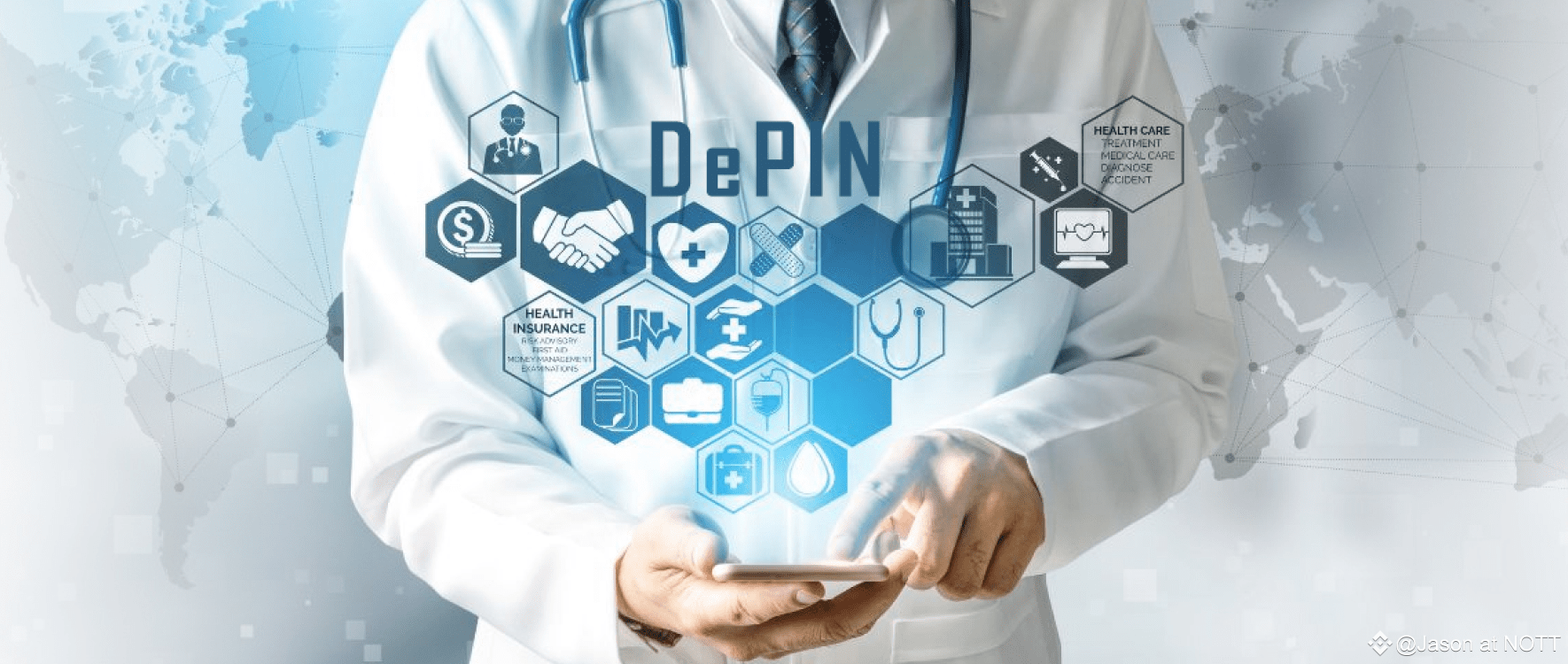
NOTT is a pioneering platform at the intersection of health and technology, leveraging the power of Decentralized Physical Infrastructure Networks (DePIN), advanced Artificial Intelligence (AI), and a unique Health Finance (HealthFi) model. At its core, NOTT aims to revolutionize personal wellness and community health through technological innovation.
Founded on the principles of decentralization and user empowerment, NOTT offers an ecosystem that seamlessly integrates health monitoring devices, AI-driven insights, and a token-based incentive system. This unique blend positions NOTT not only as a health monitoring platform but also as a comprehensive wellness ecosystem that motivates users to engage actively in their health journey.
NOTT is not just a one-way solution but a comprehensive platform that connects end-users with healthcare service and product providers. It aims to build a multi-beneficial community that promotes and enhances value for society.
#NOTT #DePIN #RWA $SOL $BTC #AI #blockchainvietnam
NOTT is a pioneering platform at the intersection of health and technology, leveraging the power of Decentralized Physical Infrastructure Networks (DePIN), advanced Artificial Intelligence (AI), and a unique Health Finance (HealthFi) model. At its core, NOTT aims to revolutionize personal wellness and community health through technological innovation.
Founded on the principles of decentralization and user empowerment, NOTT offers an ecosystem that seamlessly integrates health monitoring devices, AI-driven insights, and a token-based incentive system. This unique blend positions NOTT not only as a health monitoring platform but also as a comprehensive wellness ecosystem that motivates users to engage actively in their health journey.
NOTT is not just a one-way solution but a comprehensive platform that connects end-users with healthcare service and product providers. It aims to build a multi-beneficial community that promotes and enhances value for society.
#NOTT #DePIN #RWA $SOL $BTC #AI #blockchainvietnam
Founded on the principles of decentralization and user empowerment, NOTT offers an ecosystem that seamlessly integrates health monitoring devices, AI-driven insights, and a token-based incentive system. This unique blend positions NOTT not only as a health monitoring platform but also as a comprehensive wellness ecosystem that motivates users to engage actively in their health journey.
NOTT is not just a one-way solution but a comprehensive platform that connects end-users with healthcare service and product providers. It aims to build a multi-beneficial community that promotes and enhances value for society.
#NOTT #DePIN #RWA $SOL $BTC #AI #blockchainvietnam
1
5
619
·
--
ບົດຄວາມ
ເບິ່ງການແປ
Blockchain, AI, IoT and the Future of DePINImagine wearing a pair of smart glasses equipped with sensors near your temples that can collect a variety of data such as brain waves, images, and sounds. These signals can indicate your heart rate, blood pressure, stress levels, and various other states of your body. It would be fantastic if, when you encounter health issues, the glasses could display information and alerts to you and your family doctor. Additionally, these glasses could offer thousands of features, like helping you navigate, recognizing objects, and automatically translating for you. They would serve as an amazing virtual assistant, much like J.A.R.V.I.S in Iron Man.
Google Glass, which launched in 2011, was a revolutionary product in my opinion, but it still hasn’t become widespread. One significant reason is the challenge of developing a compact device that can perform numerous complex tasks requiring high computational power. Similarly, Apple Vision Pro, despite its innovative design and advanced features, faces similar hurdles. Apple Vision Pro, like Google Glass, aims to blend the digital and physical worlds seamlessly, yet the demand for high computational power in a compact form factor remains a significant obstacle. The need for efficient energy storage and advanced processing capabilities in a lightweight, wearable device continues to be a formidable challenge for both companies.
Technologies related to energy storage, CPUs (Central Processing Units), and GPUs (Graphics Processing Units) are advancing daily to balance and resolve issues of computational power, efficiency, and power consumption. However, integrating all that technology into a compact device remains impossible. Most current wearable devices link to a device with better computational power, like a smartphone, or connect directly to cloud server systems. This significantly impacts the autonomous computational capabilities of the device and its flexibility during use.
Let’s consider a hypothesis about a distributed computing system to solve this problem and how it would operate. Imagine that when you put on the glasses in the morning to start your day, the virtual assistant says, “Good morning, you slept for 8 hours last night without waking up, which is great. You are in a very refreshed state to start today’s work. You have a meeting at 9 AM with Mr. X and need to check the progress of product Y development this morning.”
The sensors on the smart bed you slept on last night collected data during your sleep, including sleep duration, sleep stages (N1, N2, REM, Deep), heart rate, breathing rate, and more. This data is stored in the bed’s central system.
When you put on the glasses in the morning, the sensors on the glasses immediately collect your current health status and send it to the bed’s central system. Simultaneously, they send a request to summarize and report on your sleep last night and your current health status. During this time, the glasses also compile the tasks you need to do for the day; this data is previously recorded in the bed system, your daily work MacBook, your phone, or other surrounding IoT (Internet of Things) devices.
All the data is sent from these devices to systems with sufficient computational power (GPUs) nearby, such as a passing Tesla car, or a high-configuration Gaming PC of a neighbor. Data transmission can be through Wifi, 4G, 5G, or LoRa waves. A process using Generative AI on these devices produces the responses the virtual assistant needs and sends them back to your glasses. Through the images on the glasses and sound transmission through the bone, you receive your response almost immediately.
This interesting combination of surrounding devices helps you get the fastest response, with the glasses merely acting as a bridge between you and those peripheral devices. The challenge here is how you can trust a device storing and processing your data, ensuring it is safe and accurate, and what about your privacy. And if someone else’s device, what do they gain from storing and computing for you? Or even using AI systems from big names like OpenAI, Google, and Microsoft, can you trust them enough to give them your sensitive information?
Blockchain is a powerful solution to address these issues. Your retina-scanning glasses create a Passkey that only you have the right to unlock; data is encrypted and authenticated based on this Passkey. The reward-punishment mechanisms of the decentralized computing process ensure the system’s transparency. Each participating device is allocated a corresponding reward, incentivizing the sharing of storage and computational resources. This approach not only avoids wasting resources that are not continuously used but also meets the increasing demand for smart devices.
This will be a massive system of billions of devices, a continuously operating brain built, managed, and operated by the community. This is Decentralized Physical Infrastructure Networks (DePIN).
The perfect combination of Blockchain, IoT, and AI creates a solid foundation for DePIN, helping to solve numerous problems in various fields. DePIN is a giant picture, being colored by hundreds of different projects. For example, Helium Network provides solutions for data transmission, Fetch.AI offers an AI platform, and NOTT provides healthcare solutions through continuous monitoring devices and a distributed wellness data system. We are getting very close to stories that seem only possible in science fiction movies. We are building that future, so in my opinion, the future is now.
#Write2Win #NOTT #DePIN #IoT #Blockchain $BTC $SOL
Blockchain, AI, IoT and the Future of DePIN
Imagine wearing a pair of smart glasses equipped with sensors near your temples that can collect a variety of data such as brain waves, images, and sounds. These signals can indicate your heart rate, blood pressure, stress levels, and various other states of your body. It would be fantastic if, when you encounter health issues, the glasses could display information and alerts to you and your family doctor. Additionally, these glasses could offer thousands of features, like helping you navigate, recognizing objects, and automatically translating for you. They would serve as an amazing virtual assistant, much like J.A.R.V.I.S in Iron Man.
Google Glass, which launched in 2011, was a revolutionary product in my opinion, but it still hasn’t become widespread. One significant reason is the challenge of developing a compact device that can perform numerous complex tasks requiring high computational power. Similarly, Apple Vision Pro, despite its innovative design and advanced features, faces similar hurdles. Apple Vision Pro, like Google Glass, aims to blend the digital and physical worlds seamlessly, yet the demand for high computational power in a compact form factor remains a significant obstacle. The need for efficient energy storage and advanced processing capabilities in a lightweight, wearable device continues to be a formidable challenge for both companies.
Technologies related to energy storage, CPUs (Central Processing Units), and GPUs (Graphics Processing Units) are advancing daily to balance and resolve issues of computational power, efficiency, and power consumption. However, integrating all that technology into a compact device remains impossible. Most current wearable devices link to a device with better computational power, like a smartphone, or connect directly to cloud server systems. This significantly impacts the autonomous computational capabilities of the device and its flexibility during use.
Let’s consider a hypothesis about a distributed computing system to solve this problem and how it would operate. Imagine that when you put on the glasses in the morning to start your day, the virtual assistant says, “Good morning, you slept for 8 hours last night without waking up, which is great. You are in a very refreshed state to start today’s work. You have a meeting at 9 AM with Mr. X and need to check the progress of product Y development this morning.”
The sensors on the smart bed you slept on last night collected data during your sleep, including sleep duration, sleep stages (N1, N2, REM, Deep), heart rate, breathing rate, and more. This data is stored in the bed’s central system.
When you put on the glasses in the morning, the sensors on the glasses immediately collect your current health status and send it to the bed’s central system. Simultaneously, they send a request to summarize and report on your sleep last night and your current health status. During this time, the glasses also compile the tasks you need to do for the day; this data is previously recorded in the bed system, your daily work MacBook, your phone, or other surrounding IoT (Internet of Things) devices.
All the data is sent from these devices to systems with sufficient computational power (GPUs) nearby, such as a passing Tesla car, or a high-configuration Gaming PC of a neighbor. Data transmission can be through Wifi, 4G, 5G, or LoRa waves. A process using Generative AI on these devices produces the responses the virtual assistant needs and sends them back to your glasses. Through the images on the glasses and sound transmission through the bone, you receive your response almost immediately.
This interesting combination of surrounding devices helps you get the fastest response, with the glasses merely acting as a bridge between you and those peripheral devices. The challenge here is how you can trust a device storing and processing your data, ensuring it is safe and accurate, and what about your privacy. And if someone else’s device, what do they gain from storing and computing for you? Or even using AI systems from big names like OpenAI, Google, and Microsoft, can you trust them enough to give them your sensitive information?
Blockchain is a powerful solution to address these issues. Your retina-scanning glasses create a Passkey that only you have the right to unlock; data is encrypted and authenticated based on this Passkey. The reward-punishment mechanisms of the decentralized computing process ensure the system’s transparency. Each participating device is allocated a corresponding reward, incentivizing the sharing of storage and computational resources. This approach not only avoids wasting resources that are not continuously used but also meets the increasing demand for smart devices.
This will be a massive system of billions of devices, a continuously operating brain built, managed, and operated by the community. This is Decentralized Physical Infrastructure Networks (DePIN).
The perfect combination of Blockchain, IoT, and AI creates a solid foundation for DePIN, helping to solve numerous problems in various fields. DePIN is a giant picture, being colored by hundreds of different projects. For example, Helium Network provides solutions for data transmission, Fetch.AI offers an AI platform, and NOTT provides healthcare solutions through continuous monitoring devices and a distributed wellness data system. We are getting very close to stories that seem only possible in science fiction movies. We are building that future, so in my opinion, the future is now.
#Write2Win #NOTT #DePIN #IoT #Blockchain $BTC $SOL
Google Glass, which launched in 2011, was a revolutionary product in my opinion, but it still hasn’t become widespread. One significant reason is the challenge of developing a compact device that can perform numerous complex tasks requiring high computational power. Similarly, Apple Vision Pro, despite its innovative design and advanced features, faces similar hurdles. Apple Vision Pro, like Google Glass, aims to blend the digital and physical worlds seamlessly, yet the demand for high computational power in a compact form factor remains a significant obstacle. The need for efficient energy storage and advanced processing capabilities in a lightweight, wearable device continues to be a formidable challenge for both companies.
Technologies related to energy storage, CPUs (Central Processing Units), and GPUs (Graphics Processing Units) are advancing daily to balance and resolve issues of computational power, efficiency, and power consumption. However, integrating all that technology into a compact device remains impossible. Most current wearable devices link to a device with better computational power, like a smartphone, or connect directly to cloud server systems. This significantly impacts the autonomous computational capabilities of the device and its flexibility during use.
Let’s consider a hypothesis about a distributed computing system to solve this problem and how it would operate. Imagine that when you put on the glasses in the morning to start your day, the virtual assistant says, “Good morning, you slept for 8 hours last night without waking up, which is great. You are in a very refreshed state to start today’s work. You have a meeting at 9 AM with Mr. X and need to check the progress of product Y development this morning.”
The sensors on the smart bed you slept on last night collected data during your sleep, including sleep duration, sleep stages (N1, N2, REM, Deep), heart rate, breathing rate, and more. This data is stored in the bed’s central system.
When you put on the glasses in the morning, the sensors on the glasses immediately collect your current health status and send it to the bed’s central system. Simultaneously, they send a request to summarize and report on your sleep last night and your current health status. During this time, the glasses also compile the tasks you need to do for the day; this data is previously recorded in the bed system, your daily work MacBook, your phone, or other surrounding IoT (Internet of Things) devices.
All the data is sent from these devices to systems with sufficient computational power (GPUs) nearby, such as a passing Tesla car, or a high-configuration Gaming PC of a neighbor. Data transmission can be through Wifi, 4G, 5G, or LoRa waves. A process using Generative AI on these devices produces the responses the virtual assistant needs and sends them back to your glasses. Through the images on the glasses and sound transmission through the bone, you receive your response almost immediately.
This interesting combination of surrounding devices helps you get the fastest response, with the glasses merely acting as a bridge between you and those peripheral devices. The challenge here is how you can trust a device storing and processing your data, ensuring it is safe and accurate, and what about your privacy. And if someone else’s device, what do they gain from storing and computing for you? Or even using AI systems from big names like OpenAI, Google, and Microsoft, can you trust them enough to give them your sensitive information?
Blockchain is a powerful solution to address these issues. Your retina-scanning glasses create a Passkey that only you have the right to unlock; data is encrypted and authenticated based on this Passkey. The reward-punishment mechanisms of the decentralized computing process ensure the system’s transparency. Each participating device is allocated a corresponding reward, incentivizing the sharing of storage and computational resources. This approach not only avoids wasting resources that are not continuously used but also meets the increasing demand for smart devices.
This will be a massive system of billions of devices, a continuously operating brain built, managed, and operated by the community. This is Decentralized Physical Infrastructure Networks (DePIN).
The perfect combination of Blockchain, IoT, and AI creates a solid foundation for DePIN, helping to solve numerous problems in various fields. DePIN is a giant picture, being colored by hundreds of different projects. For example, Helium Network provides solutions for data transmission, Fetch.AI offers an AI platform, and NOTT provides healthcare solutions through continuous monitoring devices and a distributed wellness data system. We are getting very close to stories that seem only possible in science fiction movies. We are building that future, so in my opinion, the future is now.
#Write2Win #NOTT #DePIN #IoT #Blockchain $BTC $SOL
6
15
·
--
ສັນຍານກະທິງ
ເບິ່ງການແປ
Building a successful startup means clearly identifying the problems you aim to solve and the target audience. In my journey, I've found Blockchain to be a powerful solution, alongside AI and IoT, for addressing user challenges. And Blockchain has proven its effectiveness over time.
However, I believe Blockchain shouldn't be the sole foundation for a startup. Instead, it should be one of the key tools to tackle complex problems and solve user issues that remain unaddressed.
The biggest challenge for Web3 projects lies with the users. When users truly understand and trust the technology, startups must effectively convey its importance, impact, and value. Additionally, users need to feel secure when using it.
We're on a mission to educate users about the true value of Blockchain, and I believe there will come a time when this value is widely recognized.
#NOTT #AI #HealthFi #DePIN #RWA @bitcoin @Solana_Official $BTC $SOL
Building a successful startup means clearly identifying the problems you aim to solve and the target audience. In my journey, I've found Blockchain to be a powerful solution, alongside AI and IoT, for addressing user challenges. And Blockchain has proven its effectiveness over time.
However, I believe Blockchain shouldn't be the sole foundation for a startup. Instead, it should be one of the key tools to tackle complex problems and solve user issues that remain unaddressed.
The biggest challenge for Web3 projects lies with the users. When users truly understand and trust the technology, startups must effectively convey its importance, impact, and value. Additionally, users need to feel secure when using it.
We're on a mission to educate users about the true value of Blockchain, and I believe there will come a time when this value is widely recognized.
#NOTT #AI #HealthFi #DePIN #RWA @Bitcoin @Solana Official $BTC $SOL
However, I believe Blockchain shouldn't be the sole foundation for a startup. Instead, it should be one of the key tools to tackle complex problems and solve user issues that remain unaddressed.
The biggest challenge for Web3 projects lies with the users. When users truly understand and trust the technology, startups must effectively convey its importance, impact, and value. Additionally, users need to feel secure when using it.
We're on a mission to educate users about the true value of Blockchain, and I believe there will come a time when this value is widely recognized.
#NOTT #AI #HealthFi #DePIN #RWA @Bitcoin @Solana Official $BTC $SOL
5
723
·
--
ສັນຍານກະທິງ
ເບິ່ງການແປ
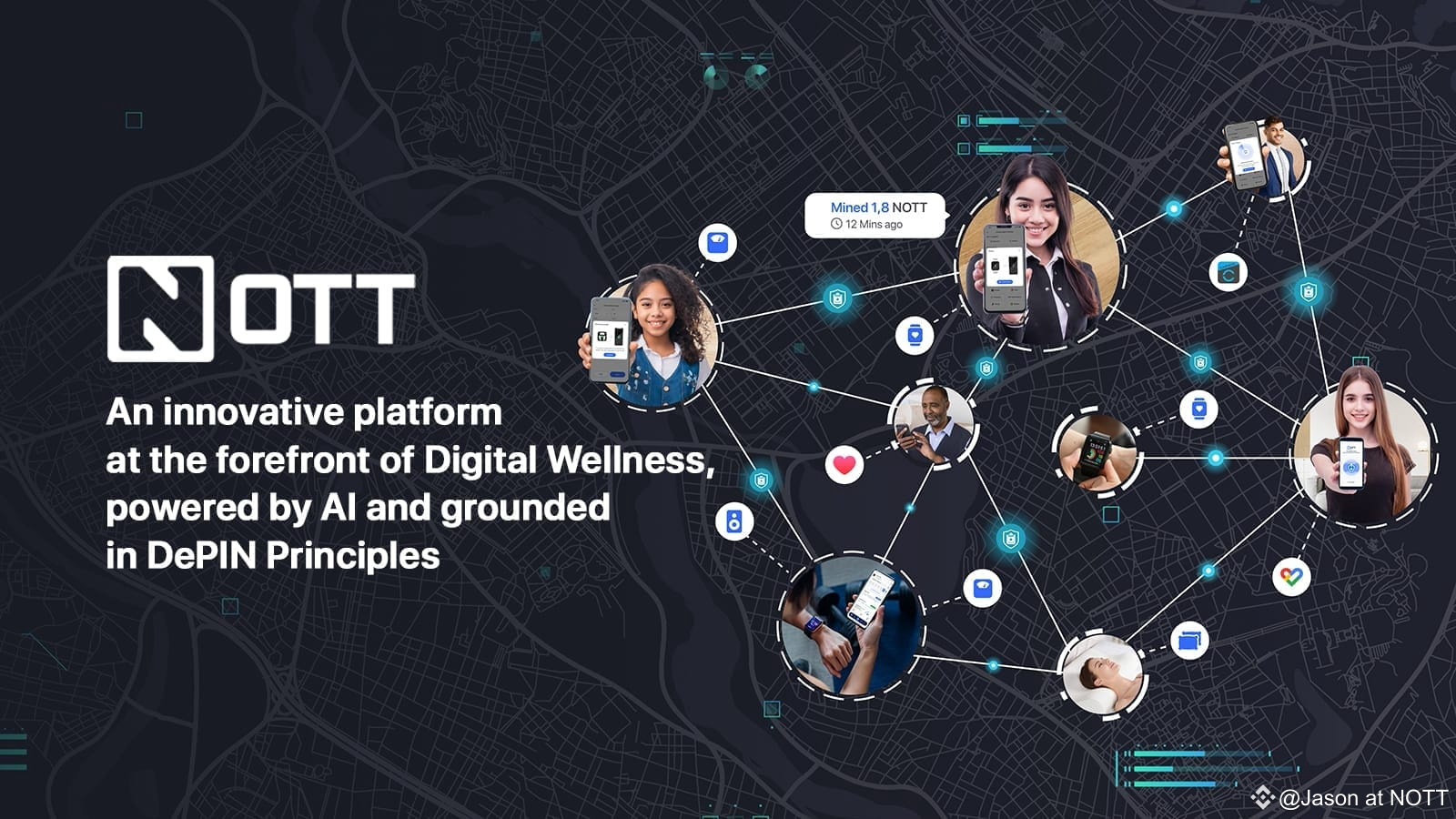
Imagine a network of billions of devices working together, constantly operating, managed, and driven by the community. This is the essence of Decentralized Physical Infrastructure Network (DePIN), a dynamic system built on the synergy of Blockchain, IoT, and AI, providing groundbreaking solutions across various fields.
Now, picture wearing smart glasses equipped with advanced sensors near your temples, capable of capturing brain waves, images, and sounds. These glasses could monitor your heart rate, blood pressure, stress levels, and more. If health issues arise, they could instantly display critical information and alerts to you and your family doctor. Beyond that, they could navigate your journey, recognize objects, and translate languages, transforming into a virtual assistant as intuitive as J.A.R.V.I.S. from Iron Man.
DePIN is the canvas for countless innovative projects, painting a future that feels like science fiction but is quickly becoming our reality. We’re on the brink of a technological revolution, and the future is unfolding before our eyes.
#NOTT #depin #rwa #HealthFi #AI @Solana_Official @bitcoin $BTC $SOL
Imagine a network of billions of devices working together, constantly operating, managed, and driven by the community. This is the essence of Decentralized Physical Infrastructure Network (DePIN), a dynamic system built on the synergy of Blockchain, IoT, and AI, providing groundbreaking solutions across various fields.
Now, picture wearing smart glasses equipped with advanced sensors near your temples, capable of capturing brain waves, images, and sounds. These glasses could monitor your heart rate, blood pressure, stress levels, and more. If health issues arise, they could instantly display critical information and alerts to you and your family doctor. Beyond that, they could navigate your journey, recognize objects, and translate languages, transforming into a virtual assistant as intuitive as J.A.R.V.I.S. from Iron Man.
DePIN is the canvas for countless innovative projects, painting a future that feels like science fiction but is quickly becoming our reality. We’re on the brink of a technological revolution, and the future is unfolding before our eyes.
#NOTT #depin #rwa #HealthFi #AI @Solana Official @Bitcoin $BTC $SOL
Now, picture wearing smart glasses equipped with advanced sensors near your temples, capable of capturing brain waves, images, and sounds. These glasses could monitor your heart rate, blood pressure, stress levels, and more. If health issues arise, they could instantly display critical information and alerts to you and your family doctor. Beyond that, they could navigate your journey, recognize objects, and translate languages, transforming into a virtual assistant as intuitive as J.A.R.V.I.S. from Iron Man.
DePIN is the canvas for countless innovative projects, painting a future that feels like science fiction but is quickly becoming our reality. We’re on the brink of a technological revolution, and the future is unfolding before our eyes.
#NOTT #depin #rwa #HealthFi #AI @Solana Official @Bitcoin $BTC $SOL
9
666
·
--
ເບິ່ງການແປ
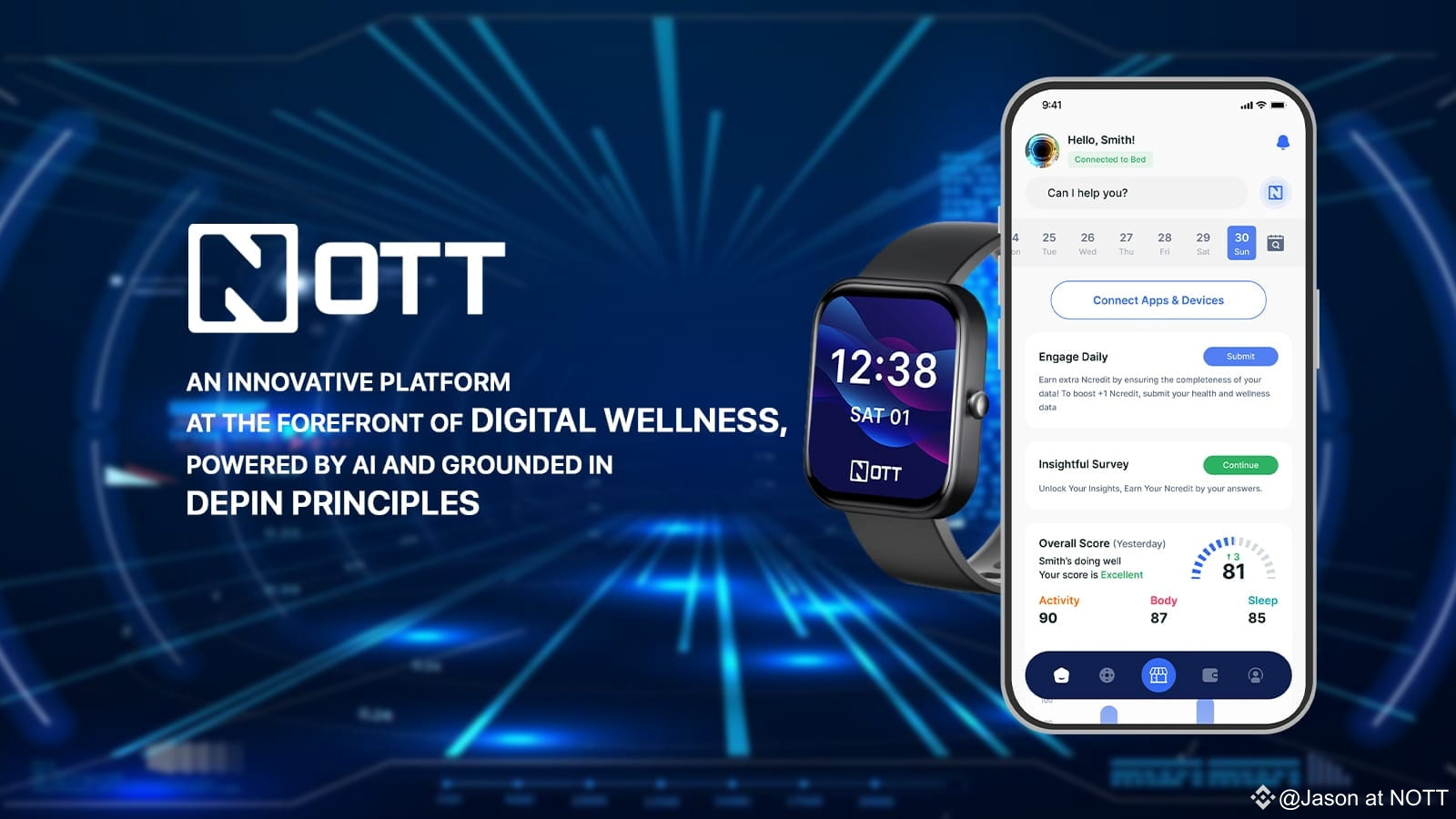
In Vietnamese, there's a saying, "Ba cây chụm lại nên hòn núi cao," which translates to "Three trees together make a high mountain." To me, this perfectly encapsulates the transformative potential of combining three key technologies: Blockchain, IoT, and AI.
1. Blockchain: Solving financial challenges and ensuring secure, transparent transactions.
2. IoT: Serving as the critical touchpoint, connecting devices and systems seamlessly.
3. AI: Evolving into Intelligent Assistants (IA), enhancing our decision-making and efficiency.
Together, these technologies form the backbone of DePIN (Decentralized Physical Infrastructure Network), creating practical, everyday solutions that can change the world. Let's harness the power of synergy and innovation to shape a better future!
#NOTT #DePIN #AI #IoT #HealthFi $SOL
In Vietnamese, there's a saying, "Ba cây chụm lại nên hòn núi cao," which translates to "Three trees together make a high mountain." To me, this perfectly encapsulates the transformative potential of combining three key technologies: Blockchain, IoT, and AI.
1. Blockchain: Solving financial challenges and ensuring secure, transparent transactions.
2. IoT: Serving as the critical touchpoint, connecting devices and systems seamlessly.
3. AI: Evolving into Intelligent Assistants (IA), enhancing our decision-making and efficiency.
Together, these technologies form the backbone of DePIN (Decentralized Physical Infrastructure Network), creating practical, everyday solutions that can change the world. Let's harness the power of synergy and innovation to shape a better future!
#NOTT #DePIN #AI #IoT #HealthFi $SOL
1. Blockchain: Solving financial challenges and ensuring secure, transparent transactions.
2. IoT: Serving as the critical touchpoint, connecting devices and systems seamlessly.
3. AI: Evolving into Intelligent Assistants (IA), enhancing our decision-making and efficiency.
Together, these technologies form the backbone of DePIN (Decentralized Physical Infrastructure Network), creating practical, everyday solutions that can change the world. Let's harness the power of synergy and innovation to shape a better future!
#NOTT #DePIN #AI #IoT #HealthFi $SOL
9
339
ເຂົ້າສູ່ລະບົບເພື່ອສຳຫຼວດເນື້ອຫາເພີ່ມເຕີມ
ເຂົ້າຮ່ວມກຸ່ມຜູ້ໃຊ້ຄຣິບໂຕທົ່ວໂລກໃນ Binance Square.
⚡️ ໄດ້ຮັບຂໍ້ມູນຫຼ້າສຸດ ແລະ ທີ່ມີປະໂຫຍດກ່ຽວກັບຄຣິບໂຕ.
💬 ໄດ້ຮັບຄວາມໄວ້ວາງໃຈຈາກຕະຫຼາດແລກປ່ຽນຄຣິບໂຕທີ່ໃຫຍ່ທີ່ສຸດໃນໂລກ.
👍 ຄົ້ນຫາຂໍ້ມູນເຊີງເລິກທີ່ແທ້ຈາກນັກສ້າງທີ່ໄດ້ຮັບການຢືນຢັນ.
ອີເມວ / ເບີໂທລະສັບ
ຫົວຂໍ້ທີ່ກໍາລັງນິຍົມ
BitcoinReboundsTo$79K
23,450 views
219 ກຳລັງສົນທະນາ
🚨 $BTC is pushing higher.
Bitcoin is trading around $78,804, up roughly 1.9%, after reclaiming the $78K area. The next level to watch is the intraday high near $78,905.
A clean break above that level could open the way toward $79K–$80K. If BTC gets rejected, support sits around $78,300, then $77,975.
Bulls have momentum, but BTC needs to hold above $78K.
#Bitcoin #BTC #CryptoTrading #CryptoMarket #CryptoAnalysis
PulseON
·19 ຖືກໃຈ
·18.6k views
BitcoinSpotETFsNetInflow$160M
750 views
51 ກຳລັງສົນທະນາ
SouthKoreaCryptoTaxDelayPetitionTops50000
16,568 views
473 ກຳລັງສົນທະນາ