

Cryptolysis
4 ໂພສ

Cryptolysis
ລາຍງານ
ບລັອກຜູ້ໃຊ້
Your Cryptocurrency Analyst Sista…
ເປີດການຊື້ຂາຍ
ຜູ້ຊື້ຂາຍຊົ່ວຄາວ
1.7 ປີ
113 ກໍາລັງຕິດຕາມ
6 ຜູ້ຕິດຕາມ
0 Liked
ໂພສ
Portfolio
·
--
Many people think earnings season is simple: a company beats estimates, so the stock rises.
Reality is more complicated.
Markets compare results with expectations already priced in. That means a company can report higher revenue, higher profits, and still decline if investors expected even more.
Here are the four items that matter most:
- Revenue growth
- Profit margins
- Free cash flow
- Future guidance
The last one often matters most. Earnings tell us what happened. Guidance tells markets what management expects next.
#EarningsSeason #BitcoinClears$85200 #financialeducation #InvestingBasics $BTC
{spot}(BTCUSDT)
Many people think earnings season is simple: a company beats estimates, so the stock rises.
Reality is more complicated.
Markets compare results with expectations already priced in. That means a company can report higher revenue, higher profits, and still decline if investors expected even more.
Here are the four items that matter most:
- Revenue growth
- Profit margins
- Free cash flow
- Future guidance
The last one often matters most. Earnings tell us what happened. Guidance tells markets what management expects next.
#EarningsSeason #BitcoinClears$85200 #financialeducation #InvestingBasics $BTC
Reality is more complicated.
Markets compare results with expectations already priced in. That means a company can report higher revenue, higher profits, and still decline if investors expected even more.
Here are the four items that matter most:
- Revenue growth
- Profit margins
- Free cash flow
- Future guidance
The last one often matters most. Earnings tell us what happened. Guidance tells markets what management expects next.
#EarningsSeason #BitcoinClears$85200 #financialeducation #InvestingBasics $BTC
33
·
--
One Earnings Call Can Change Everything: Here’s What Smart Money Listens For 🎙️
The earnings release gets the headlines. The earnings call often reveals the real story.
Beyond revenue and profit figures, market participants listen closely for changes in tone: Are executives confident? Are customers spending? Are costs rising? Is demand improving—or quietly weakening?
Listen for these signals:
- Demand trends: Strong order books, customer growth, and pricing power can support optimism.
- Margin pressure: Rising labor, supply-chain, or financing costs may weigh on profitability.
- Buybacks and cash flow: These can show financial strength—but should be viewed alongside debt and growth plans.
- Guidance language: Words like “cautious,” “normalizing,” “uncertain,” or “accelerating” can move markets fast.
- Sector read-through: One company’s commentary can affect an entire industry, from chips and cloud to retail and payments.
Earnings season is where narratives meet numbers. The strongest market reactions often come when the two don’t match.
Stay focused, stay selective, and remember: volatility creates opportunity—but it also increases risk.
#EarningsSeason #MarketAnalysisWord #StocksToWatch #FinancialMarketsShift
{spot}(NEARUSDT)
One Earnings Call Can Change Everything: Here’s What Smart Money Listens For 🎙️
The earnings release gets the headlines. The earnings call often reveals the real story.
Beyond revenue and profit figures, market participants listen closely for changes in tone: Are executives confident? Are customers spending? Are costs rising? Is demand improving—or quietly weakening?
Listen for these signals:
- Demand trends: Strong order books, customer growth, and pricing power can support optimism.
- Margin pressure: Rising labor, supply-chain, or financing costs may weigh on profitability.
- Buybacks and cash flow: These can show financial strength—but should be viewed alongside debt and growth plans.
- Guidance language: Words like “cautious,” “normalizing,” “uncertain,” or “accelerating” can move markets fast.
- Sector read-through: One company’s commentary can affect an entire industry, from chips and cloud to retail and payments.
Earnings season is where narratives meet numbers. The strongest market reactions often come when the two don’t match.
Stay focused, stay selective, and remember: volatility creates opportunity—but it also increases risk.
#EarningsSeason #MarketAnalysisWord #StocksToWatch #FinancialMarketsShift
The earnings release gets the headlines. The earnings call often reveals the real story.
Beyond revenue and profit figures, market participants listen closely for changes in tone: Are executives confident? Are customers spending? Are costs rising? Is demand improving—or quietly weakening?
Listen for these signals:
- Demand trends: Strong order books, customer growth, and pricing power can support optimism.
- Margin pressure: Rising labor, supply-chain, or financing costs may weigh on profitability.
- Buybacks and cash flow: These can show financial strength—but should be viewed alongside debt and growth plans.
- Guidance language: Words like “cautious,” “normalizing,” “uncertain,” or “accelerating” can move markets fast.
- Sector read-through: One company’s commentary can affect an entire industry, from chips and cloud to retail and payments.
Earnings season is where narratives meet numbers. The strongest market reactions often come when the two don’t match.
Stay focused, stay selective, and remember: volatility creates opportunity—but it also increases risk.
#EarningsSeason #MarketAnalysisWord #StocksToWatch #FinancialMarketsShift
77
·
--
Earnings Season Decoded: Why “Beat Expectations” Doesn’t Always Mean Green 📊
A company can post impressive earnings—and still see its share price fall. Welcome to earnings season.
Here’s the key lesson: markets price in expectations *before* results arrive. If investors expect explosive growth, a simple “beat” may not be enough.
Four metrics worth understanding:
1. EPS: Earnings per share shows profitability on a per-share basis.
2. Revenue: Indicates demand and the company’s growth trajectory.
3. Margins: Reveal whether a company is turning sales into sustainable profits.
4. Guidance: Management’s outlook for the next quarter or year—and often the biggest driver after results.
The market-analysis angle:
A strong report with weak guidance can signal that growth may cool. Meanwhile, a modest report with improving margins and optimistic forecasts can lift sentiment. That’s why earnings season is a volatility event—not just a scorecard.
For traders and long-term investors alike, the question isn’t only: “Did they beat?”
It’s: “Was the future better or worse than the market expected?”
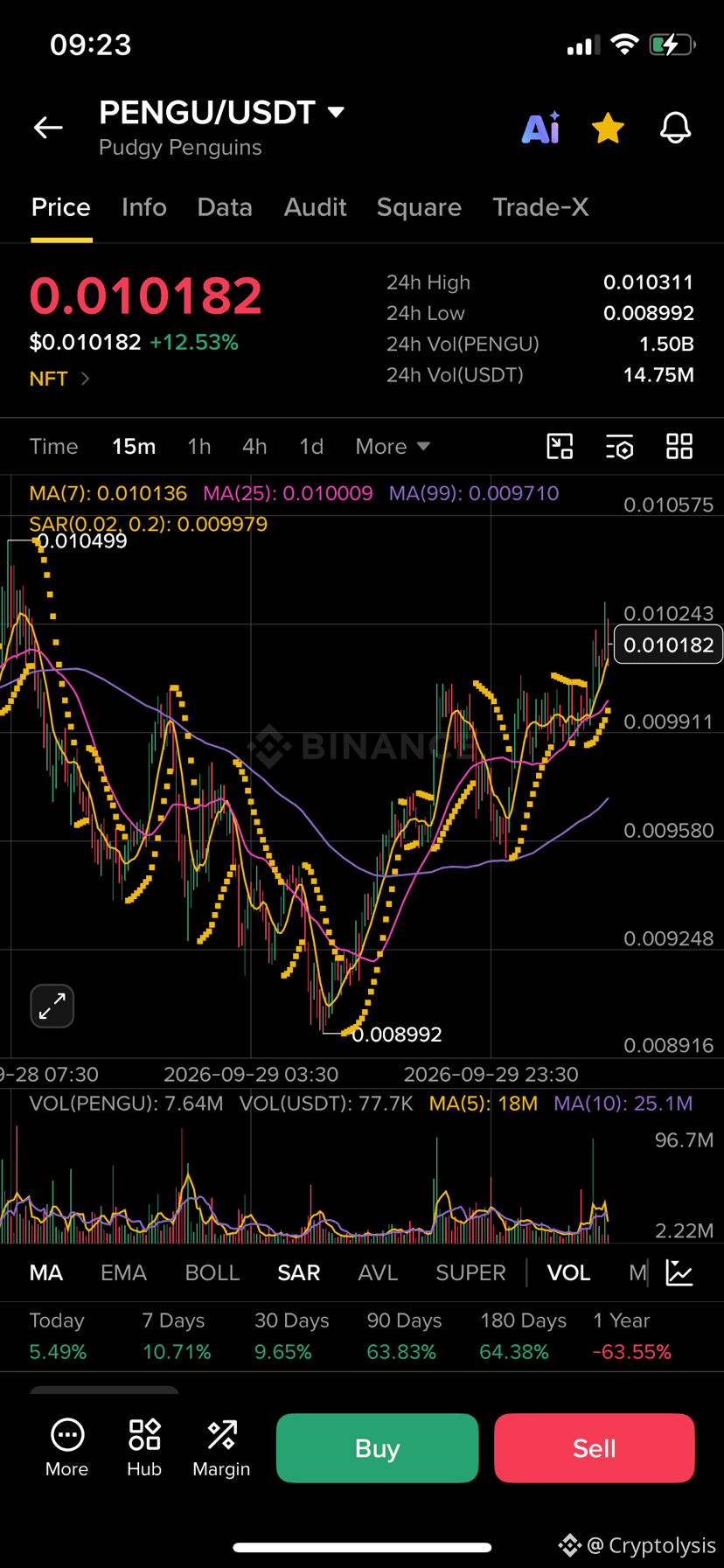
#EarningsSeason #financialeducation #MarketAnalysis #InvestingBasics #WallStreetShakeup $PENGU
{spot}(PENGUUSDT)
{future}(PENGUSDT)
Earnings Season Decoded: Why “Beat Expectations” Doesn’t Always Mean Green 📊
A company can post impressive earnings—and still see its share price fall. Welcome to earnings season.
Here’s the key lesson: markets price in expectations *before* results arrive. If investors expect explosive growth, a simple “beat” may not be enough.
Four metrics worth understanding:
1. EPS: Earnings per share shows profitability on a per-share basis.
2. Revenue: Indicates demand and the company’s growth trajectory.
3. Margins: Reveal whether a company is turning sales into sustainable profits.
4. Guidance: Management’s outlook for the next quarter or year—and often the biggest driver after results.
The market-analysis angle:
A strong report with weak guidance can signal that growth may cool. Meanwhile, a modest report with improving margins and optimistic forecasts can lift sentiment. That’s why earnings season is a volatility event—not just a scorecard.
For traders and long-term investors alike, the question isn’t only: “Did they beat?”
It’s: “Was the future better or worse than the market expected?”
#EarningsSeason #financialeducation #MarketAnalysis #InvestingBasics #WallStreetShakeup $PENGU
A company can post impressive earnings—and still see its share price fall. Welcome to earnings season.
Here’s the key lesson: markets price in expectations *before* results arrive. If investors expect explosive growth, a simple “beat” may not be enough.
Four metrics worth understanding:
1. EPS: Earnings per share shows profitability on a per-share basis.
2. Revenue: Indicates demand and the company’s growth trajectory.
3. Margins: Reveal whether a company is turning sales into sustainable profits.
4. Guidance: Management’s outlook for the next quarter or year—and often the biggest driver after results.
The market-analysis angle:
A strong report with weak guidance can signal that growth may cool. Meanwhile, a modest report with improving margins and optimistic forecasts can lift sentiment. That’s why earnings season is a volatility event—not just a scorecard.
For traders and long-term investors alike, the question isn’t only: “Did they beat?”
It’s: “Was the future better or worse than the market expected?”
#EarningsSeason #financialeducation #MarketAnalysis #InvestingBasics #WallStreetShakeup $PENGU
211
·
--
$HBAR is back on traders’ radar.
Hedera’s focus on enterprise-grade infrastructure, fast finality, and low transaction costs keeps it differentiated from many L1 narratives.
But attention alone doesn’t guarantee upside—watch for sustained volume, ecosystem activity, broader market conditions, and whether momentum holds after any initial move.
Do your own research, size risk carefully, and avoid chasing volatility.#HBARPatentNews
$HBAR is back on traders’ radar.
Hedera’s focus on enterprise-grade infrastructure, fast finality, and low transaction costs keeps it differentiated from many L1 narratives.
But attention alone doesn’t guarantee upside—watch for sustained volume, ecosystem activity, broader market conditions, and whether momentum holds after any initial move.
Do your own research, size risk carefully, and avoid chasing volatility.#HBARPatentNews
Hedera’s focus on enterprise-grade infrastructure, fast finality, and low transaction costs keeps it differentiated from many L1 narratives.
But attention alone doesn’t guarantee upside—watch for sustained volume, ecosystem activity, broader market conditions, and whether momentum holds after any initial move.
Do your own research, size risk carefully, and avoid chasing volatility.#HBARPatentNews
1
296
ເຂົ້າສູ່ລະບົບເພື່ອສຳຫຼວດເນື້ອຫາເພີ່ມເຕີມ
ເຂົ້າຮ່ວມກຸ່ມຜູ້ໃຊ້ຄຣິບໂຕທົ່ວໂລກໃນ Binance Square.
⚡️ ໄດ້ຮັບຂໍ້ມູນຫຼ້າສຸດ ແລະ ທີ່ມີປະໂຫຍດກ່ຽວກັບຄຣິບໂຕ.
💬 ໄດ້ຮັບຄວາມໄວ້ວາງໃຈຈາກຕະຫຼາດແລກປ່ຽນຄຣິບໂຕທີ່ໃຫຍ່ທີ່ສຸດໃນໂລກ.
👍 ຄົ້ນຫາຂໍ້ມູນເຊີງເລິກທີ່ແທ້ຈາກນັກສ້າງທີ່ໄດ້ຮັບການຢືນຢັນ.
ອີເມວ / ເບີໂທລະສັບ
ຫົວຂໍ້ທີ່ກໍາລັງນິຍົມ
BitcoinClears$85200
4,901 views
140 ກຳລັງສົນທະນາ
We got the move, and $BTC is standing exactly where we were before the data. That’s what actual patience for a trade looks like.
The data came in mixed but with some important numbers. ADP Non-Farm Employment Change came at 90K vs 73K forecast, while Core PCE came in at 0.2% vs 0.3% expected. Final GDP was also stronger at 2.2% vs 1.5% forecast, while Personal Spending came in at 0.9% vs 0.8% expected. At the same time, Personal Income missed at 0.2% vs 0.5% forecast.
BTC initially surged to $85,600 and is now back where it needs to be. I’m still looking toward the lower ranges at $82,759 and the $80,000 liquidity, because the overhead liquidity is done and dusted.
We had a live session during the data, and during that session we saw the market at $83,800, then $85,600, and then back toward $83,000 and we still didn’t enter a trade.
That’s what patience is.
We can’t force an entry when the market has no clear direction. The same range is still in focus, and we’ll wait for the market to give us the setup.
Let me know, guys, how was the session? And should we have more regular sessions with our respected members so we can have proper discussions regarding the market?
#BitcoinClears$85200 #AltcoinSeasonIndexHoldsAbove60For5Days #USADPAdds90000JobsInSeptember #BitcoinSlipsBelow$84000 #SECToClarifyOnChainFundraisingRules
Crypto_LUX
·23 ຖືກໃຈ
·10.5k views
AltcoinSeasonIndexHoldsAbove60For5Days
30,760 views
881 ກຳລັງສົນທະນາ
USADPAdds90000JobsInSeptember
12,369 views
500 ກຳລັງສົນທະນາ