
MAGO52
14 ໂພສ
MAGO52
Binance
37 ກໍາລັງຕິດຕາມ
47 ຜູ້ຕິດຕາມ
16 Liked
ໂພສ
ທັງໝົດ
ວົງຢືມ
_Node
·
--
🚨 ການແຂ່ງຂັນ Ramadan ສະແກນສິດຕິດຕາມຂ້ອຍ ແລະ ຄອມເມັ້ນດ້ວຍ ເອົາ ແລະ ໄດ້ຮັບ 20 ພັນຫຼຽນ bttc
#BTTC
$BTTC
#BTTC
$BTTC
Meegunani
·
--
#UkraineRussiaCeasefire
រុស្ស៊ីចាប់ផ្តើមវាយប្រហារតាមអាកាសលើទីក្រុងគៀវ និងខាខារកី ប៉ុន្មានម៉ោងបន្ទាប់ពីអ៊ុយក្រែននិយាយថា ខ្លួនត្រៀមទទួលយកបទឈប់បាញ់
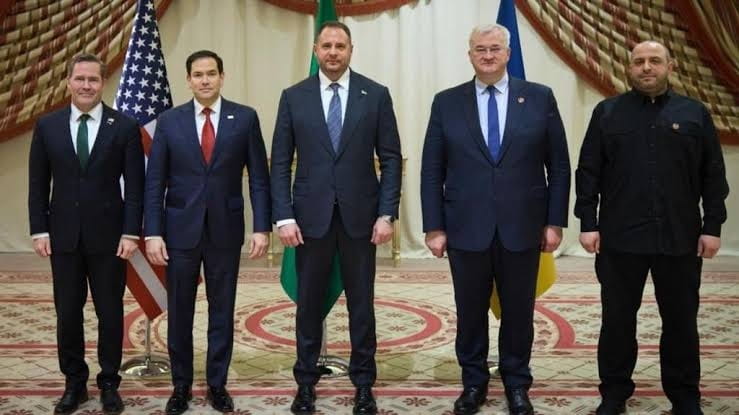
អ៊ុយក្រែនបាននិយាយថា ខ្លួនត្រៀមទទួលយកការបញ្ឈប់ការបាញ់ភ្លាមរយៈពេល ៣០ថ្ងៃក្នុងសង្រ្គាមជាមួយរុស្ស៊ី ខណៈដែលសហរដ្ឋអាមេរិកបានប្រកាសថា ខ្លួននឹងលុបចោលភ្លាមនូវការរឹតត្បិតលើជំនួយយោធា និងការចែករំលែកព័ត៌មានស៊ើបការណ៍ បន្ទាប់ពីការចរចាដ៏សំខាន់នៅប្រទេសអារ៉ាប៊ីសាអូឌីត ។
លោក ដូណាល់ ត្រាំ បាននិយាយថា ឥឡូវលោកសង្ឃឹមថា វ្ល៉ាឌីមៀរ ពូទីន នឹងឆ្លើយតបវិញ។ ប្រសិនបើប្រធានាធិបតីរុស្ស៊ីធ្វើបែបនោះ វានឹងក្លាយជាការឈប់បាញ់លើកដំបូង ក្នុងរយៈពេលជាង ៣ឆ្នាំ បន្ទាប់ពីលោកបានបើកការឈ្លានពានយ៉ាងពេញទំហឹងលើអ៊ុយក្រែនក្នុងឆ្នាំ ២០២២។
ប៉ុន្មានម៉ោងបន្ទាប់ពីសេចក្តីប្រកាសរបស់អ៊ុយក្រែន រុស្ស៊ីបានបើកការវាយប្រហារតាមអាកាសលើទីក្រុងគៀវ ដោយអភិបាលក្រុង វីតាលី គ្លីសឈកូ បាននិយាយថា ប្រព័ន្ធការពារដែនអាកាសកំពុងត្រូវបានបញ្ជាឲ្យចូលរួមដើម្បីទប់ទល់នឹងការវាយប្រហារ។ ការវាយប្រហារក៏ត្រូវបានរាយការណ៍ផងដែរដោយទីភ្នាក់ងារសារព័ត៌មាន RIA នៅលើទីក្រុងខាខារកី។ RIA បានដកស្រង់ពីក្រសួងបម្លែងឌីជីថលរបស់អ៊ុយក្រែន ដែលបានឲ្យដឹងថា មានការប្រកាសអាសន្នការវាយឆ្លងដែនអាកាសត្រូវបានចេញនៅទីក្រុងគៀវ និងក្នុងតំបន់ចំនួនដប់តំបន់។
កិច្ចព្រមព្រៀងនេះ ដែលត្រូវបានប្រកាសនៅក្នុងសេចក្តីថ្លែងការណ៍រួម បន្ទាប់ពីការចរចារវាងមន្ត្រីជាន់ខ្ពស់សហរដ្ឋអាមេរិក និងអ៊ុយក្រែននៅ Jeddah បានកើតឡើងជិតពីរបីសប្តាហ៍បន្ទាប់ពីមានភាពតានតឹងកើតឡើងក្នុងសេតវាំង Oval Office រវាងលោក ត្រាំ និងមេដឹកនាំអ៊ុយក្រែន លោក វ៉ុលដីមៀរ ហ្សេលេនស្គី ដែលធ្វើឲ្យសេតវិមានផ្អាកជំនួយដល់អ៊ុយក្រែន ដោយសារតែការជំទាស់របស់សម្ព័ន្ធមិត្តអឺរ៉ុប
រុស្ស៊ីចាប់ផ្តើមវាយប្រហារតាមអាកាសលើទីក្រុងគៀវ និងខាខារកី ប៉ុន្មានម៉ោងបន្ទាប់ពីអ៊ុយក្រែននិយាយថា ខ្លួនត្រៀមទទួលយកបទឈប់បាញ់
អ៊ុយក្រែនបាននិយាយថា ខ្លួនត្រៀមទទួលយកការបញ្ឈប់ការបាញ់ភ្លាមរយៈពេល ៣០ថ្ងៃក្នុងសង្រ្គាមជាមួយរុស្ស៊ី ខណៈដែលសហរដ្ឋអាមេរិកបានប្រកាសថា ខ្លួននឹងលុបចោលភ្លាមនូវការរឹតត្បិតលើជំនួយយោធា និងការចែករំលែកព័ត៌មានស៊ើបការណ៍ បន្ទាប់ពីការចរចាដ៏សំខាន់នៅប្រទេសអារ៉ាប៊ីសាអូឌីត ។
លោក ដូណាល់ ត្រាំ បាននិយាយថា ឥឡូវលោកសង្ឃឹមថា វ្ល៉ាឌីមៀរ ពូទីន នឹងឆ្លើយតបវិញ។ ប្រសិនបើប្រធានាធិបតីរុស្ស៊ីធ្វើបែបនោះ វានឹងក្លាយជាការឈប់បាញ់លើកដំបូង ក្នុងរយៈពេលជាង ៣ឆ្នាំ បន្ទាប់ពីលោកបានបើកការឈ្លានពានយ៉ាងពេញទំហឹងលើអ៊ុយក្រែនក្នុងឆ្នាំ ២០២២។
ប៉ុន្មានម៉ោងបន្ទាប់ពីសេចក្តីប្រកាសរបស់អ៊ុយក្រែន រុស្ស៊ីបានបើកការវាយប្រហារតាមអាកាសលើទីក្រុងគៀវ ដោយអភិបាលក្រុង វីតាលី គ្លីសឈកូ បាននិយាយថា ប្រព័ន្ធការពារដែនអាកាសកំពុងត្រូវបានបញ្ជាឲ្យចូលរួមដើម្បីទប់ទល់នឹងការវាយប្រហារ។ ការវាយប្រហារក៏ត្រូវបានរាយការណ៍ផងដែរដោយទីភ្នាក់ងារសារព័ត៌មាន RIA នៅលើទីក្រុងខាខារកី។ RIA បានដកស្រង់ពីក្រសួងបម្លែងឌីជីថលរបស់អ៊ុយក្រែន ដែលបានឲ្យដឹងថា មានការប្រកាសអាសន្នការវាយឆ្លងដែនអាកាសត្រូវបានចេញនៅទីក្រុងគៀវ និងក្នុងតំបន់ចំនួនដប់តំបន់។
កិច្ចព្រមព្រៀងនេះ ដែលត្រូវបានប្រកាសនៅក្នុងសេចក្តីថ្លែងការណ៍រួម បន្ទាប់ពីការចរចារវាងមន្ត្រីជាន់ខ្ពស់សហរដ្ឋអាមេរិក និងអ៊ុយក្រែននៅ Jeddah បានកើតឡើងជិតពីរបីសប្តាហ៍បន្ទាប់ពីមានភាពតានតឹងកើតឡើងក្នុងសេតវាំង Oval Office រវាងលោក ត្រាំ និងមេដឹកនាំអ៊ុយក្រែន លោក វ៉ុលដីមៀរ ហ្សេលេនស្គី ដែលធ្វើឲ្យសេតវិមានផ្អាកជំនួយដល់អ៊ុយក្រែន ដោយសារតែការជំទាស់របស់សម្ព័ន្ធមិត្តអឺរ៉ុប
Doyenn
·
--
I-El Salvador Kufanele Kumiswe Ukuqoqwa Kwe-Bitcoin, Kusho I-IMF
I-International Monetary Fund (IMF) ishicilele umbiko omusha ogcizelela ukuthi i-El Salvador kufanele iyeke yonke imisebenzi ehlobene ne-Bitcoin, kuhlanganise nokuqoqwa ngokuthenga noma ukumba. Ukwengeze, izwe lidingeka ukuthi lichithe imali esungulwe ukutholwa okungu-$BTC . Lezi zinyathelo zilandela izichibiyelo kuMthetho we-Bitcoin ezagunyazwa ikhongolose yase-El Salvador ekuqaleni kwalo nyaka.
Nakuba i-El Salvador isenze imikhakha ephawulekayo efana nokuphepha nezokuvakasha, iyaqhubeka nokubhekana nezinkinga ezinkulu ezifana nokungalingani kwe-macroeconomic, iziphene ezinkulu kuhlelo lwezimali (high fiscal deficits), nemithwalo yebhange esindayo (heavy debt burdens). Isivumelwano se-IMF sinikeza izwe usizo lwezezimali olungu-$1.4 billion, okungase luvule kufika ku-$3.5 billion kwezinye izinhlangano, njenge-World Bank kanye ne-Inter-American Development Bank.
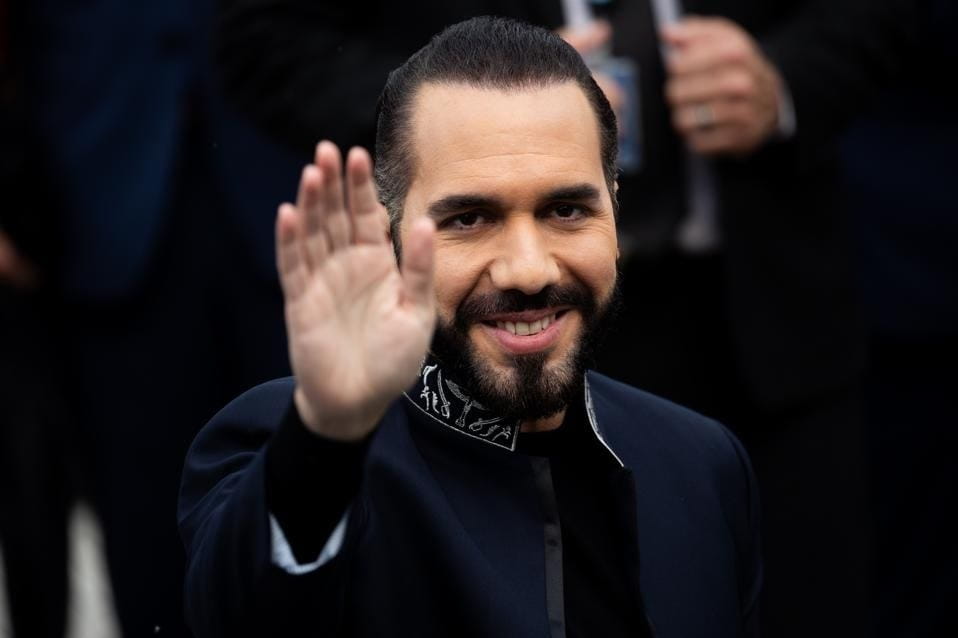
UMongameli uNayib Bukele ushintshe isikhundla sakhe nge-IMF, esuka ekukhulumeni okunganaki ngokuphikisana noMthetho we-Bitcoin kuya ekuchibiyeleni umthetho nokuvuma ukumisa yonke imisebenzi yomphakathi ehlobene ne-Bitcoin. Manje uhulumeni wase-Bukele uhlela ukugxila ekukhuleni komnotho nasekubhekaneni nezinkinga zesakhiwo ngaphansi kohlelo oluxhaswa yi-IMF.
Umbiko obuyekeziwe we-IMF ubeka iminqamulajuqu ecacile, udinga ukulandelwa ngokuphelele kufinyelelwe ngoDisemba 2025. NgoMashi, i-El Salvador kumele ichaze wonke ama-Bitcoin aphethwe umkhakha womphakathi, icacise ama-wallet, ama-ATM, nezinhlangano ezibandakanyekayo, njengaku-Chivo kanye ne-Bitcoin Office. I-IMF iphinde iyalele ukuthi kwenziwe ukuchithwa kwe-fidebitcoin, i-bitcoin trust fund, kanye nokuhlolwa okuzimele kwezimali zika-Chivo, okumele kuhanjiswe maphakathi no-2025.
Ama-Bitcoin Bonds—ahloselwe ukuxhasa ngokumba i-Bitcoin nokuthuthukiswa kwe-Bitcoin City—nawo awamukelwanga yi-IMF. Ngaphezu kwalokho, i-IMF ivimbela umkhakha womphakathi ekukhipheni noma ekuqinisekiseni izikweletu eziboshwe e-Bitcoin noma amathuluzi asetshenzisiwe (tokenized).
Indaba ye-El Salvador mayelana ne-Bitcoin iyashintsha kakhulu. Izwe libhekene nendlela eguquliwe yokuzama imali yalo yedijithali njengoba lihambisana nezidingo ze-IMF.
I-International Monetary Fund (IMF) ishicilele umbiko omusha ogcizelela ukuthi i-El Salvador kufanele iyeke yonke imisebenzi ehlobene ne-Bitcoin, kuhlanganise nokuqoqwa ngokuthenga noma ukumba. Ukwengeze, izwe lidingeka ukuthi lichithe imali esungulwe ukutholwa okungu-$BTC . Lezi zinyathelo zilandela izichibiyelo kuMthetho we-Bitcoin ezagunyazwa ikhongolose yase-El Salvador ekuqaleni kwalo nyaka.
Nakuba i-El Salvador isenze imikhakha ephawulekayo efana nokuphepha nezokuvakasha, iyaqhubeka nokubhekana nezinkinga ezinkulu ezifana nokungalingani kwe-macroeconomic, iziphene ezinkulu kuhlelo lwezimali (high fiscal deficits), nemithwalo yebhange esindayo (heavy debt burdens). Isivumelwano se-IMF sinikeza izwe usizo lwezezimali olungu-$1.4 billion, okungase luvule kufika ku-$3.5 billion kwezinye izinhlangano, njenge-World Bank kanye ne-Inter-American Development Bank.
UMongameli uNayib Bukele ushintshe isikhundla sakhe nge-IMF, esuka ekukhulumeni okunganaki ngokuphikisana noMthetho we-Bitcoin kuya ekuchibiyeleni umthetho nokuvuma ukumisa yonke imisebenzi yomphakathi ehlobene ne-Bitcoin. Manje uhulumeni wase-Bukele uhlela ukugxila ekukhuleni komnotho nasekubhekaneni nezinkinga zesakhiwo ngaphansi kohlelo oluxhaswa yi-IMF.
Umbiko obuyekeziwe we-IMF ubeka iminqamulajuqu ecacile, udinga ukulandelwa ngokuphelele kufinyelelwe ngoDisemba 2025. NgoMashi, i-El Salvador kumele ichaze wonke ama-Bitcoin aphethwe umkhakha womphakathi, icacise ama-wallet, ama-ATM, nezinhlangano ezibandakanyekayo, njengaku-Chivo kanye ne-Bitcoin Office. I-IMF iphinde iyalele ukuthi kwenziwe ukuchithwa kwe-fidebitcoin, i-bitcoin trust fund, kanye nokuhlolwa okuzimele kwezimali zika-Chivo, okumele kuhanjiswe maphakathi no-2025.
Ama-Bitcoin Bonds—ahloselwe ukuxhasa ngokumba i-Bitcoin nokuthuthukiswa kwe-Bitcoin City—nawo awamukelwanga yi-IMF. Ngaphezu kwalokho, i-IMF ivimbela umkhakha womphakathi ekukhipheni noma ekuqinisekiseni izikweletu eziboshwe e-Bitcoin noma amathuluzi asetshenzisiwe (tokenized).
Indaba ye-El Salvador mayelana ne-Bitcoin iyashintsha kakhulu. Izwe libhekene nendlela eguquliwe yokuzama imali yalo yedijithali njengoba lihambisana nezidingo ze-IMF.

joraalmo
·
--
Ndinguvela eVenezuela futhi ngisebenza izinyanga ezi-2 kule ndawo yemakethe.
Ngibheka ulwazi oluthile futhi angazi ukuthi luyiqiniso yini.
Kubonakala sengathi iBinance izosusa i-P2P ngemali engamaphepha (angazi ukuthi kuyini lokho)
Mina ngithenga ngithengise i-USDT ngokusebenzisa inkokhelo yeselula (P2P).
Ingabe lokhu KUYIMALI ENGESHA KAHLE noma cha?
Ngiyacela, uma kukhona ongangeluleka ngokubekezela. Ngiyabonga 🫂
Ngibheka ulwazi oluthile futhi angazi ukuthi luyiqiniso yini.
Kubonakala sengathi iBinance izosusa i-P2P ngemali engamaphepha (angazi ukuthi kuyini lokho)
Mina ngithenga ngithengise i-USDT ngokusebenzisa inkokhelo yeselula (P2P).
Ingabe lokhu KUYIMALI ENGESHA KAHLE noma cha?
Ngiyacela, uma kukhona ongangeluleka ngokubekezela. Ngiyabonga 🫂


Cryptopolitan
·
--
Elon Musk ປະກາດວັນທີ່ປ່ອຍ Grok 3 ແລະເອີ້ນມັນວ່າ “AI ທີ່ສະຫຼາດທີ່ສຸດໃນໂລກ’
ໃນໂພສ X ລ່າສຸດ Elon Musk ປະກາດວ່າ Grok 3 ຈະຖືກປ່ອຍອອກໃນຄືນວັນຈັນເວລາ 8 ໂມງ (Pacific Time) ພ້ອມກັບການສາທິດສົດ.
ໃນຂ່າວດຽວກັນນັ້ນ Musk ຍັງໄດ້ອ້າງເຖິງ Grok 3 ວ່າເປັນ “AI ທີ່ສະຫຼາດທີ່ສຸດໃນໂລກ.”
ປ່ອຍ Grok 3 ພ້ອມການສາທິດສົດໃນຄືນວັນຈັນ ເວລາ 8 ໂມງແມ່ນ PT.
AI ທີ່ສະຫຼາດທີ່ສຸດໃນໂລກ.
— Elon Musk (@elonmusk) February 16, 2025
ໃນໂພສອື່ນທີ່ຕິດຕາມມາ Elon Musk ໄດ້ກ່າວວ່າລາວຈະຫຍຸ້ງກັບທີມ Grok 3 ທົ່ວທັງສຸດອາທິດ ເພື່ອປັບປຸງຜະລິດຕະພັນ ແລະຈະຢູ່ອອຟໄລນ໌ຈົນກວ່ານັ້ນ.
ການປະກາດນີ້ມາຫຼັງຈາກການເວົ້າລ່າສຸດຂອງລາວທີ່ກອງປະຊຸມ World Government Summit ທີ່ Dubai ຊ່ວງ 3 ມື້ກ່ອນໜ້ານີ້ ເຊິ່ງລາວໄດ້ຍ້ອງຍໍ Grok 3 ວ່າ “ສະຫຼາດແບບໜ້າຢ້ານ” ແລະໄດ້ຕົກລົງສອບຕີບາງຂໍ້ເລື່ອງໃຫ້ OpenAI ຜູ້ບໍລິຫານຈັດການ Sam Altman.
ໃນຂ່າວດຽວກັນນັ້ນ Musk ຍັງໄດ້ອ້າງເຖິງ Grok 3 ວ່າເປັນ “AI ທີ່ສະຫຼາດທີ່ສຸດໃນໂລກ.”
ປ່ອຍ Grok 3 ພ້ອມການສາທິດສົດໃນຄືນວັນຈັນ ເວລາ 8 ໂມງແມ່ນ PT.
AI ທີ່ສະຫຼາດທີ່ສຸດໃນໂລກ.
— Elon Musk (@elonmusk) February 16, 2025
ໃນໂພສອື່ນທີ່ຕິດຕາມມາ Elon Musk ໄດ້ກ່າວວ່າລາວຈະຫຍຸ້ງກັບທີມ Grok 3 ທົ່ວທັງສຸດອາທິດ ເພື່ອປັບປຸງຜະລິດຕະພັນ ແລະຈະຢູ່ອອຟໄລນ໌ຈົນກວ່ານັ້ນ.
ການປະກາດນີ້ມາຫຼັງຈາກການເວົ້າລ່າສຸດຂອງລາວທີ່ກອງປະຊຸມ World Government Summit ທີ່ Dubai ຊ່ວງ 3 ມື້ກ່ອນໜ້ານີ້ ເຊິ່ງລາວໄດ້ຍ້ອງຍໍ Grok 3 ວ່າ “ສະຫຼາດແບບໜ້າຢ້ານ” ແລະໄດ້ຕົກລົງສອບຕີບາງຂໍ້ເລື່ອງໃຫ້ OpenAI ຜູ້ບໍລິຫານຈັດການ Sam Altman.
ເຂົ້າສູ່ລະບົບເພື່ອສຳຫຼວດເນື້ອຫາເພີ່ມເຕີມ