
Binnoreen
33 ໂພສ

Binnoreen
ລາຍງານ
ບລັອກຜູ້ໃຊ້
Web3 Advocate||Web 3 content creator|| passionate about crypto adoption||thread writer||MOD||Certified Crypto Trader @BitkovaHub||intern @TrustChain0||
ເປີດການຊື້ຂາຍ
ຜູ້ຊື້ຂາຍຊົ່ວຄາວ
2.7 ປີ
94 ກໍາລັງຕິດຕາມ
48 ຜູ້ຕິດຕາມ
16 Liked
ໂພສ
Portfolio
ທັງໝົດ
ວົງຢືມ
ປັກໝຸດ
·
--

ບົດຄວາມ
STON.fi: ຢູ່ຂ້າງໃນ AMM DEX ທີ່ນຳຢູ່ໃນ TONການມອງແບບອີງຫຼັກຖານ (evidence-based) ກ່ຽວກັບ AMM, ສະຖາປັດຕິຍານຂອງ liquidity (liquidity architecture), Omniston, ການກຳນົດທິດທາງ (governance), ຄວາມປອດໄພ (security), ແລະຂໍ້ມູນທີ່ຢູ່ຫລັງຈຸດຢືນຂອງ STON.fi ໃນ TON.
ໃນ decentralized exchange (DEX) ການກະທຳທີ່ເຫັນໄດ້ຊັດທີ່ສຸດແມ່ນງ່າຍ: ຜູ້ໃຊ້ເລືອກໂຕເຄນໜຶ່ງ ເລືອກໂຕເຄນອີກອັນ ໃສ່ຈຳນວນ (amount) ແລ້ວກົດ Swap.
ແຕ່ຢູ່ຫລັງປຸ່ມນັ້ນ ຍັງມີລະບົບທີ່ສັບສົນກວ່າຫຼາຍ.
ຕ້ອງມີ liquidity ພ້ອມ. ຕ້ອງຄຳນວນລາຄາ (prices). Smart contracts ຕ້ອງປະສານງານເພື່ອຈັດການທຳລາຍປະຕິກອນ. ຜູ້ໃຫ້ liquidity ຕ້ອງໄດ້ຮັບສ່ວນຂອງຄ່າທຳນຽມ (fees) ຂອງຕົນ. ລະບົບຈຳເປັນຕ້ອງປົກປ້ອງຜູ້ໃຊ້ຈາກການປ່ຽນແປງລາຄາທີ່ເກີນເຫດ, ໃນຂະນະທີ່ນັກພັດທະນາກໍຕ້ອງການໂຄງລ່າງ (infrastructure) ທີ່ຮອງຮັບຊັບຊ້ອນສິນຊັບ (assets) ຫຼາຍພັນຊະນິດໄດ້.
STON.fi: ຢູ່ຂ້າງໃນ AMM DEX ທີ່ນຳຢູ່ໃນ TON
ການມອງແບບອີງຫຼັກຖານ (evidence-based) ກ່ຽວກັບ AMM, ສະຖາປັດຕິຍານຂອງ liquidity (liquidity architecture), Omniston, ການກຳນົດທິດທາງ (governance), ຄວາມປອດໄພ (security), ແລະຂໍ້ມູນທີ່ຢູ່ຫລັງຈຸດຢືນຂອງ STON.fi ໃນ TON.
ໃນ decentralized exchange (DEX) ການກະທຳທີ່ເຫັນໄດ້ຊັດທີ່ສຸດແມ່ນງ່າຍ: ຜູ້ໃຊ້ເລືອກໂຕເຄນໜຶ່ງ ເລືອກໂຕເຄນອີກອັນ ໃສ່ຈຳນວນ (amount) ແລ້ວກົດ Swap.
ແຕ່ຢູ່ຫລັງປຸ່ມນັ້ນ ຍັງມີລະບົບທີ່ສັບສົນກວ່າຫຼາຍ.
ຕ້ອງມີ liquidity ພ້ອມ. ຕ້ອງຄຳນວນລາຄາ (prices). Smart contracts ຕ້ອງປະສານງານເພື່ອຈັດການທຳລາຍປະຕິກອນ. ຜູ້ໃຫ້ liquidity ຕ້ອງໄດ້ຮັບສ່ວນຂອງຄ່າທຳນຽມ (fees) ຂອງຕົນ. ລະບົບຈຳເປັນຕ້ອງປົກປ້ອງຜູ້ໃຊ້ຈາກການປ່ຽນແປງລາຄາທີ່ເກີນເຫດ, ໃນຂະນະທີ່ນັກພັດທະນາກໍຕ້ອງການໂຄງລ່າງ (infrastructure) ທີ່ຮອງຮັບຊັບຊ້ອນສິນຊັບ (assets) ຫຼາຍພັນຊະນິດໄດ້.
ໃນ decentralized exchange (DEX) ການກະທຳທີ່ເຫັນໄດ້ຊັດທີ່ສຸດແມ່ນງ່າຍ: ຜູ້ໃຊ້ເລືອກໂຕເຄນໜຶ່ງ ເລືອກໂຕເຄນອີກອັນ ໃສ່ຈຳນວນ (amount) ແລ້ວກົດ Swap.
ແຕ່ຢູ່ຫລັງປຸ່ມນັ້ນ ຍັງມີລະບົບທີ່ສັບສົນກວ່າຫຼາຍ.
ຕ້ອງມີ liquidity ພ້ອມ. ຕ້ອງຄຳນວນລາຄາ (prices). Smart contracts ຕ້ອງປະສານງານເພື່ອຈັດການທຳລາຍປະຕິກອນ. ຜູ້ໃຫ້ liquidity ຕ້ອງໄດ້ຮັບສ່ວນຂອງຄ່າທຳນຽມ (fees) ຂອງຕົນ. ລະບົບຈຳເປັນຕ້ອງປົກປ້ອງຜູ້ໃຊ້ຈາກການປ່ຽນແປງລາຄາທີ່ເກີນເຫດ, ໃນຂະນະທີ່ນັກພັດທະນາກໍຕ້ອງການໂຄງລ່າງ (infrastructure) ທີ່ຮອງຮັບຊັບຊ້ອນສິນຊັບ (assets) ຫຼາຍພັນຊະນິດໄດ້.
195
·
--
ບົດຄວາມ
ເບິ່ງການແປ
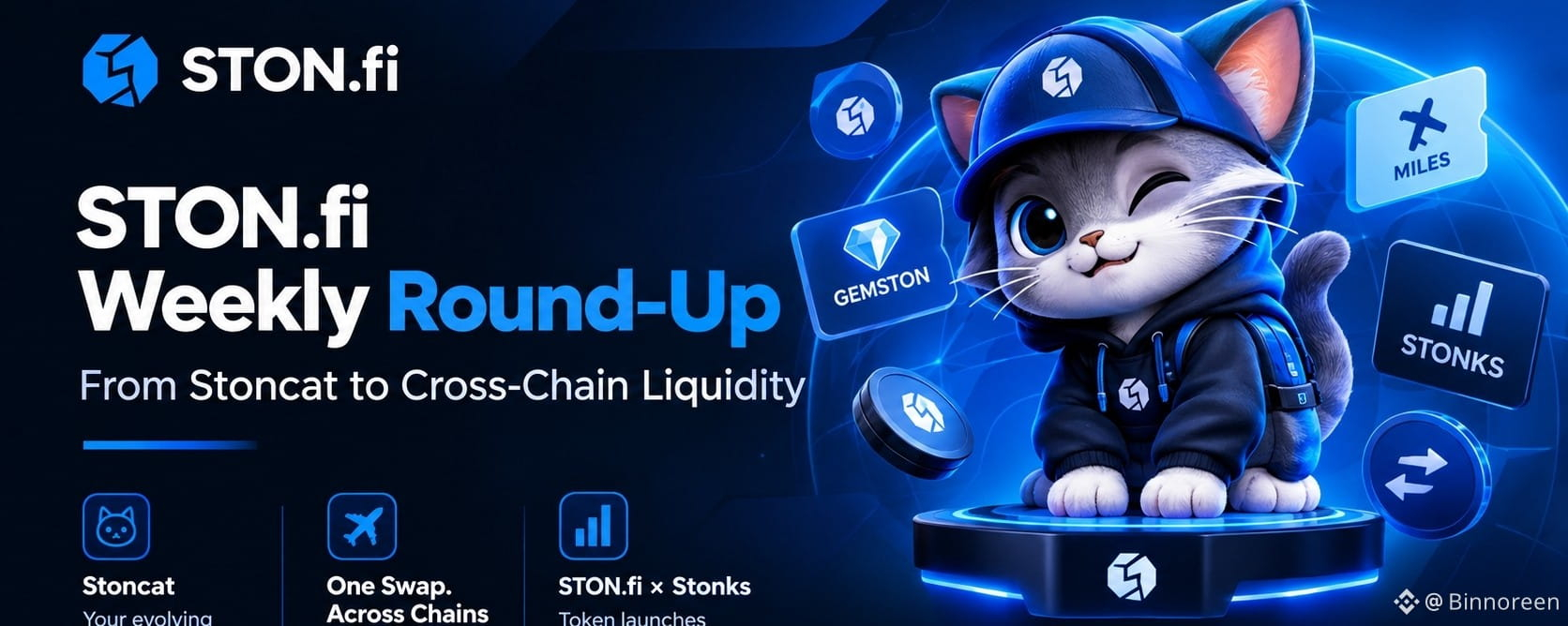
STON.fi Weekly Round-Up: From Stoncat to Cross-Chain LiquidityA strong DeFi ecosystem is not built around one feature.It grows by connecting different parts of the user experience together.
This week, STON.fi introduced a new NFT companion, added another way for users to earn miles, and expanded its connection with the Stonks ecosystem.
At the same time, the protocol continued to show activity across its farms, swaps, and liquidity markets.
Here is what stood out this week.
❑ 1. Stoncat turns GEMSTON into an interactive experience
STON.fi introduced Stoncat, an evolving NFT companion powered by GEMSTON.
Instead of simply holding an NFT, users can interact with their Stoncat by feeding it GEMSTON, rolling Purrks, and equipping different traits.
The traits collected and equipped can influence the companion's rarity and position on the rarity leaderboard.
This creates another layer around the STON.fi ecosystem where GEMSTON is connected to an interactive user experience rather than existing only as a reward mechanism.
The interesting part is the progression.
Users can build and customize their own Stoncat over time, making each companion potentially different from another.
❑ 2. Stoncat connects with the One Swap. Across Chains campaign
The arrival of Stoncat also brought a new "One Swap. Across Chains" task.
Users can complete the task to collect additional miles ahead of the main campaign.
The waitlist also provides 1,000 bonus miles.
These miles are designed to become useful during the campaign, where they can be spent on weekly limited Flight Deals.
So the campaign is doing more than simply rewarding activity.
It is creating a progression system where users participate, collect miles, and eventually use those miles within the campaign.
❑ 3. STON.fi integrates with Stonks
Another important development this week was the integration between STON.fi and Stonks.
The integration connects token launches with STON.fi liquidity.
When bonding curve tokens graduate, they can move directly into STON.fi pools.
This matters because launching a token and creating accessible liquidity are two different problems.
A token can attract attention during its launch, but users still need a functioning market where they can trade it.
By connecting the launch process with STON.fi liquidity, the ecosystem can create a smoother transition from token creation to trading.
STON.fi tokens are also available through the Stonks terminal and Telegram bot, giving users additional access points.
❑ 4. The numbers behind the week
Beyond the new features and integrations, the network continued to record activity.
Weekly swap volume reached:
$12.1M
TVL stood at:
$25.0M
Liquidity providers generated approximately:
$20,000
Active farm APRs also remained notable:
USD₮/JETTON: 91%
GRAM/JETTON: 57%
STON/USD₮: 14%
STON/USD₮ Boost Farm: 28%
These numbers provide a snapshot of where activity and incentives are currently concentrated across the ecosystem.
Of course, APRs can change, and they should not be viewed as guaranteed returns. Anyone providing liquidity should understand the risks, including impermanent loss and market volatility.
❑ The bigger picture
Looking at the week's developments together reveals an interesting direction for STON.fi.
Stoncat adds an interactive NFT layer.
The One Swap. Across Chains campaign connects activity with miles and rewards.
The Stonks integration connects token launches with liquidity.
And the underlying protocol continues to facilitate swaps and liquidity across its markets.
The bigger story is not any single announcement.
It is how these different pieces are beginning to connect.
A DeFi ecosystem becomes more useful when users can move naturally between different activities without feeling like they are using completely separate products.
That is what makes this week's updates worth watching.
The question now is how much further these pieces can develop and how they will affect user activity across the STON.fi ecosystem.
Stay tuned for the next weekly round-up.
STON.fi Weekly Round-Up: From Stoncat to Cross-Chain Liquidity
A strong DeFi ecosystem is not built around one feature.It grows by connecting different parts of the user experience together.
This week, STON.fi introduced a new NFT companion, added another way for users to earn miles, and expanded its connection with the Stonks ecosystem.
At the same time, the protocol continued to show activity across its farms, swaps, and liquidity markets.
Here is what stood out this week.
❑ 1. Stoncat turns GEMSTON into an interactive experience
STON.fi introduced Stoncat, an evolving NFT companion powered by GEMSTON.
Instead of simply holding an NFT, users can interact with their Stoncat by feeding it GEMSTON, rolling Purrks, and equipping different traits.
The traits collected and equipped can influence the companion's rarity and position on the rarity leaderboard.
This creates another layer around the STON.fi ecosystem where GEMSTON is connected to an interactive user experience rather than existing only as a reward mechanism.
The interesting part is the progression.
Users can build and customize their own Stoncat over time, making each companion potentially different from another.
❑ 2. Stoncat connects with the One Swap. Across Chains campaign
The arrival of Stoncat also brought a new "One Swap. Across Chains" task.
Users can complete the task to collect additional miles ahead of the main campaign.
The waitlist also provides 1,000 bonus miles.
These miles are designed to become useful during the campaign, where they can be spent on weekly limited Flight Deals.
So the campaign is doing more than simply rewarding activity.
It is creating a progression system where users participate, collect miles, and eventually use those miles within the campaign.
❑ 3. STON.fi integrates with Stonks
Another important development this week was the integration between STON.fi and Stonks.
The integration connects token launches with STON.fi liquidity.
When bonding curve tokens graduate, they can move directly into STON.fi pools.
This matters because launching a token and creating accessible liquidity are two different problems.
A token can attract attention during its launch, but users still need a functioning market where they can trade it.
By connecting the launch process with STON.fi liquidity, the ecosystem can create a smoother transition from token creation to trading.
STON.fi tokens are also available through the Stonks terminal and Telegram bot, giving users additional access points.
❑ 4. The numbers behind the week
Beyond the new features and integrations, the network continued to record activity.
Weekly swap volume reached:
$12.1M
TVL stood at:
$25.0M
Liquidity providers generated approximately:
$20,000
Active farm APRs also remained notable:
USD₮/JETTON: 91%
GRAM/JETTON: 57%
STON/USD₮: 14%
STON/USD₮ Boost Farm: 28%
These numbers provide a snapshot of where activity and incentives are currently concentrated across the ecosystem.
Of course, APRs can change, and they should not be viewed as guaranteed returns. Anyone providing liquidity should understand the risks, including impermanent loss and market volatility.
❑ The bigger picture
Looking at the week's developments together reveals an interesting direction for STON.fi.
Stoncat adds an interactive NFT layer.
The One Swap. Across Chains campaign connects activity with miles and rewards.
The Stonks integration connects token launches with liquidity.
And the underlying protocol continues to facilitate swaps and liquidity across its markets.
The bigger story is not any single announcement.
It is how these different pieces are beginning to connect.
A DeFi ecosystem becomes more useful when users can move naturally between different activities without feeling like they are using completely separate products.
That is what makes this week's updates worth watching.
The question now is how much further these pieces can develop and how they will affect user activity across the STON.fi ecosystem.
Stay tuned for the next weekly round-up.
This week, STON.fi introduced a new NFT companion, added another way for users to earn miles, and expanded its connection with the Stonks ecosystem.
At the same time, the protocol continued to show activity across its farms, swaps, and liquidity markets.
Here is what stood out this week.
❑ 1. Stoncat turns GEMSTON into an interactive experience
STON.fi introduced Stoncat, an evolving NFT companion powered by GEMSTON.
Instead of simply holding an NFT, users can interact with their Stoncat by feeding it GEMSTON, rolling Purrks, and equipping different traits.
The traits collected and equipped can influence the companion's rarity and position on the rarity leaderboard.
This creates another layer around the STON.fi ecosystem where GEMSTON is connected to an interactive user experience rather than existing only as a reward mechanism.
The interesting part is the progression.
Users can build and customize their own Stoncat over time, making each companion potentially different from another.
❑ 2. Stoncat connects with the One Swap. Across Chains campaign
The arrival of Stoncat also brought a new "One Swap. Across Chains" task.
Users can complete the task to collect additional miles ahead of the main campaign.
The waitlist also provides 1,000 bonus miles.
These miles are designed to become useful during the campaign, where they can be spent on weekly limited Flight Deals.
So the campaign is doing more than simply rewarding activity.
It is creating a progression system where users participate, collect miles, and eventually use those miles within the campaign.
❑ 3. STON.fi integrates with Stonks
Another important development this week was the integration between STON.fi and Stonks.
The integration connects token launches with STON.fi liquidity.
When bonding curve tokens graduate, they can move directly into STON.fi pools.
This matters because launching a token and creating accessible liquidity are two different problems.
A token can attract attention during its launch, but users still need a functioning market where they can trade it.
By connecting the launch process with STON.fi liquidity, the ecosystem can create a smoother transition from token creation to trading.
STON.fi tokens are also available through the Stonks terminal and Telegram bot, giving users additional access points.
❑ 4. The numbers behind the week
Beyond the new features and integrations, the network continued to record activity.
Weekly swap volume reached:
$12.1M
TVL stood at:
$25.0M
Liquidity providers generated approximately:
$20,000
Active farm APRs also remained notable:
USD₮/JETTON: 91%
GRAM/JETTON: 57%
STON/USD₮: 14%
STON/USD₮ Boost Farm: 28%
These numbers provide a snapshot of where activity and incentives are currently concentrated across the ecosystem.
Of course, APRs can change, and they should not be viewed as guaranteed returns. Anyone providing liquidity should understand the risks, including impermanent loss and market volatility.
❑ The bigger picture
Looking at the week's developments together reveals an interesting direction for STON.fi.
Stoncat adds an interactive NFT layer.
The One Swap. Across Chains campaign connects activity with miles and rewards.
The Stonks integration connects token launches with liquidity.
And the underlying protocol continues to facilitate swaps and liquidity across its markets.
The bigger story is not any single announcement.
It is how these different pieces are beginning to connect.
A DeFi ecosystem becomes more useful when users can move naturally between different activities without feeling like they are using completely separate products.
That is what makes this week's updates worth watching.
The question now is how much further these pieces can develop and how they will affect user activity across the STON.fi ecosystem.
Stay tuned for the next weekly round-up.
69
·
--
ເບິ່ງການແປ
good explanation
good explanation

Web3 Haidar
·
--
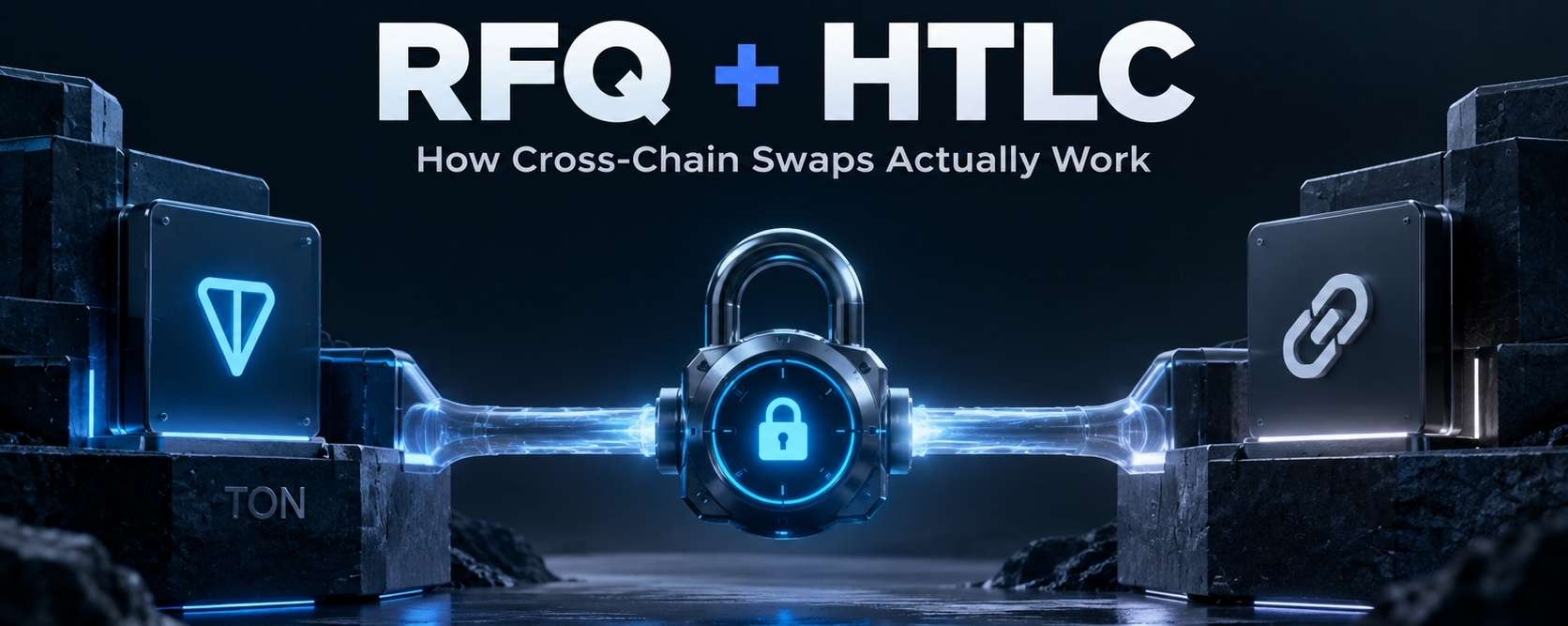
Kuchaziwe i-RFQ ne-HTLC: Kusebenza Kanjani Ngempela Ukushintshaniswa Kwe-Cross-Chain
Ngibhalele izindatshana eziningi ezikhuluma ngo-Omniston, i-STON.fi cross-chain, kanye ne-STON.fi ngokujwayelekile.
Elinye lamagama engiye ngiwasebenzisa kaningi yithi i-RFQ.
Okunye okuthi i-HTLC
Ngiye ngazichazela ngokuphindaphindiwe ngesikhathi ngixoxa ngendlela u-Omniston abhekana ngayo nokushintshaniswa kwamaqoqo (cross-chain swaps), kodwa kukhona inkinga eyodwa: uma ungakakwazi kakade ukuthi kwenzekani ngemuva kwezigcawu, i-RFQ ne-HTLC zingase zizwakale sengathi akusikho okunye ngaphandle kwama-acronym amabili e-crypto ayinkimbinkimbi.
Azikho.
Kalula nje, i-RFQ isiza ukunquma ukuthi i-cross-chain swap kufanele yenziwe kanjani, kuyilapho i-HTLC inikeza indlela yokuhlela ukushintshaniswa phakathi kwama-blockchains amabili ahlukene.
Elinye lamagama engiye ngiwasebenzisa kaningi yithi i-RFQ.
Okunye okuthi i-HTLC
Ngiye ngazichazela ngokuphindaphindiwe ngesikhathi ngixoxa ngendlela u-Omniston abhekana ngayo nokushintshaniswa kwamaqoqo (cross-chain swaps), kodwa kukhona inkinga eyodwa: uma ungakakwazi kakade ukuthi kwenzekani ngemuva kwezigcawu, i-RFQ ne-HTLC zingase zizwakale sengathi akusikho okunye ngaphandle kwama-acronym amabili e-crypto ayinkimbinkimbi.
Azikho.
Kalula nje, i-RFQ isiza ukunquma ukuthi i-cross-chain swap kufanele yenziwe kanjani, kuyilapho i-HTLC inikeza indlela yokuhlela ukushintshaniswa phakathi kwama-blockchains amabili ahlukene.
1
·
--

ບົດຄວາມ
ເບິ່ງການແປ
One Swap. Across Chains: What STON.fi Is Actually BuildingCross-chain DeFi often asks users to understand too much infrastructure.Which chain are you on? Do you need a bridge? Which asset arrives on the other side? Where does liquidity come from? What happens if something fails?
STON.fi’s “One Swap. Across Chains” campaign is designed around a simpler user experience, but the campaign itself is more than a reward program. It is also an onboarding layer for STON.fi’s cross-chain product, powered by Omniston.
The important question is therefore not simply “What can I earn?”
It is: “what is STON.fi actually trying to teach users about cross-chain swaps, and what has it already built underneath the campaign?”
❑ The Campaign Starts With a Waitlist, Not a Cross-Chain Reward
The official rules identify the campaign as a marketing campaign organized by STON Limited, beginning with a Waitlist Phase on “1 September 2026 at 00:00 UTC. Participation is free, and the rules explicitly state that it is not an investment offer, lottery, gambling activity or financial product.
The onboarding process requires users to connect a TON wallet and pair the campaign's Telegram bot.
The first 1,000 eligible participants were offered a Priority Passenger Ticket, alongside a 1,000-mile bonus and Priority status in STON.fi's campaign announcement. STON.fi later reported that all 1,000 Priority Passenger Tickets had been claimed on the first day.
There is an important distinction here.
The formal rules define the Priority Passenger Ticket as a campaign identity image, not an NFT and not a Flight Deal. It has no guaranteed monetary value and does not require miles to receive.
The exact future benefits of “Priority status” remain undisclosed. STON.fi's announcement simply says users should watch what the status unlocks next.
❑ Miles Are Points, Not a Token
Miles are the campaign's internal points system.
Users can earn them through active missions such as wallet connections and other campaign activities. The rules make an important distinction between spendable miles and total earned miles.
Spendable miles can eventually be used for Flight Deals, while total earned miles track the user's cumulative campaign activity and do not decrease when spendable miles are used. Miles are not transferable and have no guaranteed cash value.
The campaign interface currently advertises a 1,000-mile waitlist bonus through September 15. It also displays “1,300 miles the moment you're aboard.” That wording deserves caution because the formal rules and launch announcement clearly identify the joining bonus as 1,000 miles.
For an independent reader, the safest interpretation is to treat 1,000 miles as the formally documented joining bonus and not assume the additional 300-mile figure is guaranteed without further clarification.
Flight Classes are another unresolved component. The rules define them as campaign status tiers that may affect access to selected Flight Deals, but current documentation does not establish complete class names, thresholds or benefits.
❑ Behind the Campaign: How Omniston Handles the Swap
The campaign sits on top of Omniston, STON.fi's cross-chain execution layer.
The architecture uses two different mechanisms for two different jobs.
RFQ, or Request for Quote, handles price discovery.
A user requests a cross-chain swap. Resolvers compete by providing executable quotes, and the system selects a route.
HTLCs handle settlement.
Hashed Timelock Contracts create a cryptographic condition linking the two sides of the transaction. According to STON.fi's technical explanation, the source and destination funds are locked in linked contracts. If the required conditions are met, the swap settles; otherwise the relevant funds can be refunded through the timelock mechanism.
This is what STON.fi means by atomic settlement.
The design is intended to avoid a valid outcome where one side completes while the other permanently loses its funds.
❑ Why the Architecture Avoids Wrapped Bridge Assets
Traditional bridge systems commonly lock an asset on one chain and issue a representation of it on another.
Omniston takes a different approach.
According to STON.fi's documentation, resolvers provide destination-side liquidity while the user receives the native asset on the destination chain. The system does not require a shared bridge pool or wrapped representation of the asset.
That does not mean cross-chain swaps become risk-free.
Resolver liquidity, smart-contract execution, blockchain availability and the supported route still matter. The important difference is architectural: Omniston attempts to separate cross-chain execution from the traditional lock-and-mint bridge model.
❑ What Is Still Undisclosed
Several important campaign details remain open.
The complete benefits of Priority status have not been published. Flight Class thresholds and specific Flight Deal requirements are also not fully defined in the current rules. The rules allow STON.fi to modify campaign mechanics, dates, mission requirements and rewards by publishing updates.
That matters because readers should not interpret today's campaign interface as a permanent specification.
The same principle applies to supported chains. STON.fi currently lists TON, TRON, Ethereum, Base, BNB Chain, Polygon, Arbitrum, Avalanche and Robinhood as live on the Omniston page, while noting that more chains are rolling out in phases.
❑ What the Campaign Reveals About STON.fi’s Cross-Chain Direction
The campaign is easiest to understand as a bridge between education and product adoption.
Users are introduced to cross-chain concepts through wallets, missions and miles, while the underlying product is designed to make the actual transaction less dependent on users understanding the infrastructure underneath.
Whether that architecture becomes broadly useful will ultimately depend on factors such as resolver liquidity, route availability, execution reliability and user adoption.
For now, the evidence supports a narrower conclusion:
STON.fi is using the “One Swap. Across Chains” campaign to introduce users to a cross-chain execution system built around RFQ-based resolver competition and HTLC-based atomic settlement.
The rewards are part of the campaign.
The more significant development is the infrastructure underneath them.
❑ References
Official Sources
STON.fi Cross-Chain Campaign
https://cross-chain.ston.fi/
Official Campaign Rules
https://cross-chain.ston.fi/rules
STON.fi Omniston
https://ston.fi/omniston
Omniston Documentation
https://docs.ston.fi/developer-section/omniston
STON.fi Blog
https://blog.ston.fi/
STON.fi X
https://x.com/ston_fi
STON.fi Telegram
https://t.me/stonfidex
Stonbassadors Program
https://ston.fi/stonbassadors
One Swap. Across Chains: What STON.fi Is Actually Building
Cross-chain DeFi often asks users to understand too much infrastructure.Which chain are you on? Do you need a bridge? Which asset arrives on the other side? Where does liquidity come from? What happens if something fails?
STON.fi’s “One Swap. Across Chains” campaign is designed around a simpler user experience, but the campaign itself is more than a reward program. It is also an onboarding layer for STON.fi’s cross-chain product, powered by Omniston.
The important question is therefore not simply “What can I earn?”
It is: “what is STON.fi actually trying to teach users about cross-chain swaps, and what has it already built underneath the campaign?”
❑ The Campaign Starts With a Waitlist, Not a Cross-Chain Reward
The official rules identify the campaign as a marketing campaign organized by STON Limited, beginning with a Waitlist Phase on “1 September 2026 at 00:00 UTC. Participation is free, and the rules explicitly state that it is not an investment offer, lottery, gambling activity or financial product.
The onboarding process requires users to connect a TON wallet and pair the campaign's Telegram bot.
The first 1,000 eligible participants were offered a Priority Passenger Ticket, alongside a 1,000-mile bonus and Priority status in STON.fi's campaign announcement. STON.fi later reported that all 1,000 Priority Passenger Tickets had been claimed on the first day.
There is an important distinction here.
The formal rules define the Priority Passenger Ticket as a campaign identity image, not an NFT and not a Flight Deal. It has no guaranteed monetary value and does not require miles to receive.
The exact future benefits of “Priority status” remain undisclosed. STON.fi's announcement simply says users should watch what the status unlocks next.
❑ Miles Are Points, Not a Token
Miles are the campaign's internal points system.
Users can earn them through active missions such as wallet connections and other campaign activities. The rules make an important distinction between spendable miles and total earned miles.
Spendable miles can eventually be used for Flight Deals, while total earned miles track the user's cumulative campaign activity and do not decrease when spendable miles are used. Miles are not transferable and have no guaranteed cash value.
The campaign interface currently advertises a 1,000-mile waitlist bonus through September 15. It also displays “1,300 miles the moment you're aboard.” That wording deserves caution because the formal rules and launch announcement clearly identify the joining bonus as 1,000 miles.
For an independent reader, the safest interpretation is to treat 1,000 miles as the formally documented joining bonus and not assume the additional 300-mile figure is guaranteed without further clarification.
Flight Classes are another unresolved component. The rules define them as campaign status tiers that may affect access to selected Flight Deals, but current documentation does not establish complete class names, thresholds or benefits.
❑ Behind the Campaign: How Omniston Handles the Swap
The campaign sits on top of Omniston, STON.fi's cross-chain execution layer.
The architecture uses two different mechanisms for two different jobs.
RFQ, or Request for Quote, handles price discovery.
A user requests a cross-chain swap. Resolvers compete by providing executable quotes, and the system selects a route.
HTLCs handle settlement.
Hashed Timelock Contracts create a cryptographic condition linking the two sides of the transaction. According to STON.fi's technical explanation, the source and destination funds are locked in linked contracts. If the required conditions are met, the swap settles; otherwise the relevant funds can be refunded through the timelock mechanism.
This is what STON.fi means by atomic settlement.
The design is intended to avoid a valid outcome where one side completes while the other permanently loses its funds.
❑ Why the Architecture Avoids Wrapped Bridge Assets
Traditional bridge systems commonly lock an asset on one chain and issue a representation of it on another.
Omniston takes a different approach.
According to STON.fi's documentation, resolvers provide destination-side liquidity while the user receives the native asset on the destination chain. The system does not require a shared bridge pool or wrapped representation of the asset.
That does not mean cross-chain swaps become risk-free.
Resolver liquidity, smart-contract execution, blockchain availability and the supported route still matter. The important difference is architectural: Omniston attempts to separate cross-chain execution from the traditional lock-and-mint bridge model.
❑ What Is Still Undisclosed
Several important campaign details remain open.
The complete benefits of Priority status have not been published. Flight Class thresholds and specific Flight Deal requirements are also not fully defined in the current rules. The rules allow STON.fi to modify campaign mechanics, dates, mission requirements and rewards by publishing updates.
That matters because readers should not interpret today's campaign interface as a permanent specification.
The same principle applies to supported chains. STON.fi currently lists TON, TRON, Ethereum, Base, BNB Chain, Polygon, Arbitrum, Avalanche and Robinhood as live on the Omniston page, while noting that more chains are rolling out in phases.
❑ What the Campaign Reveals About STON.fi’s Cross-Chain Direction
The campaign is easiest to understand as a bridge between education and product adoption.
Users are introduced to cross-chain concepts through wallets, missions and miles, while the underlying product is designed to make the actual transaction less dependent on users understanding the infrastructure underneath.
Whether that architecture becomes broadly useful will ultimately depend on factors such as resolver liquidity, route availability, execution reliability and user adoption.
For now, the evidence supports a narrower conclusion:
STON.fi is using the “One Swap. Across Chains” campaign to introduce users to a cross-chain execution system built around RFQ-based resolver competition and HTLC-based atomic settlement.
The rewards are part of the campaign.
The more significant development is the infrastructure underneath them.
❑ References
Official Sources
STON.fi Cross-Chain Campaign
https://cross-chain.ston.fi/
Official Campaign Rules
https://cross-chain.ston.fi/rules
STON.fi Omniston
https://ston.fi/omniston
Omniston Documentation
https://docs.ston.fi/developer-section/omniston
STON.fi Blog
https://blog.ston.fi/
STON.fi X
https://x.com/ston_fi
STON.fi Telegram
https://t.me/stonfidex
Stonbassadors Program
https://ston.fi/stonbassadors
STON.fi’s “One Swap. Across Chains” campaign is designed around a simpler user experience, but the campaign itself is more than a reward program. It is also an onboarding layer for STON.fi’s cross-chain product, powered by Omniston.
The important question is therefore not simply “What can I earn?”
It is: “what is STON.fi actually trying to teach users about cross-chain swaps, and what has it already built underneath the campaign?”
❑ The Campaign Starts With a Waitlist, Not a Cross-Chain Reward
The official rules identify the campaign as a marketing campaign organized by STON Limited, beginning with a Waitlist Phase on “1 September 2026 at 00:00 UTC. Participation is free, and the rules explicitly state that it is not an investment offer, lottery, gambling activity or financial product.
The onboarding process requires users to connect a TON wallet and pair the campaign's Telegram bot.
The first 1,000 eligible participants were offered a Priority Passenger Ticket, alongside a 1,000-mile bonus and Priority status in STON.fi's campaign announcement. STON.fi later reported that all 1,000 Priority Passenger Tickets had been claimed on the first day.
There is an important distinction here.
The formal rules define the Priority Passenger Ticket as a campaign identity image, not an NFT and not a Flight Deal. It has no guaranteed monetary value and does not require miles to receive.
The exact future benefits of “Priority status” remain undisclosed. STON.fi's announcement simply says users should watch what the status unlocks next.
❑ Miles Are Points, Not a Token
Miles are the campaign's internal points system.
Users can earn them through active missions such as wallet connections and other campaign activities. The rules make an important distinction between spendable miles and total earned miles.
Spendable miles can eventually be used for Flight Deals, while total earned miles track the user's cumulative campaign activity and do not decrease when spendable miles are used. Miles are not transferable and have no guaranteed cash value.
The campaign interface currently advertises a 1,000-mile waitlist bonus through September 15. It also displays “1,300 miles the moment you're aboard.” That wording deserves caution because the formal rules and launch announcement clearly identify the joining bonus as 1,000 miles.
For an independent reader, the safest interpretation is to treat 1,000 miles as the formally documented joining bonus and not assume the additional 300-mile figure is guaranteed without further clarification.
Flight Classes are another unresolved component. The rules define them as campaign status tiers that may affect access to selected Flight Deals, but current documentation does not establish complete class names, thresholds or benefits.
❑ Behind the Campaign: How Omniston Handles the Swap
The campaign sits on top of Omniston, STON.fi's cross-chain execution layer.
The architecture uses two different mechanisms for two different jobs.
RFQ, or Request for Quote, handles price discovery.
A user requests a cross-chain swap. Resolvers compete by providing executable quotes, and the system selects a route.
HTLCs handle settlement.
Hashed Timelock Contracts create a cryptographic condition linking the two sides of the transaction. According to STON.fi's technical explanation, the source and destination funds are locked in linked contracts. If the required conditions are met, the swap settles; otherwise the relevant funds can be refunded through the timelock mechanism.
This is what STON.fi means by atomic settlement.
The design is intended to avoid a valid outcome where one side completes while the other permanently loses its funds.
❑ Why the Architecture Avoids Wrapped Bridge Assets
Traditional bridge systems commonly lock an asset on one chain and issue a representation of it on another.
Omniston takes a different approach.
According to STON.fi's documentation, resolvers provide destination-side liquidity while the user receives the native asset on the destination chain. The system does not require a shared bridge pool or wrapped representation of the asset.
That does not mean cross-chain swaps become risk-free.
Resolver liquidity, smart-contract execution, blockchain availability and the supported route still matter. The important difference is architectural: Omniston attempts to separate cross-chain execution from the traditional lock-and-mint bridge model.
❑ What Is Still Undisclosed
Several important campaign details remain open.
The complete benefits of Priority status have not been published. Flight Class thresholds and specific Flight Deal requirements are also not fully defined in the current rules. The rules allow STON.fi to modify campaign mechanics, dates, mission requirements and rewards by publishing updates.
That matters because readers should not interpret today's campaign interface as a permanent specification.
The same principle applies to supported chains. STON.fi currently lists TON, TRON, Ethereum, Base, BNB Chain, Polygon, Arbitrum, Avalanche and Robinhood as live on the Omniston page, while noting that more chains are rolling out in phases.
❑ What the Campaign Reveals About STON.fi’s Cross-Chain Direction
The campaign is easiest to understand as a bridge between education and product adoption.
Users are introduced to cross-chain concepts through wallets, missions and miles, while the underlying product is designed to make the actual transaction less dependent on users understanding the infrastructure underneath.
Whether that architecture becomes broadly useful will ultimately depend on factors such as resolver liquidity, route availability, execution reliability and user adoption.
For now, the evidence supports a narrower conclusion:
STON.fi is using the “One Swap. Across Chains” campaign to introduce users to a cross-chain execution system built around RFQ-based resolver competition and HTLC-based atomic settlement.
The rewards are part of the campaign.
The more significant development is the infrastructure underneath them.
❑ References
Official Sources
STON.fi Cross-Chain Campaign
https://cross-chain.ston.fi/
Official Campaign Rules
https://cross-chain.ston.fi/rules
STON.fi Omniston
https://ston.fi/omniston
Omniston Documentation
https://docs.ston.fi/developer-section/omniston
STON.fi Blog
https://blog.ston.fi/
STON.fi X
https://x.com/ston_fi
STON.fi Telegram
https://t.me/stonfidex
Stonbassadors Program
https://ston.fi/stonbassadors
1
1
133
·
--

ບົດຄວາມ
xStocks on TON: Kí ni Gangan Ń Yipada Nígbà Tí Stock Di Jetton? Token bíi AAPLx lè dà bí ipò stock Apple nínú apamọwọ TON. Ṣùgbọ́n nípa ìmọ̀ òfin àti nípa ìmúṣeré, àpèjúwe yẹn kì pé.
Ìbéèrè pàtàkì náà kì í ṣe lásán bí a bá lè fi ẹrù (stock) sí inú blockchain. Ó jẹ́ ohun tó jẹ́ gangan ni token náà dúró fún, ẹni tó dúró lẹ́yìn rẹ̀, àti ohun tó ń ṣẹlẹ̀ láàárín eré ìní ìbílẹ̀ àti token náà nínú apamọwọ rẹ.
Tshw i dԑȳeɖan cungruŋ qōyulu to yìn u hwɔ́ɖɔ́ɖɔ̄ gúɖúm: gúnnɛ̄ ḿɔ́n kàtɔ́ kàtɔ́ sì túgā ᵭɔ́nɡìᵭɔ́n, wò sɛ́ ᵭɔ́nɡìᵭɔ́n TON DeFi.
❑ Ticker tí o rí nínú apamọwọ rẹ kì í ṣe ojú-irin (stock) náà fúnra rẹ̀
xStocks on TON: Kí ni Gangan Ń Yipada Nígbà Tí Stock Di Jetton?
Token bíi AAPLx lè dà bí ipò stock Apple nínú apamọwọ TON. Ṣùgbọ́n nípa ìmọ̀ òfin àti nípa ìmúṣeré, àpèjúwe yẹn kì pé.
Ìbéèrè pàtàkì náà kì í ṣe lásán bí a bá lè fi ẹrù (stock) sí inú blockchain. Ó jẹ́ ohun tó jẹ́ gangan ni token náà dúró fún, ẹni tó dúró lẹ́yìn rẹ̀, àti ohun tó ń ṣẹlẹ̀ láàárín eré ìní ìbílẹ̀ àti token náà nínú apamọwọ rẹ.
Tshw i dԑȳeɖan cungruŋ qōyulu to yìn u hwɔ́ɖɔ́ɖɔ̄ gúɖúm: gúnnɛ̄ ḿɔ́n kàtɔ́ kàtɔ́ sì túgā ᵭɔ́nɡìᵭɔ́n, wò sɛ́ ᵭɔ́nɡìᵭɔ́n TON DeFi.
❑ Ticker tí o rí nínú apamọwọ rẹ kì í ṣe ojú-irin (stock) náà fúnra rẹ̀
Ìbéèrè pàtàkì náà kì í ṣe lásán bí a bá lè fi ẹrù (stock) sí inú blockchain. Ó jẹ́ ohun tó jẹ́ gangan ni token náà dúró fún, ẹni tó dúró lẹ́yìn rẹ̀, àti ohun tó ń ṣẹlẹ̀ láàárín eré ìní ìbílẹ̀ àti token náà nínú apamọwọ rẹ.
Tshw i dԑȳeɖan cungruŋ qōyulu to yìn u hwɔ́ɖɔ́ɖɔ̄ gúɖúm: gúnnɛ̄ ḿɔ́n kàtɔ́ kàtɔ́ sì túgā ᵭɔ́nɡìᵭɔ́n, wò sɛ́ ᵭɔ́nɡìᵭɔ́n TON DeFi.
❑ Ticker tí o rí nínú apamọwọ rẹ kì í ṣe ojú-irin (stock) náà fúnra rẹ̀
2
·
--
I-STON.fi Iya Ku-Cross-Chain: Kwenzeka Okuthini Empeleni Uma TON Hlangana ne-EVMAma-cross chain swaps kulula ukuwachaza, kodwa kunzima kakhulu ukuwakha.
Umsebenzisi angase abone isenzo esilula kuphela: akhethe ithokheni kwenye i-blockchain, akhethe enye ithokheni kwenye i-blockchain, aqinisekise, bese ethola impahla okuyiwa kuyo.
Nokho, ngaphansi kwaleyo interface, ama-blockchains amabili azimele kufanele abambisane ukuze enze ukushintshana ngaphandle kokuthembela ku-ledger efanayo, kuyilapho elawula i-liquidity, ukwenziwa, izindleko kanye nezigameko zokwehluleka.
Ngomhlaka-16 kuJuni 2026, i-STON.fi yenze ama-swap wokuwela i-chain ukusuka ku-TON ukuya ku-EVM atholakale nge-dApp yayo. Ukuqalisa kokuqala kuxhumanise i-TON ne-Ethereum, Base, BNB Chain ne-Polygon, ngomkhawulo wesikhashana ongu-$1,000 ngomsebenzi ngamunye.
I-STON.fi Iya Ku-Cross-Chain: Kwenzeka Okuthini Empeleni Uma TON Hlangana ne-EVM
Ama-cross chain swaps kulula ukuwachaza, kodwa kunzima kakhulu ukuwakha.
Umsebenzisi angase abone isenzo esilula kuphela: akhethe ithokheni kwenye i-blockchain, akhethe enye ithokheni kwenye i-blockchain, aqinisekise, bese ethola impahla okuyiwa kuyo.
Nokho, ngaphansi kwaleyo interface, ama-blockchains amabili azimele kufanele abambisane ukuze enze ukushintshana ngaphandle kokuthembela ku-ledger efanayo, kuyilapho elawula i-liquidity, ukwenziwa, izindleko kanye nezigameko zokwehluleka.
Ngomhlaka-16 kuJuni 2026, i-STON.fi yenze ama-swap wokuwela i-chain ukusuka ku-TON ukuya ku-EVM atholakale nge-dApp yayo. Ukuqalisa kokuqala kuxhumanise i-TON ne-Ethereum, Base, BNB Chain ne-Polygon, ngomkhawulo wesikhashana ongu-$1,000 ngomsebenzi ngamunye.
Umsebenzisi angase abone isenzo esilula kuphela: akhethe ithokheni kwenye i-blockchain, akhethe enye ithokheni kwenye i-blockchain, aqinisekise, bese ethola impahla okuyiwa kuyo.
Nokho, ngaphansi kwaleyo interface, ama-blockchains amabili azimele kufanele abambisane ukuze enze ukushintshana ngaphandle kokuthembela ku-ledger efanayo, kuyilapho elawula i-liquidity, ukwenziwa, izindleko kanye nezigameko zokwehluleka.
Ngomhlaka-16 kuJuni 2026, i-STON.fi yenze ama-swap wokuwela i-chain ukusuka ku-TON ukuya ku-EVM atholakale nge-dApp yayo. Ukuqalisa kokuqala kuxhumanise i-TON ne-Ethereum, Base, BNB Chain ne-Polygon, ngomkhawulo wesikhashana ongu-$1,000 ngomsebenzi ngamunye.
80
·
--

ບົດຄວາມ
ຊຸມຊົນ STON.fi ມີ Wallets ທີ່ເຄື່ອນໄຫວດ້ານການເງິນ 14,000: ຈຳນວນນີ້ບອກຫຍັງກ່ຽວກັບ TON DeFi ຢ່າງແທ້ຈິງໃນວັນທີ 20 ສິງຫາ 2026, STON.fi ໄດ້ຈັດພີມສະຖິຕິທີ່ສະແດງໃຫ້ເຫັນຢ່າງທັນທີ:
ໂປຣໂຕຄອນກ່າວວ່າມັນຢູ່ອັນດັບ #4 ໃນບັນດາ 100 ແອັບ TON ຕາມຈຳນວນ Wallets ທີ່ເຄື່ອນໄຫວດ້ານການເງິນລາຍເດືອນ, ຢູ່ຫລັງແອັບທີ່ລວມເຖິງແພລດຟອມສູນກາງຂະໜາດໃຫຍ່, ແລະໄດ້ອ້າງອັນດັບ #1 ໃນບັນດາໂປຣໂຕຄອນ TON DeFi.
ຂ່າວປະກາດດຽວກັນນັ້ນກ່າວວ່າປະມານ 14,000 ວັລເລັອດໄດ້ເຄື່ອນໄຫວດ້ານການເງິນຢູ່ໃນ STON.fi ໃນໄລຍະໜຶ່ງເດືອນ.
ໃນເບື້ອງຕົ້ນ, 14,000 ເບິ່ງຄືວ່າເປັນຕົວເລກການຮັບໃຊ້ຈາກຜູ້ໃຊ້ທີ່ຊັດເຈນ.
ມັນບໍ່ແມ່ນ.
ຄຳຖາມທີ່ສຳຄັນກວ່າແມ່ນ:
ຊຸມຊົນ STON.fi ມີ Wallets ທີ່ເຄື່ອນໄຫວດ້ານການເງິນ 14,000: ຈຳນວນນີ້ບອກຫຍັງກ່ຽວກັບ TON DeFi ຢ່າງແທ້ຈິງ
ໃນວັນທີ 20 ສິງຫາ 2026, STON.fi ໄດ້ຈັດພີມສະຖິຕິທີ່ສະແດງໃຫ້ເຫັນຢ່າງທັນທີ:
ໂປຣໂຕຄອນກ່າວວ່າມັນຢູ່ອັນດັບ #4 ໃນບັນດາ 100 ແອັບ TON ຕາມຈຳນວນ Wallets ທີ່ເຄື່ອນໄຫວດ້ານການເງິນລາຍເດືອນ, ຢູ່ຫລັງແອັບທີ່ລວມເຖິງແພລດຟອມສູນກາງຂະໜາດໃຫຍ່, ແລະໄດ້ອ້າງອັນດັບ #1 ໃນບັນດາໂປຣໂຕຄອນ TON DeFi.
ຂ່າວປະກາດດຽວກັນນັ້ນກ່າວວ່າປະມານ 14,000 ວັລເລັອດໄດ້ເຄື່ອນໄຫວດ້ານການເງິນຢູ່ໃນ STON.fi ໃນໄລຍະໜຶ່ງເດືອນ.
ໃນເບື້ອງຕົ້ນ, 14,000 ເບິ່ງຄືວ່າເປັນຕົວເລກການຮັບໃຊ້ຈາກຜູ້ໃຊ້ທີ່ຊັດເຈນ.
ມັນບໍ່ແມ່ນ.
ຄຳຖາມທີ່ສຳຄັນກວ່າແມ່ນ:
ໂປຣໂຕຄອນກ່າວວ່າມັນຢູ່ອັນດັບ #4 ໃນບັນດາ 100 ແອັບ TON ຕາມຈຳນວນ Wallets ທີ່ເຄື່ອນໄຫວດ້ານການເງິນລາຍເດືອນ, ຢູ່ຫລັງແອັບທີ່ລວມເຖິງແພລດຟອມສູນກາງຂະໜາດໃຫຍ່, ແລະໄດ້ອ້າງອັນດັບ #1 ໃນບັນດາໂປຣໂຕຄອນ TON DeFi.
ຂ່າວປະກາດດຽວກັນນັ້ນກ່າວວ່າປະມານ 14,000 ວັລເລັອດໄດ້ເຄື່ອນໄຫວດ້ານການເງິນຢູ່ໃນ STON.fi ໃນໄລຍະໜຶ່ງເດືອນ.
ໃນເບື້ອງຕົ້ນ, 14,000 ເບິ່ງຄືວ່າເປັນຕົວເລກການຮັບໃຊ້ຈາກຜູ້ໃຊ້ທີ່ຊັດເຈນ.
ມັນບໍ່ແມ່ນ.
ຄຳຖາມທີ່ສຳຄັນກວ່າແມ່ນ:
71
·
--
Privacy མི་གྱུར་མེད་པ་དངအတူ བཀའ་འགེལ་ཆ་འཛིན་མ་ཤོར་བ།
@Dusk_Foundation k དངပတ်သက်་པ་ལ་ངས་སེམསဝင်་གནས་ཞིག་ནི privacy ཟེར་བ་ནི ဘဏ္ཀི་ལས་འགུལ་བྱ་ཚུལ་ཚང་མ་མုံး་ཚུལ་གྱིས မཐོང་མེད་བཟོ་གྱི་མིན་པ་རེད།
Dusk གྱིས အများ་ཁེ་དང လျှို့་དོན་གྱི transaction model གཉིས་ཀୁ ဦྲུང་བཞིན selective disclosure བརྒྱུད་ནས། གནས་ཚུལ་གནོད་སྲུང་མཐུན་པ་ཡོང་ནས private ལུས་ཐུབ་ཀྱི་སྐབས་སུ authorized parties གྱིས လိုအပ်တာကိုပဲ བདེན/စိစစ်་བྱ་ཐུབ་པ་འཇུག་གི་ཡོད།
ဒီအချက်က regulated finance ནངမှာ အရေးကြီးပါတယ်၊ အဘယ်ကြောင့်ဆိုတော့ confidentiality དང compliance གཉིསလုံး လိုအပ်ပါတယ်။
$DUSK
#dusk $DUSK @Dusk_Foundation
Privacy མི་གྱུར་མེད་པ་དངအတူ བཀའ་འགེལ་ཆ་འཛིན་མ་ཤོར་བ།
@Dusk k དངပတ်သက်་པ་ལ་ངས་སེམསဝင်་གནས་ཞིག་ནི privacy ཟེར་བ་ནི ဘဏ္ཀི་ལས་འགུལ་བྱ་ཚུལ་ཚང་མ་མုံး་ཚུལ་གྱིས မཐོང་མེད་བཟོ་གྱི་མིན་པ་རེད།
Dusk གྱིས အများ་ཁེ་དང လျှို့་དོན་གྱི transaction model གཉིས་ཀୁ ဦྲུང་བཞིན selective disclosure བརྒྱུད་ནས། གནས་ཚུལ་གནོད་སྲུང་མཐུན་པ་ཡོང་ནས private ལུས་ཐུབ་ཀྱི་སྐབས་སུ authorized parties གྱིས လိုအပ်တာကိုပဲ བདེན/စိစစ်་བྱ་ཐུབ་པ་འཇུག་གི་ཡོད།
ဒီအချက်က regulated finance ནངမှာ အရေးကြီးပါတယ်၊ အဘယ်ကြောင့်ဆိုတော့ confidentiality དང compliance གཉིསလုံး လိုအပ်ပါတယ်။
$DUSK
#dusk $DUSK @Dusk
@Dusk k དངပတ်သက်་པ་ལ་ངས་སེམསဝင်་གནས་ཞིག་ནི privacy ཟེར་བ་ནི ဘဏ္ཀི་ལས་འགུལ་བྱ་ཚུལ་ཚང་མ་མုံး་ཚུལ་གྱིས မཐོང་མེད་བཟོ་གྱི་མིན་པ་རེད།
Dusk གྱིས အများ་ཁེ་དང လျှို့་དོན་གྱི transaction model གཉིས་ཀୁ ဦྲུང་བཞིན selective disclosure བརྒྱུད་ནས། གནས་ཚུལ་གནོད་སྲུང་མཐུན་པ་ཡོང་ནས private ལུས་ཐུབ་ཀྱི་སྐབས་སུ authorized parties གྱིས လိုအပ်တာကိုပဲ བདེན/စိစစ်་བྱ་ཐུབ་པ་འཇུག་གི་ཡོད།
ဒီအချက်က regulated finance ནངမှာ အရေးကြီးပါတယ်၊ အဘယ်ကြောင့်ဆိုတော့ confidentiality དང compliance གཉིསလုံး လိုအပ်ပါတယ်။
$DUSK
#dusk $DUSK @Dusk
1
80
·
--
Kutheni iDusk ikhona
@Dusk_Foundation ibhekene nengxaki enzima kwi-onchain finance: ungayifumana njani i-blockchain transparency kunye nokumiswa (settlement) ngaphandle kokwambatha yonke inkcukacha yezemali enobucala esidlangalaleni?
I-Layer-1 yayo idibanisa iintengiselwano eziguquliweyo (confidential transactions), ukwazisa okuthile (selective disclosure), ii-smart contracts ezigxile ekubeni zihambisane nomthetho, kunye nokumiswa okucacileyo (deterministic settlement) kwii-asethi zedijithali ezilawulwayo.
Oko kwenza $DUSK inomdla ukuba uyibukele ngaphezulu kwesithethi esiqhelekileyo se-RWA. Umbuzo omkhulu ngulo: ngaba le infra inokuguqula ibe yintsebenzo yokwenyani kwimarike yezemali?
#dusk
#dusk $DUSK @Dusk_Foundation
Kutheni iDusk ikhona
@Dusk ibhekene nengxaki enzima kwi-onchain finance: ungayifumana njani i-blockchain transparency kunye nokumiswa (settlement) ngaphandle kokwambatha yonke inkcukacha yezemali enobucala esidlangalaleni?
I-Layer-1 yayo idibanisa iintengiselwano eziguquliweyo (confidential transactions), ukwazisa okuthile (selective disclosure), ii-smart contracts ezigxile ekubeni zihambisane nomthetho, kunye nokumiswa okucacileyo (deterministic settlement) kwii-asethi zedijithali ezilawulwayo.
Oko kwenza $DUSK inomdla ukuba uyibukele ngaphezulu kwesithethi esiqhelekileyo se-RWA. Umbuzo omkhulu ngulo: ngaba le infra inokuguqula ibe yintsebenzo yokwenyani kwimarike yezemali?
#dusk
#dusk $DUSK @Dusk
@Dusk ibhekene nengxaki enzima kwi-onchain finance: ungayifumana njani i-blockchain transparency kunye nokumiswa (settlement) ngaphandle kokwambatha yonke inkcukacha yezemali enobucala esidlangalaleni?
I-Layer-1 yayo idibanisa iintengiselwano eziguquliweyo (confidential transactions), ukwazisa okuthile (selective disclosure), ii-smart contracts ezigxile ekubeni zihambisane nomthetho, kunye nokumiswa okucacileyo (deterministic settlement) kwii-asethi zedijithali ezilawulwayo.
Oko kwenza $DUSK inomdla ukuba uyibukele ngaphezulu kwesithethi esiqhelekileyo se-RWA. Umbuzo omkhulu ngulo: ngaba le infra inokuguqula ibe yintsebenzo yokwenyani kwimarike yezemali?
#dusk
#dusk $DUSK @Dusk
53
·
--
ល្អ
ល្អ

Femifire
·
--
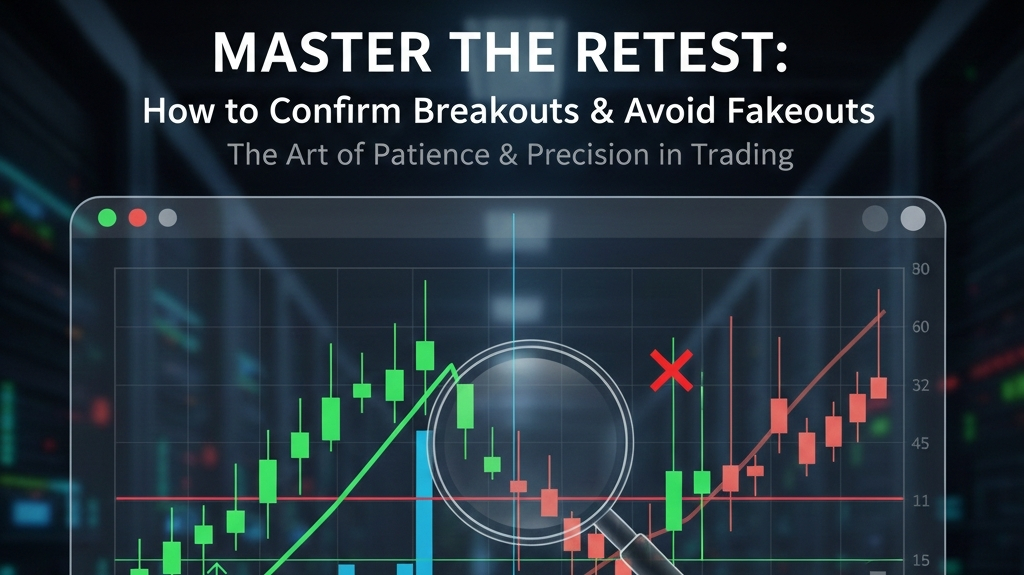
U Ka Tseba Joang Phapang Pakeng Tsa Real Breakout le Fakeout Khoebong?
E ’ngoe ea lithuto tse turang ka ho fetisisa tseo ke li ithutileng tsona e le mohoebi e bile ho ferekanya li-breakout tsa ’nete le fakeouts (liqholotso). Mathoasong, ke ile ka nka motsamao o mong le o mong o fetang khanyetso kapa o theohelang ka tlas’a tšehetso e le motsamao oo, empa ka ’na ka tšoaroa, ka emisoa (stopped out), ’me ka shebella theko e khutlela morao ntle le ’na. Ha nako e ntse e feta, ho ile ha hlaka: ho fumana phapang ena hantle ke ntho e ’ngoe le e ’ngoe, ebang u rekisa crypto, stocks, forex, kapa futures.
Ke Lihare Sebele Eng Ho Patulwa?
Phatlalatso ea ’nete (ea ’nete) e etsahala ha theko e tsamaea ka mokhoa o tiileng ka nqane ho boemo ba bohlokoa, tšehetso, khanyetso, mola oa tloaelo (trendline), bophahamo/bokatlase ba lekhalo (range), kapa moeli oa setšoantšo, ’me e lula moo. E bontša phetoho ea ’nete phepelong le tlhokong, moo lehlakore le leng le hlakileng le nkang taolo.
Ke Lihare Sebele Eng Ho Patulwa?
Phatlalatso ea ’nete (ea ’nete) e etsahala ha theko e tsamaea ka mokhoa o tiileng ka nqane ho boemo ba bohlokoa, tšehetso, khanyetso, mola oa tloaelo (trendline), bophahamo/bokatlase ba lekhalo (range), kapa moeli oa setšoantšo, ’me e lula moo. E bontša phetoho ea ’nete phepelong le tlhokong, moo lehlakore le leng le hlakileng le nkang taolo.
7
·
--

ບົດຄວາມ
STON.fi bilang Omniston: Liquidity Aggregation & Cross-Chain Execution LayerPara sa karamihan ng kasaysayan nito, ang STON.fi ay pangunahing nauunawaan bilang isang automated market maker (AMM) at decentralized exchange sa TON.
Kuchāgōd man āyuṅgihāngkēṅa aṅga, pero itóna nàhindi na nito naagap ang kabuungan na arkitektura.
Ngayon, pinapatakbo ng STON.fi ang Omniston bilang isang hiwalay na liquidity aggregation at cross-chain execution layer. Sa halip na umasa sa iisang AMM pool, ang Omniston ay maaaring humiling ng mga quote mula sa maraming liquidity source, ihambing ang mga executable na ruta, at i-coordinate ang settlement. Ang mas bagong cross-chain architecture nito ay pinalalawak ang model na iyon lampas sa TON.
STON.fi bilang Omniston: Liquidity Aggregation & Cross-Chain Execution Layer
Para sa karamihan ng kasaysayan nito, ang STON.fi ay pangunahing nauunawaan bilang isang automated market maker (AMM) at decentralized exchange sa TON.
Kuchāgōd man āyuṅgihāngkēṅa aṅga, pero itóna nàhindi na nito naagap ang kabuungan na arkitektura.
Ngayon, pinapatakbo ng STON.fi ang Omniston bilang isang hiwalay na liquidity aggregation at cross-chain execution layer. Sa halip na umasa sa iisang AMM pool, ang Omniston ay maaaring humiling ng mga quote mula sa maraming liquidity source, ihambing ang mga executable na ruta, at i-coordinate ang settlement. Ang mas bagong cross-chain architecture nito ay pinalalawak ang model na iyon lampas sa TON.
Kuchāgōd man āyuṅgihāngkēṅa aṅga, pero itóna nàhindi na nito naagap ang kabuungan na arkitektura.
Ngayon, pinapatakbo ng STON.fi ang Omniston bilang isang hiwalay na liquidity aggregation at cross-chain execution layer. Sa halip na umasa sa iisang AMM pool, ang Omniston ay maaaring humiling ng mga quote mula sa maraming liquidity source, ihambing ang mga executable na ruta, at i-coordinate ang settlement. Ang mas bagong cross-chain architecture nito ay pinalalawak ang model na iyon lampas sa TON.
1
2
71
·
--
ສັນຍານກະທິງ
ເປັນຄວາມຈິງບາງສ່ວນ
🗿 ສະຫຼຸບປະຈຳອາທິດ
ອີກໜຶ່ງອາທິດທີ່ການເຮັດວຽກຢ່າງເປັນຜົນສຳລັບລະບົບນິເວດ STON.fi, ດ້ວຍການບູລິມະສິດການລວມໂຄງສ້າງໃໝ່, ການສົນທະນາໃນຂະແໜງ, ແລະໂອກາດສືບຕໍ່ສຳລັບຜູ້ໃຫ້ສະພາບຄວາມສະຫນອງສະມາດທີ່ສອງຄວາມຄ່າ (liquidity providers).
ນີແມ່ນສິ່ງທີ່ເກີດຂຶ້ນໃນອາທິດນີ້:
1️⃣ Stablecoins ມາຢູ່ໃນຈຸດສຸມ
STON.fi ໄດ້ເຂົ້າຮ່ວມກັບຜູ້ນຳໃນອຸດສາຫະກຳໃນ HSC X Space ທີ່ຜ່ານມາ ເພື່ອສົນທະນາກ່ຽວກັບອະນາຄົດຂອງ stablecoins.
ຫົວຂໍ້ສຳຄັນລວມມີ:
• ການຈ່າຍເງິນຂ້າມປະເທດ
• ການພັດທະນາດ້ານການຄວບຄຸມ
• ອະນາຄົດຂອງປະສົບການໃຊ້ blockchain ທີ່ລຽບງ່າຍ
• stablecoins ກຳລັງປັບຮູບໄລຍະຕໍ່ໄປຂອງ DeFi ແນວໃດ
ການສົນທະນານີ້ໃຫ້ຂໍ້ຄິດເຫັນທີ່ມີຄ່າວ່າອຸດສາຫະກຳກຳລັງມຸ້ງໜ້າໄປທາງໃດ.
2️⃣ ໂຄງການເພີ່ມຂຶ້ນກຳລັງສ້າງດ້ວຍ STON.fi
ລະບົບນິເວດ STONpowered ຍັງຄົງຂະຫຍາຍຕົວ ເມື່ອມີໂຄງການ TON ເພີ່ມຂຶ້ນລວມໂຄງສ້າງ STON.fi.
ການລວມໂຄງສ້າງທີ່ເນັ້ນໃນອາທິດນີ້ລວມມີ:
• DTrade — ບັອດຕິ້ງການຊື້-ຂາຍ (trading bot) ທີ່ສ້າງຂຶ້ນສຳລັບ ecosystem TON.
• Fact Market — ເວທີທີ່ປ່ຽນກຸ່ມ Telegram ແລະຊ່ອງເປັນ prediction markets.
ການລວມໂຄງສ້າງເຫຼົ່ານີ້ສະແດງວ່ານັກພັດທະນາກຳລັງນຳໂຄງສ້າງຂອງ STON.fi ໄປສ້າງປະສົບການ Web3 ໃໝ່ແນວໃດ.
3️⃣ ໂອກາດການຟາມ (Farming) ໃນອາທິດນີ້
ບົດຮຽນການຟາມ (farming pools) ທີ່ເນັ້ນມີ:
• STON/USDT V2
• JETTON/USDT
• JETTON/GRAM
Pool STON/USDT V2 ຍັງສືບຕໍ່ໃຫ້ Boost Farm APR ສຳລັບ STON stakers ທີ່ມີສິດທິ, ໃນຂະນະທີ່ pool ຂອງ JETTON ຮັກສາລາງວັນການຟາມລາຍເດືອນທີ່ເພີ່ມຂຶ້ນ.
📊 Active Farm APRs
🔥 USD₮/JETTON → 99%
🔥 TONG/GRAM → 69%
🔥 STON/USD₮ → 15%
📊 ສະຖິຕິຂອງ AMM Protocol
🔥 ປະລິມານການແລກປ່ຽນລາຍອາທິດ: 14.5M TON ($23.4M)
🔥 TVL: 17.7M TON ($28.5M)
🔥 ລາງວັນຂອງຜູ້ໃຫ້ສະພາບຄວາມສະຫນອງສະມາດ (liquidity provider rewards) ທີ່ແຈກຈ່າຍ: 21,948 TON ($35,337)
ເມື່ອມີຜູ້ສ້າງເພີ່ມເຕີມທີ່ລວມໂຄງສ້າງຂອງ STON.fi ແລະກິດຈະກຳ on-chain ຍັງຄົງຂະຫຍາຍຕົວ, ecosystem TON ກຳລັງກ້າວໄປອີກຂັ້ນເພື່ອອະນາຄົດ DeFi ທີ່ເຊື່ອມຕໍ່ແລະເຂົ້າເຖິງໄດ້ງ່າຍຂຶ້ນ.
$GRAM #DeFi #STONfi
🗿 ສະຫຼຸບປະຈຳອາທິດ
ອີກໜຶ່ງອາທິດທີ່ການເຮັດວຽກຢ່າງເປັນຜົນສຳລັບລະບົບນິເວດ STON.fi, ດ້ວຍການບູລິມະສິດການລວມໂຄງສ້າງໃໝ່, ການສົນທະນາໃນຂະແໜງ, ແລະໂອກາດສືບຕໍ່ສຳລັບຜູ້ໃຫ້ສະພາບຄວາມສະຫນອງສະມາດທີ່ສອງຄວາມຄ່າ (liquidity providers).
ນີແມ່ນສິ່ງທີ່ເກີດຂຶ້ນໃນອາທິດນີ້:
1️⃣ Stablecoins ມາຢູ່ໃນຈຸດສຸມ
STON.fi ໄດ້ເຂົ້າຮ່ວມກັບຜູ້ນຳໃນອຸດສາຫະກຳໃນ HSC X Space ທີ່ຜ່ານມາ ເພື່ອສົນທະນາກ່ຽວກັບອະນາຄົດຂອງ stablecoins.
ຫົວຂໍ້ສຳຄັນລວມມີ:
• ການຈ່າຍເງິນຂ້າມປະເທດ
• ການພັດທະນາດ້ານການຄວບຄຸມ
• ອະນາຄົດຂອງປະສົບການໃຊ້ blockchain ທີ່ລຽບງ່າຍ
• stablecoins ກຳລັງປັບຮູບໄລຍະຕໍ່ໄປຂອງ DeFi ແນວໃດ
ການສົນທະນານີ້ໃຫ້ຂໍ້ຄິດເຫັນທີ່ມີຄ່າວ່າອຸດສາຫະກຳກຳລັງມຸ້ງໜ້າໄປທາງໃດ.
2️⃣ ໂຄງການເພີ່ມຂຶ້ນກຳລັງສ້າງດ້ວຍ STON.fi
ລະບົບນິເວດ STONpowered ຍັງຄົງຂະຫຍາຍຕົວ ເມື່ອມີໂຄງການ TON ເພີ່ມຂຶ້ນລວມໂຄງສ້າງ STON.fi.
ການລວມໂຄງສ້າງທີ່ເນັ້ນໃນອາທິດນີ້ລວມມີ:
• DTrade — ບັອດຕິ້ງການຊື້-ຂາຍ (trading bot) ທີ່ສ້າງຂຶ້ນສຳລັບ ecosystem TON.
• Fact Market — ເວທີທີ່ປ່ຽນກຸ່ມ Telegram ແລະຊ່ອງເປັນ prediction markets.
ການລວມໂຄງສ້າງເຫຼົ່ານີ້ສະແດງວ່ານັກພັດທະນາກຳລັງນຳໂຄງສ້າງຂອງ STON.fi ໄປສ້າງປະສົບການ Web3 ໃໝ່ແນວໃດ.
3️⃣ ໂອກາດການຟາມ (Farming) ໃນອາທິດນີ້
ບົດຮຽນການຟາມ (farming pools) ທີ່ເນັ້ນມີ:
• STON/USDT V2
• JETTON/USDT
• JETTON/GRAM
Pool STON/USDT V2 ຍັງສືບຕໍ່ໃຫ້ Boost Farm APR ສຳລັບ STON stakers ທີ່ມີສິດທິ, ໃນຂະນະທີ່ pool ຂອງ JETTON ຮັກສາລາງວັນການຟາມລາຍເດືອນທີ່ເພີ່ມຂຶ້ນ.
📊 Active Farm APRs
🔥 USD₮/JETTON → 99%
🔥 TONG/GRAM → 69%
🔥 STON/USD₮ → 15%
📊 ສະຖິຕິຂອງ AMM Protocol
🔥 ປະລິມານການແລກປ່ຽນລາຍອາທິດ: 14.5M TON ($23.4M)
🔥 TVL: 17.7M TON ($28.5M)
🔥 ລາງວັນຂອງຜູ້ໃຫ້ສະພາບຄວາມສະຫນອງສະມາດ (liquidity provider rewards) ທີ່ແຈກຈ່າຍ: 21,948 TON ($35,337)
ເມື່ອມີຜູ້ສ້າງເພີ່ມເຕີມທີ່ລວມໂຄງສ້າງຂອງ STON.fi ແລະກິດຈະກຳ on-chain ຍັງຄົງຂະຫຍາຍຕົວ, ecosystem TON ກຳລັງກ້າວໄປອີກຂັ້ນເພື່ອອະນາຄົດ DeFi ທີ່ເຊື່ອມຕໍ່ແລະເຂົ້າເຖິງໄດ້ງ່າຍຂຶ້ນ.
$GRAM #DeFi #STONfi
ອີກໜຶ່ງອາທິດທີ່ການເຮັດວຽກຢ່າງເປັນຜົນສຳລັບລະບົບນິເວດ STON.fi, ດ້ວຍການບູລິມະສິດການລວມໂຄງສ້າງໃໝ່, ການສົນທະນາໃນຂະແໜງ, ແລະໂອກາດສືບຕໍ່ສຳລັບຜູ້ໃຫ້ສະພາບຄວາມສະຫນອງສະມາດທີ່ສອງຄວາມຄ່າ (liquidity providers).
ນີແມ່ນສິ່ງທີ່ເກີດຂຶ້ນໃນອາທິດນີ້:
1️⃣ Stablecoins ມາຢູ່ໃນຈຸດສຸມ
STON.fi ໄດ້ເຂົ້າຮ່ວມກັບຜູ້ນຳໃນອຸດສາຫະກຳໃນ HSC X Space ທີ່ຜ່ານມາ ເພື່ອສົນທະນາກ່ຽວກັບອະນາຄົດຂອງ stablecoins.
ຫົວຂໍ້ສຳຄັນລວມມີ:
• ການຈ່າຍເງິນຂ້າມປະເທດ
• ການພັດທະນາດ້ານການຄວບຄຸມ
• ອະນາຄົດຂອງປະສົບການໃຊ້ blockchain ທີ່ລຽບງ່າຍ
• stablecoins ກຳລັງປັບຮູບໄລຍະຕໍ່ໄປຂອງ DeFi ແນວໃດ
ການສົນທະນານີ້ໃຫ້ຂໍ້ຄິດເຫັນທີ່ມີຄ່າວ່າອຸດສາຫະກຳກຳລັງມຸ້ງໜ້າໄປທາງໃດ.
2️⃣ ໂຄງການເພີ່ມຂຶ້ນກຳລັງສ້າງດ້ວຍ STON.fi
ລະບົບນິເວດ STONpowered ຍັງຄົງຂະຫຍາຍຕົວ ເມື່ອມີໂຄງການ TON ເພີ່ມຂຶ້ນລວມໂຄງສ້າງ STON.fi.
ການລວມໂຄງສ້າງທີ່ເນັ້ນໃນອາທິດນີ້ລວມມີ:
• DTrade — ບັອດຕິ້ງການຊື້-ຂາຍ (trading bot) ທີ່ສ້າງຂຶ້ນສຳລັບ ecosystem TON.
• Fact Market — ເວທີທີ່ປ່ຽນກຸ່ມ Telegram ແລະຊ່ອງເປັນ prediction markets.
ການລວມໂຄງສ້າງເຫຼົ່ານີ້ສະແດງວ່ານັກພັດທະນາກຳລັງນຳໂຄງສ້າງຂອງ STON.fi ໄປສ້າງປະສົບການ Web3 ໃໝ່ແນວໃດ.
3️⃣ ໂອກາດການຟາມ (Farming) ໃນອາທິດນີ້
ບົດຮຽນການຟາມ (farming pools) ທີ່ເນັ້ນມີ:
• STON/USDT V2
• JETTON/USDT
• JETTON/GRAM
Pool STON/USDT V2 ຍັງສືບຕໍ່ໃຫ້ Boost Farm APR ສຳລັບ STON stakers ທີ່ມີສິດທິ, ໃນຂະນະທີ່ pool ຂອງ JETTON ຮັກສາລາງວັນການຟາມລາຍເດືອນທີ່ເພີ່ມຂຶ້ນ.
📊 Active Farm APRs
🔥 USD₮/JETTON → 99%
🔥 TONG/GRAM → 69%
🔥 STON/USD₮ → 15%
📊 ສະຖິຕິຂອງ AMM Protocol
🔥 ປະລິມານການແລກປ່ຽນລາຍອາທິດ: 14.5M TON ($23.4M)
🔥 TVL: 17.7M TON ($28.5M)
🔥 ລາງວັນຂອງຜູ້ໃຫ້ສະພາບຄວາມສະຫນອງສະມາດ (liquidity provider rewards) ທີ່ແຈກຈ່າຍ: 21,948 TON ($35,337)
ເມື່ອມີຜູ້ສ້າງເພີ່ມເຕີມທີ່ລວມໂຄງສ້າງຂອງ STON.fi ແລະກິດຈະກຳ on-chain ຍັງຄົງຂະຫຍາຍຕົວ, ecosystem TON ກຳລັງກ້າວໄປອີກຂັ້ນເພື່ອອະນາຄົດ DeFi ທີ່ເຊື່ອມຕໍ່ແລະເຂົ້າເຖິງໄດ້ງ່າຍຂຶ້ນ.
$GRAM #DeFi #STONfi

406
·
--

ບົດຄວາມ
Ukuhlanganiswa Kwamasonto OnkeOlunye isonto elinomlando omusha wendawo ye-STON.fi, ngokukhula okukhulu, amakhono athuthukisiwe awela-imikhakha, kanye nengqalasizinda emisha eqhuba i-TON DeFi.
🔥 I-Highlight Yamasonto Onke
I-STON.fi manje isidlule ama-swap angu-35 million esewonke isikhathi.
NgoJuni 2026, i-wallet emaphakathi yaqeda cishe ukuthengiselana okungu-10, okubonisa ukubandakanyeka okuqinile komsebenzisi nokukhula kokwamukelwa kulo lonke uhlelo lwezinto.
Siyabonga kuwo wonke umuntu osiza ukuqhubekisela phambili i-TON DeFi.
Nansi okwenzekile kuleli sonto:
1️⃣ I-Avalanche ne-Arbitrum Zijoyina Inethiwekhi Yezixhumanisi Zawela-Imikhakha
Ukuhlanganiswa Kwamasonto Onke
Olunye isonto elinomlando omusha wendawo ye-STON.fi, ngokukhula okukhulu, amakhono athuthukisiwe awela-imikhakha, kanye nengqalasizinda emisha eqhuba i-TON DeFi.
🔥 I-Highlight Yamasonto Onke
I-STON.fi manje isidlule ama-swap angu-35 million esewonke isikhathi.
NgoJuni 2026, i-wallet emaphakathi yaqeda cishe ukuthengiselana okungu-10, okubonisa ukubandakanyeka okuqinile komsebenzisi nokukhula kokwamukelwa kulo lonke uhlelo lwezinto.
Siyabonga kuwo wonke umuntu osiza ukuqhubekisela phambili i-TON DeFi.
Nansi okwenzekile kuleli sonto:
1️⃣ I-Avalanche ne-Arbitrum Zijoyina Inethiwekhi Yezixhumanisi Zawela-Imikhakha
🔥 I-Highlight Yamasonto Onke
I-STON.fi manje isidlule ama-swap angu-35 million esewonke isikhathi.
NgoJuni 2026, i-wallet emaphakathi yaqeda cishe ukuthengiselana okungu-10, okubonisa ukubandakanyeka okuqinile komsebenzisi nokukhula kokwamukelwa kulo lonke uhlelo lwezinto.
Siyabonga kuwo wonke umuntu osiza ukuqhubekisela phambili i-TON DeFi.
Nansi okwenzekile kuleli sonto:
1️⃣ I-Avalanche ne-Arbitrum Zijoyina Inethiwekhi Yezixhumanisi Zawela-Imikhakha
1
103
·
--
Avalanche i Arbitrum Pridružuju se STON.fi Cross-Chain MrežiCross-chain DeFi se razvija, a STON.fi je poduzeo još jedan veliki korak prema tome da granice blockchaina postanu gotovo nevidljive.
Nakon lansirane cross-chain swapova između TON-a i glavnih EVM mreža, STON.fi je sada proširio svoju mrežu dodavanjem Avalanchea i Arbitrum-a, pružajući korisnicima još više načina da premještaju stablecoinove između ekosistema iz jednog sučelja.
Rastući cross-chain ekosistem
Umjesto prebacivanja između više mostova, novčanika i decentraliziranih aplikacija, korisnici sada mogu izvršavati podržane izmjene stablecoinova izravno unutar STON.fi aplikacije.
Avalanche i Arbitrum Pridružuju se STON.fi Cross-Chain Mreži
Cross-chain DeFi se razvija, a STON.fi je poduzeo još jedan veliki korak prema tome da granice blockchaina postanu gotovo nevidljive.
Nakon lansirane cross-chain swapova između TON-a i glavnih EVM mreža, STON.fi je sada proširio svoju mrežu dodavanjem Avalanchea i Arbitrum-a, pružajući korisnicima još više načina da premještaju stablecoinove između ekosistema iz jednog sučelja.
Rastući cross-chain ekosistem
Umjesto prebacivanja između više mostova, novčanika i decentraliziranih aplikacija, korisnici sada mogu izvršavati podržane izmjene stablecoinova izravno unutar STON.fi aplikacije.
Nakon lansirane cross-chain swapova između TON-a i glavnih EVM mreža, STON.fi je sada proširio svoju mrežu dodavanjem Avalanchea i Arbitrum-a, pružajući korisnicima još više načina da premještaju stablecoinove između ekosistema iz jednog sučelja.
Rastući cross-chain ekosistem
Umjesto prebacivanja između više mostova, novčanika i decentraliziranih aplikacija, korisnici sada mogu izvršavati podržane izmjene stablecoinova izravno unutar STON.fi aplikacije.
128
·
--
ສັນຍານກະທິງ
🗿 ດ່ານເຫດການໃໝ່ສຳລັບ STON.fi
ອີກການບັນລຸຂັ້ນສຳຄັນສຳລັບ ecosystem ຂອງ STON.fi.
ຕອນນີ້ STON.fi ໄດ້ຜ່ານ 35 ລ້ານການແລກປ່ຽນຕະຫຼອດການ (all-time swaps) ແລ້ວ ໂດຍການກຳນົດຂອບເຂດໃໝ່ໃນການເຕີບໂຕຂອງ TON DeFi.
ເພື່ອໃຫ້ເຫັນພາບທີ່ຊັດ: ຖ້ານັບທຸກການແລກປ່ຽນແບບທີລະ 1 ວິນາທີ (one by one) ຈະໃຊ້ເວລາເກີນໜຶ່ງປີເຕັມ.
ແຕ່ເລື່ອງທີ່ແທ້ບໍ່ແມ່ນແຕ່ຕົວເລກ—ມັນແມ່ນກິດຈະກຳທີ່ສະເໝີພ້ອມກັບຕົວເລກນັ້ນ.
ໃນເດືອນ ມິຖຸນາ 2026, ຜູ້ໃຊ້ສະເລ່ຍປະມານ 10 ທຳລາຍ/ການດຳເນີນການຕໍ່ wallet, ຊີ້ວ່າຜູ້ໃຊ້ບໍ່ແມ່ນພຽງແຕ່ລອງໃຊ້ເທື່ອດຽວ. ພວກເຂົາກຳລັງກັບມາອີກ, ແລກປ່ຽນອີກ, ໃຫ້ສະໜອງຄວາມສອດຄ່ອງ (liquidity) ແລະ ເຂົ້າຮ່ວມຢ່າງເຄື່ອນໄຫວໃນ ecosystem.
ຈຸດທີ່ສຳຄັນນີ້ສະທ້ອນເຖິງການນຳໃຊ້ທີ່ເພີ່ມຂຶ້ນ, ກິດຈະກຳໃນເທິງເຊນ (on-chain) ທີ່ແຂງແຮງຂຶ້ນ, ແລະ ຊຸມຊົນທີ່ຍັງຄົງຄັບເຄື່ອນຢູ່ແຕ່ລະມື້ ເພື່ອຊັບພະຍາກອນໃຫ້ TON DeFi.
ຂອບໃຈທຸກຄົນທີ່ໄດ້ແລກປ່ຽນ, ສ້າງ, ທົດສອບ, ແລະ ຄ້ຳສະໜູນ STON.fi.
ເສັ້ນທາງຍັງດຳເນີນຕໍ່ໄປ ແລະ ຍັງມີຈຸດສຳຄັນອີກຫຼາຍຢ່າງລໍຖ້າຢູ່ຂ້າງໜ້າ.
#TON #DeFi #STONfi
🗿 ດ່ານເຫດການໃໝ່ສຳລັບ STON.fi
ອີກການບັນລຸຂັ້ນສຳຄັນສຳລັບ ecosystem ຂອງ STON.fi.
ຕອນນີ້ STON.fi ໄດ້ຜ່ານ 35 ລ້ານການແລກປ່ຽນຕະຫຼອດການ (all-time swaps) ແລ້ວ ໂດຍການກຳນົດຂອບເຂດໃໝ່ໃນການເຕີບໂຕຂອງ TON DeFi.
ເພື່ອໃຫ້ເຫັນພາບທີ່ຊັດ: ຖ້ານັບທຸກການແລກປ່ຽນແບບທີລະ 1 ວິນາທີ (one by one) ຈະໃຊ້ເວລາເກີນໜຶ່ງປີເຕັມ.
ແຕ່ເລື່ອງທີ່ແທ້ບໍ່ແມ່ນແຕ່ຕົວເລກ—ມັນແມ່ນກິດຈະກຳທີ່ສະເໝີພ້ອມກັບຕົວເລກນັ້ນ.
ໃນເດືອນ ມິຖຸນາ 2026, ຜູ້ໃຊ້ສະເລ່ຍປະມານ 10 ທຳລາຍ/ການດຳເນີນການຕໍ່ wallet, ຊີ້ວ່າຜູ້ໃຊ້ບໍ່ແມ່ນພຽງແຕ່ລອງໃຊ້ເທື່ອດຽວ. ພວກເຂົາກຳລັງກັບມາອີກ, ແລກປ່ຽນອີກ, ໃຫ້ສະໜອງຄວາມສອດຄ່ອງ (liquidity) ແລະ ເຂົ້າຮ່ວມຢ່າງເຄື່ອນໄຫວໃນ ecosystem.
ຈຸດທີ່ສຳຄັນນີ້ສະທ້ອນເຖິງການນຳໃຊ້ທີ່ເພີ່ມຂຶ້ນ, ກິດຈະກຳໃນເທິງເຊນ (on-chain) ທີ່ແຂງແຮງຂຶ້ນ, ແລະ ຊຸມຊົນທີ່ຍັງຄົງຄັບເຄື່ອນຢູ່ແຕ່ລະມື້ ເພື່ອຊັບພະຍາກອນໃຫ້ TON DeFi.
ຂອບໃຈທຸກຄົນທີ່ໄດ້ແລກປ່ຽນ, ສ້າງ, ທົດສອບ, ແລະ ຄ້ຳສະໜູນ STON.fi.
ເສັ້ນທາງຍັງດຳເນີນຕໍ່ໄປ ແລະ ຍັງມີຈຸດສຳຄັນອີກຫຼາຍຢ່າງລໍຖ້າຢູ່ຂ້າງໜ້າ.
#TON #DeFi #STONfi
ອີກການບັນລຸຂັ້ນສຳຄັນສຳລັບ ecosystem ຂອງ STON.fi.
ຕອນນີ້ STON.fi ໄດ້ຜ່ານ 35 ລ້ານການແລກປ່ຽນຕະຫຼອດການ (all-time swaps) ແລ້ວ ໂດຍການກຳນົດຂອບເຂດໃໝ່ໃນການເຕີບໂຕຂອງ TON DeFi.
ເພື່ອໃຫ້ເຫັນພາບທີ່ຊັດ: ຖ້ານັບທຸກການແລກປ່ຽນແບບທີລະ 1 ວິນາທີ (one by one) ຈະໃຊ້ເວລາເກີນໜຶ່ງປີເຕັມ.
ແຕ່ເລື່ອງທີ່ແທ້ບໍ່ແມ່ນແຕ່ຕົວເລກ—ມັນແມ່ນກິດຈະກຳທີ່ສະເໝີພ້ອມກັບຕົວເລກນັ້ນ.
ໃນເດືອນ ມິຖຸນາ 2026, ຜູ້ໃຊ້ສະເລ່ຍປະມານ 10 ທຳລາຍ/ການດຳເນີນການຕໍ່ wallet, ຊີ້ວ່າຜູ້ໃຊ້ບໍ່ແມ່ນພຽງແຕ່ລອງໃຊ້ເທື່ອດຽວ. ພວກເຂົາກຳລັງກັບມາອີກ, ແລກປ່ຽນອີກ, ໃຫ້ສະໜອງຄວາມສອດຄ່ອງ (liquidity) ແລະ ເຂົ້າຮ່ວມຢ່າງເຄື່ອນໄຫວໃນ ecosystem.
ຈຸດທີ່ສຳຄັນນີ້ສະທ້ອນເຖິງການນຳໃຊ້ທີ່ເພີ່ມຂຶ້ນ, ກິດຈະກຳໃນເທິງເຊນ (on-chain) ທີ່ແຂງແຮງຂຶ້ນ, ແລະ ຊຸມຊົນທີ່ຍັງຄົງຄັບເຄື່ອນຢູ່ແຕ່ລະມື້ ເພື່ອຊັບພະຍາກອນໃຫ້ TON DeFi.
ຂອບໃຈທຸກຄົນທີ່ໄດ້ແລກປ່ຽນ, ສ້າງ, ທົດສອບ, ແລະ ຄ້ຳສະໜູນ STON.fi.
ເສັ້ນທາງຍັງດຳເນີນຕໍ່ໄປ ແລະ ຍັງມີຈຸດສຳຄັນອີກຫຼາຍຢ່າງລໍຖ້າຢູ່ຂ້າງໜ້າ.
#TON #DeFi #STONfi

85
·
--
STON.fi DAO Governance Digest
Anei quick update nipa iṣẹ́ ìjọba (governance) tuntun nínú ilolupo STON.fi.
Ní ọjọ́ Keje 1, 2026:
• Àwọn ìfilọ́ (proposals) tí ń ṣiṣẹ́ nínú ìdìbò: 1
Ìjọba DAO fún àwùjọ ní ipa taara láti dá ọjọ́ iwájú protocol náà sílẹ̀, pẹ̀lú àwọn ìfilọ́ tí a ti wo àti tí a ti dibo lórí nípa àwọn kópa.
Láti máa wà ní ìmókànsí nípa àwọn ìfilọ́ tuntun àti àwọn ìpinnu governance, tẹ̀lé ikanni DAO Updates tó dá run fún ìkéde tó ń ṣẹlẹ̀ nígbà gidi (real-time).
Àkọsílẹ̀: Ìtẹ̀síwájú yìí jẹ́ fún ìmòye (informational purposes) nìkan. Àwọn data náà jẹ́ ìdàpọ̀ láifọwọyi láti inú ìpamọ́ gbangba STON.fi DAO interface àti àwọn orísun gbangba tí ó jọmọ́.
#TON #DAO #STONfi
STON.fi DAO Governance Digest
Anei quick update nipa iṣẹ́ ìjọba (governance) tuntun nínú ilolupo STON.fi.
Ní ọjọ́ Keje 1, 2026:
• Àwọn ìfilọ́ (proposals) tí ń ṣiṣẹ́ nínú ìdìbò: 1
Ìjọba DAO fún àwùjọ ní ipa taara láti dá ọjọ́ iwájú protocol náà sílẹ̀, pẹ̀lú àwọn ìfilọ́ tí a ti wo àti tí a ti dibo lórí nípa àwọn kópa.
Láti máa wà ní ìmókànsí nípa àwọn ìfilọ́ tuntun àti àwọn ìpinnu governance, tẹ̀lé ikanni DAO Updates tó dá run fún ìkéde tó ń ṣẹlẹ̀ nígbà gidi (real-time).
Àkọsílẹ̀: Ìtẹ̀síwájú yìí jẹ́ fún ìmòye (informational purposes) nìkan. Àwọn data náà jẹ́ ìdàpọ̀ láifọwọyi láti inú ìpamọ́ gbangba STON.fi DAO interface àti àwọn orísun gbangba tí ó jọmọ́.
#TON #DAO #STONfi
Anei quick update nipa iṣẹ́ ìjọba (governance) tuntun nínú ilolupo STON.fi.
Ní ọjọ́ Keje 1, 2026:
• Àwọn ìfilọ́ (proposals) tí ń ṣiṣẹ́ nínú ìdìbò: 1
Ìjọba DAO fún àwùjọ ní ipa taara láti dá ọjọ́ iwájú protocol náà sílẹ̀, pẹ̀lú àwọn ìfilọ́ tí a ti wo àti tí a ti dibo lórí nípa àwọn kópa.
Láti máa wà ní ìmókànsí nípa àwọn ìfilọ́ tuntun àti àwọn ìpinnu governance, tẹ̀lé ikanni DAO Updates tó dá run fún ìkéde tó ń ṣẹlẹ̀ nígbà gidi (real-time).
Àkọsílẹ̀: Ìtẹ̀síwájú yìí jẹ́ fún ìmòye (informational purposes) nìkan. Àwọn data náà jẹ́ ìdàpọ̀ láifọwọyi láti inú ìpamọ́ gbangba STON.fi DAO interface àti àwọn orísun gbangba tí ó jọmọ́.
#TON #DAO #STONfi

92
·
--
ສັນຍານກະທິງ
ຂ່າວ Toncoin & ຂົວໂທເຄັນ ປິດລົງໃນວັນທີ 1 ກັນຍາ 2026
ຖ້າເຄີຍໃຊ້ Toncoin ແລະ Token Bridge, ນີ້ແມ່ນການເຕືອນທີ່ສຳຄັນ.
ຂົວທີ່ bridge-v3.ton.org ຈະປິດລົງຖາວອນໃນວັນທີ 1 ກັນຍາ 2026. ຫຼັງຈາກວັນທີ່ນັ້ນ ການໂອນຂ້າມເຄືອຂ່າຍຜ່ານຂົວຈະບໍ່ມີໃຫ້ແລ້ວ.
ເພື່ອຊ່ວຍໃຫ້ຜູ້ໃຊ້ຍ້າຍ, ຄ່າທຳນຽມການໂອນທີ່ຄິດເປັນອັດຕາສ່ວນໄດ້ຖືກຍົກເວັ້ນໃນໄລຍະເວລາການຖອນເງິນທີ່ເຫຼືອ.
ນີ້ແມ່ນສິ່ງທີ່ຄວນກວດສອບ:
• ຖື wrapped Toncoin ຢູ່ໃນ Ethereum ຫຼື BNB Smart Chain? ນຳມັນກັບໄປ TON.
• ຖື jUSDT, jUSDC, jWBTC, ຫຼື j-token ອື່ນໆ ໃນ TON wallet ຂອງທ່ານ? ນຳພວກມັນກັບໄປ Ethereum ກ່ອນເສັ້ນຕາຍ.
ທີ່ຢູ່ສຳລັບ j-token pool ທີ່ຮອງຮັບປະກອບມີ:
• jUSDT
• jUSDC
• jWBTC
ເຫດຜົນທີ່ມັນສຳຄັນ
Bridge oracles ເລີ່ມຖອນຫຼັກຊັບ (stakes) ຂອງຕົນໃນເດືອນ ມິຖຸນາ 2026 ແລະຈະສືບຕໍ່ດຳເນີນການໂອນຈົນກວ່າຈະປິດລົງສຸດທ້າຍໃນວັນທີ 1 ກັນຍາ. ຫຼັງຈາກນັ້ນ ຊັບສິນທີ່ເຊື່ອມຜ່ານຂົວ ທີ່ຍັງເຫຼືອຈະບໍ່ສາມາດໂອນຜ່ານຂົວໄດ້ອີກ.
ຖ້າທ່ານເຄີຍໃຊ້ Toncoin Bridge ມາກ່ອນ, ຕອນນີ້ເປັນເວລາດີທີ່ຈະທົບທວນເບິ່ງ wallet ຂອງທ່ານ ແລະສຳເລັດການໂອນທີ່ຈຳເປັນກ່ອນເສັ້ນຕາຍ.
ຂ່າວ Toncoin & ຂົວໂທເຄັນ ປິດລົງໃນວັນທີ 1 ກັນຍາ 2026
ຖ້າເຄີຍໃຊ້ Toncoin ແລະ Token Bridge, ນີ້ແມ່ນການເຕືອນທີ່ສຳຄັນ.
ຂົວທີ່ bridge-v3.ton.org ຈະປິດລົງຖາວອນໃນວັນທີ 1 ກັນຍາ 2026. ຫຼັງຈາກວັນທີ່ນັ້ນ ການໂອນຂ້າມເຄືອຂ່າຍຜ່ານຂົວຈະບໍ່ມີໃຫ້ແລ້ວ.
ເພື່ອຊ່ວຍໃຫ້ຜູ້ໃຊ້ຍ້າຍ, ຄ່າທຳນຽມການໂອນທີ່ຄິດເປັນອັດຕາສ່ວນໄດ້ຖືກຍົກເວັ້ນໃນໄລຍະເວລາການຖອນເງິນທີ່ເຫຼືອ.
ນີ້ແມ່ນສິ່ງທີ່ຄວນກວດສອບ:
• ຖື wrapped Toncoin ຢູ່ໃນ Ethereum ຫຼື BNB Smart Chain? ນຳມັນກັບໄປ TON.
• ຖື jUSDT, jUSDC, jWBTC, ຫຼື j-token ອື່ນໆ ໃນ TON wallet ຂອງທ່ານ? ນຳພວກມັນກັບໄປ Ethereum ກ່ອນເສັ້ນຕາຍ.
ທີ່ຢູ່ສຳລັບ j-token pool ທີ່ຮອງຮັບປະກອບມີ:
• jUSDT
• jUSDC
• jWBTC
ເຫດຜົນທີ່ມັນສຳຄັນ
Bridge oracles ເລີ່ມຖອນຫຼັກຊັບ (stakes) ຂອງຕົນໃນເດືອນ ມິຖຸນາ 2026 ແລະຈະສືບຕໍ່ດຳເນີນການໂອນຈົນກວ່າຈະປິດລົງສຸດທ້າຍໃນວັນທີ 1 ກັນຍາ. ຫຼັງຈາກນັ້ນ ຊັບສິນທີ່ເຊື່ອມຜ່ານຂົວ ທີ່ຍັງເຫຼືອຈະບໍ່ສາມາດໂອນຜ່ານຂົວໄດ້ອີກ.
ຖ້າທ່ານເຄີຍໃຊ້ Toncoin Bridge ມາກ່ອນ, ຕອນນີ້ເປັນເວລາດີທີ່ຈະທົບທວນເບິ່ງ wallet ຂອງທ່ານ ແລະສຳເລັດການໂອນທີ່ຈຳເປັນກ່ອນເສັ້ນຕາຍ.
ຖ້າເຄີຍໃຊ້ Toncoin ແລະ Token Bridge, ນີ້ແມ່ນການເຕືອນທີ່ສຳຄັນ.
ຂົວທີ່ bridge-v3.ton.org ຈະປິດລົງຖາວອນໃນວັນທີ 1 ກັນຍາ 2026. ຫຼັງຈາກວັນທີ່ນັ້ນ ການໂອນຂ້າມເຄືອຂ່າຍຜ່ານຂົວຈະບໍ່ມີໃຫ້ແລ້ວ.
ເພື່ອຊ່ວຍໃຫ້ຜູ້ໃຊ້ຍ້າຍ, ຄ່າທຳນຽມການໂອນທີ່ຄິດເປັນອັດຕາສ່ວນໄດ້ຖືກຍົກເວັ້ນໃນໄລຍະເວລາການຖອນເງິນທີ່ເຫຼືອ.
ນີ້ແມ່ນສິ່ງທີ່ຄວນກວດສອບ:
• ຖື wrapped Toncoin ຢູ່ໃນ Ethereum ຫຼື BNB Smart Chain? ນຳມັນກັບໄປ TON.
• ຖື jUSDT, jUSDC, jWBTC, ຫຼື j-token ອື່ນໆ ໃນ TON wallet ຂອງທ່ານ? ນຳພວກມັນກັບໄປ Ethereum ກ່ອນເສັ້ນຕາຍ.
ທີ່ຢູ່ສຳລັບ j-token pool ທີ່ຮອງຮັບປະກອບມີ:
• jUSDT
• jUSDC
• jWBTC
ເຫດຜົນທີ່ມັນສຳຄັນ
Bridge oracles ເລີ່ມຖອນຫຼັກຊັບ (stakes) ຂອງຕົນໃນເດືອນ ມິຖຸນາ 2026 ແລະຈະສືບຕໍ່ດຳເນີນການໂອນຈົນກວ່າຈະປິດລົງສຸດທ້າຍໃນວັນທີ 1 ກັນຍາ. ຫຼັງຈາກນັ້ນ ຊັບສິນທີ່ເຊື່ອມຜ່ານຂົວ ທີ່ຍັງເຫຼືອຈະບໍ່ສາມາດໂອນຜ່ານຂົວໄດ້ອີກ.
ຖ້າທ່ານເຄີຍໃຊ້ Toncoin Bridge ມາກ່ອນ, ຕອນນີ້ເປັນເວລາດີທີ່ຈະທົບທວນເບິ່ງ wallet ຂອງທ່ານ ແລະສຳເລັດການໂອນທີ່ຈຳເປັນກ່ອນເສັ້ນຕາຍ.

73
·
--
Farming on STON.fi: Weekly Digest
Stonfiers, é keni lookup ipi weekly overview of active farming pools across the protocol.
STON/USDT
STON na token native wey join di core mechanics of di STON.fi protocol. O pool yii still remain one of the most consistent performers in di ecosystem.
Key details:
Monthly rewards: 10,000 STON
Farming status: ongoing
LP tokens: no lock-up
Boost Farm APR: active until June 30, up to 2x multiplier for eligible STON stakers
JETTON/USDT | JETTON/GRAM
JETTON na di token wey JetTon Games issue, e be cross-platform GameFi ecosystem for TON. Di pools yii still dey attract boosted participation.
Key details:
Monthly rewards: 200,000 JETTON per farm
Farming period: ongoing until December 31, 2026
LP tokens: no lock-up
Boosted rewards: active
STORM/GRAM
STORM na token wey link to one of di largest perpetual DEX ecosystems for TON. Dis pool yii dey keep steady activity and consistent rewards.
Key details:
Daily rewards: 30,000 STORM
Farming status: ongoing
LP tokens: no lock-up
Important note
LP tokens dey automatically issued when you provide liquidity. Always check pool conditions before you join and assess risk by yourself.
Call to action
Explore active farms for STON.fi and monitor reward conditions as dem dey change.
$TON
Farming on STON.fi: Weekly Digest
Stonfiers, é keni lookup ipi weekly overview of active farming pools across the protocol.
STON/USDT
STON na token native wey join di core mechanics of di STON.fi protocol. O pool yii still remain one of the most consistent performers in di ecosystem.
Key details:
Monthly rewards: 10,000 STON
Farming status: ongoing
LP tokens: no lock-up
Boost Farm APR: active until June 30, up to 2x multiplier for eligible STON stakers
JETTON/USDT | JETTON/GRAM
JETTON na di token wey JetTon Games issue, e be cross-platform GameFi ecosystem for TON. Di pools yii still dey attract boosted participation.
Key details:
Monthly rewards: 200,000 JETTON per farm
Farming period: ongoing until December 31, 2026
LP tokens: no lock-up
Boosted rewards: active
STORM/GRAM
STORM na token wey link to one of di largest perpetual DEX ecosystems for TON. Dis pool yii dey keep steady activity and consistent rewards.
Key details:
Daily rewards: 30,000 STORM
Farming status: ongoing
LP tokens: no lock-up
Important note
LP tokens dey automatically issued when you provide liquidity. Always check pool conditions before you join and assess risk by yourself.
Call to action
Explore active farms for STON.fi and monitor reward conditions as dem dey change.
$TON
Stonfiers, é keni lookup ipi weekly overview of active farming pools across the protocol.
STON/USDT
STON na token native wey join di core mechanics of di STON.fi protocol. O pool yii still remain one of the most consistent performers in di ecosystem.
Key details:
Monthly rewards: 10,000 STON
Farming status: ongoing
LP tokens: no lock-up
Boost Farm APR: active until June 30, up to 2x multiplier for eligible STON stakers
JETTON/USDT | JETTON/GRAM
JETTON na di token wey JetTon Games issue, e be cross-platform GameFi ecosystem for TON. Di pools yii still dey attract boosted participation.
Key details:
Monthly rewards: 200,000 JETTON per farm
Farming period: ongoing until December 31, 2026
LP tokens: no lock-up
Boosted rewards: active
STORM/GRAM
STORM na token wey link to one of di largest perpetual DEX ecosystems for TON. Dis pool yii dey keep steady activity and consistent rewards.
Key details:
Daily rewards: 30,000 STORM
Farming status: ongoing
LP tokens: no lock-up
Important note
LP tokens dey automatically issued when you provide liquidity. Always check pool conditions before you join and assess risk by yourself.
Call to action
Explore active farms for STON.fi and monitor reward conditions as dem dey change.
$TON
92
·
--
ສັນຍານກະທິງ
🗿 ຖ່າຍທອດ Live ຂ້າມເຄນ | ມື້ນີ້ ເວລາ 15:00 UTC
STON.fi ເປີດສົດໃນມື້ນີ້ ເພື່ອແກະແກ້ໜຶ່ງໃນຄວາມທ້າທາຍ DeFi ທີ່ຍັງຄ້າງຄາ — cross-chain UX.
ການແລກປ່ຽນຂ້າມເຄນ ຖືກຄາດໝາຍໃຫ້ຊ່ວຍທຳໃຫ້ການຍ້າຍຊັບສິນງ່າຍຂຶ້ນ. ສຳລັບຜູ້ໃຊ້ສ່ວນໃຫຍ່ ປະສົບການຍັງຖືກແຍກກັນ, ຂັ້ນຕອນແບບຄູ່ມື, ແລະມີກ້າວເພີ່ມອີກຫຼາຍຂັ້ນຕອນ.
ໃນການສອນສົດມື້ນີ້ ພວກເຮົາຈະແກະໃຫ້ເຫັນ:
1️⃣ ສິ່ງທີ່ແຝງຄວາມฝືດເຄືອງ (hidden friction points) ທີ່ຜູ້ໃຊ້ຮຽນຮູ້ແລ້ວວ່າຕ້ອງຍອມຮັບ
2️⃣ ເປັນຫຍັງການແລກປ່ຽນກາງ (centralized exchanges) ຍັງຄອບງຳການເຄື່ອນຍ້າຍຂ້າມເຄນ
3️⃣ ການໄຫຼຂ້າມເຄນແບບທີ່ລຽບໄຫຼສະລອຍ ແບບໃກ້ຄຽງ-ບໍ່ເຫັນ (near-invisible) ຈະເປັນແນວໃດໄດ້
🎁 ແຈ້ງເຕືອນລາງວັນສົດ
ຜູ້ເຂົ້າຮ່ວມທຸກຄົນຈະໄດ້ຮັບເຂົ້າເຖິງລາງວັນພິເສດລະຫວ່າງການຖ່າຍທອດ. ລາຍລະອຽດ ແລະວິທີໄຖ່ (redemption) ຈະຖືກເປີດເຜີຍສົດໆ.
📅 17 ມິຖຸນາ · 15:00 UTC
ເຂົ້າຮ່ວມສົດຜ່ານ YouTube ຫຼື X ແລະເປັນສ່ວນໜຶ່ງໃນການສົນທະນາທີ່ກຳນົດຂັ້ນຕໍ່ໄປຂອງ cross-chain DeFi.
#TON #DeFi
🗿 ຖ່າຍທອດ Live ຂ້າມເຄນ | ມື້ນີ້ ເວລາ 15:00 UTC
STON.fi ເປີດສົດໃນມື້ນີ້ ເພື່ອແກະແກ້ໜຶ່ງໃນຄວາມທ້າທາຍ DeFi ທີ່ຍັງຄ້າງຄາ — cross-chain UX.
ການແລກປ່ຽນຂ້າມເຄນ ຖືກຄາດໝາຍໃຫ້ຊ່ວຍທຳໃຫ້ການຍ້າຍຊັບສິນງ່າຍຂຶ້ນ. ສຳລັບຜູ້ໃຊ້ສ່ວນໃຫຍ່ ປະສົບການຍັງຖືກແຍກກັນ, ຂັ້ນຕອນແບບຄູ່ມື, ແລະມີກ້າວເພີ່ມອີກຫຼາຍຂັ້ນຕອນ.
ໃນການສອນສົດມື້ນີ້ ພວກເຮົາຈະແກະໃຫ້ເຫັນ:
1️⃣ ສິ່ງທີ່ແຝງຄວາມฝືດເຄືອງ (hidden friction points) ທີ່ຜູ້ໃຊ້ຮຽນຮູ້ແລ້ວວ່າຕ້ອງຍອມຮັບ
2️⃣ ເປັນຫຍັງການແລກປ່ຽນກາງ (centralized exchanges) ຍັງຄອບງຳການເຄື່ອນຍ້າຍຂ້າມເຄນ
3️⃣ ການໄຫຼຂ້າມເຄນແບບທີ່ລຽບໄຫຼສະລອຍ ແບບໃກ້ຄຽງ-ບໍ່ເຫັນ (near-invisible) ຈະເປັນແນວໃດໄດ້
🎁 ແຈ້ງເຕືອນລາງວັນສົດ
ຜູ້ເຂົ້າຮ່ວມທຸກຄົນຈະໄດ້ຮັບເຂົ້າເຖິງລາງວັນພິເສດລະຫວ່າງການຖ່າຍທອດ. ລາຍລະອຽດ ແລະວິທີໄຖ່ (redemption) ຈະຖືກເປີດເຜີຍສົດໆ.
📅 17 ມິຖຸນາ · 15:00 UTC
ເຂົ້າຮ່ວມສົດຜ່ານ YouTube ຫຼື X ແລະເປັນສ່ວນໜຶ່ງໃນການສົນທະນາທີ່ກຳນົດຂັ້ນຕໍ່ໄປຂອງ cross-chain DeFi.
#TON #DeFi
STON.fi ເປີດສົດໃນມື້ນີ້ ເພື່ອແກະແກ້ໜຶ່ງໃນຄວາມທ້າທາຍ DeFi ທີ່ຍັງຄ້າງຄາ — cross-chain UX.
ການແລກປ່ຽນຂ້າມເຄນ ຖືກຄາດໝາຍໃຫ້ຊ່ວຍທຳໃຫ້ການຍ້າຍຊັບສິນງ່າຍຂຶ້ນ. ສຳລັບຜູ້ໃຊ້ສ່ວນໃຫຍ່ ປະສົບການຍັງຖືກແຍກກັນ, ຂັ້ນຕອນແບບຄູ່ມື, ແລະມີກ້າວເພີ່ມອີກຫຼາຍຂັ້ນຕອນ.
ໃນການສອນສົດມື້ນີ້ ພວກເຮົາຈະແກະໃຫ້ເຫັນ:
1️⃣ ສິ່ງທີ່ແຝງຄວາມฝືດເຄືອງ (hidden friction points) ທີ່ຜູ້ໃຊ້ຮຽນຮູ້ແລ້ວວ່າຕ້ອງຍອມຮັບ
2️⃣ ເປັນຫຍັງການແລກປ່ຽນກາງ (centralized exchanges) ຍັງຄອບງຳການເຄື່ອນຍ້າຍຂ້າມເຄນ
3️⃣ ການໄຫຼຂ້າມເຄນແບບທີ່ລຽບໄຫຼສະລອຍ ແບບໃກ້ຄຽງ-ບໍ່ເຫັນ (near-invisible) ຈະເປັນແນວໃດໄດ້
🎁 ແຈ້ງເຕືອນລາງວັນສົດ
ຜູ້ເຂົ້າຮ່ວມທຸກຄົນຈະໄດ້ຮັບເຂົ້າເຖິງລາງວັນພິເສດລະຫວ່າງການຖ່າຍທອດ. ລາຍລະອຽດ ແລະວິທີໄຖ່ (redemption) ຈະຖືກເປີດເຜີຍສົດໆ.
📅 17 ມິຖຸນາ · 15:00 UTC
ເຂົ້າຮ່ວມສົດຜ່ານ YouTube ຫຼື X ແລະເປັນສ່ວນໜຶ່ງໃນການສົນທະນາທີ່ກຳນົດຂັ້ນຕໍ່ໄປຂອງ cross-chain DeFi.
#TON #DeFi

1
131
ເຂົ້າສູ່ລະບົບເພື່ອສຳຫຼວດເນື້ອຫາເພີ່ມເຕີມ
ເຂົ້າຮ່ວມກຸ່ມຜູ້ໃຊ້ຄຣິບໂຕທົ່ວໂລກໃນ Binance Square.
⚡️ ໄດ້ຮັບຂໍ້ມູນຫຼ້າສຸດ ແລະ ທີ່ມີປະໂຫຍດກ່ຽວກັບຄຣິບໂຕ.
💬 ໄດ້ຮັບຄວາມໄວ້ວາງໃຈຈາກຕະຫຼາດແລກປ່ຽນຄຣິບໂຕທີ່ໃຫຍ່ທີ່ສຸດໃນໂລກ.
👍 ຄົ້ນຫາຂໍ້ມູນເຊີງເລິກທີ່ແທ້ຈາກນັກສ້າງທີ່ໄດ້ຮັບການຢືນຢັນ.
ອີເມວ / ເບີໂທລະສັບ
ຫົວຂໍ້ທີ່ກໍາລັງນິຍົມ
BitcoinSurpasses$77000
16,680 views
221 ກຳລັງສົນທະນາ
$BTC ezali kotangisa makasi koleka nyonso yango nyonso. 🚀
Lobi oyo ezalaki litambe ya liboso ya motuya/interest (rate hike) na boumeli ya koleka mibu 3, nzoka nde Ngalande ya CLARITY Act emonanaki lisusu ete ekangami (stalled) lisusu lobi.
Bongisa plan ya position longue lisusu monene - kende koyamba ngai na nsuka
Entrée : $75500 - $76500
Stoploss : $74900
Take profit : $77000 - $78000
Mibongisa mpo na cycle ya croissance ya mpela makasi. 🔥
TF_bnb
·17 ຖືກໃຈ
·6.9k views
ParadigmDisclosesZECHolding
65,096 views
1,013 ກຳລັງສົນທະນາ
BitcoinETFsShed$450M
25,750 views
217 ກຳລັງສົນທະນາ