

#falcon
falcon
164,629 views
1,871 ກຳລັງສົນທະນາ
ມາແຮງ
ຫຼ້າສຸດ

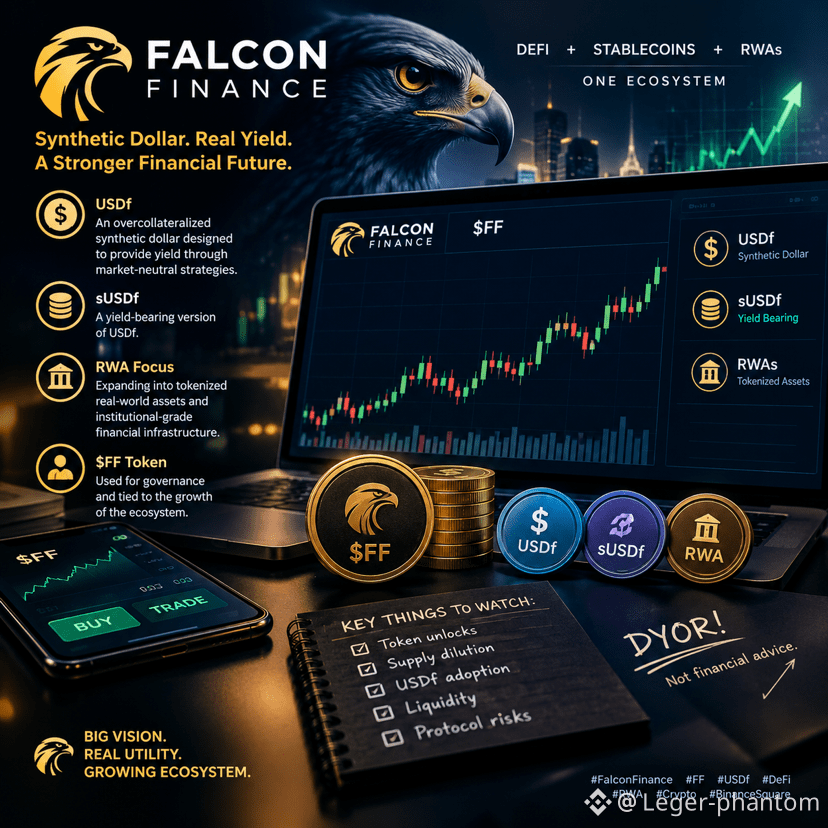
🦅 $FF is an interesting DeFi project focused on building a universal collateralization platform around USDf, an overcollateralized synthetic dollar designed to provide yield through market-neutral strategies. The ecosystem also includes sUSDf, a yield-bearing version of USDf, while Falcon is expanding its focus toward tokenized real-world assets and institutional-grade financial infrastructure. The $FF token plays an important role in the ecosystem, particularly around governance and future growth. With the growing interest in stablecoins, DeFi, and RWAs, Falcon Finance is definitely a project worth watching. However, investors should also keep an eye on token unlocks, supply dilution, liquidity, adoption, and overall protocol risks. DYOR and never invest more than you can afford to lose. 🚀 #falcon #USStrikesTargetsNearHormuzAndJask #DeFi #BinanceSquare
🦅 $FF is an interesting DeFi project focused on building a universal collateralization platform around USDf, an overcollateralized synthetic dollar designed to provide yield through market-neutral strategies. The ecosystem also includes sUSDf, a yield-bearing version of USDf, while Falcon is expanding its focus toward tokenized real-world assets and institutional-grade financial infrastructure. The $FF token plays an important role in the ecosystem, particularly around governance and future growth. With the growing interest in stablecoins, DeFi, and RWAs, Falcon Finance is definitely a project worth watching. However, investors should also keep an eye on token unlocks, supply dilution, liquidity, adoption, and overall protocol risks. DYOR and never invest more than you can afford to lose. 🚀 #falcon #USStrikesTargetsNearHormuzAndJask #DeFi #BinanceSquare
1
1
101

·
--
ສັນຍານກະທິງ
Today Top Gainer Coin in the bearish market trend is Falcon Finance
Falcon Finance is a stablecoin protocol designed to combine stability with yield generation, positioning itself as a universal collateralization infrastructure for the DeFi ecosystem. Unlike traditional stablecoins that primarily act as a medium of exchange, Falcon Finance offers users the ability to unlock sustainable returns from their digital assets while retaining exposure to them. The protocol integrates elements of both centralized and decentralized finance to form a CeDeFi platform, aiming to balance performance with reliability for both retail and institutional participants.
At the core of Falcon Finance is its dual-token system, consisting of [USDf](https://www.binance.com/en/price/falcon-finance), an over-collateralized stablecoin, and sUSDf, a yield-bearing version that accrues returns over time. Users can mint USDf by depositing collateral in the form of stablecoins or major cryptocurrencies such as BTC, ETH, and [SOL](https://www.binance.com/en/price/solana). Once minted, USDf can be staked to obtain sUSDf. The staked token automatically generates yield through the protocol’s market-neutral strategies, including funding rate arbitrage and cross-exchange arbitrage. #Falcon $FF
{spot}(FFUSDT)
Today Top Gainer Coin in the bearish market trend is Falcon Finance
Falcon Finance is a stablecoin protocol designed to combine stability with yield generation, positioning itself as a universal collateralization infrastructure for the DeFi ecosystem. Unlike traditional stablecoins that primarily act as a medium of exchange, Falcon Finance offers users the ability to unlock sustainable returns from their digital assets while retaining exposure to them. The protocol integrates elements of both centralized and decentralized finance to form a CeDeFi platform, aiming to balance performance with reliability for both retail and institutional participants.
At the core of Falcon Finance is its dual-token system, consisting of USDf, an over-collateralized stablecoin, and sUSDf, a yield-bearing version that accrues returns over time. Users can mint USDf by depositing collateral in the form of stablecoins or major cryptocurrencies such as BTC, ETH, and SOL. Once minted, USDf can be staked to obtain sUSDf. The staked token automatically generates yield through the protocol’s market-neutral strategies, including funding rate arbitrage and cross-exchange arbitrage. #Falcon $FF
Falcon Finance is a stablecoin protocol designed to combine stability with yield generation, positioning itself as a universal collateralization infrastructure for the DeFi ecosystem. Unlike traditional stablecoins that primarily act as a medium of exchange, Falcon Finance offers users the ability to unlock sustainable returns from their digital assets while retaining exposure to them. The protocol integrates elements of both centralized and decentralized finance to form a CeDeFi platform, aiming to balance performance with reliability for both retail and institutional participants.
At the core of Falcon Finance is its dual-token system, consisting of USDf, an over-collateralized stablecoin, and sUSDf, a yield-bearing version that accrues returns over time. Users can mint USDf by depositing collateral in the form of stablecoins or major cryptocurrencies such as BTC, ETH, and SOL. Once minted, USDf can be staked to obtain sUSDf. The staked token automatically generates yield through the protocol’s market-neutral strategies, including funding rate arbitrage and cross-exchange arbitrage. #Falcon $FF
124

#FALCON
FF se disparó un 11% en 24 horas tras la noticia de la stablecoin instituciona
Falcon Finance
Creado por expertos en blockchain e ingeniería financiera, Falcon Finance garantiza rendimientos consistentes, competitivos y de nivel institucional.
Su mision Crear infraestructuras de colateralización transparentes, seguras y sostenibles para impulsar la innovación global y empoderar a los usuarios para desbloquear todo su potencial financiero.
Impulsados por la pasión por la excelencia, ofrecemos rendimientos de grado institucional a través de diversas estrategias de trading, y nuestro objetivo es garantizar la transparencia y el crecimiento para todos los usuarios.
$FF
{future}(FFUSDT)
#FALCON
FF se disparó un 11% en 24 horas tras la noticia de la stablecoin instituciona
Falcon Finance
Creado por expertos en blockchain e ingeniería financiera, Falcon Finance garantiza rendimientos consistentes, competitivos y de nivel institucional.
Su mision Crear infraestructuras de colateralización transparentes, seguras y sostenibles para impulsar la innovación global y empoderar a los usuarios para desbloquear todo su potencial financiero.
Impulsados por la pasión por la excelencia, ofrecemos rendimientos de grado institucional a través de diversas estrategias de trading, y nuestro objetivo es garantizar la transparencia y el crecimiento para todos los usuarios.
$FF
FF se disparó un 11% en 24 horas tras la noticia de la stablecoin instituciona
Falcon Finance
Creado por expertos en blockchain e ingeniería financiera, Falcon Finance garantiza rendimientos consistentes, competitivos y de nivel institucional.
Su mision Crear infraestructuras de colateralización transparentes, seguras y sostenibles para impulsar la innovación global y empoderar a los usuarios para desbloquear todo su potencial financiero.
Impulsados por la pasión por la excelencia, ofrecemos rendimientos de grado institucional a través de diversas estrategias de trading, y nuestro objetivo es garantizar la transparencia y el crecimiento para todos los usuarios.
$FF

319

·
--
Crypto Market Caution Is Growing
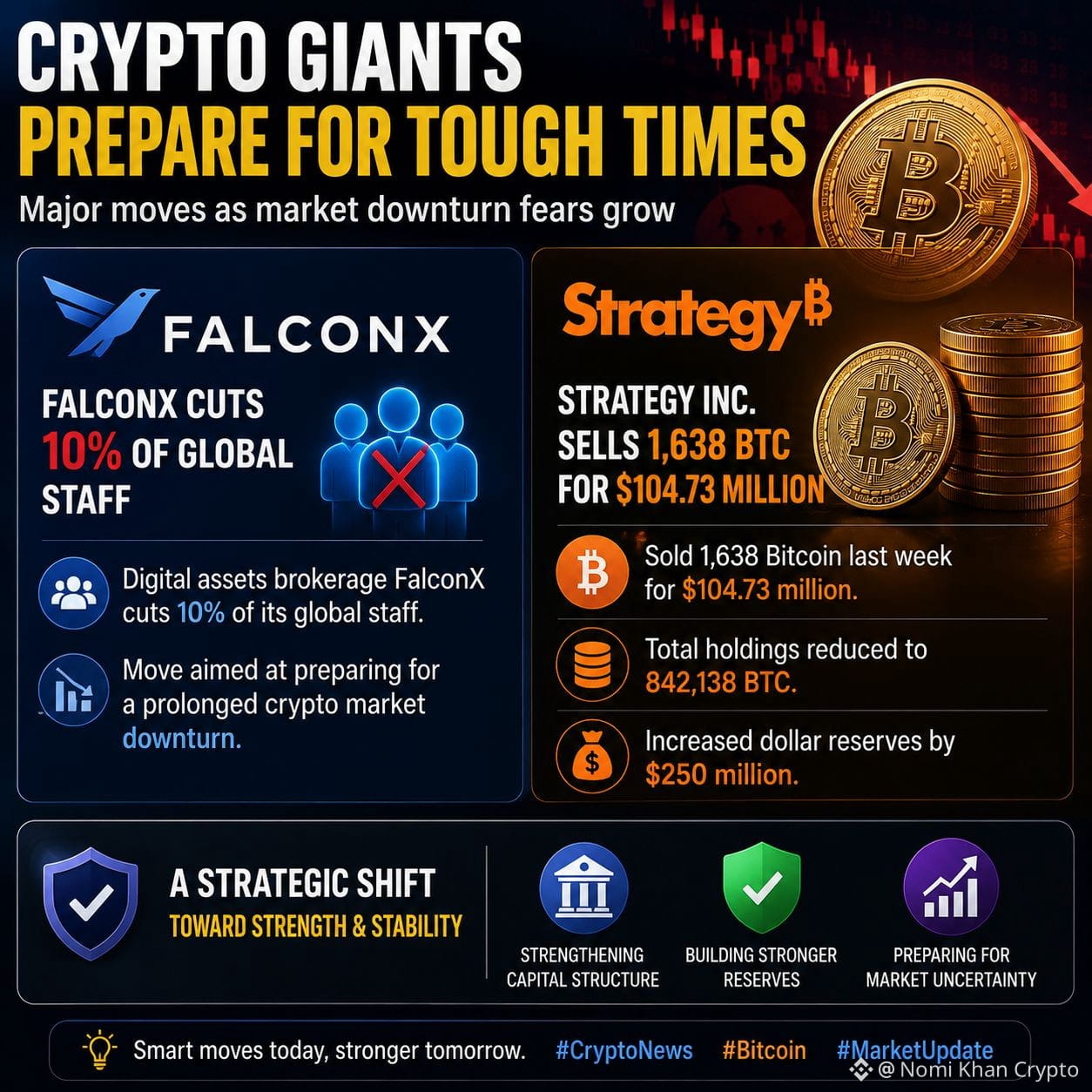
FalconX has reduced 10% of its global workforce as it prepares for a potentially prolonged crypto market slowdown. At the same time, Strategy Inc. sold 1,638 BTC worth $104.7 million and boosted its cash reserves by $250 million.
$HNT $VET
These moves suggest that major players are focusing on stronger liquidity
{spot}(VETUSDT)
and risk management while navigating uncertain market conditions. 👀₿
#CryptoMarket #Falcon #PalantirJumps10%OnQ2Beat
Crypto Market Caution Is Growing
FalconX has reduced 10% of its global workforce as it prepares for a potentially prolonged crypto market slowdown. At the same time, Strategy Inc. sold 1,638 BTC worth $104.7 million and boosted its cash reserves by $250 million.
$HNT $VET
These moves suggest that major players are focusing on stronger liquidity
and risk management while navigating uncertain market conditions. 👀₿
#CryptoMarket #Falcon #PalantirJumps10%OnQ2Beat
FalconX has reduced 10% of its global workforce as it prepares for a potentially prolonged crypto market slowdown. At the same time, Strategy Inc. sold 1,638 BTC worth $104.7 million and boosted its cash reserves by $250 million.
$HNT $VET
These moves suggest that major players are focusing on stronger liquidity
and risk management while navigating uncertain market conditions. 👀₿
#CryptoMarket #Falcon #PalantirJumps10%OnQ2Beat
95

·
--
ບົດຄວາມ
Margin TradingMargin Trading for Beginners
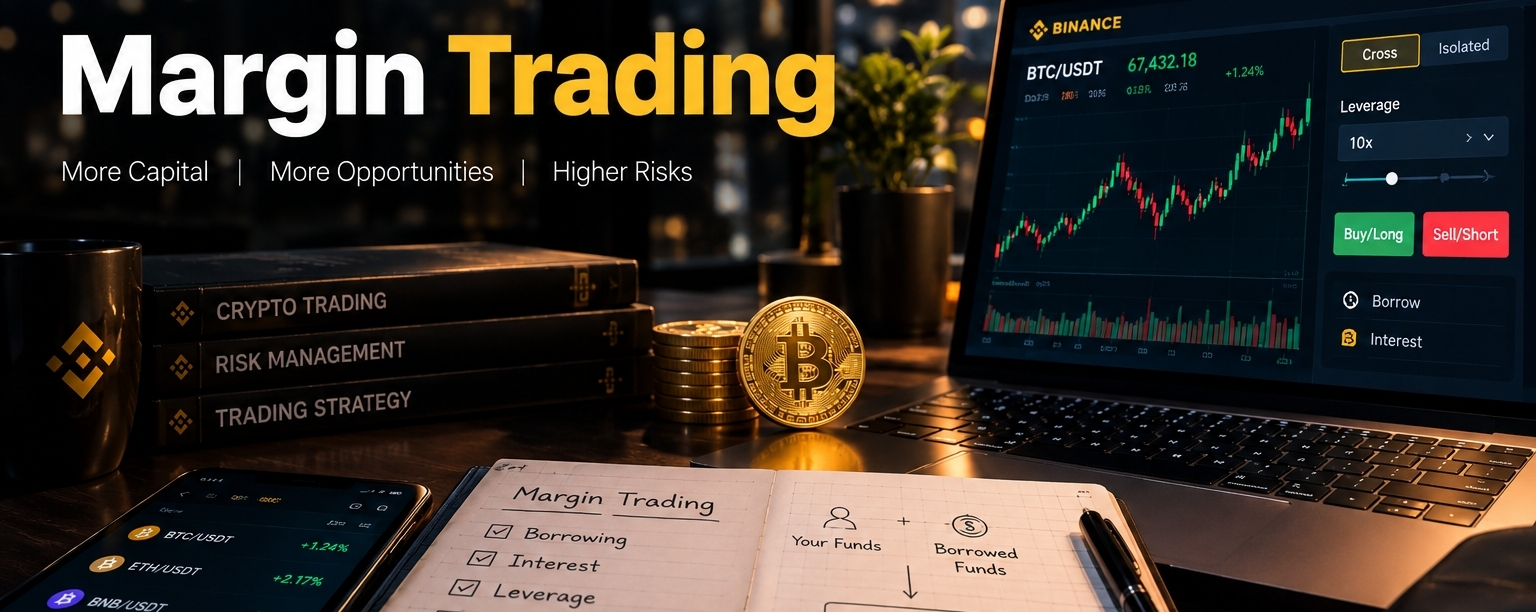
Crypto Trading ကို စတင်လေ့လာတဲ့အခါ Spot Trading နဲ့ Futures Trading အပြင် Margin Trading ကိုလည်း မကြာခဏ တွေ့ရမှာပါ။
ဒါဆို Margin Trading ဆိုတာ ဘာလဲ? ဘယ်လိုအလုပ်လုပ်လဲ?
Borrowing, Interest, Leverage, Liquidation တွေက ဘာကိုဆိုလိုတာလဲ?
.
💡 Margin Trading ဆိုတာဘာလဲ?
အလွယ်ပြောရရင် Margin Trading ဆိုတာ ကိုယ့်မှာရှိတဲ့ Funds ကို Collateral အဖြစ်အသုံးပြုပြီး ထပ်မံ ချေးငှားလုပ်ထားတဲ့ Funds နဲ့ ပိုကြီးတဲ့ Trading Position ကို ဖွင့်တာဖြစ်ပါတယ်။
ဥပမာ
ကိုယ့်မှာ 100 USDT ရှိတယ်ဆိုရင်
နောက်ထပ် 100 USDT ကို Borrow လုပ်ပြီး 200 USDT တန်ဖိုးရှိတဲ့ Trade ပြုလုပ်နိုင်ပါတယ်။
Price တက်သွားရင် ကိုယ့်ရဲ့ Position ကြီးလာတဲ့အတွက် Profit က ပိုများနိုင်ပါတယ်။ ဒါပေမယ့် Price ကျသွားရင် Loss လည်း ပိုများနိုင်တာကို သတိထားရပါမယ်။
.
🏦 Borrowing ဆိုတာဘာလဲ?
Margin Trading မှာ ကိုယ့်ရဲ့ Capital မလုံလောက်တဲ့အခါ Asset ကို Borrow လုပ်နိုင်ပါတယ်။
ဒါပေမယ့် Borrow လုပ်ထားတဲ့ Funds က အခမဲ့မဟုတ်ပါဘူး။ Interest ပေးရပါတယ်။ Binance Margin မှာ Borrow လုပ်ထားတဲ့ Funds အပေါ် Interest က အချိန်အလိုက် တွက်ချက်ပေးရပြီး Interest Rate တွေကလည်း ပြောင်းလဲနိုင်ပါတယ်။
.
📈 Margin Trading မှာ Long / Short Position
Margin Trading မှာ Market Direction နှစ်မျိုးလုံးကို Trade လုပ်နိုင်ပါတယ်။
Long: Price တက်မယ်လို့ မျှော်လင့်ပြီး Trade လုပ်ခြင်း။
Short: Price ကျမယ်လို့ မျှော်လင့်ပြီး Trade လုပ်ခြင်း။
ဒါကြောင့် Market တက်တဲ့အချိန်မှာပဲမဟုတ်ဘဲ ကျတဲ့အချိန်မှာလည်း Strategy အပေါ်မူတည်ပြီး Position ဖွင့်နိုင်ပါတယ်။
.
🔐 Isolated Margin vs Cross Margin
Margin Trading မှာ အဓိကနားလည်ထားသင့်တာက Isolated Margin နဲ့ Cross Margin ပါ။
.
Isolated Margin
Trade တစ်ခုချင်းစီအတွက် ကိုယ်သတ်မှတ်ထားတဲ့ Margin ကို သီးခြားခွဲထားတာပါ။ Position Liquidated ဖြစ်သွားရင် အဲဒီ Position အတွက် ခွဲထားတဲ့ Funds ကိုပဲ အဓိက Risk ရှိစေပါတယ်။
.
Cross Margin
Margin Account ထဲက ရရှိနိုင်တဲ့ Funds တွေကို Position တွေအတွက် Common Collateral အဖြစ် အသုံးပြုပါတယ်။ ဒါကြောင့် Position တစ်ခု Loss ဖြစ်တဲ့အခါ Account ထဲက အခြား Funds တွေက Liquidation မဖြစ်အောင် အထောက်အကူပြုနိုင်ပေမယ့် တစ်ဖက်မှာ Account တစ်ခုလုံးအပေါ် Risk ပိုများလာနိုင်ပါတယ်။
.
⚠️ Liquidation ဆိုတာဘာလဲ?
Market က ကိုယ့် Position နဲ့ ဆန့်ကျင်ဘက်ကို အများကြီးရွေ့သွားတဲ့အခါ Margin Level ကျလာနိုင်ပါတယ်။
သတ်မှတ်ထားတဲ့ Liquidation Threshold ကို ရောက်သွားရင် Binance က Borrow ထားတဲ့ Funds ကို ပြန်လည်ပေးဆပ်နိုင်ဖို့ Position ရဲ့ တစ်စိတ်တစ်ပိုင်း ဒါမှမဟုတ် အားလုံးကို အလိုအလျောက်ပိတ်နိုင်ပါတယ်။
.
🧠 Beginner တွေအနေနဲ့ ဘာတွေသတိထားသင့်လဲ?
Margin Trading မလုပ်ခင်
ကိုယ်ဘယ်လောက် Risk ယူနိုင်လဲ သတ်မှတ်ပါ။Borrowed Funds ရဲ့ Interest Cost ကို နားလည်ပါ။Isolated နဲ့ Cross Margin ကွာခြားချက်ကို သိထားပါ။Margin Level နဲ့ Liquidation Risk ကို စောင့်ကြည့်ပါ။Leverage များလေလေ Risk ပိုမြင့်လာနိုင်တာကို နားလည်ပါ။Loss ဖြစ်တာကို ပြန်ရဖို့ Position ကို အလျင်စလို မတိုးပါနဲ့။မိမိဆုံးရှုံးနိုင်တဲ့ Amount ထက် ပိုမို Risk မယူပါနဲ့။
Margin Trading က ကိုယ့်ရဲ့ Capital ကို ပိုထိရောက်စွာ အသုံးချနိုင်စေတဲ့ Trading Method တစ်ခုဖြစ်ပေမယ့် Borrowing + Interest + Liquidation Risk တွေပါဝင်တာကြောင့် Spot Trading ထက် ပိုမိုရှုပ်ထွေးပါတယ်။
.
⚠️ Disclaimer: ဤ Content သည် Educational Purpose အတွက်သာ ဖြစ်ပြီး Financial Advice မဟုတ်ပါ။ Margin Trading တွင် Borrowed Funds အသုံးပြုခြင်းကြောင့် Profit ရနိုင်သလို Loss နှင့် Liquidation Risk လည်း မြင့်မားနိုင်ပါသည်။ Trade မပြုလုပ်မီ Product Details, Fees, Interest Rates, Leverage, Margin Requirements, Liquidation Rules နှင့် Risks များကို ကိုယ်တိုင်လေ့လာပါ။
#MarginTrading #Falcon @BinanceBurmese @Binance_Academy
Margin Trading
Margin Trading for Beginners
Crypto Trading ကို စတင်လေ့လာတဲ့အခါ Spot Trading နဲ့ Futures Trading အပြင် Margin Trading ကိုလည်း မကြာခဏ တွေ့ရမှာပါ။
ဒါဆို Margin Trading ဆိုတာ ဘာလဲ? ဘယ်လိုအလုပ်လုပ်လဲ?
Borrowing, Interest, Leverage, Liquidation တွေက ဘာကိုဆိုလိုတာလဲ?
.
💡 Margin Trading ဆိုတာဘာလဲ?
အလွယ်ပြောရရင် Margin Trading ဆိုတာ ကိုယ့်မှာရှိတဲ့ Funds ကို Collateral အဖြစ်အသုံးပြုပြီး ထပ်မံ ချေးငှားလုပ်ထားတဲ့ Funds နဲ့ ပိုကြီးတဲ့ Trading Position ကို ဖွင့်တာဖြစ်ပါတယ်။
ဥပမာ
ကိုယ့်မှာ 100 USDT ရှိတယ်ဆိုရင်
နောက်ထပ် 100 USDT ကို Borrow လုပ်ပြီး 200 USDT တန်ဖိုးရှိတဲ့ Trade ပြုလုပ်နိုင်ပါတယ်။
Price တက်သွားရင် ကိုယ့်ရဲ့ Position ကြီးလာတဲ့အတွက် Profit က ပိုများနိုင်ပါတယ်။ ဒါပေမယ့် Price ကျသွားရင် Loss လည်း ပိုများနိုင်တာကို သတိထားရပါမယ်။
.
🏦 Borrowing ဆိုတာဘာလဲ?
Margin Trading မှာ ကိုယ့်ရဲ့ Capital မလုံလောက်တဲ့အခါ Asset ကို Borrow လုပ်နိုင်ပါတယ်။
ဒါပေမယ့် Borrow လုပ်ထားတဲ့ Funds က အခမဲ့မဟုတ်ပါဘူး။ Interest ပေးရပါတယ်။ Binance Margin မှာ Borrow လုပ်ထားတဲ့ Funds အပေါ် Interest က အချိန်အလိုက် တွက်ချက်ပေးရပြီး Interest Rate တွေကလည်း ပြောင်းလဲနိုင်ပါတယ်။
.
📈 Margin Trading မှာ Long / Short Position
Margin Trading မှာ Market Direction နှစ်မျိုးလုံးကို Trade လုပ်နိုင်ပါတယ်။
Long: Price တက်မယ်လို့ မျှော်လင့်ပြီး Trade လုပ်ခြင်း။
Short: Price ကျမယ်လို့ မျှော်လင့်ပြီး Trade လုပ်ခြင်း။
ဒါကြောင့် Market တက်တဲ့အချိန်မှာပဲမဟုတ်ဘဲ ကျတဲ့အချိန်မှာလည်း Strategy အပေါ်မူတည်ပြီး Position ဖွင့်နိုင်ပါတယ်။
.
🔐 Isolated Margin vs Cross Margin
Margin Trading မှာ အဓိကနားလည်ထားသင့်တာက Isolated Margin နဲ့ Cross Margin ပါ။
.
Isolated Margin
Trade တစ်ခုချင်းစီအတွက် ကိုယ်သတ်မှတ်ထားတဲ့ Margin ကို သီးခြားခွဲထားတာပါ။ Position Liquidated ဖြစ်သွားရင် အဲဒီ Position အတွက် ခွဲထားတဲ့ Funds ကိုပဲ အဓိက Risk ရှိစေပါတယ်။
.
Cross Margin
Margin Account ထဲက ရရှိနိုင်တဲ့ Funds တွေကို Position တွေအတွက် Common Collateral အဖြစ် အသုံးပြုပါတယ်။ ဒါကြောင့် Position တစ်ခု Loss ဖြစ်တဲ့အခါ Account ထဲက အခြား Funds တွေက Liquidation မဖြစ်အောင် အထောက်အကူပြုနိုင်ပေမယ့် တစ်ဖက်မှာ Account တစ်ခုလုံးအပေါ် Risk ပိုများလာနိုင်ပါတယ်။
.
⚠️ Liquidation ဆိုတာဘာလဲ?
Market က ကိုယ့် Position နဲ့ ဆန့်ကျင်ဘက်ကို အများကြီးရွေ့သွားတဲ့အခါ Margin Level ကျလာနိုင်ပါတယ်။
သတ်မှတ်ထားတဲ့ Liquidation Threshold ကို ရောက်သွားရင် Binance က Borrow ထားတဲ့ Funds ကို ပြန်လည်ပေးဆပ်နိုင်ဖို့ Position ရဲ့ တစ်စိတ်တစ်ပိုင်း ဒါမှမဟုတ် အားလုံးကို အလိုအလျောက်ပိတ်နိုင်ပါတယ်။
.
🧠 Beginner တွေအနေနဲ့ ဘာတွေသတိထားသင့်လဲ?
Margin Trading မလုပ်ခင်
ကိုယ်ဘယ်လောက် Risk ယူနိုင်လဲ သတ်မှတ်ပါ။Borrowed Funds ရဲ့ Interest Cost ကို နားလည်ပါ။Isolated နဲ့ Cross Margin ကွာခြားချက်ကို သိထားပါ။Margin Level နဲ့ Liquidation Risk ကို စောင့်ကြည့်ပါ။Leverage များလေလေ Risk ပိုမြင့်လာနိုင်တာကို နားလည်ပါ။Loss ဖြစ်တာကို ပြန်ရဖို့ Position ကို အလျင်စလို မတိုးပါနဲ့။မိမိဆုံးရှုံးနိုင်တဲ့ Amount ထက် ပိုမို Risk မယူပါနဲ့။
Margin Trading က ကိုယ့်ရဲ့ Capital ကို ပိုထိရောက်စွာ အသုံးချနိုင်စေတဲ့ Trading Method တစ်ခုဖြစ်ပေမယ့် Borrowing + Interest + Liquidation Risk တွေပါဝင်တာကြောင့် Spot Trading ထက် ပိုမိုရှုပ်ထွေးပါတယ်။
.
⚠️ Disclaimer: ဤ Content သည် Educational Purpose အတွက်သာ ဖြစ်ပြီး Financial Advice မဟုတ်ပါ။ Margin Trading တွင် Borrowed Funds အသုံးပြုခြင်းကြောင့် Profit ရနိုင်သလို Loss နှင့် Liquidation Risk လည်း မြင့်မားနိုင်ပါသည်။ Trade မပြုလုပ်မီ Product Details, Fees, Interest Rates, Leverage, Margin Requirements, Liquidation Rules နှင့် Risks များကို ကိုယ်တိုင်လေ့လာပါ။
#MarginTrading #Falcon @Binance Burmese @Binance Academy
Crypto Trading ကို စတင်လေ့လာတဲ့အခါ Spot Trading နဲ့ Futures Trading အပြင် Margin Trading ကိုလည်း မကြာခဏ တွေ့ရမှာပါ။
ဒါဆို Margin Trading ဆိုတာ ဘာလဲ? ဘယ်လိုအလုပ်လုပ်လဲ?
Borrowing, Interest, Leverage, Liquidation တွေက ဘာကိုဆိုလိုတာလဲ?
.
💡 Margin Trading ဆိုတာဘာလဲ?
အလွယ်ပြောရရင် Margin Trading ဆိုတာ ကိုယ့်မှာရှိတဲ့ Funds ကို Collateral အဖြစ်အသုံးပြုပြီး ထပ်မံ ချေးငှားလုပ်ထားတဲ့ Funds နဲ့ ပိုကြီးတဲ့ Trading Position ကို ဖွင့်တာဖြစ်ပါတယ်။
ဥပမာ
ကိုယ့်မှာ 100 USDT ရှိတယ်ဆိုရင်
နောက်ထပ် 100 USDT ကို Borrow လုပ်ပြီး 200 USDT တန်ဖိုးရှိတဲ့ Trade ပြုလုပ်နိုင်ပါတယ်။
Price တက်သွားရင် ကိုယ့်ရဲ့ Position ကြီးလာတဲ့အတွက် Profit က ပိုများနိုင်ပါတယ်။ ဒါပေမယ့် Price ကျသွားရင် Loss လည်း ပိုများနိုင်တာကို သတိထားရပါမယ်။
.
🏦 Borrowing ဆိုတာဘာလဲ?
Margin Trading မှာ ကိုယ့်ရဲ့ Capital မလုံလောက်တဲ့အခါ Asset ကို Borrow လုပ်နိုင်ပါတယ်။
ဒါပေမယ့် Borrow လုပ်ထားတဲ့ Funds က အခမဲ့မဟုတ်ပါဘူး။ Interest ပေးရပါတယ်။ Binance Margin မှာ Borrow လုပ်ထားတဲ့ Funds အပေါ် Interest က အချိန်အလိုက် တွက်ချက်ပေးရပြီး Interest Rate တွေကလည်း ပြောင်းလဲနိုင်ပါတယ်။
.
📈 Margin Trading မှာ Long / Short Position
Margin Trading မှာ Market Direction နှစ်မျိုးလုံးကို Trade လုပ်နိုင်ပါတယ်။
Long: Price တက်မယ်လို့ မျှော်လင့်ပြီး Trade လုပ်ခြင်း။
Short: Price ကျမယ်လို့ မျှော်လင့်ပြီး Trade လုပ်ခြင်း။
ဒါကြောင့် Market တက်တဲ့အချိန်မှာပဲမဟုတ်ဘဲ ကျတဲ့အချိန်မှာလည်း Strategy အပေါ်မူတည်ပြီး Position ဖွင့်နိုင်ပါတယ်။
.
🔐 Isolated Margin vs Cross Margin
Margin Trading မှာ အဓိကနားလည်ထားသင့်တာက Isolated Margin နဲ့ Cross Margin ပါ။
.
Isolated Margin
Trade တစ်ခုချင်းစီအတွက် ကိုယ်သတ်မှတ်ထားတဲ့ Margin ကို သီးခြားခွဲထားတာပါ။ Position Liquidated ဖြစ်သွားရင် အဲဒီ Position အတွက် ခွဲထားတဲ့ Funds ကိုပဲ အဓိက Risk ရှိစေပါတယ်။
.
Cross Margin
Margin Account ထဲက ရရှိနိုင်တဲ့ Funds တွေကို Position တွေအတွက် Common Collateral အဖြစ် အသုံးပြုပါတယ်။ ဒါကြောင့် Position တစ်ခု Loss ဖြစ်တဲ့အခါ Account ထဲက အခြား Funds တွေက Liquidation မဖြစ်အောင် အထောက်အကူပြုနိုင်ပေမယ့် တစ်ဖက်မှာ Account တစ်ခုလုံးအပေါ် Risk ပိုများလာနိုင်ပါတယ်။
.
⚠️ Liquidation ဆိုတာဘာလဲ?
Market က ကိုယ့် Position နဲ့ ဆန့်ကျင်ဘက်ကို အများကြီးရွေ့သွားတဲ့အခါ Margin Level ကျလာနိုင်ပါတယ်။
သတ်မှတ်ထားတဲ့ Liquidation Threshold ကို ရောက်သွားရင် Binance က Borrow ထားတဲ့ Funds ကို ပြန်လည်ပေးဆပ်နိုင်ဖို့ Position ရဲ့ တစ်စိတ်တစ်ပိုင်း ဒါမှမဟုတ် အားလုံးကို အလိုအလျောက်ပိတ်နိုင်ပါတယ်။
.
🧠 Beginner တွေအနေနဲ့ ဘာတွေသတိထားသင့်လဲ?
Margin Trading မလုပ်ခင်
ကိုယ်ဘယ်လောက် Risk ယူနိုင်လဲ သတ်မှတ်ပါ။Borrowed Funds ရဲ့ Interest Cost ကို နားလည်ပါ။Isolated နဲ့ Cross Margin ကွာခြားချက်ကို သိထားပါ။Margin Level နဲ့ Liquidation Risk ကို စောင့်ကြည့်ပါ။Leverage များလေလေ Risk ပိုမြင့်လာနိုင်တာကို နားလည်ပါ။Loss ဖြစ်တာကို ပြန်ရဖို့ Position ကို အလျင်စလို မတိုးပါနဲ့။မိမိဆုံးရှုံးနိုင်တဲ့ Amount ထက် ပိုမို Risk မယူပါနဲ့။
Margin Trading က ကိုယ့်ရဲ့ Capital ကို ပိုထိရောက်စွာ အသုံးချနိုင်စေတဲ့ Trading Method တစ်ခုဖြစ်ပေမယ့် Borrowing + Interest + Liquidation Risk တွေပါဝင်တာကြောင့် Spot Trading ထက် ပိုမိုရှုပ်ထွေးပါတယ်။
.
⚠️ Disclaimer: ဤ Content သည် Educational Purpose အတွက်သာ ဖြစ်ပြီး Financial Advice မဟုတ်ပါ။ Margin Trading တွင် Borrowed Funds အသုံးပြုခြင်းကြောင့် Profit ရနိုင်သလို Loss နှင့် Liquidation Risk လည်း မြင့်မားနိုင်ပါသည်။ Trade မပြုလုပ်မီ Product Details, Fees, Interest Rates, Leverage, Margin Requirements, Liquidation Rules နှင့် Risks များကို ကိုယ်တိုင်လေ့လာပါ။
#MarginTrading #Falcon @Binance Burmese @Binance Academy
9
138
·
--
ບົດຄວາມ
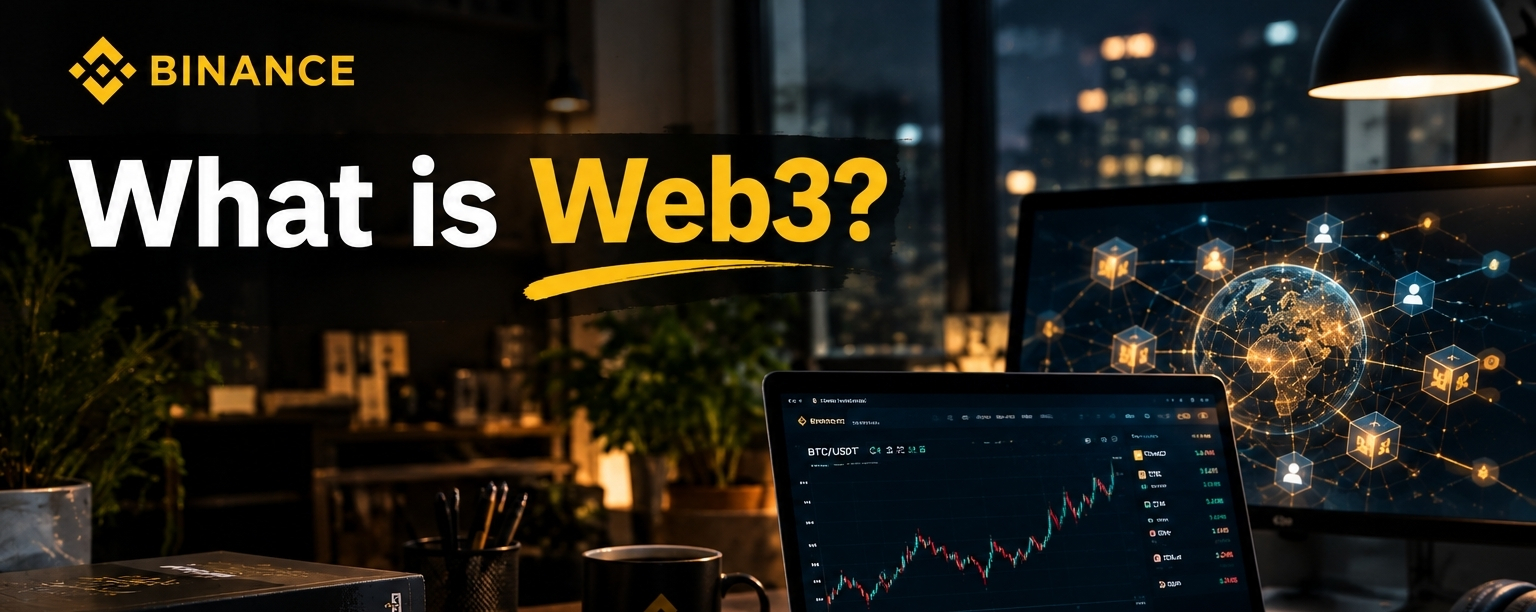
What is Web3🌐 Web3 ဆိုတာဘာလဲ?
Internet ကို အသုံးပြုနေတဲ့ပုံစံက အချိန်နဲ့အမျှ ပြောင်းလဲလာပါတယ်။ အစောပိုင်း Internet က Information တွေကို ဖတ်ရှုဖို့ အဓိကဖြစ်ခဲ့ပြီး နောက်ပိုင်းမှာ Social Media, YouTube, Google လို Platform တွေကနေ Content ဖန်တီးခြင်း၊ မျှဝေခြင်း၊ ဝန်ဆောင်မှုအသုံးပြုခြင်းတွေ ပိုမိုလွယ်ကူလာပါတယ်။
ဒီလို Internet ရဲ့ နောက်ထပ်တစ်ဆင့်အဖြစ် မကြာခဏကြားရတာက Web3 ပါ။
ဒါဆို Web3 ဆိုတာ ဘာလဲ? ဘာတွေပါဝင်လဲ? ဘာကြောင့် Crypto နဲ့ ဆက်စပ်နေတာလဲ?
----
💡 Web3 ဆိုတာဘာလဲ?
အလွယ်ပြောရရင် Web3 ဆိုတာ Blockchain နဲ့ Decentralized Technology တွေကို အခြေခံပြီး တည်ဆောက်ထားတဲ့ Internet ရဲ့ အယူအဆတစ်ခု ဖြစ်ပါတယ်။
Web2 မှာ ကျွန်တော်တို့အသုံးပြုနေတဲ့ Platform အများစုကို Company တစ်ခုက အဓိကထိန်းချုပ်ထားပါတယ်။
ဥပမာ Facebook, YouTube, Google လို Platform တွေမှာ
Platform ကို Company က စီမံခန့်ခွဲတယ်User Data တွေကို Platform ရဲ့ System ထဲမှာ သိမ်းဆည်းထားတယ်Platform ရဲ့ Rules တွေအတိုင်း အသုံးပြုရတယ်
Web3 ရဲ့ အဓိကအယူအဆကတော့ Control နဲ့ Ownership ကို User တွေဆီ ပိုမိုပေးနိုင်ဖို့ ဖြစ်ပါတယ်။
ဒါပေမယ့် Web3 ဟာ “Company မရှိတော့တဲ့ Internet” လို့ ရိုးရိုးရှင်းရှင်း သတ်မှတ်လို့မရပါဘူး။ Project တစ်ခုနဲ့တစ်ခုရဲ့ Decentralization အဆင့်ကလည်း မတူနိုင်ပါတယ်။
----
🔗 Web3 မှာ ဘာတွေပါဝင်လဲ?
1. Blockchain
Web3 ရဲ့ အရေးကြီးတဲ့ အခြေခံ Technology တစ်ခုပါ။
Transaction နဲ့ Digital Asset Ownership လို Information တွေကို Blockchain ပေါ်မှာ
.
2. Cryptocurrency
Web3 Ecosystem ထဲမှာ ငွေပေးချေမှုနဲ့ Digital Value Transfer အတွက် Crypto Assets တွေကို အသုံးပြုနိုင်ပါတယ်။
ဥပမာ BTC, ETH နဲ့ အခြား Tokens တွေပါ။
.
3. Smart Contract
သတ်မှတ်ထားတဲ့ Rules တွေအတိုင်း Blockchain ပေါ်မှာ အလိုအလျောက် လုပ်ဆောင်နိုင်တဲ့ Program တွေကို Smart Contract လို့ခေါ်ပါတယ်။
ဥပမာ သတ်မှတ်ချက်တွေ ပြည့်မီတဲ့အခါ Token ကို အလိုအလျောက် Transfer လုပ်ပေးနိုင်တာမျိုးပါ။
.
4. dApps
Decentralized Applications (dApps) ဆိုတာ Blockchain နဲ့ ချိတ်ဆက်အသုံးပြုနိုင်တဲ့ Application တွေပါ။
DeFi Platforms, Blockchain Games နဲ့ အခြား Web3 Services တွေမှာ dApps ကို တွေ့နိုင်ပါတယ်။
.
5. NFT
NFT က Digital Item တစ်ခုရဲ့ Ownership ကို Blockchain ပေါ်မှာ မှတ်တမ်းတင်နိုင်တဲ့ Token အမျိုးအစားတစ်ခုပါ။
Digital Art တင်မကဘဲ Game Items, Memberships, Collectibles စတဲ့ Use Cases တွေလည်း ရှိနိုင်ပါတယ်။
.
6. DAO
DAO ဆိုတာ Decentralized Autonomous Organization ဖြစ်ပြီး Community Members တွေက သတ်မှတ်ထားတဲ့ Governance System အတိုင်း Project ရဲ့ ဆုံးဖြတ်ချက်တွေမှာ ပါဝင်နိုင်တဲ့ Organization ပုံစံတစ်ခု ဖြစ်ပါတယ်။
----
🆚 Web2 နဲ့ Web3 ဘာကွာလဲ?
အလွယ်နားလည်အောင် ပြောရရင်
Web2 → Platform က အဓိကထိန်းချုပ်တယ်
Web3 → Blockchain Network နဲ့ Decentralized System တွေကို အသုံးပြုပြီး User Ownership နဲ့ Control ပိုမိုရရှိစေဖို့ ရည်ရွယ်ပါတယ်
Web3 မှာ User က Wallet တစ်ခုကနေ Digital Assets တွေကို ကိုယ်တိုင် ထိန်းချုပ်နိုင်တာမျိုးတွေ ရှိပါတယ်။
ဒါပေမယ့် Wallet ရှိတာနဲ့ Web3 ရဲ့ Asset အားလုံးကို User က အပြည့်အဝ ထိန်းချုပ်နိုင်တယ် လို့ မဆိုလိုပါဘူး။ Project တစ်ခုချင်းစီရဲ့ Smart Contract, Governance နဲ့ Centralization ပုံစံတွေကို သီးခြားလေ့လာဖို့ လိုပါတယ်။
🌍 Web3 ကို ဘယ်နေရာတွေမှာ အသုံးပြုလို့ရလဲ?
Web3 က Crypto Trading တစ်ခုတည်းအတွက် မဟုတ်ပါဘူး။
DeFi: ဘဏ်လို Traditional Intermediary အပေါ် မှီခိုမှုကို လျှော့ချပြီး Blockchain-based Financial Services တွေ ဖန်တီးခြင်း။
GameFi: Blockchain နဲ့ Game Economy ကို ချိတ်ဆက်အသုံးပြုခြင်း။
SocialFi: Social Media နဲ့ Blockchain ကို ပေါင်းစပ်ပြီး User နဲ့ Creator တွေအတွက် Ownership/Rewards ပုံစံအသစ်တွေ ဖန်တီးခြင်း။
NFT & Digital Ownership: Digital Items တွေရဲ့ Ownership ကို Blockchain ပေါ်မှာ မှတ်တမ်းတင်ခြင်း။
Digital Identity: ကိုယ်ပိုင် Digital Identity နဲ့ Credentials တွေကို Blockchain Technology နဲ့ ချိတ်ဆက်အသုံးပြုနိုင်မယ့် နည်းလမ်းတွေကို လေ့လာခြင်း။
🤔 Web3 က ဘာကြောင့် စိတ်ဝင်စားစရာကောင်းတာလဲ?
Web3 ရဲ့ အဓိကအယူအဆက Internet ကို အသုံးပြုရုံတင်မကဘဲ Digital Assets နဲ့ Ownership ကိုလည်း User ဘက်က ပိုမိုပါဝင်ထိန်းချုပ်နိုင်ဖို့ ဖြစ်ပါတယ်။
ဒါပေမယ့် Web3 မှာ အားသာချက်တွေနဲ့အတူ Risk တွေလည်း ရှိပါတယ်။
Smart Contract Bug, Scam, Private Key ပျောက်ဆုံးခြင်း၊ Token Price Volatility နဲ့ Project တစ်ခုချင်းစီရဲ့ Centralization Level စတာတွေကို သတိထားဖို့ လိုပါတယ်။
Web3 က လက်ရှိ Internet ကို ချက်ချင်းအစားထိုးမယ့်အရာတစ်ခုလို့ မယူဆသင့်ပါဘူး။ 🌐
⚠️ Disclaimer: ဤ Content သည် Educational Purpose အတွက်သာ ဖြစ်ပြီး Financial Advice မဟုတ်ပါ။ Web3 Projects, Crypto Assets, DeFi နှင့် အခြား Digital Assets များတွင် ငွေကြေးဆုံးရှုံးနိုင်သည့် Risk များရှိပါသည်။ Project တစ်ခုကို အသုံးမပြုမီ Technology, Smart Contract, Fees, Security နှင့် Risks များကို
#web3 #Beginnersguide #falcon
@BinanceBurmese @Binance_Academy
What is Web3
🌐 Web3 ဆိုတာဘာလဲ?
Internet ကို အသုံးပြုနေတဲ့ပုံစံက အချိန်နဲ့အမျှ ပြောင်းလဲလာပါတယ်။ အစောပိုင်း Internet က Information တွေကို ဖတ်ရှုဖို့ အဓိကဖြစ်ခဲ့ပြီး နောက်ပိုင်းမှာ Social Media, YouTube, Google လို Platform တွေကနေ Content ဖန်တီးခြင်း၊ မျှဝေခြင်း၊ ဝန်ဆောင်မှုအသုံးပြုခြင်းတွေ ပိုမိုလွယ်ကူလာပါတယ်။
ဒီလို Internet ရဲ့ နောက်ထပ်တစ်ဆင့်အဖြစ် မကြာခဏကြားရတာက Web3 ပါ။
ဒါဆို Web3 ဆိုတာ ဘာလဲ? ဘာတွေပါဝင်လဲ? ဘာကြောင့် Crypto နဲ့ ဆက်စပ်နေတာလဲ?
----
💡 Web3 ဆိုတာဘာလဲ?
အလွယ်ပြောရရင် Web3 ဆိုတာ Blockchain နဲ့ Decentralized Technology တွေကို အခြေခံပြီး တည်ဆောက်ထားတဲ့ Internet ရဲ့ အယူအဆတစ်ခု ဖြစ်ပါတယ်။
Web2 မှာ ကျွန်တော်တို့အသုံးပြုနေတဲ့ Platform အများစုကို Company တစ်ခုက အဓိကထိန်းချုပ်ထားပါတယ်။
ဥပမာ Facebook, YouTube, Google လို Platform တွေမှာ
Platform ကို Company က စီမံခန့်ခွဲတယ်User Data တွေကို Platform ရဲ့ System ထဲမှာ သိမ်းဆည်းထားတယ်Platform ရဲ့ Rules တွေအတိုင်း အသုံးပြုရတယ်
Web3 ရဲ့ အဓိကအယူအဆကတော့ Control နဲ့ Ownership ကို User တွေဆီ ပိုမိုပေးနိုင်ဖို့ ဖြစ်ပါတယ်။
ဒါပေမယ့် Web3 ဟာ “Company မရှိတော့တဲ့ Internet” လို့ ရိုးရိုးရှင်းရှင်း သတ်မှတ်လို့မရပါဘူး။ Project တစ်ခုနဲ့တစ်ခုရဲ့ Decentralization အဆင့်ကလည်း မတူနိုင်ပါတယ်။
----
🔗 Web3 မှာ ဘာတွေပါဝင်လဲ?
1. Blockchain
Web3 ရဲ့ အရေးကြီးတဲ့ အခြေခံ Technology တစ်ခုပါ။
Transaction နဲ့ Digital Asset Ownership လို Information တွေကို Blockchain ပေါ်မှာ
.
2. Cryptocurrency
Web3 Ecosystem ထဲမှာ ငွေပေးချေမှုနဲ့ Digital Value Transfer အတွက် Crypto Assets တွေကို အသုံးပြုနိုင်ပါတယ်။
ဥပမာ BTC, ETH နဲ့ အခြား Tokens တွေပါ။
.
3. Smart Contract
သတ်မှတ်ထားတဲ့ Rules တွေအတိုင်း Blockchain ပေါ်မှာ အလိုအလျောက် လုပ်ဆောင်နိုင်တဲ့ Program တွေကို Smart Contract လို့ခေါ်ပါတယ်။
ဥပမာ သတ်မှတ်ချက်တွေ ပြည့်မီတဲ့အခါ Token ကို အလိုအလျောက် Transfer လုပ်ပေးနိုင်တာမျိုးပါ။
.
4. dApps
Decentralized Applications (dApps) ဆိုတာ Blockchain နဲ့ ချိတ်ဆက်အသုံးပြုနိုင်တဲ့ Application တွေပါ။
DeFi Platforms, Blockchain Games နဲ့ အခြား Web3 Services တွေမှာ dApps ကို တွေ့နိုင်ပါတယ်။
.
5. NFT
NFT က Digital Item တစ်ခုရဲ့ Ownership ကို Blockchain ပေါ်မှာ မှတ်တမ်းတင်နိုင်တဲ့ Token အမျိုးအစားတစ်ခုပါ။
Digital Art တင်မကဘဲ Game Items, Memberships, Collectibles စတဲ့ Use Cases တွေလည်း ရှိနိုင်ပါတယ်။
.
6. DAO
DAO ဆိုတာ Decentralized Autonomous Organization ဖြစ်ပြီး Community Members တွေက သတ်မှတ်ထားတဲ့ Governance System အတိုင်း Project ရဲ့ ဆုံးဖြတ်ချက်တွေမှာ ပါဝင်နိုင်တဲ့ Organization ပုံစံတစ်ခု ဖြစ်ပါတယ်။
----
🆚 Web2 နဲ့ Web3 ဘာကွာလဲ?
အလွယ်နားလည်အောင် ပြောရရင်
Web2 → Platform က အဓိကထိန်းချုပ်တယ်
Web3 → Blockchain Network နဲ့ Decentralized System တွေကို အသုံးပြုပြီး User Ownership နဲ့ Control ပိုမိုရရှိစေဖို့ ရည်ရွယ်ပါတယ်
Web3 မှာ User က Wallet တစ်ခုကနေ Digital Assets တွေကို ကိုယ်တိုင် ထိန်းချုပ်နိုင်တာမျိုးတွေ ရှိပါတယ်။
ဒါပေမယ့် Wallet ရှိတာနဲ့ Web3 ရဲ့ Asset အားလုံးကို User က အပြည့်အဝ ထိန်းချုပ်နိုင်တယ် လို့ မဆိုလိုပါဘူး။ Project တစ်ခုချင်းစီရဲ့ Smart Contract, Governance နဲ့ Centralization ပုံစံတွေကို သီးခြားလေ့လာဖို့ လိုပါတယ်။
🌍 Web3 ကို ဘယ်နေရာတွေမှာ အသုံးပြုလို့ရလဲ?
Web3 က Crypto Trading တစ်ခုတည်းအတွက် မဟုတ်ပါဘူး။
DeFi: ဘဏ်လို Traditional Intermediary အပေါ် မှီခိုမှုကို လျှော့ချပြီး Blockchain-based Financial Services တွေ ဖန်တီးခြင်း။
GameFi: Blockchain နဲ့ Game Economy ကို ချိတ်ဆက်အသုံးပြုခြင်း။
SocialFi: Social Media နဲ့ Blockchain ကို ပေါင်းစပ်ပြီး User နဲ့ Creator တွေအတွက် Ownership/Rewards ပုံစံအသစ်တွေ ဖန်တီးခြင်း။
NFT & Digital Ownership: Digital Items တွေရဲ့ Ownership ကို Blockchain ပေါ်မှာ မှတ်တမ်းတင်ခြင်း။
Digital Identity: ကိုယ်ပိုင် Digital Identity နဲ့ Credentials တွေကို Blockchain Technology နဲ့ ချိတ်ဆက်အသုံးပြုနိုင်မယ့် နည်းလမ်းတွေကို လေ့လာခြင်း။
🤔 Web3 က ဘာကြောင့် စိတ်ဝင်စားစရာကောင်းတာလဲ?
Web3 ရဲ့ အဓိကအယူအဆက Internet ကို အသုံးပြုရုံတင်မကဘဲ Digital Assets နဲ့ Ownership ကိုလည်း User ဘက်က ပိုမိုပါဝင်ထိန်းချုပ်နိုင်ဖို့ ဖြစ်ပါတယ်။
ဒါပေမယ့် Web3 မှာ အားသာချက်တွေနဲ့အတူ Risk တွေလည်း ရှိပါတယ်။
Smart Contract Bug, Scam, Private Key ပျောက်ဆုံးခြင်း၊ Token Price Volatility နဲ့ Project တစ်ခုချင်းစီရဲ့ Centralization Level စတာတွေကို သတိထားဖို့ လိုပါတယ်။
Web3 က လက်ရှိ Internet ကို ချက်ချင်းအစားထိုးမယ့်အရာတစ်ခုလို့ မယူဆသင့်ပါဘူး။ 🌐
⚠️ Disclaimer: ဤ Content သည် Educational Purpose အတွက်သာ ဖြစ်ပြီး Financial Advice မဟုတ်ပါ။ Web3 Projects, Crypto Assets, DeFi နှင့် အခြား Digital Assets များတွင် ငွေကြေးဆုံးရှုံးနိုင်သည့် Risk များရှိပါသည်။ Project တစ်ခုကို အသုံးမပြုမီ Technology, Smart Contract, Fees, Security နှင့် Risks များကို
#web3 #Beginnersguide #falcon
@Binance Burmese @Binance Academy
Internet ကို အသုံးပြုနေတဲ့ပုံစံက အချိန်နဲ့အမျှ ပြောင်းလဲလာပါတယ်။ အစောပိုင်း Internet က Information တွေကို ဖတ်ရှုဖို့ အဓိကဖြစ်ခဲ့ပြီး နောက်ပိုင်းမှာ Social Media, YouTube, Google လို Platform တွေကနေ Content ဖန်တီးခြင်း၊ မျှဝေခြင်း၊ ဝန်ဆောင်မှုအသုံးပြုခြင်းတွေ ပိုမိုလွယ်ကူလာပါတယ်။
ဒီလို Internet ရဲ့ နောက်ထပ်တစ်ဆင့်အဖြစ် မကြာခဏကြားရတာက Web3 ပါ။
ဒါဆို Web3 ဆိုတာ ဘာလဲ? ဘာတွေပါဝင်လဲ? ဘာကြောင့် Crypto နဲ့ ဆက်စပ်နေတာလဲ?
----
💡 Web3 ဆိုတာဘာလဲ?
အလွယ်ပြောရရင် Web3 ဆိုတာ Blockchain နဲ့ Decentralized Technology တွေကို အခြေခံပြီး တည်ဆောက်ထားတဲ့ Internet ရဲ့ အယူအဆတစ်ခု ဖြစ်ပါတယ်။
Web2 မှာ ကျွန်တော်တို့အသုံးပြုနေတဲ့ Platform အများစုကို Company တစ်ခုက အဓိကထိန်းချုပ်ထားပါတယ်။
ဥပမာ Facebook, YouTube, Google လို Platform တွေမှာ
Platform ကို Company က စီမံခန့်ခွဲတယ်User Data တွေကို Platform ရဲ့ System ထဲမှာ သိမ်းဆည်းထားတယ်Platform ရဲ့ Rules တွေအတိုင်း အသုံးပြုရတယ်
Web3 ရဲ့ အဓိကအယူအဆကတော့ Control နဲ့ Ownership ကို User တွေဆီ ပိုမိုပေးနိုင်ဖို့ ဖြစ်ပါတယ်။
ဒါပေမယ့် Web3 ဟာ “Company မရှိတော့တဲ့ Internet” လို့ ရိုးရိုးရှင်းရှင်း သတ်မှတ်လို့မရပါဘူး။ Project တစ်ခုနဲ့တစ်ခုရဲ့ Decentralization အဆင့်ကလည်း မတူနိုင်ပါတယ်။
----
🔗 Web3 မှာ ဘာတွေပါဝင်လဲ?
1. Blockchain
Web3 ရဲ့ အရေးကြီးတဲ့ အခြေခံ Technology တစ်ခုပါ။
Transaction နဲ့ Digital Asset Ownership လို Information တွေကို Blockchain ပေါ်မှာ
.
2. Cryptocurrency
Web3 Ecosystem ထဲမှာ ငွေပေးချေမှုနဲ့ Digital Value Transfer အတွက် Crypto Assets တွေကို အသုံးပြုနိုင်ပါတယ်။
ဥပမာ BTC, ETH နဲ့ အခြား Tokens တွေပါ။
.
3. Smart Contract
သတ်မှတ်ထားတဲ့ Rules တွေအတိုင်း Blockchain ပေါ်မှာ အလိုအလျောက် လုပ်ဆောင်နိုင်တဲ့ Program တွေကို Smart Contract လို့ခေါ်ပါတယ်။
ဥပမာ သတ်မှတ်ချက်တွေ ပြည့်မီတဲ့အခါ Token ကို အလိုအလျောက် Transfer လုပ်ပေးနိုင်တာမျိုးပါ။
.
4. dApps
Decentralized Applications (dApps) ဆိုတာ Blockchain နဲ့ ချိတ်ဆက်အသုံးပြုနိုင်တဲ့ Application တွေပါ။
DeFi Platforms, Blockchain Games နဲ့ အခြား Web3 Services တွေမှာ dApps ကို တွေ့နိုင်ပါတယ်။
.
5. NFT
NFT က Digital Item တစ်ခုရဲ့ Ownership ကို Blockchain ပေါ်မှာ မှတ်တမ်းတင်နိုင်တဲ့ Token အမျိုးအစားတစ်ခုပါ။
Digital Art တင်မကဘဲ Game Items, Memberships, Collectibles စတဲ့ Use Cases တွေလည်း ရှိနိုင်ပါတယ်။
.
6. DAO
DAO ဆိုတာ Decentralized Autonomous Organization ဖြစ်ပြီး Community Members တွေက သတ်မှတ်ထားတဲ့ Governance System အတိုင်း Project ရဲ့ ဆုံးဖြတ်ချက်တွေမှာ ပါဝင်နိုင်တဲ့ Organization ပုံစံတစ်ခု ဖြစ်ပါတယ်။
----
🆚 Web2 နဲ့ Web3 ဘာကွာလဲ?
အလွယ်နားလည်အောင် ပြောရရင်
Web2 → Platform က အဓိကထိန်းချုပ်တယ်
Web3 → Blockchain Network နဲ့ Decentralized System တွေကို အသုံးပြုပြီး User Ownership နဲ့ Control ပိုမိုရရှိစေဖို့ ရည်ရွယ်ပါတယ်
Web3 မှာ User က Wallet တစ်ခုကနေ Digital Assets တွေကို ကိုယ်တိုင် ထိန်းချုပ်နိုင်တာမျိုးတွေ ရှိပါတယ်။
ဒါပေမယ့် Wallet ရှိတာနဲ့ Web3 ရဲ့ Asset အားလုံးကို User က အပြည့်အဝ ထိန်းချုပ်နိုင်တယ် လို့ မဆိုလိုပါဘူး။ Project တစ်ခုချင်းစီရဲ့ Smart Contract, Governance နဲ့ Centralization ပုံစံတွေကို သီးခြားလေ့လာဖို့ လိုပါတယ်။
🌍 Web3 ကို ဘယ်နေရာတွေမှာ အသုံးပြုလို့ရလဲ?
Web3 က Crypto Trading တစ်ခုတည်းအတွက် မဟုတ်ပါဘူး။
DeFi: ဘဏ်လို Traditional Intermediary အပေါ် မှီခိုမှုကို လျှော့ချပြီး Blockchain-based Financial Services တွေ ဖန်တီးခြင်း။
GameFi: Blockchain နဲ့ Game Economy ကို ချိတ်ဆက်အသုံးပြုခြင်း။
SocialFi: Social Media နဲ့ Blockchain ကို ပေါင်းစပ်ပြီး User နဲ့ Creator တွေအတွက် Ownership/Rewards ပုံစံအသစ်တွေ ဖန်တီးခြင်း။
NFT & Digital Ownership: Digital Items တွေရဲ့ Ownership ကို Blockchain ပေါ်မှာ မှတ်တမ်းတင်ခြင်း။
Digital Identity: ကိုယ်ပိုင် Digital Identity နဲ့ Credentials တွေကို Blockchain Technology နဲ့ ချိတ်ဆက်အသုံးပြုနိုင်မယ့် နည်းလမ်းတွေကို လေ့လာခြင်း။
🤔 Web3 က ဘာကြောင့် စိတ်ဝင်စားစရာကောင်းတာလဲ?
Web3 ရဲ့ အဓိကအယူအဆက Internet ကို အသုံးပြုရုံတင်မကဘဲ Digital Assets နဲ့ Ownership ကိုလည်း User ဘက်က ပိုမိုပါဝင်ထိန်းချုပ်နိုင်ဖို့ ဖြစ်ပါတယ်။
ဒါပေမယ့် Web3 မှာ အားသာချက်တွေနဲ့အတူ Risk တွေလည်း ရှိပါတယ်။
Smart Contract Bug, Scam, Private Key ပျောက်ဆုံးခြင်း၊ Token Price Volatility နဲ့ Project တစ်ခုချင်းစီရဲ့ Centralization Level စတာတွေကို သတိထားဖို့ လိုပါတယ်။
Web3 က လက်ရှိ Internet ကို ချက်ချင်းအစားထိုးမယ့်အရာတစ်ခုလို့ မယူဆသင့်ပါဘူး။ 🌐
⚠️ Disclaimer: ဤ Content သည် Educational Purpose အတွက်သာ ဖြစ်ပြီး Financial Advice မဟုတ်ပါ။ Web3 Projects, Crypto Assets, DeFi နှင့် အခြား Digital Assets များတွင် ငွေကြေးဆုံးရှုံးနိုင်သည့် Risk များရှိပါသည်။ Project တစ်ခုကို အသုံးမပြုမီ Technology, Smart Contract, Fees, Security နှင့် Risks များကို
#web3 #Beginnersguide #falcon
@Binance Burmese @Binance Academy
沈悦:
Thank you
2
6
130
·
--
ບົດຄວາມ
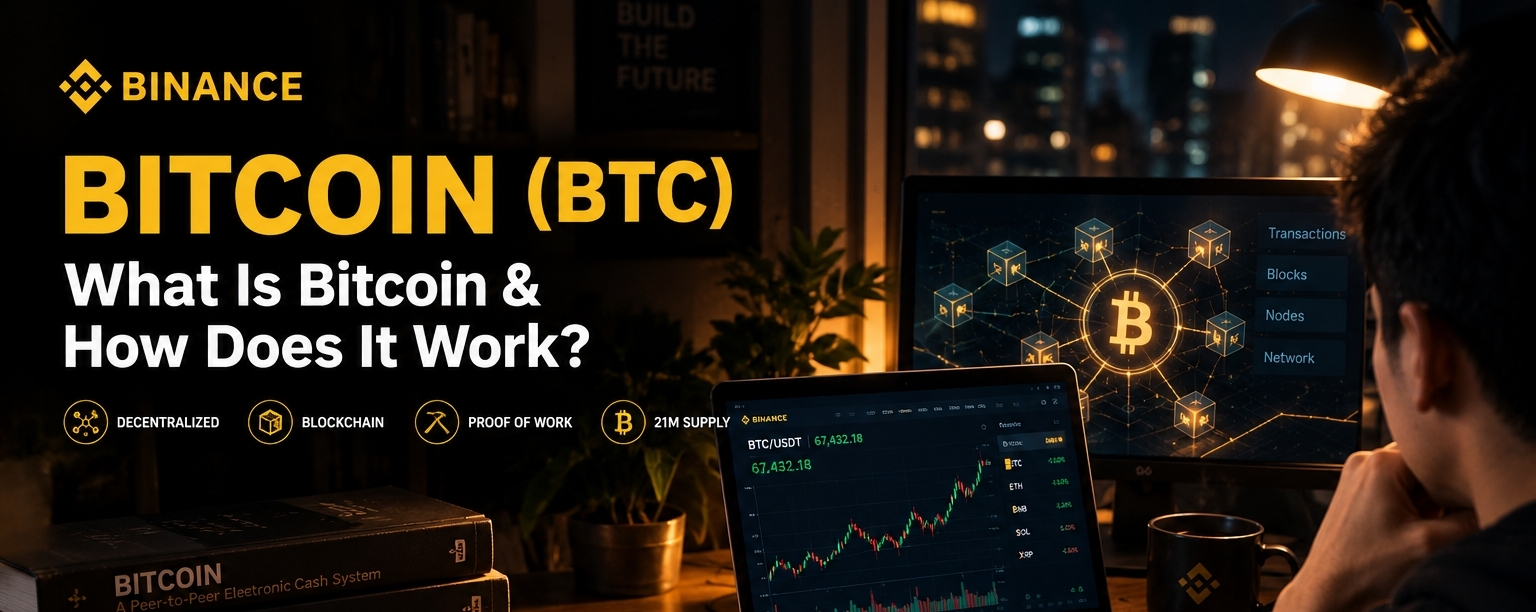
Bitcoinကဘာလဲ🟠 Bitcoin (BTC) ဆိုတာဘာလဲ?
Crypto ကို စတင်လေ့လာမယ်ဆိုရင် Bitcoin ($BTC ) ကို အရင်ဆုံးနားလည်ထားဖို့ အရေးကြီးပါတယ်။
BTC ကို Crypto Market ရဲ့ အရေးကြီးဆုံး Asset တစ်ခုအဖြစ် မြင်ကြပေမယ့် “Bitcoin ဆိုတာ ဘာလဲ? ဘယ်လိုအလုပ်လုပ်လဲ? ဘာကြောင့် တန်ဖိုးရှိတာလဲ?” ဆိုတာကို တကယ်နားလည်ထားဖို့ လိုပါတယ်။
🟠 Bitcoin ဆိုတာဘာလဲ?
Bitcoin (BTC) က အစိုးရ ဒါမှမဟုတ် ဘဏ်တစ်ခုက ထိန်းချုပ်ထားတဲ့ ငွေကြေးမဟုတ်ဘဲ Blockchain Technology ပေါ်မှာ လည်ပတ်တဲ့ Decentralized Digital Asset တစ်ခု ဖြစ်ပါတယ်။
အလွယ်ပြောရရင် Bitcoin ကို လူတစ်ယောက်ကနေ တစ်ယောက်ဆီ Bank မလိုဘဲ Digital Network ကနေ တိုက်ရိုက်ပို့နိုင်ပါတယ်။
Bitcoin Network ကို ကမ္ဘာတစ်ဝှမ်းမှာရှိတဲ့ Computer တွေက ထိန်းသိမ်းပေးပြီး Transaction တွေကို Blockchain ပေါ်မှာ မှတ်တမ်းတင်ထားပါတယ်။
----
🔗 Blockchain က ဘာလုပ်ပေးတာလဲ?
Bitcoin Transaction တစ်ခု ပြုလုပ်လိုက်တဲ့အခါ အဲဒီ Transaction ကို Network က စစ်ဆေးပြီး Blockchain ထဲမှာ မှတ်တမ်းတင်ပါတယ်။
Blockchain ကို လူတိုင်းနီးပါး စစ်ဆေးနိုင်တဲ့ Public Ledger တစ်ခုလို စဉ်းစားနိုင်ပါတယ်။
Transaction တစ်ခုဖြစ်သွားတဲ့အခါ Network က အတည်ပြုပြီး Blockchain မှာ မှတ်တမ်းတင်ပေးပါတယ်။
ဒါကြောင့် Bitcoin ရဲ့ အဓိကအချက်က ဘယ်သူပိုင်လဲ၊ ဘယ်လိုရွှေ့ပြောင်းခဲ့လဲဆိုတာကို Central Bank တစ်ခုတည်းကနေ ထိန်းချုပ်ထားတာမဟုတ်ဘဲ Network တစ်ခုလုံးက စစ်ဆေးပေးတာ ဖြစ်ပါတယ်။
----
⛏️ Bitcoin ကို ဘယ်လိုထုတ်လုပ်လဲ?
Bitcoin Network က Proof of Work ကို အသုံးပြုပါတယ်။
Bitcoin Mining လုပ်သူတွေက Computer တွေရဲ့ Computing Power ကို အသုံးပြုပြီး Network ရဲ့ Transaction တွေကို Validate လုပ်ပေးပါတယ်။
ဒီလုပ်ငန်းစဉ်အတွက် Miner တွေက Reward ရရှိနိုင်ပြီး Bitcoin ရဲ့ Supply အသစ်လည်း Network Rules အတိုင်း ထွက်ပေါ်လာပါတယ်။
----
💰 Bitcoin ဘာကြောင့် တန်ဖိုးရှိတာလဲ?
Bitcoin ရဲ့ တန်ဖိုးကို နားလည်ဖို့ Supply နဲ့ Demand ကို အရင်ကြည့်နိုင်ပါတယ်။
Bitcoin ရဲ့ Maximum Supply ကို 21 million BTC အထိ သတ်မှတ်ထားပါတယ်။
ဒါပေမယ့် Supply ကန့်သတ်ထားတာတစ်ခုတည်းနဲ့ Price တက်မယ်လို့ မဆိုလိုပါဘူး။
Bitcoin ရဲ့ Market Price က
Demand
Market Sentiment
Global Economic Conditions
Liquidity
Investor Behavior
Regulation
Adoption
စတဲ့ အချက်တွေကြောင့် အပြောင်းအလဲ ဖြစ်နိုင်ပါတယ်။
ဒါကြောင့် “21 million ပဲရှိလို့ BTC Price အမြဲတက်မယ်” ဆိုတာမျိုး မယူဆသင့်ပါဘူး။
----
📈 BTC ကို ဘာအတွက်အသုံးပြုကြလဲ?
လူတွေ Bitcoin ကို အသုံးပြုတဲ့ ရည်ရွယ်ချက်တွေက မတူနိုင်ပါတယ်။
တချို့က Long-term Asset အဖြစ် ကိုင်ထားကြပါတယ်။
တချို့က Trading အတွက် အသုံးပြုကြပါတယ်။
တချို့က Value Transfer အတွက် အသုံးပြုကြပါတယ်။
တချို့က Bitcoin ကို Traditional Financial System ပြင်ပမှာ အသုံးပြုနိုင်တဲ့ Decentralized Digital Asset တစ်ခုအဖြစ် လေ့လာကြပါတယ်။
----
🧠 Beginner တစ်ယောက်အနေနဲ့ ဘာတွေသိထားသင့်လဲ?
BTC ဝယ်မယ်ဆိုတာထက် BTC ဘယ်လိုအလုပ်လုပ်လဲ ဆိုတာကို အရင်နားလည်ထားတာ ပိုအရေးကြီးပါတယ်။
အနည်းဆုံး
Bitcoin → Blockchain → Mining → Proof of Work → 21M Supply → Supply & Demand → Wallet → Transaction
ဒီ Concepts တွေကို တစ်ခုချင်းစီ နားလည်အောင် လေ့လာကြည့်ပါ။
ပြီးတော့ BTC Price တက်တဲ့အချိန်မှာပဲ လေ့လာတာမဟုတ်ဘဲ Price ကျတဲ့အချိန်မှာ ဘာကြောင့်ကျနိုင်လဲ ဆိုတာကိုပါ လေ့လာထားသင့်ပါတယ်။
Bitcoin ကို နားလည်လာတာနဲ့အမျှ Ethereum နဲ့ အခြား Crypto Assets တွေ ဘယ်လိုကွာခြားလဲ၊ Crypto Market တစ်ခုလုံး ဘယ်လိုအလုပ်လုပ်လဲဆိုတာကို ဆက်လက်လေ့လာရ ပိုလွယ်လာပါလိမ့်မယ်။
⚠️ Disclaimer: ဤ Content သည် Educational Purpose အတွက်သာ ဖြစ်ပြီး Financial Advice မဟုတ်ပါ။ Bitcoin နှင့် Crypto Assets များတွင် Price Volatility မြင့်မားပြီး ငွေကြေးဆုံးရှုံးနိုင်သည့် Risk ရှိပါသည်။ Investment သို့မဟုတ် Trading မပြုလုပ်မီ မိမိကိုယ်တိုင် သေချာလေ့လာပြီး Risk Management ပြုလုပ်ပါ။
#bitcoin #crypto #blockchain #falcon
@BinanceBurmese @Binance_Academy
Bitcoinကဘာလဲ
🟠 Bitcoin (BTC) ဆိုတာဘာလဲ?
Crypto ကို စတင်လေ့လာမယ်ဆိုရင် Bitcoin ($BTC ) ကို အရင်ဆုံးနားလည်ထားဖို့ အရေးကြီးပါတယ်။
BTC ကို Crypto Market ရဲ့ အရေးကြီးဆုံး Asset တစ်ခုအဖြစ် မြင်ကြပေမယ့် “Bitcoin ဆိုတာ ဘာလဲ? ဘယ်လိုအလုပ်လုပ်လဲ? ဘာကြောင့် တန်ဖိုးရှိတာလဲ?” ဆိုတာကို တကယ်နားလည်ထားဖို့ လိုပါတယ်။
🟠 Bitcoin ဆိုတာဘာလဲ?
Bitcoin (BTC) က အစိုးရ ဒါမှမဟုတ် ဘဏ်တစ်ခုက ထိန်းချုပ်ထားတဲ့ ငွေကြေးမဟုတ်ဘဲ Blockchain Technology ပေါ်မှာ လည်ပတ်တဲ့ Decentralized Digital Asset တစ်ခု ဖြစ်ပါတယ်။
အလွယ်ပြောရရင် Bitcoin ကို လူတစ်ယောက်ကနေ တစ်ယောက်ဆီ Bank မလိုဘဲ Digital Network ကနေ တိုက်ရိုက်ပို့နိုင်ပါတယ်။
Bitcoin Network ကို ကမ္ဘာတစ်ဝှမ်းမှာရှိတဲ့ Computer တွေက ထိန်းသိမ်းပေးပြီး Transaction တွေကို Blockchain ပေါ်မှာ မှတ်တမ်းတင်ထားပါတယ်။
----
🔗 Blockchain က ဘာလုပ်ပေးတာလဲ?
Bitcoin Transaction တစ်ခု ပြုလုပ်လိုက်တဲ့အခါ အဲဒီ Transaction ကို Network က စစ်ဆေးပြီး Blockchain ထဲမှာ မှတ်တမ်းတင်ပါတယ်။
Blockchain ကို လူတိုင်းနီးပါး စစ်ဆေးနိုင်တဲ့ Public Ledger တစ်ခုလို စဉ်းစားနိုင်ပါတယ်။
Transaction တစ်ခုဖြစ်သွားတဲ့အခါ Network က အတည်ပြုပြီး Blockchain မှာ မှတ်တမ်းတင်ပေးပါတယ်။
ဒါကြောင့် Bitcoin ရဲ့ အဓိကအချက်က ဘယ်သူပိုင်လဲ၊ ဘယ်လိုရွှေ့ပြောင်းခဲ့လဲဆိုတာကို Central Bank တစ်ခုတည်းကနေ ထိန်းချုပ်ထားတာမဟုတ်ဘဲ Network တစ်ခုလုံးက စစ်ဆေးပေးတာ ဖြစ်ပါတယ်။
----
⛏️ Bitcoin ကို ဘယ်လိုထုတ်လုပ်လဲ?
Bitcoin Network က Proof of Work ကို အသုံးပြုပါတယ်။
Bitcoin Mining လုပ်သူတွေက Computer တွေရဲ့ Computing Power ကို အသုံးပြုပြီး Network ရဲ့ Transaction တွေကို Validate လုပ်ပေးပါတယ်။
ဒီလုပ်ငန်းစဉ်အတွက် Miner တွေက Reward ရရှိနိုင်ပြီး Bitcoin ရဲ့ Supply အသစ်လည်း Network Rules အတိုင်း ထွက်ပေါ်လာပါတယ်။
----
💰 Bitcoin ဘာကြောင့် တန်ဖိုးရှိတာလဲ?
Bitcoin ရဲ့ တန်ဖိုးကို နားလည်ဖို့ Supply နဲ့ Demand ကို အရင်ကြည့်နိုင်ပါတယ်။
Bitcoin ရဲ့ Maximum Supply ကို 21 million BTC အထိ သတ်မှတ်ထားပါတယ်။
ဒါပေမယ့် Supply ကန့်သတ်ထားတာတစ်ခုတည်းနဲ့ Price တက်မယ်လို့ မဆိုလိုပါဘူး။
Bitcoin ရဲ့ Market Price က
Demand
Market Sentiment
Global Economic Conditions
Liquidity
Investor Behavior
Regulation
Adoption
စတဲ့ အချက်တွေကြောင့် အပြောင်းအလဲ ဖြစ်နိုင်ပါတယ်။
ဒါကြောင့် “21 million ပဲရှိလို့ BTC Price အမြဲတက်မယ်” ဆိုတာမျိုး မယူဆသင့်ပါဘူး။
----
📈 BTC ကို ဘာအတွက်အသုံးပြုကြလဲ?
လူတွေ Bitcoin ကို အသုံးပြုတဲ့ ရည်ရွယ်ချက်တွေက မတူနိုင်ပါတယ်။
တချို့က Long-term Asset အဖြစ် ကိုင်ထားကြပါတယ်။
တချို့က Trading အတွက် အသုံးပြုကြပါတယ်။
တချို့က Value Transfer အတွက် အသုံးပြုကြပါတယ်။
တချို့က Bitcoin ကို Traditional Financial System ပြင်ပမှာ အသုံးပြုနိုင်တဲ့ Decentralized Digital Asset တစ်ခုအဖြစ် လေ့လာကြပါတယ်။
----
🧠 Beginner တစ်ယောက်အနေနဲ့ ဘာတွေသိထားသင့်လဲ?
BTC ဝယ်မယ်ဆိုတာထက် BTC ဘယ်လိုအလုပ်လုပ်လဲ ဆိုတာကို အရင်နားလည်ထားတာ ပိုအရေးကြီးပါတယ်။
အနည်းဆုံး
Bitcoin → Blockchain → Mining → Proof of Work → 21M Supply → Supply & Demand → Wallet → Transaction
ဒီ Concepts တွေကို တစ်ခုချင်းစီ နားလည်အောင် လေ့လာကြည့်ပါ။
ပြီးတော့ BTC Price တက်တဲ့အချိန်မှာပဲ လေ့လာတာမဟုတ်ဘဲ Price ကျတဲ့အချိန်မှာ ဘာကြောင့်ကျနိုင်လဲ ဆိုတာကိုပါ လေ့လာထားသင့်ပါတယ်။
Bitcoin ကို နားလည်လာတာနဲ့အမျှ Ethereum နဲ့ အခြား Crypto Assets တွေ ဘယ်လိုကွာခြားလဲ၊ Crypto Market တစ်ခုလုံး ဘယ်လိုအလုပ်လုပ်လဲဆိုတာကို ဆက်လက်လေ့လာရ ပိုလွယ်လာပါလိမ့်မယ်။
⚠️ Disclaimer: ဤ Content သည် Educational Purpose အတွက်သာ ဖြစ်ပြီး Financial Advice မဟုတ်ပါ။ Bitcoin နှင့် Crypto Assets များတွင် Price Volatility မြင့်မားပြီး ငွေကြေးဆုံးရှုံးနိုင်သည့် Risk ရှိပါသည်။ Investment သို့မဟုတ် Trading မပြုလုပ်မီ မိမိကိုယ်တိုင် သေချာလေ့လာပြီး Risk Management ပြုလုပ်ပါ။
#bitcoin #crypto #blockchain #falcon
@Binance Burmese @Binance Academy
Crypto ကို စတင်လေ့လာမယ်ဆိုရင် Bitcoin ($BTC ) ကို အရင်ဆုံးနားလည်ထားဖို့ အရေးကြီးပါတယ်။
BTC ကို Crypto Market ရဲ့ အရေးကြီးဆုံး Asset တစ်ခုအဖြစ် မြင်ကြပေမယ့် “Bitcoin ဆိုတာ ဘာလဲ? ဘယ်လိုအလုပ်လုပ်လဲ? ဘာကြောင့် တန်ဖိုးရှိတာလဲ?” ဆိုတာကို တကယ်နားလည်ထားဖို့ လိုပါတယ်။
🟠 Bitcoin ဆိုတာဘာလဲ?
Bitcoin (BTC) က အစိုးရ ဒါမှမဟုတ် ဘဏ်တစ်ခုက ထိန်းချုပ်ထားတဲ့ ငွေကြေးမဟုတ်ဘဲ Blockchain Technology ပေါ်မှာ လည်ပတ်တဲ့ Decentralized Digital Asset တစ်ခု ဖြစ်ပါတယ်။
အလွယ်ပြောရရင် Bitcoin ကို လူတစ်ယောက်ကနေ တစ်ယောက်ဆီ Bank မလိုဘဲ Digital Network ကနေ တိုက်ရိုက်ပို့နိုင်ပါတယ်။
Bitcoin Network ကို ကမ္ဘာတစ်ဝှမ်းမှာရှိတဲ့ Computer တွေက ထိန်းသိမ်းပေးပြီး Transaction တွေကို Blockchain ပေါ်မှာ မှတ်တမ်းတင်ထားပါတယ်။
----
🔗 Blockchain က ဘာလုပ်ပေးတာလဲ?
Bitcoin Transaction တစ်ခု ပြုလုပ်လိုက်တဲ့အခါ အဲဒီ Transaction ကို Network က စစ်ဆေးပြီး Blockchain ထဲမှာ မှတ်တမ်းတင်ပါတယ်။
Blockchain ကို လူတိုင်းနီးပါး စစ်ဆေးနိုင်တဲ့ Public Ledger တစ်ခုလို စဉ်းစားနိုင်ပါတယ်။
Transaction တစ်ခုဖြစ်သွားတဲ့အခါ Network က အတည်ပြုပြီး Blockchain မှာ မှတ်တမ်းတင်ပေးပါတယ်။
ဒါကြောင့် Bitcoin ရဲ့ အဓိကအချက်က ဘယ်သူပိုင်လဲ၊ ဘယ်လိုရွှေ့ပြောင်းခဲ့လဲဆိုတာကို Central Bank တစ်ခုတည်းကနေ ထိန်းချုပ်ထားတာမဟုတ်ဘဲ Network တစ်ခုလုံးက စစ်ဆေးပေးတာ ဖြစ်ပါတယ်။
----
⛏️ Bitcoin ကို ဘယ်လိုထုတ်လုပ်လဲ?
Bitcoin Network က Proof of Work ကို အသုံးပြုပါတယ်။
Bitcoin Mining လုပ်သူတွေက Computer တွေရဲ့ Computing Power ကို အသုံးပြုပြီး Network ရဲ့ Transaction တွေကို Validate လုပ်ပေးပါတယ်။
ဒီလုပ်ငန်းစဉ်အတွက် Miner တွေက Reward ရရှိနိုင်ပြီး Bitcoin ရဲ့ Supply အသစ်လည်း Network Rules အတိုင်း ထွက်ပေါ်လာပါတယ်။
----
💰 Bitcoin ဘာကြောင့် တန်ဖိုးရှိတာလဲ?
Bitcoin ရဲ့ တန်ဖိုးကို နားလည်ဖို့ Supply နဲ့ Demand ကို အရင်ကြည့်နိုင်ပါတယ်။
Bitcoin ရဲ့ Maximum Supply ကို 21 million BTC အထိ သတ်မှတ်ထားပါတယ်။
ဒါပေမယ့် Supply ကန့်သတ်ထားတာတစ်ခုတည်းနဲ့ Price တက်မယ်လို့ မဆိုလိုပါဘူး။
Bitcoin ရဲ့ Market Price က
Demand
Market Sentiment
Global Economic Conditions
Liquidity
Investor Behavior
Regulation
Adoption
စတဲ့ အချက်တွေကြောင့် အပြောင်းအလဲ ဖြစ်နိုင်ပါတယ်။
ဒါကြောင့် “21 million ပဲရှိလို့ BTC Price အမြဲတက်မယ်” ဆိုတာမျိုး မယူဆသင့်ပါဘူး။
----
📈 BTC ကို ဘာအတွက်အသုံးပြုကြလဲ?
လူတွေ Bitcoin ကို အသုံးပြုတဲ့ ရည်ရွယ်ချက်တွေက မတူနိုင်ပါတယ်။
တချို့က Long-term Asset အဖြစ် ကိုင်ထားကြပါတယ်။
တချို့က Trading အတွက် အသုံးပြုကြပါတယ်။
တချို့က Value Transfer အတွက် အသုံးပြုကြပါတယ်။
တချို့က Bitcoin ကို Traditional Financial System ပြင်ပမှာ အသုံးပြုနိုင်တဲ့ Decentralized Digital Asset တစ်ခုအဖြစ် လေ့လာကြပါတယ်။
----
🧠 Beginner တစ်ယောက်အနေနဲ့ ဘာတွေသိထားသင့်လဲ?
BTC ဝယ်မယ်ဆိုတာထက် BTC ဘယ်လိုအလုပ်လုပ်လဲ ဆိုတာကို အရင်နားလည်ထားတာ ပိုအရေးကြီးပါတယ်။
အနည်းဆုံး
Bitcoin → Blockchain → Mining → Proof of Work → 21M Supply → Supply & Demand → Wallet → Transaction
ဒီ Concepts တွေကို တစ်ခုချင်းစီ နားလည်အောင် လေ့လာကြည့်ပါ။
ပြီးတော့ BTC Price တက်တဲ့အချိန်မှာပဲ လေ့လာတာမဟုတ်ဘဲ Price ကျတဲ့အချိန်မှာ ဘာကြောင့်ကျနိုင်လဲ ဆိုတာကိုပါ လေ့လာထားသင့်ပါတယ်။
Bitcoin ကို နားလည်လာတာနဲ့အမျှ Ethereum နဲ့ အခြား Crypto Assets တွေ ဘယ်လိုကွာခြားလဲ၊ Crypto Market တစ်ခုလုံး ဘယ်လိုအလုပ်လုပ်လဲဆိုတာကို ဆက်လက်လေ့လာရ ပိုလွယ်လာပါလိမ့်မယ်။
⚠️ Disclaimer: ဤ Content သည် Educational Purpose အတွက်သာ ဖြစ်ပြီး Financial Advice မဟုတ်ပါ။ Bitcoin နှင့် Crypto Assets များတွင် Price Volatility မြင့်မားပြီး ငွေကြေးဆုံးရှုံးနိုင်သည့် Risk ရှိပါသည်။ Investment သို့မဟုတ် Trading မပြုလုပ်မီ မိမိကိုယ်တိုင် သေချာလေ့လာပြီး Risk Management ပြုလုပ်ပါ။
#bitcoin #crypto #blockchain #falcon
@Binance Burmese @Binance Academy
秦始皇-Qin Shi Huang:
Bro I got muted in Binance Academy Burmese. Can you do something pls
3
7
246
·
--
ບົດຄວາມ
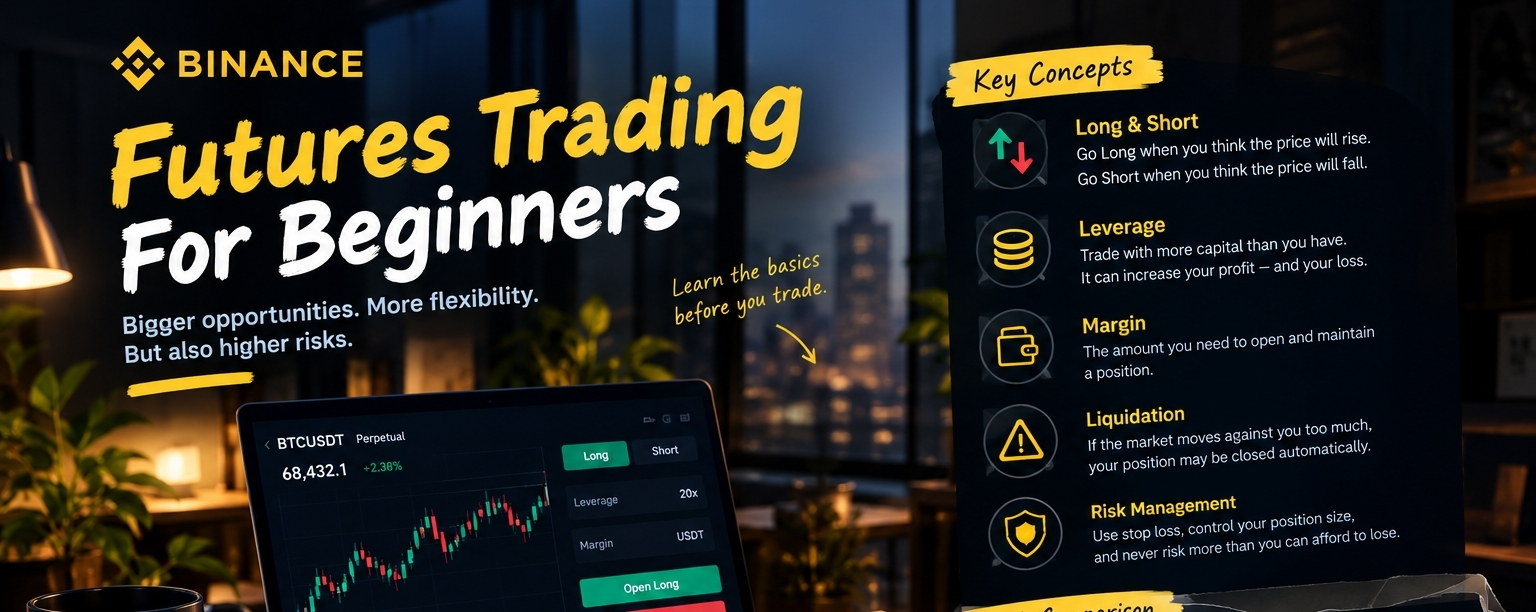
Beginnerတွေအတွက် Futures Trading🔴 Futures Trading for Beginners
Spot Trading မှာ Crypto ကို တကယ်ဝယ်ပြီး ကိုင်ထားနိုင်ပါတယ်။ Futures Trading ကတော့ အနည်းငယ်ကွာခြားပါတယ်။
Futures မှာ Crypto ကို တိုက်ရိုက်ဝယ်ယူကိုင်ထားတာမဟုတ်ဘဲ Crypto ရဲ့ Price Movement ကို အခြေခံပြီး Contract(စာချုပ်) တစ်ခုကို Trade လုပ်တာ ဖြစ်ပါတယ်။
ဒါကြောင့် Futures ကို စတင်လေ့လာမယ်ဆိုရင် Long, Short, Leverage, Margin နဲ့ Liquidation ဆိုတဲ့ အခြေခံအချက်တွေကို အရင်နားလည်ထားဖို့ အရေးကြီးပါတယ်။
💡 Futures Trading ဆိုတာဘာလဲ?
အလွယ်ပြောရရင် Futures Trading ဆိုတာ Asset တစ်ခုရဲ့ Price တက်မလား၊ ကျမလားဆိုတဲ့ Movement ကို Trade လုပ်ခြင်း ဖြစ်ပါတယ်။
ဥပမာ BTC Price တက်မယ်လို့ ယုံကြည်ရင် Long Position ဖွင့်နိုင်ပါတယ်။ BTC Price ကျမယ်လို့ မျှော်လင့်ရင်တော့ Short Position ဖွင့်နိုင်ပါတယ်။
Spot မှာတော့ ပုံမှန်အားဖြင့် Asset ကို ဝယ်ပြီး ကိုင်ထားတာဖြစ်ပေမယ့် Futures မှာတော့ Price Direction ကို အခြေခံပြီး Position ဖွင့်တာဖြစ်ပါတယ်။
----
📈 Long ဆိုတာဘာလဲ?
Long ဆိုတာ Price တက်မယ်လို့ မျှော်လင့်ပြီး Position ဖွင့်တာပါ။
ဥပမာ
BTC ကို $60,000 မှာ Long ဝင်ပြီး Price က $65,000 အထိ တက်သွားတယ်ဆိုရင် Position က အမြတ်ရနိုင်ပါတယ်။
ဒါပေမယ့် Price က ကိုယ့်မျှော်လင့်ချက်နဲ့ ဆန့်ကျင်ပြီး ကျသွားရင် Loss ဖြစ်နိုင်ပါတယ်။
Long = Price တက်မယ်လို့ မျှော်လင့်ခြင်း
----
📉 Short ဆိုတာဘာလဲ?
Futures ရဲ့ စိတ်ဝင်စားစရာအချက်တစ်ခုက Price ကျတဲ့အချိန်မှာလည်း Trade လုပ်နိုင်တာ ဖြစ်ပါတယ်။
Price ကျမယ်လို့ မျှော်လင့်တဲ့အခါ Short Position ဖွင့်နိုင်ပါတယ်။
ဥပမာ BTC ကို $60,000 မှာ Short ဝင်ပြီး Price က $55,000 အထိ ကျသွားရင် Position က အမြတ်ရနိုင်ပါတယ်။
ဒါပေမယ့် Price က ပြန်တက်သွားရင် Loss ဖြစ်နိုင်ပါတယ်။
Short = Price ကျမယ်လို့ မျှော်လင့်ခြင်း
----
⚡ Leverage ဆိုတာဘာလဲ?
Futures Trading မှာ အရေးကြီးဆုံးအချက်တွေထဲက တစ်ခုက Leverage ပါ။
Leverage က ကိုယ့်မှာရှိတဲ့ အရင်းအနှီးထက် ပိုများတဲ့ Position ကို ထိန်းချုပ်နိုင်အောင် ကူညီပေးပါတယ်။
ဥပမာ ကိုယ့်မှာ $100 ရှိပြီး Leverage ကို အသုံးပြုတယ်ဆိုရင် $100 ထက်ပိုကြီးတဲ့ Position ကို ဖွင့်နိုင်ပါတယ်။
ဒါပေမယ့် ဒီနေရာမှာ အရေးကြီးတာက
Leverage က Profit ကိုပဲ မတိုးစေပါဘူး။ Loss ကိုလည်း မြန်မြန်ဆန်ဆန် တိုးစေနိုင်ပါတယ်။
ဒါကြောင့် Beginner တစ်ယောက်အနေနဲ့ Leverage ကို မြင့်မြင့်သုံးတာထက် Leverage ရဲ့ Risk ကို အရင်နားလည်ဖို့ ပိုအရေးကြီးပါတယ်။
---
💰 Margin ဆိုတာဘာလဲ?
Margin ဆိုတာ Futures Position တစ်ခုဖွင့်ဖို့ ကိုယ့်ဘက်က အသုံးပြုထားတဲ့ Fund(အရင်း) ဖြစ်ပါတယ်။
ဥပမာ $100 ကို Margin အဖြစ် အသုံးပြုပြီး Futures Position တစ်ခုဖွင့်ထားတယ်ဆိုရင် အဲဒီ $100 က Position ရဲ့ အခြေခံ Capital ဖြစ်ပါတယ်။
Leverage အသုံးပြုတဲ့အခါ Position ရဲ့ Total Size က Margin ထက် ပိုကြီးနိုင်ပါတယ်။
ဒါကြောင့် Position Size ကြီးလာလေလေ Market ရဲ့ သေးငယ်တဲ့ Price Movement ကတောင် ကိုယ့်ရဲ့ P&L ကို ပိုမိုသက်ရောက်နိုင်ပါတယ်။
----
⚠️ Liquidation ဆိုတာဘာလဲ?
Futures မှာ Beginner တွေအနေနဲ့ မဖြစ်မနေ နားလည်ထားသင့်တာက Liquidation ပါ။
Market က ကိုယ့် Position နဲ့ ဆန့်ကျင်ဘက်ကို အလွန်အမင်း ရွေ့သွားပြီး Position ကို ဆက်ထိန်းထားဖို့ လုံလောက်တဲ့ Margin မရှိတော့တဲ့အခါ Exchange ရဲ့ သတ်မှတ်ချက်အရ Position ကို အလိုအလျောက် ပိတ်သိမ်းနိုင်ပါတယ်။
ဒါကို Liquidation လို့ ခေါ်ပါတယ်။
Leverage မြင့်လာလေလေ Liquidation ဖြစ်နိုင်တဲ့အခြေအနေကို ပိုမိုမြန်မြန် ရောက်နိုင်တာကြောင့် Futures မှာ Risk Management က အထူးအရေးကြီးပါတယ်။
----
🆚 Spot နဲ့ Futures ဘာကွာလဲ?
Spot Trading
- Crypto ကို တိုက်ရိုက် ဝယ်ယူနိုင်
- ပုံမှန်အားဖြင့် Asset ကို ကိုင်ထားနိုင်
- Long/Short Position ပုံစံ မလိုအပ်
- Leverage မသုံးဘဲ Trade လုပ်နိုင်
- Structure ပိုရိုးရှင်း
Futures Trading
- Contract ကို Trade လုပ်
- Long နဲ့ Short နှစ်မျိုးလုံး လုပ်နိုင်
- Leverage အသုံးပြုနိုင်
- Margin လိုအပ်
- Liquidation Risk ရှိ
- Spot ထက် Risk ပိုမြင့်နိုင်
🧠 Beginner တစ်ယောက်အနေနဲ့ ဘာတွေသိထားသင့်လဲ?
Futures ကို စတင်လေ့လာတဲ့အခါ Profit ရဖို့ကိုပဲ အာရုံစိုက်မနေဘဲ ဘယ်လို Loss ဖြစ်နိုင်လဲ ဆိုတာကိုပါ နားလည်ထားသင့်ပါတယ်။
Trade တစ်ခုမဖွင့်ခင်
1. ဘာကြောင့် ဒီ Position ကို ဝင်တာလဲ?
ကိုယ့်ရဲ့ Trading Idea ကို ရှင်းရှင်းလင်းလင်း သိထားပါ။
2. ဘယ်လောက် Risk ယူမလဲ?
Position Size ကို ကိုယ့် Capital နဲ့ ကိုက်ညီအောင် ထိန်းချုပ်ပါ။
3. ဘယ်နေရာမှာ Loss ကို ရပ်မလဲ?
လိုအပ်ရင် Stop Loss အသုံးပြုပြီး Risk ကို ကြိုတင်သတ်မှတ်ထားပါ။
4. Leverage ဘယ်လောက်သုံးမလဲ?
Leverage မြင့်တာက အမြတ်ပိုရမယ်ဆိုတဲ့ အဓိပ္ပာယ်မဟုတ်ပါဘူး။ Risk လည်း ပိုမြင့်လာနိုင်ပါတယ်။
5. ကိုယ်ဆုံးရှုံးနိုင်တဲ့ငွေနဲ့ပဲ Trade လုပ်ပါ။
Futures မှာ Market က ကိုယ့်မျှော်လင့်ချက်နဲ့ ဆန့်ကျင်သွားရင် Loss က မြန်မြန်ဖြစ်နိုင်ပါတယ်။
----
🚨 Beginner တွေ မကြာခဏလုပ်မိတဲ့အမှားများ
FOMO နဲ့ Trade ဝင်ခြင်း (Fear Of Missing Out)
Price တက်နေတာမြင်ပြီး အလျင်စလို Long ဝင်တာမျိုး။
Leverage အရမ်းမြင့်ခြင်း
Position Size ကြီးလေလေ Risk ပိုမြင့်လာနိုင်တာကို မစဉ်းစားဘဲ Leverage အများကြီး အသုံးပြုတာ။
Loss ကို ပြန်ရဖို့ Position ပိုကြီးလာခြင်း
Loss ဖြစ်ပြီးနောက် “ဒီတစ်ခါတော့ ပြန်ရမှာပဲ” ဆိုပြီး Trade Size ကို တိုးတာ။
Stop Loss မထားခြင်း
Market က ပြန်လှည့်လာမယ်လို့ မျှော်လင့်ပြီး Loss ကို ဆက်ထားတာ။
နားမလည်သေးဘဲ Trade လုပ်ခြင်း
Futures ရဲ့ Margin, Leverage နဲ့ Liquidation ကို မသိသေးဘဲ Real Money နဲ့ စတင် Trade လုပ်တာ။
----
🎯 Futures ကို ဘယ်လိုစလေ့လာသင့်လဲ?
Beginner တစ်ယောက်အနေနဲ့ အရင်ဆုံး Long / Short → Margin → Leverage → Liquidation → Risk Management ဆိုတဲ့ အခြေခံအဆင့်တွေကို နားလည်အောင် လေ့လာပါ။
ပြီးရင် Demo ကိုအသုံးပြုပြီး Position ဖွင့်တာ၊ ပိတ်တာနဲ့ P&L ဘယ်လိုပြောင်းလဲလဲဆိုတာကို လက်တွေ့လေ့လာနိုင်ပါတယ်။
Futures Trading က Profit ရဖို့အတွက် ခန့်မှန်းရုံနဲ့ မလုံလောက်ပါဘူး။ Market Risk ကို နားလည်ပြီး ကိုယ့် Position ကို ထိန်းချုပ်နိုင်ဖို့က ပိုအရေးကြီးပါတယ်။
⚠️ Disclaimer: ဤ Content သည် Educational Purpose အတွက်သာ ဖြစ်ပြီး Financial Advice မဟုတ်ပါ။ Futures Trading သည် High Risk ဖြစ်ပြီး Leverage အသုံးပြုခြင်းကြောင့် အမြတ်ရနိုင်သလို Loss များကိုလည်း မြန်မြန်ဆန်ဆန် ဖြစ်ပေါ်စေနိုင်ပြီး Liquidation ဖြစ်နိုင်ပါသည်။ Trade မပြုလုပ်မီ သက်ဆိုင်ရာ Product Details, Fees, Funding, Leverage, Margin, Liquidation Mechanism, Terms နှင့် Risks များကို ကိုယ်တိုင်လေ့လာပြီး မိမိ၏ Financial Situation နှင့် Risk Tolerance အပေါ်မူတည်၍ ဆုံးဖြတ်ပါ။
#FutureTrading #Falcon #Beginnersguide
Beginnerတွေအတွက် Futures Trading
🔴 Futures Trading for Beginners
Spot Trading မှာ Crypto ကို တကယ်ဝယ်ပြီး ကိုင်ထားနိုင်ပါတယ်။ Futures Trading ကတော့ အနည်းငယ်ကွာခြားပါတယ်။
Futures မှာ Crypto ကို တိုက်ရိုက်ဝယ်ယူကိုင်ထားတာမဟုတ်ဘဲ Crypto ရဲ့ Price Movement ကို အခြေခံပြီး Contract(စာချုပ်) တစ်ခုကို Trade လုပ်တာ ဖြစ်ပါတယ်။
ဒါကြောင့် Futures ကို စတင်လေ့လာမယ်ဆိုရင် Long, Short, Leverage, Margin နဲ့ Liquidation ဆိုတဲ့ အခြေခံအချက်တွေကို အရင်နားလည်ထားဖို့ အရေးကြီးပါတယ်။
💡 Futures Trading ဆိုတာဘာလဲ?
အလွယ်ပြောရရင် Futures Trading ဆိုတာ Asset တစ်ခုရဲ့ Price တက်မလား၊ ကျမလားဆိုတဲ့ Movement ကို Trade လုပ်ခြင်း ဖြစ်ပါတယ်။
ဥပမာ BTC Price တက်မယ်လို့ ယုံကြည်ရင် Long Position ဖွင့်နိုင်ပါတယ်။ BTC Price ကျမယ်လို့ မျှော်လင့်ရင်တော့ Short Position ဖွင့်နိုင်ပါတယ်။
Spot မှာတော့ ပုံမှန်အားဖြင့် Asset ကို ဝယ်ပြီး ကိုင်ထားတာဖြစ်ပေမယ့် Futures မှာတော့ Price Direction ကို အခြေခံပြီး Position ဖွင့်တာဖြစ်ပါတယ်။
----
📈 Long ဆိုတာဘာလဲ?
Long ဆိုတာ Price တက်မယ်လို့ မျှော်လင့်ပြီး Position ဖွင့်တာပါ။
ဥပမာ
BTC ကို $60,000 မှာ Long ဝင်ပြီး Price က $65,000 အထိ တက်သွားတယ်ဆိုရင် Position က အမြတ်ရနိုင်ပါတယ်။
ဒါပေမယ့် Price က ကိုယ့်မျှော်လင့်ချက်နဲ့ ဆန့်ကျင်ပြီး ကျသွားရင် Loss ဖြစ်နိုင်ပါတယ်။
Long = Price တက်မယ်လို့ မျှော်လင့်ခြင်း
----
📉 Short ဆိုတာဘာလဲ?
Futures ရဲ့ စိတ်ဝင်စားစရာအချက်တစ်ခုက Price ကျတဲ့အချိန်မှာလည်း Trade လုပ်နိုင်တာ ဖြစ်ပါတယ်။
Price ကျမယ်လို့ မျှော်လင့်တဲ့အခါ Short Position ဖွင့်နိုင်ပါတယ်။
ဥပမာ BTC ကို $60,000 မှာ Short ဝင်ပြီး Price က $55,000 အထိ ကျသွားရင် Position က အမြတ်ရနိုင်ပါတယ်။
ဒါပေမယ့် Price က ပြန်တက်သွားရင် Loss ဖြစ်နိုင်ပါတယ်။
Short = Price ကျမယ်လို့ မျှော်လင့်ခြင်း
----
⚡ Leverage ဆိုတာဘာလဲ?
Futures Trading မှာ အရေးကြီးဆုံးအချက်တွေထဲက တစ်ခုက Leverage ပါ။
Leverage က ကိုယ့်မှာရှိတဲ့ အရင်းအနှီးထက် ပိုများတဲ့ Position ကို ထိန်းချုပ်နိုင်အောင် ကူညီပေးပါတယ်။
ဥပမာ ကိုယ့်မှာ $100 ရှိပြီး Leverage ကို အသုံးပြုတယ်ဆိုရင် $100 ထက်ပိုကြီးတဲ့ Position ကို ဖွင့်နိုင်ပါတယ်။
ဒါပေမယ့် ဒီနေရာမှာ အရေးကြီးတာက
Leverage က Profit ကိုပဲ မတိုးစေပါဘူး။ Loss ကိုလည်း မြန်မြန်ဆန်ဆန် တိုးစေနိုင်ပါတယ်။
ဒါကြောင့် Beginner တစ်ယောက်အနေနဲ့ Leverage ကို မြင့်မြင့်သုံးတာထက် Leverage ရဲ့ Risk ကို အရင်နားလည်ဖို့ ပိုအရေးကြီးပါတယ်။
---
💰 Margin ဆိုတာဘာလဲ?
Margin ဆိုတာ Futures Position တစ်ခုဖွင့်ဖို့ ကိုယ့်ဘက်က အသုံးပြုထားတဲ့ Fund(အရင်း) ဖြစ်ပါတယ်။
ဥပမာ $100 ကို Margin အဖြစ် အသုံးပြုပြီး Futures Position တစ်ခုဖွင့်ထားတယ်ဆိုရင် အဲဒီ $100 က Position ရဲ့ အခြေခံ Capital ဖြစ်ပါတယ်။
Leverage အသုံးပြုတဲ့အခါ Position ရဲ့ Total Size က Margin ထက် ပိုကြီးနိုင်ပါတယ်။
ဒါကြောင့် Position Size ကြီးလာလေလေ Market ရဲ့ သေးငယ်တဲ့ Price Movement ကတောင် ကိုယ့်ရဲ့ P&L ကို ပိုမိုသက်ရောက်နိုင်ပါတယ်။
----
⚠️ Liquidation ဆိုတာဘာလဲ?
Futures မှာ Beginner တွေအနေနဲ့ မဖြစ်မနေ နားလည်ထားသင့်တာက Liquidation ပါ။
Market က ကိုယ့် Position နဲ့ ဆန့်ကျင်ဘက်ကို အလွန်အမင်း ရွေ့သွားပြီး Position ကို ဆက်ထိန်းထားဖို့ လုံလောက်တဲ့ Margin မရှိတော့တဲ့အခါ Exchange ရဲ့ သတ်မှတ်ချက်အရ Position ကို အလိုအလျောက် ပိတ်သိမ်းနိုင်ပါတယ်။
ဒါကို Liquidation လို့ ခေါ်ပါတယ်။
Leverage မြင့်လာလေလေ Liquidation ဖြစ်နိုင်တဲ့အခြေအနေကို ပိုမိုမြန်မြန် ရောက်နိုင်တာကြောင့် Futures မှာ Risk Management က အထူးအရေးကြီးပါတယ်။
----
🆚 Spot နဲ့ Futures ဘာကွာလဲ?
Spot Trading
- Crypto ကို တိုက်ရိုက် ဝယ်ယူနိုင်
- ပုံမှန်အားဖြင့် Asset ကို ကိုင်ထားနိုင်
- Long/Short Position ပုံစံ မလိုအပ်
- Leverage မသုံးဘဲ Trade လုပ်နိုင်
- Structure ပိုရိုးရှင်း
Futures Trading
- Contract ကို Trade လုပ်
- Long နဲ့ Short နှစ်မျိုးလုံး လုပ်နိုင်
- Leverage အသုံးပြုနိုင်
- Margin လိုအပ်
- Liquidation Risk ရှိ
- Spot ထက် Risk ပိုမြင့်နိုင်
🧠 Beginner တစ်ယောက်အနေနဲ့ ဘာတွေသိထားသင့်လဲ?
Futures ကို စတင်လေ့လာတဲ့အခါ Profit ရဖို့ကိုပဲ အာရုံစိုက်မနေဘဲ ဘယ်လို Loss ဖြစ်နိုင်လဲ ဆိုတာကိုပါ နားလည်ထားသင့်ပါတယ်။
Trade တစ်ခုမဖွင့်ခင်
1. ဘာကြောင့် ဒီ Position ကို ဝင်တာလဲ?
ကိုယ့်ရဲ့ Trading Idea ကို ရှင်းရှင်းလင်းလင်း သိထားပါ။
2. ဘယ်လောက် Risk ယူမလဲ?
Position Size ကို ကိုယ့် Capital နဲ့ ကိုက်ညီအောင် ထိန်းချုပ်ပါ။
3. ဘယ်နေရာမှာ Loss ကို ရပ်မလဲ?
လိုအပ်ရင် Stop Loss အသုံးပြုပြီး Risk ကို ကြိုတင်သတ်မှတ်ထားပါ။
4. Leverage ဘယ်လောက်သုံးမလဲ?
Leverage မြင့်တာက အမြတ်ပိုရမယ်ဆိုတဲ့ အဓိပ္ပာယ်မဟုတ်ပါဘူး။ Risk လည်း ပိုမြင့်လာနိုင်ပါတယ်။
5. ကိုယ်ဆုံးရှုံးနိုင်တဲ့ငွေနဲ့ပဲ Trade လုပ်ပါ။
Futures မှာ Market က ကိုယ့်မျှော်လင့်ချက်နဲ့ ဆန့်ကျင်သွားရင် Loss က မြန်မြန်ဖြစ်နိုင်ပါတယ်။
----
🚨 Beginner တွေ မကြာခဏလုပ်မိတဲ့အမှားများ
FOMO နဲ့ Trade ဝင်ခြင်း (Fear Of Missing Out)
Price တက်နေတာမြင်ပြီး အလျင်စလို Long ဝင်တာမျိုး။
Leverage အရမ်းမြင့်ခြင်း
Position Size ကြီးလေလေ Risk ပိုမြင့်လာနိုင်တာကို မစဉ်းစားဘဲ Leverage အများကြီး အသုံးပြုတာ။
Loss ကို ပြန်ရဖို့ Position ပိုကြီးလာခြင်း
Loss ဖြစ်ပြီးနောက် “ဒီတစ်ခါတော့ ပြန်ရမှာပဲ” ဆိုပြီး Trade Size ကို တိုးတာ။
Stop Loss မထားခြင်း
Market က ပြန်လှည့်လာမယ်လို့ မျှော်လင့်ပြီး Loss ကို ဆက်ထားတာ။
နားမလည်သေးဘဲ Trade လုပ်ခြင်း
Futures ရဲ့ Margin, Leverage နဲ့ Liquidation ကို မသိသေးဘဲ Real Money နဲ့ စတင် Trade လုပ်တာ။
----
🎯 Futures ကို ဘယ်လိုစလေ့လာသင့်လဲ?
Beginner တစ်ယောက်အနေနဲ့ အရင်ဆုံး Long / Short → Margin → Leverage → Liquidation → Risk Management ဆိုတဲ့ အခြေခံအဆင့်တွေကို နားလည်အောင် လေ့လာပါ။
ပြီးရင် Demo ကိုအသုံးပြုပြီး Position ဖွင့်တာ၊ ပိတ်တာနဲ့ P&L ဘယ်လိုပြောင်းလဲလဲဆိုတာကို လက်တွေ့လေ့လာနိုင်ပါတယ်။
Futures Trading က Profit ရဖို့အတွက် ခန့်မှန်းရုံနဲ့ မလုံလောက်ပါဘူး။ Market Risk ကို နားလည်ပြီး ကိုယ့် Position ကို ထိန်းချုပ်နိုင်ဖို့က ပိုအရေးကြီးပါတယ်။
⚠️ Disclaimer: ဤ Content သည် Educational Purpose အတွက်သာ ဖြစ်ပြီး Financial Advice မဟုတ်ပါ။ Futures Trading သည် High Risk ဖြစ်ပြီး Leverage အသုံးပြုခြင်းကြောင့် အမြတ်ရနိုင်သလို Loss များကိုလည်း မြန်မြန်ဆန်ဆန် ဖြစ်ပေါ်စေနိုင်ပြီး Liquidation ဖြစ်နိုင်ပါသည်။ Trade မပြုလုပ်မီ သက်ဆိုင်ရာ Product Details, Fees, Funding, Leverage, Margin, Liquidation Mechanism, Terms နှင့် Risks များကို ကိုယ်တိုင်လေ့လာပြီး မိမိ၏ Financial Situation နှင့် Risk Tolerance အပေါ်မူတည်၍ ဆုံးဖြတ်ပါ။
#FutureTrading #Falcon #Beginnersguide
Spot Trading မှာ Crypto ကို တကယ်ဝယ်ပြီး ကိုင်ထားနိုင်ပါတယ်။ Futures Trading ကတော့ အနည်းငယ်ကွာခြားပါတယ်။
Futures မှာ Crypto ကို တိုက်ရိုက်ဝယ်ယူကိုင်ထားတာမဟုတ်ဘဲ Crypto ရဲ့ Price Movement ကို အခြေခံပြီး Contract(စာချုပ်) တစ်ခုကို Trade လုပ်တာ ဖြစ်ပါတယ်။
ဒါကြောင့် Futures ကို စတင်လေ့လာမယ်ဆိုရင် Long, Short, Leverage, Margin နဲ့ Liquidation ဆိုတဲ့ အခြေခံအချက်တွေကို အရင်နားလည်ထားဖို့ အရေးကြီးပါတယ်။
💡 Futures Trading ဆိုတာဘာလဲ?
အလွယ်ပြောရရင် Futures Trading ဆိုတာ Asset တစ်ခုရဲ့ Price တက်မလား၊ ကျမလားဆိုတဲ့ Movement ကို Trade လုပ်ခြင်း ဖြစ်ပါတယ်။
ဥပမာ BTC Price တက်မယ်လို့ ယုံကြည်ရင် Long Position ဖွင့်နိုင်ပါတယ်။ BTC Price ကျမယ်လို့ မျှော်လင့်ရင်တော့ Short Position ဖွင့်နိုင်ပါတယ်။
Spot မှာတော့ ပုံမှန်အားဖြင့် Asset ကို ဝယ်ပြီး ကိုင်ထားတာဖြစ်ပေမယ့် Futures မှာတော့ Price Direction ကို အခြေခံပြီး Position ဖွင့်တာဖြစ်ပါတယ်။
----
📈 Long ဆိုတာဘာလဲ?
Long ဆိုတာ Price တက်မယ်လို့ မျှော်လင့်ပြီး Position ဖွင့်တာပါ။
ဥပမာ
BTC ကို $60,000 မှာ Long ဝင်ပြီး Price က $65,000 အထိ တက်သွားတယ်ဆိုရင် Position က အမြတ်ရနိုင်ပါတယ်။
ဒါပေမယ့် Price က ကိုယ့်မျှော်လင့်ချက်နဲ့ ဆန့်ကျင်ပြီး ကျသွားရင် Loss ဖြစ်နိုင်ပါတယ်။
Long = Price တက်မယ်လို့ မျှော်လင့်ခြင်း
----
📉 Short ဆိုတာဘာလဲ?
Futures ရဲ့ စိတ်ဝင်စားစရာအချက်တစ်ခုက Price ကျတဲ့အချိန်မှာလည်း Trade လုပ်နိုင်တာ ဖြစ်ပါတယ်။
Price ကျမယ်လို့ မျှော်လင့်တဲ့အခါ Short Position ဖွင့်နိုင်ပါတယ်။
ဥပမာ BTC ကို $60,000 မှာ Short ဝင်ပြီး Price က $55,000 အထိ ကျသွားရင် Position က အမြတ်ရနိုင်ပါတယ်။
ဒါပေမယ့် Price က ပြန်တက်သွားရင် Loss ဖြစ်နိုင်ပါတယ်။
Short = Price ကျမယ်လို့ မျှော်လင့်ခြင်း
----
⚡ Leverage ဆိုတာဘာလဲ?
Futures Trading မှာ အရေးကြီးဆုံးအချက်တွေထဲက တစ်ခုက Leverage ပါ။
Leverage က ကိုယ့်မှာရှိတဲ့ အရင်းအနှီးထက် ပိုများတဲ့ Position ကို ထိန်းချုပ်နိုင်အောင် ကူညီပေးပါတယ်။
ဥပမာ ကိုယ့်မှာ $100 ရှိပြီး Leverage ကို အသုံးပြုတယ်ဆိုရင် $100 ထက်ပိုကြီးတဲ့ Position ကို ဖွင့်နိုင်ပါတယ်။
ဒါပေမယ့် ဒီနေရာမှာ အရေးကြီးတာက
Leverage က Profit ကိုပဲ မတိုးစေပါဘူး။ Loss ကိုလည်း မြန်မြန်ဆန်ဆန် တိုးစေနိုင်ပါတယ်။
ဒါကြောင့် Beginner တစ်ယောက်အနေနဲ့ Leverage ကို မြင့်မြင့်သုံးတာထက် Leverage ရဲ့ Risk ကို အရင်နားလည်ဖို့ ပိုအရေးကြီးပါတယ်။
---
💰 Margin ဆိုတာဘာလဲ?
Margin ဆိုတာ Futures Position တစ်ခုဖွင့်ဖို့ ကိုယ့်ဘက်က အသုံးပြုထားတဲ့ Fund(အရင်း) ဖြစ်ပါတယ်။
ဥပမာ $100 ကို Margin အဖြစ် အသုံးပြုပြီး Futures Position တစ်ခုဖွင့်ထားတယ်ဆိုရင် အဲဒီ $100 က Position ရဲ့ အခြေခံ Capital ဖြစ်ပါတယ်။
Leverage အသုံးပြုတဲ့အခါ Position ရဲ့ Total Size က Margin ထက် ပိုကြီးနိုင်ပါတယ်။
ဒါကြောင့် Position Size ကြီးလာလေလေ Market ရဲ့ သေးငယ်တဲ့ Price Movement ကတောင် ကိုယ့်ရဲ့ P&L ကို ပိုမိုသက်ရောက်နိုင်ပါတယ်။
----
⚠️ Liquidation ဆိုတာဘာလဲ?
Futures မှာ Beginner တွေအနေနဲ့ မဖြစ်မနေ နားလည်ထားသင့်တာက Liquidation ပါ။
Market က ကိုယ့် Position နဲ့ ဆန့်ကျင်ဘက်ကို အလွန်အမင်း ရွေ့သွားပြီး Position ကို ဆက်ထိန်းထားဖို့ လုံလောက်တဲ့ Margin မရှိတော့တဲ့အခါ Exchange ရဲ့ သတ်မှတ်ချက်အရ Position ကို အလိုအလျောက် ပိတ်သိမ်းနိုင်ပါတယ်။
ဒါကို Liquidation လို့ ခေါ်ပါတယ်။
Leverage မြင့်လာလေလေ Liquidation ဖြစ်နိုင်တဲ့အခြေအနေကို ပိုမိုမြန်မြန် ရောက်နိုင်တာကြောင့် Futures မှာ Risk Management က အထူးအရေးကြီးပါတယ်။
----
🆚 Spot နဲ့ Futures ဘာကွာလဲ?
Spot Trading
- Crypto ကို တိုက်ရိုက် ဝယ်ယူနိုင်
- ပုံမှန်အားဖြင့် Asset ကို ကိုင်ထားနိုင်
- Long/Short Position ပုံစံ မလိုအပ်
- Leverage မသုံးဘဲ Trade လုပ်နိုင်
- Structure ပိုရိုးရှင်း
Futures Trading
- Contract ကို Trade လုပ်
- Long နဲ့ Short နှစ်မျိုးလုံး လုပ်နိုင်
- Leverage အသုံးပြုနိုင်
- Margin လိုအပ်
- Liquidation Risk ရှိ
- Spot ထက် Risk ပိုမြင့်နိုင်
🧠 Beginner တစ်ယောက်အနေနဲ့ ဘာတွေသိထားသင့်လဲ?
Futures ကို စတင်လေ့လာတဲ့အခါ Profit ရဖို့ကိုပဲ အာရုံစိုက်မနေဘဲ ဘယ်လို Loss ဖြစ်နိုင်လဲ ဆိုတာကိုပါ နားလည်ထားသင့်ပါတယ်။
Trade တစ်ခုမဖွင့်ခင်
1. ဘာကြောင့် ဒီ Position ကို ဝင်တာလဲ?
ကိုယ့်ရဲ့ Trading Idea ကို ရှင်းရှင်းလင်းလင်း သိထားပါ။
2. ဘယ်လောက် Risk ယူမလဲ?
Position Size ကို ကိုယ့် Capital နဲ့ ကိုက်ညီအောင် ထိန်းချုပ်ပါ။
3. ဘယ်နေရာမှာ Loss ကို ရပ်မလဲ?
လိုအပ်ရင် Stop Loss အသုံးပြုပြီး Risk ကို ကြိုတင်သတ်မှတ်ထားပါ။
4. Leverage ဘယ်လောက်သုံးမလဲ?
Leverage မြင့်တာက အမြတ်ပိုရမယ်ဆိုတဲ့ အဓိပ္ပာယ်မဟုတ်ပါဘူး။ Risk လည်း ပိုမြင့်လာနိုင်ပါတယ်။
5. ကိုယ်ဆုံးရှုံးနိုင်တဲ့ငွေနဲ့ပဲ Trade လုပ်ပါ။
Futures မှာ Market က ကိုယ့်မျှော်လင့်ချက်နဲ့ ဆန့်ကျင်သွားရင် Loss က မြန်မြန်ဖြစ်နိုင်ပါတယ်။
----
🚨 Beginner တွေ မကြာခဏလုပ်မိတဲ့အမှားများ
FOMO နဲ့ Trade ဝင်ခြင်း (Fear Of Missing Out)
Price တက်နေတာမြင်ပြီး အလျင်စလို Long ဝင်တာမျိုး။
Leverage အရမ်းမြင့်ခြင်း
Position Size ကြီးလေလေ Risk ပိုမြင့်လာနိုင်တာကို မစဉ်းစားဘဲ Leverage အများကြီး အသုံးပြုတာ။
Loss ကို ပြန်ရဖို့ Position ပိုကြီးလာခြင်း
Loss ဖြစ်ပြီးနောက် “ဒီတစ်ခါတော့ ပြန်ရမှာပဲ” ဆိုပြီး Trade Size ကို တိုးတာ။
Stop Loss မထားခြင်း
Market က ပြန်လှည့်လာမယ်လို့ မျှော်လင့်ပြီး Loss ကို ဆက်ထားတာ။
နားမလည်သေးဘဲ Trade လုပ်ခြင်း
Futures ရဲ့ Margin, Leverage နဲ့ Liquidation ကို မသိသေးဘဲ Real Money နဲ့ စတင် Trade လုပ်တာ။
----
🎯 Futures ကို ဘယ်လိုစလေ့လာသင့်လဲ?
Beginner တစ်ယောက်အနေနဲ့ အရင်ဆုံး Long / Short → Margin → Leverage → Liquidation → Risk Management ဆိုတဲ့ အခြေခံအဆင့်တွေကို နားလည်အောင် လေ့လာပါ။
ပြီးရင် Demo ကိုအသုံးပြုပြီး Position ဖွင့်တာ၊ ပိတ်တာနဲ့ P&L ဘယ်လိုပြောင်းလဲလဲဆိုတာကို လက်တွေ့လေ့လာနိုင်ပါတယ်။
Futures Trading က Profit ရဖို့အတွက် ခန့်မှန်းရုံနဲ့ မလုံလောက်ပါဘူး။ Market Risk ကို နားလည်ပြီး ကိုယ့် Position ကို ထိန်းချုပ်နိုင်ဖို့က ပိုအရေးကြီးပါတယ်။
⚠️ Disclaimer: ဤ Content သည် Educational Purpose အတွက်သာ ဖြစ်ပြီး Financial Advice မဟုတ်ပါ။ Futures Trading သည် High Risk ဖြစ်ပြီး Leverage အသုံးပြုခြင်းကြောင့် အမြတ်ရနိုင်သလို Loss များကိုလည်း မြန်မြန်ဆန်ဆန် ဖြစ်ပေါ်စေနိုင်ပြီး Liquidation ဖြစ်နိုင်ပါသည်။ Trade မပြုလုပ်မီ သက်ဆိုင်ရာ Product Details, Fees, Funding, Leverage, Margin, Liquidation Mechanism, Terms နှင့် Risks များကို ကိုယ်တိုင်လေ့လာပြီး မိမိ၏ Financial Situation နှင့် Risk Tolerance အပေါ်မူတည်၍ ဆုံးဖြတ်ပါ။
#FutureTrading #Falcon #Beginnersguide
HarnHlaing:
ok
1
1
9
157
·
--
ບົດຄວາມ
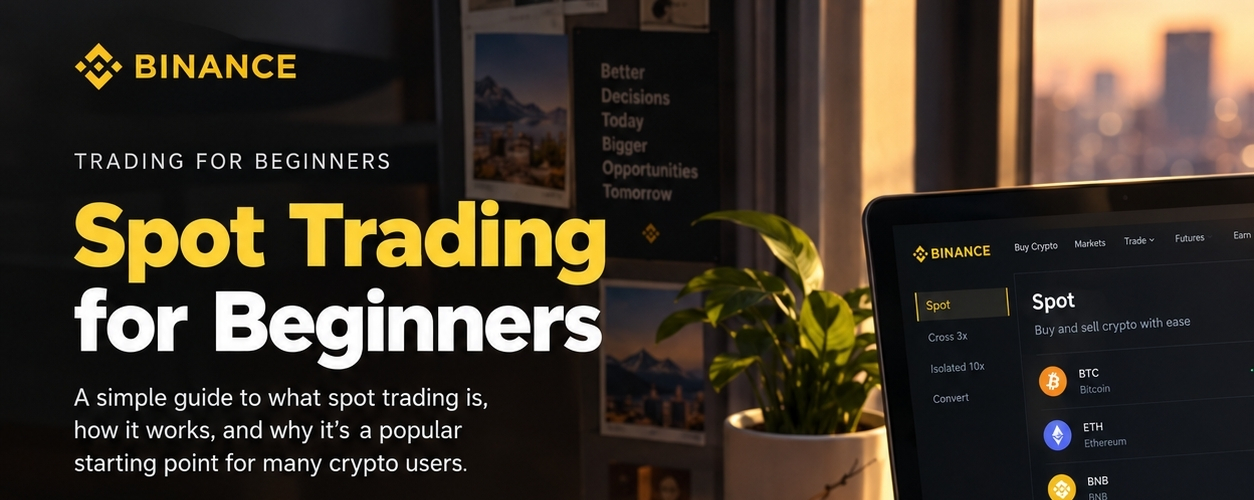
Beginnerတွေအတွက် Spot TradingSpot Trading for Beginners
Crypto Trading ကို စတင်လေ့လာမယ်ဆိုရင် Spot Trading က အရင်ဆုံးနားလည်ထားသင့်တဲ့ Trading ပုံစံတွေထဲက တစ်ခုပါ။
ဒါဆို Spot Trading ဆိုတာ ဘာလဲ? ဘယ်လိုအလုပ်လုပ်လဲ? Beginner တစ်ယောက်အနေနဲ့ ဘာတွေသိထားသင့်လဲ?
💡 Spot Trading ဆိုတာဘာလဲ?
အလွယ်ပြောရရင် Spot Trading ဆိုတာ Crypto Asset တစ်ခုကို လက်ရှိ Market Priceမှာ ဝယ်ယူပြီး ကိုယ်ပိုင် Asset အဖြစ် ကိုင်ဆောင်ထားတာ၊ ဒါမှမဟုတ် ကိုင်ထားတဲ့ Asset ကို ပြန်ရောင်းတာ ဖြစ်ပါတယ်။
ဥပမာ $BTC ကို $60,000 နဲ့ ဝယ်ပြီး နောက်ပိုင်း $65,000 ရောက်တဲ့အချိန်မှာ ရောင်းလိုက်ရင် Price Difference ကနေ Profit ရနိုင်ပါတယ်။
တစ်ဖက်မှာလည်း BTC Price ကျသွားရင် Loss ဖြစ်နိုင်တာကို သတိထားရပါမယ်။
🛒 Spot Trading ဘယ်လိုလုပ်လဲ?
Spot Trading မှာ အခြေခံအားဖြင့် Buy နဲ့ Sell ဆိုတဲ့ Order နှစ်မျိုးကို အဓိကအသုံးပြုပါတယ်။
Buy order: ကိုယ်ဝယ်ချင်တဲ့ Crypto ကို ရွေးပြီး သတ်မှတ်ထားတဲ့ Price နဲ့ ဝယ်ယူခြင်း။
Sell order: ကိုယ်ပိုင်ထားတဲ့ Crypto ကို သတ်မှတ်ထားတဲ့ Price နဲ့ ပြန်ရောင်းခြင်း။
Trade တစ်ခုမလုပ်ခင် ဘယ်လောက်ဝယ်မလဲ၊ ဘယ် Price မှာ ဝယ်မလဲ၊ ဘယ်အခြေအနေမှာ ရောင်းမလဲဆိုတာ ကြိုတင်စဉ်းစားထားတာက အရေးကြီးပါတယ်။
🌱 Beginner တွေအတွက် Spotက ဘာကြောင့် နားလည်ရလွယ်လဲ?
Spot Trading မှာ Futures လို Leverage နဲ့ Liquidation ကို တစ်ခါတည်း ထည့်စဉ်းစားစရာမလိုတာကြောင့် Trading ရဲ့ အခြေခံကို စတင်လေ့လာဖို့ ပိုရိုးရှင်းပါတယ်။
ဒါပေမယ့် ရိုးရှင်းတယ်ဆိုတာ Risk မရှိဘူးလို့ မဆိုလိုပါဘူး။ Crypto Price တွေက မြန်မြန်ဆန်ဆန် တက်နိုင်သလို ကျနိုင်တာကြောင့် ကိုယ့်ရဲ့ Risk ကို အမြဲထည့်သွင်းစဉ်းစားဖို့ လိုပါတယ်။
🧠 Spot Trading မလုပ်ခင် သိထားသင့်တာတွေ
Beginner တစ်ယောက်အနေနဲ့ အရင်ဆုံး
- ကိုယ် Trade လုပ်မယ့် Asset ကို လေ့လာပါ။
- ကိုယ်ဆုံးရှုံးနိုင်တဲ့ Amount ကို သတ်မှတ်ထားပါ။
- Fees တွေကို နားလည်ထားပါ။
- FOMO ဖြစ်ပြီး အလျင်စလို မဝယ်ပါနဲ့။
- Profit ရဖို့ထက် Risk Management ကို အရင်လေ့လာပါ။
Trading ဆိုတာ Buy လုပ်ပြီး Price တက်တာကို စောင့်ရုံတင်မဟုတ်ပါဘူး။ ကိုယ်ဘာကြောင့် ဝယ်တာလဲ၊ ဘယ်လောက် Risk ယူနိုင်လဲ၊ ဘယ်အချိန်မှာ ထွက်မလဲဆိုတာ နားလည်ထားဖို့လည်း လိုပါတယ်။
Spot Trading ရဲ့ အခြေခံကို သေချာနားလည်ထားခြင်းက နောက်ထပ် Trading Concepts တွေကို ဆက်လက်လေ့လာဖို့ ကောင်းတဲ့ Starting Point တစ်ခု ဖြစ်နိုင်ပါတယ်။
⚠️ Disclaimer: ဤ Content သည် Educational Purpose အတွက်သာ ဖြစ်ပြီး Financial Advice မဟုတ်ပါ။ Crypto Trading တွင် အမြတ်ရနိုင်သလို ငွေကြေးဆုံးရှုံးနိုင်သည့် Risk လည်း ရှိပါသည်။ Trade မပြုလုပ်မီ သက်ဆိုင်ရာ Product Details, Fees, Risks နှင့် Terms များကို ကိုယ်တိုင်လေ့လာပြီး မိမိ၏ Financial Situation နှင့် Risk Tolerance အပေါ်မူတည်၍ ဆုံးဖြတ်ပါ။
#SpotTrading. #Beginnersguide #Falcon
Beginnerတွေအတွက် Spot Trading
Spot Trading for Beginners
Crypto Trading ကို စတင်လေ့လာမယ်ဆိုရင် Spot Trading က အရင်ဆုံးနားလည်ထားသင့်တဲ့ Trading ပုံစံတွေထဲက တစ်ခုပါ။
ဒါဆို Spot Trading ဆိုတာ ဘာလဲ? ဘယ်လိုအလုပ်လုပ်လဲ? Beginner တစ်ယောက်အနေနဲ့ ဘာတွေသိထားသင့်လဲ?
💡 Spot Trading ဆိုတာဘာလဲ?
အလွယ်ပြောရရင် Spot Trading ဆိုတာ Crypto Asset တစ်ခုကို လက်ရှိ Market Priceမှာ ဝယ်ယူပြီး ကိုယ်ပိုင် Asset အဖြစ် ကိုင်ဆောင်ထားတာ၊ ဒါမှမဟုတ် ကိုင်ထားတဲ့ Asset ကို ပြန်ရောင်းတာ ဖြစ်ပါတယ်။
ဥပမာ $BTC ကို $60,000 နဲ့ ဝယ်ပြီး နောက်ပိုင်း $65,000 ရောက်တဲ့အချိန်မှာ ရောင်းလိုက်ရင် Price Difference ကနေ Profit ရနိုင်ပါတယ်။
တစ်ဖက်မှာလည်း BTC Price ကျသွားရင် Loss ဖြစ်နိုင်တာကို သတိထားရပါမယ်။
🛒 Spot Trading ဘယ်လိုလုပ်လဲ?
Spot Trading မှာ အခြေခံအားဖြင့် Buy နဲ့ Sell ဆိုတဲ့ Order နှစ်မျိုးကို အဓိကအသုံးပြုပါတယ်။
Buy order: ကိုယ်ဝယ်ချင်တဲ့ Crypto ကို ရွေးပြီး သတ်မှတ်ထားတဲ့ Price နဲ့ ဝယ်ယူခြင်း။
Sell order: ကိုယ်ပိုင်ထားတဲ့ Crypto ကို သတ်မှတ်ထားတဲ့ Price နဲ့ ပြန်ရောင်းခြင်း။
Trade တစ်ခုမလုပ်ခင် ဘယ်လောက်ဝယ်မလဲ၊ ဘယ် Price မှာ ဝယ်မလဲ၊ ဘယ်အခြေအနေမှာ ရောင်းမလဲဆိုတာ ကြိုတင်စဉ်းစားထားတာက အရေးကြီးပါတယ်။
🌱 Beginner တွေအတွက် Spotက ဘာကြောင့် နားလည်ရလွယ်လဲ?
Spot Trading မှာ Futures လို Leverage နဲ့ Liquidation ကို တစ်ခါတည်း ထည့်စဉ်းစားစရာမလိုတာကြောင့် Trading ရဲ့ အခြေခံကို စတင်လေ့လာဖို့ ပိုရိုးရှင်းပါတယ်။
ဒါပေမယ့် ရိုးရှင်းတယ်ဆိုတာ Risk မရှိဘူးလို့ မဆိုလိုပါဘူး။ Crypto Price တွေက မြန်မြန်ဆန်ဆန် တက်နိုင်သလို ကျနိုင်တာကြောင့် ကိုယ့်ရဲ့ Risk ကို အမြဲထည့်သွင်းစဉ်းစားဖို့ လိုပါတယ်။
🧠 Spot Trading မလုပ်ခင် သိထားသင့်တာတွေ
Beginner တစ်ယောက်အနေနဲ့ အရင်ဆုံး
- ကိုယ် Trade လုပ်မယ့် Asset ကို လေ့လာပါ။
- ကိုယ်ဆုံးရှုံးနိုင်တဲ့ Amount ကို သတ်မှတ်ထားပါ။
- Fees တွေကို နားလည်ထားပါ။
- FOMO ဖြစ်ပြီး အလျင်စလို မဝယ်ပါနဲ့။
- Profit ရဖို့ထက် Risk Management ကို အရင်လေ့လာပါ။
Trading ဆိုတာ Buy လုပ်ပြီး Price တက်တာကို စောင့်ရုံတင်မဟုတ်ပါဘူး။ ကိုယ်ဘာကြောင့် ဝယ်တာလဲ၊ ဘယ်လောက် Risk ယူနိုင်လဲ၊ ဘယ်အချိန်မှာ ထွက်မလဲဆိုတာ နားလည်ထားဖို့လည်း လိုပါတယ်။
Spot Trading ရဲ့ အခြေခံကို သေချာနားလည်ထားခြင်းက နောက်ထပ် Trading Concepts တွေကို ဆက်လက်လေ့လာဖို့ ကောင်းတဲ့ Starting Point တစ်ခု ဖြစ်နိုင်ပါတယ်။
⚠️ Disclaimer: ဤ Content သည် Educational Purpose အတွက်သာ ဖြစ်ပြီး Financial Advice မဟုတ်ပါ။ Crypto Trading တွင် အမြတ်ရနိုင်သလို ငွေကြေးဆုံးရှုံးနိုင်သည့် Risk လည်း ရှိပါသည်။ Trade မပြုလုပ်မီ သက်ဆိုင်ရာ Product Details, Fees, Risks နှင့် Terms များကို ကိုယ်တိုင်လေ့လာပြီး မိမိ၏ Financial Situation နှင့် Risk Tolerance အပေါ်မူတည်၍ ဆုံးဖြတ်ပါ။
#SpotTrading. #Beginnersguide #Falcon
Crypto Trading ကို စတင်လေ့လာမယ်ဆိုရင် Spot Trading က အရင်ဆုံးနားလည်ထားသင့်တဲ့ Trading ပုံစံတွေထဲက တစ်ခုပါ။
ဒါဆို Spot Trading ဆိုတာ ဘာလဲ? ဘယ်လိုအလုပ်လုပ်လဲ? Beginner တစ်ယောက်အနေနဲ့ ဘာတွေသိထားသင့်လဲ?
💡 Spot Trading ဆိုတာဘာလဲ?
အလွယ်ပြောရရင် Spot Trading ဆိုတာ Crypto Asset တစ်ခုကို လက်ရှိ Market Priceမှာ ဝယ်ယူပြီး ကိုယ်ပိုင် Asset အဖြစ် ကိုင်ဆောင်ထားတာ၊ ဒါမှမဟုတ် ကိုင်ထားတဲ့ Asset ကို ပြန်ရောင်းတာ ဖြစ်ပါတယ်။
ဥပမာ $BTC ကို $60,000 နဲ့ ဝယ်ပြီး နောက်ပိုင်း $65,000 ရောက်တဲ့အချိန်မှာ ရောင်းလိုက်ရင် Price Difference ကနေ Profit ရနိုင်ပါတယ်။
တစ်ဖက်မှာလည်း BTC Price ကျသွားရင် Loss ဖြစ်နိုင်တာကို သတိထားရပါမယ်။
🛒 Spot Trading ဘယ်လိုလုပ်လဲ?
Spot Trading မှာ အခြေခံအားဖြင့် Buy နဲ့ Sell ဆိုတဲ့ Order နှစ်မျိုးကို အဓိကအသုံးပြုပါတယ်။
Buy order: ကိုယ်ဝယ်ချင်တဲ့ Crypto ကို ရွေးပြီး သတ်မှတ်ထားတဲ့ Price နဲ့ ဝယ်ယူခြင်း။
Sell order: ကိုယ်ပိုင်ထားတဲ့ Crypto ကို သတ်မှတ်ထားတဲ့ Price နဲ့ ပြန်ရောင်းခြင်း။
Trade တစ်ခုမလုပ်ခင် ဘယ်လောက်ဝယ်မလဲ၊ ဘယ် Price မှာ ဝယ်မလဲ၊ ဘယ်အခြေအနေမှာ ရောင်းမလဲဆိုတာ ကြိုတင်စဉ်းစားထားတာက အရေးကြီးပါတယ်။
🌱 Beginner တွေအတွက် Spotက ဘာကြောင့် နားလည်ရလွယ်လဲ?
Spot Trading မှာ Futures လို Leverage နဲ့ Liquidation ကို တစ်ခါတည်း ထည့်စဉ်းစားစရာမလိုတာကြောင့် Trading ရဲ့ အခြေခံကို စတင်လေ့လာဖို့ ပိုရိုးရှင်းပါတယ်။
ဒါပေမယ့် ရိုးရှင်းတယ်ဆိုတာ Risk မရှိဘူးလို့ မဆိုလိုပါဘူး။ Crypto Price တွေက မြန်မြန်ဆန်ဆန် တက်နိုင်သလို ကျနိုင်တာကြောင့် ကိုယ့်ရဲ့ Risk ကို အမြဲထည့်သွင်းစဉ်းစားဖို့ လိုပါတယ်။
🧠 Spot Trading မလုပ်ခင် သိထားသင့်တာတွေ
Beginner တစ်ယောက်အနေနဲ့ အရင်ဆုံး
- ကိုယ် Trade လုပ်မယ့် Asset ကို လေ့လာပါ။
- ကိုယ်ဆုံးရှုံးနိုင်တဲ့ Amount ကို သတ်မှတ်ထားပါ။
- Fees တွေကို နားလည်ထားပါ။
- FOMO ဖြစ်ပြီး အလျင်စလို မဝယ်ပါနဲ့။
- Profit ရဖို့ထက် Risk Management ကို အရင်လေ့လာပါ။
Trading ဆိုတာ Buy လုပ်ပြီး Price တက်တာကို စောင့်ရုံတင်မဟုတ်ပါဘူး။ ကိုယ်ဘာကြောင့် ဝယ်တာလဲ၊ ဘယ်လောက် Risk ယူနိုင်လဲ၊ ဘယ်အချိန်မှာ ထွက်မလဲဆိုတာ နားလည်ထားဖို့လည်း လိုပါတယ်။
Spot Trading ရဲ့ အခြေခံကို သေချာနားလည်ထားခြင်းက နောက်ထပ် Trading Concepts တွေကို ဆက်လက်လေ့လာဖို့ ကောင်းတဲ့ Starting Point တစ်ခု ဖြစ်နိုင်ပါတယ်။
⚠️ Disclaimer: ဤ Content သည် Educational Purpose အတွက်သာ ဖြစ်ပြီး Financial Advice မဟုတ်ပါ။ Crypto Trading တွင် အမြတ်ရနိုင်သလို ငွေကြေးဆုံးရှုံးနိုင်သည့် Risk လည်း ရှိပါသည်။ Trade မပြုလုပ်မီ သက်ဆိုင်ရာ Product Details, Fees, Risks နှင့် Terms များကို ကိုယ်တိုင်လေ့လာပြီး မိမိ၏ Financial Situation နှင့် Risk Tolerance အပေါ်မူတည်၍ ဆုံးဖြတ်ပါ။
#SpotTrading. #Beginnersguide #Falcon
1
8
228
·
--
ບົດຄວາມ
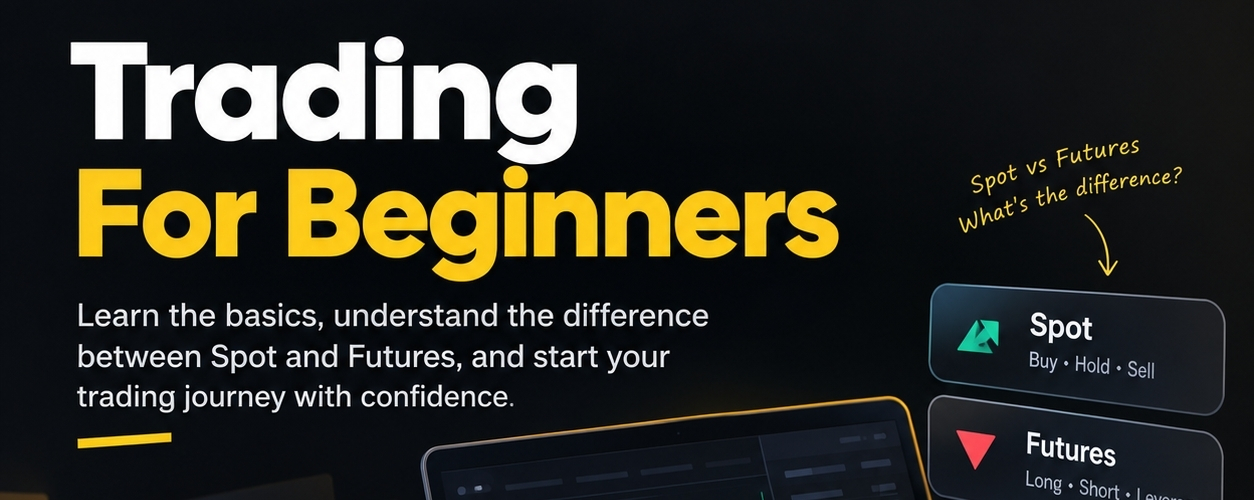
Trading For Beginners 101Trading ဆိုတာ ဘာလဲ?
Crypto ကို စိတ်ဝင်စားလာတဲ့အခါ “Trading” ဆိုတဲ့စကားလုံးကို မကြာခဏ ကြားရပါလိမ့်မယ်။ ဒါပေမယ့် Trading ဆိုတာ တကယ်တော့ ဘာလဲ၊ Spot နဲ့ Futures က ဘာကွာလဲဆိုတာကို Beginner တစ်ယောက်အနေနဲ့ အရင်နားလည်ထားဖို့ အရေးကြီးပါတယ်။
💡 Trading ဆိုတာဘာလဲ?
အလွယ်ပြောရရင် Trading ဆိုတာ Asset တစ်ခုကို ဈေးနှုန်းအပြောင်းအလဲကနေ အမြတ်ရရှိဖို့ ရည်ရွယ်ပြီး ဝယ်ခြင်း၊ ရောင်းခြင်း ပြုလုပ်တာ ဖြစ်ပါတယ်။
Crypto Trading မှာတော့ Bitcoin ($BTC ), Ethereum ($ETH ) စတဲ့ Digital Assets တွေရဲ့ Price Movement ကို အခြေခံပြီး Trade လုပ်ကြပါတယ်။
ဥပမာ BTC ကို $70,000 မှာ ဝယ်ပြီး $75,000 မှာ ရောင်းခဲ့ရင် Price Difference ကနေ အမြတ်ရနိုင်ပါတယ်။ ဒါပေမယ့် ဈေးနှုန်းက ကိုယ်မျှော်လင့်ထားတဲ့ဘက်ကို မသွားရင် Loss ဖြစ်နိုင်တာကိုလည်း နားလည်ထားဖို့လိုပါတယ်။
🟡 1. Spot Trading
Spot Trading က Beginner တွေအတွက် အရင်ဆုံး နားလည်ထားသင့်တဲ့ Trading အမျိုးအစားတစ်ခုပါ။
Spot မှာ ကိုယ်ဝယ်လိုက်တဲ့ Asset ကို အမှန်တကယ်ပိုင်ဆိုင်ပါတယ်။ ဥပမာ BTC ကို USDT နဲ့ ဝယ်လိုက်ရင် ကိုယ့်ရဲ့ Spot Wallet ထဲမှာ BTC ရရှိလာပါမယ်။
BTC ဈေးတက်လာတဲ့အချိန်မှာ ပြန်ရောင်းပြီး Price Difference ကနေ အမြတ်ရယူနိုင်ပါတယ်။
USDT => BTC၀ယ် => စျေးတက် => မြတ်
USDT => BTC၀ယ် => စျေးကျ => ရှုံး
အမြတ်အရှုံးက ကိုယ့်assetကိုပြန်မရောင်းမချင်းတော့ floatingအနေနဲ့ရှိနေပြီး ပြောင်းလဲနိုင်သော PNLဖြစ်ပါတယ်။ Floating PNLဆိုတာ သင်ရှုံးနေရင်တောင် မရောင်းထုတ်ရသေးတာကြောင့် Assetစျေးပြန်တက်ပြီး အမြတ်ရရှိနိုင်ပါသေးတယ်။ (စျေးထပ်ကျတယ့်အခြေအနေဆိုလည်း ပိုရှုံးနိုင်ပါတယ်။)
Spot Trading မှာ ပုံမှန်အားဖြင့် Leverage(ဆတိုးခြင်း) မပါဝင်တာကြောင့် Futures ထက် Structure ပိုရိုးရှင်းပါတယ်။ ဒါပေမယ့် Crypto Price က အတက်အကျမြန်တဲ့အတွက် Spot Trading မှာလည်း Loss ဖြစ်နိုင်ပါတယ်။
🔴 2. Futures Trading
Futures Trading ကတော့ Spot ထက် ပိုမိုရှုပ်ထွေးပြီး Risk ပိုမြင့်နိုင်တဲ့ Trading အမျိုးအစားဖြစ်ပါတယ်။
Futures မှာ Asset ကို တိုက်ရိုက်ဝယ်ယူပြီးပိုင်ဆိုင်ရတာထက် Price Movement ကို အခြေခံပြီး Position ဖွင့်တာ ဖြစ်ပါတယ်။
ဈေးတက်မယ်လို့ထင်ရင် Long Position ဖွင့်နိုင်ပြီး ဈေးကျမယ်လို့မျှော်လင့်ရင် Short Position ဖွင့်နိုင်ပါတယ်။
နောက်ထပ်အရေးကြီးတာက Leverage ပါ။
ဥပမာ 10x Leverage အသုံးပြုရင် ကိုယ့်ရဲ့ Capital ထက် 10ဆပိုကြီးတဲ့ Position ကို ဖွင့်နိုင်ပါတယ်။ ဒါက Profit ကို မြန်မြန်တိုးနိုင်စေနိုင်သလို Price Movement က ကိုယ့်ဘက်နဲ့ ဆန့်ကျင်သွားတဲ့အခါ Loss ကိုလည်း မြန်မြန်ဖြစ်စေနိုင်ပါတယ်။
အချို့အခြေအနေတွေမှာ Margin မလုံလောက်တော့ရင် Position ကို Liquidation ဖြစ်နိုင်ပါတယ်။ Liquidationဆိုတာ marginမလုံလောက်လို့ သင့်မှာရှိတယ့် သင့်ရယ််ရင်းနှီးထားတယ့် assets အကုန်ဖြစ်စေ တစ်စိတ်တစ်ပိုင်းဖြစ်စေကို ဆုံးရှုံးရမှာဖြစ်ပါတယ်။
Liquidationမဖြစ်ရအောင်
•TP/SL ခံထားခြင်း၊
•အရင်းအနှီးထပ်ထည့်ခြင်း (မလုပ်သင့်ပါ)၊
•price movementမြင့်တယ့် marketတွေကိုရှောင်ခြင်း၊
•Leverageလျှော့ထားခြင်း
စတာတွေကိုပြုလုပ်လို့ရပါတယ်။
🧠 Beginner တစ်ယောက်အနေနဲ့ ဘာတွေသိထားသင့်လဲ?
Trading ဆိုတာ “ဈေးတက်ရင် ဝယ်၊ ဈေးကျရင် ရောင်း” လောက်နဲ့ မပြီးပါဘူး။ Risk Management က အရေးကြီးဆုံးအပိုင်းတွေထဲက တစ်ခုပါ။
Trade မလုပ်ခင်
- ကိုယ်ဘယ်လောက် အရှုံးခံနိုင်လဲ သတ်မှတ်ပါ။
- Entry နဲ့ Exit ကို ကြိုတင်စဉ်းစားပါ။
- Leverage ကို နားမလည်သေးရင် မသုံးသင့်ပါ။
- Trade တစ်ခုတည်းမှာ Capital အများကြီး မထည့်ပါနဲ့။
- FOMO ဖြစ်ပြီး အလျင်စလို Trade မလုပ်ပါနဲ့။
- ကိုယ် Trade လုပ်မယ့် Asset နဲ့ Market ကို လေ့လာပါ။
အရေးကြီးဆုံးက Profit ရဖို့ထက် အရင်ဆုံး Loss ကို ဘယ်လိုထိန်းချုပ်မလဲဆိုတာ လေ့လာထားဖို့ပါ။
Trading Journey ကို စတင်မယ်ဆိုရင် Spot Trading ရဲ့ အခြေခံတွေကို နားလည်ပြီးမှ Futures, Leverage, Margin, Liquidation စတဲ့ Concept တွေကို တစ်ဆင့်ချင်း လေ့လာသွားတာက ပိုကောင်းပါတယ်။
Trading for beginners 102မှာ ပိုပြီးအသေးစိတ်ရှင်းပြပေးပါမယ်။ နေ့တိုင်း contentတစ်ခုစီတင်ပေးနေပါမယ်ဗျ။
⚠️ Disclaimer: ဤ Content သည် ပညာပေးရည်ရွယ်ချက်အတွက်သာ ဖြစ်ပြီး Financial Advice မဟုတ်ပါ။ Cryptocurrency Trading တွင် အမြတ်ရနိုင်သလို မူလငွေကြေးထက်ပင် ပိုမိုဆုံးရှုံးနိုင်သည့် Risk များရှိနိုင်ပါသည်။ Spot နှင့် Futures Trading မပြုလုပ်မီ သက်ဆိုင်ရာ Product, Fees, Terms နှင့် Risk များကို ကိုယ်တိုင် သေချာလေ့လာနားလည်ပြီး ကိုယ့်ရဲ့ Risk Tolerance နဲ့ ကိုက်ညီမှုရှိမရှိ စဉ်းစားပါ။
#trading #Beginnersguide #Falcon
Trading For Beginners 101
Trading ဆိုတာ ဘာလဲ?
Crypto ကို စိတ်ဝင်စားလာတဲ့အခါ “Trading” ဆိုတဲ့စကားလုံးကို မကြာခဏ ကြားရပါလိမ့်မယ်။ ဒါပေမယ့် Trading ဆိုတာ တကယ်တော့ ဘာလဲ၊ Spot နဲ့ Futures က ဘာကွာလဲဆိုတာကို Beginner တစ်ယောက်အနေနဲ့ အရင်နားလည်ထားဖို့ အရေးကြီးပါတယ်။
💡 Trading ဆိုတာဘာလဲ?
အလွယ်ပြောရရင် Trading ဆိုတာ Asset တစ်ခုကို ဈေးနှုန်းအပြောင်းအလဲကနေ အမြတ်ရရှိဖို့ ရည်ရွယ်ပြီး ဝယ်ခြင်း၊ ရောင်းခြင်း ပြုလုပ်တာ ဖြစ်ပါတယ်။
Crypto Trading မှာတော့ Bitcoin ($BTC ), Ethereum ($ETH ) စတဲ့ Digital Assets တွေရဲ့ Price Movement ကို အခြေခံပြီး Trade လုပ်ကြပါတယ်။
ဥပမာ BTC ကို $70,000 မှာ ဝယ်ပြီး $75,000 မှာ ရောင်းခဲ့ရင် Price Difference ကနေ အမြတ်ရနိုင်ပါတယ်။ ဒါပေမယ့် ဈေးနှုန်းက ကိုယ်မျှော်လင့်ထားတဲ့ဘက်ကို မသွားရင် Loss ဖြစ်နိုင်တာကိုလည်း နားလည်ထားဖို့လိုပါတယ်။
🟡 1. Spot Trading
Spot Trading က Beginner တွေအတွက် အရင်ဆုံး နားလည်ထားသင့်တဲ့ Trading အမျိုးအစားတစ်ခုပါ။
Spot မှာ ကိုယ်ဝယ်လိုက်တဲ့ Asset ကို အမှန်တကယ်ပိုင်ဆိုင်ပါတယ်။ ဥပမာ BTC ကို USDT နဲ့ ဝယ်လိုက်ရင် ကိုယ့်ရဲ့ Spot Wallet ထဲမှာ BTC ရရှိလာပါမယ်။
BTC ဈေးတက်လာတဲ့အချိန်မှာ ပြန်ရောင်းပြီး Price Difference ကနေ အမြတ်ရယူနိုင်ပါတယ်။
USDT => BTC၀ယ် => စျေးတက် => မြတ်
USDT => BTC၀ယ် => စျေးကျ => ရှုံး
အမြတ်အရှုံးက ကိုယ့်assetကိုပြန်မရောင်းမချင်းတော့ floatingအနေနဲ့ရှိနေပြီး ပြောင်းလဲနိုင်သော PNLဖြစ်ပါတယ်။ Floating PNLဆိုတာ သင်ရှုံးနေရင်တောင် မရောင်းထုတ်ရသေးတာကြောင့် Assetစျေးပြန်တက်ပြီး အမြတ်ရရှိနိုင်ပါသေးတယ်။ (စျေးထပ်ကျတယ့်အခြေအနေဆိုလည်း ပိုရှုံးနိုင်ပါတယ်။)
Spot Trading မှာ ပုံမှန်အားဖြင့် Leverage(ဆတိုးခြင်း) မပါဝင်တာကြောင့် Futures ထက် Structure ပိုရိုးရှင်းပါတယ်။ ဒါပေမယ့် Crypto Price က အတက်အကျမြန်တဲ့အတွက် Spot Trading မှာလည်း Loss ဖြစ်နိုင်ပါတယ်။
🔴 2. Futures Trading
Futures Trading ကတော့ Spot ထက် ပိုမိုရှုပ်ထွေးပြီး Risk ပိုမြင့်နိုင်တဲ့ Trading အမျိုးအစားဖြစ်ပါတယ်။
Futures မှာ Asset ကို တိုက်ရိုက်ဝယ်ယူပြီးပိုင်ဆိုင်ရတာထက် Price Movement ကို အခြေခံပြီး Position ဖွင့်တာ ဖြစ်ပါတယ်။
ဈေးတက်မယ်လို့ထင်ရင် Long Position ဖွင့်နိုင်ပြီး ဈေးကျမယ်လို့မျှော်လင့်ရင် Short Position ဖွင့်နိုင်ပါတယ်။
နောက်ထပ်အရေးကြီးတာက Leverage ပါ။
ဥပမာ 10x Leverage အသုံးပြုရင် ကိုယ့်ရဲ့ Capital ထက် 10ဆပိုကြီးတဲ့ Position ကို ဖွင့်နိုင်ပါတယ်။ ဒါက Profit ကို မြန်မြန်တိုးနိုင်စေနိုင်သလို Price Movement က ကိုယ့်ဘက်နဲ့ ဆန့်ကျင်သွားတဲ့အခါ Loss ကိုလည်း မြန်မြန်ဖြစ်စေနိုင်ပါတယ်။
အချို့အခြေအနေတွေမှာ Margin မလုံလောက်တော့ရင် Position ကို Liquidation ဖြစ်နိုင်ပါတယ်။ Liquidationဆိုတာ marginမလုံလောက်လို့ သင့်မှာရှိတယ့် သင့်ရယ််ရင်းနှီးထားတယ့် assets အကုန်ဖြစ်စေ တစ်စိတ်တစ်ပိုင်းဖြစ်စေကို ဆုံးရှုံးရမှာဖြစ်ပါတယ်။
Liquidationမဖြစ်ရအောင်
•TP/SL ခံထားခြင်း၊
•အရင်းအနှီးထပ်ထည့်ခြင်း (မလုပ်သင့်ပါ)၊
•price movementမြင့်တယ့် marketတွေကိုရှောင်ခြင်း၊
•Leverageလျှော့ထားခြင်း
စတာတွေကိုပြုလုပ်လို့ရပါတယ်။
🧠 Beginner တစ်ယောက်အနေနဲ့ ဘာတွေသိထားသင့်လဲ?
Trading ဆိုတာ “ဈေးတက်ရင် ဝယ်၊ ဈေးကျရင် ရောင်း” လောက်နဲ့ မပြီးပါဘူး။ Risk Management က အရေးကြီးဆုံးအပိုင်းတွေထဲက တစ်ခုပါ။
Trade မလုပ်ခင်
- ကိုယ်ဘယ်လောက် အရှုံးခံနိုင်လဲ သတ်မှတ်ပါ။
- Entry နဲ့ Exit ကို ကြိုတင်စဉ်းစားပါ။
- Leverage ကို နားမလည်သေးရင် မသုံးသင့်ပါ။
- Trade တစ်ခုတည်းမှာ Capital အများကြီး မထည့်ပါနဲ့။
- FOMO ဖြစ်ပြီး အလျင်စလို Trade မလုပ်ပါနဲ့။
- ကိုယ် Trade လုပ်မယ့် Asset နဲ့ Market ကို လေ့လာပါ။
အရေးကြီးဆုံးက Profit ရဖို့ထက် အရင်ဆုံး Loss ကို ဘယ်လိုထိန်းချုပ်မလဲဆိုတာ လေ့လာထားဖို့ပါ။
Trading Journey ကို စတင်မယ်ဆိုရင် Spot Trading ရဲ့ အခြေခံတွေကို နားလည်ပြီးမှ Futures, Leverage, Margin, Liquidation စတဲ့ Concept တွေကို တစ်ဆင့်ချင်း လေ့လာသွားတာက ပိုကောင်းပါတယ်။
Trading for beginners 102မှာ ပိုပြီးအသေးစိတ်ရှင်းပြပေးပါမယ်။ နေ့တိုင်း contentတစ်ခုစီတင်ပေးနေပါမယ်ဗျ။
⚠️ Disclaimer: ဤ Content သည် ပညာပေးရည်ရွယ်ချက်အတွက်သာ ဖြစ်ပြီး Financial Advice မဟုတ်ပါ။ Cryptocurrency Trading တွင် အမြတ်ရနိုင်သလို မူလငွေကြေးထက်ပင် ပိုမိုဆုံးရှုံးနိုင်သည့် Risk များရှိနိုင်ပါသည်။ Spot နှင့် Futures Trading မပြုလုပ်မီ သက်ဆိုင်ရာ Product, Fees, Terms နှင့် Risk များကို ကိုယ်တိုင် သေချာလေ့လာနားလည်ပြီး ကိုယ့်ရဲ့ Risk Tolerance နဲ့ ကိုက်ညီမှုရှိမရှိ စဉ်းစားပါ။
#trading #Beginnersguide #Falcon
Crypto ကို စိတ်ဝင်စားလာတဲ့အခါ “Trading” ဆိုတဲ့စကားလုံးကို မကြာခဏ ကြားရပါလိမ့်မယ်။ ဒါပေမယ့် Trading ဆိုတာ တကယ်တော့ ဘာလဲ၊ Spot နဲ့ Futures က ဘာကွာလဲဆိုတာကို Beginner တစ်ယောက်အနေနဲ့ အရင်နားလည်ထားဖို့ အရေးကြီးပါတယ်။
💡 Trading ဆိုတာဘာလဲ?
အလွယ်ပြောရရင် Trading ဆိုတာ Asset တစ်ခုကို ဈေးနှုန်းအပြောင်းအလဲကနေ အမြတ်ရရှိဖို့ ရည်ရွယ်ပြီး ဝယ်ခြင်း၊ ရောင်းခြင်း ပြုလုပ်တာ ဖြစ်ပါတယ်။
Crypto Trading မှာတော့ Bitcoin ($BTC ), Ethereum ($ETH ) စတဲ့ Digital Assets တွေရဲ့ Price Movement ကို အခြေခံပြီး Trade လုပ်ကြပါတယ်။
ဥပမာ BTC ကို $70,000 မှာ ဝယ်ပြီး $75,000 မှာ ရောင်းခဲ့ရင် Price Difference ကနေ အမြတ်ရနိုင်ပါတယ်။ ဒါပေမယ့် ဈေးနှုန်းက ကိုယ်မျှော်လင့်ထားတဲ့ဘက်ကို မသွားရင် Loss ဖြစ်နိုင်တာကိုလည်း နားလည်ထားဖို့လိုပါတယ်။
🟡 1. Spot Trading
Spot Trading က Beginner တွေအတွက် အရင်ဆုံး နားလည်ထားသင့်တဲ့ Trading အမျိုးအစားတစ်ခုပါ။
Spot မှာ ကိုယ်ဝယ်လိုက်တဲ့ Asset ကို အမှန်တကယ်ပိုင်ဆိုင်ပါတယ်။ ဥပမာ BTC ကို USDT နဲ့ ဝယ်လိုက်ရင် ကိုယ့်ရဲ့ Spot Wallet ထဲမှာ BTC ရရှိလာပါမယ်။
BTC ဈေးတက်လာတဲ့အချိန်မှာ ပြန်ရောင်းပြီး Price Difference ကနေ အမြတ်ရယူနိုင်ပါတယ်။
USDT => BTC၀ယ် => စျေးတက် => မြတ်
USDT => BTC၀ယ် => စျေးကျ => ရှုံး
အမြတ်အရှုံးက ကိုယ့်assetကိုပြန်မရောင်းမချင်းတော့ floatingအနေနဲ့ရှိနေပြီး ပြောင်းလဲနိုင်သော PNLဖြစ်ပါတယ်။ Floating PNLဆိုတာ သင်ရှုံးနေရင်တောင် မရောင်းထုတ်ရသေးတာကြောင့် Assetစျေးပြန်တက်ပြီး အမြတ်ရရှိနိုင်ပါသေးတယ်။ (စျေးထပ်ကျတယ့်အခြေအနေဆိုလည်း ပိုရှုံးနိုင်ပါတယ်။)
Spot Trading မှာ ပုံမှန်အားဖြင့် Leverage(ဆတိုးခြင်း) မပါဝင်တာကြောင့် Futures ထက် Structure ပိုရိုးရှင်းပါတယ်။ ဒါပေမယ့် Crypto Price က အတက်အကျမြန်တဲ့အတွက် Spot Trading မှာလည်း Loss ဖြစ်နိုင်ပါတယ်။
🔴 2. Futures Trading
Futures Trading ကတော့ Spot ထက် ပိုမိုရှုပ်ထွေးပြီး Risk ပိုမြင့်နိုင်တဲ့ Trading အမျိုးအစားဖြစ်ပါတယ်။
Futures မှာ Asset ကို တိုက်ရိုက်ဝယ်ယူပြီးပိုင်ဆိုင်ရတာထက် Price Movement ကို အခြေခံပြီး Position ဖွင့်တာ ဖြစ်ပါတယ်။
ဈေးတက်မယ်လို့ထင်ရင် Long Position ဖွင့်နိုင်ပြီး ဈေးကျမယ်လို့မျှော်လင့်ရင် Short Position ဖွင့်နိုင်ပါတယ်။
နောက်ထပ်အရေးကြီးတာက Leverage ပါ။
ဥပမာ 10x Leverage အသုံးပြုရင် ကိုယ့်ရဲ့ Capital ထက် 10ဆပိုကြီးတဲ့ Position ကို ဖွင့်နိုင်ပါတယ်။ ဒါက Profit ကို မြန်မြန်တိုးနိုင်စေနိုင်သလို Price Movement က ကိုယ့်ဘက်နဲ့ ဆန့်ကျင်သွားတဲ့အခါ Loss ကိုလည်း မြန်မြန်ဖြစ်စေနိုင်ပါတယ်။
အချို့အခြေအနေတွေမှာ Margin မလုံလောက်တော့ရင် Position ကို Liquidation ဖြစ်နိုင်ပါတယ်။ Liquidationဆိုတာ marginမလုံလောက်လို့ သင့်မှာရှိတယ့် သင့်ရယ််ရင်းနှီးထားတယ့် assets အကုန်ဖြစ်စေ တစ်စိတ်တစ်ပိုင်းဖြစ်စေကို ဆုံးရှုံးရမှာဖြစ်ပါတယ်။
Liquidationမဖြစ်ရအောင်
•TP/SL ခံထားခြင်း၊
•အရင်းအနှီးထပ်ထည့်ခြင်း (မလုပ်သင့်ပါ)၊
•price movementမြင့်တယ့် marketတွေကိုရှောင်ခြင်း၊
•Leverageလျှော့ထားခြင်း
စတာတွေကိုပြုလုပ်လို့ရပါတယ်။
🧠 Beginner တစ်ယောက်အနေနဲ့ ဘာတွေသိထားသင့်လဲ?
Trading ဆိုတာ “ဈေးတက်ရင် ဝယ်၊ ဈေးကျရင် ရောင်း” လောက်နဲ့ မပြီးပါဘူး။ Risk Management က အရေးကြီးဆုံးအပိုင်းတွေထဲက တစ်ခုပါ။
Trade မလုပ်ခင်
- ကိုယ်ဘယ်လောက် အရှုံးခံနိုင်လဲ သတ်မှတ်ပါ။
- Entry နဲ့ Exit ကို ကြိုတင်စဉ်းစားပါ။
- Leverage ကို နားမလည်သေးရင် မသုံးသင့်ပါ။
- Trade တစ်ခုတည်းမှာ Capital အများကြီး မထည့်ပါနဲ့။
- FOMO ဖြစ်ပြီး အလျင်စလို Trade မလုပ်ပါနဲ့။
- ကိုယ် Trade လုပ်မယ့် Asset နဲ့ Market ကို လေ့လာပါ။
အရေးကြီးဆုံးက Profit ရဖို့ထက် အရင်ဆုံး Loss ကို ဘယ်လိုထိန်းချုပ်မလဲဆိုတာ လေ့လာထားဖို့ပါ။
Trading Journey ကို စတင်မယ်ဆိုရင် Spot Trading ရဲ့ အခြေခံတွေကို နားလည်ပြီးမှ Futures, Leverage, Margin, Liquidation စတဲ့ Concept တွေကို တစ်ဆင့်ချင်း လေ့လာသွားတာက ပိုကောင်းပါတယ်။
Trading for beginners 102မှာ ပိုပြီးအသေးစိတ်ရှင်းပြပေးပါမယ်။ နေ့တိုင်း contentတစ်ခုစီတင်ပေးနေပါမယ်ဗျ။
⚠️ Disclaimer: ဤ Content သည် ပညာပေးရည်ရွယ်ချက်အတွက်သာ ဖြစ်ပြီး Financial Advice မဟုတ်ပါ။ Cryptocurrency Trading တွင် အမြတ်ရနိုင်သလို မူလငွေကြေးထက်ပင် ပိုမိုဆုံးရှုံးနိုင်သည့် Risk များရှိနိုင်ပါသည်။ Spot နှင့် Futures Trading မပြုလုပ်မီ သက်ဆိုင်ရာ Product, Fees, Terms နှင့် Risk များကို ကိုယ်တိုင် သေချာလေ့လာနားလည်ပြီး ကိုယ့်ရဲ့ Risk Tolerance နဲ့ ကိုက်ညီမှုရှိမရှိ စဉ်းစားပါ။
#trading #Beginnersguide #Falcon
1
2
10
165
·
--
☘️လူတွေရဲ့စည်းကမ်းမဲ့မှုကြောင့် အမ္ဘာကြီးဟာညစ်ညမ်းပြီး အမှိုက်တွေနဲ့ပြည့်နှံ့လာပါတယ်။ ပိုမိုဆိုးရွားတဲ့အခြေအနေတွေကိုရှောင်ရှားဖို့နဲ့ ပိုပြီးသန့်ရှင်းတဲ့ပတ်ဝန်းကျင်ဖြစ်အောင်ကြိုးစားဖို့က Binancianတွေရဲ့တာဝန်ပါပဲ။👏
ကမ္ဘာကြီးကိုသန့်ရှင်းရေးလုပ်ဖို့ အားလုံးပဲတက်ကြွနေပြီလို့ထင်ပါတယ်။ အဲ့ဒါကြောင့် Binanceကနေ #CleanUpDayWithBinance campaignကိုကျင်းပပေးလိုက်ပါတယ်။ သင်ကရော Clean Up Dayအတွက်အဆင်သင့်ဖြစ်ပြီလား? 🌎☘️
Campaign Period 7 - 20 September.
#CleanUpDayWithBinance #Falcon
☘️လူတွေရဲ့စည်းကမ်းမဲ့မှုကြောင့် အမ္ဘာကြီးဟာညစ်ညမ်းပြီး အမှိုက်တွေနဲ့ပြည့်နှံ့လာပါတယ်။ ပိုမိုဆိုးရွားတဲ့အခြေအနေတွေကိုရှောင်ရှားဖို့နဲ့ ပိုပြီးသန့်ရှင်းတဲ့ပတ်ဝန်းကျင်ဖြစ်အောင်ကြိုးစားဖို့က Binancianတွေရဲ့တာဝန်ပါပဲ။👏
ကမ္ဘာကြီးကိုသန့်ရှင်းရေးလုပ်ဖို့ အားလုံးပဲတက်ကြွနေပြီလို့ထင်ပါတယ်။ အဲ့ဒါကြောင့် Binanceကနေ #CleanUpDayWithBinance campaignကိုကျင်းပပေးလိုက်ပါတယ်။ သင်ကရော Clean Up Dayအတွက်အဆင်သင့်ဖြစ်ပြီလား? 🌎☘️
Campaign Period 7 - 20 September.
#CleanUpDayWithBinance #Falcon
ကမ္ဘာကြီးကိုသန့်ရှင်းရေးလုပ်ဖို့ အားလုံးပဲတက်ကြွနေပြီလို့ထင်ပါတယ်။ အဲ့ဒါကြောင့် Binanceကနေ #CleanUpDayWithBinance campaignကိုကျင်းပပေးလိုက်ပါတယ်။ သင်ကရော Clean Up Dayအတွက်အဆင်သင့်ဖြစ်ပြီလား? 🌎☘️
Campaign Period 7 - 20 September.
#CleanUpDayWithBinance #Falcon

1
6
211

·
--
#falconfinance $FF
The DeFi landscape is shifting towards sustainable, asset-backed models, and @falcon_finance is leading the charge with its "universal collateralization" infrastructure. Unlike traditional protocols that force you to sell your assets for liquidity, Falcon allows you to mint USDf against high-quality collateral, including BTC and tokenized Real-World Assets (RWAs).
With the governance and staking utility of $FF, holders are positioned at the center of an ecosystem built for institutional-grade stability. It’s all about capital efficiency without losing your long-term conviction! 🦅
#falcon finance
#falconfinance $FF
The DeFi landscape is shifting towards sustainable, asset-backed models, and @Falcon Finance is leading the charge with its "universal collateralization" infrastructure. Unlike traditional protocols that force you to sell your assets for liquidity, Falcon allows you to mint USDf against high-quality collateral, including BTC and tokenized Real-World Assets (RWAs).
With the governance and staking utility of $FF , holders are positioned at the center of an ecosystem built for institutional-grade stability. It’s all about capital efficiency without losing your long-term conviction! 🦅
#falcon finance
The DeFi landscape is shifting towards sustainable, asset-backed models, and @Falcon Finance is leading the charge with its "universal collateralization" infrastructure. Unlike traditional protocols that force you to sell your assets for liquidity, Falcon allows you to mint USDf against high-quality collateral, including BTC and tokenized Real-World Assets (RWAs).
With the governance and staking utility of $FF , holders are positioned at the center of an ecosystem built for institutional-grade stability. It’s all about capital efficiency without losing your long-term conviction! 🦅
#falcon finance
4
603

·
--
There is no magic button for daily free money on Binance — but there are a few legit ways to earn small daily income without investing your own money, if you are willing to put in time, tasks, or skills.
Here are the realistic, safe options people use:
---
✅ 1. Binance Earn (Using Airdrops, Tasks, Promotions)
Sometimes Binance runs campaigns where you earn free crypto by completing simple tasks.
Examples of tasks:
follow a project on Binance Square
read articles or watch videos
vote on project listings
small quizzes
Rewards:
small amount of tokens
vouchers
cashback
This is not huge money, maybe $0.5 to $5 per task.
💡 Go to: Binance App → Earn → Rewards Hub
---
🎯 2. Binance Square Content
You can earn by creating content (posts) on Binance Square when a project is running a campaign.
You already asked about Falcon Finance — that is a typical campaign.
How it works:
Write original content
Use hashtags / tags
Earn tokens if selected
Some people turn this into daily income
But:
Not guaranteed
Requires writing skills
Competition
Example earnings:
$5–$100 depending on campaign
---
🔥 3. Binance Learn & Earn
This one is very easy.
Process:
Watch lessons
Take quiz
Earn crypto after correct answers
Rewards can be:
$1–$30 per campaign
Not daily, but monthly you can make something free
---
🎁 4. Binance Airdrops (Official Only)
Binance sometimes drops free tokens:
Types:
Holding certain tokens
Completing tasks
Being active in the ecosystem
Again not daily, but true free money if you’re consistent.
---
🏆 5. Binance Referral (if you are social)
If you have friends who trade, you can earn commission daily without investing.
How it works:
Share referral link
When they trade, you earn small % commissions
If you have a group of friends, Telegram group, WhatsApp group — this can become daily income, passive.
Some users earn $1–$100/day depending on
Participate in potential Airdrops and Learn on Ways To Make Yieldings In Pairs Like $FF .#Falcon for instance 😜
There is no magic button for daily free money on Binance — but there are a few legit ways to earn small daily income without investing your own money, if you are willing to put in time, tasks, or skills.
Here are the realistic, safe options people use:
---
✅ 1. Binance Earn (Using Airdrops, Tasks, Promotions)
Sometimes Binance runs campaigns where you earn free crypto by completing simple tasks.
Examples of tasks:
follow a project on Binance Square
read articles or watch videos
vote on project listings
small quizzes
Rewards:
small amount of tokens
vouchers
cashback
This is not huge money, maybe $0.5 to $5 per task.
💡 Go to: Binance App → Earn → Rewards Hub
---
🎯 2. Binance Square Content
You can earn by creating content (posts) on Binance Square when a project is running a campaign.
You already asked about Falcon Finance — that is a typical campaign.
How it works:
Write original content
Use hashtags / tags
Earn tokens if selected
Some people turn this into daily income
But:
Not guaranteed
Requires writing skills
Competition
Example earnings:
$5–$100 depending on campaign
---
🔥 3. Binance Learn & Earn
This one is very easy.
Process:
Watch lessons
Take quiz
Earn crypto after correct answers
Rewards can be:
$1–$30 per campaign
Not daily, but monthly you can make something free
---
🎁 4. Binance Airdrops (Official Only)
Binance sometimes drops free tokens:
Types:
Holding certain tokens
Completing tasks
Being active in the ecosystem
Again not daily, but true free money if you’re consistent.
---
🏆 5. Binance Referral (if you are social)
If you have friends who trade, you can earn commission daily without investing.
How it works:
Share referral link
When they trade, you earn small % commissions
If you have a group of friends, Telegram group, WhatsApp group — this can become daily income, passive.
Some users earn $1–$100/day depending on
Participate in potential Airdrops and Learn on Ways To Make Yieldings In Pairs Like $FF .#Falcon for instance 😜
Here are the realistic, safe options people use:
---
✅ 1. Binance Earn (Using Airdrops, Tasks, Promotions)
Sometimes Binance runs campaigns where you earn free crypto by completing simple tasks.
Examples of tasks:
follow a project on Binance Square
read articles or watch videos
vote on project listings
small quizzes
Rewards:
small amount of tokens
vouchers
cashback
This is not huge money, maybe $0.5 to $5 per task.
💡 Go to: Binance App → Earn → Rewards Hub
---
🎯 2. Binance Square Content
You can earn by creating content (posts) on Binance Square when a project is running a campaign.
You already asked about Falcon Finance — that is a typical campaign.
How it works:
Write original content
Use hashtags / tags
Earn tokens if selected
Some people turn this into daily income
But:
Not guaranteed
Requires writing skills
Competition
Example earnings:
$5–$100 depending on campaign
---
🔥 3. Binance Learn & Earn
This one is very easy.
Process:
Watch lessons
Take quiz
Earn crypto after correct answers
Rewards can be:
$1–$30 per campaign
Not daily, but monthly you can make something free
---
🎁 4. Binance Airdrops (Official Only)
Binance sometimes drops free tokens:
Types:
Holding certain tokens
Completing tasks
Being active in the ecosystem
Again not daily, but true free money if you’re consistent.
---
🏆 5. Binance Referral (if you are social)
If you have friends who trade, you can earn commission daily without investing.
How it works:
Share referral link
When they trade, you earn small % commissions
If you have a group of friends, Telegram group, WhatsApp group — this can become daily income, passive.
Some users earn $1–$100/day depending on
Participate in potential Airdrops and Learn on Ways To Make Yieldings In Pairs Like $FF .#Falcon for instance 😜
4

·
--
Ya recibieron sus 20$?
aun tenemos chance de estar en lista de espera #Falcon $USDT
{spot}(USD1USDT)
Ya recibieron sus 20$?
aun tenemos chance de estar en lista de espera #Falcon $USDT
aun tenemos chance de estar en lista de espera #Falcon $USDT
788

·
--
$FF is holding steady above the 0.109–0.110 support zone, a level that has repeatedly attracted buyers after sharp dips. The rejection wick near 0.10934 showed where selling pressure faded, keeping this area as the key defensive line on the 4H chart.
On the upside, the first resistance sits around 0.1130, where candles have struggled to close above. The next major barrier remains 0.1205, the previous swing rejection and the level the trend must reclaim to show strength.
Price currently moves between these two bands, forming a compression range. Many traders watch for a clean 4H close above 0.1130 as a sign of renewed momentum, while a loss of 0.109 may signal weakness.
I don’t tell anyone when to buy or exit, but I personally monitor how the chart behaves around these levels .As momentum, wick strength, and candle closes often reveal the market’s next intention.
@falcon_finance #Falcon $FF
{spot}(FFUSDT)
$FF is holding steady above the 0.109–0.110 support zone, a level that has repeatedly attracted buyers after sharp dips. The rejection wick near 0.10934 showed where selling pressure faded, keeping this area as the key defensive line on the 4H chart.
On the upside, the first resistance sits around 0.1130, where candles have struggled to close above. The next major barrier remains 0.1205, the previous swing rejection and the level the trend must reclaim to show strength.
Price currently moves between these two bands, forming a compression range. Many traders watch for a clean 4H close above 0.1130 as a sign of renewed momentum, while a loss of 0.109 may signal weakness.
I don’t tell anyone when to buy or exit, but I personally monitor how the chart behaves around these levels .As momentum, wick strength, and candle closes often reveal the market’s next intention.
@Falcon Finance #Falcon $FF
On the upside, the first resistance sits around 0.1130, where candles have struggled to close above. The next major barrier remains 0.1205, the previous swing rejection and the level the trend must reclaim to show strength.
Price currently moves between these two bands, forming a compression range. Many traders watch for a clean 4H close above 0.1130 as a sign of renewed momentum, while a loss of 0.109 may signal weakness.
I don’t tell anyone when to buy or exit, but I personally monitor how the chart behaves around these levels .As momentum, wick strength, and candle closes often reveal the market’s next intention.
@Falcon Finance #Falcon $FF
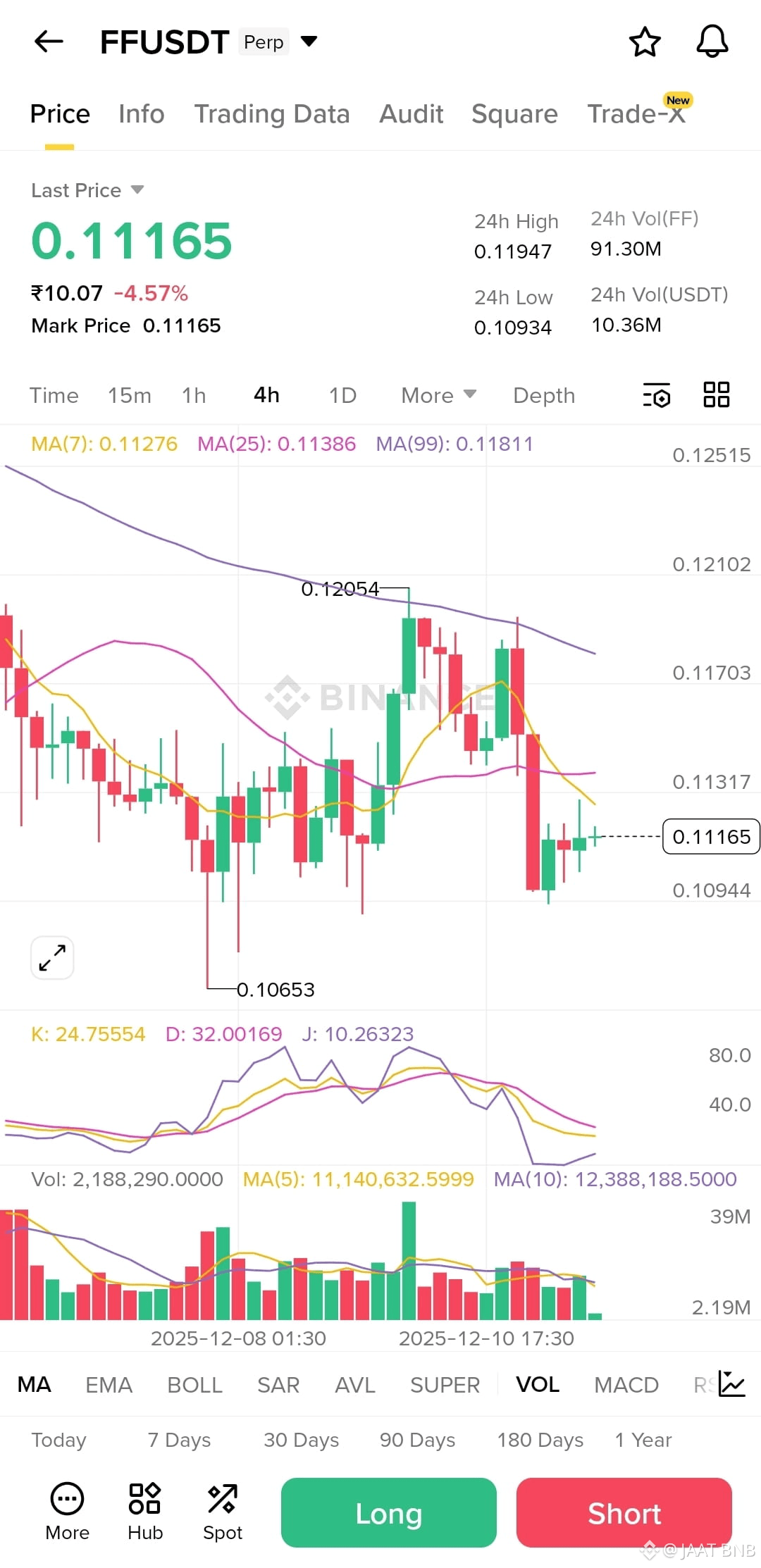
1.9k
914
156
1.9k
$FF is predicted a steady climb toward $0.079 this week, fueled by a 10% bullish momentum in RWA interest.
#BinanceSquare
#Write2Earn
#Falcon
$FF is predicted a steady climb toward $0.079 this week, fueled by a 10% bullish momentum in RWA interest.
#BinanceSquare
#Write2Earn
#Falcon
#BinanceSquare
#Write2Earn
#Falcon
170


#SOLANA : THE GIANT IS WAKING UP! 🚀massive breakout
Standard Chartered and JPMorgan are doubling down. Analysts project a massive $6 BILLION inflow as Solana ETF momentum builds. The big money is coming! 🏦 $SOL
If $SOL holds the $82 support, the path to $95+ is wide open. This is the accumulation zone before the "Moon Mission." 🌕
Despite the sideways action, 75% of top traders are #LONG . The smart money isn’t selling; they are positioned for a pump.
FUTURE-PROOF TECH: The upcoming "#Falcon " upgrade is a game-changer, making Solana one of the first quantum-resistant networks in crypto history. 🛡️
HEALTHY LIQUIDITY: With $1.66 Billion in 24h volume and a $48.41 Billion market cap, the liquidity is rock solid. The floor is set.
When the resistance breaks, it won't just move—it will fly. Are you watching from the sidelines, or are you in?
ETF HEAT: $6,000,000,000 in potential inflows is no joke. Institutional eyes are locked on SOL. 💵
it faces as it tries to reclaim the $100 and $200 psychological levels.
IF YOU AREN'T BUYING THE $84 FLOOR, DON'T CRY WHEN WE CROSS $100! BUY $SOL NOW
.
.
.
#protraderforyou
{future}(SOLUSDT)
#SOLANA : THE GIANT IS WAKING UP! 🚀massive breakout
Standard Chartered and JPMorgan are doubling down. Analysts project a massive $6 BILLION inflow as Solana ETF momentum builds. The big money is coming! 🏦 $SOL
If $SOL holds the $82 support, the path to $95+ is wide open. This is the accumulation zone before the "Moon Mission." 🌕
Despite the sideways action, 75% of top traders are #LONG . The smart money isn’t selling; they are positioned for a pump.
FUTURE-PROOF TECH: The upcoming "#Falcon " upgrade is a game-changer, making Solana one of the first quantum-resistant networks in crypto history. 🛡️
HEALTHY LIQUIDITY: With $1.66 Billion in 24h volume and a $48.41 Billion market cap, the liquidity is rock solid. The floor is set.
When the resistance breaks, it won't just move—it will fly. Are you watching from the sidelines, or are you in?
ETF HEAT: $6,000,000,000 in potential inflows is no joke. Institutional eyes are locked on SOL. 💵
it faces as it tries to reclaim the $100 and $200 psychological levels.
IF YOU AREN'T BUYING THE $84 FLOOR, DON'T CRY WHEN WE CROSS $100! BUY $SOL NOW
.
.
.
#protraderforyou
Standard Chartered and JPMorgan are doubling down. Analysts project a massive $6 BILLION inflow as Solana ETF momentum builds. The big money is coming! 🏦 $SOL
If $SOL holds the $82 support, the path to $95+ is wide open. This is the accumulation zone before the "Moon Mission." 🌕
Despite the sideways action, 75% of top traders are #LONG . The smart money isn’t selling; they are positioned for a pump.
FUTURE-PROOF TECH: The upcoming "#Falcon " upgrade is a game-changer, making Solana one of the first quantum-resistant networks in crypto history. 🛡️
HEALTHY LIQUIDITY: With $1.66 Billion in 24h volume and a $48.41 Billion market cap, the liquidity is rock solid. The floor is set.
When the resistance breaks, it won't just move—it will fly. Are you watching from the sidelines, or are you in?
ETF HEAT: $6,000,000,000 in potential inflows is no joke. Institutional eyes are locked on SOL. 💵
it faces as it tries to reclaim the $100 and $200 psychological levels.
IF YOU AREN'T BUYING THE $84 FLOOR, DON'T CRY WHEN WE CROSS $100! BUY $SOL NOW
.
.
.
#protraderforyou

12
8
915


ບົດຄວາມ
Falcon Finance: Enabling Secure, Scalable, and Efficient On-Chain YieldIn the evolving world of decentralized finance, Falcon Finance has emerged as a pioneering protocol, redefining how liquidity and yield are generated on-chain. Traditional financial systems have long relied on centralized intermediaries and complex collateral structures, often creating barriers for individual investors seeking access to liquid assets or stable returns. Falcon Finance addresses these challenges by introducing the first universal collateralization infrastructure, a system designed to accept a wide range of liquid assets, including both digital tokens and tokenized real-world assets, and transform them into a seamless source of on-chain liquidity. At the heart of this innovative framework is USDf, an overcollateralized synthetic dollar that provides users with a stable and accessible currency for DeFi operations, enabling financial flexibility without forcing asset liquidation.
Falcon Finance operates on a simple yet powerful principle: by allowing users to deposit liquid assets as collateral, it creates a mechanism through which these assets can continue generating value while remaining under the user’s control. The platform’s collateralization model is designed to be universal, meaning it can accommodate diverse asset types, ranging from highly liquid cryptocurrencies to tokenized representations of real-world assets such as stocks, commodities, or real estate. This inclusivity ensures that a wide spectrum of investors, from crypto-native users to traditional finance participants exploring tokenized assets, can engage with the system effectively. Users can leverage their holdings to mint USDf, which in turn provides them with a liquid, stable, and highly usable synthetic dollar that integrates seamlessly into the broader DeFi ecosystem.
The introduction of USDf is central to Falcon Finance’s mission of enhancing on-chain liquidity. Unlike traditional stablecoins that require backing from centralized reserves or rely on fiat deposits, USDf operates as an overcollateralized synthetic asset, meaning that the value of collateral held exceeds the value of the issued USDf. This approach mitigates risk, providing a safety buffer that protects both the user and the protocol against market volatility or sudden price fluctuations. By maintaining overcollateralization, Falcon Finance ensures that the system remains solvent and reliable, offering users confidence that their liquid assets are secure while still accessible for liquidity generation, trading, or other on-chain activities.
A key strength of Falcon Finance lies in its ability to blend traditional financial principles with decentralized, blockchain-native infrastructure. The protocol takes concepts long utilized in centralized finance, such as collateralized lending and asset-backed issuance, and reimagines them for a decentralized, trustless environment. Users no longer need to navigate the complexities and limitations of traditional financial institutions; instead, they can interact directly with the protocol through smart contracts that automatically manage collateral, issuance, and liquidation processes. This not only streamlines operations but also reduces costs, increases transparency, and ensures that all transactions are executed with precision and security inherent to blockchain technology.
Liquidity creation on Falcon Finance is designed to be dynamic and adaptable. As users deposit assets and mint USDf, these stablecoins become immediately usable within the DeFi ecosystem. They can be deployed in lending and borrowing platforms, used for trading across decentralized exchanges, or employed in yield farming strategies to generate additional returns. This seamless integration of USDf into the broader blockchain ecosystem exemplifies Falcon Finance’s vision of creating a universal and efficient financial infrastructure, where liquidity is accessible, scalable, and capable of supporting multiple financial applications simultaneously.
The protocol’s approach to collateralization and synthetic asset issuance also fosters a more resilient financial system. By enabling diverse collateral types, Falcon Finance reduces systemic risk associated with dependency on a single asset class. Users can diversify their holdings within the protocol, allocating different digital tokens or tokenized real-world assets to support USDf issuance. This diversification spreads risk and enhances the protocol’s overall stability, ensuring that liquidity remains available even during periods of market turbulence. Furthermore, by keeping users’ underlying assets intact, Falcon Finance preserves long-term value for participants, allowing them to continue benefiting from potential appreciation in their collateral while accessing liquid funds in the form of USDf.
Falcon Finance’s user experience is designed to be intuitive and accessible, catering to both experienced DeFi participants and newcomers alike. The process of depositing collateral, minting USDf, and interacting with other DeFi protocols is streamlined through a user-friendly interface, enabling seamless engagement without requiring deep technical expertise. At the same time, advanced users can leverage more complex strategies, such as structured collateral allocation, multi-asset vaults, or integration with yield optimization platforms, to maximize their returns and strategically manage their positions. This combination of simplicity and flexibility ensures that Falcon Finance can serve a wide audience, fostering broader adoption and engagement within the blockchain ecosystem.
Security and reliability are paramount to Falcon Finance’s architecture. The protocol utilizes smart contracts rigorously audited for safety, ensuring that collateralization, issuance, and liquidation processes are executed precisely and predictably. Transparency is embedded at every level, allowing users to verify holdings, track USDf supply, and monitor system health in real time. This high level of transparency, combined with the decentralized nature of the platform, reinforces trust among participants and provides reassurance that Falcon Finance operates in a secure, accountable, and fully auditable manner.
The broader implications of Falcon Finance extend beyond individual liquidity provision. By creating a universal collateralization infrastructure, the protocol establishes a foundation for a new generation of financial products and services that can operate entirely on-chain. Tokenized assets, synthetic dollars, and decentralized collateral management open the door for innovative applications, ranging from algorithmic trading strategies and lending protocols to cross-chain financial instruments and digital asset marketplaces. In essence, Falcon Finance not only empowers individual users to access liquidity but also provides the building blocks for an entire decentralized financial ecosystem.
Ultimately, Falcon Finance represents a paradigm shift in how on-chain liquidity and yield are created. By integrating overcollateralized synthetic assets, diverse collateral types, and automated smart contract management, the protocol offers a secure, scalable, and highly accessible solution for digital asset holders seeking to unlock the value of their holdings. USDf provides stability, usability, and integration into the broader DeFi ecosystem, while the universal collateralization infrastructure ensures resilience, adaptability, and long-term viability. As decentralized finance continues to evolve, Falcon Finance stands at the forefront, offering an innovative, inclusive, and forward-looking platform that empowers users to harness their assets, generate liquidity, and participate fully in the rapidly expanding world of blockchain finance.
@falcon_finance #Falcon $FF
{spot}(FFUSDT)
Falcon Finance: Enabling Secure, Scalable, and Efficient On-Chain Yield
In the evolving world of decentralized finance, Falcon Finance has emerged as a pioneering protocol, redefining how liquidity and yield are generated on-chain. Traditional financial systems have long relied on centralized intermediaries and complex collateral structures, often creating barriers for individual investors seeking access to liquid assets or stable returns. Falcon Finance addresses these challenges by introducing the first universal collateralization infrastructure, a system designed to accept a wide range of liquid assets, including both digital tokens and tokenized real-world assets, and transform them into a seamless source of on-chain liquidity. At the heart of this innovative framework is USDf, an overcollateralized synthetic dollar that provides users with a stable and accessible currency for DeFi operations, enabling financial flexibility without forcing asset liquidation.
Falcon Finance operates on a simple yet powerful principle: by allowing users to deposit liquid assets as collateral, it creates a mechanism through which these assets can continue generating value while remaining under the user’s control. The platform’s collateralization model is designed to be universal, meaning it can accommodate diverse asset types, ranging from highly liquid cryptocurrencies to tokenized representations of real-world assets such as stocks, commodities, or real estate. This inclusivity ensures that a wide spectrum of investors, from crypto-native users to traditional finance participants exploring tokenized assets, can engage with the system effectively. Users can leverage their holdings to mint USDf, which in turn provides them with a liquid, stable, and highly usable synthetic dollar that integrates seamlessly into the broader DeFi ecosystem.
The introduction of USDf is central to Falcon Finance’s mission of enhancing on-chain liquidity. Unlike traditional stablecoins that require backing from centralized reserves or rely on fiat deposits, USDf operates as an overcollateralized synthetic asset, meaning that the value of collateral held exceeds the value of the issued USDf. This approach mitigates risk, providing a safety buffer that protects both the user and the protocol against market volatility or sudden price fluctuations. By maintaining overcollateralization, Falcon Finance ensures that the system remains solvent and reliable, offering users confidence that their liquid assets are secure while still accessible for liquidity generation, trading, or other on-chain activities.
A key strength of Falcon Finance lies in its ability to blend traditional financial principles with decentralized, blockchain-native infrastructure. The protocol takes concepts long utilized in centralized finance, such as collateralized lending and asset-backed issuance, and reimagines them for a decentralized, trustless environment. Users no longer need to navigate the complexities and limitations of traditional financial institutions; instead, they can interact directly with the protocol through smart contracts that automatically manage collateral, issuance, and liquidation processes. This not only streamlines operations but also reduces costs, increases transparency, and ensures that all transactions are executed with precision and security inherent to blockchain technology.
Liquidity creation on Falcon Finance is designed to be dynamic and adaptable. As users deposit assets and mint USDf, these stablecoins become immediately usable within the DeFi ecosystem. They can be deployed in lending and borrowing platforms, used for trading across decentralized exchanges, or employed in yield farming strategies to generate additional returns. This seamless integration of USDf into the broader blockchain ecosystem exemplifies Falcon Finance’s vision of creating a universal and efficient financial infrastructure, where liquidity is accessible, scalable, and capable of supporting multiple financial applications simultaneously.
The protocol’s approach to collateralization and synthetic asset issuance also fosters a more resilient financial system. By enabling diverse collateral types, Falcon Finance reduces systemic risk associated with dependency on a single asset class. Users can diversify their holdings within the protocol, allocating different digital tokens or tokenized real-world assets to support USDf issuance. This diversification spreads risk and enhances the protocol’s overall stability, ensuring that liquidity remains available even during periods of market turbulence. Furthermore, by keeping users’ underlying assets intact, Falcon Finance preserves long-term value for participants, allowing them to continue benefiting from potential appreciation in their collateral while accessing liquid funds in the form of USDf.
Falcon Finance’s user experience is designed to be intuitive and accessible, catering to both experienced DeFi participants and newcomers alike. The process of depositing collateral, minting USDf, and interacting with other DeFi protocols is streamlined through a user-friendly interface, enabling seamless engagement without requiring deep technical expertise. At the same time, advanced users can leverage more complex strategies, such as structured collateral allocation, multi-asset vaults, or integration with yield optimization platforms, to maximize their returns and strategically manage their positions. This combination of simplicity and flexibility ensures that Falcon Finance can serve a wide audience, fostering broader adoption and engagement within the blockchain ecosystem.
Security and reliability are paramount to Falcon Finance’s architecture. The protocol utilizes smart contracts rigorously audited for safety, ensuring that collateralization, issuance, and liquidation processes are executed precisely and predictably. Transparency is embedded at every level, allowing users to verify holdings, track USDf supply, and monitor system health in real time. This high level of transparency, combined with the decentralized nature of the platform, reinforces trust among participants and provides reassurance that Falcon Finance operates in a secure, accountable, and fully auditable manner.
The broader implications of Falcon Finance extend beyond individual liquidity provision. By creating a universal collateralization infrastructure, the protocol establishes a foundation for a new generation of financial products and services that can operate entirely on-chain. Tokenized assets, synthetic dollars, and decentralized collateral management open the door for innovative applications, ranging from algorithmic trading strategies and lending protocols to cross-chain financial instruments and digital asset marketplaces. In essence, Falcon Finance not only empowers individual users to access liquidity but also provides the building blocks for an entire decentralized financial ecosystem.
Ultimately, Falcon Finance represents a paradigm shift in how on-chain liquidity and yield are created. By integrating overcollateralized synthetic assets, diverse collateral types, and automated smart contract management, the protocol offers a secure, scalable, and highly accessible solution for digital asset holders seeking to unlock the value of their holdings. USDf provides stability, usability, and integration into the broader DeFi ecosystem, while the universal collateralization infrastructure ensures resilience, adaptability, and long-term viability. As decentralized finance continues to evolve, Falcon Finance stands at the forefront, offering an innovative, inclusive, and forward-looking platform that empowers users to harness their assets, generate liquidity, and participate fully in the rapidly expanding world of blockchain finance.
@Falcon Finance #Falcon $FF
Falcon Finance operates on a simple yet powerful principle: by allowing users to deposit liquid assets as collateral, it creates a mechanism through which these assets can continue generating value while remaining under the user’s control. The platform’s collateralization model is designed to be universal, meaning it can accommodate diverse asset types, ranging from highly liquid cryptocurrencies to tokenized representations of real-world assets such as stocks, commodities, or real estate. This inclusivity ensures that a wide spectrum of investors, from crypto-native users to traditional finance participants exploring tokenized assets, can engage with the system effectively. Users can leverage their holdings to mint USDf, which in turn provides them with a liquid, stable, and highly usable synthetic dollar that integrates seamlessly into the broader DeFi ecosystem.
The introduction of USDf is central to Falcon Finance’s mission of enhancing on-chain liquidity. Unlike traditional stablecoins that require backing from centralized reserves or rely on fiat deposits, USDf operates as an overcollateralized synthetic asset, meaning that the value of collateral held exceeds the value of the issued USDf. This approach mitigates risk, providing a safety buffer that protects both the user and the protocol against market volatility or sudden price fluctuations. By maintaining overcollateralization, Falcon Finance ensures that the system remains solvent and reliable, offering users confidence that their liquid assets are secure while still accessible for liquidity generation, trading, or other on-chain activities.
A key strength of Falcon Finance lies in its ability to blend traditional financial principles with decentralized, blockchain-native infrastructure. The protocol takes concepts long utilized in centralized finance, such as collateralized lending and asset-backed issuance, and reimagines them for a decentralized, trustless environment. Users no longer need to navigate the complexities and limitations of traditional financial institutions; instead, they can interact directly with the protocol through smart contracts that automatically manage collateral, issuance, and liquidation processes. This not only streamlines operations but also reduces costs, increases transparency, and ensures that all transactions are executed with precision and security inherent to blockchain technology.
Liquidity creation on Falcon Finance is designed to be dynamic and adaptable. As users deposit assets and mint USDf, these stablecoins become immediately usable within the DeFi ecosystem. They can be deployed in lending and borrowing platforms, used for trading across decentralized exchanges, or employed in yield farming strategies to generate additional returns. This seamless integration of USDf into the broader blockchain ecosystem exemplifies Falcon Finance’s vision of creating a universal and efficient financial infrastructure, where liquidity is accessible, scalable, and capable of supporting multiple financial applications simultaneously.
The protocol’s approach to collateralization and synthetic asset issuance also fosters a more resilient financial system. By enabling diverse collateral types, Falcon Finance reduces systemic risk associated with dependency on a single asset class. Users can diversify their holdings within the protocol, allocating different digital tokens or tokenized real-world assets to support USDf issuance. This diversification spreads risk and enhances the protocol’s overall stability, ensuring that liquidity remains available even during periods of market turbulence. Furthermore, by keeping users’ underlying assets intact, Falcon Finance preserves long-term value for participants, allowing them to continue benefiting from potential appreciation in their collateral while accessing liquid funds in the form of USDf.
Falcon Finance’s user experience is designed to be intuitive and accessible, catering to both experienced DeFi participants and newcomers alike. The process of depositing collateral, minting USDf, and interacting with other DeFi protocols is streamlined through a user-friendly interface, enabling seamless engagement without requiring deep technical expertise. At the same time, advanced users can leverage more complex strategies, such as structured collateral allocation, multi-asset vaults, or integration with yield optimization platforms, to maximize their returns and strategically manage their positions. This combination of simplicity and flexibility ensures that Falcon Finance can serve a wide audience, fostering broader adoption and engagement within the blockchain ecosystem.
Security and reliability are paramount to Falcon Finance’s architecture. The protocol utilizes smart contracts rigorously audited for safety, ensuring that collateralization, issuance, and liquidation processes are executed precisely and predictably. Transparency is embedded at every level, allowing users to verify holdings, track USDf supply, and monitor system health in real time. This high level of transparency, combined with the decentralized nature of the platform, reinforces trust among participants and provides reassurance that Falcon Finance operates in a secure, accountable, and fully auditable manner.
The broader implications of Falcon Finance extend beyond individual liquidity provision. By creating a universal collateralization infrastructure, the protocol establishes a foundation for a new generation of financial products and services that can operate entirely on-chain. Tokenized assets, synthetic dollars, and decentralized collateral management open the door for innovative applications, ranging from algorithmic trading strategies and lending protocols to cross-chain financial instruments and digital asset marketplaces. In essence, Falcon Finance not only empowers individual users to access liquidity but also provides the building blocks for an entire decentralized financial ecosystem.
Ultimately, Falcon Finance represents a paradigm shift in how on-chain liquidity and yield are created. By integrating overcollateralized synthetic assets, diverse collateral types, and automated smart contract management, the protocol offers a secure, scalable, and highly accessible solution for digital asset holders seeking to unlock the value of their holdings. USDf provides stability, usability, and integration into the broader DeFi ecosystem, while the universal collateralization infrastructure ensures resilience, adaptability, and long-term viability. As decentralized finance continues to evolve, Falcon Finance stands at the forefront, offering an innovative, inclusive, and forward-looking platform that empowers users to harness their assets, generate liquidity, and participate fully in the rapidly expanding world of blockchain finance.
@Falcon Finance #Falcon $FF
1
48

·
--
Falcon Finance ( $FF ) 深度投研报告基本信息
上币时间:2025 年 9 月 29 日 13:00 UTC(Binance 等交易所)代币发行模式:固定供应量,无通胀机制总供应量:100 亿 FFTGE 流通量:23.4 亿 FF(23.4%)目前市值:未上市
代币经济模型
预售情况
Buidlpad 社区销售:目标 $400 万,实际承诺 $1.128 亿(28x 超额认购)Binance 空投:1.5 亿 FF(1.5% 供应量)分发给 BNB 质押用户
融资情况
估值分析
#Falcon
Falcon Finance ( $FF ) 深度投研报告
基本信息
上币时间:2025 年 9 月 29 日 13:00 UTC(Binance 等交易所)代币发行模式:固定供应量,无通胀机制总供应量:100 亿 FFTGE 流通量:23.4 亿 FF(23.4%)目前市值:未上市
代币经济模型
预售情况
Buidlpad 社区销售:目标 $400 万,实际承诺 $1.128 亿(28x 超额认购)Binance 空投:1.5 亿 FF(1.5% 供应量)分发给 BNB 质押用户
融资情况
估值分析
#Falcon
上币时间:2025 年 9 月 29 日 13:00 UTC(Binance 等交易所)代币发行模式:固定供应量,无通胀机制总供应量:100 亿 FFTGE 流通量:23.4 亿 FF(23.4%)目前市值:未上市
代币经济模型
预售情况
Buidlpad 社区销售:目标 $400 万,实际承诺 $1.128 亿(28x 超额认购)Binance 空投:1.5 亿 FF(1.5% 供应量)分发给 BNB 质押用户
融资情况
估值分析
#Falcon
37
19
81
15.7k
ເຂົ້າສູ່ລະບົບເພື່ອສຳຫຼວດເນື້ອຫາເພີ່ມເຕີມ
ເຂົ້າຮ່ວມກຸ່ມຜູ້ໃຊ້ຄຣິບໂຕທົ່ວໂລກໃນ Binance Square.
⚡️ ໄດ້ຮັບຂໍ້ມູນຫຼ້າສຸດ ແລະ ທີ່ມີປະໂຫຍດກ່ຽວກັບຄຣິບໂຕ.
💬 ໄດ້ຮັບຄວາມໄວ້ວາງໃຈຈາກຕະຫຼາດແລກປ່ຽນຄຣິບໂຕທີ່ໃຫຍ່ທີ່ສຸດໃນໂລກ.
👍 ຄົ້ນຫາຂໍ້ມູນເຊີງເລິກທີ່ແທ້ຈາກນັກສ້າງທີ່ໄດ້ຮັບການຢືນຢັນ.
ອີເມວ / ເບີໂທລະສັບ
ຫົວຂໍ້ທີ່ກໍາລັງນິຍົມ
1
#QNTRises287%
2,110 views
126 ກຳລັງສົນທະນາ
2
#TrumpRejectsAIRulesForVoluntaryAudits
6,701 views
275 ກຳລັງສົນທະນາ
3
#BitgetHotWalletBreachTiedToThirdPartySecurityFlaw
3,354 views
214 ກຳລັງສົນທະນາ
4
#OpenAIUnveilsAlwaysOnAgentDots
4,048 views
241 ກຳລັງສົນທະນາ
5
#ChainlinkLaunchesBankSWIFTLedgerFramework
5,106 views
209 ກຳລັງສົນທະນາ
6
#EarningsSeason
470,726 views
3,552 ກຳລັງສົນທະນາ
7
#SECChairWantsStockMarketsOnChain
9,314 views
213 ກຳລັງສົນທະນາ
8
#MulticoinInvestsInGrass
5,866 views
144 ກຳລັງສົນທະນາ
9
#CEARenamesToBNBStandardUnderBNC
6,384 views
148 ກຳລັງສົນທະນາ
10
#BitwiseLaunchesFirstSpotNEARETF
64,210 views
791 ກຳລັງສົນທະນາ