

#digitaltrust
digitaltrust
3,249 views
73 ກຳລັງສົນທະນາ
ມາແຮງ
ຫຼ້າສຸດ

ບົດຄວາມ
The Future of Trust: Reputation, Proof, or AI?Digital Reputation, Verification & the Next Generation of Online Trust
For thousands of years, trust has been built through personal relationships, reputation, and institutions. People trusted family, communities, businesses, and governments based on experience and accountability.
Today, our digital lives are changing how trust is established.
Whether we're shopping online, communicating through social platforms, or interacting with AI systems, trust is increasingly becoming digital.
This raises an important question:
In the future, will trust be based on reputation, mathematical proof, or artificial intelligence?
🌍 How Trust Has Evolved
Traditional trust depended on:
Personal reputation
Institutional credibility
Legal agreements
Human judgment
In the digital world, we rarely meet the people or organizations we interact with. Instead, trust is often built through technology.
⭐ Reputation: The Human Signal
Reputation remains one of the strongest forms of trust.
Reviews, ratings, professional history, and community contributions all influence how others perceive us online.
However, reputation systems can face challenges such as fake reviews, manipulation, or incomplete information.
🔐 Proof: Trust Through Verification
Another approach is mathematical verification.
Instead of asking people to simply trust a claim, systems can verify certain facts through cryptographic methods or digital credentials.
Examples include:
Verified digital identities
Cryptographic signatures
Secure ownership records
Tamper-evident transaction histories
The goal is to increase confidence while minimizing unnecessary disclosure of personal information.
🤖 AI: Trust Through Intelligence
Artificial intelligence is also becoming part of digital trust.
AI systems can help detect:
Fraud
Spam
Fake accounts
Security threats
Unusual behavior
These capabilities may improve online safety, but AI systems also depend on data quality, model design, and ongoing oversight.
⚖️ Which Model Is Best?
Each approach offers unique strengths.
Reputation reflects human experience.
Proof provides verifiable evidence.
AI analyzes patterns at scale.
Rather than replacing one another, these approaches may work together to create stronger digital trust.
🌐 The Internet of Tomorrow
The next generation of digital platforms may combine:
Reputation systems for community confidence
Cryptographic proof for verification
AI for continuous monitoring and protection
Together, these technologies could help build more reliable digital interactions while respecting privacy and transparency.
🚀 Challenges Ahead
Building trustworthy digital systems requires careful consideration of:
Privacy
Transparency
Fairness
Security
Accountability
Technology alone cannot create trust—it must be supported by responsible design and user confidence.
🔎 Final Thought
Trust has always evolved alongside society.
As our digital lives continue to expand, the future may depend not on choosing reputation, proof, or AI, but on combining the strengths of all three.
The real challenge is creating systems that people understand, can verify where appropriate, and feel confident using.
💬 Discussion
What do you think will become the foundation of digital trust in the future?
⭐ Reputation
🔐 Verifiable Proof
🤖 AI Systems
Or a combination of all three?
This article is part of a series exploring the future of digital systems, AI, and Web3 infrastructure.
🌍 The future is being shaped today. Follow for weekly articles that explore technology, digital trust, and the next evolution of the internet.
#DigitalTrust #AI #Web3 #blockchain #futuretech
The Future of Trust: Reputation, Proof, or AI?
Digital Reputation, Verification & the Next Generation of Online Trust
For thousands of years, trust has been built through personal relationships, reputation, and institutions. People trusted family, communities, businesses, and governments based on experience and accountability.
Today, our digital lives are changing how trust is established.
Whether we're shopping online, communicating through social platforms, or interacting with AI systems, trust is increasingly becoming digital.
This raises an important question:
In the future, will trust be based on reputation, mathematical proof, or artificial intelligence?
🌍 How Trust Has Evolved
Traditional trust depended on:
Personal reputation
Institutional credibility
Legal agreements
Human judgment
In the digital world, we rarely meet the people or organizations we interact with. Instead, trust is often built through technology.
⭐ Reputation: The Human Signal
Reputation remains one of the strongest forms of trust.
Reviews, ratings, professional history, and community contributions all influence how others perceive us online.
However, reputation systems can face challenges such as fake reviews, manipulation, or incomplete information.
🔐 Proof: Trust Through Verification
Another approach is mathematical verification.
Instead of asking people to simply trust a claim, systems can verify certain facts through cryptographic methods or digital credentials.
Examples include:
Verified digital identities
Cryptographic signatures
Secure ownership records
Tamper-evident transaction histories
The goal is to increase confidence while minimizing unnecessary disclosure of personal information.
🤖 AI: Trust Through Intelligence
Artificial intelligence is also becoming part of digital trust.
AI systems can help detect:
Fraud
Spam
Fake accounts
Security threats
Unusual behavior
These capabilities may improve online safety, but AI systems also depend on data quality, model design, and ongoing oversight.
⚖️ Which Model Is Best?
Each approach offers unique strengths.
Reputation reflects human experience.
Proof provides verifiable evidence.
AI analyzes patterns at scale.
Rather than replacing one another, these approaches may work together to create stronger digital trust.
🌐 The Internet of Tomorrow
The next generation of digital platforms may combine:
Reputation systems for community confidence
Cryptographic proof for verification
AI for continuous monitoring and protection
Together, these technologies could help build more reliable digital interactions while respecting privacy and transparency.
🚀 Challenges Ahead
Building trustworthy digital systems requires careful consideration of:
Privacy
Transparency
Fairness
Security
Accountability
Technology alone cannot create trust—it must be supported by responsible design and user confidence.
🔎 Final Thought
Trust has always evolved alongside society.
As our digital lives continue to expand, the future may depend not on choosing reputation, proof, or AI, but on combining the strengths of all three.
The real challenge is creating systems that people understand, can verify where appropriate, and feel confident using.
💬 Discussion
What do you think will become the foundation of digital trust in the future?
⭐ Reputation
🔐 Verifiable Proof
🤖 AI Systems
Or a combination of all three?
This article is part of a series exploring the future of digital systems, AI, and Web3 infrastructure.
🌍 The future is being shaped today. Follow for weekly articles that explore technology, digital trust, and the next evolution of the internet.
#DigitalTrust #AI #Web3 #blockchain #futuretech
For thousands of years, trust has been built through personal relationships, reputation, and institutions. People trusted family, communities, businesses, and governments based on experience and accountability.
Today, our digital lives are changing how trust is established.
Whether we're shopping online, communicating through social platforms, or interacting with AI systems, trust is increasingly becoming digital.
This raises an important question:
In the future, will trust be based on reputation, mathematical proof, or artificial intelligence?
🌍 How Trust Has Evolved
Traditional trust depended on:
Personal reputation
Institutional credibility
Legal agreements
Human judgment
In the digital world, we rarely meet the people or organizations we interact with. Instead, trust is often built through technology.
⭐ Reputation: The Human Signal
Reputation remains one of the strongest forms of trust.
Reviews, ratings, professional history, and community contributions all influence how others perceive us online.
However, reputation systems can face challenges such as fake reviews, manipulation, or incomplete information.
🔐 Proof: Trust Through Verification
Another approach is mathematical verification.
Instead of asking people to simply trust a claim, systems can verify certain facts through cryptographic methods or digital credentials.
Examples include:
Verified digital identities
Cryptographic signatures
Secure ownership records
Tamper-evident transaction histories
The goal is to increase confidence while minimizing unnecessary disclosure of personal information.
🤖 AI: Trust Through Intelligence
Artificial intelligence is also becoming part of digital trust.
AI systems can help detect:
Fraud
Spam
Fake accounts
Security threats
Unusual behavior
These capabilities may improve online safety, but AI systems also depend on data quality, model design, and ongoing oversight.
⚖️ Which Model Is Best?
Each approach offers unique strengths.
Reputation reflects human experience.
Proof provides verifiable evidence.
AI analyzes patterns at scale.
Rather than replacing one another, these approaches may work together to create stronger digital trust.
🌐 The Internet of Tomorrow
The next generation of digital platforms may combine:
Reputation systems for community confidence
Cryptographic proof for verification
AI for continuous monitoring and protection
Together, these technologies could help build more reliable digital interactions while respecting privacy and transparency.
🚀 Challenges Ahead
Building trustworthy digital systems requires careful consideration of:
Privacy
Transparency
Fairness
Security
Accountability
Technology alone cannot create trust—it must be supported by responsible design and user confidence.
🔎 Final Thought
Trust has always evolved alongside society.
As our digital lives continue to expand, the future may depend not on choosing reputation, proof, or AI, but on combining the strengths of all three.
The real challenge is creating systems that people understand, can verify where appropriate, and feel confident using.
💬 Discussion
What do you think will become the foundation of digital trust in the future?
⭐ Reputation
🔐 Verifiable Proof
🤖 AI Systems
Or a combination of all three?
This article is part of a series exploring the future of digital systems, AI, and Web3 infrastructure.
🌍 The future is being shaped today. Follow for weekly articles that explore technology, digital trust, and the next evolution of the internet.
#DigitalTrust #AI #Web3 #blockchain #futuretech
1
66
🤖 AI can make decisions.
🔗 Blockchain can create verifiable records.
But can combining them make AI more transparent and easier to audit?
Tonight's article explores where blockchain can help—and where it cannot.
#AI
#blockchain
#DigitalTrust
🤖 AI can make decisions.
🔗 Blockchain can create verifiable records.
But can combining them make AI more transparent and easier to audit?
Tonight's article explores where blockchain can help—and where it cannot.
#AI
#blockchain
#DigitalTrust
🔗 Blockchain can create verifiable records.
But can combining them make AI more transparent and easier to audit?
Tonight's article explores where blockchain can help—and where it cannot.
#AI
#blockchain
#DigitalTrust
147
🔥 Article Teaser
🚨 In the future...
Will we trust people,
mathematical proof,
or artificial intelligence?
Let's explore this important question.
#futuretech
#Aİ
#DigitalTrust
🔥 Article Teaser
🚨 In the future...
Will we trust people,
mathematical proof,
or artificial intelligence?
Let's explore this important question.
#futuretech
#Aİ
#DigitalTrust
🚨 In the future...
Will we trust people,
mathematical proof,
or artificial intelligence?
Let's explore this important question.
#futuretech
#Aİ
#DigitalTrust
91
🔥 TEASER
🤖 AI can generate answers.
🔗 Blockchain can verify records.
But what happens when the two work together?
Can technology become more intelligent without becoming less trustworthy?
Explore the idea tonight.
#Aİ
#blockchain
#DigitalTrust
🔥 TEASER
🤖 AI can generate answers.
🔗 Blockchain can verify records.
But what happens when the two work together?
Can technology become more intelligent without becoming less trustworthy?
Explore the idea tonight.
#Aİ
#blockchain
#DigitalTrust
🤖 AI can generate answers.
🔗 Blockchain can verify records.
But what happens when the two work together?
Can technology become more intelligent without becoming less trustworthy?
Explore the idea tonight.
#Aİ
#blockchain
#DigitalTrust
81
ບົດຄວາມ
Can Blockchain Make AI More Transparent?Explainable AI, Data Integrity & Verifiable Decision-Making
Artificial intelligence is becoming part of more decisions we make every day.
AI can recommend content, analyze information, detect patterns, and increasingly support decisions in areas such as business, finance, healthcare, and public services.
But as AI becomes more influential, one question becomes increasingly important:
How do we know what happened inside an AI-driven process?
This is where blockchain could potentially play a role—not by making AI automatically transparent, but by creating verifiable records around parts of the AI lifecycle.
🤖 The Transparency Problem
Many modern AI systems can be difficult to understand.
A model may produce an output, but users may not always know:
What data influenced the resultWhere that data came fromWhether the data was changedWhich version of a model was usedWhen an important decision was made
This creates a challenge.
Trust becomes harder when important processes cannot be independently examined.
🔗 What Blockchain Could Add
Blockchain is fundamentally a system for maintaining records across a network.
When used appropriately, it could help create an auditable history of selected events associated with AI systems.
For example, a system could potentially record:
Data provenance informationModel version referencesTimestampsDigital signaturesImportant system actionsVerification events
The blockchain would not necessarily store the entire AI model or all underlying data.
Instead, it could provide a verifiable record of specific events or references.
🧾 Data Integrity Matters
AI systems are only as reliable as the information they work with.
If data is modified without proper documentation, it can become difficult to determine what information influenced a particular result.
Cryptographic records could help establish whether certain data or documents existed in a particular form at a particular time.
That doesn't prove the data was correct.
It helps answer a different question:
Has the recorded information been altered since it was documented?
That distinction is important.
🧠 Explainable AI Is Different
Blockchain alone cannot explain why an AI model produced a particular output.
Explainable AI focuses on making model behavior and decisions easier for people to understand.
Blockchain can potentially complement this process by providing supporting evidence about the environment in which a decision occurred.
Think of it this way:
Explainable AI → Why did the system produce this result?
Blockchain records → What information and events can we verify about the process?
These are different problems.
🔍 Verifiable Decision-Making
Imagine an AI system making an important recommendation.
A future infrastructure layer could potentially provide a record showing:
Which model version was usedWhich authorized data sources were referencedWhen the process occurredWhether relevant records were changedWhich system or agent performed the action
This wouldn't make the AI decision automatically correct.
But it could make the process more auditable.
⚠️ Blockchain Has Limits
Blockchain should not be treated as a magic transparency button.
If false information enters a blockchain, the blockchain can preserve that record without determining whether the original information was truthful.
There are also challenges involving:
PrivacyScalabilityData storageGovernanceIdentityOracle reliability
Putting sensitive information directly onto a public blockchain could also create privacy concerns.
Therefore, careful system design is essential.
🌐 A Layered Approach to AI Trust
The future may involve multiple technologies working together.
AI → Intelligence
Explainability → Understanding
Cryptography → Authenticity
Blockchain → Verifiable records
Human oversight → Accountability
No single technology solves the entire trust problem.
Instead, each layer can address a different part of it.
🚀 Why This Matters
As AI systems become more autonomous, transparency may become increasingly important.
People may not always need to see every technical detail.
But they may need reliable ways to verify important information about how a system operated.
That could become particularly valuable for systems where accountability matters.
🔎 Final Thought
Blockchain cannot automatically make AI explainable.
It cannot guarantee that AI decisions are correct.
But it could potentially provide a verifiable audit layer around selected data, events, and system actions.
The bigger opportunity may therefore be not AI versus blockchain, but the combination of AI intelligence with cryptographic verification and accountable infrastructure.
The future of trusted AI may depend on one simple principle:
Don't just ask what the machine decided. Ask what can be independently verified about how it got there.
💬 Discussion
Do you think AI systems should provide independently verifiable records for important decisions?
Why or why not?
🔍 AI can make decisions. The future may require us to understand and verify them too.
Follow for weekly insights on AI, blockchain, digital trust, and the future of technology.
This article is part of a series exploring the future of AI, blockchain, digital trust, and Web3 infrastructure.
#Aİ #blockchain #ExplainableAI #DataIntegrity #DigitalTrust
Can Blockchain Make AI More Transparent?
Explainable AI, Data Integrity & Verifiable Decision-Making
Artificial intelligence is becoming part of more decisions we make every day.
AI can recommend content, analyze information, detect patterns, and increasingly support decisions in areas such as business, finance, healthcare, and public services.
But as AI becomes more influential, one question becomes increasingly important:
How do we know what happened inside an AI-driven process?
This is where blockchain could potentially play a role—not by making AI automatically transparent, but by creating verifiable records around parts of the AI lifecycle.
🤖 The Transparency Problem
Many modern AI systems can be difficult to understand.
A model may produce an output, but users may not always know:
What data influenced the resultWhere that data came fromWhether the data was changedWhich version of a model was usedWhen an important decision was made
This creates a challenge.
Trust becomes harder when important processes cannot be independently examined.
🔗 What Blockchain Could Add
Blockchain is fundamentally a system for maintaining records across a network.
When used appropriately, it could help create an auditable history of selected events associated with AI systems.
For example, a system could potentially record:
Data provenance informationModel version referencesTimestampsDigital signaturesImportant system actionsVerification events
The blockchain would not necessarily store the entire AI model or all underlying data.
Instead, it could provide a verifiable record of specific events or references.
🧾 Data Integrity Matters
AI systems are only as reliable as the information they work with.
If data is modified without proper documentation, it can become difficult to determine what information influenced a particular result.
Cryptographic records could help establish whether certain data or documents existed in a particular form at a particular time.
That doesn't prove the data was correct.
It helps answer a different question:
Has the recorded information been altered since it was documented?
That distinction is important.
🧠 Explainable AI Is Different
Blockchain alone cannot explain why an AI model produced a particular output.
Explainable AI focuses on making model behavior and decisions easier for people to understand.
Blockchain can potentially complement this process by providing supporting evidence about the environment in which a decision occurred.
Think of it this way:
Explainable AI → Why did the system produce this result?
Blockchain records → What information and events can we verify about the process?
These are different problems.
🔍 Verifiable Decision-Making
Imagine an AI system making an important recommendation.
A future infrastructure layer could potentially provide a record showing:
Which model version was usedWhich authorized data sources were referencedWhen the process occurredWhether relevant records were changedWhich system or agent performed the action
This wouldn't make the AI decision automatically correct.
But it could make the process more auditable.
⚠️ Blockchain Has Limits
Blockchain should not be treated as a magic transparency button.
If false information enters a blockchain, the blockchain can preserve that record without determining whether the original information was truthful.
There are also challenges involving:
PrivacyScalabilityData storageGovernanceIdentityOracle reliability
Putting sensitive information directly onto a public blockchain could also create privacy concerns.
Therefore, careful system design is essential.
🌐 A Layered Approach to AI Trust
The future may involve multiple technologies working together.
AI → Intelligence
Explainability → Understanding
Cryptography → Authenticity
Blockchain → Verifiable records
Human oversight → Accountability
No single technology solves the entire trust problem.
Instead, each layer can address a different part of it.
🚀 Why This Matters
As AI systems become more autonomous, transparency may become increasingly important.
People may not always need to see every technical detail.
But they may need reliable ways to verify important information about how a system operated.
That could become particularly valuable for systems where accountability matters.
🔎 Final Thought
Blockchain cannot automatically make AI explainable.
It cannot guarantee that AI decisions are correct.
But it could potentially provide a verifiable audit layer around selected data, events, and system actions.
The bigger opportunity may therefore be not AI versus blockchain, but the combination of AI intelligence with cryptographic verification and accountable infrastructure.
The future of trusted AI may depend on one simple principle:
Don't just ask what the machine decided. Ask what can be independently verified about how it got there.
💬 Discussion
Do you think AI systems should provide independently verifiable records for important decisions?
Why or why not?
🔍 AI can make decisions. The future may require us to understand and verify them too.
Follow for weekly insights on AI, blockchain, digital trust, and the future of technology.
This article is part of a series exploring the future of AI, blockchain, digital trust, and Web3 infrastructure.
#Aİ #blockchain #ExplainableAI #DataIntegrity #DigitalTrust
Artificial intelligence is becoming part of more decisions we make every day.
AI can recommend content, analyze information, detect patterns, and increasingly support decisions in areas such as business, finance, healthcare, and public services.
But as AI becomes more influential, one question becomes increasingly important:
How do we know what happened inside an AI-driven process?
This is where blockchain could potentially play a role—not by making AI automatically transparent, but by creating verifiable records around parts of the AI lifecycle.
🤖 The Transparency Problem
Many modern AI systems can be difficult to understand.
A model may produce an output, but users may not always know:
What data influenced the resultWhere that data came fromWhether the data was changedWhich version of a model was usedWhen an important decision was made
This creates a challenge.
Trust becomes harder when important processes cannot be independently examined.
🔗 What Blockchain Could Add
Blockchain is fundamentally a system for maintaining records across a network.
When used appropriately, it could help create an auditable history of selected events associated with AI systems.
For example, a system could potentially record:
Data provenance informationModel version referencesTimestampsDigital signaturesImportant system actionsVerification events
The blockchain would not necessarily store the entire AI model or all underlying data.
Instead, it could provide a verifiable record of specific events or references.
🧾 Data Integrity Matters
AI systems are only as reliable as the information they work with.
If data is modified without proper documentation, it can become difficult to determine what information influenced a particular result.
Cryptographic records could help establish whether certain data or documents existed in a particular form at a particular time.
That doesn't prove the data was correct.
It helps answer a different question:
Has the recorded information been altered since it was documented?
That distinction is important.
🧠 Explainable AI Is Different
Blockchain alone cannot explain why an AI model produced a particular output.
Explainable AI focuses on making model behavior and decisions easier for people to understand.
Blockchain can potentially complement this process by providing supporting evidence about the environment in which a decision occurred.
Think of it this way:
Explainable AI → Why did the system produce this result?
Blockchain records → What information and events can we verify about the process?
These are different problems.
🔍 Verifiable Decision-Making
Imagine an AI system making an important recommendation.
A future infrastructure layer could potentially provide a record showing:
Which model version was usedWhich authorized data sources were referencedWhen the process occurredWhether relevant records were changedWhich system or agent performed the action
This wouldn't make the AI decision automatically correct.
But it could make the process more auditable.
⚠️ Blockchain Has Limits
Blockchain should not be treated as a magic transparency button.
If false information enters a blockchain, the blockchain can preserve that record without determining whether the original information was truthful.
There are also challenges involving:
PrivacyScalabilityData storageGovernanceIdentityOracle reliability
Putting sensitive information directly onto a public blockchain could also create privacy concerns.
Therefore, careful system design is essential.
🌐 A Layered Approach to AI Trust
The future may involve multiple technologies working together.
AI → Intelligence
Explainability → Understanding
Cryptography → Authenticity
Blockchain → Verifiable records
Human oversight → Accountability
No single technology solves the entire trust problem.
Instead, each layer can address a different part of it.
🚀 Why This Matters
As AI systems become more autonomous, transparency may become increasingly important.
People may not always need to see every technical detail.
But they may need reliable ways to verify important information about how a system operated.
That could become particularly valuable for systems where accountability matters.
🔎 Final Thought
Blockchain cannot automatically make AI explainable.
It cannot guarantee that AI decisions are correct.
But it could potentially provide a verifiable audit layer around selected data, events, and system actions.
The bigger opportunity may therefore be not AI versus blockchain, but the combination of AI intelligence with cryptographic verification and accountable infrastructure.
The future of trusted AI may depend on one simple principle:
Don't just ask what the machine decided. Ask what can be independently verified about how it got there.
💬 Discussion
Do you think AI systems should provide independently verifiable records for important decisions?
Why or why not?
🔍 AI can make decisions. The future may require us to understand and verify them too.
Follow for weekly insights on AI, blockchain, digital trust, and the future of technology.
This article is part of a series exploring the future of AI, blockchain, digital trust, and Web3 infrastructure.
#Aİ #blockchain #ExplainableAI #DataIntegrity #DigitalTrust
75

·
--
AI membuat konten jadi murah.
Tapi di saat yang sama, AI membuat kepercayaan jadi mahal.
Siapa pun bisa membuat konten.
Siapa pun bisa membuat identitas.
Siapa pun bisa mengklaim apa saja.
Pertanyaan sebenarnya sekarang bukan lagi:
“siapa yang mengatakannya?”
Pertanyaan sebenarnya adalah:
apa yang benar-benar bisa diverifikasi?
Inilah kenapa narasi “verify anything” dari XION terasa lebih besar daripada sekadar use case crypto biasa.
Narasi ini langsung menyentuh masa depan trust digital.
Di era AI, bukti bisa jadi lebih bernilai daripada informasi.
Menurut lo, apakah verifikasi akan jadi narasi besar berikutnya di web3?
#XION #AI #Web3 #DigitalTrust #VerifyAnything
AI membuat konten jadi murah.
Tapi di saat yang sama, AI membuat kepercayaan jadi mahal.
Siapa pun bisa membuat konten.
Siapa pun bisa membuat identitas.
Siapa pun bisa mengklaim apa saja.
Pertanyaan sebenarnya sekarang bukan lagi:
“siapa yang mengatakannya?”
Pertanyaan sebenarnya adalah:
apa yang benar-benar bisa diverifikasi?
Inilah kenapa narasi “verify anything” dari XION terasa lebih besar daripada sekadar use case crypto biasa.
Narasi ini langsung menyentuh masa depan trust digital.
Di era AI, bukti bisa jadi lebih bernilai daripada informasi.
Menurut lo, apakah verifikasi akan jadi narasi besar berikutnya di web3?
#XION #AI #Web3 #DigitalTrust #VerifyAnything
Tapi di saat yang sama, AI membuat kepercayaan jadi mahal.
Siapa pun bisa membuat konten.
Siapa pun bisa membuat identitas.
Siapa pun bisa mengklaim apa saja.
Pertanyaan sebenarnya sekarang bukan lagi:
“siapa yang mengatakannya?”
Pertanyaan sebenarnya adalah:
apa yang benar-benar bisa diverifikasi?
Inilah kenapa narasi “verify anything” dari XION terasa lebih besar daripada sekadar use case crypto biasa.
Narasi ini langsung menyentuh masa depan trust digital.
Di era AI, bukti bisa jadi lebih bernilai daripada informasi.
Menurut lo, apakah verifikasi akan jadi narasi besar berikutnya di web3?
#XION #AI #Web3 #DigitalTrust #VerifyAnything

1
199
ບົດຄວາມ
Can AI and Blockchain Work Together Without Compromising Trust?AI Agents, Verifiable Data & Decentralized Intelligence
Artificial intelligence is becoming increasingly capable of generating information, making decisions, and performing tasks with limited human involvement.
At the same time, blockchain technology provides systems for recording and verifying information in a transparent and tamper-resistant way.
This creates an interesting possibility:
Could AI provide intelligence while blockchain provides verification?
The combination could become an important part of the next generation of digital systems.
🤖 AI Can Generate — But Can We Verify?
AI systems can analyze enormous amounts of information and generate answers in seconds.
But AI output can contain:
Incorrect information
Outdated data
Misinterpreted context
Synthetic or manipulated content
The challenge isn't only making AI smarter.
It's also making it easier to determine where information came from and whether it can be verified.
🔗 Where Blockchain Could Help
Blockchain is designed around verifiable records.
Instead of asking an AI system to simply say, "Trust me," supporting infrastructure could potentially record information such as:
Data origins
Digital signatures
Timestamps
Transaction histories
Verification records
This doesn't make the information automatically true.
It can, however, provide a clearer trail for checking how information was recorded or changed.
🧠 AI Agents + Verifiable Data
The next evolution could involve AI agents that perform tasks on behalf of users.
Imagine an AI agent that:
Receives a task.
Collects information.
Evaluates available data.
Takes an action.
Records relevant evidence or transactions.
Blockchain could potentially provide a verification layer for certain parts of this process.
The AI handles reasoning and execution.
The blockchain handles recordkeeping and verification where appropriate.
⚖️ But Blockchain Doesn't Solve Everything
It's important not to treat blockchain as a universal solution.
If incorrect information enters a blockchain, the blockchain can preserve the record—but it cannot automatically determine whether the original information was true.
This is sometimes described as the oracle problem: connecting real-world information to digital systems in a reliable way.
So the real challenge becomes:
How do we verify the data before it becomes part of an automated system?
🌐 Toward Decentralized Intelligence
Combining AI with decentralized infrastructure could eventually create systems where:
AI models make decisions
Multiple sources provide data
Cryptographic systems verify records
Independent participants audit important processes
This could reduce dependence on a single source of information.
But decentralization also introduces challenges involving scalability, governance, privacy, and coordination.
🔐 Trust Could Become Layered
Instead of relying on one technology, future digital systems may use multiple layers:
AI → Intelligence
Blockchain → Verification
Cryptography → Authenticity
Human oversight → Accountability
Each layer addresses a different part of the trust problem.
🚀 The Bigger Picture
The most interesting future may not be AI versus blockchain.
It could be AI + blockchain, where each technology does what it is best suited to do.
AI can help machines understand and act.
Blockchain can help systems record and verify certain events.
Together, they could contribute to a more transparent digital environment—if the underlying data, governance, and implementation are reliable.
🔎 Final Thought
AI is making machines more capable.
Blockchain is creating new ways to verify digital records.
The next question is whether these technologies can work together without creating a new layer of complexity.
The future of digital trust may depend not on trusting AI or blockchain alone…
but on designing systems where important actions can be independently verified.
💬 Discussion
Would you trust an AI agent more if its important actions could be independently verified? Why or why not?
This article is part of a series exploring the future of digital systems, AI, blockchain, and Web3 infrastructure.
🔍 The future of AI may depend on more than intelligence—it may depend on verification.
Follow for weekly articles exploring AI, blockchain, digital trust, and the future of the internet.
#Aİ #blockchain #Web3 #DigitalTrust #futuretech
Can AI and Blockchain Work Together Without Compromising Trust?
AI Agents, Verifiable Data & Decentralized Intelligence
Artificial intelligence is becoming increasingly capable of generating information, making decisions, and performing tasks with limited human involvement.
At the same time, blockchain technology provides systems for recording and verifying information in a transparent and tamper-resistant way.
This creates an interesting possibility:
Could AI provide intelligence while blockchain provides verification?
The combination could become an important part of the next generation of digital systems.
🤖 AI Can Generate — But Can We Verify?
AI systems can analyze enormous amounts of information and generate answers in seconds.
But AI output can contain:
Incorrect information
Outdated data
Misinterpreted context
Synthetic or manipulated content
The challenge isn't only making AI smarter.
It's also making it easier to determine where information came from and whether it can be verified.
🔗 Where Blockchain Could Help
Blockchain is designed around verifiable records.
Instead of asking an AI system to simply say, "Trust me," supporting infrastructure could potentially record information such as:
Data origins
Digital signatures
Timestamps
Transaction histories
Verification records
This doesn't make the information automatically true.
It can, however, provide a clearer trail for checking how information was recorded or changed.
🧠 AI Agents + Verifiable Data
The next evolution could involve AI agents that perform tasks on behalf of users.
Imagine an AI agent that:
Receives a task.
Collects information.
Evaluates available data.
Takes an action.
Records relevant evidence or transactions.
Blockchain could potentially provide a verification layer for certain parts of this process.
The AI handles reasoning and execution.
The blockchain handles recordkeeping and verification where appropriate.
⚖️ But Blockchain Doesn't Solve Everything
It's important not to treat blockchain as a universal solution.
If incorrect information enters a blockchain, the blockchain can preserve the record—but it cannot automatically determine whether the original information was true.
This is sometimes described as the oracle problem: connecting real-world information to digital systems in a reliable way.
So the real challenge becomes:
How do we verify the data before it becomes part of an automated system?
🌐 Toward Decentralized Intelligence
Combining AI with decentralized infrastructure could eventually create systems where:
AI models make decisions
Multiple sources provide data
Cryptographic systems verify records
Independent participants audit important processes
This could reduce dependence on a single source of information.
But decentralization also introduces challenges involving scalability, governance, privacy, and coordination.
🔐 Trust Could Become Layered
Instead of relying on one technology, future digital systems may use multiple layers:
AI → Intelligence
Blockchain → Verification
Cryptography → Authenticity
Human oversight → Accountability
Each layer addresses a different part of the trust problem.
🚀 The Bigger Picture
The most interesting future may not be AI versus blockchain.
It could be AI + blockchain, where each technology does what it is best suited to do.
AI can help machines understand and act.
Blockchain can help systems record and verify certain events.
Together, they could contribute to a more transparent digital environment—if the underlying data, governance, and implementation are reliable.
🔎 Final Thought
AI is making machines more capable.
Blockchain is creating new ways to verify digital records.
The next question is whether these technologies can work together without creating a new layer of complexity.
The future of digital trust may depend not on trusting AI or blockchain alone…
but on designing systems where important actions can be independently verified.
💬 Discussion
Would you trust an AI agent more if its important actions could be independently verified? Why or why not?
This article is part of a series exploring the future of digital systems, AI, blockchain, and Web3 infrastructure.
🔍 The future of AI may depend on more than intelligence—it may depend on verification.
Follow for weekly articles exploring AI, blockchain, digital trust, and the future of the internet.
#Aİ #blockchain #Web3 #DigitalTrust #futuretech
Artificial intelligence is becoming increasingly capable of generating information, making decisions, and performing tasks with limited human involvement.
At the same time, blockchain technology provides systems for recording and verifying information in a transparent and tamper-resistant way.
This creates an interesting possibility:
Could AI provide intelligence while blockchain provides verification?
The combination could become an important part of the next generation of digital systems.
🤖 AI Can Generate — But Can We Verify?
AI systems can analyze enormous amounts of information and generate answers in seconds.
But AI output can contain:
Incorrect information
Outdated data
Misinterpreted context
Synthetic or manipulated content
The challenge isn't only making AI smarter.
It's also making it easier to determine where information came from and whether it can be verified.
🔗 Where Blockchain Could Help
Blockchain is designed around verifiable records.
Instead of asking an AI system to simply say, "Trust me," supporting infrastructure could potentially record information such as:
Data origins
Digital signatures
Timestamps
Transaction histories
Verification records
This doesn't make the information automatically true.
It can, however, provide a clearer trail for checking how information was recorded or changed.
🧠 AI Agents + Verifiable Data
The next evolution could involve AI agents that perform tasks on behalf of users.
Imagine an AI agent that:
Receives a task.
Collects information.
Evaluates available data.
Takes an action.
Records relevant evidence or transactions.
Blockchain could potentially provide a verification layer for certain parts of this process.
The AI handles reasoning and execution.
The blockchain handles recordkeeping and verification where appropriate.
⚖️ But Blockchain Doesn't Solve Everything
It's important not to treat blockchain as a universal solution.
If incorrect information enters a blockchain, the blockchain can preserve the record—but it cannot automatically determine whether the original information was true.
This is sometimes described as the oracle problem: connecting real-world information to digital systems in a reliable way.
So the real challenge becomes:
How do we verify the data before it becomes part of an automated system?
🌐 Toward Decentralized Intelligence
Combining AI with decentralized infrastructure could eventually create systems where:
AI models make decisions
Multiple sources provide data
Cryptographic systems verify records
Independent participants audit important processes
This could reduce dependence on a single source of information.
But decentralization also introduces challenges involving scalability, governance, privacy, and coordination.
🔐 Trust Could Become Layered
Instead of relying on one technology, future digital systems may use multiple layers:
AI → Intelligence
Blockchain → Verification
Cryptography → Authenticity
Human oversight → Accountability
Each layer addresses a different part of the trust problem.
🚀 The Bigger Picture
The most interesting future may not be AI versus blockchain.
It could be AI + blockchain, where each technology does what it is best suited to do.
AI can help machines understand and act.
Blockchain can help systems record and verify certain events.
Together, they could contribute to a more transparent digital environment—if the underlying data, governance, and implementation are reliable.
🔎 Final Thought
AI is making machines more capable.
Blockchain is creating new ways to verify digital records.
The next question is whether these technologies can work together without creating a new layer of complexity.
The future of digital trust may depend not on trusting AI or blockchain alone…
but on designing systems where important actions can be independently verified.
💬 Discussion
Would you trust an AI agent more if its important actions could be independently verified? Why or why not?
This article is part of a series exploring the future of digital systems, AI, blockchain, and Web3 infrastructure.
🔍 The future of AI may depend on more than intelligence—it may depend on verification.
Follow for weekly articles exploring AI, blockchain, digital trust, and the future of the internet.
#Aİ #blockchain #Web3 #DigitalTrust #futuretech
1
71
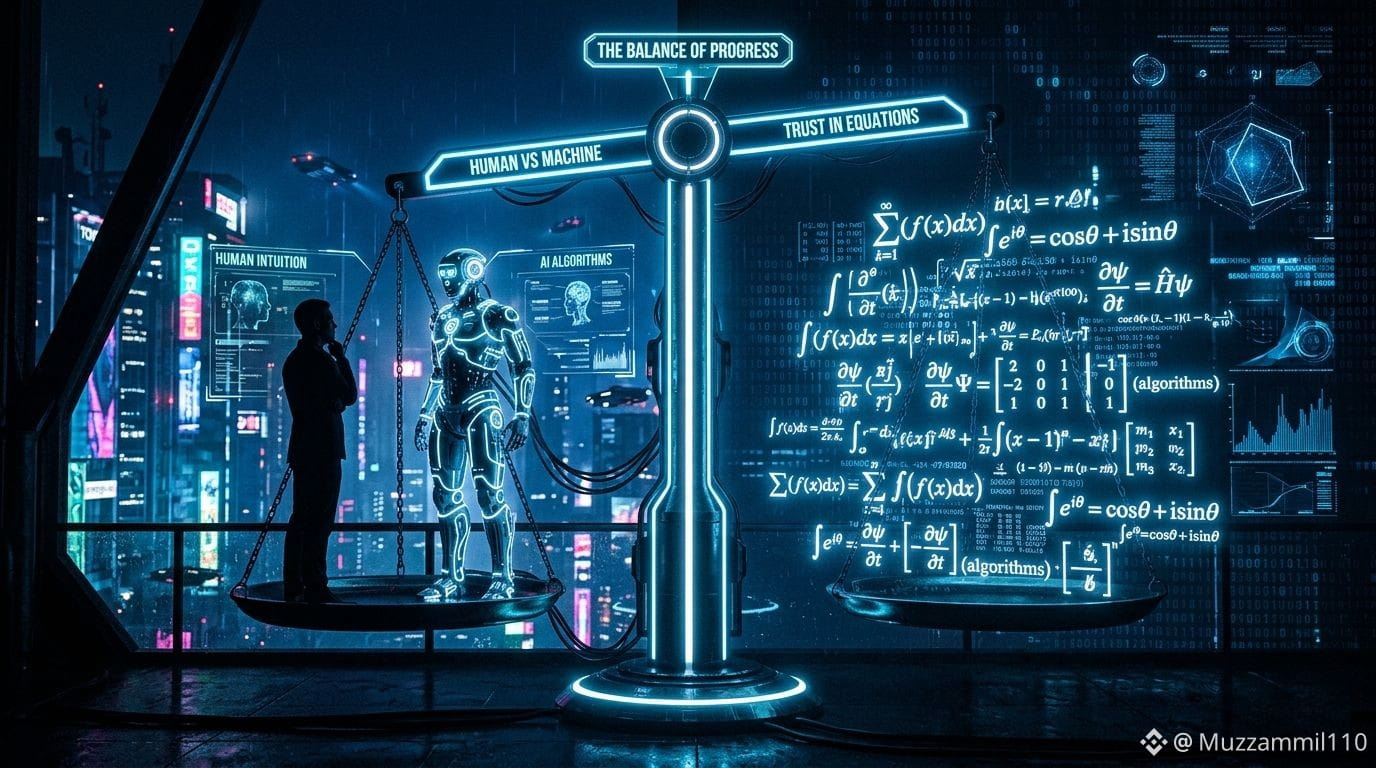
🚨 We are entering a world where machines make decisions for us…
But the real question is not about machines.
It’s about math vs trust 👇
#DigitalTrust
#INNOVATION
#CyberSecurity
🚨 We are entering a world where machines make decisions for us…
But the real question is not about machines.
It’s about math vs trust 👇
#DigitalTrust
#INNOVATION
#CyberSecurity
But the real question is not about machines.
It’s about math vs trust 👇
#DigitalTrust
#INNOVATION
#CyberSecurity
89
ເຂົ້າສູ່ລະບົບເພື່ອສຳຫຼວດເນື້ອຫາເພີ່ມເຕີມ
ເຂົ້າຮ່ວມກຸ່ມຜູ້ໃຊ້ຄຣິບໂຕທົ່ວໂລກໃນ Binance Square.
⚡️ ໄດ້ຮັບຂໍ້ມູນຫຼ້າສຸດ ແລະ ທີ່ມີປະໂຫຍດກ່ຽວກັບຄຣິບໂຕ.
💬 ໄດ້ຮັບຄວາມໄວ້ວາງໃຈຈາກຕະຫຼາດແລກປ່ຽນຄຣິບໂຕທີ່ໃຫຍ່ທີ່ສຸດໃນໂລກ.
👍 ຄົ້ນຫາຂໍ້ມູນເຊີງເລິກທີ່ແທ້ຈາກນັກສ້າງທີ່ໄດ້ຮັບການຢືນຢັນ.
ອີເມວ / ເບີໂທລະສັບ
ຫົວຂໍ້ທີ່ກໍາລັງນິຍົມ
1
#EarningsSeason
227,946 views
2,061 ກຳລັງສົນທະນາ
2
#BitwiseLaunchesFirstSpotNEARETF
11,085 views
331 ກຳລັງສົນທະນາ
3
#USJobOpeningsFallToFiveMonthLow
16,340 views
256 ກຳລັງສົນທະນາ
4
#ECBToTestAIAgentsInDigitalEuroPayments
15,929 views
411 ກຳລັງສົນທະນາ
5
#JapanFSABacksFourthStablecoinTradeSettlementPilot
18,715 views
452 ກຳລັງສົນທະນາ
6
#BitgetHackerFailsToMoveStolenFunds
33,973 views
563 ກຳລັງສົນທະນາ
7
#BitMineETHHoldingsTop6Million
28,941 views
669 ກຳລັງສົນທະນາ
8
#StrategyAdds1666BTCHoldingsReach847666
24,957 views
465 ກຳລັງສົນທະນາ
9
#NvidiaApproves$150BBuyback
4,683 views
71 ກຳລັງສົນທະນາ
10
#OpenAIDelaysGPT6.1OverSafetyIssues
37,540 views
836 ກຳລັງສົນທະນາ