
#socialengineering
socialengineering
34,693 views
57 ກຳລັງສົນທະນາ
ມາແຮງ
ຫຼ້າສຸດ

·
--

ບົດຄວາມ
ເບິ່ງການແປ
Revolut’s KYC Leak: How a Fake Gov. Request Exposed Bitcoin UsersRevolut’s KYC Leak: How a Fake Gov. Request Exposed Bitcoin Users
Have you ever wondered what happens when a bank’s security system is tricked by a phishing email that looks like a government request? A recent incident at Revolut, a popular fintech app, shows that even the most trusted platforms can be vulnerable to clever social engineering, and that the fallout can touch high‑net‑worth crypto users in ways we didn’t anticipate.
The Concept: Social Engineering Meets KYC Compliance
When a company receives a request from a government agency to provide customer data, it is standard practice to comply after verifying the request’s authenticity. Unfortunately, scammers can spoof official email domains, creating a “fake gov. request” that looks legitimate. In Revolut’s case, the attackers sent an email that appeared to come from a government authority, prompting the bank’s compliance team to release sensitive KYC and Bitcoin transaction data. The result? A breach that exposed personal information and transaction histories of many users, including those with significant crypto holdings. #SocialEngineering #KYC
Real‑World Example: High‑Net‑Worth Users in the Crosshairs
Onchain investigator ZachXBT, known for tracking suspicious crypto activity, speculated that the breach may have targeted high‑net‑worth individuals. These users often hold large balances of $BTC and other tokens, making them attractive targets for theft or blackmail. By exposing their KYC details and transaction patterns, attackers could map wallet addresses to real identities, potentially facilitating future scams or targeted phishing. The incident underscores how a single weak link—an unverified email—can cascade into a broader security failure, especially for those with substantial crypto assets.
Takeaway: Strengthen Your Own Security Practices
If you’re using Revolut or any crypto‑friendly platform, here are three steps you can take right now:
1. Verify any government or regulatory request by contacting the agency directly using a phone number or email you know is legitimate.
2. Enable two‑factor authentication (2FA) on all accounts, and consider using a hardware wallet for large crypto holdings.
3. Regularly review your account activity and KYC information for any unauthorized changes.
By staying vigilant and double‑checking every request, you can protect yourself from similar social‑engineering attacks. #CryptoSecurity
What steps have you taken to verify the authenticity of requests to your financial institutions? Let me know in the comments!
Revolut’s KYC Leak: How a Fake Gov. Request Exposed Bitcoin Users
Revolut’s KYC Leak: How a Fake Gov. Request Exposed Bitcoin Users
Have you ever wondered what happens when a bank’s security system is tricked by a phishing email that looks like a government request? A recent incident at Revolut, a popular fintech app, shows that even the most trusted platforms can be vulnerable to clever social engineering, and that the fallout can touch high‑net‑worth crypto users in ways we didn’t anticipate.
The Concept: Social Engineering Meets KYC Compliance
When a company receives a request from a government agency to provide customer data, it is standard practice to comply after verifying the request’s authenticity. Unfortunately, scammers can spoof official email domains, creating a “fake gov. request” that looks legitimate. In Revolut’s case, the attackers sent an email that appeared to come from a government authority, prompting the bank’s compliance team to release sensitive KYC and Bitcoin transaction data. The result? A breach that exposed personal information and transaction histories of many users, including those with significant crypto holdings. #SocialEngineering #KYC
Real‑World Example: High‑Net‑Worth Users in the Crosshairs
Onchain investigator ZachXBT, known for tracking suspicious crypto activity, speculated that the breach may have targeted high‑net‑worth individuals. These users often hold large balances of $BTC and other tokens, making them attractive targets for theft or blackmail. By exposing their KYC details and transaction patterns, attackers could map wallet addresses to real identities, potentially facilitating future scams or targeted phishing. The incident underscores how a single weak link—an unverified email—can cascade into a broader security failure, especially for those with substantial crypto assets.
Takeaway: Strengthen Your Own Security Practices
If you’re using Revolut or any crypto‑friendly platform, here are three steps you can take right now:
1. Verify any government or regulatory request by contacting the agency directly using a phone number or email you know is legitimate.
2. Enable two‑factor authentication (2FA) on all accounts, and consider using a hardware wallet for large crypto holdings.
3. Regularly review your account activity and KYC information for any unauthorized changes.
By staying vigilant and double‑checking every request, you can protect yourself from similar social‑engineering attacks. #CryptoSecurity
What steps have you taken to verify the authenticity of requests to your financial institutions? Let me know in the comments!
Have you ever wondered what happens when a bank’s security system is tricked by a phishing email that looks like a government request? A recent incident at Revolut, a popular fintech app, shows that even the most trusted platforms can be vulnerable to clever social engineering, and that the fallout can touch high‑net‑worth crypto users in ways we didn’t anticipate.
The Concept: Social Engineering Meets KYC Compliance
When a company receives a request from a government agency to provide customer data, it is standard practice to comply after verifying the request’s authenticity. Unfortunately, scammers can spoof official email domains, creating a “fake gov. request” that looks legitimate. In Revolut’s case, the attackers sent an email that appeared to come from a government authority, prompting the bank’s compliance team to release sensitive KYC and Bitcoin transaction data. The result? A breach that exposed personal information and transaction histories of many users, including those with significant crypto holdings. #SocialEngineering #KYC
Real‑World Example: High‑Net‑Worth Users in the Crosshairs
Onchain investigator ZachXBT, known for tracking suspicious crypto activity, speculated that the breach may have targeted high‑net‑worth individuals. These users often hold large balances of $BTC and other tokens, making them attractive targets for theft or blackmail. By exposing their KYC details and transaction patterns, attackers could map wallet addresses to real identities, potentially facilitating future scams or targeted phishing. The incident underscores how a single weak link—an unverified email—can cascade into a broader security failure, especially for those with substantial crypto assets.
Takeaway: Strengthen Your Own Security Practices
If you’re using Revolut or any crypto‑friendly platform, here are three steps you can take right now:
1. Verify any government or regulatory request by contacting the agency directly using a phone number or email you know is legitimate.
2. Enable two‑factor authentication (2FA) on all accounts, and consider using a hardware wallet for large crypto holdings.
3. Regularly review your account activity and KYC information for any unauthorized changes.
By staying vigilant and double‑checking every request, you can protect yourself from similar social‑engineering attacks. #CryptoSecurity
What steps have you taken to verify the authenticity of requests to your financial institutions? Let me know in the comments!
12

·
--
Əṣẹ́ ṣẹ̀ṣẹ̀ gbọ́ ìtàn ìgbẹ̀yà kan nípa ọkùnrin ẹni ọdún 22 kan tí ó ràn án lọ́wọ́ láti fọ́wọ́ (launder) $263 mílíọnù tó pọ̀ gan nínú crýpto tí wọ́n jí. Ó dà bíi pé díẹ̀ tóbi nínú owó náà ni ń ṣètò ìsan owó ilé ìdárayá aládùn bíi ẹgbẹ̀rún márún-dọ́là ($500,000) fún tabìlì alẹ́ (nightclub tabs) gíga gan. Ronú nípa bí inawo bẹ́ẹ̀ ṣe rí.
Ẹni yìí, Evan Tangeman, máa ń lọ pẹ̀lú orúkọ aláèsì (aliases) púpọ̀ lórí ayélujára bíi E, Tate, tàbí Evan|Exchanger. Iṣẹ́ pàtó rẹ̀ nínú ìṣètò náà ni yí gbogbo crýpto ìtànkálẹ̀ náà padà sí owó tí ó mọ́ (clean) tí ó sì lè lò fún ìyókù ẹgbẹ́ rẹ̀.
Gbogbo ẹgbẹ́ náà ṣàṣeyọrí láti jí láti ju $263 mílíọnù lọ, pàápàá nípasẹ̀ oríṣiríṣi ẹ̀tan social engineering. Wọ́n fojú kọ́ àwọn apamọ́ (databases) tí wọ́n ti fọ, ṣe àṣeyọrí nípa ṣíṣe bíi pé wọ́n ń ṣe ìpamọ́ (tech support calls) tí ó jẹ́ òǹkà, àti pẹ̀lú bẹ́ẹ̀ lọ́ sílí láti wá sí ìwọ̀le ara (physical break-ins) láti gba hardware wallets. Ó pọ̀ gan láti rò pé ọ̀pọ̀ àwọn ọmọ ẹgbẹ́ náà jẹ́ àwọn akẹ́kọ̀ọ́ (teenagers) nígbà yẹn nìkan, kò ní iṣẹ́ gidi, gbogbo wọn sì ń ṣiṣẹ́ lábẹ́ alákóso kan (ringleader). $BTC $ETH $SOL
#CryptoCrime #SocialEngineering #Web3Security #OnChain
Əṣẹ́ ṣẹ̀ṣẹ̀ gbọ́ ìtàn ìgbẹ̀yà kan nípa ọkùnrin ẹni ọdún 22 kan tí ó ràn án lọ́wọ́ láti fọ́wọ́ (launder) $263 mílíọnù tó pọ̀ gan nínú crýpto tí wọ́n jí. Ó dà bíi pé díẹ̀ tóbi nínú owó náà ni ń ṣètò ìsan owó ilé ìdárayá aládùn bíi ẹgbẹ̀rún márún-dọ́là ($500,000) fún tabìlì alẹ́ (nightclub tabs) gíga gan. Ronú nípa bí inawo bẹ́ẹ̀ ṣe rí.
Ẹni yìí, Evan Tangeman, máa ń lọ pẹ̀lú orúkọ aláèsì (aliases) púpọ̀ lórí ayélujára bíi E, Tate, tàbí Evan|Exchanger. Iṣẹ́ pàtó rẹ̀ nínú ìṣètò náà ni yí gbogbo crýpto ìtànkálẹ̀ náà padà sí owó tí ó mọ́ (clean) tí ó sì lè lò fún ìyókù ẹgbẹ́ rẹ̀.
Gbogbo ẹgbẹ́ náà ṣàṣeyọrí láti jí láti ju $263 mílíọnù lọ, pàápàá nípasẹ̀ oríṣiríṣi ẹ̀tan social engineering. Wọ́n fojú kọ́ àwọn apamọ́ (databases) tí wọ́n ti fọ, ṣe àṣeyọrí nípa ṣíṣe bíi pé wọ́n ń ṣe ìpamọ́ (tech support calls) tí ó jẹ́ òǹkà, àti pẹ̀lú bẹ́ẹ̀ lọ́ sílí láti wá sí ìwọ̀le ara (physical break-ins) láti gba hardware wallets. Ó pọ̀ gan láti rò pé ọ̀pọ̀ àwọn ọmọ ẹgbẹ́ náà jẹ́ àwọn akẹ́kọ̀ọ́ (teenagers) nígbà yẹn nìkan, kò ní iṣẹ́ gidi, gbogbo wọn sì ń ṣiṣẹ́ lábẹ́ alákóso kan (ringleader). $BTC $ETH $SOL
#CryptoCrime #SocialEngineering #Web3Security #OnChain
Ẹni yìí, Evan Tangeman, máa ń lọ pẹ̀lú orúkọ aláèsì (aliases) púpọ̀ lórí ayélujára bíi E, Tate, tàbí Evan|Exchanger. Iṣẹ́ pàtó rẹ̀ nínú ìṣètò náà ni yí gbogbo crýpto ìtànkálẹ̀ náà padà sí owó tí ó mọ́ (clean) tí ó sì lè lò fún ìyókù ẹgbẹ́ rẹ̀.
Gbogbo ẹgbẹ́ náà ṣàṣeyọrí láti jí láti ju $263 mílíọnù lọ, pàápàá nípasẹ̀ oríṣiríṣi ẹ̀tan social engineering. Wọ́n fojú kọ́ àwọn apamọ́ (databases) tí wọ́n ti fọ, ṣe àṣeyọrí nípa ṣíṣe bíi pé wọ́n ń ṣe ìpamọ́ (tech support calls) tí ó jẹ́ òǹkà, àti pẹ̀lú bẹ́ẹ̀ lọ́ sílí láti wá sí ìwọ̀le ara (physical break-ins) láti gba hardware wallets. Ó pọ̀ gan láti rò pé ọ̀pọ̀ àwọn ọmọ ẹgbẹ́ náà jẹ́ àwọn akẹ́kọ̀ọ́ (teenagers) nígbà yẹn nìkan, kò ní iṣẹ́ gidi, gbogbo wọn sì ń ṣiṣẹ́ lábẹ́ alákóso kan (ringleader). $BTC $ETH $SOL
#CryptoCrime #SocialEngineering #Web3Security #OnChain
14
·
--
Pumakaisip ka na 22 ka at nag-oorkestra ng pagpapalinis ng $263 milyon na ninakaw na crypto para lang ma-pondo ang mga gala sa nightclub na kalahating milyong dolyar. Iyon ang mabangis na katotohanan tungkol kay Evan Tangeman, na kilala online bilang E, Tate, o Evan|Exchanger.
Ang trabaho niya ay sadyang gawing magagamit ang lahat ng ilegal na digital na salapi—malamang sa iba’t ibang chain tulad ng $BTC, $ETH, o $SOL—para sa grupo niya. Nabuo nila ang napakalaking $263 milyon na pagnanakaw sa pamamagitan ng masusing pagsasanib ng mga taktika sa social engineering, kabilang ang mga na-hack na database, mga pekeng tawag sa tech support, at pati na rin mga pisikal na pagpasok para kunin ang mga hardware wallet.
Ang nakakapangilabot talaga ay karamihan sa mga kasama niya ay mga teenager, marami sa kanila na wala man lang kasaysayan ng lehitimong trabaho. Ang buong kuwentong ito ay talagang nagpapakita ng doble-kambal na talim ng kahusayan ng crypto: napakagandang inobasyon, pero isa rin itong pang-akit para sa mga naghahanap na samantalahin ang pagkalingid at bilis para sa mga kapalaluan na krimen.
Ito ang matalas na paalala na kahit solid ang pinagbabatayan na teknolohiya, ang kahinaan ng tao at ang kasakiman pa rin ang pinakamahina na link sa kadena—na umaakit sa bagong henerasyon ng mga kriminal papunta sa digital na unahan.
#CryptoCrime #SocialEngineering #Web3Security #DigitalAssets #Cybersecurity
Pumakaisip ka na 22 ka at nag-oorkestra ng pagpapalinis ng $263 milyon na ninakaw na crypto para lang ma-pondo ang mga gala sa nightclub na kalahating milyong dolyar. Iyon ang mabangis na katotohanan tungkol kay Evan Tangeman, na kilala online bilang E, Tate, o Evan|Exchanger.
Ang trabaho niya ay sadyang gawing magagamit ang lahat ng ilegal na digital na salapi—malamang sa iba’t ibang chain tulad ng $BTC , $ETH , o $SOL —para sa grupo niya. Nabuo nila ang napakalaking $263 milyon na pagnanakaw sa pamamagitan ng masusing pagsasanib ng mga taktika sa social engineering, kabilang ang mga na-hack na database, mga pekeng tawag sa tech support, at pati na rin mga pisikal na pagpasok para kunin ang mga hardware wallet.
Ang nakakapangilabot talaga ay karamihan sa mga kasama niya ay mga teenager, marami sa kanila na wala man lang kasaysayan ng lehitimong trabaho. Ang buong kuwentong ito ay talagang nagpapakita ng doble-kambal na talim ng kahusayan ng crypto: napakagandang inobasyon, pero isa rin itong pang-akit para sa mga naghahanap na samantalahin ang pagkalingid at bilis para sa mga kapalaluan na krimen.
Ito ang matalas na paalala na kahit solid ang pinagbabatayan na teknolohiya, ang kahinaan ng tao at ang kasakiman pa rin ang pinakamahina na link sa kadena—na umaakit sa bagong henerasyon ng mga kriminal papunta sa digital na unahan.
#CryptoCrime #SocialEngineering #Web3Security #DigitalAssets #Cybersecurity
Ang trabaho niya ay sadyang gawing magagamit ang lahat ng ilegal na digital na salapi—malamang sa iba’t ibang chain tulad ng $BTC , $ETH , o $SOL —para sa grupo niya. Nabuo nila ang napakalaking $263 milyon na pagnanakaw sa pamamagitan ng masusing pagsasanib ng mga taktika sa social engineering, kabilang ang mga na-hack na database, mga pekeng tawag sa tech support, at pati na rin mga pisikal na pagpasok para kunin ang mga hardware wallet.
Ang nakakapangilabot talaga ay karamihan sa mga kasama niya ay mga teenager, marami sa kanila na wala man lang kasaysayan ng lehitimong trabaho. Ang buong kuwentong ito ay talagang nagpapakita ng doble-kambal na talim ng kahusayan ng crypto: napakagandang inobasyon, pero isa rin itong pang-akit para sa mga naghahanap na samantalahin ang pagkalingid at bilis para sa mga kapalaluan na krimen.
Ito ang matalas na paalala na kahit solid ang pinagbabatayan na teknolohiya, ang kahinaan ng tao at ang kasakiman pa rin ang pinakamahina na link sa kadena—na umaakit sa bagong henerasyon ng mga kriminal papunta sa digital na unahan.
#CryptoCrime #SocialEngineering #Web3Security #DigitalAssets #Cybersecurity
11

·
--
ເບິ່ງການແປ
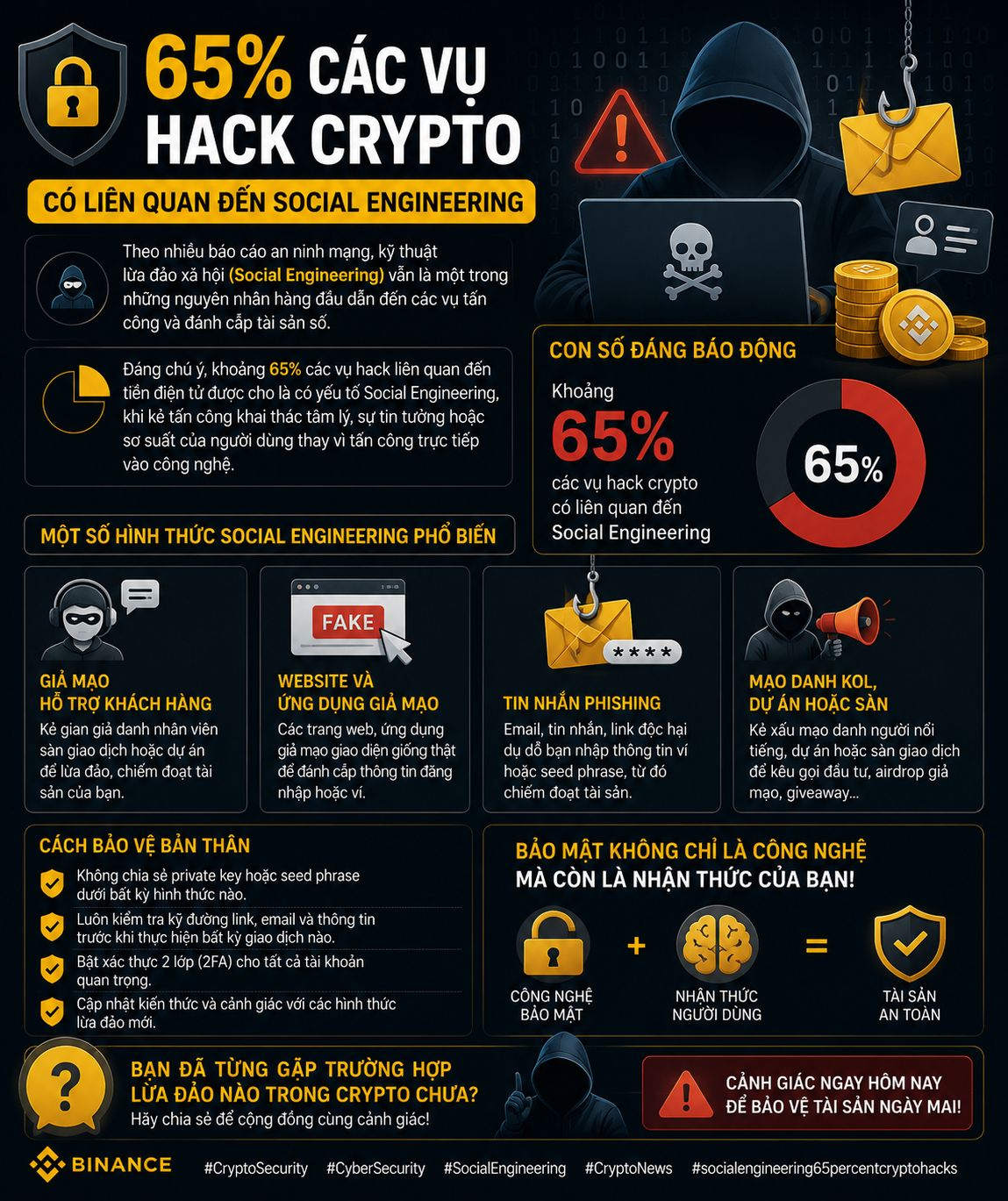
#socialengineering65percentcryptohacks 🔐 Theo nhiều báo cáo an ninh mạng, kỹ thuật lừa đảo xã hội (Social Engineering) vẫn là một trong những nguyên nhân hàng đầu dẫn đến các vụ tấn công và đánh cắp tài sản số.
Đáng chú ý, khoảng 65% các vụ hack liên quan đến tiền điện tử được cho là có yếu tố Social Engineering, khi kẻ tấn công khai thác tâm lý, sự tin tưởng hoặc sơ suất của người dùng thay vì tấn công trực tiếp vào công nghệ.
📌 Một số hình thức phổ biến:
• Giả mạo đội ngũ hỗ trợ khách hàng
• Website và ứng dụng giả mạo
• Tin nhắn phishing đánh cắp ví hoặc seed phrase
• Mạo danh KOL, dự án hoặc sàn giao dịch
🛡️ Trong thị trường crypto, bảo mật không chỉ là công nghệ mà còn là nhận thức của người dùng.
Bạn đã từng gặp trường hợp lừa đảo nào trong crypto chưa? Hãy chia sẻ để cộng đồng cùng cảnh giác!
#CyberSecurity #SocialEngineering #CryptoNews #socialengineering65percentcryptohacks
#socialengineering65percentcryptohacks 🔐 Theo nhiều báo cáo an ninh mạng, kỹ thuật lừa đảo xã hội (Social Engineering) vẫn là một trong những nguyên nhân hàng đầu dẫn đến các vụ tấn công và đánh cắp tài sản số.
Đáng chú ý, khoảng 65% các vụ hack liên quan đến tiền điện tử được cho là có yếu tố Social Engineering, khi kẻ tấn công khai thác tâm lý, sự tin tưởng hoặc sơ suất của người dùng thay vì tấn công trực tiếp vào công nghệ.
📌 Một số hình thức phổ biến:
• Giả mạo đội ngũ hỗ trợ khách hàng
• Website và ứng dụng giả mạo
• Tin nhắn phishing đánh cắp ví hoặc seed phrase
• Mạo danh KOL, dự án hoặc sàn giao dịch
🛡️ Trong thị trường crypto, bảo mật không chỉ là công nghệ mà còn là nhận thức của người dùng.
Bạn đã từng gặp trường hợp lừa đảo nào trong crypto chưa? Hãy chia sẻ để cộng đồng cùng cảnh giác!
#CyberSecurity #SocialEngineering #CryptoNews #socialengineering65percentcryptohacks
Đáng chú ý, khoảng 65% các vụ hack liên quan đến tiền điện tử được cho là có yếu tố Social Engineering, khi kẻ tấn công khai thác tâm lý, sự tin tưởng hoặc sơ suất của người dùng thay vì tấn công trực tiếp vào công nghệ.
📌 Một số hình thức phổ biến:
• Giả mạo đội ngũ hỗ trợ khách hàng
• Website và ứng dụng giả mạo
• Tin nhắn phishing đánh cắp ví hoặc seed phrase
• Mạo danh KOL, dự án hoặc sàn giao dịch
🛡️ Trong thị trường crypto, bảo mật không chỉ là công nghệ mà còn là nhận thức của người dùng.
Bạn đã từng gặp trường hợp lừa đảo nào trong crypto chưa? Hãy chia sẻ để cộng đồng cùng cảnh giác!
#CyberSecurity #SocialEngineering #CryptoNews #socialengineering65percentcryptohacks
1
141
·
--
Neheti mi go saìtoren e stòri stupakunu nipa eni ọmọ ọdún 22 kan tó hàn gbangba pé ó ràn létò ìmúwàsí àwọn ẹ̀rọ-owo crypto jíjà sí, tó yíyí padà sí owó tó lé ní $263 mílíòùnì. Eni yìí, tí a mọ lórí Íńtánétì gẹ́gẹ́ bí E, Tate tàbí Evan|Exchanger, ṣe pàtàkì gan-an nínú fífi àwọn owó oní-ìdánilójú wọ̀nyí yípadà sí owó tí a lè lò.
Ìṣẹ́ pàtàkì rẹ̀ ni pé ó máa ń gba $BTC àti $ETH tí a ti jí, ó sì ń sọ míì di mímọ́ fún gbogbo ẹgbẹ́ rẹ̀. Ohun tó wúni lórí jù ni pé ìpín kan ńlá nínú owó yẹn lọ sí ìgbádùn adùn tó burú gan-an, bí i tábìlì ìsọ̀dọ̀ alẹ́ tó tó àádọ́rùn mílíòùnì dọ́là kan. Sọ pé ó wà nígbésí ayé adùn lórí owó ẹlòmíràn.
Ẹgbẹ́ tó wà lẹ́yìn ìṣiṣẹ́ yìí pátápátá ní àwọn ọmọ kìńsìni tí wọn kò ní iṣẹ́ gidi kankan, wọn sì ń gbẹkẹ̀ lé ìṣedéédé yìí láìdábòbọ. Wọn lòpọ̀pọ̀ ìlò ètò ìtanràn, fíì wọ ibi ipamọ́ data (hacking databases), àwọn ìpe ìtìlẹ́yìn èké, àti pẹ̀lú ìdíwọ̀n-ọwọ́ gidi láti fọkàn tì hardware wallets. Ìwọ̀n ìṣiṣẹ́ wọn pọ̀ gan-an ní tòótọ́, wọ́n sì fa ju $263 mílíòùnì sílẹ̀ nípasẹ̀ àwọn ọ̀nà wọ̀nyí. Ìpamọ́ àkọ́kọ́ kò tíì dé títà orúkọ olórí ẹgbẹ́ náà, ó sì fi ìkùnsíṣí dí cliffhanger kan sílẹ̀.
#CryptoCrime #Cybersecurity #SocialEngineering #OnChainAnalysis #Web3Security
Neheti mi go saìtoren e stòri stupakunu nipa eni ọmọ ọdún 22 kan tó hàn gbangba pé ó ràn létò ìmúwàsí àwọn ẹ̀rọ-owo crypto jíjà sí, tó yíyí padà sí owó tó lé ní $263 mílíòùnì. Eni yìí, tí a mọ lórí Íńtánétì gẹ́gẹ́ bí E, Tate tàbí Evan|Exchanger, ṣe pàtàkì gan-an nínú fífi àwọn owó oní-ìdánilójú wọ̀nyí yípadà sí owó tí a lè lò.
Ìṣẹ́ pàtàkì rẹ̀ ni pé ó máa ń gba $BTC àti $ETH tí a ti jí, ó sì ń sọ míì di mímọ́ fún gbogbo ẹgbẹ́ rẹ̀. Ohun tó wúni lórí jù ni pé ìpín kan ńlá nínú owó yẹn lọ sí ìgbádùn adùn tó burú gan-an, bí i tábìlì ìsọ̀dọ̀ alẹ́ tó tó àádọ́rùn mílíòùnì dọ́là kan. Sọ pé ó wà nígbésí ayé adùn lórí owó ẹlòmíràn.
Ẹgbẹ́ tó wà lẹ́yìn ìṣiṣẹ́ yìí pátápátá ní àwọn ọmọ kìńsìni tí wọn kò ní iṣẹ́ gidi kankan, wọn sì ń gbẹkẹ̀ lé ìṣedéédé yìí láìdábòbọ. Wọn lòpọ̀pọ̀ ìlò ètò ìtanràn, fíì wọ ibi ipamọ́ data (hacking databases), àwọn ìpe ìtìlẹ́yìn èké, àti pẹ̀lú ìdíwọ̀n-ọwọ́ gidi láti fọkàn tì hardware wallets. Ìwọ̀n ìṣiṣẹ́ wọn pọ̀ gan-an ní tòótọ́, wọ́n sì fa ju $263 mílíòùnì sílẹ̀ nípasẹ̀ àwọn ọ̀nà wọ̀nyí. Ìpamọ́ àkọ́kọ́ kò tíì dé títà orúkọ olórí ẹgbẹ́ náà, ó sì fi ìkùnsíṣí dí cliffhanger kan sílẹ̀.
#CryptoCrime #Cybersecurity #SocialEngineering #OnChainAnalysis #Web3Security
Ìṣẹ́ pàtàkì rẹ̀ ni pé ó máa ń gba $BTC àti $ETH tí a ti jí, ó sì ń sọ míì di mímọ́ fún gbogbo ẹgbẹ́ rẹ̀. Ohun tó wúni lórí jù ni pé ìpín kan ńlá nínú owó yẹn lọ sí ìgbádùn adùn tó burú gan-an, bí i tábìlì ìsọ̀dọ̀ alẹ́ tó tó àádọ́rùn mílíòùnì dọ́là kan. Sọ pé ó wà nígbésí ayé adùn lórí owó ẹlòmíràn.
Ẹgbẹ́ tó wà lẹ́yìn ìṣiṣẹ́ yìí pátápátá ní àwọn ọmọ kìńsìni tí wọn kò ní iṣẹ́ gidi kankan, wọn sì ń gbẹkẹ̀ lé ìṣedéédé yìí láìdábòbọ. Wọn lòpọ̀pọ̀ ìlò ètò ìtanràn, fíì wọ ibi ipamọ́ data (hacking databases), àwọn ìpe ìtìlẹ́yìn èké, àti pẹ̀lú ìdíwọ̀n-ọwọ́ gidi láti fọkàn tì hardware wallets. Ìwọ̀n ìṣiṣẹ́ wọn pọ̀ gan-an ní tòótọ́, wọ́n sì fa ju $263 mílíòùnì sílẹ̀ nípasẹ̀ àwọn ọ̀nà wọ̀nyí. Ìpamọ́ àkọ́kọ́ kò tíì dé títà orúkọ olórí ẹgbẹ́ náà, ó sì fi ìkùnsíṣí dí cliffhanger kan sílẹ̀.
#CryptoCrime #Cybersecurity #SocialEngineering #OnChainAnalysis #Web3Security
11

ເບິ່ງການແປ
UK POLICE SENTENCE $5.4M CRYPTO SCAM ARTISTS — $BTC HOLDERS BEWARE 🔥
Three men were sentenced for stealing over £4 million ($5.4M) worth of cryptocurrency by impersonating police officers. They directed victims to a fake police website to harvest wallet credentials, then laundered the funds through a layered financial network.
This case is a textbook social engineering attack targeting traders who rely on third-party platforms. The method is simple but effective — always verify the site you are entering sensitive data into.
What is your process for confirming a website is legitimate before connecting your wallet?
Not financial advice. Always manage your risk.
#BTC #ScamAlert #SocialEngineering #CryptoSecurity
🔥
UK POLICE SENTENCE $5.4M CRYPTO SCAM ARTISTS — $BTC HOLDERS BEWARE 🔥
Three men were sentenced for stealing over £4 million ($5.4M) worth of cryptocurrency by impersonating police officers. They directed victims to a fake police website to harvest wallet credentials, then laundered the funds through a layered financial network.
This case is a textbook social engineering attack targeting traders who rely on third-party platforms. The method is simple but effective — always verify the site you are entering sensitive data into.
What is your process for confirming a website is legitimate before connecting your wallet?
Not financial advice. Always manage your risk.
#BTC #ScamAlert #SocialEngineering #CryptoSecurity
🔥
Three men were sentenced for stealing over £4 million ($5.4M) worth of cryptocurrency by impersonating police officers. They directed victims to a fake police website to harvest wallet credentials, then laundered the funds through a layered financial network.
This case is a textbook social engineering attack targeting traders who rely on third-party platforms. The method is simple but effective — always verify the site you are entering sensitive data into.
What is your process for confirming a website is legitimate before connecting your wallet?
Not financial advice. Always manage your risk.
#BTC #ScamAlert #SocialEngineering #CryptoSecurity
🔥
9

·
--
ເບິ່ງການແປ
Okay, so get this: a 22-year-old, Evan Tangeman, was reportedly behind laundering a massive $263 million in stolen crypto. His job was turning all that digital loot into cold, hard cash, funding crazy half-million dollar nightclub tabs for his crew. This wasn't some shadowy cartel; it was a kid.
He went by aliases like E, Tate, and Evan|Exchanger online, acting as the main pipeline for converting ill-gotten gains. The whole operation was incredibly slick, pulling off over a quarter-billion dollars in thefts, all through sophisticated social engineering.
We're talking hacked databases, convincing fake tech support calls, and even physical break-ins to snatch hardware wallets. What's truly wild is that most of the individuals involved were just teenagers, none of them holding down traditional jobs.
This really highlights the dark appeal of quick money in crypto, and how alarmingly sophisticated these young groups can become, even if it's for illicit purposes. It also serves as a stark reminder about digital security for high-value assets like $BTC and $ETH.
This entire saga underscores the constant battle against determined criminals in the digital asset space, even those who seem to be just starting out.
$BTC $ETH $SOL
#CryptoCrime #SocialEngineering #DigitalSecurity #CryptoScams
Okay, so get this: a 22-year-old, Evan Tangeman, was reportedly behind laundering a massive $263 million in stolen crypto. His job was turning all that digital loot into cold, hard cash, funding crazy half-million dollar nightclub tabs for his crew. This wasn't some shadowy cartel; it was a kid.
He went by aliases like E, Tate, and Evan|Exchanger online, acting as the main pipeline for converting ill-gotten gains. The whole operation was incredibly slick, pulling off over a quarter-billion dollars in thefts, all through sophisticated social engineering.
We're talking hacked databases, convincing fake tech support calls, and even physical break-ins to snatch hardware wallets. What's truly wild is that most of the individuals involved were just teenagers, none of them holding down traditional jobs.
This really highlights the dark appeal of quick money in crypto, and how alarmingly sophisticated these young groups can become, even if it's for illicit purposes. It also serves as a stark reminder about digital security for high-value assets like $BTC and $ETH .
This entire saga underscores the constant battle against determined criminals in the digital asset space, even those who seem to be just starting out.
$BTC $ETH $SOL
#CryptoCrime #SocialEngineering #DigitalSecurity #CryptoScams
He went by aliases like E, Tate, and Evan|Exchanger online, acting as the main pipeline for converting ill-gotten gains. The whole operation was incredibly slick, pulling off over a quarter-billion dollars in thefts, all through sophisticated social engineering.
We're talking hacked databases, convincing fake tech support calls, and even physical break-ins to snatch hardware wallets. What's truly wild is that most of the individuals involved were just teenagers, none of them holding down traditional jobs.
This really highlights the dark appeal of quick money in crypto, and how alarmingly sophisticated these young groups can become, even if it's for illicit purposes. It also serves as a stark reminder about digital security for high-value assets like $BTC and $ETH .
This entire saga underscores the constant battle against determined criminals in the digital asset space, even those who seem to be just starting out.
$BTC $ETH $SOL
#CryptoCrime #SocialEngineering #DigitalSecurity #CryptoScams
13
·
--
Le minungane i-meme mayelana nokuthi “ghost in the room”? Kahle, kubukeka sengathi i-Consensys ithole ngegama elingelona iqiniso elivela eNyakatho Korea elangizulazula — i-developer exhunywe eNyakatho Korea ibithola ukufinyelela ezinhlelweni zabo inyanga yonke. Umeluleki ubebizwa ngokuthi "Tyler Knapp" — igama-mbumbulu elihle, kodwa ngicabanga ukuthi “Kim Jong-Dev” bebengeke kubonakale kukholisa #cryptosecurity #ghostinthemachine #ethereumnews
Iqembu le-Consensys liyayeka ngokushesha ukukhishwa kwemikhiqizo ukuvimbela noma yimuphi umonakalo ongaba khona. Lokhu kungikhumbuza ukuthi ngisho nezinhlelo ezithuthuke kakhulu zingaphazamiseka nje ngokusebenzisa ukukhohlisa abantu. Siphila enkathini lapho i-link eyodwa ebuthakathaka ku-chain ingabeka lonke inethiwekhi engcupheni #socialengineering #decentralizedsecurity
Okubalulekile lapha ukuthi ubuwena bakho akusona njalo okubonakala online. Ku-crypto, sicabanga ukuthi siyakwazi ukuthi ubani ngemuva kwalelo pseudonym, kodwa ningathembi muntu — ngokweqiniso. Uyakwazi ukubona izexwayiso ezibomvu ohlwini lwabaxhasi oluthandayo lwephrojekthi?
Le minungane i-meme mayelana nokuthi “ghost in the room”? Kahle, kubukeka sengathi i-Consensys ithole ngegama elingelona iqiniso elivela eNyakatho Korea elangizulazula — i-developer exhunywe eNyakatho Korea ibithola ukufinyelela ezinhlelweni zabo inyanga yonke. Umeluleki ubebizwa ngokuthi "Tyler Knapp" — igama-mbumbulu elihle, kodwa ngicabanga ukuthi “Kim Jong-Dev” bebengeke kubonakale kukholisa #cryptosecurity #ghostinthemachine #ethereumnews
Iqembu le-Consensys liyayeka ngokushesha ukukhishwa kwemikhiqizo ukuvimbela noma yimuphi umonakalo ongaba khona. Lokhu kungikhumbuza ukuthi ngisho nezinhlelo ezithuthuke kakhulu zingaphazamiseka nje ngokusebenzisa ukukhohlisa abantu. Siphila enkathini lapho i-link eyodwa ebuthakathaka ku-chain ingabeka lonke inethiwekhi engcupheni #socialengineering #decentralizedsecurity
Okubalulekile lapha ukuthi ubuwena bakho akusona njalo okubonakala online. Ku-crypto, sicabanga ukuthi siyakwazi ukuthi ubani ngemuva kwalelo pseudonym, kodwa ningathembi muntu — ngokweqiniso. Uyakwazi ukubona izexwayiso ezibomvu ohlwini lwabaxhasi oluthandayo lwephrojekthi?
Iqembu le-Consensys liyayeka ngokushesha ukukhishwa kwemikhiqizo ukuvimbela noma yimuphi umonakalo ongaba khona. Lokhu kungikhumbuza ukuthi ngisho nezinhlelo ezithuthuke kakhulu zingaphazamiseka nje ngokusebenzisa ukukhohlisa abantu. Siphila enkathini lapho i-link eyodwa ebuthakathaka ku-chain ingabeka lonke inethiwekhi engcupheni #socialengineering #decentralizedsecurity
Okubalulekile lapha ukuthi ubuwena bakho akusona njalo okubonakala online. Ku-crypto, sicabanga ukuthi siyakwazi ukuthi ubani ngemuva kwalelo pseudonym, kodwa ningathembi muntu — ngokweqiniso. Uyakwazi ukubona izexwayiso ezibomvu ohlwini lwabaxhasi oluthandayo lwephrojekthi?
9

ເບິ່ງການແປ
🚨 $282M VANISHED FROM $BTC & $LTC — ONE FATAL MISTAKE BEHIND IT ALL 💣
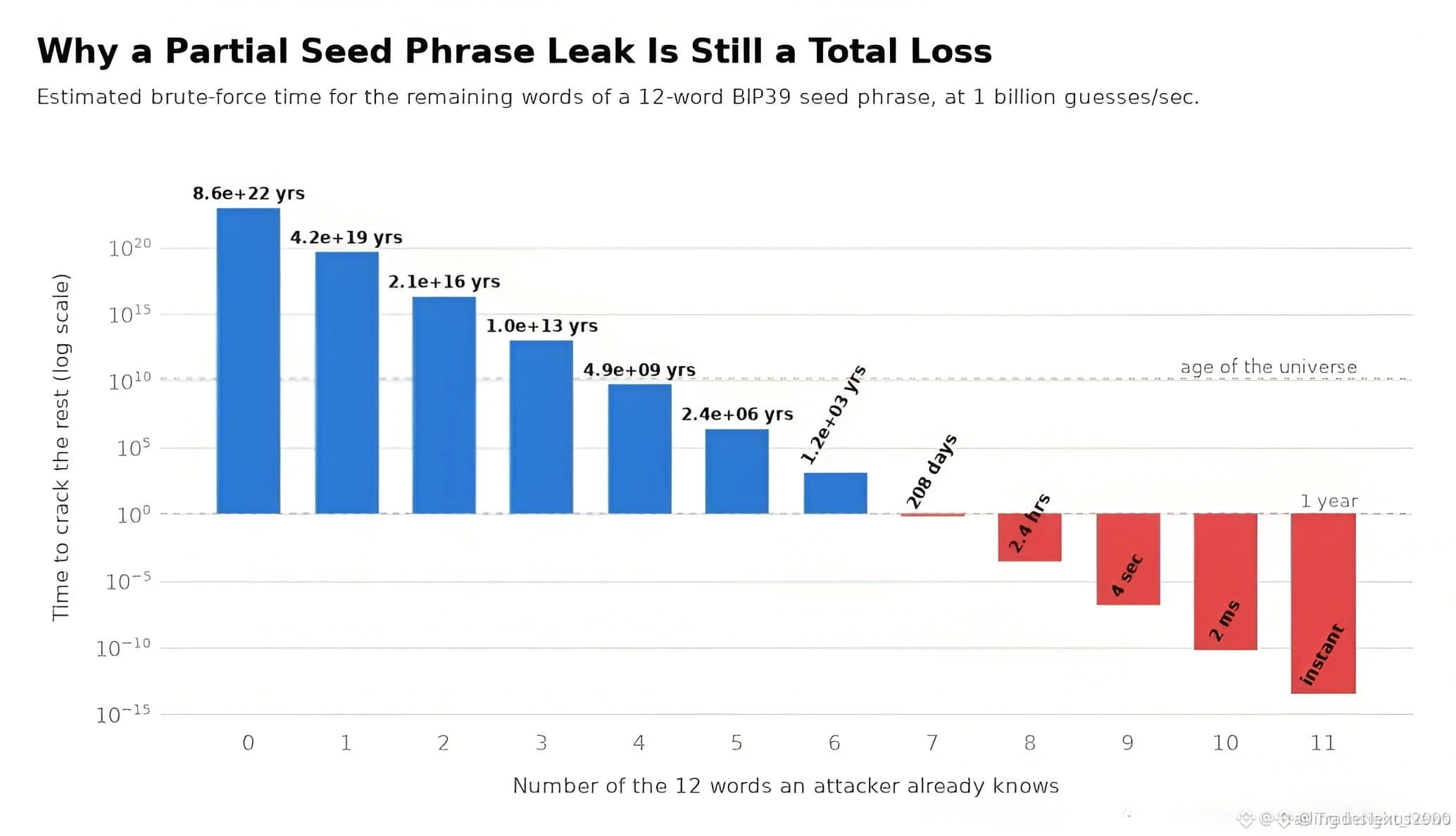
🩸 The largest heist in crypto history wasn't a code exploit or a compromised ledger line — it was a single human decision. A $BTC and $LTC holder offered 12 seed words to a fake support agent, and $282M in liquidity was peeled, chained through THORChain, and washed into Monero within minutes. 🦈
📊 The hardware wallet's private key infrastructure never cracked. This wasn't a protocol failure — it was a social engineering breach. ZeroShadow flagged and froze roughly $700K in 20 minutes, but institutional-grade laundering outran the response. Your seed phrase is the ultimate order block, and only you can defend it. 🔒
💬 If your portfolio crossed $1M tomorrow, would your security setup survive a single well-crafted voice call? 👇
⚠️ Not financial advice. Always manage your risk. 🛡️
🏷️ #BTC #LTC #CryptoSecurity #SocialEngineering #CryptoNews
🛡️ 🔒
🚨 $282M VANISHED FROM $BTC & $LTC — ONE FATAL MISTAKE BEHIND IT ALL 💣
🩸 The largest heist in crypto history wasn't a code exploit or a compromised ledger line — it was a single human decision. A $BTC and $LTC holder offered 12 seed words to a fake support agent, and $282M in liquidity was peeled, chained through THORChain, and washed into Monero within minutes. 🦈
📊 The hardware wallet's private key infrastructure never cracked. This wasn't a protocol failure — it was a social engineering breach. ZeroShadow flagged and froze roughly $700K in 20 minutes, but institutional-grade laundering outran the response. Your seed phrase is the ultimate order block, and only you can defend it. 🔒
💬 If your portfolio crossed $1M tomorrow, would your security setup survive a single well-crafted voice call? 👇
⚠️ Not financial advice. Always manage your risk. 🛡️
🏷️ #BTC #LTC #CryptoSecurity #SocialEngineering #CryptoNews
🛡️ 🔒
🩸 The largest heist in crypto history wasn't a code exploit or a compromised ledger line — it was a single human decision. A $BTC and $LTC holder offered 12 seed words to a fake support agent, and $282M in liquidity was peeled, chained through THORChain, and washed into Monero within minutes. 🦈
📊 The hardware wallet's private key infrastructure never cracked. This wasn't a protocol failure — it was a social engineering breach. ZeroShadow flagged and froze roughly $700K in 20 minutes, but institutional-grade laundering outran the response. Your seed phrase is the ultimate order block, and only you can defend it. 🔒
💬 If your portfolio crossed $1M tomorrow, would your security setup survive a single well-crafted voice call? 👇
⚠️ Not financial advice. Always manage your risk. 🛡️
🏷️ #BTC #LTC #CryptoSecurity #SocialEngineering #CryptoNews
🛡️ 🔒
28
·
--
ເບິ່ງການແປ
Can you believe a 22-year-old was reportedly the central figure in laundering a staggering $263 MILLION in stolen crypto? This isn't some fictional plot; it's the real story of Evan Tangeman, who went by E, Tate, or Evan|Exchanger online. His alleged job was converting illicit $BTC, $ETH, and even some $SOL into clean cash, funding extravagant half-million dollar nightclub tabs for his crew.
The methods used to steal these funds were incredibly brazen, relying heavily on social engineering. We're talking about everything from hacking databases and making convincing fake tech support calls to actual physical break-ins to seize hardware wallets. What's even more astonishing is that most of the group members involved were just teenagers, with no legitimate jobs, orchestrating this massive operation.
It really highlights a concerning aspect of our digital frontier: the allure of quick, untraceable money combined with youthful recklessness can lead to some incredibly sophisticated criminal enterprises. This case isn't just about a few bad actors; it's a stark reminder about the constant need for vigilance and robust security in the crypto space, especially against cunning human-centric attacks.
#CryptoSecurity #CyberCrime #SocialEngineering #DigitalAssets #BlockchainNews
Can you believe a 22-year-old was reportedly the central figure in laundering a staggering $263 MILLION in stolen crypto? This isn't some fictional plot; it's the real story of Evan Tangeman, who went by E, Tate, or Evan|Exchanger online. His alleged job was converting illicit $BTC , $ETH , and even some $SOL into clean cash, funding extravagant half-million dollar nightclub tabs for his crew.
The methods used to steal these funds were incredibly brazen, relying heavily on social engineering. We're talking about everything from hacking databases and making convincing fake tech support calls to actual physical break-ins to seize hardware wallets. What's even more astonishing is that most of the group members involved were just teenagers, with no legitimate jobs, orchestrating this massive operation.
It really highlights a concerning aspect of our digital frontier: the allure of quick, untraceable money combined with youthful recklessness can lead to some incredibly sophisticated criminal enterprises. This case isn't just about a few bad actors; it's a stark reminder about the constant need for vigilance and robust security in the crypto space, especially against cunning human-centric attacks.
#CryptoSecurity #CyberCrime #SocialEngineering #DigitalAssets #BlockchainNews
The methods used to steal these funds were incredibly brazen, relying heavily on social engineering. We're talking about everything from hacking databases and making convincing fake tech support calls to actual physical break-ins to seize hardware wallets. What's even more astonishing is that most of the group members involved were just teenagers, with no legitimate jobs, orchestrating this massive operation.
It really highlights a concerning aspect of our digital frontier: the allure of quick, untraceable money combined with youthful recklessness can lead to some incredibly sophisticated criminal enterprises. This case isn't just about a few bad actors; it's a stark reminder about the constant need for vigilance and robust security in the crypto space, especially against cunning human-centric attacks.
#CryptoSecurity #CyberCrime #SocialEngineering #DigitalAssets #BlockchainNews
14
ເຂົ້າສູ່ລະບົບເພື່ອສຳຫຼວດເນື້ອຫາເພີ່ມເຕີມ
ເຂົ້າຮ່ວມກຸ່ມຜູ້ໃຊ້ຄຣິບໂຕທົ່ວໂລກໃນ Binance Square.
⚡️ ໄດ້ຮັບຂໍ້ມູນຫຼ້າສຸດ ແລະ ທີ່ມີປະໂຫຍດກ່ຽວກັບຄຣິບໂຕ.
💬 ໄດ້ຮັບຄວາມໄວ້ວາງໃຈຈາກຕະຫຼາດແລກປ່ຽນຄຣິບໂຕທີ່ໃຫຍ່ທີ່ສຸດໃນໂລກ.
👍 ຄົ້ນຫາຂໍ້ມູນເຊີງເລິກທີ່ແທ້ຈາກນັກສ້າງທີ່ໄດ້ຮັບການຢືນຢັນ.
ອີເມວ / ເບີໂທລະສັບ
ຫົວຂໍ້ທີ່ກໍາລັງນິຍົມ
1
#ClarityActFacesProceduralVoteSept15
63,293 views
836 ກຳລັງສົນທະນາ
2
#US2YearYieldRisesTo4.61%
40,730 views
726 ກຳລັງສົນທະນາ
3
#US10YearTreasuryYieldNears5%
25,092 views
431 ກຳລັງສົນທະນາ
4
#CryptoLiquidations$674MIn24H
7,999 views
92 ກຳລັງສົນທະນາ
5
#TokenizedStockHoldersUp619.1%
27,943 views
435 ກຳລັງສົນທະນາ
6
#RevolutConfirmsFakeGovEmailDataBreach
50,137 views
716 ກຳລັງສົນທະນາ
7
#CanadaOSFISaysTokenizedDepositsEqualTraditionalDeposits
2,180 views
64 ກຳລັງສົນທະນາ
8
#USBankCompletesCrossBorderPaymentPilotOnStellar
48,655 views
876 ກຳລັງສົນທະນາ
9
#NvidiaInTalksToInvestUpTo$10BInAnthropicIPO
3,726 views
69 ກຳລັງສົນທະນາ
10
#EtherRalliesAsBearishBetsLiquidate
68,732 views
1,098 ກຳລັງສົນທະນາ