

#beginnersguide
beginnersguide
678,287 ຄັ້ງທີ່ເບິ່ງ
1,309 ກຳລັງສົນທະນາ
ມາແຮງ
ຫຼ້າສຸດ

·
--
#Beginnersguide
📚 Crypto Basics: What Is Bitcoin?
When I started learning about cryptocurrency, one of the first things I wanted to understand was Bitcoin. Let’s break it down simply. 👇
₿ What is Bitcoin ($BTC)?
Bitcoin is a digital currency that operates on a decentralized network. This means transactions can be verified by network participants without relying on a single central authority to maintain the Bitcoin ledger.
🔑 3 things every beginner should know:
1️⃣ Limited supply: Bitcoin’s protocol sets a maximum supply of 21 million BTC.
2️⃣ Transparency: Bitcoin transactions are recorded on a public blockchain, which anyone can inspect using a block explorer.
3️⃣ Volatility: Bitcoin’s price can rise or fall significantly. It is not guaranteed to increase in value, and you can lose money.
💡 My biggest takeaway: Before thinking about buying any cryptocurrency, understand how it works, its risks, and what you’re getting into.
I’m learning crypto step by step, and I believe understanding the basics is a better starting point than following hype.
👇 Question for the community: What was the FIRST thing you learned about Bitcoin that helped you understand crypto better?
#bitcoin #CryptoEducation💡🚀 #BinanceSquareBTC
83

🎓 Crypto 101: What is Dollar-Cost Averaging (DCA)?
New to crypto and scared of market volatility? You need to know about DCA (Dollar-Cost Averaging).
🤔 What is it?
Instead of investing all your money at once (FOMO buying), DCA is the strategy of investing a fixed amount of money at regular intervals (e.g., $10 every single week), regardless of the price.
✅ Why it works:
• Reduces Risk: You buy more when the price is low and less when the price is high.
• Removes Emotion: You don't have to stress about timing the exact "bottom" of the market.
• Compounding Growth: It's the easiest way for long-term investors to build a solid portfolio.
#CryptoEducation💡🚀 on #DCA #LearnAndEarn" n #BinanceSquare #Beginnersguide de
51

3 Golden Rules for Crypto Beginners in 2026! 💡🛡️
Entering the crypto market can be exciting, but staying profitable requires discipline! Here are 3 essential rules every trader should follow:
1: Never Invest Money You Can't Afford to Lose: Always start small and manage your risk carefully.
2: Use Stop-Loss Orders: Protect your capital from sudden market dips before entering any trade.
3:Do Your Own Research ($DYOR.US ): Never buy a token just because of hype—understand its utility first!
Which rule do you think is the most important for new traders? Let me know in the comments! 👇
$BTC $BNB #CryptoTips #TradingTips" #BinanceSquareFamily #Beginnersguide
78

New to Binance and not sure where to start? 🚀
These few simple rules can be very helpful for beginners:
1️⃣ Never buy coins in a hurry due to FOMO (Fear of Missing Out). Always research the market yourself first.
2️⃣ Always diversify your portfolio—don't put all your funds into a single coin.
3️⃣ Prioritize security—keep your 2FA (Two-Factor Authentication) enabled and never share your password details with anyone.
Patience and consistency are the true keys to success in the crypto market. What was your first step? Let me know in the comments! 👇
$BTC $ETH $BNB #BinanceSquare #CryptoTips #BeginnersGuide
115

Crypto for normal people (no candles, no stress) 🙂
You might be a librarian, a driver, a teacher’s assistant, a shopkeeper, or just someone like me with a busy life. You don’t want to sit in front of charts all day, but you also don’t want to miss the whole crypto story. Good news: you don’t have to.
Here’s my simple strategy. And yes, it’s boring on purpose:
Just hodl.
Buy, hold, and let time do the work. You don’t need to learn complicated technology or understand the “magic of candles.” That’s a full-time job, and you already have one.
Invest a tiny amount every month.
My personal recommendation is 0.5% to 1.5% of your net income, depending on your country and situation. Mine is 0.65%. Small enough that you barely notice it, but regular enough that it adds up.
1.5% is the maximum.
If you have more money to invest, look elsewhere: stocks, bank deposits, whatever makes sense for you. Crypto should be a small slice of your life, not the whole pie.
No shitcoins.
They’re probably the fastest way to turn your money into a lesson. Yes, I know what you’re thinking: “But you hold $SHIB !” 🐕 Guilty. That’s not investing, that’s love. I’m totally in love with the #SHIBARMY , and you can’t argue with the heart. 😄 But even love money stays tiny. If you don’t have a Shiba-sized love story, stay out.
Don’t trade.
The moment you register on an exchange or start following crypto people (yes, like me 😄), the algorithm will bury you in “I’ll teach you trading” offers. Don’t go there. And if you do try and lose money three times, stop at the third. Don’t wait for the fourth.
The point: you don’t need to be an expert to be part of this.
Crypto should be something you own, not something that owns you. If checking the price ruins your breakfast, you’re probably doing it wrong. ☕😄
#HODL #Beginnersguide
316
·
--
3 Simple Rules for Crypto Beginners to Avoid Losing Money.
Cryptocurrency is exciting. Prices go up and down fast. Many new traders jump in and lose money because they do not have a plan.If you are new to $BTC and $ETH , follow these three simple rules to protect your funds.
1. Never Invest Money You NeedCrypto markets are very volatile (they change fast). Prices can drop suddenly. Only use extra money that you will not need for rent, food, or bills. This stops you from panicking and selling at a loss.
2. Learn the Basics Before TradingDo not buy a coin just because someone on social media mentioned it. Understand what the project does. Learn how to use basic tools on Binance like Spot Trading before trying advanced options like futures.
3. Do Not Chase HypeWhen a coin’s price shoots up quickly, people feel FOMO (Fear Of Missing Out). Buying at the very top is dangerous. Prices usually drop right after a massive pump. Be patient and wait for steady trends.
Final ThoughtsCrypto investing is a marathon, not a race.Take your time to learn, stay calm, and protect your capital first.What is your biggest lesson as a crypto beginner?
Let us know in the comments!#Beginnersguide #CryptoTips #Web3 #learncrypto $BTC
{spot}(BTCUSDT)
3 Simple Rules for Crypto Beginners to Avoid Losing Money.
Cryptocurrency is exciting. Prices go up and down fast. Many new traders jump in and lose money because they do not have a plan.If you are new to $BTC and $ETH , follow these three simple rules to protect your funds.
1. Never Invest Money You NeedCrypto markets are very volatile (they change fast). Prices can drop suddenly. Only use extra money that you will not need for rent, food, or bills. This stops you from panicking and selling at a loss.
2. Learn the Basics Before TradingDo not buy a coin just because someone on social media mentioned it. Understand what the project does. Learn how to use basic tools on Binance like Spot Trading before trying advanced options like futures.
3. Do Not Chase HypeWhen a coin’s price shoots up quickly, people feel FOMO (Fear Of Missing Out). Buying at the very top is dangerous. Prices usually drop right after a massive pump. Be patient and wait for steady trends.
Final ThoughtsCrypto investing is a marathon, not a race.Take your time to learn, stay calm, and protect your capital first.What is your biggest lesson as a crypto beginner?
Let us know in the comments!#Beginnersguide #CryptoTips #Web3 #learncrypto $BTC

Engagement gifts
ຈາກ User-f679e11e
3
59

·
--

ບົດຄວາມ
What is Web3🌐 Web3 ဆိုတာဘာလဲ?
Internet ကို အသုံးပြုနေတဲ့ပုံစံက အချိန်နဲ့အမျှ ပြောင်းလဲလာပါတယ်။ အစောပိုင်း Internet က Information တွေကို ဖတ်ရှုဖို့ အဓိကဖြစ်ခဲ့ပြီး နောက်ပိုင်းမှာ Social Media, YouTube, Google လို Platform တွေကနေ Content ဖန်တီးခြင်း၊ မျှဝေခြင်း၊ ဝန်ဆောင်မှုအသုံးပြုခြင်းတွေ ပိုမိုလွယ်ကူလာပါတယ်။
ဒီလို Internet ရဲ့ နောက်ထပ်တစ်ဆင့်အဖြစ် မကြာခဏကြားရတာက Web3 ပါ။
ဒါဆို Web3 ဆိုတာ ဘာလဲ? ဘာတွေပါဝင်လဲ? ဘာကြောင့် Crypto နဲ့ ဆက်စပ်နေတာလဲ?
----
💡 Web3 ဆိုတာဘာလဲ?
အလွယ်ပြောရရင် Web3 ဆိုတာ Blockchain နဲ့ Decentralized Technology တွေကို အခြေခံပြီး တည်ဆောက်ထားတဲ့ Internet ရဲ့ အယူအဆတစ်ခု ဖြစ်ပါတယ်။
Web2 မှာ ကျွန်တော်တို့အသုံးပြုနေတဲ့ Platform အများစုကို Company တစ်ခုက အဓိကထိန်းချုပ်ထားပါတယ်။
ဥပမာ Facebook, YouTube, Google လို Platform တွေမှာ
Platform ကို Company က စီမံခန့်ခွဲတယ်User Data တွေကို Platform ရဲ့ System ထဲမှာ သိမ်းဆည်းထားတယ်Platform ရဲ့ Rules တွေအတိုင်း အသုံးပြုရတယ်
Web3 ရဲ့ အဓိကအယူအဆကတော့ Control နဲ့ Ownership ကို User တွေဆီ ပိုမိုပေးနိုင်ဖို့ ဖြစ်ပါတယ်။
ဒါပေမယ့် Web3 ဟာ “Company မရှိတော့တဲ့ Internet” လို့ ရိုးရိုးရှင်းရှင်း သတ်မှတ်လို့မရပါဘူး။ Project တစ်ခုနဲ့တစ်ခုရဲ့ Decentralization အဆင့်ကလည်း မတူနိုင်ပါတယ်။
----
🔗 Web3 မှာ ဘာတွေပါဝင်လဲ?
1. Blockchain
Web3 ရဲ့ အရေးကြီးတဲ့ အခြေခံ Technology တစ်ခုပါ။
Transaction နဲ့ Digital Asset Ownership လို Information တွေကို Blockchain ပေါ်မှာ
.
2. Cryptocurrency
Web3 Ecosystem ထဲမှာ ငွေပေးချေမှုနဲ့ Digital Value Transfer အတွက် Crypto Assets တွေကို အသုံးပြုနိုင်ပါတယ်။
ဥပမာ BTC, ETH နဲ့ အခြား Tokens တွေပါ။
.
3. Smart Contract
သတ်မှတ်ထားတဲ့ Rules တွေအတိုင်း Blockchain ပေါ်မှာ အလိုအလျောက် လုပ်ဆောင်နိုင်တဲ့ Program တွေကို Smart Contract လို့ခေါ်ပါတယ်။
ဥပမာ သတ်မှတ်ချက်တွေ ပြည့်မီတဲ့အခါ Token ကို အလိုအလျောက် Transfer လုပ်ပေးနိုင်တာမျိုးပါ။
.
4. dApps
Decentralized Applications (dApps) ဆိုတာ Blockchain နဲ့ ချိတ်ဆက်အသုံးပြုနိုင်တဲ့ Application တွေပါ။
DeFi Platforms, Blockchain Games နဲ့ အခြား Web3 Services တွေမှာ dApps ကို တွေ့နိုင်ပါတယ်။
.
5. NFT
NFT က Digital Item တစ်ခုရဲ့ Ownership ကို Blockchain ပေါ်မှာ မှတ်တမ်းတင်နိုင်တဲ့ Token အမျိုးအစားတစ်ခုပါ။
Digital Art တင်မကဘဲ Game Items, Memberships, Collectibles စတဲ့ Use Cases တွေလည်း ရှိနိုင်ပါတယ်။
.
6. DAO
DAO ဆိုတာ Decentralized Autonomous Organization ဖြစ်ပြီး Community Members တွေက သတ်မှတ်ထားတဲ့ Governance System အတိုင်း Project ရဲ့ ဆုံးဖြတ်ချက်တွေမှာ ပါဝင်နိုင်တဲ့ Organization ပုံစံတစ်ခု ဖြစ်ပါတယ်။
----
🆚 Web2 နဲ့ Web3 ဘာကွာလဲ?
အလွယ်နားလည်အောင် ပြောရရင်
Web2 → Platform က အဓိကထိန်းချုပ်တယ်
Web3 → Blockchain Network နဲ့ Decentralized System တွေကို အသုံးပြုပြီး User Ownership နဲ့ Control ပိုမိုရရှိစေဖို့ ရည်ရွယ်ပါတယ်
Web3 မှာ User က Wallet တစ်ခုကနေ Digital Assets တွေကို ကိုယ်တိုင် ထိန်းချုပ်နိုင်တာမျိုးတွေ ရှိပါတယ်။
ဒါပေမယ့် Wallet ရှိတာနဲ့ Web3 ရဲ့ Asset အားလုံးကို User က အပြည့်အဝ ထိန်းချုပ်နိုင်တယ် လို့ မဆိုလိုပါဘူး။ Project တစ်ခုချင်းစီရဲ့ Smart Contract, Governance နဲ့ Centralization ပုံစံတွေကို သီးခြားလေ့လာဖို့ လိုပါတယ်။
🌍 Web3 ကို ဘယ်နေရာတွေမှာ အသုံးပြုလို့ရလဲ?
Web3 က Crypto Trading တစ်ခုတည်းအတွက် မဟုတ်ပါဘူး။
DeFi: ဘဏ်လို Traditional Intermediary အပေါ် မှီခိုမှုကို လျှော့ချပြီး Blockchain-based Financial Services တွေ ဖန်တီးခြင်း။
GameFi: Blockchain နဲ့ Game Economy ကို ချိတ်ဆက်အသုံးပြုခြင်း။
SocialFi: Social Media နဲ့ Blockchain ကို ပေါင်းစပ်ပြီး User နဲ့ Creator တွေအတွက် Ownership/Rewards ပုံစံအသစ်တွေ ဖန်တီးခြင်း။
NFT & Digital Ownership: Digital Items တွေရဲ့ Ownership ကို Blockchain ပေါ်မှာ မှတ်တမ်းတင်ခြင်း။
Digital Identity: ကိုယ်ပိုင် Digital Identity နဲ့ Credentials တွေကို Blockchain Technology နဲ့ ချိတ်ဆက်အသုံးပြုနိုင်မယ့် နည်းလမ်းတွေကို လေ့လာခြင်း။
🤔 Web3 က ဘာကြောင့် စိတ်ဝင်စားစရာကောင်းတာလဲ?
Web3 ရဲ့ အဓိကအယူအဆက Internet ကို အသုံးပြုရုံတင်မကဘဲ Digital Assets နဲ့ Ownership ကိုလည်း User ဘက်က ပိုမိုပါဝင်ထိန်းချုပ်နိုင်ဖို့ ဖြစ်ပါတယ်။
ဒါပေမယ့် Web3 မှာ အားသာချက်တွေနဲ့အတူ Risk တွေလည်း ရှိပါတယ်။
Smart Contract Bug, Scam, Private Key ပျောက်ဆုံးခြင်း၊ Token Price Volatility နဲ့ Project တစ်ခုချင်းစီရဲ့ Centralization Level စတာတွေကို သတိထားဖို့ လိုပါတယ်။
Web3 က လက်ရှိ Internet ကို ချက်ချင်းအစားထိုးမယ့်အရာတစ်ခုလို့ မယူဆသင့်ပါဘူး။ 🌐
⚠️ Disclaimer: ဤ Content သည် Educational Purpose အတွက်သာ ဖြစ်ပြီး Financial Advice မဟုတ်ပါ။ Web3 Projects, Crypto Assets, DeFi နှင့် အခြား Digital Assets များတွင် ငွေကြေးဆုံးရှုံးနိုင်သည့် Risk များရှိပါသည်။ Project တစ်ခုကို အသုံးမပြုမီ Technology, Smart Contract, Fees, Security နှင့် Risks များကို
#web3 #Beginnersguide #falcon
@BinanceBurmese @Binance_Academy
What is Web3
🌐 Web3 ဆိုတာဘာလဲ?
Internet ကို အသုံးပြုနေတဲ့ပုံစံက အချိန်နဲ့အမျှ ပြောင်းလဲလာပါတယ်။ အစောပိုင်း Internet က Information တွေကို ဖတ်ရှုဖို့ အဓိကဖြစ်ခဲ့ပြီး နောက်ပိုင်းမှာ Social Media, YouTube, Google လို Platform တွေကနေ Content ဖန်တီးခြင်း၊ မျှဝေခြင်း၊ ဝန်ဆောင်မှုအသုံးပြုခြင်းတွေ ပိုမိုလွယ်ကူလာပါတယ်။
ဒီလို Internet ရဲ့ နောက်ထပ်တစ်ဆင့်အဖြစ် မကြာခဏကြားရတာက Web3 ပါ။
ဒါဆို Web3 ဆိုတာ ဘာလဲ? ဘာတွေပါဝင်လဲ? ဘာကြောင့် Crypto နဲ့ ဆက်စပ်နေတာလဲ?
----
💡 Web3 ဆိုတာဘာလဲ?
အလွယ်ပြောရရင် Web3 ဆိုတာ Blockchain နဲ့ Decentralized Technology တွေကို အခြေခံပြီး တည်ဆောက်ထားတဲ့ Internet ရဲ့ အယူအဆတစ်ခု ဖြစ်ပါတယ်။
Web2 မှာ ကျွန်တော်တို့အသုံးပြုနေတဲ့ Platform အများစုကို Company တစ်ခုက အဓိကထိန်းချုပ်ထားပါတယ်။
ဥပမာ Facebook, YouTube, Google လို Platform တွေမှာ
Platform ကို Company က စီမံခန့်ခွဲတယ်User Data တွေကို Platform ရဲ့ System ထဲမှာ သိမ်းဆည်းထားတယ်Platform ရဲ့ Rules တွေအတိုင်း အသုံးပြုရတယ်
Web3 ရဲ့ အဓိကအယူအဆကတော့ Control နဲ့ Ownership ကို User တွေဆီ ပိုမိုပေးနိုင်ဖို့ ဖြစ်ပါတယ်။
ဒါပေမယ့် Web3 ဟာ “Company မရှိတော့တဲ့ Internet” လို့ ရိုးရိုးရှင်းရှင်း သတ်မှတ်လို့မရပါဘူး။ Project တစ်ခုနဲ့တစ်ခုရဲ့ Decentralization အဆင့်ကလည်း မတူနိုင်ပါတယ်။
----
🔗 Web3 မှာ ဘာတွေပါဝင်လဲ?
1. Blockchain
Web3 ရဲ့ အရေးကြီးတဲ့ အခြေခံ Technology တစ်ခုပါ။
Transaction နဲ့ Digital Asset Ownership လို Information တွေကို Blockchain ပေါ်မှာ
.
2. Cryptocurrency
Web3 Ecosystem ထဲမှာ ငွေပေးချေမှုနဲ့ Digital Value Transfer အတွက် Crypto Assets တွေကို အသုံးပြုနိုင်ပါတယ်။
ဥပမာ BTC, ETH နဲ့ အခြား Tokens တွေပါ။
.
3. Smart Contract
သတ်မှတ်ထားတဲ့ Rules တွေအတိုင်း Blockchain ပေါ်မှာ အလိုအလျောက် လုပ်ဆောင်နိုင်တဲ့ Program တွေကို Smart Contract လို့ခေါ်ပါတယ်။
ဥပမာ သတ်မှတ်ချက်တွေ ပြည့်မီတဲ့အခါ Token ကို အလိုအလျောက် Transfer လုပ်ပေးနိုင်တာမျိုးပါ။
.
4. dApps
Decentralized Applications (dApps) ဆိုတာ Blockchain နဲ့ ချိတ်ဆက်အသုံးပြုနိုင်တဲ့ Application တွေပါ။
DeFi Platforms, Blockchain Games နဲ့ အခြား Web3 Services တွေမှာ dApps ကို တွေ့နိုင်ပါတယ်။
.
5. NFT
NFT က Digital Item တစ်ခုရဲ့ Ownership ကို Blockchain ပေါ်မှာ မှတ်တမ်းတင်နိုင်တဲ့ Token အမျိုးအစားတစ်ခုပါ။
Digital Art တင်မကဘဲ Game Items, Memberships, Collectibles စတဲ့ Use Cases တွေလည်း ရှိနိုင်ပါတယ်။
.
6. DAO
DAO ဆိုတာ Decentralized Autonomous Organization ဖြစ်ပြီး Community Members တွေက သတ်မှတ်ထားတဲ့ Governance System အတိုင်း Project ရဲ့ ဆုံးဖြတ်ချက်တွေမှာ ပါဝင်နိုင်တဲ့ Organization ပုံစံတစ်ခု ဖြစ်ပါတယ်။
----
🆚 Web2 နဲ့ Web3 ဘာကွာလဲ?
အလွယ်နားလည်အောင် ပြောရရင်
Web2 → Platform က အဓိကထိန်းချုပ်တယ်
Web3 → Blockchain Network နဲ့ Decentralized System တွေကို အသုံးပြုပြီး User Ownership နဲ့ Control ပိုမိုရရှိစေဖို့ ရည်ရွယ်ပါတယ်
Web3 မှာ User က Wallet တစ်ခုကနေ Digital Assets တွေကို ကိုယ်တိုင် ထိန်းချုပ်နိုင်တာမျိုးတွေ ရှိပါတယ်။
ဒါပေမယ့် Wallet ရှိတာနဲ့ Web3 ရဲ့ Asset အားလုံးကို User က အပြည့်အဝ ထိန်းချုပ်နိုင်တယ် လို့ မဆိုလိုပါဘူး။ Project တစ်ခုချင်းစီရဲ့ Smart Contract, Governance နဲ့ Centralization ပုံစံတွေကို သီးခြားလေ့လာဖို့ လိုပါတယ်။
🌍 Web3 ကို ဘယ်နေရာတွေမှာ အသုံးပြုလို့ရလဲ?
Web3 က Crypto Trading တစ်ခုတည်းအတွက် မဟုတ်ပါဘူး။
DeFi: ဘဏ်လို Traditional Intermediary အပေါ် မှီခိုမှုကို လျှော့ချပြီး Blockchain-based Financial Services တွေ ဖန်တီးခြင်း။
GameFi: Blockchain နဲ့ Game Economy ကို ချိတ်ဆက်အသုံးပြုခြင်း။
SocialFi: Social Media နဲ့ Blockchain ကို ပေါင်းစပ်ပြီး User နဲ့ Creator တွေအတွက် Ownership/Rewards ပုံစံအသစ်တွေ ဖန်တီးခြင်း။
NFT & Digital Ownership: Digital Items တွေရဲ့ Ownership ကို Blockchain ပေါ်မှာ မှတ်တမ်းတင်ခြင်း။
Digital Identity: ကိုယ်ပိုင် Digital Identity နဲ့ Credentials တွေကို Blockchain Technology နဲ့ ချိတ်ဆက်အသုံးပြုနိုင်မယ့် နည်းလမ်းတွေကို လေ့လာခြင်း။
🤔 Web3 က ဘာကြောင့် စိတ်ဝင်စားစရာကောင်းတာလဲ?
Web3 ရဲ့ အဓိကအယူအဆက Internet ကို အသုံးပြုရုံတင်မကဘဲ Digital Assets နဲ့ Ownership ကိုလည်း User ဘက်က ပိုမိုပါဝင်ထိန်းချုပ်နိုင်ဖို့ ဖြစ်ပါတယ်။
ဒါပေမယ့် Web3 မှာ အားသာချက်တွေနဲ့အတူ Risk တွေလည်း ရှိပါတယ်။
Smart Contract Bug, Scam, Private Key ပျောက်ဆုံးခြင်း၊ Token Price Volatility နဲ့ Project တစ်ခုချင်းစီရဲ့ Centralization Level စတာတွေကို သတိထားဖို့ လိုပါတယ်။
Web3 က လက်ရှိ Internet ကို ချက်ချင်းအစားထိုးမယ့်အရာတစ်ခုလို့ မယူဆသင့်ပါဘူး။ 🌐
⚠️ Disclaimer: ဤ Content သည် Educational Purpose အတွက်သာ ဖြစ်ပြီး Financial Advice မဟုတ်ပါ။ Web3 Projects, Crypto Assets, DeFi နှင့် အခြား Digital Assets များတွင် ငွေကြေးဆုံးရှုံးနိုင်သည့် Risk များရှိပါသည်။ Project တစ်ခုကို အသုံးမပြုမီ Technology, Smart Contract, Fees, Security နှင့် Risks များကို
#web3 #Beginnersguide #falcon
@Binance Burmese @Binance Academy
3
7
178


ບົດຄວາມ
Bitcoin Kya Hai? Beginners Ke Liye Asaan Guide 2026Assalam-o-Alaikum dosto!Aaj mai aapko Bitcoin ke baare me asaan lafzon me bataungi.
1. Bitcoin Kya Hai?
Bitcoin ek digital paisa hai, isko aap hath se nahi choo sakte lekin mobile se bhej sakte ho. Iska koi bank nahi hai.
2. Bitcoin Mehenga Kyun Hai?
Duniya me sirf 21 Million Bitcoin banenge, is liye ye sona (Gold) ki tarah qeemti hai. Jitne log zyada khareedte hain, utna mehenga hota hai.
3. Beginners Ko Kya Karna Chahiye?
Naye logon ko chahiye ke:Pehle seekhein, phir khareedeinThoda thoda karke invest kareinSabar rakhein, jaldi ameer banne ke chakkar me na parein
Akhir Me: 2026 me Crypto ka mustaqbil bohat roshan hai. Agar aap seekh kar kaam karenge to aap bhi kama sakte hain.
Aapko ye guide kaisi lagi? Comment me zaroor batayein!
#Bit coin #Cryp to2026 #Beginnersguide
Bitcoin Kya Hai? Beginners Ke Liye Asaan Guide 2026
Assalam-o-Alaikum dosto!Aaj mai aapko Bitcoin ke baare me asaan lafzon me bataungi.
1. Bitcoin Kya Hai?
Bitcoin ek digital paisa hai, isko aap hath se nahi choo sakte lekin mobile se bhej sakte ho. Iska koi bank nahi hai.
2. Bitcoin Mehenga Kyun Hai?
Duniya me sirf 21 Million Bitcoin banenge, is liye ye sona (Gold) ki tarah qeemti hai. Jitne log zyada khareedte hain, utna mehenga hota hai.
3. Beginners Ko Kya Karna Chahiye?
Naye logon ko chahiye ke:Pehle seekhein, phir khareedeinThoda thoda karke invest kareinSabar rakhein, jaldi ameer banne ke chakkar me na parein
Akhir Me: 2026 me Crypto ka mustaqbil bohat roshan hai. Agar aap seekh kar kaam karenge to aap bhi kama sakte hain.
Aapko ye guide kaisi lagi? Comment me zaroor batayein!
#Bit coin #Cryp to2026 #Beginnersguide
1
33

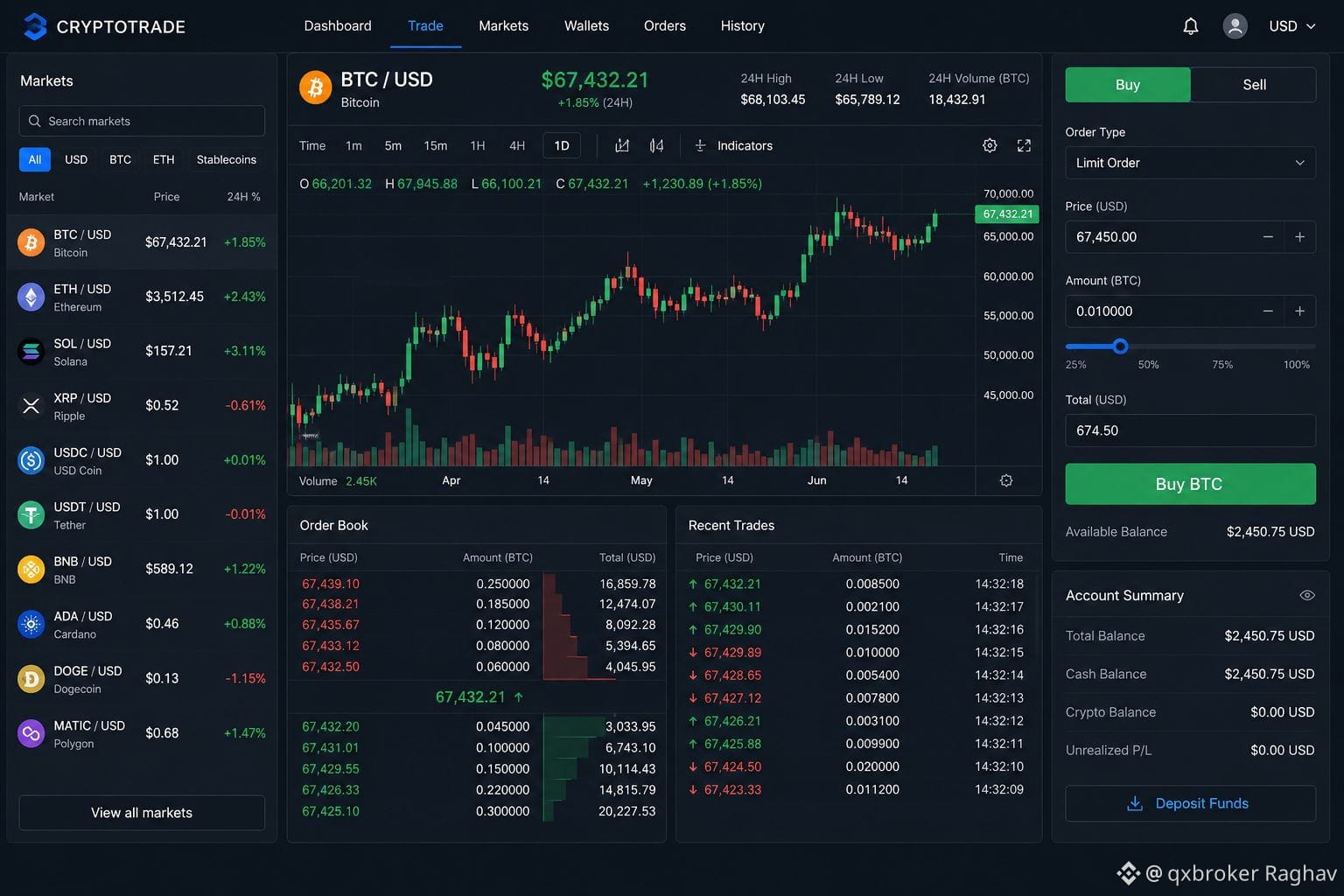
Cryptocurrency is the future of digital finance 🌐📈
Starting crypto trading is simple when you learn the basics: 💰 Bitcoin & Ethereum for beginners
🔐 Secure wallets for safety
📊 Smart trading strategies
⚡ Fast and decentralized transactions
Start small, learn daily, and trade wisely.
Success comes with patience and knowledge 🚀
#Crypto #Bitcoin #Ethereum #Trading #Beginnersguide Trader #CryptoTrading
1
178

·
--

ບົດຄວາມ
The Ultimate Beginner’s Guide to Crypto Trading: 12 Strategies You Can Actually Stick ToCrypto trading looks exciting from the outside: big green candles, overnight pumps, and screenshots of “life-changing gains.” In reality, most beginners lose money not because the market is bad, but because they walk in with no strategy, no risk rules, and way too much emotion.
If you’re just starting out, your goal isn’t to get rich quickly. Your goal is to survive long enough to learn, build skill, and let your capital grow over time. This guide walks through 12 practical strategies you can use from day one—without getting lost in jargon or hype.
1. Educate Yourself Before You Risk A Rupee
Crypto is not just “internet money.” It sits on blockchain networks—distributed ledgers where transactions are recorded transparently and can’t easily be altered. Understanding what you’re trading helps you avoid chasing memes with no real use-case.
At a minimum, learn three foundations:
Blockchain basics: How transactions, blocks, and miners/validators work.
Technical analysis basics: Candlestick charts, trends, support, and resistance.
Fundamental analysis: What the project does, team quality, tokenomics, and real-world adoption.
Think of this phase as “training before the match.” You wouldn’t jump into a boxing ring after watching one highlight reel; treat the crypto market with the same respect.
2. Start Small: Your First Goal Is Not Profit, It’s Survival
In crypto, you can start with very small amounts—sometimes the equivalent of a few hundred rupees or less. For beginners, that’s an advantage. You can test everything: order placement, slippage, volatility, and your own emotions, with limited downside.
Practical approach:
Decide a total amount you’re comfortable losing (for example, 5–10% of your savings allocated to crypto).Use only a fraction of that for your first trades (maybe 10–20% of your crypto allocation).Assume this first phase is “tuition”—you’re paying the market to learn.If you blow up a small account, you walk away with lessons. If you blow up your life savings, you walk away with regret.
3. Diversify So One Coin Doesn’t Control Your Future
Putting everything into a single coin—no matter how strong it looks—is a common beginner trap. If that project gets hacked, banned, or simply falls out of favor, your portfolio collapses with it.
A simple diversification plan for a beginner might look like:
Large-cap coins with long track records (e.g., major layer-1s).A few mid-cap projects with real utility or growing ecosystems.Avoid overloading on micro-cap “lottery tickets” until you have more experience.Diversification doesn’t remove risk, but it helps you avoid “one bad bet destroys everything” scenarios.
4. Use Dollar-Cost Averaging (DCA) To Smooth Out Volatility
Crypto is famous for wild price swings—even in a single day. Trying to time perfect bottoms and tops is extremely hard, even for professionals. Dollar-cost averaging (DCA) is a simple strategy that helps you enter the market without guessing.
With DCA, you invest a fixed amount at regular intervals—weekly, monthly, or even daily—regardless of current price.
Example:
Instead of buying ₹12,000 worth of a coin in one day, invest ₹1,000 every month for 12 months.Sometimes you’ll buy high, sometimes low. Over time, you average your entry price and reduce the impact of bad timing.DCA works best if you genuinely believe the asset has long-term potential and you’re comfortable holding through ups and downs.
5. Set Clear Goals, Profit Targets, and Loss Limits
Most new traders have no plan. They improvise in real time, changing their minds whenever the price moves. That almost guarantees emotional decisions.
Before you enter any trade, write down:
Why you are entering (trend, news, long-term belief, etc.).Your profit target (for example, 20–30% on a short-term trade, or a price level based on technical analysis).Your maximum loss you’ll tolerate (for example, 5–10% on the position).This is where stop-loss orders come in. A stop-loss automatically closes your position when the price reaches a level you’ve chosen, helping you cap losses if the trade goes wrong.Your job is not to be “right” on every trade. Your job is to protect your capital when you’re wrong.
6. Stay Informed: News Can Move Markets Faster Than Charts
Crypto markets react quickly to news—regulation, hacks, upgrades, partnerships, and macro events like interest rate decisions. A single headline can flip sentiment from bullish to panic in minutes.
For beginners, build a simple information routine:
Follow a few reputable news sites or newsletters (not just social media influencers).Pay attention to major regulatory updates, especially in your country.Track project-specific announcements: mainnet launches, token unlocks, major partnerships.Staying informed doesn’t mean you react to every piece of news. It means you understand why price is moving, so you’re not trading blindly.
7. Learn Basic Technical Analysis (TA) Without Getting Lost in Indicators
You don’t need a dozen exotic indicators to start trading. In fact, too many signals can confuse you. Begin with a simple toolkit and build from there.
Focus on these core concepts:
Trend direction: Is the market making higher highs and higher lows (uptrend) or lower highs and lower lows (downtrend)?Support and resistance: Price zones where the market has previously bounced or been rejected.Moving averages: Simple lines (like 50-day or 200-day) that show the average price over time, helping you see overextensions and trends.RSI (Relative Strength Index): Helps spot overbought or oversold conditions, but should never be used in isolation.
Use TA as a map, not a guarantee. It gives you probabilities, not certainties.
8. Risk Management: Protect Your Capital Like It’s Your Business
Think of your trading capital as the cash reserves of a small business. The business can’t afford to blow everything on one risky idea. Good traders focus more on risk than on profit.
Basic risk rules for beginners:
Only invest what you can afford to lose. Crypto is volatile and can drop sharply without warning.Limit risk per trade—many traders risk only 1–2% of their total capital on any single position.Avoid leverage (borrowing to trade) until you have significant experience. Leverage magnifies both gains and losses, and can quickly liquidate your account.The traders who stay in the game long term aren’t the boldest—they’re the ones who manage their downside relentlessly.
9. Long-Term Holding (HODL): When You Believe in the Bigger Picture
Not every position needs constant trading. If you deeply believe in a project’s long-term potential and have done your research, a long-term holding (“HODL”) strategy can make sense.
HODLing means you:
Accumulate over time (often using DCA).Ignore day-to-day price noise and focus on multi-year trends.Accept that there will be painful drawdowns along the way.
This approach is better suited to fundamentally strong, widely used projects, not speculative coins with unclear purpose. You’re not just holding; you’re investing in a thesis about future adoption.
10. Use Demo or Paper Trading to Practice With Zero Risk
Many platforms offer demo accounts or “paper trading,” where you can place fake trades using live market prices but without risking real money. For beginners, this is an extremely useful sandbox.
Benefits:
You can test strategies—DCA, trend-following, breakout trading—without financial pressure.You learn how order types (market, limit, stop) behave in different conditions.You discover emotional triggers (greed, fear, FOMO) even with virtual money, which prepares you for the real thing.Treat paper trading seriously: log your trades, review what worked and what didn’t, and then slowly transition to small real positions.
11. Avoid Emotional Trading: Your Feelings Are Not a Strategy
Crypto markets are designed to trigger emotions: green candles create FOMO, red candles create panic. If you let those emotions drive decisions, your strategy will constantly change and your results will be inconsistent.
Common emotional pitfalls:
FOMO buying after a big pump.Panic selling at the bottom of a crash.Revenge trading—taking impulsive trades to “win back” losses.
The antidote is simple but not easy:
Define your strategy and rules before entering the trade.Decide in advance how you’ll react to different scenarios (price up, sideways, down).Review your trading journal regularly to catch emotional patterns.
Discipline is a skill. The more you follow your rules, the stronger it becomes.
12. Keep a Trading Journal: Turn Every Mistake Into a Lesson
A trading journal is one of the most underrated tools for beginners. It’s not just a list of trades; it’s a record of your decision-making and emotions.
Include:
Date and time of the trade.Asset, entry price, exit price, position size.Reason for entering, reason for exiting.What you felt during the trade (nervous, confident, greedy, scared).
Over time, your journal will show patterns: maybe you lose more when you trade late at night, or when you chase news, or when you ignore your stop-loss. That insight is your edge.
Putting It All Together: A Simple Starter Blueprint
Here’s a practical way to combine these strategies into a beginner-friendly plan:
Educate yourself for at least a few weeks.Start small with capital you can afford to lose.Build a diversified portfolio of a few solid projects.Use DCA for long-term positions; use basic TA for short-term entries and exits.Set clear profit targets and stop-losses before every trade.Stay informed on major news, but don’t trade every headline.Practice with a demo account, log your trades, and refine your rules as you learn.
There are no guaranteed profits in crypto, and anyone promising “sure-shot calls” is ignoring reality. Volatility is both the opportunity and the risk. Your edge comes from knowledge, discipline, risk management, and the ability to learn from every outcome—good or bad.
If you treat crypto trading like a craft, not a lottery, you give yourself a real chance to still be here—stronger, smarter, and better capitalized—five years from now.
$ETH $BNB
{spot}(BTCUSDT)
#crypto #tradingtechnique #Beginnersguide
The Ultimate Beginner’s Guide to Crypto Trading: 12 Strategies You Can Actually Stick To
Crypto trading looks exciting from the outside: big green candles, overnight pumps, and screenshots of “life-changing gains.” In reality, most beginners lose money not because the market is bad, but because they walk in with no strategy, no risk rules, and way too much emotion.
If you’re just starting out, your goal isn’t to get rich quickly. Your goal is to survive long enough to learn, build skill, and let your capital grow over time. This guide walks through 12 practical strategies you can use from day one—without getting lost in jargon or hype.
1. Educate Yourself Before You Risk A Rupee
Crypto is not just “internet money.” It sits on blockchain networks—distributed ledgers where transactions are recorded transparently and can’t easily be altered. Understanding what you’re trading helps you avoid chasing memes with no real use-case.
At a minimum, learn three foundations:
Blockchain basics: How transactions, blocks, and miners/validators work.
Technical analysis basics: Candlestick charts, trends, support, and resistance.
Fundamental analysis: What the project does, team quality, tokenomics, and real-world adoption.
Think of this phase as “training before the match.” You wouldn’t jump into a boxing ring after watching one highlight reel; treat the crypto market with the same respect.
2. Start Small: Your First Goal Is Not Profit, It’s Survival
In crypto, you can start with very small amounts—sometimes the equivalent of a few hundred rupees or less. For beginners, that’s an advantage. You can test everything: order placement, slippage, volatility, and your own emotions, with limited downside.
Practical approach:
Decide a total amount you’re comfortable losing (for example, 5–10% of your savings allocated to crypto).Use only a fraction of that for your first trades (maybe 10–20% of your crypto allocation).Assume this first phase is “tuition”—you’re paying the market to learn.If you blow up a small account, you walk away with lessons. If you blow up your life savings, you walk away with regret.
3. Diversify So One Coin Doesn’t Control Your Future
Putting everything into a single coin—no matter how strong it looks—is a common beginner trap. If that project gets hacked, banned, or simply falls out of favor, your portfolio collapses with it.
A simple diversification plan for a beginner might look like:
Large-cap coins with long track records (e.g., major layer-1s).A few mid-cap projects with real utility or growing ecosystems.Avoid overloading on micro-cap “lottery tickets” until you have more experience.Diversification doesn’t remove risk, but it helps you avoid “one bad bet destroys everything” scenarios.
4. Use Dollar-Cost Averaging (DCA) To Smooth Out Volatility
Crypto is famous for wild price swings—even in a single day. Trying to time perfect bottoms and tops is extremely hard, even for professionals. Dollar-cost averaging (DCA) is a simple strategy that helps you enter the market without guessing.
With DCA, you invest a fixed amount at regular intervals—weekly, monthly, or even daily—regardless of current price.
Example:
Instead of buying ₹12,000 worth of a coin in one day, invest ₹1,000 every month for 12 months.Sometimes you’ll buy high, sometimes low. Over time, you average your entry price and reduce the impact of bad timing.DCA works best if you genuinely believe the asset has long-term potential and you’re comfortable holding through ups and downs.
5. Set Clear Goals, Profit Targets, and Loss Limits
Most new traders have no plan. They improvise in real time, changing their minds whenever the price moves. That almost guarantees emotional decisions.
Before you enter any trade, write down:
Why you are entering (trend, news, long-term belief, etc.).Your profit target (for example, 20–30% on a short-term trade, or a price level based on technical analysis).Your maximum loss you’ll tolerate (for example, 5–10% on the position).This is where stop-loss orders come in. A stop-loss automatically closes your position when the price reaches a level you’ve chosen, helping you cap losses if the trade goes wrong.Your job is not to be “right” on every trade. Your job is to protect your capital when you’re wrong.
6. Stay Informed: News Can Move Markets Faster Than Charts
Crypto markets react quickly to news—regulation, hacks, upgrades, partnerships, and macro events like interest rate decisions. A single headline can flip sentiment from bullish to panic in minutes.
For beginners, build a simple information routine:
Follow a few reputable news sites or newsletters (not just social media influencers).Pay attention to major regulatory updates, especially in your country.Track project-specific announcements: mainnet launches, token unlocks, major partnerships.Staying informed doesn’t mean you react to every piece of news. It means you understand why price is moving, so you’re not trading blindly.
7. Learn Basic Technical Analysis (TA) Without Getting Lost in Indicators
You don’t need a dozen exotic indicators to start trading. In fact, too many signals can confuse you. Begin with a simple toolkit and build from there.
Focus on these core concepts:
Trend direction: Is the market making higher highs and higher lows (uptrend) or lower highs and lower lows (downtrend)?Support and resistance: Price zones where the market has previously bounced or been rejected.Moving averages: Simple lines (like 50-day or 200-day) that show the average price over time, helping you see overextensions and trends.RSI (Relative Strength Index): Helps spot overbought or oversold conditions, but should never be used in isolation.
Use TA as a map, not a guarantee. It gives you probabilities, not certainties.
8. Risk Management: Protect Your Capital Like It’s Your Business
Think of your trading capital as the cash reserves of a small business. The business can’t afford to blow everything on one risky idea. Good traders focus more on risk than on profit.
Basic risk rules for beginners:
Only invest what you can afford to lose. Crypto is volatile and can drop sharply without warning.Limit risk per trade—many traders risk only 1–2% of their total capital on any single position.Avoid leverage (borrowing to trade) until you have significant experience. Leverage magnifies both gains and losses, and can quickly liquidate your account.The traders who stay in the game long term aren’t the boldest—they’re the ones who manage their downside relentlessly.
9. Long-Term Holding (HODL): When You Believe in the Bigger Picture
Not every position needs constant trading. If you deeply believe in a project’s long-term potential and have done your research, a long-term holding (“HODL”) strategy can make sense.
HODLing means you:
Accumulate over time (often using DCA).Ignore day-to-day price noise and focus on multi-year trends.Accept that there will be painful drawdowns along the way.
This approach is better suited to fundamentally strong, widely used projects, not speculative coins with unclear purpose. You’re not just holding; you’re investing in a thesis about future adoption.
10. Use Demo or Paper Trading to Practice With Zero Risk
Many platforms offer demo accounts or “paper trading,” where you can place fake trades using live market prices but without risking real money. For beginners, this is an extremely useful sandbox.
Benefits:
You can test strategies—DCA, trend-following, breakout trading—without financial pressure.You learn how order types (market, limit, stop) behave in different conditions.You discover emotional triggers (greed, fear, FOMO) even with virtual money, which prepares you for the real thing.Treat paper trading seriously: log your trades, review what worked and what didn’t, and then slowly transition to small real positions.
11. Avoid Emotional Trading: Your Feelings Are Not a Strategy
Crypto markets are designed to trigger emotions: green candles create FOMO, red candles create panic. If you let those emotions drive decisions, your strategy will constantly change and your results will be inconsistent.
Common emotional pitfalls:
FOMO buying after a big pump.Panic selling at the bottom of a crash.Revenge trading—taking impulsive trades to “win back” losses.
The antidote is simple but not easy:
Define your strategy and rules before entering the trade.Decide in advance how you’ll react to different scenarios (price up, sideways, down).Review your trading journal regularly to catch emotional patterns.
Discipline is a skill. The more you follow your rules, the stronger it becomes.
12. Keep a Trading Journal: Turn Every Mistake Into a Lesson
A trading journal is one of the most underrated tools for beginners. It’s not just a list of trades; it’s a record of your decision-making and emotions.
Include:
Date and time of the trade.Asset, entry price, exit price, position size.Reason for entering, reason for exiting.What you felt during the trade (nervous, confident, greedy, scared).
Over time, your journal will show patterns: maybe you lose more when you trade late at night, or when you chase news, or when you ignore your stop-loss. That insight is your edge.
Putting It All Together: A Simple Starter Blueprint
Here’s a practical way to combine these strategies into a beginner-friendly plan:
Educate yourself for at least a few weeks.Start small with capital you can afford to lose.Build a diversified portfolio of a few solid projects.Use DCA for long-term positions; use basic TA for short-term entries and exits.Set clear profit targets and stop-losses before every trade.Stay informed on major news, but don’t trade every headline.Practice with a demo account, log your trades, and refine your rules as you learn.
There are no guaranteed profits in crypto, and anyone promising “sure-shot calls” is ignoring reality. Volatility is both the opportunity and the risk. Your edge comes from knowledge, discipline, risk management, and the ability to learn from every outcome—good or bad.
If you treat crypto trading like a craft, not a lottery, you give yourself a real chance to still be here—stronger, smarter, and better capitalized—five years from now.
$ETH $BNB
#crypto #tradingtechnique #Beginnersguide
111

Nobody Teaches This To Beginners
Everyone gives motivation…
but very few explain where to actually START.
Most beginners jump into trading without understanding the foundation first. That’s why many lose money early and quit too fast.
To become a disciplined trader, you need to understand these basics step-by-step:
• Future & Option
• Candlestick
• Chart Pattern
• Price Action
• Breakout & Breakdown
• Technical Analysis
• On Chain Analysis
• Volume
• Indicator
• Risk Management
• Trading Strategies
• Trading Psychology
Mastering these concepts can completely change the way you see the market.
And your buddy is here to help you learn everything — from basic to advanced. 🚀
And yes… all this for FREE.
#Beginnersguide
#Candlestick
#PriceAction
#cryptouniverseofficial
175

Top 3 Crypto Mistakes Beginners Must Avoid! 🛑👇
If you are new to the crypto world, making these mistakes can wipe out your wallet instantly. Save your funds by avoiding these:
1. Chasing "Get-Rich-Quick" Schemes 🏃♂️💨
Crypto is not a magic trick. If someone promises you to double your money in one day, it’s 100% a scam. Focus on learning, not overnight luck!
2. Trading Without a Plan (FOMO) 📉
Buying a coin just because it's green or everyone is talking about it is a huge trap. Never invest money that you cannot afford to lose.
3. Ignoring Wallet Security 🔒
Never share your seed phrase or OTP with anyone. Always enable tools like Anti-Phishing codes in your Binance account to protect your emails from hackers.
Always choose education over speculation! 📚💡
#Beginnersguide #BinanceSq$uare #cryptotrading #SpaceXIPOUSStocksOpenHigher #SpaceXIPOUSStocksOpenHigher
182

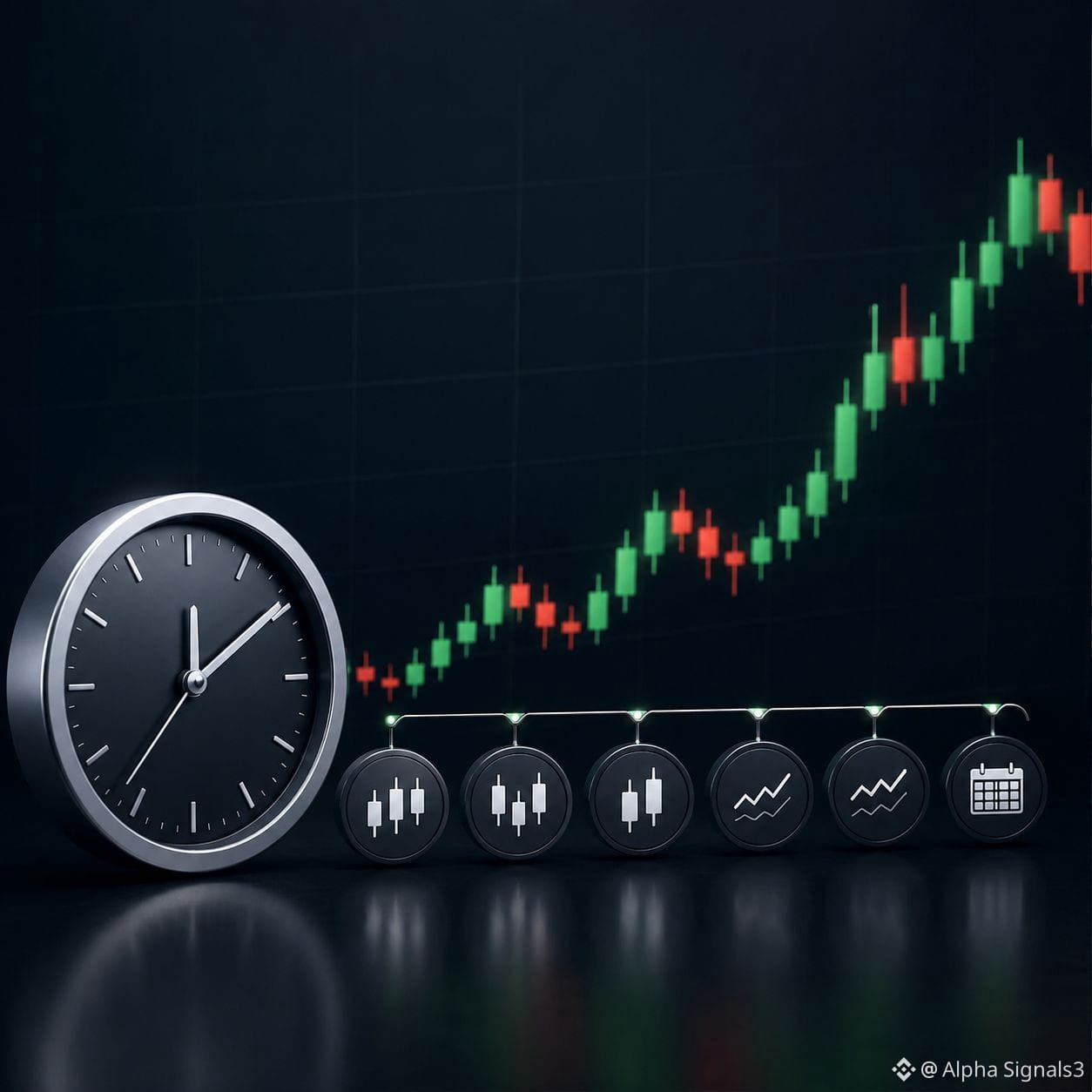
Timeframe Kya Hota Hai?
Timeframe batata hai ke ek candle kitne waqt ki information dikha rahi hai.
📊 Common Timeframes:
🔹 1 Minute (1m)
🔹 5 Minute (5m)
🔹 15 Minute (15m)
🔹 1 Hour (1H)
🔹 4 Hour (4H)
🔹 1 Day (1D)
Example: Agar tum 1H timeframe use kar rahe ho to har candle 1 ghante ki price movement dikhayegi.
💡 Beginners ke liye 1H aur 4H timeframe samajhna zyada asaan hota hai.
#trading #timeframe #Beginnersguide
$TSLAB $NVDAB
{spot}(NVDABUSDT)
{spot}(TSLABUSDT)
Timeframe Kya Hota Hai?
Timeframe batata hai ke ek candle kitne waqt ki information dikha rahi hai.
📊 Common Timeframes:
🔹 1 Minute (1m)
🔹 5 Minute (5m)
🔹 15 Minute (15m)
🔹 1 Hour (1H)
🔹 4 Hour (4H)
🔹 1 Day (1D)
Example: Agar tum 1H timeframe use kar rahe ho to har candle 1 ghante ki price movement dikhayegi.
💡 Beginners ke liye 1H aur 4H timeframe samajhna zyada asaan hota hai.
#trading #timeframe #Beginnersguide
$TSLAB $NVDAB
114

·
--
Success in the crypto market starts with one essential trait: patience. Chasing overnight wealth will only lead to losses. 📉
A few quick tips for beginners:
Never buy coins blindly based on others' words—always do your own research (DYOR).
Start with a small capital and master risk management.
Control your greed and learn to be satisfied with small profits.
Which coin did you start your crypto journey with? Let me know in the comments! 👇
#BinanceSquare #CryptoTips #CryptoEducation #Beginnersguide
76

·
--
ສັນຍານກະທິງ
🚨 أهم 5 نصائح ذهبية لكل مبتدئ في عالم الكريبتو! 🧠👇
إذا كنت قد بدأت رحلتك حديثاً في سوق العملات الرقمية، إليك الأساسيات التي ستجنبك الخسائر وتساعدك على النجاح:
1️⃣ لا تستثمر إلا ما تستطيع تحمله:
السوق متقلب جداً! لا تجازف بالأموال التي تحتاجها لمعيشتك اليومية.
2️⃣ تعلم إدارة المخاطر (Risk Management):
استخدم دائماً أمر "إيقاف الخسارة" (Stop Loss) ولا تضع أكثر من 2% إلى 5% من رأس مالك في صفقة واحدة.
3️⃣ تجنب الخوف من تفويت الفرص (FOMO):
عندما ترى عملة ترتفع بشكل حاد، لا تقفز للشراء فوراً! انتظر دائماً مناطق التصحيح.
4️⃣ قم ببحثك الخاص (DYOR):
لا تتبع النصائح العشوائية في وسائل التواصل. افهم المشروع، تقنيته، والقيمة التي يقدمها قبل الاستثمار.
5️⃣ التنوع هو الأمان:
وزع محفظتك الاستثمارية بين العملات القوية والقيادية مثل $BTC و $BNB والعملات المستقرة $USDC لحماية رأس مالك.
💬 شاركونا في التعليقات: ما هي أهم نصيحة تعلمتها منذ دخولك هذا المجال؟ 👇
#Write2Earn #BinanceSquare #CryptoTips #BTC #BNB #BeginnersGuide
{spot}(BTCUSDT)
🚨 أهم 5 نصائح ذهبية لكل مبتدئ في عالم الكريبتو! 🧠👇
إذا كنت قد بدأت رحلتك حديثاً في سوق العملات الرقمية، إليك الأساسيات التي ستجنبك الخسائر وتساعدك على النجاح:
1️⃣ لا تستثمر إلا ما تستطيع تحمله:
السوق متقلب جداً! لا تجازف بالأموال التي تحتاجها لمعيشتك اليومية.
2️⃣ تعلم إدارة المخاطر (Risk Management):
استخدم دائماً أمر "إيقاف الخسارة" (Stop Loss) ولا تضع أكثر من 2% إلى 5% من رأس مالك في صفقة واحدة.
3️⃣ تجنب الخوف من تفويت الفرص (FOMO):
عندما ترى عملة ترتفع بشكل حاد، لا تقفز للشراء فوراً! انتظر دائماً مناطق التصحيح.
4️⃣ قم ببحثك الخاص (DYOR):
لا تتبع النصائح العشوائية في وسائل التواصل. افهم المشروع، تقنيته، والقيمة التي يقدمها قبل الاستثمار.
5️⃣ التنوع هو الأمان:
وزع محفظتك الاستثمارية بين العملات القوية والقيادية مثل $BTC و $BNB والعملات المستقرة $USDC لحماية رأس مالك.
💬 شاركونا في التعليقات: ما هي أهم نصيحة تعلمتها منذ دخولك هذا المجال؟ 👇
#Write2Earn #BinanceSquare #CryptoTips #BTC #BNB #BeginnersGuide
4
493

·
--
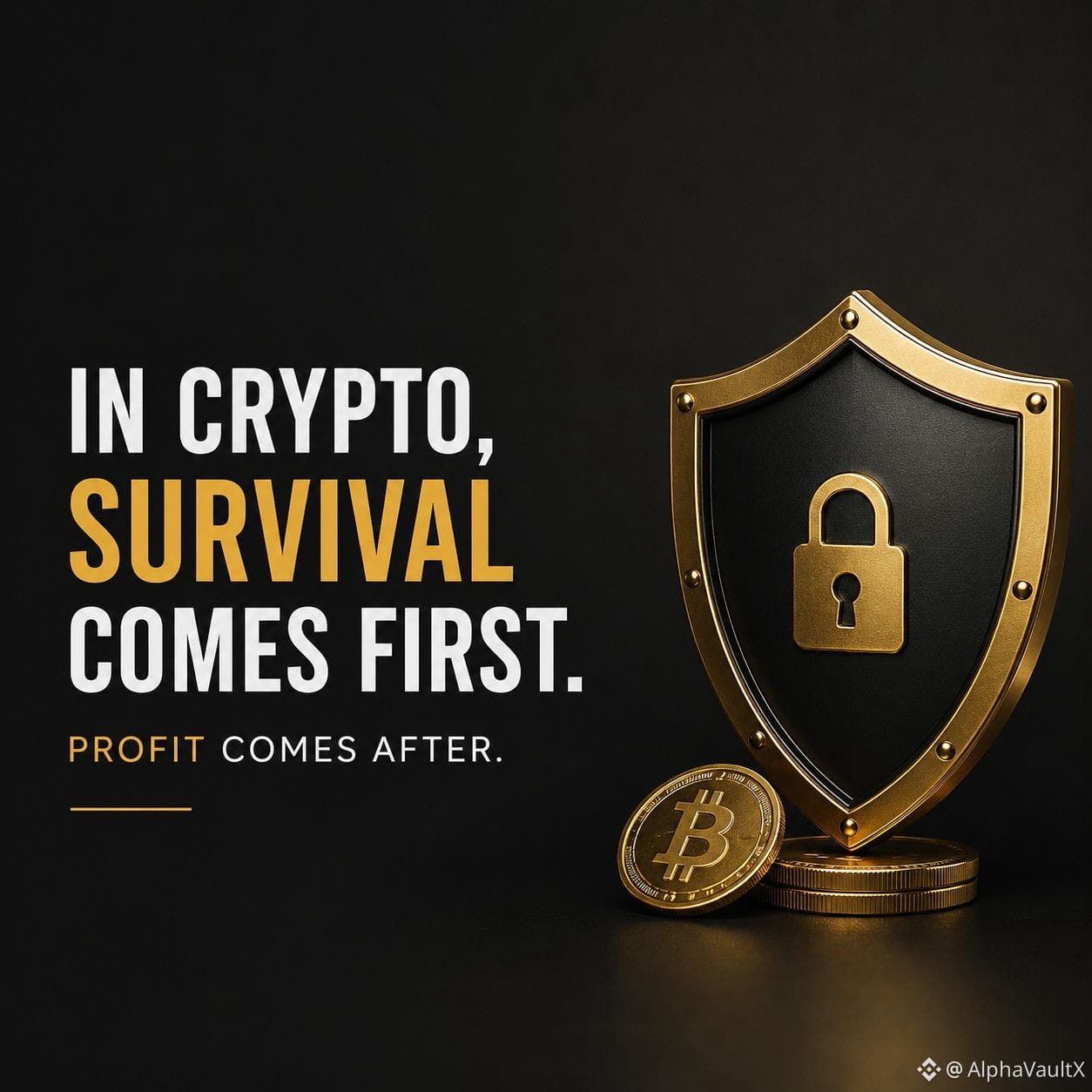
🚨 Are you new to Crypto? Your first goal should be survival, before you start chasing pumps, learn these things:
💥 How Spot and Futures trading works
💥 How leverage can destroy a small account
💥 Position sizing
💥 Stop-losses and risk management
💥 How to make a research about particular token before buying
💥 How to recognize FOMO and avoid emotional trades
📌You don't need to catch every pump and you don't need to trade all day and every day.
Your first win in crypto should be learning how not to lose money.
Master basics first, trust me Profit comes afterwards.
$SOL $BTC $ETH
#Beginnersguide
#cryptoeducation
#RiskManagement
117

ບົດຄວາມ
What is Trading? A Simple Guide for BeginnersTrading is the act of buying and selling assets with the goal of making a profit from price changes. These assets can be stocks, currencies, commodities, or cryptocurrencies. In recent years, crypto trading on platforms like Binance has become one of the most popular ways for people to start.
The Two Main Ways to Trade
1. Spot Trading
You buy an asset and own it.
Example: You buy Bitcoin at $90,000. Later you sell it at $95,000. Your profit is $5,000 (before fees).
This is the simplest and safest way for beginners.
2. Futures / Derivatives Trading
You trade contracts based on the price of an asset without owning it.
You can go Long (bet the price will rise) or Short (bet the price will fall).
This method uses leverage, which can increase both profits and losses.
#Beginnersguide #beginners #Beginners
What is Trading? A Simple Guide for Beginners
Trading is the act of buying and selling assets with the goal of making a profit from price changes. These assets can be stocks, currencies, commodities, or cryptocurrencies. In recent years, crypto trading on platforms like Binance has become one of the most popular ways for people to start.
The Two Main Ways to Trade
1. Spot Trading
You buy an asset and own it.
Example: You buy Bitcoin at $90,000. Later you sell it at $95,000. Your profit is $5,000 (before fees).
This is the simplest and safest way for beginners.
2. Futures / Derivatives Trading
You trade contracts based on the price of an asset without owning it.
You can go Long (bet the price will rise) or Short (bet the price will fall).
This method uses leverage, which can increase both profits and losses.
#Beginnersguide #beginners #Beginners
1
51
·
--

ບົດຄວາມ
Trading For Beginners 101Trading ဆိုတာ ဘာလဲ?
Crypto ကို စိတ်ဝင်စားလာတဲ့အခါ “Trading” ဆိုတဲ့စကားလုံးကို မကြာခဏ ကြားရပါလိမ့်မယ်။ ဒါပေမယ့် Trading ဆိုတာ တကယ်တော့ ဘာလဲ၊ Spot နဲ့ Futures က ဘာကွာလဲဆိုတာကို Beginner တစ်ယောက်အနေနဲ့ အရင်နားလည်ထားဖို့ အရေးကြီးပါတယ်။
💡 Trading ဆိုတာဘာလဲ?
အလွယ်ပြောရရင် Trading ဆိုတာ Asset တစ်ခုကို ဈေးနှုန်းအပြောင်းအလဲကနေ အမြတ်ရရှိဖို့ ရည်ရွယ်ပြီး ဝယ်ခြင်း၊ ရောင်းခြင်း ပြုလုပ်တာ ဖြစ်ပါတယ်။
Crypto Trading မှာတော့ Bitcoin ($BTC ), Ethereum ($ETH ) စတဲ့ Digital Assets တွေရဲ့ Price Movement ကို အခြေခံပြီး Trade လုပ်ကြပါတယ်။
ဥပမာ BTC ကို $70,000 မှာ ဝယ်ပြီး $75,000 မှာ ရောင်းခဲ့ရင် Price Difference ကနေ အမြတ်ရနိုင်ပါတယ်။ ဒါပေမယ့် ဈေးနှုန်းက ကိုယ်မျှော်လင့်ထားတဲ့ဘက်ကို မသွားရင် Loss ဖြစ်နိုင်တာကိုလည်း နားလည်ထားဖို့လိုပါတယ်။
🟡 1. Spot Trading
Spot Trading က Beginner တွေအတွက် အရင်ဆုံး နားလည်ထားသင့်တဲ့ Trading အမျိုးအစားတစ်ခုပါ။
Spot မှာ ကိုယ်ဝယ်လိုက်တဲ့ Asset ကို အမှန်တကယ်ပိုင်ဆိုင်ပါတယ်။ ဥပမာ BTC ကို USDT နဲ့ ဝယ်လိုက်ရင် ကိုယ့်ရဲ့ Spot Wallet ထဲမှာ BTC ရရှိလာပါမယ်။
BTC ဈေးတက်လာတဲ့အချိန်မှာ ပြန်ရောင်းပြီး Price Difference ကနေ အမြတ်ရယူနိုင်ပါတယ်။
USDT => BTC၀ယ် => စျေးတက် => မြတ်
USDT => BTC၀ယ် => စျေးကျ => ရှုံး
အမြတ်အရှုံးက ကိုယ့်assetကိုပြန်မရောင်းမချင်းတော့ floatingအနေနဲ့ရှိနေပြီး ပြောင်းလဲနိုင်သော PNLဖြစ်ပါတယ်။ Floating PNLဆိုတာ သင်ရှုံးနေရင်တောင် မရောင်းထုတ်ရသေးတာကြောင့် Assetစျေးပြန်တက်ပြီး အမြတ်ရရှိနိုင်ပါသေးတယ်။ (စျေးထပ်ကျတယ့်အခြေအနေဆိုလည်း ပိုရှုံးနိုင်ပါတယ်။)
Spot Trading မှာ ပုံမှန်အားဖြင့် Leverage(ဆတိုးခြင်း) မပါဝင်တာကြောင့် Futures ထက် Structure ပိုရိုးရှင်းပါတယ်။ ဒါပေမယ့် Crypto Price က အတက်အကျမြန်တဲ့အတွက် Spot Trading မှာလည်း Loss ဖြစ်နိုင်ပါတယ်။
🔴 2. Futures Trading
Futures Trading ကတော့ Spot ထက် ပိုမိုရှုပ်ထွေးပြီး Risk ပိုမြင့်နိုင်တဲ့ Trading အမျိုးအစားဖြစ်ပါတယ်။
Futures မှာ Asset ကို တိုက်ရိုက်ဝယ်ယူပြီးပိုင်ဆိုင်ရတာထက် Price Movement ကို အခြေခံပြီး Position ဖွင့်တာ ဖြစ်ပါတယ်။
ဈေးတက်မယ်လို့ထင်ရင် Long Position ဖွင့်နိုင်ပြီး ဈေးကျမယ်လို့မျှော်လင့်ရင် Short Position ဖွင့်နိုင်ပါတယ်။
နောက်ထပ်အရေးကြီးတာက Leverage ပါ။
ဥပမာ 10x Leverage အသုံးပြုရင် ကိုယ့်ရဲ့ Capital ထက် 10ဆပိုကြီးတဲ့ Position ကို ဖွင့်နိုင်ပါတယ်။ ဒါက Profit ကို မြန်မြန်တိုးနိုင်စေနိုင်သလို Price Movement က ကိုယ့်ဘက်နဲ့ ဆန့်ကျင်သွားတဲ့အခါ Loss ကိုလည်း မြန်မြန်ဖြစ်စေနိုင်ပါတယ်။
အချို့အခြေအနေတွေမှာ Margin မလုံလောက်တော့ရင် Position ကို Liquidation ဖြစ်နိုင်ပါတယ်။ Liquidationဆိုတာ marginမလုံလောက်လို့ သင့်မှာရှိတယ့် သင့်ရယ််ရင်းနှီးထားတယ့် assets အကုန်ဖြစ်စေ တစ်စိတ်တစ်ပိုင်းဖြစ်စေကို ဆုံးရှုံးရမှာဖြစ်ပါတယ်။
Liquidationမဖြစ်ရအောင်
•TP/SL ခံထားခြင်း၊
•အရင်းအနှီးထပ်ထည့်ခြင်း (မလုပ်သင့်ပါ)၊
•price movementမြင့်တယ့် marketတွေကိုရှောင်ခြင်း၊
•Leverageလျှော့ထားခြင်း
စတာတွေကိုပြုလုပ်လို့ရပါတယ်။
🧠 Beginner တစ်ယောက်အနေနဲ့ ဘာတွေသိထားသင့်လဲ?
Trading ဆိုတာ “ဈေးတက်ရင် ဝယ်၊ ဈေးကျရင် ရောင်း” လောက်နဲ့ မပြီးပါဘူး။ Risk Management က အရေးကြီးဆုံးအပိုင်းတွေထဲက တစ်ခုပါ။
Trade မလုပ်ခင်
- ကိုယ်ဘယ်လောက် အရှုံးခံနိုင်လဲ သတ်မှတ်ပါ။
- Entry နဲ့ Exit ကို ကြိုတင်စဉ်းစားပါ။
- Leverage ကို နားမလည်သေးရင် မသုံးသင့်ပါ။
- Trade တစ်ခုတည်းမှာ Capital အများကြီး မထည့်ပါနဲ့။
- FOMO ဖြစ်ပြီး အလျင်စလို Trade မလုပ်ပါနဲ့။
- ကိုယ် Trade လုပ်မယ့် Asset နဲ့ Market ကို လေ့လာပါ။
အရေးကြီးဆုံးက Profit ရဖို့ထက် အရင်ဆုံး Loss ကို ဘယ်လိုထိန်းချုပ်မလဲဆိုတာ လေ့လာထားဖို့ပါ။
Trading Journey ကို စတင်မယ်ဆိုရင် Spot Trading ရဲ့ အခြေခံတွေကို နားလည်ပြီးမှ Futures, Leverage, Margin, Liquidation စတဲ့ Concept တွေကို တစ်ဆင့်ချင်း လေ့လာသွားတာက ပိုကောင်းပါတယ်။
Trading for beginners 102မှာ ပိုပြီးအသေးစိတ်ရှင်းပြပေးပါမယ်။ နေ့တိုင်း contentတစ်ခုစီတင်ပေးနေပါမယ်ဗျ။
⚠️ Disclaimer: ဤ Content သည် ပညာပေးရည်ရွယ်ချက်အတွက်သာ ဖြစ်ပြီး Financial Advice မဟုတ်ပါ။ Cryptocurrency Trading တွင် အမြတ်ရနိုင်သလို မူလငွေကြေးထက်ပင် ပိုမိုဆုံးရှုံးနိုင်သည့် Risk များရှိနိုင်ပါသည်။ Spot နှင့် Futures Trading မပြုလုပ်မီ သက်ဆိုင်ရာ Product, Fees, Terms နှင့် Risk များကို ကိုယ်တိုင် သေချာလေ့လာနားလည်ပြီး ကိုယ့်ရဲ့ Risk Tolerance နဲ့ ကိုက်ညီမှုရှိမရှိ စဉ်းစားပါ။
#trading #Beginnersguide #Falcon
Trading For Beginners 101
Trading ဆိုတာ ဘာလဲ?
Crypto ကို စိတ်ဝင်စားလာတဲ့အခါ “Trading” ဆိုတဲ့စကားလုံးကို မကြာခဏ ကြားရပါလိမ့်မယ်။ ဒါပေမယ့် Trading ဆိုတာ တကယ်တော့ ဘာလဲ၊ Spot နဲ့ Futures က ဘာကွာလဲဆိုတာကို Beginner တစ်ယောက်အနေနဲ့ အရင်နားလည်ထားဖို့ အရေးကြီးပါတယ်။
💡 Trading ဆိုတာဘာလဲ?
အလွယ်ပြောရရင် Trading ဆိုတာ Asset တစ်ခုကို ဈေးနှုန်းအပြောင်းအလဲကနေ အမြတ်ရရှိဖို့ ရည်ရွယ်ပြီး ဝယ်ခြင်း၊ ရောင်းခြင်း ပြုလုပ်တာ ဖြစ်ပါတယ်။
Crypto Trading မှာတော့ Bitcoin ($BTC ), Ethereum ($ETH ) စတဲ့ Digital Assets တွေရဲ့ Price Movement ကို အခြေခံပြီး Trade လုပ်ကြပါတယ်။
ဥပမာ BTC ကို $70,000 မှာ ဝယ်ပြီး $75,000 မှာ ရောင်းခဲ့ရင် Price Difference ကနေ အမြတ်ရနိုင်ပါတယ်။ ဒါပေမယ့် ဈေးနှုန်းက ကိုယ်မျှော်လင့်ထားတဲ့ဘက်ကို မသွားရင် Loss ဖြစ်နိုင်တာကိုလည်း နားလည်ထားဖို့လိုပါတယ်။
🟡 1. Spot Trading
Spot Trading က Beginner တွေအတွက် အရင်ဆုံး နားလည်ထားသင့်တဲ့ Trading အမျိုးအစားတစ်ခုပါ။
Spot မှာ ကိုယ်ဝယ်လိုက်တဲ့ Asset ကို အမှန်တကယ်ပိုင်ဆိုင်ပါတယ်။ ဥပမာ BTC ကို USDT နဲ့ ဝယ်လိုက်ရင် ကိုယ့်ရဲ့ Spot Wallet ထဲမှာ BTC ရရှိလာပါမယ်။
BTC ဈေးတက်လာတဲ့အချိန်မှာ ပြန်ရောင်းပြီး Price Difference ကနေ အမြတ်ရယူနိုင်ပါတယ်။
USDT => BTC၀ယ် => စျေးတက် => မြတ်
USDT => BTC၀ယ် => စျေးကျ => ရှုံး
အမြတ်အရှုံးက ကိုယ့်assetကိုပြန်မရောင်းမချင်းတော့ floatingအနေနဲ့ရှိနေပြီး ပြောင်းလဲနိုင်သော PNLဖြစ်ပါတယ်။ Floating PNLဆိုတာ သင်ရှုံးနေရင်တောင် မရောင်းထုတ်ရသေးတာကြောင့် Assetစျေးပြန်တက်ပြီး အမြတ်ရရှိနိုင်ပါသေးတယ်။ (စျေးထပ်ကျတယ့်အခြေအနေဆိုလည်း ပိုရှုံးနိုင်ပါတယ်။)
Spot Trading မှာ ပုံမှန်အားဖြင့် Leverage(ဆတိုးခြင်း) မပါဝင်တာကြောင့် Futures ထက် Structure ပိုရိုးရှင်းပါတယ်။ ဒါပေမယ့် Crypto Price က အတက်အကျမြန်တဲ့အတွက် Spot Trading မှာလည်း Loss ဖြစ်နိုင်ပါတယ်။
🔴 2. Futures Trading
Futures Trading ကတော့ Spot ထက် ပိုမိုရှုပ်ထွေးပြီး Risk ပိုမြင့်နိုင်တဲ့ Trading အမျိုးအစားဖြစ်ပါတယ်။
Futures မှာ Asset ကို တိုက်ရိုက်ဝယ်ယူပြီးပိုင်ဆိုင်ရတာထက် Price Movement ကို အခြေခံပြီး Position ဖွင့်တာ ဖြစ်ပါတယ်။
ဈေးတက်မယ်လို့ထင်ရင် Long Position ဖွင့်နိုင်ပြီး ဈေးကျမယ်လို့မျှော်လင့်ရင် Short Position ဖွင့်နိုင်ပါတယ်။
နောက်ထပ်အရေးကြီးတာက Leverage ပါ။
ဥပမာ 10x Leverage အသုံးပြုရင် ကိုယ့်ရဲ့ Capital ထက် 10ဆပိုကြီးတဲ့ Position ကို ဖွင့်နိုင်ပါတယ်။ ဒါက Profit ကို မြန်မြန်တိုးနိုင်စေနိုင်သလို Price Movement က ကိုယ့်ဘက်နဲ့ ဆန့်ကျင်သွားတဲ့အခါ Loss ကိုလည်း မြန်မြန်ဖြစ်စေနိုင်ပါတယ်။
အချို့အခြေအနေတွေမှာ Margin မလုံလောက်တော့ရင် Position ကို Liquidation ဖြစ်နိုင်ပါတယ်။ Liquidationဆိုတာ marginမလုံလောက်လို့ သင့်မှာရှိတယ့် သင့်ရယ််ရင်းနှီးထားတယ့် assets အကုန်ဖြစ်စေ တစ်စိတ်တစ်ပိုင်းဖြစ်စေကို ဆုံးရှုံးရမှာဖြစ်ပါတယ်။
Liquidationမဖြစ်ရအောင်
•TP/SL ခံထားခြင်း၊
•အရင်းအနှီးထပ်ထည့်ခြင်း (မလုပ်သင့်ပါ)၊
•price movementမြင့်တယ့် marketတွေကိုရှောင်ခြင်း၊
•Leverageလျှော့ထားခြင်း
စတာတွေကိုပြုလုပ်လို့ရပါတယ်။
🧠 Beginner တစ်ယောက်အနေနဲ့ ဘာတွေသိထားသင့်လဲ?
Trading ဆိုတာ “ဈေးတက်ရင် ဝယ်၊ ဈေးကျရင် ရောင်း” လောက်နဲ့ မပြီးပါဘူး။ Risk Management က အရေးကြီးဆုံးအပိုင်းတွေထဲက တစ်ခုပါ။
Trade မလုပ်ခင်
- ကိုယ်ဘယ်လောက် အရှုံးခံနိုင်လဲ သတ်မှတ်ပါ။
- Entry နဲ့ Exit ကို ကြိုတင်စဉ်းစားပါ။
- Leverage ကို နားမလည်သေးရင် မသုံးသင့်ပါ။
- Trade တစ်ခုတည်းမှာ Capital အများကြီး မထည့်ပါနဲ့။
- FOMO ဖြစ်ပြီး အလျင်စလို Trade မလုပ်ပါနဲ့။
- ကိုယ် Trade လုပ်မယ့် Asset နဲ့ Market ကို လေ့လာပါ။
အရေးကြီးဆုံးက Profit ရဖို့ထက် အရင်ဆုံး Loss ကို ဘယ်လိုထိန်းချုပ်မလဲဆိုတာ လေ့လာထားဖို့ပါ။
Trading Journey ကို စတင်မယ်ဆိုရင် Spot Trading ရဲ့ အခြေခံတွေကို နားလည်ပြီးမှ Futures, Leverage, Margin, Liquidation စတဲ့ Concept တွေကို တစ်ဆင့်ချင်း လေ့လာသွားတာက ပိုကောင်းပါတယ်။
Trading for beginners 102မှာ ပိုပြီးအသေးစိတ်ရှင်းပြပေးပါမယ်။ နေ့တိုင်း contentတစ်ခုစီတင်ပေးနေပါမယ်ဗျ။
⚠️ Disclaimer: ဤ Content သည် ပညာပေးရည်ရွယ်ချက်အတွက်သာ ဖြစ်ပြီး Financial Advice မဟုတ်ပါ။ Cryptocurrency Trading တွင် အမြတ်ရနိုင်သလို မူလငွေကြေးထက်ပင် ပိုမိုဆုံးရှုံးနိုင်သည့် Risk များရှိနိုင်ပါသည်။ Spot နှင့် Futures Trading မပြုလုပ်မီ သက်ဆိုင်ရာ Product, Fees, Terms နှင့် Risk များကို ကိုယ်တိုင် သေချာလေ့လာနားလည်ပြီး ကိုယ့်ရဲ့ Risk Tolerance နဲ့ ကိုက်ညီမှုရှိမရှိ စဉ်းစားပါ။
#trading #Beginnersguide #Falcon
1
2
10
185

·
--
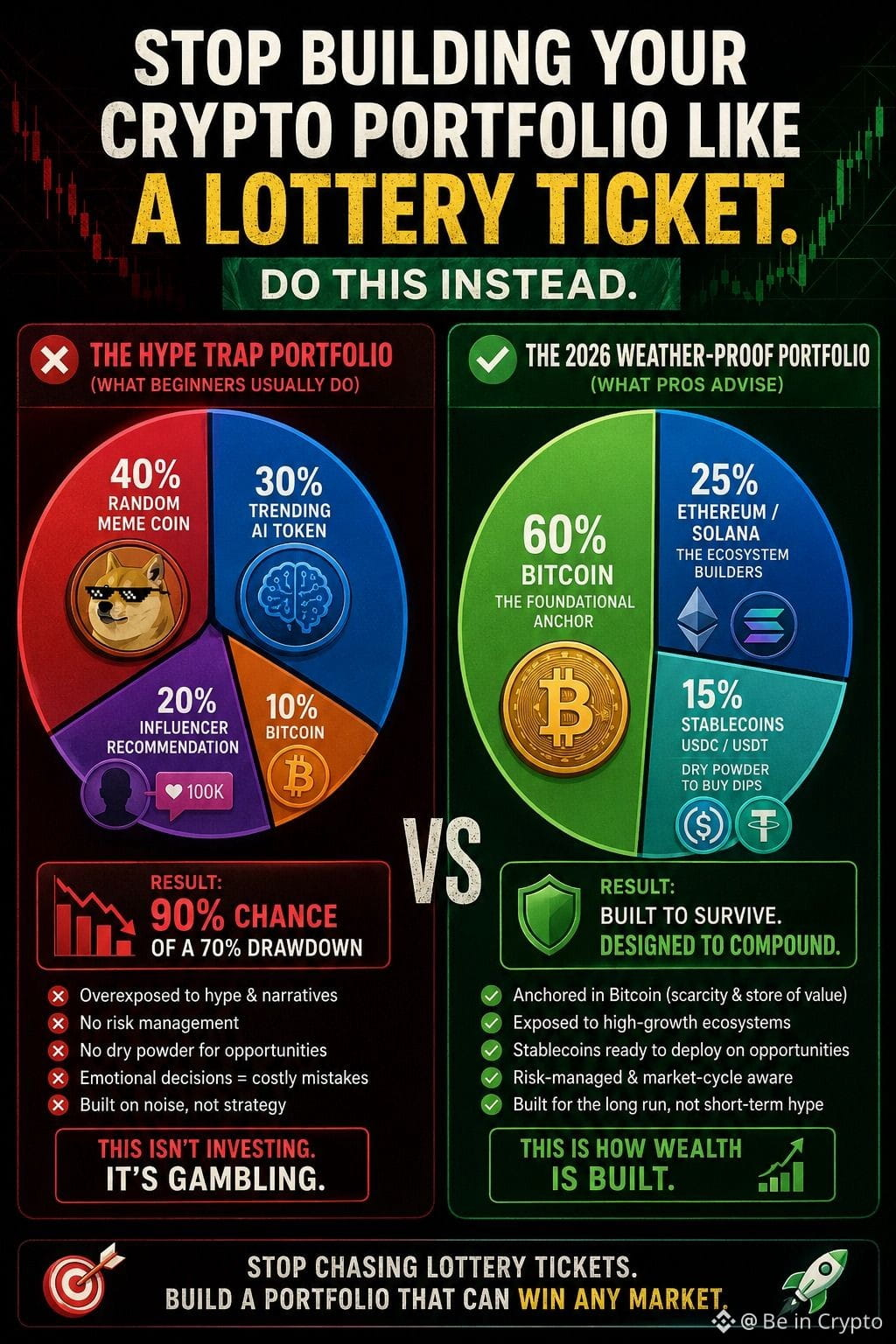
📈Stop building your crypto portfolio like a lottery ticket.
Most beginners buy
Meme coins
Trending narratives
Influencer picks
Then one crash wipes them out.
A smarter setup:
60% Bitcoin (foundation)
25% Ethereum/Solana (growth)
15% USDC/USDT (cash for dips)
The goal isn’t quick money—it’s surviving long enough to compound.
Random coins aren’t diversification. They’re unmanaged risk.
Focus on:
Risk management
Long-term conviction
Capital preservation
Survive first. Grow second.
Happy trading 🙂
#Crypto #Beginnersguide #solana #cryptoeducation
$SOL
{future}(SOLUSDT)
$BTC
{future}(BTCUSDT)
📈Stop building your crypto portfolio like a lottery ticket.
Most beginners buy
Meme coins
Trending narratives
Influencer picks
Then one crash wipes them out.
A smarter setup:
60% Bitcoin (foundation)
25% Ethereum/Solana (growth)
15% USDC/USDT (cash for dips)
The goal isn’t quick money—it’s surviving long enough to compound.
Random coins aren’t diversification. They’re unmanaged risk.
Focus on:
Risk management
Long-term conviction
Capital preservation
Survive first. Grow second.
Happy trading 🙂
#Crypto #Beginnersguide #solana #cryptoeducation
$SOL
$BTC
116

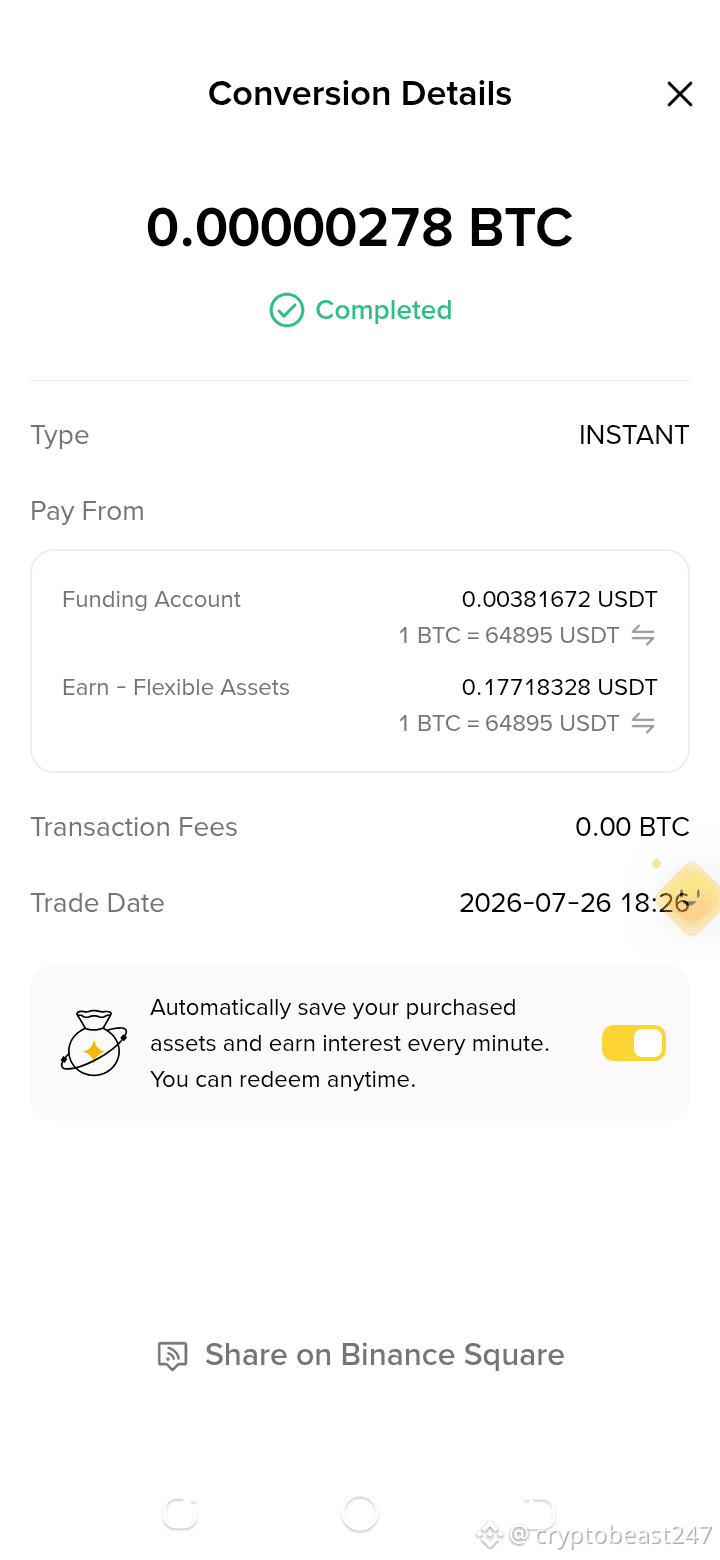
Crypto Tip for Beginners
Many beginners think they need to buy 1 whole Bitcoin.
You don't.
Bitcoin is divisible into 100 million satoshis, so you can start with whatever you can afford.
Consistency beats trying to time the market.
$BTC
#Beginnersguide #BTC
Crypto Tip for Beginners
Many beginners think they need to buy 1 whole Bitcoin.
You don't.
Bitcoin is divisible into 100 million satoshis, so you can start with whatever you can afford.
Consistency beats trying to time the market.
$BTC
#Beginnersguide #BTC
Many beginners think they need to buy 1 whole Bitcoin.
You don't.
Bitcoin is divisible into 100 million satoshis, so you can start with whatever you can afford.
Consistency beats trying to time the market.
$BTC
#Beginnersguide #BTC
1
109
ເຂົ້າສູ່ລະບົບເພື່ອສຳຫຼວດເນື້ອຫາເພີ່ມເຕີມ
ເຂົ້າຮ່ວມກຸ່ມຜູ້ໃຊ້ຄຣິບໂຕທົ່ວໂລກໃນ Binance Square.
⚡️ ໄດ້ຮັບຂໍ້ມູນຫຼ້າສຸດ ແລະ ທີ່ມີປະໂຫຍດກ່ຽວກັບຄຣິບໂຕ.
💬 ໄດ້ຮັບຄວາມໄວ້ວາງໃຈຈາກຕະຫຼາດແລກປ່ຽນຄຣິບໂຕທີ່ໃຫຍ່ທີ່ສຸດໃນໂລກ.
👍 ຄົ້ນຫາຂໍ້ມູນເຊີງເລິກທີ່ແທ້ຈາກນັກສ້າງທີ່ໄດ້ຮັບການຢືນຢັນ.
ອີເມວ / ເບີໂທລະສັບ
ຫົວຂໍ້ທີ່ກໍາລັງນິຍົມ
1
#BinancePick
2.6M ຄັ້ງທີ່ເບິ່ງ
141,730 ກຳລັງສົນທະນາ
2
#EarningsSeason
5M ຄັ້ງທີ່ເບິ່ງ
24,354 ກຳລັງສົນທະນາ
3
#FranklinTempletonFilesForTwoDividendToBitcoinETFs
1,564 ຄັ້ງທີ່ເບິ່ງ
93 ກຳລັງສົນທະນາ
4
#StrategyMSTRSurpassesNasdaqInMarketCap
2,387 ຄັ້ງທີ່ເບິ່ງ
96 ກຳລັງສົນທະນາ
5
#CanadaProposesStablecoinRedemptionWithin3BusinessDays
97 ຄັ້ງທີ່ເບິ່ງ
13 ກຳລັງສົນທະນາ
6
#ElectrumWalletBugLetRogueServersStealFunds
8,475 ຄັ້ງທີ່ເບິ່ງ
234 ກຳລັງສົນທະນາ
7
#ArgentineCourtDismissesLIBRACaseAgainstMilei
18,618 ຄັ້ງທີ່ເບິ່ງ
314 ກຳລັງສົນທະນາ
8
#SKHynixReportedlyPlansSpecialDividendFromKioxiaStakeSale
3,122 ຄັ້ງທີ່ເບິ່ງ
48 ກຳລັງສົນທະນາ
9
#KeystoneWebsiteBreachExposesBuyersShippingAddresses
1,669 ຄັ້ງທີ່ເບິ່ງ
40 ກຳລັງສົນທະນາ
10
#USQ3GDPAndSeptemberPCEDueNextWeek
96,688 ຄັ້ງທີ່ເບິ່ງ
1,134 ກຳລັງສົນທະນາ