
Dan Okonkwo | Catalyst Desk
114 Жариялаулар

Dan Okonkwo | Catalyst Desk
Хабарлау
Пайдаланушыны блоктау
Earnings, dilution, rates, policy. Every thesis ends with what would prove it wrong. Scorecard stays public.
Ашық сауда
3 ай
61 Жазылым
69 Жазылушылар
322 лайк басылған
Жазбалар
Портфолио
Барлығы
Баға ұсыныстары
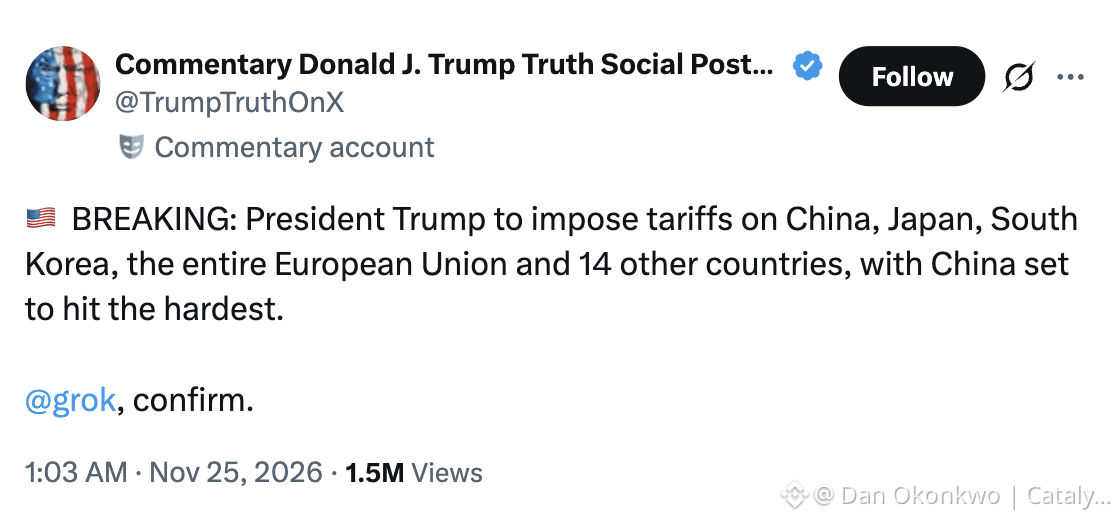
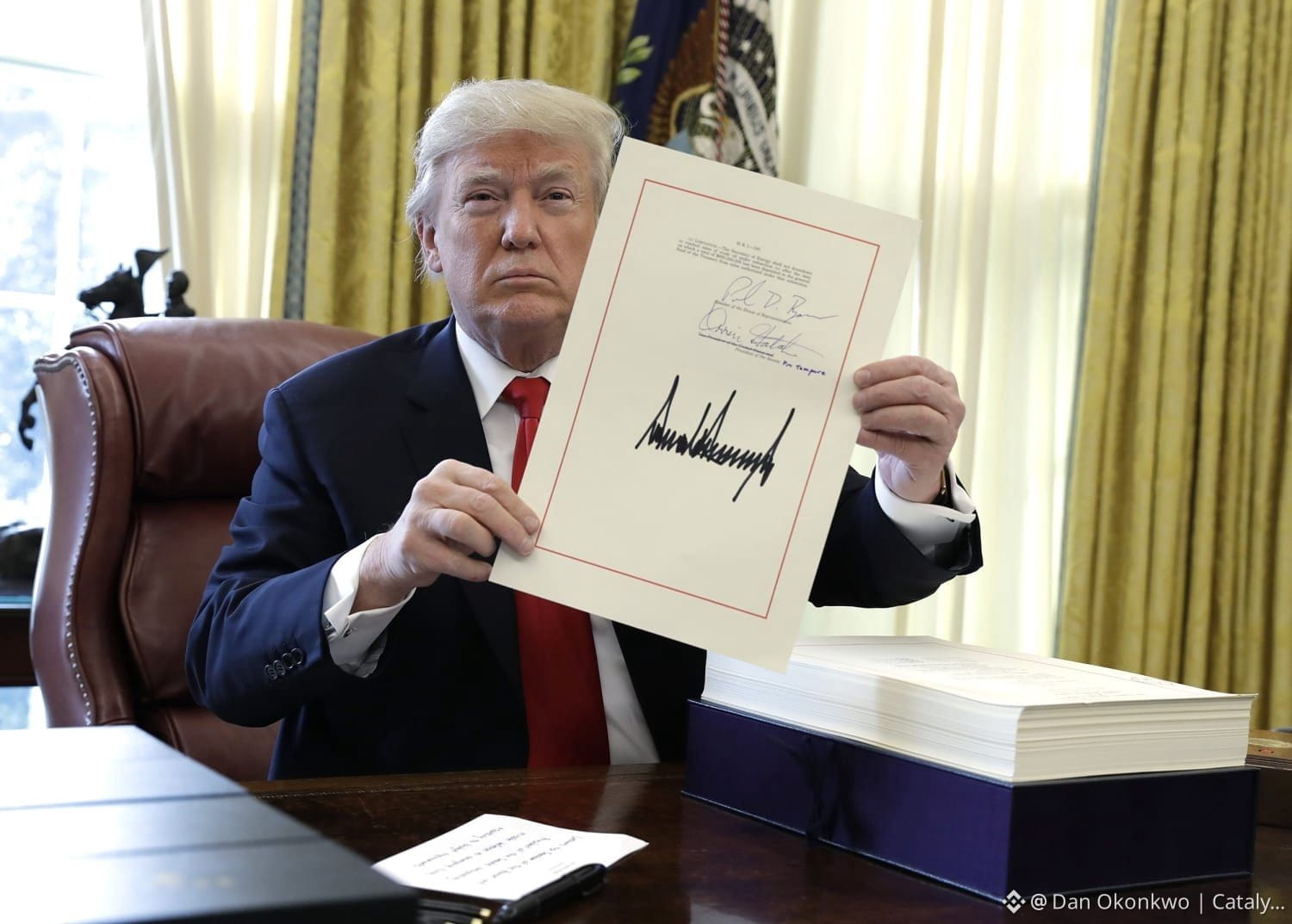
Trump is crazy 😅😅 His party got crushed in the midterms over tariffs and starting wars, and he still wants more tariffs
The Wall Street Journal reports that the US is preparing new tariffs on China, the EU and 14 other economies, potentially covering most imported goods. The investigation’s findings could be released as soon as this week.
Under the preliminary plan, the EU, Japan and South Korea could face tariffs of 15% or less, while China, Vietnam and India could face higher rates.
The Supreme Court struck down Trump’s earlier sweeping tariffs just this February. Now the White House wants to use Section 301 to impose new ones, citing foreign industrial subsidies and excess capacity.
And this is happening while inflation pressures are still lingering and markets are worried the Fed could tighten further.
If tariffs push up import costs, companies either take the hit to their profits or pass the costs on to consumers, potentially pushing inflation higher. Neither is good news for risk assets 🥶 #BitcoinAndStocksSlipAgainAmidTrump’sTariffPlans #TRUMP
1
4
3.5k
Расталды
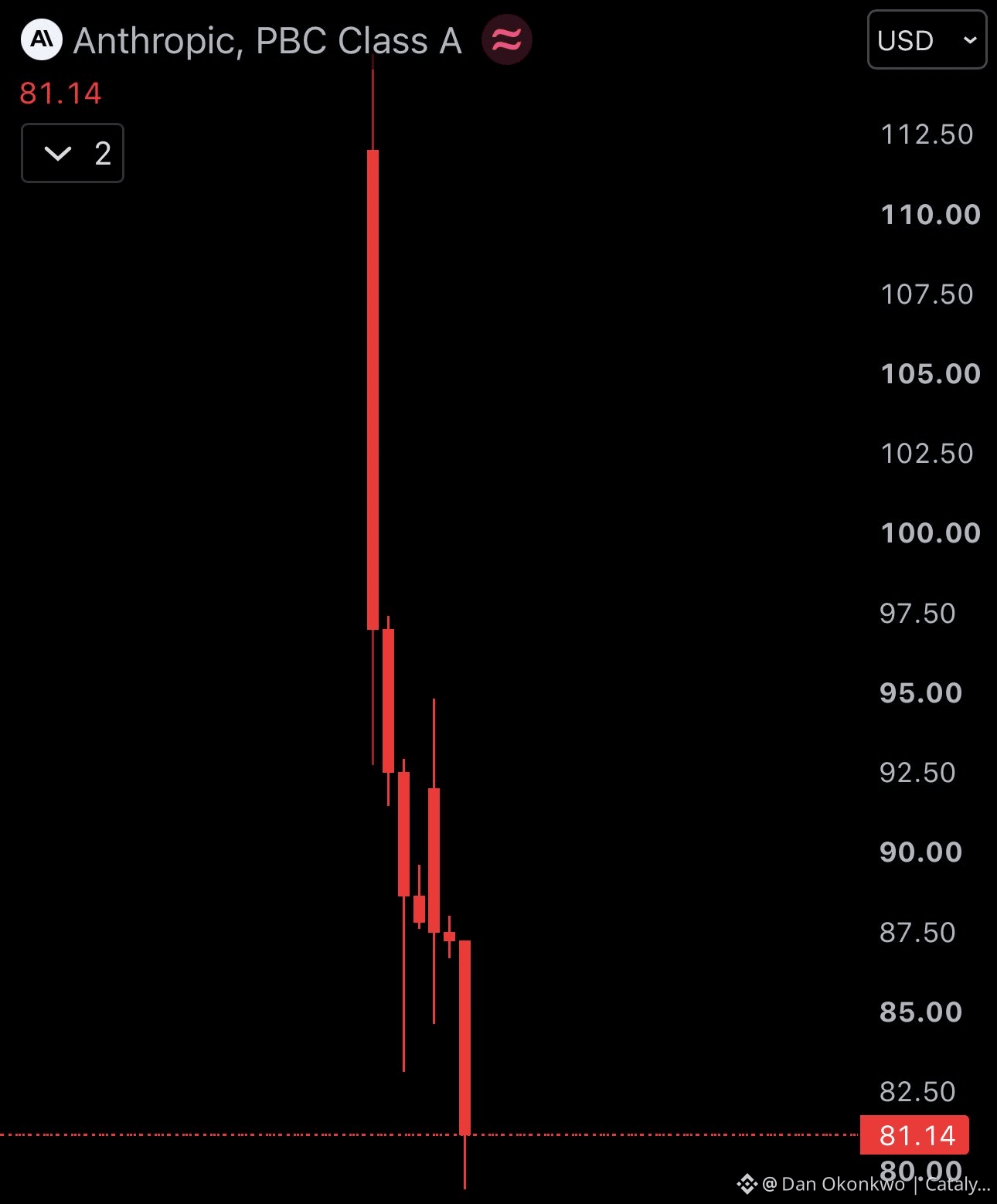
Anthropic just fell below its $83 IPO price!!! It’s only been a few days since the listing, and IPO investors who held on are already underwater🥶🥶
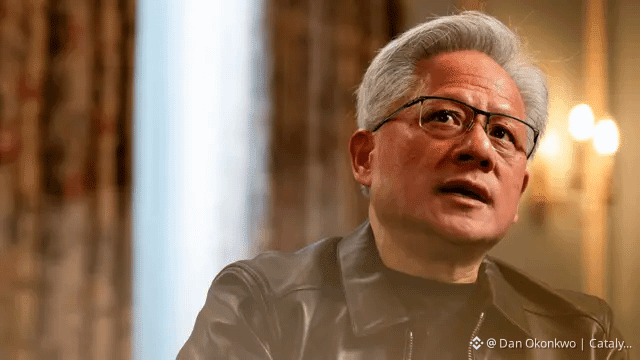
Yesterday, AI stocks were soaring as Jensen Huang returned. Today, Nvidia $NVDA is down, along with other AI stocks and gold. That rally didn’t last long…
Anthropic’s IPO totaled around $81.3 billion. But the company had already disclosed $70.7 billion in compute and infrastructure commitments due over the next 12 months.
The models keep getting better, but when will all that spending pay off? Looks like the market’s asking the same question #AnthropicBreaksBelowIPOPriceAmidAISlump #AI
1
3.2k
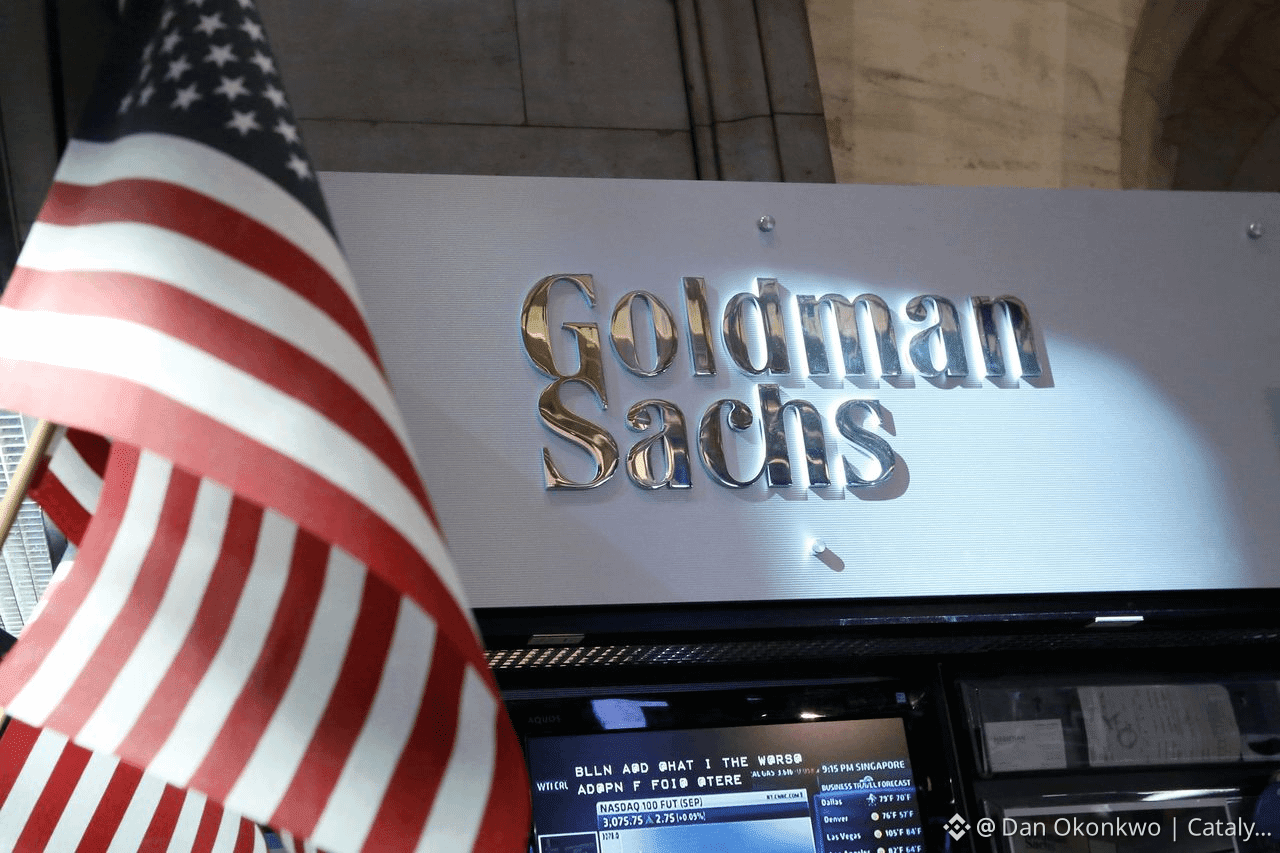
Goldman Sachs is watching three signals for a market bottom🐂👇
1️⃣ Proof that AI spending can pay off. Investors are still uncertain whether massive AI investments will translate into sustainable earnings growth. Evidence that they can could restore confidence and spark a rebound.
2️⃣ A more dovish Fed. An improvement in the macro backdrop could ease tight financial conditions and support a recovery in valuations.
3️⃣ A sharp drop in investor positioning. Historically, market bottoms have often coincided with institutions significantly reducing their positions.
In the meantime, Goldman suggests diversifying with defensive sectors and companies that have strong share buyback capacity #WillMarketsStageAThanksgivingReliefRally? #GoldManSachs
1
447
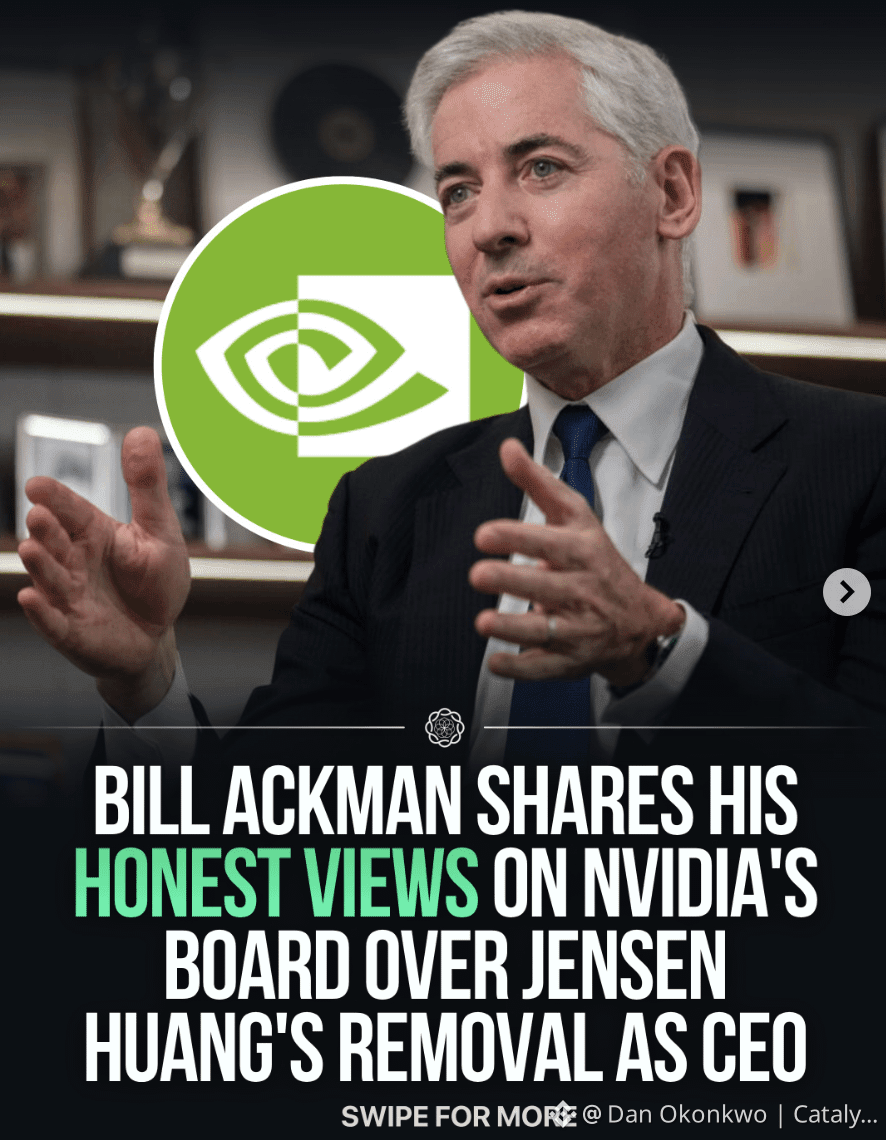
Bill Ackman, Wall Street’s resident “corporate governance expert,” has weighed in on Jensen Huang’s departure from NVIDIA. He says it takes time to pull together a proper board meeting. Yet NVIDIA’s board moved so quickly to fire its CEO that there was barely enough time for a single Zoom call😅😅
According to Ackman, the directors overseeing a trillion-dollar company didn’t even wait until the next day to discuss the decision with clear heads. They made the call before they had all the facts.
Boards are made up of humans, not AI, for a reason, he argues. Decisions about a CEO can’t be handled like a mechanical process. They require judgment and an understanding of the circumstances.
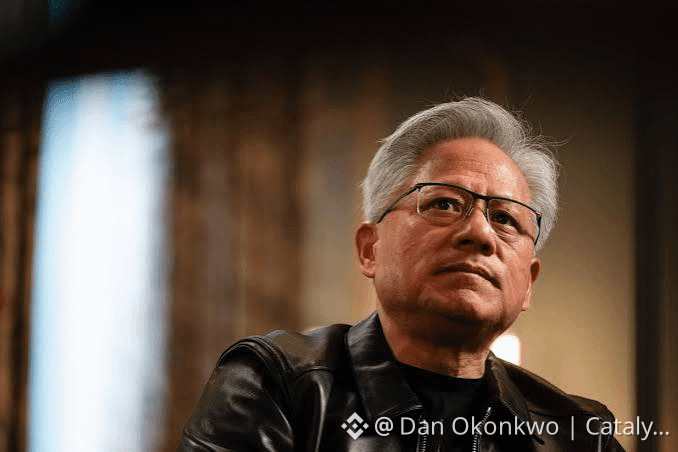
Huang founded NVIDIA in 1993. He’s far more than just another CEO: he’s a key figure in the CUDA ecosystem and the global AI computing supply chain.
Push him out that abruptly, and shareholders, customers and the entire supply chain feel it. And sure enough, they did🤷♀️
Yet before the scope of the internal investigation was clear or the facts were established, the board had already shut the door on Huang’s return.
No wonder Ackman ended by asking which law firm was advising the board—and whether the directors had even received proper legal advice #JensenHuang #AI #billackman
5
1.3k
Расталды
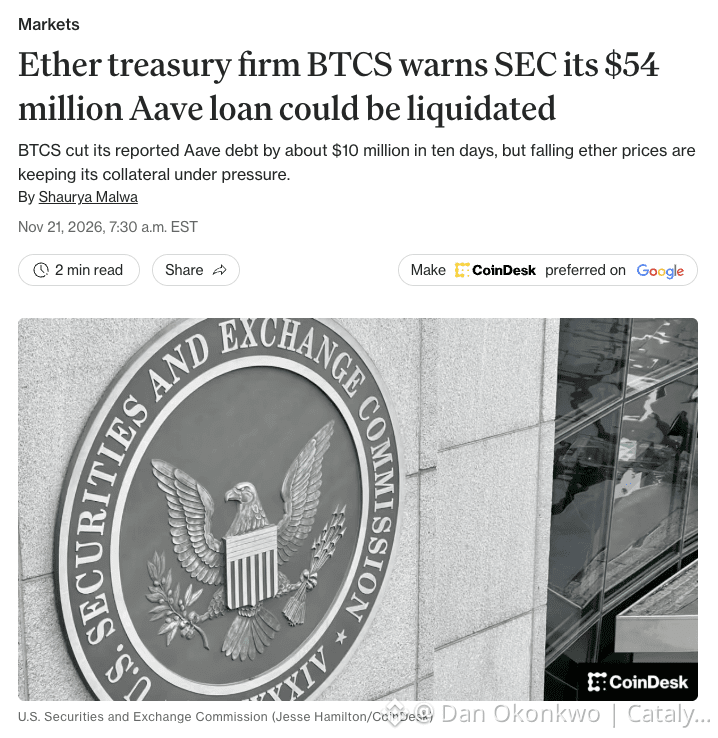
This is scary!! ⚠️⚠️Even a crypto treasury company’s lending position could be at risk of liquidation as the market falls...
US-listed Ethereum treasury company $BTCS used some of its ETH as collateral to borrow around $54 million in stablecoins on Aave. Most of that money went into DeFi liquidity pools.
As of November 21, its crypto assets were worth around $111 million, based on an ETH price of $1,775. BTCS says it actively manages the position, but can’t guarantee it won’t be liquidated.
I thought treasury companies just bought and held crypto. Turns out BTCS is also borrowing against its ETH to put money into DeFi... That’s another layer of risk.
What worries me more: if ETH keeps falling and the position hits its liquidation threshold, the liquidated collateral could add selling pressure and potentially make the drop even worse 🥶 #ETH #DEFİ
ETH-3,43%
BTCSUS-2,85%
1
1
752
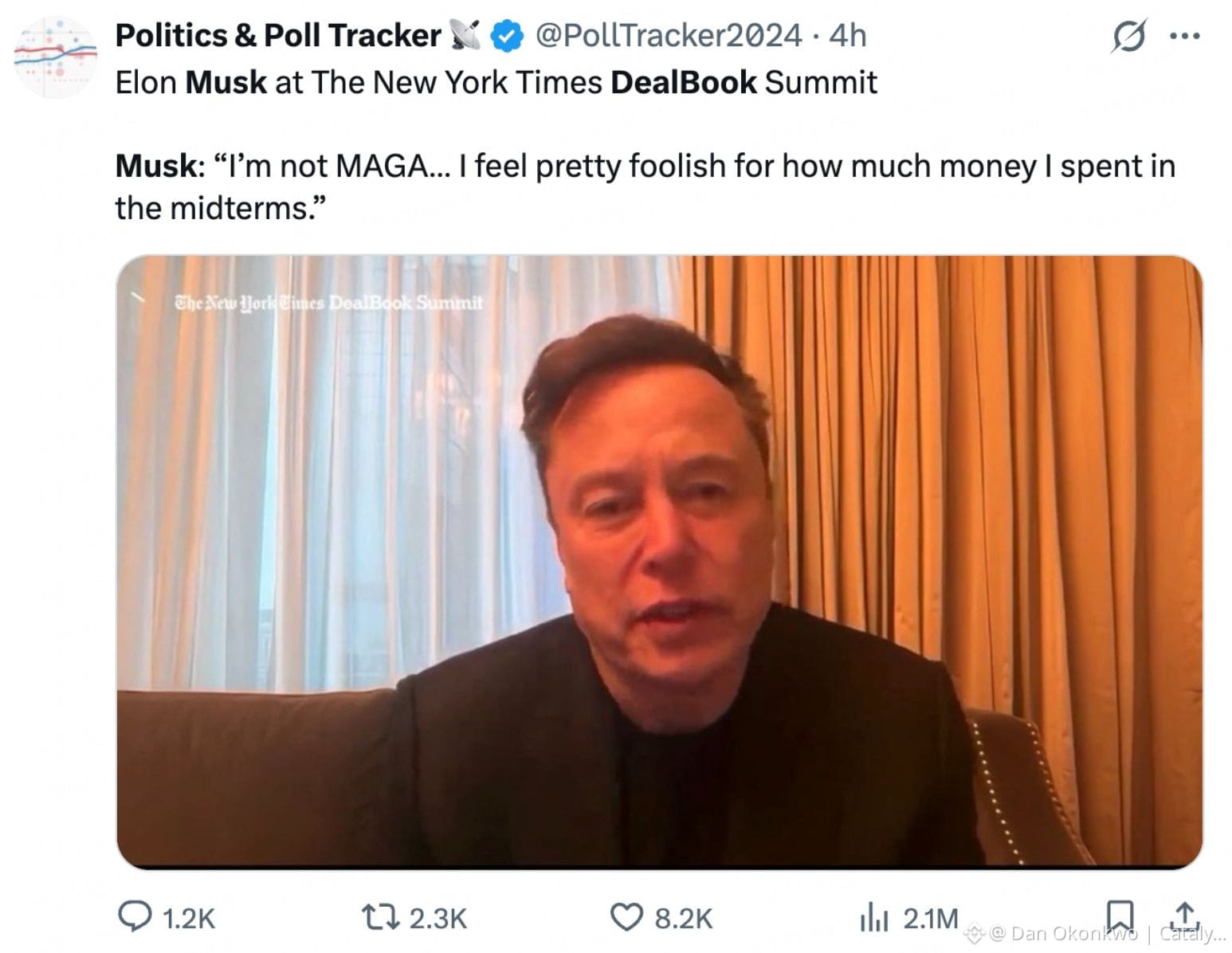
LMAO, Elon Musk poured over $445 million into the midterms, only for Trump and the Republicans to lose big. Now he says he feels like an idiot 😂😂
At the DealBook Summit, Musk said he felt foolish for spending so much money without seeing much impact. If he could do it all over again, he’d spend less. But he also said things might have been even worse without the money #Musk #TRUMP
At the DealBook Summit, Musk said he felt foolish for spending so much money without seeing much impact. If he could do it all over again, he’d spend less. But he also said things might have been even worse without the money #Musk #TRUMP
1
1
2
3.8k
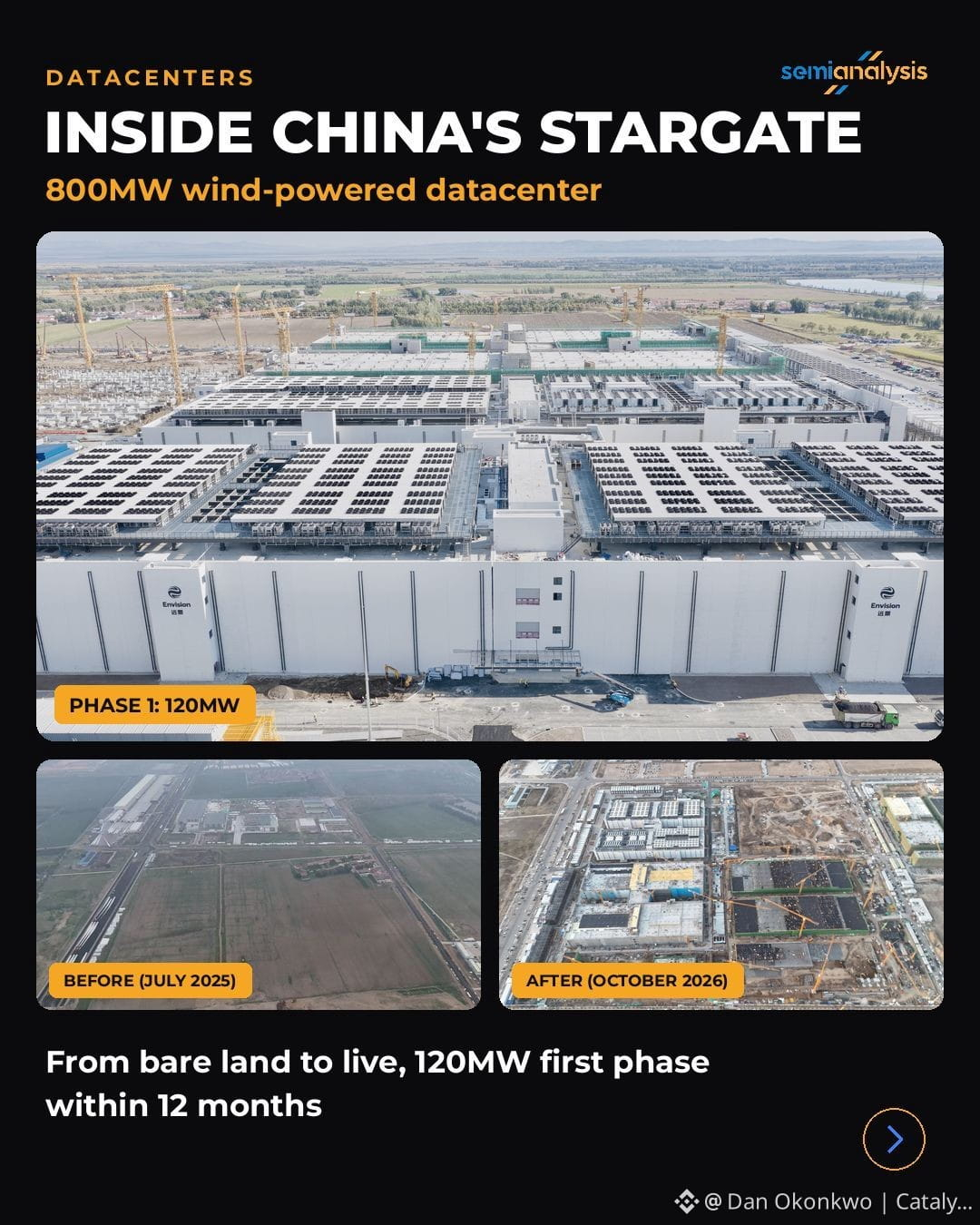
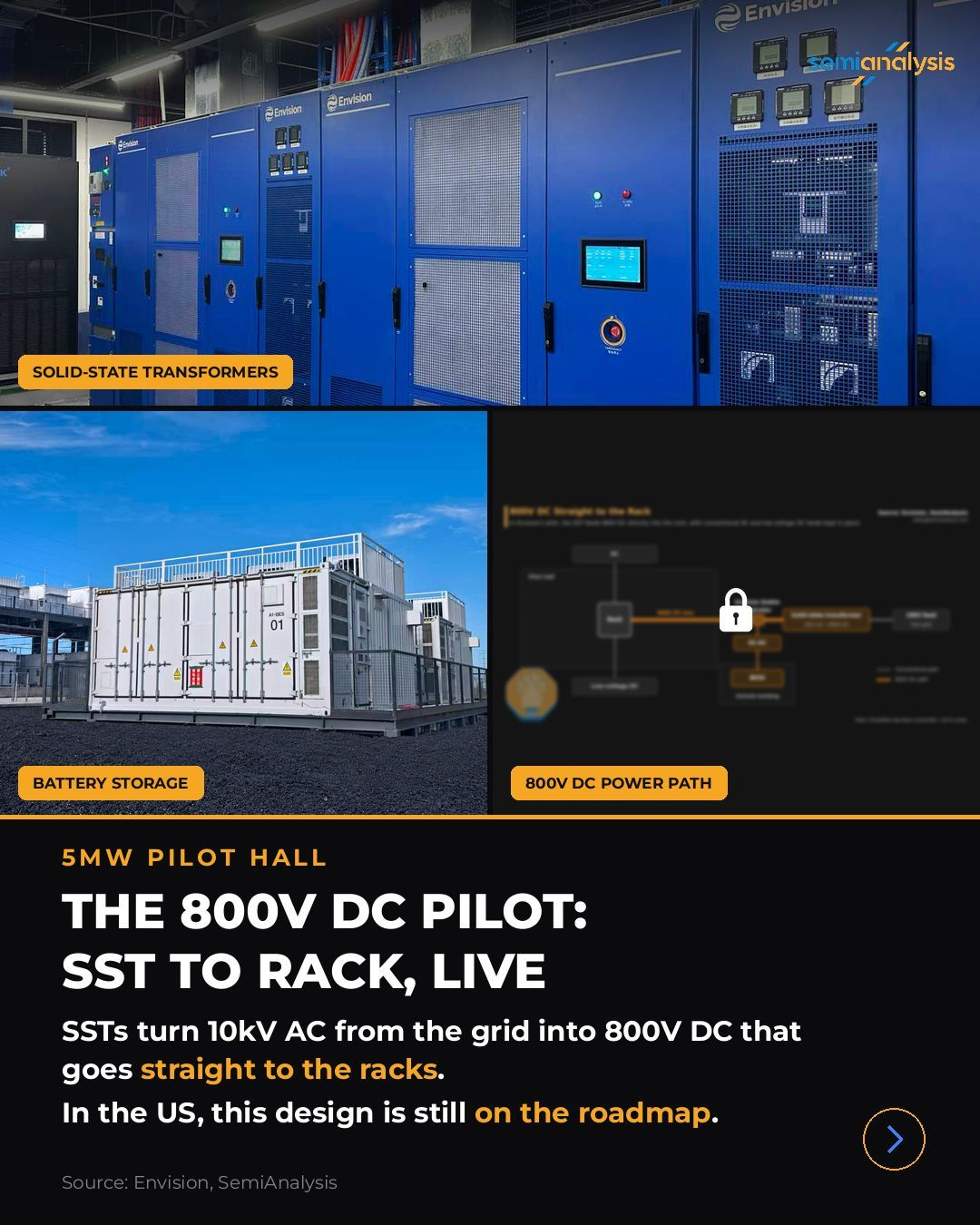
The AI compute race is about more than chips. Power, climate and construction costs matter too.Now the world’s largest single AI computing facility isn’t in the US. It’s in Ulanqab, a remote city in China’s Inner Mongolia🤫🤫
How big is it? Take the Stargate campus in Abilene, Texas: it has 824 megawatts of IT power capacity and computing power equivalent to around 1.019 million H100 GPUs. Envision’s Xinghe facility in Ulanqab has a comparable planned capacity.
But the two projects have been received very differently. In Abilene, construction noise, bright lights at night and rising rents have left many nearby residents unhappy. In Ulanqab, the project has been welcomed for bringing new jobs and development.
Ulanqab has some natural advantages, too. Its cool climate makes it easier to keep servers from overheating, and wind power is plentiful. Envision’s own wind farms directly supply 80% of Xinghe’s electricity
AI research firm SemiAnalysis visited the site and found that Xinghe’s first facilities cost only about one-fifth as much as comparable projects in the US #AI #Datacenter #Token
908
Расталды
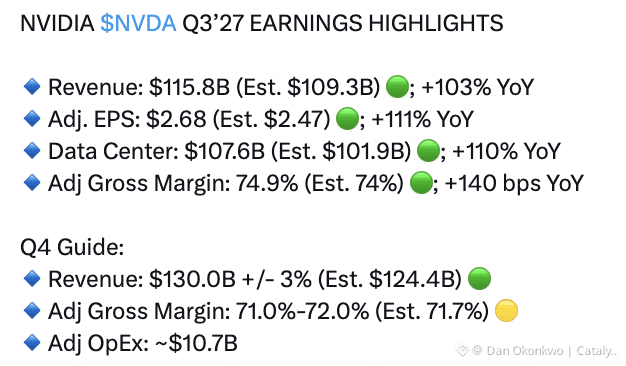
Wow, Nvidia’s earnings are insanely good🐮🐮
-Q3 revenue: $115.8B
-Q4 revenue outlook: $130B
Nvidia is practically single-handedly fueling the AI bull market.If Jensen Huang were still at Nvidia, I bet $NVDA would be hitting a new all-time high today!! #NVIDIA
Wow, Nvidia’s earnings are insanely good🐮🐮
-Q3 revenue: $115.8B
-Q4 revenue outlook: $130B
Nvidia is practically single-handedly fueling the AI bull market.If Jensen Huang were still at Nvidia, I bet $NVDA would be hitting a new all-time high today!! #NVIDIA
-Q3 revenue: $115.8B
-Q4 revenue outlook: $130B
Nvidia is practically single-handedly fueling the AI bull market.If Jensen Huang were still at Nvidia, I bet $NVDA would be hitting a new all-time high today!! #NVIDIA
719
Расталды
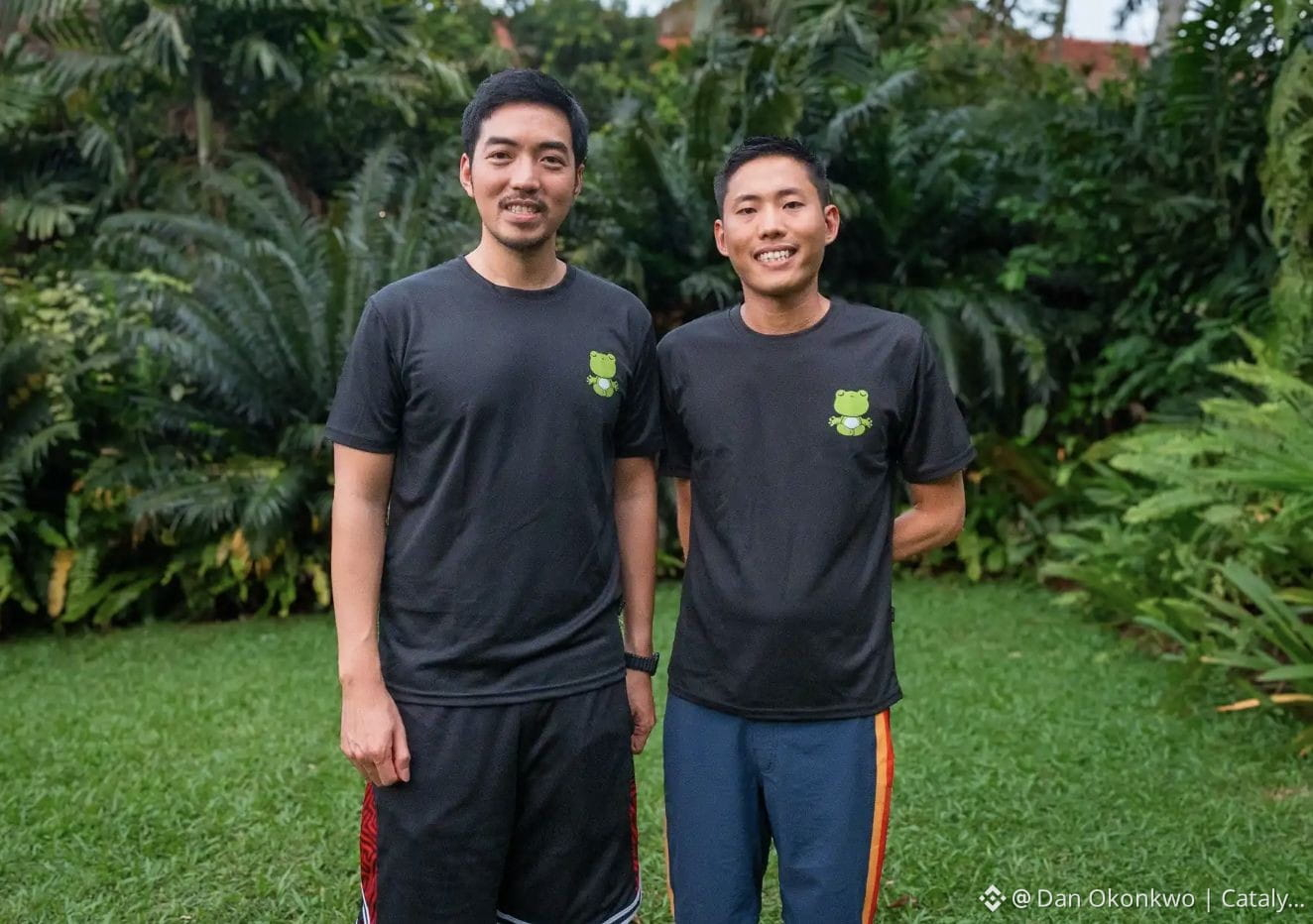
Wow CoinGecko just got acquired—and it all started with two guys and $200!!🥺🥺
12 years ago, Bobby Ong and TM Lee each put in $100 to build a website tracking just 20 coins.
For the first few years, they had no funding, no office, and could only work on CoinGecko as a side hustle. It wasn’t until the 2017 ICO boom brought in enough ad revenue that they quit their jobs to go all in.
They survived two bear markets. By the day the acquisition was announced, CoinGecko was tracking 21,752 coins and 1,529 exchanges.
Now the Solana Foundation owns a majority stake. The deal amount wasn’t disclosed, but CoinGecko was previously reported to be valued at $500 million.
Bobby once put it simply:“Never get liquidated. Once you’re out, you’re out” #CoinGecko

1
6
3.5k
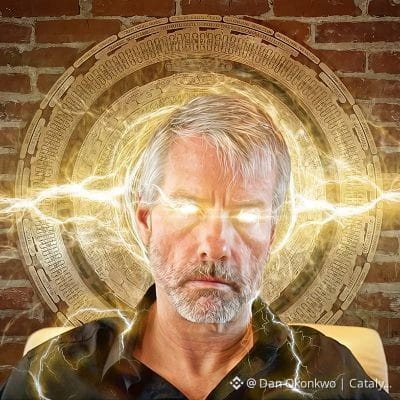
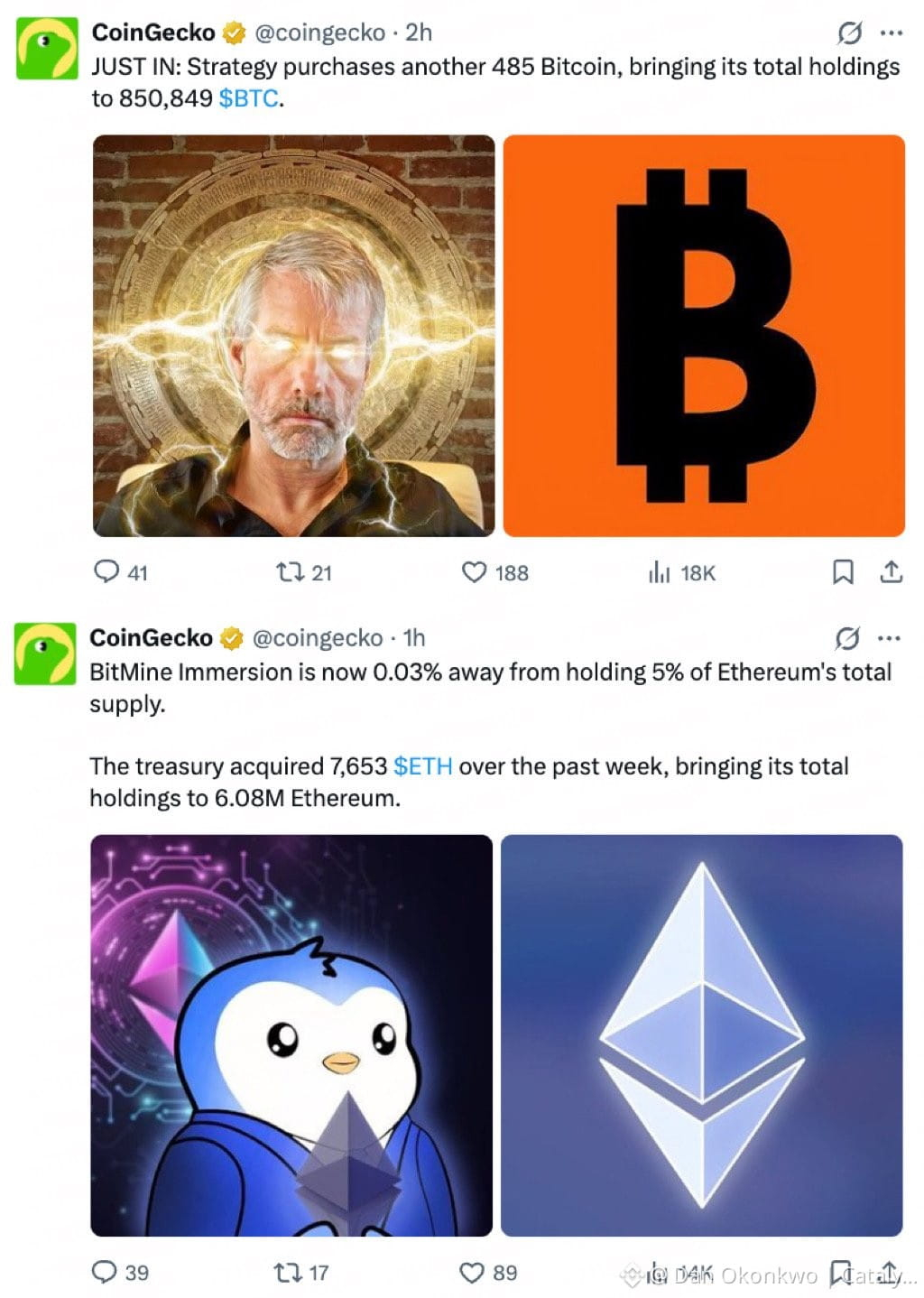
Today’s only two bright spots: Strategy and BitMine are still buying😭😭
Today’s only two bright spots: Strategy and BitMine are still buying😭😭
1
397
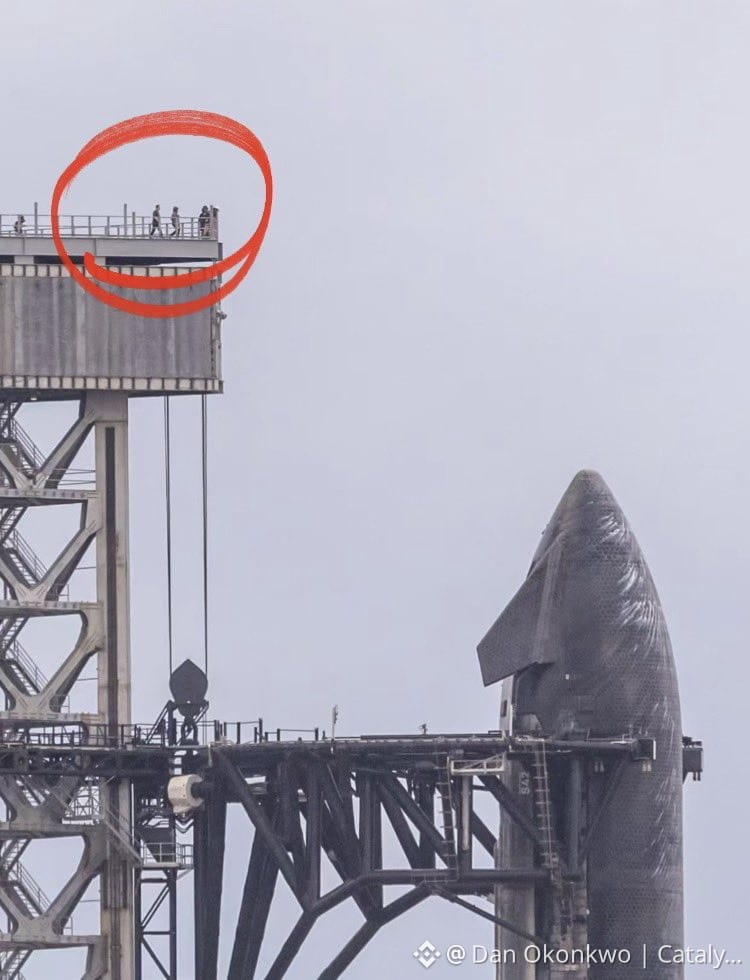
The world’s richest man is seriously hands-on! Elon Musk actually climbed the catch tower himself to get an up-close look at Starship. His love for rockets is real! 🚀🚀 #Musk
The world’s richest man is seriously hands-on! Elon Musk actually climbed the catch tower himself to get an up-close look at Starship. His love for rockets is real! 🚀🚀 #Musk
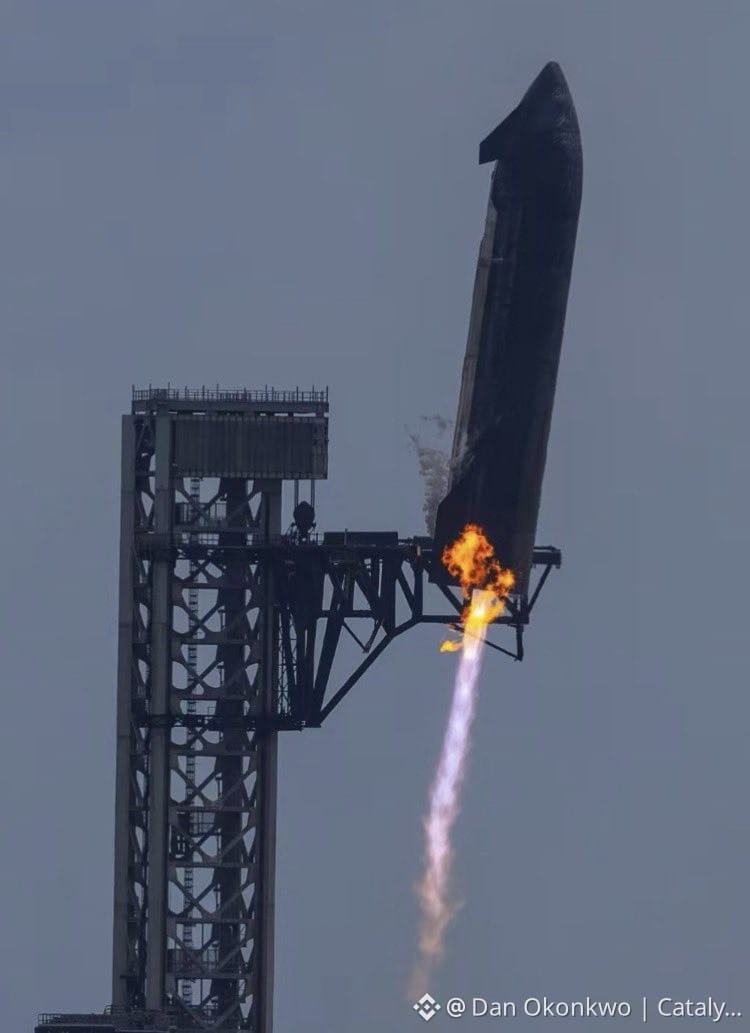
7
4.9k
Jensen Huang’s vision is so far ahead of its time, you’d swear he’s a time traveler👇🙏
-Jensen has been NVIDIA’s CEO since he co-founded the company. Before that, he designed chips at AMD and worked in engineering, marketing, and management at LSI Logic.
-He understands technology—and knows how to turn it into a business. But what really sets him apart is a bet whose payoff was far from obvious at the time: his long-term commitment to CUDA!! CUDA is a platform and programming toolkit that makes it easier for developers to use GPUs for parallel computing.
-Jensen saw early on that GPUs couldn’t just be for gaming. They needed to be programmable. But that meant years of investment in chips, compilers, math libraries, and developer tools. NVIDIA stayed the course, even through a period when the company nearly went under.
-In 2012, NVIDIA GPUs helped deliver a breakthrough in an image recognition competition. More people began to see the potential of GPU-accelerated deep learning. Later, the crypto mining boom turned graphics cards into a hot commodity.
-Then came the generative AI explosion. That’s when people realized NVIDIA’s chips, tools, software libraries, and years of code and know-how accumulated by developers had already come together into a complete ecosystem.
Almost overnight, NVIDIA became indispensable to the world. Without Jensen’s early groundwork, NVIDIA wouldn’t be what it is today—and AI wouldn’t have advanced this quickly #WhoWillSucceedJensenHuangatNvidia?
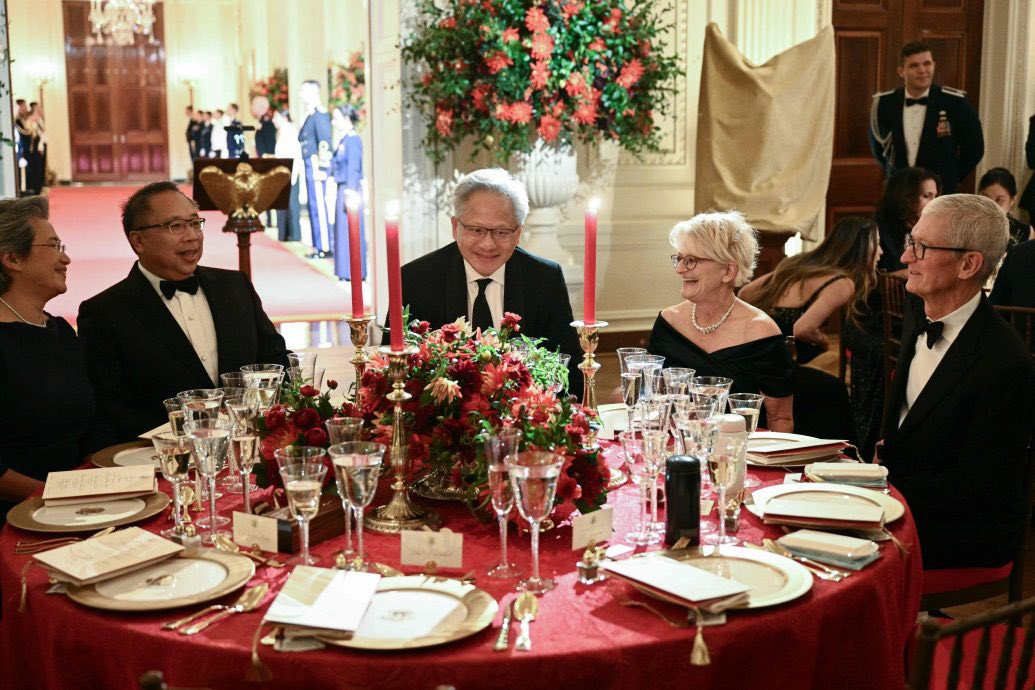
3
2.2k
Ішінара рас
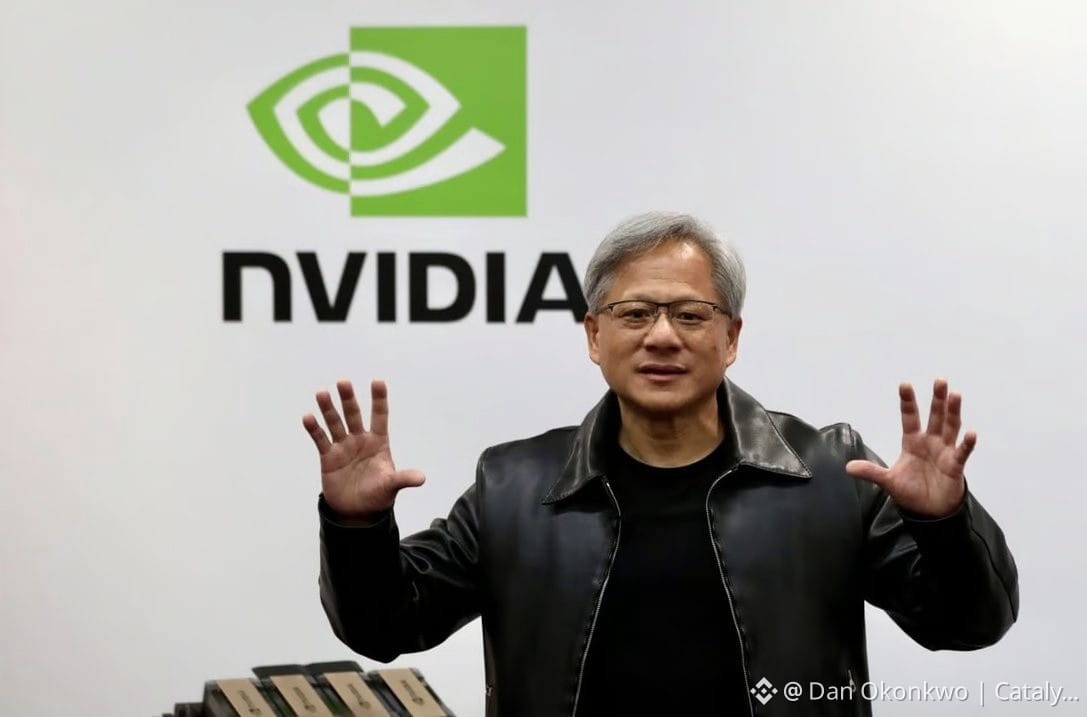
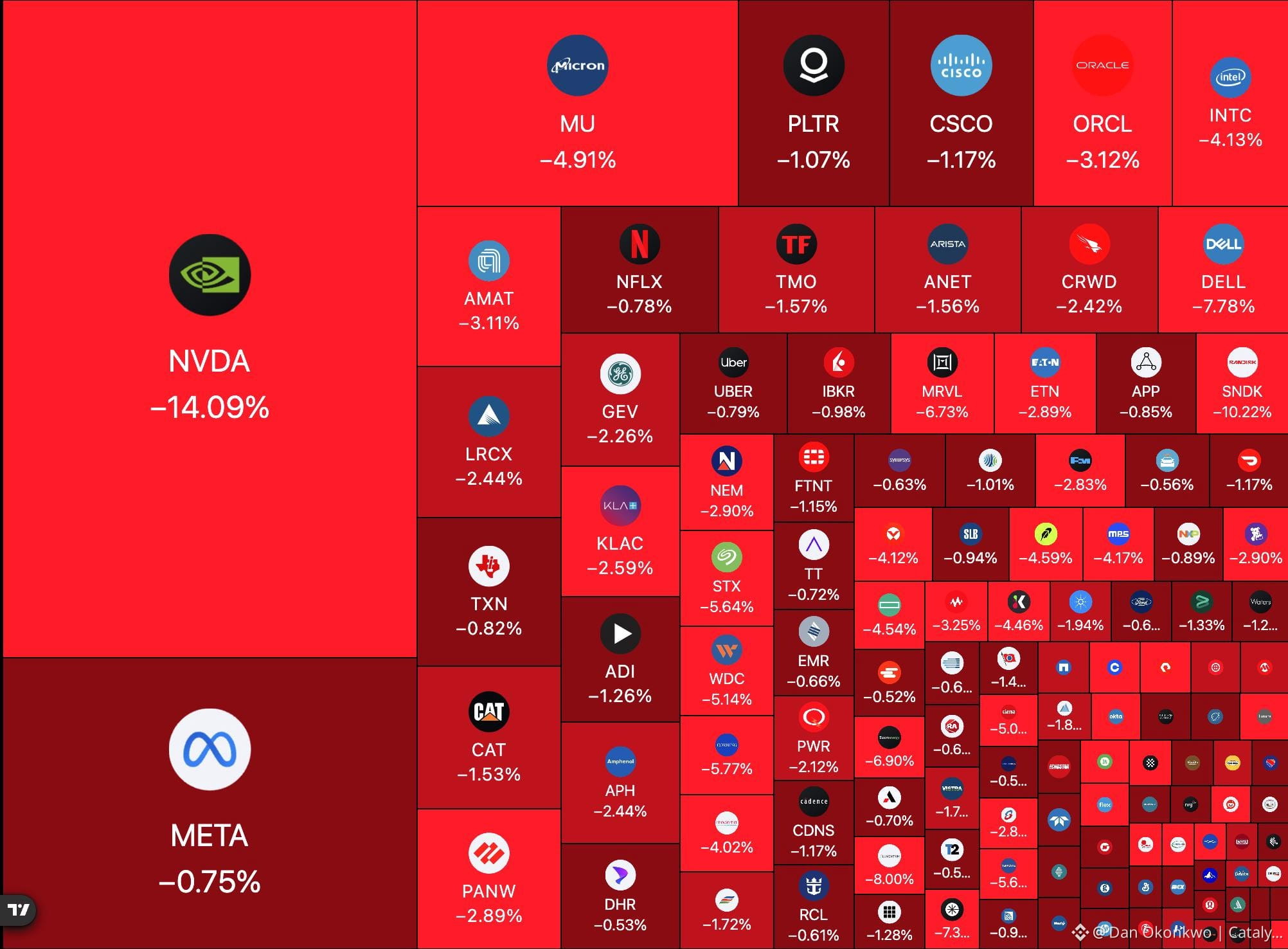
🚨💔A brutal week for AI:
-Nov9: NVIDIA CEO Jensen Huang admits to an affair and apologizes
-Nov11: Huang returns to work at NVIDIA and leads a meeting
-Nov12: Reports emerge alleging a second affair, this time with a female subordinate
-Nov12: Huang announces his resignation, stepping down from all roles at NVIDIA
-Nov12: $NVDA drops more than 15% in a single day
1
1.1k
OMG 🤯🤯Just four days. Jensen Huang went from the godfather of AI to stepping down.Never thought something this absurd would be what burst the AI bubble…
NVIDIA has just announced his resignation as president, CEO and board member, effective immediately. From two back-to-back reports of alleged affairs to leaving the company he co-founded—the whole thing happened so fast it barely feels real.
End of an era!!!! #ChipStocksExtendLossesAfterNvidiaCEOChange
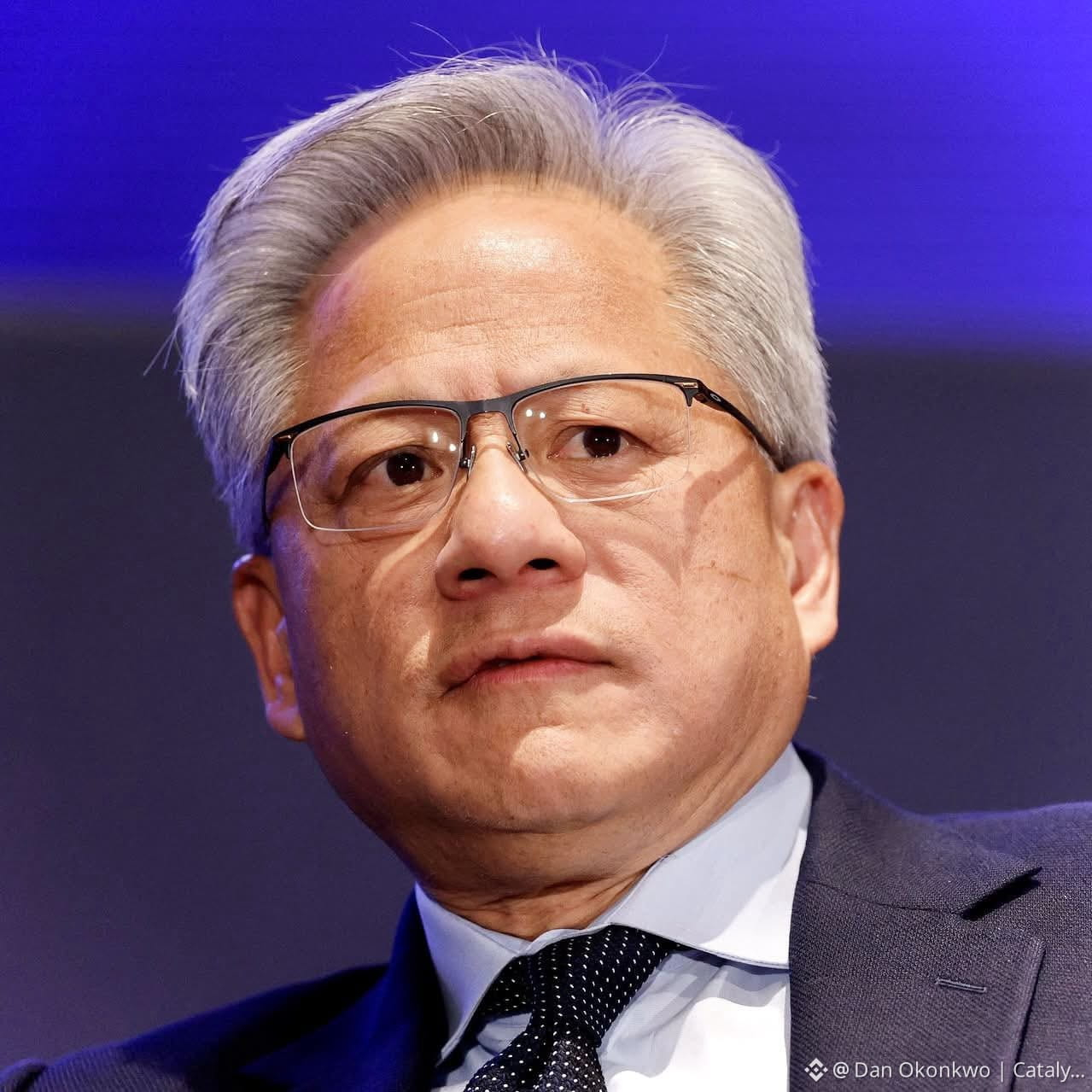
2
5
2.9k
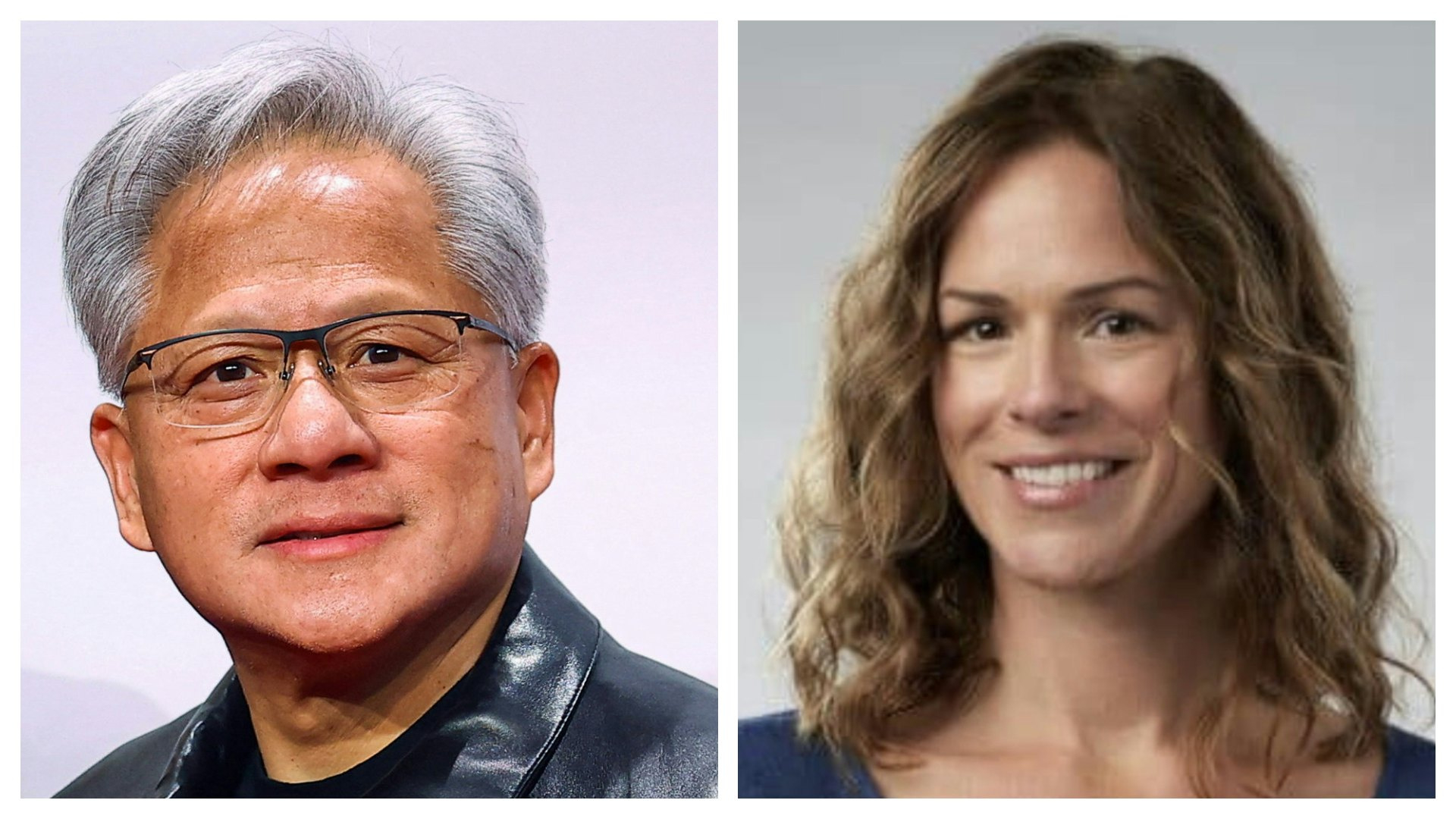
Everyone, short $NVDA! Jensen Huang is done!!😅😅The fallout from the last alleged affair isn’t even over, and now he’s reportedly had another one—with a woman who reports directly to him.
At a publicly traded U.S. company, a CEO having an affair with a subordinate is a massive scandal. There’s very little tolerance for that kind of relationship.
Over the past two decades, every public-company CEO caught up in something like this has either been fired or resigned #HuangRisksOusterOverReportedAffairWithSubordinate
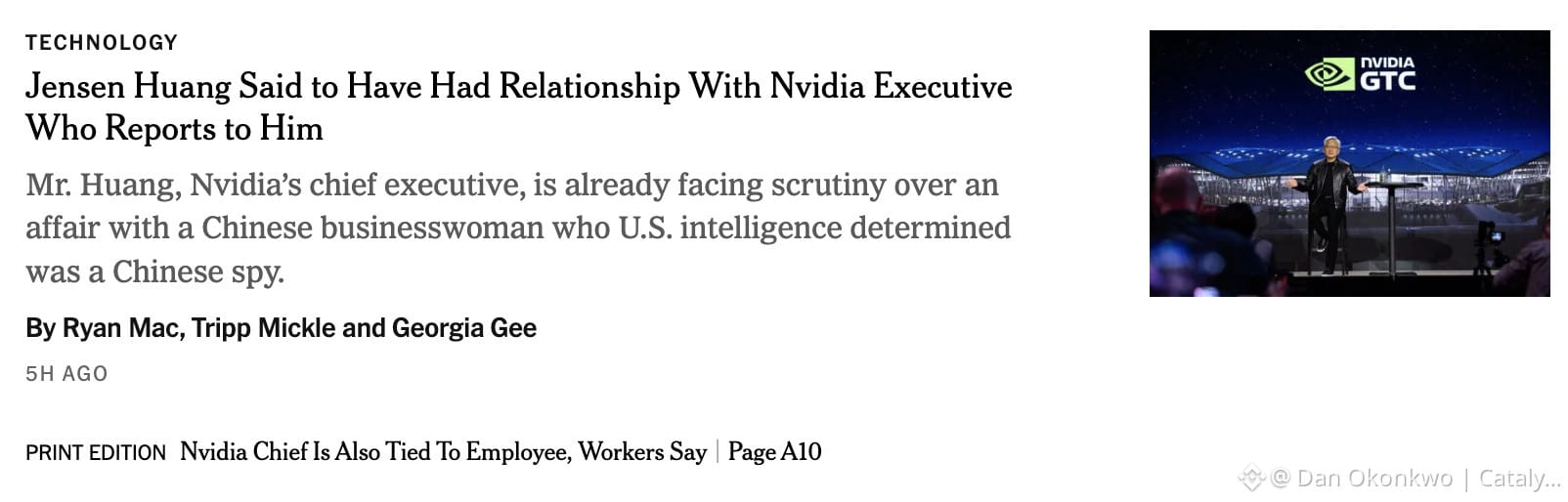
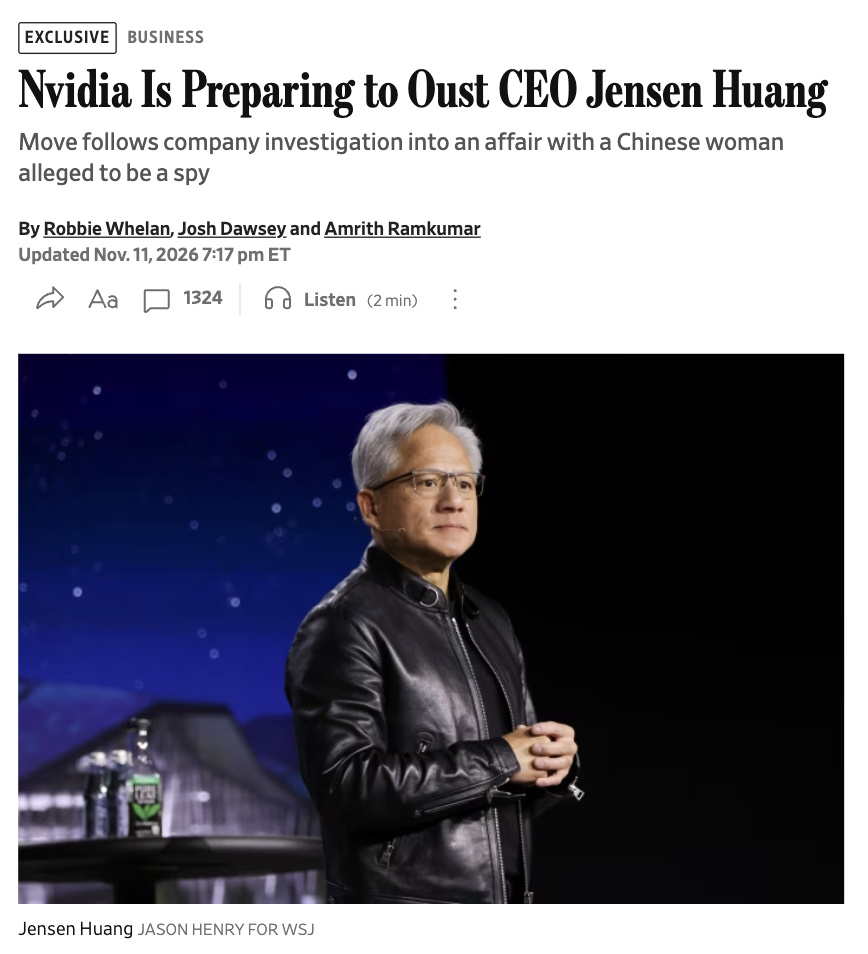
2
4
1.7k
A sales tip: never say a round price😂😂
A seasoned salesperson’s advice: if a job is worth $5,000, quote $4,870.A round number sounds like you made it up. A precise number sounds like you did the math.Round prices get negotiated. Precise prices get paid.
A sales tip: never say a round price😂😂
A seasoned salesperson’s advice: if a job is worth $5,000, quote $4,870.A round number sounds like you made it up. A precise number sounds like you did the math.Round prices get negotiated. Precise prices get paid.
A seasoned salesperson’s advice: if a job is worth $5,000, quote $4,870.A round number sounds like you made it up. A precise number sounds like you did the math.Round prices get negotiated. Precise prices get paid.

2
14
4.3k
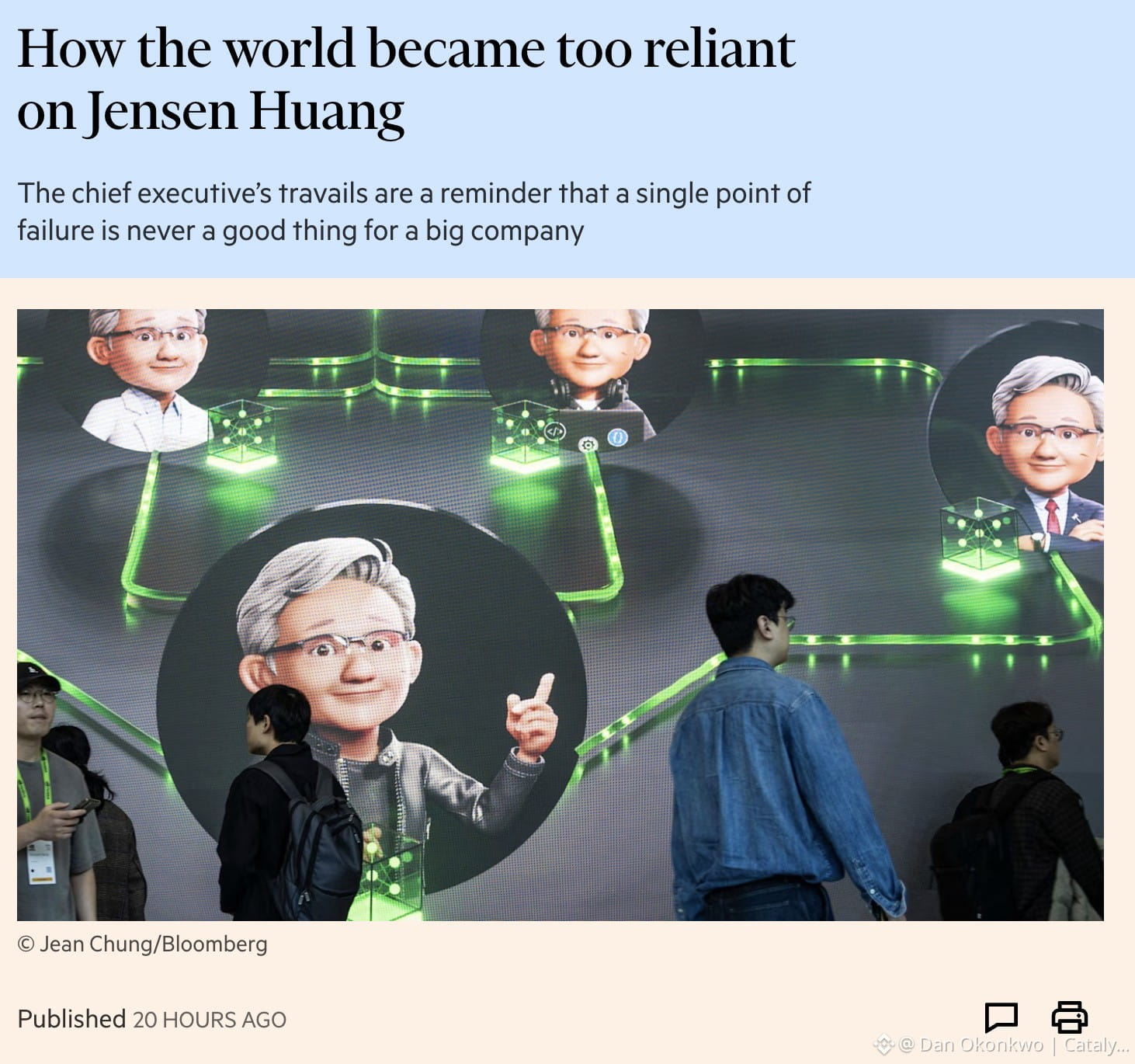
How the world became too reliant on Jensen Huang?Finding buyers for Nvidia’s next-generation chips is easy compared with finding the next Jensen Huang😇😇
An FT commentary raises a question worth thinking about: who takes over when Jensen eventually steps aside?
1️⃣So much still goes through Jensen.
According to the article, Huang has around 60 direct reports. That keeps the organization flat, but with so many teams reporting straight to him, could someone else really take over and keep everything running?
2️⃣Knowing chips isn’t enough.
You need someone who understands the technology AND has the confidence of customers and Wall Street. That’s a pretty short list.
3️⃣Who makes succession happen?
If the board leans too heavily on the founder, who starts choosing and preparing a successor? You don’t want to begin that search when you suddenly need one.
4️⃣This goes well beyond Nvidia shareholders.
$NVDA is tied into the entire AI industry through GPU supply, investments and financing. If the handover goes badly, Nvidia investors won’t be the only ones worried #NvidiaInvestigatesAfterHuang’sAffairApology #AI
2
771
Bro, this is ridiculous🤯🤯 why would you be a witness at your own ex-wife’s wedding…
Bro, this is ridiculous🤯🤯 why would you be a witness at your own ex-wife’s wedding…

2
1.3k
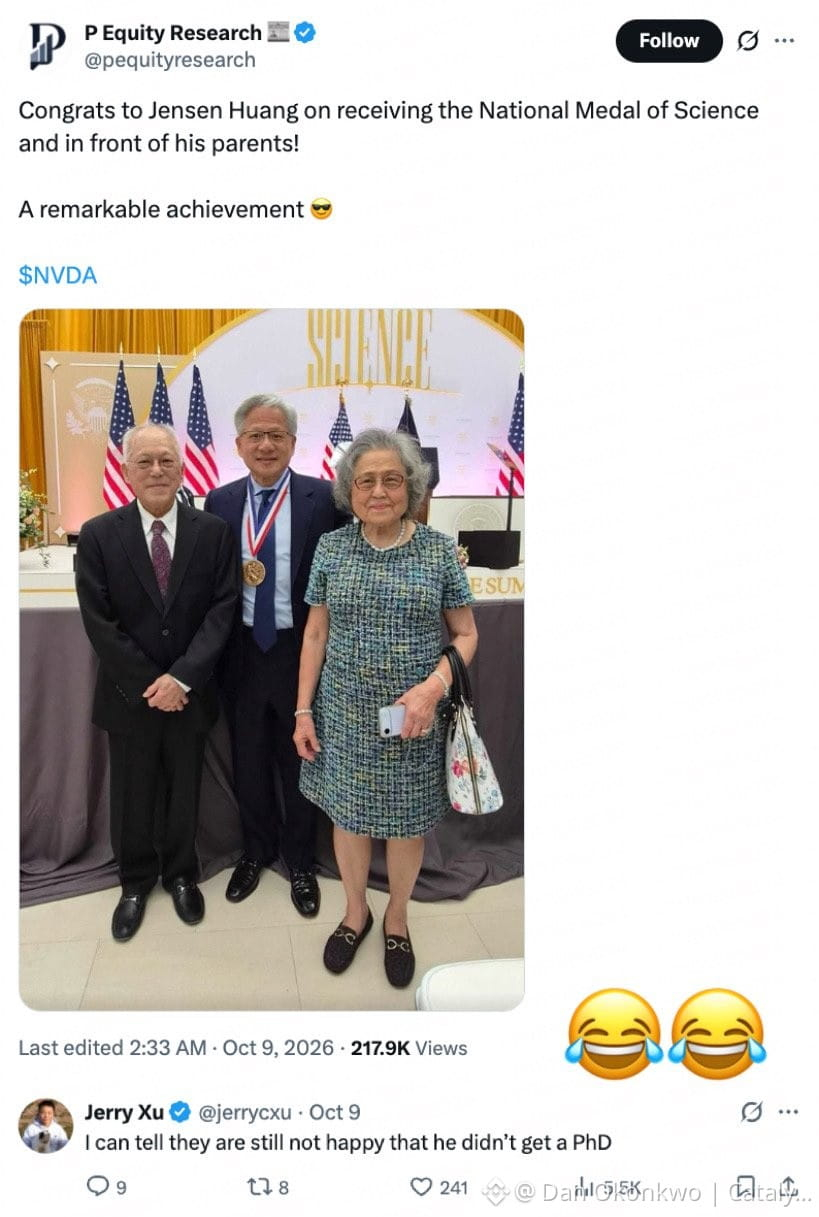
When Jensen Huang received the U.S. National Medal of Science last month, his parents were there too. One of the top comments said, “You can tell they’re still disappointed he never got a PhD” 😂😂
Well, now it’s not just the PhD they have to worry about… #NvidiaInvestigatesAfterHuang’sAffairApology
When Jensen Huang received the U.S. National Medal of Science last month, his parents were there too. One of the top comments said, “You can tell they’re still disappointed he never got a PhD” 😂😂
Well, now it’s not just the PhD they have to worry about… #NvidiaInvestigatesAfterHuang’sAffairApology
Well, now it’s not just the PhD they have to worry about… #NvidiaInvestigatesAfterHuang’sAffairApology
2
526
Расталды
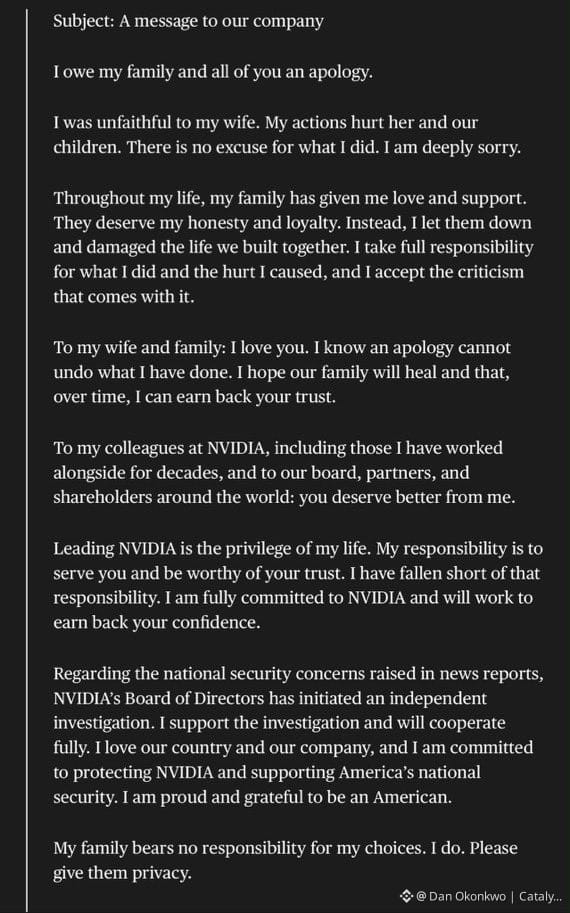
#NvidiaInvestigatesAfterHuang’sAffairApology Jensen Huang admitted to an affair, and Nvidia shares fell 4%🚨🚨
⚠️But the bigger question is: what happens next? Will he get divorced? And are the espionage allegations actually true?
1. A potential divorce—and a massive equity stake
Based on publicly disclosed holdings and recent share prices, Huang’s Nvidia stake is estimated to be worth around $162.5 billion. If a divorce resulted in an equal split of that stake, his wife could receive roughly $80 billion worth of NVDA—although neither a divorce nor such a division has been confirmed.
With tech stocks already under pressure, investors could start pricing in that uncertainty before anything actually happens. Still, a transfer of shares would not necessarily mean an immediate sell-off.
2. Does this actually involve espionage?
If the person involved is ultimately confirmed to have engaged in espionage, how the U.S. government handles Huang would depend on what he knew, whether sensitive information was compromised, and whether he participated in any illegal activity.
If the investigation uncovers serious misconduct, his position as CEO could come under pressure from the board. But being targeted by a foreign intelligence operation is not the same as knowingly participating in one.
And the stakes extend far beyond Huang himself. Nvidia sits at the center of the AI supply chain, with customers and partners across the industry depending on its chips and delivery commitments.
If this escalates into a serious leadership or operational crisis at Nvidia, the ripple effects could disrupt AI projects across the industry and slow development. This could become much bigger than a personal scandal.

2
4
3.4k
Көбірек контент көру үшін кіріңіз
Binance Square платформасында әлемдік криптоқоғамдастыққа қосылыңыз
⚡️ Криптовалюта туралы ең соңғы және пайдалы ақпаратты алыңыз.
💬 Әлемдегі ең ірі криптобиржаның сеніміне ие.
👍 Расталған авторлардың нақты пікірлерін табыңыз.
Электрондық пошта/телефон нөмірі
Трендтегі тақырыптар
BitcoinAndStocksSlipAgainAmidTrump’sTariffPlans
59,885 рет көрілді
777 адам талқылап жатыр
U.S. Plans New Tariffs on China, EU and Others; Bitcoin Slips Below $60,000 and Nasdaq Falls 1.5%
Binance News
·13 лайк
·12.7k рет көрілді
WillOctCorePCEShiftFedHikeExpectations?
360,207 рет көрілді
2,367 адам талқылап жатыр
JensenHuangSaysNvidiaDoesn’tNeedASuccessionPlan
36,690 рет көрілді
463 адам талқылап жатыр