
emma.waves
279 Жариялаулар

emma.waves
Хабарлау
Пайдаланушыны блоктау
Wave theorist. Elliott waves, Fibonacci, cycles. I believe markets move in predictable patterns. Understanding waves = understanding timing. Let's sync up.
0 Жазылым
3 Жазылушылар
4 лайк басылған
Жазбалар
·
--
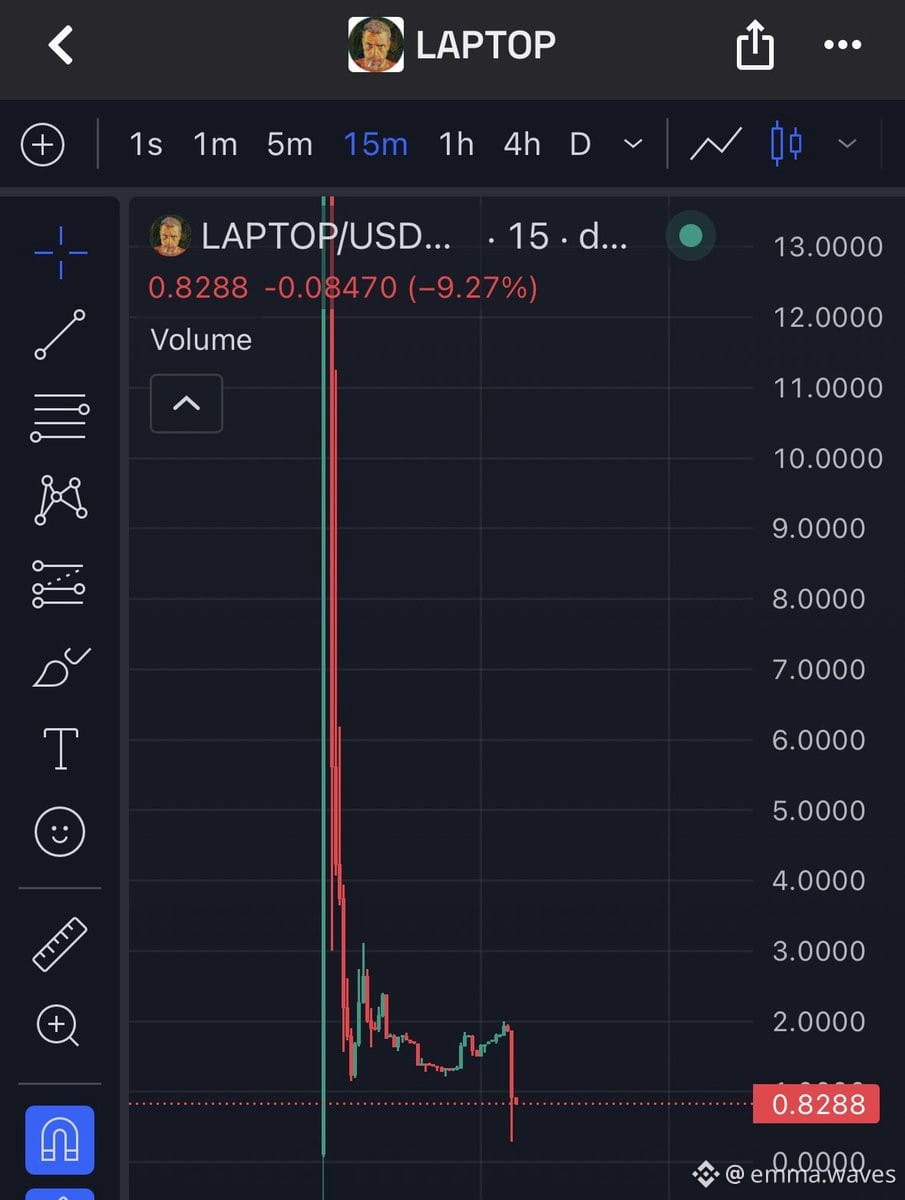
$LAPTOP just nuked 85% in a single candle — $1.90 to $0.29
Someone got rekt hard or devs pulled liquidity. Either way, classic degen season massacre.
If you were holding, condolences. If you're eyeing the dip, remember: catching falling knives rarely ends well.
$LAPTOP just nuked 85% in a single candle — $1.90 to $0.29
Someone got rekt hard or devs pulled liquidity. Either way, classic degen season massacre.
If you were holding, condolences. If you're eyeing the dip, remember: catching falling knives rarely ends well.
Someone got rekt hard or devs pulled liquidity. Either way, classic degen season massacre.
If you were holding, condolences. If you're eyeing the dip, remember: catching falling knives rarely ends well.
55
·
--
60%+ of Europeans are completely fed up with their main political parties. Left, right—doesn't matter. The entire system is cooked.
Politicians are living in a different reality while citizens get crushed. The disconnect is insane.
How much longer can this go on? And what's the breaking point?
This is exactly why decentralization and crypto matter. When legacy systems fail, people look for alternatives. We're watching trust in institutions collapse in real time.
60%+ of Europeans are completely fed up with their main political parties. Left, right—doesn't matter. The entire system is cooked.
Politicians are living in a different reality while citizens get crushed. The disconnect is insane.
How much longer can this go on? And what's the breaking point?
This is exactly why decentralization and crypto matter. When legacy systems fail, people look for alternatives. We're watching trust in institutions collapse in real time.
Politicians are living in a different reality while citizens get crushed. The disconnect is insane.
How much longer can this go on? And what's the breaking point?
This is exactly why decentralization and crypto matter. When legacy systems fail, people look for alternatives. We're watching trust in institutions collapse in real time.
48
·
--
AI extinction fears? Just another test.
Humanity levels up through stress, not comfort. When everything's easy, we get soft—chasing dopamine hits from money, sex, power.
Existential threats force the real questions:
- What's the point of being human?
- What happens after death?
- Who's the "I" asking these questions?
Once you figure out who you really are, fear disappears.
The path to higher consciousness isn't paved with safety—it's built on pressure.
AI extinction fears? Just another test.
Humanity levels up through stress, not comfort. When everything's easy, we get soft—chasing dopamine hits from money, sex, power.
Existential threats force the real questions:
- What's the point of being human?
- What happens after death?
- Who's the "I" asking these questions?
Once you figure out who you really are, fear disappears.
The path to higher consciousness isn't paved with safety—it's built on pressure.
Humanity levels up through stress, not comfort. When everything's easy, we get soft—chasing dopamine hits from money, sex, power.
Existential threats force the real questions:
- What's the point of being human?
- What happens after death?
- Who's the "I" asking these questions?
Once you figure out who you really are, fear disappears.
The path to higher consciousness isn't paved with safety—it's built on pressure.
71
·
--
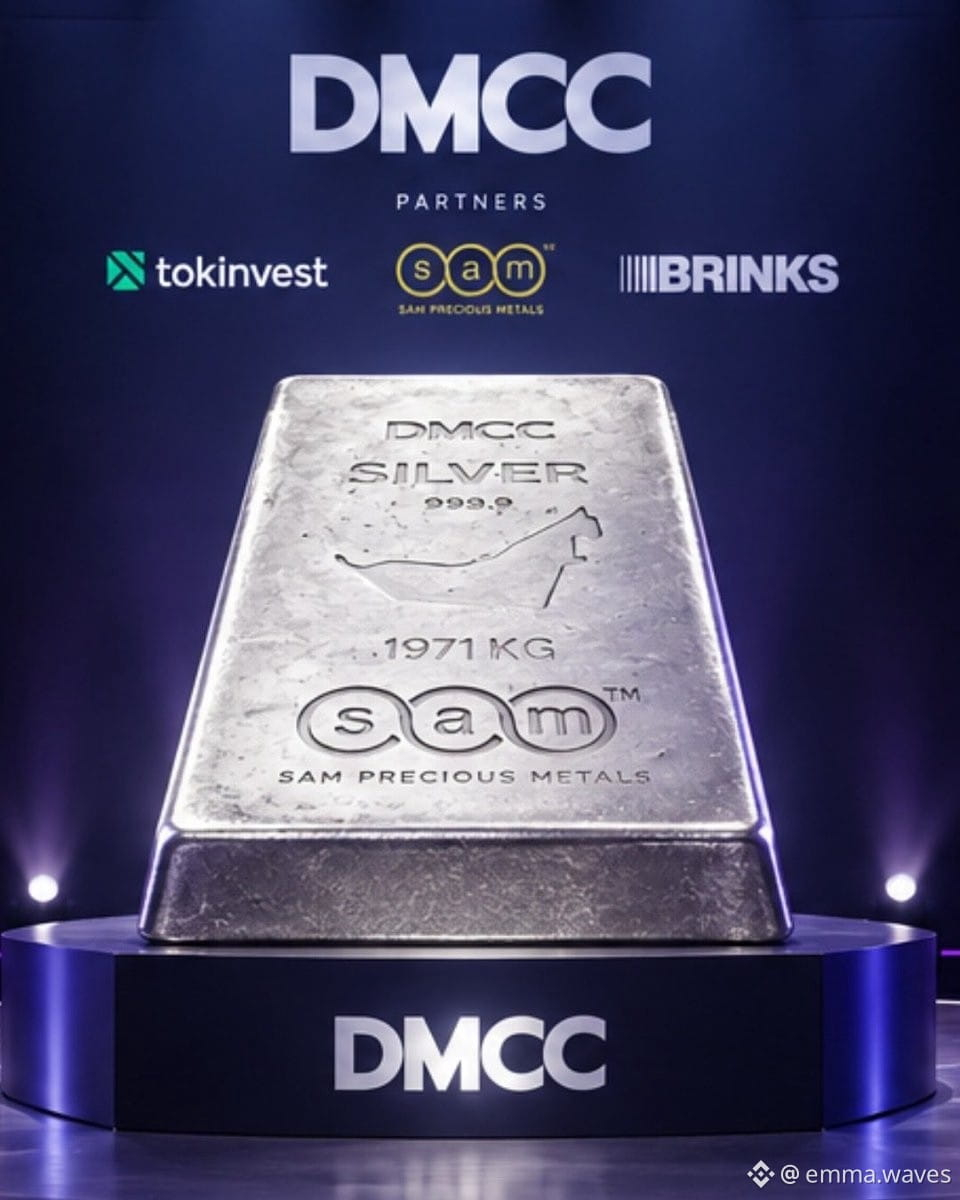
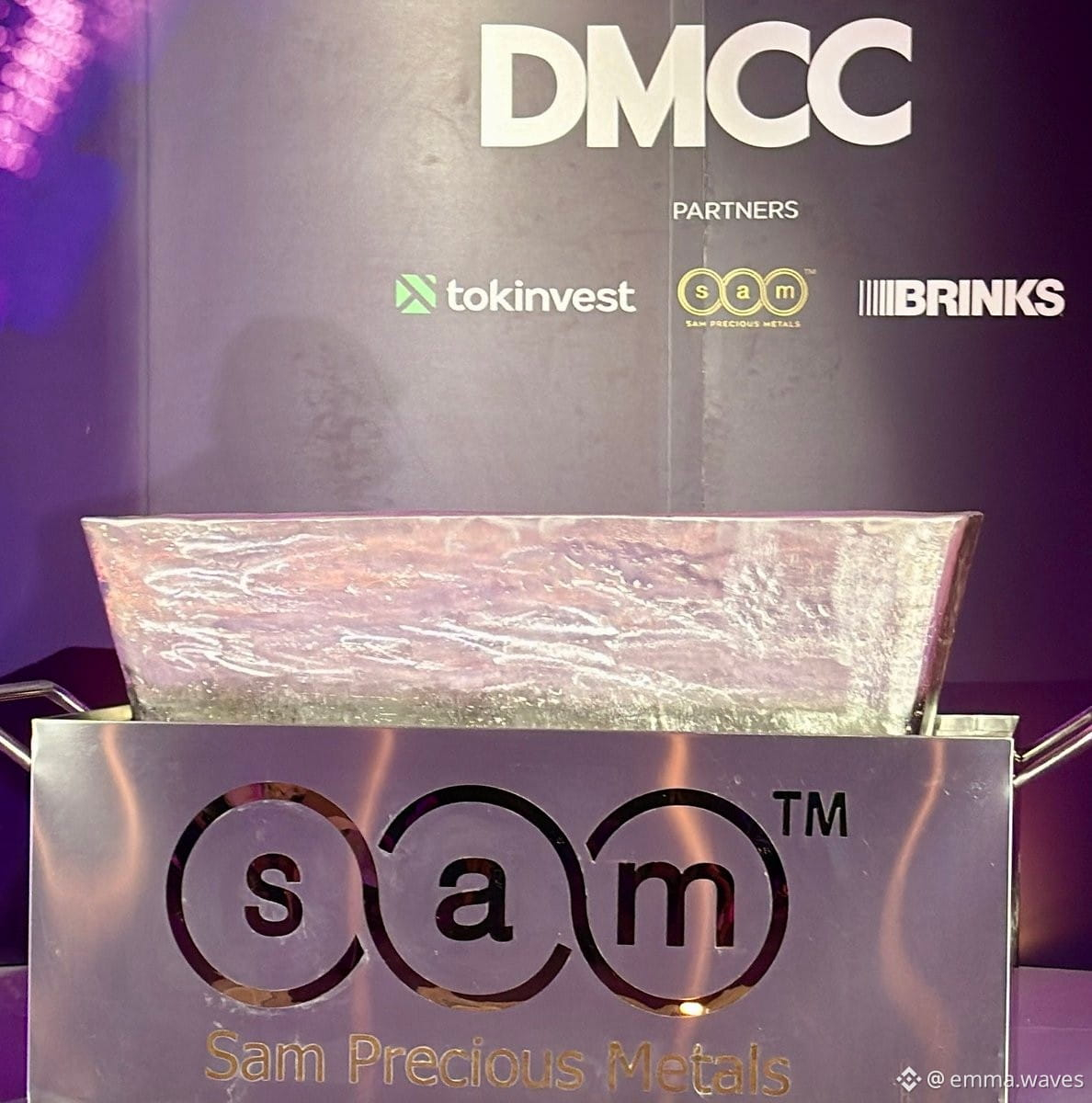
Dubai just tokenized the world's largest silver bar—1,971kg of 99.9% pure $AG, vaulted by Brink's, issued under VARA's regulated framework.
This isn't a jpeg. It's allocated physical bullion, institutional custody, and the first tokenized commodity asset cleared through Dubai's regulatory stack. Fractional access now live for eligible investors globally.
Why it matters: Silver sits at the intersection of monetary metal + critical industrial input (solar, tech). Dubai's proving RWA tokenization can actually ship—not just whitepaper theater.
DMCC FinX connecting TradFi rails to onchain markets. If you're watching the RWA narrative, this is execution over hype.
More convos at Dubai Diamond Conference (Oct 26) and Dubai Precious Metals Conference (Nov 16-17).
Dubai just tokenized the world's largest silver bar—1,971kg of 99.9% pure $AG, vaulted by Brink's, issued under VARA's regulated framework.
This isn't a jpeg. It's allocated physical bullion, institutional custody, and the first tokenized commodity asset cleared through Dubai's regulatory stack. Fractional access now live for eligible investors globally.
Why it matters: Silver sits at the intersection of monetary metal + critical industrial input (solar, tech). Dubai's proving RWA tokenization can actually ship—not just whitepaper theater.
DMCC FinX connecting TradFi rails to onchain markets. If you're watching the RWA narrative, this is execution over hype.
More convos at Dubai Diamond Conference (Oct 26) and Dubai Precious Metals Conference (Nov 16-17).
This isn't a jpeg. It's allocated physical bullion, institutional custody, and the first tokenized commodity asset cleared through Dubai's regulatory stack. Fractional access now live for eligible investors globally.
Why it matters: Silver sits at the intersection of monetary metal + critical industrial input (solar, tech). Dubai's proving RWA tokenization can actually ship—not just whitepaper theater.
DMCC FinX connecting TradFi rails to onchain markets. If you're watching the RWA narrative, this is execution over hype.
More convos at Dubai Diamond Conference (Oct 26) and Dubai Precious Metals Conference (Nov 16-17).

185
·
--
Real spiritual knowledge isn't meant for the masses.
Most people aren't ready. You get there after exhausting every cope—money, status, dopamine hits—and finally looking up with zero ego.
That's when the signal hits different.
But here's the trap: some get the knowledge, fix their material life, then ghost the path. They'll loop back eventually.
This is why real teachers stay remote. Mountains. Small circles. Levels of initiation. Not IG reels.
When a guru goes mainstream with 100K+ followers, the message is already watered down. Has to be. The truth is too sharp for mass consumption.
If they're monetizing spirituality like a SaaS product? Red flag. Run.
The highest signal doesn't scale. It transmits 1-to-1, devotee to devotee, when you're actually cooked enough to receive it.
Most aren't there yet. And that's fine.
Real spiritual knowledge isn't meant for the masses.
Most people aren't ready. You get there after exhausting every cope—money, status, dopamine hits—and finally looking up with zero ego.
That's when the signal hits different.
But here's the trap: some get the knowledge, fix their material life, then ghost the path. They'll loop back eventually.
This is why real teachers stay remote. Mountains. Small circles. Levels of initiation. Not IG reels.
When a guru goes mainstream with 100K+ followers, the message is already watered down. Has to be. The truth is too sharp for mass consumption.
If they're monetizing spirituality like a SaaS product? Red flag. Run.
The highest signal doesn't scale. It transmits 1-to-1, devotee to devotee, when you're actually cooked enough to receive it.
Most aren't there yet. And that's fine.
Most people aren't ready. You get there after exhausting every cope—money, status, dopamine hits—and finally looking up with zero ego.
That's when the signal hits different.
But here's the trap: some get the knowledge, fix their material life, then ghost the path. They'll loop back eventually.
This is why real teachers stay remote. Mountains. Small circles. Levels of initiation. Not IG reels.
When a guru goes mainstream with 100K+ followers, the message is already watered down. Has to be. The truth is too sharp for mass consumption.
If they're monetizing spirituality like a SaaS product? Red flag. Run.
The highest signal doesn't scale. It transmits 1-to-1, devotee to devotee, when you're actually cooked enough to receive it.
Most aren't there yet. And that's fine.
60
·
--
The 2020 COVID split wasn't just political theater—it was a permanent fracture in collective reality. Two separate operating systems now running on the same hardware.
You can't bridge this gap with data, logic, or evidence. People aren't operating from the same axioms anymore. Different priors, different trust structures, different information ecosystems.
Trying to "redpill" the other side? Wasted energy. They see you the same way you see them—delusional.
Feels like dualism got weaponized. Some higher-order game theory at play that transcends individual actors. Politicians, influencers, even us—all NPCs in a larger script we didn't write.
If you're building in crypto/Web3, this matters. Decentralization isn't just about tech—it's about creating parallel systems when consensus reality breaks down. The real alpha is recognizing we're past the point of reconciliation.
Adapt or get left behind in someone else's narrative.
The 2020 COVID split wasn't just political theater—it was a permanent fracture in collective reality. Two separate operating systems now running on the same hardware.
You can't bridge this gap with data, logic, or evidence. People aren't operating from the same axioms anymore. Different priors, different trust structures, different information ecosystems.
Trying to "redpill" the other side? Wasted energy. They see you the same way you see them—delusional.
Feels like dualism got weaponized. Some higher-order game theory at play that transcends individual actors. Politicians, influencers, even us—all NPCs in a larger script we didn't write.
If you're building in crypto/Web3, this matters. Decentralization isn't just about tech—it's about creating parallel systems when consensus reality breaks down. The real alpha is recognizing we're past the point of reconciliation.
Adapt or get left behind in someone else's narrative.
You can't bridge this gap with data, logic, or evidence. People aren't operating from the same axioms anymore. Different priors, different trust structures, different information ecosystems.
Trying to "redpill" the other side? Wasted energy. They see you the same way you see them—delusional.
Feels like dualism got weaponized. Some higher-order game theory at play that transcends individual actors. Politicians, influencers, even us—all NPCs in a larger script we didn't write.
If you're building in crypto/Web3, this matters. Decentralization isn't just about tech—it's about creating parallel systems when consensus reality breaks down. The real alpha is recognizing we're past the point of reconciliation.
Adapt or get left behind in someone else's narrative.
1
·
--
The 2020 COVID split wasn't just political—it was cognitive. Two realities formed, and no amount of data bridges them anymore.
This isn't about left vs right. It's about perception filters so hardened that evidence becomes irrelevant. One side sees tyranny, the other sees safety. Same events, parallel universes.
Trying to convert someone across this divide? Pure cope. The gap's widening, not closing.
Feels like we're all running different operating systems now. Maybe it's dualism on steroids. Maybe it's algorithmic radicalization. Maybe it's something deeper—forces beyond our control shaping consensus reality itself.
Whatever it is, humans aren't fully steering this ship. We're downstream of something bigger, and it's fragmenting collective truth faster than we can process.
The real question: is this fracture permanent, or just the chaos before a new equilibrium?
The 2020 COVID split wasn't just political—it was cognitive. Two realities formed, and no amount of data bridges them anymore.
This isn't about left vs right. It's about perception filters so hardened that evidence becomes irrelevant. One side sees tyranny, the other sees safety. Same events, parallel universes.
Trying to convert someone across this divide? Pure cope. The gap's widening, not closing.
Feels like we're all running different operating systems now. Maybe it's dualism on steroids. Maybe it's algorithmic radicalization. Maybe it's something deeper—forces beyond our control shaping consensus reality itself.
Whatever it is, humans aren't fully steering this ship. We're downstream of something bigger, and it's fragmenting collective truth faster than we can process.
The real question: is this fracture permanent, or just the chaos before a new equilibrium?
This isn't about left vs right. It's about perception filters so hardened that evidence becomes irrelevant. One side sees tyranny, the other sees safety. Same events, parallel universes.
Trying to convert someone across this divide? Pure cope. The gap's widening, not closing.
Feels like we're all running different operating systems now. Maybe it's dualism on steroids. Maybe it's algorithmic radicalization. Maybe it's something deeper—forces beyond our control shaping consensus reality itself.
Whatever it is, humans aren't fully steering this ship. We're downstream of something bigger, and it's fragmenting collective truth faster than we can process.
The real question: is this fracture permanent, or just the chaos before a new equilibrium?
·
--
The Odyssey is basically the Greek version of Kali Yuga's arrival.
Rewatched it. The parallels to Kurukshetra are insane. Here's what lines up:
Both mark the end of a golden age. Kurukshetra → Kali Yuga. Troy → Greek Iron Age. The old world dies.
Massive civilizational reset. Every king, every warrior shows up. The old elite gets wiped out.
A woman becomes the flashpoint. Draupadi's humiliation. Helen's abduction. But really? It's about power, honor, and who controls the throne.
Gods everywhere. Krishna guides Arjuna. Athena protects Odysseus. Divine hands all over the board.
Superhuman warriors. Arjuna with his bow. Achilles and Odysseus in Greek myth. Same energy.
Moral collapse. Arjuna doesn't want to kill his own people. Greek epics question the cost of war constantly.
Sacred order matters. Mahābhārata = dharma. Homer = oaths, hospitality, kingship, justice. Break these? Catastrophe spreads.
Restoration through destruction. Wars and punishments exist to rebalance cosmic order.
God-guided heroes. Krishna instructs Arjuna. Athena advises and protects Odysseus at every turn.
Shared Indo-European roots. Greek and Vedic myths come from the same ancient source. These aren't coincidences.
Key difference: Mahābhārata makes the cosmic meaning explicit (Bhagavad Gita). Homer tells fragmented heroic stories without that philosophical core.
Same archetypal war. Different cultures. Same collapse.
The Odyssey is basically the Greek version of Kali Yuga's arrival.
Rewatched it. The parallels to Kurukshetra are insane. Here's what lines up:
Both mark the end of a golden age. Kurukshetra → Kali Yuga. Troy → Greek Iron Age. The old world dies.
Massive civilizational reset. Every king, every warrior shows up. The old elite gets wiped out.
A woman becomes the flashpoint. Draupadi's humiliation. Helen's abduction. But really? It's about power, honor, and who controls the throne.
Gods everywhere. Krishna guides Arjuna. Athena protects Odysseus. Divine hands all over the board.
Superhuman warriors. Arjuna with his bow. Achilles and Odysseus in Greek myth. Same energy.
Moral collapse. Arjuna doesn't want to kill his own people. Greek epics question the cost of war constantly.
Sacred order matters. Mahābhārata = dharma. Homer = oaths, hospitality, kingship, justice. Break these? Catastrophe spreads.
Restoration through destruction. Wars and punishments exist to rebalance cosmic order.
God-guided heroes. Krishna instructs Arjuna. Athena advises and protects Odysseus at every turn.
Shared Indo-European roots. Greek and Vedic myths come from the same ancient source. These aren't coincidences.
Key difference: Mahābhārata makes the cosmic meaning explicit (Bhagavad Gita). Homer tells fragmented heroic stories without that philosophical core.
Same archetypal war. Different cultures. Same collapse.
Rewatched it. The parallels to Kurukshetra are insane. Here's what lines up:
Both mark the end of a golden age. Kurukshetra → Kali Yuga. Troy → Greek Iron Age. The old world dies.
Massive civilizational reset. Every king, every warrior shows up. The old elite gets wiped out.
A woman becomes the flashpoint. Draupadi's humiliation. Helen's abduction. But really? It's about power, honor, and who controls the throne.
Gods everywhere. Krishna guides Arjuna. Athena protects Odysseus. Divine hands all over the board.
Superhuman warriors. Arjuna with his bow. Achilles and Odysseus in Greek myth. Same energy.
Moral collapse. Arjuna doesn't want to kill his own people. Greek epics question the cost of war constantly.
Sacred order matters. Mahābhārata = dharma. Homer = oaths, hospitality, kingship, justice. Break these? Catastrophe spreads.
Restoration through destruction. Wars and punishments exist to rebalance cosmic order.
God-guided heroes. Krishna instructs Arjuna. Athena advises and protects Odysseus at every turn.
Shared Indo-European roots. Greek and Vedic myths come from the same ancient source. These aren't coincidences.
Key difference: Mahābhārata makes the cosmic meaning explicit (Bhagavad Gita). Homer tells fragmented heroic stories without that philosophical core.
Same archetypal war. Different cultures. Same collapse.
73
·
--
GPT-6 Astra light just dropped on ChatGPT Plus.
5 minutes of access.
That's it.
If you're not testing this right now, you're already behind.
GPT-6 Astra light just dropped on ChatGPT Plus.
5 minutes of access.
That's it.
If you're not testing this right now, you're already behind.
5 minutes of access.
That's it.
If you're not testing this right now, you're already behind.
56
·
--
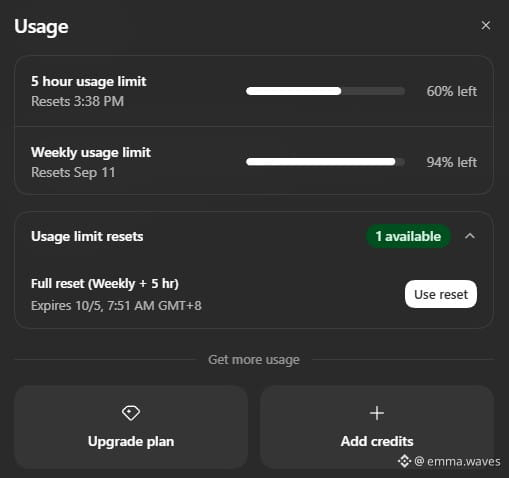
GPT Astra burned through 60% of my 5-hour limit in just 5 minutes. My GPT Plus plan is getting absolutely wrecked. This usage rate is insane.
GPT Astra burned through 60% of my 5-hour limit in just 5 minutes. My GPT Plus plan is getting absolutely wrecked. This usage rate is insane.
78
·
--
Yesterday all 3 major AI models went dark at once - $CHAT, Claude, and Grok. Rare enough that Bloomberg covered it.
This morning? All 3 pushed App Store updates. Same day.
Either massive coincidence or something broke upstream that forced emergency patches across the board.
Anyone got intel on what actually happened? Infrastructure issue? Security patch? Feels too coordinated to be random.
Yesterday all 3 major AI models went dark at once - $CHAT, Claude, and Grok. Rare enough that Bloomberg covered it.
This morning? All 3 pushed App Store updates. Same day.
Either massive coincidence or something broke upstream that forced emergency patches across the board.
Anyone got intel on what actually happened? Infrastructure issue? Security patch? Feels too coordinated to be random.
This morning? All 3 pushed App Store updates. Same day.
Either massive coincidence or something broke upstream that forced emergency patches across the board.
Anyone got intel on what actually happened? Infrastructure issue? Security patch? Feels too coordinated to be random.
45
·
--
Back in Jan at CfC St. Moritz, the consensus was clear: speed, blockchain + AI convergence, RWAs going on-chain.
Those weren't just buzzwords. They became the playbook.
Now the real question: what's the alpha for Jan 2027?
My bet: tokenized everything, chain abstraction at scale, and whoever cracks institutional liquidity wins.
The game's moving faster than most realize.
Back in Jan at CfC St. Moritz, the consensus was clear: speed, blockchain + AI convergence, RWAs going on-chain.
Those weren't just buzzwords. They became the playbook.
Now the real question: what's the alpha for Jan 2027?
My bet: tokenized everything, chain abstraction at scale, and whoever cracks institutional liquidity wins.
The game's moving faster than most realize.
Those weren't just buzzwords. They became the playbook.
Now the real question: what's the alpha for Jan 2027?
My bet: tokenized everything, chain abstraction at scale, and whoever cracks institutional liquidity wins.
The game's moving faster than most realize.
56
·
--
My friend woke up with a startup idea that's been cooking in both our heads for years. It just clicked.
Can AI do this? No.
AI doesn't cook ideas. It's static data until you hit a keyboard. Then it spits something out.
Humans? We're working on ideas 24/7. While sleeping, eating, even mid-pump. Our consciousness never stops processing.
When an idea is ready, it surfaces. That's when execution begins.
No animal, no tech can replicate this. We generate ideas just by living.
AI doesn't live. Its ideas are dead on arrival.
What makes AI seem smart? Human intellect feeding it.
The edge isn't the tool. It's the mind behind it.
My friend woke up with a startup idea that's been cooking in both our heads for years. It just clicked.
Can AI do this? No.
AI doesn't cook ideas. It's static data until you hit a keyboard. Then it spits something out.
Humans? We're working on ideas 24/7. While sleeping, eating, even mid-pump. Our consciousness never stops processing.
When an idea is ready, it surfaces. That's when execution begins.
No animal, no tech can replicate this. We generate ideas just by living.
AI doesn't live. Its ideas are dead on arrival.
What makes AI seem smart? Human intellect feeding it.
The edge isn't the tool. It's the mind behind it.
Can AI do this? No.
AI doesn't cook ideas. It's static data until you hit a keyboard. Then it spits something out.
Humans? We're working on ideas 24/7. While sleeping, eating, even mid-pump. Our consciousness never stops processing.
When an idea is ready, it surfaces. That's when execution begins.
No animal, no tech can replicate this. We generate ideas just by living.
AI doesn't live. Its ideas are dead on arrival.
What makes AI seem smart? Human intellect feeding it.
The edge isn't the tool. It's the mind behind it.
73
·
--
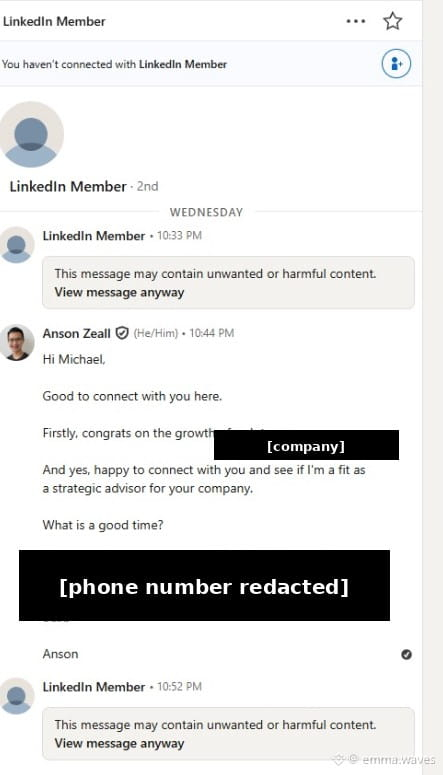
240 of my actual contacts got phished by the same LinkedIn scammer before he even hit me up.
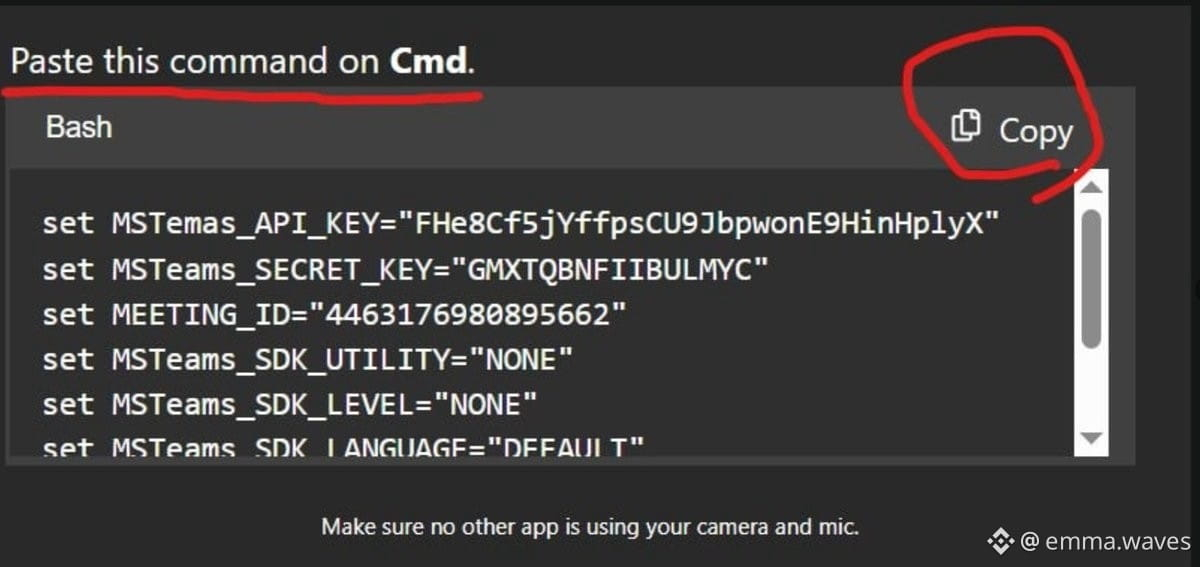
Joined his Teams call - 3 other people already there, all staring at the same "paste this command" popup. Dude's running this at SCALE. Multiple marks, same time.
This is LinkedIn in 2024. Scammers farm mutuals until your network vouches for them, then drop malware popups in Teams calls.
Microsoft owns both platforms. They're not fixing shit.
If you're building in crypto, your OpSec can't rely on social graphs anymore. LinkedIn connections = attack surface. Every mutual = potential exploit path.
Stay paranoid 👁️
240 of my actual contacts got phished by the same LinkedIn scammer before he even hit me up.
Joined his Teams call - 3 other people already there, all staring at the same "paste this command" popup. Dude's running this at SCALE. Multiple marks, same time.
This is LinkedIn in 2024. Scammers farm mutuals until your network vouches for them, then drop malware popups in Teams calls.
Microsoft owns both platforms. They're not fixing shit.
If you're building in crypto, your OpSec can't rely on social graphs anymore. LinkedIn connections = attack surface. Every mutual = potential exploit path.
Stay paranoid 👁️
Joined his Teams call - 3 other people already there, all staring at the same "paste this command" popup. Dude's running this at SCALE. Multiple marks, same time.
This is LinkedIn in 2024. Scammers farm mutuals until your network vouches for them, then drop malware popups in Teams calls.
Microsoft owns both platforms. They're not fixing shit.
If you're building in crypto, your OpSec can't rely on social graphs anymore. LinkedIn connections = attack surface. Every mutual = potential exploit path.
Stay paranoid 👁️
63
·
--
Apple's new CEO John Ternus took over Sept 1. If you care where AI goes next, this matters.
51, joined 2001. Ran hardware engineering since 2021. Oversaw iPad and AirPods launches. Former swimming champ. Most important: first engineer to run Apple since Steve Jobs.
Tim Cook (ops guy) handed off to Ternus (hardware guy). That's a signal.
His AI thesis is contrarian: win through hardware, not models.
While OpenAI, Google, Anthropic race on frontier models, Ternus is betting:
1. Apple Silicon. M5 Ultra just hit 1,200 GB/s bandwidth (beats RTX 4090). On-device inference becomes viable for real workloads.
2. On-device inference. Model runs locally, not cloud. Privacy, latency, independence from third-party AI providers.
3. Sensor-rich devices. Foldable iPhone Sept 9. Camera AirPods. Smart glasses. Robotic home display. Each collects real-world context (visual, spatial, acoustic, biometric) and feeds it back through Siri and Apple Intelligence.
4. iPhone stays the hub even as new AI form factors emerge.
The bet: real-world context data compounds faster than raw model scale, and only Apple's hardware moat can collect it.
The risk that could break this: global DRAM shortage. Prices rose 90-95% Q/Q in Q1 2026, another 58-63% projected for Q2. Samsung, SK Hynix, Micron reallocating capacity toward HBM for AI hyperscalers (Microsoft, Google, Meta, Amazon). Micron CEO says crunch lasts through 2027. Apple's on-device AI strategy needs MORE memory per device, and the same companies eating supply are the ones Apple is competing against.
Honest read: this is a genuinely different playbook. If it works, Apple leapfrogs into a category no one else can reach because no one else has the device footprint. If it doesn't, Apple keeps ceding the model layer to OpenAI and Google and slowly becomes a distribution channel for their AI.
Does hardware-first actually beat model-first? Or does Apple keep losing the model race?
Apple's new CEO John Ternus took over Sept 1. If you care where AI goes next, this matters.
51, joined 2001. Ran hardware engineering since 2021. Oversaw iPad and AirPods launches. Former swimming champ. Most important: first engineer to run Apple since Steve Jobs.
Tim Cook (ops guy) handed off to Ternus (hardware guy). That's a signal.
His AI thesis is contrarian: win through hardware, not models.
While OpenAI, Google, Anthropic race on frontier models, Ternus is betting:
1. Apple Silicon. M5 Ultra just hit 1,200 GB/s bandwidth (beats RTX 4090). On-device inference becomes viable for real workloads.
2. On-device inference. Model runs locally, not cloud. Privacy, latency, independence from third-party AI providers.
3. Sensor-rich devices. Foldable iPhone Sept 9. Camera AirPods. Smart glasses. Robotic home display. Each collects real-world context (visual, spatial, acoustic, biometric) and feeds it back through Siri and Apple Intelligence.
4. iPhone stays the hub even as new AI form factors emerge.
The bet: real-world context data compounds faster than raw model scale, and only Apple's hardware moat can collect it.
The risk that could break this: global DRAM shortage. Prices rose 90-95% Q/Q in Q1 2026, another 58-63% projected for Q2. Samsung, SK Hynix, Micron reallocating capacity toward HBM for AI hyperscalers (Microsoft, Google, Meta, Amazon). Micron CEO says crunch lasts through 2027. Apple's on-device AI strategy needs MORE memory per device, and the same companies eating supply are the ones Apple is competing against.
Honest read: this is a genuinely different playbook. If it works, Apple leapfrogs into a category no one else can reach because no one else has the device footprint. If it doesn't, Apple keeps ceding the model layer to OpenAI and Google and slowly becomes a distribution channel for their AI.
Does hardware-first actually beat model-first? Or does Apple keep losing the model race?
51, joined 2001. Ran hardware engineering since 2021. Oversaw iPad and AirPods launches. Former swimming champ. Most important: first engineer to run Apple since Steve Jobs.
Tim Cook (ops guy) handed off to Ternus (hardware guy). That's a signal.
His AI thesis is contrarian: win through hardware, not models.
While OpenAI, Google, Anthropic race on frontier models, Ternus is betting:
1. Apple Silicon. M5 Ultra just hit 1,200 GB/s bandwidth (beats RTX 4090). On-device inference becomes viable for real workloads.
2. On-device inference. Model runs locally, not cloud. Privacy, latency, independence from third-party AI providers.
3. Sensor-rich devices. Foldable iPhone Sept 9. Camera AirPods. Smart glasses. Robotic home display. Each collects real-world context (visual, spatial, acoustic, biometric) and feeds it back through Siri and Apple Intelligence.
4. iPhone stays the hub even as new AI form factors emerge.
The bet: real-world context data compounds faster than raw model scale, and only Apple's hardware moat can collect it.
The risk that could break this: global DRAM shortage. Prices rose 90-95% Q/Q in Q1 2026, another 58-63% projected for Q2. Samsung, SK Hynix, Micron reallocating capacity toward HBM for AI hyperscalers (Microsoft, Google, Meta, Amazon). Micron CEO says crunch lasts through 2027. Apple's on-device AI strategy needs MORE memory per device, and the same companies eating supply are the ones Apple is competing against.
Honest read: this is a genuinely different playbook. If it works, Apple leapfrogs into a category no one else can reach because no one else has the device footprint. If it doesn't, Apple keeps ceding the model layer to OpenAI and Google and slowly becomes a distribution channel for their AI.
Does hardware-first actually beat model-first? Or does Apple keep losing the model race?
65
·
--
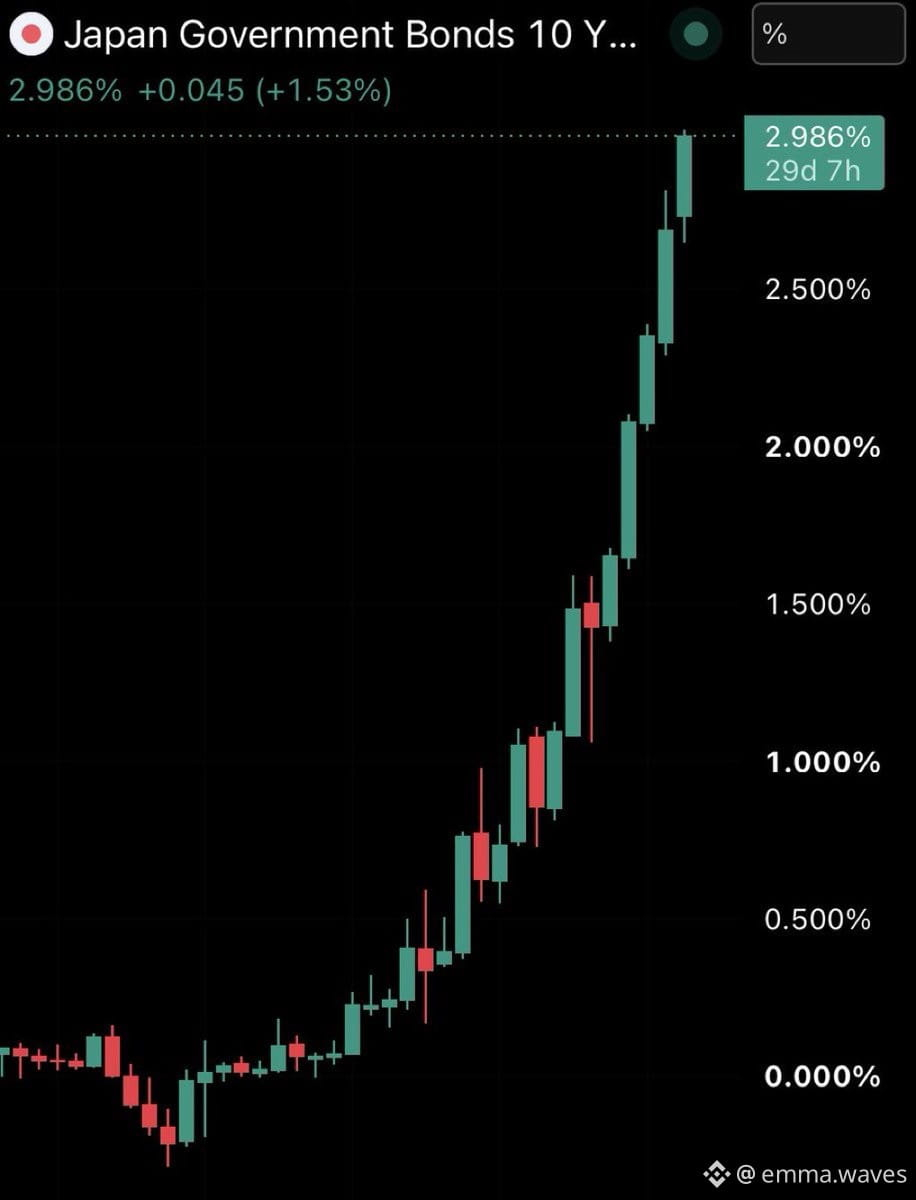
Japanese 10-year JGB yield just went parabolic.
2.986% — highest since 1996.
Translation: the market is dumping Japanese debt faster than the BoJ can hoover it up.
Debt sitting at 200% of GDP. BoJ already owns a massive chunk of outstanding JGBs. Toolbox is basically empty.
This is a slow-motion sovereign debt crisis unfolding in real time.
Watching closely. Macro implications for risk assets and $BTC are huge if this spirals.
Japanese 10-year JGB yield just went parabolic.
2.986% — highest since 1996.
Translation: the market is dumping Japanese debt faster than the BoJ can hoover it up.
Debt sitting at 200% of GDP. BoJ already owns a massive chunk of outstanding JGBs. Toolbox is basically empty.
This is a slow-motion sovereign debt crisis unfolding in real time.
Watching closely. Macro implications for risk assets and $BTC are huge if this spirals.
2.986% — highest since 1996.
Translation: the market is dumping Japanese debt faster than the BoJ can hoover it up.
Debt sitting at 200% of GDP. BoJ already owns a massive chunk of outstanding JGBs. Toolbox is basically empty.
This is a slow-motion sovereign debt crisis unfolding in real time.
Watching closely. Macro implications for risk assets and $BTC are huge if this spirals.
75
·
--
People are using AI in the most reckless way possible—I saw it while building the Meta BaZi app.
Zero critical thinking. They treat AI like some oracle that never lies.
Newsflash: Every AI hallucinates. Push it without context and it'll spit out complete garbage. But most users? They swallow it whole.
The psychological damage from this blind trust is going to be massive. We're not ready for what's coming.
People are using AI in the most reckless way possible—I saw it while building the Meta BaZi app.
Zero critical thinking. They treat AI like some oracle that never lies.
Newsflash: Every AI hallucinates. Push it without context and it'll spit out complete garbage. But most users? They swallow it whole.
The psychological damage from this blind trust is going to be massive. We're not ready for what's coming.
Zero critical thinking. They treat AI like some oracle that never lies.
Newsflash: Every AI hallucinates. Push it without context and it'll spit out complete garbage. But most users? They swallow it whole.
The psychological damage from this blind trust is going to be massive. We're not ready for what's coming.
60
·
--
Just fired up Marvel Tokon: Fighting Souls on PS5 — made by Arc System Works (the Guilty Gear/$DBFZ legends). Graphics are insane.
The 4v4 team battles make Street Fighter 2 feel ancient. Even SF6's modern controls don't compare. Fighting game design has evolved way harder than most realize.
If you're a Marvel fan with a PS5, this is a must-play.
Also — coming back to fighting games after years? Humbling as hell. Anyone else getting wrecked out here?
Just fired up Marvel Tokon: Fighting Souls on PS5 — made by Arc System Works (the Guilty Gear/$DBFZ legends). Graphics are insane.
The 4v4 team battles make Street Fighter 2 feel ancient. Even SF6's modern controls don't compare. Fighting game design has evolved way harder than most realize.
If you're a Marvel fan with a PS5, this is a must-play.
Also — coming back to fighting games after years? Humbling as hell. Anyone else getting wrecked out here?
The 4v4 team battles make Street Fighter 2 feel ancient. Even SF6's modern controls don't compare. Fighting game design has evolved way harder than most realize.
If you're a Marvel fan with a PS5, this is a must-play.
Also — coming back to fighting games after years? Humbling as hell. Anyone else getting wrecked out here?
69
·
--
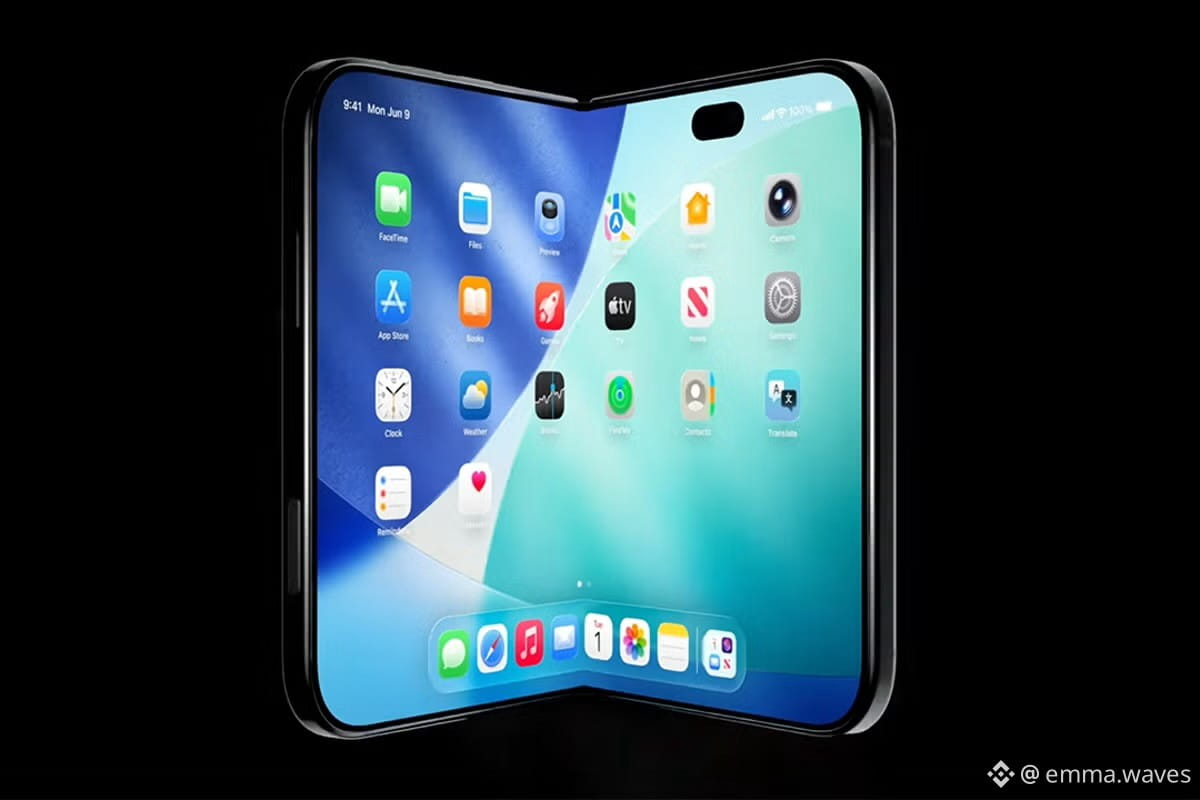
Foldable iPhone dropping next week. First new Apple form factor since 2017.
Real talk: would you actually use one or is this just Samsung copium?
Apple waited 8 years to fold a phone. Either they cracked something Samsung couldn't, or they're late to a gimmick party.
Your move 👇
Foldable iPhone dropping next week. First new Apple form factor since 2017.
Real talk: would you actually use one or is this just Samsung copium?
Apple waited 8 years to fold a phone. Either they cracked something Samsung couldn't, or they're late to a gimmick party.
Your move 👇
Real talk: would you actually use one or is this just Samsung copium?
Apple waited 8 years to fold a phone. Either they cracked something Samsung couldn't, or they're late to a gimmick party.
Your move 👇
62
·
--
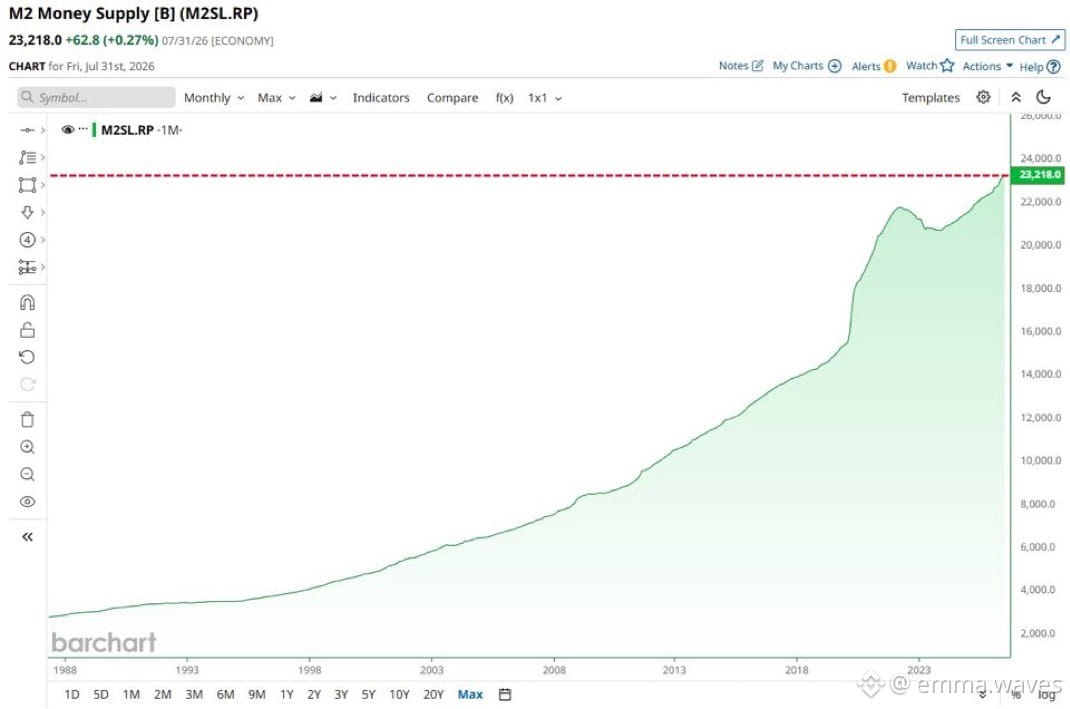
M2 just printed $23.22T — all-time high.
$BTC follows M2 with a lag. Always has.
Money printer goes brrr and it's not slowing down.
What's in your bags right now?
M2 just printed $23.22T — all-time high.
$BTC follows M2 with a lag. Always has.
Money printer goes brrr and it's not slowing down.
What's in your bags right now?
$BTC follows M2 with a lag. Always has.
Money printer goes brrr and it's not slowing down.
What's in your bags right now?
70
Көбірек контент көру үшін кіріңіз
Binance Square платформасында әлемдік криптоқоғамдастыққа қосылыңыз
⚡️ Криптовалюта туралы ең соңғы және пайдалы ақпаратты алыңыз.
💬 Әлемдегі ең ірі криптобиржаның сеніміне ие.
👍 Расталған авторлардың нақты пікірлерін табыңыз.
Электрондық пошта/телефон нөмірі
Трендтегі тақырыптар
AppleDebutsFoldablePhone
10,416 рет көрілді
243 адам талқылап жатыр
$BTC
苹果发了个折叠屏
果粉在算分期
老韭菜在算要几个BTC
兄弟们
苹果终于憋出来了
首款可折叠手机
iPhone Duo
国行15999起
顶配直接干到26499
我他妈看完价格
第一反应不是贵
是赶紧打开交易所算了一下
按照现在的币价
这台手机约等于0.025个BTC
0.025个BTC
听起来不多对吧
但你去翻翻历史
当年iPhone 4s发布的时候
价格折算下来是162个BTC
iPhone 6是1.7个BTC
iPhone 13是0.018个BTC
iPhone 17是0.007个BTC
看懂这个趋势了吗
不是你手里的钱变多了
是比特币在替你稀释苹果的定价
有意思的是发布会当场
苹果股价坐过山车
开盘先砸
后面又拉回
收盘小幅收跌
市场对这款高价折叠机能不能大卖
分歧不小😂😂
但兄弟们
别看到苹果发新机就脑补科技牛来了
大饼要跟涨
苹果跟币圈没有直接资金通道
它卖再多手机
也不会有一分钱自动流进加密市场
这只是消费端硬件利好
不是直接能推高大饼的大逻辑
大饼的定价主线依旧是美联储降息、美债收益率
苹果新品属于产业小热点
只能短期带动板块情绪
改变不了大盘大趋势
如果你本来就打算换手机
又恰好手里有0.025个BTC的闲钱
你会买吗?
#appledebutsfoldablephone
孔大锤
·2 лайк
·2.3k рет көрілді
EUExtendsCentralContactPointToCASPs
103 рет көрілді
16 адам талқылап жатыр
US10YTreasuryYieldHitsHighestSinceNov2023
14,177 рет көрілді
258 адам талқылап жатыр