

#riskmanagement
riskmanagement
17.2M рет көрілді
62,677 адам талқылап жатыр
Қызу саудада
Ең соңғы
·
--
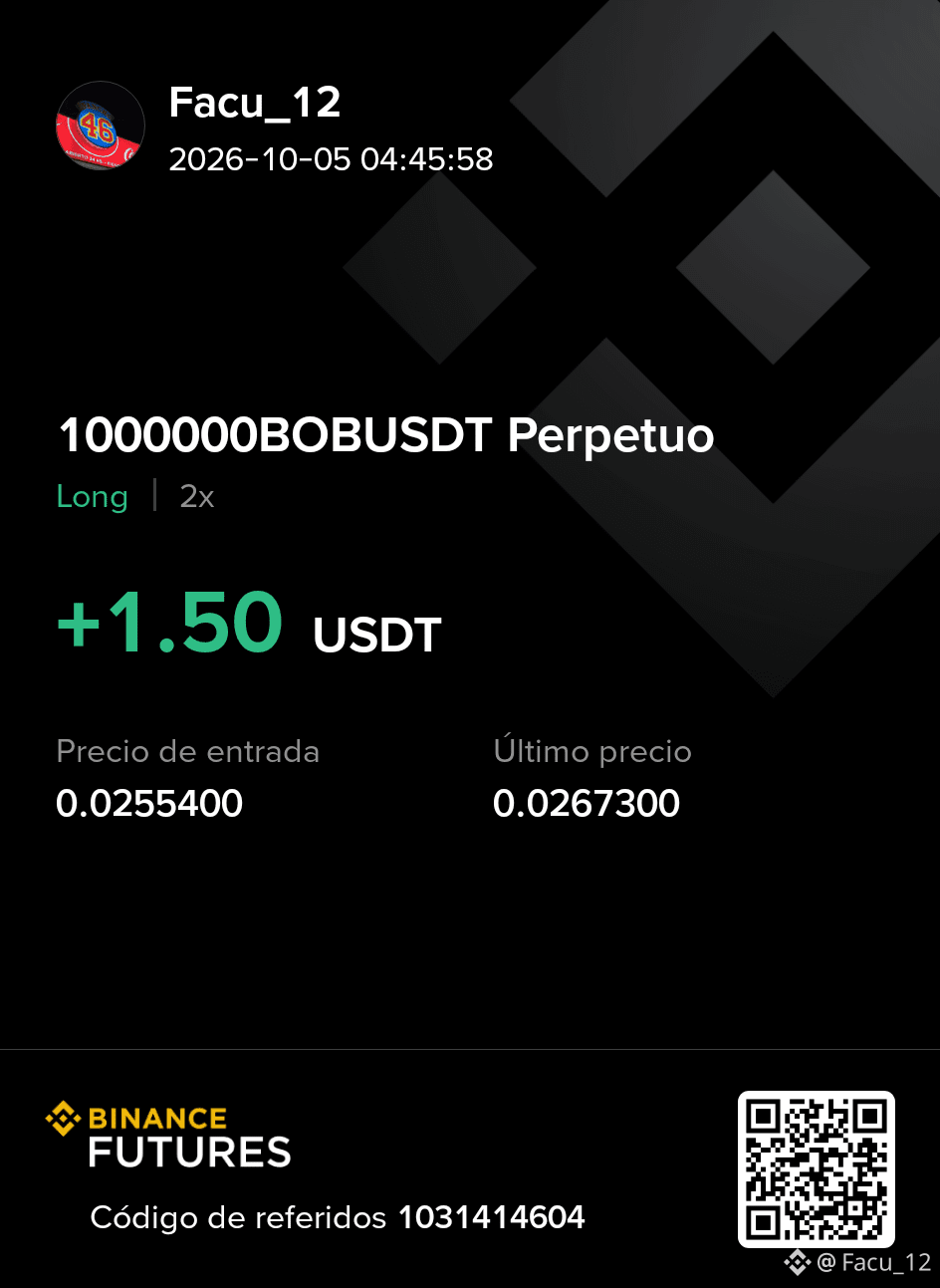
Abrí LONG en 1000000BOBUSDT
Entrada: 0.02554
Apalancamiento: 2x
TP: 0.03831
SL: 0.02234
Es un trade especulativo y de alto riesgo. El contrato figura como “To be delisted”, así que espero mucha volatilidad y movimientos agresivos en ambas direcciones.
Por eso entré con apalancamiento bajo (2x), tamaño de posición bajo y stop loss definido en caso de que caiga un 12.5% se va a cerrar. Acá la prioridad no es acertar sí o sí, sino gestionar el riesgo si la idea sale mal.
Busco continuación del impulso, pero sin subestimar el riesgo.
No es para que me sigan solo estoy contando mi operacion
#BinanceFutures #cryptotrading #RiskManagement #long
Abrí LONG en 1000000BOBUSDT
Entrada: 0.02554
Apalancamiento: 2x
TP: 0.03831
SL: 0.02234
Es un trade especulativo y de alto riesgo. El contrato figura como “To be delisted”, así que espero mucha volatilidad y movimientos agresivos en ambas direcciones.
Por eso entré con apalancamiento bajo (2x), tamaño de posición bajo y stop loss definido en caso de que caiga un 12.5% se va a cerrar. Acá la prioridad no es acertar sí o sí, sino gestionar el riesgo si la idea sale mal.
Busco continuación del impulso, pero sin subestimar el riesgo.
No es para que me sigan solo estoy contando mi operacion
#BinanceFutures #cryptotrading #RiskManagement #long
Entrada: 0.02554
Apalancamiento: 2x
TP: 0.03831
SL: 0.02234
Es un trade especulativo y de alto riesgo. El contrato figura como “To be delisted”, así que espero mucha volatilidad y movimientos agresivos en ambas direcciones.
Por eso entré con apalancamiento bajo (2x), tamaño de posición bajo y stop loss definido en caso de que caiga un 12.5% se va a cerrar. Acá la prioridad no es acertar sí o sí, sino gestionar el riesgo si la idea sale mal.
Busco continuación del impulso, pero sin subestimar el riesgo.
No es para que me sigan solo estoy contando mi operacion
#BinanceFutures #cryptotrading #RiskManagement #long
1
1
300

🚨 عندما يصبح التداول عبئاً.. كيف تتداول بذكاء
دون أن تخسر صحتك ورأس مالك؟ 😴📉
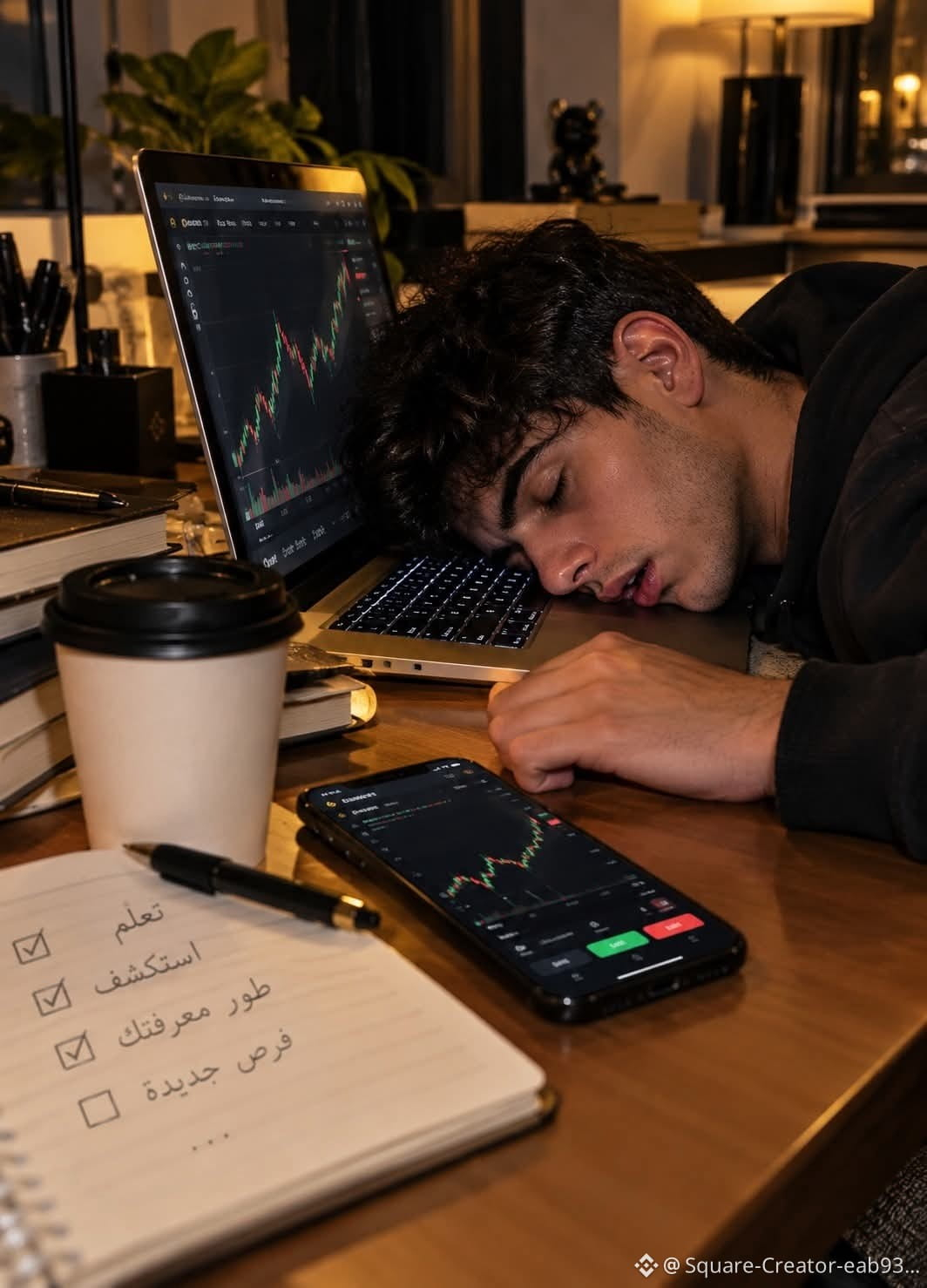
جميعنا مررنا بهذه اللحظة: ساعات طويلة أمام الشاشات متابعة الشموع ليلاً ونهاراً والقلق المستمر من أي حركة مفاجئة للسوق!
لكن الحقيقة التي يتعلمها المتداول بعد وقت: التداول ليس بمدى الساعات التي تقضيها أمام الشاشة بل بمدى التزامك بإدارة المخاطر والخطة الصارمة.
💡 4 قواعد تحميك من الإرهاق وتضمن لك الاستمرارية:
1️⃣ لا تتداول بدون Stop-Loss تحديد حد الخسارة يجعلك تنام بظرف نفسي مريح دون الحاجة لمراقبة الشاشة 24/7
2️⃣ ركز على العملات القيادية ذات السيولة: التشتت بين عشرات العملات المجهولة يرهق ذهنك بينما التركيز على الحركة العامة لـ BTC و ETH و BNB يعطيك اتجاهاً أوضح وأقل مخاطرة.
3️⃣ التزام بجداول التداول: حدد أوقاتاً معينة للتحليل والدخول وأغلق المنصة بقية اليوم.
4️⃣ التعليم والنمو المستمر كما في قائمة المهام التعلم والاستكشاف وتطوير المعرفة هما سلاحك الحقيقي للربح المستدام
👇 ما هي العملة التي تحللها حالياً وتتوقع لها حركة قوية؟ اضغط على بطاقات العملات أدناه لتفقد الشارت وتحديثات السعر:
$BTC
{spot}(BTCUSDT)
$SOL
{spot}(SOLUSDT)
$BNB
{spot}(BNBUSDT)
#BinanceSquare #RiskManagement #CryptoPatience
💬 شاركونا في التعليقات: كم ساعة تقضي يومياً أمام شاشة التداول؟ وهل عانيت من إرهاق الشاشات سابقاً؟ 👇
🚨 عندما يصبح التداول عبئاً.. كيف تتداول بذكاء
دون أن تخسر صحتك ورأس مالك؟ 😴📉
جميعنا مررنا بهذه اللحظة: ساعات طويلة أمام الشاشات متابعة الشموع ليلاً ونهاراً والقلق المستمر من أي حركة مفاجئة للسوق!
لكن الحقيقة التي يتعلمها المتداول بعد وقت: التداول ليس بمدى الساعات التي تقضيها أمام الشاشة بل بمدى التزامك بإدارة المخاطر والخطة الصارمة.
💡 4 قواعد تحميك من الإرهاق وتضمن لك الاستمرارية:
1️⃣ لا تتداول بدون Stop-Loss تحديد حد الخسارة يجعلك تنام بظرف نفسي مريح دون الحاجة لمراقبة الشاشة 24/7
2️⃣ ركز على العملات القيادية ذات السيولة: التشتت بين عشرات العملات المجهولة يرهق ذهنك بينما التركيز على الحركة العامة لـ BTC و ETH و BNB يعطيك اتجاهاً أوضح وأقل مخاطرة.
3️⃣ التزام بجداول التداول: حدد أوقاتاً معينة للتحليل والدخول وأغلق المنصة بقية اليوم.
4️⃣ التعليم والنمو المستمر كما في قائمة المهام التعلم والاستكشاف وتطوير المعرفة هما سلاحك الحقيقي للربح المستدام
👇 ما هي العملة التي تحللها حالياً وتتوقع لها حركة قوية؟ اضغط على بطاقات العملات أدناه لتفقد الشارت وتحديثات السعر:
$BTC
$SOL
$BNB
#BinanceSquare #RiskManagement #CryptoPatience
💬 شاركونا في التعليقات: كم ساعة تقضي يومياً أمام شاشة التداول؟ وهل عانيت من إرهاق الشاشات سابقاً؟ 👇
دون أن تخسر صحتك ورأس مالك؟ 😴📉
جميعنا مررنا بهذه اللحظة: ساعات طويلة أمام الشاشات متابعة الشموع ليلاً ونهاراً والقلق المستمر من أي حركة مفاجئة للسوق!
لكن الحقيقة التي يتعلمها المتداول بعد وقت: التداول ليس بمدى الساعات التي تقضيها أمام الشاشة بل بمدى التزامك بإدارة المخاطر والخطة الصارمة.
💡 4 قواعد تحميك من الإرهاق وتضمن لك الاستمرارية:
1️⃣ لا تتداول بدون Stop-Loss تحديد حد الخسارة يجعلك تنام بظرف نفسي مريح دون الحاجة لمراقبة الشاشة 24/7
2️⃣ ركز على العملات القيادية ذات السيولة: التشتت بين عشرات العملات المجهولة يرهق ذهنك بينما التركيز على الحركة العامة لـ BTC و ETH و BNB يعطيك اتجاهاً أوضح وأقل مخاطرة.
3️⃣ التزام بجداول التداول: حدد أوقاتاً معينة للتحليل والدخول وأغلق المنصة بقية اليوم.
4️⃣ التعليم والنمو المستمر كما في قائمة المهام التعلم والاستكشاف وتطوير المعرفة هما سلاحك الحقيقي للربح المستدام
👇 ما هي العملة التي تحللها حالياً وتتوقع لها حركة قوية؟ اضغط على بطاقات العملات أدناه لتفقد الشارت وتحديثات السعر:
$BTC
$SOL
$BNB
#BinanceSquare #RiskManagement #CryptoPatience
💬 شاركونا في التعليقات: كم ساعة تقضي يومياً أمام شاشة التداول؟ وهل عانيت من إرهاق الشاشات سابقاً؟ 👇
1
4
1.4k

3 أخطاء قاتلة تدمر محفظتك في سوق الكريبتو.. تجنبها ف 🛑📉
الجميع يتحدث عن الأرباح الضخمة والصعود الصاروخي، لكن الحقيقة الصادمة أن أغلب المتداولين يخسرون أموالهم ليس بسبب السوق، بل بسبب أخطاء نفسية وتكتيكية بسيطة يمكن تجنبها!
إذا كنت تريد الاستمرار والربح في هذا السوق، تأكد من حظر هذه الأخطاء من استراتيجيتك:
1️⃣ الفومو (FOMO) - الخوف من فوات الفرصة: الدخول في عملة رقمية بعد أن ارتفعت بنسبة كبيرة هو انتحار مالي. الشراء الاحترافي يكون دائماً في مناطق الركود والتجميع، وليس عند القمة والضجيج!
2️⃣ ملاحقة المشاريع المجهولة: تخصيص رأس مال كبير لعملات لا تمتلك مشروعاً حقيقياً هو مخاطرة غير مدروسة. الأمان الحقيقي يكمن في بناء أساس محفظتك من العملات القيادية مثل $BTC و $ETH ثم التوسع بحذر.
3️⃣ إهمال التعلم الذاتي: الاعتماد الكامل على قنوات التوصيات الجاهزة يجعلك تابعاً. تعلم كيف تقرأ حركة السوق الأساسية، وكيف تتحرك العملات الكبرى مثل $BNB لتفهم اتجاه السيولة وتتداول بذكاء.
تذكر دائماً: البقاء في سوق العملات الرقمية لمن يمتلك نفساً طويلاً وإدارة مخاطر صارمة، وليس لمن يبحث عن الثراء السريع في يوم وليلة.
👇 شاركنا تجربتك بكل صراحة في التعليقات: ما هو أكبر خطأ وقعت فيه عندما بدأت التداول وتمنيت لو أن أحداً نصحك لتجنبه؟
#BinanceSquare #CryptoEducational #TradingMistakes #RiskManagement
3 أخطاء قاتلة تدمر محفظتك في سوق الكريبتو.. تجنبها ف 🛑📉
الجميع يتحدث عن الأرباح الضخمة والصعود الصاروخي، لكن الحقيقة الصادمة أن أغلب المتداولين يخسرون أموالهم ليس بسبب السوق، بل بسبب أخطاء نفسية وتكتيكية بسيطة يمكن تجنبها!
إذا كنت تريد الاستمرار والربح في هذا السوق، تأكد من حظر هذه الأخطاء من استراتيجيتك:
1️⃣ الفومو (FOMO) - الخوف من فوات الفرصة: الدخول في عملة رقمية بعد أن ارتفعت بنسبة كبيرة هو انتحار مالي. الشراء الاحترافي يكون دائماً في مناطق الركود والتجميع، وليس عند القمة والضجيج!
2️⃣ ملاحقة المشاريع المجهولة: تخصيص رأس مال كبير لعملات لا تمتلك مشروعاً حقيقياً هو مخاطرة غير مدروسة. الأمان الحقيقي يكمن في بناء أساس محفظتك من العملات القيادية مثل $BTC و $ETH ثم التوسع بحذر.
3️⃣ إهمال التعلم الذاتي: الاعتماد الكامل على قنوات التوصيات الجاهزة يجعلك تابعاً. تعلم كيف تقرأ حركة السوق الأساسية، وكيف تتحرك العملات الكبرى مثل $BNB لتفهم اتجاه السيولة وتتداول بذكاء.
تذكر دائماً: البقاء في سوق العملات الرقمية لمن يمتلك نفساً طويلاً وإدارة مخاطر صارمة، وليس لمن يبحث عن الثراء السريع في يوم وليلة.
👇 شاركنا تجربتك بكل صراحة في التعليقات: ما هو أكبر خطأ وقعت فيه عندما بدأت التداول وتمنيت لو أن أحداً نصحك لتجنبه؟
#BinanceSquare #CryptoEducational #TradingMistakes #RiskManagement
الجميع يتحدث عن الأرباح الضخمة والصعود الصاروخي، لكن الحقيقة الصادمة أن أغلب المتداولين يخسرون أموالهم ليس بسبب السوق، بل بسبب أخطاء نفسية وتكتيكية بسيطة يمكن تجنبها!
إذا كنت تريد الاستمرار والربح في هذا السوق، تأكد من حظر هذه الأخطاء من استراتيجيتك:
1️⃣ الفومو (FOMO) - الخوف من فوات الفرصة: الدخول في عملة رقمية بعد أن ارتفعت بنسبة كبيرة هو انتحار مالي. الشراء الاحترافي يكون دائماً في مناطق الركود والتجميع، وليس عند القمة والضجيج!
2️⃣ ملاحقة المشاريع المجهولة: تخصيص رأس مال كبير لعملات لا تمتلك مشروعاً حقيقياً هو مخاطرة غير مدروسة. الأمان الحقيقي يكمن في بناء أساس محفظتك من العملات القيادية مثل $BTC و $ETH ثم التوسع بحذر.
3️⃣ إهمال التعلم الذاتي: الاعتماد الكامل على قنوات التوصيات الجاهزة يجعلك تابعاً. تعلم كيف تقرأ حركة السوق الأساسية، وكيف تتحرك العملات الكبرى مثل $BNB لتفهم اتجاه السيولة وتتداول بذكاء.
تذكر دائماً: البقاء في سوق العملات الرقمية لمن يمتلك نفساً طويلاً وإدارة مخاطر صارمة، وليس لمن يبحث عن الثراء السريع في يوم وليلة.
👇 شاركنا تجربتك بكل صراحة في التعليقات: ما هو أكبر خطأ وقعت فيه عندما بدأت التداول وتمنيت لو أن أحداً نصحك لتجنبه؟
#BinanceSquare #CryptoEducational #TradingMistakes #RiskManagement
197

·
--
Мақала
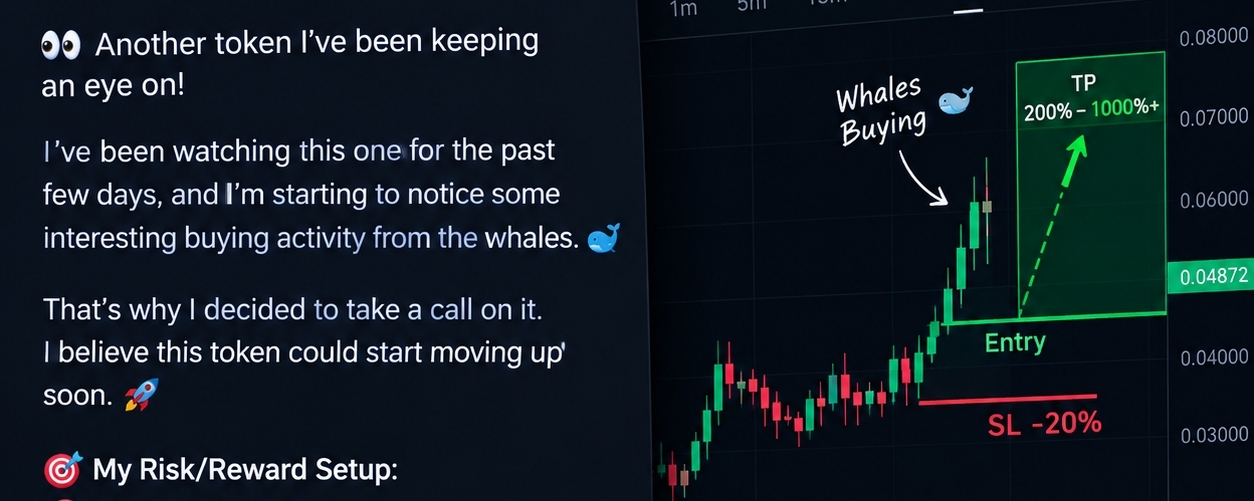
Another token I’ve been keeping an eye on!👀 Another token I’ve been keeping an eye on!
$BTW I’ve been watching this one for the past few days, and I’m starting to notice some interesting buying activity from the whales. 🐋
That’s why I decided to take a call on it. I believe this token could start moving up soon. 📈
$BTW
🎯 My Risk/Reward Setup:
🛑 Stop Loss: -20%
🚀 Potential Upside: 200%–1000%+
So basically, I’m risking around
{future}(BTWUSDT)
20% for a much bigger potential reward.
That’s the risk-to-reward ratio I’m looking for. Nothing is guaranteed in crypto, so always manage your risk. 💯
#Crypto #Trading #BinanceSquare #Altcoins #Whales #RiskManagement
Another token I’ve been keeping an eye on!
👀 Another token I’ve been keeping an eye on!
$BTW I’ve been watching this one for the past few days, and I’m starting to notice some interesting buying activity from the whales. 🐋
That’s why I decided to take a call on it. I believe this token could start moving up soon. 📈
$BTW
🎯 My Risk/Reward Setup:
🛑 Stop Loss: -20%
🚀 Potential Upside: 200%–1000%+
So basically, I’m risking around
20% for a much bigger potential reward.
That’s the risk-to-reward ratio I’m looking for. Nothing is guaranteed in crypto, so always manage your risk. 💯
#Crypto #Trading #BinanceSquare #Altcoins #Whales #RiskManagement
$BTW I’ve been watching this one for the past few days, and I’m starting to notice some interesting buying activity from the whales. 🐋
That’s why I decided to take a call on it. I believe this token could start moving up soon. 📈
$BTW
🎯 My Risk/Reward Setup:
🛑 Stop Loss: -20%
🚀 Potential Upside: 200%–1000%+
So basically, I’m risking around
20% for a much bigger potential reward.
That’s the risk-to-reward ratio I’m looking for. Nothing is guaranteed in crypto, so always manage your risk. 💯
#Crypto #Trading #BinanceSquare #Altcoins #Whales #RiskManagement
87

·
--
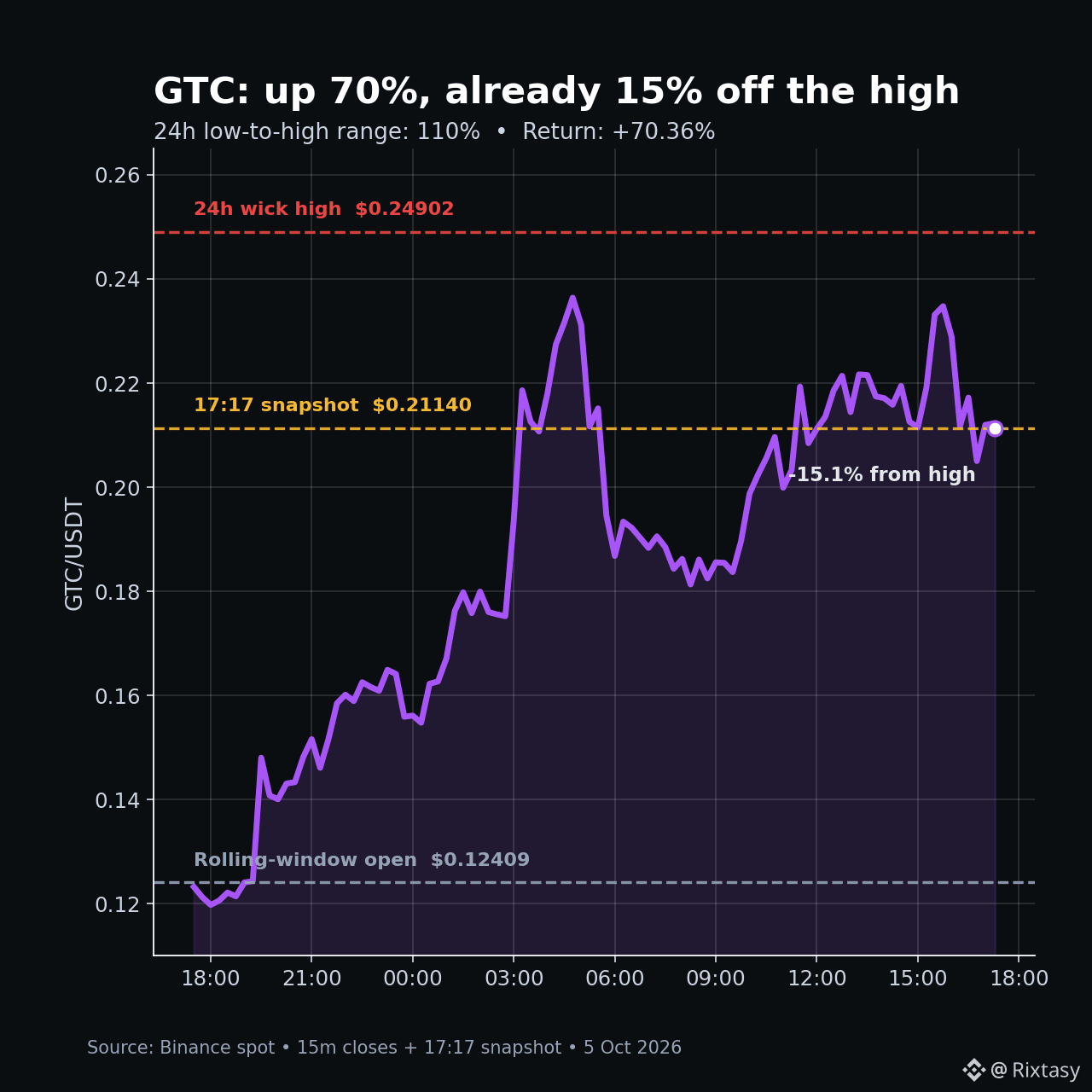
GTC shows why “up 70%” can still be a dangerous entry. At the same 17:17 Beirut snapshot, both of these were true:
• $GTC was +70.36% over Binance's rolling 24-hour window.
• It had already fallen 15.11% from the $0.24902 high to $0.21140.
The 24-hour range stretched from $0.11869 to $0.24902—nearly 110% from low to high—with $38.65 million in spot quote volume. The headline return describes the asset relative to yesterday; it does not describe the risk of buying now.
Three checks before treating a top-gainer list as momentum:
1. Distance from the high: a large retracement means late entries face different conditions.
2. Candle closes versus wicks: a spike is not acceptance.
3. Liquidity versus range: volume can rise while slippage and liquidation risk remain high.
The takeaway is simple: return measures past movement; structure defines current risk. No price target removes that distinction.
Source: Binance spot, GTC/USDT 15m; snapshot 5 Oct 2026, 17:17 Beirut.
#GTC #RiskManagement
GTC shows why “up 70%” can still be a dangerous entry. At the same 17:17 Beirut snapshot, both of these were true:
• $GTC was +70.36% over Binance's rolling 24-hour window.
• It had already fallen 15.11% from the $0.24902 high to $0.21140.
The 24-hour range stretched from $0.11869 to $0.24902—nearly 110% from low to high—with $38.65 million in spot quote volume. The headline return describes the asset relative to yesterday; it does not describe the risk of buying now.
Three checks before treating a top-gainer list as momentum:
1. Distance from the high: a large retracement means late entries face different conditions.
2. Candle closes versus wicks: a spike is not acceptance.
3. Liquidity versus range: volume can rise while slippage and liquidation risk remain high.
The takeaway is simple: return measures past movement; structure defines current risk. No price target removes that distinction.
Source: Binance spot, GTC/USDT 15m; snapshot 5 Oct 2026, 17:17 Beirut.
#GTC #RiskManagement
• $GTC was +70.36% over Binance's rolling 24-hour window.
• It had already fallen 15.11% from the $0.24902 high to $0.21140.
The 24-hour range stretched from $0.11869 to $0.24902—nearly 110% from low to high—with $38.65 million in spot quote volume. The headline return describes the asset relative to yesterday; it does not describe the risk of buying now.
Three checks before treating a top-gainer list as momentum:
1. Distance from the high: a large retracement means late entries face different conditions.
2. Candle closes versus wicks: a spike is not acceptance.
3. Liquidity versus range: volume can rise while slippage and liquidation risk remain high.
The takeaway is simple: return measures past movement; structure defines current risk. No price target removes that distinction.
Source: Binance spot, GTC/USDT 15m; snapshot 5 Oct 2026, 17:17 Beirut.
#GTC #RiskManagement
110

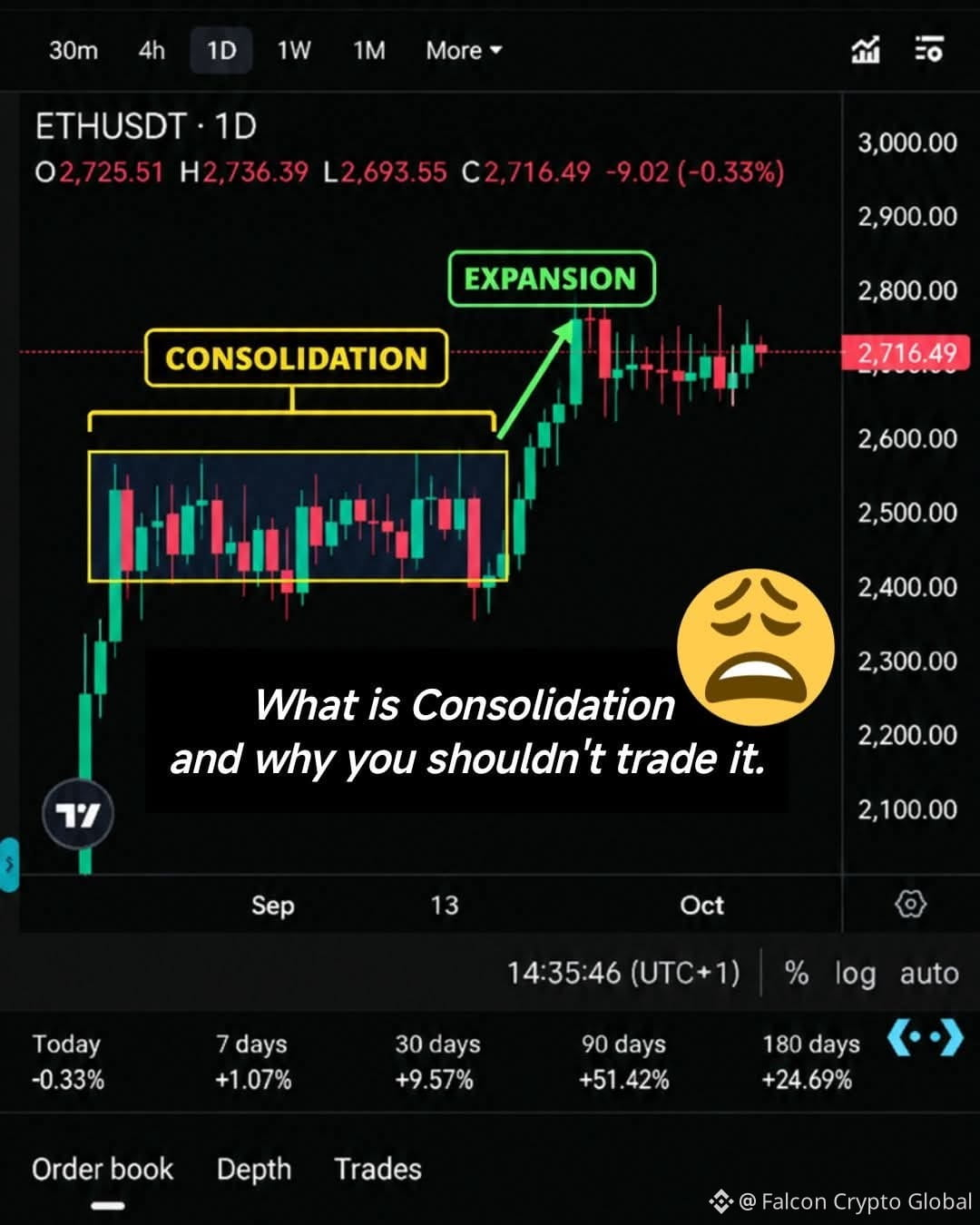
🎯 Not every sideways market deserves a trade. Sometimes, the best risk-management decision is to WAIT.
Look at the consolidation on this $ETH USDT chart. Price spent a significant period moving back and forth inside a relatively defined range before eventually expanding upward.
Consolidation is a period where price moves within a relatively narrow range because neither buyers nor sellers have established clear control.
In the chart, price repeatedly reacts around the same area instead of developing a strong directional move. This represents balance and uncertainty in the market.
Why shouldn’t you rush to trade it?
Because trading in the middle of consolidation can expose you to:
❌ False breakouts
❌ Whipsaws
❌ Poor risk-to-reward setups
❌ Repeated stop-outs
❌ Emotional overtrading
The cleaner opportunity often comes after price breaks out of the range and shows genuine expansion.
Consolidation is not necessarily a signal to enter—it is information.
From a risk-management perspective, consider marking the consolidation range and waiting for price to show clear acceptance outside it.
In this chart, the eventual upward expansion demonstrates how a period of compression can precede a stronger directional move.
The goal isn't to catch every move. The goal is to protect your capital while waiting for higher-quality opportunities.
When you see price consolidating like this, do you wait for the breakout confirmation or try to trade inside the range? Why?
$ETH
{future}(ETHUSDT)
#RiskManagement #priceaction #cryptotrading #tradingpsychology
🎯 Not every sideways market deserves a trade. Sometimes, the best risk-management decision is to WAIT.
Look at the consolidation on this $ETH USDT chart. Price spent a significant period moving back and forth inside a relatively defined range before eventually expanding upward.
Consolidation is a period where price moves within a relatively narrow range because neither buyers nor sellers have established clear control.
In the chart, price repeatedly reacts around the same area instead of developing a strong directional move. This represents balance and uncertainty in the market.
Why shouldn’t you rush to trade it?
Because trading in the middle of consolidation can expose you to:
❌ False breakouts
❌ Whipsaws
❌ Poor risk-to-reward setups
❌ Repeated stop-outs
❌ Emotional overtrading
The cleaner opportunity often comes after price breaks out of the range and shows genuine expansion.
Consolidation is not necessarily a signal to enter—it is information.
From a risk-management perspective, consider marking the consolidation range and waiting for price to show clear acceptance outside it.
In this chart, the eventual upward expansion demonstrates how a period of compression can precede a stronger directional move.
The goal isn't to catch every move. The goal is to protect your capital while waiting for higher-quality opportunities.
When you see price consolidating like this, do you wait for the breakout confirmation or try to trade inside the range? Why?
$ETH
#RiskManagement #priceaction #cryptotrading #tradingpsychology
Look at the consolidation on this $ETH USDT chart. Price spent a significant period moving back and forth inside a relatively defined range before eventually expanding upward.
Consolidation is a period where price moves within a relatively narrow range because neither buyers nor sellers have established clear control.
In the chart, price repeatedly reacts around the same area instead of developing a strong directional move. This represents balance and uncertainty in the market.
Why shouldn’t you rush to trade it?
Because trading in the middle of consolidation can expose you to:
❌ False breakouts
❌ Whipsaws
❌ Poor risk-to-reward setups
❌ Repeated stop-outs
❌ Emotional overtrading
The cleaner opportunity often comes after price breaks out of the range and shows genuine expansion.
Consolidation is not necessarily a signal to enter—it is information.
From a risk-management perspective, consider marking the consolidation range and waiting for price to show clear acceptance outside it.
In this chart, the eventual upward expansion demonstrates how a period of compression can precede a stronger directional move.
The goal isn't to catch every move. The goal is to protect your capital while waiting for higher-quality opportunities.
When you see price consolidating like this, do you wait for the breakout confirmation or try to trade inside the range? Why?
$ETH
#RiskManagement #priceaction #cryptotrading #tradingpsychology
38

·
--
🚨 **CAN YOU SPOT THE RISKS BEFORE YOU INVEST? 👀**
Crypto offers huge opportunities—but every opportunity comes with risk. ⚠️
🔹 **Market Risk** — Extreme price volatility can lead to rapid losses.
🔹 **Custody Risk** — Losing private keys or access can mean losing your assets.
🔹 **Protocol Risk** — Smart-contract bugs and exploits can put funds at risk.
🔹 **Regulatory Risk** — Rules and regulations can change quickly.
🔹 **Behavioral Risk** — FOMO, panic selling and emotional decisions can be costly.
💡 **The smarter move isn't just finding potential gains—it’s understanding what can go wrong.**
**DYOR. Manage your risk. Protect your capital.** 🛡️
$BTC
{spot}(BTCUSDT)
#Crypto #RiskManagement #CryptoEducation #DYOR #BinanceSquare
🚨 **CAN YOU SPOT THE RISKS BEFORE YOU INVEST? 👀**
Crypto offers huge opportunities—but every opportunity comes with risk. ⚠️
🔹 **Market Risk** — Extreme price volatility can lead to rapid losses.
🔹 **Custody Risk** — Losing private keys or access can mean losing your assets.
🔹 **Protocol Risk** — Smart-contract bugs and exploits can put funds at risk.
🔹 **Regulatory Risk** — Rules and regulations can change quickly.
🔹 **Behavioral Risk** — FOMO, panic selling and emotional decisions can be costly.
💡 **The smarter move isn't just finding potential gains—it’s understanding what can go wrong.**
**DYOR. Manage your risk. Protect your capital.** 🛡️
$BTC
#Crypto #RiskManagement #CryptoEducation #DYOR #BinanceSquare
Crypto offers huge opportunities—but every opportunity comes with risk. ⚠️
🔹 **Market Risk** — Extreme price volatility can lead to rapid losses.
🔹 **Custody Risk** — Losing private keys or access can mean losing your assets.
🔹 **Protocol Risk** — Smart-contract bugs and exploits can put funds at risk.
🔹 **Regulatory Risk** — Rules and regulations can change quickly.
🔹 **Behavioral Risk** — FOMO, panic selling and emotional decisions can be costly.
💡 **The smarter move isn't just finding potential gains—it’s understanding what can go wrong.**
**DYOR. Manage your risk. Protect your capital.** 🛡️
$BTC
#Crypto #RiskManagement #CryptoEducation #DYOR #BinanceSquare
2

·
--
Risk management is the most underrated edge in crypto — and most traders ignore it until it is too late.
The volatility that makes $BTC and $ETH exciting also makes unchecked position sizing lethal. A 3x leveraged position on a 30% drawdown wipes out 90% of capital. Most retail traders experience this at least once. Fewer learn from it.
Here is a framework worth internalizing:
1. Fixed fractional sizing. Never risk more than 1-2% of total portfolio on a single trade. This sounds conservative until you realize it keeps you alive through 50 consecutive losers.
2. Volatility-adjusted allocation. $SOL carries a fundamentally different risk profile than $BTC. Your position size should reflect realized volatility — not equal dollar amounts.
3. Correlation matters. During macro risk-off events, crypto correlations converge toward 1. A portfolio with 10 "different" altcoins is often just one leveraged BTC bet in disguise.
4. Asymmetric exposure. Reserve dry powder for high-conviction entries after flush-outs. The best setups emerge when narratives break down, not when they are consensus.
Sizing discipline compounds quietly over years. Reckless sizing liquidates loudly overnight.
Protect capital first. Capture upside second.
#RiskManagement #CryptoTrading #PositionSizing #CryptoStrategy #BinanceSquare
Risk management is the most underrated edge in crypto — and most traders ignore it until it is too late.
The volatility that makes $BTC and $ETH exciting also makes unchecked position sizing lethal. A 3x leveraged position on a 30% drawdown wipes out 90% of capital. Most retail traders experience this at least once. Fewer learn from it.
Here is a framework worth internalizing:
1. Fixed fractional sizing. Never risk more than 1-2% of total portfolio on a single trade. This sounds conservative until you realize it keeps you alive through 50 consecutive losers.
2. Volatility-adjusted allocation. $SOL carries a fundamentally different risk profile than $BTC . Your position size should reflect realized volatility — not equal dollar amounts.
3. Correlation matters. During macro risk-off events, crypto correlations converge toward 1. A portfolio with 10 "different" altcoins is often just one leveraged BTC bet in disguise.
4. Asymmetric exposure. Reserve dry powder for high-conviction entries after flush-outs. The best setups emerge when narratives break down, not when they are consensus.
Sizing discipline compounds quietly over years. Reckless sizing liquidates loudly overnight.
Protect capital first. Capture upside second.
#RiskManagement #CryptoTrading #PositionSizing #CryptoStrategy #BinanceSquare
The volatility that makes $BTC and $ETH exciting also makes unchecked position sizing lethal. A 3x leveraged position on a 30% drawdown wipes out 90% of capital. Most retail traders experience this at least once. Fewer learn from it.
Here is a framework worth internalizing:
1. Fixed fractional sizing. Never risk more than 1-2% of total portfolio on a single trade. This sounds conservative until you realize it keeps you alive through 50 consecutive losers.
2. Volatility-adjusted allocation. $SOL carries a fundamentally different risk profile than $BTC . Your position size should reflect realized volatility — not equal dollar amounts.
3. Correlation matters. During macro risk-off events, crypto correlations converge toward 1. A portfolio with 10 "different" altcoins is often just one leveraged BTC bet in disguise.
4. Asymmetric exposure. Reserve dry powder for high-conviction entries after flush-outs. The best setups emerge when narratives break down, not when they are consensus.
Sizing discipline compounds quietly over years. Reckless sizing liquidates loudly overnight.
Protect capital first. Capture upside second.
#RiskManagement #CryptoTrading #PositionSizing #CryptoStrategy #BinanceSquare
23
·
--
🚨 **5 CRYPTO RISKS EVERY INVESTOR SHOULD KNOW!**
Think crypto risk is only about price going up or down? Think again. 👀
The crypto market has **5 core risk categories** you should understand before putting your money at risk:
📈 **1. Market Risk**
Crypto prices can move rapidly and unpredictably.
🔐 **2. Custody Risk**
Losing access to your wallet, private keys or funds can have serious consequences.
⛓️ **3. Protocol Risk**
Smart-contract bugs, exploits or technical failures can put assets at risk.
⚖️ **4. Regulatory Risk**
Changes in laws and regulations can affect crypto projects, exchanges and users.
🧠 **5. Behavioral Risk**
FOMO, panic selling and emotional decisions can turn a manageable risk into a major loss.
💡 **Remember:** Understanding risk comes before chasing returns.
**Which risk do you think crypto investors underestimate the most? 👇**
$BTC
{spot}(BTCUSDT)
#Crypto #RiskManagement #DYOR #CryptoEducation #BinanceSquare
🚨 **5 CRYPTO RISKS EVERY INVESTOR SHOULD KNOW!**
Think crypto risk is only about price going up or down? Think again. 👀
The crypto market has **5 core risk categories** you should understand before putting your money at risk:
📈 **1. Market Risk**
Crypto prices can move rapidly and unpredictably.
🔐 **2. Custody Risk**
Losing access to your wallet, private keys or funds can have serious consequences.
⛓️ **3. Protocol Risk**
Smart-contract bugs, exploits or technical failures can put assets at risk.
⚖️ **4. Regulatory Risk**
Changes in laws and regulations can affect crypto projects, exchanges and users.
🧠 **5. Behavioral Risk**
FOMO, panic selling and emotional decisions can turn a manageable risk into a major loss.
💡 **Remember:** Understanding risk comes before chasing returns.
**Which risk do you think crypto investors underestimate the most? 👇**
$BTC
#Crypto #RiskManagement #DYOR #CryptoEducation #BinanceSquare
Think crypto risk is only about price going up or down? Think again. 👀
The crypto market has **5 core risk categories** you should understand before putting your money at risk:
📈 **1. Market Risk**
Crypto prices can move rapidly and unpredictably.
🔐 **2. Custody Risk**
Losing access to your wallet, private keys or funds can have serious consequences.
⛓️ **3. Protocol Risk**
Smart-contract bugs, exploits or technical failures can put assets at risk.
⚖️ **4. Regulatory Risk**
Changes in laws and regulations can affect crypto projects, exchanges and users.
🧠 **5. Behavioral Risk**
FOMO, panic selling and emotional decisions can turn a manageable risk into a major loss.
💡 **Remember:** Understanding risk comes before chasing returns.
**Which risk do you think crypto investors underestimate the most? 👇**
$BTC
#Crypto #RiskManagement #DYOR #CryptoEducation #BinanceSquare
5
·
--
🚨 **WAIT! BEFORE YOU BUY ANY CRYPTO, READ THIS. 👀**
Making money in crypto is exciting—but **understanding the risk is even more important.** ⚠️
📉 **Volatility** — Prices can move violently in minutes.
🔓 **Token Unlocks** — New supply can create selling pressure.
🐋 **Whales** — Large holders can trigger sudden moves.
💧 **Liquidity** — Low-volume tokens may be hard to exit.
🛡️ **Security** — Scams, phishing and hacks are real threats.
📊 **Fundamentals** — Not every project has strong long-term value.
💡 **The best trade isn't always the one that makes the most money—it's the one where you understand the risk.**
Always DYOR and manage your risk.
**What crypto risk worries you the most? 👇**
$BTC
{spot}(BTCUSDT)
#Crypto #RiskManagement #DYOR #BinanceSquare #CryptoTrading
🚨 **WAIT! BEFORE YOU BUY ANY CRYPTO, READ THIS. 👀**
Making money in crypto is exciting—but **understanding the risk is even more important.** ⚠️
📉 **Volatility** — Prices can move violently in minutes.
🔓 **Token Unlocks** — New supply can create selling pressure.
🐋 **Whales** — Large holders can trigger sudden moves.
💧 **Liquidity** — Low-volume tokens may be hard to exit.
🛡️ **Security** — Scams, phishing and hacks are real threats.
📊 **Fundamentals** — Not every project has strong long-term value.
💡 **The best trade isn't always the one that makes the most money—it's the one where you understand the risk.**
Always DYOR and manage your risk.
**What crypto risk worries you the most? 👇**
$BTC
#Crypto #RiskManagement #DYOR #BinanceSquare #CryptoTrading
Making money in crypto is exciting—but **understanding the risk is even more important.** ⚠️
📉 **Volatility** — Prices can move violently in minutes.
🔓 **Token Unlocks** — New supply can create selling pressure.
🐋 **Whales** — Large holders can trigger sudden moves.
💧 **Liquidity** — Low-volume tokens may be hard to exit.
🛡️ **Security** — Scams, phishing and hacks are real threats.
📊 **Fundamentals** — Not every project has strong long-term value.
💡 **The best trade isn't always the one that makes the most money—it's the one where you understand the risk.**
Always DYOR and manage your risk.
**What crypto risk worries you the most? 👇**
$BTC
#Crypto #RiskManagement #DYOR #BinanceSquare #CryptoTrading
6

Picture this: you step away from your trading desk for a few hours, only to return to a margin call that wipes your entire portfolio clean.
Most traders treat leverage like a cheat code to accelerate gains, forgetting that volatility cuts both ways when liquidity starts to evaporate. It is the classic trap of chasing fast upside while ignoring basic risk boundaries until the market forces an exit.
Over the past 24 hours alone, 47,806 traders found themselves on the wrong side of the tape, triggering over $160.84 million in total liquidations. The most brutal wipeout came from a massive $5.63M $ETH position, alongside cascading closures across $BTC pairs as tight stops triggered one after another.
This mirrors the sharp deleveraging events we witnessed during previous market shakeouts, where crowded trades created a domino effect across the order book. When everyone leans in the same direction, a modest price swing quickly morphs into an aggressive flush of borrowed capital.
How are you adjusting your leverage and position sizing in this environment?
#CryptoTrading #RiskManagement #BinanceSquare
Picture this: you step away from your trading desk for a few hours, only to return to a margin call that wipes your entire portfolio clean.
Most traders treat leverage like a cheat code to accelerate gains, forgetting that volatility cuts both ways when liquidity starts to evaporate. It is the classic trap of chasing fast upside while ignoring basic risk boundaries until the market forces an exit.
Over the past 24 hours alone, 47,806 traders found themselves on the wrong side of the tape, triggering over $160.84 million in total liquidations. The most brutal wipeout came from a massive $5.63M $ETH position, alongside cascading closures across $BTC pairs as tight stops triggered one after another.
This mirrors the sharp deleveraging events we witnessed during previous market shakeouts, where crowded trades created a domino effect across the order book. When everyone leans in the same direction, a modest price swing quickly morphs into an aggressive flush of borrowed capital.
How are you adjusting your leverage and position sizing in this environment?
#CryptoTrading #RiskManagement #BinanceSquare
Most traders treat leverage like a cheat code to accelerate gains, forgetting that volatility cuts both ways when liquidity starts to evaporate. It is the classic trap of chasing fast upside while ignoring basic risk boundaries until the market forces an exit.
Over the past 24 hours alone, 47,806 traders found themselves on the wrong side of the tape, triggering over $160.84 million in total liquidations. The most brutal wipeout came from a massive $5.63M $ETH position, alongside cascading closures across $BTC pairs as tight stops triggered one after another.
This mirrors the sharp deleveraging events we witnessed during previous market shakeouts, where crowded trades created a domino effect across the order book. When everyone leans in the same direction, a modest price swing quickly morphs into an aggressive flush of borrowed capital.
How are you adjusting your leverage and position sizing in this environment?
#CryptoTrading #RiskManagement #BinanceSquare

8

·
--
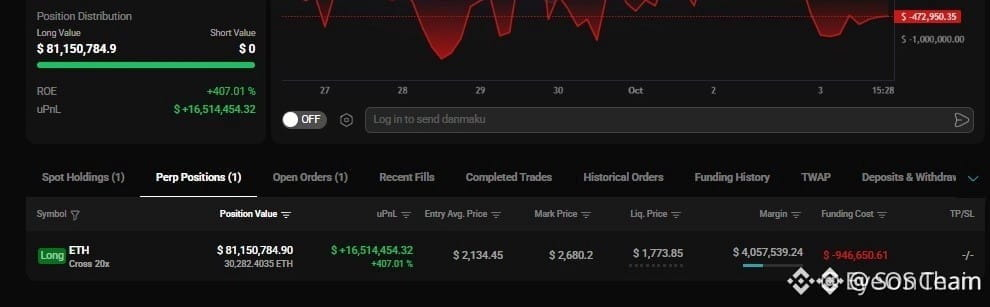
Over $160.84 million just got wiped off the board in 24 hours, taking down nearly 48,000 traders with it.
Most people think they are just playing a normal dip until a single wick triggers a cascade, wiping out months of gains in seconds. When liquidity thins out, high leverage stops being a trading tool and turns into pure exit liquidity for the books.
Looking at the liquidation maps today, the pain was spread heavy across the board. We watched a single $ETH position get liquidated for $5.63 million, which completely flipped the short-term order book dynamics alongside massive $BTC wipeouts.
When swings get this sharp, market makers hunt tight stops and cascading liquidations feed on each other. If your position sizing assumes the market will give you time to react, the data shows it usually won't.
Are you derisking leverage here or looking to catch the bounce?
#CryptoTrading #RiskManagement #FuturesTrading
Over $160.84 million just got wiped off the board in 24 hours, taking down nearly 48,000 traders with it.
Most people think they are just playing a normal dip until a single wick triggers a cascade, wiping out months of gains in seconds. When liquidity thins out, high leverage stops being a trading tool and turns into pure exit liquidity for the books.
Looking at the liquidation maps today, the pain was spread heavy across the board. We watched a single $ETH position get liquidated for $5.63 million, which completely flipped the short-term order book dynamics alongside massive $BTC wipeouts.
When swings get this sharp, market makers hunt tight stops and cascading liquidations feed on each other. If your position sizing assumes the market will give you time to react, the data shows it usually won't.
Are you derisking leverage here or looking to catch the bounce?
#CryptoTrading #RiskManagement #FuturesTrading
Most people think they are just playing a normal dip until a single wick triggers a cascade, wiping out months of gains in seconds. When liquidity thins out, high leverage stops being a trading tool and turns into pure exit liquidity for the books.
Looking at the liquidation maps today, the pain was spread heavy across the board. We watched a single $ETH position get liquidated for $5.63 million, which completely flipped the short-term order book dynamics alongside massive $BTC wipeouts.
When swings get this sharp, market makers hunt tight stops and cascading liquidations feed on each other. If your position sizing assumes the market will give you time to react, the data shows it usually won't.
Are you derisking leverage here or looking to catch the bounce?
#CryptoTrading #RiskManagement #FuturesTrading

6
·
--
Why is nobody talking about how leverage is silently draining retail accounts instead of market direction?
Most traders blame sudden dumps or market makers when they get wiped out, but the real culprit is greedily chasing oversized returns without an exit plan.
Over 47,800 traders learned this the hard way in the last 24 hours alone, coughing up more than $160.84M in liquidations across major assets. When a single liquidation order can wipe out $5.63M on $ETH, it becomes obvious that the problem is position sizing. Large moves in $BTC will always trigger violent leverage flushes, and if you are borrowing high multiples, you are essentially gambling against volatility.
Surviving these sharp swings requires a straightforward shift in execution. Step down your leverage immediately, set invalidation points before entering trades, and stop treating high-volatility sessions like free money. If you let liquidation levels manage your risk instead of a stop loss, the market will eventually clear your account.
How are you adjusting your position sizes during these sudden leverage flushes?
#CryptoTrading #RiskManagement #BinanceSquare
Why is nobody talking about how leverage is silently draining retail accounts instead of market direction?
Most traders blame sudden dumps or market makers when they get wiped out, but the real culprit is greedily chasing oversized returns without an exit plan.
Over 47,800 traders learned this the hard way in the last 24 hours alone, coughing up more than $160.84M in liquidations across major assets. When a single liquidation order can wipe out $5.63M on $ETH , it becomes obvious that the problem is position sizing. Large moves in $BTC will always trigger violent leverage flushes, and if you are borrowing high multiples, you are essentially gambling against volatility.
Surviving these sharp swings requires a straightforward shift in execution. Step down your leverage immediately, set invalidation points before entering trades, and stop treating high-volatility sessions like free money. If you let liquidation levels manage your risk instead of a stop loss, the market will eventually clear your account.
How are you adjusting your position sizes during these sudden leverage flushes?
#CryptoTrading #RiskManagement #BinanceSquare
Most traders blame sudden dumps or market makers when they get wiped out, but the real culprit is greedily chasing oversized returns without an exit plan.
Over 47,800 traders learned this the hard way in the last 24 hours alone, coughing up more than $160.84M in liquidations across major assets. When a single liquidation order can wipe out $5.63M on $ETH , it becomes obvious that the problem is position sizing. Large moves in $BTC will always trigger violent leverage flushes, and if you are borrowing high multiples, you are essentially gambling against volatility.
Surviving these sharp swings requires a straightforward shift in execution. Step down your leverage immediately, set invalidation points before entering trades, and stop treating high-volatility sessions like free money. If you let liquidation levels manage your risk instead of a stop loss, the market will eventually clear your account.
How are you adjusting your position sizes during these sudden leverage flushes?
#CryptoTrading #RiskManagement #BinanceSquare
16

·
--
One of the hardest parts of trading isn't finding a good setup.
It's having the discipline to follow your rules when the market doesn't go your way.
You can have a solid strategy, but if you:
❌ Move your stop loss
❌ Overtrade after a loss
❌ Increase your risk
❌ Chase a move
❌ Ignore your own setup
Then the strategy doesn't matter.
For me, trading is about following the plan and accepting the outcome.
Some trades will win. Some will lose.
The goal is to stay disciplined enough to keep executing the same process over the long term.
No chasing.
No revenge trading.
Just follow the rules.
Follow to learn about my insights and progress.
#RiskManagement #tradingpsychology
One of the hardest parts of trading isn't finding a good setup.
It's having the discipline to follow your rules when the market doesn't go your way.
You can have a solid strategy, but if you:
❌ Move your stop loss
❌ Overtrade after a loss
❌ Increase your risk
❌ Chase a move
❌ Ignore your own setup
Then the strategy doesn't matter.
For me, trading is about following the plan and accepting the outcome.
Some trades will win. Some will lose.
The goal is to stay disciplined enough to keep executing the same process over the long term.
No chasing.
No revenge trading.
Just follow the rules.
Follow to learn about my insights and progress.
#RiskManagement #tradingpsychology
It's having the discipline to follow your rules when the market doesn't go your way.
You can have a solid strategy, but if you:
❌ Move your stop loss
❌ Overtrade after a loss
❌ Increase your risk
❌ Chase a move
❌ Ignore your own setup
Then the strategy doesn't matter.
For me, trading is about following the plan and accepting the outcome.
Some trades will win. Some will lose.
The goal is to stay disciplined enough to keep executing the same process over the long term.
No chasing.
No revenge trading.
Just follow the rules.
Follow to learn about my insights and progress.
#RiskManagement #tradingpsychology
82
Everyone thinks copying top leaderboard traders guarantees easy profits, but actually it is one of the fastest ways to get wrecked.
Most people jump into a green position right after seeing massive profit screenshots, only to become the exit liquidity when the trade turns. It feels like buying an umbrella after the rain has already stopped.
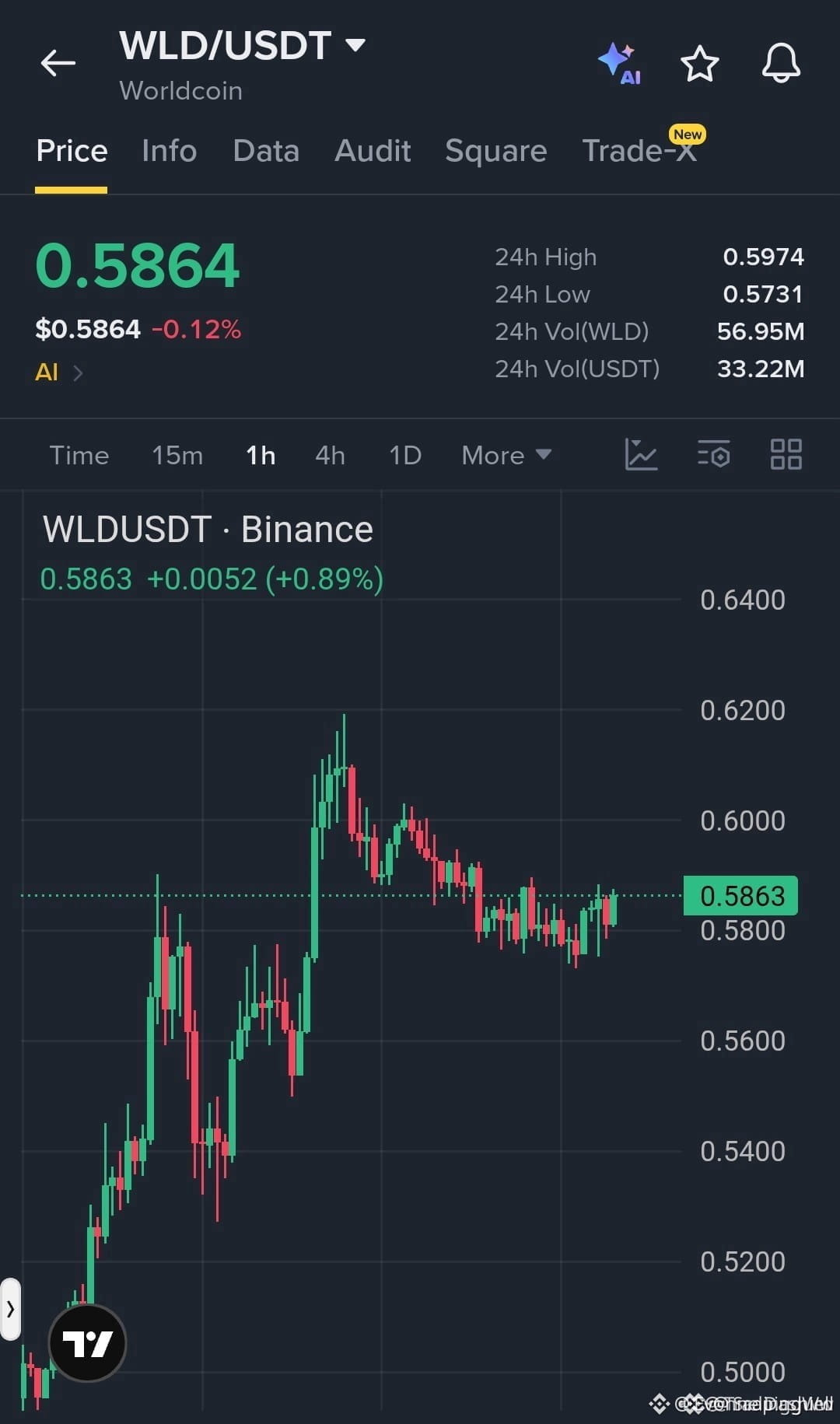
Take a look at recent data showing a top 30-day trader sitting on over +14,495.72 USDT in unrealized profit on an active $WLD perp long. When retail sees a position heating up with green numbers, the immediate instinct is to jump straight in alongside them.
The problem is that you are seeing the victory lap, not the entry plan. A seasoned trader managing a large $USDT margin has a clear risk buffer and a plan to exit while volume is high. When you jump into $WLD without their entry price or risk management, you are taking all the downside with none of their safety net.
Think of it like tailgating a sports car on a highway. They have ceramic brakes and know every turn, while you are just hoping they do not brake unexpectedly.
How do you manage your risk when you spot top traders opening large positions?
#CryptoTrading #Worldcoin #RiskManagement
Everyone thinks copying top leaderboard traders guarantees easy profits, but actually it is one of the fastest ways to get wrecked.
Most people jump into a green position right after seeing massive profit screenshots, only to become the exit liquidity when the trade turns. It feels like buying an umbrella after the rain has already stopped.
Take a look at recent data showing a top 30-day trader sitting on over +14,495.72 USDT in unrealized profit on an active $WLD perp long. When retail sees a position heating up with green numbers, the immediate instinct is to jump straight in alongside them.
The problem is that you are seeing the victory lap, not the entry plan. A seasoned trader managing a large $USDT margin has a clear risk buffer and a plan to exit while volume is high. When you jump into $WLD without their entry price or risk management, you are taking all the downside with none of their safety net.
Think of it like tailgating a sports car on a highway. They have ceramic brakes and know every turn, while you are just hoping they do not brake unexpectedly.
How do you manage your risk when you spot top traders opening large positions?
#CryptoTrading #Worldcoin #RiskManagement
Most people jump into a green position right after seeing massive profit screenshots, only to become the exit liquidity when the trade turns. It feels like buying an umbrella after the rain has already stopped.
Take a look at recent data showing a top 30-day trader sitting on over +14,495.72 USDT in unrealized profit on an active $WLD perp long. When retail sees a position heating up with green numbers, the immediate instinct is to jump straight in alongside them.
The problem is that you are seeing the victory lap, not the entry plan. A seasoned trader managing a large $USDT margin has a clear risk buffer and a plan to exit while volume is high. When you jump into $WLD without their entry price or risk management, you are taking all the downside with none of their safety net.
Think of it like tailgating a sports car on a highway. They have ceramic brakes and know every turn, while you are just hoping they do not brake unexpectedly.
How do you manage your risk when you spot top traders opening large positions?
#CryptoTrading #Worldcoin #RiskManagement
3


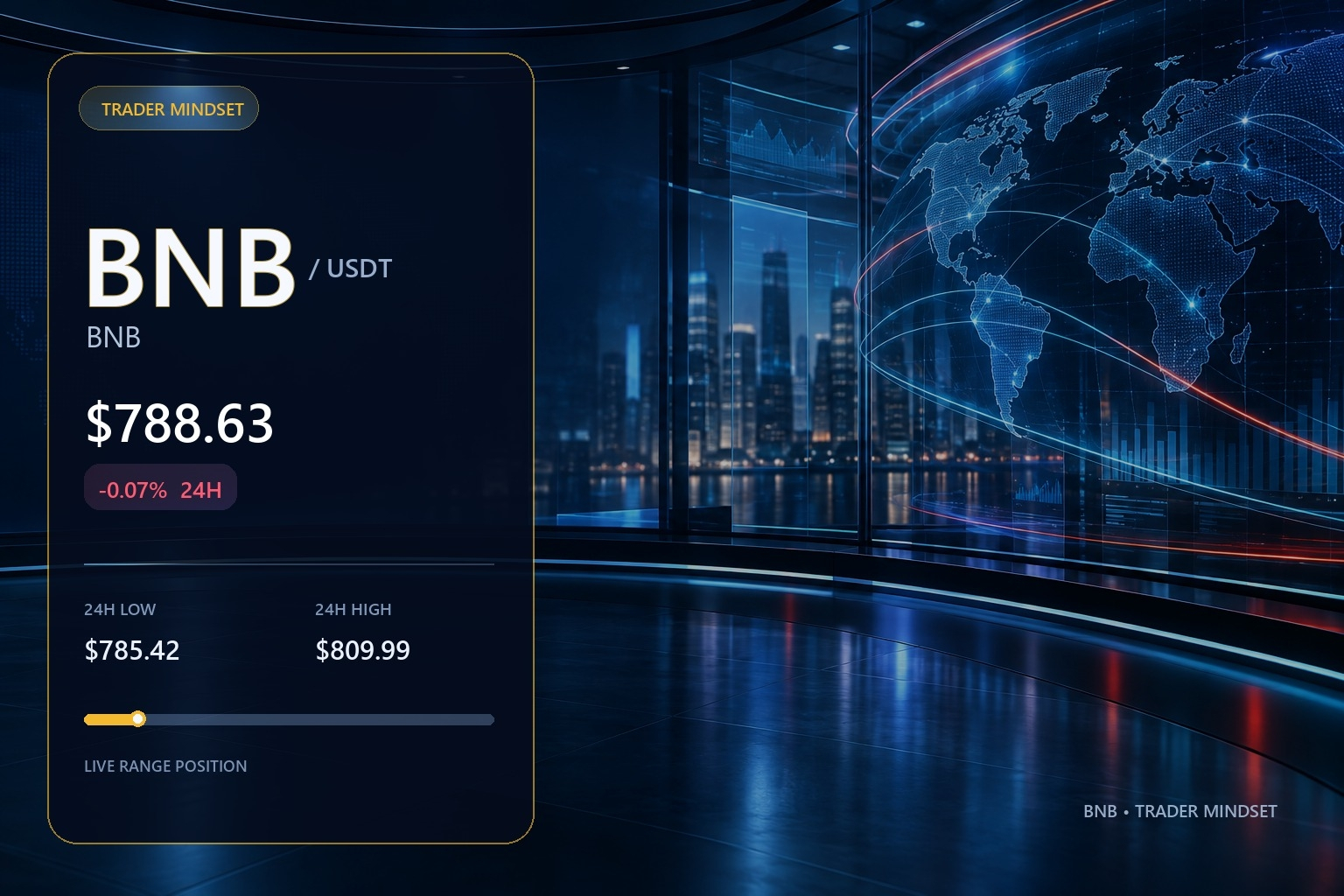
Flash update. BNB trading at $788.63 down 0.07 percent inside a $785.42 to $809.99 range. 🚨 Ranges test discipline harder than trends. 📊 FOMO whispers when price nears the top. Revenge trading spikes after hitting the low. Survival demands patience over impulse. Practice execution by locking your max loss per trade before opening a position. Not financial advice. DYOR. BNB #Write2Earn #CryptoTrading #RiskManagement #TradingPsychology
Flash update. BNB trading at $788.63 down 0.07 percent inside a $785.42 to $809.99 range. 🚨 Ranges test discipline harder than trends. 📊 FOMO whispers when price nears the top. Revenge trading spikes after hitting the low. Survival demands patience over impulse. Practice execution by locking your max loss per trade before opening a position. Not financial advice. DYOR. BNB #Write2Earn #CryptoTrading #RiskManagement #TradingPsychology
39

·
--
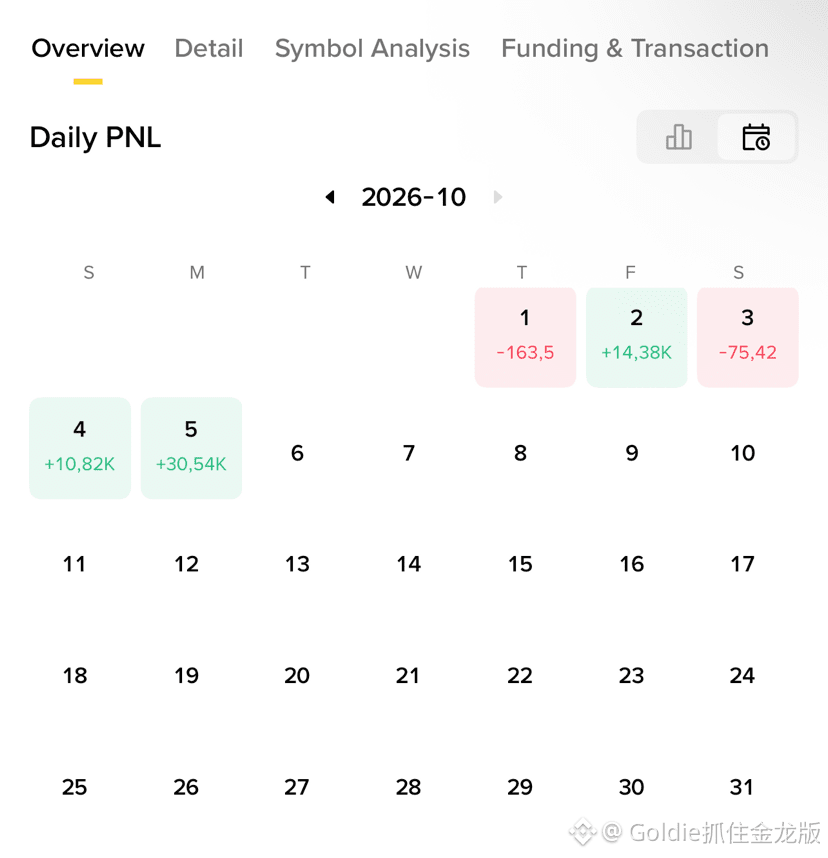
📌📌The trade that kills your account isn't the one you lost.
👉It's the one you were up 2-3% on, didn't move your stop, and watched bleed all the way back to red.
👉Here's the rule I don't break. The moment TP1 hits, the stop goes to entry. That's it. From that second the trade cannot hurt me anymore. Worst case I walk out flat. Best case it runs to TP2 and TP3 and I was there for all of it.
👉Nobody blows up from taking profit too early. People blow up from giving it all back.
👉Protect the capital first. The profits come from staying in the game long enough to catch the ones that run.
$BTC #RiskManagement #tradingpsychology #BinanceSquare
📌📌The trade that kills your account isn't the one you lost.
👉It's the one you were up 2-3% on, didn't move your stop, and watched bleed all the way back to red.
👉Here's the rule I don't break. The moment TP1 hits, the stop goes to entry. That's it. From that second the trade cannot hurt me anymore. Worst case I walk out flat. Best case it runs to TP2 and TP3 and I was there for all of it.
👉Nobody blows up from taking profit too early. People blow up from giving it all back.
👉Protect the capital first. The profits come from staying in the game long enough to catch the ones that run.
$BTC #RiskManagement #tradingpsychology #BinanceSquare
👉It's the one you were up 2-3% on, didn't move your stop, and watched bleed all the way back to red.
👉Here's the rule I don't break. The moment TP1 hits, the stop goes to entry. That's it. From that second the trade cannot hurt me anymore. Worst case I walk out flat. Best case it runs to TP2 and TP3 and I was there for all of it.
👉Nobody blows up from taking profit too early. People blow up from giving it all back.
👉Protect the capital first. The profits come from staying in the game long enough to catch the ones that run.
$BTC #RiskManagement #tradingpsychology #BinanceSquare
Goldie抓住金龙版
·
--
[Қайта ойнату] 🎙️ saga bullish
01 сағ 50 а 07 с · 73 рет тыңдалды
1
184
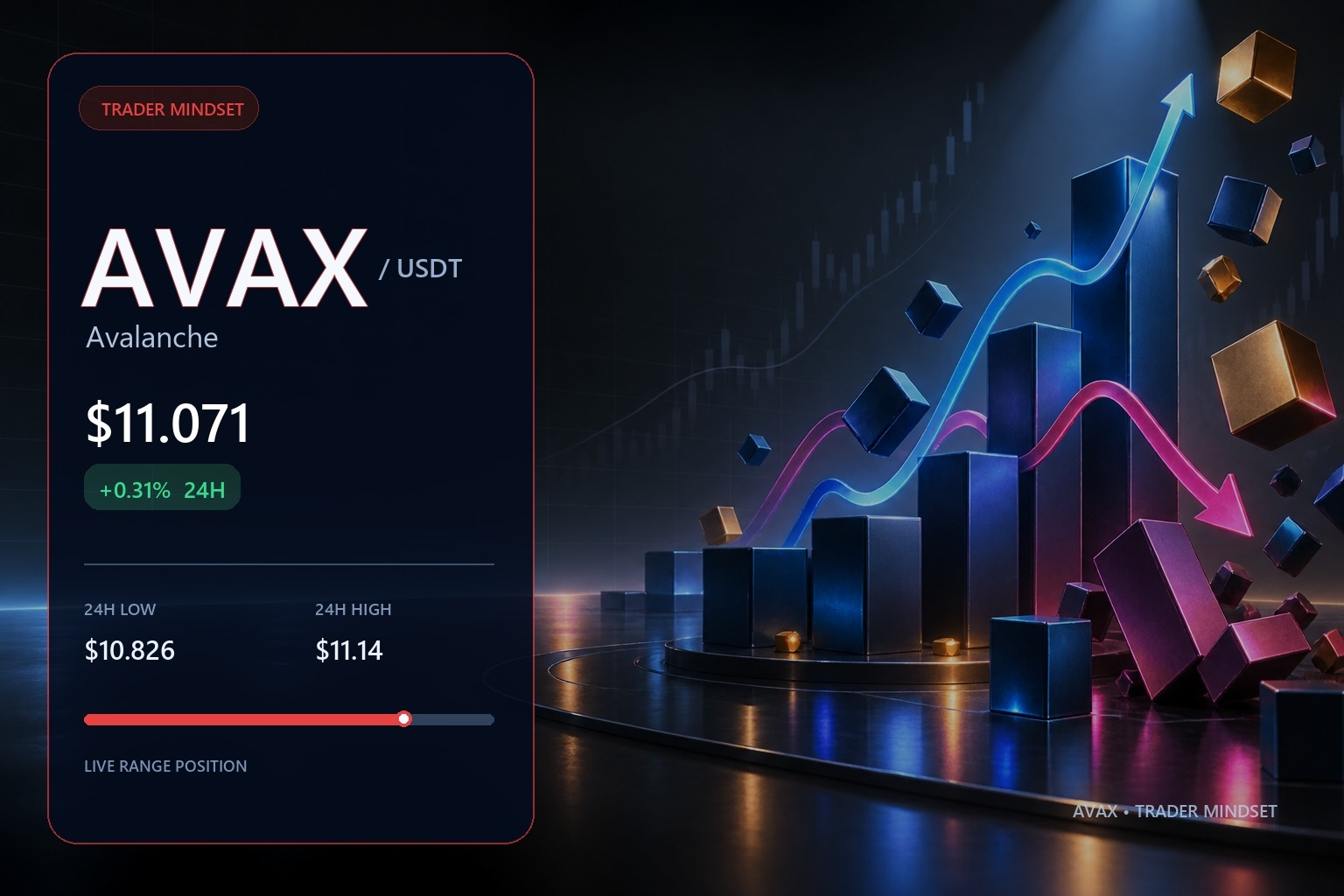
Flash update. $AVAX is changing hands at $11.071, holding a +0.308% tick over the last 24 hours within a tight $10.826 to $11.14 range. Dead zones destroy accounts. Here is the breakdown. One. Tight ranges breed impatience. Two. Chasing breakout ghosts triggers revenge loops. Three. Risk control keeps you solvent. Discipline beats impulse every single time. Practice this today. Walk away from the screen for sixty minutes after any unplanned entry. Not financial advice. DYOR. #Write2Earn #AVAX #CryptoTrading #RiskManagement
Flash update. $AVAX is changing hands at $11.071, holding a +0.308% tick over the last 24 hours within a tight $10.826 to $11.14 range. Dead zones destroy accounts. Here is the breakdown. One. Tight ranges breed impatience. Two. Chasing breakout ghosts triggers revenge loops. Three. Risk control keeps you solvent. Discipline beats impulse every single time. Practice this today. Walk away from the screen for sixty minutes after any unplanned entry. Not financial advice. DYOR. #Write2Earn #AVAX #CryptoTrading #RiskManagement
14
·
--
Update del long de BOB: el mercado no me dio ni tiempo 🤣🤣
En cuestión de 1 minuto, una sola vela bajista rompió completamente la estructura y terminó invalidando el trade.
Este es exactamente el riesgo que mencionaba en el post anterior: activo extremadamente volátil + contrato próximo a ser delistado = movimientos violentos y muy rápidos.
La idea no salió y el stop hizo su trabajo. Prefiero asumir una pérdida controlada antes que quedarme esperando una recuperación sin sentido.
Parte del trading también es esto: no todos los setups funcionan, lo importante es sobrevivir cuando fallan.
#BOB #trading #BinanceFutures #RiskManagement #CryptoTrading
Update del long de BOB: el mercado no me dio ni tiempo 🤣🤣
En cuestión de 1 minuto, una sola vela bajista rompió completamente la estructura y terminó invalidando el trade.
Este es exactamente el riesgo que mencionaba en el post anterior: activo extremadamente volátil + contrato próximo a ser delistado = movimientos violentos y muy rápidos.
La idea no salió y el stop hizo su trabajo. Prefiero asumir una pérdida controlada antes que quedarme esperando una recuperación sin sentido.
Parte del trading también es esto: no todos los setups funcionan, lo importante es sobrevivir cuando fallan.
#BOB #trading #BinanceFutures #RiskManagement #CryptoTrading
En cuestión de 1 minuto, una sola vela bajista rompió completamente la estructura y terminó invalidando el trade.
Este es exactamente el riesgo que mencionaba en el post anterior: activo extremadamente volátil + contrato próximo a ser delistado = movimientos violentos y muy rápidos.
La idea no salió y el stop hizo su trabajo. Prefiero asumir una pérdida controlada antes que quedarme esperando una recuperación sin sentido.
Parte del trading también es esto: no todos los setups funcionan, lo importante es sobrevivir cuando fallan.
#BOB #trading #BinanceFutures #RiskManagement #CryptoTrading
Facu_12
·
--
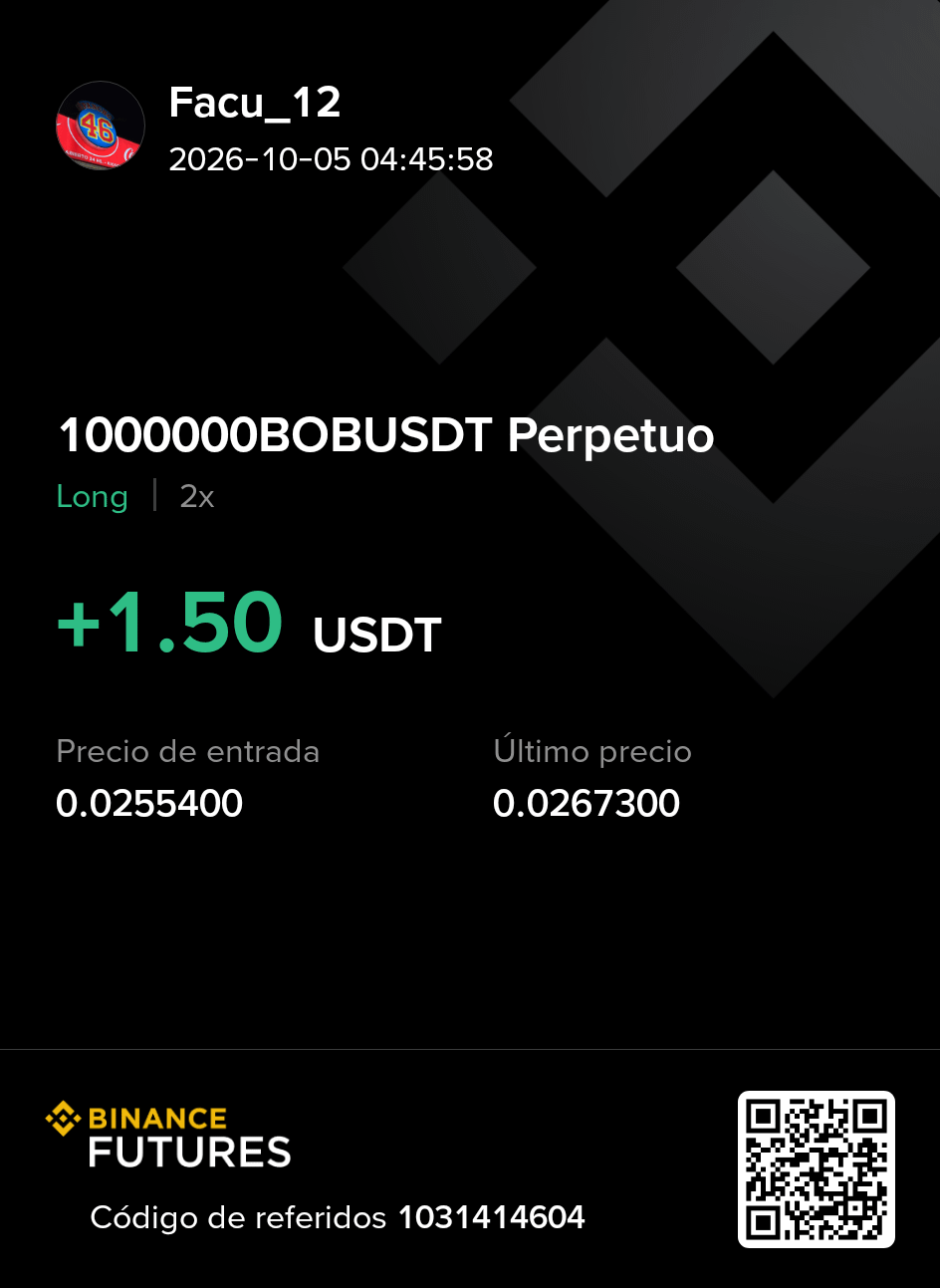
Abrí LONG en 1000000BOBUSDT
Entrada: 0.02554
Apalancamiento: 2x
TP: 0.03831
SL: 0.02234
Es un trade especulativo y de alto riesgo. El contrato figura como “To be delisted”, así que espero mucha volatilidad y movimientos agresivos en ambas direcciones.
Por eso entré con apalancamiento bajo (2x), tamaño de posición bajo y stop loss definido en caso de que caiga un 12.5% se va a cerrar. Acá la prioridad no es acertar sí o sí, sino gestionar el riesgo si la idea sale mal.
Busco continuación del impulso, pero sin subestimar el riesgo.
No es para que me sigan solo estoy contando mi operacion
#BinanceFutures #cryptotrading #RiskManagement #long
Entrada: 0.02554
Apalancamiento: 2x
TP: 0.03831
SL: 0.02234
Es un trade especulativo y de alto riesgo. El contrato figura como “To be delisted”, así que espero mucha volatilidad y movimientos agresivos en ambas direcciones.
Por eso entré con apalancamiento bajo (2x), tamaño de posición bajo y stop loss definido en caso de que caiga un 12.5% se va a cerrar. Acá la prioridad no es acertar sí o sí, sino gestionar el riesgo si la idea sale mal.
Busco continuación del impulso, pero sin subestimar el riesgo.
No es para que me sigan solo estoy contando mi operacion
#BinanceFutures #cryptotrading #RiskManagement #long
49
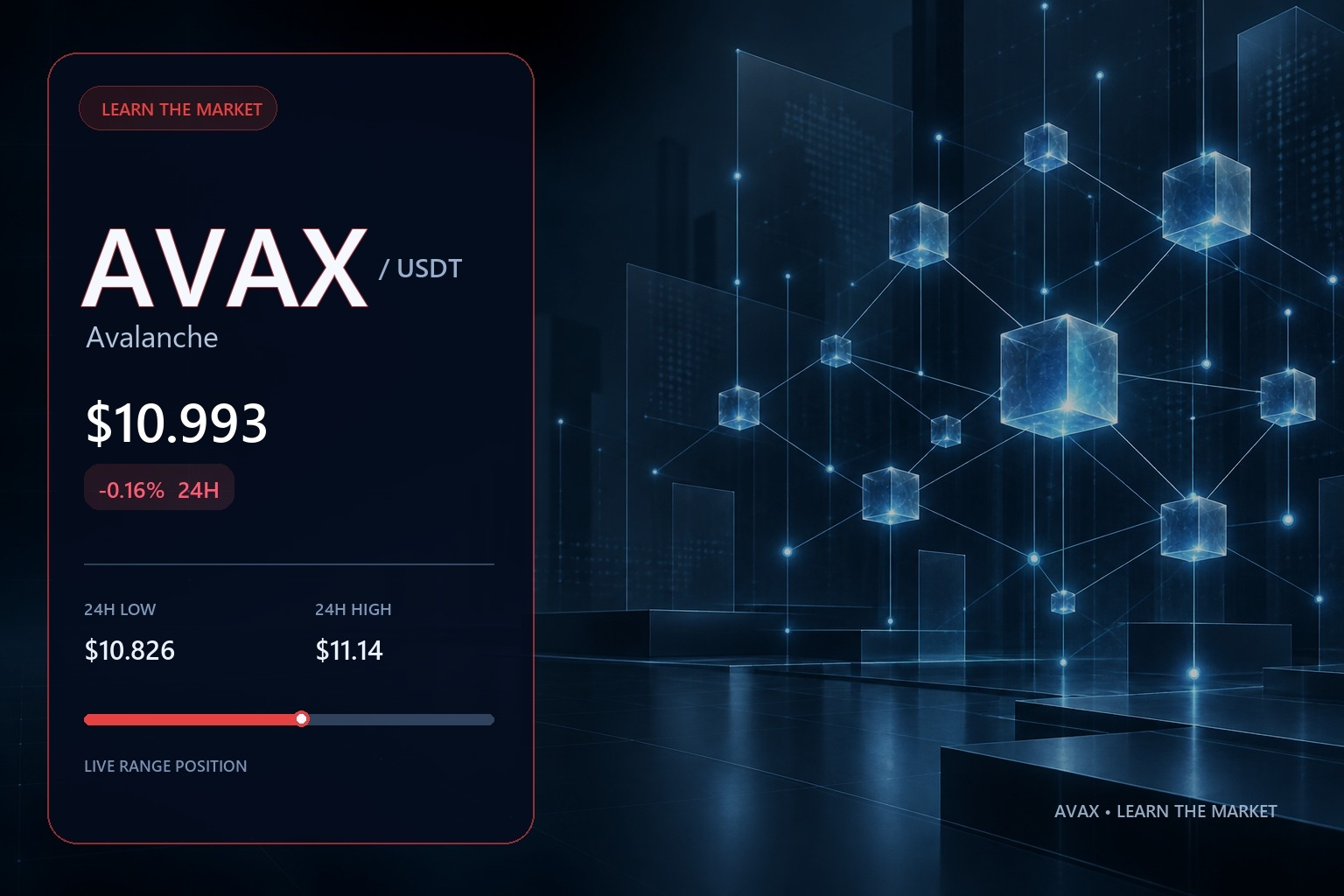
Stop guessing market direction and start mastering your position sizing right now. AVAX is trading at $10.993 after sliding 0.163% inside a tight range between the $10.826 low and $11.14 high. 📉 Precise sizing keeps you alive when volatility hits. 🛡️ Protect your capital first. ⚖️ Position sizing dictates your survival, not your entry price. Not financial advice and DYOR. $AVAX #Write2Earn #CryptoTrading #RiskManagement #Avalanche
Stop guessing market direction and start mastering your position sizing right now. AVAX is trading at $10.993 after sliding 0.163% inside a tight range between the $10.826 low and $11.14 high. 📉 Precise sizing keeps you alive when volatility hits. 🛡️ Protect your capital first. ⚖️ Position sizing dictates your survival, not your entry price. Not financial advice and DYOR. $AVAX #Write2Earn #CryptoTrading #RiskManagement #Avalanche
621
Көбірек контент көру үшін кіріңіз
Binance Square платформасында әлемдік криптоқоғамдастыққа қосылыңыз
⚡️ Криптовалюта туралы ең соңғы және пайдалы ақпаратты алыңыз.
💬 Әлемдегі ең ірі криптобиржаның сеніміне ие.
👍 Расталған авторлардың нақты пікірлерін табыңыз.
Электрондық пошта/телефон нөмірі
Трендтегі тақырыптар
1
#ADAGains10%Above$0.27
789 рет көрілді
42 адам талқылап жатыр
2
#ETHUp70%InQ3ButLiquidityFalls
13,805 рет көрілді
237 адам талқылап жатыр
3
#EthStakingExitQueueHits2026High
5,157 рет көрілді
259 адам талқылап жатыр
4
#FedOctoberHoldOdds82.3%
7,969 рет көрілді
251 адам талқылап жатыр
5
#Nikkei225Jumps2.5%ToThreeMonthHigh
42,048 рет көрілді
671 адам талқылап жатыр
6
#CircleMints$2.75BUSDCOnSolanaIn7Days
352 рет көрілді
17 адам талқылап жатыр
7
#DriftHackVictimsBeginClaims
120,394 рет көрілді
1,318 адам талқылап жатыр
8
#SolanaTokenizedStockVolumeTops$4.4BInSeptember
10,567 рет көрілді
124 адам талқылап жатыр
9
#BitcoinSpotETFsDraw$6.34BInflowsInQ3
38,645 рет көрілді
236 адам талқылап жатыр
10
#EthereumValidatorExitQueueJumps392%
253,723 рет көрілді
2,251 адам талқылап жатыр