
#fedinterestrate
fedinterestrate
33,216 рет көрілді
95 адам талқылап жатыр
Қызу саудада
Ең соңғы

Мақала
“Policy rate restrictive”#FOMC ,#FedInterestRate
{future}(TMFUSDT)
{spot}(BTCUSDT)
“Policy rate restrictive” ka matlab: Fed ki interest rate itni high hai ki loan lena aur spending karna mehenga padta hai, jisse inflation ko thanda karne ki koshish hoti hai.
September PCE 3.60% aur core PCE 3.10% ka matlab: prices abhi bhi pichhle saal se zyada hain aur inflation Fed ke 2% target se upar hai.
Fed ko balance banana hota hai: rate jaldi kam kare to inflation wapas badh sakti hai; bahut der high rakhe to growth aur jobs par pressure badh sakta hai.
Is statement ka simple meaning hai: US mein mehngai abhi poori tarah control nahi hui hai, isliye Fed interest rates ko relatively high rakh raha hai. High rates economy ki speed ko slow karti hain, taaki prices itni tez na badhein.
1) Policy rate kya hota hai?
Policy rate Fed ki benchmark interest rate hoti hai. Banks ek-doosre ko short-term paise kis cost par lend karte hain, us par iska asar hota hai. Phir yahi effect aage credit-card interest, personal loan, business loan, mortgage aur corporate borrowing cost tak pahunchta hai.
Jab Fed rate badhata ya high rakhta hai:
loan lena mehenga hota hai;
log aur companies borrowing/spending kam kar sakte hain;
businesses expansion aur hiring dheemi kar sakti hain;
demand dheere padti hai;
demand thandi hone par companies ko prices tez badhane ki kam power milti hai.
Is process ko economy ko restrictive rakhna kehte hain—yaani rate normal ya neutral level se upar hai aur economic demand par brake laga raha hai.
2) PCE inflation kya measure karta hai?
PCE = Personal Consumption Expenditures. Ye US consumers ki cheezon aur services par spending ke prices ko track karta hai. Fed ise inflation dekhne ke liye bahut importance deta hai.
September PCE 3.60% YoY ka arth: September mein consumers ne jo basket kharida, uski average price ek saal pehle ke September se 3.60% zyada thi.
YoY (year-on-year) ka matlab hai: isi mahine ko pichhle saal ke isi mahine se compare karna.
Fed ka long-run inflation target 2% hai. Isliye 3.60% target se upar hai: inflation cool hui ho sakti hai, lekin abhi desired level par nahi hai.
3) Core PCE alag kyun dekha jata hai?
Core PCE headline PCE se food aur energy prices ko hata kar dekhta hai.
Food aur fuel ki prices weather, war, oil supply ya seasonal factors se achanak bahut move kar sakti hain. Unko hata kar core PCE economy ki underlying price pressure ko zyada clearly dikhane ki koshish karta hai.
Core PCE 3.10% YoY ka matlab: food aur energy ko chhodkar prices ek saal mein 3.10% badhe. Ye bhi Fed ke 2% target se upar hai, isliye Fed ke liye inflation concern abhi khatam nahi hota.
4) Headline 3.60% aur core 3.10% mein farq kya bolta hai?
Headline inflation core se 0.50 percentage point zyada hai. Iska matlab us period mein food/energy ya unse related volatile components ne overall inflation ko relatively zyada push kiya.
Lekin core bhi 3.10% hai, to sirf oil ya food ko blame karke inflation concern ignore nahi kiya ja sakta. Services—jaise rent, insurance, healthcare, travel aur labour-intensive services—mein price pressure policy makers closely dekhte hain.
5) Fed rate high rakhne ka actual chain reaction
Ek simplified chain dekho:
High Fed rate → banks aur markets ki funding cost high → loans/mortgages/business financing costly → demand dheemi → price increases par pressure kam → inflation gradually cool
Ye effect turant nahi hota. Monetary policy ka impact aksar months mein economy tak pahunchta hai, aur har sector par same speed se nahi aata.
6) Hypothetical example
Maan lo ek business ko expansion ke liye loan chahiye:
Low-rate environment mein loan interest 4% ho sakta tha.
Restrictive-rate environment mein wohi funding cost 8% ho jaye.
Higher cost dekhkar company expansion postpone kar sakti hai. Agar bahut si companies aur consumers aisa karein, economy ki total demand slow hoti hai. Demand slow hone par retailers aur service providers ke liye prices fast badhana mushkil ho sakta hai.
Yeh sirf samjhane ka example hai; actual loan rates har borrower, bank aur loan type ke hisaab se alag hote hain.
7) Is data ke baad Fed ke saamne teen broad situations
Inflation dheere-dheere 2% ke paas aaye aur jobs stable rahein: policy ko future mein less restrictive karne ki guzarish market mein badh sakti hai.
Inflation 3% ke aas-paas chipki rahe ya phir badhe: Fed restrictive tone zyada der tak rakh sakta hai, kyunki jaldi easing se inflation dobara accelerate hone ka risk hota hai.
Growth aur jobs noticeably weak hon, lekin inflation high rahe: ye difficult situation hoti hai. Fed ko inflation control aur economic weakness—dono risks ko balance karna padta hai.
8) Markets par iska asar
US dollar aur Treasury yields: Fed ka hawkish tone—yaani inflation ko control karne ke liye tight policy par focus—yields aur dollar ko support de sakta hai.
Large-cap stocks: profitable, cash-rich companies comparatively resilient ho sakti hain, par valuation pressure aa sakta hai.
Russell 2000 / small caps: small companies debt aur domestic demand ke liye zyada sensitive ho sakti hain. High borrowing cost unke margins aur refinancing par pressure bana sakti hai.
KOSPI 200 aur global equities: US rates, dollar aur global risk appetite ke through indirect effect aa sakta hai.
Crypto: liquidity conditions aur risk appetite important hote hain. Tighter financial conditions risk assets ke liye headwind ban sakti hain, lekin crypto reaction sirf Fed par depend nahi karta.
Isliye ek hi inflation number dekhkar market ka fixed direction maan lena sahi nahi hai. Market reaction is baat par depend karta hai ki data expectations ke against kaisa aaya, labour market kya signal de raha hai, aur Fed apni future policy ke baare mein kya language use karta hai.
The above is market analysis and does not constitute investment advice.
“Policy rate restrictive”
#FOMC ,#FedInterestRate
“Policy rate restrictive” ka matlab: Fed ki interest rate itni high hai ki loan lena aur spending karna mehenga padta hai, jisse inflation ko thanda karne ki koshish hoti hai.
September PCE 3.60% aur core PCE 3.10% ka matlab: prices abhi bhi pichhle saal se zyada hain aur inflation Fed ke 2% target se upar hai.
Fed ko balance banana hota hai: rate jaldi kam kare to inflation wapas badh sakti hai; bahut der high rakhe to growth aur jobs par pressure badh sakta hai.
Is statement ka simple meaning hai: US mein mehngai abhi poori tarah control nahi hui hai, isliye Fed interest rates ko relatively high rakh raha hai. High rates economy ki speed ko slow karti hain, taaki prices itni tez na badhein.
1) Policy rate kya hota hai?
Policy rate Fed ki benchmark interest rate hoti hai. Banks ek-doosre ko short-term paise kis cost par lend karte hain, us par iska asar hota hai. Phir yahi effect aage credit-card interest, personal loan, business loan, mortgage aur corporate borrowing cost tak pahunchta hai.
Jab Fed rate badhata ya high rakhta hai:
loan lena mehenga hota hai;
log aur companies borrowing/spending kam kar sakte hain;
businesses expansion aur hiring dheemi kar sakti hain;
demand dheere padti hai;
demand thandi hone par companies ko prices tez badhane ki kam power milti hai.
Is process ko economy ko restrictive rakhna kehte hain—yaani rate normal ya neutral level se upar hai aur economic demand par brake laga raha hai.
2) PCE inflation kya measure karta hai?
PCE = Personal Consumption Expenditures. Ye US consumers ki cheezon aur services par spending ke prices ko track karta hai. Fed ise inflation dekhne ke liye bahut importance deta hai.
September PCE 3.60% YoY ka arth: September mein consumers ne jo basket kharida, uski average price ek saal pehle ke September se 3.60% zyada thi.
YoY (year-on-year) ka matlab hai: isi mahine ko pichhle saal ke isi mahine se compare karna.
Fed ka long-run inflation target 2% hai. Isliye 3.60% target se upar hai: inflation cool hui ho sakti hai, lekin abhi desired level par nahi hai.
3) Core PCE alag kyun dekha jata hai?
Core PCE headline PCE se food aur energy prices ko hata kar dekhta hai.
Food aur fuel ki prices weather, war, oil supply ya seasonal factors se achanak bahut move kar sakti hain. Unko hata kar core PCE economy ki underlying price pressure ko zyada clearly dikhane ki koshish karta hai.
Core PCE 3.10% YoY ka matlab: food aur energy ko chhodkar prices ek saal mein 3.10% badhe. Ye bhi Fed ke 2% target se upar hai, isliye Fed ke liye inflation concern abhi khatam nahi hota.
4) Headline 3.60% aur core 3.10% mein farq kya bolta hai?
Headline inflation core se 0.50 percentage point zyada hai. Iska matlab us period mein food/energy ya unse related volatile components ne overall inflation ko relatively zyada push kiya.
Lekin core bhi 3.10% hai, to sirf oil ya food ko blame karke inflation concern ignore nahi kiya ja sakta. Services—jaise rent, insurance, healthcare, travel aur labour-intensive services—mein price pressure policy makers closely dekhte hain.
5) Fed rate high rakhne ka actual chain reaction
Ek simplified chain dekho:
High Fed rate → banks aur markets ki funding cost high → loans/mortgages/business financing costly → demand dheemi → price increases par pressure kam → inflation gradually cool
Ye effect turant nahi hota. Monetary policy ka impact aksar months mein economy tak pahunchta hai, aur har sector par same speed se nahi aata.
6) Hypothetical example
Maan lo ek business ko expansion ke liye loan chahiye:
Low-rate environment mein loan interest 4% ho sakta tha.
Restrictive-rate environment mein wohi funding cost 8% ho jaye.
Higher cost dekhkar company expansion postpone kar sakti hai. Agar bahut si companies aur consumers aisa karein, economy ki total demand slow hoti hai. Demand slow hone par retailers aur service providers ke liye prices fast badhana mushkil ho sakta hai.
Yeh sirf samjhane ka example hai; actual loan rates har borrower, bank aur loan type ke hisaab se alag hote hain.
7) Is data ke baad Fed ke saamne teen broad situations
Inflation dheere-dheere 2% ke paas aaye aur jobs stable rahein: policy ko future mein less restrictive karne ki guzarish market mein badh sakti hai.
Inflation 3% ke aas-paas chipki rahe ya phir badhe: Fed restrictive tone zyada der tak rakh sakta hai, kyunki jaldi easing se inflation dobara accelerate hone ka risk hota hai.
Growth aur jobs noticeably weak hon, lekin inflation high rahe: ye difficult situation hoti hai. Fed ko inflation control aur economic weakness—dono risks ko balance karna padta hai.
8) Markets par iska asar
US dollar aur Treasury yields: Fed ka hawkish tone—yaani inflation ko control karne ke liye tight policy par focus—yields aur dollar ko support de sakta hai.
Large-cap stocks: profitable, cash-rich companies comparatively resilient ho sakti hain, par valuation pressure aa sakta hai.
Russell 2000 / small caps: small companies debt aur domestic demand ke liye zyada sensitive ho sakti hain. High borrowing cost unke margins aur refinancing par pressure bana sakti hai.
KOSPI 200 aur global equities: US rates, dollar aur global risk appetite ke through indirect effect aa sakta hai.
Crypto: liquidity conditions aur risk appetite important hote hain. Tighter financial conditions risk assets ke liye headwind ban sakti hain, lekin crypto reaction sirf Fed par depend nahi karta.
Isliye ek hi inflation number dekhkar market ka fixed direction maan lena sahi nahi hai. Market reaction is baat par depend karta hai ki data expectations ke against kaisa aaya, labour market kya signal de raha hai, aur Fed apni future policy ke baare mein kya language use karta hai.
The above is market analysis and does not constitute investment advice.
16

Мақала
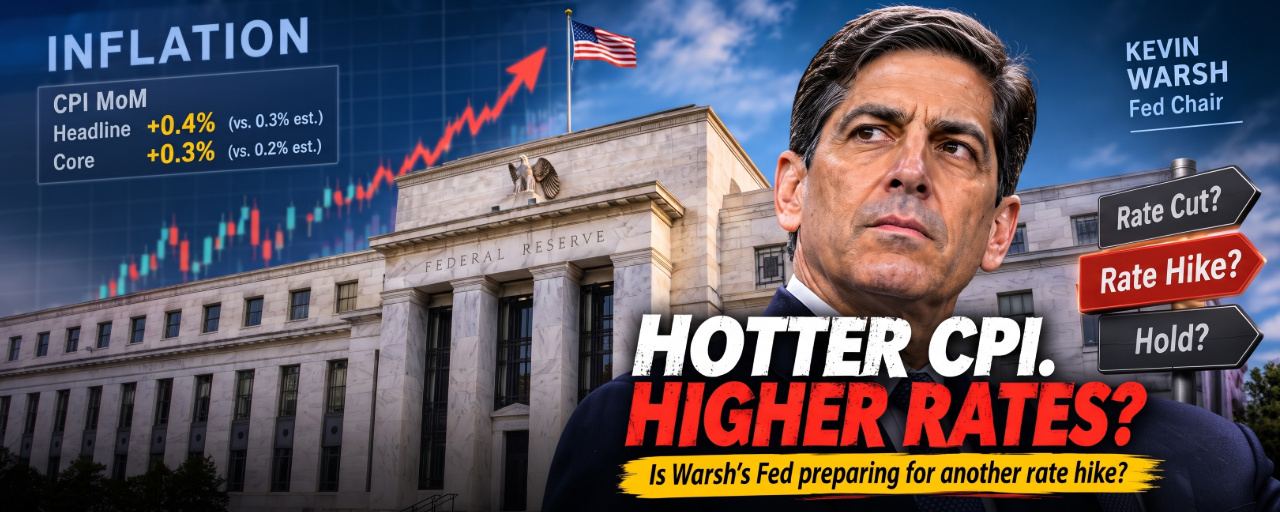
Hotter CPI, Higher Rates? Is Another Fed Hike Coming?The latest US inflation report has given the Federal Reserve another reason to stay hawkish. And this time, the discussion is no longer just about delaying rate cuts.
It's increasingly about whether the Fed needs to raise rates again.
Inflation Isn't Cooling Fast Enough
October's US CPI came in hotter than expected:
Headline CPI: +0.4% MoM vs. 0.3% expectedCore CPI: +0.3% MoM vs. 0.2% expected
Headline inflation did ease from September's 0.6%, partly as energy inflation slowed. But core CPI remained at 0.3% for the third consecutive month.
That's the part markets cannot easily ignore.
The Fed's inflation target is 2%, and persistent price pressures suggest that getting inflation back under control may take longer than investors had hoped.
One important detail: the BLS did not publish the usual October year-over-year CPI figures because data collection for October 2025 was disrupted by last year's government shutdown. So, for now, the monthly figures deserve particular attention.
The Fed Is Getting More Hawkish
Even before the CPI release, Fed Governor Christopher Waller had already indicated that he would support a 25-basis-point rate increase at the December 8–9 meeting.
He also warned that if core CPI came in at 0.3% or higher, a larger 50-basis-point increase should be considered.
Well, that's exactly where core CPI landed.
Other Fed officials have also expressed concerns that monetary policy may still be too accommodative given persistent inflation.
This has strengthened market expectations for another rate hike in December.
However, there's an important distinction: Waller's position is his own, not a final decision by the entire FOMC. A 50-basis-point hike is being discussed, but it is far from guaranteed.
What Could This Mean for Financial Markets?
If the Fed continues tightening, the effects could spread across several asset classes.
1. US Dollar
Higher interest rates can make dollar-denominated assets more attractive, potentially supporting the USD against other currencies.
For emerging markets, including Indonesia, this could add pressure to the rupiah, especially if capital flows favor US assets.
2. Gold
Gold doesn't pay interest. When Treasury yields rise, holding gold becomes relatively less attractive.
That doesn't mean gold must fall every time yields increase. Safe-haven demand, geopolitical risks, and currency movements can still support prices.
3. Stocks
Higher borrowing costs can pressure company valuations, particularly growth and technology stocks whose expected earnings are further into the future.
Companies that rely heavily on debt financing could also face higher funding costs.
4. Crypto
Crypto could face additional pressure if tighter monetary conditions reduce liquidity and investors become more cautious about risk.
Bitcoin and other digital assets are not mechanically tied to Fed decisions, though. Market positioning, institutional flows, and crypto-specific developments still matter.
My Take: Don't Assume the Next Move Is a Rate Cut
For a while, markets have been looking forward to easier monetary policy. But persistent inflation is making that expectation harder to maintain.
The latest CPI report doesn't automatically mean a new rate-hiking cycle is coming. Still, it changes the conversation.
The Fed now has to balance two competing risks: keeping rates too high for too long could hurt economic growth, but easing too early could allow inflation to become entrenched.
For investors, this is a reminder not to build an entire strategy around the assumption that interest rates will soon fall.
Sometimes, the bigger risk isn't the decision the Fed makes next month. It's being positioned for a market scenario that may no longer be realistic.
Are we still waiting for rate cuts, or should investors start preparing for another round of rate hikes?
#HotCPI #FedInterestRate $BTC $PAXG $XAUT
{spot}(BTCUSDT)
Hotter CPI, Higher Rates? Is Another Fed Hike Coming?
The latest US inflation report has given the Federal Reserve another reason to stay hawkish. And this time, the discussion is no longer just about delaying rate cuts.
It's increasingly about whether the Fed needs to raise rates again.
Inflation Isn't Cooling Fast Enough
October's US CPI came in hotter than expected:
Headline CPI: +0.4% MoM vs. 0.3% expectedCore CPI: +0.3% MoM vs. 0.2% expected
Headline inflation did ease from September's 0.6%, partly as energy inflation slowed. But core CPI remained at 0.3% for the third consecutive month.
That's the part markets cannot easily ignore.
The Fed's inflation target is 2%, and persistent price pressures suggest that getting inflation back under control may take longer than investors had hoped.
One important detail: the BLS did not publish the usual October year-over-year CPI figures because data collection for October 2025 was disrupted by last year's government shutdown. So, for now, the monthly figures deserve particular attention.
The Fed Is Getting More Hawkish
Even before the CPI release, Fed Governor Christopher Waller had already indicated that he would support a 25-basis-point rate increase at the December 8–9 meeting.
He also warned that if core CPI came in at 0.3% or higher, a larger 50-basis-point increase should be considered.
Well, that's exactly where core CPI landed.
Other Fed officials have also expressed concerns that monetary policy may still be too accommodative given persistent inflation.
This has strengthened market expectations for another rate hike in December.
However, there's an important distinction: Waller's position is his own, not a final decision by the entire FOMC. A 50-basis-point hike is being discussed, but it is far from guaranteed.
What Could This Mean for Financial Markets?
If the Fed continues tightening, the effects could spread across several asset classes.
1. US Dollar
Higher interest rates can make dollar-denominated assets more attractive, potentially supporting the USD against other currencies.
For emerging markets, including Indonesia, this could add pressure to the rupiah, especially if capital flows favor US assets.
2. Gold
Gold doesn't pay interest. When Treasury yields rise, holding gold becomes relatively less attractive.
That doesn't mean gold must fall every time yields increase. Safe-haven demand, geopolitical risks, and currency movements can still support prices.
3. Stocks
Higher borrowing costs can pressure company valuations, particularly growth and technology stocks whose expected earnings are further into the future.
Companies that rely heavily on debt financing could also face higher funding costs.
4. Crypto
Crypto could face additional pressure if tighter monetary conditions reduce liquidity and investors become more cautious about risk.
Bitcoin and other digital assets are not mechanically tied to Fed decisions, though. Market positioning, institutional flows, and crypto-specific developments still matter.
My Take: Don't Assume the Next Move Is a Rate Cut
For a while, markets have been looking forward to easier monetary policy. But persistent inflation is making that expectation harder to maintain.
The latest CPI report doesn't automatically mean a new rate-hiking cycle is coming. Still, it changes the conversation.
The Fed now has to balance two competing risks: keeping rates too high for too long could hurt economic growth, but easing too early could allow inflation to become entrenched.
For investors, this is a reminder not to build an entire strategy around the assumption that interest rates will soon fall.
Sometimes, the bigger risk isn't the decision the Fed makes next month. It's being positioned for a market scenario that may no longer be realistic.
Are we still waiting for rate cuts, or should investors start preparing for another round of rate hikes?
#HotCPI #FedInterestRate $BTC $PAXG $XAUT
69


·
--
THIS IS INSANE...
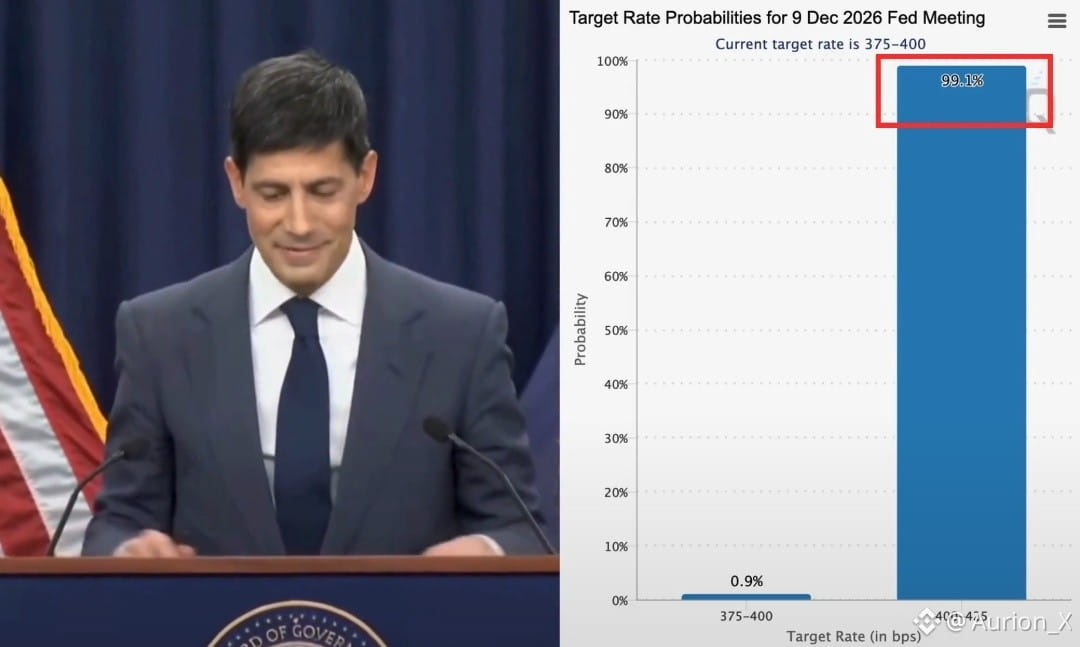
🇺🇸 FED is almost certain to hike interest rates in December
Odds have just jumped above 99% as FED officials hint at one more rate hike
This is extremely bad for markets...
$BTC
#FedInterestRate
THIS IS INSANE...
🇺🇸 FED is almost certain to hike interest rates in December
Odds have just jumped above 99% as FED officials hint at one more rate hike
This is extremely bad for markets...
$BTC
#FedInterestRate
🇺🇸 FED is almost certain to hike interest rates in December
Odds have just jumped above 99% as FED officials hint at one more rate hike
This is extremely bad for markets...
$BTC
#FedInterestRate
1
1.3k
·
--
🚨 BREAKING:
🇺🇸 FED just officially released its interest rate decision
Expected: 3.75%–4.00%
Actual: 3.75%–4.00%
FED decided to keep interest rates unchanged this month
This is good news for markets!!
$BTC
#FOMCWatch #FedInterestRate
🚨 BREAKING:
🇺🇸 FED just officially released its interest rate decision
Expected: 3.75%–4.00%
Actual: 3.75%–4.00%
FED decided to keep interest rates unchanged this month
This is good news for markets!!
$BTC
#FOMCWatch #FedInterestRate
🇺🇸 FED just officially released its interest rate decision
Expected: 3.75%–4.00%
Actual: 3.75%–4.00%
FED decided to keep interest rates unchanged this month
This is good news for markets!!
$BTC
#FOMCWatch #FedInterestRate
3
636

·
--
Жоғары (өспелі)
🚨 BREAKING
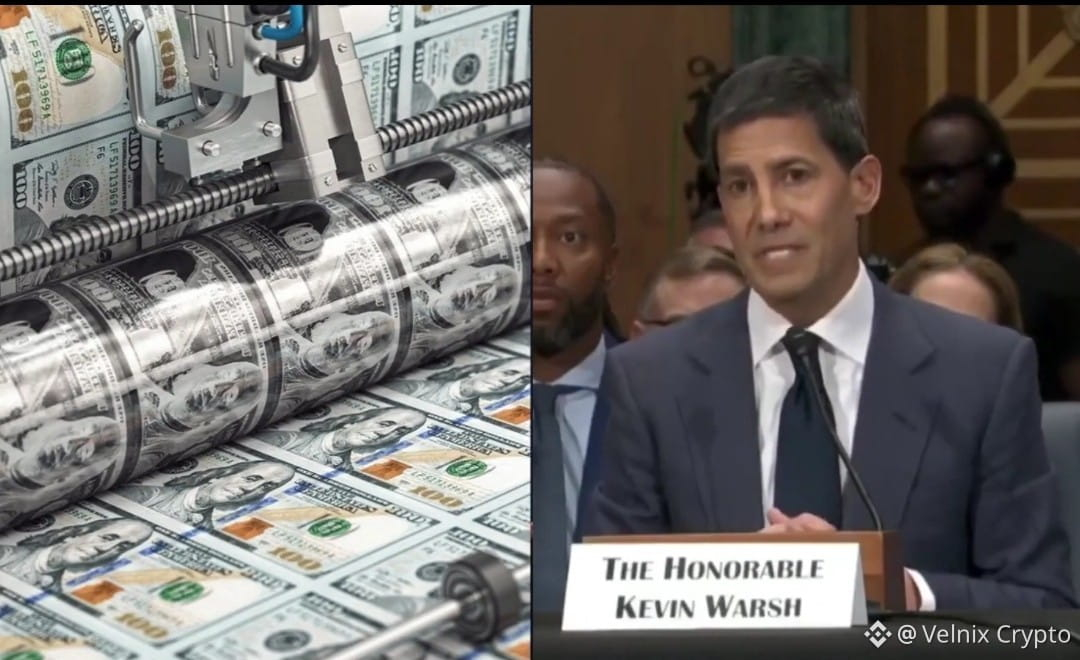
🇺🇸 FED WILL INJECT $5,179,000,000.00 INTO THE MARKETS TOMORROW AT 9 AM ET, RIGHT BEFORE THE U.S. MARKET OPEN!
KEVIN WARSH IS OFFICIALLY CONTINUING T-BILL PURCHASES AND TURNING THE MONEY PRINTER BACK ON!
GIGA BULLISH FOR MARKETS!
#Fed #FedInterestRate #FEDDATA
🚨 BREAKING
🇺🇸 FED WILL INJECT $5,179,000,000.00 INTO THE MARKETS TOMORROW AT 9 AM ET, RIGHT BEFORE THE U.S. MARKET OPEN!
KEVIN WARSH IS OFFICIALLY CONTINUING T-BILL PURCHASES AND TURNING THE MONEY PRINTER BACK ON!
GIGA BULLISH FOR MARKETS!
#Fed #FedInterestRate #FEDDATA
🇺🇸 FED WILL INJECT $5,179,000,000.00 INTO THE MARKETS TOMORROW AT 9 AM ET, RIGHT BEFORE THE U.S. MARKET OPEN!
KEVIN WARSH IS OFFICIALLY CONTINUING T-BILL PURCHASES AND TURNING THE MONEY PRINTER BACK ON!
GIGA BULLISH FOR MARKETS!
#Fed #FedInterestRate #FEDDATA
50

·
--
📊 Fed Rate Outlook Shifts: 25bps Hike Expected in September
Markets are increasingly pricing in a 25 basis-point interest rate hike by the Federal Reserve in September, adding a fresh macro factor for risk assets.
A higher-rate environment could keep pressure on liquidity and risk appetite, potentially creating short-term volatility across Bitcoin and the broader crypto market. BTC’s next major move may depend heavily on upcoming U.S. economic data and Fed communication.
🔎 What to watch: • September Fed decision & guidance
• U.S. inflation and jobs data
• Dollar strength and Treasury yields
• BTC reaction around key support/resistance levels
⚠️ If rate-hike expectations continue strengthening, crypto could face additional selling pressure. However, any dovish shift from the Fed could quickly improve market sentiment.
$BTC
{spot}(BTCUSDT)
#FedInterestRate
📊 Fed Rate Outlook Shifts: 25bps Hike Expected in September
Markets are increasingly pricing in a 25 basis-point interest rate hike by the Federal Reserve in September, adding a fresh macro factor for risk assets.
A higher-rate environment could keep pressure on liquidity and risk appetite, potentially creating short-term volatility across Bitcoin and the broader crypto market. BTC’s next major move may depend heavily on upcoming U.S. economic data and Fed communication.
🔎 What to watch: • September Fed decision & guidance
• U.S. inflation and jobs data
• Dollar strength and Treasury yields
• BTC reaction around key support/resistance levels
⚠️ If rate-hike expectations continue strengthening, crypto could face additional selling pressure. However, any dovish shift from the Fed could quickly improve market sentiment.
$BTC
#FedInterestRate

102

·
--
The Federal Reserve is holding its benchmark interest rate steady in a target range of 3.5% - 3.75%. With inflation concerns rising, the central bank’s recent policy shifts indicate that their next rate move is more likely to be a rate hike rather than a cut later this year.Fed Funds Rate ProjectionsFollowing the Fed's June policy meeting, central bank officials released their updated "dot plot" outlook.The "Dot Plot": Nine out of 19 Fed officials now project at least one interest rate increase by the end of 2026, targeting a median year-end rate of 3.8%.Market Expectations: Financial markets align with this outlook. Prediction platforms like Kalshi and Polymarket reflect growing odds (around 55% - 60%) that the Fed will enact a 25-basis-point rate hike before the end of the year.
#FedMeeting
#FedInterestRate
#FedMeeting
#FedInterestRate
148

A Fed rate hike generally puts downward pressure on riskier assets, including crypto, because borrowing becomes more expensive and investors may prefer interest-bearing assets.
📉 Bitcoin/altcoins: Can face selling pressure and higher volatility.
💵 US dollar: Higher rates can support the dollar, which can weigh on crypto prices. The dollar strengthened immediately after this hike.
Reuters
📈 Stocks: Higher rates can pressure growth and risk-sensitive stocks, although markets can rebound if investors had already priced in the hike. U.S. stocks actually rebounded the following day.
Reuters
⚡ Volatility: The Fed's indication that another hike may come later in 2026 means markets may remain sensitive to inflation and economic data. $BTC $USDT
{future}(BTCUSDT)
#FedRateCut #FedInterestRate #FedRateDecisions #BTC☀
A Fed rate hike generally puts downward pressure on riskier assets, including crypto, because borrowing becomes more expensive and investors may prefer interest-bearing assets.
📉 Bitcoin/altcoins: Can face selling pressure and higher volatility.
💵 US dollar: Higher rates can support the dollar, which can weigh on crypto prices. The dollar strengthened immediately after this hike.
Reuters
📈 Stocks: Higher rates can pressure growth and risk-sensitive stocks, although markets can rebound if investors had already priced in the hike. U.S. stocks actually rebounded the following day.
Reuters
⚡ Volatility: The Fed's indication that another hike may come later in 2026 means markets may remain sensitive to inflation and economic data. $BTC $USDT
#FedRateCut #FedInterestRate #FedRateDecisions #BTC☀
99

·
--
#FedInterestRate
🇺🇸 UPDATE: Markets are now pricing a 33% chance of a Fed rate hike this week.
FOMC meeting is schedule for Tomorrow. Better to watch.
Market will be Very Volatile. Do not take any new trades.$BTC $BNB $ETH
#FedInterestRate
🇺🇸 UPDATE: Markets are now pricing a 33% chance of a Fed rate hike this week.
FOMC meeting is schedule for Tomorrow. Better to watch.
Market will be Very Volatile. Do not take any new trades.$BTC $BNB $ETH
🇺🇸 UPDATE: Markets are now pricing a 33% chance of a Fed rate hike this week.
FOMC meeting is schedule for Tomorrow. Better to watch.
Market will be Very Volatile. Do not take any new trades.$BTC $BNB $ETH
133

#XAUUSD will affect by #FedInterestRate in December 2026. If the interest rate increases , Gold price will go down. If sustain on the current ratio, maybe chances are to go high but after #FedRateDecisions
wait and watch then decide your TRADE
#XAUUSD will affect by #FedInterestRate in December 2026. If the interest rate increases , Gold price will go down. If sustain on the current ratio, maybe chances are to go high but after #FedRateDecisions
wait and watch then decide your TRADE
wait and watch then decide your TRADE
287

·
--
Төмен (кемімелі)
Расталды
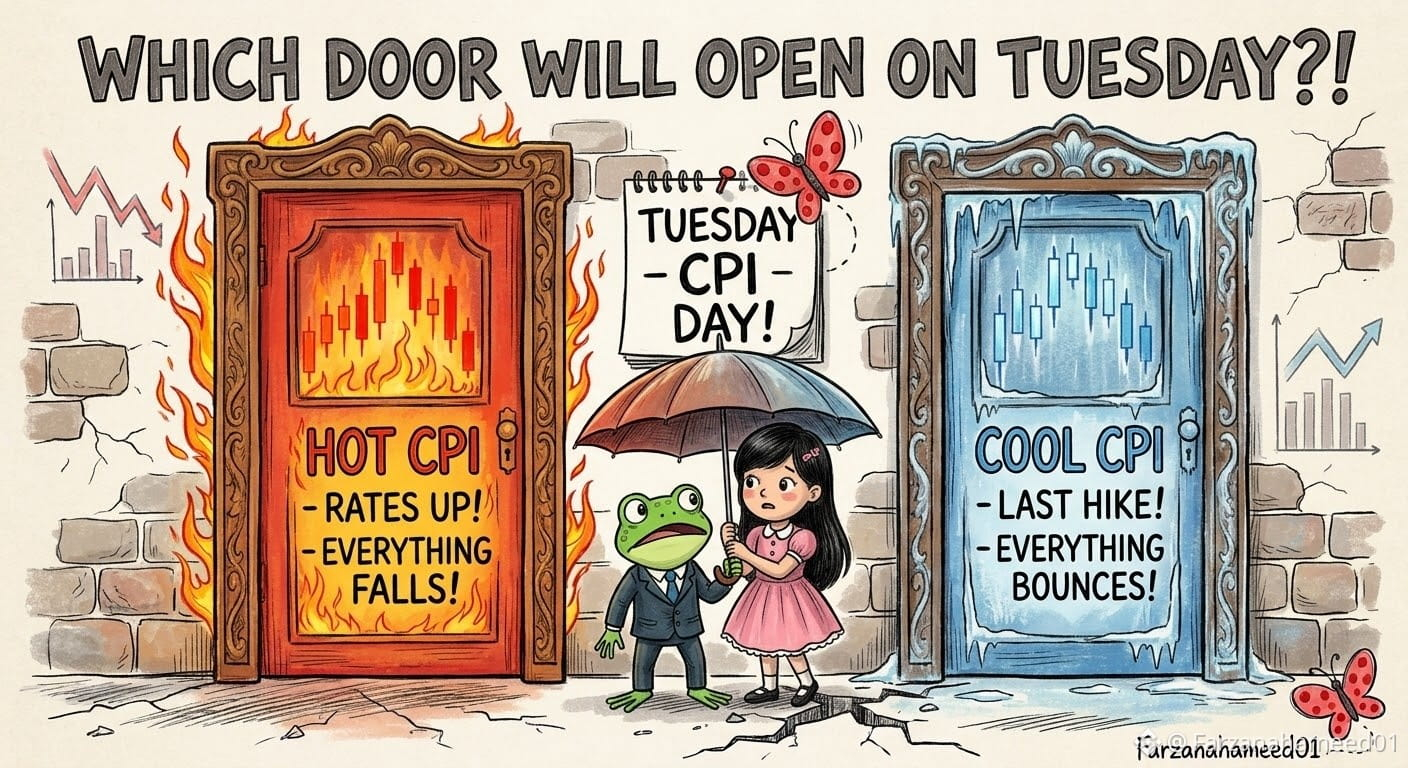
WHICH DOOR WILL OPEN ON TUESDAY?! 😱
I woke up and saw this!
Everything is red already. And now CPI is coming on Tuesday.
If CPI comes hot, the Fed can raise rates again in December. Then everything will fall more.
If CPI comes cool, this can be the last hike. Then everything can bounce back.
That is why everyone is scared right now.
What should traders do?
📉 STAY SAFE: Stay away from high leverage before the big news.
📊 WAIT AND CHECK: Let the news come, let the trend get clear, then place your trades.
This is not financial advice.
Tell me honestly, are you scared before CPI or ready for it?
$BTC $JCT
#CPITestsDecemberRateOutlook #CPI #FedInterestRate #InflationData
✨ 𝓕𝓪𝓻𝔃𝓪𝓷𝓪 𝓗𝓪𝓶𝓮𝓮𝓭 𝓞𝓯𝓯𝓲𝓬𝓲𝓪𝓵 • 🦋 ✨
2
5
78

·
--
Расталды
Bitcoin at $80,000: Buyers Face a Critical Test Ahead of the Fed
Bitcoin is holding the line, but the pressure is building. With BTC fluctuating between $79,300 and $80,000, traders face a crucial test as the Federal Reserve’s October 28 decision approaches. A decisive break could shift market sentiment quickly, leaving investors watching one key question: can buyers defend the level, or is another pullback ahead?
#FedInterestRate $BTC
{future}(BTCUSDT)
Bitcoin at $80,000: Buyers Face a Critical Test Ahead of the Fed
Bitcoin is holding the line, but the pressure is building. With BTC fluctuating between $79,300 and $80,000, traders face a crucial test as the Federal Reserve’s October 28 decision approaches. A decisive break could shift market sentiment quickly, leaving investors watching one key question: can buyers defend the level, or is another pullback ahead?
#FedInterestRate $BTC
1
3
206

·
--
Расталды

Мақала
GOLD IN THE CALM BEFORE THE STORMThe global financial markets—especially Gold ( $XAU /USD )—are holding their breath today amid a massive drop in trading volume. Market participants have completely shifted their focus from the US-Iran peace narrative to the main stage: the interest rate decision and the highly anticipated debut press conference of the new Fed Chair, Kevin Warsh, at tonight's FOMC meeting.
There is a prevailing narrative in the market that cooling geopolitical tensions and the recent plunge in crude oil will automatically tame inflation, forcing the Fed to pivot dovish. However, looking at the broader macroeconomic picture, a "Hold Rate but Hawkish Speech" (Hawkish Pause) scenario tonight could still deliver a heavy blow to Gold.
Let’s break down the mechanical and fundamental reasons behind this objective outlook:
1. The Oil Dump Illusion vs. The Reality of 4.2% Inflation
Retail traders often overlook the lag effect inherent in economic data. While crude oil prices slid this week on the back of peace talks, that drop takes months to trickle down and actually lower consumer prices.
The Real Data on the Fed’s Desk: The reality is that May's Headline CPI came in scorching hot at 4.2%—marking its highest level since April 2023.
Structural, "Sticky" Inflation: The largest components of US inflation are no longer just energy-driven; they are rooted in sticky core services and an incredibly tight labor market. The Fed must policy-rate based on the hard data on the table (4.2%), not on short-term commodity speculations.
2. Step into the "Dragon Area" (U-Rate vs. CPI Gap)
Historically, whenever the gap between the US Unemployment Rate (4.3%) and Headline CPI (4.2%) narrows to a razor-thin 0.1 percentage points, bad things happen for loose monetary policy.
Periods where this gap approaches zero—coined by analysts as the "there be dragons" territory—have historically forced the Fed to respond with aggressive monetary tightening to ward off hyperinflation.
This exact historical precedence is why institutional economists are betting that the Fed will maintain its "Higher for Longer" stance.
3. Kevin Warsh: An Independence Test in the Face of Political Pressure
As a newly appointed Fed Chair, tonight's FOMC meeting is Kevin Warsh's ultimate proving ground to establish credibility with global institutional investors.
While some corners of the market speculated on a potential dovish tilt due to political appointment dynamics, the harsh reality of a 4.2% inflation print forces the central bank to remain strictly rational.
To preserve the central bank’s integrity and institutional independence, Warsh is highly expected to act as a straight shooter—holding rates flat but delivering a stark, hawkish tone to anchor long-term inflation expectations.
📉 Technical Implications for Gold (XAU/USD)
From a technical standpoint, the persistent rejections off the Daily Key Level around 4,325 over the last few days present a highly solid structural narrative. The recent low-velocity pump on micro volume is textbook Liquidity Engineering / Inducement designed to build up buy-side liquidity in premium arrays.
The Bearish Case (Downside Target): If the FOMC delivers as projected—flat rates accompanied by an uncompromisingly hawkish rhetoric from Warsh—the current corrective rebound will likely serve as the ultimate swing failure.
A reinforced tight monetary policy will structurally back the US Dollar (DXY), sending Gold down to smash through H1 buyer support. This opens the gates toward the nearest liquidity pool at $4,026, and eventually exposes the major macro distribution zone at $3,900 - $3,500 (Weekly Demand).
Strategic Recommendation:
Forcing trades into a dead market right before a massive risk event carries an exceptionally low risk-to-reward ratio. The most professional move right now is to stay FLAT / WAIT AND SEE. Let Kevin Warsh show his card tonight. Once the market structure breaks with clear displacement post-news, that will be your high-probability cue to ride the institutional order flow.
What’s your take? Will Kevin Warsh cave to external pressure or will he flex his fundamental muscles tonight?
{future}(XAUUSDT)
{future}(CLUSDT)
#FedMeeting #FedInterestRate
GOLD IN THE CALM BEFORE THE STORM
The global financial markets—especially Gold ( $XAU /USD )—are holding their breath today amid a massive drop in trading volume. Market participants have completely shifted their focus from the US-Iran peace narrative to the main stage: the interest rate decision and the highly anticipated debut press conference of the new Fed Chair, Kevin Warsh, at tonight's FOMC meeting.
There is a prevailing narrative in the market that cooling geopolitical tensions and the recent plunge in crude oil will automatically tame inflation, forcing the Fed to pivot dovish. However, looking at the broader macroeconomic picture, a "Hold Rate but Hawkish Speech" (Hawkish Pause) scenario tonight could still deliver a heavy blow to Gold.
Let’s break down the mechanical and fundamental reasons behind this objective outlook:
1. The Oil Dump Illusion vs. The Reality of 4.2% Inflation
Retail traders often overlook the lag effect inherent in economic data. While crude oil prices slid this week on the back of peace talks, that drop takes months to trickle down and actually lower consumer prices.
The Real Data on the Fed’s Desk: The reality is that May's Headline CPI came in scorching hot at 4.2%—marking its highest level since April 2023.
Structural, "Sticky" Inflation: The largest components of US inflation are no longer just energy-driven; they are rooted in sticky core services and an incredibly tight labor market. The Fed must policy-rate based on the hard data on the table (4.2%), not on short-term commodity speculations.
2. Step into the "Dragon Area" (U-Rate vs. CPI Gap)
Historically, whenever the gap between the US Unemployment Rate (4.3%) and Headline CPI (4.2%) narrows to a razor-thin 0.1 percentage points, bad things happen for loose monetary policy.
Periods where this gap approaches zero—coined by analysts as the "there be dragons" territory—have historically forced the Fed to respond with aggressive monetary tightening to ward off hyperinflation.
This exact historical precedence is why institutional economists are betting that the Fed will maintain its "Higher for Longer" stance.
3. Kevin Warsh: An Independence Test in the Face of Political Pressure
As a newly appointed Fed Chair, tonight's FOMC meeting is Kevin Warsh's ultimate proving ground to establish credibility with global institutional investors.
While some corners of the market speculated on a potential dovish tilt due to political appointment dynamics, the harsh reality of a 4.2% inflation print forces the central bank to remain strictly rational.
To preserve the central bank’s integrity and institutional independence, Warsh is highly expected to act as a straight shooter—holding rates flat but delivering a stark, hawkish tone to anchor long-term inflation expectations.
📉 Technical Implications for Gold (XAU/USD)
From a technical standpoint, the persistent rejections off the Daily Key Level around 4,325 over the last few days present a highly solid structural narrative. The recent low-velocity pump on micro volume is textbook Liquidity Engineering / Inducement designed to build up buy-side liquidity in premium arrays.
The Bearish Case (Downside Target): If the FOMC delivers as projected—flat rates accompanied by an uncompromisingly hawkish rhetoric from Warsh—the current corrective rebound will likely serve as the ultimate swing failure.
A reinforced tight monetary policy will structurally back the US Dollar (DXY), sending Gold down to smash through H1 buyer support. This opens the gates toward the nearest liquidity pool at $4,026, and eventually exposes the major macro distribution zone at $3,900 - $3,500 (Weekly Demand).
Strategic Recommendation:
Forcing trades into a dead market right before a massive risk event carries an exceptionally low risk-to-reward ratio. The most professional move right now is to stay FLAT / WAIT AND SEE. Let Kevin Warsh show his card tonight. Once the market structure breaks with clear displacement post-news, that will be your high-probability cue to ride the institutional order flow.
What’s your take? Will Kevin Warsh cave to external pressure or will he flex his fundamental muscles tonight?
#FedMeeting #FedInterestRate
168

·
--
Жоғары (өспелі)
Ішінара рас
$BTC
{spot}(BTCUSDT)
🚨🇺🇲 Bessent and the Fed are proper playing whack-a-mole with them JGBs and US Treasuries now, innit? 😱
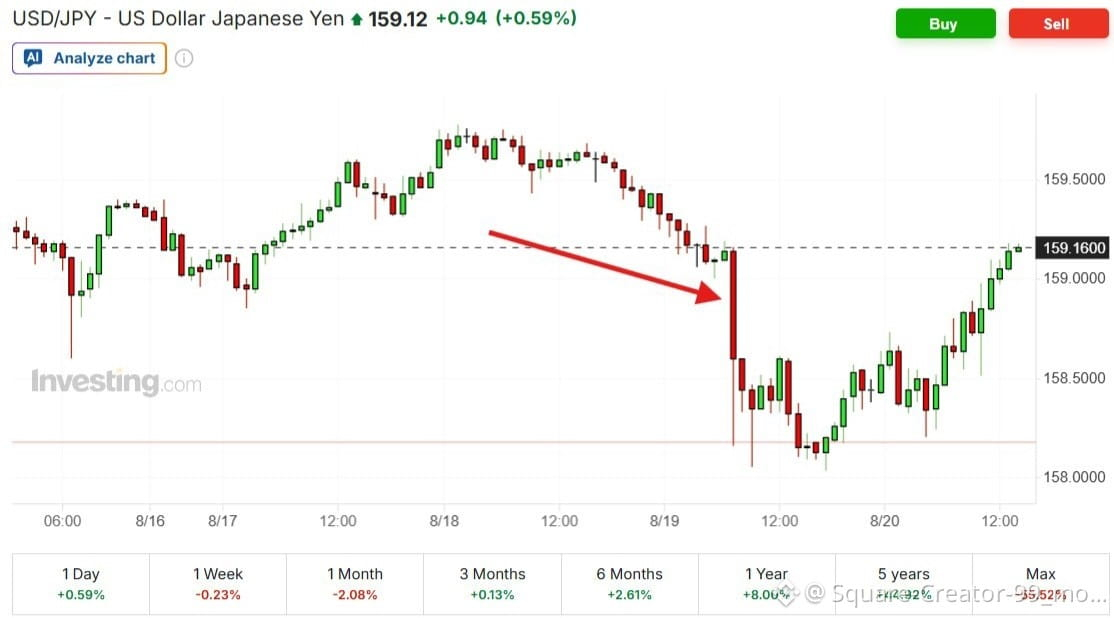
The foreign exchange market is putting on an absolute masterclass in relentless momentum, Standard interventions and political commentary have been completely neutralised, with USD/JPY wiping out every last pip of its recent drop and surging back comfortably clear of that critical 159.16 mark ↩️
What’s just happened then? The market participants have fully digested the sharp drop engineered by the Bank of Japan’s intervention and Scott Bessent’s fiscal remarks. Following a steep drop down to the 158.20 support zone, heavy buying volume stepped in to drive a textbook V-shaped bounce straight back through prior resistance ↩️
The Fed and Treasury officials are right proper stuck in a financial game of Whack-A-Mole; every attempt to cap yields on US Treasuries or JGBs triggers an immediate spike in FX volatility 📢
Market Takeaway: Central bank jawboning—without a proper structural shift in monetary policy—is proving utterly useless against broad dollar strength and yield differentials 👀🫡
$SUI
{spot}(SUIUSDT)
$WLD
{spot}(WLDUSDT)
#Japan #USGovernment #FedInterestRate
$BTC
🚨🇺🇲 Bessent and the Fed are proper playing whack-a-mole with them JGBs and US Treasuries now, innit? 😱
The foreign exchange market is putting on an absolute masterclass in relentless momentum, Standard interventions and political commentary have been completely neutralised, with USD/JPY wiping out every last pip of its recent drop and surging back comfortably clear of that critical 159.16 mark ↩️
What’s just happened then? The market participants have fully digested the sharp drop engineered by the Bank of Japan’s intervention and Scott Bessent’s fiscal remarks. Following a steep drop down to the 158.20 support zone, heavy buying volume stepped in to drive a textbook V-shaped bounce straight back through prior resistance ↩️
The Fed and Treasury officials are right proper stuck in a financial game of Whack-A-Mole; every attempt to cap yields on US Treasuries or JGBs triggers an immediate spike in FX volatility 📢
Market Takeaway: Central bank jawboning—without a proper structural shift in monetary policy—is proving utterly useless against broad dollar strength and yield differentials 👀🫡
$SUI
$WLD
#Japan #USGovernment #FedInterestRate

586
·
--
🚨 NFP News Alert: Big Move Coming for Crypto? Here Is Your Trading Game Plan! 📈📉Main Post Body:Crypto traders, gear up! On the 10th, the highly anticipated US Non-Farm Payrolls (NFP) data will be released. 🇺🇸Historically, NFP data triggers massive volatility across both traditional finance and the crypto market. If you are trading $BTC or major altcoins, this is an event you cannot afford to ignore. High volatility means high opportunity, but also huge liquidation risks if you are caught on the wrong side.#NFP #NonFarmPayrolls #MacroData #FedInterestRate
$BTC
{spot}(BTCUSDT)
🚨 NFP News Alert: Big Move Coming for Crypto? Here Is Your Trading Game Plan! 📈📉Main Post Body:Crypto traders, gear up! On the 10th, the highly anticipated US Non-Farm Payrolls (NFP) data will be released. 🇺🇸Historically, NFP data triggers massive volatility across both traditional finance and the crypto market. If you are trading $BTC or major altcoins, this is an event you cannot afford to ignore. High volatility means high opportunity, but also huge liquidation risks if you are caught on the wrong side.#NFP #NonFarmPayrolls #MacroData #FedInterestRate
$BTC
$BTC
136

·
--
Төмен (кемімелі)
Ішінара рас
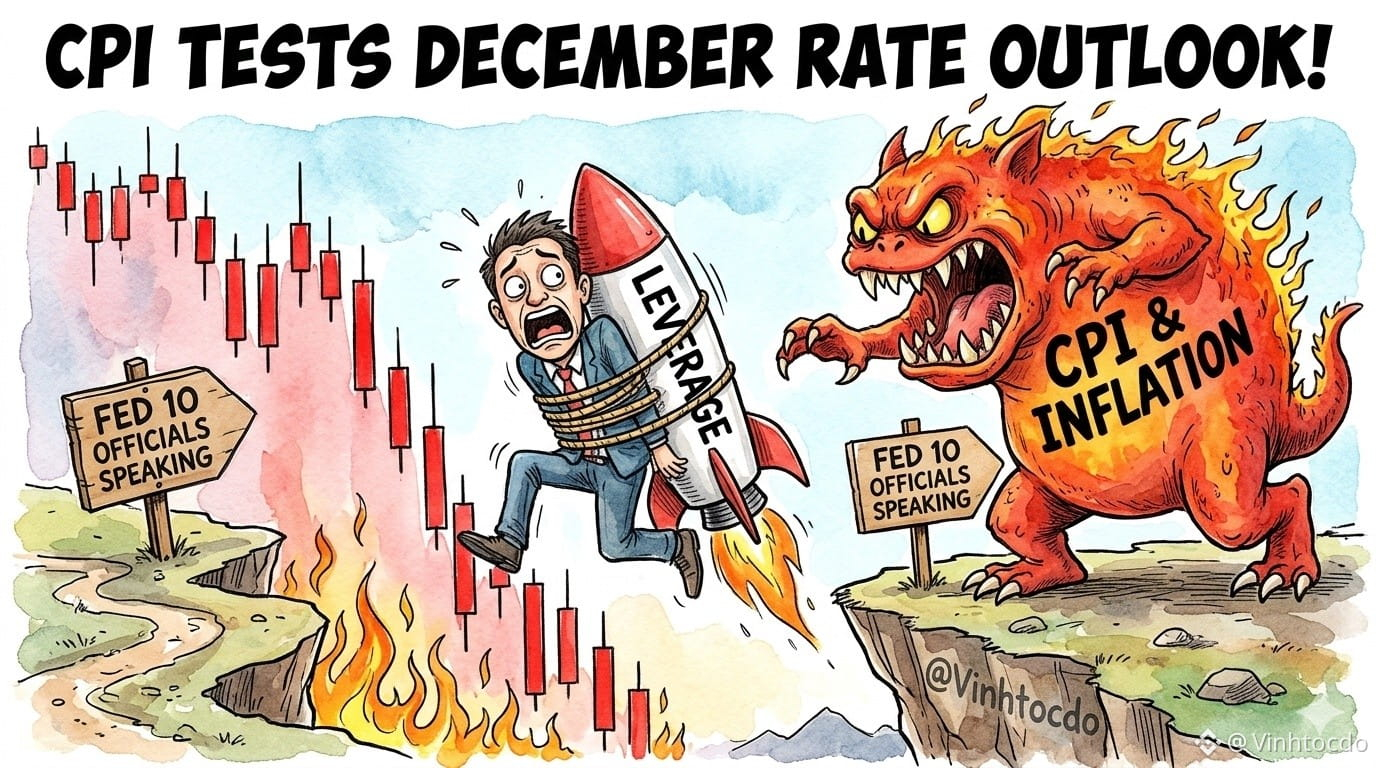
Thị trường đang đỏ lòm, và "hung thần" #CPITestsDecemberRateOutlook lại sắp gõ cửa vào tối thứ Ba lúc 20:30 giờ VN!
Anh em đang run rẩy hỏi: "Đỏ thế này rồi, CPI có làm đỏ hơn?". Việc làm phi nông nghiệp vừa tăng mạnh củng cố kinh tế Mỹ, nhưng Nomura lại cảnh báo số liệu CPI tháng 10 có thể bị bóp méo, đẩy PCE lõi lên cao. Nếu CPI thực tế vượt dự báo (toàn phần 0.24%), lạm phát quay xe thì Fed sẽ thẳng tay tăng lãi suất vào tháng 12 (tỷ lệ đang là 80%). Lúc đó sàn không chỉ đỏ mà còn "bốc cháy" luôn! Ngược lại, nếu hạ nhiệt, đây có thể là đợt tăng lãi suất cuối cùng của Fed.
Trader làm gì?
1. Thắt dây an toàn: Né xa đòn bẩy cao trước giờ G để tránh bị quét hai đầu.
2. Ngồi im: Đợi 10 ông quan chức Fed phát biểu xong, xu hướng rõ ràng rồi hãy vào lệnh!
Lưu ý: Đây không phải lời khuyên tài chính.
#CPI #FedInterestRate #InflationData #CryptoMarket #TradingStrategy #VINHTOCDO
Click giao dịch bên dưới để ủng hộ tôi:
$BTC
{spot}(BTCUSDT)
$BNB
{spot}(BNBUSDT)
$JCT
{future}(JCTUSDT)
Thị trường đang đỏ lòm, và "hung thần" #CPITestsDecemberRateOutlook lại sắp gõ cửa vào tối thứ Ba lúc 20:30 giờ VN!
Anh em đang run rẩy hỏi: "Đỏ thế này rồi, CPI có làm đỏ hơn?". Việc làm phi nông nghiệp vừa tăng mạnh củng cố kinh tế Mỹ, nhưng Nomura lại cảnh báo số liệu CPI tháng 10 có thể bị bóp méo, đẩy PCE lõi lên cao. Nếu CPI thực tế vượt dự báo (toàn phần 0.24%), lạm phát quay xe thì Fed sẽ thẳng tay tăng lãi suất vào tháng 12 (tỷ lệ đang là 80%). Lúc đó sàn không chỉ đỏ mà còn "bốc cháy" luôn! Ngược lại, nếu hạ nhiệt, đây có thể là đợt tăng lãi suất cuối cùng của Fed.
Trader làm gì?
1. Thắt dây an toàn: Né xa đòn bẩy cao trước giờ G để tránh bị quét hai đầu.
2. Ngồi im: Đợi 10 ông quan chức Fed phát biểu xong, xu hướng rõ ràng rồi hãy vào lệnh!
Lưu ý: Đây không phải lời khuyên tài chính.
#CPI #FedInterestRate #InflationData #CryptoMarket #TradingStrategy #VINHTOCDO
Click giao dịch bên dưới để ủng hộ tôi:
$BTC
$BNB
$JCT
3
6
895
·
--
Төмен (кемімелі)
Расталды
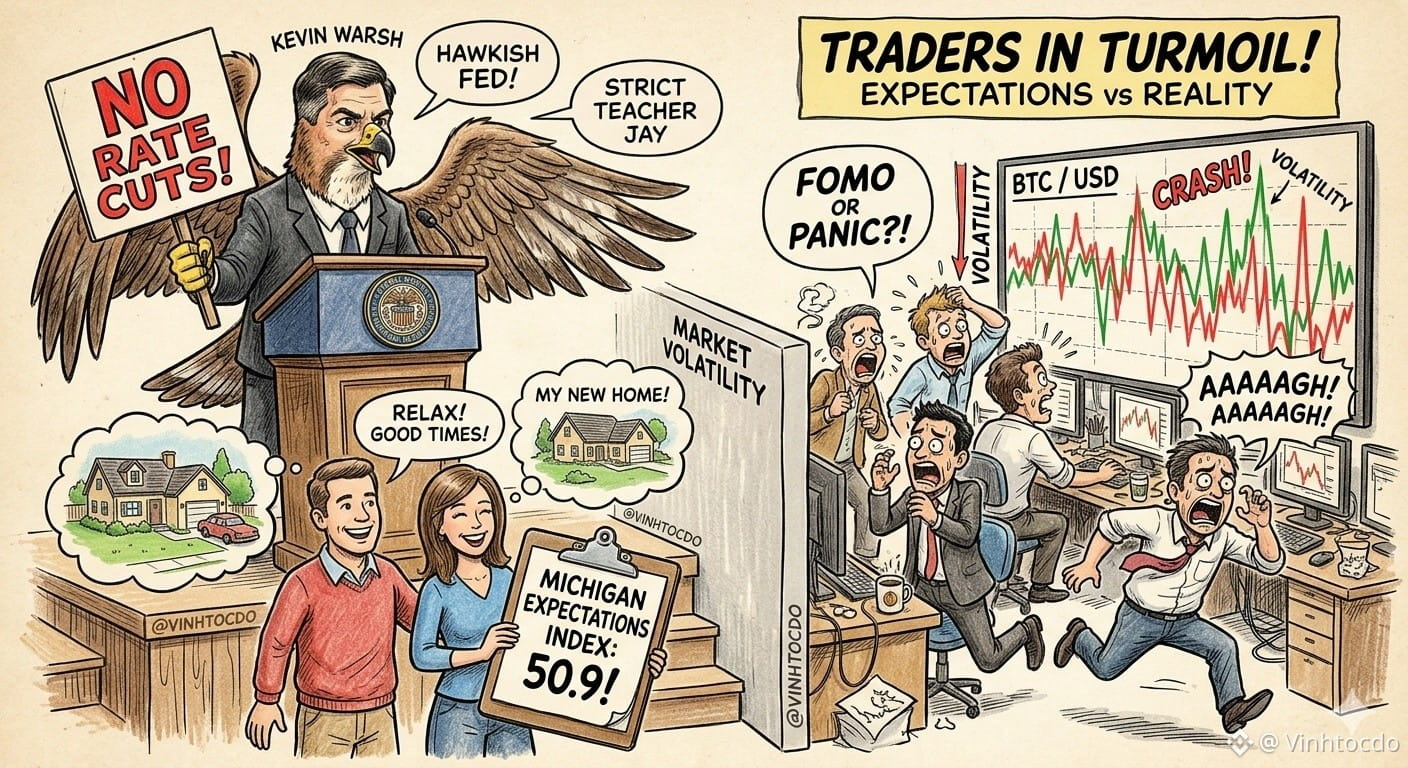
🚨 CHỈ SỐ KỲ VỌNG MỸ LẠI "OUT TRÌNH" DỰ BÁO: TRADER NÊN VUI HAY BUỒN? 🇺🇸
Số liệu sơ bộ tháng 11 của Chỉ số Kỳ vọng Michigan vừa ra lò đạt 50,9, cao hơn hẳn mức dự báo 49,5 và kỳ trước 48,8! Hiểu đơn giản là người dân Mỹ đang bớt bi quan và bắt đầu "mơ về ngôi nhà và những đứa trẻ" rồi.
Phân tích nhanh: Người Mỹ kỳ vọng kinh tế tốt lên thì ví tiền họ sẽ rủng rỉnh hơn. Nhưng với anh em trader, kinh tế Mỹ mạnh quá thì Fed lại có cớ "diều hâu" không chịu giảm lãi suất mạnh tay.
Trader phải làm gì?
1. Đừng FOMO bậy bạ, hãy quan sát phản ứng của DXY và Bitcoin.
2. Thắt dây an toàn vì thị trường sắp có những pha quét hai đầu cực gắt.
⚠️ Đây không phải lời khuyên tài chính!
👉 Đăng ký Binance nhận ưu đãi: Mã VINHTOCDO
Link: [https://www.binance.com/register?ref=VINHTOCDO](https://www.binance.com/register?ref=VINHTOCDO)
👇 Click giao dịch bên dưới để ủng hộ tôi:
$BTC
{spot}(BTCUSDT)
$SOL
{spot}(SOLUSDT)
$AKE
{future}(AKEUSDT)
#USNovemberMichiganExpectationsIndexPrelimAt50.9 #ConsumerSentiment #USMacroEconomy #CryptoTrading #MarketAnalysis #FedInterestRate #VINHTOCDO
🚨 CHỈ SỐ KỲ VỌNG MỸ LẠI "OUT TRÌNH" DỰ BÁO: TRADER NÊN VUI HAY BUỒN? 🇺🇸
Số liệu sơ bộ tháng 11 của Chỉ số Kỳ vọng Michigan vừa ra lò đạt 50,9, cao hơn hẳn mức dự báo 49,5 và kỳ trước 48,8! Hiểu đơn giản là người dân Mỹ đang bớt bi quan và bắt đầu "mơ về ngôi nhà và những đứa trẻ" rồi.
Phân tích nhanh: Người Mỹ kỳ vọng kinh tế tốt lên thì ví tiền họ sẽ rủng rỉnh hơn. Nhưng với anh em trader, kinh tế Mỹ mạnh quá thì Fed lại có cớ "diều hâu" không chịu giảm lãi suất mạnh tay.
Trader phải làm gì?
1. Đừng FOMO bậy bạ, hãy quan sát phản ứng của DXY và Bitcoin.
2. Thắt dây an toàn vì thị trường sắp có những pha quét hai đầu cực gắt.
⚠️ Đây không phải lời khuyên tài chính!
👉 Đăng ký Binance nhận ưu đãi: Mã VINHTOCDO
Link: https://www.binance.com/register?ref=VINHTOCDO
👇 Click giao dịch bên dưới để ủng hộ tôi:
$BTC
$SOL
$AKE
#USNovemberMichiganExpectationsIndexPrelimAt50.9 #ConsumerSentiment #USMacroEconomy #CryptoTrading #MarketAnalysis #FedInterestRate #VINHTOCDO
3
979

·
--
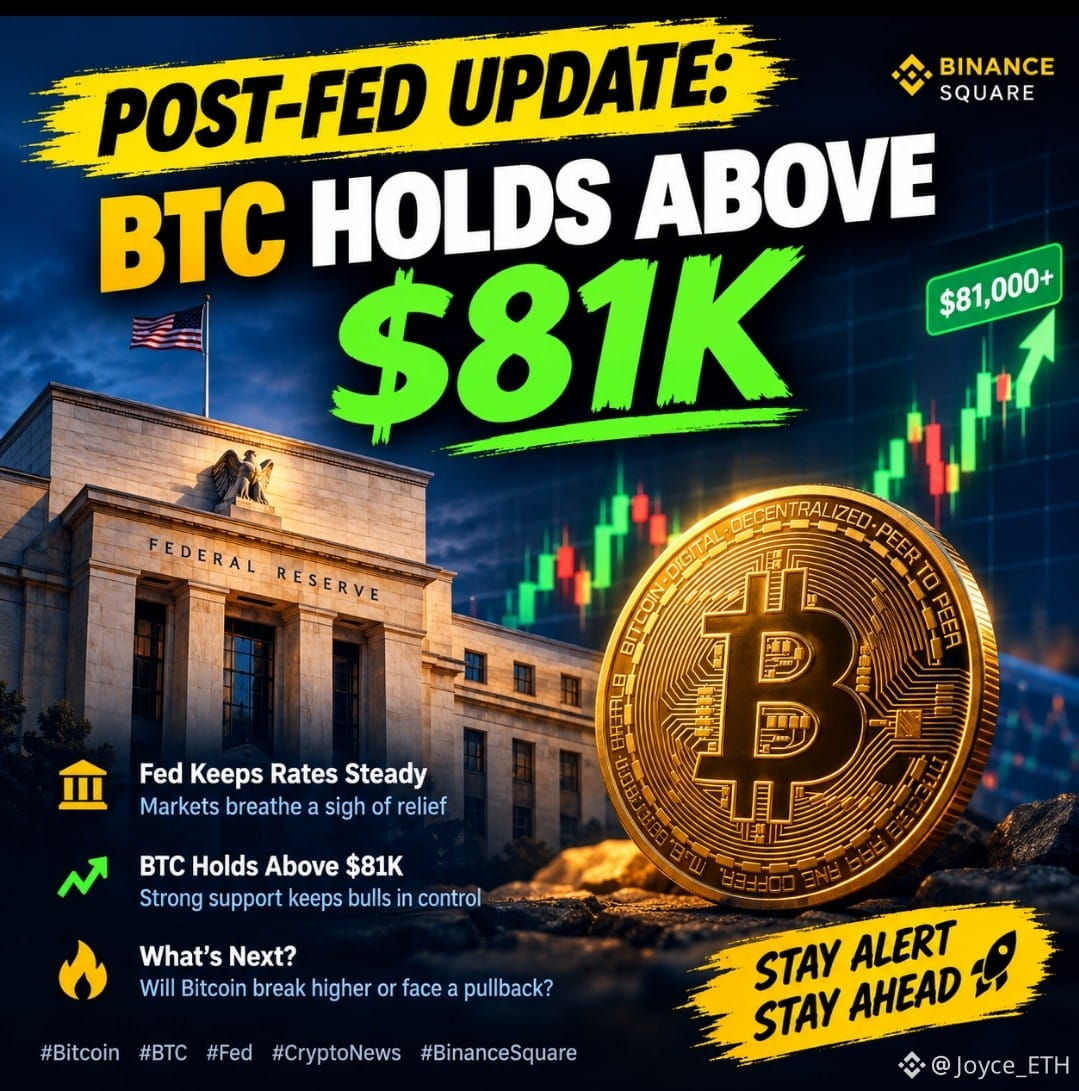
🚨 FED HOLDS RATES — BITCOIN DEFENDS $81K! IS $85K NEXT? 🚀
The October 28 Fed decision kept interest rates at 3.75%–4.00%, while Bitcoin held around the $81,000 level. 📊
🐂 Bulls are watching closely!
🟢 Key Support: $80K–$81K
🚀 Potential Upside: $85K
⚠️ Bearish Risk: A breakdown below support could trigger a pullback.
Bitcoin holding $81K is encouraging, but the next move depends on market momentum, liquidity, and investor reaction to Fed policy.
💬 Your prediction: $BTC to $85K or back to $78K?
{spot}(BTCUSDT)
Follow for more crypto market updates! 🔥
#BTC #FedWatch #FedBeigeBook #FedInterestRate #FedRateDecisions
{alpha}(10x72e4f9f808c49a2a61de9c5896298920dc4eeea9)
🚨 FED HOLDS RATES — BITCOIN DEFENDS $81K! IS $85K NEXT? 🚀
The October 28 Fed decision kept interest rates at 3.75%–4.00%, while Bitcoin held around the $81,000 level. 📊
🐂 Bulls are watching closely!
🟢 Key Support: $80K–$81K
🚀 Potential Upside: $85K
⚠️ Bearish Risk: A breakdown below support could trigger a pullback.
Bitcoin holding $81K is encouraging, but the next move depends on market momentum, liquidity, and investor reaction to Fed policy.
💬 Your prediction: $BTC to $85K or back to $78K?
Follow for more crypto market updates! 🔥
#BTC #FedWatch #FedBeigeBook #FedInterestRate #FedRateDecisions
11
79
·
--
Жоғары (өспелі)
Расталды
#fomcwatch
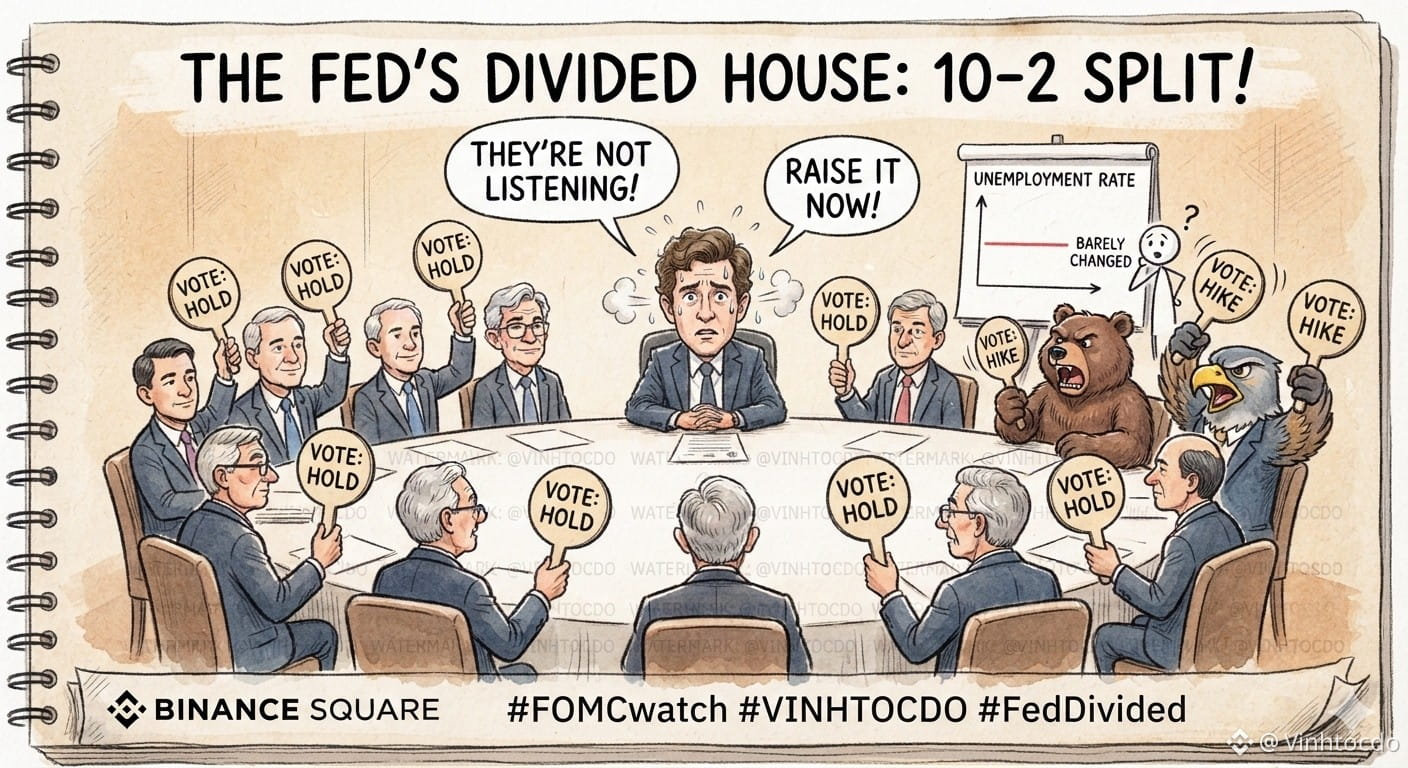
Đội nội bộ của Fed bắt đầu "lực lượng lục đục" rồi anh em ơi!
Khác hẳn với màn đồng lòng 12-0 lần trước, lần này kết quả bỏ phiếu lãi suất là 10-2. Đã có 2 sếp "quay xe" đòi tăng lãi suất ngay lập tức chứ không chịu ngồi yên nữa. Trong khi đó, Fed vẫn thản nhiên phán câu xanh rờn: "Tỷ lệ thất nghiệp hầu như không thay đổi". Kinh tế Mỹ vẫn lì đòn, còn lạm phát thì cứng đầu, bảo sao các sếp Fed không đau đầu phân hóa cho được!
Trader chúng ta phải làm gì? Đơn giản là thắt dây an toàn, bật chế độ phòng thủ và quản lý vốn thật chặt, vì sóng gió sắp tới sẽ dập dìu lắm đây.
Lưu ý: Đây không phải lời khuyên tài chính.
Đăng ký tài khoản mới nhập mã giới thiệu: VINHTOCDO hoặc click link: [https://www.binance.com/register?ref=VINHTOCDO](https://www.binance.com/register?ref=VINHTOCDO) để nhận ưu đãi nhé!
Click giao dịch bên dưới để ủng hộ tôi: $BTC
{spot}(BTCUSDT)
$ETH
{spot}(ETHUSDT)
$SOL
{spot}(SOLUSDT)
#VINHTOCDO #FedInterestRate #CryptoTrading #FOMCMeeting #MacroEconomy #BinanceSquare
#fomcwatch
Đội nội bộ của Fed bắt đầu "lực lượng lục đục" rồi anh em ơi!
Khác hẳn với màn đồng lòng 12-0 lần trước, lần này kết quả bỏ phiếu lãi suất là 10-2. Đã có 2 sếp "quay xe" đòi tăng lãi suất ngay lập tức chứ không chịu ngồi yên nữa. Trong khi đó, Fed vẫn thản nhiên phán câu xanh rờn: "Tỷ lệ thất nghiệp hầu như không thay đổi". Kinh tế Mỹ vẫn lì đòn, còn lạm phát thì cứng đầu, bảo sao các sếp Fed không đau đầu phân hóa cho được!
Trader chúng ta phải làm gì? Đơn giản là thắt dây an toàn, bật chế độ phòng thủ và quản lý vốn thật chặt, vì sóng gió sắp tới sẽ dập dìu lắm đây.
Lưu ý: Đây không phải lời khuyên tài chính.
Đăng ký tài khoản mới nhập mã giới thiệu: VINHTOCDO hoặc click link: https://www.binance.com/register?ref=VINHTOCDO để nhận ưu đãi nhé!
Click giao dịch bên dưới để ủng hộ tôi: $BTC
$ETH
$SOL
#VINHTOCDO #FedInterestRate #CryptoTrading #FOMCMeeting #MacroEconomy #BinanceSquare
1
9
33k
·
--
Жоғары (өспелі)
Расталды
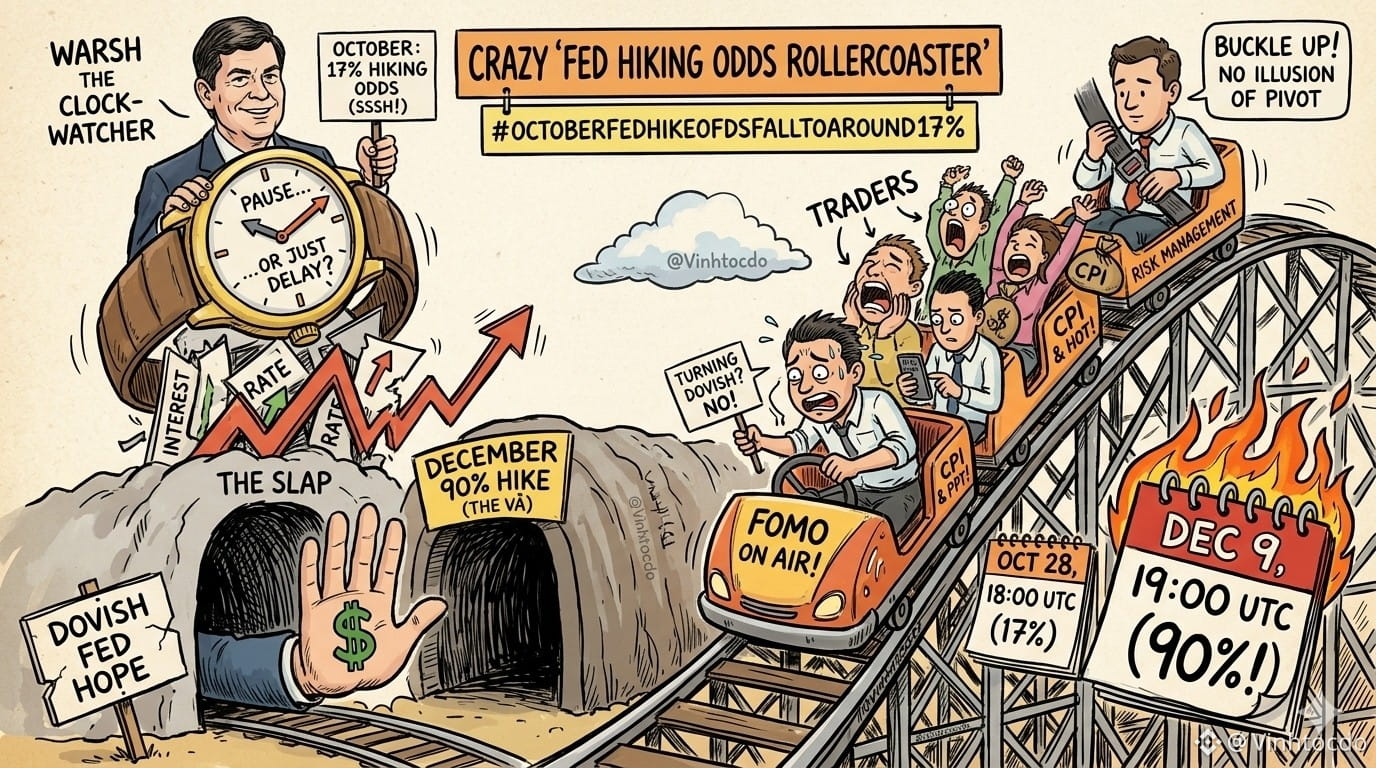
#OctoberFedHikeOddsFallToAround17% – Chủ tịch Fed Kevin Warsh vừa tung chiêu "im lặng là vàng" làm anh em trader quay cuồng! Lạm phát CPI, PPI công bố nóng hầm hập nhưng cụ im như thóc. Thế là thị trường tự diễn biến, đẩy xác suất tăng lãi suất tháng 10 tụt từ 30% về còn 17%.
Nhưng chớ vội mừng mở tiệc ăn mừng! Cụ Fed chỉ đang dùng chiêu "câu giờ" lùi lịch thắt chặt thôi. Nhìn sang tháng 12 mà xem, tỷ lệ tăng lãi suất vọt lên tới 90% rồi!
📅 Cuộc họp lãi suất tháng 10/2026
📆 Ngày công bố: Thứ Tư, ngày 28 tháng 10, 2026.
⏰ Giờ công bố: 18:00 UTC (tức là 14:00 giờ theo giờ New York - EDT).
🇻🇳 Giờ Việt Nam (ICT): 01:00 sáng ngày 29 tháng 10, 2026.
📅 Cuộc họp lãi suất tháng 12/2026
📆 Ngày công bố: Thứ Tư, ngày 9 tháng 12, 2026.
⏰ Giờ công bố: 19:00 UTC (tức là 14:00 giờ theo giờ New York - EST).
🇻🇳 Giờ Việt Nam (ICT): 02:00 sáng ngày 10 tháng 12, 2026.
Trader phải làm gì? Bớt ảo tưởng Fed quay xe ôn hòa đi nhé. Thắt dây an toàn chặt vào, quản lý vốn cẩn thận kẻo ăn cú "vả" bất ngờ vào tháng 12.
Đây không phải lời khuyên tài chính.
Cài mới nhập mã: VINHTOCDO
Link: [https://www.binance.com/register?ref=VINHTOCDO](https://www.binance.com/register?ref=VINHTOCDO)
Click giao dịch bên dưới để ủng hộ tôi:
$BTC
{spot}(BTCUSDT)
$ETH
{spot}(ETHUSDT)
$SPCXB
{spot}(SPCXBUSDT)
#VINHTOCDO #FedInterestRate #MacroCrypto #TradFiNews #BinanceSquare Creatorpad #CryptoRiskManagement
#OctoberFedHikeOddsFallToAround17% – Chủ tịch Fed Kevin Warsh vừa tung chiêu "im lặng là vàng" làm anh em trader quay cuồng! Lạm phát CPI, PPI công bố nóng hầm hập nhưng cụ im như thóc. Thế là thị trường tự diễn biến, đẩy xác suất tăng lãi suất tháng 10 tụt từ 30% về còn 17%.
Nhưng chớ vội mừng mở tiệc ăn mừng! Cụ Fed chỉ đang dùng chiêu "câu giờ" lùi lịch thắt chặt thôi. Nhìn sang tháng 12 mà xem, tỷ lệ tăng lãi suất vọt lên tới 90% rồi!
📅 Cuộc họp lãi suất tháng 10/2026
📆 Ngày công bố: Thứ Tư, ngày 28 tháng 10, 2026.
⏰ Giờ công bố: 18:00 UTC (tức là 14:00 giờ theo giờ New York - EDT).
🇻🇳 Giờ Việt Nam (ICT): 01:00 sáng ngày 29 tháng 10, 2026.
📅 Cuộc họp lãi suất tháng 12/2026
📆 Ngày công bố: Thứ Tư, ngày 9 tháng 12, 2026.
⏰ Giờ công bố: 19:00 UTC (tức là 14:00 giờ theo giờ New York - EST).
🇻🇳 Giờ Việt Nam (ICT): 02:00 sáng ngày 10 tháng 12, 2026.
Trader phải làm gì? Bớt ảo tưởng Fed quay xe ôn hòa đi nhé. Thắt dây an toàn chặt vào, quản lý vốn cẩn thận kẻo ăn cú "vả" bất ngờ vào tháng 12.
Đây không phải lời khuyên tài chính.
Cài mới nhập mã: VINHTOCDO
Link: https://www.binance.com/register?ref=VINHTOCDO
Click giao dịch bên dưới để ủng hộ tôi:
$BTC
$ETH
$SPCXB
#VINHTOCDO #FedInterestRate #MacroCrypto #TradFiNews #BinanceSquare Creatorpad #CryptoRiskManagement
4
542
Көбірек контент көру үшін кіріңіз
Binance Square платформасында әлемдік криптоқоғамдастыққа қосылыңыз
⚡️ Криптовалюта туралы ең соңғы және пайдалы ақпаратты алыңыз.
💬 Әлемдегі ең ірі криптобиржаның сеніміне ие.
👍 Расталған авторлардың нақты пікірлерін табыңыз.
Электрондық пошта/телефон нөмірі
Трендтегі тақырыптар
1
#A Packed Week of Earnings and Data Tests Markets
59,801 рет көрілді
386 адам талқылап жатыр
2
#AnthropicIPOTestsInvestorAppetiteForAI
109,217 рет көрілді
1,319 адам талқылап жатыр
3
#BitcoinExtendsLosingStreakToSixWeeks
80,107 рет көрілді
681 адам талқылап жатыр
4
#XRPFallsTo$0.89LowestSinceNovember2024
13,077 рет көрілді
69 адам талқылап жатыр
5
#HuangReportedlyConsidersReturnToNvidia
115,155 рет көрілді
1,204 адам талқылап жатыр
6
#SP500AndNasdaqFuturesHitQuarterlyLows
23,134 рет көрілді
231 адам талқылап жатыр
7
#CaliforniaVotersBackProp42BarringNewCryptoTaxes
16,054 рет көрілді
217 адам талқылап жатыр
8
#HKPlansDigitalAssetRegulatoryBillByYearEnd
14,312 рет көрілді
156 адам талқылап жатыр
9
#MUFGSMFGMizuhoPlanYenBackedStablecoin
30,133 рет көрілді
279 адам талқылап жатыр
10
#HKMAAndSwiftExploreTokenizedDepositInteroperability
1,958 рет көрілді
19 адам талқылап жатыр