
Wirelesswrs
42 投稿

Wirelesswrs
報告
ユーザーをブロック
取引を発注
高頻度トレーダー
7.2年
8 フォロー
26 フォロワー
32 いいね
投稿
ポートフォリオ
すべて
引用
動画
·
--
翻訳参照
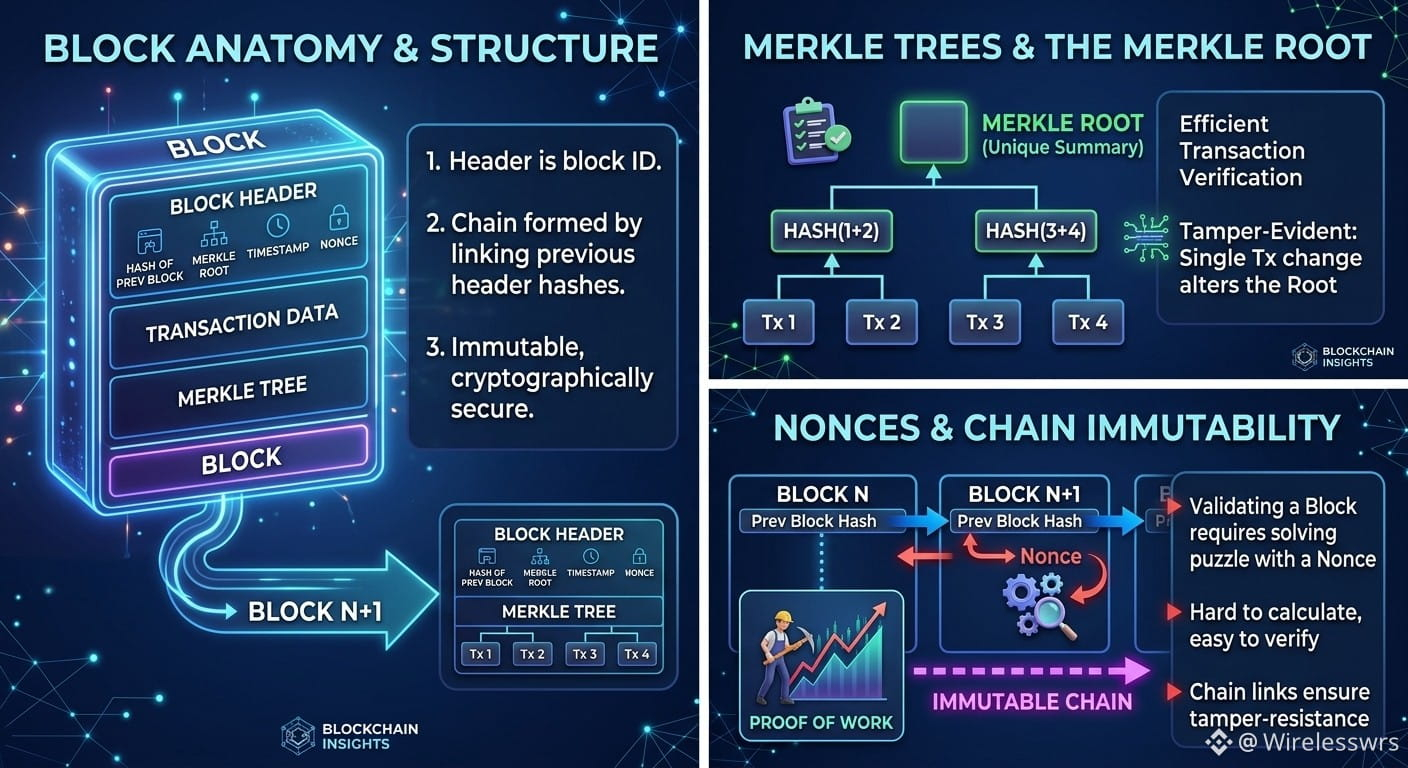
The anatomy of an immutable blockchain block:
▪️ Block Header: Contains metadata & previous block's hash ▪️ Merkle Root: Condenses thousands of transactions into one tamper-proof hash ▪️ Nonce: The random number miners guess to solve Proof of Work ▪️ Immutability: Re-writing history requires out-mining the entire network
Math > Trust. 🔐 #Web3 #Blockchain #Crypto
The anatomy of an immutable blockchain block:
▪️ Block Header: Contains metadata & previous block's hash ▪️ Merkle Root: Condenses thousands of transactions into one tamper-proof hash ▪️ Nonce: The random number miners guess to solve Proof of Work ▪️ Immutability: Re-writing history requires out-mining the entire network
Math > Trust. 🔐 #Web3 #Blockchain #Crypto
▪️ Block Header: Contains metadata & previous block's hash ▪️ Merkle Root: Condenses thousands of transactions into one tamper-proof hash ▪️ Nonce: The random number miners guess to solve Proof of Work ▪️ Immutability: Re-writing history requires out-mining the entire network
Math > Trust. 🔐 #Web3 #Blockchain #Crypto
6
·
--
翻訳参照
The Ledger Evolution: From centralized databases to decentralized state machines on Cryptocurrency
For centuries, accounting was simple: one central ledger, one central authority. Whether recorded on clay tablets, in paper journals, or hosted on cloud servers, the rule was clear—trust the middleman.
The rise of cryptocurrency quietly sparked a massive architectural revolution:
1️⃣ The Centralized Database (Trust the Server)
Traditional networks rely on relational or NoSQL databases managed by banks or cloud platforms. High throughput and low latency, but with a massive catch: a single point of failure, vulnerable to outages, bad migrations, or single-entity control.
2️⃣ The Append-Only Ledger (Trust the Cryptography)
In 2008, Bitcoin introduced the UTXO (Unspent Transaction Output) model. Instead of editing balances in place, transactions were appended to a cryptographically linked, peer-to-peer chain. Perfect for value transfers, but fundamentally limited in programmable logic.
3️⃣ The Decentralized State Machine (Trust the Code)
Networks like Ethereum transformed distributed ledgers into global computers. Through the account-based model, every transaction shifts the global network state from $S$ to $S'$ via a deterministic execution environment (like the EVM). Ledgers stopped being digital checkbooks and became programmable engines for smart contracts and DeFi.
🚀 What’s Next?
We are now entering the modular era. Next-gen state machines are scaling via "parallel execution environments" (processing transactions simultaneously rather than sequentially) and "Zero-Knowledge Rollups" (moving execution off-chain while posting cryptographic proofs on-chain).
We transitioned from trusting central authorities to trusting append-only logs, and finally to running code on a global, zero-trust execution engine.
Where do you see the biggest bottleneck in current decentralized state machines—execution speed, storage, or developer UX?
#crypto #bitcoin #BTC
The Ledger Evolution: From centralized databases to decentralized state machines on Cryptocurrency
For centuries, accounting was simple: one central ledger, one central authority. Whether recorded on clay tablets, in paper journals, or hosted on cloud servers, the rule was clear—trust the middleman.
The rise of cryptocurrency quietly sparked a massive architectural revolution:
1️⃣ The Centralized Database (Trust the Server)
Traditional networks rely on relational or NoSQL databases managed by banks or cloud platforms. High throughput and low latency, but with a massive catch: a single point of failure, vulnerable to outages, bad migrations, or single-entity control.
2️⃣ The Append-Only Ledger (Trust the Cryptography)
In 2008, Bitcoin introduced the UTXO (Unspent Transaction Output) model. Instead of editing balances in place, transactions were appended to a cryptographically linked, peer-to-peer chain. Perfect for value transfers, but fundamentally limited in programmable logic.
3️⃣ The Decentralized State Machine (Trust the Code)
Networks like Ethereum transformed distributed ledgers into global computers. Through the account-based model, every transaction shifts the global network state from $S$ to $S'$ via a deterministic execution environment (like the EVM). Ledgers stopped being digital checkbooks and became programmable engines for smart contracts and DeFi.
🚀 What’s Next?
We are now entering the modular era. Next-gen state machines are scaling via "parallel execution environments" (processing transactions simultaneously rather than sequentially) and "Zero-Knowledge Rollups" (moving execution off-chain while posting cryptographic proofs on-chain).
We transitioned from trusting central authorities to trusting append-only logs, and finally to running code on a global, zero-trust execution engine.
Where do you see the biggest bottleneck in current decentralized state machines—execution speed, storage, or developer UX?
#crypto #bitcoin #BTC
For centuries, accounting was simple: one central ledger, one central authority. Whether recorded on clay tablets, in paper journals, or hosted on cloud servers, the rule was clear—trust the middleman.
The rise of cryptocurrency quietly sparked a massive architectural revolution:
1️⃣ The Centralized Database (Trust the Server)
Traditional networks rely on relational or NoSQL databases managed by banks or cloud platforms. High throughput and low latency, but with a massive catch: a single point of failure, vulnerable to outages, bad migrations, or single-entity control.
2️⃣ The Append-Only Ledger (Trust the Cryptography)
In 2008, Bitcoin introduced the UTXO (Unspent Transaction Output) model. Instead of editing balances in place, transactions were appended to a cryptographically linked, peer-to-peer chain. Perfect for value transfers, but fundamentally limited in programmable logic.
3️⃣ The Decentralized State Machine (Trust the Code)
Networks like Ethereum transformed distributed ledgers into global computers. Through the account-based model, every transaction shifts the global network state from $S$ to $S'$ via a deterministic execution environment (like the EVM). Ledgers stopped being digital checkbooks and became programmable engines for smart contracts and DeFi.
🚀 What’s Next?
We are now entering the modular era. Next-gen state machines are scaling via "parallel execution environments" (processing transactions simultaneously rather than sequentially) and "Zero-Knowledge Rollups" (moving execution off-chain while posting cryptographic proofs on-chain).
We transitioned from trusting central authorities to trusting append-only logs, and finally to running code on a global, zero-trust execution engine.
Where do you see the biggest bottleneck in current decentralized state machines—execution speed, storage, or developer UX?
#crypto #bitcoin #BTC
72
·
--
翻訳参照
The modality of cryptocurrency refers to the different forms, operational frameworks, and functional dimensions through which digital assets exist, validate value, and execute transactions.
Cryptocurrency does not operate under a single mode; rather, its modality can be analyzed across four primary layers:
1. Asset Modality (Token Classification)
How the cryptocurrency is structured financially and functionally:
Native Cryptocurrencies (Layer 1 Coins): Digital currencies that operate on their own independent blockchain protocol (e.g., Bitcoin, Ethereum, Solana). They serve as the primary medium to pay transaction fees (gas) and secure the underlying network.
Tokens (Layer 2 / DApp Tokens): Digital assets built on top of an existing blockchain platform via smart contracts (e.g., ERC-20 tokens on Ethereum). They typically represent utility, governance rights, or access within a specific application.
Stablecoins: Cryptocurrencies pegged to an underlying real-world asset (such as fiat currencies like the USD, or commodities like gold) to minimize price volatility (e.g., USDT, USDC). They can be fiat-backed, crypto-collateralized, or algorithmic.
Non-Fungible Tokens (NFTs): Cryptographic assets representing unique ownership of a specific item or piece of data (e.g., digital art, domain names, real-world asset tokenization). Unlike fungible coins, each NFT is distinct and non-interchangeable 1:1.
2. Structural & Consensus Modality (Architecture)
How transactions are verified and maintained in a decentralized, trustless environment:
Proof-of-Work (PoW): Requires computational energy and hardware ("miners") to solve cryptographic puzzles, securing the network and validating transactions (e.g., Bitcoin).
Proof-of-Stake (PoS): Replaces energy-intensive mining with validator nodes that "stake" (lock up) native tokens as collateral to validate transactions (e.g., Ethereum, Cardano).
Hybrid & Alternative Models: Includes mechanisms like Proof-of-History (PoH), Delegated Proof-of-Stake (DPoS), and Proof-of-Authority (PoA), optimized for speed, scalability
The modality of cryptocurrency refers to the different forms, operational frameworks, and functional dimensions through which digital assets exist, validate value, and execute transactions.
Cryptocurrency does not operate under a single mode; rather, its modality can be analyzed across four primary layers:
1. Asset Modality (Token Classification)
How the cryptocurrency is structured financially and functionally:
Native Cryptocurrencies (Layer 1 Coins): Digital currencies that operate on their own independent blockchain protocol (e.g., Bitcoin, Ethereum, Solana). They serve as the primary medium to pay transaction fees (gas) and secure the underlying network.
Tokens (Layer 2 / DApp Tokens): Digital assets built on top of an existing blockchain platform via smart contracts (e.g., ERC-20 tokens on Ethereum). They typically represent utility, governance rights, or access within a specific application.
Stablecoins: Cryptocurrencies pegged to an underlying real-world asset (such as fiat currencies like the USD, or commodities like gold) to minimize price volatility (e.g., USDT, USDC). They can be fiat-backed, crypto-collateralized, or algorithmic.
Non-Fungible Tokens (NFTs): Cryptographic assets representing unique ownership of a specific item or piece of data (e.g., digital art, domain names, real-world asset tokenization). Unlike fungible coins, each NFT is distinct and non-interchangeable 1:1.
2. Structural & Consensus Modality (Architecture)
How transactions are verified and maintained in a decentralized, trustless environment:
Proof-of-Work (PoW): Requires computational energy and hardware ("miners") to solve cryptographic puzzles, securing the network and validating transactions (e.g., Bitcoin).
Proof-of-Stake (PoS): Replaces energy-intensive mining with validator nodes that "stake" (lock up) native tokens as collateral to validate transactions (e.g., Ethereum, Cardano).
Hybrid & Alternative Models: Includes mechanisms like Proof-of-History (PoH), Delegated Proof-of-Stake (DPoS), and Proof-of-Authority (PoA), optimized for speed, scalability
Cryptocurrency does not operate under a single mode; rather, its modality can be analyzed across four primary layers:
1. Asset Modality (Token Classification)
How the cryptocurrency is structured financially and functionally:
Native Cryptocurrencies (Layer 1 Coins): Digital currencies that operate on their own independent blockchain protocol (e.g., Bitcoin, Ethereum, Solana). They serve as the primary medium to pay transaction fees (gas) and secure the underlying network.
Tokens (Layer 2 / DApp Tokens): Digital assets built on top of an existing blockchain platform via smart contracts (e.g., ERC-20 tokens on Ethereum). They typically represent utility, governance rights, or access within a specific application.
Stablecoins: Cryptocurrencies pegged to an underlying real-world asset (such as fiat currencies like the USD, or commodities like gold) to minimize price volatility (e.g., USDT, USDC). They can be fiat-backed, crypto-collateralized, or algorithmic.
Non-Fungible Tokens (NFTs): Cryptographic assets representing unique ownership of a specific item or piece of data (e.g., digital art, domain names, real-world asset tokenization). Unlike fungible coins, each NFT is distinct and non-interchangeable 1:1.
2. Structural & Consensus Modality (Architecture)
How transactions are verified and maintained in a decentralized, trustless environment:
Proof-of-Work (PoW): Requires computational energy and hardware ("miners") to solve cryptographic puzzles, securing the network and validating transactions (e.g., Bitcoin).
Proof-of-Stake (PoS): Replaces energy-intensive mining with validator nodes that "stake" (lock up) native tokens as collateral to validate transactions (e.g., Ethereum, Cardano).
Hybrid & Alternative Models: Includes mechanisms like Proof-of-History (PoH), Delegated Proof-of-Stake (DPoS), and Proof-of-Authority (PoA), optimized for speed, scalability
73

·
--
翻訳参照
CZ just dropped this at Bitcoin Asia 2026
“I think for Bitcoin to hit $1,000,000 would be a good thing. And it’ll happen. I don’t think we need 25 years. I think it’s gonna happen much quicker.” 🚀 He’s not just chasing a number. The former Binance CEO stressed that price is secondary — real utility (mass payments + pension/retirement reserves) is what matters, and he expects the core pieces of that infrastructure within ~10 years.
#bitcoin #BTC
CZ just dropped this at Bitcoin Asia 2026
“I think for Bitcoin to hit $1,000,000 would be a good thing. And it’ll happen. I don’t think we need 25 years. I think it’s gonna happen much quicker.” 🚀 He’s not just chasing a number. The former Binance CEO stressed that price is secondary — real utility (mass payments + pension/retirement reserves) is what matters, and he expects the core pieces of that infrastructure within ~10 years.
#bitcoin #BTC
“I think for Bitcoin to hit $1,000,000 would be a good thing. And it’ll happen. I don’t think we need 25 years. I think it’s gonna happen much quicker.” 🚀 He’s not just chasing a number. The former Binance CEO stressed that price is secondary — real utility (mass payments + pension/retirement reserves) is what matters, and he expects the core pieces of that infrastructure within ~10 years.
#bitcoin #BTC
72

·
--
1
114

·
--
ハッカーがClickFix手法を使用して、現在はベンチャーキャピタリスト(VC)を装い、QuickLensのようなブラウザー拡張機能をハイジャックし、暗号通貨盗難攻撃の波を引き起こしています。
ClickFix手法は、昨年暗号詐欺師の間で人気が急上昇し、被害者をだまして悪意のあるコードを手動で実行させます。これは、検証、ブラウザーの更新、またはCAPTCHAチェックのふりをしてコマンドをコピー&ペーストさせることによって行われます。このソーシャルエンジニアリングは、ユーザーが知らず知らずのうちに実行メカニズムとなるため、多くの従来のセキュリティ防御を回避します。
セキュリティ研究者は2024年からClickFixを監視しており、最初は暗号だけでなくさまざまな分野をターゲットにしているのを確認しました。最近の事件では、攻撃者は2つの顕著な方法で戦術を進化させています:
- VCのなりすまし — 詐欺師は偽の企業(例:SolidBit、MegaBit、Lumax Capital)を作成し、魅力的なパートナーシップや投資の提案を持ってLinkedInで接触します。被害者はその後、偽のZoomまたはGoogle Meetリンクに誘導され、さらなる侵害とClickFixの展開が行われて暗号資産が盗まれます。
- QuickLensのハイジャック — 以前は正当なChrome拡張機能「QuickLens - Google Lensでの検索画面」(約7,000ユーザーがいて、かつてはGoogleの特集バッジを獲得していた)は、所有権の変更後に侵害されました。悪意のある更新(バージョン5.8、2026年2月17日頃にリリース)は、情報を盗む機能とClickFixのプロンプトを導入しました。ブラウザーのセキュリティ機能を剥奪し、攻撃者が制御するサーバーと通信し、偽のGoogle更新アラートを表示し、最終的には暗号通貨ウォレット、資格情報、シードフレーズなどをターゲットにしました。この拡張機能はその後Chromeウェブストアから削除されました。
これらの攻撃は、脅威の行為者が供給チェーンの侵害(拡張機能の乗っ取りのような)をターゲットを絞ったフィッシングやユーザー操作と組み合わせて、暗号資産を効果的に引き出す方法を強調しています。暗号空間のユーザーは、未承諾のVCの接触に対して警戒を怠らず、未知のコマンドを実行することを避け、定期的にインストールされたブラウザー拡張機能を監査する必要があります。
#Clickfix #cryptothreat #CryptoAttacks
ハッカーがClickFix手法を使用して、現在はベンチャーキャピタリスト(VC)を装い、QuickLensのようなブラウザー拡張機能をハイジャックし、暗号通貨盗難攻撃の波を引き起こしています。
ClickFix手法は、昨年暗号詐欺師の間で人気が急上昇し、被害者をだまして悪意のあるコードを手動で実行させます。これは、検証、ブラウザーの更新、またはCAPTCHAチェックのふりをしてコマンドをコピー&ペーストさせることによって行われます。このソーシャルエンジニアリングは、ユーザーが知らず知らずのうちに実行メカニズムとなるため、多くの従来のセキュリティ防御を回避します。
セキュリティ研究者は2024年からClickFixを監視しており、最初は暗号だけでなくさまざまな分野をターゲットにしているのを確認しました。最近の事件では、攻撃者は2つの顕著な方法で戦術を進化させています:
- VCのなりすまし — 詐欺師は偽の企業(例:SolidBit、MegaBit、Lumax Capital)を作成し、魅力的なパートナーシップや投資の提案を持ってLinkedInで接触します。被害者はその後、偽のZoomまたはGoogle Meetリンクに誘導され、さらなる侵害とClickFixの展開が行われて暗号資産が盗まれます。
- QuickLensのハイジャック — 以前は正当なChrome拡張機能「QuickLens - Google Lensでの検索画面」(約7,000ユーザーがいて、かつてはGoogleの特集バッジを獲得していた)は、所有権の変更後に侵害されました。悪意のある更新(バージョン5.8、2026年2月17日頃にリリース)は、情報を盗む機能とClickFixのプロンプトを導入しました。ブラウザーのセキュリティ機能を剥奪し、攻撃者が制御するサーバーと通信し、偽のGoogle更新アラートを表示し、最終的には暗号通貨ウォレット、資格情報、シードフレーズなどをターゲットにしました。この拡張機能はその後Chromeウェブストアから削除されました。
これらの攻撃は、脅威の行為者が供給チェーンの侵害(拡張機能の乗っ取りのような)をターゲットを絞ったフィッシングやユーザー操作と組み合わせて、暗号資産を効果的に引き出す方法を強調しています。暗号空間のユーザーは、未承諾のVCの接触に対して警戒を怠らず、未知のコマンドを実行することを避け、定期的にインストールされたブラウザー拡張機能を監査する必要があります。
#Clickfix #cryptothreat #CryptoAttacks
ClickFix手法は、昨年暗号詐欺師の間で人気が急上昇し、被害者をだまして悪意のあるコードを手動で実行させます。これは、検証、ブラウザーの更新、またはCAPTCHAチェックのふりをしてコマンドをコピー&ペーストさせることによって行われます。このソーシャルエンジニアリングは、ユーザーが知らず知らずのうちに実行メカニズムとなるため、多くの従来のセキュリティ防御を回避します。
セキュリティ研究者は2024年からClickFixを監視しており、最初は暗号だけでなくさまざまな分野をターゲットにしているのを確認しました。最近の事件では、攻撃者は2つの顕著な方法で戦術を進化させています:
- VCのなりすまし — 詐欺師は偽の企業(例:SolidBit、MegaBit、Lumax Capital)を作成し、魅力的なパートナーシップや投資の提案を持ってLinkedInで接触します。被害者はその後、偽のZoomまたはGoogle Meetリンクに誘導され、さらなる侵害とClickFixの展開が行われて暗号資産が盗まれます。
- QuickLensのハイジャック — 以前は正当なChrome拡張機能「QuickLens - Google Lensでの検索画面」(約7,000ユーザーがいて、かつてはGoogleの特集バッジを獲得していた)は、所有権の変更後に侵害されました。悪意のある更新(バージョン5.8、2026年2月17日頃にリリース)は、情報を盗む機能とClickFixのプロンプトを導入しました。ブラウザーのセキュリティ機能を剥奪し、攻撃者が制御するサーバーと通信し、偽のGoogle更新アラートを表示し、最終的には暗号通貨ウォレット、資格情報、シードフレーズなどをターゲットにしました。この拡張機能はその後Chromeウェブストアから削除されました。
これらの攻撃は、脅威の行為者が供給チェーンの侵害(拡張機能の乗っ取りのような)をターゲットを絞ったフィッシングやユーザー操作と組み合わせて、暗号資産を効果的に引き出す方法を強調しています。暗号空間のユーザーは、未承諾のVCの接触に対して警戒を怠らず、未知のコマンドを実行することを避け、定期的にインストールされたブラウザー拡張機能を監査する必要があります。
#Clickfix #cryptothreat #CryptoAttacks
1
3
25
·
--
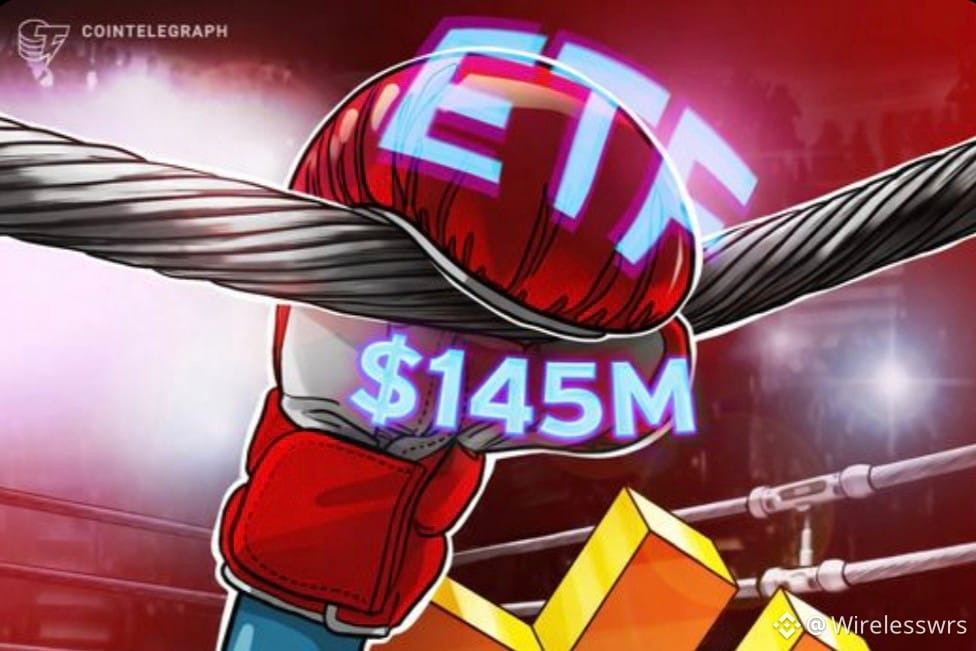
ビットコインETFは、1億4500万ドルの新たな流入が市場に流入する中で反発を延ばしています。
ビットコインETFの反発は、アナリストが流出の減速を指摘する中で起こります。初期のBTCホルダーは、BTCが70,000ドル近くで推移する中、撤退するのではなくポジションを縮小しています。
ビットコインETFは、1億4500万ドルの新たな流入が市場に流入する中で反発を延ばしています。
ビットコインETFの反発は、アナリストが流出の減速を指摘する中で起こります。初期のBTCホルダーは、BTCが70,000ドル近くで推移する中、撤退するのではなくポジションを縮小しています。
ビットコインETFの反発は、アナリストが流出の減速を指摘する中で起こります。初期のBTCホルダーは、BTCが70,000ドル近くで推移する中、撤退するのではなくポジションを縮小しています。
1
87

·
--
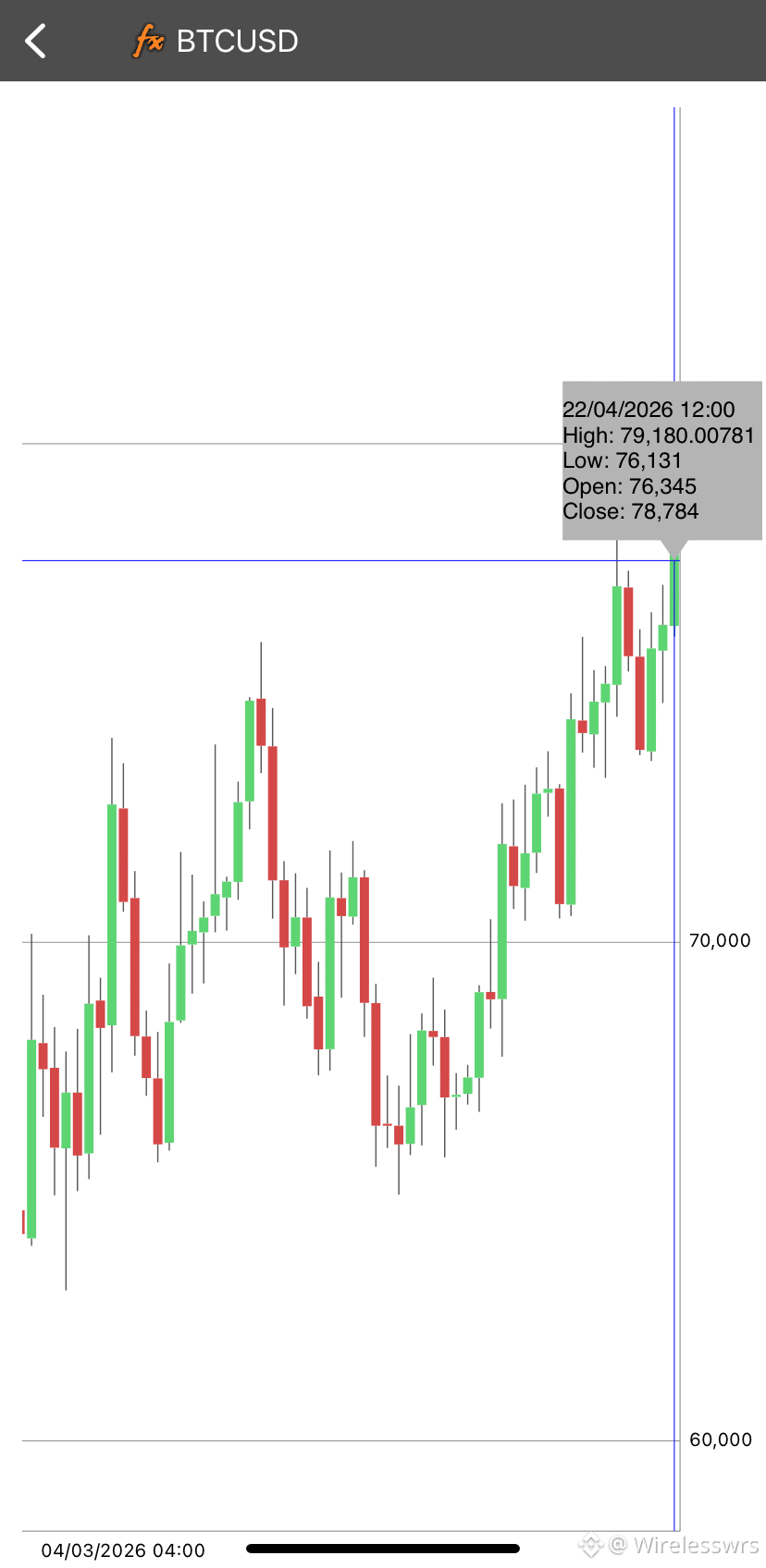
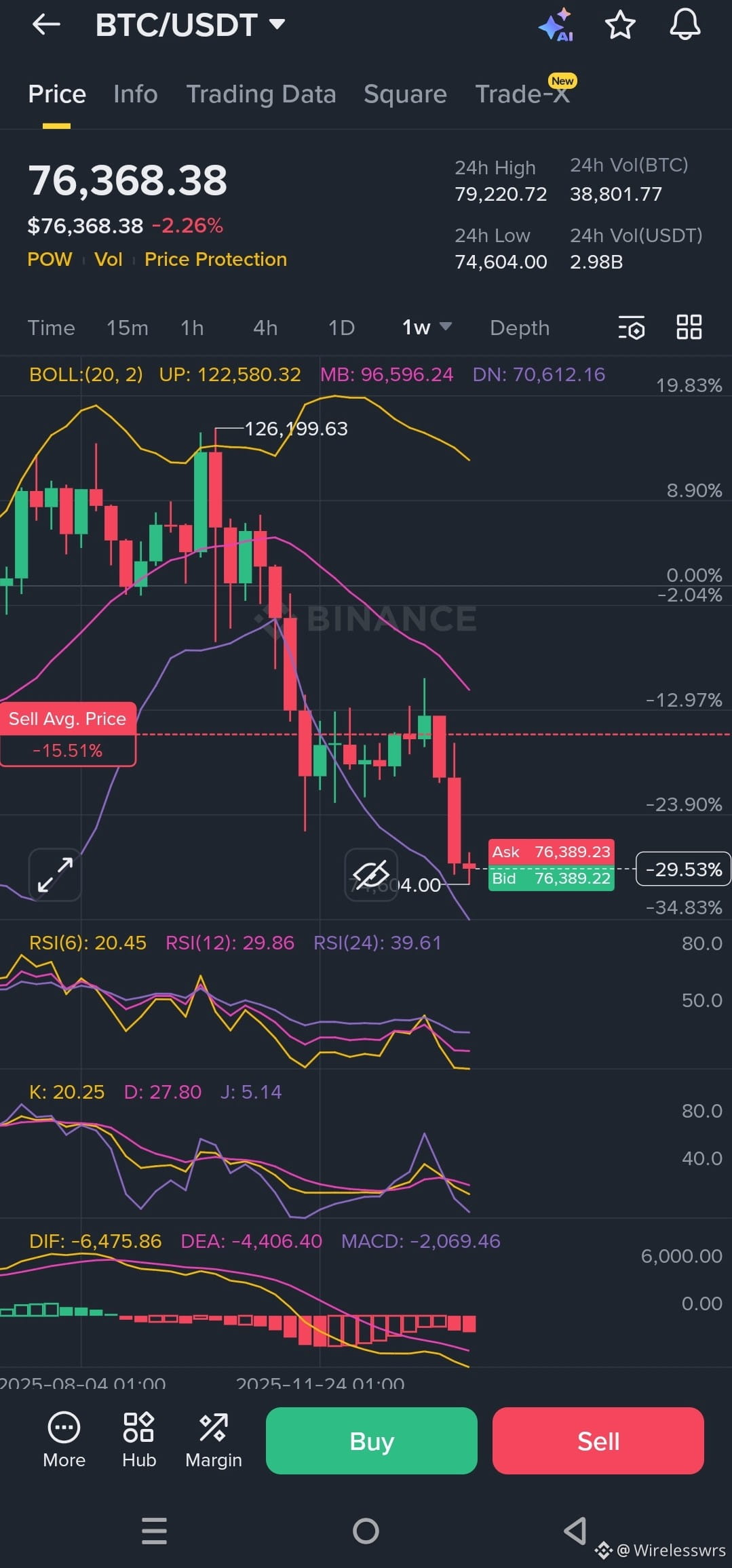
BTCは先週、$77,000を下回る弱気の価格で2026年に初めての史上最低値(ATL)を記録しました。先週の市場価格に何が影響したと思いますか?今週の市場の進展はどうなると思いますか?今週は弱気の市場を予想すべきでしょうか、それとも強気の市場を予想すべきでしょうか。
あなたのアイデアを下にコメントしてください。
#Binance #BinanceSquareFamily #BTC
BTCは先週、$77,000を下回る弱気の価格で2026年に初めての史上最低値(ATL)を記録しました。先週の市場価格に何が影響したと思いますか?今週の市場の進展はどうなると思いますか?今週は弱気の市場を予想すべきでしょうか、それとも強気の市場を予想すべきでしょうか。
あなたのアイデアを下にコメントしてください。
#Binance #BinanceSquareFamily #BTC
あなたのアイデアを下にコメントしてください。
#Binance #BinanceSquareFamily #BTC
1
26
ログインして、さらにコンテンツを読む
厳選トピックで世界の暗号資産トレーダーの仲間入り
⚡️ 暗号資産に関する最新かつ有益な情報が見つかります。
💬 世界最大の暗号資産取引所から信頼されています。
👍 認証を受けたクリエイターから、有益なインサイトを得られます。
メール / 電話番号
トレンドトピック
SECReceivesGrayscaleLitecoinTrustETFFiling
閲覧回数 26,980
539人が討論中
💎 投資家の関心がライトコインに集まる
グレイスケールのETF申請により、$LTCはより大きな話題の中心に入りました。現物取引を行う人にとって、このような出来事は、エントリーする前に強固な資産を見極めて学ぶべきだという注意喚起になります。
#secreceivesgrayscalelitecointrustetffiling
CryptoMahibaloch
·いいね:1件
·閲覧回数 1k
ClarityActFacesProceduralVoteSept15
閲覧回数 132,106
1,524人が討論中
US10YearTreasuryYieldNears5%
閲覧回数 44,905
789人が討論中