
Vy Million
1.8k 投稿

Vy Million
報告
ユーザーをブロック
Cashback | Full-time Crypto | Since 2019 🌐 Zero → Financial Freedom via Crypto 🚀 BNB Diamond Hand | Binance Affiliate Partner |X: @vy_million
取引を発注

BNBホルダー
高頻度トレーダー
6.6年
215 フォロー
4.9K+ フォロワー
3.2K+ いいね
投稿
ポートフォリオ
すべて
引用
動画
ライブ
PINNED
·
--
ありがとう、web3
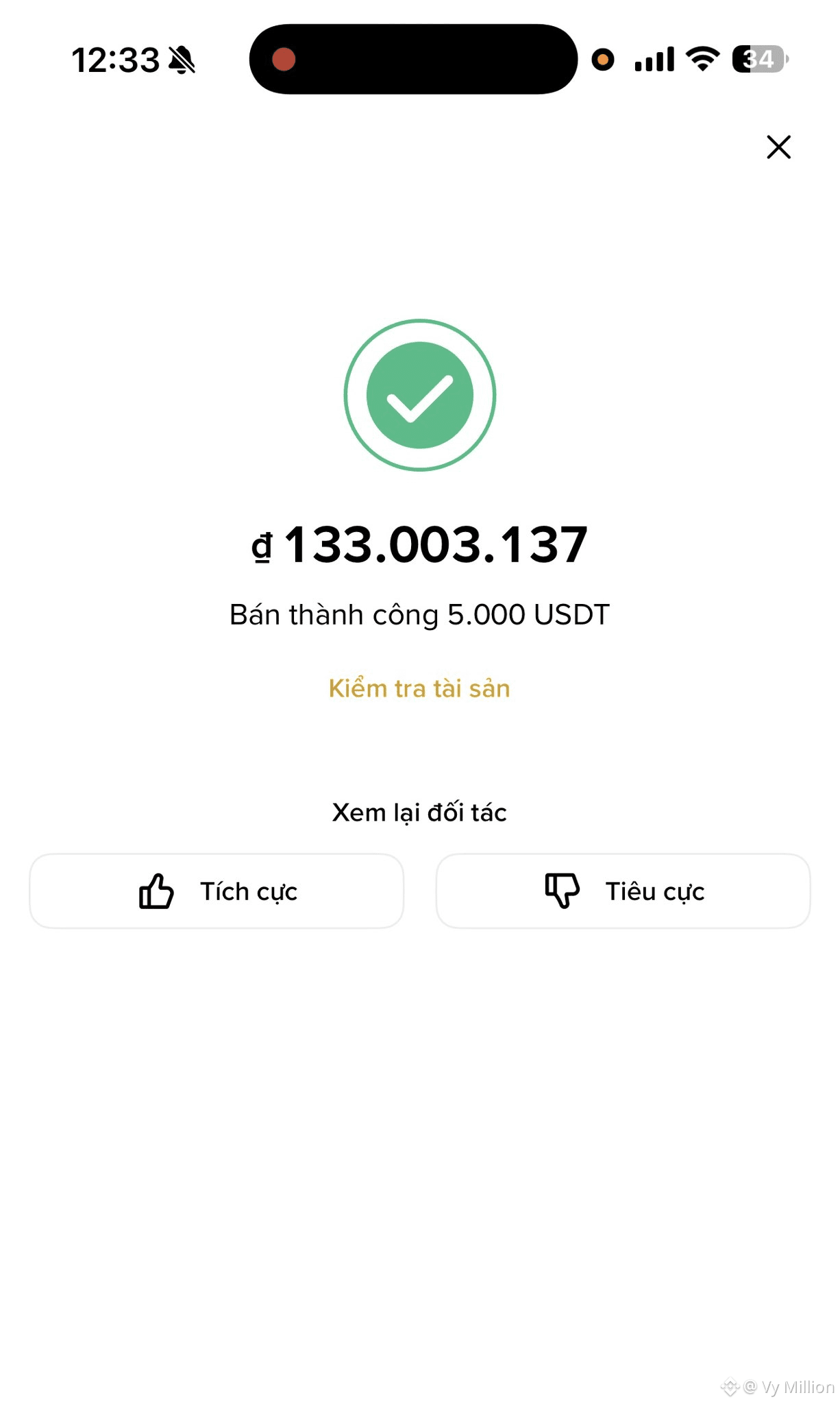
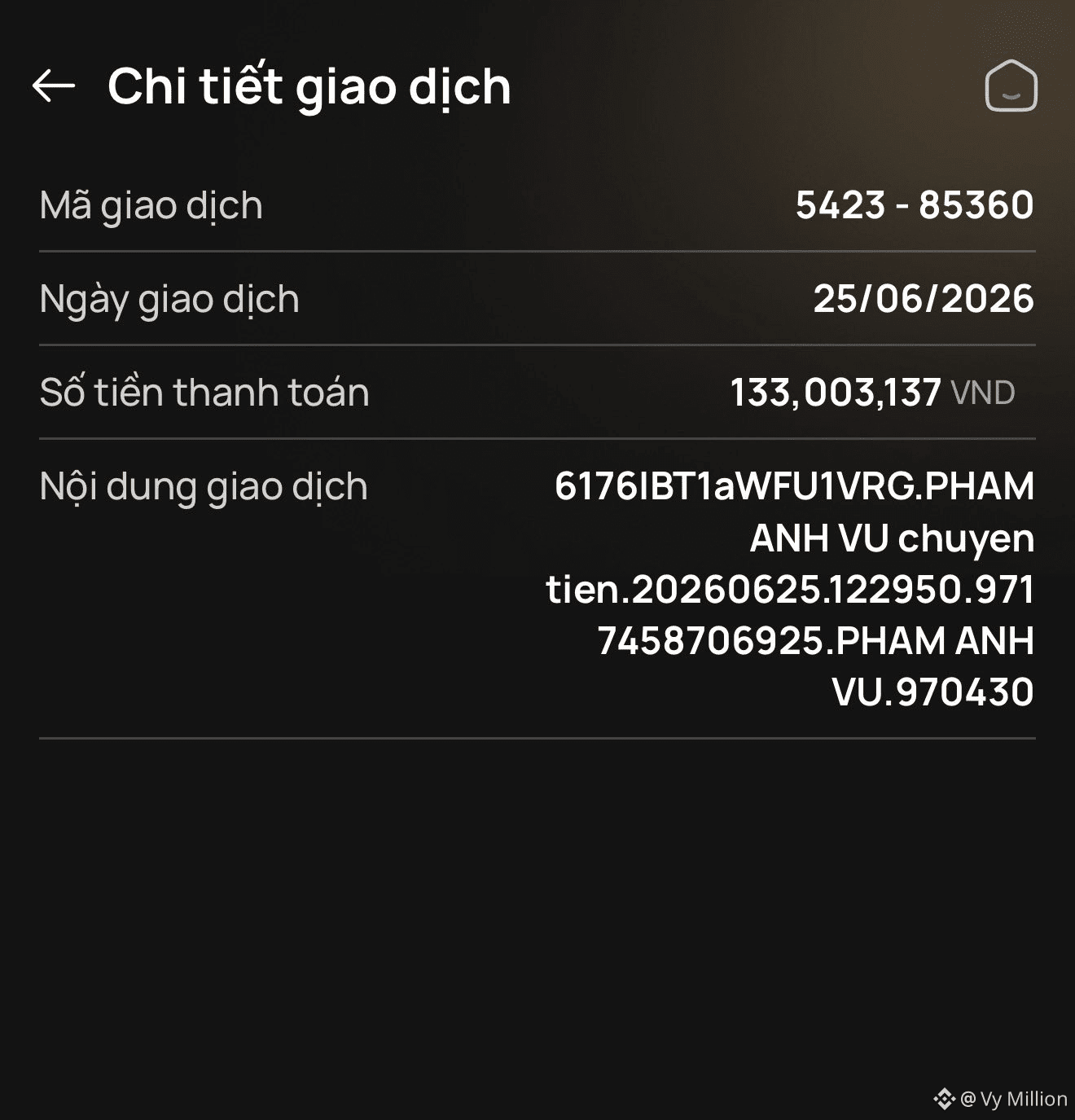
今日ちょうどBinanceでP2Pの出金をテストしてきたところ。信頼できる商人に当たって、2分で完了した
自分は2017年からVietcombankを使ってて、出金は数百万、数千万、数億、さらには10億単位のお金も問題なくできてる。みんなVietcombankを検討してみてもいいと思うよ
出金額は他の大きなKOLほど多くないけど、自分は「暗号資産(crypto)やweb3、あるいはmmoに関する仕事」で生活できる自信はある。職業としては何て呼んでもいいよ。自分は職人肌で、トレードもやるし、コンテンツ作成、エアドロップ、ゲームファイ(GameFi)系も全部参加してる。これが自分の本業だから。
自分は他の人みたいに凄い指値注文を自慢できないかもしれないけど、自分がやれていることを率直に共有すること、そしてみんなが稼ぐ方法を共有することに関しては、匿名で顔を隠しているどんなKOLにも負けないと思ってる。
自分ができることは全部話すよ。たとえば最近は1人が初期資金が100ドルもないところから、ボーナスで1200ドル稼げるよう手伝って、洗い出して800ドルまでできた。それから最近は、新しくアフィリエイトを始める人向けのグループも作った。すぐに使える超簡単な案件を用意して、元手ゼロで200ドル稼げるようにした。必要なのは、一定数の人を招待することだけ。でも、みんな意外と誰もやろうとしない。自分は「やった分だけ得する」って考え方だから、少しずつでも続けるのが大事だと思う。ずっとここで待ってx10やx100のチャンスを待つだけって何だろう?
最初の目的は、グループを作って仲間と共有して、案件が来たらみんなが得をする形にしたかったのに、みんながあまり乗ってくれなくて、自分は案件探しに時間を使ってしまうことがあって、正直ちょっと気持ちがしんどい。これからもコミュニティに共有を続けるべきか、みんなアドバイスしてくれない?
$BTC $BNB
{future}(BNBUSDT)
{future}(BTCUSDT)
#p2p
ありがとう、web3
今日ちょうどBinanceでP2Pの出金をテストしてきたところ。信頼できる商人に当たって、2分で完了した
自分は2017年からVietcombankを使ってて、出金は数百万、数千万、数億、さらには10億単位のお金も問題なくできてる。みんなVietcombankを検討してみてもいいと思うよ
出金額は他の大きなKOLほど多くないけど、自分は「暗号資産(crypto)やweb3、あるいはmmoに関する仕事」で生活できる自信はある。職業としては何て呼んでもいいよ。自分は職人肌で、トレードもやるし、コンテンツ作成、エアドロップ、ゲームファイ(GameFi)系も全部参加してる。これが自分の本業だから。
自分は他の人みたいに凄い指値注文を自慢できないかもしれないけど、自分がやれていることを率直に共有すること、そしてみんなが稼ぐ方法を共有することに関しては、匿名で顔を隠しているどんなKOLにも負けないと思ってる。
自分ができることは全部話すよ。たとえば最近は1人が初期資金が100ドルもないところから、ボーナスで1200ドル稼げるよう手伝って、洗い出して800ドルまでできた。それから最近は、新しくアフィリエイトを始める人向けのグループも作った。すぐに使える超簡単な案件を用意して、元手ゼロで200ドル稼げるようにした。必要なのは、一定数の人を招待することだけ。でも、みんな意外と誰もやろうとしない。自分は「やった分だけ得する」って考え方だから、少しずつでも続けるのが大事だと思う。ずっとここで待ってx10やx100のチャンスを待つだけって何だろう?
最初の目的は、グループを作って仲間と共有して、案件が来たらみんなが得をする形にしたかったのに、みんながあまり乗ってくれなくて、自分は案件探しに時間を使ってしまうことがあって、正直ちょっと気持ちがしんどい。これからもコミュニティに共有を続けるべきか、みんなアドバイスしてくれない?
$BTC $BNB
#p2p
今日ちょうどBinanceでP2Pの出金をテストしてきたところ。信頼できる商人に当たって、2分で完了した
自分は2017年からVietcombankを使ってて、出金は数百万、数千万、数億、さらには10億単位のお金も問題なくできてる。みんなVietcombankを検討してみてもいいと思うよ
出金額は他の大きなKOLほど多くないけど、自分は「暗号資産(crypto)やweb3、あるいはmmoに関する仕事」で生活できる自信はある。職業としては何て呼んでもいいよ。自分は職人肌で、トレードもやるし、コンテンツ作成、エアドロップ、ゲームファイ(GameFi)系も全部参加してる。これが自分の本業だから。
自分は他の人みたいに凄い指値注文を自慢できないかもしれないけど、自分がやれていることを率直に共有すること、そしてみんなが稼ぐ方法を共有することに関しては、匿名で顔を隠しているどんなKOLにも負けないと思ってる。
自分ができることは全部話すよ。たとえば最近は1人が初期資金が100ドルもないところから、ボーナスで1200ドル稼げるよう手伝って、洗い出して800ドルまでできた。それから最近は、新しくアフィリエイトを始める人向けのグループも作った。すぐに使える超簡単な案件を用意して、元手ゼロで200ドル稼げるようにした。必要なのは、一定数の人を招待することだけ。でも、みんな意外と誰もやろうとしない。自分は「やった分だけ得する」って考え方だから、少しずつでも続けるのが大事だと思う。ずっとここで待ってx10やx100のチャンスを待つだけって何だろう?
最初の目的は、グループを作って仲間と共有して、案件が来たらみんなが得をする形にしたかったのに、みんながあまり乗ってくれなくて、自分は案件探しに時間を使ってしまうことがあって、正直ちょっと気持ちがしんどい。これからもコミュニティに共有を続けるべきか、みんなアドバイスしてくれない?
$BTC $BNB
#p2p
3
8
2.1k
PINNED
·
--

記事
数億を持っているが車を買う勇気がなかった。キャッシュフローができて初めて経済的自由を理解した「経済的自由」という言葉は、多くの人が追い求めているフレーズだ。これを聞くと、多くの人は100万ドル、200万ドル、あるいはそれ以上の数字を思い浮かべるだろう。昔の俺もそうだった。
でも、本当に経済的自由の定義を理解しているのか?
では、具体的にあなた自身のケースで経済的自由がどうなるか理解できている?
数億を持っているが車を買う勇気がなかった。キャッシュフローができて初めて経済的自由を理解した
「経済的自由」という言葉は、多くの人が追い求めているフレーズだ。これを聞くと、多くの人は100万ドル、200万ドル、あるいはそれ以上の数字を思い浮かべるだろう。昔の俺もそうだった。
でも、本当に経済的自由の定義を理解しているのか?
では、具体的にあなた自身のケースで経済的自由がどうなるか理解できている?
でも、本当に経済的自由の定義を理解しているのか?
では、具体的にあなた自身のケースで経済的自由がどうなるか理解できている?
5
16
10.2k
·
--
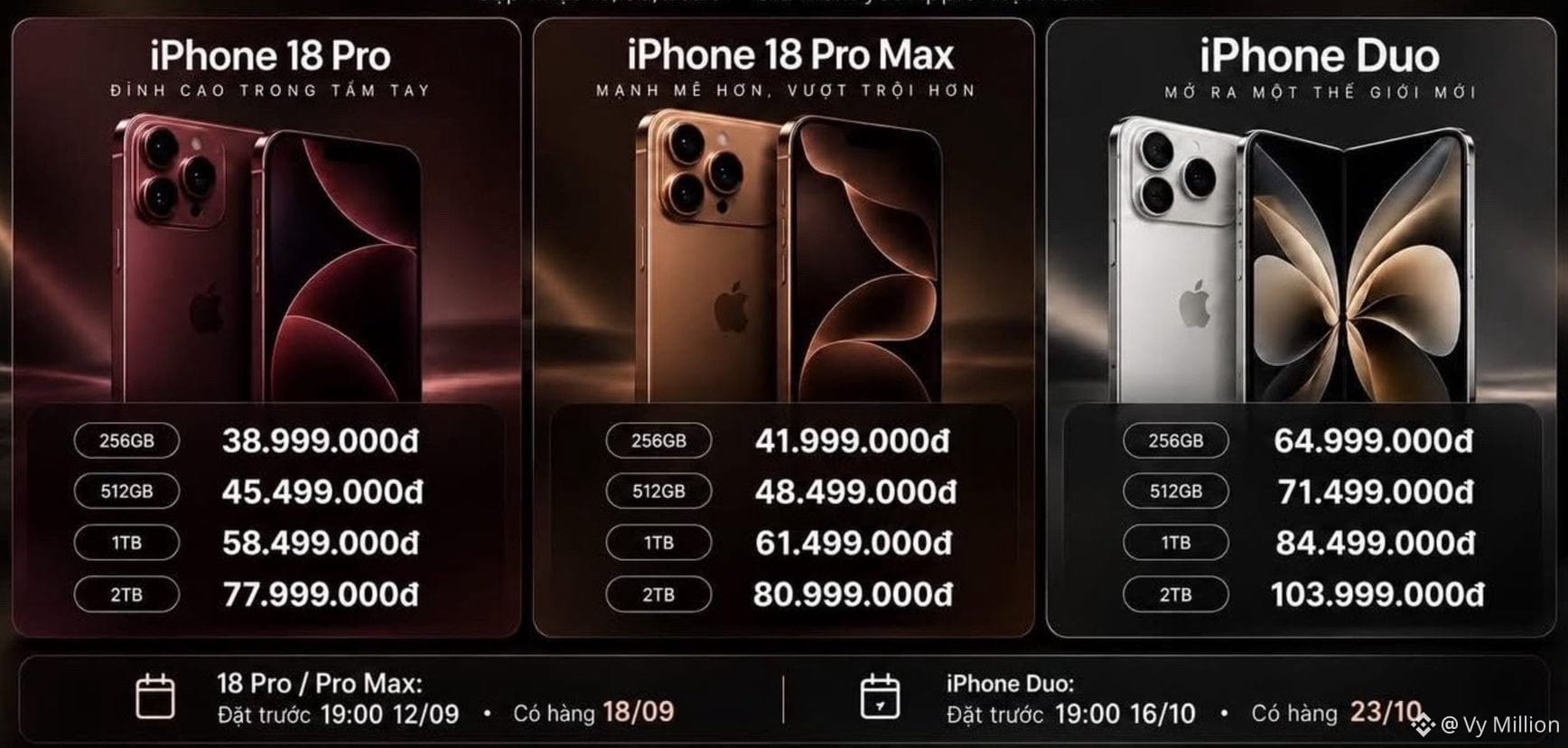
通貨が下落しているのか、それともiPhoneが値上がりしているのか?
去年、最安の17 Pro Maxは38,000,000ドンでした。今年は18 Pro Maxが42,000,000ドンまで上がりました。それから
$BTC
{future}(BTCUSDT)
$ETH
{future}(ETHUSDT)
$BNB
{future}(BNBUSDT)
通貨が下落しているのか、それともiPhoneが値上がりしているのか?
去年、最安の17 Pro Maxは38,000,000ドンでした。今年は18 Pro Maxが42,000,000ドンまで上がりました。それから
$BTC
$ETH
$BNB
去年、最安の17 Pro Maxは38,000,000ドンでした。今年は18 Pro Maxが42,000,000ドンまで上がりました。それから
$BTC
$ETH
$BNB
1
1.7k
·
--
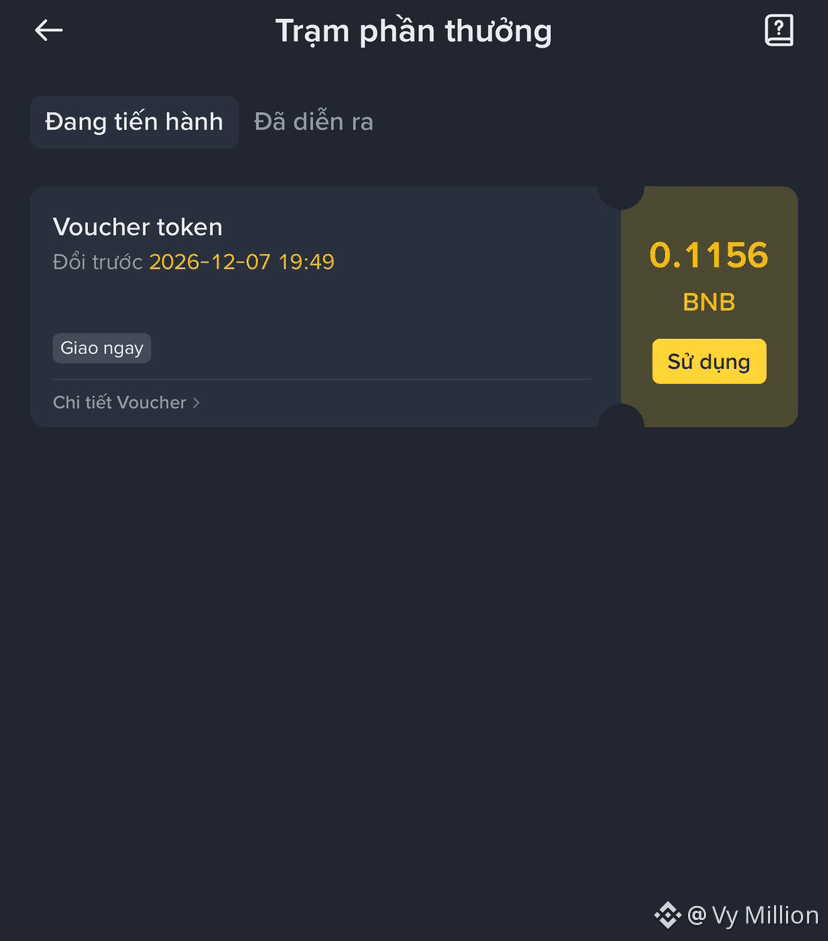
さらにお金を袋に入れて2,000,000円以上($BNB )
@binance_vietnam が主催するP2Pについてのクリエイターパッドに参加した後
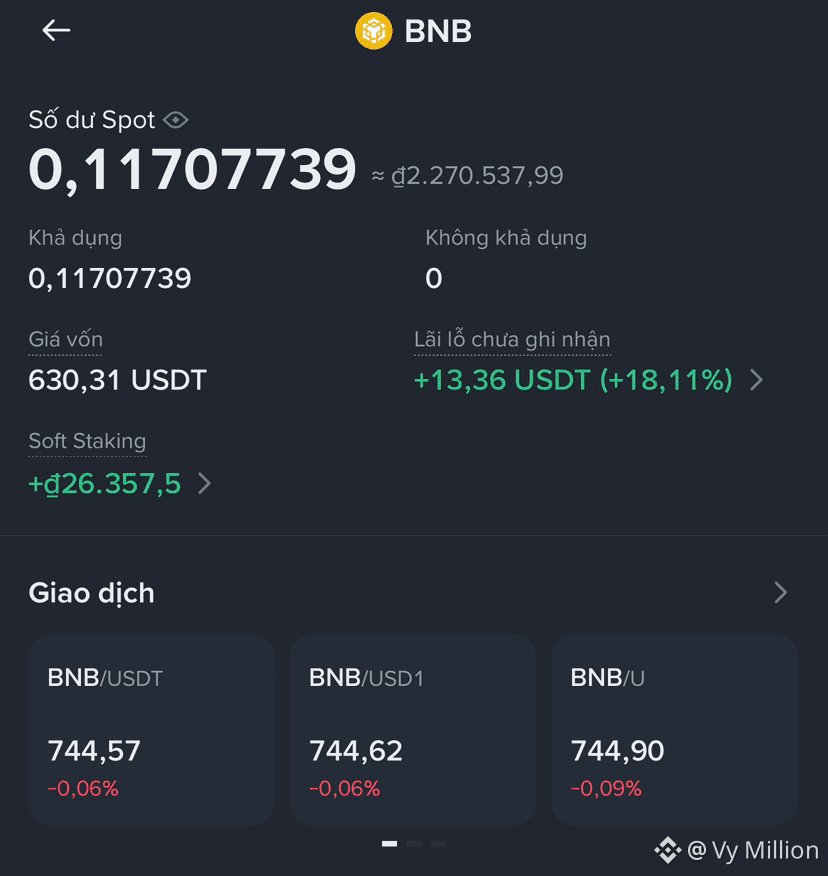
1日書き忘れてしまったのに、うまくいってどこかの上位20位あたりをうろうろしていて、0.11($BNB )を無料でもらえました。かかったのは記事を書く手間だけで、投資はいっさい不要です。
これは、暗号資産(クリプト)市場を学び、接し始める初心者にとても良い方法です($BTC )
{future}(BTCUSDT)
$BNB
{future}(BNBUSDT)
さらにお金を袋に入れて2,000,000円以上($BNB )
@binance_vietnam が主催するP2Pについてのクリエイターパッドに参加した後
1日書き忘れてしまったのに、うまくいってどこかの上位20位あたりをうろうろしていて、0.11($BNB )を無料でもらえました。かかったのは記事を書く手間だけで、投資はいっさい不要です。
これは、暗号資産(クリプト)市場を学び、接し始める初心者にとても良い方法です($BTC )
$BNB
@binance_vietnam が主催するP2Pについてのクリエイターパッドに参加した後
1日書き忘れてしまったのに、うまくいってどこかの上位20位あたりをうろうろしていて、0.11($BNB )を無料でもらえました。かかったのは記事を書く手間だけで、投資はいっさい不要です。
これは、暗号資産(クリプト)市場を学び、接し始める初心者にとても良い方法です($BTC )
$BNB
2
5
5.1k
·
--
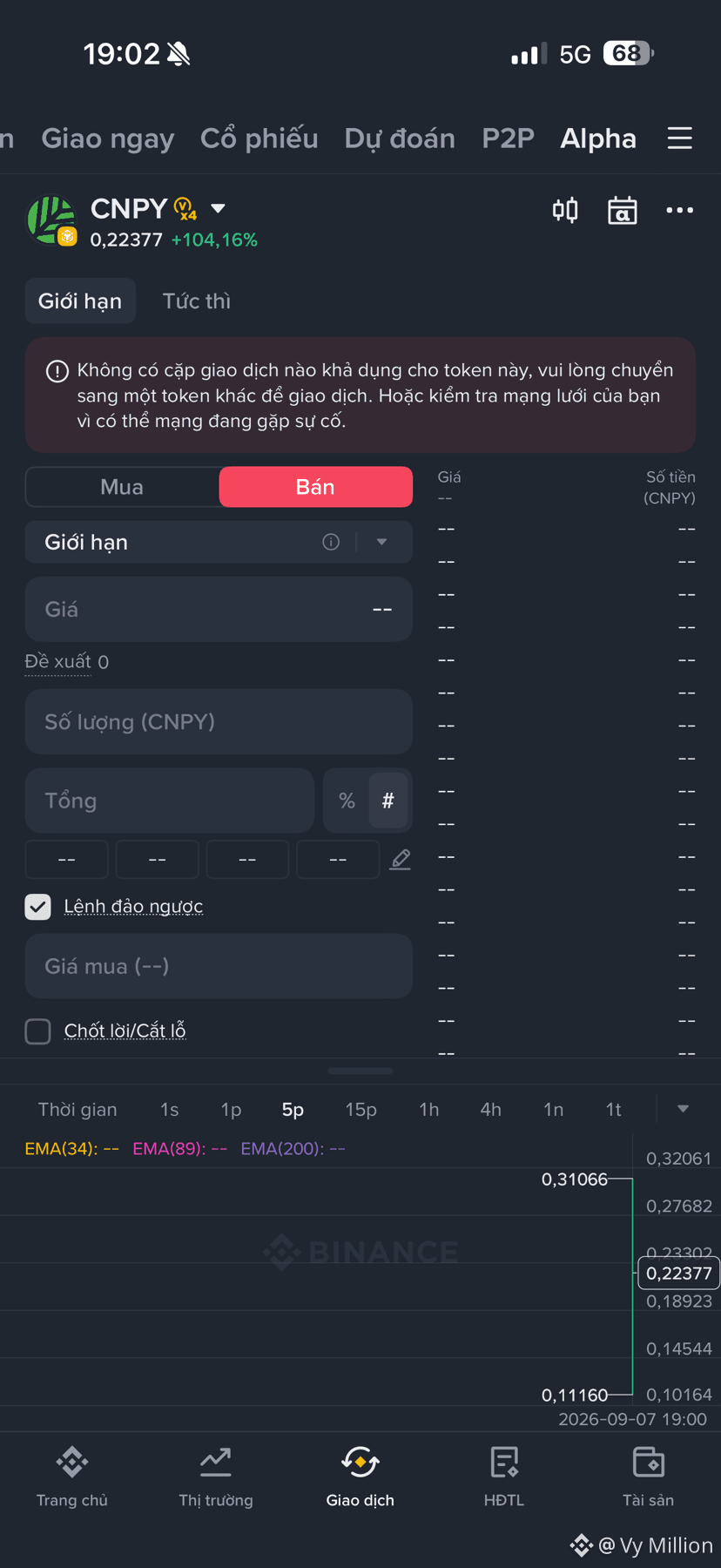
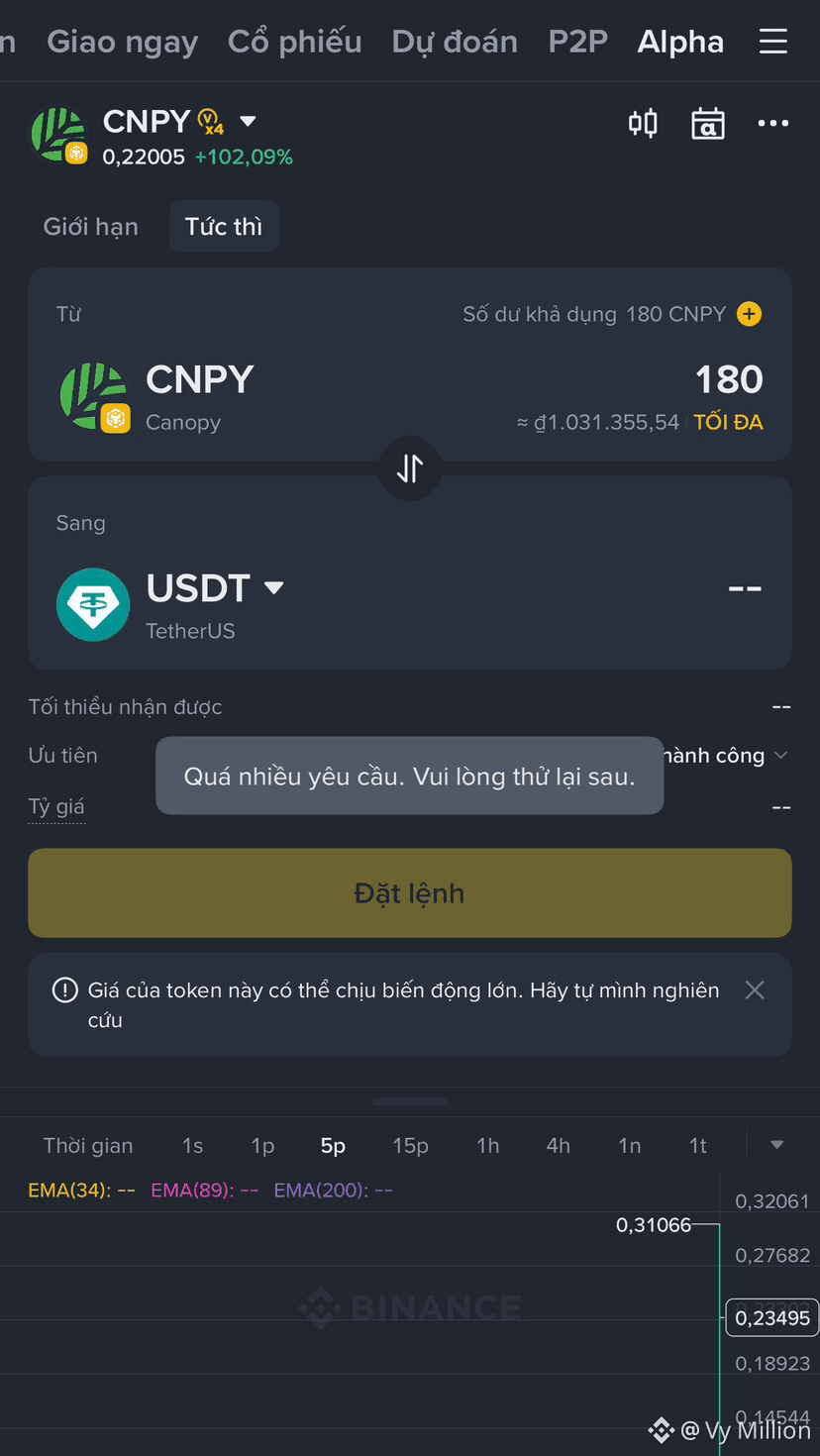
売らせずにエアドロップを受け取る方法ってあるの?🥹 $BTC
{future}(BTCUSDT)
$ETH
{future}(ETHUSDT)
売らせずにエアドロップを受け取る方法ってあるの?🥹 $BTC
$ETH
$ETH
1.1k
·
--
$BTC 403.3 USDT(30日間の取引)
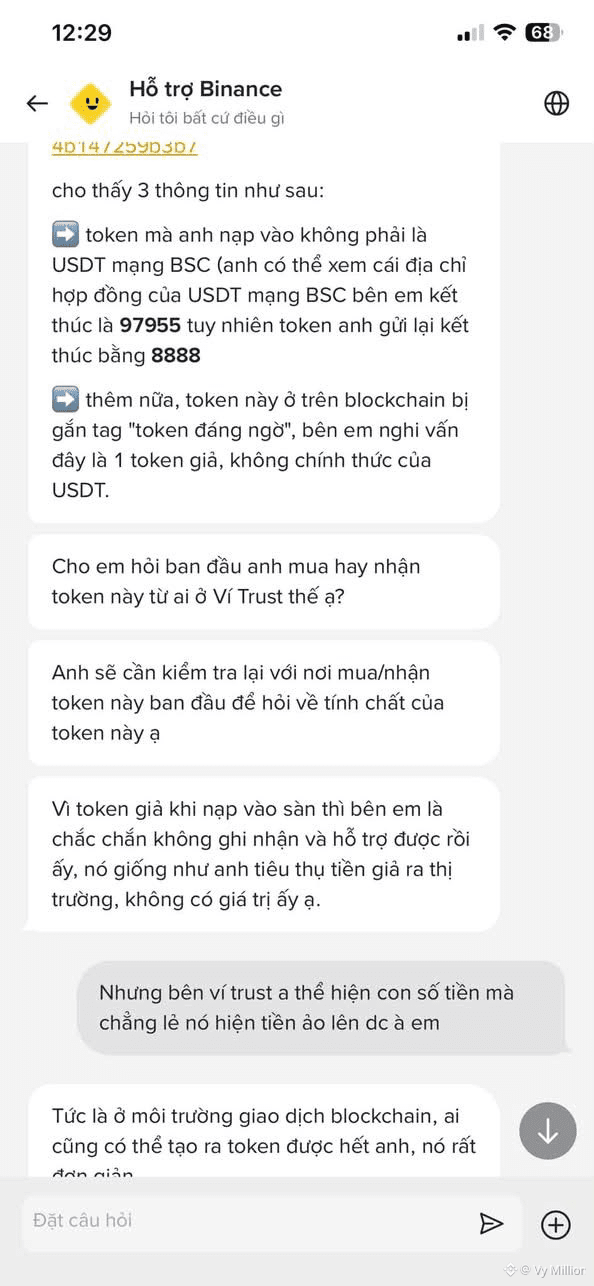
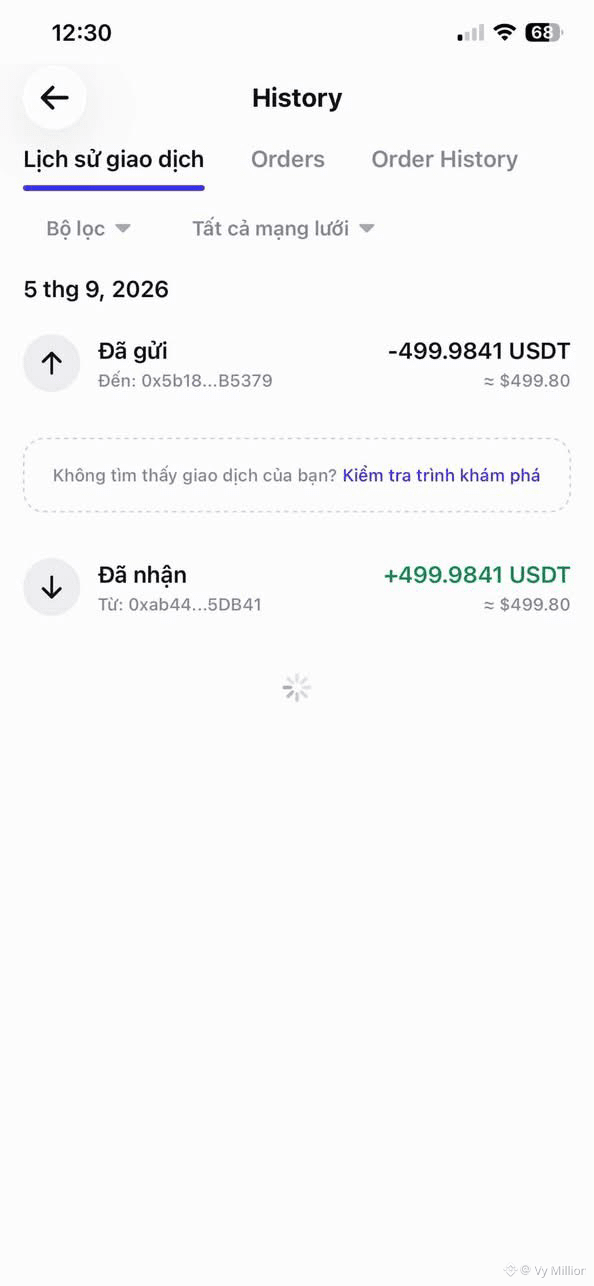
ビンナンスでの詐欺一歩手前の出来事、被害者は500$を失う
偽の暗号資産はこちら。本物でもなく“幻”になっていて、さらに偽です——つまり、同じ名前のコインでも複数の偽コインがあり得ますが、見分けやすくなっています。従来の方法としては、コントラクトのアドレスを確認するだけでOK。違っていれば、それは偽トークンである可能性が高く、すぐにチェックできます。
別の、より安全な方法としては、入金するなら仲間たちにはBinanceのスポット口座に送ってください。Web3ウォレットには送らないことです。取引所に送る場合、検閲(審査)されたコインだけが表示されます。一方、Binanceウォレット、Trust、MetamaskのようなWeb3ウォレットでは、どんなコインを送っても全部表示されてしまいます。表示されるのは名前だけで、コントラクトを確認できないので、すぐにお金を失ってしまいます $BTC
ビンナンスでの詐欺一歩手前の出来事、被害者は500$を失う
偽の暗号資産はこちら。本物でもなく“幻”になっていて、さらに偽です——つまり、同じ名前のコインでも複数の偽コインがあり得ますが、見分けやすくなっています。従来の方法としては、コントラクトのアドレスを確認するだけでOK。違っていれば、それは偽トークンである可能性が高く、すぐにチェックできます。
別の、より安全な方法としては、入金するなら仲間たちにはBinanceのスポット口座に送ってください。Web3ウォレットには送らないことです。取引所に送る場合、検閲(審査)されたコインだけが表示されます。一方、Binanceウォレット、Trust、MetamaskのようなWeb3ウォレットでは、どんなコインを送っても全部表示されてしまいます。表示されるのは名前だけで、コントラクトを確認できないので、すぐにお金を失ってしまいます $BTC
偽の暗号資産はこちら。本物でもなく“幻”になっていて、さらに偽です——つまり、同じ名前のコインでも複数の偽コインがあり得ますが、見分けやすくなっています。従来の方法としては、コントラクトのアドレスを確認するだけでOK。違っていれば、それは偽トークンである可能性が高く、すぐにチェックできます。
別の、より安全な方法としては、入金するなら仲間たちにはBinanceのスポット口座に送ってください。Web3ウォレットには送らないことです。取引所に送る場合、検閲(審査)されたコインだけが表示されます。一方、Binanceウォレット、Trust、MetamaskのようなWeb3ウォレットでは、どんなコインを送っても全部表示されてしまいます。表示されるのは名前だけで、コントラクトを確認できないので、すぐにお金を失ってしまいます $BTC
4
2.7k
·
--
何ですか?
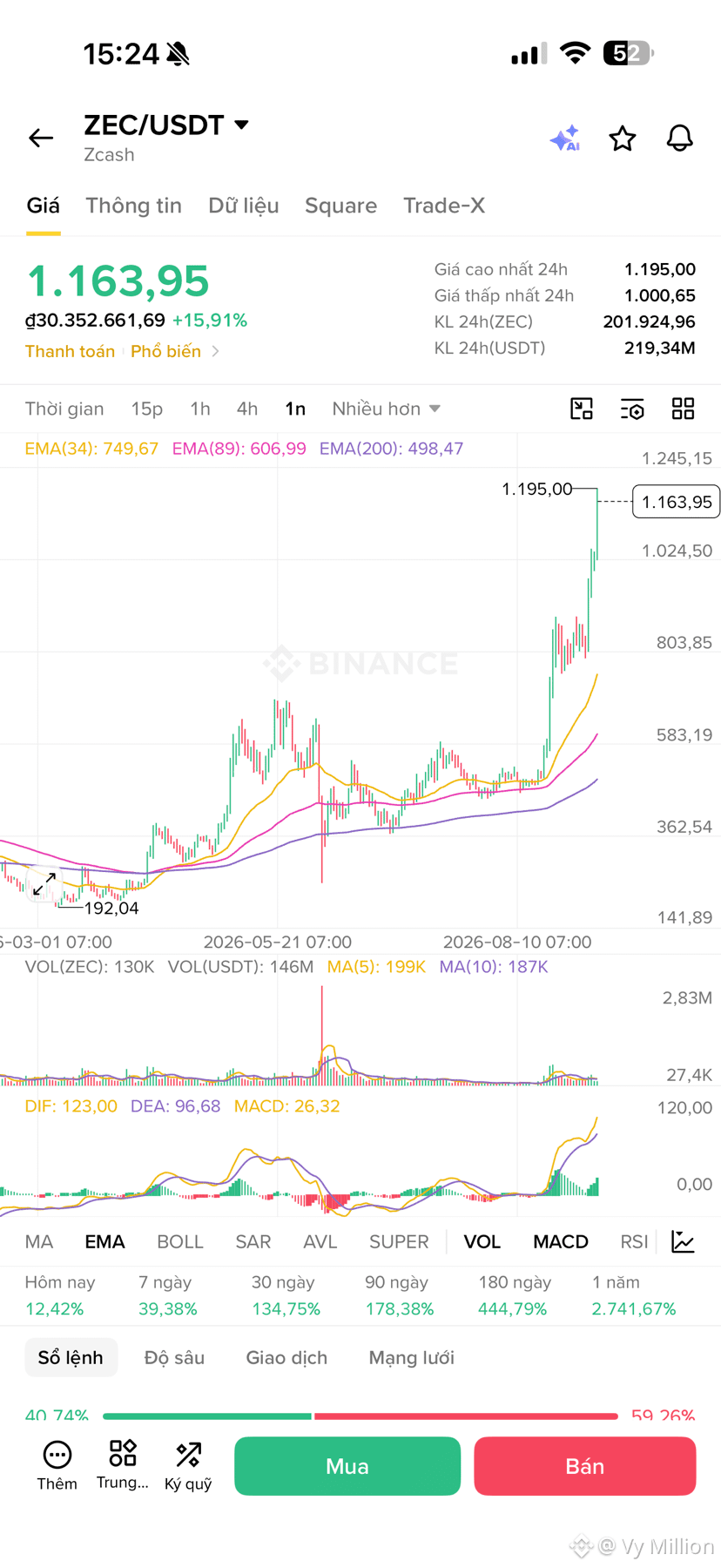
何年にもわたって成長し、下降トレンドでも下がる気配がまったくなく、それほど名前を挙げられないコイン
おそらく$ZEC
{future}(ZECUSDT)
持続的な上昇は$ETH よりもさらに良い
{future}(ETHUSDT)
そして$BNB
{future}(BNBUSDT)
何ですか?
何年にもわたって成長し、下降トレンドでも下がる気配がまったくなく、それほど名前を挙げられないコイン
おそらく$ZEC
持続的な上昇は$ETH よりもさらに良い
そして$BNB
何年にもわたって成長し、下降トレンドでも下がる気配がまったくなく、それほど名前を挙げられないコイン
おそらく$ZEC
持続的な上昇は$ETH よりもさらに良い
そして$BNB
2
1.1k
·
--
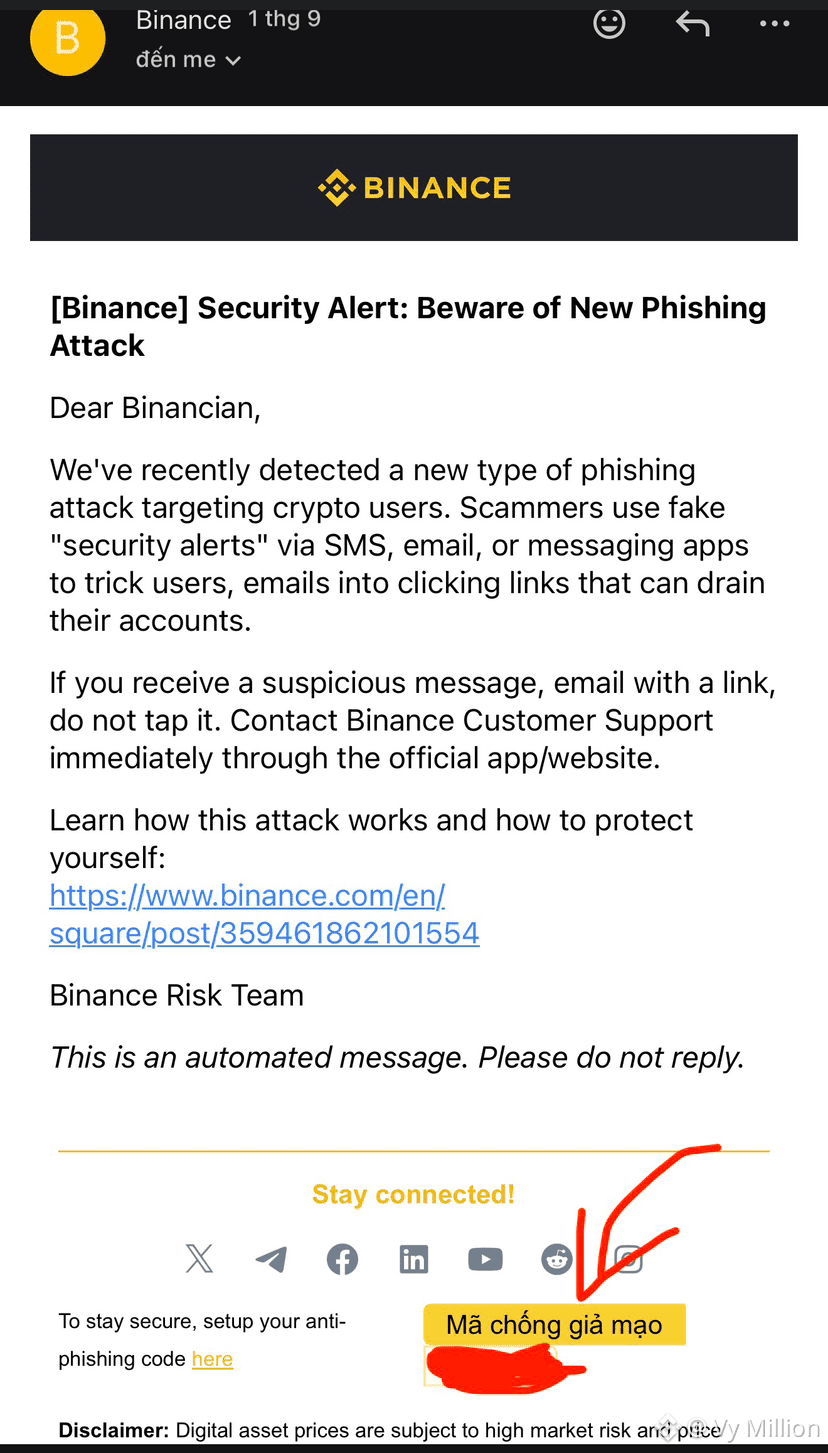
🚨 ハッカーがバイナンス利用者を狙う「新しい方法」についての警告メールを受け取りました。
暗号資産を始めたばかりの方は、どうかご注意ください。
ハッカーは、バイナンスになりすました偽メールを送る可能性があります。アカウントに問題があるとして、リンクをクリックして「保護」または「確認」するよう求めます。
リンクはクリックしないでください。
自分を守るための簡単な方法はこちら:
🔐 バイナンスのアカウント → セキュリティ → フィッシング対策コード。
自分だけの固有コードを作成し、絶対に誰にも共有しないでください。
その後、正規のバイナンスのメールには、あなたの個人用のフィッシング対策コードが含まれます。
❌ コードがなければ、偽メールとして扱ってください。
メールが100%本物に見えても、行動する前に必ず確認してください。
安全に過ごして、安全に取引しましょう。 🛡️$BTC
{future}(BTCUSDT)
$ETH
{future}(ETHUSDT)
🚨 ハッカーがバイナンス利用者を狙う「新しい方法」についての警告メールを受け取りました。
暗号資産を始めたばかりの方は、どうかご注意ください。
ハッカーは、バイナンスになりすました偽メールを送る可能性があります。アカウントに問題があるとして、リンクをクリックして「保護」または「確認」するよう求めます。
リンクはクリックしないでください。
自分を守るための簡単な方法はこちら:
🔐 バイナンスのアカウント → セキュリティ → フィッシング対策コード。
自分だけの固有コードを作成し、絶対に誰にも共有しないでください。
その後、正規のバイナンスのメールには、あなたの個人用のフィッシング対策コードが含まれます。
❌ コードがなければ、偽メールとして扱ってください。
メールが100%本物に見えても、行動する前に必ず確認してください。
安全に過ごして、安全に取引しましょう。 🛡️$BTC
$ETH
暗号資産を始めたばかりの方は、どうかご注意ください。
ハッカーは、バイナンスになりすました偽メールを送る可能性があります。アカウントに問題があるとして、リンクをクリックして「保護」または「確認」するよう求めます。
リンクはクリックしないでください。
自分を守るための簡単な方法はこちら:
🔐 バイナンスのアカウント → セキュリティ → フィッシング対策コード。
自分だけの固有コードを作成し、絶対に誰にも共有しないでください。
その後、正規のバイナンスのメールには、あなたの個人用のフィッシング対策コードが含まれます。
❌ コードがなければ、偽メールとして扱ってください。
メールが100%本物に見えても、行動する前に必ず確認してください。
安全に過ごして、安全に取引しましょう。 🛡️$BTC
$ETH
3
1.2k
·
--
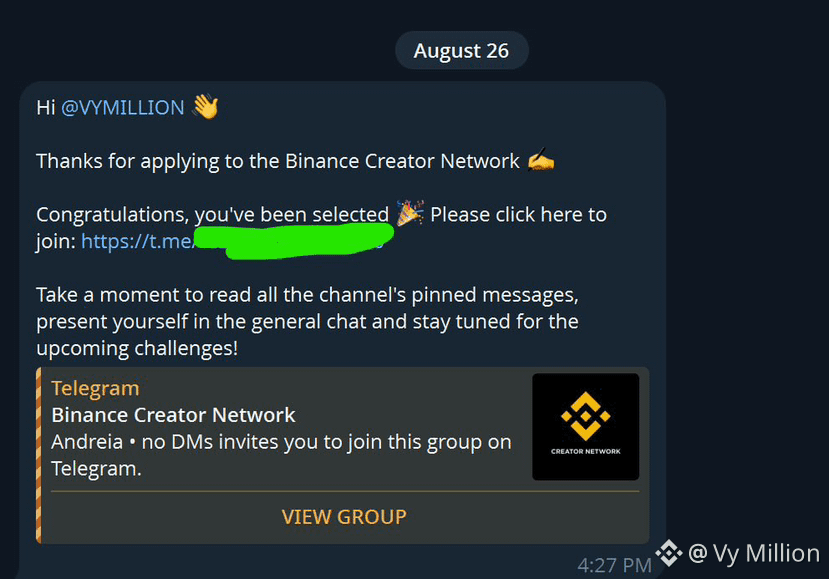
8月の終わりの数日で、うれしい知らせが届きました。🥹
ベトナムの暗号資産(クリプト)投資家にとって、これからの道のりは大変かもしれませんが、今日は、新しい旅を始めたことを誇らしく共有します。
私は、世界中の多くの才能あるKOLの皆さんとともに、Binance Content Creator Program に正式に選ばれました。🇻🇳🌎
@binance に感謝します。あなたは、今日まで私が達成してきたことの多くを生み出す出発点でした。
ここから先は、特にBinanceのエコシステムに関心のある方々に向けて、役に立つ、そして分かりやすいコンテンツをもっと発信できるよう最善を尽くします。
そして、Binanceのグッズが当たるプレゼント企画も、近々あるかもしれません。👀
フォローして、最新情報をお楽しみに!🚀 $BTC
{future}(BTCUSDT)
$BNB
{future}(BNBUSDT)
8月の終わりの数日で、うれしい知らせが届きました。🥹
ベトナムの暗号資産(クリプト)投資家にとって、これからの道のりは大変かもしれませんが、今日は、新しい旅を始めたことを誇らしく共有します。
私は、世界中の多くの才能あるKOLの皆さんとともに、Binance Content Creator Program に正式に選ばれました。🇻🇳🌎
@binance に感謝します。あなたは、今日まで私が達成してきたことの多くを生み出す出発点でした。
ここから先は、特にBinanceのエコシステムに関心のある方々に向けて、役に立つ、そして分かりやすいコンテンツをもっと発信できるよう最善を尽くします。
そして、Binanceのグッズが当たるプレゼント企画も、近々あるかもしれません。👀
フォローして、最新情報をお楽しみに!🚀 $BTC
$BNB
ベトナムの暗号資産(クリプト)投資家にとって、これからの道のりは大変かもしれませんが、今日は、新しい旅を始めたことを誇らしく共有します。
私は、世界中の多くの才能あるKOLの皆さんとともに、Binance Content Creator Program に正式に選ばれました。🇻🇳🌎
@binance に感謝します。あなたは、今日まで私が達成してきたことの多くを生み出す出発点でした。
ここから先は、特にBinanceのエコシステムに関心のある方々に向けて、役に立つ、そして分かりやすいコンテンツをもっと発信できるよう最善を尽くします。
そして、Binanceのグッズが当たるプレゼント企画も、近々あるかもしれません。👀
フォローして、最新情報をお楽しみに!🚀 $BTC
$BNB
1
3
1.3k
·
--
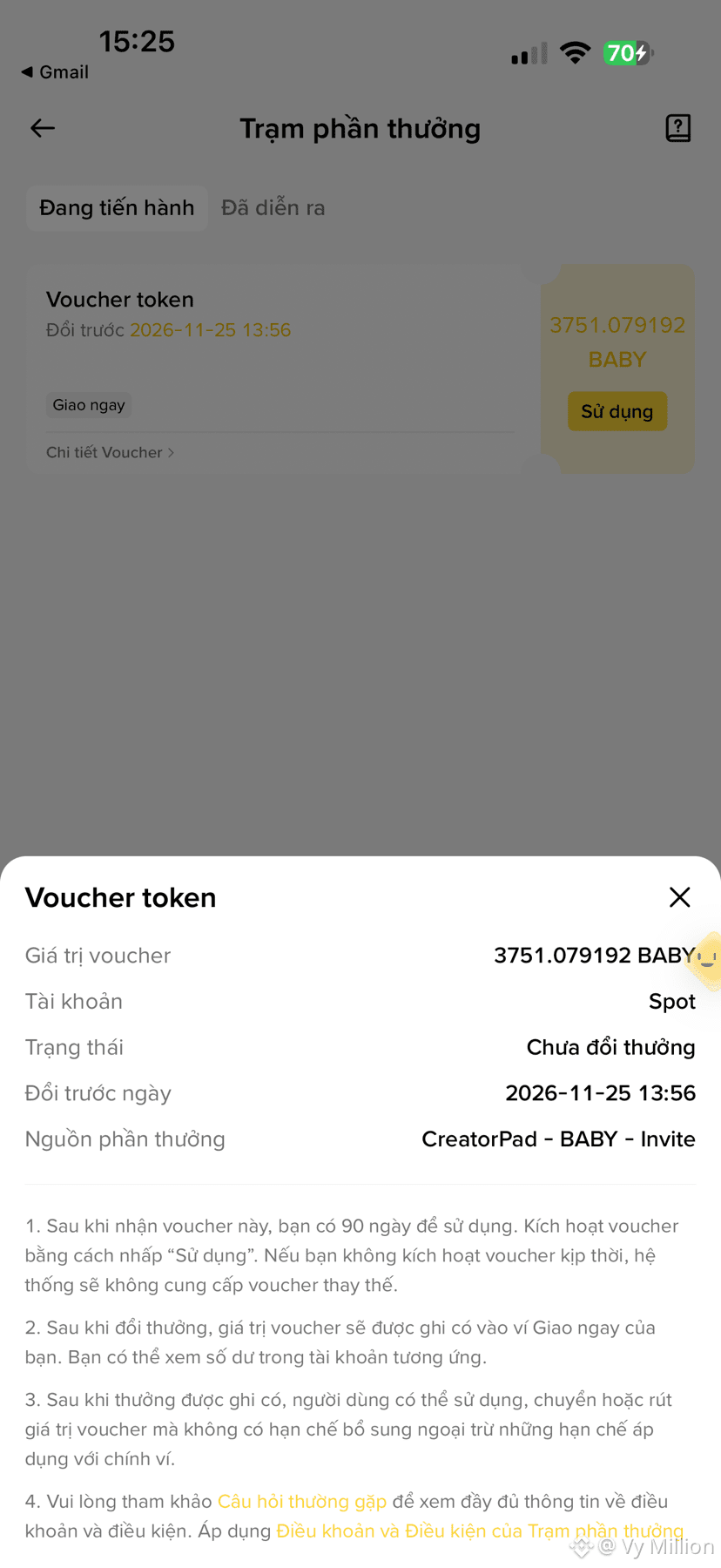
バイナンス今日またさらにお年玉(ギフト)$BABY
このcreator padの今回の企画に参加すると、なんとエアドロップが2回ももらえて、合計の販売(収益)もだいたい140ドル!各タスクは記事を書くだけでいいので簡単だよ #creatorpad
{future}(BABYUSDT)
バイナンス今日またさらにお年玉(ギフト)$BABY
このcreator padの今回の企画に参加すると、なんとエアドロップが2回ももらえて、合計の販売(収益)もだいたい140ドル!各タスクは記事を書くだけでいいので簡単だよ #creatorpad
このcreator padの今回の企画に参加すると、なんとエアドロップが2回ももらえて、合計の販売(収益)もだいたい140ドル!各タスクは記事を書くだけでいいので簡単だよ #creatorpad
3
2
1.4k
·
--
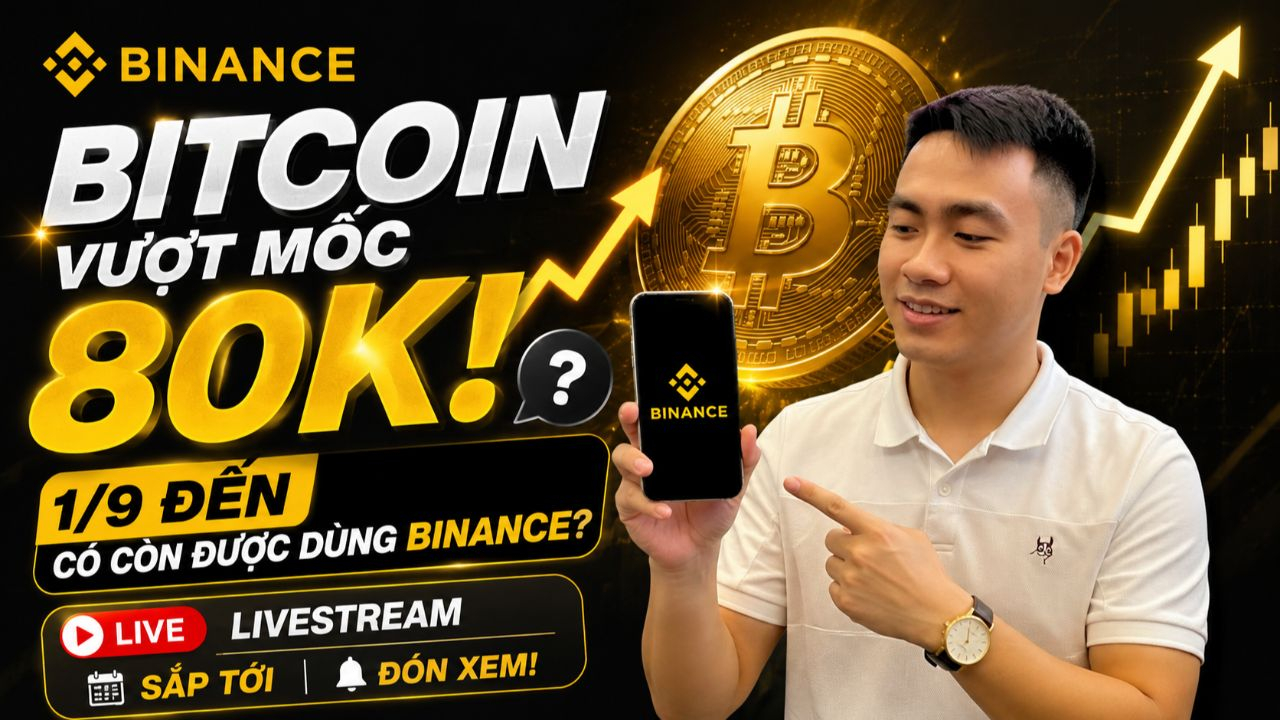
🎙️ ビットコインが8万ドルの節目を突破!1/9までにまだバイナンスで使える?
終了
01 時間 24 分 15 秒
227
1
0
·
--
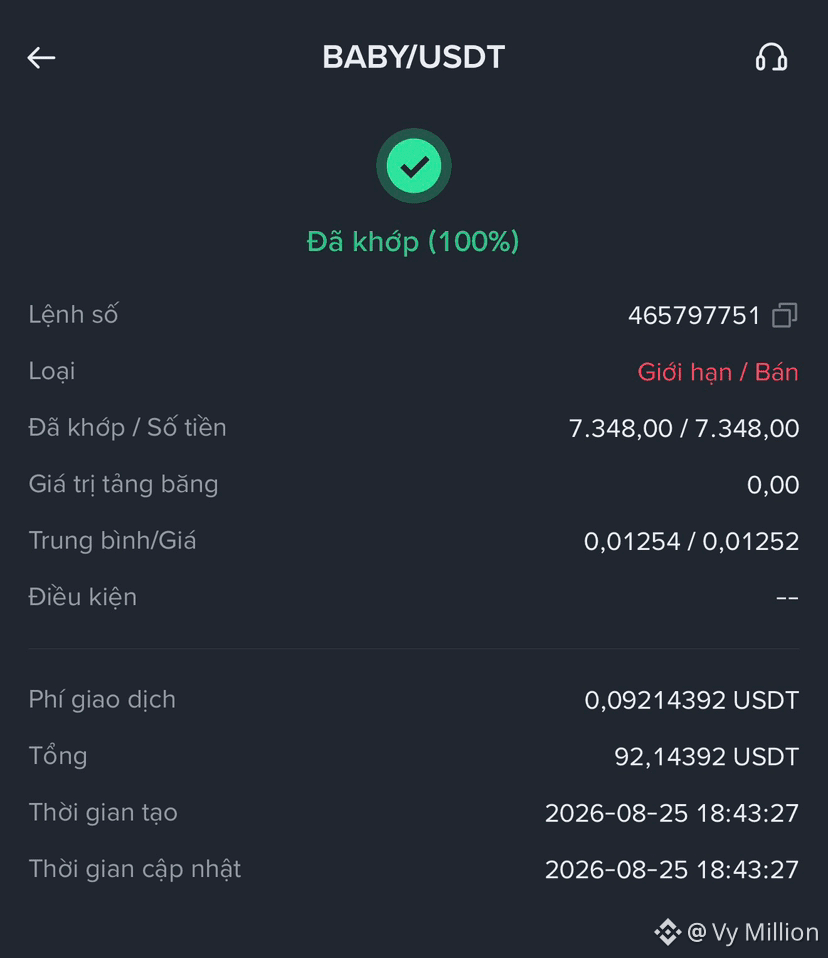
@binance のクリエイター パッド $BABY に感謝。めちゃくちゃ良い香りすぎる。自分のアカウントは上位トップではないけど、もうすぐ100ドルくらい。
トップ3の人は200ドルもらえるって本当?
#creatorpad
{future}(BABYUSDT)
@binance のクリエイター パッド $BABY に感謝。めちゃくちゃ良い香りすぎる。自分のアカウントは上位トップではないけど、もうすぐ100ドルくらい。
トップ3の人は200ドルもらえるって本当?
#creatorpad
トップ3の人は200ドルもらえるって本当?
#creatorpad
4
6
2.5k
·
--
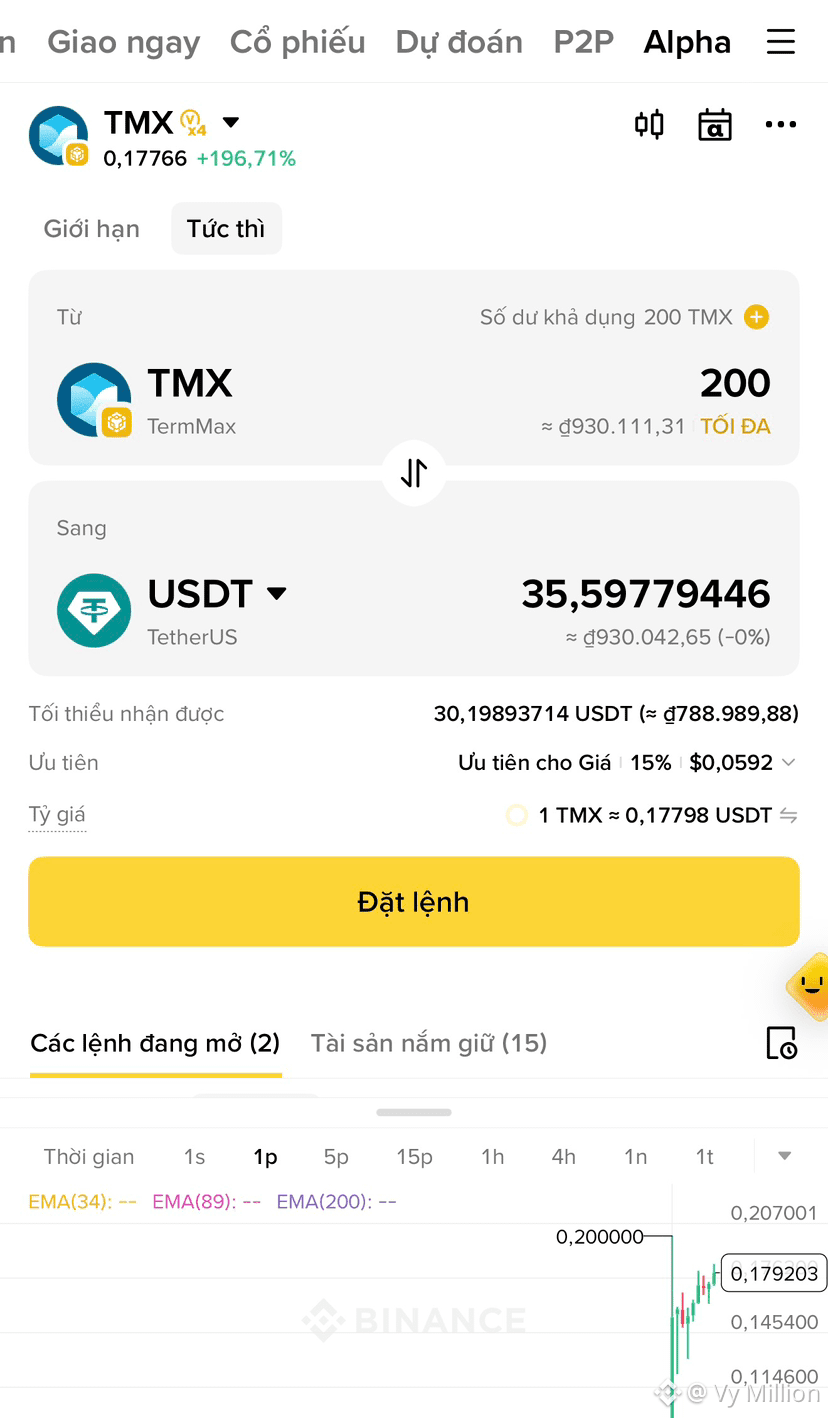
エアドロップのalphaは今日だけでこれだけです
ちょっと少ないですね
$BTC
{future}(BTCUSDT)
エアドロップのalphaは今日だけでこれだけです
ちょっと少ないですね
$BTC
ちょっと少ないですね
$BTC
1
1.1k
·
--
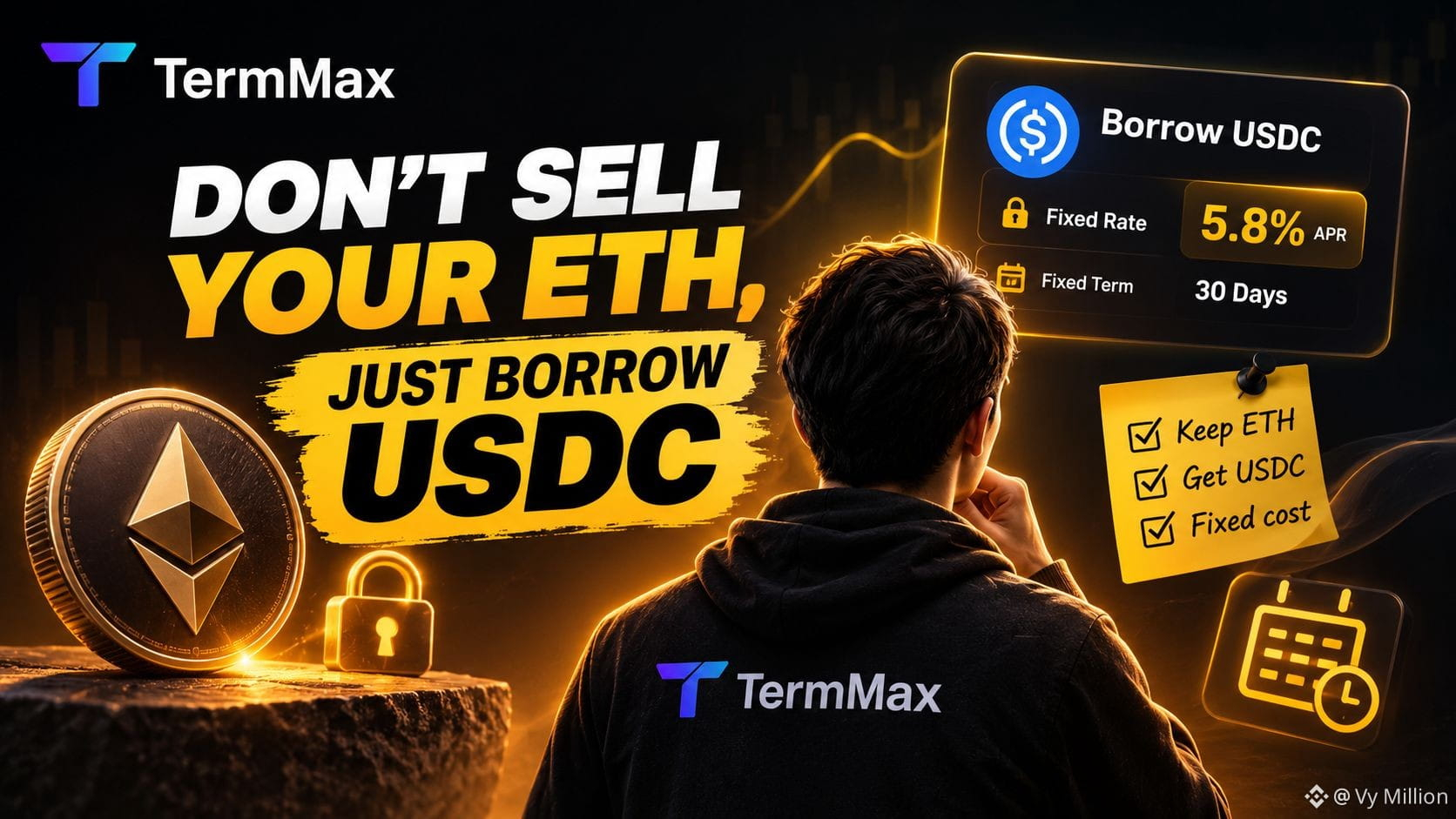
私はETHを売りたくありませんでした。必要だったのはUSDCです。
多くのDeFiユーザーが、いずれこのような状況に直面すると思います。
ETHへのエクスポージャーは維持したいのに、数か月分のUSDCが急に必要になる。
ETHを売るのは違和感があります。変動金利で借りるのも、コストが変わり続けるので気になってしまいます。
だからこそ、私にはTermMaxが理にかなって見えました。
私の注目点は、単にETHに対してUSDCを借りられることではありません。
固定金利・固定期間という構造です。
常に変動金利を見張る必要がなく、満期が定義されたマーケットを選んで、借入条件を事前に把握できます。
つまり、実際にはETHを売っているわけではありません。
資産の保有と短期の流動性を分けて考えられます。
ただし固定金利だからといってリスクがないわけではありません。ETHは引き続き担保であり、TermMaxは過剰担保と、市場ごとのLTVパラメータを用います。
急なETH価格の下落があれば、ポジションがリスクにさらされる可能性はあります。
だから私はTermMaxを「無料の流動性」としてではなく、「資本の柔軟性」として捉えています。
DeFiでより面白い問いは、たぶんこうではないでしょうか:
「どうすればもっと利回りを得られる?」
ではなく:
「すでに持っている資産を、より効率的にどう使う?」#termmax @termmax
私はETHを売りたくありませんでした。必要だったのはUSDCです。
多くのDeFiユーザーが、いずれこのような状況に直面すると思います。
ETHへのエクスポージャーは維持したいのに、数か月分のUSDCが急に必要になる。
ETHを売るのは違和感があります。変動金利で借りるのも、コストが変わり続けるので気になってしまいます。
だからこそ、私にはTermMaxが理にかなって見えました。
私の注目点は、単にETHに対してUSDCを借りられることではありません。
固定金利・固定期間という構造です。
常に変動金利を見張る必要がなく、満期が定義されたマーケットを選んで、借入条件を事前に把握できます。
つまり、実際にはETHを売っているわけではありません。
資産の保有と短期の流動性を分けて考えられます。
ただし固定金利だからといってリスクがないわけではありません。ETHは引き続き担保であり、TermMaxは過剰担保と、市場ごとのLTVパラメータを用います。
急なETH価格の下落があれば、ポジションがリスクにさらされる可能性はあります。
だから私はTermMaxを「無料の流動性」としてではなく、「資本の柔軟性」として捉えています。
DeFiでより面白い問いは、たぶんこうではないでしょうか:
「どうすればもっと利回りを得られる?」
ではなく:
「すでに持っている資産を、より効率的にどう使う?」#termmax @TermMax
多くのDeFiユーザーが、いずれこのような状況に直面すると思います。
ETHへのエクスポージャーは維持したいのに、数か月分のUSDCが急に必要になる。
ETHを売るのは違和感があります。変動金利で借りるのも、コストが変わり続けるので気になってしまいます。
だからこそ、私にはTermMaxが理にかなって見えました。
私の注目点は、単にETHに対してUSDCを借りられることではありません。
固定金利・固定期間という構造です。
常に変動金利を見張る必要がなく、満期が定義されたマーケットを選んで、借入条件を事前に把握できます。
つまり、実際にはETHを売っているわけではありません。
資産の保有と短期の流動性を分けて考えられます。
ただし固定金利だからといってリスクがないわけではありません。ETHは引き続き担保であり、TermMaxは過剰担保と、市場ごとのLTVパラメータを用います。
急なETH価格の下落があれば、ポジションがリスクにさらされる可能性はあります。
だから私はTermMaxを「無料の流動性」としてではなく、「資本の柔軟性」として捉えています。
DeFiでより面白い問いは、たぶんこうではないでしょうか:
「どうすればもっと利回りを得られる?」
ではなく:
「すでに持っている資産を、より効率的にどう使う?」#termmax @TermMax
1
179
·
--
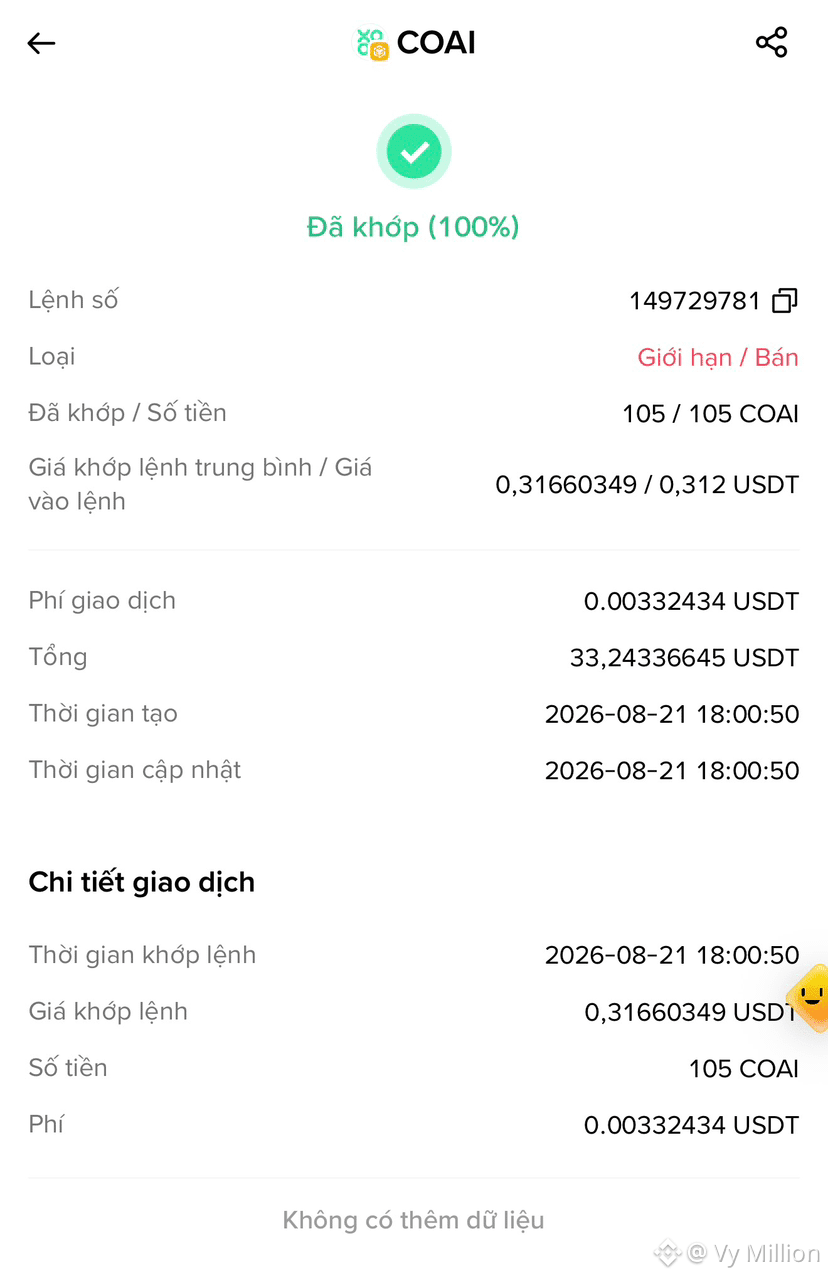
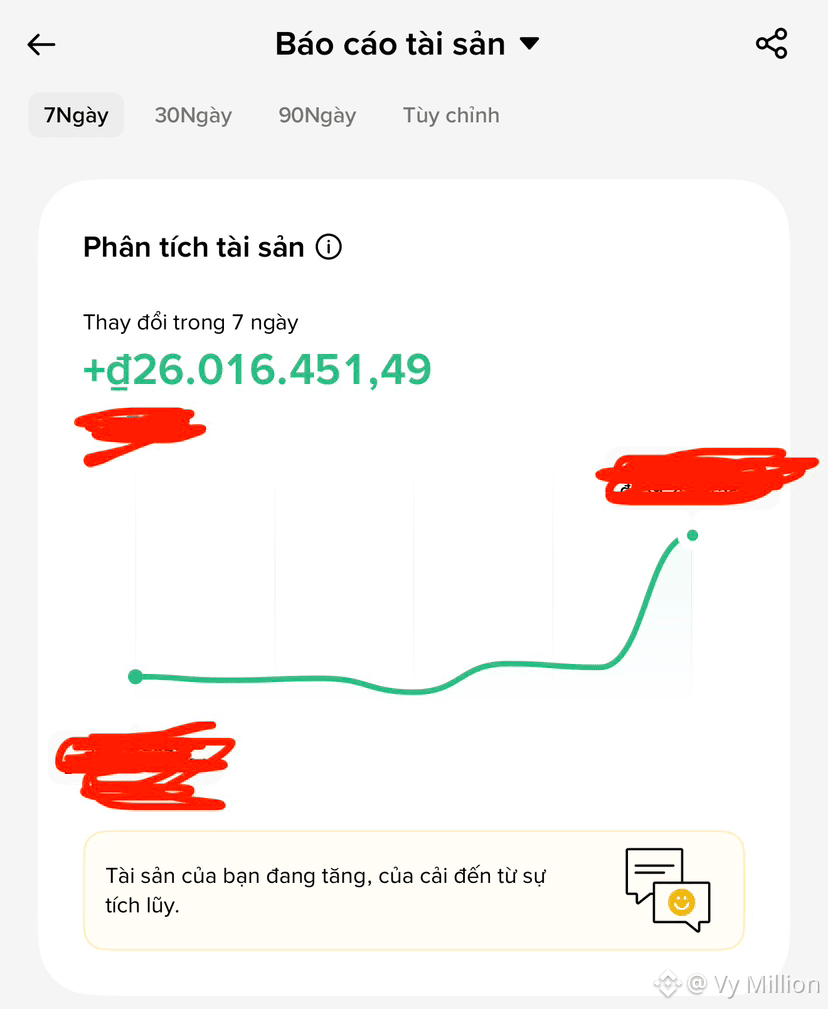
コインが急騰しているのは、ちょうど私たちがBinanceのP2Pでキャッシュアウト(現金化)を引き出したい需要が一番高いときでもあります
つまり、詐欺を企む商売人たちにとって絶好のチャンスです。
友人が先週の出来事を話してくれました。彼は底値を狙ってUSDTを少し買おうとしたそうです:$BTC
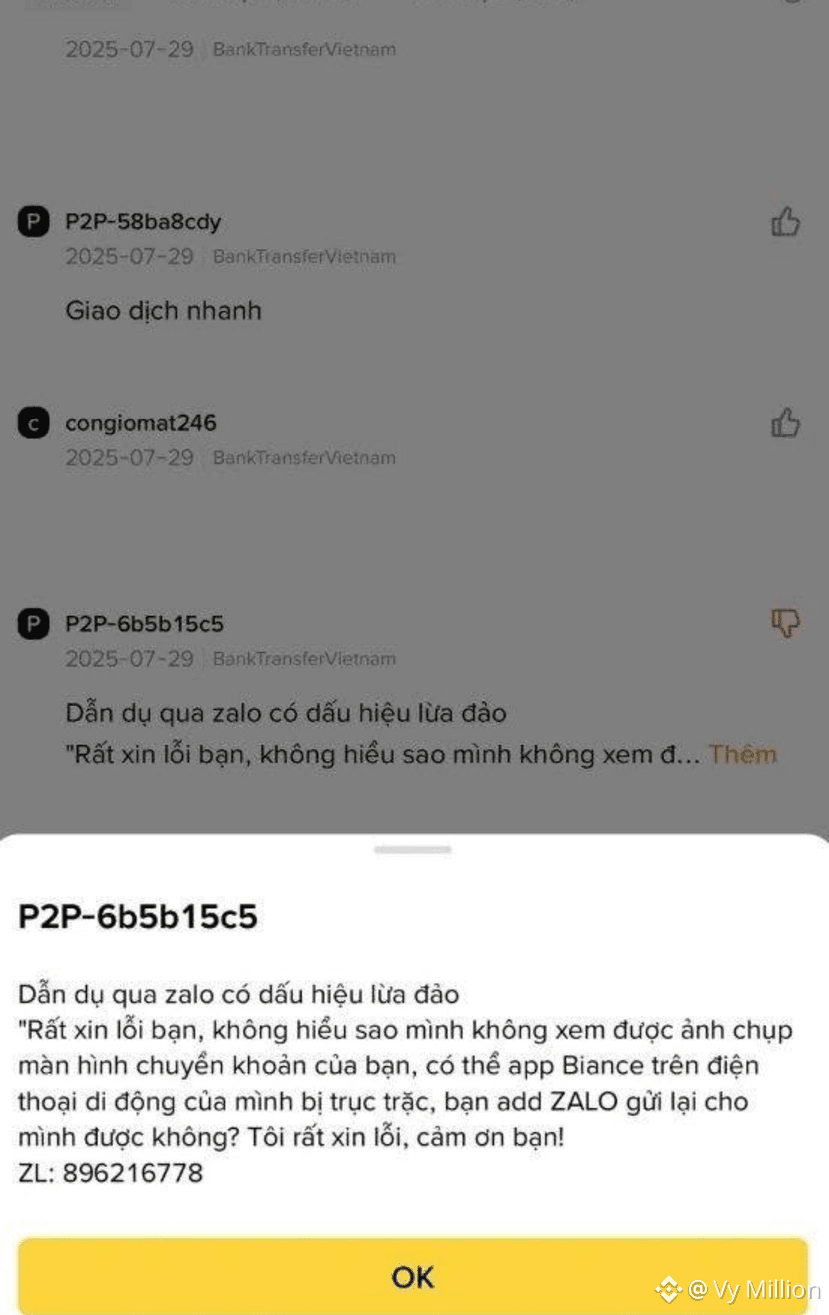
約2億5千万円(約10,000ドル)分を購入した後、振込を済ませたところ、相手の商売人は「まだ入金が確認できていない」と言ってきたのです。そして「Binanceアプリがエラーでチャットできない。Zaloで友達になってから、振込明細のスクリーンショットを送ってくれ」と言いました。
その後、友人がうっかりZaloで相手を追加してしまうと、相手は「注文をキャンセルして。安心のため、コインを返してあげる」と言ってきました。ところが今はBinanceが不具合で、ロックも解除できず、口座に入金されているのも見えないとのこと。
幸いなことに、友人は以前にも一度詐欺に遭ったことがあったので冷静でした。そこで友人はBinanceアプリに戻ってサポートチームとチャットし、送金指示(取引)の十分な証拠を提示したところ、事は安全にBinance上で解決しました。
😡 振込したら、絶対に「取引をキャンセル」を押さないでください。皆さん。お金が本当に口座に入って、表示される金額が全部合っているのを確認してから、ロック解除をしてください。
皆さんの口座、今日プラス(利益)になってますか?
#binancep2pantoan @Binance_Vietnam
{future}(BTCUSDT)
コインが急騰しているのは、ちょうど私たちがBinanceのP2Pでキャッシュアウト(現金化)を引き出したい需要が一番高いときでもあります
つまり、詐欺を企む商売人たちにとって絶好のチャンスです。
友人が先週の出来事を話してくれました。彼は底値を狙ってUSDTを少し買おうとしたそうです:$BTC
約2億5千万円(約10,000ドル)分を購入した後、振込を済ませたところ、相手の商売人は「まだ入金が確認できていない」と言ってきたのです。そして「Binanceアプリがエラーでチャットできない。Zaloで友達になってから、振込明細のスクリーンショットを送ってくれ」と言いました。
その後、友人がうっかりZaloで相手を追加してしまうと、相手は「注文をキャンセルして。安心のため、コインを返してあげる」と言ってきました。ところが今はBinanceが不具合で、ロックも解除できず、口座に入金されているのも見えないとのこと。
幸いなことに、友人は以前にも一度詐欺に遭ったことがあったので冷静でした。そこで友人はBinanceアプリに戻ってサポートチームとチャットし、送金指示(取引)の十分な証拠を提示したところ、事は安全にBinance上で解決しました。
😡 振込したら、絶対に「取引をキャンセル」を押さないでください。皆さん。お金が本当に口座に入って、表示される金額が全部合っているのを確認してから、ロック解除をしてください。
皆さんの口座、今日プラス(利益)になってますか?
#binancep2pantoan @Binance Vietnam
つまり、詐欺を企む商売人たちにとって絶好のチャンスです。
友人が先週の出来事を話してくれました。彼は底値を狙ってUSDTを少し買おうとしたそうです:$BTC
約2億5千万円(約10,000ドル)分を購入した後、振込を済ませたところ、相手の商売人は「まだ入金が確認できていない」と言ってきたのです。そして「Binanceアプリがエラーでチャットできない。Zaloで友達になってから、振込明細のスクリーンショットを送ってくれ」と言いました。
その後、友人がうっかりZaloで相手を追加してしまうと、相手は「注文をキャンセルして。安心のため、コインを返してあげる」と言ってきました。ところが今はBinanceが不具合で、ロックも解除できず、口座に入金されているのも見えないとのこと。
幸いなことに、友人は以前にも一度詐欺に遭ったことがあったので冷静でした。そこで友人はBinanceアプリに戻ってサポートチームとチャットし、送金指示(取引)の十分な証拠を提示したところ、事は安全にBinance上で解決しました。
😡 振込したら、絶対に「取引をキャンセル」を押さないでください。皆さん。お金が本当に口座に入って、表示される金額が全部合っているのを確認してから、ロック解除をしてください。
皆さんの口座、今日プラス(利益)になってますか?
#binancep2pantoan @Binance Vietnam
2
1.2k
·
--
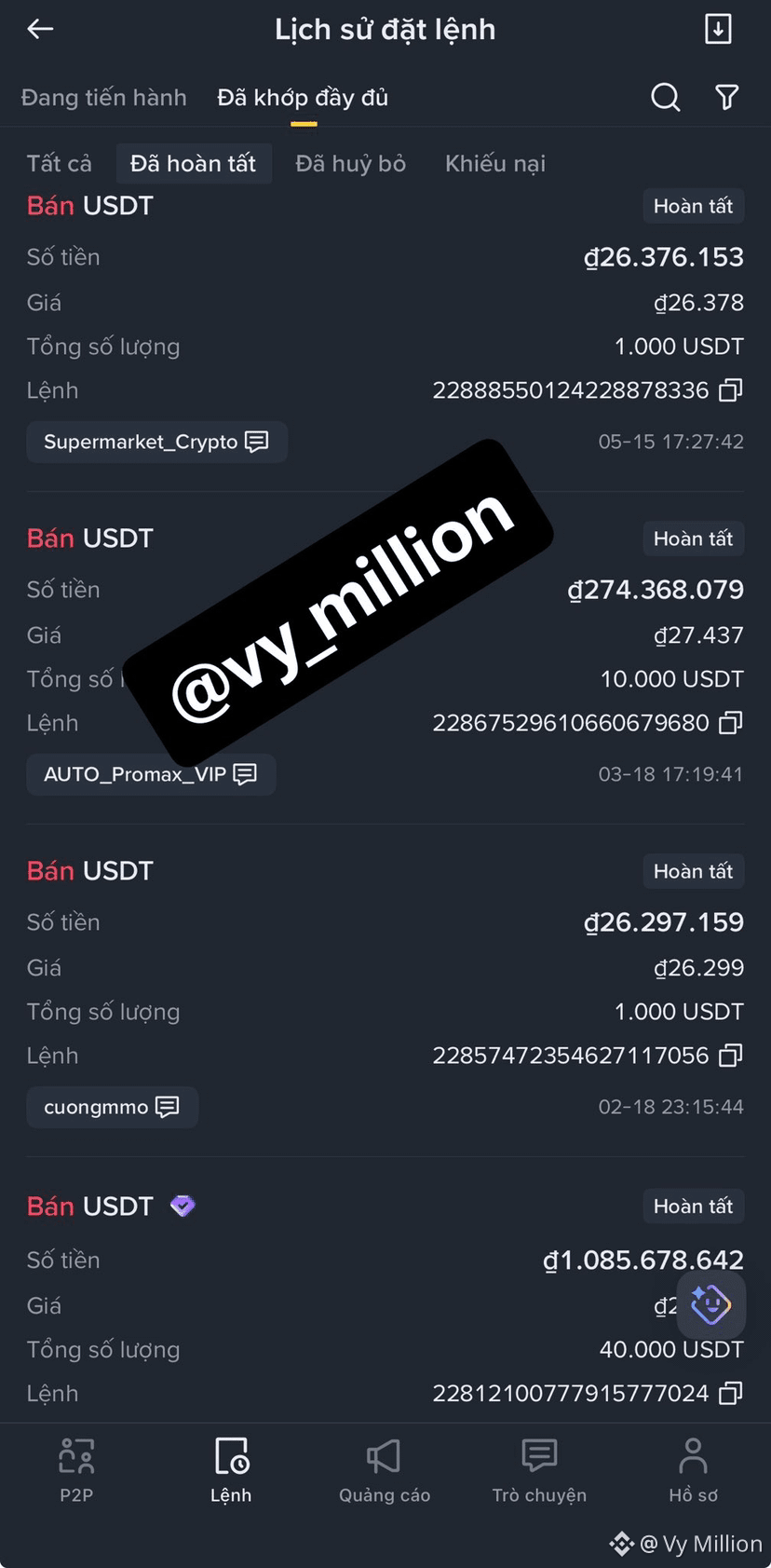
過去2年で自分はほとんどキャッシュアウトばかりで、コインを安値で拾うために入金することはほとんどありませんでした。
正直、P2P取引をする立場から見ると、売り手のほうが買い手より少し安全です。売り手はお金を前に送る必要がなく、仮に揉め事が起きても、資金はあなたのウォレットの中にあり、あなたが取引所に助けを求めて取引をキャンセルできるからです。
一方で買い手は先に相手へ送金しなければなりません。運が悪くて「悪徳商人」に当たると、わざと注文を15分間保留にされます。その状況は本当に不快で、イライラして不安になります。さらに、紛争に発展した場合には、「銀行で入金を確認できていない」と言われることもあります。
なので、買い手でも売り手でもそれぞれ独自のリスクがあります。覚えておいてほしいのは、あなたの銀行口座にお金が入ったかどうかを確認する際、銀行アプリ上にまだ表示されていないなら、絶対にロックを解除しないこと。買い手の場合は、取引を正しい名前で行い、スクリーンショットを保存しておくと、何かあったときにサポートを頼みやすいです。そして、絶対にBinanceアプリの外でチャットしないでください。
#binancep2pantoan @Binance Vietnam
過去2年で自分はほとんどキャッシュアウトばかりで、コインを安値で拾うために入金することはほとんどありませんでした。
正直、P2P取引をする立場から見ると、売り手のほうが買い手より少し安全です。売り手はお金を前に送る必要がなく、仮に揉め事が起きても、資金はあなたのウォレットの中にあり、あなたが取引所に助けを求めて取引をキャンセルできるからです。
一方で買い手は先に相手へ送金しなければなりません。運が悪くて「悪徳商人」に当たると、わざと注文を15分間保留にされます。その状況は本当に不快で、イライラして不安になります。さらに、紛争に発展した場合には、「銀行で入金を確認できていない」と言われることもあります。
なので、買い手でも売り手でもそれぞれ独自のリスクがあります。覚えておいてほしいのは、あなたの銀行口座にお金が入ったかどうかを確認する際、銀行アプリ上にまだ表示されていないなら、絶対にロックを解除しないこと。買い手の場合は、取引を正しい名前で行い、スクリーンショットを保存しておくと、何かあったときにサポートを頼みやすいです。そして、絶対にBinanceアプリの外でチャットしないでください。
#binancep2pantoan @Binance Vietnam
正直、P2P取引をする立場から見ると、売り手のほうが買い手より少し安全です。売り手はお金を前に送る必要がなく、仮に揉め事が起きても、資金はあなたのウォレットの中にあり、あなたが取引所に助けを求めて取引をキャンセルできるからです。
一方で買い手は先に相手へ送金しなければなりません。運が悪くて「悪徳商人」に当たると、わざと注文を15分間保留にされます。その状況は本当に不快で、イライラして不安になります。さらに、紛争に発展した場合には、「銀行で入金を確認できていない」と言われることもあります。
なので、買い手でも売り手でもそれぞれ独自のリスクがあります。覚えておいてほしいのは、あなたの銀行口座にお金が入ったかどうかを確認する際、銀行アプリ上にまだ表示されていないなら、絶対にロックを解除しないこと。買い手の場合は、取引を正しい名前で行い、スクリーンショットを保存しておくと、何かあったときにサポートを頼みやすいです。そして、絶対にBinanceアプリの外でチャットしないでください。
#binancep2pantoan @Binance Vietnam
1
4
1.9k
·
--
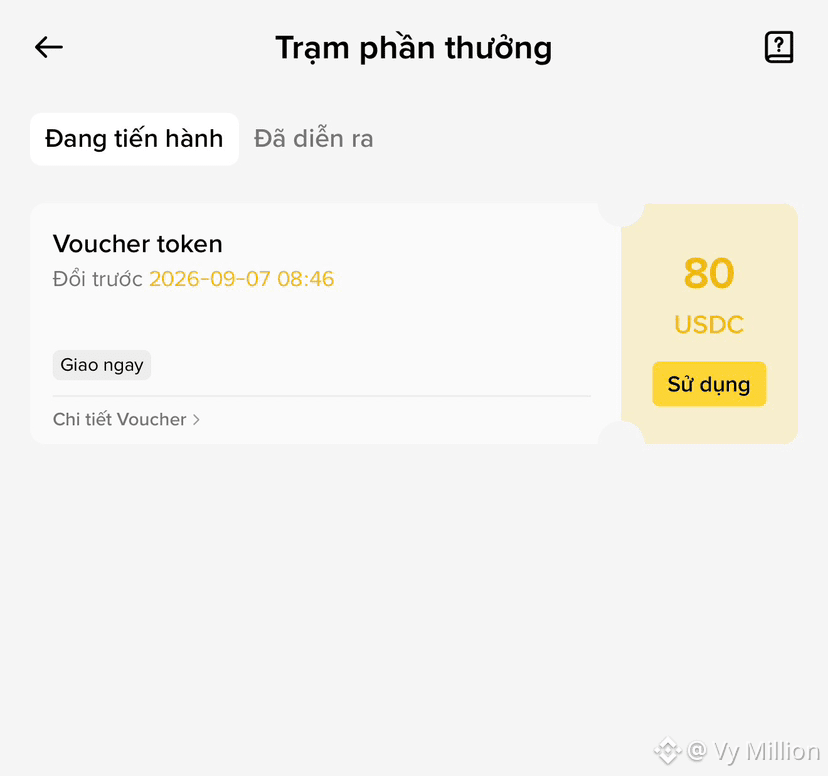
今しがた7月の新規招待イベントでもらった 80$ のギフトを受け取りました。
USDTを売る取引のための商人を探していると、となりに座っていたお兄さんが、最近P2P取引で遭遇した出来事を話してくれました。その話を聞いて、彼は不快で、ほとんどP2P取引への信頼を失いかけていました。
その話というのは、深夜に彼が自分の利益を引き出そうとして、いつも通り取引注文も出したところ、そこで悪質な商人に当たってしまったのです。彼らは送金もしないし、注文の確認ボタンも押さない、さらに注文のキャンセルボタンも押さない。結局、ほぼ15分待たされました。注文はキャンセルされて、別の注文で取り直せるはずだと思っていたのに。
ところが、悪質な商人は最後の数秒を狙って確認ボタンを押し、「送金した」と表示したのです。でも実際には送金していません。待たされて苛立っているユーザーの心理に付け込みます。このような場面では、送金済みだと見せる“加工したスクショ”に騙されやすいのです。その後彼は銀行口座を確認しましたが、入金は一切なく、結局双方で揉めてBinanceに状況対応を依頼することになりました。もちろん最終的に解決はしましたが、やり取りのために約1時間かかり、かなり気分が悪かったそうです。
本当に、Binanceにはこうした悪質な行動を意図的にする商人を、違反申告(意見/苦情フォーム)などの方法で対処してほしいです。あるいは評価の投票で、例えば4つ星未満なら1週間取引停止、または3件を超える異議申し立てで、証拠が確認できた場合は取引を永久停止にしてください。
どうか、こうした悪意のある商人を処理するために、Binanceが強い措置を取ってくれることを願っています。
#binancep2pantoan @Binance Vietnam
今しがた7月の新規招待イベントでもらった 80$ のギフトを受け取りました。
USDTを売る取引のための商人を探していると、となりに座っていたお兄さんが、最近P2P取引で遭遇した出来事を話してくれました。その話を聞いて、彼は不快で、ほとんどP2P取引への信頼を失いかけていました。
その話というのは、深夜に彼が自分の利益を引き出そうとして、いつも通り取引注文も出したところ、そこで悪質な商人に当たってしまったのです。彼らは送金もしないし、注文の確認ボタンも押さない、さらに注文のキャンセルボタンも押さない。結局、ほぼ15分待たされました。注文はキャンセルされて、別の注文で取り直せるはずだと思っていたのに。
ところが、悪質な商人は最後の数秒を狙って確認ボタンを押し、「送金した」と表示したのです。でも実際には送金していません。待たされて苛立っているユーザーの心理に付け込みます。このような場面では、送金済みだと見せる“加工したスクショ”に騙されやすいのです。その後彼は銀行口座を確認しましたが、入金は一切なく、結局双方で揉めてBinanceに状況対応を依頼することになりました。もちろん最終的に解決はしましたが、やり取りのために約1時間かかり、かなり気分が悪かったそうです。
本当に、Binanceにはこうした悪質な行動を意図的にする商人を、違反申告(意見/苦情フォーム)などの方法で対処してほしいです。あるいは評価の投票で、例えば4つ星未満なら1週間取引停止、または3件を超える異議申し立てで、証拠が確認できた場合は取引を永久停止にしてください。
どうか、こうした悪意のある商人を処理するために、Binanceが強い措置を取ってくれることを願っています。
#binancep2pantoan @Binance Vietnam
USDTを売る取引のための商人を探していると、となりに座っていたお兄さんが、最近P2P取引で遭遇した出来事を話してくれました。その話を聞いて、彼は不快で、ほとんどP2P取引への信頼を失いかけていました。
その話というのは、深夜に彼が自分の利益を引き出そうとして、いつも通り取引注文も出したところ、そこで悪質な商人に当たってしまったのです。彼らは送金もしないし、注文の確認ボタンも押さない、さらに注文のキャンセルボタンも押さない。結局、ほぼ15分待たされました。注文はキャンセルされて、別の注文で取り直せるはずだと思っていたのに。
ところが、悪質な商人は最後の数秒を狙って確認ボタンを押し、「送金した」と表示したのです。でも実際には送金していません。待たされて苛立っているユーザーの心理に付け込みます。このような場面では、送金済みだと見せる“加工したスクショ”に騙されやすいのです。その後彼は銀行口座を確認しましたが、入金は一切なく、結局双方で揉めてBinanceに状況対応を依頼することになりました。もちろん最終的に解決はしましたが、やり取りのために約1時間かかり、かなり気分が悪かったそうです。
本当に、Binanceにはこうした悪質な行動を意図的にする商人を、違反申告(意見/苦情フォーム)などの方法で対処してほしいです。あるいは評価の投票で、例えば4つ星未満なら1週間取引停止、または3件を超える異議申し立てで、証拠が確認できた場合は取引を永久停止にしてください。
どうか、こうした悪意のある商人を処理するために、Binanceが強い措置を取ってくれることを願っています。
#binancep2pantoan @Binance Vietnam
3
470
·
--
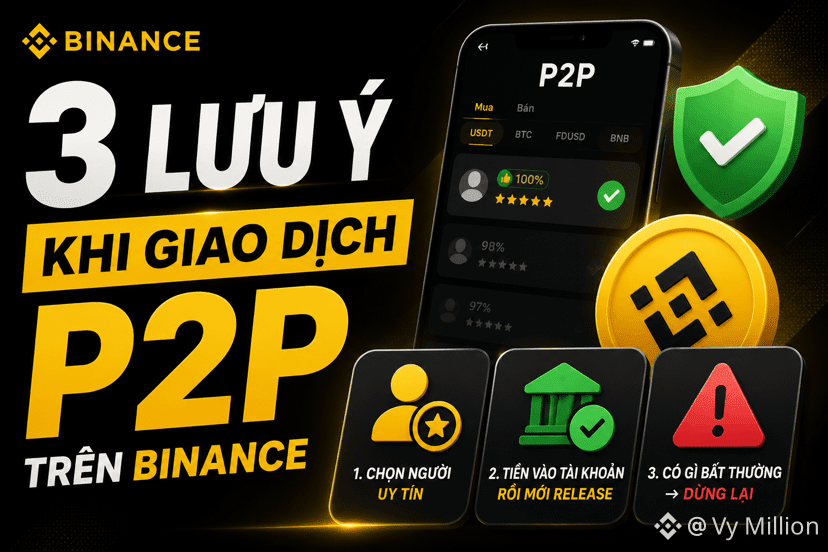
バイナンスのP2P取引で自分が常に覚えている3つの注意点
P2Pは便利ですが、何度も取引していても、3つだけは軽視してはいけないと思います。
1️⃣ 価格だけを見ないで——取引相手を見よう。
広告を選ぶ前に、私はいつも完了率、取引件数、相手のフィードバックを確認します。ほんの少し良い価格と引き換えに、リスクを背負う価値はありません。
2️⃣ お金は口座に入ってから、暗号資産をリリースする。
これが最も重要な原則です。「送金しました」というスクリーンショット、SMS、あるいはメッセージを信じないでください。自分で銀行アプリを開いて、実際の取引残高を確認しましょう。バイナンスでも、販売者は暗号資産を解放する前に、相手が本当に入金を受け取ったことを確認するよう推奨しています。
3️⃣ 異常があれば——立ち止まって、急がない。
会話をバイナンスの外に移さないでください。広告とは違う支払い要求に従わないでください。また、相手に取引を完了するよう強く急かされないようにしましょう。問題がある場合は証拠を残し、バイナンス内のチャットの「サポート」機能を使ってください。
P2Pは必ずしも怖いものではありません。
ただ、思い込みで、数分の取引が何日も続く問題に変わらないようにするだけです。
#binancep2pantoan @Binance Vietnam
バイナンスのP2P取引で自分が常に覚えている3つの注意点
P2Pは便利ですが、何度も取引していても、3つだけは軽視してはいけないと思います。
1️⃣ 価格だけを見ないで——取引相手を見よう。
広告を選ぶ前に、私はいつも完了率、取引件数、相手のフィードバックを確認します。ほんの少し良い価格と引き換えに、リスクを背負う価値はありません。
2️⃣ お金は口座に入ってから、暗号資産をリリースする。
これが最も重要な原則です。「送金しました」というスクリーンショット、SMS、あるいはメッセージを信じないでください。自分で銀行アプリを開いて、実際の取引残高を確認しましょう。バイナンスでも、販売者は暗号資産を解放する前に、相手が本当に入金を受け取ったことを確認するよう推奨しています。
3️⃣ 異常があれば——立ち止まって、急がない。
会話をバイナンスの外に移さないでください。広告とは違う支払い要求に従わないでください。また、相手に取引を完了するよう強く急かされないようにしましょう。問題がある場合は証拠を残し、バイナンス内のチャットの「サポート」機能を使ってください。
P2Pは必ずしも怖いものではありません。
ただ、思い込みで、数分の取引が何日も続く問題に変わらないようにするだけです。
#binancep2pantoan @Binance Vietnam
P2Pは便利ですが、何度も取引していても、3つだけは軽視してはいけないと思います。
1️⃣ 価格だけを見ないで——取引相手を見よう。
広告を選ぶ前に、私はいつも完了率、取引件数、相手のフィードバックを確認します。ほんの少し良い価格と引き換えに、リスクを背負う価値はありません。
2️⃣ お金は口座に入ってから、暗号資産をリリースする。
これが最も重要な原則です。「送金しました」というスクリーンショット、SMS、あるいはメッセージを信じないでください。自分で銀行アプリを開いて、実際の取引残高を確認しましょう。バイナンスでも、販売者は暗号資産を解放する前に、相手が本当に入金を受け取ったことを確認するよう推奨しています。
3️⃣ 異常があれば——立ち止まって、急がない。
会話をバイナンスの外に移さないでください。広告とは違う支払い要求に従わないでください。また、相手に取引を完了するよう強く急かされないようにしましょう。問題がある場合は証拠を残し、バイナンス内のチャットの「サポート」機能を使ってください。
P2Pは必ずしも怖いものではありません。
ただ、思い込みで、数分の取引が何日も続く問題に変わらないようにするだけです。
#binancep2pantoan @Binance Vietnam
3
3
555
·
--
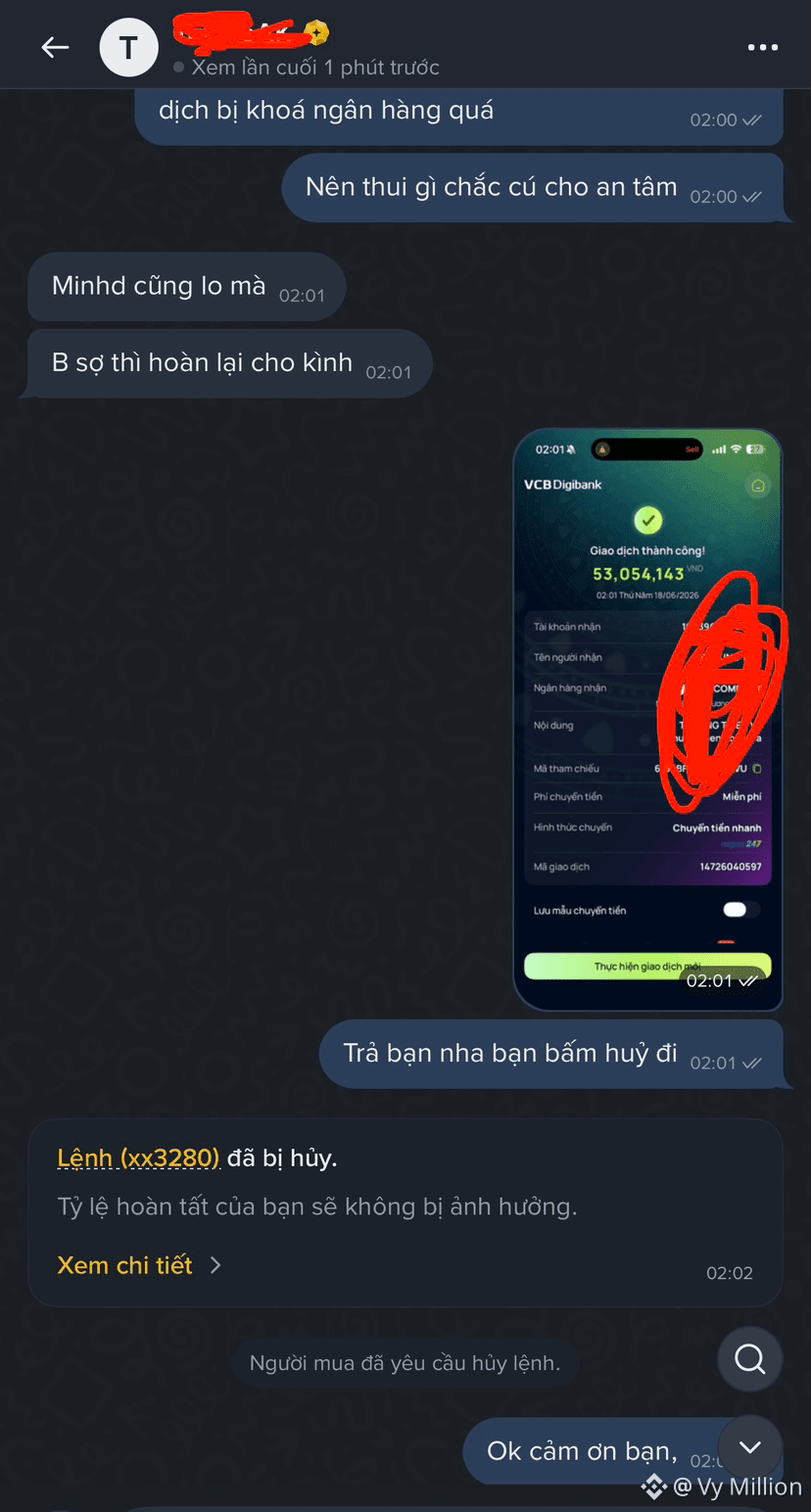
このタイミングでP2P取引をして本当に戸惑いますか?
深夜に、USDTを約2k[$ ]で1件の売り注文を出したんですが、資金は口座に十分に入っていて、1円(1ドル)もズレていないのに、夜の間ずっと不安な状態に陥ってしまいました。
すべては順調で、購入者がUSDTの入金をとても早く、しかも必要な金額どおりに送ってくれました。最初は嬉しかったのに、送信者名が登録している側と一致していないのを見て、急に不安になりました。
私が「なぜ?」と聞いたところ、彼らは「現在、限度額が期限切れ(上限がなくなった)になっている。たとえ日が変わったばかりでも」と言いました。そこで私はいったん資金のロック解除を中断し、Binanceのスタッフとチャットで直接やり取りする必要がありました。スタッフは「この金額は受け取らない方がいい。取引先のこれらの業者と再調整するためだ」と新しく言いました。私は不安を抱えたまま、かなり長い時間待ちました。これ以上長引かないか心配でした。
なので私はサポートチームに「注文をキャンセルできるか」を聞きました。すると指示に従って送金を行い、その後注文をキャンセルしました。
時間はかなり取られましたが、その代わり安心感が得られました。
もしあなたがあなたなら、安 全を選びますか?それとも、とにかくお金があれば嬉しいを選びますか?
#binancep2pantoan @Binance Vietnam
このタイミングでP2P取引をして本当に戸惑いますか?
深夜に、USDTを約2k[$ ]で1件の売り注文を出したんですが、資金は口座に十分に入っていて、1円(1ドル)もズレていないのに、夜の間ずっと不安な状態に陥ってしまいました。
すべては順調で、購入者がUSDTの入金をとても早く、しかも必要な金額どおりに送ってくれました。最初は嬉しかったのに、送信者名が登録している側と一致していないのを見て、急に不安になりました。
私が「なぜ?」と聞いたところ、彼らは「現在、限度額が期限切れ(上限がなくなった)になっている。たとえ日が変わったばかりでも」と言いました。そこで私はいったん資金のロック解除を中断し、Binanceのスタッフとチャットで直接やり取りする必要がありました。スタッフは「この金額は受け取らない方がいい。取引先のこれらの業者と再調整するためだ」と新しく言いました。私は不安を抱えたまま、かなり長い時間待ちました。これ以上長引かないか心配でした。
なので私はサポートチームに「注文をキャンセルできるか」を聞きました。すると指示に従って送金を行い、その後注文をキャンセルしました。
時間はかなり取られましたが、その代わり安心感が得られました。
もしあなたがあなたなら、安 全を選びますか?それとも、とにかくお金があれば嬉しいを選びますか?
#binancep2pantoan @Binance Vietnam
深夜に、USDTを約2k[$ ]で1件の売り注文を出したんですが、資金は口座に十分に入っていて、1円(1ドル)もズレていないのに、夜の間ずっと不安な状態に陥ってしまいました。
すべては順調で、購入者がUSDTの入金をとても早く、しかも必要な金額どおりに送ってくれました。最初は嬉しかったのに、送信者名が登録している側と一致していないのを見て、急に不安になりました。
私が「なぜ?」と聞いたところ、彼らは「現在、限度額が期限切れ(上限がなくなった)になっている。たとえ日が変わったばかりでも」と言いました。そこで私はいったん資金のロック解除を中断し、Binanceのスタッフとチャットで直接やり取りする必要がありました。スタッフは「この金額は受け取らない方がいい。取引先のこれらの業者と再調整するためだ」と新しく言いました。私は不安を抱えたまま、かなり長い時間待ちました。これ以上長引かないか心配でした。
なので私はサポートチームに「注文をキャンセルできるか」を聞きました。すると指示に従って送金を行い、その後注文をキャンセルしました。
時間はかなり取られましたが、その代わり安心感が得られました。
もしあなたがあなたなら、安 全を選びますか?それとも、とにかくお金があれば嬉しいを選びますか?
#binancep2pantoan @Binance Vietnam
2
4
2.1k
ログインして、さらにコンテンツを読む
厳選トピックで世界の暗号資産トレーダーの仲間入り
⚡️ 暗号資産に関する最新かつ有益な情報が見つかります。
💬 世界最大の暗号資産取引所から信頼されています。
👍 認証を受けたクリエイターから、有益なインサイトを得られます。
メール / 電話番号
トレンドトピック
SECReceivesGrayscaleLitecoinTrustETFFiling
閲覧回数 81,932
1,387人が討論中
#secreceivesgrayscalelitecointrustetffiling
SEC、グレースケールのライトコインETF申請を受理:LTCがまた注目を浴びる 🚨
市場は静かに動いていたところに、別のライトコインの見出しが飛び込んできました。傍観しているトレーダーにとって、立ち止まってこう考えたくなるような申請です――機関投資家のアクセスは、いよいよ近づいてきているのでしょうか?
グレースケールのライトコイン・トラストは、提案されている移行とNYSE Arcaの上場プロセスに関連する最近の申請により、ETF構造に向けてさらに一歩進みました。SECの記録には、グレースケールのライトコイン提案をめぐる過去の手続きが示されており、最新の申請活動によってこのストーリーは引き続き生きています。
重要なのは、申請は承認ではないという点です。投資家は、規制の進展と、すぐにETFがローンチされるといった期待を切り分けて考えるべきです。
私の見解:より大きなテーマは「アクセスのしやすさ」です。ETFの形になれば、暗号資産を直接保有するのではなく、規制された市場商品を好む従来型の投資家にとって、LTCへのエクスポージャーがより簡単になる可能性があります。
ライトコインは現在、Binanceで約$53.69で取引されています。資産の24時間の値動きは小さめです。これにより、単なるヘッドライン主導の価格反応を追うよりも、規制の展開のほうが興味深いものになります。
真の試練は次に来ます。規制上の判断、市場の需要、流動性、そして機関投資家の関心が、書類の後に本当に続くかどうかです。
申請は扉を開けるかもしれませんが、開いた後に何が起きるかは需要が決めます。
❓グレースケールのライトコインETFは、LTCの機関投資家による需要を実質的に変え得ると思いますか?
免責事項:本内容は情報提供のみを目的としており、投資助言ではありません。暗号資産は価格変動が大きく、規制の結果は不確実です。
#Litecoin #CryptoETF #GrowWithSAC $LTC $ETH $SOL
#SECReceivesGrayscaleLitecoinTrustETFFiling
Sienna Leo-你真棒-带我走
·いいね:3件
·閲覧回数 2.3k
ClarityActFacesProceduralVoteSept15
閲覧回数 204,345
2,289人が討論中
US10YearTreasuryYieldNears5%
閲覧回数 71,760
1,256人が討論中