
Kryptos Tax Re-poster
33 投稿

Kryptos Tax Re-poster
報告
ユーザーをブロック
Crypto tax reports in minutes, not hours. 5,000+ integrations. 35+ jurisdictions. Powered by @KryptosConnect | https://t.co/OhWfPUX2kA
0 フォロー
1 フォロワー
0 いいね
投稿
すべて
動画
翻訳参照
With roughly six weeks remaining in 2026, it is worth reviewing whether any of your digital assets are currently valued below their original purchase price.
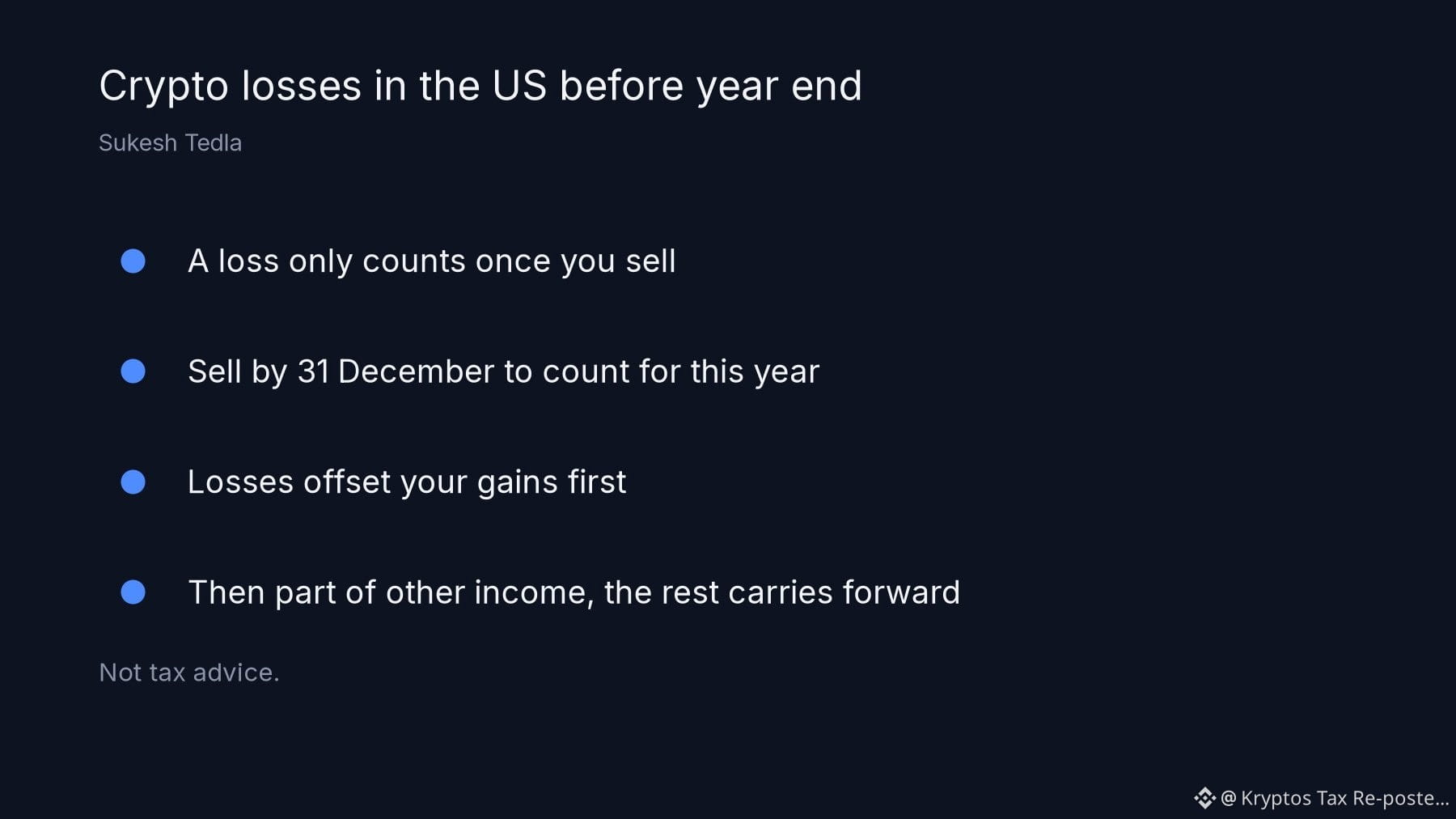
For taxpayers in the US, a cryptocurrency loss is recognized only after you complete a sale, which must occur by Dec 31 to apply to this calendar year. When filing, these losses first counterbalance your capital gains. If you have excess losses remaining, they can offset up to $3,000 of other income, while any further unused balance carries forward into subsequent tax years.
Not tax advice.
With roughly six weeks remaining in 2026, it is worth reviewing whether any of your digital assets are currently valued below their original purchase price.
For taxpayers in the US, a cryptocurrency loss is recognized only after you complete a sale, which must occur by Dec 31 to apply to this calendar year. When filing, these losses first counterbalance your capital gains. If you have excess losses remaining, they can offset up to $3,000 of other income, while any further unused balance carries forward into subsequent tax years.
Not tax advice.
For taxpayers in the US, a cryptocurrency loss is recognized only after you complete a sale, which must occur by Dec 31 to apply to this calendar year. When filing, these losses first counterbalance your capital gains. If you have excess losses remaining, they can offset up to $3,000 of other income, while any further unused balance carries forward into subsequent tax years.
Not tax advice.
翻訳参照
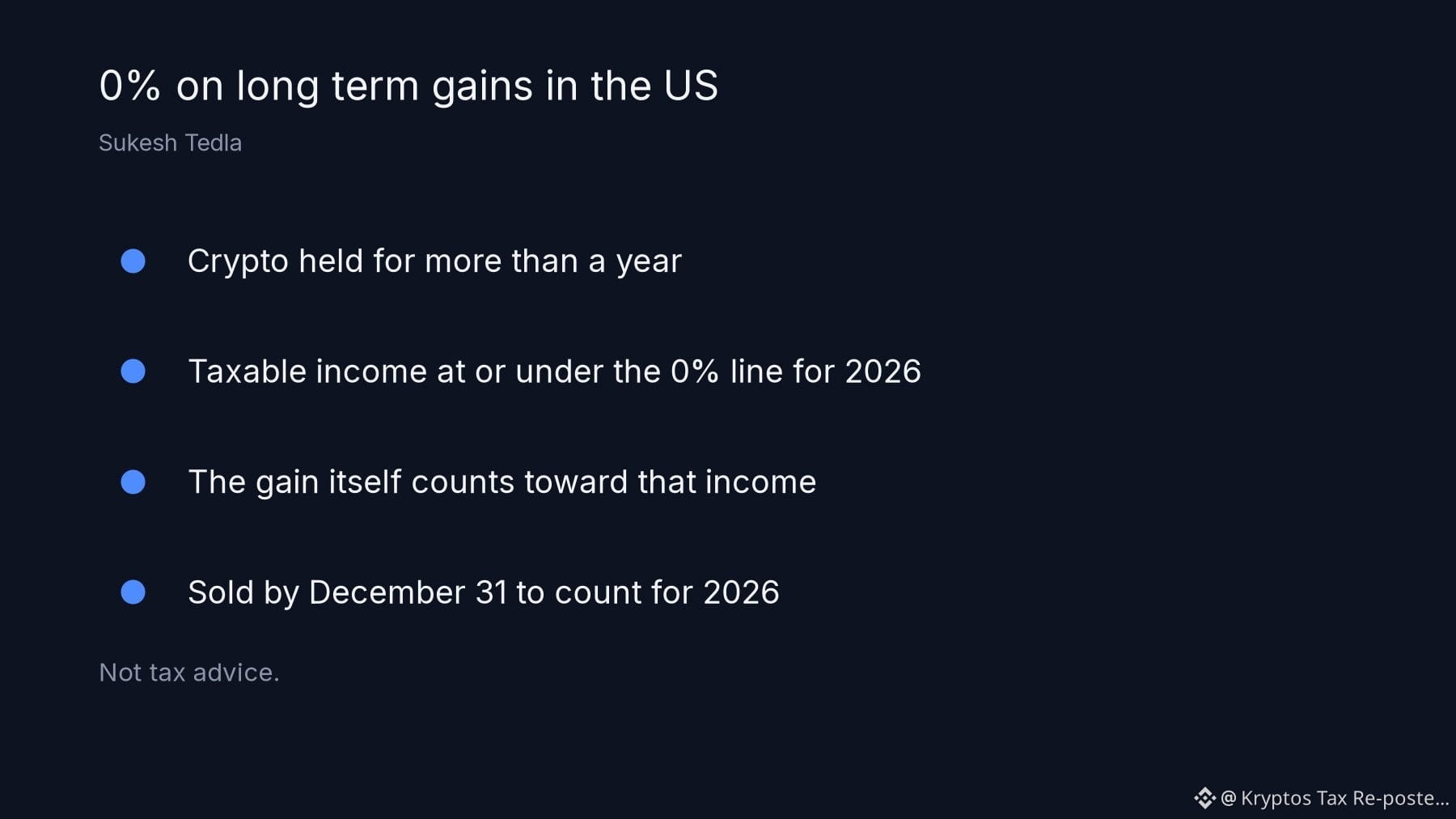
Cryptocurrency investments maintained for longer than twelve months qualify for the United States zero percent long-term capital gains tax rate, provided your 2026 taxable earnings do not exceed specific limits. For single filers, the ceiling is set at $49,450, whereas the boundary for married couples filing jointly is $98,900. Keep in mind that any realized profit directly contributes to reaching that overall income sum.
To capitalize on this rule, certain investors choose to dispose of their assets prior to December 31, locking in gains at the 0% rate before repurchasing to reset to a higher cost basis.
Will your earnings fall beneath these thresholds for the year?
Not tax advice.
Cryptocurrency investments maintained for longer than twelve months qualify for the United States zero percent long-term capital gains tax rate, provided your 2026 taxable earnings do not exceed specific limits. For single filers, the ceiling is set at $49,450, whereas the boundary for married couples filing jointly is $98,900. Keep in mind that any realized profit directly contributes to reaching that overall income sum.
To capitalize on this rule, certain investors choose to dispose of their assets prior to December 31, locking in gains at the 0% rate before repurchasing to reset to a higher cost basis.
Will your earnings fall beneath these thresholds for the year?
Not tax advice.
To capitalize on this rule, certain investors choose to dispose of their assets prior to December 31, locking in gains at the 0% rate before repurchasing to reset to a higher cost basis.
Will your earnings fall beneath these thresholds for the year?
Not tax advice.
61
翻訳参照
Each guest attending our Finance Leaders Club dinner in London this Sunday will be gifted a framed @solana mark composed of miniature Kryptos K's to take home.
Because space is restricted, every registration is subject to review.
You can apply to attend here: https://luma.com/6lo0x0u1
Each guest attending our Finance Leaders Club dinner in London this Sunday will be gifted a framed @solana mark composed of miniature Kryptos K's to take home.
Because space is restricted, every registration is subject to review.
You can apply to attend here: https://luma.com/6lo0x0u1
Because space is restricted, every registration is subject to review.
You can apply to attend here: https://luma.com/6lo0x0u1

60
翻訳参照
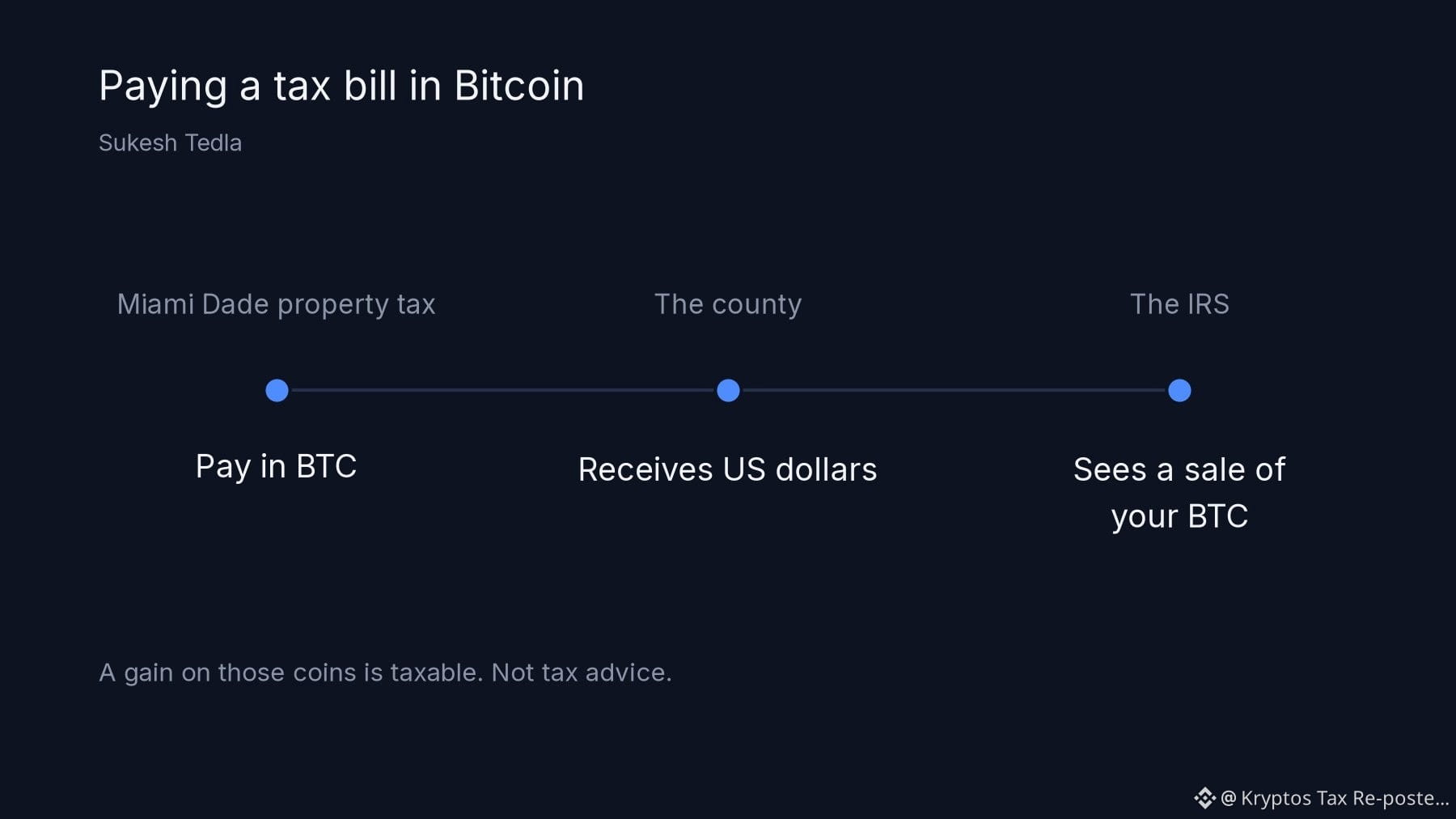
Property owners in Miami-Dade now have the option to settle their local tax obligations using Bitcoin, though the municipality itself continues to collect the payments in US dollars.
From a taxpayer perspective, the IRS views spending BTC on taxes the same as selling the cryptocurrency. Consequently, you will trigger a taxable capital gain if the tokens are valued higher than what you initially paid for them.
Does covering a tax bill with BTC sound like something you would do?
Not tax advice.
Property owners in Miami-Dade now have the option to settle their local tax obligations using Bitcoin, though the municipality itself continues to collect the payments in US dollars.
From a taxpayer perspective, the IRS views spending BTC on taxes the same as selling the cryptocurrency. Consequently, you will trigger a taxable capital gain if the tokens are valued higher than what you initially paid for them.
Does covering a tax bill with BTC sound like something you would do?
Not tax advice.
From a taxpayer perspective, the IRS views spending BTC on taxes the same as selling the cryptocurrency. Consequently, you will trigger a taxable capital gain if the tokens are valued higher than what you initially paid for them.
Does covering a tax bill with BTC sound like something you would do?
Not tax advice.
63
翻訳参照
Have you already calculated your total returns for the year?
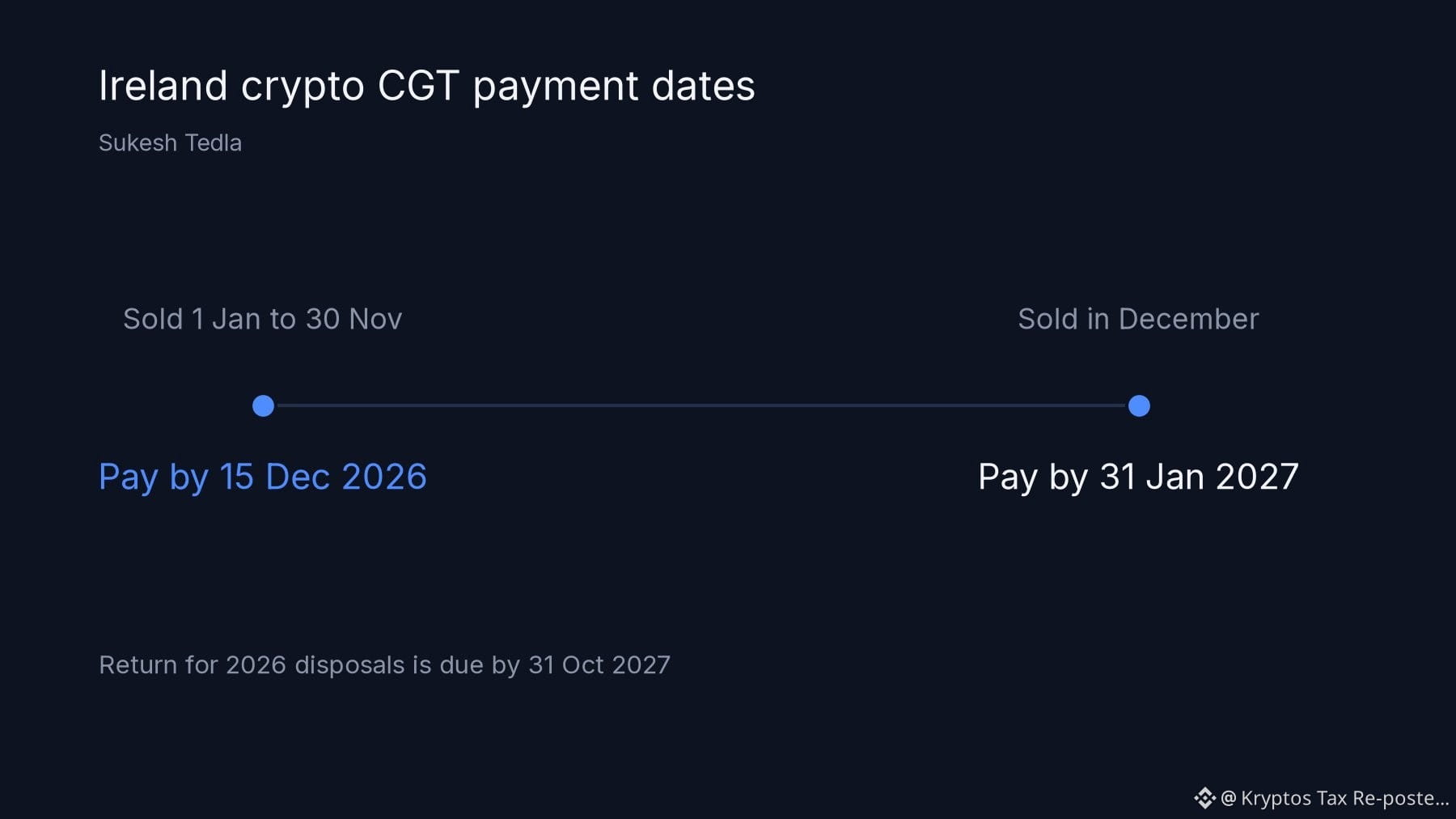
When dealing with crypto transactions in Ireland, the deadline to pay CGT on disposals made between 1 January and 30 November falls on 15 December. Meanwhile, taxes on sales that take place during December are due by 31 January.
Not tax advice.
Have you already calculated your total returns for the year?
When dealing with crypto transactions in Ireland, the deadline to pay CGT on disposals made between 1 January and 30 November falls on 15 December. Meanwhile, taxes on sales that take place during December are due by 31 January.
Not tax advice.
When dealing with crypto transactions in Ireland, the deadline to pay CGT on disposals made between 1 January and 30 November falls on 15 December. Meanwhile, taxes on sales that take place during December are due by 31 January.
Not tax advice.
62
暗号資産の税務報告に関する新たな法律が、香港で正式に施行されました。2027年から、同地域で事業を行う暗号資産プラットフォームは、ユーザーから税務関連情報の収集を開始します。2028年までに、現地の税務当局はこのデータを協定国と交換する予定です。今こそ、暗号資産取引所の記録が、税務申告で正式に提出した内容と一致しているか確認するのに最適な時期です。規制は管轄区域によって異なります。本コンテンツは税務上の助言を提供するものではありません。
暗号資産の税務報告に関する新たな法律が、香港で正式に施行されました。2027年から、同地域で事業を行う暗号資産プラットフォームは、ユーザーから税務関連情報の収集を開始します。2028年までに、現地の税務当局はこのデータを協定国と交換する予定です。今こそ、暗号資産取引所の記録が、税務申告で正式に提出した内容と一致しているか確認するのに最適な時期です。規制は管轄区域によって異なります。本コンテンツは税務上の助言を提供するものではありません。
129
翻訳参照
Under provisions outlined in the 2027 budget bill, Italy plans to levy taxes on unrealized profits at the time an individual moves abroad.
This departure tax is targeted at residents who have resided in the country for 6 of the prior 10 years and maintain financial assets valued at €800k or more, a total that includes cryptocurrency. Once you leave, the gains accumulated up to your departure date become subject to tax.
For digital currencies, your taxable gain is determined by subtracting your original purchase price from the asset value on that specific day. Establishing that initial purchase figure can become particularly difficult if your tokens have passed through 4 exchanges since 2020.
Are you confident you would know your exact numbers?
Not tax advice.
Under provisions outlined in the 2027 budget bill, Italy plans to levy taxes on unrealized profits at the time an individual moves abroad.
This departure tax is targeted at residents who have resided in the country for 6 of the prior 10 years and maintain financial assets valued at €800k or more, a total that includes cryptocurrency. Once you leave, the gains accumulated up to your departure date become subject to tax.
For digital currencies, your taxable gain is determined by subtracting your original purchase price from the asset value on that specific day. Establishing that initial purchase figure can become particularly difficult if your tokens have passed through 4 exchanges since 2020.
Are you confident you would know your exact numbers?
Not tax advice.
This departure tax is targeted at residents who have resided in the country for 6 of the prior 10 years and maintain financial assets valued at €800k or more, a total that includes cryptocurrency. Once you leave, the gains accumulated up to your departure date become subject to tax.
For digital currencies, your taxable gain is determined by subtracting your original purchase price from the asset value on that specific day. Establishing that initial purchase figure can become particularly difficult if your tokens have passed through 4 exchanges since 2020.
Are you confident you would know your exact numbers?
Not tax advice.
69
米国内では、自分が所有するデジタルウォレット間で資産を直接移動すること自体は、通常問題になりません。ただし、その過程で発生するガス代は別の話かもしれません。
内国歳入庁(IRS)によると、送金手数料の支払いに暗号資産を使うことは、申告が必要な取引に該当します。個々の費用は少額に思えるかもしれませんが、1年分の取引を積み重ねると、かなりの数の記録になることがあります。
ご自身の分は記録していますか?
税務上の助言ではありません。
米国内では、自分が所有するデジタルウォレット間で資産を直接移動すること自体は、通常問題になりません。ただし、その過程で発生するガス代は別の話かもしれません。
内国歳入庁(IRS)によると、送金手数料の支払いに暗号資産を使うことは、申告が必要な取引に該当します。個々の費用は少額に思えるかもしれませんが、1年分の取引を積み重ねると、かなりの数の記録になることがあります。
ご自身の分は記録していますか?
税務上の助言ではありません。
内国歳入庁(IRS)によると、送金手数料の支払いに暗号資産を使うことは、申告が必要な取引に該当します。個々の費用は少額に思えるかもしれませんが、1年分の取引を積み重ねると、かなりの数の記録になることがあります。
ご自身の分は記録していますか?
税務上の助言ではありません。
68
翻訳参照
Information concerning the overseas cryptocurrency transactions of French residents may soon become accessible to the national tax authorities, following recent legislative progress. On Oct 27, the Senate in France officially approved a bill to implement CARF, the crypto data agreement established by the OECD. The legislation is now making its way to the National Assembly for the next stage of the approval process. Through this reporting framework, the country intends to conduct its inaugural data swaps in 2027, which will specifically evaluate trading activities completed during the year 2026.
Information concerning the overseas cryptocurrency transactions of French residents may soon become accessible to the national tax authorities, following recent legislative progress. On Oct 27, the Senate in France officially approved a bill to implement CARF, the crypto data agreement established by the OECD. The legislation is now making its way to the National Assembly for the next stage of the approval process. Through this reporting framework, the country intends to conduct its inaugural data swaps in 2027, which will specifically evaluate trading activities completed during the year 2026.
32
税金の申告準備にあたって、2026年の売却分を対象とする1099-DAフォームでは、米国のブローカーに取得原価情報の提供が初めて義務付けられることを知っておく必要があります。この新しいルールにもかかわらず、多くの暗号資産については、この欄が完全に空白になると予想されます。
その理由は、この報告義務が、2026年1月1日以降に購入され、売却前に購入時のブローカー口座から一度も移動していないデジタル資産に限って厳密に適用されるためです。そのため、以前から保有しているコインを売却する場合や、外部ウォレットから取引所に移した資産を取引する場合は、書類に取得原価が記載されない可能性が高いでしょう。
税金の申告準備にあたって、2026年の売却分を対象とする1099-DAフォームでは、米国のブローカーに取得原価情報の提供が初めて義務付けられることを知っておく必要があります。この新しいルールにもかかわらず、多くの暗号資産については、この欄が完全に空白になると予想されます。
その理由は、この報告義務が、2026年1月1日以降に購入され、売却前に購入時のブローカー口座から一度も移動していないデジタル資産に限って厳密に適用されるためです。そのため、以前から保有しているコインを売却する場合や、外部ウォレットから取引所に移した資産を取引する場合は、書類に取得原価が記載されない可能性が高いでしょう。
その理由は、この報告義務が、2026年1月1日以降に購入され、売却前に購入時のブローカー口座から一度も移動していないデジタル資産に限って厳密に適用されるためです。そのため、以前から保有しているコインを売却する場合や、外部ウォレットから取引所に移した資産を取引する場合は、書類に取得原価が記載されない可能性が高いでしょう。
144
2026年の売却について1099-DAフォームを受け取ると、米国のブローカーが取得原価情報の提供を義務付けられるのは今回が初めてとなります。この新しい規則にもかかわらず、多くの暗号資産ではこの欄が空欄のままになっていることに気づくでしょう。これは、ブローカーに取得原価の報告義務があるのは、2026年1月1日以降に購入され、売却されるまでまったく同じ証券口座に保管されていたデジタル資産に限られるためです。古い暗号資産や外部ウォレットから移された資産の場合、取得原価の欄には単に「なし」と表示されることがあります。
2026年の売却について1099-DAフォームを受け取ると、米国のブローカーが取得原価情報の提供を義務付けられるのは今回が初めてとなります。この新しい規則にもかかわらず、多くの暗号資産ではこの欄が空欄のままになっていることに気づくでしょう。これは、ブローカーに取得原価の報告義務があるのは、2026年1月1日以降に購入され、売却されるまでまったく同じ証券口座に保管されていたデジタル資産に限られるためです。古い暗号資産や外部ウォレットから移された資産の場合、取得原価の欄には単に「なし」と表示されることがあります。
101
確定申告の時期に利益計算の誤りに気づくのはよくある悩みですが、その原因は、価格データが欠けている取引が1件あるだけということも少なくありません。ChatGPT内でKryptosを利用すれば、こうした面倒を簡単に防げます。「価格情報または購入履歴が不足している取引はどれですか?」とシステムに尋ねるだけで、個人の記録から該当する項目をすべてまとめた一覧が表示されます。
確定申告の時期に利益計算の誤りに気づくのはよくある悩みですが、その原因は、価格データが欠けている取引が1件あるだけということも少なくありません。ChatGPT内でKryptosを利用すれば、こうした面倒を簡単に防げます。「価格情報または購入履歴が不足している取引はどれですか?」とシステムに尋ねるだけで、個人の記録から該当する項目をすべてまとめた一覧が表示されます。
29
翻訳参照
Take a look at the Bittensor wallet interface on the Kryptos platform. Simply input your public key to automatically synchronize your TAO balance, while all of your earned rewards are seamlessly categorized and monitored as income.
@opentensor @taostats
Take a look at the Bittensor wallet interface on the Kryptos platform. Simply input your public key to automatically synchronize your TAO balance, while all of your earned rewards are seamlessly categorized and monitored as income.
@opentensor @taostats
@opentensor @taostats
73
OECDが策定したCARFの枠組みを通じて、77の法域が暗号資産口座情報を交換することで協力することに正式に合意しました。この世界的な取り組みの開始時期は地域によって異なります。英国と韓国は2027年に参加を開始する予定で、米国は2029年にこの取り組みに加わります。一方、EUおよび英国全域で営業する取引プラットフォームは、2026年1月1日からこうした特定の情報を収集しています。税務当局は、これらの報告の第1弾を来年受け取る見込みです。
OECDが策定したCARFの枠組みを通じて、77の法域が暗号資産口座情報を交換することで協力することに正式に合意しました。この世界的な取り組みの開始時期は地域によって異なります。英国と韓国は2027年に参加を開始する予定で、米国は2029年にこの取り組みに加わります。一方、EUおよび英国全域で営業する取引プラットフォームは、2026年1月1日からこうした特定の情報を収集しています。税務当局は、これらの報告の第1弾を来年受け取る見込みです。
66
Kryptosプラットフォームで、Bittensorに直接アクセスできるようになりました。公開鍵を入力すると、各サブネットのアルファが独立した資産として表示されます。さらに、会計をシンプルに保つため、マイニング収入はステーキング報酬と完全に分けて管理されます。ステーキング報酬は、各サブネットごとに毎日記録されます。
@opentensor @taostats
Kryptosプラットフォームで、Bittensorに直接アクセスできるようになりました。公開鍵を入力すると、各サブネットのアルファが独立した資産として表示されます。さらに、会計をシンプルに保つため、マイニング収入はステーキング報酬と完全に分けて管理されます。ステーキング報酬は、各サブネットごとに毎日記録されます。
@opentensor @taostats
@opentensor @taostats
73
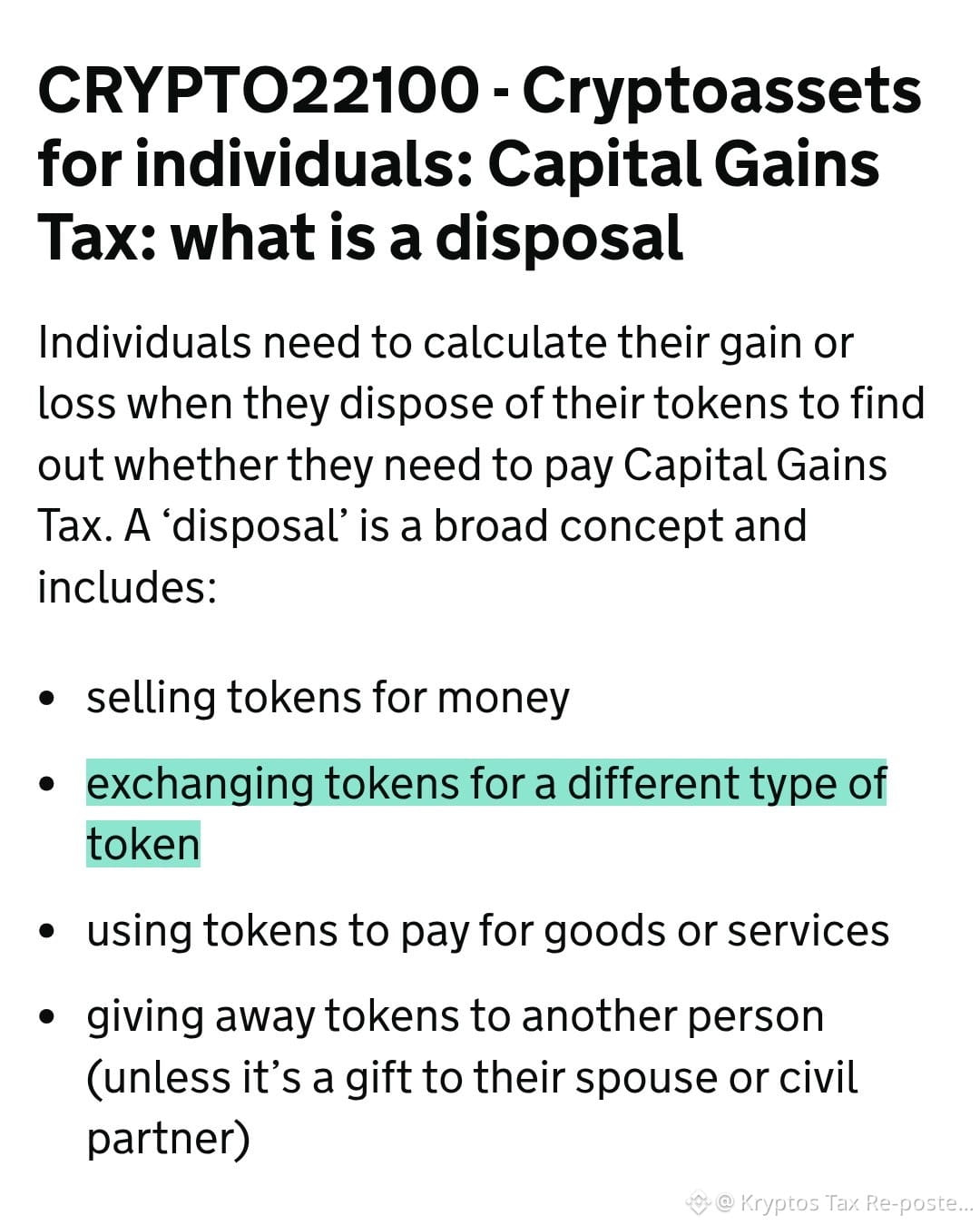
USDCをUSDTに交換すると、税金が発生する可能性があります。1ドル分をちょうど1ドル分に交換する場合も、このルールは適用されます。
米国や英国をはじめとする多くの法域では、ある暗号資産を別の暗号資産に交換する行為は、資産の処分に該当すると定められています。結果として得られる利益や損失がわずかであっても、こうした取引を税務書類に記録する必要があります。
この手続きを簡単にするため、Kryptosはお客様のすべての個人ウォレットや取引所における、こうした交換取引を自動的に追跡します。
USDCをUSDTに交換すると、税金が発生する可能性があります。1ドル分をちょうど1ドル分に交換する場合も、このルールは適用されます。
米国や英国をはじめとする多くの法域では、ある暗号資産を別の暗号資産に交換する行為は、資産の処分に該当すると定められています。結果として得られる利益や損失がわずかであっても、こうした取引を税務書類に記録する必要があります。
この手続きを簡単にするため、Kryptosはお客様のすべての個人ウォレットや取引所における、こうした交換取引を自動的に追跡します。
米国や英国をはじめとする多くの法域では、ある暗号資産を別の暗号資産に交換する行為は、資産の処分に該当すると定められています。結果として得られる利益や損失がわずかであっても、こうした取引を税務書類に記録する必要があります。
この手続きを簡単にするため、Kryptosはお客様のすべての個人ウォレットや取引所における、こうした交換取引を自動的に追跡します。
55
本日、韓国における暗号資産課税の4度目の延期の可能性について協議が行われましたが、最終的な結論には至りませんでした。当局はこれまでに、この政策の実施を3度にわたり延期していますが、現時点で決定が下されていないため、既存のスケジュールは引き続き維持されます。
新たな法改正が行われない限り、課税制度は2027年1月1日に正式に施行されます。新制度では、年間利益が250万ウォンの基準額を超えた場合、投資家には超過分に対して22%の税金が課されます。
また、すでに保有しているデジタル資産の取得価額を算定するための特別規定も設けられています。課税対象となる利益を計算する際、現在の保有資産の取得価額は、当初の購入金額と2026年12月31日時点の資産の市場価格のうち、いずれか高い方を基準として算定されます。
本日、韓国における暗号資産課税の4度目の延期の可能性について協議が行われましたが、最終的な結論には至りませんでした。当局はこれまでに、この政策の実施を3度にわたり延期していますが、現時点で決定が下されていないため、既存のスケジュールは引き続き維持されます。
新たな法改正が行われない限り、課税制度は2027年1月1日に正式に施行されます。新制度では、年間利益が250万ウォンの基準額を超えた場合、投資家には超過分に対して22%の税金が課されます。
また、すでに保有しているデジタル資産の取得価額を算定するための特別規定も設けられています。課税対象となる利益を計算する際、現在の保有資産の取得価額は、当初の購入金額と2026年12月31日時点の資産の市場価格のうち、いずれか高い方を基準として算定されます。
新たな法改正が行われない限り、課税制度は2027年1月1日に正式に施行されます。新制度では、年間利益が250万ウォンの基準額を超えた場合、投資家には超過分に対して22%の税金が課されます。
また、すでに保有しているデジタル資産の取得価額を算定するための特別規定も設けられています。課税対象となる利益を計算する際、現在の保有資産の取得価額は、当初の購入金額と2026年12月31日時点の資産の市場価格のうち、いずれか高い方を基準として算定されます。
66
Kryptosは、@P2Pvalidatorを通じて@solana、@monad、@SuiNetwork、@Aptos、@HyperliquidXでのステーキングに正式対応しました。報酬を獲得するたびに、具体的な日付とともに自動でポートフォリオに記録されます。これにより、すべての財務情報が整理され、税務シーズンに備えられます。
Kryptosは、@P2Pvalidatorを通じて@solana、@monad、@SuiNetwork、@Aptos、@HyperliquidXでのステーキングに正式対応しました。報酬を獲得するたびに、具体的な日付とともに自動でポートフォリオに記録されます。これにより、すべての財務情報が整理され、税務シーズンに備えられます。
76
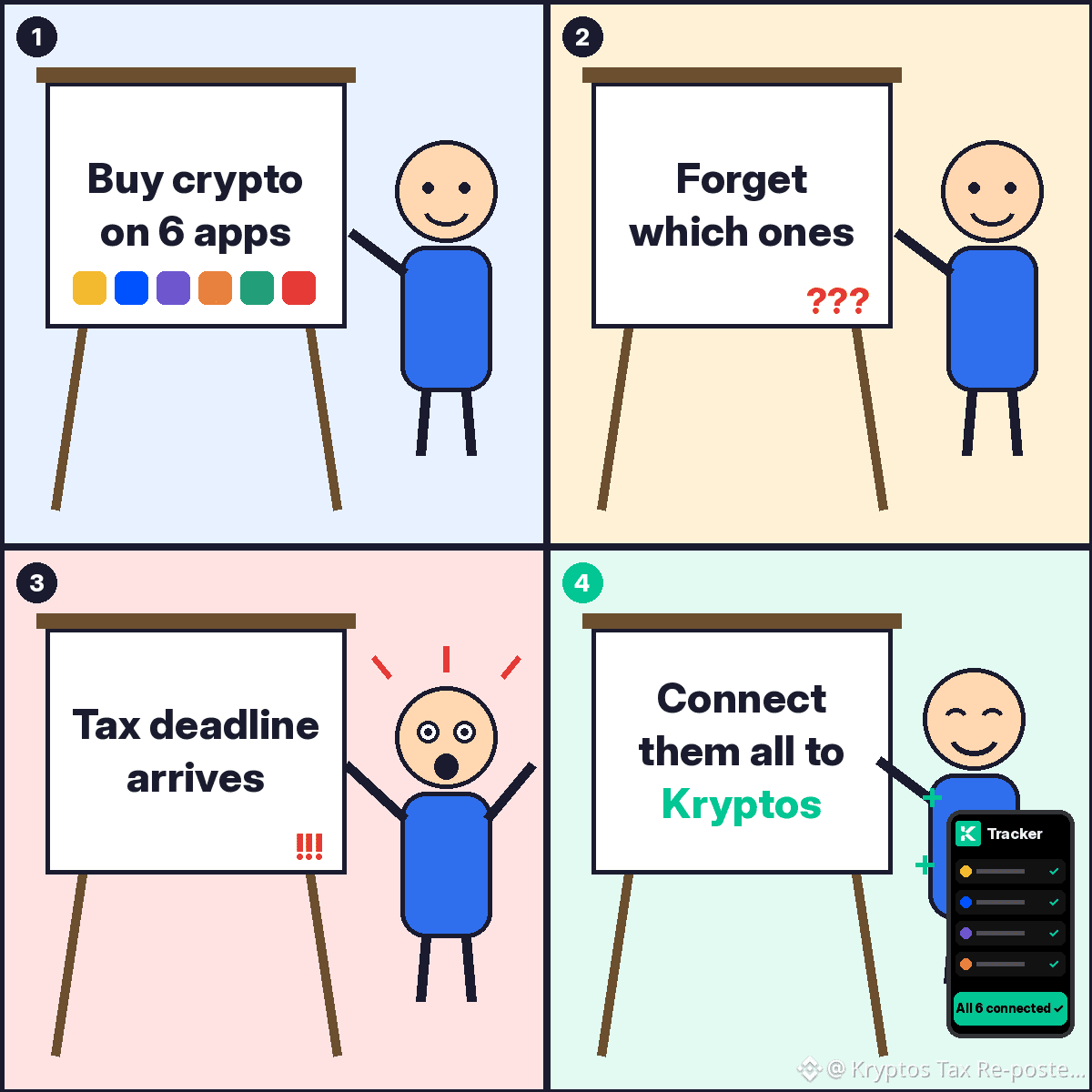
「暗号資産を買う」という検索の件数が、最近、今年最高の水準に達しました。この傾向は、投資家にとってお決まりのサイクルを引き起こしがちです。まずデジタル資産を購入し、その後すぐに、取引に使ったプラットフォームを正確に思い出せなくなります。そして最終的には、非常にストレスの多い税務申告の時期を迎えることになります。資産の状況を把握できなくなる煩わしさは、すっかり回避できます。Kryptos Trackerなら、利用しているすべての取引所とウォレットをひとつの見やすい画面に表示できるため、残りの申告要件はKryptos Taxにスムーズに任せられます。
「暗号資産を買う」という検索の件数が、最近、今年最高の水準に達しました。この傾向は、投資家にとってお決まりのサイクルを引き起こしがちです。まずデジタル資産を購入し、その後すぐに、取引に使ったプラットフォームを正確に思い出せなくなります。そして最終的には、非常にストレスの多い税務申告の時期を迎えることになります。資産の状況を把握できなくなる煩わしさは、すっかり回避できます。Kryptos Trackerなら、利用しているすべての取引所とウォレットをひとつの見やすい画面に表示できるため、残りの申告要件はKryptos Taxにスムーズに任せられます。
64
皆さまへのリマインダーです。来る10月15日の期限までに、暗号資産に関する税務申告をお済ませください。
皆さまへのリマインダーです。来る10月15日の期限までに、暗号資産に関する税務申告をお済ませください。
57
ログインして、さらにコンテンツを読む
厳選トピックで世界の暗号資産トレーダーの仲間入り
⚡️ 暗号資産に関する最新かつ有益な情報が見つかります。
💬 世界最大の暗号資産取引所から信頼されています。
👍 認証を受けたクリエイターから、有益なインサイトを得られます。
メール / 電話番号