
unique53
5 投稿

unique53
報告
ユーザーをブロック
Learning crypto step by step. Exploring Bitcoin, blockchain and wallet safety. Sharing what I learn from trusted sources. Not financial advice.
3 フォロー
0 フォロワー
5 いいね
投稿
·
--
🚨 ハッキングされなくても、ウォレットはだまされることがあります!
暗号資産詐欺は、パスワードや秘密鍵を盗むものばかりではないと知りました。
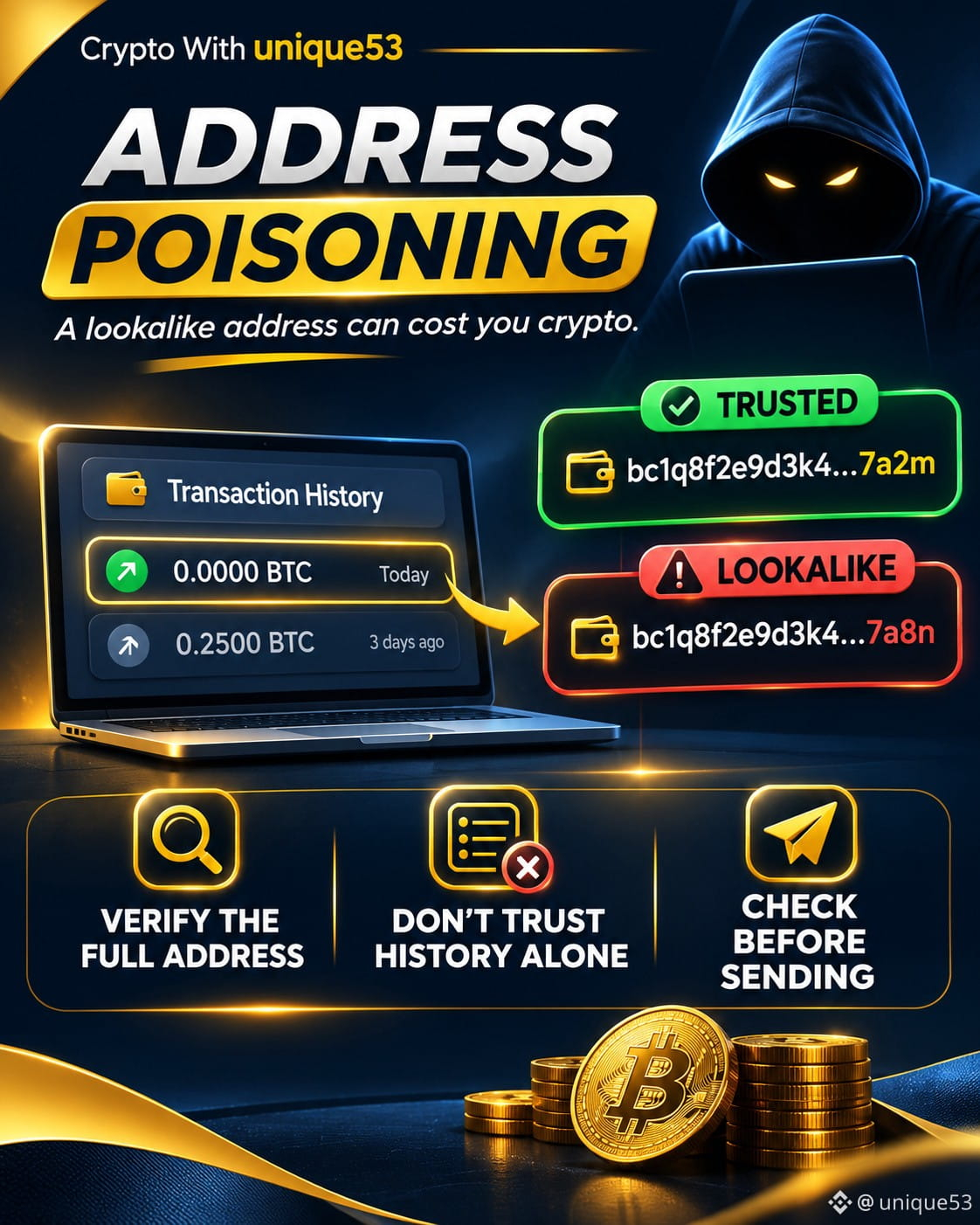
最近知った手口のひとつが「アドレス・ポイズニング」です。
その仕組みはこちら:
🔹 偽アドレス:詐欺師は、以前使ったことのあるアドレスに似たウォレットアドレスを作ります。
🔹 罠:ごく少額、またはゼロ円の取引を送り、そのアドレスが取引履歴に表示されるようにします。
🔹 うっかりミス:あとで確認せずにそのアドレスをコピーすると、暗号資産を詐欺師に送ってしまう可能性があります。
⚠️ 怖いのは、これが起きるのにウォレットがハッキングされる必要はないということです。
学んでいる3つの安全習慣:
✅ 信頼できる情報源を使って、送金先アドレス全体を確認する。
✅ 取引履歴からアドレスをむやみにコピーしない。
✅ 必要に応じて、確認済みアドレス帳を使い、少額のテスト送金をする。
💡 学んだこと:見覚えのあるアドレスだからといって、安全とは限りません。
詐欺の仕組みを理解することが、暗号資産を守る第一歩だと学んでいます。
❓ ウォレットの履歴に不審な取引を見つけたことはありますか?
#CryptoSecurity #AddressPoisoning #CryptoEducation #CryptoBeginners
1
85
·
--
翻訳参照
🔍 Proof of Reserves: Can You Really Verify an Exchange’s Crypto?
I’m learning that trusting a crypto exchange shouldn’t depend only on its reputation.
One concept I discovered is Proof of Reserves (PoR).
Here’s what I’ve learned:
🔹 What is PoR?
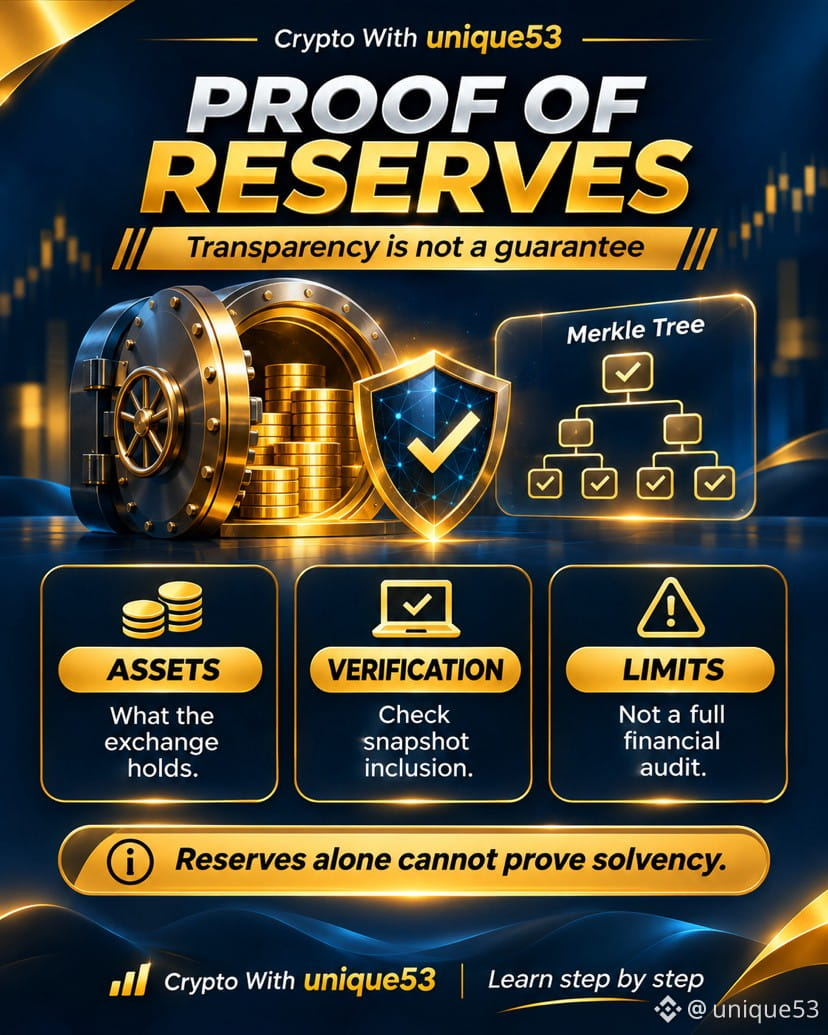
It’s a verification method that helps exchanges demonstrate they hold assets backing customer balances.
🔹 How does it work?
Cryptographic tools, including Merkle trees, can help users verify that their balances were included in a reserve snapshot.
🔹 Why does it matter?
It provides an additional layer of transparency instead of relying entirely on an exchange’s claims.
⚠️ But here’s the important part:
Proof of Reserves isn’t a complete financial audit. A reserve snapshot alone doesn’t prove that an exchange has no hidden liabilities or financial risks.
💡 My takeaway:
Transparency is valuable, but understanding its limitations matters just as much.
I’m learning crypto step by step, and this is another concept worth understanding.
❓ Before today, had you heard of Proof of Reserves?
#ProofOfReserves #CryptoEducation #Blockchain #CryptoSecurity
1
66
·
--
翻訳参照
🪙 Stablecoins: Does “Stable” Mean Risk-Free?
One thing I'm learning about crypto is that a stable price doesn't automatically mean a safe asset.
Stablecoins are cryptocurrencies designed to maintain a value linked to another asset, often the US dollar.
Here's what I've learned so far:
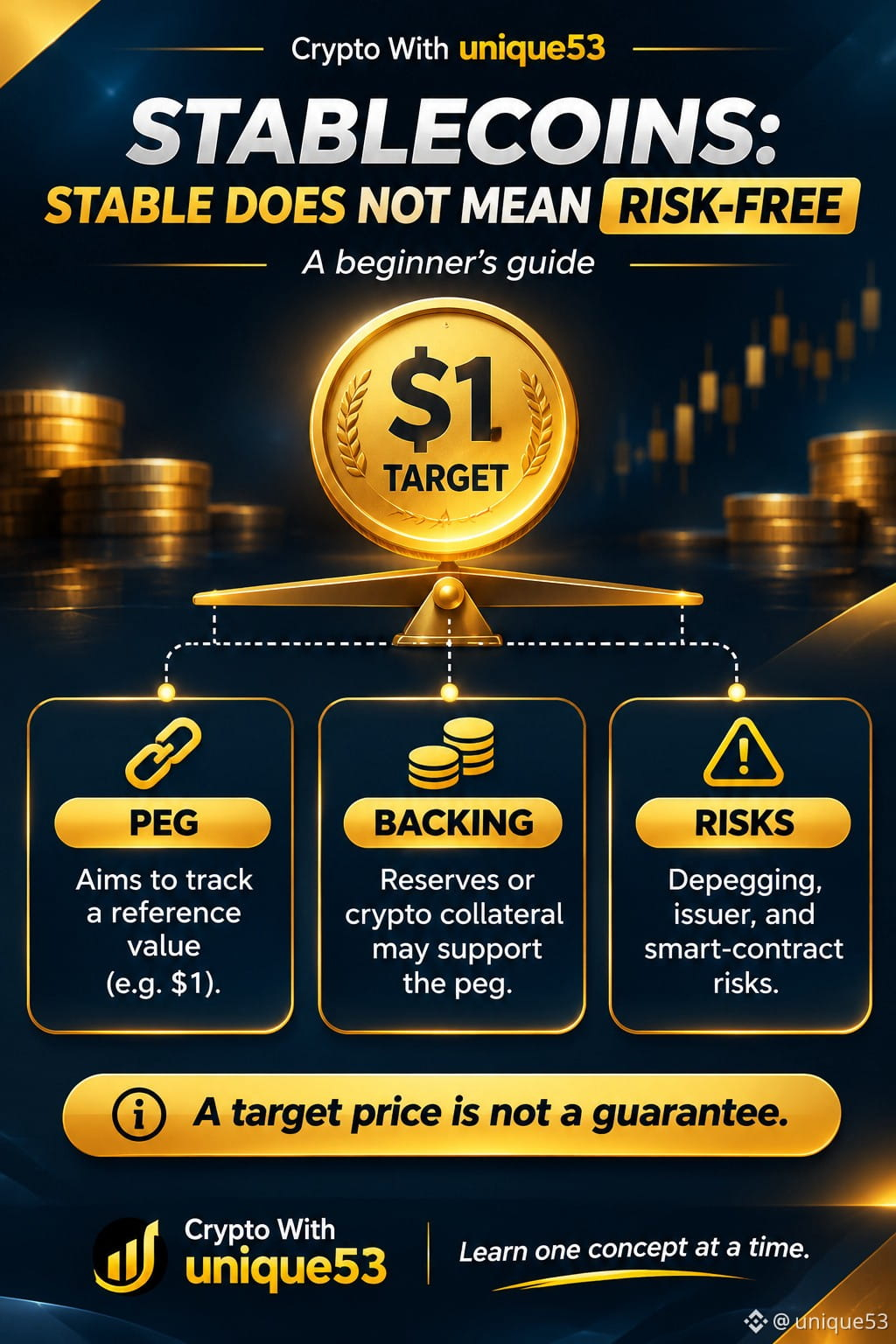
🔹 The Peg: A dollar-pegged stablecoin generally aims to maintain a value close to $1.
🔹 The Backing: Some stablecoins rely on financial reserves, while others use crypto collateral or different mechanisms.
🔹 The Risks: Stablecoins can lose their peg. Issuer problems, insufficient reserves, smart-contract vulnerabilities, and market conditions can create additional risks.
💡 My takeaway:
A $1 target is not a $1 guarantee.
Before trusting any stablecoin, it's worth understanding how it maintains its value and what could cause that mechanism to fail.
I'm still learning, and this is another important lesson in understanding crypto beyond price charts.
❓ Did you know stablecoins could lose their peg?
#Stablecoins #CryptoEducation #Blockchain #CryptoBeginners
1
49
·
--
$BTC 💧 暗号資産の取引では、なぜ想定以上のコストがかかることがあるのでしょうか?
暗号資産を取引するとき、目にする価格が必ずしも実際に取引できる価格とは限らないことを学んでいます。
その理由を説明する重要な概念が2つあります。
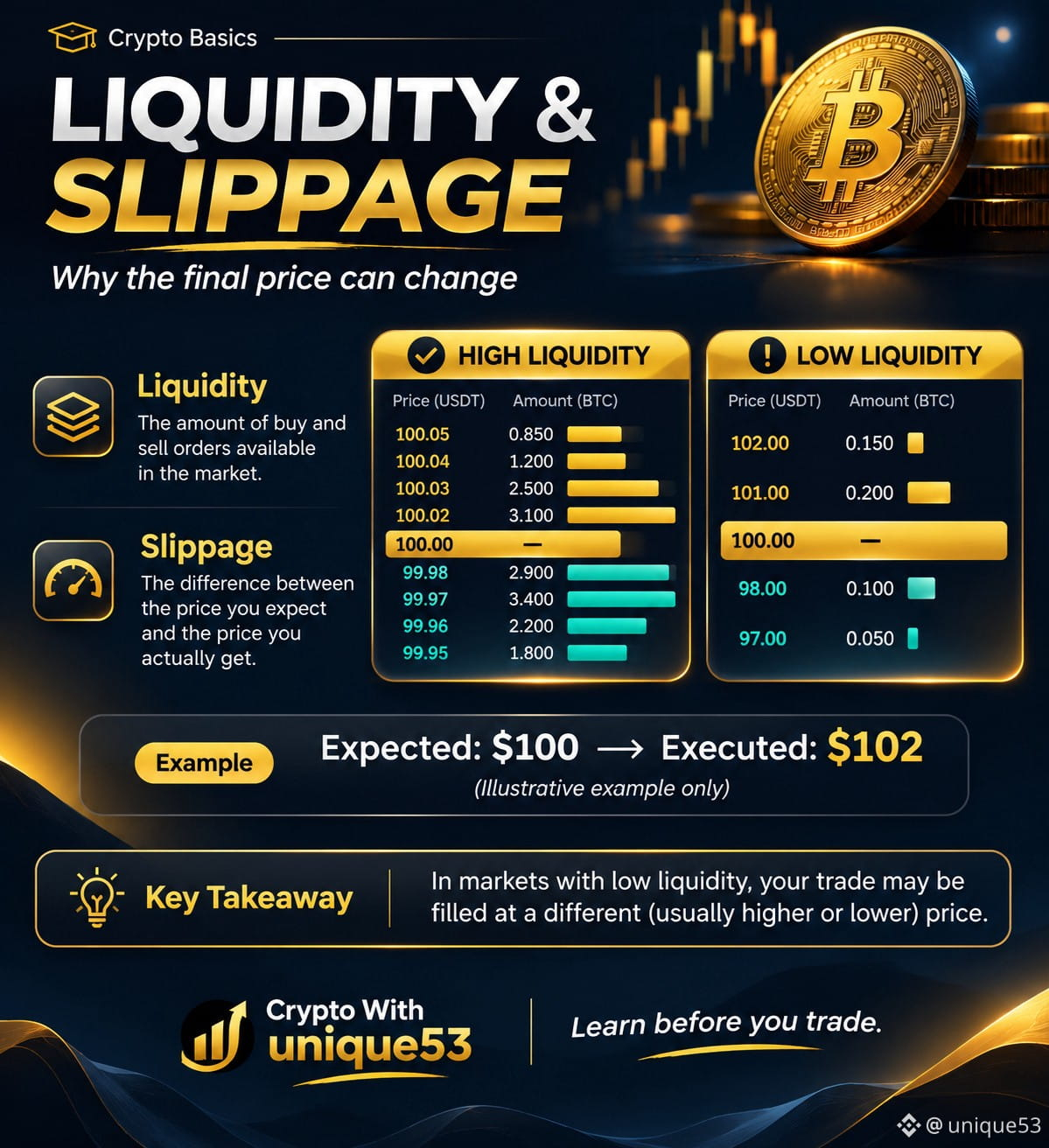
🔹 流動性:価格に大きな影響を与えずに、資産をどれだけ簡単に売買できるか。
🔹 スリッページ:予想した価格と、実際に取引が成立した価格との差。
📊 簡単な例:
予想価格:100ドル
約定価格:102ドル
スリッページ:2%(不利)
これはあくまで例であり、実際の市場価格ではありません。
流動性が低い場合や市場が急速に変動する場合、スリッページが大きくなることがあります。スリッページが有利に働くこともあります。
💡 学んだこと:流動性を理解することは、価格をチェックするのと同じくらい大切です。
暗号資産について、一つずつ学んでいます。
❓ 今日までスリッページについて知っていましたか?
#暗号資産の学び #流動性 #スリッページ #暗号資産初心者
1
170
·
--
翻訳参照
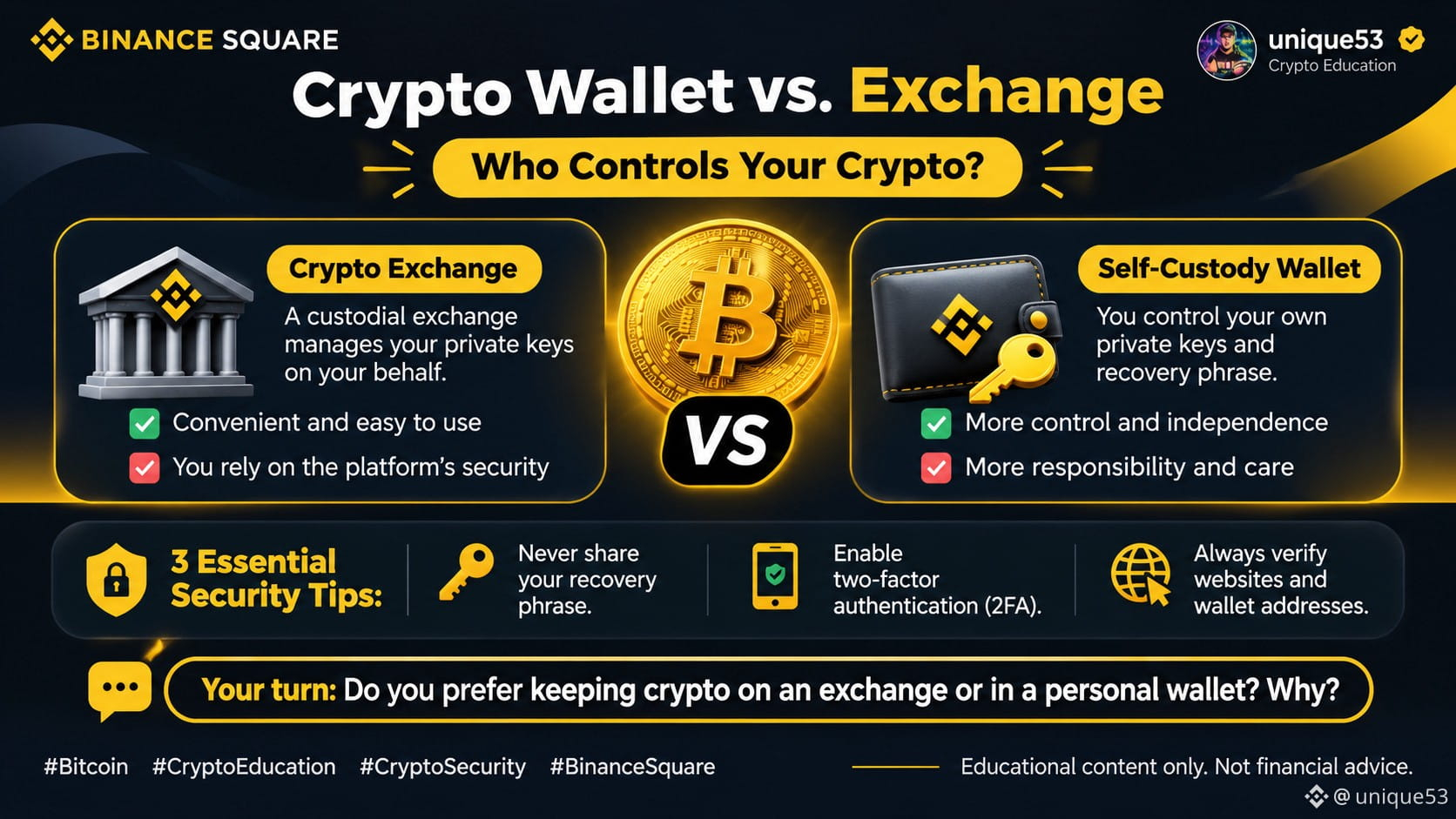
$BTC 🔐 Crypto Wallet vs. Exchange: Who Really Controls Your Crypto?
If you own $BTC, do you know who controls the keys that protect it?
🏦 Crypto Exchange
A custodial exchange manages your private keys on your behalf. It's convenient, but you rely on the platform's security.
🔑 Self-Custody Wallet
You control your own private keys and recovery phrase. More control also means more responsibility.
⚠️ 3 Essential Security Tips:$
✅ Never share your recovery phrase.
✅ Enable two-factor authentication (2FA) wherever available.
✅ Always verify websites and wallet addresses.
💡 Remember: Owning crypto and controlling its private keys are not always the same thing.
💬 Your turn: Do you prefer keeping crypto on an exchange or in a personal wallet? Why?
#Bitcoin #CryptoEducation #CryptoSecurity #BinanceSquare
📚 Educational content only. Not financial advice.
$BTC 🔐 Crypto Wallet vs. Exchange: Who Really Controls Your Crypto?
If you own $BTC , do you know who controls the keys that protect it?
🏦 Crypto Exchange
A custodial exchange manages your private keys on your behalf. It's convenient, but you rely on the platform's security.
🔑 Self-Custody Wallet
You control your own private keys and recovery phrase. More control also means more responsibility.
⚠️ 3 Essential Security Tips:$
✅ Never share your recovery phrase.
✅ Enable two-factor authentication (2FA) wherever available.
✅ Always verify websites and wallet addresses.
💡 Remember: Owning crypto and controlling its private keys are not always the same thing.
💬 Your turn: Do you prefer keeping crypto on an exchange or in a personal wallet? Why?
#Bitcoin #CryptoEducation #CryptoSecurity #BinanceSquare
📚 Educational content only. Not financial advice.
1
104
ログインして、さらにコンテンツを読む
厳選トピックで世界の暗号資産トレーダーの仲間入り
⚡️ 暗号資産に関する最新かつ有益な情報が見つかります。
💬 世界最大の暗号資産取引所から信頼されています。
👍 認証を受けたクリエイターから、有益なインサイトを得られます。
メール / 電話番号