

Tom898
56 投稿

Tom898
報告
ユーザーをブロック
取引を発注
低高頻度トレーダー
2.4年
46 フォロー
113 フォロワー
120 いいね
投稿
ポートフォリオ
すべて
引用
·
--
翻訳参照
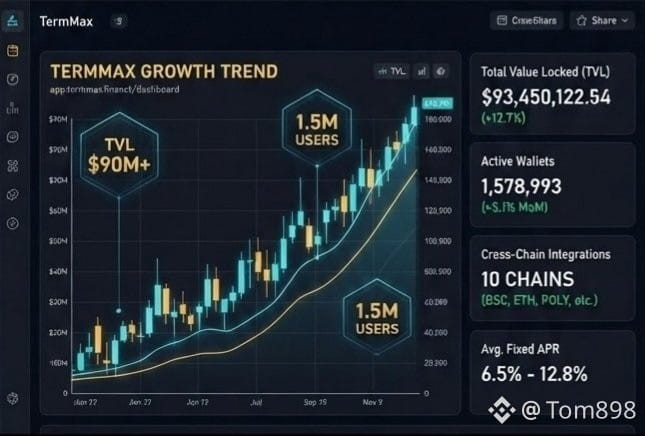
do you know @TermMax is the most bullish DeFi narrative right now but why?
With approaching the TGE and massive ecosystem growth, the numbers speak for themselves:
📈 TVL crossing over $90M+
🌐 1.5M+ registered wallets 🔥
🚀 Up to 170k users across 10 EVM chains!
#TermMax @TermMax
do you know @TermMax is the most bullish DeFi narrative right now but why?
With approaching the TGE and massive ecosystem growth, the numbers speak for themselves:
📈 TVL crossing over $90M+
🌐 1.5M+ registered wallets 🔥
🚀 Up to 170k users across 10 EVM chains!
#TermMax @TermMax
With approaching the TGE and massive ecosystem growth, the numbers speak for themselves:
📈 TVL crossing over $90M+
🌐 1.5M+ registered wallets 🔥
🚀 Up to 170k users across 10 EVM chains!
#TermMax @TermMax
75
·
--
市場はもう1つの確認を待っているのかもしれません
暗号資産は、より強い値動きに必要な参加がまだ足りなくても、強気に見えることがあります。
だから私は、ローソク足そのものだけでなく、最初のプッシュの後に何が起きるかを見ています。
$BTCは引き続きメインの市場フィルターです。
ビットコインが強さを保ちつつ出来高が改善するなら、リスク許容度はゆっくりとカーブのさらに下へ動く可能性があります。
そして$ETHが重要になります。
より強い$ETHは、資金がビットコインの外へ広がっていることを示し、高β(ベータ)の資産に向けた余地を生みます。
私が注目しているのはここです:
$SOL $BNB $XRP $SUI $APT $AVAX $NEAR $SEI $TIA
重要なのは、単にどの銘柄が緑(上昇)かではありません。
資金(流動性)がどこに留まっているのかを知りたいのです。
出来高は拡大していますか?
エコシステムは資本を呼び込んでいますか?
注目が薄れた後でも、この動きは生き残れますか?
DeFiも、もう一つ注目すべき領域です。
$AAVE $UNI $CRV $PENDLE $JUP $MKR
これらのプロトコルは、レンディング、トレーディング、流動性、そして利回りへの市場エクスポージャーを提供します。
価格が上がり、なおかつ活動が強まっているなら、そのシグナルはより説得力を増します。
インフラも重要です。
$LINK $ARB $OP $DOT $ATOM
オンチェーンの活動が広がるにつれ、データ需要、スケーリング、相互運用性への需要が高まる可能性があります。
AIは依然として大きな注目の磁石です:
$TAO $RENDER $FET $KAITO $FIL
ただし注目は最初の一歩に過ぎません。
より強いプロジェクトは、その注目をユーザー、プロダクト、需要へと変換できるものです。
RWAも私が監視しているもう一つのセクターです。
$ONDO $LINK $MKR $XLM
トークン化によって、より従来型の金融活動がブロックチェーン上のレールに乗ってくるかもしれませんが、見出しよりも流動性と普及がより重要になるでしょう。
そして投機サイドには:
$BONK $PUMP $PENGU $PEOPLE
これらは、ソーシャル上の注目と流動性が同時に到来すると、非常に速く動くことがあります。
しかし私は、最初のポンプの後に何が起きるかにより関心があります。
出来高は残りますか?
価格は維持されますか?
流動性は残りますか?
それが、一時的な動きと本当のローテーション(資金の乗り換え)の違いです。
私にとって次の強いシグナルは、単なるブレイクアウトではありません。
ブレイクアウトの後に、参加がついてくることです。
市場はもう1つの確認を待っているのかもしれません
暗号資産は、より強い値動きに必要な参加がまだ足りなくても、強気に見えることがあります。
だから私は、ローソク足そのものだけでなく、最初のプッシュの後に何が起きるかを見ています。
$BTCは引き続きメインの市場フィルターです。
ビットコインが強さを保ちつつ出来高が改善するなら、リスク許容度はゆっくりとカーブのさらに下へ動く可能性があります。
そして$ETHが重要になります。
より強い$ETHは、資金がビットコインの外へ広がっていることを示し、高β(ベータ)の資産に向けた余地を生みます。
私が注目しているのはここです:
$SOL $BNB $XRP $SUI $APT $AVAX $NEAR $SEI $TIA
重要なのは、単にどの銘柄が緑(上昇)かではありません。
資金(流動性)がどこに留まっているのかを知りたいのです。
出来高は拡大していますか?
エコシステムは資本を呼び込んでいますか?
注目が薄れた後でも、この動きは生き残れますか?
DeFiも、もう一つ注目すべき領域です。
$AAVE $UNI $CRV $PENDLE $JUP $MKR
これらのプロトコルは、レンディング、トレーディング、流動性、そして利回りへの市場エクスポージャーを提供します。
価格が上がり、なおかつ活動が強まっているなら、そのシグナルはより説得力を増します。
インフラも重要です。
$LINK $ARB $OP $DOT $ATOM
オンチェーンの活動が広がるにつれ、データ需要、スケーリング、相互運用性への需要が高まる可能性があります。
AIは依然として大きな注目の磁石です:
$TAO $RENDER $FET $KAITO $FIL
ただし注目は最初の一歩に過ぎません。
より強いプロジェクトは、その注目をユーザー、プロダクト、需要へと変換できるものです。
RWAも私が監視しているもう一つのセクターです。
$ONDO $LINK $MKR $XLM
トークン化によって、より従来型の金融活動がブロックチェーン上のレールに乗ってくるかもしれませんが、見出しよりも流動性と普及がより重要になるでしょう。
そして投機サイドには:
$BONK $PUMP $PENGU $PEOPLE
これらは、ソーシャル上の注目と流動性が同時に到来すると、非常に速く動くことがあります。
しかし私は、最初のポンプの後に何が起きるかにより関心があります。
出来高は残りますか?
価格は維持されますか?
流動性は残りますか?
それが、一時的な動きと本当のローテーション(資金の乗り換え)の違いです。
私にとって次の強いシグナルは、単なるブレイクアウトではありません。
ブレイクアウトの後に、参加がついてくることです。
暗号資産は、より強い値動きに必要な参加がまだ足りなくても、強気に見えることがあります。
だから私は、ローソク足そのものだけでなく、最初のプッシュの後に何が起きるかを見ています。
$BTCは引き続きメインの市場フィルターです。
ビットコインが強さを保ちつつ出来高が改善するなら、リスク許容度はゆっくりとカーブのさらに下へ動く可能性があります。
そして$ETHが重要になります。
より強い$ETHは、資金がビットコインの外へ広がっていることを示し、高β(ベータ)の資産に向けた余地を生みます。
私が注目しているのはここです:
$SOL $BNB $XRP $SUI $APT $AVAX $NEAR $SEI $TIA
重要なのは、単にどの銘柄が緑(上昇)かではありません。
資金(流動性)がどこに留まっているのかを知りたいのです。
出来高は拡大していますか?
エコシステムは資本を呼び込んでいますか?
注目が薄れた後でも、この動きは生き残れますか?
DeFiも、もう一つ注目すべき領域です。
$AAVE $UNI $CRV $PENDLE $JUP $MKR
これらのプロトコルは、レンディング、トレーディング、流動性、そして利回りへの市場エクスポージャーを提供します。
価格が上がり、なおかつ活動が強まっているなら、そのシグナルはより説得力を増します。
インフラも重要です。
$LINK $ARB $OP $DOT $ATOM
オンチェーンの活動が広がるにつれ、データ需要、スケーリング、相互運用性への需要が高まる可能性があります。
AIは依然として大きな注目の磁石です:
$TAO $RENDER $FET $KAITO $FIL
ただし注目は最初の一歩に過ぎません。
より強いプロジェクトは、その注目をユーザー、プロダクト、需要へと変換できるものです。
RWAも私が監視しているもう一つのセクターです。
$ONDO $LINK $MKR $XLM
トークン化によって、より従来型の金融活動がブロックチェーン上のレールに乗ってくるかもしれませんが、見出しよりも流動性と普及がより重要になるでしょう。
そして投機サイドには:
$BONK $PUMP $PENGU $PEOPLE
これらは、ソーシャル上の注目と流動性が同時に到来すると、非常に速く動くことがあります。
しかし私は、最初のポンプの後に何が起きるかにより関心があります。
出来高は残りますか?
価格は維持されますか?
流動性は残りますか?
それが、一時的な動きと本当のローテーション(資金の乗り換え)の違いです。
私にとって次の強いシグナルは、単なるブレイクアウトではありません。
ブレイクアウトの後に、参加がついてくることです。
222
·
--
⚡ アルトコインは動いている — だが流動性はまだ味方を決めていない
アルトコイン市場には強さの“ポケット”が見られるものの、全体像は依然としてバラバラだ。
資金を呼び込んでいるテーマもある。薄れていくストーリーもある。そして複数のトークンは、ほぼ短期モメンタムだけで動いている。
それが示すのはひとつ:
ローテーションは起きているが、幅広い参加にはまだ到達していない。
🟢 L1 ローテーション・ウォッチ
$AVAX $SUI $NEAR $TIA $APT $DOT
リスク許容度がメジャー銘柄を超えて広がれば、これらのエコシステムは恩恵を受ける可能性がある。
🔥 RWA + DEFI
$ONDO $PENDLE $AAVE $MKR $LDO $UNI $CRV $JTO $CVX
このグループは注目に値する。新たな流動性とオンチェーン活動が、より強いファンダメンタルな買い需要を生みうるからだ。
🤖 AI / コンピュートの選別
$TAO $RNDR $WLD $FET $AKT $THETA $AIOZ $KAITO
ストーリー自体は依然として強力だが、強さが単独の“単発ポンプ”以上になる必要がある。
🔻 弱い L1
$SEI $ZIL $HBAR $IOTA $XTZ
これらの銘柄は、相対的な弱さが意味のある形で反転する前に、より強い流動性と市場全体のリスク許容度が必要だ。
💀 メメ / 高ベータ
$PEPE $BONK $WIF $FLOKI $SHIB $BOME $TRUMP $POPCAT
ここではモメンタムが、どちらの方向にも極端になりうる。急な上昇はFOMOを呼び込む一方で、急な反転は同じくらい素早くそれを消し去る。
大事なのは、最初に動くコインを見つけることではない。
“最初の動き”の後にも流動性が残っている場所を見極めることだ。
見るべきポイント:
📊 スポット出来高の拡大
💰 継続する流動性
🛡️ 下落局面で買い手が守る
📈 市場の広がりが改善
🔄 $BTC のボラティリティに耐える強さ
そうして初めて、投機的なポンプが“本物のローテーション”に見えてくる。
$BTC は市場の錨であり続ける。
しかし、流動性が次に注目されるテーマを決める。
ローソク足を追いかけるな。
資金の流れを追え。
※投資助言ではない。まずはリスク管理。
⚡ アルトコインは動いている — だが流動性はまだ味方を決めていない
アルトコイン市場には強さの“ポケット”が見られるものの、全体像は依然としてバラバラだ。
資金を呼び込んでいるテーマもある。薄れていくストーリーもある。そして複数のトークンは、ほぼ短期モメンタムだけで動いている。
それが示すのはひとつ:
ローテーションは起きているが、幅広い参加にはまだ到達していない。
🟢 L1 ローテーション・ウォッチ
$AVAX $SUI $NEAR $TIA $APT $DOT
リスク許容度がメジャー銘柄を超えて広がれば、これらのエコシステムは恩恵を受ける可能性がある。
🔥 RWA + DEFI
$ONDO $PENDLE $AAVE $MKR $LDO $UNI $CRV $JTO $CVX
このグループは注目に値する。新たな流動性とオンチェーン活動が、より強いファンダメンタルな買い需要を生みうるからだ。
🤖 AI / コンピュートの選別
$TAO $RNDR $WLD $FET $AKT $THETA $AIOZ $KAITO
ストーリー自体は依然として強力だが、強さが単独の“単発ポンプ”以上になる必要がある。
🔻 弱い L1
$SEI $ZIL $HBAR $IOTA $XTZ
これらの銘柄は、相対的な弱さが意味のある形で反転する前に、より強い流動性と市場全体のリスク許容度が必要だ。
💀 メメ / 高ベータ
$PEPE $BONK $WIF $FLOKI $SHIB $BOME $TRUMP $POPCAT
ここではモメンタムが、どちらの方向にも極端になりうる。急な上昇はFOMOを呼び込む一方で、急な反転は同じくらい素早くそれを消し去る。
大事なのは、最初に動くコインを見つけることではない。
“最初の動き”の後にも流動性が残っている場所を見極めることだ。
見るべきポイント:
📊 スポット出来高の拡大
💰 継続する流動性
🛡️ 下落局面で買い手が守る
📈 市場の広がりが改善
🔄 $BTC のボラティリティに耐える強さ
そうして初めて、投機的なポンプが“本物のローテーション”に見えてくる。
$BTC は市場の錨であり続ける。
しかし、流動性が次に注目されるテーマを決める。
ローソク足を追いかけるな。
資金の流れを追え。
※投資助言ではない。まずはリスク管理。
アルトコイン市場には強さの“ポケット”が見られるものの、全体像は依然としてバラバラだ。
資金を呼び込んでいるテーマもある。薄れていくストーリーもある。そして複数のトークンは、ほぼ短期モメンタムだけで動いている。
それが示すのはひとつ:
ローテーションは起きているが、幅広い参加にはまだ到達していない。
🟢 L1 ローテーション・ウォッチ
$AVAX $SUI $NEAR $TIA $APT $DOT
リスク許容度がメジャー銘柄を超えて広がれば、これらのエコシステムは恩恵を受ける可能性がある。
🔥 RWA + DEFI
$ONDO $PENDLE $AAVE $MKR $LDO $UNI $CRV $JTO $CVX
このグループは注目に値する。新たな流動性とオンチェーン活動が、より強いファンダメンタルな買い需要を生みうるからだ。
🤖 AI / コンピュートの選別
$TAO $RNDR $WLD $FET $AKT $THETA $AIOZ $KAITO
ストーリー自体は依然として強力だが、強さが単独の“単発ポンプ”以上になる必要がある。
🔻 弱い L1
$SEI $ZIL $HBAR $IOTA $XTZ
これらの銘柄は、相対的な弱さが意味のある形で反転する前に、より強い流動性と市場全体のリスク許容度が必要だ。
💀 メメ / 高ベータ
$PEPE $BONK $WIF $FLOKI $SHIB $BOME $TRUMP $POPCAT
ここではモメンタムが、どちらの方向にも極端になりうる。急な上昇はFOMOを呼び込む一方で、急な反転は同じくらい素早くそれを消し去る。
大事なのは、最初に動くコインを見つけることではない。
“最初の動き”の後にも流動性が残っている場所を見極めることだ。
見るべきポイント:
📊 スポット出来高の拡大
💰 継続する流動性
🛡️ 下落局面で買い手が守る
📈 市場の広がりが改善
🔄 $BTC のボラティリティに耐える強さ
そうして初めて、投機的なポンプが“本物のローテーション”に見えてくる。
$BTC は市場の錨であり続ける。
しかし、流動性が次に注目されるテーマを決める。
ローソク足を追いかけるな。
資金の流れを追え。
※投資助言ではない。まずはリスク管理。
192
·
--
速報:$XAUTの価格が急騰し、4,395米ドルに到達。理由は何?
$XAUT(Tether Gold)の価格は、当該トークンの運用上の特性と、世界的な経済・政治情勢を背景に、4,300〜4,400米ドルのレンジまで上昇しました。
XAUTが急騰した主な理由
1. 世界の金価格($XAU)の爆発的上昇
$XAUTは、実物の金に1対1で裏付けられたトークンです(1 XAUT = テザーが保管する純金1トロイオンス)。そのため、$XAUTの価格は常に世界の金価格の変動に連動します。
世界の金価格が継続的に過去最高を更新し、1オンスあたり4,000米ドルを大きく上回る水準へ進むと、$XAUTの価格も自然にそれに連れて上昇します。
2. 地政学的緊張とマクロ経済の不安定さ
有事の避難先:地政学的な長期化した紛争に加え、インフレ/景気後退リスクがあることで、世界の投資家はリスク資産から逃避し、金を求めるようになります。
積み増し傾向:中央銀行や大手金融機関が実物の金の購入を増やし、世界の金価格をさらに押し上げて新たな高値へ。
3. 暗号資産市場における資金フローのシフト
RWA(現実世界資産)への投資シフト:暗号資産投資家の多くは、暗号市場が値動きの荒い局面の際にリスクヘッジとして、$XAUTのようなトークン化された現実世界資産(RWA)へ資金を移す選択をします。
高い柔軟性:$XAUTを購入すれば、保管・メンテナンスや実物の金地金の輸送コストを気にせず、ブロックチェーン上で金を保有できます。
4. 暗号取引所における価格プレミアム現象
特定の取引所で$XAUTを買いたい需要が、即時の流動性供給を超えて急増すると、その時点の実際のスポット金価格よりも少し高い価格でプレミアムが発生することがあります。
#CPIToResetFedBets
#AIMemorySelloffEases $BTC
#BTCETHETFInflowsReturn $ETH
{spot}(BTCUSDT)
速報:$XAUTの価格が急騰し、4,395米ドルに到達。理由は何?
$XAUT(Tether Gold)の価格は、当該トークンの運用上の特性と、世界的な経済・政治情勢を背景に、4,300〜4,400米ドルのレンジまで上昇しました。
XAUTが急騰した主な理由
1. 世界の金価格($XAU)の爆発的上昇
$XAUTは、実物の金に1対1で裏付けられたトークンです(1 XAUT = テザーが保管する純金1トロイオンス)。そのため、$XAUTの価格は常に世界の金価格の変動に連動します。
世界の金価格が継続的に過去最高を更新し、1オンスあたり4,000米ドルを大きく上回る水準へ進むと、$XAUTの価格も自然にそれに連れて上昇します。
2. 地政学的緊張とマクロ経済の不安定さ
有事の避難先:地政学的な長期化した紛争に加え、インフレ/景気後退リスクがあることで、世界の投資家はリスク資産から逃避し、金を求めるようになります。
積み増し傾向:中央銀行や大手金融機関が実物の金の購入を増やし、世界の金価格をさらに押し上げて新たな高値へ。
3. 暗号資産市場における資金フローのシフト
RWA(現実世界資産)への投資シフト:暗号資産投資家の多くは、暗号市場が値動きの荒い局面の際にリスクヘッジとして、$XAUTのようなトークン化された現実世界資産(RWA)へ資金を移す選択をします。
高い柔軟性:$XAUTを購入すれば、保管・メンテナンスや実物の金地金の輸送コストを気にせず、ブロックチェーン上で金を保有できます。
4. 暗号取引所における価格プレミアム現象
特定の取引所で$XAUTを買いたい需要が、即時の流動性供給を超えて急増すると、その時点の実際のスポット金価格よりも少し高い価格でプレミアムが発生することがあります。
#CPIToResetFedBets
#AIMemorySelloffEases $BTC
#BTCETHETFInflowsReturn $ETH
$XAUT(Tether Gold)の価格は、当該トークンの運用上の特性と、世界的な経済・政治情勢を背景に、4,300〜4,400米ドルのレンジまで上昇しました。
XAUTが急騰した主な理由
1. 世界の金価格($XAU)の爆発的上昇
$XAUTは、実物の金に1対1で裏付けられたトークンです(1 XAUT = テザーが保管する純金1トロイオンス)。そのため、$XAUTの価格は常に世界の金価格の変動に連動します。
世界の金価格が継続的に過去最高を更新し、1オンスあたり4,000米ドルを大きく上回る水準へ進むと、$XAUTの価格も自然にそれに連れて上昇します。
2. 地政学的緊張とマクロ経済の不安定さ
有事の避難先:地政学的な長期化した紛争に加え、インフレ/景気後退リスクがあることで、世界の投資家はリスク資産から逃避し、金を求めるようになります。
積み増し傾向:中央銀行や大手金融機関が実物の金の購入を増やし、世界の金価格をさらに押し上げて新たな高値へ。
3. 暗号資産市場における資金フローのシフト
RWA(現実世界資産)への投資シフト:暗号資産投資家の多くは、暗号市場が値動きの荒い局面の際にリスクヘッジとして、$XAUTのようなトークン化された現実世界資産(RWA)へ資金を移す選択をします。
高い柔軟性:$XAUTを購入すれば、保管・メンテナンスや実物の金地金の輸送コストを気にせず、ブロックチェーン上で金を保有できます。
4. 暗号取引所における価格プレミアム現象
特定の取引所で$XAUTを買いたい需要が、即時の流動性供給を超えて急増すると、その時点の実際のスポット金価格よりも少し高い価格でプレミアムが発生することがあります。
#CPIToResetFedBets
#AIMemorySelloffEases $BTC
#BTCETHETFInflowsReturn $ETH
126
·
--
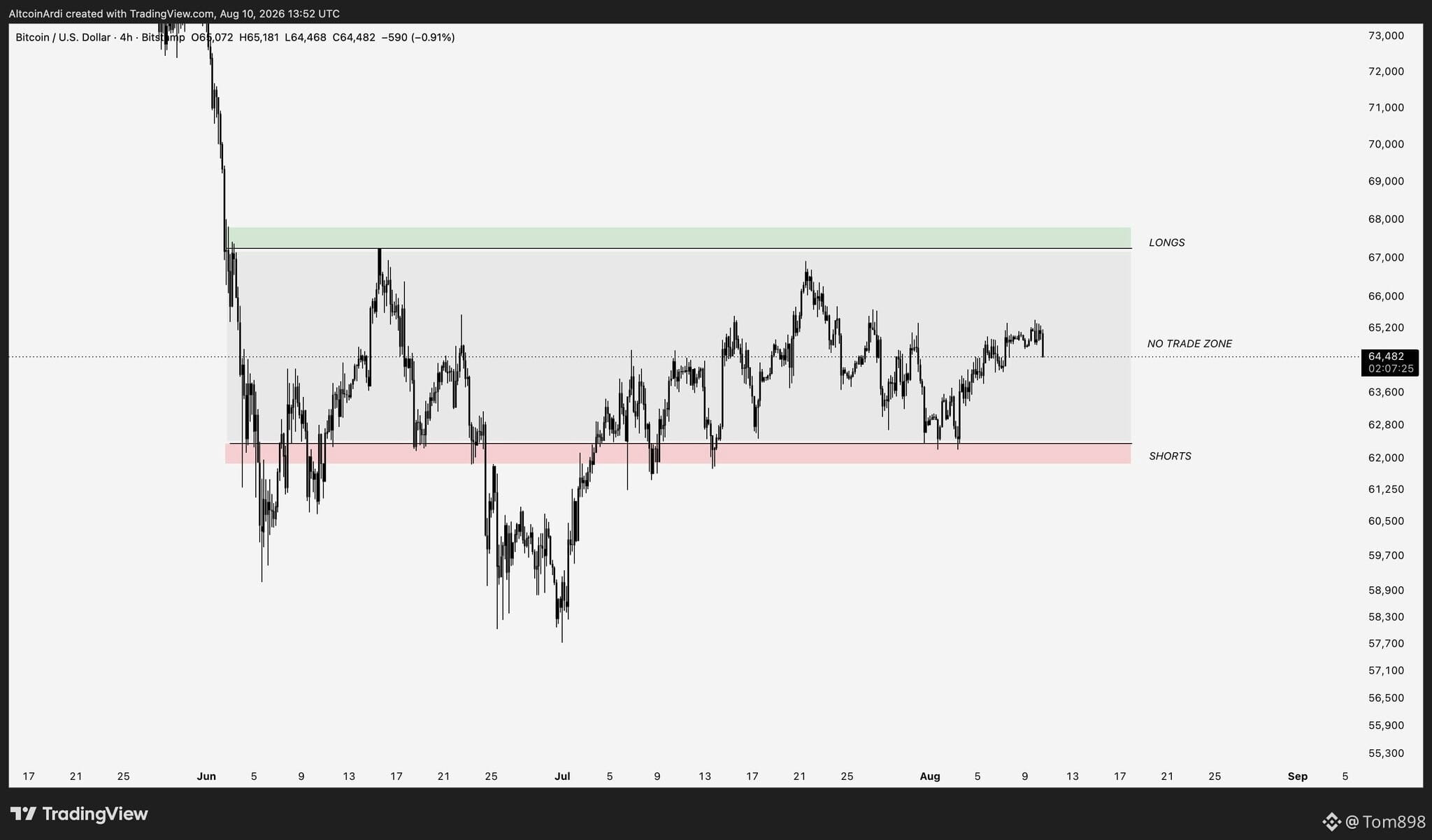
この$BTCのレンジを皆さんのためにシンプルにします。
境界を取引してください。間の部分は無視してください。
#CPIToResetFedBets #AIMemorySelloffEases #BTCETHETFInflowsReturn
この$BTCのレンジを皆さんのためにシンプルにします。
境界を取引してください。間の部分は無視してください。
#CPIToResetFedBets #AIMemorySelloffEases #BTCETHETFInflowsReturn
境界を取引してください。間の部分は無視してください。
#CPIToResetFedBets #AIMemorySelloffEases #BTCETHETFInflowsReturn
70
·
--
#BTCETHETFInflowsReturn BTCとETHのETFがついに同時にプラス圏へ転じ、流入額は無視できないほど大きい 📈
先週、スポット・ビットコインETFは約8.65億ドルを獲得しました——約15週間で最も強い結果です。ブラックロックのIBITが単独で約6.94億ドルを占めました。ETH ETFはさらに2.44億ドルを追加し、流入の連続記録を5週間にまで伸ばしています 👀
これは、単発の一日の反発以上のもののように感じます。主要な暗号資産に対する機関投資家の需要が明確に戻ってきており、ETHが静かにより長い連続記録を作っていることが、ここでのより興味深いシグナルかもしれません。
とはいえ、ETFのフローだけでは市場全体を支えきれません。金利、より広いリスク心理、そして実際のスポット需要もすべてが協調する必要があります。
これは継続的な積み上げの始まりなのでしょうか?それとも機関が一時的なマクロの下げ局面を買っているだけなのでしょうか? 🤔$BTC
#BTCETHETFInflowsReturn BTCとETHのETFがついに同時にプラス圏へ転じ、流入額は無視できないほど大きい 📈
先週、スポット・ビットコインETFは約8.65億ドルを獲得しました——約15週間で最も強い結果です。ブラックロックのIBITが単独で約6.94億ドルを占めました。ETH ETFはさらに2.44億ドルを追加し、流入の連続記録を5週間にまで伸ばしています 👀
これは、単発の一日の反発以上のもののように感じます。主要な暗号資産に対する機関投資家の需要が明確に戻ってきており、ETHが静かにより長い連続記録を作っていることが、ここでのより興味深いシグナルかもしれません。
とはいえ、ETFのフローだけでは市場全体を支えきれません。金利、より広いリスク心理、そして実際のスポット需要もすべてが協調する必要があります。
これは継続的な積み上げの始まりなのでしょうか?それとも機関が一時的なマクロの下げ局面を買っているだけなのでしょうか? 🤔$BTC
先週、スポット・ビットコインETFは約8.65億ドルを獲得しました——約15週間で最も強い結果です。ブラックロックのIBITが単独で約6.94億ドルを占めました。ETH ETFはさらに2.44億ドルを追加し、流入の連続記録を5週間にまで伸ばしています 👀
これは、単発の一日の反発以上のもののように感じます。主要な暗号資産に対する機関投資家の需要が明確に戻ってきており、ETHが静かにより長い連続記録を作っていることが、ここでのより興味深いシグナルかもしれません。
とはいえ、ETFのフローだけでは市場全体を支えきれません。金利、より広いリスク心理、そして実際のスポット需要もすべてが協調する必要があります。
これは継続的な積み上げの始まりなのでしょうか?それとも機関が一時的なマクロの下げ局面を買っているだけなのでしょうか? 🤔$BTC
71
·
--
イーサリアムの遺産:なぜブロックチェーン史を永遠に変えたのか
$ETH は、ブロックチェーン史上でもっとも影響力のある革新のひとつとしての地位を確立してきました。スマートコントラクトを導入することで、デジタル決済にとどまらないブロックチェーンの可能性を広げ、分散型アプリケーションへの扉を開いたのです。
長年にわたり、イーサリアムは分散型金融(DeFi)、NFT、DAO、レイヤー2ネットワーク、トークン化された資産などの主要な革新の土台となってきました。これらの技術は、人々が金融、デジタル所有、そしてオンラインのコミュニティとどのように関わるかを大きく変えてきました。
イーサリアムのオープンソース・エコシステムは、何千人もの開発者に新しいアプリケーションを作るきっかけを与え、数多くの新しいブロックチェーン・ネットワークの設計にも影響を与えてきました。
ネットワークの混雑や高い取引手数料といった課題があるにもかかわらず、イーサリアムは定期的なアップグレードとコミュニティ主導の革新を通じて進化を続けています。
今日、イーサリアムのレガシーはETHの価値だけでなく、イーサリアムが生み出すのを助けたグローバルなエコシステムによっても定義されています。その影響は暗号資産の枠をはるかに超え、モダンなWeb3ムーブメントの礎となり、ブロックチェーン技術の歴史の中でも重要な章を刻んでいます。
#Alphabet25BBond #AIMemoryBullTest
イーサリアムの遺産:なぜブロックチェーン史を永遠に変えたのか
$ETH は、ブロックチェーン史上でもっとも影響力のある革新のひとつとしての地位を確立してきました。スマートコントラクトを導入することで、デジタル決済にとどまらないブロックチェーンの可能性を広げ、分散型アプリケーションへの扉を開いたのです。
長年にわたり、イーサリアムは分散型金融(DeFi)、NFT、DAO、レイヤー2ネットワーク、トークン化された資産などの主要な革新の土台となってきました。これらの技術は、人々が金融、デジタル所有、そしてオンラインのコミュニティとどのように関わるかを大きく変えてきました。
イーサリアムのオープンソース・エコシステムは、何千人もの開発者に新しいアプリケーションを作るきっかけを与え、数多くの新しいブロックチェーン・ネットワークの設計にも影響を与えてきました。
ネットワークの混雑や高い取引手数料といった課題があるにもかかわらず、イーサリアムは定期的なアップグレードとコミュニティ主導の革新を通じて進化を続けています。
今日、イーサリアムのレガシーはETHの価値だけでなく、イーサリアムが生み出すのを助けたグローバルなエコシステムによっても定義されています。その影響は暗号資産の枠をはるかに超え、モダンなWeb3ムーブメントの礎となり、ブロックチェーン技術の歴史の中でも重要な章を刻んでいます。
#Alphabet25BBond #AIMemoryBullTest
$ETH は、ブロックチェーン史上でもっとも影響力のある革新のひとつとしての地位を確立してきました。スマートコントラクトを導入することで、デジタル決済にとどまらないブロックチェーンの可能性を広げ、分散型アプリケーションへの扉を開いたのです。
長年にわたり、イーサリアムは分散型金融(DeFi)、NFT、DAO、レイヤー2ネットワーク、トークン化された資産などの主要な革新の土台となってきました。これらの技術は、人々が金融、デジタル所有、そしてオンラインのコミュニティとどのように関わるかを大きく変えてきました。
イーサリアムのオープンソース・エコシステムは、何千人もの開発者に新しいアプリケーションを作るきっかけを与え、数多くの新しいブロックチェーン・ネットワークの設計にも影響を与えてきました。
ネットワークの混雑や高い取引手数料といった課題があるにもかかわらず、イーサリアムは定期的なアップグレードとコミュニティ主導の革新を通じて進化を続けています。
今日、イーサリアムのレガシーはETHの価値だけでなく、イーサリアムが生み出すのを助けたグローバルなエコシステムによっても定義されています。その影響は暗号資産の枠をはるかに超え、モダンなWeb3ムーブメントの礎となり、ブロックチェーン技術の歴史の中でも重要な章を刻んでいます。
#Alphabet25BBond #AIMemoryBullTest
94
·
--
サンディスクの業績は予想を上回ったが、なぜ株価は下落したのか?
サンディスクの最新の決算は好調で、四半期売上高は89.7億ドル、調整後の1株当たり利益は39.25ドルとなり、いずれも市場予想を上回りました。
この背景の中心にあるのは、AIインフラの拡大、高級ストレージ需要の急速な伸び、そしてデータセンター事業が主要な成長領域として注目されている点です。
しかし、決算発表後に株価が下回ったのは主に、市場が事前にAIストレージの成長見通しを織り込んでいたためです。
サンディスクの株価は今年大きく上昇しており、投資家の今後の成長への期待はますます高まっています。次の四半期に関する同社のガイダンスが、そうした非常に高い期待を明確に上回らなかったため、資金は利益確定に動きました。
長期的な観点では、AI時代におけるデータ保存需要はまだ拡大局面にあります。クラウドコンピューティング、AIサーバー、データセンターの建設が、今後もNANDおよびストレージ市場の成長を牽引していくでしょう。株価は短期的に高いバリュエーションによる圧力を消化する必要があるかもしれませんが、AIの設備投資が強い状態を維持するなら、サンディスクには成長の可能性があります。
現時点ではサンディスクの基礎は強いように見えますが、市場の過度に高い期待が短期的な調整トレンドにつながっています。$SNDK
サンディスクの業績は予想を上回ったが、なぜ株価は下落したのか?
サンディスクの最新の決算は好調で、四半期売上高は89.7億ドル、調整後の1株当たり利益は39.25ドルとなり、いずれも市場予想を上回りました。
この背景の中心にあるのは、AIインフラの拡大、高級ストレージ需要の急速な伸び、そしてデータセンター事業が主要な成長領域として注目されている点です。
しかし、決算発表後に株価が下回ったのは主に、市場が事前にAIストレージの成長見通しを織り込んでいたためです。
サンディスクの株価は今年大きく上昇しており、投資家の今後の成長への期待はますます高まっています。次の四半期に関する同社のガイダンスが、そうした非常に高い期待を明確に上回らなかったため、資金は利益確定に動きました。
長期的な観点では、AI時代におけるデータ保存需要はまだ拡大局面にあります。クラウドコンピューティング、AIサーバー、データセンターの建設が、今後もNANDおよびストレージ市場の成長を牽引していくでしょう。株価は短期的に高いバリュエーションによる圧力を消化する必要があるかもしれませんが、AIの設備投資が強い状態を維持するなら、サンディスクには成長の可能性があります。
現時点ではサンディスクの基礎は強いように見えますが、市場の過度に高い期待が短期的な調整トレンドにつながっています。$SNDK
サンディスクの最新の決算は好調で、四半期売上高は89.7億ドル、調整後の1株当たり利益は39.25ドルとなり、いずれも市場予想を上回りました。
この背景の中心にあるのは、AIインフラの拡大、高級ストレージ需要の急速な伸び、そしてデータセンター事業が主要な成長領域として注目されている点です。
しかし、決算発表後に株価が下回ったのは主に、市場が事前にAIストレージの成長見通しを織り込んでいたためです。
サンディスクの株価は今年大きく上昇しており、投資家の今後の成長への期待はますます高まっています。次の四半期に関する同社のガイダンスが、そうした非常に高い期待を明確に上回らなかったため、資金は利益確定に動きました。
長期的な観点では、AI時代におけるデータ保存需要はまだ拡大局面にあります。クラウドコンピューティング、AIサーバー、データセンターの建設が、今後もNANDおよびストレージ市場の成長を牽引していくでしょう。株価は短期的に高いバリュエーションによる圧力を消化する必要があるかもしれませんが、AIの設備投資が強い状態を維持するなら、サンディスクには成長の可能性があります。
現時点ではサンディスクの基礎は強いように見えますが、市場の過度に高い期待が短期的な調整トレンドにつながっています。$SNDK
312
·
--
🚀 「より安くなるのを待つ」という物語の擁護が難しくなってきています。
$SOLは、地政学的な不確実性、AI主導のボラティリティ、そして世界の株式市場に対する圧力に直面しながらも、$75付近から力強く反発しました。
崩れる代わりに、暗号資産は重要なサポート水準を維持し続けています。今、センチメントは改善し、機関投資家の参入が高まり、リスク選好がゆっくりと戻ってきています。
市場が、誰もが買いやすいと感じるまで待つことはほとんどありません。
もしかすると、今回のサイクルの安値はすでに過ぎ去っているのかもしれません。👀
#Bitcoin #Ethereum #Solana #Crypto #Altcoins
#SandiskBeatAndBuyback
#CircleArcLaunch
#EarningsRealityCheck
🚀 「より安くなるのを待つ」という物語の擁護が難しくなってきています。
$SOLは、地政学的な不確実性、AI主導のボラティリティ、そして世界の株式市場に対する圧力に直面しながらも、$75付近から力強く反発しました。
崩れる代わりに、暗号資産は重要なサポート水準を維持し続けています。今、センチメントは改善し、機関投資家の参入が高まり、リスク選好がゆっくりと戻ってきています。
市場が、誰もが買いやすいと感じるまで待つことはほとんどありません。
もしかすると、今回のサイクルの安値はすでに過ぎ去っているのかもしれません。👀
#Bitcoin #Ethereum #Solana #Crypto #Altcoins
#SandiskBeatAndBuyback
#CircleArcLaunch
#EarningsRealityCheck
$SOLは、地政学的な不確実性、AI主導のボラティリティ、そして世界の株式市場に対する圧力に直面しながらも、$75付近から力強く反発しました。
崩れる代わりに、暗号資産は重要なサポート水準を維持し続けています。今、センチメントは改善し、機関投資家の参入が高まり、リスク選好がゆっくりと戻ってきています。
市場が、誰もが買いやすいと感じるまで待つことはほとんどありません。
もしかすると、今回のサイクルの安値はすでに過ぎ去っているのかもしれません。👀
#Bitcoin #Ethereum #Solana #Crypto #Altcoins
#SandiskBeatAndBuyback
#CircleArcLaunch
#EarningsRealityCheck
81
·
--
"もし6か月前に戻れるとしたら、どのトークンに投資しますか?"
それは、6か月後に自分に問いかけるのと同じ質問になり得ます。
暗号資産(クリプト)市場は、これまでのサイクルとは非常に異なる局面に入っています。もはや、ほぼすべての資産が同時に上がるような環境ではありません。資本はますます選別的になり、強固な基礎、持続可能なエコシステム、そして実際のユーザー採用を伴うプロジェクトが報われるようになっています。
マクロ環境は改善しています。米国債利回りは軟調な経済指標を受けて緩和し、より柔軟な金融政策(アコモデーション)を行うことへの期待は維持されています。またウォール街は、AIやテクノロジー株をけん引役として、過去最高値を更新し続けています。これらの要因が組み合わさり、クリプトを含むリスク資産を下支えしています。
しかし、流動性は依然として強く集中しています。
機関投資家は、短命な投機よりも、オンチェーン活動が増えているプロジェクト、持続可能な収益、拡大するエコシステム、そして長期的な実需(ユーティリティ)を好む傾向が強まっています。
現在の市場リーダー:
$BTC • $ETH • $BNB • $SOL • $LINK • $AAVE • $ONDO • $HYPE
市場参加が広がれば恩恵を受ける可能性のあるプロジェクト:
$SUI • $TAO • $WLD • $PENDLE • $ENA • $SEI • $KAITO • $HUMA
これらのエコシステムは、AI、実世界資産(RWA)、次世代DeFi、ブロックチェーン・インフラ、オンチェーン・ファイナンスといった主要テーマと連動しています。
一方で、より値動きの大きい(高ベータ)資産:
$DOGE • $SHIB • $PEPE • $BONK • $WIF • $BEAT • $LAB • $MEME
は、リスク志向が強まればなお上回る可能性がありますが、再び市場をリードするには、次の新しい触媒が必要になる見込みです。
このサイクルは、何もかもを買うことではありません。熱狂が冷めた後も成長を続けられるプロジェクトを見極めることです。6か月後、多くの投資家は「もっと早く買っていればよかった」と言うかもしれません。本当の問いは、あなたは今日、どのプロジェクトを選んでいるのか、です。
クリプト、AI、そしてウォール街の市場に関する毎日の洞察と最新アップデートをフォローしてください。
#EarningsRealityCheck
#SpaceXBeatEstimates
#AMDBeatsButDrops
$BTC $ETH $SOL
"もし6か月前に戻れるとしたら、どのトークンに投資しますか?"
それは、6か月後に自分に問いかけるのと同じ質問になり得ます。
暗号資産(クリプト)市場は、これまでのサイクルとは非常に異なる局面に入っています。もはや、ほぼすべての資産が同時に上がるような環境ではありません。資本はますます選別的になり、強固な基礎、持続可能なエコシステム、そして実際のユーザー採用を伴うプロジェクトが報われるようになっています。
マクロ環境は改善しています。米国債利回りは軟調な経済指標を受けて緩和し、より柔軟な金融政策(アコモデーション)を行うことへの期待は維持されています。またウォール街は、AIやテクノロジー株をけん引役として、過去最高値を更新し続けています。これらの要因が組み合わさり、クリプトを含むリスク資産を下支えしています。
しかし、流動性は依然として強く集中しています。
機関投資家は、短命な投機よりも、オンチェーン活動が増えているプロジェクト、持続可能な収益、拡大するエコシステム、そして長期的な実需(ユーティリティ)を好む傾向が強まっています。
現在の市場リーダー:
$BTC • $ETH • $BNB • $SOL • $LINK • $AAVE • $ONDO • $HYPE
市場参加が広がれば恩恵を受ける可能性のあるプロジェクト:
$SUI • $TAO • $WLD • $PENDLE • $ENA • $SEI • $KAITO • $HUMA
これらのエコシステムは、AI、実世界資産(RWA)、次世代DeFi、ブロックチェーン・インフラ、オンチェーン・ファイナンスといった主要テーマと連動しています。
一方で、より値動きの大きい(高ベータ)資産:
$DOGE • $SHIB • $PEPE • $BONK • $WIF • $BEAT • $LAB • $MEME
は、リスク志向が強まればなお上回る可能性がありますが、再び市場をリードするには、次の新しい触媒が必要になる見込みです。
このサイクルは、何もかもを買うことではありません。熱狂が冷めた後も成長を続けられるプロジェクトを見極めることです。6か月後、多くの投資家は「もっと早く買っていればよかった」と言うかもしれません。本当の問いは、あなたは今日、どのプロジェクトを選んでいるのか、です。
クリプト、AI、そしてウォール街の市場に関する毎日の洞察と最新アップデートをフォローしてください。
#EarningsRealityCheck
#SpaceXBeatEstimates
#AMDBeatsButDrops
$BTC $ETH $SOL
それは、6か月後に自分に問いかけるのと同じ質問になり得ます。
暗号資産(クリプト)市場は、これまでのサイクルとは非常に異なる局面に入っています。もはや、ほぼすべての資産が同時に上がるような環境ではありません。資本はますます選別的になり、強固な基礎、持続可能なエコシステム、そして実際のユーザー採用を伴うプロジェクトが報われるようになっています。
マクロ環境は改善しています。米国債利回りは軟調な経済指標を受けて緩和し、より柔軟な金融政策(アコモデーション)を行うことへの期待は維持されています。またウォール街は、AIやテクノロジー株をけん引役として、過去最高値を更新し続けています。これらの要因が組み合わさり、クリプトを含むリスク資産を下支えしています。
しかし、流動性は依然として強く集中しています。
機関投資家は、短命な投機よりも、オンチェーン活動が増えているプロジェクト、持続可能な収益、拡大するエコシステム、そして長期的な実需(ユーティリティ)を好む傾向が強まっています。
現在の市場リーダー:
$BTC • $ETH • $BNB • $SOL • $LINK • $AAVE • $ONDO • $HYPE
市場参加が広がれば恩恵を受ける可能性のあるプロジェクト:
$SUI • $TAO • $WLD • $PENDLE • $ENA • $SEI • $KAITO • $HUMA
これらのエコシステムは、AI、実世界資産(RWA)、次世代DeFi、ブロックチェーン・インフラ、オンチェーン・ファイナンスといった主要テーマと連動しています。
一方で、より値動きの大きい(高ベータ)資産:
$DOGE • $SHIB • $PEPE • $BONK • $WIF • $BEAT • $LAB • $MEME
は、リスク志向が強まればなお上回る可能性がありますが、再び市場をリードするには、次の新しい触媒が必要になる見込みです。
このサイクルは、何もかもを買うことではありません。熱狂が冷めた後も成長を続けられるプロジェクトを見極めることです。6か月後、多くの投資家は「もっと早く買っていればよかった」と言うかもしれません。本当の問いは、あなたは今日、どのプロジェクトを選んでいるのか、です。
クリプト、AI、そしてウォール街の市場に関する毎日の洞察と最新アップデートをフォローしてください。
#EarningsRealityCheck
#SpaceXBeatEstimates
#AMDBeatsButDrops
$BTC $ETH $SOL
359
·
--
🛢️ ホルムズ海峡がまもなく再開され、戦争プレミアムは一息で吸い取られる
· ベセント:明日、イランと合意してホルムズ海峡を開くことは可能です
ルビオ:交渉は進展している。イランの姿勢は軟化しており、機雷掃海のために欧州を海峡に入れることも検討している
· WTI は日中で -5% 、$74.66 まで下落。ストックス600 は7月に過去最高値を更新
原油が崩れた後は、「戦争=インフレ=利上げ」という論理がほころびます。半月前、市場は原油価格の上昇がインフレを押し上げ、FRBが利下げできないようにすると恐れていました。今、その下押しの起点は、一つずつ取り外されつつあり、リスク資産は総じて安堵のため息をついています――半 +6%、インテル +10%。
まだ眠りたがっているのは暗号化だけです。$BTC は64Kで足踏みしており、上がるときはリスク資産が追随しないのに、下がるときは追随する。この「下落は追うが上昇は追わない」という乖離こそ、今注目すべき最重要シグナルです。物語は強気派に有利ですが、価格は追いついていません。
マクロのポジティブを“買いの理由”へ急いで翻訳しないでください。BTC が自分自身の方向性を掴むまで待ちます。そうしたら追随するべきかどうか話しましょう。🧊$BTC $ETH を見に歩いてください
🛢️ ホルムズ海峡がまもなく再開され、戦争プレミアムは一息で吸い取られる
· ベセント:明日、イランと合意してホルムズ海峡を開くことは可能です
ルビオ:交渉は進展している。イランの姿勢は軟化しており、機雷掃海のために欧州を海峡に入れることも検討している
· WTI は日中で -5% 、$74.66 まで下落。ストックス600 は7月に過去最高値を更新
原油が崩れた後は、「戦争=インフレ=利上げ」という論理がほころびます。半月前、市場は原油価格の上昇がインフレを押し上げ、FRBが利下げできないようにすると恐れていました。今、その下押しの起点は、一つずつ取り外されつつあり、リスク資産は総じて安堵のため息をついています――半 +6%、インテル +10%。
まだ眠りたがっているのは暗号化だけです。$BTC は64Kで足踏みしており、上がるときはリスク資産が追随しないのに、下がるときは追随する。この「下落は追うが上昇は追わない」という乖離こそ、今注目すべき最重要シグナルです。物語は強気派に有利ですが、価格は追いついていません。
マクロのポジティブを“買いの理由”へ急いで翻訳しないでください。BTC が自分自身の方向性を掴むまで待ちます。そうしたら追随するべきかどうか話しましょう。🧊$BTC $ETH を見に歩いてください
· ベセント:明日、イランと合意してホルムズ海峡を開くことは可能です
ルビオ:交渉は進展している。イランの姿勢は軟化しており、機雷掃海のために欧州を海峡に入れることも検討している
· WTI は日中で -5% 、$74.66 まで下落。ストックス600 は7月に過去最高値を更新
原油が崩れた後は、「戦争=インフレ=利上げ」という論理がほころびます。半月前、市場は原油価格の上昇がインフレを押し上げ、FRBが利下げできないようにすると恐れていました。今、その下押しの起点は、一つずつ取り外されつつあり、リスク資産は総じて安堵のため息をついています――半 +6%、インテル +10%。
まだ眠りたがっているのは暗号化だけです。$BTC は64Kで足踏みしており、上がるときはリスク資産が追随しないのに、下がるときは追随する。この「下落は追うが上昇は追わない」という乖離こそ、今注目すべき最重要シグナルです。物語は強気派に有利ですが、価格は追いついていません。
マクロのポジティブを“買いの理由”へ急いで翻訳しないでください。BTC が自分自身の方向性を掴むまで待ちます。そうしたら追随するべきかどうか話しましょう。🧊$BTC $ETH を見に歩いてください
81
·
--
今日のは最高の日だ。TradFiセッションで、忍耐こそが最も強いトレーディングスキルの一つだと改めて思い出した。市場が素早く動いていたとしても、確証なしに飛び込むことはしなかった。自分のセットアップが戦略と一致したときに、確信を持ってエントリーし、あらゆる判断を計画に導かせた。資本を守ることは、利益を追いかけることより常に先だ。変化する市場環境の中でも規律を保ち続けることが、トレーダーとしての自信を積み重ねてくれる。 #ShareMyTradFi
今日のは最高の日だ。TradFiセッションで、忍耐こそが最も強いトレーディングスキルの一つだと改めて思い出した。市場が素早く動いていたとしても、確証なしに飛び込むことはしなかった。自分のセットアップが戦略と一致したときに、確信を持ってエントリーし、あらゆる判断を計画に導かせた。資本を守ることは、利益を追いかけることより常に先だ。変化する市場環境の中でも規律を保ち続けることが、トレーダーとしての自信を積み重ねてくれる。 #ShareMyTradFi
72
·
--
速報: 🇺🇸 米国でビットコインが2026年Q2に932 $BTC ,記録史上最高の四半期生産となり、保有総額を8,002 $BTC まで増やしました。
🟠 @ABTCの1株あたりのSats(サトシ)が11%増の10,989に。
「ビットコインに対する私たちの確信は揺るぎません」と共同創業者兼CSOのエリック・トランプ氏。💬
$BTC
速報: 🇺🇸 米国でビットコインが2026年Q2に932 $BTC ,記録史上最高の四半期生産となり、保有総額を8,002 $BTC まで増やしました。
🟠 @ABTCの1株あたりのSats(サトシ)が11%増の10,989に。
「ビットコインに対する私たちの確信は揺るぎません」と共同創業者兼CSOのエリック・トランプ氏。💬
$BTC
🟠 @ABTCの1株あたりのSats(サトシ)が11%増の10,989に。
「ビットコインに対する私たちの確信は揺るぎません」と共同創業者兼CSOのエリック・トランプ氏。💬
$BTC
59
·
--
今日の議論の中で、セカンダリーマーケット(流通市場)に関する難しい論点が取り上げられました。そして共通認識として、
前回のラウンドで上位にランクインしていた、FDV(完全希薄化評価額)モデルの多くのトークンが、慢性的な下落へ向かっているということです。
その中には、私たちが協力し、信頼していて、大きく投資してきたものも含まれており、この心理的な転換はなかなか難しいです!
近年、多くのプロジェクトが、一次市場(プライマリー)からの撤退圧力を、セカンダリーにおける長期主義(long-termism)として実質的に包装してきました。
流通量が少なく、FDVが高く、アンロック期間(ロック解除期間)が長い——これらは、極めて巧妙な金融設計そのものです。
プロジェクトチームと初期投資家は、まず流通供給量を非常に小さくした状態でバリュエーションを作り、次にナラティブ(物語)、エアドロップ、KOL、マーケットメイキング、取引所の流動性によって価格を維持し、そして長いロック解除期間を通じて、一次市場で生まれた“紙の利益”を徐々にセカンダリーへ移転していきます。
再びアンロックが迫っているENAのようなプロジェクトが、このタイプの最も代表的な例です。
Ethenaというプロダクト自体は悪くありません。ステーブルコイン需要、中央集権的取引所の資金調達金利、そしてオンチェーンの利回りナラティブを集約しており、まさに市場の痛点を捉えています。
ただし、便利なプロダクトであることは、トークンが常に高いプレミアム(上乗せ価格)を享受できることを意味しません。
良いプロダクトには、局面ごとの市場の動きが非常に強いことが多いですが、それが必ずしも良い資産であることと直結するわけではありません。これは、直近のDeFi(分散型金融)波から得られた最大級の教訓の一つでした。
ユーザーは裁定目的で来るかもしれませんが、だからといって彼らがあなたのトークンを長期保有する意思があるとは限りません。
プロトコルには収益がありますが、その収益が実際にトークンホルダーへ効果的に還元されるとは限りません。
TVL(総ロック額)に見栄えがあるように見えても、それはプロトコルへの忠誠心というより、補助金や利回り、短期的な確実性を求めて資本が追いかけているだけかもしれません。
要するに、オンチェーン上の資本の多くは移動可能であり(migration)、その場に定着する資本(resident)とは別物で、完全に異なる概念です。
Uniswapのようなレベルのプロダクトでさえ、長期的なトークン捕捉(token capture)を巡る論争に直面します。ましてや普通のプロトコルなら、なおさらです。
だからこそ、より“すごい”プロジェクトほど、セカンダリー市場で運営するのが難しくなるのです!
$ENA $UNI
今日の議論の中で、セカンダリーマーケット(流通市場)に関する難しい論点が取り上げられました。そして共通認識として、
前回のラウンドで上位にランクインしていた、FDV(完全希薄化評価額)モデルの多くのトークンが、慢性的な下落へ向かっているということです。
その中には、私たちが協力し、信頼していて、大きく投資してきたものも含まれており、この心理的な転換はなかなか難しいです!
近年、多くのプロジェクトが、一次市場(プライマリー)からの撤退圧力を、セカンダリーにおける長期主義(long-termism)として実質的に包装してきました。
流通量が少なく、FDVが高く、アンロック期間(ロック解除期間)が長い——これらは、極めて巧妙な金融設計そのものです。
プロジェクトチームと初期投資家は、まず流通供給量を非常に小さくした状態でバリュエーションを作り、次にナラティブ(物語)、エアドロップ、KOL、マーケットメイキング、取引所の流動性によって価格を維持し、そして長いロック解除期間を通じて、一次市場で生まれた“紙の利益”を徐々にセカンダリーへ移転していきます。
再びアンロックが迫っているENAのようなプロジェクトが、このタイプの最も代表的な例です。
Ethenaというプロダクト自体は悪くありません。ステーブルコイン需要、中央集権的取引所の資金調達金利、そしてオンチェーンの利回りナラティブを集約しており、まさに市場の痛点を捉えています。
ただし、便利なプロダクトであることは、トークンが常に高いプレミアム(上乗せ価格)を享受できることを意味しません。
良いプロダクトには、局面ごとの市場の動きが非常に強いことが多いですが、それが必ずしも良い資産であることと直結するわけではありません。これは、直近のDeFi(分散型金融)波から得られた最大級の教訓の一つでした。
ユーザーは裁定目的で来るかもしれませんが、だからといって彼らがあなたのトークンを長期保有する意思があるとは限りません。
プロトコルには収益がありますが、その収益が実際にトークンホルダーへ効果的に還元されるとは限りません。
TVL(総ロック額)に見栄えがあるように見えても、それはプロトコルへの忠誠心というより、補助金や利回り、短期的な確実性を求めて資本が追いかけているだけかもしれません。
要するに、オンチェーン上の資本の多くは移動可能であり(migration)、その場に定着する資本(resident)とは別物で、完全に異なる概念です。
Uniswapのようなレベルのプロダクトでさえ、長期的なトークン捕捉(token capture)を巡る論争に直面します。ましてや普通のプロトコルなら、なおさらです。
だからこそ、より“すごい”プロジェクトほど、セカンダリー市場で運営するのが難しくなるのです!
$ENA $UNI
前回のラウンドで上位にランクインしていた、FDV(完全希薄化評価額)モデルの多くのトークンが、慢性的な下落へ向かっているということです。
その中には、私たちが協力し、信頼していて、大きく投資してきたものも含まれており、この心理的な転換はなかなか難しいです!
近年、多くのプロジェクトが、一次市場(プライマリー)からの撤退圧力を、セカンダリーにおける長期主義(long-termism)として実質的に包装してきました。
流通量が少なく、FDVが高く、アンロック期間(ロック解除期間)が長い——これらは、極めて巧妙な金融設計そのものです。
プロジェクトチームと初期投資家は、まず流通供給量を非常に小さくした状態でバリュエーションを作り、次にナラティブ(物語)、エアドロップ、KOL、マーケットメイキング、取引所の流動性によって価格を維持し、そして長いロック解除期間を通じて、一次市場で生まれた“紙の利益”を徐々にセカンダリーへ移転していきます。
再びアンロックが迫っているENAのようなプロジェクトが、このタイプの最も代表的な例です。
Ethenaというプロダクト自体は悪くありません。ステーブルコイン需要、中央集権的取引所の資金調達金利、そしてオンチェーンの利回りナラティブを集約しており、まさに市場の痛点を捉えています。
ただし、便利なプロダクトであることは、トークンが常に高いプレミアム(上乗せ価格)を享受できることを意味しません。
良いプロダクトには、局面ごとの市場の動きが非常に強いことが多いですが、それが必ずしも良い資産であることと直結するわけではありません。これは、直近のDeFi(分散型金融)波から得られた最大級の教訓の一つでした。
ユーザーは裁定目的で来るかもしれませんが、だからといって彼らがあなたのトークンを長期保有する意思があるとは限りません。
プロトコルには収益がありますが、その収益が実際にトークンホルダーへ効果的に還元されるとは限りません。
TVL(総ロック額)に見栄えがあるように見えても、それはプロトコルへの忠誠心というより、補助金や利回り、短期的な確実性を求めて資本が追いかけているだけかもしれません。
要するに、オンチェーン上の資本の多くは移動可能であり(migration)、その場に定着する資本(resident)とは別物で、完全に異なる概念です。
Uniswapのようなレベルのプロダクトでさえ、長期的なトークン捕捉(token capture)を巡る論争に直面します。ましてや普通のプロトコルなら、なおさらです。
だからこそ、より“すごい”プロジェクトほど、セカンダリー市場で運営するのが難しくなるのです!
$ENA $UNI
351
·
--
インフレは落ち着きを見せたが、それでも姿勢は強硬なFRBが相変わらず利上げ寄りの対応をしている。しかも今、市場は自分自身と格闘している。
6月のPCE:ヘッドライン -0.1%(前月比)—2020年以来の初めての下落。コア +0.1%(前月比)で、予想の +0.2%を下回った。前年比のヘッドラインは4.1%から3.7%へ低下。コアは3.3%で横ばい。ペーパーの上では、きれいな減インフレだ。
しかし成長は別の物語を語っている:
第2四半期GDPは弱く、1.5%(予想は2.1%)。
一方で、民間購入者向け最終需要は3.9%も急伸—2023年初め以来の強さ。
失業保険申請件数は197kに小幅上昇。
伸びを押し下げたのは、消費者ではなく政府支出と在庫だった。
FRBは6回連続で3.5%~3.75%を維持。利上げを望む投票者が3人いた。物価が弱いことで強硬派の主張は傷ついたが、需要が強いことが強硬派を生かし続けている。9月利上げの確率:64%で、56%から上昇。
大方の人が見逃すのは、株と暗号資産が「安心感」で上昇したこと。$BTC 65kへ回帰。S&P +1.7%。
一方で債券は逆の動き。30年国債が5.2%を突破し、2007年以来の高水準に。長期マネーは、まだインフレは打ち負かされていないと考えている。
市場は2つ、物語も2つ。どちらも正しいわけではない。
PCEの1回の結果だけでトレンドとは言えない。7月のデータが、それが本物なのか、単なる原油の一時的な動きなのかを決める。
株が「利下げ」と言い、債券が「まだダメ」と言うとき、誰を信じればいい?
インフレは落ち着きを見せたが、それでも姿勢は強硬なFRBが相変わらず利上げ寄りの対応をしている。しかも今、市場は自分自身と格闘している。
6月のPCE:ヘッドライン -0.1%(前月比)—2020年以来の初めての下落。コア +0.1%(前月比)で、予想の +0.2%を下回った。前年比のヘッドラインは4.1%から3.7%へ低下。コアは3.3%で横ばい。ペーパーの上では、きれいな減インフレだ。
しかし成長は別の物語を語っている:
第2四半期GDPは弱く、1.5%(予想は2.1%)。
一方で、民間購入者向け最終需要は3.9%も急伸—2023年初め以来の強さ。
失業保険申請件数は197kに小幅上昇。
伸びを押し下げたのは、消費者ではなく政府支出と在庫だった。
FRBは6回連続で3.5%~3.75%を維持。利上げを望む投票者が3人いた。物価が弱いことで強硬派の主張は傷ついたが、需要が強いことが強硬派を生かし続けている。9月利上げの確率:64%で、56%から上昇。
大方の人が見逃すのは、株と暗号資産が「安心感」で上昇したこと。$BTC 65kへ回帰。S&P +1.7%。
一方で債券は逆の動き。30年国債が5.2%を突破し、2007年以来の高水準に。長期マネーは、まだインフレは打ち負かされていないと考えている。
市場は2つ、物語も2つ。どちらも正しいわけではない。
PCEの1回の結果だけでトレンドとは言えない。7月のデータが、それが本物なのか、単なる原油の一時的な動きなのかを決める。
株が「利下げ」と言い、債券が「まだダメ」と言うとき、誰を信じればいい?
6月のPCE:ヘッドライン -0.1%(前月比)—2020年以来の初めての下落。コア +0.1%(前月比)で、予想の +0.2%を下回った。前年比のヘッドラインは4.1%から3.7%へ低下。コアは3.3%で横ばい。ペーパーの上では、きれいな減インフレだ。
しかし成長は別の物語を語っている:
第2四半期GDPは弱く、1.5%(予想は2.1%)。
一方で、民間購入者向け最終需要は3.9%も急伸—2023年初め以来の強さ。
失業保険申請件数は197kに小幅上昇。
伸びを押し下げたのは、消費者ではなく政府支出と在庫だった。
FRBは6回連続で3.5%~3.75%を維持。利上げを望む投票者が3人いた。物価が弱いことで強硬派の主張は傷ついたが、需要が強いことが強硬派を生かし続けている。9月利上げの確率:64%で、56%から上昇。
大方の人が見逃すのは、株と暗号資産が「安心感」で上昇したこと。$BTC 65kへ回帰。S&P +1.7%。
一方で債券は逆の動き。30年国債が5.2%を突破し、2007年以来の高水準に。長期マネーは、まだインフレは打ち負かされていないと考えている。
市場は2つ、物語も2つ。どちらも正しいわけではない。
PCEの1回の結果だけでトレンドとは言えない。7月のデータが、それが本物なのか、単なる原油の一時的な動きなのかを決める。
株が「利下げ」と言い、債券が「まだダメ」と言うとき、誰を信じればいい?
93
·
--
🚨 外は一見穏やかな午後かもしれない…でも仮想通貨は別の戦いを繰り広げている。
天気は落ち着いている。
チャート?そうではない。👀
$BTC は0.43%ほど下げて約$63.4K付近で推移しており、直近の回復に乗り切れず、売り圧力がまだ市場に残っている。
$ETH も同様に大きな強さは見せておらず、約$1,882の近辺で0.55%下落。
資金流入は鈍化しているように見え、流動性は薄くなり、利益確定の売りを吸収するための買い手が十分に積極的に入ってきていない。
だからこそ、アルトコイン市場にも赤が多く出ている。
でもポイントはここ:
押し目だからといって、強気シナリオが自動的に終わったわけではない。
市場が次の大きな動きの前に、単に冷やし、弱い手を振るい落とし、再調整する必要があるだけのこともある。
今は、重要なサポート水準と、そしてより重要な——次に流動性がどこから動き始めるかを見ている。
本当のシグナルは赤いローソク足そのものじゃない。
その“後に”何が起きるかだ。🧠
強気派と弱気派の戦いはまだ決着していない。
落ち着いていこう。構造を見て。資金の動きを追おう。
$BTC
🚨 外は一見穏やかな午後かもしれない…でも仮想通貨は別の戦いを繰り広げている。
天気は落ち着いている。
チャート?そうではない。👀
$BTC は0.43%ほど下げて約$63.4K付近で推移しており、直近の回復に乗り切れず、売り圧力がまだ市場に残っている。
$ETH も同様に大きな強さは見せておらず、約$1,882の近辺で0.55%下落。
資金流入は鈍化しているように見え、流動性は薄くなり、利益確定の売りを吸収するための買い手が十分に積極的に入ってきていない。
だからこそ、アルトコイン市場にも赤が多く出ている。
でもポイントはここ:
押し目だからといって、強気シナリオが自動的に終わったわけではない。
市場が次の大きな動きの前に、単に冷やし、弱い手を振るい落とし、再調整する必要があるだけのこともある。
今は、重要なサポート水準と、そしてより重要な——次に流動性がどこから動き始めるかを見ている。
本当のシグナルは赤いローソク足そのものじゃない。
その“後に”何が起きるかだ。🧠
強気派と弱気派の戦いはまだ決着していない。
落ち着いていこう。構造を見て。資金の動きを追おう。
$BTC
天気は落ち着いている。
チャート?そうではない。👀
$BTC は0.43%ほど下げて約$63.4K付近で推移しており、直近の回復に乗り切れず、売り圧力がまだ市場に残っている。
$ETH も同様に大きな強さは見せておらず、約$1,882の近辺で0.55%下落。
資金流入は鈍化しているように見え、流動性は薄くなり、利益確定の売りを吸収するための買い手が十分に積極的に入ってきていない。
だからこそ、アルトコイン市場にも赤が多く出ている。
でもポイントはここ:
押し目だからといって、強気シナリオが自動的に終わったわけではない。
市場が次の大きな動きの前に、単に冷やし、弱い手を振るい落とし、再調整する必要があるだけのこともある。
今は、重要なサポート水準と、そしてより重要な——次に流動性がどこから動き始めるかを見ている。
本当のシグナルは赤いローソク足そのものじゃない。
その“後に”何が起きるかだ。🧠
強気派と弱気派の戦いはまだ決着していない。
落ち着いていこう。構造を見て。資金の動きを追おう。
$BTC
25
·
--
記事
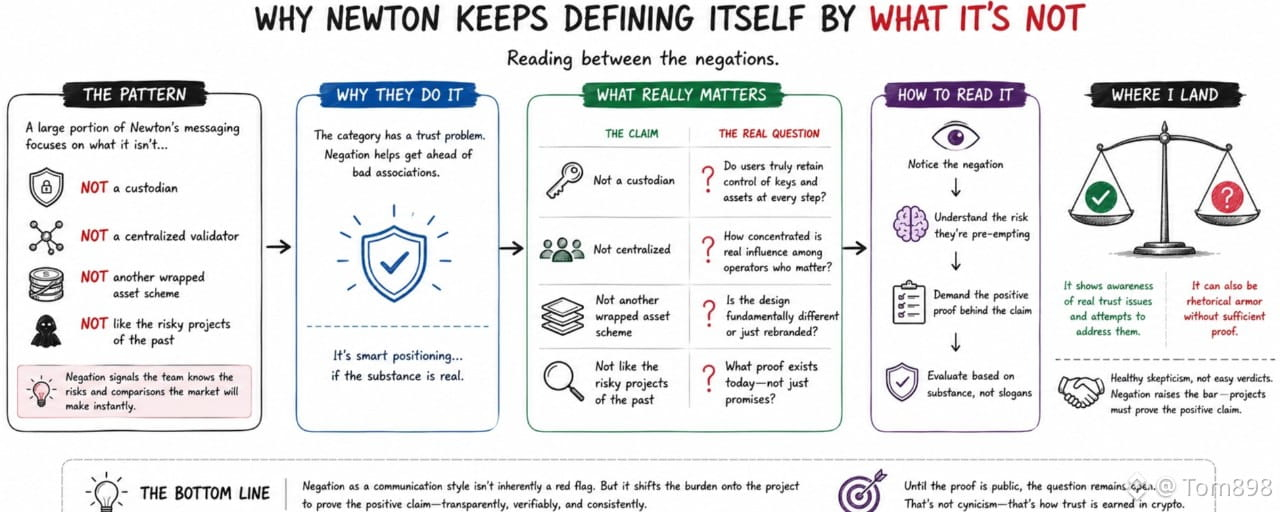
ニュートンは自分自身を「何か」で定義し続けるこのパターンはニュートンに限った話ではなく、たくさんのプロジェクトがやっています。でも、これほどまでに集中的に見えると、いつもより長く立ち止まって考え込んでしまいました。チームが「これは〜ではない」と繰り返し言うとき、それはたいてい、そのものが属するカテゴリに信頼の問題があるからで……そうした連想がまだ芽を出す前に、読者の頭の中から悪い連想を引き離そうとしているのだと思うんです。場合によっては、詐欺やラグプルがひしめく空間での賢いポジショニングにすぎず、必ずしも自動的に不誠実とは限りません。でも毎回、否定が本当に役割を果たしているのか、それともただPRのための仕事をしているだけなのか――問い直す価値はあります……👀
ニュートンは自分自身を「何か」で定義し続ける
このパターンはニュートンに限った話ではなく、たくさんのプロジェクトがやっています。でも、これほどまでに集中的に見えると、いつもより長く立ち止まって考え込んでしまいました。チームが「これは〜ではない」と繰り返し言うとき、それはたいてい、そのものが属するカテゴリに信頼の問題があるからで……そうした連想がまだ芽を出す前に、読者の頭の中から悪い連想を引き離そうとしているのだと思うんです。場合によっては、詐欺やラグプルがひしめく空間での賢いポジショニングにすぎず、必ずしも自動的に不誠実とは限りません。でも毎回、否定が本当に役割を果たしているのか、それともただPRのための仕事をしているだけなのか――問い直す価値はあります……👀
1
59
·
--
#newt $NEWT ちょっと現実を見ましょう。特に、あまり投資に回すお金がない人たちにとっては:💸💸💸
もし仮想通貨の世界に入るための資金が100ドルしかないなら、10種類もの異なる通貨にバラまいて、「そのうちのどれかが急に伸びるだろう」と期待するのはやめましょう。それは戦略ではなく、ただ運を追いかけているだけです。
#newt $NEWT ちょっと現実を見ましょう。特に、あまり投資に回すお金がない人たちにとっては:💸💸💸
もし仮想通貨の世界に入るための資金が100ドルしかないなら、10種類もの異なる通貨にバラまいて、「そのうちのどれかが急に伸びるだろう」と期待するのはやめましょう。それは戦略ではなく、ただ運を追いかけているだけです。
もし仮想通貨の世界に入るための資金が100ドルしかないなら、10種類もの異なる通貨にバラまいて、「そのうちのどれかが急に伸びるだろう」と期待するのはやめましょう。それは戦略ではなく、ただ運を追いかけているだけです。
80
·
--
こんにちは、フレンズ。
そんなこと、@grvt_io のファミリーと一緒にいれば起こりません。
これは zkSync 上で動くハイブリッド取引所として構築されています。トレードはスピードのためオフチェーンでマッチングされますが、すべての決済はオンチェーンに着地するので、あなた自身で実際に検証できます。ブラックボックスではありません。「市場が荒れてきたときに“信じてください”」みたいな瞬間もありません。#grvt
こんにちは、フレンズ。
そんなこと、@grvt_io のファミリーと一緒にいれば起こりません。
これは zkSync 上で動くハイブリッド取引所として構築されています。トレードはスピードのためオフチェーンでマッチングされますが、すべての決済はオンチェーンに着地するので、あなた自身で実際に検証できます。ブラックボックスではありません。「市場が荒れてきたときに“信じてください”」みたいな瞬間もありません。#grvt
そんなこと、@grvt_io のファミリーと一緒にいれば起こりません。
これは zkSync 上で動くハイブリッド取引所として構築されています。トレードはスピードのためオフチェーンでマッチングされますが、すべての決済はオンチェーンに着地するので、あなた自身で実際に検証できます。ブラックボックスではありません。「市場が荒れてきたときに“信じてください”」みたいな瞬間もありません。#grvt
88
·
--
記事
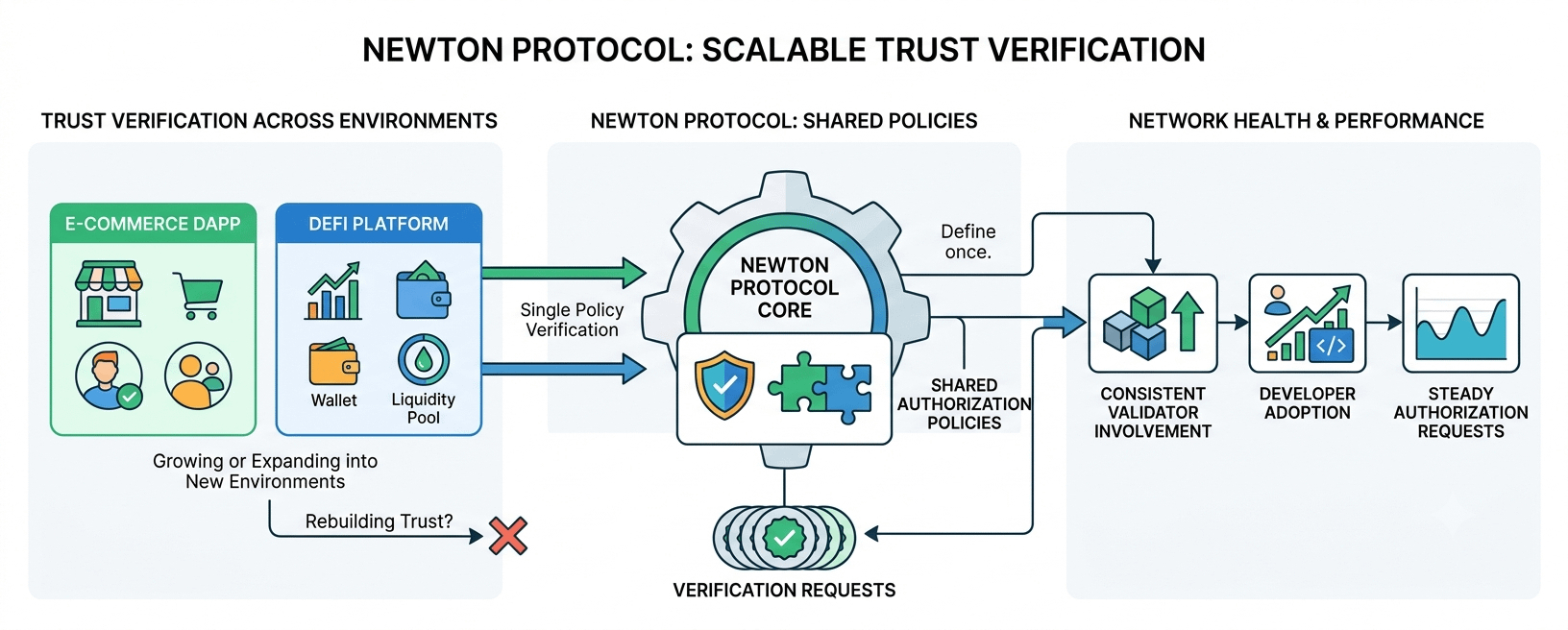
Newton Protocol多くの暗号資産プロジェクトは、結局のところ同じような内容に聞こえてしまいがちです。新しい物語性、強気の約束、そして誰も実際に使い始めて性能を確かめる前から十分な注目を集めます。
ニュートン・プロトコルについて私が特に注目したのは、あまり十分に語られていない問題に焦点を当てている点です。信頼は、アプリケーションが成長したり、新しい環境に拡張したりするたびに、毎回作り直さなければならないものではないはずです。認可が共有ポリシーによって検証できるのであれば、多くの不必要な複雑さが取り除かれます。
Newton Protocol
多くの暗号資産プロジェクトは、結局のところ同じような内容に聞こえてしまいがちです。新しい物語性、強気の約束、そして誰も実際に使い始めて性能を確かめる前から十分な注目を集めます。
ニュートン・プロトコルについて私が特に注目したのは、あまり十分に語られていない問題に焦点を当てている点です。信頼は、アプリケーションが成長したり、新しい環境に拡張したりするたびに、毎回作り直さなければならないものではないはずです。認可が共有ポリシーによって検証できるのであれば、多くの不必要な複雑さが取り除かれます。
ニュートン・プロトコルについて私が特に注目したのは、あまり十分に語られていない問題に焦点を当てている点です。信頼は、アプリケーションが成長したり、新しい環境に拡張したりするたびに、毎回作り直さなければならないものではないはずです。認可が共有ポリシーによって検証できるのであれば、多くの不必要な複雑さが取り除かれます。
48
ログインして、さらにコンテンツを読む
厳選トピックで世界の暗号資産トレーダーの仲間入り
⚡️ 暗号資産に関する最新かつ有益な情報が見つかります。
💬 世界最大の暗号資産取引所から信頼されています。
👍 認証を受けたクリエイターから、有益なインサイトを得られます。
メール / 電話番号
トレンドトピック
BitwiseFilesFinalNEARSpotETFProspectus
閲覧回数 76,994
1,317人が討論中
#bitwisefilesfinalnearspotetfprospectus
$NEAR は、ETF承認で本当に$562まで到達できるのでしょうか? 🚀
BitwiseがスポットNEAR ETFの最終目論見書を提出(ティッカー:NRR / NYSE Arca)し、暗号資産市場がざわついています! 📊🔥
機関投資家の資金が、NEAR史上最大のポンプを解き放とうとしているのでしょうか?アナリストたちは驚くべき価格目標を投げています:
🎯 中間目標:$155
🎯 2030 年の長期目標:$562
💡 早速計算してみましょう:
$562になった場合、$NEAR の時価総額はおよそ $6800億(6800億ドル)相当となり、Ethereumの潜在的なバリュエーションと肩を並べる水準に位置します。NEARが「Chain Abstraction & AI」という暗号資産の物語をリードしている今、想像より現実味があるかもしれません!
SECの規制がより暗号資産フレンドリーになり、ウォール街もドアをノックし始めている中で、あなたは「積み増し」していますか?それとも「保有」していますか?
👇 $NEAR の現実的な価格予想をコメントで教えてください! 👇
#BitwiseFilesFinalNEARSpotETFProspectus #Altcoins #CryptoNews #ETF
Doomsday-Trader
·いいね:6件
·閲覧回数 3.6k
BitgetHackerMoves$83MStolenXRP
閲覧回数 30,829
158人が討論中
SOLSpotETFWeeklyInflow$188M
閲覧回数 20,060
129人が討論中