
terencechain
11 投稿

terencechain
報告
ユーザーをブロック
0 フォロー
0 フォロワー
0 いいね
投稿
·
--
たくさんのやり取りを見たので、私は自分の立場を共有したいと思います。まず第一に、私が見たすべての議論は誠意を持って行われていることを強調したいと思います、皆がイーサリアムのために最善を望んでいます。主な問題は操作の順序だけです。これは良い問題です!外から見ると混沌としているように見えるかもしれませんが、それが公共のR&Dの姿です。私たちはオープンなキッチンで、ステーキを最初に出すべきかロブスターを最初に出すべきかを議論しており、顧客はどちらも得られます、ただいつどのようにするかの問題です。
さて、私自身の意見(私のチームではなく)を述べると、私はEIP-7732を最初に出荷すべきだと信じています。理由は以下の通りです:
1.) エンジニアリングの観点からは、まず再構築し、その後短縮する方が理にかなっています。逆にやるのは、単にエンジニアリングの作業が増えるだけでなく、1:1(線形でもない)ではなく、考えるのが難しくなります。
2.) テストの観点からは、スロットの再構築を最初にテストし、その後速いスロットをテストする方が簡単です。Pectraで見たように、テストは出荷の主なボトルネックです!
3.) セキュリティの観点からは、大きな変更(再構築のような)を最初に展開し、その後小さな変更(短縮)を行う方がしばしば安全です。メインネット上で実行させ、より複雑さを追加する前に強化します。
4.) タイムラインの観点からは、組み合わせた時間に関して、私は(EIP-7732 → EIP-7782)が(EIP-7782 → EIP-7732)よりも早いと信じています。私たちは7732が落ち着いたらすぐに両方を並行して作業し、テストモードに切り替えることで、7782を7732の3〜4ヶ月後に出荷することができます。短いCL専用のフォークが私たちを迅速にそこに到達させることができます。
これは、日々これらのことを構築し実装している私の見解です。私は研究とコミュニティの両方で文脈を欠いています。最終的には、イーサリアムのユーザーが意見を持つべきです、グラムスタダムでの速いスロットタイムと、より高い実行ガス制限およびより多くのブロブ容量のどちらを好みますか?なぜですか?あなたの考えを聞かせていただければと思います。
たくさんのやり取りを見たので、私は自分の立場を共有したいと思います。まず第一に、私が見たすべての議論は誠意を持って行われていることを強調したいと思います、皆がイーサリアムのために最善を望んでいます。主な問題は操作の順序だけです。これは良い問題です!外から見ると混沌としているように見えるかもしれませんが、それが公共のR&Dの姿です。私たちはオープンなキッチンで、ステーキを最初に出すべきかロブスターを最初に出すべきかを議論しており、顧客はどちらも得られます、ただいつどのようにするかの問題です。
さて、私自身の意見(私のチームではなく)を述べると、私はEIP-7732を最初に出荷すべきだと信じています。理由は以下の通りです:
1.) エンジニアリングの観点からは、まず再構築し、その後短縮する方が理にかなっています。逆にやるのは、単にエンジニアリングの作業が増えるだけでなく、1:1(線形でもない)ではなく、考えるのが難しくなります。
2.) テストの観点からは、スロットの再構築を最初にテストし、その後速いスロットをテストする方が簡単です。Pectraで見たように、テストは出荷の主なボトルネックです!
3.) セキュリティの観点からは、大きな変更(再構築のような)を最初に展開し、その後小さな変更(短縮)を行う方がしばしば安全です。メインネット上で実行させ、より複雑さを追加する前に強化します。
4.) タイムラインの観点からは、組み合わせた時間に関して、私は(EIP-7732 → EIP-7782)が(EIP-7782 → EIP-7732)よりも早いと信じています。私たちは7732が落ち着いたらすぐに両方を並行して作業し、テストモードに切り替えることで、7782を7732の3〜4ヶ月後に出荷することができます。短いCL専用のフォークが私たちを迅速にそこに到達させることができます。
これは、日々これらのことを構築し実装している私の見解です。私は研究とコミュニティの両方で文脈を欠いています。最終的には、イーサリアムのユーザーが意見を持つべきです、グラムスタダムでの速いスロットタイムと、より高い実行ガス制限およびより多くのブロブ容量のどちらを好みますか?なぜですか?あなたの考えを聞かせていただければと思います。
さて、私自身の意見(私のチームではなく)を述べると、私はEIP-7732を最初に出荷すべきだと信じています。理由は以下の通りです:
1.) エンジニアリングの観点からは、まず再構築し、その後短縮する方が理にかなっています。逆にやるのは、単にエンジニアリングの作業が増えるだけでなく、1:1(線形でもない)ではなく、考えるのが難しくなります。
2.) テストの観点からは、スロットの再構築を最初にテストし、その後速いスロットをテストする方が簡単です。Pectraで見たように、テストは出荷の主なボトルネックです!
3.) セキュリティの観点からは、大きな変更(再構築のような)を最初に展開し、その後小さな変更(短縮)を行う方がしばしば安全です。メインネット上で実行させ、より複雑さを追加する前に強化します。
4.) タイムラインの観点からは、組み合わせた時間に関して、私は(EIP-7732 → EIP-7782)が(EIP-7782 → EIP-7732)よりも早いと信じています。私たちは7732が落ち着いたらすぐに両方を並行して作業し、テストモードに切り替えることで、7782を7732の3〜4ヶ月後に出荷することができます。短いCL専用のフォークが私たちを迅速にそこに到達させることができます。
これは、日々これらのことを構築し実装している私の見解です。私は研究とコミュニティの両方で文脈を欠いています。最終的には、イーサリアムのユーザーが意見を持つべきです、グラムスタダムでの速いスロットタイムと、より高い実行ガス制限およびより多くのブロブ容量のどちらを好みますか?なぜですか?あなたの考えを聞かせていただければと思います。
3
·
--
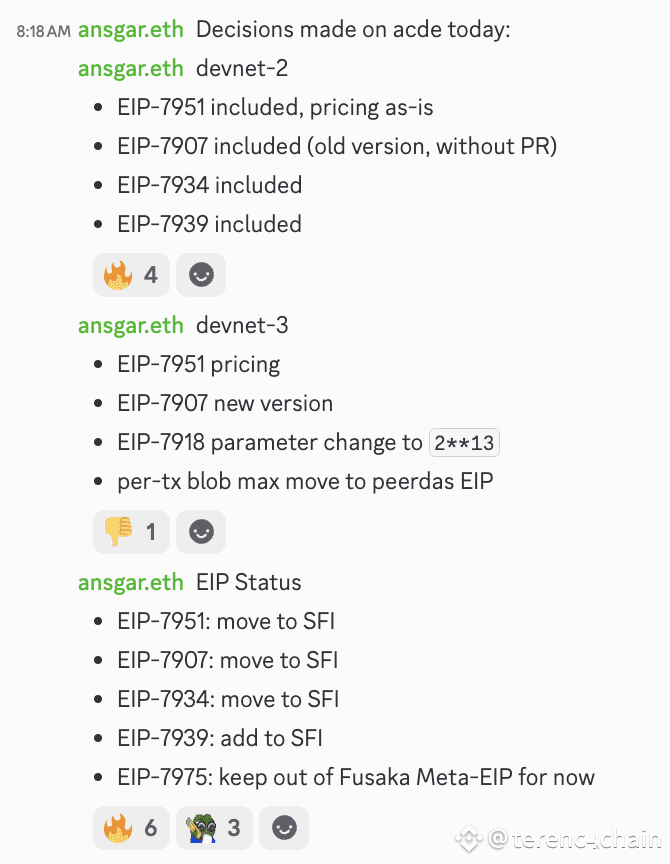
ACDコールに行けるほど多くはありませんでしたが、今日のセッションは非常に生産的でした。イーサリアムは出荷され、スケーリングしています!
ACDコールに行けるほど多くはありませんでしたが、今日のセッションは非常に生産的でした。イーサリアムは出荷され、スケーリングしています!
7
·
--
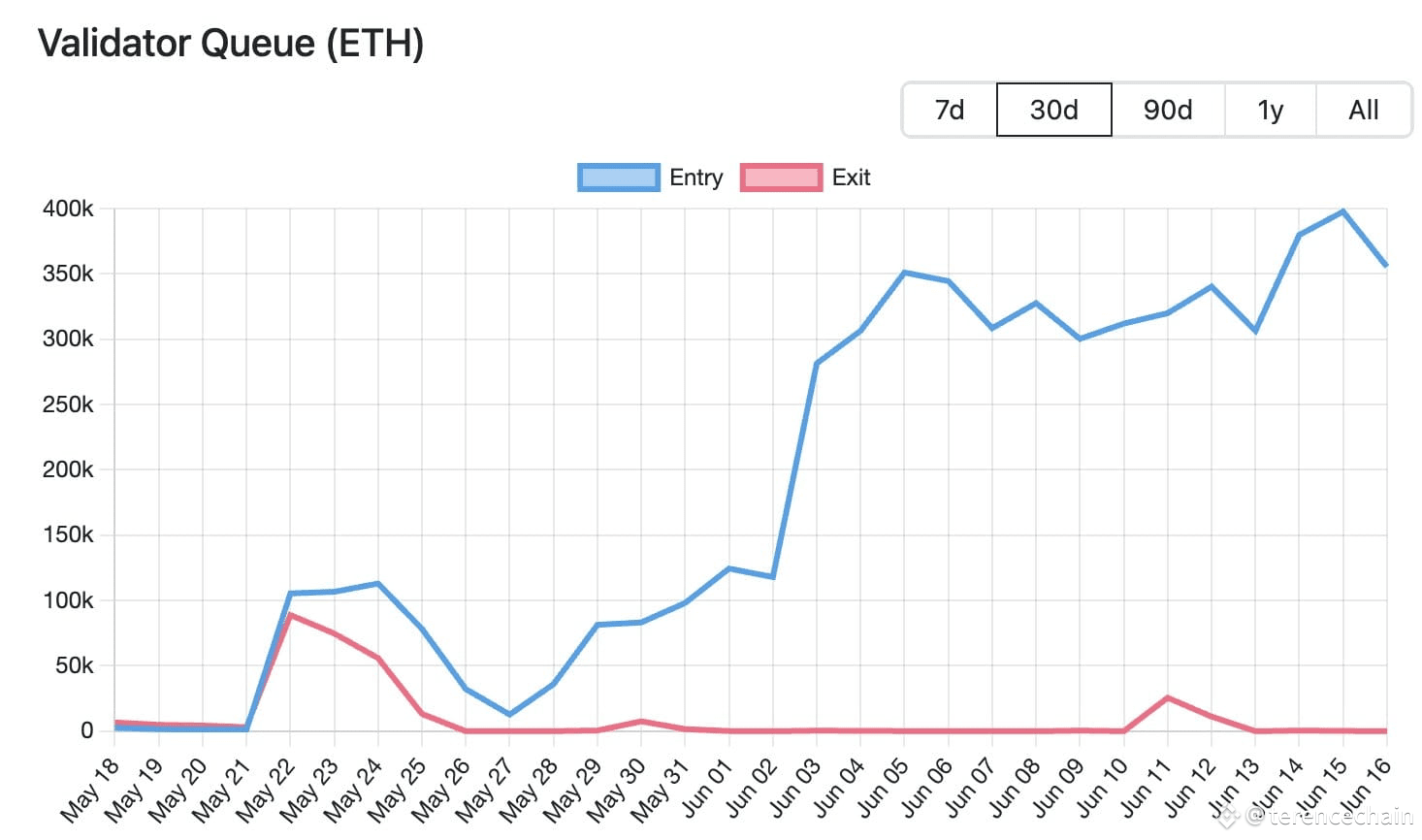
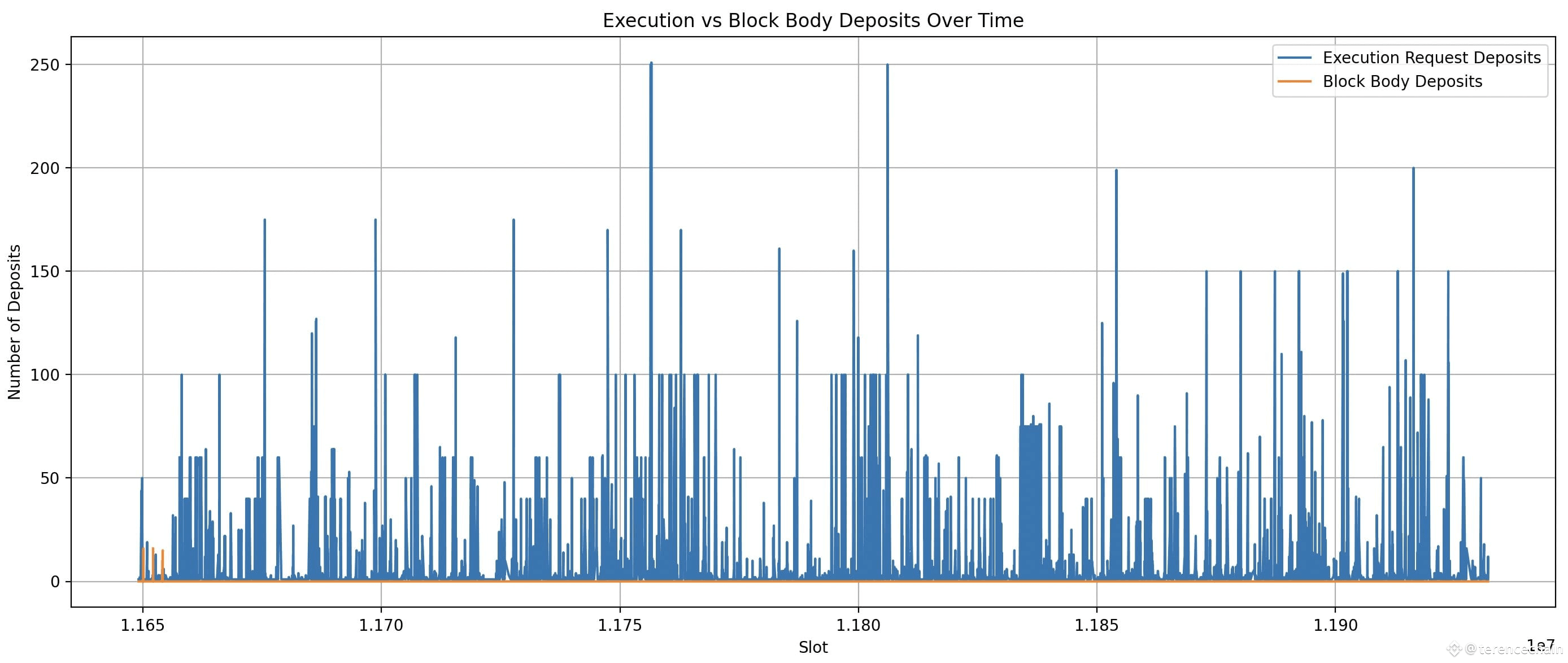
イーサリアムのバリデーターキューは5月下旬から着実に増加しています。スロット11649077から11931977までのすべての古いETH1および新しいEIP-6110実行デポジットを分析しました。
高レベルの数字:
- 期待されるETH1デポジットが廃止されたため、合計82,529の新しいELデポジットと541の古いETH1データデポジットがあります。
- ELデポジットを介して合計2.3M ETHがデポジットされました。
- 32 ETH以上の375のELデポジットがあります。
今、一部のチャートを共有します:
イーサリアムのバリデーターキューは5月下旬から着実に増加しています。スロット11649077から11931977までのすべての古いETH1および新しいEIP-6110実行デポジットを分析しました。
高レベルの数字:
- 期待されるETH1デポジットが廃止されたため、合計82,529の新しいELデポジットと541の古いETH1データデポジットがあります。
- ELデポジットを介して合計2.3M ETHがデポジットされました。
- 32 ETH以上の375のELデポジットがあります。
今、一部のチャートを共有します:
高レベルの数字:
- 期待されるETH1デポジットが廃止されたため、合計82,529の新しいELデポジットと541の古いETH1データデポジットがあります。
- ELデポジットを介して合計2.3M ETHがデポジットされました。
- 32 ETH以上の375のELデポジットがあります。
今、一部のチャートを共有します:
54
·
--
https://launchpad.ethereum.org/en/validator-actions は犯罪的に過小評価されています。部分的な入金、引き出し、そして複利のためのユーザーエクスペリエンスは非常にスムーズです。それを支えているチームに大きな感謝を送りますが、いつものように、自分で調査してください。
https://launchpad.ethereum.org/en/validator-actions は犯罪的に過小評価されています。部分的な入金、引き出し、そして複利のためのユーザーエクスペリエンスは非常にスムーズです。それを支えているチームに大きな感謝を送りますが、いつものように、自分で調査してください。
11
·
--
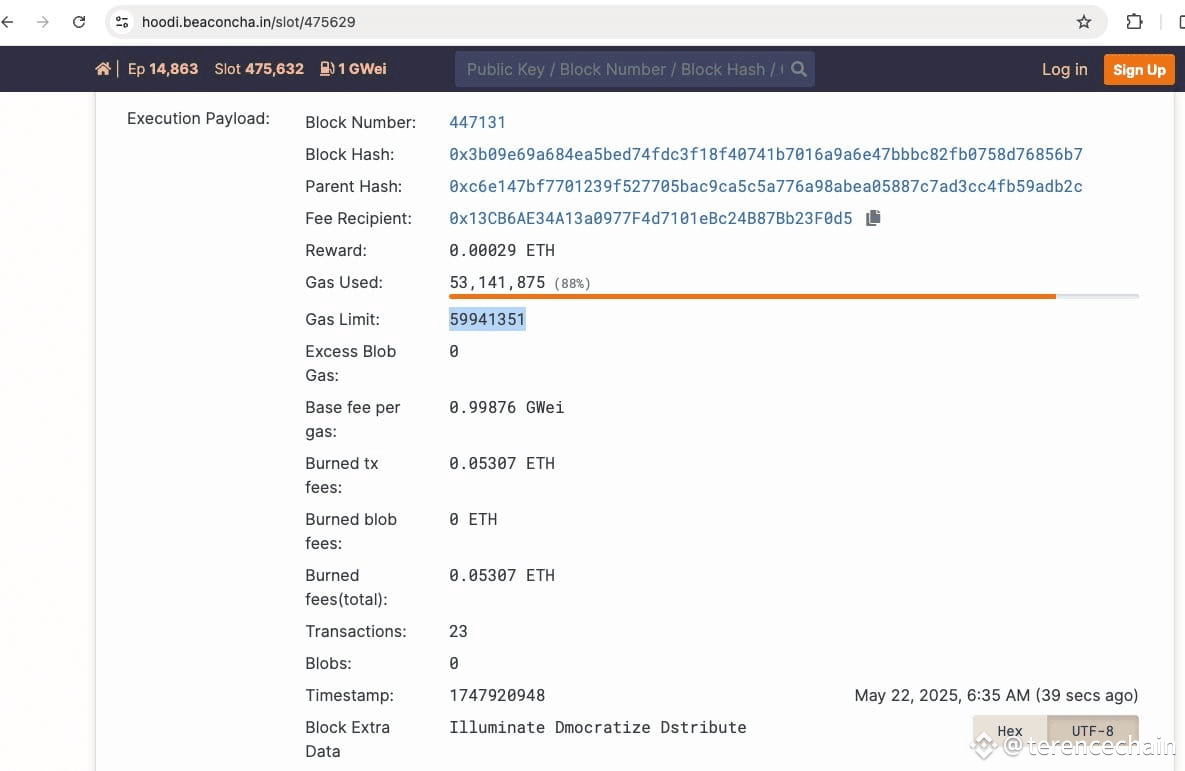
先月、ブロックを掘り進めていて、興味深いことを見つけました:
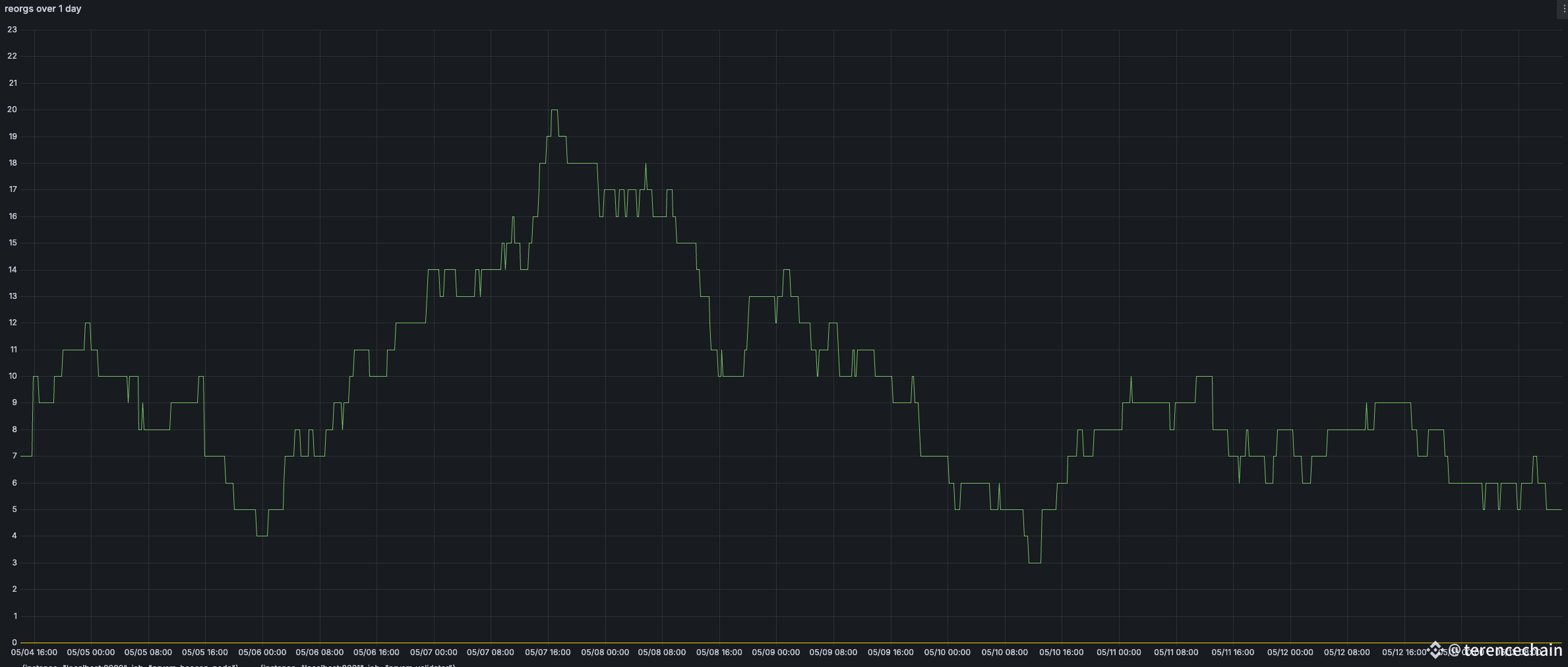
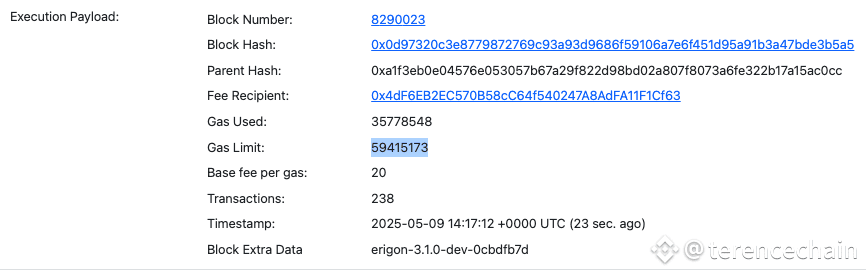
172のブロックにはトランザクションがなく、85には手数料受取人がいませんでした。
それは1日あたり約5〜6、再編成とほぼ同じ割合です。
例:https://t.co/lw0pSAePBt
最後の瞬間の再編成がビルダーを驚かせているのでしょうか?誰か詳しいことを知っていますか?cc @Data_Always
先月、ブロックを掘り進めていて、興味深いことを見つけました:
172のブロックにはトランザクションがなく、85には手数料受取人がいませんでした。
それは1日あたり約5〜6、再編成とほぼ同じ割合です。
例:https://t.co/lw0pSAePBt
最後の瞬間の再編成がビルダーを驚かせているのでしょうか?誰か詳しいことを知っていますか?cc @Data_Always
172のブロックにはトランザクションがなく、85には手数料受取人がいませんでした。
それは1日あたり約5〜6、再編成とほぼ同じ割合です。
例:https://t.co/lw0pSAePBt
最後の瞬間の再編成がビルダーを驚かせているのでしょうか?誰か詳しいことを知っていますか?cc @Data_Always
14
·
--
Pectraアップデートから1か月。すべてのブロックをダウンロードし、実行リクエストの使用を調査するために簡単なスクリプトを書きました。236,000スロットで見つけたこと:
- 236,000スロットのうち、実行リクエストがあったブロックは30,587のみ
- これらのブロックには69,041の入金リクエスト、312の出金リクエスト(なぜこんなに少ないのか!)、および17,570の統合リクエストがありました
- 入金では、57,293のユニークな公開鍵と2,102のユニークな出金認証情報が見られました
- 出金では、262のユニークなバリデータ公開鍵と100のユニークな送信元アドレスがありました
- 統合では、3,422のユニークなターゲットアドレスと3,544の自己統合があり、これはバリデータの約1.3%が統合したように見えます
ここで何か目立つことはありましたか?
Pectraアップデートから1か月。すべてのブロックをダウンロードし、実行リクエストの使用を調査するために簡単なスクリプトを書きました。236,000スロットで見つけたこと:
- 236,000スロットのうち、実行リクエストがあったブロックは30,587のみ
- これらのブロックには69,041の入金リクエスト、312の出金リクエスト(なぜこんなに少ないのか!)、および17,570の統合リクエストがありました
- 入金では、57,293のユニークな公開鍵と2,102のユニークな出金認証情報が見られました
- 出金では、262のユニークなバリデータ公開鍵と100のユニークな送信元アドレスがありました
- 統合では、3,422のユニークなターゲットアドレスと3,544の自己統合があり、これはバリデータの約1.3%が統合したように見えます
ここで何か目立つことはありましたか?
- 236,000スロットのうち、実行リクエストがあったブロックは30,587のみ
- これらのブロックには69,041の入金リクエスト、312の出金リクエスト(なぜこんなに少ないのか!)、および17,570の統合リクエストがありました
- 入金では、57,293のユニークな公開鍵と2,102のユニークな出金認証情報が見られました
- 出金では、262のユニークなバリデータ公開鍵と100のユニークな送信元アドレスがありました
- 統合では、3,422のユニークなターゲットアドレスと3,544の自己統合があり、これはバリデータの約1.3%が統合したように見えます
ここで何か目立つことはありましたか?
48
·
--
Pectraがイーサリアムの価格を救った。委員会のインデックスを証明から外すだけで済むとは誰が知っていただろう。
Pectraがイーサリアムの価格を救った。委員会のインデックスを証明から外すだけで済むとは誰が知っていただろう。
2
·
--
Pectraは約20時間後にメインネットに到達します
最終決定についてはツイートしません—すべてが順調に進むことを願っています 🫶
Pectraは約20時間後にメインネットに到達します
最終決定についてはツイートしません—すべてが順調に進むことを願っています 🫶
最終決定についてはツイートしません—すべてが順調に進むことを願っています 🫶
4
ログインして、さらにコンテンツを読む
厳選トピックで世界の暗号資産トレーダーの仲間入り
⚡️ 暗号資産に関する最新かつ有益な情報が見つかります。
💬 世界最大の暗号資産取引所から信頼されています。
👍 認証を受けたクリエイターから、有益なインサイトを得られます。
メール / 電話番号
トレンドトピック
ClarityActFacesProceduralVoteSept15
閲覧回数 50,199
739人が討論中
9月15日(火)午後2時15分(ET)。メモしておいて。🗓️
上院が、米国法においてどのコインが証券か、または商品かを最終的に定義する法案「CLARITY Act」について、そもそも討論するべきかどうかを決める投票を行います。
60票が必要です。共和党は53票。複数の民主党員が越境(造反)して賛成に回る必要があり、その結果は確実ではありません。
この投票に否決されると、2026年は法案が事実上死文化し、2029年頃まで(この後の中間選挙がカレンダーを食い尽くすため)成立の見込みはないでしょう。
この投票に可決されると、実際の討論に向けた扉が開きますが、それでも実際の法律になるにはまだ長い道のりがあります。
今年最大級の仮想通貨規制の節目が、数日後に訪れます。
#ClarityActFacesProceduralVoteSept15
NewbieToNode
·いいね:5件
·閲覧回数 5.5k
US2YearYieldRisesTo4.61%
閲覧回数 36,274
686人が討論中
US10YearTreasuryYieldNears5%
閲覧回数 22,193
405人が討論中