
2026Sui
125 投稿

2026Sui
報告
ユーザーをブロック
9 フォロー
19 フォロワー
71 いいね
投稿
すべて
動画
·
--
#binancep2pantoan @Binance_Vietnam
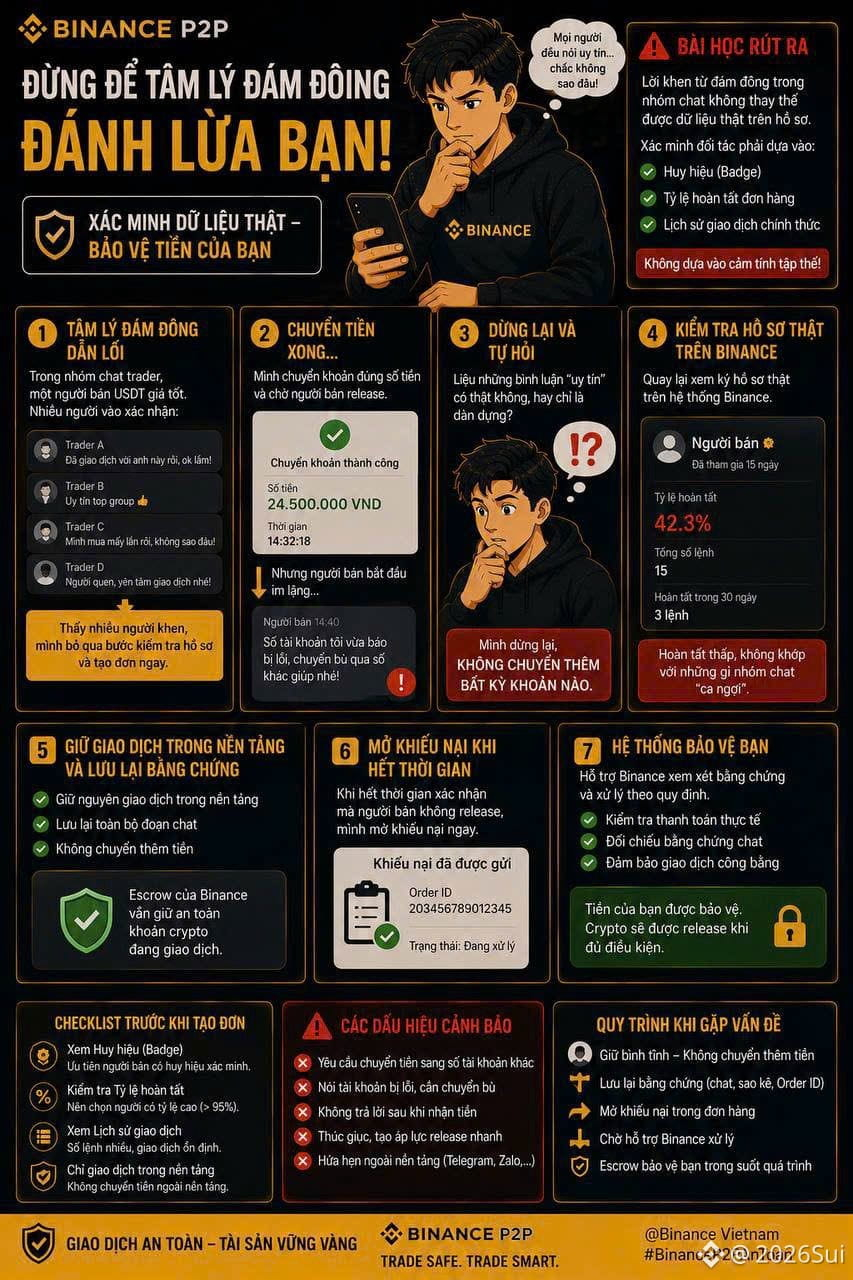
あるとき、自分はトレーダーのグループチャットで群衆心理に巻き込まれ、しかも「みんながこの人は信用できると言っている」という理由だけで、本人確認の手順をほぼスキップしてしまいそうになりました。
そのグループでは、ある人がUSDTをお得な価格で出品していて、大勢がコメントで「この人と取引したことある、かなり良い」「トップグループ級に信頼できる」と書き込んでいました。人が多く確認しているのを見て、自分も検証のステップは不要だと思い、「大丈夫に決まってる、みんながそう言っている」と考えて、その場で注文を作成しました。振り込みが終わると、出品者は突然黙り込み、その後こうメッセージしてきました。「今さっき知らせた口座番号がエラーになってる。他の番号に振り込んでもらえますか」──ちょうどその時、ようやく我に返り、疑問が湧きました。あの「信用できる」というコメントは本当なのか、それとも単なる仕込みではないのか。
自分はそこで止まり、追加で一切お金を振り込みませんでした。そして、Binanceのシステム上で実際のプロフィールをよく調べたところ、このアカウントは完了率がかなり低く、グループチャットが「称賛」していた内容とまったく一致していませんでした。取引はそのままプラットフォーム上に保持し、チャット履歴を保存して、確認期限が切れたらすぐに異議申し立て(クレーム)を開きました。
今回の教訓はこうです。グループチャットでの大勢の褒め言葉は、プロフィールの実データの代わりにはなりません。相手の信用確認は、バッジ、完了率、公式な取引履歴などに基づいて行うべきで、集団の直感ではありません。
#binancep2pantoan @Binance Vietnam
あるとき、自分はトレーダーのグループチャットで群衆心理に巻き込まれ、しかも「みんながこの人は信用できると言っている」という理由だけで、本人確認の手順をほぼスキップしてしまいそうになりました。
そのグループでは、ある人がUSDTをお得な価格で出品していて、大勢がコメントで「この人と取引したことある、かなり良い」「トップグループ級に信頼できる」と書き込んでいました。人が多く確認しているのを見て、自分も検証のステップは不要だと思い、「大丈夫に決まってる、みんながそう言っている」と考えて、その場で注文を作成しました。振り込みが終わると、出品者は突然黙り込み、その後こうメッセージしてきました。「今さっき知らせた口座番号がエラーになってる。他の番号に振り込んでもらえますか」──ちょうどその時、ようやく我に返り、疑問が湧きました。あの「信用できる」というコメントは本当なのか、それとも単なる仕込みではないのか。
自分はそこで止まり、追加で一切お金を振り込みませんでした。そして、Binanceのシステム上で実際のプロフィールをよく調べたところ、このアカウントは完了率がかなり低く、グループチャットが「称賛」していた内容とまったく一致していませんでした。取引はそのままプラットフォーム上に保持し、チャット履歴を保存して、確認期限が切れたらすぐに異議申し立て(クレーム)を開きました。
今回の教訓はこうです。グループチャットでの大勢の褒め言葉は、プロフィールの実データの代わりにはなりません。相手の信用確認は、バッジ、完了率、公式な取引履歴などに基づいて行うべきで、集団の直感ではありません。
あるとき、自分はトレーダーのグループチャットで群衆心理に巻き込まれ、しかも「みんながこの人は信用できると言っている」という理由だけで、本人確認の手順をほぼスキップしてしまいそうになりました。
そのグループでは、ある人がUSDTをお得な価格で出品していて、大勢がコメントで「この人と取引したことある、かなり良い」「トップグループ級に信頼できる」と書き込んでいました。人が多く確認しているのを見て、自分も検証のステップは不要だと思い、「大丈夫に決まってる、みんながそう言っている」と考えて、その場で注文を作成しました。振り込みが終わると、出品者は突然黙り込み、その後こうメッセージしてきました。「今さっき知らせた口座番号がエラーになってる。他の番号に振り込んでもらえますか」──ちょうどその時、ようやく我に返り、疑問が湧きました。あの「信用できる」というコメントは本当なのか、それとも単なる仕込みではないのか。
自分はそこで止まり、追加で一切お金を振り込みませんでした。そして、Binanceのシステム上で実際のプロフィールをよく調べたところ、このアカウントは完了率がかなり低く、グループチャットが「称賛」していた内容とまったく一致していませんでした。取引はそのままプラットフォーム上に保持し、チャット履歴を保存して、確認期限が切れたらすぐに異議申し立て(クレーム)を開きました。
今回の教訓はこうです。グループチャットでの大勢の褒め言葉は、プロフィールの実データの代わりにはなりません。相手の信用確認は、バッジ、完了率、公式な取引履歴などに基づいて行うべきで、集団の直感ではありません。
63
·
--
#termmax @termmax
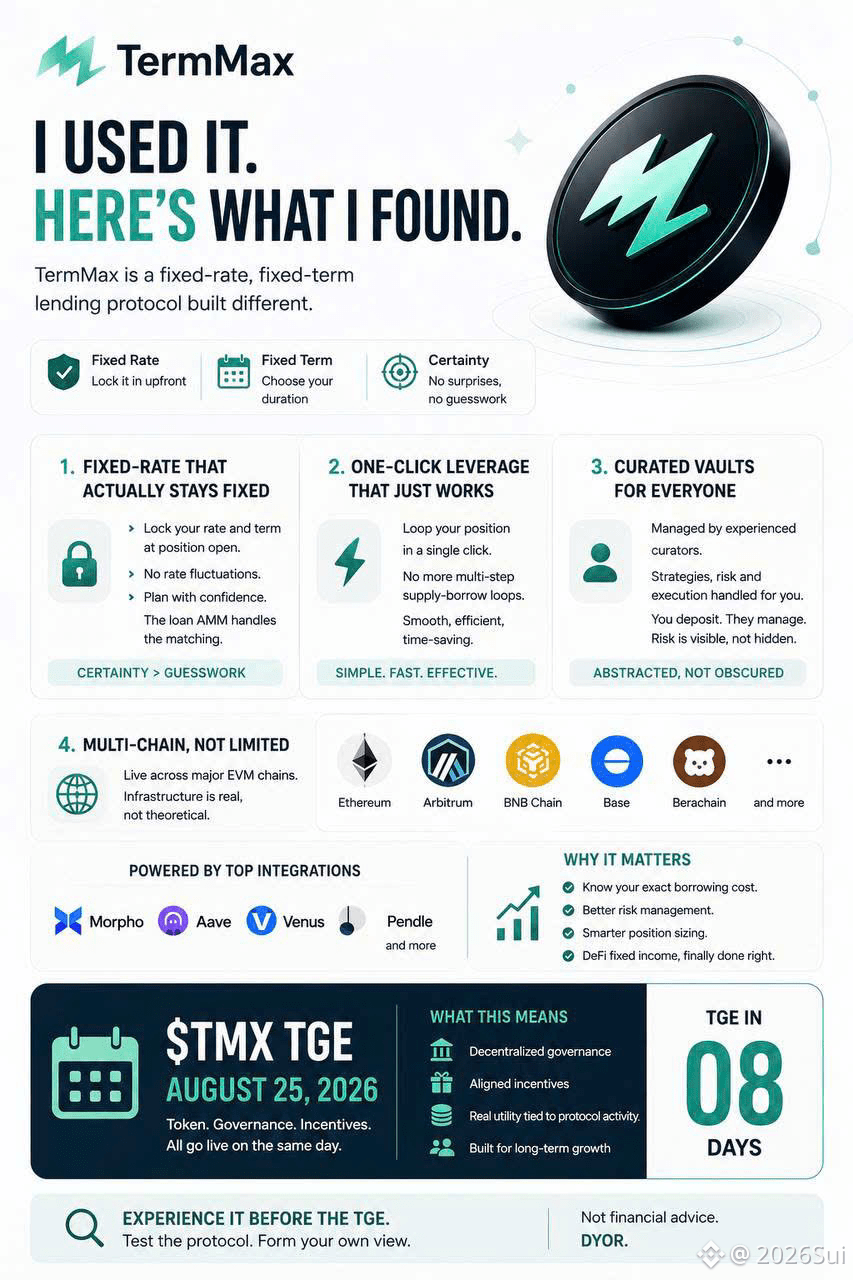
今週、好奇心でTermMaxを使って小さなポジションを試してみたら、どんなスレッドよりもプロトコルについて多くのことを教えてくれました。
特に印象に残ったのは、エントリー時にレートと期間(term)を固定したのに、その数字がその後まったく動かなかったことです。その後に戻って確認して、利用率の変化で利回りが目減りしたり、借入コストが押し上げられたりすることを確かめる必要がありませんでした。変動金利がポジションの途中で動いて痛い目を見たことがあるなら、小さな違いに見えても全然小さくありません。
また、レバレッジのフローも確認しました。通常の「供給→借り入れ→再預け入れ→繰り返し」というループではなく、ワンクリックでした。各ステップを細かく管理したくない人にとっては、キュレーションされたバルツ(vault)なら、マネージャーが戦略面を扱い、あなたは資金を用意するだけで済みます。そして複数のEVMチェーンにまたがって展開されているので、特定のネットワークに限った単発のテストではありません。
ここまでの文脈が、今いちだんと重要なのは、$TMXのTGEが2026年8月25日に行われるからです。そのタイミングで、トークン・ガバナンス・インセンティブのレイヤーがすべて同時に稼働します。これはプロトコルにとって、たいてい本当のストレステストになります。
TGEに向けてこの動きを注視しています。DYOR、自分の調査には近道をしないでください。
#termmax @TermMax
今週、好奇心でTermMaxを使って小さなポジションを試してみたら、どんなスレッドよりもプロトコルについて多くのことを教えてくれました。
特に印象に残ったのは、エントリー時にレートと期間(term)を固定したのに、その数字がその後まったく動かなかったことです。その後に戻って確認して、利用率の変化で利回りが目減りしたり、借入コストが押し上げられたりすることを確かめる必要がありませんでした。変動金利がポジションの途中で動いて痛い目を見たことがあるなら、小さな違いに見えても全然小さくありません。
また、レバレッジのフローも確認しました。通常の「供給→借り入れ→再預け入れ→繰り返し」というループではなく、ワンクリックでした。各ステップを細かく管理したくない人にとっては、キュレーションされたバルツ(vault)なら、マネージャーが戦略面を扱い、あなたは資金を用意するだけで済みます。そして複数のEVMチェーンにまたがって展開されているので、特定のネットワークに限った単発のテストではありません。
ここまでの文脈が、今いちだんと重要なのは、$TMXのTGEが2026年8月25日に行われるからです。そのタイミングで、トークン・ガバナンス・インセンティブのレイヤーがすべて同時に稼働します。これはプロトコルにとって、たいてい本当のストレステストになります。
TGEに向けてこの動きを注視しています。DYOR、自分の調査には近道をしないでください。
今週、好奇心でTermMaxを使って小さなポジションを試してみたら、どんなスレッドよりもプロトコルについて多くのことを教えてくれました。
特に印象に残ったのは、エントリー時にレートと期間(term)を固定したのに、その数字がその後まったく動かなかったことです。その後に戻って確認して、利用率の変化で利回りが目減りしたり、借入コストが押し上げられたりすることを確かめる必要がありませんでした。変動金利がポジションの途中で動いて痛い目を見たことがあるなら、小さな違いに見えても全然小さくありません。
また、レバレッジのフローも確認しました。通常の「供給→借り入れ→再預け入れ→繰り返し」というループではなく、ワンクリックでした。各ステップを細かく管理したくない人にとっては、キュレーションされたバルツ(vault)なら、マネージャーが戦略面を扱い、あなたは資金を用意するだけで済みます。そして複数のEVMチェーンにまたがって展開されているので、特定のネットワークに限った単発のテストではありません。
ここまでの文脈が、今いちだんと重要なのは、$TMXのTGEが2026年8月25日に行われるからです。そのタイミングで、トークン・ガバナンス・インセンティブのレイヤーがすべて同時に稼働します。これはプロトコルにとって、たいてい本当のストレステストになります。
TGEに向けてこの動きを注視しています。DYOR、自分の調査には近道をしないでください。
90
·
--
#termmax @termmax
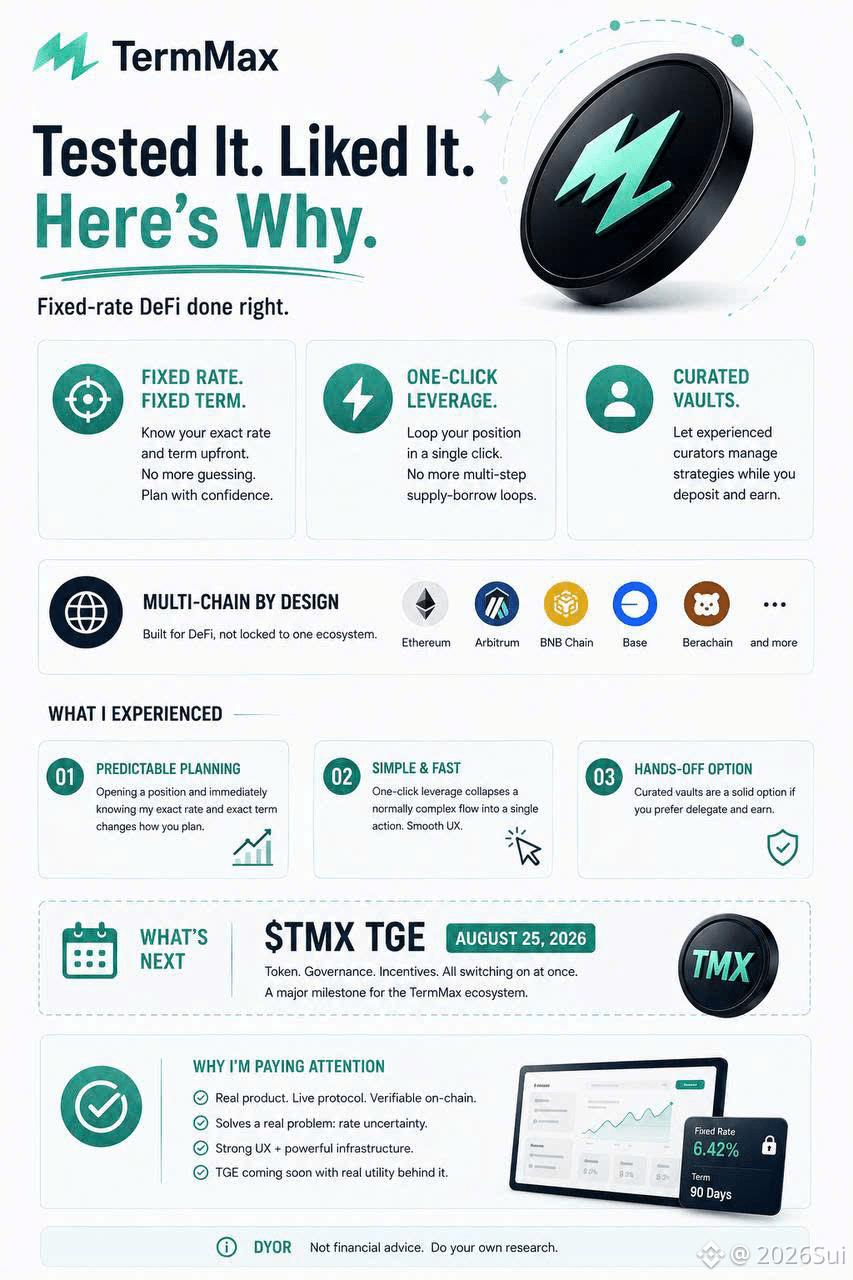
ここ数日、資料を読むだけじゃなくて実際にTermMaxをテストしてみたら、固定金利DeFiの人たちがそれを持ち出してくる理由がわかりました。
まず気づいたのは、ポジションを開いた瞬間に自分の正確な金利と正確な期間がすぐわかること。利用率が後からどう変わるかを待つ必要がありません。変動金利のプラットフォームから来ている身としては、それだけで計画の立て方が変わります。「APYが自分に不利な方向へ動いていないか」をダッシュボードで更新し続ける必要がなくなる感じです。
次にワンクリックのレバレッジフローを試してみました。通常は複数ステップの「供給→借り入れ」のループになりがちなところを、単一のアクションにまとめてしまうんですね。さらに、キュレーションされたバルツもいじってみました。経験のあるマネージャーに戦略を任せて、あなたはただ預けるだけにできる。自分で毎回のポジションを能動的に管理したくない場合に便利です。これらは複数のEVMチェーンにまたがって動いていて、特定のエコシステムに固定されていません。
今いちばん注目しているのはタイミングです。$TMXのTGEは2026年8月25日に予定されています。トークン、ガバナンス、インセンティブが一斉に切り替わる。プロトコル自体を使って見た限り、この日が近づくにつれて注意深く追う価値があるプロジェクトだと感じます。単に流し見して終わりの、また別のトークンローンチとは違います。
TGEまで追っていきます。自分で何かを始める前にDYORを。
#termmax @TermMax
ここ数日、資料を読むだけじゃなくて実際にTermMaxをテストしてみたら、固定金利DeFiの人たちがそれを持ち出してくる理由がわかりました。
まず気づいたのは、ポジションを開いた瞬間に自分の正確な金利と正確な期間がすぐわかること。利用率が後からどう変わるかを待つ必要がありません。変動金利のプラットフォームから来ている身としては、それだけで計画の立て方が変わります。「APYが自分に不利な方向へ動いていないか」をダッシュボードで更新し続ける必要がなくなる感じです。
次にワンクリックのレバレッジフローを試してみました。通常は複数ステップの「供給→借り入れ」のループになりがちなところを、単一のアクションにまとめてしまうんですね。さらに、キュレーションされたバルツもいじってみました。経験のあるマネージャーに戦略を任せて、あなたはただ預けるだけにできる。自分で毎回のポジションを能動的に管理したくない場合に便利です。これらは複数のEVMチェーンにまたがって動いていて、特定のエコシステムに固定されていません。
今いちばん注目しているのはタイミングです。$TMXのTGEは2026年8月25日に予定されています。トークン、ガバナンス、インセンティブが一斉に切り替わる。プロトコル自体を使って見た限り、この日が近づくにつれて注意深く追う価値があるプロジェクトだと感じます。単に流し見して終わりの、また別のトークンローンチとは違います。
TGEまで追っていきます。自分で何かを始める前にDYORを。
ここ数日、資料を読むだけじゃなくて実際にTermMaxをテストしてみたら、固定金利DeFiの人たちがそれを持ち出してくる理由がわかりました。
まず気づいたのは、ポジションを開いた瞬間に自分の正確な金利と正確な期間がすぐわかること。利用率が後からどう変わるかを待つ必要がありません。変動金利のプラットフォームから来ている身としては、それだけで計画の立て方が変わります。「APYが自分に不利な方向へ動いていないか」をダッシュボードで更新し続ける必要がなくなる感じです。
次にワンクリックのレバレッジフローを試してみました。通常は複数ステップの「供給→借り入れ」のループになりがちなところを、単一のアクションにまとめてしまうんですね。さらに、キュレーションされたバルツもいじってみました。経験のあるマネージャーに戦略を任せて、あなたはただ預けるだけにできる。自分で毎回のポジションを能動的に管理したくない場合に便利です。これらは複数のEVMチェーンにまたがって動いていて、特定のエコシステムに固定されていません。
今いちばん注目しているのはタイミングです。$TMXのTGEは2026年8月25日に予定されています。トークン、ガバナンス、インセンティブが一斉に切り替わる。プロトコル自体を使って見た限り、この日が近づくにつれて注意深く追う価値があるプロジェクトだと感じます。単に流し見して終わりの、また別のトークンローンチとは違います。
TGEまで追っていきます。自分で何かを始める前にDYORを。
1
51
·
--
#binancep2pantoan @Binance_Vietnam
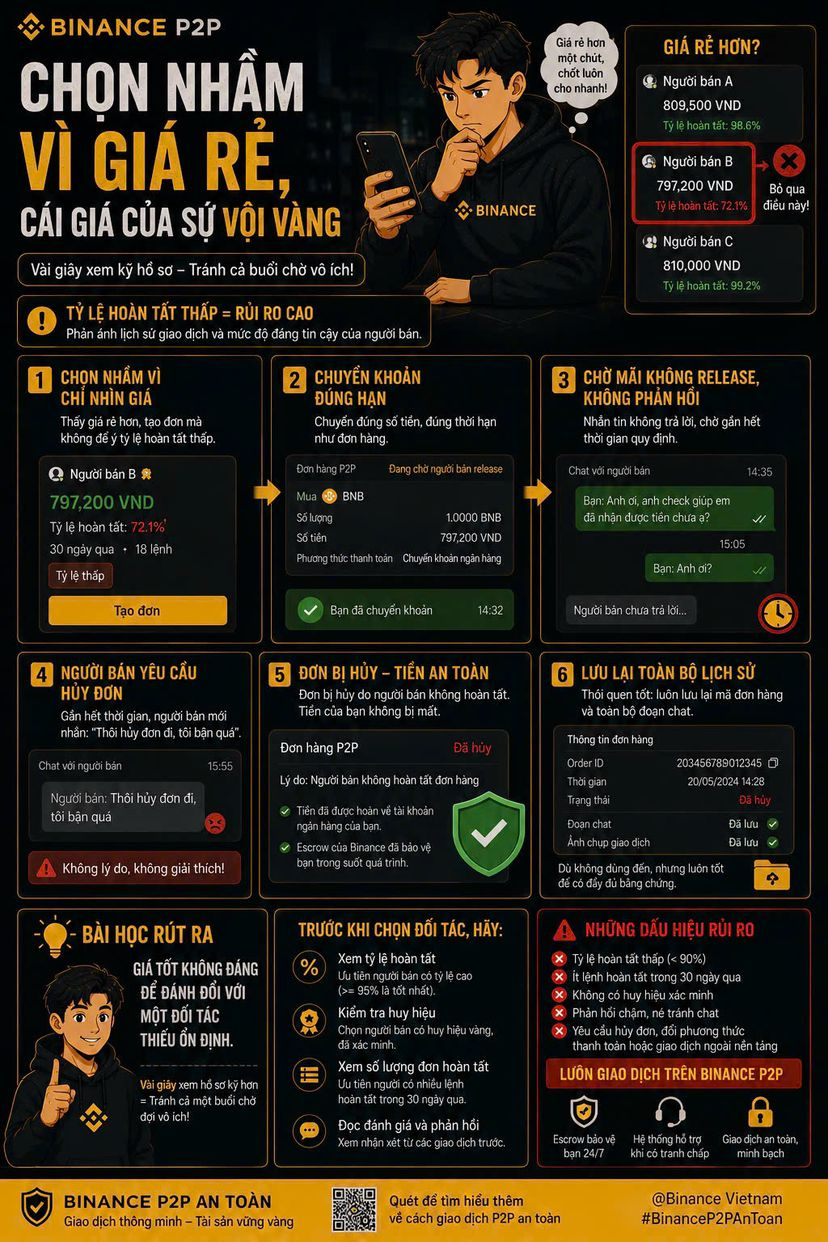
ある時、価格が安いという理由だけで相手を選んでしまい、注文完了率をきちんと確認するのを忘れたことがありました。
その日は急ぎでBNBを買う必要があって、他の人より少し安い出品者を見つけたので即決しました。バッジをちらっと見るだけで、肝心の注文完了率は、一般的な水準に比べてかなり低いことに気づいていなかったのです。注文を作成し、期限どおりに振り込みましたが、いつまで経ってもリリースされず、メッセージを送っても返事がありません。期限がほぼ尽きた頃、この出品者がようやく「やめてくれ、忙しすぎるんだ」—それ以上は何も説明せずに—とだけ送ってきました。
その時、完了率が低いというのは無意味な数字ではなく、まさに自分が今まさに経験したことを反映しているのだと痛感しました。幸いなことに、取引はプラットフォーム上のまま維持していて、別の経路でお金を移していなかったので、注文がキャンセルされてもお金が口座から出ていくことはありませんでした。まだどこにも誤りが確認されていないため、証拠金の仕組みが、待機している間ずっと私を自動的に守ってくれていたのです。
私は、いつもの習慣として、チャットの履歴と注文コードをすべて保存していました。今回それを使う必要はありませんでしたが、経験から学びました。次回は、パートナーを選ぶ前に、完了率とバッジの両方を必ず詳しく確認するようにし、価格だけで判断しないことにします。
私が得た教訓はこうです。良すぎる価格は、不安定なパートナーと引き換えるほどの価値はない。プロフィールを数秒だけでも丁寧に見ておけば、無駄な待ち時間一式を避けられます。
#binancep2pantoan @Binance Vietnam
ある時、価格が安いという理由だけで相手を選んでしまい、注文完了率をきちんと確認するのを忘れたことがありました。
その日は急ぎでBNBを買う必要があって、他の人より少し安い出品者を見つけたので即決しました。バッジをちらっと見るだけで、肝心の注文完了率は、一般的な水準に比べてかなり低いことに気づいていなかったのです。注文を作成し、期限どおりに振り込みましたが、いつまで経ってもリリースされず、メッセージを送っても返事がありません。期限がほぼ尽きた頃、この出品者がようやく「やめてくれ、忙しすぎるんだ」—それ以上は何も説明せずに—とだけ送ってきました。
その時、完了率が低いというのは無意味な数字ではなく、まさに自分が今まさに経験したことを反映しているのだと痛感しました。幸いなことに、取引はプラットフォーム上のまま維持していて、別の経路でお金を移していなかったので、注文がキャンセルされてもお金が口座から出ていくことはありませんでした。まだどこにも誤りが確認されていないため、証拠金の仕組みが、待機している間ずっと私を自動的に守ってくれていたのです。
私は、いつもの習慣として、チャットの履歴と注文コードをすべて保存していました。今回それを使う必要はありませんでしたが、経験から学びました。次回は、パートナーを選ぶ前に、完了率とバッジの両方を必ず詳しく確認するようにし、価格だけで判断しないことにします。
私が得た教訓はこうです。良すぎる価格は、不安定なパートナーと引き換えるほどの価値はない。プロフィールを数秒だけでも丁寧に見ておけば、無駄な待ち時間一式を避けられます。
ある時、価格が安いという理由だけで相手を選んでしまい、注文完了率をきちんと確認するのを忘れたことがありました。
その日は急ぎでBNBを買う必要があって、他の人より少し安い出品者を見つけたので即決しました。バッジをちらっと見るだけで、肝心の注文完了率は、一般的な水準に比べてかなり低いことに気づいていなかったのです。注文を作成し、期限どおりに振り込みましたが、いつまで経ってもリリースされず、メッセージを送っても返事がありません。期限がほぼ尽きた頃、この出品者がようやく「やめてくれ、忙しすぎるんだ」—それ以上は何も説明せずに—とだけ送ってきました。
その時、完了率が低いというのは無意味な数字ではなく、まさに自分が今まさに経験したことを反映しているのだと痛感しました。幸いなことに、取引はプラットフォーム上のまま維持していて、別の経路でお金を移していなかったので、注文がキャンセルされてもお金が口座から出ていくことはありませんでした。まだどこにも誤りが確認されていないため、証拠金の仕組みが、待機している間ずっと私を自動的に守ってくれていたのです。
私は、いつもの習慣として、チャットの履歴と注文コードをすべて保存していました。今回それを使う必要はありませんでしたが、経験から学びました。次回は、パートナーを選ぶ前に、完了率とバッジの両方を必ず詳しく確認するようにし、価格だけで判断しないことにします。
私が得た教訓はこうです。良すぎる価格は、不安定なパートナーと引き換えるほどの価値はない。プロフィールを数秒だけでも丁寧に見ておけば、無駄な待ち時間一式を避けられます。
82
·
--
#termmax @termmax
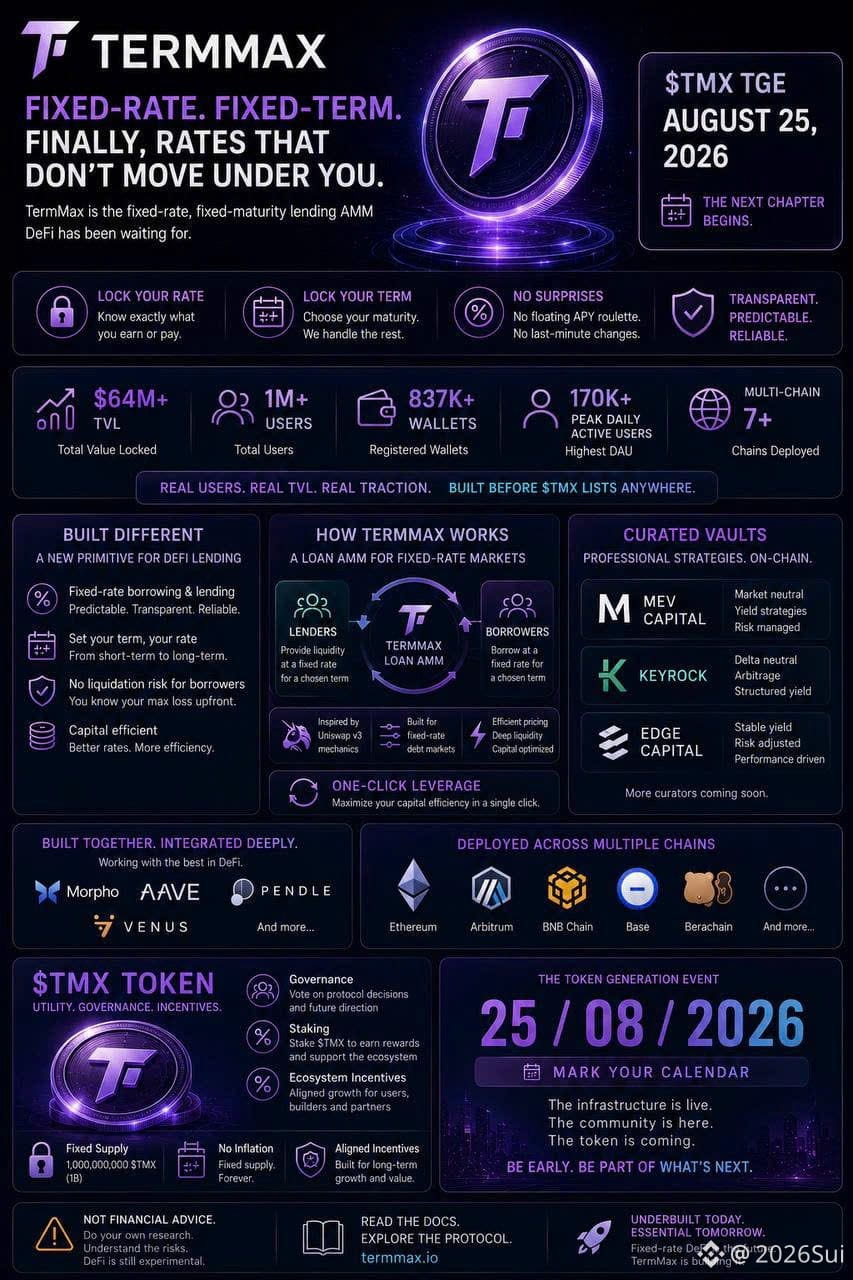
8月25日までに、これについて話す人をもっと増やしたい。
TermMaxは、他のみんなが注目を集めに走る間、静かに積み上げてきたプロトコルのひとつです。誇大なキャンペーンも、空っぽの約束もありません。固定レート・固定満期のレンディングAMMとして、DeFiが実際にはなかなか解決しきれてこなかった問題を、着実に解消しています——あなたが見ていない瞬間に、レートが変わってしまうこと。
貸すか借りるかを選んだら、レートと期間を最初に固定します。毎時間変更を確認する必要も、当てずっぽうも不要です。さらに、5つの動く部品を管理せずにエクスポージャーを得たいトレーダー向けに、ワンクリックのレバレッジも用意。加えて、戦略はプロに任せたい人のために、実在するキュレーターが運営する厳選バルト(Vault)もあります。これらは複数チェーンで動作し、Ethereum、Arbitrum、BNB Chain、Baseに加えて、すでにMorpho、Aave、Pendleなどの名称と連携済みです。
そして、それらを結びつける重要なピースがこちら:$TMX TGEは2026年8月25日に上陸します。ガバナンスとユーティリティが、ついに稼働——この瞬間の前から実際の利用があったプロトコルを裏付けます。
固定レートのレンディングは、DeFiの中でもまだ十分に作り込まれていない領域です。25日より前にウォッチリストに入れる価値があります。
より多くの人の目に触れるべきだと思って共有します——判断をする前に、必ずご自身で調査してください。🧵
#termmax @TermMax
8月25日までに、これについて話す人をもっと増やしたい。
TermMaxは、他のみんなが注目を集めに走る間、静かに積み上げてきたプロトコルのひとつです。誇大なキャンペーンも、空っぽの約束もありません。固定レート・固定満期のレンディングAMMとして、DeFiが実際にはなかなか解決しきれてこなかった問題を、着実に解消しています——あなたが見ていない瞬間に、レートが変わってしまうこと。
貸すか借りるかを選んだら、レートと期間を最初に固定します。毎時間変更を確認する必要も、当てずっぽうも不要です。さらに、5つの動く部品を管理せずにエクスポージャーを得たいトレーダー向けに、ワンクリックのレバレッジも用意。加えて、戦略はプロに任せたい人のために、実在するキュレーターが運営する厳選バルト(Vault)もあります。これらは複数チェーンで動作し、Ethereum、Arbitrum、BNB Chain、Baseに加えて、すでにMorpho、Aave、Pendleなどの名称と連携済みです。
そして、それらを結びつける重要なピースがこちら:$TMX TGEは2026年8月25日に上陸します。ガバナンスとユーティリティが、ついに稼働——この瞬間の前から実際の利用があったプロトコルを裏付けます。
固定レートのレンディングは、DeFiの中でもまだ十分に作り込まれていない領域です。25日より前にウォッチリストに入れる価値があります。
より多くの人の目に触れるべきだと思って共有します——判断をする前に、必ずご自身で調査してください。🧵
8月25日までに、これについて話す人をもっと増やしたい。
TermMaxは、他のみんなが注目を集めに走る間、静かに積み上げてきたプロトコルのひとつです。誇大なキャンペーンも、空っぽの約束もありません。固定レート・固定満期のレンディングAMMとして、DeFiが実際にはなかなか解決しきれてこなかった問題を、着実に解消しています——あなたが見ていない瞬間に、レートが変わってしまうこと。
貸すか借りるかを選んだら、レートと期間を最初に固定します。毎時間変更を確認する必要も、当てずっぽうも不要です。さらに、5つの動く部品を管理せずにエクスポージャーを得たいトレーダー向けに、ワンクリックのレバレッジも用意。加えて、戦略はプロに任せたい人のために、実在するキュレーターが運営する厳選バルト(Vault)もあります。これらは複数チェーンで動作し、Ethereum、Arbitrum、BNB Chain、Baseに加えて、すでにMorpho、Aave、Pendleなどの名称と連携済みです。
そして、それらを結びつける重要なピースがこちら:$TMX TGEは2026年8月25日に上陸します。ガバナンスとユーティリティが、ついに稼働——この瞬間の前から実際の利用があったプロトコルを裏付けます。
固定レートのレンディングは、DeFiの中でもまだ十分に作り込まれていない領域です。25日より前にウォッチリストに入れる価値があります。
より多くの人の目に触れるべきだと思って共有します——判断をする前に、必ずご自身で調査してください。🧵
2
1
58
·
--
#binancep2pantoan @Binance_Vietnam
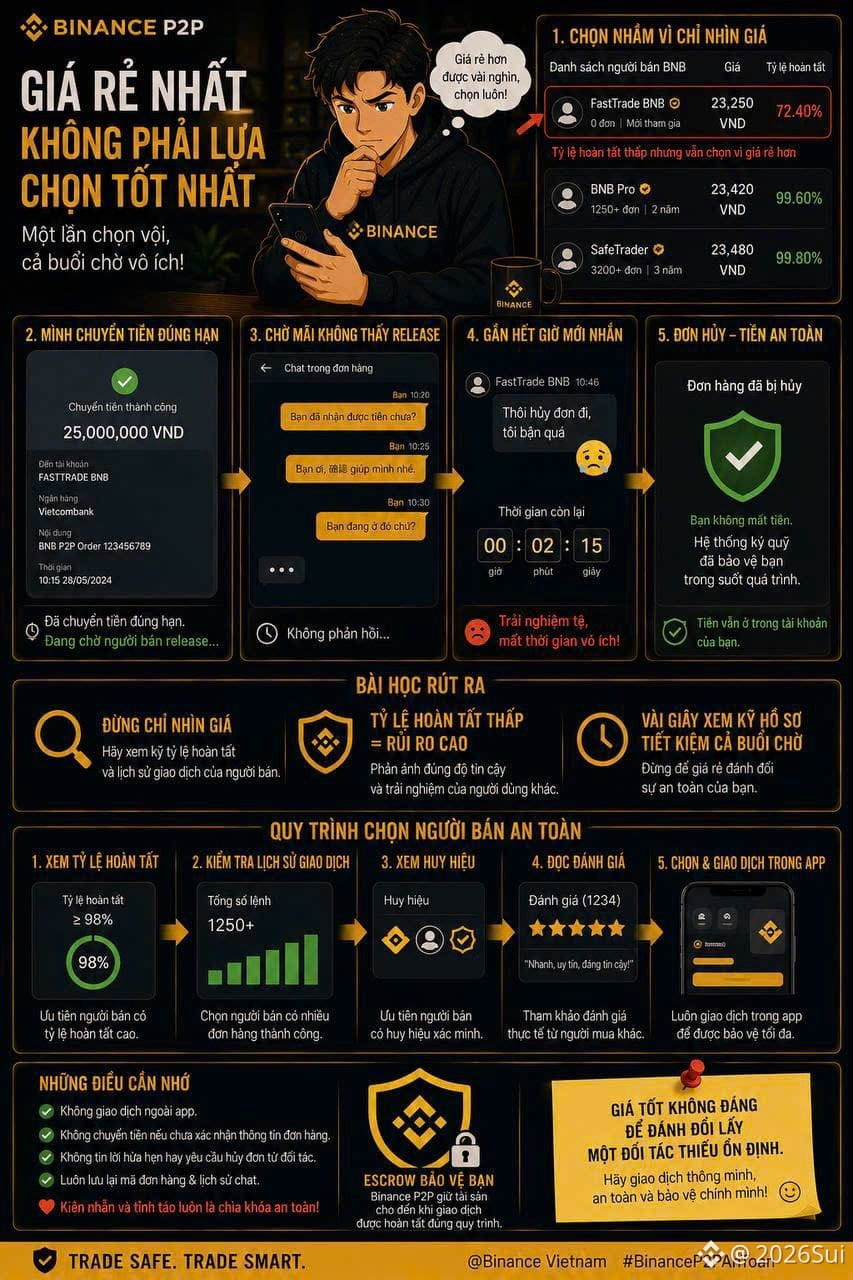
ある日、自分は安いという理由だけで売り手を選んでしまい、注文完了率をよく確認するのを忘れていました。
その日は急いで一定量のBNBを購入する必要があり、他の人より少し安い価格で売っている人を見つけてすぐに選びました。バッジだけちらっと見て、彼らの注文完了率が、平均的な水準に比べてかなり低いことには気づかなかったのです。注文を作成し、期限内に正しく送金したのに、いつまで待ってもリリースされず、メッセージを送っても返事がありませんでした。期限ギリギリになってから、その人は「とりあえずキャンセルして。忙しすぎる」とだけ送ってきて、他には何も説明してくれませんでした。
その時初めて、完了率の低さは単なる数字ではなく、自分がまさに今経験したことを正確に反映しているのだと理解しました。幸い、取引はプラットフォーム内にそのまま残していて、他の経路へ資金を移していなかったので、注文がキャンセルされても資金はどこかへ出ていきませんでした。まだ誤った確認が行われていなかったため、証拠金システムが待機中ずっと自分を守ってくれていたのです。
私はいつもの癖で、チャット履歴と注文コードをすべて保存していました。今回も結局使うことはありませんでしたが、学びとして活きました。次回からは、取引相手を選ぶ前に、完了率もバッジも必ず細かく確認し、価格だけで判断しないようにしています。
今回得た教訓は、良い価格は不安定な相手と引き換えにするほどの価値はないということです。プロフィールを数秒でも詳しく見るだけで、無駄な待ち時間を丸ごと避けられるとわかりました。
#binancep2pantoan @Binance Vietnam
ある日、自分は安いという理由だけで売り手を選んでしまい、注文完了率をよく確認するのを忘れていました。
その日は急いで一定量のBNBを購入する必要があり、他の人より少し安い価格で売っている人を見つけてすぐに選びました。バッジだけちらっと見て、彼らの注文完了率が、平均的な水準に比べてかなり低いことには気づかなかったのです。注文を作成し、期限内に正しく送金したのに、いつまで待ってもリリースされず、メッセージを送っても返事がありませんでした。期限ギリギリになってから、その人は「とりあえずキャンセルして。忙しすぎる」とだけ送ってきて、他には何も説明してくれませんでした。
その時初めて、完了率の低さは単なる数字ではなく、自分がまさに今経験したことを正確に反映しているのだと理解しました。幸い、取引はプラットフォーム内にそのまま残していて、他の経路へ資金を移していなかったので、注文がキャンセルされても資金はどこかへ出ていきませんでした。まだ誤った確認が行われていなかったため、証拠金システムが待機中ずっと自分を守ってくれていたのです。
私はいつもの癖で、チャット履歴と注文コードをすべて保存していました。今回も結局使うことはありませんでしたが、学びとして活きました。次回からは、取引相手を選ぶ前に、完了率もバッジも必ず細かく確認し、価格だけで判断しないようにしています。
今回得た教訓は、良い価格は不安定な相手と引き換えにするほどの価値はないということです。プロフィールを数秒でも詳しく見るだけで、無駄な待ち時間を丸ごと避けられるとわかりました。
ある日、自分は安いという理由だけで売り手を選んでしまい、注文完了率をよく確認するのを忘れていました。
その日は急いで一定量のBNBを購入する必要があり、他の人より少し安い価格で売っている人を見つけてすぐに選びました。バッジだけちらっと見て、彼らの注文完了率が、平均的な水準に比べてかなり低いことには気づかなかったのです。注文を作成し、期限内に正しく送金したのに、いつまで待ってもリリースされず、メッセージを送っても返事がありませんでした。期限ギリギリになってから、その人は「とりあえずキャンセルして。忙しすぎる」とだけ送ってきて、他には何も説明してくれませんでした。
その時初めて、完了率の低さは単なる数字ではなく、自分がまさに今経験したことを正確に反映しているのだと理解しました。幸い、取引はプラットフォーム内にそのまま残していて、他の経路へ資金を移していなかったので、注文がキャンセルされても資金はどこかへ出ていきませんでした。まだ誤った確認が行われていなかったため、証拠金システムが待機中ずっと自分を守ってくれていたのです。
私はいつもの癖で、チャット履歴と注文コードをすべて保存していました。今回も結局使うことはありませんでしたが、学びとして活きました。次回からは、取引相手を選ぶ前に、完了率もバッジも必ず細かく確認し、価格だけで判断しないようにしています。
今回得た教訓は、良い価格は不安定な相手と引き換えにするほどの価値はないということです。プロフィールを数秒でも詳しく見るだけで、無駄な待ち時間を丸ごと避けられるとわかりました。
123
·
--
#binancep2pantoan @Binance_Vietnam
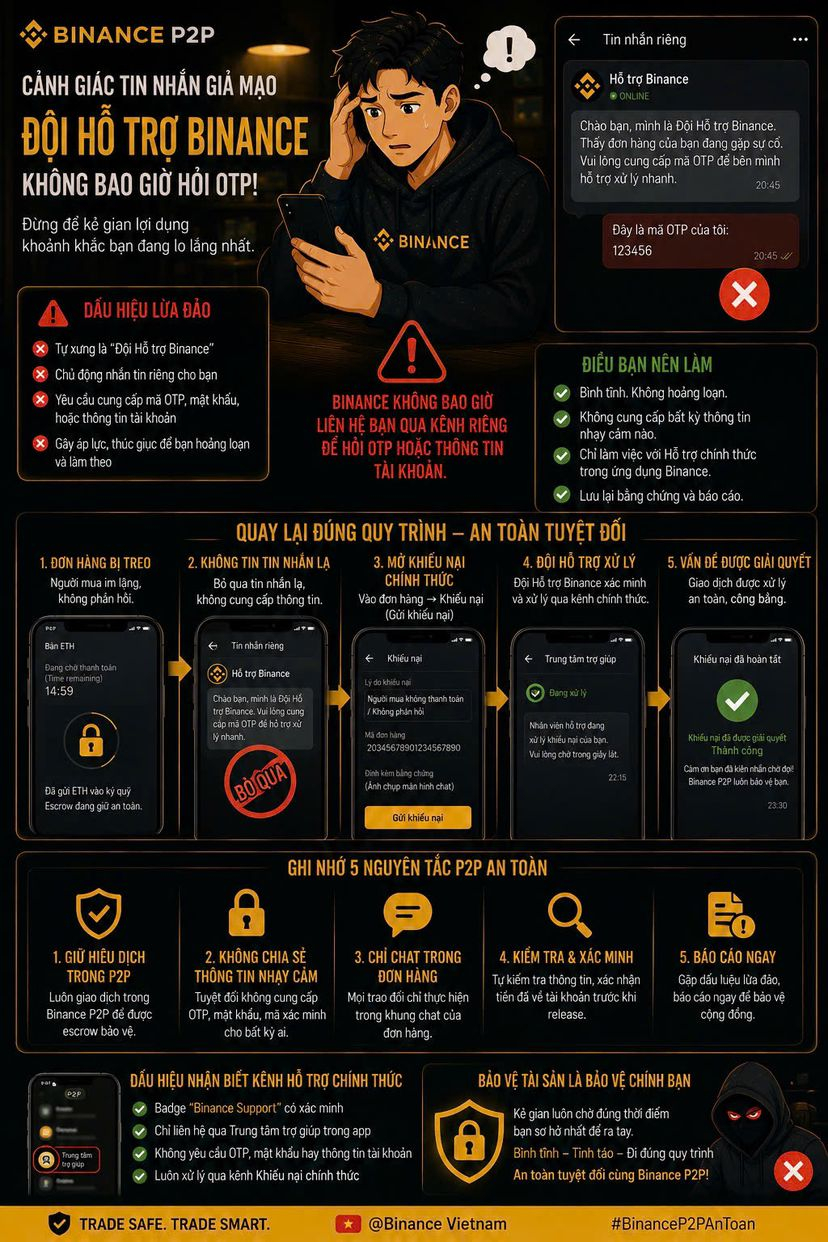
ある日、取引の指値が出ている最中に「Binanceサポートチーム」を名乗る人物からメッセージが届いたことがある。ちょうど自分が不安でいっぱいだったタイミングで、まんまと罠に落ちそうになった。
自分のETHの売り注文が、買い手からの返信が途絶えて動かない。焦っていると、(注文チャットとは別の)個別アカウントからメッセージが来た。「こんにちは。私はBinanceサポートです。あなたの注文に不具合があるのを確認しました。すぐに対応できるようOTPコードを提供してください。」混乱している最中で、ついそのままコードを打ち込んでしまいそうになった。けれど、はっと思い出した。Binanceは、OTPコードを求めるために個別のチャネルで連絡してくることは絶対にない。公式サポートはすべて、アプリ内の異議申し立て(クレーム)チャネルを通して行われ、見知らぬメッセージ経由ではない。
そのメッセージは無視し、何の情報も渡さず、正規の手順に戻った。保留中の注文について正式に異議申し立てを開き、注文IDと保存済みのチャット履歴を添付する。数時間後、本物のBinanceサポートが、アプリ内の正しいチャンネルを通じてちゃんと対応してくれた。
学んだこと:一番巧妙なのは、自分が最も不安になっている“ちょうどその瞬間”を見極めて手を伸ばしてくる詐欺師だ。心配が増えるほど、向かうべき道はただ一つ——アプリ内の公式サポートチャンネルだけ。そこから決して外れてはいけない。
#binancep2pantoan @Binance Vietnam
ある日、取引の指値が出ている最中に「Binanceサポートチーム」を名乗る人物からメッセージが届いたことがある。ちょうど自分が不安でいっぱいだったタイミングで、まんまと罠に落ちそうになった。
自分のETHの売り注文が、買い手からの返信が途絶えて動かない。焦っていると、(注文チャットとは別の)個別アカウントからメッセージが来た。「こんにちは。私はBinanceサポートです。あなたの注文に不具合があるのを確認しました。すぐに対応できるようOTPコードを提供してください。」混乱している最中で、ついそのままコードを打ち込んでしまいそうになった。けれど、はっと思い出した。Binanceは、OTPコードを求めるために個別のチャネルで連絡してくることは絶対にない。公式サポートはすべて、アプリ内の異議申し立て(クレーム)チャネルを通して行われ、見知らぬメッセージ経由ではない。
そのメッセージは無視し、何の情報も渡さず、正規の手順に戻った。保留中の注文について正式に異議申し立てを開き、注文IDと保存済みのチャット履歴を添付する。数時間後、本物のBinanceサポートが、アプリ内の正しいチャンネルを通じてちゃんと対応してくれた。
学んだこと:一番巧妙なのは、自分が最も不安になっている“ちょうどその瞬間”を見極めて手を伸ばしてくる詐欺師だ。心配が増えるほど、向かうべき道はただ一つ——アプリ内の公式サポートチャンネルだけ。そこから決して外れてはいけない。
ある日、取引の指値が出ている最中に「Binanceサポートチーム」を名乗る人物からメッセージが届いたことがある。ちょうど自分が不安でいっぱいだったタイミングで、まんまと罠に落ちそうになった。
自分のETHの売り注文が、買い手からの返信が途絶えて動かない。焦っていると、(注文チャットとは別の)個別アカウントからメッセージが来た。「こんにちは。私はBinanceサポートです。あなたの注文に不具合があるのを確認しました。すぐに対応できるようOTPコードを提供してください。」混乱している最中で、ついそのままコードを打ち込んでしまいそうになった。けれど、はっと思い出した。Binanceは、OTPコードを求めるために個別のチャネルで連絡してくることは絶対にない。公式サポートはすべて、アプリ内の異議申し立て(クレーム)チャネルを通して行われ、見知らぬメッセージ経由ではない。
そのメッセージは無視し、何の情報も渡さず、正規の手順に戻った。保留中の注文について正式に異議申し立てを開き、注文IDと保存済みのチャット履歴を添付する。数時間後、本物のBinanceサポートが、アプリ内の正しいチャンネルを通じてちゃんと対応してくれた。
学んだこと:一番巧妙なのは、自分が最も不安になっている“ちょうどその瞬間”を見極めて手を伸ばしてくる詐欺師だ。心配が増えるほど、向かうべき道はただ一つ——アプリ内の公式サポートチャンネルだけ。そこから決して外れてはいけない。
93
·
--
#binancep2pantoan @Binance_Vietnam
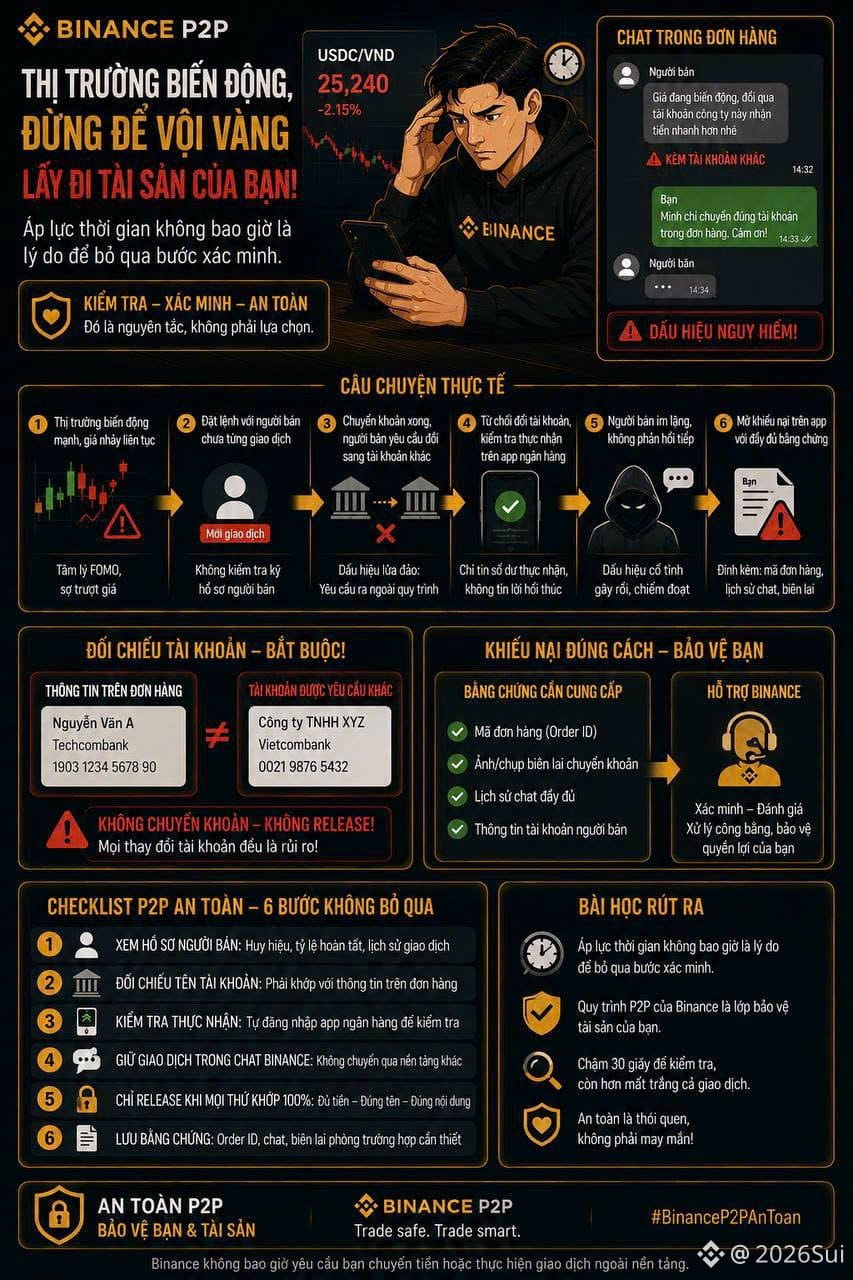
ある時、市場が大きく変動しているタイミングでUSDCを買ったことがありました。価格が目まぐるしく跳ね上がるのに加え、滑ってしまうのが怖くて焦っていたせいで、確認すべき手順をほとんど見落としそうになっていました。
良い価格だと思って、これまで取引したことのない相手にすぐ注文しました。ですが、"出遅れたら価格を逃す"と思い込んで、書類を詳しく確認せずに進めてしまったのです。振り込みが終わると、その出品者から突然メッセージが届きました。『価格が変動しています。この会社の口座に切り替えたほうが、より早く入金されますよ』——しかも、注文書に最初に記載されていた情報とはまったく別の口座でした。
私は一瞬固まりました。価格が反転しそうで焦っていたとしても、支払い口座名と注文内容を突き合わせるのは省略してはならない確認手順だからです。
私は口座の切り替えを拒否し、Binanceのチャット上での取引をそのまま維持しました。そして、急かす言葉を信じるのではなく、自分で銀行アプリを開いて実際の入金を確認しました。その後、出品者は続けて返信してこなくなりました——明らかに、混乱させてだまし取ろうとしていたサインです。
私は注文番号とチャット履歴をすべて添えて異議申し立てを行いました。するとその後、Binanceサポートが問題なく対応してくれました。
学んだことはひとつ:時間的なプレッシャーは、市場から来ようが取引相手から来ようが、確認手順を省く理由には決してなりません。30秒遅れても、取引まるごと失うよりはずっとましです。
#binancep2pantoan @Binance Vietnam
ある時、市場が大きく変動しているタイミングでUSDCを買ったことがありました。価格が目まぐるしく跳ね上がるのに加え、滑ってしまうのが怖くて焦っていたせいで、確認すべき手順をほとんど見落としそうになっていました。
良い価格だと思って、これまで取引したことのない相手にすぐ注文しました。ですが、"出遅れたら価格を逃す"と思い込んで、書類を詳しく確認せずに進めてしまったのです。振り込みが終わると、その出品者から突然メッセージが届きました。『価格が変動しています。この会社の口座に切り替えたほうが、より早く入金されますよ』——しかも、注文書に最初に記載されていた情報とはまったく別の口座でした。
私は一瞬固まりました。価格が反転しそうで焦っていたとしても、支払い口座名と注文内容を突き合わせるのは省略してはならない確認手順だからです。
私は口座の切り替えを拒否し、Binanceのチャット上での取引をそのまま維持しました。そして、急かす言葉を信じるのではなく、自分で銀行アプリを開いて実際の入金を確認しました。その後、出品者は続けて返信してこなくなりました——明らかに、混乱させてだまし取ろうとしていたサインです。
私は注文番号とチャット履歴をすべて添えて異議申し立てを行いました。するとその後、Binanceサポートが問題なく対応してくれました。
学んだことはひとつ:時間的なプレッシャーは、市場から来ようが取引相手から来ようが、確認手順を省く理由には決してなりません。30秒遅れても、取引まるごと失うよりはずっとましです。
ある時、市場が大きく変動しているタイミングでUSDCを買ったことがありました。価格が目まぐるしく跳ね上がるのに加え、滑ってしまうのが怖くて焦っていたせいで、確認すべき手順をほとんど見落としそうになっていました。
良い価格だと思って、これまで取引したことのない相手にすぐ注文しました。ですが、"出遅れたら価格を逃す"と思い込んで、書類を詳しく確認せずに進めてしまったのです。振り込みが終わると、その出品者から突然メッセージが届きました。『価格が変動しています。この会社の口座に切り替えたほうが、より早く入金されますよ』——しかも、注文書に最初に記載されていた情報とはまったく別の口座でした。
私は一瞬固まりました。価格が反転しそうで焦っていたとしても、支払い口座名と注文内容を突き合わせるのは省略してはならない確認手順だからです。
私は口座の切り替えを拒否し、Binanceのチャット上での取引をそのまま維持しました。そして、急かす言葉を信じるのではなく、自分で銀行アプリを開いて実際の入金を確認しました。その後、出品者は続けて返信してこなくなりました——明らかに、混乱させてだまし取ろうとしていたサインです。
私は注文番号とチャット履歴をすべて添えて異議申し立てを行いました。するとその後、Binanceサポートが問題なく対応してくれました。
学んだことはひとつ:時間的なプレッシャーは、市場から来ようが取引相手から来ようが、確認手順を省く理由には決してなりません。30秒遅れても、取引まるごと失うよりはずっとましです。
75
·
--
#dusk $DUSK @Dusk_Foundation
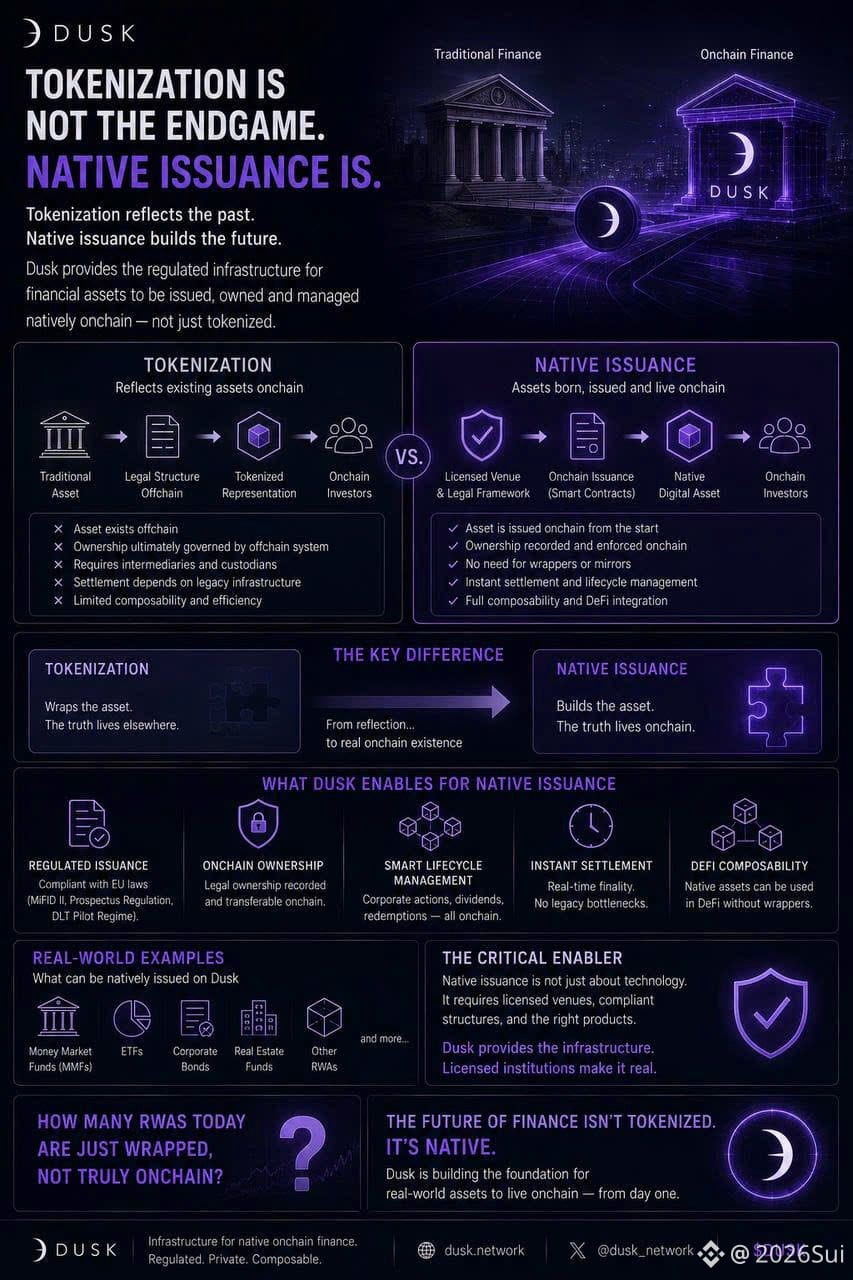
かつて私は「トークン化」と「ネイティブ・イシュアンス」を同義語のように使っていました。Duskのドキュメントをよく読んでみて、それがかなり大きな誤りだと気づきました。
トークン化とは、すでに存在する資産――株式、債券、ファンドなど――を取り、その資産をオンチェーンのトークンにラップすることです。元の資産そのものは引き続き従来のシステムにあり、チェーンはそれを反映しているだけです。ネイティブ・イシュアンスはそれとは違います。資産のライフサイクルの一部――発行から保有に至るプロセス――がそのままオンチェーンへ移され、中間の層で反映する必要がありません。
問題は、技術がネイティブ・イシュアンスを実現できるかどうかではありません。発行体が、それを合法的に行うための十分な許認可と、適切なプロダクト構造を備えているかどうかです。Duskは、その条件が整うと――ライセンスされた会場があり、プロダクトが規格を満たしているなら――ネイティブ・イシュアンスのプロセスを走らせるためのインフラを用意しており、表面だけをトークン化して終わるのではありません。
問いは、RWAがオンチェーンに上がるかどうかではありません。問いは、現状のRWAのうち、ただラップされているだけで本当の意味でオンチェーンとして生きていないものが、どれほど多いのかです?
#dusk $DUSK @Dusk
かつて私は「トークン化」と「ネイティブ・イシュアンス」を同義語のように使っていました。Duskのドキュメントをよく読んでみて、それがかなり大きな誤りだと気づきました。
トークン化とは、すでに存在する資産――株式、債券、ファンドなど――を取り、その資産をオンチェーンのトークンにラップすることです。元の資産そのものは引き続き従来のシステムにあり、チェーンはそれを反映しているだけです。ネイティブ・イシュアンスはそれとは違います。資産のライフサイクルの一部――発行から保有に至るプロセス――がそのままオンチェーンへ移され、中間の層で反映する必要がありません。
問題は、技術がネイティブ・イシュアンスを実現できるかどうかではありません。発行体が、それを合法的に行うための十分な許認可と、適切なプロダクト構造を備えているかどうかです。Duskは、その条件が整うと――ライセンスされた会場があり、プロダクトが規格を満たしているなら――ネイティブ・イシュアンスのプロセスを走らせるためのインフラを用意しており、表面だけをトークン化して終わるのではありません。
問いは、RWAがオンチェーンに上がるかどうかではありません。問いは、現状のRWAのうち、ただラップされているだけで本当の意味でオンチェーンとして生きていないものが、どれほど多いのかです?
かつて私は「トークン化」と「ネイティブ・イシュアンス」を同義語のように使っていました。Duskのドキュメントをよく読んでみて、それがかなり大きな誤りだと気づきました。
トークン化とは、すでに存在する資産――株式、債券、ファンドなど――を取り、その資産をオンチェーンのトークンにラップすることです。元の資産そのものは引き続き従来のシステムにあり、チェーンはそれを反映しているだけです。ネイティブ・イシュアンスはそれとは違います。資産のライフサイクルの一部――発行から保有に至るプロセス――がそのままオンチェーンへ移され、中間の層で反映する必要がありません。
問題は、技術がネイティブ・イシュアンスを実現できるかどうかではありません。発行体が、それを合法的に行うための十分な許認可と、適切なプロダクト構造を備えているかどうかです。Duskは、その条件が整うと――ライセンスされた会場があり、プロダクトが規格を満たしているなら――ネイティブ・イシュアンスのプロセスを走らせるためのインフラを用意しており、表面だけをトークン化して終わるのではありません。
問いは、RWAがオンチェーンに上がるかどうかではありません。問いは、現状のRWAのうち、ただラップされているだけで本当の意味でオンチェーンとして生きていないものが、どれほど多いのかです?
83
·
--
#dusk $DUSK @Dusk_Foundation
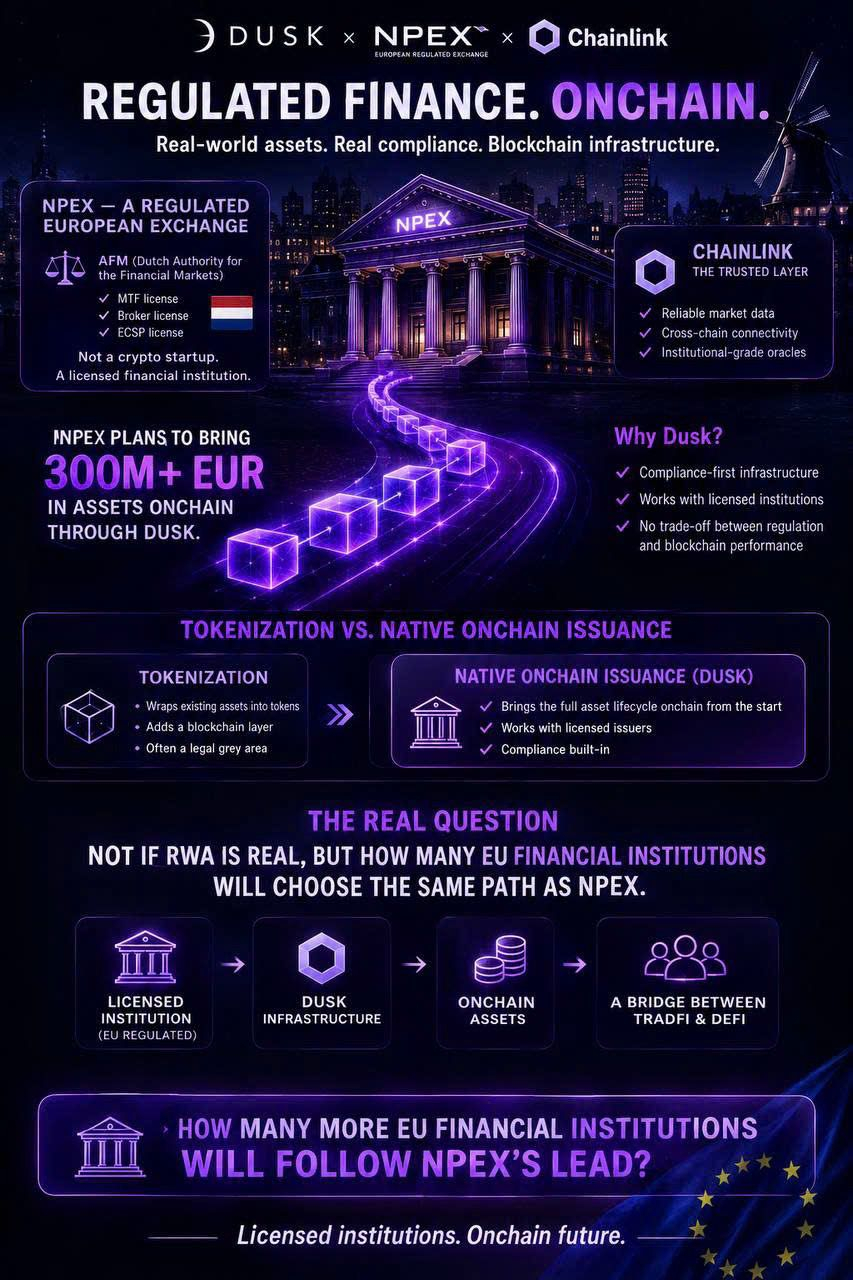
RWAのプロジェクトで「戦略的パートナー」という言葉だけがあって、具体的な中身が何もないのをよく見かけます。@duskについても気になったのは、名前として「NPEX」が挙がっていたことです。
NPEXは仮想通貨のスタートアップではありません。オランダにおいて、AFMにより管理され、MTFのライセンス、ブローカー、そしてECSPを有する取引所です。NPEXは、Duskを通じて3億ユーロ超の資産をオンチェーンに載せる計画があります。さらにDuskはChainlinkとも提携し、金融市場のデータとインフラをチェーンへ持ち込んでいます。
私が注目したのは300Mユーロという数字そのものではありません。これは単なる出発点です。本当の問題は、欧州で十分にライセンスされた取引所が、実資産をオンチェーンに載せるためにどのインフラを選んだのか、そしてなぜ自前で構築しなかったのか、という点です。
答えは、Duskが金融機関に対して、ブロックチェーンのスピードと引き換えにコンプライアンスを犠牲にすることを求めていないことにあります。
問いはRWAが本物かどうかではありません。問題は、次にEUのどれほど多くの金融機関が、NPEXが選んだ道を歩むのか、です?
#dusk $DUSK @Dusk
RWAのプロジェクトで「戦略的パートナー」という言葉だけがあって、具体的な中身が何もないのをよく見かけます。@duskについても気になったのは、名前として「NPEX」が挙がっていたことです。
NPEXは仮想通貨のスタートアップではありません。オランダにおいて、AFMにより管理され、MTFのライセンス、ブローカー、そしてECSPを有する取引所です。NPEXは、Duskを通じて3億ユーロ超の資産をオンチェーンに載せる計画があります。さらにDuskはChainlinkとも提携し、金融市場のデータとインフラをチェーンへ持ち込んでいます。
私が注目したのは300Mユーロという数字そのものではありません。これは単なる出発点です。本当の問題は、欧州で十分にライセンスされた取引所が、実資産をオンチェーンに載せるためにどのインフラを選んだのか、そしてなぜ自前で構築しなかったのか、という点です。
答えは、Duskが金融機関に対して、ブロックチェーンのスピードと引き換えにコンプライアンスを犠牲にすることを求めていないことにあります。
問いはRWAが本物かどうかではありません。問題は、次にEUのどれほど多くの金融機関が、NPEXが選んだ道を歩むのか、です?
RWAのプロジェクトで「戦略的パートナー」という言葉だけがあって、具体的な中身が何もないのをよく見かけます。@duskについても気になったのは、名前として「NPEX」が挙がっていたことです。
NPEXは仮想通貨のスタートアップではありません。オランダにおいて、AFMにより管理され、MTFのライセンス、ブローカー、そしてECSPを有する取引所です。NPEXは、Duskを通じて3億ユーロ超の資産をオンチェーンに載せる計画があります。さらにDuskはChainlinkとも提携し、金融市場のデータとインフラをチェーンへ持ち込んでいます。
私が注目したのは300Mユーロという数字そのものではありません。これは単なる出発点です。本当の問題は、欧州で十分にライセンスされた取引所が、実資産をオンチェーンに載せるためにどのインフラを選んだのか、そしてなぜ自前で構築しなかったのか、という点です。
答えは、Duskが金融機関に対して、ブロックチェーンのスピードと引き換えにコンプライアンスを犠牲にすることを求めていないことにあります。
問いはRWAが本物かどうかではありません。問題は、次にEUのどれほど多くの金融機関が、NPEXが選んだ道を歩むのか、です?
191
·
--
#binancep2pantoan @Binance_Vietnam
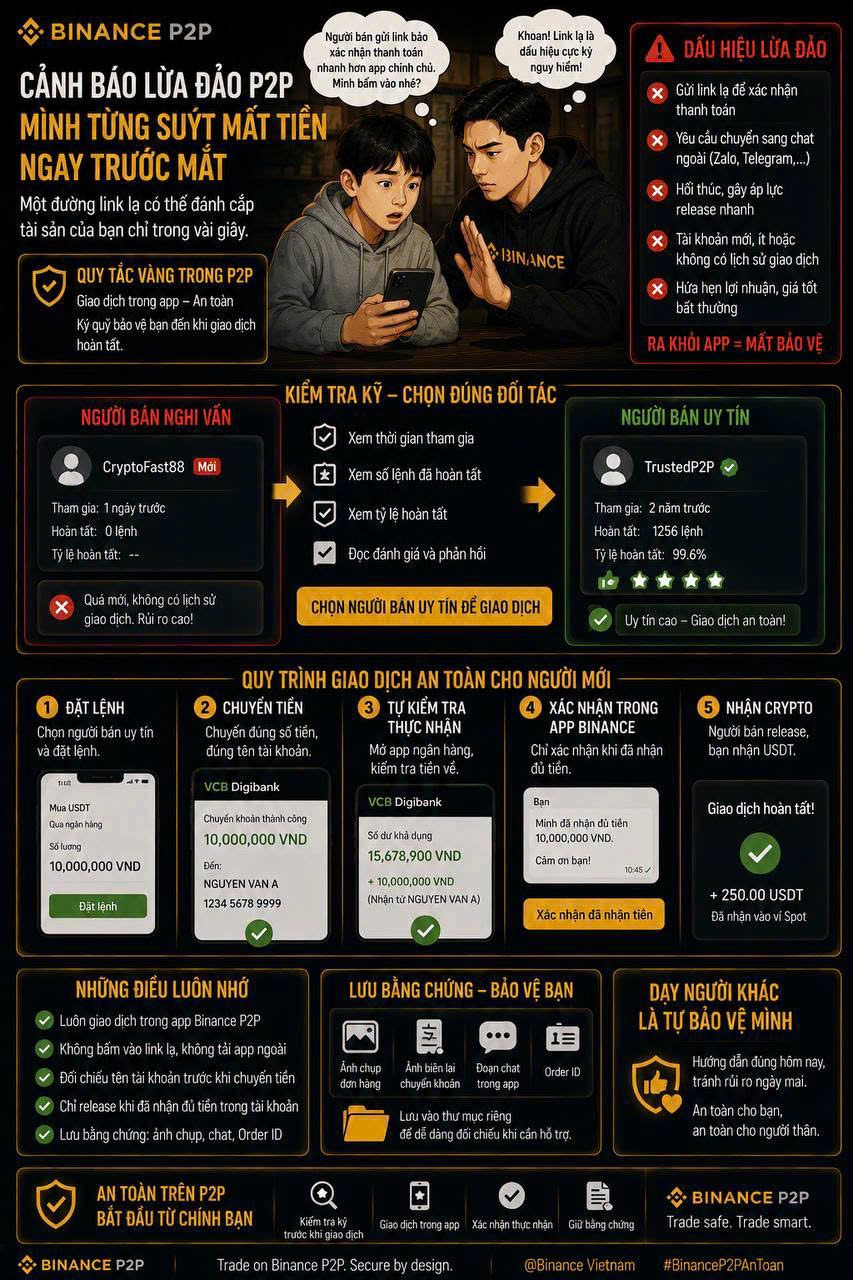
私は「P2P詐欺注意喚起」という類の記事は、ただ知識として読むだけのものだと思っていました——しかし、いとこの弟が初めての取引のやり方を教えてくれと頼んできて、目の前で危うくお金を失いかけるまで、です。
弟はチャット画面のスクリーンショットを送ってきました。売り手が「ここで決済を素早く確認できます。公式アプリより速いです」といった、妙なリンクを添えてきたのです。「親切に手ほどきしてくれる」から、私はすぐにクリックしてしまいそうになりました。けれど間一髪で踏みとどまりました。チャットの外やBinanceのプラットフォーム以外に誘導する要請——リンクであっても別のアプリであっても——「より速いから」という言い訳は例外になりません。
私は弟に「正しい手順に戻して」と言いました。まず売り手のプロフィールを開き、バッジ、完了率、取引履歴を確認するように。すると、そのアカウントは作成されたばかりで、成功した取引は一件もありませんでした。私はすぐにその注文をキャンセルし、取引履歴がはっきりしている別の売り手で再作成しました。そして今回は、隣で一つずつ確認しました。アカウント名を照合すること、リリース前に銀行アプリで実受領を自分で確かめること。チャット外に送られたどんな画像やリンクも信じないこと。
学んだことは、他人の安全を教えることは、自分の習慣を見直すことにもなる、という点です。初心者にとっては、適切なタイミングでの一歩の案内が、数分の「便利さ」よりもはるかに重要です。
#binancep2pantoan @Binance Vietnam
私は「P2P詐欺注意喚起」という類の記事は、ただ知識として読むだけのものだと思っていました——しかし、いとこの弟が初めての取引のやり方を教えてくれと頼んできて、目の前で危うくお金を失いかけるまで、です。
弟はチャット画面のスクリーンショットを送ってきました。売り手が「ここで決済を素早く確認できます。公式アプリより速いです」といった、妙なリンクを添えてきたのです。「親切に手ほどきしてくれる」から、私はすぐにクリックしてしまいそうになりました。けれど間一髪で踏みとどまりました。チャットの外やBinanceのプラットフォーム以外に誘導する要請——リンクであっても別のアプリであっても——「より速いから」という言い訳は例外になりません。
私は弟に「正しい手順に戻して」と言いました。まず売り手のプロフィールを開き、バッジ、完了率、取引履歴を確認するように。すると、そのアカウントは作成されたばかりで、成功した取引は一件もありませんでした。私はすぐにその注文をキャンセルし、取引履歴がはっきりしている別の売り手で再作成しました。そして今回は、隣で一つずつ確認しました。アカウント名を照合すること、リリース前に銀行アプリで実受領を自分で確かめること。チャット外に送られたどんな画像やリンクも信じないこと。
学んだことは、他人の安全を教えることは、自分の習慣を見直すことにもなる、という点です。初心者にとっては、適切なタイミングでの一歩の案内が、数分の「便利さ」よりもはるかに重要です。
私は「P2P詐欺注意喚起」という類の記事は、ただ知識として読むだけのものだと思っていました——しかし、いとこの弟が初めての取引のやり方を教えてくれと頼んできて、目の前で危うくお金を失いかけるまで、です。
弟はチャット画面のスクリーンショットを送ってきました。売り手が「ここで決済を素早く確認できます。公式アプリより速いです」といった、妙なリンクを添えてきたのです。「親切に手ほどきしてくれる」から、私はすぐにクリックしてしまいそうになりました。けれど間一髪で踏みとどまりました。チャットの外やBinanceのプラットフォーム以外に誘導する要請——リンクであっても別のアプリであっても——「より速いから」という言い訳は例外になりません。
私は弟に「正しい手順に戻して」と言いました。まず売り手のプロフィールを開き、バッジ、完了率、取引履歴を確認するように。すると、そのアカウントは作成されたばかりで、成功した取引は一件もありませんでした。私はすぐにその注文をキャンセルし、取引履歴がはっきりしている別の売り手で再作成しました。そして今回は、隣で一つずつ確認しました。アカウント名を照合すること、リリース前に銀行アプリで実受領を自分で確かめること。チャット外に送られたどんな画像やリンクも信じないこと。
学んだことは、他人の安全を教えることは、自分の習慣を見直すことにもなる、という点です。初心者にとっては、適切なタイミングでの一歩の案内が、数分の「便利さ」よりもはるかに重要です。
1
82
·
--
#dusk $DUSK @Dusk_Foundation
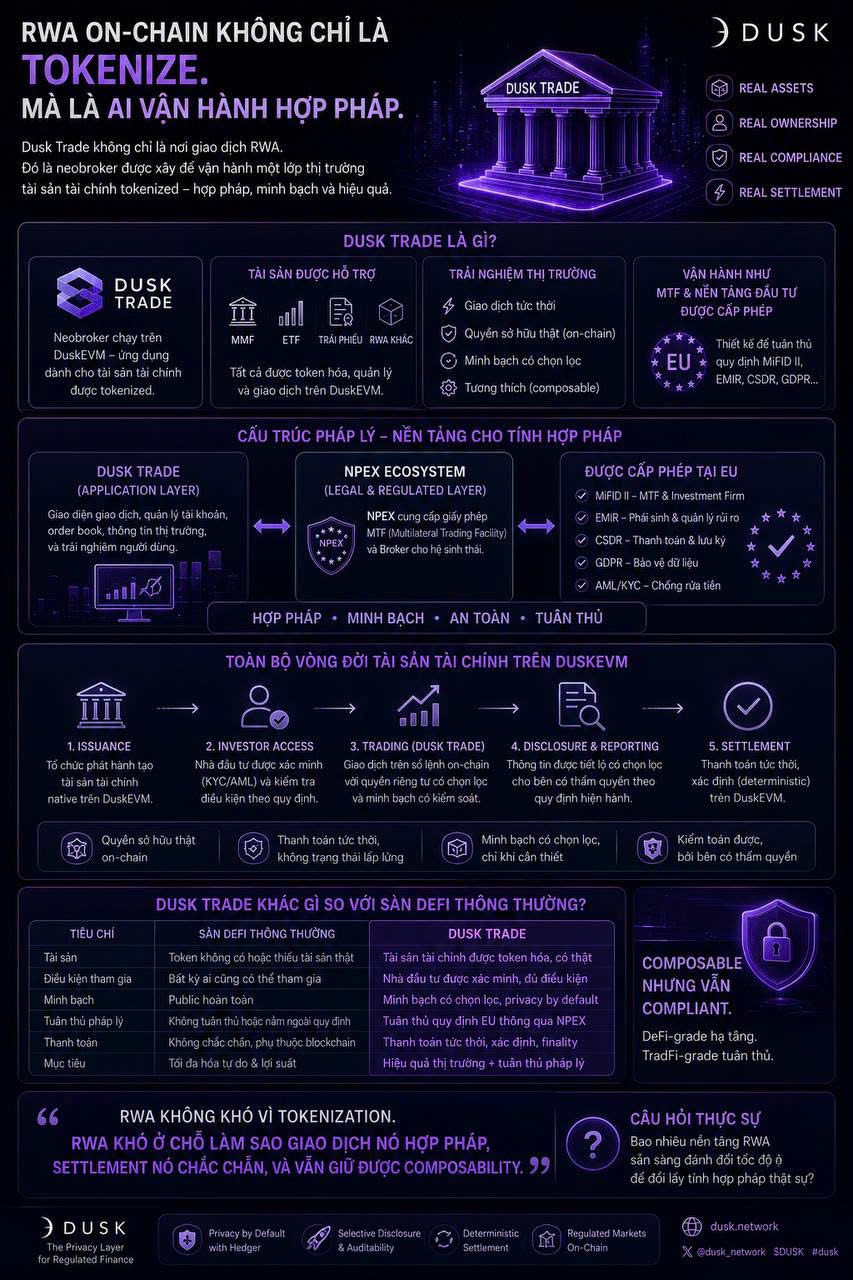
これまで自分は、オンチェーンRWAは「既にある資産をトークン化して、それをチェーンに載せるところで止まるもの」だと思っていました。けれどもDusk Tradeをよく見ると、論点はトークン化するかどうかではなく、その取引レイヤーを誰が合法的に運用するのかにあります。
Dusk Tradeはネオブローカーで、DuskEVM上で動作し、トークン化された金融資産――MMF、ETF、債券、RWA――のためのアプリケーション層として機能します。ただし、一般的なDeFiの取引所と違うのは、法的構造です。Dusk Tradeは、EUの規制に準拠した「許認可を受けた投資基盤」であるMTFとして運用できるよう設計されています。
ここで多くのRWAプロトコルが見落としがちです。DeFiのようなコンポーザビリティと規制遵守は、しばしば相反するものとして扱われます。Dusk Tradeは、その両方を両立しようとしています。つまり、即時決済や実質的な所有権は維持しつつ、許認可された法的枠組みの中に収めるのです。
問いは「RWAがオンチェーンでできるのか」ではありません。問いは、どれほど多くのRWA基盤が、スピードを犠牲にしてでも、真に合法性を得ることに前向きなのか、ということです?
#dusk $DUSK @Dusk
これまで自分は、オンチェーンRWAは「既にある資産をトークン化して、それをチェーンに載せるところで止まるもの」だと思っていました。けれどもDusk Tradeをよく見ると、論点はトークン化するかどうかではなく、その取引レイヤーを誰が合法的に運用するのかにあります。
Dusk Tradeはネオブローカーで、DuskEVM上で動作し、トークン化された金融資産――MMF、ETF、債券、RWA――のためのアプリケーション層として機能します。ただし、一般的なDeFiの取引所と違うのは、法的構造です。Dusk Tradeは、EUの規制に準拠した「許認可を受けた投資基盤」であるMTFとして運用できるよう設計されています。
ここで多くのRWAプロトコルが見落としがちです。DeFiのようなコンポーザビリティと規制遵守は、しばしば相反するものとして扱われます。Dusk Tradeは、その両方を両立しようとしています。つまり、即時決済や実質的な所有権は維持しつつ、許認可された法的枠組みの中に収めるのです。
問いは「RWAがオンチェーンでできるのか」ではありません。問いは、どれほど多くのRWA基盤が、スピードを犠牲にしてでも、真に合法性を得ることに前向きなのか、ということです?
これまで自分は、オンチェーンRWAは「既にある資産をトークン化して、それをチェーンに載せるところで止まるもの」だと思っていました。けれどもDusk Tradeをよく見ると、論点はトークン化するかどうかではなく、その取引レイヤーを誰が合法的に運用するのかにあります。
Dusk Tradeはネオブローカーで、DuskEVM上で動作し、トークン化された金融資産――MMF、ETF、債券、RWA――のためのアプリケーション層として機能します。ただし、一般的なDeFiの取引所と違うのは、法的構造です。Dusk Tradeは、EUの規制に準拠した「許認可を受けた投資基盤」であるMTFとして運用できるよう設計されています。
ここで多くのRWAプロトコルが見落としがちです。DeFiのようなコンポーザビリティと規制遵守は、しばしば相反するものとして扱われます。Dusk Tradeは、その両方を両立しようとしています。つまり、即時決済や実質的な所有権は維持しつつ、許認可された法的枠組みの中に収めるのです。
問いは「RWAがオンチェーンでできるのか」ではありません。問いは、どれほど多くのRWA基盤が、スピードを犠牲にしてでも、真に合法性を得ることに前向きなのか、ということです?
68
·
--
#binancep2pantoan @Binance_Vietnam
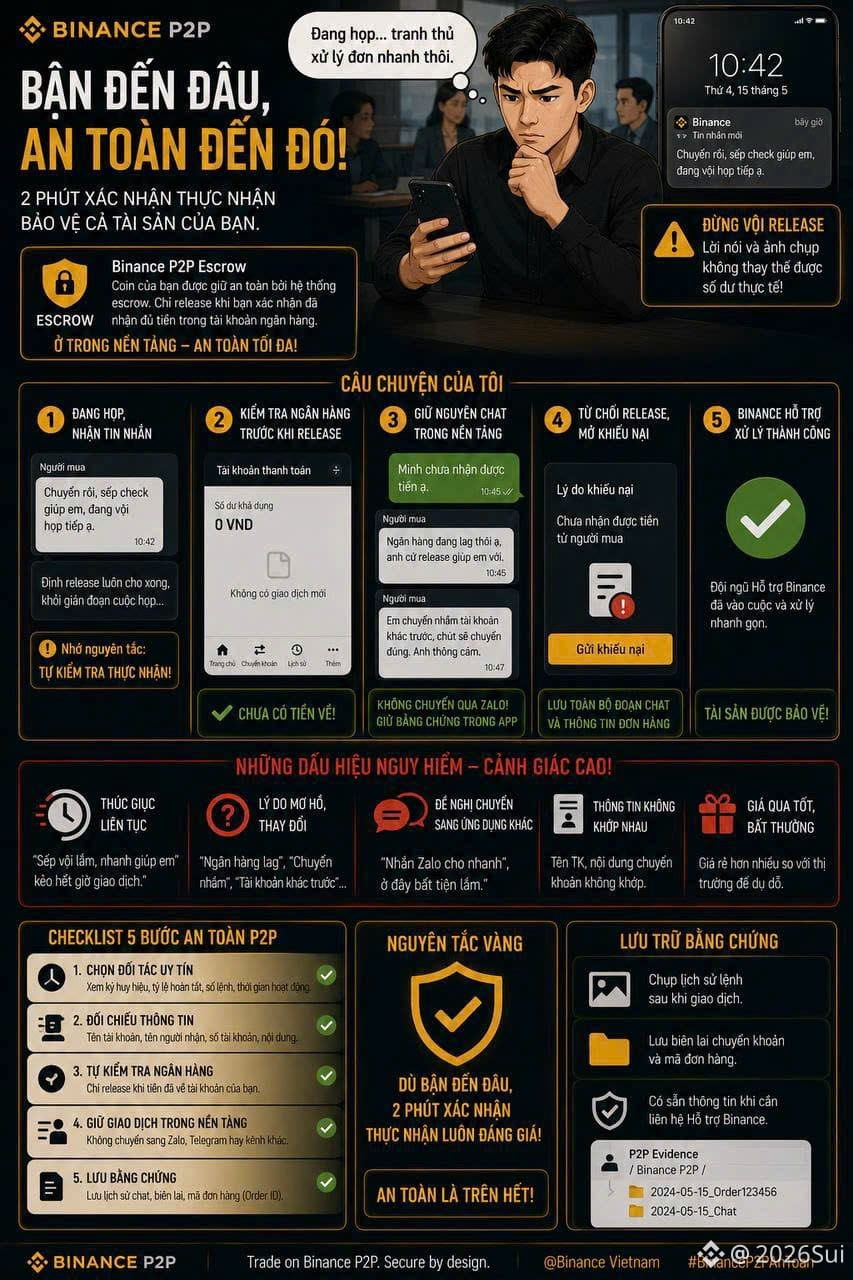
一度、会議をしながらスマホでETHの販売注文を処理しようとして——焦ってしまい、危ない目に遭いかけました。
会議中に電話がメッセージを知らせてきて、「送金したので、上司に確認してもらって。続きの会議で急いでる」と。
時間に追われるような圧力の感じが見覚えあったので、早く終わらせるためにそのままリリースしてしまおうと思いました。会議を中断したくなかったんです。ですが、昔からのルールを思い出しました。どれだけ忙しくても、自分で銀行アプリに入って入金の実受取を確認すること。口頭の説明やスクリーンショットは頼りにしない。
2分だけ席を外して銀行アプリを開き確認——口座には取引が一切ありませんでした。チャットに戻ります(会議のために背景でBinanceのプラットフォーム上のままにし、購入者が「早いからZaloで送って」と言ってもZaloへは切り替えませんでした)。そして、はっきり「まだ入金を受け取っていない」と伝えました。
購入者は絶えず急かしてきて、「銀行がラグってる」から「別の口座に送金しちゃった前の話」まで、理由を次々と変えていきます。典型的な疑わしいサインが積み重なっていました。私はリリースを拒否し、チャットの全内容を保存して、異議申し立てを開きました。Binanceのサポートが迅速に対応してくれました。
私が学んだ教訓は、自分の焦りも——相手だけでなく——犯人が利用するものだということです。どれだけ忙しくても、実受取の確認をたった2分で済ませる価値があります。止まって確認するべきです。
#binancep2pantoan @Binance Vietnam
一度、会議をしながらスマホでETHの販売注文を処理しようとして——焦ってしまい、危ない目に遭いかけました。
会議中に電話がメッセージを知らせてきて、「送金したので、上司に確認してもらって。続きの会議で急いでる」と。
時間に追われるような圧力の感じが見覚えあったので、早く終わらせるためにそのままリリースしてしまおうと思いました。会議を中断したくなかったんです。ですが、昔からのルールを思い出しました。どれだけ忙しくても、自分で銀行アプリに入って入金の実受取を確認すること。口頭の説明やスクリーンショットは頼りにしない。
2分だけ席を外して銀行アプリを開き確認——口座には取引が一切ありませんでした。チャットに戻ります(会議のために背景でBinanceのプラットフォーム上のままにし、購入者が「早いからZaloで送って」と言ってもZaloへは切り替えませんでした)。そして、はっきり「まだ入金を受け取っていない」と伝えました。
購入者は絶えず急かしてきて、「銀行がラグってる」から「別の口座に送金しちゃった前の話」まで、理由を次々と変えていきます。典型的な疑わしいサインが積み重なっていました。私はリリースを拒否し、チャットの全内容を保存して、異議申し立てを開きました。Binanceのサポートが迅速に対応してくれました。
私が学んだ教訓は、自分の焦りも——相手だけでなく——犯人が利用するものだということです。どれだけ忙しくても、実受取の確認をたった2分で済ませる価値があります。止まって確認するべきです。
一度、会議をしながらスマホでETHの販売注文を処理しようとして——焦ってしまい、危ない目に遭いかけました。
会議中に電話がメッセージを知らせてきて、「送金したので、上司に確認してもらって。続きの会議で急いでる」と。
時間に追われるような圧力の感じが見覚えあったので、早く終わらせるためにそのままリリースしてしまおうと思いました。会議を中断したくなかったんです。ですが、昔からのルールを思い出しました。どれだけ忙しくても、自分で銀行アプリに入って入金の実受取を確認すること。口頭の説明やスクリーンショットは頼りにしない。
2分だけ席を外して銀行アプリを開き確認——口座には取引が一切ありませんでした。チャットに戻ります(会議のために背景でBinanceのプラットフォーム上のままにし、購入者が「早いからZaloで送って」と言ってもZaloへは切り替えませんでした)。そして、はっきり「まだ入金を受け取っていない」と伝えました。
購入者は絶えず急かしてきて、「銀行がラグってる」から「別の口座に送金しちゃった前の話」まで、理由を次々と変えていきます。典型的な疑わしいサインが積み重なっていました。私はリリースを拒否し、チャットの全内容を保存して、異議申し立てを開きました。Binanceのサポートが迅速に対応してくれました。
私が学んだ教訓は、自分の焦りも——相手だけでなく——犯人が利用するものだということです。どれだけ忙しくても、実受取の確認をたった2分で済ませる価値があります。止まって確認するべきです。
76
·
--
#dusk $DUSK @Dusk_Foundation
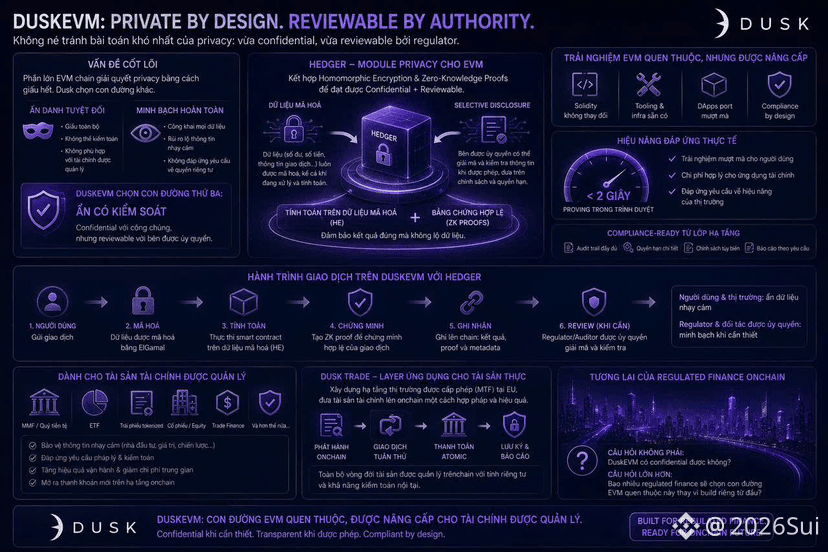
私は@duskに注目し始めたのは、$DUSK がレイヤー1のプライバシーだからではありません。むしろ、ある具体的なポイントがあったからです。DuskEVMはまもなくメインネット予定で、そしてそれはプライバシーチェーンが抱える最大の課題――規制当局に対して“機密”でありつつ“レビュー可能”である方法――を避けていないのです。
ほとんどのEVM互換チェーンは、プライバシーを隠すことで解決します。Duskは違います。DuskEVMは、馴染みのあるSolidityの道筋でビルダーを呼び込みつつ、Hedgerによって機密ワークフローを実行し、EVM向けの専用プライバシーモジュールを用います。Hedgerは、準同型暗号とゼロ知識証明を組み合わせています。つまりデータは計算中も暗号化されたままですが、認可された検証者に対して選択的開示の導線が残されます。
これは、一般的なプライバシーチェーンとの違いです。完全に秘匿するのではなく、統制された秘匿です。管理された金融資産にとって、それは単なる“おまけ機能”ではなく、オンチェーン化の必須条件です。
問いは「DuskEVMは機密化できるのか?」ではありません。問いは「どれほどの規制された金融が、この馴染みのあるEVMの道を、ゼロからの専用構築の代わりに選ぶのか?」です。
#dusk $DUSK @Dusk
私は@duskに注目し始めたのは、$DUSK がレイヤー1のプライバシーだからではありません。むしろ、ある具体的なポイントがあったからです。DuskEVMはまもなくメインネット予定で、そしてそれはプライバシーチェーンが抱える最大の課題――規制当局に対して“機密”でありつつ“レビュー可能”である方法――を避けていないのです。
ほとんどのEVM互換チェーンは、プライバシーを隠すことで解決します。Duskは違います。DuskEVMは、馴染みのあるSolidityの道筋でビルダーを呼び込みつつ、Hedgerによって機密ワークフローを実行し、EVM向けの専用プライバシーモジュールを用います。Hedgerは、準同型暗号とゼロ知識証明を組み合わせています。つまりデータは計算中も暗号化されたままですが、認可された検証者に対して選択的開示の導線が残されます。
これは、一般的なプライバシーチェーンとの違いです。完全に秘匿するのではなく、統制された秘匿です。管理された金融資産にとって、それは単なる“おまけ機能”ではなく、オンチェーン化の必須条件です。
問いは「DuskEVMは機密化できるのか?」ではありません。問いは「どれほどの規制された金融が、この馴染みのあるEVMの道を、ゼロからの専用構築の代わりに選ぶのか?」です。
私は@duskに注目し始めたのは、$DUSK がレイヤー1のプライバシーだからではありません。むしろ、ある具体的なポイントがあったからです。DuskEVMはまもなくメインネット予定で、そしてそれはプライバシーチェーンが抱える最大の課題――規制当局に対して“機密”でありつつ“レビュー可能”である方法――を避けていないのです。
ほとんどのEVM互換チェーンは、プライバシーを隠すことで解決します。Duskは違います。DuskEVMは、馴染みのあるSolidityの道筋でビルダーを呼び込みつつ、Hedgerによって機密ワークフローを実行し、EVM向けの専用プライバシーモジュールを用います。Hedgerは、準同型暗号とゼロ知識証明を組み合わせています。つまりデータは計算中も暗号化されたままですが、認可された検証者に対して選択的開示の導線が残されます。
これは、一般的なプライバシーチェーンとの違いです。完全に秘匿するのではなく、統制された秘匿です。管理された金融資産にとって、それは単なる“おまけ機能”ではなく、オンチェーン化の必須条件です。
問いは「DuskEVMは機密化できるのか?」ではありません。問いは「どれほどの規制された金融が、この馴染みのあるEVMの道を、ゼロからの専用構築の代わりに選ぶのか?」です。
62
·
--
#binancep2pantoan @Binance_Vietnam
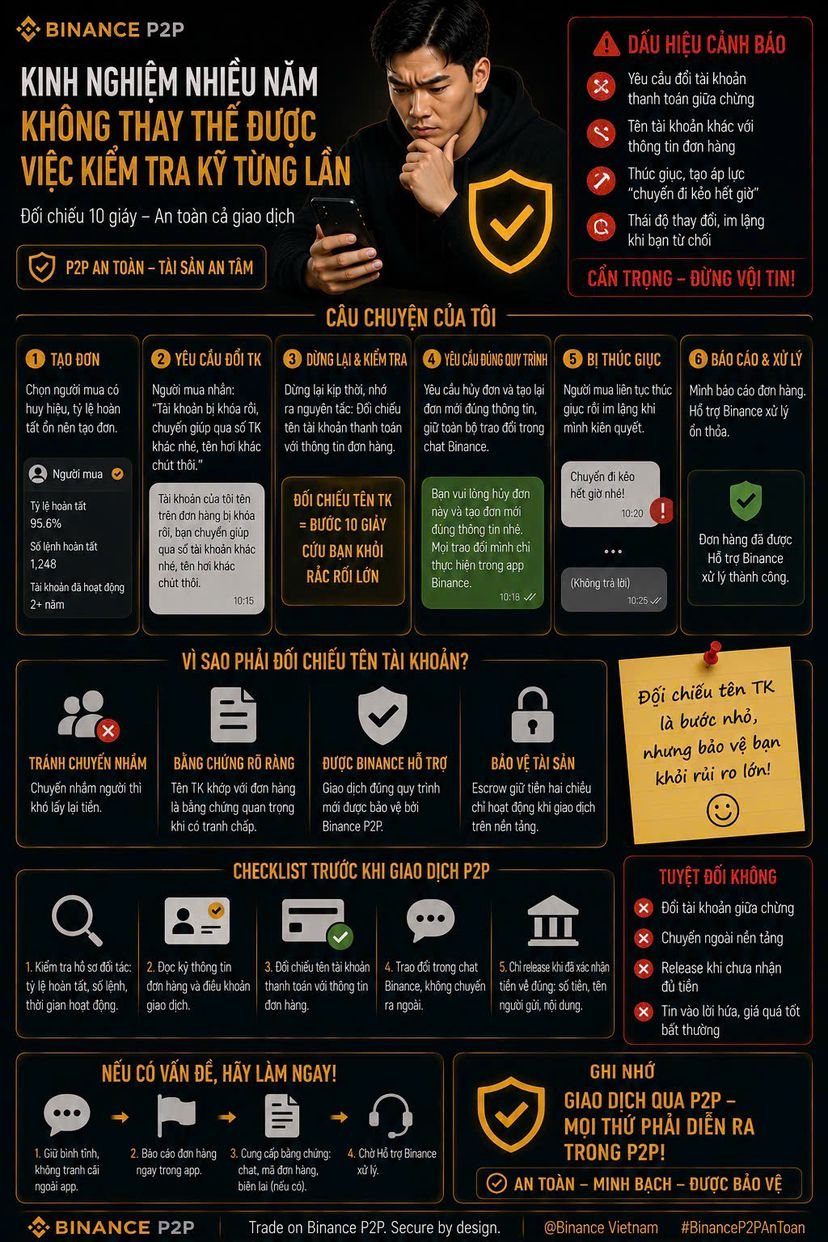
私はP2P歴が長いからって、相手の審査書類を細かく読まなくてもいいと思っていた——ところが途中でアカウント名をすり替える罠に、まんまと引っかかりそうになりました。
その日、私はバッジ付きの相手にUSDTを売りました。完了率の表示も問題なさそうだったので、軽く確認してすぐに取引を作成。数分後、購入者からメッセージが来ました。「銀行口座が、注文票に記載されている名前と一致しないので、別の口座番号に送金してほしい。名前が少し違うだけです。」
早く終わらせたくて一瞬応じそうになりましたが、思いとどまりました——支払い口座名を注文情報と照合することは、私はいつも他の人に必ずやるよう言っているのに、自分ではうっかり飛ばしそうになっていたからです。
私は相手に注文をキャンセルして、正しい情報で新しく注文を作り直すよう求めました。そして、証拠としてチャット(Binance)内のやり取りをすべて保持しました。購入者はすぐ態度を変え、「時間がなくなるから送って。急いで」と何度もせかしてきましたが、名前が違う口座へのリリースを断固として拒んだ途端、黙り込んだのです。
私は注文を報告し、その後Binanceサポートが問題なく対応してくれました。
今回の教訓は、長年の経験でも「毎回きちんと確認すること」を代替できないということです。口座名の照合はわずか10秒ですが、まさに大きなトラブルから私を救ってくれた手順でした。
#binancep2pantoan @Binance Vietnam
私はP2P歴が長いからって、相手の審査書類を細かく読まなくてもいいと思っていた——ところが途中でアカウント名をすり替える罠に、まんまと引っかかりそうになりました。
その日、私はバッジ付きの相手にUSDTを売りました。完了率の表示も問題なさそうだったので、軽く確認してすぐに取引を作成。数分後、購入者からメッセージが来ました。「銀行口座が、注文票に記載されている名前と一致しないので、別の口座番号に送金してほしい。名前が少し違うだけです。」
早く終わらせたくて一瞬応じそうになりましたが、思いとどまりました——支払い口座名を注文情報と照合することは、私はいつも他の人に必ずやるよう言っているのに、自分ではうっかり飛ばしそうになっていたからです。
私は相手に注文をキャンセルして、正しい情報で新しく注文を作り直すよう求めました。そして、証拠としてチャット(Binance)内のやり取りをすべて保持しました。購入者はすぐ態度を変え、「時間がなくなるから送って。急いで」と何度もせかしてきましたが、名前が違う口座へのリリースを断固として拒んだ途端、黙り込んだのです。
私は注文を報告し、その後Binanceサポートが問題なく対応してくれました。
今回の教訓は、長年の経験でも「毎回きちんと確認すること」を代替できないということです。口座名の照合はわずか10秒ですが、まさに大きなトラブルから私を救ってくれた手順でした。
私はP2P歴が長いからって、相手の審査書類を細かく読まなくてもいいと思っていた——ところが途中でアカウント名をすり替える罠に、まんまと引っかかりそうになりました。
その日、私はバッジ付きの相手にUSDTを売りました。完了率の表示も問題なさそうだったので、軽く確認してすぐに取引を作成。数分後、購入者からメッセージが来ました。「銀行口座が、注文票に記載されている名前と一致しないので、別の口座番号に送金してほしい。名前が少し違うだけです。」
早く終わらせたくて一瞬応じそうになりましたが、思いとどまりました——支払い口座名を注文情報と照合することは、私はいつも他の人に必ずやるよう言っているのに、自分ではうっかり飛ばしそうになっていたからです。
私は相手に注文をキャンセルして、正しい情報で新しく注文を作り直すよう求めました。そして、証拠としてチャット(Binance)内のやり取りをすべて保持しました。購入者はすぐ態度を変え、「時間がなくなるから送って。急いで」と何度もせかしてきましたが、名前が違う口座へのリリースを断固として拒んだ途端、黙り込んだのです。
私は注文を報告し、その後Binanceサポートが問題なく対応してくれました。
今回の教訓は、長年の経験でも「毎回きちんと確認すること」を代替できないということです。口座名の照合はわずか10秒ですが、まさに大きなトラブルから私を救ってくれた手順でした。
1
83
·
--
#binancep2pantoan @Binance_Vietnam
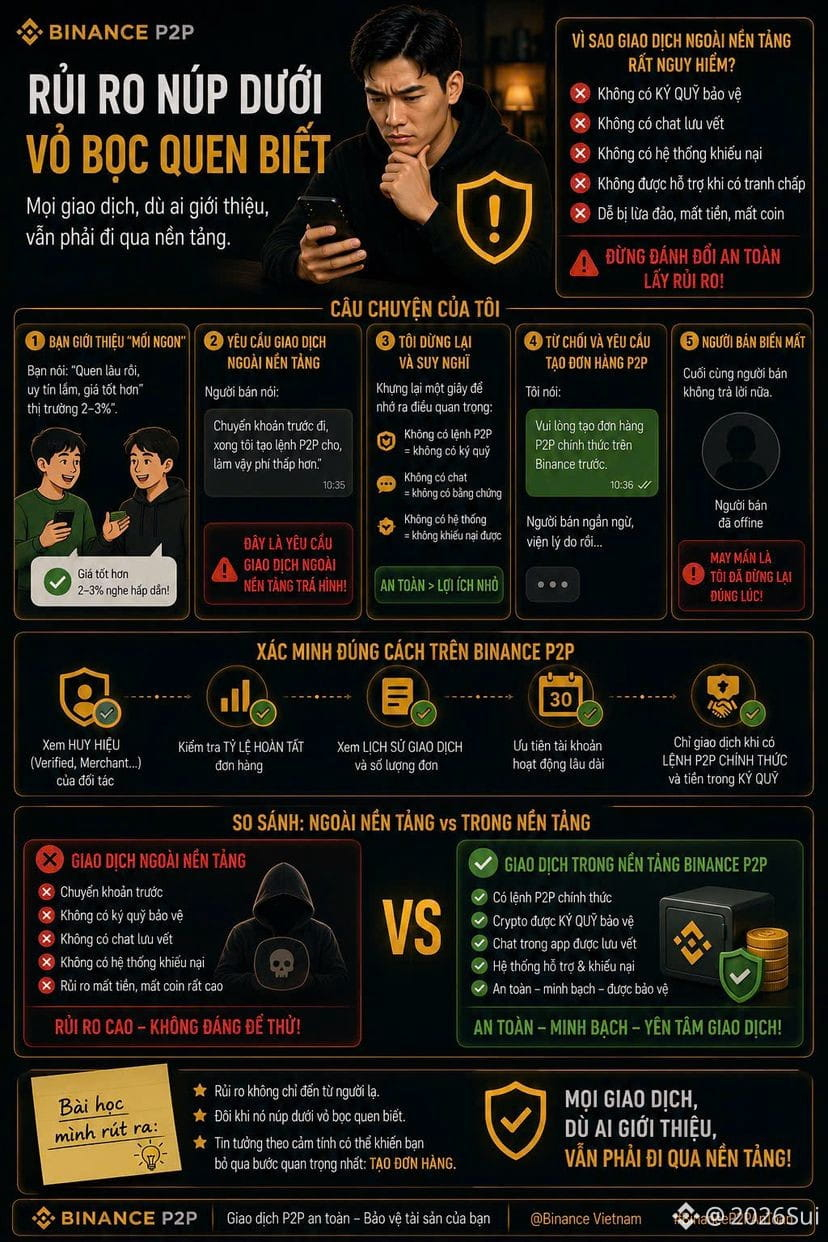
先週、ある友人が「USDTを市場より2〜3%安く売ってくれる」という“つて”を紹介してくれました。「昔からの知り合いで、すごく信頼できる」と言います。
その相手が私に送ってきたのはこうです:「先に銀行振込して。そうしたらあなた用にP2Pの注文を私が作る。そうすれば手数料が安くなる。」話としては一見もっともに聞こえました。友人からの情報なので。でも私は一瞬、立ち止まりました——これは、プラットフォームを介さない“取引の隠れた形”の依頼です。ただ違うのは、「知り合いだから」という“かげ”に隠れて、こちらの警戒心を鈍らせようとしている点です。P2P注文がないということは、証拠金(マージン)がなく、チャットのログも残らず、何かあったときに異議申し立てできる材料が何もない、ということです。
私は断り、まずBinance上で正式な注文を作るよう要求しました。売り手は渋って、いろいろ理由を並べた挙げ句、ついに会話から消えました。そのとき初めて気づいたのです:「友人経由で知り合い」というだけでは確認にはならない。システム上で、プロフィール、バッジ、そして取引履歴を実際に確認することこそが確認だ、と。
私が学んだ教訓はこうです。リスクは見知らぬ相手からだけ来るわけではない。知り合いを装うこともある。そして感覚的な信頼をしてしまうからこそ、人は手順通りに注文を作るステップを見落としがちです。どんな紹介でも、すべての取引はプラットフォームを通さなければならないのです。
#binancep2pantoan @Binance Vietnam
先週、ある友人が「USDTを市場より2〜3%安く売ってくれる」という“つて”を紹介してくれました。「昔からの知り合いで、すごく信頼できる」と言います。
その相手が私に送ってきたのはこうです:「先に銀行振込して。そうしたらあなた用にP2Pの注文を私が作る。そうすれば手数料が安くなる。」話としては一見もっともに聞こえました。友人からの情報なので。でも私は一瞬、立ち止まりました——これは、プラットフォームを介さない“取引の隠れた形”の依頼です。ただ違うのは、「知り合いだから」という“かげ”に隠れて、こちらの警戒心を鈍らせようとしている点です。P2P注文がないということは、証拠金(マージン)がなく、チャットのログも残らず、何かあったときに異議申し立てできる材料が何もない、ということです。
私は断り、まずBinance上で正式な注文を作るよう要求しました。売り手は渋って、いろいろ理由を並べた挙げ句、ついに会話から消えました。そのとき初めて気づいたのです:「友人経由で知り合い」というだけでは確認にはならない。システム上で、プロフィール、バッジ、そして取引履歴を実際に確認することこそが確認だ、と。
私が学んだ教訓はこうです。リスクは見知らぬ相手からだけ来るわけではない。知り合いを装うこともある。そして感覚的な信頼をしてしまうからこそ、人は手順通りに注文を作るステップを見落としがちです。どんな紹介でも、すべての取引はプラットフォームを通さなければならないのです。
先週、ある友人が「USDTを市場より2〜3%安く売ってくれる」という“つて”を紹介してくれました。「昔からの知り合いで、すごく信頼できる」と言います。
その相手が私に送ってきたのはこうです:「先に銀行振込して。そうしたらあなた用にP2Pの注文を私が作る。そうすれば手数料が安くなる。」話としては一見もっともに聞こえました。友人からの情報なので。でも私は一瞬、立ち止まりました——これは、プラットフォームを介さない“取引の隠れた形”の依頼です。ただ違うのは、「知り合いだから」という“かげ”に隠れて、こちらの警戒心を鈍らせようとしている点です。P2P注文がないということは、証拠金(マージン)がなく、チャットのログも残らず、何かあったときに異議申し立てできる材料が何もない、ということです。
私は断り、まずBinance上で正式な注文を作るよう要求しました。売り手は渋って、いろいろ理由を並べた挙げ句、ついに会話から消えました。そのとき初めて気づいたのです:「友人経由で知り合い」というだけでは確認にはならない。システム上で、プロフィール、バッジ、そして取引履歴を実際に確認することこそが確認だ、と。
私が学んだ教訓はこうです。リスクは見知らぬ相手からだけ来るわけではない。知り合いを装うこともある。そして感覚的な信頼をしてしまうからこそ、人は手順通りに注文を作るステップを見落としがちです。どんな紹介でも、すべての取引はプラットフォームを通さなければならないのです。
1
77
·
--
#binancep2pantoan @Binance_Vietnam
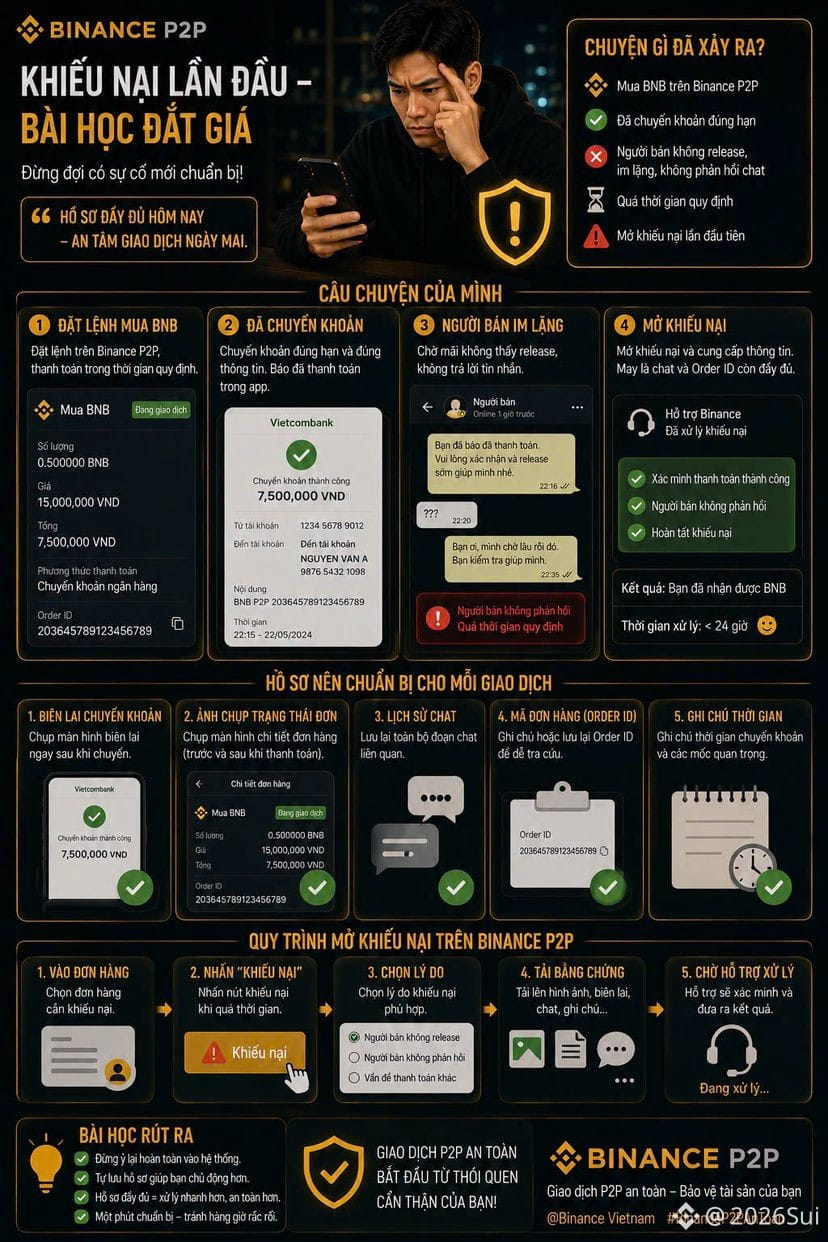
Binance P2Pで初めて異議申立て(クレーム)を開かなければならなかったことがあります。そのとき初めて、自分は今までずっと書類の準備があまりにもお粗末だったと気づきました。
その日、私はBNBを購入し、期限どおりに振込を行ったのに、なかなか売り手がコードをリリースしてくれず、チャットにもずっと返事がありませんでした。規定時間を過ぎてから、私は異議申立てを開くことにしました。フォームを入力している最中に慌ててしまいました――振込の日時はうろ覚えで、銀行の振込明細(領収書)のスクリーンショットも保存していませんでした。さらに、チャットの画像もすべて保存していなかったのです。「チャットはまだアプリ内に残っているから、わざわざ保存しなくてもいい」と思っていたのです。
幸い、Binanceのシステム内にチャット履歴と注文番号(Order ID)がまだ残っていたので、サポートは照合と対応に必要なデータを十分に持っており、1日もかからずに処理を完了できました。しかし、その経験をきっかけに習慣が大きく変わりました。今では、取引のたびに必ず振込明細のスクリーンショット、注文ステータスの画像を自分で撮り、完了直後に注文番号もメモするようにしています――トラブルが起きてから探し始めることはしません。
学んだ教訓はこれです:自動保存の仕組みに完全に頼らないこと。自分で並行して書類一式を保存しておいても大した時間はかかりませんが、いざ異議申立てが必要になったときには、はるかに早く、確実に物事が進むのです。
#binancep2pantoan @Binance Vietnam
Binance P2Pで初めて異議申立て(クレーム)を開かなければならなかったことがあります。そのとき初めて、自分は今までずっと書類の準備があまりにもお粗末だったと気づきました。
その日、私はBNBを購入し、期限どおりに振込を行ったのに、なかなか売り手がコードをリリースしてくれず、チャットにもずっと返事がありませんでした。規定時間を過ぎてから、私は異議申立てを開くことにしました。フォームを入力している最中に慌ててしまいました――振込の日時はうろ覚えで、銀行の振込明細(領収書)のスクリーンショットも保存していませんでした。さらに、チャットの画像もすべて保存していなかったのです。「チャットはまだアプリ内に残っているから、わざわざ保存しなくてもいい」と思っていたのです。
幸い、Binanceのシステム内にチャット履歴と注文番号(Order ID)がまだ残っていたので、サポートは照合と対応に必要なデータを十分に持っており、1日もかからずに処理を完了できました。しかし、その経験をきっかけに習慣が大きく変わりました。今では、取引のたびに必ず振込明細のスクリーンショット、注文ステータスの画像を自分で撮り、完了直後に注文番号もメモするようにしています――トラブルが起きてから探し始めることはしません。
学んだ教訓はこれです:自動保存の仕組みに完全に頼らないこと。自分で並行して書類一式を保存しておいても大した時間はかかりませんが、いざ異議申立てが必要になったときには、はるかに早く、確実に物事が進むのです。
Binance P2Pで初めて異議申立て(クレーム)を開かなければならなかったことがあります。そのとき初めて、自分は今までずっと書類の準備があまりにもお粗末だったと気づきました。
その日、私はBNBを購入し、期限どおりに振込を行ったのに、なかなか売り手がコードをリリースしてくれず、チャットにもずっと返事がありませんでした。規定時間を過ぎてから、私は異議申立てを開くことにしました。フォームを入力している最中に慌ててしまいました――振込の日時はうろ覚えで、銀行の振込明細(領収書)のスクリーンショットも保存していませんでした。さらに、チャットの画像もすべて保存していなかったのです。「チャットはまだアプリ内に残っているから、わざわざ保存しなくてもいい」と思っていたのです。
幸い、Binanceのシステム内にチャット履歴と注文番号(Order ID)がまだ残っていたので、サポートは照合と対応に必要なデータを十分に持っており、1日もかからずに処理を完了できました。しかし、その経験をきっかけに習慣が大きく変わりました。今では、取引のたびに必ず振込明細のスクリーンショット、注文ステータスの画像を自分で撮り、完了直後に注文番号もメモするようにしています――トラブルが起きてから探し始めることはしません。
学んだ教訓はこれです:自動保存の仕組みに完全に頼らないこと。自分で並行して書類一式を保存しておいても大した時間はかかりませんが、いざ異議申立てが必要になったときには、はるかに早く、確実に物事が進むのです。
85
·
--
#binancep2pantoan @Binance_Vietnam
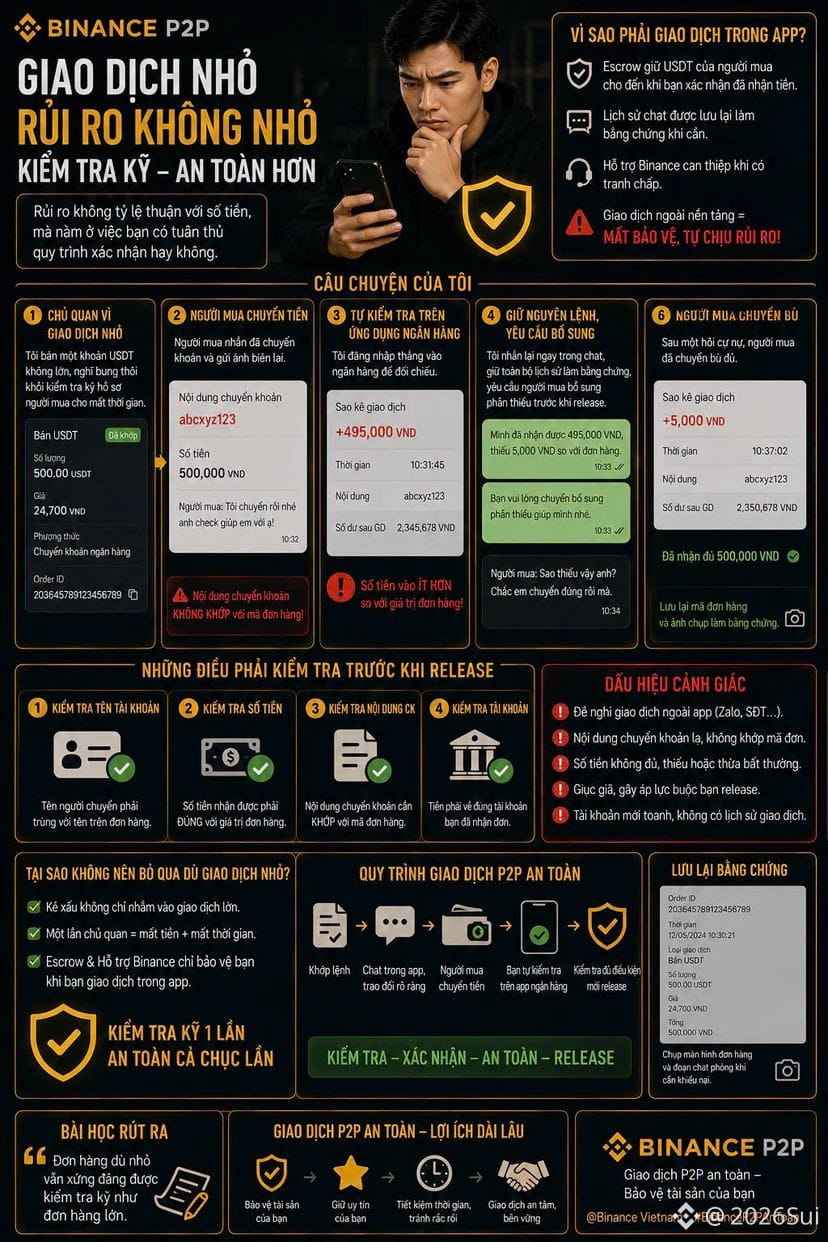
私は「小さな取引ならリスクも小さい」と思い込んでいて、完全に間違っていました。
その時、私は大きくないUSDTの一部を売りましたが、手間だから買い手の書類を細かく確認しなくてもいいと思っていました。買い手は振込を済ませるとメッセージを送り、振込の内容も添付してきたのですが、とても変でした。注文番号のコードと一致しておらず、ランダムな数文字だけが書かれていました。私は「お金が入ればいい」と考えてスルーしようとしましたが、不自然な振込内容も注意すべきサインであって、金額や口座名だけに限らないのを思い出しました。
私はすぐに銀行にログインして照合し、入金額が注文金額よりほんの少しだけ少ないことを確認しました。買い手が計算を間違えたのか、あるいは意図的だったのかもしれません。私はBinanceのチャットですぐに連絡し、証拠として履歴をすべて残したうえで、不足分を補ってからリリースするよう求めました。買い手は最初なかなか応じませんでしたが、その後不足分をきちんと補ってくれました。
私が学んだことは、リスクは取引金額に比例するわけではなく、手順として確認・照合を遵守しているかどうかにあるということです。注文が小さくても、大きな注文と同じように、きちんと細部まで確認する価値があります。
#binancep2pantoan @Binance Vietnam
私は「小さな取引ならリスクも小さい」と思い込んでいて、完全に間違っていました。
その時、私は大きくないUSDTの一部を売りましたが、手間だから買い手の書類を細かく確認しなくてもいいと思っていました。買い手は振込を済ませるとメッセージを送り、振込の内容も添付してきたのですが、とても変でした。注文番号のコードと一致しておらず、ランダムな数文字だけが書かれていました。私は「お金が入ればいい」と考えてスルーしようとしましたが、不自然な振込内容も注意すべきサインであって、金額や口座名だけに限らないのを思い出しました。
私はすぐに銀行にログインして照合し、入金額が注文金額よりほんの少しだけ少ないことを確認しました。買い手が計算を間違えたのか、あるいは意図的だったのかもしれません。私はBinanceのチャットですぐに連絡し、証拠として履歴をすべて残したうえで、不足分を補ってからリリースするよう求めました。買い手は最初なかなか応じませんでしたが、その後不足分をきちんと補ってくれました。
私が学んだことは、リスクは取引金額に比例するわけではなく、手順として確認・照合を遵守しているかどうかにあるということです。注文が小さくても、大きな注文と同じように、きちんと細部まで確認する価値があります。
私は「小さな取引ならリスクも小さい」と思い込んでいて、完全に間違っていました。
その時、私は大きくないUSDTの一部を売りましたが、手間だから買い手の書類を細かく確認しなくてもいいと思っていました。買い手は振込を済ませるとメッセージを送り、振込の内容も添付してきたのですが、とても変でした。注文番号のコードと一致しておらず、ランダムな数文字だけが書かれていました。私は「お金が入ればいい」と考えてスルーしようとしましたが、不自然な振込内容も注意すべきサインであって、金額や口座名だけに限らないのを思い出しました。
私はすぐに銀行にログインして照合し、入金額が注文金額よりほんの少しだけ少ないことを確認しました。買い手が計算を間違えたのか、あるいは意図的だったのかもしれません。私はBinanceのチャットですぐに連絡し、証拠として履歴をすべて残したうえで、不足分を補ってからリリースするよう求めました。買い手は最初なかなか応じませんでしたが、その後不足分をきちんと補ってくれました。
私が学んだことは、リスクは取引金額に比例するわけではなく、手順として確認・照合を遵守しているかどうかにあるということです。注文が小さくても、大きな注文と同じように、きちんと細部まで確認する価値があります。
86
·
--
#binancep2pantoan @Binance_Vietnam
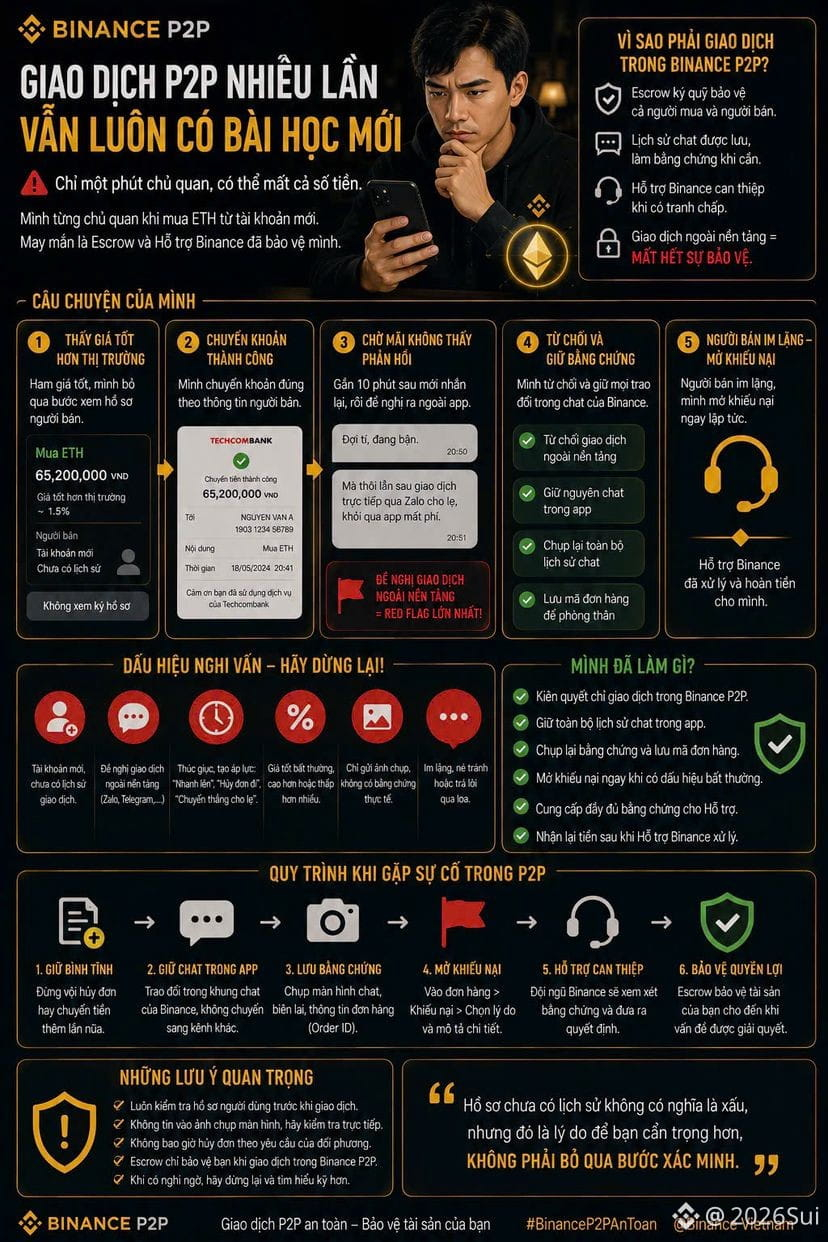
私は、P2P取引を何度もやってきたから学ぶことはもうないと思っていました——でも、ある日新しく作られたばかりのアカウントからETHを買ったとき、取引履歴が一切ないことに気づきました。
市場より少し安いのに惹かれて、プロフィール確認の手順を飛ばしてしまったのです。送金が終わってから、チャットで売り手からの返信がずっと来ません。約10分後になって、ようやく「ちょっと待って、今忙しい。でも次は直接Zaloでやりとりしたほうが早いよ。アプリの手数料もかからないし。」とメッセージが来ました。私はゾッとしました——これまでずっと読んできた“最大のレッドフラッグ”である、プラットフォーム外での取引を勧める行為を、初めて目の前で実感したのです。
私はきっぱり断り、すべてのやりとりはBinanceのチャット上で行うことを徹底しました。そのうえで身を守るために、チャットの履歴全体と注文コード(オーダーID)をスクリーンショットとして保存しました。数分後、その人はそのまま完全に沈黙し、以降一切返信してきません。私はすぐに異議申し立て(クレーム)を行い、保存していた証拠をすべて添付しました。そしてその後、Binanceのサポートが返金対応をしてくれました。
私がいちばん覚えている教訓はこれです。履歴がないプロフィールは必ずしも悪いとは限りませんが、それゆえにこそ、より慎重になる理由にはなります。確認手順を飛ばしてしまってはいけない。そして「手間が省けるからアプリの外でやろう」という誘い文句は、どんなものでも“すぐに立ち止まるべきサイン”です。
#binancep2pantoan @Binance Vietnam
私は、P2P取引を何度もやってきたから学ぶことはもうないと思っていました——でも、ある日新しく作られたばかりのアカウントからETHを買ったとき、取引履歴が一切ないことに気づきました。
市場より少し安いのに惹かれて、プロフィール確認の手順を飛ばしてしまったのです。送金が終わってから、チャットで売り手からの返信がずっと来ません。約10分後になって、ようやく「ちょっと待って、今忙しい。でも次は直接Zaloでやりとりしたほうが早いよ。アプリの手数料もかからないし。」とメッセージが来ました。私はゾッとしました——これまでずっと読んできた“最大のレッドフラッグ”である、プラットフォーム外での取引を勧める行為を、初めて目の前で実感したのです。
私はきっぱり断り、すべてのやりとりはBinanceのチャット上で行うことを徹底しました。そのうえで身を守るために、チャットの履歴全体と注文コード(オーダーID)をスクリーンショットとして保存しました。数分後、その人はそのまま完全に沈黙し、以降一切返信してきません。私はすぐに異議申し立て(クレーム)を行い、保存していた証拠をすべて添付しました。そしてその後、Binanceのサポートが返金対応をしてくれました。
私がいちばん覚えている教訓はこれです。履歴がないプロフィールは必ずしも悪いとは限りませんが、それゆえにこそ、より慎重になる理由にはなります。確認手順を飛ばしてしまってはいけない。そして「手間が省けるからアプリの外でやろう」という誘い文句は、どんなものでも“すぐに立ち止まるべきサイン”です。
私は、P2P取引を何度もやってきたから学ぶことはもうないと思っていました——でも、ある日新しく作られたばかりのアカウントからETHを買ったとき、取引履歴が一切ないことに気づきました。
市場より少し安いのに惹かれて、プロフィール確認の手順を飛ばしてしまったのです。送金が終わってから、チャットで売り手からの返信がずっと来ません。約10分後になって、ようやく「ちょっと待って、今忙しい。でも次は直接Zaloでやりとりしたほうが早いよ。アプリの手数料もかからないし。」とメッセージが来ました。私はゾッとしました——これまでずっと読んできた“最大のレッドフラッグ”である、プラットフォーム外での取引を勧める行為を、初めて目の前で実感したのです。
私はきっぱり断り、すべてのやりとりはBinanceのチャット上で行うことを徹底しました。そのうえで身を守るために、チャットの履歴全体と注文コード(オーダーID)をスクリーンショットとして保存しました。数分後、その人はそのまま完全に沈黙し、以降一切返信してきません。私はすぐに異議申し立て(クレーム)を行い、保存していた証拠をすべて添付しました。そしてその後、Binanceのサポートが返金対応をしてくれました。
私がいちばん覚えている教訓はこれです。履歴がないプロフィールは必ずしも悪いとは限りませんが、それゆえにこそ、より慎重になる理由にはなります。確認手順を飛ばしてしまってはいけない。そして「手間が省けるからアプリの外でやろう」という誘い文句は、どんなものでも“すぐに立ち止まるべきサイン”です。
92
·
--
#binancep2pantoan @Binance_Vietnam
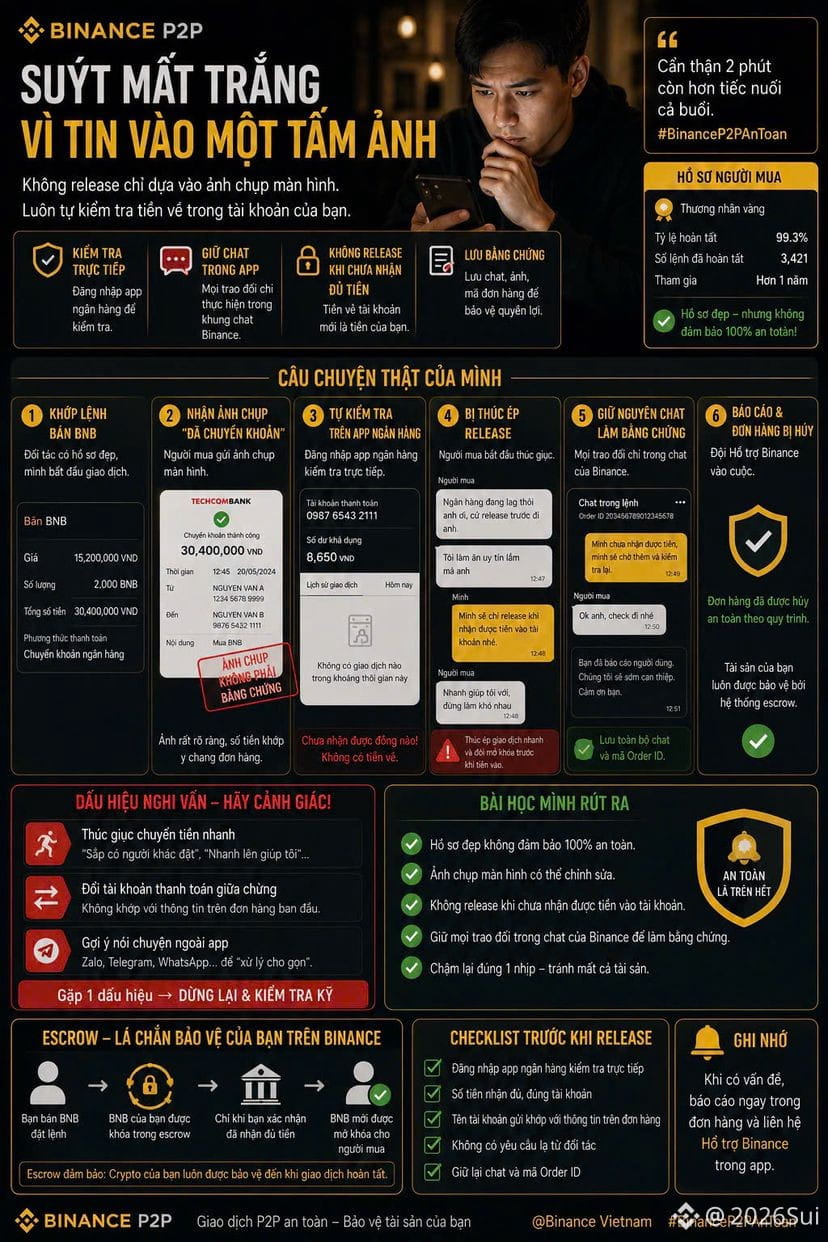
ある時BNBを売って、もう終わったと思ったのに、1枚の画像を信じてしまったせいで寸前で全てを失うところでした。
購入者から「送金したよ、確認して」とメッセージが来て、銀行のスクリーンショットが添付されていました。金額も、注文内容と全く同じです。その時は画像があまりに鮮明で、銀行名や金額や時間まで一致して見えたので、すぐにリリースしようとしました。ですが、基本原則を思い出しました——スクリーンショットだけを根拠にリリースしてはいけない。
私は銀行アプリを開き、ログインして直接確認しました。すると、その口座には1円も入金されていませんでした。
そこで私はBinanceのチャット(外部チャネルは使わず)で詳しく確認。すると購入者はさらに急かしてきました。「銀行がラグってるだけだよ、先にリリースして。俺は信用できる取引をしてるんだ」。取引を急がせ、入金される前に先に解除を要求してくる——疑わしいサインが同時に2つ出ていました。私はそれを拒否し、チャット履歴を証拠としてそのまま残し、様子を見てからBinanceサポートに報告し、介入してもらいました。
結局、注文は正しい手順に従ってキャンセルされ、私は暗号資産を失わずに済みました。
今回得た教訓:立派な書類や鮮明な画像は、自分の手で実際に入金を確認することの代わりにはなりません。2分の用心で、丸一日後悔することを防げます。
#binancep2pantoan @Binance Vietnam
ある時BNBを売って、もう終わったと思ったのに、1枚の画像を信じてしまったせいで寸前で全てを失うところでした。
購入者から「送金したよ、確認して」とメッセージが来て、銀行のスクリーンショットが添付されていました。金額も、注文内容と全く同じです。その時は画像があまりに鮮明で、銀行名や金額や時間まで一致して見えたので、すぐにリリースしようとしました。ですが、基本原則を思い出しました——スクリーンショットだけを根拠にリリースしてはいけない。
私は銀行アプリを開き、ログインして直接確認しました。すると、その口座には1円も入金されていませんでした。
そこで私はBinanceのチャット(外部チャネルは使わず)で詳しく確認。すると購入者はさらに急かしてきました。「銀行がラグってるだけだよ、先にリリースして。俺は信用できる取引をしてるんだ」。取引を急がせ、入金される前に先に解除を要求してくる——疑わしいサインが同時に2つ出ていました。私はそれを拒否し、チャット履歴を証拠としてそのまま残し、様子を見てからBinanceサポートに報告し、介入してもらいました。
結局、注文は正しい手順に従ってキャンセルされ、私は暗号資産を失わずに済みました。
今回得た教訓:立派な書類や鮮明な画像は、自分の手で実際に入金を確認することの代わりにはなりません。2分の用心で、丸一日後悔することを防げます。
ある時BNBを売って、もう終わったと思ったのに、1枚の画像を信じてしまったせいで寸前で全てを失うところでした。
購入者から「送金したよ、確認して」とメッセージが来て、銀行のスクリーンショットが添付されていました。金額も、注文内容と全く同じです。その時は画像があまりに鮮明で、銀行名や金額や時間まで一致して見えたので、すぐにリリースしようとしました。ですが、基本原則を思い出しました——スクリーンショットだけを根拠にリリースしてはいけない。
私は銀行アプリを開き、ログインして直接確認しました。すると、その口座には1円も入金されていませんでした。
そこで私はBinanceのチャット(外部チャネルは使わず)で詳しく確認。すると購入者はさらに急かしてきました。「銀行がラグってるだけだよ、先にリリースして。俺は信用できる取引をしてるんだ」。取引を急がせ、入金される前に先に解除を要求してくる——疑わしいサインが同時に2つ出ていました。私はそれを拒否し、チャット履歴を証拠としてそのまま残し、様子を見てからBinanceサポートに報告し、介入してもらいました。
結局、注文は正しい手順に従ってキャンセルされ、私は暗号資産を失わずに済みました。
今回得た教訓:立派な書類や鮮明な画像は、自分の手で実際に入金を確認することの代わりにはなりません。2分の用心で、丸一日後悔することを防げます。
67
ログインして、さらにコンテンツを読む
厳選トピックで世界の暗号資産トレーダーの仲間入り
⚡️ 暗号資産に関する最新かつ有益な情報が見つかります。
💬 世界最大の暗号資産取引所から信頼されています。
👍 認証を受けたクリエイターから、有益なインサイトを得られます。
メール / 電話番号
トレンドトピック
FedRateWatch
閲覧回数 523,154
2,572人が討論中
トレンドハッシュタグキャンペーンで「シェア&ウィン」交通(トラフィック)報酬を獲得しよう
✨トピック:FOMC 9月、「次のFRBの一手」は?
👉参加方法:
ハッシュタグ #FedRateWatch を付けて短い投稿または記事を投稿してください
以下の観点に基づいてコンテンツを作成してください:
- 8月のコアCPIは前月比0.3%上昇し、今週の25bp利上げの確率は現在約90%です。今週、利上げはあると思いますか?それは一時的なものですか、それともより長い利上げサイクルの始まりでしょうか?
- 利上げが実施された場合、BTC、テック株、ゴールドはどのように動きますか?強気(ブル)か弱気(ベア)か?
- 次の取引はどう計画していますか?取引共有ウィジェットを使って、BTC、株、またはゴールドの取引/保有を共有してください。
⏰キャンペーン期間:
- 2026-09-15 11:00 - 2026-09-17 3:00 UTC
🎁報酬:
- 上記のガイドラインを満たし、かつ100語を超える適格な投稿は審査され、抽選で500〜3,000ビューのランダムなトラフィック増加が付与される場合があります。投稿が選ばれた場合、フィードの事務局から通知が届きます。
- 記事がBinance Square Officialで特集されるチャンス
投稿のアイデアが必要ですか?トピックページ #FedRateWatch へアクセスするか、 Square Guide on How to Post for Better Reach をご覧ください。
Binance Square Official
·いいね:372件
·閲覧回数 806.6k
BitcoinSlidesTo$76000
閲覧回数 17,744
110人が討論中
BitcoinReboundsTo$79K
閲覧回数 60,542
398人が討論中