
User-e01f2306
11 投稿

User-e01f2306
報告
ユーザーをブロック
0 フォロー
0 フォロワー
0 いいね
投稿
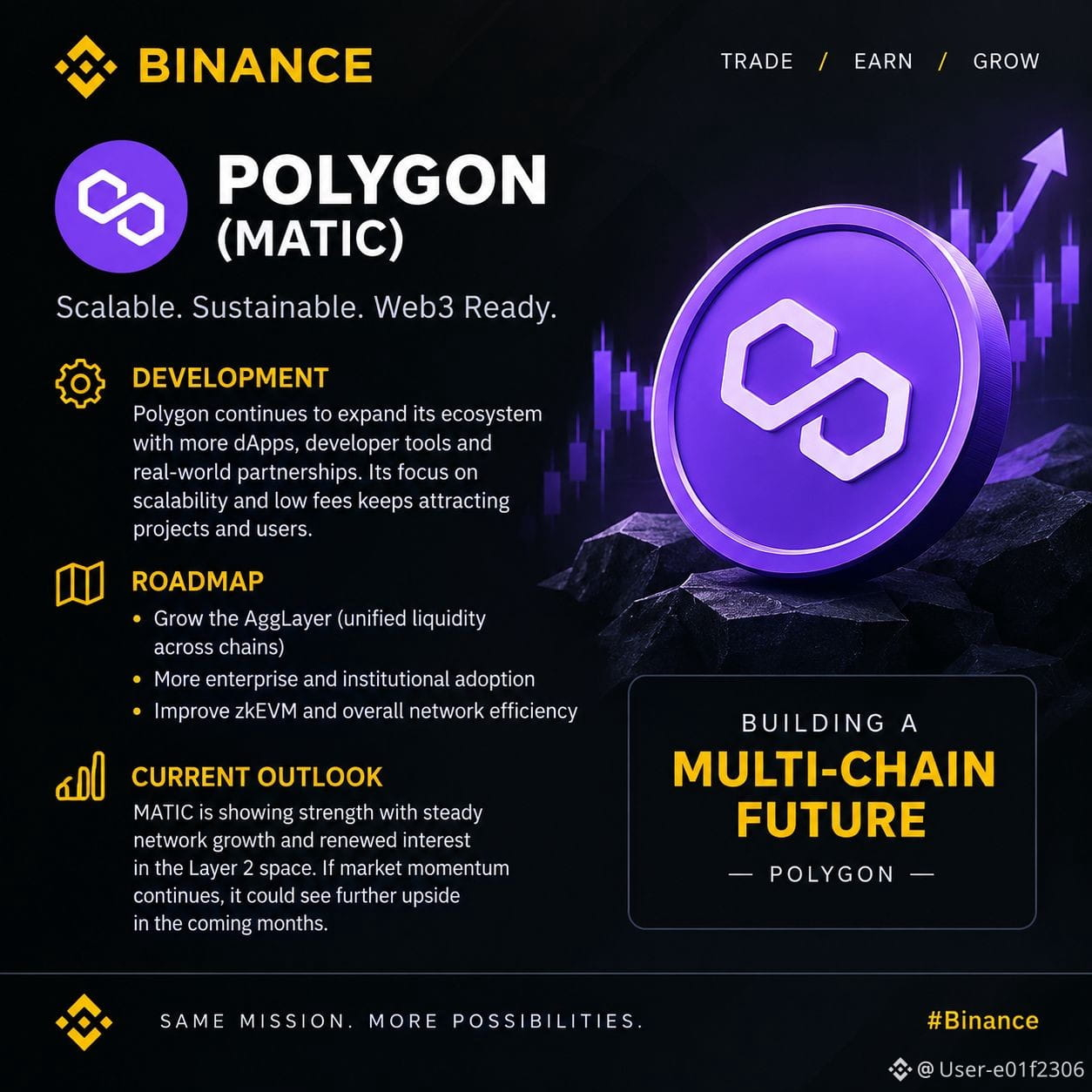
🟣 ポリゴン $POL : マルチチェーンの未来に向けた基盤
ポリゴンは、レイヤー2エコシステム、開発者向けツール、クロスチェーン基盤を通じて、イーサリアムのスケーリングに引き続き注力しています。
🚀 開発: dAppsの成長、ネットワーク活動、そしてエコシステムの採用拡大が主要な注目点として継続しています。
🗺️ ロードマップ: ポリゴンはAggLayerのビジョン、zk技術、そしてチェーン間のより広範な相互運用性を推進しています。
📊 私の見解: イーサリアムのスケーリングとWeb3の採用が進展するにつれて、ポリゴンは引き続き注目して見ていきたいプロジェクトです。
#Polygone #pol #Crypto_Jobs🎯 #BinanceSquareFamily #web3_binance
{spot}(POLUSDT)
🟣 ポリゴン $POL : マルチチェーンの未来に向けた基盤
ポリゴンは、レイヤー2エコシステム、開発者向けツール、クロスチェーン基盤を通じて、イーサリアムのスケーリングに引き続き注力しています。
🚀 開発: dAppsの成長、ネットワーク活動、そしてエコシステムの採用拡大が主要な注目点として継続しています。
🗺️ ロードマップ: ポリゴンはAggLayerのビジョン、zk技術、そしてチェーン間のより広範な相互運用性を推進しています。
📊 私の見解: イーサリアムのスケーリングとWeb3の採用が進展するにつれて、ポリゴンは引き続き注目して見ていきたいプロジェクトです。
#Polygone #pol #Crypto_Jobs🎯 #BinanceSquareFamily #web3_binance
ポリゴンは、レイヤー2エコシステム、開発者向けツール、クロスチェーン基盤を通じて、イーサリアムのスケーリングに引き続き注力しています。
🚀 開発: dAppsの成長、ネットワーク活動、そしてエコシステムの採用拡大が主要な注目点として継続しています。
🗺️ ロードマップ: ポリゴンはAggLayerのビジョン、zk技術、そしてチェーン間のより広範な相互運用性を推進しています。
📊 私の見解: イーサリアムのスケーリングとWeb3の採用が進展するにつれて、ポリゴンは引き続き注目して見ていきたいプロジェクトです。
#Polygone #pol #Crypto_Jobs🎯 #BinanceSquareFamily #web3_binance
181
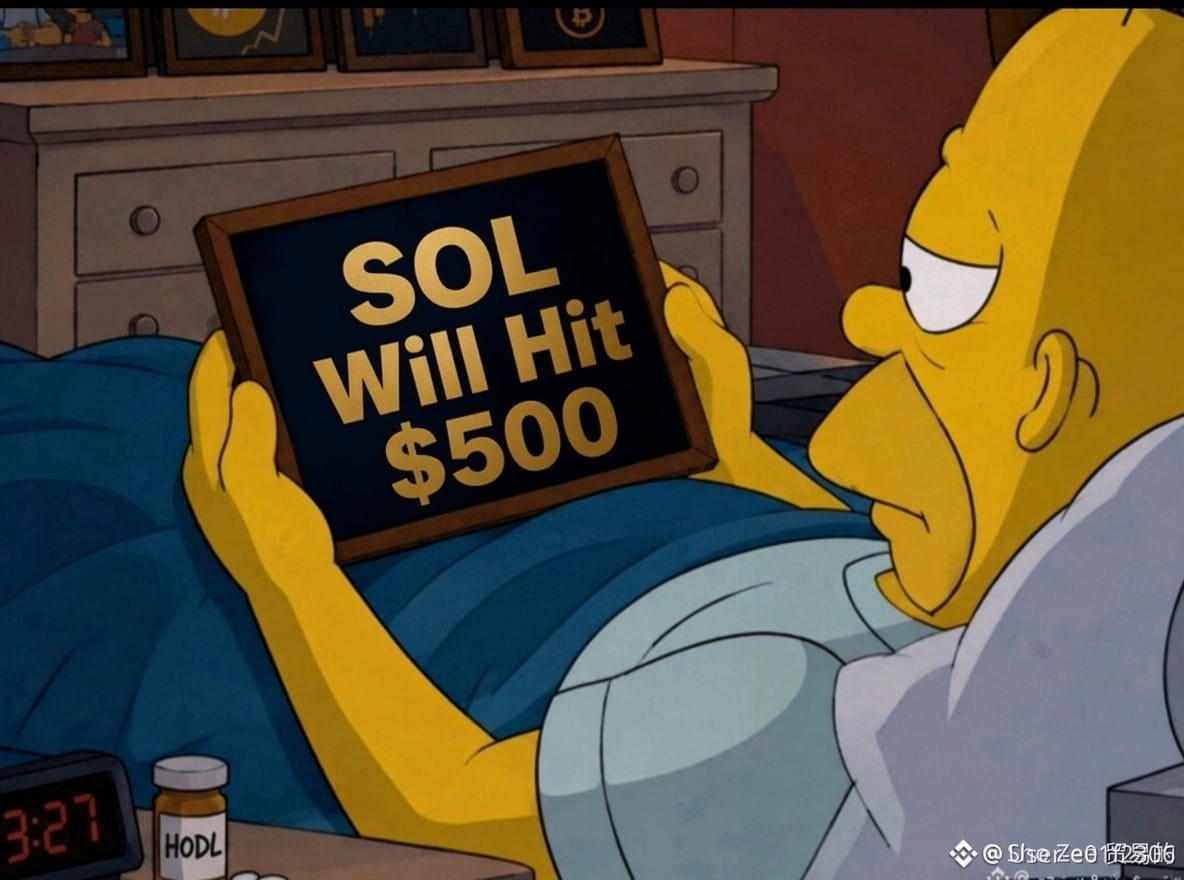
$SOL は$500まで上がる準備ができているように見えます。
$SOL が$500に到達するのも間もなくです。
{spot}(SOLUSDT)
$SOL は$500まで上がる準備ができているように見えます。
$SOL が$500に到達するのも間もなくです。
$SOL が$500に到達するのも間もなくです。
47
·
--
ブリッシュ
【タイトル】誇大広告の先へ:AI株が過去最高値を更新する中、資金はどこへ流れているのか? #AIStocksWhatNext $NVDA
Nvidiaの巨大な需要予測と過去最高のテック売上高は、計算(コンピュート)支出が減速していないことを裏付けています。しかし、AI株のバリュエーションが行き過ぎると、市場はもはや一様な上昇を見せておらず、非常に選別的な構造的ブレイクアウトへと移行しています。
強気か弱気か?
私はAIエコシステム全体については慎重に強気ですが、特定の資産クラスには選別的です。純粋なチップ設計企業は将来の成長を何年分も織り込んでいますが、本当の非対称(アシンメトリー)な機会は下流、つまりエネルギーインフラ、光ネットワーキング、そしてAI×クリプトの分散型物理インフラ(DePIN)へと移っています。
州レベルの支援 vs. 規制上の慎重姿勢
業界リーダーたちは安全性をめぐる注意を促していますが、州レベルの取り組み――たとえば提案されている国家規模のAIタスクフォースや、野心的なGDP成長見通し――が示す通り、AIはシリコンバレーのトレンドから、コアな地政学的な競争へと移行しました。政府が後押しするインフラ投資は、エンタープライズ向けテック株に対して巨大な長期の下支え(フロア)を提供します。
私の戦略&代替の機会:
高マルチプルの大型テック株による終盤の上げを追いかけるのではなく、資金は次へ回っています:
エネルギー&電力ユーティリティ:AIデータセンターは前例のない電力を必要とするため、クリーンエネルギーやグリッド(送配電)関連の設備が長期の恩恵を受けやすい。
AI-クリプト・プロトコル:計算(コンピュート)マーケットプレイスや分散型データストレージ(例:$RENDER、NEAR、またはFET)は、流動性のある上振れとともにAI成長への強いエクスポージャーを提供します。
あなたの本命は?中核の半導体ラリーを保有していますか、それともインフラへ分散していますか?下のコメントで教えてください!👇
{stock_us}(NVDA.US)
【タイトル】誇大広告の先へ:AI株が過去最高値を更新する中、資金はどこへ流れているのか? #AIStocksWhatNext $NVDA
Nvidiaの巨大な需要予測と過去最高のテック売上高は、計算(コンピュート)支出が減速していないことを裏付けています。しかし、AI株のバリュエーションが行き過ぎると、市場はもはや一様な上昇を見せておらず、非常に選別的な構造的ブレイクアウトへと移行しています。
強気か弱気か?
私はAIエコシステム全体については慎重に強気ですが、特定の資産クラスには選別的です。純粋なチップ設計企業は将来の成長を何年分も織り込んでいますが、本当の非対称(アシンメトリー)な機会は下流、つまりエネルギーインフラ、光ネットワーキング、そしてAI×クリプトの分散型物理インフラ(DePIN)へと移っています。
州レベルの支援 vs. 規制上の慎重姿勢
業界リーダーたちは安全性をめぐる注意を促していますが、州レベルの取り組み――たとえば提案されている国家規模のAIタスクフォースや、野心的なGDP成長見通し――が示す通り、AIはシリコンバレーのトレンドから、コアな地政学的な競争へと移行しました。政府が後押しするインフラ投資は、エンタープライズ向けテック株に対して巨大な長期の下支え(フロア)を提供します。
私の戦略&代替の機会:
高マルチプルの大型テック株による終盤の上げを追いかけるのではなく、資金は次へ回っています:
エネルギー&電力ユーティリティ:AIデータセンターは前例のない電力を必要とするため、クリーンエネルギーやグリッド(送配電)関連の設備が長期の恩恵を受けやすい。
AI-クリプト・プロトコル:計算(コンピュート)マーケットプレイスや分散型データストレージ(例:$RENDER、NEAR、またはFET)は、流動性のある上振れとともにAI成長への強いエクスポージャーを提供します。
あなたの本命は?中核の半導体ラリーを保有していますか、それともインフラへ分散していますか?下のコメントで教えてください!👇
Nvidiaの巨大な需要予測と過去最高のテック売上高は、計算(コンピュート)支出が減速していないことを裏付けています。しかし、AI株のバリュエーションが行き過ぎると、市場はもはや一様な上昇を見せておらず、非常に選別的な構造的ブレイクアウトへと移行しています。
強気か弱気か?
私はAIエコシステム全体については慎重に強気ですが、特定の資産クラスには選別的です。純粋なチップ設計企業は将来の成長を何年分も織り込んでいますが、本当の非対称(アシンメトリー)な機会は下流、つまりエネルギーインフラ、光ネットワーキング、そしてAI×クリプトの分散型物理インフラ(DePIN)へと移っています。
州レベルの支援 vs. 規制上の慎重姿勢
業界リーダーたちは安全性をめぐる注意を促していますが、州レベルの取り組み――たとえば提案されている国家規模のAIタスクフォースや、野心的なGDP成長見通し――が示す通り、AIはシリコンバレーのトレンドから、コアな地政学的な競争へと移行しました。政府が後押しするインフラ投資は、エンタープライズ向けテック株に対して巨大な長期の下支え(フロア)を提供します。
私の戦略&代替の機会:
高マルチプルの大型テック株による終盤の上げを追いかけるのではなく、資金は次へ回っています:
エネルギー&電力ユーティリティ:AIデータセンターは前例のない電力を必要とするため、クリーンエネルギーやグリッド(送配電)関連の設備が長期の恩恵を受けやすい。
AI-クリプト・プロトコル:計算(コンピュート)マーケットプレイスや分散型データストレージ(例:$RENDER、NEAR、またはFET)は、流動性のある上振れとともにAI成長への強いエクスポージャーを提供します。
あなたの本命は?中核の半導体ラリーを保有していますか、それともインフラへ分散していますか?下のコメントで教えてください!👇
135
翻訳参照
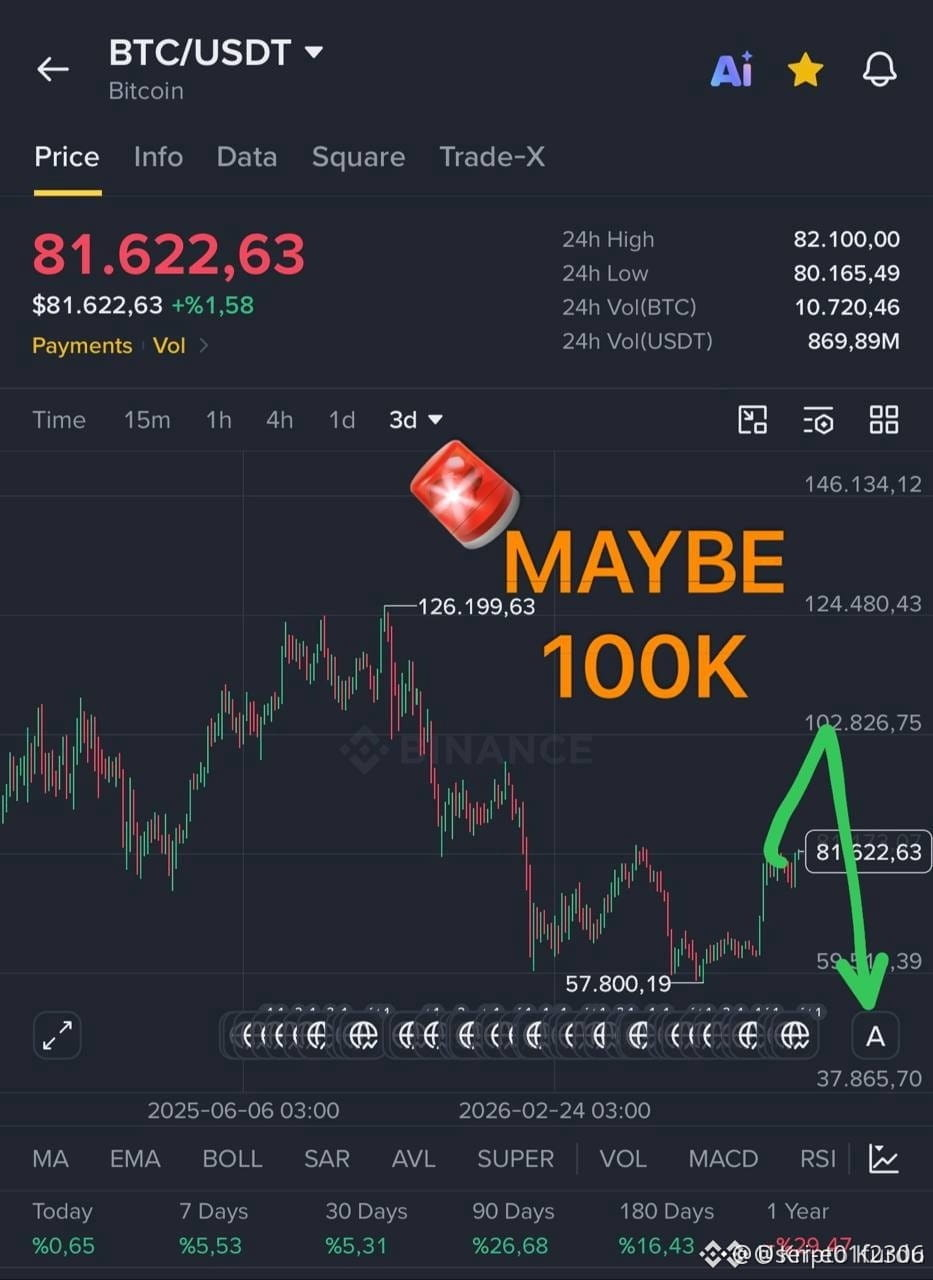
$BTC C IS STILL VERY BULLISH! WHY?
I know this question is on everyone’s mind. Interest rates are rising, global crises continue so why is #Bitcoin going up?
It’s not normal to attribute this to a single reason! Because everyone already knew interest rates were going to rise.
This wasn’t something significant or unusual that needed to be analyzed.
When everyone is expecting a drop, that’s exactly when you see it happen. Of course, it wasn’t going to drop.
The day people lose hope and close their short positions that’s when the drop will come.
{spot}(BTCUSDT)
$BTC C IS STILL VERY BULLISH! WHY?
I know this question is on everyone’s mind. Interest rates are rising, global crises continue so why is #Bitcoin going up?
It’s not normal to attribute this to a single reason! Because everyone already knew interest rates were going to rise.
This wasn’t something significant or unusual that needed to be analyzed.
When everyone is expecting a drop, that’s exactly when you see it happen. Of course, it wasn’t going to drop.
The day people lose hope and close their short positions that’s when the drop will come.
I know this question is on everyone’s mind. Interest rates are rising, global crises continue so why is #Bitcoin going up?
It’s not normal to attribute this to a single reason! Because everyone already knew interest rates were going to rise.
This wasn’t something significant or unusual that needed to be analyzed.
When everyone is expecting a drop, that’s exactly when you see it happen. Of course, it wasn’t going to drop.
The day people lose hope and close their short positions that’s when the drop will come.
1
翻訳参照
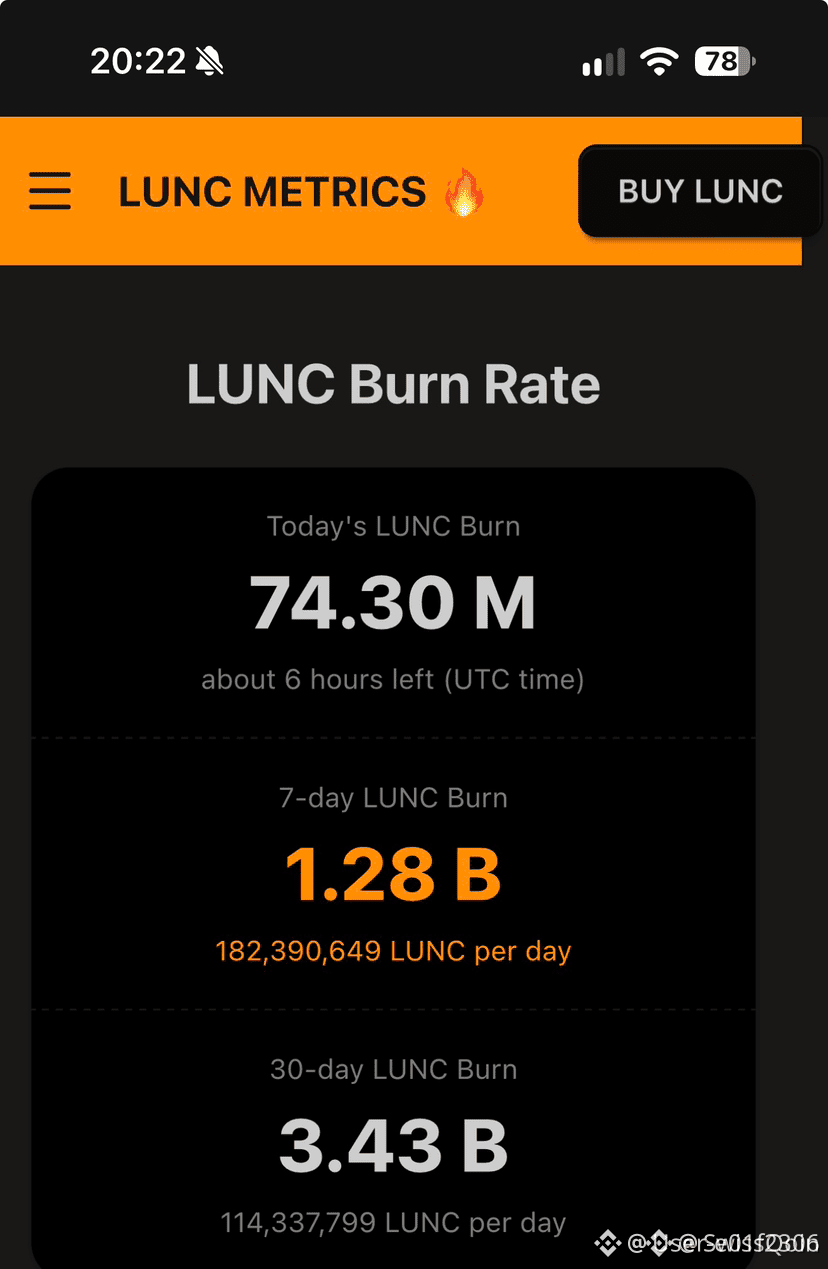
$LUNC After months of silence, LUNC is finally waking up!If this trend holds up, we will delete a zero this month! 🔥
The numbers speak for themselves:
7-day burn: 1.28 billion LUNC destroyed
30-day burn: 3.43 billion LUNC destroyed
The community is burning relentlessly. The momentum is back! 💎🙌
{spot}(LUNCUSDT)
$LUNC After months of silence, LUNC is finally waking up!If this trend holds up, we will delete a zero this month! 🔥
The numbers speak for themselves:
7-day burn: 1.28 billion LUNC destroyed
30-day burn: 3.43 billion LUNC destroyed
The community is burning relentlessly. The momentum is back! 💎🙌
The numbers speak for themselves:
7-day burn: 1.28 billion LUNC destroyed
30-day burn: 3.43 billion LUNC destroyed
The community is burning relentlessly. The momentum is back! 💎🙌
6
翻訳参照
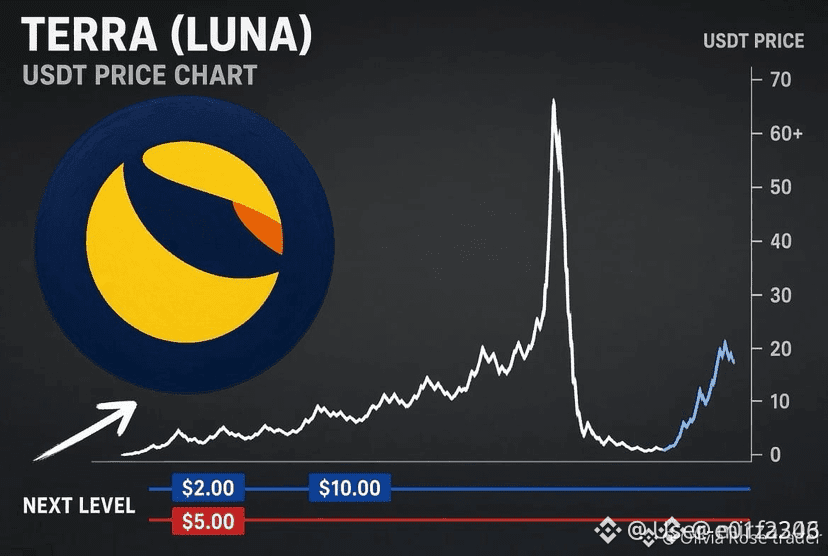
#Can $LUNC reach $0.1 or $1? 🧐
Possible ?
{spot}(LUNCUSDT)
#Can $LUNC reach $0.1 or $1? 🧐
Possible ?
Possible ?
5
翻訳参照
$LINK
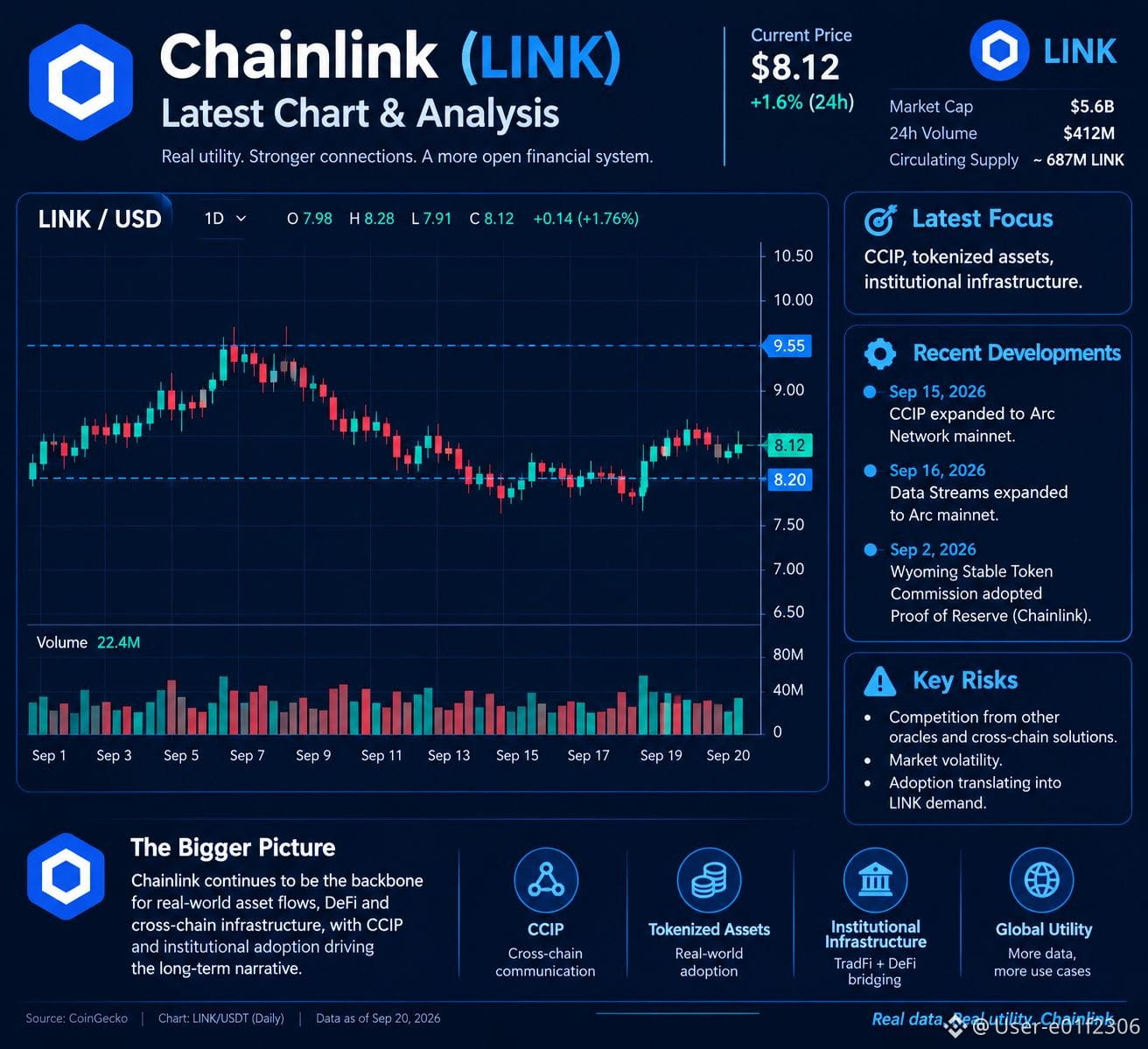
Chainlink continues expanding beyond traditional oracle services, with CCIP, tokenized assets, and institutional infrastructure becoming major parts of its ecosystem. Recent developments include CCIP and Data Streams expanding to Arc mainnet, while Chainlink also continues work with institutional and tokenization projects.
Chart levels: around $8.12, with $8.20 as a key nearby support and $9.55 as resistance shown in the chart. The main risks remain market volatility, competition, and whether growing network adoption translates into sustained LINK demand.
#LINKUSD #BOJRaisesRatesTo31YearHigh #XRPExchangeReservesHitSevenYearLow
{spot}(LINKUSDT)
$LINK
Chainlink continues expanding beyond traditional oracle services, with CCIP, tokenized assets, and institutional infrastructure becoming major parts of its ecosystem. Recent developments include CCIP and Data Streams expanding to Arc mainnet, while Chainlink also continues work with institutional and tokenization projects.
Chart levels: around $8.12, with $8.20 as a key nearby support and $9.55 as resistance shown in the chart. The main risks remain market volatility, competition, and whether growing network adoption translates into sustained LINK demand.
#LINKUSD #BOJRaisesRatesTo31YearHigh #XRPExchangeReservesHitSevenYearLow
Chainlink continues expanding beyond traditional oracle services, with CCIP, tokenized assets, and institutional infrastructure becoming major parts of its ecosystem. Recent developments include CCIP and Data Streams expanding to Arc mainnet, while Chainlink also continues work with institutional and tokenization projects.
Chart levels: around $8.12, with $8.20 as a key nearby support and $9.55 as resistance shown in the chart. The main risks remain market volatility, competition, and whether growing network adoption translates into sustained LINK demand.
#LINKUSD #BOJRaisesRatesTo31YearHigh #XRPExchangeReservesHitSevenYearLow
49
🔷$POL
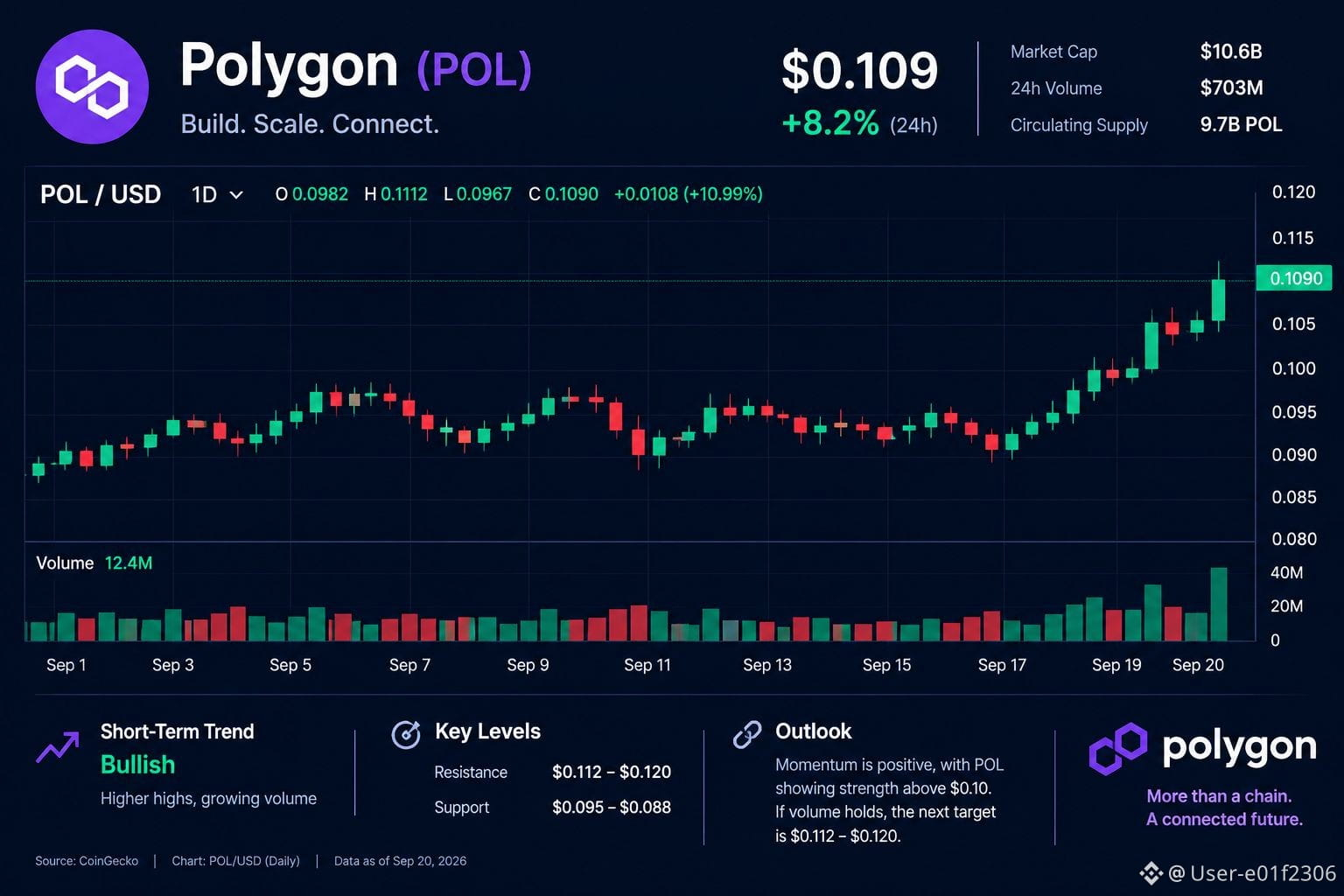
Polygonは、単なるイーサリアムのスケーリング・ネットワークではなく、決済とクロスチェーン基盤にますます注力しています。最近の開発には、ステーブルコイン決済のために設計されたOpen Money Stackが含まれます。そこにはウォレット、法定通貨のオン/オフランプ、国境を越えた送金が組み込まれています。
主な注力:決済 + ステーブルコイン + AggLayerの相互運用性。
ロードマップ:Polygonは、Gigagasイニシアチブにより非常に高いスループットを目指しています。
POL:旧MATICトークンはPOLに移行し、現在はエコシステムのトークンとなっています。
最近の開発:Polygonは、2026年9月17日にStable.comを通じて銀行口座への直接ステーブルコイン送金を発表しました。
主要なリスク:他の高スループット・チェーンとの競争と、Polygonの新しい決済インフラが継続的に採用される必要性。
全体として:Polygonの現在のストーリーは、POLを中心とする、実世界の決済と相互接続されたブロックチェーン基盤へとシフトしています。
{spot}(POLUSDT)
🔷$POL
Polygonは、単なるイーサリアムのスケーリング・ネットワークではなく、決済とクロスチェーン基盤にますます注力しています。最近の開発には、ステーブルコイン決済のために設計されたOpen Money Stackが含まれます。そこにはウォレット、法定通貨のオン/オフランプ、国境を越えた送金が組み込まれています。
主な注力:決済 + ステーブルコイン + AggLayerの相互運用性。
ロードマップ:Polygonは、Gigagasイニシアチブにより非常に高いスループットを目指しています。
POL:旧MATICトークンはPOLに移行し、現在はエコシステムのトークンとなっています。
最近の開発:Polygonは、2026年9月17日にStable.comを通じて銀行口座への直接ステーブルコイン送金を発表しました。
主要なリスク:他の高スループット・チェーンとの競争と、Polygonの新しい決済インフラが継続的に採用される必要性。
全体として:Polygonの現在のストーリーは、POLを中心とする、実世界の決済と相互接続されたブロックチェーン基盤へとシフトしています。
Polygonは、単なるイーサリアムのスケーリング・ネットワークではなく、決済とクロスチェーン基盤にますます注力しています。最近の開発には、ステーブルコイン決済のために設計されたOpen Money Stackが含まれます。そこにはウォレット、法定通貨のオン/オフランプ、国境を越えた送金が組み込まれています。
主な注力:決済 + ステーブルコイン + AggLayerの相互運用性。
ロードマップ:Polygonは、Gigagasイニシアチブにより非常に高いスループットを目指しています。
POL:旧MATICトークンはPOLに移行し、現在はエコシステムのトークンとなっています。
最近の開発:Polygonは、2026年9月17日にStable.comを通じて銀行口座への直接ステーブルコイン送金を発表しました。
主要なリスク:他の高スループット・チェーンとの競争と、Polygonの新しい決済インフラが継続的に採用される必要性。
全体として:Polygonの現在のストーリーは、POLを中心とする、実世界の決済と相互接続されたブロックチェーン基盤へとシフトしています。
188
·
--
ブリッシュ
$SOL
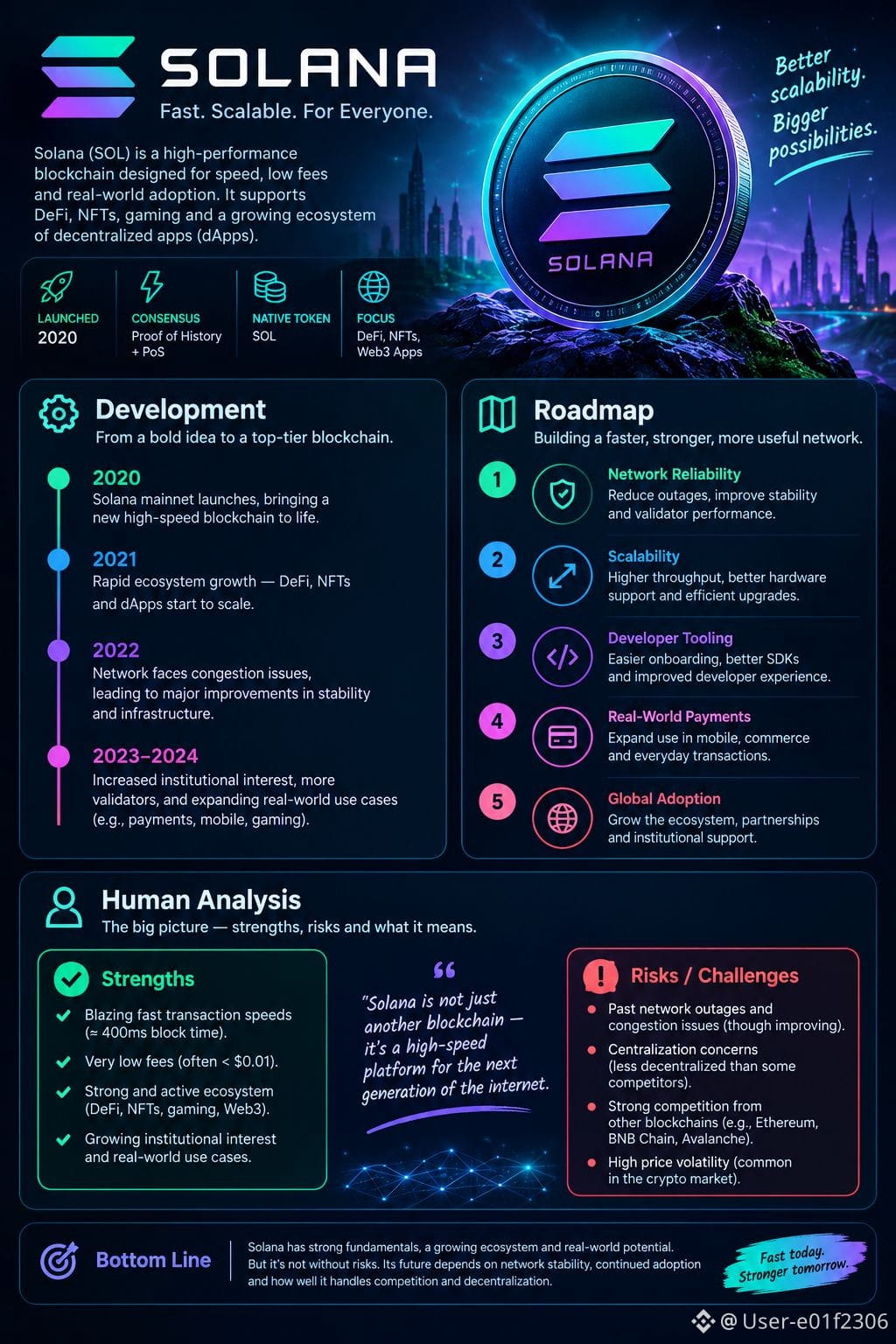
開発:Solanaは2020年にローンチされ、DeFi、NFT、決済、その他のアプリケーションを支える主要な高速ブロックチェーンへと成長しました。最近の開発は、バリデータ性能、Firedancer、より大きなブロック容量、そしてより速いスロット時間に大きく重点が置かれています。
ロードマップ:主な焦点は、スケーラビリティ、信頼性、トランザクション速度、開発者ツール、そして現実世界の決済の改善です。2026年9月、SolanaはTransaction V1の改善とともに、メインネットで250msのスロット時間目標を達成しました。
人の見どころ:Solanaの最大の魅力は、スピード、低コストのトランザクション、そして成長を続けるエコシステムの組み合わせです。注目すべきポイントは、ネットワークの信頼性、分散化、競争、そして現実世界での利用が引き続き拡大していくかどうかです。
結論:Solanaは技術的に野心的なブロックチェーンですが、長期的な成功は、性能面の優位性を持続可能な導入につなげられるかにかかっています。
{spot}(SOLUSDT)
$SOL
開発:Solanaは2020年にローンチされ、DeFi、NFT、決済、その他のアプリケーションを支える主要な高速ブロックチェーンへと成長しました。最近の開発は、バリデータ性能、Firedancer、より大きなブロック容量、そしてより速いスロット時間に大きく重点が置かれています。
ロードマップ:主な焦点は、スケーラビリティ、信頼性、トランザクション速度、開発者ツール、そして現実世界の決済の改善です。2026年9月、SolanaはTransaction V1の改善とともに、メインネットで250msのスロット時間目標を達成しました。
人の見どころ:Solanaの最大の魅力は、スピード、低コストのトランザクション、そして成長を続けるエコシステムの組み合わせです。注目すべきポイントは、ネットワークの信頼性、分散化、競争、そして現実世界での利用が引き続き拡大していくかどうかです。
結論:Solanaは技術的に野心的なブロックチェーンですが、長期的な成功は、性能面の優位性を持続可能な導入につなげられるかにかかっています。
開発:Solanaは2020年にローンチされ、DeFi、NFT、決済、その他のアプリケーションを支える主要な高速ブロックチェーンへと成長しました。最近の開発は、バリデータ性能、Firedancer、より大きなブロック容量、そしてより速いスロット時間に大きく重点が置かれています。
ロードマップ:主な焦点は、スケーラビリティ、信頼性、トランザクション速度、開発者ツール、そして現実世界の決済の改善です。2026年9月、SolanaはTransaction V1の改善とともに、メインネットで250msのスロット時間目標を達成しました。
人の見どころ:Solanaの最大の魅力は、スピード、低コストのトランザクション、そして成長を続けるエコシステムの組み合わせです。注目すべきポイントは、ネットワークの信頼性、分散化、競争、そして現実世界での利用が引き続き拡大していくかどうかです。
結論:Solanaは技術的に野心的なブロックチェーンですが、長期的な成功は、性能面の優位性を持続可能な導入につなげられるかにかかっています。
67
翻訳参照
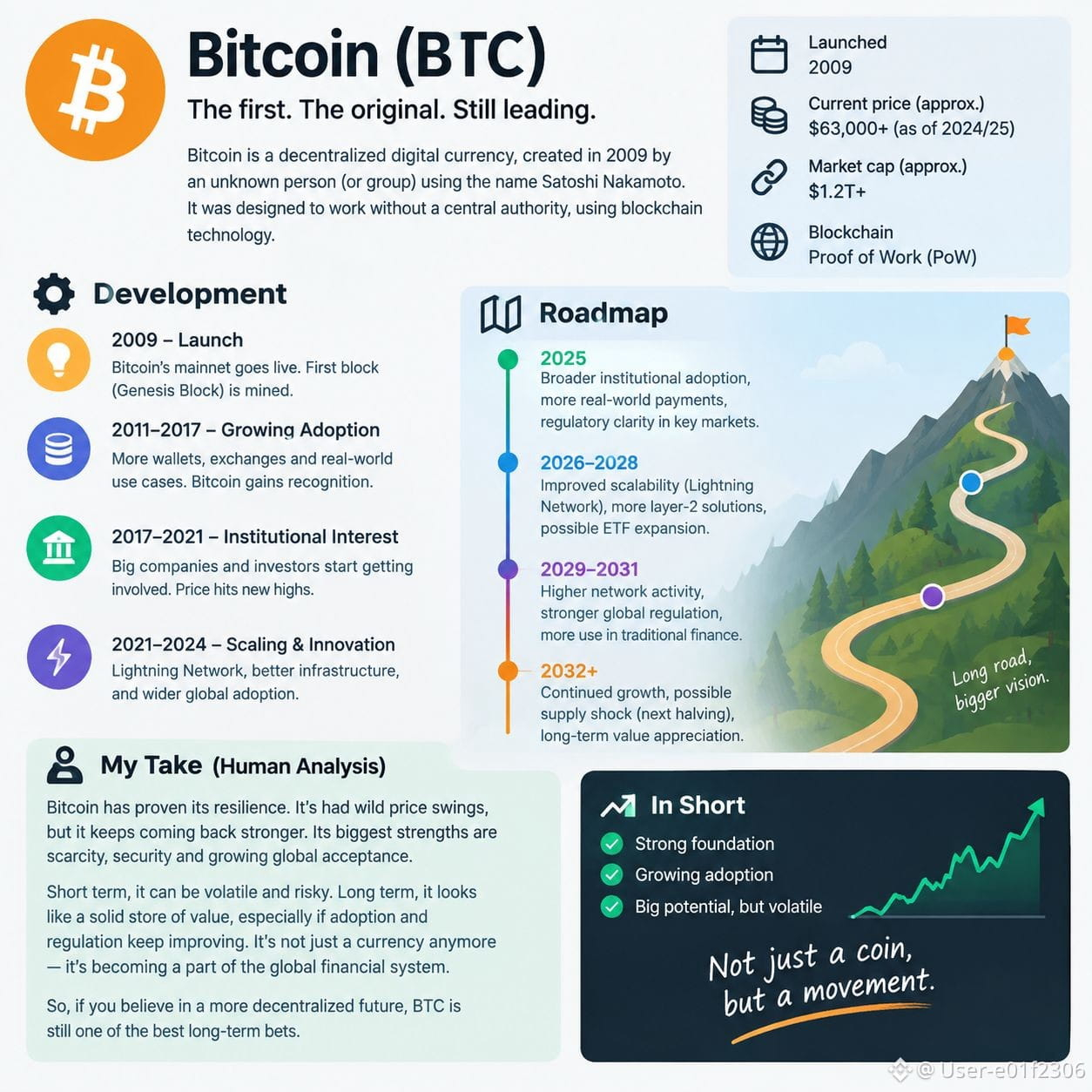
$BTC
Development: Launched in 2009, Bitcoin evolved from an experimental digital currency into a globally recognized crypto asset. Major milestones include wider exchange adoption, institutional interest, the Lightning Network, and increasing integration with traditional finance.
Roadmap: Bitcoin doesn’t have a fixed corporate roadmap. Its future development mainly focuses on scaling through Layer-2 networks, improving usability, security, privacy, and broader real-world adoption.
Human take: Bitcoin’s biggest strengths are its scarcity, decentralization, and long operating history. Its biggest weakness is still high price volatility, so its future depends heavily on adoption, regulation, and continued technical development.
{spot}(BTCUSDT)
$BTC
Development: Launched in 2009, Bitcoin evolved from an experimental digital currency into a globally recognized crypto asset. Major milestones include wider exchange adoption, institutional interest, the Lightning Network, and increasing integration with traditional finance.
Roadmap: Bitcoin doesn’t have a fixed corporate roadmap. Its future development mainly focuses on scaling through Layer-2 networks, improving usability, security, privacy, and broader real-world adoption.
Human take: Bitcoin’s biggest strengths are its scarcity, decentralization, and long operating history. Its biggest weakness is still high price volatility, so its future depends heavily on adoption, regulation, and continued technical development.
Development: Launched in 2009, Bitcoin evolved from an experimental digital currency into a globally recognized crypto asset. Major milestones include wider exchange adoption, institutional interest, the Lightning Network, and increasing integration with traditional finance.
Roadmap: Bitcoin doesn’t have a fixed corporate roadmap. Its future development mainly focuses on scaling through Layer-2 networks, improving usability, security, privacy, and broader real-world adoption.
Human take: Bitcoin’s biggest strengths are its scarcity, decentralization, and long operating history. Its biggest weakness is still high price volatility, so its future depends heavily on adoption, regulation, and continued technical development.
60
記事
翻訳参照
$ETHEthereum ($ETH): Development and Roadmap Analysis
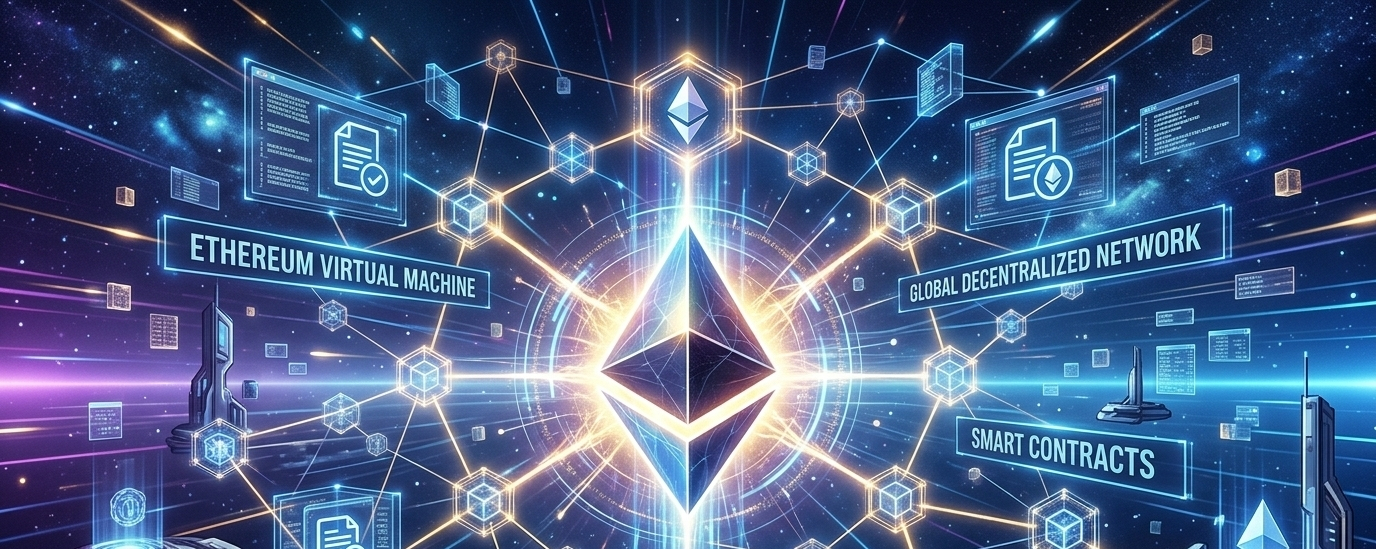
When looking at the crypto landscape, Ethereum stands out not just as a digital currency, but as a foundational technological shift. While Bitcoin set out to be digital gold, Ethereum introduced the world to programmable money through smart contracts and the Ethereum Virtual Machine (EVM). Here is a human-centric look at how it developed and where its roadmap is taking it.
1. The Evolution and Development Journey
Inception & Launch (2013–2015): Proposed by Vitalik Buterin in late 2013 and launched in July 2015, Ethereum solved what many saw as Bitcoin's limitation: its lack of Turing-complete programmability. It allowed developers to build decentralized applications (dApps) directly on a blockchain.
The DAO Era & Hard Fork (2016): An early, painful growing pain occurred when a vulnerability in a major project called The DAO led to a massive hack. The community chose to hard fork the network to recover funds, creating a philosophical divide (Ethereum vs. Ethereum Classic) that ultimately proved Ethereum's resilience and community-driven nature.
DeFi and NFT Booms (2020–2021): Ethereum became the undisputed backbone for Decentralized Finance (DeFi) and the Non-Fungible Token (NFT) explosion, proving its utility despite skyrocketing gas fees during peak usage.
The Merge (2022): Arguably the biggest technical milestone in crypto history, Ethereum successfully transitioned from a high-energy Proof-of-Work (PoW) consensus mechanism to an eco-friendly Proof-of-Stake (PoS) system, slashing its energy consumption by over 99.9%.
2. The Current Roadmap and Future Outlook
Ethereum’s roadmap is meticulously phased to solve scalability, security, and decentralization challenges (often referred to by Vitalik Buterin as the "rollup-centric roadmap"):
The Surge: Focused on massive scalability primarily through Layer 2 rollups (like Arbitrum, Optimism, and Base). Upgrades like EIP-4844 (Proto-Danksharding) have drastically reduced transaction fees on these scaling networks.
The Scourge: Aims to ensure censorship resistance and mitigate centralization risks in block building, keeping the network democratic and secure.
The Verge & The Purge: Focus on making verification lightweight (via Verkle trees) and cleaning up historical data so that nodes don't require massive hard drives to run.
The Splurge: A catch-all for various other improvements and fine-tuning to ensure long-term stability and cryptographic robustness.
Summary
Ethereum's journey has been defined by bold, often risky upgrades executed in real-time under immense market pressure. While competitors ("Ethereum killers") often promise faster speeds or lower base-layer fees, Ethereum's deep developer ecosystem, unmatched security, and clear, structured roadmap continue to keep it at the center of the Web3 evolution.
#EthereumSurpasses$2700 #ETH #Ethereum
$ETH
Ethereum ($ETH): Development and Roadmap Analysis
When looking at the crypto landscape, Ethereum stands out not just as a digital currency, but as a foundational technological shift. While Bitcoin set out to be digital gold, Ethereum introduced the world to programmable money through smart contracts and the Ethereum Virtual Machine (EVM). Here is a human-centric look at how it developed and where its roadmap is taking it.
1. The Evolution and Development Journey
Inception & Launch (2013–2015): Proposed by Vitalik Buterin in late 2013 and launched in July 2015, Ethereum solved what many saw as Bitcoin's limitation: its lack of Turing-complete programmability. It allowed developers to build decentralized applications (dApps) directly on a blockchain.
The DAO Era & Hard Fork (2016): An early, painful growing pain occurred when a vulnerability in a major project called The DAO led to a massive hack. The community chose to hard fork the network to recover funds, creating a philosophical divide (Ethereum vs. Ethereum Classic) that ultimately proved Ethereum's resilience and community-driven nature.
DeFi and NFT Booms (2020–2021): Ethereum became the undisputed backbone for Decentralized Finance (DeFi) and the Non-Fungible Token (NFT) explosion, proving its utility despite skyrocketing gas fees during peak usage.
The Merge (2022): Arguably the biggest technical milestone in crypto history, Ethereum successfully transitioned from a high-energy Proof-of-Work (PoW) consensus mechanism to an eco-friendly Proof-of-Stake (PoS) system, slashing its energy consumption by over 99.9%.
2. The Current Roadmap and Future Outlook
Ethereum’s roadmap is meticulously phased to solve scalability, security, and decentralization challenges (often referred to by Vitalik Buterin as the "rollup-centric roadmap"):
The Surge: Focused on massive scalability primarily through Layer 2 rollups (like Arbitrum, Optimism, and Base). Upgrades like EIP-4844 (Proto-Danksharding) have drastically reduced transaction fees on these scaling networks.
The Scourge: Aims to ensure censorship resistance and mitigate centralization risks in block building, keeping the network democratic and secure.
The Verge & The Purge: Focus on making verification lightweight (via Verkle trees) and cleaning up historical data so that nodes don't require massive hard drives to run.
The Splurge: A catch-all for various other improvements and fine-tuning to ensure long-term stability and cryptographic robustness.
Summary
Ethereum's journey has been defined by bold, often risky upgrades executed in real-time under immense market pressure. While competitors ("Ethereum killers") often promise faster speeds or lower base-layer fees, Ethereum's deep developer ecosystem, unmatched security, and clear, structured roadmap continue to keep it at the center of the Web3 evolution.
#EthereumSurpasses$2700 #ETH #Ethereum
When looking at the crypto landscape, Ethereum stands out not just as a digital currency, but as a foundational technological shift. While Bitcoin set out to be digital gold, Ethereum introduced the world to programmable money through smart contracts and the Ethereum Virtual Machine (EVM). Here is a human-centric look at how it developed and where its roadmap is taking it.
1. The Evolution and Development Journey
Inception & Launch (2013–2015): Proposed by Vitalik Buterin in late 2013 and launched in July 2015, Ethereum solved what many saw as Bitcoin's limitation: its lack of Turing-complete programmability. It allowed developers to build decentralized applications (dApps) directly on a blockchain.
The DAO Era & Hard Fork (2016): An early, painful growing pain occurred when a vulnerability in a major project called The DAO led to a massive hack. The community chose to hard fork the network to recover funds, creating a philosophical divide (Ethereum vs. Ethereum Classic) that ultimately proved Ethereum's resilience and community-driven nature.
DeFi and NFT Booms (2020–2021): Ethereum became the undisputed backbone for Decentralized Finance (DeFi) and the Non-Fungible Token (NFT) explosion, proving its utility despite skyrocketing gas fees during peak usage.
The Merge (2022): Arguably the biggest technical milestone in crypto history, Ethereum successfully transitioned from a high-energy Proof-of-Work (PoW) consensus mechanism to an eco-friendly Proof-of-Stake (PoS) system, slashing its energy consumption by over 99.9%.
2. The Current Roadmap and Future Outlook
Ethereum’s roadmap is meticulously phased to solve scalability, security, and decentralization challenges (often referred to by Vitalik Buterin as the "rollup-centric roadmap"):
The Surge: Focused on massive scalability primarily through Layer 2 rollups (like Arbitrum, Optimism, and Base). Upgrades like EIP-4844 (Proto-Danksharding) have drastically reduced transaction fees on these scaling networks.
The Scourge: Aims to ensure censorship resistance and mitigate centralization risks in block building, keeping the network democratic and secure.
The Verge & The Purge: Focus on making verification lightweight (via Verkle trees) and cleaning up historical data so that nodes don't require massive hard drives to run.
The Splurge: A catch-all for various other improvements and fine-tuning to ensure long-term stability and cryptographic robustness.
Summary
Ethereum's journey has been defined by bold, often risky upgrades executed in real-time under immense market pressure. While competitors ("Ethereum killers") often promise faster speeds or lower base-layer fees, Ethereum's deep developer ecosystem, unmatched security, and clear, structured roadmap continue to keep it at the center of the Web3 evolution.
#EthereumSurpasses$2700 #ETH #Ethereum
97
ログインして、さらにコンテンツを読む
厳選トピックで世界の暗号資産トレーダーの仲間入り
⚡️ 暗号資産に関する最新かつ有益な情報が見つかります。
💬 世界最大の暗号資産取引所から信頼されています。
👍 認証を受けたクリエイターから、有益なインサイトを得られます。
メール / 電話番号
トレンドトピック
AIStocksWhatNext
閲覧回数 188,707
2,131人が討論中
注目ハッシュタグキャンペーンでトラフィック報酬を「シェア&ウィン」しよう
✨トピック:AI株が上昇し続ける中、ほかにどんな投資チャンスが残っている?
👉参加方法:
ハッシュタグ #AIStocksWhatNext を付けて短い投稿または記事を公開する
強気か弱気かを共有し、AI株の保有または取引を投稿してください—取引ウィジェットを使うと資格を得やすくなる可能性があります。
データやチャートを共有し、AI生成画像を避けることで、投稿をさらに強化できます。
✍️以下の切り口を参考にコンテンツを作成してください:
- Nvidiaは来年のチップ販売が倍増すると述べ、主要なAI企業は記録的な売上を更新し続けています。これを支える計算コストはそれだけでも驚異的です。本当にAI需要は伸びているのか? そして、それはどれくらい続くのでしょうか?AI株は全体的に上昇中。これは本物のブレイクアウトなのか、それとも短期的な戻りなのか?
- 産業のリーダーたちはAI開発のペースを落とすよう求めています。一方でトランプは「AIフォース」を構築する計画で、AIが将来的に米国のGDPの25%を占める可能性があると主張しています。あなたはどちら側ですか? AI株に対する州レベルの後押しは長期的な勝利になりますか?
- あなたはAI株を買っていますか? 取引/保有を、取引シェアリングウィジェットで共有してください。
⏰キャンペーン期間:
- 2026-09-22 7:00 - 2026-09-24 4:00(UTC)
🎁報酬:
- 上記のガイドラインを満たし、100語を超える適格投稿は審査され、ランダムなトラフィックブースト(500〜3,000ビュー)が付与される場合があります。投稿が選ばれた場合は、フィード担当者から通知が届きます。
- Binance Square Officialに記事が掲載されるチャンス
投稿のアイデアが必要ですか? トピックページ #AIStocksWhatNext または Square Guide on How to Post for Better Reach をご覧ください。
Binance Square Official
·いいね:281件
·閲覧回数 593.4k
BitcoinBreaksAboveMayHighNears$86K
閲覧回数 6,435
112人が討論中
DogecoinRises15%
閲覧回数 16,194
623人が討論中