

Economic News Expert
13 投稿
Economic News Expert
報告
ユーザーをブロック
“Binance: Your Journey to Financial Freedom Starts Here 💰🚀”
1 フォロー
2 フォロワー
11 いいね
投稿
すべて
引用
記事
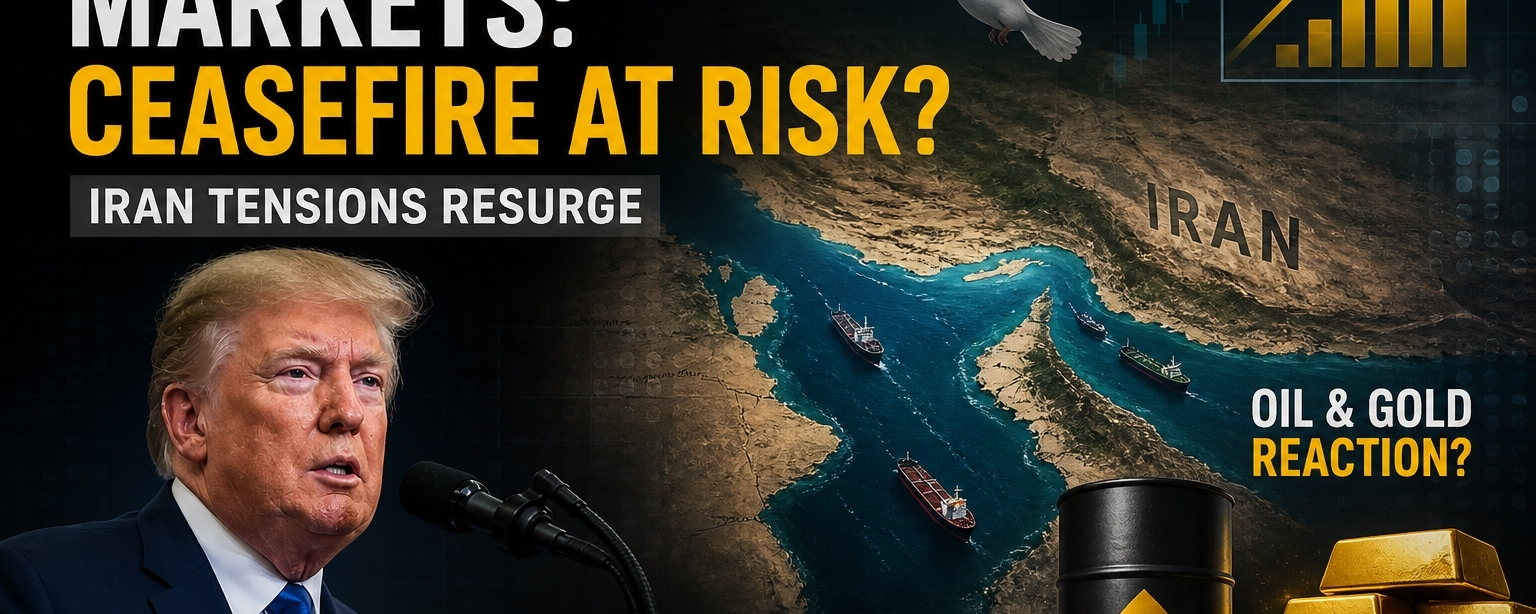
🌍 トランプのコメントが地政学的緊張を煽り、市場が揺れ動くドナルド・トランプの最近の発言は、世界の金融市場に新たな不確実性を引き起こし、地政学的安定性と石油や金などの主要商品への影響についての懸念を高めています。
トランプの発言は、イランを巡る緊張のエスカレーションの可能性をほのめかしており、投資家からの注目を集めています。彼の声明「実際にそれを行う必要があるかもしれない」は、市場によって政策のシフトや軍事的な考慮の可能性のシグナルとして解釈され、中東の不安定性に対する懸念が高まっています。
🌍 トランプのコメントが地政学的緊張を煽り、市場が揺れ動く
ドナルド・トランプの最近の発言は、世界の金融市場に新たな不確実性を引き起こし、地政学的安定性と石油や金などの主要商品への影響についての懸念を高めています。
トランプの発言は、イランを巡る緊張のエスカレーションの可能性をほのめかしており、投資家からの注目を集めています。彼の声明「実際にそれを行う必要があるかもしれない」は、市場によって政策のシフトや軍事的な考慮の可能性のシグナルとして解釈され、中東の不安定性に対する懸念が高まっています。
トランプの発言は、イランを巡る緊張のエスカレーションの可能性をほのめかしており、投資家からの注目を集めています。彼の声明「実際にそれを行う必要があるかもしれない」は、市場によって政策のシフトや軍事的な考慮の可能性のシグナルとして解釈され、中東の不安定性に対する懸念が高まっています。
1
165
記事
翻訳参照
📊 Gold Market Outlook – What to Expect TomorrowGold prices remain under pressure as markets head into the next trading session, with investors closely watching economic signals and global developments. After a period of volatility, gold is currently struggling to maintain strong upward momentum.
The main factor influencing gold is the strength of the US dollar and expectations around interest rates. If the dollar continues to rise, gold may face further downside pressure, as the metal becomes more expensive for international buyers. Additionally, traders are closely monitoring signals from the Federal Reserve regarding future monetary policy.
On the other hand, geopolitical tensions and economic uncertainty continue to provide some support for gold prices. As a traditional safe-haven asset, gold tends to attract investors during times of instability.
📉 Short-Term Outlook: For tomorrow, gold is expected to trade in a narrow range, with a slight bearish bias unless new catalysts emerge. Key levels to watch include support zones near recent lows and resistance around the latest highs.
📌 Conclusion: Gold remains in a consolidation phase, and tomorrow’s movement will likely depend on macroeconomic news and market sentiment. Traders should stay cautious and watch for breakout signals before making major decisions.
$XAU #GOLD
📊 Gold Market Outlook – What to Expect Tomorrow
Gold prices remain under pressure as markets head into the next trading session, with investors closely watching economic signals and global developments. After a period of volatility, gold is currently struggling to maintain strong upward momentum.
The main factor influencing gold is the strength of the US dollar and expectations around interest rates. If the dollar continues to rise, gold may face further downside pressure, as the metal becomes more expensive for international buyers. Additionally, traders are closely monitoring signals from the Federal Reserve regarding future monetary policy.
On the other hand, geopolitical tensions and economic uncertainty continue to provide some support for gold prices. As a traditional safe-haven asset, gold tends to attract investors during times of instability.
📉 Short-Term Outlook: For tomorrow, gold is expected to trade in a narrow range, with a slight bearish bias unless new catalysts emerge. Key levels to watch include support zones near recent lows and resistance around the latest highs.
📌 Conclusion: Gold remains in a consolidation phase, and tomorrow’s movement will likely depend on macroeconomic news and market sentiment. Traders should stay cautious and watch for breakout signals before making major decisions.
$XAU #GOLD
The main factor influencing gold is the strength of the US dollar and expectations around interest rates. If the dollar continues to rise, gold may face further downside pressure, as the metal becomes more expensive for international buyers. Additionally, traders are closely monitoring signals from the Federal Reserve regarding future monetary policy.
On the other hand, geopolitical tensions and economic uncertainty continue to provide some support for gold prices. As a traditional safe-haven asset, gold tends to attract investors during times of instability.
📉 Short-Term Outlook: For tomorrow, gold is expected to trade in a narrow range, with a slight bearish bias unless new catalysts emerge. Key levels to watch include support zones near recent lows and resistance around the latest highs.
📌 Conclusion: Gold remains in a consolidation phase, and tomorrow’s movement will likely depend on macroeconomic news and market sentiment. Traders should stay cautious and watch for breakout signals before making major decisions.
$XAU #GOLD
1
152
翻訳参照
"Yes, gold has been extremely volatile this month. Scalping is the better approach
"Yes, gold has been extremely volatile this month. Scalping is the better approach

206 Atlas
·
--
Gold's wild this month. Geopolitics and rates got it jumpy. Good for scalping.
36

記事
翻訳参照
📊 Gold Market Update – April 2026 (Short Article)The gold market in April 2026 is experiencing high volatility, driven by a mix of geopolitical tensions, interest rate expectations, and strong institutional demand.
Gold prices are currently fluctuating around $4,600–$4,900 per ounce, after recently pulling back from record highs above $5,000 earlier this year. Despite short-term declines, analysts remain bullish on the long-term outlook.
wsj.com +1
🔑 Key Market Drivers
1. Geopolitical Tensions
Ongoing conflicts and uncertainty in the Middle East—especially involving the U.S. and Iran—continue to influence gold prices. These tensions increase demand for gold as a safe-haven asset, although temporary escalations can also strengthen the U.S. dollar and pressure prices.
2. Interest Rates & Inflation
Gold remains highly sensitive to global interest rates. Higher rates reduce gold’s appeal because it does not yield interest. However, persistent inflation and expectations of future rate cuts are supporting investor demand.
DailyForex
3. Strong Central Bank Demand
Central banks worldwide are continuing to accumulate gold reserves, driven by concerns over currency stability and rising global debt. This trend is a major factor supporting long-term price growth.
Reuters
4. Mixed Short-Term Trend
In the short term, gold has shown mixed performance, with small daily gains and losses depending on market sentiment, dollar strength, and energy prices.
The Economic Times +1
📈 Outlook for Traders
Overall, the gold market is currently in a consolidation phase, but the broader trend remains positive. Analysts forecast that gold could continue rising toward new highs in 2026 if:
Interest rates begin to fall
Geopolitical risks remain elevated
Demand from institutions and investors stays strong
📝 Conclusion
Gold trading in 2026 is defined by uncertainty and opportunity. While short-term price swings are expected, the long-term outlook remains bullish, making gold a key asset for traders seeking protection against inflation and global instability.
$XAU #BinanceLaunchesGoldvs.BTCTradingCompetition
📊 Gold Market Update – April 2026 (Short Article)
The gold market in April 2026 is experiencing high volatility, driven by a mix of geopolitical tensions, interest rate expectations, and strong institutional demand.
Gold prices are currently fluctuating around $4,600–$4,900 per ounce, after recently pulling back from record highs above $5,000 earlier this year. Despite short-term declines, analysts remain bullish on the long-term outlook.
wsj.com +1
🔑 Key Market Drivers
1. Geopolitical Tensions
Ongoing conflicts and uncertainty in the Middle East—especially involving the U.S. and Iran—continue to influence gold prices. These tensions increase demand for gold as a safe-haven asset, although temporary escalations can also strengthen the U.S. dollar and pressure prices.
2. Interest Rates & Inflation
Gold remains highly sensitive to global interest rates. Higher rates reduce gold’s appeal because it does not yield interest. However, persistent inflation and expectations of future rate cuts are supporting investor demand.
DailyForex
3. Strong Central Bank Demand
Central banks worldwide are continuing to accumulate gold reserves, driven by concerns over currency stability and rising global debt. This trend is a major factor supporting long-term price growth.
Reuters
4. Mixed Short-Term Trend
In the short term, gold has shown mixed performance, with small daily gains and losses depending on market sentiment, dollar strength, and energy prices.
The Economic Times +1
📈 Outlook for Traders
Overall, the gold market is currently in a consolidation phase, but the broader trend remains positive. Analysts forecast that gold could continue rising toward new highs in 2026 if:
Interest rates begin to fall
Geopolitical risks remain elevated
Demand from institutions and investors stays strong
📝 Conclusion
Gold trading in 2026 is defined by uncertainty and opportunity. While short-term price swings are expected, the long-term outlook remains bullish, making gold a key asset for traders seeking protection against inflation and global instability.
$XAU #BinanceLaunchesGoldvs.BTCTradingCompetition
Gold prices are currently fluctuating around $4,600–$4,900 per ounce, after recently pulling back from record highs above $5,000 earlier this year. Despite short-term declines, analysts remain bullish on the long-term outlook.
wsj.com +1
🔑 Key Market Drivers
1. Geopolitical Tensions
Ongoing conflicts and uncertainty in the Middle East—especially involving the U.S. and Iran—continue to influence gold prices. These tensions increase demand for gold as a safe-haven asset, although temporary escalations can also strengthen the U.S. dollar and pressure prices.
2. Interest Rates & Inflation
Gold remains highly sensitive to global interest rates. Higher rates reduce gold’s appeal because it does not yield interest. However, persistent inflation and expectations of future rate cuts are supporting investor demand.
DailyForex
3. Strong Central Bank Demand
Central banks worldwide are continuing to accumulate gold reserves, driven by concerns over currency stability and rising global debt. This trend is a major factor supporting long-term price growth.
Reuters
4. Mixed Short-Term Trend
In the short term, gold has shown mixed performance, with small daily gains and losses depending on market sentiment, dollar strength, and energy prices.
The Economic Times +1
📈 Outlook for Traders
Overall, the gold market is currently in a consolidation phase, but the broader trend remains positive. Analysts forecast that gold could continue rising toward new highs in 2026 if:
Interest rates begin to fall
Geopolitical risks remain elevated
Demand from institutions and investors stays strong
📝 Conclusion
Gold trading in 2026 is defined by uncertainty and opportunity. While short-term price swings are expected, the long-term outlook remains bullish, making gold a key asset for traders seeking protection against inflation and global instability.
$XAU #BinanceLaunchesGoldvs.BTCTradingCompetition
1
1
164

記事
トランプの2026年4月の最新発言:団結の呼びかけ、セキュリティの懸念、政治的緊張最近の公の発言で、ドナルド・トランプ前大統領はワシントンD.C.での高プロファイルのセキュリティ事件に続いて、一連の国家的および政治的問題に言及し、今後の外交イベントやメディアの論争についてもコメントしました。
ホワイトハウス関連のイベント近くで起きた銃撃事件を受け、トランプは容疑者を「病んだ非常に悩んでいる個人」と表現し、状況がさらにエスカレートする前に迅速に対処した法執行機関を称賛しました。彼は、セキュリティ対策が攻撃者がメイン会場に到達するのを成功裏に防いだことを確認しました。
トランプの2026年4月の最新発言:団結の呼びかけ、セキュリティの懸念、政治的緊張
最近の公の発言で、ドナルド・トランプ前大統領はワシントンD.C.での高プロファイルのセキュリティ事件に続いて、一連の国家的および政治的問題に言及し、今後の外交イベントやメディアの論争についてもコメントしました。
ホワイトハウス関連のイベント近くで起きた銃撃事件を受け、トランプは容疑者を「病んだ非常に悩んでいる個人」と表現し、状況がさらにエスカレートする前に迅速に対処した法執行機関を称賛しました。彼は、セキュリティ対策が攻撃者がメイン会場に到達するのを成功裏に防いだことを確認しました。
ホワイトハウス関連のイベント近くで起きた銃撃事件を受け、トランプは容疑者を「病んだ非常に悩んでいる個人」と表現し、状況がさらにエスカレートする前に迅速に対処した法執行機関を称賛しました。彼は、セキュリティ対策が攻撃者がメイン会場に到達するのを成功裏に防いだことを確認しました。
1
281
記事
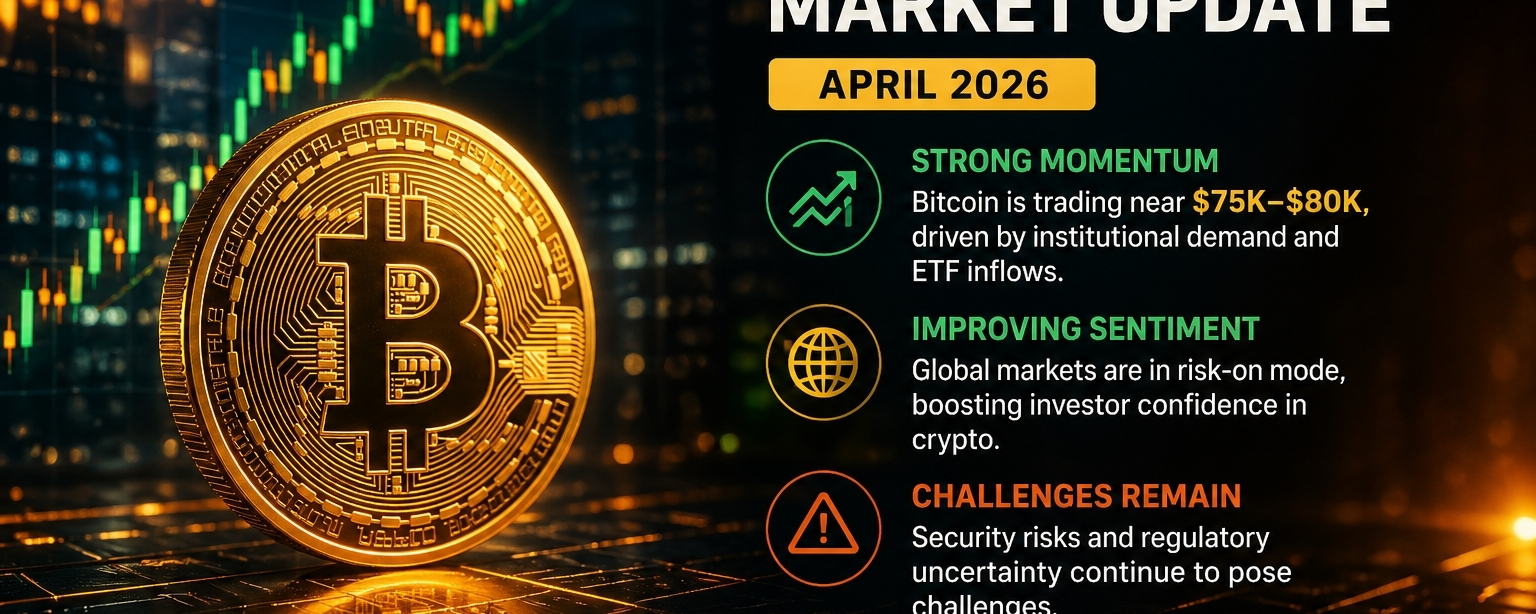
ビットコイン市場のアップデート – 2026年4月ビットコイン市場のアップデート – 2026年4月 🚀
ビットコインは強いブルリッシュモメンタムを示しており、最近$75K–$80Kのレンジで取引されています。これは、機関投資家の需要の高まりとビットコインETFへの顕著な資金流入によってサポートされています。グローバル市場がリスクオンのセンチメントにシフトする中、投資家の信頼が改善しています。
しかし、市場は依然としてセキュリティの懸念や規制の不確実性といった課題に直面しています。それにもかかわらず、アナリストたちは慎重に楽観的であり、ビットコインが現在のレンジを維持し、モメンタムが続けばさらなる上昇の可能性があると期待しています。
ビットコイン市場のアップデート – 2026年4月
ビットコイン市場のアップデート – 2026年4月 🚀
ビットコインは強いブルリッシュモメンタムを示しており、最近$75K–$80Kのレンジで取引されています。これは、機関投資家の需要の高まりとビットコインETFへの顕著な資金流入によってサポートされています。グローバル市場がリスクオンのセンチメントにシフトする中、投資家の信頼が改善しています。
しかし、市場は依然としてセキュリティの懸念や規制の不確実性といった課題に直面しています。それにもかかわらず、アナリストたちは慎重に楽観的であり、ビットコインが現在のレンジを維持し、モメンタムが続けばさらなる上昇の可能性があると期待しています。
ビットコインは強いブルリッシュモメンタムを示しており、最近$75K–$80Kのレンジで取引されています。これは、機関投資家の需要の高まりとビットコインETFへの顕著な資金流入によってサポートされています。グローバル市場がリスクオンのセンチメントにシフトする中、投資家の信頼が改善しています。
しかし、市場は依然としてセキュリティの懸念や規制の不確実性といった課題に直面しています。それにもかかわらず、アナリストたちは慎重に楽観的であり、ビットコインが現在のレンジを維持し、モメンタムが続けばさらなる上昇の可能性があると期待しています。
1
128
記事
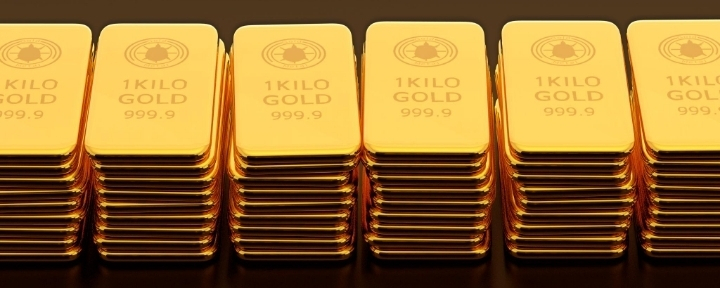
🟡 金市場アップデート (ショート & クリーア)金価格は現在プレッシャーを受けており、短期的には非常にボラティリティが高いです。最近の動きは、主に強い米ドルと高金利によって引き起こされた下落を示しており、これにより金の他の資産に対する魅力が低下しています。
地政学的緊張はまだ存在しますが、安全資産として金を押し上げるのではなく、現在はドルをサポートしており、金価格にさらなる下押し圧力を加えています。
短期的には、金はボラティリティのあるレンジで取引されると予想されており、現在の状況が続けばさらなる下落の可能性があります。しかし、マーケットは経済や政治のニュースに非常に敏感であり、突然の上昇もまだ可能性があります。
🟡 金市場アップデート (ショート & クリーア)
金価格は現在プレッシャーを受けており、短期的には非常にボラティリティが高いです。最近の動きは、主に強い米ドルと高金利によって引き起こされた下落を示しており、これにより金の他の資産に対する魅力が低下しています。
地政学的緊張はまだ存在しますが、安全資産として金を押し上げるのではなく、現在はドルをサポートしており、金価格にさらなる下押し圧力を加えています。
短期的には、金はボラティリティのあるレンジで取引されると予想されており、現在の状況が続けばさらなる下落の可能性があります。しかし、マーケットは経済や政治のニュースに非常に敏感であり、突然の上昇もまだ可能性があります。
地政学的緊張はまだ存在しますが、安全資産として金を押し上げるのではなく、現在はドルをサポートしており、金価格にさらなる下押し圧力を加えています。
短期的には、金はボラティリティのあるレンジで取引されると予想されており、現在の状況が続けばさらなる下落の可能性があります。しかし、マーケットは経済や政治のニュースに非常に敏感であり、突然の上昇もまだ可能性があります。
1
213
記事
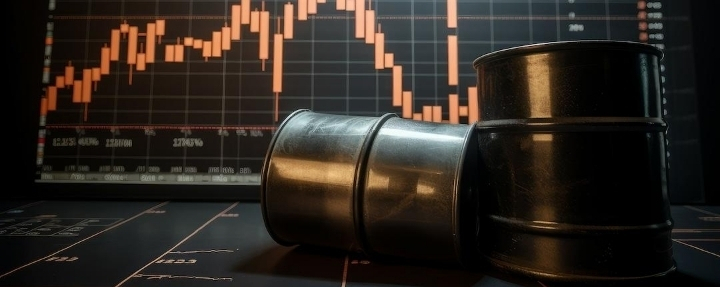
“原油市場アラート: ボラティリティが爆発しようとしている!”🛢️ 原油市場の更新
中東の緊張が高まっているため、特にホルムズ海峡での混乱が世界のサプライチェーンに影響を与え、原油価格は急騰している。
📈 現在、マーケットは上昇トレンドだが、高いボラティリティがある。新しいニュースが出ると、すぐに方向が変わる可能性がある。
⚠️ 明日の展望:
引き続きボラティリティが高い
緊張が高まると、さらに上昇する可能性がある
ポジティブなニュースが出ると、下落の可能性がある
🎯 結論: マーケットにはチャンスがあるが、リスク管理は非常に重要。
“原油市場アラート: ボラティリティが爆発しようとしている!”
🛢️ 原油市場の更新
中東の緊張が高まっているため、特にホルムズ海峡での混乱が世界のサプライチェーンに影響を与え、原油価格は急騰している。
📈 現在、マーケットは上昇トレンドだが、高いボラティリティがある。新しいニュースが出ると、すぐに方向が変わる可能性がある。
⚠️ 明日の展望:
引き続きボラティリティが高い
緊張が高まると、さらに上昇する可能性がある
ポジティブなニュースが出ると、下落の可能性がある
🎯 結論: マーケットにはチャンスがあるが、リスク管理は非常に重要。
中東の緊張が高まっているため、特にホルムズ海峡での混乱が世界のサプライチェーンに影響を与え、原油価格は急騰している。
📈 現在、マーケットは上昇トレンドだが、高いボラティリティがある。新しいニュースが出ると、すぐに方向が変わる可能性がある。
⚠️ 明日の展望:
引き続きボラティリティが高い
緊張が高まると、さらに上昇する可能性がある
ポジティブなニュースが出ると、下落の可能性がある
🎯 結論: マーケットにはチャンスがあるが、リスク管理は非常に重要。
2
1
250
記事
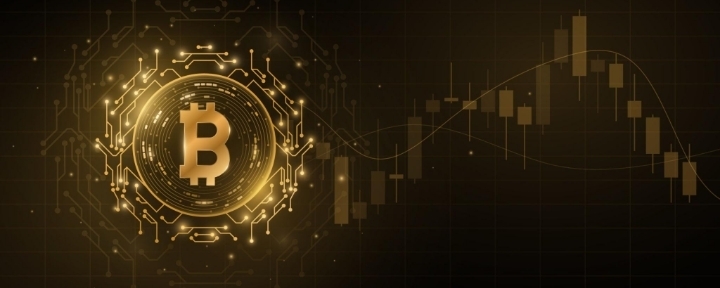
ビットコインのレベルをチェック 🚨月曜日のビットコイン見通し 📊
現在、BTCは約$78,000で取引中で、最近の上昇により強いモメンタムを示しています。
📈 重要レベル:
サポート: $76,000
レジスタンス: $80,000
📊 市場のセンチメント:
やや強気で、機関投資家の需要が増加し、市場のモメンタムがポジティブです。
📉 月曜日の予測:
予想レンジは$78,000〜$79,200の間
モメンタムが続けば$80,000のレジスタンスをテストする可能性があります。
冷静に待ちましょう。取引に入る前に確認を待ってください。
#ビットコイン #BTC #暗号通貨 #取引 #バイナンス #MarketAnalysis
ビットコインのレベルをチェック 🚨
月曜日のビットコイン見通し 📊
現在、BTCは約$78,000で取引中で、最近の上昇により強いモメンタムを示しています。
📈 重要レベル:
サポート: $76,000
レジスタンス: $80,000
📊 市場のセンチメント:
やや強気で、機関投資家の需要が増加し、市場のモメンタムがポジティブです。
📉 月曜日の予測:
予想レンジは$78,000〜$79,200の間
モメンタムが続けば$80,000のレジスタンスをテストする可能性があります。
冷静に待ちましょう。取引に入る前に確認を待ってください。
#ビットコイン #BTC #暗号通貨 #取引 #バイナンス #MarketAnalysis
現在、BTCは約$78,000で取引中で、最近の上昇により強いモメンタムを示しています。
📈 重要レベル:
サポート: $76,000
レジスタンス: $80,000
📊 市場のセンチメント:
やや強気で、機関投資家の需要が増加し、市場のモメンタムがポジティブです。
📉 月曜日の予測:
予想レンジは$78,000〜$79,200の間
モメンタムが続けば$80,000のレジスタンスをテストする可能性があります。
冷静に待ちましょう。取引に入る前に確認を待ってください。
#ビットコイン #BTC #暗号通貨 #取引 #バイナンス #MarketAnalysis
1
183
記事
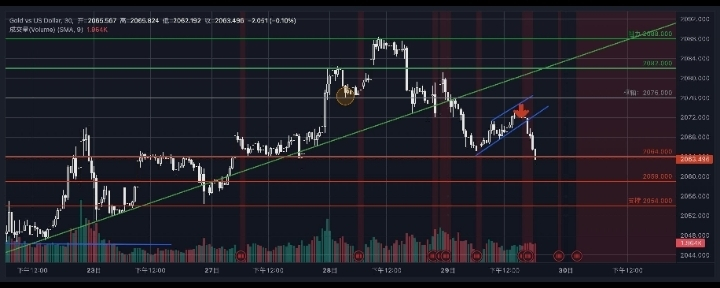
👉 “月曜日 = ゴールド 📊”市場が開く前の日曜日の振り返り 📊✨
ゴールドは常にトレードで最も注目されている資産の一つです。世界的な不確実性の中で、XAU/USDはさらに分析する価値があります。
月曜日に向けて、注目すべきレベルを見ています:
強力なサポートゾーン 📉
潜在的なブレイクアウトエリア 📈
覚えておいて: トレードでは忍耐が鍵です。エントリーを急がず、確認を待ち、リスクを常に管理しましょう。
ゴールドはランダムに動くわけではなく、ニュース、ファンダメンタルズ、市場センチメントに反応します。
今週が何をもたらすか見てみましょう。規律を守り、賢くトレードしましょう 💡
👉 “月曜日 = ゴールド 📊”
市場が開く前の日曜日の振り返り 📊✨
ゴールドは常にトレードで最も注目されている資産の一つです。世界的な不確実性の中で、XAU/USDはさらに分析する価値があります。
月曜日に向けて、注目すべきレベルを見ています:
強力なサポートゾーン 📉
潜在的なブレイクアウトエリア 📈
覚えておいて: トレードでは忍耐が鍵です。エントリーを急がず、確認を待ち、リスクを常に管理しましょう。
ゴールドはランダムに動くわけではなく、ニュース、ファンダメンタルズ、市場センチメントに反応します。
今週が何をもたらすか見てみましょう。規律を守り、賢くトレードしましょう 💡
ゴールドは常にトレードで最も注目されている資産の一つです。世界的な不確実性の中で、XAU/USDはさらに分析する価値があります。
月曜日に向けて、注目すべきレベルを見ています:
強力なサポートゾーン 📉
潜在的なブレイクアウトエリア 📈
覚えておいて: トレードでは忍耐が鍵です。エントリーを急がず、確認を待ち、リスクを常に管理しましょう。
ゴールドはランダムに動くわけではなく、ニュース、ファンダメンタルズ、市場センチメントに反応します。
今週が何をもたらすか見てみましょう。規律を守り、賢くトレードしましょう 💡
1
273
記事
翻訳参照
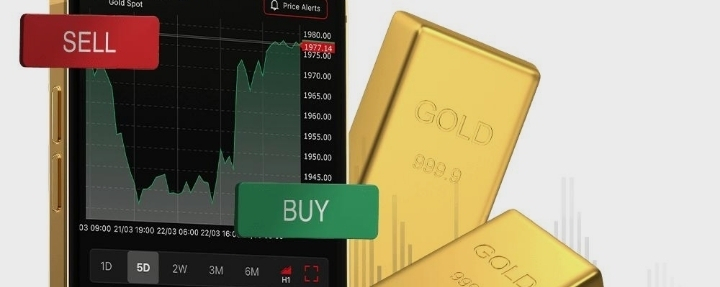
MONDAY IS COMING GOLD..Monday is coming… 📊✨
Gold (XAU/USD) is setting up 👀
Watching key levels: support & breakout zones 📉📈
No rush. No emotions.
Wait for confirmation and manage risk.
Trade smart this week 💡
Gold #XAUUSD D #TradingTales g #forex #Binance
$BTC
MONDAY IS COMING GOLD..
Monday is coming… 📊✨
Gold (XAU/USD) is setting up 👀
Watching key levels: support & breakout zones 📉📈
No rush. No emotions.
Wait for confirmation and manage risk.
Trade smart this week 💡
Gold #XAUUSD D #TradingTales g #forex #Binance
$BTC
Gold (XAU/USD) is setting up 👀
Watching key levels: support & breakout zones 📉📈
No rush. No emotions.
Wait for confirmation and manage risk.
Trade smart this week 💡
Gold #XAUUSD D #TradingTales g #forex #Binance
$BTC
1
186
ログインして、さらにコンテンツを読む
厳選トピックで世界の暗号資産トレーダーの仲間入り
⚡️ 暗号資産に関する最新かつ有益な情報が見つかります。
💬 世界最大の暗号資産取引所から信頼されています。
👍 認証を受けたクリエイターから、有益なインサイトを得られます。
メール / 電話番号