

Crypto460
3.9k 投稿

Crypto460
報告
ユーザーをブロック
Crypto Trader || Market Analyst || Content Creator || Binance Square Creator || Community Builder || X:- @Soikat0077
高頻度トレーダー
2.4年
1.2K+ フォロー
4.2K+ フォロワー
8.4K+ いいね
投稿
すべて
引用
·
--
$BTC ちょっと重たく見えますね。🚨🚨🚨
上位足ではやや強気寄り(バイアス)があります。81,780〜81,870のゾーン付近でリジェクション(跳ね返され)を警戒しています。価格がそのリカバリーエリアに押し込まれて失速するなら、ショートを探すポイントになり得ます。
ストップは82,200の上に置きます。
注目しているターゲット:
81,600、81,400、81,200、そして本当に反転し始めたら81,000。
今はチャート上のレベルだけ…それ以上のことはありません。市場は好きなように動けます。
投資助言ではありません。必ずDYOR(自分で調べる)し、自分のリスク管理をしてください。
#BTC #bitcoin #trading #crypto
{future}(BTCUSDT)
$BTC ちょっと重たく見えますね。🚨🚨🚨
上位足ではやや強気寄り(バイアス)があります。81,780〜81,870のゾーン付近でリジェクション(跳ね返され)を警戒しています。価格がそのリカバリーエリアに押し込まれて失速するなら、ショートを探すポイントになり得ます。
ストップは82,200の上に置きます。 注目しているターゲット: 81,600、81,400、81,200、そして本当に反転し始めたら81,000。
今はチャート上のレベルだけ…それ以上のことはありません。市場は好きなように動けます。
投資助言ではありません。必ずDYOR(自分で調べる)し、自分のリスク管理をしてください。
#BTC #bitcoin #trading #crypto
上位足ではやや強気寄り(バイアス)があります。81,780〜81,870のゾーン付近でリジェクション(跳ね返され)を警戒しています。価格がそのリカバリーエリアに押し込まれて失速するなら、ショートを探すポイントになり得ます。
ストップは82,200の上に置きます。 注目しているターゲット: 81,600、81,400、81,200、そして本当に反転し始めたら81,000。
今はチャート上のレベルだけ…それ以上のことはありません。市場は好きなように動けます。
投資助言ではありません。必ずDYOR(自分で調べる)し、自分のリスク管理をしてください。
#BTC #bitcoin #trading #crypto
1
112
·
--
$G 🔥🔥🔥のクイック見どころ
ガツンと買い(売り?)が入りました……直近1時間で約33%上昇。建玉(オープン・インタレスト)もそれに伴って増加しており(+6.4%)、その動きにはしっかりしたポジショニングがあったようで、薄い流動性だけの動きではなさそうです。
資金調達(ファンディング)は+0.0859%とかなり高めの水準で、ずっとプラスの状態が続いています。ここが私を慎重にさせるポイントです。価格とOIが一緒に上がっているのに、ファンディングがここまで混雑している場合、急な反転リスクは通常高まります。
ここでは取引は断定しません。資金調達が冷め始める中で、この水準を価格が維持できるかを観察しています。これで、この上昇に“持続力”があるのか、それとも行き過ぎなのかが分かります。
自己責任で(DYOR)気を引き締めて。
金融助言ではありません。
#G #crypto #Trading #MarketUpdate
{future}(GUSDT)
$G 🔥🔥🔥のクイック見どころ
ガツンと買い(売り?)が入りました……直近1時間で約33%上昇。建玉(オープン・インタレスト)もそれに伴って増加しており(+6.4%)、その動きにはしっかりしたポジショニングがあったようで、薄い流動性だけの動きではなさそうです。
資金調達(ファンディング)は+0.0859%とかなり高めの水準で、ずっとプラスの状態が続いています。ここが私を慎重にさせるポイントです。価格とOIが一緒に上がっているのに、ファンディングがここまで混雑している場合、急な反転リスクは通常高まります。
ここでは取引は断定しません。資金調達が冷め始める中で、この水準を価格が維持できるかを観察しています。これで、この上昇に“持続力”があるのか、それとも行き過ぎなのかが分かります。
自己責任で(DYOR)気を引き締めて。
金融助言ではありません。
#G #crypto #Trading #MarketUpdate
ガツンと買い(売り?)が入りました……直近1時間で約33%上昇。建玉(オープン・インタレスト)もそれに伴って増加しており(+6.4%)、その動きにはしっかりしたポジショニングがあったようで、薄い流動性だけの動きではなさそうです。
資金調達(ファンディング)は+0.0859%とかなり高めの水準で、ずっとプラスの状態が続いています。ここが私を慎重にさせるポイントです。価格とOIが一緒に上がっているのに、ファンディングがここまで混雑している場合、急な反転リスクは通常高まります。
ここでは取引は断定しません。資金調達が冷め始める中で、この水準を価格が維持できるかを観察しています。これで、この上昇に“持続力”があるのか、それとも行き過ぎなのかが分かります。
自己責任で(DYOR)気を引き締めて。
金融助言ではありません。
#G #crypto #Trading #MarketUpdate
239
·
--
土曜の朝の雰囲気 ☕
今朝、今夜の大きな値動きの後で、$AVAX とINJのチャートを確認しました。
$AVAX はその後の+18%の上昇のあと、9.65あたりで推移しています。上位足では構造がしっかりしていて、トレンドは明確に上向きです。ですが、すでにかなり伸びています。ここを追いかけるのは遅い気がします。何かを考えるなら、8.40〜8.90のあたりに向けた適切な押し目が来るのを待ちたいです。構造が維持されるなら、継続がメインシナリオのままですが、今のところ私にとっては「FOMOしない」チャートです。
$INJ も強烈に駆け上がり、約13%上昇して7.50のゾーン付近へ。紙の上ではトレンドの強さはありますが、全体の読みはやや混ざっています。これだけ急騰した後のシグナルが多く、相反しています。流動性はまず下方向へのスイープを狙っているように見えます。私のエントリーゾーンは、冷静に落ち着いた場合の7.55〜7.70あたりです。それまではただ様子見です。
この2つを比べると、現時点ではAVAXの方がよりきれいなセットアップです。INJも同じくらい強く動きましたが、構造への確信がやや弱いです。どちらも、今の水準では追いかける対象ではありません。
チャート上で自分が見ていることを共有しているだけです。各自で調査し、リスク管理を行い、失っていい金では絶対に取引しないでください。
投資助言ではありません。
#AVAX #İNJ #crypto #trading #MarketUpdate
{future}(INJUSDT)
{future}(AVAXUSDT)
土曜の朝の雰囲気 ☕
今朝、今夜の大きな値動きの後で、$AVAX とINJのチャートを確認しました。
$AVAX はその後の+18%の上昇のあと、9.65あたりで推移しています。上位足では構造がしっかりしていて、トレンドは明確に上向きです。ですが、すでにかなり伸びています。ここを追いかけるのは遅い気がします。何かを考えるなら、8.40〜8.90のあたりに向けた適切な押し目が来るのを待ちたいです。構造が維持されるなら、継続がメインシナリオのままですが、今のところ私にとっては「FOMOしない」チャートです。
$INJ も強烈に駆け上がり、約13%上昇して7.50のゾーン付近へ。紙の上ではトレンドの強さはありますが、全体の読みはやや混ざっています。これだけ急騰した後のシグナルが多く、相反しています。流動性はまず下方向へのスイープを狙っているように見えます。私のエントリーゾーンは、冷静に落ち着いた場合の7.55〜7.70あたりです。それまではただ様子見です。
この2つを比べると、現時点ではAVAXの方がよりきれいなセットアップです。INJも同じくらい強く動きましたが、構造への確信がやや弱いです。どちらも、今の水準では追いかける対象ではありません。
チャート上で自分が見ていることを共有しているだけです。各自で調査し、リスク管理を行い、失っていい金では絶対に取引しないでください。
投資助言ではありません。
#AVAX #İNJ #crypto #trading #MarketUpdate
今朝、今夜の大きな値動きの後で、$AVAX とINJのチャートを確認しました。
$AVAX はその後の+18%の上昇のあと、9.65あたりで推移しています。上位足では構造がしっかりしていて、トレンドは明確に上向きです。ですが、すでにかなり伸びています。ここを追いかけるのは遅い気がします。何かを考えるなら、8.40〜8.90のあたりに向けた適切な押し目が来るのを待ちたいです。構造が維持されるなら、継続がメインシナリオのままですが、今のところ私にとっては「FOMOしない」チャートです。
$INJ も強烈に駆け上がり、約13%上昇して7.50のゾーン付近へ。紙の上ではトレンドの強さはありますが、全体の読みはやや混ざっています。これだけ急騰した後のシグナルが多く、相反しています。流動性はまず下方向へのスイープを狙っているように見えます。私のエントリーゾーンは、冷静に落ち着いた場合の7.55〜7.70あたりです。それまではただ様子見です。
この2つを比べると、現時点ではAVAXの方がよりきれいなセットアップです。INJも同じくらい強く動きましたが、構造への確信がやや弱いです。どちらも、今の水準では追いかける対象ではありません。
チャート上で自分が見ていることを共有しているだけです。各自で調査し、リスク管理を行い、失っていい金では絶対に取引しないでください。
投資助言ではありません。
#AVAX #İNJ #crypto #trading #MarketUpdate
650
·
--
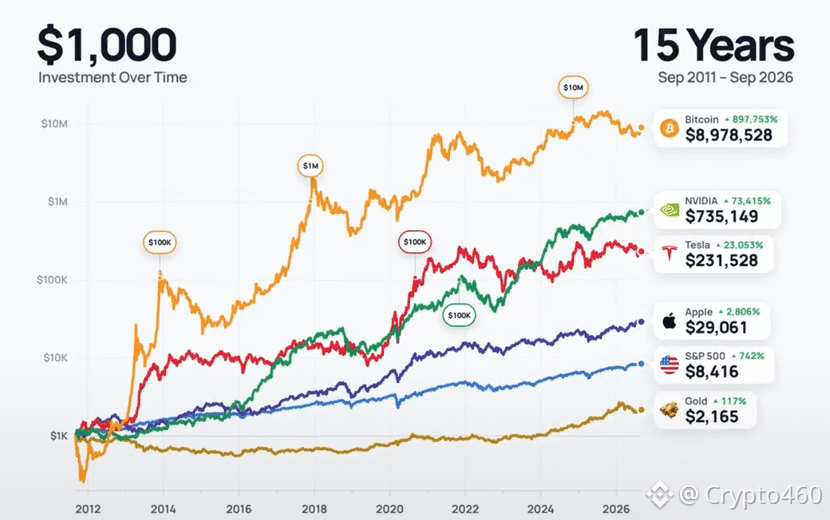
今日これ計算してみたんだけど、正直ちょっと刺さった
15年前に$1,000投資した場合、今日:
🟠 $BTC → $8,970,000
🟢 Nvidia → $735,000
🔴 Tesla → $231,000
⚪ Apple → $29,000
📊 S&P 500 → $8,400
🟡 GOLD → $2,150
これは誤記じゃない。#bitcoin は、これら全部に勝ってる。安全そうな選択肢も含めて。
いちばん衝撃的なのは数字そのものじゃなくて、チャンスがあったのに「やめとこう」って自分で言い聞かせて逃した人がどれだけ多かったかってこと。リスクが高い、バブルだ、下がったら待つ… って。下がるのを15年待って、結局こうなってる。
金融アドバイスではないけど、最も大きなリスクが「早すぎて買うこと」じゃない場合もある…それは待ちすぎること。
もしただ持ち続けてたら、今どこにいた? 👀
{future}(BTCUSDT)
$ETH
{future}(ETHUSDT)
$SOL
{future}(SOLUSDT)
今日これ計算してみたんだけど、正直ちょっと刺さった
15年前に$1,000投資した場合、今日:
🟠 $BTC → $8,970,000
🟢 Nvidia → $735,000
🔴 Tesla → $231,000
⚪ Apple → $29,000
📊 S&P 500 → $8,400
🟡 GOLD → $2,150
これは誤記じゃない。#bitcoin は、これら全部に勝ってる。安全そうな選択肢も含めて。
いちばん衝撃的なのは数字そのものじゃなくて、チャンスがあったのに「やめとこう」って自分で言い聞かせて逃した人がどれだけ多かったかってこと。リスクが高い、バブルだ、下がったら待つ… って。下がるのを15年待って、結局こうなってる。
金融アドバイスではないけど、最も大きなリスクが「早すぎて買うこと」じゃない場合もある…それは待ちすぎること。
もしただ持ち続けてたら、今どこにいた? 👀
$ETH
$SOL
15年前に$1,000投資した場合、今日:
🟠 $BTC → $8,970,000
🟢 Nvidia → $735,000
🔴 Tesla → $231,000
⚪ Apple → $29,000
📊 S&P 500 → $8,400
🟡 GOLD → $2,150
これは誤記じゃない。#bitcoin は、これら全部に勝ってる。安全そうな選択肢も含めて。
いちばん衝撃的なのは数字そのものじゃなくて、チャンスがあったのに「やめとこう」って自分で言い聞かせて逃した人がどれだけ多かったかってこと。リスクが高い、バブルだ、下がったら待つ… って。下がるのを15年待って、結局こうなってる。
金融アドバイスではないけど、最も大きなリスクが「早すぎて買うこと」じゃない場合もある…それは待ちすぎること。
もしただ持ち続けてたら、今どこにいた? 👀
$ETH
$SOL
1
141
·
--
ブリッシュ
#dusk $DUSK @Dusk_Foundation
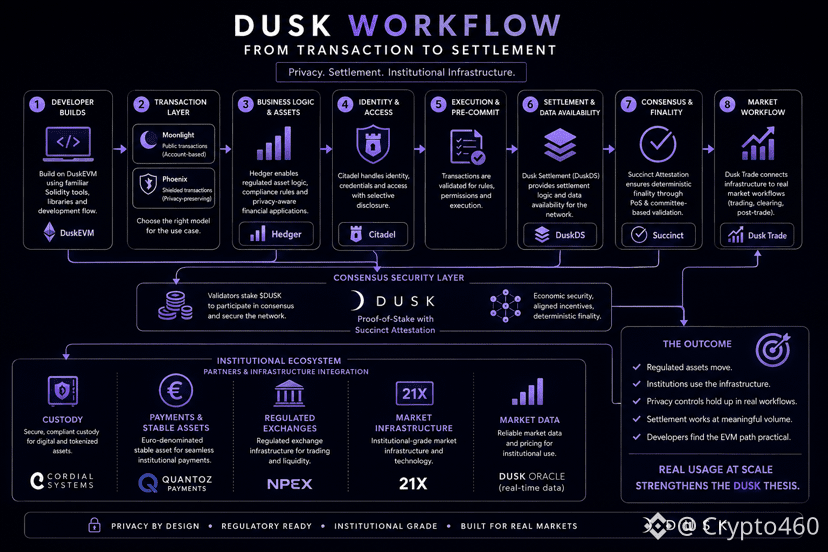
15日前に、私はDuskの特徴を一つずつ調べ始めました。
プライバシー重視のブロックチェーンで、金融機能の集まりがあるものを見つけられると思っていました。
私の見方は、今ではより具体的になっています。
面白いのは、パーツ同士がどう噛み合っているかです。
DuskEVMは、EVM開発の道筋をなじみのある形に保ちます。
MoonlightとPhoenixは、異なる取引モデルを扱います。
Hedgerは、規制対象の資産ロジックとプライバシーに焦点を当てます。
Citadelは、アイデンティティとアクセスを担当します。
DuskDSは、決済とデータ可用性を提供します。
Succinct Attestationは決定的なファイナリティを提供します。
Dusk Tradeは、基盤を実際のマーケットのワークフローへ向けて前進させます。
そして、カストディ(保管)、支払い、取引所、マーケットデータに関する機関同士の関係があり、それらは、@Dusk_Foundation のコンセンサスの下で $DUSK がステーキングするバリデータによってすべて確保されています。#dusk
ここまで全部見た上で、私が思う本当の問いは「Duskに興味深い技術があるかどうか」ではなくなっています。
より難しいのは実行です。
規制対象の資産は実際に動くのでしょうか?
機関はそのインフラを使うのでしょうか?
プライバシーの制御は、実際のワークフローで機能しますか?
決済は、意味のある規模で成立しますか?
開発者はEVMの道筋を現実的だと感じますか?
これらの答えは、私にとってもう別の機能発表よりも重要です。
そして私は、ここでは慎重であることが役に立つとも思います。
良いアーキテクチャは、出発点を与えてくれます。
パートナーシップは、アクセスを与えてくれます。
どちらも採用(アドプション)を証明するものではありません。
次に私が見たい証拠は、大規模での実際の利用です。
そこで、Duskの論(テーゼ)は強くなるか、あるいは挑戦されます。
15日経った今、私が最も注視するのはその部分です。
#dusk $DUSK @Dusk
15日前に、私はDuskの特徴を一つずつ調べ始めました。
プライバシー重視のブロックチェーンで、金融機能の集まりがあるものを見つけられると思っていました。
私の見方は、今ではより具体的になっています。
面白いのは、パーツ同士がどう噛み合っているかです。
DuskEVMは、EVM開発の道筋をなじみのある形に保ちます。
MoonlightとPhoenixは、異なる取引モデルを扱います。
Hedgerは、規制対象の資産ロジックとプライバシーに焦点を当てます。
Citadelは、アイデンティティとアクセスを担当します。
DuskDSは、決済とデータ可用性を提供します。
Succinct Attestationは決定的なファイナリティを提供します。
Dusk Tradeは、基盤を実際のマーケットのワークフローへ向けて前進させます。
そして、カストディ(保管)、支払い、取引所、マーケットデータに関する機関同士の関係があり、それらは、@Dusk のコンセンサスの下で $DUSK がステーキングするバリデータによってすべて確保されています。#dusk
ここまで全部見た上で、私が思う本当の問いは「Duskに興味深い技術があるかどうか」ではなくなっています。
より難しいのは実行です。
規制対象の資産は実際に動くのでしょうか?
機関はそのインフラを使うのでしょうか?
プライバシーの制御は、実際のワークフローで機能しますか?
決済は、意味のある規模で成立しますか?
開発者はEVMの道筋を現実的だと感じますか?
これらの答えは、私にとってもう別の機能発表よりも重要です。
そして私は、ここでは慎重であることが役に立つとも思います。
良いアーキテクチャは、出発点を与えてくれます。
パートナーシップは、アクセスを与えてくれます。
どちらも採用(アドプション)を証明するものではありません。
次に私が見たい証拠は、大規模での実際の利用です。
そこで、Duskの論(テーゼ)は強くなるか、あるいは挑戦されます。
15日経った今、私が最も注視するのはその部分です。
15日前に、私はDuskの特徴を一つずつ調べ始めました。
プライバシー重視のブロックチェーンで、金融機能の集まりがあるものを見つけられると思っていました。
私の見方は、今ではより具体的になっています。
面白いのは、パーツ同士がどう噛み合っているかです。
DuskEVMは、EVM開発の道筋をなじみのある形に保ちます。
MoonlightとPhoenixは、異なる取引モデルを扱います。
Hedgerは、規制対象の資産ロジックとプライバシーに焦点を当てます。
Citadelは、アイデンティティとアクセスを担当します。
DuskDSは、決済とデータ可用性を提供します。
Succinct Attestationは決定的なファイナリティを提供します。
Dusk Tradeは、基盤を実際のマーケットのワークフローへ向けて前進させます。
そして、カストディ(保管)、支払い、取引所、マーケットデータに関する機関同士の関係があり、それらは、@Dusk のコンセンサスの下で $DUSK がステーキングするバリデータによってすべて確保されています。#dusk
ここまで全部見た上で、私が思う本当の問いは「Duskに興味深い技術があるかどうか」ではなくなっています。
より難しいのは実行です。
規制対象の資産は実際に動くのでしょうか?
機関はそのインフラを使うのでしょうか?
プライバシーの制御は、実際のワークフローで機能しますか?
決済は、意味のある規模で成立しますか?
開発者はEVMの道筋を現実的だと感じますか?
これらの答えは、私にとってもう別の機能発表よりも重要です。
そして私は、ここでは慎重であることが役に立つとも思います。
良いアーキテクチャは、出発点を与えてくれます。
パートナーシップは、アクセスを与えてくれます。
どちらも採用(アドプション)を証明するものではありません。
次に私が見たい証拠は、大規模での実際の利用です。
そこで、Duskの論(テーゼ)は強くなるか、あるいは挑戦されます。
15日経った今、私が最も注視するのはその部分です。
2
3
132
·
--
ブリッシュ
#dusk $DUSK @Dusk_Foundation
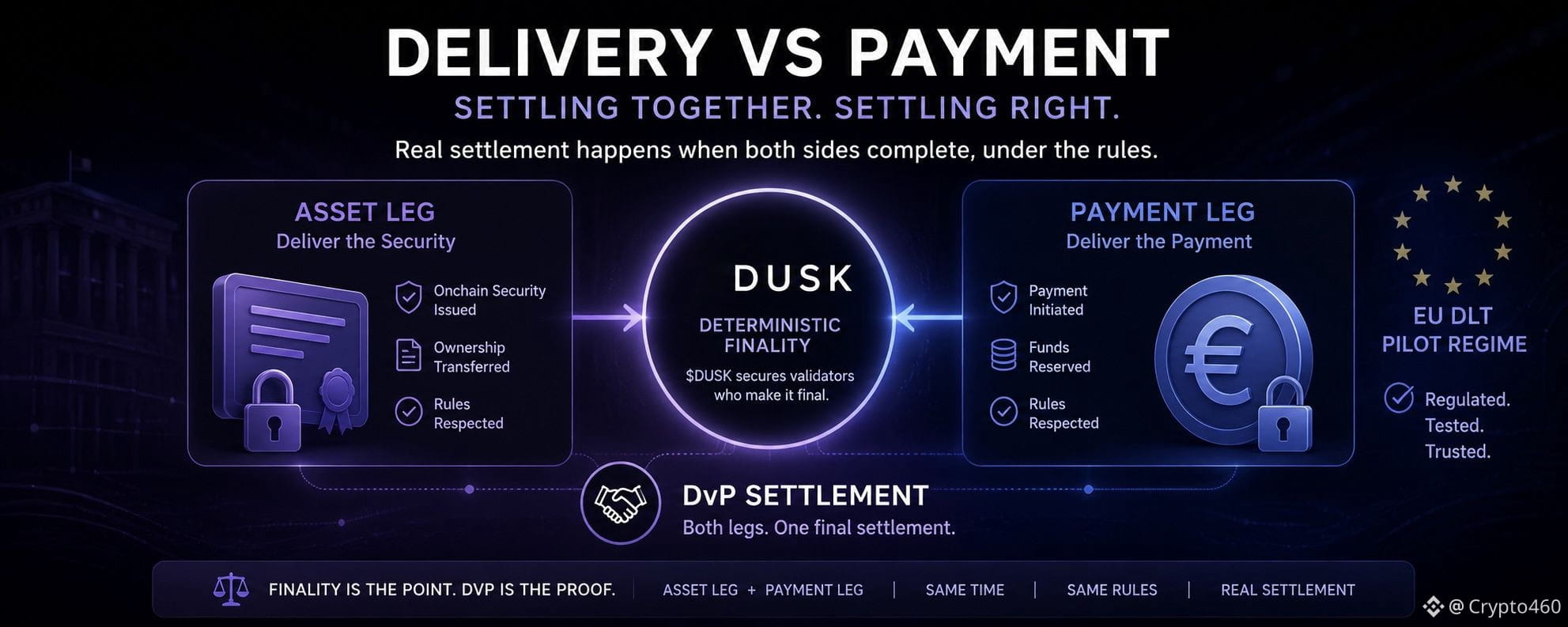
決済の設計を調べ始めたところ、ある金融の概念に注目するようになりました:
引き渡しと支払いの関係(Delivery versus payment)です。
考え方はシンプルです。
一方が資産を引き渡します。
もう一方が支払いを引き渡します。
そして、双方は同時に決済される必要があります。
資産が動いているのに支払いが失敗すれば、その取引には問題があります。
支払いが動いているのに資産が失敗すれば、問題は単に反対側に移るだけです。
このため、オンチェーンにセキュリティ(担保)を置くことは、決済問題の一部にすぎません。
資産側の取り引きと、支払い側の取り引きの両方が重要です。
EUのDLTパイロット制度は、規制の条件下でDLTベースの金融市場インフラをテストするための枠組みを提供するため、特にこの点が重要になります。
@Dusk_Foundation の決定的ファイナリティ(確定性)は、ネットワークに明確な決済ポイントを与えます。そこに到達するバリデータを下支えするのが$DUSK です。 #dusk
しかし、ファイナリティだけではDvP(引き渡しと支払いの同時決済)にはなりません。
双方が正しく協調する必要があります。
その部分こそが、実際の規制された取引で実証されているのを見たいと思う点です。
図ではありません。
概念ではありません。
必要なルールのもとで、資産側レグと支払い側レグが同時に完了する実際の取引です。
それなら、別の性能比較よりも、Duskの決済設計についてはるかに多くを教えてくれるはずです。
#dusk $DUSK @Dusk
決済の設計を調べ始めたところ、ある金融の概念に注目するようになりました:
引き渡しと支払いの関係(Delivery versus payment)です。
考え方はシンプルです。
一方が資産を引き渡します。
もう一方が支払いを引き渡します。
そして、双方は同時に決済される必要があります。
資産が動いているのに支払いが失敗すれば、その取引には問題があります。
支払いが動いているのに資産が失敗すれば、問題は単に反対側に移るだけです。
このため、オンチェーンにセキュリティ(担保)を置くことは、決済問題の一部にすぎません。
資産側の取り引きと、支払い側の取り引きの両方が重要です。
EUのDLTパイロット制度は、規制の条件下でDLTベースの金融市場インフラをテストするための枠組みを提供するため、特にこの点が重要になります。
@Dusk の決定的ファイナリティ(確定性)は、ネットワークに明確な決済ポイントを与えます。そこに到達するバリデータを下支えするのが$DUSK です。 #dusk
しかし、ファイナリティだけではDvP(引き渡しと支払いの同時決済)にはなりません。
双方が正しく協調する必要があります。
その部分こそが、実際の規制された取引で実証されているのを見たいと思う点です。
図ではありません。
概念ではありません。
必要なルールのもとで、資産側レグと支払い側レグが同時に完了する実際の取引です。
それなら、別の性能比較よりも、Duskの決済設計についてはるかに多くを教えてくれるはずです。
決済の設計を調べ始めたところ、ある金融の概念に注目するようになりました:
引き渡しと支払いの関係(Delivery versus payment)です。
考え方はシンプルです。
一方が資産を引き渡します。
もう一方が支払いを引き渡します。
そして、双方は同時に決済される必要があります。
資産が動いているのに支払いが失敗すれば、その取引には問題があります。
支払いが動いているのに資産が失敗すれば、問題は単に反対側に移るだけです。
このため、オンチェーンにセキュリティ(担保)を置くことは、決済問題の一部にすぎません。
資産側の取り引きと、支払い側の取り引きの両方が重要です。
EUのDLTパイロット制度は、規制の条件下でDLTベースの金融市場インフラをテストするための枠組みを提供するため、特にこの点が重要になります。
@Dusk の決定的ファイナリティ(確定性)は、ネットワークに明確な決済ポイントを与えます。そこに到達するバリデータを下支えするのが$DUSK です。 #dusk
しかし、ファイナリティだけではDvP(引き渡しと支払いの同時決済)にはなりません。
双方が正しく協調する必要があります。
その部分こそが、実際の規制された取引で実証されているのを見たいと思う点です。
図ではありません。
概念ではありません。
必要なルールのもとで、資産側レグと支払い側レグが同時に完了する実際の取引です。
それなら、別の性能比較よりも、Duskの決済設計についてはるかに多くを教えてくれるはずです。
97
·
--
ブリッシュ
選択的開示は簡単に聞こえますが、問いを立てると難しくなります。
誰がその情報を見られるのですか?
その問いが、私をシタデルへ導きました。
@Dusk_Foundation は、シタデルをそのアイデンティティおよびアクセス層として説明しており、選択的開示をサポートしています。#dusk
考え方はシンプルです。
参加者は、証明の背後にある個人情報のあらゆる要素を公開することなく、自分について何かを証明します。
規制された金融システムでは、この違いが重要になります。
投資家は適格性を証明する必要があるかもしれません。
サービス提供者は、関連する資格情報を確認する必要があります。
規制当局は、特定の情報への管理されたアクセスを必要とするかもしれません。
ネットワーク全体は、すべてを見る必要はありません。
ここで、アイデンティティは口座アドレス以上の意味を持つようになります。
システムは、参加者が誰であり、何を行う権限があるのかを確立する方法を必要とし、その検証自体も、下層では$DUSK というトランザクションとして解決され続けます。
シタデルは、このアイデンティティのモデルの一部としてゼロ知識証明を使用します。
私がまだ理解したいのは、実際のワークフローです。
どうすれば誰かが資格情報を受け取るのでしょうか?
別の当事者はどうやってそれを検証しますか?
基になる状態が変わったとき、権限はどのように変更されますか?
これらの詳細が、選択的開示が実務でどれほど有用になるかを左右します。
私にとってシタデルが興味深いのは、プライバシーが、アクセスそのものがプログラム可能である場合にのみ、規制された金融においてうまく機能するからです。
選択的開示は簡単に聞こえますが、問いを立てると難しくなります。
誰がその情報を見られるのですか?
その問いが、私をシタデルへ導きました。
@Dusk は、シタデルをそのアイデンティティおよびアクセス層として説明しており、選択的開示をサポートしています。#dusk
考え方はシンプルです。
参加者は、証明の背後にある個人情報のあらゆる要素を公開することなく、自分について何かを証明します。
規制された金融システムでは、この違いが重要になります。
投資家は適格性を証明する必要があるかもしれません。
サービス提供者は、関連する資格情報を確認する必要があります。
規制当局は、特定の情報への管理されたアクセスを必要とするかもしれません。
ネットワーク全体は、すべてを見る必要はありません。
ここで、アイデンティティは口座アドレス以上の意味を持つようになります。
システムは、参加者が誰であり、何を行う権限があるのかを確立する方法を必要とし、その検証自体も、下層では$DUSK というトランザクションとして解決され続けます。
シタデルは、このアイデンティティのモデルの一部としてゼロ知識証明を使用します。
私がまだ理解したいのは、実際のワークフローです。
どうすれば誰かが資格情報を受け取るのでしょうか?
別の当事者はどうやってそれを検証しますか?
基になる状態が変わったとき、権限はどのように変更されますか?
これらの詳細が、選択的開示が実務でどれほど有用になるかを左右します。
私にとってシタデルが興味深いのは、プライバシーが、アクセスそのものがプログラム可能である場合にのみ、規制された金融においてうまく機能するからです。
誰がその情報を見られるのですか?
その問いが、私をシタデルへ導きました。
@Dusk は、シタデルをそのアイデンティティおよびアクセス層として説明しており、選択的開示をサポートしています。#dusk
考え方はシンプルです。
参加者は、証明の背後にある個人情報のあらゆる要素を公開することなく、自分について何かを証明します。
規制された金融システムでは、この違いが重要になります。
投資家は適格性を証明する必要があるかもしれません。
サービス提供者は、関連する資格情報を確認する必要があります。
規制当局は、特定の情報への管理されたアクセスを必要とするかもしれません。
ネットワーク全体は、すべてを見る必要はありません。
ここで、アイデンティティは口座アドレス以上の意味を持つようになります。
システムは、参加者が誰であり、何を行う権限があるのかを確立する方法を必要とし、その検証自体も、下層では$DUSK というトランザクションとして解決され続けます。
シタデルは、このアイデンティティのモデルの一部としてゼロ知識証明を使用します。
私がまだ理解したいのは、実際のワークフローです。
どうすれば誰かが資格情報を受け取るのでしょうか?
別の当事者はどうやってそれを検証しますか?
基になる状態が変わったとき、権限はどのように変更されますか?
これらの詳細が、選択的開示が実務でどれほど有用になるかを左右します。
私にとってシタデルが興味深いのは、プライバシーが、アクセスそのものがプログラム可能である場合にのみ、規制された金融においてうまく機能するからです。
100
·
--
ブリッシュ
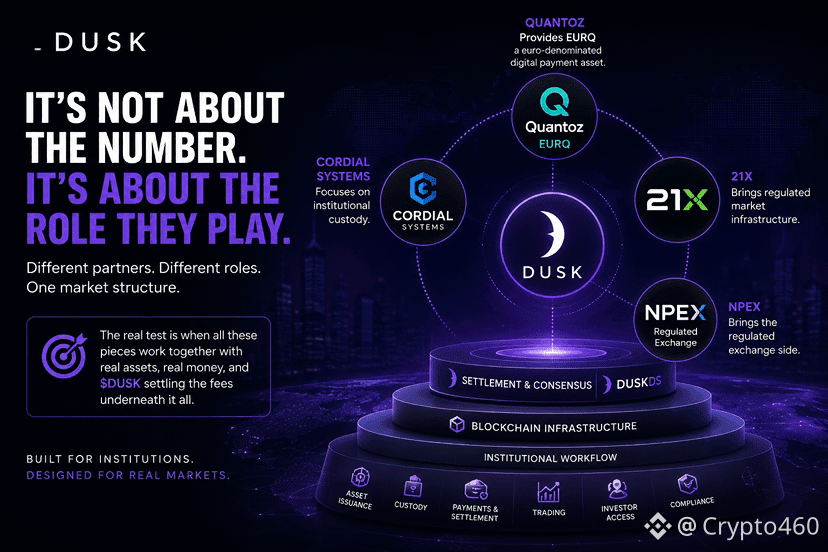
私は最初、機関パートナーを別々の発表として見ていました。
そのとき、何かに気づきました。
彼らは同じ市場構造の異なる部分を解決しています。
Quantozは、ユーロ建てのデジタル決済アセットであるEURQを提供します。
Cordial Systemsは、機関向けのカストディに注力しています。
21Xは、規制された市場インフラをもたらします。
NPEXは、規制された取引所側を担います。
それらの役割は異なります。
規制されたアセットには、取引できる場所が必要です。
投資家には、コンプライアンスに沿ったアクセス手段が必要です。
アセットにはカストディが必要です。
決済には決済用のアセットが必要です。
このすべての土台にブロックチェーンがあります。
それによって、@Dusk_Foundation のパートナーシップ戦略の見方が変わりました。#dusk
パートナーの長いリストだけでは、それ自体ではあまり意味がありません。
重要なのは、各パートナーが金融ワークフローにおける特定の要件を満たしているかどうかです。
それでも、インフラと利用の間にはギャップがあります。
私は、$DUSK がその下にある手数料を決済しながら、これらの関係を通じて実際の取引が動くところを見たいのです。
実際のアセットと実際のお金が関わるとき、さまざまなコンポーネントがどうつながるのかを見たいのです。
私にとって興味深いのは、Duskの周りにあるネットワーク構造です。
次の試験は、それらの別々の要素が、1つの稼働する市場として機能するかどうかです。
@Dusk_Foundation $DUSK #dusk
私は最初、機関パートナーを別々の発表として見ていました。
そのとき、何かに気づきました。
彼らは同じ市場構造の異なる部分を解決しています。
Quantozは、ユーロ建てのデジタル決済アセットであるEURQを提供します。
Cordial Systemsは、機関向けのカストディに注力しています。
21Xは、規制された市場インフラをもたらします。
NPEXは、規制された取引所側を担います。
それらの役割は異なります。
規制されたアセットには、取引できる場所が必要です。
投資家には、コンプライアンスに沿ったアクセス手段が必要です。
アセットにはカストディが必要です。
決済には決済用のアセットが必要です。
このすべての土台にブロックチェーンがあります。
それによって、@Dusk のパートナーシップ戦略の見方が変わりました。#dusk
パートナーの長いリストだけでは、それ自体ではあまり意味がありません。
重要なのは、各パートナーが金融ワークフローにおける特定の要件を満たしているかどうかです。
それでも、インフラと利用の間にはギャップがあります。
私は、$DUSK がその下にある手数料を決済しながら、これらの関係を通じて実際の取引が動くところを見たいのです。
実際のアセットと実際のお金が関わるとき、さまざまなコンポーネントがどうつながるのかを見たいのです。
私にとって興味深いのは、Duskの周りにあるネットワーク構造です。
次の試験は、それらの別々の要素が、1つの稼働する市場として機能するかどうかです。
@Dusk $DUSK #dusk
そのとき、何かに気づきました。
彼らは同じ市場構造の異なる部分を解決しています。
Quantozは、ユーロ建てのデジタル決済アセットであるEURQを提供します。
Cordial Systemsは、機関向けのカストディに注力しています。
21Xは、規制された市場インフラをもたらします。
NPEXは、規制された取引所側を担います。
それらの役割は異なります。
規制されたアセットには、取引できる場所が必要です。
投資家には、コンプライアンスに沿ったアクセス手段が必要です。
アセットにはカストディが必要です。
決済には決済用のアセットが必要です。
このすべての土台にブロックチェーンがあります。
それによって、@Dusk のパートナーシップ戦略の見方が変わりました。#dusk
パートナーの長いリストだけでは、それ自体ではあまり意味がありません。
重要なのは、各パートナーが金融ワークフローにおける特定の要件を満たしているかどうかです。
それでも、インフラと利用の間にはギャップがあります。
私は、$DUSK がその下にある手数料を決済しながら、これらの関係を通じて実際の取引が動くところを見たいのです。
実際のアセットと実際のお金が関わるとき、さまざまなコンポーネントがどうつながるのかを見たいのです。
私にとって興味深いのは、Duskの周りにあるネットワーク構造です。
次の試験は、それらの別々の要素が、1つの稼働する市場として機能するかどうかです。
@Dusk $DUSK #dusk
107
·
--
トークンを取引の会話から切り離したかったんです。
では、@Dusk_Foundation ネットワークの中では実際に何をしているのでしょうか? #dusk
私が注目したのは2つの機能です。
ガス。
ステーキング。
$DUSK はDusk上で取引手数料と契約の実行コストを支払います。
また、ネットワークのセキュリティのためのステーキング資産としても機能します。
私の目を引いたのは「210M+ DUSKがステークされている」という数字でした。
それは、ステーキングにコミットされた経済的価値がネットワークにかなり大きくあることを意味します。
しかし、その数字だけでセキュリティを判断することはできません。
分散も重要です。
210M DUSKが多くの独立した参加者に分散されているのと、同じ量が少数の参加者に集中しているのとでは、セキュリティの見え方が変わります。
ですから、DUSKには2つの別々の会話があると思います。
1つは市場の話。
もう1つはネットワークのユーティリティの話です。
ガスは実行のために支払われます。
ステーキングはトークンをコンセンサス参加につなげます。
これらの機能は、市場価格が上がっているか下がっているかには依存しません。
次に理解したい数字は、単に総ステーク額のDUSK量だけではありません。
そのステークがネットワーク全体にどう分配されているかです。
$DUSK ネットワークのセキュリティを判断するうえで、より重要なのは何でしょうか?
トークンを取引の会話から切り離したかったんです。
では、@Dusk ネットワークの中では実際に何をしているのでしょうか? #dusk
私が注目したのは2つの機能です。
ガス。
ステーキング。
$DUSK はDusk上で取引手数料と契約の実行コストを支払います。
また、ネットワークのセキュリティのためのステーキング資産としても機能します。
私の目を引いたのは「210M+ DUSKがステークされている」という数字でした。
それは、ステーキングにコミットされた経済的価値がネットワークにかなり大きくあることを意味します。
しかし、その数字だけでセキュリティを判断することはできません。
分散も重要です。
210M DUSKが多くの独立した参加者に分散されているのと、同じ量が少数の参加者に集中しているのとでは、セキュリティの見え方が変わります。
ですから、DUSKには2つの別々の会話があると思います。
1つは市場の話。
もう1つはネットワークのユーティリティの話です。
ガスは実行のために支払われます。
ステーキングはトークンをコンセンサス参加につなげます。
これらの機能は、市場価格が上がっているか下がっているかには依存しません。
次に理解したい数字は、単に総ステーク額のDUSK量だけではありません。
そのステークがネットワーク全体にどう分配されているかです。
$DUSK ネットワークのセキュリティを判断するうえで、より重要なのは何でしょうか?
では、@Dusk ネットワークの中では実際に何をしているのでしょうか? #dusk
私が注目したのは2つの機能です。
ガス。
ステーキング。
$DUSK はDusk上で取引手数料と契約の実行コストを支払います。
また、ネットワークのセキュリティのためのステーキング資産としても機能します。
私の目を引いたのは「210M+ DUSKがステークされている」という数字でした。
それは、ステーキングにコミットされた経済的価値がネットワークにかなり大きくあることを意味します。
しかし、その数字だけでセキュリティを判断することはできません。
分散も重要です。
210M DUSKが多くの独立した参加者に分散されているのと、同じ量が少数の参加者に集中しているのとでは、セキュリティの見え方が変わります。
ですから、DUSKには2つの別々の会話があると思います。
1つは市場の話。
もう1つはネットワークのユーティリティの話です。
ガスは実行のために支払われます。
ステーキングはトークンをコンセンサス参加につなげます。
これらの機能は、市場価格が上がっているか下がっているかには依存しません。
次に理解したい数字は、単に総ステーク額のDUSK量だけではありません。
そのステークがネットワーク全体にどう分配されているかです。
$DUSK ネットワークのセキュリティを判断するうえで、より重要なのは何でしょうか?
Total DUSK staked
0%
Stake distribution
0%
DUSK market price
0%
Trading volume
0%
0 投票 • 投票は終了しました
1
1
95
·
--
ブリッシュ
以前は、コンセンサスとは「バリデータがブロックに合意した瞬間」のことだと思っていました。
Duskを深く掘り下げるうちに、2つの要素を分けて考えるようになりました。
ブロック生成。
確定性(ファイナリティ)。
Duskは、ステーク(Proof-of-Stake)と委員会(コミッティ)ベースのコンセンサス設計である「Succinct Attestation」を使います。バリデータは参加するために $DUSK をステークします。
私にとっての重要なポイントは、決定論的なファイナリティです。
ブロックが必要な承認(ラティフィケーション)に到達した時点で、ネットワークには定義された最終状態が存在します。つまり、取り消しの可能性を低くするために確認回数が増えていくことに頼る必要がありません。
この違いは、ブロックチェーンが決済(セトルメント)に使われるときにこそ、より大きな意味を持ちます。
金融機関は、取引がいつ確定したのかを知る必要があります。
「たぶん確定」は、決定論的なファイナリティとは別の保証です。
このプロセスを面白くしているのは、委員会の構造です。
しかし、私はプロトコルの説明だけで終わりにしたくありません。
委員会の選定が重要です。
参加が重要です。
ネットワーク状況が重要です。
それらの細部を理解したうえで、このシステムが重大なストレス下でどのように振る舞うのかを判断したいと思いました。
ですから私の結論は、@Dusk_Foundation がコンセンサスを解決したということではありません。#dusk
Duskは、決定論的なファイナリティを「特定のプロトコルの結果」として扱い、ブロック生成だけで決済の問いに答えられると前提していない、ということです。
金融インフラにとって、その違いはもっと注目されるべきだと私は思います。
@Dusk_Foundation $DUSK #dusk
あなたにとって最も重要なのは何ですか?
以前は、コンセンサスとは「バリデータがブロックに合意した瞬間」のことだと思っていました。
Duskを深く掘り下げるうちに、2つの要素を分けて考えるようになりました。
ブロック生成。
確定性(ファイナリティ)。
Duskは、ステーク(Proof-of-Stake)と委員会(コミッティ)ベースのコンセンサス設計である「Succinct Attestation」を使います。バリデータは参加するために $DUSK をステークします。
私にとっての重要なポイントは、決定論的なファイナリティです。
ブロックが必要な承認(ラティフィケーション)に到達した時点で、ネットワークには定義された最終状態が存在します。つまり、取り消しの可能性を低くするために確認回数が増えていくことに頼る必要がありません。
この違いは、ブロックチェーンが決済(セトルメント)に使われるときにこそ、より大きな意味を持ちます。
金融機関は、取引がいつ確定したのかを知る必要があります。
「たぶん確定」は、決定論的なファイナリティとは別の保証です。
このプロセスを面白くしているのは、委員会の構造です。
しかし、私はプロトコルの説明だけで終わりにしたくありません。
委員会の選定が重要です。
参加が重要です。
ネットワーク状況が重要です。
それらの細部を理解したうえで、このシステムが重大なストレス下でどのように振る舞うのかを判断したいと思いました。
ですから私の結論は、@Dusk がコンセンサスを解決したということではありません。#dusk
Duskは、決定論的なファイナリティを「特定のプロトコルの結果」として扱い、ブロック生成だけで決済の問いに答えられると前提していない、ということです。
金融インフラにとって、その違いはもっと注目されるべきだと私は思います。
@Dusk $DUSK #dusk
あなたにとって最も重要なのは何ですか?
Duskを深く掘り下げるうちに、2つの要素を分けて考えるようになりました。
ブロック生成。
確定性(ファイナリティ)。
Duskは、ステーク(Proof-of-Stake)と委員会(コミッティ)ベースのコンセンサス設計である「Succinct Attestation」を使います。バリデータは参加するために $DUSK をステークします。
私にとっての重要なポイントは、決定論的なファイナリティです。
ブロックが必要な承認(ラティフィケーション)に到達した時点で、ネットワークには定義された最終状態が存在します。つまり、取り消しの可能性を低くするために確認回数が増えていくことに頼る必要がありません。
この違いは、ブロックチェーンが決済(セトルメント)に使われるときにこそ、より大きな意味を持ちます。
金融機関は、取引がいつ確定したのかを知る必要があります。
「たぶん確定」は、決定論的なファイナリティとは別の保証です。
このプロセスを面白くしているのは、委員会の構造です。
しかし、私はプロトコルの説明だけで終わりにしたくありません。
委員会の選定が重要です。
参加が重要です。
ネットワーク状況が重要です。
それらの細部を理解したうえで、このシステムが重大なストレス下でどのように振る舞うのかを判断したいと思いました。
ですから私の結論は、@Dusk がコンセンサスを解決したということではありません。#dusk
Duskは、決定論的なファイナリティを「特定のプロトコルの結果」として扱い、ブロック生成だけで決済の問いに答えられると前提していない、ということです。
金融インフラにとって、その違いはもっと注目されるべきだと私は思います。
@Dusk $DUSK #dusk
あなたにとって最も重要なのは何ですか?
Fast blocks
100%
Finality
0%
Validator security
0%
Network stability
0%
1 投票 • 投票は終了しました
3
2
94
·
--
私は以前、T+2決済を主に速度の問題として見ていました。
それから、なぜあの2日間が存在するのかを考え始めました。
取引が成立します。
異なる当事者が自分たちの義務を確認します。
カストディアンが記録を更新します。
それでも、資産と支払いは正しい側に届く必要があります。
待機期間によって、従来のシステムは決済リスクを処理する時間を得ます。
ですから、DuskDSを見るとき、私が面白いと思う問いは単にこうではありません。
「決済はもっと速くできるのか?」
よりよい問いはこうです。
「待機期間が短くなったとき、何が確実性をもたらすのか?」
DuskDSは@Dusk_Foundation networkの決済およびデータ可用性レイヤーとして設計されており、$DUSK そこを通って動く手数料を決済します。#dusk
その決定論的な最終性により、アプリケーションは状態が確定する明確な時点を持てます。
それは金融ワークフローにとって重要です。
しかし、決済が速くなったからといって、従来の決済システム内にあるあらゆる保護が自動的に再現されるわけではありません。
リスクはどこかで扱われる必要があります。
私が見たいのは、まさにその点が実証されることです。
実際の機関投資家による取引は、単純な秒数対日数の比較よりも、はるかに多くのことを教えてくれるでしょう。
私にとって、DuskDSの面白い部分は速度だけではありません。
取引が最終性に達したあとに、そのシステムが確実性を使って何を行うかです。
@Dusk_Foundation $DUSK #dusk
{future}(DUSKUSDT)
決済がより速くなるとき、最も重要なのは何でしょうか?
私は以前、T+2決済を主に速度の問題として見ていました。
それから、なぜあの2日間が存在するのかを考え始めました。
取引が成立します。
異なる当事者が自分たちの義務を確認します。
カストディアンが記録を更新します。
それでも、資産と支払いは正しい側に届く必要があります。
待機期間によって、従来のシステムは決済リスクを処理する時間を得ます。
ですから、DuskDSを見るとき、私が面白いと思う問いは単にこうではありません。
「決済はもっと速くできるのか?」
よりよい問いはこうです。
「待機期間が短くなったとき、何が確実性をもたらすのか?」
DuskDSは@Dusk networkの決済およびデータ可用性レイヤーとして設計されており、$DUSK そこを通って動く手数料を決済します。#dusk
その決定論的な最終性により、アプリケーションは状態が確定する明確な時点を持てます。
それは金融ワークフローにとって重要です。
しかし、決済が速くなったからといって、従来の決済システム内にあるあらゆる保護が自動的に再現されるわけではありません。
リスクはどこかで扱われる必要があります。
私が見たいのは、まさにその点が実証されることです。
実際の機関投資家による取引は、単純な秒数対日数の比較よりも、はるかに多くのことを教えてくれるでしょう。
私にとって、DuskDSの面白い部分は速度だけではありません。
取引が最終性に達したあとに、そのシステムが確実性を使って何を行うかです。
@Dusk $DUSK #dusk
決済がより速くなるとき、最も重要なのは何でしょうか?
それから、なぜあの2日間が存在するのかを考え始めました。
取引が成立します。
異なる当事者が自分たちの義務を確認します。
カストディアンが記録を更新します。
それでも、資産と支払いは正しい側に届く必要があります。
待機期間によって、従来のシステムは決済リスクを処理する時間を得ます。
ですから、DuskDSを見るとき、私が面白いと思う問いは単にこうではありません。
「決済はもっと速くできるのか?」
よりよい問いはこうです。
「待機期間が短くなったとき、何が確実性をもたらすのか?」
DuskDSは@Dusk networkの決済およびデータ可用性レイヤーとして設計されており、$DUSK そこを通って動く手数料を決済します。#dusk
その決定論的な最終性により、アプリケーションは状態が確定する明確な時点を持てます。
それは金融ワークフローにとって重要です。
しかし、決済が速くなったからといって、従来の決済システム内にあるあらゆる保護が自動的に再現されるわけではありません。
リスクはどこかで扱われる必要があります。
私が見たいのは、まさにその点が実証されることです。
実際の機関投資家による取引は、単純な秒数対日数の比較よりも、はるかに多くのことを教えてくれるでしょう。
私にとって、DuskDSの面白い部分は速度だけではありません。
取引が最終性に達したあとに、そのシステムが確実性を使って何を行うかです。
@Dusk $DUSK #dusk
決済がより速くなるとき、最も重要なのは何でしょうか?
Speed of settlement
0%
Certainty after finality
0%
Lower settlement risk
0%
Institutional adoption
0%
0 投票 • 投票は終了しました
124
·
--
ブリッシュ
MoonlightとPhoenixが別々に言及され続けているのを見ていました。
それで、私はある質問から始めました。
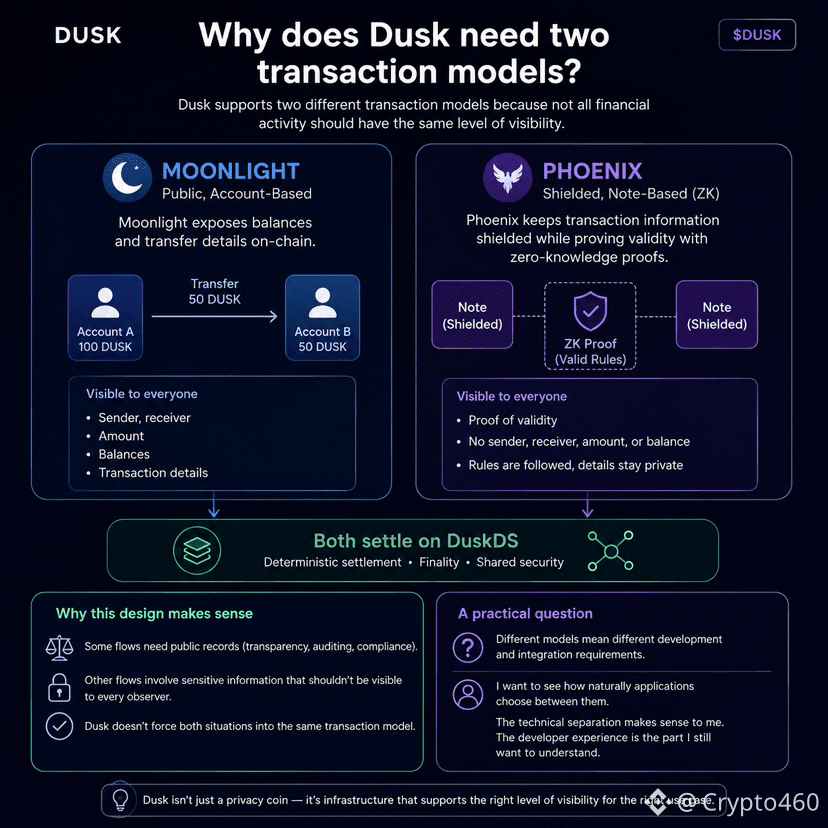
なぜ@Dusk_Foundation は2つのトランザクションモデルを必要としているのですか?
Moonlightは公開されている、アカウントベースの送金を使います。
Phoenixは秘匿された、ノートベースの送金で、ゼロ知識証明を用います。
どちらもDuskDSに決着します。
違いは、どんな情報が可視化されるかです。
Moonlightは残高と送金の詳細を公開します。
Phoenixは、取引が必要なルールに従っていることを証明しつつ、取引情報を秘匿します。
この違いは、金融活動を考えるとより筋が通っていると思います。
あるフローには公開記録が必要です。
一方で、すべてのネットワーク監視者に見せるべきではない情報もあります。
Duskは、この2つの状況を同じトランザクションモデルに無理に押し込むことはしません。
私は、$DUSK を単にプライバシーコインと呼ぶだけよりも、その設計のほうがずっと面白いと感じています。#dusk
さらに実務上の問いもあります。
異なるトランザクションモデルは、開発や統合の要件がそれぞれ異なります。
だから、アプリケーションがそれらをどれだけ自然に選んでいるのかを見てみたいのです。
技術的な分離は私には理にかなっています。
そして、私がまだ理解したいのは開発者体験の部分です。
@Dusk_Foundation $DUSK #dusk
MoonlightとPhoenixが別々に言及され続けているのを見ていました。
それで、私はある質問から始めました。
なぜ@Dusk は2つのトランザクションモデルを必要としているのですか?
Moonlightは公開されている、アカウントベースの送金を使います。
Phoenixは秘匿された、ノートベースの送金で、ゼロ知識証明を用います。
どちらもDuskDSに決着します。
違いは、どんな情報が可視化されるかです。
Moonlightは残高と送金の詳細を公開します。
Phoenixは、取引が必要なルールに従っていることを証明しつつ、取引情報を秘匿します。
この違いは、金融活動を考えるとより筋が通っていると思います。
あるフローには公開記録が必要です。
一方で、すべてのネットワーク監視者に見せるべきではない情報もあります。
Duskは、この2つの状況を同じトランザクションモデルに無理に押し込むことはしません。
私は、$DUSK を単にプライバシーコインと呼ぶだけよりも、その設計のほうがずっと面白いと感じています。#dusk
さらに実務上の問いもあります。
異なるトランザクションモデルは、開発や統合の要件がそれぞれ異なります。
だから、アプリケーションがそれらをどれだけ自然に選んでいるのかを見てみたいのです。
技術的な分離は私には理にかなっています。
そして、私がまだ理解したいのは開発者体験の部分です。
@Dusk $DUSK #dusk
それで、私はある質問から始めました。
なぜ@Dusk は2つのトランザクションモデルを必要としているのですか?
Moonlightは公開されている、アカウントベースの送金を使います。
Phoenixは秘匿された、ノートベースの送金で、ゼロ知識証明を用います。
どちらもDuskDSに決着します。
違いは、どんな情報が可視化されるかです。
Moonlightは残高と送金の詳細を公開します。
Phoenixは、取引が必要なルールに従っていることを証明しつつ、取引情報を秘匿します。
この違いは、金融活動を考えるとより筋が通っていると思います。
あるフローには公開記録が必要です。
一方で、すべてのネットワーク監視者に見せるべきではない情報もあります。
Duskは、この2つの状況を同じトランザクションモデルに無理に押し込むことはしません。
私は、$DUSK を単にプライバシーコインと呼ぶだけよりも、その設計のほうがずっと面白いと感じています。#dusk
さらに実務上の問いもあります。
異なるトランザクションモデルは、開発や統合の要件がそれぞれ異なります。
だから、アプリケーションがそれらをどれだけ自然に選んでいるのかを見てみたいのです。
技術的な分離は私には理にかなっています。
そして、私がまだ理解したいのは開発者体験の部分です。
@Dusk $DUSK #dusk
100
·
--
ブリッシュ
私は、ひとつのシンプルな観点からDusk Tradeを見始めました。
「投資家は実際に何をするのか?」
まず資産を見つけます。
次に、自分が対象かどうかを確認します。
そして購入を決めます。
取引を成立させる必要があります。
その後、取引を決済する必要があります。
トークン単体では、この一連のワークフロー全体は提供されません。
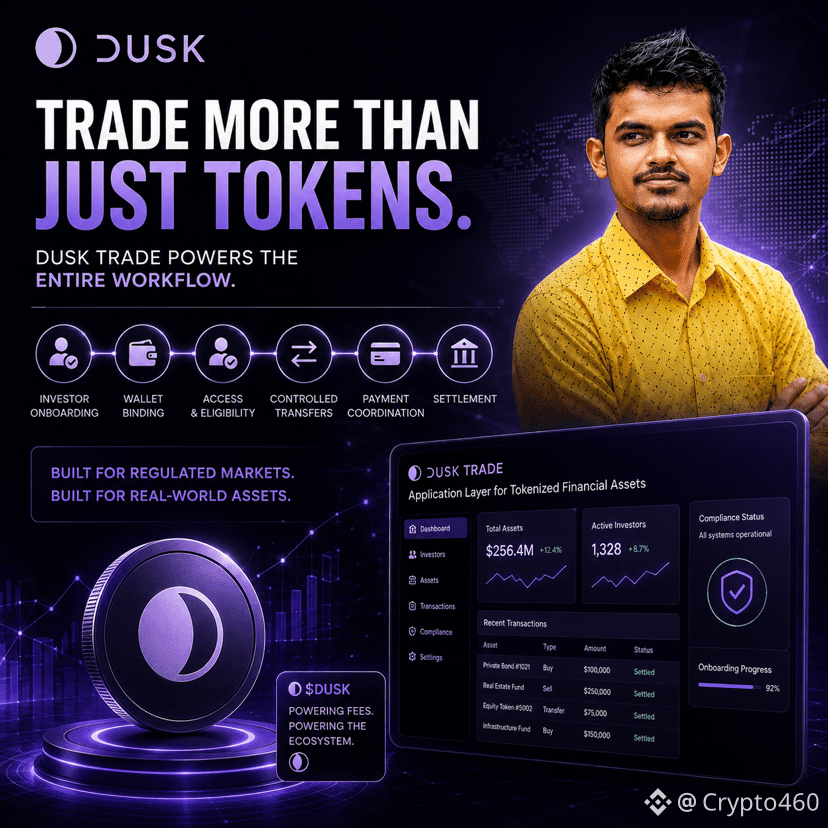
だからこそ、Dusk Tradeが私の注目を集めました。@Dusk_Foundation は、トークン化された金融資産向けのアプリケーションレイヤーであり、投資家のオンボーディング、ウォレットの紐づけ、管理された移転、支払いのコーディネーション、そして決済をカバーするワークフローだと説明しています。#dusk
それにより、この製品はRWAトークンを単体で眺めるのとは異なります。
規制された市場で難しいのは、資産を取り巻くワークフローです。
誰がアクセスできるのか?
誰がそれを保有できるのか?
誰がそれを移転できるのか?
取引はどのように決済されるのか?
Dusk Tradeは、これらの問いに基づいて作られています。
私は、実際の規制された資産と実際のユーザーを使って、完全なプロセスが機能するところをまだ見たいです。ネットワーク上の他のものと同じく、取引手数料は$DUSK で支払われます。
このアーキテクチャは、ワークフローがどのように動作するはずかという見通しを私に与えてくれます。
実際のプロダクトは、残っている摩擦がどれくらいかを教えてくれるでしょう。
それが、私が見ているポイントです.....
私は、ひとつのシンプルな観点からDusk Tradeを見始めました。
「投資家は実際に何をするのか?」
まず資産を見つけます。
次に、自分が対象かどうかを確認します。
そして購入を決めます。
取引を成立させる必要があります。
その後、取引を決済する必要があります。
トークン単体では、この一連のワークフロー全体は提供されません。
だからこそ、Dusk Tradeが私の注目を集めました。@Dusk は、トークン化された金融資産向けのアプリケーションレイヤーであり、投資家のオンボーディング、ウォレットの紐づけ、管理された移転、支払いのコーディネーション、そして決済をカバーするワークフローだと説明しています。#dusk
それにより、この製品はRWAトークンを単体で眺めるのとは異なります。
規制された市場で難しいのは、資産を取り巻くワークフローです。
誰がアクセスできるのか?
誰がそれを保有できるのか?
誰がそれを移転できるのか?
取引はどのように決済されるのか?
Dusk Tradeは、これらの問いに基づいて作られています。
私は、実際の規制された資産と実際のユーザーを使って、完全なプロセスが機能するところをまだ見たいです。ネットワーク上の他のものと同じく、取引手数料は$DUSK で支払われます。
このアーキテクチャは、ワークフローがどのように動作するはずかという見通しを私に与えてくれます。
実際のプロダクトは、残っている摩擦がどれくらいかを教えてくれるでしょう。
それが、私が見ているポイントです.....
「投資家は実際に何をするのか?」
まず資産を見つけます。
次に、自分が対象かどうかを確認します。
そして購入を決めます。
取引を成立させる必要があります。
その後、取引を決済する必要があります。
トークン単体では、この一連のワークフロー全体は提供されません。
だからこそ、Dusk Tradeが私の注目を集めました。@Dusk は、トークン化された金融資産向けのアプリケーションレイヤーであり、投資家のオンボーディング、ウォレットの紐づけ、管理された移転、支払いのコーディネーション、そして決済をカバーするワークフローだと説明しています。#dusk
それにより、この製品はRWAトークンを単体で眺めるのとは異なります。
規制された市場で難しいのは、資産を取り巻くワークフローです。
誰がアクセスできるのか?
誰がそれを保有できるのか?
誰がそれを移転できるのか?
取引はどのように決済されるのか?
Dusk Tradeは、これらの問いに基づいて作られています。
私は、実際の規制された資産と実際のユーザーを使って、完全なプロセスが機能するところをまだ見たいです。ネットワーク上の他のものと同じく、取引手数料は$DUSK で支払われます。
このアーキテクチャは、ワークフローがどのように動作するはずかという見通しを私に与えてくれます。
実際のプロダクトは、残っている摩擦がどれくらいかを教えてくれるでしょう。
それが、私が見ているポイントです.....
2
1
105
·
--
ブリッシュ
私がDuskとNPEXを調べ始めたときに、€300M+という数字が目に留まりました。🔥🔥🔥
その後、資産の数値を見るのをやめて、資産の裏にあるデータを見るようにしました。
規制された市場には、オンチェーンのトークン以上のものが必要です。
アプリケーションにも、信頼できる市場情報が必要です。
価格は?
市場の状態は?
データはどこから来ている?
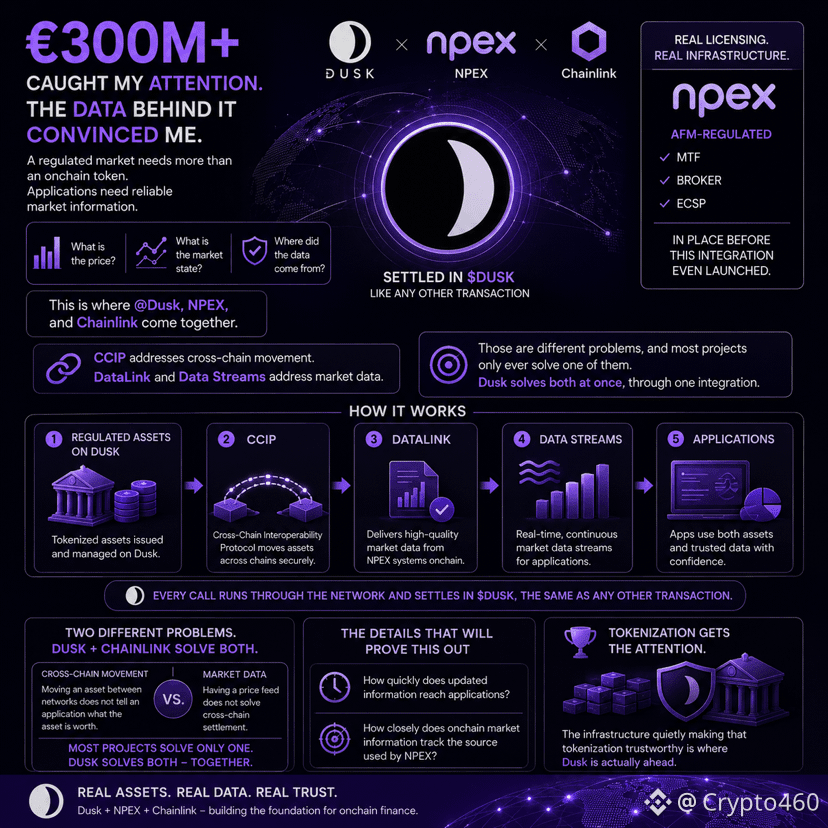
ここが、@Dusk_Foundation 、NPEX、そしてChainlinkの関係が私にとって面白くなるポイントです。#dusk
CCIPはチェーン間の移動をつなぎます。
DataLinkとData Streamsは市場データに対応します。
それぞれ別の課題で、多くのプロジェクトはどちらか一方しか解決しません。
あるネットワークから別のネットワークへ資産を移しても、アプリケーションにその価値が伝わるわけではありません。
価格フィードだけでは、チェーン間の決済は解決できません。
Duskは、一つの統合で両方を同時に解決し、2つの別々の後付けではなく「1つ」でまとめた――この点が、本当にこれは単なるもう一つの提携発表ではないと私を納得させました。
掘り下げているうちに、提携の話とは関係ないのに目立った数字がありました……Duskのインセンティブ付きテストネットには、すでに8,000+のアクティブノードが稼働しています。これは見出し向けの数字ではなく、インフラの数字で、メインネットがまだ稼働していない段階でも実際の参加が起きていることを示してくれます。
どの呼び出しも、依然としてネットワークを通って行われ、他のどのトランザクションと同じように$DUSK で決済されます。
オンチェーンの市場情報は、NPEXが参照する元データにどれくらい正確に追随しますか?
更新された情報は、アプリケーションにどれくらいの速さで届きますか?
これらの詳細こそが、本当に機能するかを証明するポイントであり、NPEXはすでに実際のライセンシング面を用意しつつあります……AFM規制、MTF、ブローカー、そしてECSPのステータスはいずれも、この統合がローンチされる前から揃っています。
トークン化は注目を集めます。
そのトークン化を信頼できるものに静かに支えているインフラ(ノード数も含めて)こそが、私はDuskが実際に先行している部分だと思います。
@Dusk_Foundation $DUSK #dusk
私がDuskとNPEXを調べ始めたときに、€300M+という数字が目に留まりました。🔥🔥🔥
その後、資産の数値を見るのをやめて、資産の裏にあるデータを見るようにしました。
規制された市場には、オンチェーンのトークン以上のものが必要です。
アプリケーションにも、信頼できる市場情報が必要です。
価格は?
市場の状態は?
データはどこから来ている?
ここが、@Dusk 、NPEX、そしてChainlinkの関係が私にとって面白くなるポイントです。#dusk
CCIPはチェーン間の移動をつなぎます。
DataLinkとData Streamsは市場データに対応します。
それぞれ別の課題で、多くのプロジェクトはどちらか一方しか解決しません。
あるネットワークから別のネットワークへ資産を移しても、アプリケーションにその価値が伝わるわけではありません。
価格フィードだけでは、チェーン間の決済は解決できません。
Duskは、一つの統合で両方を同時に解決し、2つの別々の後付けではなく「1つ」でまとめた――この点が、本当にこれは単なるもう一つの提携発表ではないと私を納得させました。
掘り下げているうちに、提携の話とは関係ないのに目立った数字がありました……Duskのインセンティブ付きテストネットには、すでに8,000+のアクティブノードが稼働しています。これは見出し向けの数字ではなく、インフラの数字で、メインネットがまだ稼働していない段階でも実際の参加が起きていることを示してくれます。
どの呼び出しも、依然としてネットワークを通って行われ、他のどのトランザクションと同じように$DUSK で決済されます。
オンチェーンの市場情報は、NPEXが参照する元データにどれくらい正確に追随しますか?
更新された情報は、アプリケーションにどれくらいの速さで届きますか?
これらの詳細こそが、本当に機能するかを証明するポイントであり、NPEXはすでに実際のライセンシング面を用意しつつあります……AFM規制、MTF、ブローカー、そしてECSPのステータスはいずれも、この統合がローンチされる前から揃っています。
トークン化は注目を集めます。
そのトークン化を信頼できるものに静かに支えているインフラ(ノード数も含めて)こそが、私はDuskが実際に先行している部分だと思います。
@Dusk $DUSK #dusk
その後、資産の数値を見るのをやめて、資産の裏にあるデータを見るようにしました。
規制された市場には、オンチェーンのトークン以上のものが必要です。
アプリケーションにも、信頼できる市場情報が必要です。
価格は?
市場の状態は?
データはどこから来ている?
ここが、@Dusk 、NPEX、そしてChainlinkの関係が私にとって面白くなるポイントです。#dusk
CCIPはチェーン間の移動をつなぎます。
DataLinkとData Streamsは市場データに対応します。
それぞれ別の課題で、多くのプロジェクトはどちらか一方しか解決しません。
あるネットワークから別のネットワークへ資産を移しても、アプリケーションにその価値が伝わるわけではありません。
価格フィードだけでは、チェーン間の決済は解決できません。
Duskは、一つの統合で両方を同時に解決し、2つの別々の後付けではなく「1つ」でまとめた――この点が、本当にこれは単なるもう一つの提携発表ではないと私を納得させました。
掘り下げているうちに、提携の話とは関係ないのに目立った数字がありました……Duskのインセンティブ付きテストネットには、すでに8,000+のアクティブノードが稼働しています。これは見出し向けの数字ではなく、インフラの数字で、メインネットがまだ稼働していない段階でも実際の参加が起きていることを示してくれます。
どの呼び出しも、依然としてネットワークを通って行われ、他のどのトランザクションと同じように$DUSK で決済されます。
オンチェーンの市場情報は、NPEXが参照する元データにどれくらい正確に追随しますか?
更新された情報は、アプリケーションにどれくらいの速さで届きますか?
これらの詳細こそが、本当に機能するかを証明するポイントであり、NPEXはすでに実際のライセンシング面を用意しつつあります……AFM規制、MTF、ブローカー、そしてECSPのステータスはいずれも、この統合がローンチされる前から揃っています。
トークン化は注目を集めます。
そのトークン化を信頼できるものに静かに支えているインフラ(ノード数も含めて)こそが、私はDuskが実際に先行している部分だと思います。
@Dusk $DUSK #dusk
5
3
86
·
--
ブリッシュ
本人確認中
DuskEVMには、まったく別の開発者のワークフローが必要になるものと思っていました……。
それからツール群を見てみたんです。👍
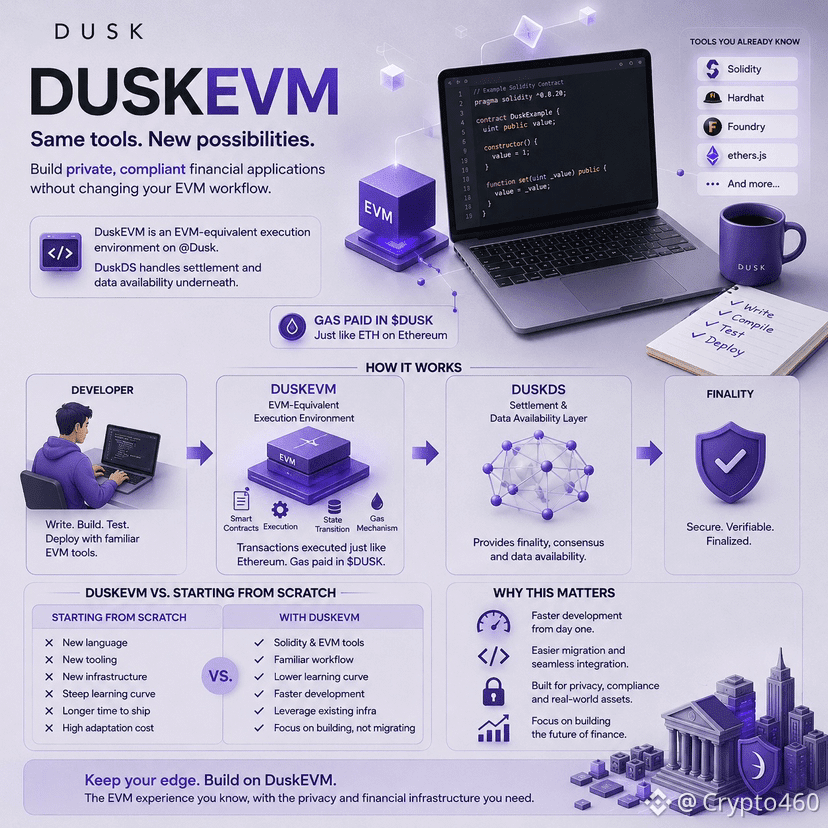
Solidityはそのまま馴染みのまま。
Hardhat。
Foundry。
ethers。
いつものEVM開発スタックが引き続き使えます。
新しいブロックチェーンに移行すると、何か作り始める前に新しい環境を学ぶ必要が出てくることが多いので、そこに注目しました。
DuskEVMは別のルートを取ります。@Dusk_Foundation 上でEVMに相当する実行環境を提供し、DuskDSがその下で決済とデータ可用性を担います……
つまり、ネットワーク上で開発するために、EVMのワークフローを捨てる必要はありません。ガスの支払いも、イーサリアム上でETHが動くのと同じように $DUSK 行われます。
私にとっては、これが導入(アダプション)の問いを変えました。
問題は、Duskが開発者に必要な機能を備えているかどうかだけではありません……。
既存のEVMの知識やインフラを、開発者がどれだけ引き継げるかという点にもなってきます。
それでもテストしたいことがあります。
ドキュメント上の互換性はその一つ。
実際のアプリケーションをデプロイすること、コントラクトのデバッグ、ウォレットの接続、そしてアプリケーションの保守はまた別の話です。
ここで、DuskEVMがこのアプローチがアーキテクチャ通りにどれほどスムーズに機能するかを証明してくれると私は思っています。 #dusk
DuskEVMには、まったく別の開発者のワークフローが必要になるものと思っていました……。
それからツール群を見てみたんです。👍
Solidityはそのまま馴染みのまま。
Hardhat。
Foundry。
ethers。
いつものEVM開発スタックが引き続き使えます。
新しいブロックチェーンに移行すると、何か作り始める前に新しい環境を学ぶ必要が出てくることが多いので、そこに注目しました。
DuskEVMは別のルートを取ります。@Dusk 上でEVMに相当する実行環境を提供し、DuskDSがその下で決済とデータ可用性を担います……
つまり、ネットワーク上で開発するために、EVMのワークフローを捨てる必要はありません。ガスの支払いも、イーサリアム上でETHが動くのと同じように $DUSK 行われます。
私にとっては、これが導入(アダプション)の問いを変えました。
問題は、Duskが開発者に必要な機能を備えているかどうかだけではありません……。
既存のEVMの知識やインフラを、開発者がどれだけ引き継げるかという点にもなってきます。
それでもテストしたいことがあります。
ドキュメント上の互換性はその一つ。
実際のアプリケーションをデプロイすること、コントラクトのデバッグ、ウォレットの接続、そしてアプリケーションの保守はまた別の話です。
ここで、DuskEVMがこのアプローチがアーキテクチャ通りにどれほどスムーズに機能するかを証明してくれると私は思っています。 #dusk
それからツール群を見てみたんです。👍
Solidityはそのまま馴染みのまま。
Hardhat。
Foundry。
ethers。
いつものEVM開発スタックが引き続き使えます。
新しいブロックチェーンに移行すると、何か作り始める前に新しい環境を学ぶ必要が出てくることが多いので、そこに注目しました。
DuskEVMは別のルートを取ります。@Dusk 上でEVMに相当する実行環境を提供し、DuskDSがその下で決済とデータ可用性を担います……
つまり、ネットワーク上で開発するために、EVMのワークフローを捨てる必要はありません。ガスの支払いも、イーサリアム上でETHが動くのと同じように $DUSK 行われます。
私にとっては、これが導入(アダプション)の問いを変えました。
問題は、Duskが開発者に必要な機能を備えているかどうかだけではありません……。
既存のEVMの知識やインフラを、開発者がどれだけ引き継げるかという点にもなってきます。
それでもテストしたいことがあります。
ドキュメント上の互換性はその一つ。
実際のアプリケーションをデプロイすること、コントラクトのデバッグ、ウォレットの接続、そしてアプリケーションの保守はまた別の話です。
ここで、DuskEVMがこのアプローチがアーキテクチャ通りにどれほどスムーズに機能するかを証明してくれると私は思っています。 #dusk
37
15
391
·
--
ブリッシュ
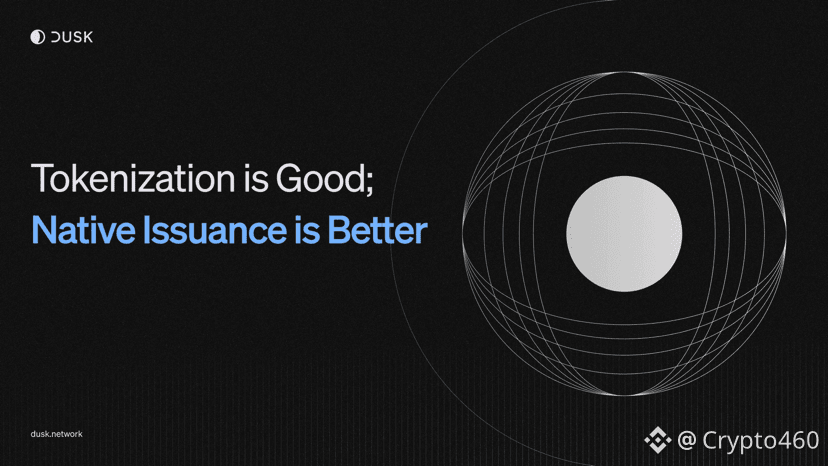
#dusk $DUSK @Dusk_Foundation 私はRWAの議論で、トークン化された資産と、ネイティブに発行された資産を同じものとして扱うのをよく見かけます。
@Dusk_Foundation では、それらを別物として扱っていて、私はこの違いが重要だと思います。
トークン化とは通常、あるトークンが「どこか別の場所で保有されている資産」を表していることを意味します。
例えば債券、ファンド、株式のように……
その資産は、オフチェーンのままカストディアン(保管機関)に置かれます。
トークンはその資産を指し示します。
トークンがオンチェーンで動くとき、実際の資産を保有するシステム側でも、対応するアップデートが必要になります。
2つの記録。
2つの場所。
誰かがそれらを整合させ続けなければなりません。
ネイティブ発行は、別のアプローチを取ります。
Duskは資産のライフサイクル全体に焦点を当てています:
発行。
移転。
サービシング。
決済。
これらのプロセスは、規制された市場向けに設計されたインフラ上で実行され、法的な構造によってそのモデルが成立しています。
トークンは、別の場所にある何かの「領収書」ではありません。
Dusk上の記録が、プライマリ(主要)な記録になります。
ここが、私にとってDuskのベースレイヤーが面白いと感じるポイントです。
アクセス制御。
適格性チェック。
選択的開示。
これらの機能は、後から追加されるのではなくベースレイヤーに組み込まれています。
コンプライアンスのプリミティブを持たない汎用チェーンでは、同じような設計にはなりません。
だからこそ、資産は設計上「ラッパー段階」にとどまるのです。
では、別の側面から債券の例を見てみましょう。
ネイティブ発行では、債券の発行と移転は、すでに適格性や開示のルールが存在する場所で行われます。
同期させるための別システムはありません。
そのため、RWAのプロジェクトを見るたびに、次の1つの質問に立ち返ってしまいます。
資産は実際にネイティブに発行されているのか、それともどこか別の場所で保有されている資産を表す「トークン」なのか?
私にとって、この違いは「トークン化」という言葉よりも、インフラの性質をよりよく語っているように思えます。
#dusk $DUSK @Dusk 私はRWAの議論で、トークン化された資産と、ネイティブに発行された資産を同じものとして扱うのをよく見かけます。
@Dusk では、それらを別物として扱っていて、私はこの違いが重要だと思います。
トークン化とは通常、あるトークンが「どこか別の場所で保有されている資産」を表していることを意味します。
例えば債券、ファンド、株式のように……
その資産は、オフチェーンのままカストディアン(保管機関)に置かれます。
トークンはその資産を指し示します。
トークンがオンチェーンで動くとき、実際の資産を保有するシステム側でも、対応するアップデートが必要になります。
2つの記録。
2つの場所。
誰かがそれらを整合させ続けなければなりません。
ネイティブ発行は、別のアプローチを取ります。
Duskは資産のライフサイクル全体に焦点を当てています:
発行。
移転。
サービシング。
決済。
これらのプロセスは、規制された市場向けに設計されたインフラ上で実行され、法的な構造によってそのモデルが成立しています。
トークンは、別の場所にある何かの「領収書」ではありません。
Dusk上の記録が、プライマリ(主要)な記録になります。
ここが、私にとってDuskのベースレイヤーが面白いと感じるポイントです。
アクセス制御。
適格性チェック。
選択的開示。
これらの機能は、後から追加されるのではなくベースレイヤーに組み込まれています。
コンプライアンスのプリミティブを持たない汎用チェーンでは、同じような設計にはなりません。
だからこそ、資産は設計上「ラッパー段階」にとどまるのです。
では、別の側面から債券の例を見てみましょう。
ネイティブ発行では、債券の発行と移転は、すでに適格性や開示のルールが存在する場所で行われます。
同期させるための別システムはありません。
そのため、RWAのプロジェクトを見るたびに、次の1つの質問に立ち返ってしまいます。
資産は実際にネイティブに発行されているのか、それともどこか別の場所で保有されている資産を表す「トークン」なのか?
私にとって、この違いは「トークン化」という言葉よりも、インフラの性質をよりよく語っているように思えます。
@Dusk では、それらを別物として扱っていて、私はこの違いが重要だと思います。
トークン化とは通常、あるトークンが「どこか別の場所で保有されている資産」を表していることを意味します。
例えば債券、ファンド、株式のように……
その資産は、オフチェーンのままカストディアン(保管機関)に置かれます。
トークンはその資産を指し示します。
トークンがオンチェーンで動くとき、実際の資産を保有するシステム側でも、対応するアップデートが必要になります。
2つの記録。
2つの場所。
誰かがそれらを整合させ続けなければなりません。
ネイティブ発行は、別のアプローチを取ります。
Duskは資産のライフサイクル全体に焦点を当てています:
発行。
移転。
サービシング。
決済。
これらのプロセスは、規制された市場向けに設計されたインフラ上で実行され、法的な構造によってそのモデルが成立しています。
トークンは、別の場所にある何かの「領収書」ではありません。
Dusk上の記録が、プライマリ(主要)な記録になります。
ここが、私にとってDuskのベースレイヤーが面白いと感じるポイントです。
アクセス制御。
適格性チェック。
選択的開示。
これらの機能は、後から追加されるのではなくベースレイヤーに組み込まれています。
コンプライアンスのプリミティブを持たない汎用チェーンでは、同じような設計にはなりません。
だからこそ、資産は設計上「ラッパー段階」にとどまるのです。
では、別の側面から債券の例を見てみましょう。
ネイティブ発行では、債券の発行と移転は、すでに適格性や開示のルールが存在する場所で行われます。
同期させるための別システムはありません。
そのため、RWAのプロジェクトを見るたびに、次の1つの質問に立ち返ってしまいます。
資産は実際にネイティブに発行されているのか、それともどこか別の場所で保有されている資産を表す「トークン」なのか?
私にとって、この違いは「トークン化」という言葉よりも、インフラの性質をよりよく語っているように思えます。
38
16
190
·
--
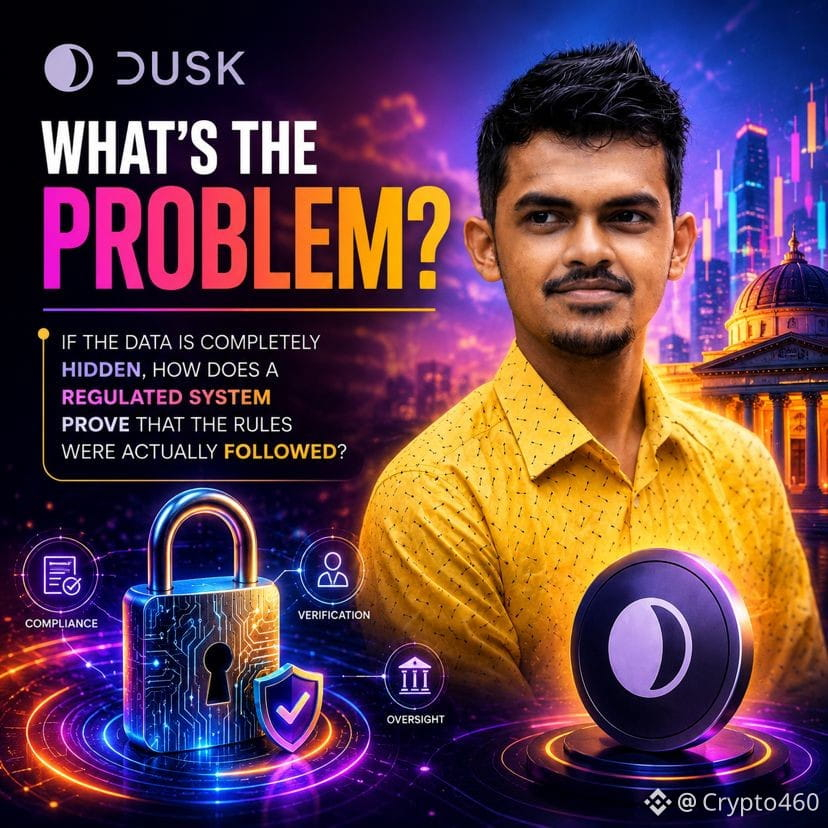
#dusk $DUSK @Dusk_Foundation データが完全に秘匿されている場合、規制されたシステムはルールが実際に守られたことをどのように証明できるのでしょうか?
まさにこの問いのところで、多くのプライバシー保護ツールが不十分です。彼らはデータを隠すことに重点を置きます。何が起きたのかを確認するための、きれいで確かな手段をほとんど残しません。
監督が必要なアプリケーションにとって、このトレードオフは問題になります。
私が@Dusk_Foundation を見ていて特に目立ったのがHedger(ヘッジャー)です。これはDuskEVM上にあり、金融アプリ向けのプライバシーモジュールとして構築されています。
Hedgerは同型暗号とゼロ知識証明を組み合わせており、取引は機密のまま維持しつつ、検証も可能にします。
暗号化された取引は、公開から隠されたままです。それでも、認可されたコンプライアンス担当者は、取引の根本となるデータ全体を見なくても、正しいルールが守られたことを確認できます。
Hedgerの設計選択は意図的に感じられます。
プライバシーを完全な秘匿(透明性のゼロ)として扱うのではなく、Hedgerは金融アプリのデータを保護しつつ、同時にプロセスのレビュー可能性も維持しようとします。
データを保護しながら検証も可能にするこの組み合わせは、あるべきよりもずっと稀です。
アプリの検証や監督を支えられるなら、プライバシーは金融にとってより有用になります。
私はHedgerとDusk、そしてその中での$DUSK の役割について考えると、結局この点に立ち返ってしまいます。
#dusk $DUSK @Dusk データが完全に秘匿されている場合、規制されたシステムはルールが実際に守られたことをどのように証明できるのでしょうか?
まさにこの問いのところで、多くのプライバシー保護ツールが不十分です。彼らはデータを隠すことに重点を置きます。何が起きたのかを確認するための、きれいで確かな手段をほとんど残しません。
監督が必要なアプリケーションにとって、このトレードオフは問題になります。
私が@Dusk を見ていて特に目立ったのがHedger(ヘッジャー)です。これはDuskEVM上にあり、金融アプリ向けのプライバシーモジュールとして構築されています。
Hedgerは同型暗号とゼロ知識証明を組み合わせており、取引は機密のまま維持しつつ、検証も可能にします。
暗号化された取引は、公開から隠されたままです。それでも、認可されたコンプライアンス担当者は、取引の根本となるデータ全体を見なくても、正しいルールが守られたことを確認できます。
Hedgerの設計選択は意図的に感じられます。
プライバシーを完全な秘匿(透明性のゼロ)として扱うのではなく、Hedgerは金融アプリのデータを保護しつつ、同時にプロセスのレビュー可能性も維持しようとします。
データを保護しながら検証も可能にするこの組み合わせは、あるべきよりもずっと稀です。
アプリの検証や監督を支えられるなら、プライバシーは金融にとってより有用になります。
私はHedgerとDusk、そしてその中での$DUSK の役割について考えると、結局この点に立ち返ってしまいます。
まさにこの問いのところで、多くのプライバシー保護ツールが不十分です。彼らはデータを隠すことに重点を置きます。何が起きたのかを確認するための、きれいで確かな手段をほとんど残しません。
監督が必要なアプリケーションにとって、このトレードオフは問題になります。
私が@Dusk を見ていて特に目立ったのがHedger(ヘッジャー)です。これはDuskEVM上にあり、金融アプリ向けのプライバシーモジュールとして構築されています。
Hedgerは同型暗号とゼロ知識証明を組み合わせており、取引は機密のまま維持しつつ、検証も可能にします。
暗号化された取引は、公開から隠されたままです。それでも、認可されたコンプライアンス担当者は、取引の根本となるデータ全体を見なくても、正しいルールが守られたことを確認できます。
Hedgerの設計選択は意図的に感じられます。
プライバシーを完全な秘匿(透明性のゼロ)として扱うのではなく、Hedgerは金融アプリのデータを保護しつつ、同時にプロセスのレビュー可能性も維持しようとします。
データを保護しながら検証も可能にするこの組み合わせは、あるべきよりもずっと稀です。
アプリの検証や監督を支えられるなら、プライバシーは金融にとってより有用になります。
私はHedgerとDusk、そしてその中での$DUSK の役割について考えると、結局この点に立ち返ってしまいます。
33
14
108
·
--
⚠️ 大嵐警報🚨🚨🚨
$BTC は最初のクラッシュでは底を打たない。
底を打つのは2回目の波——ほとんど誰も備えられていない最終的な降伏(キャピトレーション)だ。
サイクルのパターンを見てください:
2018: $19k → $10k → $3.5k
2022: $69k → $32k → $15k
2026: $126k → $64k → $45k
1回目の波で観光客(トレーダーの初心者)がふるい落とされる。
そして「底だ」とみんなが呼ぶリバウンドが来る。
それがブル・トラップ(強気の罠)。
本当の投げ売りは、その後に来る……まだ「最悪は終わった」と時間軸が叫んでいるのに、価格をさらにほぼ半分にまで切り下げることで。
その2回目の波こそが、サイクルが実際にリセットされるポイントだ。
多くの人が、すでに印字された後になってようやく口にする数字。
そして、実際の大金がそこで生まれる。
私たちは今、その罠の中にいる。
ほとんどの人は、振り返って初めてそれを認識するだけだ。
⚠️ 大嵐警報🚨🚨🚨
$BTC は最初のクラッシュでは底を打たない。
底を打つのは2回目の波——ほとんど誰も備えられていない最終的な降伏(キャピトレーション)だ。
サイクルのパターンを見てください:
2018: $19k → $10k → $3.5k 2022: $69k → $32k → $15k 2026: $126k → $64k → $45k
1回目の波で観光客(トレーダーの初心者)がふるい落とされる。 そして「底だ」とみんなが呼ぶリバウンドが来る。 それがブル・トラップ(強気の罠)。
本当の投げ売りは、その後に来る……まだ「最悪は終わった」と時間軸が叫んでいるのに、価格をさらにほぼ半分にまで切り下げることで。
その2回目の波こそが、サイクルが実際にリセットされるポイントだ。 多くの人が、すでに印字された後になってようやく口にする数字。 そして、実際の大金がそこで生まれる。
私たちは今、その罠の中にいる。
ほとんどの人は、振り返って初めてそれを認識するだけだ。
$BTC は最初のクラッシュでは底を打たない。
底を打つのは2回目の波——ほとんど誰も備えられていない最終的な降伏(キャピトレーション)だ。
サイクルのパターンを見てください:
2018: $19k → $10k → $3.5k 2022: $69k → $32k → $15k 2026: $126k → $64k → $45k
1回目の波で観光客(トレーダーの初心者)がふるい落とされる。 そして「底だ」とみんなが呼ぶリバウンドが来る。 それがブル・トラップ(強気の罠)。
本当の投げ売りは、その後に来る……まだ「最悪は終わった」と時間軸が叫んでいるのに、価格をさらにほぼ半分にまで切り下げることで。
その2回目の波こそが、サイクルが実際にリセットされるポイントだ。 多くの人が、すでに印字された後になってようやく口にする数字。 そして、実際の大金がそこで生まれる。
私たちは今、その罠の中にいる。
ほとんどの人は、振り返って初めてそれを認識するだけだ。
1
77
·
--
ブリッシュ
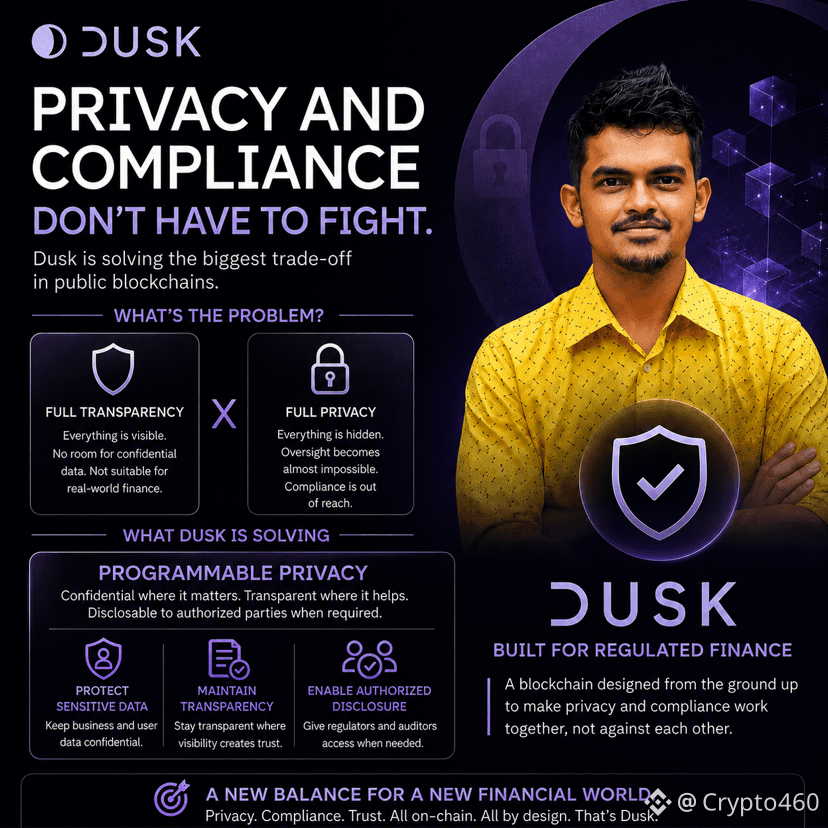
#dusk $DUSK @Dusk_Foundation 私はかつて、プライバシーとコンプライアンスはパブリック・ブロックチェーンにおいては基本的に相反するものだと考えていました。そこでは、すべてが完全に公開されるか、あるいはあまりにも厳重に隠されていて、何かを確認すること自体がほとんど不可能になるかのどちらかです。多くのシステムは、その「どちらか一方」の前提で作られているように見えました。
@Dusk_Foundation をよく見てみると、それまでの見方が変わりました。彼らのアプローチは「プログラマブル・プライバシー」と呼ばれています。ネットワークを極端な一方に押し込むことはしません。いくつかのデータは非公開のままにされ、必要に応じていくつかは公開されます。そして、適切な人たちは自分たちが必要とする範囲を引き続き確認できます。プライバシーとコンプライアンスは、互いに争う必要はありません。同時に両立し得るのです。
たとえば、単純なシナリオを想像してみてください。ファンドマネージャーは、ポートフォリオの保有状況を競合他社から遠ざけたいかもしれません。一方で、規制当局は特定の記録へのアクセスが必要な場合もあります。プログラマブル・プライバシーは、片方を満たすためにもう片方を壊すことなく、両方が成り立つように設計されています。
私が面白いと感じるのは、「物事の捉え方」が変わっている点です。プライバシーは規制のために犠牲にされるべきものだ、あるいは規制はプライバシーを殺すものだ、といった扱いをせず、設計は「規制された金融には両方が必要だ」という前提から始まります。この出発点のわずかな変化が、他のすべてにも影響しているように思えます。
まだこのプロジェクトを深く調べ始めた段階ですが、この考え方こそが、私が読み続けるきっかけになりました。
#dusk $DUSK @Dusk 私はかつて、プライバシーとコンプライアンスはパブリック・ブロックチェーンにおいては基本的に相反するものだと考えていました。そこでは、すべてが完全に公開されるか、あるいはあまりにも厳重に隠されていて、何かを確認すること自体がほとんど不可能になるかのどちらかです。多くのシステムは、その「どちらか一方」の前提で作られているように見えました。
@Dusk をよく見てみると、それまでの見方が変わりました。彼らのアプローチは「プログラマブル・プライバシー」と呼ばれています。ネットワークを極端な一方に押し込むことはしません。いくつかのデータは非公開のままにされ、必要に応じていくつかは公開されます。そして、適切な人たちは自分たちが必要とする範囲を引き続き確認できます。プライバシーとコンプライアンスは、互いに争う必要はありません。同時に両立し得るのです。
たとえば、単純なシナリオを想像してみてください。ファンドマネージャーは、ポートフォリオの保有状況を競合他社から遠ざけたいかもしれません。一方で、規制当局は特定の記録へのアクセスが必要な場合もあります。プログラマブル・プライバシーは、片方を満たすためにもう片方を壊すことなく、両方が成り立つように設計されています。
私が面白いと感じるのは、「物事の捉え方」が変わっている点です。プライバシーは規制のために犠牲にされるべきものだ、あるいは規制はプライバシーを殺すものだ、といった扱いをせず、設計は「規制された金融には両方が必要だ」という前提から始まります。この出発点のわずかな変化が、他のすべてにも影響しているように思えます。
まだこのプロジェクトを深く調べ始めた段階ですが、この考え方こそが、私が読み続けるきっかけになりました。
@Dusk をよく見てみると、それまでの見方が変わりました。彼らのアプローチは「プログラマブル・プライバシー」と呼ばれています。ネットワークを極端な一方に押し込むことはしません。いくつかのデータは非公開のままにされ、必要に応じていくつかは公開されます。そして、適切な人たちは自分たちが必要とする範囲を引き続き確認できます。プライバシーとコンプライアンスは、互いに争う必要はありません。同時に両立し得るのです。
たとえば、単純なシナリオを想像してみてください。ファンドマネージャーは、ポートフォリオの保有状況を競合他社から遠ざけたいかもしれません。一方で、規制当局は特定の記録へのアクセスが必要な場合もあります。プログラマブル・プライバシーは、片方を満たすためにもう片方を壊すことなく、両方が成り立つように設計されています。
私が面白いと感じるのは、「物事の捉え方」が変わっている点です。プライバシーは規制のために犠牲にされるべきものだ、あるいは規制はプライバシーを殺すものだ、といった扱いをせず、設計は「規制された金融には両方が必要だ」という前提から始まります。この出発点のわずかな変化が、他のすべてにも影響しているように思えます。
まだこのプロジェクトを深く調べ始めた段階ですが、この考え方こそが、私が読み続けるきっかけになりました。
35
14
393
·
--
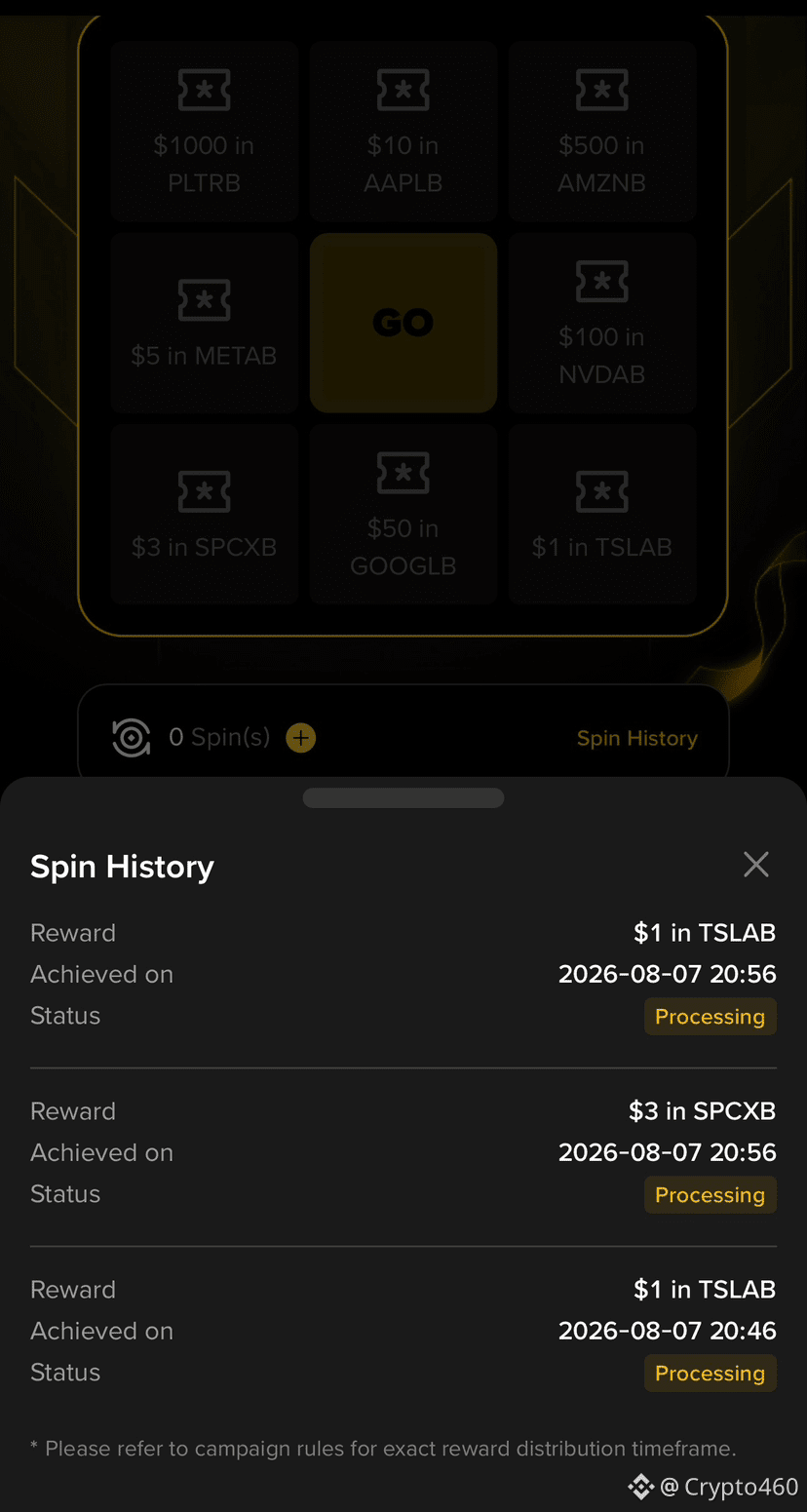
ルーレットを回したらリワードをゲットしちゃいました!❤️❤️❤️
今日のキャンペーンでもらえたのはこちら:
$1 in $TSLAB
$3 in $SPCXB
$1 in $TSLAB
現在ステータスは処理中ですが、小さなリワードも積み重なります! 💰
$1,000のPLTRBや$500のAMZNBみたいな大きい賞に当たった人いますか?
下にスピン結果を投稿してください!👇
#Binance #CryptoRewards #SpinToWin #TradingRewards
ルーレットを回したらリワードをゲットしちゃいました!❤️❤️❤️
今日のキャンペーンでもらえたのはこちら:
$1 in $TSLAB
$3 in $SPCXB
$1 in $TSLAB
現在ステータスは処理中ですが、小さなリワードも積み重なります! 💰
$1,000のPLTRBや$500のAMZNBみたいな大きい賞に当たった人いますか?
下にスピン結果を投稿してください!👇
#Binance #CryptoRewards #SpinToWin #TradingRewards
今日のキャンペーンでもらえたのはこちら:
$1 in $TSLAB
$3 in $SPCXB
$1 in $TSLAB
現在ステータスは処理中ですが、小さなリワードも積み重なります! 💰
$1,000のPLTRBや$500のAMZNBみたいな大きい賞に当たった人いますか?
下にスピン結果を投稿してください!👇
#Binance #CryptoRewards #SpinToWin #TradingRewards
166
ログインして、さらにコンテンツを読む
厳選トピックで世界の暗号資産トレーダーの仲間入り
⚡️ 暗号資産に関する最新かつ有益な情報が見つかります。
💬 世界最大の暗号資産取引所から信頼されています。
👍 認証を受けたクリエイターから、有益なインサイトを得られます。
メール / 電話番号
トレンドトピック
ZcashETFPostsFirstWeeklyOutflow$93.6M
閲覧回数 47,950
143人が討論中
#ZcashETFPostsFirstWeeklyOutflow$93.6M
Zcash ETFの初の週次資金流出(9,360万ドル)は、投資家需要の弱まりと、利益確定の可能性を示しています。これにより、短期的にZECの価格に圧力がかかり、プライバシー重視の暗号資産全体のセンチメントが悪化するおそれがあります。トレーダーはポジションを取る前に、サポート水準とその後の資金フローを注視すべきです。
Eram Trading Lab
·いいね:1件
·閲覧回数 223
GreekPoliceBustCryptoScamRingArrest17
閲覧回数 127,497
917人が討論中
BitcoinRejectedAt$87K
閲覧回数 144,534
200人が討論中