

Muhamad_Farhan
12 投稿

Muhamad_Farhan
報告
ユーザーをブロック
取引を発注

BTCホルダー
高頻度トレーダー
4.9年
2 フォロー
1 フォロワー
0 いいね
投稿
ポートフォリオ
記事
翻訳参照
ETH$ETH The Glamsterdam upgrade—anchored by EIP-7928—introduces structural changes to how the Ethereum Virtual Machine (EVM) processes transactions, drastically altering parallel execution capability and Layer 1 gas dynamics.
1. Enabling Deterministic Parallel Execution
Historically, Ethereum nodes executed transactions sequentially (one by one). Node execution could not safely process transactions in parallel because it was impossible to know beforehand if two separate transactions would attempt to read or modify the exact same storage slot or contract state.
EIP-7928 solves this by introducing Block-Level Access Lists (BALs):
Pre-declared State Mapping: A block builder constructs and attaches an enforced BAL to the block header. This list maps out every account address, contract code, and storage slot that will be accessed or updated by each transaction within that block.
Conflict Detection at a Glance: Because nodes receive this explicit, verified map upfront, they can instantly identify which transactions are disjoint (accessing non-overlapping state).
Multi-threaded EVM: Transactions without state conflicts run concurrently across separate CPU cores. Instead of a single-threaded queue, execution becomes multi-threaded, allowing nodes to process transactions concurrently before merging the post-state diffs into a unified state root.
2. Impact on Layer 1 Gas Fees
EIP-7928 and parallelization alter gas fees in two key ways: structural baseline costs and overall transaction throughput.
A. Gas Limit Scaling & Reduced Baseline Gas
Higher Block Gas Limits: Sequential execution creates a sharp hardware bottleneck (CPU time spent on EVM execution). By introducing parallel IO and execution, node processing times improve by 30% or more. This extra headroom allows developers to safely raise the global block gas limit (from 36M–45M up toward 60M+) without overloading node operators.
Lower Gas Spikes: Expanding total available block space relieves congestion on Layer 1. This keeps EIP-1559 base fees lower and more stable during high-demand events like NFT drops or.$BTC #BTC☀ #Binance
{spot}(BTCUSDT)
{spot}(ETHUSDT)
ETH
$ETH The Glamsterdam upgrade—anchored by EIP-7928—introduces structural changes to how the Ethereum Virtual Machine (EVM) processes transactions, drastically altering parallel execution capability and Layer 1 gas dynamics.
1. Enabling Deterministic Parallel Execution
Historically, Ethereum nodes executed transactions sequentially (one by one). Node execution could not safely process transactions in parallel because it was impossible to know beforehand if two separate transactions would attempt to read or modify the exact same storage slot or contract state.
EIP-7928 solves this by introducing Block-Level Access Lists (BALs):
Pre-declared State Mapping: A block builder constructs and attaches an enforced BAL to the block header. This list maps out every account address, contract code, and storage slot that will be accessed or updated by each transaction within that block.
Conflict Detection at a Glance: Because nodes receive this explicit, verified map upfront, they can instantly identify which transactions are disjoint (accessing non-overlapping state).
Multi-threaded EVM: Transactions without state conflicts run concurrently across separate CPU cores. Instead of a single-threaded queue, execution becomes multi-threaded, allowing nodes to process transactions concurrently before merging the post-state diffs into a unified state root.
2. Impact on Layer 1 Gas Fees
EIP-7928 and parallelization alter gas fees in two key ways: structural baseline costs and overall transaction throughput.
A. Gas Limit Scaling & Reduced Baseline Gas
Higher Block Gas Limits: Sequential execution creates a sharp hardware bottleneck (CPU time spent on EVM execution). By introducing parallel IO and execution, node processing times improve by 30% or more. This extra headroom allows developers to safely raise the global block gas limit (from 36M–45M up toward 60M+) without overloading node operators.
Lower Gas Spikes: Expanding total available block space relieves congestion on Layer 1. This keeps EIP-1559 base fees lower and more stable during high-demand events like NFT drops or.$BTC #BTC☀ #Binance
1. Enabling Deterministic Parallel Execution
Historically, Ethereum nodes executed transactions sequentially (one by one). Node execution could not safely process transactions in parallel because it was impossible to know beforehand if two separate transactions would attempt to read or modify the exact same storage slot or contract state.
EIP-7928 solves this by introducing Block-Level Access Lists (BALs):
Pre-declared State Mapping: A block builder constructs and attaches an enforced BAL to the block header. This list maps out every account address, contract code, and storage slot that will be accessed or updated by each transaction within that block.
Conflict Detection at a Glance: Because nodes receive this explicit, verified map upfront, they can instantly identify which transactions are disjoint (accessing non-overlapping state).
Multi-threaded EVM: Transactions without state conflicts run concurrently across separate CPU cores. Instead of a single-threaded queue, execution becomes multi-threaded, allowing nodes to process transactions concurrently before merging the post-state diffs into a unified state root.
2. Impact on Layer 1 Gas Fees
EIP-7928 and parallelization alter gas fees in two key ways: structural baseline costs and overall transaction throughput.
A. Gas Limit Scaling & Reduced Baseline Gas
Higher Block Gas Limits: Sequential execution creates a sharp hardware bottleneck (CPU time spent on EVM execution). By introducing parallel IO and execution, node processing times improve by 30% or more. This extra headroom allows developers to safely raise the global block gas limit (from 36M–45M up toward 60M+) without overloading node operators.
Lower Gas Spikes: Expanding total available block space relieves congestion on Layer 1. This keeps EIP-1559 base fees lower and more stable during high-demand events like NFT drops or.$BTC #BTC☀ #Binance
34
翻訳参照
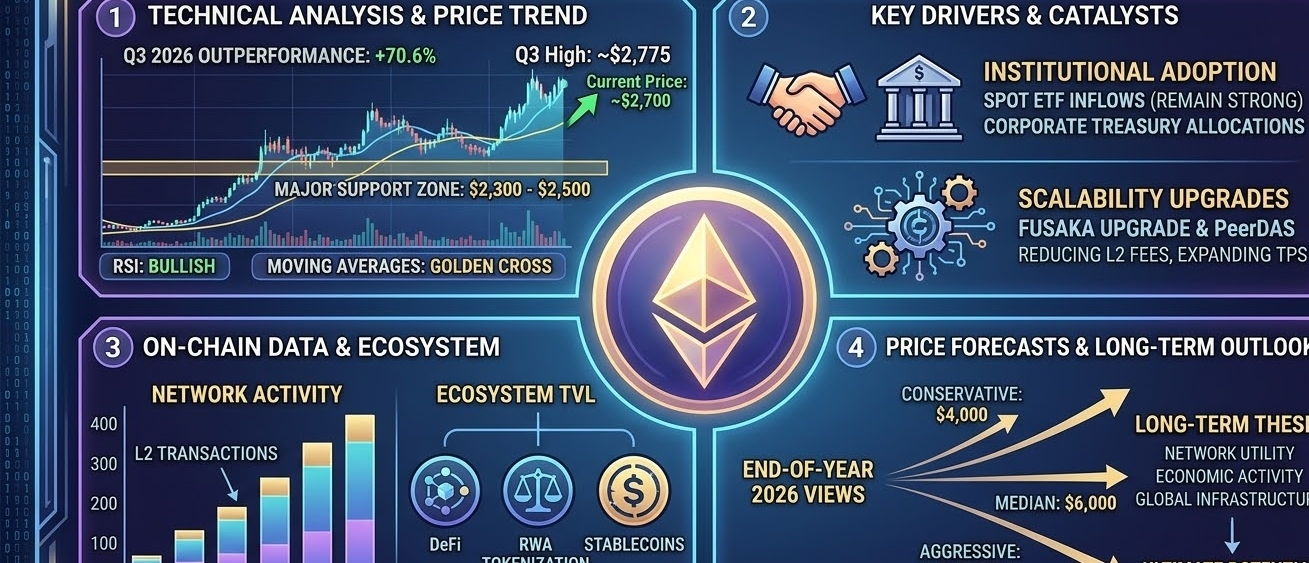
$ETH $BTC #Binance Market Snapshot
Current Price: ~$2,695–$2,705 USD
Market Capitalization: ~$330 Billion
24-Hour Trading Volume: ~$15 Billion
Key Ecosystem & Network Updates
1. Protocol Roadmap & Upgrades
Glamsterdam Upgrade: The Ethereum Foundation announced that the Glamsterdam upgrade is scheduled for Sepolia testnet activation. This upgrade focuses on L1 scaling via:
EIP-7732 (Enshrined Proposer-Builder Separation): Reduces network reliance on external MEV middleware.
EIP-7928 (Block-level Access Lists): Enables parallel transaction execution to boost Layer-1 throughput.
Hegota Upgrade Horizon: Hegota remains on the longer-term roadmap to introduce Verkle Trees, aimed at capping state growth and enabling lighter node operations.
2. Economic & Staking Dynamics
Issuance & Inflation Rate: ETH activity fluctuates near mild annual inflation (~0.5%–0.7%) as Layer-2 adoption (Base, Arbitrum, Optimism) handles a significant share of execution volume. High L2 usage lowers L1 gas fees, which reduces total ETH burned via EIP-1559 compared to peak DeFi cycles.
Institutional & L2 Scaling: Layer-2 networks combined with Ethereum L1 process over 100,000 TPS total capacity, driven by high stablecoin supply (such as USDC expansion) and institutional tokenized real-world assets (RWAs).
{spot}(ETHUSDT)
#BTC #Binance #bitcoin
$ETH $BTC #Binance Market Snapshot
Current Price: ~$2,695–$2,705 USD
Market Capitalization: ~$330 Billion
24-Hour Trading Volume: ~$15 Billion
Key Ecosystem & Network Updates
1. Protocol Roadmap & Upgrades
Glamsterdam Upgrade: The Ethereum Foundation announced that the Glamsterdam upgrade is scheduled for Sepolia testnet activation. This upgrade focuses on L1 scaling via:
EIP-7732 (Enshrined Proposer-Builder Separation): Reduces network reliance on external MEV middleware.
EIP-7928 (Block-level Access Lists): Enables parallel transaction execution to boost Layer-1 throughput.
Hegota Upgrade Horizon: Hegota remains on the longer-term roadmap to introduce Verkle Trees, aimed at capping state growth and enabling lighter node operations.
2. Economic & Staking Dynamics
Issuance & Inflation Rate: ETH activity fluctuates near mild annual inflation (~0.5%–0.7%) as Layer-2 adoption (Base, Arbitrum, Optimism) handles a significant share of execution volume. High L2 usage lowers L1 gas fees, which reduces total ETH burned via EIP-1559 compared to peak DeFi cycles.
Institutional & L2 Scaling: Layer-2 networks combined with Ethereum L1 process over 100,000 TPS total capacity, driven by high stablecoin supply (such as USDC expansion) and institutional tokenized real-world assets (RWAs).
#BTC #Binance #bitcoin
Current Price: ~$2,695–$2,705 USD
Market Capitalization: ~$330 Billion
24-Hour Trading Volume: ~$15 Billion
Key Ecosystem & Network Updates
1. Protocol Roadmap & Upgrades
Glamsterdam Upgrade: The Ethereum Foundation announced that the Glamsterdam upgrade is scheduled for Sepolia testnet activation. This upgrade focuses on L1 scaling via:
EIP-7732 (Enshrined Proposer-Builder Separation): Reduces network reliance on external MEV middleware.
EIP-7928 (Block-level Access Lists): Enables parallel transaction execution to boost Layer-1 throughput.
Hegota Upgrade Horizon: Hegota remains on the longer-term roadmap to introduce Verkle Trees, aimed at capping state growth and enabling lighter node operations.
2. Economic & Staking Dynamics
Issuance & Inflation Rate: ETH activity fluctuates near mild annual inflation (~0.5%–0.7%) as Layer-2 adoption (Base, Arbitrum, Optimism) handles a significant share of execution volume. High L2 usage lowers L1 gas fees, which reduces total ETH burned via EIP-1559 compared to peak DeFi cycles.
Institutional & L2 Scaling: Layer-2 networks combined with Ethereum L1 process over 100,000 TPS total capacity, driven by high stablecoin supply (such as USDC expansion) and institutional tokenized real-world assets (RWAs).
#BTC #Binance #bitcoin
64
$SOL $BTC #Binance ソラナ(SOL)はおよそ$118〜$122で取引されており、市場総額では約710億ドルでトップ7のポジションを維持しています。
1. 現在の値動きとテクニカル概要
主要なレジスタンス・ゾーン:$125.00〜$127.50。この$127.50を上回る持続的なブレイクが、より広範な強気の継続へ移行したことを確認するために必要です。
サポート水準:強い直近サポートは$114.00〜$117.00あたりにあります。このゾーンを下回ると、$107〜$110に向けた二次的な調整リスクがあります。
短期トレンド:このトークンは過去30日で約13%〜17%上昇し、期初(四半期)にあった下落局面から着実に回復していますが、史上最高値である約$294〜$295にはまだ届いていません。
2. ファンダメンタルズと機関投資家のドライバー
機関の資金流入:ソラナ専用ファンドやETF商品は引き続き安定した流入を示しており、とりわけビットワイズのソラナETFのような商品は、日々の純買いが継続している点が注目されます。
プロトコルとスケーリングのアップグレード:
スロット時間の短縮:コアとなるコンセンサス最適化により、目標ブロックタイムが約250msまで引き下げられました。
トランザクション上限:Transaction V1の仕様アップデートで最大ペイロードサイズが4,096バイトに拡大され、より複雑なDeFiのルーティンやdAppとのやり取りを可能にしています。
現実世界資産(RWA)の統合:Project Harmoniaのような取り組みによって、機関投資家の勢いが引き続き高まっており、従来の資産運用プラットフォームがソラナ上のトークン化ファンドに直接組み込まれています。
3. 強気(Bullish)と弱気(Bearish)の考慮点
成長の触媒(強気シナリオ)弱気のリスク(弱気シナリオ)高速スループットと低い手数料により、高頻度DeFi、NFT、決済領域で優位性を維持できます。マクロの暗号市場のボラティリティと、主要な$125のレジスタンス付近での短期的な利益確定。安定した機関投資家によるETFの積み増し。高い取引量の急増時に、バリデータのルーティング問題やコンセンサスへの圧力が一時的に発生することがある。トークノミクス調整(バリデータ承認によりインフレの放出スケジュールが抑制)。イーサリアムのレイヤー2エコシステムや、台頭している新しいアルトL1チェーンからの競争が厳しい。 #BTC☀ #BinanceSquareFamily #solana
{spot}(SOLUSDT)
$SOL $BTC #Binance ソラナ(SOL)はおよそ$118〜$122で取引されており、市場総額では約710億ドルでトップ7のポジションを維持しています。
1. 現在の値動きとテクニカル概要
主要なレジスタンス・ゾーン:$125.00〜$127.50。この$127.50を上回る持続的なブレイクが、より広範な強気の継続へ移行したことを確認するために必要です。
サポート水準:強い直近サポートは$114.00〜$117.00あたりにあります。このゾーンを下回ると、$107〜$110に向けた二次的な調整リスクがあります。
短期トレンド:このトークンは過去30日で約13%〜17%上昇し、期初(四半期)にあった下落局面から着実に回復していますが、史上最高値である約$294〜$295にはまだ届いていません。
2. ファンダメンタルズと機関投資家のドライバー
機関の資金流入:ソラナ専用ファンドやETF商品は引き続き安定した流入を示しており、とりわけビットワイズのソラナETFのような商品は、日々の純買いが継続している点が注目されます。
プロトコルとスケーリングのアップグレード:
スロット時間の短縮:コアとなるコンセンサス最適化により、目標ブロックタイムが約250msまで引き下げられました。
トランザクション上限:Transaction V1の仕様アップデートで最大ペイロードサイズが4,096バイトに拡大され、より複雑なDeFiのルーティンやdAppとのやり取りを可能にしています。
現実世界資産(RWA)の統合:Project Harmoniaのような取り組みによって、機関投資家の勢いが引き続き高まっており、従来の資産運用プラットフォームがソラナ上のトークン化ファンドに直接組み込まれています。
3. 強気(Bullish)と弱気(Bearish)の考慮点
成長の触媒(強気シナリオ)弱気のリスク(弱気シナリオ)高速スループットと低い手数料により、高頻度DeFi、NFT、決済領域で優位性を維持できます。マクロの暗号市場のボラティリティと、主要な$125のレジスタンス付近での短期的な利益確定。安定した機関投資家によるETFの積み増し。高い取引量の急増時に、バリデータのルーティング問題やコンセンサスへの圧力が一時的に発生することがある。トークノミクス調整(バリデータ承認によりインフレの放出スケジュールが抑制)。イーサリアムのレイヤー2エコシステムや、台頭している新しいアルトL1チェーンからの競争が厳しい。 #BTC☀ #BinanceSquareFamily #solana
1. 現在の値動きとテクニカル概要
主要なレジスタンス・ゾーン:$125.00〜$127.50。この$127.50を上回る持続的なブレイクが、より広範な強気の継続へ移行したことを確認するために必要です。
サポート水準:強い直近サポートは$114.00〜$117.00あたりにあります。このゾーンを下回ると、$107〜$110に向けた二次的な調整リスクがあります。
短期トレンド:このトークンは過去30日で約13%〜17%上昇し、期初(四半期)にあった下落局面から着実に回復していますが、史上最高値である約$294〜$295にはまだ届いていません。
2. ファンダメンタルズと機関投資家のドライバー
機関の資金流入:ソラナ専用ファンドやETF商品は引き続き安定した流入を示しており、とりわけビットワイズのソラナETFのような商品は、日々の純買いが継続している点が注目されます。
プロトコルとスケーリングのアップグレード:
スロット時間の短縮:コアとなるコンセンサス最適化により、目標ブロックタイムが約250msまで引き下げられました。
トランザクション上限:Transaction V1の仕様アップデートで最大ペイロードサイズが4,096バイトに拡大され、より複雑なDeFiのルーティンやdAppとのやり取りを可能にしています。
現実世界資産(RWA)の統合:Project Harmoniaのような取り組みによって、機関投資家の勢いが引き続き高まっており、従来の資産運用プラットフォームがソラナ上のトークン化ファンドに直接組み込まれています。
3. 強気(Bullish)と弱気(Bearish)の考慮点
成長の触媒(強気シナリオ)弱気のリスク(弱気シナリオ)高速スループットと低い手数料により、高頻度DeFi、NFT、決済領域で優位性を維持できます。マクロの暗号市場のボラティリティと、主要な$125のレジスタンス付近での短期的な利益確定。安定した機関投資家によるETFの積み増し。高い取引量の急増時に、バリデータのルーティング問題やコンセンサスへの圧力が一時的に発生することがある。トークノミクス調整(バリデータ承認によりインフレの放出スケジュールが抑制)。イーサリアムのレイヤー2エコシステムや、台頭している新しいアルトL1チェーンからの競争が厳しい。 #BTC☀ #BinanceSquareFamily #solana
74
$SOL $BTC 現在のソリアナ(SOL)のリアルタイム市場データはこちら:
ソリアナ(SOL)市場概要
現在価格: 約$119.24 USD
24時間変化: +1.18%
時価総額: 約$70.1 Billion USD
24時間取引高: 約$3.4 Billion USD
流通供給量: 約587.8 Million SOL
本日の主要な市場水準
テクニカル指標 レベル(USD) 直近のレジスタンス $120.00 - $125.00 現在のピボットゾーン $118.50 - $119.50 サポートレベル $114.25 / $112.00 #BTC☀ #BinanceSquareFamily #EarningsSeason
{spot}(SOLUSDT)
$SOL $BTC 現在のソリアナ(SOL)のリアルタイム市場データはこちら:
ソリアナ(SOL)市場概要
現在価格: 約$119.24 USD
24時間変化: +1.18%
時価総額: 約$70.1 Billion USD
24時間取引高: 約$3.4 Billion USD
流通供給量: 約587.8 Million SOL
本日の主要な市場水準
テクニカル指標 レベル(USD) 直近のレジスタンス $120.00 - $125.00 現在のピボットゾーン $118.50 - $119.50 サポートレベル $114.25 / $112.00 #BTC☀ #BinanceSquareFamily #EarningsSeason
ソリアナ(SOL)市場概要
現在価格: 約$119.24 USD
24時間変化: +1.18%
時価総額: 約$70.1 Billion USD
24時間取引高: 約$3.4 Billion USD
流通供給量: 約587.8 Million SOL
本日の主要な市場水準
テクニカル指標 レベル(USD) 直近のレジスタンス $120.00 - $125.00 現在のピボットゾーン $118.50 - $119.50 サポートレベル $114.25 / $112.00 #BTC☀ #BinanceSquareFamily #EarningsSeason

42
$SOL #Binance ソラナ(SOL)の最新ニュースと市場概要を本日お届けします:
📊 価格と市場の概要
現在の価格: 約$119.10〜$119.50 USD
24時間の出来高: 約$3.38B(30億)USD
市場のセンチメント: 中立〜やや強気。価格は$117〜$120の範囲で揉み合っています。
📰 本日の主要見出し
機関投資家のETFフローが依然として強い
スポットのソラナETFは、機関投資家からの継続的な関心を引き続き集めています。直近の日次の純流入は約$12.7百万ドルで推移しており、30日間のETF純流入総額は$278百万ドル超に達しています。
ネットワークのプロトコル更新とスケーラビリティ
最近のメインネット更新の後、最大取引サイズを4,096バイトまで拡大し、ブロックスロットのレイテンシーを短縮したことで、開発者は高度な処理に向けた高いスループットを活用し続けています。複雑なマルチシグ運用やDeFiアプリのために、開発が進められています。
注目すべき主要テクニカル水準
レジスタンス: 重要な壁は$124〜$127.50の間です。$127.50を明確に上抜けると、より長い上昇トレンドが発動する可能性があります。
サポート: 下値の防御は$114〜$117にあります。$114を割り込むと、$110または$107付近のより低いサポート水準がテストされる恐れがあります。
#BinanceSquareFamily #solana #BTC
{spot}(SOLUSDT)
$SOL #Binance ソラナ(SOL)の最新ニュースと市場概要を本日お届けします:
📊 価格と市場の概要
現在の価格: 約$119.10〜$119.50 USD
24時間の出来高: 約$3.38B(30億)USD
市場のセンチメント: 中立〜やや強気。価格は$117〜$120の範囲で揉み合っています。
📰 本日の主要見出し
機関投資家のETFフローが依然として強い
スポットのソラナETFは、機関投資家からの継続的な関心を引き続き集めています。直近の日次の純流入は約$12.7百万ドルで推移しており、30日間のETF純流入総額は$278百万ドル超に達しています。
ネットワークのプロトコル更新とスケーラビリティ
最近のメインネット更新の後、最大取引サイズを4,096バイトまで拡大し、ブロックスロットのレイテンシーを短縮したことで、開発者は高度な処理に向けた高いスループットを活用し続けています。複雑なマルチシグ運用やDeFiアプリのために、開発が進められています。
注目すべき主要テクニカル水準
レジスタンス: 重要な壁は$124〜$127.50の間です。$127.50を明確に上抜けると、より長い上昇トレンドが発動する可能性があります。
サポート: 下値の防御は$114〜$117にあります。$114を割り込むと、$110または$107付近のより低いサポート水準がテストされる恐れがあります。
#BinanceSquareFamily #solana #BTC
📊 価格と市場の概要
現在の価格: 約$119.10〜$119.50 USD
24時間の出来高: 約$3.38B(30億)USD
市場のセンチメント: 中立〜やや強気。価格は$117〜$120の範囲で揉み合っています。
📰 本日の主要見出し
機関投資家のETFフローが依然として強い
スポットのソラナETFは、機関投資家からの継続的な関心を引き続き集めています。直近の日次の純流入は約$12.7百万ドルで推移しており、30日間のETF純流入総額は$278百万ドル超に達しています。
ネットワークのプロトコル更新とスケーラビリティ
最近のメインネット更新の後、最大取引サイズを4,096バイトまで拡大し、ブロックスロットのレイテンシーを短縮したことで、開発者は高度な処理に向けた高いスループットを活用し続けています。複雑なマルチシグ運用やDeFiアプリのために、開発が進められています。
注目すべき主要テクニカル水準
レジスタンス: 重要な壁は$124〜$127.50の間です。$127.50を明確に上抜けると、より長い上昇トレンドが発動する可能性があります。
サポート: 下値の防御は$114〜$117にあります。$114を割り込むと、$110または$107付近のより低いサポート水準がテストされる恐れがあります。
#BinanceSquareFamily #solana #BTC
65
$BTC #BinanceSquareFamily
ビットコイン(BTC)市場概況
価格: 約84,390米ドル
24時間の値幅: 82,570~84,390米ドル
時価総額: 約1.70兆米ドル
24時間の出来高: 約132億米ドル
流通供給量: 約2,009万BTC
#BTC☀ #StrategyAdds1666BTCHoldingsReach847666 #BitMineETHHoldingsTop6Million
{spot}(BTCUSDT)
$BTC #BinanceSquareFamily
ビットコイン(BTC)市場概況
価格: 約84,390米ドル
24時間の値幅: 82,570~84,390米ドル
時価総額: 約1.70兆米ドル
24時間の出来高: 約132億米ドル
流通供給量: 約2,009万BTC
#BTC☀ #StrategyAdds1666BTCHoldingsReach847666 #BitMineETHHoldingsTop6Million
ビットコイン(BTC)市場概況
価格: 約84,390米ドル
24時間の値幅: 82,570~84,390米ドル
時価総額: 約1.70兆米ドル
24時間の出来高: 約132億米ドル
流通供給量: 約2,009万BTC
#BTC☀ #StrategyAdds1666BTCHoldingsReach847666 #BitMineETHHoldingsTop6Million
31
$BTC #binanace ビナンスは、取引高で世界最大の暗号資産取引所であり、ビットコイン(BTC)は時価総額で1位かつ最大の暗号資産です。
以下は、ビナンスでビットコインを購入または取引するための簡単なガイドです:
1. アカウントを作成して確認する
ビナンスのウェブサイトで登録するか、ビナンスアプリをダウンロードしてください。
入金、購入、出金を有効にするために、写真付き本人確認書類(KYC)で本人確認を完了します。
2. ビナンスでビットコイン(BTC)を購入する方法
クレジットカード/デビットカード:最も早い方法です。「暗号資産を購入(Buy Crypto)」のセクションにカード情報を直接入力します。
銀行振込:法定通貨(例:USD、EUR、AED)をビナンス口座残高へ送金します。
Binance P2P:エスクロー保護付きで、ローカルの銀行振込または決済アプリを使って、他の出品者から直接購入します。
Binance Convert/スポット市場:保有資産を既存のまま変換するか、BTC/USDTのような取引ペアを使って直接取引します。
3. 安全のヒント
Google Authenticatorまたはハードウェアキーを使って、二要素認証(2FA)を有効にしてください。
ビットコインを積極的に取引するのではなく長期保有する予定がある場合は、個人用ウォレット(Trust Walletなど)やハードウェアウォレットを使用してください。
#btc70k #Binance #TrendingTopic
{spot}(BTCUSDT)
$BTC #binanace ビナンスは、取引高で世界最大の暗号資産取引所であり、ビットコイン(BTC)は時価総額で1位かつ最大の暗号資産です。
以下は、ビナンスでビットコインを購入または取引するための簡単なガイドです:
1. アカウントを作成して確認する
ビナンスのウェブサイトで登録するか、ビナンスアプリをダウンロードしてください。
入金、購入、出金を有効にするために、写真付き本人確認書類(KYC)で本人確認を完了します。
2. ビナンスでビットコイン(BTC)を購入する方法
クレジットカード/デビットカード:最も早い方法です。「暗号資産を購入(Buy Crypto)」のセクションにカード情報を直接入力します。
銀行振込:法定通貨(例:USD、EUR、AED)をビナンス口座残高へ送金します。
Binance P2P:エスクロー保護付きで、ローカルの銀行振込または決済アプリを使って、他の出品者から直接購入します。
Binance Convert/スポット市場:保有資産を既存のまま変換するか、BTC/USDTのような取引ペアを使って直接取引します。
3. 安全のヒント
Google Authenticatorまたはハードウェアキーを使って、二要素認証(2FA)を有効にしてください。
ビットコインを積極的に取引するのではなく長期保有する予定がある場合は、個人用ウォレット(Trust Walletなど)やハードウェアウォレットを使用してください。
#btc70k #Binance #TrendingTopic
以下は、ビナンスでビットコインを購入または取引するための簡単なガイドです:
1. アカウントを作成して確認する
ビナンスのウェブサイトで登録するか、ビナンスアプリをダウンロードしてください。
入金、購入、出金を有効にするために、写真付き本人確認書類(KYC)で本人確認を完了します。
2. ビナンスでビットコイン(BTC)を購入する方法
クレジットカード/デビットカード:最も早い方法です。「暗号資産を購入(Buy Crypto)」のセクションにカード情報を直接入力します。
銀行振込:法定通貨(例:USD、EUR、AED)をビナンス口座残高へ送金します。
Binance P2P:エスクロー保護付きで、ローカルの銀行振込または決済アプリを使って、他の出品者から直接購入します。
Binance Convert/スポット市場:保有資産を既存のまま変換するか、BTC/USDTのような取引ペアを使って直接取引します。
3. 安全のヒント
Google Authenticatorまたはハードウェアキーを使って、二要素認証(2FA)を有効にしてください。
ビットコインを積極的に取引するのではなく長期保有する予定がある場合は、個人用ウォレット(Trust Walletなど)やハードウェアウォレットを使用してください。
#btc70k #Binance #TrendingTopic
70
$BITCOIN
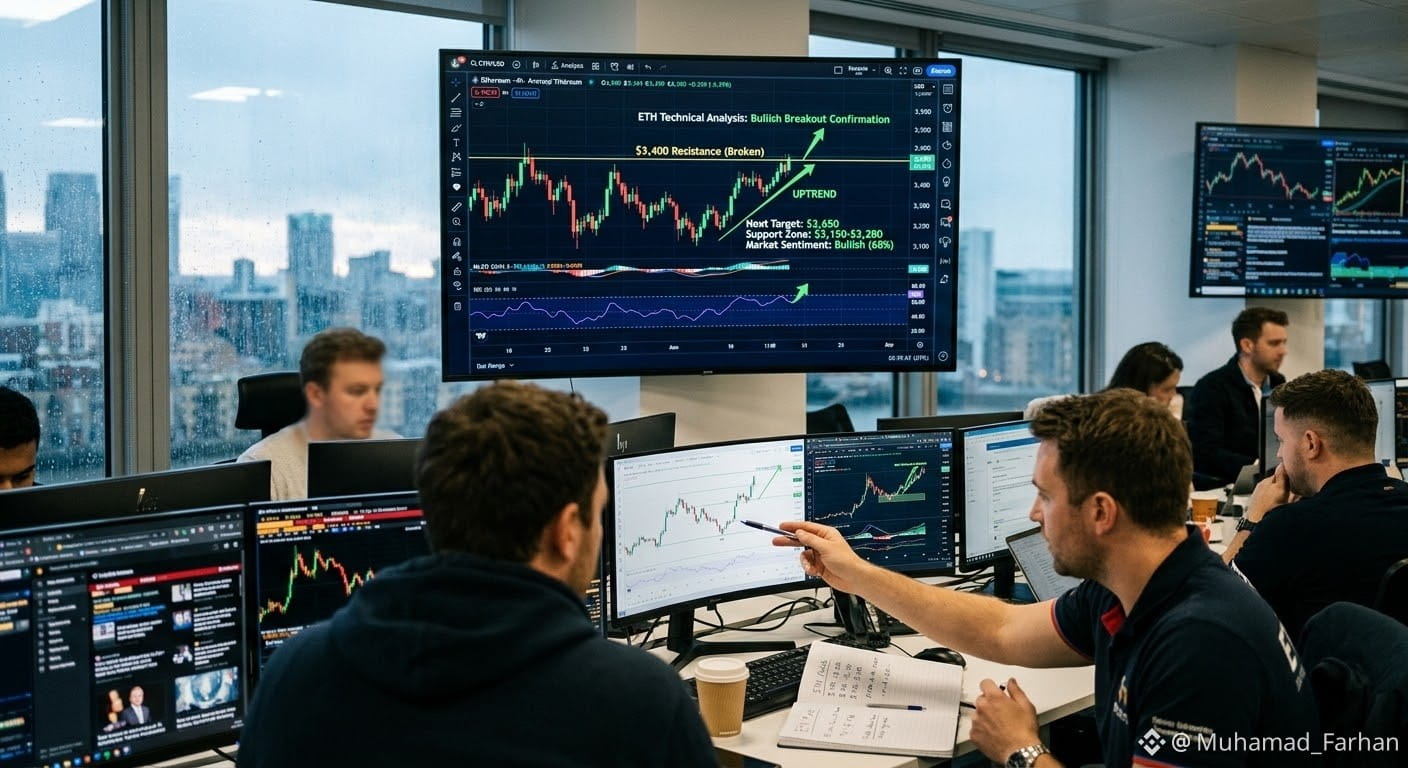
#BTC #Bitcoin❗ #BitcoinETFs #OpenAIDelaysGPT6.1OverSafetyIssues Candlesticks: 緑の実体は価格上昇を示し、赤の実体は価格下落を示します。
Wicks: 細い上部および下部の線は到達した正確な高値・安値の水準を表します。
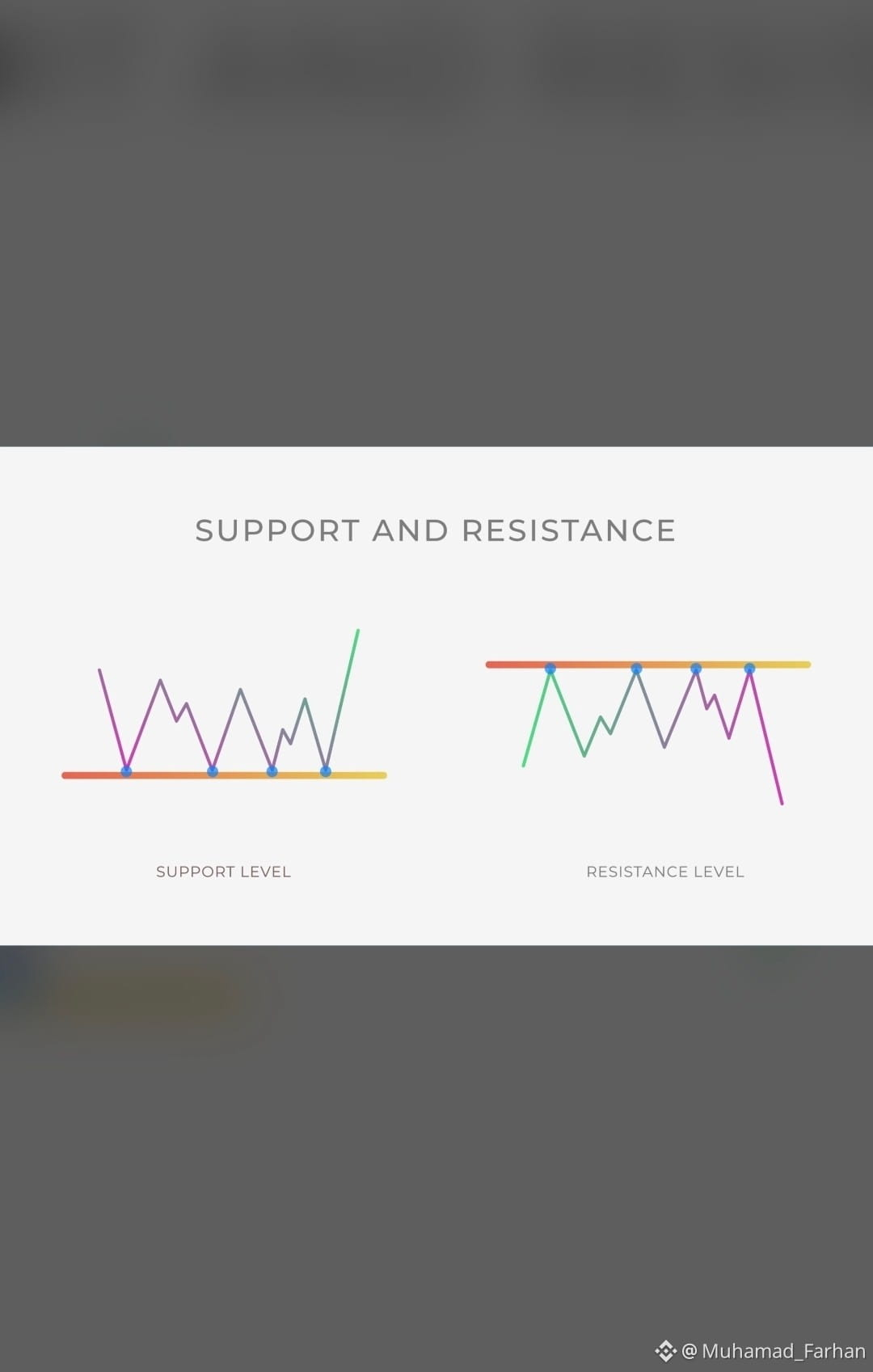
Support Level: 買い手が参入してそれ以上の下落を止める、横方向の価格の下限です。
Resistance Level: 売り手が退く、価格の上限(天井)です。価格のさらなる上昇を防ぎます。
Trend Identification: 高値更新と安値更新は上昇トレンドを示し、高値切り下げと安値切り下げは下降トレンドを示します。
Volume: 下部に伸びる棒(背の高い出来高バー)は、価格変動の背後で強い取引参加があったことを示します。
RSI Indicator: 70を超える値は買われすぎ(過熱)を示し、30を下回る値は売られすぎ(過放出)を示します。
Moving Averages: 50日や200日などの移動平均は、日々のノイズをならして全体の方向性を追跡します。
{spot}(BTCUSDT)
$BITCOIN
#BTC #Bitcoin❗ #BitcoinETFs #OpenAIDelaysGPT6.1OverSafetyIssues Candlesticks: 緑の実体は価格上昇を示し、赤の実体は価格下落を示します。
Wicks: 細い上部および下部の線は到達した正確な高値・安値の水準を表します。
Support Level: 買い手が参入してそれ以上の下落を止める、横方向の価格の下限です。
Resistance Level: 売り手が退く、価格の上限(天井)です。価格のさらなる上昇を防ぎます。
Trend Identification: 高値更新と安値更新は上昇トレンドを示し、高値切り下げと安値切り下げは下降トレンドを示します。
Volume: 下部に伸びる棒(背の高い出来高バー)は、価格変動の背後で強い取引参加があったことを示します。
RSI Indicator: 70を超える値は買われすぎ(過熱)を示し、30を下回る値は売られすぎ(過放出)を示します。
Moving Averages: 50日や200日などの移動平均は、日々のノイズをならして全体の方向性を追跡します。
#BTC #Bitcoin❗ #BitcoinETFs #OpenAIDelaysGPT6.1OverSafetyIssues Candlesticks: 緑の実体は価格上昇を示し、赤の実体は価格下落を示します。
Wicks: 細い上部および下部の線は到達した正確な高値・安値の水準を表します。
Support Level: 買い手が参入してそれ以上の下落を止める、横方向の価格の下限です。
Resistance Level: 売り手が退く、価格の上限(天井)です。価格のさらなる上昇を防ぎます。
Trend Identification: 高値更新と安値更新は上昇トレンドを示し、高値切り下げと安値切り下げは下降トレンドを示します。
Volume: 下部に伸びる棒(背の高い出来高バー)は、価格変動の背後で強い取引参加があったことを示します。
RSI Indicator: 70を超える値は買われすぎ(過熱)を示し、30を下回る値は売られすぎ(過放出)を示します。
Moving Averages: 50日や200日などの移動平均は、日々のノイズをならして全体の方向性を追跡します。
82
$BTC
以下は、ビットコインの主要な市場構造と、チャート分析時に注目すべきローソク足シグナルを手早く技術的に分解したものです:
コア構造の確認
トレンドの方向性:上昇トレンドでは高値の切り上げと安値の切り上げ(higher highs / higher lows)を確認し、下落トレンドでは高値の切り下げと安値の切り下げ(lower highs / lower lows)を確認します。優勢な上位足のトレンドに対して、直接逆張りすることは避けてください。
重要な水準:価格が過去に複数回反応した、強い水平のサポート/レジスタンス領域をマークします。
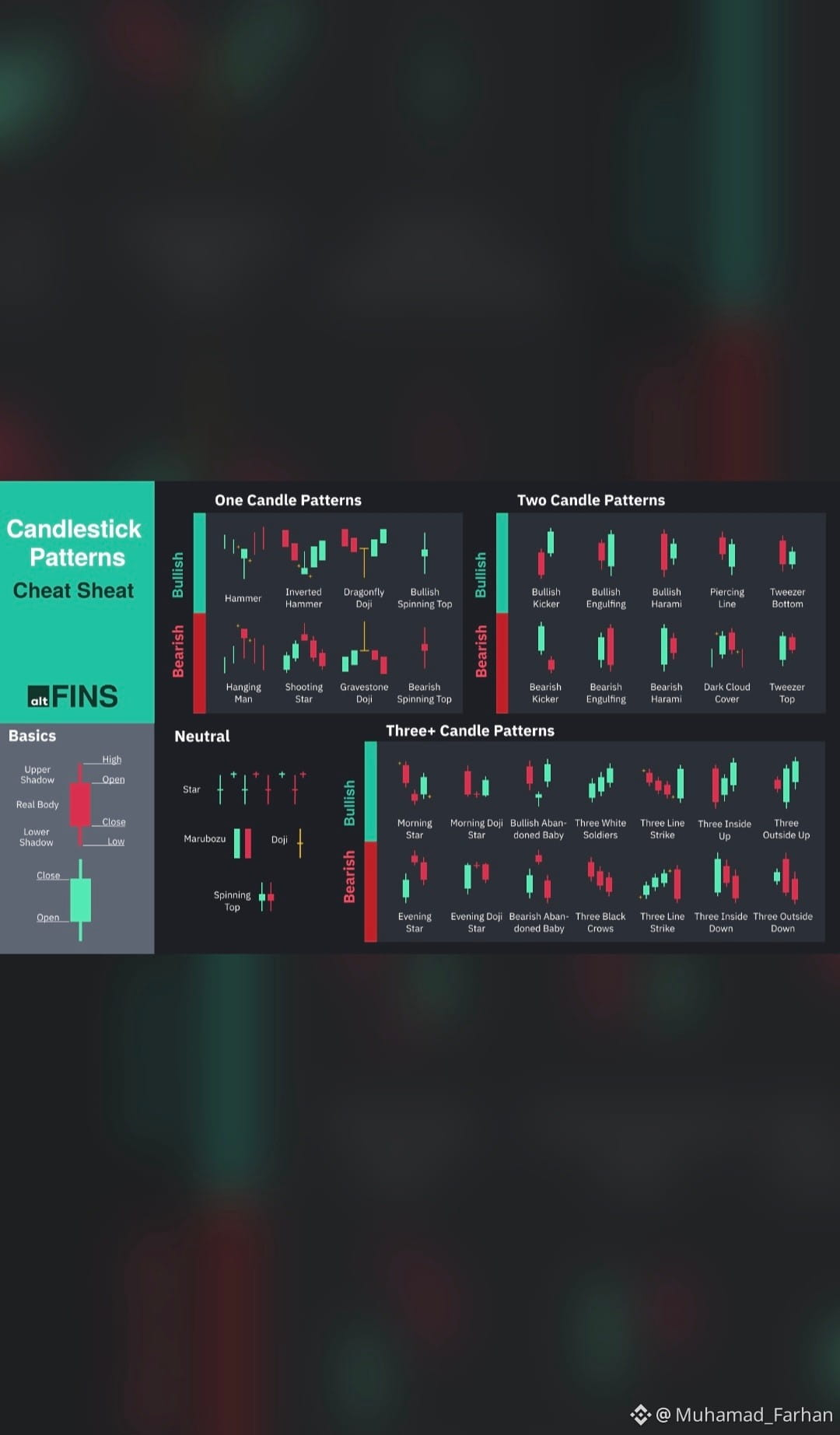
ローソク足シグナル:主要な水準付近での反転サインに注目します。たとえば、サポートでの強気の包み足(Bullish Engulfing)や、大きなレジスタンスでの流れ星(Shooting Star)などです。
出来高&モメンタム:出来高が増加していることでブレイクを確認し、流動性トラップや誤ったブレイクアウトを避けます。
{spot}(BTCUSDT)
#USDTAdds845900HoldersInPast7Days #QNTFallsOver40%FromMorningHigh #ChainlinkLaunchesCCIP2WithEnterpriseVerification #UKFCAWinsCourtOrderToRecover851400Pounds #btc70k
$BTC
以下は、ビットコインの主要な市場構造と、チャート分析時に注目すべきローソク足シグナルを手早く技術的に分解したものです:
コア構造の確認
トレンドの方向性:上昇トレンドでは高値の切り上げと安値の切り上げ(higher highs / higher lows)を確認し、下落トレンドでは高値の切り下げと安値の切り下げ(lower highs / lower lows)を確認します。優勢な上位足のトレンドに対して、直接逆張りすることは避けてください。
重要な水準:価格が過去に複数回反応した、強い水平のサポート/レジスタンス領域をマークします。
ローソク足シグナル:主要な水準付近での反転サインに注目します。たとえば、サポートでの強気の包み足(Bullish Engulfing)や、大きなレジスタンスでの流れ星(Shooting Star)などです。
出来高&モメンタム:出来高が増加していることでブレイクを確認し、流動性トラップや誤ったブレイクアウトを避けます。
#USDTAdds845900HoldersInPast7Days #QNTFallsOver40%FromMorningHigh #ChainlinkLaunchesCCIP2WithEnterpriseVerification #UKFCAWinsCourtOrderToRecover851400Pounds #btc70k
以下は、ビットコインの主要な市場構造と、チャート分析時に注目すべきローソク足シグナルを手早く技術的に分解したものです:
コア構造の確認
トレンドの方向性:上昇トレンドでは高値の切り上げと安値の切り上げ(higher highs / higher lows)を確認し、下落トレンドでは高値の切り下げと安値の切り下げ(lower highs / lower lows)を確認します。優勢な上位足のトレンドに対して、直接逆張りすることは避けてください。
重要な水準:価格が過去に複数回反応した、強い水平のサポート/レジスタンス領域をマークします。
ローソク足シグナル:主要な水準付近での反転サインに注目します。たとえば、サポートでの強気の包み足(Bullish Engulfing)や、大きなレジスタンスでの流れ星(Shooting Star)などです。
出来高&モメンタム:出来高が増加していることでブレイクを確認し、流動性トラップや誤ったブレイクアウトを避けます。
#USDTAdds845900HoldersInPast7Days #QNTFallsOver40%FromMorningHigh #ChainlinkLaunchesCCIP2WithEnterpriseVerification #UKFCAWinsCourtOrderToRecover851400Pounds #btc70k
94
ログインして、さらにコンテンツを読む
厳選トピックで世界の暗号資産トレーダーの仲間入り
⚡️ 暗号資産に関する最新かつ有益な情報が見つかります。
💬 世界最大の暗号資産取引所から信頼されています。
👍 認証を受けたクリエイターから、有益なインサイトを得られます。
メール / 電話番号
トレンドトピック
EtherGains70.9%InQ3
閲覧回数 58,789
701人が討論中
🧭🧭🧭 ANALISIS 🧭🧭🧭
💡 アルトコインの季節指数 💡
🚨🚨🚨 T3が終了しました。ETHは71%上昇し、BTCは43%上昇しました。🚨🚨🚨
アルトコインシーズンの始まりだったのでしょうか?
上位100のうち:
🌐🌐🌐 57が90日でBTCを上回りました
アルトコインのシーズンは75から始まるので、まだ
年間最高値の67まであと10ポイントしかありません🌐🌐
💥💥💥 でもね、1か月前は指数がたった23でした!
10月で75まで持っていけるでしょうか? 👀💥💥💥
#EtherGains70.9%InQ3
$GRAM
$TAO
$CRMB
SkyRichYesh3
·いいね:3件
·閲覧回数 4.4k
TreasuryLetsStatesFileStablecoinCertificationsEarly
閲覧回数 2,338
31人が討論中
US10YearYieldNears5.3%
閲覧回数 91,120
851人が討論中